Skip to content
Recipes

All recipes

Vegetarian, or something you can't eat? Set your diet once and we'll hide recipes that don't fit.

Pajagua mascadaBeef and cassava patties

Pajagua mascada is a Paraguayan street-food classic that appears on every table for the San Juan festival on 24 June, when bonfires burn and the night is full of games and traditional food. Minced beef is mixed with mashed cassava, onion, garlic and a little egg and flour, shaped into flat patties and fried until crisp. The name comes from Guaraní and refers to the 'chewing' of old Paraguayan cooks, who made it from leftover meat. Chef's tip: dry the boiled cassava well and remove its woody core, which keeps the patties light and crunchy.

by KrazyBadal 0 views

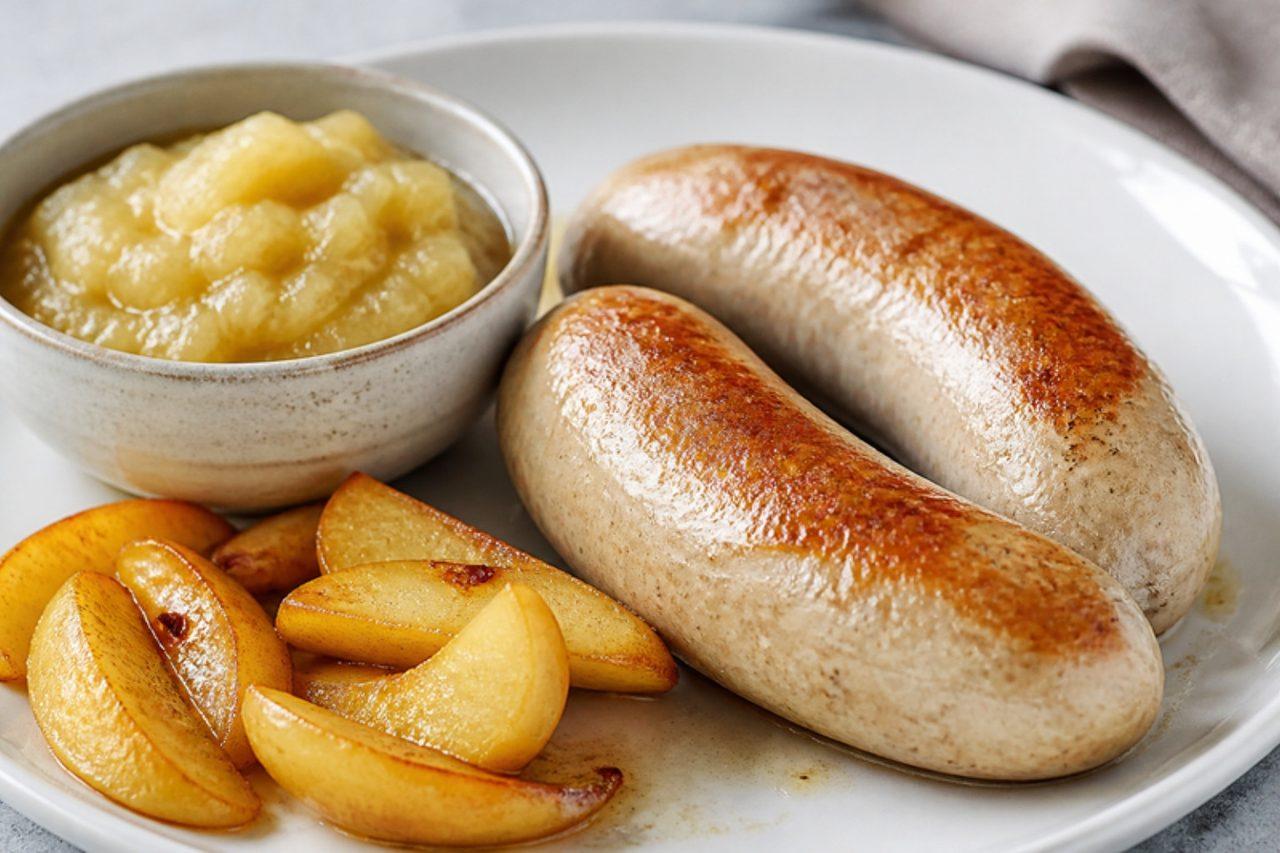
Boudin blanc aux pommesWhite sausage with apple compote

In Liège and across Wallonia, Christmas Eve supper often begins with boudin blanc: pale, delicate sausages of finely minced pork and milk, sometimes with a little chicken, gently fried in butter until golden and served with warm, chunky apple compote and bread. Butchers make piles of them in December. Buy them fresh from a good butcher, or poached and ready to fry. Chef's tip: prick nothing and cook gently; boudin blanc is fragile, and a hot pan splits the skins.

by KrazyBadal 0 views

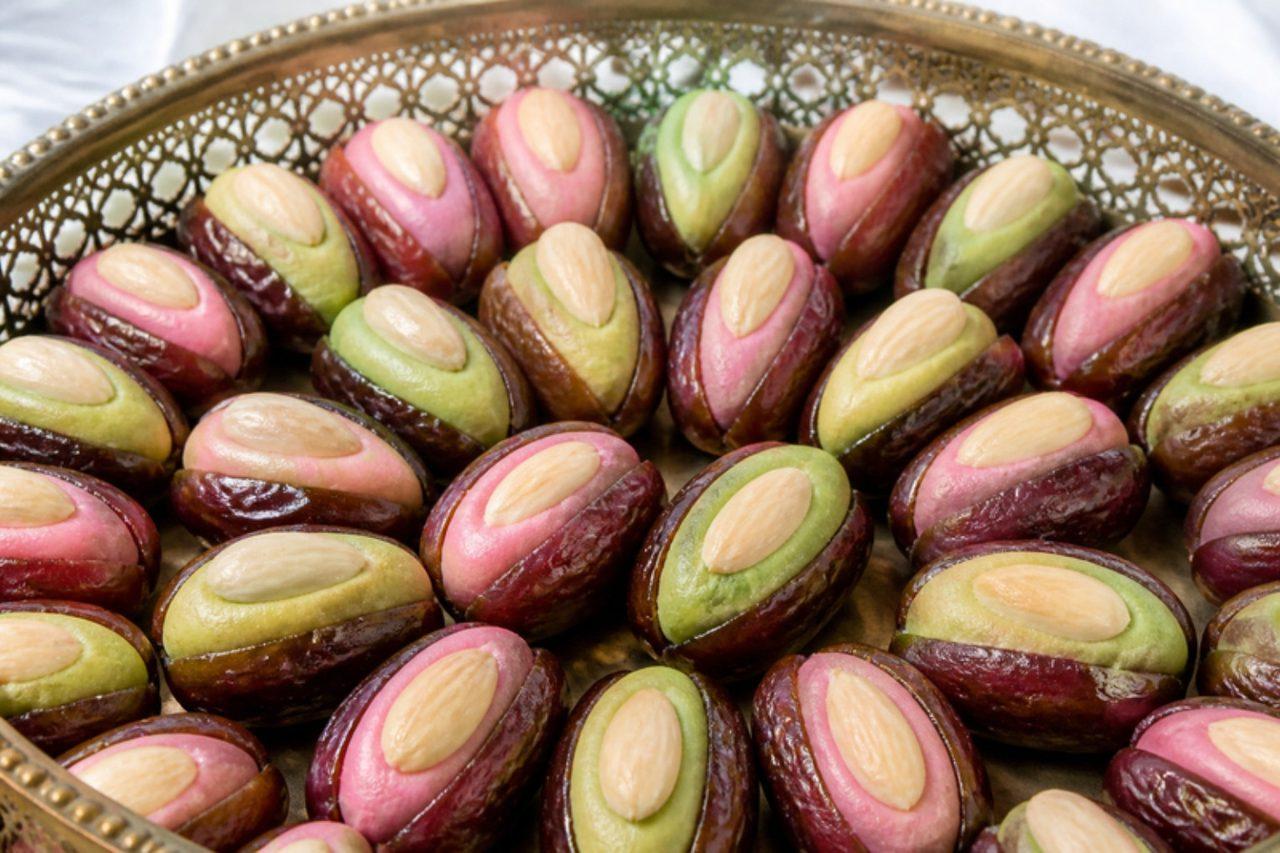
Tmar mehchi (Moroccan almond-stuffed dates)

Tmar mehchi is the stuffed date of Fez and Marrakech, piled high on silver trays at weddings, engagements and Eid, and offered to guests with mint tea. Soft dates are filled with a homemade almond paste perfumed with orange-blossom water, often tinted pale green or pink to match the celebration, then scored with a knife so the filling shows. They are soft, rich and caramel-sweet, with a floral, nutty middle. The paste here is mixed from ground almonds and icing sugar, so there is no shop marzipan, which can contain egg white. It is naturally egg-free: the dates' sticky flesh and a few spoonfuls of orange-blossom water bind the almond filling. Chef's tip: add the orange-blossom water a little at a time and stop when the paste is firm like play dough. The common mistake is a wet paste, which oozes out and makes the dates slippery.

by KrazyBadal 0 views

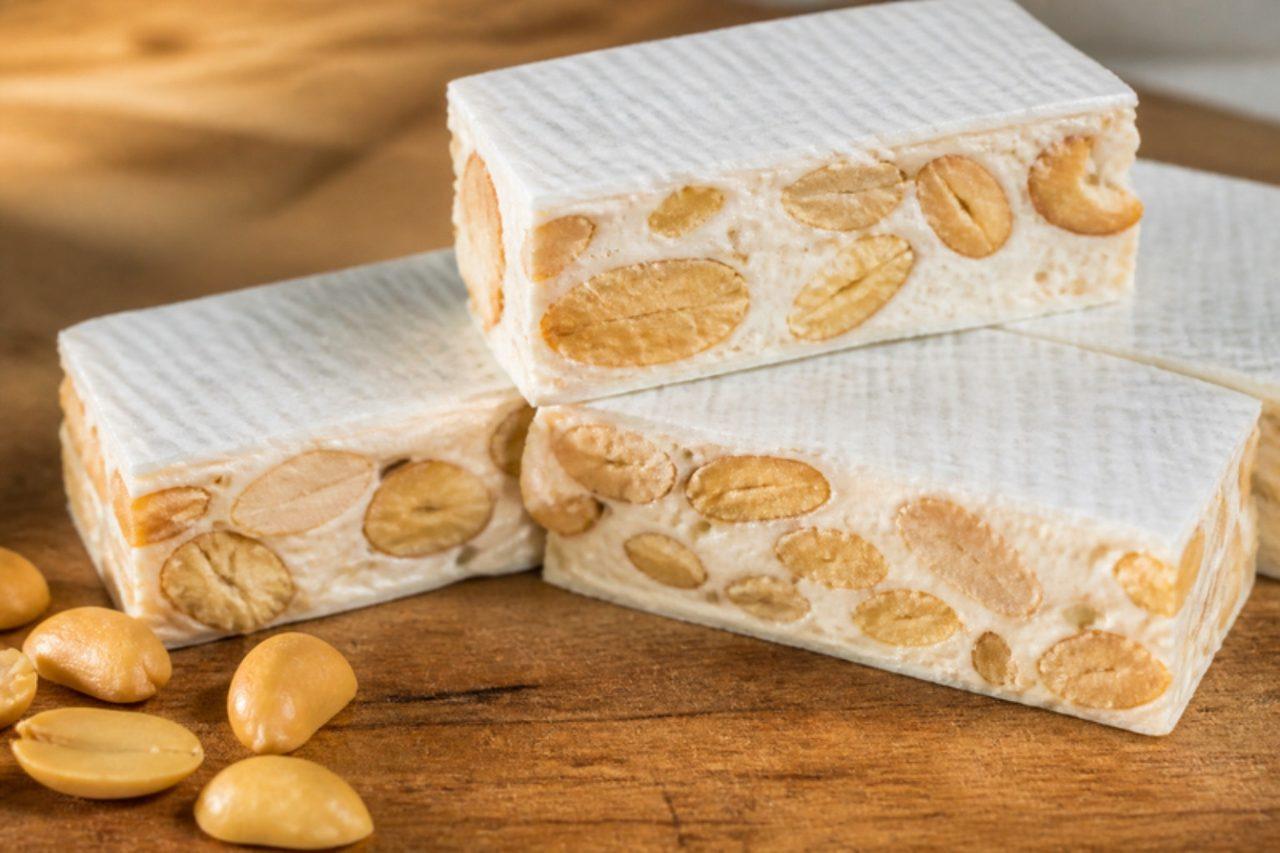
Turrón de maníPeanut nougat

On an Argentine Christmas Eve, after midnight toasts, the 'mesa dulce' appears with pan dulce, garrapiñadas and turrón de maní: a chewy white nougat of honey, sugar, whipped egg white and roasted peanuts, often set between two sheets of rice paper. Families make it in the days before Nochebuena. The egg white is cooked by the hot syrup. It is gluten free if you use gluten-free wafer paper or none. Chef's tip: work fast once the syrup is in, as the nougat stiffens as it cools and gets hard to spread.

by KrazyBadal 0 views

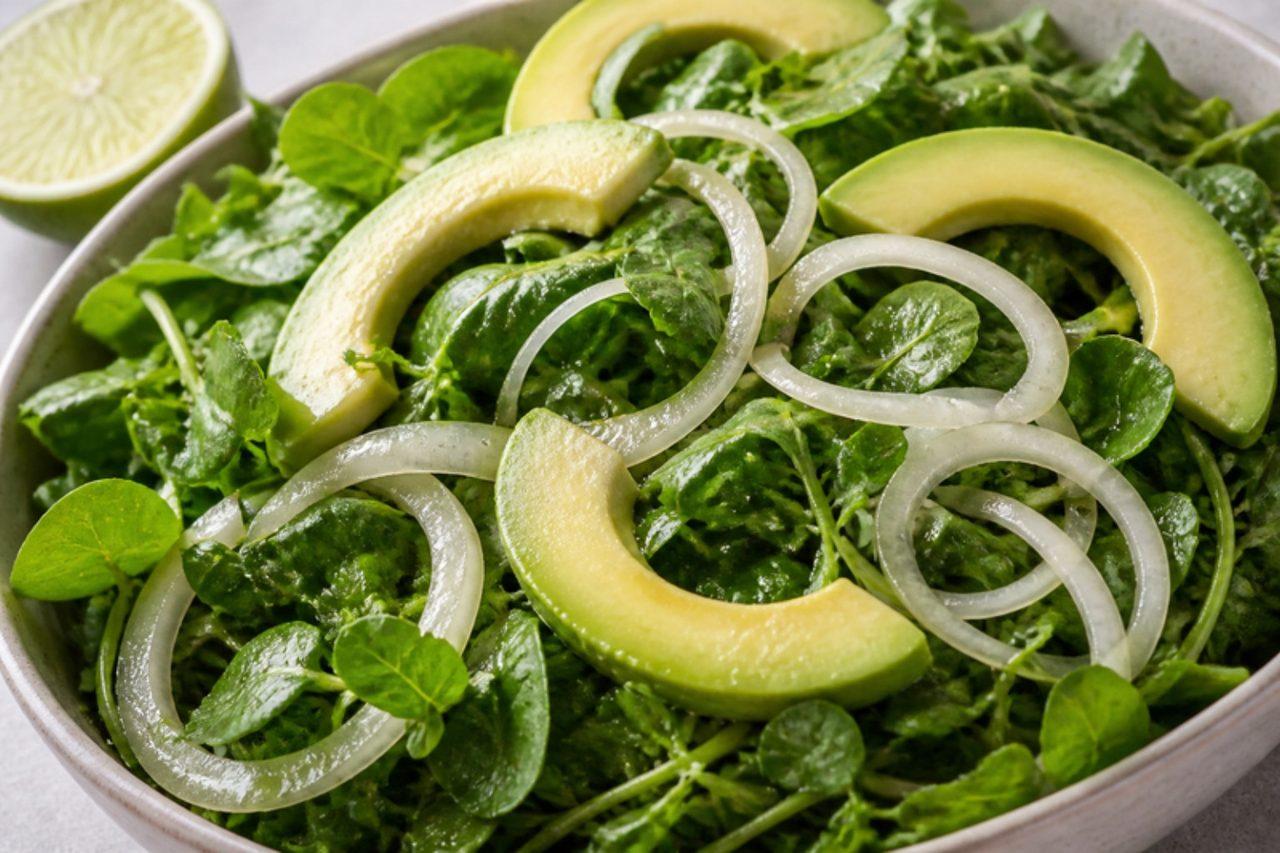
Ensalada de berroWatercress salad

In Cuban homes from Havana to Santiago, a plate of peppery watercress with thin rings of onion and a squeeze of lime sits beside the rice, beans and fried plantain at almost every weekday lunch. The dressing is simply lime or sour orange, olive oil and salt, so the cress stays crisp and bright and cuts through richer dishes. It is very light, with about 2 g of protein a portion, so it is purely a side; pair it with black beans and rice for a full meal. The most common mistake is dressing it in advance: watercress wilts in minutes once salted. Chef's tip: keep the thick lower stems out and use only the tender tops and leaves; the salad will be crisp, not stringy.

by KrazyBadal 0 views

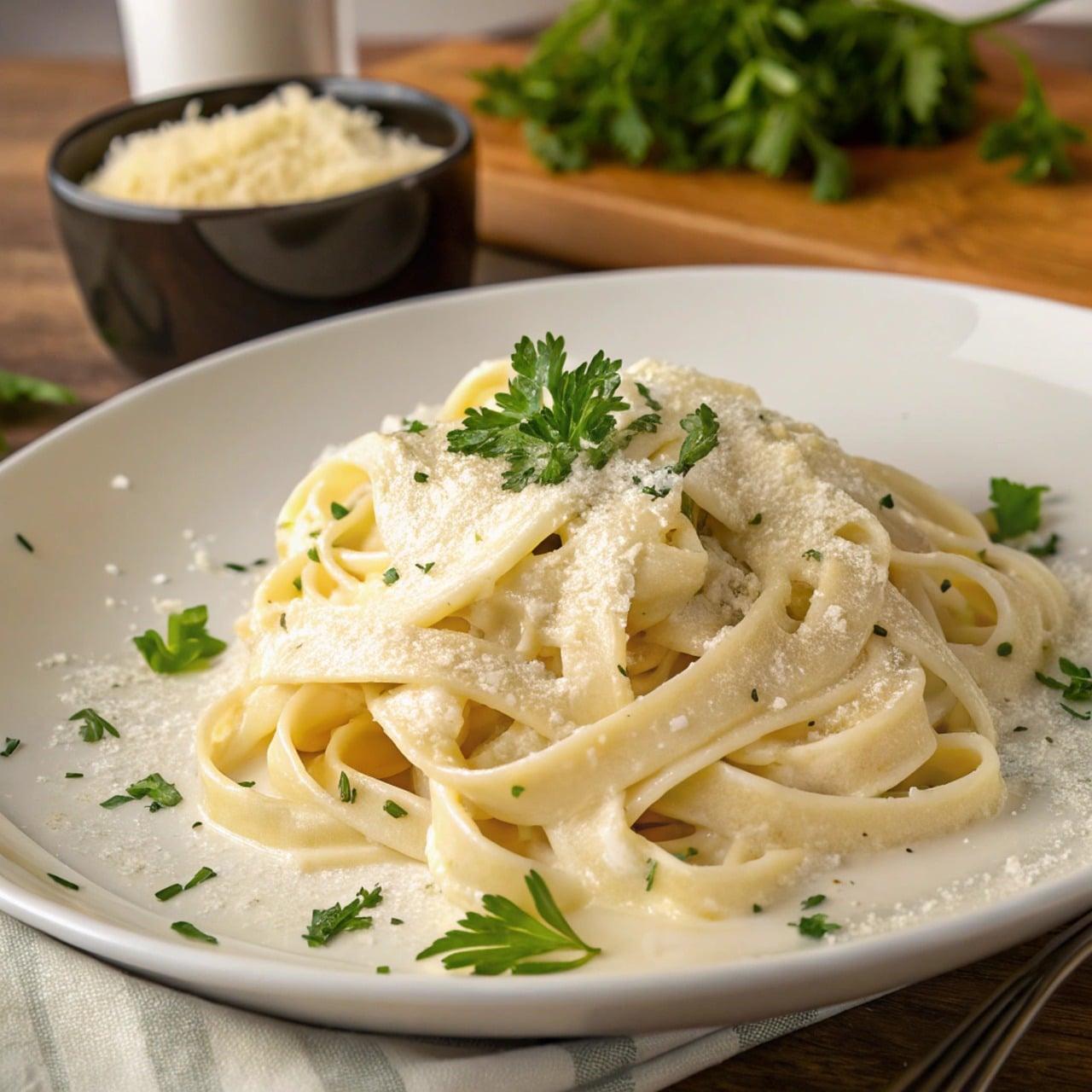
Fideos con mantecaButtered noodles with cheese

Ask anyone from Buenos Aires to Córdoba what they ate when they came home late or felt poorly as a child, and the answer is often fideos con manteca: short pasta tossed with butter and a snowfall of grated queso rallado. It is the plainest dish in the Argentine home kitchen and the one people cook for themselves on a tired weeknight. The mistake that ruins it is draining the pasta bone-dry and adding cold cheese to a hot empty pan, which leaves greasy strands and clumps; a splash of cooking water makes a light, creamy coating instead. Argentine reggianito and Parmesan are made with animal rennet, so use a vegetarian hard cheese if needed. Chef's tip: grate the cheese very finely, like dust, so it melts on contact.

by KrazyBadal 0 views

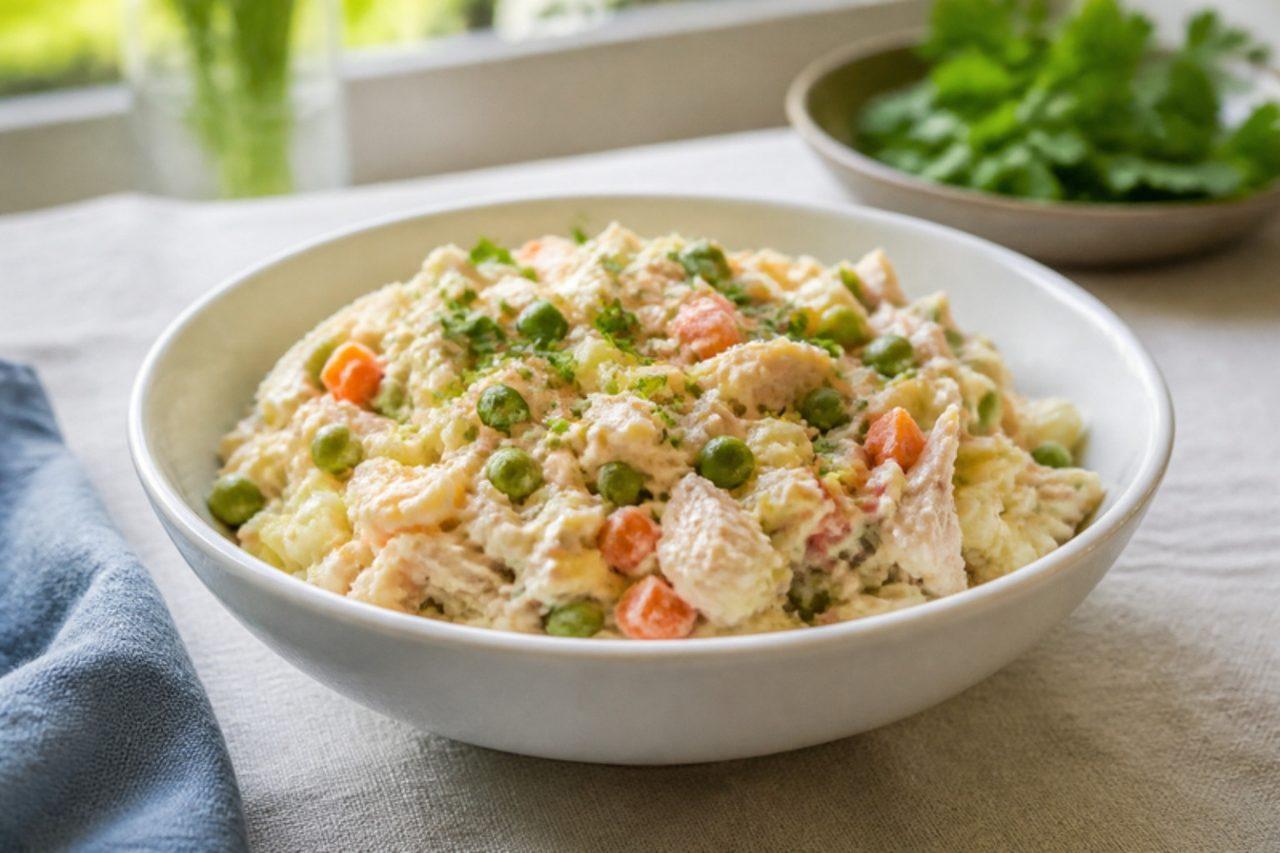
Salpicón de aveCold chicken salad

Salpicón de ave is the cold supper of Argentine summers, made in Buenos Aires flats and on estancias alike when it is too hot to cook much, and a favourite way to use the chicken from a puchero or Sunday roast. Shredded chicken is mixed with diced pepper, tomato, spring onion, sweetcorn and boiled egg, bound with mayonnaise sharpened with lemon and mustard, and served chilled with crusty bread or on lettuce. The common mistake is dressing it while the chicken is still hot, which melts the mayonnaise into an oily puddle; let everything cool first. Chef's tip: dress the chicken with the lemon juice and a pinch of salt before the mayonnaise goes in, so the meat itself is seasoned, not just its coating.

by KrazyBadal 0 views

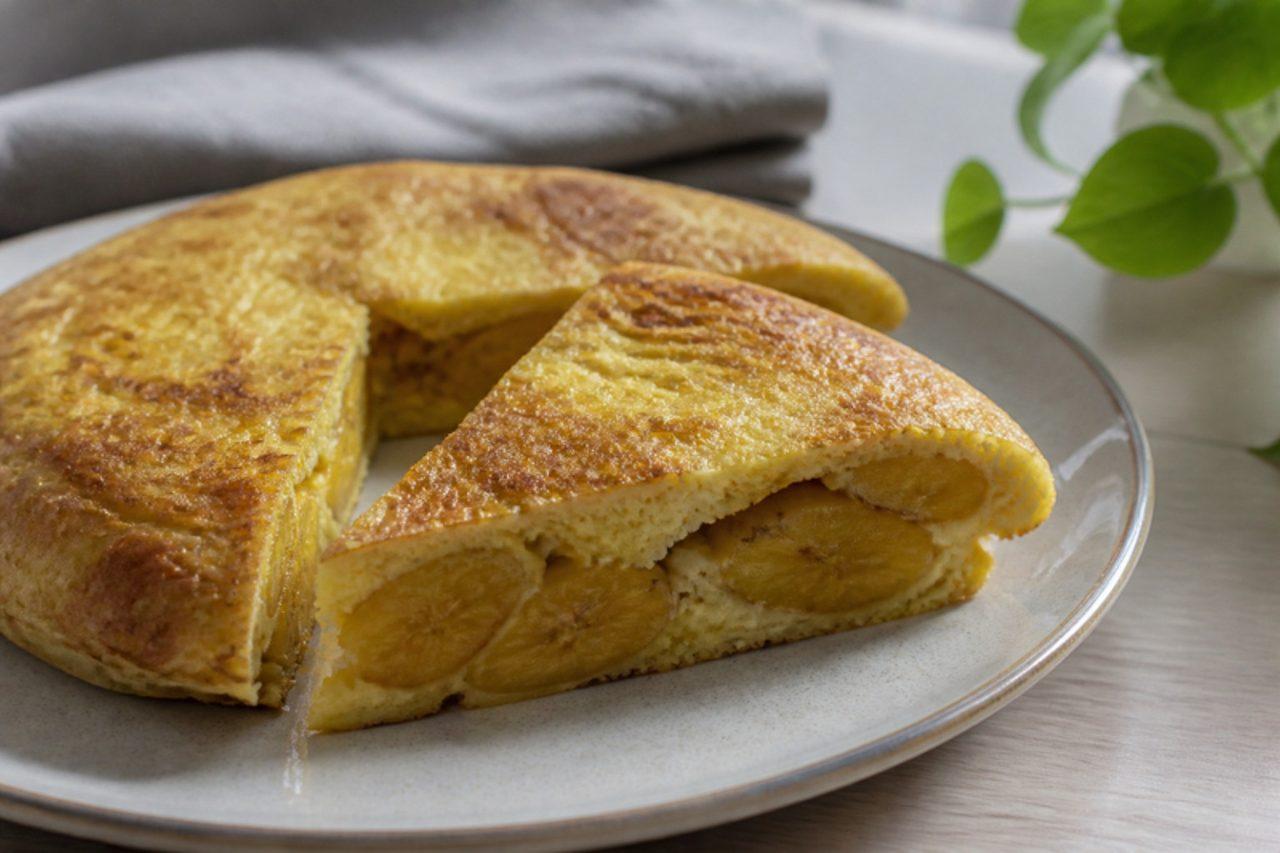
Tortilla de plátanoRipe plantain omelette

In Havana and across the Cuban countryside, tortilla de plátano is a home supper made from what is in the kitchen: slices of very ripe plantain fried until caramelised, then set in a thick, golden omelette. The sweet fruit against salty egg is the whole point, and it is served with white rice and black beans or a simple tomato salad. The mistake people make is using a plantain that is still yellow and firm; it stays starchy and dry, so wait until the skin is mostly black and the fruit gives when pressed. Chef's tip: flip the tortilla by sliding it onto a plate, covering with the pan and turning both over together, which keeps it whole.

by KrazyBadal 0 views

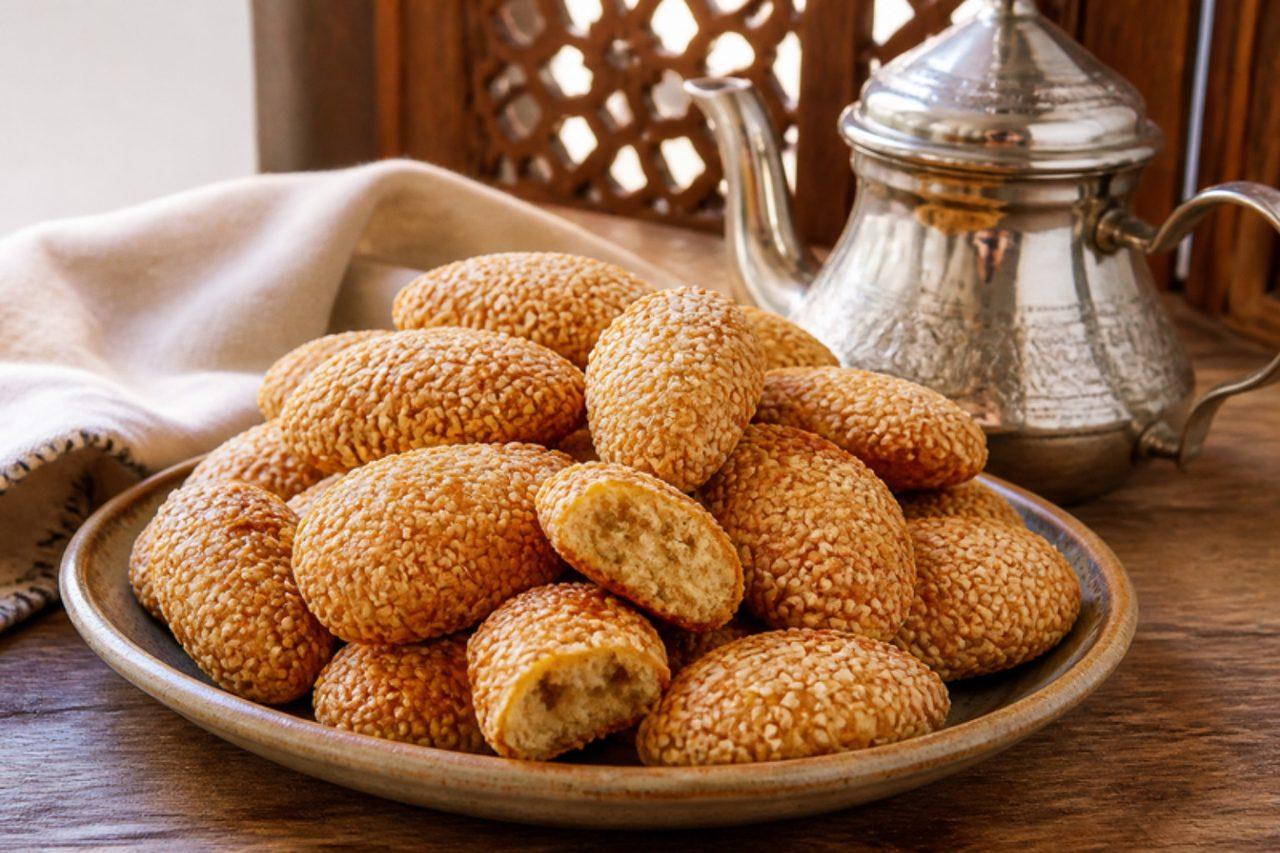
Moroccan bachkoutouOrange and sesame dunking biscuits

Moroccan grandmothers bake bachkoutou by the trayful and keep them in big tins for the afternoon glass of sweet mint tea, and neighbourhood ovens in Fes and Casablanca bake them for families who bring their dough. These are dry, crunchy little biscuits, not rich at all, made with eggs, sugar and oil rather than butter, with orange zest and a coating of toasted sesame; they are meant to be dunked until they soften slightly. Shapes vary from town to town: fingers, rings and rope twists are all common, and some cooks add aniseed. Too much flour is the easy mistake: the dough should stay soft and slightly sticky, or the biscuits bake heavy and hard rather than crisp and light. Chef's tip: once they are cold, put them back in a warm, switched-off oven for 20 minutes; that extra drying is what makes them keep their snap for weeks.

by KrazyBadal 0 views

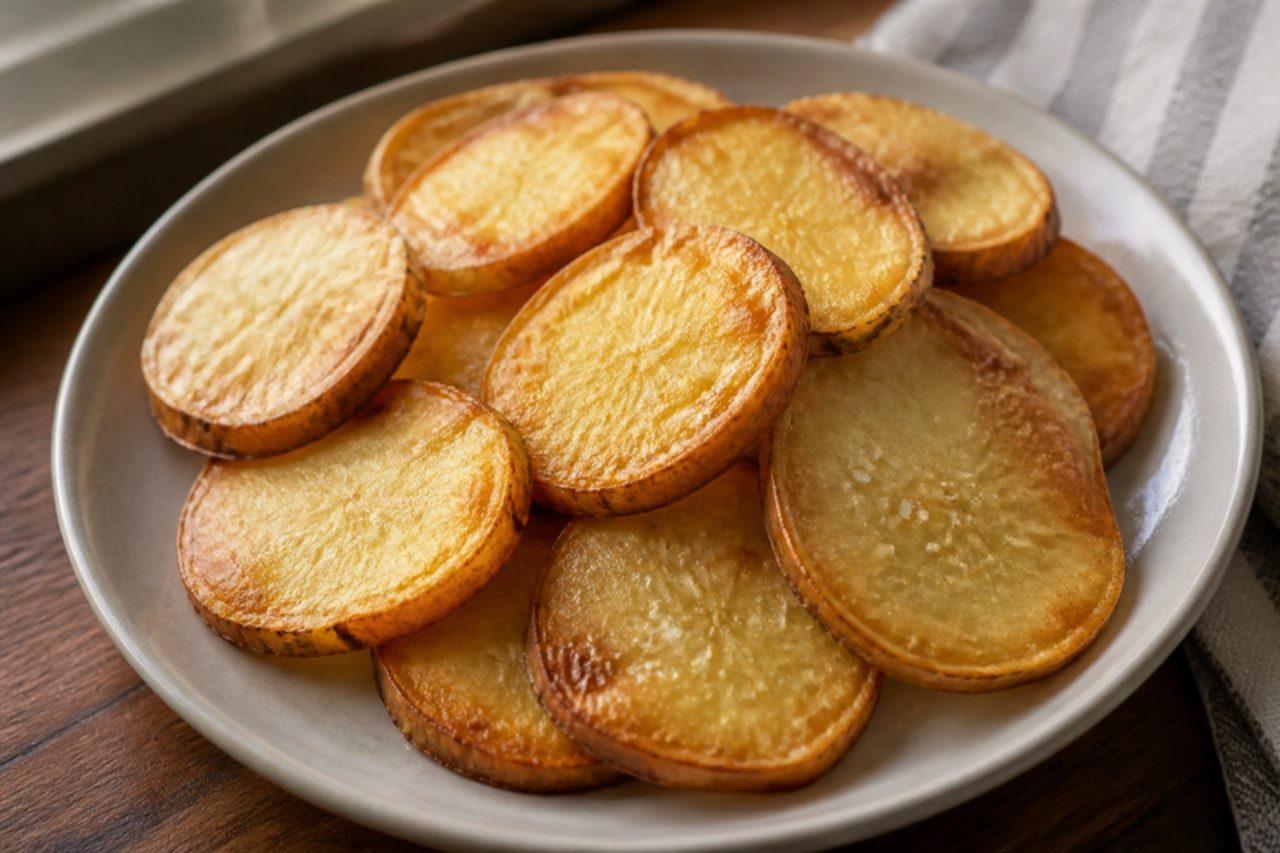
Boniato fritoFried white sweet potato

Boniato, the pale, chestnut-sweet sweet potato of the Caribbean, is fried in rounds all over Cuba as an everyday side for picadillo, eggs or rice and black beans, and in Miami's Little Havana it turns up next to most lunch plates. The slices come out golden and lightly crisp outside, fluffy and floury inside. The common mistake is oil that is too hot with slices that are too thick: the outside burns while the middle stays hard, so keep the slices 5 mm and the heat steady. Ordinary orange sweet potato works too, though it is sweeter and browns faster. Chef's tip: drop the cut slices into cold water as you go, as boniato darkens quickly, then dry them very well before frying.

20 minCubanSidesVeganGluten free
by KrazyBadal 0 views

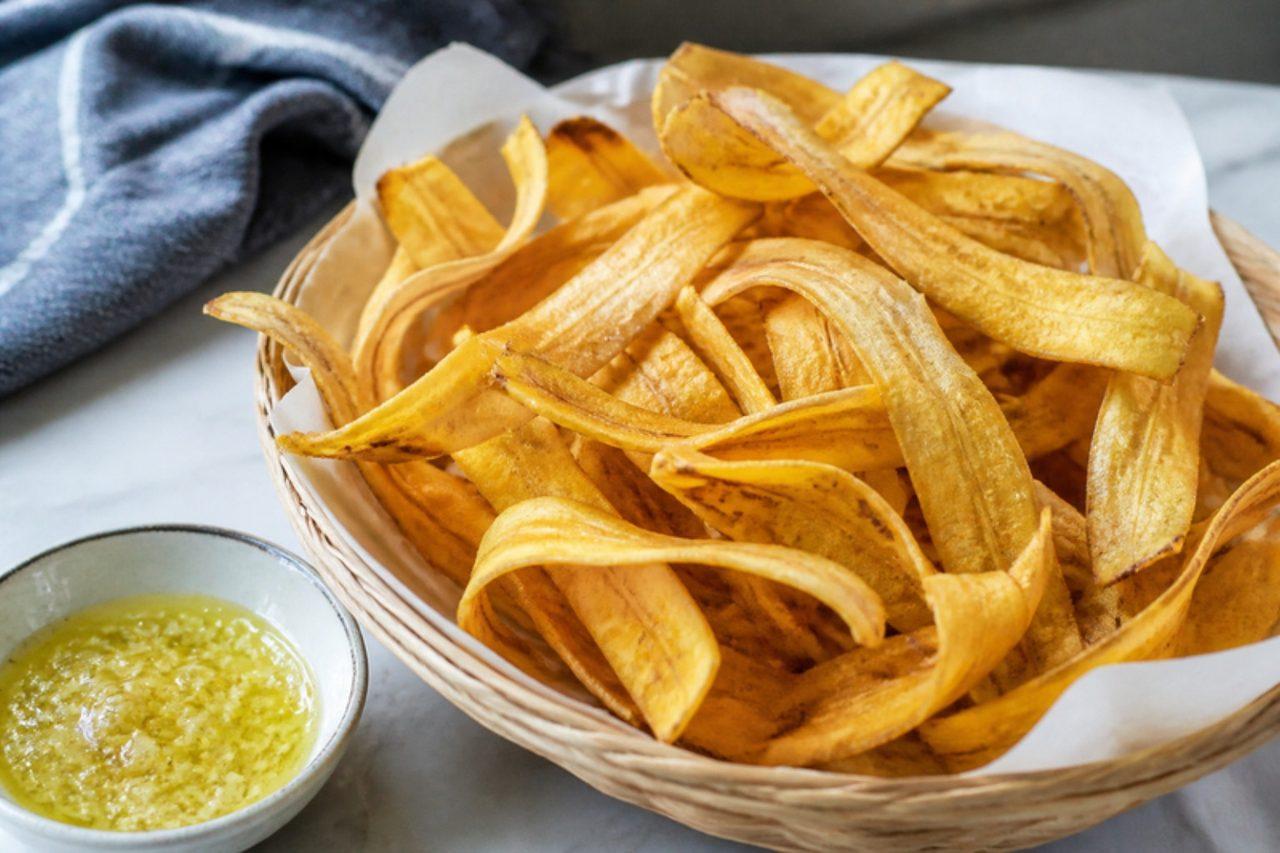
MariquitasGreen plantain chips

Mariquitas are the thin, glassy green-plantain chips that come in paper cones at Cuban cafeterías in Havana and Miami, always with a little bowl of garlicky mojo for dunking. They are a party and weekend snack, but with a mandoline they are ready in twenty minutes on any evening. The most common mistake is using plantains that have started to ripen: yellow ones are sweet and soft and burn before they crisp, so buy them hard and fully green. Take care with the mandoline and use its guard, and never leave hot oil unattended. Chef's tip: cut long, paper-thin slices lengthwise and drop them into the oil one at a time so they don't stick together.

by KrazyBadal 0 views

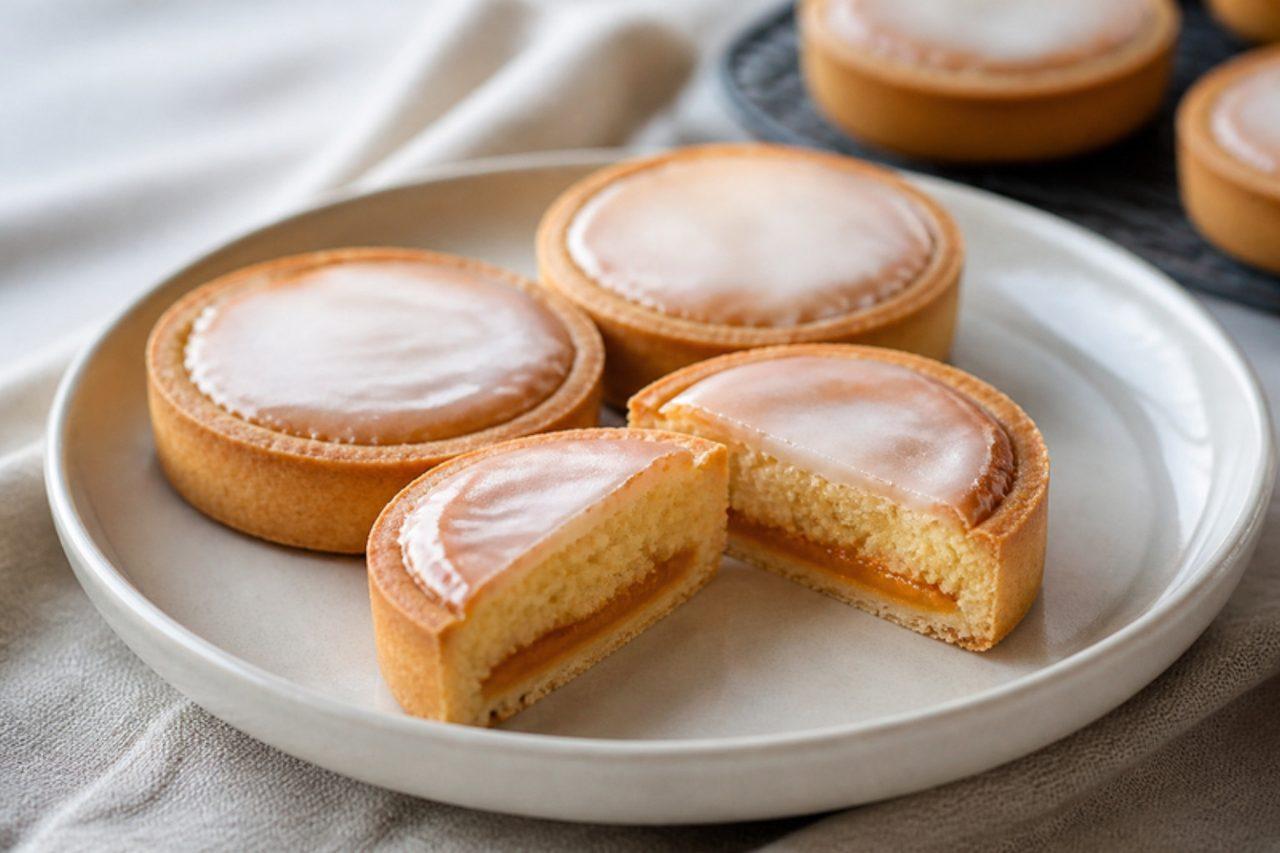
Belgian frangipane tartlets

Look in the glass counter of a Flemish bakery and between the rice tarts and cream puffs sit rows of frangipanetaartjes: small shortcrust cases with a hidden layer of apricot jam, filled with almond frangipane and glazed with a thin, crackly white icing. Belgians pick them up on Saturday mornings or for a birthday at the office and eat them with coffee. They are buttery, nutty and moist, with a sharp fruity note from the jam. Too much jam is the mistake to watch: it bubbles up through the frangipane and glues the tartlets to the tin. Chef's tip: brush the warm tartlets with hot apricot jam first and let it set before the icing goes on; the jam seals the surface so the glaze stays white and shiny.

by KrazyBadal 0 views

BizcochueloPlain whisked sponge cake

Nearly every Argentine birthday torta starts life as a bizcochuelo: a tall, plain sponge of eggs, sugar, flour and cornflour, with no butter and no baking powder, lifted only by long whisking. Grandmothers bake it on Sunday to split into three and fill with dulce de leche and whipped cream, or eat it plain in the afternoon with mate. The crumb is fine, dry-ish and airy, made to soak up syrup. Opening the oven in the first 20 minutes is the classic way to flatten it, so leave the door shut. Chef's tip: whisk until the mixture reaches 'punto letra', thick enough that a ribbon drawn on the surface holds its shape for a few seconds; that takes a good 8–10 minutes with an electric mixer, and warm eggs get there faster.

by KrazyBadal 0 views

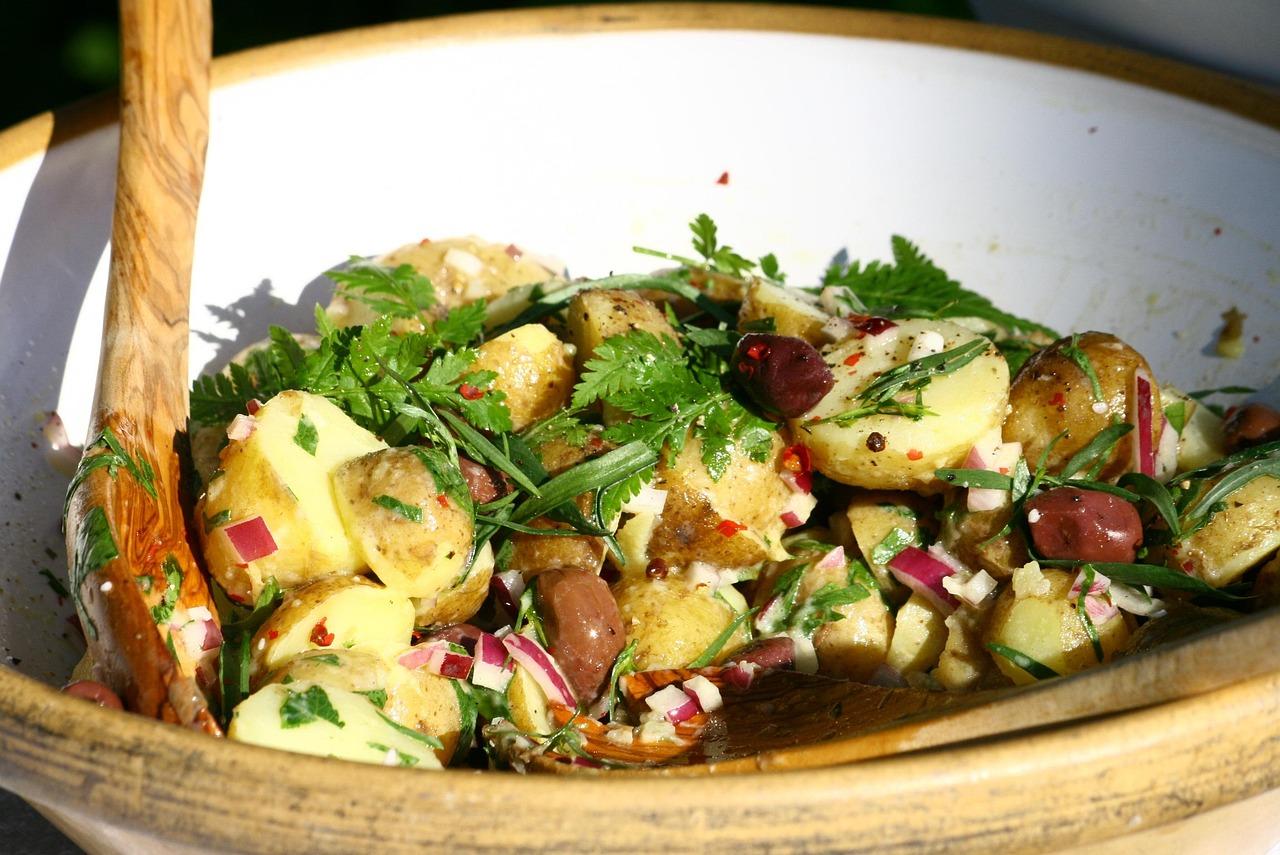
Shlada batata (Moroccan cumin potato salad)

Shlada batata is one of the cooked salads that line up on a Moroccan table before Friday couscous, in Rabat as much as in the Rif: boiled potato chunks dressed while warm with olive oil, lemon, cumin, paprika, garlic and plenty of parsley, with no mayonnaise at all. It's eaten at room temperature with bread, or with grilled sardines. Dressing cold potatoes is the common mistake; they don't absorb the flavours, so toss them while they're still steaming. Chef's tip: a few slivers of preserved lemon peel make it unmistakably Moroccan.

by KrazyBadal 0 views

Potato briouats (briwat batata)

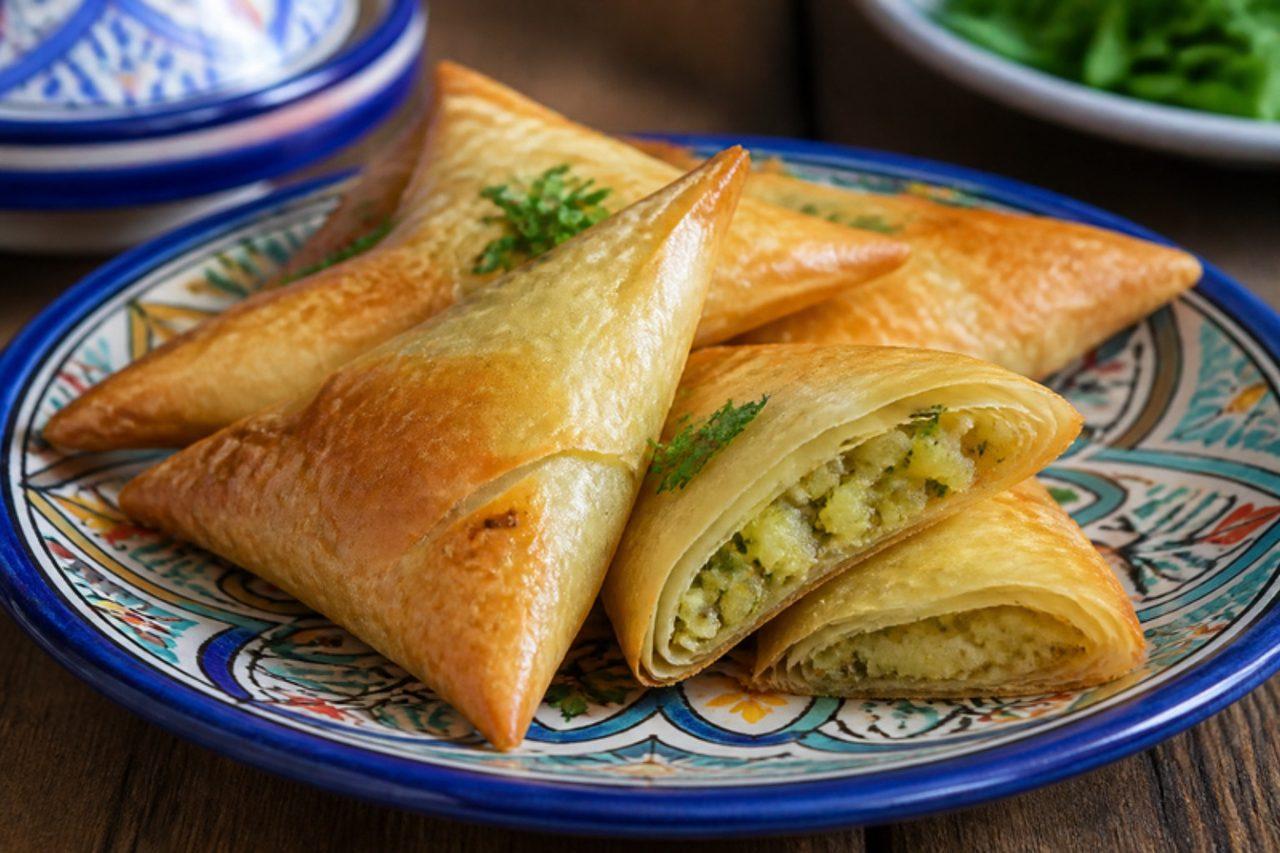
During Ramadan, the iftar tables of Casablanca and Marrakech are crowded with little fried pastries, and potato briouats are the budget-friendly favourite. A mash of potato, parsley, coriander, cumin and a little grated cheese is folded into warqa or filo triangles and fried until crackling. Serve them hot with harira or mint tea. The common mistake is a wet, warm filling, which makes the pastry soggy and tear; let the mash cool completely. Chef's tip: seal each triangle with a dab of egg yolk or flour paste; they won't open in the oil. Check cheese labels: some is made with animal rennet. Contains wheat, egg and milk.

by KrazyBadal 0 views

Shlada khiar (grated cucumber salad with oregano)

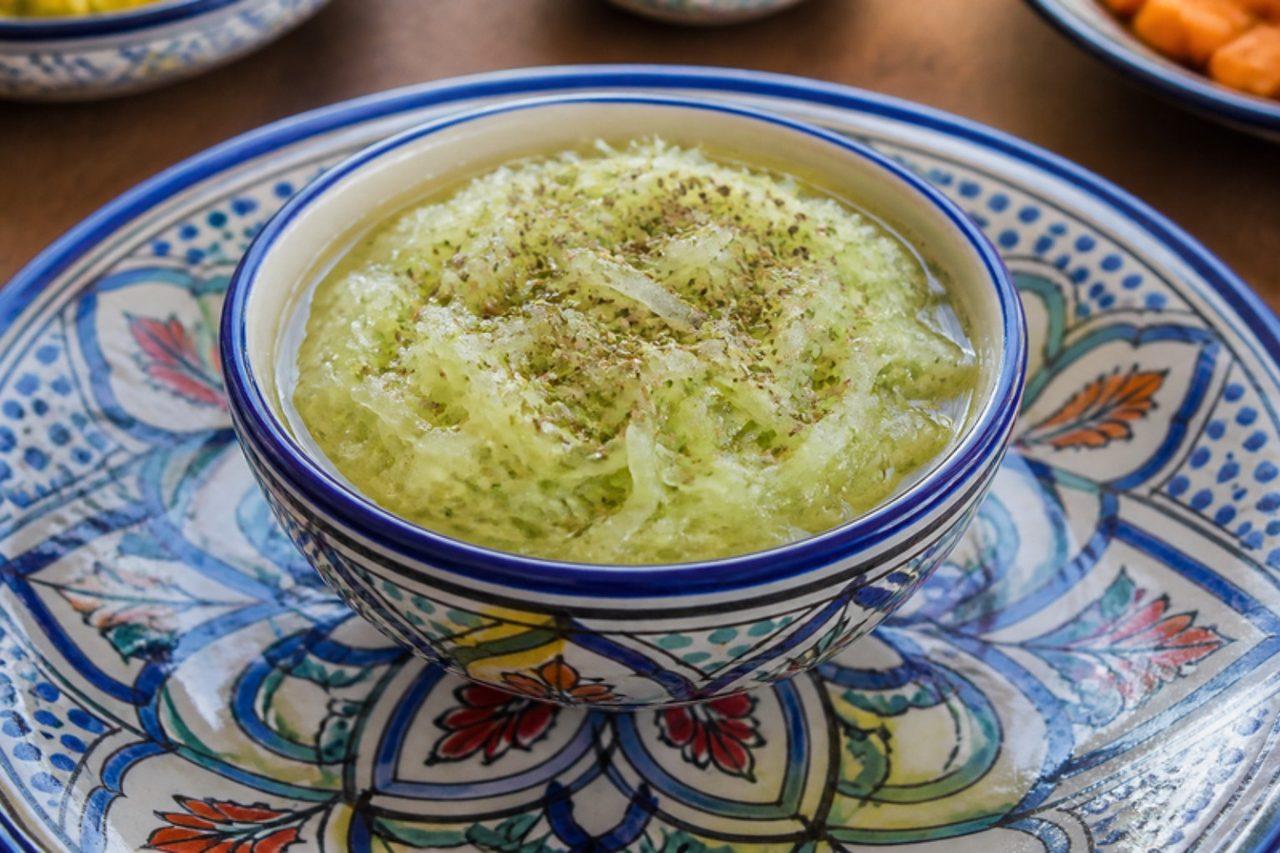
In the heat of a Fes or Marrakech summer, this ice-cold grated cucumber salad is served in bowls with spoons, half salad, half drink, alongside rich tagines or a plate of fried fish. Cucumber is grated and loosened with water, vinegar and a little sugar, then perfumed with crushed dried oregano or zaatar. Grating ahead and leaving it to sit in salt is the usual slip; the cucumber goes limp and bitter. Chef's tip: rub the oregano between your palms over the bowl to wake its oils.

by KrazyBadal 0 views

Moroccan sweet pumpkin salad

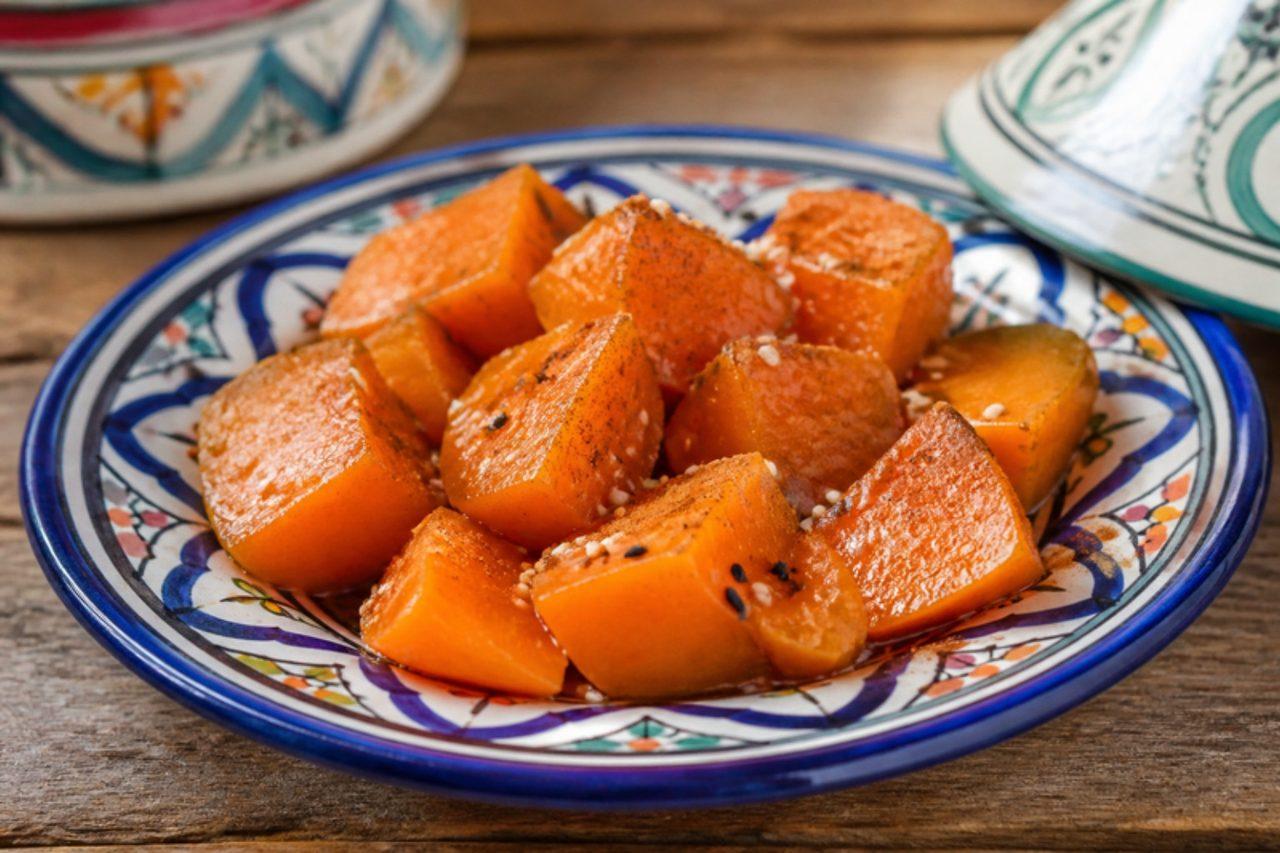
In Fes and Meknes no Friday couscous lunch starts without a ring of little cooked salads, and the sweet red pumpkin one is the children's favourite. Chunks of pumpkin are softened with a little oil, then cooked down with honey, cinnamon and a pinch of ginger until they collapse into a glossy, jammy mash with a few chunks left. Serve it at room temperature with bread, alongside sharper salads like zaalouk or carrots with cumin. Cooks often add too much water and end up with soup; the pumpkin gives off its own juice, so start almost dry. Chef's tip: scatter toasted sesame seeds over just before serving for crunch against the sweetness.

by KrazyBadal 0 views

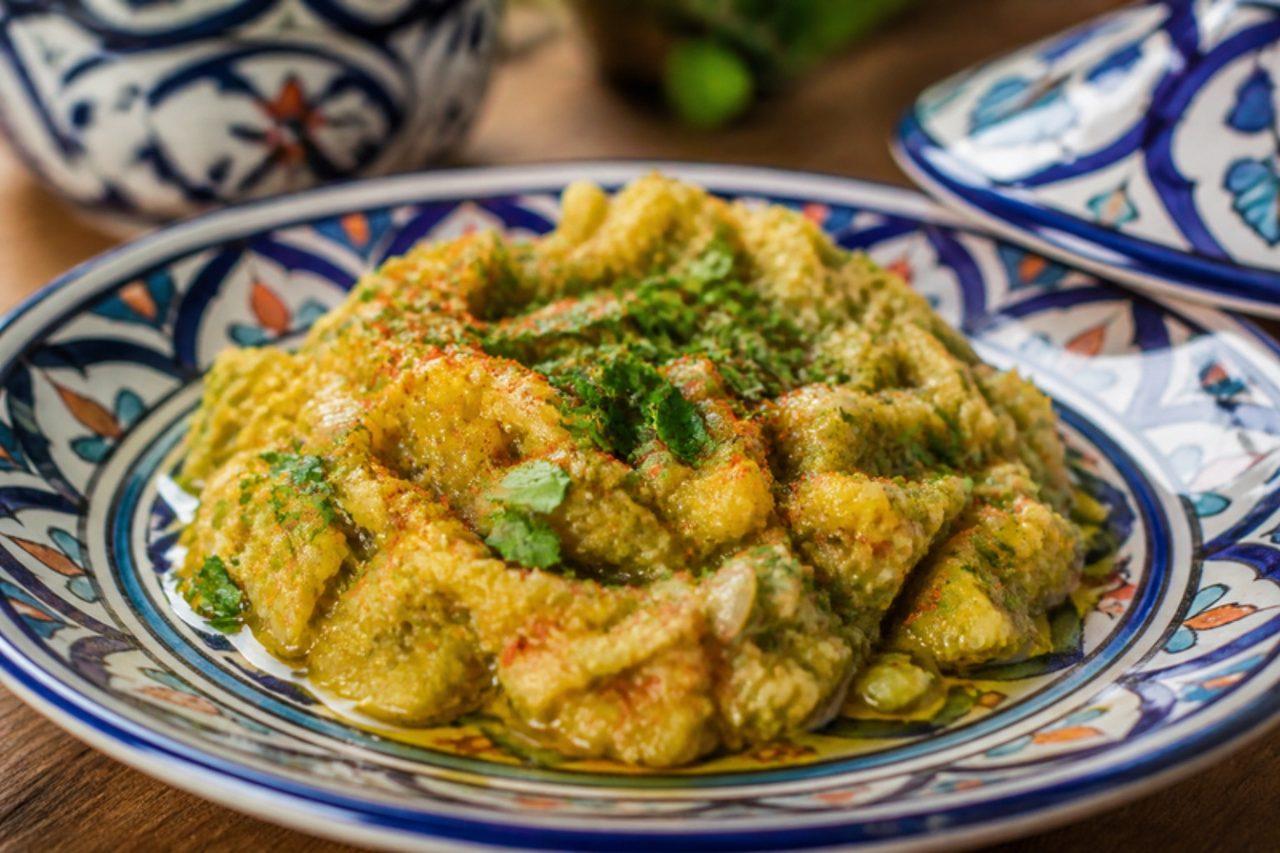
Moroccan fried cauliflower in cumin batter

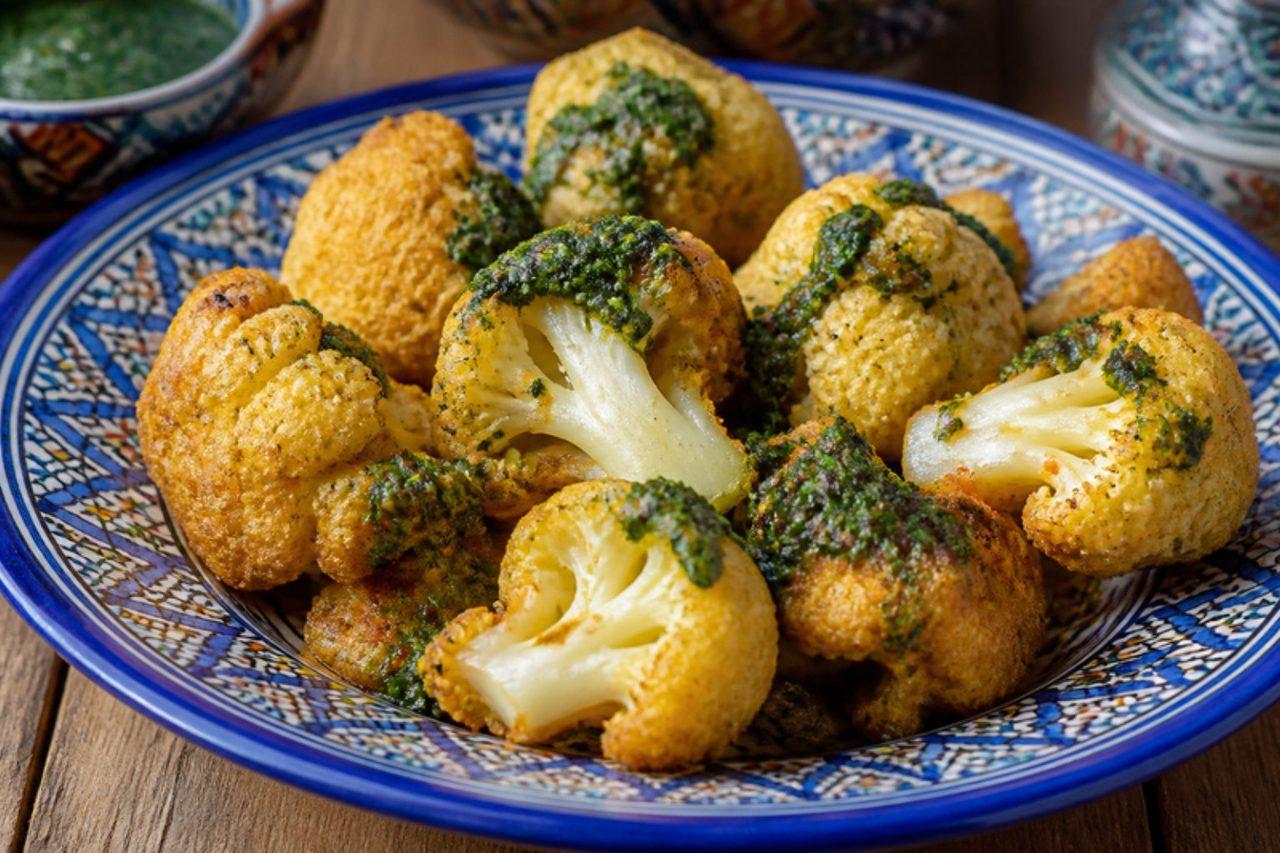
Casablanca home cooks fry cauliflower this way for Ramadan tables and family lunches alike: parboiled florets dipped in an egg batter heavy with cumin, paprika and parsley, then fried until puffed and golden. They're eaten hot with a squeeze of lemon or a spoon of chermoula, as a side to a tagine or on their own with bread. The common mistake is frying wet cauliflower; the batter slides off and spits, so dry the florets well after boiling. Chef's tip: keep the florets bite-sized and with a bit of stalk, so you can dip them by hand. Contains egg and wheat.

by KrazyBadal 0 views

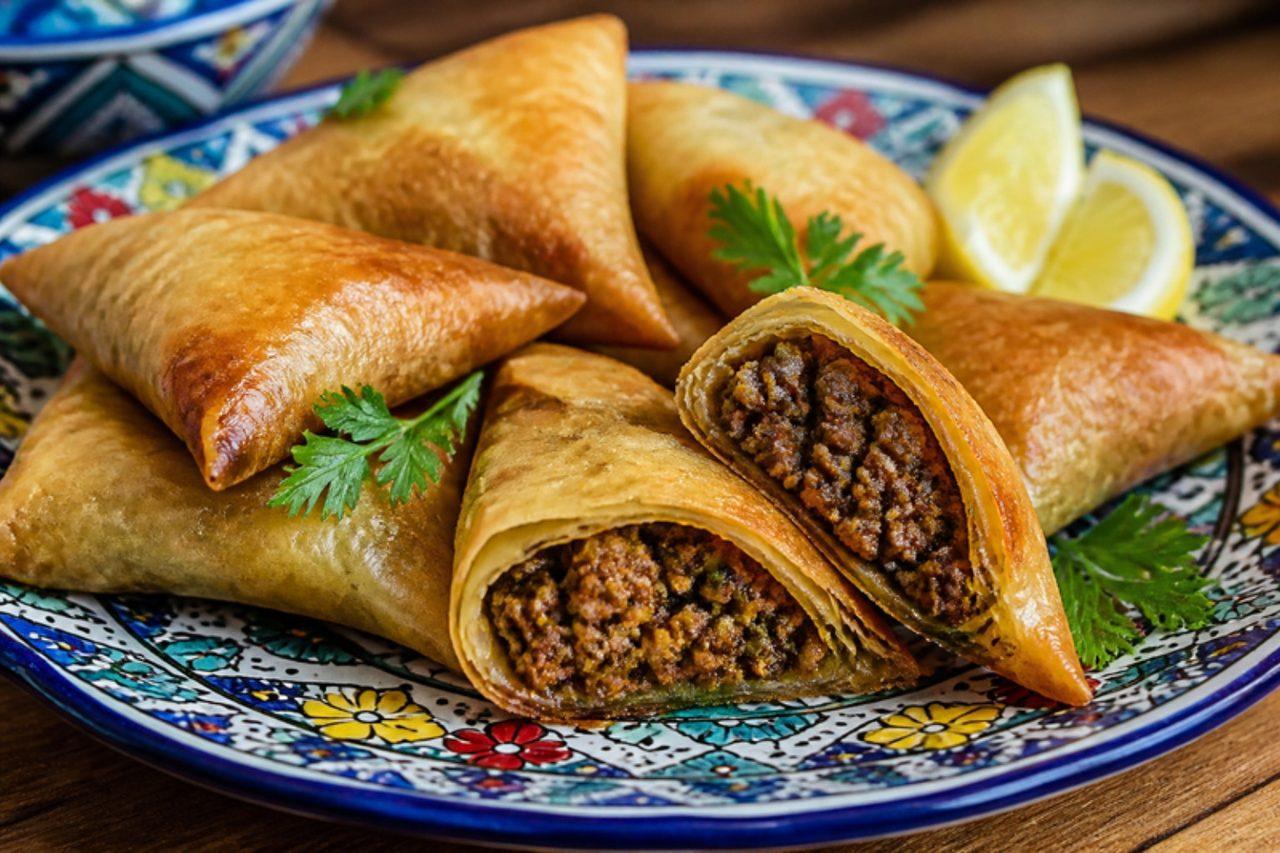
Kefta briouats (spiced beef triangles)

Kefta briouats are the savoury star of Moroccan party trays, from Tetouan weddings to Ramadan iftars in Casablanca: minced beef cooked with onion, cumin, paprika and cinnamon, bound with a little egg and folded into crisp warqa triangles. Serve them hot with a wedge of lemon and mint tea. People often fill the pastry with raw kefta and rely on frying to cook it; the meat won't get hot enough in a minute in the oil, so cook the filling fully first. Chef's tip: a beaten egg stirred into the hot meat right at the end sets into a binder and stops the filling crumbling. Contains wheat and egg.

by KrazyBadal 0 views

Shlada gar'a (cooked courgette salad with cumin)

In Meknes and Casablanca the pale courgettes of early summer are cooked down into this soft, spiced salad, one of several little dishes set out with bread before the main course. The courgettes are steamed with garlic, then crushed lightly with olive oil, cumin, paprika and lemon until spoonable but still chunky. Serve it cool with bread or alongside grilled fish. Watery courgettes are the usual problem; cook off all the liquid before seasoning. Chef's tip: add a handful of chopped coriander only at the end so it stays bright.

by KrazyBadal 0 views

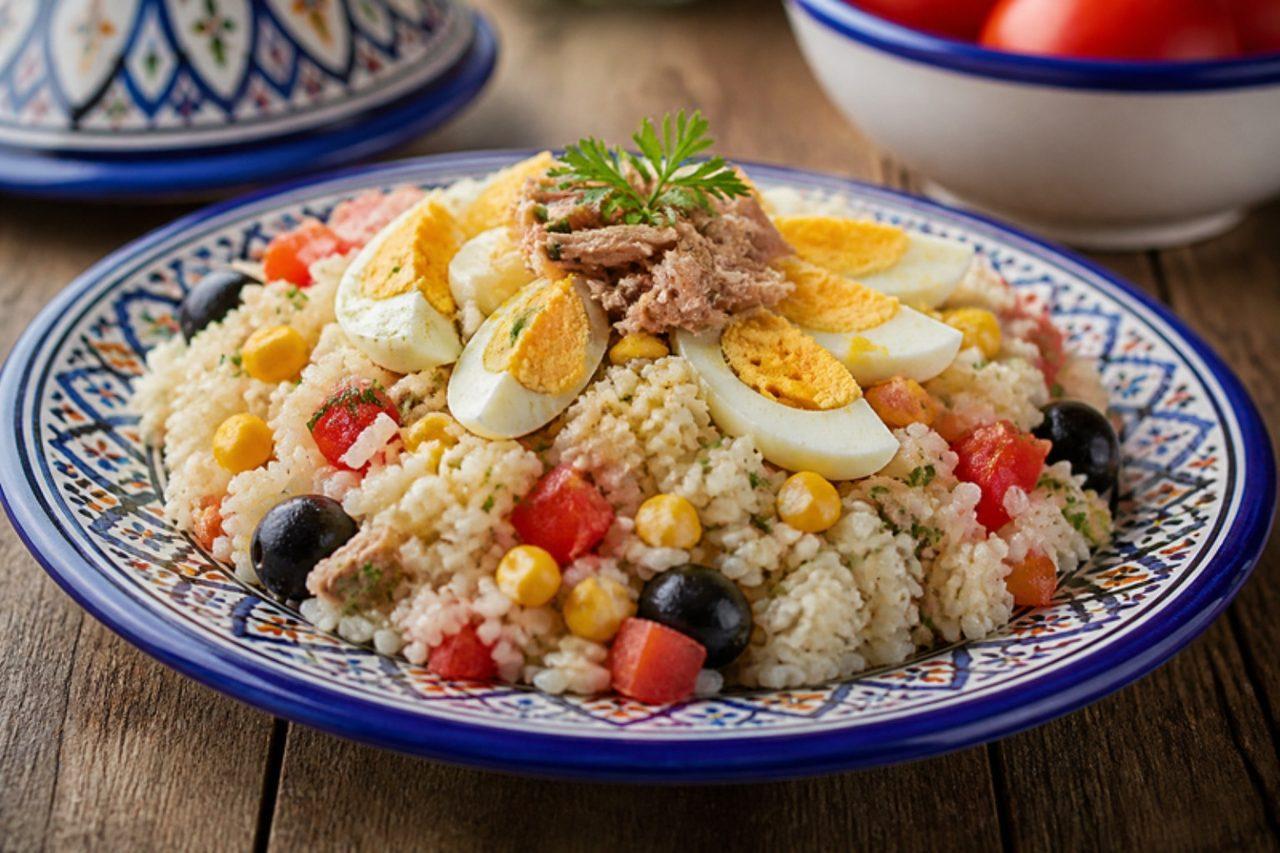
Moroccan party rice salad (shlada rouz)

Moroccan weddings, birthday parties and summer picnics in Rabat and Casablanca nearly always have a big platter of shlada rouz, the rice salad decorated in stripes and rings like a mosaic: tomato, sweetcorn, green olives, beetroot, boiled egg and flaked tuna on a bed of lemon-dressed rice. It's eaten cold as a starter. Rice cooked too soft turns to paste once dressed, so drain it while it still has a slight bite. Chef's tip: dress the rice while it's still a little warm; it soaks up the vinaigrette much better.

by KrazyBadal 0 views

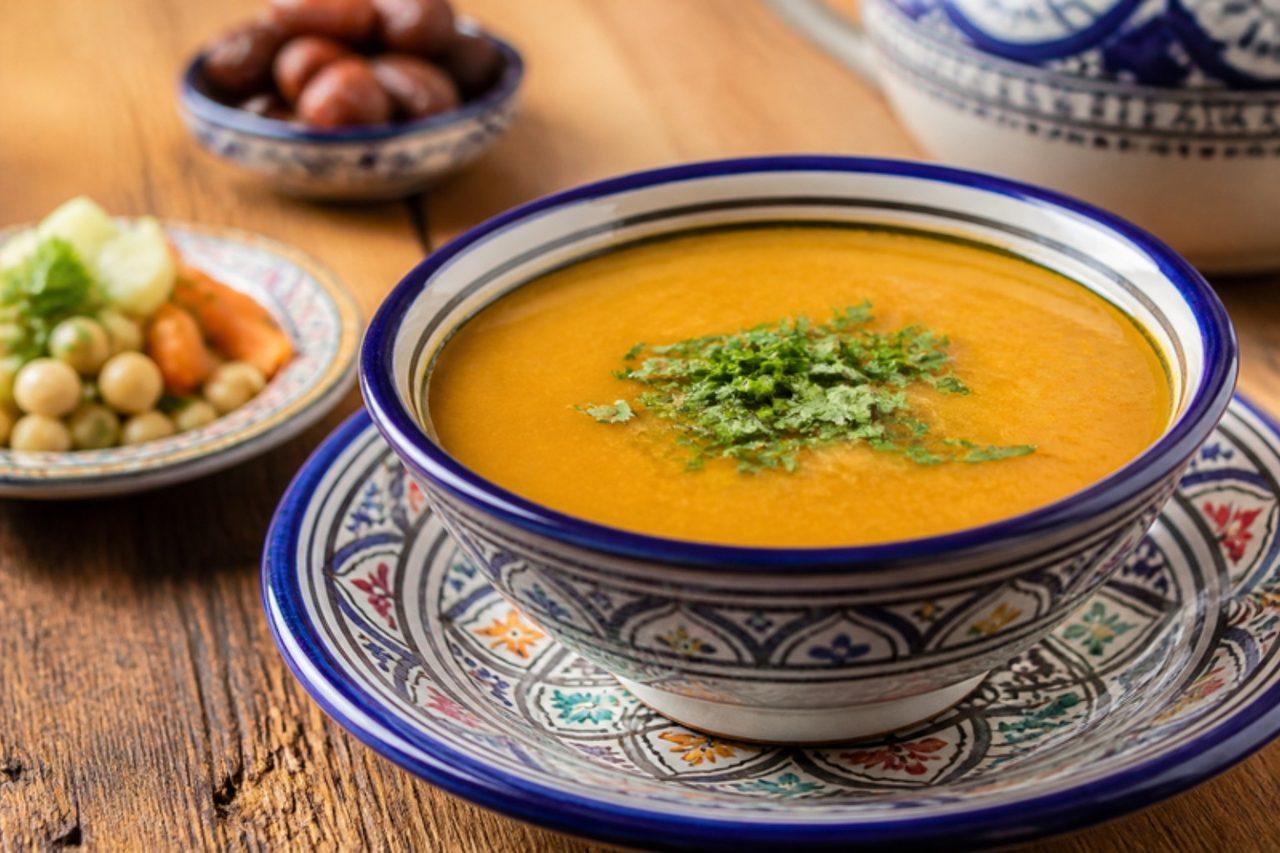
Chorba khodra (light Moroccan vegetable soup)

Chorba khodra is the everyday soup of Moroccan homes from Tangier to Agadir, served for supper on cold evenings and to anyone feeling unwell. Carrots, courgettes, potato, turnip and celery simmer with onion, tomato, coriander, parsley, ginger and a little turmeric, then get blended into a smooth, light orange soup thickened with a spoon of fine vermicelli or semolina. Serve with bread and a lemon wedge. Most people boil it too long so the herbs turn dull; add the fresh herbs in the last 10 minutes. Chef's tip: a teaspoon of smen or olive oil stirred in right before serving gives it the roundness of the restaurant version. Contains wheat (vermicelli).

by KrazyBadal 0 views

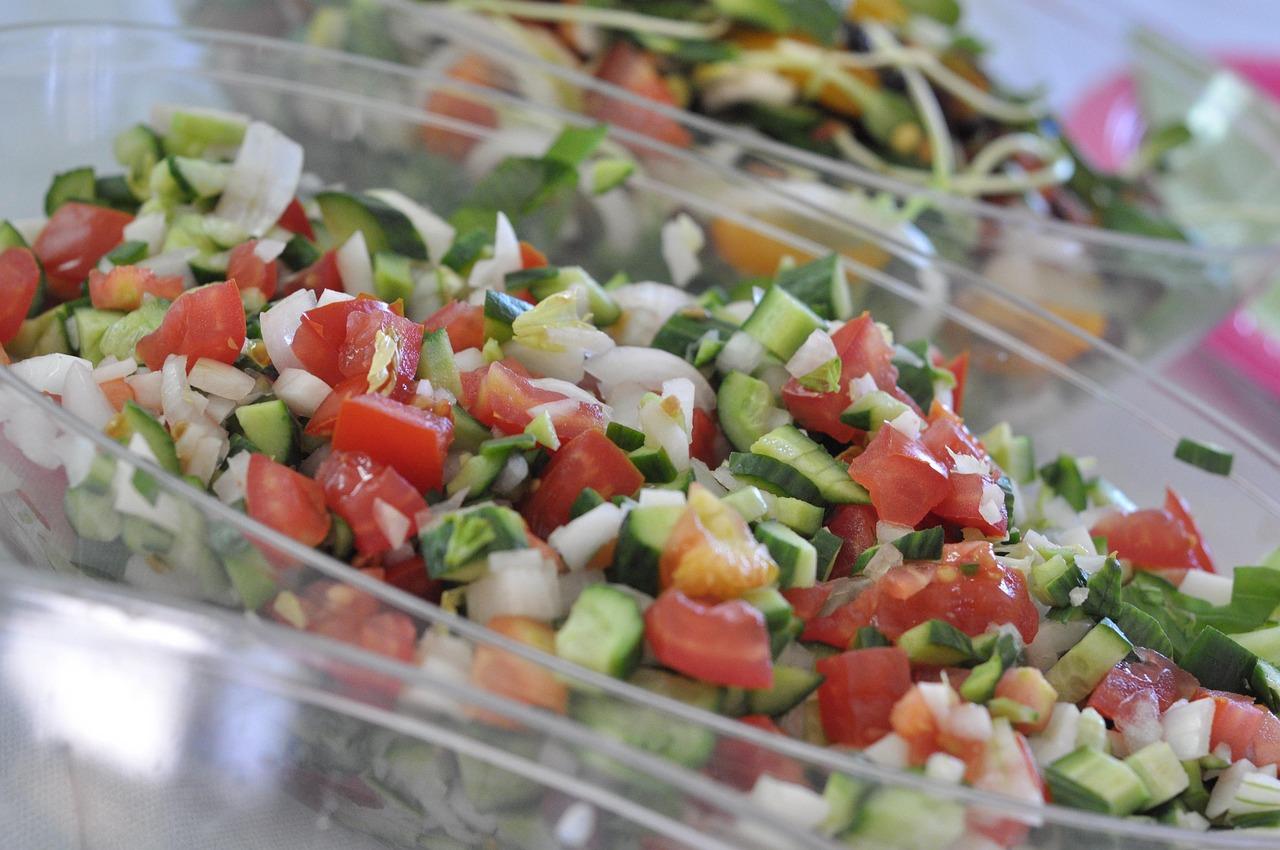
Shlada beldia (Moroccan tomato and cucumber salad)

Shlada beldia, "country salad", sits next to the bread on almost every Moroccan table, from Marrakech grill stalls to a Tuesday family lunch in Oujda. Tomato, cucumber, onion and green pepper are diced as small as lentils, then dressed with lemon, olive oil, parsley and a pinch of cumin, so it eats like a fresh relish with grilled meat, tagines or eggs. The common mistake is dressing it too early: the tomatoes weep and it turns to soup, so salt it just before serving. Chef's tip: dice everything to the same tiny size; that's what makes it taste Moroccan rather than like a chopped salad.

by KrazyBadal 0 views

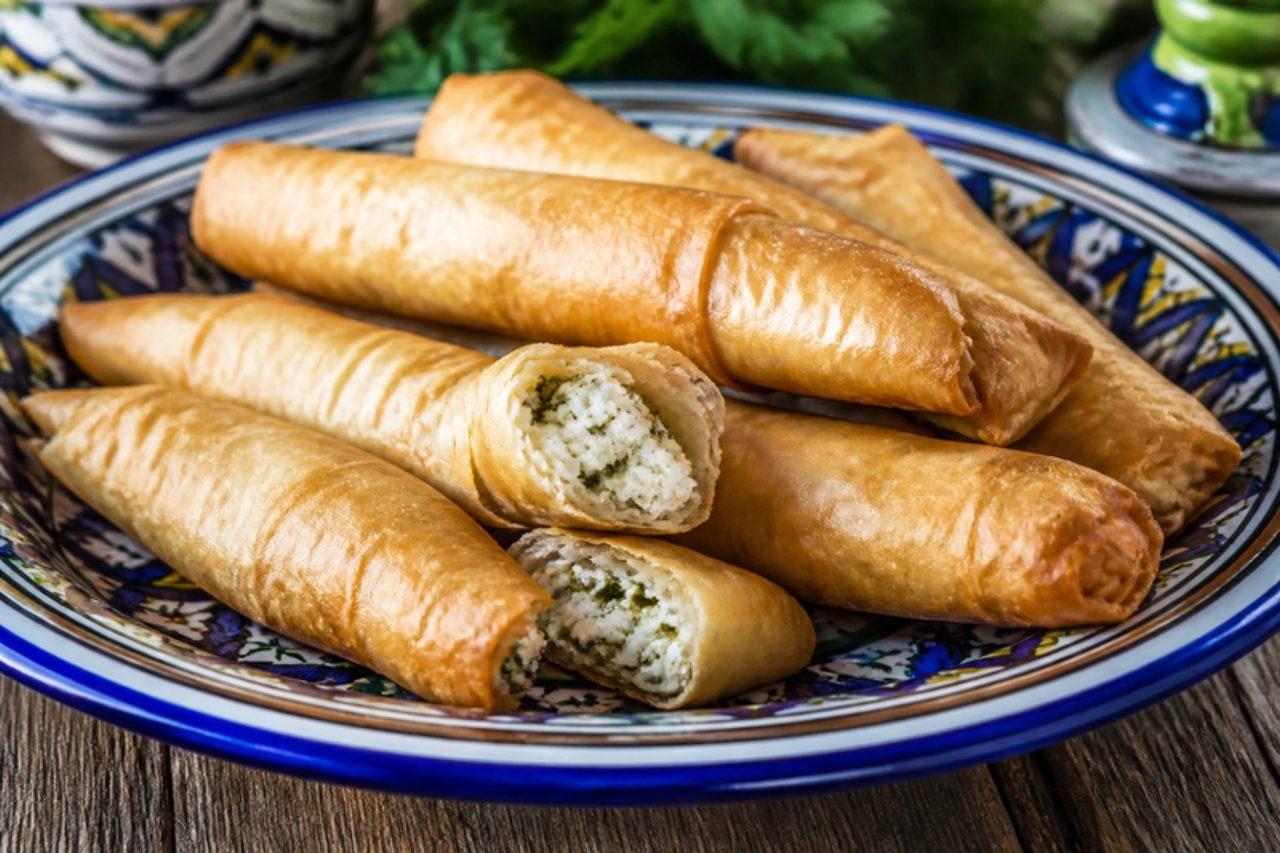
Cheese briouats (briwat bel fromage)

Cheese briouats are the cigars that disappear first from Ramadan tables in Rabat and Tangier: fresh, salty cheese mixed with egg, parsley and a pinch of chilli, rolled tight in warqa and fried until the pastry shatters. They're served hot, at iftar or with mint tea for afternoon guests. Overfilled cigars burst and leak cheese into the oil; a level tablespoon each is enough. Chef's tip: a little grated hard cheese in the mix stops the fresh cheese from going watery. Traditional fresh cheese like jben is made with animal rennet; choose a vegetarian one if needed. Contains milk, egg and wheat.

by KrazyBadal 0 views

Showing 24 of 207 recipes

Show more recipes

Page 1 of 9