Skip to content
Recipes

All recipes

Vegetarian, or something you can't eat? Set your diet once and we'll hide recipes that don't fit.

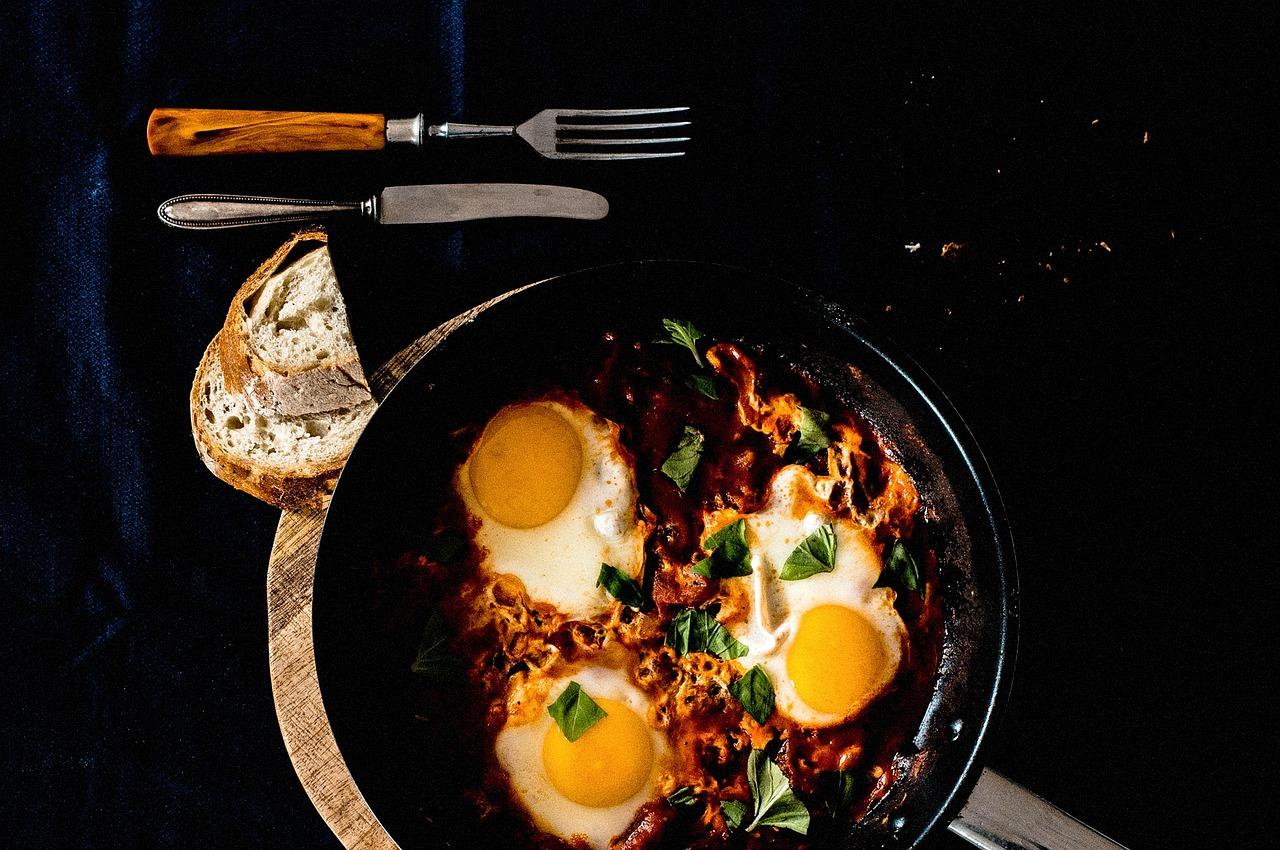
Huevos a la habanera

Old Havana households bake eggs this way for a late Sunday breakfast or a light supper, cracking them into a bed of slow-cooked onion, green pepper and tomato and scattering peas and grated cheese over the top. The whites set softly in the steam of the sofrito while the yolks stay rich and loose, ready for mopping up with toasted Cuban bread. A frequent mistake is baking until the yolks turn chalky; take the dish out while the yolks still wobble. Many hard cheeses are made with animal rennet, so choose a vegetarian Gouda-style or Cheddar-style cheese if you need to. Chef's tip: make little wells in the sofrito with the back of a spoon so each egg sits in its own nest and doesn't spread.

by KrazyBadal 0 views
Bacán

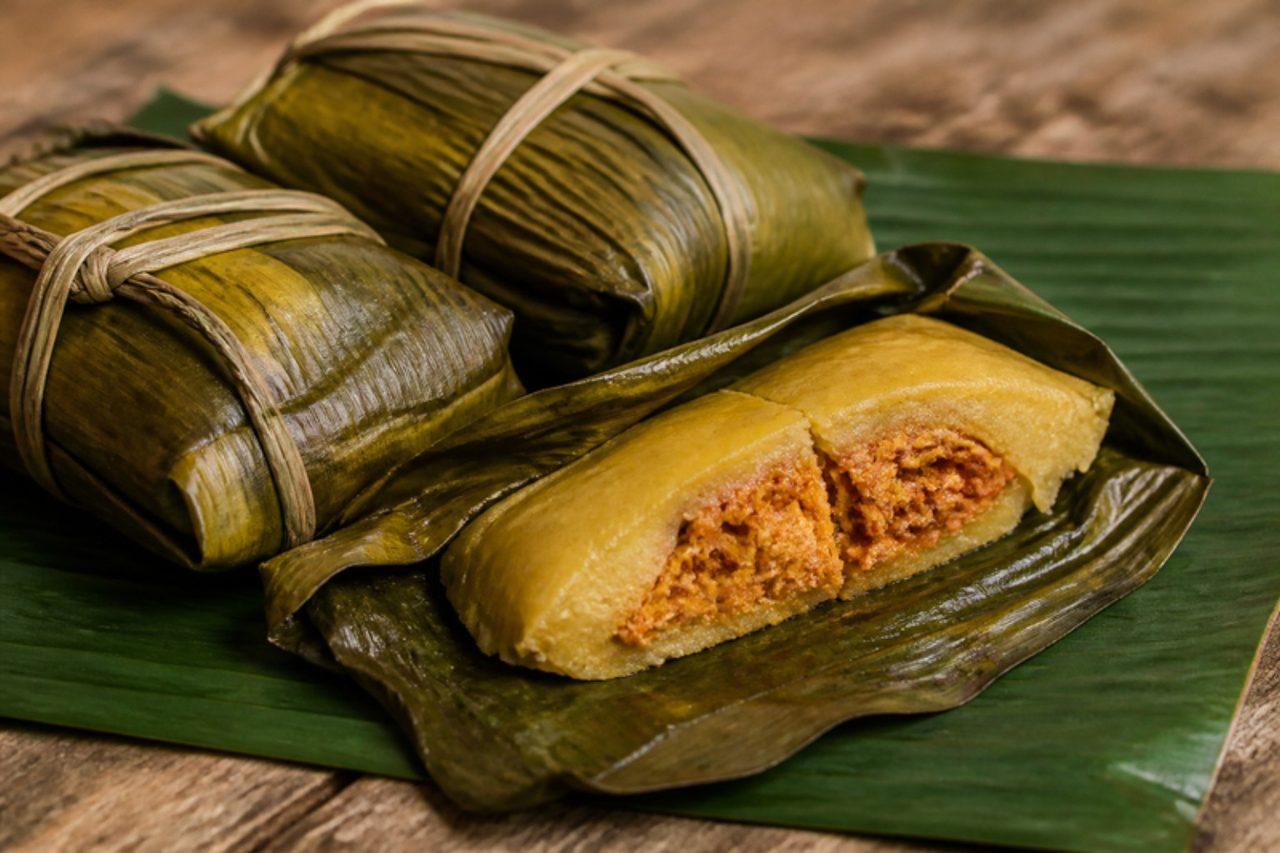
Bacán belongs to Baracoa, the coconut-growing corner of eastern Cuba, where it is made for family gatherings and sold wrapped at weekend markets. Grated green plantain is mixed with fresh coconut milk into a soft dough, wrapped around a filling of seasoned pork in a banana leaf and steamed until set, a little like a tamal but sweeter and silkier. The pork is shoulder, cooked in a sofrito before wrapping. The common mistake is using ripe plantain, which won't set; it must be hard and green. Chef's tip: pass the banana leaves briefly over a flame or hot pan until they turn glossy and supple, and they will fold without splitting.

120 minCubanMeatGluten free
by KrazyBadal 0 views
Arroz con maíz

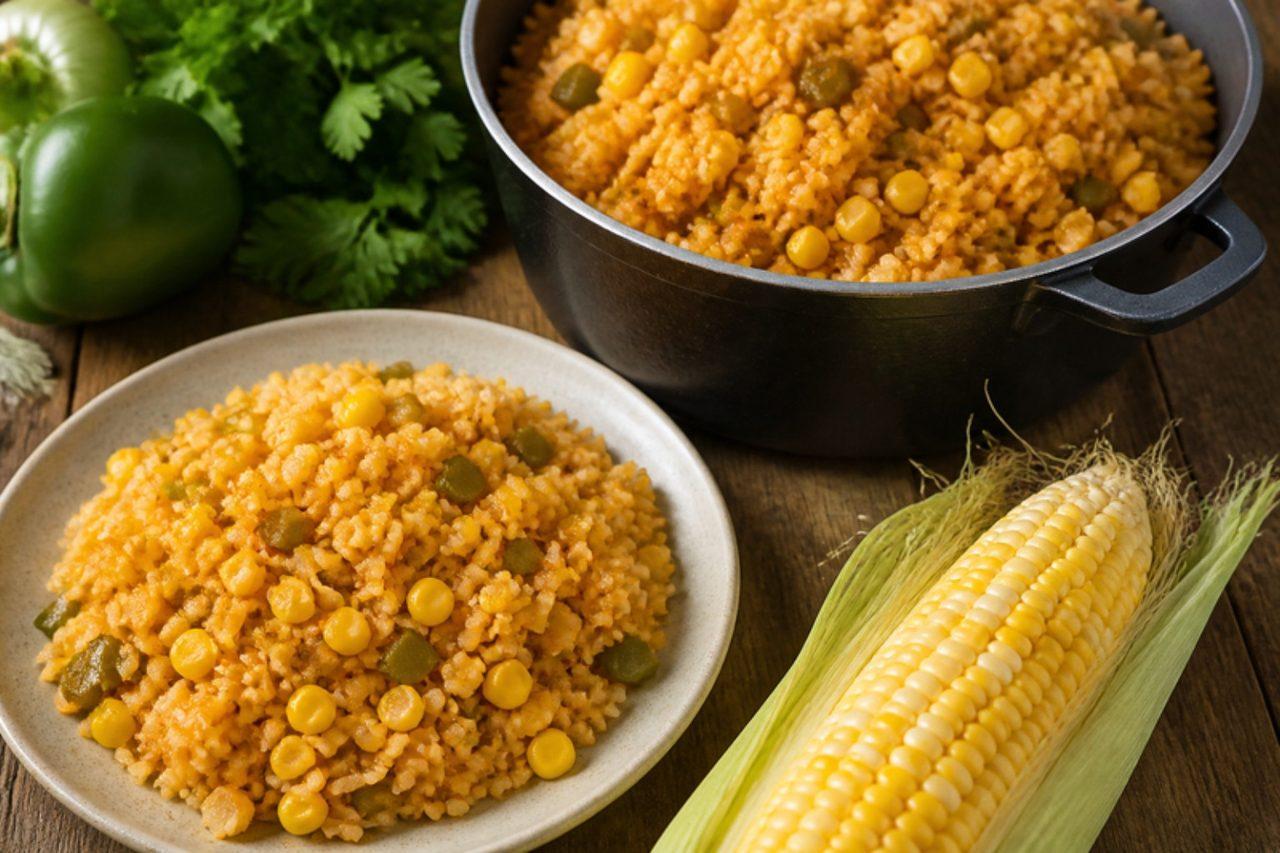
In central Cuba, when the fields are full of young corn, families cut the kernels straight off the cob into the rice pot with a sofrito of onion, pepper, garlic and annatto, cooking everything together until golden and sticky at the base. Many farm cooks add salt pork; this vegan version leans on cumin and a little smoked paprika. A common mistake is using too much water, as fresh corn releases its own milk, so keep to the amounts given. Serve with black beans or a tomato and avocado salad. Chef's tip: scrape the cobs with the back of the knife after cutting off the kernels and add that milky pulp; it gives the rice a creamy sweetness.

by KrazyBadal 0 views

Pan cubano

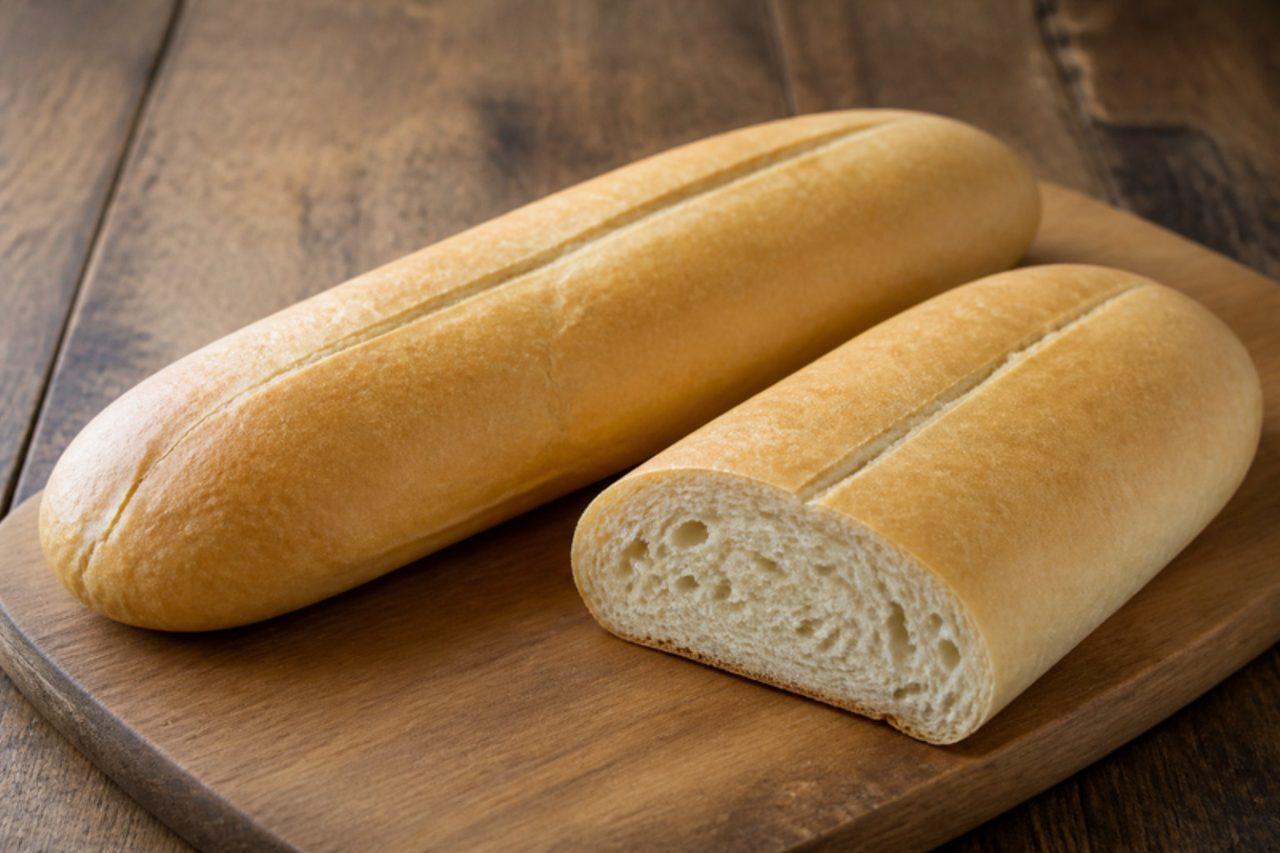
Every Havana bakery turns out long, pale loaves of pan cubano before dawn, to be split for tostada cubana with butter and café con leche or pressed into sandwiches at lunch. The crumb is soft and airy, and the crust is so thin it shatters rather than chews, thanks to a little fat in the dough and plenty of steam in the oven. A common mistake is baking it like a crusty baguette until deep brown; it should come out only lightly golden. Bakers traditionally lay a damp palmetto leaf along the top to make the split; a single shallow slash does the same job. Chef's tip: use a small starter made the night before and the bread keeps its light texture for an extra day.

by KrazyBadal 0 views
Fricasé de pollo

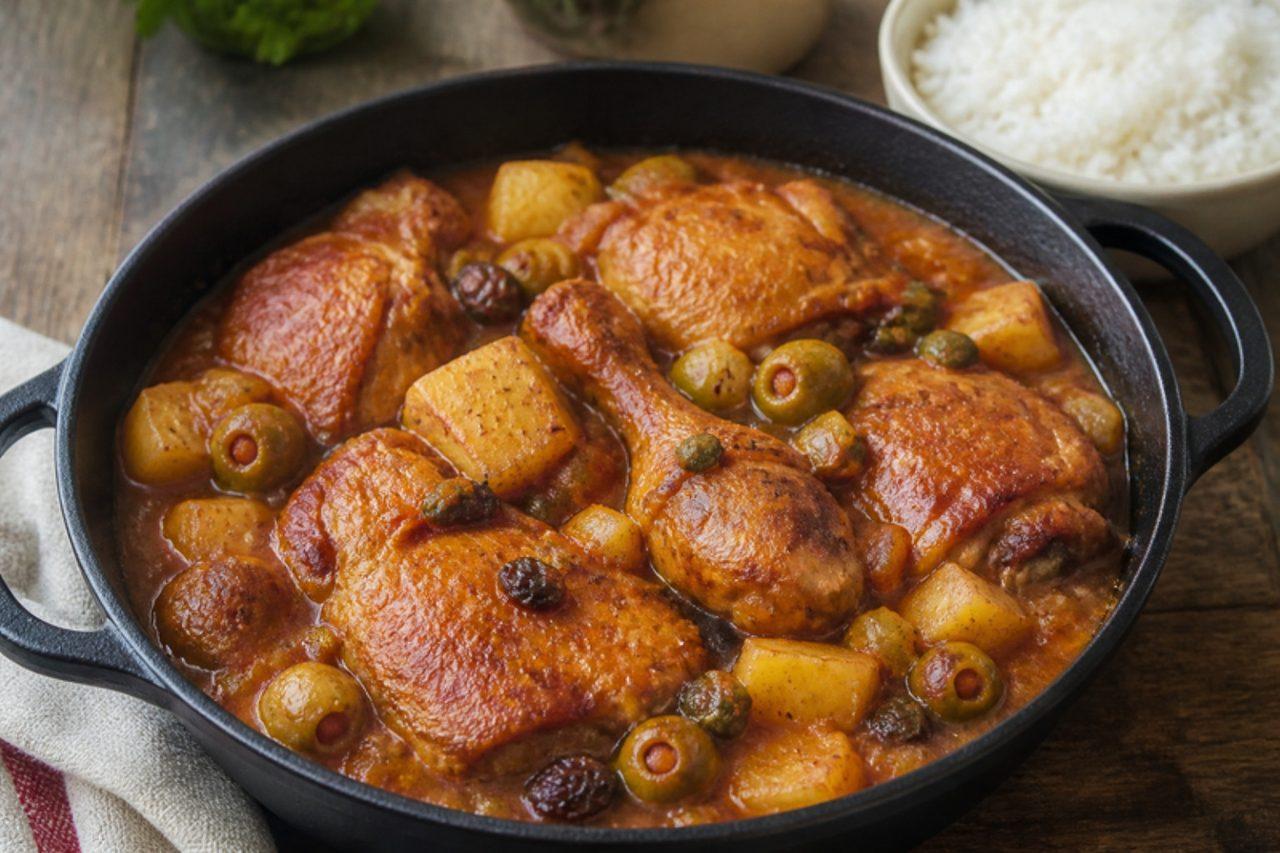
Fricasé de pollo is a family dinner all over Cuba: chicken pieces marinated in sour orange and garlic, browned, then simmered with potatoes, green olives, capers and a few raisins in a light tomato sauce. The sweet-salty balance is what makes it so Cuban. A frequent mistake is skipping the marinade time; even an hour in the fridge seasons the meat right through. Serve with white rice. Chef's tip: add the raisins with the potatoes rather than at the start, so they plump up but don't melt into the sauce.

by KrazyBadal 0 views
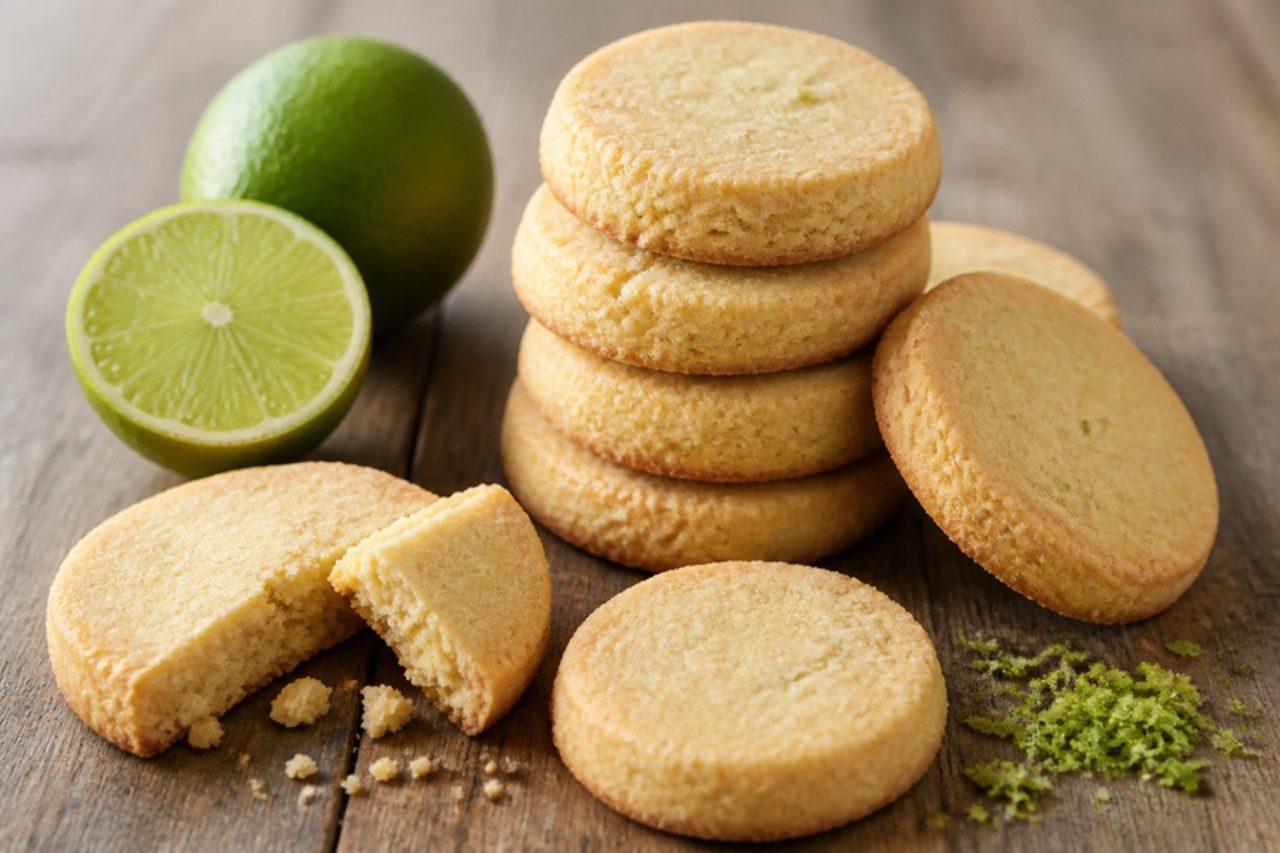
Torticas de Morón

The town of Morón in Ciego de Ávila gave its name to these crumbly little cookies, which Cuban bakeries sell in paper bags and grandmothers keep in a tin for visitors with coffee. They are pale, short and melt quickly, with a clear scent of lime zest. The common mistake is overworking the dough or baking until brown, which makes them hard rather than sandy, so pull them out while they are only just golden underneath. Chef's tip: chill the rolled dough for 20 minutes before cutting; the edges stay sharp and the cookies don't spread.

by KrazyBadal 0 views
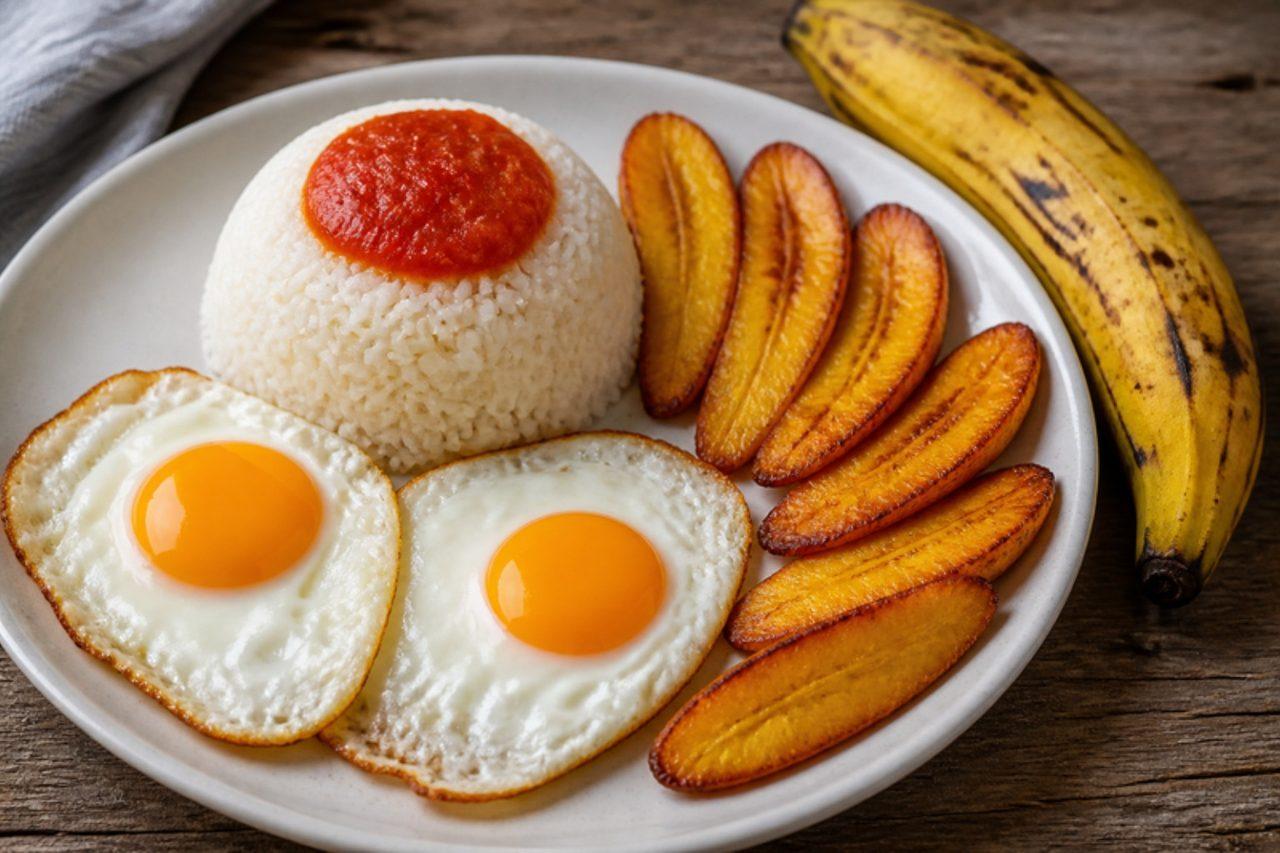
Arroz a la cubana

Havana cafeterías put this plate on the lunch board when cooks want something cheap, fast and filling: a mound of plain white rice, a ladle of garlicky tomato sauce, a fried egg with a runny yolk and slices of caramelised ripe plantain. Breaking the yolk into the rice and sauce is the whole point, so the eggs should be fried at the last minute. The usual mistake is using plantains that are still yellow-green; they need black-spotted skins to turn soft and sweet in the pan. Serve with a simple avocado salad. Chef's tip: baste the egg whites with hot oil from the pan so they set with lacy edges while the yolks stay liquid.

by KrazyBadal 0 views
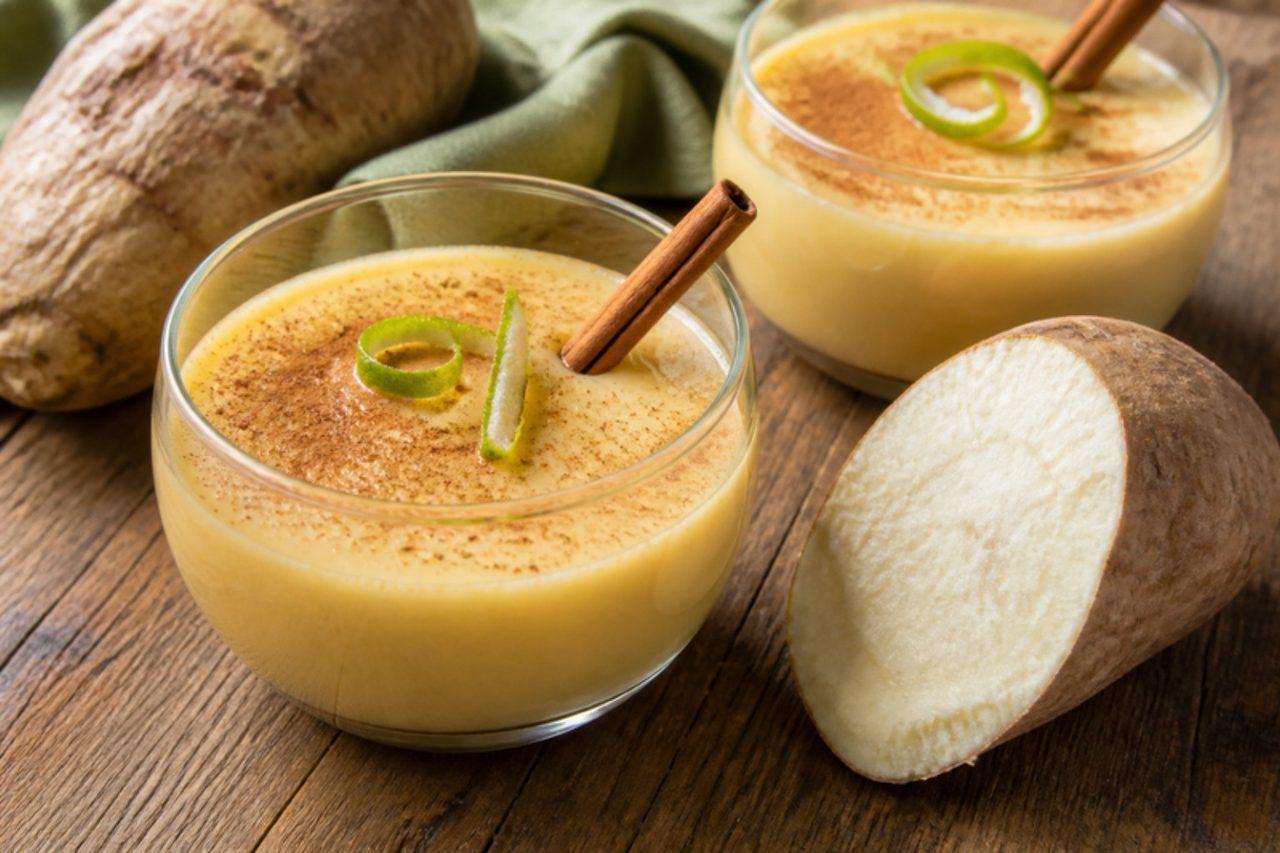
Boniatillo

Boniatillo comes from the sweet tooth of old Havana, where white-fleshed boniato is boiled, puréed and cooked in a cinnamon and lime-peel syrup until it turns into a thick, glossy pudding. It is served at room temperature in small bowls, often dusted with cinnamon, at birthdays or simply after Sunday lunch. The mistake to avoid is using orange sweet potato alone, which makes it wet and very sweet; Cuban boniato or a white sweet potato gives the right dry, chestnutty texture. Chef's tip: beat in the egg yolks off the heat with a little of the hot purée first, so they thicken the pudding without scrambling.

by KrazyBadal 0 views
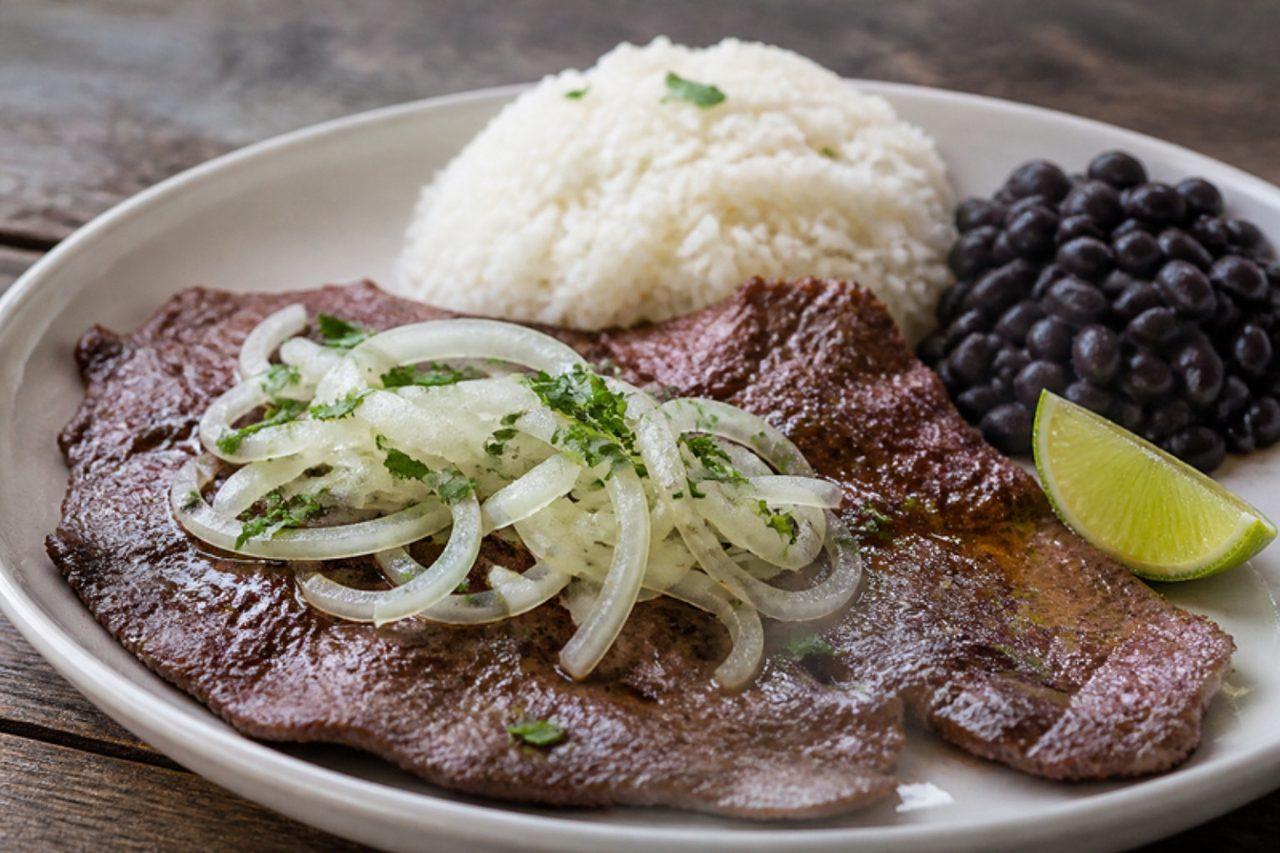
Bistec de palomilla

Palomilla is the everyday steak of Havana lunch counters and Miami's Cuban cafés alike: top sirloin pounded very thin, marinated briefly in lime and garlic, seared in seconds and buried under a pile of raw chopped onion and parsley. It comes with white rice, black beans and fried plantain. The most common mistake is leaving the steak in the lime for hours, which turns the surface grey and mushy; 20 minutes to an hour in the fridge is enough. Beef steak can be cooked to your liking, but it is so thin it is usually cooked through. Chef's tip: get the pan smoking hot and cook one or two steaks at a time, or they stew instead of browning.

25 minCubanMeatGluten free
by KrazyBadal 0 views
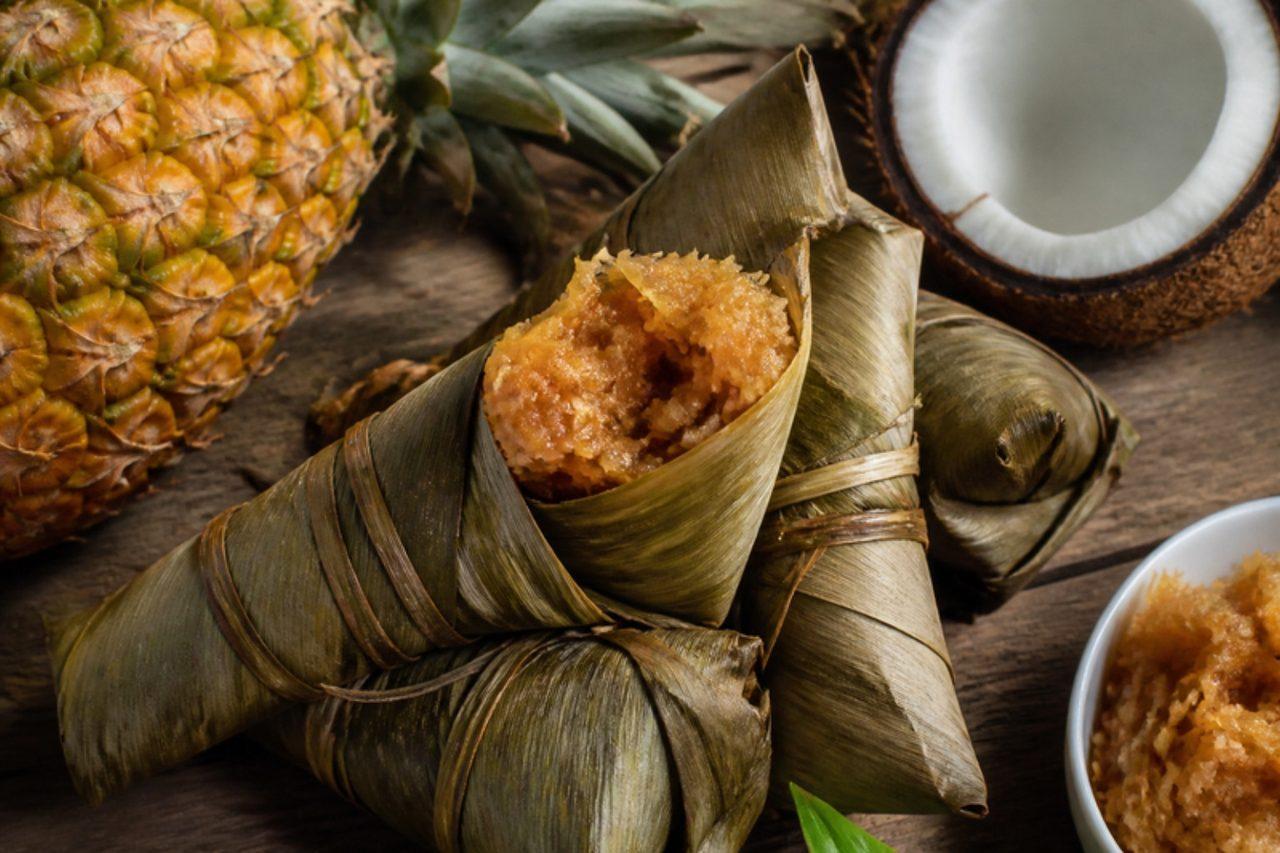
Cucurucho de coco

Drive into Baracoa on Cuba's far eastern tip and roadside sellers hold up cucuruchos, cones of dried palm bark packed with grated coconut cooked down with sugar, honey and local fruit such as guava, orange or pineapple. It is sticky, chewy and fragrant, a sweet you eat with your fingers on the road. The mistake is stopping too soon; the mix has to cook until it pulls from the pan, or it weeps in the cone. At home, cones of baking paper or small cups stand in for the palm bark. Chef's tip: use fresh coconut if you can and toast it lightly first, which keeps the shreds chewy rather than soggy.

by KrazyBadal 0 views

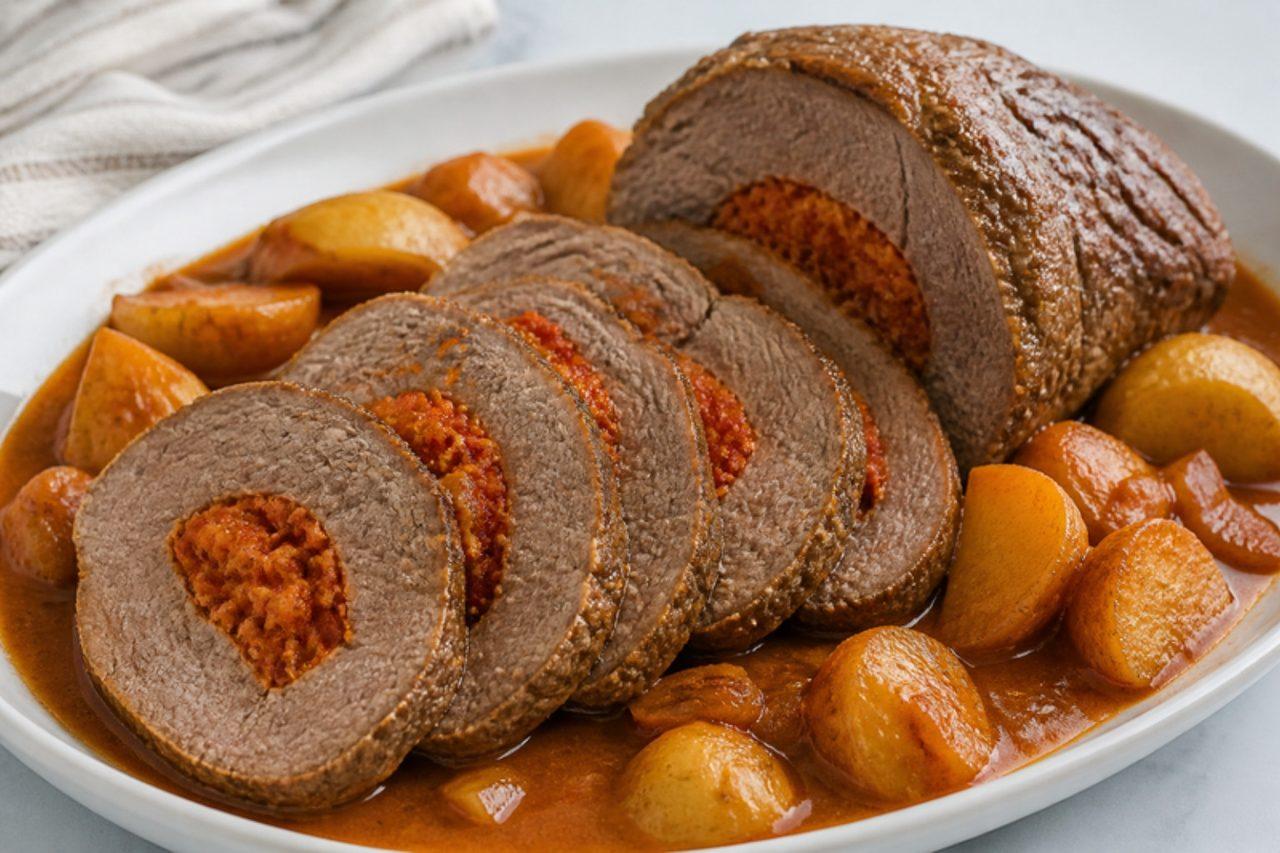
Boliche

Boliche is a Sunday and holiday centrepiece in Havana: an eye-of-round beef joint with a tunnel cut through the middle, stuffed with pork chorizo, then browned and braised slowly in tomato, onion, pepper, sour orange and dry white or red wine until it slices like butter. Potatoes go into the pot for the last hour to soak up the sauce. The wine is simmered for hours, though a little alcohol may remain; use extra stock with a spoon of vinegar for an alcohol-free version. The common mistake is rushing the braise, which leaves this lean cut tough, so keep the pot at a bare simmer. Chef's tip: chill the cooked roast in its sauce, then slice it cold and reheat the slices in the sauce; you get neat rounds with the chorizo in the centre.

210 minCubanMeatGluten free
by KrazyBadal 0 views

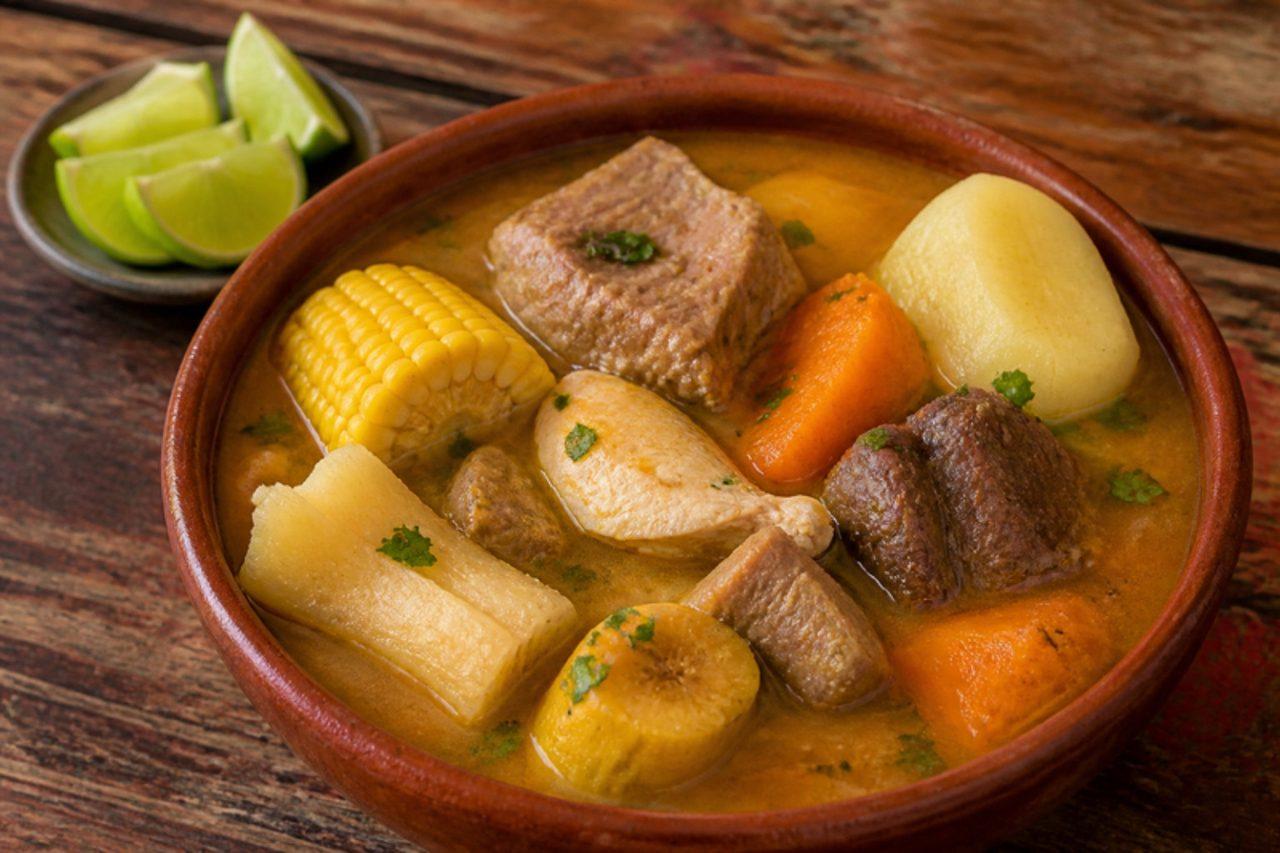
Ajiaco cubano

Ajiaco is often called Cuba's national stew, and in Camagüey it is still cooked in huge pots for festivals and family gatherings: dried or fresh beef, pork and chicken simmered with malanga, yuca, boniato, green and ripe plantain, corn and calabaza until the roots break down and thicken the broth. It is a whole meal in a bowl, finished with lime and a fried sofrito. This version uses beef shin, pork shoulder and chicken thighs. The mistake most people make is adding every vegetable at once; firm roots go in first and soft pumpkin and ripe plantain last. Chef's tip: mash a few chunks of pumpkin and malanga against the side of the pot at the end, which gives the broth its body.

190 minCubanSoupsGluten free
by KrazyBadal 0 views

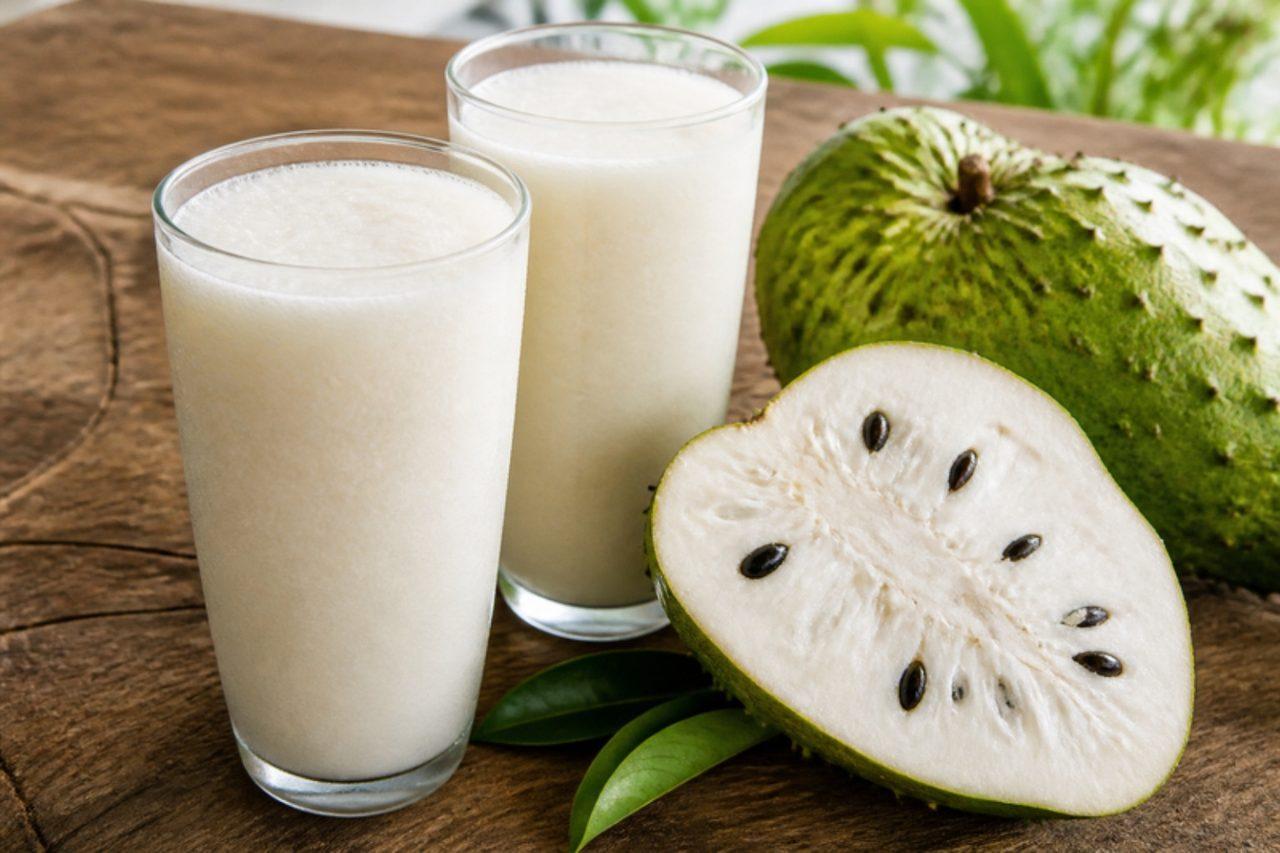
Champola de guanábana

On a sticky afternoon in Havana, a tall glass of champola is the classic cooler: soursop pulp blended with ice-cold milk and a little sugar into something between a shake and a fruit drink. Soursop (guanábana) tastes of pineapple, banana and lemon at once, with a creamy body all its own. The common mistake is blending the black seeds in, which makes the drink bitter, so remove every one or use frozen pulp. Chef's tip: add a squeeze of lime just before serving; it sharpens the fruit and stops the drink tasting flat.

by KrazyBadal 0 views

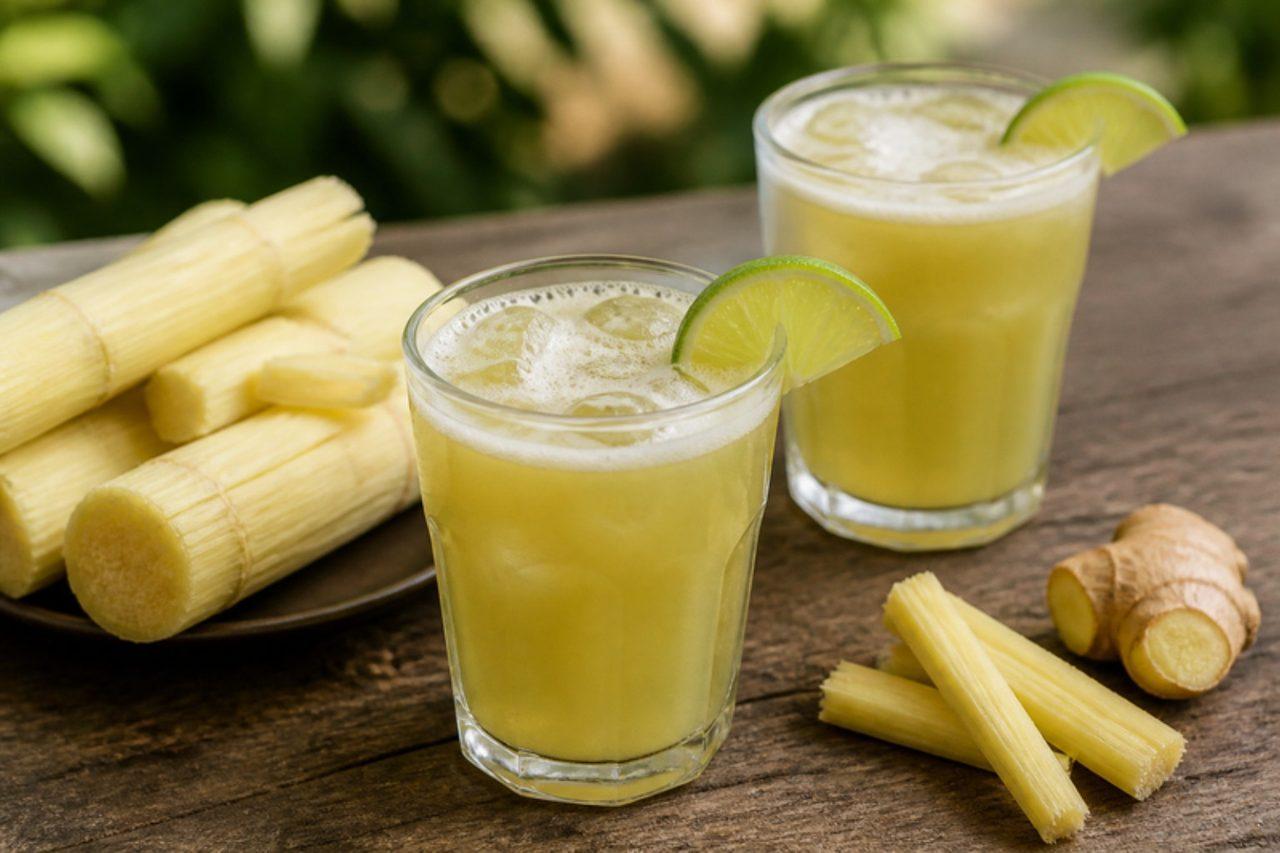
Guarapo

Guarapo stands, or guaraperas, pop up across Cuba wherever cane grows, crushing fresh stalks through a press and pouring the pale green juice straight over ice. It tastes grassy and gently sweet, never sugary, and it is drunk the moment it is pressed. You need a sugarcane press or juicer, or fresh peeled cane and a strong blender; bottled cane juice is a poor substitute. The common mistake is pressing the cane long before serving, because the juice darkens and starts to ferment within an hour. Chef's tip: chill the cane before pressing and add the lime as you press, which keeps the colour bright.

by KrazyBadal 0 views

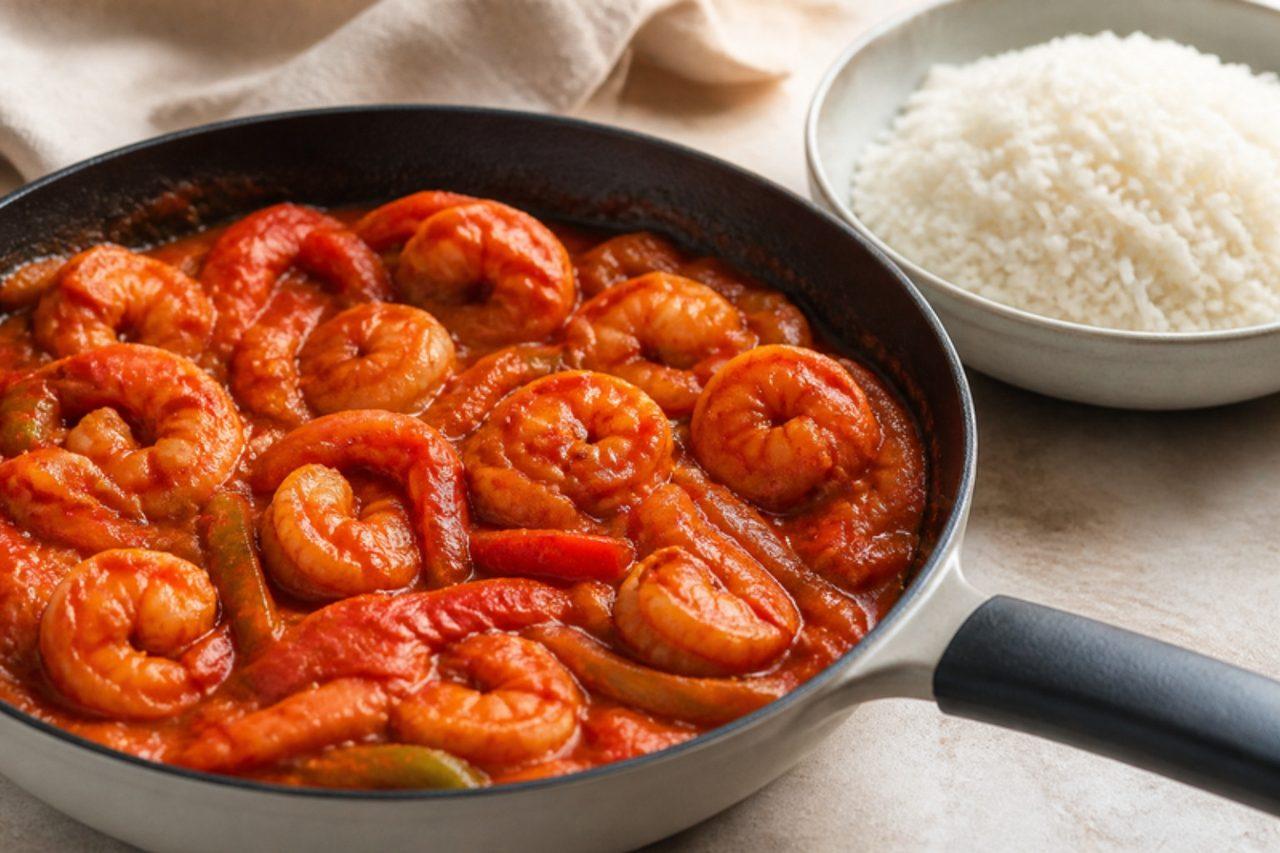
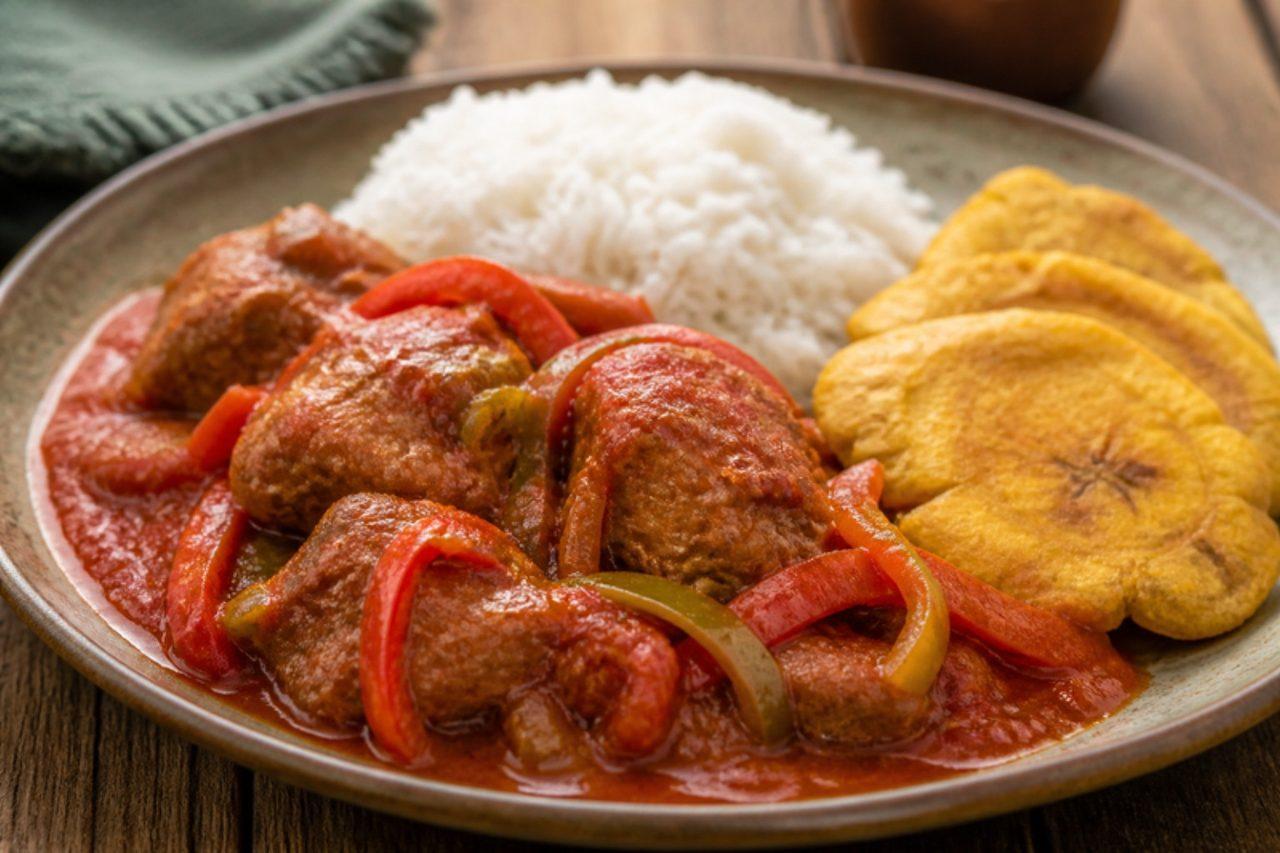
Enchilado de camarones

Despite the name, Cuban enchilado isn't fiery: it is shrimp cooked in a red Creole sauce of tomato, sweet pepper, onion, garlic and a splash of dry white wine, the way it is served in seaside restaurants from Havana's Malecón to Varadero. It goes over white rice with a side of tostones. The wine is simmered for several minutes, but for an alcohol-free sauce use fish stock with a squeeze of lime instead. The common mistake is adding the shrimp too early so they turn rubbery; they need only 3 or 4 minutes at the end. Chef's tip: simmer the shrimp shells in the wine for 10 minutes and strain it into the sauce; it doubles the seafood flavour.

40 minCubanFishGluten free
by KrazyBadal 0 views

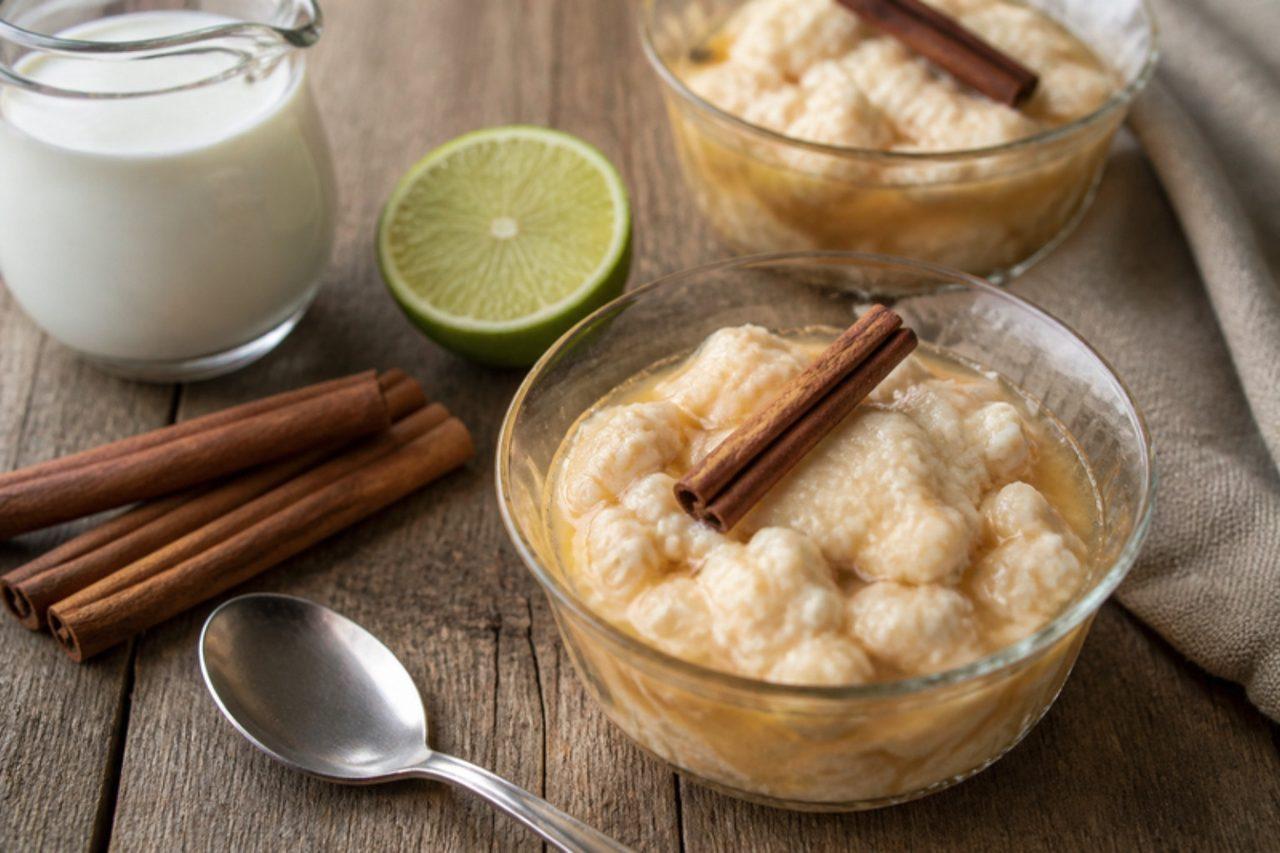
Dulce de leche cortada

Dulce de leche cortada is a farmhouse sweet from the dairy country of central Cuba: milk is split with lime juice, then cooked slowly with sugar and cinnamon until the curds turn soft, golden and chewy in a caramel-coloured syrup. It is served cold in small dishes, and it is quite unlike the smooth Argentine dulce de leche. People often stir too much once the milk splits, breaking the curds into grains, so stir gently and only to stop it catching. There is no rennet here; lime does the curdling. Chef's tip: add the lime to the milk while it is warm, not boiling, and leave it untouched for 10 minutes, which gives large, tender curds.

by KrazyBadal 0 views

Vaca frita

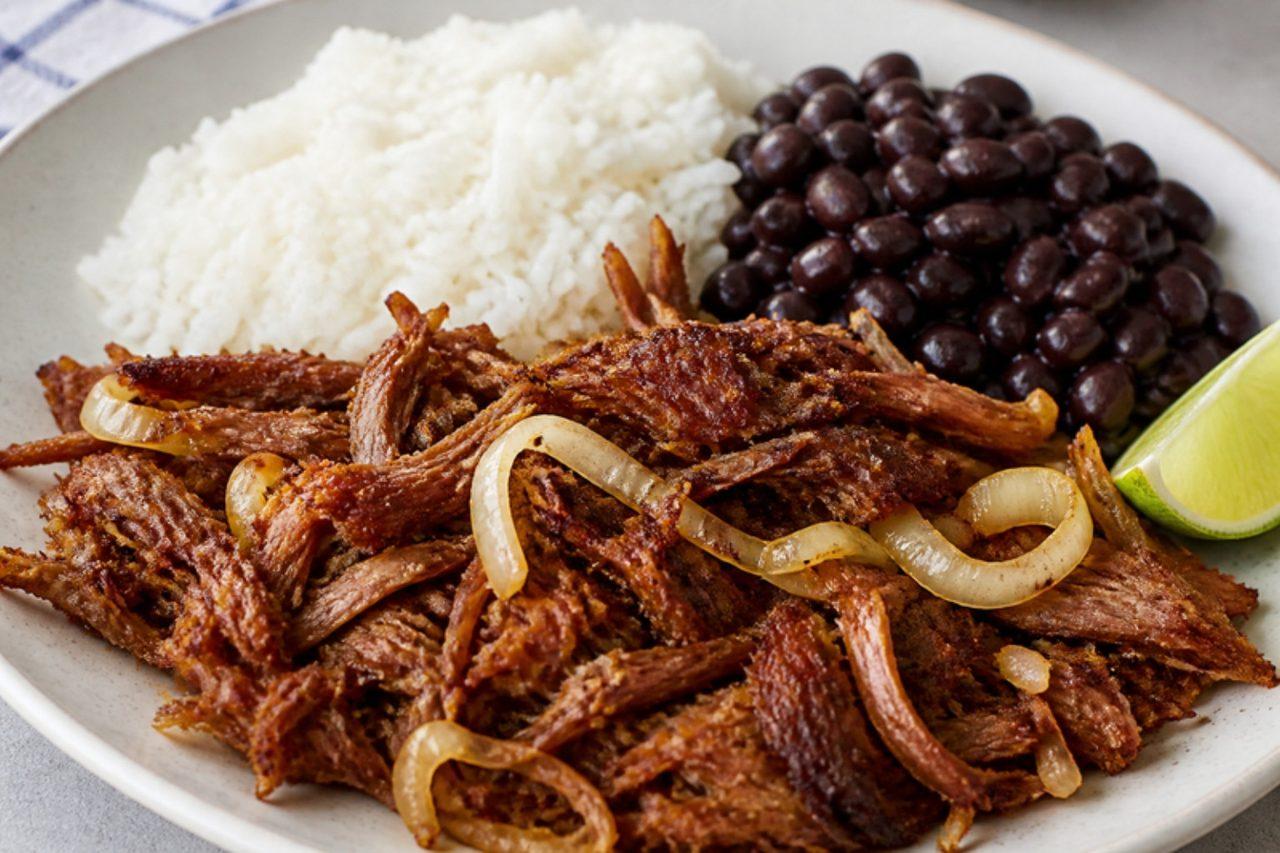
Vaca frita, "fried cow", is Havana's crisp cousin of ropa vieja: flank steak is simmered until tender, shredded, marinated in sour lime and garlic, then fried in a hot pan with onions until the edges turn brown and crackly. Families make it the day after boiling beef for soup, and serve it with rice, black beans and plantain. The usual mistake is crowding the pan, which steams the meat instead of crisping it, so fry in batches and press it down. Chef's tip: let the shredded beef dry uncovered in the fridge for an hour before frying; the drier it is, the crisper it gets.

140 minCubanMeatGluten free
by KrazyBadal 0 views

Rabo encendido

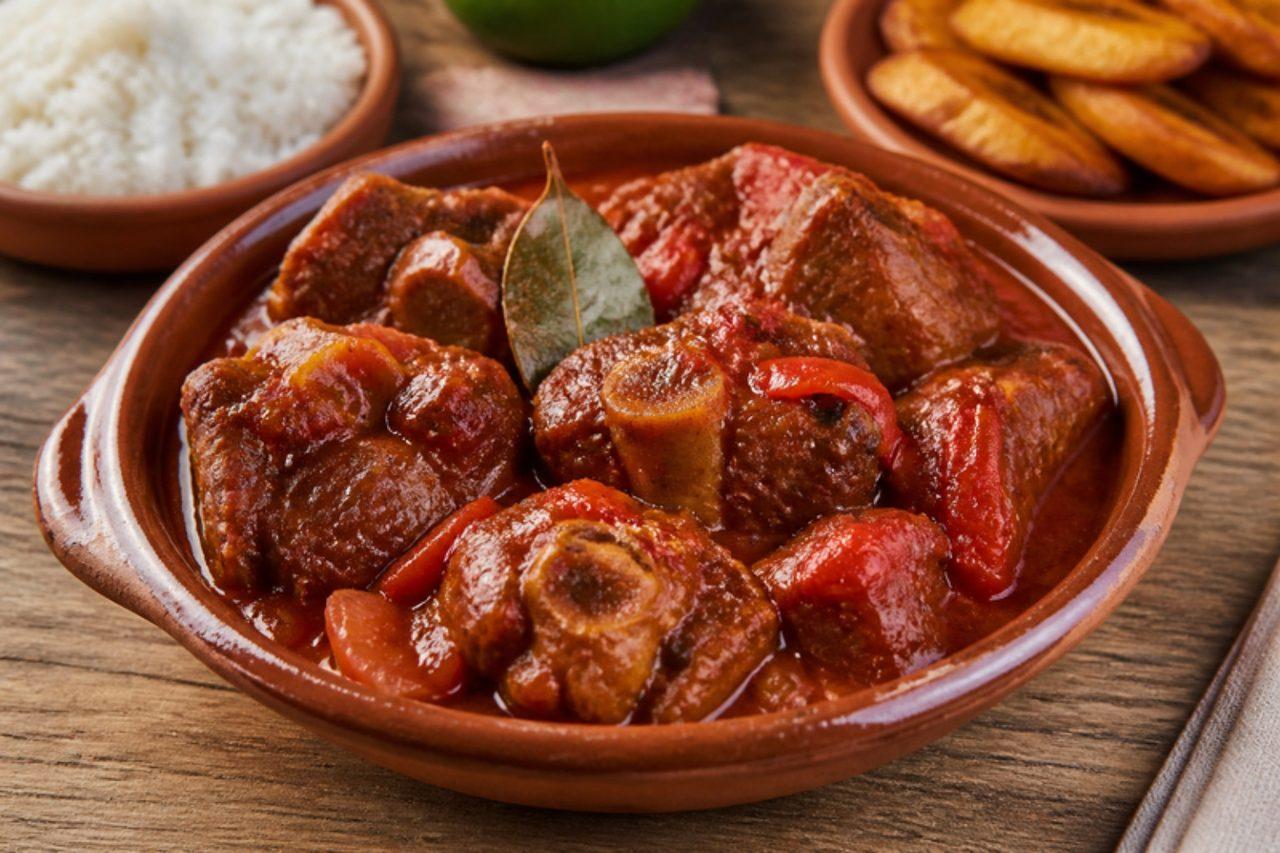
Rabo encendido, "oxtail on fire", is the slow Saturday braise of central Cuba, cooked until the meat slips off the bones into a dark, glossy sauce of tomato, sweet pepper, red wine and a kick of hot chilli. It is eaten with white rice and fried ripe plantain to cool the heat. The wine cooks for hours, but if you want no alcohol at all, use extra beef stock with a tablespoon of red wine vinegar. The common mistake is serving it straight away with a layer of fat on top; skim it well, or chill overnight and lift the fat off. Chef's tip: dust the oxtail lightly in cornflour and brown it hard; the coating gives a better crust and thickens the sauce while keeping it gluten free.

235 minCubanMeatGluten freeSpicy
by KrazyBadal 0 views

Quimbombó con bolitas de plátano

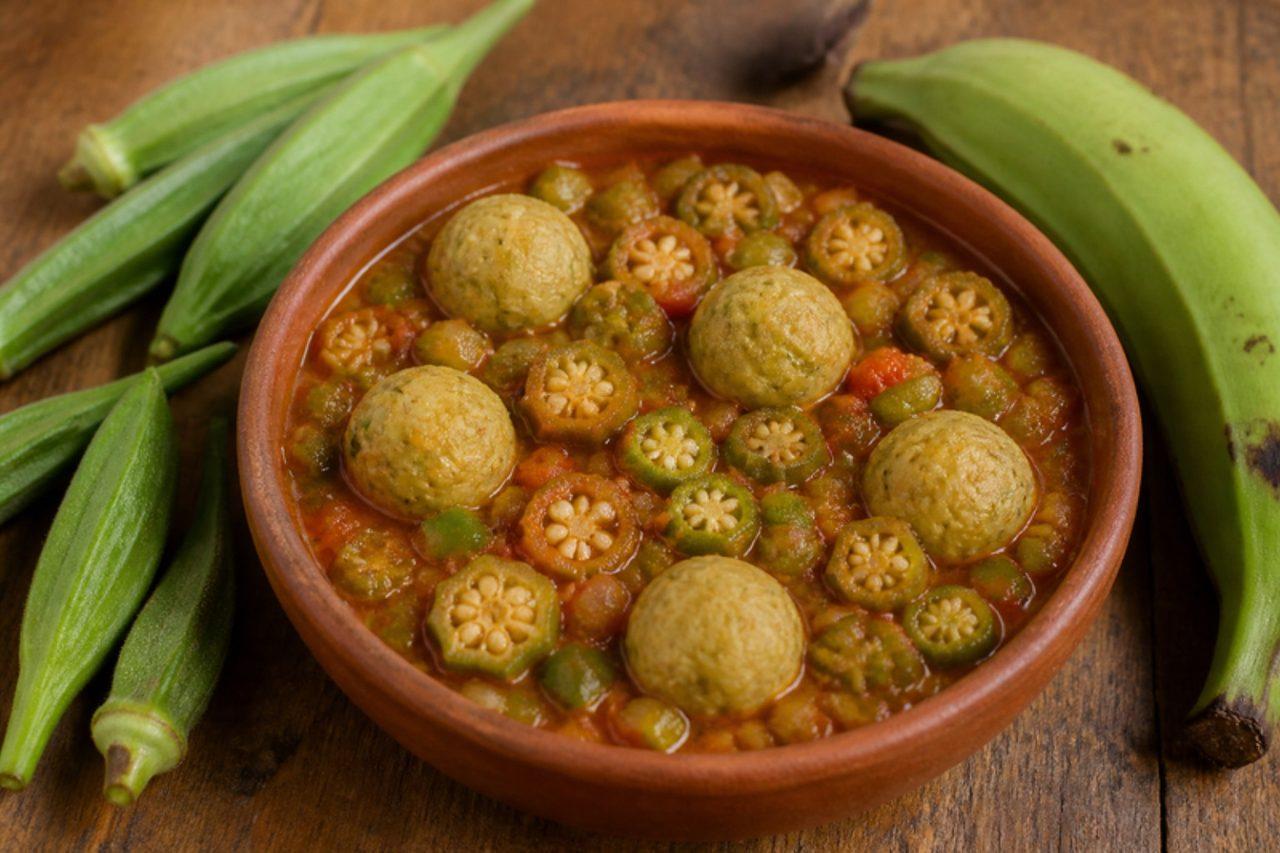
Quimbombó is one of the African-rooted dishes of central Cuba: okra stewed in a tomato sofrito and dotted with little dumplings of mashed green plantain, served over white rice. Country cooks often add pork or chicken; this version is meat-free, with a little smoked paprika for depth. The mistake most people make is stirring okra hard as it cooks, which turns it slimy, so stir gently and add a squeeze of lime early to keep it in check. Chef's tip: roll the plantain balls with wet hands and drop them in only for the last 10 minutes, so they hold together and stay tender.

by KrazyBadal 0 views

Crema de malanga

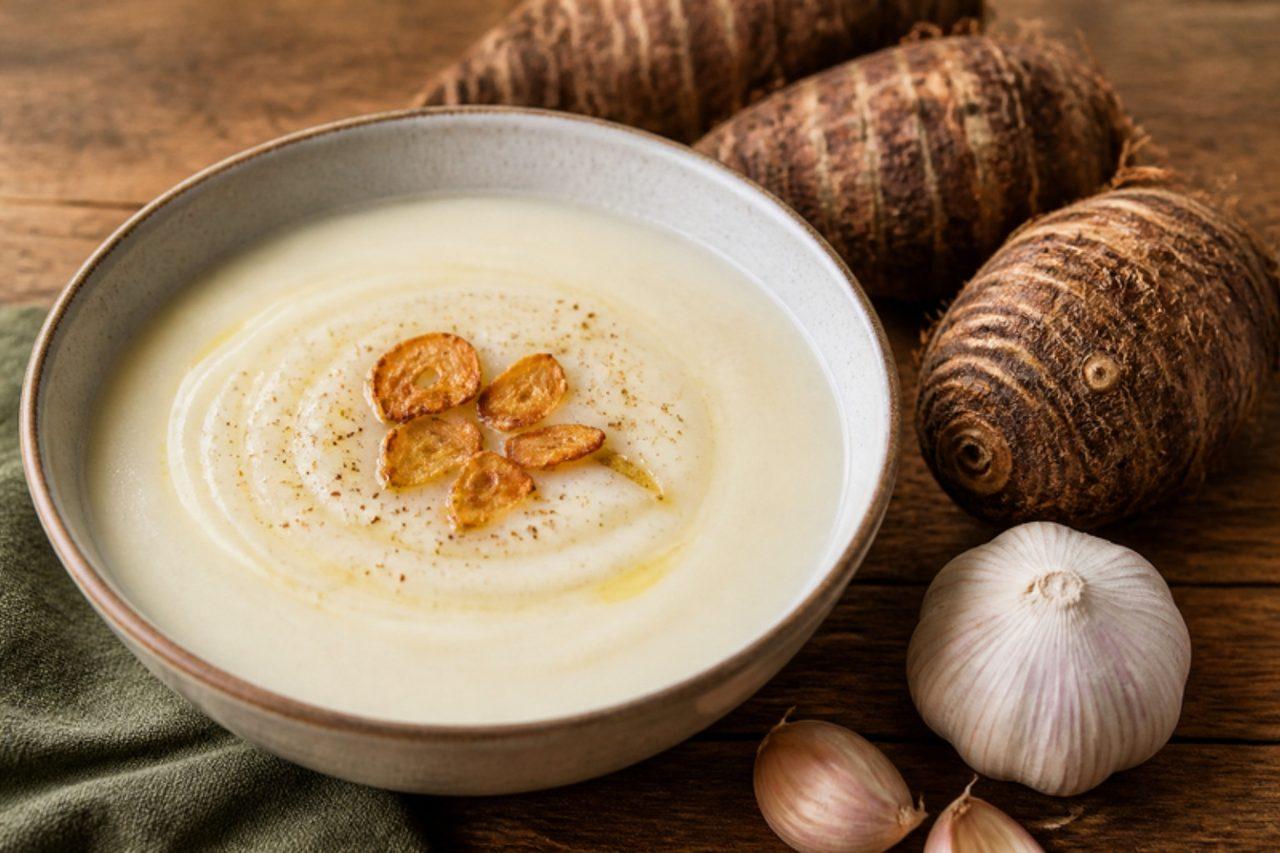
Ask anyone raised in Havana what they were fed when they were ill and the answer is usually crema de malanga: a pale, velvety soup of the starchy root, gently scented with garlic and onion. It is also one of the first foods Cuban babies and grandparents alike are given, because it is soft, mild and filling. The classic mistake is grating raw malanga with bare hands, which can make your skin itch; peel it wearing gloves and rinse it well. Serve it plain or with a few croutons. Chef's tip: blend in the butter at the end rather than frying in it, so the soup tastes clean and creamy rather than heavy.

40 minCubanSoupsGluten free
by KrazyBadal 0 views

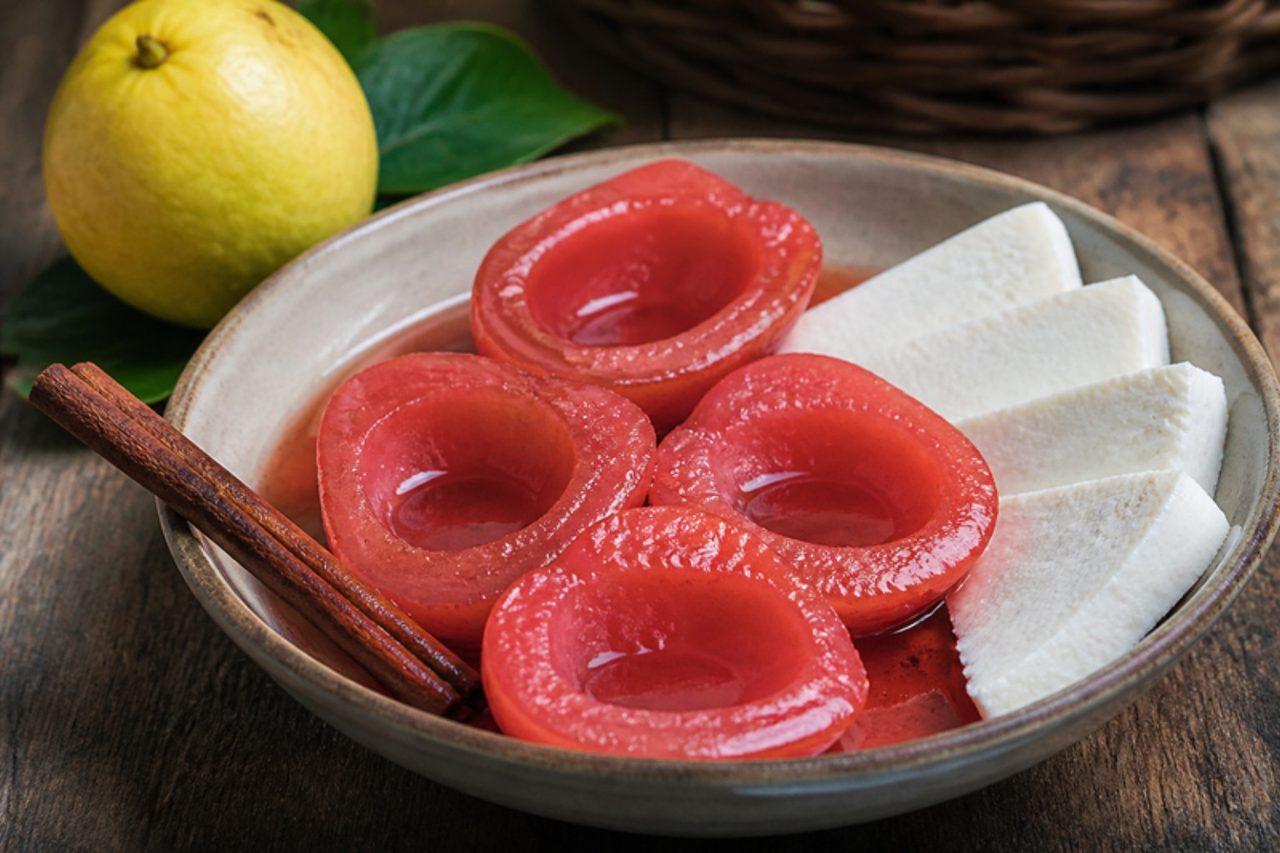
Cascos de guayaba con queso

On Cuban tables from Havana to Pinar del Río, the most loved dessert is also one of the simplest: guava halves, scooped of their seeds and simmered in syrup until glossy and tender, served beside a slab of salty white cheese. The sweet, perfumed fruit and the sharp cheese balance each other perfectly. Cooks often overcook the shells until they fall apart; they should still hold their cup shape. Queso blanco and cream cheese are usually made with animal rennet or microbial enzymes depending on the maker, so check the label and choose a vegetarian one if needed. Chef's tip: simmer the scooped-out seeds and pulp in a little water, sieve them and add that purée to the syrup, which gives it a deep pink colour and real guava flavour.

by KrazyBadal 0 views

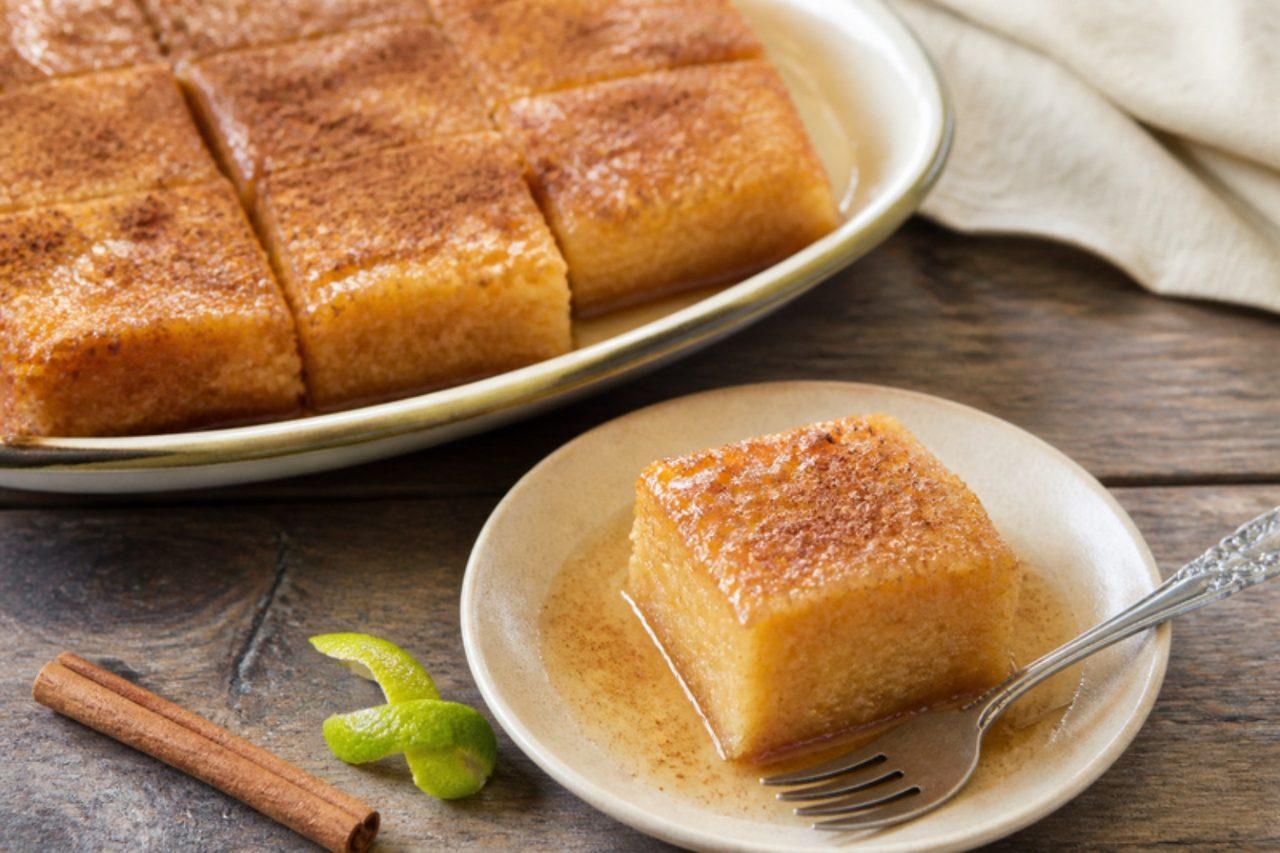
Panetela borracha

Panetela borracha, "drunken sponge", is the cake of Havana birthday parties and neighbourhood celebrations: a light sponge baked in a tray, cut into squares and drenched in hot syrup until it is almost a pudding. The traditional syrup contains rum, so that version is for adults only; the alcohol is not cooked off. For children or anyone avoiding alcohol, leave the rum out and use the vanilla and cinnamon syrup alone, which is how many families make it anyway. The mistake to avoid is pouring cold syrup on cold cake; one of them must be hot so the syrup soaks in rather than sitting on top. Chef's tip: prick the sponge all over with a skewer before pouring, and add the syrup in two goes, ten minutes apart.

by KrazyBadal 0 views

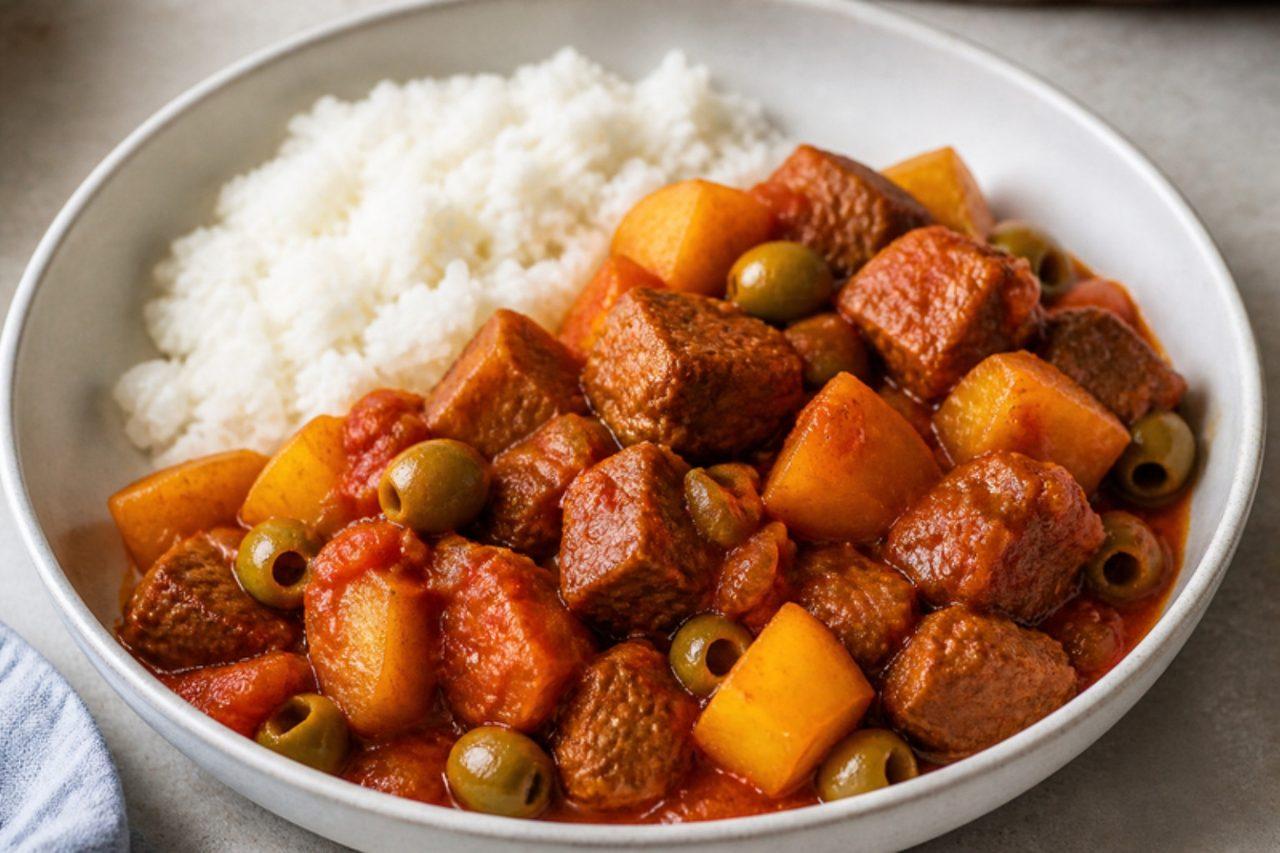
Carne con papas

Carne con papas is the weeknight stew of countless Cuban homes, from Santa Clara to Havana: chunks of beef simmered in a tomato sofrito with cumin and oregano, then potatoes and green olives added until the sauce turns thick and savoury. It is served with white rice and perhaps a few slices of avocado. Many cooks add potatoes at the start and end up with mush; they go in for the last 30 minutes. Chef's tip: brown the beef well in two batches; that dark crust is where most of the flavour in the sauce comes from.

110 minCubanMeatGluten free
by KrazyBadal 0 views

Chilindrón de chivo

In Oriente, the eastern provinces around Santiago and Holguín, chilindrón de chivo is the dish for a farm celebration: goat marinated in sour orange and garlic, then stewed in a thick sauce of tomato, sweet peppers, cumin, oregano and dry wine until it is tender enough to pull from the bone. It is served with congrí or white rice and yuca. The wine is cooked for a long time; for an alcohol-free stew use stock with a tablespoon of vinegar. Goat is lean and becomes stringy if boiled hard, which is the most common mistake, so keep it at a gentle bubble. Chef's tip: marinate overnight in the fridge; it softens the strong goat flavour and seasons the meat to the bone.

190 minCubanMeatGluten free
by KrazyBadal 0 views

Showing 24 of 163 recipes

Show more recipes

Page 1 of 7