Skip to content
WhatToEat.Today

All recipes

250

Vegetarian, or something you can't eat? Set your diet once and we'll hide recipes that don't fit.

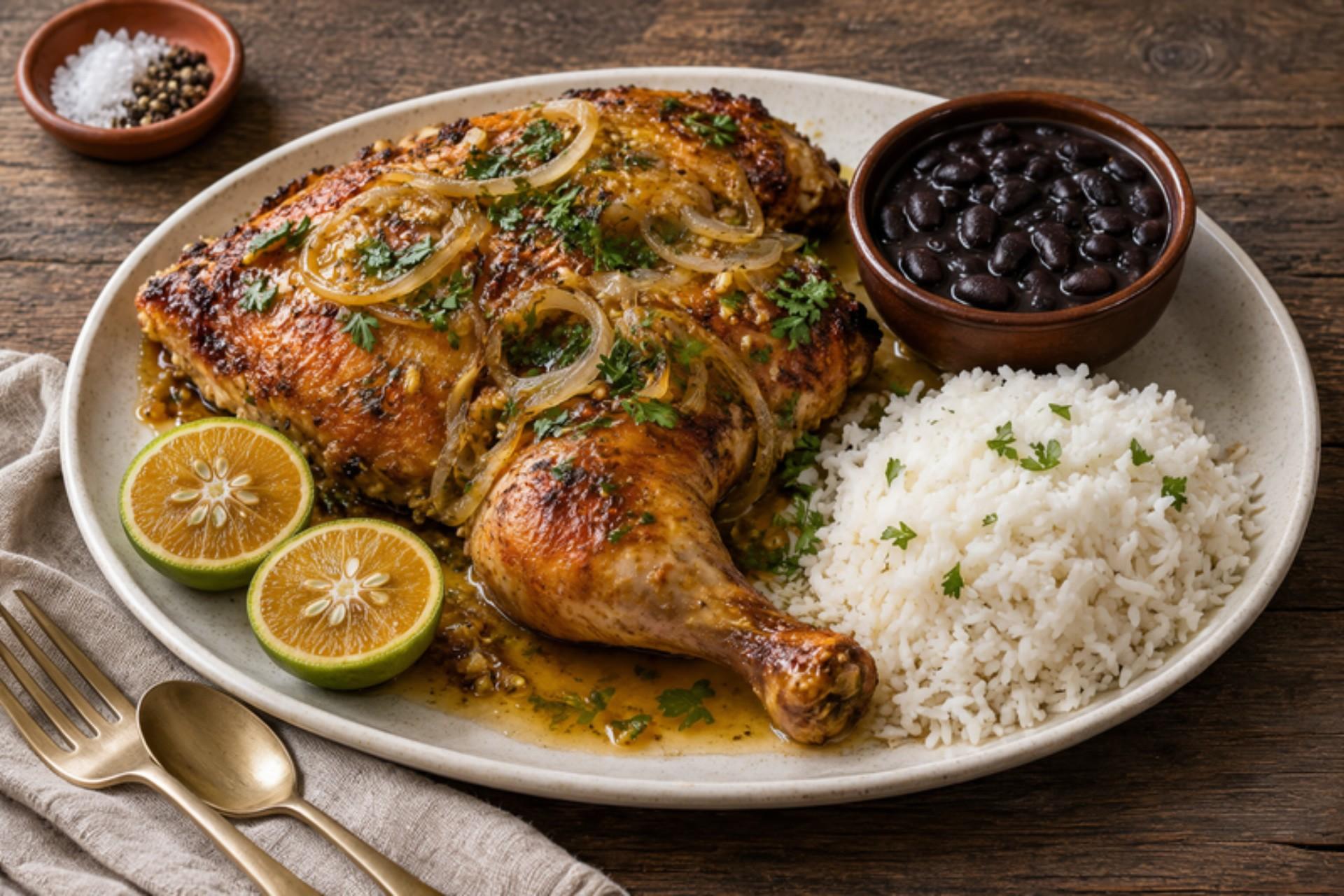
Pollo asado cubanoGarlic citrus roast chicken

Cuban families from Camagüey to Hialeah roast pollo asado for Sunday lunch and Nochebuena, the night before Christmas, when there is too much else on the table for a whole pig. Chicken pieces soak overnight in mojo, a marinade of sour orange, crushed garlic, cumin and oregano, then roast until the skin is crackly and the juices run clear, with onion rings softening underneath. The usual mistake is marinating for days or in a metal bowl; the citrus turns the meat mushy and metallic, so keep it to 12–24 hours in the fridge in glass or a bag. It is done when the thickest part of the thigh reaches 74 °C. Serve with moros, yuca and maduros. Chef's tip: no sour oranges? Use two parts orange juice to one part lime juice.

by KrazyBadal 0 views

Natilla cubanaLemon cinnamon custard

Natilla is the custard Cuban grandmothers in Havana and Miami's Little Havana make for Sunday lunch, birthdays and any evening that needs something sweet from the fridge. It is softer than flan: milk is infused with lemon peel and a cinnamon stick, thickened gently with egg yolks and a little cornflour, then poured into small bowls and dusted with ground cinnamon. It contains milk and egg. The common mistake is boiling it hard once the yolks go in, which splits the custard into sweet scrambled egg; keep the heat low and stir the bottom constantly. It is ready when it thickly coats the back of a spoon and a finger drawn through leaves a clean line. Chef's tip: press cling film right onto the surface while it is hot, or a rubbery skin forms as it cools.

by KrazyBadal 0 views

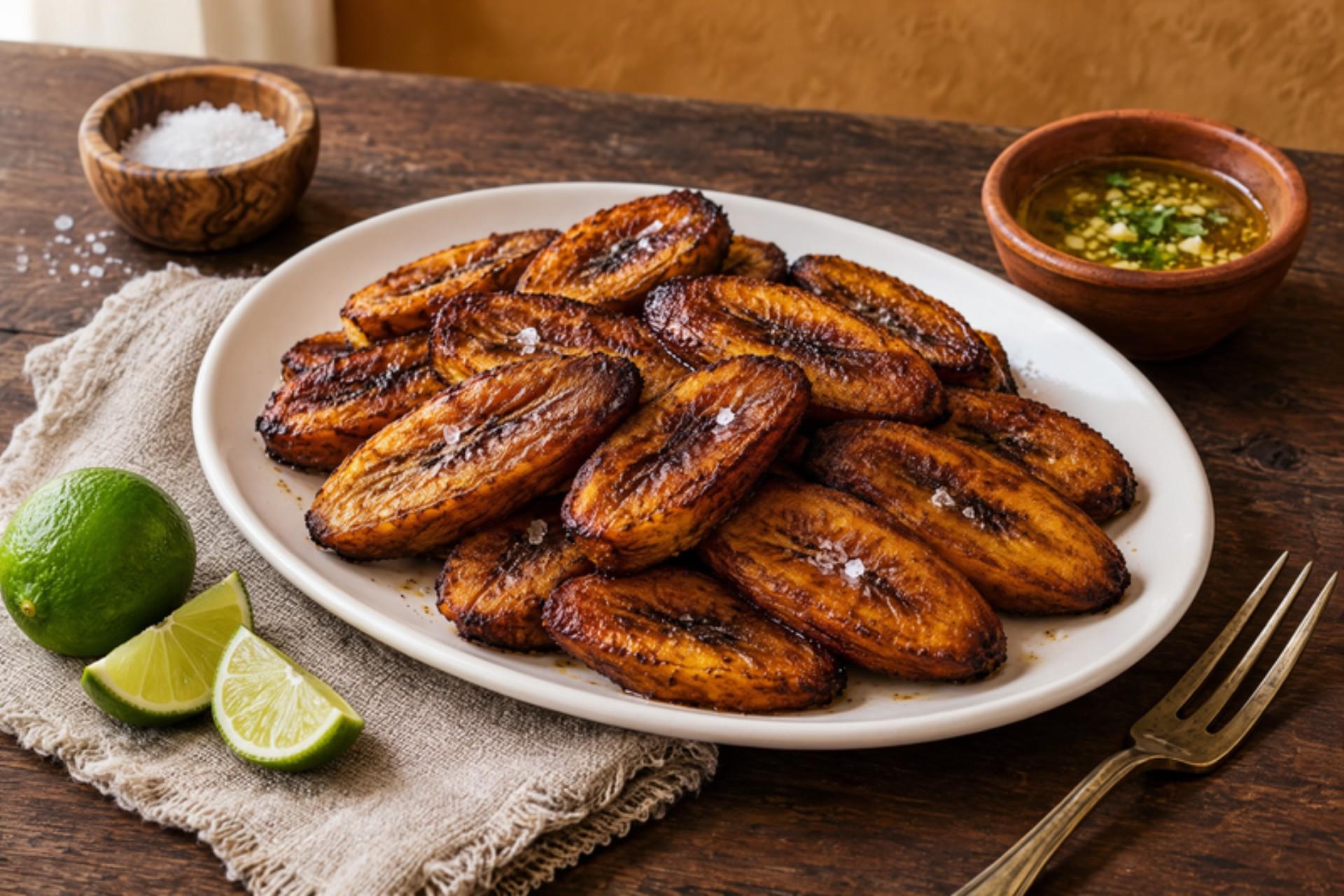
Plátanos maduros fritosFried sweet plantains

No Cuban lunch counter in Havana, Santiago or Miami serves ropa vieja, picadillo or black beans and rice without a few maduros on the side. Plantains are left until the skin is almost completely black, when the flesh turns soft and sugary, then sliced on the diagonal and fried slowly until the edges caramelise and the middle is creamy. The mistake is using yellow plantains: they stay starchy and dry, so wait until the skins are mostly black and the fruit gives when pressed. They are done when deep amber on both sides and a knife slides in with no resistance. Chef's tip: fry over a medium heat, not high; the sugar in ripe plantain burns before the centre softens if the oil is too hot.

17 minCubanSidesVeganGluten free
by KrazyBadal 0 views

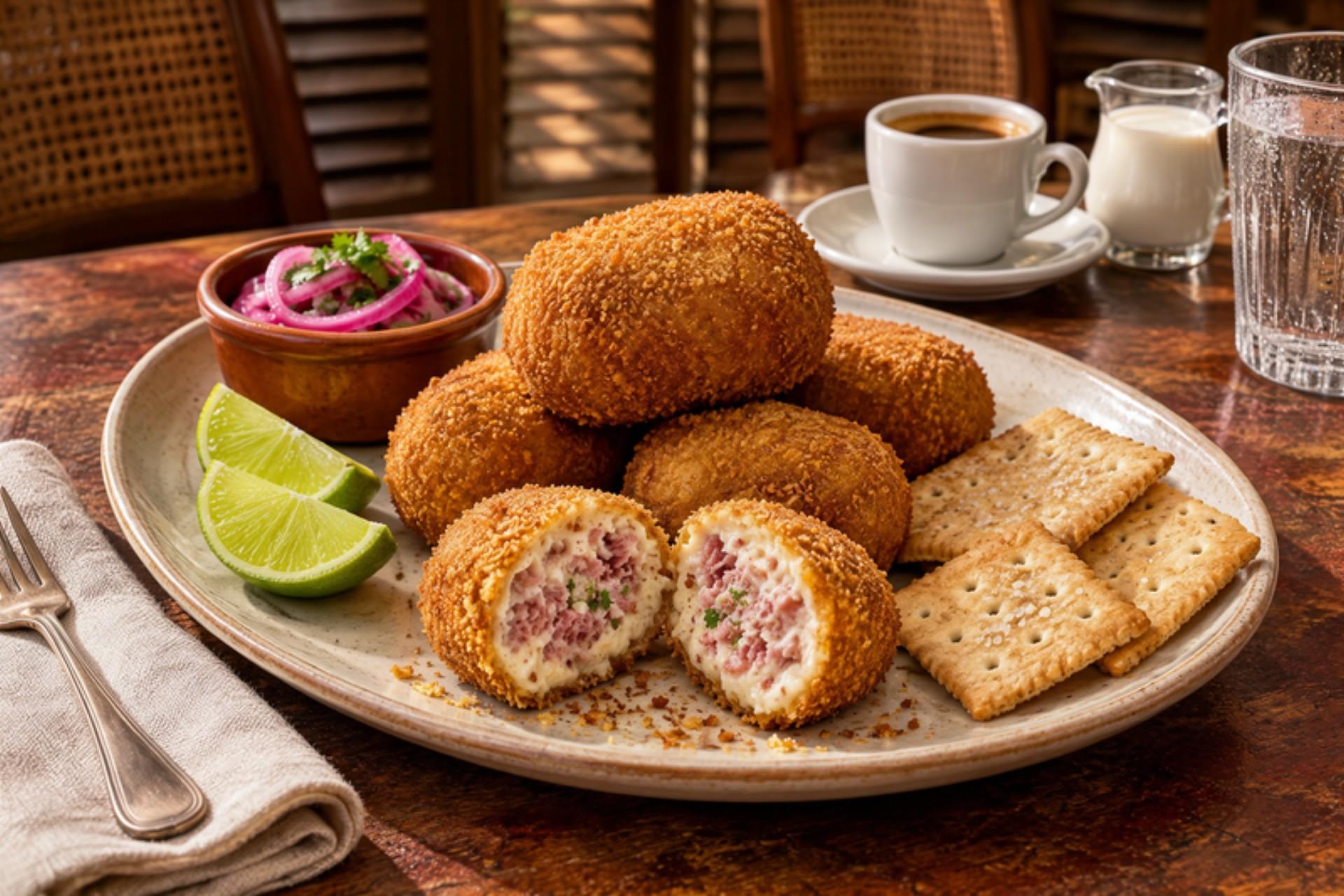
Croquetas de jamónHam croquettes

Croquetas de jamón are the snack of the ventanita, the walk-up coffee window of Havana and Miami cafeterías, eaten with a cafecito at breakfast or tucked into a Cuban sandwich, and piled high at every party. This recipe contains pork: cooked ham is minced and folded into a thick, nutmeg-scented béchamel, chilled firm, rolled into small cylinders, crumbed and fried until golden, so the inside is almost molten. They contain milk, egg and wheat. The mistake is shaping the mixture while it is still warm; it must be cold and stiff or the croquettes split in the oil. They are done when deep golden all over and piping hot in the centre. Chef's tip: cook the flour in the butter for a full two minutes before the milk goes in, so the croquetas taste rich and nutty rather than floury.

by KrazyBadal 0 views

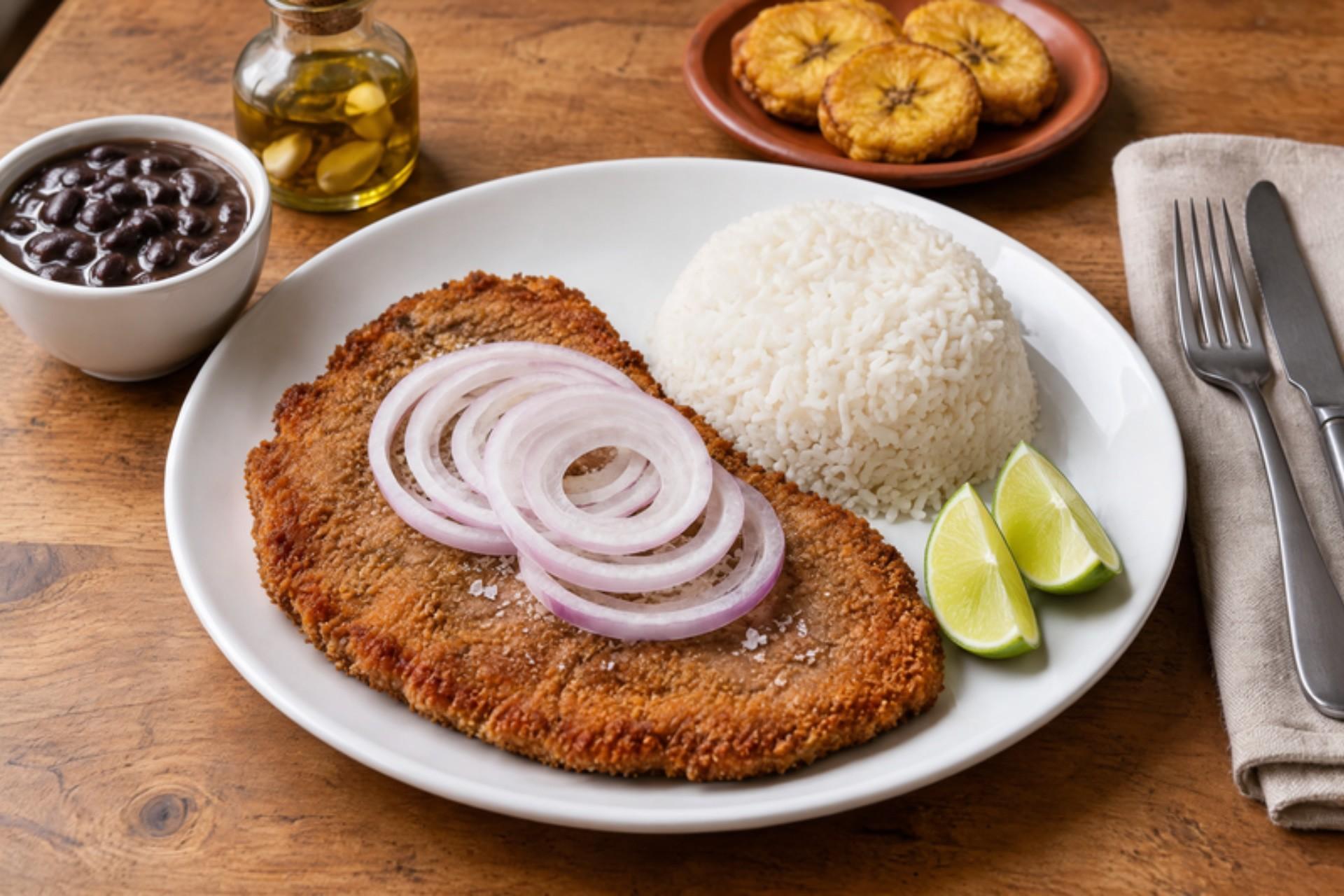
Bistec empanizadoBreaded thin steak

Bistec empanizado is the breaded steak of Cuban family dinners and Little Havana diners, a weeknight plate in Havana and Miami alike. Thin slices of beef are pounded thinner still, marinated briefly in lime, garlic and cumin, then crumbed with crushed crackers and fried until crisp and golden. It contains wheat and egg. The mistake is cutting the steak thick: it toughens before the crumb browns, so pound it to 5 mm. It is done when the crust is deep golden on both sides, which takes only a couple of minutes for meat this thin. Serve with white rice, black beans, maduros and a lime wedge. Chef's tip: marinate the beef for no more than an hour; lime juice left longer turns thin steak grey and mealy.

32 minCubanMeat
by KrazyBadal 0 views

Cuba libreRum and cola with lime

The Cuba libre was born in Havana around 1900 and is still the easy highball poured at bars along the Malecón and at backyard parties from Miami to Madrid. It is a drink for adults only: light Cuban-style rum, cold cola and a generous squeeze of fresh lime, with the spent lime wedge dropped in the glass. Without the lime it is just rum and cola; with it the drink turns sharp and refreshing. The usual mistake is warm cola poured over too little ice, which melts fast and leaves it flat and watery, so fill the glass with ice and keep the cola chilled. For an alcohol-free version, leave out the rum and add 30 ml cold sparkling water with a dash of vanilla. Drink responsibly. Chef's tip: squeeze the lime and rub the wedge round the rim before adding ice, so every sip carries the lime oil.

by KrazyBadal 0 views

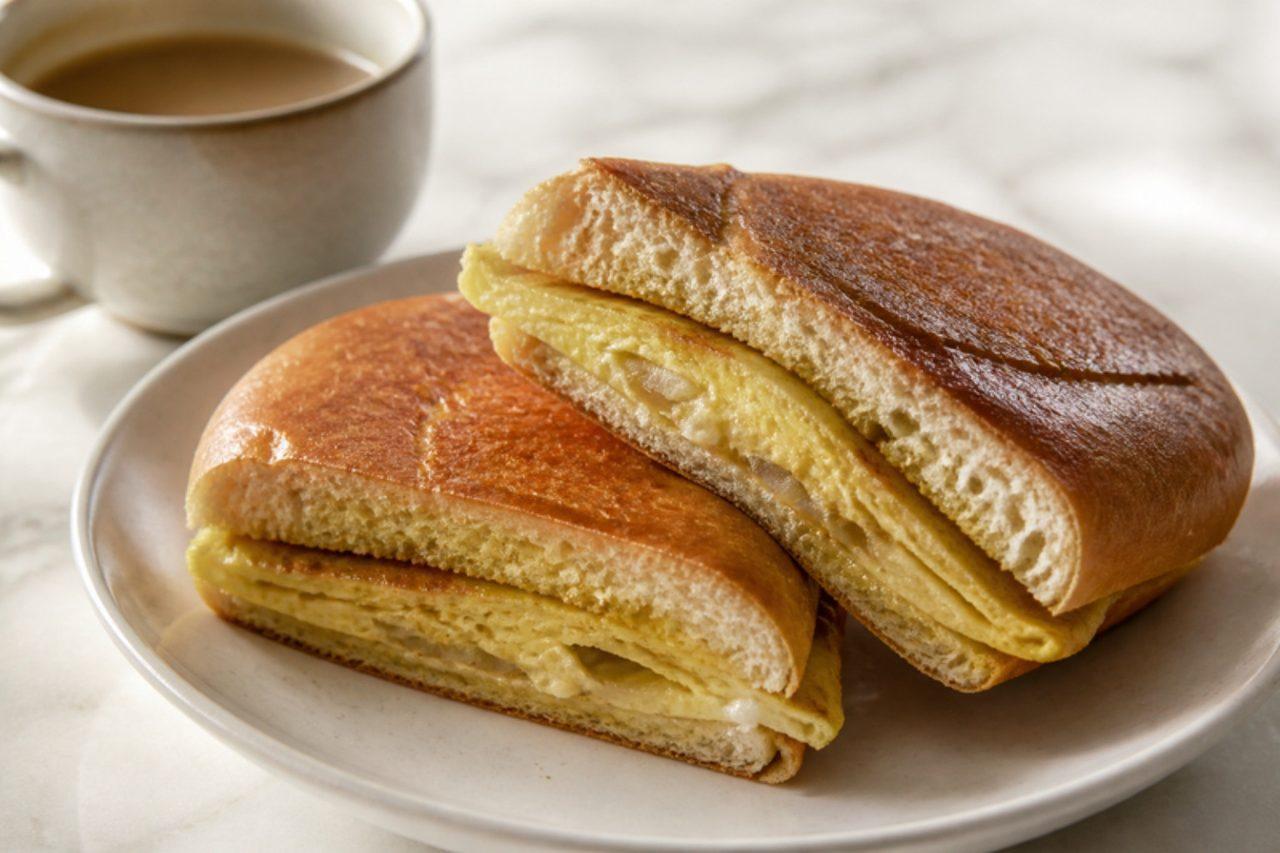
Pan con tortillaBread with onion omelette

Pan con tortilla is a staple of Havana cafeterías and Miami ventanitas alike: a thin, soft omelette with sweet onion folded into buttered Cuban bread and pressed until warm and crisp. It is breakfast on the way to work and a quick supper when nobody wants to cook, usually with a cafecito or a fruit shake. The common mistake is frying the onion too hard; it should be soft and sweet, not brown and bitter. Chef's tip: press the sandwich with a heavy pan so the bread goes crunchy outside while the omelette stays tender.

by KrazyBadal 0 views

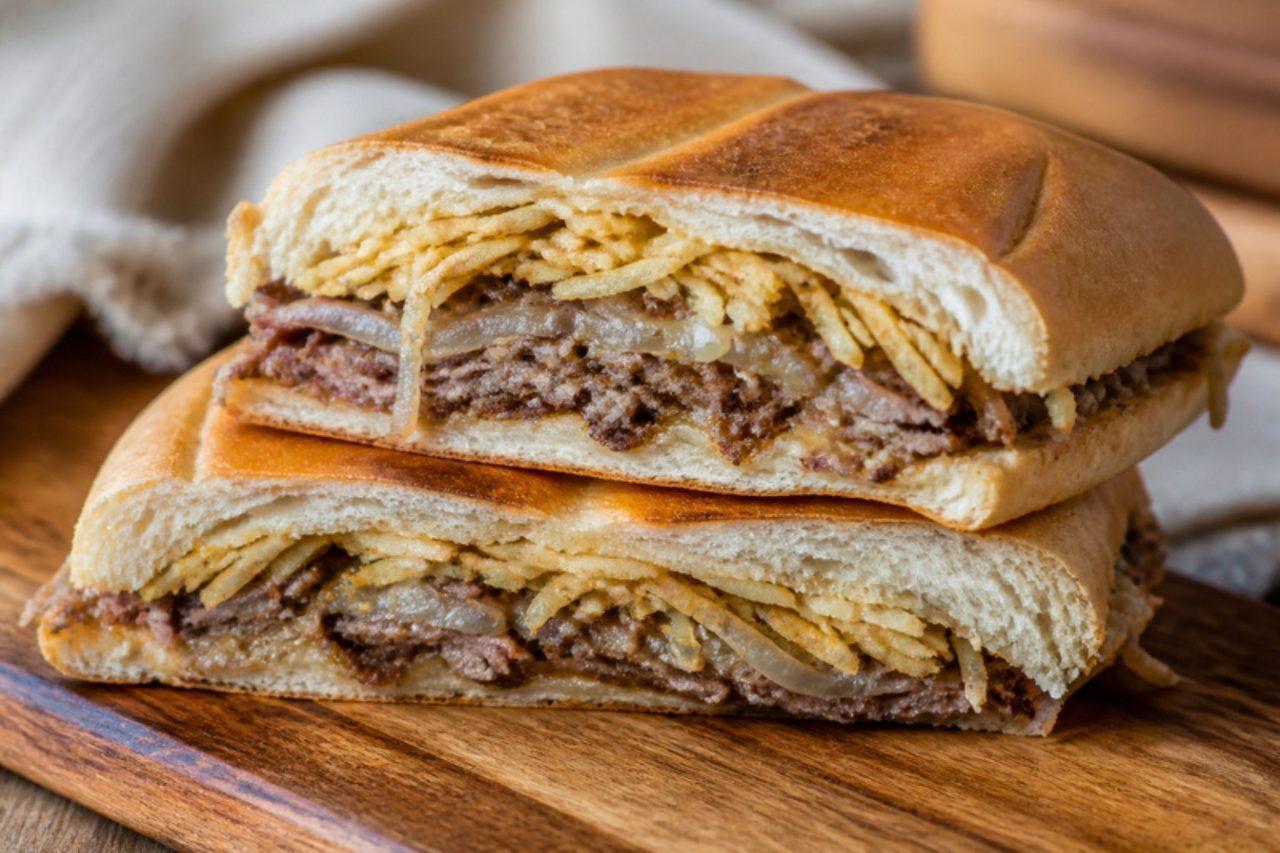
Pan con bistecSteak sandwich with potato sticks

Pan con bistec is the sandwich of Havana cafeterías and Miami's Cuban lunch counters, eaten at any hour but especially as a fast dinner: a paper-thin beef steak quickly soaked in garlic-lime mojo, seared with onions and stuffed into soft Cuban bread with crunchy potato sticks. The common mistake is using a thick steak, which takes too long and turns chewy; ask for palomilla, or bash a thin steak flatter. Chef's tip: deglaze the hot pan with the leftover mojo and pour those juices onto the bread so it soaks up every drop.

13 minCubanMeat
by KrazyBadal 0 views

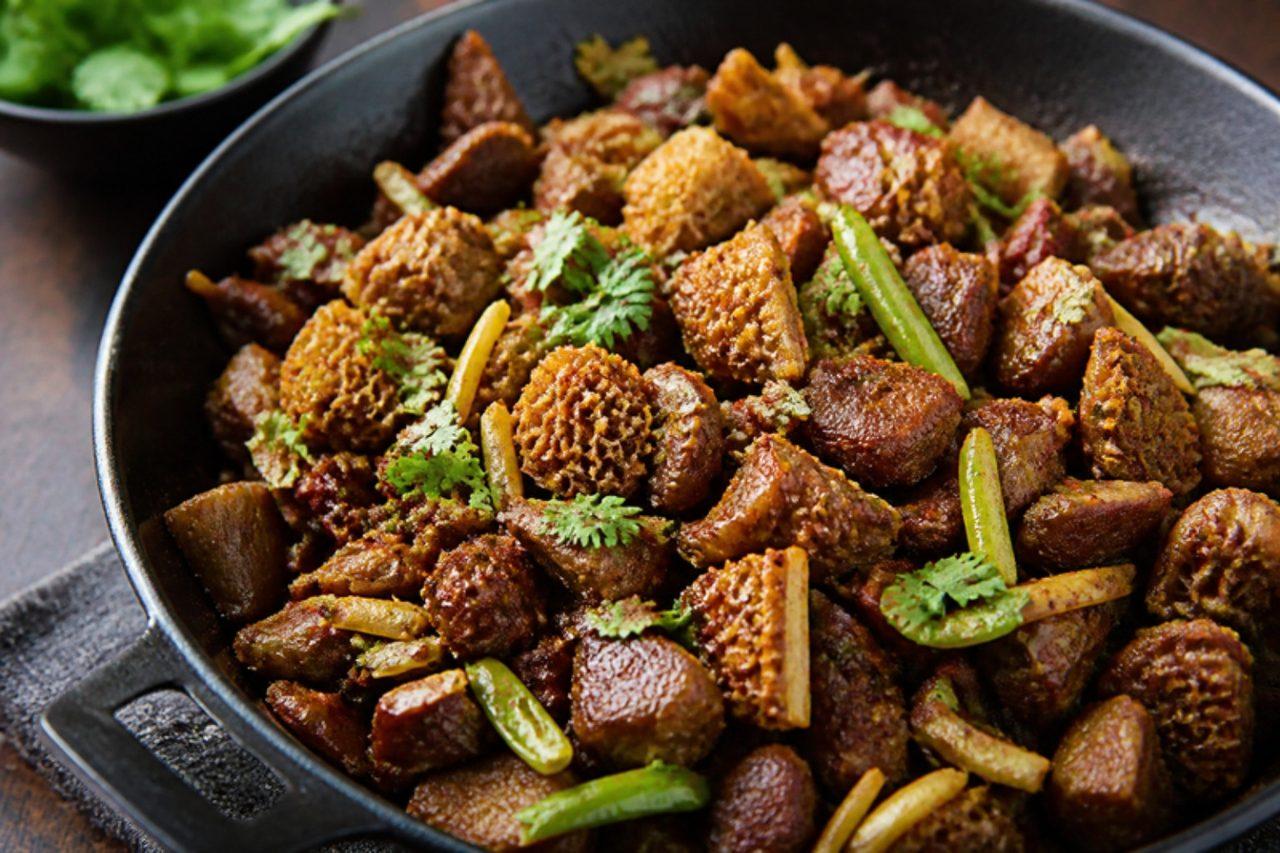
BhuttanFried goat tripe and offal

In Nepal, Dashain is the longest and most important festival of the year, and the meat dishes made in its days of family feasting use every part of the goat; bhuttan, made from the tripe, intestines and liver, is the snack that comes out first with a glass of something and a plate of beaten rice. This recipe uses offal bought ready cleaned from a butcher: the tripe and intestines are boiled until tender, then fried hard in mustard oil with fenugreek seeds, onion, garlic, ginger, cumin, coriander and chilli until browned and crisp at the edges, with the liver added only at the end. Common mistake: frying the tripe before it is tender, which makes it rubbery; boil it until a fork goes in easily, and cook the whole dish until the pieces are browned and the masala clings with the oil separating, at least 71 °C in the centre and the liver with no pink. Keep raw offal chilled and use within a day. Chef's tip: a pinch of crushed timur (Sichuan-style Nepali pepper) at the end gives the tingle Nepali cooks love.

80 minNepaliMeatGluten freeSpicy
by KrazyBadal 0 views

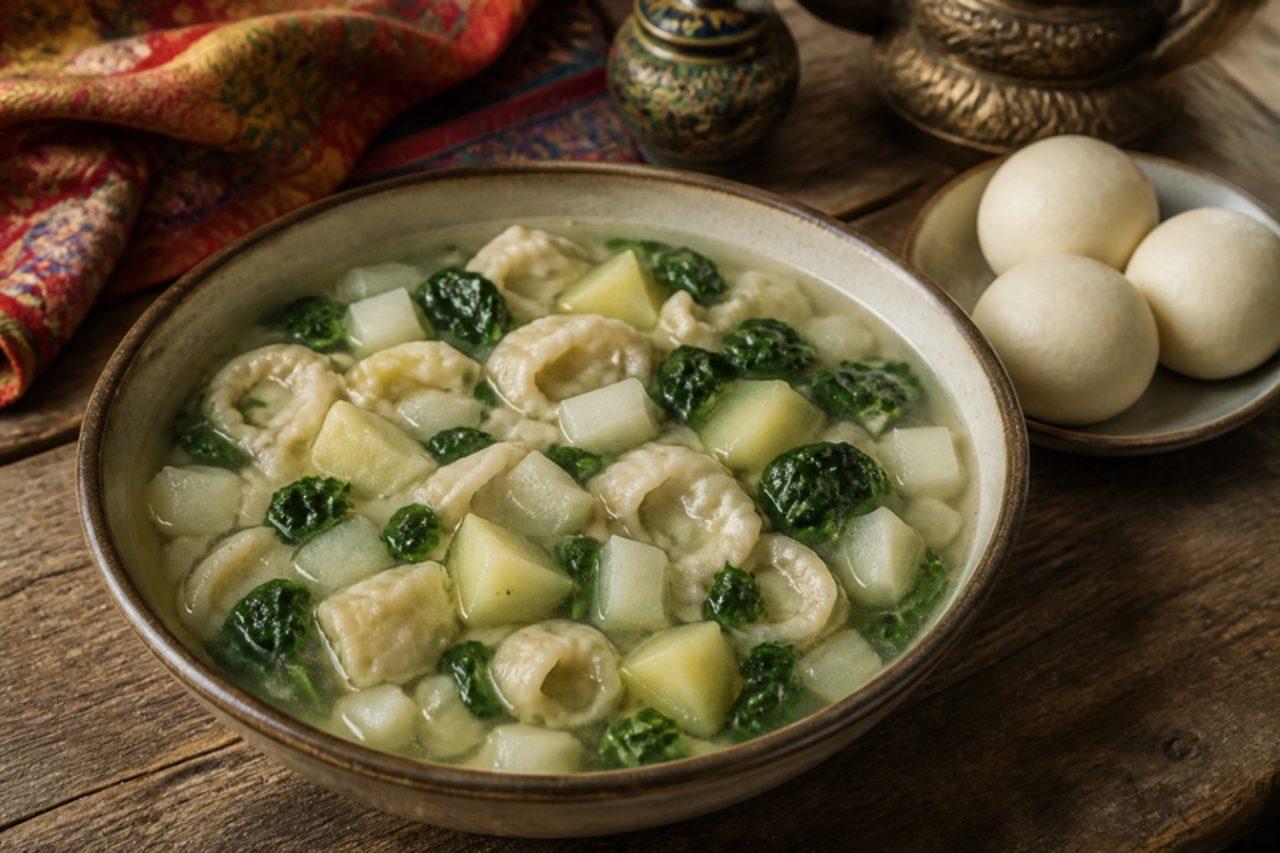
GuthukNine-ingredient noodle soup

Two nights before Losar, Sherpa and Tibetan families in the Himalaya and Kathmandu sit down to guthuk, a thick soup made with nine ingredients to clear away the old year's bad luck. Mixed among the little hand-pinched dough pieces are larger balls, each hiding a token: a chilli for a sharp tongue, salt for an easy-going nature, a peppercorn, a scrap of paper or white wool for a kind heart, and everyone laughs at what they find. A little soup is left in each bowl and carried out of the house with a dough figure to take misfortune away. This vegan version is gingery, peppery and hearty, with radish, greens, beans and rice. The common mistake is adding the dough pieces too early so they swell and go slimy; drop them in near the end and cook just until they float and turn glossy. Chef's tip: warn everyone about the tokens before they eat, use only large, unmistakable ones, and leave them out for small children.

by KrazyBadal 0 views

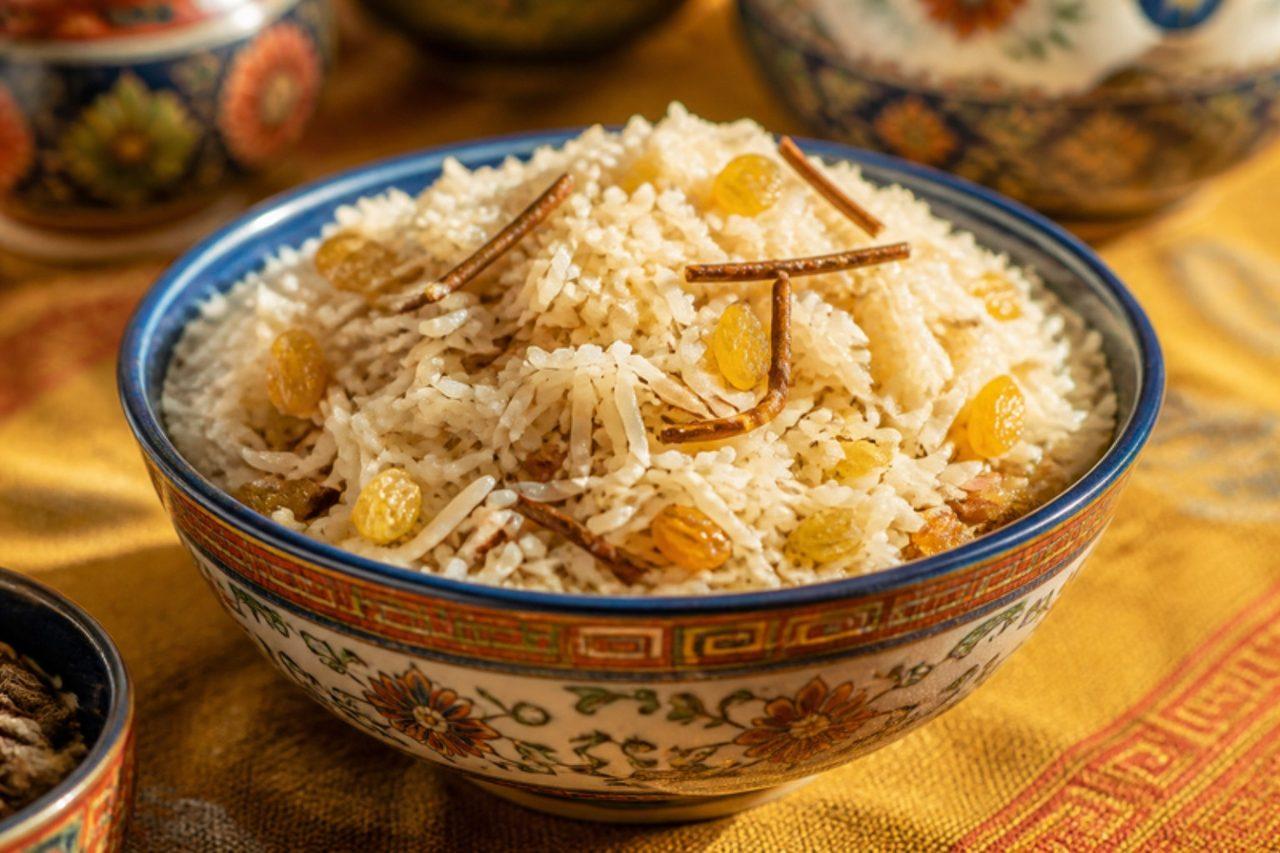
DresilSweet rice with butter and raisins

On the first morning of Losar, Tibetan and Sherpa households in the Himalaya and in Kathmandu greet the year with a bowl of dresil: rice tossed with melted butter, sugar, raisins and droma, the small sweet roots of a wild silverweed gathered on the high pastures. It is eaten with butter tea before visits begin, and a little is offered at the family shrine first. The rice is fluffy and glossy, gently sweet and buttery, with chewy bursts of fruit. The common mistake is cooking the sugar in with the rice, which makes it sticky and likely to catch; cook the rice plain, then fold everything in. It is ready when every grain is coated and separate and the raisins have plumped. Chef's tip: droma is hard to find outside Tibetan shops; chopped dried dates and a few toasted cashews give a similar sweet, earthy chew.

by KrazyBadal 0 views

KalanehWild leek stuffed flatbread

In Kurdistan and Kermanshah, Newroz arrives with the first spring greens on the hillsides, and families gather wild leeks to fold into kalaneh, thin griddle breads cooked over a fire or a hot pan and soaked in melted butter. The dough is plain and soft, rolled very thin around a pile of chopped leek or chives with a little salt and pepper, so the greens steam inside as the bread blisters. Eat it hot, torn into strips, with yogurt and tea at a Newroz picnic. The common mistake is wet greens, which turn the dough soggy and make it tear; dry them well after washing. Chef's tip: brush the butter on the moment the bread leaves the pan so it soaks right in.

by KrazyBadal 0 views

OsterpinzeEaster anise brioche

Osterpinze is the Easter bread of Styria, Carinthia and the area around Trieste, a soft, golden brioche dome with three deep cuts on top for the Holy Trinity, so that it opens into a crown as it bakes. The dough is rich with egg yolks and butter and flavoured with anise and lemon; old recipes add a splash of white wine, left out here. It is blessed in the Easter basket on Holy Saturday and eaten on Easter morning with ham, horseradish and eggs, or with butter and jam. Chef's tip: make the three cuts with scissors just before baking, deep enough to reach halfway down, so the crown opens wide.

by KrazyBadal 0 views

Dowina (Kurdish yogurt soup)

Dowina, called ash-e doogh in Persian, is warming spring food in Kurdish homes around Newroz, when yogurt is plentiful and the first herbs are cut from the garden. Rice and chickpeas simmer in a tangy, lightly thickened yogurt broth, finished with fresh dill, coriander and a sizzle of dried mint in oil. It is eaten warm, never boiling hot, with flatbread. The common mistake is to heat the yogurt too fast without stirring, which makes it split into grainy curds. Chef's tip: whisk an egg yolk and a spoonful of rice flour into the yogurt before it goes on the heat; it holds the soup smooth all the way to the simmer.

by KrazyBadal 0 views

Chipa so'oCheese bread with spiced beef

In Paraguay, families bake chipa in the clay tatakua ovens on Holy Wednesday so there is food for Thursday and Good Friday, when cooking stops. Chipa so'o ('chipa with meat') is a cassava-starch and cheese bread wrapped around a little filling of minced beef cooked with onion and egg, then baked until crisp outside and chewy within. It is naturally gluten free. Chef's tip: knead the dough until it no longer cracks at the edges when pressed; dry dough splits around the filling.

by KrazyBadal 0 views

Pajagua mascadaBeef and cassava patties

Pajagua mascada is a Paraguayan street-food classic that appears on every table for the San Juan festival on 24 June, when bonfires burn and the night is full of games and traditional food. Minced beef is mixed with mashed cassava, onion, garlic and a little egg and flour, shaped into flat patties and fried until crisp. The name comes from Guaraní and refers to the 'chewing' of old Paraguayan cooks, who made it from leftover meat. Chef's tip: dry the boiled cassava well and remove its woody core, which keeps the patties light and crunchy.

by KrazyBadal 0 views

AllerheiligenstriezelBraided sweet loaf

In Bavaria and Austria, godparents give their godchildren an Allerheiligenstriezel on All Saints' Day, 1 November: a large braided loaf of sweet yeast dough, brushed with egg and scattered with almonds or pearl sugar. The braid is said to recall the old custom of cutting a plait of hair in mourning, and the size of the loaf once showed how generous the godparent was. It is lightly sweet, with lemon and vanilla, and is eaten sliced with butter or jam. Some recipes add rum-soaked raisins; these are soaked in warm water instead. Chef's tip: braid four strands for an impressive, high loaf.

by KrazyBadal 0 views

KaguyjyWhite corn pudding

On the night of 23–24 June, Paraguayans celebrate San Juan with bonfires, games like walking over hot coals and the 'paso de fuego', and a table of traditional foods, and kaguyjy (also mazamorra) is one of them. It is a soft, creamy pudding of cracked white corn (locro) simmered slowly in water and then milk with sugar or honey, sometimes with orange peel. It is eaten warm or cold. It is gluten free. Chef's tip: soak the corn overnight and cook it until each kernel is tender before adding the milk, or it never turns creamy.

by KrazyBadal 0 views

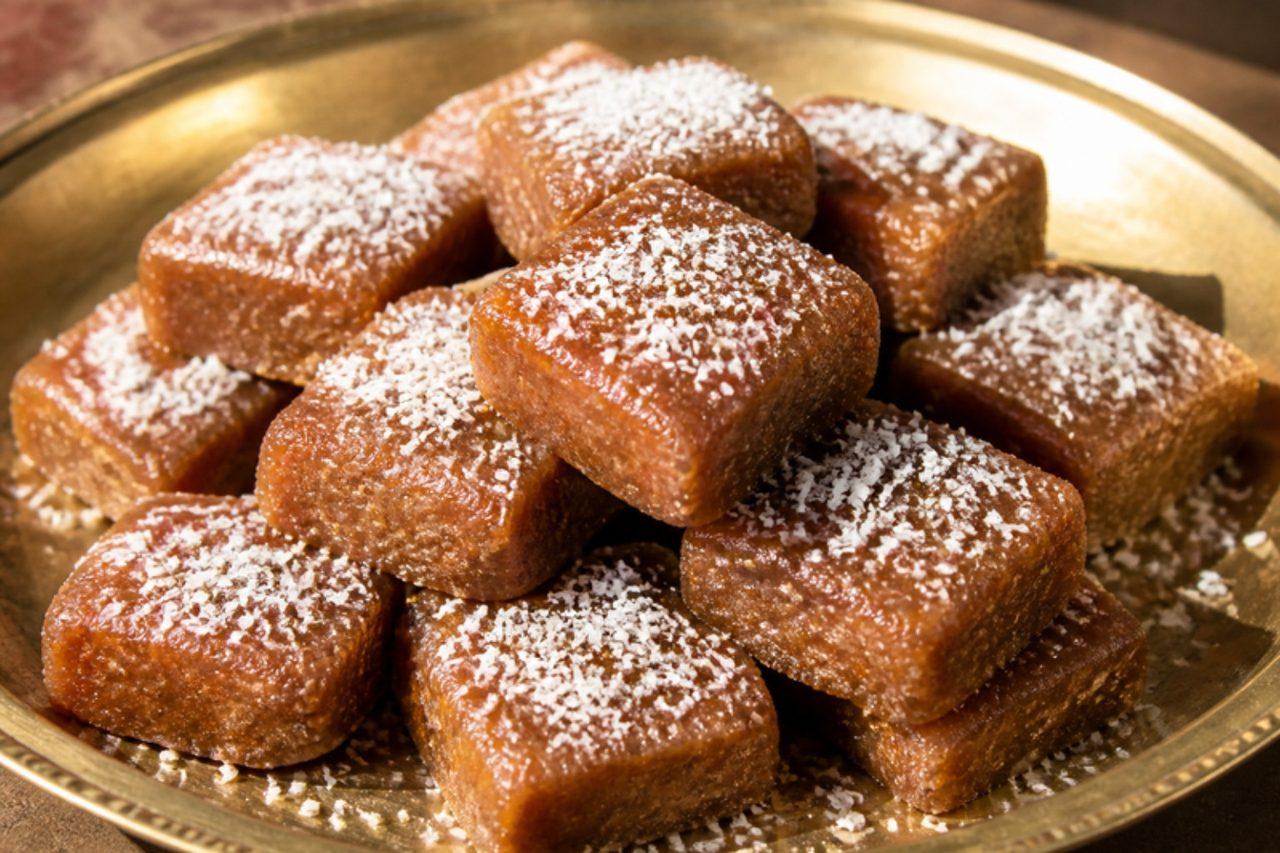
Pustakari (Newari khuwa and jaggery toffee)

Pustakari is the toffee of the Newar community in the Kathmandu Valley, sold in small squares in the old bazaars of Asan and Bhaktapur and made at home for festivals such as Tihar and Yomari Punhi, and on winter afternoons. Jaggery is cooked to a syrup, then khuwa and ghee are stirred in and cooked until the mixture turns into a thick, glossy, deep brown mass that sets into a chewy toffee. It tastes of caramel and milk, a little like fudge but with more chew. Serve a few pieces with tea or as a small sweet after a meal. It is naturally egg-free: the jaggery syrup, cooked to the firm-ball stage, sets the khuwa, so no other binder is needed. Chef's tip: watch the temperature of the syrup; cooking it past 125°C is the common mistake that makes the toffee hard enough to hurt your teeth.

by KrazyBadal 0 views

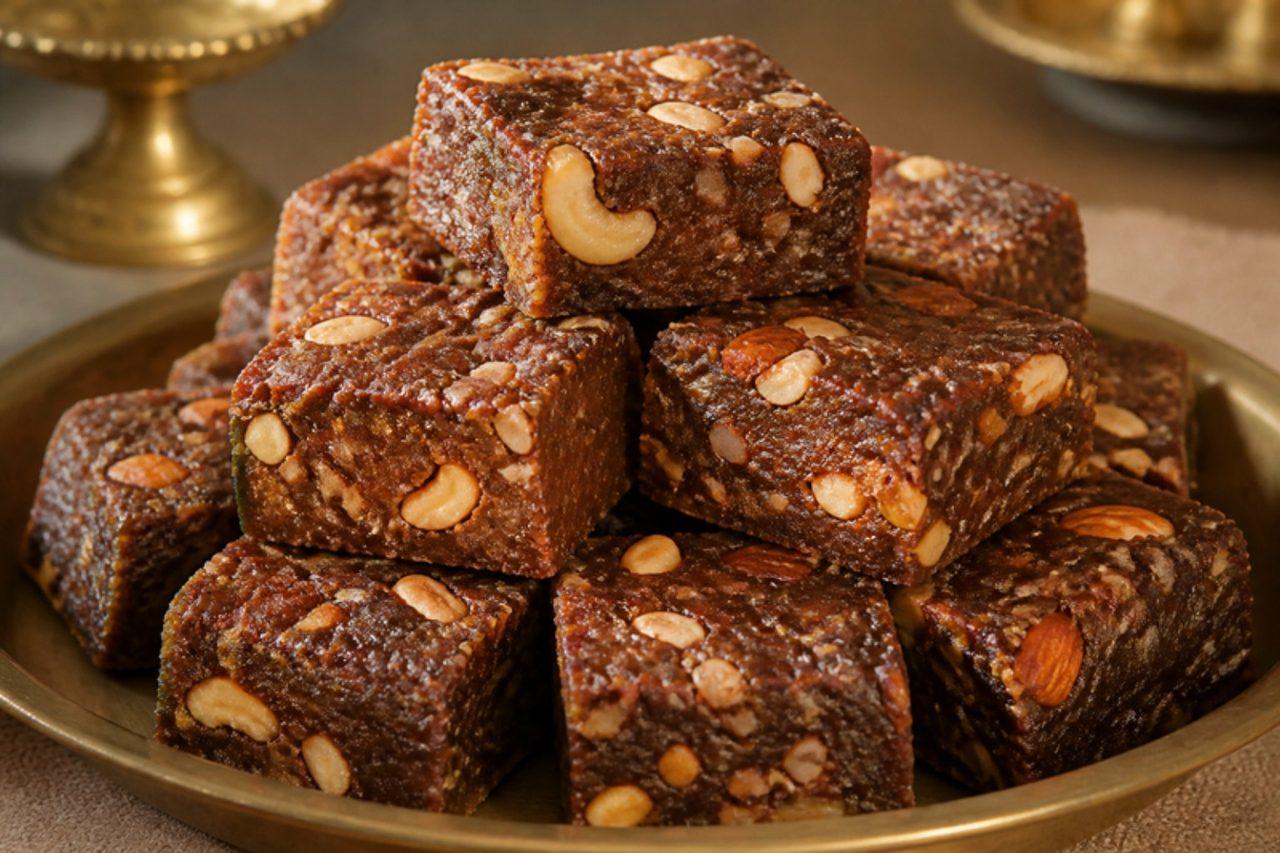
Gudpak (Nepali khuwa, gum and jaggery fudge)

In the Kathmandu Valley, gudpak is the sweet of cold mornings, eaten in the depths of winter and around Maghe Sankranti, and given to new mothers to restore their strength after childbirth. Khuwa (milk solids) is roasted in ghee, sweetened with jaggery, and mixed with crunchy fried edible gum, nuts and coconut before being pressed into a tray and cut into squares. It's dense, rich and slightly chewy, with a warm caramel flavour and pops of crunch from the puffed gum. Eat a square with milky tea or as a small sweet after dinner. It is naturally egg-free: the khuwa and jaggery cooked together into a thick mass bind the fudge, and the edible gum (gond) gives it body. Chef's tip: fry the gum in small amounts over a low heat until it puffs up white; frying it too fast is the common mistake, which leaves it hard, glassy and unpleasant to chew.

by KrazyBadal 0 views

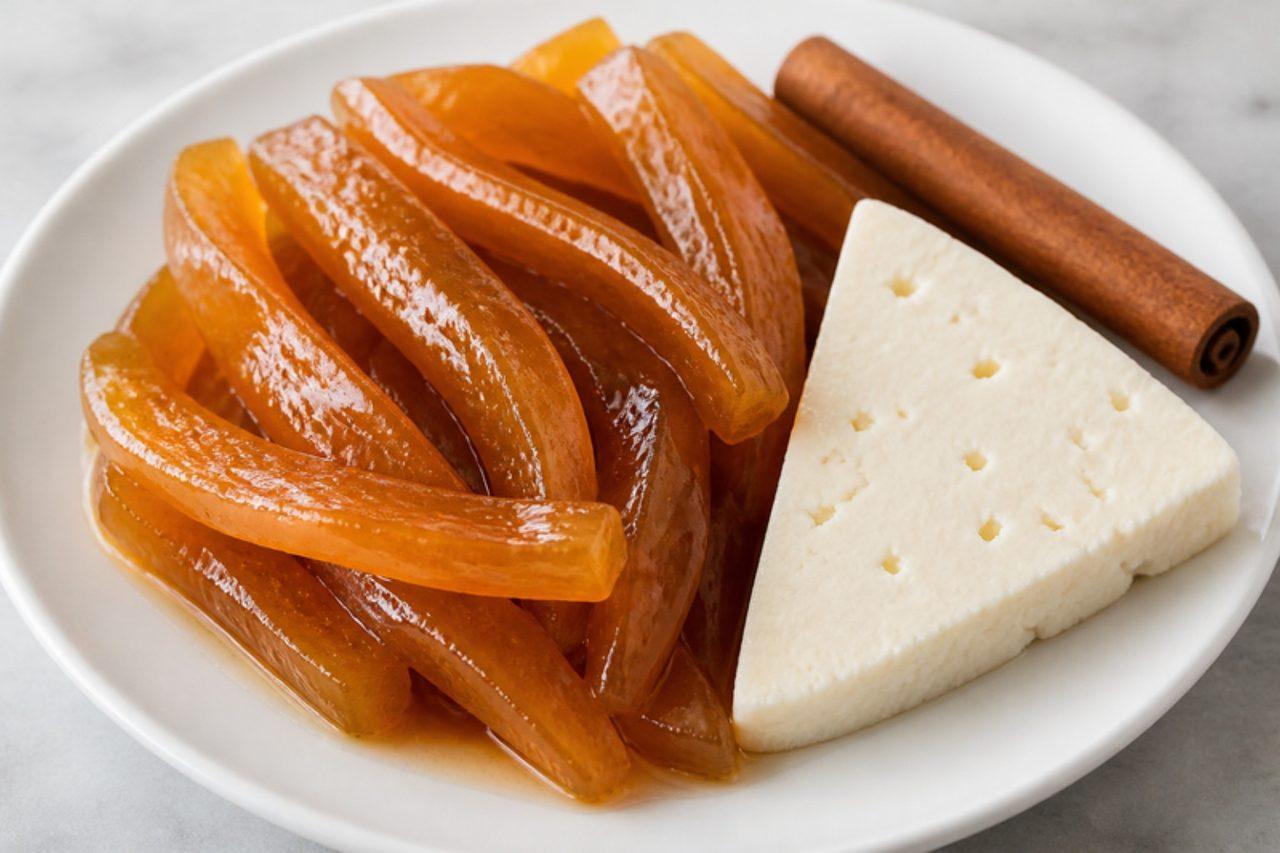
Dulce de fruta bomba (Cuban green papaya in syrup)

In Cuba, papaya is called fruta bomba, and its green, unripe fruit is cooked into this old-fashioned dulce, a fixture of home cooking all over the island and often made in big batches to keep. Strips of firm green papaya are simmered slowly in a cinnamon and lime-peel syrup until they turn translucent and chewy, with a candied, honeyed flavour. The Cuban way to eat it is with a slice of salty, crumbly white cheese, which balances the sweetness; a cup of strong coffee goes alongside. The dulce is egg-free by tradition, with nothing to bind: the papaya candies in the sugar syrup, and a short soak in water with a little bicarbonate of soda helps the strips stay firm. Chef's tip: rinse the strips well after the soak and simmer them gently; the common mistake is boiling the syrup fast, which hardens the outside of the papaya before the syrup can soak in.

by KrazyBadal 0 views

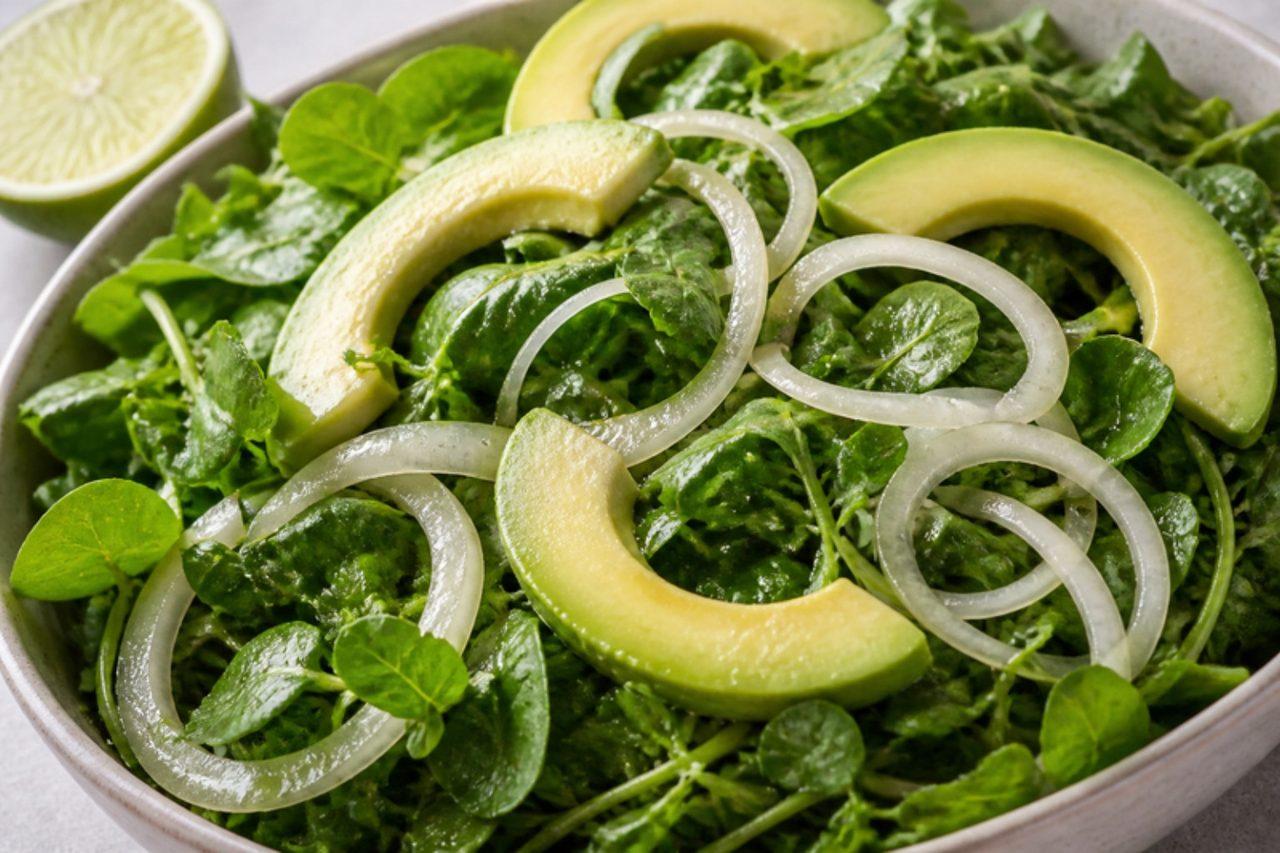
Ensalada de berroWatercress salad

In Cuban homes from Havana to Santiago, a plate of peppery watercress with thin rings of onion and a squeeze of lime sits beside the rice, beans and fried plantain at almost every weekday lunch. The dressing is simply lime or sour orange, olive oil and salt, so the cress stays crisp and bright and cuts through richer dishes. It is very light, with about 2 g of protein a portion, so it is purely a side; pair it with black beans and rice for a full meal. The most common mistake is dressing it in advance: watercress wilts in minutes once salted. Chef's tip: keep the thick lower stems out and use only the tender tops and leaves; the salad will be crisp, not stringy.

by KrazyBadal 0 views

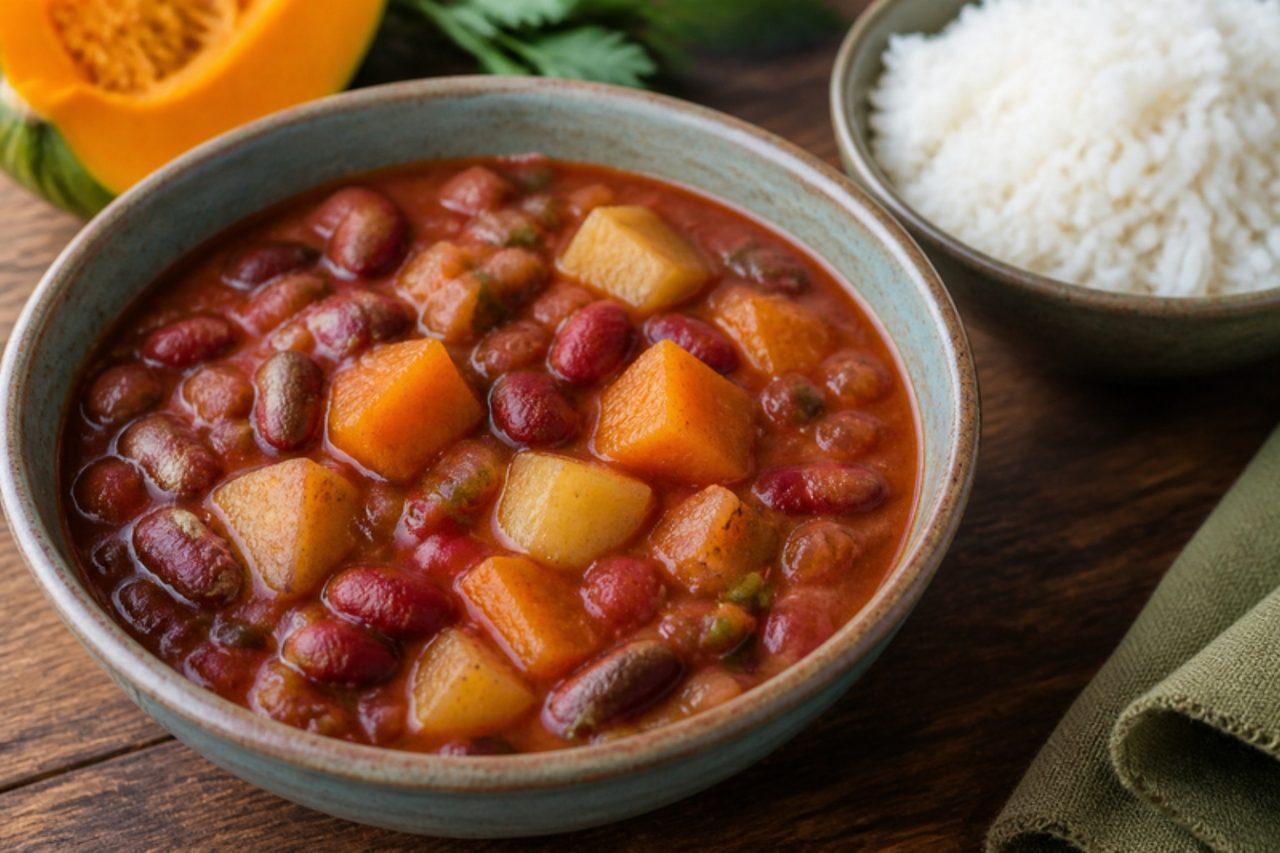
Cuban red bean potaje (vegetarian)Red bean and pumpkin stew

Potaje de frijoles colorados is everyday Cuban home cooking, eaten in Havana, Camagüey and Santiago alike as the midday meal over white rice, often with a simple avocado salad. Red kidney beans cook until soft and are thickened with calabaza and potato, then flavoured with a sofrito of onion, pepper, garlic, cumin and oregano. It is usually made with pork or chorizo; this is the vegetarian and vegan version, with smoked paprika and a spoonful of vinegar-pickled pepper brine giving the same savoury depth. A bowl gives about 25 g of protein from the beans. Soak the beans for 12 hours first (not counted below), and boil them hard for 10 minutes before simmering, as raw kidney beans contain a toxin. The most common mistake is salting at the start, which keeps the skins tough. Chef's tip: a teaspoon of sugar in the sofrito is a Cuban touch that rounds out the tomato and beans.

135 minCubanCurriesVeganGluten free
by KrazyBadal 0 views

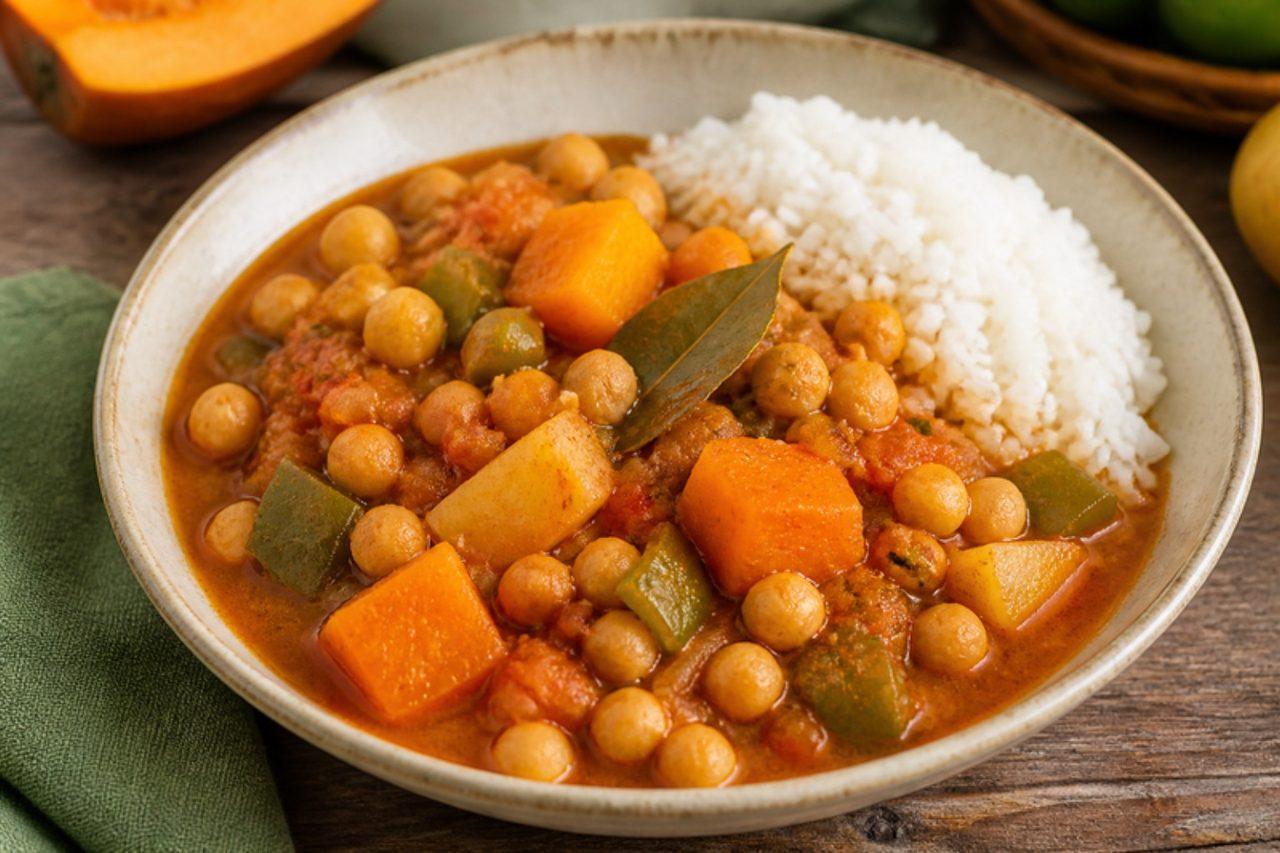
Cuban potaje de garbanzos (vegetarian)Chickpea and pumpkin stew

In Havana and across Cuba, a pot of potaje de garbanzos simmers on the stove for the main meal of the day, and is ladled over white rice with a few slices of fried ripe plantain on the side. Chickpeas cook until creamy with chunks of calabaza (West Indian pumpkin) and potato, then a sofrito of onion, green pepper, garlic and tomato turns the broth thick and orange. Most Cuban cooks add chorizo; this is the vegetarian version, with smoked paprika giving the smoky warmth instead, and it is fully vegan. A bowl gives about 21 g of protein from the chickpeas. Soak the chickpeas for 12 hours first; that time is not counted below. The most common mistake is adding the pumpkin at the start: it dissolves completely, so add it once the chickpeas are nearly tender. Chef's tip: let the potaje rest for half an hour before serving; it thickens and tastes even better the next day.

120 minCubanCurriesVeganGluten free
by KrazyBadal 0 views

Showing 24 of 250 recipes

Show more recipes

Page 1 of 11