Skip to content
Recipes

All recipes

Vegetarian, or something you can't eat? Set your diet once and we'll hide recipes that don't fit.

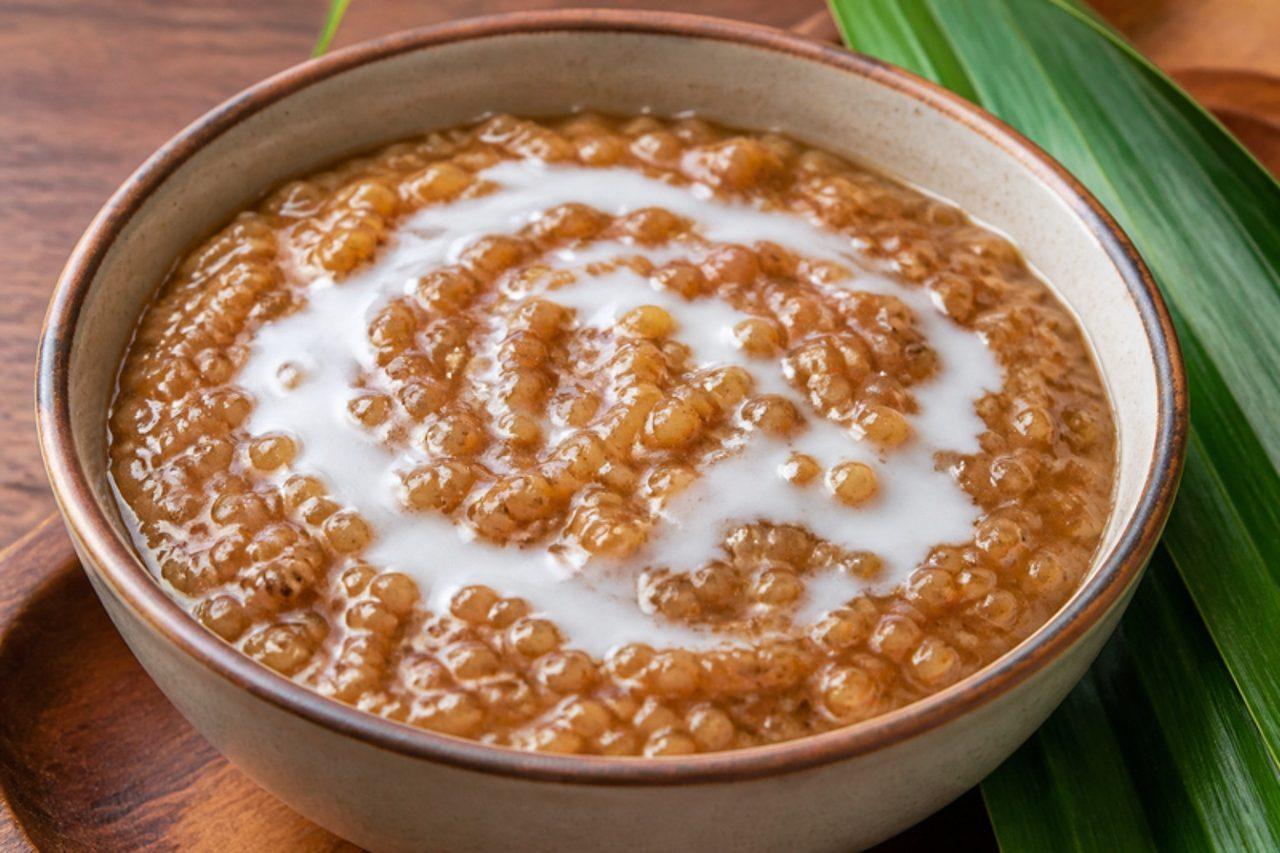
Bubur gandum (wheat pudding with coconut milk and palm sugar)

In Malaysia bubur gandum belongs to Ramadan: it is ladled out at the bazaars that open before sunset and cooked in giant pots at mosques for breaking the fast, and it appears again at Hari Raya open houses. Pearled wheat is simmered until the grains burst and turn chewy, then cooked with gula Melaka, pandan and coconut milk into a thick, toffee-brown porridge. The texture is somewhere between rice pudding and soft barley, with a sweet, smoky, coconut flavour. Serve it warm, or at room temperature on a hot evening. The pudding has always been egg-free, because the starch released by the wheat thickens the coconut milk as it simmers, so nothing else is needed to bind it. Chef's tip: cook the wheat in water until fully soft before adding the sugar and coconut milk; the common mistake is adding them too early, which keeps the grains hard however long you cook them.

by KrazyBadal 0 views

Asam pedas ikanSour spicy tamarind fish

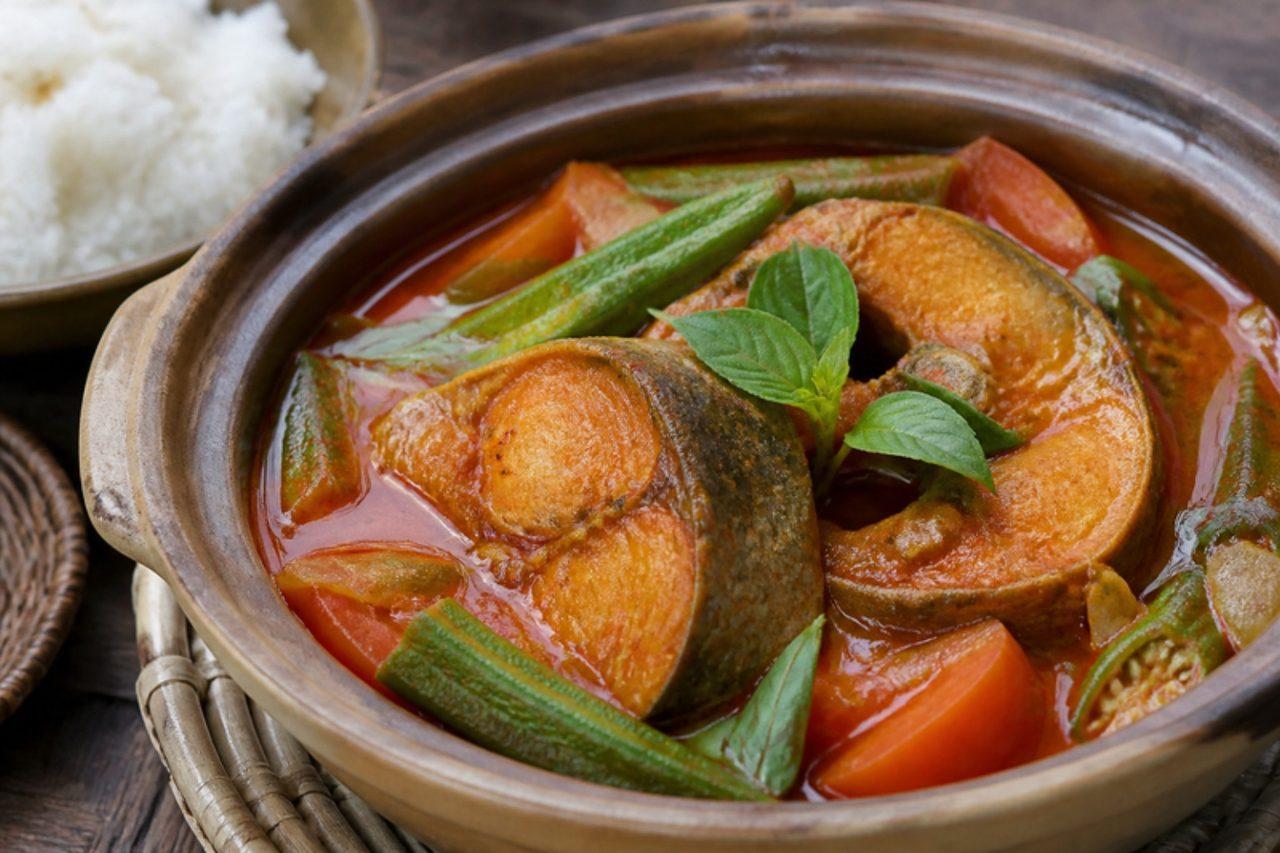
Asam pedas, "sour and spicy", is the pride of Malay kitchens in Melaka and Johor, cooked for everyday lunches and sold at rice stalls with a dozen other dishes. Fish steaks simmer in a thin, brick-red gravy of dried chilli, shallot and belacan soured with tamarind, with okra and tomato soaking up the sauce and Vietnamese mint scenting it. It is fiery, tangy and light, with about 29 g of protein a portion from the fish; eat it with plenty of plain rice. The common mistake is rushing the chilli paste: if it isn't fried until the oil separates, the gravy tastes raw and harsh. Chef's tip: use oily, firm fish such as Spanish mackerel or stingray, which stand up to the sour broth.

by KrazyBadal 0 views

BohémienneAubergine and tomato stew

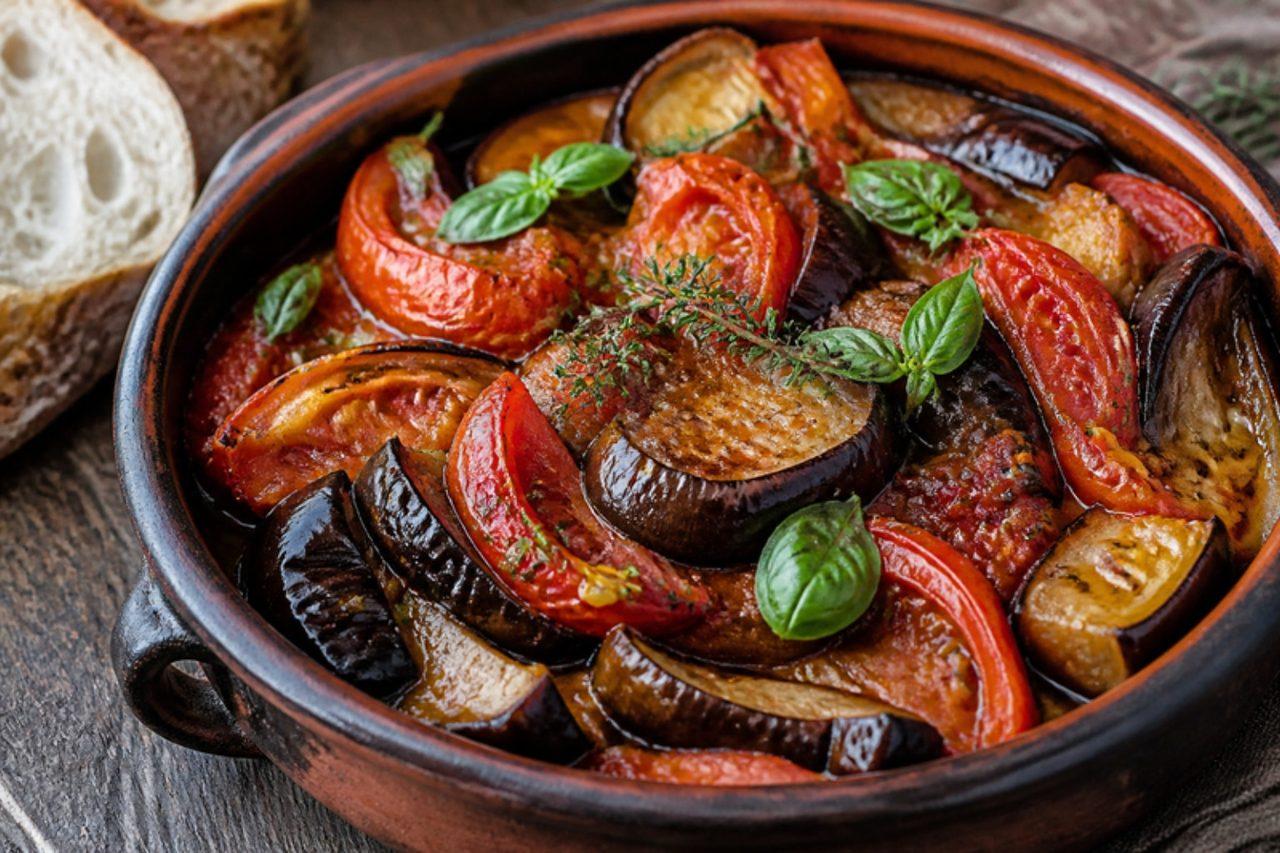
Bohémienne is the older, simpler cousin of ratatouille, cooked in Avignon and the Vaucluse villages at the end of summer when aubergines and tomatoes are cheap and ripe. Just those two vegetables, with onion, garlic and plenty of olive oil, are stewed slowly until they melt into a soft, jammy confit that is eaten warm with bread, cold on toast, or beside an omelette. It is vegan and light, with about 3 g of protein per portion. The common mistake is hurrying it over a high heat: the aubergine catches before it softens, so keep the heat low and stir gently. Chef's tip: salt the aubergine cubes for 20 minutes and pat them dry; they then take up less oil and keep a silky texture.

by KrazyBadal 0 views

Potage cultivateurFarmer's vegetable soup

Potage cultivateur is the farmhouse soup of France, made in kitchens from Normandy to the Auvergne on cold evenings and eaten as a light supper with bread. The vegetables are cut into small, thin squares (the 'paysanne' cut), sweated slowly in butter, then simmered in water, so the broth stays clear and every spoonful has carrot, turnip, leek and potato. The old versions add bacon; this one is vegetarian. It is light, with about 4 g of protein per bowl; add a handful of white beans or serve with cheese on toast for more (choose a vegetarian cheese if you avoid animal rennet). The most common mistake is browning the vegetables: they should sweat gently until soft and shiny, never coloured. Chef's tip: cut every vegetable the same size, about 1 cm square and 3 mm thick, so they all cook in the same time.

by KrazyBadal 0 views

Chilcano de pescadoClear fish broth

In the fishermen's terminals of Chorrillos and Callao, chilcano is what you drink on a Sunday morning after a long night: a clear, gingery broth made from the heads and bones left over from cleaning fish for ceviche, with chunks of fish, red onion, chilli and a squeeze of lime in the bowl. It is light and warming, around 160 kcal a bowl, and still gives about 24 g of protein from the fish fillet and the broth. The common mistake is squeezing the lime into the pot while it boils, which turns it bitter; add it to each bowl at the table. Don't boil the bones for more than 30 minutes either, or the broth turns cloudy and harsh. Chef's tip: ask the fishmonger for heads and frames from mild white fish like sea bass or cod, and leave out oily fish such as mackerel, which makes the broth strong and fishy.

by KrazyBadal 0 views

Salade de pissenlitsDandelion salad with warm vinaigrette

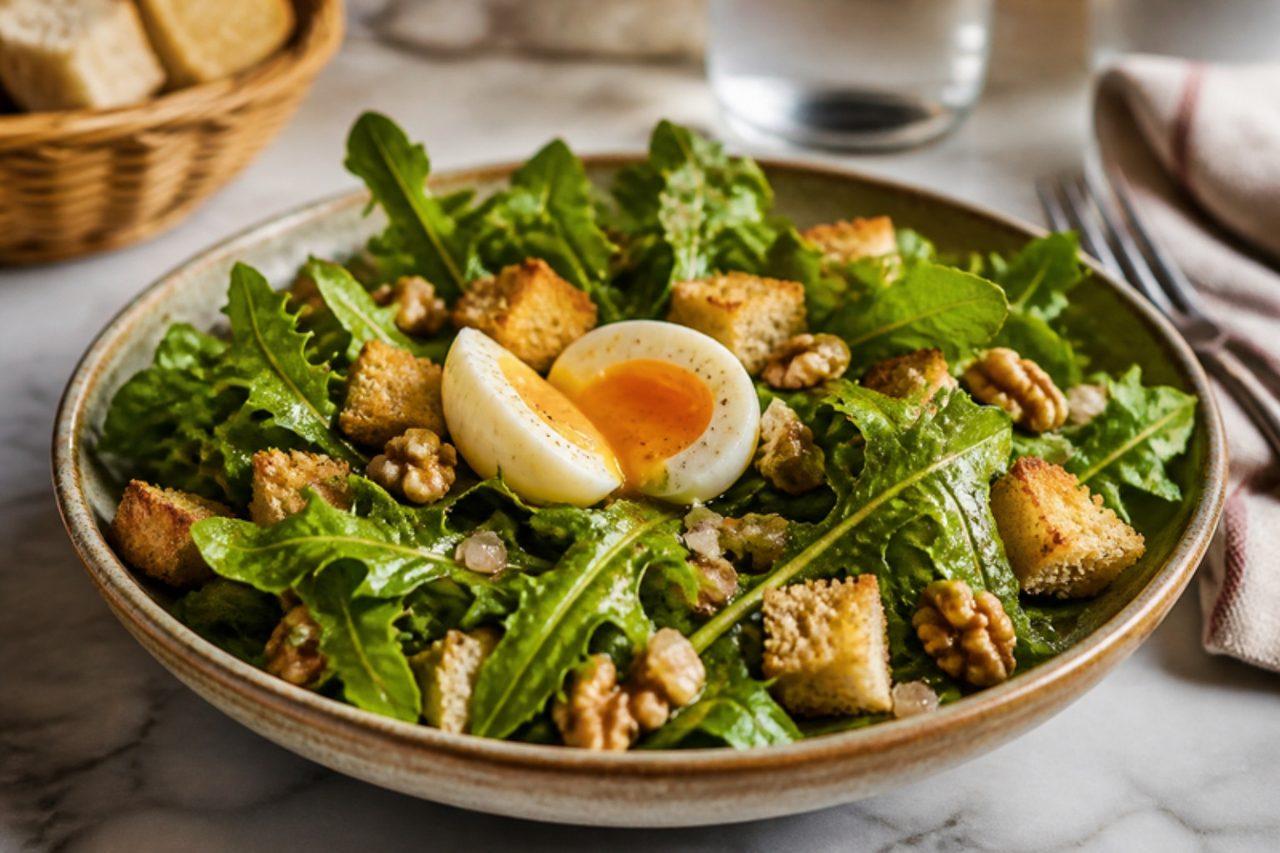
In Lorraine and around Lyon, the first tender dandelion leaves of March and April are gathered from meadows (or bought in bunches at the market) for a salad that marks the end of winter. The leaves are pleasantly bitter, and a hot vinaigrette poured over them wilts them slightly, with soft eggs to make it a light supper. The traditional version has crisp lardons; this vegetarian version uses toasted walnuts and a little of their oil for the same richness. A plate gives about 15 g of protein from the eggs and walnuts, so it is not a high-protein dish. The yolks stay runny, so use pasteurised eggs for anyone pregnant, very young, older or vulnerable, or boil the eggs for 10 minutes instead. The mistake to avoid is using big, old leaves from flowering plants; they are tough and harshly bitter. Chef's tip: soak the leaves in cold water for 30 minutes before drying them; it crisps them and tames some of the bitterness.

by KrazyBadal 0 views

Artichauts à la barigouleBraised artichokes

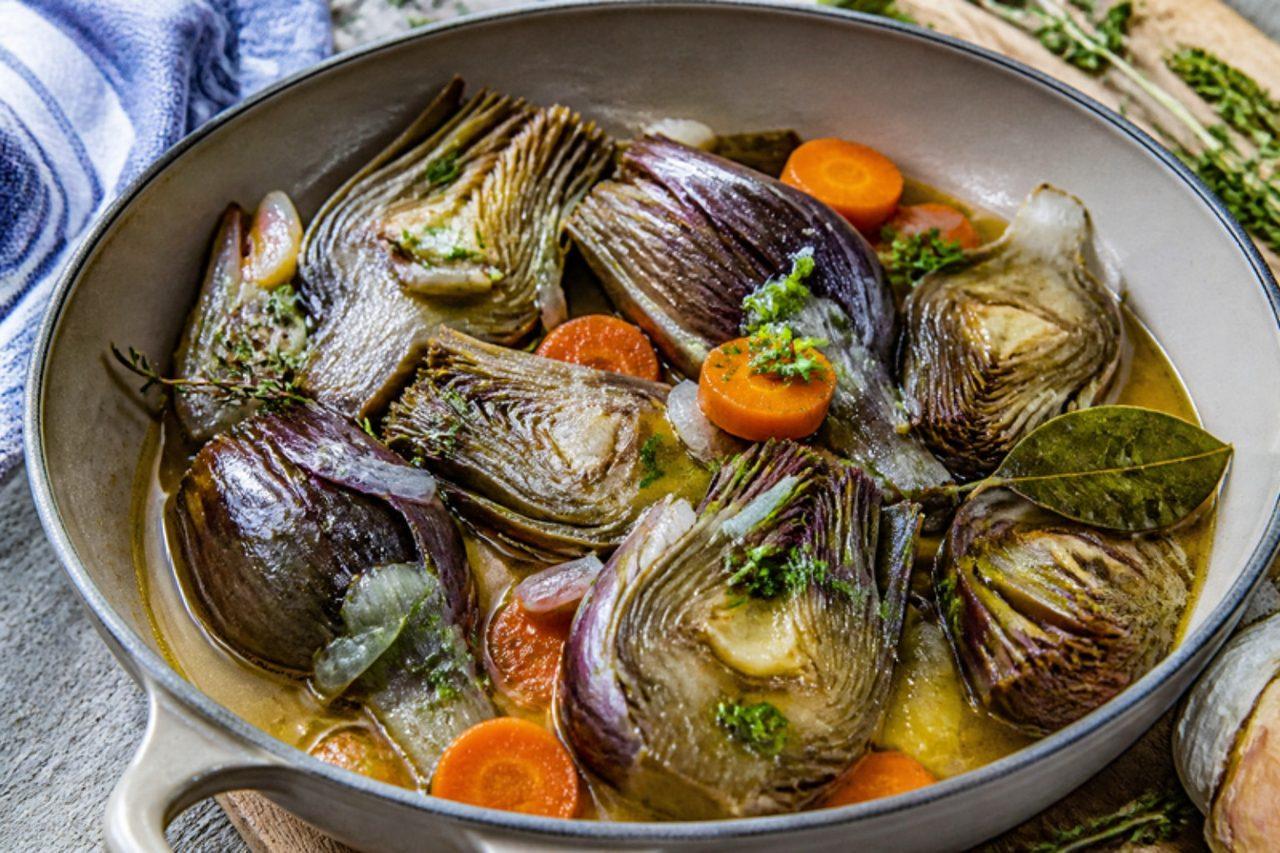
In Provence, artichauts à la barigoule is cooked in spring when the small violet artichokes come into the markets of Aix, Avignon and Marseille, and it is served warm as a starter or as a light main with bread. The trimmed artichokes are braised in olive oil with carrot, onion, garlic and herbs until tender in a fragrant, slightly tart liquor. The traditional braise uses white wine; this version is alcohol-free, using vegetable stock sharpened with white wine vinegar and lemon. It is vegan, with about 5 g of protein per portion, from the artichokes. The common mistake is trimming too timidly: any dark green leaf left on stays tough and stringy, so keep going until only the pale, tender leaves remain. Chef's tip: rub each artichoke with lemon as you trim and drop it straight into lemon water, or it will go brown within minutes.

by KrazyBadal 0 views

Aguadito de polloCoriander chicken rice soup

Aguadito is the soup Lima serves in the small hours: at the end of a wedding, after New Year's Eve and at weekend family lunches, it is ladled out thick and steaming to revive everyone. Rice simmers in chicken broth coloured deep green with blended coriander and warmed with yellow ají amarillo, along with peas, carrot, pepper, sweetcorn and potato. A portion gives about 24 g of protein, from the chicken with a little from the rice and peas, for around 480 kcal. The common mistake is adding the coriander purée too early: cooked for long it turns khaki and loses its fresh taste, so stir it in for the last 10 minutes. The chicken must reach 74 °C at the bone. Chef's tip: blend a handful of spinach with the coriander; it keeps the colour vivid green without changing the flavour.

by KrazyBadal 0 views

ParihuelaSpicy seafood soup

Parihuela is the big weekend seafood soup of Callao and the Peruvian coast, eaten at long Sunday lunches in cevicherías and praised as a cure for tiredness and late nights. A deep red broth of ají panca, ají amarillo, tomato and fish stock is loaded with chunks of fish, prawns, squid and mussels. A portion gives about 30 g of protein, from the fish and shellfish, for roughly 300 kcal. Some cooks add chicha de jora or beer; this version has none. The common mistake is adding all the seafood at once: squid and prawns turn rubbery while the fish cooks, so they go in last. Before cooking, discard any mussels that stay open when tapped, and after cooking discard any that stay shut. Chef's tip: fry the chilli pastes in the oil until they darken and smell sweet; that toasted ají is what gives parihuela its depth.

by KrazyBadal 0 views

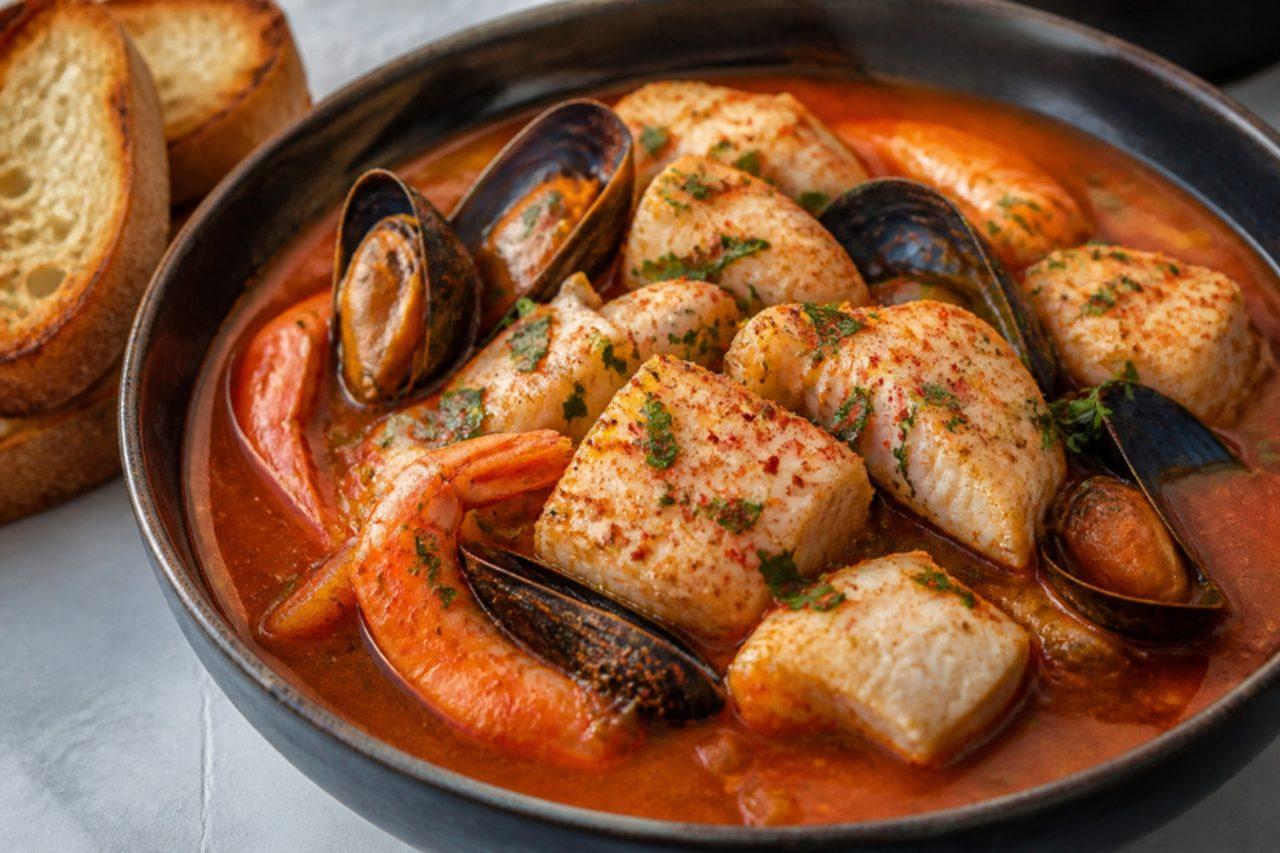
TtoroBasque fish soup

Ttoro was the meal Basque fishermen in Saint-Jean-de-Luz and Ciboure made from the part of the catch they couldn't sell, and the town still holds a ttoro festival every autumn. A deep red broth of peppers, tomato and Espelette pepper is poured over pieces of hake and monkfish, mussels and prawns, with garlic toast on the side for dunking (use gluten-free bread if needed). A portion gives about 32 g of protein, from the fish and shellfish, for around 360 kcal. The common mistake is boiling the fish in the broth: it breaks into flakes, so the pieces are seared first and then only poached gently on top for a few minutes. Discard any mussel that stays open when tapped before cooking or stays shut after. Chef's tip: dust the fish in rice flour before searing; the light crust protects the fish in the broth and thickens it slightly.

70 minFrenchFishGluten free
by KrazyBadal 0 views

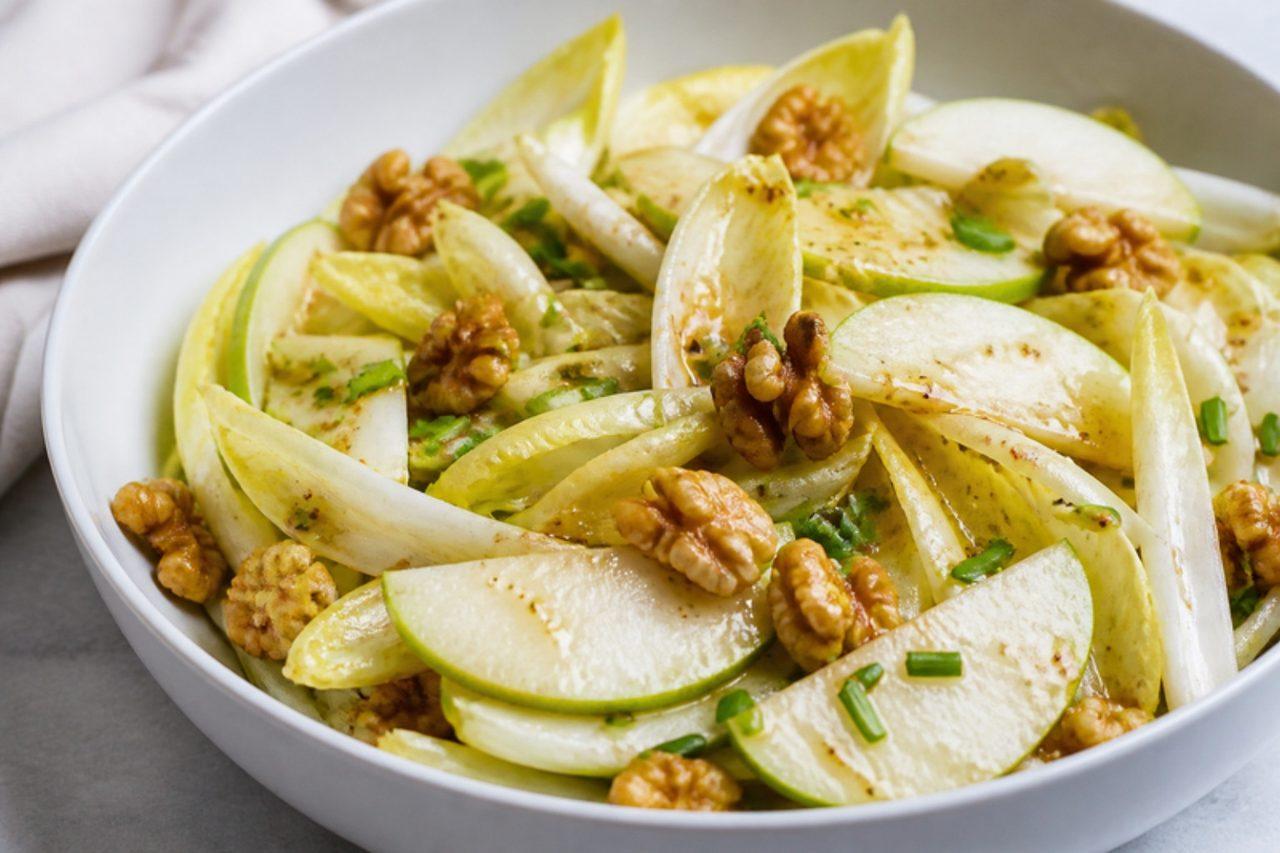
Salade d'endives aux noixChicory, walnut and apple salad

Across Picardy and the Nord, and over the border in Belgium, Belgian endive (chicory) is the winter salad, and this one appears after the main course at Sunday lunch or as a light supper from November to March. The pale, crisp leaves are cut into rings and tossed with sweet apple, toasted walnuts and a sharp mustard vinaigrette, so you get bitter, sweet and nutty in every mouthful. Many bistros add Roquefort; this version is vegan, and if you add cheese, note that Roquefort is made with animal rennet. A portion gives about 4 g of protein from the walnuts, so it is a side or starter. The most common mistake is slicing the endive too early: it browns at the cut edges, so dress it within 10 minutes of cutting. Chef's tip: cut out the small cone of core at the base of each endive; it holds most of the bitterness.

by KrazyBadal 0 views

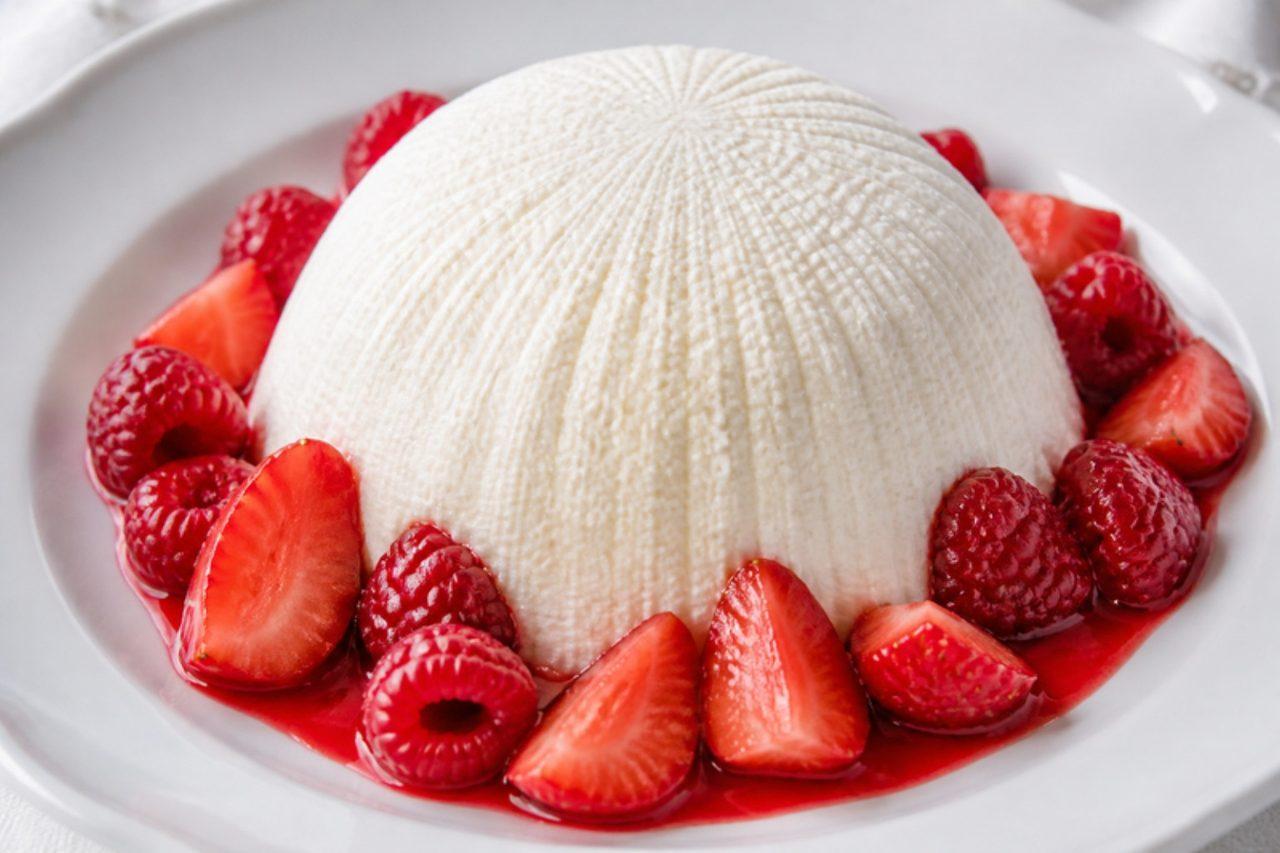
Fontainebleau (fromage blanc and whipped cream mousse)

Fontainebleau takes its name from the town south of Paris, whose cheese shops sold it in little muslin-wrapped pots for the weekend. It is a fresh-cheese dessert for late spring and summer, best when the first strawberries and raspberries arrive. Fromage blanc and whipped cream are folded together and left to drain in muslin, so the mousse firms up into a light, cloud-soft mound that tastes of fresh milk with a gentle tang. Serve it chilled with berries or a spoonful of red-fruit coulis, and a little extra sugar on the side. Some recipes fold in whisked whites; this one leaves them out entirely, because firmly whipped cream alone holds the air, and draining away the whey gives the mousse its shape. Chef's tip: drain the fromage blanc before you start; the common mistake is folding in a wet, runny cheese, which collapses the cream and leaves a puddle in the dish.

by KrazyBadal 0 views

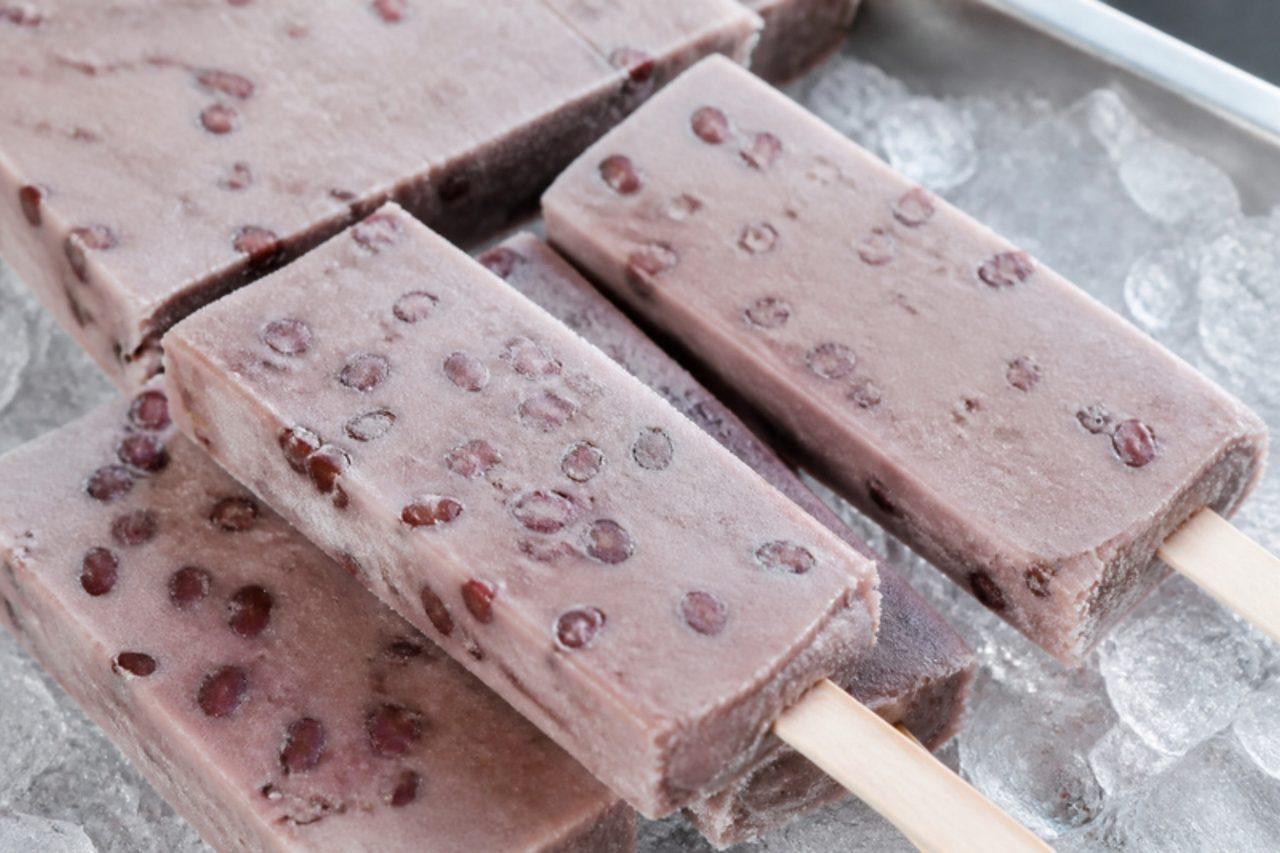
Aiskrim potong (Malaysian red bean ice-cream bars)

Aiskrim potong, literally cut ice cream, comes from the days when Malaysian factories froze long blocks of dense ice cream that vendors sliced into bars to order. It is still sold nationwide from motorbike freezers and kampung shops, especially in the afternoon heat after school, in flavours like coconut, sweet corn, yam and durian, with red bean as the classic. It is firmer and denser than scooped ice cream and melts slowly in the hand. There is no egg: the base is cornflour cooked into coconut milk and milk, with a little condensed milk. The cooked starch gives the bars their chewy, close bite and keeps them smooth because it ties up the water before it can form big crystals. Chef's tip: stir the half-frozen block once so the beans don't all sink; the common mistake is pouring and leaving it, which gives a bean-heavy bottom and a plain top.

by KrazyBadal 0 views

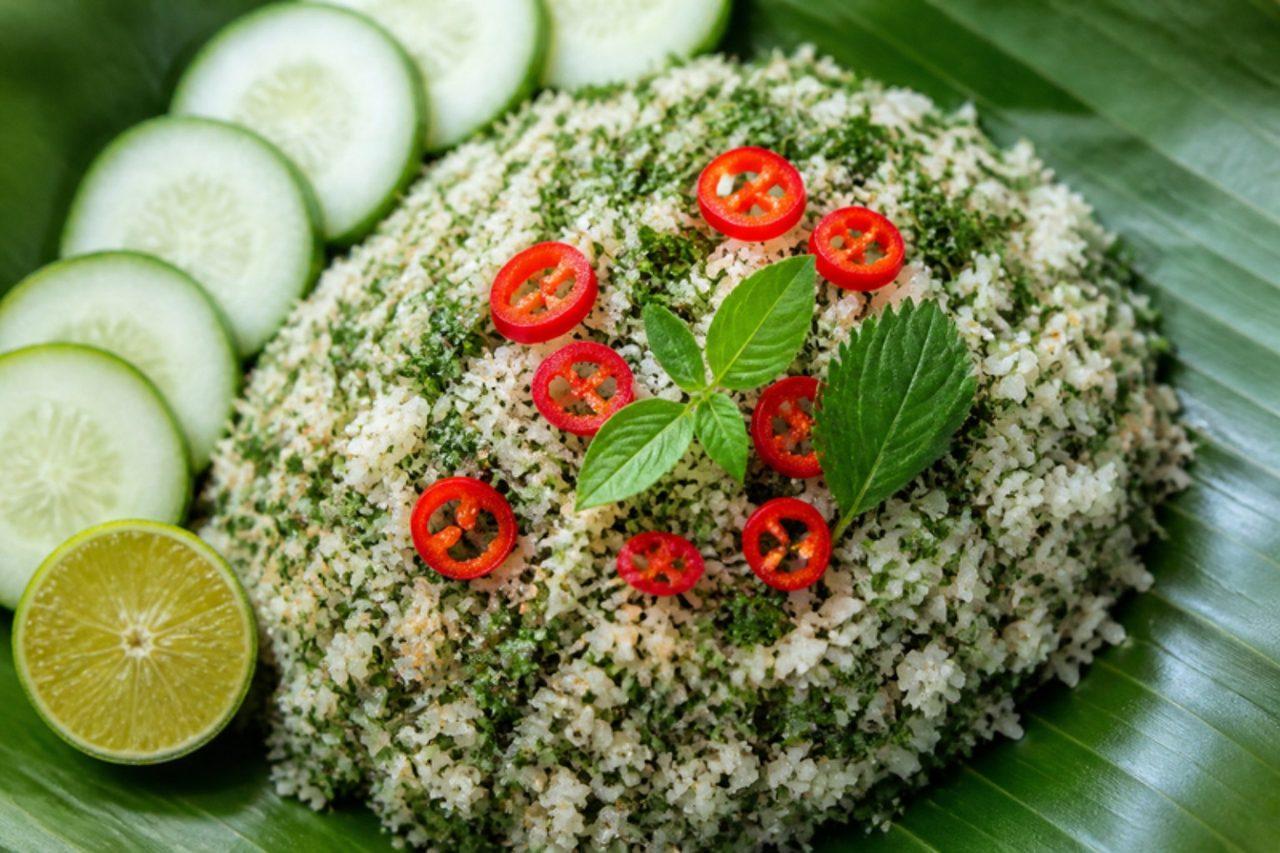
Nasi ulamHerb rice

In Kelantan and Terengganu on Malaysia's east coast, nasi ulam is the cool, fragrant rice eaten at lunch in the heat: day-old rice tossed with a heap of hair-thin raw herbs (ulam), lemongrass, lime leaf, shallots and dry-toasted coconut. It is traditionally mixed with flaked salted or dried fish; this is a vegetarian version that leaves the fish out and leans on the toasted coconut and a squeeze of lime for depth. It is a light meal of about 340 kcal, with around 7 g of protein, so it is not high in protein; serve it with fried tofu or tempeh. The common mistake is using hot rice, which wilts the herbs into a dark mush; the rice must be cold. Chef's tip: stack the leaves, roll them into a tight cigar and slice across as thinly as you can; the finer the herbs, the more perfume.

by KrazyBadal 0 views

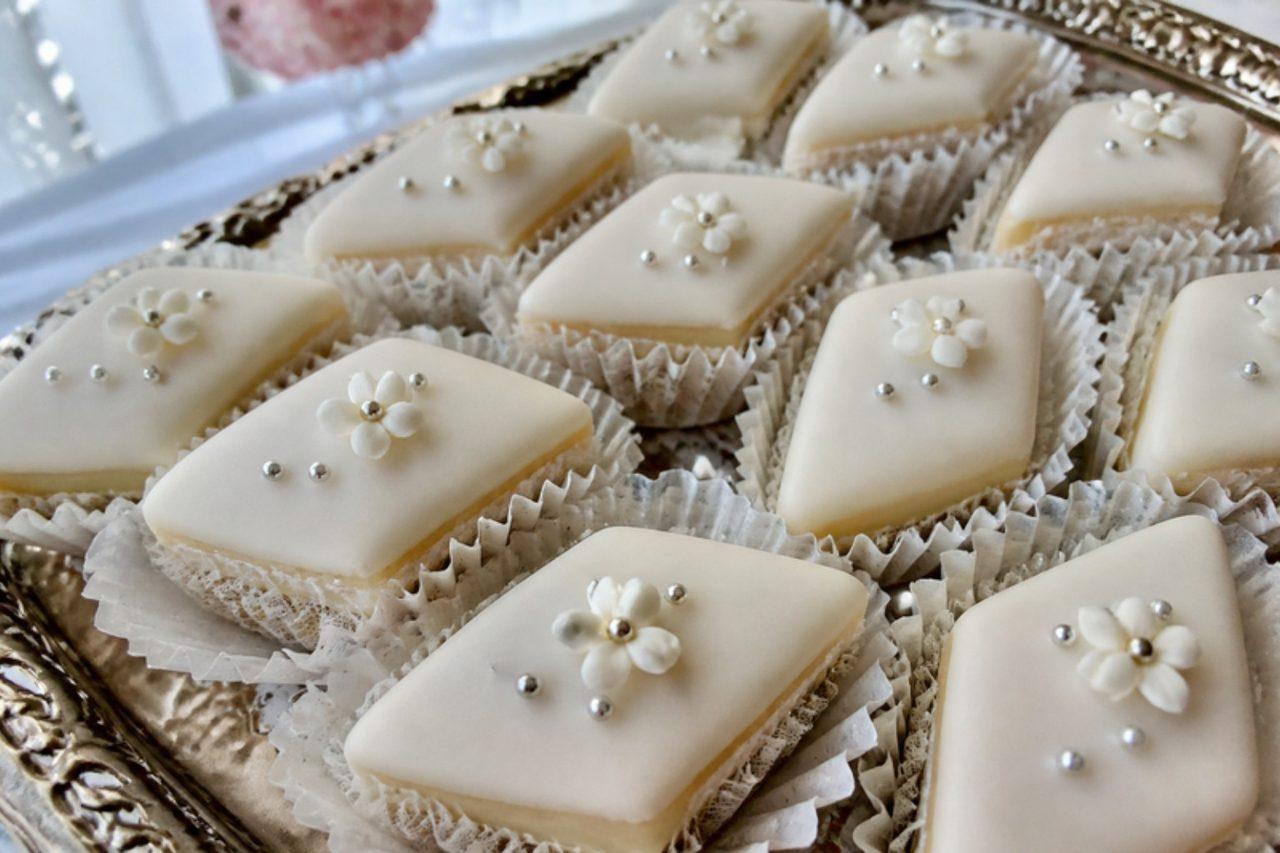
Algerian mkhabezIced almond and lemon diamonds

No Algerian wedding tray, and few Eid tables in Algiers or Constantine, is complete without mkhabez: soft, chewy diamonds of ground almond and lemon zest under a smooth white icing, each topped with a sugar flower or a silver ball and set in its own paper case. Making them is a social affair, with sisters and aunts icing and decorating hundreds the week before a celebration. The almond base is flourless and dairy free, sweet and lemony, and the icing sets to a thin shell; serve them with mint tea or strong coffee. Overbaking is the mistake to avoid: the diamonds should come out pale and soft, or they go dry and crumbly under the icing. Chef's tip: ice them when completely cold, and get the icing so thick it only just flows; runny icing slides off the sides and never sets glossy.

by KrazyBadal 0 views

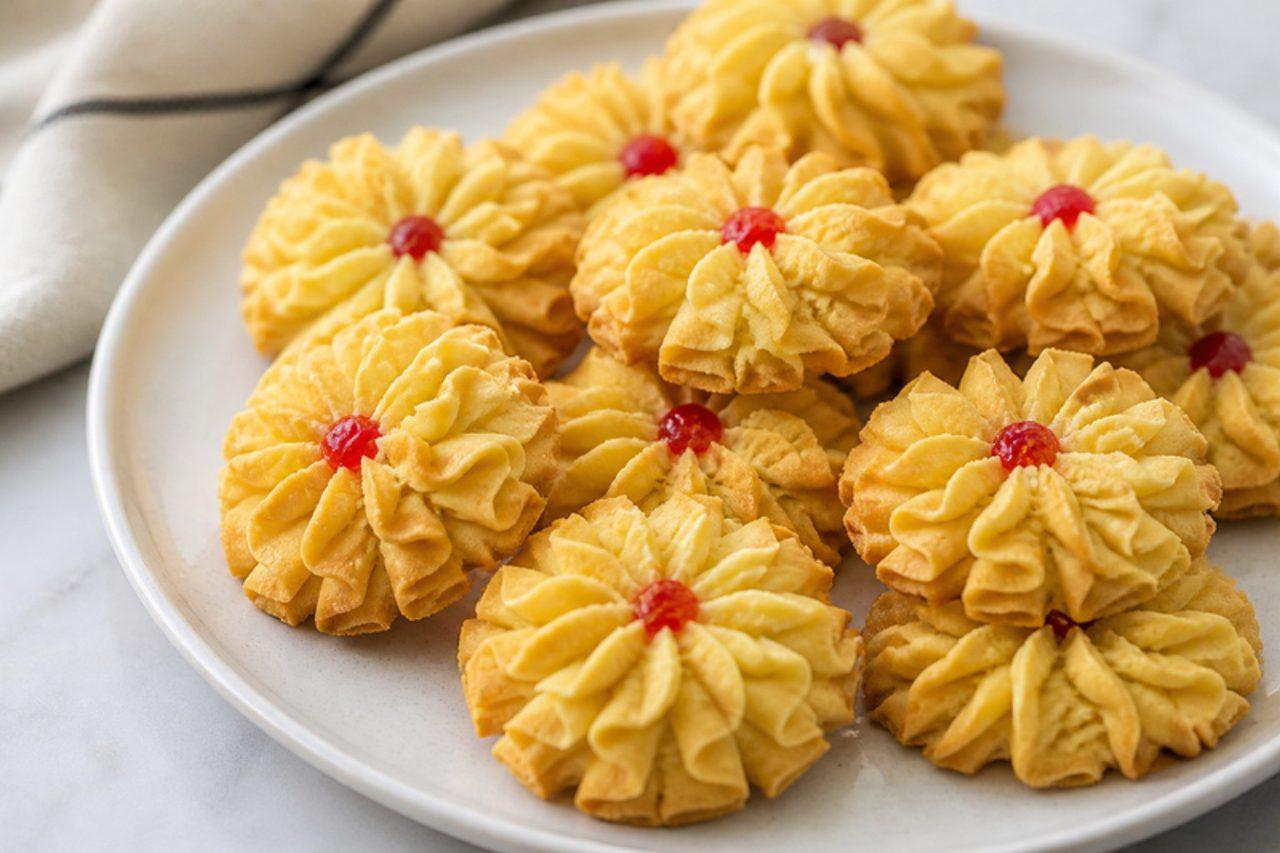
Biskut dahliaPiped flower butter cookies

In the last days of Ramadan, Malaysian kitchens from Johor to Kedah turn into small factories of kuih raya, and biskut dahlia is one of the easiest and prettiest: soft buttery dough piped through a star nozzle into ruffled flowers, each with a bit of glacé cherry or a chocolate chip in the centre. They are crisp at the edges and tender inside, with a vanilla-milky flavour from custard powder and milk powder, and they fill the jars set out for open-house visitors at Hari Raya Aidilfitri. This version uses one egg yolk; for an eggless batch, replace it with 2 tablespoons of milk. Dough that is too stiff is the usual problem, as it will not go through the nozzle; beat the butter well and keep the kitchen warm. Chef's tip: chill the piped trays for 15 minutes before baking so the petals hold their sharp ridges.

by KrazyBadal 0 views

Tcharek el arianeAlmond crescents with orange blossom

On the last nights of Ramadan, kitchens across Algiers and Constantine fill up with trays of tcharek el ariane, the 'naked' tcharek: crescents of thin, buttery dough wrapped around almond paste with cinnamon and orange-blossom water. Unlike their sugar-coated cousins they are left bare, so the fine dough with its pinched, lace-like pattern shows. Families give them to neighbours on Eid morning and set them out at weddings with mint tea and coffee. The dough is traditionally made with smen (aged butter); plain melted butter works well. Overbaking is the common slip, because they turn hard and dry; they should stay pale with only golden tips. Chef's tip: keep the dough under a damp cloth while you shape, as it dries in minutes and then cracks along the curve.

by KrazyBadal 0 views

Heong pengSesame maltose biscuits

Ipoh, the old tin-mining city in Perak, is famous for heong peng ('fragrant biscuits'), and visitors buy them by the bag along with white coffee. They are flat, round pastries with a crisp, flaky shell coated in sesame seeds, filled with a sticky, chewy layer of maltose mixed with shallot oil and fried shallots: sweet, savoury and deeply aromatic at once. Locals eat them with a cup of kopi in the morning or as a snack on the road. The pastry is traditionally made with lard; this recipe uses vegetable shortening and keeps the shallot oil, so it is vegan. Chef's tip: warm the maltose jar in hot water before measuring, then chill the finished filling until firm, because maltose softens fast and a runny filling leaks out and burns on the tray.

by KrazyBadal 0 views

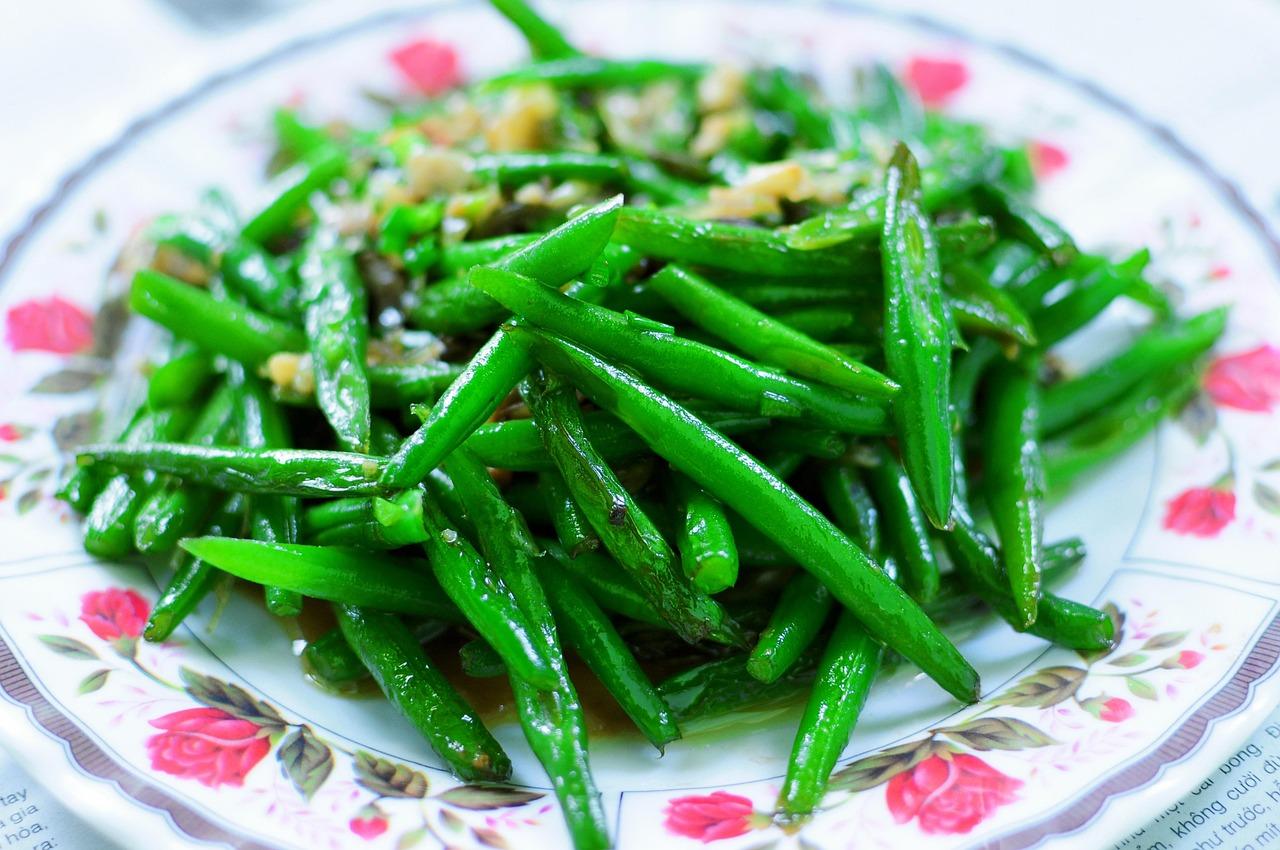
Haricots verts persillésGreen beans with garlic and parsley

Haricots verts persillés are the green beans that sit beside roast chicken, an omelette or a plate of potatoes in homes all over France, especially in June and July when fine beans are at their best. They are blanched until just tender, then tossed in foaming butter with a little garlic and lots of chopped parsley, so they stay bright green with a slight snap. Using olive oil instead of butter makes them vegan. The most common mistake is cooking the beans in too little water, so it stops boiling and they turn olive-grey; use a big pot of well-salted water. Chef's tip: cool the beans in iced water after blanching if you want to make them ahead, then warm them in the butter just before serving.

by KrazyBadal 0 views

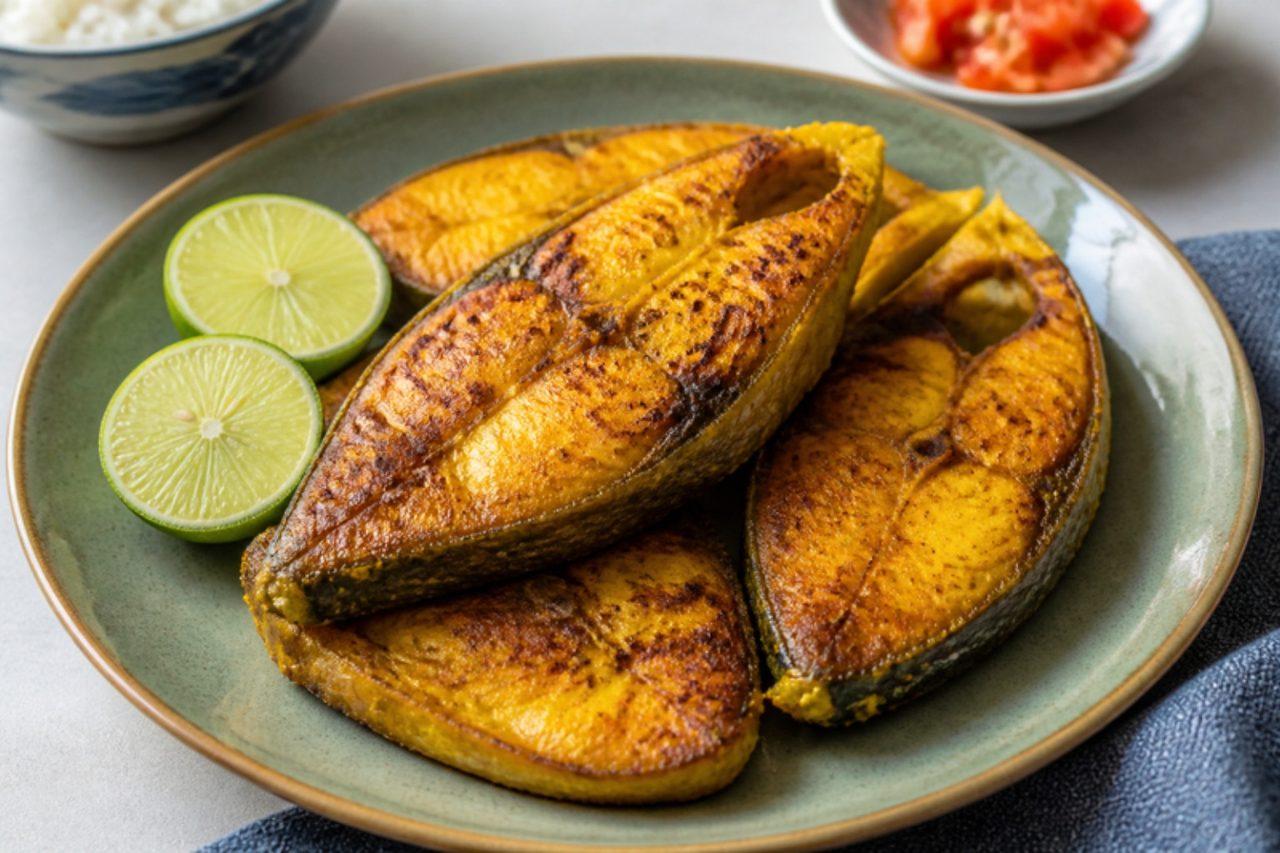
Ikan goreng kunyit (turmeric fried fish)

Ikan goreng kunyit is cooked in Malay kampung kitchens and city flats alike for a simple lunch or dinner with rice, sambal and vegetables: small whole fish or thick steaks rubbed with turmeric, salt and a little chilli, then fried until golden and crisp at the edges. The mistake is moving the fish too soon; leave it until it releases from the pan on its own, or the crust tears and sticks. Chef's tip: score the fish to the bone so the turmeric seasons the flesh and it cooks evenly.

by KrazyBadal 0 views

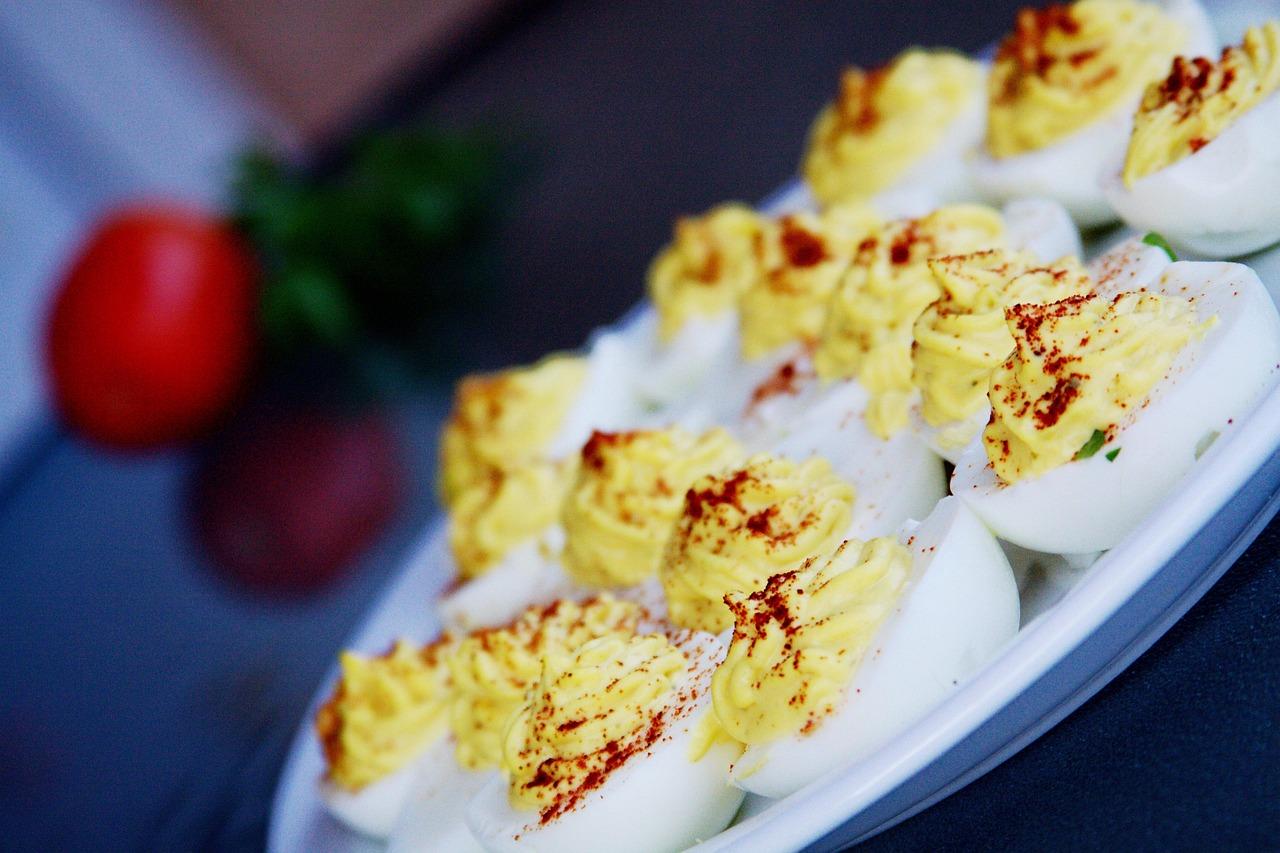
Œufs mimosaStuffed eggs with grated yolk

Œufs mimosa have been a starter in French bistros and on family tables for generations, served at Sunday lunch, on Easter platters and as a light supper with salad and bread. Hard-boiled eggs are halved, their yolks mashed with mayonnaise and mustard and piped back in, then a little yolk is grated over the top so it looks like the fluffy yellow flowers of the mimosa tree. They are naturally gluten free. The most common mistake is overboiling the eggs, which leaves a grey-green ring around the yolk and a sulphurous taste; 10 minutes and an ice bath is enough. Chef's tip: keep back one yolk just for grating, so the topping stays bright yellow and dry.

by KrazyBadal 0 views

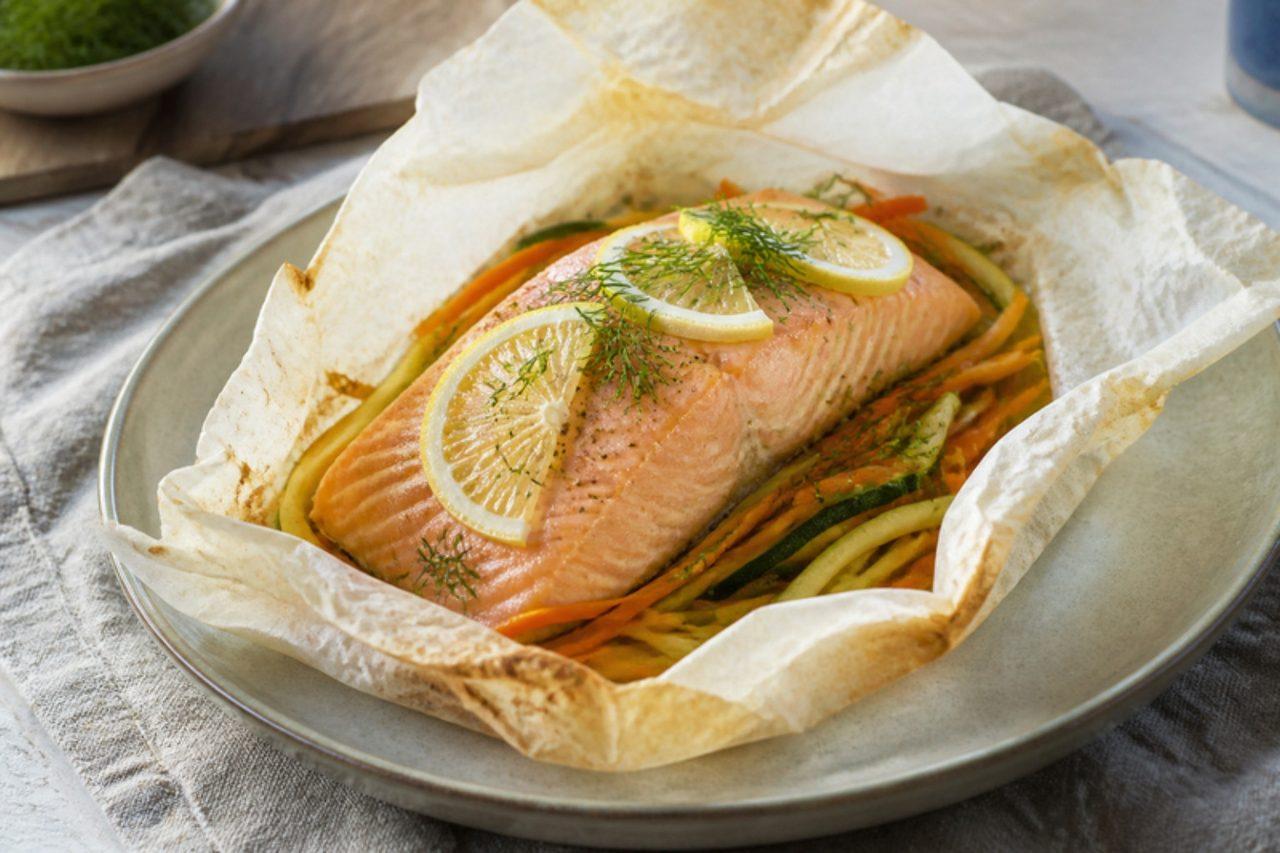
Saumon en papilloteSalmon baked in paper parcel

Saumon en papillote is everyday French home cooking at its lightest: a fillet of salmon sealed in baking paper with ribbons of courgette and carrot, lemon and dill, so it steams in its own juices in the oven. Across France it is a favourite midweek dinner because there is almost no washing-up, and each person opens their own fragrant parcel at the table, ideally with boiled new potatoes or rice. The usual mistake is cutting the vegetables too thick, so the fish overcooks while they stay raw; slice them very thin. Chef's tip: fold and crimp the paper edges tightly all the way round, or the steam escapes and the salmon dries out.

25 minFrenchFishGluten free
by KrazyBadal 0 views

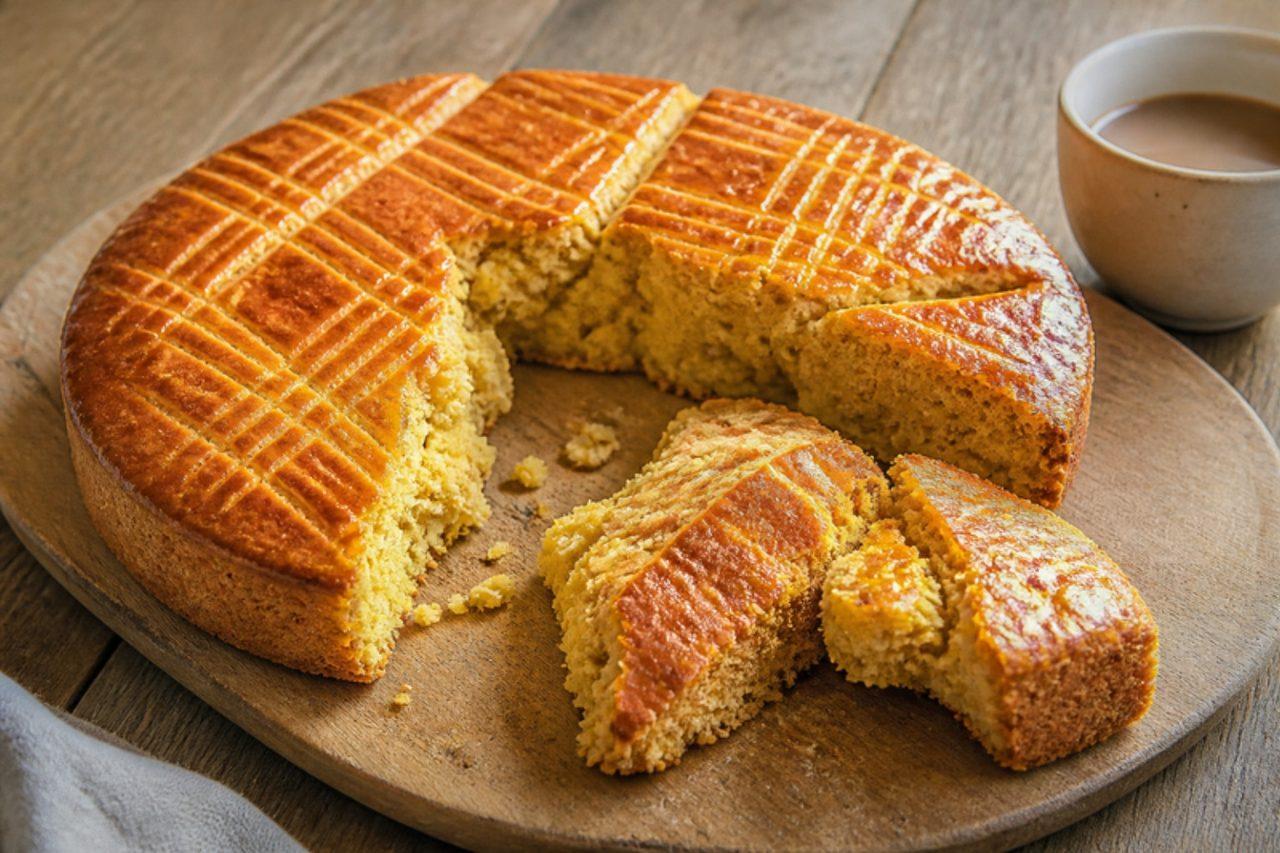
Broyé du PoitouGiant butter biscuit

From the Poitou-Charentes region of western France, broyé is one huge, thick butter biscuit baked in a round and carried whole to the table. Tradition says you break it in the middle with a firm blow of the fist, and everyone grabs a jagged piece; farmhouse cooks served it at weddings and family lunches, and it still ends meals there with coffee or a glass of local pineau. It is crisp at the edges, slightly tender in the middle and tastes of salted butter. Some families add chopped candied angelica from Niort. The top is glazed with egg yolk for its shine; milk gives a softer sheen if you prefer no egg wash. Chef's tip: mark the top with a fork in a diamond pattern and press quite deep, because the lines spread as it bakes; a pale broyé is the common mistake, so bake on until it is evenly golden all over.

by KrazyBadal 0 views

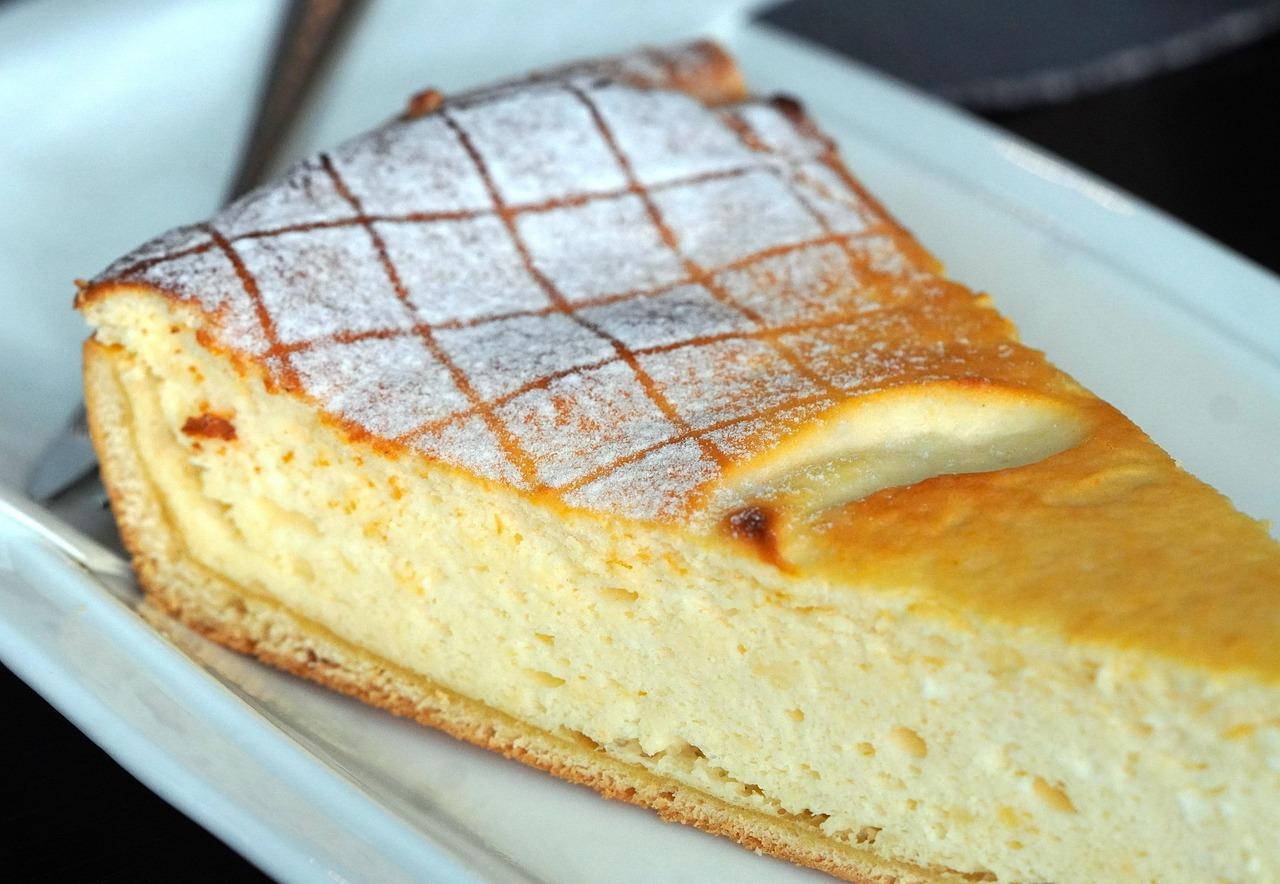
Tarte au fromage blancBaked cheesecake tart

Alsatians call it Käsküeche, and it is the cake their pâtisseries in Strasbourg and Colmar sell by the tall wedge on Sunday mornings, to take home for dessert after lunch. Fromage blanc, eggs and a little crème fraîche are baked in a high-sided pastry case until the filling puffs well above the rim like a soufflé, then settles into a light, creamy, gently lemony cheesecake. It is much less sweet than an American cheesecake and is eaten plain, maybe with a coffee or a glass of cold milk. Taking it out of a hot oven straight into a cold kitchen is what makes it crack and sink badly. Chef's tip: switch the oven off at the end, prop the door open with a wooden spoon and let the tart cool inside for an hour.

by KrazyBadal 0 views

Showing 24 of 671 recipes

Show more recipes

Page 1 of 28