Skip to content
Recipes

All recipes

Vegetarian, or something you can't eat? Set your diet once and we'll hide recipes that don't fit.

TihaneStuffed lamb spleen

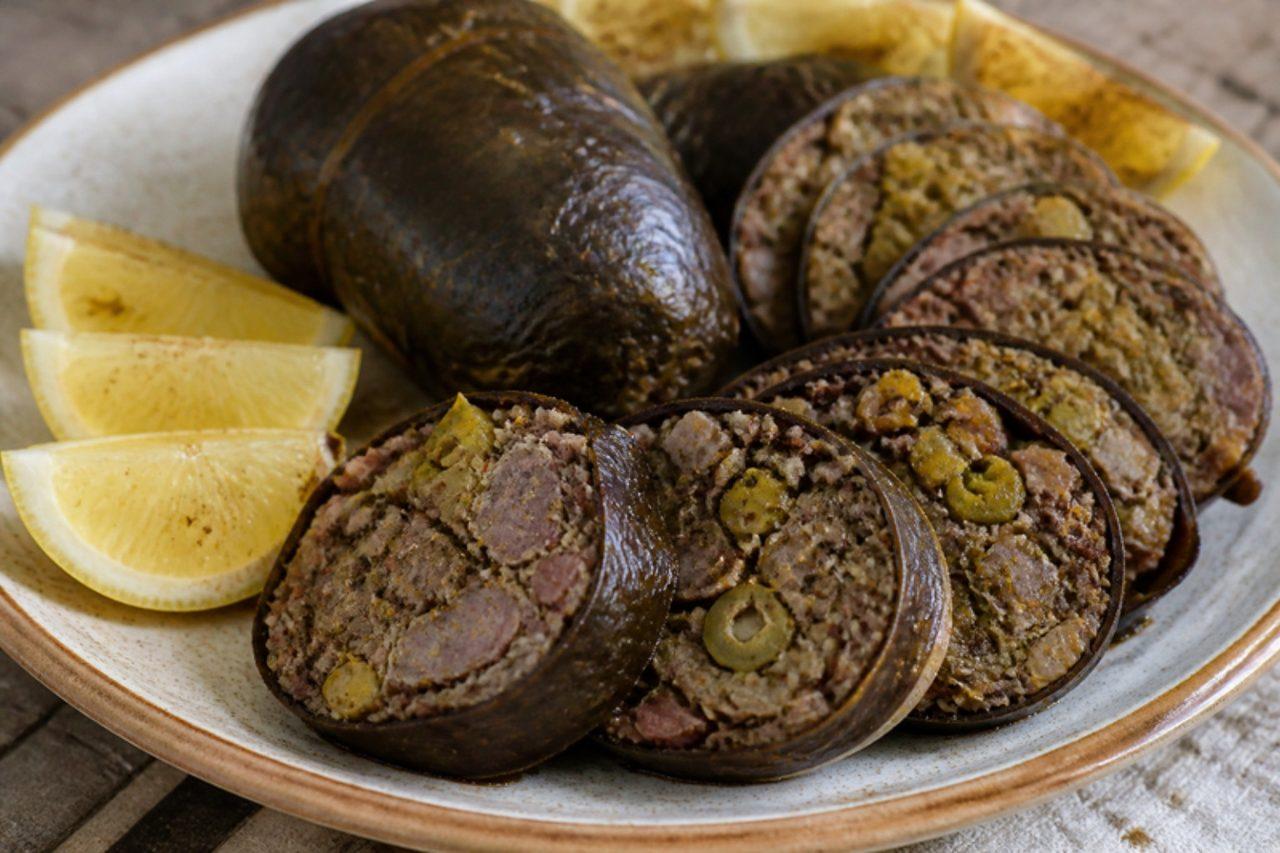
Tihane, or tehal, is an old Eid al-Adha speciality from Moroccan towns such as Fez and Marrakech, made on the days after the sacrifice when the offal is shared out. The lamb's spleen is cut open into a pocket and stuffed with chopped liver and heart, a little fat, green olives, preserved lemon, garlic and cumin, then sewn shut, poached and roasted until browned. It is sliced thin and eaten warm or cold with bread. Ask a halal butcher for the spleen and offal. Chef's tip: prick the spleen with a fine needle before poaching so it doesn't burst in the pot.

130 minMoroccanMeatGluten free
by KrazyBadal 0 views

Chirov plavRice pilaf with dried fruit

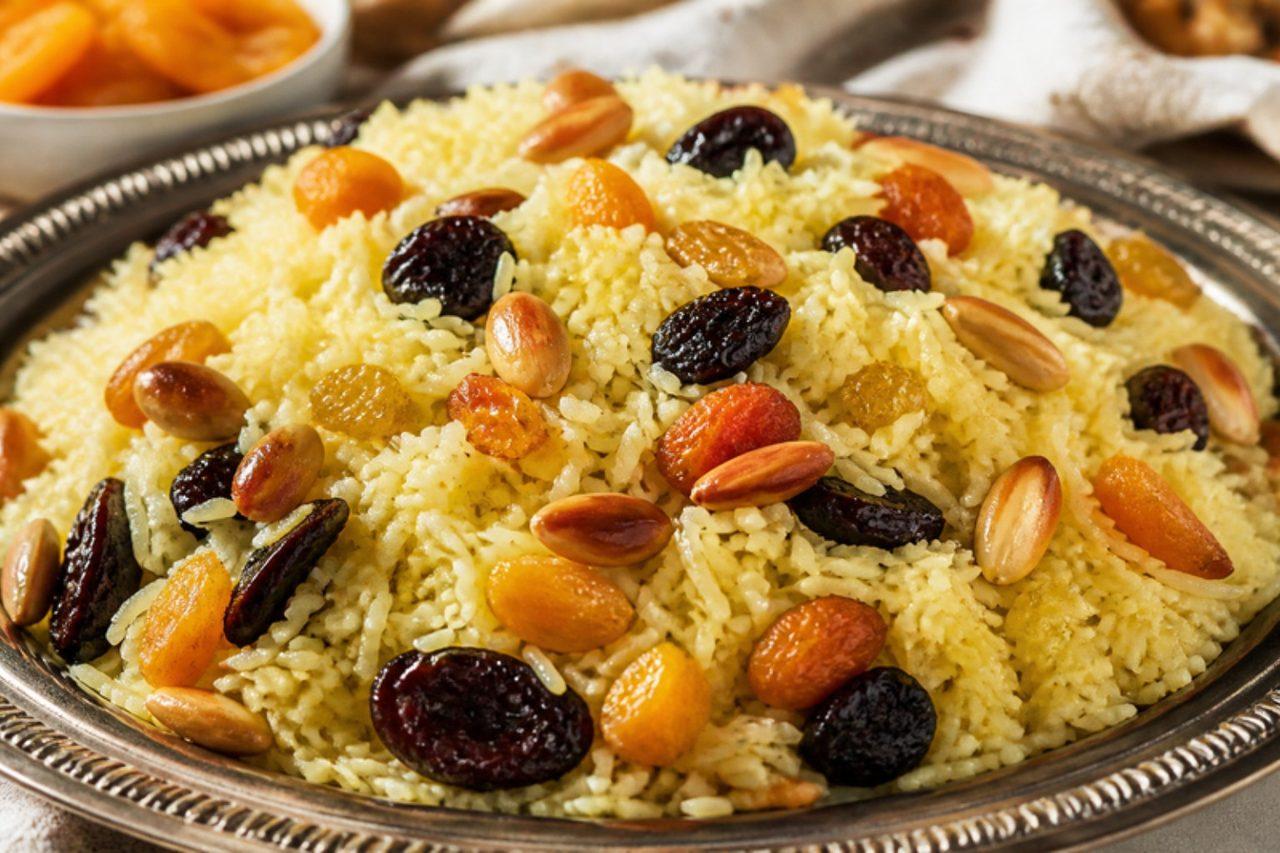
Chirov plav, rice pilaf with dried fruit ('chir'), is the Armenian Easter dish: after the long Lenten fast, families gather on Easter Sunday to eat this glossy, buttery pilaf, often served beside fried or baked fish and red-dyed eggs. The rice is cooked separately so every grain stays loose, then layered with dried apricots, raisins and prunes warmed in butter, with a golden crust (tahdig-style) at the bottom. Chef's tip: rinse the rice until the water runs clear, and parboil it in plenty of salted water, as that keeps the grains separate.

by KrazyBadal 0 views

HrudkaEgg and milk cheese

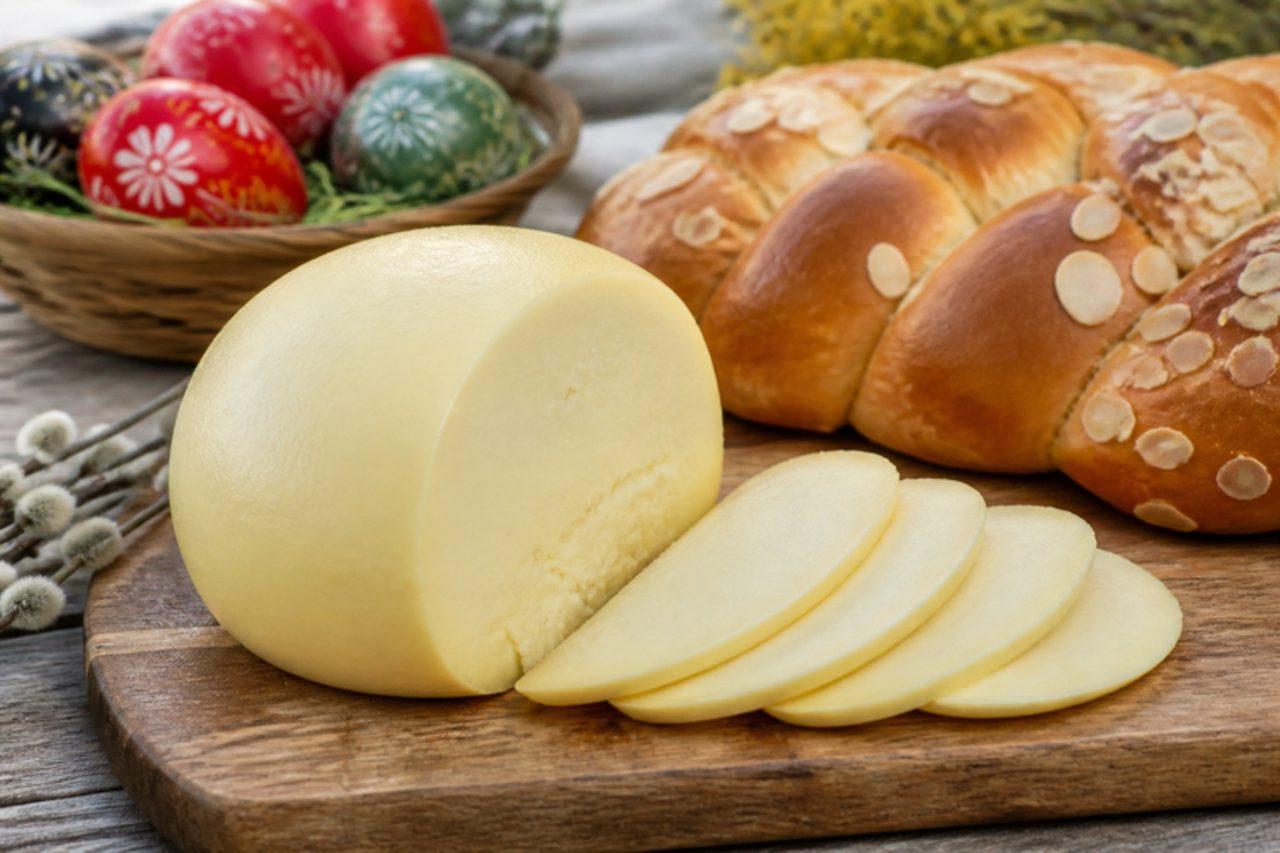
Hrudka (also called sirok or egg cheese) is made in eastern Slovakia and among Rusyn and Slovak families abroad for Easter. Eggs and milk are stirred over a low heat until they separate into soft curds, then the curds are tied tightly in a cloth into a ball and hung to drain overnight. The pale-yellow, mild, slightly sweet 'cheese' is taken to church in the Easter basket on Holy Saturday and sliced at Easter breakfast with ham, bread and horseradish. It needs no rennet, so it is naturally vegetarian. Chef's tip: keep the heat low and stir constantly; high heat makes rubbery curds.

by KrazyBadal 0 views

KourdassGrilled lamb liver bundles

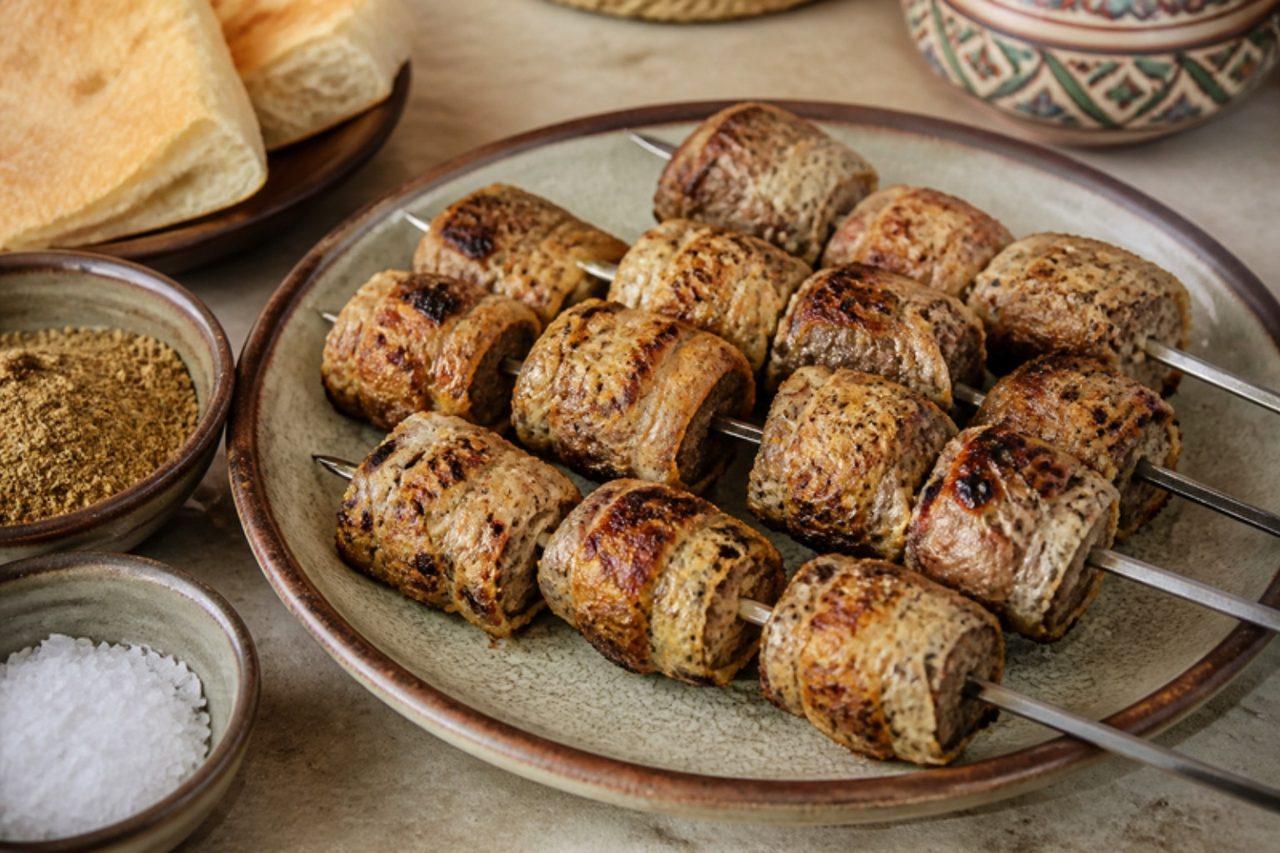
After the sacrifice of Eid al-Adha, Moroccan families use every part of the lamb, and kourdass is one of the dishes made in the days that follow: pieces of tripe and liver rubbed with cumin and paprika, wrapped in caul fat and traditionally hung up to air-dry before grilling. This home version skips the drying, which is hard to do safely in a modern kitchen, and grills the bundles fresh over charcoal or under a grill until the fat crisps and the liver is cooked through. Buy cleaned, pre-cooked tripe and caul fat from a halal butcher. Chef's tip: wrap the bundles tightly so the caul fat bastes them as it melts.

by KrazyBadal 0 views

MazanecEaster raisin and almond bread

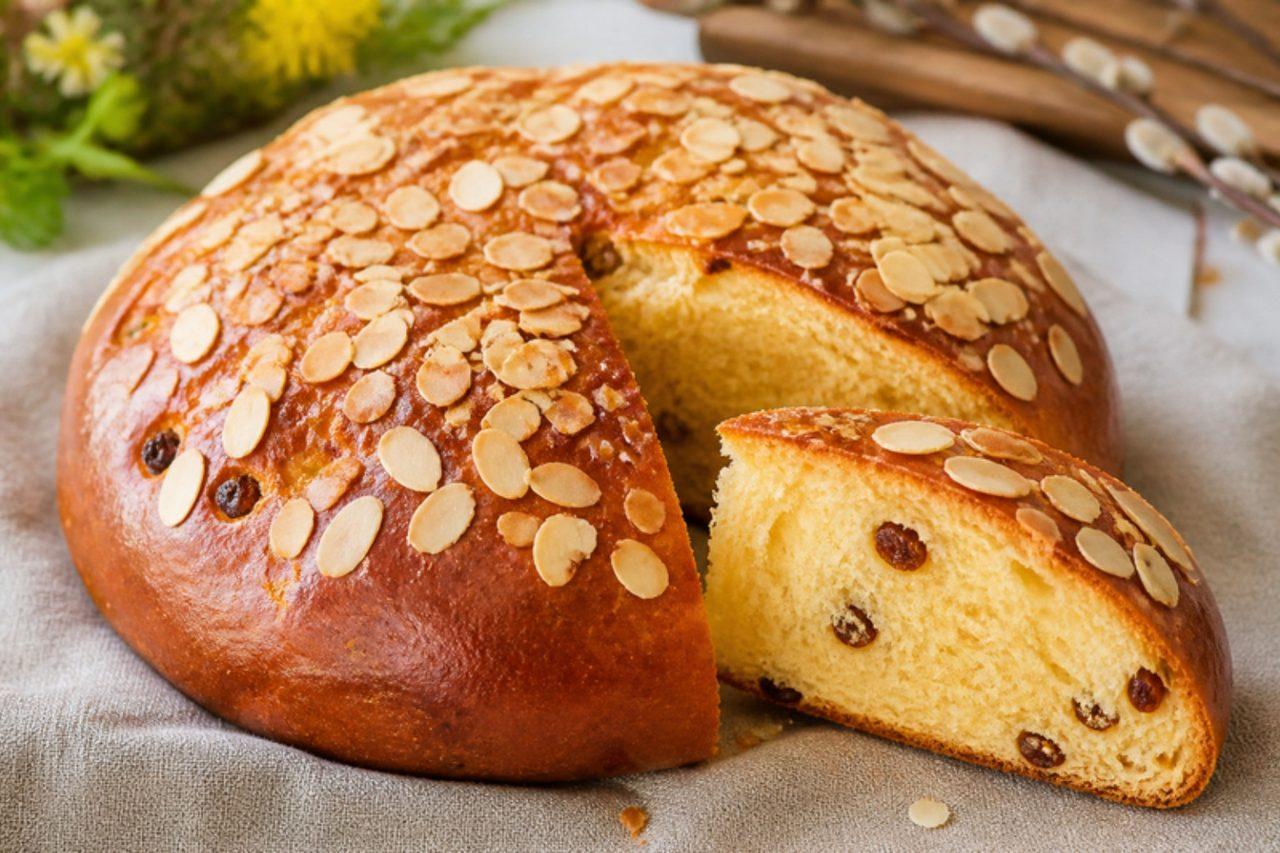
Mazanec is the round Easter bread of Bohemia, baked on Holy Saturday and eaten on Easter Sunday and Monday. The sweet yeast dough is rich with butter, egg yolks and lemon, studded with raisins and almonds, and scored with a deep cross before baking so it opens like a flower. Old recipes soak the raisins in rum; here they are soaked in warm tea, so the bread is alcohol-free. Slice it and spread with butter and honey. Chef's tip: give mazanec a long, slow bake at a moderate heat, because the rich dough browns quickly and the centre needs time.

by KrazyBadal 0 views

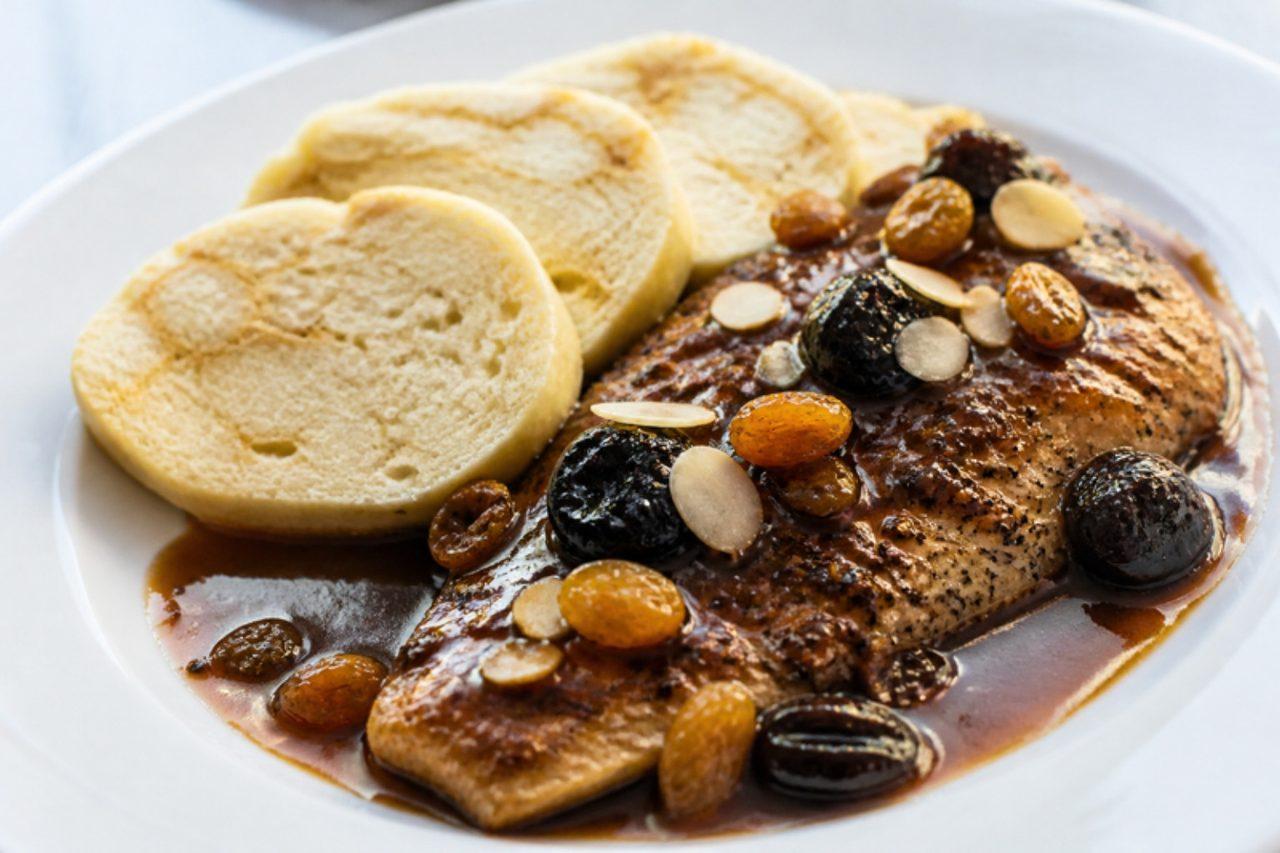
Kapr na černoCarp in dark sweet-sour sauce

Before fried breaded carp took over the Czech Christmas Eve table, families in Bohemia served kapr na černo, 'black carp': fish simmered in a dark, glossy, sweet-sour sauce of root vegetables, gingerbread, prunes, nuts and dark beer. It is rich and spiced, closer to a medieval feast dish than to the modern menu, and served with bread dumplings or potatoes. This version uses a non-alcoholic dark malt drink so the sauce is alcohol-free; adults may use dark beer. Chef's tip: grate the gingerbread finely, so it melts into a smooth sauce rather than leaving soggy crumbs.

105 minCzechFish
by KrazyBadal 0 views

Chipa so'oCheese bread with spiced beef

In Paraguay, families bake chipa in the clay tatakua ovens on Holy Wednesday so there is food for Thursday and Good Friday, when cooking stops. Chipa so'o ('chipa with meat') is a cassava-starch and cheese bread wrapped around a little filling of minced beef cooked with onion and egg, then baked until crisp outside and chewy within. It is naturally gluten free. Chef's tip: knead the dough until it no longer cracks at the edges when pressed; dry dough splits around the filling.

by KrazyBadal 0 views

OsterpinzeEaster anise brioche

Osterpinze is the Easter bread of Styria, Carinthia and the area around Trieste, a soft, golden brioche dome with three deep cuts on top for the Holy Trinity, so that it opens into a crown as it bakes. The dough is rich with egg yolks and butter and flavoured with anise and lemon; old recipes add a splash of white wine, left out here. It is blessed in the Easter basket on Holy Saturday and eaten on Easter morning with ham, horseradish and eggs, or with butter and jam. Chef's tip: make the three cuts with scissors just before baking, deep enough to reach halfway down, so the crown opens wide.

by KrazyBadal 0 views

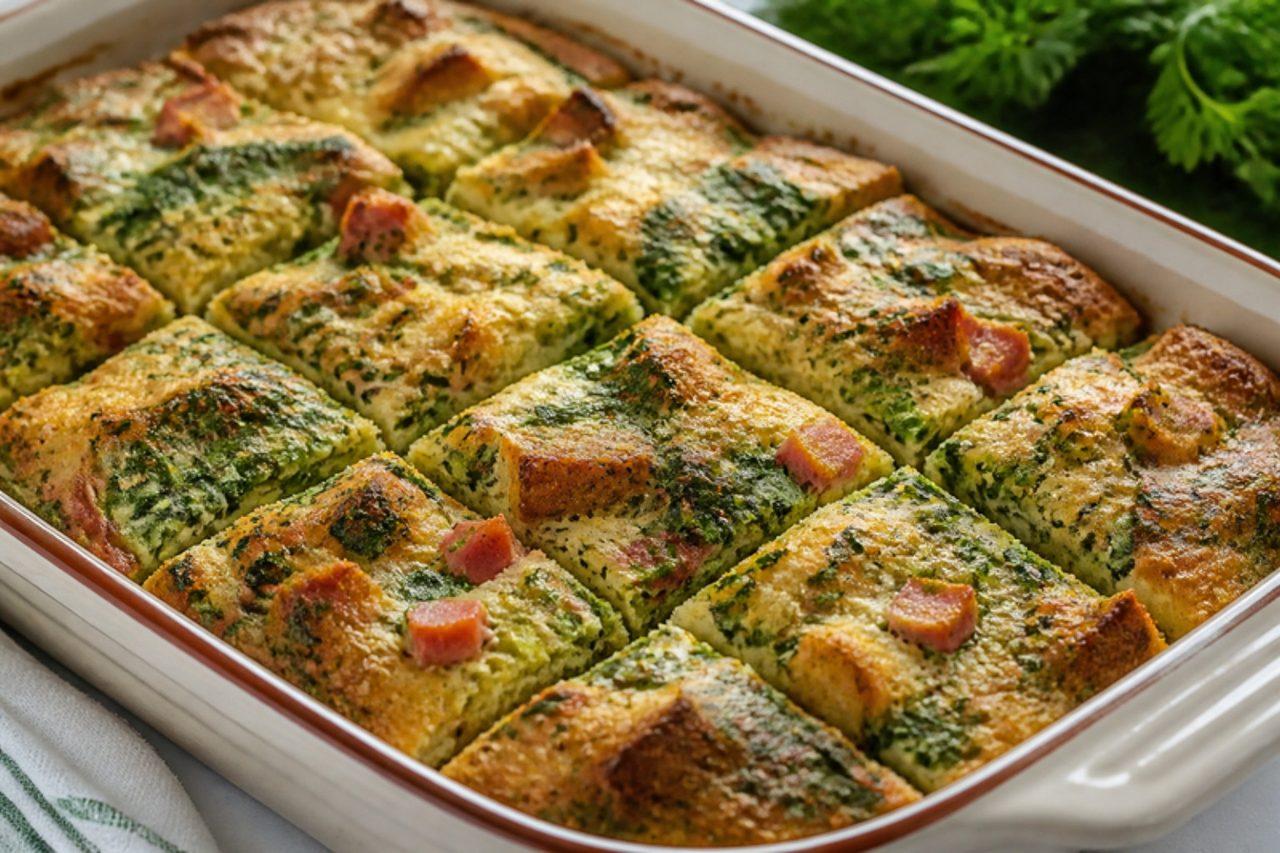
Velikonoční nádivkaBread, egg and smoked pork bake

Velikonoční nádivka ('Easter stuffing', also called hlavička) is a Czech and Moravian Easter dish, baked on Holy Saturday or Easter Sunday. Cubes of bread rolls are soaked in milk and eggs, then mixed with smoked pork and a big handful of young nettles, spinach or spring herbs, and baked until golden and puffy. It's eaten warm or cold, sliced, often beside roast lamb or chicken. For a vegetarian version, leave out the smoked pork and add 250 g fried mushrooms. Chef's tip: pick nettles wearing gloves and blanch them for 30 seconds, which takes away the sting.

75 minCzechMeat
by KrazyBadal 0 views

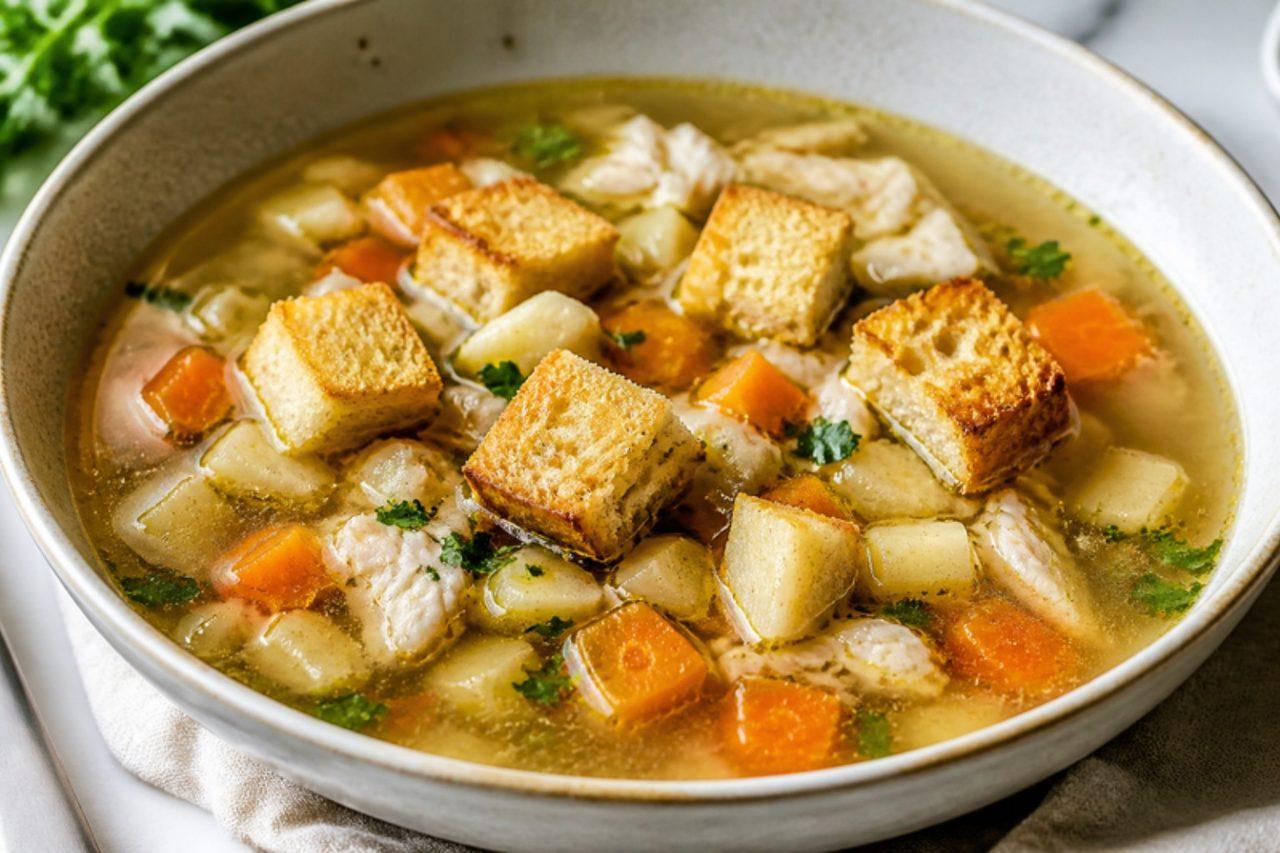
Rybí polévkaCarp soup

In Czechia the Christmas Eve supper begins with rybí polévka, a soup made from the trimmings of the Christmas carp, which is often bought live at street stalls in the days before; here you simply ask the fishmonger for prepared carp trimmings and a fillet. The bones and trimmings make a clear stock that is simmered with carrot, celeriac and parsley root, then filled with flakes of carp and served with croutons fried in butter. Many families add the carp roe. Chef's tip: strain the stock carefully through muslin, as carp has many fine bones.

105 minCzechSoups
by KrazyBadal 0 views

AllerheiligenstriezelBraided sweet loaf

In Bavaria and Austria, godparents give their godchildren an Allerheiligenstriezel on All Saints' Day, 1 November: a large braided loaf of sweet yeast dough, brushed with egg and scattered with almonds or pearl sugar. The braid is said to recall the old custom of cutting a plait of hair in mourning, and the size of the loaf once showed how generous the godparent was. It is lightly sweet, with lemon and vanilla, and is eaten sliced with butter or jam. Some recipes add rum-soaked raisins; these are soaked in warm water instead. Chef's tip: braid four strands for an impressive, high loaf.

by KrazyBadal 0 views

KaguyjyWhite corn pudding

On the night of 23–24 June, Paraguayans celebrate San Juan with bonfires, games like walking over hot coals and the 'paso de fuego', and a table of traditional foods, and kaguyjy (also mazamorra) is one of them. It is a soft, creamy pudding of cracked white corn (locro) simmered slowly in water and then milk with sugar or honey, sometimes with orange peel. It is eaten warm or cold. It is gluten free. Chef's tip: soak the corn overnight and cook it until each kernel is tender before adding the milk, or it never turns creamy.

by KrazyBadal 0 views

Sopa teólogaTurkey broth with bread and cheese

Sopa teóloga ('the theologian's soup') goes back to colonial convents in Lima and Arequipa, where it was cooked for feast days, and it is still served at Holy Week and family celebrations. A rich turkey (or chicken) broth is thickened with soaked bread, milk and fresh cheese, with yellow potatoes and shreds of turkey, and finished with a little ají amarillo and chopped huacatay or parsley. It is thick, comforting and filling. Chef's tip: blend part of the soaked bread with broth before adding it, which gives the soup its creamy body without lumps.

by KrazyBadal 0 views

Pajagua mascadaBeef and cassava patties

Pajagua mascada is a Paraguayan street-food classic that appears on every table for the San Juan festival on 24 June, when bonfires burn and the night is full of games and traditional food. Minced beef is mixed with mashed cassava, onion, garlic and a little egg and flour, shaped into flat patties and fried until crisp. The name comes from Guaraní and refers to the 'chewing' of old Paraguayan cooks, who made it from leftover meat. Chef's tip: dry the boiled cassava well and remove its woody core, which keeps the patties light and crunchy.

by KrazyBadal 0 views

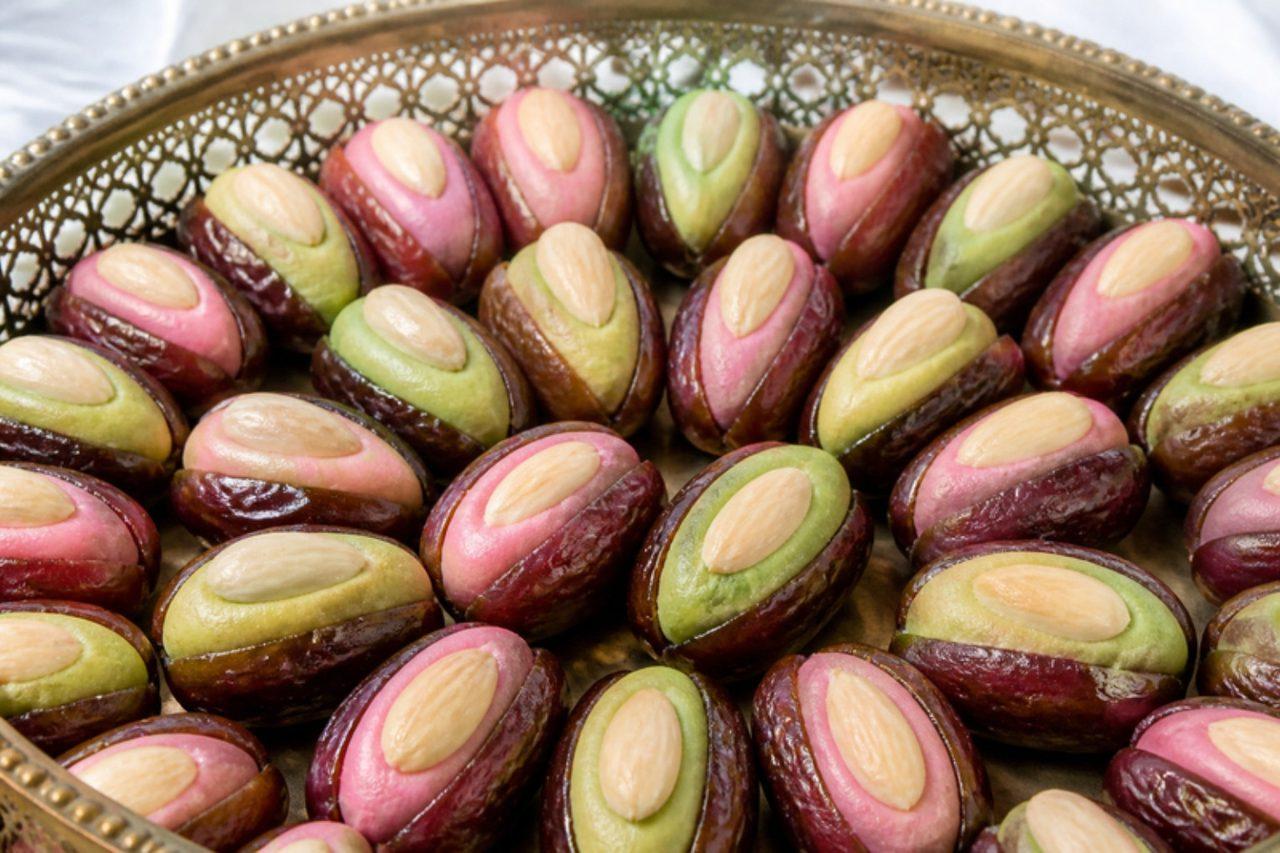
Tmar mehchi (Moroccan almond-stuffed dates)

Tmar mehchi is the stuffed date of Fez and Marrakech, piled high on silver trays at weddings, engagements and Eid, and offered to guests with mint tea. Soft dates are filled with a homemade almond paste perfumed with orange-blossom water, often tinted pale green or pink to match the celebration, then scored with a knife so the filling shows. They are soft, rich and caramel-sweet, with a floral, nutty middle. The paste here is mixed from ground almonds and icing sugar, so there is no shop marzipan, which can contain egg white. It is naturally egg-free: the dates' sticky flesh and a few spoonfuls of orange-blossom water bind the almond filling. Chef's tip: add the orange-blossom water a little at a time and stop when the paste is firm like play dough. The common mistake is a wet paste, which oozes out and makes the dates slippery.

by KrazyBadal 0 views

Včelí úlkyNo-bake beehive biscuits

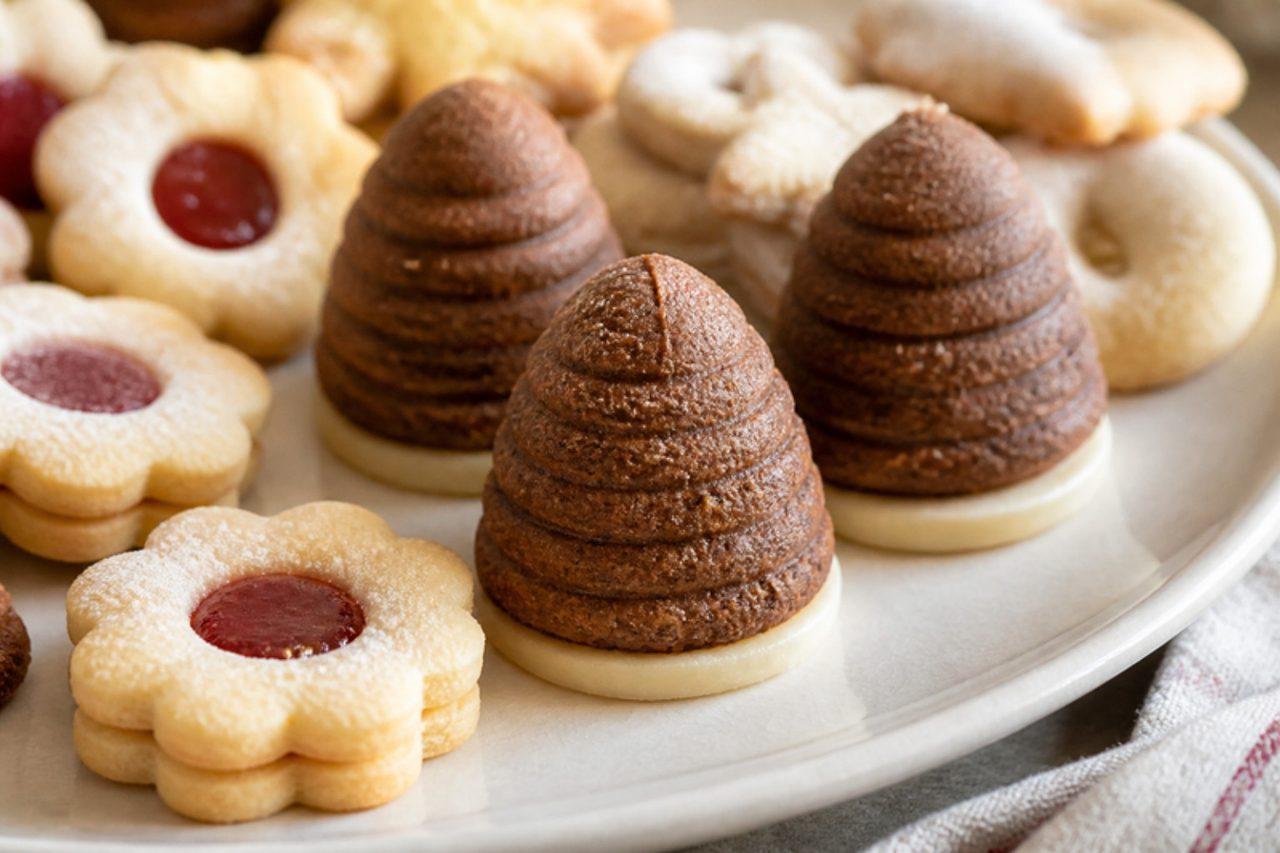
Včelí úlky ('little beehives') are a classic of the Czech Christmas cookie plate (cukroví), which families build up through Advent with a dozen or more kinds. They need no oven: crushed biscuits, ground walnuts, cocoa and butter are pressed into beehive moulds, filled with a smooth egg-yolk cream and sealed with a disc of biscuit. Traditionally a little rum is added to the dough; this version uses milk, and adults may add 1 tbsp rum. The cream is cooked to 71 °C so the yolks are safe, though anyone pregnant or vulnerable may prefer pasteurised yolks. Chef's tip: chill the filled hives before unmoulding, or they collapse.

by KrazyBadal 0 views

OblátkyChristmas wafers with honey

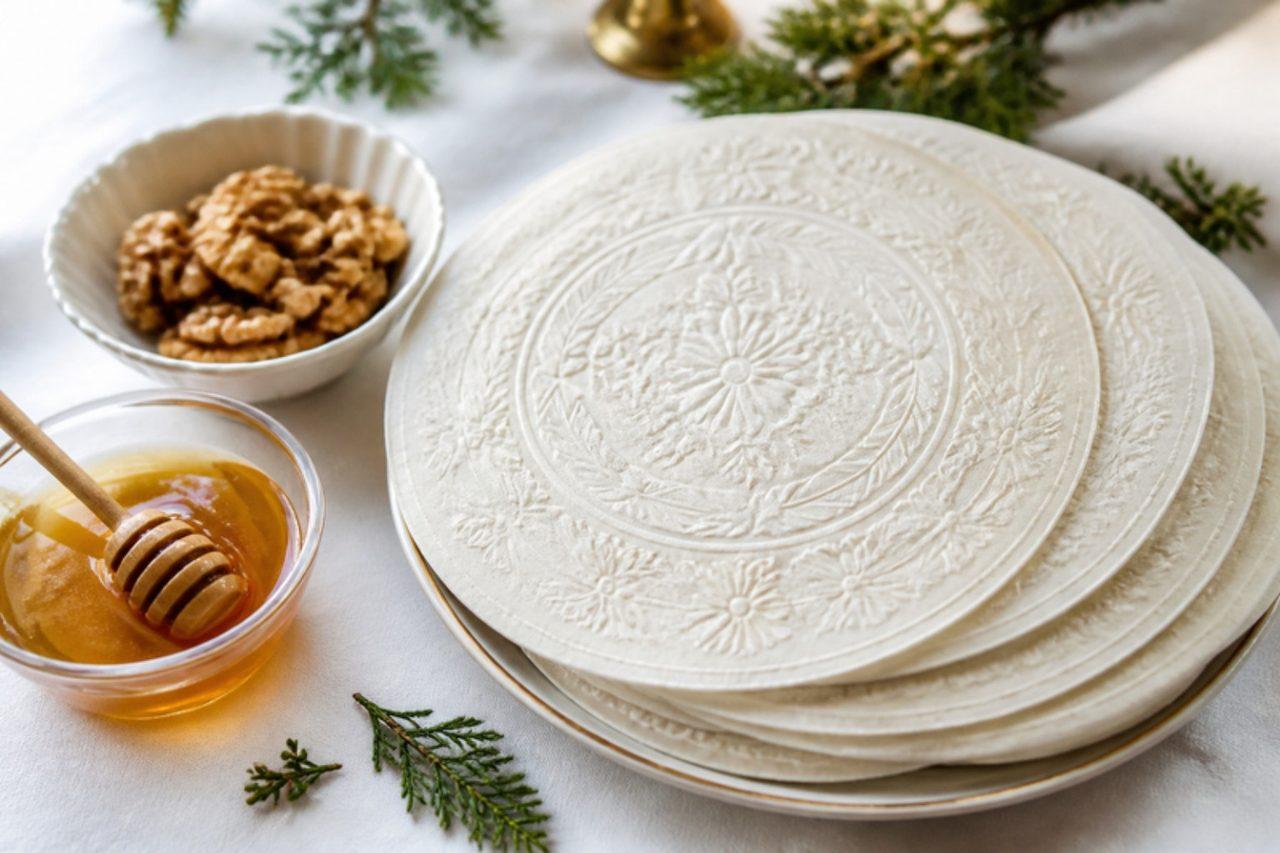
In Slovakia the Christmas Eve supper (Štedrá večera) opens with oblátky: large, paper-thin wafers stamped with a nativity pattern. The head of the household marks each person's forehead with a cross of honey, and everyone eats a wafer spread with honey, often with a sliver of garlic for health, before the cabbage soup. Families buy them from the church or bake them on a patterned wafer iron; this recipe also gives a pan method for thin, crisp wafers. Chef's tip: the batter must be thin like single cream, as a thicker batter gives a soft pancake instead of a wafer.

by KrazyBadal 0 views

Chilcano de pescadoClear fish broth

In the fishermen's terminals of Chorrillos and Callao, chilcano is what you drink on a Sunday morning after a long night: a clear, gingery broth made from the heads and bones left over from cleaning fish for ceviche, with chunks of fish, red onion, chilli and a squeeze of lime in the bowl. It is light and warming, around 160 kcal a bowl, and still gives about 24 g of protein from the fish fillet and the broth. The common mistake is squeezing the lime into the pot while it boils, which turns it bitter; add it to each bowl at the table. Don't boil the bones for more than 30 minutes either, or the broth turns cloudy and harsh. Chef's tip: ask the fishmonger for heads and frames from mild white fish like sea bass or cod, and leave out oily fish such as mackerel, which makes the broth strong and fishy.

by KrazyBadal 0 views

ParihuelaSpicy seafood soup

Parihuela is the big weekend seafood soup of Callao and the Peruvian coast, eaten at long Sunday lunches in cevicherías and praised as a cure for tiredness and late nights. A deep red broth of ají panca, ají amarillo, tomato and fish stock is loaded with chunks of fish, prawns, squid and mussels. A portion gives about 30 g of protein, from the fish and shellfish, for roughly 300 kcal. Some cooks add chicha de jora or beer; this version has none. The common mistake is adding all the seafood at once: squid and prawns turn rubbery while the fish cooks, so they go in last. Before cooking, discard any mussels that stay open when tapped, and after cooking discard any that stay shut. Chef's tip: fry the chilli pastes in the oil until they darken and smell sweet; that toasted ají is what gives parihuela its depth.

by KrazyBadal 0 views

Pasuts tolmaBean and bulgur cabbage rolls

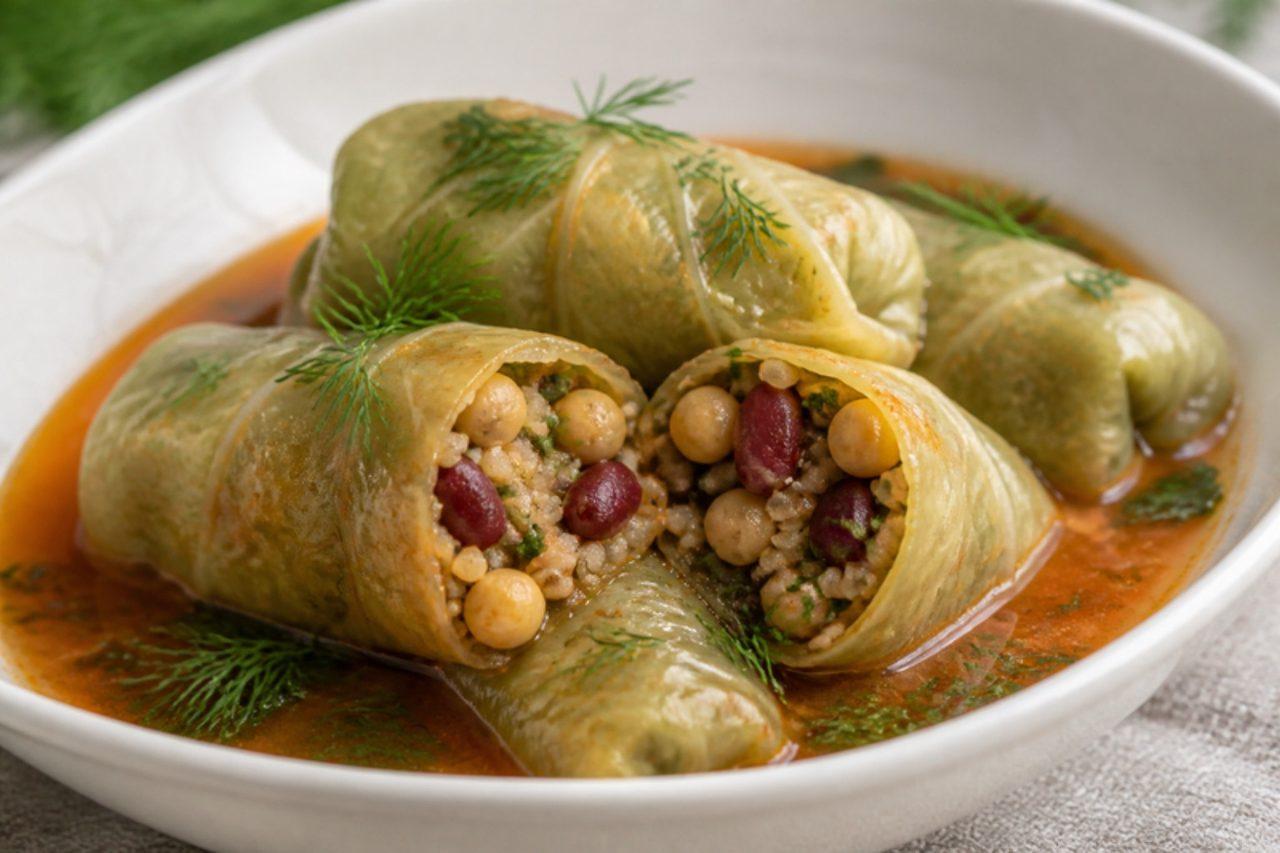
Across Armenia, from Yerevan kitchens to village homes in Shirak, pasuts tolma is the dish of the long Lenten fast before Easter, and many families also make it for the first days of the new year: cabbage leaves wrapped around a thick filling of red beans, lentils, chickpeas and bulgur, simmered in a tangy tomato broth. The rolls come out soft and savoury, with a gentle sourness, and are just as good cold the next day with a spoonful of garlic yoghurt for those who eat dairy (leave it out to keep the dish vegan). A portion of about six rolls gives roughly 22 g of protein, all from the beans, lentils, chickpeas and wheat. The beans and chickpeas must soak for 12 hours first; that time is not counted below. The most common mistake is rolling the parcels loosely: they open in the pot and the filling drifts into the broth. Chef's tip: cook the legumes until just tender, not soft, because they keep cooking inside the leaves for another hour.

by KrazyBadal 0 views

Aguadito de polloCoriander chicken rice soup

Aguadito is the soup Lima serves in the small hours: at the end of a wedding, after New Year's Eve and at weekend family lunches, it is ladled out thick and steaming to revive everyone. Rice simmers in chicken broth coloured deep green with blended coriander and warmed with yellow ají amarillo, along with peas, carrot, pepper, sweetcorn and potato. A portion gives about 24 g of protein, from the chicken with a little from the rice and peas, for around 480 kcal. The common mistake is adding the coriander purée too early: cooked for long it turns khaki and loses its fresh taste, so stir it in for the last 10 minutes. The chicken must reach 74 °C at the bone. Chef's tip: blend a handful of spinach with the coriander; it keeps the colour vivid green without changing the flavour.

by KrazyBadal 0 views

Chicharrón de pescadoCrisp fried fish chunks

Up and down the Peruvian coast, from Chorrillos in Lima to the beaches of Piura, chicharrón de pescado is the crunchy plate ordered alongside ceviche at a long seafood lunch: bite-size chunks of firm white fish marinated briefly in garlic and lime, dusted in flour and fried, then served with fried cassava, salsa criolla and tartar or rocoto sauce. Using frozen peeled cassava keeps it to half an hour. The common mistake is leaving the fish in the lime too long: after about ten minutes the acid starts to 'cook' the outside and the coating slips off. Chef's tip: toss the floured pieces in a sieve to shake off every bit of loose flour; a thin coat fries crisp, a thick one turns pasty.

by KrazyBadal 0 views

Tallarines rojosSpaghetti in red sauce with chicken

Tallarines rojos is the Sunday-lunch and weeknight pasta of homes all over Peru, from Lima to Arequipa: spaghetti in a sweet, deep-red sauce of blended tomato, onion and garlic with a little ají panca and oregano, often with pieces of chicken cooked right in it. Children love it, and it is served with a sprinkle of grated cheese and sometimes a spoon of huancaína on the side. The usual mistake is cooking the sauce too briefly, so it tastes of raw onion; let the blended tomato fry until it darkens and the oil shows at the edges. Chef's tip: a bay leaf and a spoon of ají panca paste give the sauce its Peruvian character; paprika will do if you can't find the paste.

by KrazyBadal 0 views

Pejerrey arrebozadoBattered fish fillets with onion salsa

Pejerrey arrebozado is a Lima classic from the cevicherías and home kitchens of the coast, eaten at lunch on a plate with white rice, a heap of sharp salsa criolla and sometimes boiled potato. The pejerrey, a small silverside, is opened into butterflied fillets, dipped in a light egg-and-flour batter and fried golden. Outside Peru, use small fillets of whiting, sole, haddock or tilapia. The batter here uses sparkling water, not beer, so it is alcohol free. The common mistake is frying in oil that isn't hot enough: the batter drinks the oil and turns greasy, so test with a drop of batter first. Chef's tip: make the salsa criolla first and let the onion sit in lime for ten minutes; it softens its bite and turns a pretty pink.

by KrazyBadal 0 views

Showing 24 of 402 recipes

Show more recipes

Page 1 of 17