Skip to content
Recipes

All recipes

Vegetarian, or something you can't eat? Set your diet once and we'll hide recipes that don't fit.

Lengua a la vinagretaBeef tongue with vinaigrette

Argentina's Nochebuena is a hot summer night, so the table is full of cold dishes, and lengua a la vinagreta is one of the classics: beef tongue simmered until tender, peeled, sliced and covered with a sharp vinaigrette of parsley, garlic, red pepper, onion and chopped hard-boiled egg. It is made a day ahead and served chilled with vitel toné and Russian salad. Chef's tip: peel the tongue while it is still hot, as the skin comes away easily then and clings once it cools.

by KrazyBadal 0 views

Kuih siputFried snail-shell curls

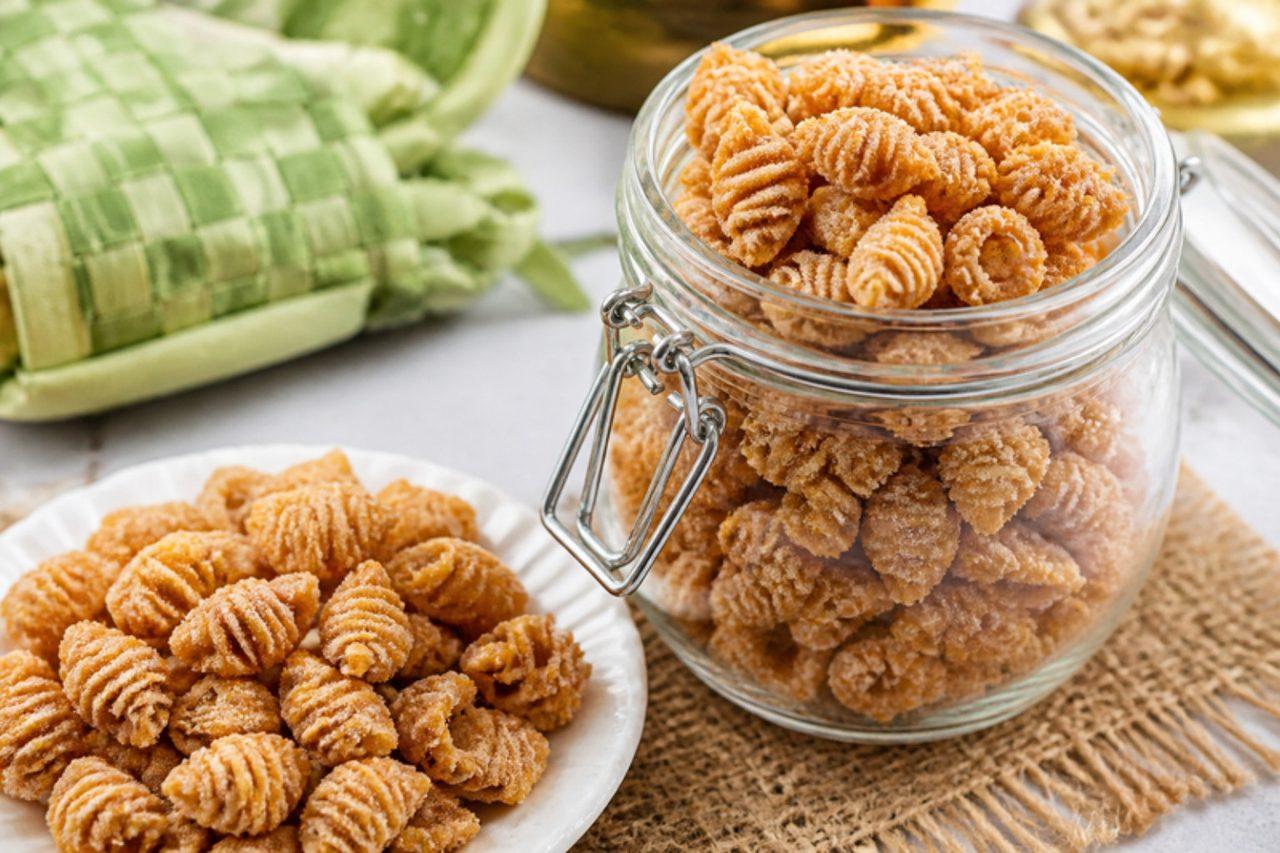
Kuih siput are little ridged curls of dough rolled on a comb or fork into the shape of a snail shell, then fried until crunchy; in Malaysian homes the whole family sits down to roll them in the days before Hari Raya. They come sweet, tossed in sugar, or spicy, coated in chilli and curry leaf, and both go into the Raya snack jars. Chef's tip: roll each curl tightly round the end of a chopstick so it has a hollow centre; solid ones stay hard instead of crunchy.

by KrazyBadal 0 views

Chipa so'oCheese bread with spiced beef

In Paraguay, families bake chipa in the clay tatakua ovens on Holy Wednesday so there is food for Thursday and Good Friday, when cooking stops. Chipa so'o ('chipa with meat') is a cassava-starch and cheese bread wrapped around a little filling of minced beef cooked with onion and egg, then baked until crisp outside and chewy within. It is naturally gluten free. Chef's tip: knead the dough until it no longer cracks at the edges when pressed; dry dough splits around the filling.

by KrazyBadal 0 views

KalanehWild leek stuffed flatbread

In Kurdistan and Kermanshah, Newroz arrives with the first spring greens on the hillsides, and families gather wild leeks to fold into kalaneh, thin griddle breads cooked over a fire or a hot pan and soaked in melted butter. The dough is plain and soft, rolled very thin around a pile of chopped leek or chives with a little salt and pepper, so the greens steam inside as the bread blisters. Eat it hot, torn into strips, with yogurt and tea at a Newroz picnic. The common mistake is wet greens, which turn the dough soggy and make it tear; dry them well after washing. Chef's tip: brush the butter on the moment the bread leaves the pan so it soaks right in.

by KrazyBadal 0 views

Laksa JohorSpaghetti in fish and coconut gravy

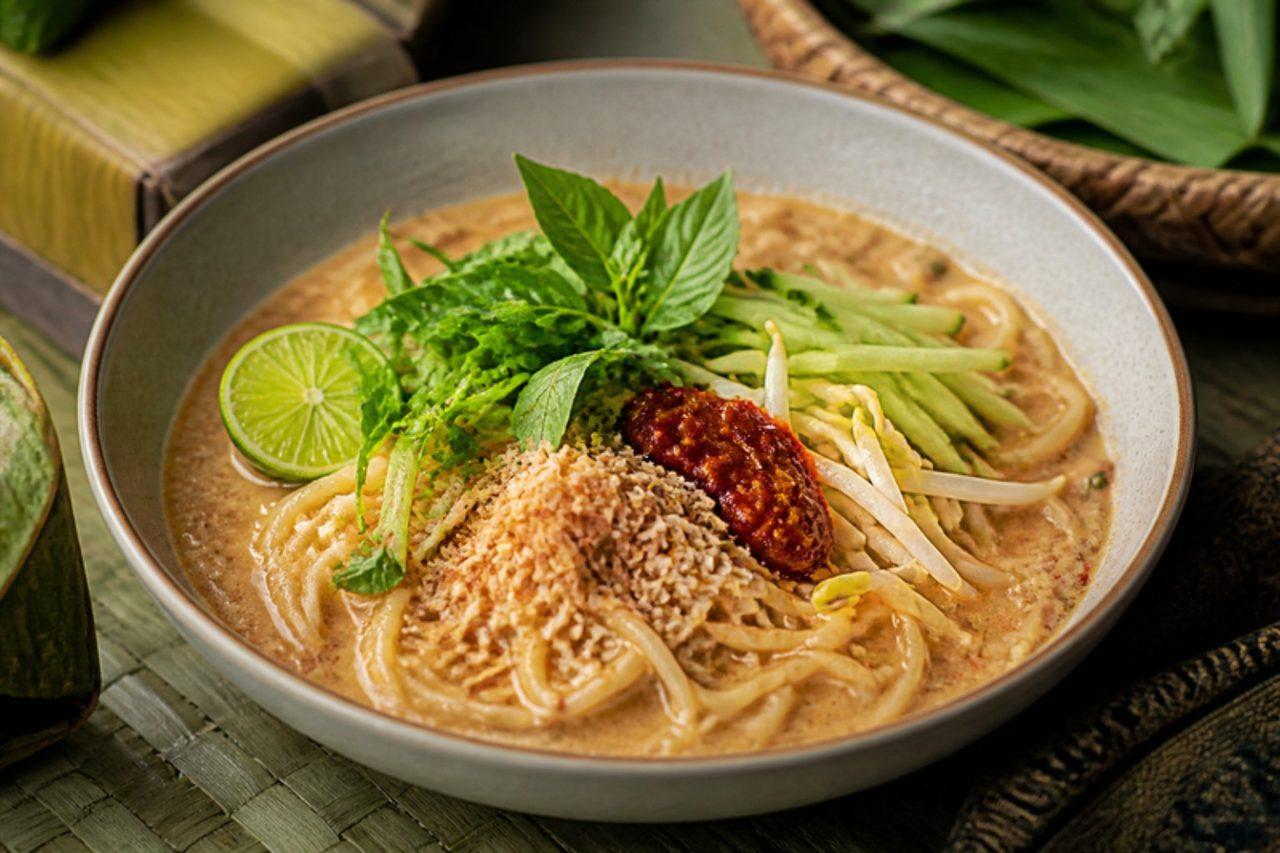
Laksa Johor is the Hari Raya pride of Johor, where a 19th-century sultan is said to have brought spaghetti home from Europe and married it to a Malay fish gravy. Mackerel is cooked, flaked and ground into a thick coconut sauce with kerisik and spices, and the pasta is topped with raw cucumber, bean sprouts, onion, mint and laksa leaf, with sambal belacan and lime on the side. Families serve it to visitors over the Raya open-house days. Chef's tip: grind the fish very finely; the gravy should be smooth and thick, not lumpy.

by KrazyBadal 0 views

Kuih makmurGhee and peanut cookies

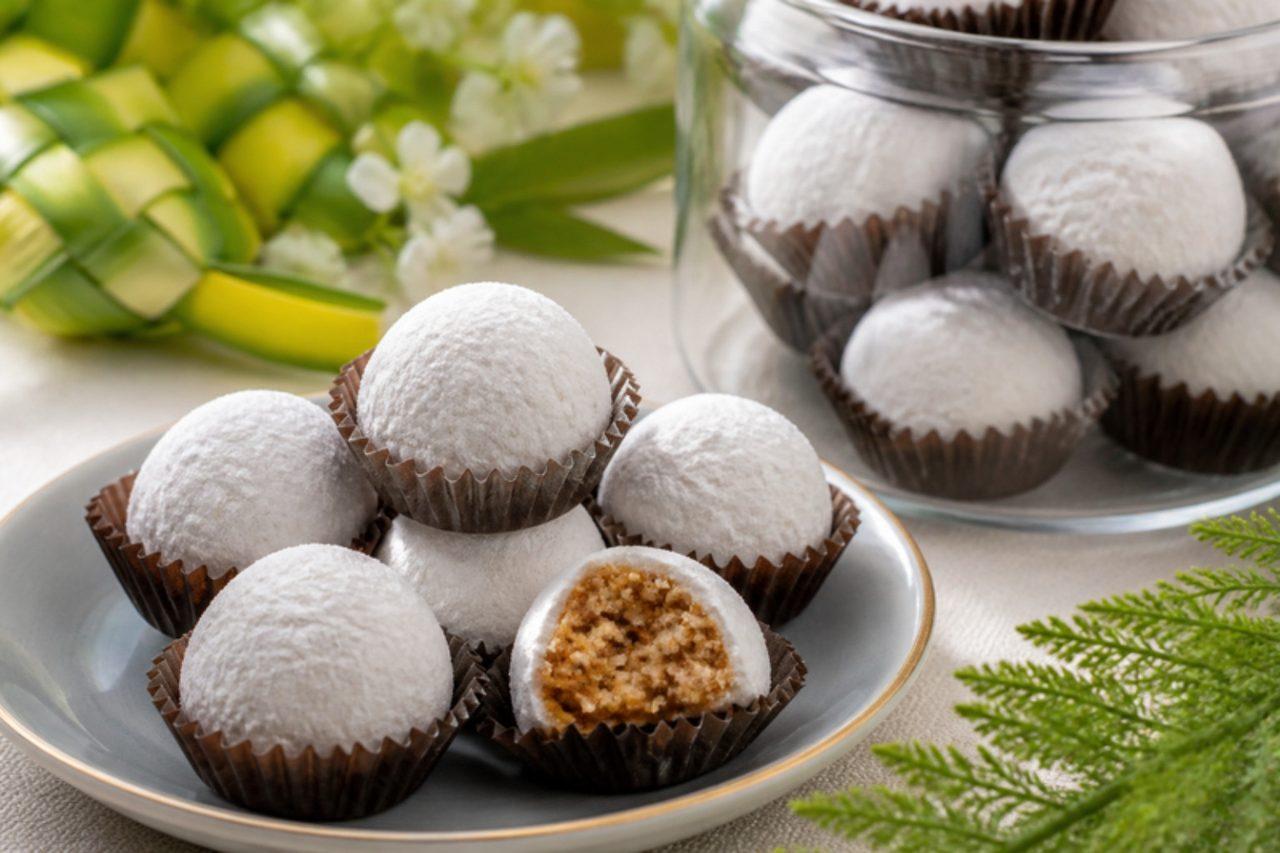
Kuih makmur is one of the oldest Malay Hari Raya cookies, its name meaning 'prosperity', and its tiny ridged domes are baked by the tray-load before Aidilfitri to fill the cookie jars for open houses. Soft, crumbly ghee pastry wraps a filling of roasted ground peanuts and sugar, and the cookies are rolled in icing sugar while still warm, so they melt in the mouth. Chef's tip: bake them pale; makmur should stay white, and browned cookies taste of scorched ghee.

by KrazyBadal 0 views

Kambing golekSpiced roast goat

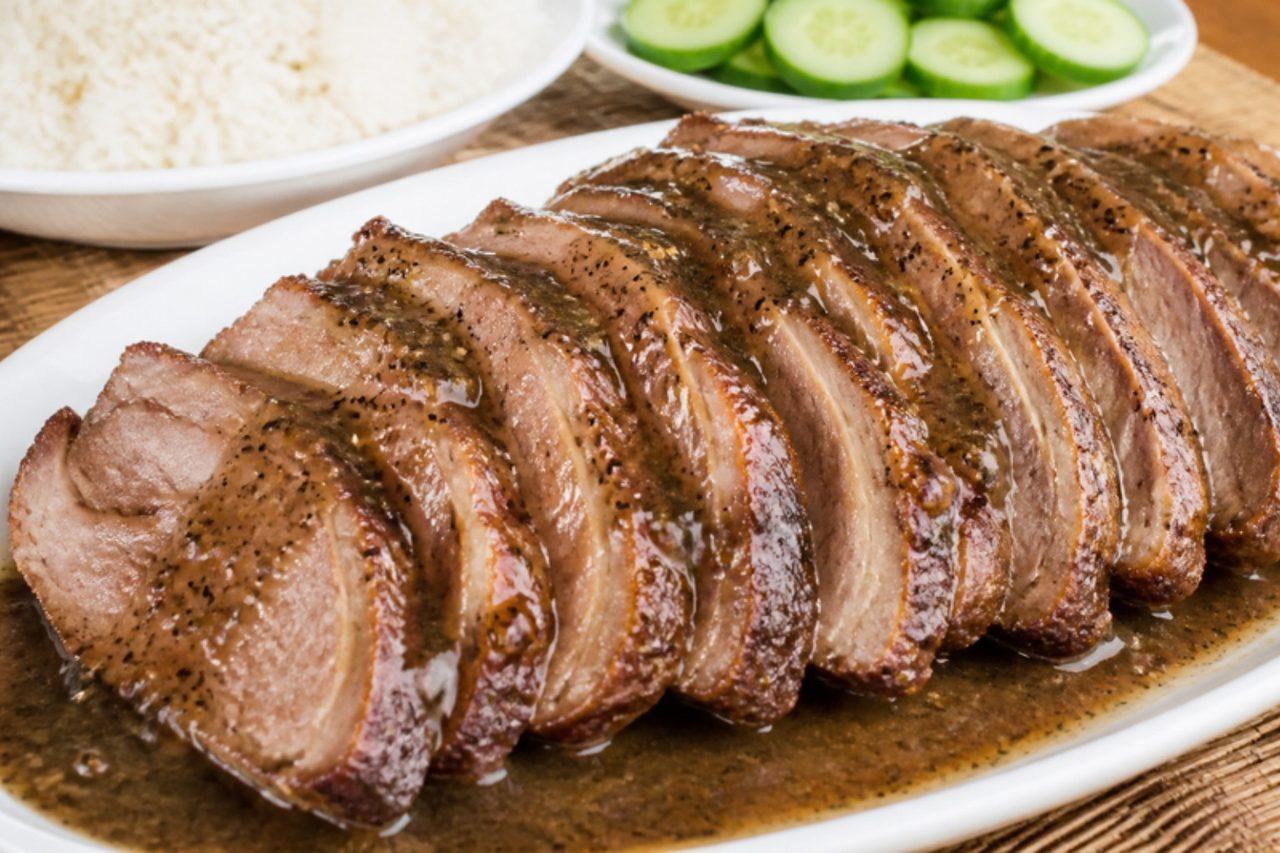
At Aidiladha and big kenduri feasts in Johor and Selangor, kambing golek is the showpiece: a goat rubbed with spices and turned for hours on a spit until the meat falls from the bone, carved for the crowd and served with a peppery brown sauce. A whole spit-roast goat isn't practical at home, so this recipe is written as carved bone-in leg and shoulder portions, marinated overnight and slow-roasted in the oven, keeping the flavour of the original. Chef's tip: roast covered first and uncover only at the end, so the meat stays moist and then gets its golden crust.

by KrazyBadal 0 views

Pajagua mascadaBeef and cassava patties

Pajagua mascada is a Paraguayan street-food classic that appears on every table for the San Juan festival on 24 June, when bonfires burn and the night is full of games and traditional food. Minced beef is mixed with mashed cassava, onion, garlic and a little egg and flour, shaped into flat patties and fried until crisp. The name comes from Guaraní and refers to the 'chewing' of old Paraguayan cooks, who made it from leftover meat. Chef's tip: dry the boiled cassava well and remove its woody core, which keeps the patties light and crunchy.

by KrazyBadal 0 views

KaguyjyWhite corn pudding

On the night of 23–24 June, Paraguayans celebrate San Juan with bonfires, games like walking over hot coals and the 'paso de fuego', and a table of traditional foods, and kaguyjy (also mazamorra) is one of them. It is a soft, creamy pudding of cracked white corn (locro) simmered slowly in water and then milk with sugar or honey, sometimes with orange peel. It is eaten warm or cold. It is gluten free. Chef's tip: soak the corn overnight and cook it until each kernel is tender before adding the milk, or it never turns creamy.

by KrazyBadal 0 views

Bubur asyuraRice, bean and beef porridge

On 10 Muharram, the day of Ashura, Malay mosques and kampung neighbourhoods stir bubur asyura in giant pots and share it out to every household, a custom said to recall the meal Prophet Nuh's family cooked from their last stores. Rice, mung beans, peanuts, sweet potato and pumpkin cook down with beef and spices into a thick, savoury porridge, flavoured with coconut milk and kerisik. This family-sized pot keeps the communal spirit; a vegetarian version is a variation to add later. Chef's tip: stir constantly from the bottom once it thickens, as the beans catch quickly and a burnt bottom spoils the whole pot.

by KrazyBadal 0 views

LemangBamboo-cooked coconut sticky rice

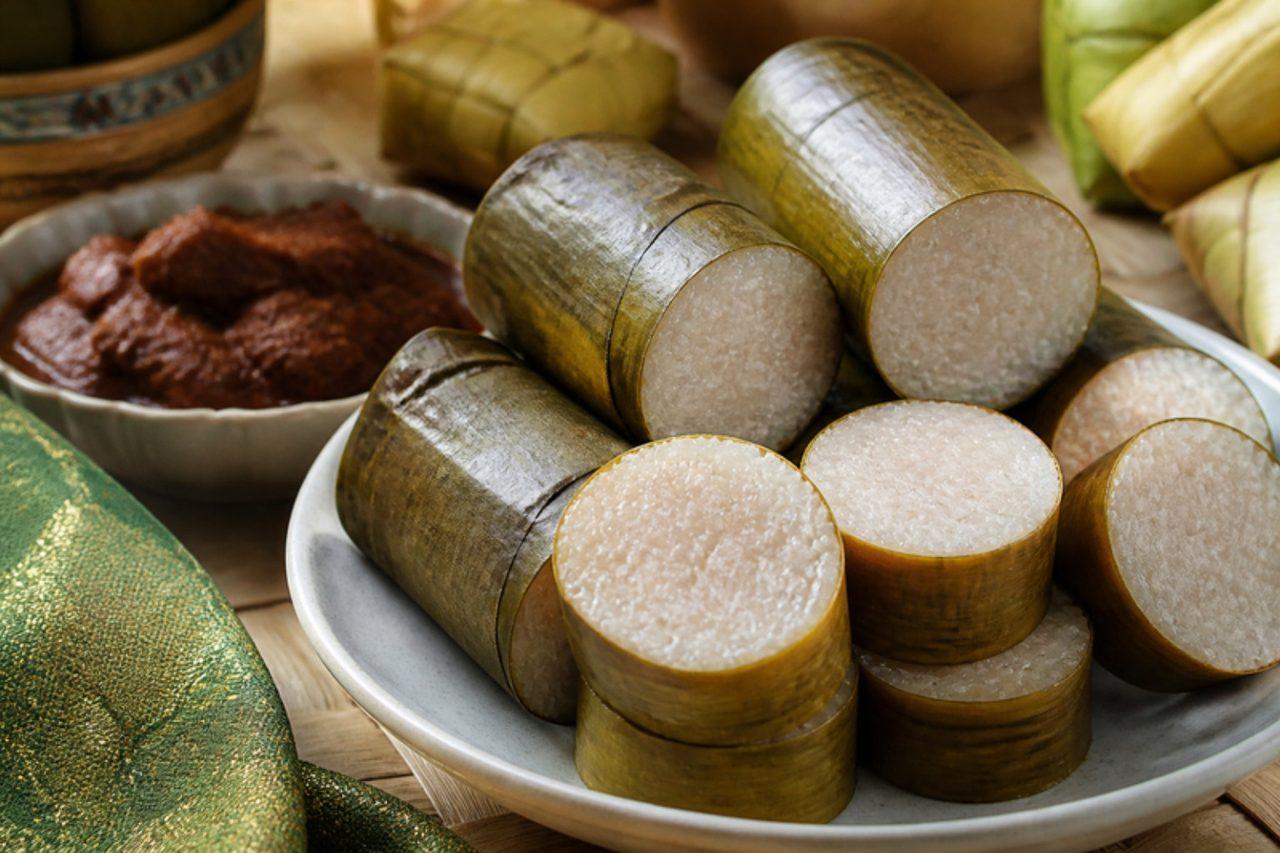
On the eve of Hari Raya Aidilfitri, Malay villages across the peninsula fill with smoke as families cook lemang: glutinous rice and coconut milk packed into banana-leaf-lined bamboo poles and turned slowly beside an open fire for hours. The rice comes out rich, salty and faintly smoky, sliced into thick rounds and eaten with rendang or serunding on Raya morning. Few homes have bamboo and a fire pit, so this recipe gives a home oven method in a banana-leaf-lined tin, with the bamboo way described too. Chef's tip: let the cooked lemang cool before slicing, as warm rice is too soft to cut cleanly.

by KrazyBadal 0 views

Sopa teólogaTurkey broth with bread and cheese

Sopa teóloga ('the theologian's soup') goes back to colonial convents in Lima and Arequipa, where it was cooked for feast days, and it is still served at Holy Week and family celebrations. A rich turkey (or chicken) broth is thickened with soaked bread, milk and fresh cheese, with yellow potatoes and shreds of turkey, and finished with a little ají amarillo and chopped huacatay or parsley. It is thick, comforting and filling. Chef's tip: blend part of the soaked bread with broth before adding it, which gives the soup its creamy body without lumps.

by KrazyBadal 0 views

Boudin blanc aux pommesWhite sausage with apple compote

In Liège and across Wallonia, Christmas Eve supper often begins with boudin blanc: pale, delicate sausages of finely minced pork and milk, sometimes with a little chicken, gently fried in butter until golden and served with warm, chunky apple compote and bread. Butchers make piles of them in December. Buy them fresh from a good butcher, or poached and ready to fry. Chef's tip: prick nothing and cook gently; boudin blanc is fragile, and a hot pan splits the skins.

by KrazyBadal 0 views

Dowina (Kurdish yogurt soup)

Dowina, called ash-e doogh in Persian, is warming spring food in Kurdish homes around Newroz, when yogurt is plentiful and the first herbs are cut from the garden. Rice and chickpeas simmer in a tangy, lightly thickened yogurt broth, finished with fresh dill, coriander and a sizzle of dried mint in oil. It is eaten warm, never boiling hot, with flatbread. The common mistake is to heat the yogurt too fast without stirring, which makes it split into grainy curds. Chef's tip: whisk an egg yolk and a spoonful of rice flour into the yogurt before it goes on the heat; it holds the soup smooth all the way to the simmer.

by KrazyBadal 0 views

Rosero quiteñoChilled spiced fruit and corn drink

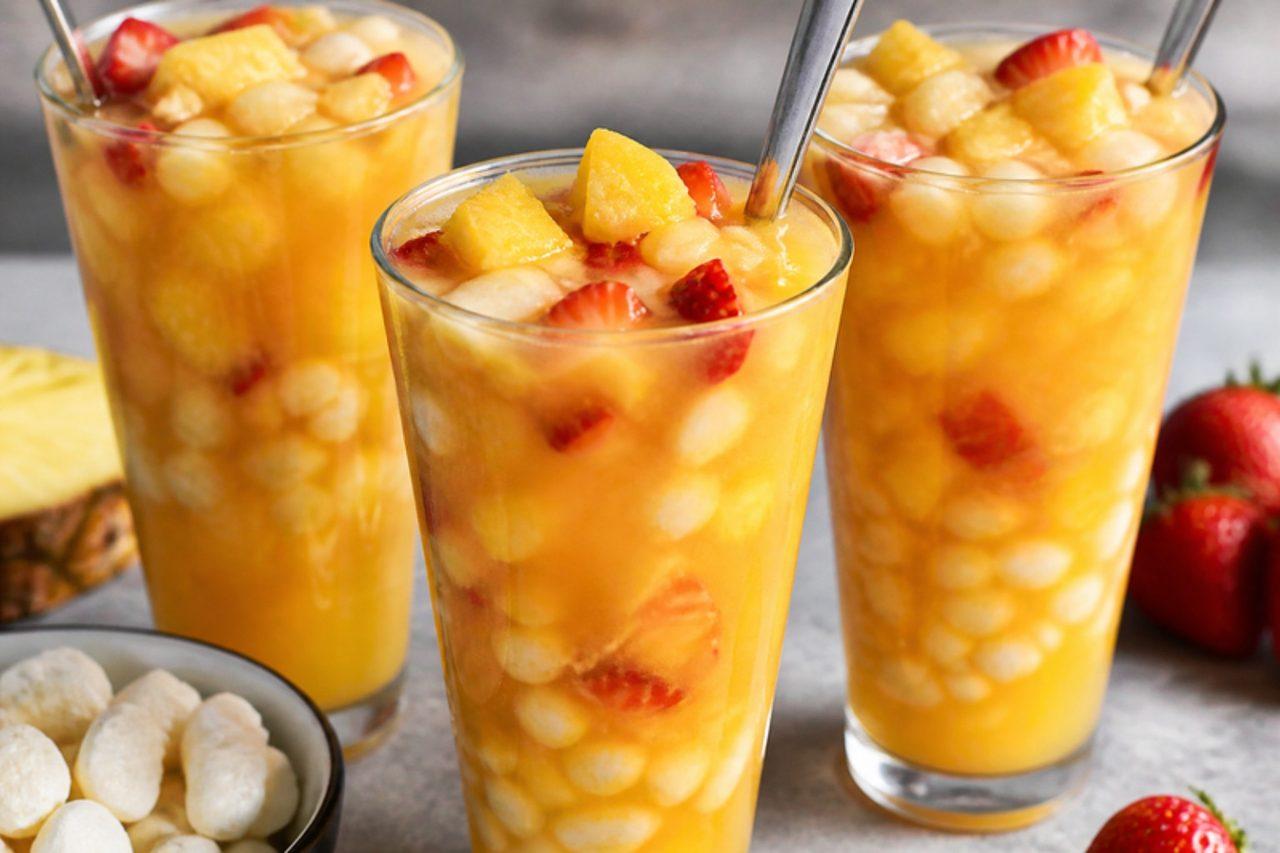
Rosero is a festive drink of Quito in Ecuador, made for Corpus Christi in June, when the city once filled with processions and dancers. It is thick and refreshing: whole hominy (mote) and a thin purée of naranjilla (lulo) and pineapple, sweetened with sugar, spiced with cinnamon, cloves and allspice, and perfumed with orange-blossom water and rose petals, then served chilled in tall glasses with diced fruit. Frozen naranjilla pulp is sold in Latin shops. It is vegan. Chef's tip: simmer the pineapple peel with the spices for the syrup, as Quiteño cooks do; it adds a lot of flavour.

by KrazyBadal 0 views

Picana bolivianaBeef, chicken and corn stew

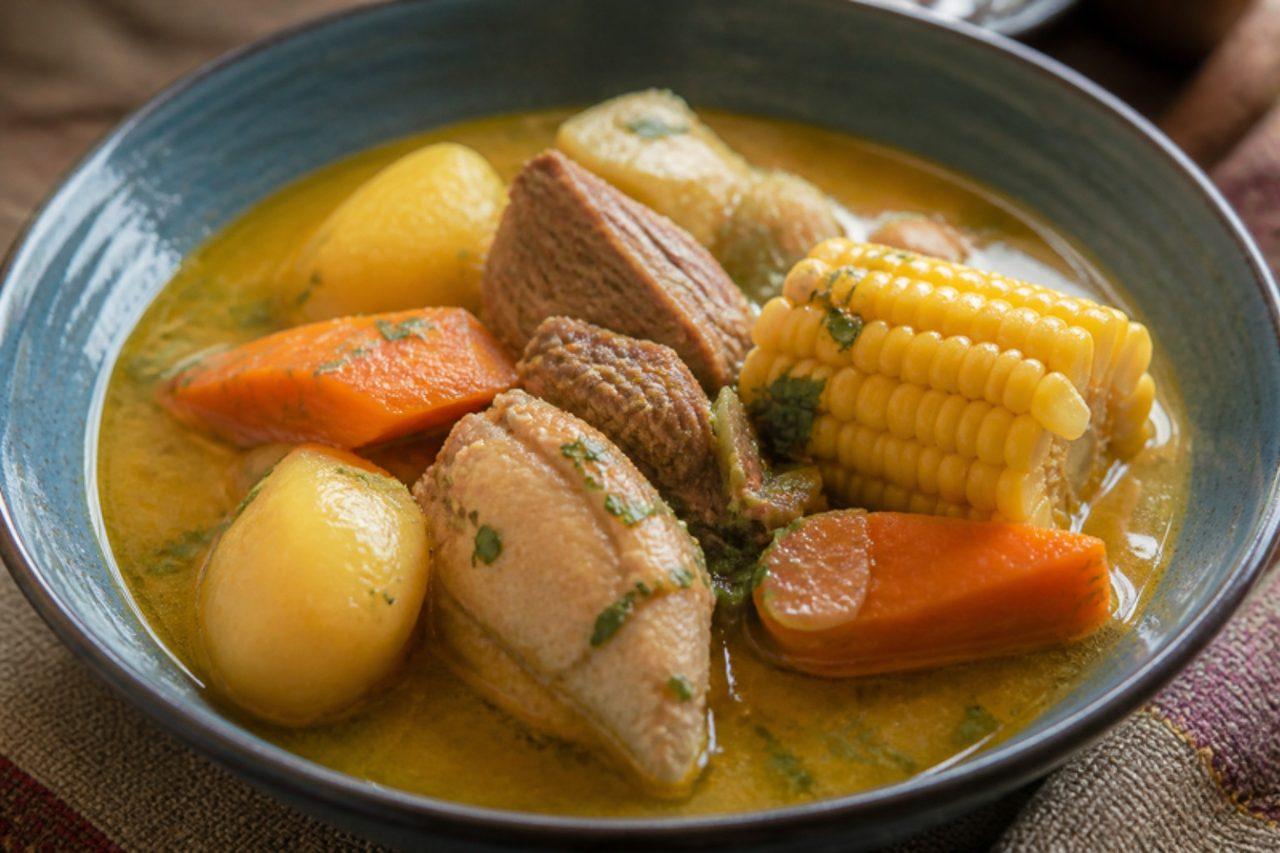
In Bolivia, picana is what families eat after the midnight Misa de Gallo on Christmas Eve: a big pot of beef, chicken and sometimes lamb or pork simmered with corn on the cob, potatoes, carrots, raisins and spices, traditionally finished with a little wine and sugar for a sweetish broth. Each bowl holds a piece of every meat and a chunk of corn. Here the wine is optional; use extra stock and a spoon of grape juice for an alcohol-free pot. Chef's tip: add the chicken after the beef has had its head start, so both are tender at the same moment.

180 minAndeanSoupsGluten free
by KrazyBadal 0 views

Kuih loyang (honeycomb rosette cookies)

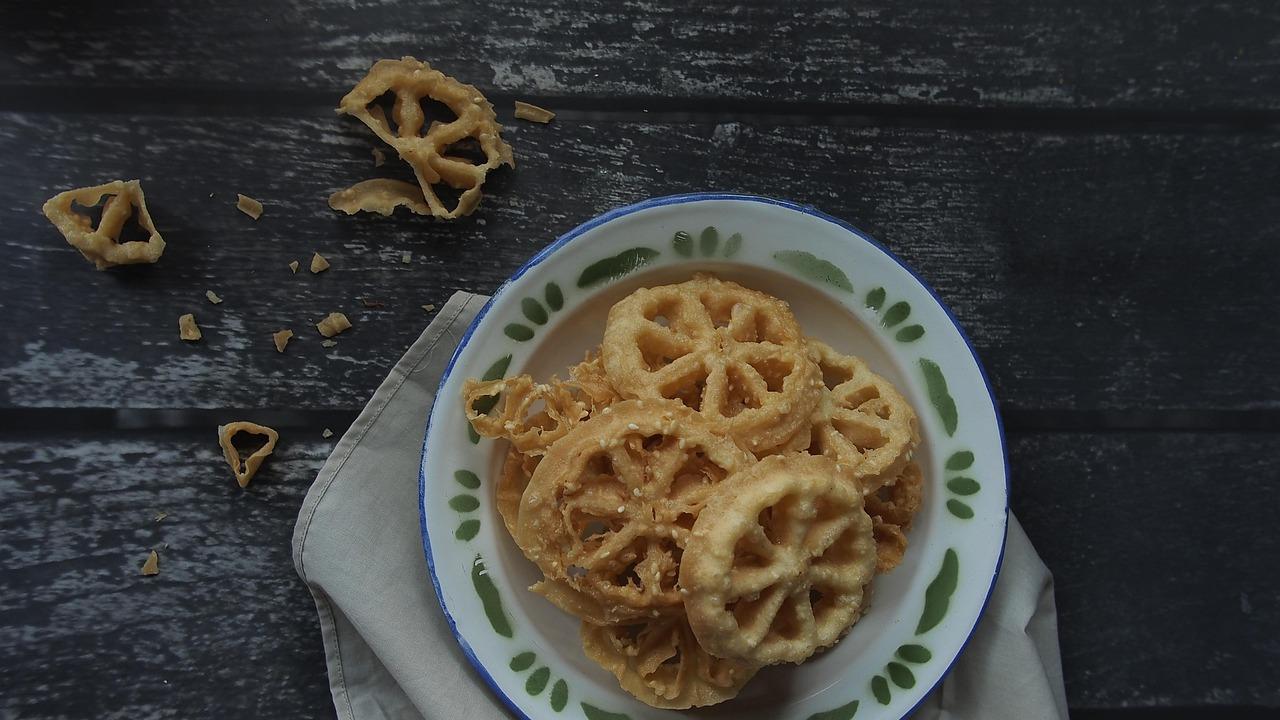
Kuih loyang, also called kuih rose or honeycomb cookies, are made in Malaysia for Chinese New Year and Hari Raya alike, so a jar of them is a small sign of the country's shared festive table. The flower shape stands for blossoming luck in the new year. A thin batter of eggs, coconut milk and rice flour clings to a hot brass or iron mould, and when it is dipped in hot oil it puffs into a lacy flower that shatters at the bite and tastes gently of coconut and sesame. Serve them with tea or coffee. Chef's tip: heat the empty mould in the oil before every cookie; a cold mould means the batter won't stick, and an overheated one makes it slide off.

by KrazyBadal 0 views

Turrón de maníPeanut nougat

On an Argentine Christmas Eve, after midnight toasts, the 'mesa dulce' appears with pan dulce, garrapiñadas and turrón de maní: a chewy white nougat of honey, sugar, whipped egg white and roasted peanuts, often set between two sheets of rice paper. Families make it in the days before Nochebuena. The egg white is cooked by the hot syrup. It is gluten free if you use gluten-free wafer paper or none. Chef's tip: work fast once the syrup is in, as the nougat stiffens as it cools and gets hard to spread.

by KrazyBadal 0 views

Jiu hu char (dried cuttlefish and jicama stir-fry)

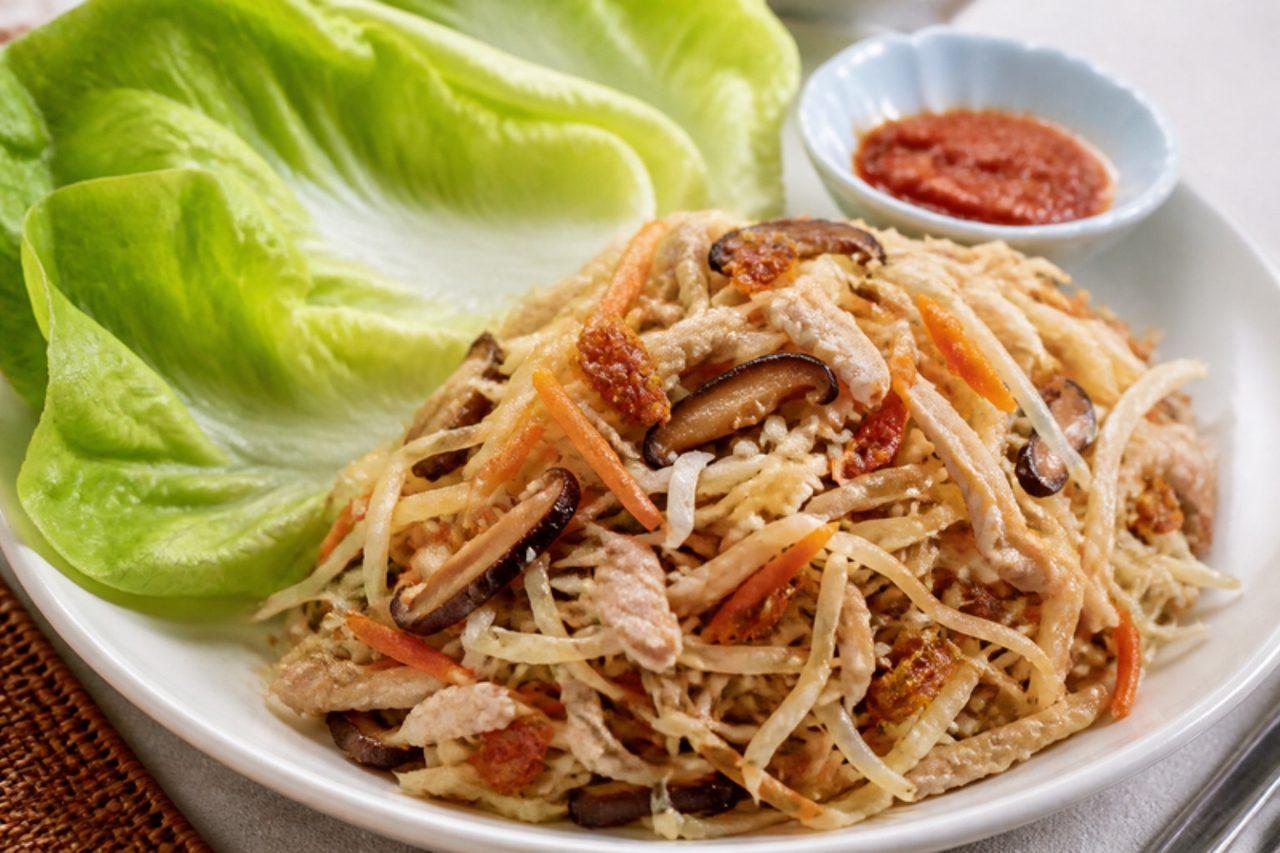
Jiu hu char is a Penang Nyonya dish cooked in big batches for Chinese New Year, when it is passed round as a gift and kept on hand for visitors; its long, fine shreds stand for long life, and the abundance of the pot for a full year. Shredded jicama (yam bean), carrot and cabbage are fried slowly with strips of dried cuttlefish, a little pork and shiitake until sweet, soft and full of the savoury, slightly smoky flavour of the cuttlefish. Wrap spoonfuls in crisp lettuce with a dab of sambal belacan. Chef's tip: cut the vegetables into very fine, even matchsticks; this is what gives the dish its silky texture.

by KrazyBadal 0 views

Kiam chye ark (salted vegetable duck soup)

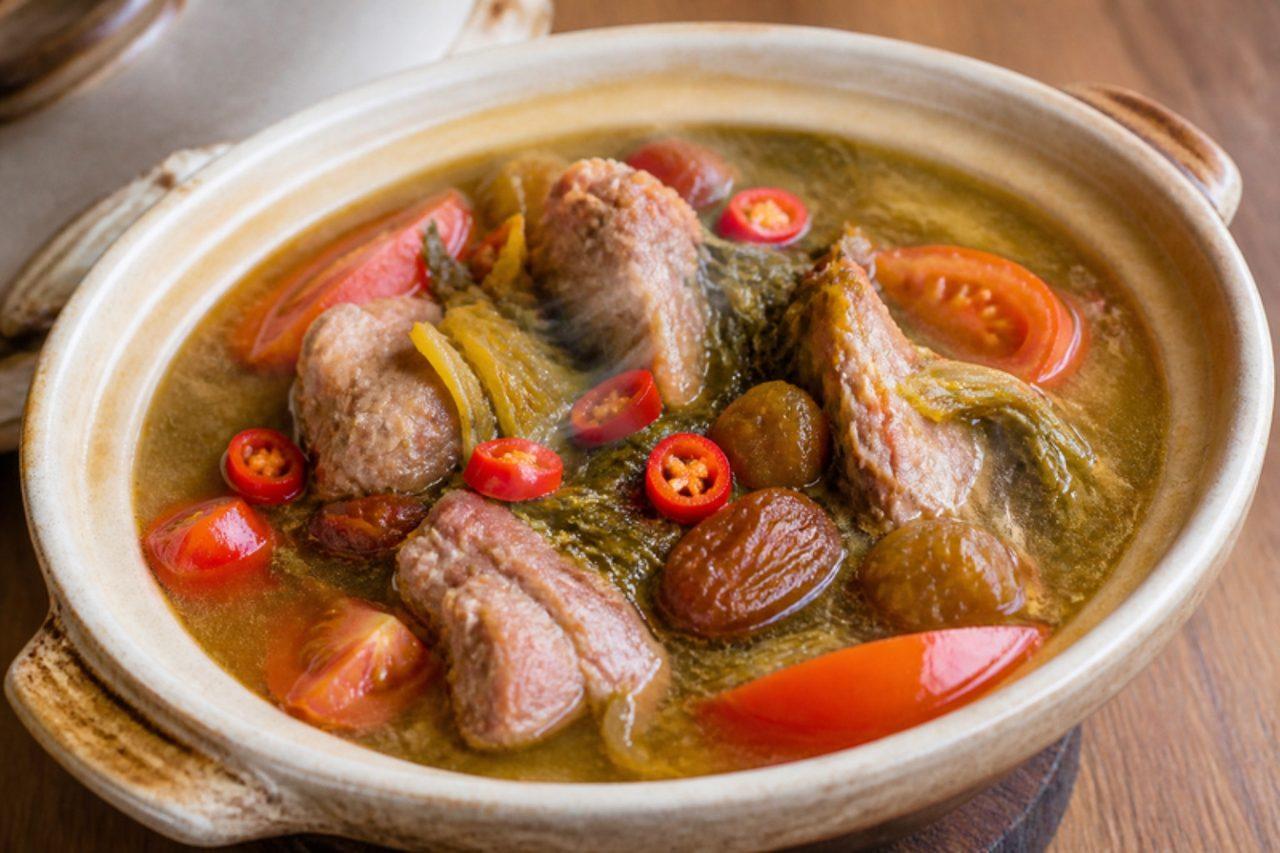
Kiam chye ark is the soup Penang Nyonya families make around Chinese New Year, traditionally to use up roast duck from the reunion dinner; its sour, salty broth is said to settle the stomach after the feasting. This version starts from a fresh jointed duck. Duck is simmered with salted mustard greens (kiam chye), tomatoes, tamarind skins, preserved sour plums and a little ginger until the meat is falling-apart tender and the broth is clear, tangy and savoury. Serve it piping hot with plain rice and a dish of sliced chilli in soy. Chef's tip: soak and taste the salted greens first; some brands are fiercely salty and need a second soak.

by KrazyBadal 0 views

Kuih kapit (love letters)

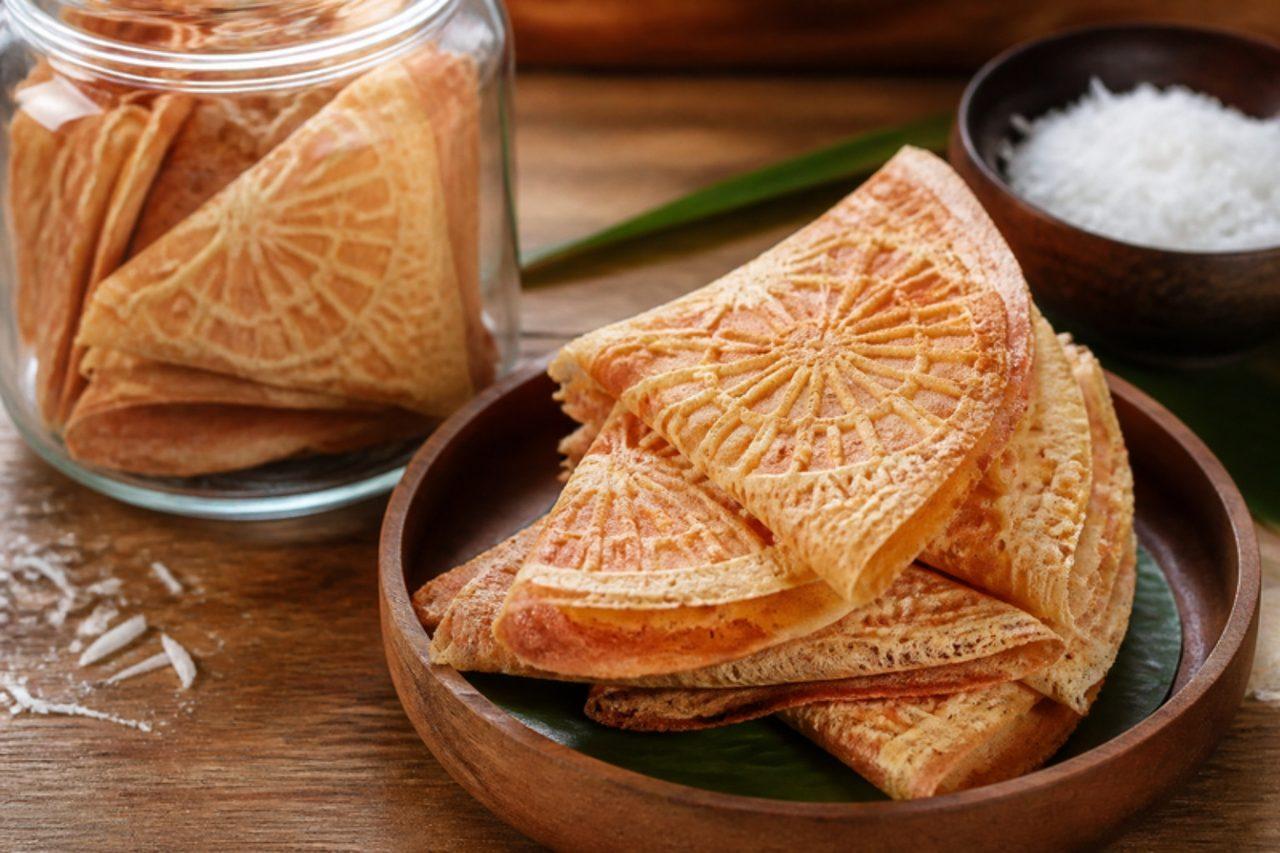
Kuih kapit, known in English as love letters, are the crisp coconut wafers that fill tins on coffee tables across Malaysia, especially in Penang, at Chinese New Year. Their folded shape is said to hold a sweet secret message, and the patterned moulds often carry lucky symbols, so a tin of them is a wish for a sweet, happy year. Each one is a thin batter of coconut milk, eggs, sugar and rice flour cooked between hot patterned irons and folded quickly while soft, cooling into a light, shattering wafer that tastes of toasted coconut and caramel. Serve with tea, and keep the tin tightly closed. Chef's tip: the first few wafers are always for testing; adjust the heat until each one is pale gold in about 30 seconds a side.

by KrazyBadal 0 views

Arrowhead chips (nga gu chips)

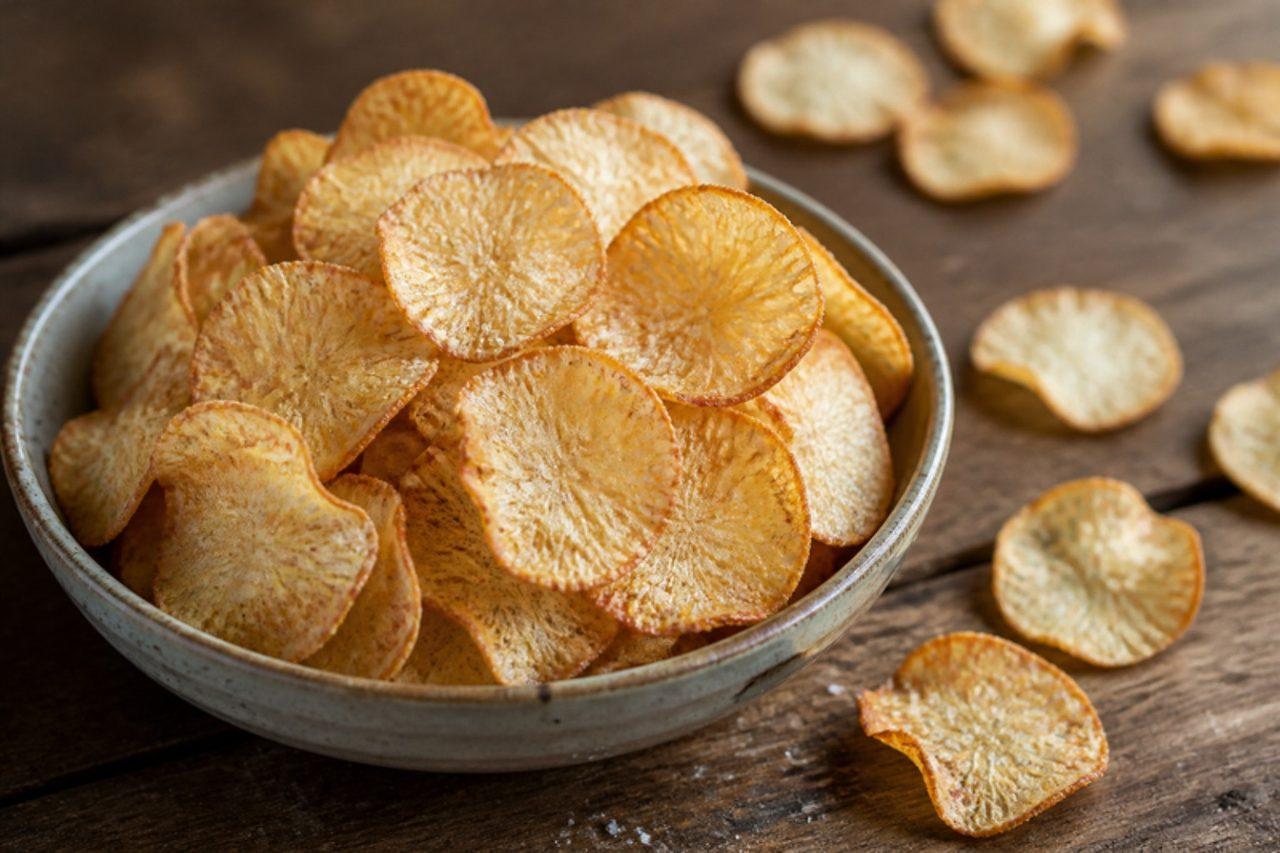
Arrowhead (nga gu, or ngaku) is a small aquatic tuber that only shows up in Malaysian markets in the weeks before Chinese New Year, and frying it into chips is a family job. Its curved sprout looks like a shoot rising from the root, so it stands for growth and many descendants in the year ahead. Sliced thin and fried, the chips are crisp and nutty like potato crisps, with a gentle bitterness that keeps you reaching for more. Put them out in jars with peanuts and love letters for visitors. Chef's tip: soak the slices and dry them very well; wet slices make the oil spit and fry up chewy instead of crisp.

by KrazyBadal 0 views

Quinotos en almíbar (Argentine kumquats in syrup)

In Buenos Aires and the river provinces of the Litoral, kumquat trees ripen in the middle of winter, between June and August, and the fruit goes straight into jars of syrup. Grandmothers' pantries held quinotos for the whole year, brought out for birthdays and long Sunday lunches. Each little fruit turns glossy orange and translucent, with a soft, bittersweet skin and a sharp, juicy centre. Spoon them over vanilla ice cream, serve them with a slice of fresh cheese in the style of postre vigilante, or eat them straight from the jar. Many bar menus offer them steeped in spirits; this version keeps only the syrup. Naturally egg-free, the quinotos rely on sugar syrup to preserve them, while pectin from the peel gives the syrup a light, jammy body. Chef's tip: blanch the fruit three times from cold water; the common mistake is skipping this, which leaves the skins tough and bitter.

by KrazyBadal 0 views

Aiskrim potong (Malaysian red bean ice-cream bars)

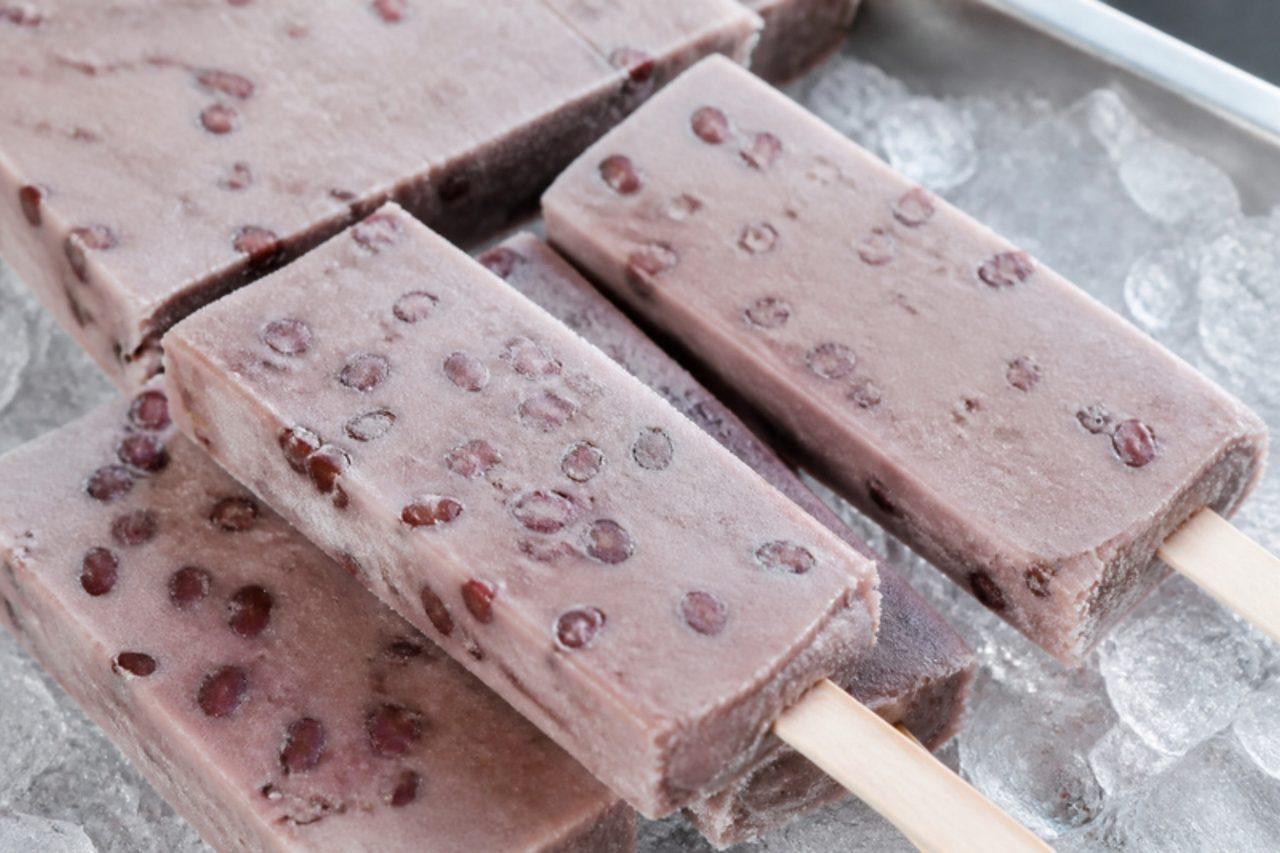
Aiskrim potong, literally cut ice cream, comes from the days when Malaysian factories froze long blocks of dense ice cream that vendors sliced into bars to order. It is still sold nationwide from motorbike freezers and kampung shops, especially in the afternoon heat after school, in flavours like coconut, sweet corn, yam and durian, with red bean as the classic. It is firmer and denser than scooped ice cream and melts slowly in the hand. There is no egg: the base is cornflour cooked into coconut milk and milk, with a little condensed milk. The cooked starch gives the bars their chewy, close bite and keeps them smooth because it ties up the water before it can form big crystals. Chef's tip: stir the half-frozen block once so the beans don't all sink; the common mistake is pouring and leaving it, which gives a bean-heavy bottom and a plain top.

by KrazyBadal 0 views

Showing 24 of 504 recipes

Show more recipes

Page 1 of 21