Skip to content
Recipes

All recipes

Vegetarian, or something you can't eat? Set your diet once and we'll hide recipes that don't fit.

Nan-o panir-o sabziBread, white cheese and fresh herbs

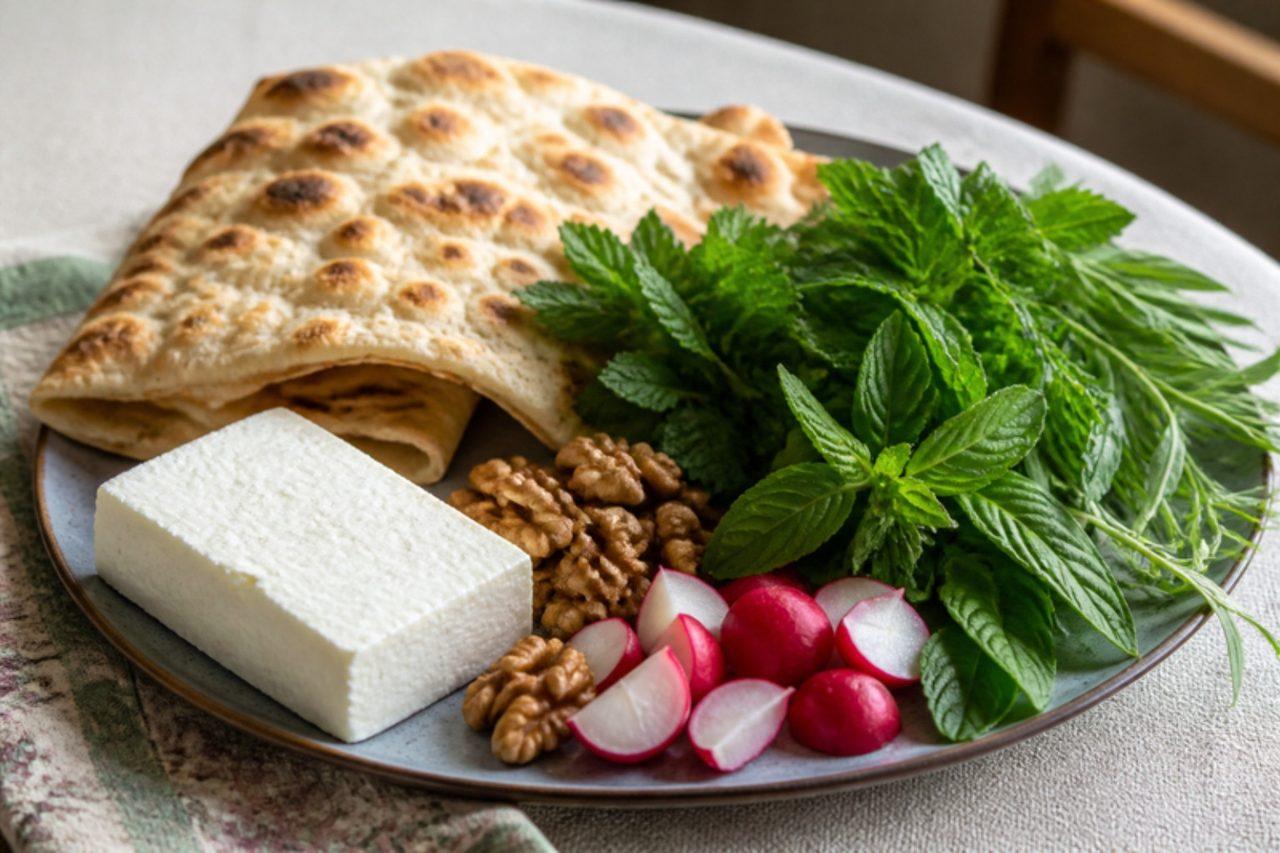
Nan-o panir-o sabzi, 'bread, cheese and herbs', is laid out on Iranian tablecloths from Tabriz to Mashhad for breakfast, for a light summer supper and before dawn during Ramadan: warm flatbread, salty white cheese, a big plate of fresh herbs, walnuts and crisp radishes, all wrapped into little bites. There is no cooking beyond warming the bread, so it is ready in ten minutes. The common mistake is serving herbs that are still damp from washing, which wilt and make the bread soggy; wash them earlier and let them dry fully. Iranian white cheese (lighvan) and most feta are made with animal rennet, so choose a vegetarian feta-style cheese if needed. Chef's tip: soak the walnuts in cold water for 10 minutes; it softens their bitterness the way Iranian cooks like.

by KrazyBadal 0 views

Tallarines rojosSpaghetti in red sauce with chicken

Tallarines rojos is the Sunday-lunch and weeknight pasta of homes all over Peru, from Lima to Arequipa: spaghetti in a sweet, deep-red sauce of blended tomato, onion and garlic with a little ají panca and oregano, often with pieces of chicken cooked right in it. Children love it, and it is served with a sprinkle of grated cheese and sometimes a spoon of huancaína on the side. The usual mistake is cooking the sauce too briefly, so it tastes of raw onion; let the blended tomato fry until it darkens and the oil shows at the edges. Chef's tip: a bay leaf and a spoon of ají panca paste give the sauce its Peruvian character; paprika will do if you can't find the paste.

by KrazyBadal 0 views

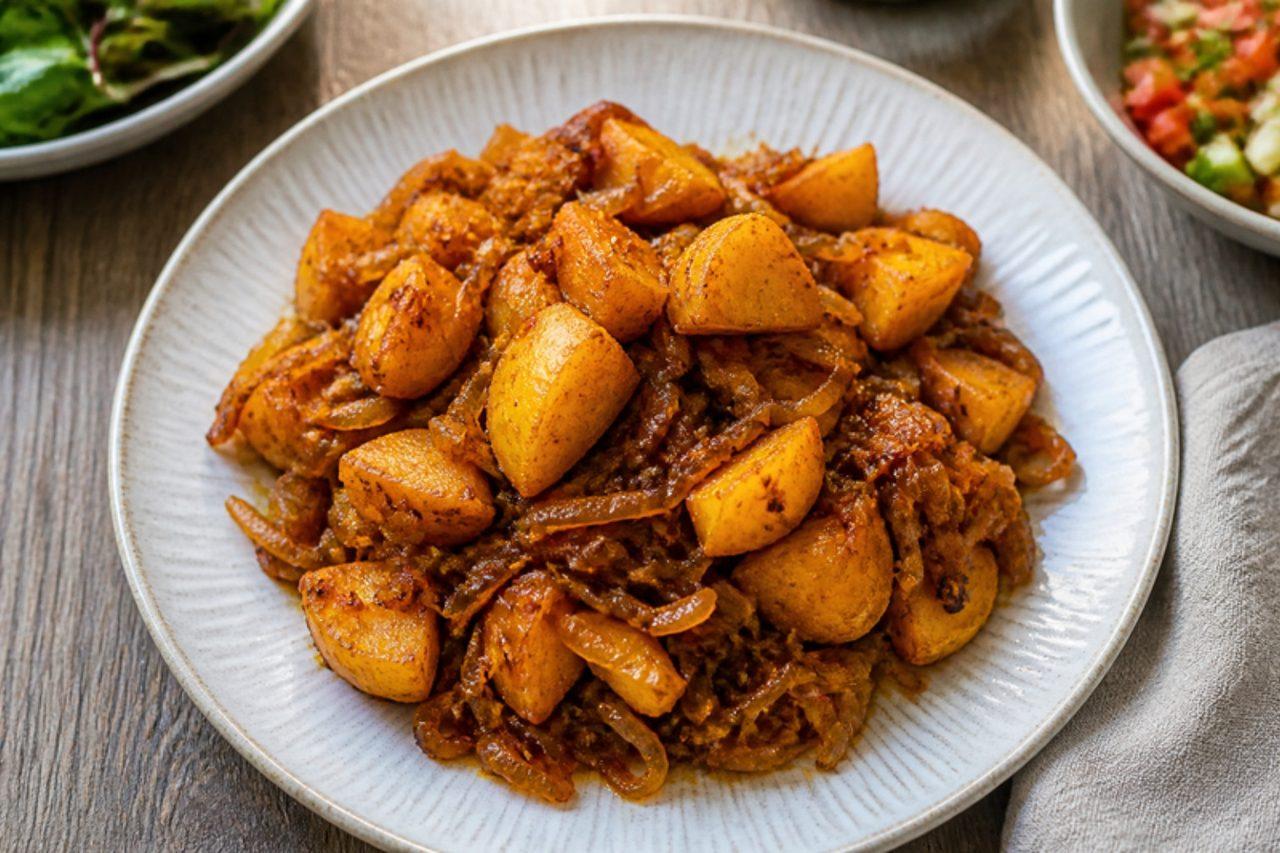
Dopiazeh alooPotatoes fried with onion and tomato

Dopiazeh means 'two onions', and in Shiraz this potato dish lives up to the name: cubed potatoes are fried with a generous heap of golden onions, turmeric and tomato paste until the edges catch and the sauce clings to every piece. Shirazi families eat it as a side with rice and kebab or, on busy evenings, as the main dish rolled up in flatbread with yogurt or fresh herbs. The usual mistake is crowding the pan, so the potatoes steam and break up instead of browning; use your widest pan. Chef's tip: fry the tomato paste in the oil for a full minute before adding water, so it turns brick red and loses its raw edge.

by KrazyBadal 0 views

Chicharrón de pescadoCrisp fried fish chunks

Up and down the Peruvian coast, from Chorrillos in Lima to the beaches of Piura, chicharrón de pescado is the crunchy plate ordered alongside ceviche at a long seafood lunch: bite-size chunks of firm white fish marinated briefly in garlic and lime, dusted in flour and fried, then served with fried cassava, salsa criolla and tartar or rocoto sauce. Using frozen peeled cassava keeps it to half an hour. The common mistake is leaving the fish in the lime too long: after about ten minutes the acid starts to 'cook' the outside and the coating slips off. Chef's tip: toss the floured pieces in a sieve to shake off every bit of loose flour; a thin coat fries crisp, a thick one turns pasty.

by KrazyBadal 0 views

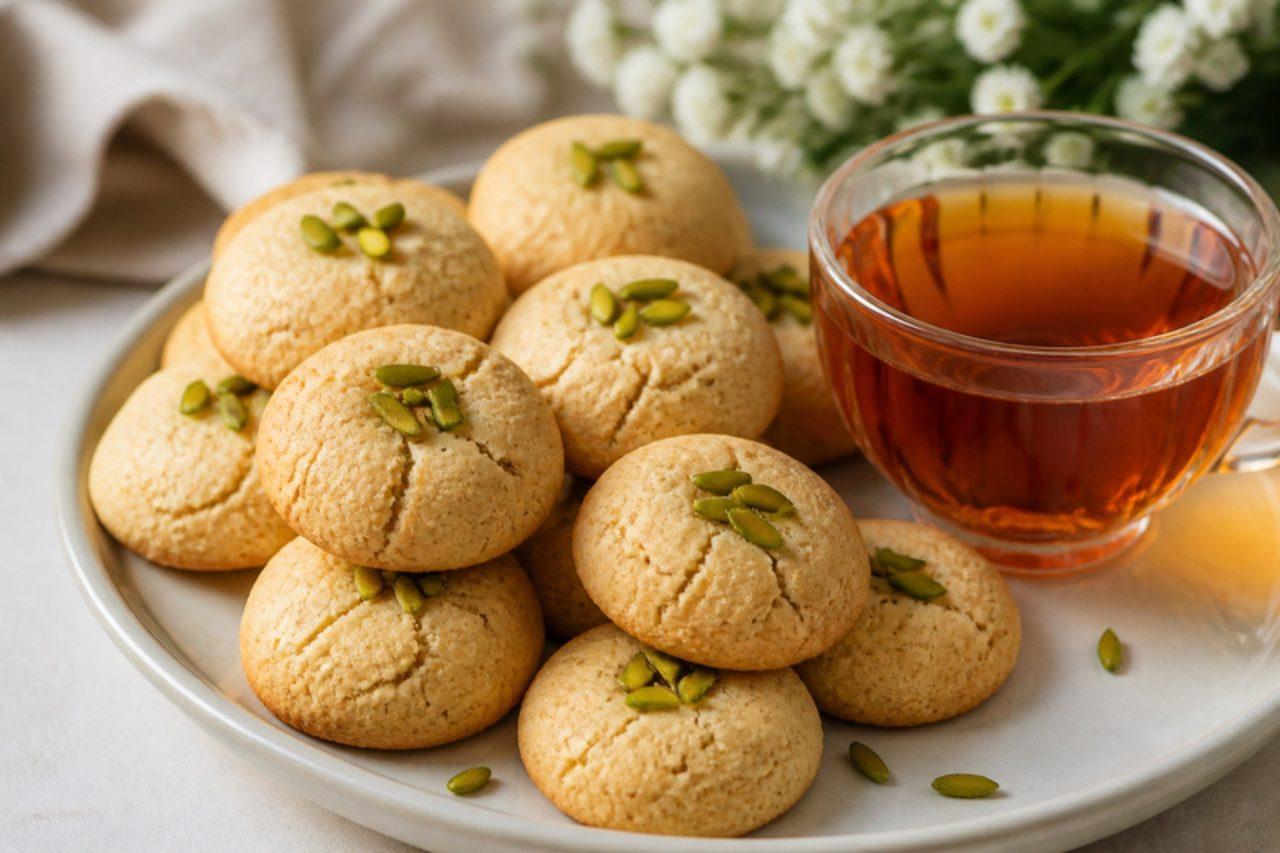
Nan-e badamiAlmond cardamom cookies

Tabriz and Yazd both claim the best nan-e badami, and in the weeks before Nowruz pastry shops across Iran fill trays with these small almond cookies for the new-year table. Made from ground almonds, sugar and egg white with no flour at all, they have a thin crisp shell and a moist, chewy middle, perfumed with cardamom and rose water and topped with a sliver of pistachio. Offer them with tea when guests make their Nowruz visits; they also keep well enough to make a week ahead. Over-whisking is the easy error: the whites only need to be frothy, not stiff, or the cookies puff and crack like meringues. Chef's tip: let the shaped cookies sit uncovered for 20 minutes before baking so a skin forms; that skin is what gives the neat, crackled top.

by KrazyBadal 0 views

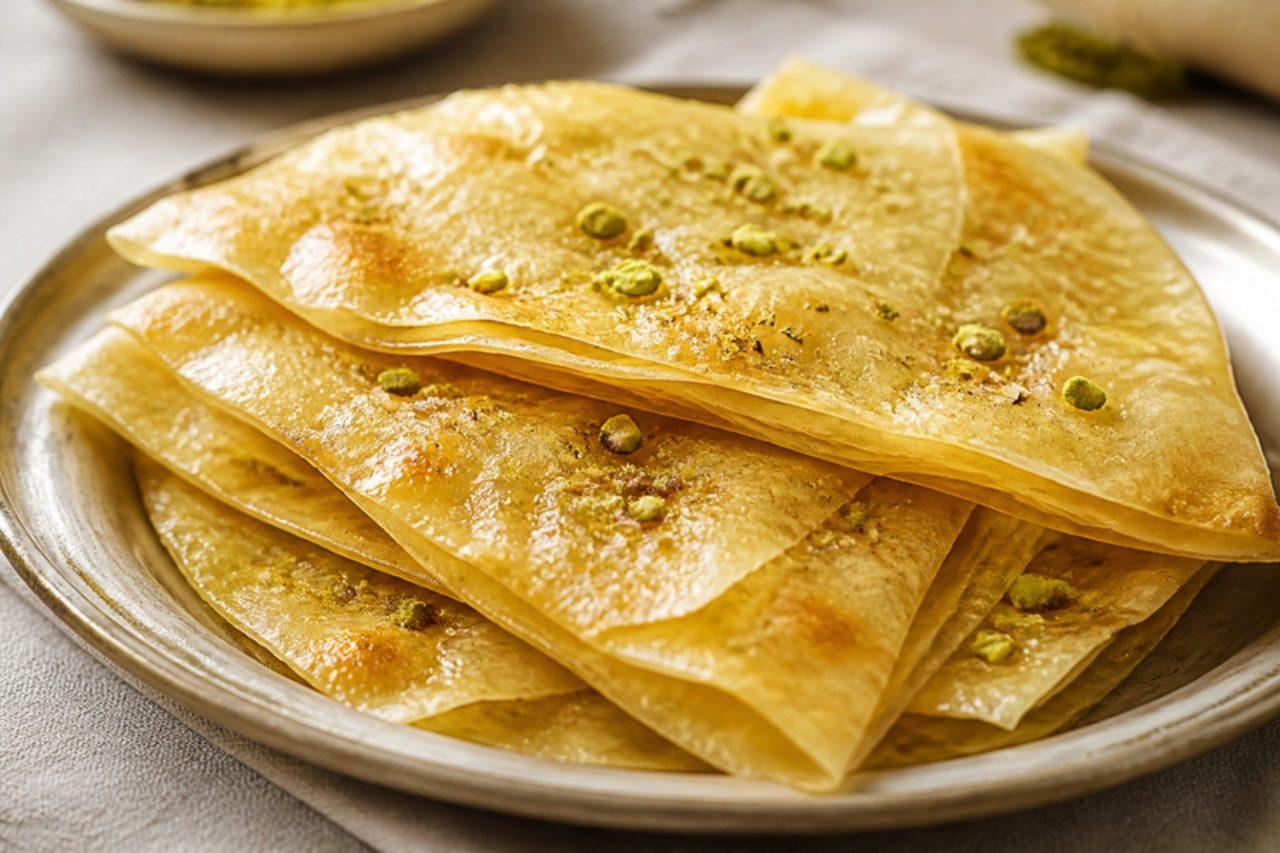
Kak-e KermanshahiThin buttered sugar sheets

Kermanshah, in Iran's Kurdish west, is famous for its ghee, and kak is the sweet that shows it off: dough rolled so thin you can read through it, baked crisp in seconds, then brushed with melted ghee and showered with sugar before the sheets are folded and stacked. Shops in the city's bazaar sell them in tall boxes, and families bring them out for guests and at Nowruz with glasses of black tea. They are traditionally made with Kermanshahi ghee, a nutty sheep's-milk ghee; ordinary ghee or clarified butter works well. The classic mistake is rolling too thickly: anything over a millimetre bakes up like a cracker, not a crisp, glassy sheet. Chef's tip: roll on a lightly oiled counter rather than flour, and stretch the last bit over the backs of your hands, as the Kermanshah bakers do; excess flour scorches on the hot tray.

by KrazyBadal 0 views

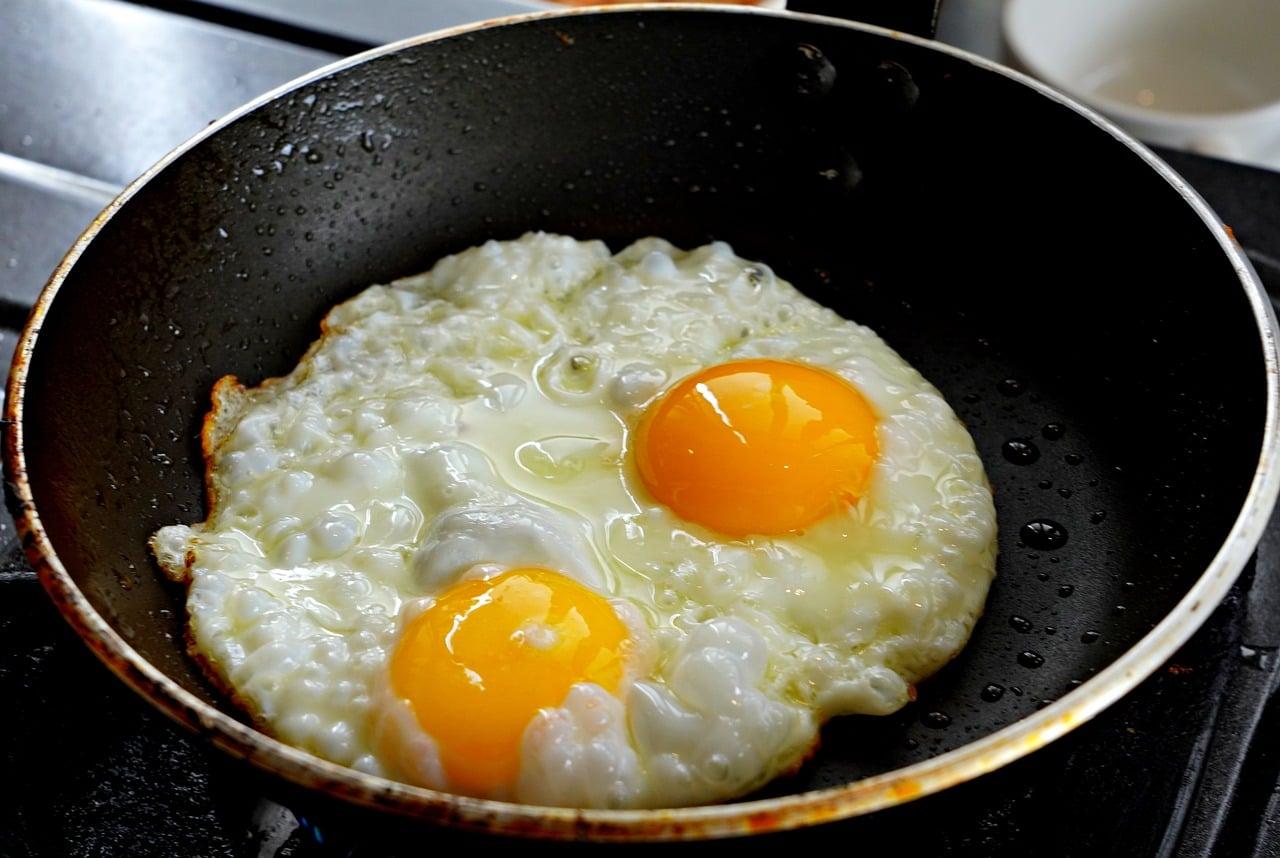
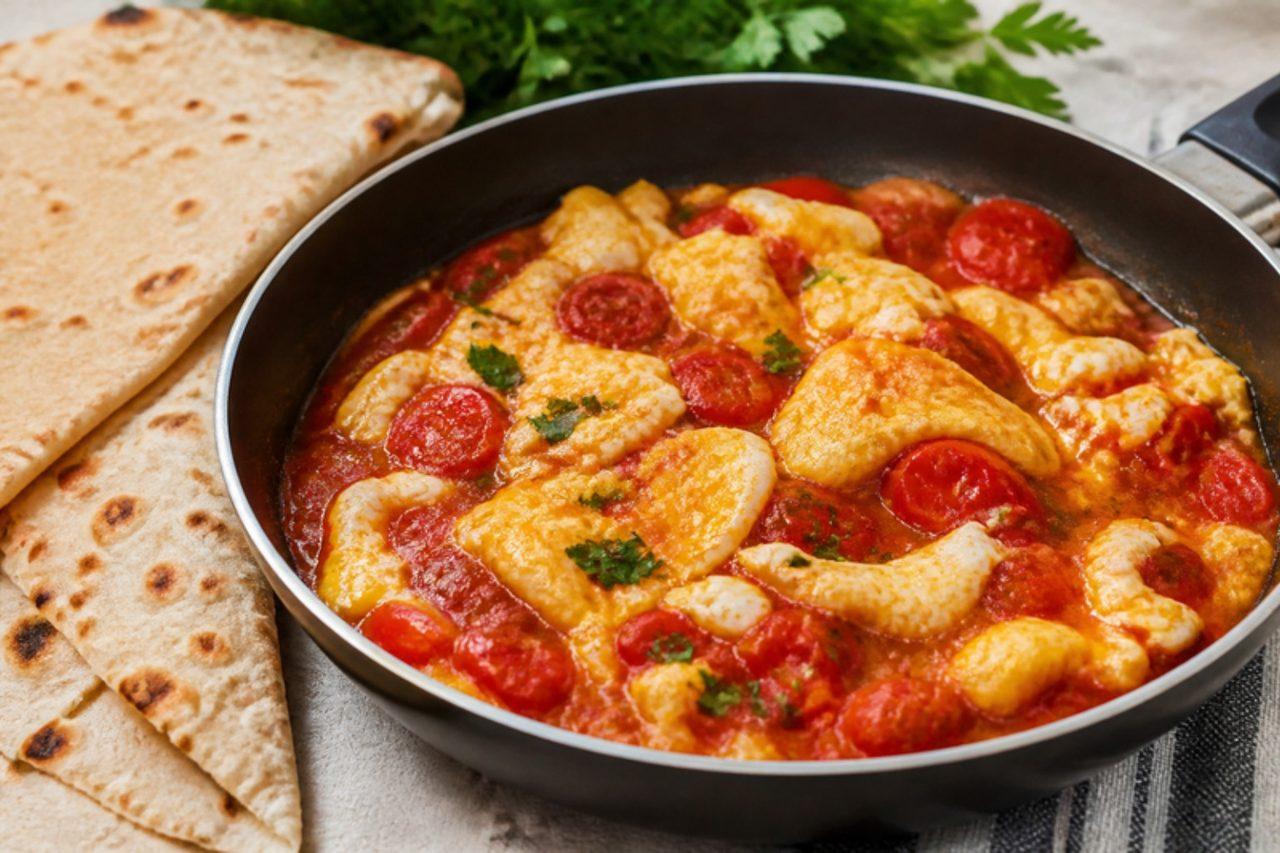
NimrooHalf-set fried eggs

Nimroo, literally 'half-done', is what Iranian students in Tehran and families in every city cook when there is no time: eggs fried gently in a small pan until the whites set and the yolks stay soft, sprinkled with salt, pepper and sometimes a pinch of turmeric. It is eaten straight from the pan with torn lavash or sangak, fresh herbs and sweet black tea, for breakfast or a late supper. The common mistake is a fierce heat that burns the edges of the white while a raw film stays round the yolk; a lid for the last minute sets the top gently. For anyone pregnant, very young, older or with a weakened immune system, cook the yolks until firm. Chef's tip: serve it in the pan it was cooked in, on a board, so it stays hot.

by KrazyBadal 0 views

Omelet-e gojeh farangiTomato and egg omelette

In Iran the word omelet means something quite different from a folded French one: ripe tomatoes are cooked down in oil with a little onion and turmeric until jammy, then eggs are stirred through so they set in soft streaks of red and gold. It is the classic quick dinner of Tehran apartments and student dorms, eaten from the pan with lavash and a plate of herbs. The mistake that makes it watery is adding the eggs before the tomato juices have cooked away; wait until the sauce is thick and the oil sizzles again. Chef's tip: grate the tomatoes on a box grater and throw away the skins, so the base melts down in minutes.

by KrazyBadal 0 views

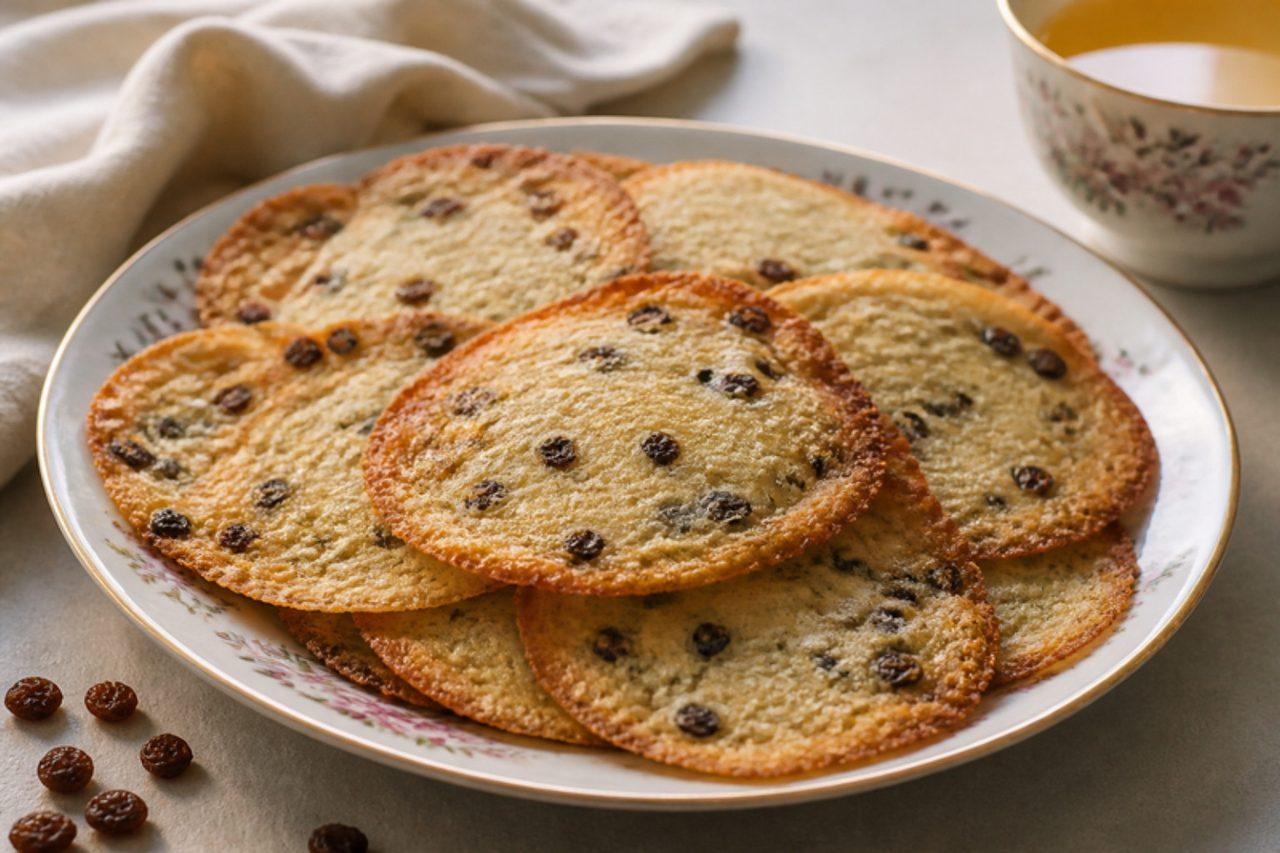
Nan-e keshmeshiSaffron raisin cookies

Ask an Iranian child which Nowruz sweet they reach for first and many will say nan-e keshmeshi, the little raisin cookies with crisp golden rims and soft, chewy centres. Confectioners in Tehran make them by the thousand in the run-up to the spring new year, and they turn up again whenever there is tea and company. The dough is a simple butter-sugar-egg batter warmed with saffron and vanilla, spooned out in small dabs that spread thin in the oven. Spooning them too big or too close is the common slip: they run into each other and bake into one sheet. Chef's tip: soak the raisins in hot water for 10 minutes and dry them well first; plump raisins stay juicy instead of burning on the surface.

by KrazyBadal 0 views

Pejerrey arrebozadoBattered fish fillets with onion salsa

Pejerrey arrebozado is a Lima classic from the cevicherías and home kitchens of the coast, eaten at lunch on a plate with white rice, a heap of sharp salsa criolla and sometimes boiled potato. The pejerrey, a small silverside, is opened into butterflied fillets, dipped in a light egg-and-flour batter and fried golden. Outside Peru, use small fillets of whiting, sole, haddock or tilapia. The batter here uses sparkling water, not beer, so it is alcohol free. The common mistake is frying in oil that isn't hot enough: the batter drinks the oil and turns greasy, so test with a drop of batter first. Chef's tip: make the salsa criolla first and let the onion sit in lime for ten minutes; it softens its bite and turns a pretty pink.

by KrazyBadal 0 views

ChaplasHollow puffed Andean bread

Walk through Ayacucho's central market at seven in the morning and you will see women selling stacks of chaplas from cloth-lined baskets, still warm from the wood-fired ovens of the Andes. These round wheat breads puff up like pita in the fierce heat, leaving a hollow pocket inside a thin, soft, lightly floury crust. In Ayacucho and Huancavelica they are eaten with sweet coffee or hot emoliente for breakfast, or split and filled with queso fresco, avocado or a spoonful of rocoto sauce. Highland bakers traditionally work in a little lard; vegetable shortening gives the same tenderness and keeps the bread vegan. A cool baking tray is the reason chaplas stay flat, so preheat it thoroughly. Chef's tip: let the rolled rounds rest before baking and flip them upside down onto the tray, so the smooth, dry side meets the heat first and the pocket opens evenly.

by KrazyBadal 0 views

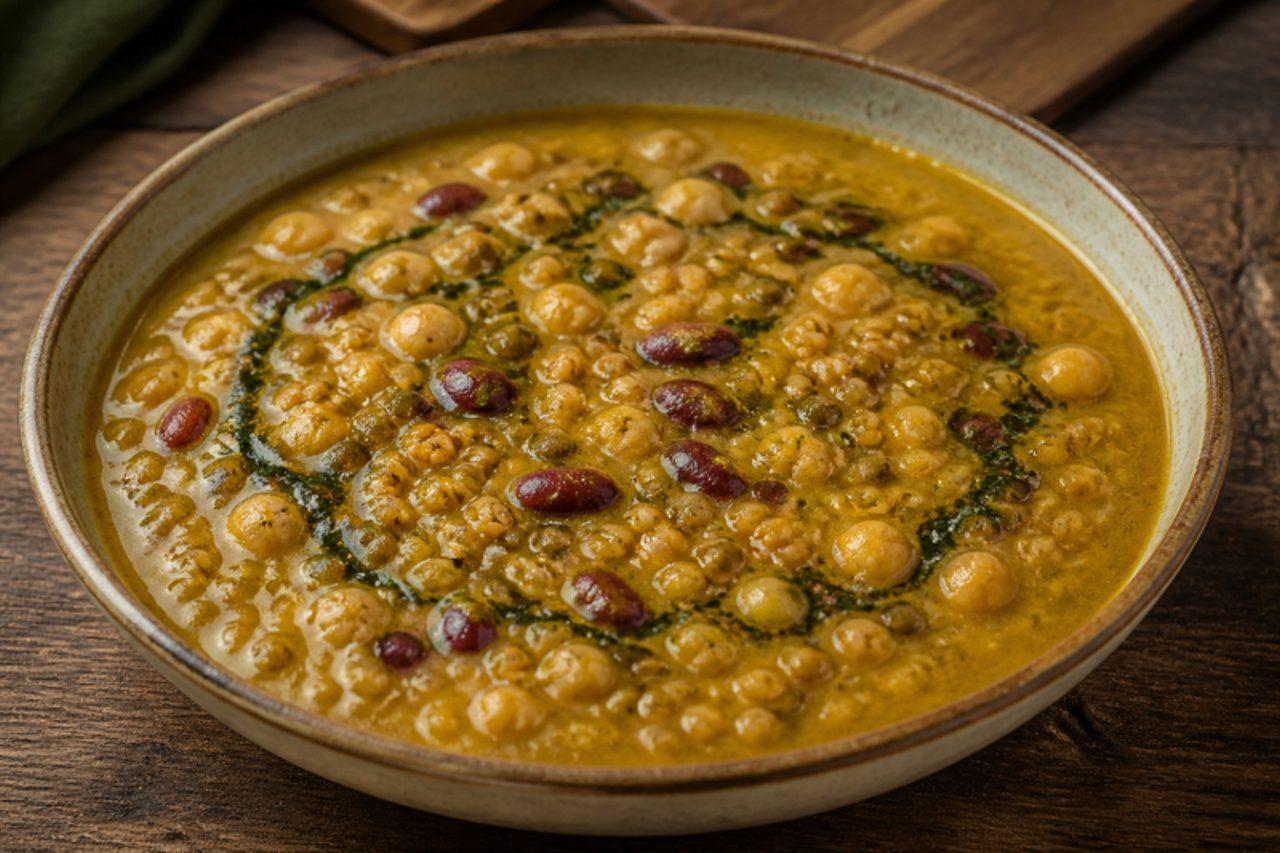
Ash-e dandooni (Persian first-tooth soup)

When an Iranian baby's first tooth appears, the family cooks a big pot of ash-e dandooni and shares it with relatives and neighbours, who return the bowl with a small gift for the baby. It is a hearty, mild soup of whole wheat, chickpeas, beans and lentils, eaten by the whole family; in some homes the little one gets the soft, mashed grains without salt or toppings. It is free of milk, egg, nuts and soya and contains gluten (wheat). Chef's tip: soak the wheat and pulses together overnight, so everything cooks at the same speed.

120 minPersianSoupsVegan
by KrazyBadal 0 views

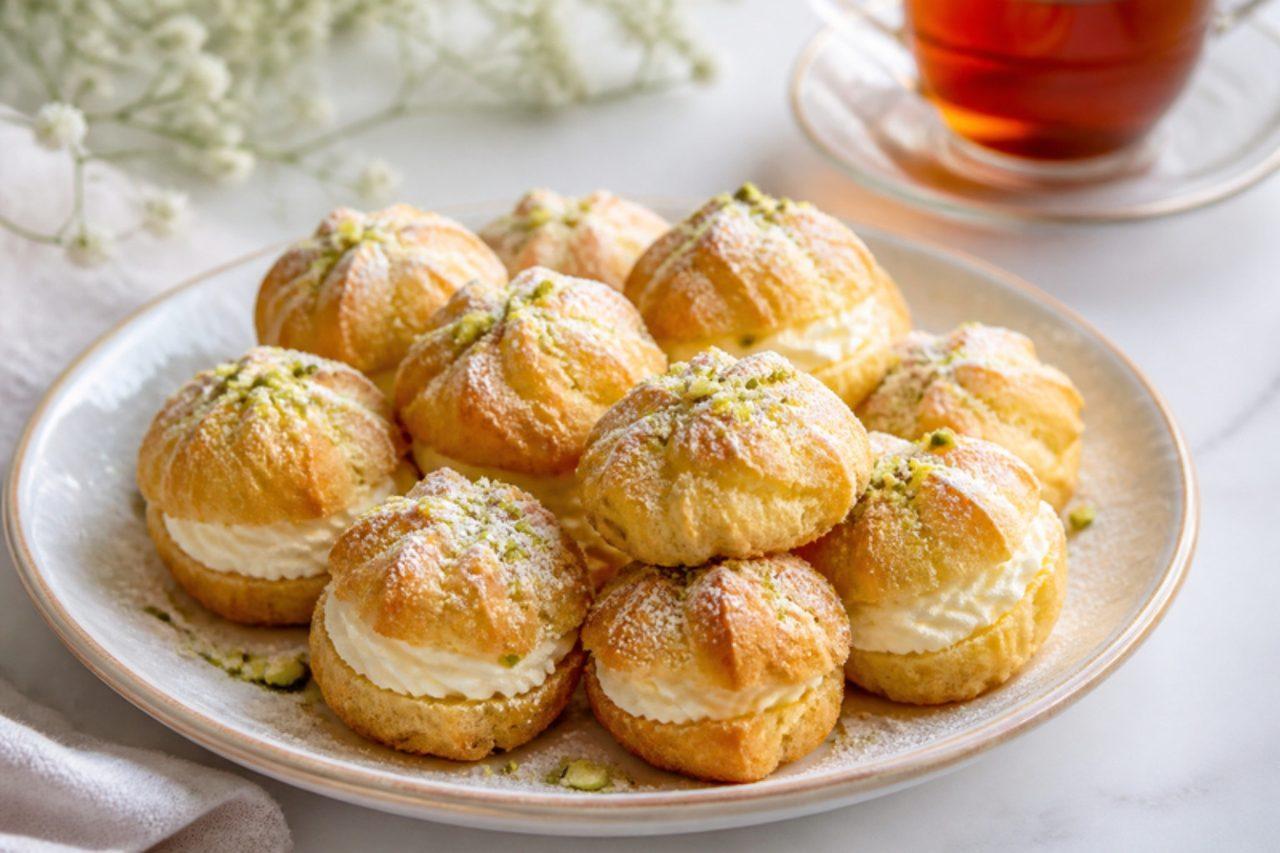
Nan-e khameiCream puffs

Tehran's pastry shops, the qanadi on every busy street, sell nan-e khamei by the boxful: small golden choux puffs split and filled with softly whipped cream, dusted with icing sugar. Families buy a box to take when visiting relatives, for birthdays and above all for the Nowruz new-year table, and they are eaten with glasses of black tea. The shells are crisp and hollow, the cream barely sweet and sometimes lifted with a drop of rose water, and a few chopped pistachios on top add colour. Filling them too early is the usual mistake, as the cream softens the shells within hours, so fill them shortly before serving. Chef's tip: whip the cream in a chilled bowl and stop at soft peaks with a little hold; it pipes smoothly and doesn't turn grainy.

by KrazyBadal 0 views

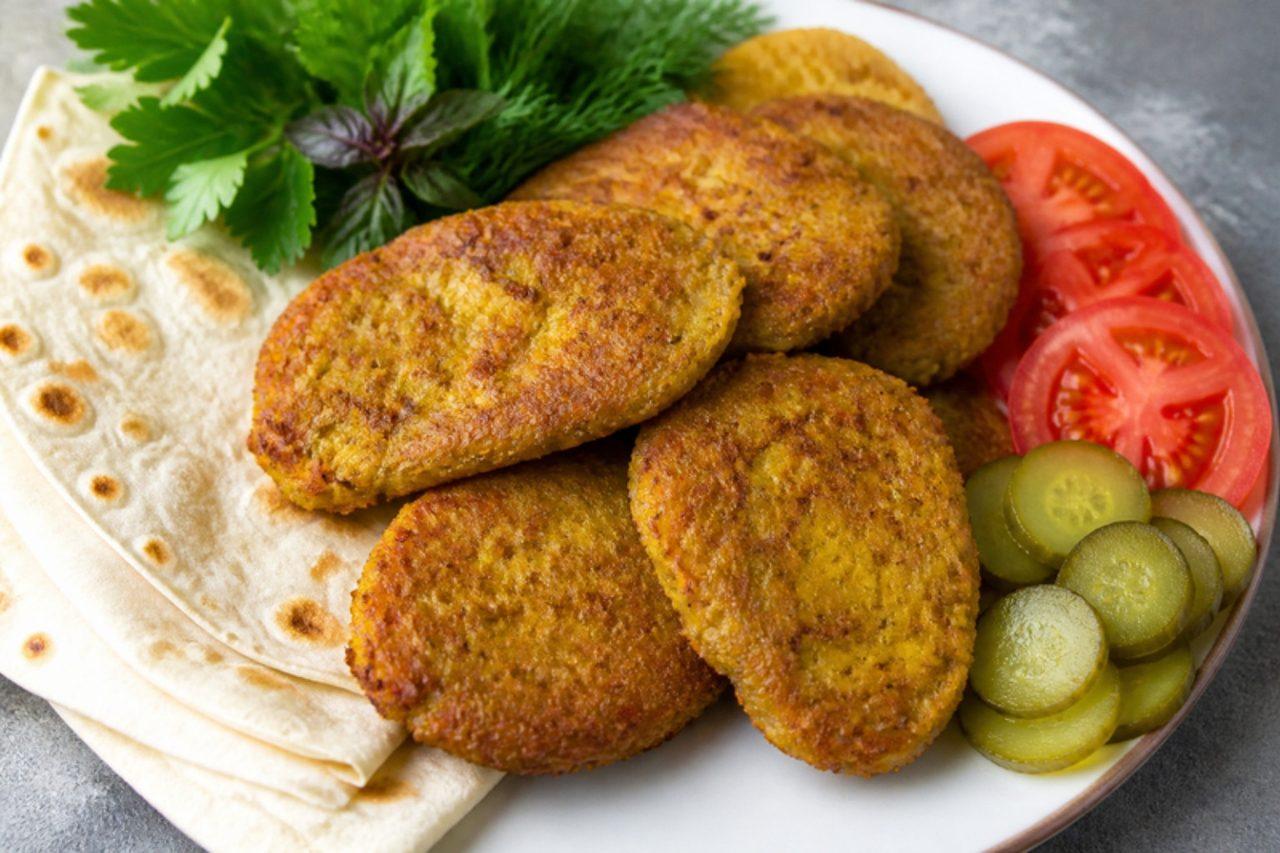
Persian kotlet (beef and potato patties)

Kotlet is the dish Iranian families make in big batches for school lunches, road trips and Friday picnics in the park: minced beef mixed with grated potato, onion, egg and turmeric, shaped into flat ovals and fried until deep brown and crisp at the edges. They are eaten tucked into lavash or a soft roll with tomato, cucumber pickles and herbs, warm at home and cold the next day. They contain egg and gluten (breadcrumbs). Chef's tip: squeeze the grated onion and potato hard in a cloth; that water is what makes kotlet fall apart in the pan.

by KrazyBadal 0 views

Pan chutaAniseed round bread

The small town of Oropesa, half an hour from Cusco, calls itself Peru's bread capital, and its wood-fired bakeries are famous for chuta: big, flat, round loaves as wide as a dinner plate, glossy on top, with a faint sweetness and the warmth of aniseed. Travellers on the road to Puno and Bolivia stop to buy them by the bagful, and families bring them home for All Saints' Day and for sharing with hot coca tea or coffee, fresh cheese and butter. The bakeries traditionally use lard; this version uses vegetable shortening and butter, so it is vegetarian. The make-or-break moment is the proof: chuta is large and flat, and if it goes in under-risen it bakes dense and splits at the rim. Chef's tip: toast the aniseed for a minute in a dry pan and crush it lightly before adding, for a rounder, sweeter perfume.

by KrazyBadal 0 views

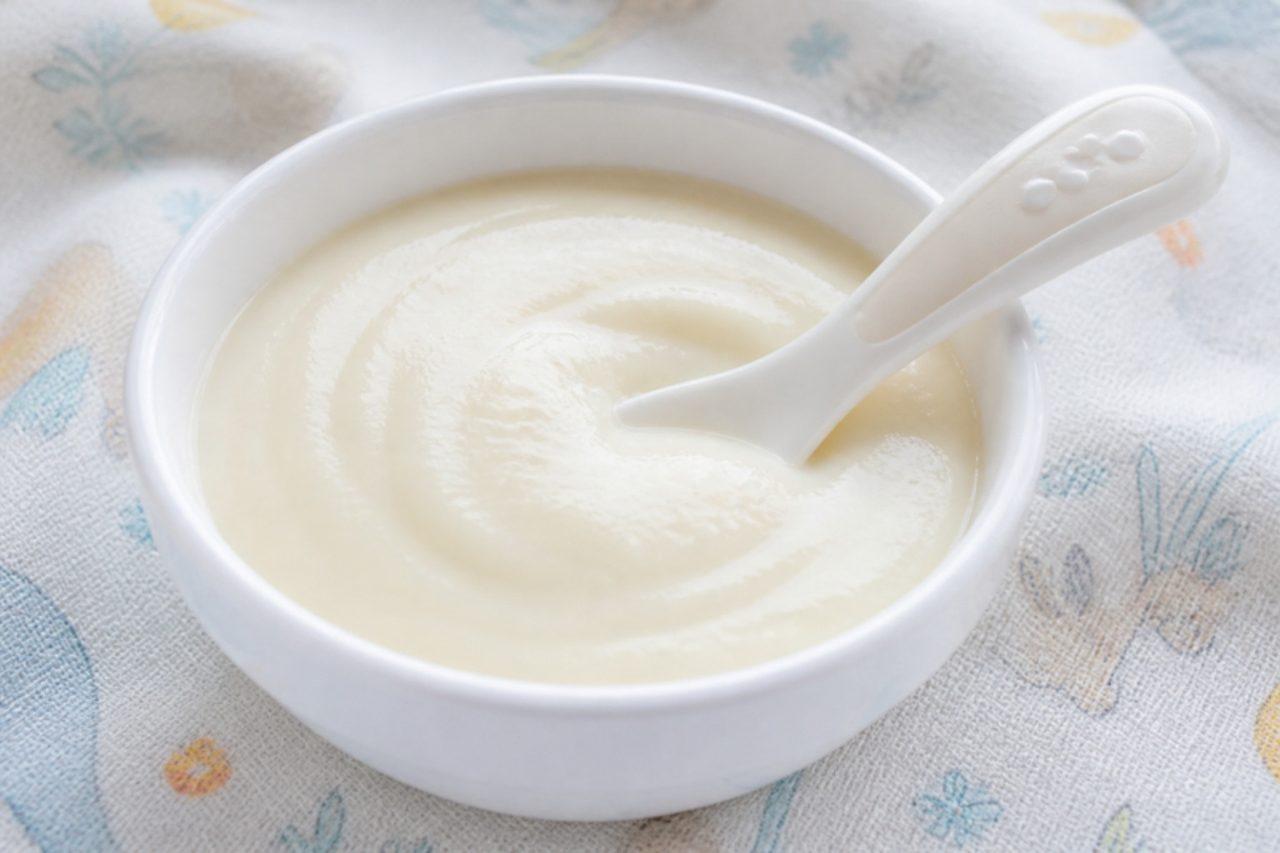
Fereni for babies (Persian rice-milk porridge)

Fereni is one of the oldest Persian sweets, and in Iranian homes it is also a baby's first spoon food: rice flour cooked slowly in milk until it is soft, pale and silky. Mothers often make it for breakfast or for a winter afternoon. For babies under one it is served plain; older children get the rosewater, a little sugar and a dusting of cinnamon that the family enjoys. It contains milk; there is no egg, gluten, nuts, soya, sesame or fish. Chef's tip: stir with a whisk for the first few minutes, then switch to a spatula so you can scrape the bottom of the pan.

by KrazyBadal 0 views

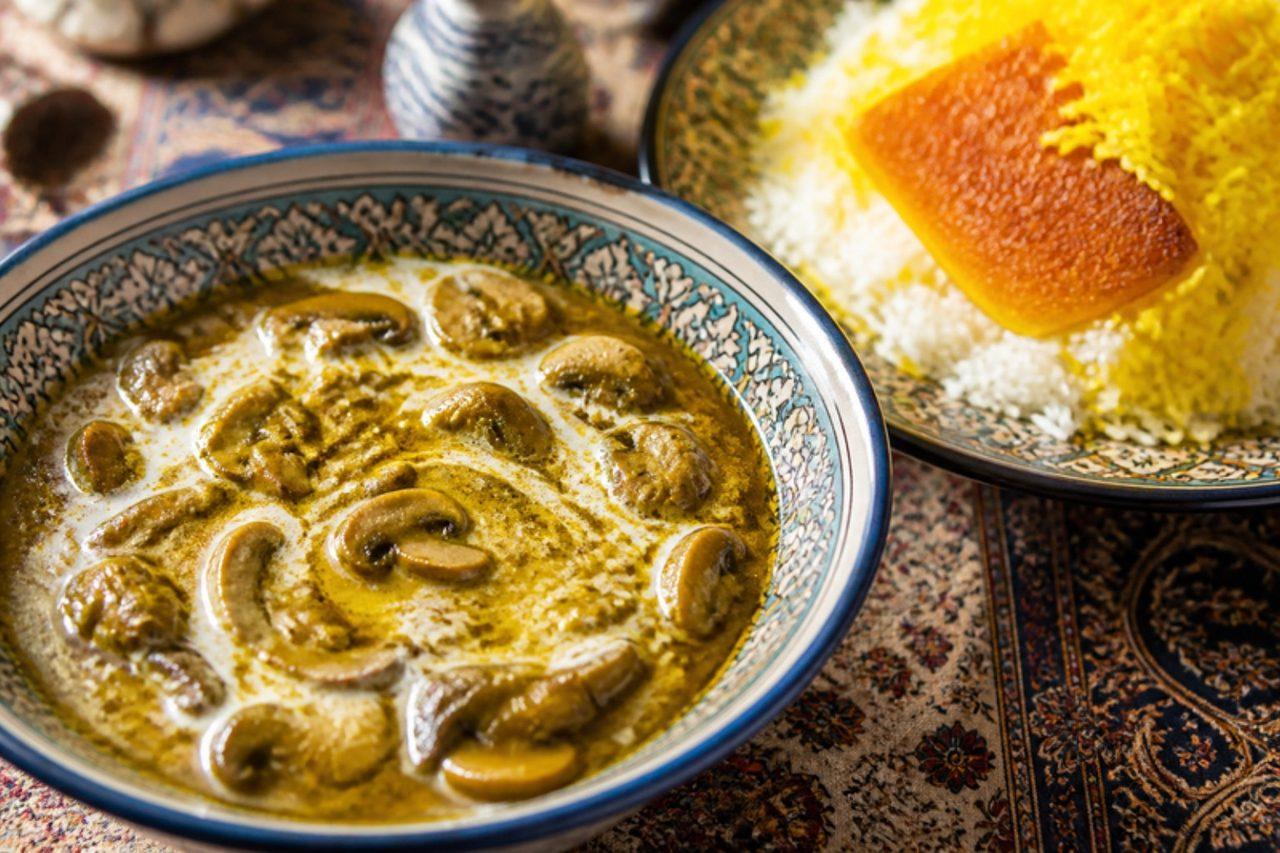
Khoresh-e gharchMushroom stew

Tehran flats fill with the smell of khoresh-e gharch on busy weeknights, when there is no time for a three-hour gheymeh but rice is already steaming; it became a city favourite in the late twentieth century as button mushrooms grew common in the bazaars. The mushrooms are browned hard, then simmered briefly with golden onion, turmeric and saffron, and the sauce is finished with lemon and a spoon of kashk or cream, so it tastes savoury, a little sour and gently rich. Serve it over chelow with a plate of fresh herbs and torshi. The usual mistake is crowding the pan: piled-up mushrooms stew in their own water and turn grey and slippery instead of meaty. Kashk contains dairy; use soured cream if you can't find it. Chef's tip: tear rather than slice half the mushrooms, because the ragged edges brown better and soak up more sauce.

by KrazyBadal 0 views

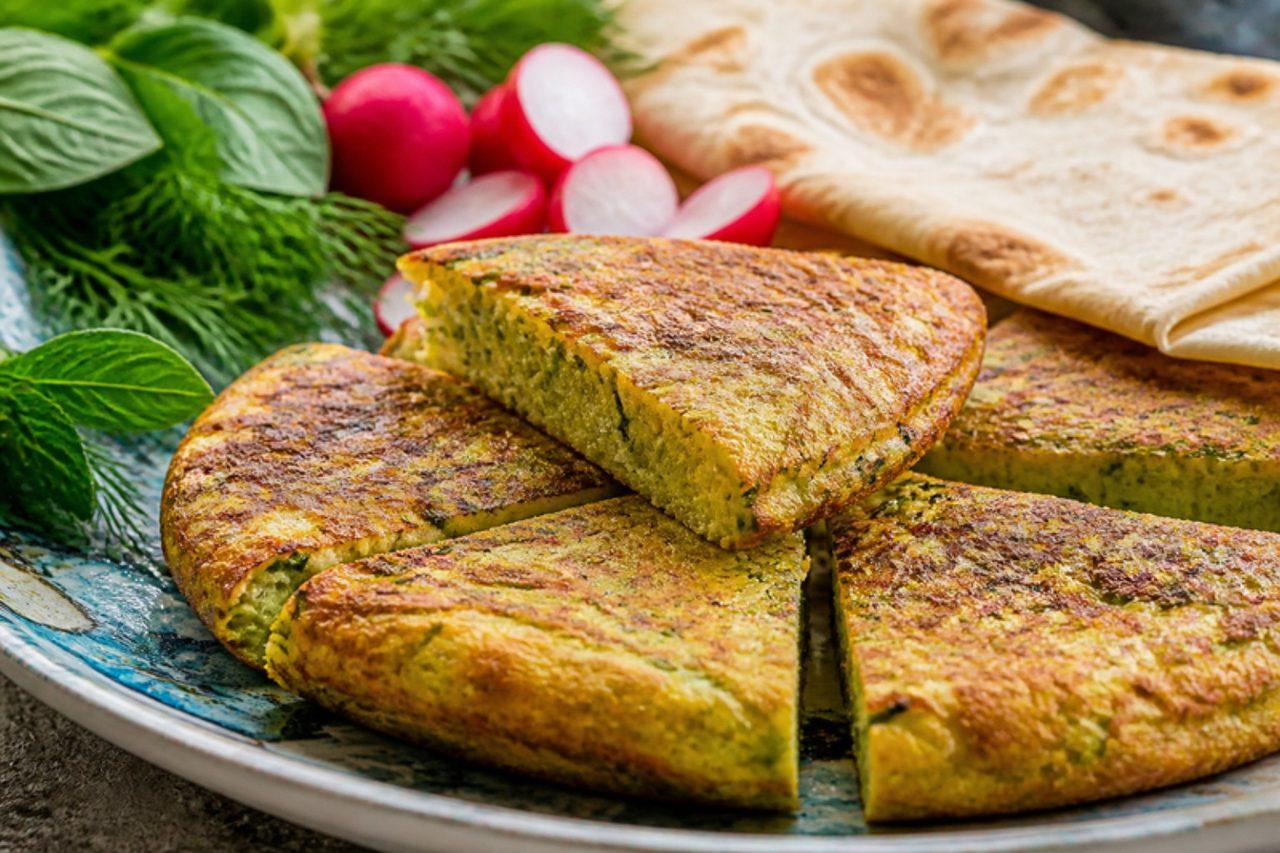
Kuku kadooCourgette herb egg cake

Kuku kadoo is what summer lunch looks like in homes across Iran when the garden produces more courgettes than anyone can eat; Tehran mothers slice it into school sandwiches with tomato and pickles. Grated courgette and onion are squeezed dry, fried briefly, then mixed with eggs, dill and dried mint for a light, green-flecked kuku that is soft and fluffy inside. Eat it hot or cold with bread, yogurt and herbs. The usual mistake is skipping the squeeze; courgette is mostly water and the kuku turns soggy and pale. Contains egg. Chef's tip: a teaspoon of baking powder and a spoon of flour, as many Iranian cooks add, make it rise and hold together better; leave out the flour to keep it gluten free.

by KrazyBadal 0 views

Khoresh-e aloo esfenajLamb, spinach and plum stew

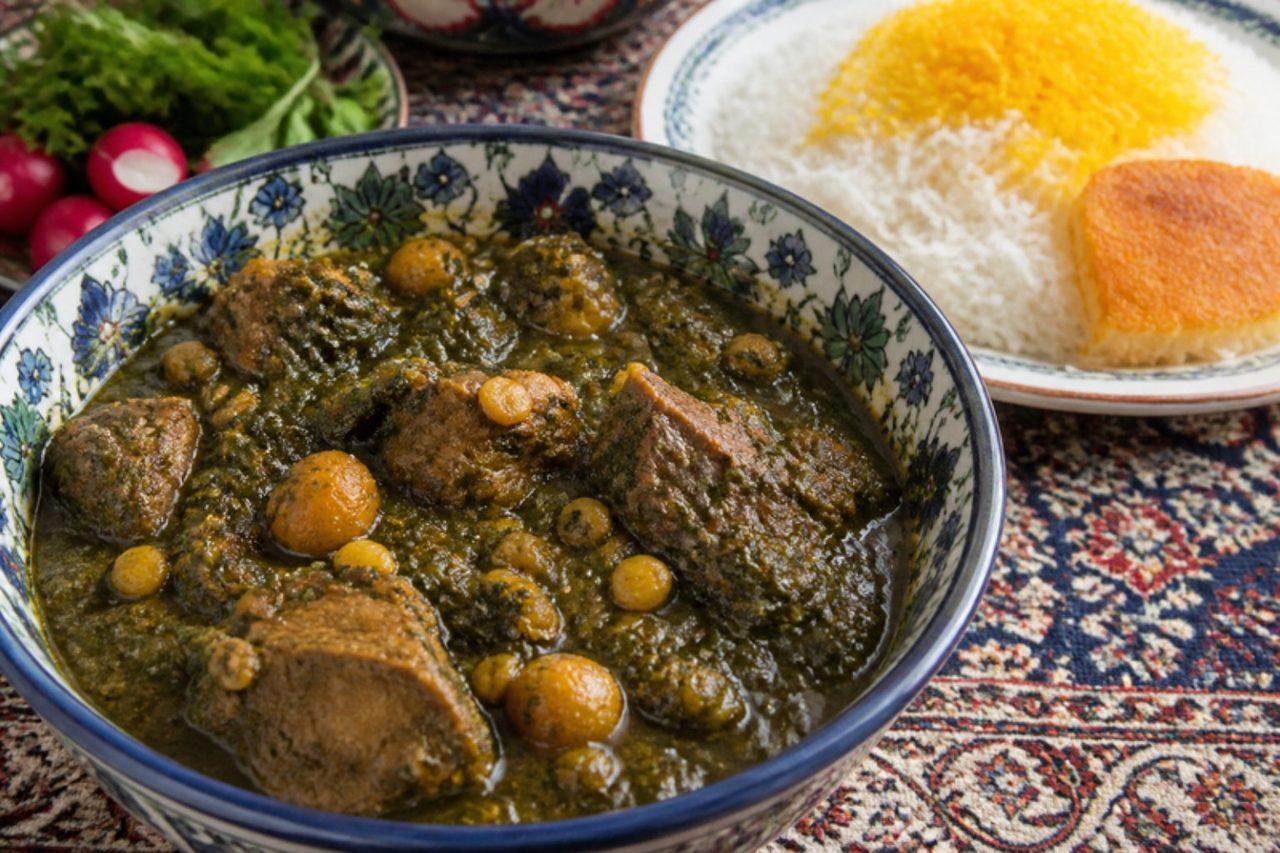
In Tehran and along the Caspian, khoresh-e aloo esfenaj is a cold-weather dish, made when winter spinach is sweet and dried golden plums (aloo zard) hang in the bazaar. Lamb, yellow split peas and a mountain of wilted spinach cook down into a dark green stew that is sour first, then sweet, with soft plums melting through it. Serve it with plenty of chelow. People often add the plums at the start, but they dissolve and the stew turns muddy; they go in for the last half hour. Chef's tip: fry the spinach in a dry pan until all its water is gone before it meets the sauce, so the stew stays rich rather than watery.

by KrazyBadal 0 views

Khoresh-e rivasRhubarb and lamb stew

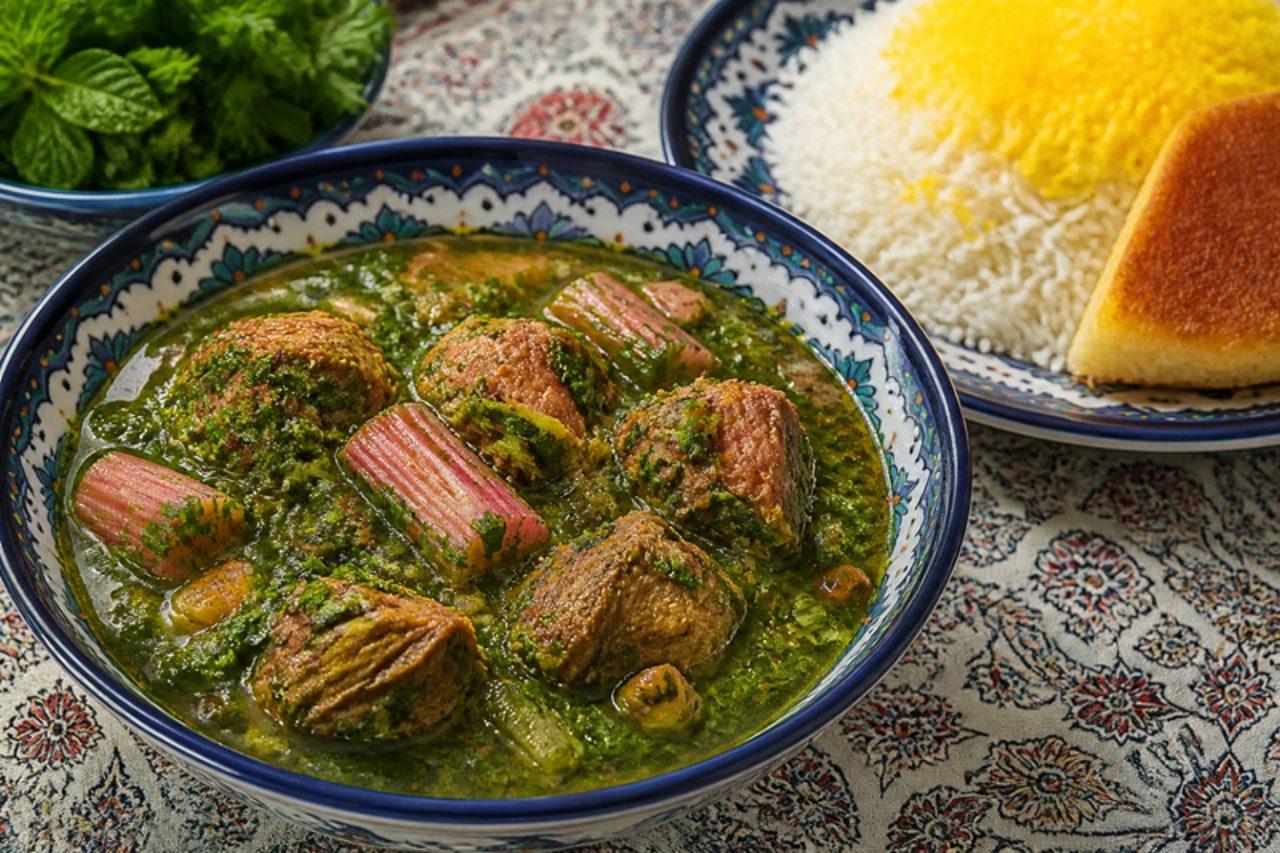
Rhubarb grows wild on the slopes of the Alborz and around Tabriz, and when the first pink stalks arrive in April, Tehran grandmothers make khoresh-e rivas, a spring tonic that also turns up at Nowruz visits. Lamb cooks soft, then a big pile of fried mint and parsley turns the sauce deep green, and the rhubarb is added at the very end so it stays in tender, sour pieces. Serve it with chelow and something sweet afterwards. The most common mistake is stirring once the rhubarb is in; it falls apart in minutes, so lay it on top and only shake the pot. Chef's tip: if your rhubarb is very sour, a teaspoon of sugar rounds it out without making the stew sweet.

by KrazyBadal 0 views

Kuku-ye morghSaffron chicken egg cake

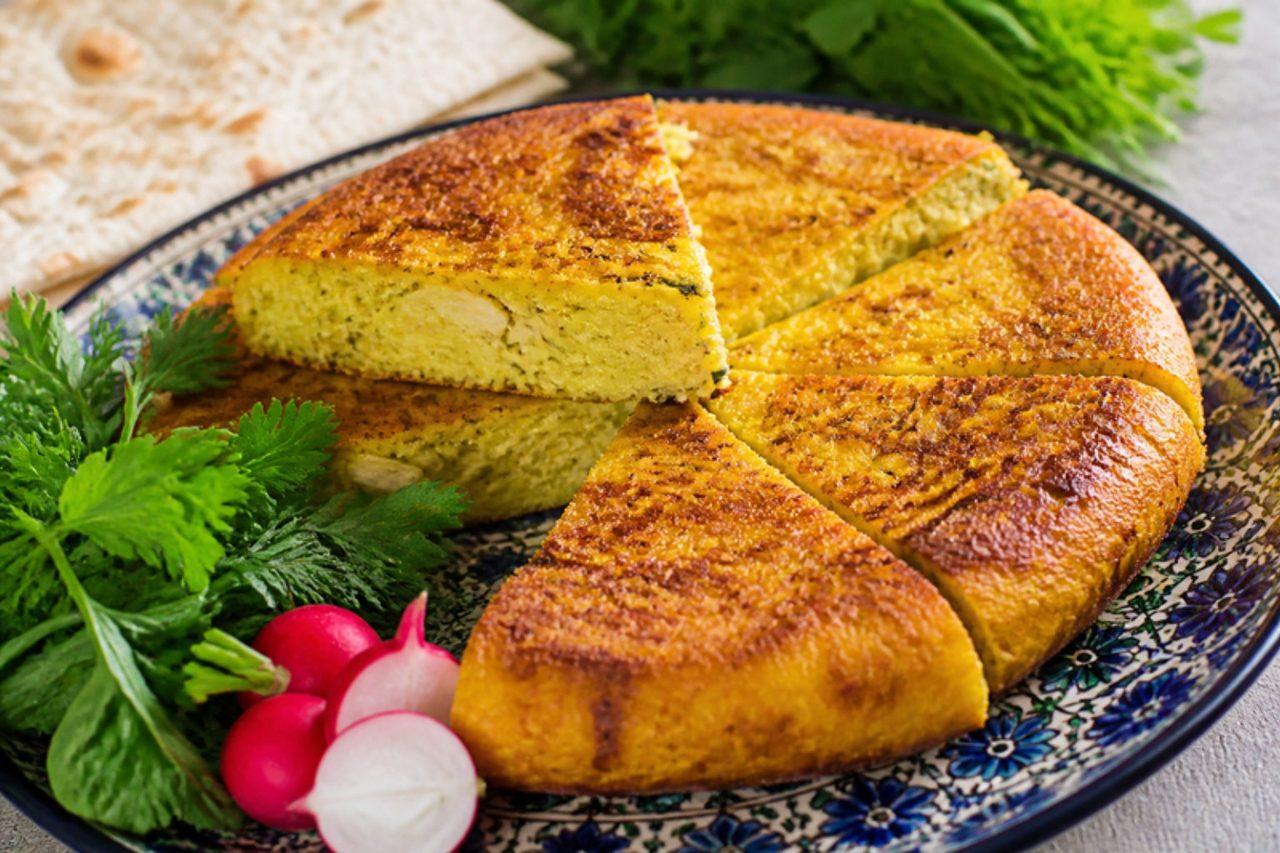
Tehran families take kuku-ye morgh to the mountains of Darband and Tochal on Friday outings, cut into wedges and stuffed into lavash with tomato and pickled cucumber. Poached chicken is shredded, mixed with golden onion, saffron and eggs, and cooked into a thick, moist cake that holds together for sandwiches. Serve it warm or cold with yogurt and herbs. The mistake is overcooking the chicken before it goes in, which leaves the kuku dry and stringy; poach it gently just to temperature. Contains egg. Chef's tip: add 2 tablespoons of the poaching broth to the eggs; it keeps the kuku juicy even the next day.

by KrazyBadal 0 views

Kuku bademjanAubergine and walnut egg cake

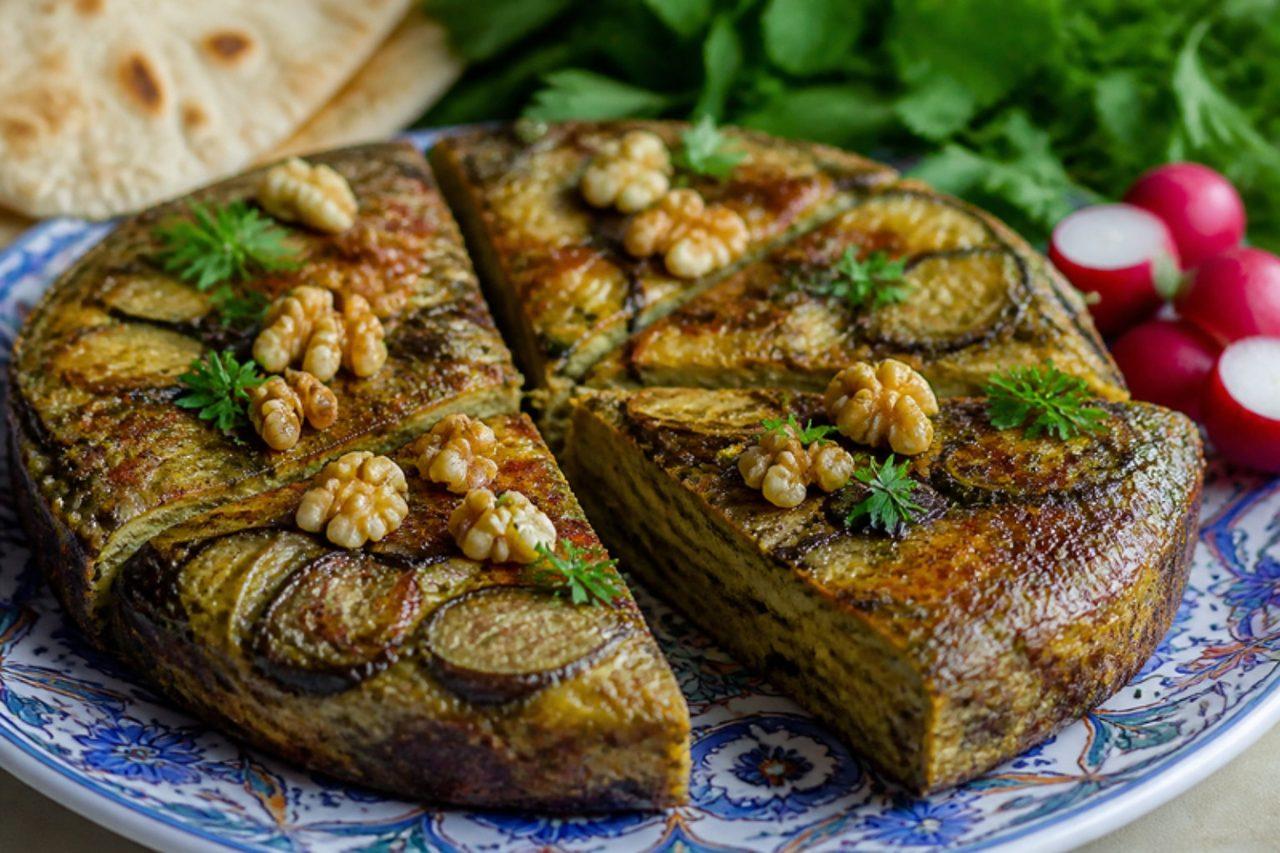
Kuku bademjan is the picnic kuku of Iran, packed into lavash for Sizdah Bedar, the thirteenth day of Nowruz, when families eat outdoors in parks from Tehran to Shiraz. Charred, smoky aubergine is mashed with garlic, saffron and chopped walnuts, bound with eggs and cooked into a thick, soft-set cake that tastes deep and slightly sweet. Serve it warm or cold with yogurt, bread and herbs. The mistake people make is leaving the aubergine wet; squeeze the cooked flesh in a sieve or the kuku will never set firm. Contains egg and walnuts. Chef's tip: cook the finished mixture in a well-oiled pan with the lid on, then slide it onto a plate and flip it back for the second side, so it browns evenly without drying out.

by KrazyBadal 0 views

Khoresh-e bamiehOkra and lamb stew

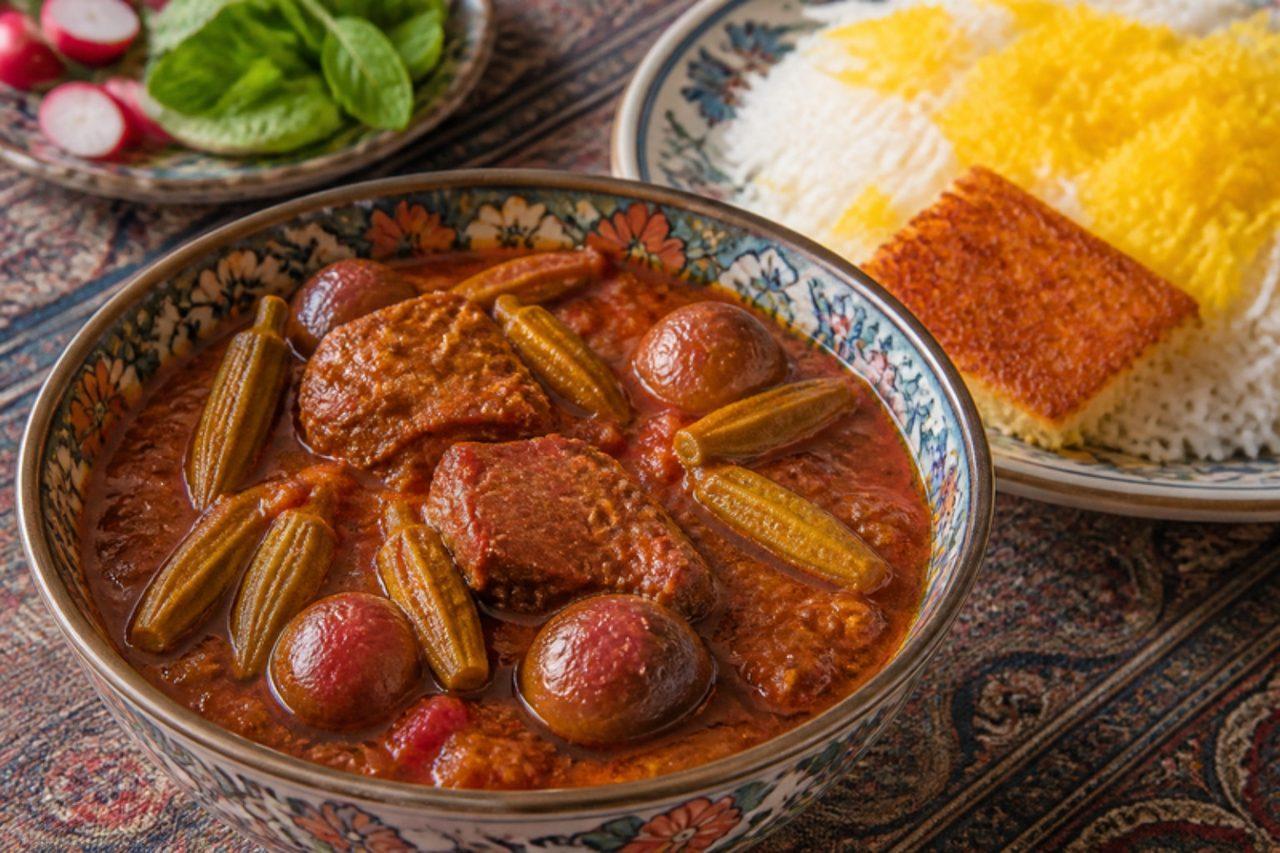
In Ahvaz, Abadan and the hot Gulf towns of Khuzestan, khoresh-e bamieh is everyday summer food, cooked when small okra fills the markets and eaten at lunch before the afternoon rest. Lamb simmers with onion, plenty of garlic, tomato and dried lime, and the okra is fried first so it keeps its shape in a sharp, garlicky red sauce; southern cooks often add a pinch of chilli. Serve it with chelow or plain rice and fresh herbs. The mistake that makes okra slimy is cutting it open or stirring it too much; leave the pods whole, trim only the stem tips, and shake the pot instead of stirring. Chef's tip: a squeeze of lemon added to the frying okra helps it stay crisp-skinned in the stew.

by KrazyBadal 0 views

Khoresh-e porteghalOrange chicken stew

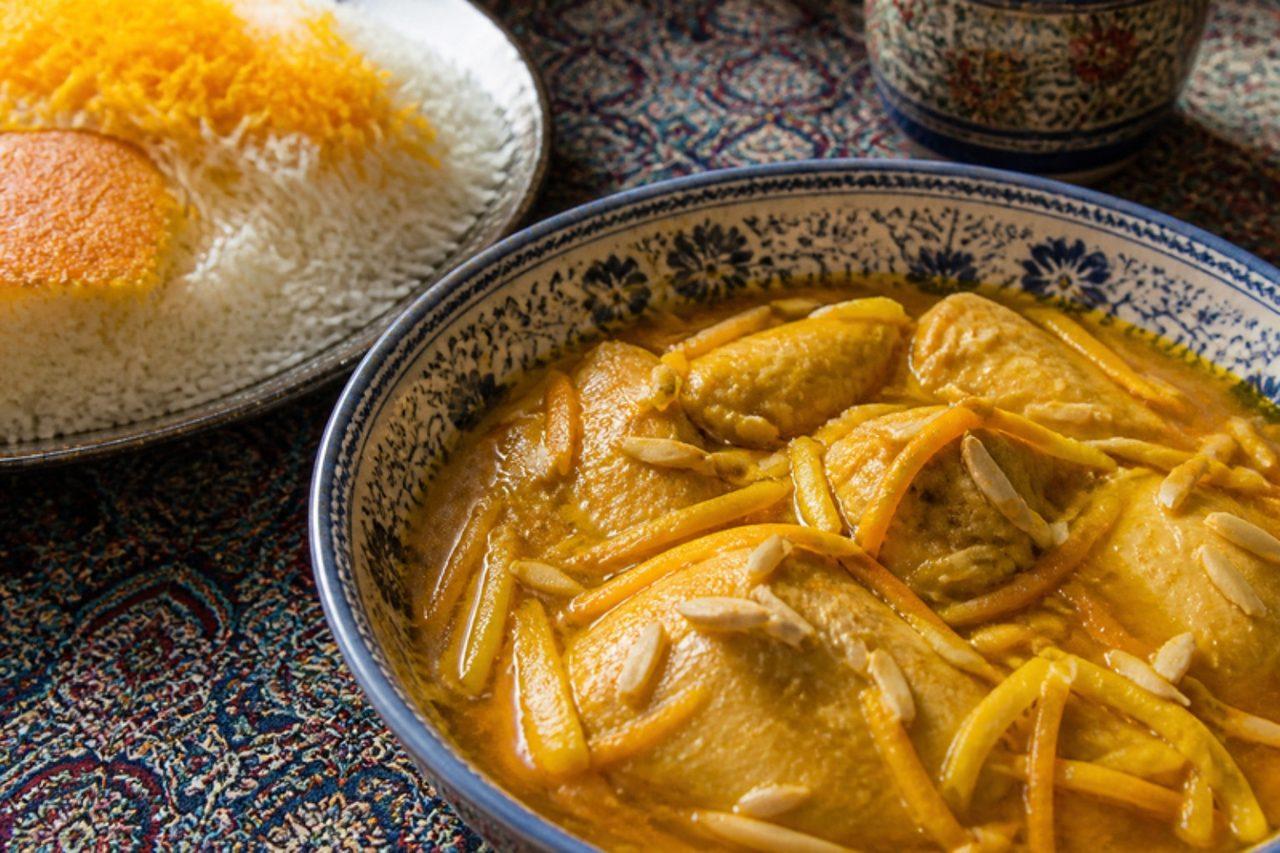
Mazandaran on the Caspian grows Iran's oranges, and in winter, when bitter Seville oranges and sweet navels are everywhere, families there cook khoresh-e porteghal for guests; it has also become a Tehran wedding-season favourite. Chicken braises in saffron and orange juice with ribbons of candied peel, carrot batons and slivered almonds, giving a jewel-bright stew that is fragrant, sweet and tangy. Serve it with chelow. The usual mistake is leaving the white pith on the peel, which makes the whole pot bitter; slice it off thinly and blanch the strips twice. The dish contains almonds. Chef's tip: a squeeze of Seville orange or lime at the end stops it tasting like marmalade.

by KrazyBadal 0 views

Showing 24 of 418 recipes

Show more recipes

Page 1 of 18