Skip to content
Recipes

All recipes

Vegetarian, or something you can't eat? Set your diet once and we'll hide recipes that don't fit.

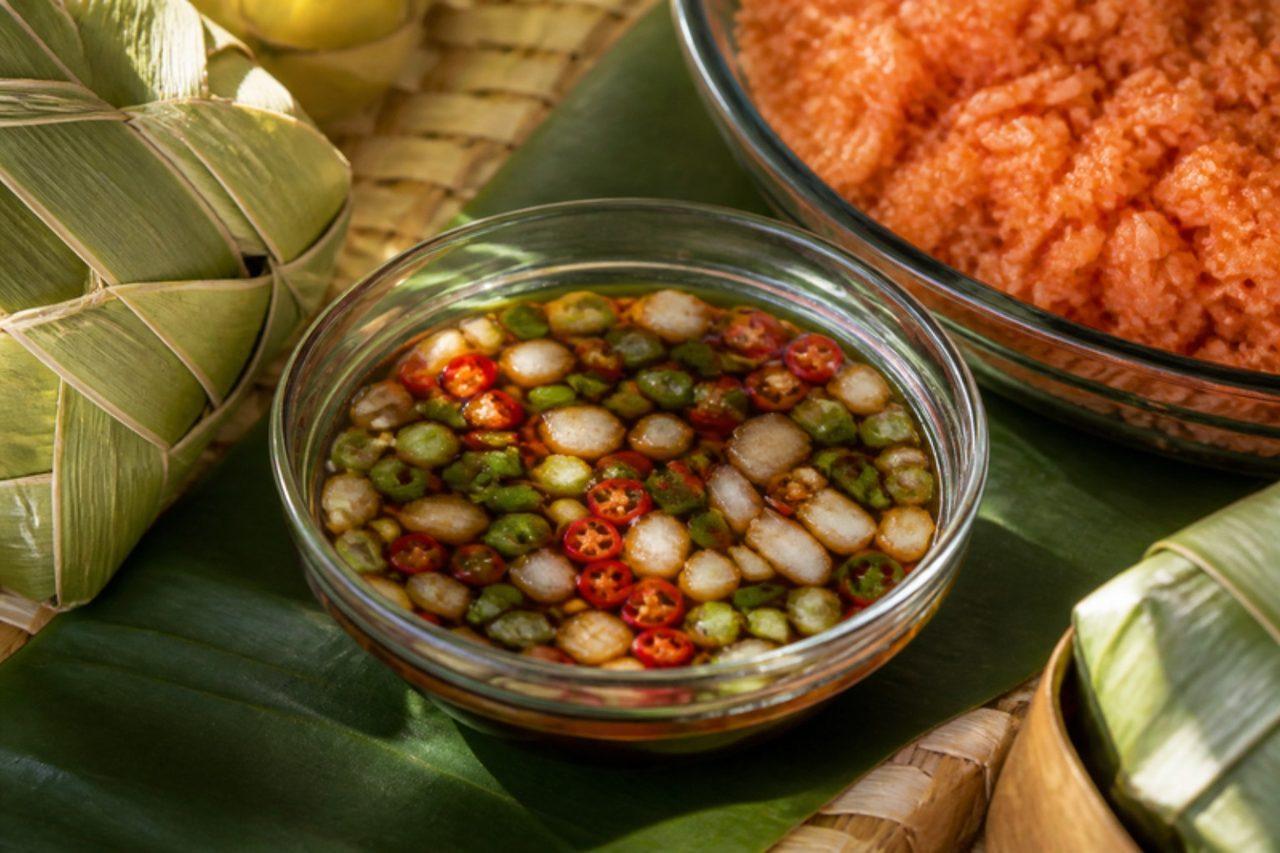
FinadeneSoy and lemon dipping sauce

Finadene is the sharp, salty, fiery sauce that every Chamorro family in Guam makes to spoon over grilled meat, fish, red rice and just about everything at a fiesta. Soy sauce is mixed with lemon juice or vinegar, chopped onion and the small, very hot local donne' peppers. There are many versions; this soy-lemon one is the most common. A common mistake is making it hours ahead; the onion is best still crunchy. Chef's tip: use Thai bird's-eye chillies if you can't find donne'.

by KrazyBadal 0 views

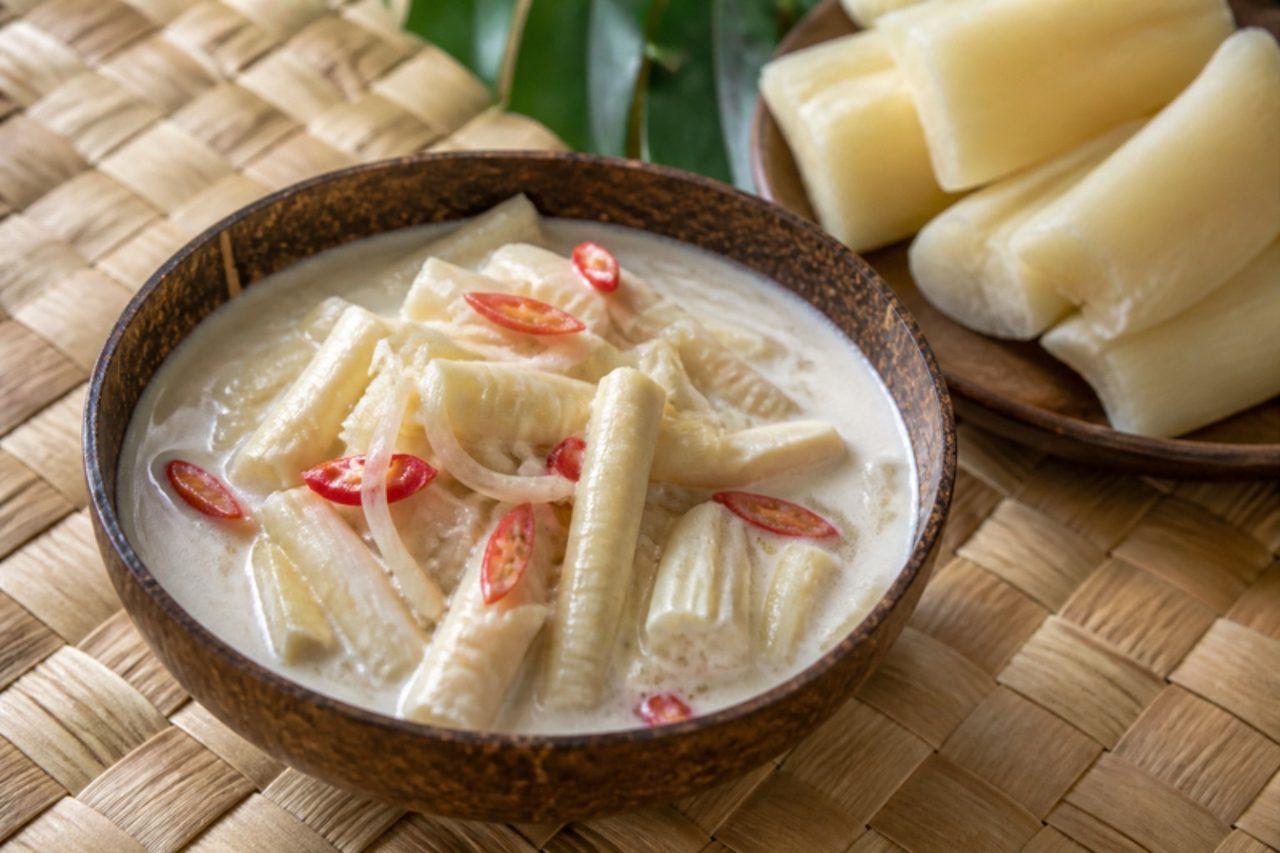
Duruka in coconut milkSugarcane flower in coconut milk

Duruka is the unopened flower of a wild sugarcane that Fijians call Fijian asparagus, in season for a few weeks around April and May when it fills the markets of Suva and Nausori in bundles. Peeled from its husk, it is tender and sweet with a taste between baby corn and asparagus, and the classic iTaukei way is to simmer it in lolo, fresh coconut milk, with onion and chilli. Outside Fiji you'll find it frozen or tinned in Pacific grocery shops; baby corn and asparagus make a fair stand-in. A common mistake is boiling the coconut milk hard, which splits it; keep it at a gentle simmer. Chef's tip: add a squeeze of lemon right at the end to lift the richness.

by KrazyBadal 0 views

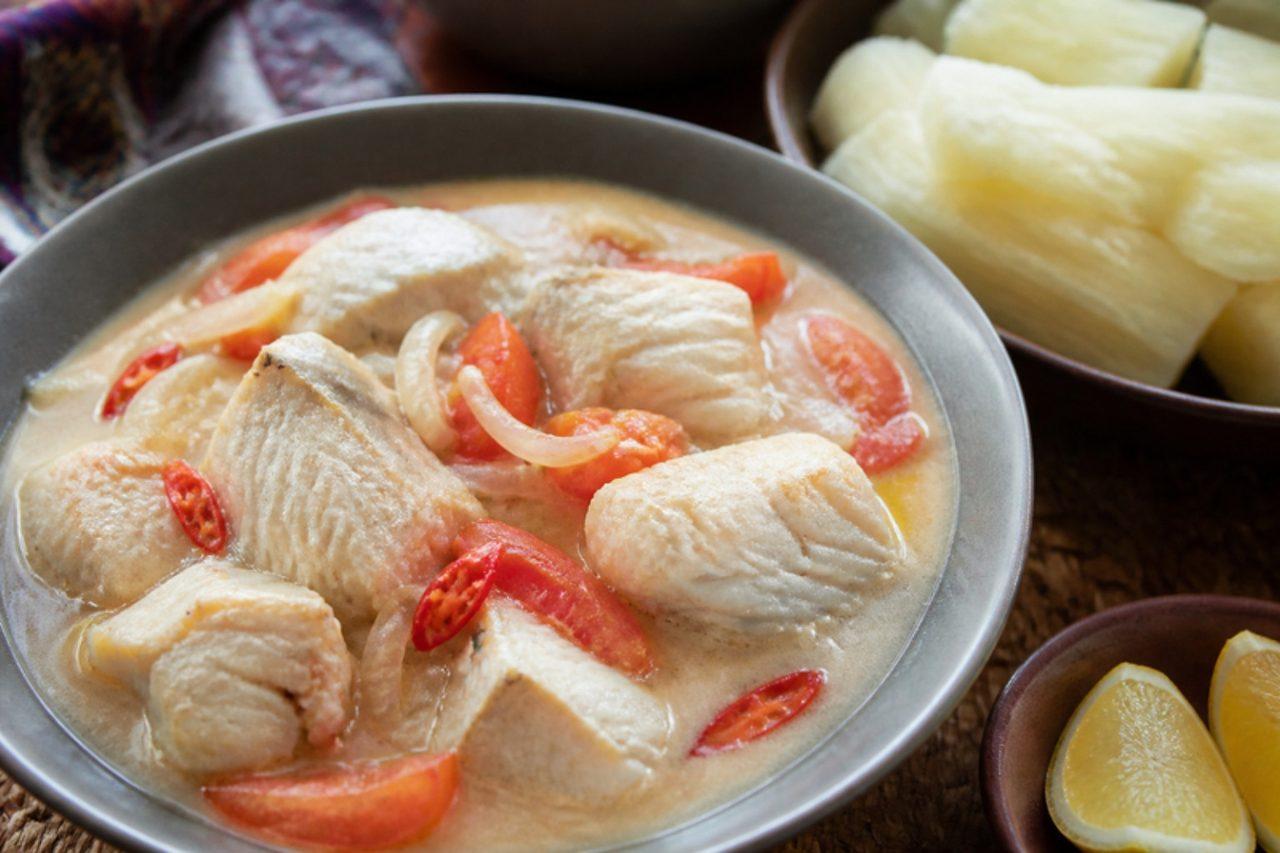
Fish in coconut milk

Ika vakalolo is the Sunday and everyday fish dish of iTaukei Fijian homes, from the fishing villages of the Coral Coast to the outer islands of Lau. Fresh reef fish is gently simmered in lolo, fresh coconut milk, with onion, tomato, chilli and a squeeze of lemon, then served with boiled cassava, taro or rice. It is mild, creamy and ready in half an hour. A common mistake is stirring once the fish is in, which breaks the fillets; just spoon the sauce over. Chef's tip: lemon goes in at the very end so the coconut milk doesn't split.

by KrazyBadal 0 views

Bunelos agaBanana fritters

Bunelos aga are the banana fritters of Guam, sold at fiesta food tables and church fundraisers in Hagåtña and made at home whenever the bananas over-ripen. Mashed sweet bananas are mixed into a soft batter, fried in spoonfuls and rolled in sugar, so they're crisp outside and custardy within. A common mistake is frying at too low a temperature, which makes them greasy. Chef's tip: use the small, sweet local bananas or the ripest regular ones you can find.

by KrazyBadal 0 views

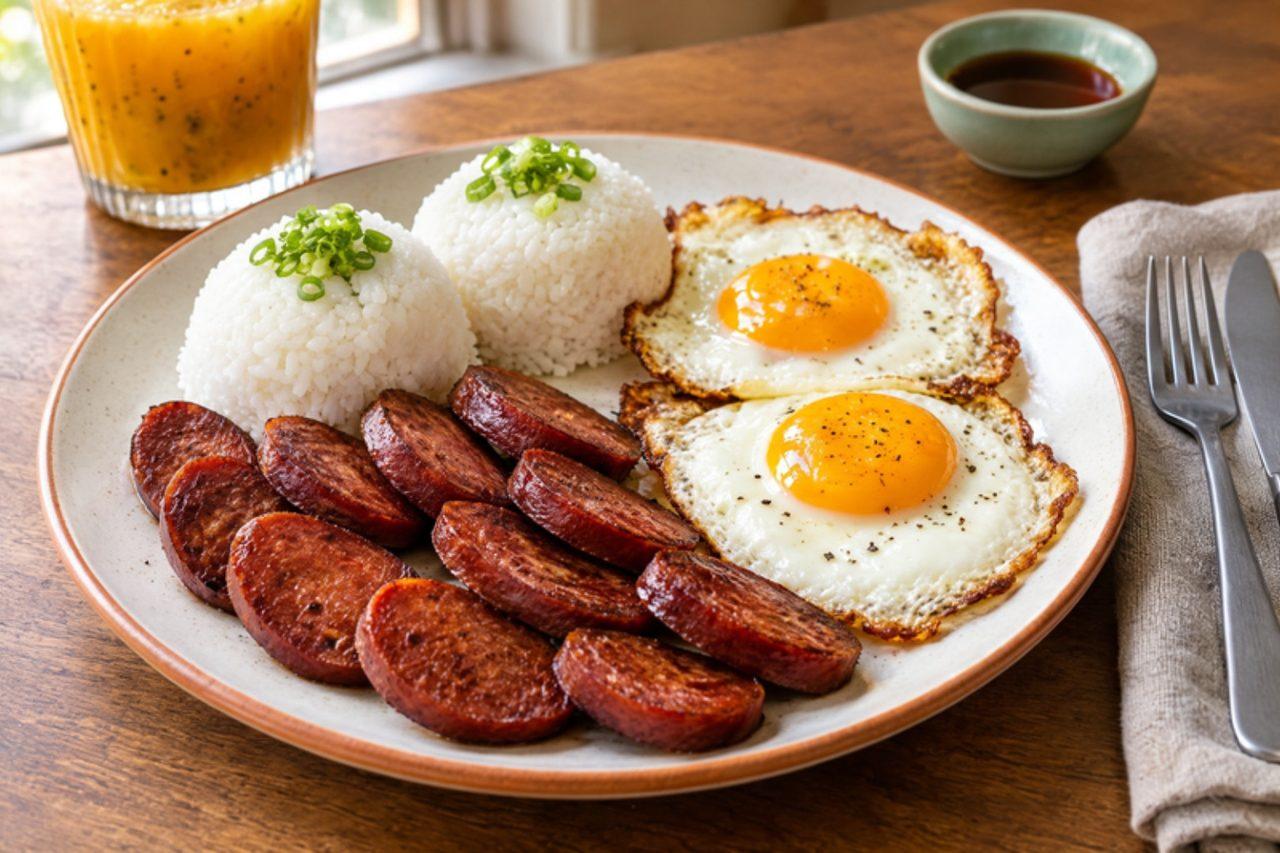
Portuguese sausage, eggs and rice

In Hawaii, a breakfast plate at a diner in Honolulu or Hilo, or at a drive-in on Maui, often means slices of smoky, garlicky, paprika-red Portuguese pork sausage (brought to the islands by Madeiran and Azorean immigrants in the 1800s) fried until caramelised, two eggs, and two scoops of short-grain rice. A splash of shoyu on the rice is optional. The common mistake is frying the sausage over a high heat so the sugar in it burns before it heats through; fry it steadily over a medium heat until sizzling and piping hot (71 °C if your sausage is uncooked rather than smoked). Cook the eggs fully set for pregnant people, young children, older or vulnerable people. Chef's tip: fry the eggs in the red fat the sausage leaves behind; they come out lacy and full of flavour.

by KrazyBadal 0 views

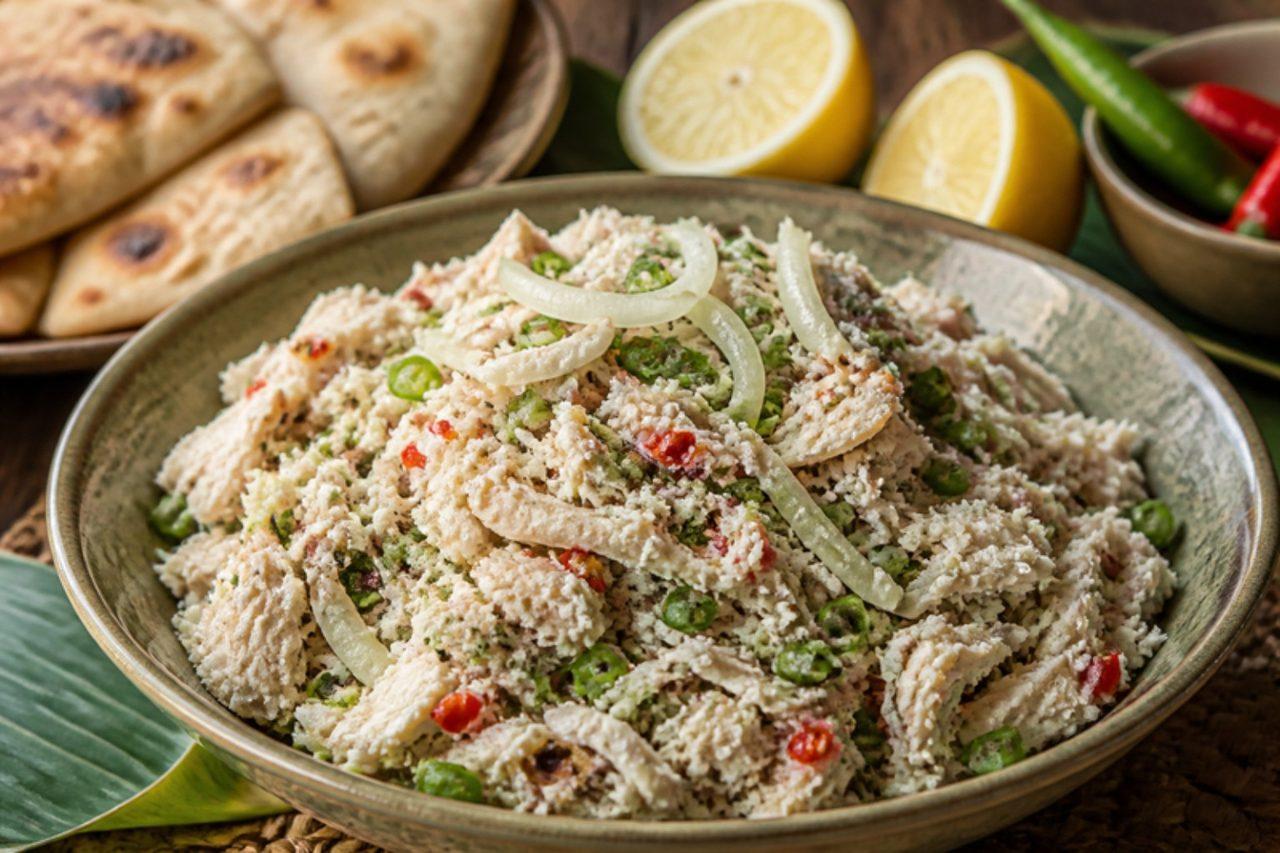
Chicken kelaguenGrilled chicken with lemon and coconut

Chicken kelaguen is the dish that tells you you're at a Chamorro fiesta in Guam or Saipan: grilled chicken chopped fine and tossed with lots of fresh lemon juice, onion, hot donne' peppers, salt and freshly grated coconut. It is eaten cold or at room temperature, scooped up with warm titiyas or alongside red rice. The chicken is fully grilled first; only some other kelaguen are lemon-cured raw. A common mistake is skimping on lemon; it should taste bright and sharp. Chef's tip: grill the chicken over charcoal for the smoky flavour that makes kelaguen special.

by KrazyBadal 0 views

Cocido quemadoBurnt sugar mate drink

Cocido is how Paraguay starts the day: in Asunción, in the villages of Guairá and Itapúa, and in school kitchens, a pot of burnt yerba is brewed and poured into cups with chipa, the cheesy cassava bread, or with a hard galleta. The old way is to drop a glowing piece of charcoal into a pot with yerba and sugar and stir until the sugar burns. On a home stove you caramelise them together in a dry pan instead, which is safer and gives the same smoky, toffee-like taste. The drink is clear amber-brown, with roasted, slightly bitter mate notes over burnt-sugar sweetness; with milk added it becomes cocido con leche, creamy and coffee-coloured. Yerba mate contains caffeine, so treat it like a cup of coffee. The common mistake is letting the sugar go black: it turns acrid and bitter. Pull it off the heat when the caramel is deep amber and the yerba smells toasted, not burnt. It is ready when the liquid is a clear dark amber and tastes of toffee and smoke. Chef's tip: the water will spit fiercely when it hits the hot caramel, so pour it in from the side, at arm's length.

by KrazyBadal 0 views

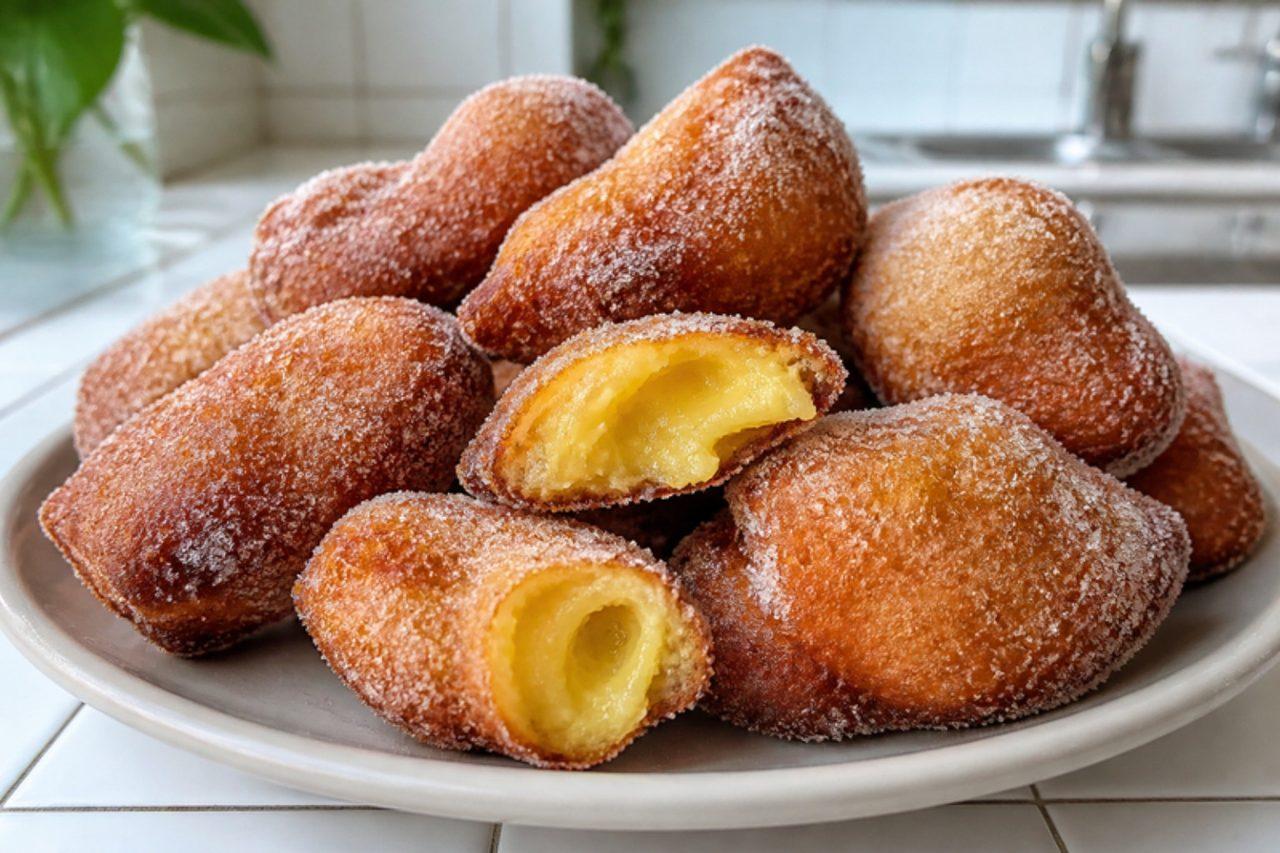
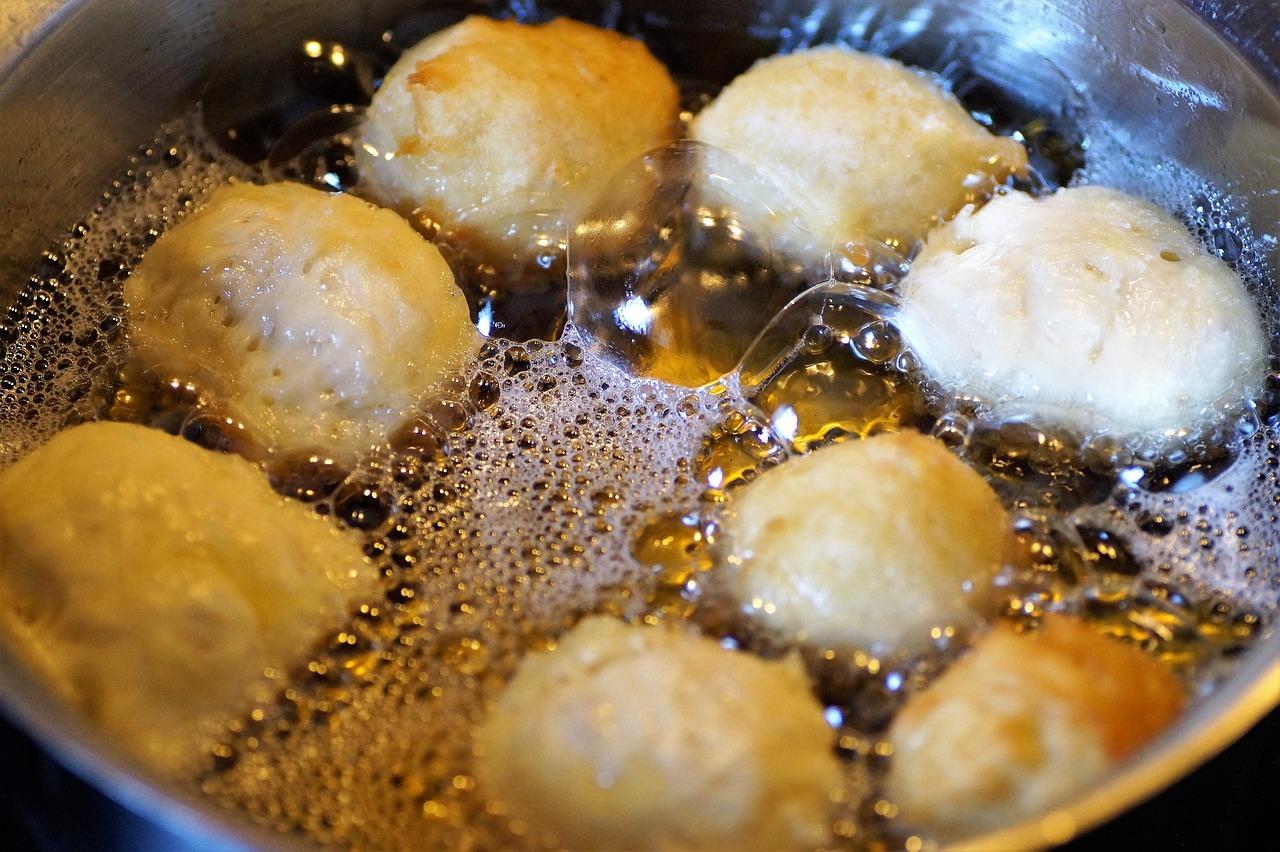
BabakauFried dough balls

Babakau are the fluffy fried dough balls sold at Fijian market stalls and village canteens at breakfast time, eaten with a mug of milky tea or hot koko before school or work in Suva and Nadi. The dough is lightly sweet and the balls puff up as they fry, golden outside and soft as a bun inside. A common mistake is oil that's too hot, which leaves raw centres; 170 °C is right. Chef's tip: wet your fingers to drop spoonfuls of dough into the oil so it slips off cleanly.

by KrazyBadal 0 views

TereréIced yerba mate

In Asunción the hottest part of the day stops for tereré: a horn or cup packed with yerba mate, topped up again and again with ice water infused with crushed herbs, and passed round the group through a metal straw. It was recognised by UNESCO as part of Paraguay's cultural heritage, and the herbs (yuyos) change with the season and the drinker's mood. Yerba mate contains caffeine, so it isn't one for small children. The common mistake is pouring water straight into loose yerba, which then clogs the straw; tilt the yerba to one side first. Chef's tip: for tereré ruso, swap the water for cold orange or grapefruit juice.

by KrazyBadal 0 views

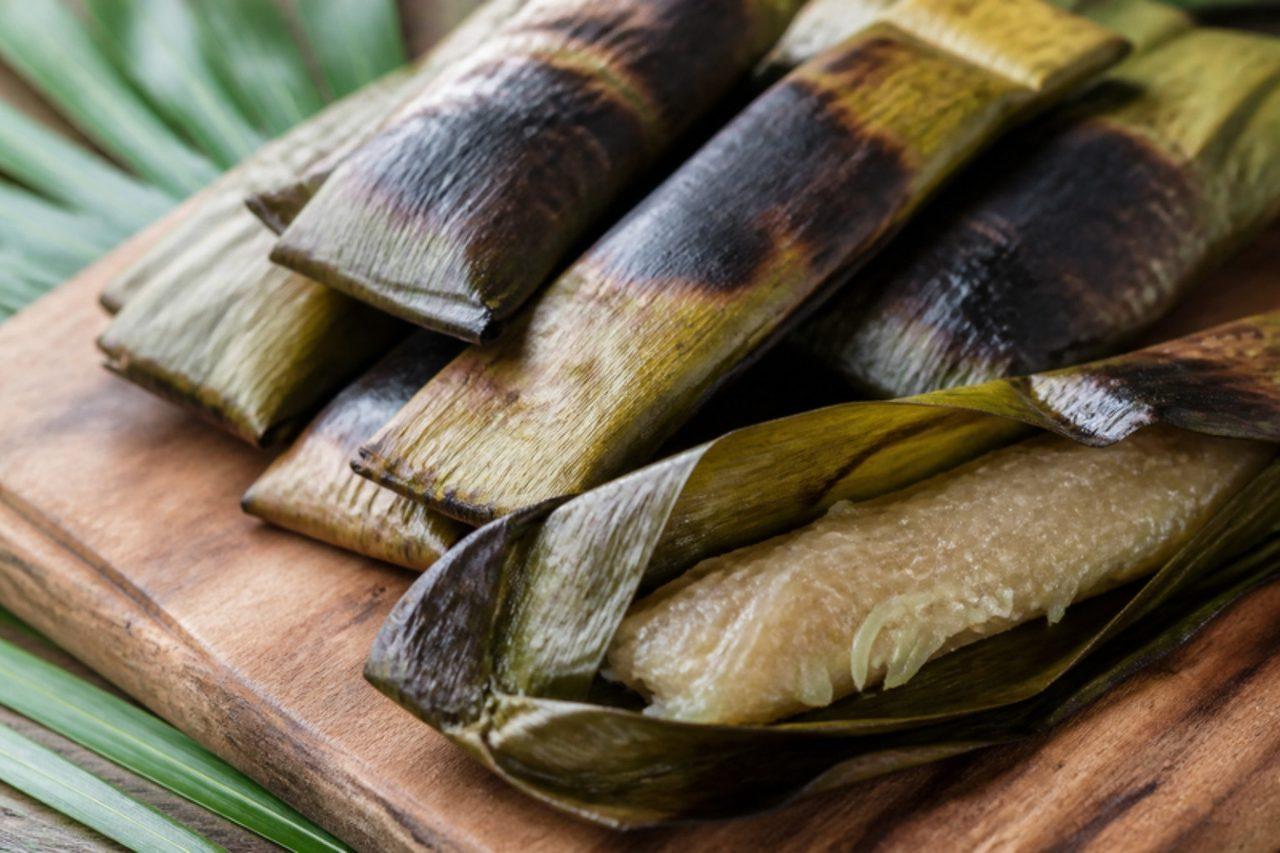
ApigigiGrilled coconut and tapioca parcels

Apigigi are an old Chamorro sweet from Guam and Saipan, made for fiestas and family gatherings: soft young coconut is grated and mixed with tapioca starch and sugar, wrapped in banana leaves and grilled over coals until chewy and lightly charred. They are sticky, mildly sweet and smoky. Grated frozen young coconut and tapioca starch from Asian shops make them easy at home. A common mistake is grilling over a fierce flame; the leaves burn before the centre sets. Chef's tip: steam them first for 15 minutes, then finish on the grill for flavour.

by KrazyBadal 0 views

Pira caldoCreamy fish soup with cheese

Along the Paraguay River from Asunción to Concepción, pira caldo is the fishermen's soup, said to restore strength after a long night: chunks of firm river fish poached in a broth of onion, peppers and tomato fried in fat, then made creamy with milk and melted fresh cheese. Surubí or other catfish is traditional; any firm white fish such as hake or pollock works. The mistake most people make is boiling the soup after the milk and cheese go in, which splits it. Chef's tip: fry the vegetables until they are very soft and sweet before adding the water; that is where the flavour comes from.

by KrazyBadal 0 views

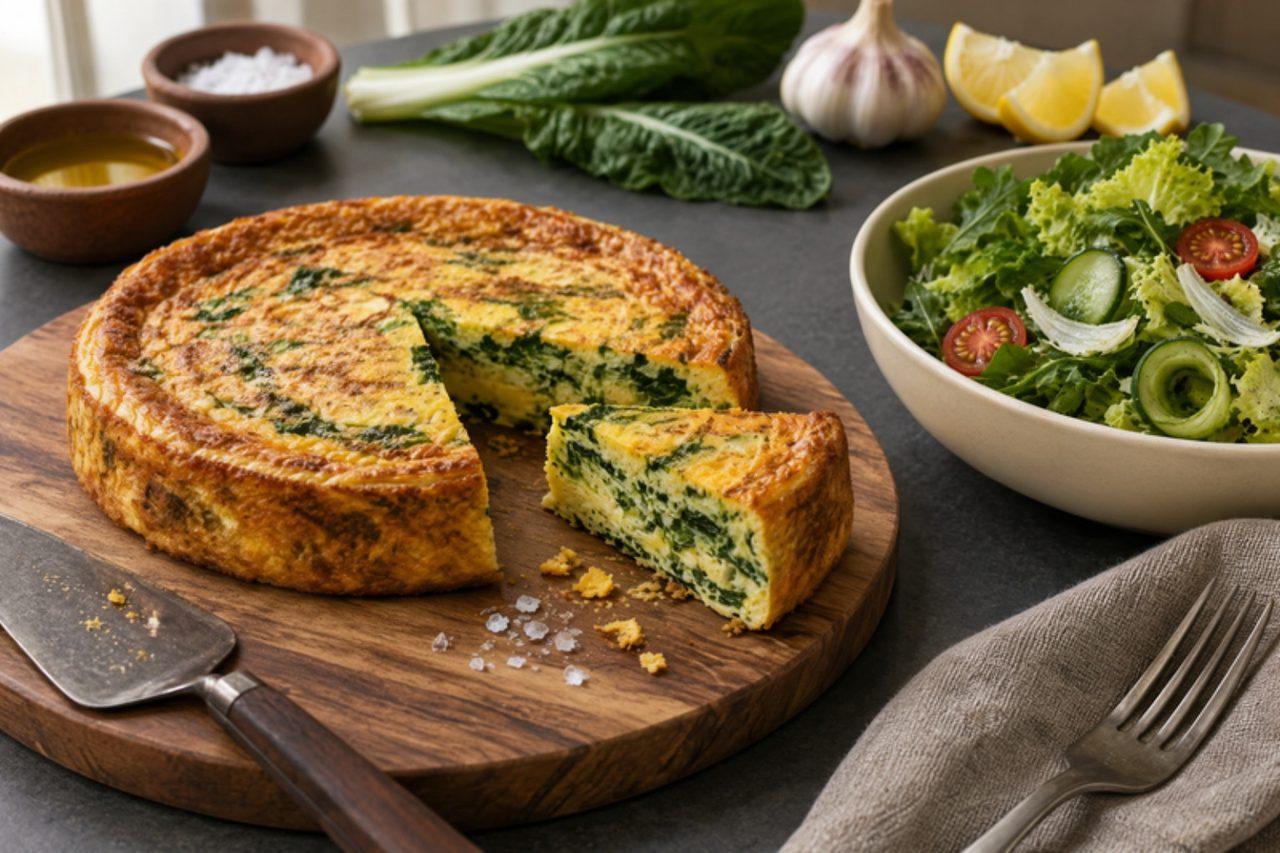
Tortilla de acelgaSwiss chard omelette

In Montevideo and Buenos Aires, tortilla de acelga is a homely supper or picnic dish, cut into wedges for a weekday dinner or packed for a Sunday at the beach, hot or cold. Plenty of chard is cooked down with onion and garlic, then bound with eggs into a thick, green, juicy omelette that is flipped in the pan like a Spanish tortilla. Serve it with a tomato salad. Suitable as part of a balanced diet. About 190 kcal and 7 g carbohydrate per portion. The usual mistake is leaving the chard wet: squeeze it well, or the tortilla weeps and won't set. If you're cooking for anyone pregnant, a young child or anyone with a weakened immune system, cook it until fully set in the middle. Chef's tip: cook it on a low heat with a lid on for the first side; it sets through without burning the base.

by KrazyBadal 0 views

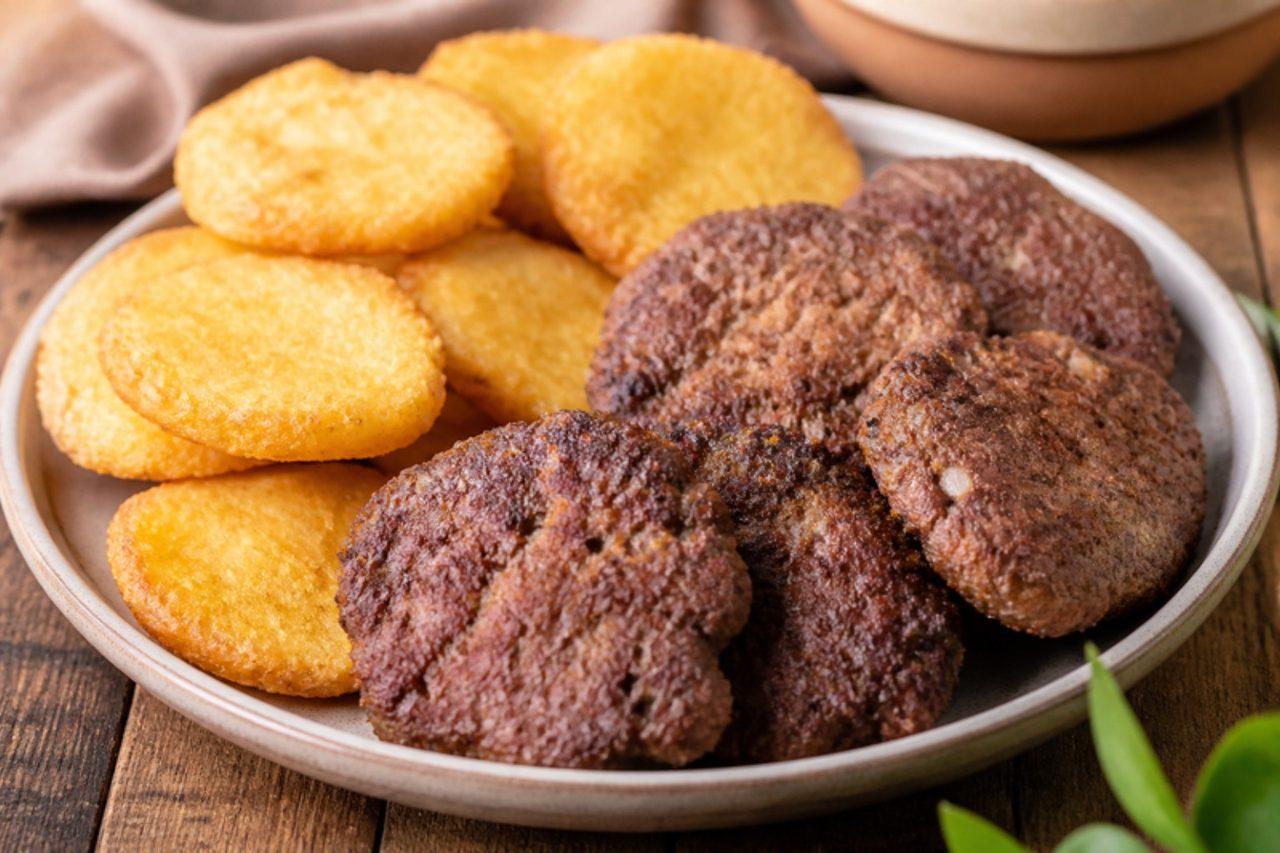
Payaguá mascadaCassava and beef patties

Payaguá mascada is an Asunción family supper and a favourite for using up boiled cassava: mashed mandioca kneaded with minced beef, onion and garlic, shaped into flat cakes and fried until crusty, then eaten with a tomato salad or with mandioca on the side. Use sweet cassava. A common mistake is using watery, freshly boiled cassava, which makes patties that fall apart in the pan. Chef's tip: let the boiled cassava steam dry in the colander for ten minutes before mashing.

by KrazyBadal 0 views

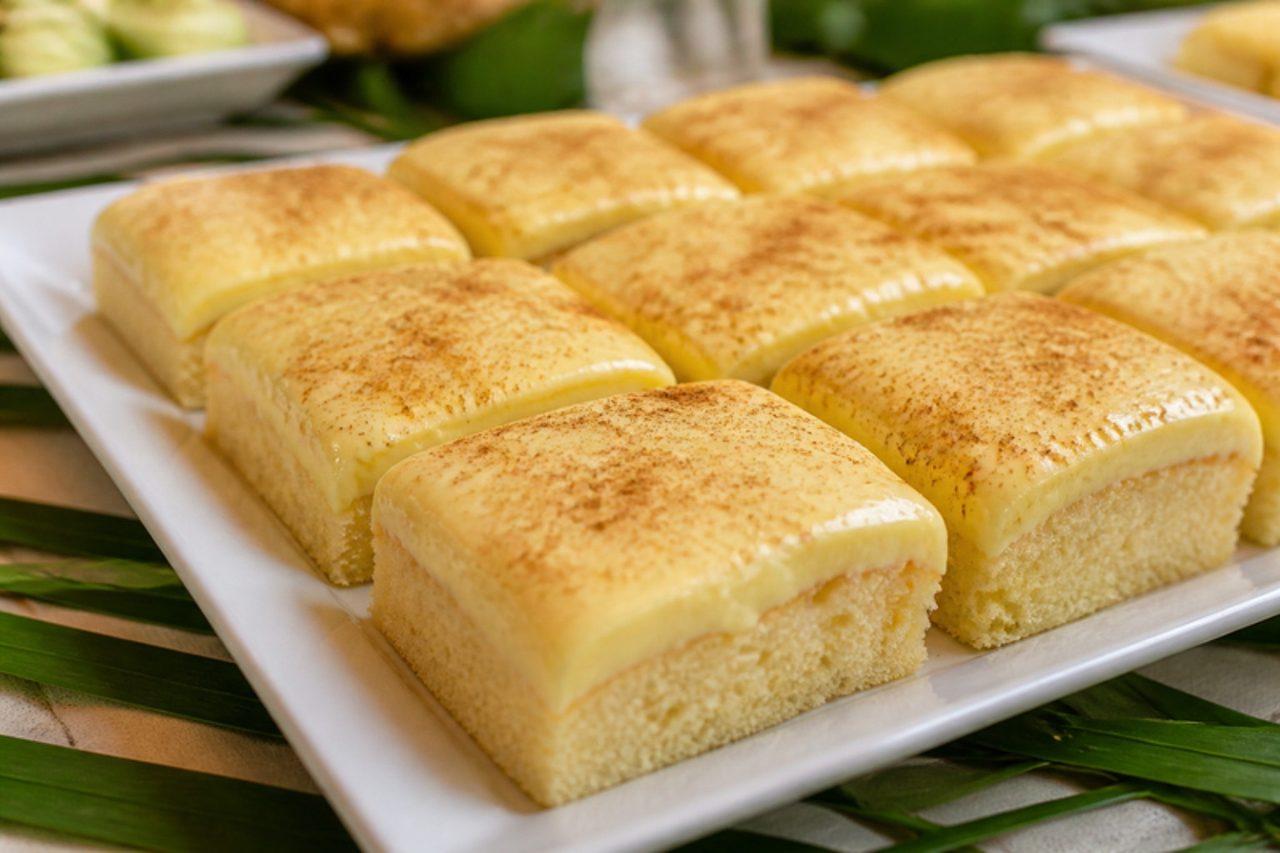
LatiyaSponge cake with custard

Latiya is the Chamorro custard cake found at every Guam fiesta and wedding, a legacy of Spanish rule: a light sponge in a tray is covered with a thick, silky vanilla custard and dusted with cinnamon, then chilled and cut into squares. It is cool, creamy and perfect after a hot-weather feast. A common mistake is pouring hot custard straight onto a hot sponge, which turns it soggy; cool the cake first. Chef's tip: lay cling film directly on the custard as it cools so no skin forms.

by KrazyBadal 0 views

Buñuelos de algasSea lettuce fritters

On the beaches of Rocha, from La Paloma to Punta del Diablo, vendors walk the sand with baskets of hot buñuelos de algas: puffy, salty fritters speckled green with sea lettuce, eaten with a squeeze of lemon. Use dried sea lettuce or mixed seaweed flakes from a shop, or fresh sea lettuce only from a seller who harvests clean water; never pick it from a harbour or near drains. The usual mistake is frying in oil that isn't hot enough, so the fritters soak it up and turn greasy. Chef's tip: rest the batter for 15 minutes so the seaweed softens and the fritters puff more.

by KrazyBadal 0 views

Mandi'o chyryryFried cassava with onion and egg

Mandi'o chyryry means 'fried cassava' in Guaraní, and it is what rural Paraguayan families make from yesterday's boiled mandi'o: chunks crushed and fried in a big pan with onion until crisp in places, then scrambled with eggs. It comes out for breakfast with cocido or for a quick supper, and costs next to nothing. Use sweet cassava, the kind sold in supermarkets. The mistake is stirring constantly, which turns it to mush; let the cassava sit and brown. Chef's tip: the best chyryry starts with cold, day-old boiled cassava, which fries crisper than freshly boiled.
by KrazyBadal 0 views

Capeletis a la CarusoStuffed pasta in cream sauce

Capeletis a la Caruso were created in a Montevideo restaurant in the 1950s and named after the great tenor, and they are still a Sunday lunch favourite in Uruguayan homes: little stuffed pasta hats in a rich sauce of cream, cooked ham (pork), mushrooms and onion, finished with grated cheese. Buy good fresh capeletis or tortellini; the sauce is what you make. The usual mistake is boiling the cream sauce hard, which makes it oily and grainy. Chef's tip: cook the mushrooms in a dry hot pan first until they squeak and brown, before any butter goes in, for a deeper taste.

by KrazyBadal 0 views

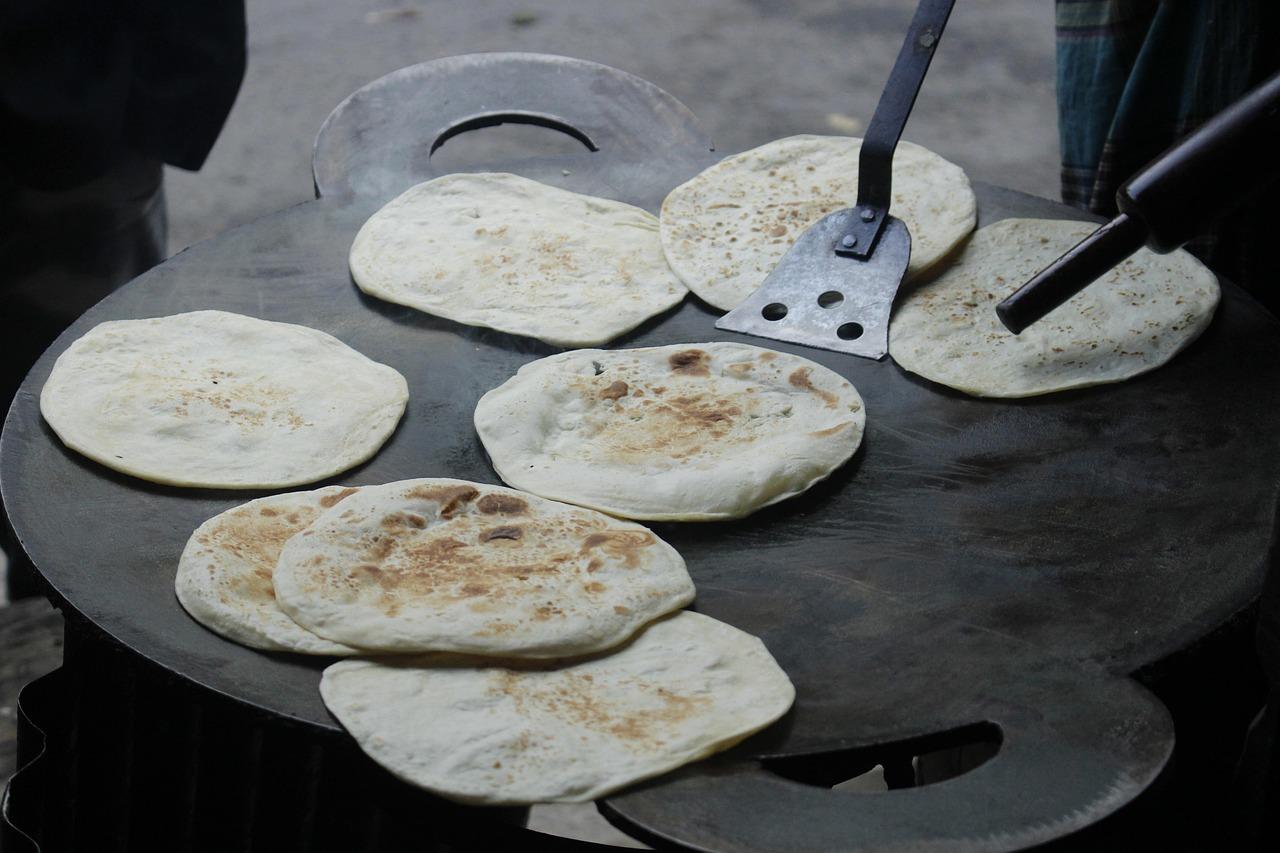
TitiyasCoconut milk flatbread

Titiyas are the soft, slightly sweet flatbreads of Guam and the Marianas, cooked on a griddle and eaten warm at breakfast, with fiesta food or rolled round a piece of grilled meat. Flour titiyas are made with coconut milk, which keeps them tender and gives a faint coconut taste; there is also a corn version (titiyas mai'es). A common mistake is rolling them too thick; 5 mm cooks through without burning. Chef's tip: cook on a dry, medium-hot pan and wrap each one in a towel as it comes off so they stay soft.

by KrazyBadal 0 views

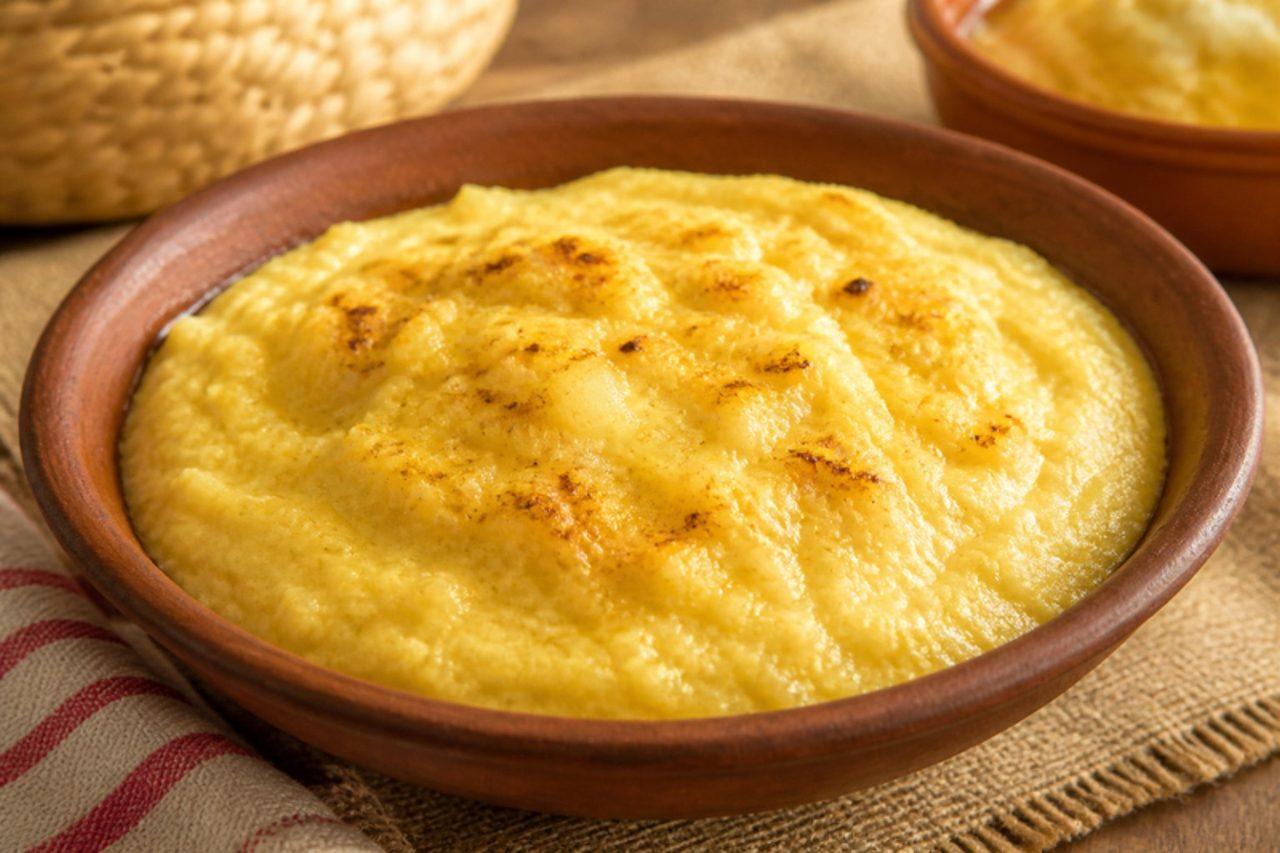
MbaipyCheesy polenta

Mbaipy (say 'mbai-PU') is Guaraní country cooking at its plainest: coarse corn flour stirred into milk and onion fried in oil until it thickens into a soft, spoonable porridge, finished with cubes of fresh cheese that melt into strings. In the Paraguayan countryside it is a cheap winter supper; cooks often stir in shredded chicken to make mbaipy so'o, but this is the meat-free version eaten on fasting days and in plenty of homes. Queso Paraguay is made with animal rennet, so use a vegetarian mozzarella or fresh cheese if you need to. The usual mistake is tipping the corn flour in all at once, which makes lumps that never cook out. Chef's tip: let it sit, covered, off the heat for five minutes before serving; it firms up slightly and the corn swells fully.

by KrazyBadal 0 views

Martín FierroCheese with quince paste

Ask for dessert in a Montevideo bodegón or a country parador and you may be offered a Martín Fierro: a thick slice of fresh, mild cheese laid with an equal slice of dense quince or sweet-potato paste, named after the gaucho of the epic poem. It's salty against sweet, soft against firm, and takes two minutes to assemble. Uruguayan fresh cheese is usually made with animal rennet, so choose one with vegetarian rennet if that matters to you. The mistake is serving it fridge-cold, which dulls both flavours. Chef's tip: cut the cheese and paste to exactly the same thickness, about 1 cm, so every bite has both.

by KrazyBadal 0 views

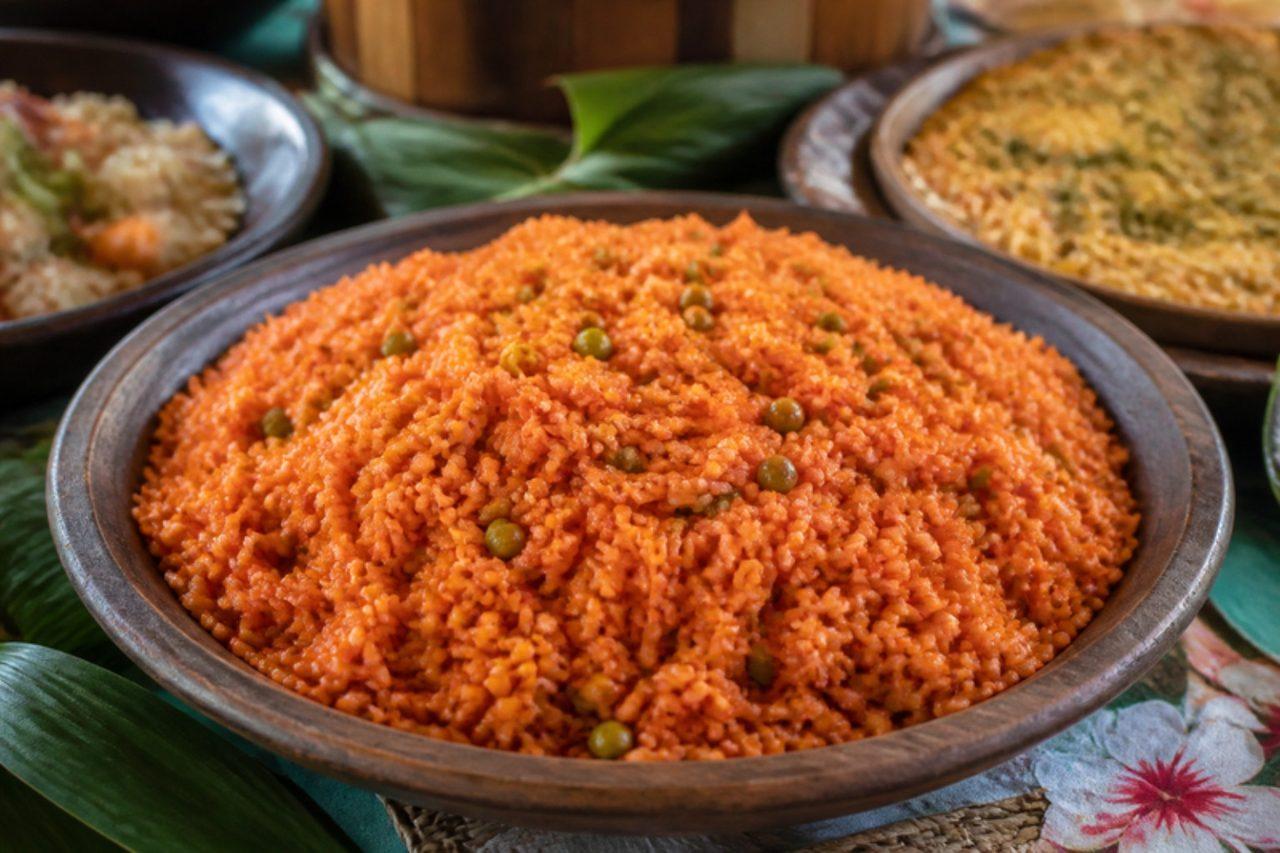
Chamorro red riceAchiote rice

Red rice, hineksa' agaga', is on the table at every Chamorro fiesta, christening and Sunday barbecue in Guam and the Northern Marianas, its sunset colour coming from achiote (annatto) seeds soaked in water. The rice is cooked with onion and garlic and sometimes peas; it is soft, savoury and mild, the perfect side for grilled chicken, kelaguen and finadene. A common mistake is leaving the seeds in the rice; they're tough and bitter, so soak and strain them. Chef's tip: rub the soaking seeds between your fingers to release more colour.

by KrazyBadal 0 views

Ka'i ladrilloPeanut molasses bricks

Ka'i ladrillo — 'monkey brick' in Guaraní — is the sweet sold by vendors on Asunción buses and at country fiestas: roasted peanuts bound in boiled cane molasses and set in brick-shaped blocks, crunchy and dark with a slightly smoky toffee taste. It contains peanuts, so keep it away from anyone with a peanut allergy. The common mistake is taking the syrup off too soon, so the bricks stay sticky and never set. Chef's tip: test the syrup by dropping a little into cold water; it is ready when it sets into a brittle thread that snaps.

by KrazyBadal 0 views

LampreadoCassava starch cheese fritters

Paraguayan grandmothers fry lampreado on Sunday evenings to eat with a mug of cocido, the toasted yerba mate drink: small pan-fried cakes of cassava starch, egg, milk and grated cheese with a little onion, crisp at the edges and stretchy inside. Some families also make it with leftover meat, but this version is all cheese. Queso Paraguay is set with animal rennet; a vegetarian Parmesan-style cheese plus mozzarella works well. The trap is a batter that is too thick, which gives heavy, gluey cakes. Chef's tip: the batter should drop slowly off a spoon like thick pancake batter; add milk a spoonful at a time until it does.

by KrazyBadal 0 views

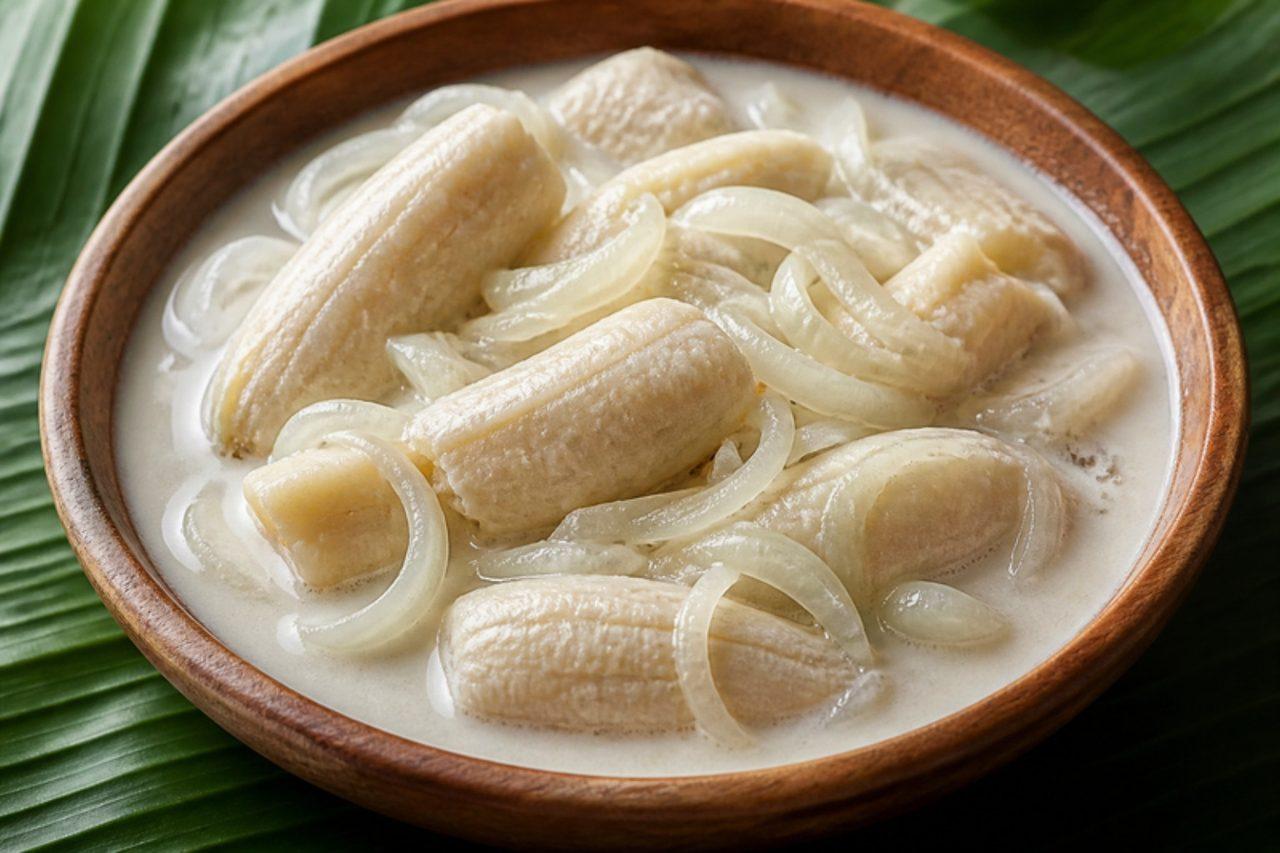
Fa'alifu fa'iGreen bananas in coconut cream

Fa'alifu fa'i is one of the everyday staples of Samoa, cooked in family kitchens in Apia and the villages of Savai'i to go with fish, chicken or a Sunday umu. Green cooking bananas are boiled until soft, then finished in a rich, salty-sweet coconut cream sauce with onion, so they turn silky and soak up the flavour. A common mistake is using ripe bananas, which fall apart; they must be hard and green. Chef's tip: oil your hands before peeling green bananas so the sticky sap doesn't stain your fingers.

by KrazyBadal 0 views

Showing 24 of 88 recipes

Show more recipes

Page 1 of 4