Skip to content
Recipes

All recipes

Vegetarian, or something you can't eat? Set your diet once and we'll hide recipes that don't fit.

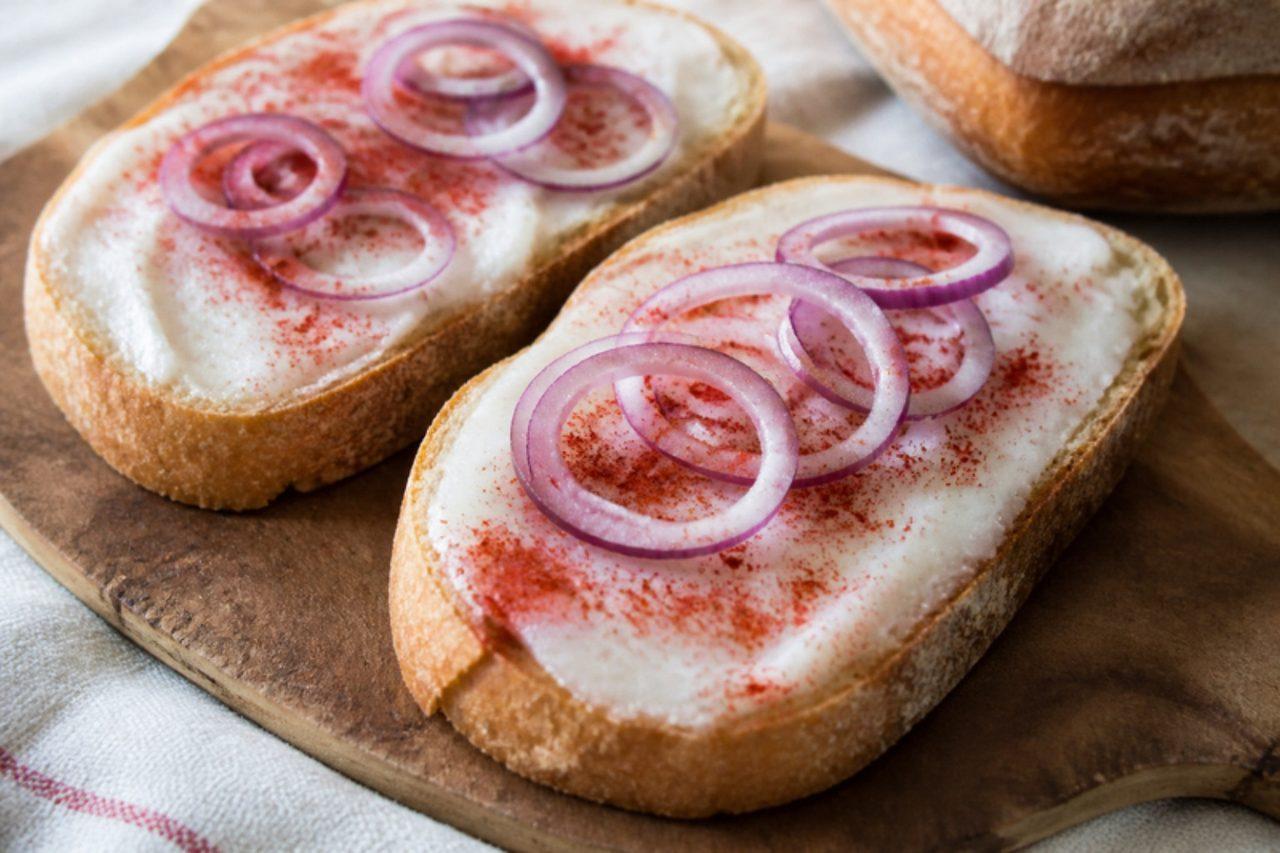
Zsíros kenyérLard on rye bread

Zsíros kenyér, 'fat bread', is the Hungarian village supper and wine-cellar snack, still eaten on summer evenings across the Great Plain: thick slices of rustic bread spread with pork lard, salted, dusted with sweet paprika and piled with raw red onion. It is made from pork fat, so it is not for vegetarians. Eaten with green peppers, radishes and a glass of something cold, it is plain food that is better than it sounds. The common mistake is using hard, fridge-cold lard straight from the block; it tears the bread and tastes waxy. Chef's tip: look for lard with crackling bits (tepertős zsír) or stir a few crushed pork scratchings into soft lard for the proper flavour.

by KrazyBadal 0 views

TripleAvocado, tomato and egg sandwich

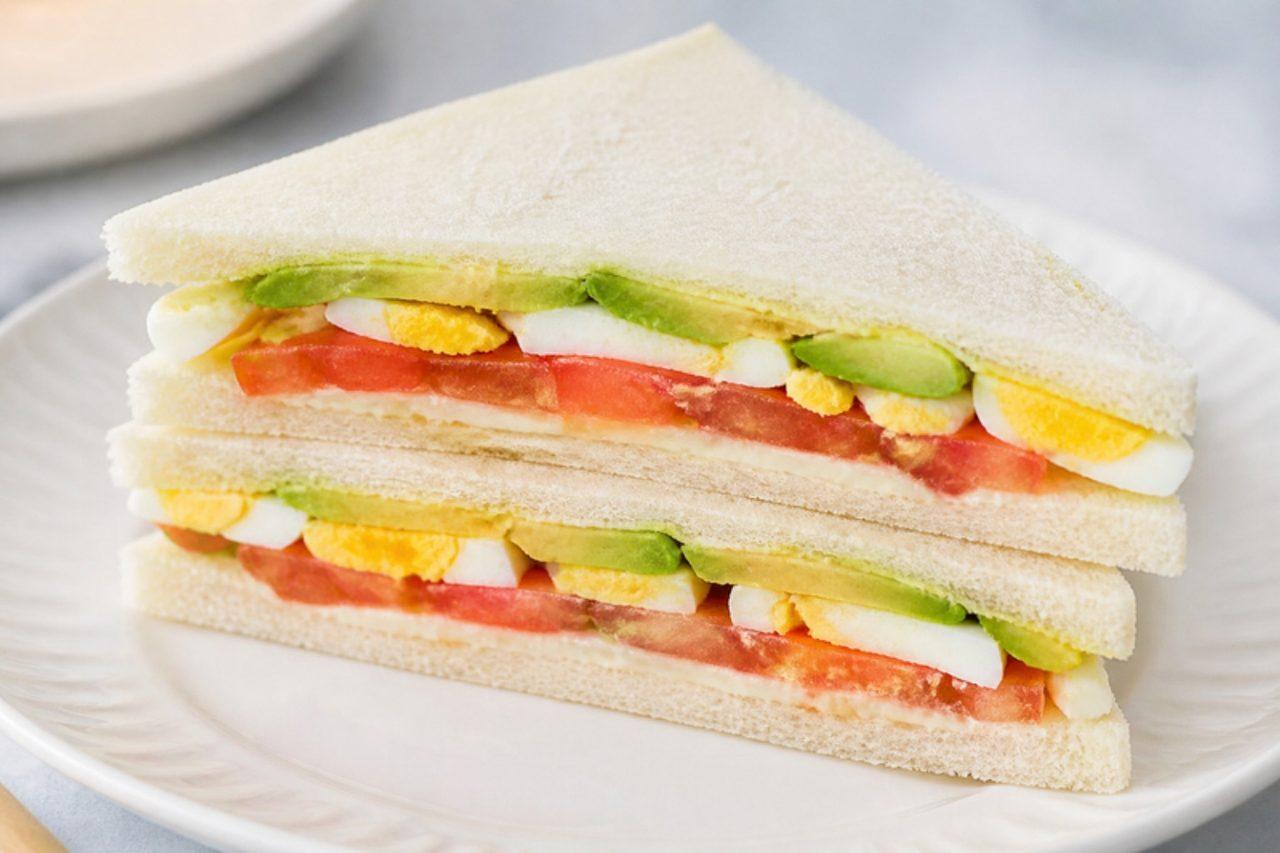
The triple is the soft, layered sandwich of Lima's cafés and bakeries, eaten at lonche, the Peruvian late-afternoon meal, or as a light supper: three slices of crustless white bread layered with avocado, tomato and sliced hard-boiled egg, all held together with mayonnaise. It looks neat, tastes fresh and is loved by children. Shop-bought mayonnaise is made with pasteurised egg, so it is safe for everyone. The common mistake is letting wet tomato touch the bread, which turns it soggy within minutes. Chef's tip: pat the tomato dry and sit it between the avocado and egg, then press the sandwich under a board for a minute before cutting.

by KrazyBadal 0 views

Pan con butifarraHam roll with onion salsa

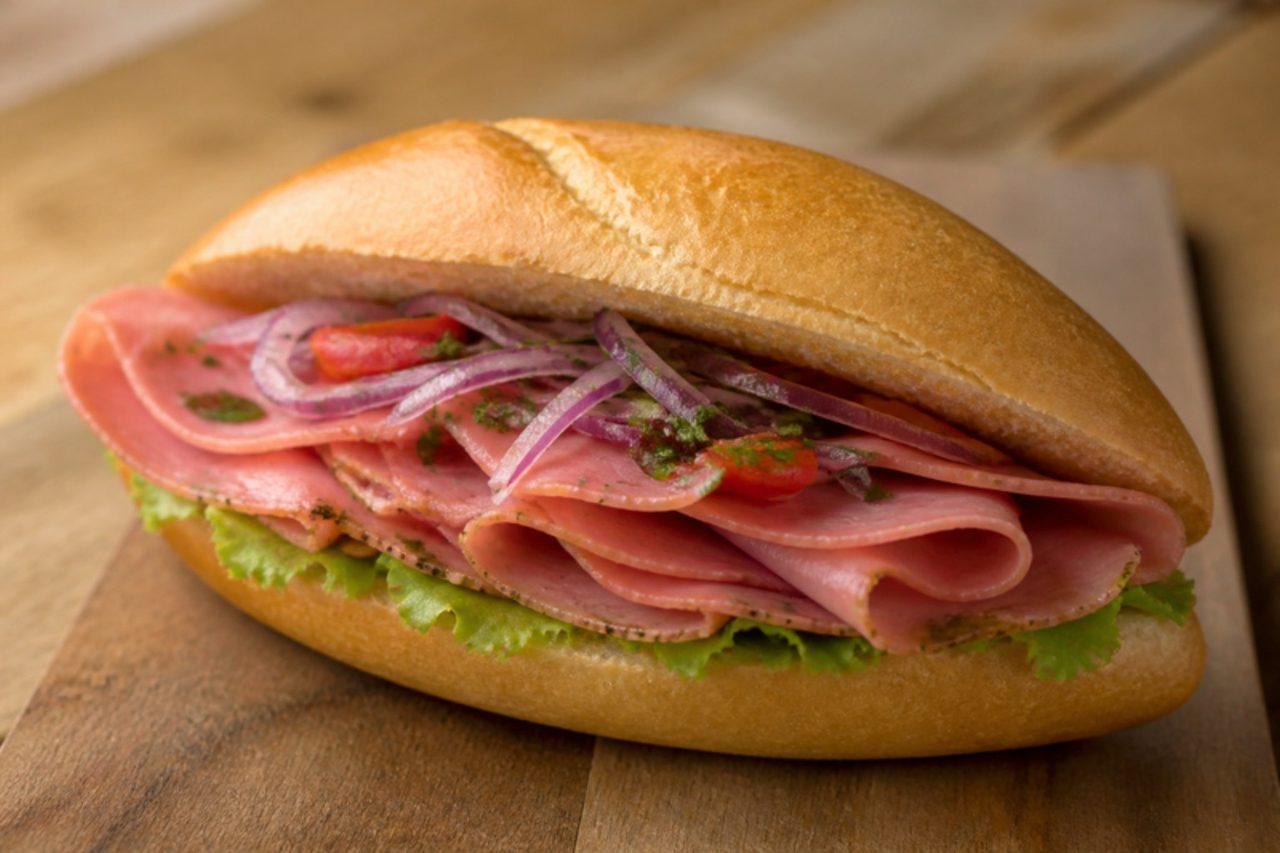
Pan con butifarra is Lima's evening sandwich, sold in old-school sangucherías and made at home for a light dinner with coffee: a crusty roll filled with jamón del país, a spiced Peruvian pork ham, under a heap of salsa criolla, red onion sliced thin and soaked in lime with chilli. Outside Peru, use a good cooked pork ham. The common mistake is leaving the onion harsh; give it a quick rinse in salted water before dressing it. Chef's tip: a leaf of lettuce under the ham stops the lime juice soaking straight into the bread.

by KrazyBadal 0 views

Diós tésztaWalnut and sugar pasta

Diós tészta, walnut noodles, is a sweet main course that Hungarians eat for lunch or a quick dinner, often after a bowl of bean or vegetable soup, and it is a fixture of Budapest school canteens. Hot ribbon pasta is tossed with melted butter, then with ground walnuts and sugar, so the nuts cling in a sweet, toasty coat. Children adore it; it contains nuts, so mind allergies. The common mistake is using old walnuts, which taste bitter and spoil the dish; taste one before you start. Chef's tip: toast the ground walnuts in the dry pan for a minute until they smell rich, and a little lemon zest keeps the sweetness lively.

by KrazyBadal 0 views

Taugeh goreng ikan masinBean sprouts with salted fish

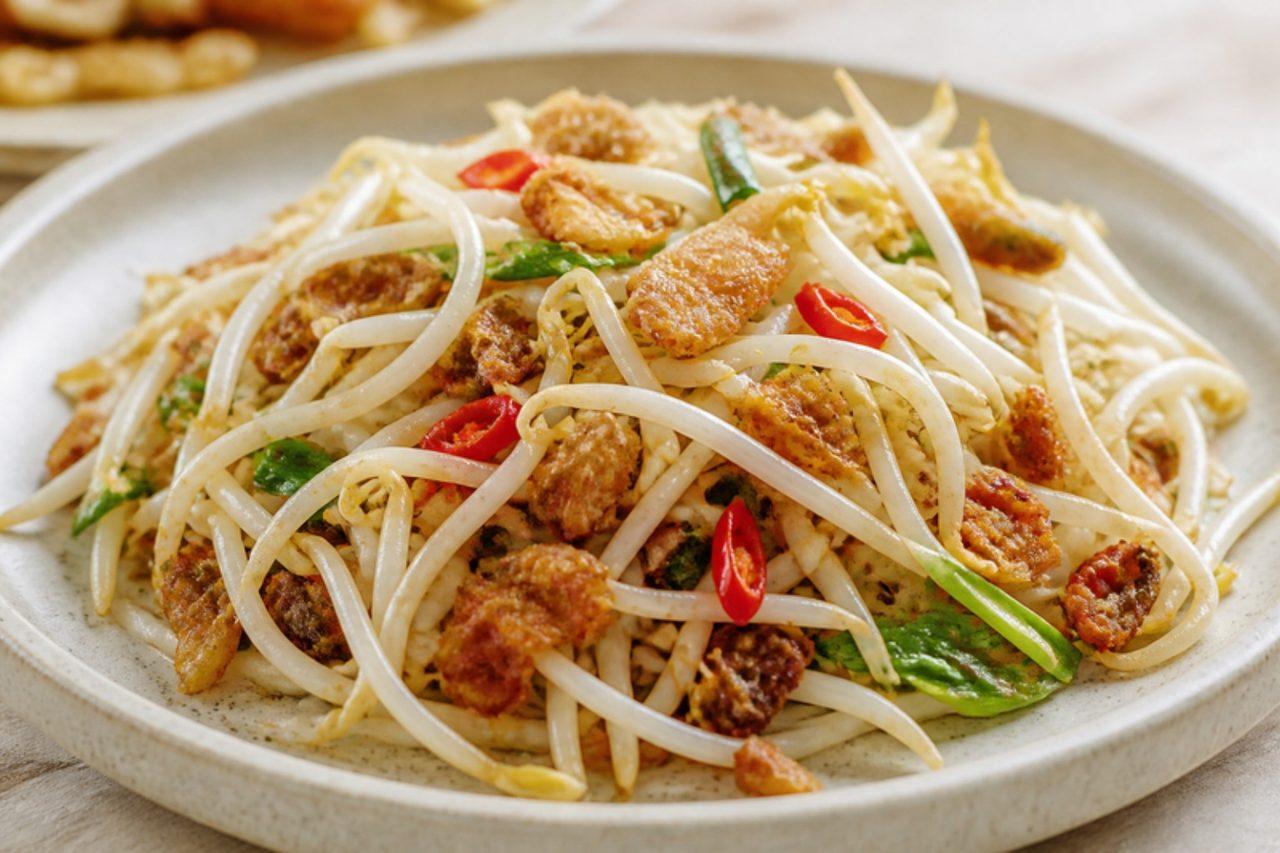
Taugeh goreng ikan masin is a classic of Malaysian Chinese coffee shops and home kitchens, from Ipoh, which is famous for its plump bean sprouts, to Kuala Lumpur. Crunchy sprouts are tossed for barely a minute in a smoking wok with garlic, chilli and crisp, golden bits of salted fish, which season the whole dish. It's a dinner vegetable eaten with rice and other dishes. The common mistake is putting the sprouts into a wok that isn't hot enough, so they leak water and go limp. Chef's tip: for restaurant style, pinch the stringy tails off the sprouts first; it takes a few minutes but they look and taste cleaner.

by KrazyBadal 0 views

Sopa teólogaTurkey broth with bread and cheese

Sopa teóloga ('the theologian's soup') goes back to colonial convents in Lima and Arequipa, where it was cooked for feast days, and it is still served at Holy Week and family celebrations. A rich turkey (or chicken) broth is thickened with soaked bread, milk and fresh cheese, with yellow potatoes and shreds of turkey, and finished with a little ají amarillo and chopped huacatay or parsley. It is thick, comforting and filling. Chef's tip: blend part of the soaked bread with broth before adding it, which gives the soup its creamy body without lumps.

by KrazyBadal 0 views

Húsvéti sonkaSmoked ham with eggs and horseradish

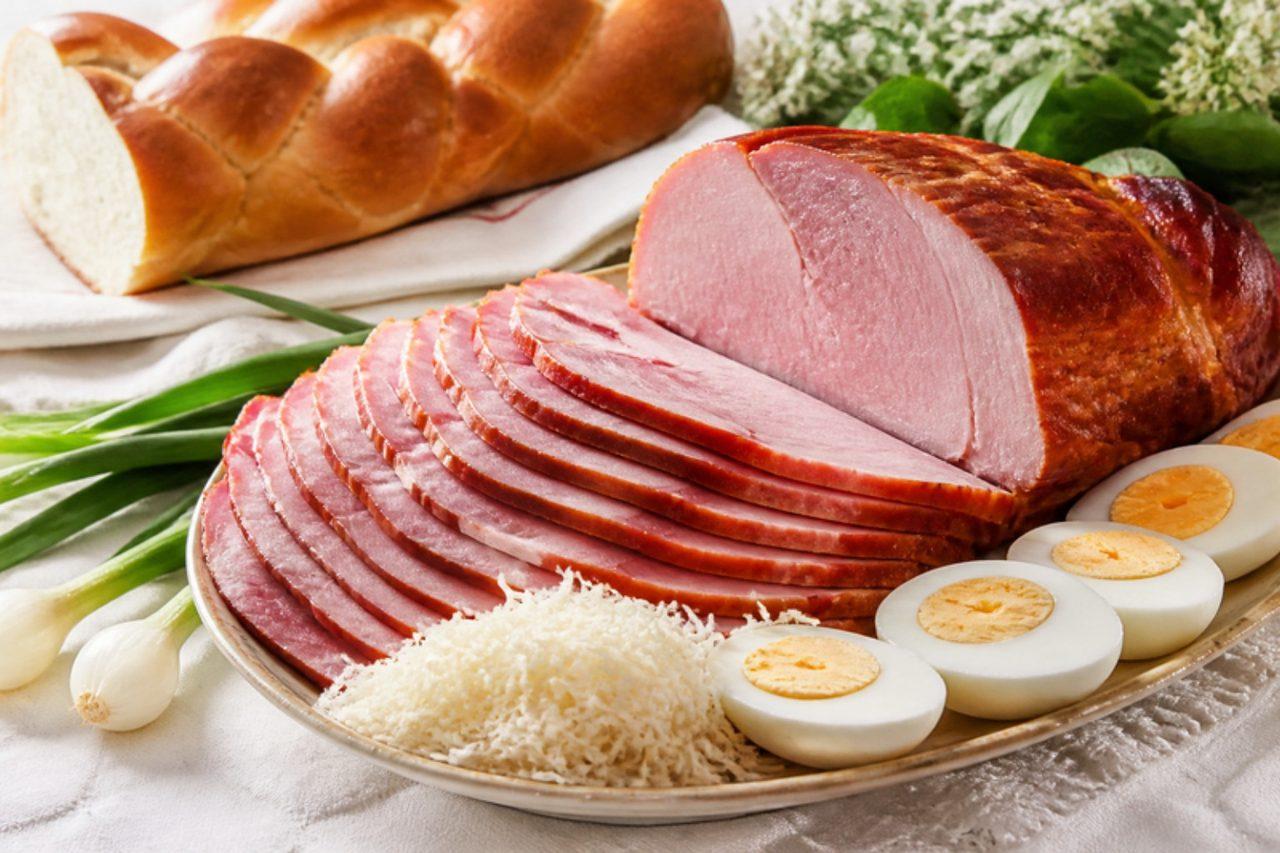
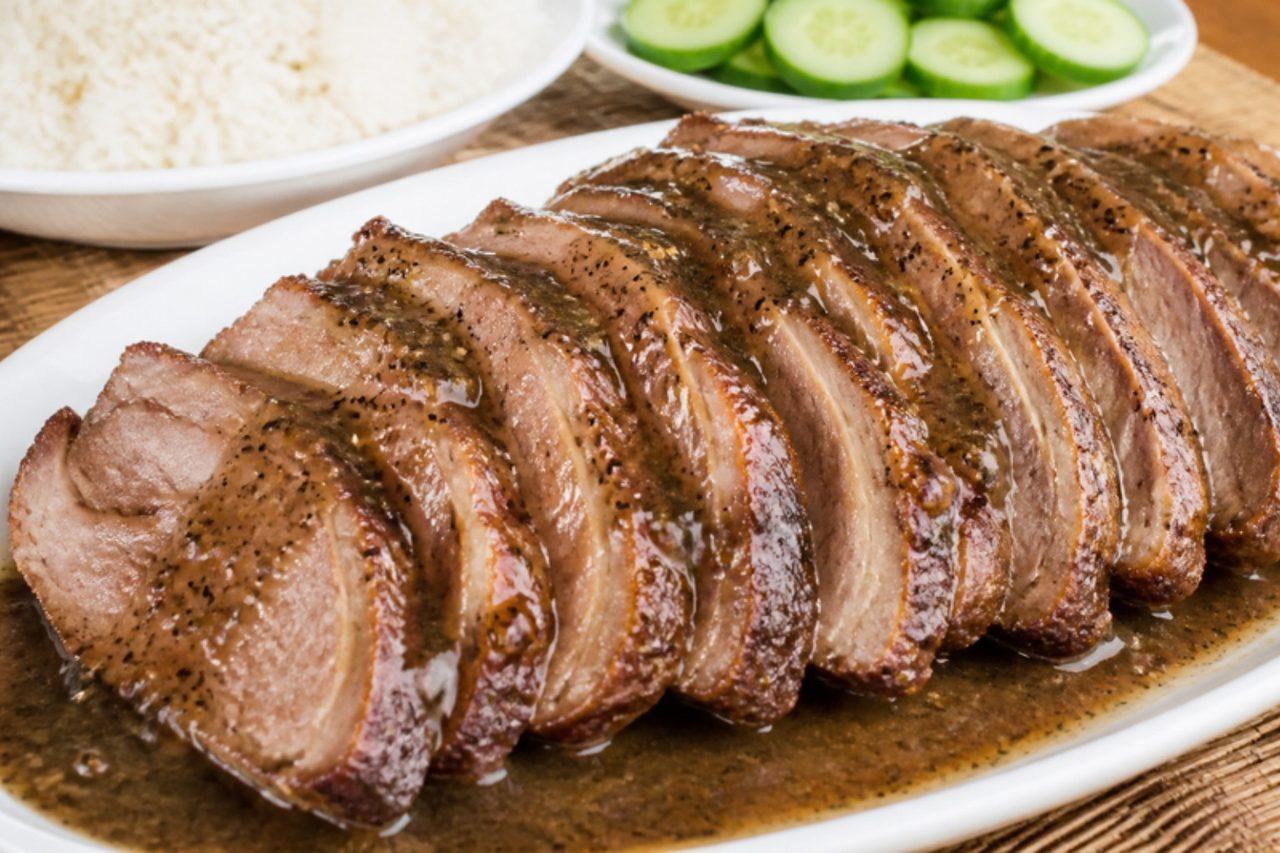
On Easter Sunday morning in Hungary the table is laid with húsvéti sonka, a whole smoked pork ham simmered slowly the day before, sliced cold and served with eggs hard-boiled in the ham's cooking water, freshly grated horseradish, spring onions and braided kalács. The cooking water then becomes the base of a bean or lentil soup the next day. Use a raw-smoked (uncooked) ham from a Hungarian or Polish butcher. Chef's tip: soak the ham overnight to draw out salt, and cool it in its cooking water so it stays juicy.

by KrazyBadal 0 views

FastenwäheCaraway pretzel bread

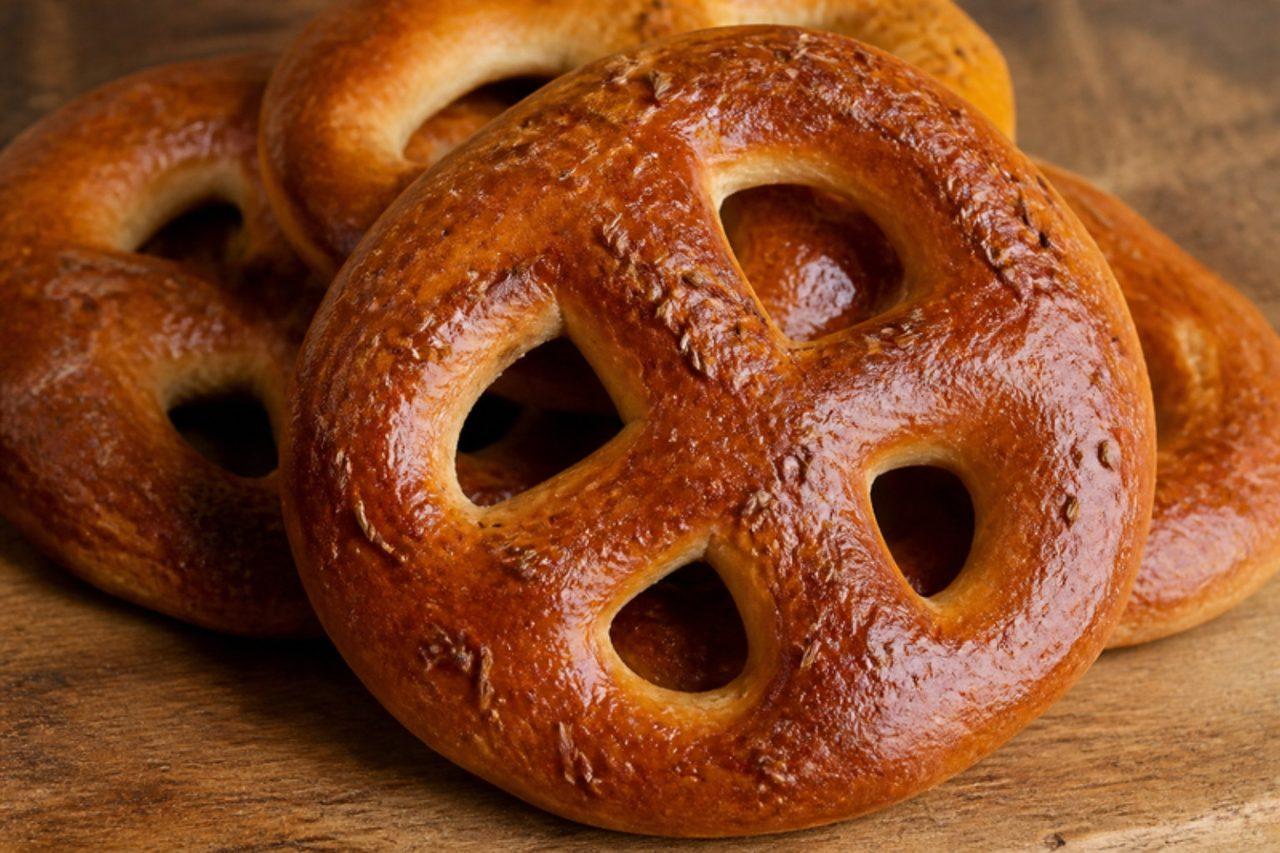
Basel bakeries sell Fastenwähe only from the start of the new year until Easter, and through Fasnacht people buy them warm by the bagful. The flat, chewy yeast bread is shaped like a squashed pretzel with four slits, glazed with egg and scattered with caraway seeds, and is eaten plain or with cheese and Mehlsuppe. The common mistake is cutting the slits too short, so they close up as the dough rises. Chef's tip: a little lard or butter in the dough gives the soft bite of the bakery ones.

by KrazyBadal 0 views

Kuih makmurGhee and peanut cookies

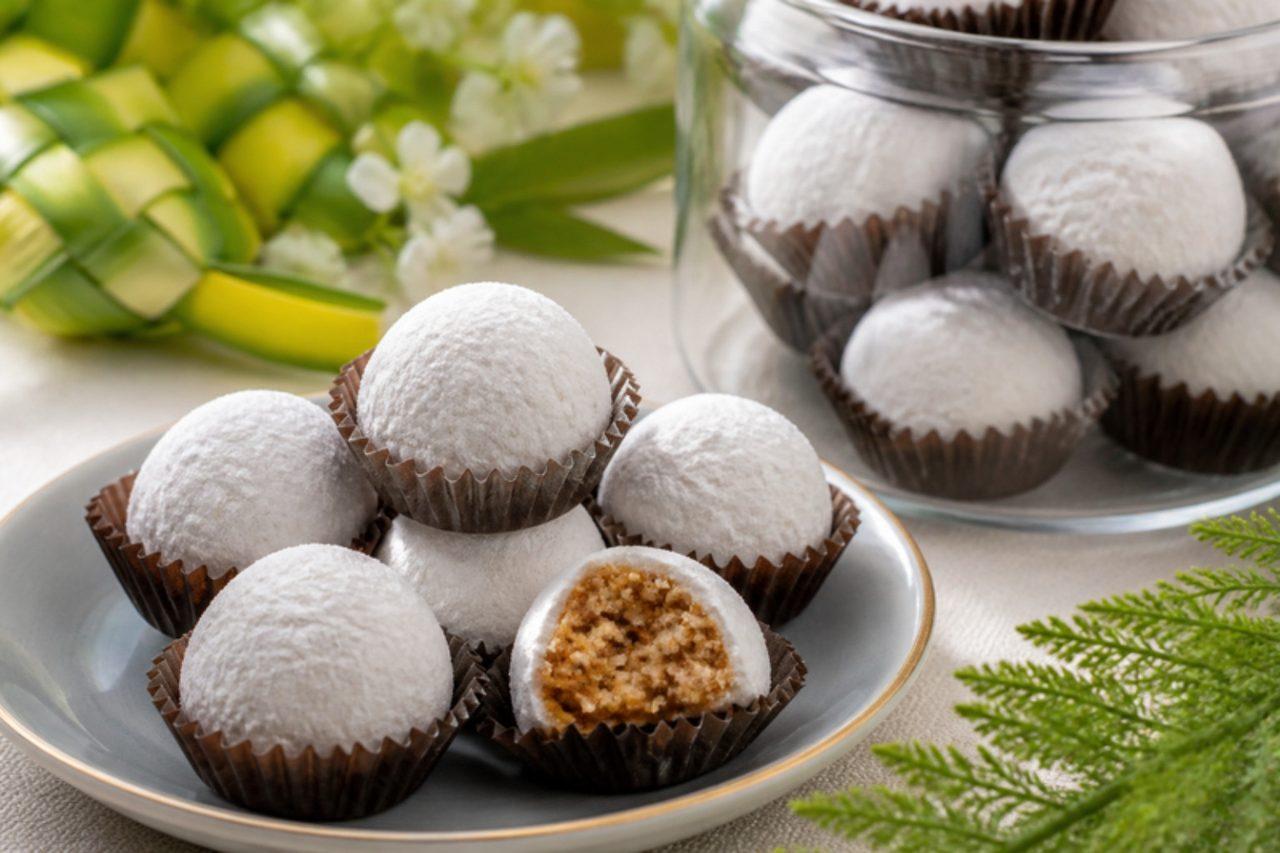
Kuih makmur is one of the oldest Malay Hari Raya cookies, its name meaning 'prosperity', and its tiny ridged domes are baked by the tray-load before Aidilfitri to fill the cookie jars for open houses. Soft, crumbly ghee pastry wraps a filling of roasted ground peanuts and sugar, and the cookies are rolled in icing sugar while still warm, so they melt in the mouth. Chef's tip: bake them pale; makmur should stay white, and browned cookies taste of scorched ghee.

by KrazyBadal 0 views

Kambing golekSpiced roast goat

At Aidiladha and big kenduri feasts in Johor and Selangor, kambing golek is the showpiece: a goat rubbed with spices and turned for hours on a spit until the meat falls from the bone, carved for the crowd and served with a peppery brown sauce. A whole spit-roast goat isn't practical at home, so this recipe is written as carved bone-in leg and shoulder portions, marinated overnight and slow-roasted in the oven, keeping the flavour of the original. Chef's tip: roast covered first and uncover only at the end, so the meat stays moist and then gets its golden crust.

by KrazyBadal 0 views

BáránypörköltLamb stew with paprika

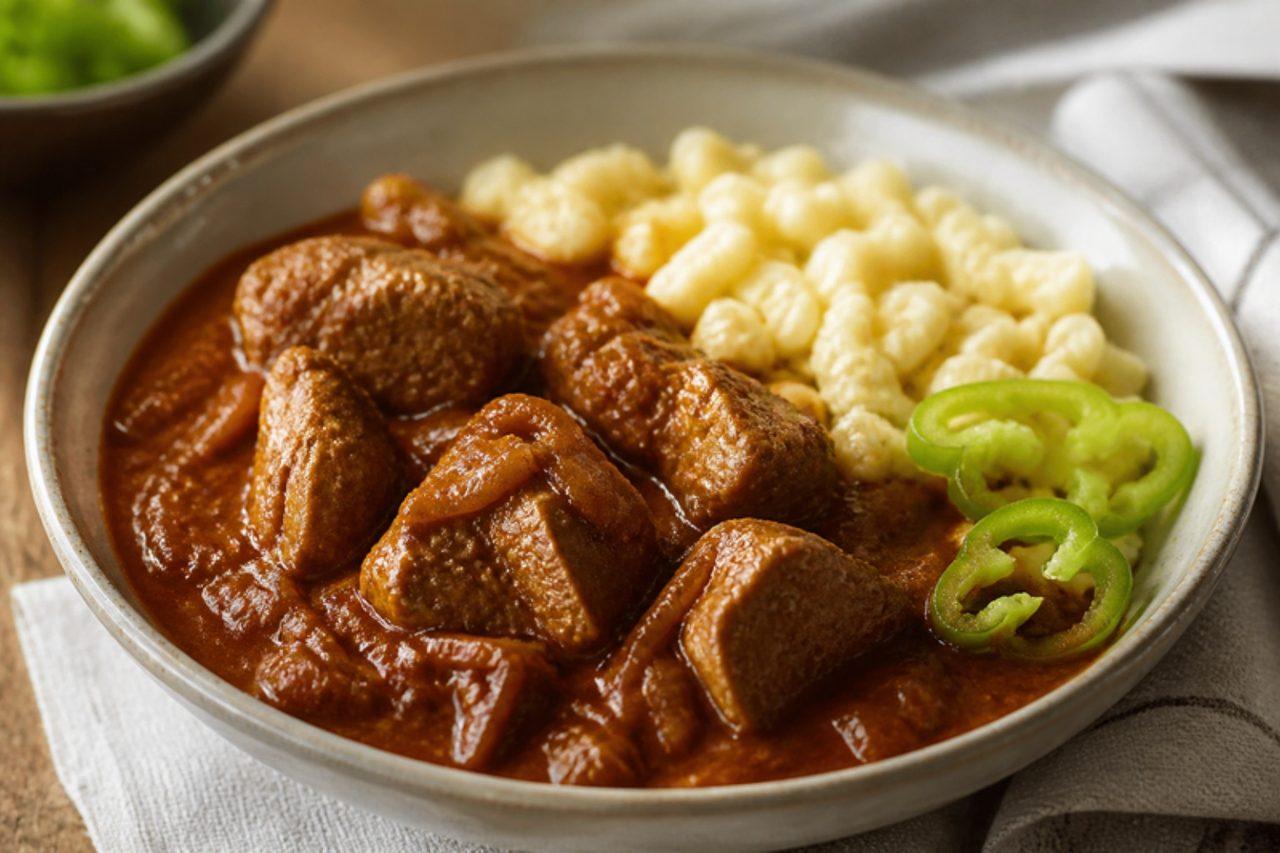
For Hungarians, lamb is Easter food, and báránypörkölt is the classic way to cook it for Easter Sunday or Monday: chunks of lamb stewed slowly in their own juices with a lot of onion, sweet paprika, garlic, a little tomato and green pepper, until tender in a thick, deep-red sauce. It is served with nokedli (little egg dumplings) or boiled potatoes and a cucumber salad. Chef's tip: take the pot off the heat when you add the paprika, because paprika burns in seconds and turns the whole stew bitter.

by KrazyBadal 0 views

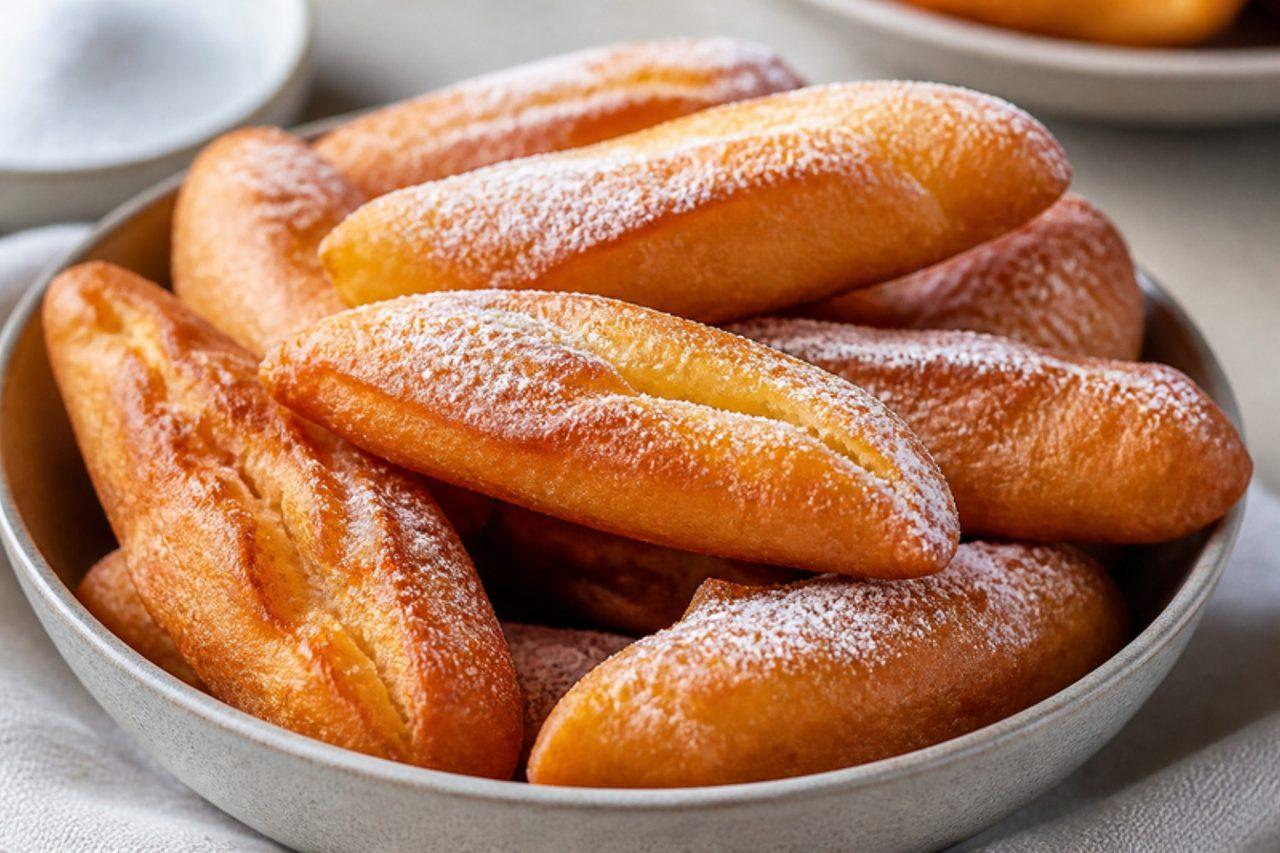
Fasnachts-SchenkeliFried lemon dough fingers

Schenkeli ('little thighs') are fried for Fasnacht, the Carnival weeks that lead up to Lent in Switzerland, when bakeries in Basel, Lucerne and Zurich sell them by the bagful beside Fasnachtschüechli. The dough is rich with butter, eggs and lemon zest, rolled into finger-length logs and fried until they have a crisp, cracked golden shell and a soft, cakey middle. Some recipes add a splash of kirsch to the dough; this one doesn't. Chef's tip: fry them at a moderate temperature, as they need time to cook through and the signature cracks form only if they aren't browned too fast.

by KrazyBadal 0 views

OsterpinzeEaster anise brioche

Osterpinze is the Easter bread of Styria, Carinthia and the area around Trieste, a soft, golden brioche dome with three deep cuts on top for the Holy Trinity, so that it opens into a crown as it bakes. The dough is rich with egg yolks and butter and flavoured with anise and lemon; old recipes add a splash of white wine, left out here. It is blessed in the Easter basket on Holy Saturday and eaten on Easter morning with ham, horseradish and eggs, or with butter and jam. Chef's tip: make the three cuts with scissors just before baking, deep enough to reach halfway down, so the crown opens wide.

by KrazyBadal 0 views

KalanehWild leek stuffed flatbread

In Kurdistan and Kermanshah, Newroz arrives with the first spring greens on the hillsides, and families gather wild leeks to fold into kalaneh, thin griddle breads cooked over a fire or a hot pan and soaked in melted butter. The dough is plain and soft, rolled very thin around a pile of chopped leek or chives with a little salt and pepper, so the greens steam inside as the bread blisters. Eat it hot, torn into strips, with yogurt and tea at a Newroz picnic. The common mistake is wet greens, which turn the dough soggy and make it tear; dry them well after washing. Chef's tip: brush the butter on the moment the bread leaves the pan so it soaks right in.

by KrazyBadal 0 views

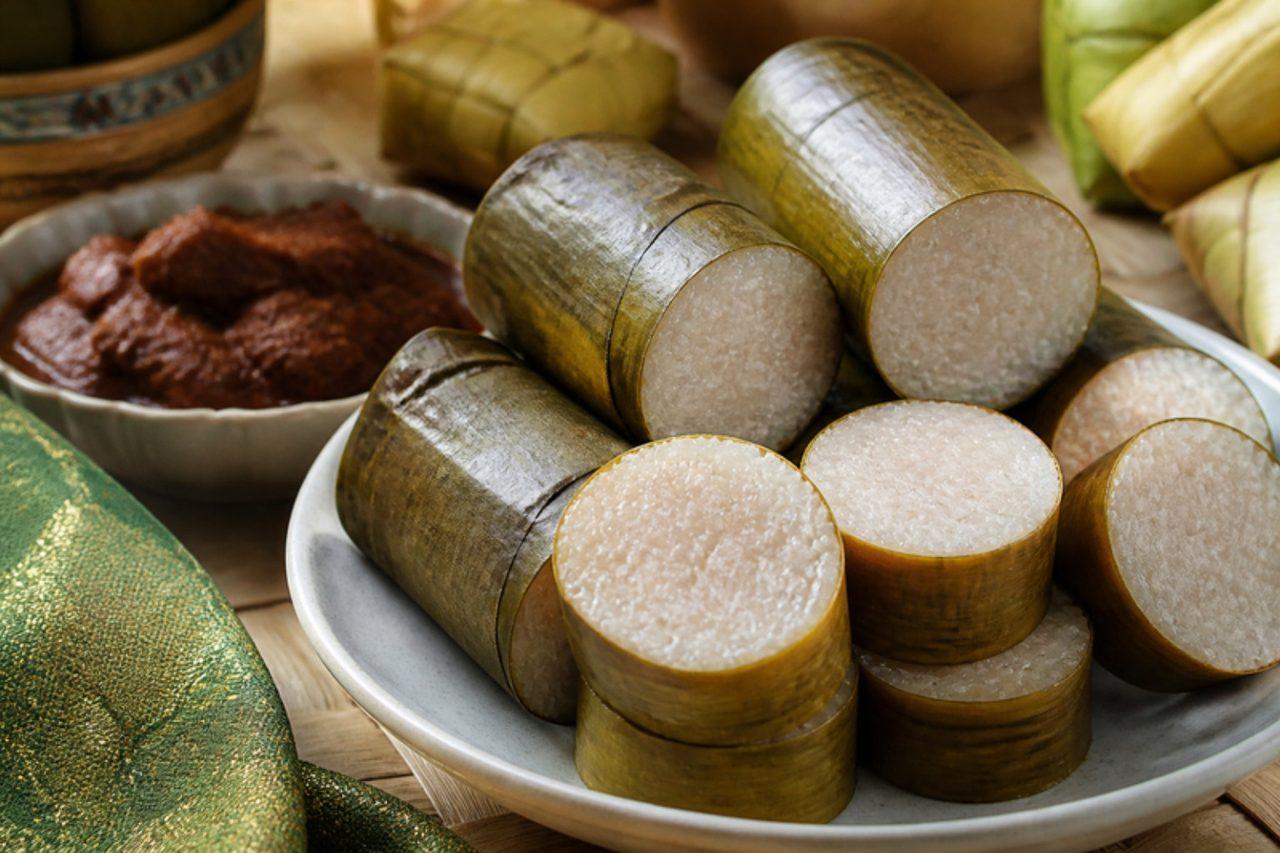
LemangBamboo-cooked coconut sticky rice

On the eve of Hari Raya Aidilfitri, Malay villages across the peninsula fill with smoke as families cook lemang: glutinous rice and coconut milk packed into banana-leaf-lined bamboo poles and turned slowly beside an open fire for hours. The rice comes out rich, salty and faintly smoky, sliced into thick rounds and eaten with rendang or serunding on Raya morning. Few homes have bamboo and a fire pit, so this recipe gives a home oven method in a banana-leaf-lined tin, with the bamboo way described too. Chef's tip: let the cooked lemang cool before slicing, as warm rice is too soft to cut cleanly.

by KrazyBadal 0 views

Bubur asyuraRice, bean and beef porridge

On 10 Muharram, the day of Ashura, Malay mosques and kampung neighbourhoods stir bubur asyura in giant pots and share it out to every household, a custom said to recall the meal Prophet Nuh's family cooked from their last stores. Rice, mung beans, peanuts, sweet potato and pumpkin cook down with beef and spices into a thick, savoury porridge, flavoured with coconut milk and kerisik. This family-sized pot keeps the communal spirit; a vegetarian version is a variation to add later. Chef's tip: stir constantly from the bottom once it thickens, as the beans catch quickly and a burnt bottom spoils the whole pot.

by KrazyBadal 0 views

AllerheiligenstriezelBraided sweet loaf

In Bavaria and Austria, godparents give their godchildren an Allerheiligenstriezel on All Saints' Day, 1 November: a large braided loaf of sweet yeast dough, brushed with egg and scattered with almonds or pearl sugar. The braid is said to recall the old custom of cutting a plait of hair in mourning, and the size of the loaf once showed how generous the godparent was. It is lightly sweet, with lemon and vanilla, and is eaten sliced with butter or jam. Some recipes add rum-soaked raisins; these are soaked in warm water instead. Chef's tip: braid four strands for an impressive, high loaf.

by KrazyBadal 0 views

KaguyjyWhite corn pudding

On the night of 23–24 June, Paraguayans celebrate San Juan with bonfires, games like walking over hot coals and the 'paso de fuego', and a table of traditional foods, and kaguyjy (also mazamorra) is one of them. It is a soft, creamy pudding of cracked white corn (locro) simmered slowly in water and then milk with sugar or honey, sometimes with orange peel. It is eaten warm or cold. It is gluten free. Chef's tip: soak the corn overnight and cook it until each kernel is tender before adding the milk, or it never turns creamy.

by KrazyBadal 0 views

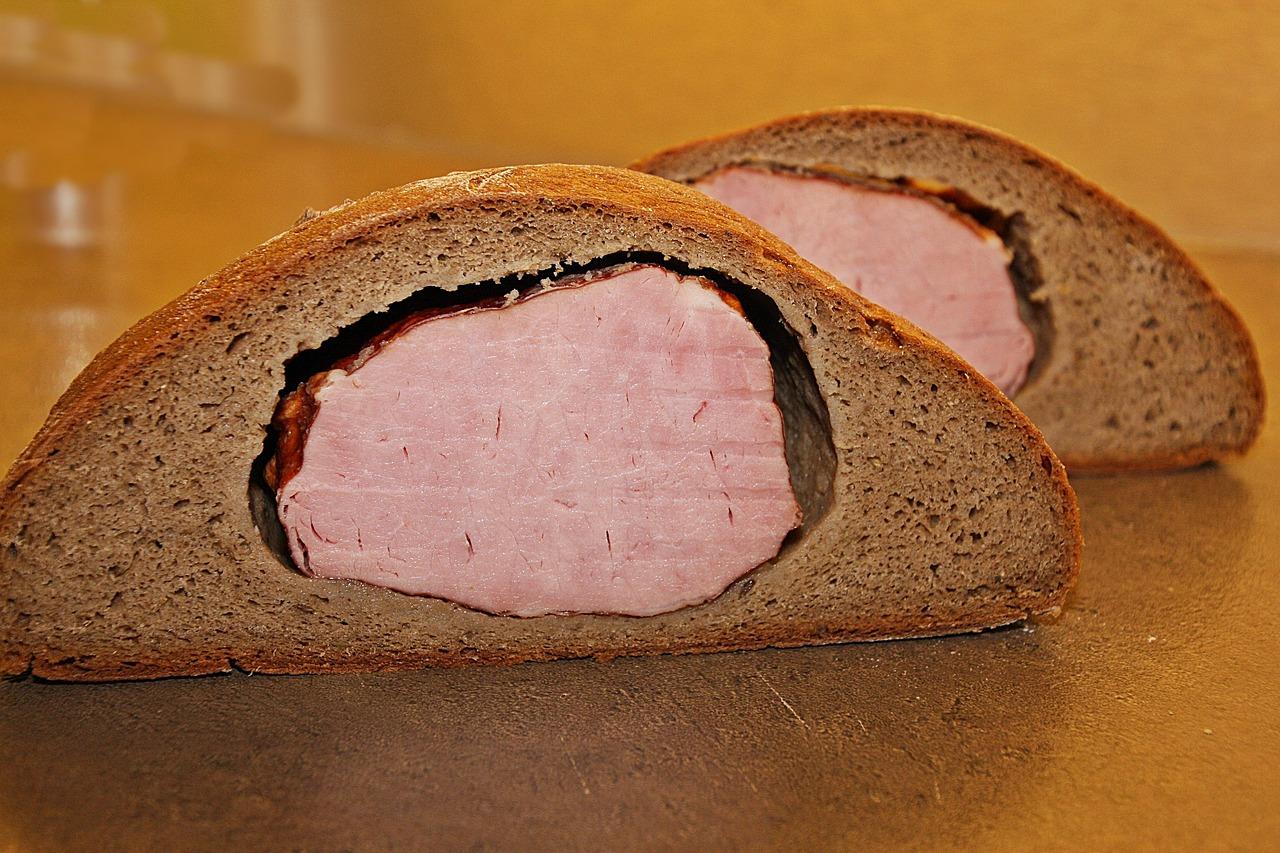
Schinkli im BrotteigHam baked in bread crust

Schinkli im Brotteig, a small smoked pork ham baked inside a bread crust, is a much-loved Christmas Eve dish in German-speaking Switzerland because it can be prepared ahead and goes into the oven while the family opens presents. The dough seals in the ham's juices and soaks them up as it bakes, and the ham is sliced with the crust and served with potato salad, mustard and pickles. Buy a ready-cooked smoked ham (Schüfeli or Schinkli) of about 1 kg. Chef's tip: dry the ham well before wrapping it, or the dough turns soggy inside.

120 minSwissMeat
by KrazyBadal 0 views

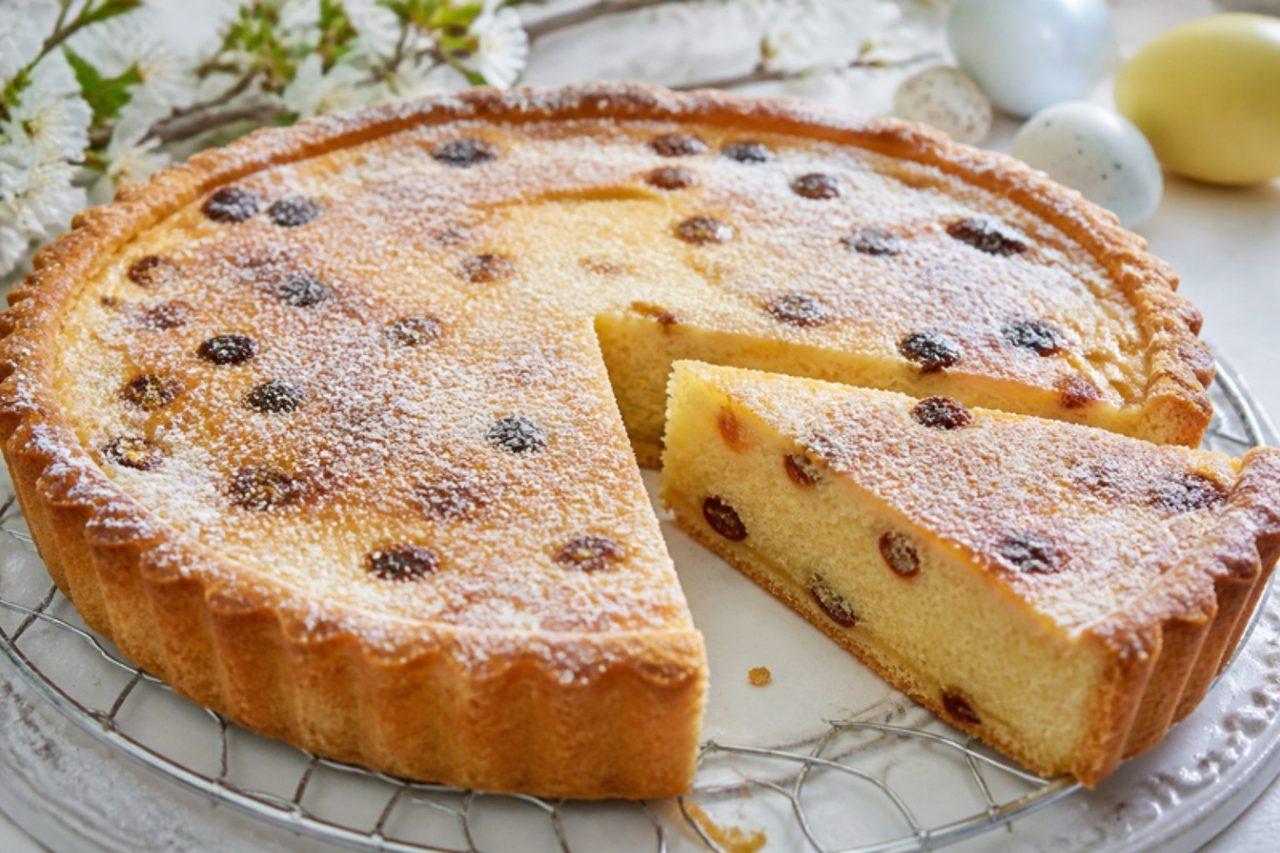
OsterfladenSemolina and almond Easter tart

Osterfladen is the Easter tart of Basel and northern Switzerland, baked on Holy Saturday and eaten on Easter Sunday. A shortcrust case holds a creamy filling of semolina (or rice) cooked in milk, folded with ground almonds, raisins, lemon zest and whipped egg white, which bakes into a light, sliceable custard under a dusting of icing sugar. Some bakers soak the raisins in kirsch; here they are soaked in warm water, so it is alcohol-free. Chef's tip: fold the egg whites in gently and last, as they are what makes the filling light.

by KrazyBadal 0 views

Pajagua mascadaBeef and cassava patties

Pajagua mascada is a Paraguayan street-food classic that appears on every table for the San Juan festival on 24 June, when bonfires burn and the night is full of games and traditional food. Minced beef is mixed with mashed cassava, onion, garlic and a little egg and flour, shaped into flat patties and fried until crisp. The name comes from Guaraní and refers to the 'chewing' of old Paraguayan cooks, who made it from leftover meat. Chef's tip: dry the boiled cassava well and remove its woody core, which keeps the patties light and crunchy.

by KrazyBadal 0 views

Dowina (Kurdish yogurt soup)

Dowina, called ash-e doogh in Persian, is warming spring food in Kurdish homes around Newroz, when yogurt is plentiful and the first herbs are cut from the garden. Rice and chickpeas simmer in a tangy, lightly thickened yogurt broth, finished with fresh dill, coriander and a sizzle of dried mint in oil. It is eaten warm, never boiling hot, with flatbread. The common mistake is to heat the yogurt too fast without stirring, which makes it split into grainy curds. Chef's tip: whisk an egg yolk and a spoonful of rice flour into the yogurt before it goes on the heat; it holds the soup smooth all the way to the simmer.

by KrazyBadal 0 views

Chipa so'oCheese bread with spiced beef

In Paraguay, families bake chipa in the clay tatakua ovens on Holy Wednesday so there is food for Thursday and Good Friday, when cooking stops. Chipa so'o ('chipa with meat') is a cassava-starch and cheese bread wrapped around a little filling of minced beef cooked with onion and egg, then baked until crisp outside and chewy within. It is naturally gluten free. Chef's tip: knead the dough until it no longer cracks at the edges when pressed; dry dough splits around the filling.

by KrazyBadal 0 views

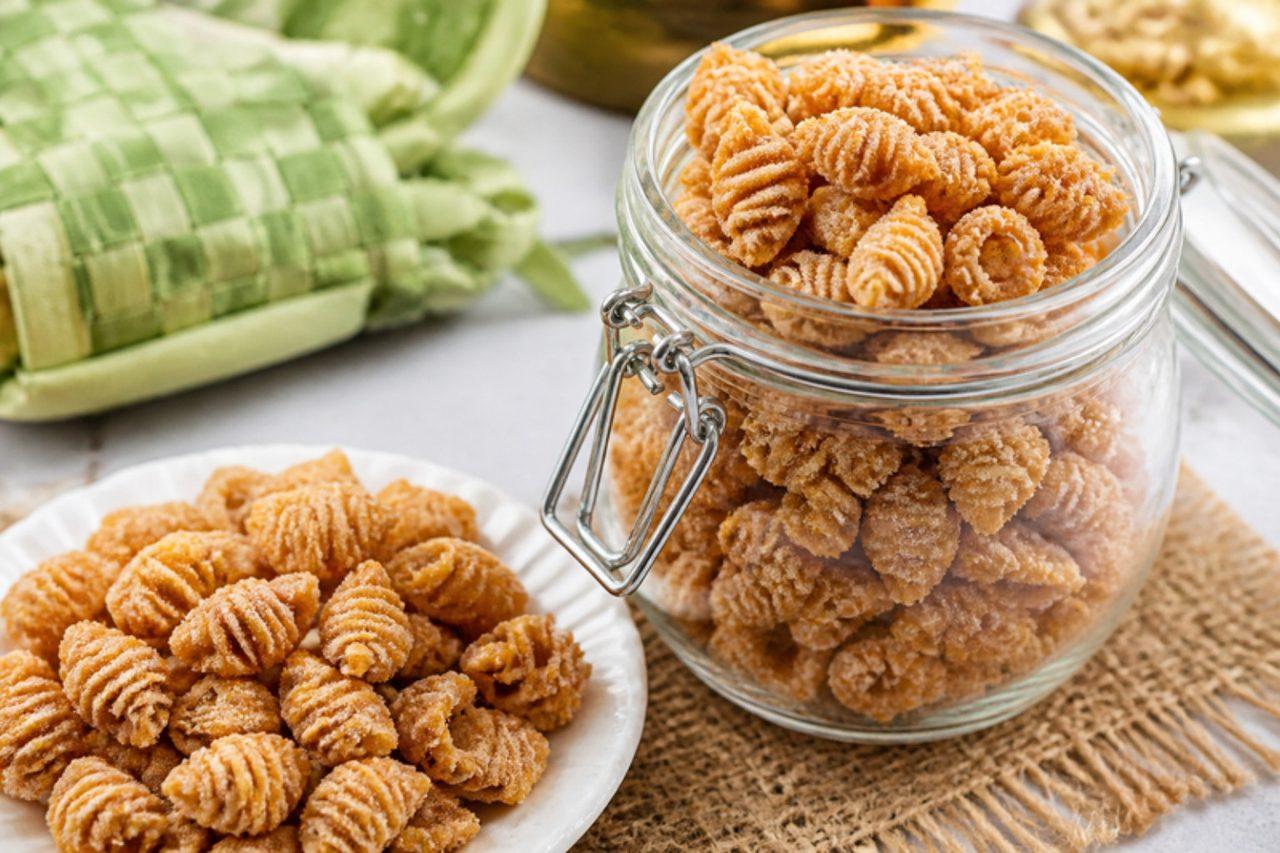
Kuih siputFried snail-shell curls

Kuih siput are little ridged curls of dough rolled on a comb or fork into the shape of a snail shell, then fried until crunchy; in Malaysian homes the whole family sits down to roll them in the days before Hari Raya. They come sweet, tossed in sugar, or spicy, coated in chilli and curry leaf, and both go into the Raya snack jars. Chef's tip: roll each curl tightly round the end of a chopstick so it has a hollow centre; solid ones stay hard instead of crunchy.

by KrazyBadal 0 views

Showing 24 of 487 recipes

Show more recipes

Page 1 of 21