Skip to content
Recipes

All recipes

Vegetarian, or something you can't eat? Set your diet once and we'll hide recipes that don't fit.

Dowina (Kurdish yogurt soup)

Dowina, called ash-e doogh in Persian, is warming spring food in Kurdish homes around Newroz, when yogurt is plentiful and the first herbs are cut from the garden. Rice and chickpeas simmer in a tangy, lightly thickened yogurt broth, finished with fresh dill, coriander and a sizzle of dried mint in oil. It is eaten warm, never boiling hot, with flatbread. The common mistake is to heat the yogurt too fast without stirring, which makes it split into grainy curds. Chef's tip: whisk an egg yolk and a spoonful of rice flour into the yogurt before it goes on the heat; it holds the soup smooth all the way to the simmer.

by KrazyBadal 0 views


Sopa teólogaTurkey broth with bread and cheese

Sopa teóloga ('the theologian's soup') goes back to colonial convents in Lima and Arequipa, where it was cooked for feast days, and it is still served at Holy Week and family celebrations. A rich turkey (or chicken) broth is thickened with soaked bread, milk and fresh cheese, with yellow potatoes and shreds of turkey, and finished with a little ají amarillo and chopped huacatay or parsley. It is thick, comforting and filling. Chef's tip: blend part of the soaked bread with broth before adding it, which gives the soup its creamy body without lumps.

by KrazyBadal 0 views

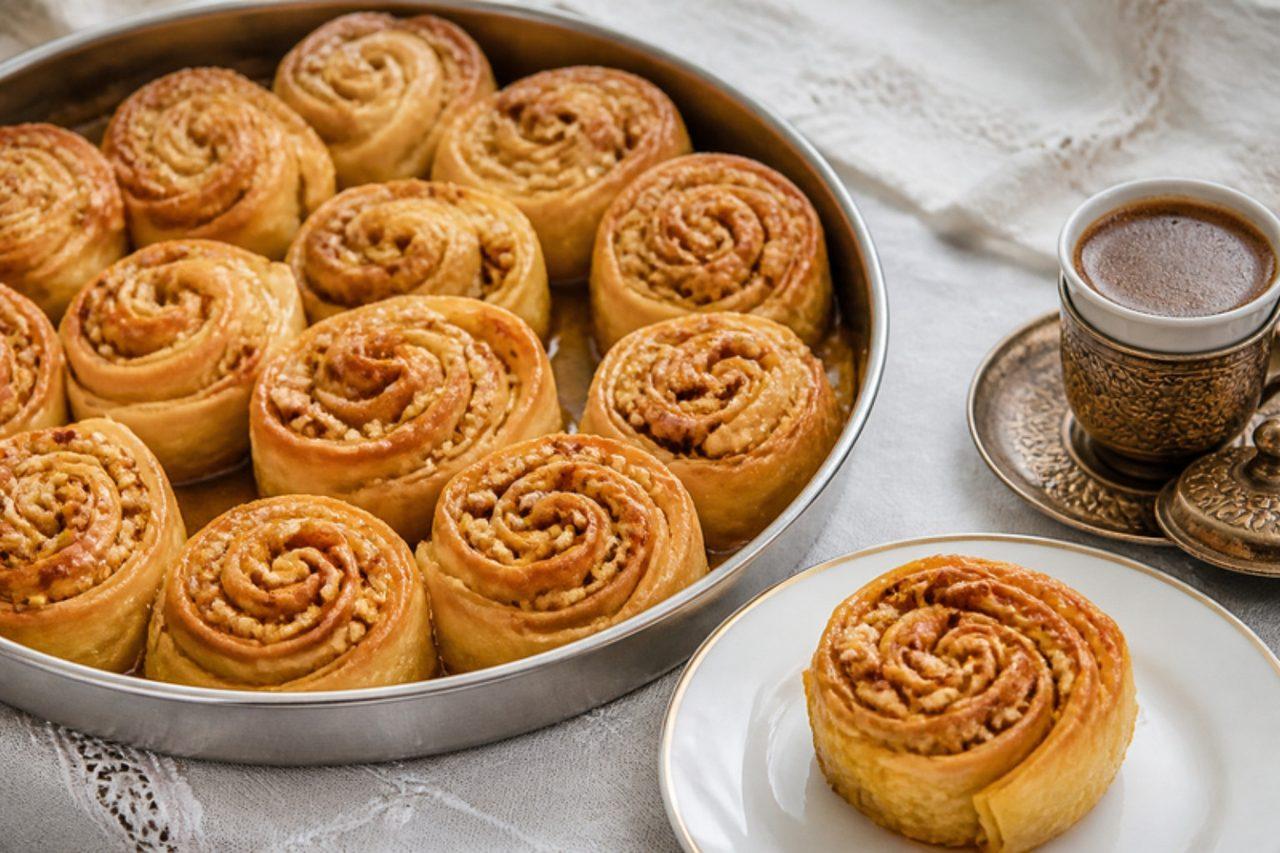
Shirini danmarkiCinnamon cardamom pastry swirls

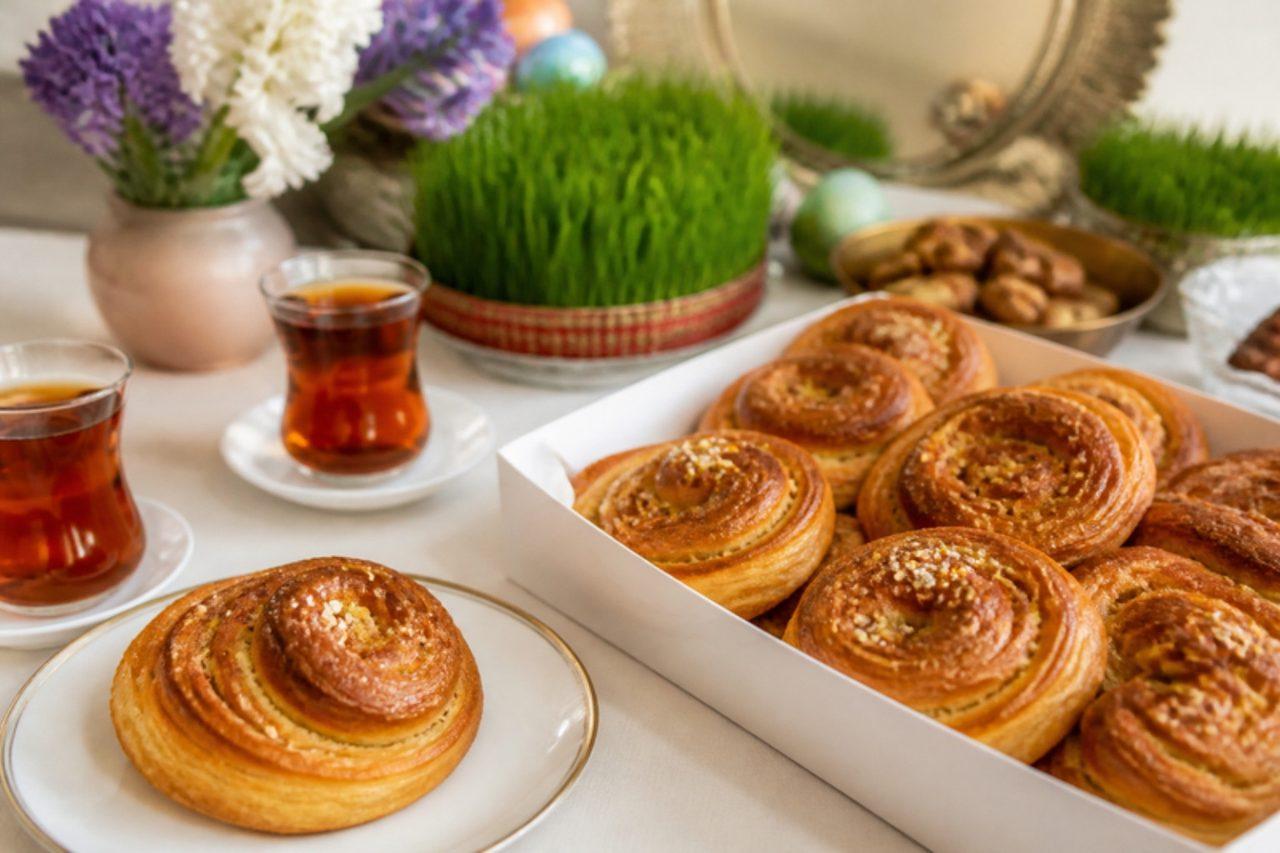
In Tehran, nobody arrives empty-handed on a Nowruz visit: the custom is a cardboard box of shirini from the neighbourhood bakery, and soft, glazed shirini danmarki swirls are always tucked in among the cookies. This home version uses an enriched yeast dough rolled thin, spread with cinnamon-cardamom butter, rolled up and sliced into spirals that bake tender and flaky-edged. Serve them with tea in small glasses while the haft-sin table is laid. The common mistake is rushing the rise in a hot spot, which makes the buns dense and yeasty; a warm kitchen and patience give the lightest crumb. Chef's tip: chill the filled roll for 15 minutes before slicing, so the spirals stay round instead of squashing flat.

by KrazyBadal 0 views

Shir berenjRose water rice pudding

Shir berenj, 'milk rice', is one of the gentle sweets of the Iranian Nowruz season, made at home to share with visiting relatives and often given as nazri on special days. Short-grain rice is softened in water first, then cooked slowly in milk until the grains melt into a thick, creamy pudding scented with rose water. It is chilled and served plain, with the sweetness added at the table from a drizzle of grape molasses, date syrup or jam. The common mistake is adding all the milk at once over a high heat, which scorches the bottom and leaves the grains firm. Chef's tip: stir with a wooden spoon in a figure of eight, which reaches the corners where rice likes to stick.

by KrazyBadal 0 views

Bakalar na bijeloSalt cod with potatoes and garlic

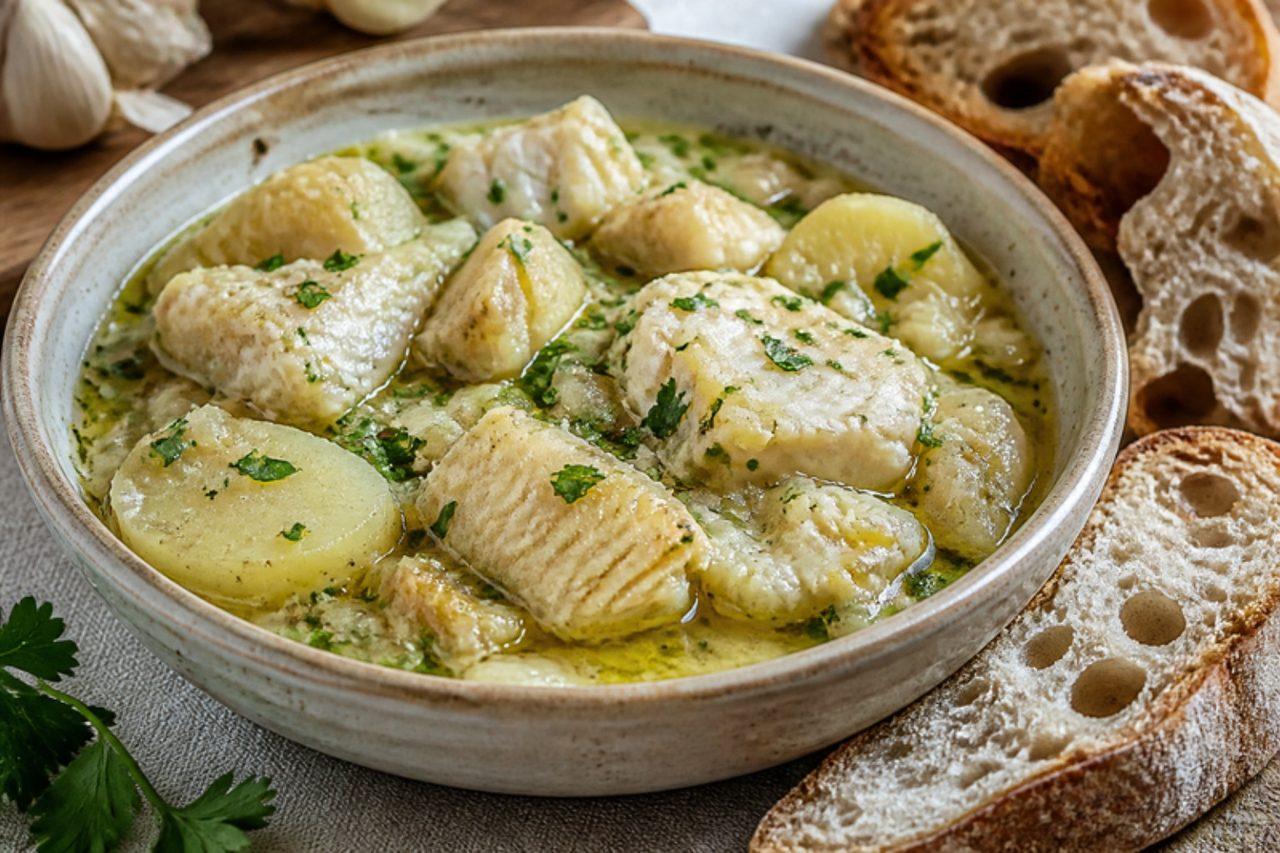
On Badnjak, Christmas Eve, Croatian families in Dalmatia keep the meal meatless, and bakalar na bijelo ('white salt cod') is the dish that says Christmas. Salt cod is soaked for days, then cooked with potatoes, a lot of garlic, parsley and good olive oil and shaken in the pot until it turns into a creamy, almost spreadable mix. It is served warm with bread and a glass of wine for the adults. Chef's tip: shake the pot rather than stirring it, so the fish breaks into flakes and emulsifies with the oil and potato.

90 minBalkanFishGluten free
by KrazyBadal 0 views

PincaEaster sweet bread

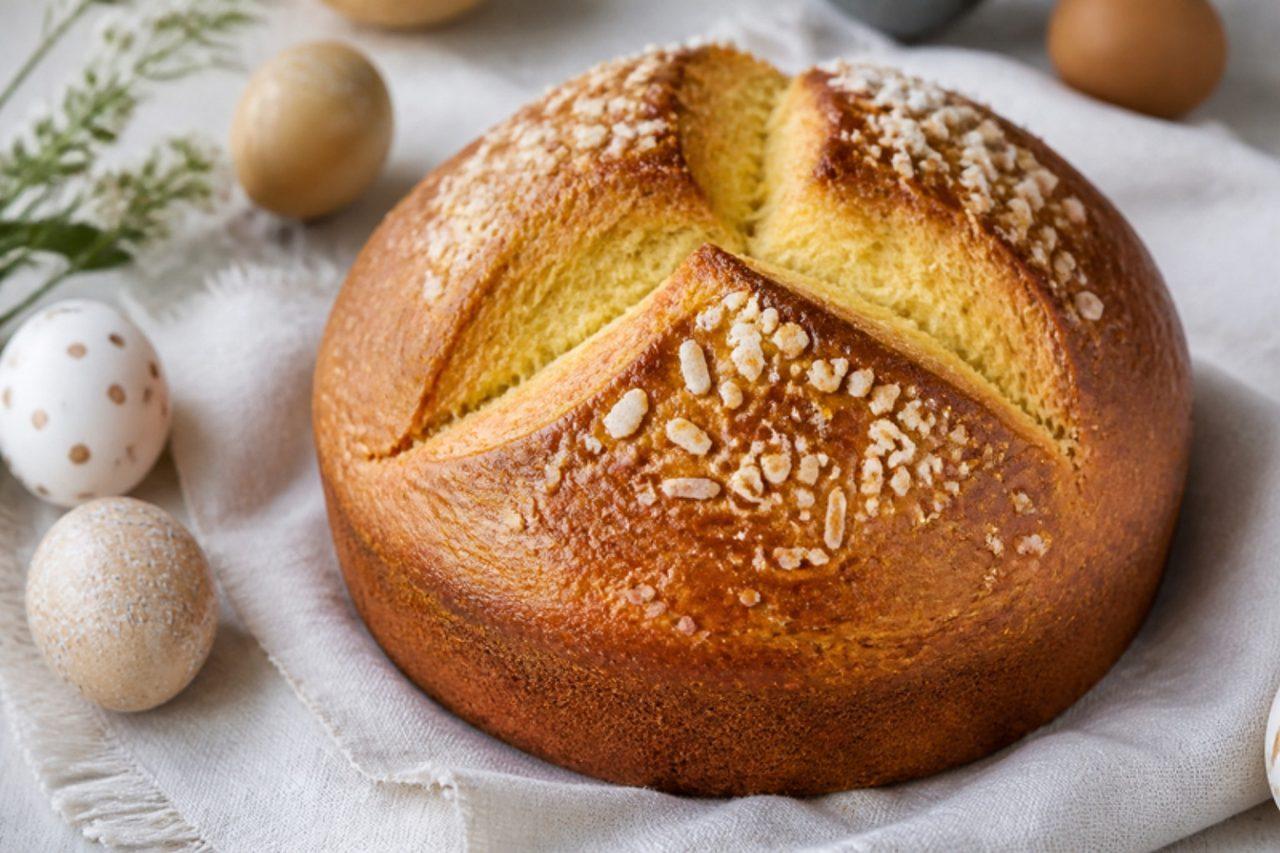
Pinca (or sirnica in Dubrovnik) is the Easter bread of Dalmatia and Istria in Croatia. It is a tall, golden round of rich yeast dough with egg yolks, butter, lemon and orange zest and vanilla, cut with three slashes on top before baking so it opens into a three-pointed cross. It is blessed at church on Holy Saturday with the Easter eggs and ham, and eaten at Easter breakfast. Old recipes add a spoon of rum or prošek wine; this one doesn't. Chef's tip: let the dough rise slowly, even overnight in the fridge, as pinca gets its tender, fragrant crumb from a long rise.

by KrazyBadal 0 views

Persian halvaSaffron rose flour halva

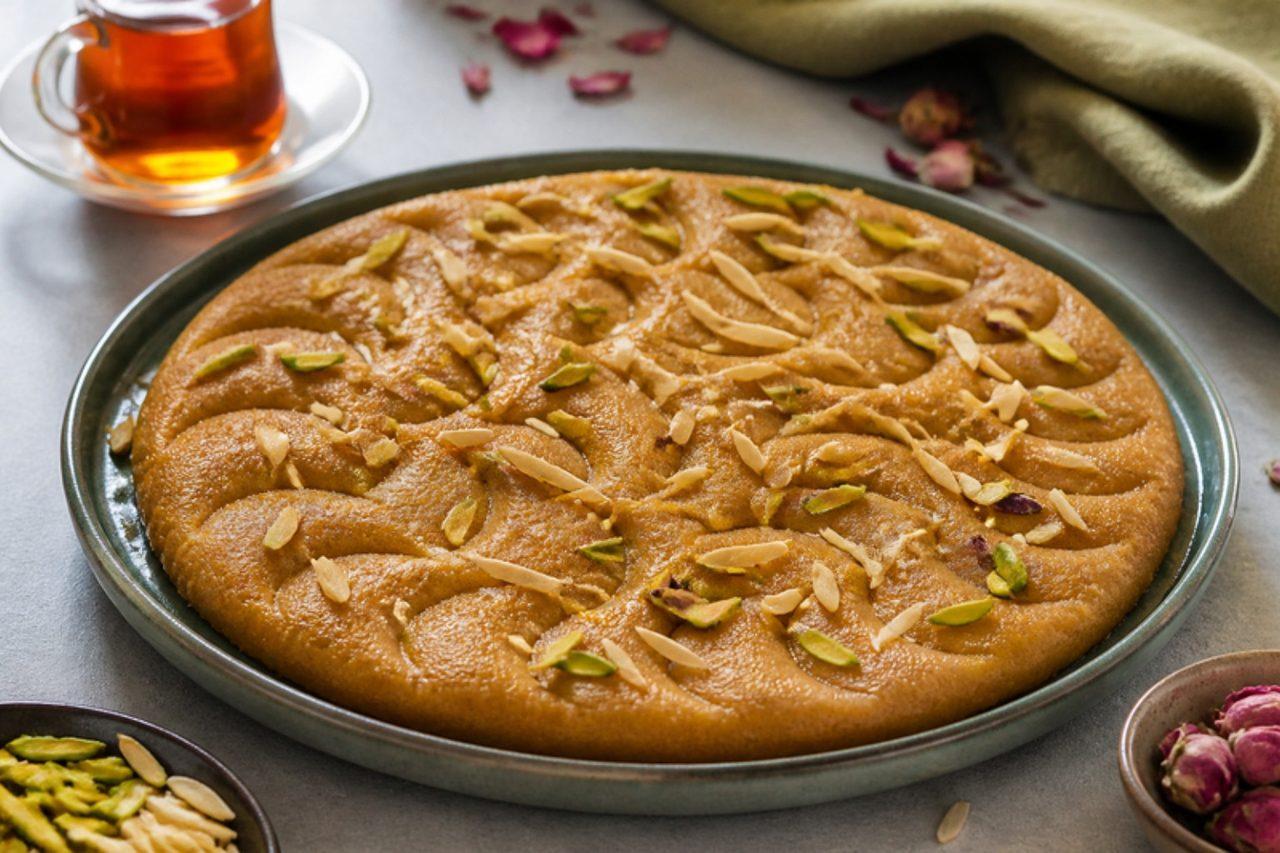
Iranian halva is not the sesame sweet of the Levant but a dense paste of flour toasted slowly in butter and cooked with a saffron and rose-water syrup. It is spread on plates and patterned with a spoon for Ramadan iftars, for mourning gatherings and as nazri, food made and shared with neighbours to fulfil a vow in Muharram. It tastes deeply nutty, floral and not too sweet. Chef's tip: patience with the flour is everything; toast it until it is the colour of peanut butter, never rushing on a high heat.

by KrazyBadal 0 views

RužiceWalnut pastry roses in syrup

Ružice, meaning 'little roses', are baked for Bajram in Bosnia and Herzegovina, the Eid holidays when trays of syrup-soaked sweets are set out for every guest. Thin sheets of pastry are brushed with butter, scattered with walnuts and rolled up, then sliced so each piece opens like a rose in the oven. The baked roses drink up a cold lemon syrup and turn sticky, crisp on top and soft underneath. Chef's tip: pour cold syrup over hot pastry (or hot over cold), never both the same temperature, or the roses go soggy.

by KrazyBadal 0 views

OsterpinzeEaster anise brioche

Osterpinze is the Easter bread of Styria, Carinthia and the area around Trieste, a soft, golden brioche dome with three deep cuts on top for the Holy Trinity, so that it opens into a crown as it bakes. The dough is rich with egg yolks and butter and flavoured with anise and lemon; old recipes add a splash of white wine, left out here. It is blessed in the Easter basket on Holy Saturday and eaten on Easter morning with ham, horseradish and eggs, or with butter and jam. Chef's tip: make the three cuts with scissors just before baking, deep enough to reach halfway down, so the crown opens wide.

by KrazyBadal 0 views

Chipa so'oCheese bread with spiced beef

In Paraguay, families bake chipa in the clay tatakua ovens on Holy Wednesday so there is food for Thursday and Good Friday, when cooking stops. Chipa so'o ('chipa with meat') is a cassava-starch and cheese bread wrapped around a little filling of minced beef cooked with onion and egg, then baked until crisp outside and chewy within. It is naturally gluten free. Chef's tip: knead the dough until it no longer cracks at the edges when pressed; dry dough splits around the filling.

by KrazyBadal 0 views

AllerheiligenstriezelBraided sweet loaf

In Bavaria and Austria, godparents give their godchildren an Allerheiligenstriezel on All Saints' Day, 1 November: a large braided loaf of sweet yeast dough, brushed with egg and scattered with almonds or pearl sugar. The braid is said to recall the old custom of cutting a plait of hair in mourning, and the size of the loaf once showed how generous the godparent was. It is lightly sweet, with lemon and vanilla, and is eaten sliced with butter or jam. Some recipes add rum-soaked raisins; these are soaked in warm water instead. Chef's tip: braid four strands for an impressive, high loaf.

by KrazyBadal 0 views

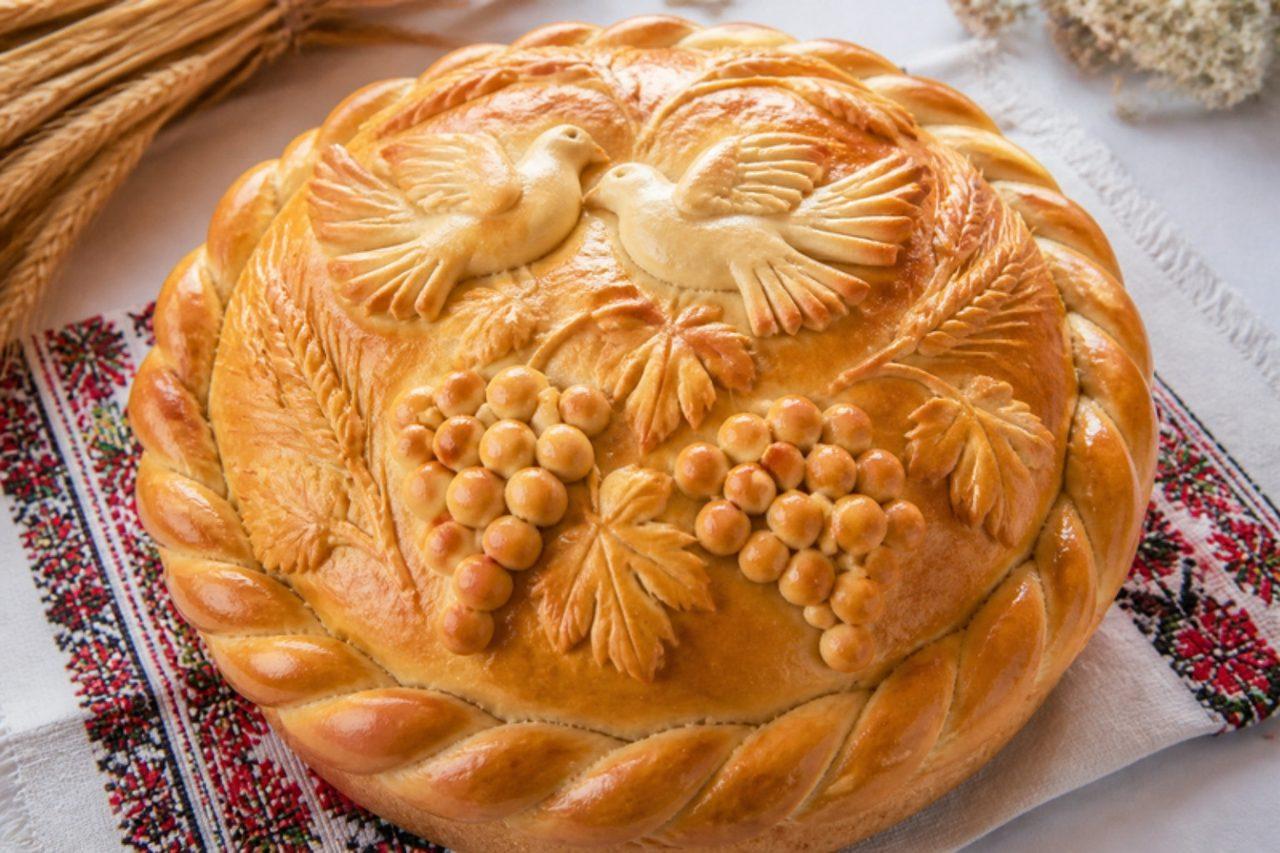
Slavski kolačDecorated ceremonial bread

The slava is a uniquely Serbian Orthodox custom: each family honours its own patron saint on that saint's feast day, passed from father to son, with a lit candle, boiled wheat (žito) and the slavski kolač, a round, decorated bread. The priest blesses it; the family turns it, cuts a cross into its base, pours a little wine into the cuts, and breaks it together. It is decorated with dough crosses, the seal 'IC XC NI KA', doves, wheat ears and grapes. It is a plain, vegan bread. Chef's tip: keep the decorations' dough a little stiffer than the loaf, so they hold their shape.

110 minBalkanBakingVegan
by KrazyBadal 0 views

Pajagua mascadaBeef and cassava patties

Pajagua mascada is a Paraguayan street-food classic that appears on every table for the San Juan festival on 24 June, when bonfires burn and the night is full of games and traditional food. Minced beef is mixed with mashed cassava, onion, garlic and a little egg and flour, shaped into flat patties and fried until crisp. The name comes from Guaraní and refers to the 'chewing' of old Paraguayan cooks, who made it from leftover meat. Chef's tip: dry the boiled cassava well and remove its woody core, which keeps the patties light and crunchy.

by KrazyBadal 0 views

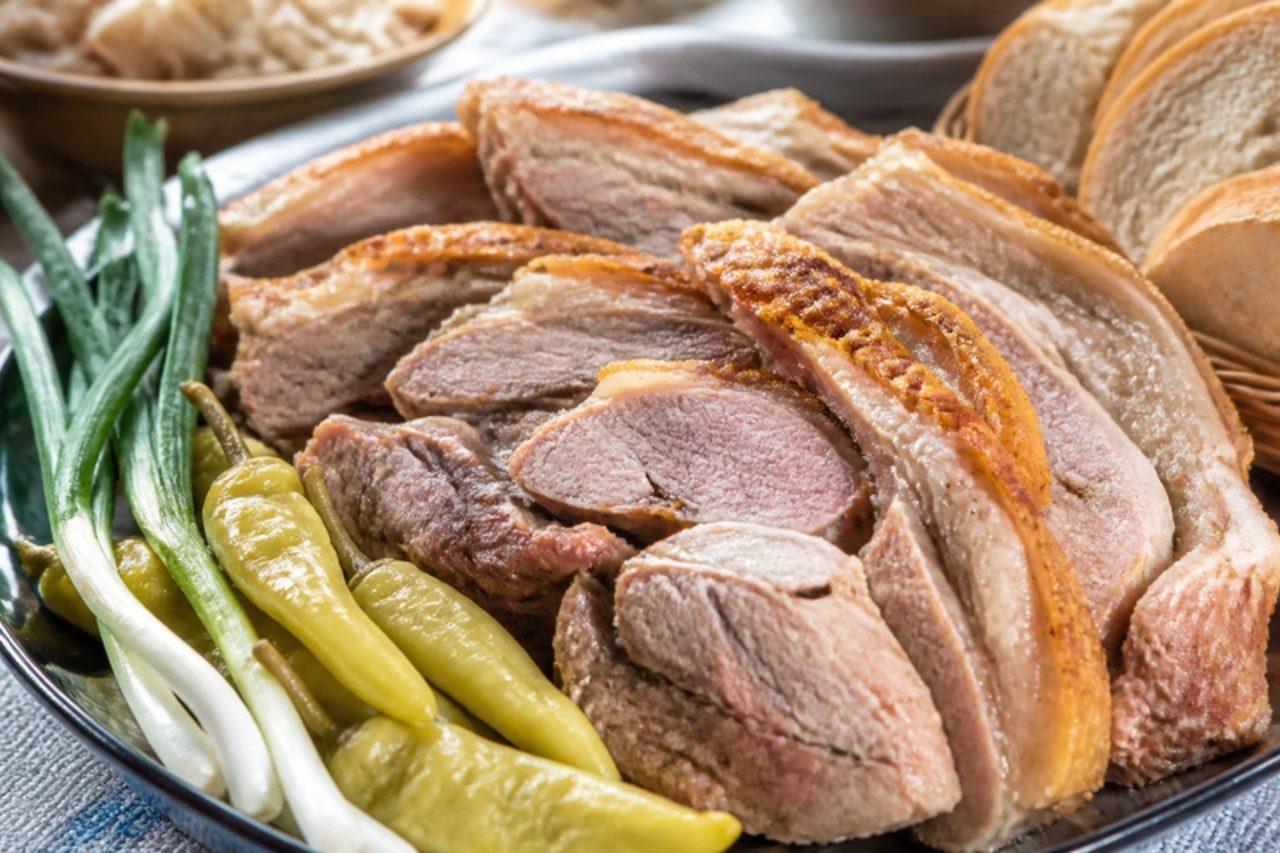
PečenicaRoast pork

Pečenica is the Christmas Day roast of Serbia and Montenegro: traditionally a whole young pig turned on a spit in the yard from early morning, so that it is ready when the family returns from church and greets each other with 'Hristos se rodi'. This home recipe follows our site's approach of using carved portions rather than a whole animal: bone-in pork shoulder pieces with the skin on are rubbed with salt and slow-roasted until the meat is tender and the skin crackles like the spit-roast. Serve with česnica bread, pickled vegetables and roasted potatoes. Chef's tip: baste the skin with beer, or with cold water for an alcohol-free version, near the end; it helps the crackling blister.

290 minBalkanMeatGluten free
by KrazyBadal 0 views

KalanehWild leek stuffed flatbread

In Kurdistan and Kermanshah, Newroz arrives with the first spring greens on the hillsides, and families gather wild leeks to fold into kalaneh, thin griddle breads cooked over a fire or a hot pan and soaked in melted butter. The dough is plain and soft, rolled very thin around a pile of chopped leek or chives with a little salt and pepper, so the greens steam inside as the bread blisters. Eat it hot, torn into strips, with yogurt and tea at a Newroz picnic. The common mistake is wet greens, which turn the dough soggy and make it tear; dry them well after washing. Chef's tip: brush the butter on the moment the bread leaves the pan so it soaks right in.

by KrazyBadal 0 views

KaguyjyWhite corn pudding

On the night of 23–24 June, Paraguayans celebrate San Juan with bonfires, games like walking over hot coals and the 'paso de fuego', and a table of traditional foods, and kaguyjy (also mazamorra) is one of them. It is a soft, creamy pudding of cracked white corn (locro) simmered slowly in water and then milk with sugar or honey, sometimes with orange peel. It is eaten warm or cold. It is gluten free. Chef's tip: soak the corn overnight and cook it until each kernel is tender before adding the milk, or it never turns creamy.

by KrazyBadal 0 views

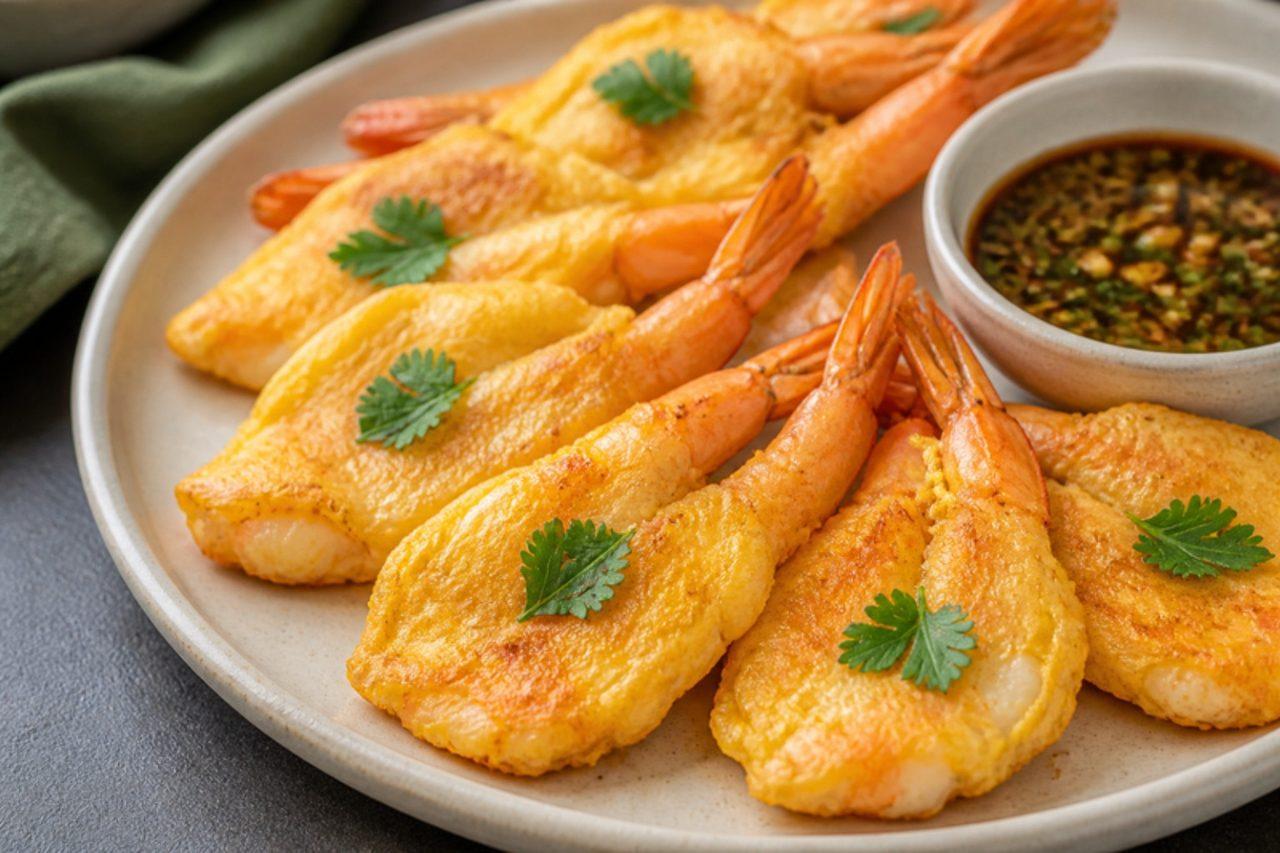
Saeu jeon (shrimp pancakes)Prawn pancakes

Saeu jeon are a celebratory addition to the jeon platter for Seollal and Chuseok in homes all over Korea; prawns, with their bent backs, have long stood for a wish to live until you are old and stooped. Butterflied and pressed flat, each prawn turns into a neat golden fan with a pink tail, sweet and tender inside a soft egg coat. Children love them, and they disappear faster than anything else on the table. Serve with a soy-vinegar dip, japchae and rice. Chef's tip: make a few shallow cuts across the inner belly before flattening; it stops the prawns curling up in the pan.

25 minKoreanFish
by KrazyBadal 0 views

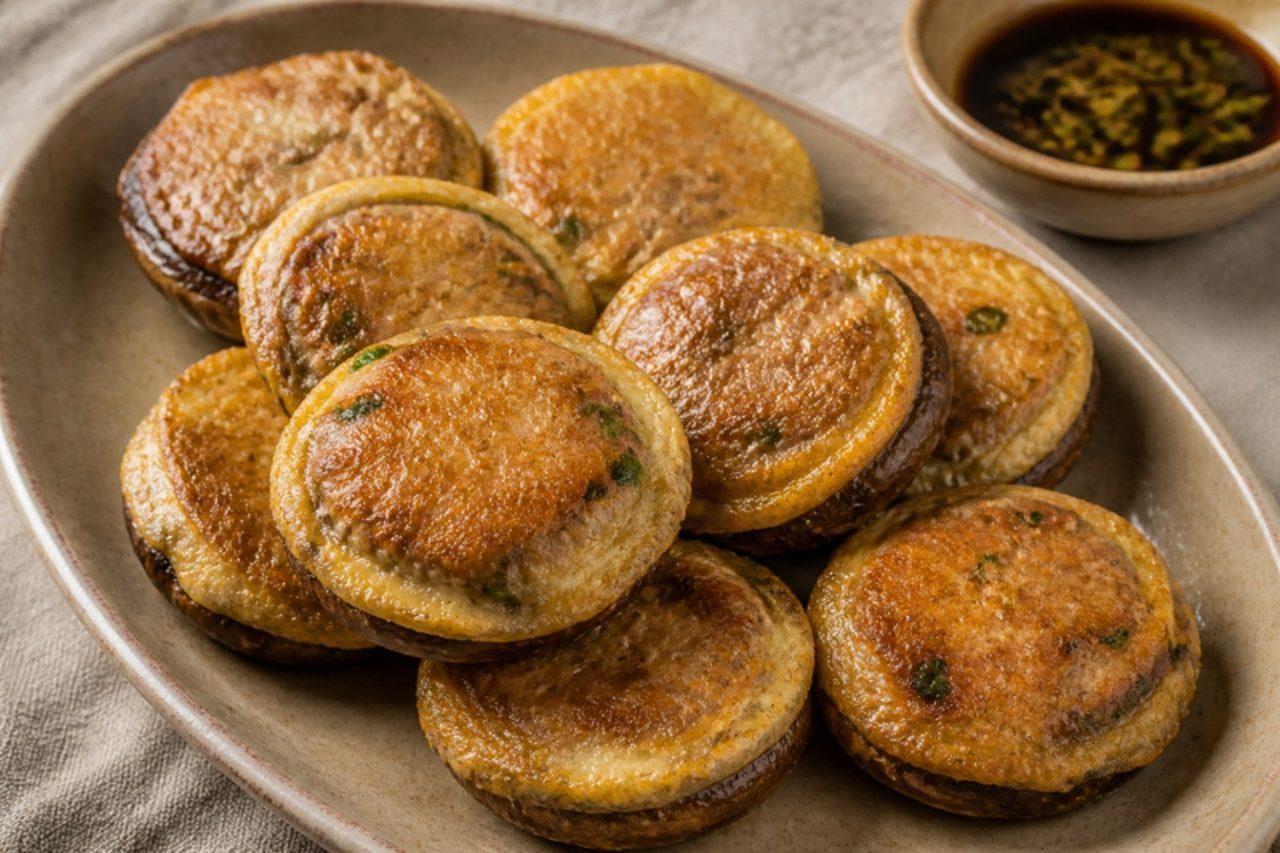
Pyogo jeon (stuffed shiitake pancakes)

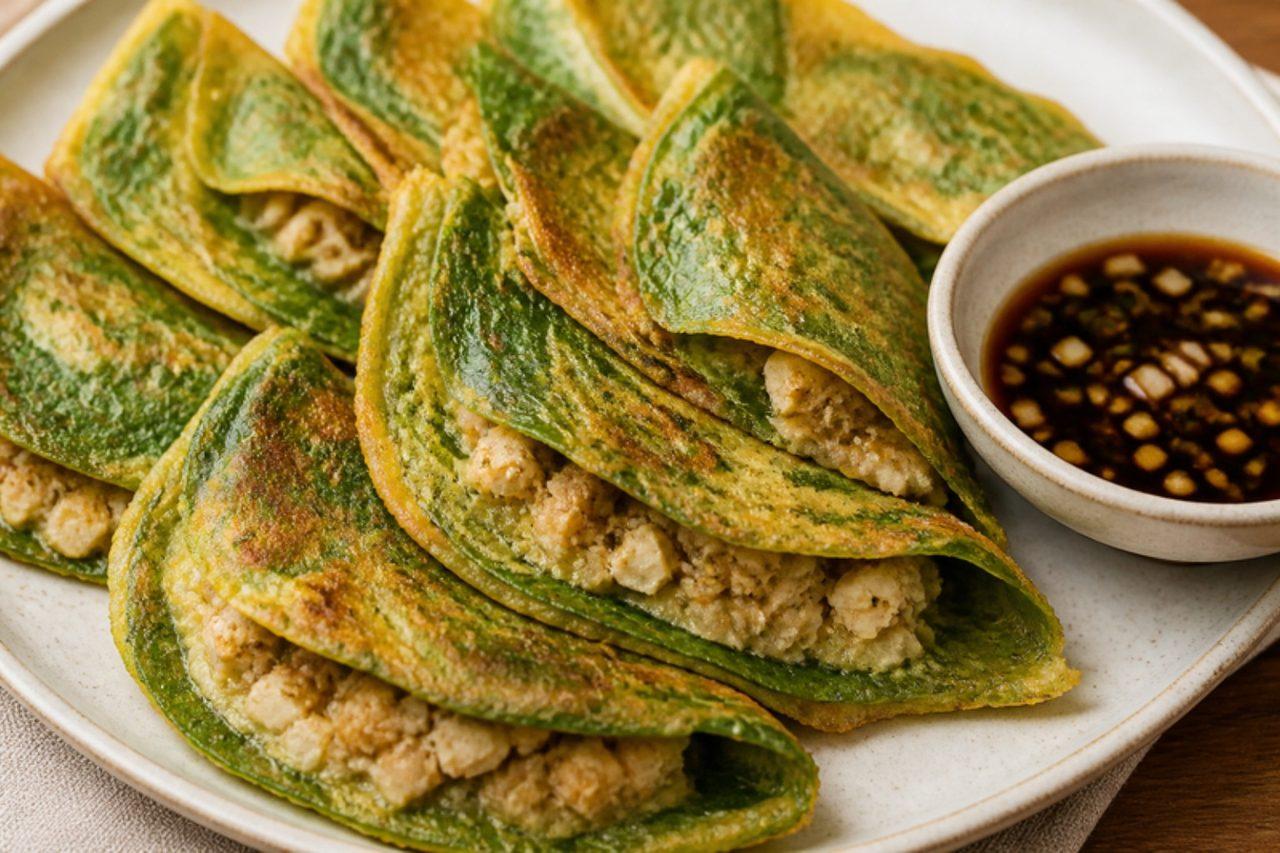
No Seollal or Chuseok table in Korea is complete without a platter of jeon, and pyogo jeon are among the prettiest: shiitake caps packed with a filling of minced pork and tofu, then fried in a thin egg coat so the dark mushroom edge frames a golden centre. Mushrooms were prized offerings on the ancestral (charye) table, and stuffed jeon show the care put into the holiday meal. They are juicy and savoury, with the shiitake giving an earthy, meaty bite. Serve warm or at room temperature with a soy and vinegar dip, alongside other jeon and a bowl of tteokguk; the last step gives an all-tofu vegetarian filling. Chef's tip: dust the gills with flour before stuffing; it acts as glue and stops the filling popping out in the pan.

by KrazyBadal 0 views

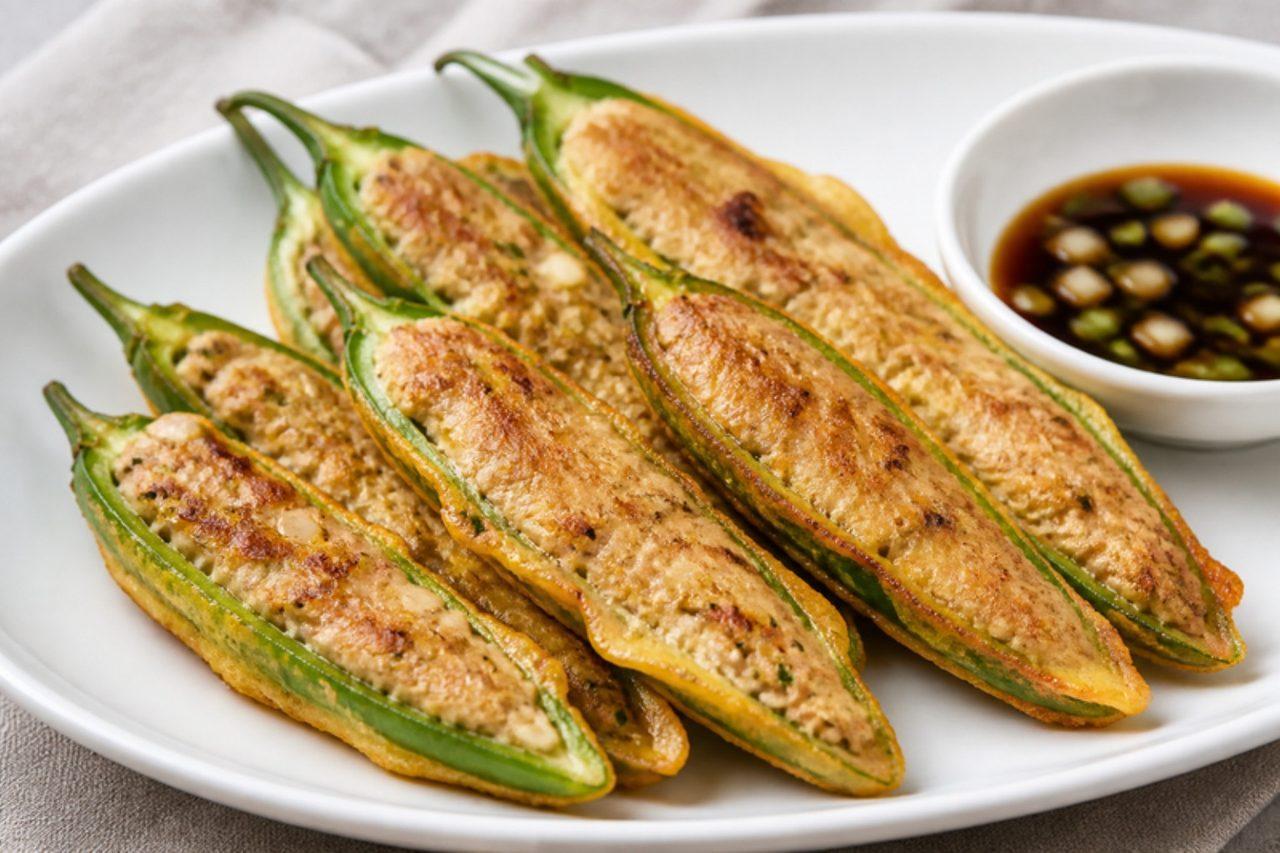
Gochu jeon (stuffed chilli pancakes)

Gochu jeon bring a flash of green to the jeon platter that Korean families fry together, often for hours, before Seollal and Chuseok, when jeon are laid out for the ancestors and then shared by everyone. Long, mild green chillies are split and filled with a pork and tofu stuffing, so each boat is half crisp, sweet-grassy pepper and half juicy, savoury filling, with only a little warmth. They hold well, which is why they are made ahead for the holiday. Serve with a vinegar and soy dip, steamed rice and kimchi. Chef's tip: choose straight, mild chillies (Korean green chillies, Anaheim or long Turkish peppers); curly hot ones are hard to fill and too fierce for a platter.

by KrazyBadal 0 views

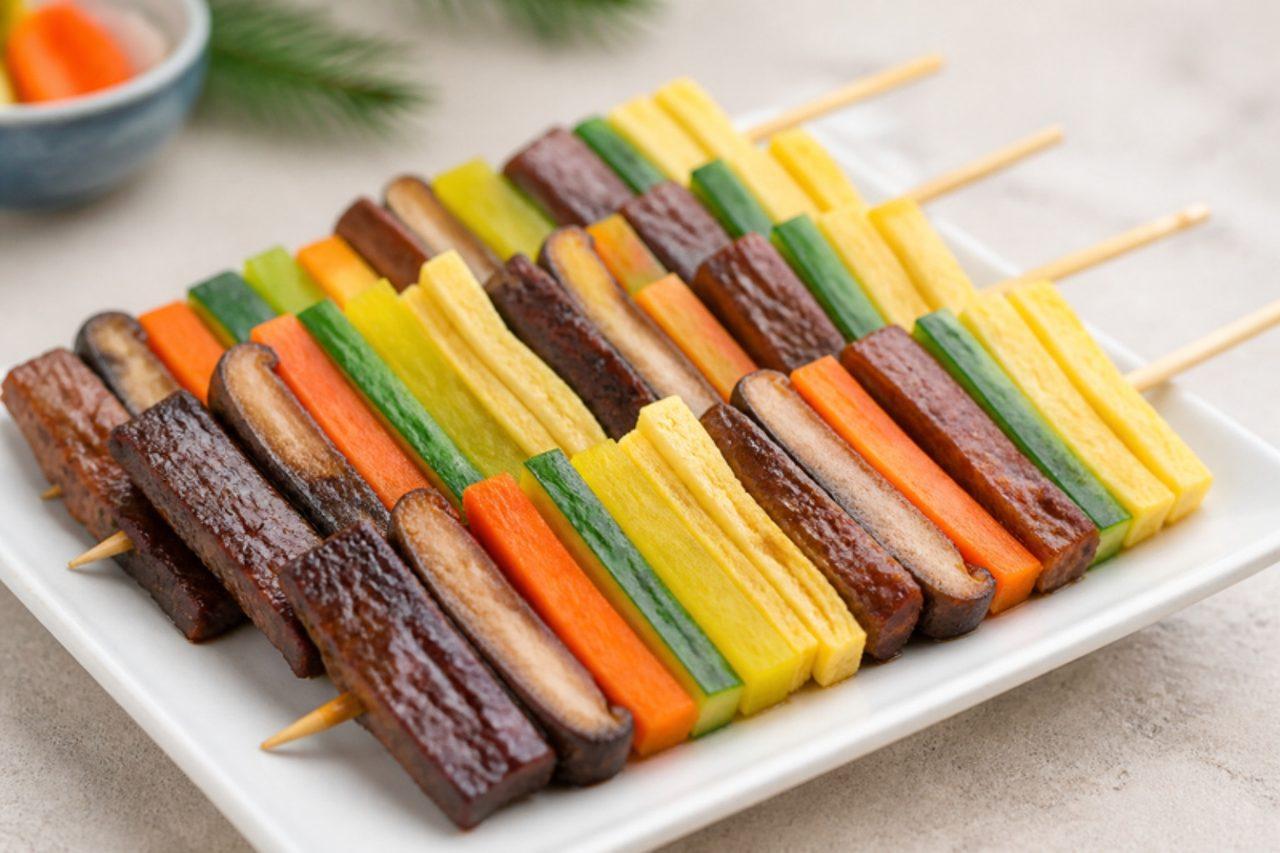
Hwayangjeok (colourful skewers)

Hwayangjeok, made across Korea for Chuseok and Seollal, means something like 'flower-bright skewers': strips of seasoned beef, shiitake, carrot, yellow pickled radish, cucumber and egg are cooked separately and threaded side by side, so each skewer shows the five traditional colours (obangsaek) that stand for balance and good fortune on the ancestral table. Every bite mixes savoury, sweet soy beef with crunchy, tangy radish and soft egg. They are served at room temperature as part of the holiday spread, with rice, soup and other jeon. Chef's tip: cut every ingredient to the same length and thickness before you start; that is what makes the stripes look sharp.

60 minKoreanMeat
by KrazyBadal 0 views

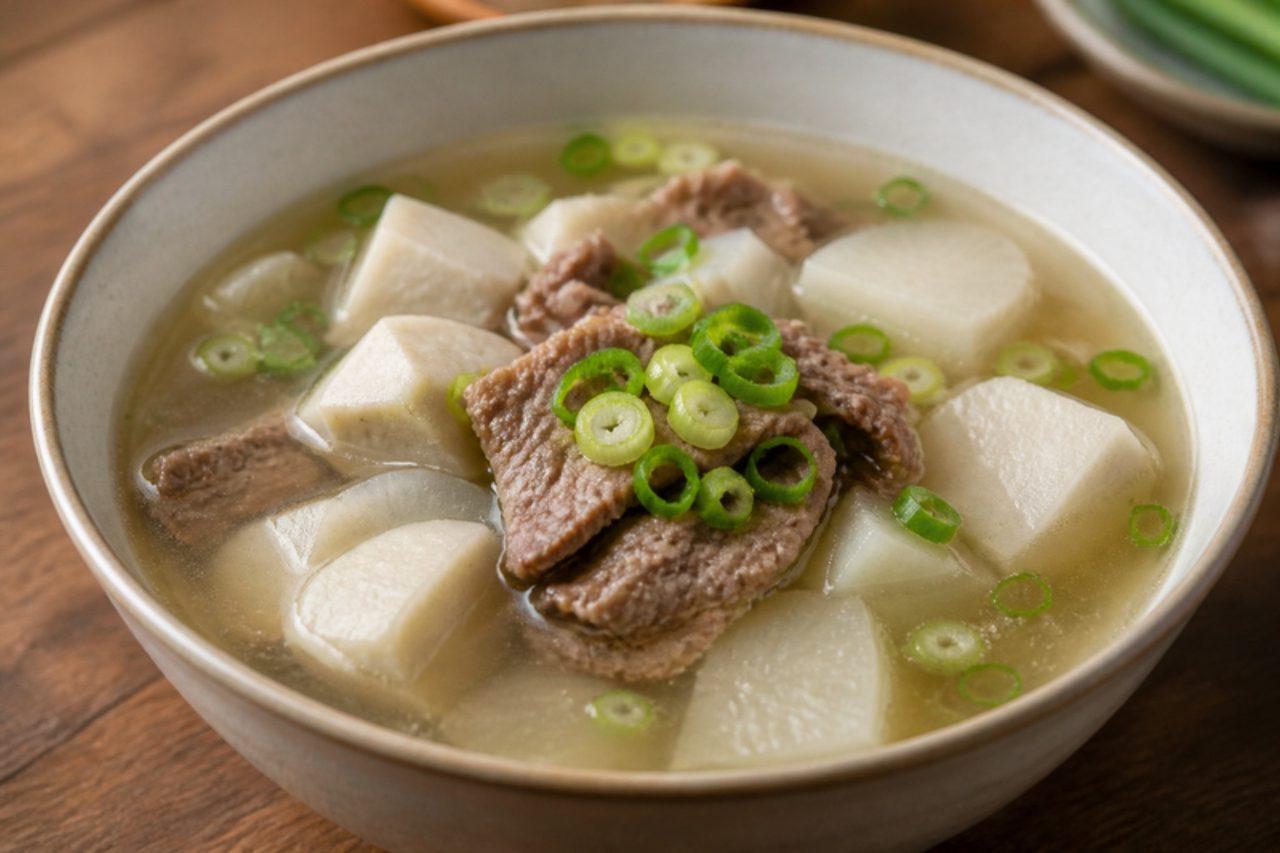
Torantang (taro soup)

Torantang is the soup of Chuseok all over Korea: taro is dug up just as the harvest moon festival arrives, and its name, 'egg of the earth', makes it a natural thanks for the year's crops. Elders also say it settles the stomach after days of rich jeon and rice cakes. The broth is clean and gently beefy with a sea-sweet depth from kelp, and the taro turns silky and creamy, almost like a soft potato. Serve it piping hot with rice, kimchi and the holiday jeon. Chef's tip: wear gloves when peeling taro, which makes bare skin itch, and parboil it before it goes into the soup so the broth stays clear.

by KrazyBadal 0 views

Kkaennip jeon (stuffed perilla leaf pancakes)

For Chuseok and Seollal, Korean kitchens turn out tray after tray of jeon for the ancestral table, and kkaennip jeon are a fragrant favourite: whole perilla leaves are folded like a half-moon around minced pork, tofu and vegetables, then fried in egg. Perilla tastes of mint, anise and basil all at once, and its scent cuts through the richness of the holiday spread. Each little parcel is soft and juicy inside, with a thin, golden shell. Serve them with a soy-vinegar dip, rice and soup, or tuck them into a lunchbox the day after. Chef's tip: lay the leaves shiny side down so the matt, rougher side holds the flour and filling.

by KrazyBadal 0 views

Poolaki (Isfahan saffron sugar discs)Saffron caramel discs

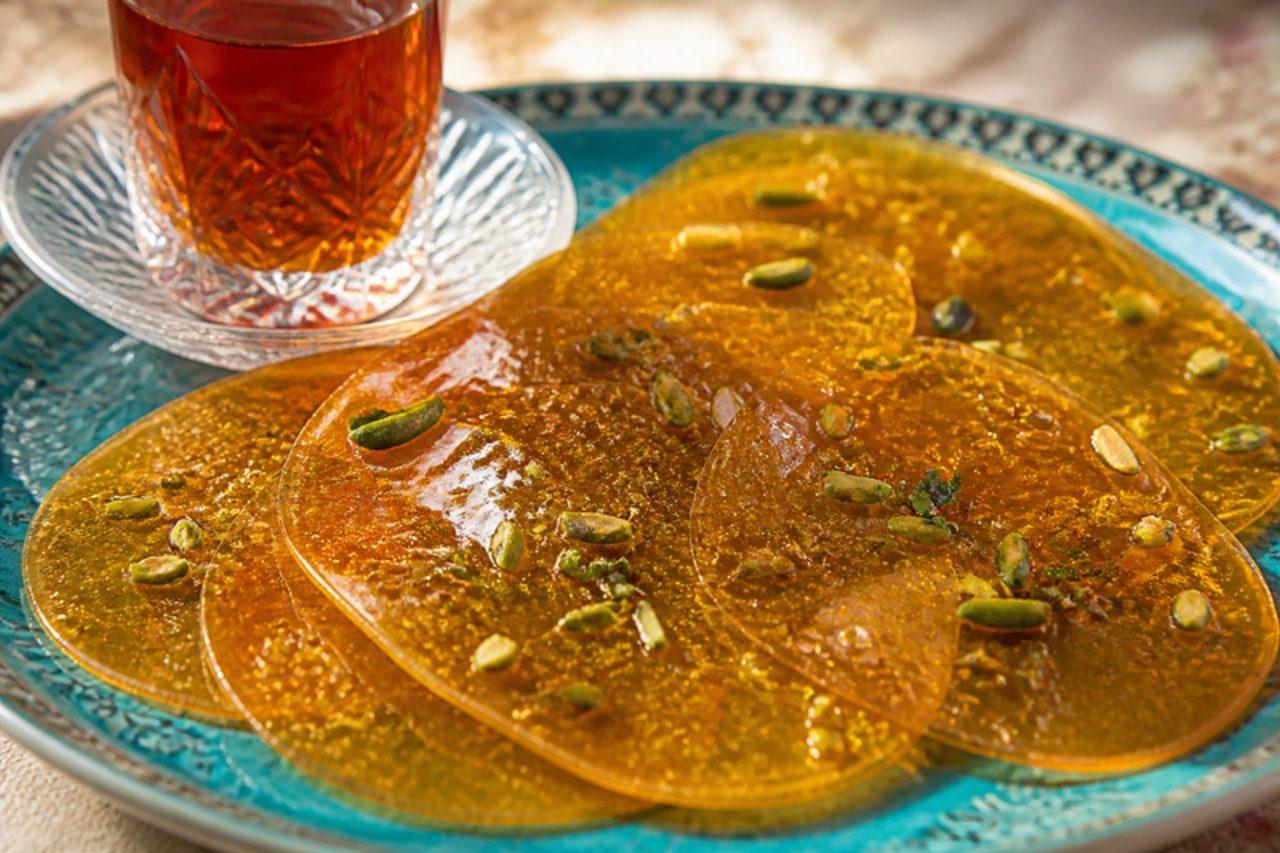
Poolaki are the glassy, coin-thin sugar discs of Isfahan, sold in tins in the bazaar near Naqsh-e Jahan square and served with tea in Iranian homes, especially at Nowruz and when guests drop by. Instead of stirring sugar into the glass, you hold a disc on your tongue and sip strong black tea through it. They snap cleanly, then melt into a light caramel scented with saffron, sometimes with cardamom or a scatter of pistachio. They are naturally egg-free: sugar syrup cooked to the hard-crack stage sets as clear as glass the moment it is spread thin, and a little vinegar stops it from turning grainy. Chef's tip: do not stir once the syrup boils; swirl the pan instead and wash down the sides with a wet pastry brush. The common mistake is stirring, which makes the syrup crystallise and turn cloudy.

by KrazyBadal 0 views

Yeot-gangjeong (nut and sesame bars in rice syrup)

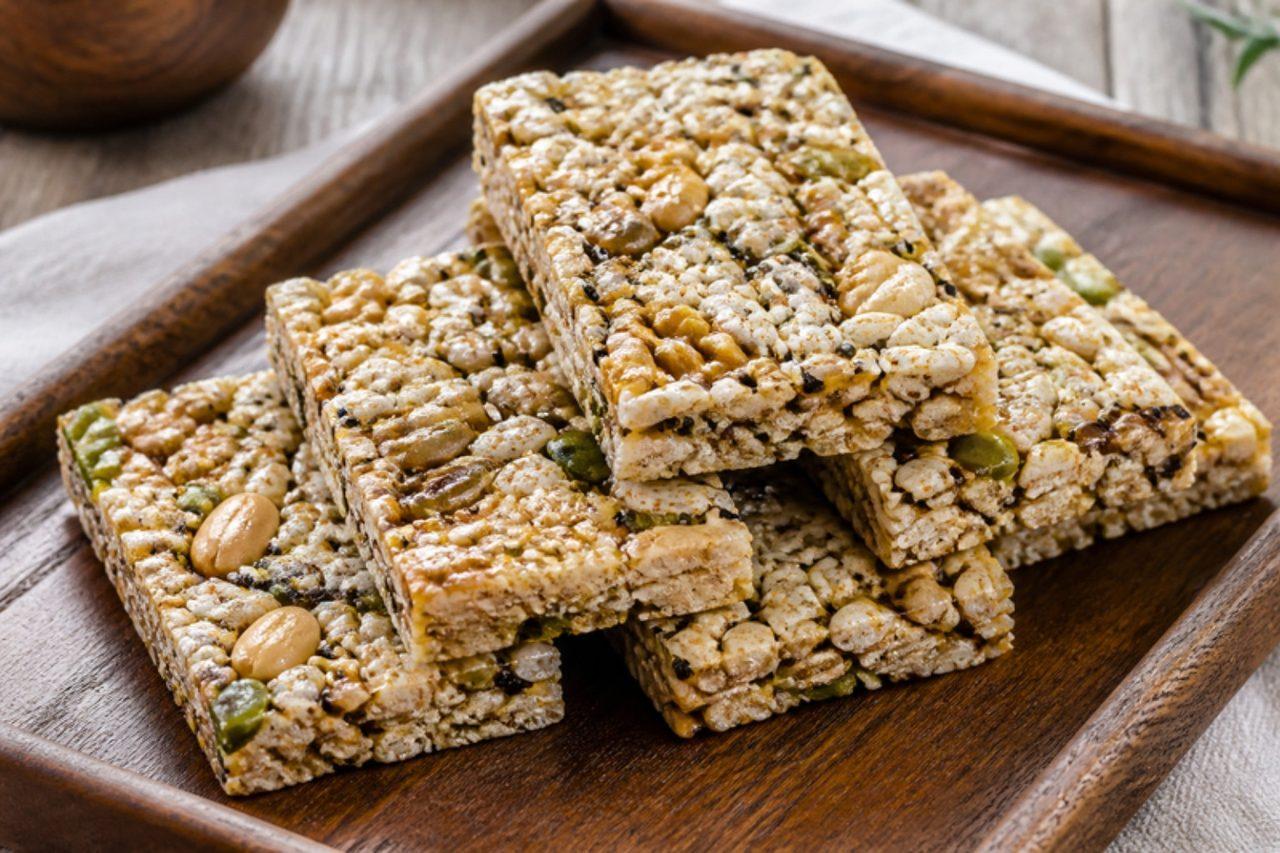
Yeot-gangjeong is a traditional Korean hangwa made all over the country, especially in the weeks before Seollal and Chuseok, when trays of these bars are given as gifts and set out for visitors. Toasted nuts, sesame seeds and puffed rice are folded into hot rice syrup, pressed flat and cut into bars that are crunchy, nutty and only gently sweet, with a faint malty flavour from the syrup. Serve them with green tea or sikhye, the sweet rice drink, or pack them for a lunchbox. They are naturally egg-free: rice syrup, heated until it bubbles, acts as the glue and sets firm as it cools. Chef's tip: cut the slab while it is still warm. The common mistake is waiting until it is cold, when the bars shatter instead of slicing cleanly.

by KrazyBadal 0 views

Showing 24 of 743 recipes

Show more recipes

Page 1 of 31