Skip to content
Recipes

All recipes

Vegetarian, or something you can't eat? Set your diet once and we'll hide recipes that don't fit.

Rosero quiteñoChilled spiced fruit and corn drink

Rosero is a festive drink of Quito in Ecuador, made for Corpus Christi in June, when the city once filled with processions and dancers. It is thick and refreshing: whole hominy (mote) and a thin purée of naranjilla (lulo) and pineapple, sweetened with sugar, spiced with cinnamon, cloves and allspice, and perfumed with orange-blossom water and rose petals, then served chilled in tall glasses with diced fruit. Frozen naranjilla pulp is sold in Latin shops. It is vegan. Chef's tip: simmer the pineapple peel with the spices for the syrup, as Quiteño cooks do; it adds a lot of flavour.

by KrazyBadal 0 views
Picana bolivianaBeef, chicken and corn stew

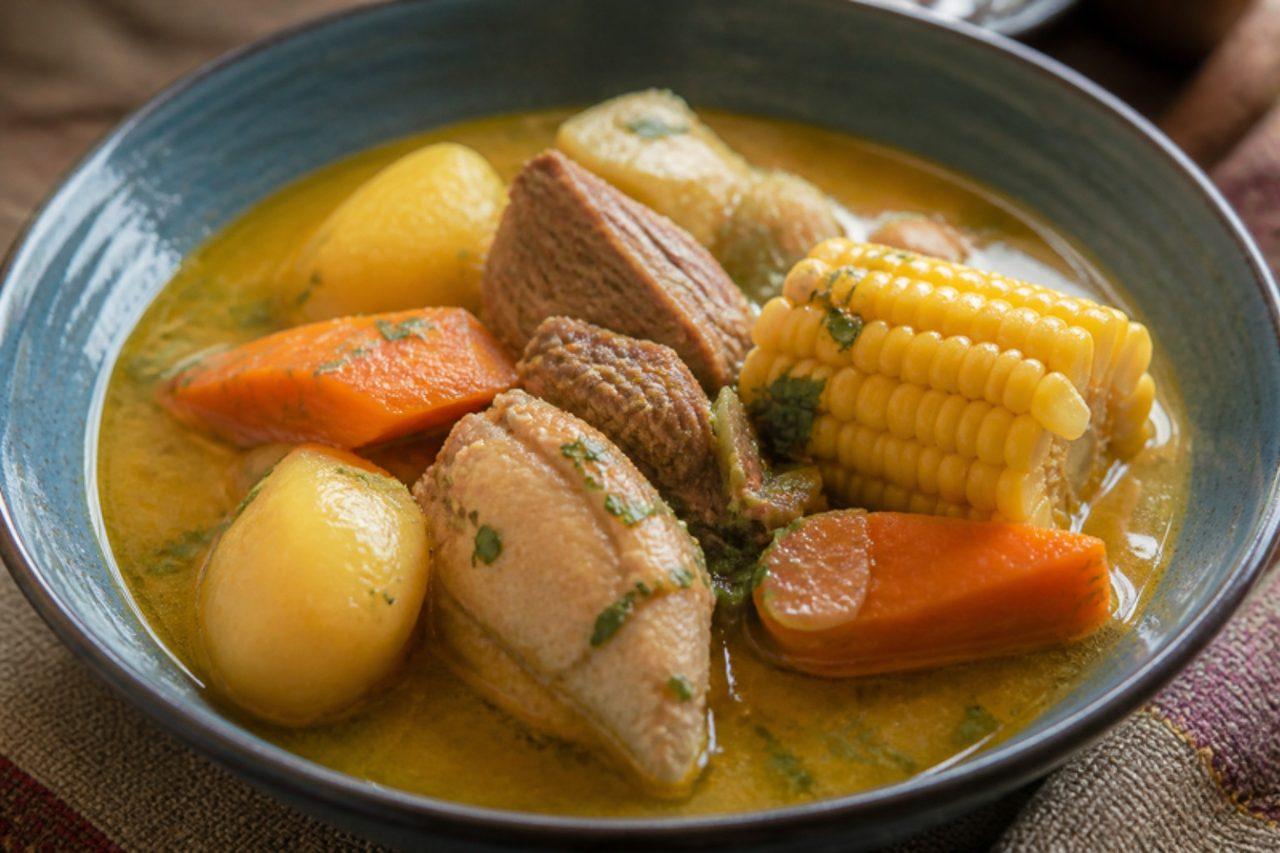
In Bolivia, picana is what families eat after the midnight Misa de Gallo on Christmas Eve: a big pot of beef, chicken and sometimes lamb or pork simmered with corn on the cob, potatoes, carrots, raisins and spices, traditionally finished with a little wine and sugar for a sweetish broth. Each bowl holds a piece of every meat and a chunk of corn. Here the wine is optional; use extra stock and a spoon of grape juice for an alcohol-free pot. Chef's tip: add the chicken after the beef has had its head start, so both are tender at the same moment.

180 minAndeanSoupsGluten free
by KrazyBadal 0 views

Pajagua mascadaBeef and cassava patties

Pajagua mascada is a Paraguayan street-food classic that appears on every table for the San Juan festival on 24 June, when bonfires burn and the night is full of games and traditional food. Minced beef is mixed with mashed cassava, onion, garlic and a little egg and flour, shaped into flat patties and fried until crisp. The name comes from Guaraní and refers to the 'chewing' of old Paraguayan cooks, who made it from leftover meat. Chef's tip: dry the boiled cassava well and remove its woody core, which keeps the patties light and crunchy.

by KrazyBadal 0 views

Chipa so'oCheese bread with spiced beef

In Paraguay, families bake chipa in the clay tatakua ovens on Holy Wednesday so there is food for Thursday and Good Friday, when cooking stops. Chipa so'o ('chipa with meat') is a cassava-starch and cheese bread wrapped around a little filling of minced beef cooked with onion and egg, then baked until crisp outside and chewy within. It is naturally gluten free. Chef's tip: knead the dough until it no longer cracks at the edges when pressed; dry dough splits around the filling.

by KrazyBadal 0 views

KalanehWild leek stuffed flatbread

In Kurdistan and Kermanshah, Newroz arrives with the first spring greens on the hillsides, and families gather wild leeks to fold into kalaneh, thin griddle breads cooked over a fire or a hot pan and soaked in melted butter. The dough is plain and soft, rolled very thin around a pile of chopped leek or chives with a little salt and pepper, so the greens steam inside as the bread blisters. Eat it hot, torn into strips, with yogurt and tea at a Newroz picnic. The common mistake is wet greens, which turn the dough soggy and make it tear; dry them well after washing. Chef's tip: brush the butter on the moment the bread leaves the pan so it soaks right in.

by KrazyBadal 0 views

Dowina (Kurdish yogurt soup)

Dowina, called ash-e doogh in Persian, is warming spring food in Kurdish homes around Newroz, when yogurt is plentiful and the first herbs are cut from the garden. Rice and chickpeas simmer in a tangy, lightly thickened yogurt broth, finished with fresh dill, coriander and a sizzle of dried mint in oil. It is eaten warm, never boiling hot, with flatbread. The common mistake is to heat the yogurt too fast without stirring, which makes it split into grainy curds. Chef's tip: whisk an egg yolk and a spoonful of rice flour into the yogurt before it goes on the heat; it holds the soup smooth all the way to the simmer.

by KrazyBadal 0 views

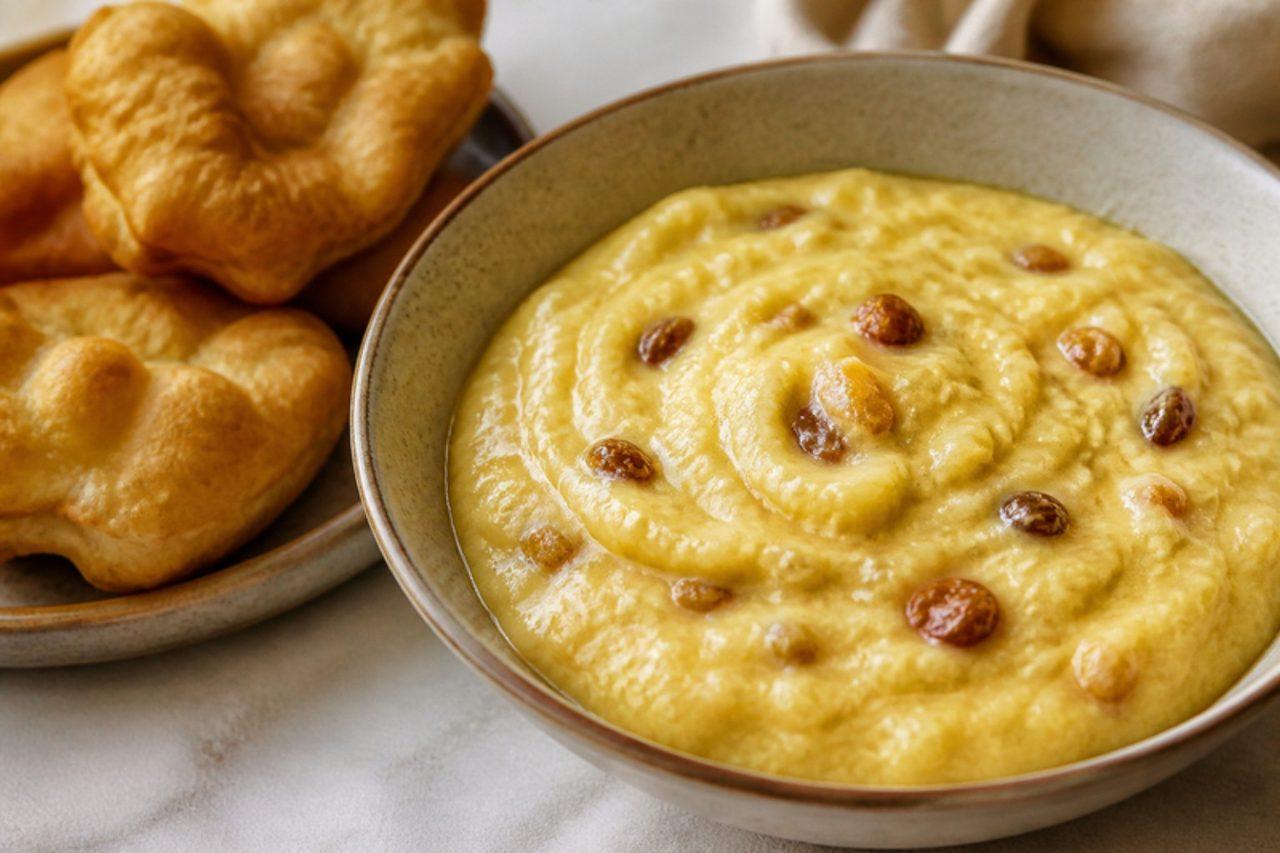
KaguyjyWhite corn pudding

On the night of 23–24 June, Paraguayans celebrate San Juan with bonfires, games like walking over hot coals and the 'paso de fuego', and a table of traditional foods, and kaguyjy (also mazamorra) is one of them. It is a soft, creamy pudding of cracked white corn (locro) simmered slowly in water and then milk with sugar or honey, sometimes with orange peel. It is eaten warm or cold. It is gluten free. Chef's tip: soak the corn overnight and cook it until each kernel is tender before adding the milk, or it never turns creamy.

by KrazyBadal 0 views

Khailmag (cream and raisin sweet)

Tsagaan Sar, the Mongolian Lunar New Year, means 'White Month', and white dairy foods stand for purity, plenty and a clean start to the year, so homes across the country set out cream, curds and sweets beside the steaming buuz. Khailmag is one of the most luxurious: clotted cream (or Mongolian öröm, the thick skin skimmed from boiled milk) is cooked with butter-toasted flour, sugar and raisins until it turns into a golden, fudgy porridge. It is very rich, so serve small spoonfuls with salty milk tea, or alongside ul boov biscuits and boortsog. There is no alcohol in it. Chef's tip: toast the flour slowly until it smells nutty; that toasting gives khailmag its caramel flavour.

by KrazyBadal 0 views

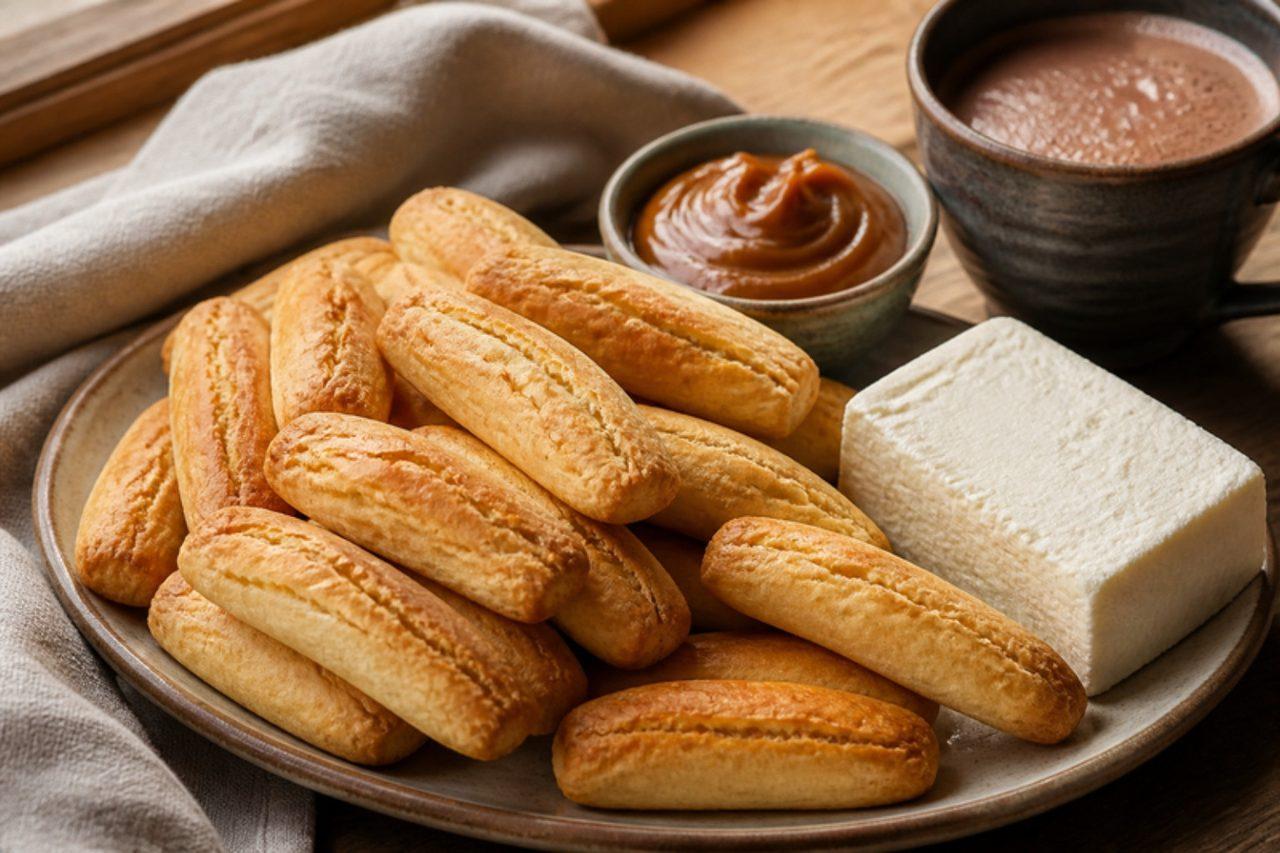
Bizcochos de CayambeTwice-baked butter biscuits

Drive north from Quito towards the snow-capped Cayambe volcano and the roadside is lined with bakeries selling paper bags of bizcochos, small finger-shaped biscuits baked twice until they shatter. Families stop there on weekend trips and order them with a slab of soft, salty queso de hoja, a cup of hot chocolate and a spoonful of dulce de leche (manjar) for spreading. The dough is a lightly yeasted butter dough, rolled into thin sticks, baked once until pale gold and then dried slowly until crisp right through, with a flaky, crumbly bite. A sealed jar keeps them for weeks. Chef's tip: the second bake is about drying, not browning, so keep the oven low; a hot second bake is the usual mistake and leaves them dark outside and chewy inside.

130 minAndeanBaking
by KrazyBadal 0 views

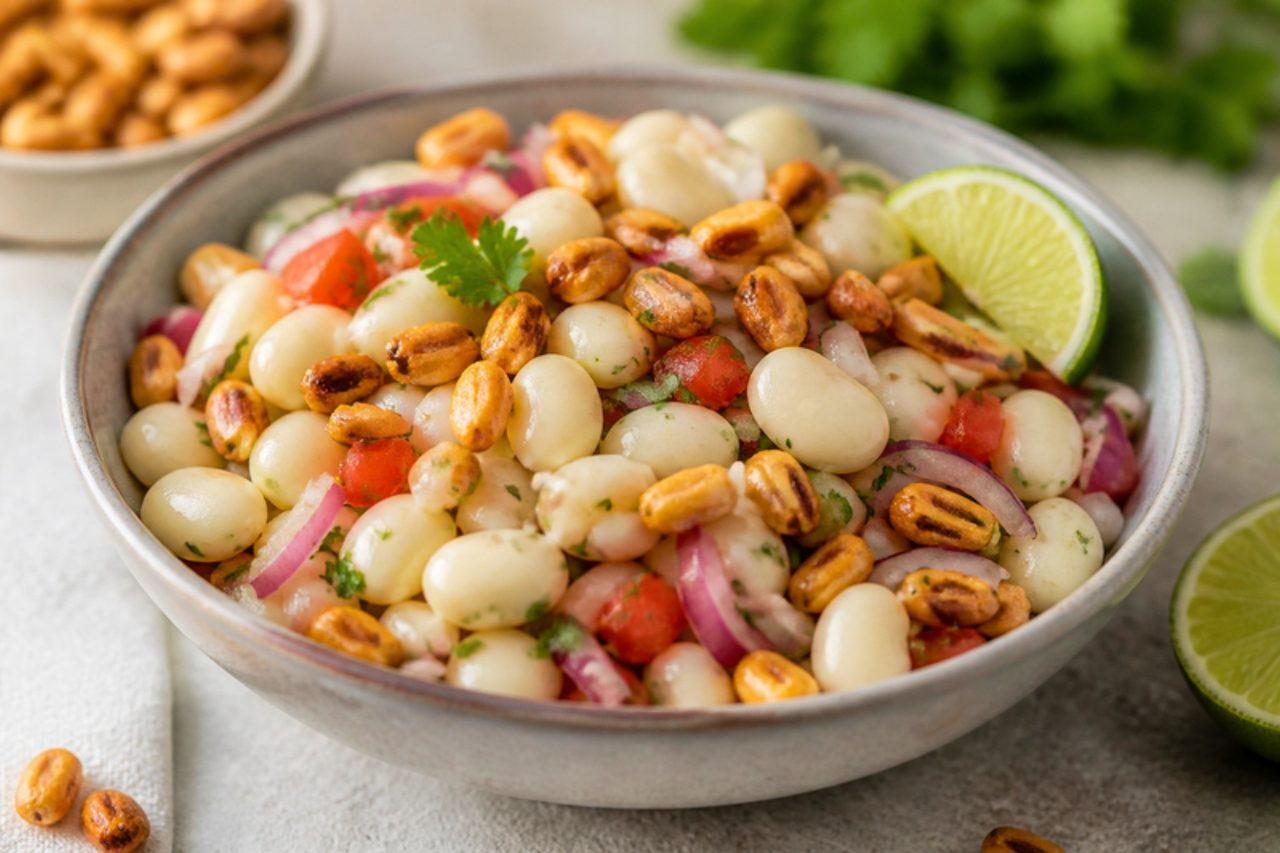
Chochos con tostadoLupin bean and toasted corn salad

On street corners in Quito and Latacunga vendors pile paper cups with chochos, the pale Andean lupin beans, tossed with lime-soaked red onion and tomato and showered with crunchy toasted corn. It is a cheap, filling mid-morning snack, sour and salty with a nutty crunch, and it doubles as a light lunch with a fried plantain on the side. Buy chochos ready debittered, sold cooked in jars or vacuum packs: raw lupins are bitter and contain toxic alkaloids until they have been soaked and boiled for several days, so never use dried ones without that long treatment. Lupin is also a declared allergen and can affect people with peanut allergy. The common mistake is skipping the rinse, which leaves the beans tasting of brine. Chef's tip: salt the onion with the lime juice 10 minutes ahead so it softens and turns pink.

by KrazyBadal 0 views

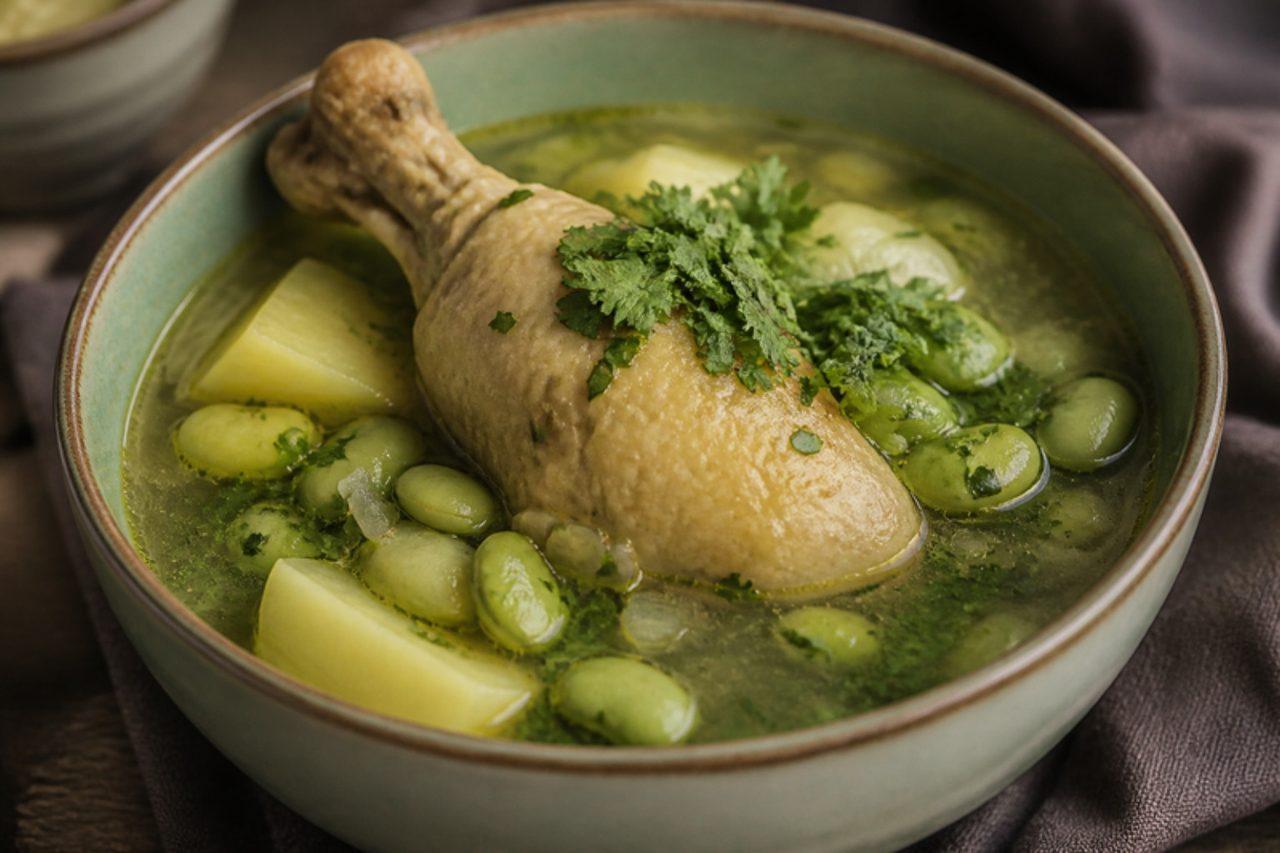
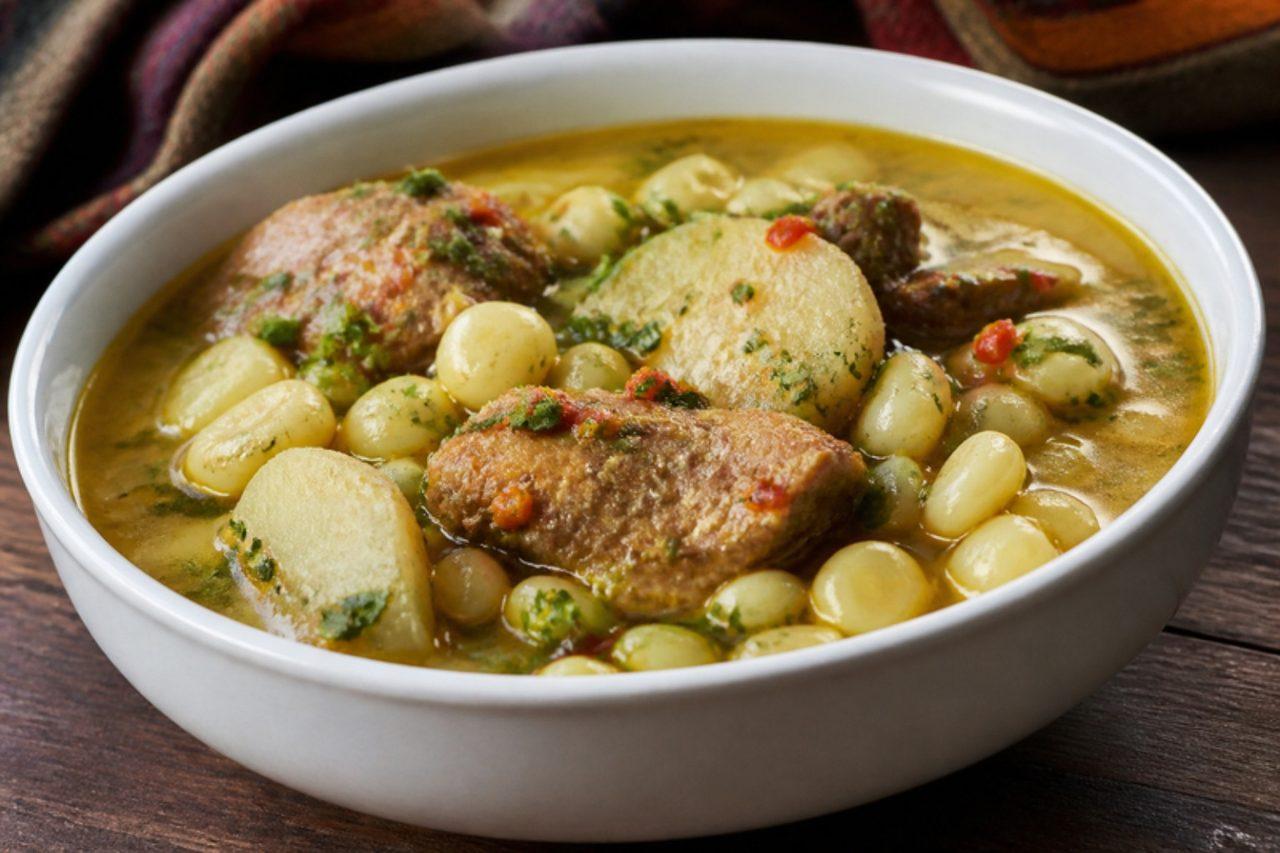
Chanka de polloChicken soup with broad beans

Every Cochabamba market has a corner where chanka de pollo bubbles in huge pots: a clear, herby chicken broth full of broad beans, potatoes and spring onion, with a whole joint of chicken in each bowl and chuño or a boiled potato on the side. It is fresh and grassy rather than rich, sharpened with a little locoto. Many people let it boil hard, which clouds the broth. Chef's tip: add the herbs and spring onion right at the end so they stay bright green.

by KrazyBadal 0 views

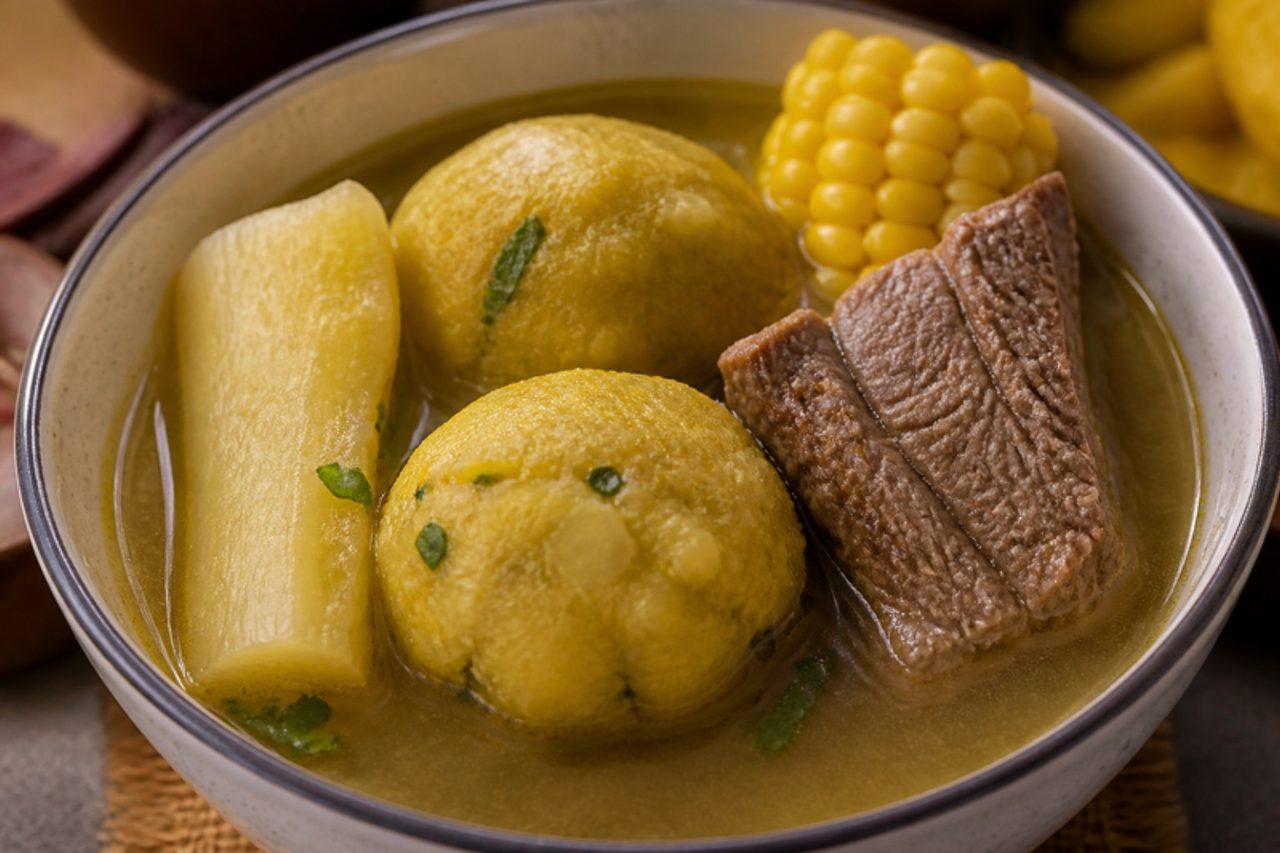
Caldo de bolas de verdeBeef broth with plantain dumplings

Caldo de bolas is the big Sunday soup of Guayaquil and the Guayas coast: a clear beef broth with corn and cassava in which float fist-sized dumplings of green plantain, each stuffed with a savoury filling of beef mince, egg, peas and peanuts. It takes time, so families make it for gatherings and serve it with lime, chilli and rice. Peanuts are an allergen and optional here. The usual mistake is a plantain dough that is too dry, which cracks and falls apart in the broth; it should feel like soft play dough. Cook the mince filling until no pink remains. Chef's tip: mix boiled and raw grated plantain; the raw starch is the glue that holds the bolas together.

160 minAndeanSoupsGluten free
by KrazyBadal 0 views

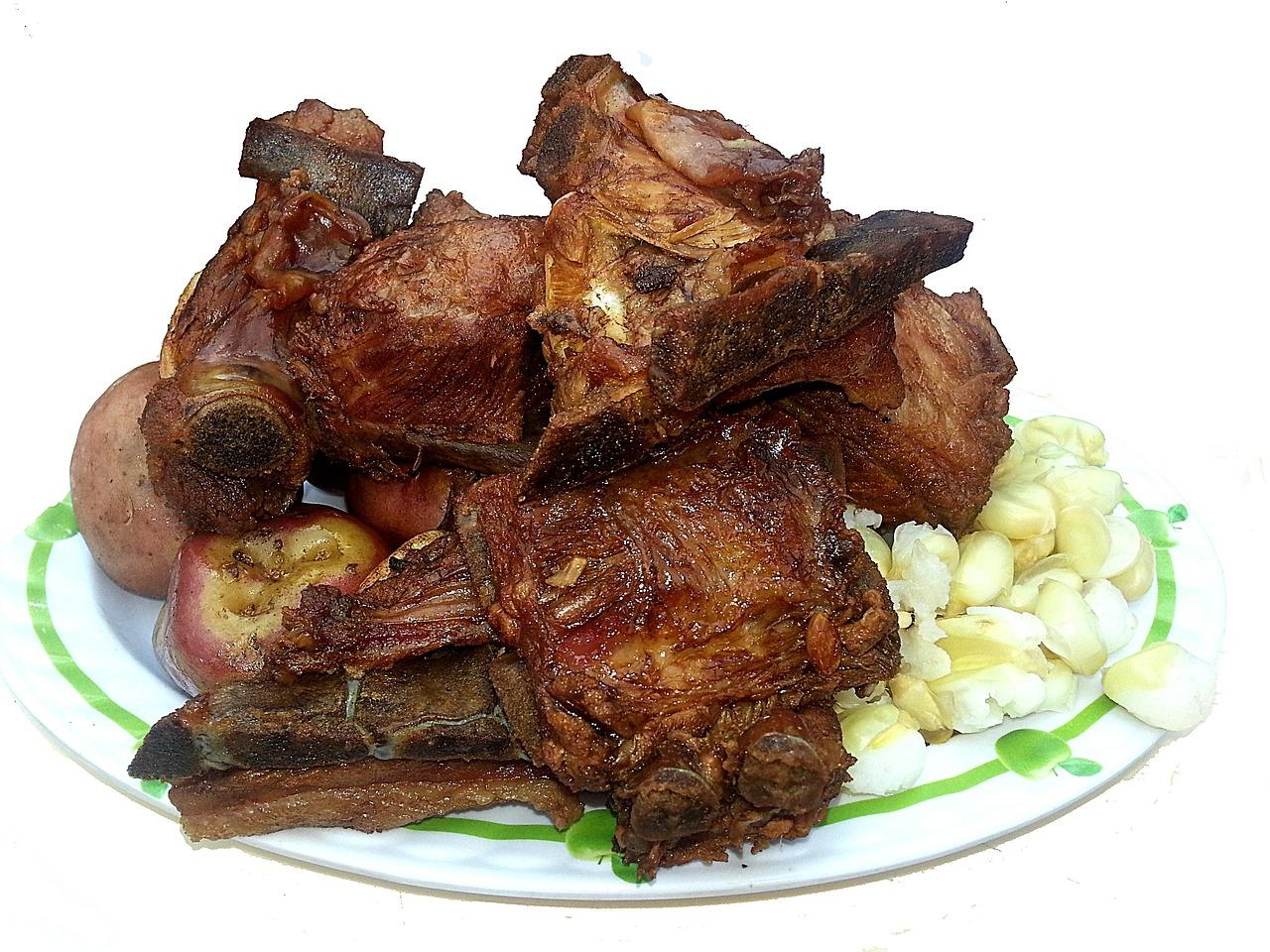
Chicharrón cochabambinoPork fried in chicha

Cochabamba's Sunday chicharrón is pork, cooked the slow way: big chunks of pork rib and shoulder simmered in chicha, the valley's fermented corn drink, with garlic and cumin until the liquid evaporates and the meat fries golden in its own fat. It is eaten with mote (big white corn), boiled potatoes and llajwa. Chicha contains alcohol, and some remains after cooking, so this dish is for adults; for an alcohol-free version use unsweetened apple juice with a splash of cider vinegar. The common mistake is rushing the last stage over a high heat, which burns the outside before the inside is tender. Chef's tip: once the liquid has gone, turn the pieces only every few minutes so a real crust can form.

150 minAndeanMeatGluten free
by KrazyBadal 0 views

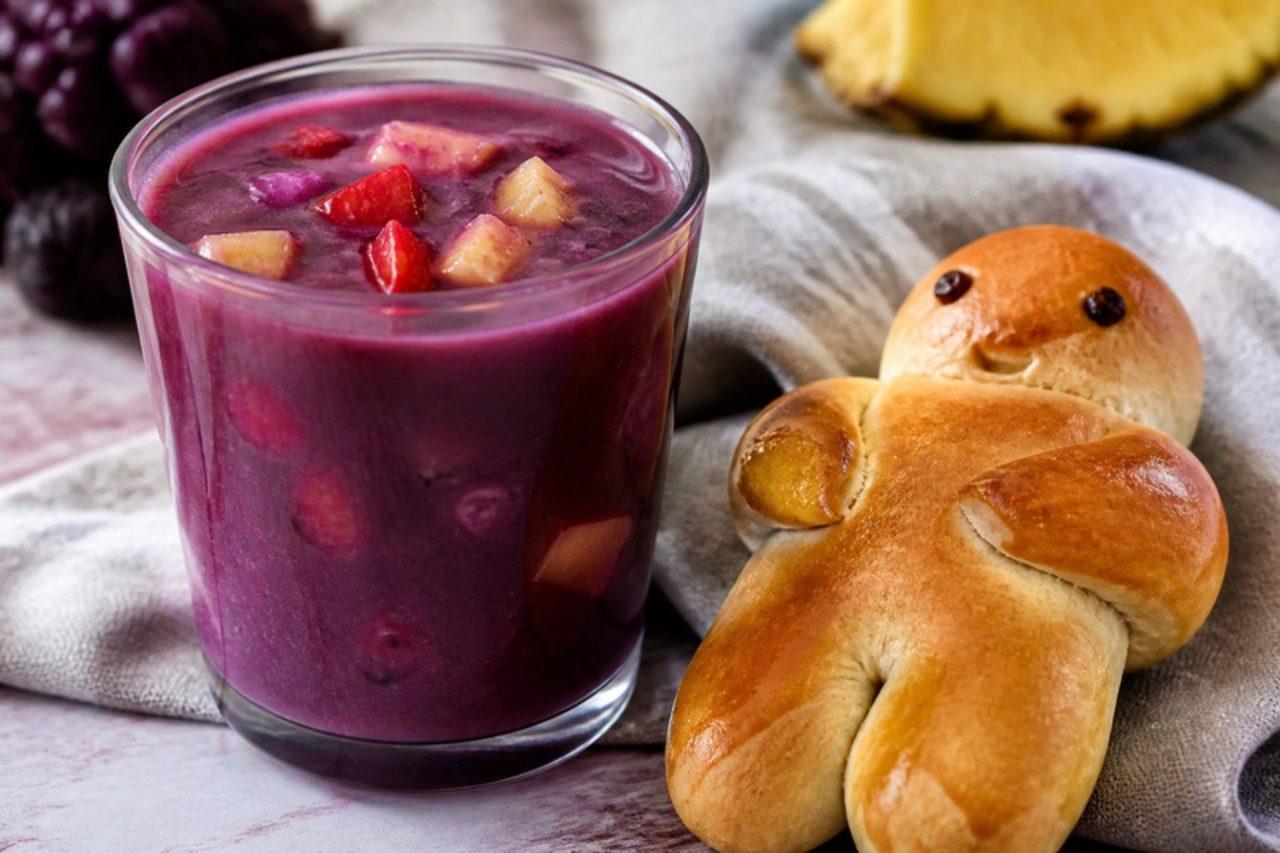
Colada moradaPurple corn and berry drink

Every year in the days before 2 November, the Día de los Difuntos, Quito's kitchens and bakeries fill with the smell of colada morada: a warm, spoon-thick drink of purple corn flour cooked with blackberries, blueberries, pineapple and a bundle of fragrant herbs and spices. It is deep violet, sweet-tart and full of chopped fruit, and it is always served with guaguas de pan, the bread babies, often shared with family at the cemetery. The most common mistake is stirring the corn flour straight into hot liquid, which makes lumps: whisk it into cold water first. Chef's tip: lemon verbena and lemongrass give the authentic perfume; if you can find naranjilla or a few orange leaves, add them to the spice pot too.

100 minAndeanDrinksVeganGluten free
by KrazyBadal 0 views

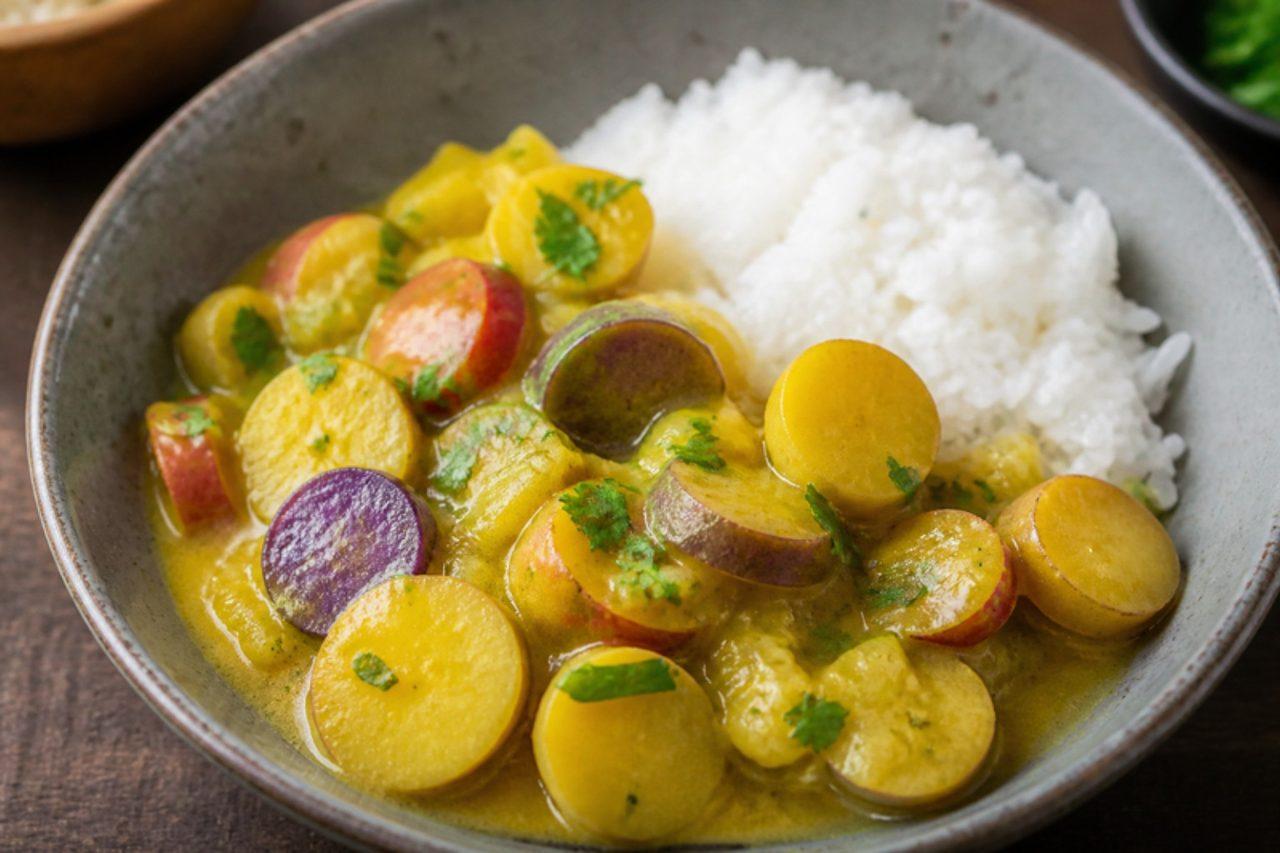
Ají de papalisaUlluco in yellow chilli

Papalisa, the glossy pink-and-yellow tuber called ulluco in Peru, has a crisp, slightly slippery bite that holds up beautifully in this ají from the La Paz highlands. The tubers are cut into fine sticks and stewed with onion, tomato and yellow chilli until tender, then served with white rice and a boiled potato. Highland cooks often add shredded dried beef; this vegan version keeps all the flavour with extra onion and cumin. Look for papalisa fresh or in jars in Latin American shops; waxy new potatoes cut the same way are a fair stand-in. The mistake most people make is skipping the soaking and rinsing, which leaves the sauce gummy. Chef's tip: cut the papalisa into matchsticks as thin as you can, so they soak up the chilli sauce like noodles.

by KrazyBadal 0 views

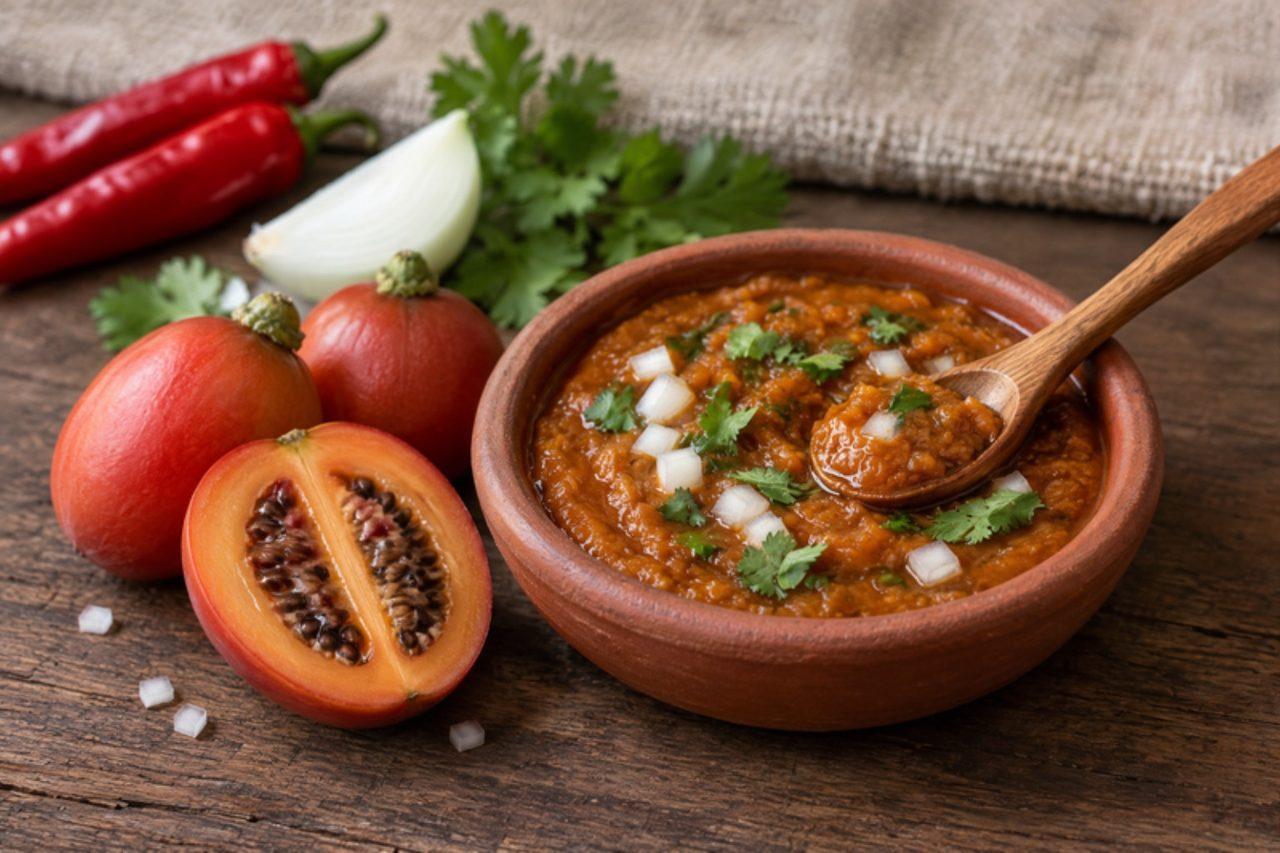
Ají de tomate de árbolTamarillo chilli sauce

No Ecuadorian table in the Sierra, from Quito to Cuenca, is complete without a small bowl of ají, and the tamarillo version is the household favourite. Tomate de árbol, the egg-shaped, wine-red tree tomato, is blanched and peeled, blended with fresh hot chilli, salt and a little water, then finished with finely chopped onion and fresh coriander. It is spooned over locro de papa, llapingachos, empanadas de viento, hornado and fritada at the long Sunday family lunch, and onto everything at the street stalls of the Saturday markets. The flavour is tangy, fruity and slightly bitter-sweet, more sour than a tomato salsa, with a fresh bite of onion and a clean chilli heat. The common mistake is blending the tamarillos with their skins on, which makes the sauce bitter; blanch them until the skins split and slip off. It is ready when it is bright orange-red, loose and juicy, and the onion is still crisp. Abroad, tamarillos turn up in larger supermarkets; ripe plum tomatoes with the pulp of a passion fruit are the best stand-in. Chef's tip: rinse the chopped onion in salted water first, which tames its sharpness, as Ecuadorians do.

by KrazyBadal 0 views

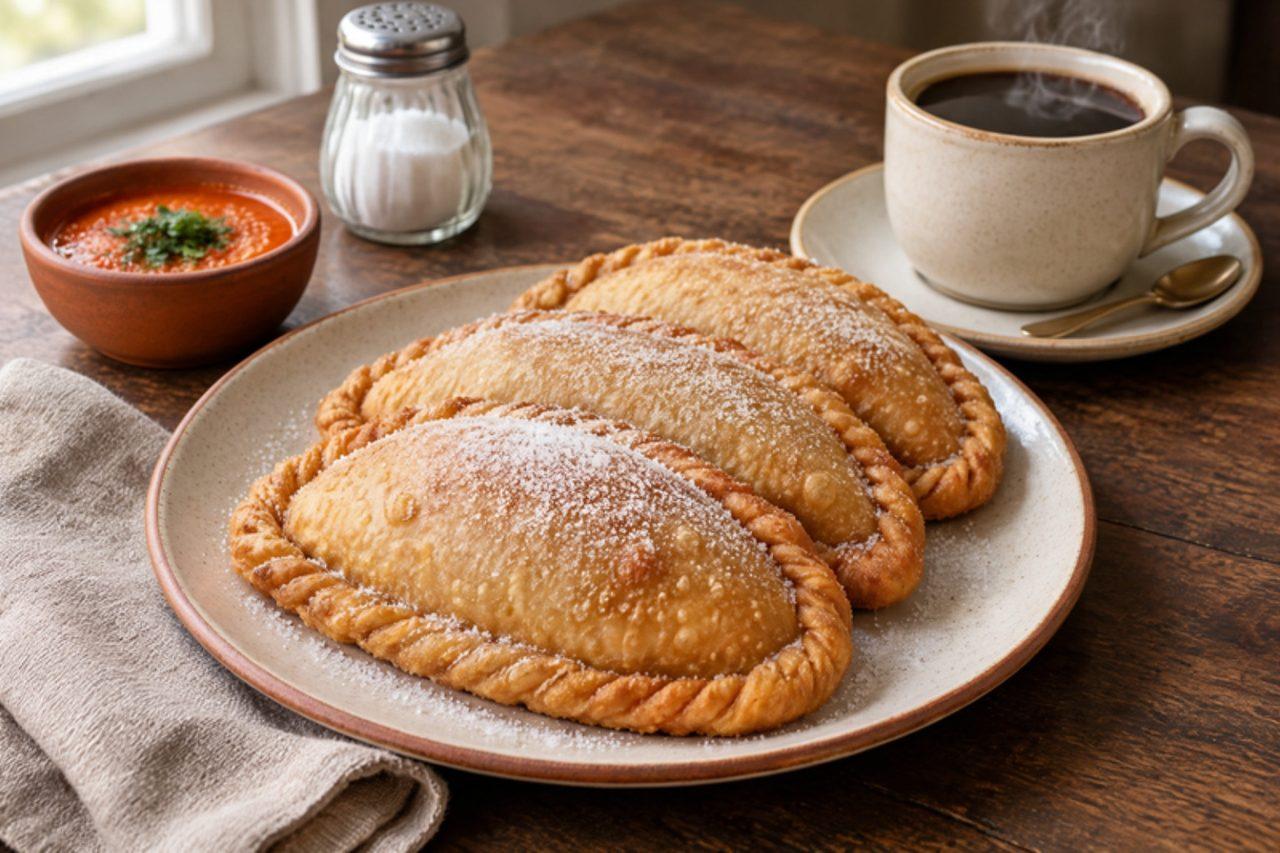
Empanadas de vientoFried cheese empanadas

In Quito cafés and markets, empanadas de viento ("wind empanadas") are fried to order: big, thin pastries stuffed with crumbled fresh cheese and onion that puff up like balloons in the hot oil, then get a generous shower of sugar. Ecuadorians eat them for breakfast or afternoon cafecito with coffee or a mug of colada morada. The salty-sweet contrast is the point. The common mistake is overfilling; too much cheese stops them puffing and makes them burst. Some queso fresco is made with animal rennet; choose a vegetarian one made with microbial rennet. Chef's tip: roll the dough very thin, under 2 mm, and press the edges firmly; that's what traps the steam and makes the "wind".

by KrazyBadal 0 views

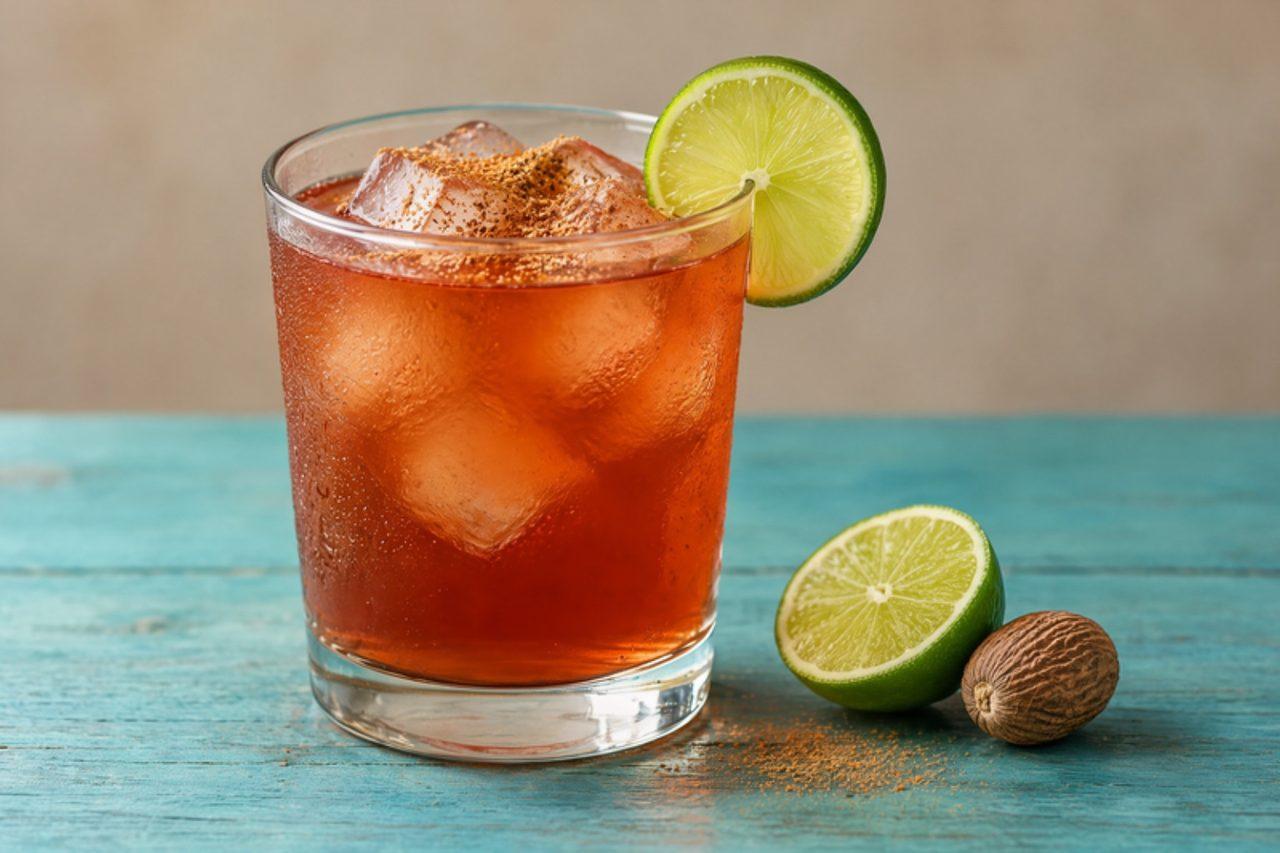
Bajan rum punch

Every Barbadian knows the rhyme: one of sour, two of sweet, three of strong, four of weak. It is how rum punch is mixed for Sunday lunch, at beach limes, at the Friday night fish fry in Oistins and through the Crop Over festival in July and August. The punch is for adults only and it is strong, so pour it over plenty of ice and drink responsibly. Made right, it tastes bright and tangy from lime, rounded by brown-sugar syrup, warm with golden Barbados rum and finished by aromatic bitters and the woody smell of fresh nutmeg on top. The usual mistake is reading 'weak' as fruit juice or adding extra rum: the four of weak is water (and melting ice), and swapping in sweet juices makes the punch cloying. Make the syrup properly, measure by volume and taste before you add the last of the water. It is ready when the sweet and sour are in balance, nothing catches your throat and the jug is beaded with cold. It also keeps 2 days in the fridge, so it can be made ahead. Chef's tip: grate the nutmeg over each glass at the table; ready-ground nutmeg has lost the smell that makes Bajan punch what it is.

by KrazyBadal 0 views

Fricasé paceñoSpicy pork stew with chuño

On Sunday mornings in La Paz, after a long night out or simply because it is cold, people head to the comedores for fricasé: a pork stew of ribs and shoulder in a yellow broth of ají amarillo, cumin and black pepper, with chuño (freeze-dried potato) and big white corn kernels in each bowl. This recipe is made with pork. Many cooks thicken it with breadcrumbs; we use ground chuño or cornflour so it stays gluten free. The usual mistake is boiling it hard, which makes the pork stringy; it should barely tremble. Chef's tip: soak the chuño overnight and squeeze it in several changes of water, which removes its earthy bitterness.

180 minAndeanMeatGluten freeSpicy
by KrazyBadal 0 views

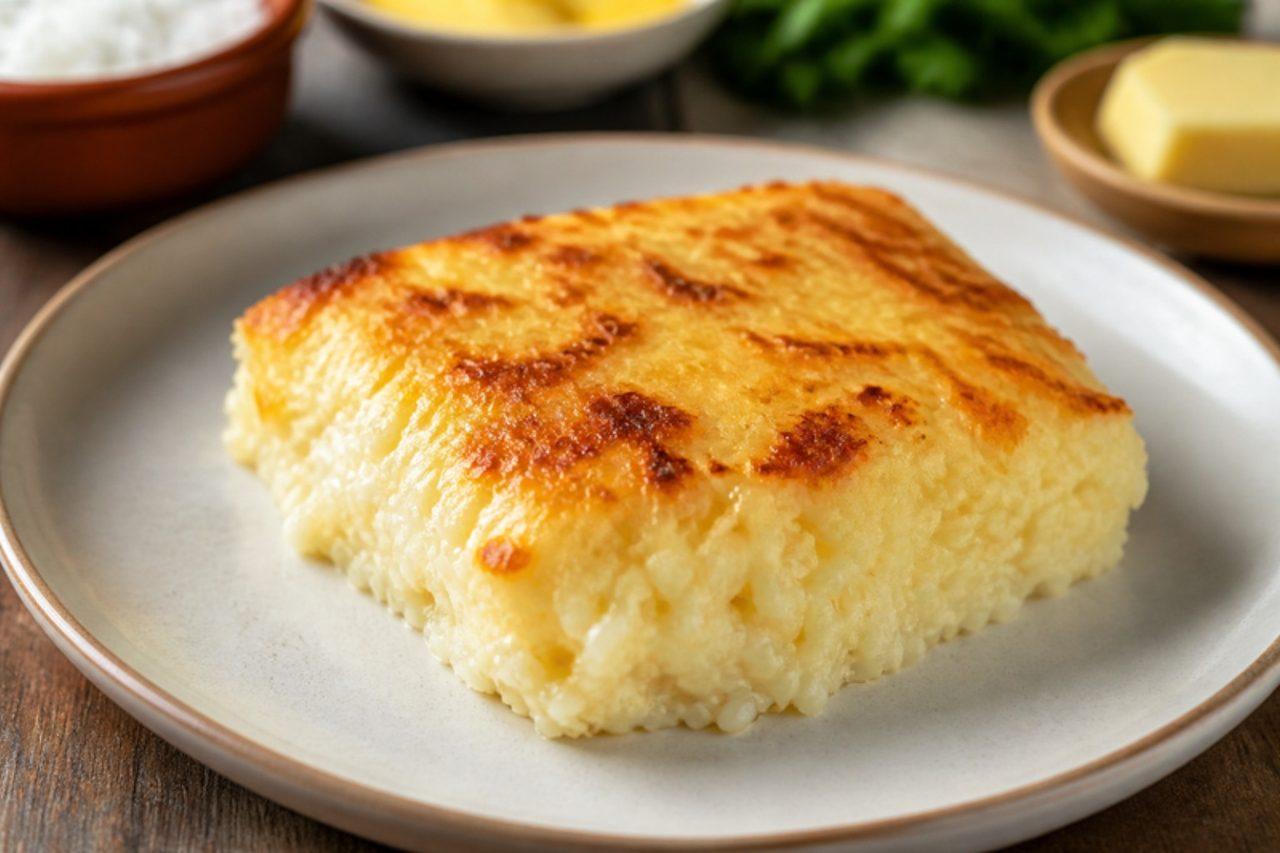
Arroz con queso cruceñoCreamy baked cheese rice

Lunch tables in Santa Cruz and Beni regularly carry a dish of arroz con queso next to the grilled meat: rice cooked soft and stirred with milk, butter and plenty of crumbled lowland cheese, then baked until the top turns golden. Cruceño cooks serve it with fried plantain and a tomato salad. Local cheese is usually made with animal rennet, so use a vegetarian mild Cheddar or a feta-style cheese if you need one. The most common mistake is draining the rice; it needs its starch to turn creamy. Chef's tip: hold back a third of the cheese and scatter it on top just before baking, so you get a melted core and a browned crust.

by KrazyBadal 0 views

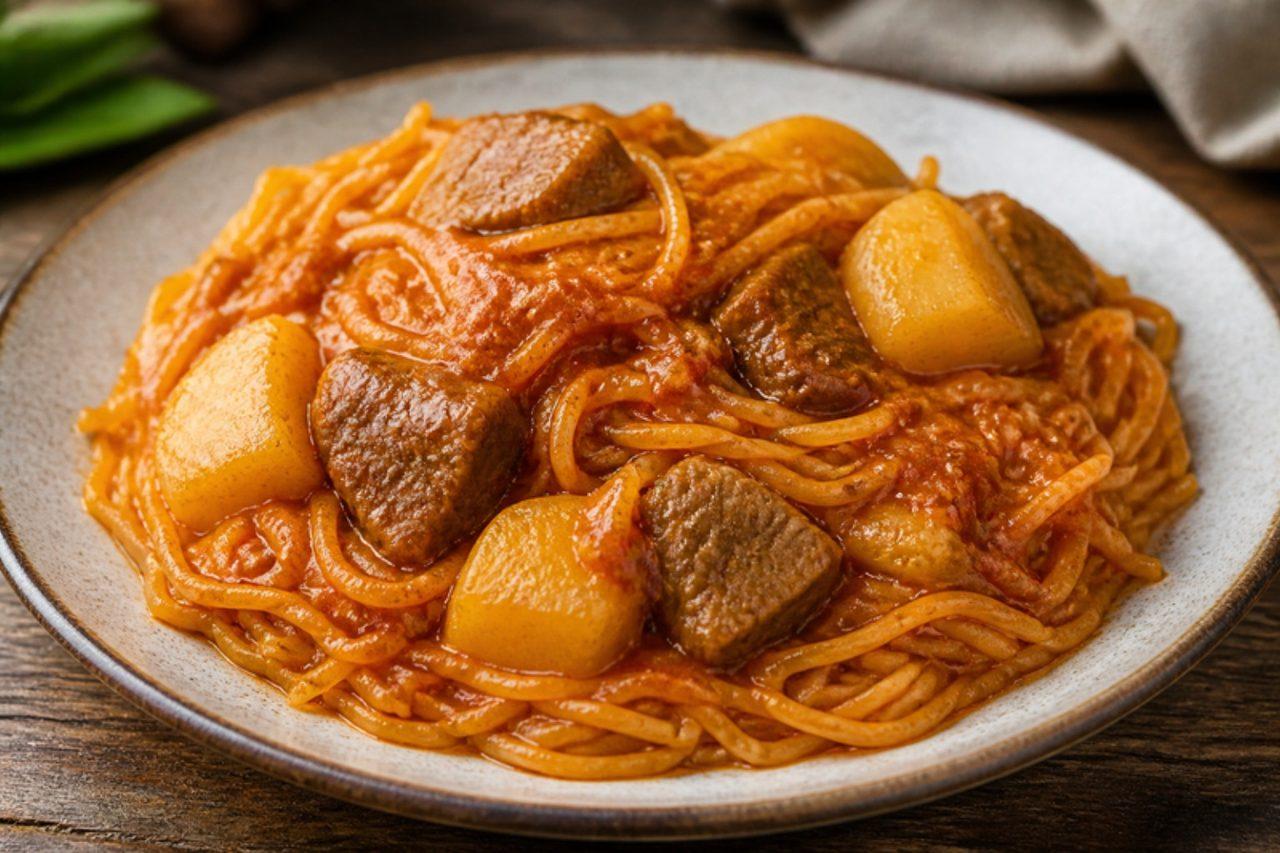
Ají de fideosNoodles in red chilli with beef

Ají de fideos fills the market comedores of La Paz at lunchtime: spaghetti snapped into short pieces and simmered in a brick-red sauce of dried chilli, onion and tomato with chunks of beef and potato, all eaten with a spoon. It is warming, a little smoky and properly hot, perfect at 3,600 metres. The trap is adding the pasta too early, which leaves it bloated and the sauce gluey. Chef's tip: toast the broken spaghetti in a little oil until golden before it goes into the pot; it keeps its shape and adds a nutty flavour.

by KrazyBadal 0 views

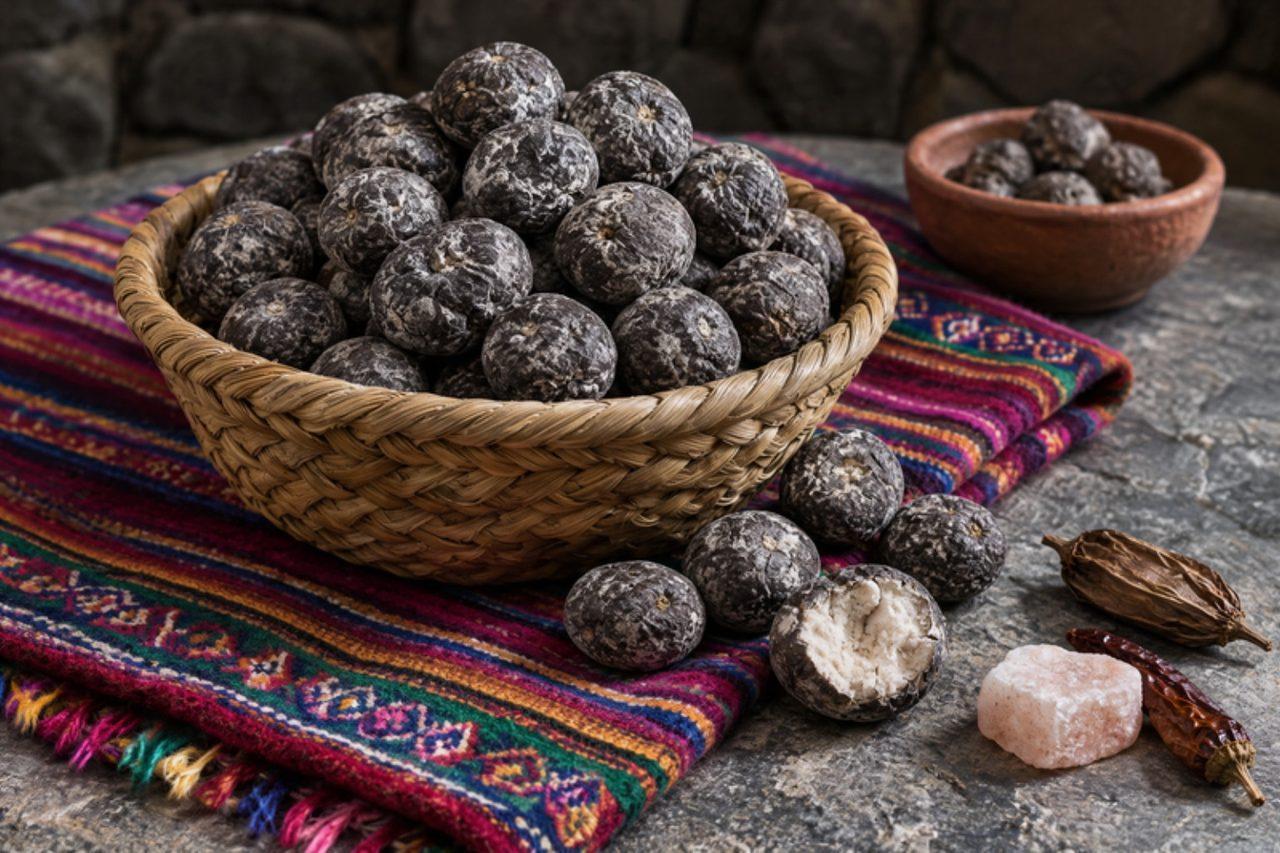
Chuño

On the Altiplano around Lake Titicaca, in June and July when the nights drop to -10 °C and the days are bright and dry, Aymara and Quechua families spread small, bitter potatoes on the grass to make chuño, a technique far older than the Inca. The potatoes freeze at night and thaw in the sun for several days, then are trodden barefoot to squeeze out the water and rub off the skins, and dried for a couple of weeks more. The result is light, wrinkled, grey-black chuño negro that keeps for years; soaked in running stream water instead, the same potatoes become white tunta. Rehydrated and boiled, chuño is firm, slightly chewy and spongy, with an earthy, faintly mineral, almost fermented taste; it goes into chairo soup, into chuño phuti, or beside grilled meat with spicy llajwa. Skipping the long soak is the big mistake: it stays bitter and gritty, so soak it for at least 12 hours, changing the water. Dried chuño is ready when it is rock hard, very light and rattles in a bag. Chef's tip: without Andean frosts, a freezer and a low oven make a fair version; the method is below.

by KrazyBadal 0 views

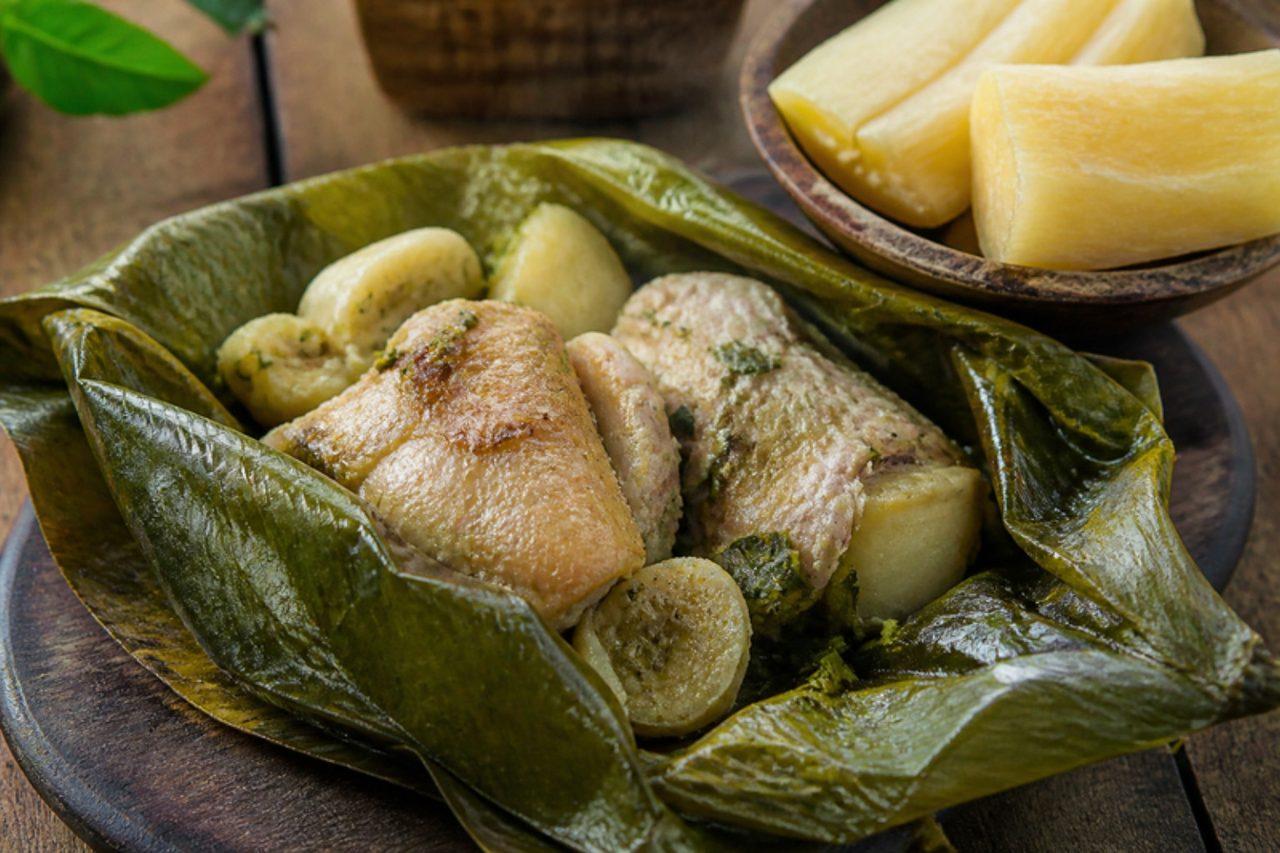
AyampacoLeaf-steamed chicken and palm heart

From Macas and the Shuar communities of Morona Santiago comes ayampaco: chicken with palm heart, garlic, culantro and spring onion wrapped in bijao leaves and cooked over the fire, so everything steams together into a fragrant, juicy bundle. It is a celebration dish at festivals and family gatherings, served with boiled cassava and a sharp chilli sauce. Banana leaves stand in for bijao at home. The usual mistake is packing the parcels too full, so the middle stays undercooked; keep them flat and check the chicken reaches 74 °C. Chef's tip: let the chicken marinate in the fridge for at least 30 minutes so the garlic and herbs flavour it right through.

by KrazyBadal 0 views

Ají de arvejasPeas and potatoes in chilli sauce

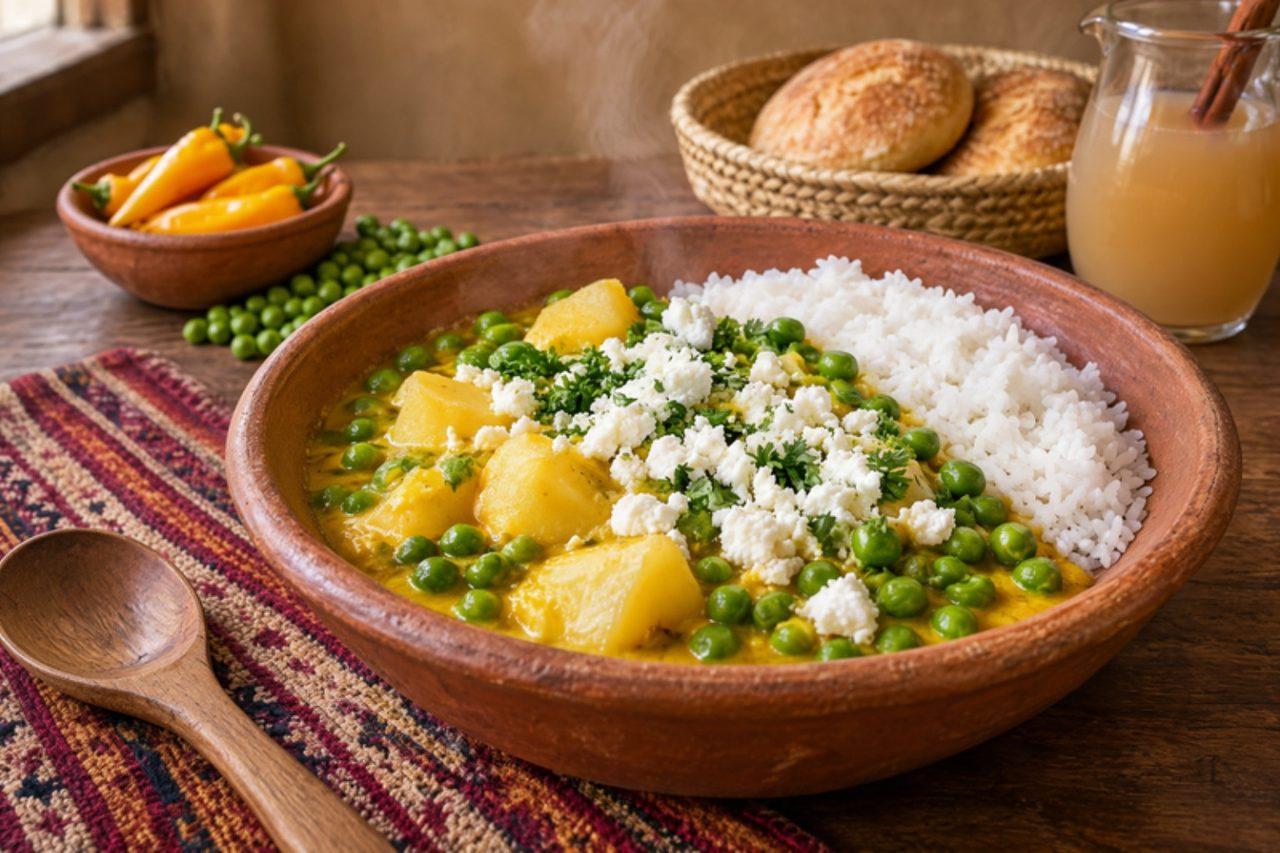
Ají de arvejas is a homely Bolivian stew from La Paz and Cochabamba, cooked for weekday lunch or on Fridays and in Lent, when many families eat no meat. Green peas and potatoes simmer in a golden sauce of onion, tomato and ají amarillo (yellow chilli), and cubes of fresh white cheese are stirred in at the end so they soften without melting away. It is served with plain white rice and sometimes a boiled egg. Bolivian queso fresco is often made with animal rennet; for vegetarians, use a paneer or a fresh cheese labelled vegetarian. The usual mistake is boiling the cheese, which turns it rubbery. Chef's tip: cook the ají paste with the onion until it darkens slightly, which takes the raw edge off the chilli.

by KrazyBadal 0 views

Showing 24 of 228 recipes

Show more recipes

Page 1 of 10