Skip to content
Recipes

All recipes

Vegetarian, or something you can't eat? Set your diet once and we'll hide recipes that don't fit.

ไอติมกะทิ (Itim kathi, Thai coconut ice cream)

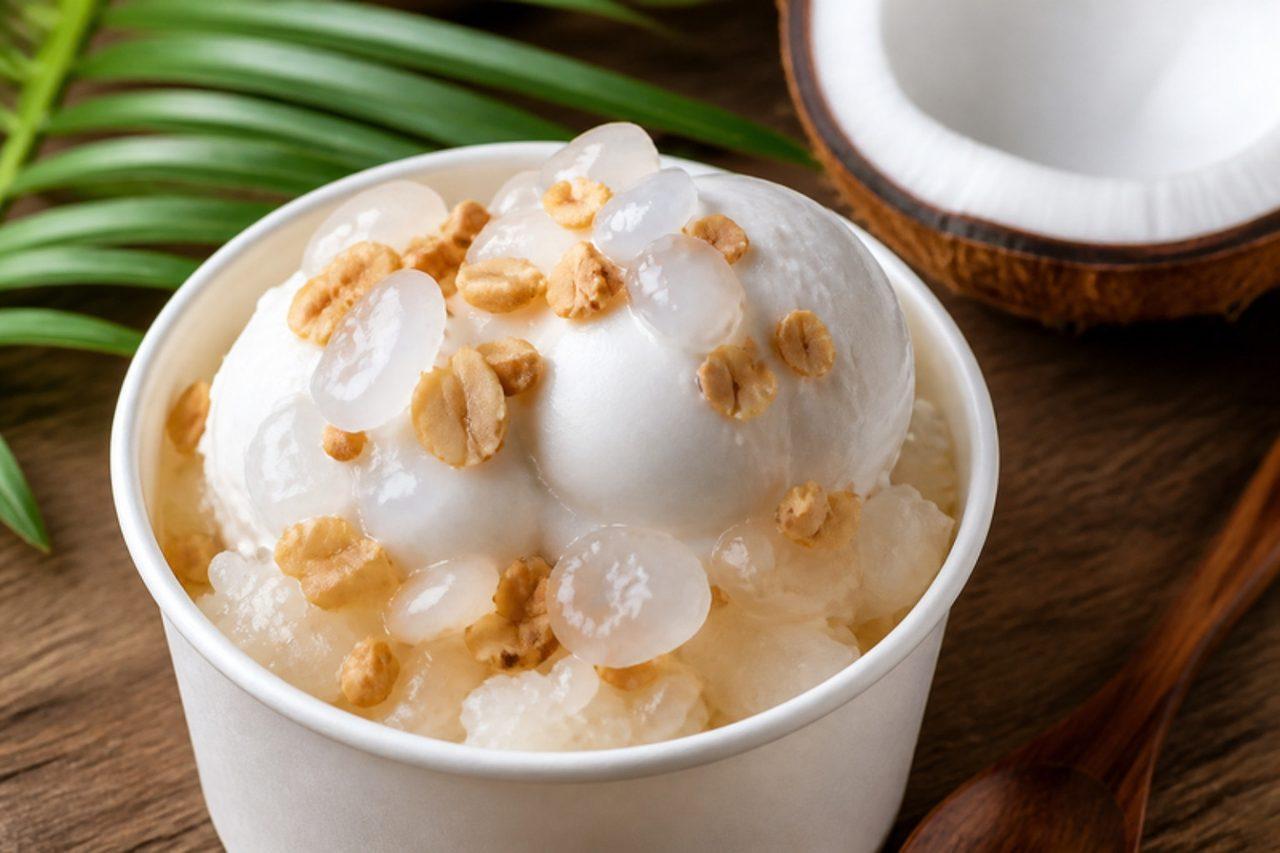
Itim kathi is the ice cream of Bangkok's pushcarts: a vendor lifts the lid of an insulated drum, scrapes up a scoop of snow-white coconut ice cream and piles it into a small cup over sticky rice, then adds whatever the customer points at, from roasted peanuts and sweet corn to chewy palm seeds. It is sold all afternoon in the hot months, outside schools and temples and in markets. Some vendors tuck the scoop into a soft bread roll; serve it in cups as here and it stays gluten free. It is naturally egg-free and dairy-free. Coconut milk carries the fat that makes it creamy, and a little cornflour cooked into it binds the water so crystals stay fine and the texture stays smooth without any custard, while a pinch of salt sharpens the coconut. Chef's tip: use full-fat coconut milk with no added water; the common mistake is using a light one, which freezes hard and icy.

300 minThaiDessertsVeganGluten free
by KrazyBadal 0 views

ซาหริ่ม (Sarim, mung bean noodles in coconut syrup)

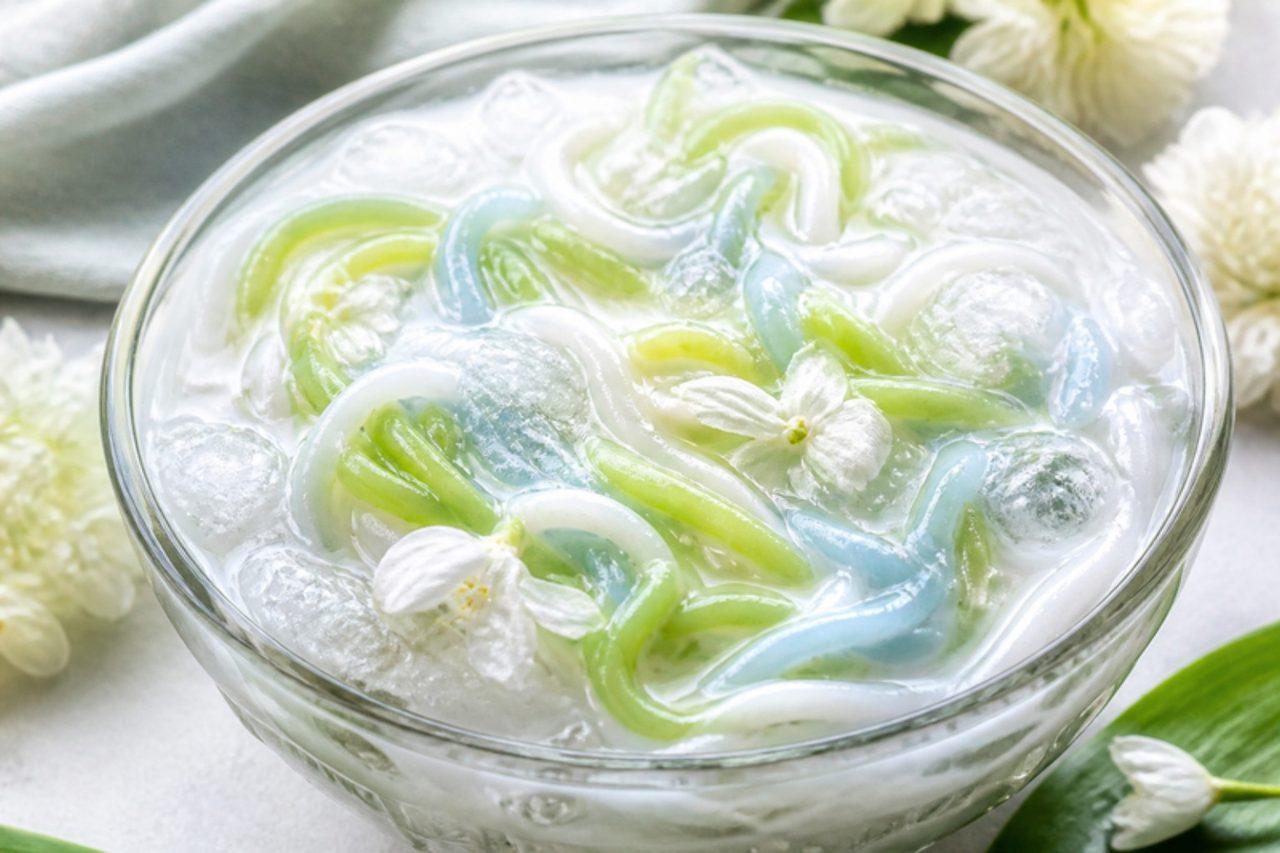
Sarim is an old dessert of central Thailand, served at temple fairs and in market dessert shops on sweltering afternoons: thin, slippery strands in pastel green, blue and white, floating in a pale coconut syrup over a mound of crushed ice. The strands are almost flavourless and very soft, so the syrup does the work; in Thailand it is scented with jasmine flowers or the smoke of a scented candle, and here with pandan and optional fresh jasmine. It is naturally egg-free: the strands are pure mung bean starch cooked with water into a clear, thick paste, which sets into a soft gel the moment it hits ice water. Pandan juice and butterfly pea flowers give the colours, so there is no need for dyes. Serve it straight away, as a light end to a spicy meal. Chef's tip: cook the paste until it turns fully glossy and see-through; the common mistake is stopping while it is still milky, which gives strands that break and taste floury.

by KrazyBadal 0 views

Fak thong kaeng buat (Thai pumpkin in coconut milk)

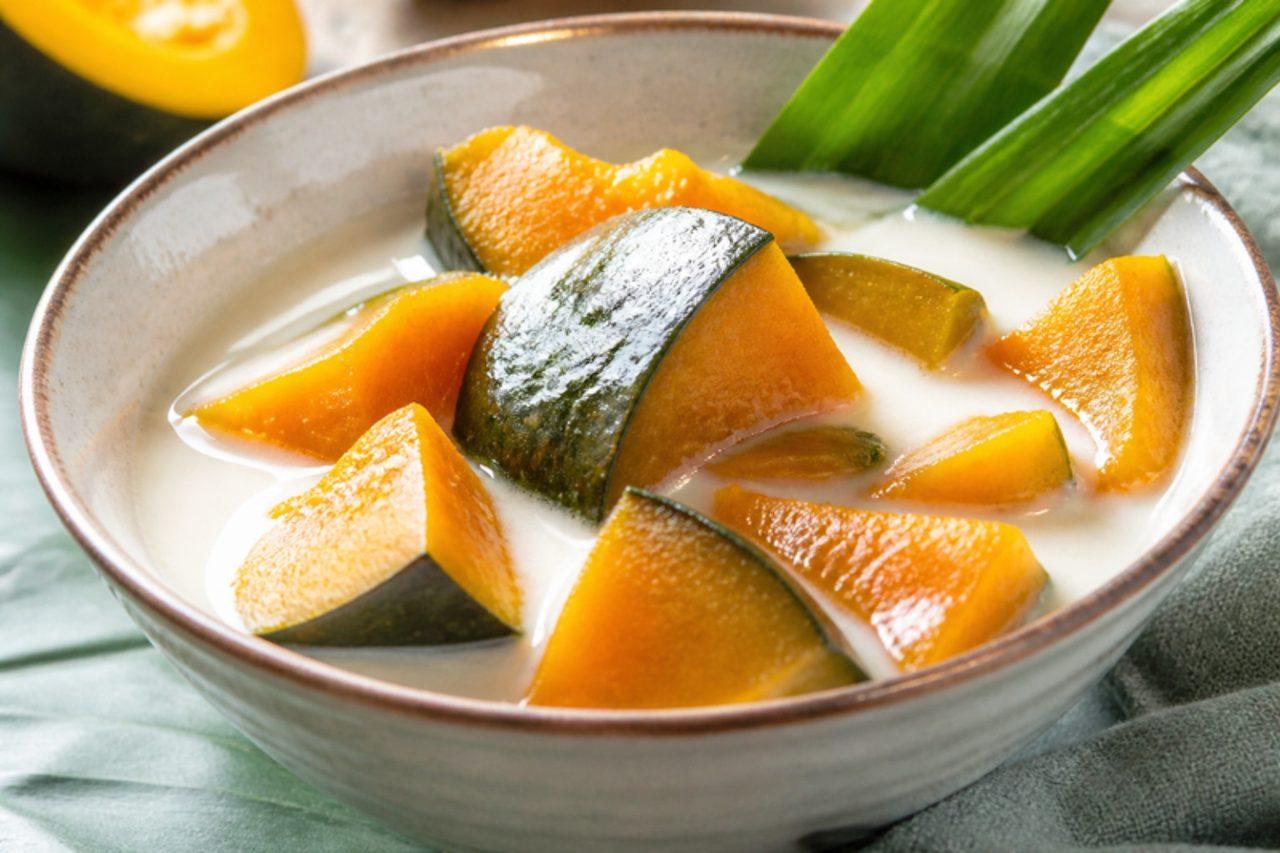
When the rains end and pumpkins pile up in the markets of central Thailand, kaeng buat is what cooks make with them: chunks of dense kabocha simmered in coconut milk sweetened with palm sugar and sharpened with a pinch of salt. It is a homely, everyday dessert, sold warm from big pots at markets in the afternoon and also cooked at Ok Phansa, the end of Buddhist Lent. The pumpkin turns velvety but keeps its shape, and the thin, creamy, caramel-scented broth is meant to be drunk from the spoon. Eat it warm or at room temperature, in small bowls. There is no egg in it and never was: nothing needs setting or binding, as the pumpkin's own starch gives the coconut milk a light body as it cooks. Chef's tip: pick a dry, orange-fleshed kabocha and keep the coconut milk at a bare simmer; letting it boil hard is the common mistake that splits the milk and breaks the pumpkin into mush.

by KrazyBadal 0 views

Kaeng khae with tofu and mushroomsHerb curry with tofu and mushrooms

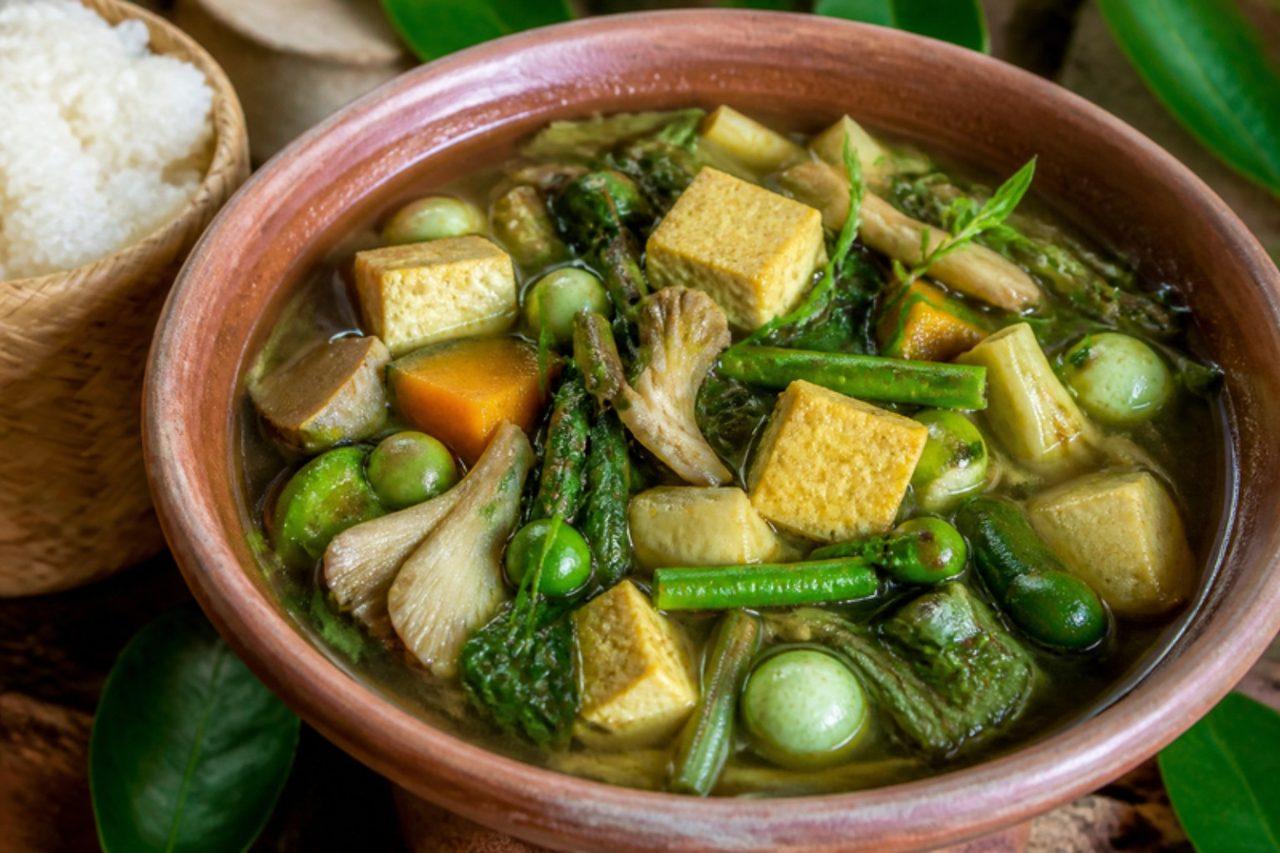
Kaeng khae comes from the hills around Chiang Mai and Lampang, where it is cooked through the rainy season with whatever the garden and forest give: pea aubergines, long beans, pumpkin tips, acacia shoots and handfuls of leaves, in a brothy, coconut-free curry scented with lemongrass and the peppery prickly ash called makhwaen. In northern homes it is a lunch dish eaten with sticky rice. It is normally cooked with chicken, frog or fish and seasoned with fermented fish; this vegetarian version uses firm tofu, oyster mushrooms, soy sauce and a little salted soybean paste. With the tofu a portion has about 11 g of protein, so it is light rather than high protein. The common mistake is adding all the vegetables at once: the leaves are done in a minute while the beans and aubergines need five. Chef's tip: dry-fry the curry paste in a spoon of oil until it smells toasty before adding water; it gives the broth its depth without any fish.

by KrazyBadal 0 views

Kluay chuam (Thai bananas in palm-sugar syrup)

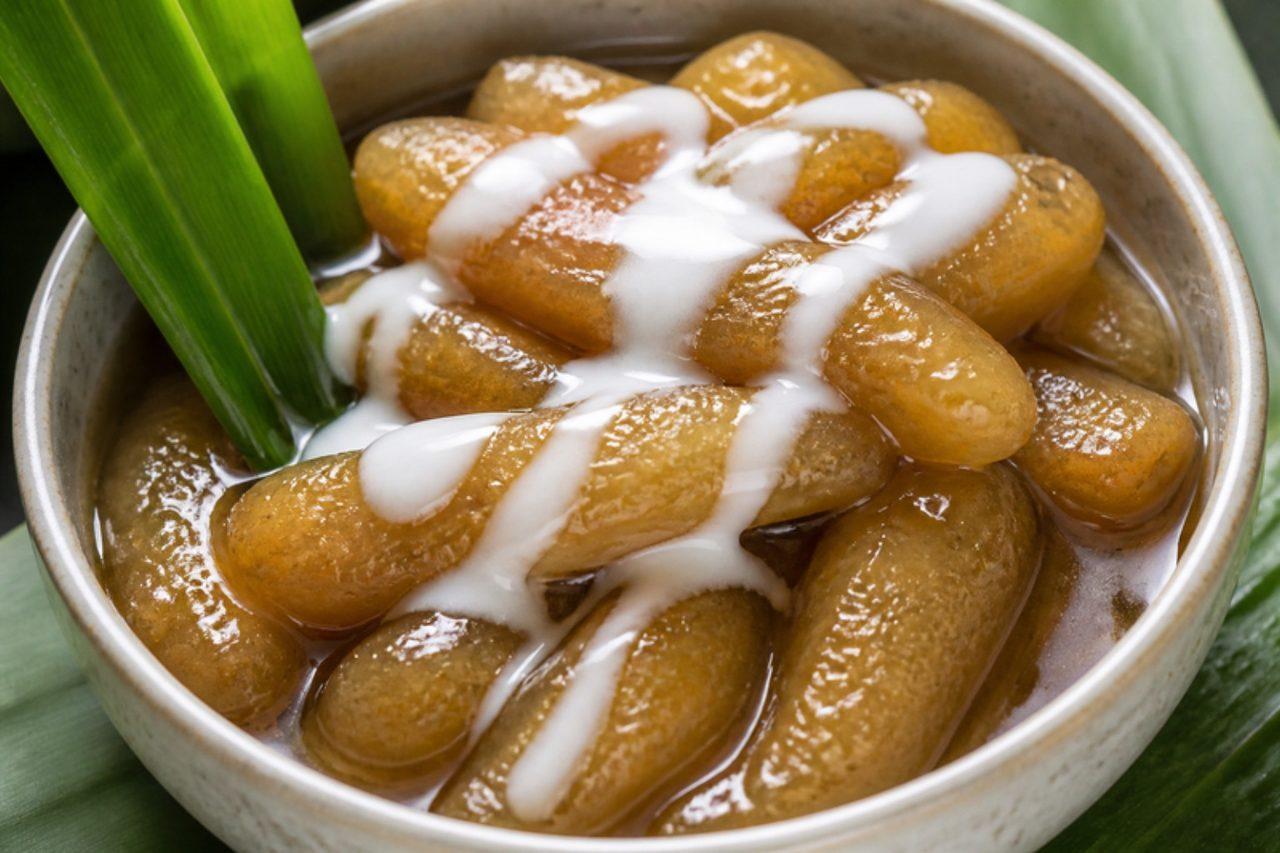
Kluay chuam is a market dessert of central Thailand, cooked in big brass pans and sold by the bag year round, and it is a common sweet to offer monks at merit-making. Small, starchy nam wa bananas are simmered slowly in palm-sugar syrup until they turn translucent and amber, soft and chewy rather than mushy, then served with thick, salty coconut cream poured over. The flavour is deep caramel and banana, cut by the salt. Serve at room temperature in small bowls. Being egg-free by nature, it relies on the long simmer in syrup firms the bananas and a little rice flour thickens the coconut topping. Chef's tip: keep the syrup at the gentlest simmer and don't stir; the common mistake is a fast boil and a spoon, which break the bananas before they have time to turn glassy.

by KrazyBadal 0 views

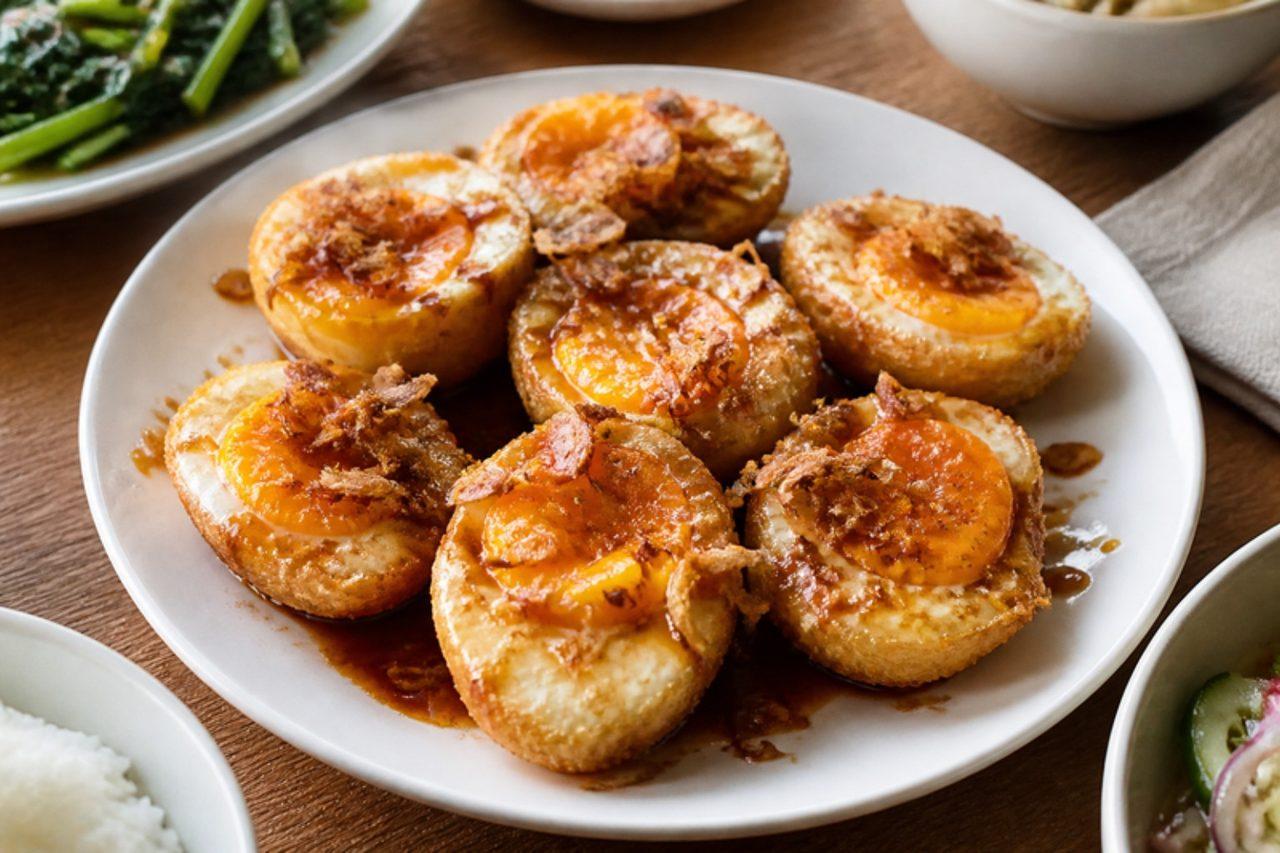
Khai luk khoei (son-in-law eggs)

Khai luk khoei, son-in-law eggs, is a central Thai dish made for family meals and temple fairs, and a favourite way to turn a few eggs into dinner: boiled eggs fried until blistered and golden, halved and spooned over with a sticky tamarind, palm sugar and fish sauce sauce, then finished with crisp shallots and chilli. It contains fish sauce, so it is not vegetarian. The mistake is frying wet eggs in oil that isn't hot enough; dry them well and the skin puffs and crisps instead of spitting. Chef's tip: boil the eggs for 7 minutes for a jammy centre; give 10 minutes and fully set yolks for anyone pregnant, very young, older or vulnerable.

by KrazyBadal 0 views

TopfengolatschenSweet quark puff pastry squares

A Topfengolatsche is what Viennese office workers grab from the bakery on the way in, and what grandparents order with a Melange in a coffee house on a Sunday afternoon. The corners of a puff pastry square are folded over a lemony, vanilla-scented filling of Topfen (Austrian quark) with plump raisins, and the top gets a thin white glaze. It is flaky, light and not too sweet. Raisins are sometimes soaked in rum; warm water or orange juice works just as well, and the recipe below is alcohol-free. Wet quark is the classic problem, because it turns the filling runny and it leaks out in the oven. Chef's tip: hang the quark in a sieve lined with a clean cloth for an hour, or squeeze it, until it is as thick as soft cream cheese.

by KrazyBadal 0 views

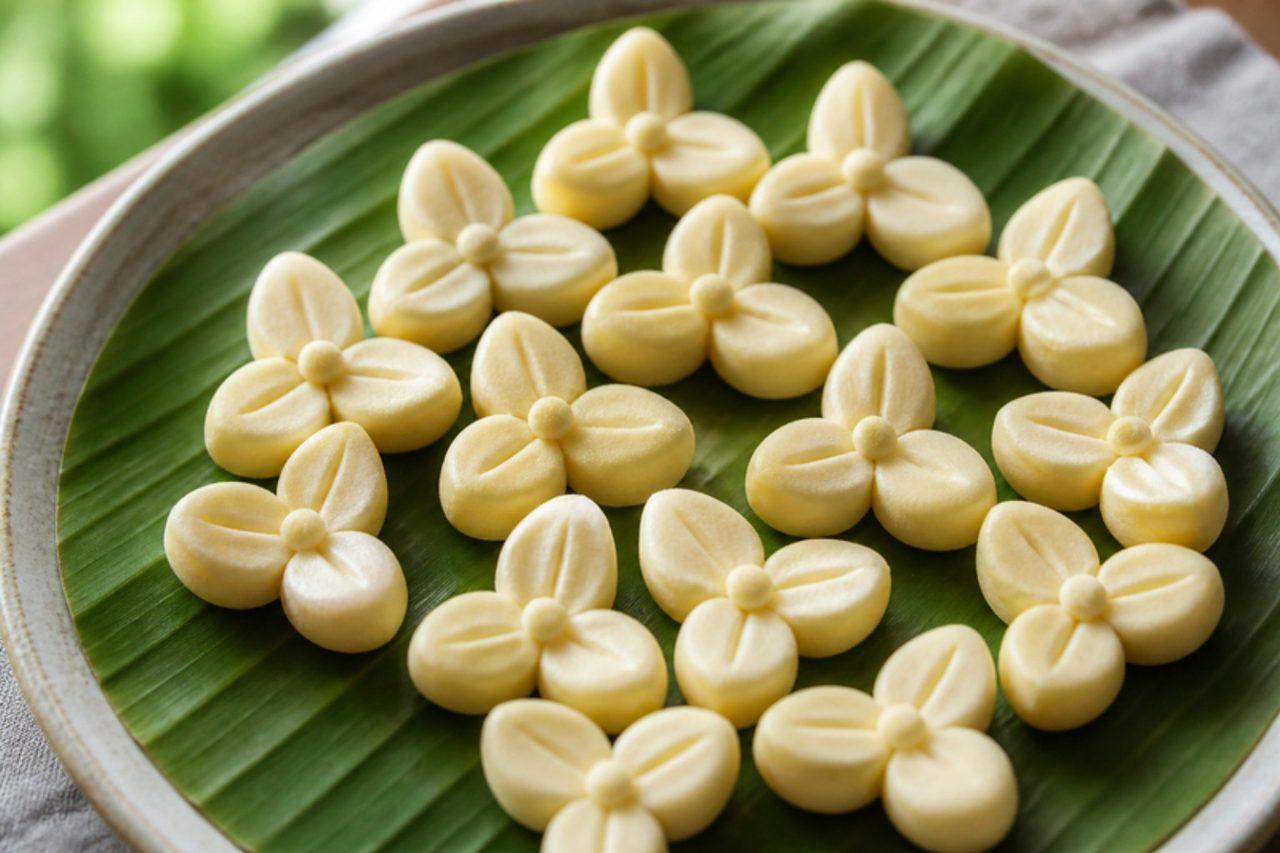
Khanom kleeb lamduanFlower shortbread cookies

Named after the lamduan, a fragrant cream-coloured flower with three curled petals, these tiny Thai shortbreads are a classic of the royal-style Thai sweets once made in palace kitchens and now sold in Bangkok's old dessert shops and given at weddings and merit-making. Each flower is three teardrop petals around a ball, pale and fragile, and they melt like sandy fudge. Their perfume comes from tian op, a special scented dessert candle: it is lit, blown out, and left to smoke inside a closed container with the cookies. If you cannot find one, a little jasmine water in the dough gives a different but lovely scent. The mistake is baking them hot or long; they should stay ivory, never golden. Chef's tip: candle smoke is real fire and smoke, so do it in a metal or ceramic pot, well away from curtains and children, with the flame blown out before the lid goes on.

78 minThaiBakingVegan
by KrazyBadal 0 views

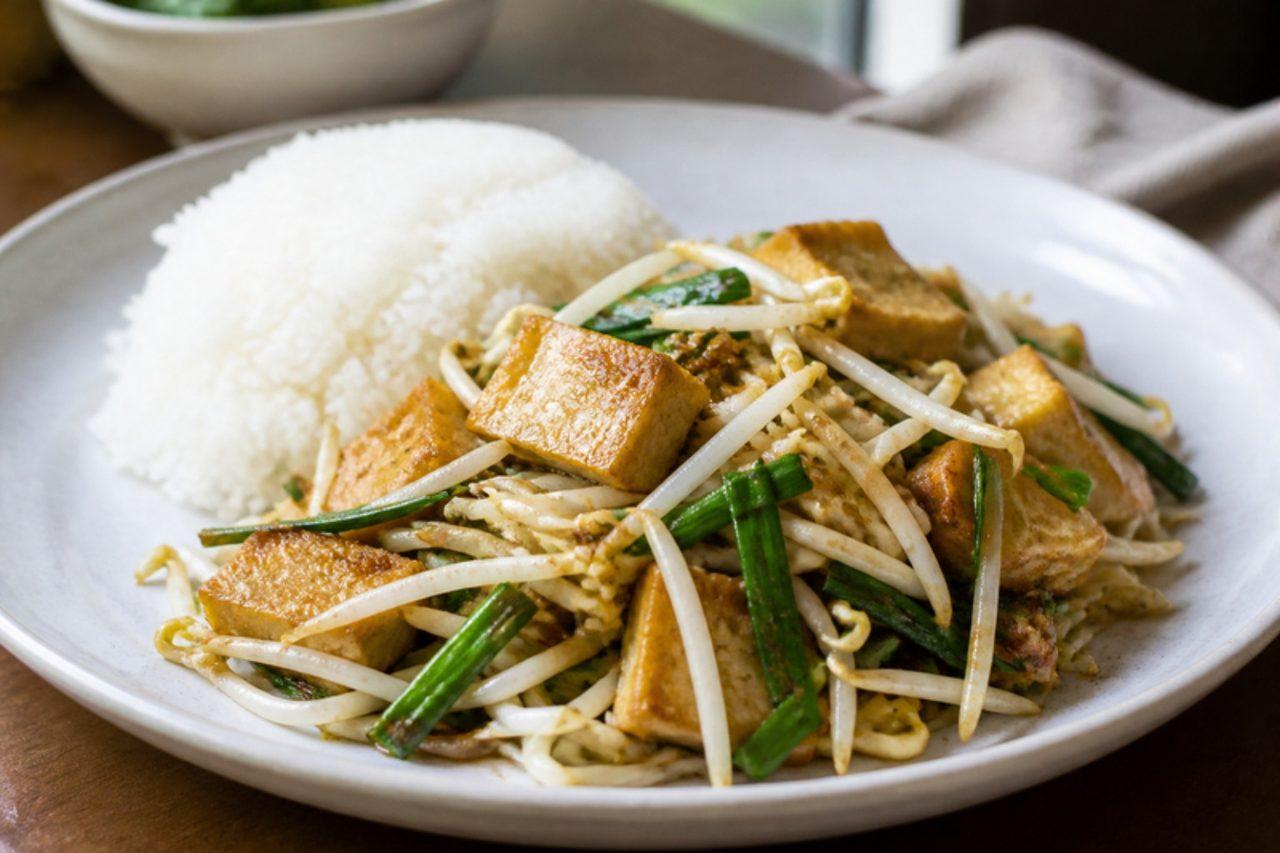
Pad thua ngok tao hoo (Thai bean sprouts and tofu stir-fry)

This plain, fast stir-fry is a fixture of home kitchens and made-to-order rice stalls across central Thailand, where it is eaten as one of two or three dishes shared over jasmine rice at dinner. Firm tofu is browned first, then the sprouts go in for barely a minute so they stay juicy and snap when you bite them. Thai cooks often season it with oyster sauce and fish sauce; this version uses soy and a mushroom-based sauce so it is vegan. The mistake almost everyone makes is cooking the sprouts too long, which turns them limp and watery. Chef's tip: pick off the stringy tails of the sprouts if you have five spare minutes; it makes the dish noticeably crisper.

by KrazyBadal 0 views

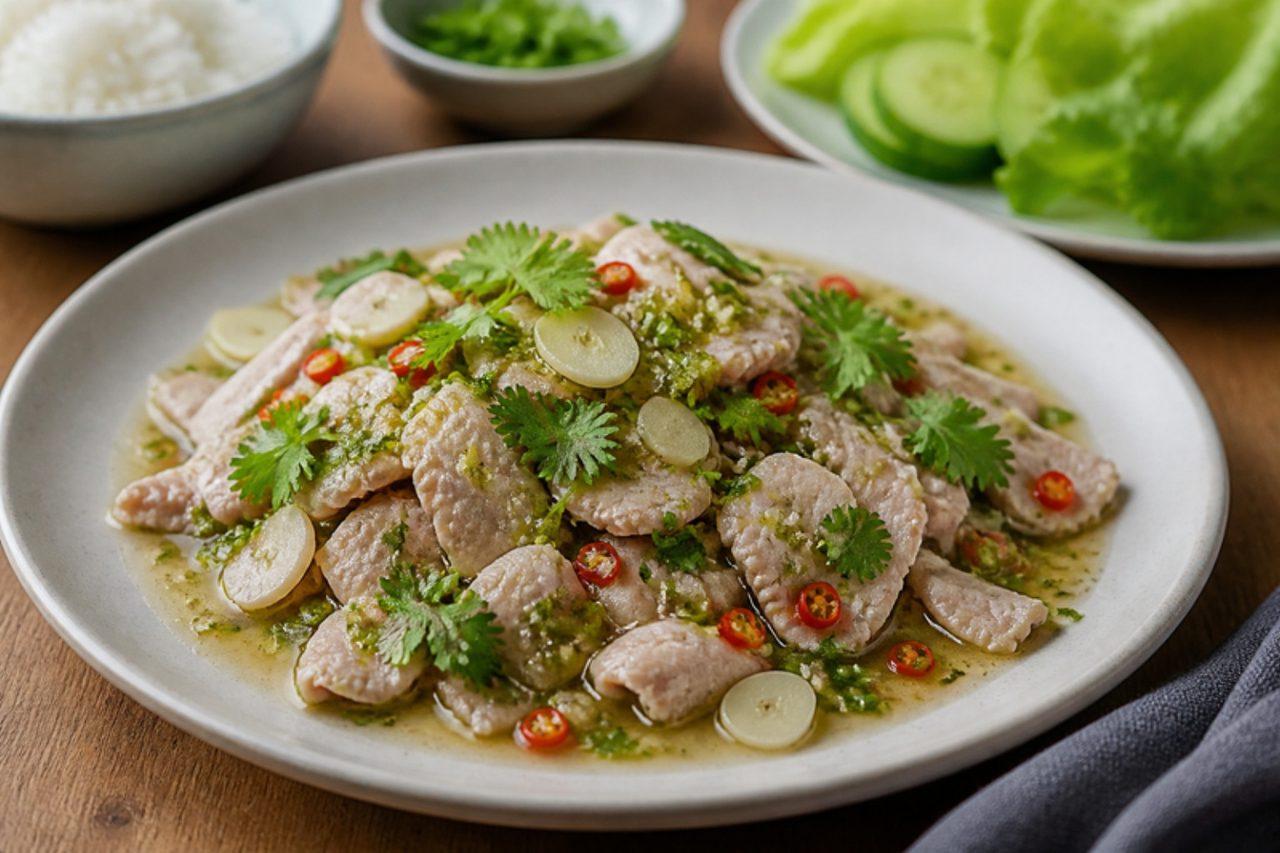
Moo manao (pork in lime and chilli dressing)

Moo manao is a drinking snack and dinner side from central Thailand, served in Bangkok bars and at home with sticky rice: thin slices of pork, blanched until just cooked, laid on ice-cold cabbage or lettuce and drowned in a fierce dressing of lime, raw garlic, bird's eye chilli and fish sauce. This is a pork dish. The mistake is boiling the pork for too long, which makes the thin slices tough and dry; poach them only until they turn white all through. Chef's tip: plunge the cooked slices into iced water for a few seconds, so they stay tender and take the dressing well.

17 minThaiMeatGluten freeSpicy
by KrazyBadal 0 views

Moo tod kratiem (Thai garlic pepper pork)

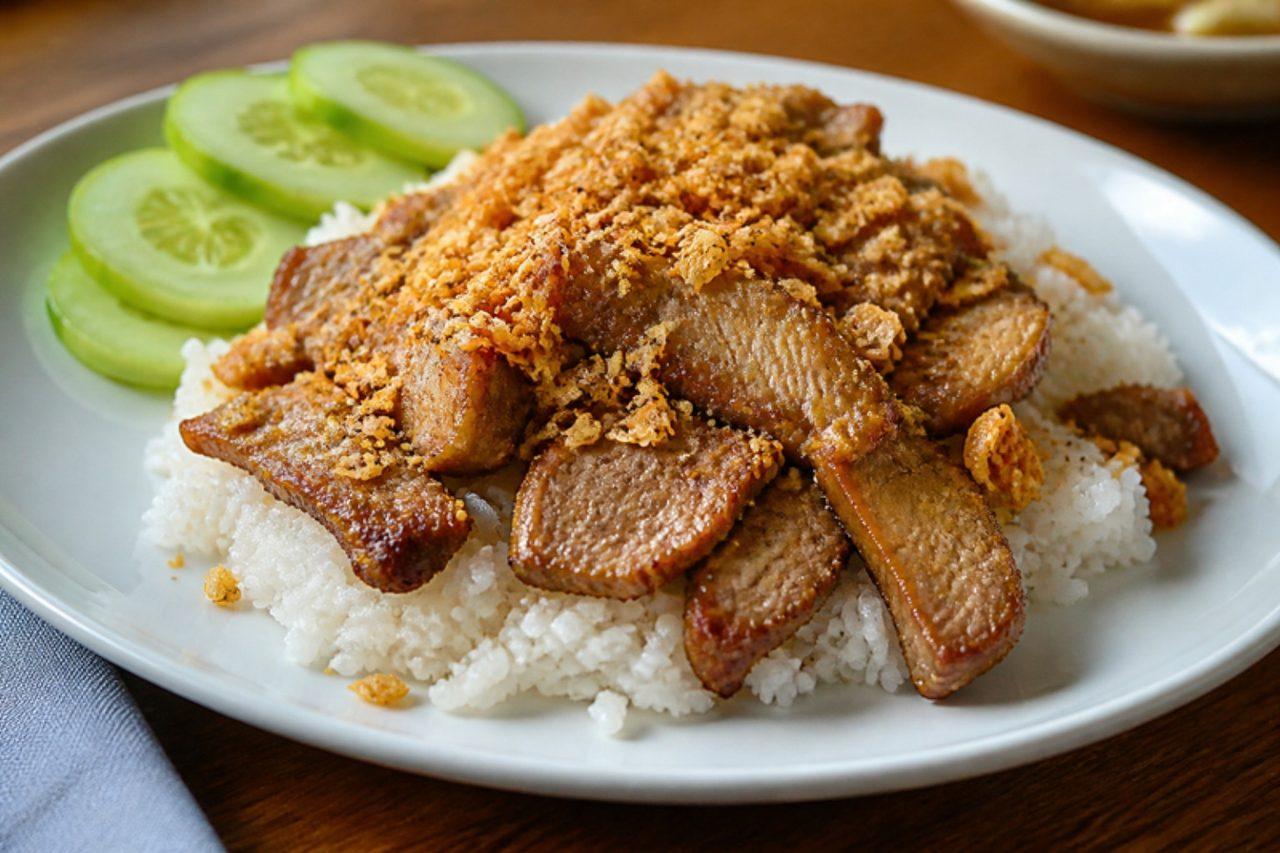
Moo tod kratiem is a one-plate dinner sold at made-to-order stalls across Bangkok and the rest of Thailand: slices of pork marinated in garlic, white pepper and soy, fried until the edges caramelise, then showered with crisp golden garlic and served over rice with a fried egg and cucumber. This is a pork dish. The mistake is frying the garlic on high heat; it burns in seconds and turns bitter, so fry it gently and take it out when it is pale gold. Chef's tip: pound the garlic, pepper and coriander root together rather than chopping, so the paste clings to the meat.

22 minThaiMeat
by KrazyBadal 0 views

Tao hoo tod (Thai fried tofu with sweet chilli peanut dip)

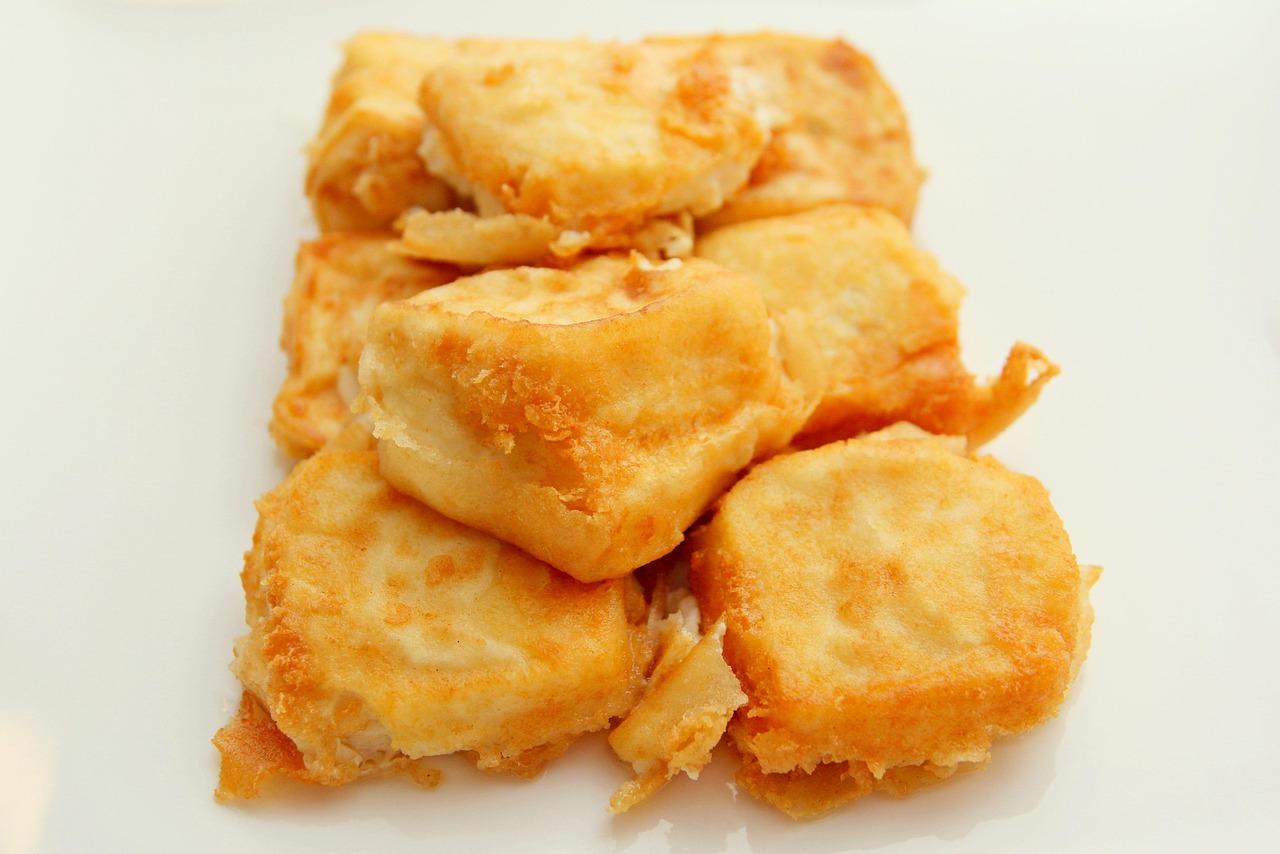
In Bangkok and towns all over Thailand, tao hoo tod is sold from street-side woks in the late afternoon, scooped into paper bags with a little bag of sweet chilli dip and a spoon of crushed peanuts for snacking on the way home. Done properly, each cube has a thin, blistered, crisp skin and a soft, almost creamy centre. The mistake that ruins it is frying wet tofu in oil that isn't hot enough, so it soaks up fat and never crisps. It makes a good starter or a light supper with sticky rice and cucumber. Chef's tip: press the tofu under a heavy pan for 10 minutes while you make the dip; drier tofu crisps faster and spits less.

by KrazyBadal 0 views

Khanom khai (Thai egg cakes)

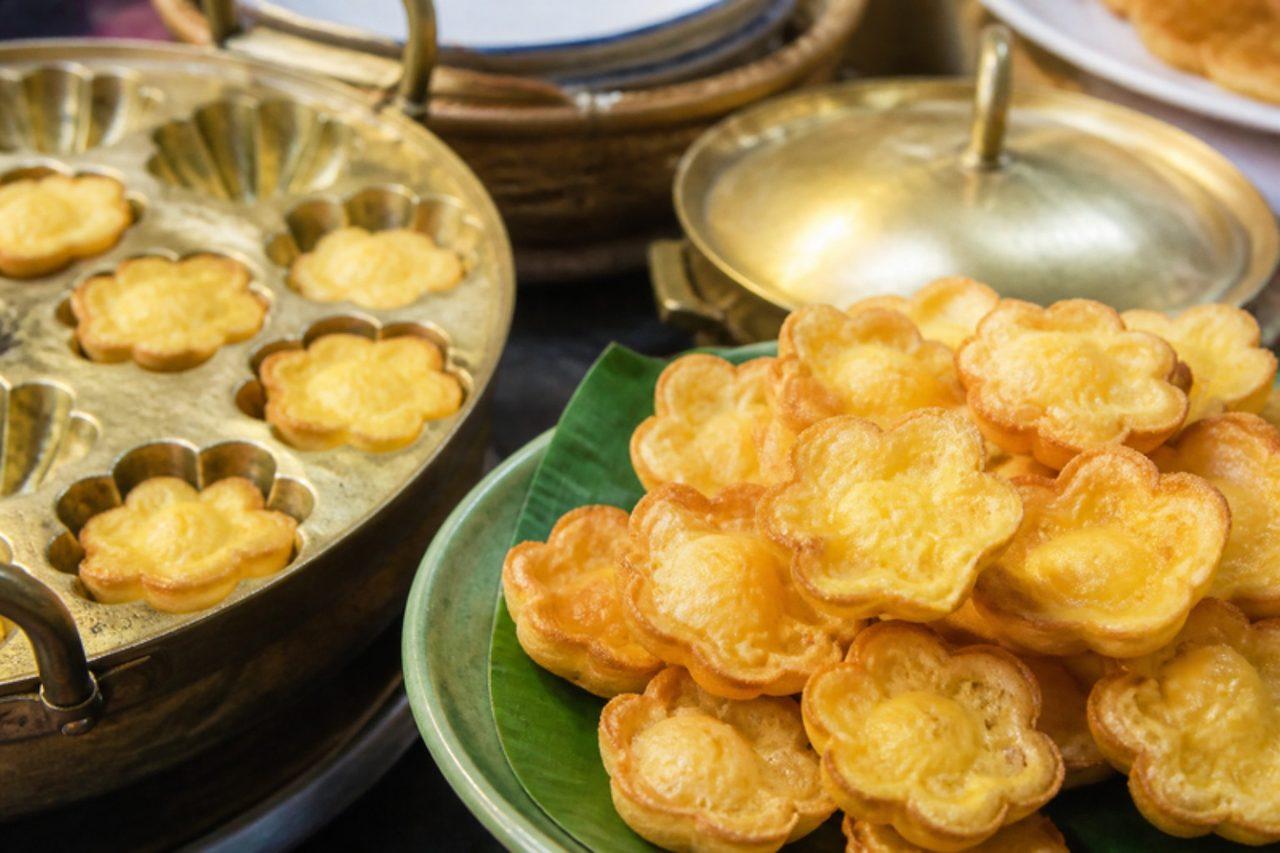
Khanom khai are the tiny golden sponge cakes that Thai market vendors bake in heavy brass moulds, filling the air with a sweet, eggy smell, and Bangkok children buy a paper bag of them after school. They are light and spongy inside with crisp, caramelised edges, and taste of egg and vanilla. They're made with oil rather than butter. They contain egg and gluten. Without a traditional mould, a mini-muffin or madeleine tin works well. Chef's tip: beat the eggs and sugar until really thick and pale; all the lift comes from that air.

30 minThaiBaking
by KrazyBadal 0 views

Khao bod tap gai (mashed rice with chicken liver)

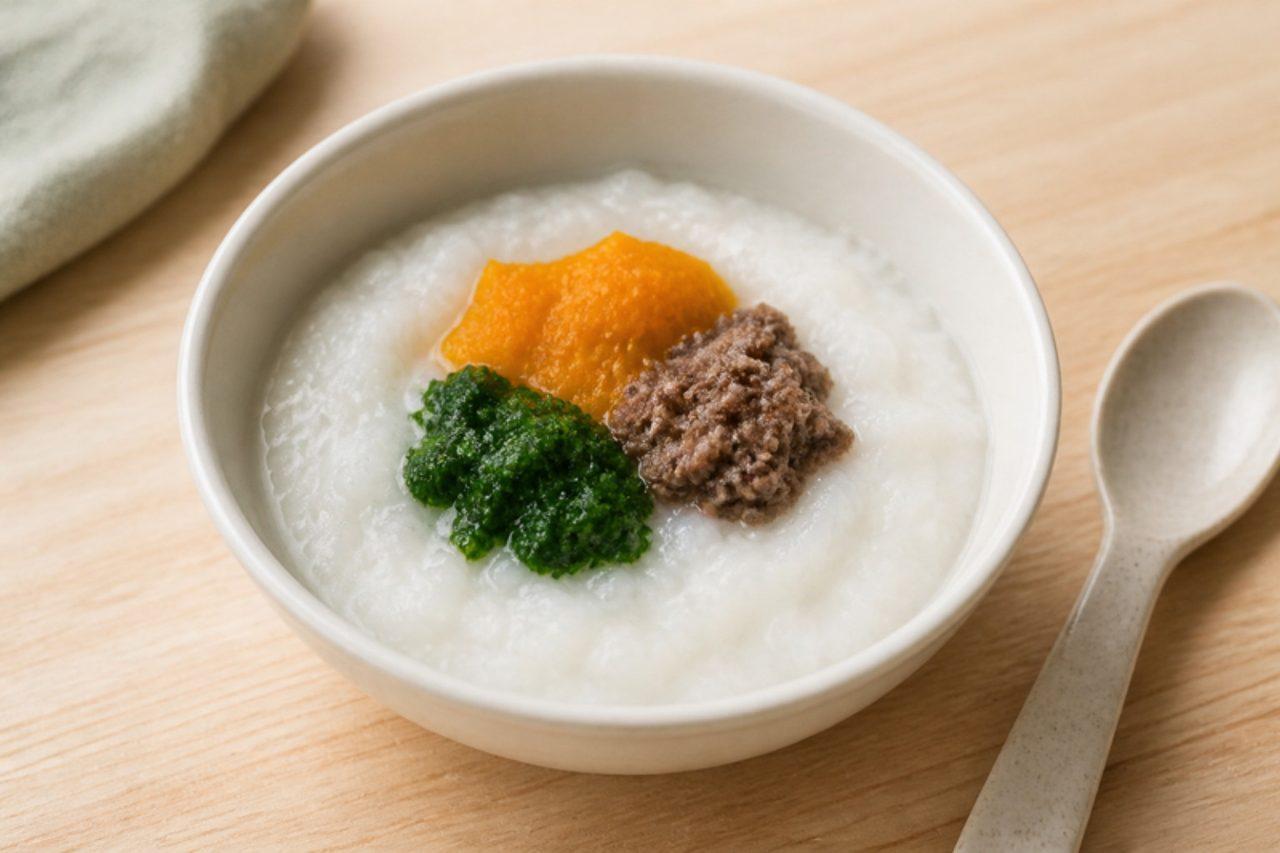
Khao bod, mashed soft rice, is how Thai babies start eating with the family, and steamed chicken liver is a favourite addition because it is so rich in iron. Here it is mashed with sweet pumpkin and a few morning glory or spinach leaves, so the flavour is mellow rather than strong. Liver is very high in vitamin A, so keep it to a small portion about once a week. It contains none of the common allergens (milk, egg, gluten, peanut, tree nuts, soya, sesame, fish). Chef's tip: trim every white sinew from the livers, and the mash will be silky rather than stringy.

by KrazyBadal 0 views

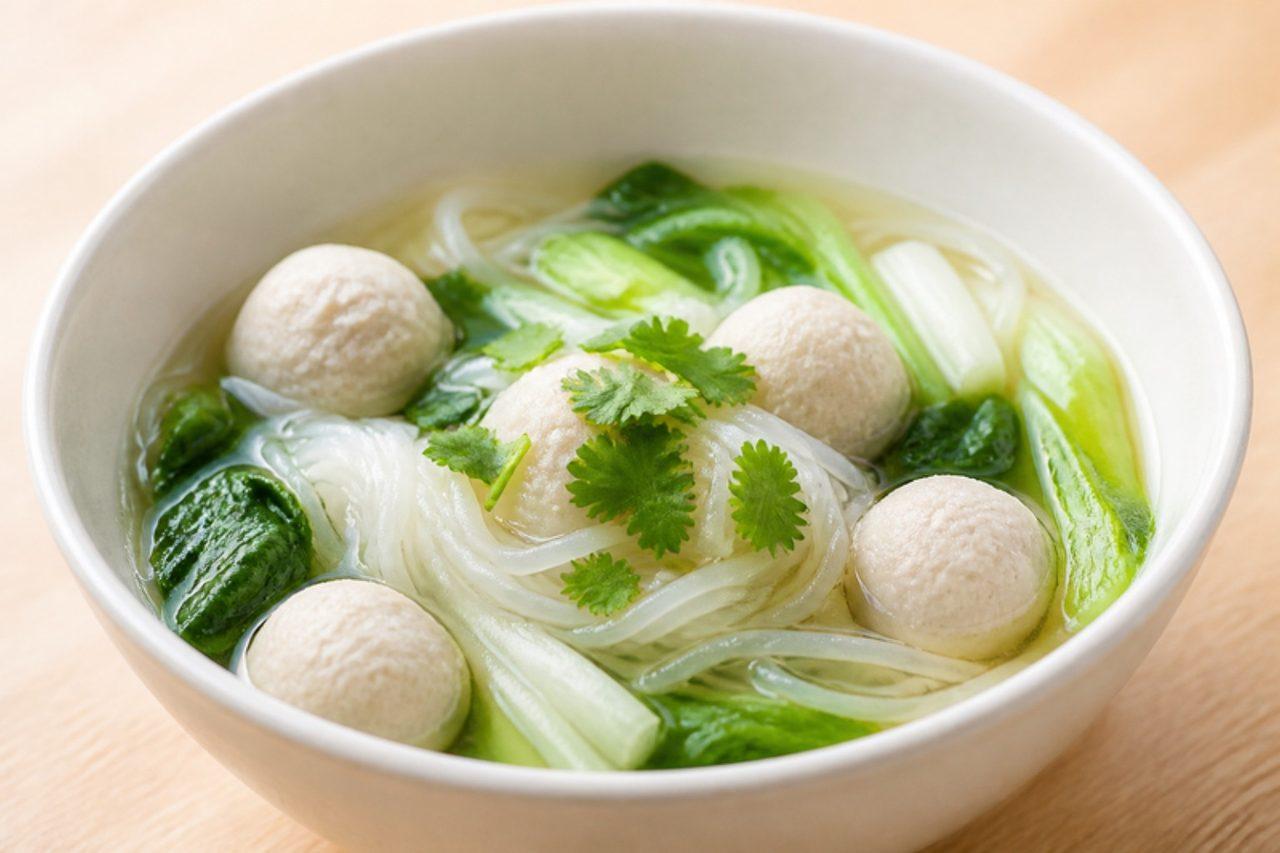
Kuay teow nam sai (clear rice noodle soup for toddlers)

Kuay teow nam sai, clear noodle soup, is ordered for Thai children at noodle shops everywhere because it comes without chilli, sugar or vinegar: thin rice noodles in a light broth with minced pork and blanched greens. At home it is easy to make it even gentler, with no-salt stock fragrant with garlic and coriander root, so that toddlers can have it from a year old and adults season their bowls at the table. It contains none of the common allergens (milk, egg, gluten, peanut, tree nuts, soya, sesame, fish) unless the family adds fish sauce. Chef's tip: soak the noodles in warm water rather than boiling them, then dip in the broth just before serving, so they stay silky.

by KrazyBadal 0 views

Kärntner ReindlingCinnamon raisin yeast cake

Carinthia's Easter loaf takes its name from the Reindl, the round, deep pan it is baked in, and in southern Austria no Easter basket goes to church without one. Inside the golden yeast crust is a spiral of butter, cinnamon sugar and plump raisins, so every slice shows a dark swirl. Locals eat it two ways: sweet with coffee on Easter morning, or alongside the savoury Easter platter with horseradish. Many bakers soak the raisins in rum overnight; warm water or tea works just as well and keeps it alcohol-free. A dry, crumbly Reindling usually means too much flour went in during kneading, so keep the dough soft and only lightly floured. Chef's tip: butter the pan well and dust it with sugar, which caramelises into a thin crunchy shell.

by KrazyBadal 0 views

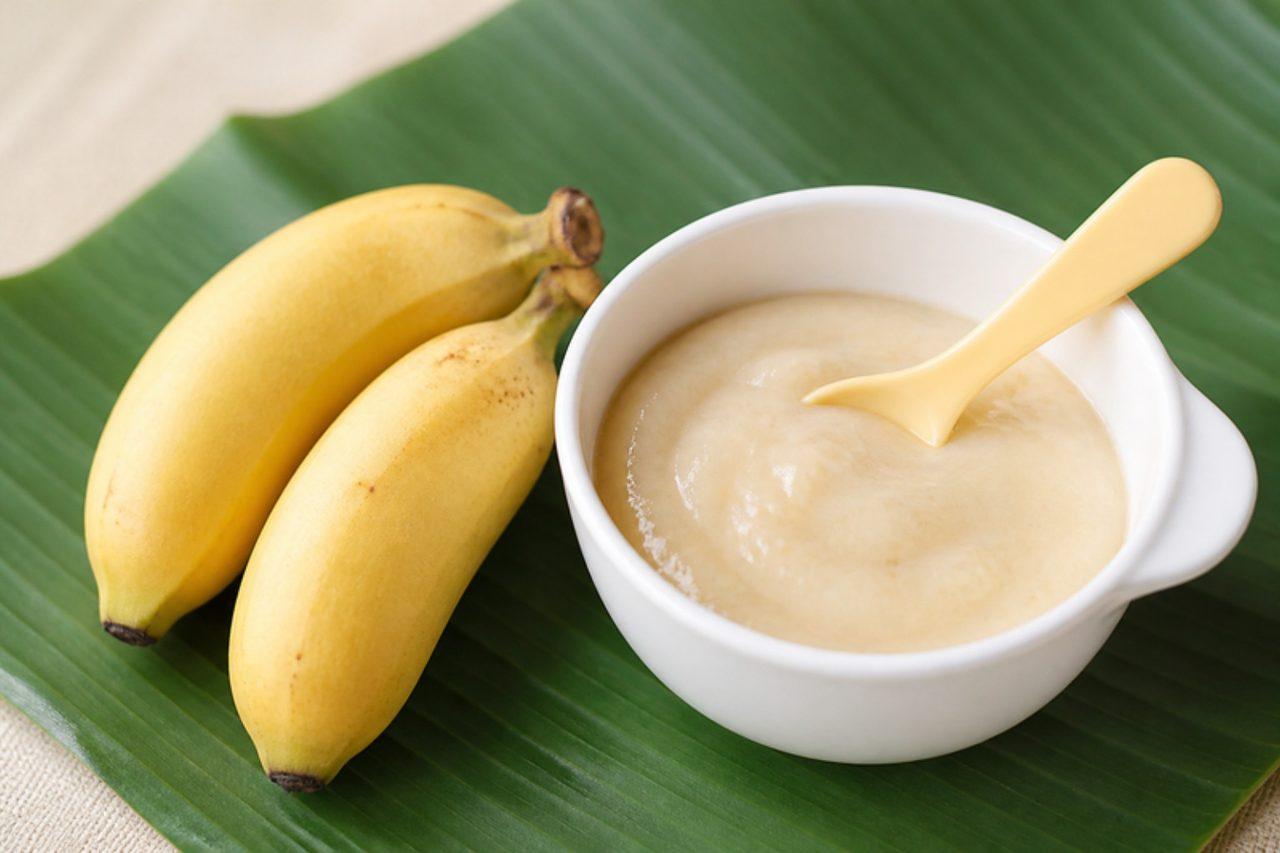
Mashed nam wa banana (kluay nam wa bod)

Ask a Thai grandmother about first foods and she will talk about kluay nam wa, the short, plump banana that grows in nearly every garden in Thailand. Ripe ones are steamed, which softens the slightly astringent edge, then scraped and mashed for a baby's first taste, often in the afternoon. It is sweet, creamy and needs nothing added. There are no common allergens (milk, egg, gluten, peanut, tree nuts, soya, sesame, fish). If you can't find nam wa, use a small, very ripe ordinary banana. Chef's tip: steam the banana in its skin; it keeps the flesh moist and stops it browning.

by KrazyBadal 0 views

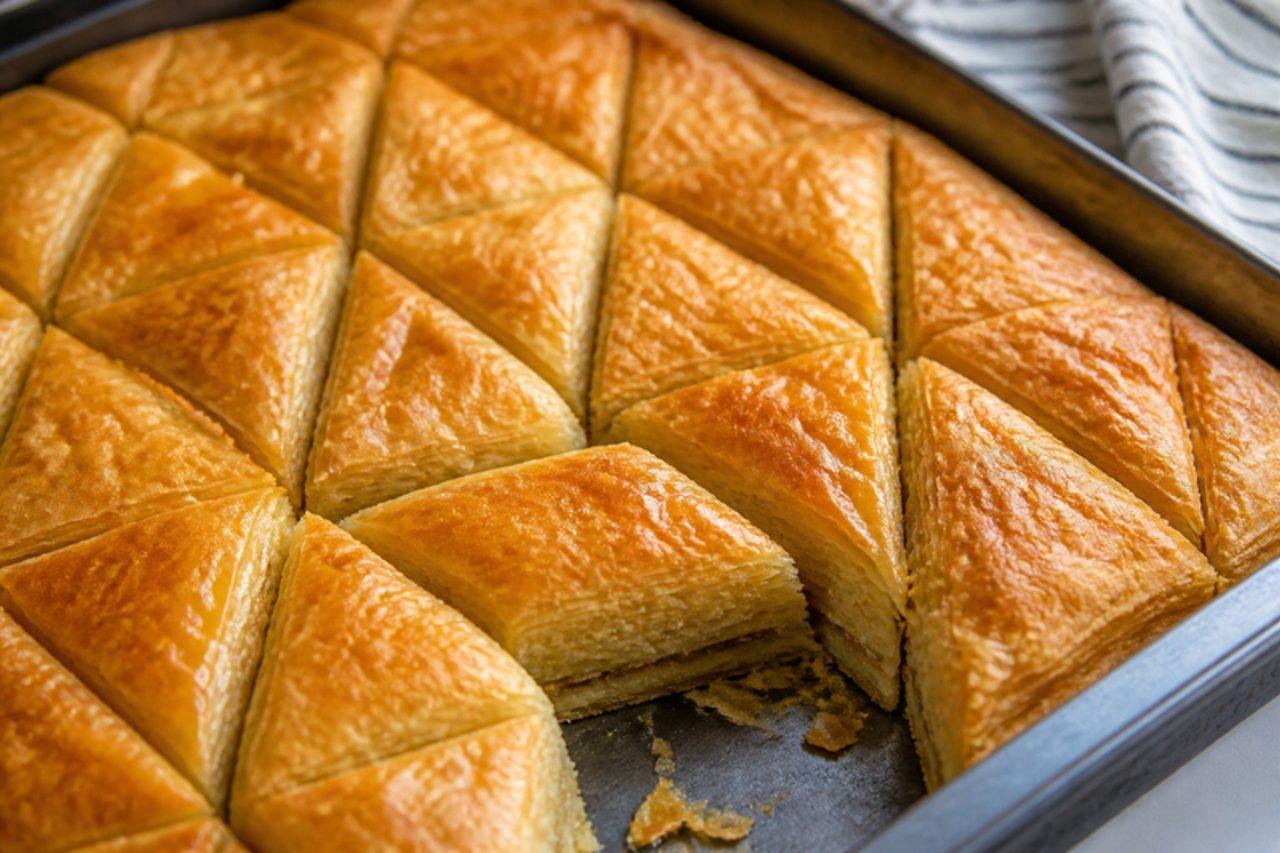
Taillé aux greubonsCracklings pastry

In the cafés and wine-village bakeries of Vaud, from Lavaux to the Jura foothills, taillé aux greubons is served in squares with a glass of something at aperitif time, or warm at the market on Saturday mornings. Greubons are the crisp pork cracklings left after rendering lard; chopped and folded into a rough puff dough, they give a savoury, salty, deeply porky pastry with a criss-cross scored top. Buy pork cracklings (not crisps) from a butcher. Chef's tip: keep everything cold and fold quickly; if the butter melts into the dough you'll get a hard biscuit instead of flaky layers.

by KrazyBadal 0 views

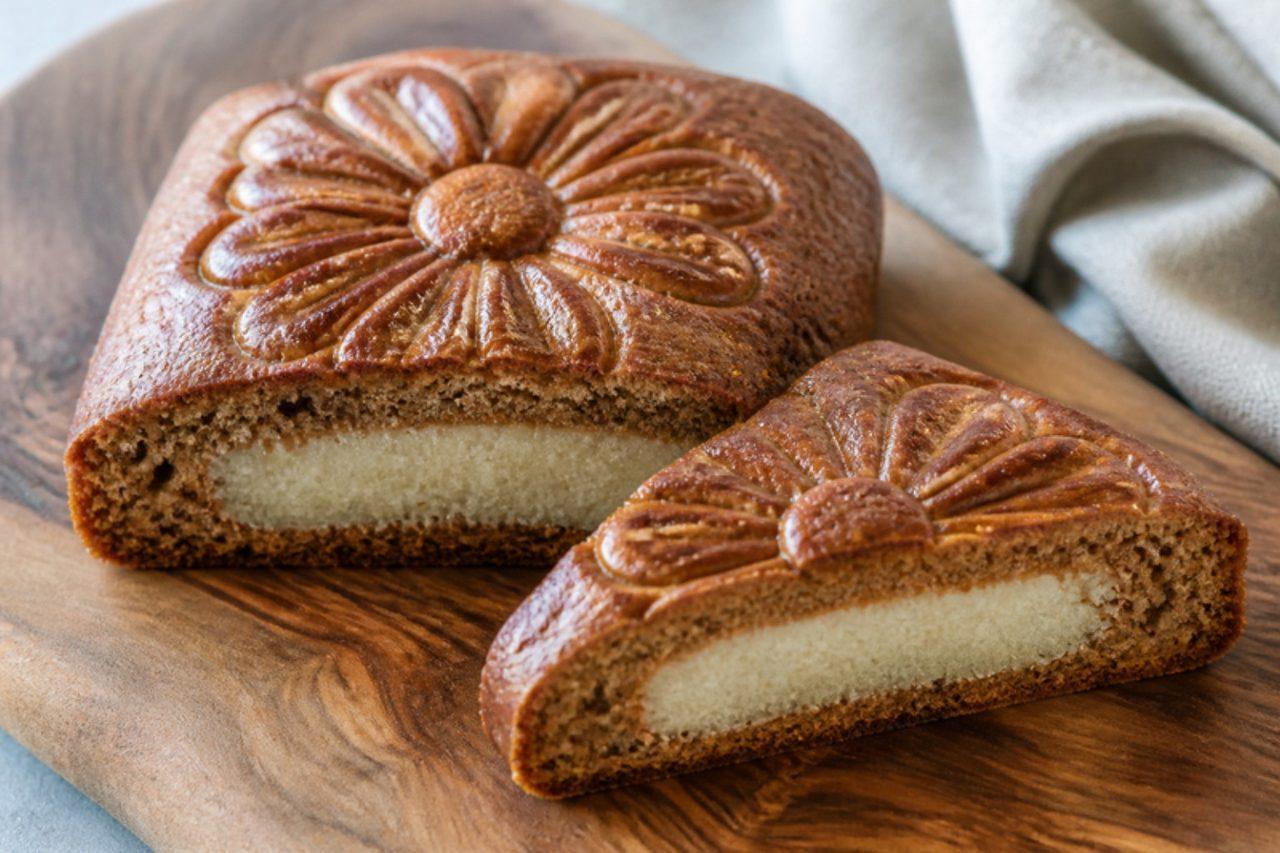
Appenzeller BiberAlmond-filled gingerbread

In the green hills of Appenzell, Biber are the sweet that marks Christmas, New Year and christenings, and bakers in Appenzell town stamp them with wooden moulds of cows, bears and the traditional alpine ascent. The dough is a dark, spicy honey gingerbread wrapped around a layer of almond paste, baked until it glows chestnut brown. They keep well and are sliced or eaten whole with coffee. Chef's tip: leave the dough to rest for at least a day if you can; honey doughs get smoother and spicier with time and crack less when stamped.

by KrazyBadal 0 views

BürliCrusty bread rolls

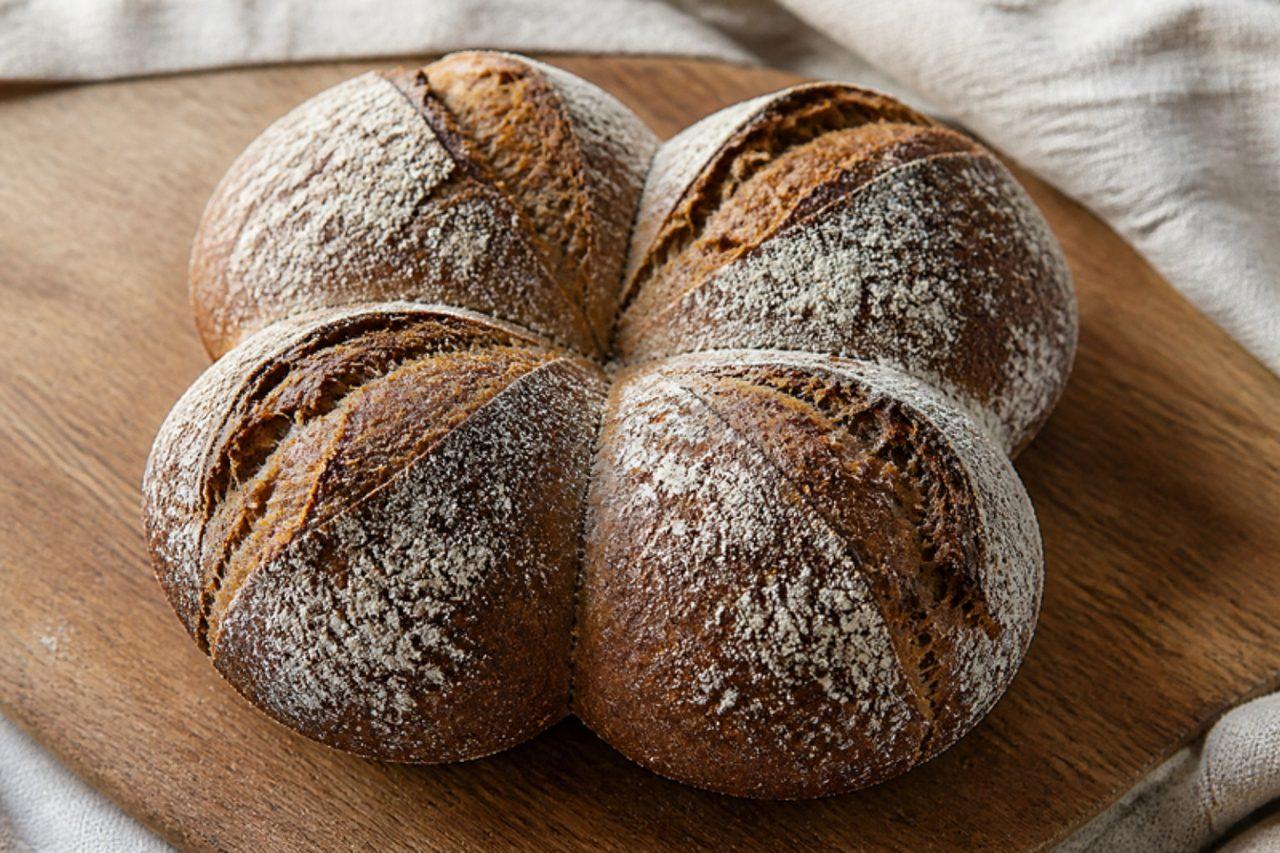
Walk into a bakery in St. Gallen, Appenzell or Thurgau in the morning and you will find trays of Bürli, rough, flour-dusted rolls baked in clusters of two or four that you tear apart at the table. Their dough is wet and lightly handled, so the crust bakes up thin and crackling while the inside stays open and chewy. In eastern Switzerland they are the classic partner for a grilled St. Galler Bratwurst at football matches and markets, and they're just as good with butter and cheese. Chef's tip: don't add extra flour to the sticky dough; the high water content is what gives Bürli their big holes, so use wet hands and a scraper instead.

by KrazyBadal 0 views

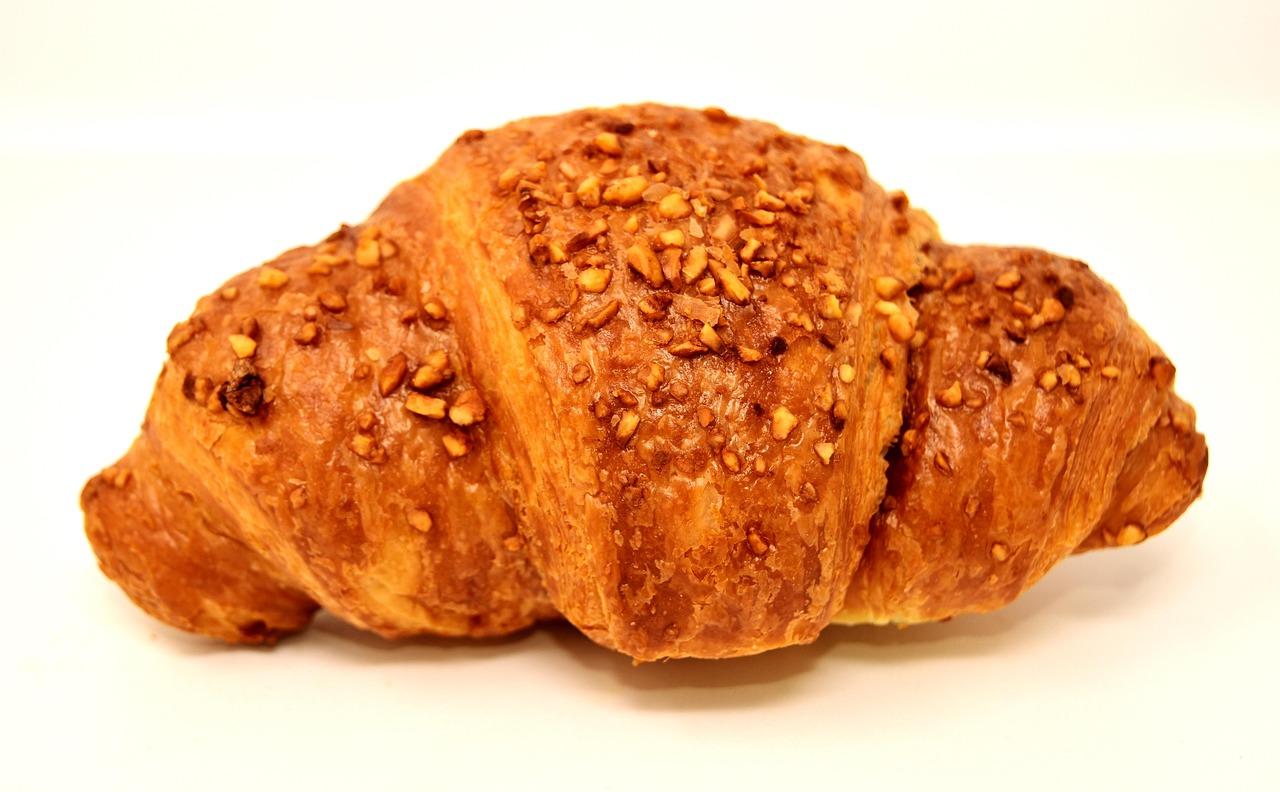
NussgipfelHazelnut crescents

In Swiss train-station bakeries and village tearooms the Nussgipfel is the pastry commuters grab with their morning coffee: a crisp, flaky crescent wrapped around a sweet filling of ground hazelnuts and cinnamon, glazed so it shines. Bakers in Bern and Lucerne make their own laminated dough, but at home good all-butter puff pastry gives an excellent result in about an hour and a half. Chef's tip: chill the shaped crescents for 15 minutes before baking; warm pastry slumps and the filling leaks out.

by KrazyBadal 0 views

Pane ticinesePull-apart white loaf

Pane ticinese comes from Switzerland's Italian-speaking south and is now sold in bakeries across the country: a long, flat loaf made of linked rolls, each section easy to break off, with a soft, slightly chewy crumb thanks to a little olive oil in the dough. In Lugano and Bellinzona it goes on the table at lunch with salami and formaggini, or is torn into hunks for minestrone; this version is vegan. Chef's tip: when shaping, press each fold right down with the side of your hand; the deep creases are what let the loaf snap into neat pieces after baking.

by KrazyBadal 0 views

Willisauer RingliSugar ring biscuits

The little town of Willisau in the canton of Lucerne has been making these rock-hard sugar rings since the 1800s, and Swiss children have been nibbling them on hikes and car journeys ever since, sucking them slowly like sweets. They are made from little more than sugar, flour, egg and lemon, and dried before baking so they set with a smooth, pale, glassy crust. The bakery recipe is a well-kept secret; this home version gets the same snap. Chef's tip: don't skip the overnight drying, which forms the crust that gives Ringli their famous crunch.

by KrazyBadal 0 views

TotenbeinliAlmond biscuits

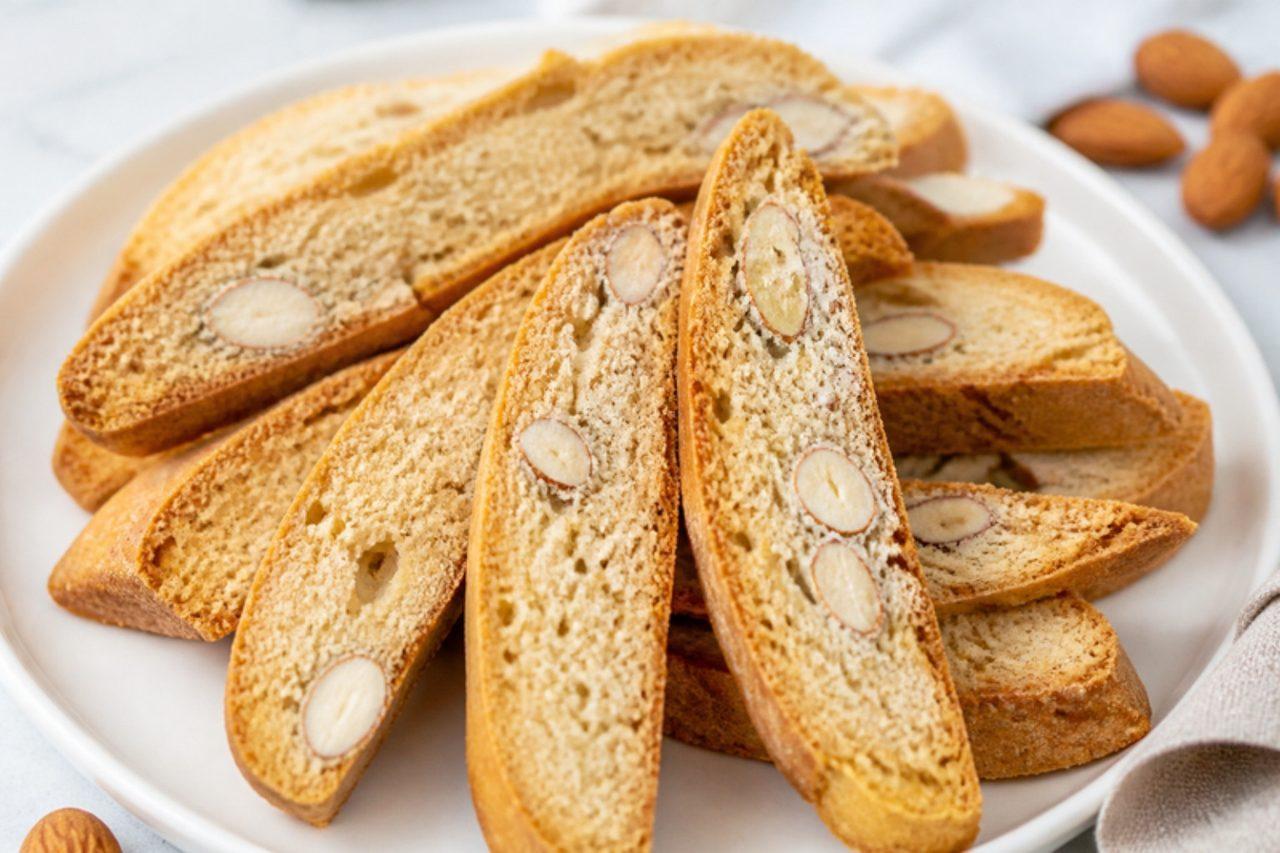
The name means 'little dead men's bones', but there is nothing gloomy about these crunchy almond biscuits from Graubünden, sold in the bakeries of Chur and the Engadin and dunked in coffee or a glass of milk on winter afternoons. Whole almonds are folded into a buttery, cinnamon-scented dough, baked in logs, then sliced and baked again, a little like biscotti but richer. Chef's tip: slice the logs while still warm with a serrated knife and a gentle sawing motion; cold logs crumble and the almonds tear out.

by KrazyBadal 0 views

Showing 24 of 296 recipes

Show more recipes

Page 1 of 13