Skip to content
Recipes

All recipes

Vegetarian, or something you can't eat? Set your diet once and we'll hide recipes that don't fit.

AllerheiligenstriezelBraided sweet loaf

In Bavaria and Austria, godparents give their godchildren an Allerheiligenstriezel on All Saints' Day, 1 November: a large braided loaf of sweet yeast dough, brushed with egg and scattered with almonds or pearl sugar. The braid is said to recall the old custom of cutting a plait of hair in mourning, and the size of the loaf once showed how generous the godparent was. It is lightly sweet, with lemon and vanilla, and is eaten sliced with butter or jam. Some recipes add rum-soaked raisins; these are soaked in warm water instead. Chef's tip: braid four strands for an impressive, high loaf.

by KrazyBadal 0 views

KaguyjyWhite corn pudding

On the night of 23–24 June, Paraguayans celebrate San Juan with bonfires, games like walking over hot coals and the 'paso de fuego', and a table of traditional foods, and kaguyjy (also mazamorra) is one of them. It is a soft, creamy pudding of cracked white corn (locro) simmered slowly in water and then milk with sugar or honey, sometimes with orange peel. It is eaten warm or cold. It is gluten free. Chef's tip: soak the corn overnight and cook it until each kernel is tender before adding the milk, or it never turns creamy.

by KrazyBadal 0 views

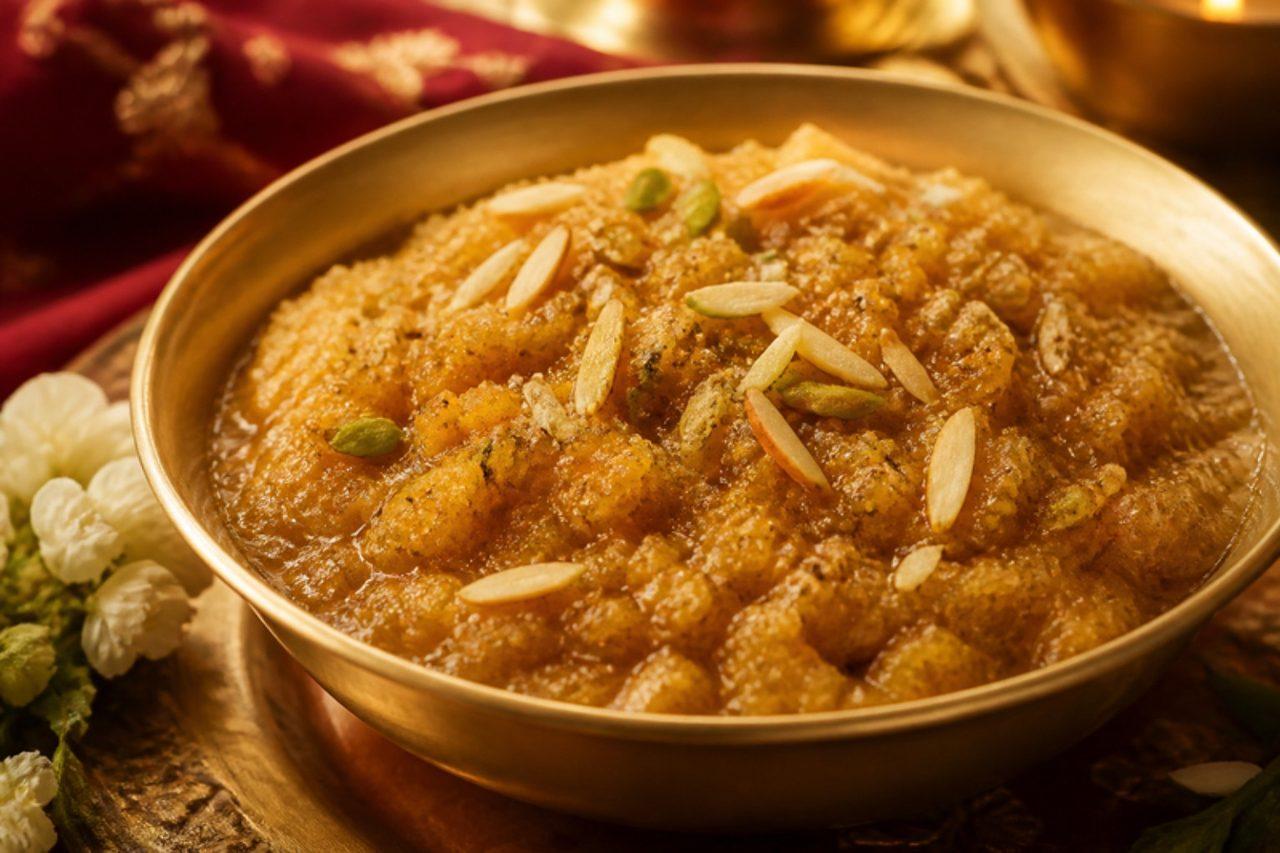
Chana dal halwa

At Punjabi weddings in Lahore and Faisalabad in the cold months, the dessert table often carries a big tray of chana dal halwa beside the gajar halwa. Soaked split chickpeas are ground and fried slowly in ghee until they smell of roasted nuts and turn deep golden, then cooked with milk, sugar and cardamom into a rich, grainy halwa that keeps for days. It takes patience and a strong arm. Chef's tip: keep the heat low and scrape the bottom constantly; the dal catches fast once it starts to brown.

by KrazyBadal 0 views

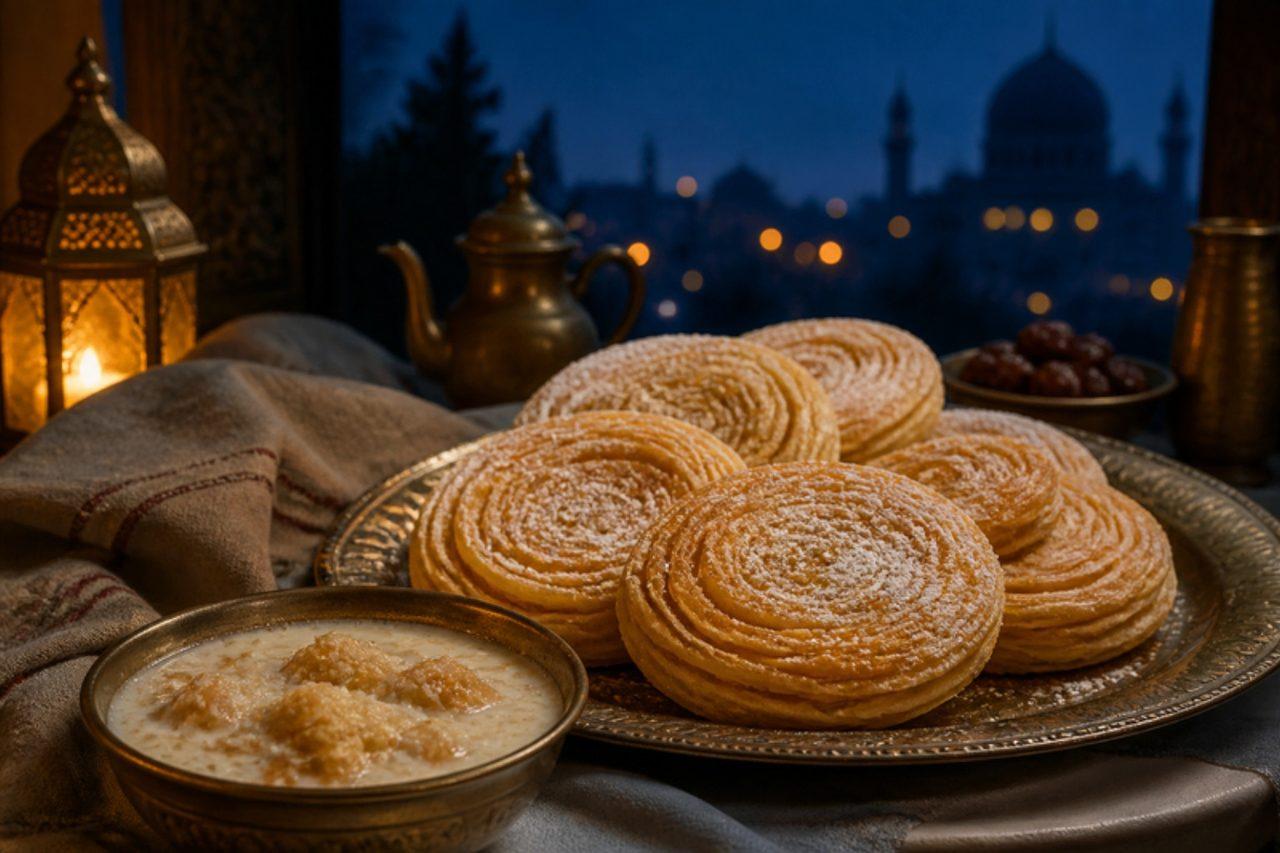
KhajlaFried pastry rounds in sweet milk

In the old lanes of Lahore and Karachi's Burns Road, sweet shops fry khajla through the night in Ramadan so families can buy it fresh for sehri, the meal eaten before dawn. Each round is a stack of paper-thin layers of ghee-rubbed dough that shatter when you press them, and it is crumbled into a bowl of hot sweetened milk, often with fine pheni, to give slow energy for the fasting day. Chef's tip: keep the oil only medium-hot; khajla must fry slowly so every inner layer turns crisp before the outside browns.

by KrazyBadal 0 views

Chipa so'oCheese bread with spiced beef

In Paraguay, families bake chipa in the clay tatakua ovens on Holy Wednesday so there is food for Thursday and Good Friday, when cooking stops. Chipa so'o ('chipa with meat') is a cassava-starch and cheese bread wrapped around a little filling of minced beef cooked with onion and egg, then baked until crisp outside and chewy within. It is naturally gluten free. Chef's tip: knead the dough until it no longer cracks at the edges when pressed; dry dough splits around the filling.

by KrazyBadal 0 views

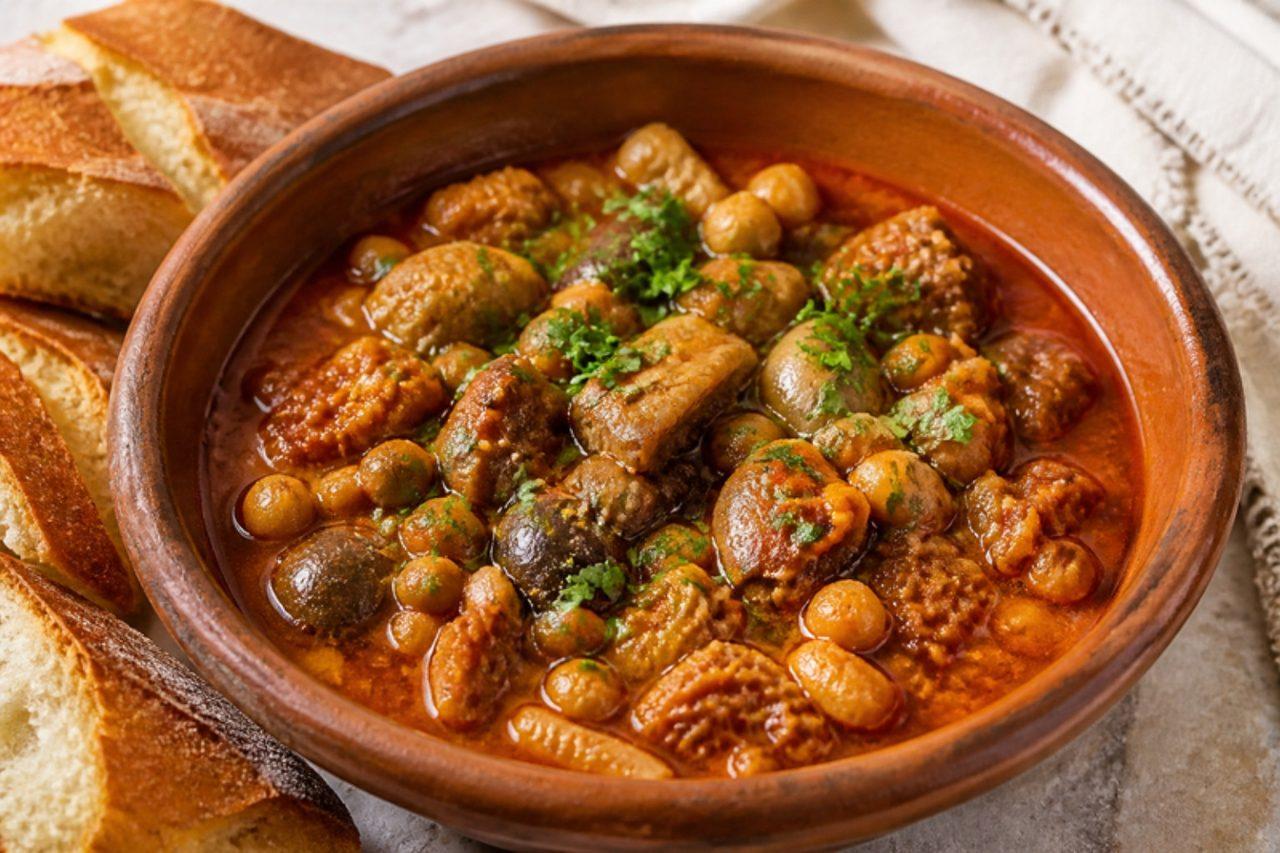
DouaraLamb tripe and chickpea stew

Douara is the dish that fills Algerian kitchens on the second day of Eid al-Adha, when the tripe, intestines and lung from the family's sacrifice are cleaned, cut small and stewed slowly with chickpeas, plenty of garlic, cumin and paprika. The sauce is deep red and peppery and the offal turns tender and rich. At home, cleaned lamb or beef tripe and lamb heart from a halal butcher make an easy start; lung can be added if your butcher sells it. Chef's tip: blanch the tripe first in water with a squeeze of lemon to freshen the flavour before it goes into the stew.

180 minAlgerianMeatGluten freeSpicy
by KrazyBadal 0 views

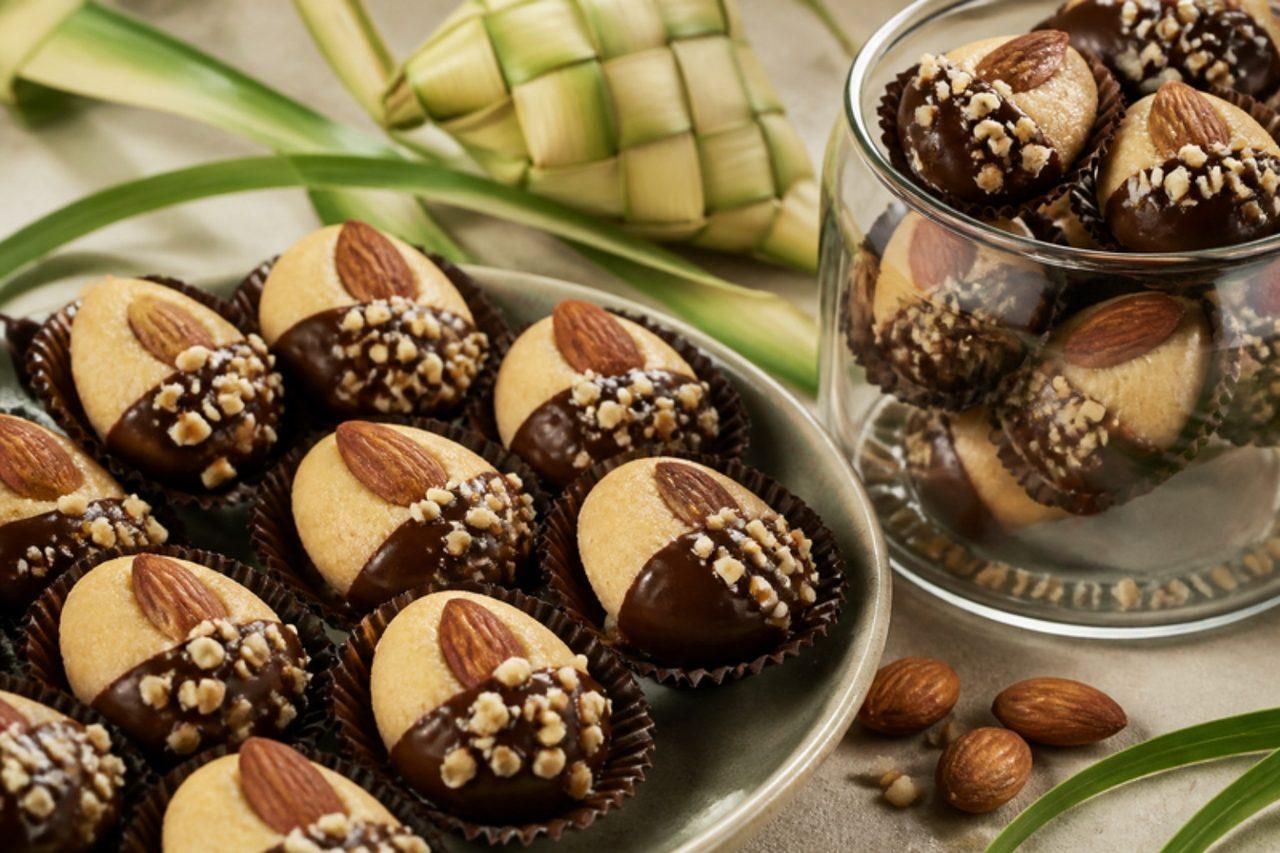
Almond LondonChocolate-dipped almond cookies

Almond London is a Hari Raya favourite in Singapore and Malaysia, a whole roasted almond hidden in buttery cookie dough, baked, dipped in chocolate and rolled in chopped nuts. Nobody is sure where the name came from, but every Malay household fills a jar of them for Raya visits, and children hunt for the almond inside. They are crunchy, rich and not too sweet. Chef's tip: let the cookies cool completely before dipping, or the chocolate slides off and turns streaky.

by KrazyBadal 0 views

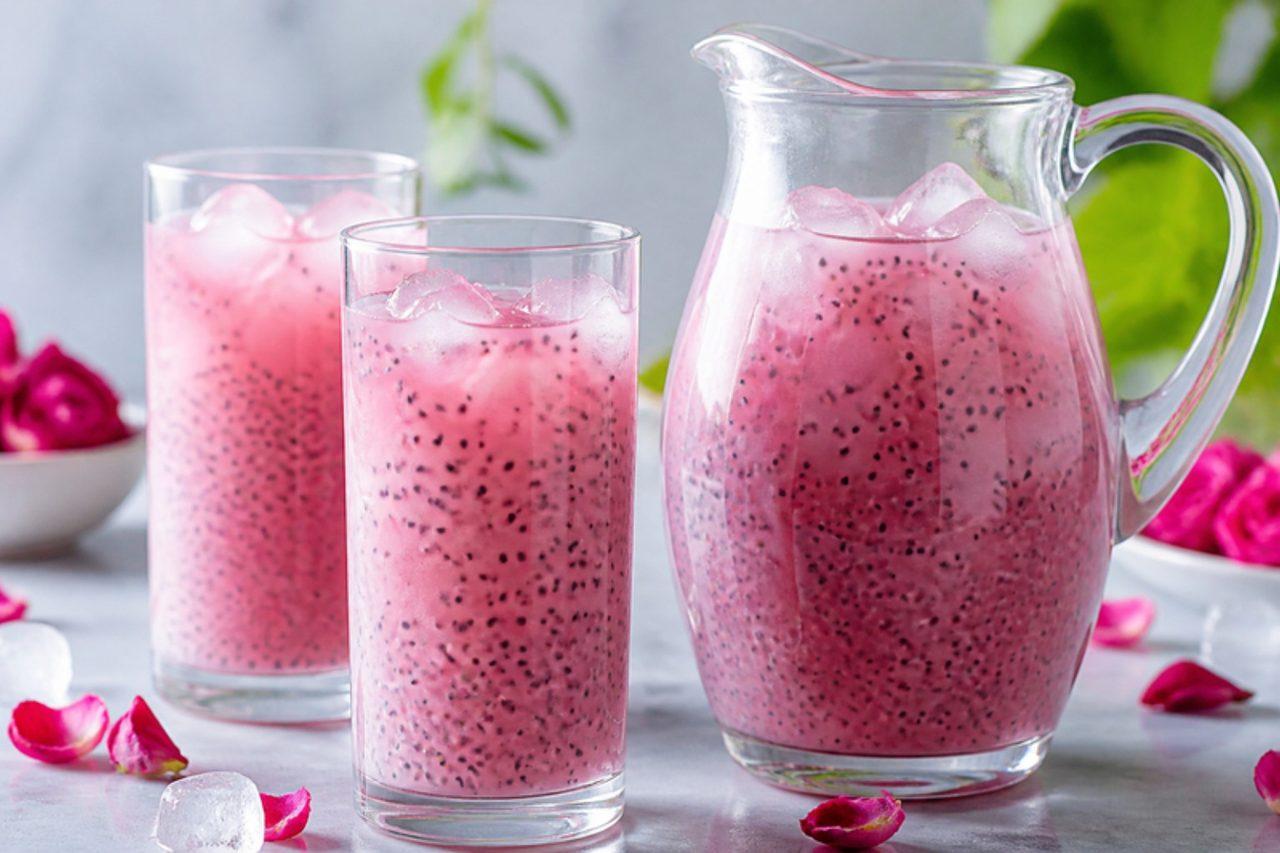
Sabeel sharbatRose milk with basil seeds

In the first ten days of Muharram, and above all on Ashura, volunteers in Pakistani towns set up sabeel stalls at the roadside and pour free cups of cold sweet milk for anyone passing, in memory of the thirst of Imam Husain's family at Karbala. The drink is pale pink, lightly rose-scented and dotted with swollen basil seeds, and it is made in huge steel pots at the stalls; this is the home-sized jug. Chef's tip: soak the basil seeds in water first, never straight in the milk, or they stay hard and clump.

by KrazyBadal 0 views

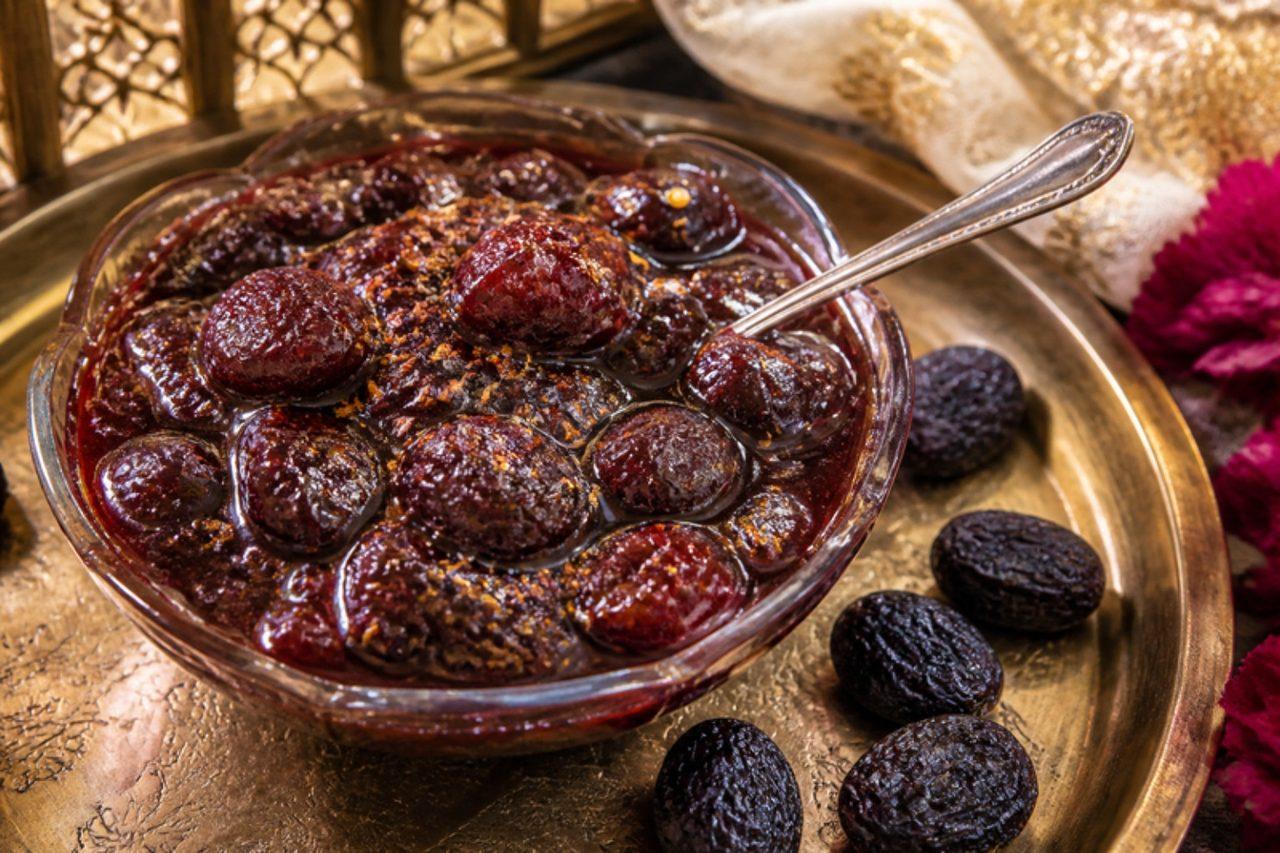
Aloo bukhara chutneyDried plum chutney

Wherever a Pakistani wedding serves biryani and qorma, a little bowl of glossy aloo bukhara chutney sits alongside to cut the richness. Dried sour plums are softened, then cooked with sugar, a touch of vinegar, ginger, chilli and warm spices into a jammy, sweet-sour relish, dark and shining. It keeps for weeks and is made in big jars before the shaadi. Chef's tip: stop cooking while it still looks a little loose; it thickens a lot as it cools.

by KrazyBadal 0 views

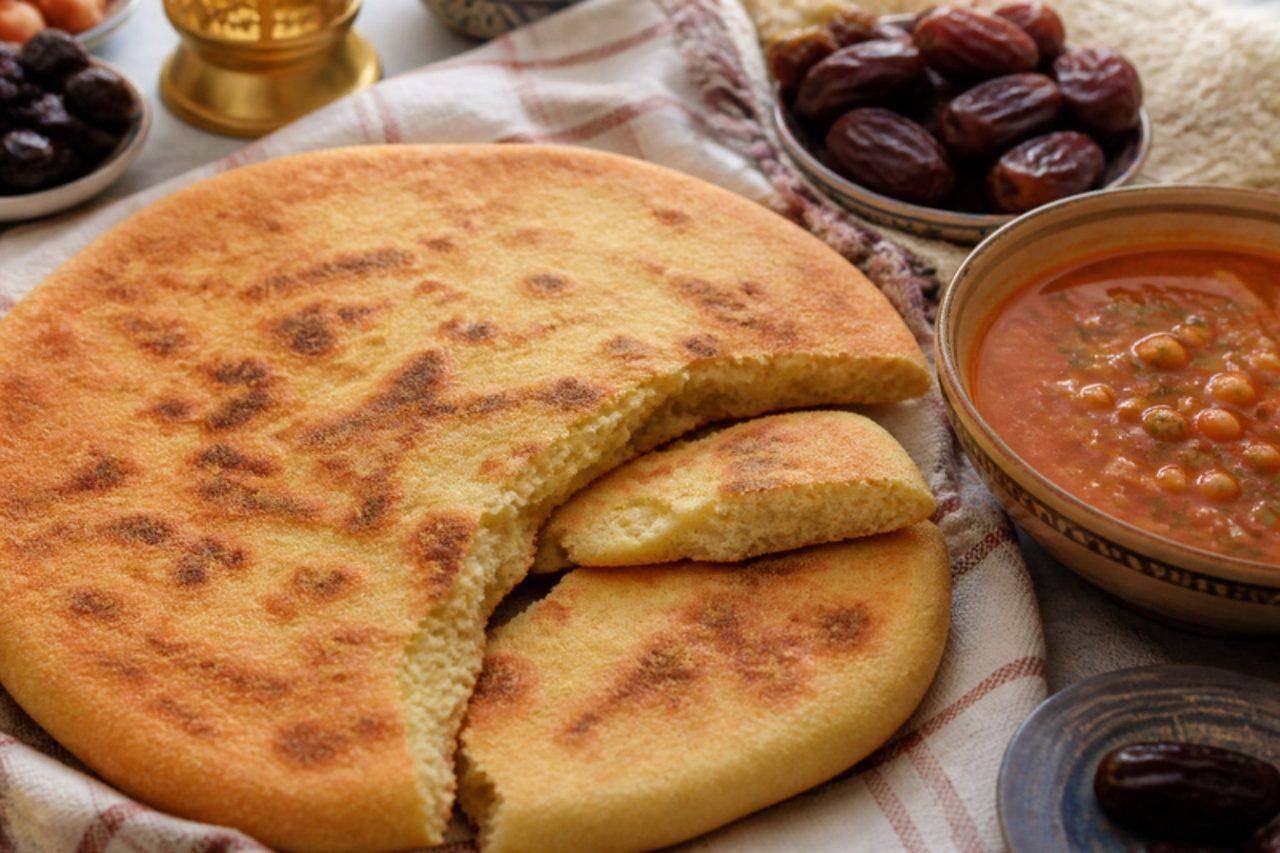
KesraSemolina pan bread

Kesra is the flat semolina bread of Algerian homes, and in Ramadan a fresh round sits on almost every iftar table, cooked on a clay tajine and torn into pieces to dip into hot chorba frik. This unleavened version is a thin, crumbly-edged galette, golden in patches and slightly chewy in the middle, with a nutty taste from the olive oil. It is made in minutes before sunset so it reaches the table still warm. Chef's tip: work the dough only until it holds together; kneading it like a yeast bread makes kesra tough instead of tender.

by KrazyBadal 0 views

OsterpinzeEaster anise brioche

Osterpinze is the Easter bread of Styria, Carinthia and the area around Trieste, a soft, golden brioche dome with three deep cuts on top for the Holy Trinity, so that it opens into a crown as it bakes. The dough is rich with egg yolks and butter and flavoured with anise and lemon; old recipes add a splash of white wine, left out here. It is blessed in the Easter basket on Holy Saturday and eaten on Easter morning with ham, horseradish and eggs, or with butter and jam. Chef's tip: make the three cuts with scissors just before baking, deep enough to reach halfway down, so the crown opens wide.

by KrazyBadal 0 views

Pajagua mascadaBeef and cassava patties

Pajagua mascada is a Paraguayan street-food classic that appears on every table for the San Juan festival on 24 June, when bonfires burn and the night is full of games and traditional food. Minced beef is mixed with mashed cassava, onion, garlic and a little egg and flour, shaped into flat patties and fried until crisp. The name comes from Guaraní and refers to the 'chewing' of old Paraguayan cooks, who made it from leftover meat. Chef's tip: dry the boiled cassava well and remove its woody core, which keeps the patties light and crunchy.

by KrazyBadal 0 views

Sopa teólogaTurkey broth with bread and cheese

Sopa teóloga ('the theologian's soup') goes back to colonial convents in Lima and Arequipa, where it was cooked for feast days, and it is still served at Holy Week and family celebrations. A rich turkey (or chicken) broth is thickened with soaked bread, milk and fresh cheese, with yellow potatoes and shreds of turkey, and finished with a little ají amarillo and chopped huacatay or parsley. It is thick, comforting and filling. Chef's tip: blend part of the soaked bread with broth before adding it, which gives the soup its creamy body without lumps.

by KrazyBadal 0 views

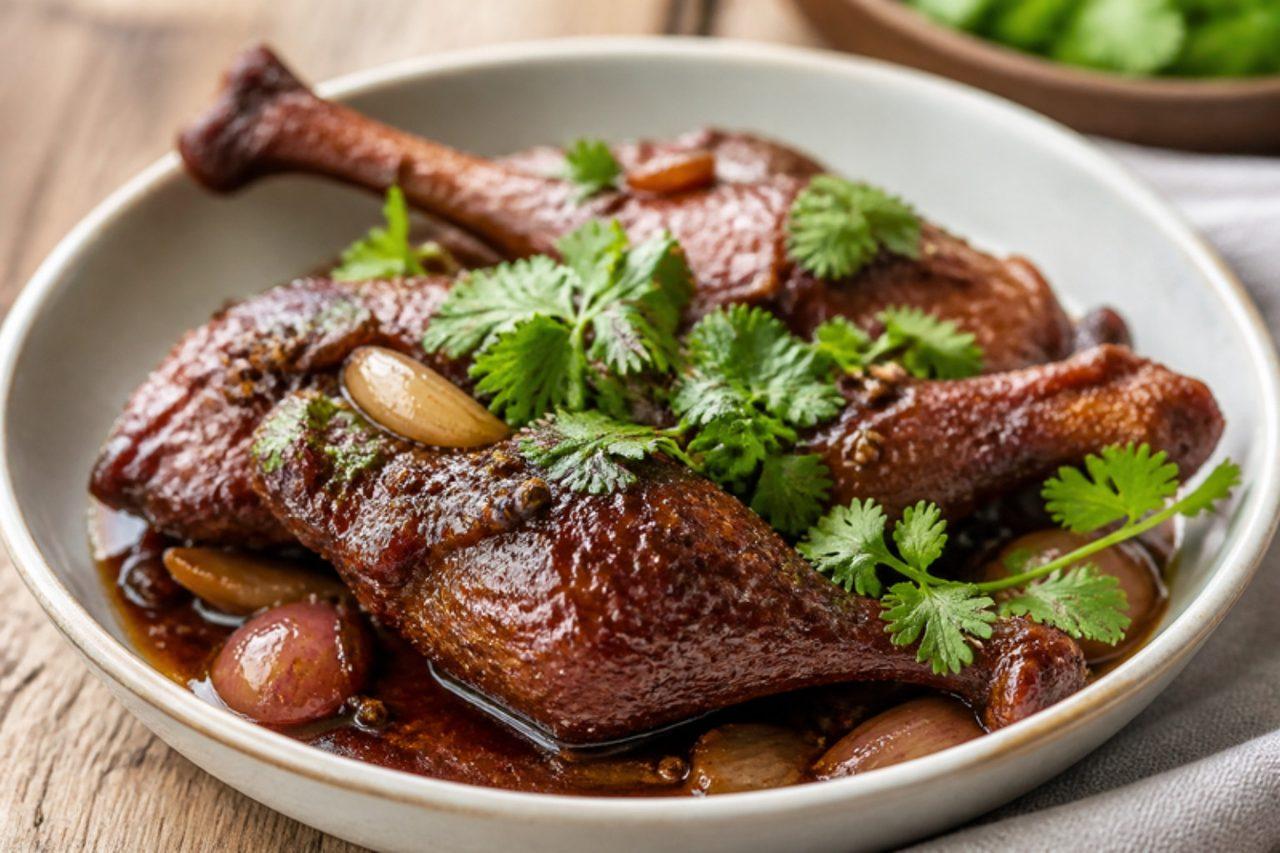
Itek sio (Nyonya coriander duck)

Itek sio is a Peranakan braise that Nyonya cooks in Singapore make for Chinese New Year and other family feasts; duck is a celebration meat, and a rich, glossy pot of it says the household is doing well. Duck legs are rubbed with tamarind and soy, then simmered slowly with a heap of shallots and a generous amount of freshly ground coriander seed until the meat almost falls from the bone and the sauce turns thick, dark, sweet-sour and fragrant. Serve it with plain rice and a sharp sambal or pickles to cut the richness. Chef's tip: toast the coriander seeds before grinding; the warm, citrusy smell is the whole point of the dish.

by KrazyBadal 0 views

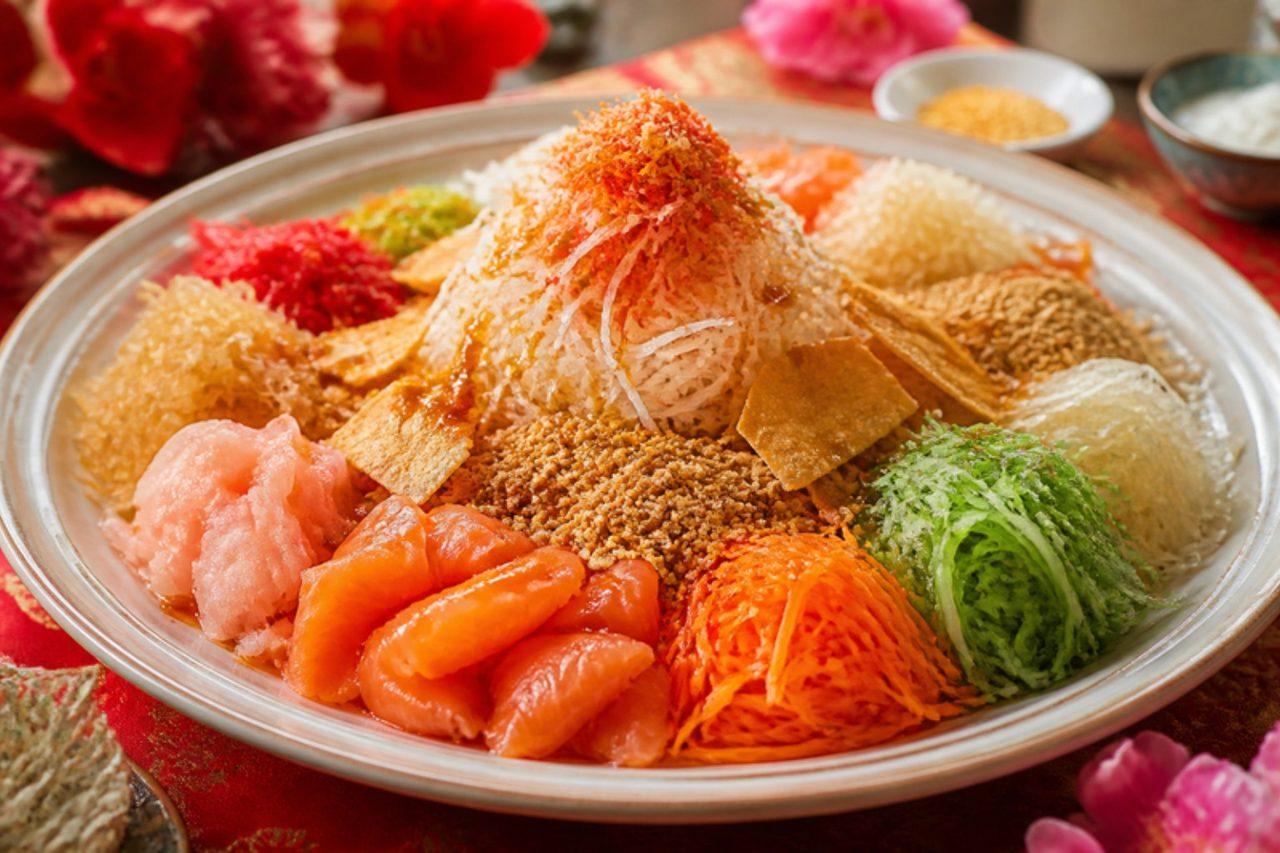
Yusheng (lo hei prosperity salad)

In Singapore and Malaysia, Chinese New Year meals often begin with lo hei: everyone stands round a platter of yusheng and tosses it high with chopsticks, calling out wishes, because the higher the toss, the better the year. Yu sounds like 'abundance' and each topping added has its own blessing, from the oil (money flowing in) to the golden crackers (a floor of gold). The traditional version uses raw fish; this home version uses smoked salmon, or salmon bought frozen as sashimi-grade and kept below 5 °C, and raw fish is not for pregnant women, young children or anyone with a weakened immune system. For them, use smoked salmon or poached salmon, or leave the fish out for a vegetarian toss. Expect a crunchy, sweet-sour, nutty salad with a sticky plum dressing. Chef's tip: squeeze the shredded vegetables dry in a cloth; wet radish drowns the dressing and goes limp.

by KrazyBadal 0 views

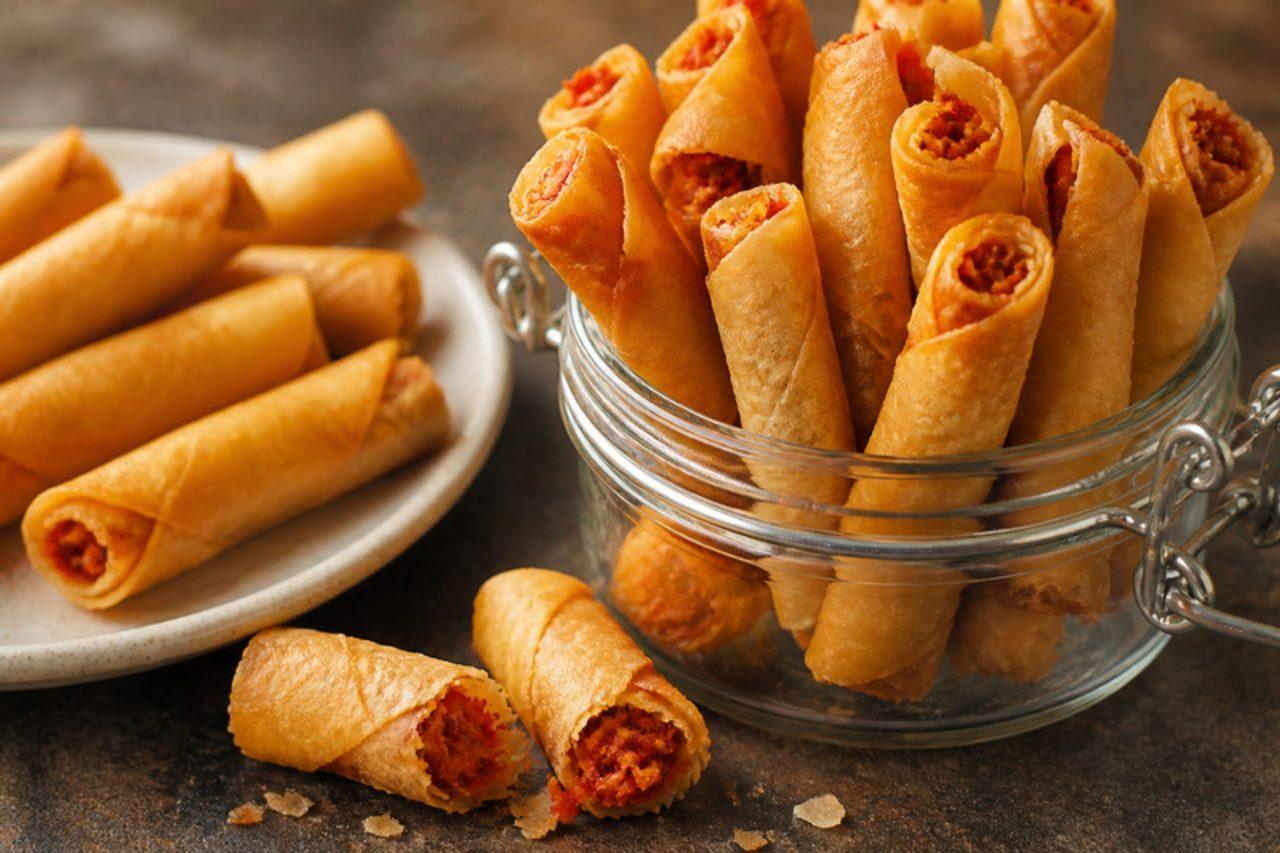
Hae bee hiam rolls (spicy prawn rolls)

Lift the lid of the cookie jars in a Singapore or Malaysian home at Chinese New Year and among the pineapple tarts you will find these tiny, fiery hae bee hiam rolls. Hae bee hiam is a sambal of dried shrimp fried slowly with chilli, shallots and lemongrass until it is dry, crumbly and fragrant, and rolled into thin spring-roll pastry it makes a crunchy, salty-sweet, spicy snack that disappears by the handful; the golden rolls look like gold bars for a prosperous year. Serve them with tea or a cold drink. Chef's tip: cook the sambal until it is completely dry and floss-like; any moisture left will make the rolls soft within a day.

by KrazyBadal 0 views

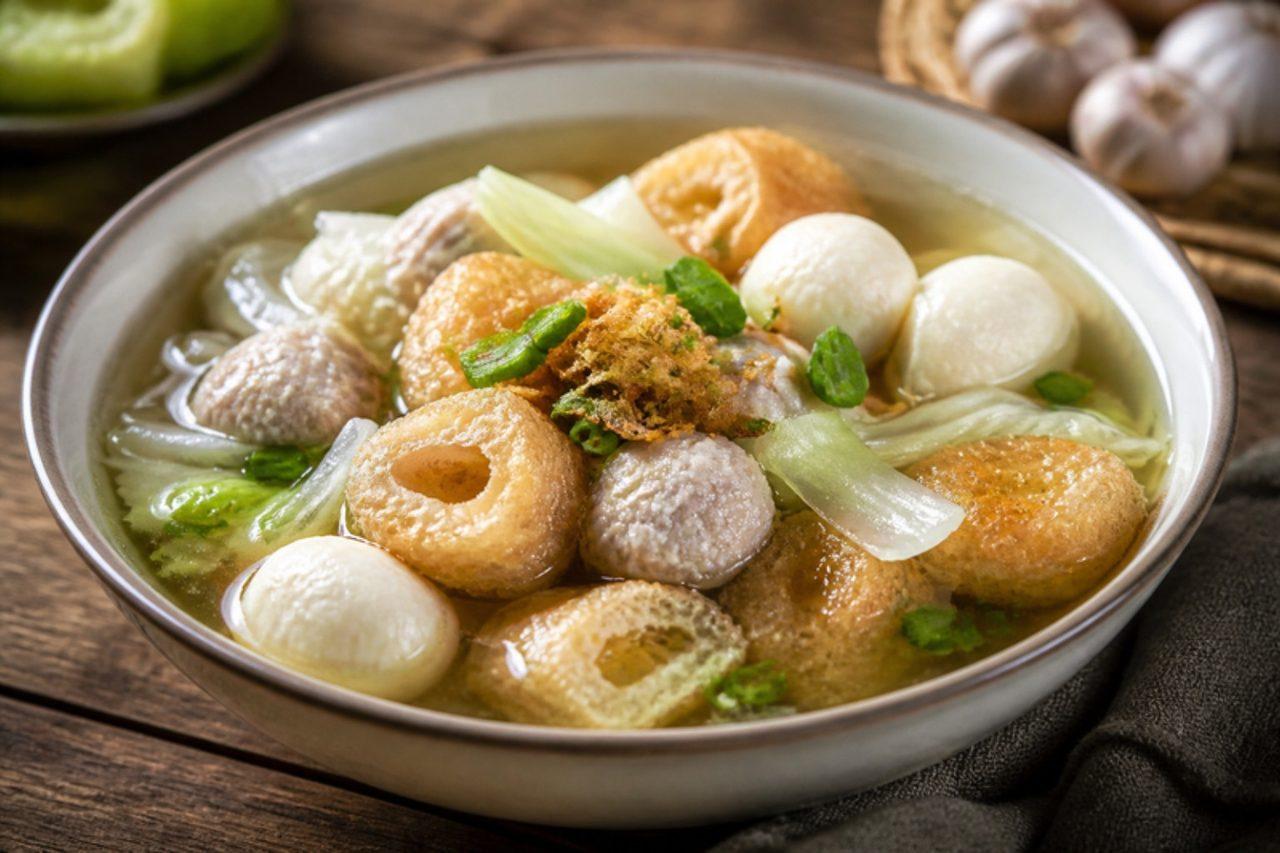
Hee peow soup (Nyonya fish maw soup)

Hee peow th'ng is a Peranakan soup that turns up at the Chinese New Year reunion dinner in Singapore, a clear, gentle bowl that sits beside the spicy dishes; fish maw is a luxury food and stands for plenty, and the round balls for a family that is whole. The fish maw is bought ready dried and fried in packets from Chinese grocers, then soaked until it is spongy and soaks up the savoury broth. With it go homemade pork meatballs, bought fish balls, napa cabbage and carrot, all in a broth made from pork bones and chicken. Serve it with rice and a little sambal on the side. Chef's tip: squeeze the soaked maw hard in several changes of water; it rinses out the old frying oil so the soup stays clean.

by KrazyBadal 0 views

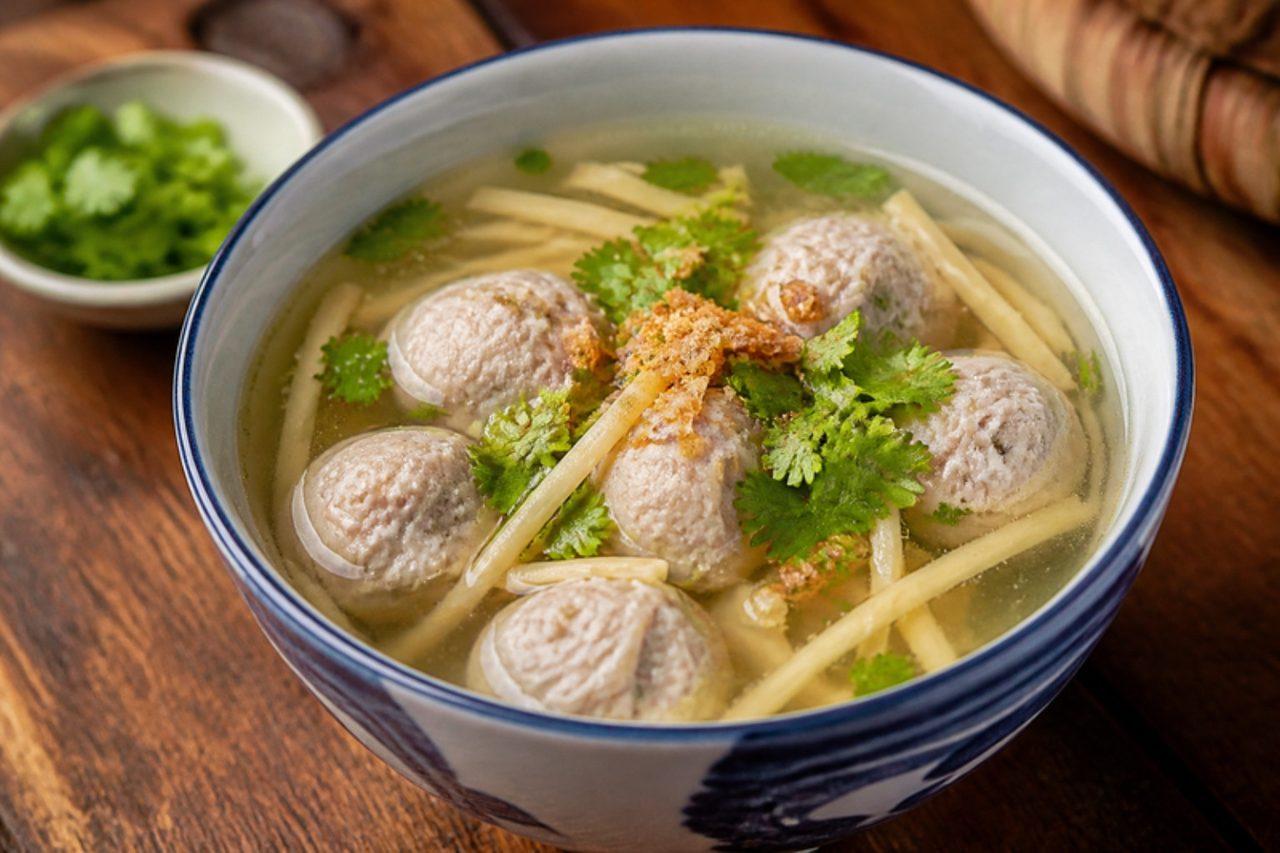
Bakwan kepiting (crab and pork meatball soup)

Bakwan kepiting is the Peranakan soup that Nyonya families in Singapore serve at the Chinese New Year reunion dinner; the round meatballs stand for a family gathered whole and complete. The balls are minced pork and sweet crab meat, bound with egg and bulked with shredded bamboo shoot, and they simmer in a clear, gently garlicky pork broth until tender and springy. This home version uses pasteurised cooked crab meat instead of live crabs, so it is easier and kinder. Serve it in small bowls with fried garlic and rice, before the richer curries. Chef's tip: keep the broth at a lazy simmer once the balls go in; a rolling boil clouds the soup and breaks them apart.

by KrazyBadal 0 views

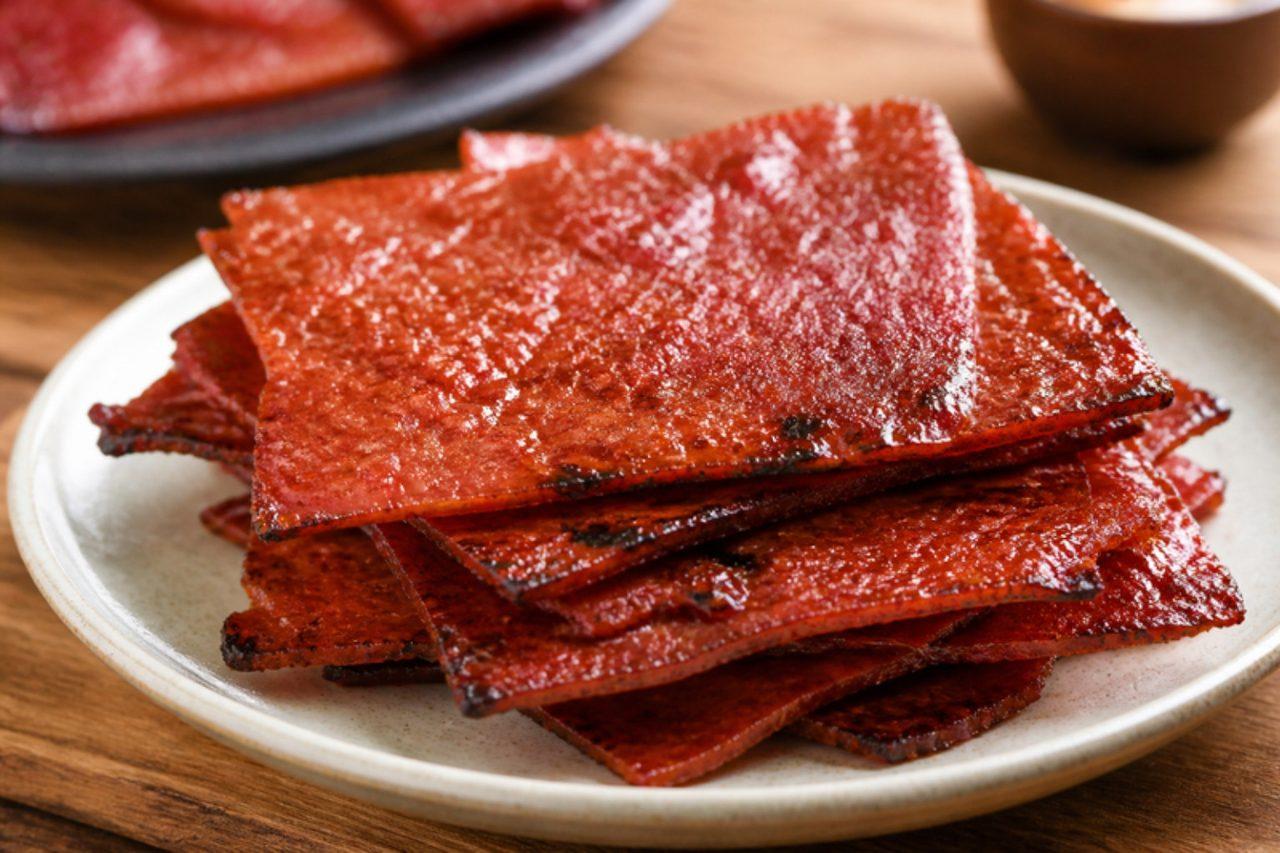
Bak kwa (barbecued dried pork)

Before Chinese New Year, queues snake round the bak kwa shops of Singapore and Malaysia, because these sweet, smoky sheets of pork are the gift everyone brings when visiting family; their deep red colour stands for luck. At home you can make them from minced pork mixed with sugar, soy, fish sauce and a splash of Shaoxing rice wine, spread thin, dried in a low oven and then grilled until caramelised and blistered at the edges, chewy and sticky-sweet. For an alcohol-free version, swap the Shaoxing wine for the same amount of unsalted stock with a few drops of rice vinegar. Eat it warm on its own, or tucked into a soft white bun. Chef's tip: roll the mince between two sheets of baking paper to 2–3 mm; any thicker and it stays soft in the middle instead of turning into proper jerky.

by KrazyBadal 0 views

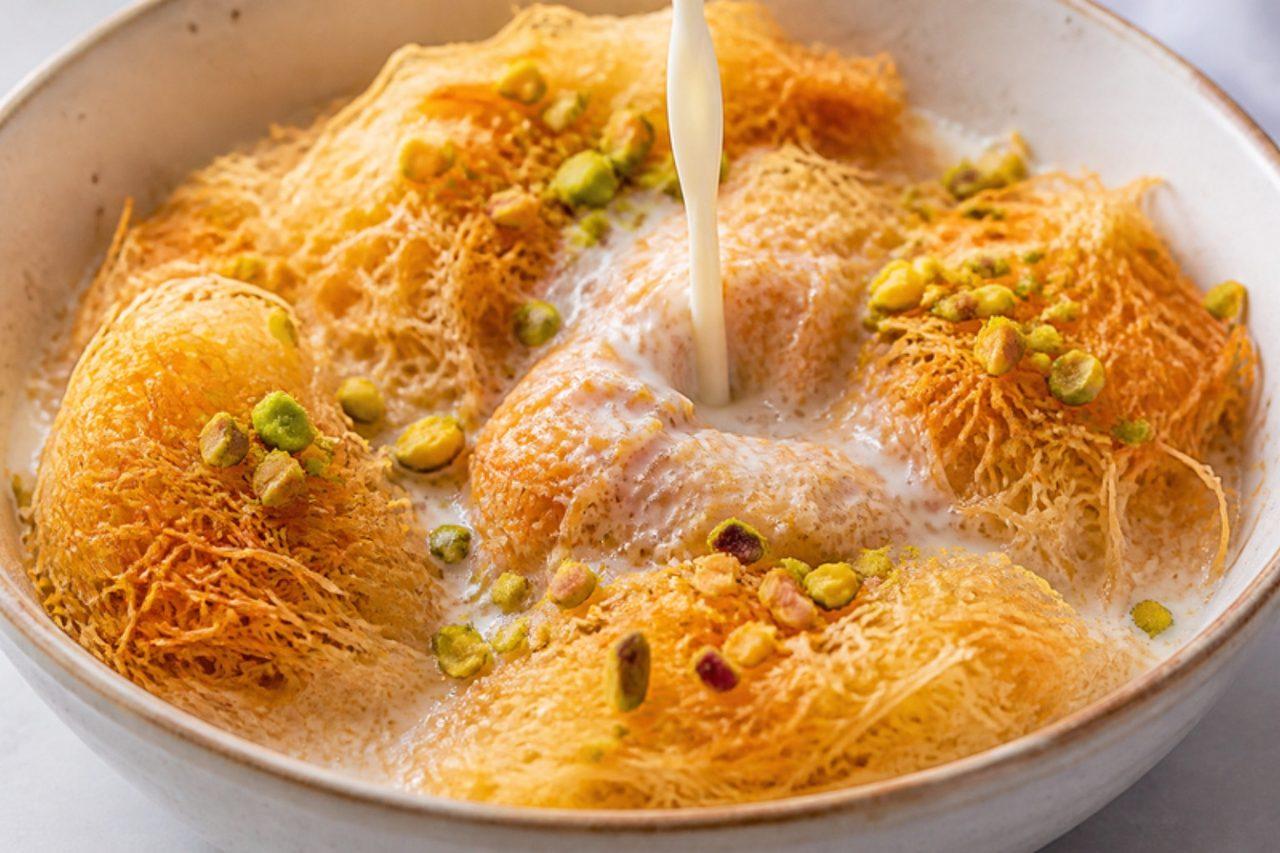
Pheni (layered fried vermicelli nests in sweet milk)

In Lahore and Karachi during Ramadan, sweet shops stack golden nests of pheni in towers, and families buy them to eat at sehri, the meal before dawn. The fine, brittle strands are crumbled into a bowl and drenched with hot sweetened milk, which softens them in a minute into something like a silky vermicelli pudding; it keeps you full through the fasting day. Shop pheni is pulled into hair-thin threads by skilled hands, so at home this recipe uses the layered method: thin sheets of dough are brushed with a ghee and rice-flour paste, rolled and sliced, and the paste makes the layers fan out into fine flaky rings when fried. They are crisp, buttery and delicate. It is naturally egg-free: the dough is just flour, ghee and water, and the rice-flour paste keeps the layers separate. Chef's tip: fry the nests in oil that is only moderately hot, about 160°C; oil that is too hot is the common mistake that browns the outside while the inner layers stay soft and doughy.

by KrazyBadal 0 views

Chilcano de pescadoClear fish broth

In the fishermen's terminals of Chorrillos and Callao, chilcano is what you drink on a Sunday morning after a long night: a clear, gingery broth made from the heads and bones left over from cleaning fish for ceviche, with chunks of fish, red onion, chilli and a squeeze of lime in the bowl. It is light and warming, around 160 kcal a bowl, and still gives about 24 g of protein from the fish fillet and the broth. The common mistake is squeezing the lime into the pot while it boils, which turns it bitter; add it to each bowl at the table. Don't boil the bones for more than 30 minutes either, or the broth turns cloudy and harsh. Chef's tip: ask the fishmonger for heads and frames from mild white fish like sea bass or cod, and leave out oily fish such as mackerel, which makes the broth strong and fishy.

by KrazyBadal 0 views

ParihuelaSpicy seafood soup

Parihuela is the big weekend seafood soup of Callao and the Peruvian coast, eaten at long Sunday lunches in cevicherías and praised as a cure for tiredness and late nights. A deep red broth of ají panca, ají amarillo, tomato and fish stock is loaded with chunks of fish, prawns, squid and mussels. A portion gives about 30 g of protein, from the fish and shellfish, for roughly 300 kcal. Some cooks add chicha de jora or beer; this version has none. The common mistake is adding all the seafood at once: squid and prawns turn rubbery while the fish cooks, so they go in last. Before cooking, discard any mussels that stay open when tapped, and after cooking discard any that stay shut. Chef's tip: fry the chilli pastes in the oil until they darken and smell sweet; that toasted ají is what gives parihuela its depth.

by KrazyBadal 0 views

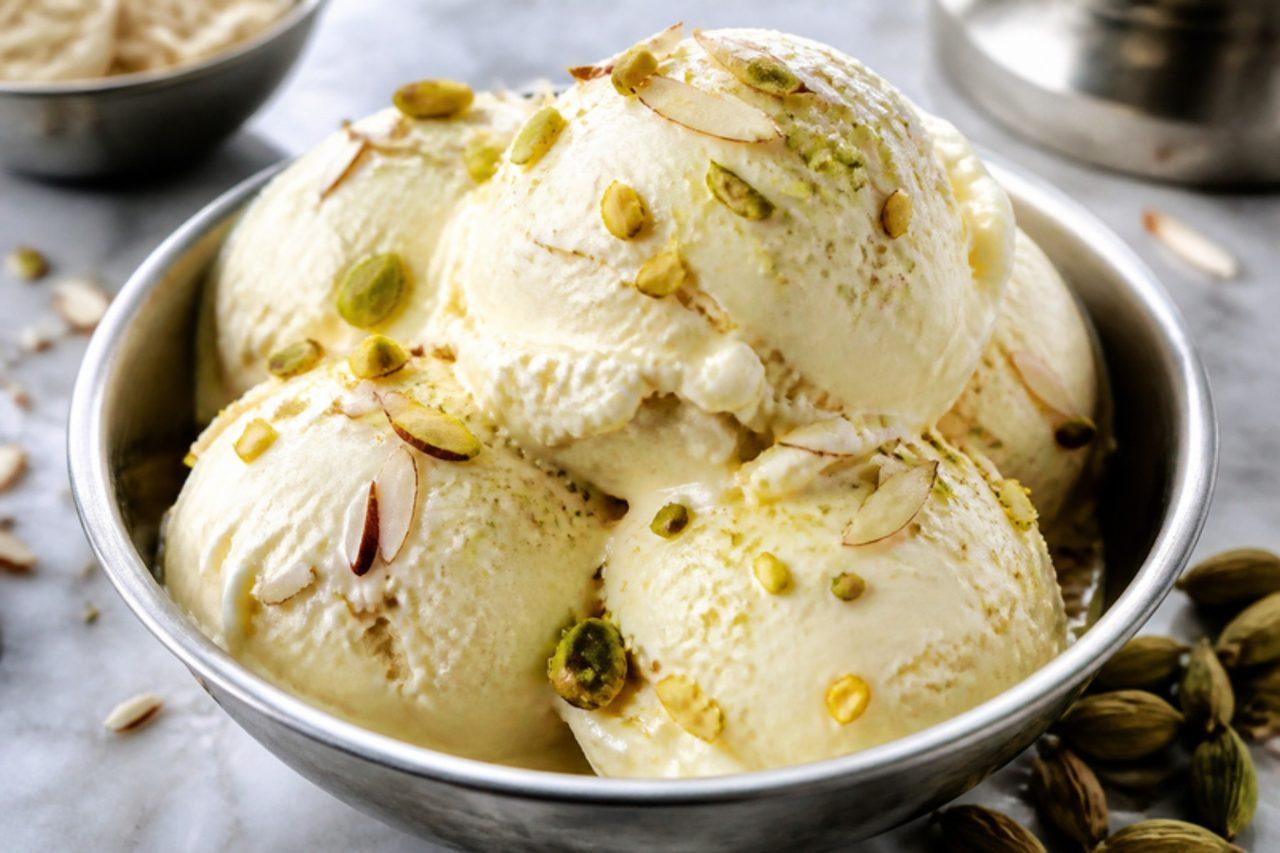
پشاوری آئس کریم (Peshawari ice cream)Cardamom pistachio ice cream

In the Qissa Khwani bazaar of Peshawar, ice-cream sellers spin a tall metal drum inside a tub of crushed ice and salt, scraping the freezing milk off the walls with a long paddle until it turns thick, stretchy and pale. It is a summer evening treat, eaten from small bowls after dinner or late at night when the streets cool down, and often topped with a spoonful of falooda vermicelli or more chopped pistachio. The flavour is simple: slowly reduced milk, green cardamom and a little rose. This version has no eggs and no custard: a cornflour slurry cooked into the milk thickens it the way yolks would, and the starch holds on to water so ice crystals stay small and the texture stays smooth, while milk powder adds body without extra fat. You can churn it in a machine or still-freeze it in a tray and stir it every 45 minutes. Chef's tip: the common mistake is churning a warm base; chill it until it is fridge-cold right through, or it will turn icy instead of silky.

by KrazyBadal 0 views

Aguadito de polloCoriander chicken rice soup

Aguadito is the soup Lima serves in the small hours: at the end of a wedding, after New Year's Eve and at weekend family lunches, it is ladled out thick and steaming to revive everyone. Rice simmers in chicken broth coloured deep green with blended coriander and warmed with yellow ají amarillo, along with peas, carrot, pepper, sweetcorn and potato. A portion gives about 24 g of protein, from the chicken with a little from the rice and peas, for around 480 kcal. The common mistake is adding the coriander purée too early: cooked for long it turns khaki and loses its fresh taste, so stir it in for the last 10 minutes. The chicken must reach 74 °C at the bone. Chef's tip: blend a handful of spinach with the coriander; it keeps the colour vivid green without changing the flavour.

by KrazyBadal 0 views

Showing 24 of 446 recipes

Show more recipes

Page 1 of 19