Skip to content
Recipes

All recipes

Vegetarian, or something you can't eat? Set your diet once and we'll hide recipes that don't fit.

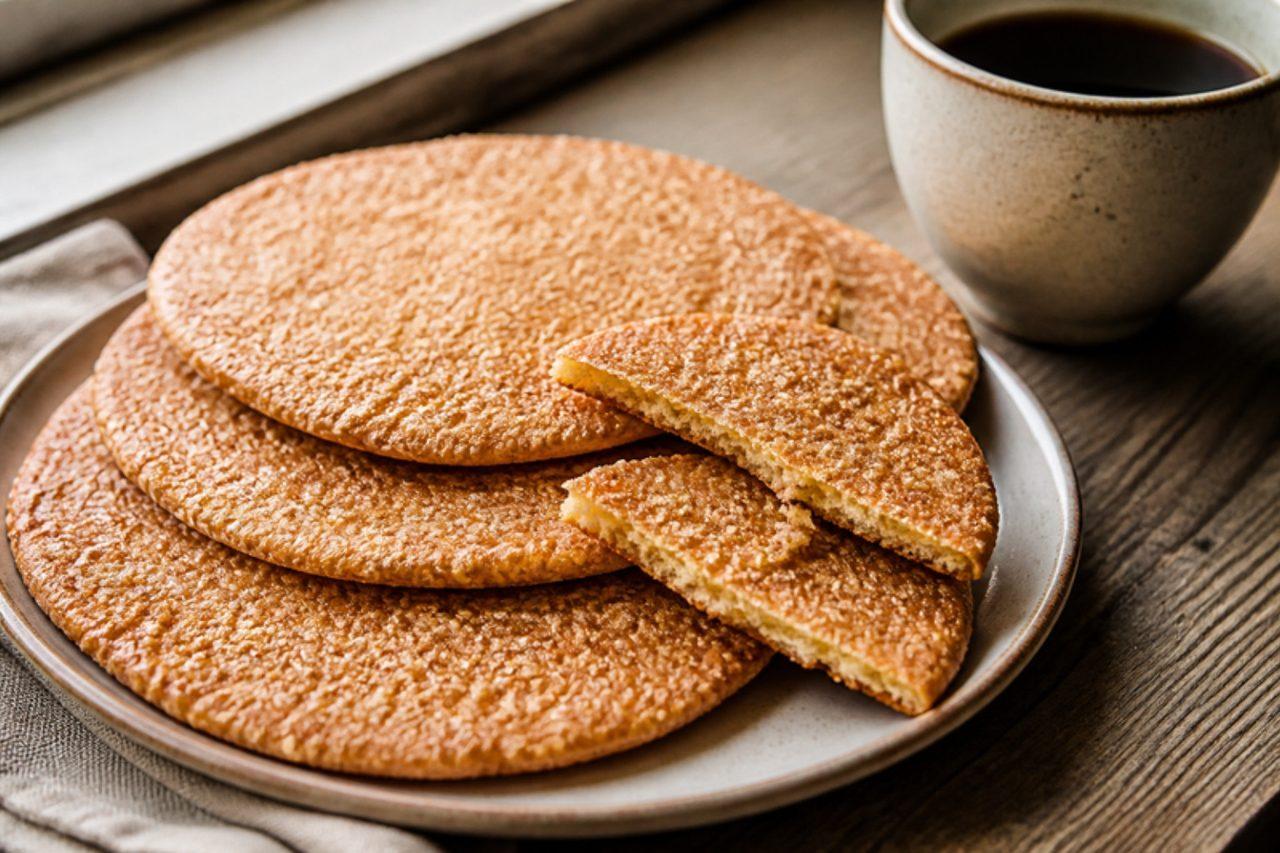
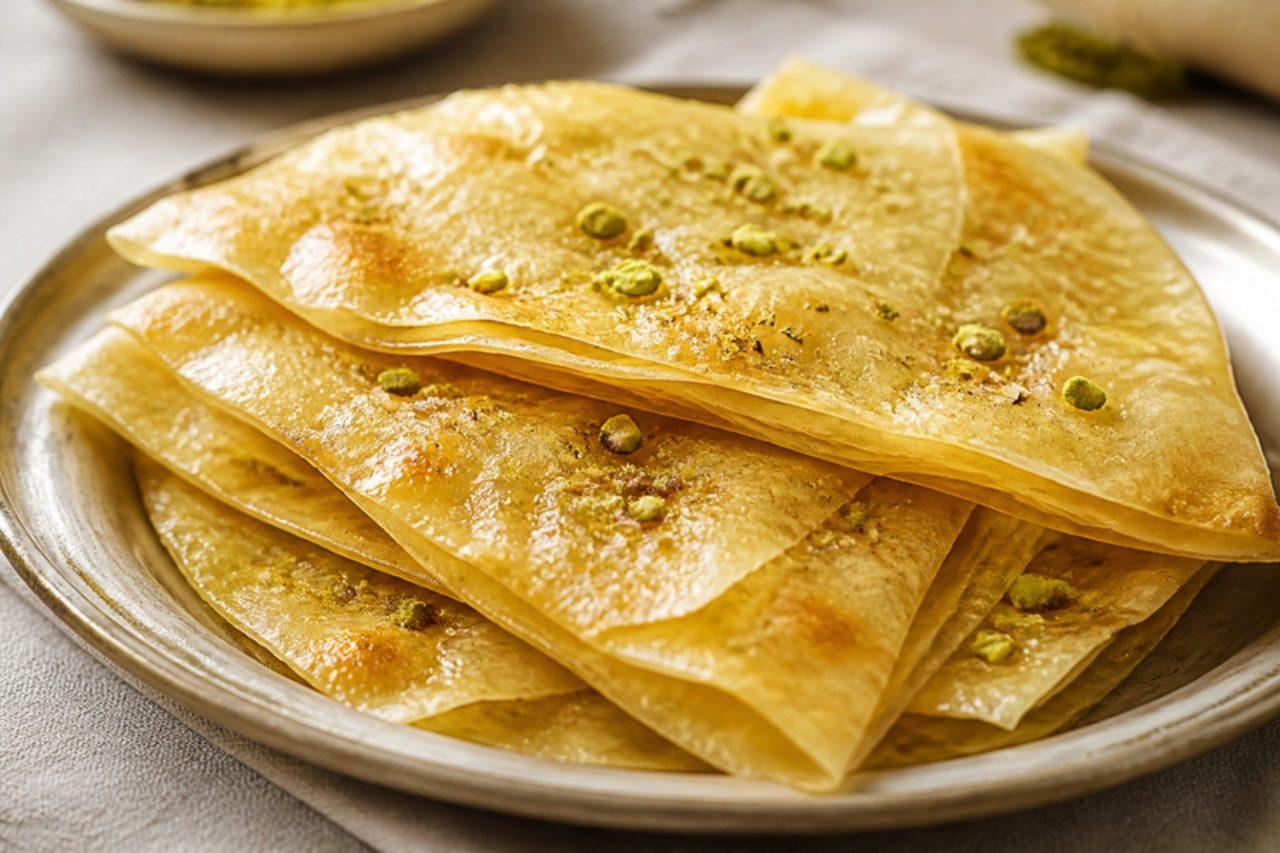
Poolaki (Isfahan saffron sugar discs)Saffron caramel discs

Poolaki are the glassy, coin-thin sugar discs of Isfahan, sold in tins in the bazaar near Naqsh-e Jahan square and served with tea in Iranian homes, especially at Nowruz and when guests drop by. Instead of stirring sugar into the glass, you hold a disc on your tongue and sip strong black tea through it. They snap cleanly, then melt into a light caramel scented with saffron, sometimes with cardamom or a scatter of pistachio. They are naturally egg-free: sugar syrup cooked to the hard-crack stage sets as clear as glass the moment it is spread thin, and a little vinegar stops it from turning grainy. Chef's tip: do not stir once the syrup boils; swirl the pan instead and wash down the sides with a wet pastry brush. The common mistake is stirring, which makes the syrup crystallise and turn cloudy.

by KrazyBadal 0 views

Tmar mehchi (Moroccan almond-stuffed dates)

Tmar mehchi is the stuffed date of Fez and Marrakech, piled high on silver trays at weddings, engagements and Eid, and offered to guests with mint tea. Soft dates are filled with a homemade almond paste perfumed with orange-blossom water, often tinted pale green or pink to match the celebration, then scored with a knife so the filling shows. They are soft, rich and caramel-sweet, with a floral, nutty middle. The paste here is mixed from ground almonds and icing sugar, so there is no shop marzipan, which can contain egg white. It is naturally egg-free: the dates' sticky flesh and a few spoonfuls of orange-blossom water bind the almond filling. Chef's tip: add the orange-blossom water a little at a time and stop when the paste is firm like play dough. The common mistake is a wet paste, which oozes out and makes the dates slippery.

by KrazyBadal 0 views

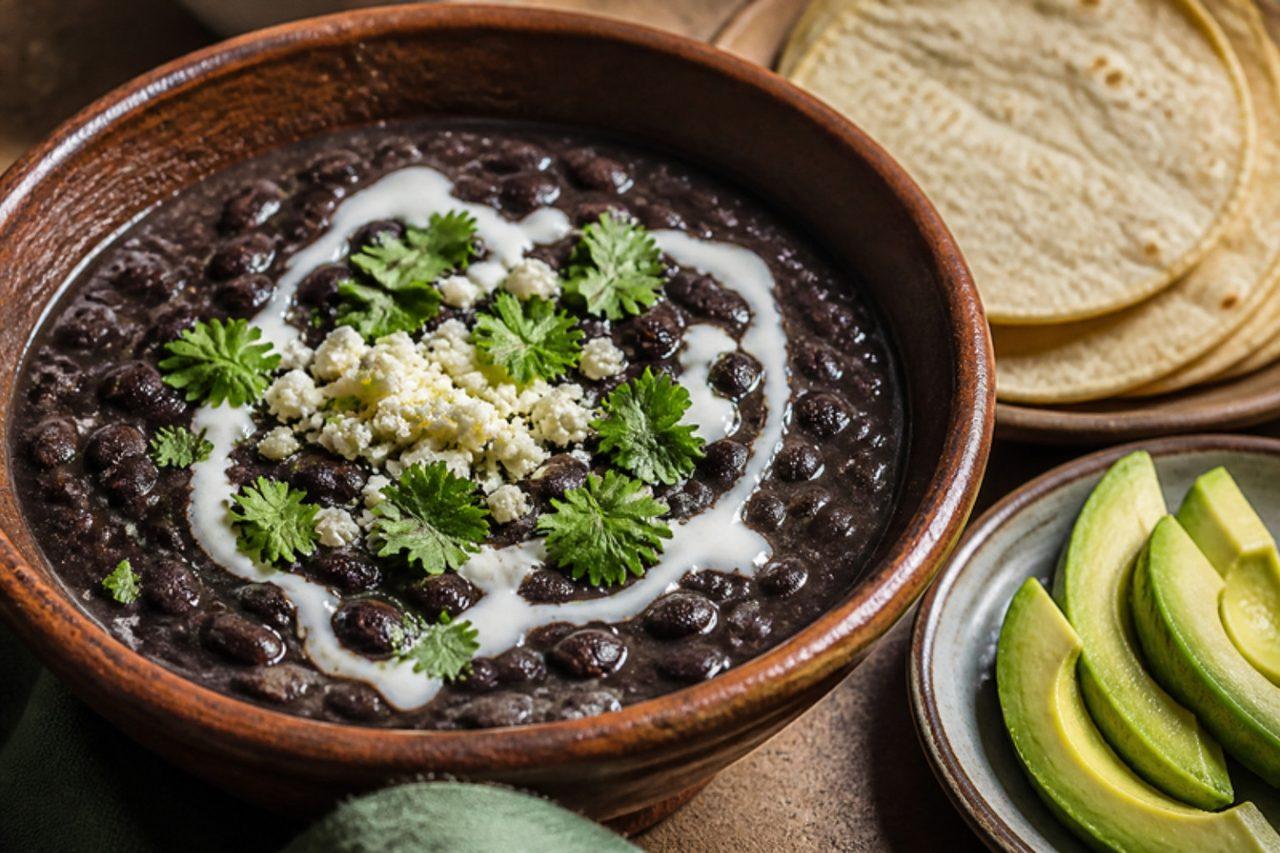
Sopa de frijolesBlack bean soup

In Honduras and Guatemala, from Tegucigalpa's comedores to family kitchens in the Guatemalan highlands, sopa de frijoles is the soup of rainy-season evenings and Sunday lunches: black beans simmered until the broth turns inky and silky, seasoned with onion, sweet pepper, garlic and plenty of culantro or coriander. Each bowl is finished at the table with a spoonful of thick cream and served with warm corn tortillas. A bowl gives about 24 g of protein from the beans and cream. Many cooks crumble over salty fresh cheese, which is often made with animal rennet; choose one labelled vegetarian, or leave it out. Soak the beans for 12 hours first; that time is not counted below. The most common mistake is serving it watery: the broth should be thick enough to coat a spoon, so mash some beans into it. Chef's tip: for a vegan bowl, swap the cream for avocado slices.

by KrazyBadal 0 views

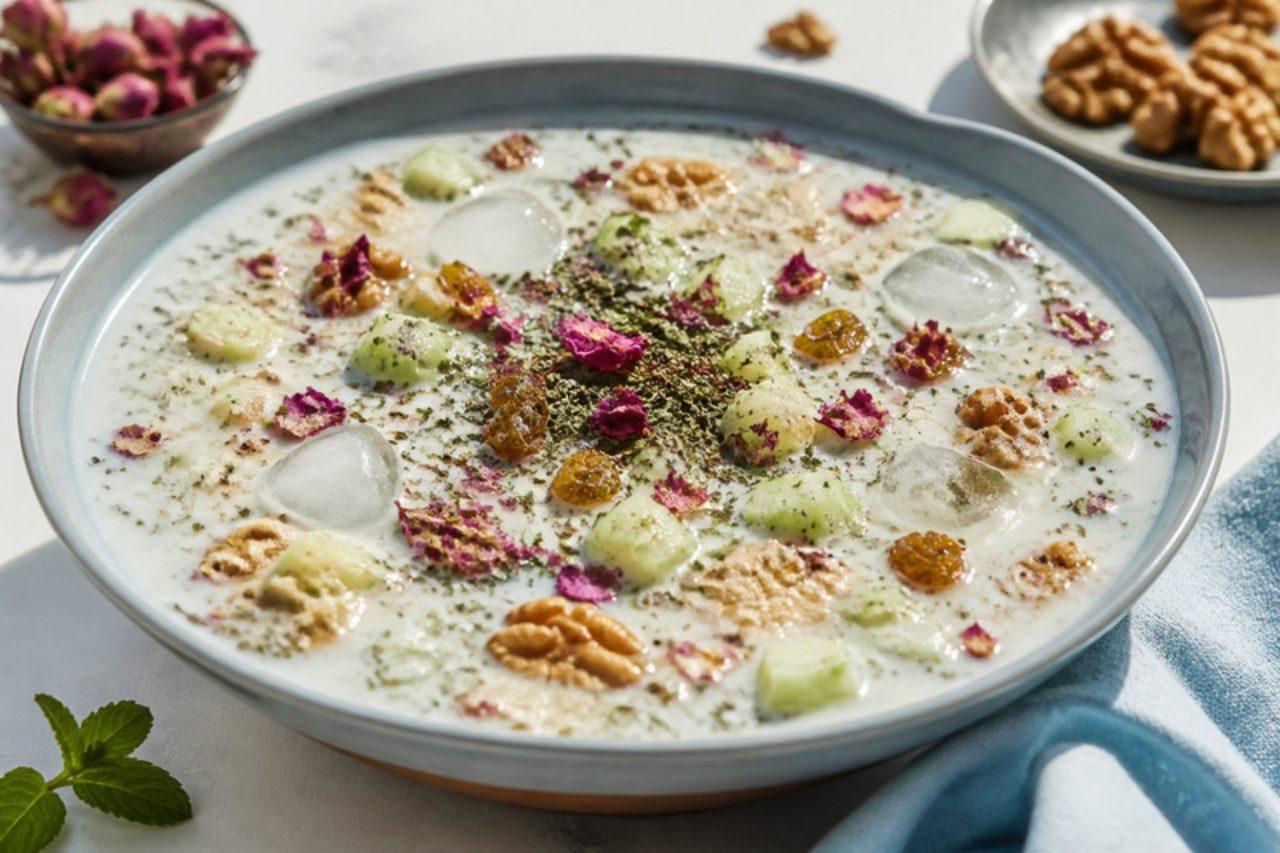
Ab doogh khiarChilled yogurt and cucumber soup

On the hottest afternoons in Tehran, Shiraz and Isfahan, ab doogh khiar is lunch: thick yoghurt thinned with iced water, packed with crunchy cucumber, walnuts, raisins and dried mint and rose petals, then filled at the table with torn pieces of dried flatbread that soften like croutons in a cold soup. It is cooling, tangy and faintly sweet, and is eaten with a spoon and plenty of fresh herbs alongside. A bowl gives about 12 g of protein from the yoghurt and walnuts, so it is a light meal rather than a high-protein one; strain the yoghurt yourself or use thick Greek-style yoghurt to push it a little higher. The common mistake is adding the bread too early: it turns to mush, so serve it on the side and let everyone add their own. Chef's tip: rub the dried mint between your palms over the bowl; the warmth releases its oils and the flavour is twice as strong.

by KrazyBadal 0 views

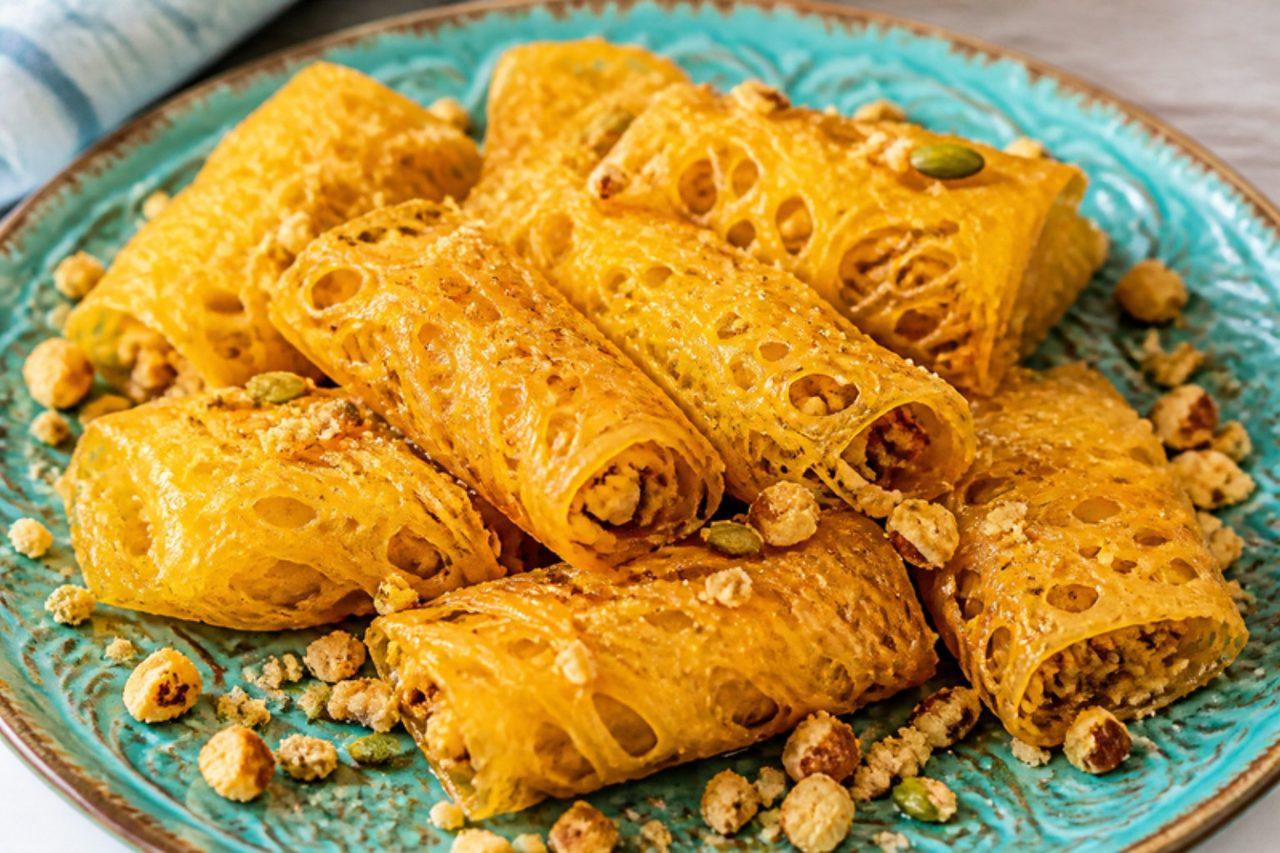
Reshteh khoshkar (Gilani rice-flour walnut rolls in syrup)

Reshteh khoshkar is the pastry of Gilan on Iran's Caspian coast, made in Rasht and Lahijan homes and bakeries for Ramadan, when a plate of it with tea breaks the fast at iftar. A thin rice-flour batter is drizzled in a lacy criss-cross over a hot griddle to make a fine net, which is filled with walnuts, sugar, cardamom and cinnamon, folded into a neat roll, fried until crisp and soaked in rose-scented syrup. It is crunchy, then soft and sticky, with a fragrant, nutty filling. Serve it at room temperature with strong black tea. The dish has always been egg-free: the rice-flour batter sets on the hot griddle into a net by itself, and the sugar in the filling and syrup glues the rolls together, so there is no need for any other binder, and nothing in it contains gluten. Chef's tip: test the griddle with a few drops of batter first; the common mistake is a griddle that is not hot enough, which lets the batter spread into a pancake instead of setting into a lacy net.

by KrazyBadal 0 views

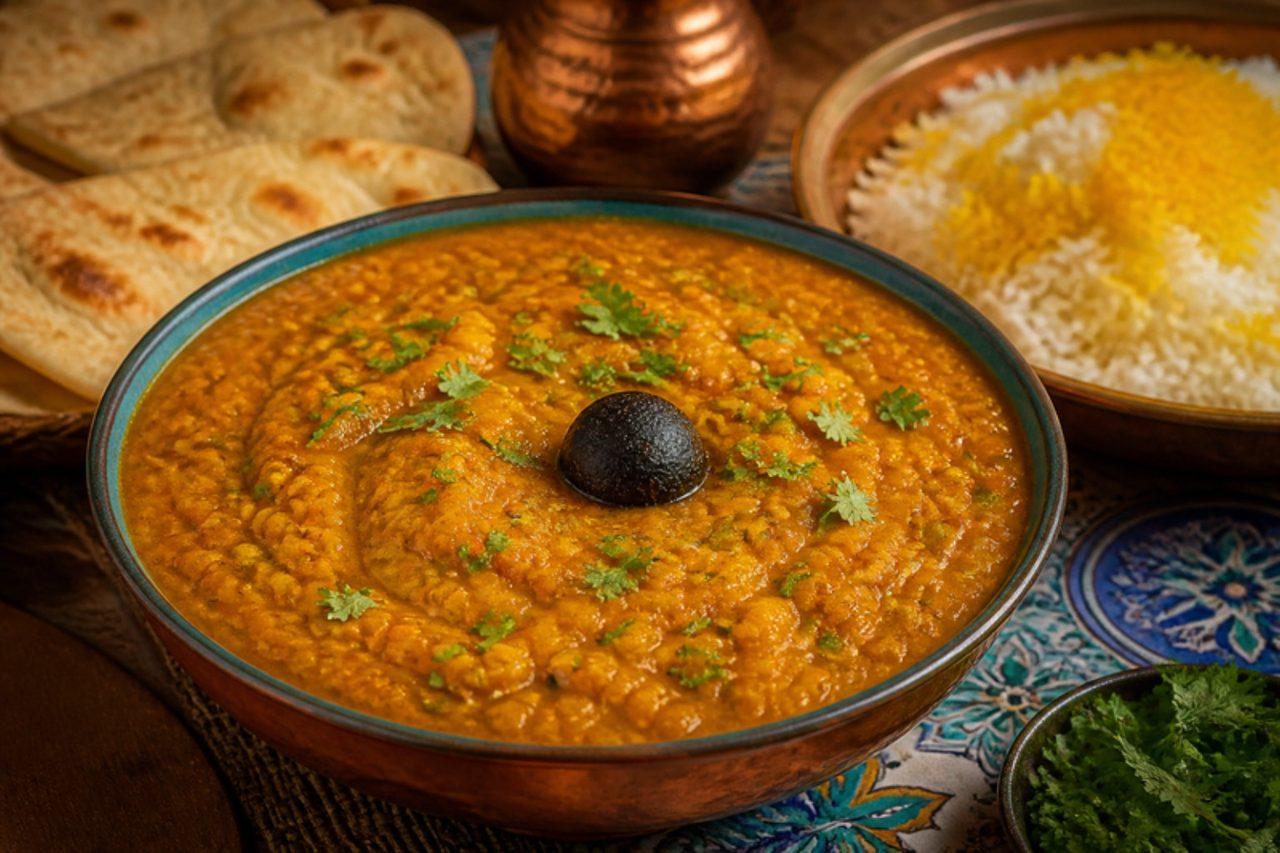
Dal adasRed lentil curry with dried lime

Along the Persian Gulf coast in Bushehr, Bandar Abbas and the towns of Hormozgan, centuries of trade with India gave rise to dal adas, a red lentil curry that is now a favourite lunch and a popular vegetarian dish in Muharram nazri cooking. The lentils cook down with onion, garlic, turmeric and warm curry spices into a thick, golden stew, sharpened with tamarind and the musky sourness of dried lime, and are eaten with rice or flatbread. A portion gives about 21 g of protein from the red lentils, with a little more from the potato. The most common mistake is leaving the dried limes in too long or uncracked: they turn the dal bitter, so pierce them and lift them out once the sourness is right. Chef's tip: fry the spices in the oil with the onions for a full minute before the lentils go in; the curry flavour depends on it.

by KrazyBadal 0 views

Aguadito de polloCoriander chicken rice soup

Aguadito is the soup Lima serves in the small hours: at the end of a wedding, after New Year's Eve and at weekend family lunches, it is ladled out thick and steaming to revive everyone. Rice simmers in chicken broth coloured deep green with blended coriander and warmed with yellow ají amarillo, along with peas, carrot, pepper, sweetcorn and potato. A portion gives about 24 g of protein, from the chicken with a little from the rice and peas, for around 480 kcal. The common mistake is adding the coriander purée too early: cooked for long it turns khaki and loses its fresh taste, so stir it in for the last 10 minutes. The chicken must reach 74 °C at the bone. Chef's tip: blend a handful of spinach with the coriander; it keeps the colour vivid green without changing the flavour.

by KrazyBadal 0 views

Chilcano de pescadoClear fish broth

In the fishermen's terminals of Chorrillos and Callao, chilcano is what you drink on a Sunday morning after a long night: a clear, gingery broth made from the heads and bones left over from cleaning fish for ceviche, with chunks of fish, red onion, chilli and a squeeze of lime in the bowl. It is light and warming, around 160 kcal a bowl, and still gives about 24 g of protein from the fish fillet and the broth. The common mistake is squeezing the lime into the pot while it boils, which turns it bitter; add it to each bowl at the table. Don't boil the bones for more than 30 minutes either, or the broth turns cloudy and harsh. Chef's tip: ask the fishmonger for heads and frames from mild white fish like sea bass or cod, and leave out oily fish such as mackerel, which makes the broth strong and fishy.

by KrazyBadal 0 views

ParihuelaSpicy seafood soup

Parihuela is the big weekend seafood soup of Callao and the Peruvian coast, eaten at long Sunday lunches in cevicherías and praised as a cure for tiredness and late nights. A deep red broth of ají panca, ají amarillo, tomato and fish stock is loaded with chunks of fish, prawns, squid and mussels. A portion gives about 30 g of protein, from the fish and shellfish, for roughly 300 kcal. Some cooks add chicha de jora or beer; this version has none. The common mistake is adding all the seafood at once: squid and prawns turn rubbery while the fish cooks, so they go in last. Before cooking, discard any mussels that stay open when tapped, and after cooking discard any that stay shut. Chef's tip: fry the chilli pastes in the oil until they darken and smell sweet; that toasted ají is what gives parihuela its depth.

by KrazyBadal 0 views

Moroccan bachkoutouOrange and sesame dunking biscuits

Moroccan grandmothers bake bachkoutou by the trayful and keep them in big tins for the afternoon glass of sweet mint tea, and neighbourhood ovens in Fes and Casablanca bake them for families who bring their dough. These are dry, crunchy little biscuits, not rich at all, made with eggs, sugar and oil rather than butter, with orange zest and a coating of toasted sesame; they are meant to be dunked until they soften slightly. Shapes vary from town to town: fingers, rings and rope twists are all common, and some cooks add aniseed. Too much flour is the easy mistake: the dough should stay soft and slightly sticky, or the biscuits bake heavy and hard rather than crisp and light. Chef's tip: once they are cold, put them back in a warm, switched-off oven for 20 minutes; that extra drying is what makes them keep their snap for weeks.

by KrazyBadal 0 views

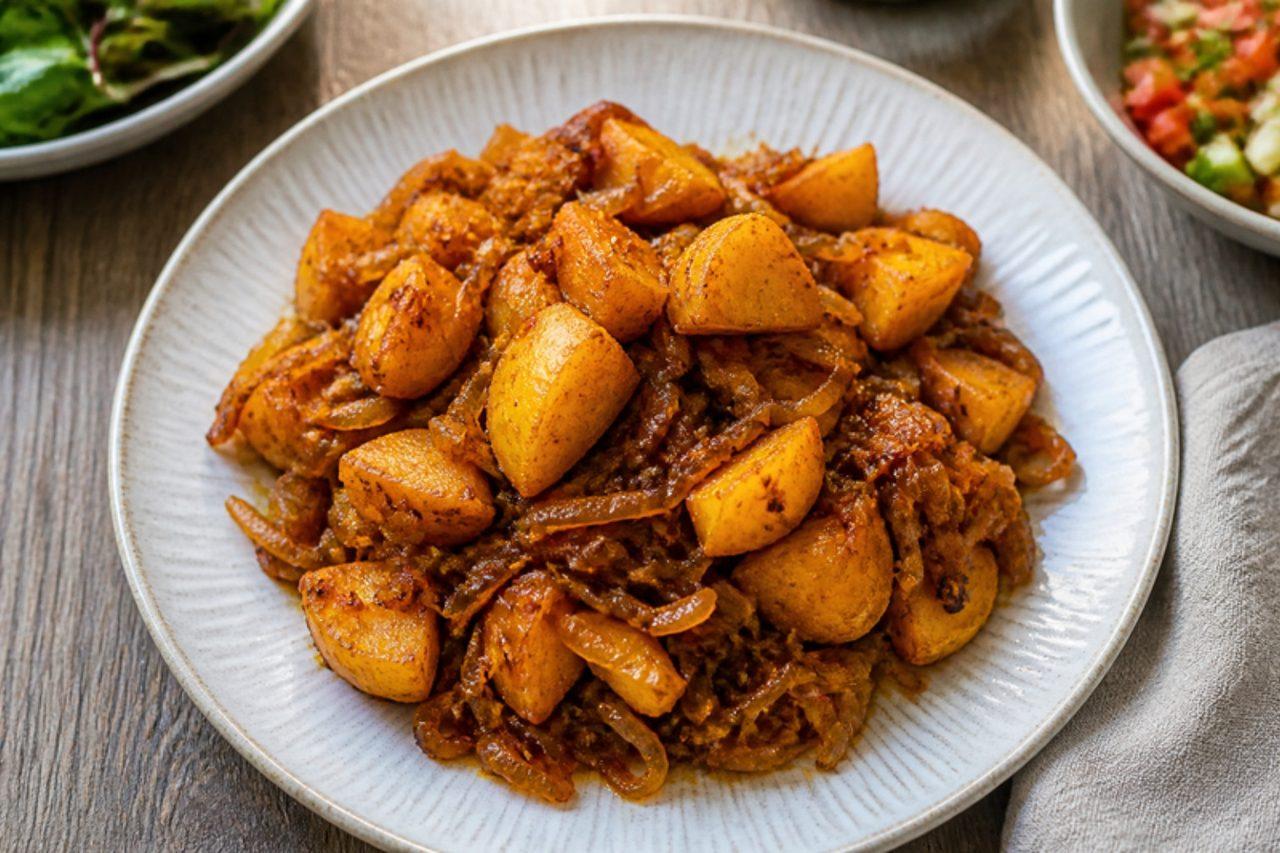
Dopiazeh alooPotatoes fried with onion and tomato

Dopiazeh means 'two onions', and in Shiraz this potato dish lives up to the name: cubed potatoes are fried with a generous heap of golden onions, turmeric and tomato paste until the edges catch and the sauce clings to every piece. Shirazi families eat it as a side with rice and kebab or, on busy evenings, as the main dish rolled up in flatbread with yogurt or fresh herbs. The usual mistake is crowding the pan, so the potatoes steam and break up instead of browning; use your widest pan. Chef's tip: fry the tomato paste in the oil for a full minute before adding water, so it turns brick red and loses its raw edge.

by KrazyBadal 0 views

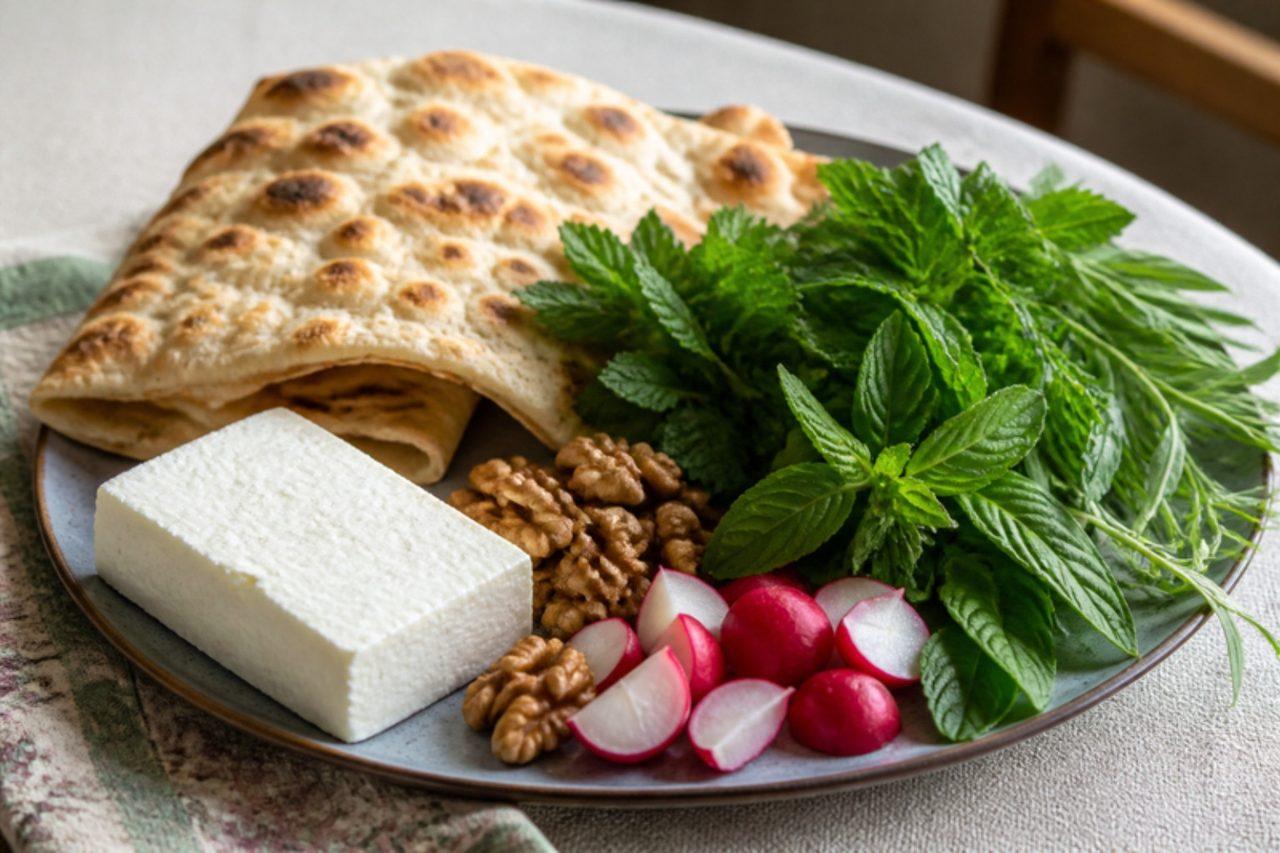
Nan-o panir-o sabziBread, white cheese and fresh herbs

Nan-o panir-o sabzi, 'bread, cheese and herbs', is laid out on Iranian tablecloths from Tabriz to Mashhad for breakfast, for a light summer supper and before dawn during Ramadan: warm flatbread, salty white cheese, a big plate of fresh herbs, walnuts and crisp radishes, all wrapped into little bites. There is no cooking beyond warming the bread, so it is ready in ten minutes. The common mistake is serving herbs that are still damp from washing, which wilt and make the bread soggy; wash them earlier and let them dry fully. Iranian white cheese (lighvan) and most feta are made with animal rennet, so choose a vegetarian feta-style cheese if needed. Chef's tip: soak the walnuts in cold water for 10 minutes; it softens their bitterness the way Iranian cooks like.

by KrazyBadal 0 views

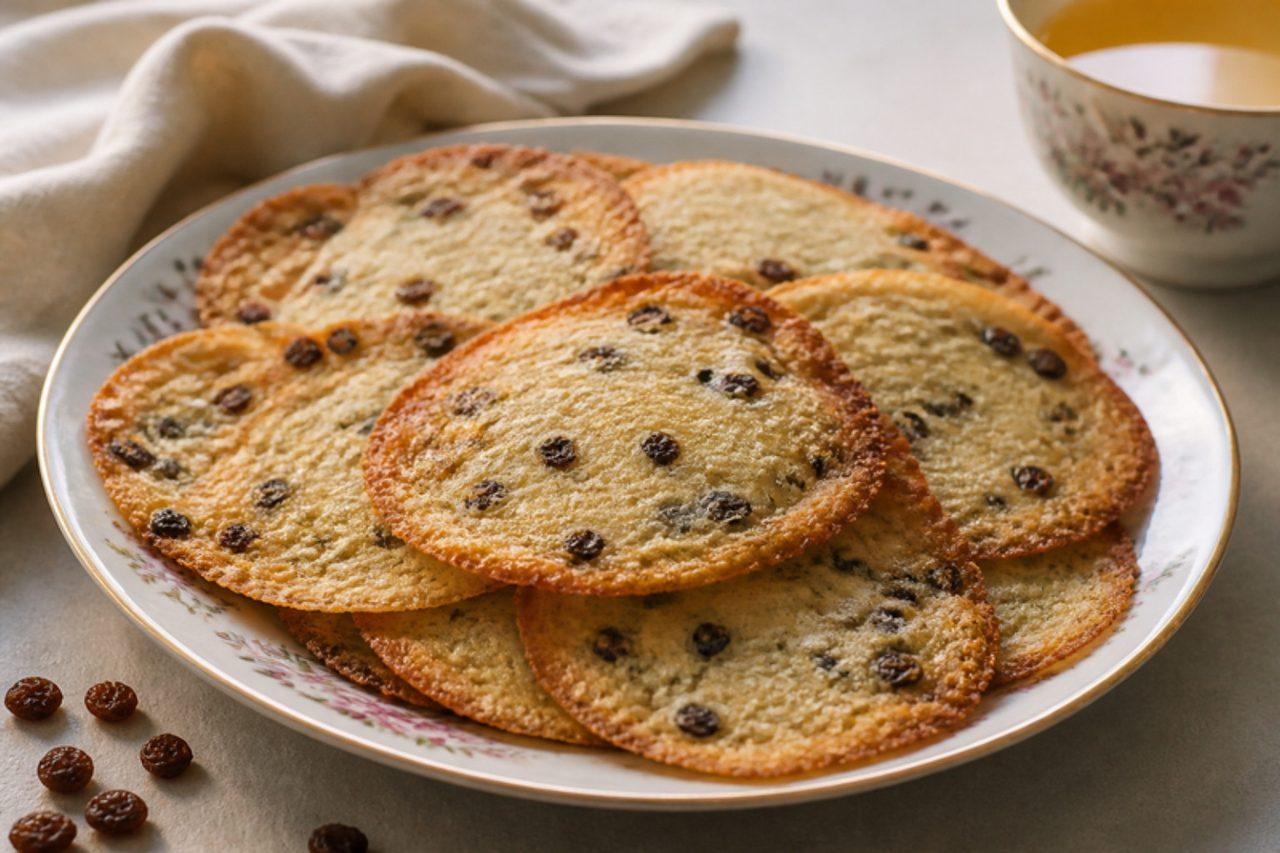
Nan-e keshmeshiSaffron raisin cookies

Ask an Iranian child which Nowruz sweet they reach for first and many will say nan-e keshmeshi, the little raisin cookies with crisp golden rims and soft, chewy centres. Confectioners in Tehran make them by the thousand in the run-up to the spring new year, and they turn up again whenever there is tea and company. The dough is a simple butter-sugar-egg batter warmed with saffron and vanilla, spooned out in small dabs that spread thin in the oven. Spooning them too big or too close is the common slip: they run into each other and bake into one sheet. Chef's tip: soak the raisins in hot water for 10 minutes and dry them well first; plump raisins stay juicy instead of burning on the surface.

by KrazyBadal 0 views

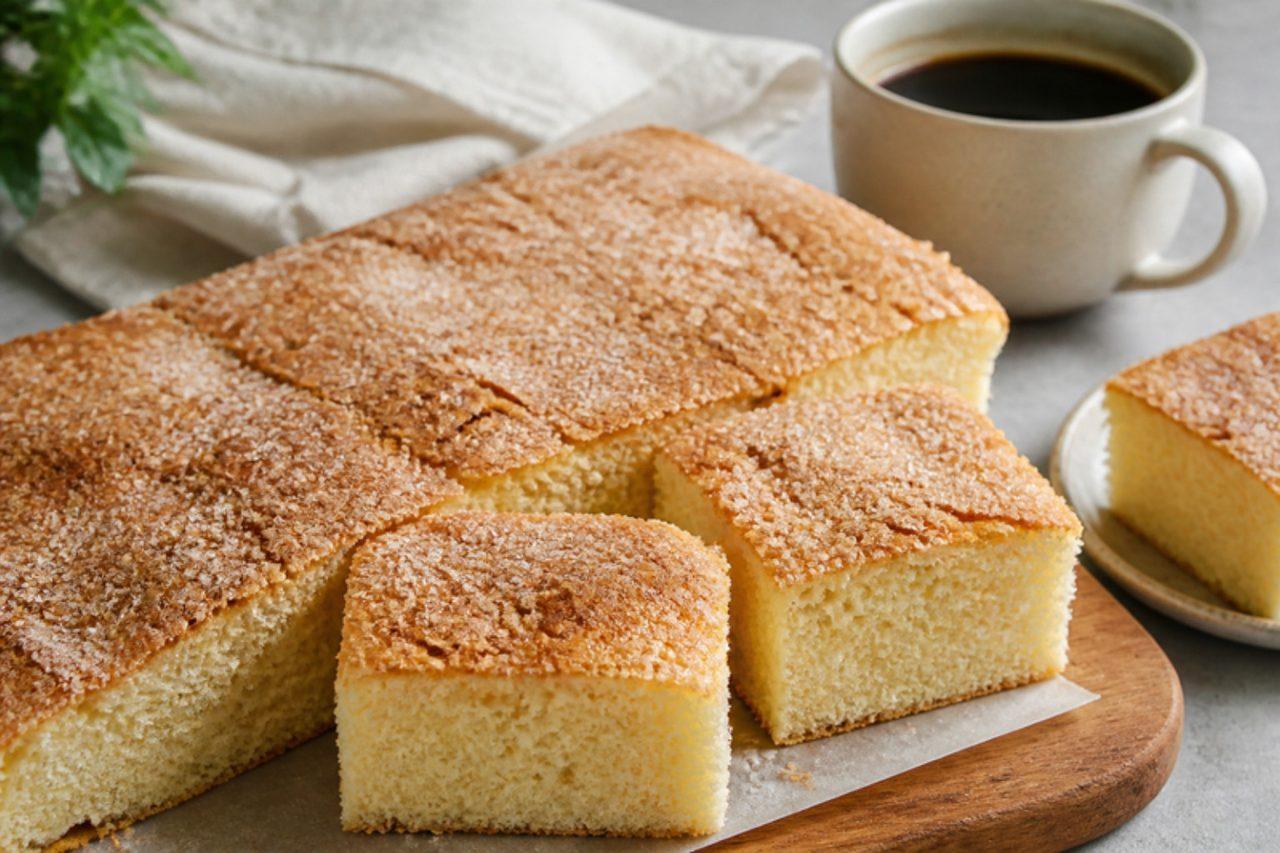
MarquesoteSugar-crusted sponge loaf

In Tegucigalpa, León and San Salvador, marquesote turns up on bakery shelves in big golden slabs, cut to order and wrapped in paper to dunk in morning coffee. It is a separated-egg sponge, very light and slightly dry, with a thin crackly crust from sugar sprinkled on before baking; Salvadoran bakers often add rice flour for a finer crumb. Around Holy Week in Nicaragua it is soaked in a cinnamon and clove syrup, and the syrup is given here as an option. Rough folding is what sinks it: beaten whites lose air fast, so fold in the flour with a light hand, just until it disappears. Chef's tip: line the tin with paper that stands 3 cm above the rim; the sponge climbs it, and you can lift the whole slab out to cool without squashing it.

by KrazyBadal 0 views

Pejerrey arrebozadoBattered fish fillets with onion salsa

Pejerrey arrebozado is a Lima classic from the cevicherías and home kitchens of the coast, eaten at lunch on a plate with white rice, a heap of sharp salsa criolla and sometimes boiled potato. The pejerrey, a small silverside, is opened into butterflied fillets, dipped in a light egg-and-flour batter and fried golden. Outside Peru, use small fillets of whiting, sole, haddock or tilapia. The batter here uses sparkling water, not beer, so it is alcohol free. The common mistake is frying in oil that isn't hot enough: the batter drinks the oil and turns greasy, so test with a drop of batter first. Chef's tip: make the salsa criolla first and let the onion sit in lime for ten minutes; it softens its bite and turns a pretty pink.

by KrazyBadal 0 views

ChampurradasCrisp sesame biscuits

No breakfast table in Guatemala City or Antigua is complete without a basket of champurradas, saucer-sized biscuits scattered with sesame seeds and made thin enough to snap. Guatemalans dunk them in a mug of sweet black coffee or hot chocolate, and they are sold in stacks wrapped in paper at bakeries and markets. They taste of butter and toasted sesame, not too sweet, with a crisp, slightly blistered top. Being too timid with the rolling pin is where most people go wrong; thick champurradas come out like cake. Chef's tip: roll each ball out directly on the baking paper to about 3 mm, so you never have to lift a fragile disc.

by KrazyBadal 0 views

Chicharrón de pescadoCrisp fried fish chunks

Up and down the Peruvian coast, from Chorrillos in Lima to the beaches of Piura, chicharrón de pescado is the crunchy plate ordered alongside ceviche at a long seafood lunch: bite-size chunks of firm white fish marinated briefly in garlic and lime, dusted in flour and fried, then served with fried cassava, salsa criolla and tartar or rocoto sauce. Using frozen peeled cassava keeps it to half an hour. The common mistake is leaving the fish in the lime too long: after about ten minutes the acid starts to 'cook' the outside and the coating slips off. Chef's tip: toss the floured pieces in a sieve to shake off every bit of loose flour; a thin coat fries crisp, a thick one turns pasty.

by KrazyBadal 0 views

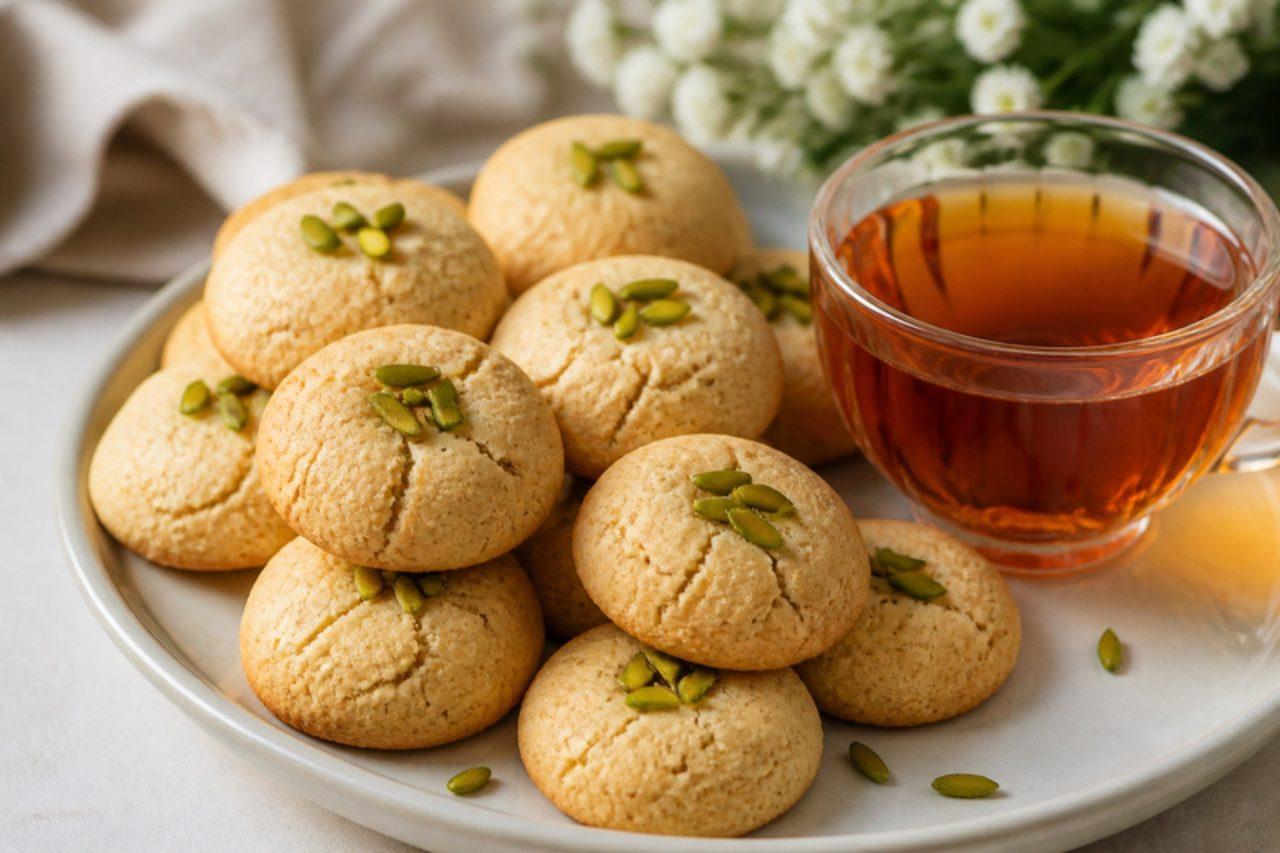
Nan-e badamiAlmond cardamom cookies

Tabriz and Yazd both claim the best nan-e badami, and in the weeks before Nowruz pastry shops across Iran fill trays with these small almond cookies for the new-year table. Made from ground almonds, sugar and egg white with no flour at all, they have a thin crisp shell and a moist, chewy middle, perfumed with cardamom and rose water and topped with a sliver of pistachio. Offer them with tea when guests make their Nowruz visits; they also keep well enough to make a week ahead. Over-whisking is the easy error: the whites only need to be frothy, not stiff, or the cookies puff and crack like meringues. Chef's tip: let the shaped cookies sit uncovered for 20 minutes before baking so a skin forms; that skin is what gives the neat, crackled top.

by KrazyBadal 0 views

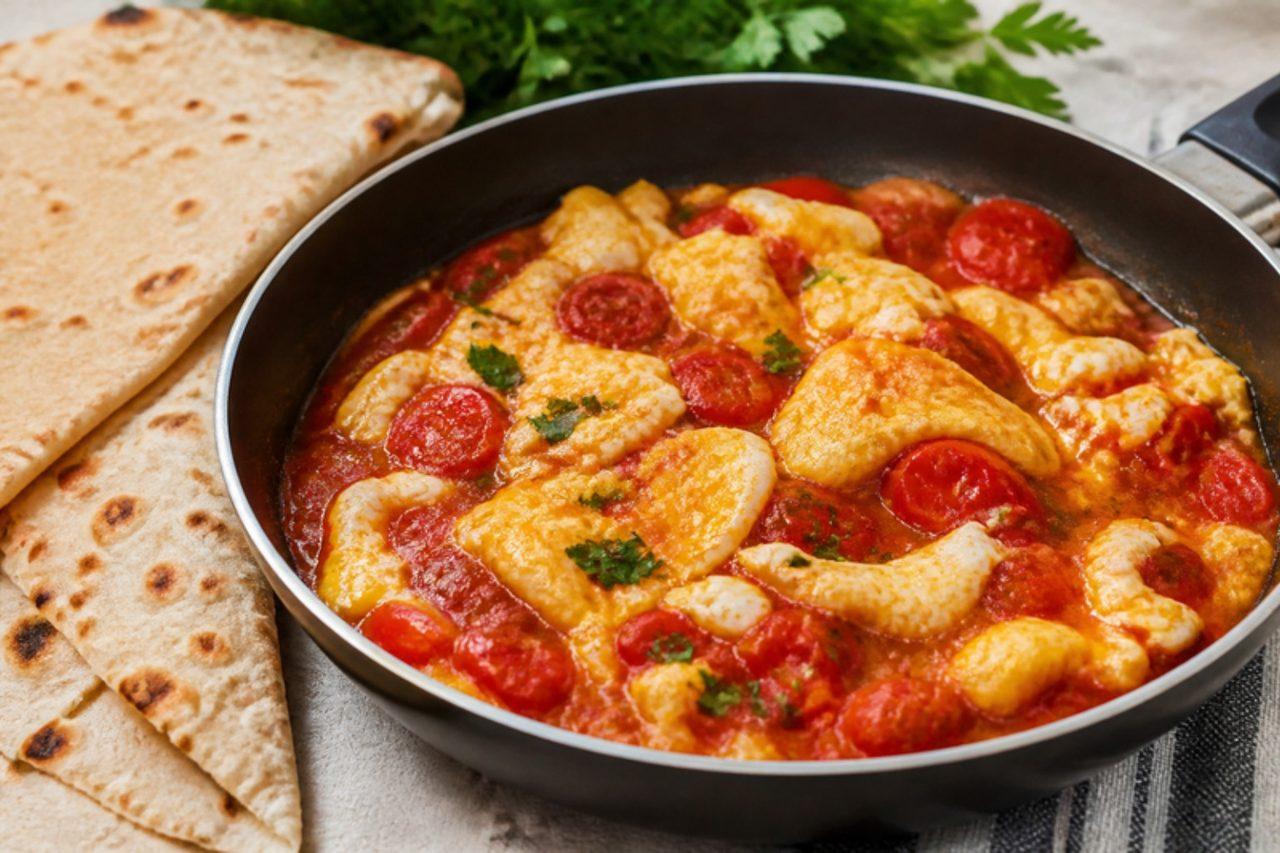
Omelet-e gojeh farangiTomato and egg omelette

In Iran the word omelet means something quite different from a folded French one: ripe tomatoes are cooked down in oil with a little onion and turmeric until jammy, then eggs are stirred through so they set in soft streaks of red and gold. It is the classic quick dinner of Tehran apartments and student dorms, eaten from the pan with lavash and a plate of herbs. The mistake that makes it watery is adding the eggs before the tomato juices have cooked away; wait until the sauce is thick and the oil sizzles again. Chef's tip: grate the tomatoes on a box grater and throw away the skins, so the base melts down in minutes.

by KrazyBadal 0 views

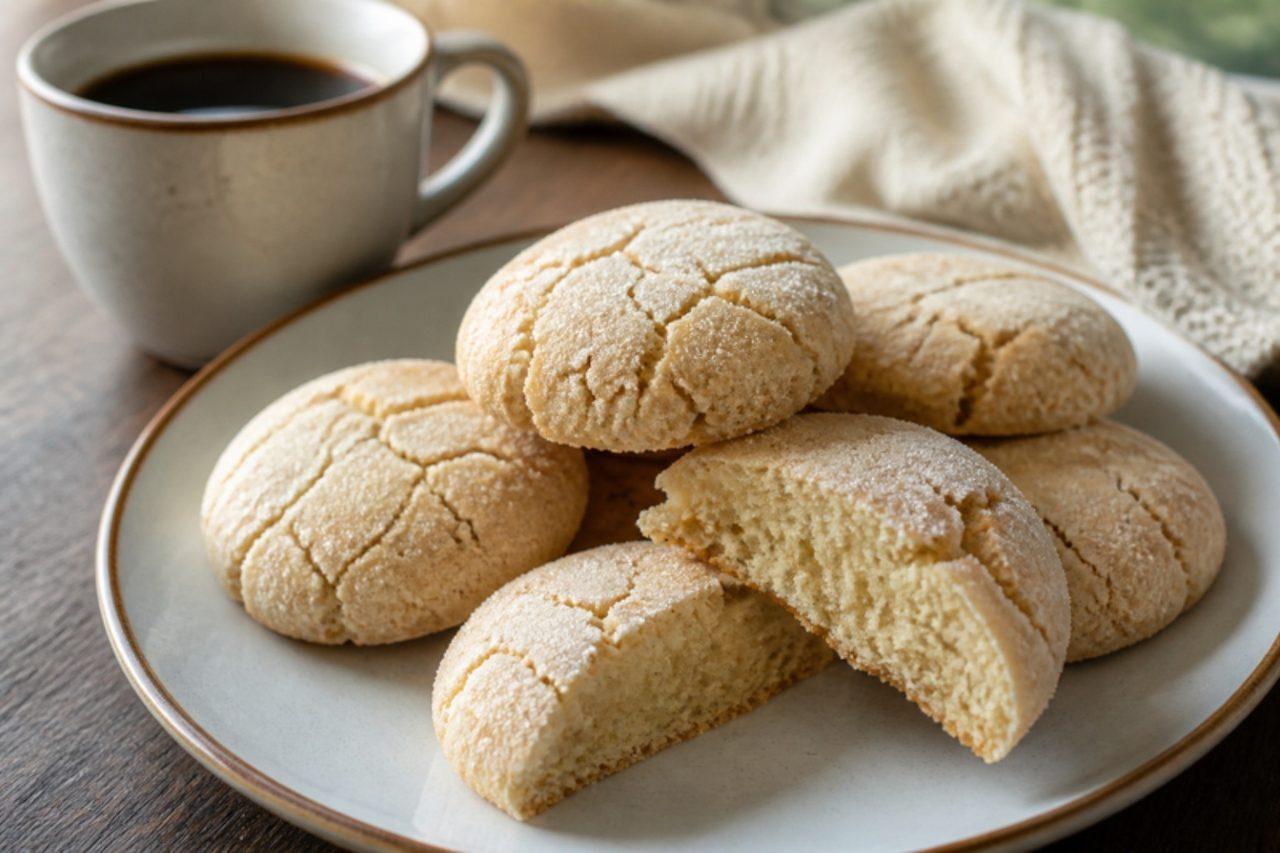
Salpores de arrozCrumbly rice flour cookies

Ask in a Salvadoran panadería for pan dulce to go with the afternoon cafecito and you will be offered salpores, round cookies with a sugar-crackled top that break into soft, sandy crumbs. Salpores de arroz are made with rice flour instead of wheat, which gives them their fine, almost powdery texture and makes them naturally gluten free. They taste of butter and vanilla with just enough sugar. Families in San Salvador buy them by the bag for wakes, birthdays and Sunday visits, and they are made to be dunked. Chef's tip: use finely milled white rice flour, not glutinous rice flour, which turns the cookies gummy; and don't wait for colour on top, because salpores stay pale and an extra few minutes dries them out.

by KrazyBadal 0 views

Kak-e KermanshahiThin buttered sugar sheets

Kermanshah, in Iran's Kurdish west, is famous for its ghee, and kak is the sweet that shows it off: dough rolled so thin you can read through it, baked crisp in seconds, then brushed with melted ghee and showered with sugar before the sheets are folded and stacked. Shops in the city's bazaar sell them in tall boxes, and families bring them out for guests and at Nowruz with glasses of black tea. They are traditionally made with Kermanshahi ghee, a nutty sheep's-milk ghee; ordinary ghee or clarified butter works well. The classic mistake is rolling too thickly: anything over a millimetre bakes up like a cracker, not a crisp, glassy sheet. Chef's tip: roll on a lightly oiled counter rather than flour, and stretch the last bit over the backs of your hands, as the Kermanshah bakers do; excess flour scorches on the hot tray.

by KrazyBadal 0 views

TopfengolatschenSweet quark puff pastry squares

A Topfengolatsche is what Viennese office workers grab from the bakery on the way in, and what grandparents order with a Melange in a coffee house on a Sunday afternoon. The corners of a puff pastry square are folded over a lemony, vanilla-scented filling of Topfen (Austrian quark) with plump raisins, and the top gets a thin white glaze. It is flaky, light and not too sweet. Raisins are sometimes soaked in rum; warm water or orange juice works just as well, and the recipe below is alcohol-free. Wet quark is the classic problem, because it turns the filling runny and it leaks out in the oven. Chef's tip: hang the quark in a sieve lined with a clean cloth for an hour, or squeeze it, until it is as thick as soft cream cheese.

by KrazyBadal 0 views

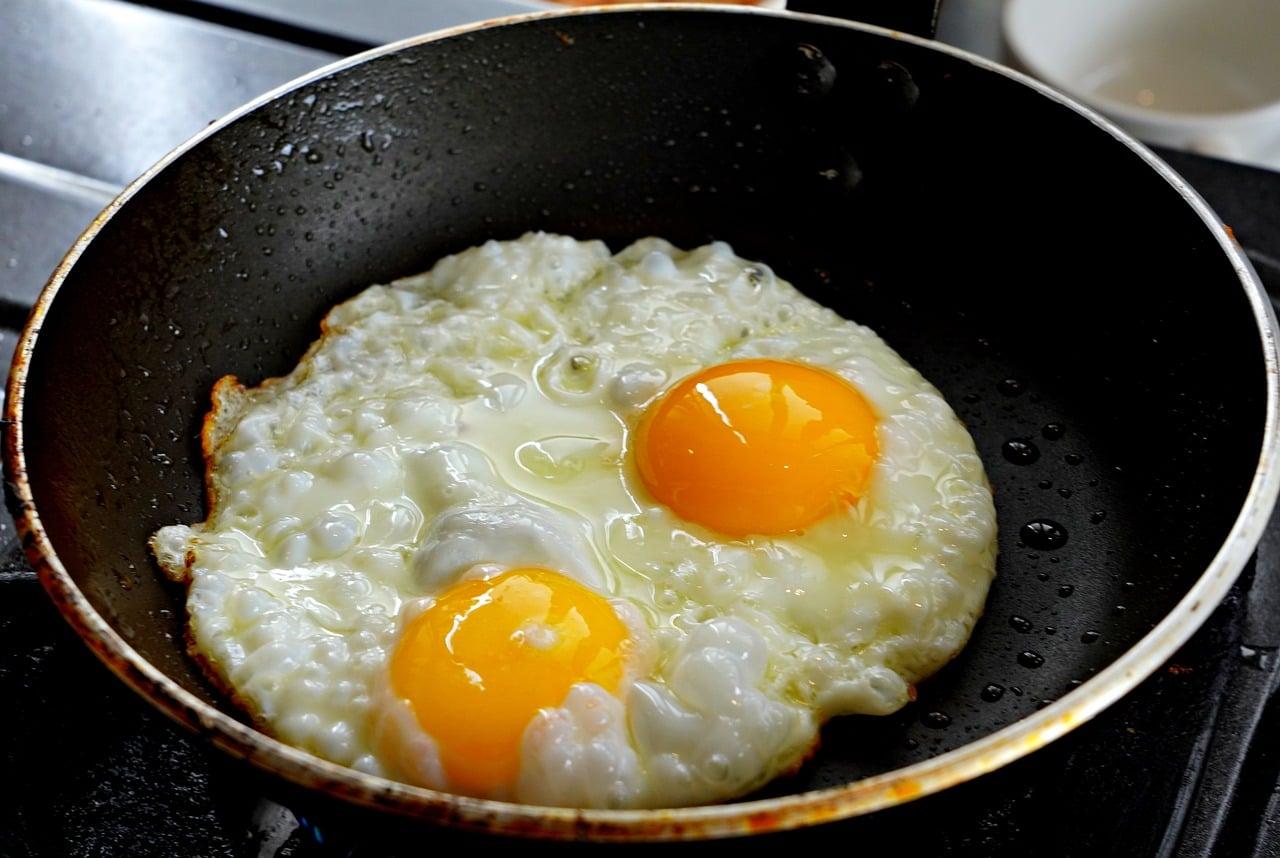
NimrooHalf-set fried eggs

Nimroo, literally 'half-done', is what Iranian students in Tehran and families in every city cook when there is no time: eggs fried gently in a small pan until the whites set and the yolks stay soft, sprinkled with salt, pepper and sometimes a pinch of turmeric. It is eaten straight from the pan with torn lavash or sangak, fresh herbs and sweet black tea, for breakfast or a late supper. The common mistake is a fierce heat that burns the edges of the white while a raw film stays round the yolk; a lid for the last minute sets the top gently. For anyone pregnant, very young, older or with a weakened immune system, cook the yolks until firm. Chef's tip: serve it in the pan it was cooked in, on a board, so it stays hot.

by KrazyBadal 0 views

Tallarines rojosSpaghetti in red sauce with chicken

Tallarines rojos is the Sunday-lunch and weeknight pasta of homes all over Peru, from Lima to Arequipa: spaghetti in a sweet, deep-red sauce of blended tomato, onion and garlic with a little ají panca and oregano, often with pieces of chicken cooked right in it. Children love it, and it is served with a sprinkle of grated cheese and sometimes a spoon of huancaína on the side. The usual mistake is cooking the sauce too briefly, so it tastes of raw onion; let the blended tomato fry until it darkens and the oil shows at the edges. Chef's tip: a bay leaf and a spoon of ají panca paste give the sauce its Peruvian character; paprika will do if you can't find the paste.

by KrazyBadal 0 views

Showing 24 of 578 recipes

Show more recipes

Page 1 of 25