Skip to content
Recipes

All recipes

Vegetarian, or something you can't eat? Set your diet once and we'll hide recipes that don't fit.

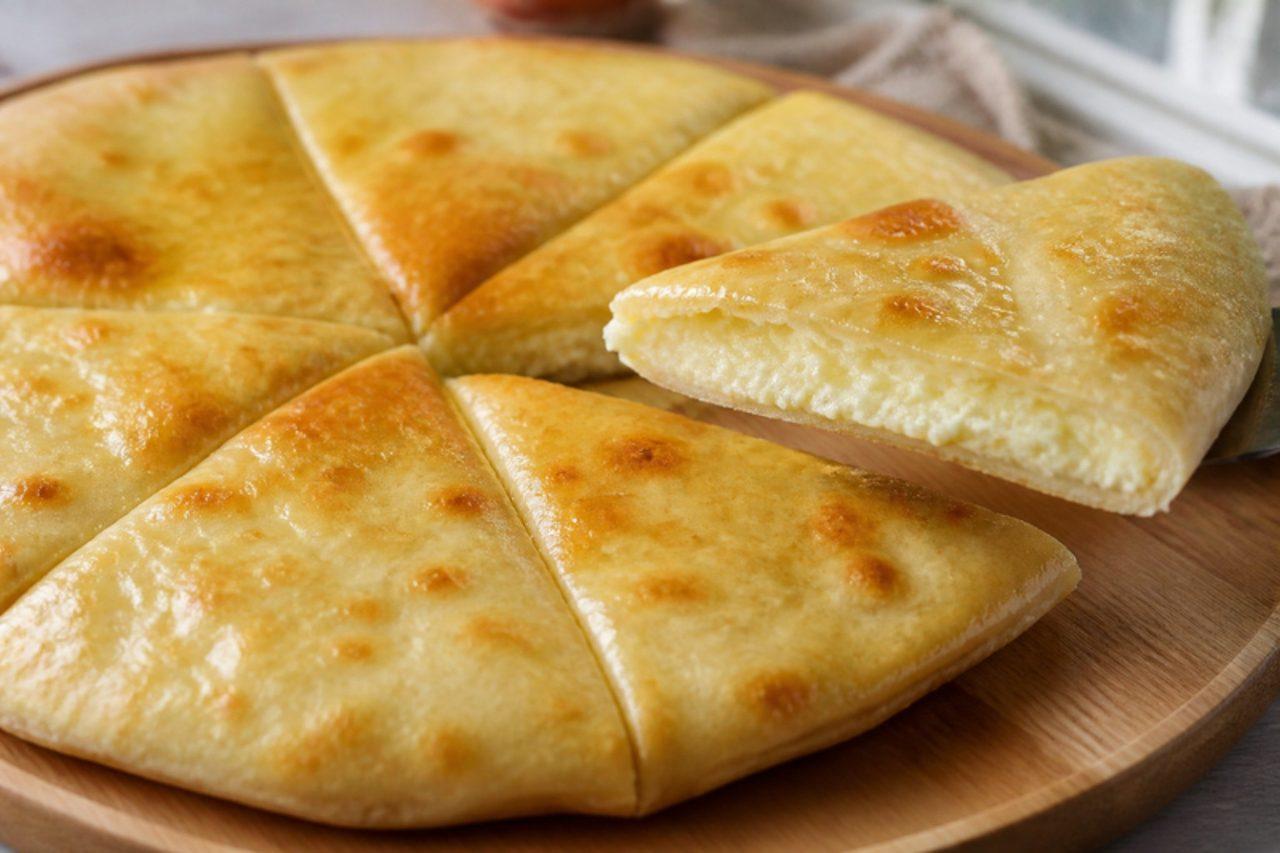
Penovani khachapuriPuff pastry cheese squares

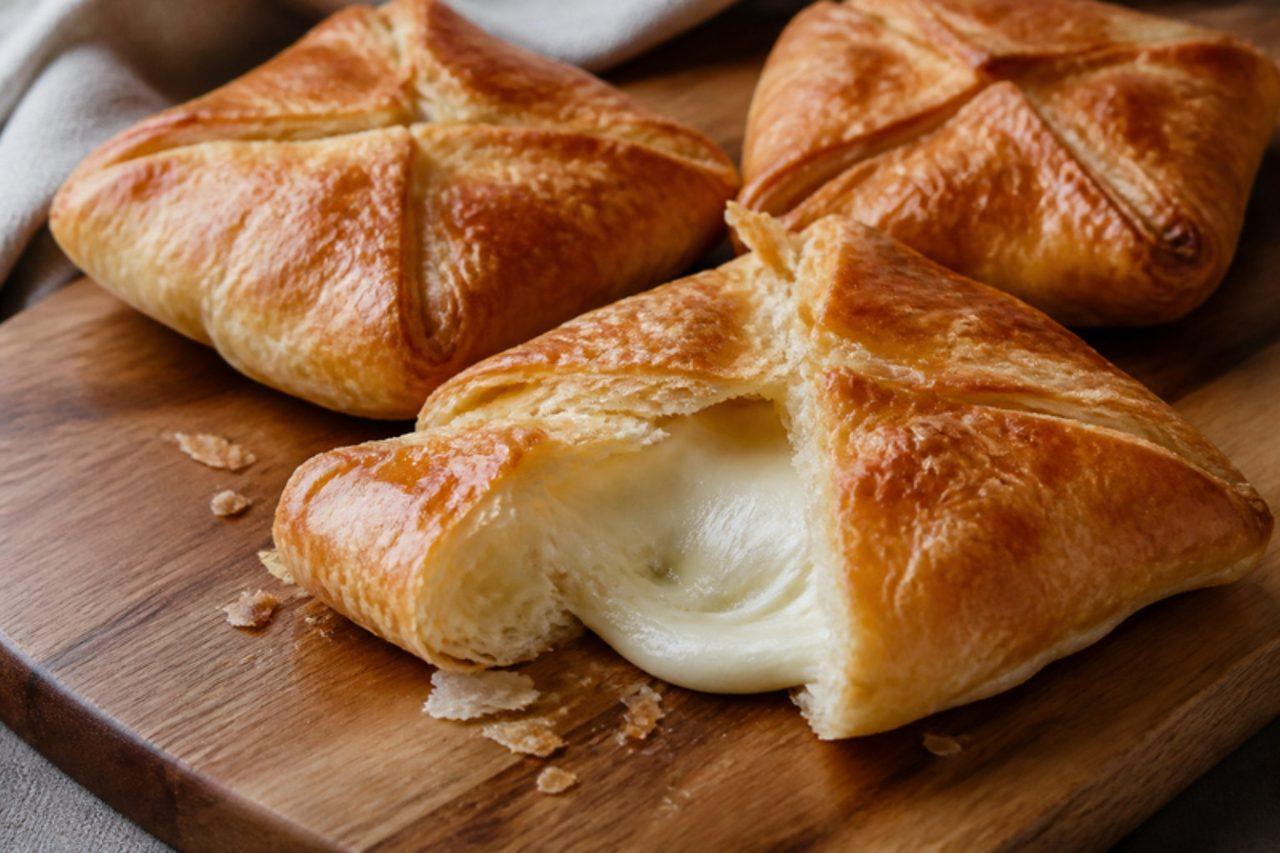
Before 9 a.m. the warm trays by the till of every Tbilisi bakery are stacked with penovani: squares of crackly puff pastry folded around a salty, slightly sour cheese. Commuters eat them from a paper bag with a cup of coffee, and students live on them. Imeruli cheese is the classic filling; outside Georgia a mix of feta and low-moisture mozzarella gets very close. Some imeruli and mozzarella is made with animal rennet, so pick a vegetarian one if that matters to you. Rolling the pastry too thin is a common error, because it then can't puff around the cheese and the corners burn. Chef's tip: leave a small open window in the middle when you fold the corners in, so steam can escape and the pastry rises in layers instead of splitting at the sides.

by KrazyBadal 0 views

TopfengolatschenSweet quark puff pastry squares

A Topfengolatsche is what Viennese office workers grab from the bakery on the way in, and what grandparents order with a Melange in a coffee house on a Sunday afternoon. The corners of a puff pastry square are folded over a lemony, vanilla-scented filling of Topfen (Austrian quark) with plump raisins, and the top gets a thin white glaze. It is flaky, light and not too sweet. Raisins are sometimes soaked in rum; warm water or orange juice works just as well, and the recipe below is alcohol-free. Wet quark is the classic problem, because it turns the filling runny and it leaks out in the oven. Chef's tip: hang the quark in a sieve lined with a clean cloth for an hour, or squeeze it, until it is as thick as soft cream cheese.

by KrazyBadal 0 views

KhabizginaPotato and cheese pie

Of all the Ossetian pies, khabizgina is the homely one: a thin round of soft yeast dough wrapped around mashed potato and salty fresh cheese, baked hot and fast and drenched in melted butter. For feasts and remembrance days Ossetian cooks bake three pies and stack them, but on an ordinary evening one khabizgina cut into wedges is supper, with a pot of tea, yogurt or a crunchy salad. The crust is barely 1 cm thick and the filling creamy and peppery. Using a rolling pin tends to tear the dough over the filling, so shape it with your palms instead. If your cheese is made with animal rennet, look for a vegetarian alternative. Chef's tip: let the mash cool and mix it with the cheese until it is a stiff ball, roughly the same size and softness as the dough, and it spreads evenly to the edge.

by KrazyBadal 0 views

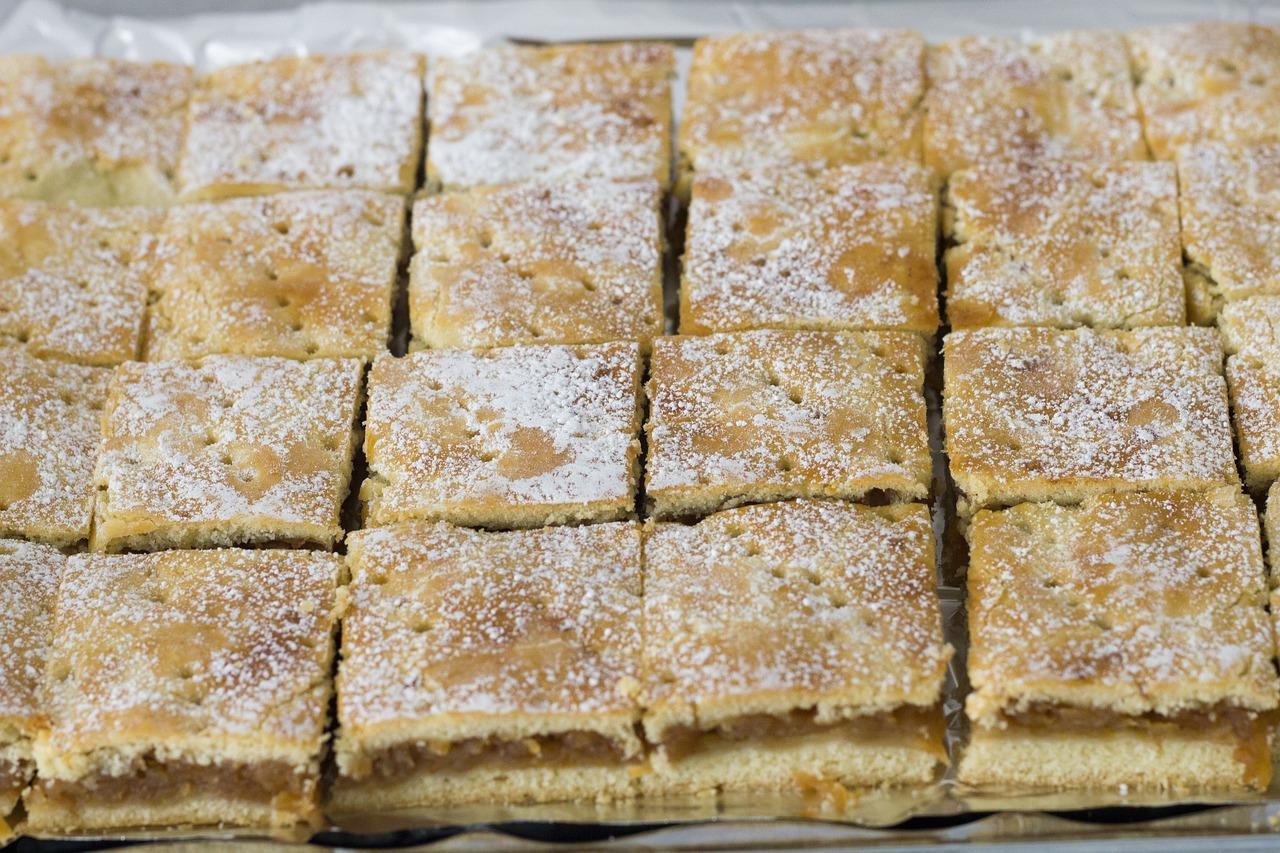
Lenja pitaGrated apple pie

The name means 'lazy pie', and that is the point: unlike the paper-thin pies of Serbia and Bosnia, lenja pita needs no stretching of filo, just two sheets of soft short pastry and a thick layer of grated apple with cinnamon. Home cooks in Belgrade and Sarajevo make a tray of it on autumn weekends, for name days and slava visits, and cut it into squares dusted with icing sugar to serve with Turkish-style coffee. The pastry is tender and crumbly, the apple soft, sweet and sharp. Putting the grated apple straight onto the pastry is the error to avoid: it floods the base, so squeeze it and cook it down first. Chef's tip: mix sour and sweet apples and leave the skins on a few of them for more flavour.

by KrazyBadal 0 views

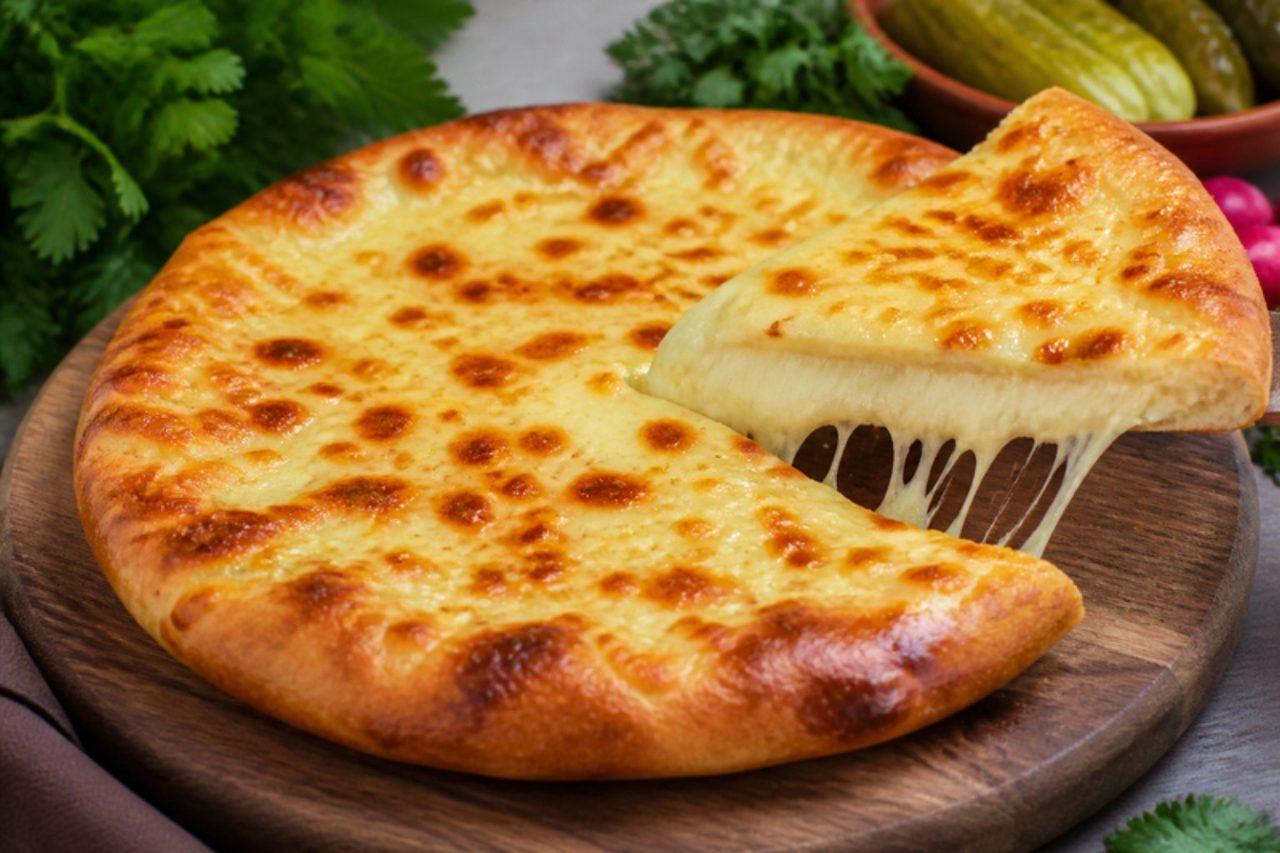
Megruli khachapuriCheese-filled bread with cheese topping

Samegrelo, in western Georgia, gives its name to the most generous of the khachapuri: a round, soft yoghurt-and-yeast bread filled with salty cheese and then topped with more cheese, so it comes out of the oven with a golden, blistered lid. It is the khachapuri of Georgian supra feasts and family Sundays, cut into wedges and passed around with herbs, pickles and a tomato and cucumber salad. Traditionally the cheese is a mix of stretchy sulguni and fresh, tangy imeruli; outside Georgia, low-moisture mozzarella and feta make a good match. Sulguni and some fetas use animal rennet, so pick ones made with vegetarian rennet. Overfilling is what makes the base tear and leak, so keep the dough at least 5 mm thick underneath. Chef's tip: bake it high in a very hot oven and rub butter over the cheese as soon as it comes out, which is how Georgian bakeries finish it.

by KrazyBadal 0 views

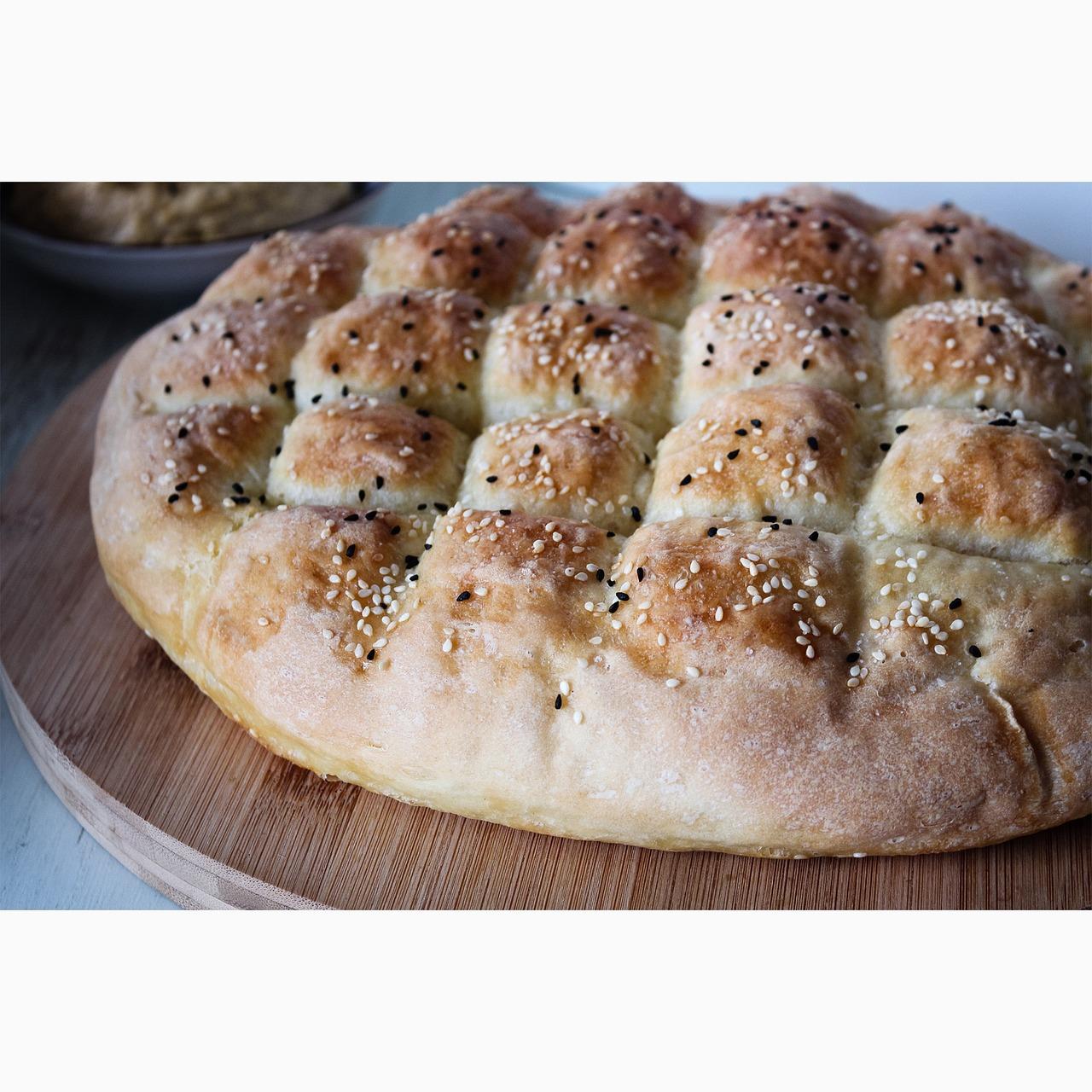
SomunDimpled flatbread

During Ramadan in Sarajevo, queues form outside the Baščaršija bakeries in the last hour before iftar, everyone waiting for somun still warm from the oven. It is a round, pale flatbread about three fingers thick, with a crust so thin it barely crackles and a soft, airy middle, and a criss-cross grid pressed into the top. All year it is split and stuffed with ćevapi and onions at the grill houses; for a meat-free plate, fill it with kajmak, roasted peppers and ajvar or grilled vegetables. Somun should stay pale: leave it in the oven until it is brown and the crust turns hard, which is the commonest mistake. Chef's tip: wrap the loaves in a clean tea towel the moment they come out; the trapped steam softens the crust to that typical pillowy finish.

by KrazyBadal 0 views

Kärntner ReindlingCinnamon raisin yeast cake

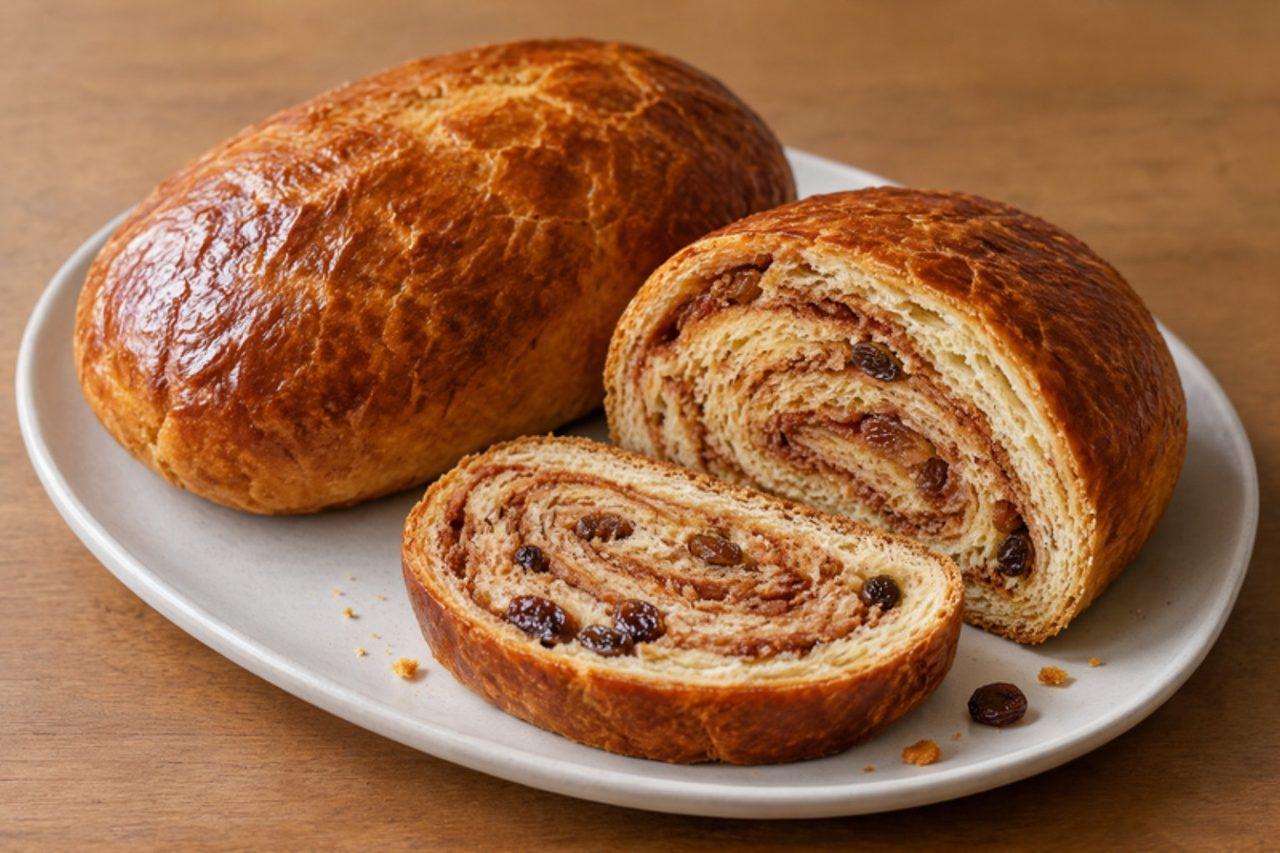
Carinthia's Easter loaf takes its name from the Reindl, the round, deep pan it is baked in, and in southern Austria no Easter basket goes to church without one. Inside the golden yeast crust is a spiral of butter, cinnamon sugar and plump raisins, so every slice shows a dark swirl. Locals eat it two ways: sweet with coffee on Easter morning, or alongside the savoury Easter platter with horseradish. Many bakers soak the raisins in rum overnight; warm water or tea works just as well and keeps it alcohol-free. A dry, crumbly Reindling usually means too much flour went in during kneading, so keep the dough soft and only lightly floured. Chef's tip: butter the pan well and dust it with sugar, which caramelises into a thin crunchy shell.

by KrazyBadal 0 views

ErdäpfelstrudelSavoury potato strudel

Austrians, especially in the Mühlviertel of Upper Austria and the Waldviertel, make savoury strudels as often as sweet ones, and Erdäpfelstrudel is a farmhouse favourite for a meatless Friday or a cold evening. Thin pastry wraps a filling of potatoes, fried onion, sour cream, marjoram and parsley, baked until crisp and golden and sliced with a green salad or a dill and sour-cream dip. Bought filo makes it easy at home. The mistake to avoid is a wet filling, which turns the pastry soggy underneath. Chef's tip: cool the filling completely before rolling; warm filling makes the layers stick and tear.

by KrazyBadal 0 views

Cocido quemadoBurnt sugar mate drink

Cocido is how Paraguay starts the day: in Asunción, in the villages of Guairá and Itapúa, and in school kitchens, a pot of burnt yerba is brewed and poured into cups with chipa, the cheesy cassava bread, or with a hard galleta. The old way is to drop a glowing piece of charcoal into a pot with yerba and sugar and stir until the sugar burns. On a home stove you caramelise them together in a dry pan instead, which is safer and gives the same smoky, toffee-like taste. The drink is clear amber-brown, with roasted, slightly bitter mate notes over burnt-sugar sweetness; with milk added it becomes cocido con leche, creamy and coffee-coloured. Yerba mate contains caffeine, so treat it like a cup of coffee. The common mistake is letting the sugar go black: it turns acrid and bitter. Pull it off the heat when the caramel is deep amber and the yerba smells toasted, not burnt. It is ready when the liquid is a clear dark amber and tastes of toffee and smoke. Chef's tip: the water will spit fiercely when it hits the hot caramel, so pour it in from the side, at arm's length.

by KrazyBadal 0 views

LampreadoCassava starch cheese fritters

Paraguayan grandmothers fry lampreado on Sunday evenings to eat with a mug of cocido, the toasted yerba mate drink: small pan-fried cakes of cassava starch, egg, milk and grated cheese with a little onion, crisp at the edges and stretchy inside. Some families also make it with leftover meat, but this version is all cheese. Queso Paraguay is set with animal rennet; a vegetarian Parmesan-style cheese plus mozzarella works well. The trap is a batter that is too thick, which gives heavy, gluey cakes. Chef's tip: the batter should drop slowly off a spoon like thick pancake batter; add milk a spoonful at a time until it does.

by KrazyBadal 0 views

BusecaTripe and white bean stew

Buseca arrived in Montevideo with Italian immigrants from Lombardy and became a classic winter dish of Uruguayan bodegones and family kitchens, eaten on cold June and July days. Honeycomb tripe is simmered until tender, then stewed with white beans, pork chorizo, bacon, peppers, tomato and paprika into a thick, warming stew served with crusty bread. Buy tripe that is already cleaned and blanched (dressed). The usual mistake is undercooking the tripe: it needs a full 2 hours, until it's soft enough to cut with a spoon. Slow-cooker option: after step 4, cook on low for 8 hours. Chef's tip: a little grated lemon zest and parsley stirred in at the end lifts the rich, gelatinous sauce.

by KrazyBadal 0 views

Mandi'o chyryryFried cassava with onion and egg

Mandi'o chyryry means 'fried cassava' in Guaraní, and it is what rural Paraguayan families make from yesterday's boiled mandi'o: chunks crushed and fried in a big pan with onion until crisp in places, then scrambled with eggs. It comes out for breakfast with cocido or for a quick supper, and costs next to nothing. Use sweet cassava, the kind sold in supermarkets. The mistake is stirring constantly, which turns it to mush; let the cassava sit and brown. Chef's tip: the best chyryry starts with cold, day-old boiled cassava, which fries crisper than freshly boiled.

by KrazyBadal 0 views

KoserevaCandied bitter orange peel

Kosereva is a Paraguayan home preserve from the days when nothing was wasted: thick strips of bitter-orange peel soaked and boiled to soften their bite, then cooked slowly in dark cane molasses until glossy and nearly black. In the countryside it is eaten after lunch with a slice of fresh cheese or simply on its own. Bitter oranges (Seville oranges) are in season in winter. The most common mistake is not changing the boiling water enough, which leaves the peel unpleasantly bitter. Chef's tip: taste a sliver of peel after the third boil; it should be gently bitter like marmalade, not harsh.

by KrazyBadal 0 views

Buñuelos de algasSea lettuce fritters

On the beaches of Rocha, from La Paloma to Punta del Diablo, vendors walk the sand with baskets of hot buñuelos de algas: puffy, salty fritters speckled green with sea lettuce, eaten with a squeeze of lemon. Use dried sea lettuce or mixed seaweed flakes from a shop, or fresh sea lettuce only from a seller who harvests clean water; never pick it from a harbour or near drains. The usual mistake is frying in oil that isn't hot enough, so the fritters soak it up and turn greasy. Chef's tip: rest the batter for 15 minutes so the seaweed softens and the fritters puff more.

by KrazyBadal 0 views

PetullaFried dough fritters

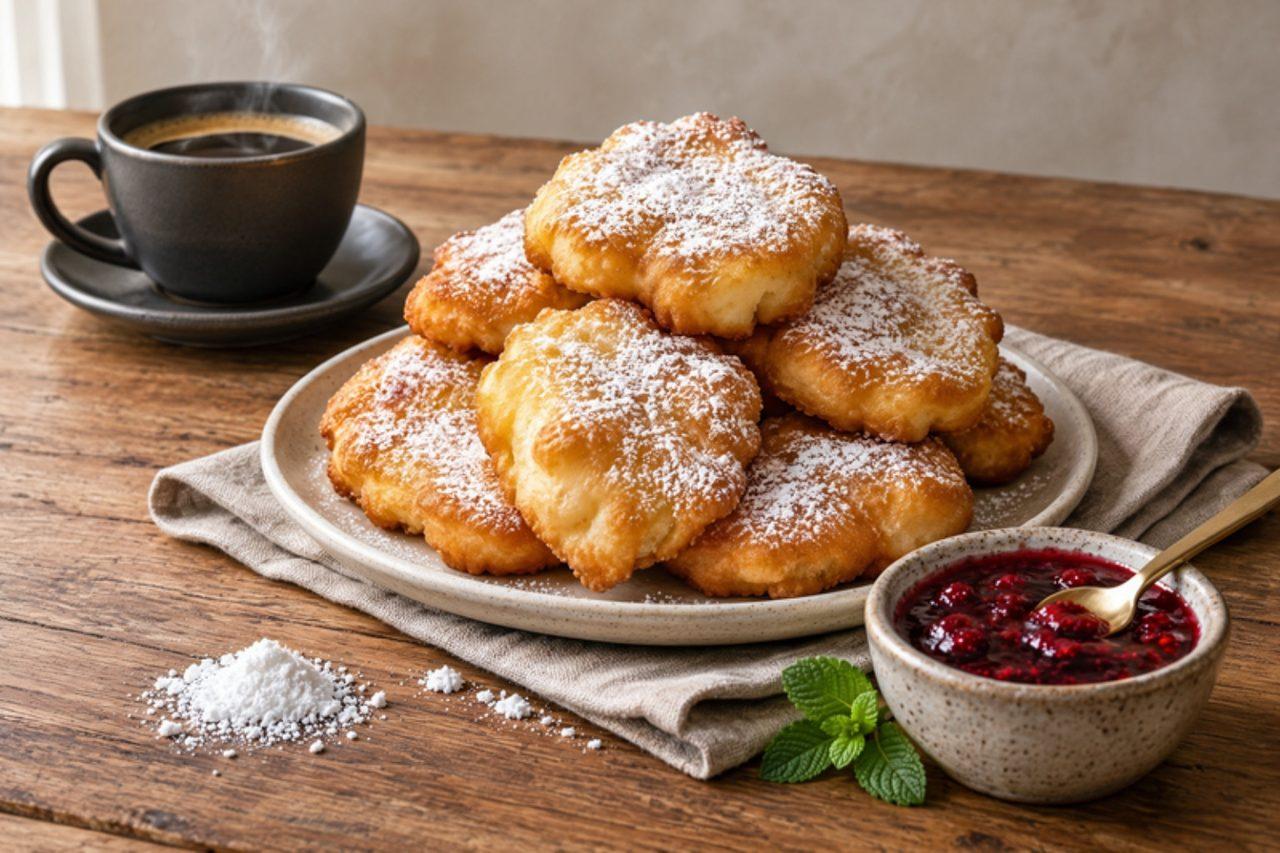
In Albania and Kosovo, petulla are fried on weekend mornings and for family celebrations: a very soft, wet yeast dough is pulled into rough rounds with oiled hands and dropped into hot oil, where it puffs into golden, airy fritters. They are eaten hot with feta-style cheese, jam, honey or a dusting of sugar, alongside tea or coffee. The common mistake is adding flour until the dough is firm and easy to handle; it should be almost too wet to hold, which is what makes petulla light and hollow. Chef's tip: keep a bowl of oil beside the pan and dip your fingers in it before each fritter, so the sticky dough slides off your hand and stretches thin.

by KrazyBadal 0 views

BrudetFisherman's fish stew

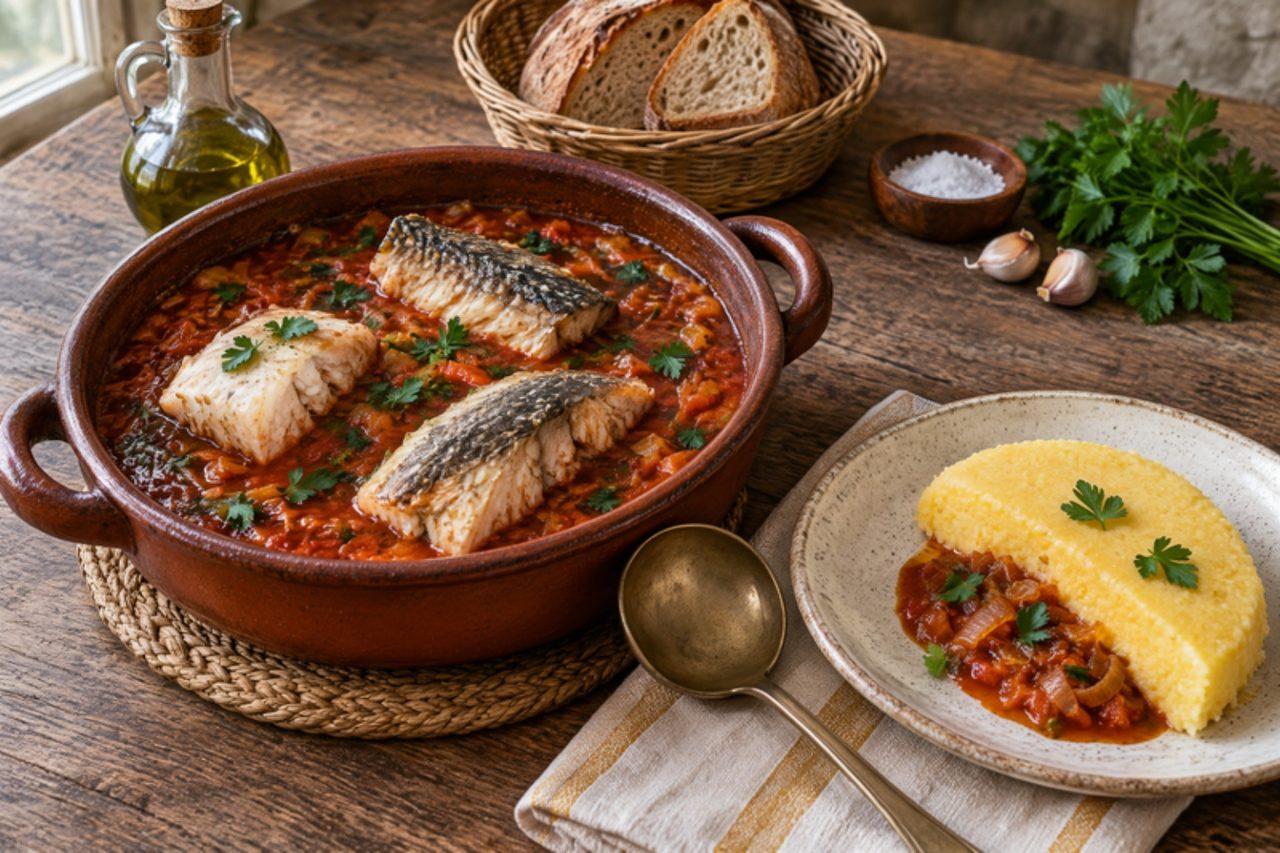
Brudet (or brodetto) is the fisherman's stew of the Dalmatian coast and islands, cooked in Split, Hvar and Korčula with whatever the morning's catch brings, and eaten for Friday lunch and summer suppers. Thick fish steaks on the bone stew slowly in olive oil with onion, garlic, tomato and a dash of wine vinegar, and the pot is shaken, never stirred. It is high in protein and suitable as part of a balanced diet; polenta is the classic partner, but grilled courgettes, chard or a small portion of soft polenta keep the carbohydrate down. About 330 kcal and 10 g carbohydrate per portion. The usual mistake is stirring with a spoon, which breaks the fish into shreds. Chef's tip: use at least three kinds of fish, mixing firm and softer ones, for a deeper broth.

60 minBalkanFishGluten free
by KrazyBadal 0 views

ZlevankaBaked cornmeal and buttermilk cake

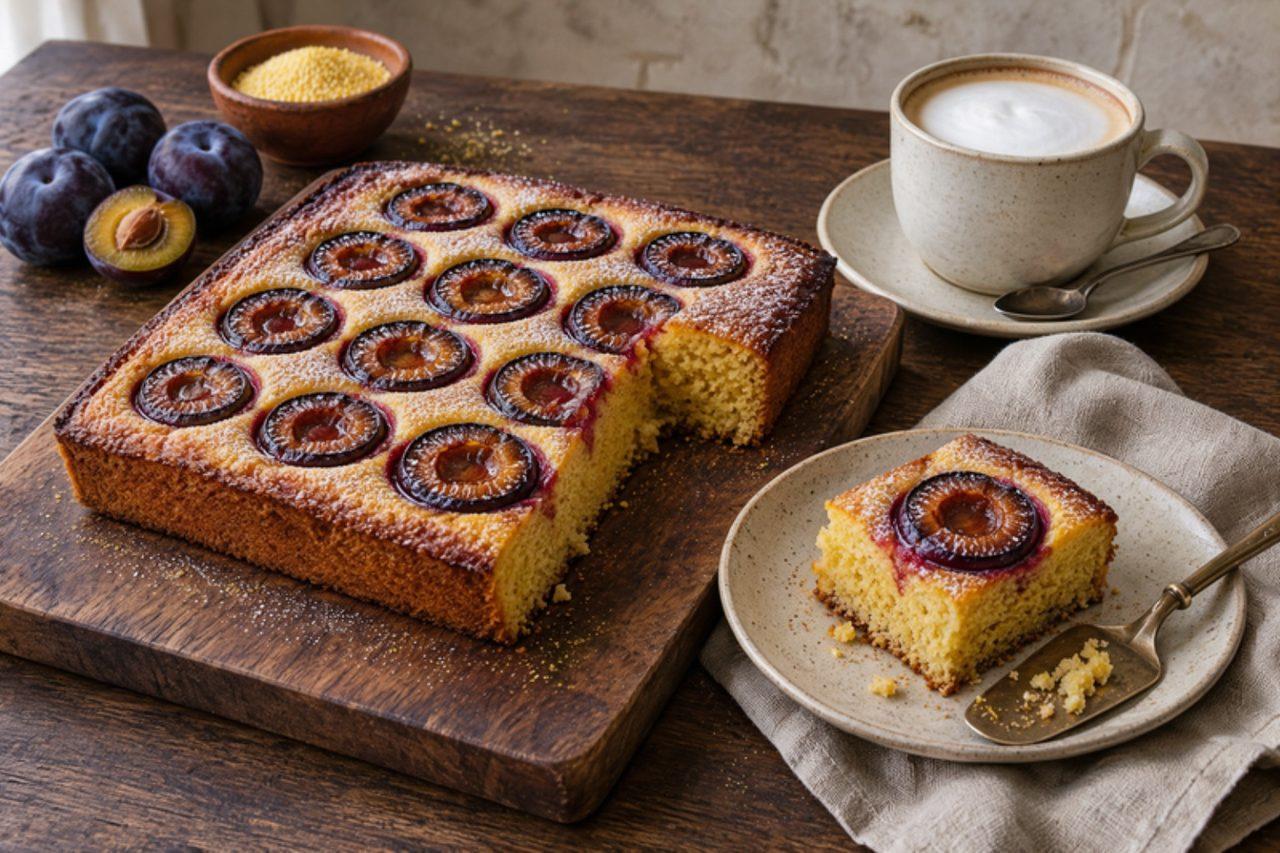
Zlevanka, from the Slovenian for 'poured', is a farmhouse batter cake from the Prekmurje and Štajerska regions, poured into a tin and baked for breakfast, then cut into squares and eaten with a big cup of milky white coffee. This sweet version is made with cornmeal and buttermilk, which give it a soft, moist, slightly crumbly crumb with a golden crust; some families add fruit on top. The common mistake is overmixing the batter once the flour goes in, which makes it tough; stir only until combined. Chef's tip: soak the cornmeal in the buttermilk for 15 minutes before mixing, so it softens and the cake isn't gritty.

by KrazyBadal 0 views

NazukiSweet cinnamon raisin bread

Nazuki comes from Surami, a town on the road west of Tbilisi, where roadside bakers slap the long, glossy loaves onto the hot walls of a tone oven and sell them still steaming to drivers. In Tbilisi you find them at the Dezerter Bazaar and from small tone bakeries in Sololaki and Vake, bought warm for breakfast or with afternoon tea. The crumb is soft and rich with milk, cinnamon, vanilla and raisins, and the crust is shiny and caramel-dark. This version bakes on a hot oven tray. It contains wheat, milk and egg. Chef's tip: preheat a heavy tray or baking stone for 20 minutes; the burst of heat from below imitates the tone wall and gives the loaves their rise.

by KrazyBadal 0 views

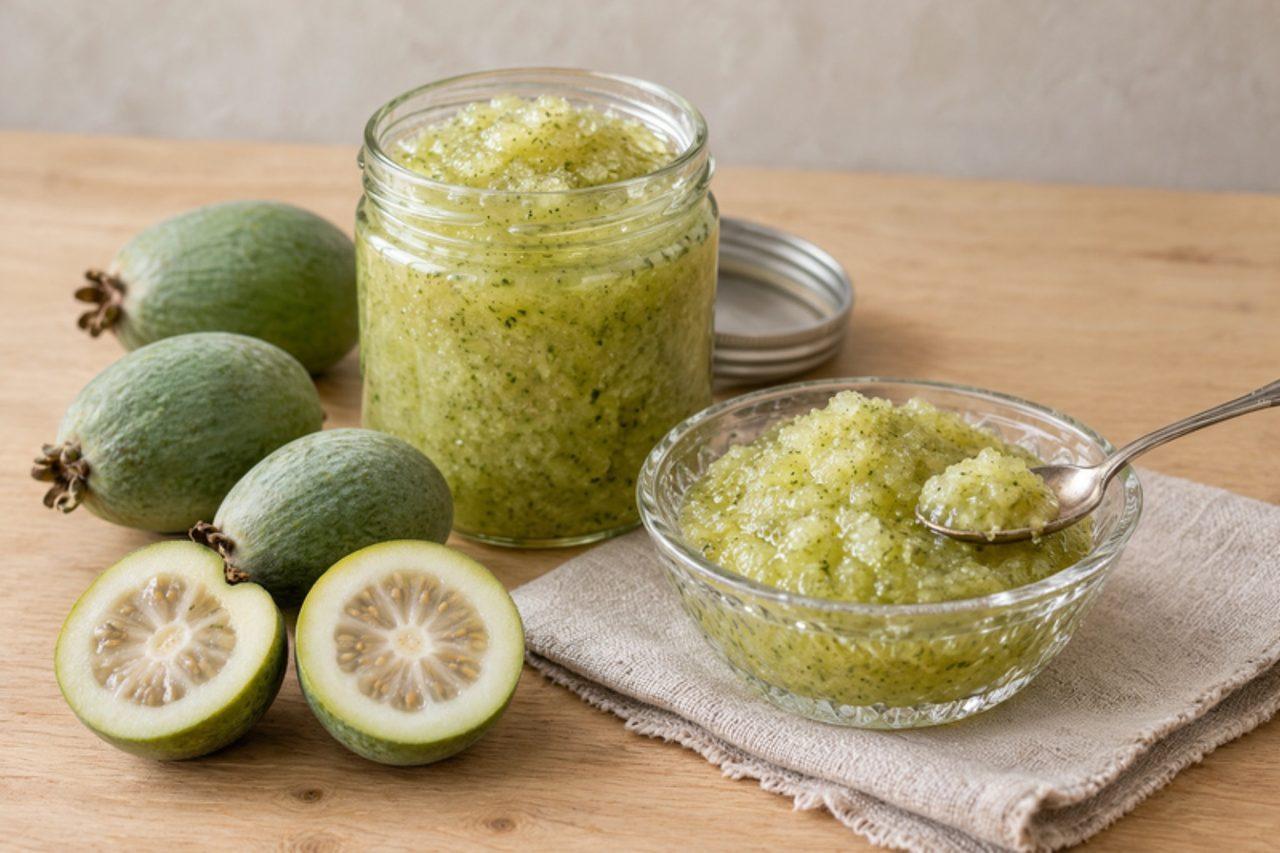
Feijoa jam

Feijoa bushes grow in almost every garden along Georgia's Black Sea coast, in Batumi, Kobuleti and the hills of Guria, and in late October and November the egg-shaped green fruit drop faster than anyone can eat them. The local answer is a raw jam: the whole fruit, skin and all, minced with sugar and kept cold, so it keeps the fresh, heady taste of pineapple, guava and mint. It is spooned into small glass dishes beside a cup of black tea, spread on bread for breakfast, stirred into yoghurt and eaten by the teaspoon through the winter cold season. The texture is a loose, pale-green pulp with a little grit from the seeds and skin; the flavour is sweet, tart and very aromatic. Common mistake: leaving the cut fruit to stand before mixing with sugar; it browns within minutes, so mince straight into the sugar and stir. The jam is ready when the sugar has fully dissolved and the colour is an even jade green. Because it is never cooked it must live in the fridge or freezer. Chef's tip: use fruit that gives slightly when pressed and smells strongly; hard feijoas taste of skin, overripe ones have brown jelly inside and turn the jam muddy.

by KrazyBadal 0 views

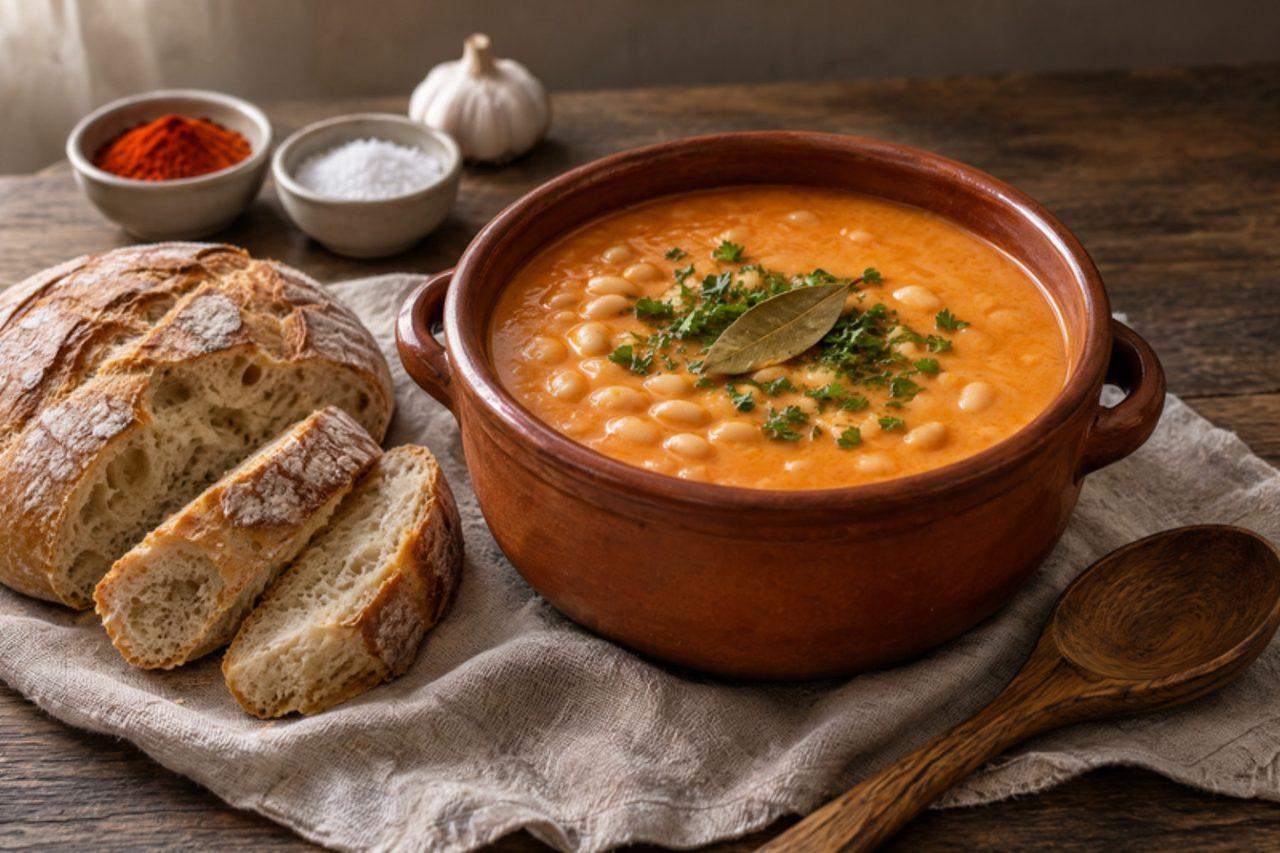
PasuljWhite bean soup

Pasulj is the beloved bean soup of Serbia, served in Belgrade's old taverns and in army and school canteens, and especially on Thursdays and cold weekends. Usually it is cooked with smoked pork ribs or bacon; this vegetarian version gets its smoky depth from smoked paprika instead, and it is the version cooked on Orthodox fasting days. White beans simmer slowly with onion, carrot, bay and paprika until creamy and thick enough to stand a spoon in. Eat it with bread and pickled peppers. Suitable as part of a balanced diet. About 310 kcal and 40 g carbohydrate per portion. The usual mistake is thickening with too much flour roux; mashing some beans gives the same body and keeps it gluten free. Pressure cooker option: 25 minutes at pressure. Chef's tip: change the water after the first boil, as Serbian cooks do, for a softer, gentler soup.

130 minBalkanSoupsVeganGluten free
by KrazyBadal 1 views

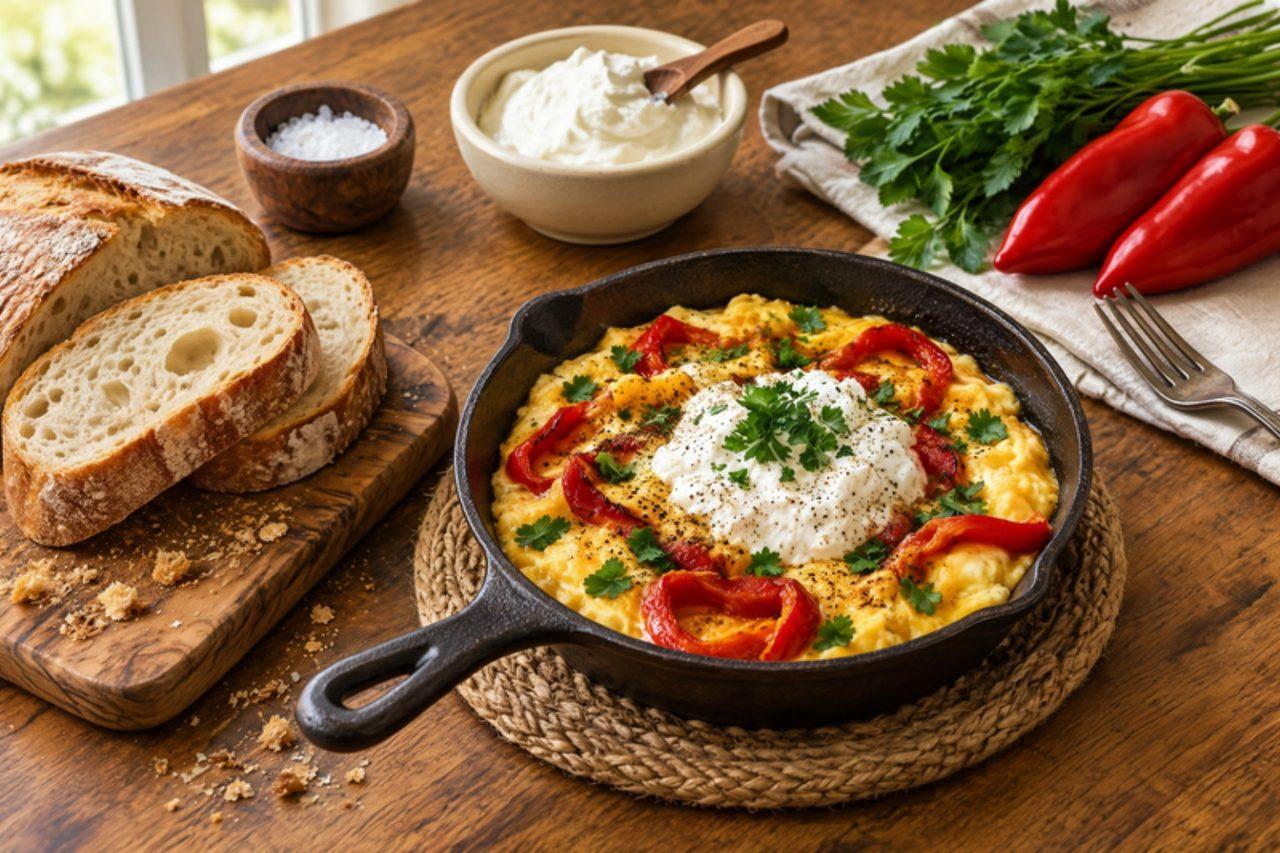
KajganaScrambled eggs with peppers

Kajgana is the everyday breakfast of Serbia and Montenegro, cooked in every home and kafana: eggs scrambled softly in a little fat, often with sweet peppers or onion, and finished with a spoon of kajmak, the rich clotted cream of the Balkans, or crumbled white cheese. It is eaten straight from the pan with warm bread. The mistake is high heat: the eggs seize into dry, rubbery lumps; a medium-low flame and constant gentle stirring give soft, creamy curds. Chef's tip: take the pan off the heat while the eggs still look slightly underdone, because they keep cooking in the hot pan for another minute.

by KrazyBadal 0 views

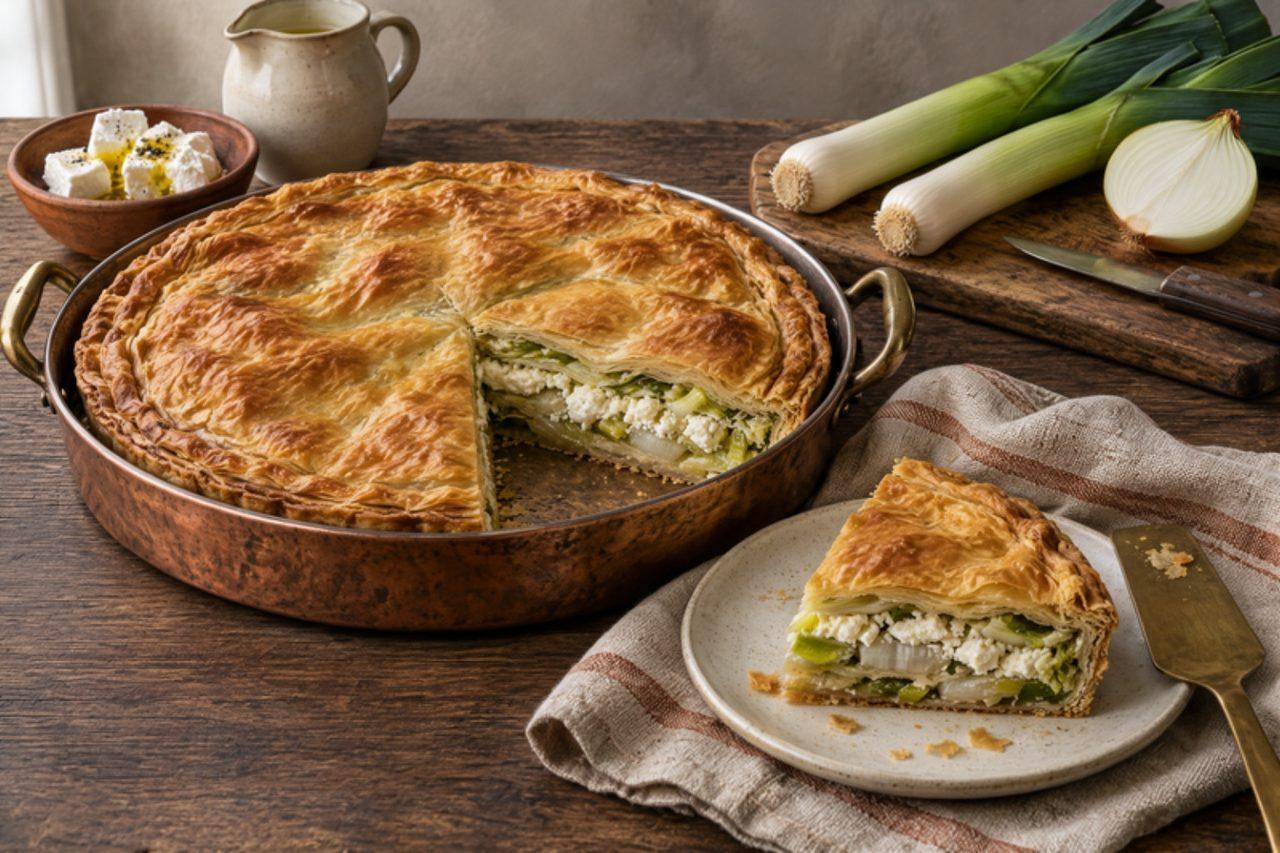
LakrorLeek and cheese pie

Lakror comes from the south of Albania, around Korçë, where it was baked in a round copper tray under a saç, a domed iron lid heaped with embers, and eaten for breakfast or carried to the fields. Thin rounds of homemade dough are layered with oil, then filled with leeks, onions and cheese, giving a pie that is crisp at the top and soft inside. At home, a very hot oven stands in for the saç. The common mistake is rolling the dough too thick: each round should be thin enough to see your hand through, or the layers stay doughy. Chef's tip: rest the dough balls for 30 minutes after kneading; relaxed dough rolls out thin without shrinking back.

100 minBalkanBaking
by KrazyBadal 0 views

Capeletis a la CarusoStuffed pasta in cream sauce

Capeletis a la Caruso were created in a Montevideo restaurant in the 1950s and named after the great tenor, and they are still a Sunday lunch favourite in Uruguayan homes: little stuffed pasta hats in a rich sauce of cream, cooked ham (pork), mushrooms and onion, finished with grated cheese. Buy good fresh capeletis or tortellini; the sauce is what you make. The usual mistake is boiling the cream sauce hard, which makes it oily and grainy. Chef's tip: cook the mushrooms in a dry hot pan first until they squeak and brown, before any butter goes in, for a deeper taste.

by KrazyBadal 0 views

ErbokvertskhiEggs fried in butter

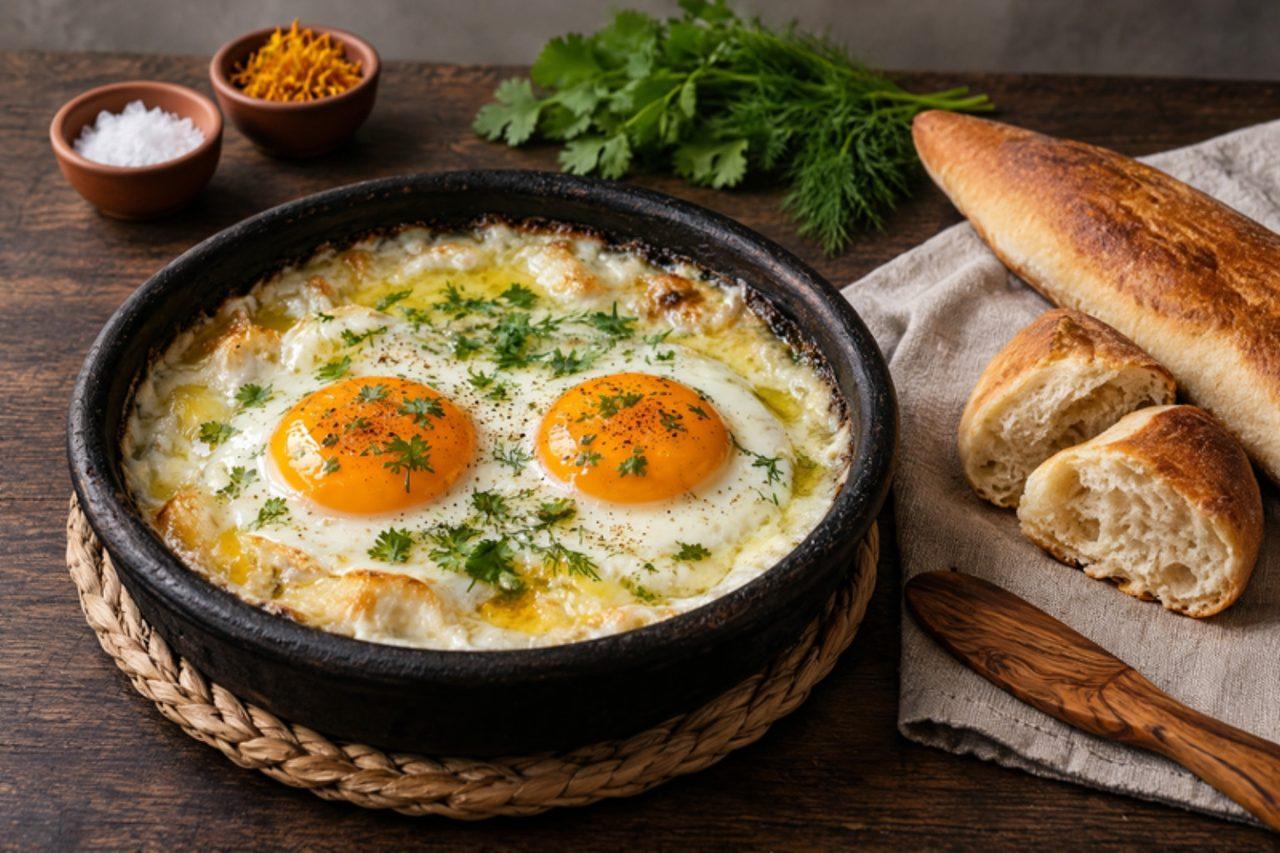
Erbokvertskhi means simply "butter-egg", and in Georgian homes from Tbilisi to the Imereti villages it is the breakfast cooked in a small clay ketsi or pan: eggs fried in plenty of erbo, the golden clarified butter, with slices of salty sulguni cheese melting around them. It is eaten with shoti bread and fresh herbs. Sulguni is often made with animal rennet; use a vegetarian mozzarella-style cheese if needed. The mistake is a timid amount of butter: the eggs should sizzle in it so the edges crisp. Serve the yolks fully set for anyone pregnant, young children, older people or anyone with a weakened immune system. Chef's tip: let the cheese melt and brown slightly before adding the eggs, so you get crisp cheese edges under soft whites.

by KrazyBadal 0 views

Showing 24 of 259 recipes

Show more recipes

Page 1 of 11