Skip to content
Recipes

All recipes

Vegetarian, or something you can't eat? Set your diet once and we'll hide recipes that don't fit.

Shechamandi

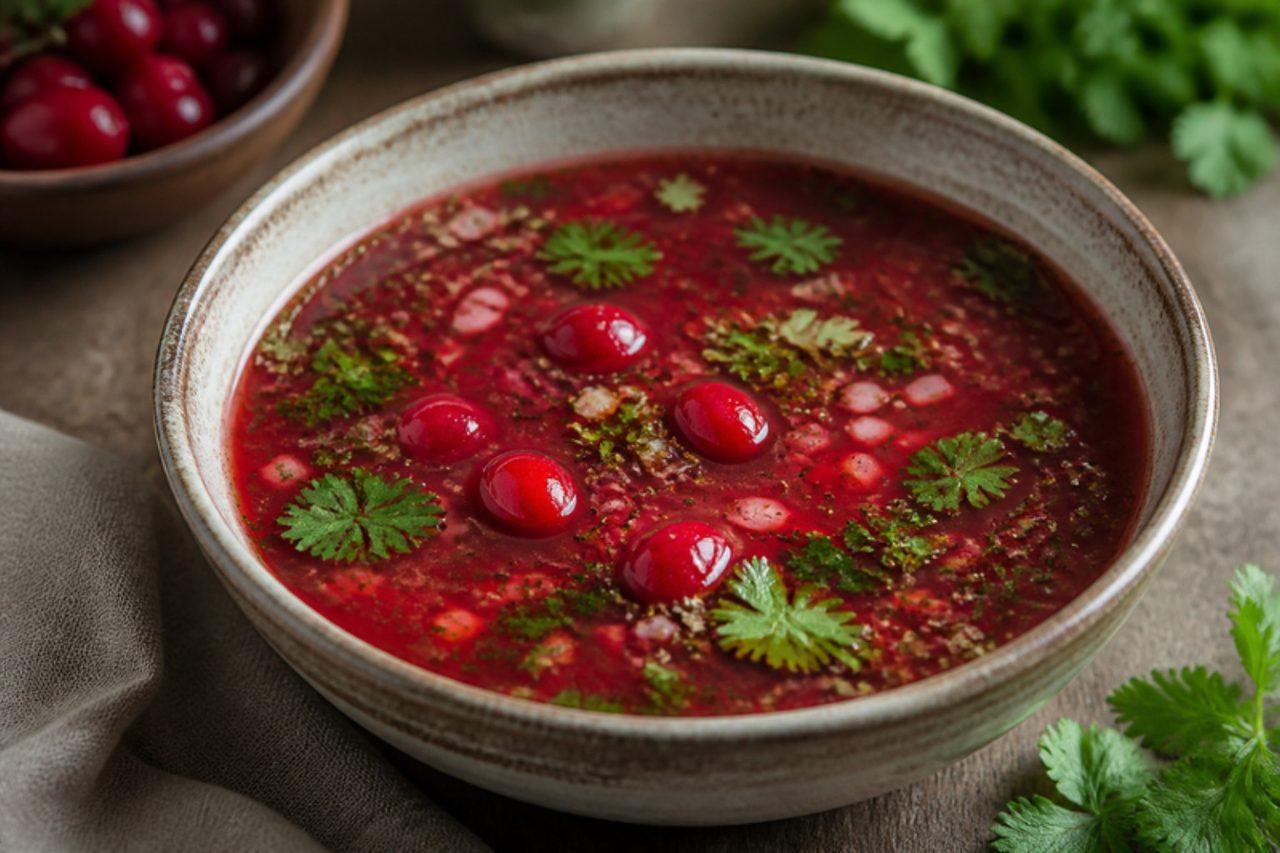
In Imereti and Racha, shechamandi is a quick, thin soup made from whatever sour fruit is at hand, and the favourite is cornelian cherry (shindi), the glossy red dogwood fruit that ripens in August around Ambrolauri. Its sharpness, softened by a little toasted flour and lifted with garlic and dried mint, is a pick-me-up on fasting days and a famously good cure the morning after a supra. Frozen cornelian cherries are sold in Georgian and Turkish shops; sour cherries are the closest swap. A common mistake is adding the flour straight to the hot soup, which makes lumps. Chef's tip: toast the flour in the oil until it smells like biscuits, which gives the soup a gentle nutty body.

by KrazyBadal 0 views
Ekala

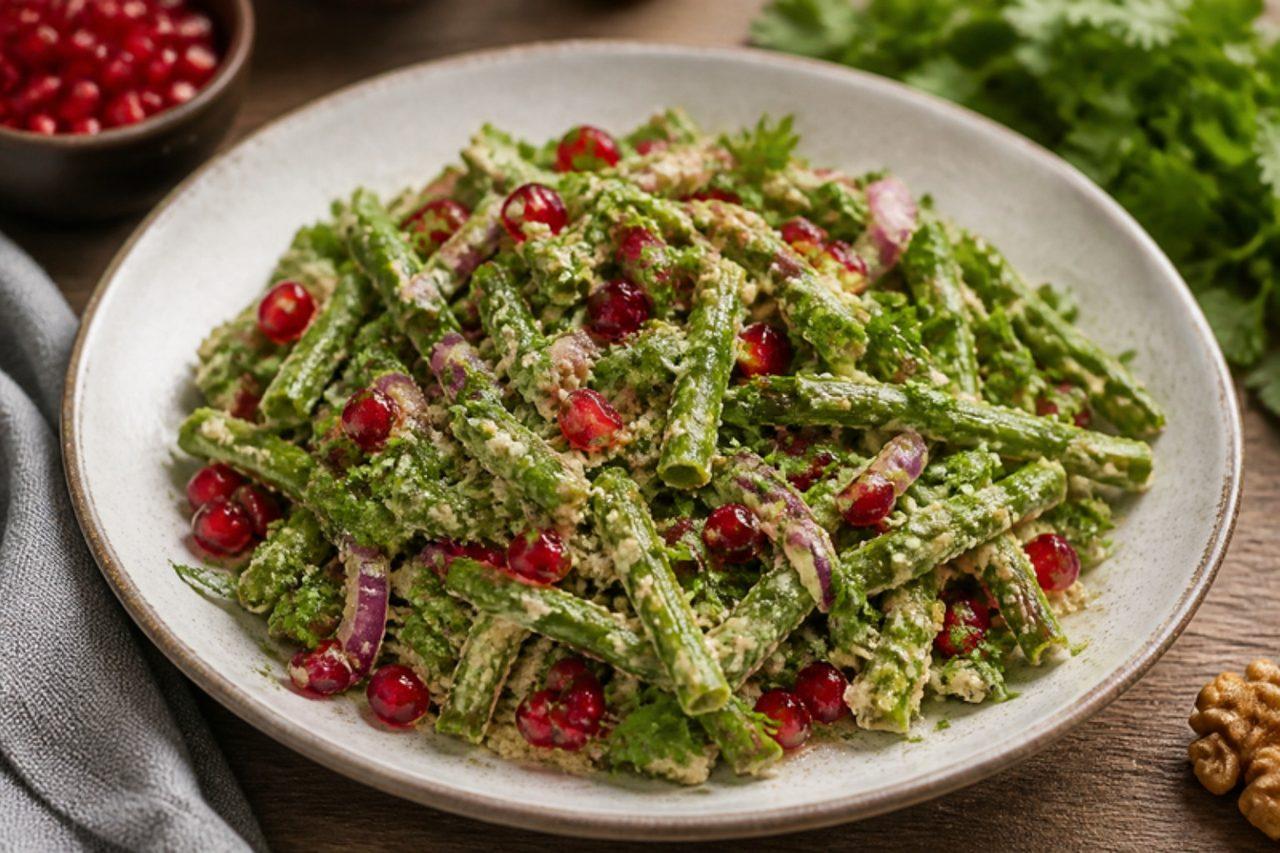
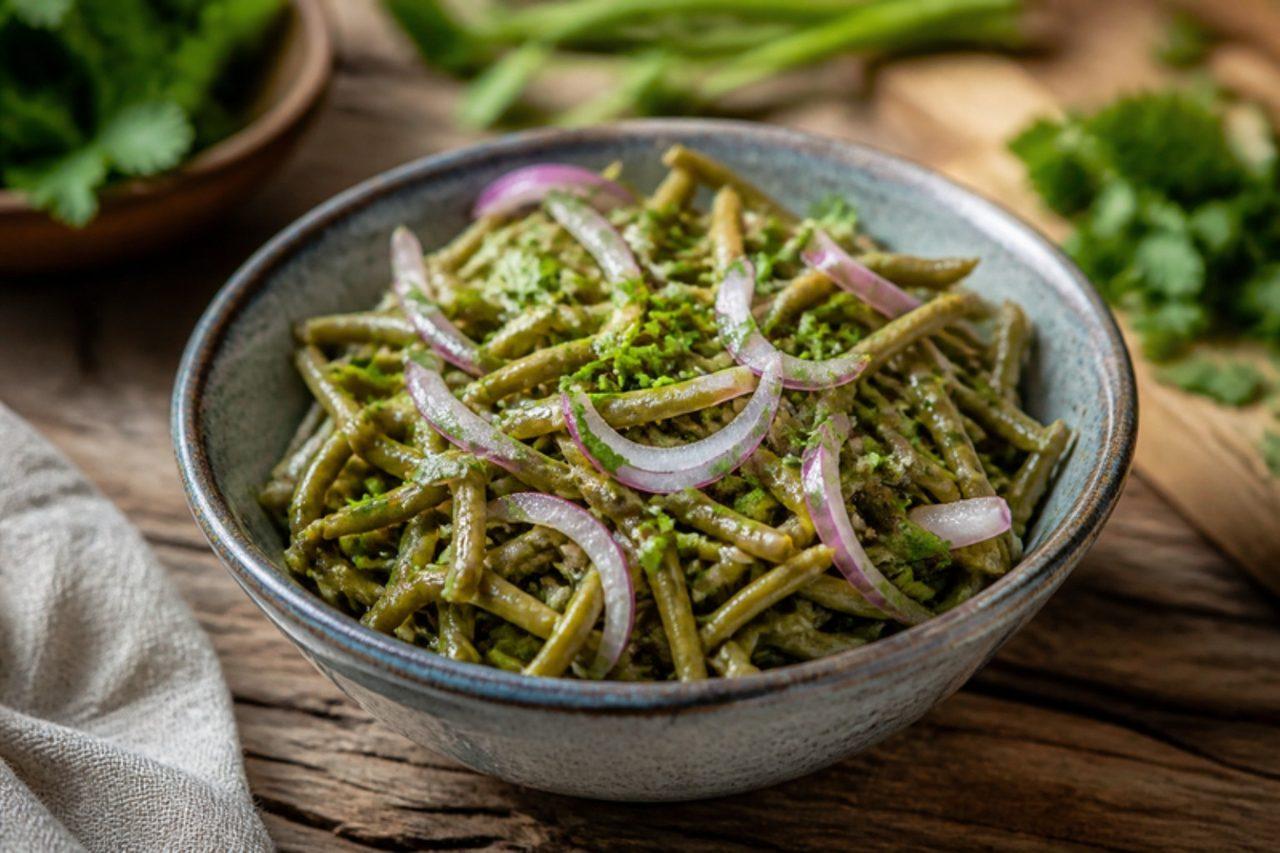
For a few weeks each April, Imeretian market women in Kutaisi sell tight bundles of ekala, the young shoots of wild smilax that climb through hedges and forest edges. They are blanched, chopped and pounded with walnuts, garlic and spices into a pkhali-style salad for the Lenten and Easter table, with a nutty, slightly bitter, asparagus-like taste. Outside Georgia, the tender tips of asparagus or green beans make a good stand-in. A common mistake is over-boiling the shoots; they lose their snap and turn khaki. Chef's tip: let the walnut paste sit on the greens for an hour before serving, so the garlic mellows and the flavours knit together.

by KrazyBadal 0 views

Mujuzhi

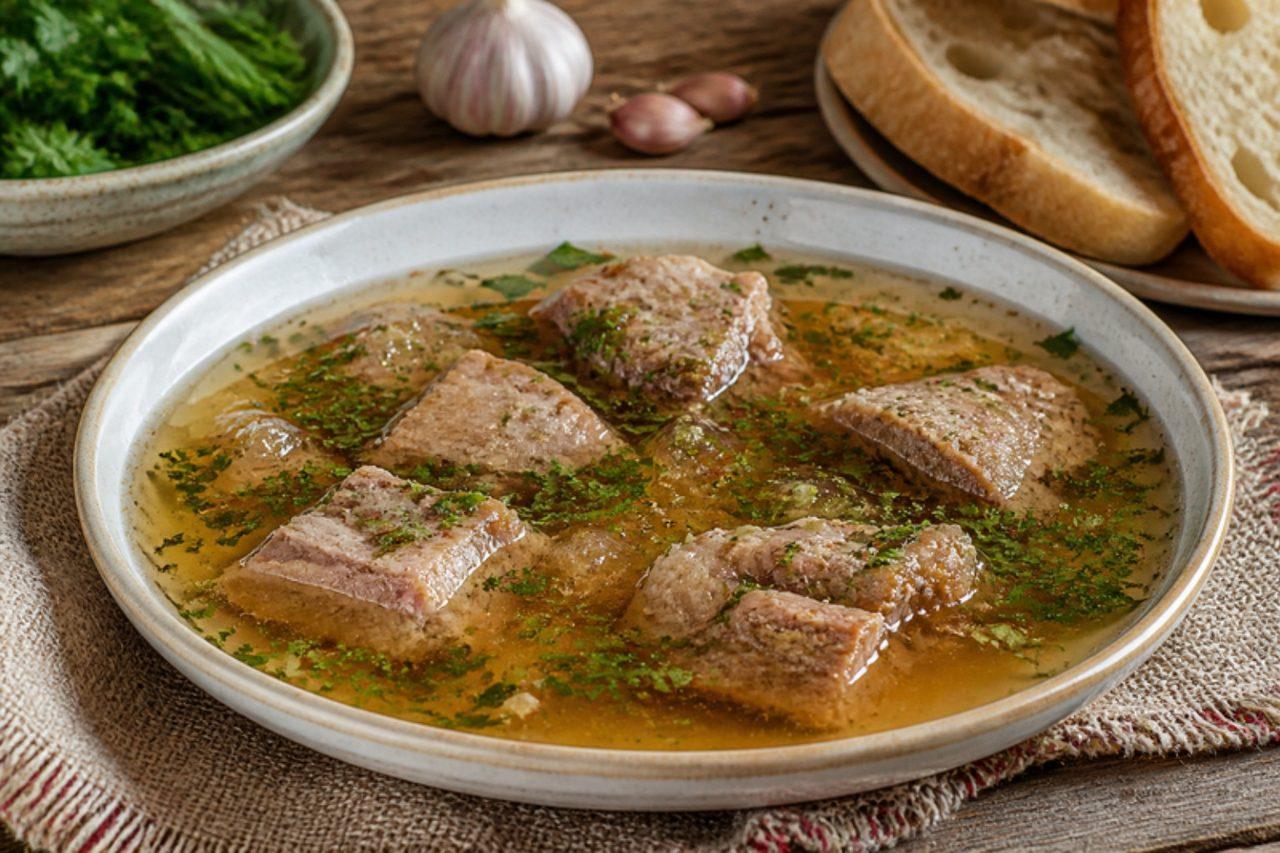
For New Year in Imereti, kitchens fill with the smell of mujuzhi simmering for hours, because the dish has to set overnight on a cold balcony: pork trotters and hocks are boiled until the meat falls off, then laid in bowls under their broth, sharpened with vinegar and lots of garlic, which sets into a clear, tangy jelly. This is a pork dish, served cold with mchadi and pickles. A common mistake is boiling hard, which clouds the jelly. Chef's tip: keep the pot at a bare tremble, skim well and season the broth with vinegar to taste before it sets; the sourness is what makes mujuzhi different from other aspics.

280 minGeorgianMeatGluten free
by KrazyBadal 0 views
Tklapi soup

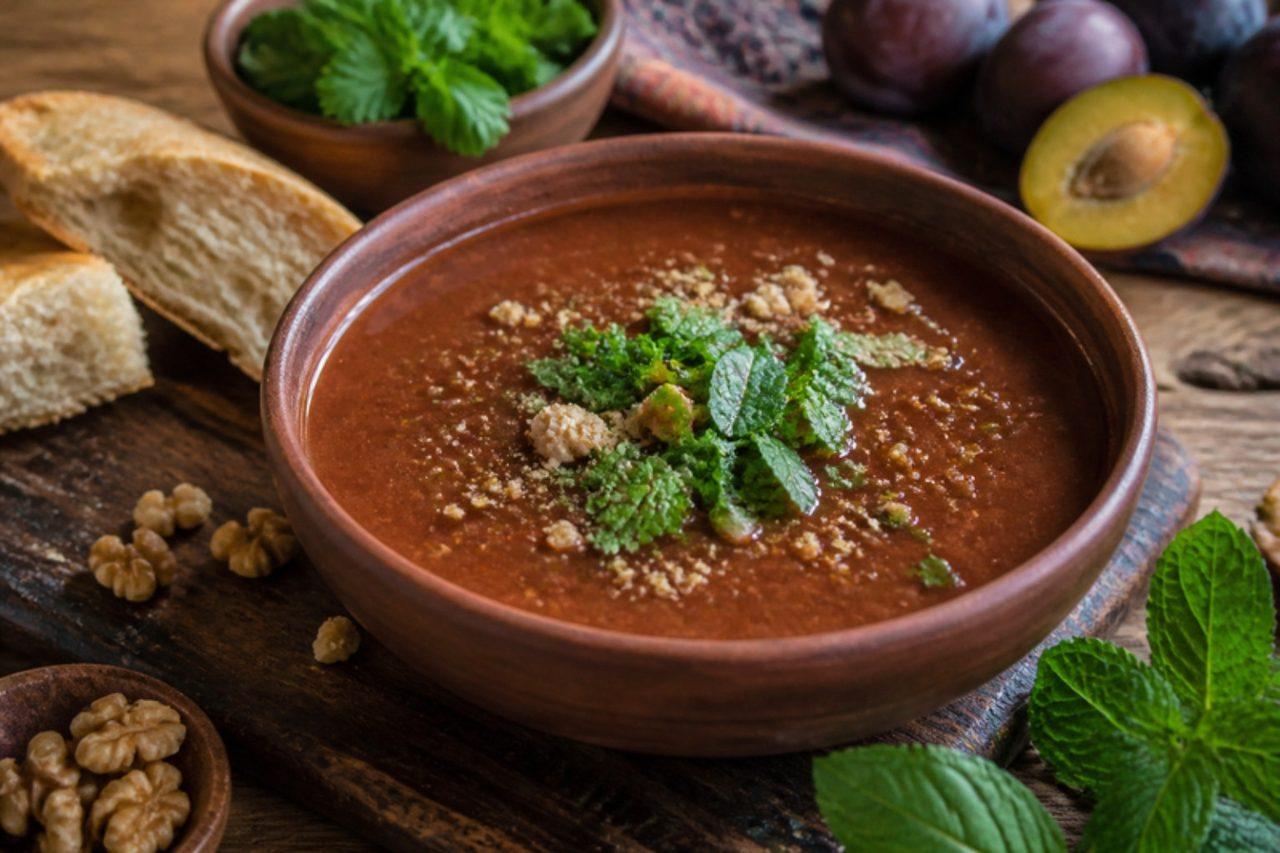
Tklapi are thin sheets of plum purée dried on boards in the late-summer sun around Kutaisi, rolled up and hung from rafters for the winter; dissolved in hot water, they turn into a sharp, fruity base for soups and sauces. This Imeretian Lenten soup is made in the cold months when fresh fruit is gone, thickened with walnuts and lifted with coriander, mint and garlic. If you cannot find tklapi, use dried sour plum leather or a mix of tkemali sauce and prunes. A common mistake is boiling the soup hard after the walnuts go in; they turn oily and the soup splits. Chef's tip: soak the tklapi in hot water first and rub it through a sieve, so the soup is smooth and free of stones or skins.

by KrazyBadal 0 views
Kupati

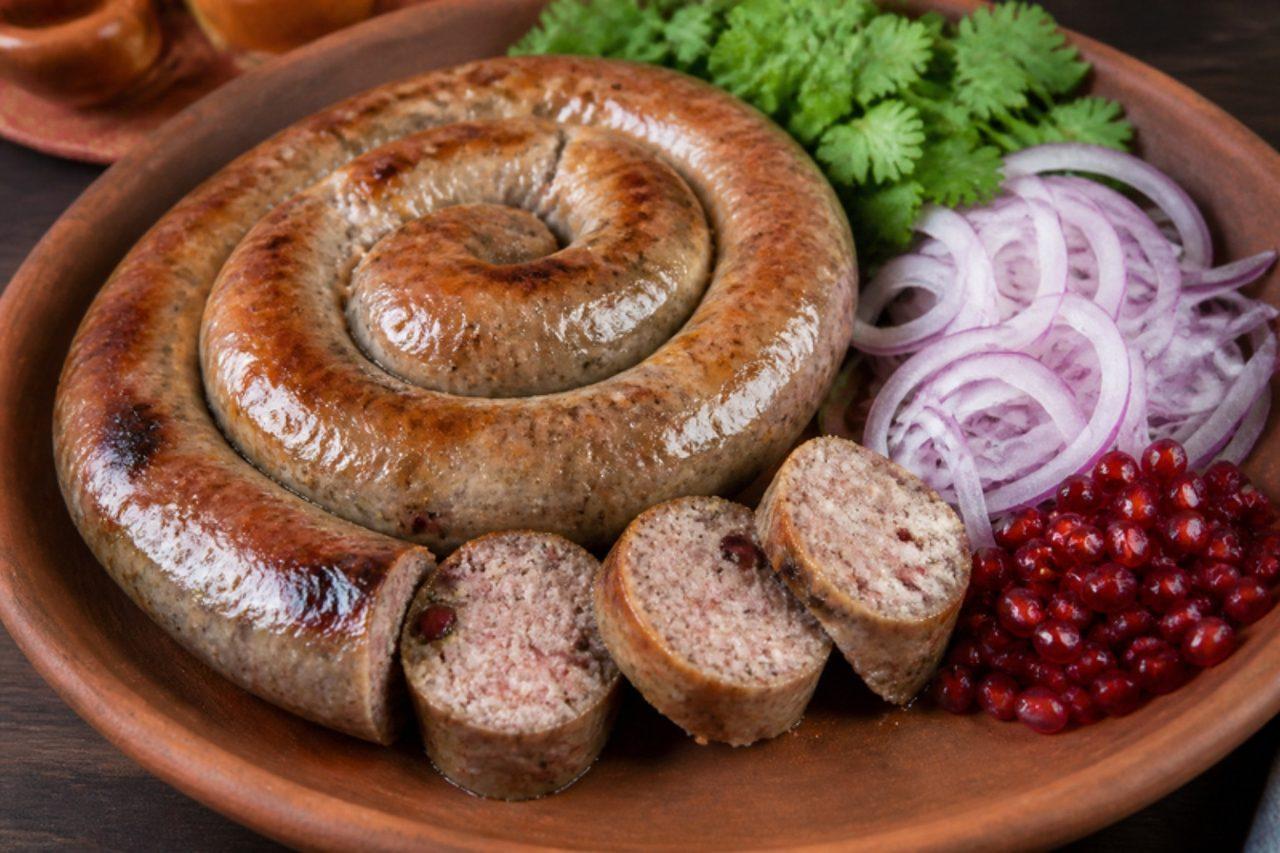
Kupati are the coarse, spicy sausages of Imereti, made after a winter pig slaughter and grilled over vine cuttings or fried in a pan with onions; in Kutaisi they are a staple of village feasts. This is a pork recipe: minced pork shoulder with a share of pork heart and liver, seasoned with dried barberries, garlic, cinnamon, khmeli-suneli and hot pepper, stuffed into casings. A common mistake is overfilling the casings, which makes them burst as they cook. Chef's tip: poach the sausages gently first, then brown them; they cook through evenly and stay juicy. Pork sausages must reach 71 °C in the centre.

by KrazyBadal 0 views
Tushuri kotori

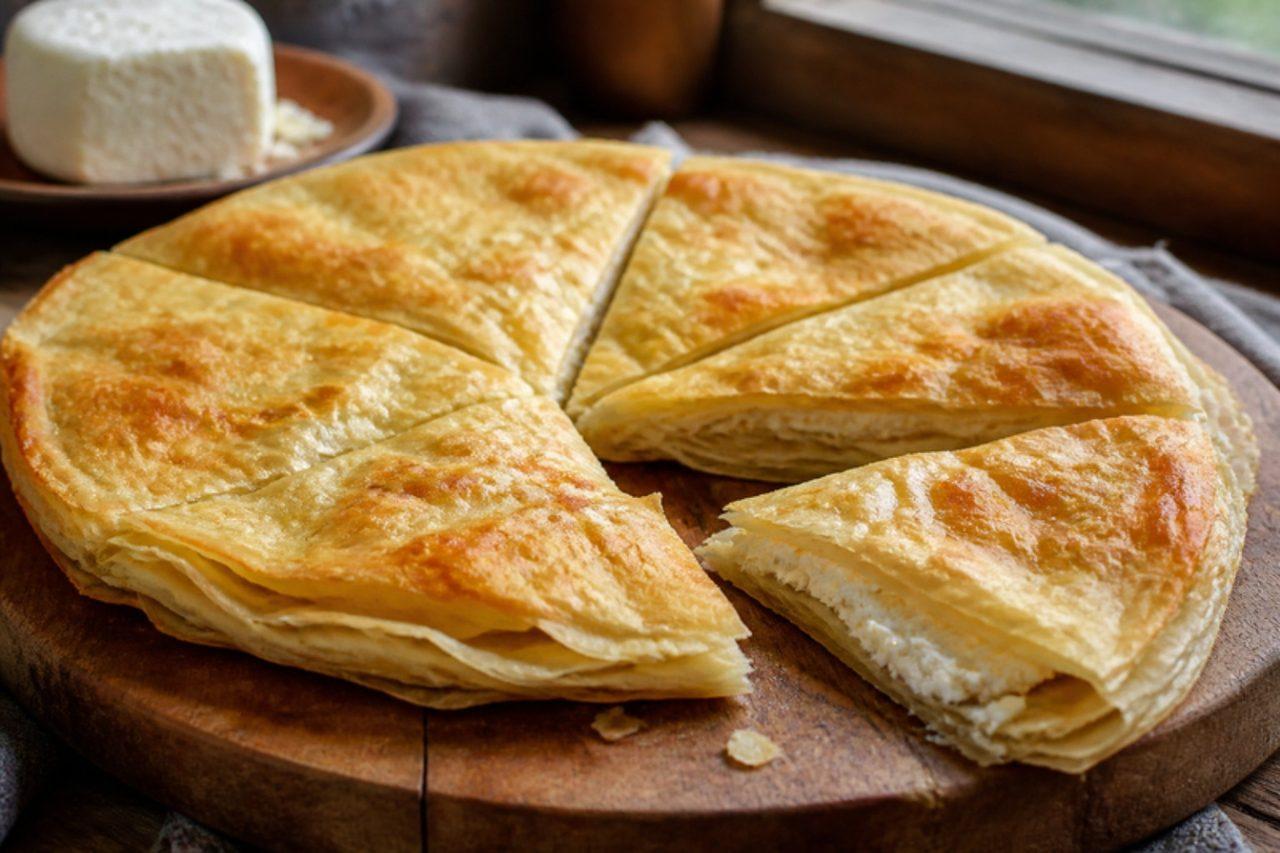
Up in Tusheti, a roadless high region reached by a single summer track from Kakheti, shepherds' families roll a plain dough almost see-through and wrap it around a filling of salty sheep's cheese and soft butter, then flatten the whole parcel again so the cheese spreads into thin layers. The pie is cooked on a griddle or in a pan and eaten hot with tea when the flocks come down in autumn. A common mistake is rolling too hard over the filling; the dough tears and the butter leaks out. Chef's tip: use a mix of feta-style sheep's cheese and some curd or cottage cheese, which gives the sharp-but-creamy taste of Tush cheese; traditional Tush cheese is set with animal rennet, so look for a vegetarian one.

by KrazyBadal 0 views
Green beans with egg

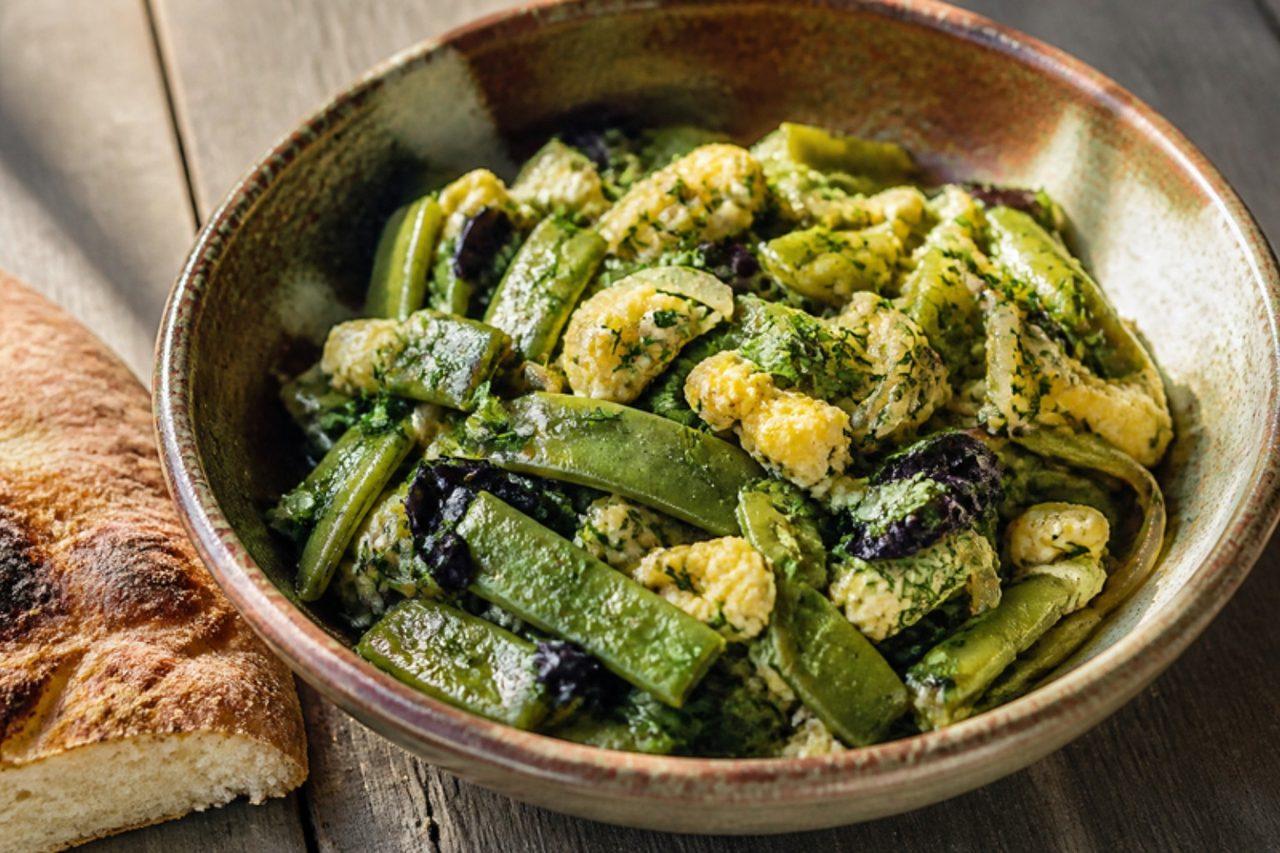
In the villages around Gori and Mtskheta, high summer brings sacks of flat green beans, and this is how many Kartli families eat them on a weekday: slowly softened with onion, then tossed with coriander, basil and garlic and bound at the last minute with beaten egg. The result sits halfway between a warm salad and a soft scramble, eaten with a hunk of shoti bread and a few slices of cheese. A common mistake is adding the eggs while the pan is still wet with bean water; they turn watery and grey instead of clinging in golden curds. Chef's tip: Georgian cooks use purple basil (reyhan), and its clove-like scent is what makes the dish taste of home, so look for it at Turkish or Georgian grocers.

by KrazyBadal 0 views
Chakapuli

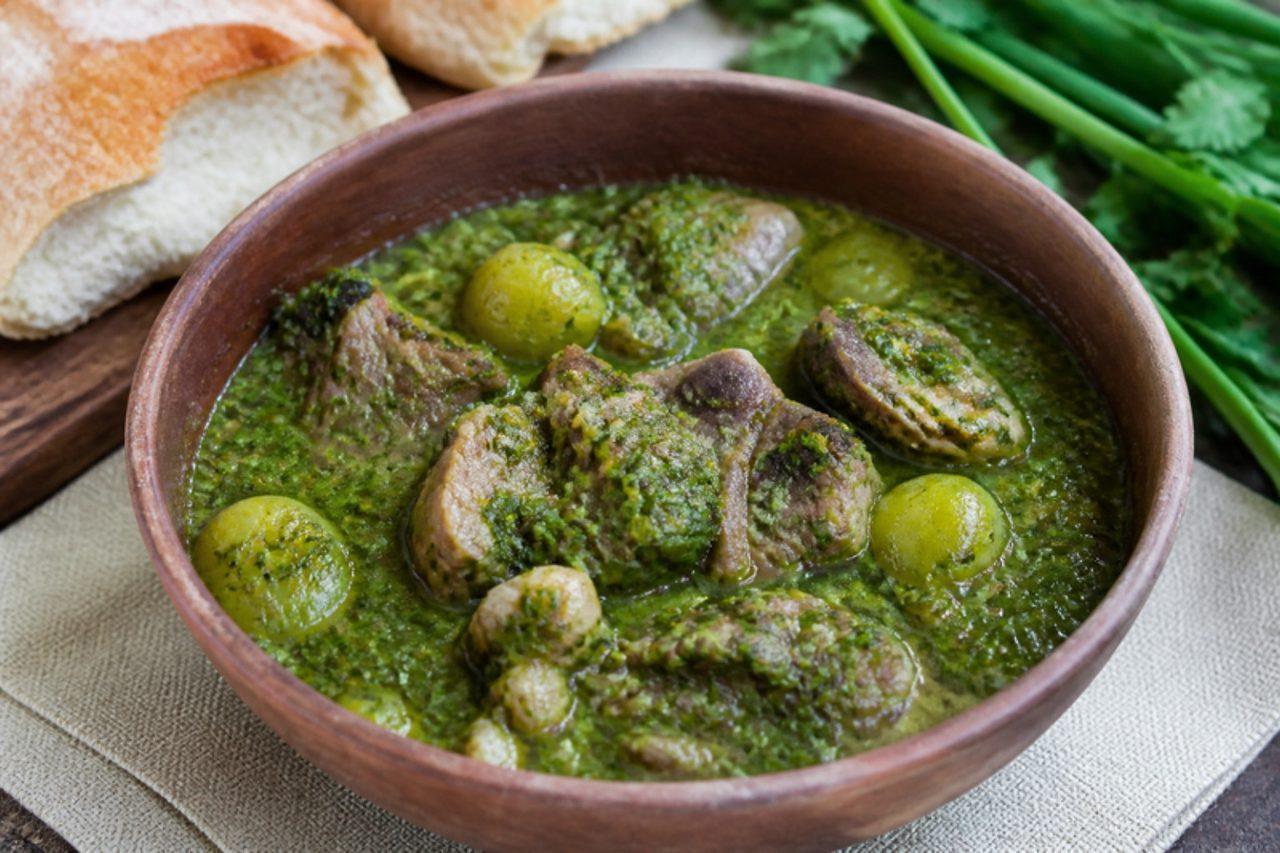
Chakapuli is the Easter dish of Kakheti, cooked when the first tarragon shoots and hard green tkemali plums appear in April: young lamb is stewed in Kakhetian white wine with heaps of tarragon, spring onion and coriander until the broth turns bright green and sour. It is eaten from deep bowls with shoti bread to soak up the juices. The recipe uses white wine, as it is traditionally made; for an alcohol-free pot, use the swap in the ingredient note. A common mistake is putting in all the herbs at the start, which turns them grey; half go in at the end for freshness. Chef's tip: if you can't find sour green plums, a squeeze of lemon and a spoon of tkemali sauce give the same tartness.

120 minGeorgianMeatGluten free
by KrazyBadal 0 views
Bazhe

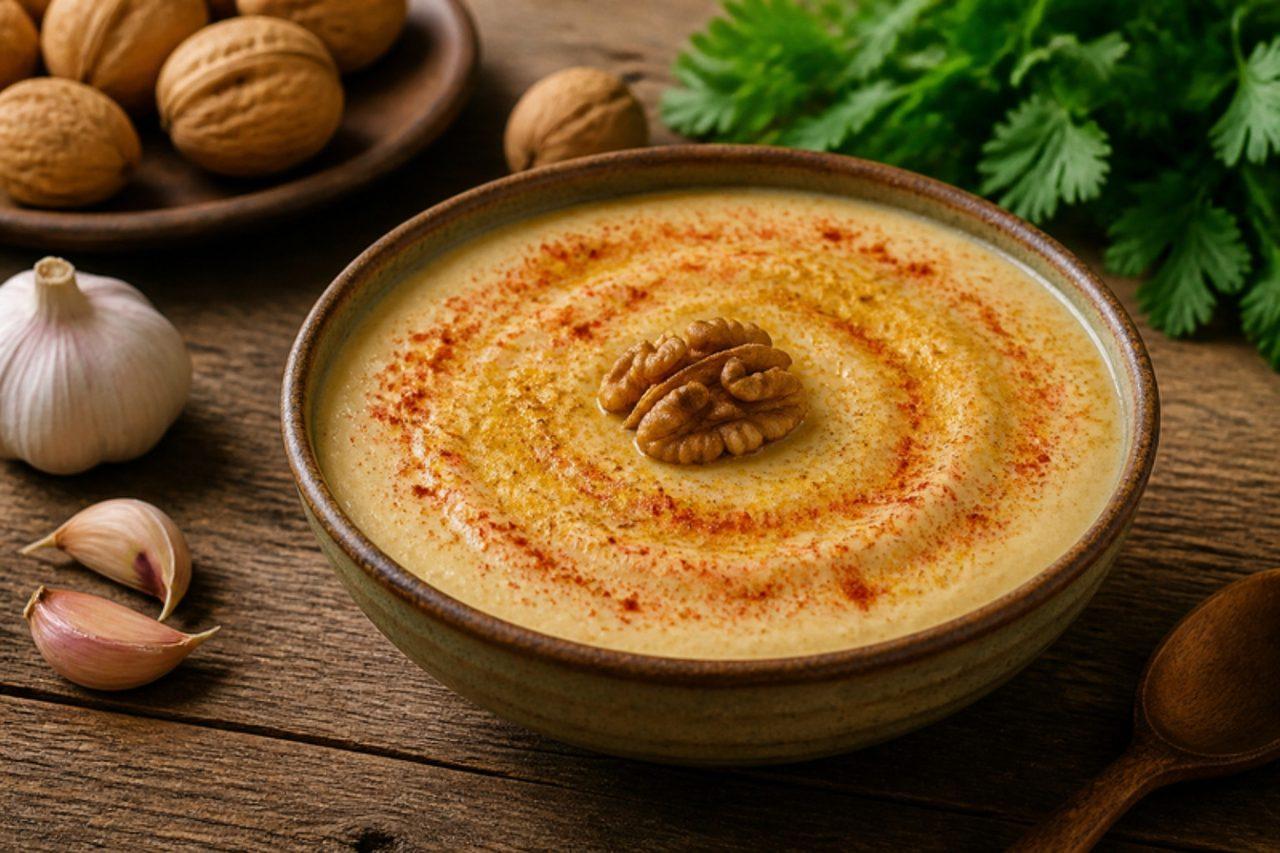
Bazhe is the creamy walnut sauce of Guria, Samegrelo and Imereti, served cold with fried fish, roast chicken, boiled vegetables or a bowl of ghomi; families in Ozurgeti make it in large bowls for New Year. Walnuts are ground until they give up their oil, then let down with water and seasoned with garlic, blue fenugreek, coriander and a sour note until the sauce is pale, smooth and pourable. A common mistake is adding all the water at once; the sauce separates and turns thin and grey. Chef's tip: squeeze out a little walnut oil by kneading the paste with your hand, then drizzle it back over the finished sauce for a glossy, golden finish.

by KrazyBadal 0 views
Jonjoli

Jonjoli are the clustered flower buds of the bladdernut shrub, picked in May across Imereti and pickled in brine, and a bowl of them dressed with onion and oil appears on almost every Georgian table, from Kutaisi kitchens to Tbilisi restaurants. They taste sour, a little like capers crossed with olives, and cut through rich cheese bread and grilled meat. Jars are sold in Georgian and Russian shops, and the home pickling takes weeks, so this recipe starts from a jar. A common mistake is serving them straight from the jar; they need rinsing and a short soak, or the brine overwhelms everything. Chef's tip: dress them at least 30 minutes ahead so the onion softens and its sharpness balances the sour stalks.

by KrazyBadal 0 views

Gurian pickled cabbage

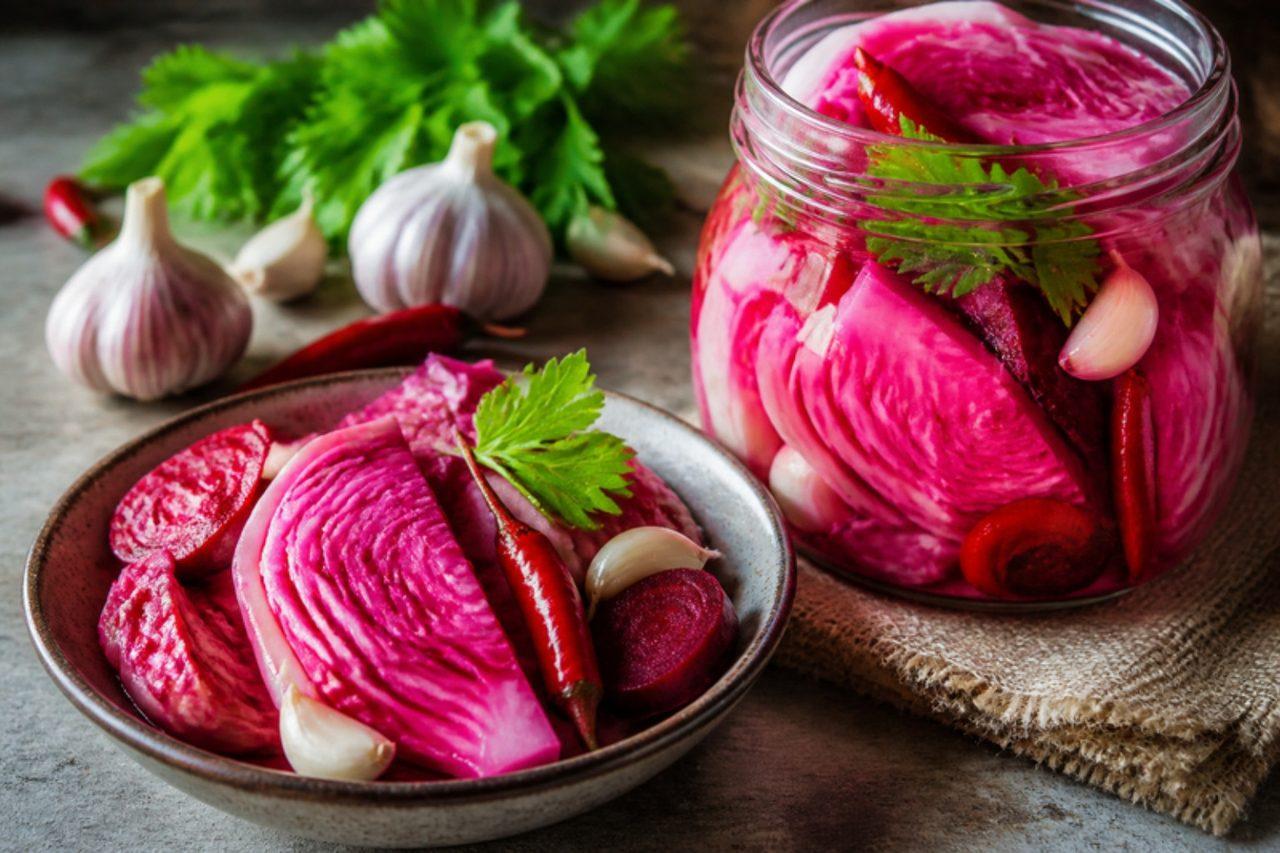
Gurian pickled cabbage turns heads at the Ozurgeti market: whole cabbage wedges stained deep pink by beetroot, layered with garlic, celery leaves and hot pepper and left to ferment in brine until crunchy and sour. Families in Guria put up big crocks in late autumn for the winter and the New Year table, and serve it beside fatty pork, beans and cornbread. A common mistake is using iodised salt, which can stop the ferment and darken the pickle. Chef's tip: keep the jar at cool room temperature for the first few days, then move it to the fridge once it tastes pleasantly sour, so it stays crisp.

by KrazyBadal 0 views

Satsebeli

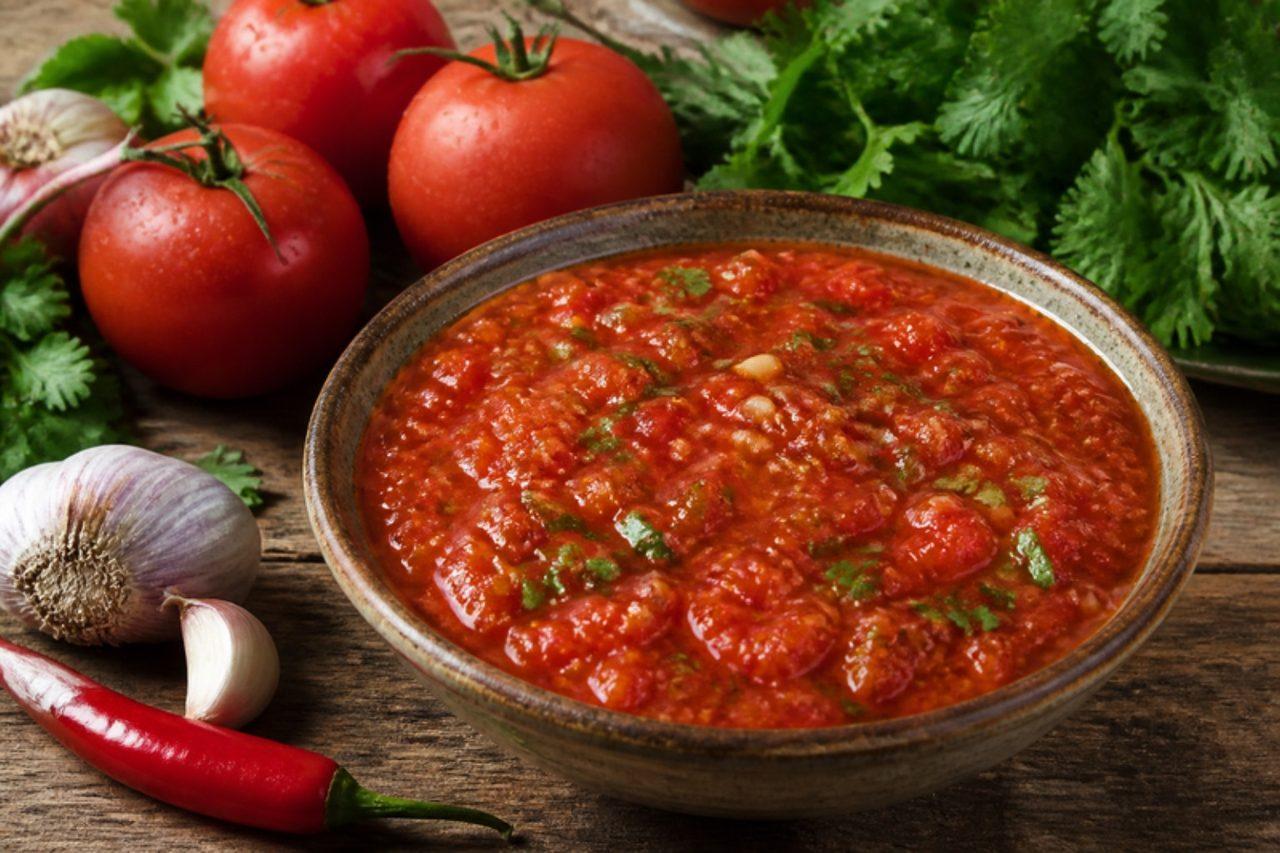
Satsebeli is the uncooked tomato sauce that comes beside mtsvadi skewers at every summer barbecue in Kakheti, and beside khinkali in Tbilisi taverns: very ripe tomatoes, rubbed to a pulp, then sharpened with garlic, hot pepper and a fistful of herbs. It should taste bright, fresh and a little fiery. A common mistake is blending it smooth, which makes it frothy and pale; Georgian cooks grate or chop by hand so it keeps some texture. Chef's tip: make it no more than an hour before eating; the herbs darken and the garlic grows harsh if it sits overnight.

by KrazyBadal 0 views

Ojakhuri

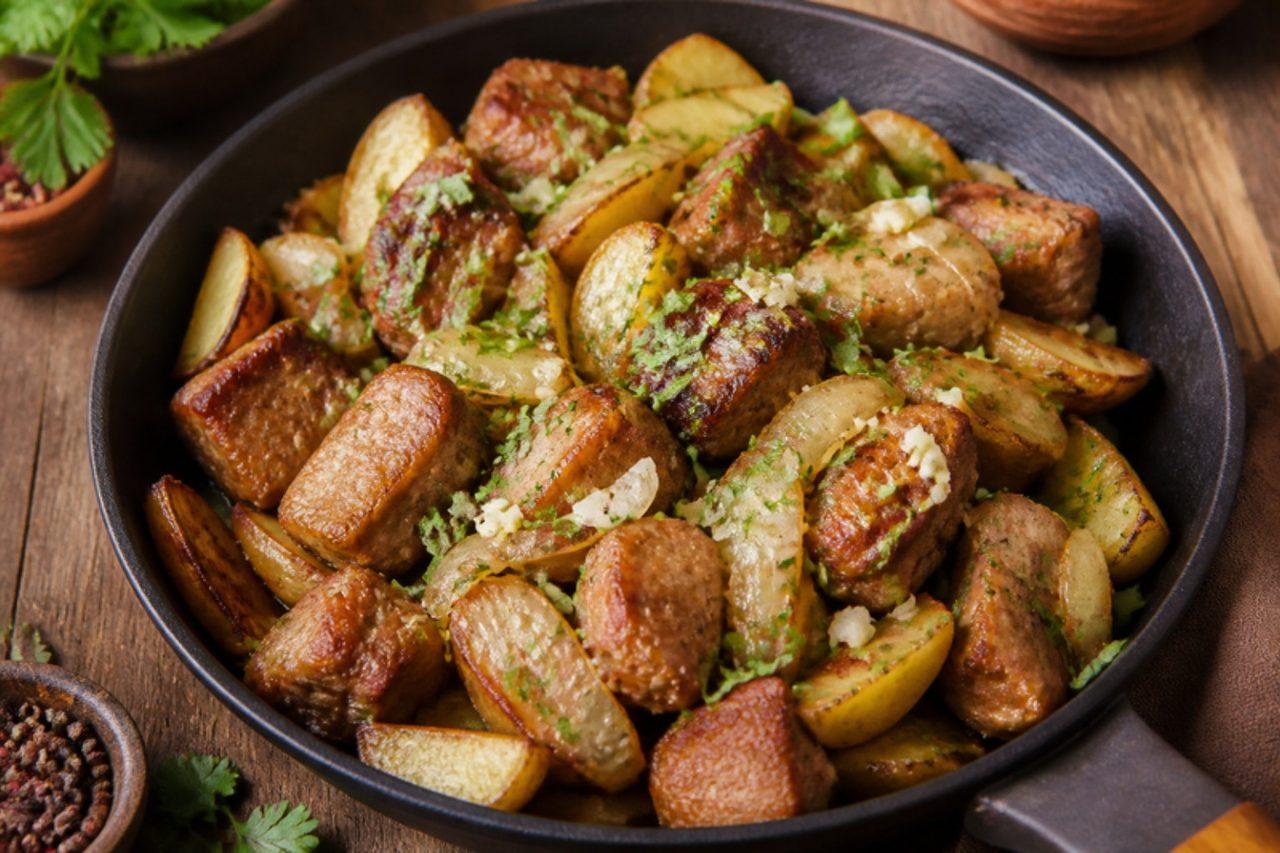
Ojakhuri simply means 'of the family', and in Tbilisi it is the plate a family orders to share at a weekend lunch, sizzling in a ketsi clay pan: pieces of pork neck or shoulder fried until browned and juicy, tossed with crisp fried potatoes, onion and herbs, sometimes with a spoon of tkemali on the side. This is a pork dish. A common mistake is frying the potatoes with the pork from the start; the meat stews and the potatoes never crisp. Chef's tip: fry the two separately and combine them only for the last 2 minutes, which is how Georgian cooks keep both crisp. Pork pieces this size are safe once the juices run clear and the thickest piece reaches 71 °C.

by KrazyBadal 0 views

Pkhlovani

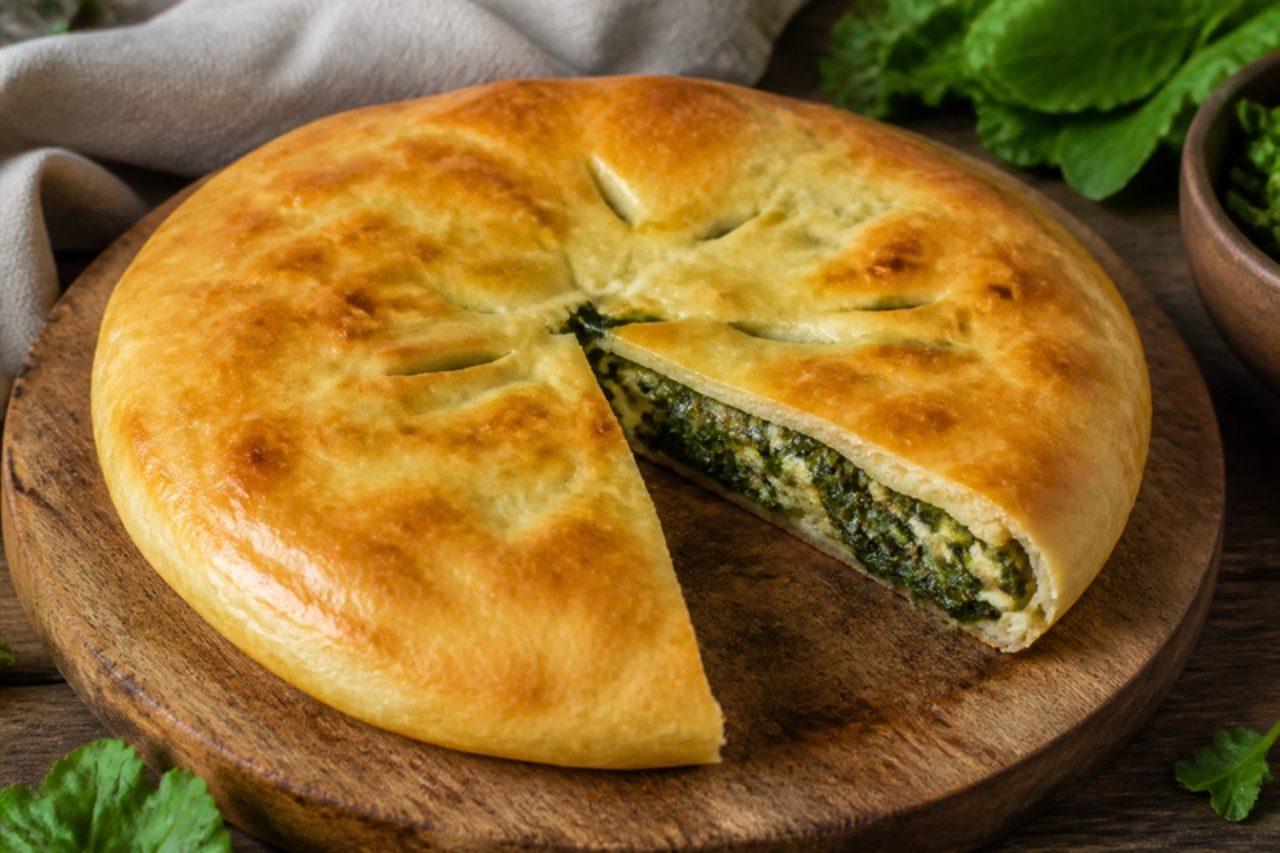
Pkhlovani comes from Pshavi, the high, wooded valleys north-east of Mtskheta, where cooks fill a plain dough with whatever greens the slopes and gardens give: beet tops, spinach, nettles, wild sorrel, with handfuls of coriander and a little crumbled cheese. It is baked as a large round in a pan and cut into wedges at harvest meals and on the long table of a village supra. The filling should taste green and peppery rather than cheesy. The usual mistake is to pack in raw, wet greens; they release water, the base turns soggy and the pie splits. Chef's tip: wring the cooked greens in a clean tea towel until they feel almost dry, which concentrates their flavour and keeps the crust crisp.

by KrazyBadal 0 views

Sulguni

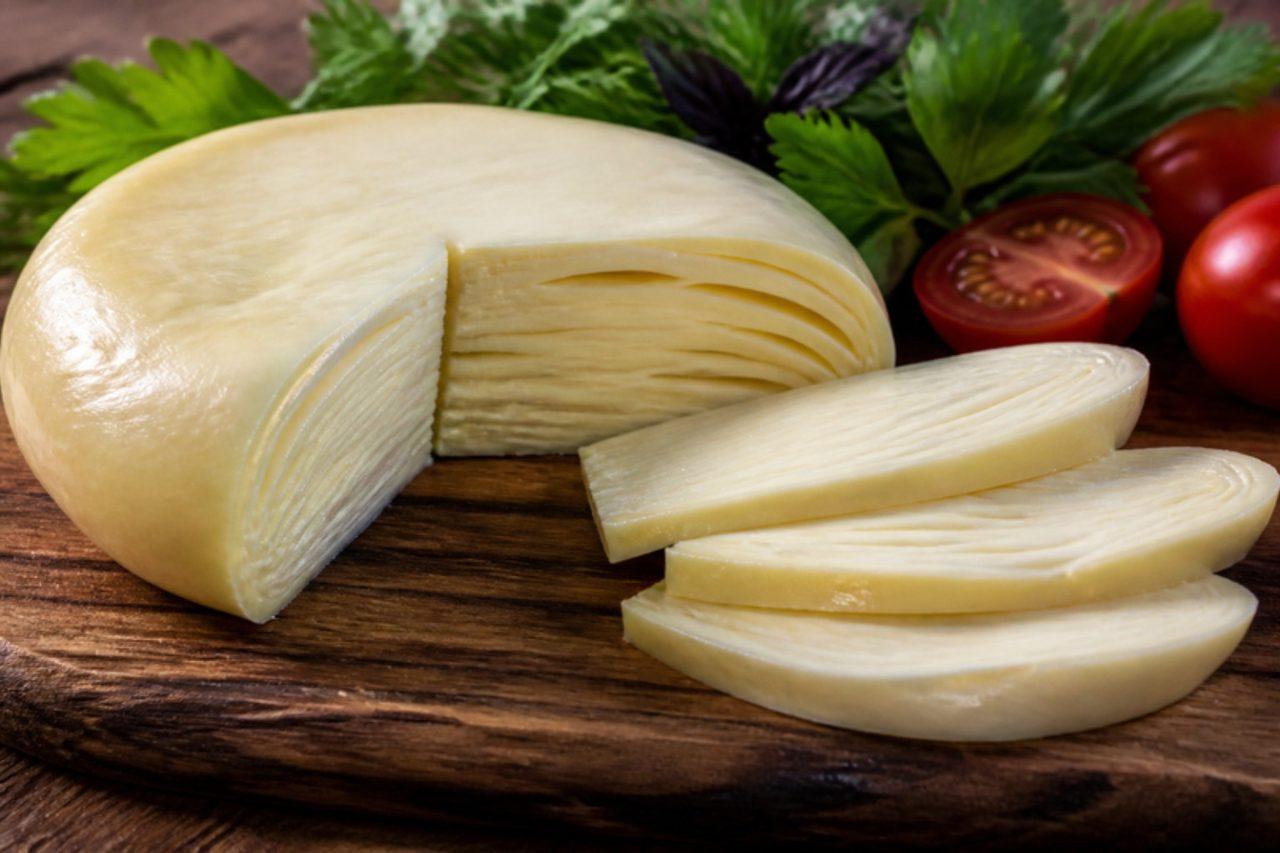
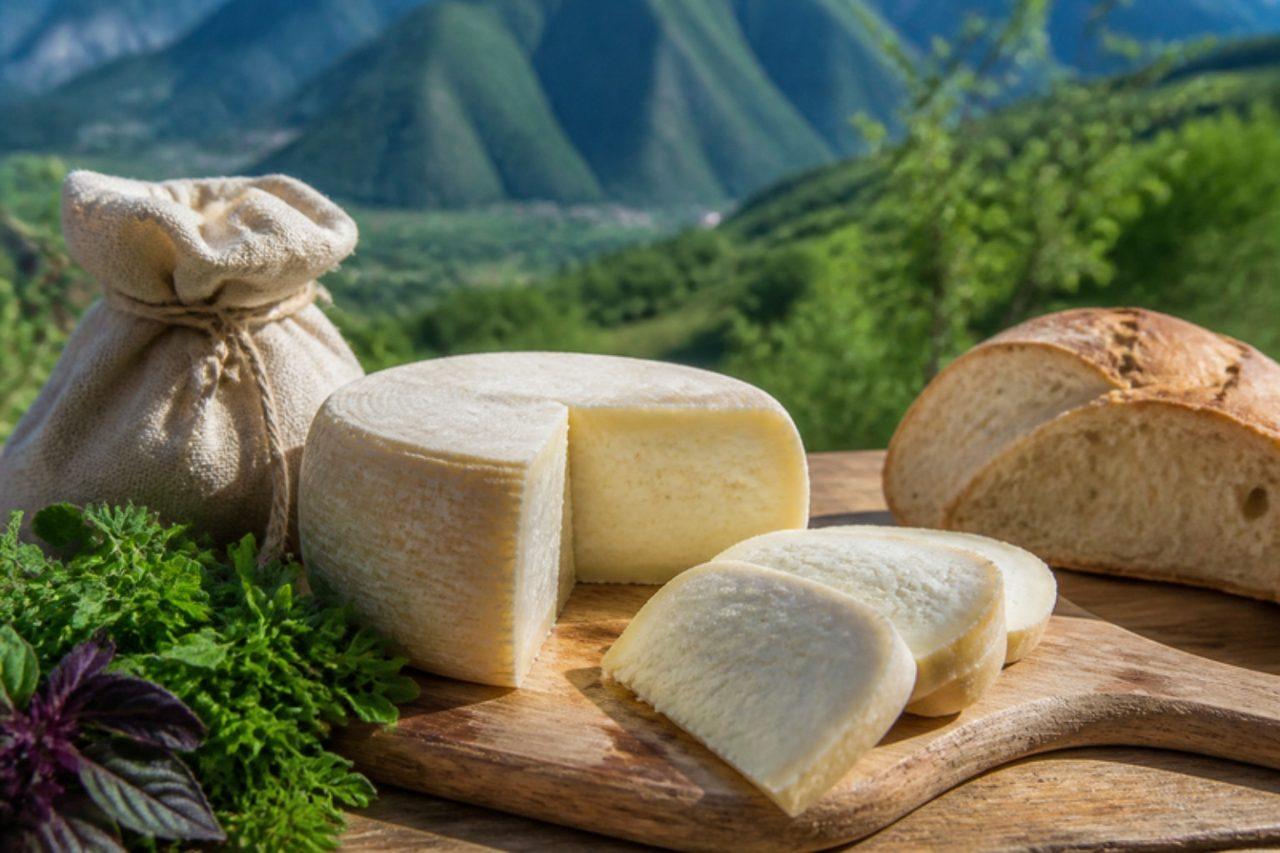
Sulguni is the famous cheese of Samegrelo, made in Zugdidi homes by taking fresh, slightly soured curd, cutting it up and working it in hot water until it can be pulled into a glossy, layered, salty ball. It is eaten in thick slices, melted into elarji and khachapuri, and smoked over embers for a darker version. The curd has to be acidic enough to stretch, so you make the cheese one day and stretch it the next, or buy fresh Imeretian cheese and start from there. Traditionally animal rennet is used; vegetarian rennet works too. A common mistake is trying to stretch fresh, sweet curd; it melts into a puddle instead of pulling. Chef's tip: test a small piece in hot water first; if it stretches 30 cm without breaking, the curd is ready.

by KrazyBadal 0 views

Rachan ham

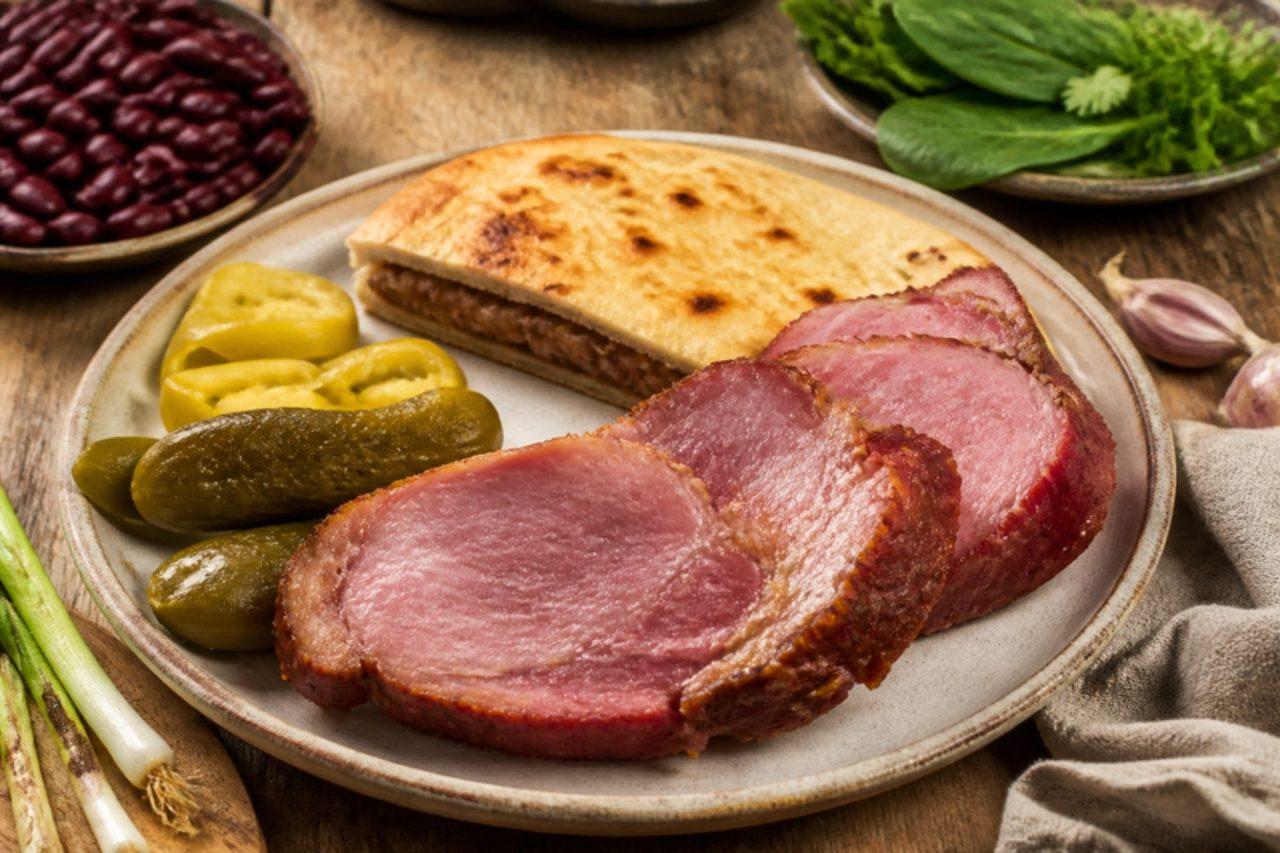
Rachuli lori is the pride of Racha: pork legs salted and hung in the smoky rafters above a wood fire, then sliced and fried until crisp, and above all eaten with lobiani bean bread, which in Racha is made with fried ham inside. This is a pork dish. Home kitchens cannot copy months in a chimney, so this version brines a boneless pork leg joint for two days in the fridge and then hot-smokes and roasts it until cooked through, giving a ham you can slice cold or fry. A common mistake is skipping the rinse after brining, which makes the ham far too salty. Chef's tip: smoke over fruit wood with a few dried bay leaves for the dark, sweet smoke of a Rachan kitchen. Whole pork joints are safe at 63 °C followed by a 10-minute rest.

240 minGeorgianMeatGluten free
by KrazyBadal 0 views

Shoti bread

Every Kakhetian village has a bakery where the baker leans into a round, pit-like tone oven and slaps long, pointed loaves onto its hot clay wall; the bread comes out crackly at the tips and soft in the middle, and it is bought warm every morning in Telavi and Sighnaghi. Shoti is just flour, water, yeast and salt, so the shape and the blast of heat do the work. At home a pizza stone or an upturned heavy baking tray, heated for a long time, gives a good copy. A common mistake is a dry, stiff dough; it should be soft enough to stretch into a long canoe without tearing. Chef's tip: spray the oven walls with water as the bread goes in; the burst of steam gives the blistered, glossy crust of the tone.

by KrazyBadal 0 views

Tashmijabi

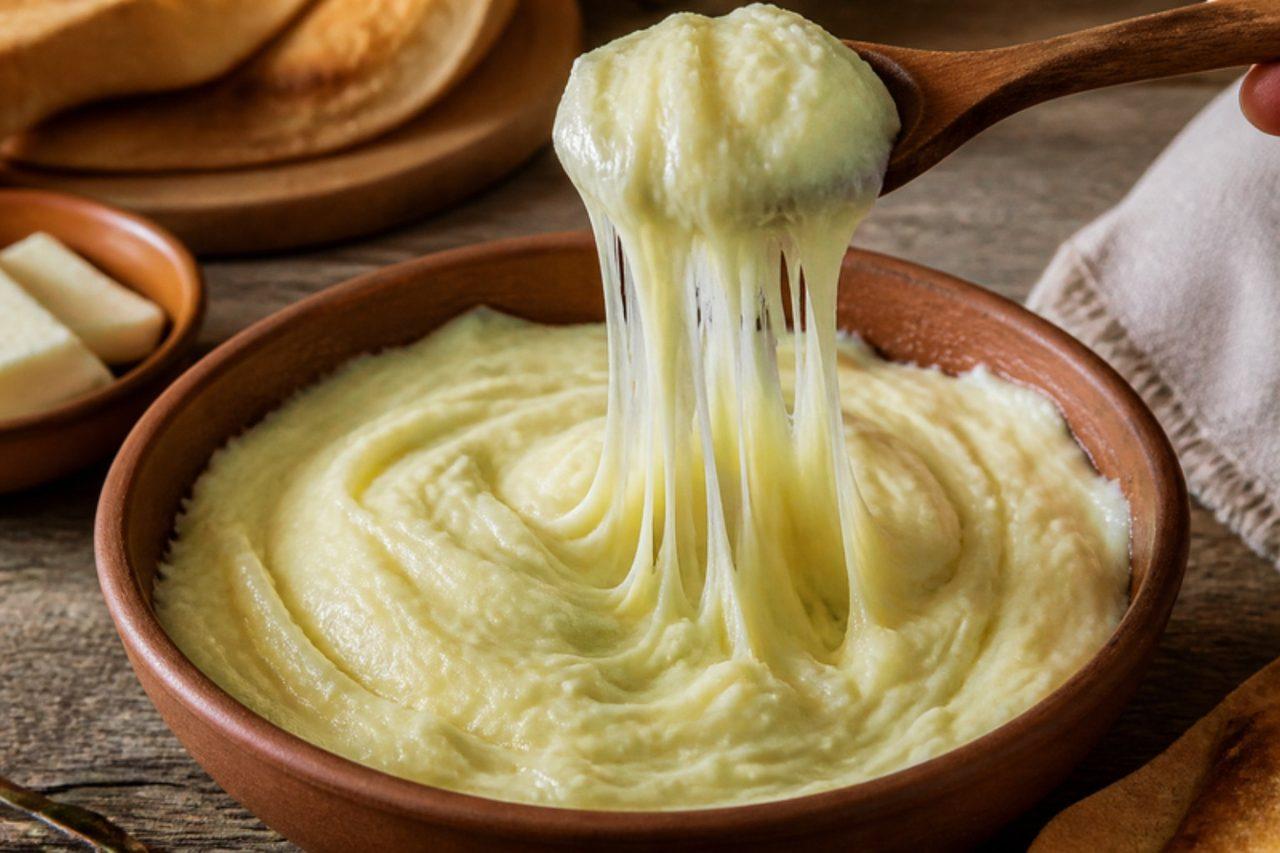
Potatoes grow well in the cold valleys of Svaneti, and tashmijabi is how families around Mestia turn them into a feast dish: they are mashed hot, then beaten with handfuls of young sulguni until the purée becomes glossy and stretches from the spoon in long strands. It is served with grilled meat, kubdari or simply with pickles and Svan salt. A common mistake is letting the potatoes cool before adding the cheese; they must be piping hot for the cheese to melt and stretch. Chef's tip: keep the pan on a low heat while you beat, and use a firm wooden spoon. Most sulguni uses animal rennet; choose a vegetarian one or use mozzarella.

by KrazyBadal 0 views

Sinori

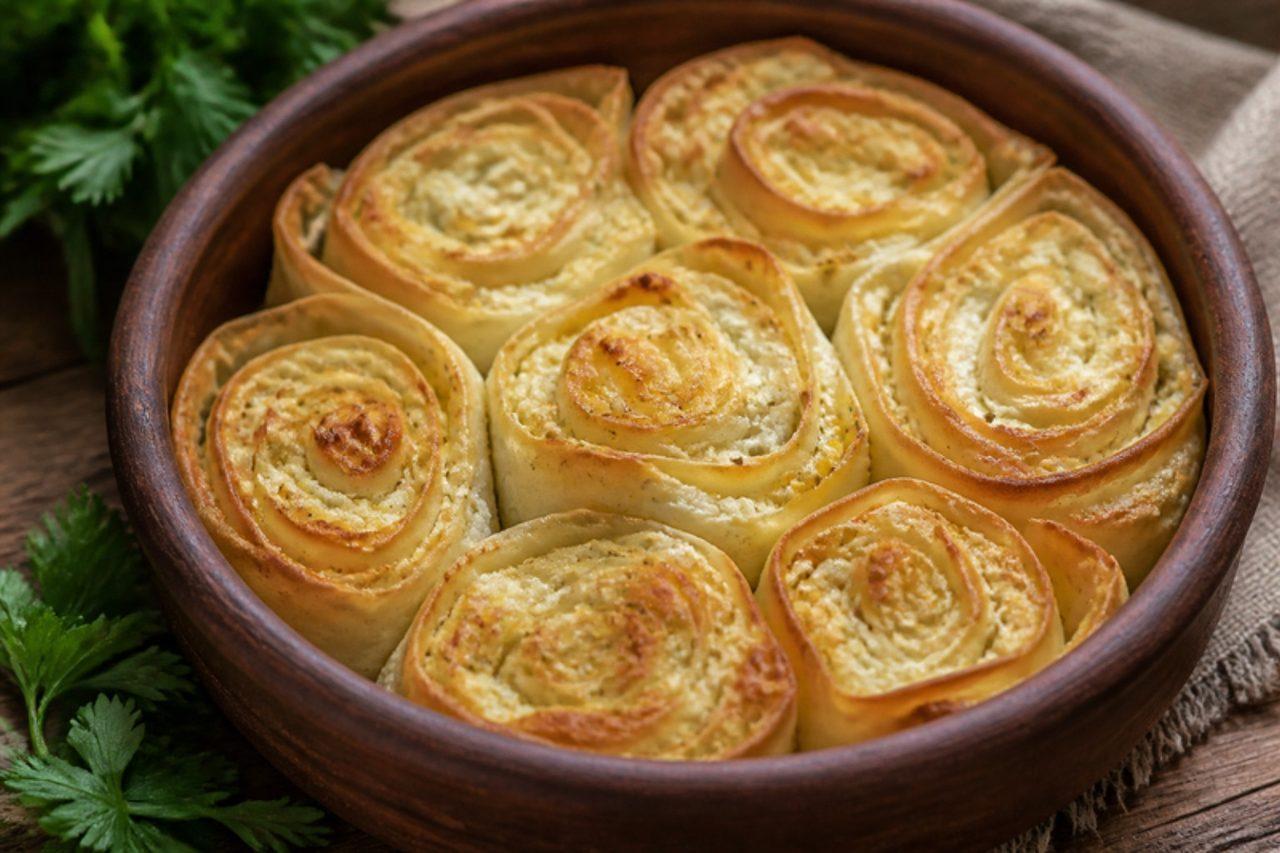
Sinori is a festive dish from the mountain districts of Adjara, around Khulo and Keda, where thin sheets of dough are dried, rolled into tight tubes, packed into a tray and drenched with melted butter and creamy nadughi seasoned with garlic before baking. The ends turn crisp and the inside goes soft and creamy, a little like a savoury bread pudding. Thin lavash gives a good home version. A common mistake is pouring on all the sauce at once; the rolls float and fall apart. Chef's tip: add the sauce in two goes, letting the first be absorbed, and bake until the tops are blistered gold. Traditional nadughi needs no rennet, but ricotta and cream cheese brands vary, so check the label.

by KrazyBadal 0 views

Guda cheese

Tush shepherds make guda in summer huts high above the Alazani valley, pressing sheep's-milk curd into bags sewn from sheepskin, where it ripens into a crumbly, pungent cheese that travels down to Telavi markets in autumn. You cannot copy the sheepskin at home, but you can make a firm, salty sheep's-milk cheese and ripen it in a cloth in the fridge for two to three weeks, which gives a similar sharp, grassy bite. Traditionally the milk is set with animal rennet; vegetarian (microbial) rennet works the same way. A common mistake is cutting the curd before it gives a clean break, which leaves a soft, wet cheese that sours instead of ripening. Chef's tip: grate aged guda over hot ghomi or khinkali; its strong flavour goes a long way.

by KrazyBadal 0 views

Mushrooms on ketsi

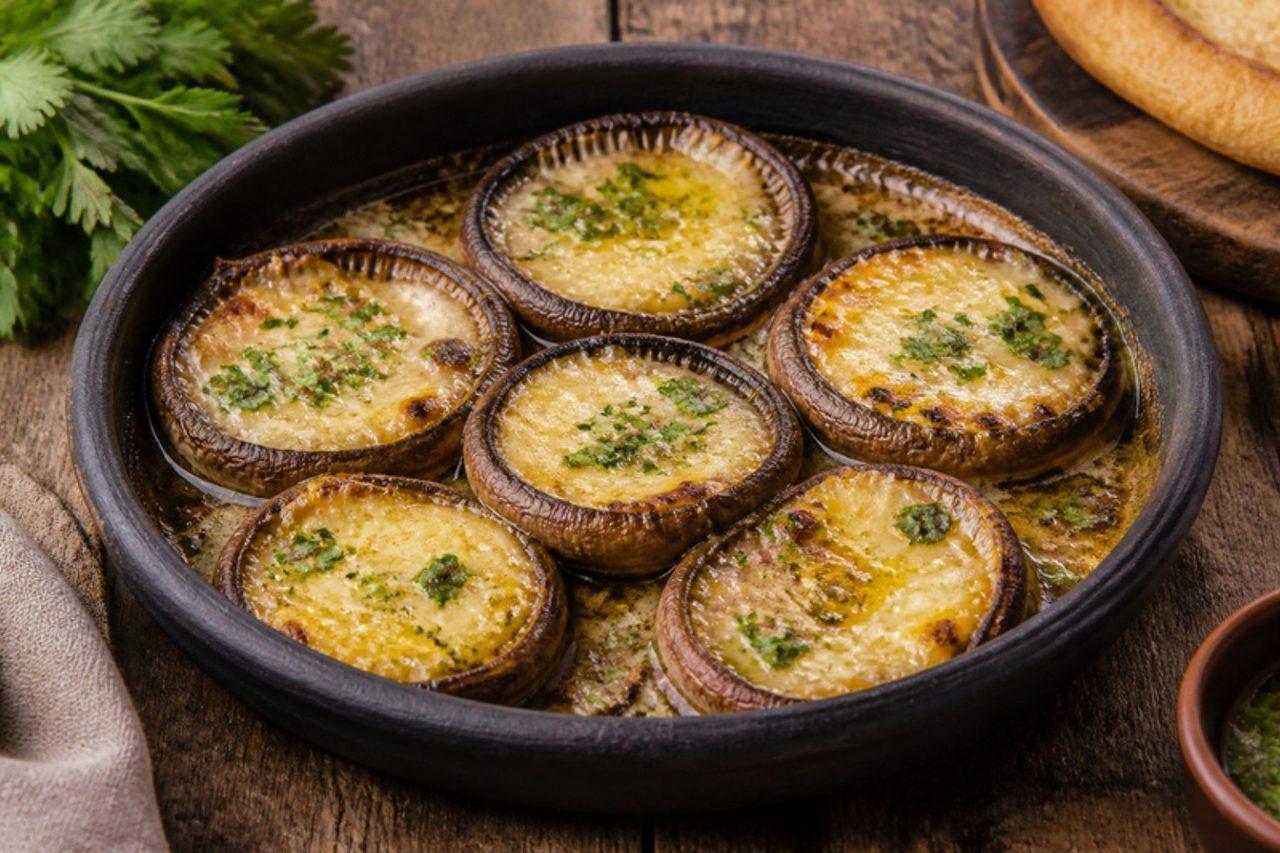
Every Tbilisi tavern has its sizzling ketsi, a shallow clay dish heated on the fire, and mushrooms baked in one with butter and a crust of melted sulguni are among the most ordered starters, brought to the table still crackling. In autumn, Georgian cooks use wild oyster mushrooms or field mushrooms; cups set gills up hold the butter like little bowls. A common mistake is overcrowding the dish, which makes the mushrooms steam instead of browning. Chef's tip: salt the mushrooms only after the first 10 minutes, so their juices stay inside and they cook in their own butter. Sulguni is usually made with animal rennet, so choose a vegetarian cheese.

by KrazyBadal 0 views

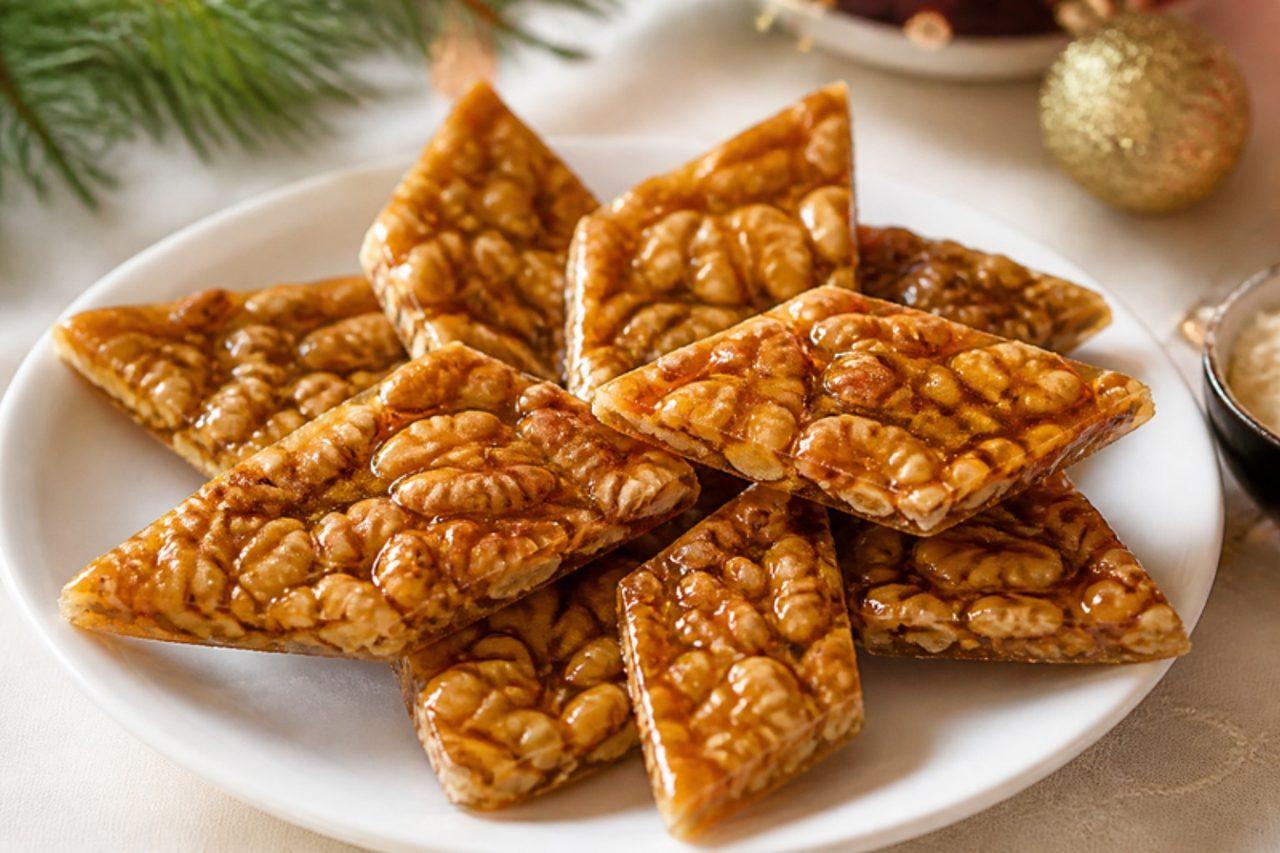
Gozinaki

Gozinaki is the sweet every Georgian family makes for New Year's Eve, from Tbilisi flats to Kakhetian farmhouses: toasted walnuts stirred into honey boiled until thick, spread on a wet board and cut into diamonds that set glossy and crunchy. Children help shell the walnuts in December, and a plate of gozinaki sits on the table for the midnight toasts. A common mistake is taking the honey off too early; it stays sticky and the pieces never set. Chef's tip: cook the honey until a drop in cold water forms a firm, pliable ball, then work fast, because the mixture sets as it cools.

by KrazyBadal 0 views

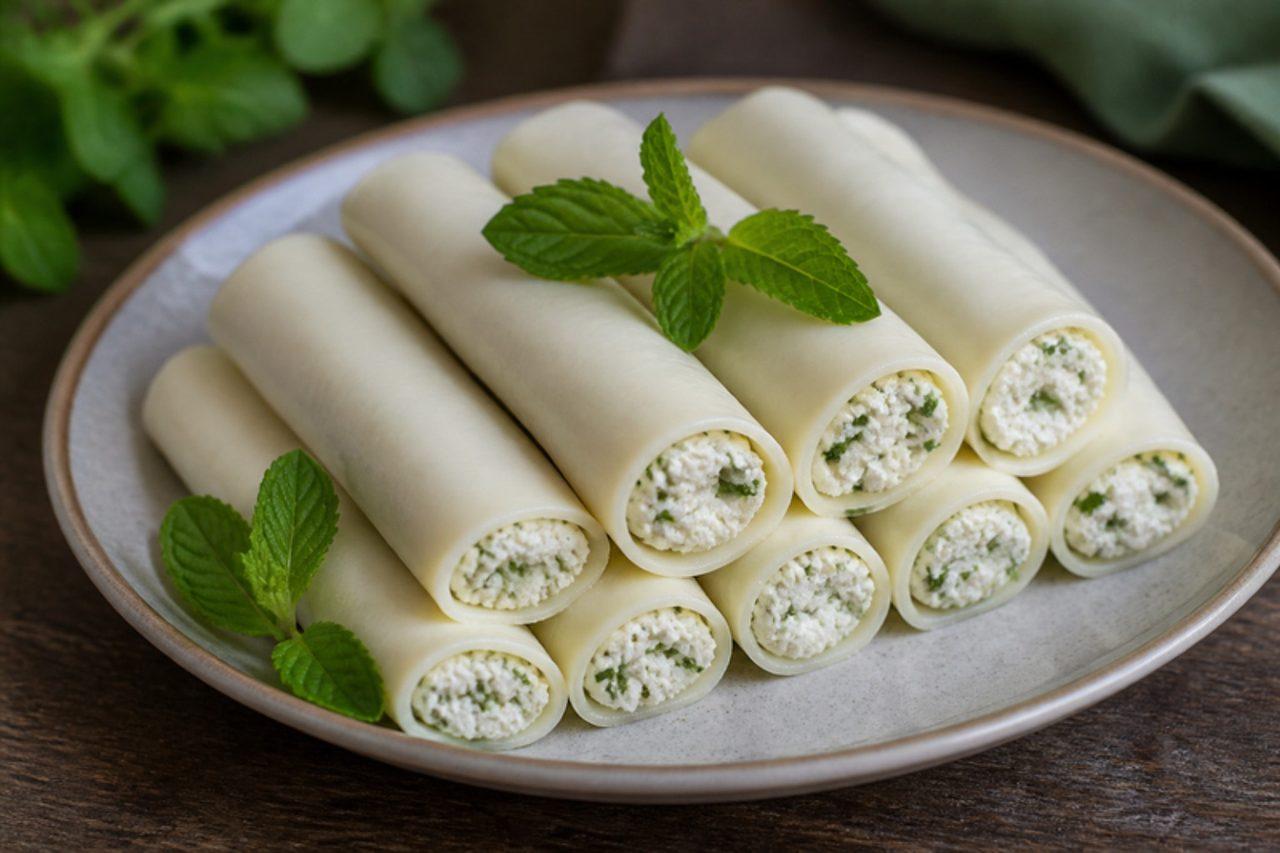
Nadughi

Nadughi is the soft cheese shepherds skim from hot whey after making sulguni, light and slightly sweet, like a fresh ricotta. In Imereti and Samegrelo it is beaten with chopped mint and either spooned into a bowl or rolled up in thin sheets of stretched sulguni, a pretty starter for the supra table in spring. At home you can make it from milk and a little lemon. A common mistake is boiling the milk hard after the acid goes in; the curd turns tough and grainy instead of soft. Chef's tip: drain it only briefly; it should stay creamy and spreadable. Sulguni is often made with animal rennet, so choose vegetarian sheets or serve the nadughi in a bowl.

by KrazyBadal 0 views

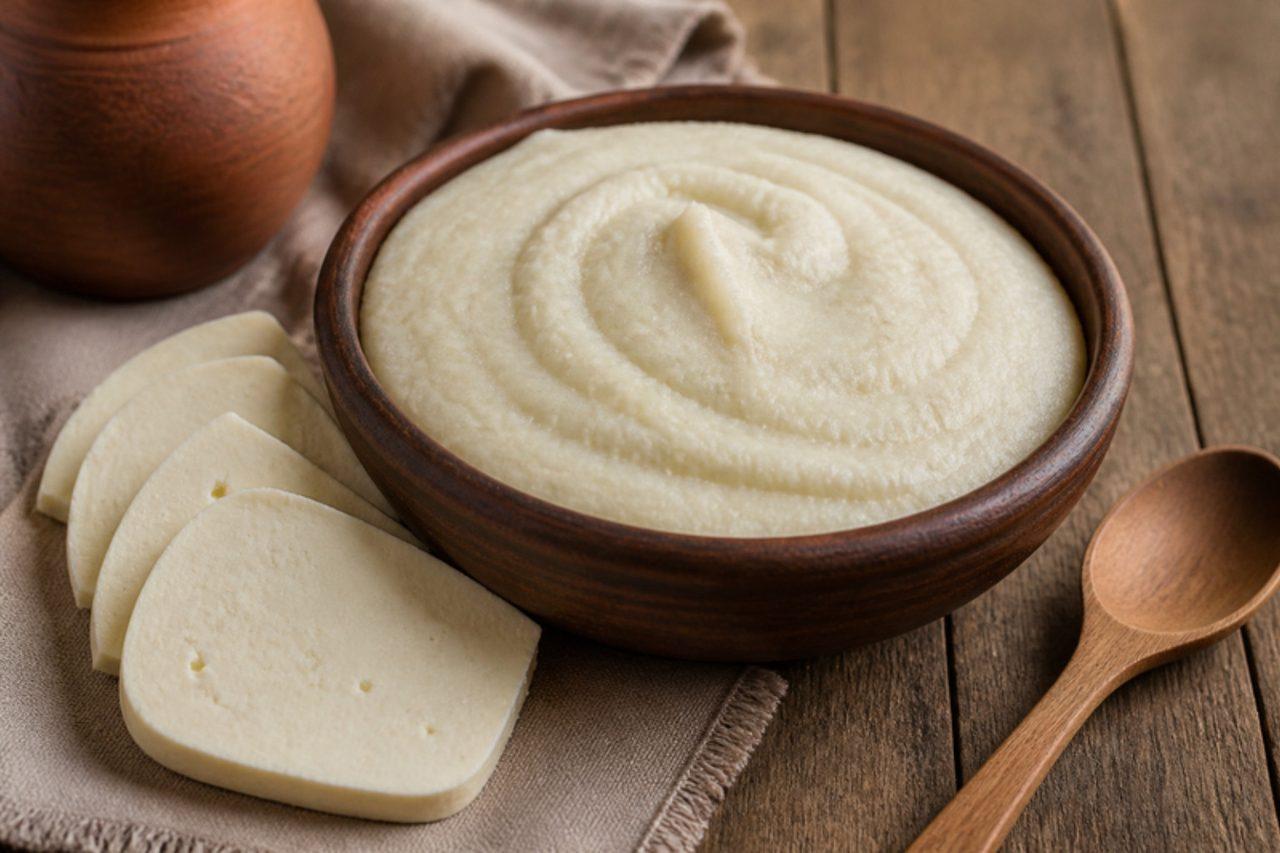
Ghomi

Across Samegrelo and Guria, ghomi plays the role bread plays elsewhere: a soft, smooth porridge of white corn and cornmeal, set on the table unseasoned so that slices of sulguni can be pushed into it to melt, and so that bazhe, ajika or bean stew can be scooped up with it. In Zugdidi homes it is cooked in a heavy pot and stirred with a flat wooden paddle. A common mistake is stirring too little; ghomi catches easily and lumps form at the bottom. Chef's tip: cook it until it comes away from the sides in one smooth mass, then wet a spoon and smooth the top; ghomi should feel like soft polenta that can be scooped, not runny porridge.

by KrazyBadal 0 views

Showing 24 of 226 recipes

Show more recipes

Page 1 of 10