Skip to content
Recipes

All recipes

Vegetarian, or something you can't eat? Set your diet once and we'll hide recipes that don't fit.

KaguyjyWhite corn pudding

On the night of 23–24 June, Paraguayans celebrate San Juan with bonfires, games like walking over hot coals and the 'paso de fuego', and a table of traditional foods, and kaguyjy (also mazamorra) is one of them. It is a soft, creamy pudding of cracked white corn (locro) simmered slowly in water and then milk with sugar or honey, sometimes with orange peel. It is eaten warm or cold. It is gluten free. Chef's tip: soak the corn overnight and cook it until each kernel is tender before adding the milk, or it never turns creamy.

by KrazyBadal 0 views

Kapr na černoCarp in dark sweet-sour sauce

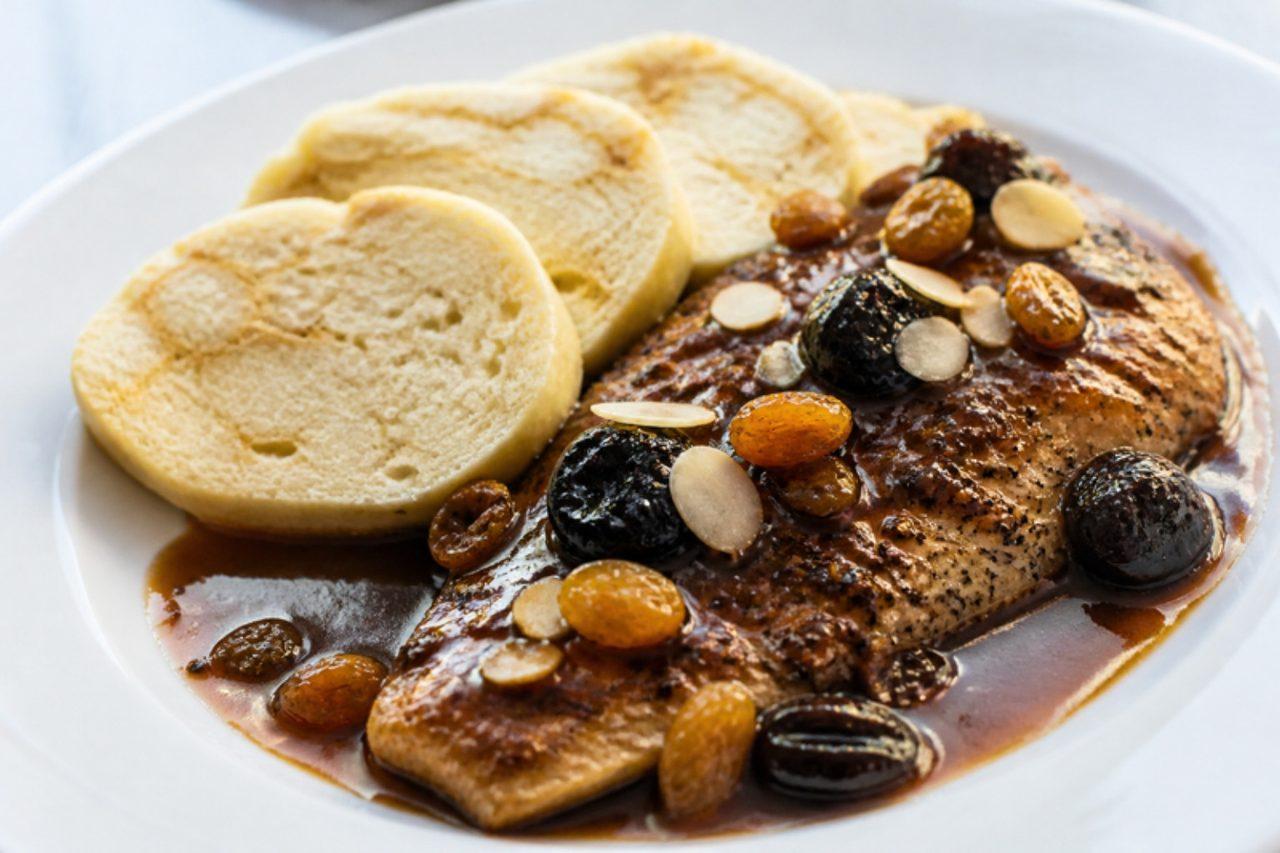
Before fried breaded carp took over the Czech Christmas Eve table, families in Bohemia served kapr na černo, 'black carp': fish simmered in a dark, glossy, sweet-sour sauce of root vegetables, gingerbread, prunes, nuts and dark beer. It is rich and spiced, closer to a medieval feast dish than to the modern menu, and served with bread dumplings or potatoes. This version uses a non-alcoholic dark malt drink so the sauce is alcohol-free; adults may use dark beer. Chef's tip: grate the gingerbread finely, so it melts into a smooth sauce rather than leaving soggy crumbs.

105 minCzechFish
by KrazyBadal 0 views

Huauzontles capeadosBattered cheese-stuffed greens

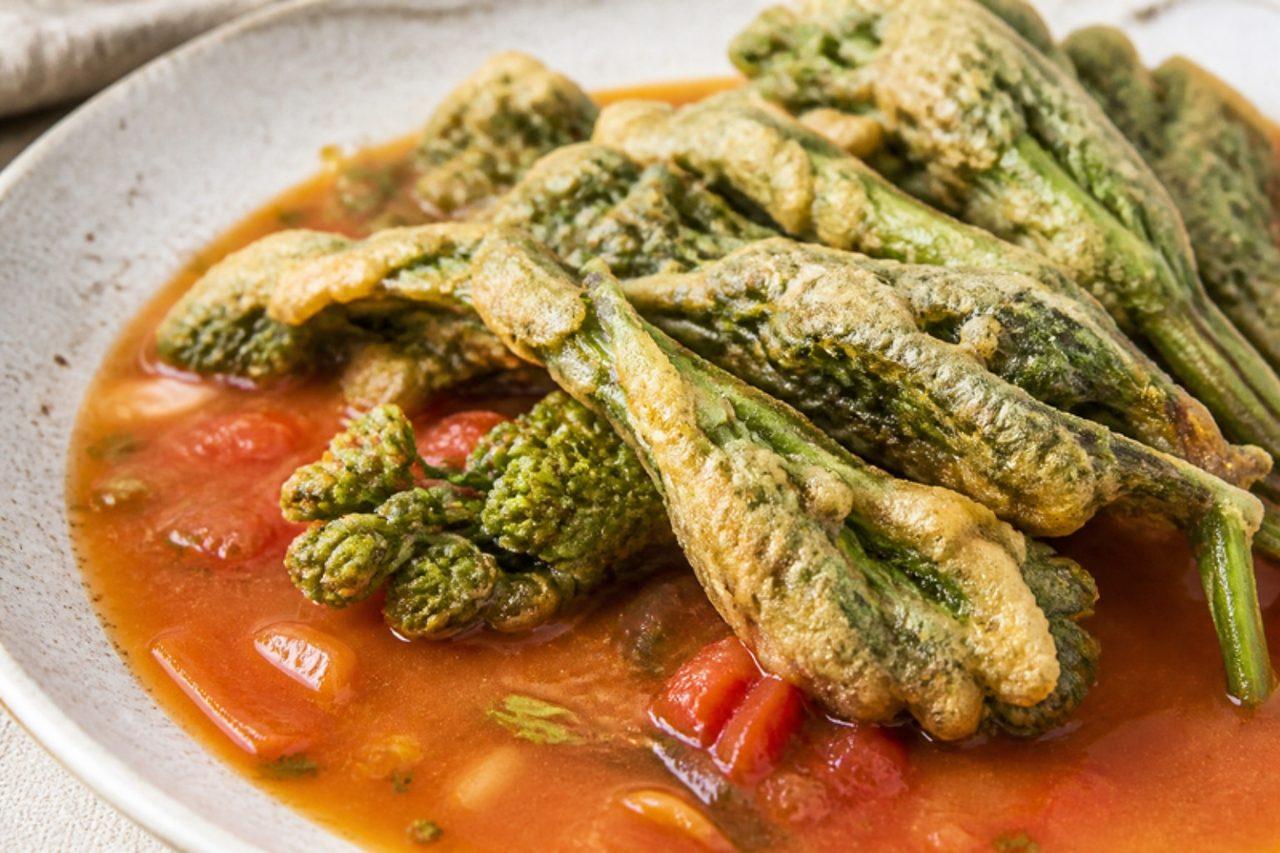
In central Mexico, Lent and Holy Week bring meatless Fridays, and huauzontles capeados are a beloved vigil dish. Huauzontle is a leafy, broccoli-like green with tiny seed buds; little bundles of the blanched sprigs are pressed around a piece of fresh cheese, dipped in fluffy egg batter, fried and then simmered briefly in a light tomato and chile broth. If you can't find huauzontle, use tenderstem broccoli tips or quelites. Queso fresco is usually made with animal rennet, so choose a vegetarian one if needed. Chef's tip: squeeze the blanched greens very dry, as wet greens make the batter slide off.

by KrazyBadal 0 views

Sopa teólogaTurkey broth with bread and cheese

Sopa teóloga ('the theologian's soup') goes back to colonial convents in Lima and Arequipa, where it was cooked for feast days, and it is still served at Holy Week and family celebrations. A rich turkey (or chicken) broth is thickened with soaked bread, milk and fresh cheese, with yellow potatoes and shreds of turkey, and finished with a little ají amarillo and chopped huacatay or parsley. It is thick, comforting and filling. Chef's tip: blend part of the soaked bread with broth before adding it, which gives the soup its creamy body without lumps.

by KrazyBadal 0 views

HrudkaEgg and milk cheese

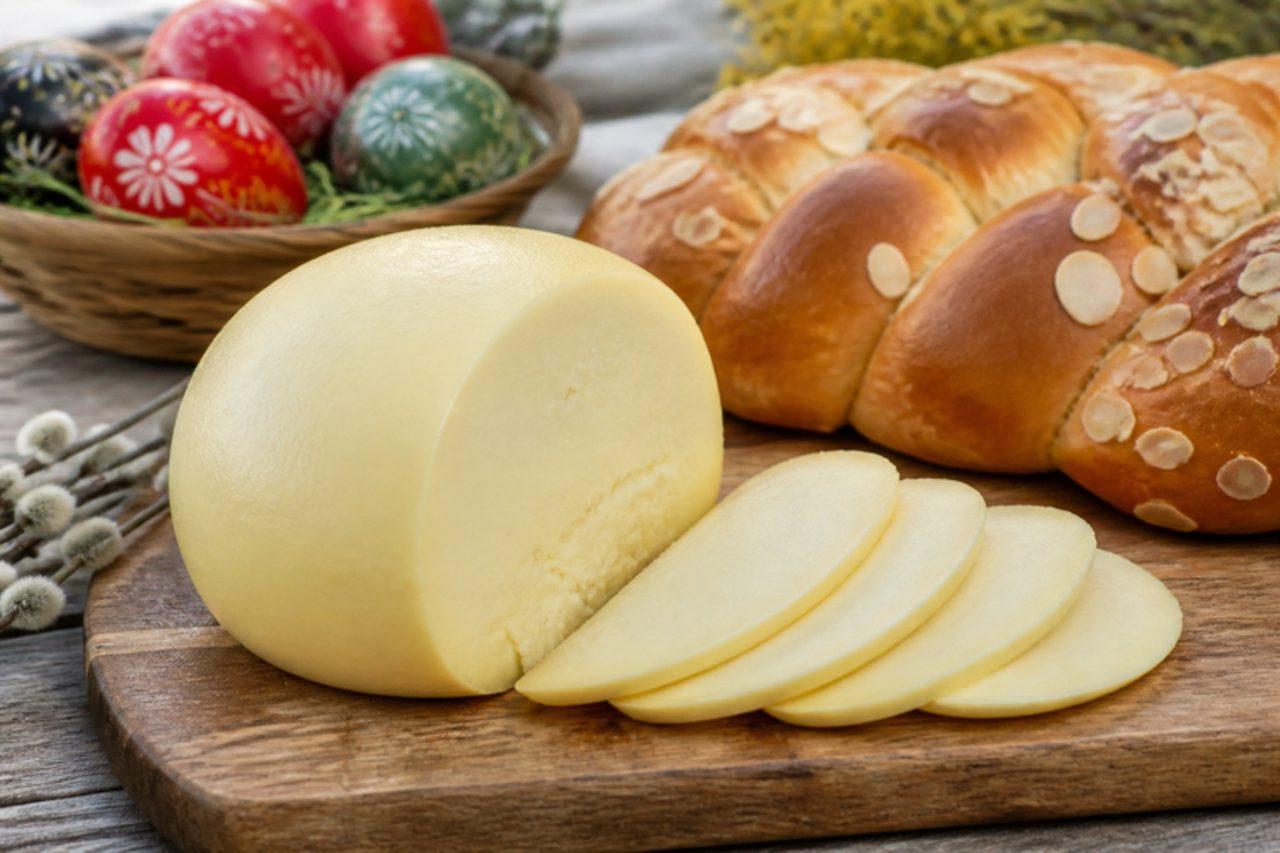
Hrudka (also called sirok or egg cheese) is made in eastern Slovakia and among Rusyn and Slovak families abroad for Easter. Eggs and milk are stirred over a low heat until they separate into soft curds, then the curds are tied tightly in a cloth into a ball and hung to drain overnight. The pale-yellow, mild, slightly sweet 'cheese' is taken to church in the Easter basket on Holy Saturday and sliced at Easter breakfast with ham, bread and horseradish. It needs no rennet, so it is naturally vegetarian. Chef's tip: keep the heat low and stir constantly; high heat makes rubbery curds.

by KrazyBadal 0 views

Pajagua mascadaBeef and cassava patties

Pajagua mascada is a Paraguayan street-food classic that appears on every table for the San Juan festival on 24 June, when bonfires burn and the night is full of games and traditional food. Minced beef is mixed with mashed cassava, onion, garlic and a little egg and flour, shaped into flat patties and fried until crisp. The name comes from Guaraní and refers to the 'chewing' of old Paraguayan cooks, who made it from leftover meat. Chef's tip: dry the boiled cassava well and remove its woody core, which keeps the patties light and crunchy.

by KrazyBadal 0 views

Gorditas de la VillaSweet corn griddle cakes

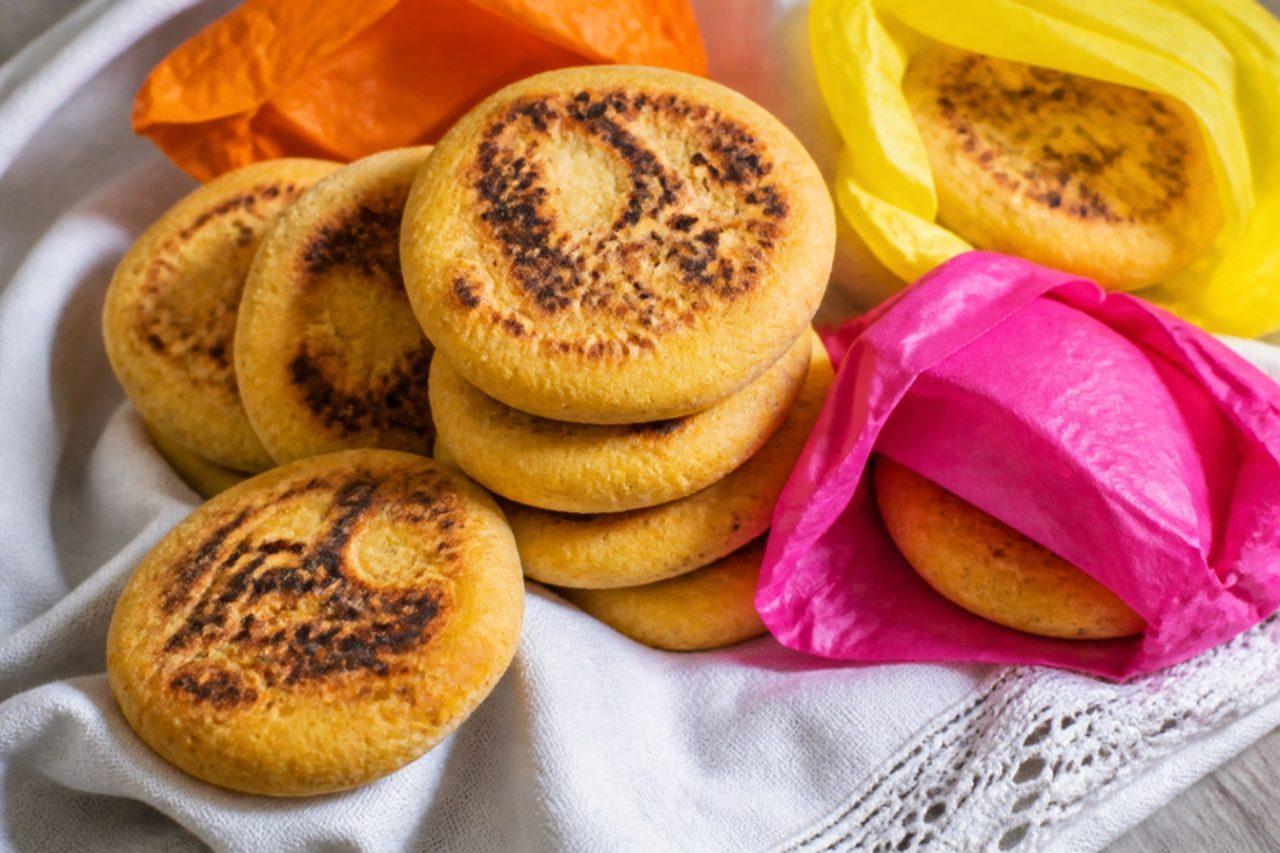
Every 12 December, millions of pilgrims walk to the Basilica of Our Lady of Guadalupe in Mexico City ('La Villa'), and all around it women cook gorditas de la Villa on clay comales: small, thick, sweet cakes of corn masa with piloncillo, cinnamon and a little anise, wrapped in coloured tissue paper to take home. They are soft and slightly chewy, with toasty spots. They are gluten free. Chef's tip: cook them on a dry, medium-low griddle; too hot and the sugar burns before the middle cooks through.

by KrazyBadal 0 views

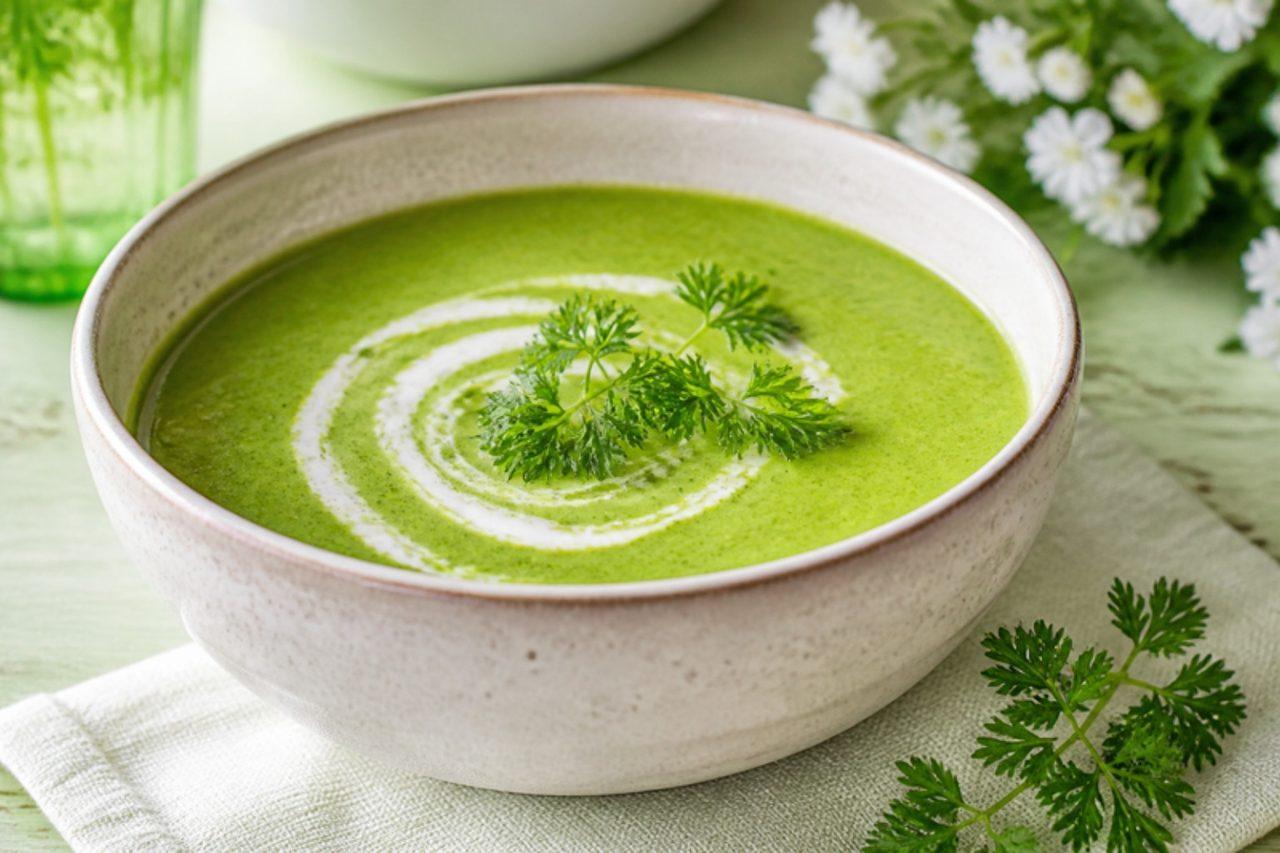
KerbelsuppeChervil soup

In Germany, Maundy Thursday is called Gründonnerstag, 'green Thursday', and many families eat something green that day for health in the coming year: spinach with eggs, herb soup or this creamy chervil soup. Chervil is one of the first herbs of spring, with a delicate taste of aniseed and parsley, and the soup is simply potato, shallot and vegetable stock blended with a big bunch of fresh chervil and finished with cream. It is ready in half an hour and gluten free. Chef's tip: add the chervil only at the very end and blend straight away, because heat quickly dulls its colour and flavour.

by KrazyBadal 0 views

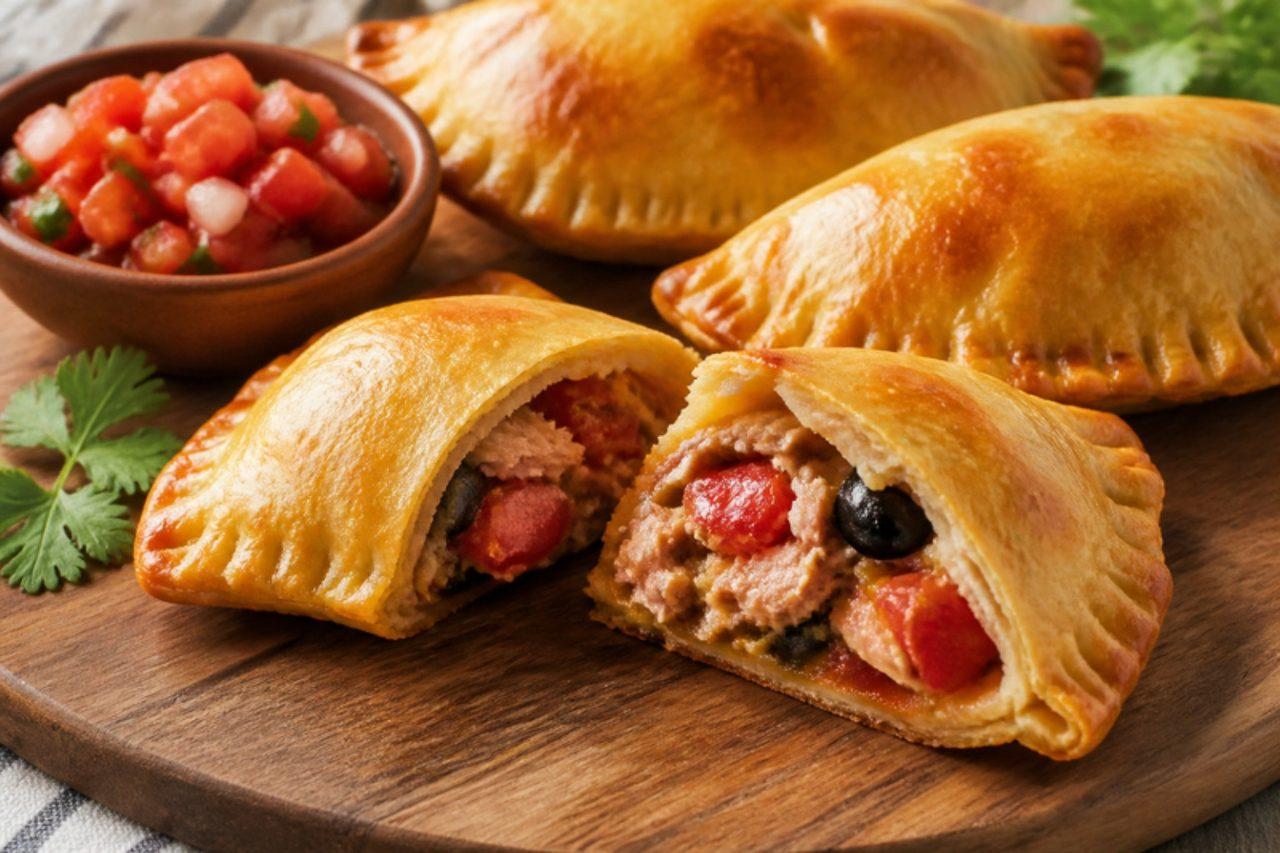
Empanadas de vigiliaTuna empanadas

During Cuaresma (Lent) and on the Fridays of Holy Week, Mexican kitchens turn to 'vigilia' food without meat, and fish empanadas are a favourite: tender wheat pastry half-moons filled with tuna (or soaked salt cod) cooked with tomato, onion, olives, capers and pickled jalapeños, a cousin of bacalao a la vizcaína. They are baked here, but can be fried. Chef's tip: cook the filling until quite dry, as a wet filling makes soggy empanadas that leak.

by KrazyBadal 0 views

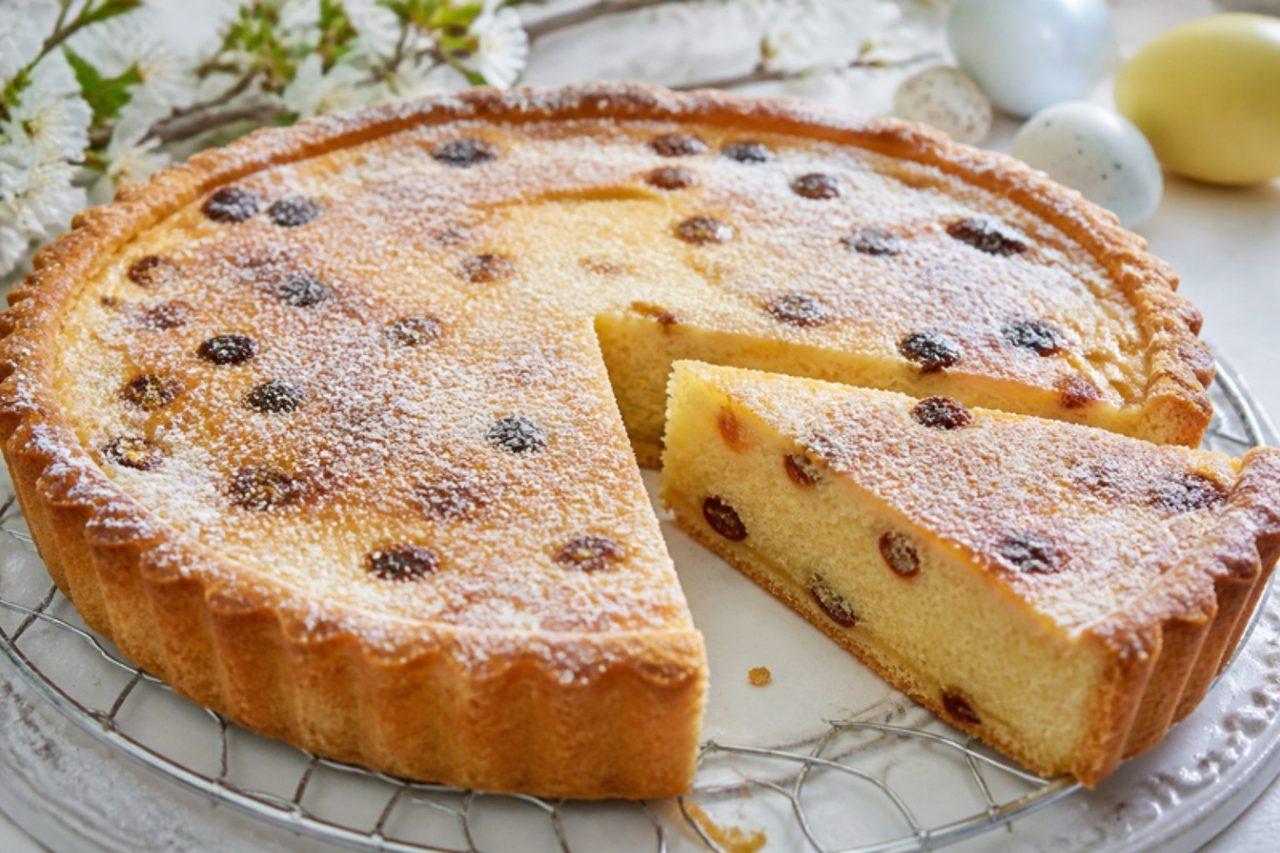
OsterfladenSemolina and almond Easter tart

Osterfladen is the Easter tart of Basel and northern Switzerland, baked on Holy Saturday and eaten on Easter Sunday. A shortcrust case holds a creamy filling of semolina (or rice) cooked in milk, folded with ground almonds, raisins, lemon zest and whipped egg white, which bakes into a light, sliceable custard under a dusting of icing sugar. Some bakers soak the raisins in kirsch; here they are soaked in warm water, so it is alcohol-free. Chef's tip: fold the egg whites in gently and last, as they are what makes the filling light.

by KrazyBadal 0 views

AllerheiligenstriezelBraided sweet loaf

In Bavaria and Austria, godparents give their godchildren an Allerheiligenstriezel on All Saints' Day, 1 November: a large braided loaf of sweet yeast dough, brushed with egg and scattered with almonds or pearl sugar. The braid is said to recall the old custom of cutting a plait of hair in mourning, and the size of the loaf once showed how generous the godparent was. It is lightly sweet, with lemon and vanilla, and is eaten sliced with butter or jam. Some recipes add rum-soaked raisins; these are soaked in warm water instead. Chef's tip: braid four strands for an impressive, high loaf.

by KrazyBadal 0 views

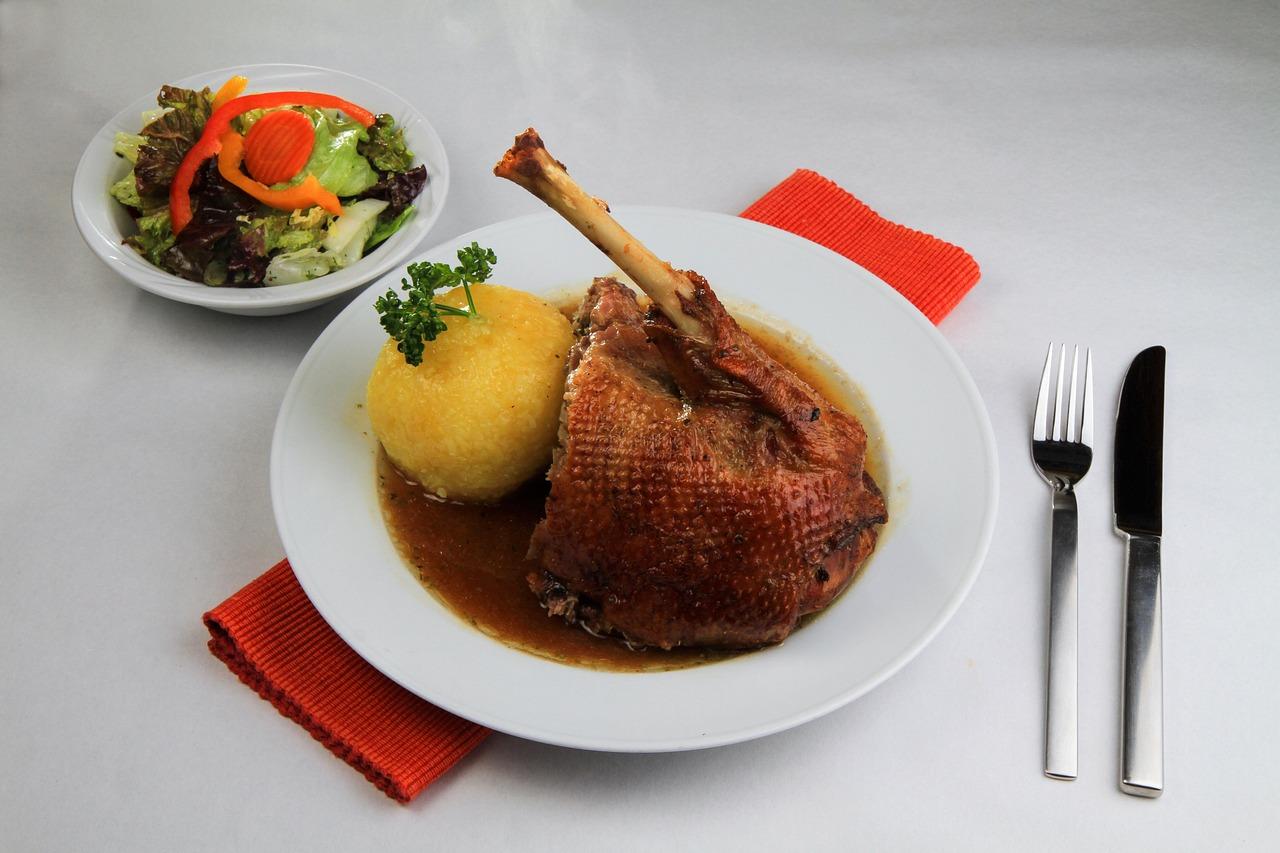
MartinsgansRoast goose with red cabbage

On 11 November, St Martin's Day, children in Germany and Austria walk in lantern processions, and families and restaurants serve the Martinsgans: a goose roasted slowly with apples, onion and mugwort or marjoram until the skin is crisp and the meat tender, with red cabbage, potato dumplings and a rich gravy. Legend says the geese's cackling gave away St Martin when he hid to avoid being made bishop. Goose gives off a lot of fat; save it for roast potatoes. Chef's tip: prick the skin all over (not the meat) and roast on a rack so the fat drains and the skin crisps.

270 minGermanMeat
by KrazyBadal 0 views

Schinkli im BrotteigHam baked in bread crust

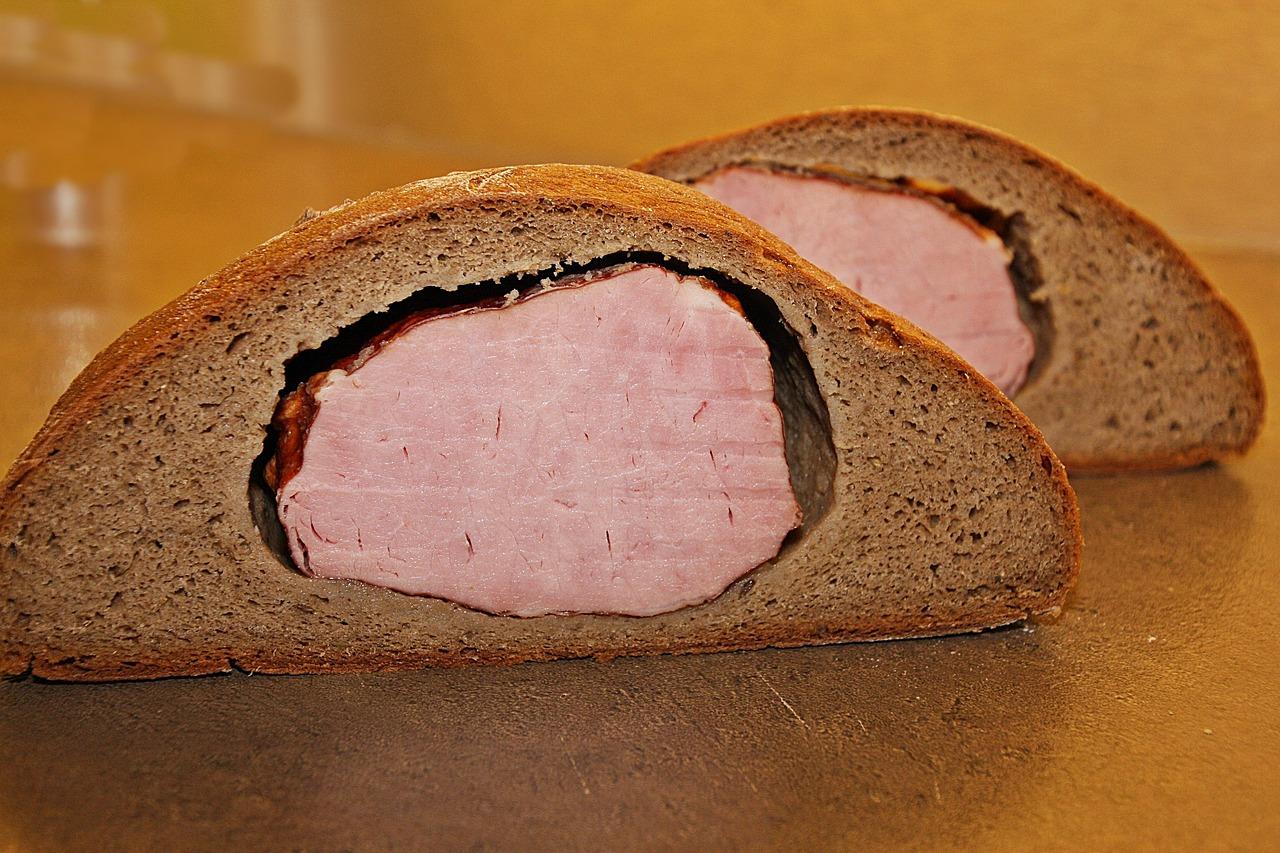
Schinkli im Brotteig, a small smoked pork ham baked inside a bread crust, is a much-loved Christmas Eve dish in German-speaking Switzerland because it can be prepared ahead and goes into the oven while the family opens presents. The dough seals in the ham's juices and soaks them up as it bakes, and the ham is sliced with the crust and served with potato salad, mustard and pickles. Buy a ready-cooked smoked ham (Schüfeli or Schinkli) of about 1 kg. Chef's tip: dry the ham well before wrapping it, or the dough turns soggy inside.

120 minSwissMeat
by KrazyBadal 0 views

Rybí polévkaCarp soup

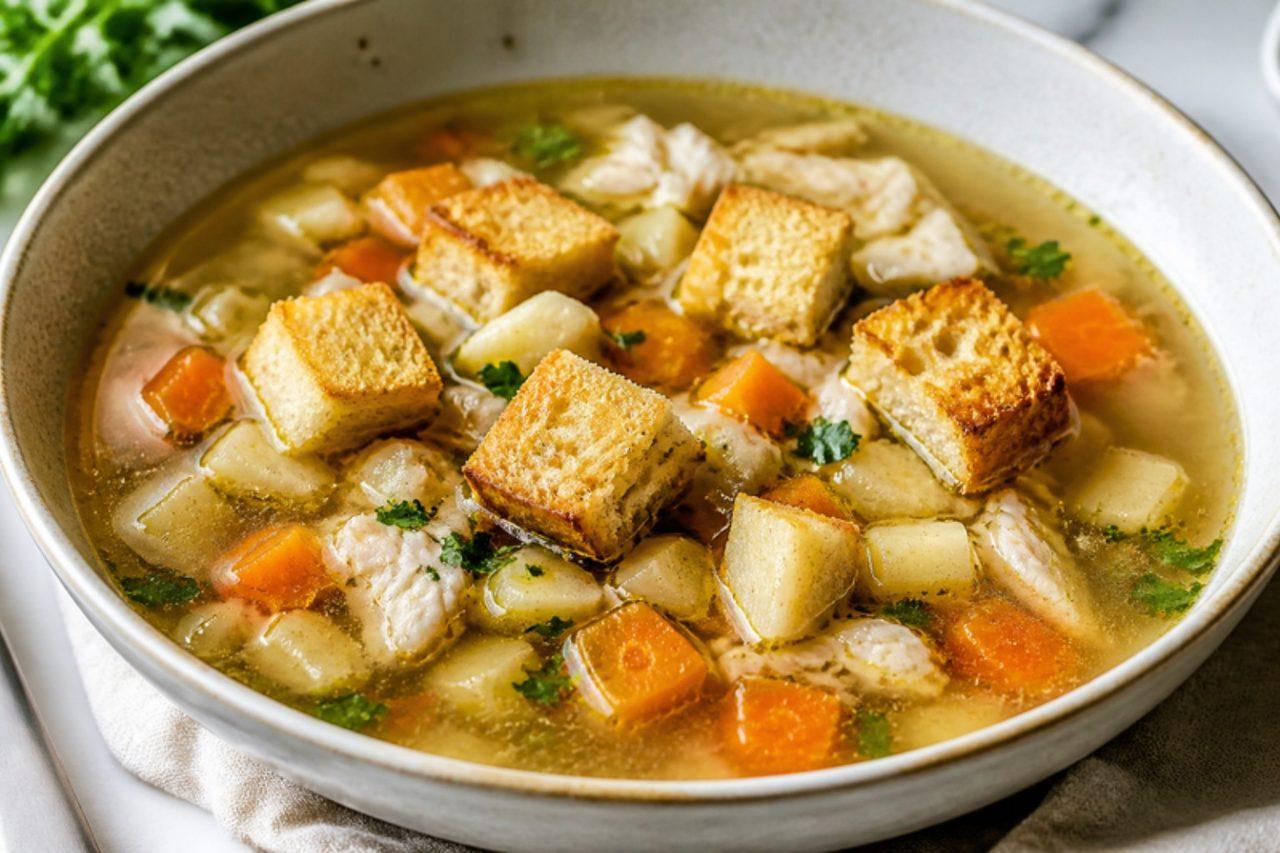
In Czechia the Christmas Eve supper begins with rybí polévka, a soup made from the trimmings of the Christmas carp, which is often bought live at street stalls in the days before; here you simply ask the fishmonger for prepared carp trimmings and a fillet. The bones and trimmings make a clear stock that is simmered with carrot, celeriac and parsley root, then filled with flakes of carp and served with croutons fried in butter. Many families add the carp roe. Chef's tip: strain the stock carefully through muslin, as carp has many fine bones.

105 minCzechSoups
by KrazyBadal 0 views

OsterpinzeEaster anise brioche

Osterpinze is the Easter bread of Styria, Carinthia and the area around Trieste, a soft, golden brioche dome with three deep cuts on top for the Holy Trinity, so that it opens into a crown as it bakes. The dough is rich with egg yolks and butter and flavoured with anise and lemon; old recipes add a splash of white wine, left out here. It is blessed in the Easter basket on Holy Saturday and eaten on Easter morning with ham, horseradish and eggs, or with butter and jam. Chef's tip: make the three cuts with scissors just before baking, deep enough to reach halfway down, so the crown opens wide.

by KrazyBadal 0 views

MazanecEaster raisin and almond bread

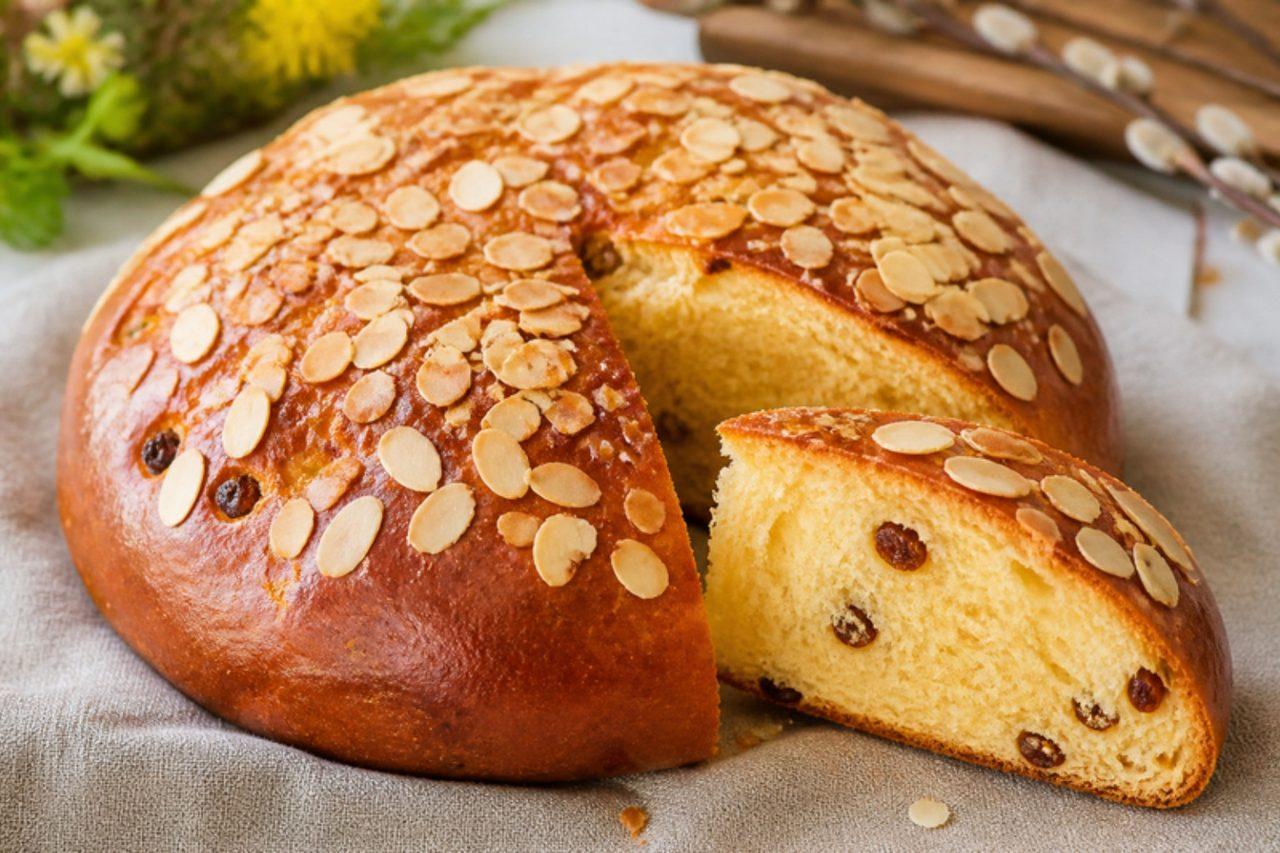
Mazanec is the round Easter bread of Bohemia, baked on Holy Saturday and eaten on Easter Sunday and Monday. The sweet yeast dough is rich with butter, egg yolks and lemon, studded with raisins and almonds, and scored with a deep cross before baking so it opens like a flower. Old recipes soak the raisins in rum; here they are soaked in warm tea, so the bread is alcohol-free. Slice it and spread with butter and honey. Chef's tip: give mazanec a long, slow bake at a moderate heat, because the rich dough browns quickly and the centre needs time.

by KrazyBadal 0 views

OsterlammEaster lamb sponge cake

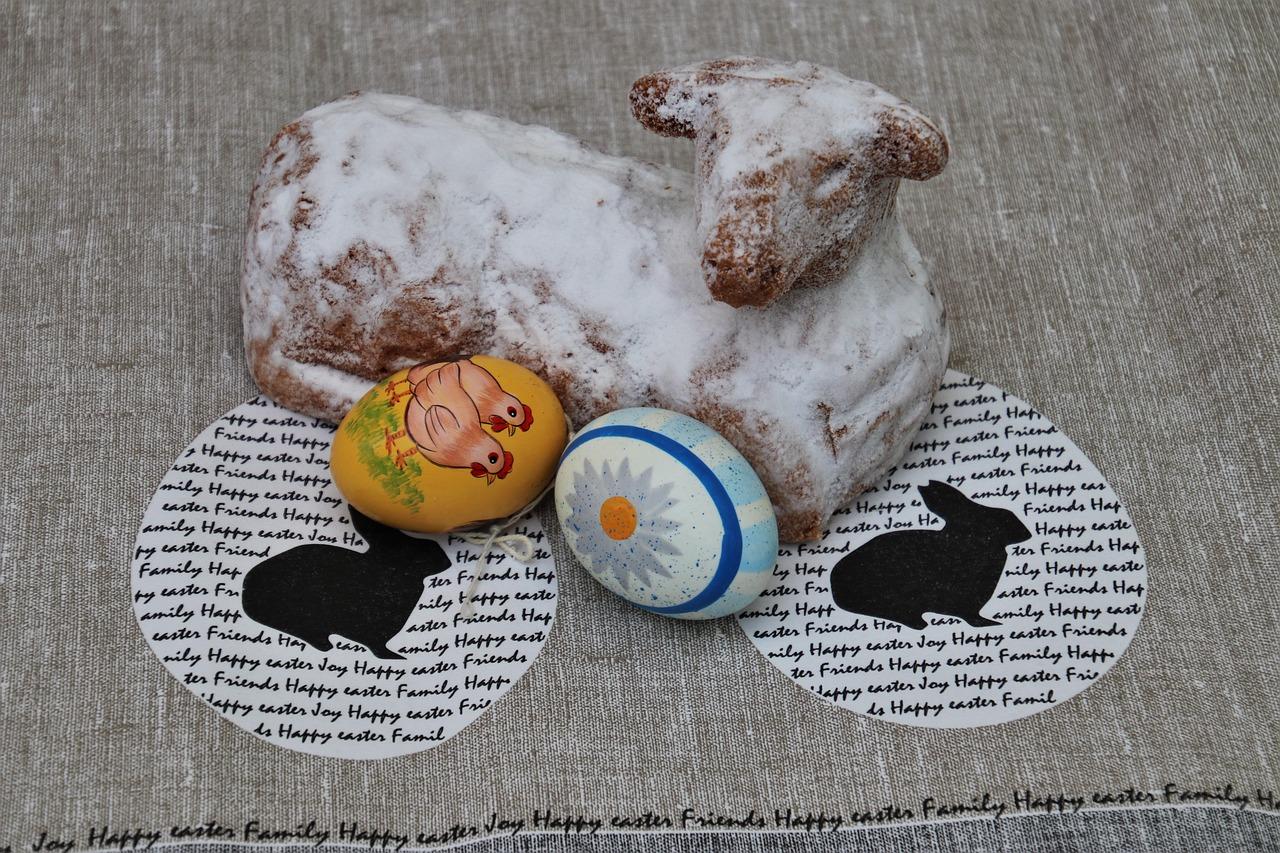
In Germany and Austria an Osterlamm, a light sponge baked in a two-piece lamb-shaped mould, stands on the Easter breakfast table, dusted with icing sugar with a ribbon and bell around its neck and sometimes a little flag. In Catholic regions it is taken to church on Holy Saturday to be blessed with the Easter basket. The cake is a buttery, lemony sponge, firm enough to keep its shape. You need a lamb cake mould, sold in kitchen shops before Easter. Chef's tip: grease the mould with soft butter and dust it with breadcrumbs or flour into every crevice, or the lamb's head stays in the tin.

by KrazyBadal 0 views

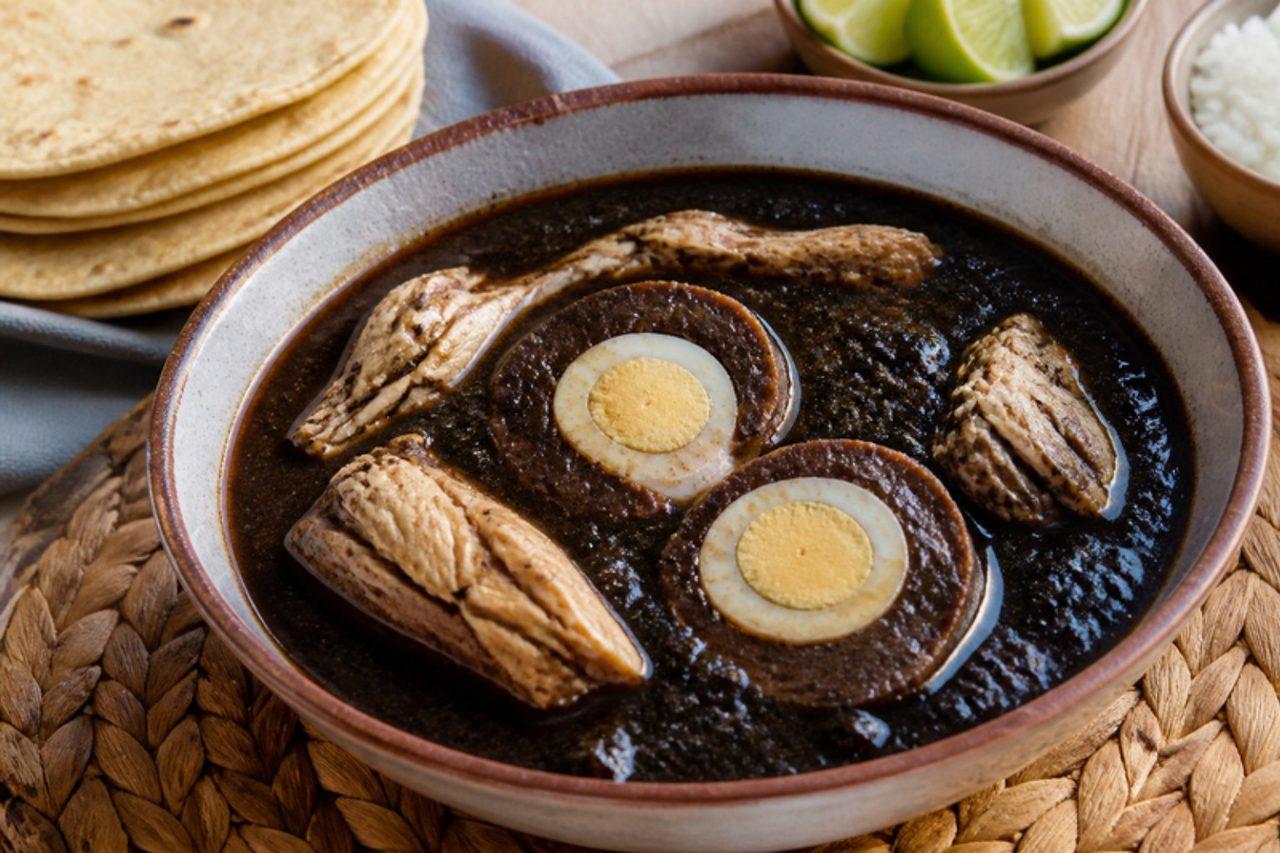
Relleno negroTurkey and pork black chilli stew

Relleno negro, or chilmole, is the great fiesta dish of the Yucatán peninsula, cooked for Christmas, New Year and village saints' days. Turkey is simmered in a jet-black broth coloured by recado negro, a paste of chillies charred until black, and served with a 'but', a meatball of minced pork and spices wrapped around hard-boiled egg. Recado negro paste is sold in Mexican shops; it is very hard to make at home safely because the chillies are burnt outdoors. Serve with corn tortillas or in tortas. Chef's tip: dissolve the recado in some of the warm broth first, so it blends smoothly instead of floating in black lumps.

by KrazyBadal 0 views

Chipa so'oCheese bread with spiced beef

In Paraguay, families bake chipa in the clay tatakua ovens on Holy Wednesday so there is food for Thursday and Good Friday, when cooking stops. Chipa so'o ('chipa with meat') is a cassava-starch and cheese bread wrapped around a little filling of minced beef cooked with onion and egg, then baked until crisp outside and chewy within. It is naturally gluten free. Chef's tip: knead the dough until it no longer cracks at the edges when pressed; dry dough splits around the filling.

by KrazyBadal 0 views

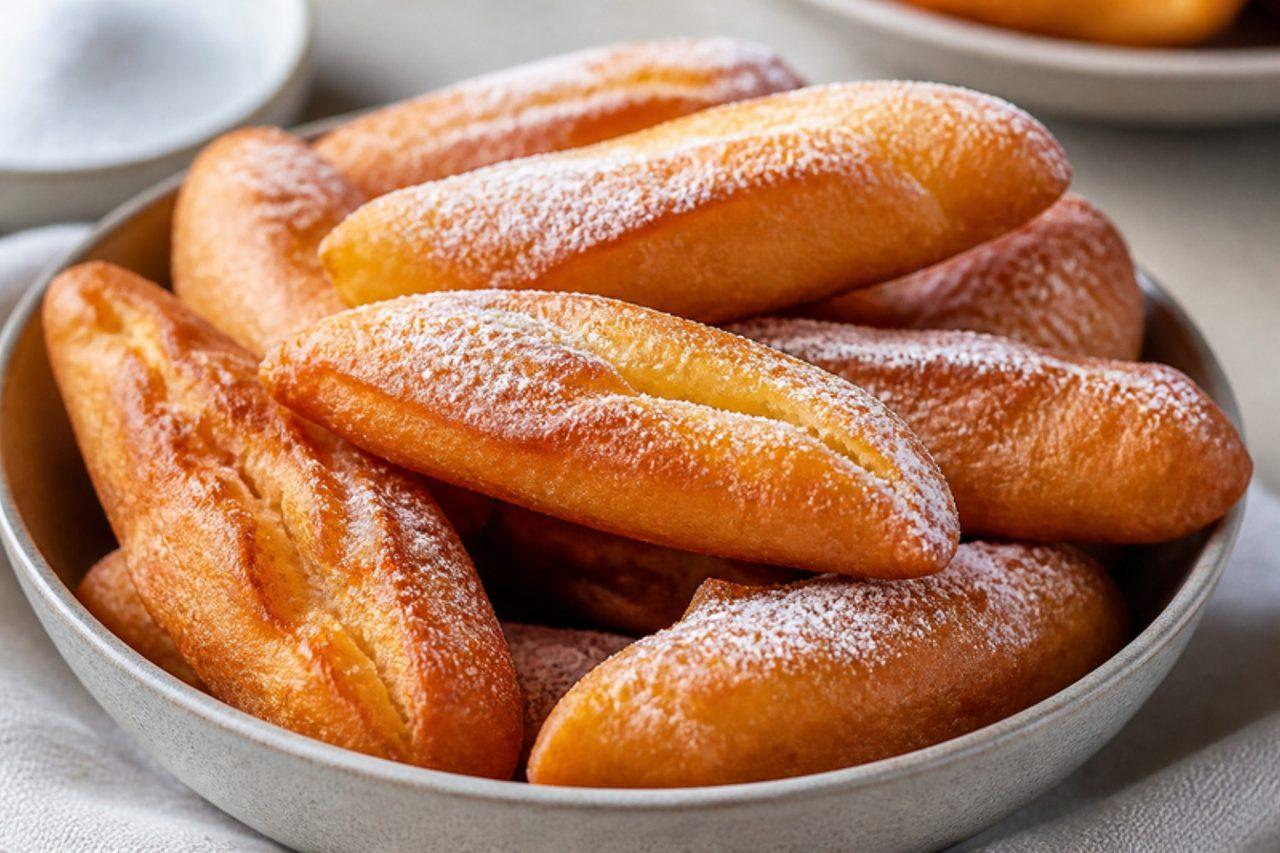
Fasnachts-SchenkeliFried lemon dough fingers

Schenkeli ('little thighs') are fried for Fasnacht, the Carnival weeks that lead up to Lent in Switzerland, when bakeries in Basel, Lucerne and Zurich sell them by the bagful beside Fasnachtschüechli. The dough is rich with butter, eggs and lemon zest, rolled into finger-length logs and fried until they have a crisp, cracked golden shell and a soft, cakey middle. Some recipes add a splash of kirsch to the dough; this one doesn't. Chef's tip: fry them at a moderate temperature, as they need time to cook through and the signature cracks form only if they aren't browned too fast.

by KrazyBadal 0 views

KalanehWild leek stuffed flatbread

In Kurdistan and Kermanshah, Newroz arrives with the first spring greens on the hillsides, and families gather wild leeks to fold into kalaneh, thin griddle breads cooked over a fire or a hot pan and soaked in melted butter. The dough is plain and soft, rolled very thin around a pile of chopped leek or chives with a little salt and pepper, so the greens steam inside as the bread blisters. Eat it hot, torn into strips, with yogurt and tea at a Newroz picnic. The common mistake is wet greens, which turn the dough soggy and make it tear; dry them well after washing. Chef's tip: brush the butter on the moment the bread leaves the pan so it soaks right in.

by KrazyBadal 0 views

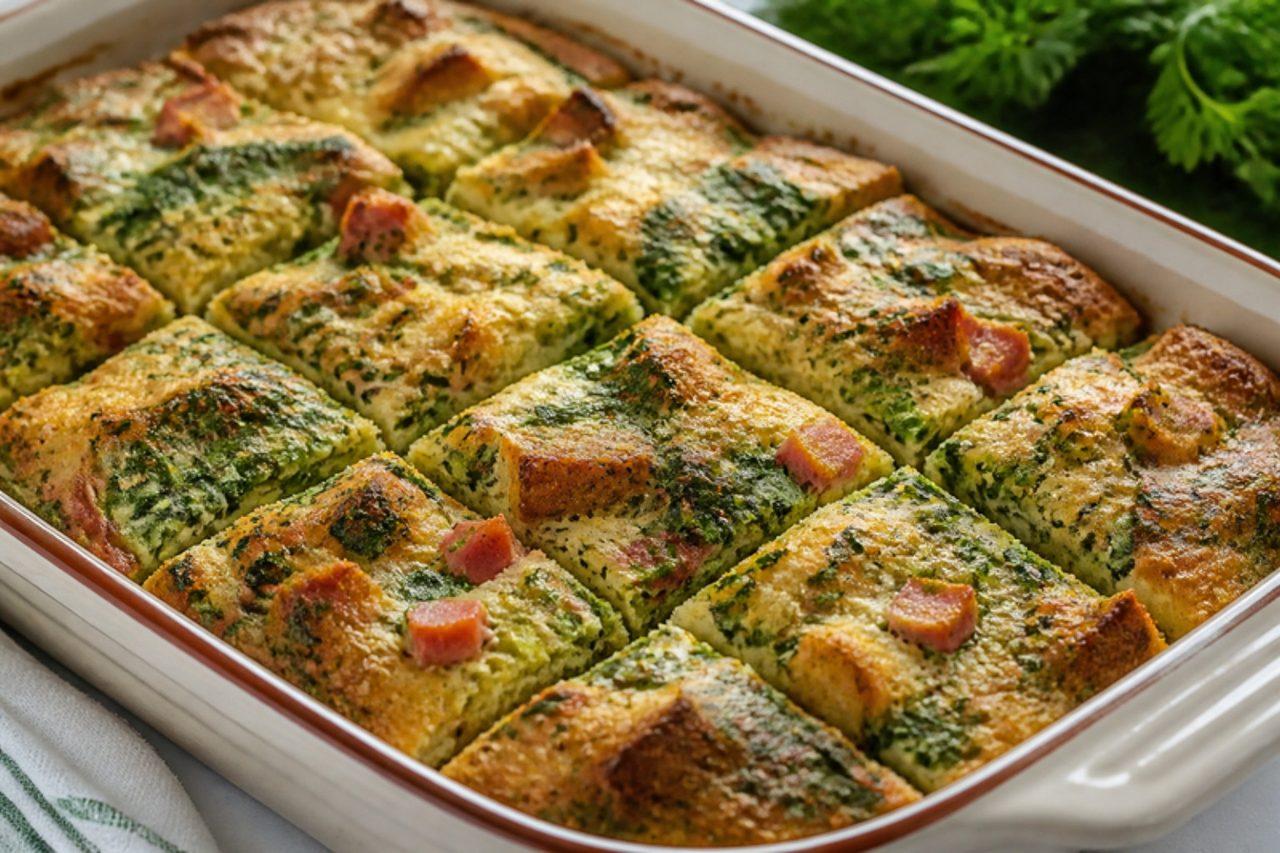
Velikonoční nádivkaBread, egg and smoked pork bake

Velikonoční nádivka ('Easter stuffing', also called hlavička) is a Czech and Moravian Easter dish, baked on Holy Saturday or Easter Sunday. Cubes of bread rolls are soaked in milk and eggs, then mixed with smoked pork and a big handful of young nettles, spinach or spring herbs, and baked until golden and puffy. It's eaten warm or cold, sliced, often beside roast lamb or chicken. For a vegetarian version, leave out the smoked pork and add 250 g fried mushrooms. Chef's tip: pick nettles wearing gloves and blanch them for 30 seconds, which takes away the sting.

75 minCzechMeat
by KrazyBadal 0 views

MässmoggeHazelnut-filled striped sweets

Every autumn the Basler Herbstmesse, Switzerland's oldest fair, fills the old town with rides and stalls, and the smell of boiling sugar from the stands selling Mässmogge, glossy striped sweets in bright colours with a soft chocolate-hazelnut centre. They are made by pulling hot sugar until it turns satiny, wrapping it round a rope of filling and snipping it into little pillows. It takes practice and a sugar thermometer, and adults should do all the hot work; children can help once the sweets are cool. Chef's tip: work on an oiled silicone mat near a low oven, so the sugar stays pliable for longer.

by KrazyBadal 0 views

Dowina (Kurdish yogurt soup)

Dowina, called ash-e doogh in Persian, is warming spring food in Kurdish homes around Newroz, when yogurt is plentiful and the first herbs are cut from the garden. Rice and chickpeas simmer in a tangy, lightly thickened yogurt broth, finished with fresh dill, coriander and a sizzle of dried mint in oil. It is eaten warm, never boiling hot, with flatbread. The common mistake is to heat the yogurt too fast without stirring, which makes it split into grainy curds. Chef's tip: whisk an egg yolk and a spoonful of rice flour into the yogurt before it goes on the heat; it holds the soup smooth all the way to the simmer.

by KrazyBadal 0 views

Showing 24 of 834 recipes

Show more recipes

Page 1 of 35