Skip to content
Recipes

All recipes

Vegetarian, or something you can't eat? Set your diet once and we'll hide recipes that don't fit.

SchnittlauchbrotChive bread

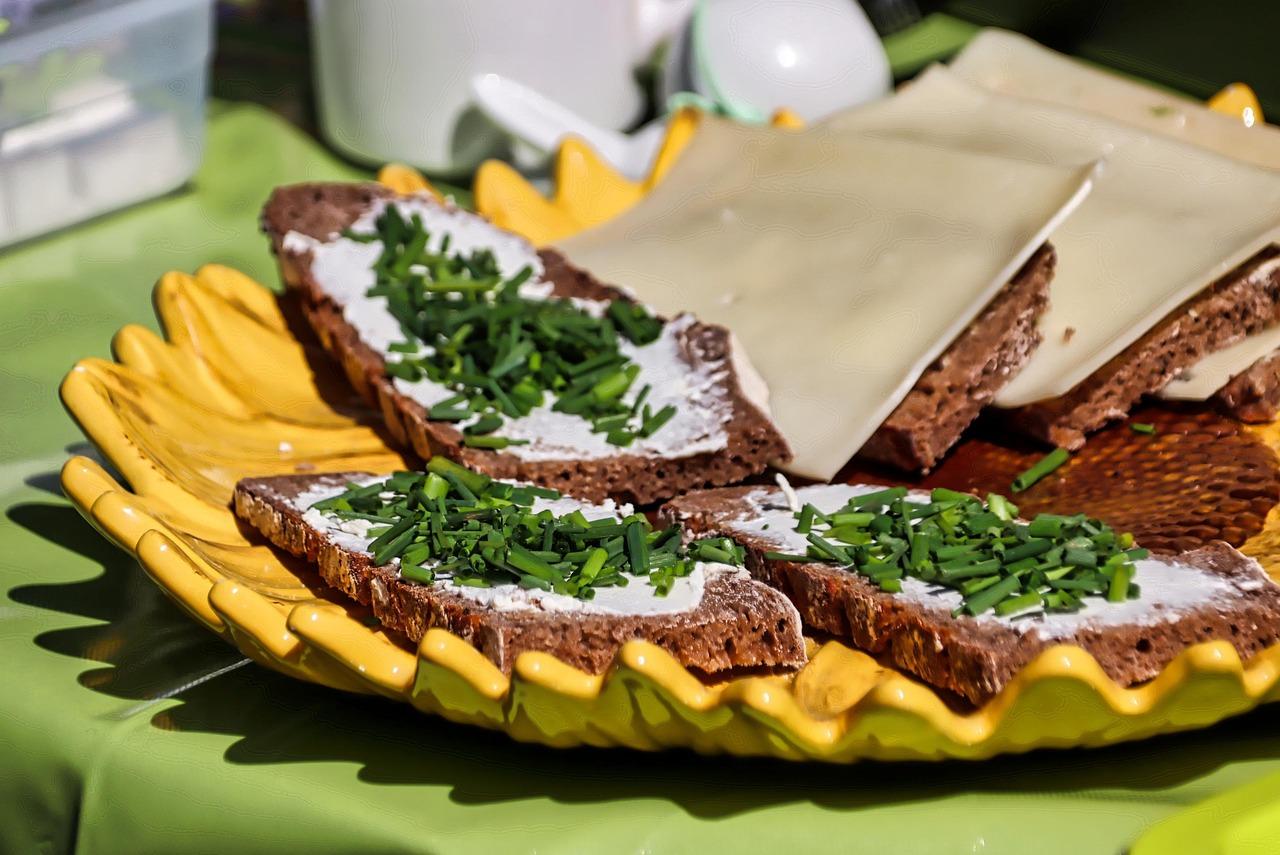
Order a Schnittlauchbrot in a Munich beer garden and you get the simplest Brotzeit there is: a thick slice of sourdough rye, buttered right to the edges and buried under so many chopped chives that the bread disappears. A pinch of coarse salt on top is all it needs. Bavarians eat it with a radish or two in the afternoon, and at home it is a classic Abendbrot when the chives in the garden are growing fast in May and June. The mistake is using fridge-cold butter, which tears the bread and will not hold the chives. Chef's tip: press the bread butter-side down into a plate of chives instead of sprinkling, and every bit gets covered.

by KrazyBadal 0 views

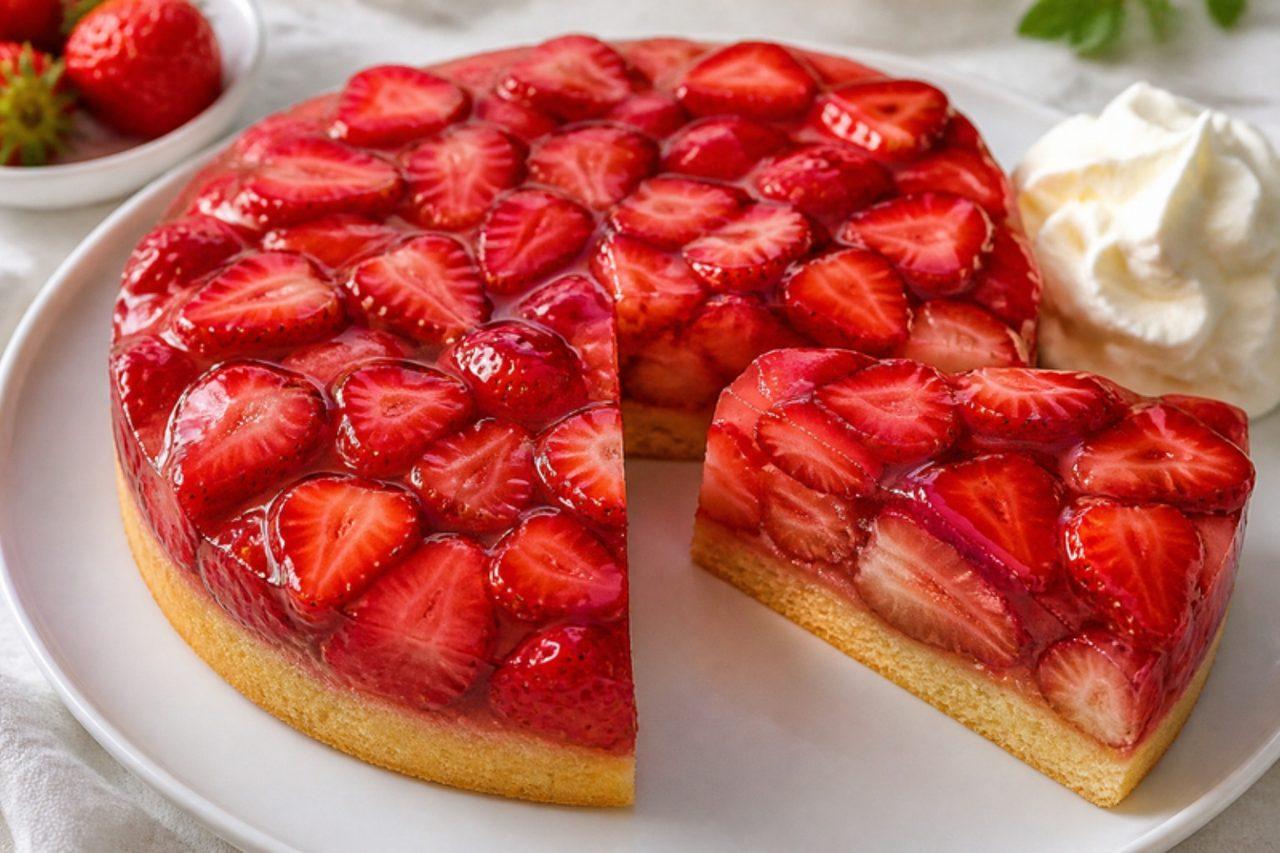
ErdbeerkuchenStrawberry flan

When strawberry stands pop up on every country road in June, bakeries from the Rhineland to Saxony fill their windows with Erdbeerkuchen, and families bake one for Sunday afternoon Kaffee und Kuchen. A light sponge is baked in a fluted flan tin with a raised rim, spread with a thin layer of custard or jam, covered with halved strawberries and set under a clear red glaze, then served with whipped cream. The mistake most people make is filling the base while it is still warm, which makes it soggy. Chef's tip: brush the cooled base with a little melted white chocolate or jam first; it seals the sponge against the fruit juice.

by KrazyBadal 0 views

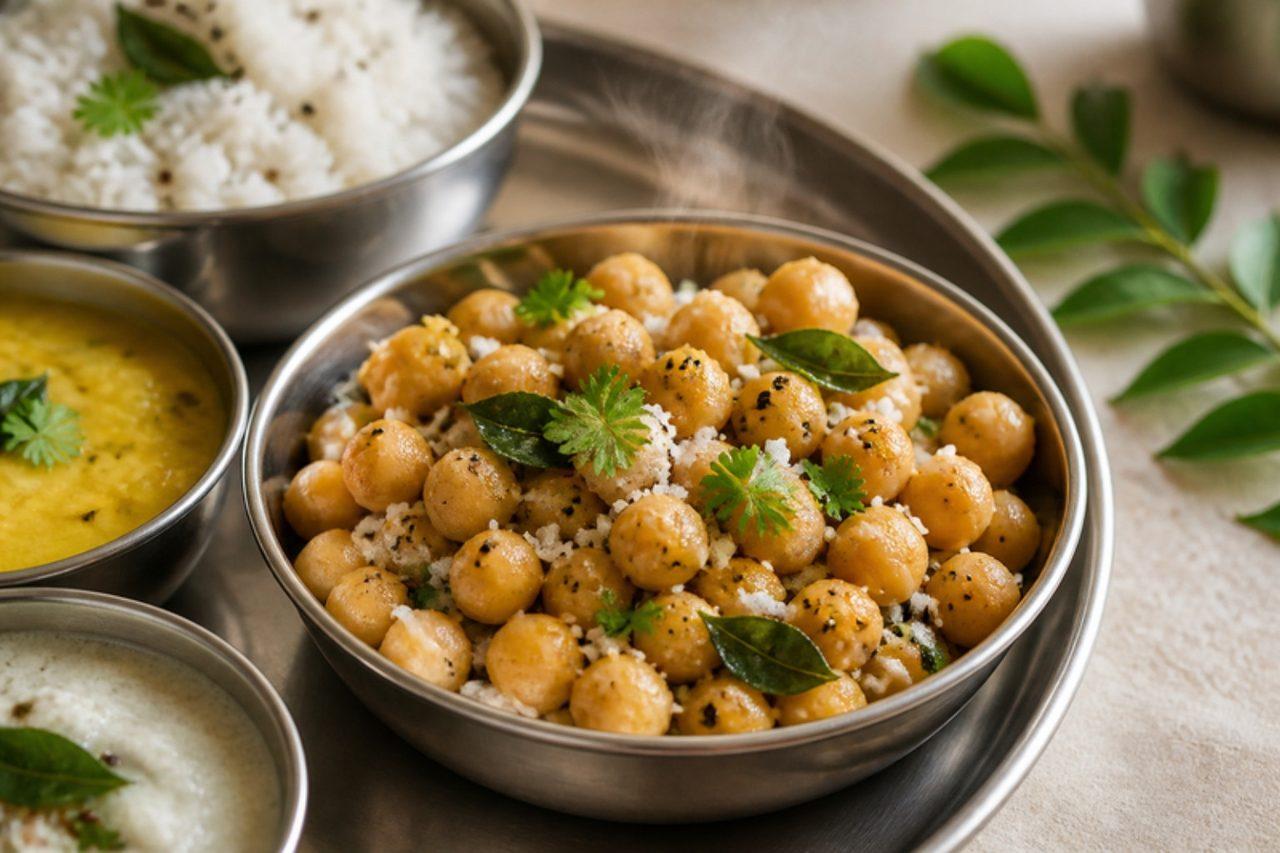
Chana sundalChickpea coconut stir-fry

On the sand of Chennai's Marina Beach, vendors sell sundal in paper cones at sunset, and during the nine nights of Navaratri every Tamil home makes a different sundal to offer at the golu doll display and hand out to visiting neighbours. This one is chickpeas tossed in a hot tempering of mustard seeds, urad dal, dried chilli and curry leaves, finished with fresh coconut and a squeeze of lime. A portion is about 190 kcal. Using cooked or tinned chickpeas keeps it under 20 minutes; if you start from dried, soak 120 g overnight and pressure-cook them until soft. The common mistake is wet, mushy chickpeas, which make the coconut clump; drain them well and let them steam dry for a few minutes. Chef's tip: add the coconut off the heat; cooked coconut loses its fresh, milky sweetness.

by KrazyBadal 0 views

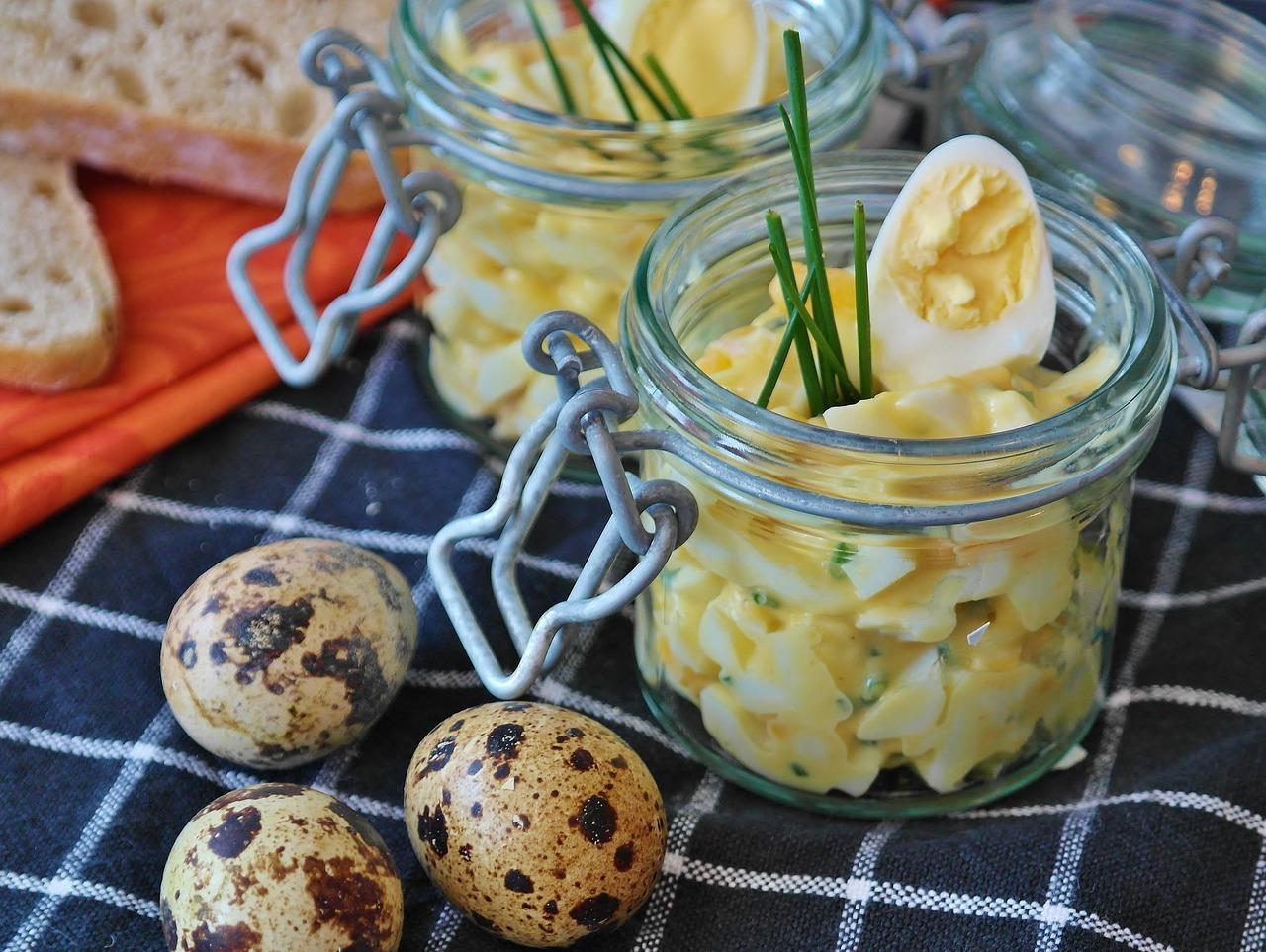
EiersalatEgg salad

Every German bakery counter and many Sunday breakfast tables have a bowl of Eiersalat, spread thickly on halved Brötchen or rye bread at Abendbrot. This home version keeps it light: chopped hard-boiled eggs bound with a little mayonnaise and yoghurt, sharpened with mustard and gherkin and finished with lots of chives. It is also the usual way to use up dyed Easter eggs in the week after Easter. The classic mistake is overcooking the eggs, which leaves grey-green rims and a sulphur smell. Chef's tip: chop the eggs with a fork or an egg slicer, not a blender, so the salad keeps soft little pieces of white and yolk.

by KrazyBadal 0 views

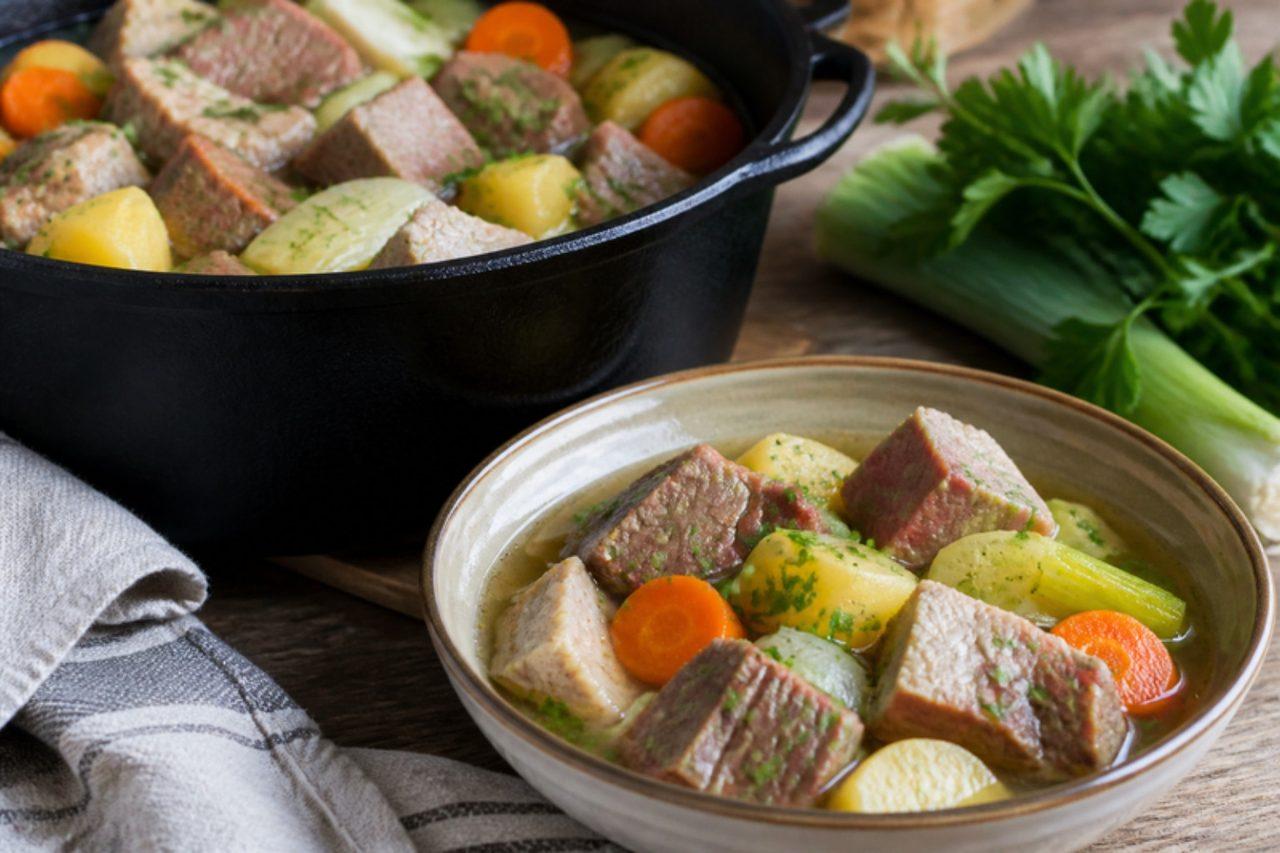
PichelsteinerBeef, pork and vegetable stew

Every summer the town of Regen in the Bavarian Forest holds a Pichelsteiner festival in honour of this layered stew, said to have been first cooked on the Büchelstein hill in the 1800s. Cubes of beef and pork shoulder are stacked in a heavy pot with potatoes, carrots, celeriac, leek and cabbage, a little marrow-bone fat or butter goes between the layers, and the whole thing cooks gently without stirring. Each spoonful mixes tender meat with soft vegetables in a clear, peppery broth. Stirring early is the classic mistake: the potatoes turn to mush. Chef's tip: brown the meat well first and the broth turns a rich amber instead of pale grey.

130 minGermanSoupsGluten free
by KrazyBadal 0 views

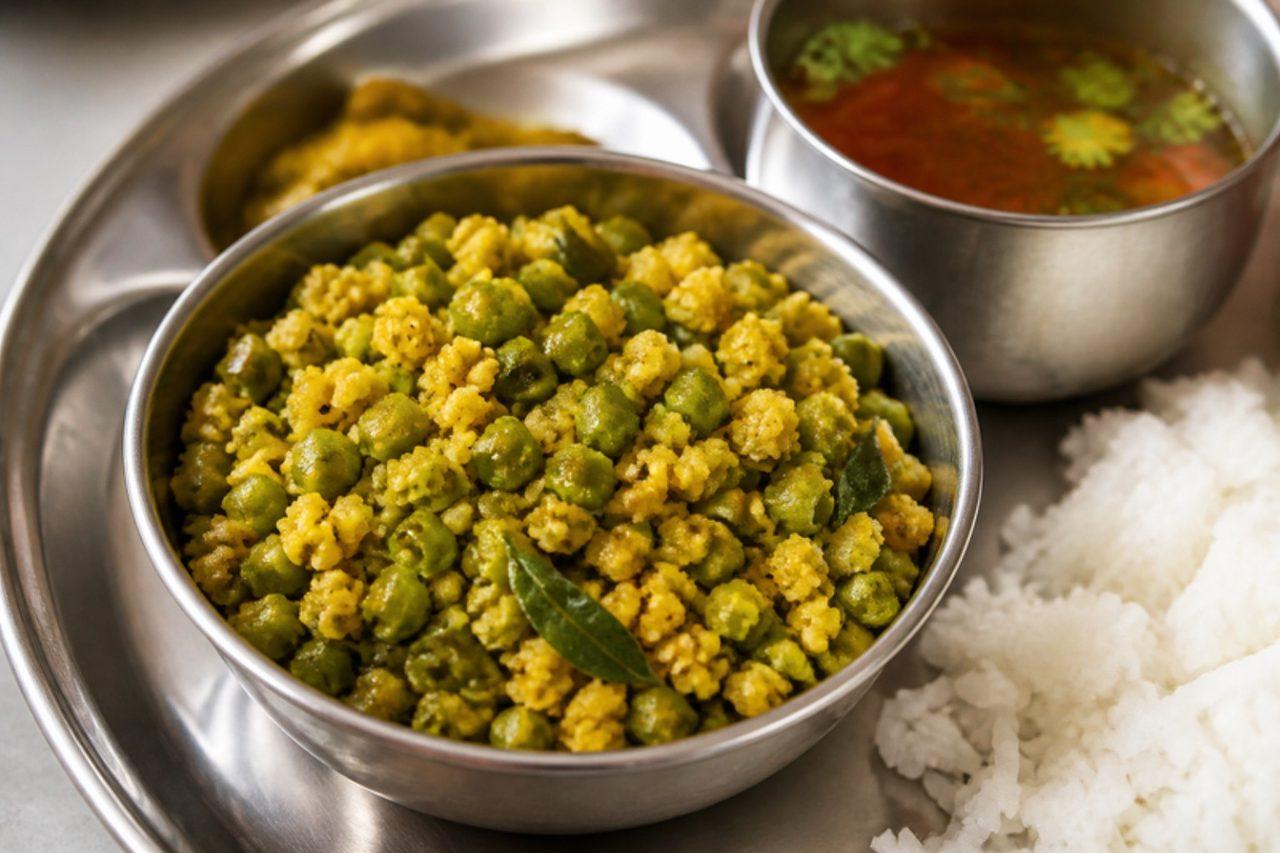
Paruppu usiliGreen beans with crumbled lentils

Paruppu usili is a Tamil Brahmin speciality, the dry dish that sits beside more kuzhambu or rasam on a Thanjavur lunch leaf at weddings and at home: chana and toor dal are soaked, ground coarsely with red chilli, steamed into a cake, crumbled, then fried with finely chopped green beans until the crumbs turn golden and crisp in places. The result is nutty, spicy and full of protein. A portion is about 220 kcal. The dals soak for 1 hour first (not counted in the times). The mistake most people make is grinding the dal to a smooth paste; it should be coarse like semolina, or the usili turns into lumps instead of crumbs. Chef's tip: steam the ground dal before frying, rather than frying it raw; it crumbles perfectly and needs far less oil.

by KrazyBadal 0 views

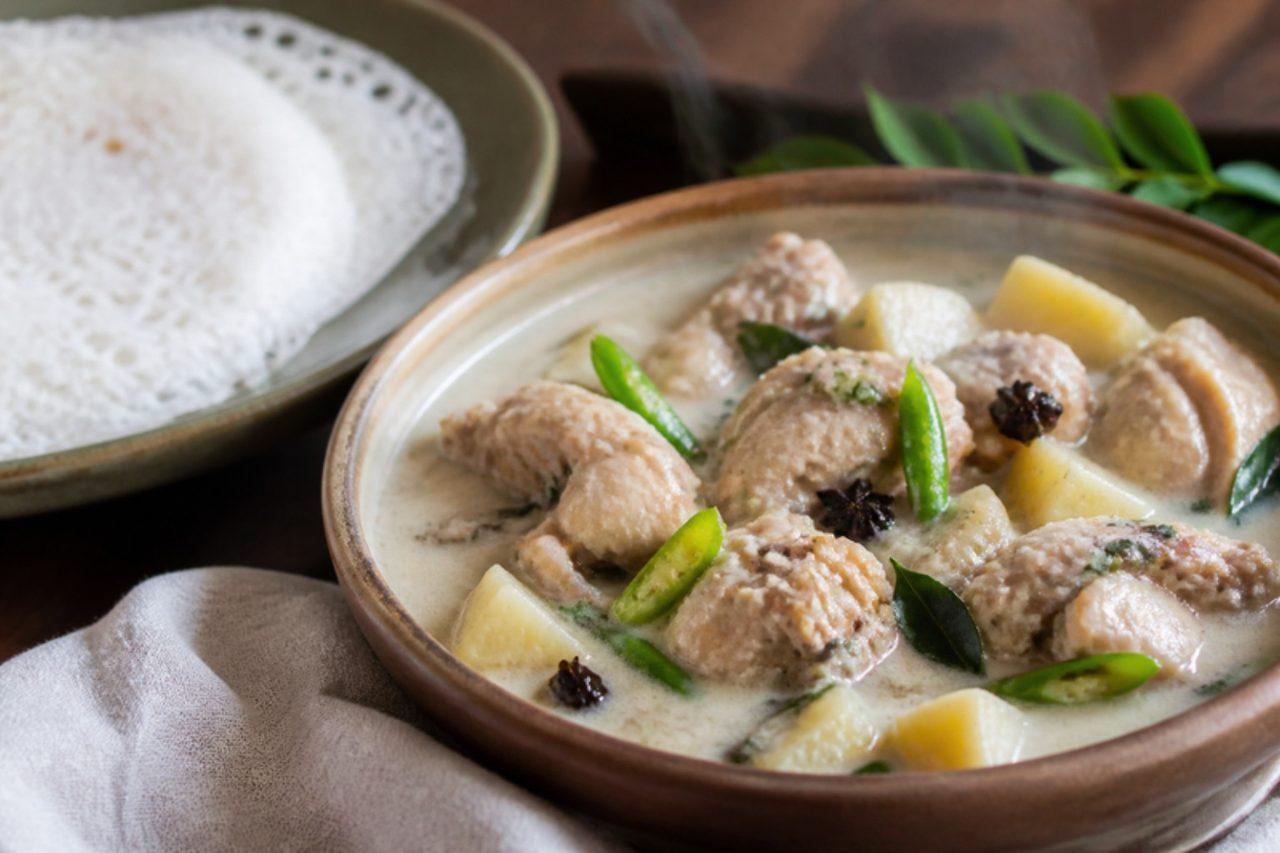
Kerala chicken stew

Easter morning in a Syrian Christian home in Kottayam or Thrissur means lacy appam and a pot of chicken ishtu, and the same stew is the classic breakfast in Kochi's old hotels: bone-in chicken and potatoes simmered in coconut milk with cinnamon, cloves, cardamom, ginger and green chilli until tender. It is creamy, fragrant and mild enough for children. A portion is about 390 kcal; skinless thighs and part-thin coconut milk keep it lighter than most. The mistake most people make is cooking the potatoes in the thick coconut milk from the start, so the milk splits by the time the chicken is done; cook in the thin milk and add the thick at the end. Chef's tip: fry a few slices of shallot in coconut oil and scatter them over just before serving; it adds a sweet, toasted edge.

by KrazyBadal 0 views

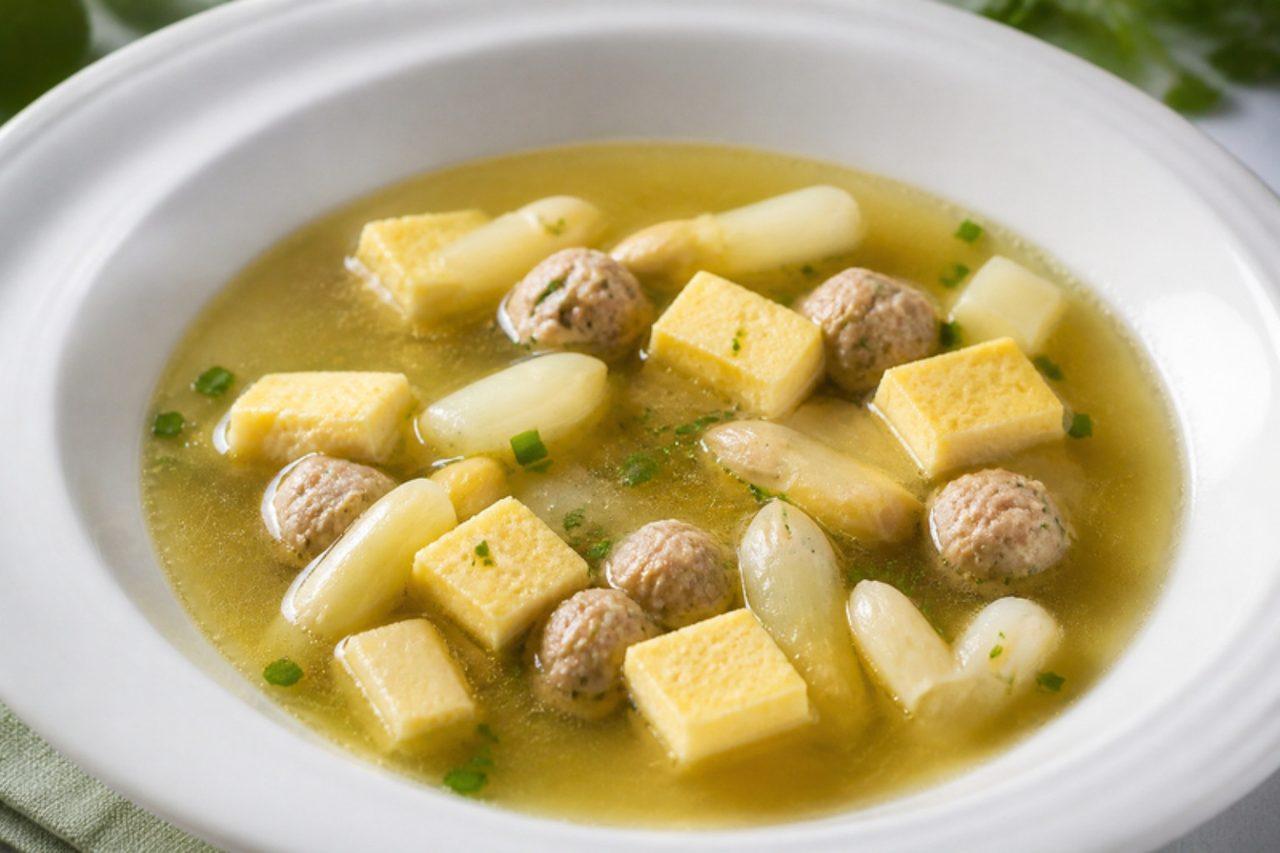
HochzeitssuppeWedding soup with meatballs

At weddings in Lower Saxony and Westphalia the meal begins with this soup, often served at village inns around Hanover and Münster long before the roast arrives. A clear beef broth carries three garnishes: tiny meatballs of beef and pork, cubes of Eierstich (a steamed egg custard) and pieces of asparagus or peas, so every spoonful has something different. It can be prepared in stages a day ahead, which is why it suits a crowd. A common mistake is boiling the meatballs hard, which clouds the broth. Chef's tip: poach the meatballs separately in salted water, then add them to the clear broth just before serving.

180 minGermanSoups
by KrazyBadal 0 views

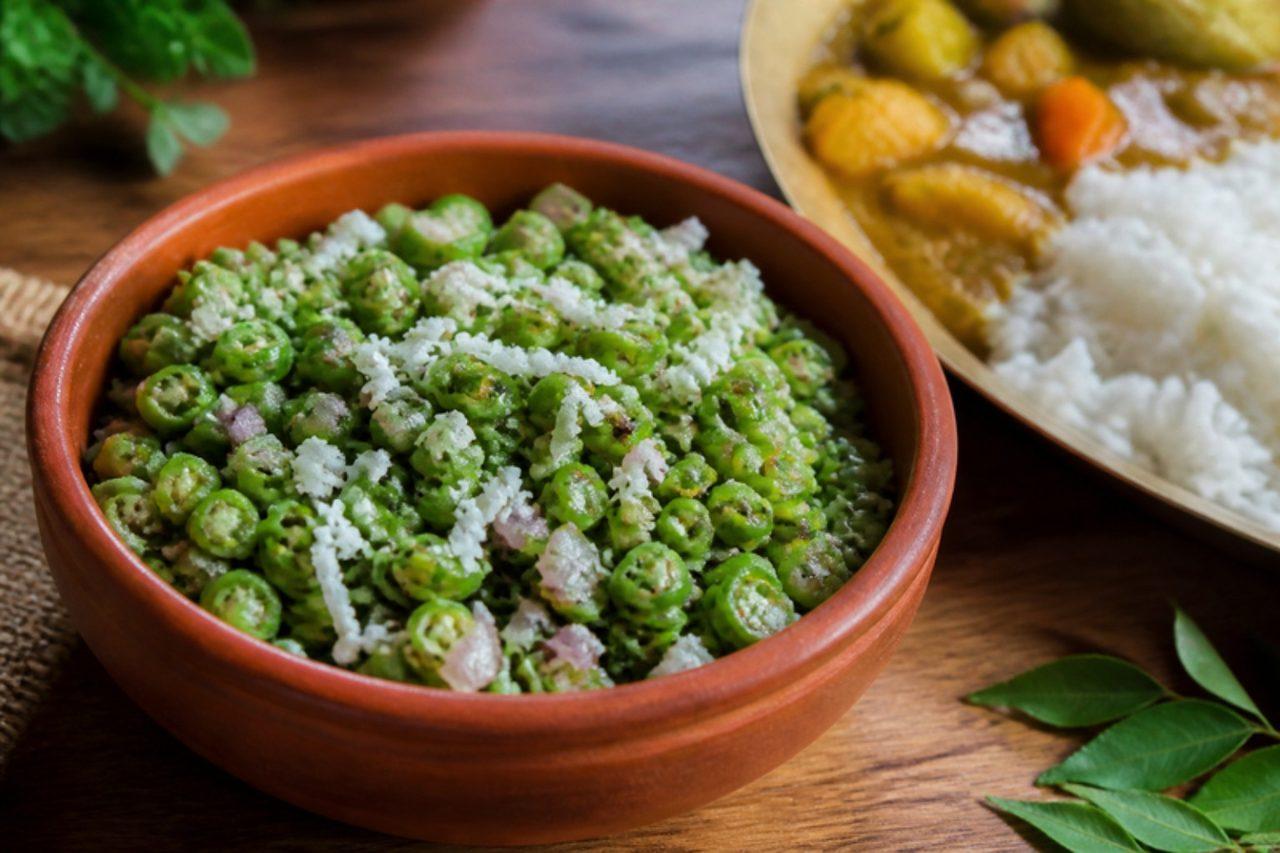
Beans foogathGreen beans with coconut

Foogath is the everyday vegetable of Goan Catholic homes in Margao and Panjim, a dry stir-fry of finely chopped beans, cabbage or gourd with onion, green chilli and plenty of freshly scraped coconut, eaten on the side of fish curry rice at Sunday lunch or with plain rice and dal at a weekday supper. It is mild, sweet and fresh-tasting. A portion is about 120 kcal. The common mistake is cooking the beans too long in a covered pan, which turns them khaki; cook them quickly and keep them bright green. Chef's tip: chop the beans very fine, almost into small rounds; that is the Goan way, and it lets them cook in a few minutes.

by KrazyBadal 0 views

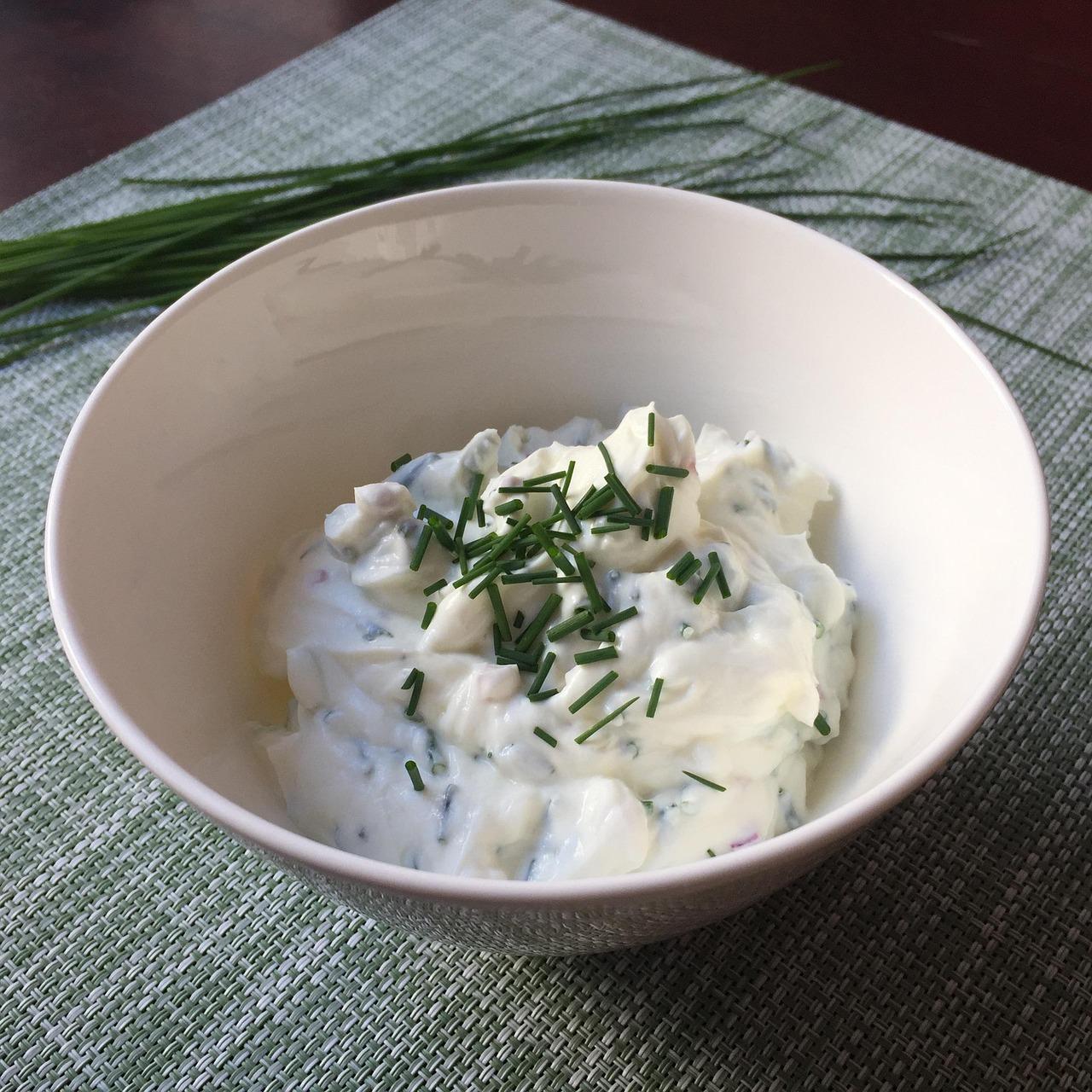
KräuterquarkHerb quark

On summer evenings across Germany, from Hamburg allotments to Swabian farmhouse kitchens, a bowl of herb quark sits in the middle of the Abendbrot table with rye bread, radishes and boiled new potatoes. Fresh low-fat quark is loosened with a little milk and linseed or sunflower oil, then packed with chopped chives, parsley and dill and a hint of garlic, so it tastes cool, tangy and green. It also goes on jacket potatoes at the fair and next to grilled vegetables at a barbecue. The usual mistake is chopping the herbs ahead and letting them sit, which turns them dark and bruised. Chef's tip: let the finished quark rest in the fridge for 20 minutes so the garlic mellows and the herbs flavour the whole bowl.

by KrazyBadal 0 views

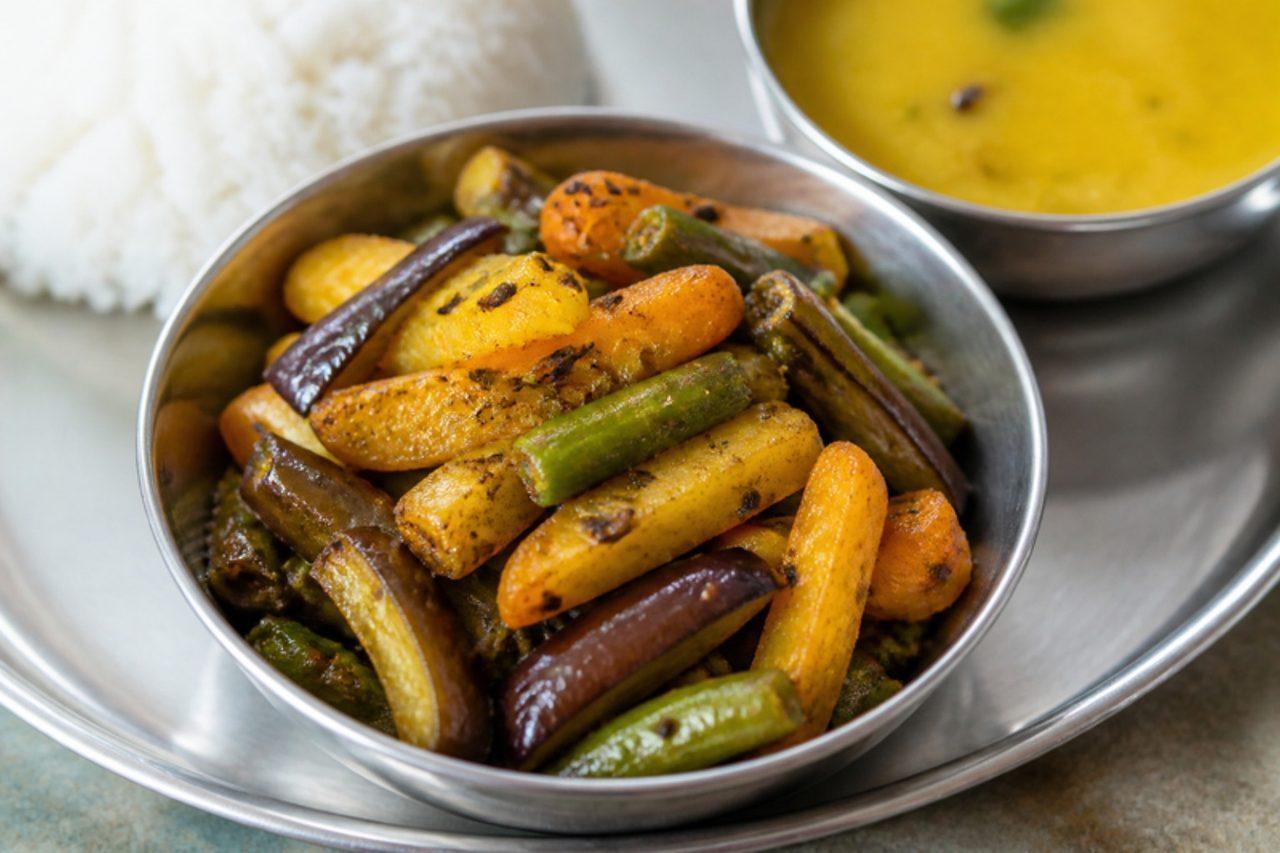
ChorchoriMixed vegetable stir-fry

Chorchori is the thrifty everyday dish of Kolkata kitchens, where whatever vegetables are in the basket, pumpkin, potato, aubergine, radish, beans, are cut into sticks and cooked down slowly with panch phoron and mustard oil until the pan is dry and the bottom catches a little. Bengalis love that slightly caramelised scrape at the bottom of the pan. It is eaten with rice and dal at lunch. A portion is about 150 kcal. The usual mistake is stirring too much, which breaks the vegetables into mush; once the lid is on, leave it and just shake the pan. Chef's tip: add a teaspoon of mustard paste or a pinch of sugar at the end, as many Bengali homes do; it rounds out the flavour.

by KrazyBadal 0 views

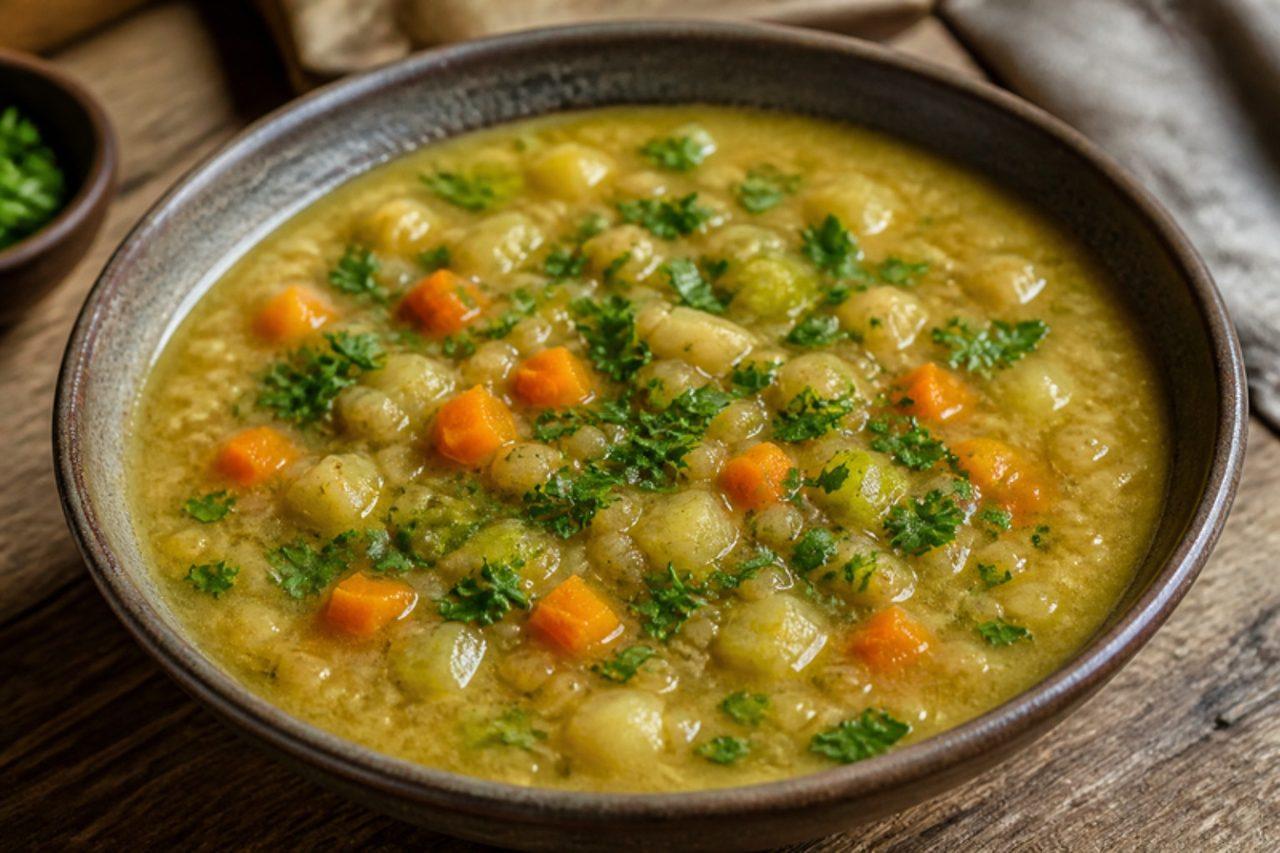
GrünkernsuppeGreen spelt soup

Grünkern is spelt harvested half-ripe and dried over beech smoke, a trick farmers in the Bauland and Odenwald of northern Baden and Lower Franconia used when wet summers threatened the crop. Around Boxberg and Walldürn the cracked grains still go into a thick, nutty soup for autumn and winter weekday lunches, often followed by something sweet. The grains simmer with leek, carrot and celeriac until they burst and thicken the broth, and a spoon of cream and plenty of parsley go in at the end. Chef's tip: toast the cracked Grünkern in the butter until it smells like smoky popcorn before adding any liquid; skipping this leaves the soup flat and grey.

by KrazyBadal 0 views

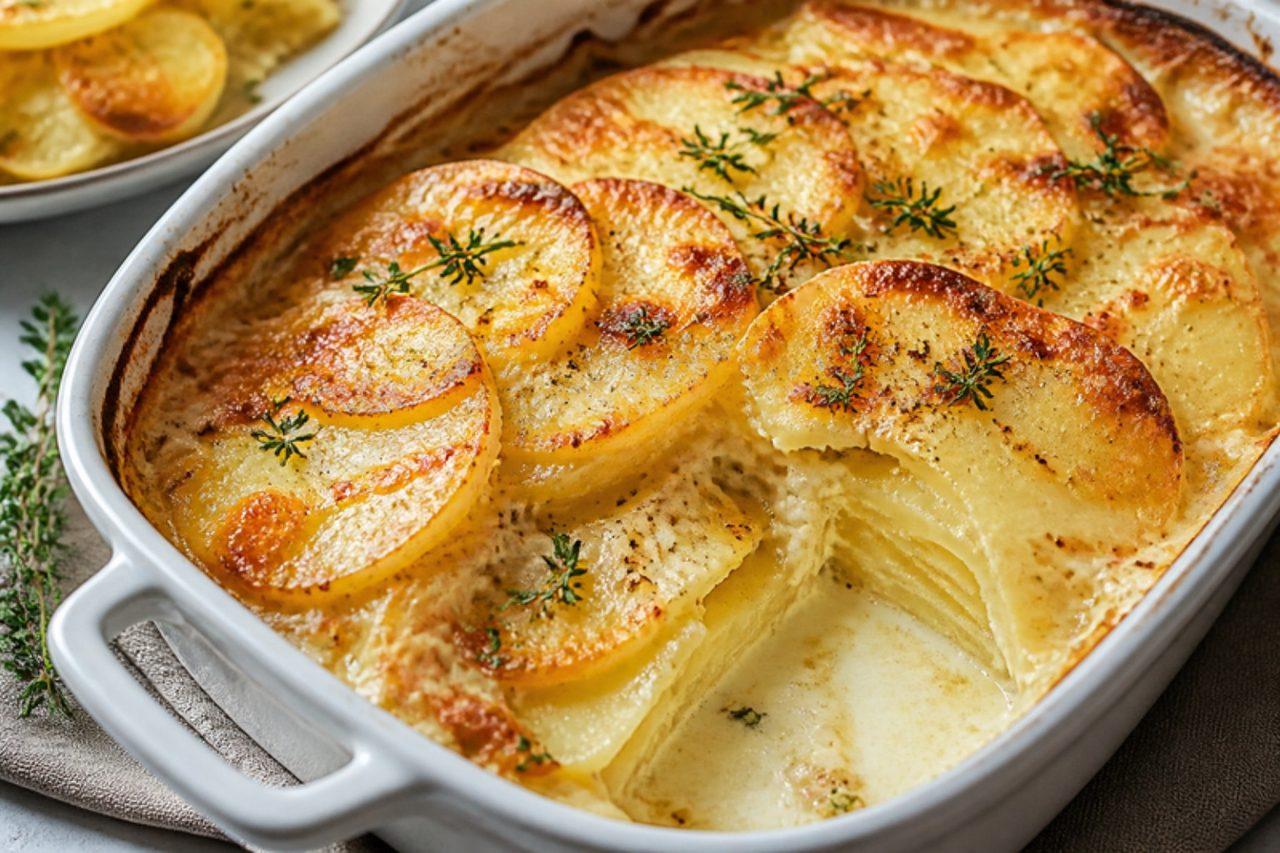
KartoffelauflaufPotato bake

Kartoffelauflauf is the bake German parents turn to on busy weekdays, from Hanover flats to farmhouses in the Allgäu: thin slices of potato layered in a dish, covered with a custard of eggs, milk and cream and topped with cheese, then baked until golden and set. It is often a complete meal with a green salad, though some add leeks or ham between the layers. The common mistake is cutting the potatoes too thick, so they are still hard when the top is brown. Chef's tip: use a mandoline or slice about 3 mm thick. Hard cheeses such as Emmental are traditionally made with animal rennet, so pick a vegetarian cheese.

by KrazyBadal 0 views

Ragi dosaFinger millet dosa

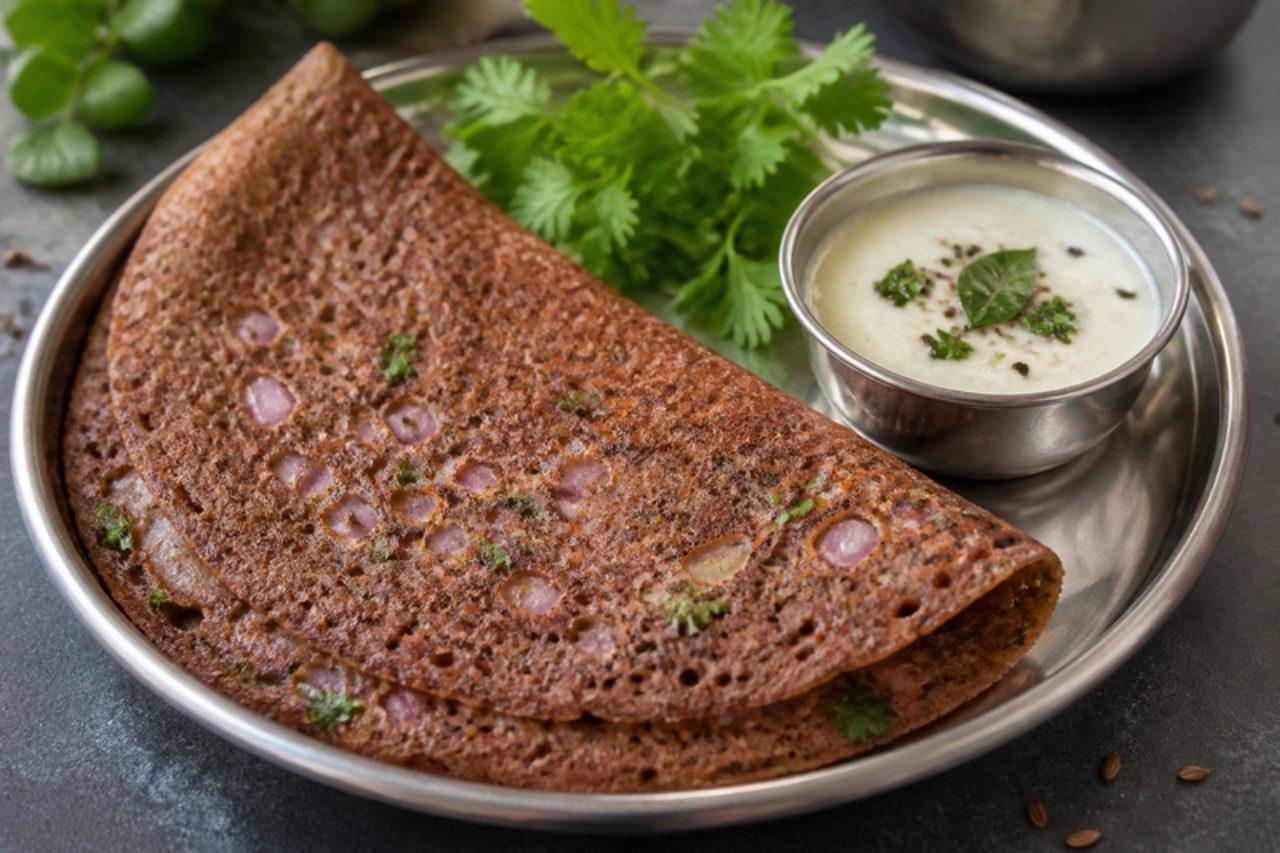
Around Mysuru and the farming villages of south Karnataka, ragi is the everyday grain, and this no-ferment dosa is how many homes use it at breakfast when there is no idli batter in the fridge. Finger-millet flour is whisked with a little rice flour, onion and green chilli into a thin batter that is poured, not spread, so it sets into a lacy, crisp, dark brown crepe. Serve with coconut chutney or sambar. Two dosas are about 210 kcal. The usual mistake is spreading the batter like a normal dosa; ragi batter is too thin, so pour it from a height in a circle and fill the gaps. Chef's tip: let the batter rest for 10 minutes before cooking; the flour drinks up water and the dosas hold together better.

by KrazyBadal 0 views

ParadiesäpfelCandy apples

Paradiesäpfel shine from the sugar stalls at German fairs and Christmas markets, from the Cannstatter Wasen to the Hamburg Dom: small tart apples on wooden sticks, dipped in a glassy red sugar glaze that cracks when you bite it. Children often get them on the way home from the rides in autumn. The glaze is just sugar, water and a drop of vinegar boiled to the hard-crack stage, so a sugar thermometer helps. The most common mistake is using wet or waxed apples, which makes the glaze slide off. Chef's tip: scrub the apples in hot water and dry them completely first, then dip quickly and twist so the excess drips back into the pan.

by KrazyBadal 0 views

FleischsalatSausage salad

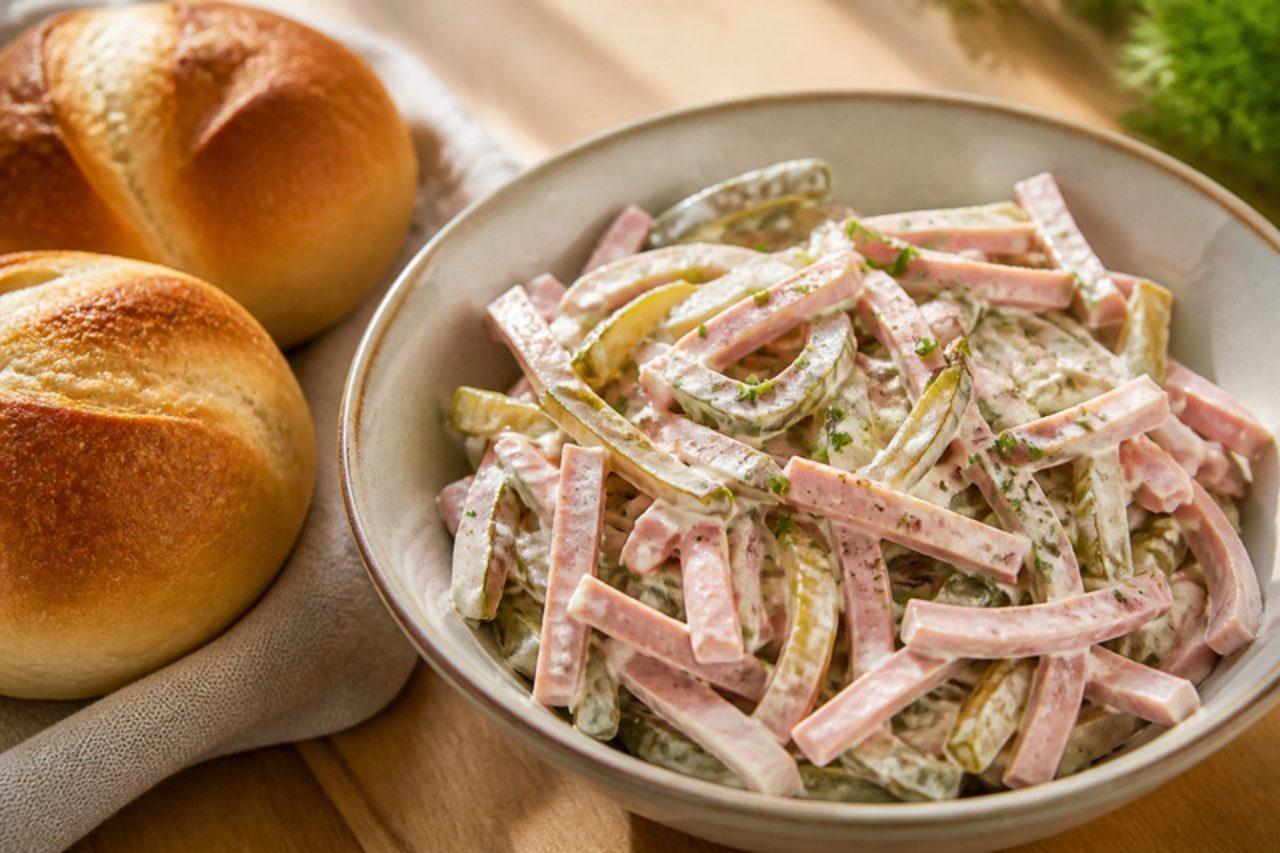
Every German butcher sells Fleischsalat in tubs, and it is spread thickly on bread rolls for Abendbrot or a workday second breakfast from Cologne to Leipzig. It is made from Lyoner or Fleischwurst, a mild cooked pork sausage, cut into fine strips and folded into mayonnaise with gherkins and a little of their brine. Making it at home lets you use less mayonnaise and add yoghurt for freshness. A common mistake is cutting the sausage into thick chunks, which makes it heavy; thin matchsticks are what you want. Chef's tip: chill it for an hour before serving so the gherkin brine flavours the sausage.

by KrazyBadal 0 views

SteckrübeneintopfSwede stew

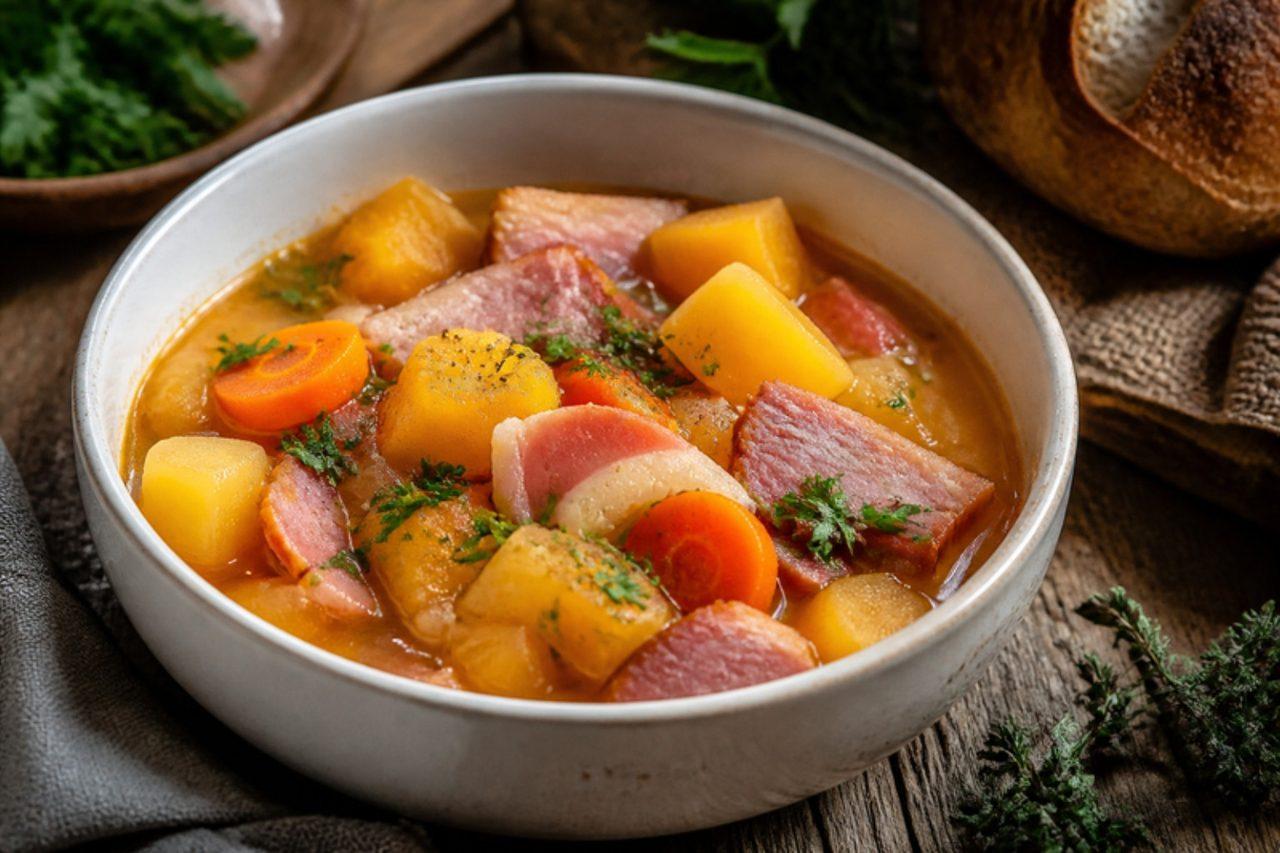
Swede carries hard memories in northern Germany, where it fed families through the 'turnip winter' of 1916–17, yet in Mecklenburg, Holstein and along the Elbe it is loved again as a sweet, golden winter stew. Chunks of swede, potato and carrot cook down in broth with smoked pork shoulder (Kasseler) until some of the vegetables collapse and thicken the pot, and it is ladled out on frosty days with mustard and dark bread. Expect a mellow, earthy sweetness. The usual mistake is cutting the swede too large; it takes longer than potato, so keep the cubes small. Chef's tip: mash a few ladles of vegetables against the side of the pot at the end for a thick, creamy stew without any flour.

by KrazyBadal 0 views

Patra ni machhiSteamed fish in green chutney

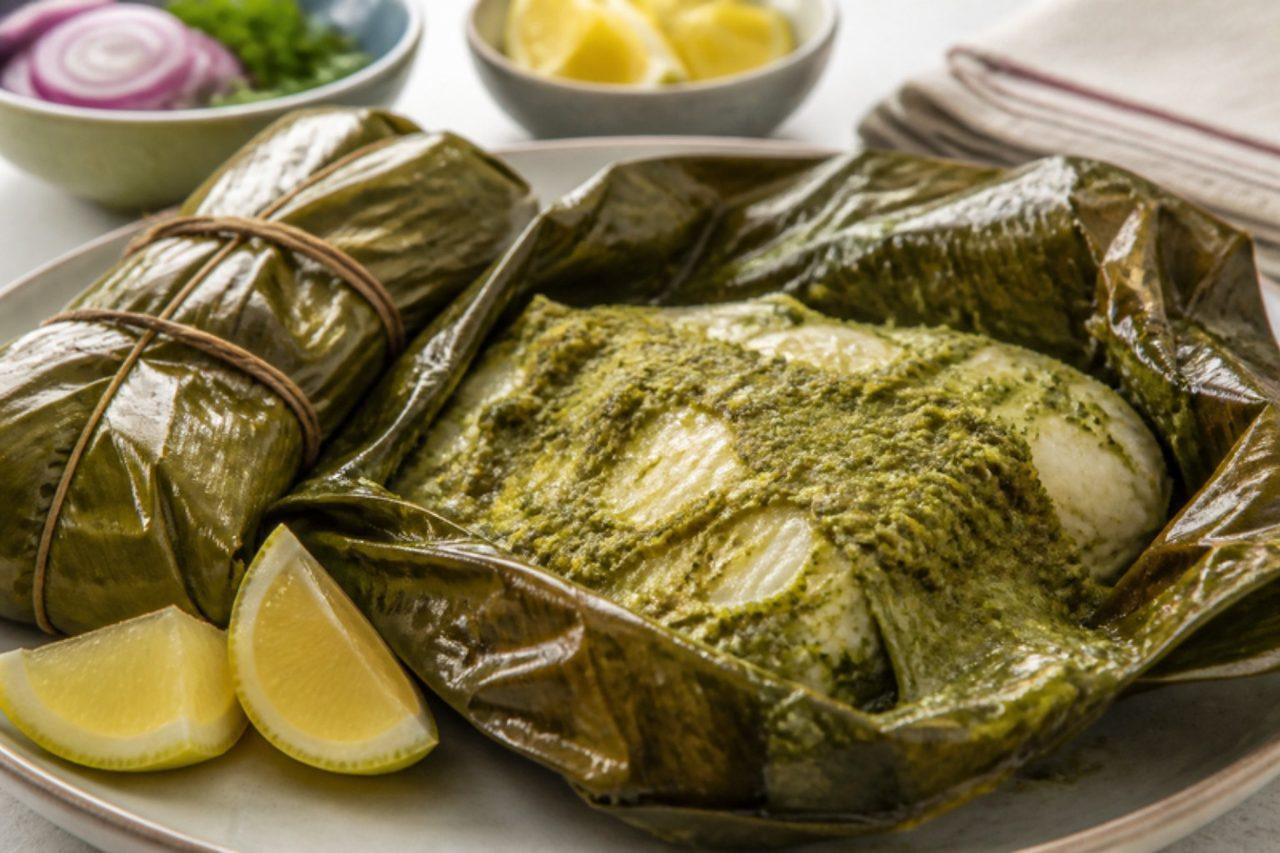
No Parsi wedding feast in Mumbai or Navsari, the lagan nu bhonu, is complete without patra ni machhi: pieces of pomfret smothered in a bright green chutney of coconut, coriander, mint, green chilli and lime, wrapped in banana leaves and steamed. When the parcels are opened at the table the fish is moist and tender and the chutney tangy and fragrant. It is also an easy, light dinner at home. A portion is about 240 kcal. The common mistake is steaming too long: thin fillets need only 12–15 minutes, and overcooked fish turns dry and chalky. Chef's tip: pass the banana leaves briefly over a gas flame or dip them in hot water first; they turn soft and glossy and fold without tearing. Foil works if you can't get leaves.

35 minIndianFishGluten free
by KrazyBadal 0 views

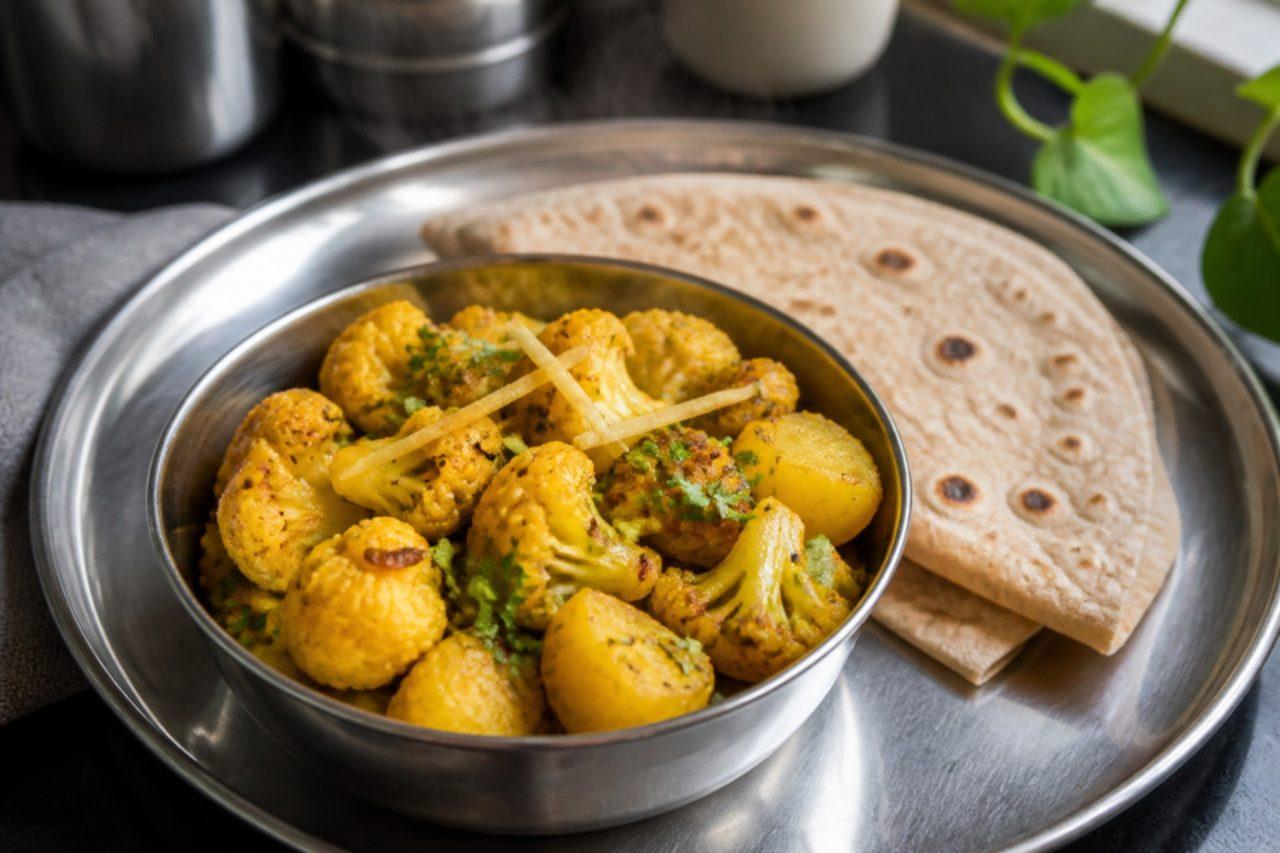
Aloo gobi

In winter, when the Punjab markets are piled with tight white cauliflowers, aloo gobi is on the table in Amritsar and Ludhiana homes several times a week, folded into hot phulkas for lunch boxes or eaten with dal and rice at night. This is the dry home version, not the oily dhaba one: florets and potato cubes cooked covered in their own steam with cumin, ginger, turmeric and green chilli, then uncovered so the edges brown a little. A portion is about 175 kcal. The most common mistake is adding water, which boils the cauliflower to mush; the lid and a low heat do the work. Chef's tip: cut the potatoes smaller than the florets so they cook in the same time, and don't stir too often, or the florets break.

by KrazyBadal 0 views

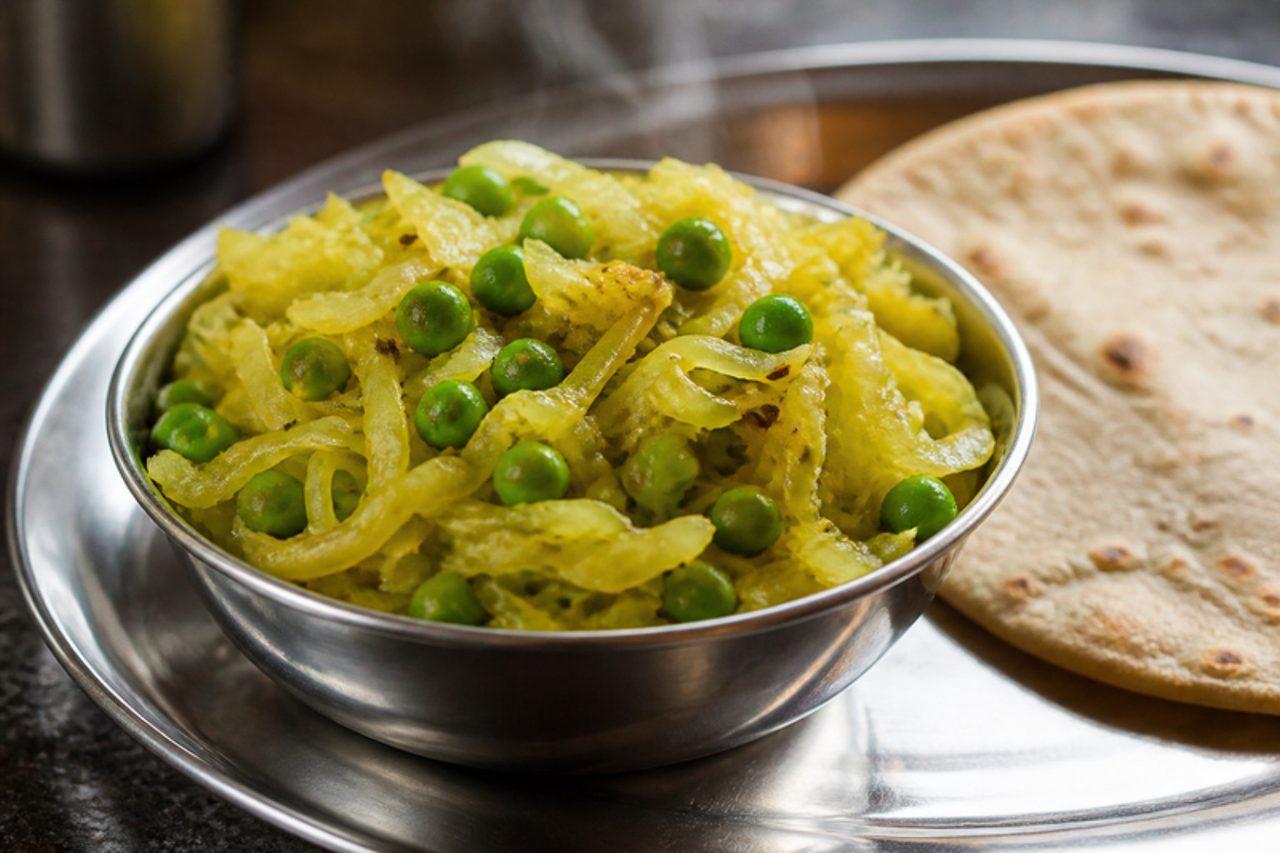
Patta gobhi matarCabbage and pea stir-fry

This is one of the plainest and most loved dishes of North Indian home cooking, made in Kanpur, Dehradun and Delhi on any weeknight when the fridge holds half a cabbage: finely shredded cabbage and green peas cooked fast with cumin, green chilli and turmeric until just wilted, still with some crunch. It goes into lunch boxes with ajwain parathas or onto the dinner thali with dal. A portion is about 110 kcal. The most common mistake is covering it for too long, which makes the cabbage watery and gives it a sulphur smell; cook it mostly uncovered on a fairly high heat. Chef's tip: shred the cabbage as finely as you can with a sharp knife; thin ribbons cook in five minutes and soak up the spices evenly.

by KrazyBadal 0 views

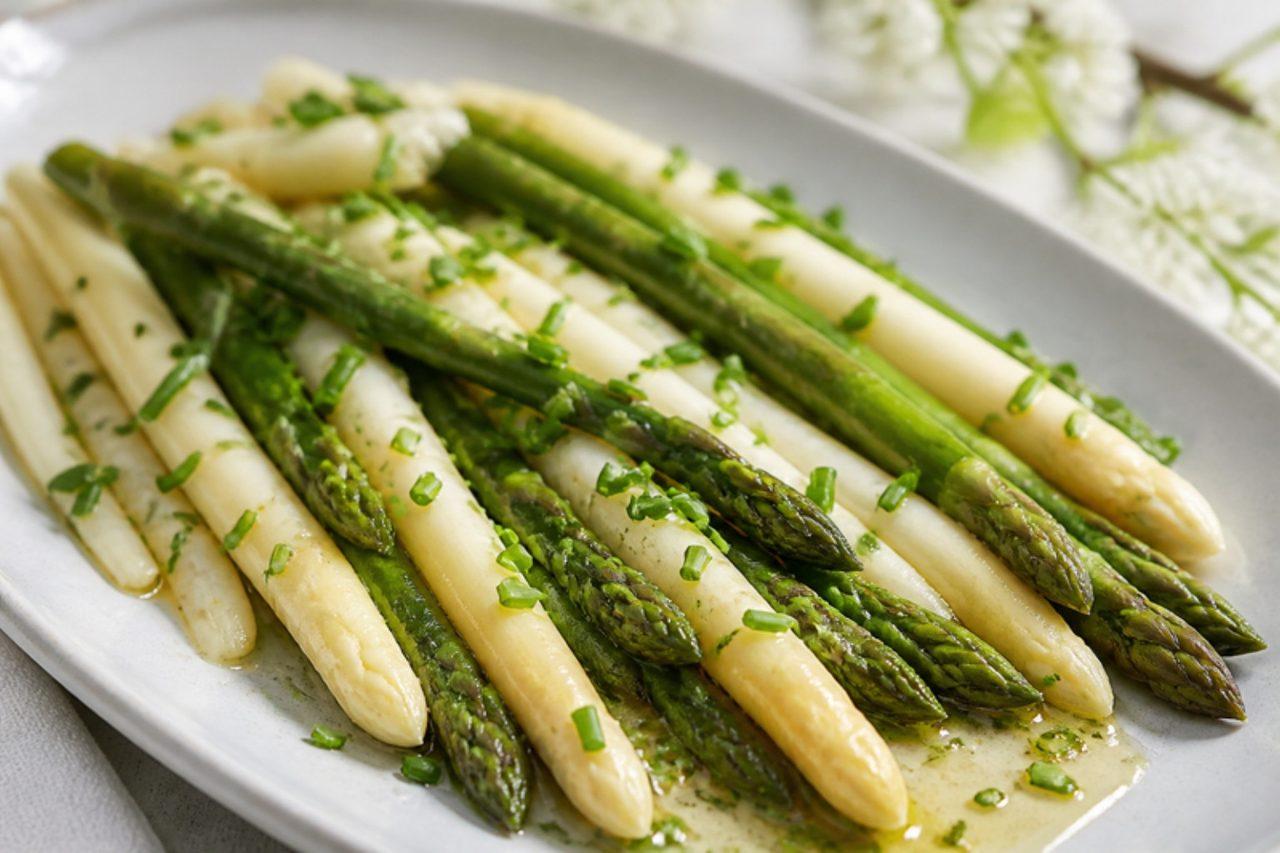
SpargelsalatWarm asparagus salad

Asparagus farms along the Baden Spargelstraße and in the Lüneburg Heath sell their spears straight from roadside huts in May, and this lukewarm salad is how many households there eat the first bundle. White and green spears are cooked just tender, cut into lengths and dressed while warm in a sharp vinaigrette of white wine vinegar, mustard, shallot and plenty of chives, so they soak up the flavour. It goes with new potatoes, or as a light lunch with bread. A frequent mistake is overcooking white asparagus until it is limp and stringy. Chef's tip: dress the spears while still warm and leave them for 15 minutes; cold asparagus barely absorbs the dressing.

by KrazyBadal 0 views

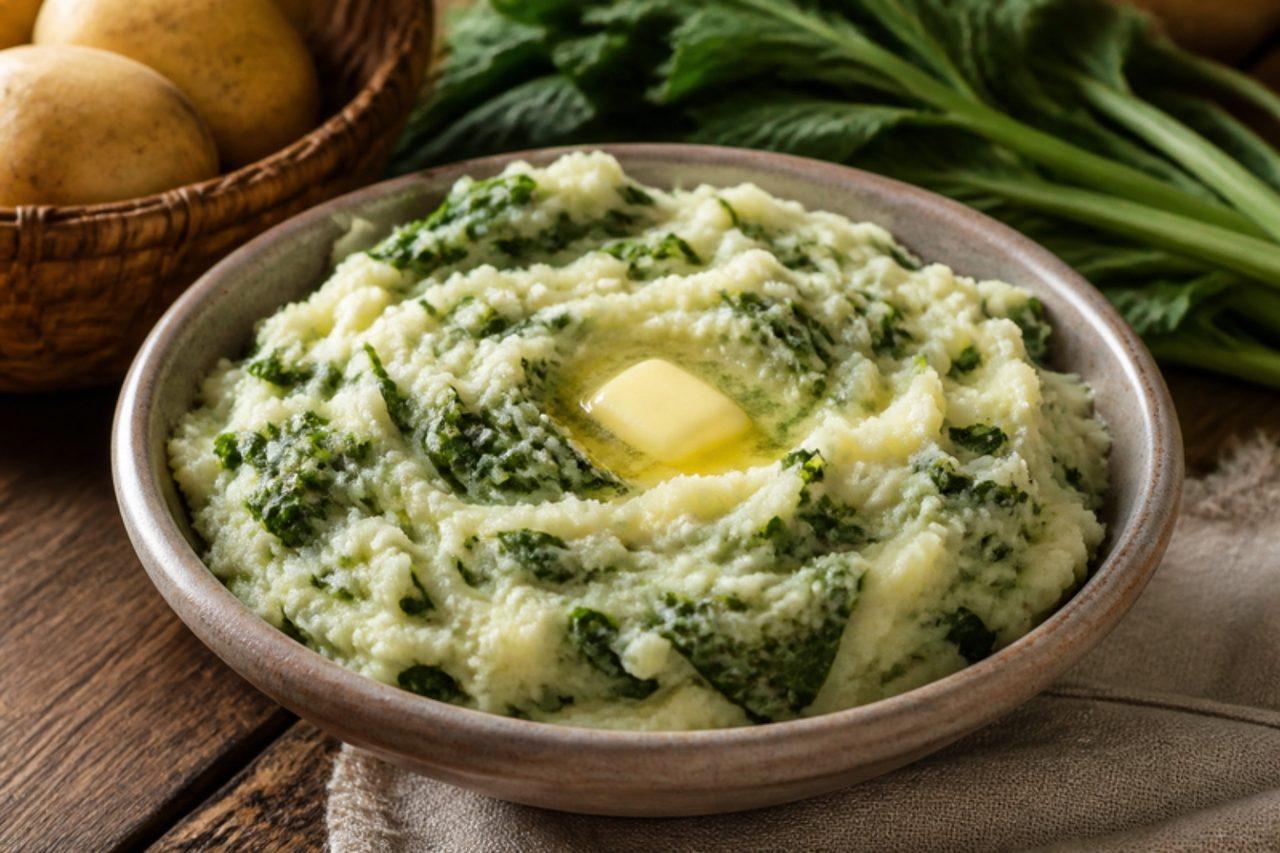
StielmusTurnip greens mash

Stielmus, also called Rübstiel, is the young stalks and leaves of turnips, sold in bunches at markets in Cologne, Düsseldorf and the Münsterland only in spring and early autumn. Rhinelanders chop them and cook them with potatoes, then mash everything together with butter and nutmeg into a green, slightly peppery mash. It is traditionally eaten with bacon or sausage, but works as a vegetarian main with a fried egg. A common mistake is chopping the stalks too coarsely, which leaves stringy pieces. Chef's tip: if you cannot find Stielmus, a mix of turnip tops and chard gives a similar mild bitterness.

by KrazyBadal 0 views

Spargel mit KratzeteAsparagus with torn pancake

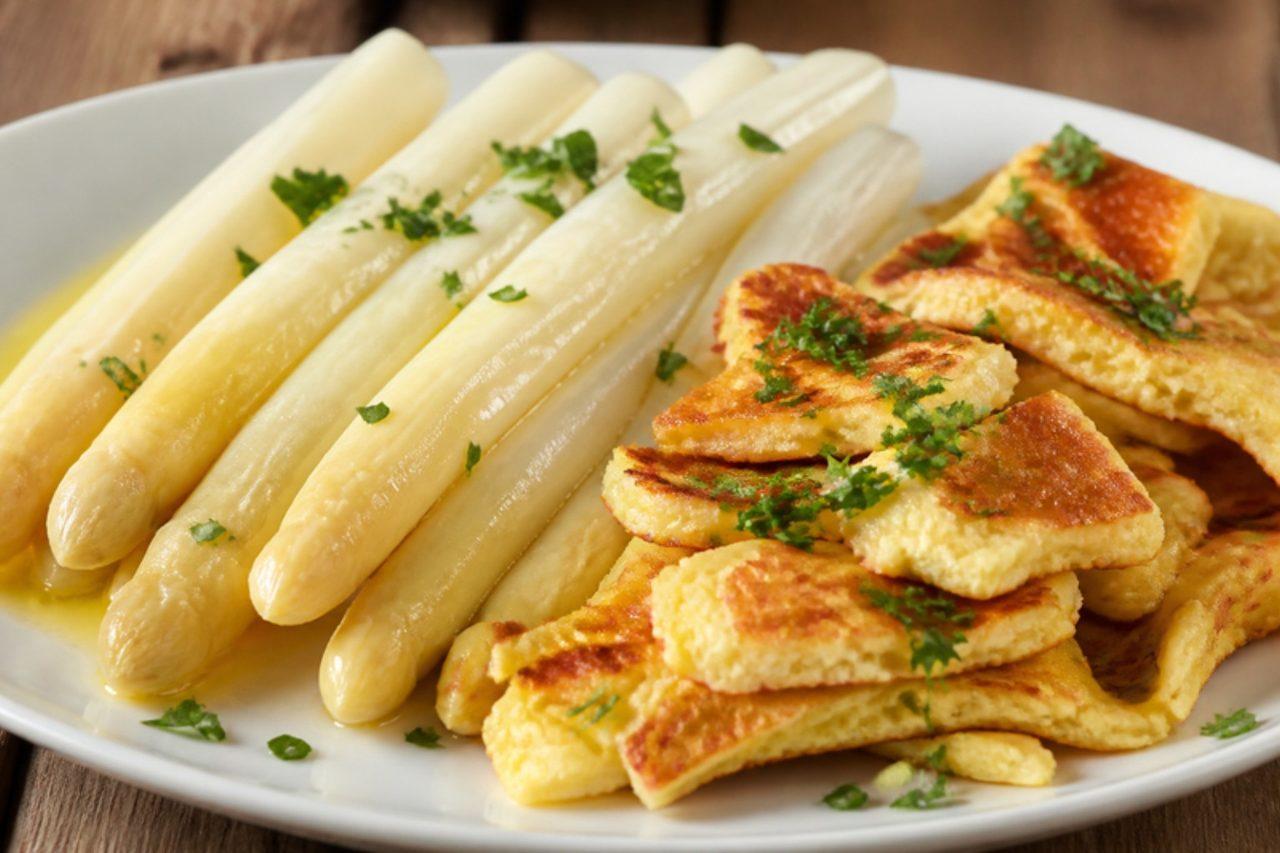
In the asparagus villages near Bruchsal and Schwetzingen in Baden, Kratzete is what goes on the plate beside the spears: a thick egg pancake that is torn ('scratched') into ragged pieces in the pan with two forks and fried in butter until crisp at the edges and soft inside. Melted butter or hollandaise goes over everything, and in spring inns serve it as a full vegetarian main. Many families add raw ham on the side, but it is complete without. Keeping the batter thin is the mistake; it needs to be thick enough to coat a spoon, or the pieces fall apart. Chef's tip: let the batter rest for 20 minutes so the flour swells and the Kratzete turns out fluffy.

by KrazyBadal 0 views

Folienkartoffel mit KräuterquarkBaked potato with herb quark

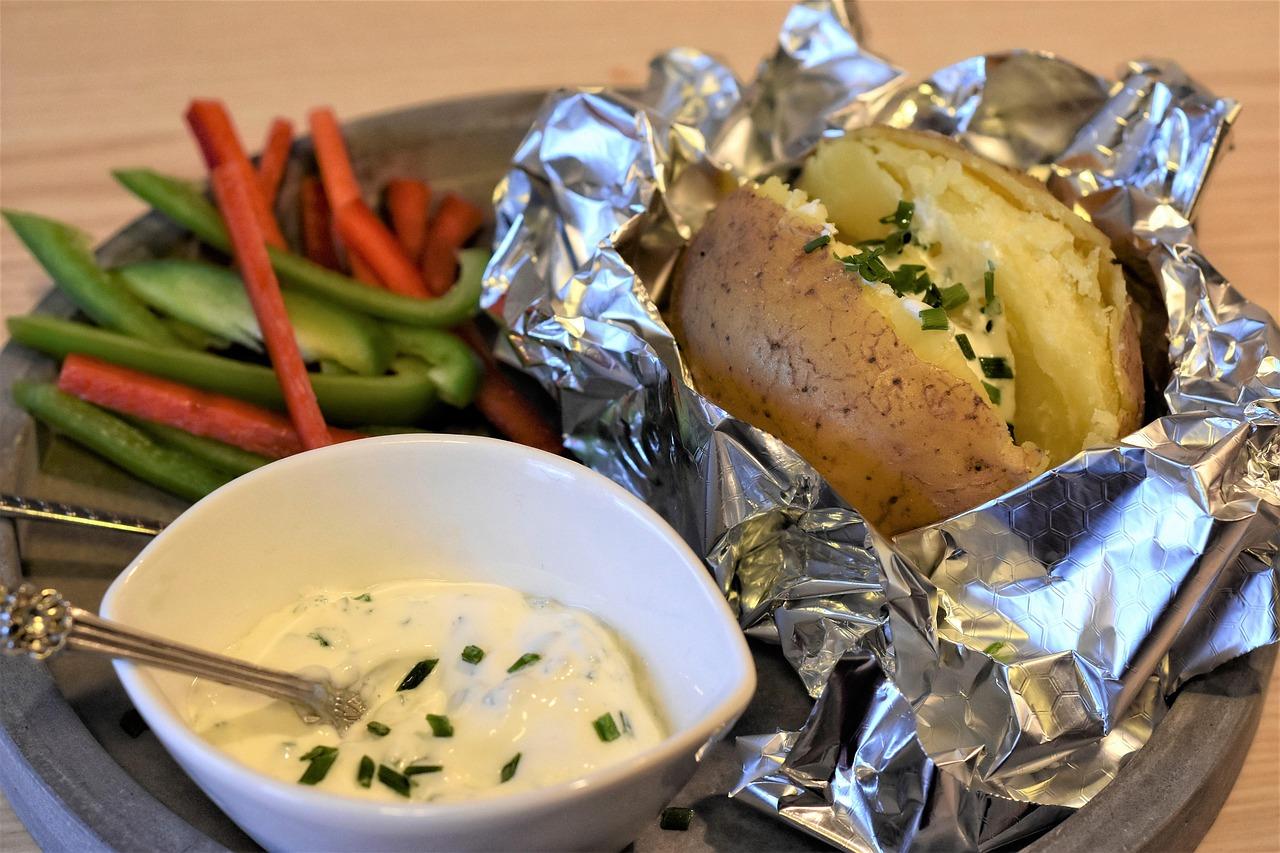
Wrapped in foil and split open, Folienkartoffel is what queues form for at Christmas markets, village fairs and summer barbecues across Germany, and it is just as easy at home in the oven or in the embers of a grill. A large floury potato bakes until fluffy, then gets a big spoon of cold Kräuterquark with chives, parsley and garlic, sometimes with sweetcorn or grated cheese too. The contrast of hot potato and cool, tangy quark is the whole point. A common mistake is choosing waxy potatoes, which stay dense. Chef's tip: prick the potatoes and rub them with oil and coarse salt before wrapping, so the skin turns tender and seasoned.

by KrazyBadal 0 views

Showing 24 of 1,625 recipes

Show more recipes

Page 1 of 68