Skip to content
Recipes

All recipes

Vegetarian, or something you can't eat? Set your diet once and we'll hide recipes that don't fit.

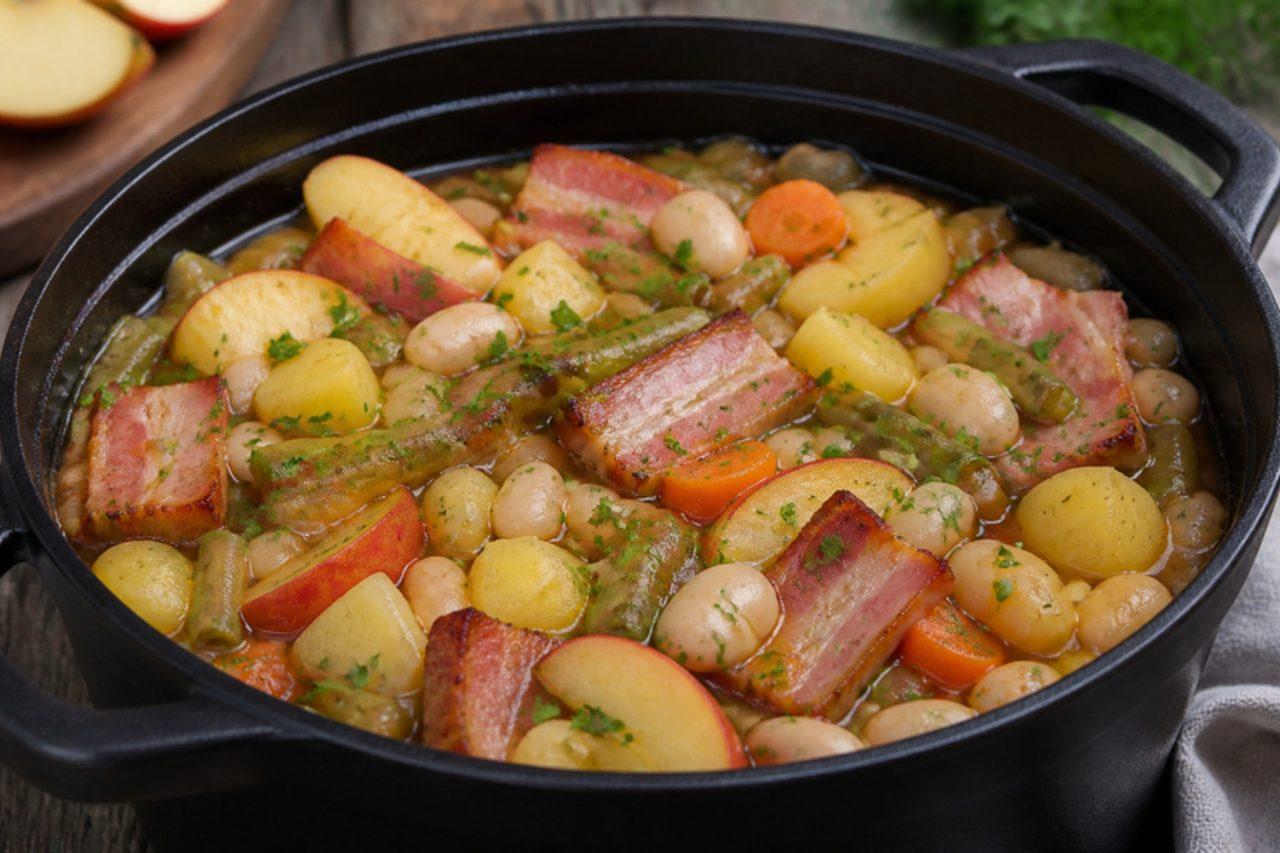
Westfälisches BlindhuhnBean, apple and bacon stew

Blindhuhn, "blind hen", is a late-summer pot from the farms of Westphalia and the Münsterland, made when the garden and orchard give green beans, carrots, apples and pears all at once. It is called blind hen because, as farmers joked, even a blind hen finds a grain in it: the pot holds a bit of everything. White beans, vegetables and fruit cook together with smoked streaky bacon into a sweet-savoury one-pot supper. Leave out the bacon and add a spoon of smoked paprika for a vegetarian pot. Chef's tip: add the apples and pears only for the last 15 minutes so they stay in soft pieces instead of melting away.

by KrazyBadal 0 views

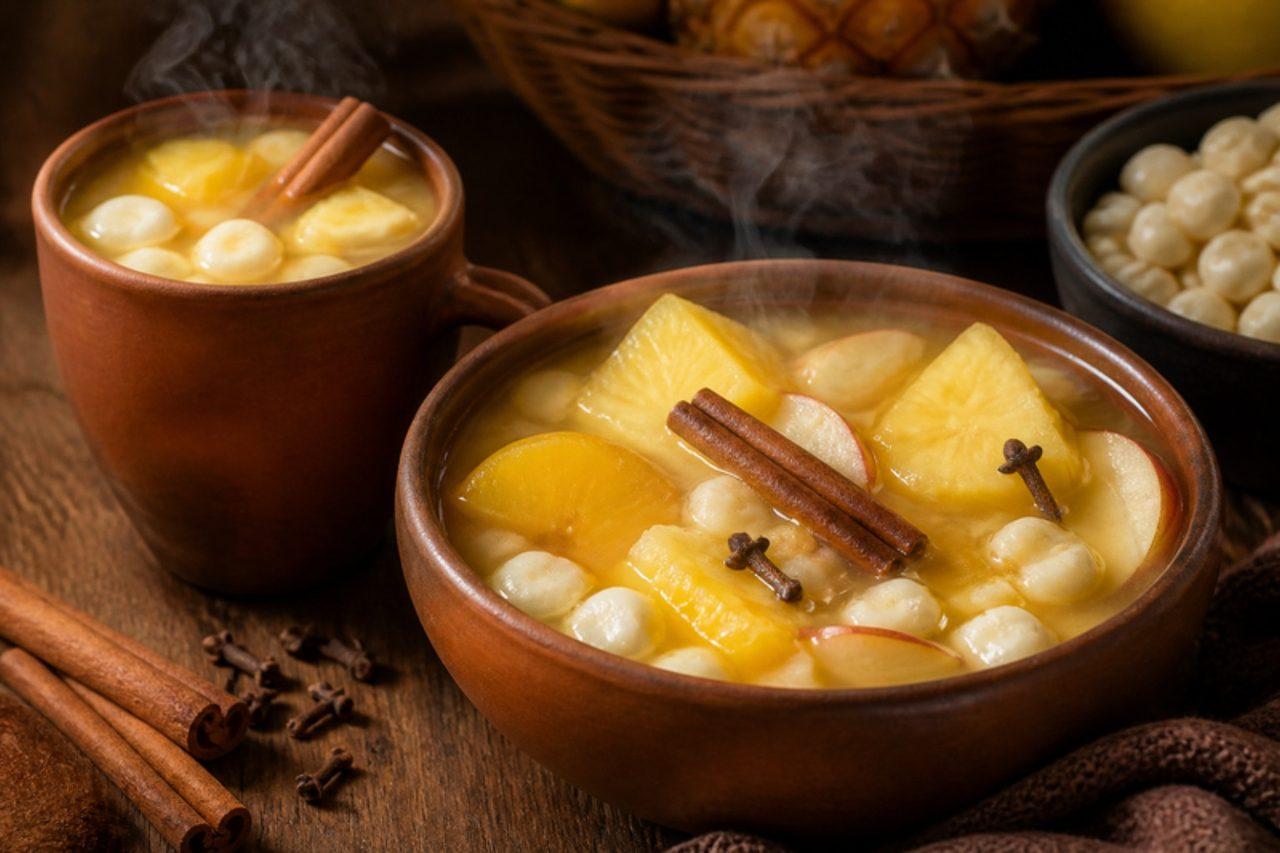
ChampúsMote corn and pineapple drink

When Lima's grey winter sets in, from June to September, champús sellers set up on street corners with big pots of this thick, fruity drink, ladled warm into glasses and eaten as much as drunk. It's made from mote (hulled white corn), simmered with pineapple, quince or apple, soursop, chancaca and warm spices, then thickened lightly with corn flour, so every spoonful has soft fruit and chewy corn in a spiced, molasses-sweet base. It is close in spirit to mazamorra morada but paler and tangier. The mistake people make is adding the thickener straight into the hot pot, where it forms lumps; always slake it in cold water first and pour it in while stirring. Canned or jarred hominy saves hours; frozen soursop (guanábana) pulp is in Latin shops and can be left out. Serve warm in glasses with spoons. Chef's tip: simmer the pineapple peel and core with the spices for the first 20 minutes, then strain them out; they give much of the flavour.

by KrazyBadal 0 views

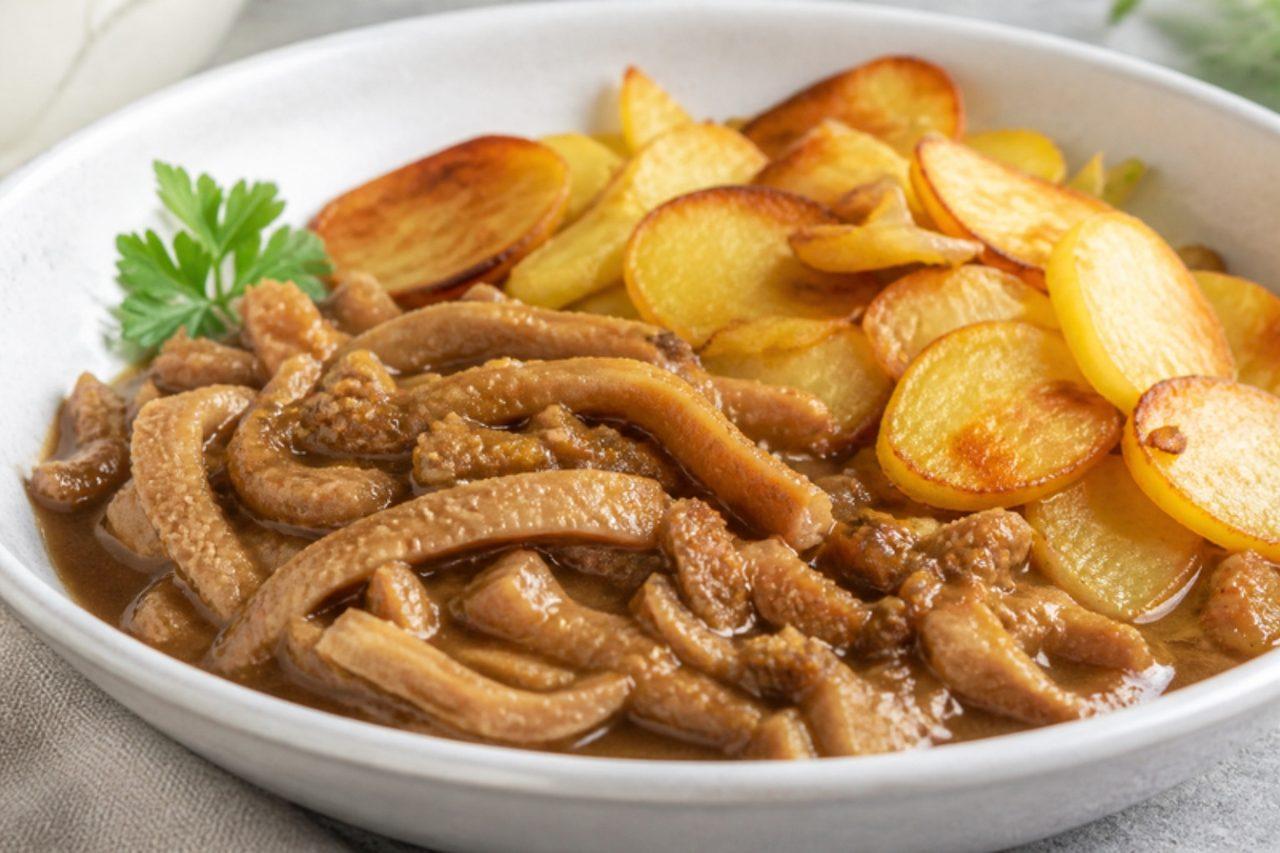
Saure KuttelnTripe in tangy vinegar sauce

Saure Kutteln is old-fashioned Swabian comfort food, still served at Stuttgart's Wasen fairs, in country inns around Reutlingen and Tübingen and by butchers who make it every Thursday. Thin strips of beef tripe are simmered in a dark roux sauce sharpened with vinegar, bay and juniper, and eaten with crisp fried potatoes. Buy tripe that the butcher has already cleaned and blanched. Some cooks add red wine; this version uses only vinegar and stock. Chef's tip: brown the roux slowly until it smells of toasted nuts, because it gives the sauce its colour and depth.

120 minGermanMeat
by KrazyBadal 0 views

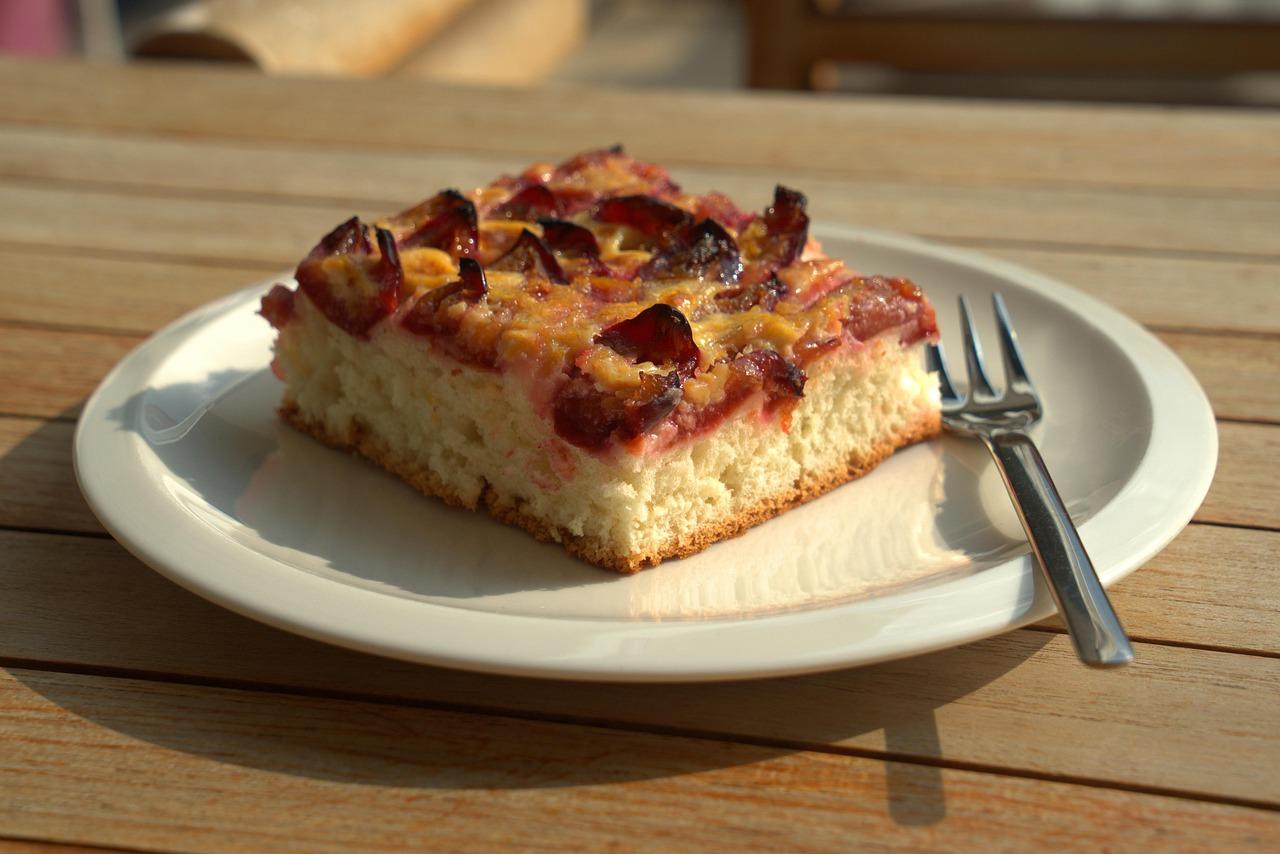
ZwetschgendatschiPlum yeast sheet cake

When the late-summer Zwetschgen (small, oval damson-type plums) arrive at the markets of Augsburg and Munich, every Bavarian and Swabian kitchen bakes a Datschi on the biggest tray it owns. A thin, soft yeast dough is covered edge to edge with plum halves stood upright in tight, overlapping rows, so the juices run and caramelise as it bakes. It is eaten in the afternoon, cut in squares, with a big spoon of whipped cream. A common mistake is using large round plums, which flood the dough with juice and leave it soggy; the firm, oval Zwetschgen hold their shape. Chef's tip: scatter a thin layer of fine breadcrumbs or ground almonds over the dough before the plums go on to catch the juice.

115 minGermanBaking
by KrazyBadal 0 views

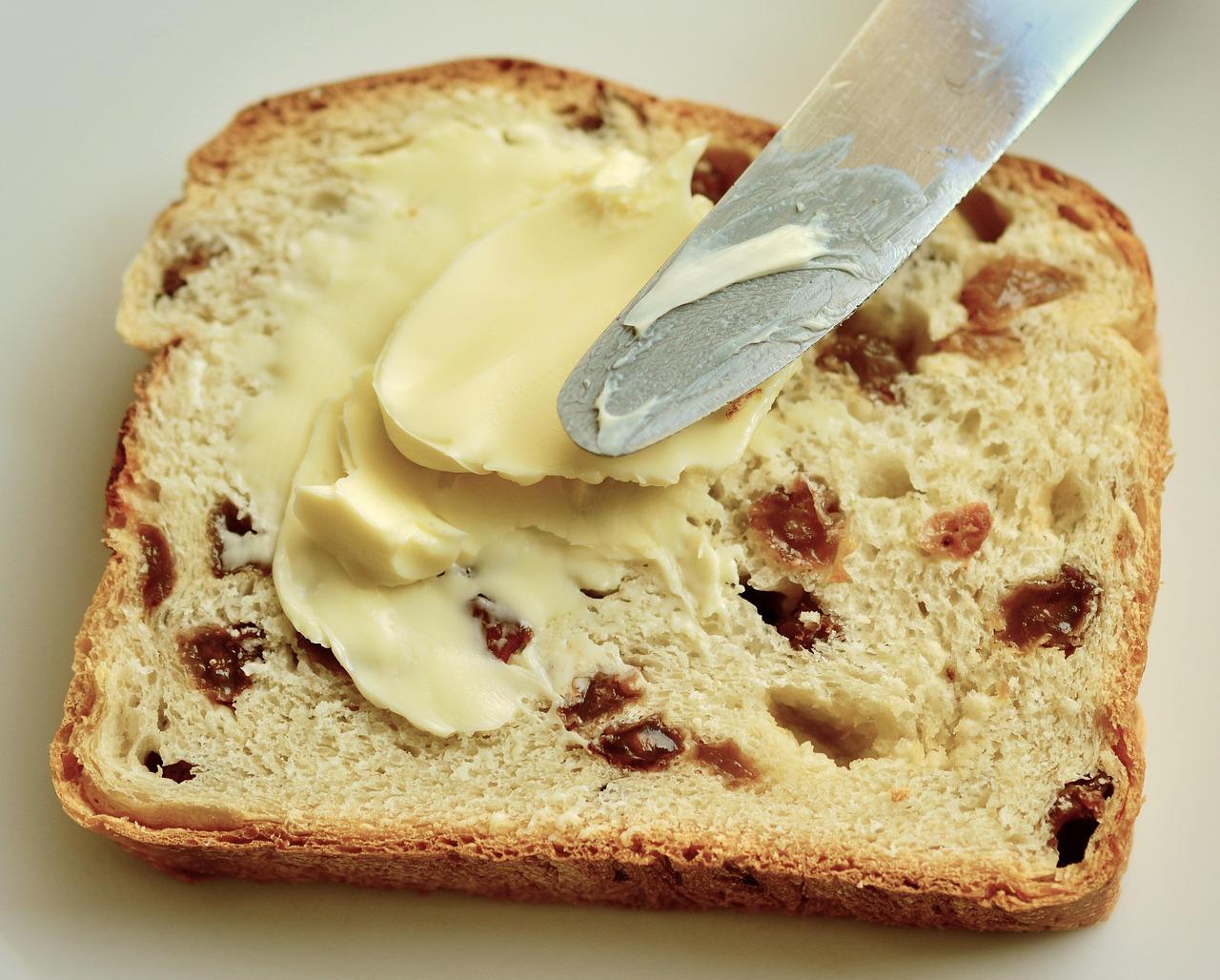
RosinenstutenRaisin milk loaf

Rosinenstuten is the soft, slightly sweet raisin loaf that Westphalian and Rhineland families buy for Sunday breakfast and for christenings, where a giant one was once the traditional gift. It is baked in a long tin, sliced thick and spread with good butter, sometimes with a layer of cheese on top, which sounds odd and works beautifully. The crumb is fine and fluffy and the crust soft and shiny. A common mistake is adding dry raisins straight to the dough; they burn on the crust and steal moisture. Chef's tip: soak the raisins in hot water for 15 minutes, pat them dry and knead them in only at the very end, gently, so the dough stays light.

190 minGermanBaking
by KrazyBadal 0 views

ZwiebelkuchenOnion tart

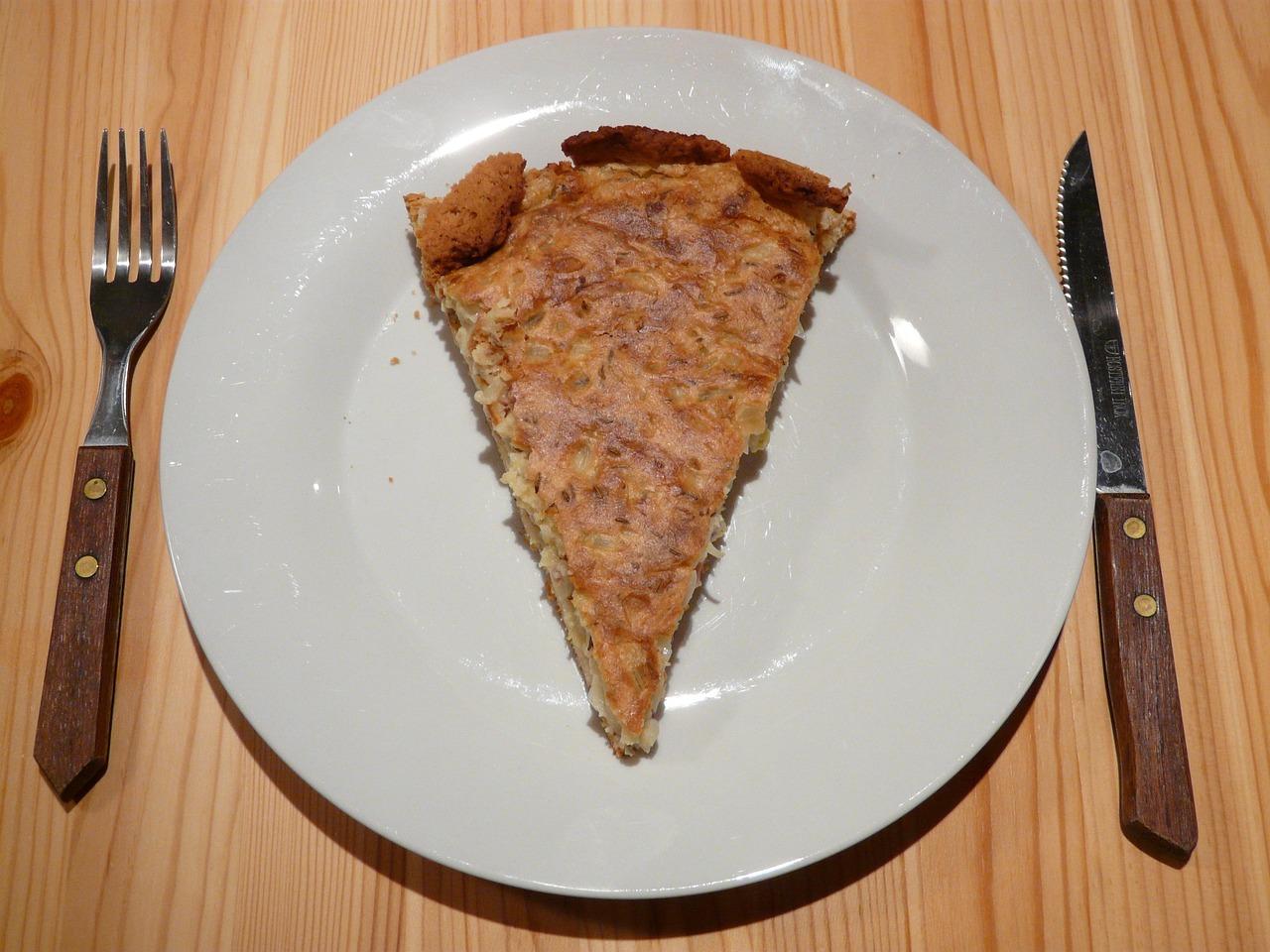
When the grape harvest starts in Baden and the Württemberg vineyards in September, bakeries pull out trays of Zwiebelkuchen: a thin yeast base piled with slowly softened onions under a sour-cream and egg custard, sprinkled with caraway. It is traditionally eaten warm with Neuer Wein or Federweißer, the young, still-fermenting wine; that is alcoholic, so pour cloudy fresh grape juice or apple juice instead, which tastes just as right. Many bakers add bacon; this version is vegetarian. A common mistake is rushing the onions on a high heat: they need 25 minutes on low until soft and sweet but still pale. Chef's tip: cool the onions before adding the custard, or the eggs start setting in the bowl.

by KrazyBadal 0 views

SchäufeleCured smoked pork shoulder

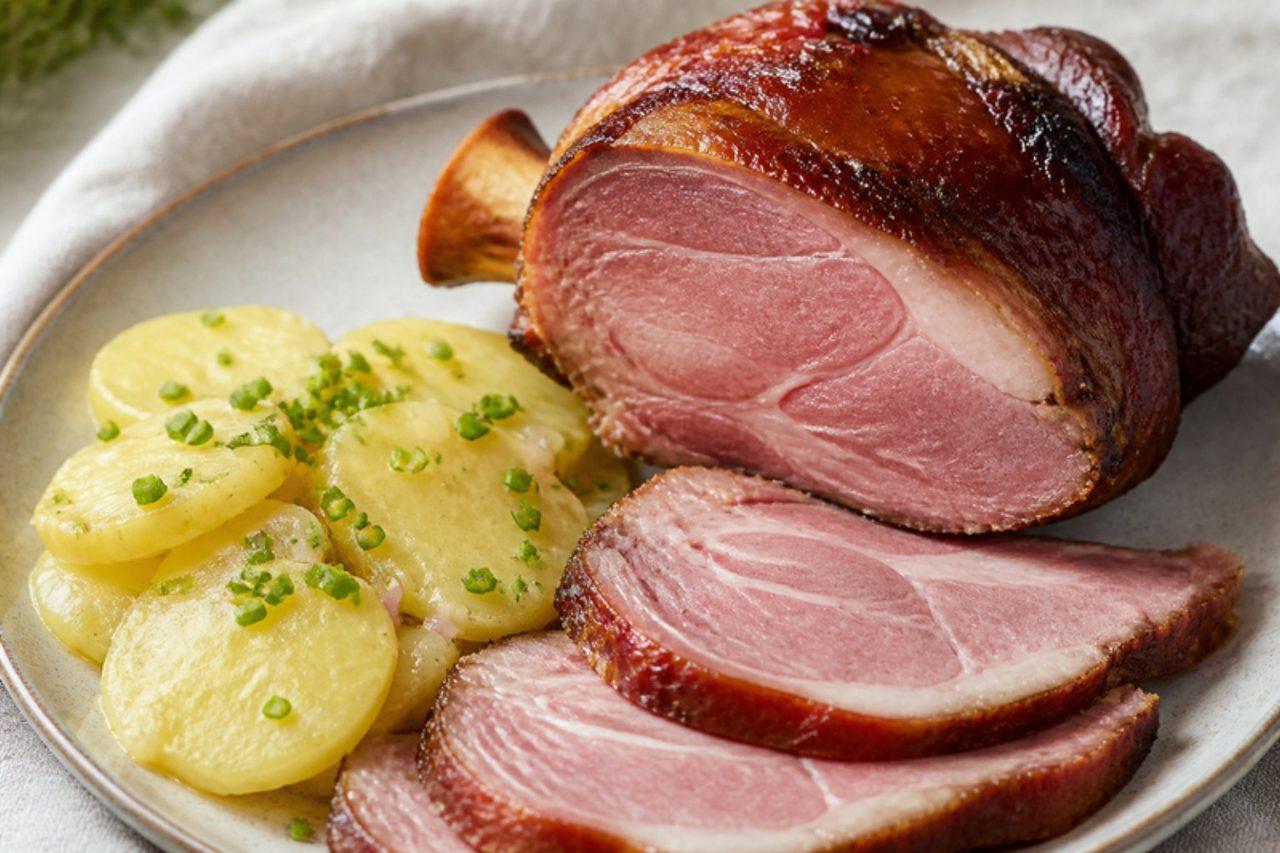
In Baden, Schäufele ("little shovel") is the bone-in pork shoulder blade, cured and lightly smoked by the butcher, and it belongs on New Year's Eve and family get-togethers. It is gently simmered so the meat stays juicy and rosy from the cure, then sliced thick and served with a warm potato salad dressed with broth and vinegar. Ask a German butcher for a ready-cured Schäufele, or use a cured and smoked pork shoulder joint. Chef's tip: keep the water barely trembling; a rolling boil tightens the meat and squeezes out its juices.

145 minGermanMeatGluten free
by KrazyBadal 0 views

Rhabarberkuchen mit BaiserRhubarb meringue cake

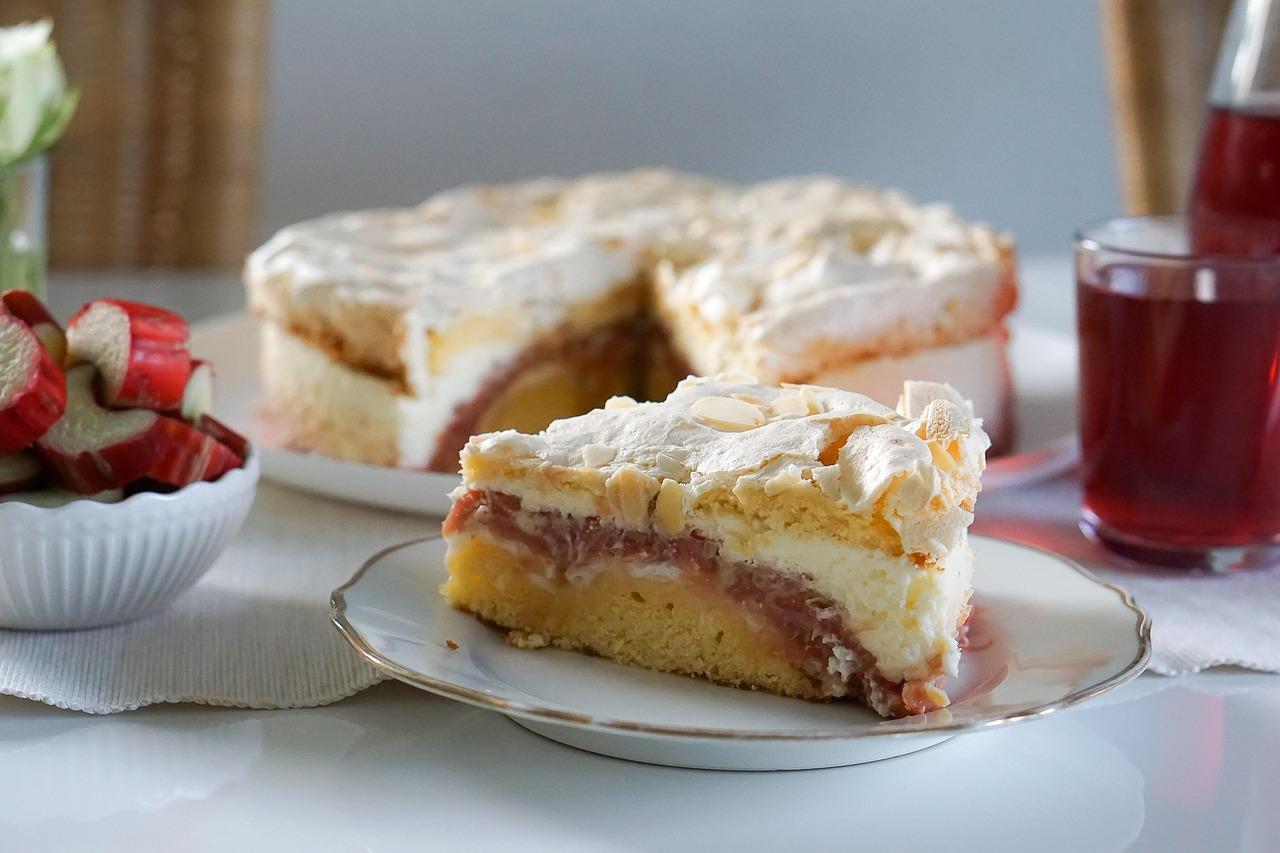
From late April until the traditional end of the season on St John's Day in June, German bakeries and garden tables everywhere have rhubarb cake, and the most loved version is crowned with meringue. A buttery sponge is covered with sour pink rhubarb, baked, then piled with a cloud of sweet meringue and returned to the oven until golden and crisp outside, marshmallow-soft within. The sweet topping balances the sharp fruit perfectly. A common mistake is not draining the rhubarb, so its juice pools under the sponge and the base stays wet. Chef's tip: toss the cut rhubarb with a little sugar an hour ahead, then drain it well; it softens slightly and stops weeping into the cake.

120 minGermanBaking
by KrazyBadal 0 views

LeberkäseBaked pork and beef loaf

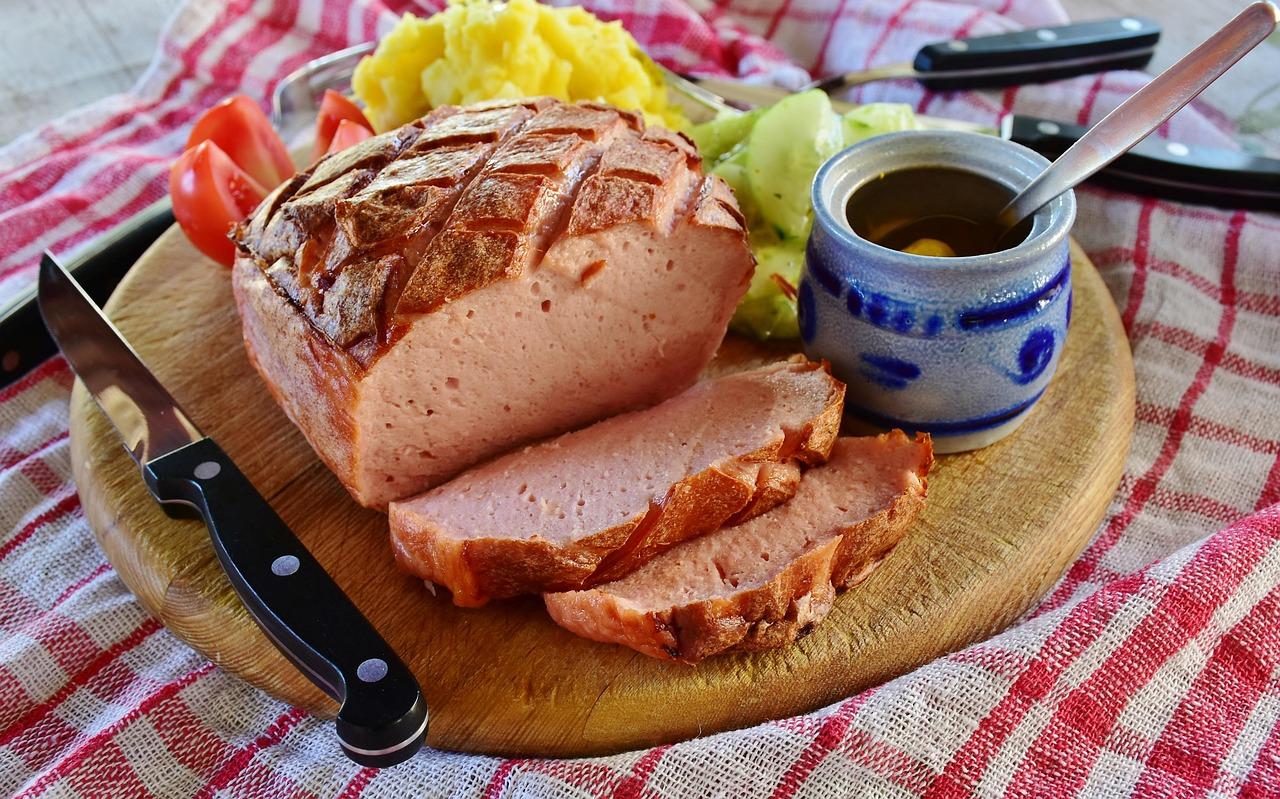
Despite its name, Bavarian Leberkäse contains neither liver nor cheese: it is a smooth, finely ground loaf of pork and beef baked until it has a dark, crunchy crust. In Munich it is the mid-morning snack, a thick warm slice folded into a crusty roll with sweet mustard and eaten standing at the butcher's counter. Made at home without curing salt, the inside bakes pale grey rather than pink, which is normal. Chef's tip: everything, including the bowl of the food processor, must be ice-cold; if the mix warms above about 12 °C the fat separates and the loaf turns crumbly.

115 minGermanMeat
by KrazyBadal 0 views

RadiSalted spiral-cut radish

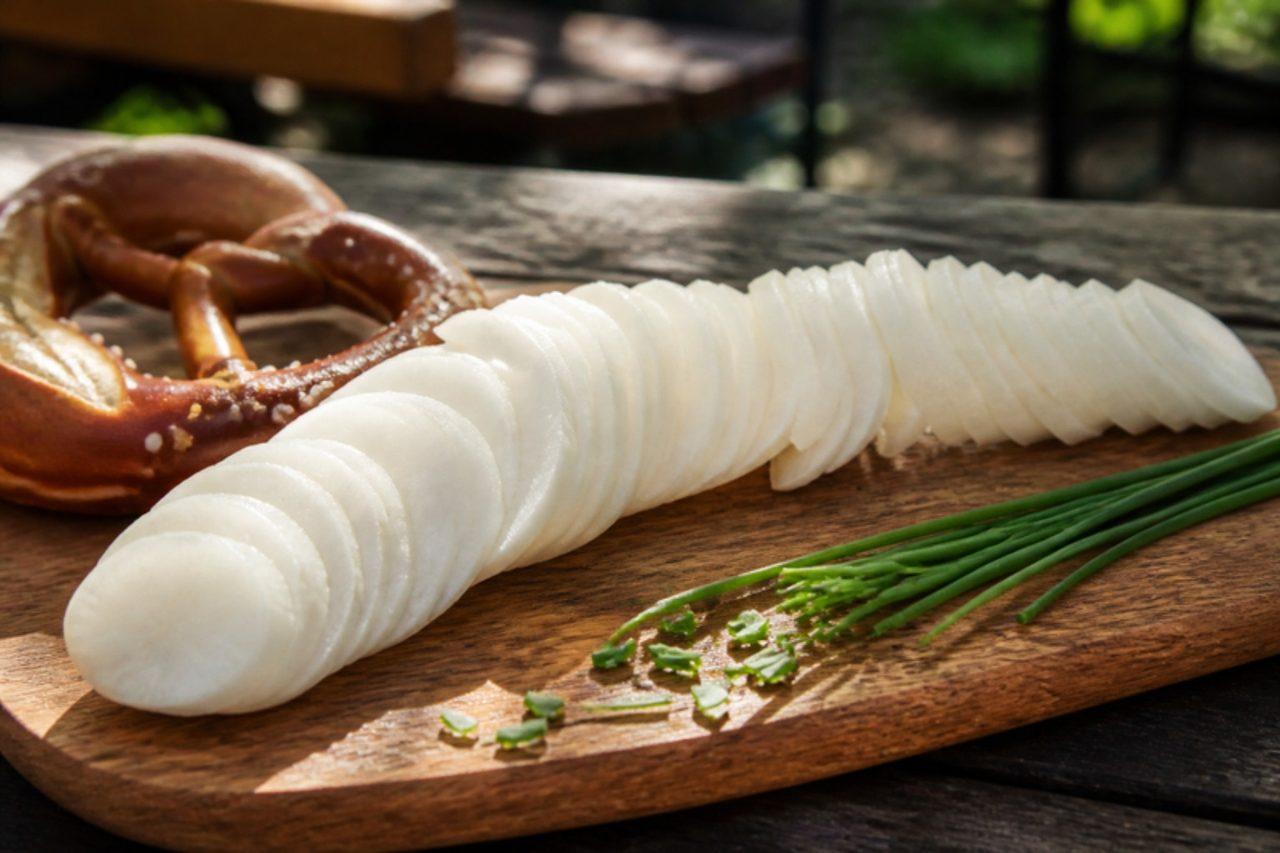
In Bavaria a Radi is a single big white radish, cut into one long spiral or paper-thin slices and salted until it 'weeps', then eaten with your fingers in the beer garden between bites of pretzel. Stalls at Munich's Viktualienmarkt sell the long white roots from spring to autumn, and old regulars carry a special spiral cutter. It is crisp, peppery and cooling, the opposite of everything rich on the table. A common mistake is eating it straight away: the salt needs ten minutes to draw out the bitter juice and soften the bite. Chef's tip: pick a heavy, firm radish with a smooth skin; a light one is often woody and hollow inside.

by KrazyBadal 0 views

QuarkkeulchenPotato and quark pancakes

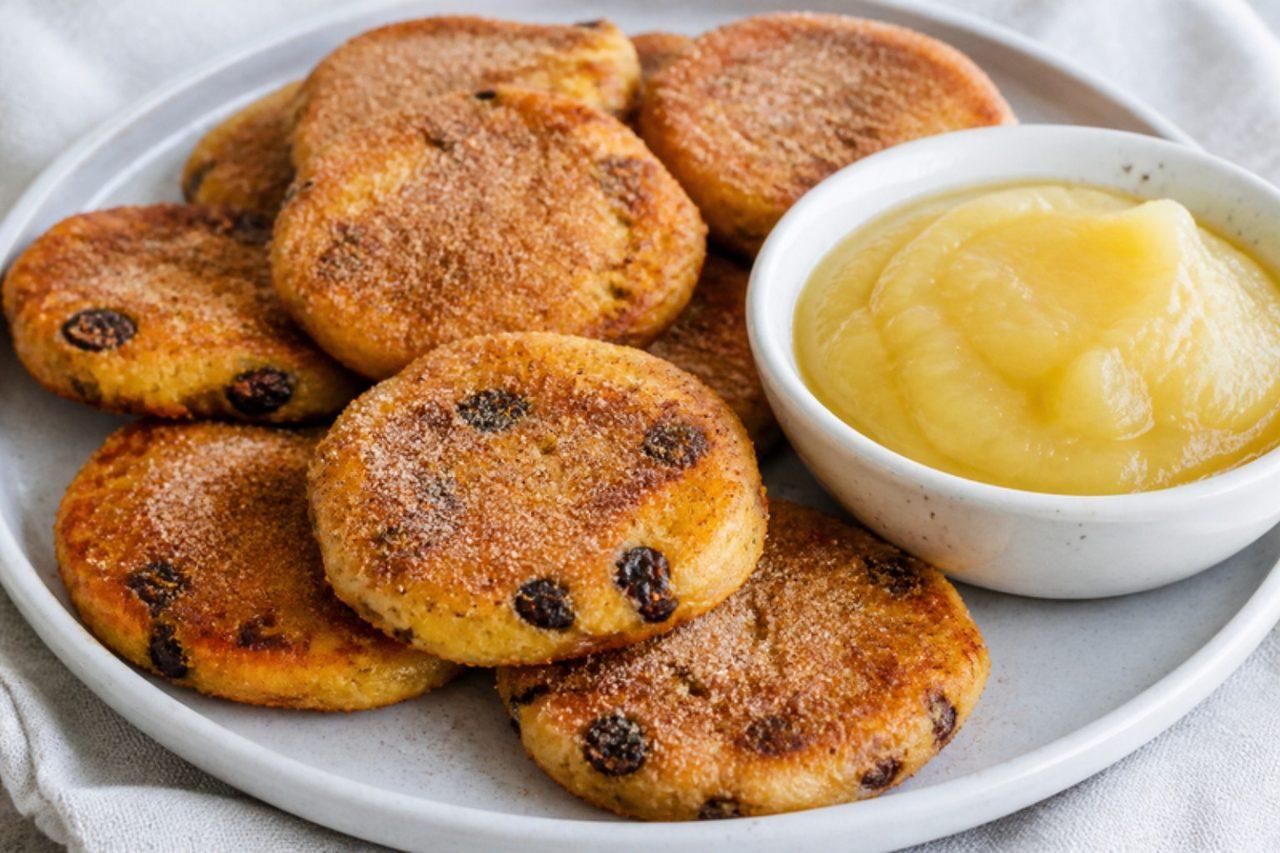
Quarkkeulchen are the sweet little pancakes of Saxony, the kind a Dresden or Leipzig grandmother makes on a Saturday afternoon from yesterday's boiled potatoes: mashed potato, quark, egg, a little flour and sugar, lemon zest and raisins, shaped into small thick discs and fried in butter until golden. They are crisp outside, soft and slightly tangy inside, and come dusted with cinnamon sugar beside a bowl of apple sauce. A common mistake is using freshly boiled warm potatoes, which make a sticky dough; use cold ones from the day before. Chef's tip: soak the raisins in hot water for 10 minutes so they plump up and don't burn in the pan.

by KrazyBadal 0 views

SchmalzkuchenFried dough pillows with icing sugar

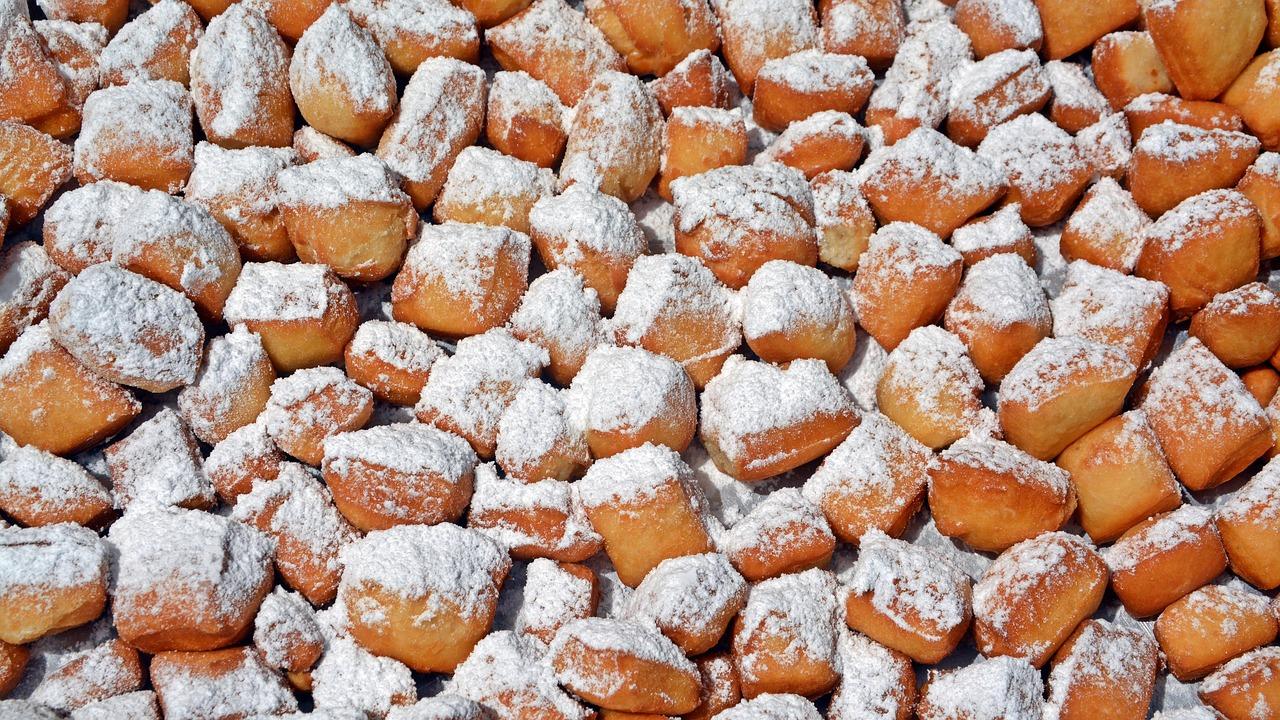
Schmalzkuchen are the paper bag of tiny golden diamonds sold at fairs and Christmas markets across northern and eastern Germany, from Hamburg's Dom fair to the markets of Berlin and Leipzig. Despite the name they are now fried in vegetable oil, so this version is vegetarian. The quick quark-and-baking-powder dough puffs up into soft, slightly crisp cushions that you shake in icing sugar while warm. A common mistake is frying at too low a heat: the dough soaks up oil and turns heavy instead of puffing. Chef's tip: cut the dough into small 3 cm diamonds; bigger pieces brown outside before the middle has cooked through.

by KrazyBadal 0 views

PrinzregententorteSeven-layer chocolate buttercream torte

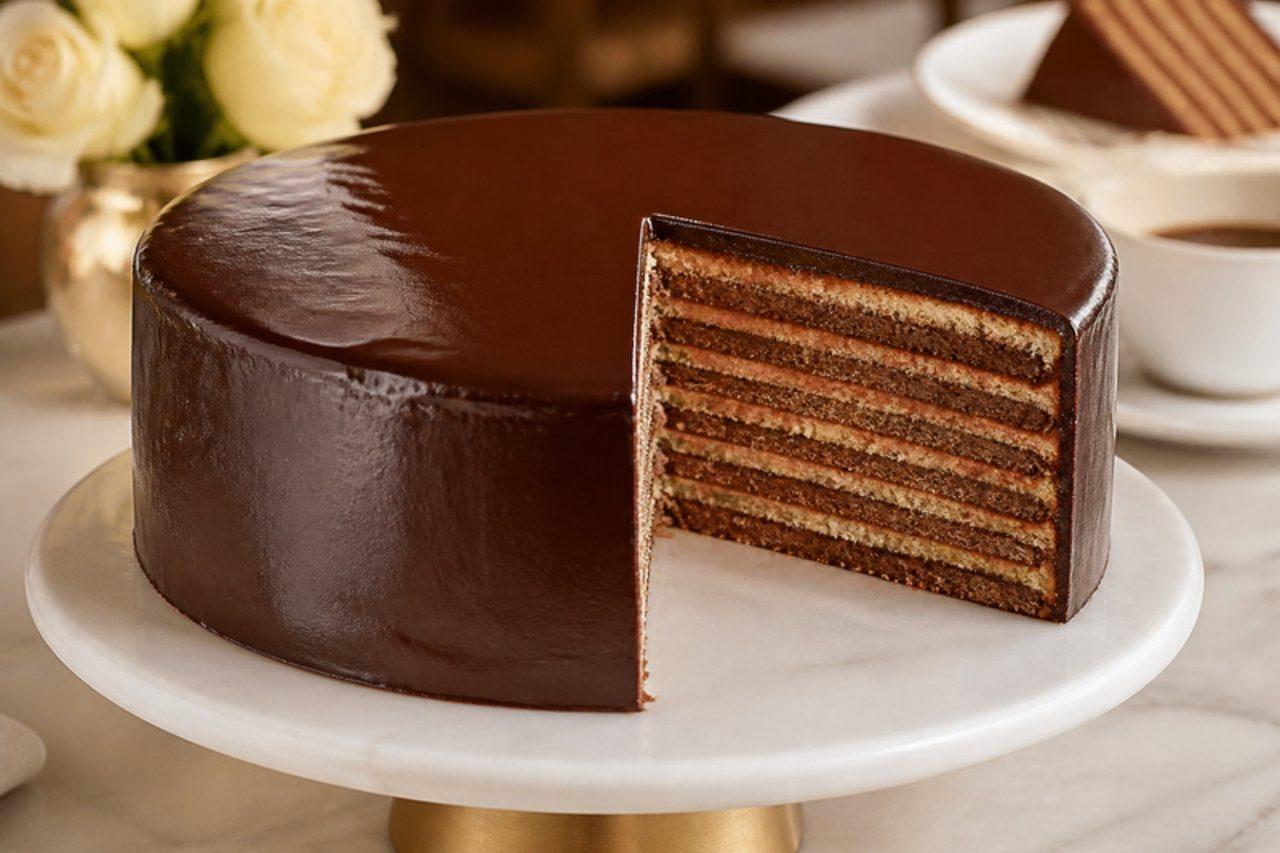
Prinzregententorte was created in Munich for Prince Regent Luitpold, who ruled Bavaria from 1886, and it is still the cake Munich cafés and families bring out for name days and big birthdays. Seven very thin sponge layers, one for each of the old Bavarian districts, are stacked with chocolate buttercream, brushed with apricot jam and sealed under a shiny dark chocolate glaze. The slices show neat stripes and taste rich but not heavy. A common mistake is baking the sponge as one thick cake and slicing it; it is far easier and neater to spread each layer thinly on a tin base and bake it for a few minutes. Chef's tip: trace a 26 cm circle on seven sheets of baking paper before you start, then bake two layers at once on separate trays.

150 minGermanBaking
by KrazyBadal 0 views

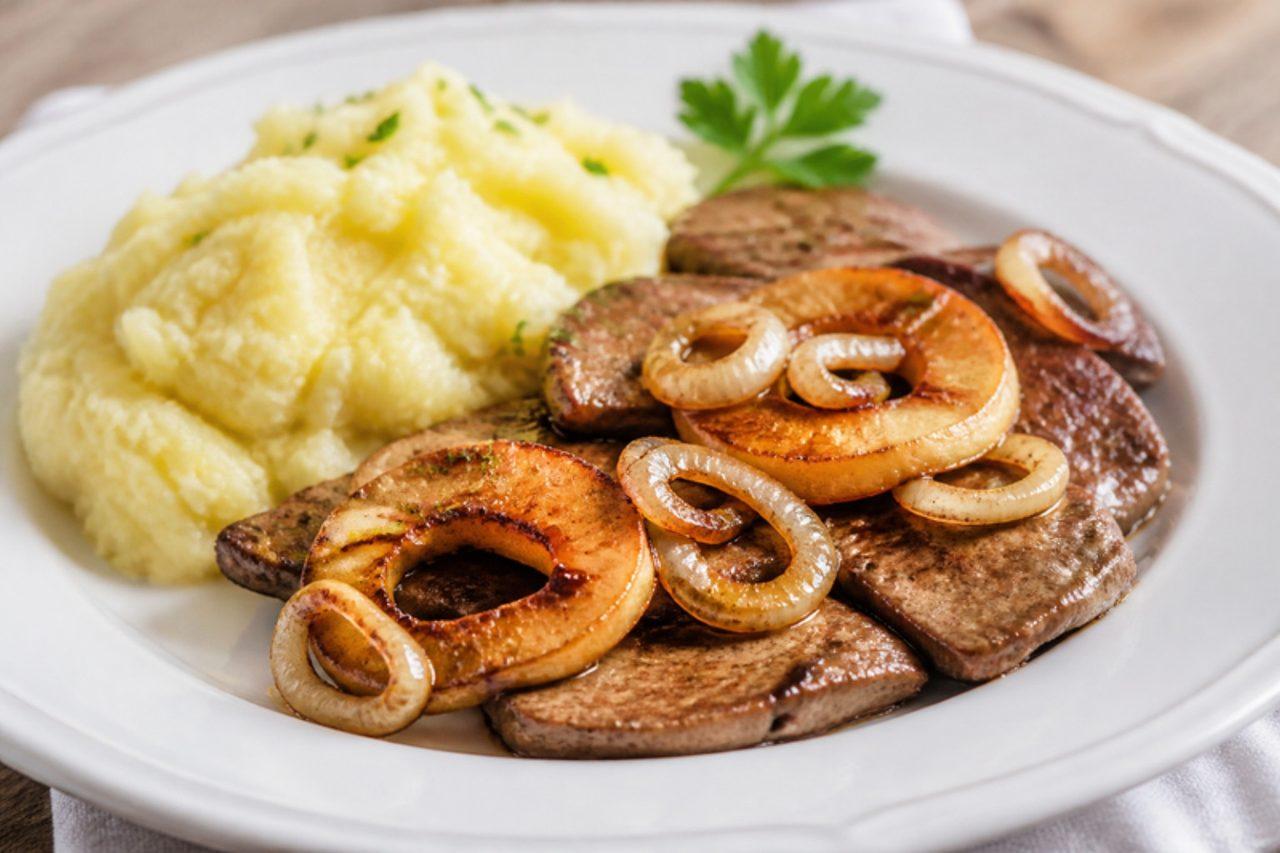
Leber Berliner ArtFried liver with apple and onions

Leber Berliner Art is a dish of old Berlin dining rooms and corner restaurants: thin slices of calf's liver fried in butter and piled with soft, sweet onion rings and golden apple rings, served with creamy mashed potato. The sweet apple and onion balance the rich liver, and the whole plate is on the table in half an hour. For safety the liver here is cooked through, which keeps it tender as long as the slices are thin and the pan is hot. Chef's tip: salt the liver only after frying; salt draws out juices and makes it tough.

30 minGermanMeat
by KrazyBadal 0 views

PickertFried yeasted potato loaf with raisins

Pickert is the bread of Lippe and the Teutoburg Forest in eastern Westphalia, made where wheat was scarce and potatoes plentiful: grated raw potato, flour, eggs and yeast baked into a dense, moist loaf, studded with raisins. Locals slice it the next day and fry the slices in butter until crisp, then eat them for breakfast or supper with plum butter, sugar beet syrup, jam or, for meat eaters, liver sausage. This vegetarian version serves it with jam and syrup. A common mistake is not squeezing the potatoes, which leaves the loaf soggy in the middle. Chef's tip: bake it a day ahead; cold Pickert slices cleanly and fries far better than warm.

by KrazyBadal 0 views

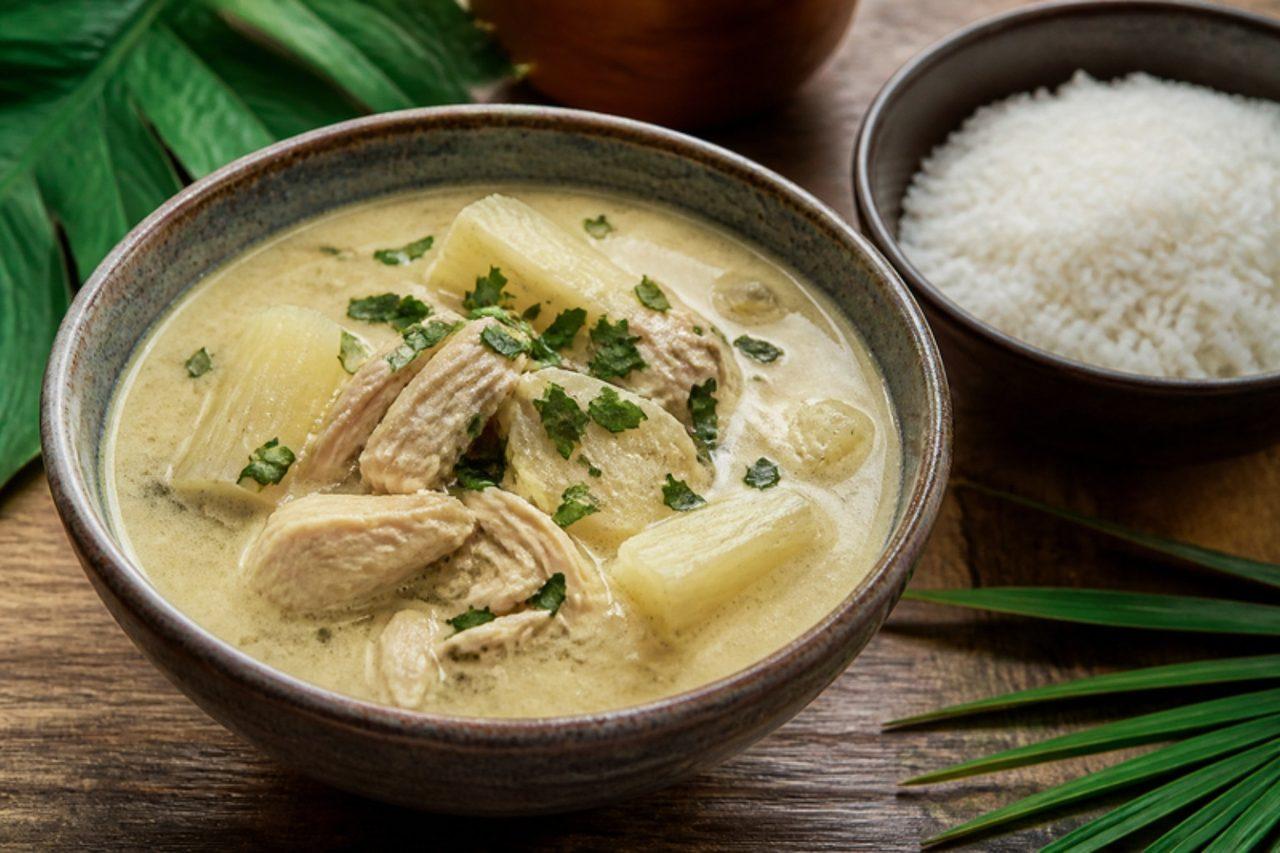
InchicapiPeanut chicken soup

From the riverside kitchens of Iquitos and the Peruvian Amazon comes inchicapi, a festive chicken soup traditionally made with a free-range hen for birthdays and fiestas. Raw peanuts and a little maize flour are ground and stirred into the broth, which turns it creamy, pale and nutty, and pieces of cassava, garlic, ají dulce and sacha culantro (a long, serrated, strongly flavoured coriander) finish it. It is served with rice, boiled plantain or cassava. If you can't find sacha culantro in Asian or Latin shops (sold as culantro or ngo gai), use a big handful of coriander. The pitfall is adding the peanut paste dry: it clumps and catches on the bottom, so loosen it with broth first and stir often. Chef's tip: use raw, not roasted, peanuts; they keep the soup pale and give it the right fresh, milky taste.

by KrazyBadal 0 views

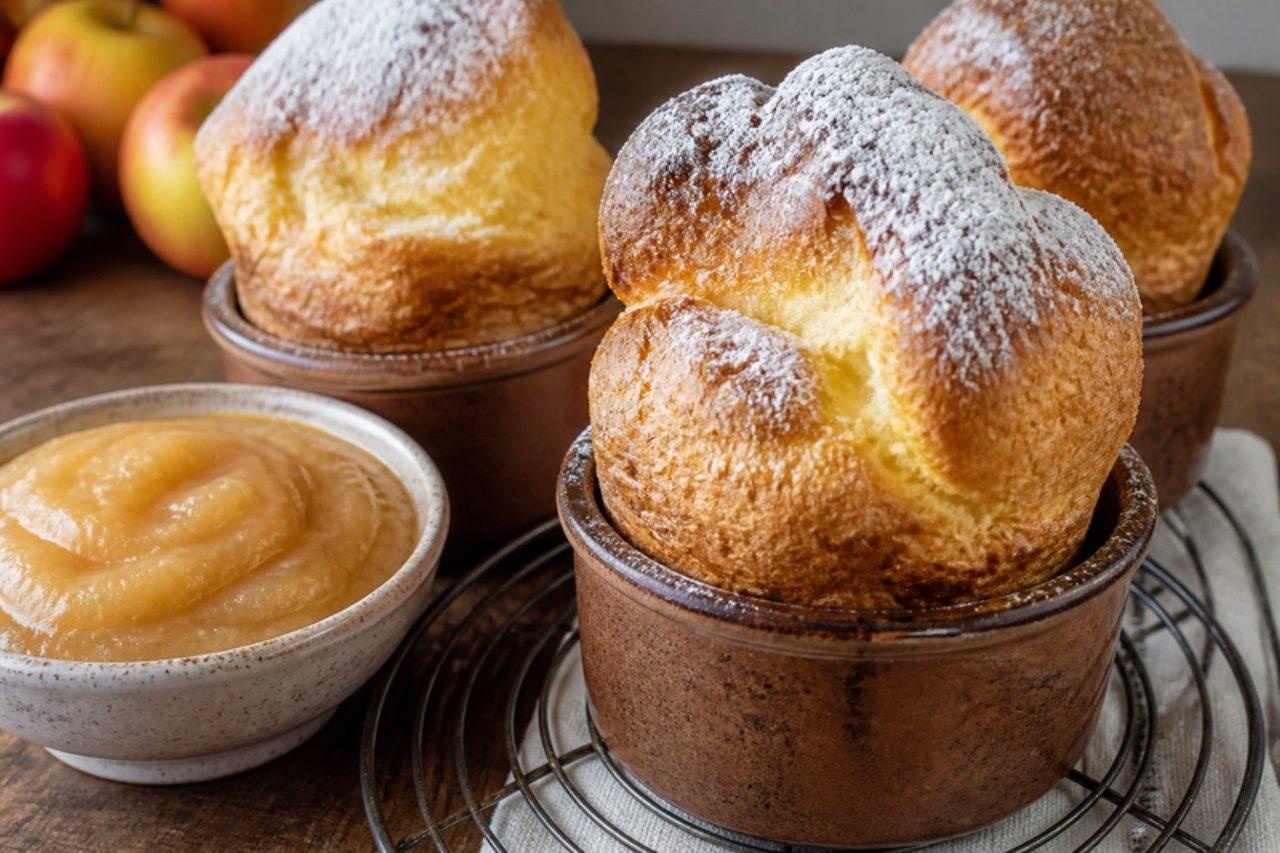
PfitzaufEgg-batter puffs with apple sauce

Pfitzauf is a Swabian Sunday-afternoon treat: a thin egg and milk batter poured into a heavy clay or tin mould with deep cups, which rises in the oven like a soufflé and 'pfitzt auf', pops up, far above the rim. Grandmothers on the Swabian Alb served it hot with apple sauce or vanilla sauce, sometimes with stewed cherries. A muffin tin or popover tin works too. The classic mistake is opening the oven during baking: the puffs collapse and never come back. Chef's tip: get the buttered tin really hot in the oven before pouring in the batter; the shock of heat is what makes them climb.

by KrazyBadal 0 views

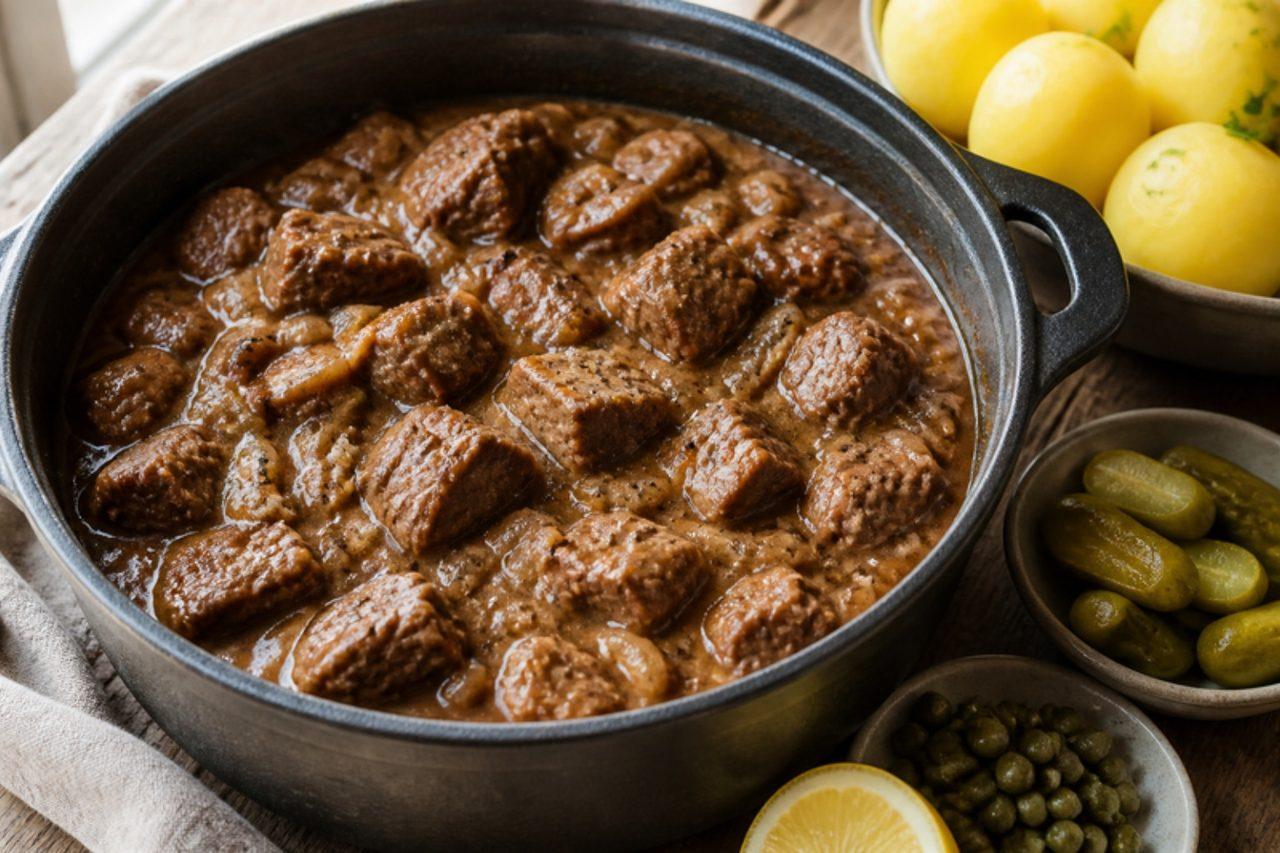
PfefferpotthastPeppery beef and onion stew

Pfefferpotthast is one of the oldest dishes of Westphalia, written about in Dortmund as far back as the 14th century and still cooked in the Münsterland and the Ruhr for big family meals. Beef is stewed with almost as much onion as meat, plenty of black pepper, cloves and bay, then thickened with breadcrumbs and sharpened with lemon and capers. Pickled gherkins and boiled potatoes go alongside. Chef's tip: grind the pepper coarsely and add half at the start and half at the end, so you get both deep warmth and a fresh bite.

by KrazyBadal 0 views

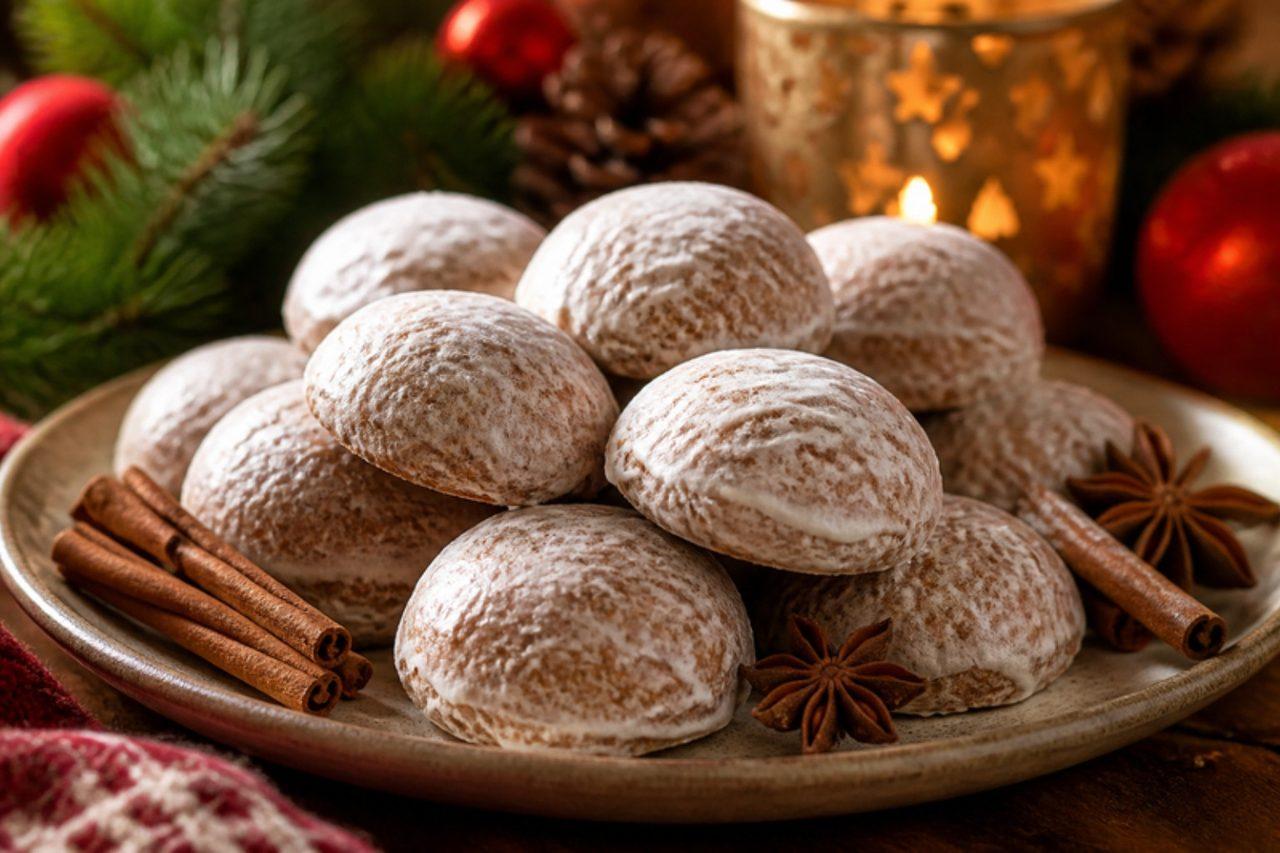
PfeffernüsseHoney spice biscuits

Pfeffernüsse are small domed biscuits baked in German homes through Advent, especially in the north and in Saxony, and sold in bags at Christmas markets everywhere. They are made with honey and a warm spice mix, and in old recipes the 'pepper' in the name meant exotic spices in general, though a pinch of real black pepper adds a lovely bite. A thin white glaze sets crisp over a chewy centre. The mistake many people make is eating them straight away; they are hard at first and need a few days in a tin with a slice of apple to soften. Chef's tip: warm the honey only until runny, never boiling, or the biscuits turn tough.

by KrazyBadal 0 views

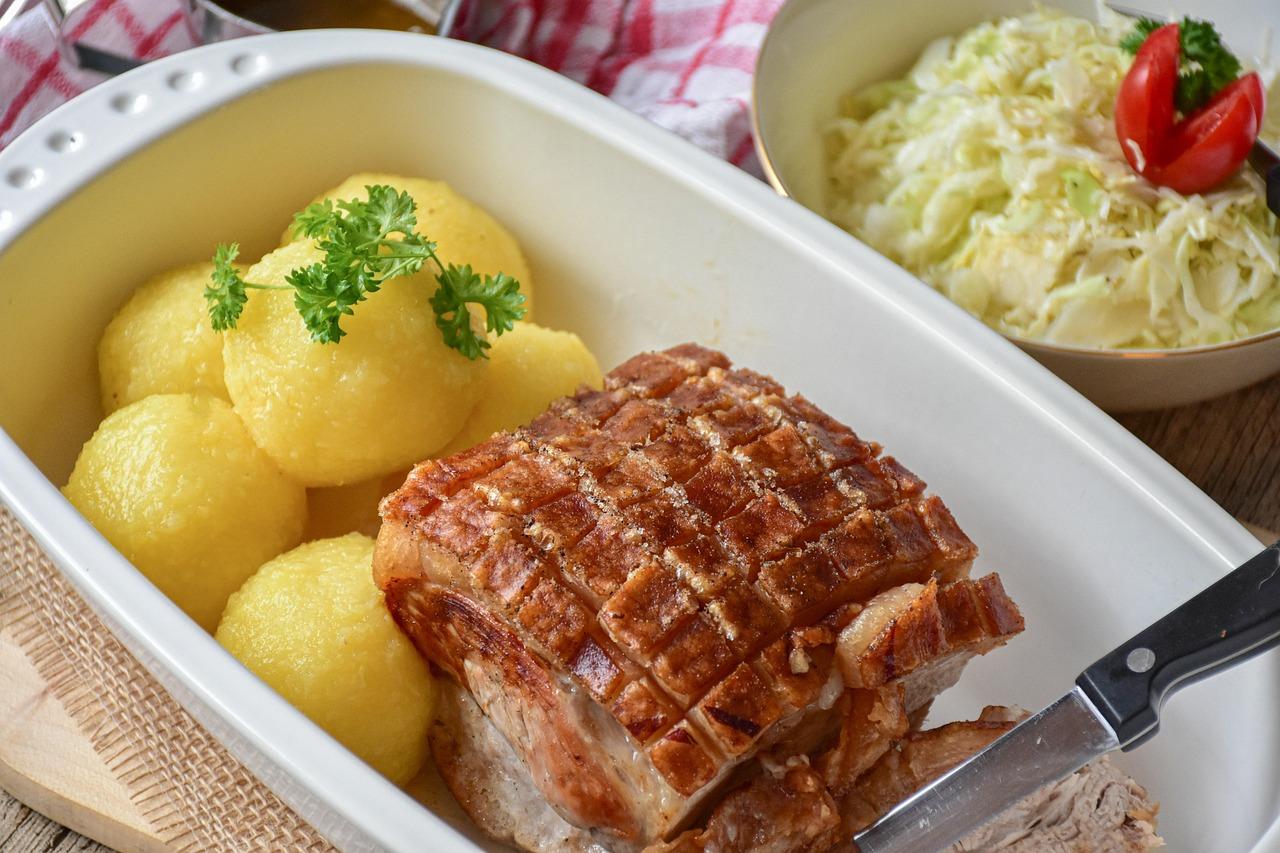
SchweinebratenRoast pork with crackling

Schweinebraten is the Sunday roast of Bavaria, the dish a Munich family sits down to after church and the one every village inn chalks up on its board. This is pork shoulder with its rind still on, roasted on a bed of onion, carrot and celeriac while the rind blisters into crackling, and the gravy is built from the roasting juices and a bottle of dark beer. The beer contains alcohol; most cooks off but not all, so use alcohol-free dark beer, or the same amount of beef stock with 1 tsp dark molasses, for a gravy without it. Serve with bread or potato dumplings and warm cabbage salad. Chef's tip: score the rind through to the fat but not into the meat, or juices leak up and the crackling turns leathery.

190 minGermanMeat
by KrazyBadal 0 views

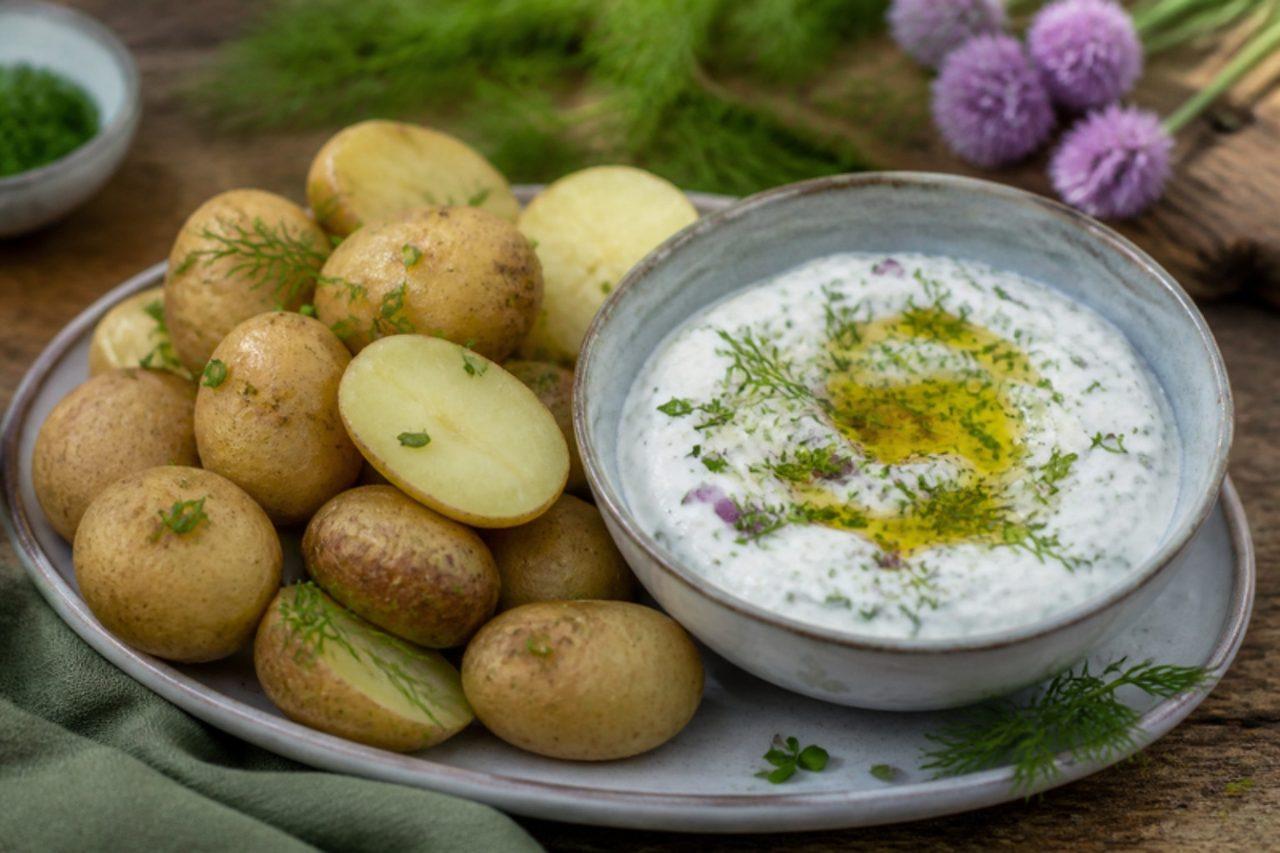
Pellkartoffeln mit Quark und LeinölJacket potatoes with herb quark

Ask anyone from the Spreewald, the river-and-forest country south-east of Berlin, for the taste of home and many will name this: small potatoes boiled in their skins, a bowl of cold herb quark and a thread of golden, nutty linseed oil poured over the top. It is a weekday supper in Brandenburg and Berlin, cheap, quick and surprisingly filling, often with a Spreewald gherkin on the side. Fresh linseed oil tastes of hay and walnuts; old oil turns bitter and fishy, so buy a small bottle and keep it in the fridge. A common mistake is peeling the potatoes before boiling; cooking them in their skins keeps them firm and flavourful. Chef's tip: beat a splash of milk or sparkling water into the quark, which makes it light and creamy instead of stodgy.

by KrazyBadal 0 views

HuatiaEarth-baked potatoes

After the potato harvest in May and June, families in Puno, Cusco and across the highlands build a huatia in the field: a little dome of dry earth clods heated with dried brush until the clods glow, then knocked down over freshly dug potatoes and oca so they bake slowly underground. Opened an hour later, the potatoes are smoky, floury and so soft their skins split, and the oca turns sweet and tangy. Everyone eats them with their hands, with salt, chilli sauce and fresh cheese. This recipe gives an oven method for home cooks: a lidded pot bedded with coarse salt and herbs, which traps heat and steam much like the earth. If you do try a real huatia outdoors, use a clear patch of ground away from anything that can catch fire and keep water nearby. Don't uncover the pot early to check: the steam escapes and the potatoes turn leathery. Fresh oca is sold in some markets as New Zealand yam; small sweet potatoes will do. Chef's tip: choose potatoes of a similar size so they all finish together, and serve with uchucuta.

by KrazyBadal 0 views

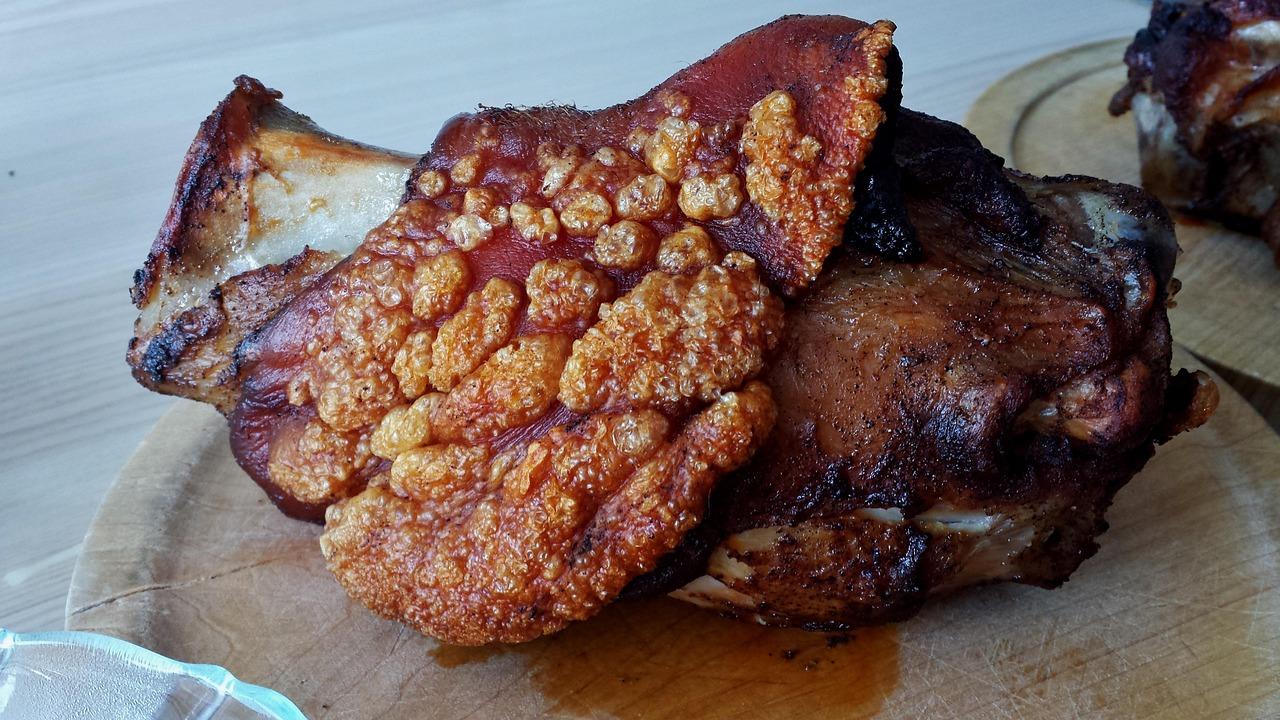
SchweinshaxeRoast pork knuckle

In Munich beer halls and Upper Bavarian village inns, a Schweinshaxe arrives as a whole roast pork knuckle, crackling glassy on the outside and the meat falling off the bone, usually with a potato dumpling and a spoon of sauerkraut. At home it is a weekend dish for cold months: the fresh (not cured) pork hocks are simmered first, then roasted hard so the skin puffs. Ask the butcher for hind knuckles, which carry more meat than front ones. Chef's tip: dry the simmered skin with kitchen paper and leave it uncovered for 20 minutes before roasting; dry skin is the secret to crackling that shatters.

190 minGermanMeatGluten free
by KrazyBadal 0 views

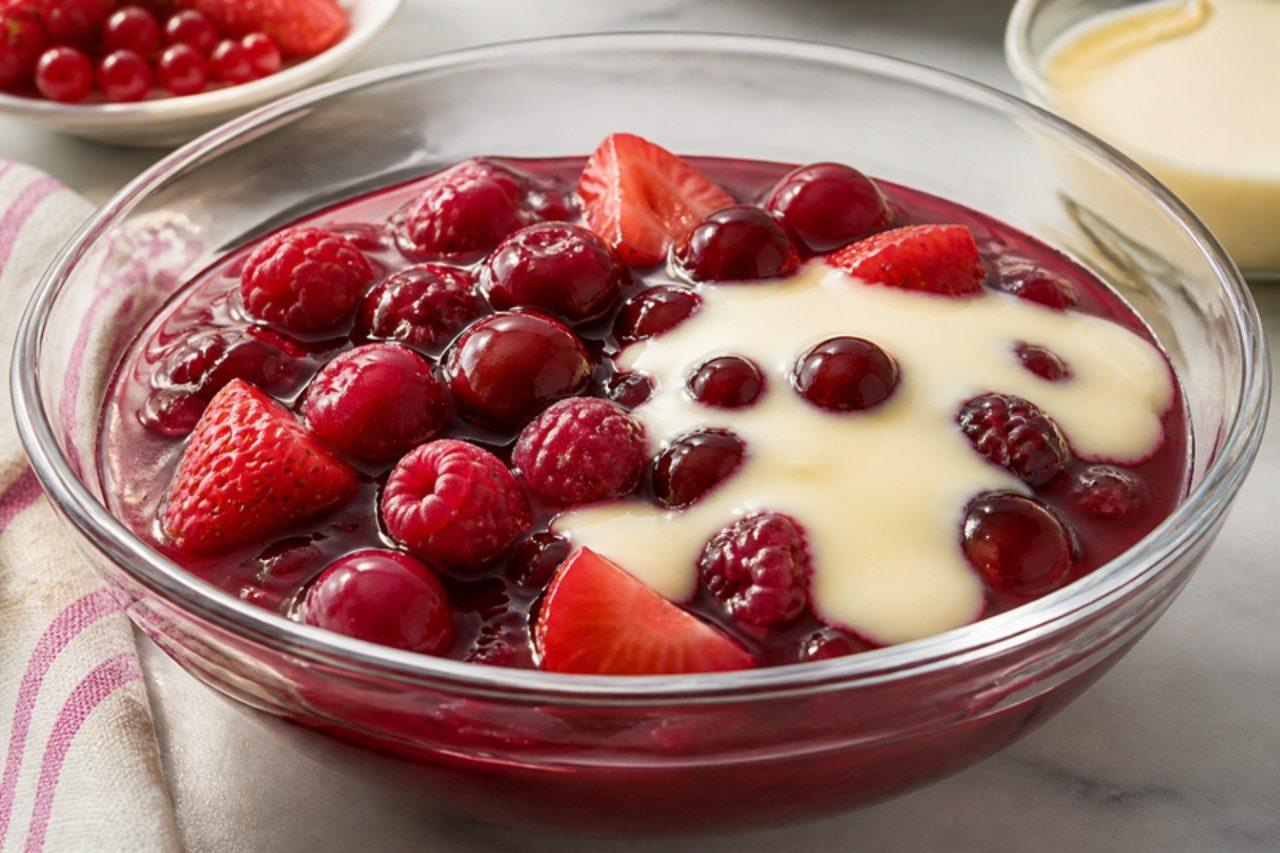
Rote GrützeRed berry pudding

Rote Grütze is the summer dessert of Hamburg, Schleswig-Holstein and Lower Saxony, made when the gardens are full of redcurrants, raspberries and sour cherries. The fruit is cooked briefly, thickened with a little cornflour and chilled until it sets to a glossy, spoonable jelly, tart and deep red, with whole berries still in it. Northerners pour cold vanilla sauce or plain cream over it; with a plant-based vanilla sauce it is fully vegan. A common mistake is boiling all the berries: add the soft raspberries last, off the heat, so they keep their shape. Chef's tip: frozen mixed berries work beautifully out of season, and their juice gives an even deeper colour.

by KrazyBadal 0 views

Showing 24 of 657 recipes

Show more recipes

Page 20 of 28