Skip to content
Recipes

All recipes

Vegetarian, or something you can't eat? Set your diet once and we'll hide recipes that don't fit.

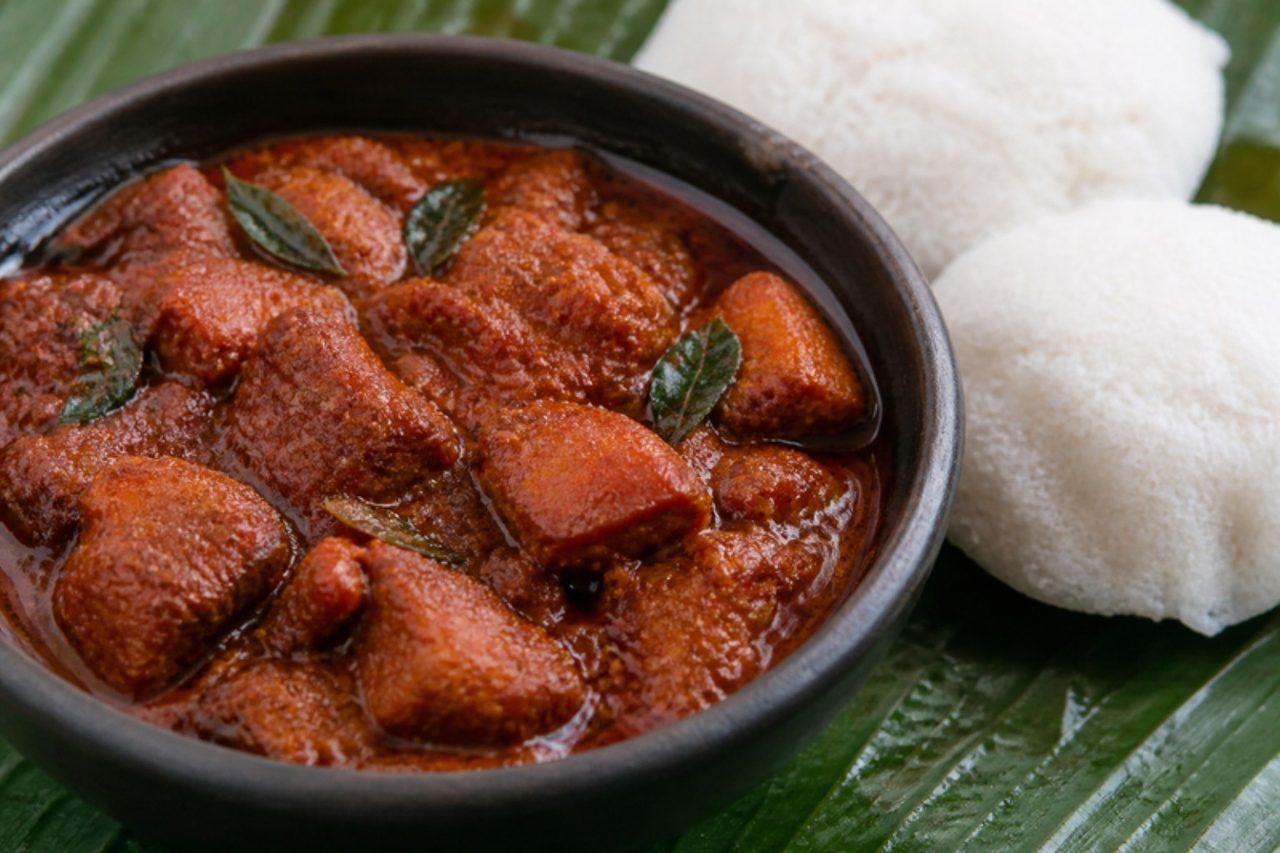
Pork indadSweet-sour pork curry

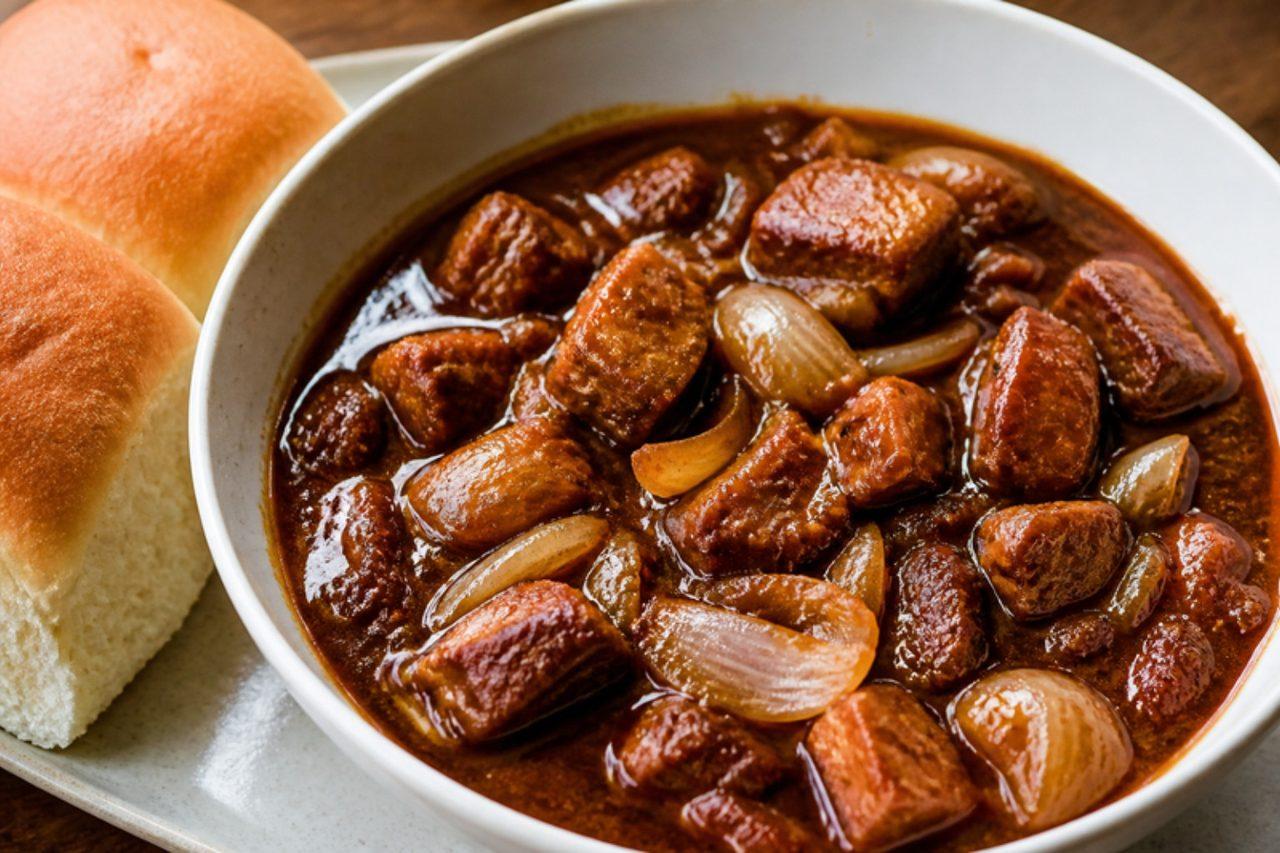
Indad is the slow-cooked pork curry of Mangalore's Catholic community, made for Christmas and Easter. Pork is cooked with a paste of Kashmiri chillies, spices and vinegar, then simmered with masses of onions and a lump of jaggery until it turns thick, glossy, dark and sweet-sour, a little like a vindaloo's gentler cousin. Like bafat, it is made ahead and served with sannas, pulao or bread. Chef's tip: cook the onions down slowly until jammy before the pork goes in; they melt into the gravy and give indad its sweetness.

by KrazyBadal 0 views

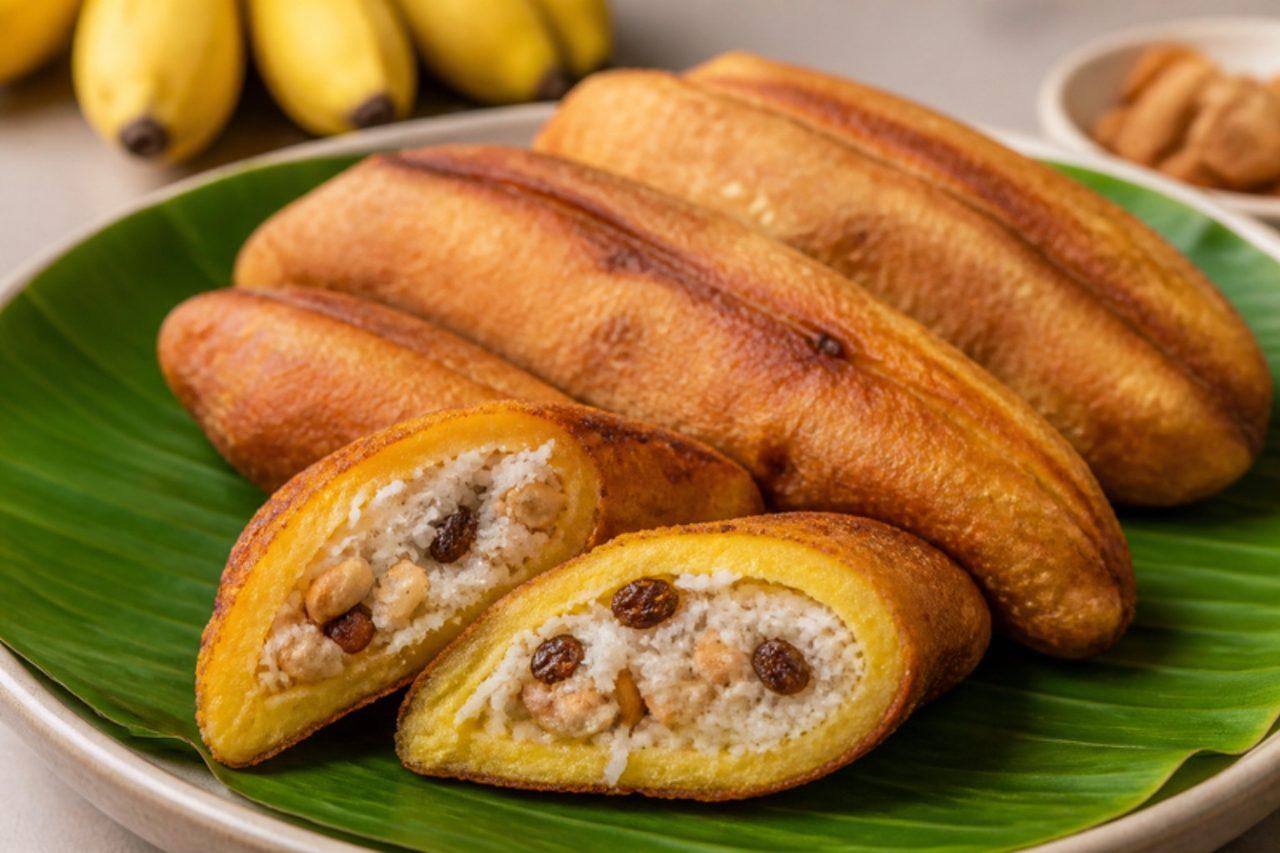
Pazham nirachathuCoconut-stuffed fried plantains

Every Malabar iftar spread has a plate of pazham nirachathu: ripe plantains slit open, packed with grated coconut, sugar and cardamom fried with ghee and cashews, then dipped in a thin flour batter and shallow-fried. The outside turns crisp and lacy, the plantain goes soft and caramel-sweet and the coconut stays moist. Chef's tip: slit the plantain without cutting through the far side or the ends, so the filling stays inside the pocket.

by KrazyBadal 0 views

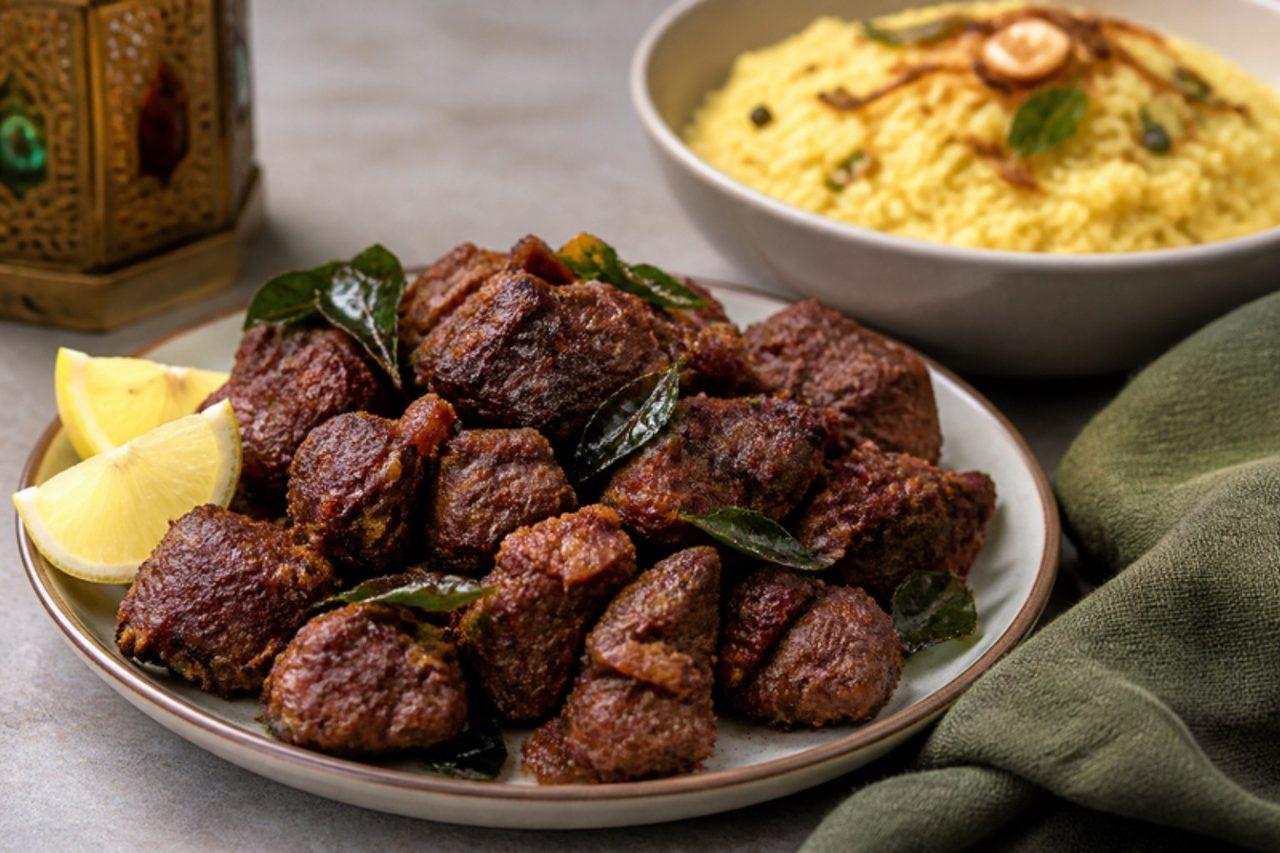
Talawa goshtBoiled and fried mutton

Talawa gosht means fried meat, and in Hyderabad it is one of the first dishes made from the fresh mutton of Eid al-Adha. Bite-sized pieces are boiled with ginger, garlic and whole spices until tender, then fried hard in oil until crisp and dark at the edges, and eaten with khichdi, khatta or dalcha. Chef's tip: boil until the water has almost gone; the meat should be dry before it fries, or it will spit and steam rather than crisp.

95 minIndianMeatGluten free
by KrazyBadal 0 views

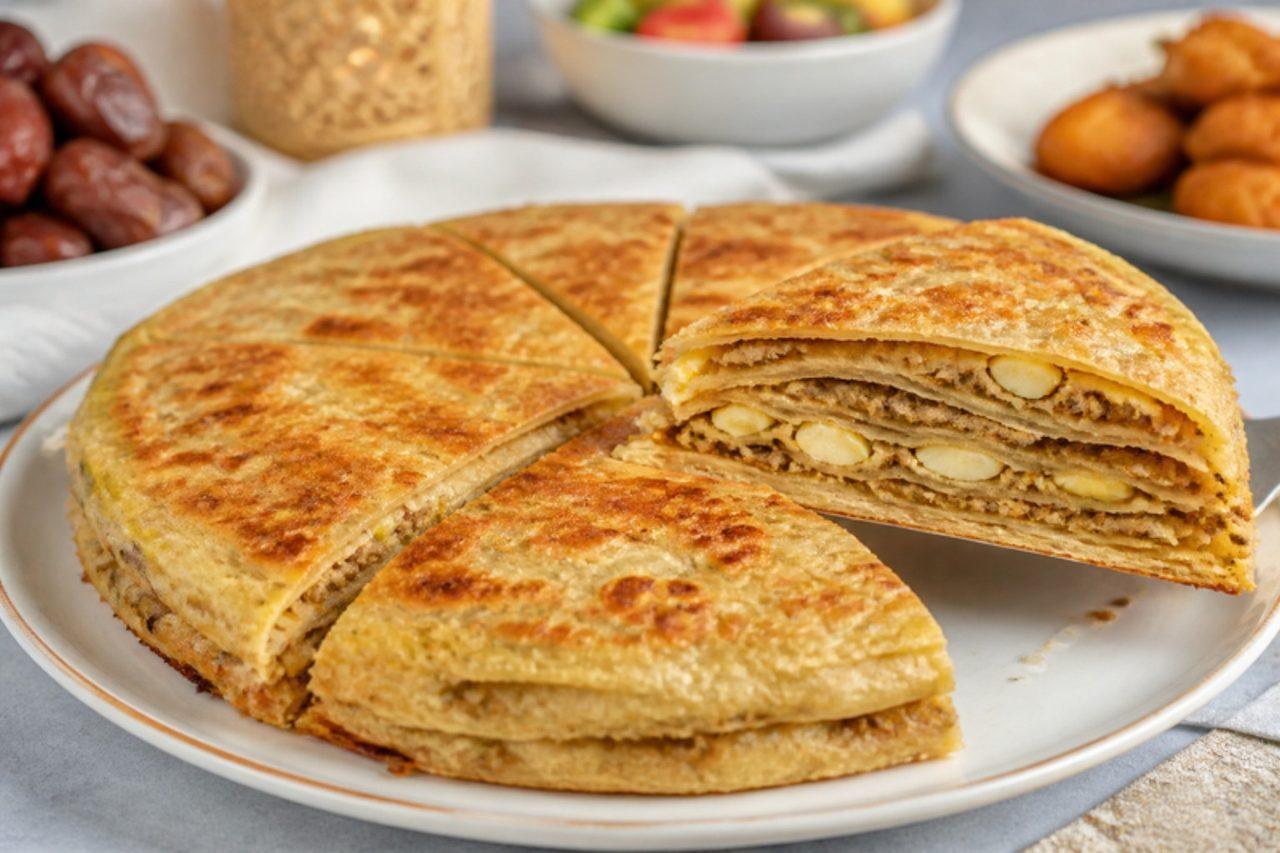
Chatti pathiriLayered crêpe pie with chicken

Chatti pathiri is the Malabar answer to lasagne, baked in a chatti (pan) for the Ramadan iftar table in Kozhikode and Kannur. Thin crêpes are dipped in sweetened egg and milk, then stacked with layers of spiced minced chicken, onions and boiled egg, and the whole pie is cooked slowly until it sets into firm, tender wedges. Chef's tip: dip each crêpe quickly; a long soak makes them tear.

by KrazyBadal 0 views

MässmoggeHazelnut-filled striped sweets

Every autumn the Basler Herbstmesse, Switzerland's oldest fair, fills the old town with rides and stalls, and the smell of boiling sugar from the stands selling Mässmogge, glossy striped sweets in bright colours with a soft chocolate-hazelnut centre. They are made by pulling hot sugar until it turns satiny, wrapping it round a rope of filling and snipping it into little pillows. It takes practice and a sugar thermometer, and adults should do all the hot work; children can help once the sweets are cool. Chef's tip: work on an oiled silicone mat near a low oven, so the sugar stays pliable for longer.

by KrazyBadal 0 views

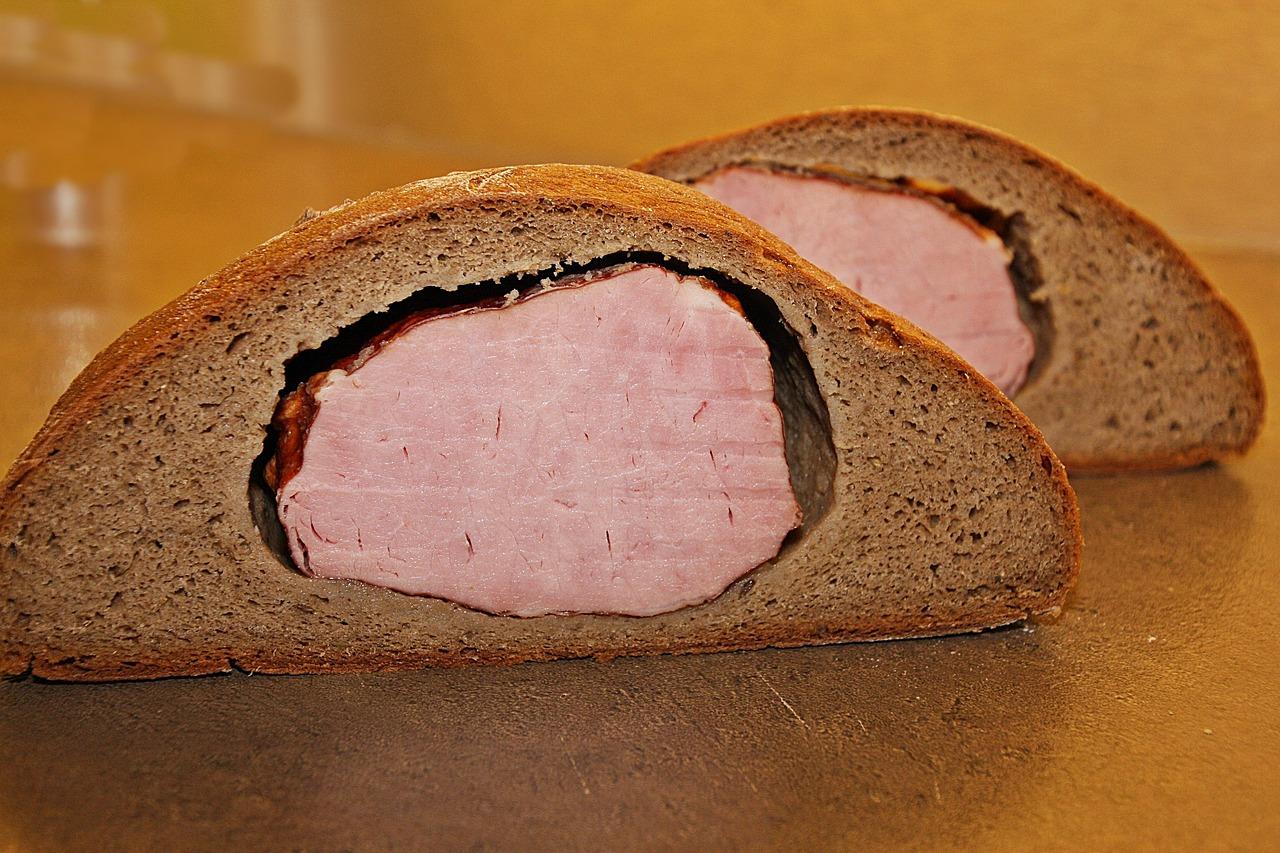
Schinkli im BrotteigHam baked in bread crust

Schinkli im Brotteig, a small smoked pork ham baked inside a bread crust, is a much-loved Christmas Eve dish in German-speaking Switzerland because it can be prepared ahead and goes into the oven while the family opens presents. The dough seals in the ham's juices and soaks them up as it bakes, and the ham is sliced with the crust and served with potato salad, mustard and pickles. Buy a ready-cooked smoked ham (Schüfeli or Schinkli) of about 1 kg. Chef's tip: dry the ham well before wrapping it, or the dough turns soggy inside.

120 minSwissMeat
by KrazyBadal 0 views

Pajagua mascadaBeef and cassava patties

Pajagua mascada is a Paraguayan street-food classic that appears on every table for the San Juan festival on 24 June, when bonfires burn and the night is full of games and traditional food. Minced beef is mixed with mashed cassava, onion, garlic and a little egg and flour, shaped into flat patties and fried until crisp. The name comes from Guaraní and refers to the 'chewing' of old Paraguayan cooks, who made it from leftover meat. Chef's tip: dry the boiled cassava well and remove its woody core, which keeps the patties light and crunchy.

by KrazyBadal 0 views

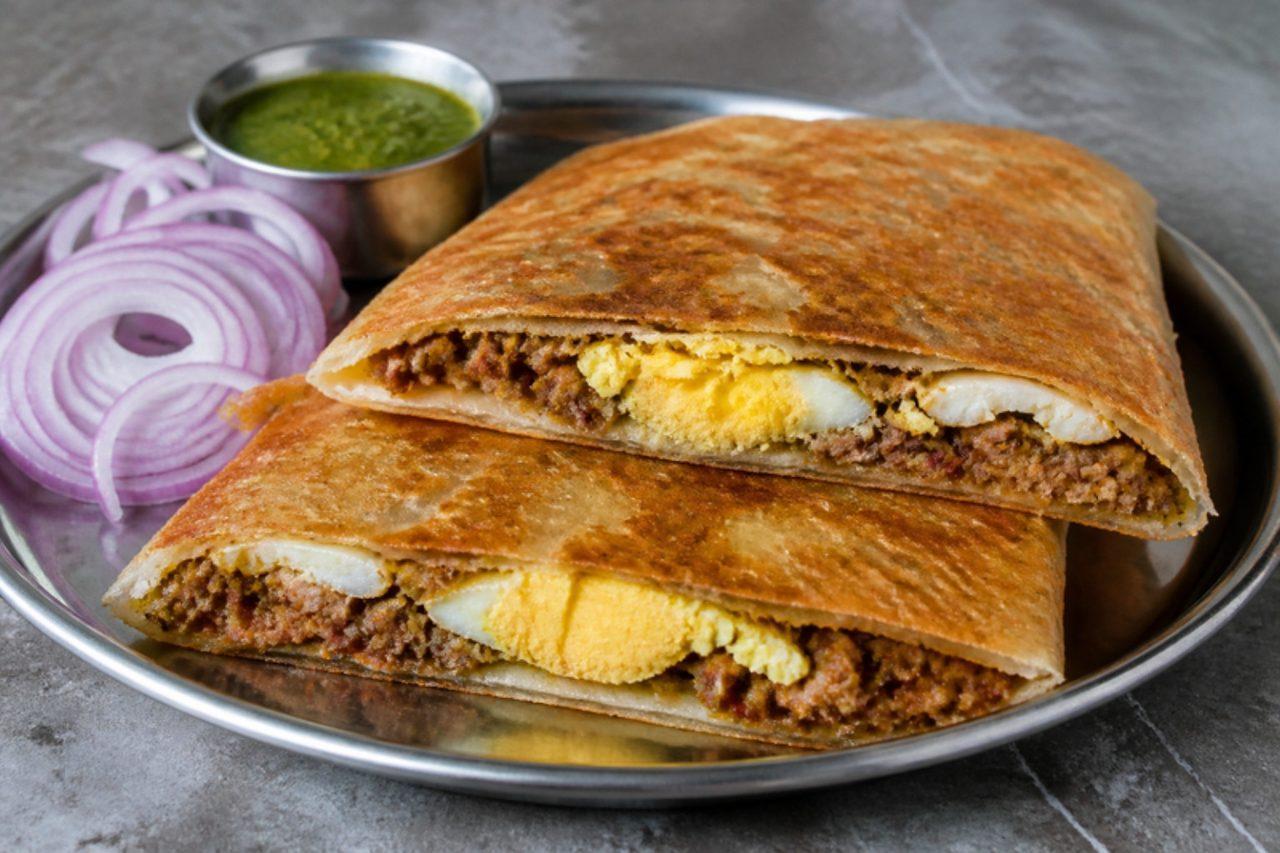
Baida rotiEgg and mince parcels

During Ramadan the stalls of Mohammed Ali Road in Mumbai stay open all night, and the baida roti makers there are a show of their own: they swirl dough into paper-thin sheets, spoon in spiced minced mutton, pour in beaten egg and fold it into a square that is crisped on a huge tawa. 'Baida' means egg. Chef's tip: oil the dough balls well and rest them; well-rested dough stretches so thin you can almost see through it.

by KrazyBadal 0 views

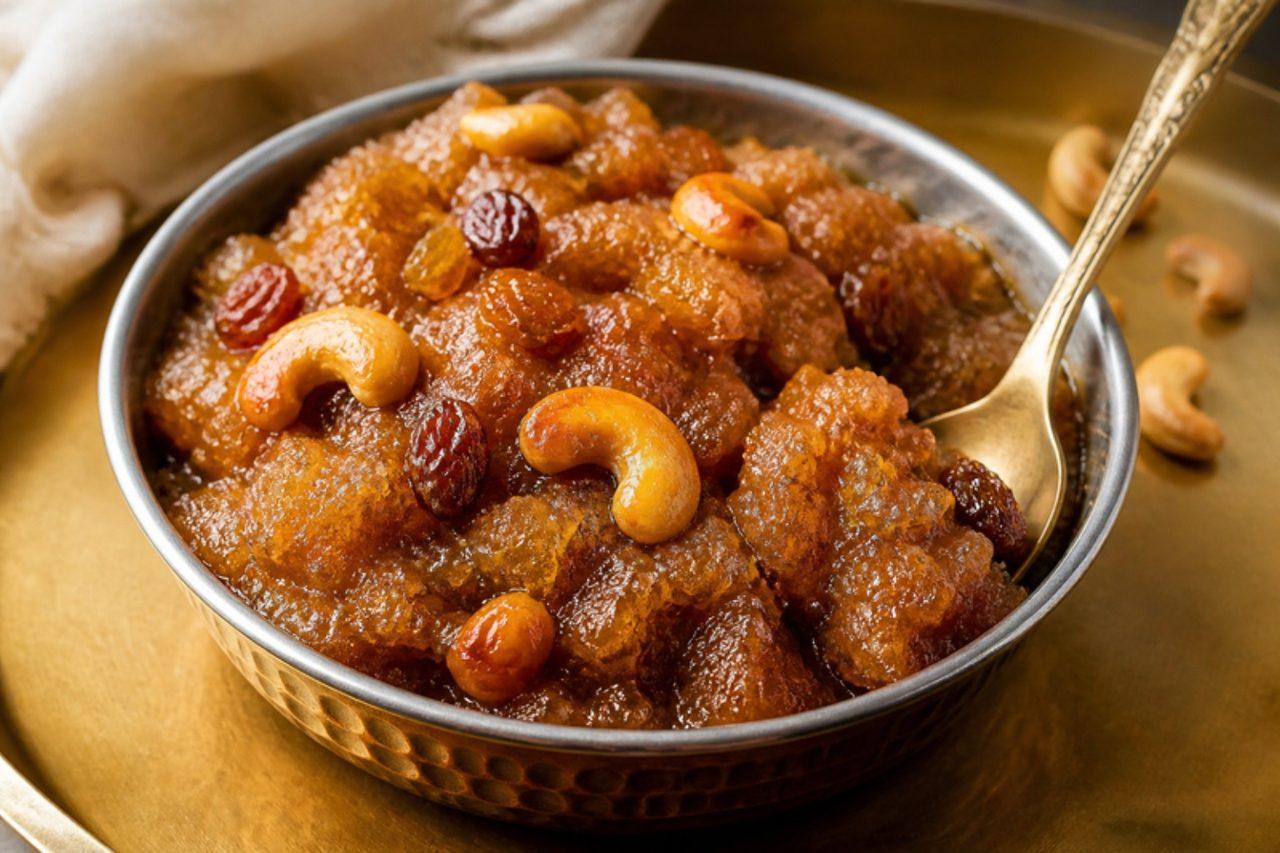
Bread halwaFried bread halwa

At Tamil Muslim weddings and Eid feasts in Chennai and Madurai, the biryani is followed by a spoonful of bread halwa, sticky, golden and glistening with ghee. Cubes of white bread are fried until crisp, then cooked down with milk, sugar and cardamom until they melt into a soft, jammy halwa studded with cashews. Chef's tip: day-old bread fries crisper and soaks up the milk more evenly than fresh.

by KrazyBadal 0 views

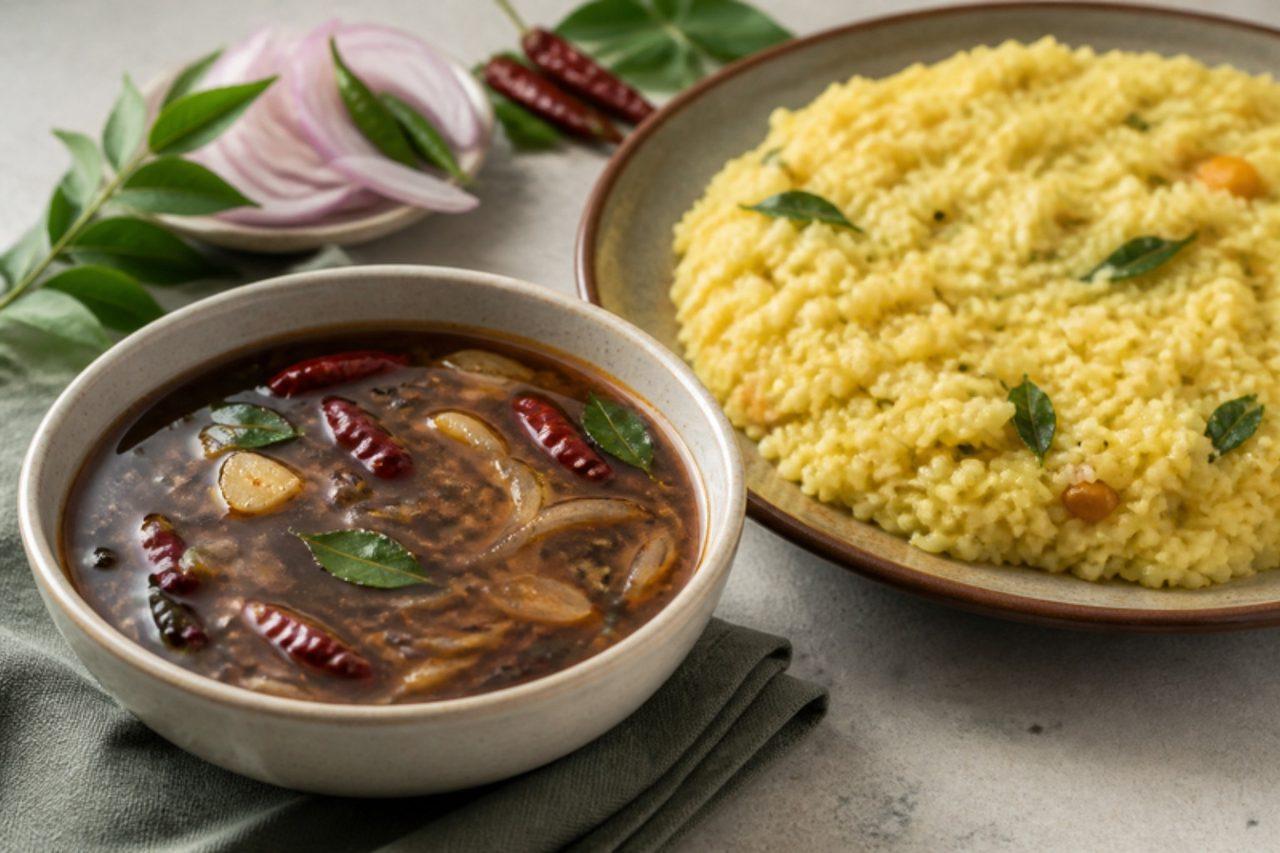
Hyderabadi khattaSour tamarind sauce

In Hyderabad the pre-dawn sehri meal of Ramadan is often khichdi, kheema and khatta: a thin, sour tamarind and onion sauce, tempered with curry leaves, garlic and dried chilli, ladled over the soft rice and lentils to wake up the palate at four in the morning. It is runny like a rasam, tart and savoury with just a little heat. Chef's tip: fry the onion only until soft, not brown, so the khatta stays light and sharp.

by KrazyBadal 0 views

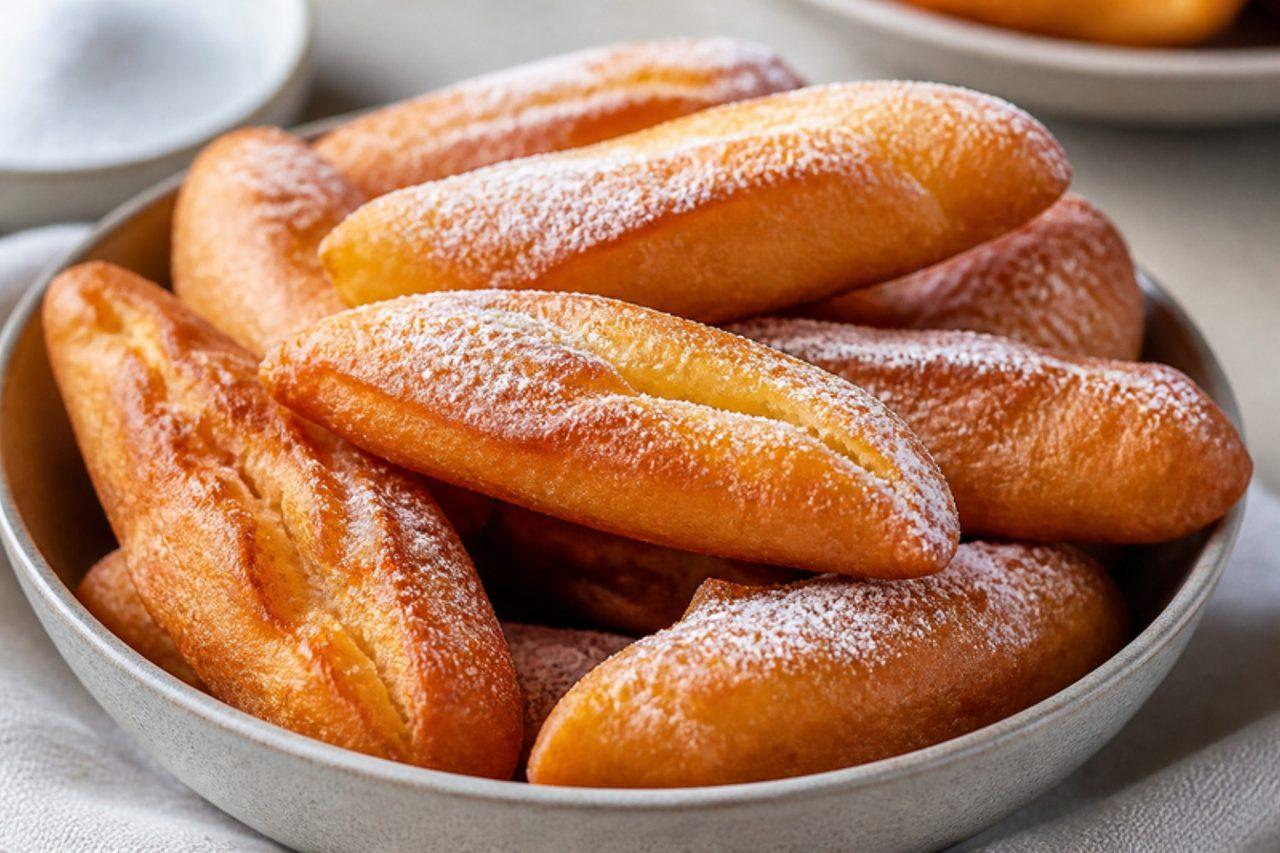
Fasnachts-SchenkeliFried lemon dough fingers

Schenkeli ('little thighs') are fried for Fasnacht, the Carnival weeks that lead up to Lent in Switzerland, when bakeries in Basel, Lucerne and Zurich sell them by the bagful beside Fasnachtschüechli. The dough is rich with butter, eggs and lemon zest, rolled into finger-length logs and fried until they have a crisp, cracked golden shell and a soft, cakey middle. Some recipes add a splash of kirsch to the dough; this one doesn't. Chef's tip: fry them at a moderate temperature, as they need time to cook through and the signature cracks form only if they aren't browned too fast.

by KrazyBadal 0 views

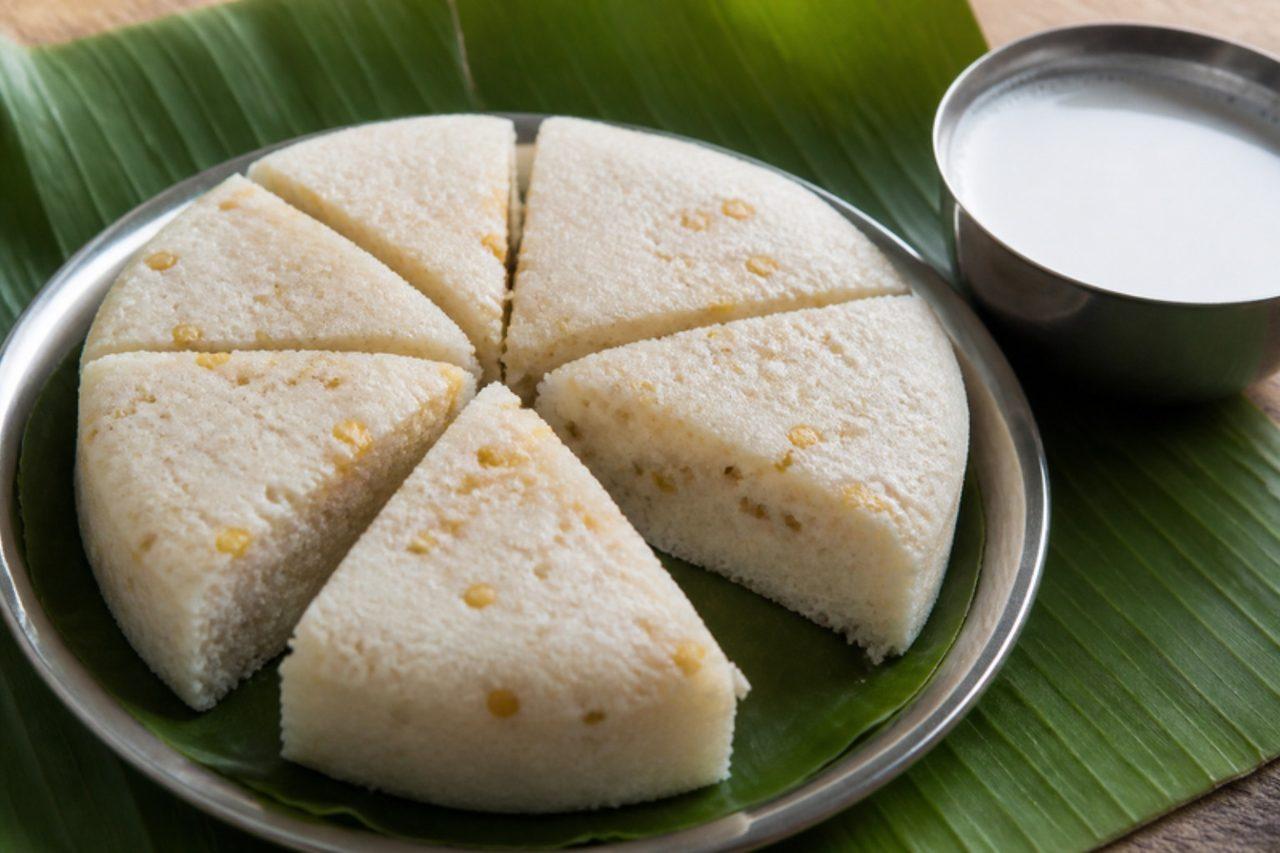
Pesaha appamUnleavened rice and lentil cake

On Pesaha, Maundy Thursday, Syrian Christian families in Kerala gather in the evening for a meal that remembers the Last Supper. The head of the house cuts the Pesaha appam (indri appam), an unleavened, steamed cake of roasted rice flour, urad dal and coconut, marked with a cross made from the palm leaves blessed on Palm Sunday, and shares it with everyone, dipped in sweet Pesaha paal. It is soft, dense and lightly savoury. Chef's tip: grind the soaked urad dal and coconut together very finely; the batter should be smooth and thick, like idli batter.

by KrazyBadal 0 views

Lengua a la vinagretaBeef tongue with vinaigrette

Argentina's Nochebuena is a hot summer night, so the table is full of cold dishes, and lengua a la vinagreta is one of the classics: beef tongue simmered until tender, peeled, sliced and covered with a sharp vinaigrette of parsley, garlic, red pepper, onion and chopped hard-boiled egg. It is made a day ahead and served chilled with vitel toné and Russian salad. Chef's tip: peel the tongue while it is still hot, as the skin comes away easily then and clings once it cools.

by KrazyBadal 0 views

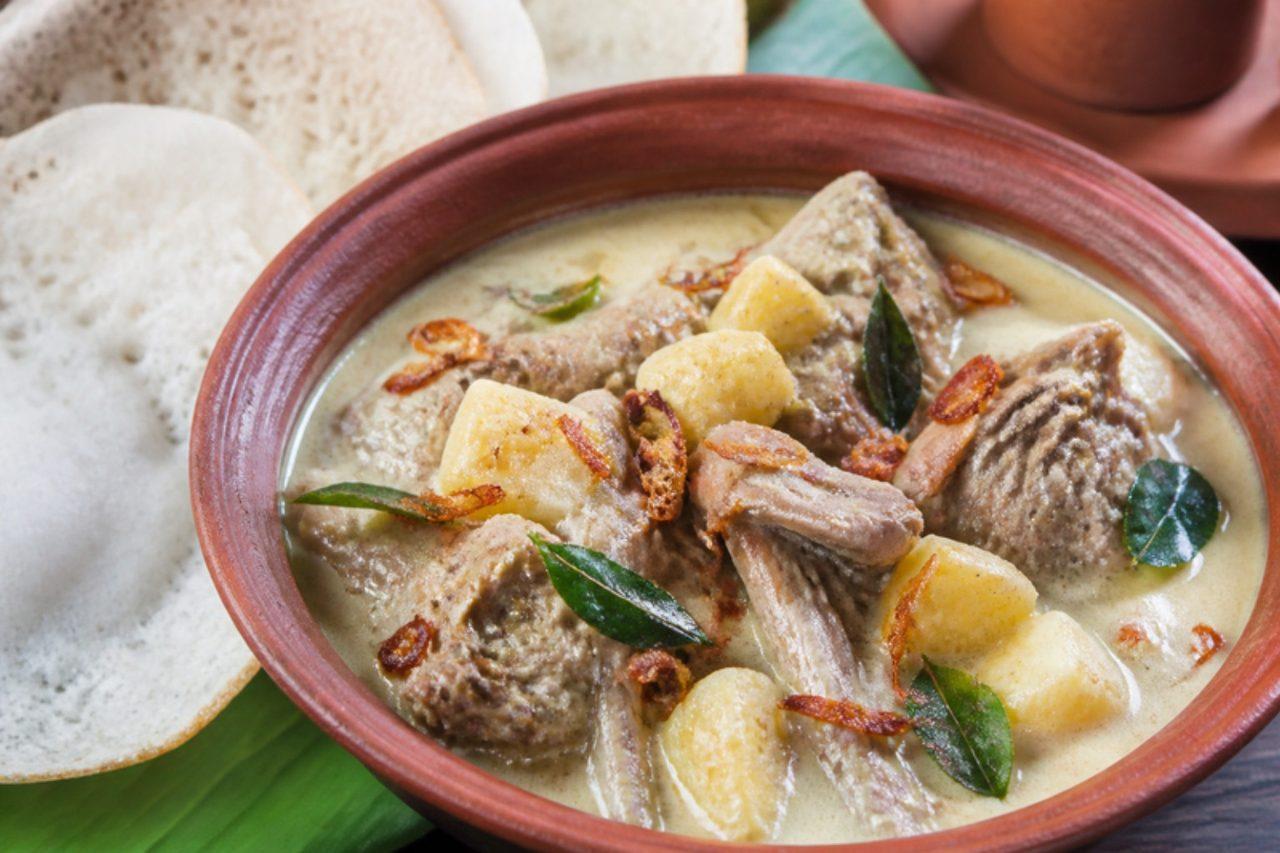
Tharavu mappasDuck curry in coconut milk

In Kerala's Syrian Christian homes, Christmas morning starts after midnight Mass with lacy appam and a bowl of duck mappas: duck pieces simmered in coconut milk with ginger, garlic, green chilli, black pepper and garam masala, finished with a splash of vinegar and fried shallots. It is creamy, warm with spice but not fiery, and a favourite across Kuttanad, where ducks are raised on the backwaters. Chef's tip: add the thick first-press coconut milk only at the end and don't boil it, so the gravy stays silky.

by KrazyBadal 0 views

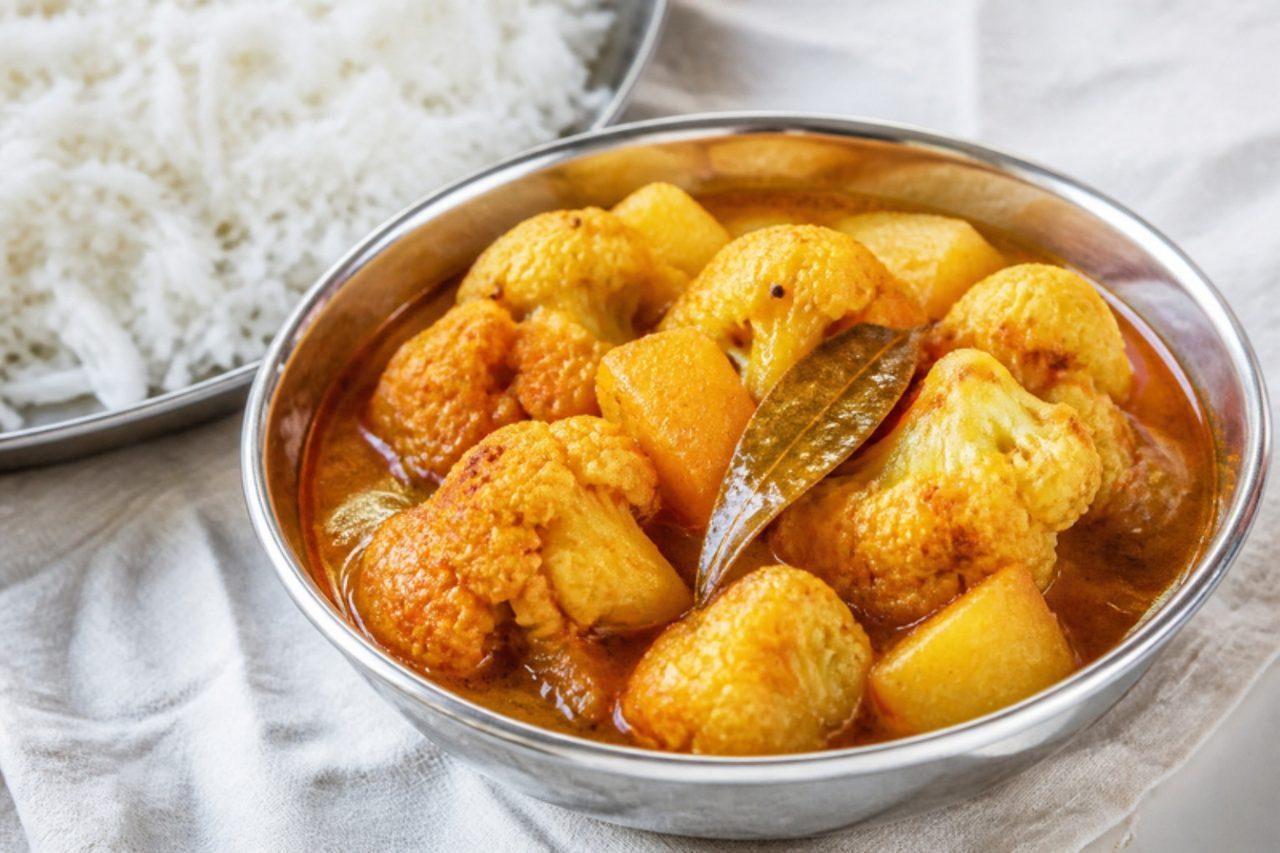
Fulkopir dalnaCauliflower and potato in light gravy

Fulkopir dalna is the gravy dish of a niramish (no onion, no garlic) Bengali menu, and it appears on the Durga Puja bhog table and at home on Navami and Dashami, when many families keep the day's food vegetarian. Large cauliflower florets and potatoes are fried golden and then simmered in a thin, glossy gravy of ginger, cumin, tomato and a little yoghurt, finished with ghee and Bengali garam masala. It should taste mellow, warm and slightly sweet rather than hot. Serve it with luchi or khichuri. Common mistake: boiling the cauliflower in the gravy from raw; fry the florets first until browned in patches, or they turn mushy and taste watery. Chef's tip: whisk the yoghurt with the ground spices before it goes in, and keep the heat low, so the gravy stays smooth instead of splitting.

by KrazyBadal 0 views

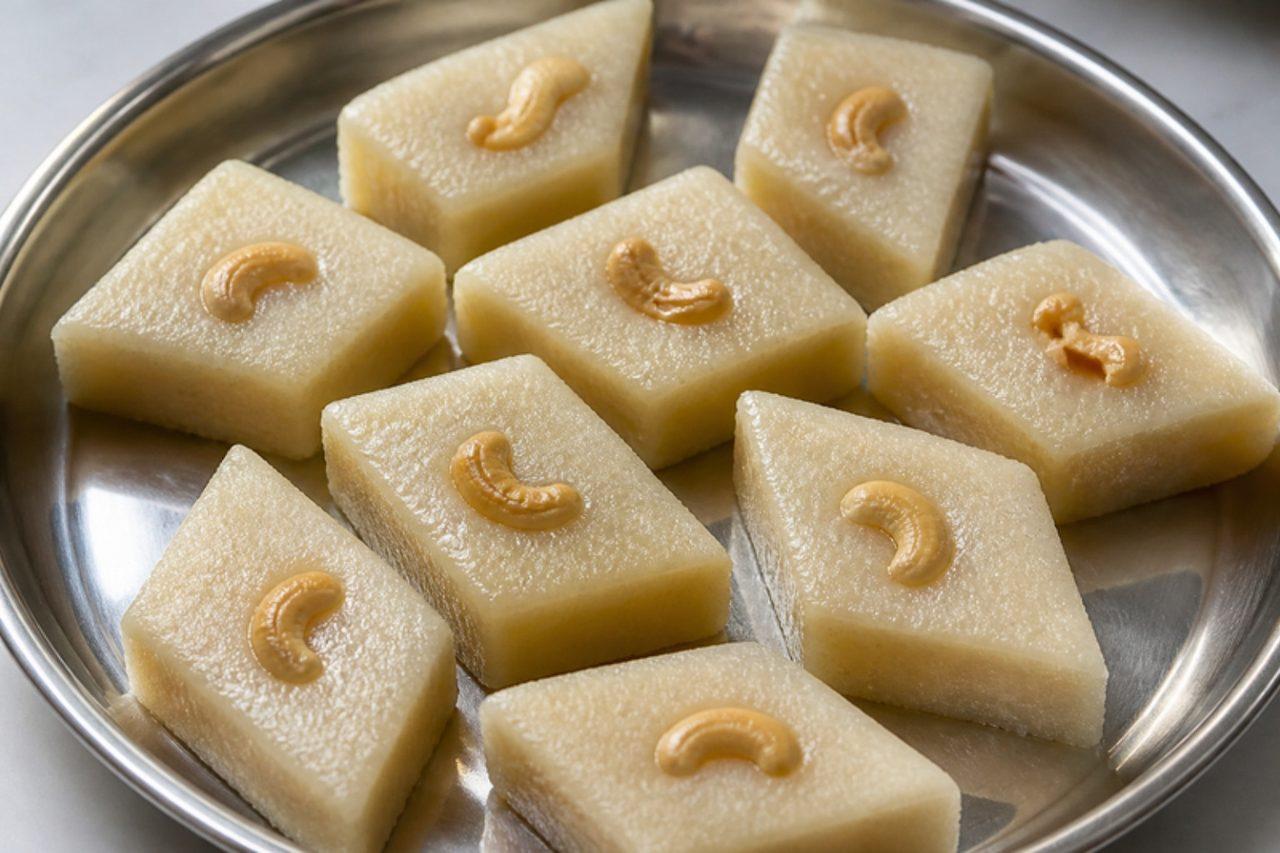
KinnathappamSteamed rice and coconut milk squares

Kinnathappam is named after the kinnam, the round steel plate it sets in, and it is one of the soft, wobbly sweets Mappila cooks in Malabar make for iftar and Eid. Rice flour, coconut milk and sugar are stirred into a smooth batter, steamed until just set and cut into glossy diamonds that taste of coconut and cardamom. Chef's tip: strain the batter before steaming; any lumps of rice flour show as white specks in the finished squares.

by KrazyBadal 0 views

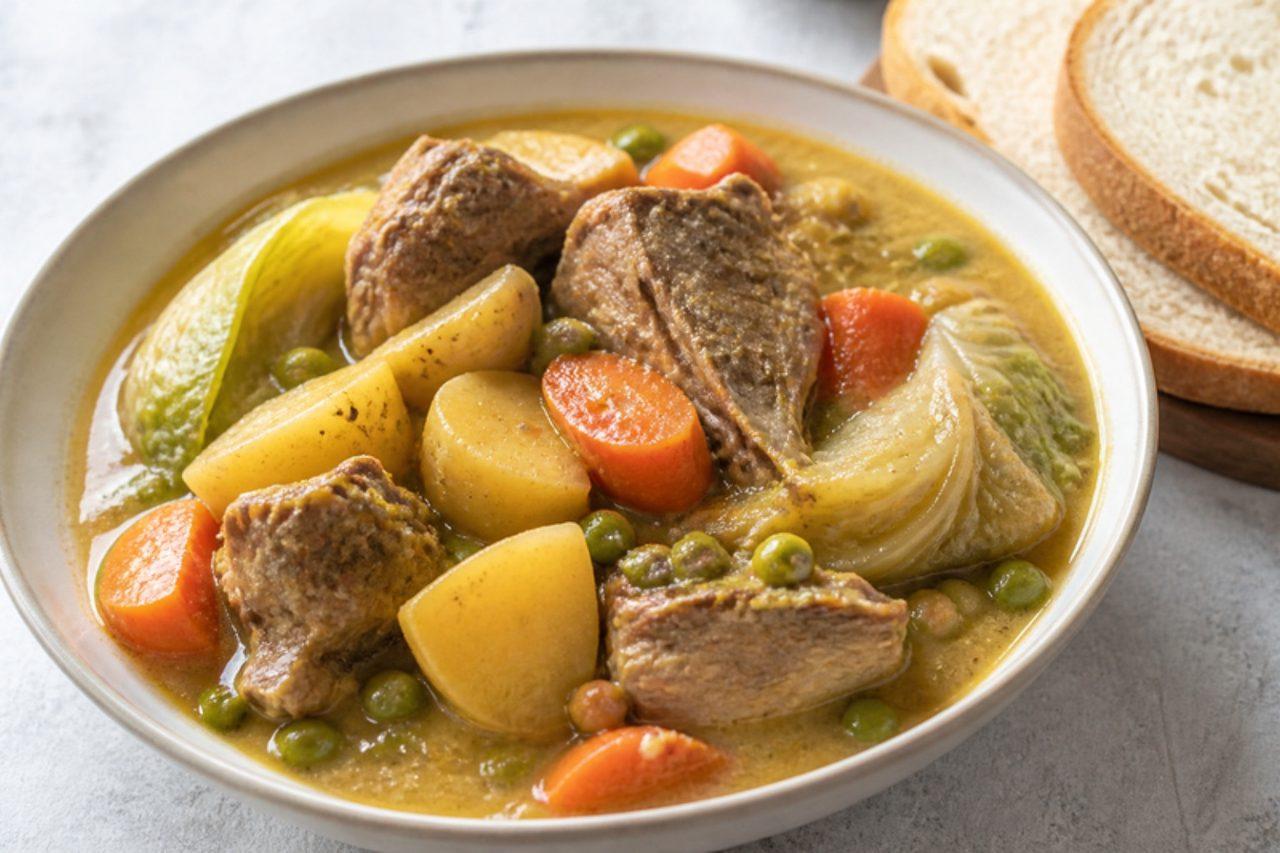
Duck buffadDuck with vegetables in ginger gravy

Buffad (sometimes spelled 'bufat') is the Christmas Day dish of Anglo-Indian families in Kolkata, Chennai and Bangalore, eaten after midnight Mass with bread, rice or coconut-milk pulao. Duck is simmered with potatoes, carrots, cabbage and peas in a light gravy of ginger, green chilli, mild spices and vinegar, a gentler, more British-influenced curry than its neighbours. It reheats beautifully. Chef's tip: brown the duck pieces first and pour off most of the fat, so the gravy is rich but not greasy.

by KrazyBadal 0 views

Pork bafatPork curry with roasted spice powder

Pork bafat is the curry Mangalorean Catholic families cook for Christmas, weddings and every big feast. Fatty pork pieces are simmered with onion, ginger, garlic and bafat powder, a deep red-brown blend of roasted chillies, coriander, cumin, pepper, turmeric and cinnamon, then soured with vinegar and a little tamarind. It is fiery and tangy and is eaten with sannas, the soft, steamed rice cakes. Bafat powder keeps for months, so make a jar. Chef's tip: let the curry rest overnight, as the vinegar and spices mellow into each other and it tastes far better the next day.

by KrazyBadal 0 views

Chipa so'oCheese bread with spiced beef

In Paraguay, families bake chipa in the clay tatakua ovens on Holy Wednesday so there is food for Thursday and Good Friday, when cooking stops. Chipa so'o ('chipa with meat') is a cassava-starch and cheese bread wrapped around a little filling of minced beef cooked with onion and egg, then baked until crisp outside and chewy within. It is naturally gluten free. Chef's tip: knead the dough until it no longer cracks at the edges when pressed; dry dough splits around the filling.

by KrazyBadal 0 views

KalanehWild leek stuffed flatbread

In Kurdistan and Kermanshah, Newroz arrives with the first spring greens on the hillsides, and families gather wild leeks to fold into kalaneh, thin griddle breads cooked over a fire or a hot pan and soaked in melted butter. The dough is plain and soft, rolled very thin around a pile of chopped leek or chives with a little salt and pepper, so the greens steam inside as the bread blisters. Eat it hot, torn into strips, with yogurt and tea at a Newroz picnic. The common mistake is wet greens, which turn the dough soggy and make it tear; dry them well after washing. Chef's tip: brush the butter on the moment the bread leaves the pan so it soaks right in.

by KrazyBadal 0 views

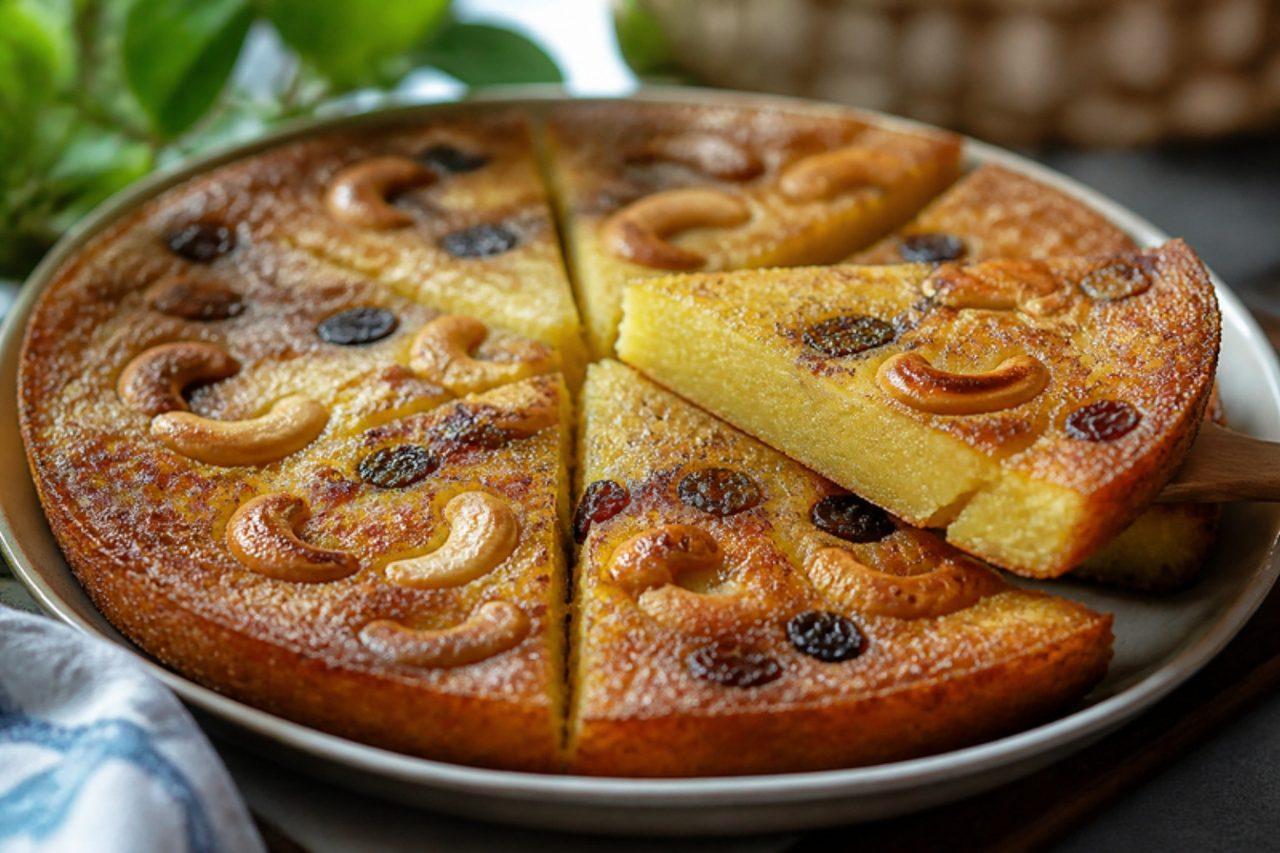
KaipolaBanana and egg cake

Kaipola is a Malabar Ramadan favourite, set on the iftar table in Kozhikode and Thalassery between the fried snacks and the sweets. Very ripe nendran bananas are blended with eggs, sugar and cardamom and slowly baked in a covered pan over ghee-fried cashews and raisins, so it comes out soft and custardy, with a caramel-brown base. Chef's tip: use bananas with black-speckled skins; underripe ones make it dry and bland.

by KrazyBadal 0 views

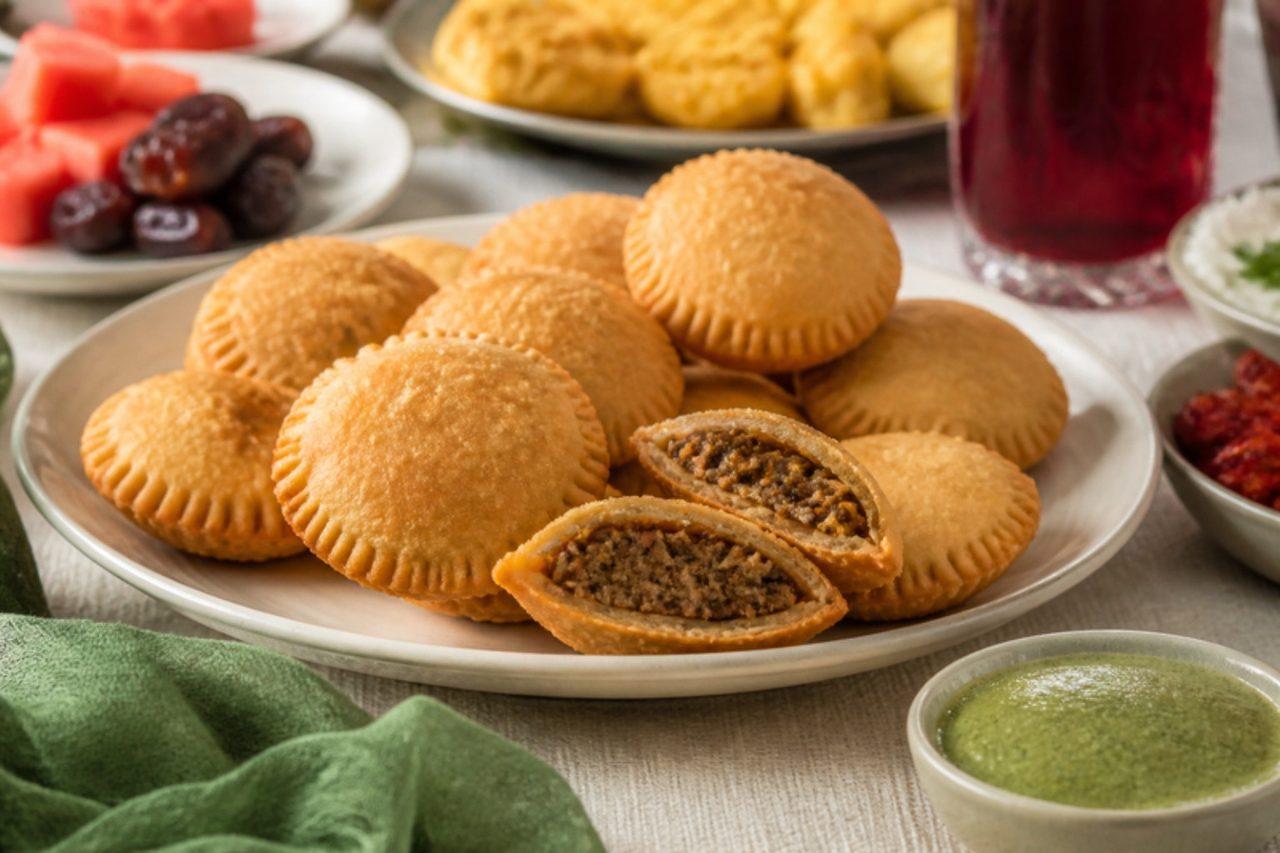
Erachi pathiriFried pastry with spiced beef

Erachi pathiri, 'meat pathiri', is the snack Malabar cooks make by the dozen for Ramadan iftar: two small rounds of soft dough sealed around a filling of minced beef fried with onion, green chilli and garam masala, then deep-fried until they puff into golden pillows. Use halal beef mince, or chicken mince cooked to 74 °C. Chef's tip: let the filling cool completely before you fill, or the steam softens the dough and the edges burst.

by KrazyBadal 0 views

OsterfladenSemolina and almond Easter tart

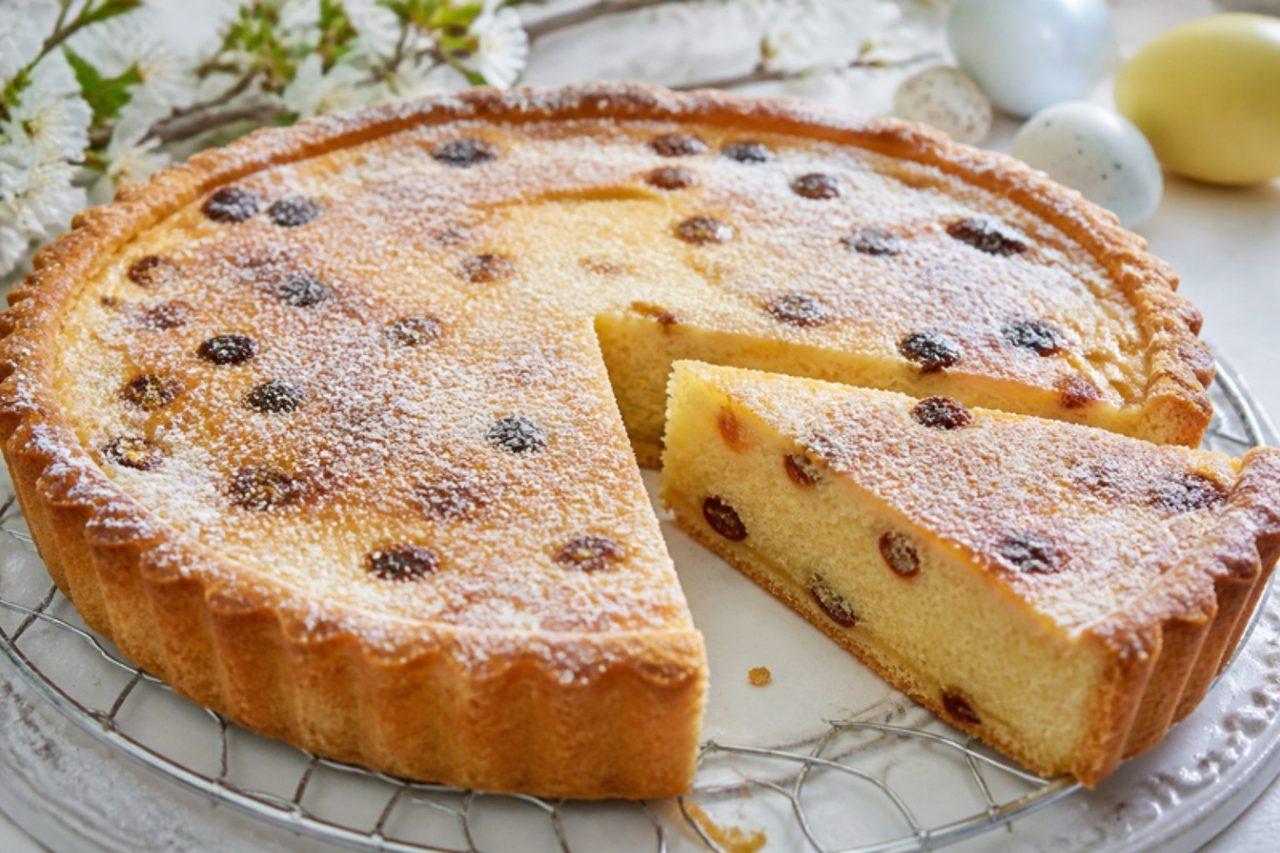
Osterfladen is the Easter tart of Basel and northern Switzerland, baked on Holy Saturday and eaten on Easter Sunday. A shortcrust case holds a creamy filling of semolina (or rice) cooked in milk, folded with ground almonds, raisins, lemon zest and whipped egg white, which bakes into a light, sliceable custard under a dusting of icing sugar. Some bakers soak the raisins in kirsch; here they are soaked in warm water, so it is alcohol-free. Chef's tip: fold the egg whites in gently and last, as they are what makes the filling light.

by KrazyBadal 0 views

Pesaha paalCoconut milk and jaggery drink

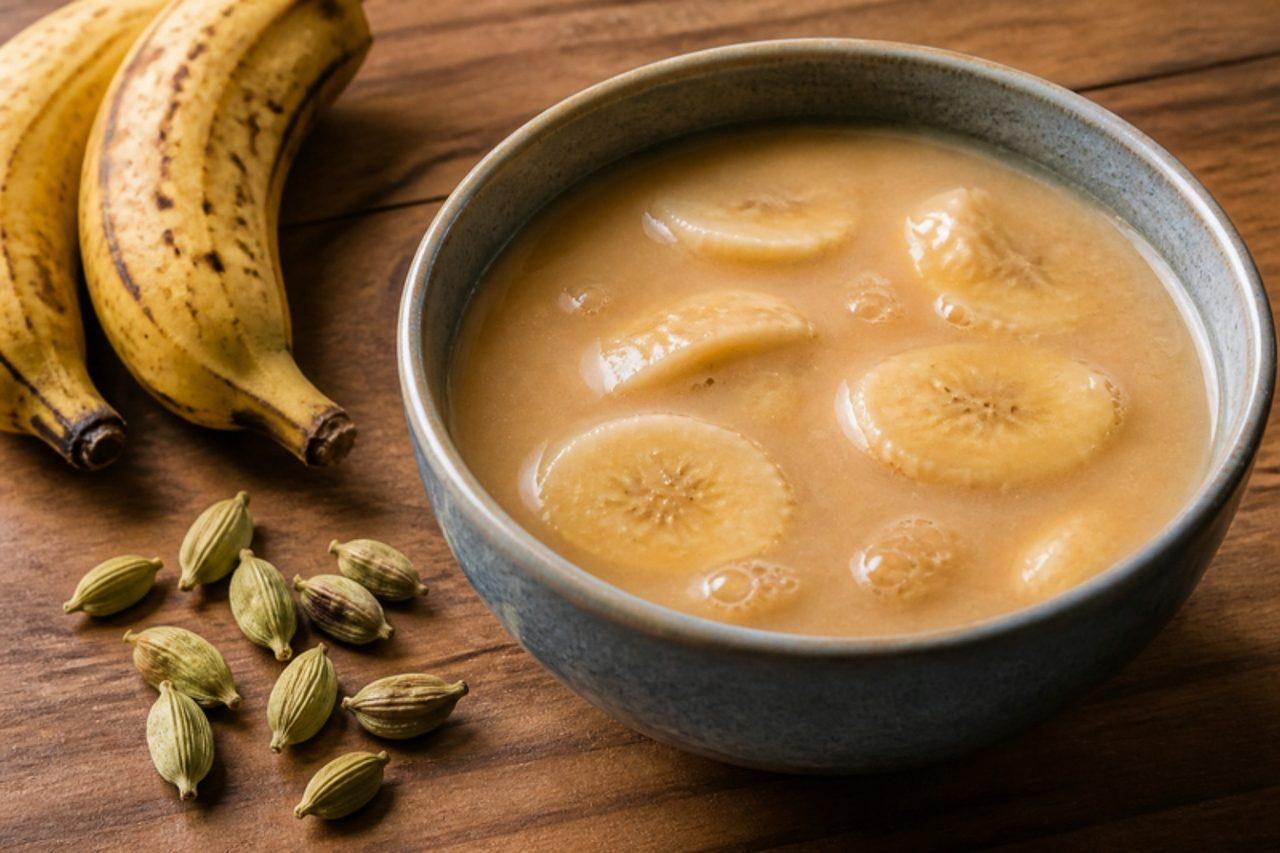
Pesaha paal ('Passover milk') is the sweet dip served with Pesaha appam at the Maundy Thursday supper in Kerala's Syrian Christian homes. Coconut milk is simmered with melted jaggery, a little roasted rice flour to thicken it, cardamom and dried ginger until it becomes a warm, silky drink. The family dips pieces of the blessed appam into it after the evening prayers. It is vegan and gluten free, and ready in half an hour. Chef's tip: strain the jaggery syrup before adding the coconut milk, as jaggery often carries grit.

by KrazyBadal 0 views

Showing 24 of 1,737 recipes

Show more recipes

Page 1 of 73