Skip to content
Recipes

All recipes

Vegetarian, or something you can't eat? Set your diet once and we'll hide recipes that don't fit.

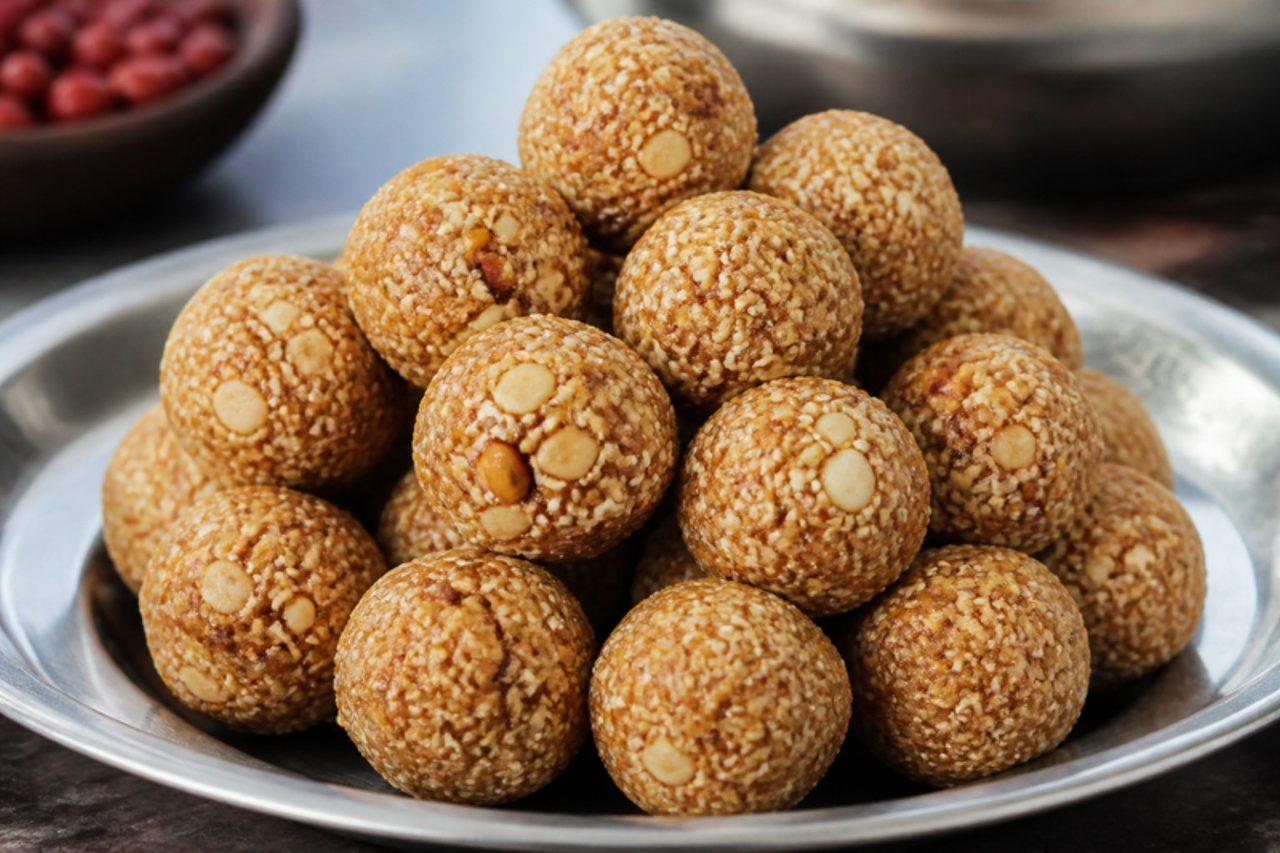
Tilgul ladooSesame and jaggery balls

On Makar Sankranti in Maharashtra, neighbours, colleagues and old rivals swap tilgul and say 'tilgul ghya, goad goad bola': take this sesame and jaggery, and speak sweetly. Sesame and jaggery both warm the body in the coldest weeks of January, which is why the ladoo appears in every Pune and Mumbai home, often next to halwa sugar beads. These are the softer, chewy kind: sesame and peanuts are roasted separately, then bound with jaggery cooked just to the soft-ball stage and rolled quickly while warm. They taste nutty and toffee-like with a hint of cardamom. Hand them out in small bags or eat one after lunch. The common mistake is overcooking the jaggery: it sets rock hard and the ladoos can crack a tooth. Grease your hands with a little oil rather than ghee to keep them vegan. Chef's tip: test the jaggery by dropping a little into cold water; it should gather into a soft ball you can squash between your fingers.

by KrazyBadal 0 views

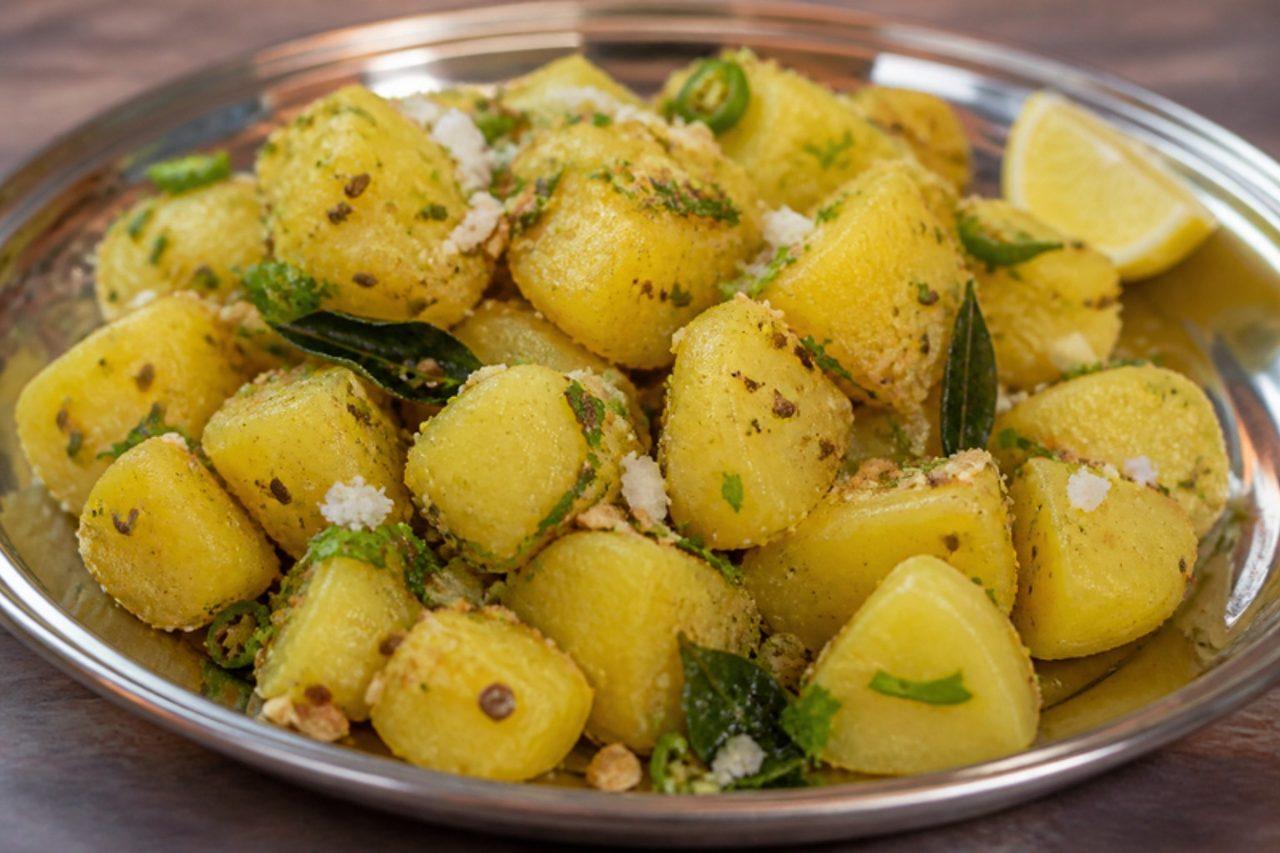
Upvasachi batata bhajiFasting potato stir-fry with peanuts

Ask anyone from Pune or Nashik what they eat on Ekadashi or a Navratri upvas, and this dry potato bhaji will be on the plate, usually next to sabudana khichdi or bhagar and a bowl of danyachi amti. Unlike North Indian vrat ke aloo, there is no tomato and no gravy: cubes of boiled potato are tossed in ghee or oil with cumin and crushed green chilli, then coated in coarsely ground roasted peanuts that cling to every piece. A little sugar and lemon give it the gentle sweet-sour lift that Maharashtrian cooking loves, and coriander and fresh coconut finish it. It is quick, filling and good cold in a tiffin too. Some families add curry leaves; others leave them out on strict fasts. Chef's tip: cool the potatoes completely before cubing; warm potatoes break into mash when you toss them.

by KrazyBadal 0 views

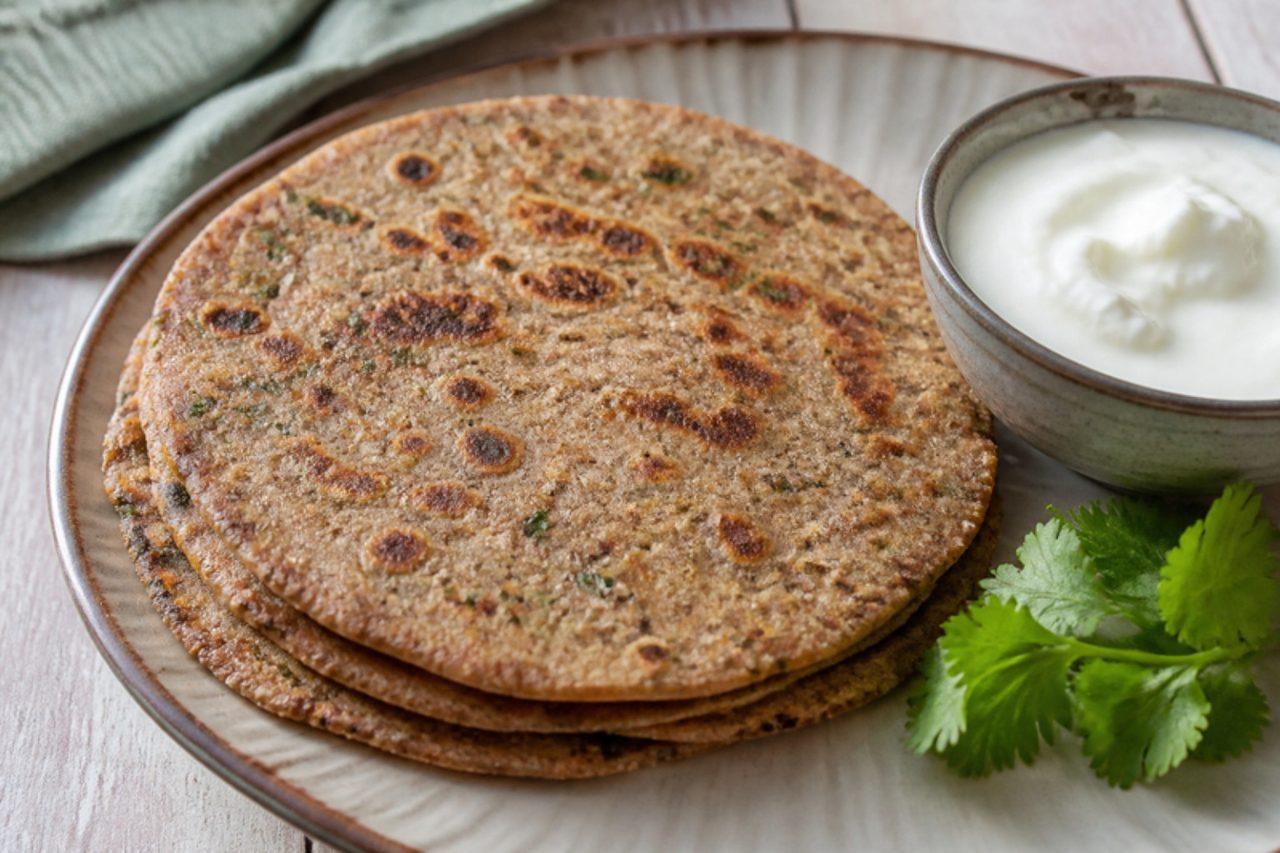
Rajgira parathaAmaranth flatbread

In Maharashtrian homes on Ekadashi, Mahashivratri and the Navratri fast, rajgira, amaranth, replaces wheat, and these parathas are the most filling way to eat it. The flour has a mild, nutty, grassy flavour and no gluten, so boiled potato is kneaded in to hold the dough together, with chopped green chilli, cumin, coriander and rock salt for a lightly spiced flatbread. Cooked on a griddle with ghee, they turn golden-spotted and soft with crisp edges. Serve them with sweet dahi, upvasachi batata bhaji or a dab of peanut chutney. Strict fasts in some homes skip cumin and coriander leaves, so leave them out if your family does. Use flour labelled gluten-free if that matters to you. Chef's tip: pat the dough out between two sheets of oiled plastic and lift it onto the tawa on the sheet, peeling it off as it goes down; rajgira dough is too fragile to roll and flip like wheat.

by KrazyBadal 0 views

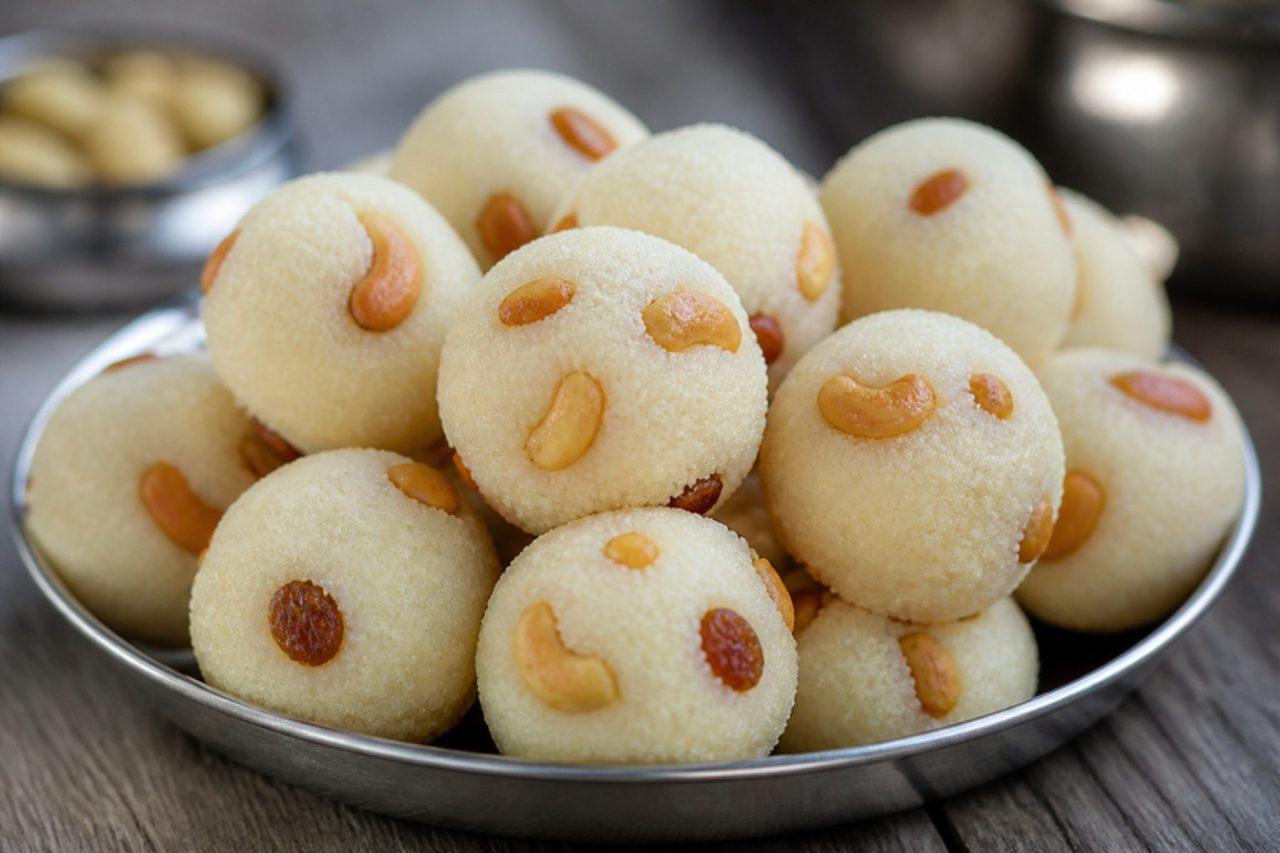
Rava ladooSemolina and coconut sweet balls

Ask a Maharashtrian or South Indian family which Diwali sweet goes first and rava ladoo is a strong answer. It needs no khoya and no special flour, just semolina toasted gently in ghee with coconut until it smells biscuity, then soaked with a hot cardamom sugar syrup. After a short rest the rava drinks up the syrup and can be rolled into soft, slightly grainy balls that firm up as they cool, studded with golden cashews and plump raisins. In Mumbai they sit in the faral platter next to chakli and karanji; in Tamil homes they are a quick Deepavali or Krishna Jayanthi offering. They keep for about a week, less if you use fresh coconut. Chef's tip: shape them while the mixture is still warm; if it cools and crumbles, sprinkle over a tablespoon of warm milk and it will bind again.

by KrazyBadal 0 views

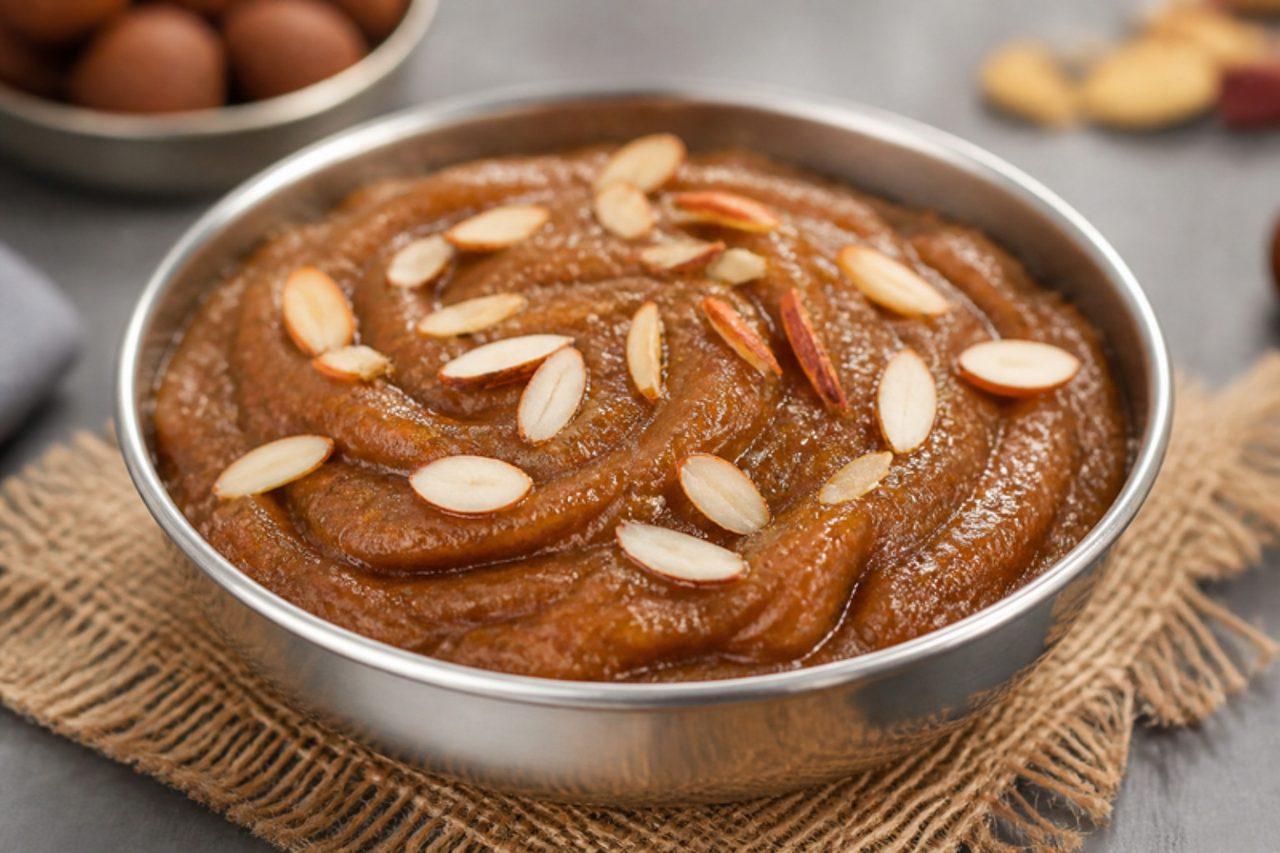
Singhare ka halwaWater chestnut flour pudding

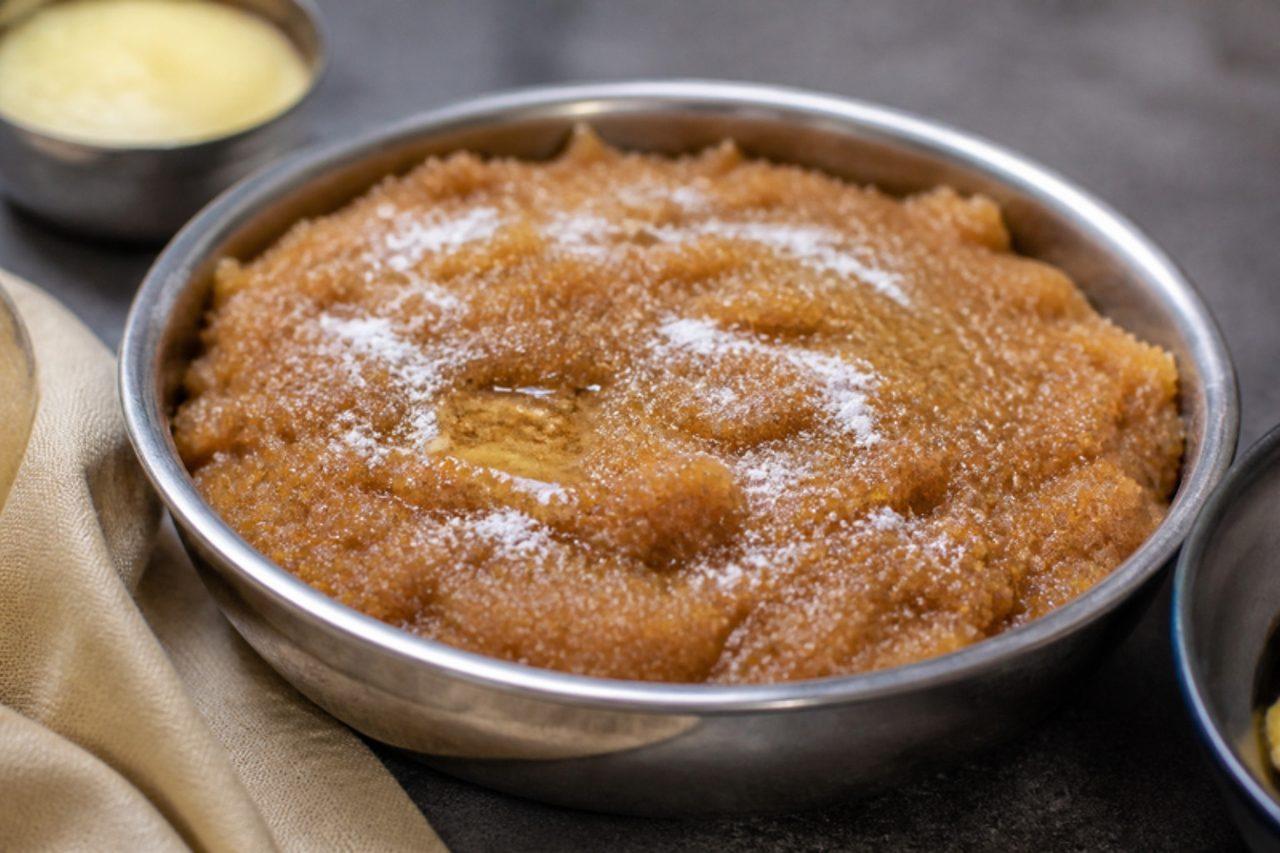
Singhara, water chestnut, is dried and ground into a pale flour that North Indian homes keep for fasts, and this halwa is what many make first on Navratri Ashtami, Janmashtami or Ekadashi, often as the bhog offered before the fast is broken. It comes together in twenty minutes: the flour is roasted in ghee until it smells toasty and darkens a shade, hot sugar water goes in, and with fast stirring it swells into a soft, glossy halwa that is earthy, sweet and slightly chewy. Serve it warm, on its own or with kuttu puri and aloo for a full fasting meal. It uses only ingredients allowed on most fasts. Chef's tip: dissolve the sugar in the water and keep it at a boil; cold liquid makes the flour seize into lumps the moment it hits the pan.

by KrazyBadal 0 views

Makar chaulaRaw rice, banana and jaggery offering

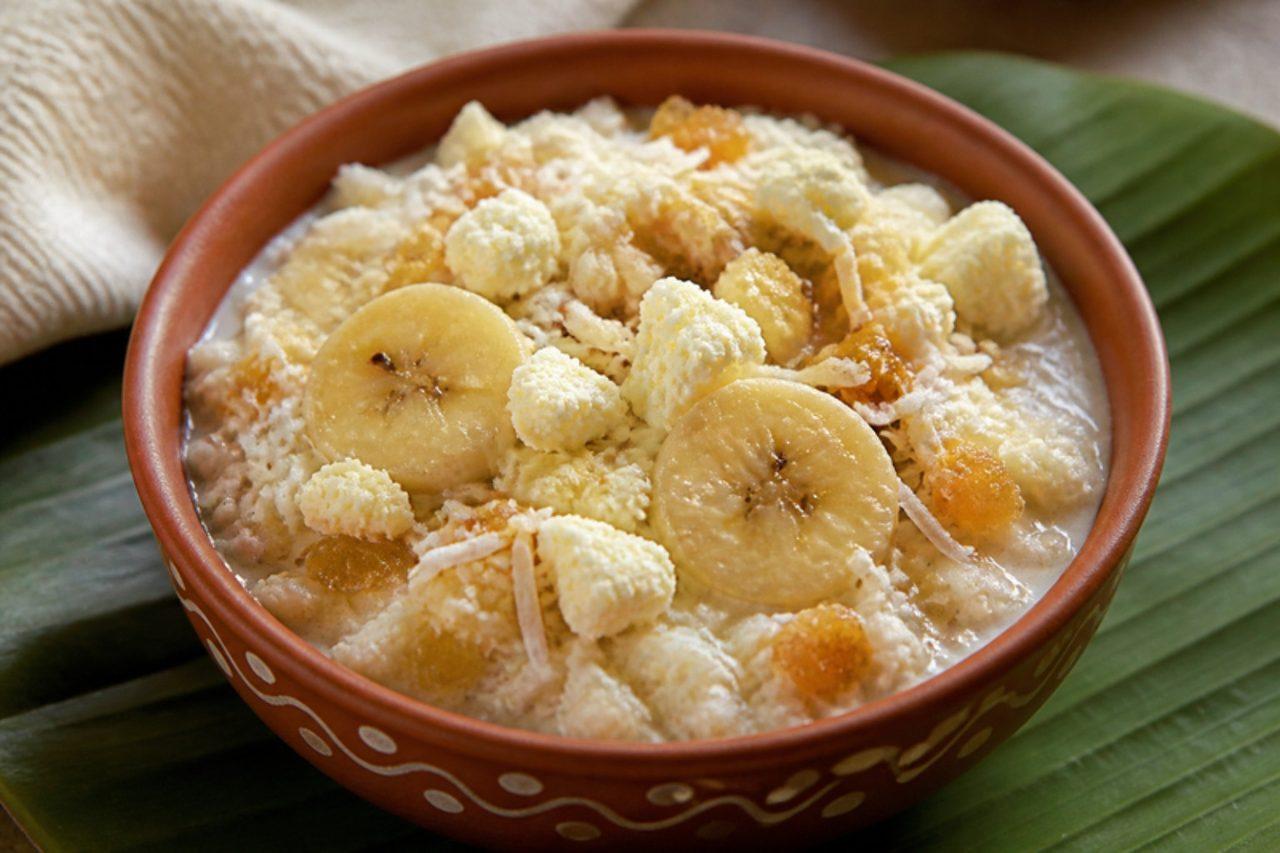
On Makar Sankranti in Odisha, the first rice of the winter harvest goes to the sun god before anyone else tastes it. Makar chaula is that offering: freshly harvested rice soaked and coarsely pounded, then mixed raw with grated coconut, ripe banana, chhena (fresh cheese), jaggery or sugarcane juice, milk, black pepper and a little ginger. Temples such as Puri and Konark offer huge quantities, and every home in Cuttack and Bhubaneswar makes its own bowl after the morning bath. It is not cooked at all, so it tastes fresh, milky and gently spiced, with a soft chew from the rice. Eat it in the morning as prasad, with sugarcane pieces and til ladoo. The common mistake is grinding the rice to a powder; it should stay coarse, like broken grains, or the mix turns gluey. Chef's tip: use the newest, softest short-grain rice you can find; old rice stays hard even after soaking.

by KrazyBadal 0 views

Nimbu ka acharLemon pickle

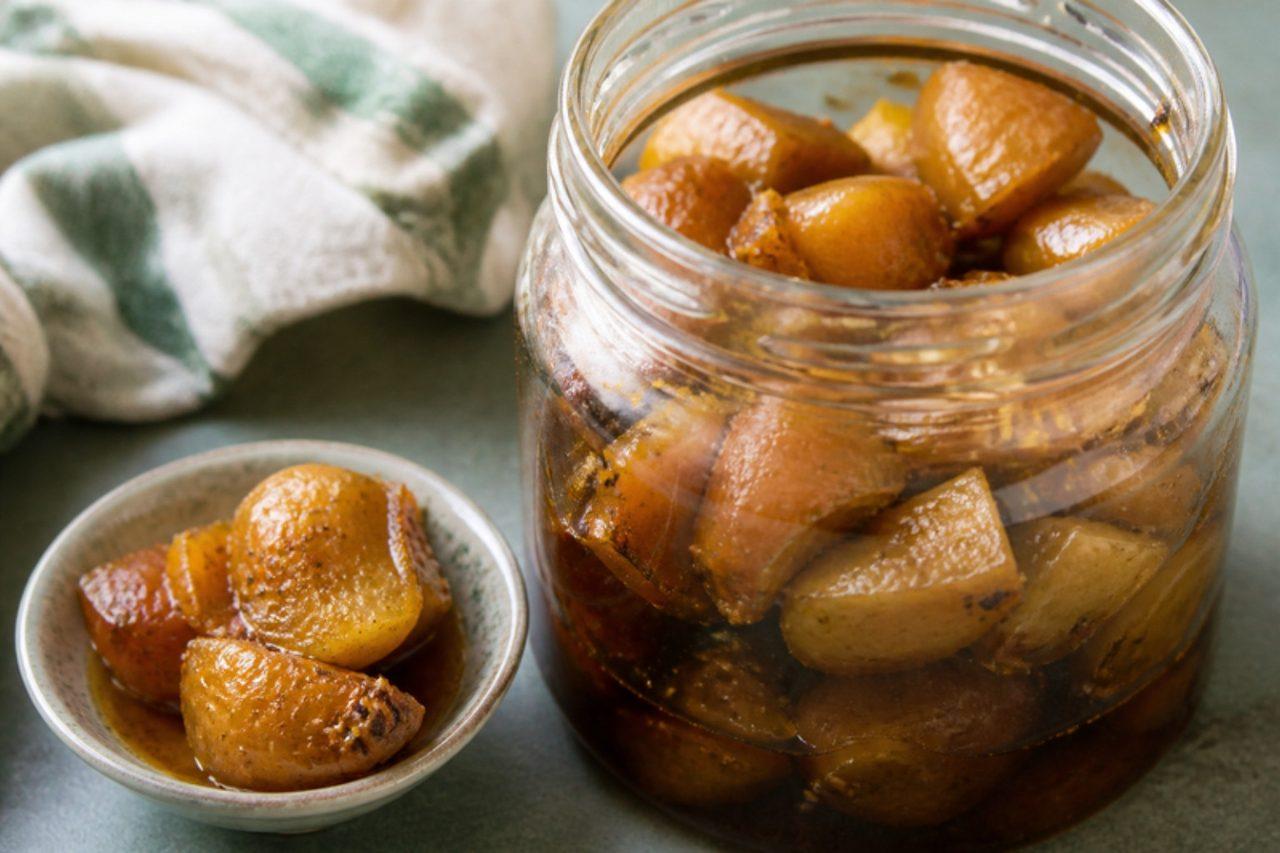
Lemon pickle is the one achar that North Indian grandmothers hand over without a speech, because there is almost nothing to it: lemons, salt, a few spices, a jar and patience. No oil goes in. The quartered lemons sit in salt and their own juice, in a sunny window or on the roof, and over three or four weeks the peel turns soft, translucent and brown, and the juice becomes a thick, sweet-sour syrup. This version is the khatta-meetha kind, with sugar, ajwain, black salt and chilli, loved with parathas, khichdi and as a cure for an upset stomach; leave out the sugar and double the chilli for the salty, sharp version. Use thin-skinned, juicy lemons (kagzi nimbu) and wash and dry them thoroughly. Common mistake: being impatient; the peel is bitter and hard until it has fully cured, so wait until it squashes easily. Keep the pieces pressed under the juice, use only a dry spoon and discard the jar if mould appears. Chef's tip: shake the jar every day rather than opening it; less air and fewer spoons mean less risk of spoilage.

by KrazyBadal 0 views

Rajgira ladooPopped amaranth jaggery balls

Before Mahashivratri and Navratri, sweet stalls in Maharashtra pile up trays of rajgira ladoo, and they are one of the few sweets that suit a strict fast and a vegan diet at once. Amaranth seeds puff like tiny popcorn in a hot pan; mixed with jaggery cooked to a firm syrup, they set into light, crunchy balls with a toffee-like, molasses sweetness and a toasty grain flavour. They are eaten as an energy-giving snack on fast days, given as prasad, and packed for long temple queues. Ready-popped rajgira is easy to find in Indian shops; popping your own seeds (a spoonful at a time in a hot, dry, lidded pan) takes about 10 minutes more. Chef's tip: wet your palms with cold water and shape the ladoos while the mix is very warm; once the jaggery cools, it sets hard and won't bind.

by KrazyBadal 0 views

Paruppu podiLentil powder for rice

Ask a Tamil or Andhra child what they want for a quick lunch and the answer is often paruppu podi sadam: a heap of steaming rice, two spoons of this pale, sandy powder and a generous pour of ghee or sesame oil, mixed by hand, with appalam and a spoon of mango pickle alongside. The podi is mild compared with idli podi, built on roasted toor dal and pottukadalai (roasted split gram), with black pepper and just a few red chillies for warmth. Andhra kandi podi adds garlic, which makes it more savoury; roast the cloves until dry so the powder keeps. The recipe itself is vegan, but the traditional serving uses ghee. Common mistake: roasting the toor dal too fast; it browns outside while staying hard and raw-tasting inside. Chef's tip: grind it finer than idli podi, almost to a soft powder, so it coats every grain of rice.

by KrazyBadal 0 views

Masala papadPapad with onion and tomato topping

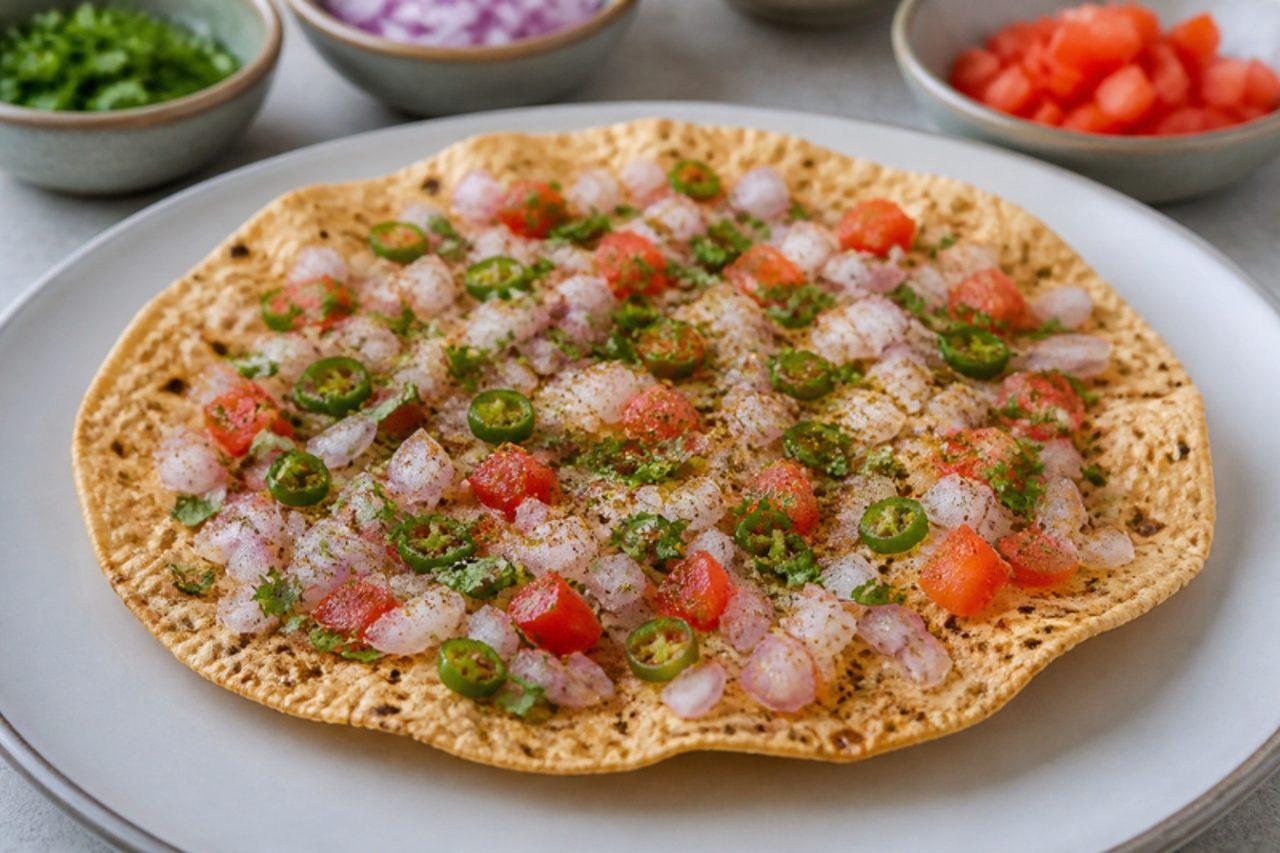
Order drinks at an Irani café or a Udupi restaurant in Mumbai and masala papad arrives before you have looked at the menu: a big crisp disc, roasted or fried, buried under chopped onion, tomato, green chilli and coriander, dusted with chaat masala and chilli powder, with a squeeze of lemon. It is part salad, part cracker, and it disappears in minutes. At home it is the easiest party starter there is, made in the time it takes guests to sit down. Use any good urad or moong papad, homemade or bought. Fried papads give a richer, puffier base; flame-roasted ones are lighter and smokier. Common mistake: topping the papads too early, so the juice from the tomato and onion soaks in and they go limp. Chef's tip: deseed the tomato and salt the topping only at the last moment, then pile it on and serve within two minutes.

by KrazyBadal 0 views

Khatta meetha kadduSweet-sour pumpkin

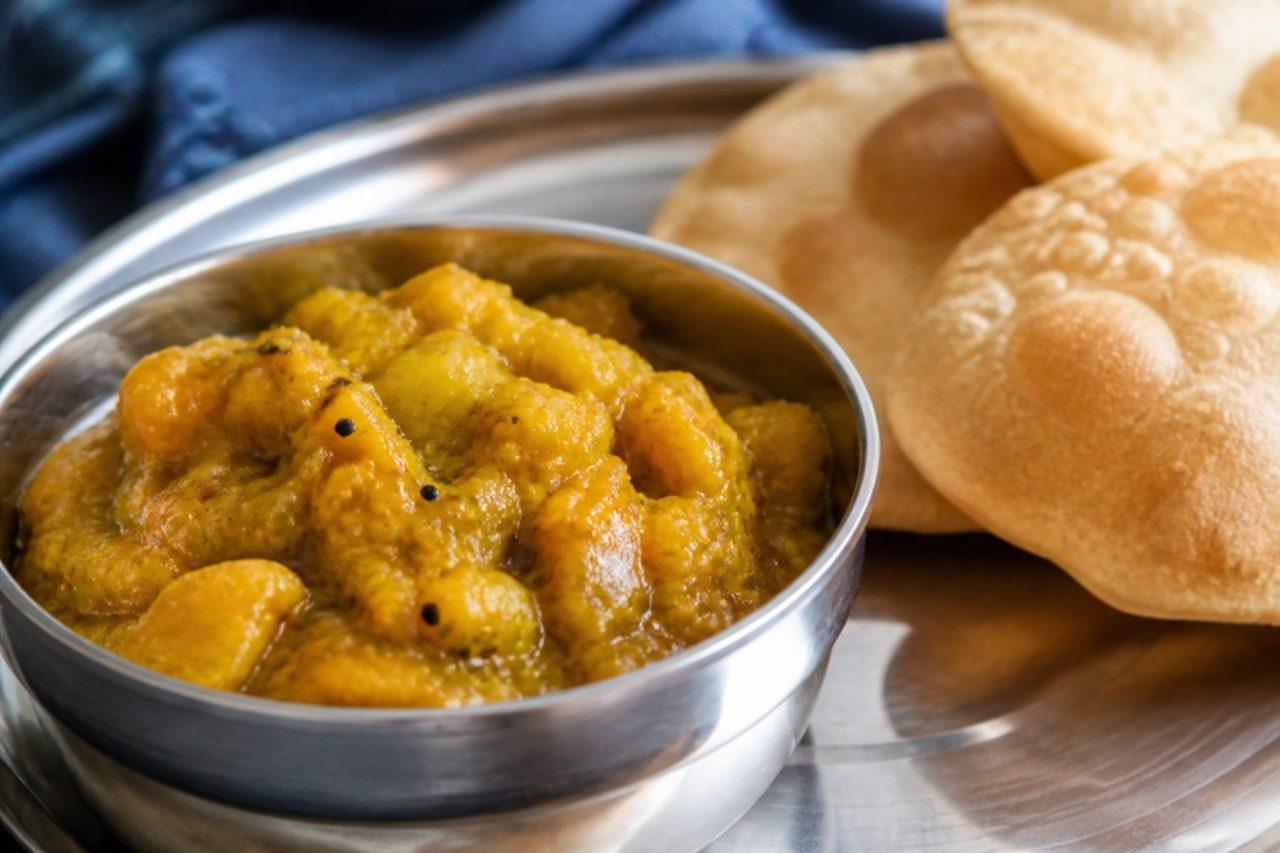
Kaddu ki sabzi with puri is the meal served at countless bhandaras, the free community feasts outside temples in Uttar Pradesh and Punjab, and at home it is a fasting favourite for Navratri. Chunks of yellow pumpkin are cooked until soft with sizzling fenugreek seeds and cumin, then half-mashed and finished with jaggery and dry mango powder, so the dish swings between sweet and sour with gentle heat from ginger and chilli. The fenugreek gives it a faintly bitter, maple-like depth. This fasting version uses rock salt and leaves out the turmeric, asafoetida and fennel that bhandara cooks add. Serve with kuttu puri or regular puri, and a bowl of raita. Chef's tip: keep the skin on part of the pumpkin; it holds the pieces together while the peeled pieces melt into the sauce, giving a better texture.

by KrazyBadal 0 views

Payar mezhukkupurattiStir-fried long beans

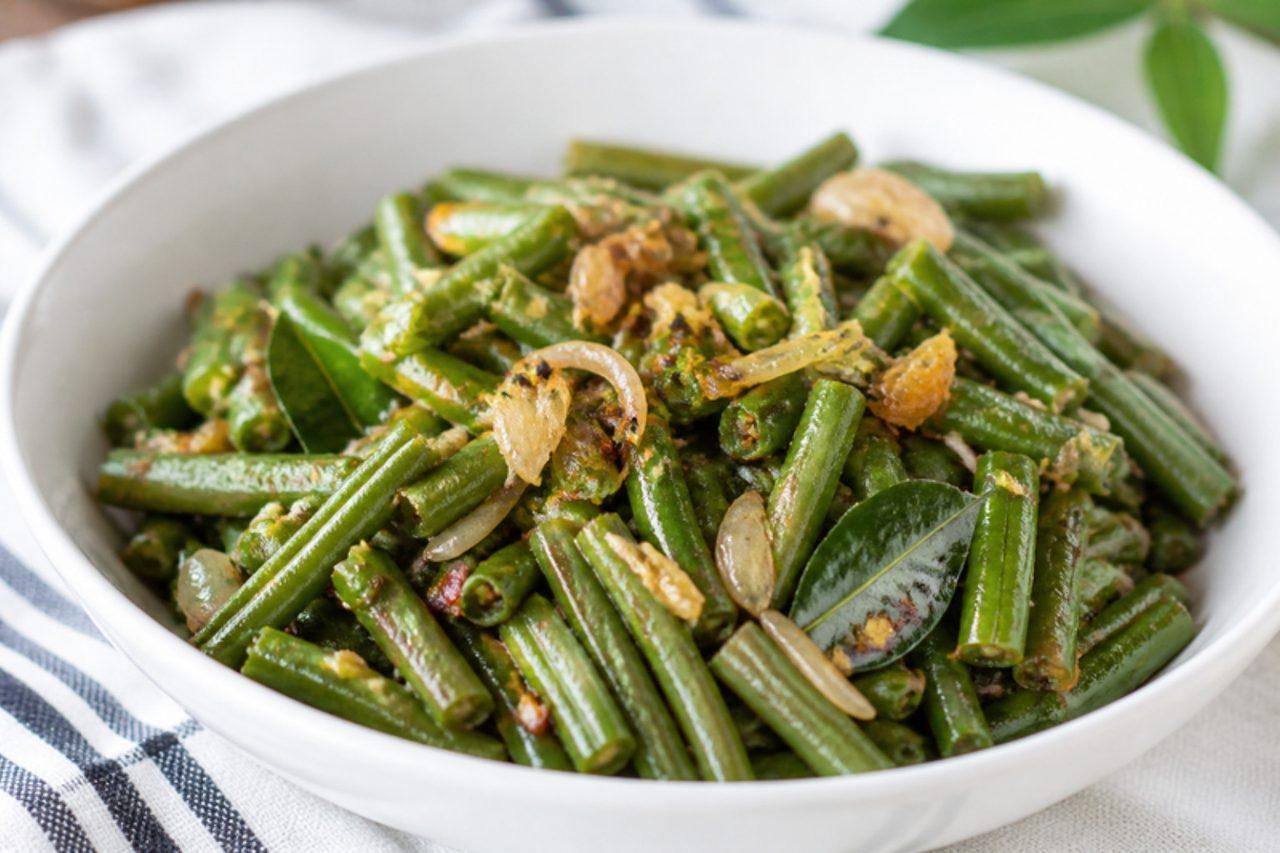
The name says it all: mezhukku means oil and puratti means smeared, so this is a dry stir-fry that leaves every bean slick and shiny with coconut oil. Vanpayar, the yard-long beans that climb over every Kerala garden fence, are cut short and cooked with crushed shallots, garlic and dried chilli flakes until tender and blistered in places. It is weekday food in Kottayam and Alappuzha homes, packed into tiffin with rice and moru curry, and it turns up on festive spreads too. The taste is simple, smoky and savoury, with crunch from the shallots. Serve with matta rice and a thin curry. The common mistake is covering the pan for too long, which steams the beans grey and soft; cover briefly, then finish uncovered so they roast. Chef's tip: crush the shallots, garlic and chilli together in a mortar rather than slicing them; the rough paste clings to the beans much better.

by KrazyBadal 0 views

Karuveppilai podiCurry leaf powder

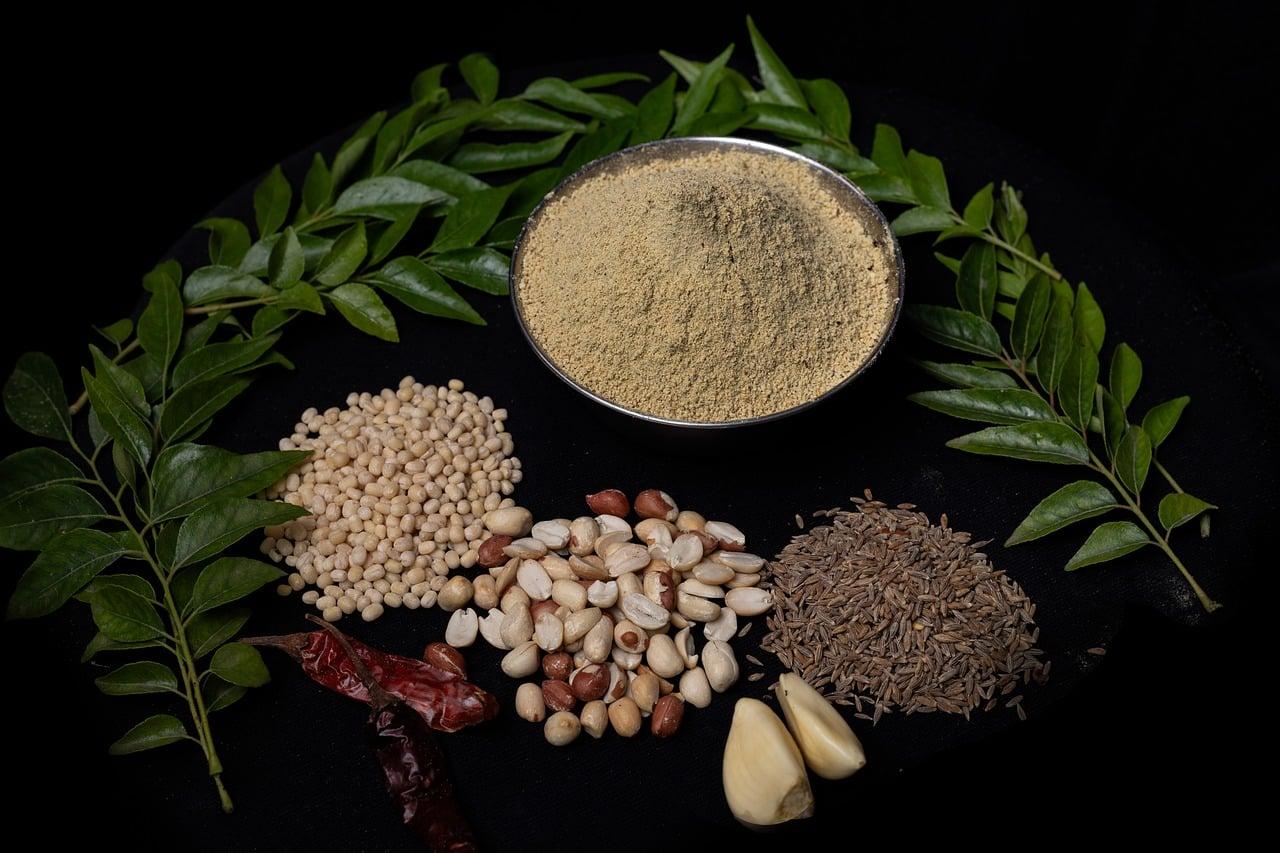
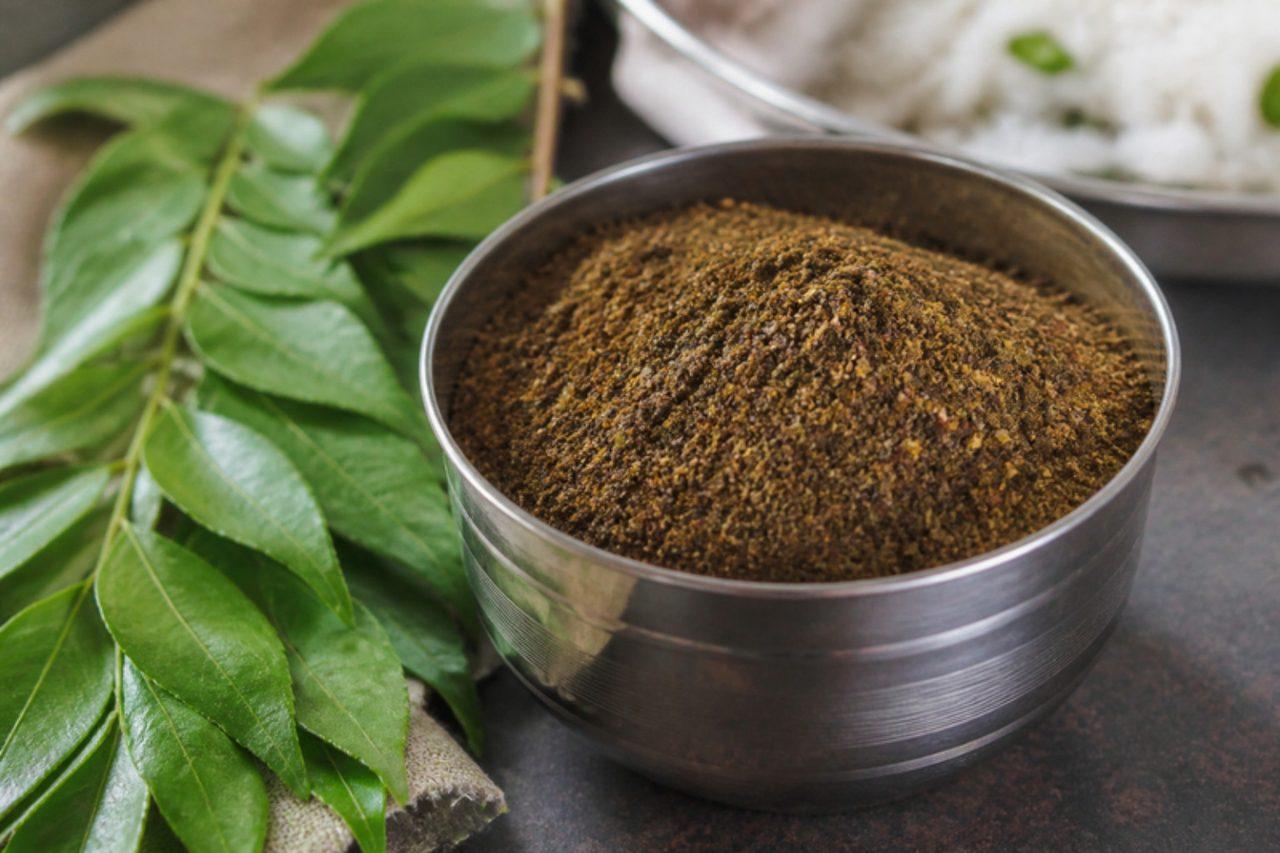
Grandmothers in Tamil Nadu make karuveppilai podi as much for health as for taste; curry leaves are said to be good for the hair and the blood, and this is the most delicious way to eat a whole bunch at once. Big handfuls of leaves are roasted until crisp and crumbly, then ground with roasted urad and chana dal, red chillies, a little tamarind for sourness and pepper. The powder is dark, fragrant, savoury and slightly tart. Mix it into hot rice with sesame oil or ghee for a quick lunch with a vegetable poriyal, or sprinkle it over idli and dosa. Common mistake: using leaves that are still damp after washing. The podi then traps moisture, loses its colour and can turn mouldy in the jar. Chef's tip: wash the leaves a few hours ahead and spread them on a cloth to air-dry until they feel papery, then roast them on the lowest heat until they crack between your fingers.

by KrazyBadal 0 views

KansarWheat and sugar sweet

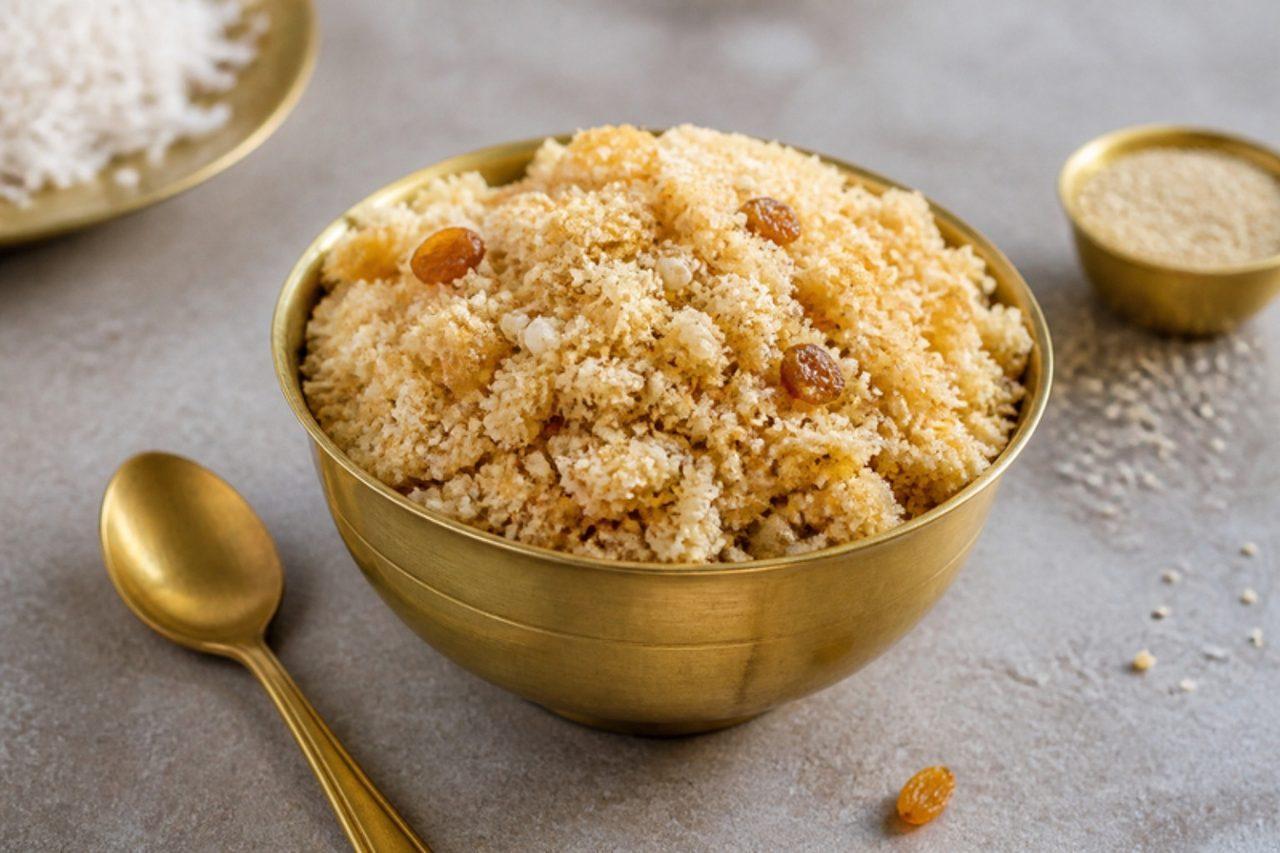
At a Gujarati wedding the first mouthful the new couple share is kansar: the bride's mother sets a thali in front of them and each feeds the other a pinch, a ritual called kansar jamadvo. The same sweet turns up for a griha pravesh, a new job or any shubh occasion at home. It is made from jada ghau no lot (coarse, almost gritty wheat flour), roasted in ghee and steamed in sugared water until every grain swells and stays separate, so it is crumbly and loose rather than a set halwa. It is never sweet enough on its own: at the table everyone pours over a spoon of hot melted ghee and sprinkles bura (powdered sugar) to taste. Serve it warm, with dal, bhaat, a shaak and kadhi for a festive lunch. Common mistake: stirring it like sheera once the water goes in. Kansar has to be left covered on a low flame to steam, and only fluffed with a fork; beating it turns it into paste. Chef's tip: if you cannot find kansar flour, use 150 g coarse rava (sooji) mixed with 50 g ordinary atta, which gives the same loose, grainy texture.

by KrazyBadal 0 views

Murmura ladooPuffed rice jaggery balls

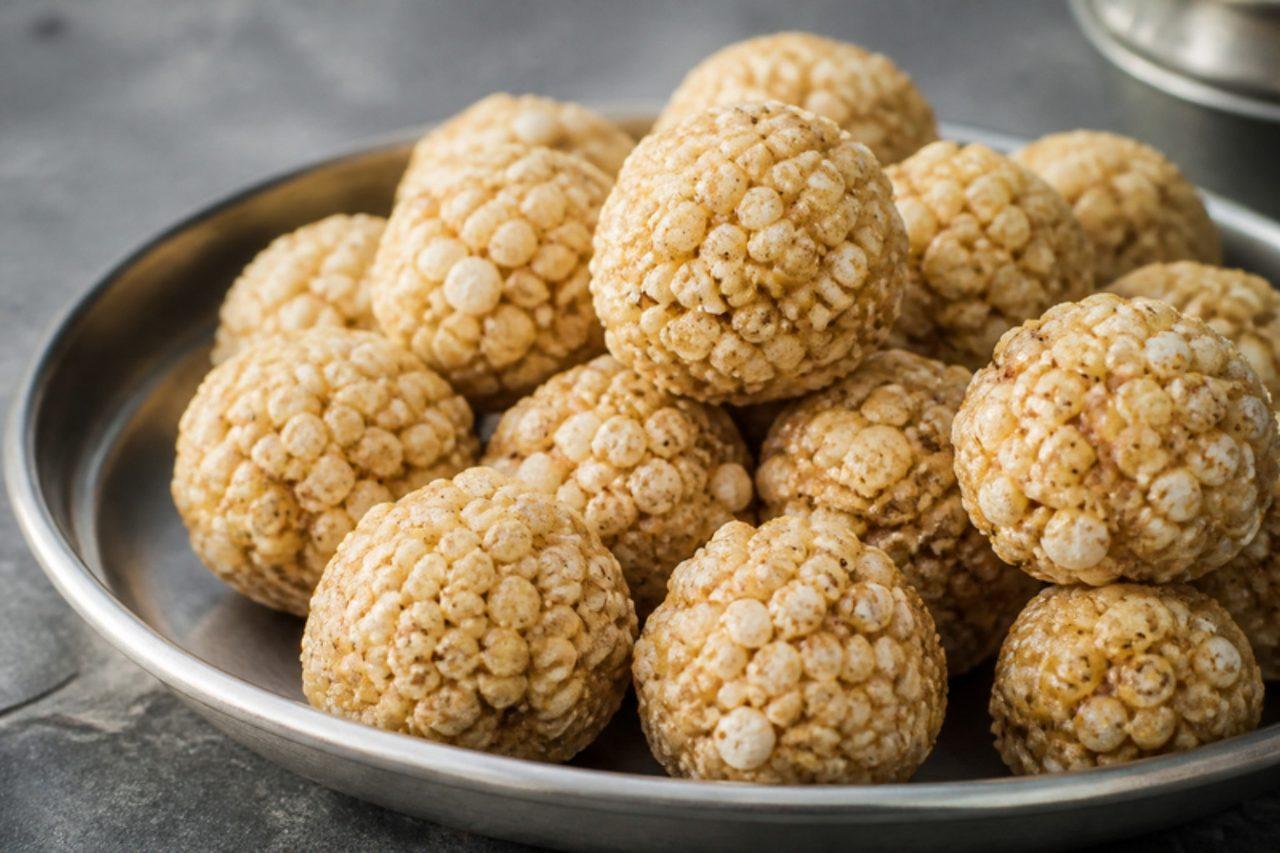
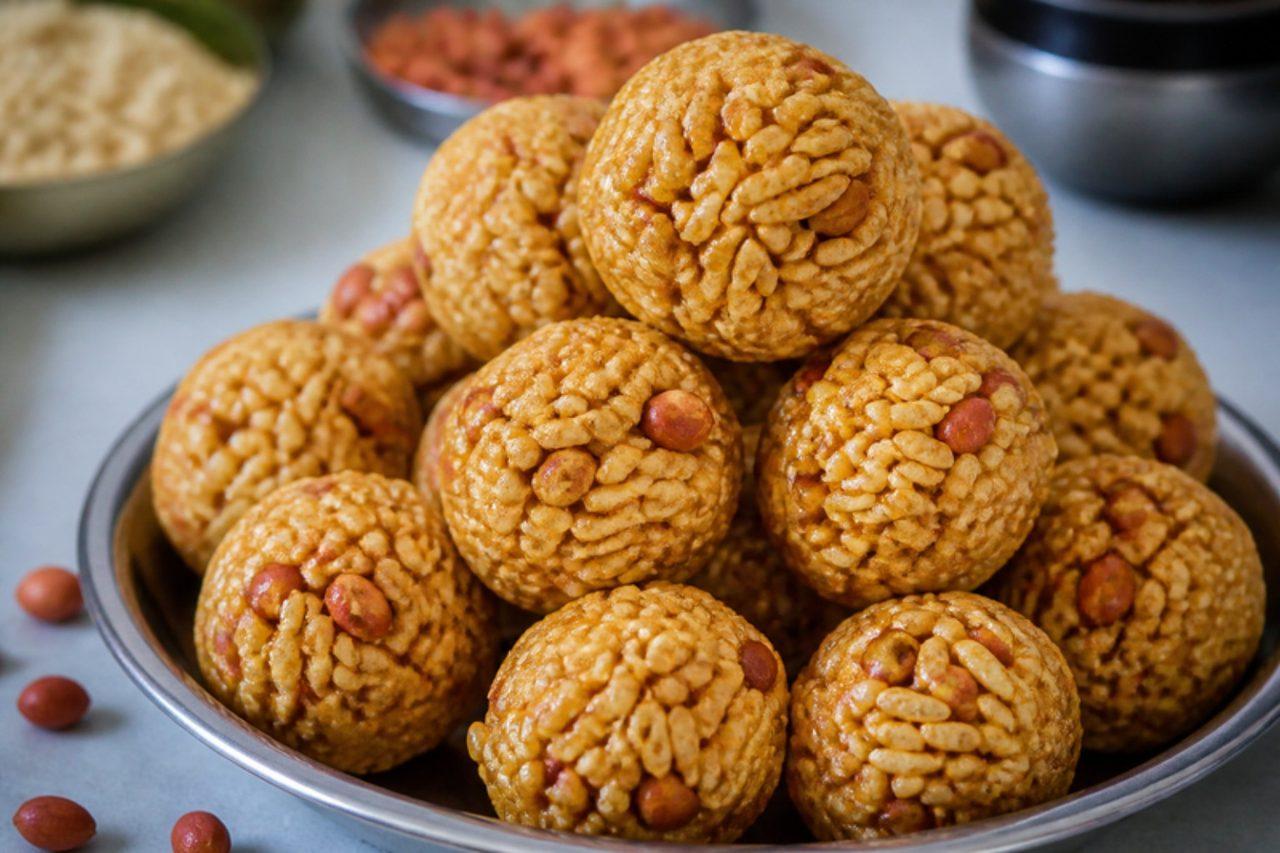
On Uttarayan, the whole of Ahmedabad climbs onto its rooftops to fly kites from dawn to dusk, and the steel dabbas that come up the stairs are full of chikki, til ladu and these mamra na ladu. Puffed rice is crisped in a pan, then tossed in jaggery cooked to the hard-crack stage and pressed quickly into balls that crunch loudly and taste of caramel. Children love them, they cost almost nothing and they keep for weeks. In North India the same sweet is made for Lohri and Sankranti as murmure ke laddu. The common mistake is undercooking the jaggery: the ladoos then turn chewy and soft after a day. A drop in cold water must snap cleanly. Grease your hands with oil and a splash of water to keep them vegan. Chef's tip: shape them fast and with wet, oiled hands, a few at a time; the syrup sets within a minute and the last balls crumble if you dawdle.

by KrazyBadal 0 views

Dhani khajurPopped jowar and dates

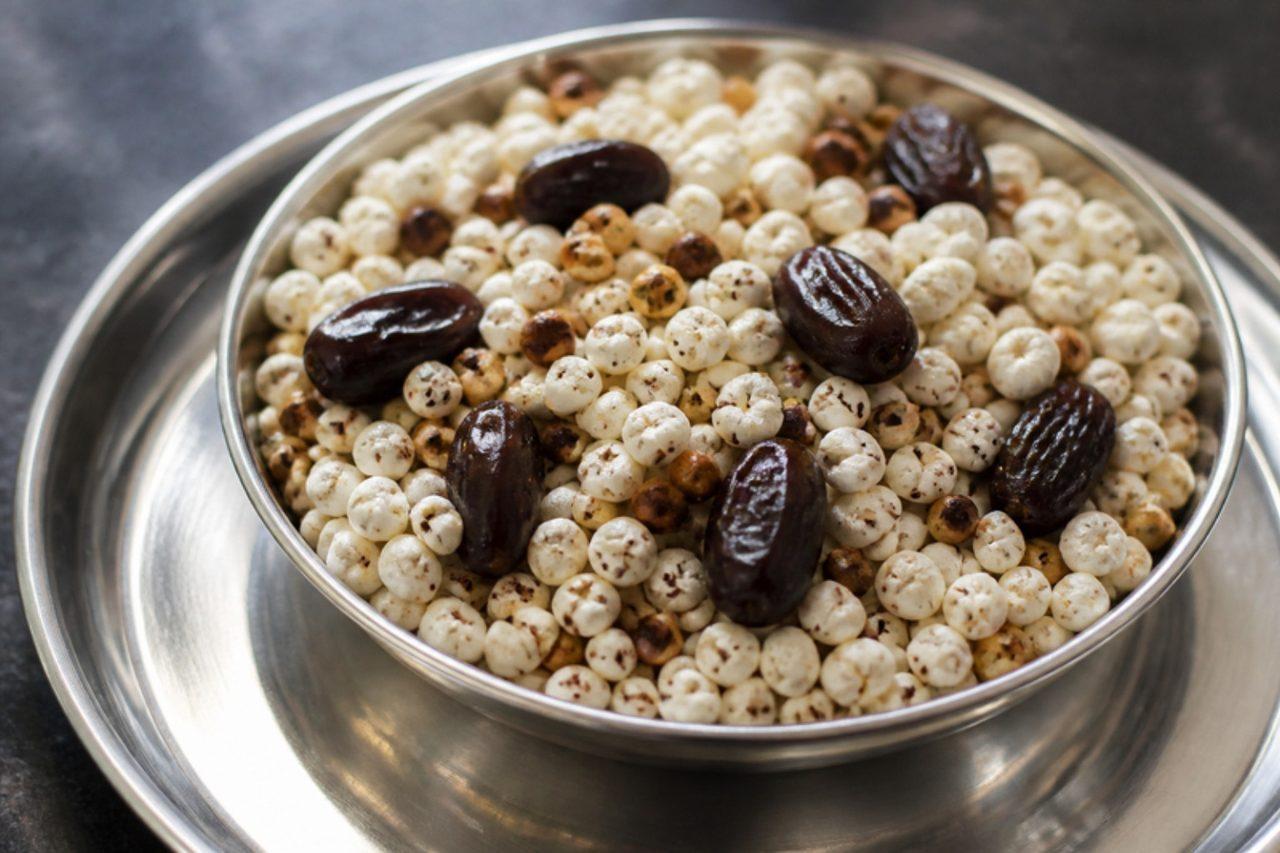
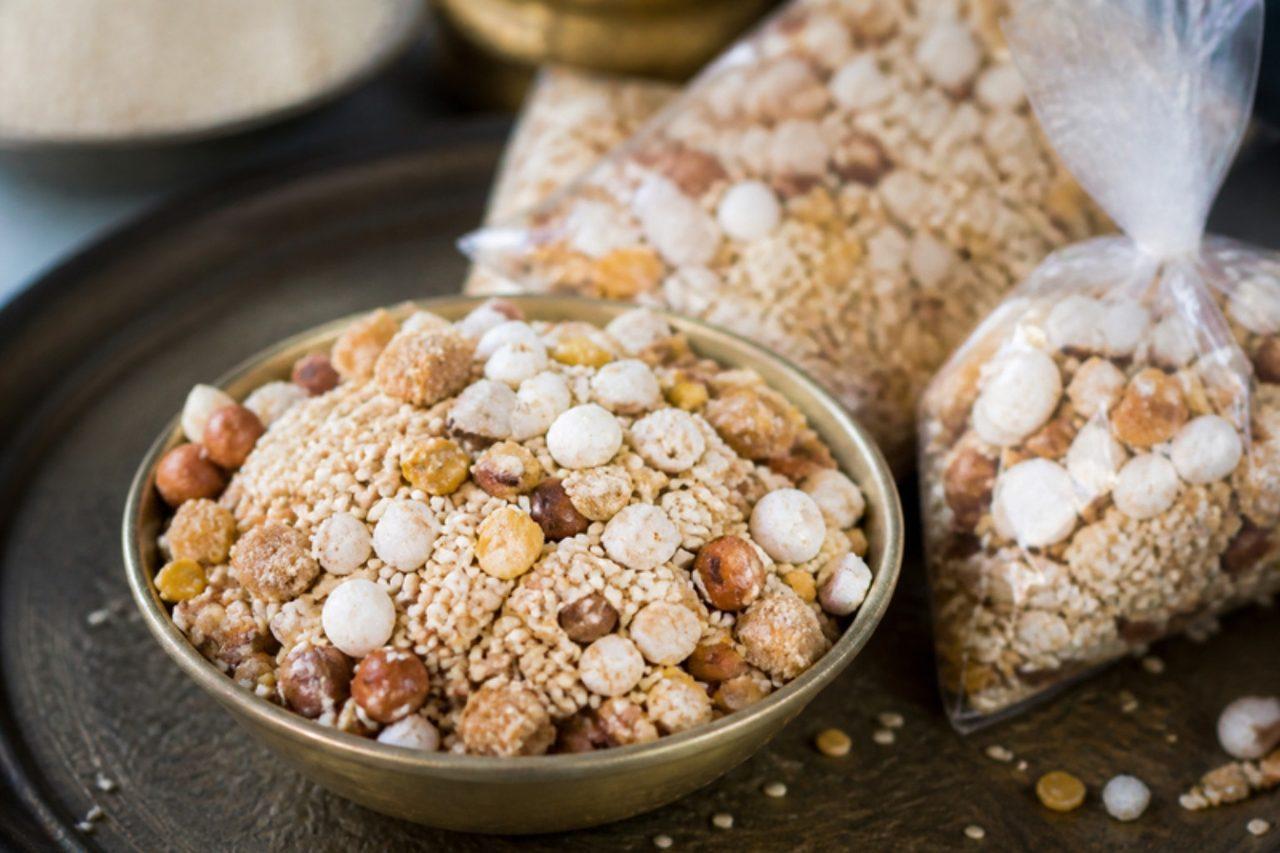
On Holika Dahan night, Gujarati families circle the bonfire with coconut, water and a plate of dhani, dalia and khajur, toss a handful into the flames, and then share the rest. The popped jowar is light and crunchy, the roasted chana nutty and mealy, and the dates bring a chewy, caramel sweetness, so together they make a surprisingly satisfying snack. The idea passed down by elders is practical: as the season turns from winter to summer, dates give warmth and energy, and the dry grains settle the stomach. It is also the first thing handed to children when they come home with coloured faces the next morning. Buy fresh dhani in the weeks before Holi, when Gujarati grocers and street sellers have it by the sackful. Chef's tip: shake the dhani in a sieve before mixing; it loosens the papery husks and the hard unpopped kernels that can crack a tooth.

by KrazyBadal 0 views

Danyachi amtiPeanut curry

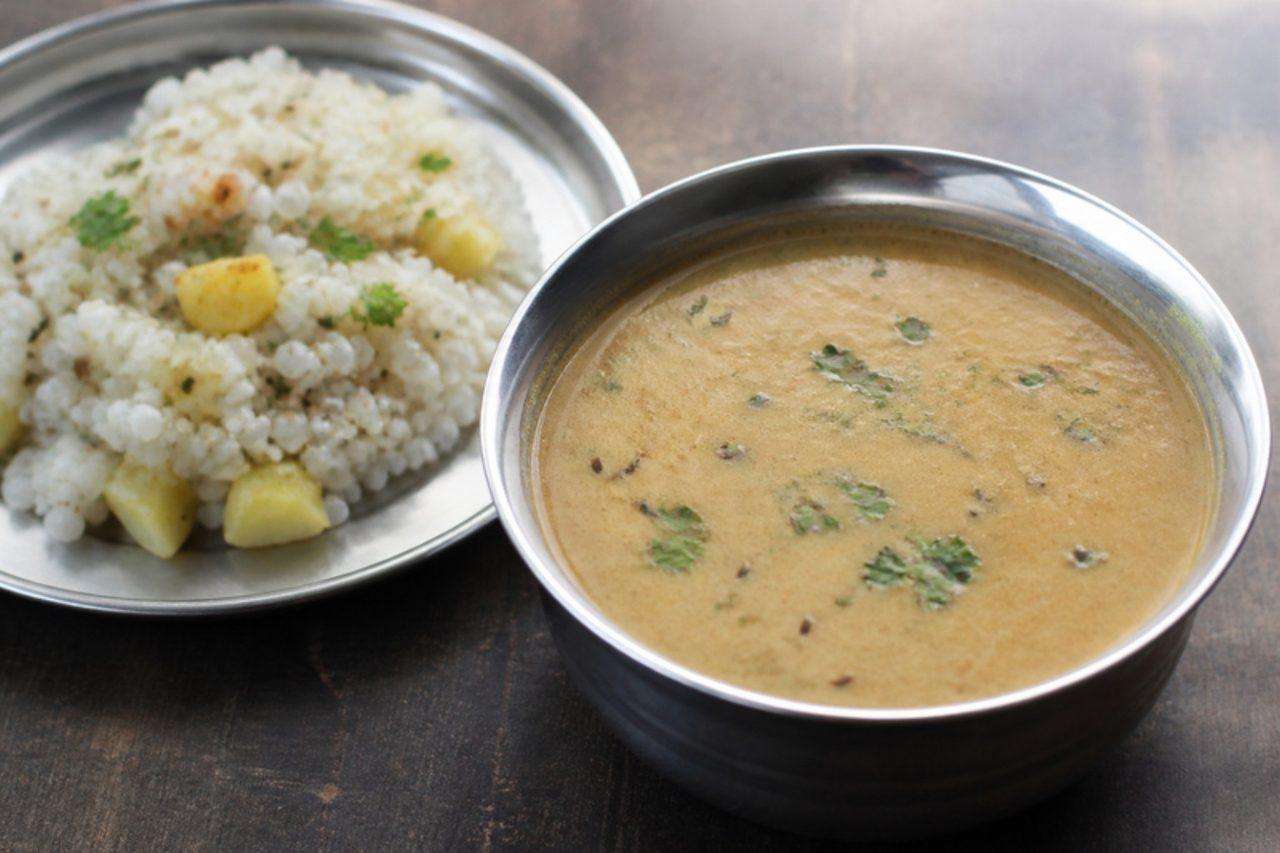
On fast days in Maharashtra, when dal is off the menu, danyachi amti takes its place. Roasted peanuts are ground smooth with green chilli, then simmered with water, a cumin tadka, kokum and a little jaggery into a pale, creamy curry with a sour, slightly sweet and spicy taste. It is ladled over sabudana khichdi or vari tandul (barnyard millet) bhagar, loosening them and adding protein to a fasting meal, and it goes well with upvasachi batata bhaji on the side. Use sendha namak so it suits the fast; ghee is the usual fat in many homes, oil keeps it vegan. It thickens a lot as it stands, so thin it with hot water before serving. Chef's tip: grind the peanut paste really smooth and whisk it into the water before heating; a coarse grind leaves the amti gritty and it splits as it boils.

by KrazyBadal 0 views

Athela marchaQuick pickled green chillies

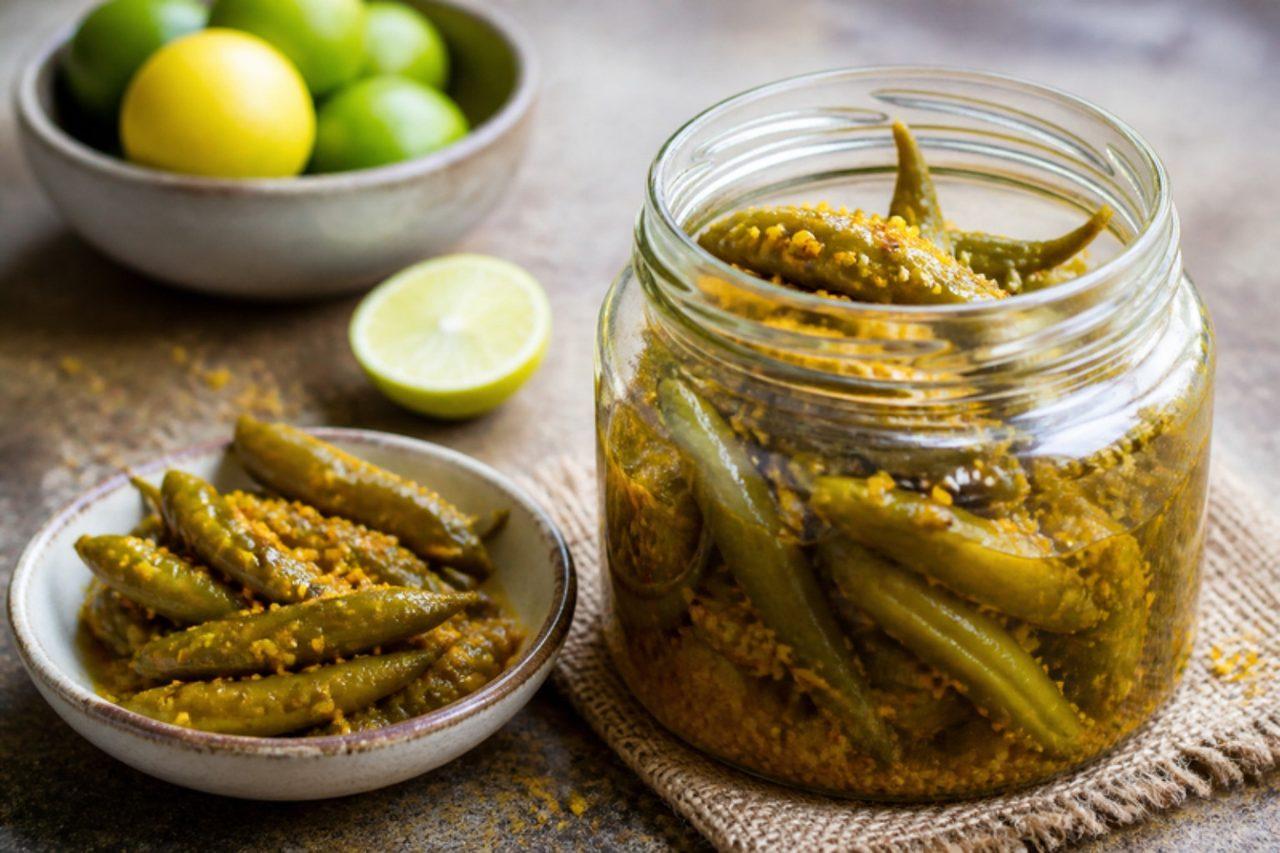
On a Gujarati table there is nearly always a small steel bowl of athela marcha beside the thali, the quick daily pickle that makes plain khichdi, dal-bhaat, thepla or a plate of fafda taste complete. Thick, mild chillies (Bhavnagri or the pale green ones sold for bhajia) are slit, tossed with rai kuria (split mustard), salt, turmeric and hing, and soused with lemon juice. Within a few hours the mustard blooms and turns pleasantly pungent, the lemon softens the chillies and the colour turns olive green. They stay crunchy for about a week in the fridge, so most homes make a small batch every few days. Use thin, hot chillies if your family likes the heat. Common mistake: washing the chillies and using them damp, which waters down the masala and turns the pickle slimy; dry them completely before slitting. Always serve with a clean, dry spoon and throw the jar out if it turns cloudy, mouldy or smells off. Chef's tip: a pinch of methi kuria and half a teaspoon of sugar round out the sharpness if the lemons are very sour.

by KrazyBadal 0 views

Papad churiCrushed papad with ghee

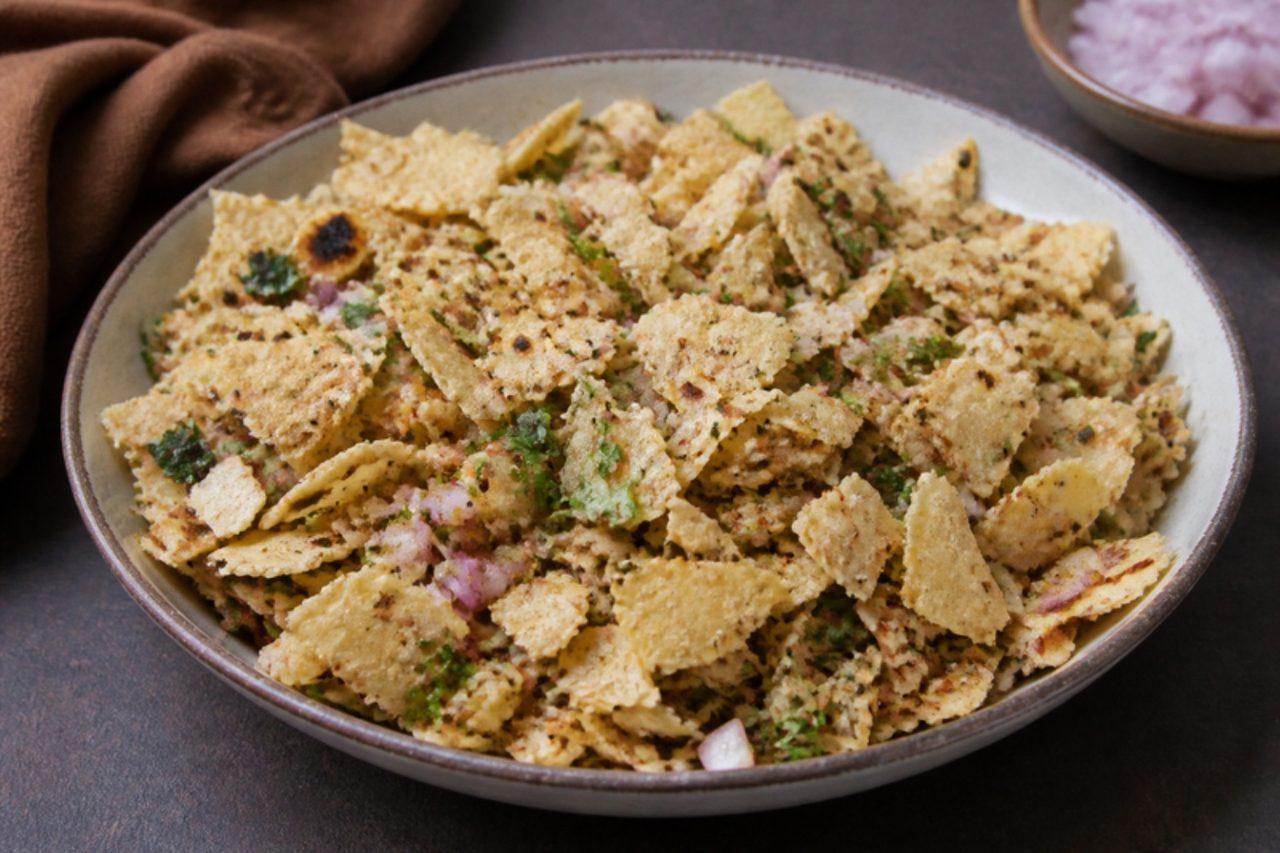
Picture a Jodhpur dal-baati-churma lunch: baked wheat baatis drowning in ghee, a pot of panchmel dal, sweet churma, and a small bowl of something red-flecked and crunchy that goes onto every bite. That is papad churi, roasted papads broken into small shards and tossed with warm ghee, raw onion, red chilli powder and coriander. It is also made in Marwari homes as a quick accompaniment to khichdi or bajra roti when there's no time to cook a sabzi. The result is salty, smoky, peppery and rich, with the sweetness of raw onion cutting through. Use spicy Bikaneri urad papads if you can get them. Chef's tip: add no salt until you have tasted it; the papad and its papad khar already carry plenty, and a mixture that tastes right on its own will be too salty with dal.

by KrazyBadal 0 views

PanchakhadyaCoconut, jaggery and poppy seed offering

Walk into a Maharashtrian home during the ten days of Ganeshotsav and the evening aarti ends with a spoonful of panchakhadya pressed into your palm. Pancha means five and khadya means things to eat: dry coconut (khobra), jaggery, poppy seeds, dry dates (kharik) and dry ginger (sunth) powder, all toasted and pounded together into a loose, sweet crumble. Some families add a few raisins or almonds, but the five are the heart of it. It is warming, chewy and gently spicy from the sunth, and it keeps for weeks, which is why it is made in a big tin at the start of the festival. Eat it by the spoon, or sprinkle over hot milk. The common mistake is grinding everything together into a sticky paste; the jaggery should be grated and stirred in at the end so the mixture stays crumbly. Chef's tip: dry kharik are rock hard; soak them for 10 minutes in hot water, then pat dry and chop, or buy ready kharik powder.

by KrazyBadal 0 views

Ellu bellaSesame and jaggery mix

'Ellu bella thindu olle maathadi': eat sesame and jaggery and speak only good words. On Sankranti morning, girls in Bengaluru and Mysuru dress in new silk and carry small steel plates of ellu bella, a sugarcane stick, a banana and a sugar figure (sakkare acchu) from house to house, a custom called ellu birodhu. The mix itself is uncooked once its parts are roasted: white sesame, tiny cubes of dry coconut and jaggery, peanuts and putani (roasted gram), sometimes with a few fried gram-dal sugar beads. It is crunchy, nutty and sweet in small bursts. Families make a kilo at a time to give away. The common mistake is mixing it while the sesame is still warm, which melts the jaggery and turns everything into a lump. Chef's tip: cut the copra and jaggery to the same small size as the peanuts so every spoonful has a bit of everything.

by KrazyBadal 0 views

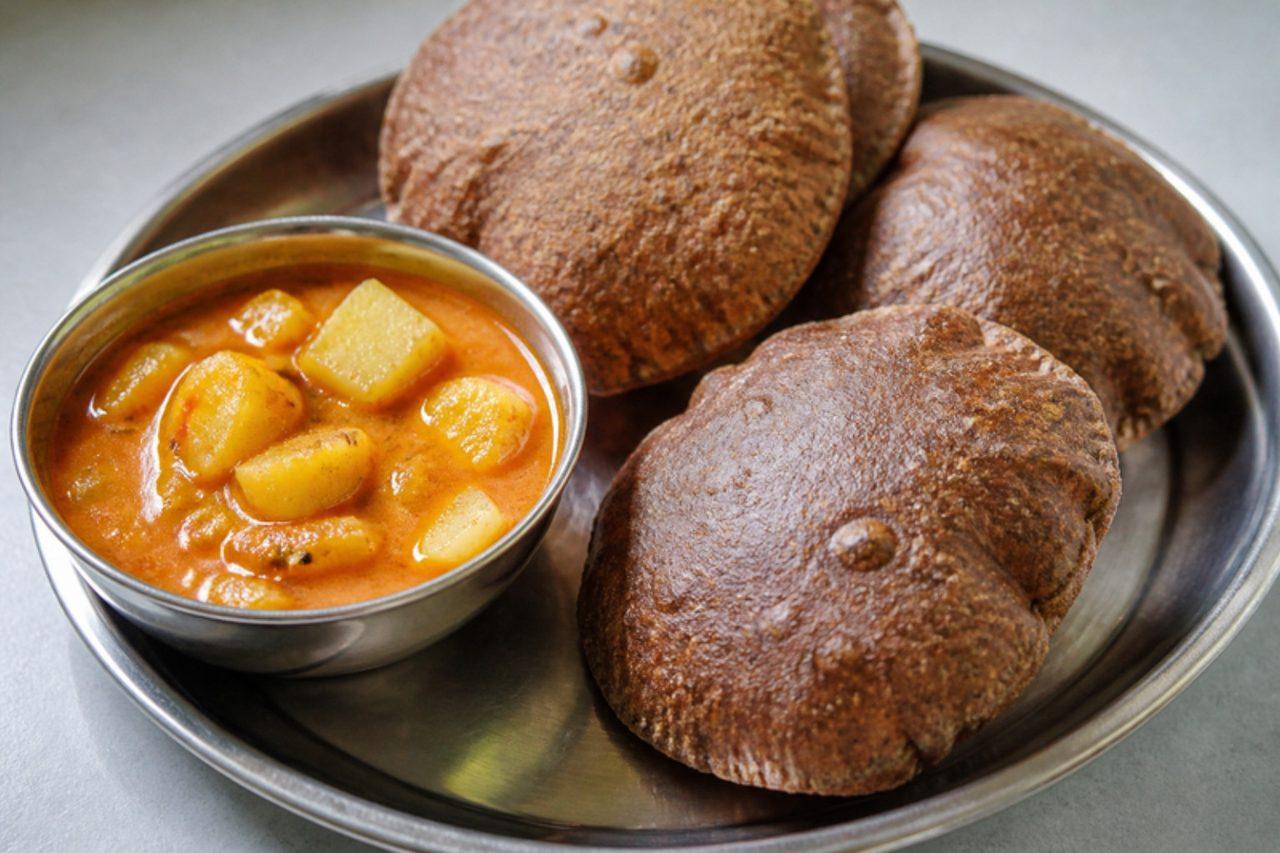
Kuttu ki puriBuckwheat puris

Through the nine days of Navratri, Delhi and Punjabi kitchens switch wheat for kuttu, buckwheat flour, and these dark, earthy puris become the fast-day staple. Kuttu has no gluten, so boiled potato is mashed in to bind the dough and keep the puris soft; they puff less than wheat puris but come out crisp at the edges and tender inside, with a nutty, slightly bitter flavour. Rajgira or singhara flour can be used in exactly the same way. They are eaten with vrat ke aloo, kaddu ki sabzi or a bowl of sweet curd, and on Ashtami many temples serve them with halwa. Only sendha namak goes in, and no regular salt, spices or grains, so they suit strict fasts. Buckwheat is naturally gluten-free, but buy flour labelled gluten-free if that matters to you, as some is milled alongside wheat. Chef's tip: make the dough just before frying; kuttu dough goes sticky and wet if it sits.

by KrazyBadal 0 views

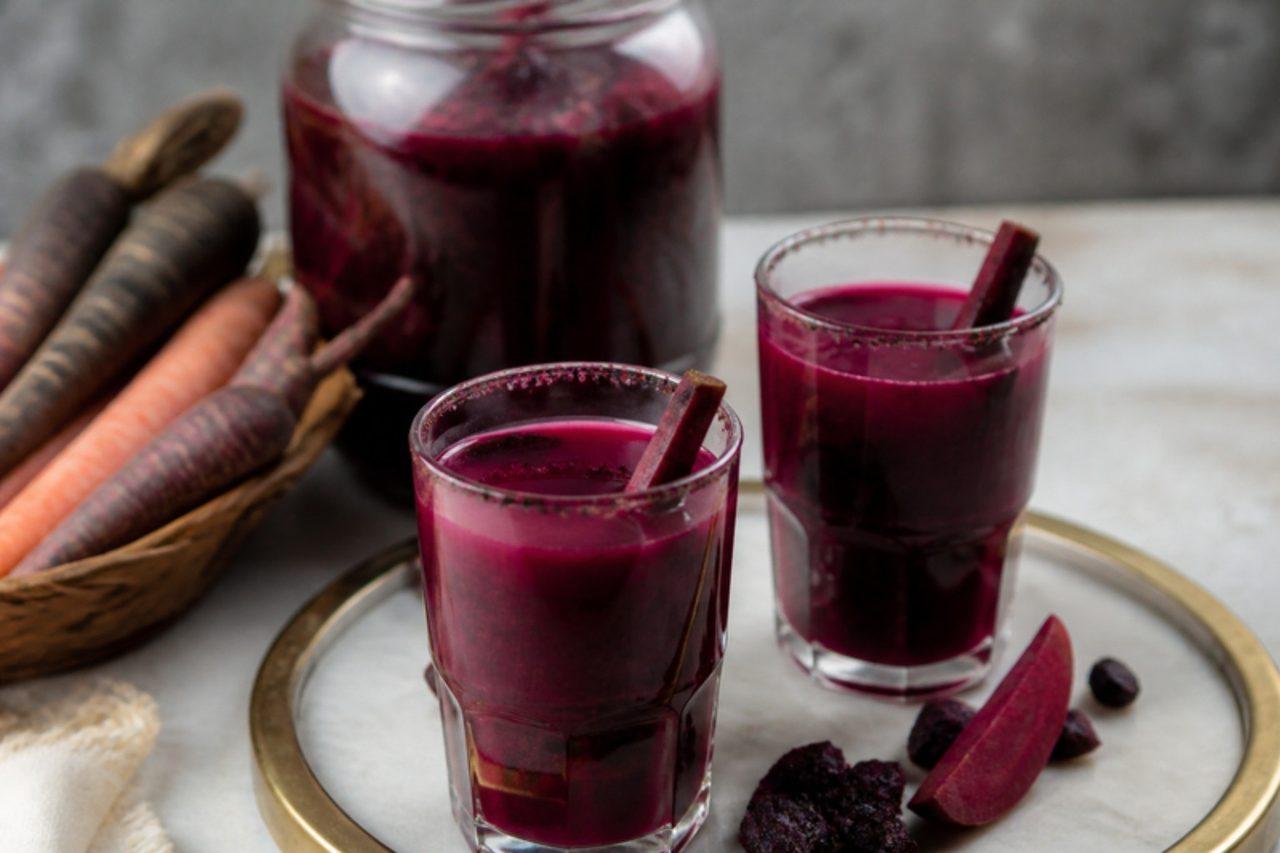
Kali gajar ki kanjiFermented black carrot drink

When the last black carrots of winter reach Punjabi and UP markets in February and March, kitchens start a jar of kanji. The carrots are cut into fingers, steeped in water with crushed mustard seed, salt and chilli, and left in the sun for a few days until the liquid turns deep purple, sour and sharp enough to tickle your nose. It is drunk by the glass before meals around Holi as a digestive and a spring tonic, and the soft, tangy carrot sticks are eaten too. The flavour is like a lively pickle brine, earthy from the carrots and peppery from mustard. Use a glass or ceramic jar that you have washed and dried completely, keep the vegetables under the water, stir with a clean dry spoon, and discard if mould or an unpleasant smell appears. Chef's tip: a small beetroot deepens the colour if your carrots are more red than black, but don't overdo it or the kanji tastes earthy and sweet.

by KrazyBadal 0 views

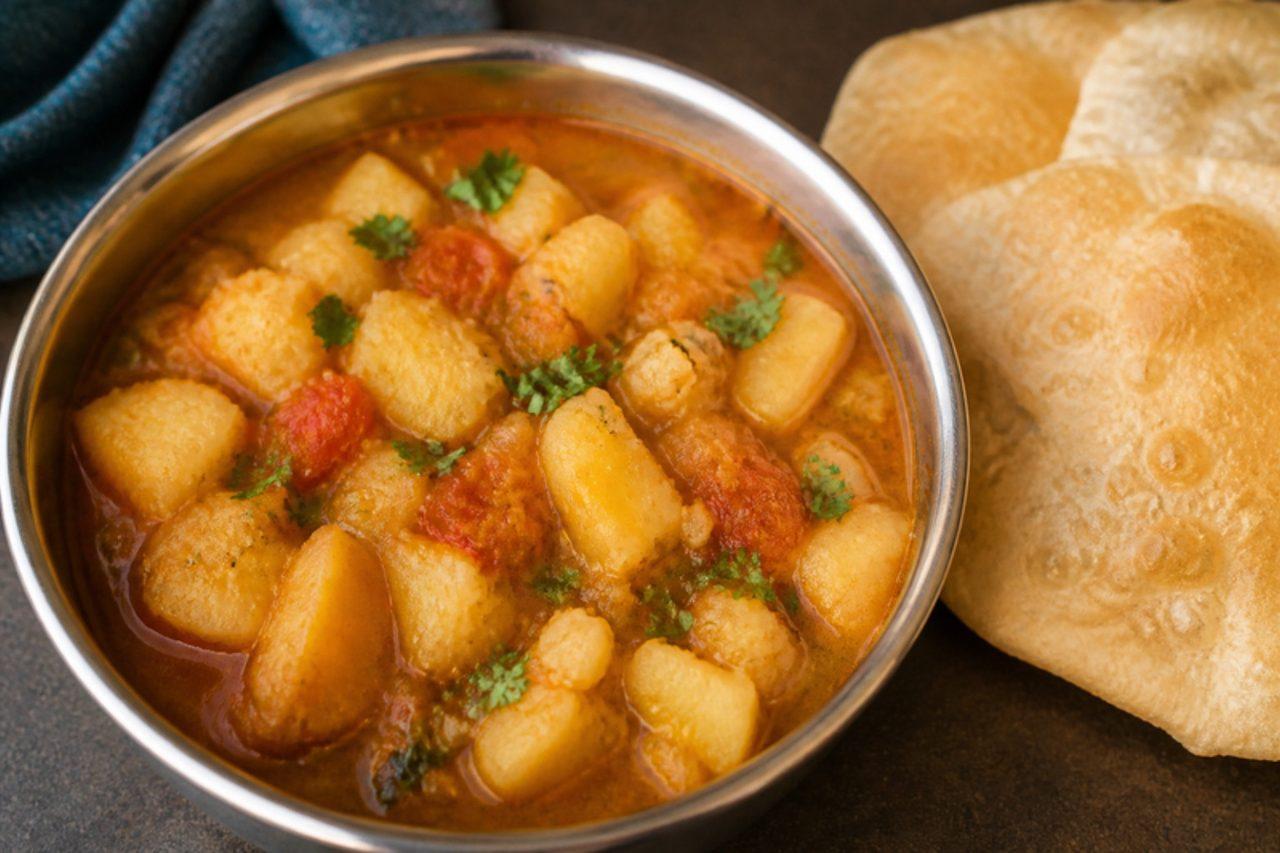
Vrat ke alooFasting potato curry

On Navratri mornings in Delhi, Lucknow and Punjabi homes everywhere, this is what fills the kadhai next to the kuttu puri. Boiled potatoes are broken by hand, not cut, so their rough edges melt into a loose, brothy gravy of tomato, cumin, fresh ginger and green chilli, seasoned only with sendha namak and a little pepper. It is soupy enough to dunk puri into, tangy from the tomato and gently hot, and comforting after a morning of fasting. Very strict homes skip red chilli powder and coriander as well as turmeric and asafoetida; this recipe uses neither turmeric nor hing. Ghee is traditional; oil keeps it vegan. Chef's tip: mash two or three pieces of potato into the gravy as it simmers; the starch thickens it naturally, since no flour or onion is allowed.

by KrazyBadal 0 views

Showing 24 of 314 recipes

Show more recipes

Page 1 of 14