Skip to content
Recipes

All recipes

Vegetarian, or something you can't eat? Set your diet once and we'll hide recipes that don't fit.

Nasi tutug oncomRice mashed with roasted oncom

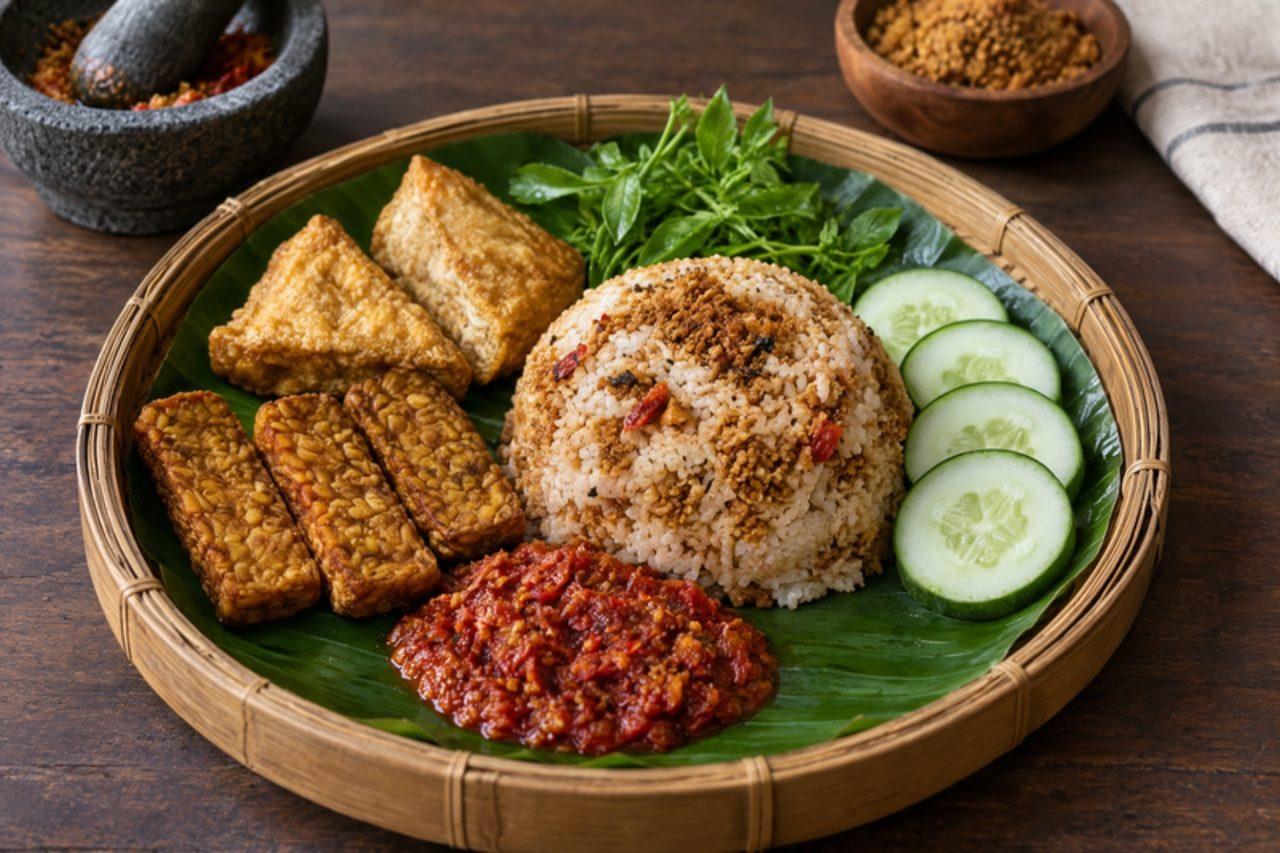
In Tasikmalaya, West Java, warung serve nasi tutug oncom from early morning: steaming rice pounded together with toasted oncom, a fermented cake of peanut press-cake with a savoury, nutty, slightly funky taste, plus chilli and kencur. It comes with fried tempeh and tofu, sambal and a pile of raw greens called lalapan. Outside Indonesia oncom can be hard to find; fresh tempeh, crumbled and fried, gives a similar earthy result. The common mistake is mixing oncom into cold rice: the rice must be freshly cooked and hot so it absorbs the oil and aroma. Chef's tip: dry-roast the oncom until crisp at the edges before seasoning, which takes away its raw sourness.

by KrazyBadal 0 views
Sayur bening bayam for toddlersSpinach and corn soup for toddlers

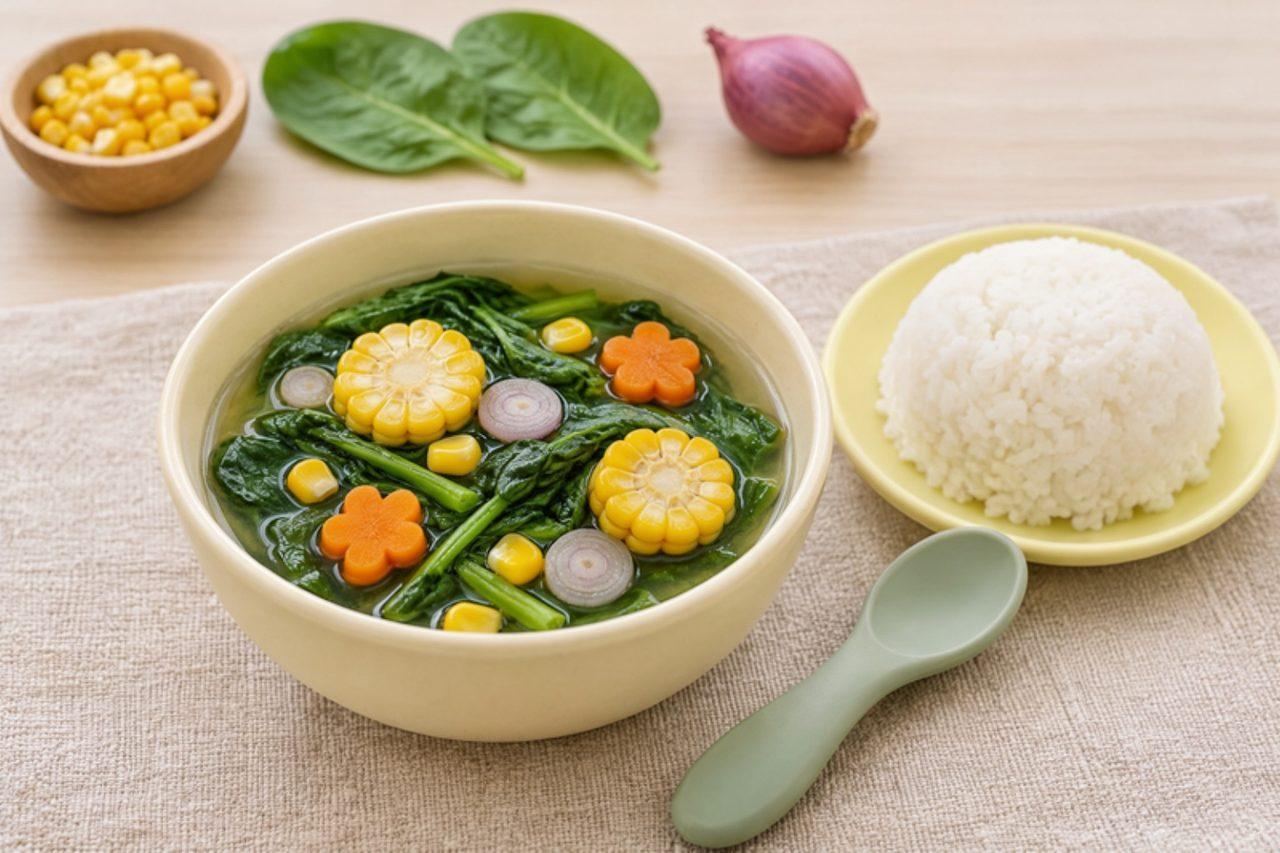
Sayur bening, 'clear vegetables', is the light soup that turns up at nearly every Javanese family lunch in Yogyakarta and Solo, and it is one of the first family dishes Indonesian children share. Spinach and sweet corn are simmered for just a few minutes in water scented with shallot and temu kunci (fingerroot), giving a sweet, fresh broth to spoon over rice. For toddlers from 12 months it is made with no salt or sugar, and the corn is chopped. It is vegan and free of the major allergens. Chef's tip: add the spinach at the very end; overcooked bayam turns grey and bitter.

by KrazyBadal 0 views
Kue pancongCoconut rice flour cakes

Kue pancong is a Betawi breakfast cake you smell before you see: vendors on Jalan Sabang and around Pasar Senen pour a coconut and rice-flour batter into blackened half-moon moulds over charcoal from first light, and office workers buy them by the paper bag with their morning coffee. The edges turn crisp and toasty, the middle stays almost molten and tastes of fresh coconut, and a scatter of sugar goes on just before they are handed over. At home, a takoyaki pan, an aebleskiver pan or a cast-iron kue cubit mould does the job. Chef's tip: grated fresh or frozen coconut gives the chewy, fibrous bite that defines pancong; desiccated coconut alone makes them dry.

by KrazyBadal 0 views
Lontong balapRice cakes and tofu in broth

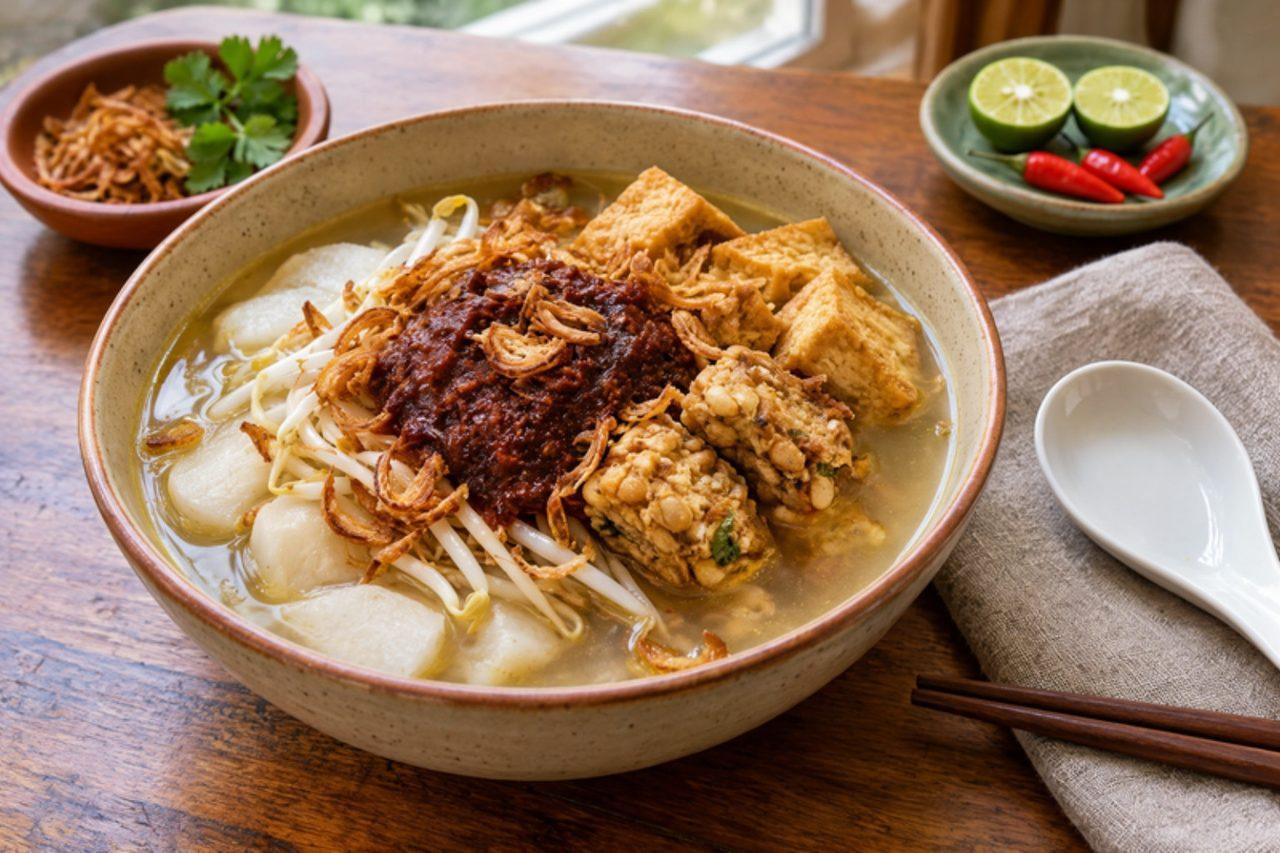
Lontong balap is Surabaya's morning bowl, named after sellers who once raced (balap) each other to market with their heavy carts. Slices of compressed rice cake are piled with blanched bean sprouts, fried tofu and lentho, little fritters of black-eyed beans and cassava, then soaked with a light garlicky broth and a spoon of sambal mixed with petis, the dark, sweet shrimp paste of East Java. Eat it with skewers of sate kerang if you like. The common mistake is boiling the sprouts too long; they should keep a snap. Chef's tip: stir the petis into the sambal with a little hot broth first, so it melts into the bowl instead of sitting in a sticky blob.

by KrazyBadal 0 views
Nasi udukCoconut rice with fried chicken

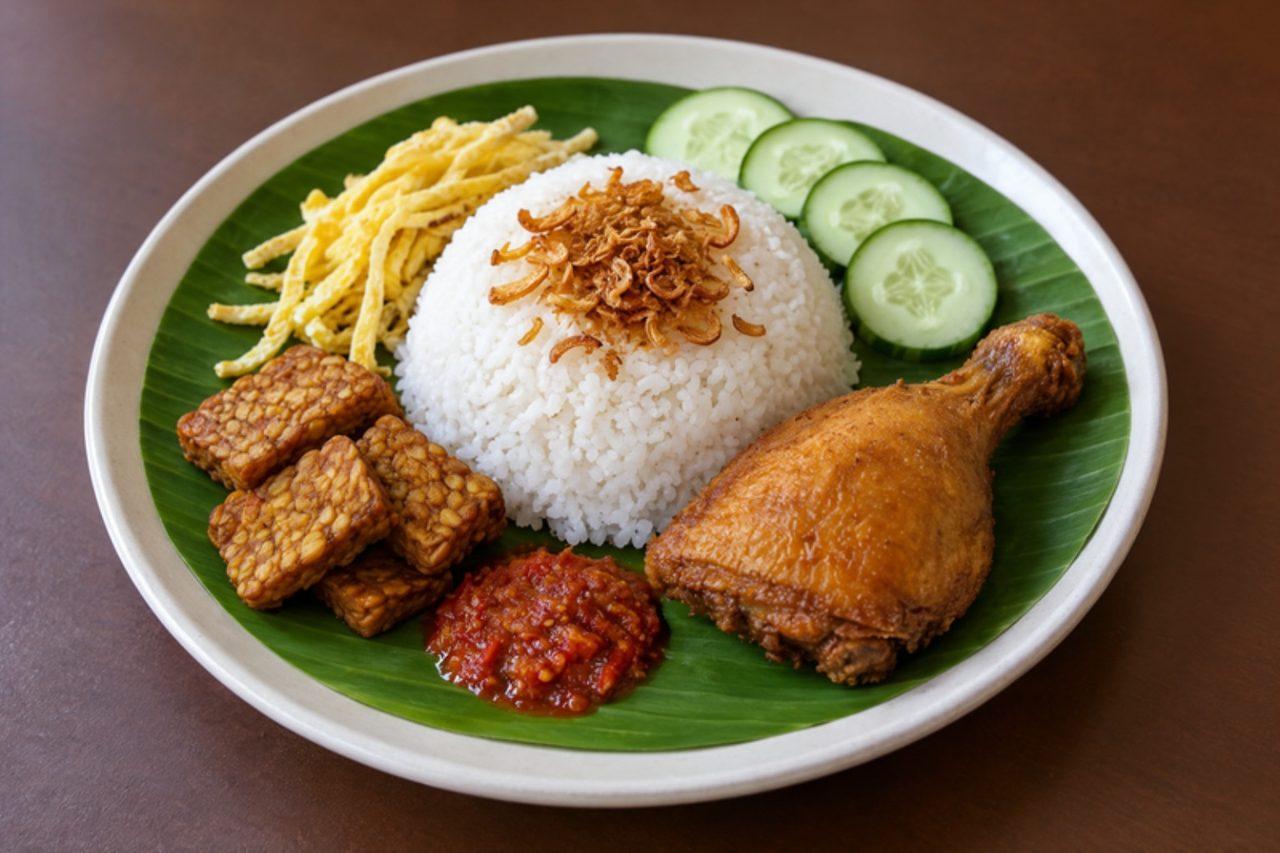
Nasi uduk is the Betawi breakfast of Jakarta, sold from tents along Jalan Kebon Kacang near Tanah Abang from before dawn and again late at night after work. Rice is steamed with coconut milk, lemongrass, galangal and salam leaves until each grain is rich and fragrant, then plated with turmeric fried chicken, omelette strips, sweet fried tempeh, crisp shallots and a fiery sambal. It is filling, savoury and a little sweet. This home version cooks the chicken in its spices first and then fries it briefly, as the stalls do. Chef's tip: wash the rice until the water runs clear and steam it, not boil it, after the coconut milk is absorbed; it stays fluffy instead of turning sticky.

by KrazyBadal 0 views
Nasi liwet SoloCoconut rice with shredded chicken

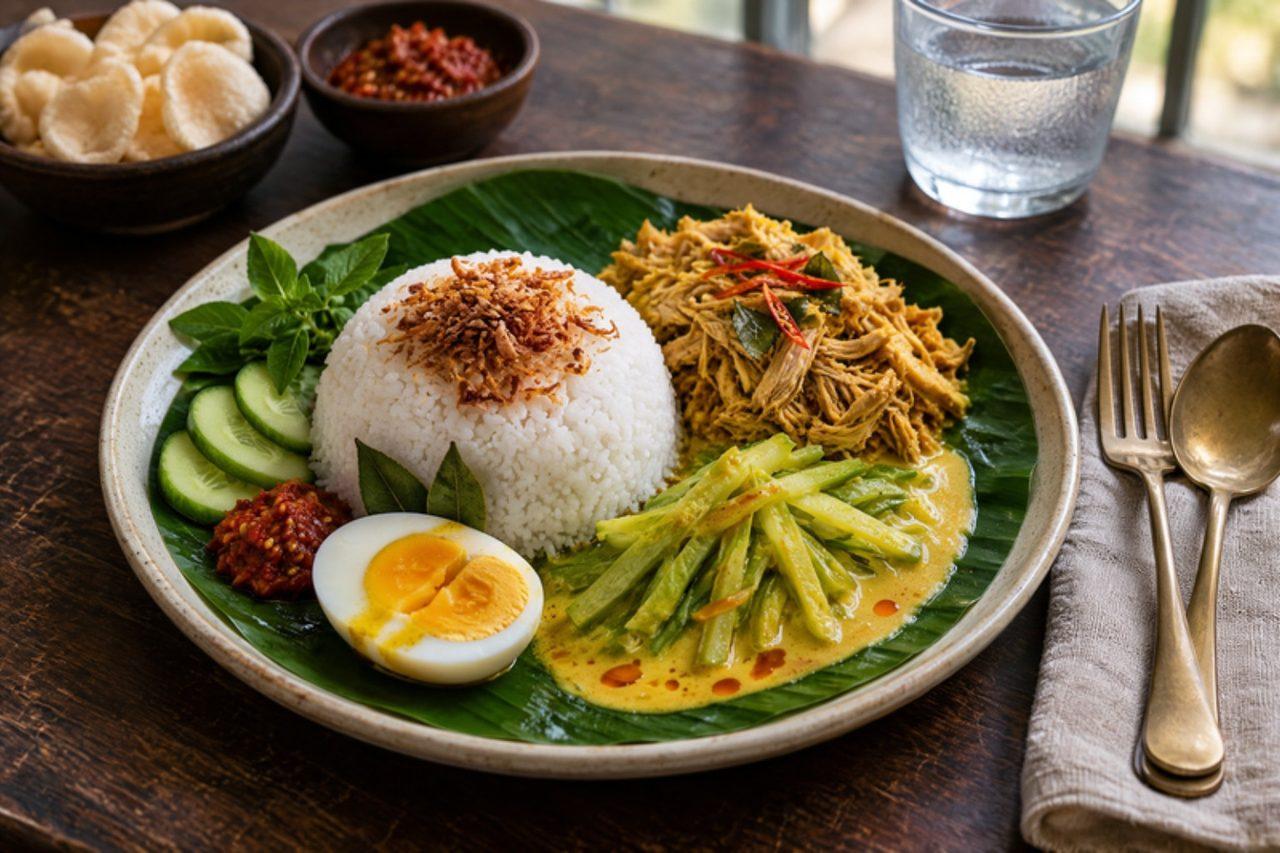
In Solo (Surakarta), Central Java, nasi liwet sellers set out at dawn with baskets of rice cooked in coconut milk and fragrant salam leaves, served on a banana leaf with shredded chicken, a mild chayote stew in coconut gravy (sayur labu siam) and a hard-boiled egg, all topped with a spoon of thick coconut cream called areh. It is a soft, gentle, savoury breakfast. The usual mistake is boiling the coconut rice too fast, which scorches the bottom before the grains are soft. Chef's tip: once the liquid is absorbed, finish the rice on the lowest heat with a clean tea towel under the lid so it steams fluffy, not wet.

by KrazyBadal 0 views
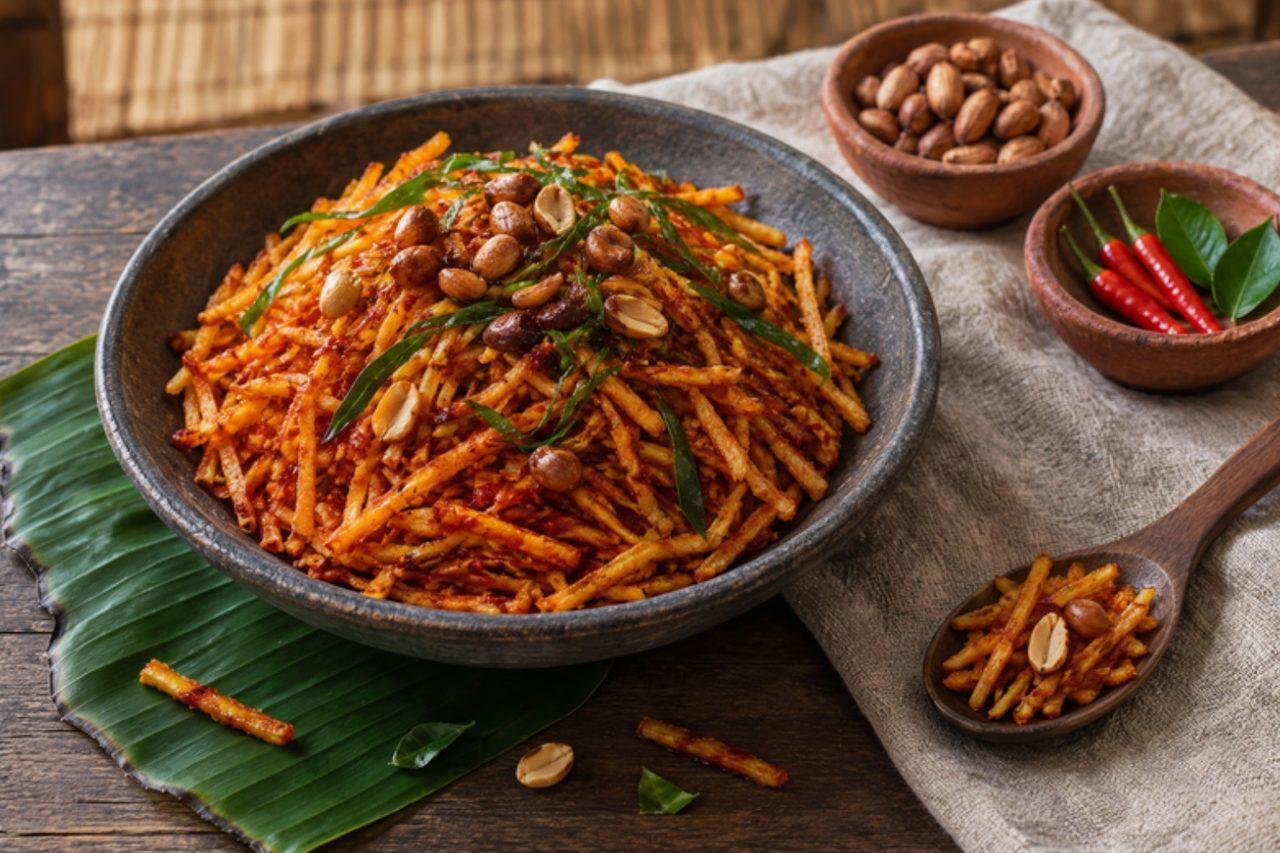
Kering kentangSweet and spicy potato matchsticks

Javanese households fry a big batch of kering kentang before Lebaran or a long journey, because these candied potato sticks stay crunchy in a jar for a week and make a plain bekal lunchbox of rice and egg feel special. They are sweet, hot and tangy all at once. The common mistake is frying wet potatoes all at once, which steams them; they must be soaked, dried thoroughly and fried in small batches until they rattle. Chef's tip: let the sugar glaze bubble until it threads from the spoon before adding the potatoes, so it coats them in a thin, glassy shell instead of making them soft.

by KrazyBadal 0 views
Kopi tubrukBoiled coffee with sugar

From the warung kopi of Yogyakarta and Solo to the night-shift stalls of Surabaya, kopi tubruk is the everyday coffee of Java: powder-fine robusta and sugar spooned into a glass, hit with boiling water, stirred once and left alone while the grounds sink. It comes out black, thick and strong, with a toasty, slightly chocolatey bitterness and often plenty of sugar, drunk early with fried snacks and again late at night over long talk. The grounds sit as a muddy layer at the bottom and stay there. The common mistake is drinking or stirring too soon: the cup is gritty and harsh. Wait four or five minutes, until the crust on top sinks and the surface turns clear and dark, then sip gently and stop before the sludge. It is ready when the foam has collapsed and a thin oily sheen shows on top. This is a strong, high-caffeine coffee; one glass is plenty, and it is not for children. Some sellers add a slice of ginger or a pinch of cardamom. Chef's tip: grind the beans as fine as for espresso or finer; coarse grounds float and never settle.

by KrazyBadal 0 views
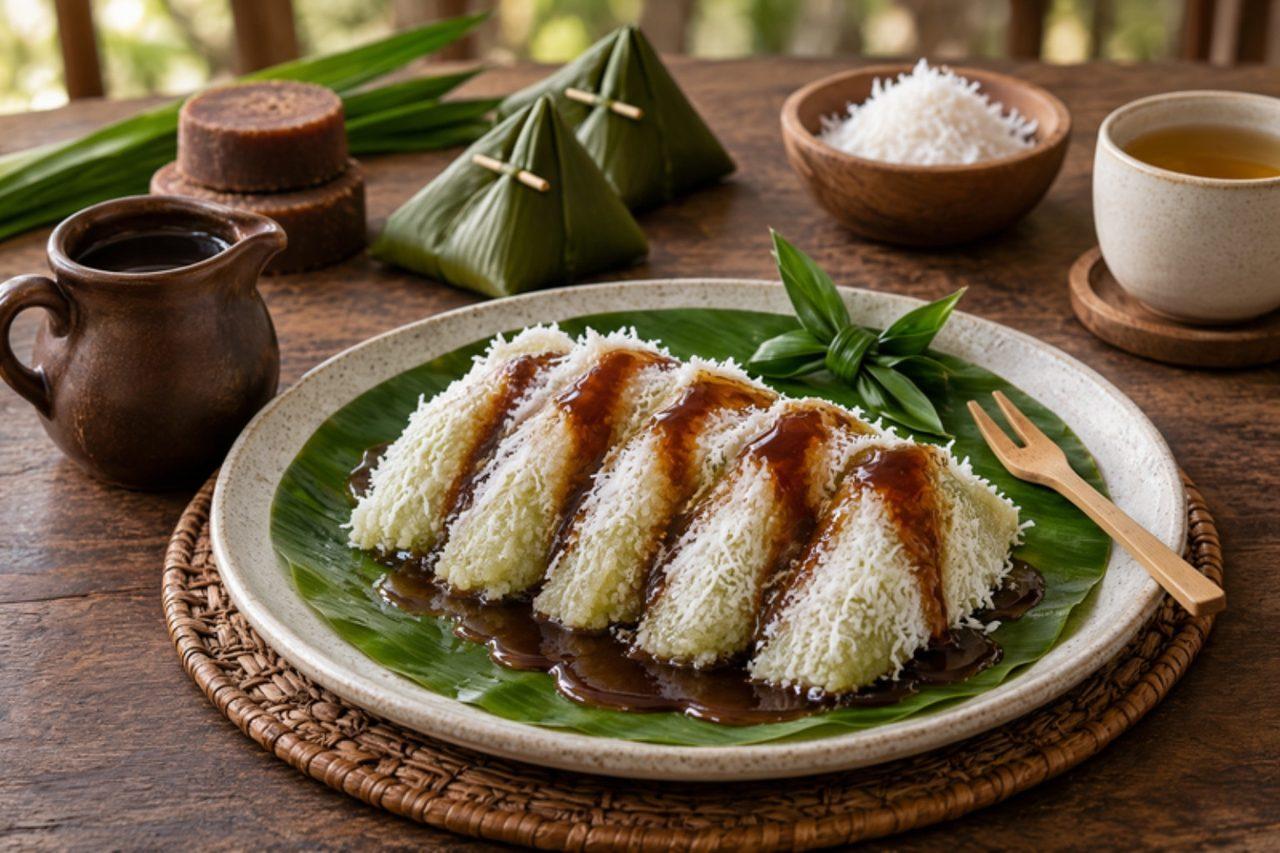
LupisSticky rice with coconut sugar

At morning markets across Central and East Java, vendors unwrap banana-leaf triangles of chewy sticky rice, roll them in fresh grated coconut and drench them in dark palm sugar syrup, all served on a square of leaf. Lupis is breakfast and snack at once, eaten with sweet tea. The common mistake is packing the leaves too full: the rice swells as it cooks, so fill each cone only two-thirds, or the parcels split and turn watery. Chef's tip: steam the grated coconut with a pinch of salt for 5 minutes before using it; it keeps longer and the salt sharpens the caramel taste of the syrup.

by KrazyBadal 0 views
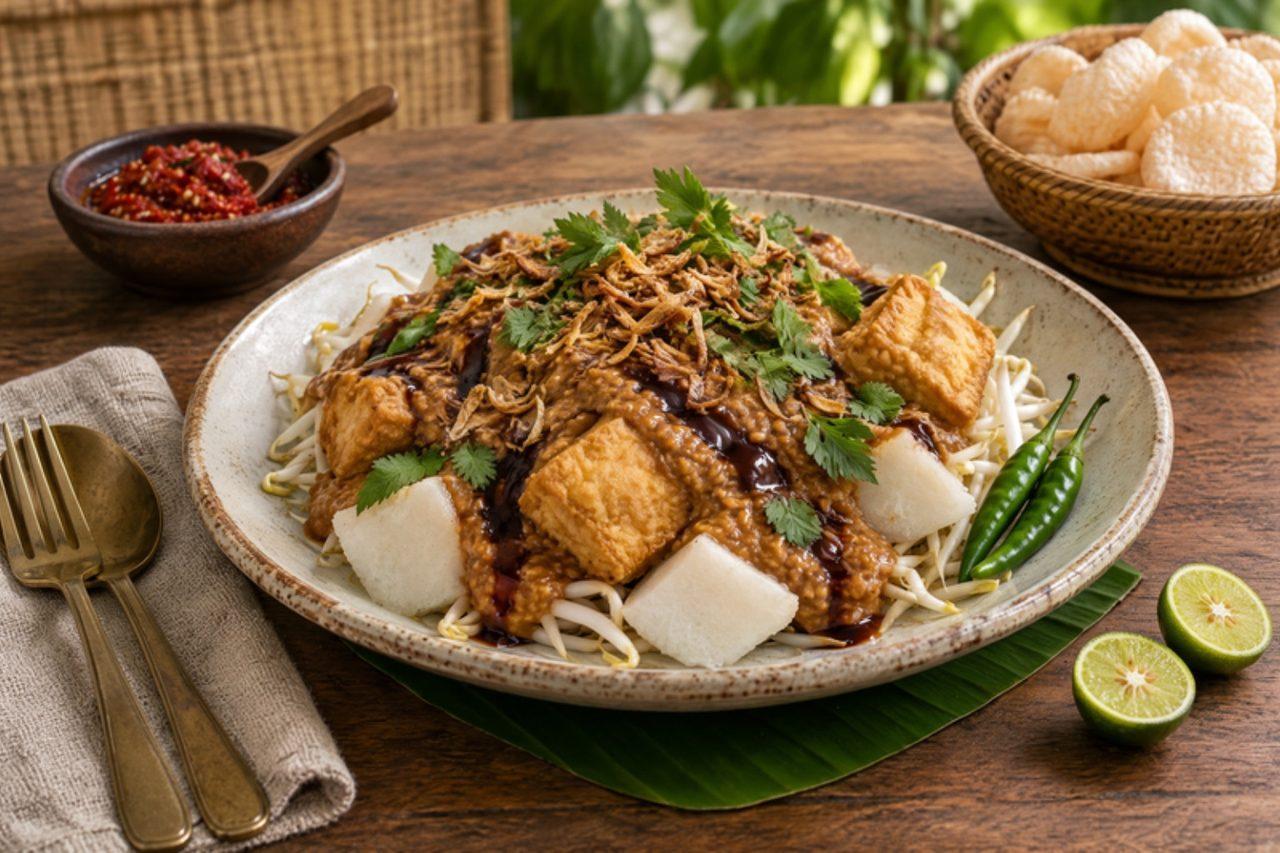
Kupat tahuRice cakes and tofu in peanut sauce

Kupat tahu is breakfast from a pushcart in Bandung and Magelang: chunks of compressed rice cake, freshly fried tofu and blanched bean sprouts, buried under a loose peanut sauce sharpened with garlic, chilli and sweet soy, then finished with crackers and fried shallots. The common mistake is grinding the peanut sauce too thick: it should pour like single cream so it soaks into the rice cake. Many prawn crackers are made with seafood, so choose plain cassava or rice crackers for a vegan plate. Chef's tip: fry the tofu just before serving; soft, hot tofu soaks up the sauce, while tofu fried ahead turns leathery.

by KrazyBadal 0 views

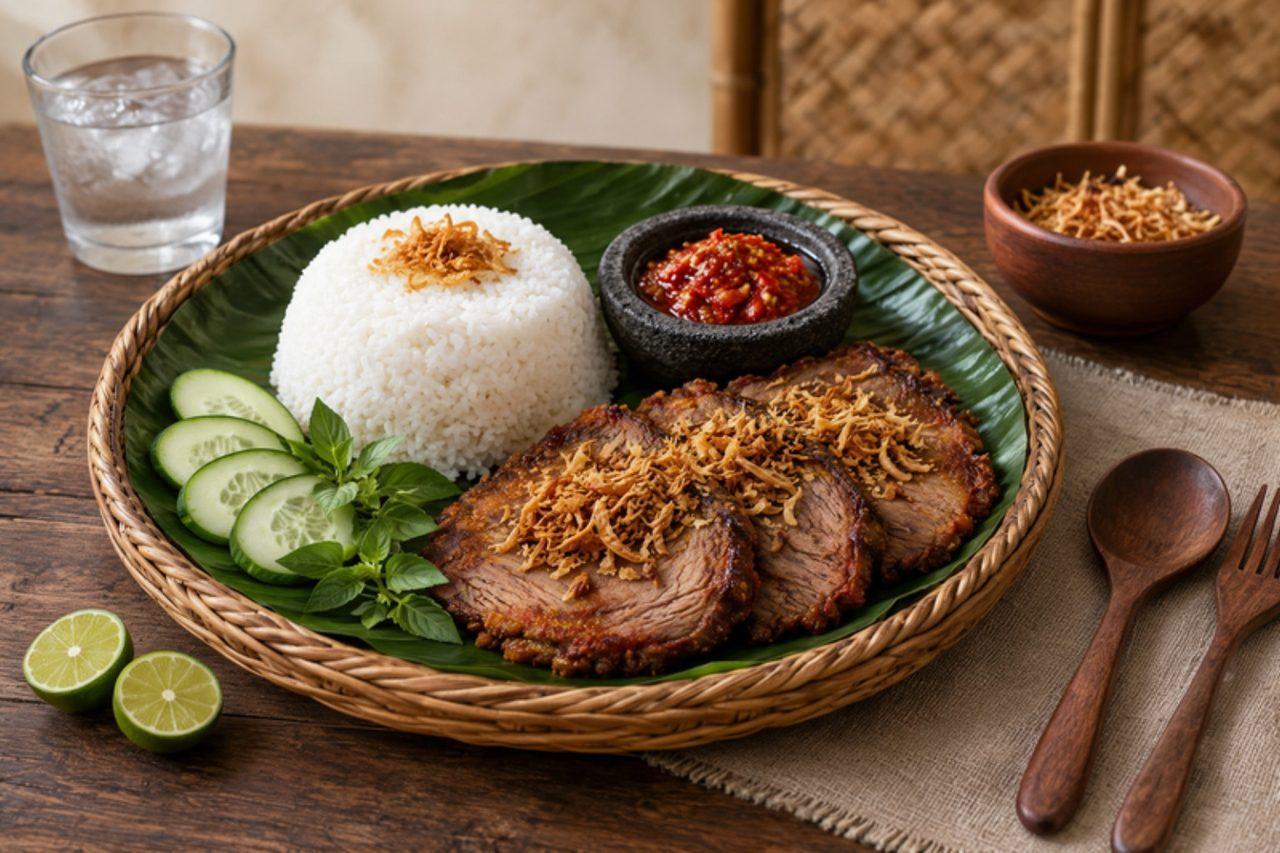
Empal gepukSweet spiced fried beef

Empal gepuk is a Sundanese speciality from Bandung in West Java: beef simmered in coconut water and spices with palm sugar until the liquid is gone, pounded (gepuk) to loosen the fibres, then fried until the edges are crisp and sweet. Because it is dry and keeps for days, it is a classic in Indonesian bekal lunchboxes with rice, sambal and raw vegetables. The common mistake is cutting the beef with the grain, which makes it stringy; slice it across the grain before pounding. Chef's tip: pound gently with a pestle just until the slices fan out, then fry quickly; too long in the oil and they turn hard.

by KrazyBadal 0 views

Teh talua (egg tea)

In the lapau coffee shops of Bukittinggi, Payakumbuh and Padang, the sound of a spoon or a small whisk clattering against a glass means someone has ordered teh talua. A raw egg yolk, traditionally from a free-range kampung hen or a duck, is whisked with sugar until thick and almost white, strong hot tea is poured on from a height, and a wedge of lime goes on the side. Minangkabau men drink it in the late afternoon or evening as a pick-me-up after work in the fields. It comes out with a creamy, caramel-coloured body under a deep layer of foam, rich like a light custard, with the lime cutting any eggy edge. The common mistake is whisking too little: the yolk stays yellow, the tea curdles it in strings and it smells of egg. Beat until the yolk has doubled in volume and falls in a thick ribbon. Use pasteurised eggs for anyone pregnant, babies and small children, older people or anyone unwell, as the yolk is only lightly warmed. Some lapau add condensed milk; this one is dairy-free. It contains caffeine. Chef's tip: pour the tea in a thin stream from high up while still stirring, to build the tallest foam.

by KrazyBadal 0 views

Acar timunPickled cucumber and carrot

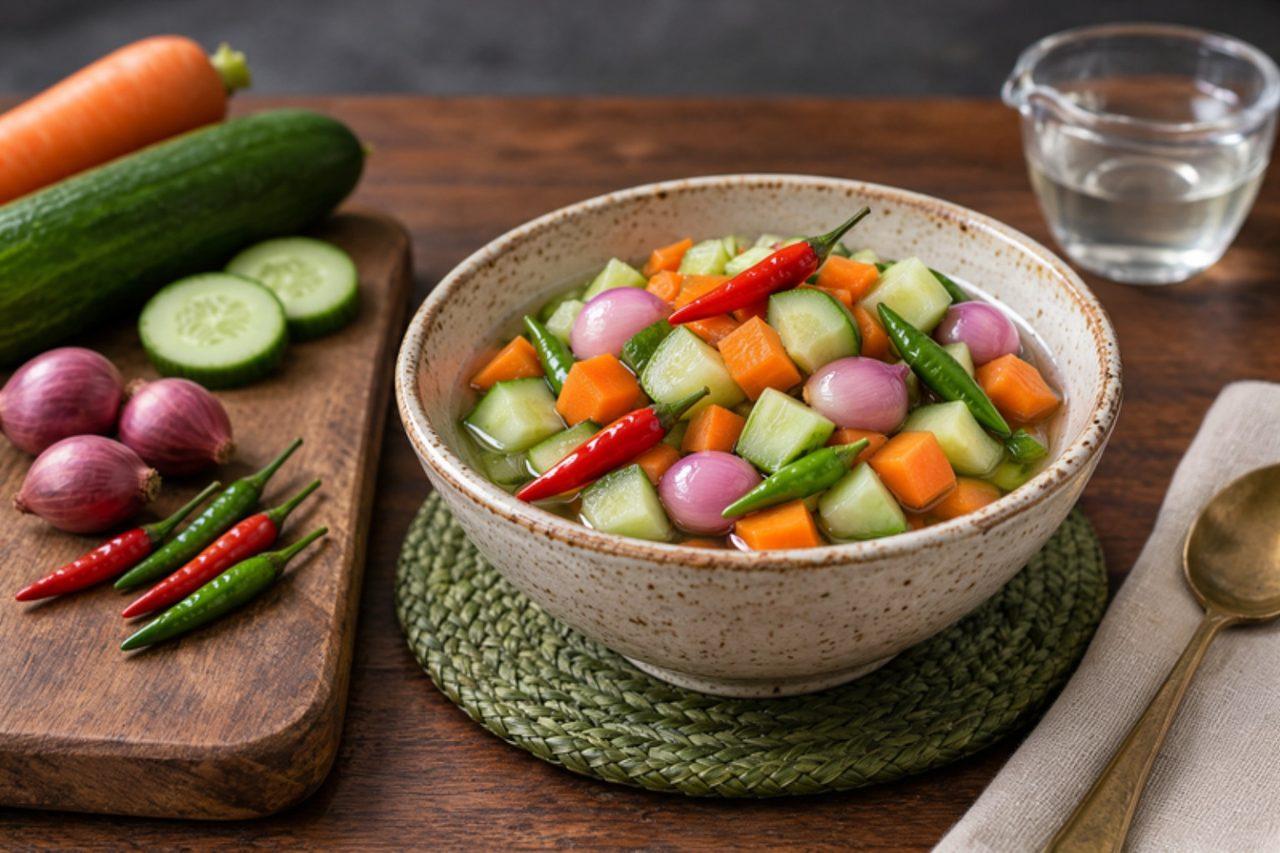
Order sate at a Madurese stall in Java, or nasi goreng from a night-time warung tenda, and a little saucer of acar timun comes with it: cubes of cucumber and carrot, whole small shallots and a few green or red bird's eye chillies in a sweet, sharp vinegar dressing. It is also spooned beside martabak telur and served at kenduri feasts and weddings. It is cold, crunchy and refreshing, sweet first, then sour, with a sudden bite when you hit a chilli, and it cuts the richness of peanut sauce and fried rice. Make it fresh: it is at its best the same day. Common mistake: pouring the dressing on warm or cutting the cucumber too thin, which turns everything limp and watery; dissolve the sugar in warm water, then let it cool before mixing. It is ready after 10–15 minutes, when the shallots have lost their raw edge and the cucumber is lightly seasoned but still snaps. Chef's tip: leave the bird's eye chillies whole so guests can choose whether to eat them; slit one or two if you want the dressing itself to carry heat.

by KrazyBadal 0 views

Nasi timbelRice with fried chicken and tofu

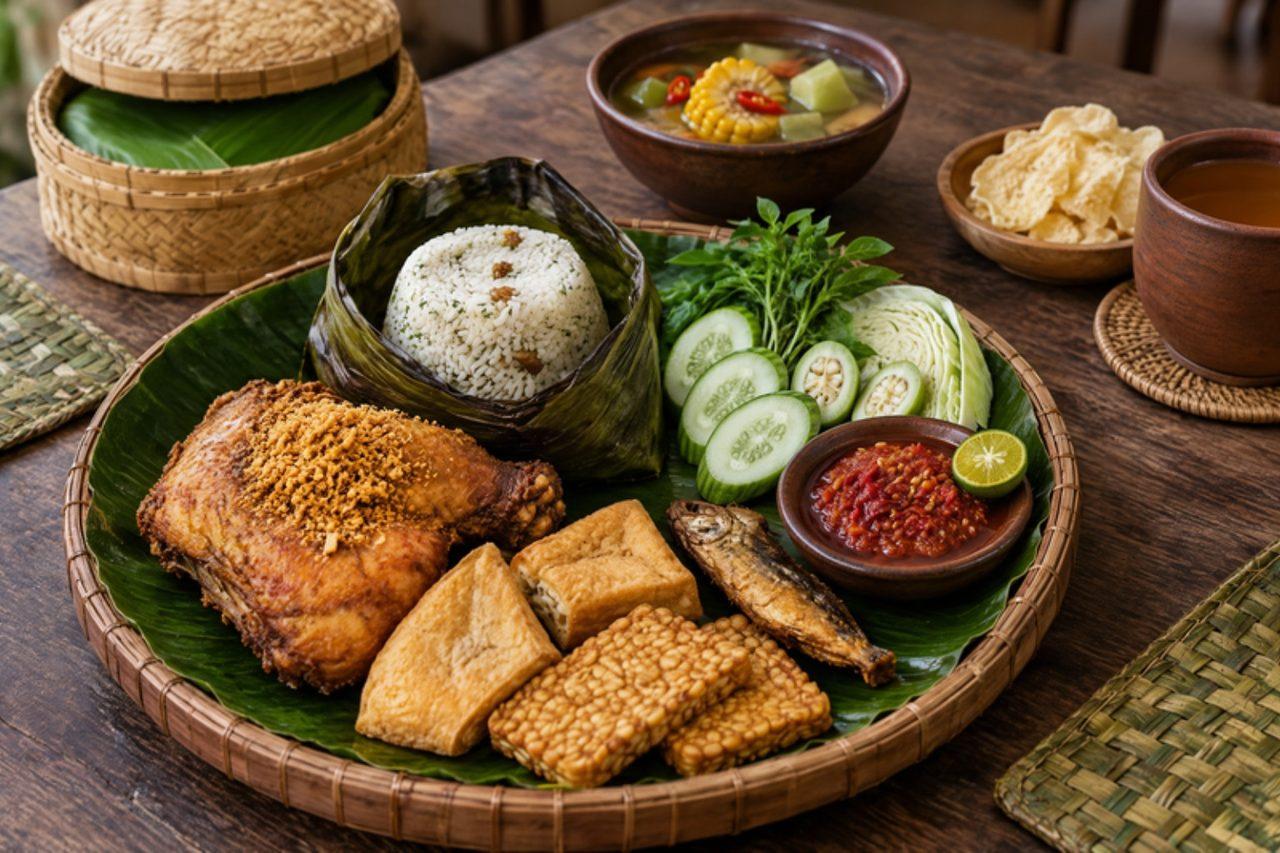
Nasi timbel is the packed lunch of West Java: rice pressed tight into a banana leaf, which keeps it warm and fragrant until noon, served with turmeric fried chicken, fried tofu and tempeh, crisp salted fish, raw vegetables (lalapan) and a fiery sambal terasi. Sundanese restaurants in Bandung and Jakarta serve it as a lunch platter. The usual mistake is frying the chicken straight from raw, which browns the outside long before the bone is cooked; simmer it in the spice paste first. Chef's tip: roll the rice in the leaf while it is very hot and wrap it tightly, then let it rest for 10 minutes so it sets firm.

by KrazyBadal 0 views

Nasi bakarGrilled banana-leaf rice with chicken

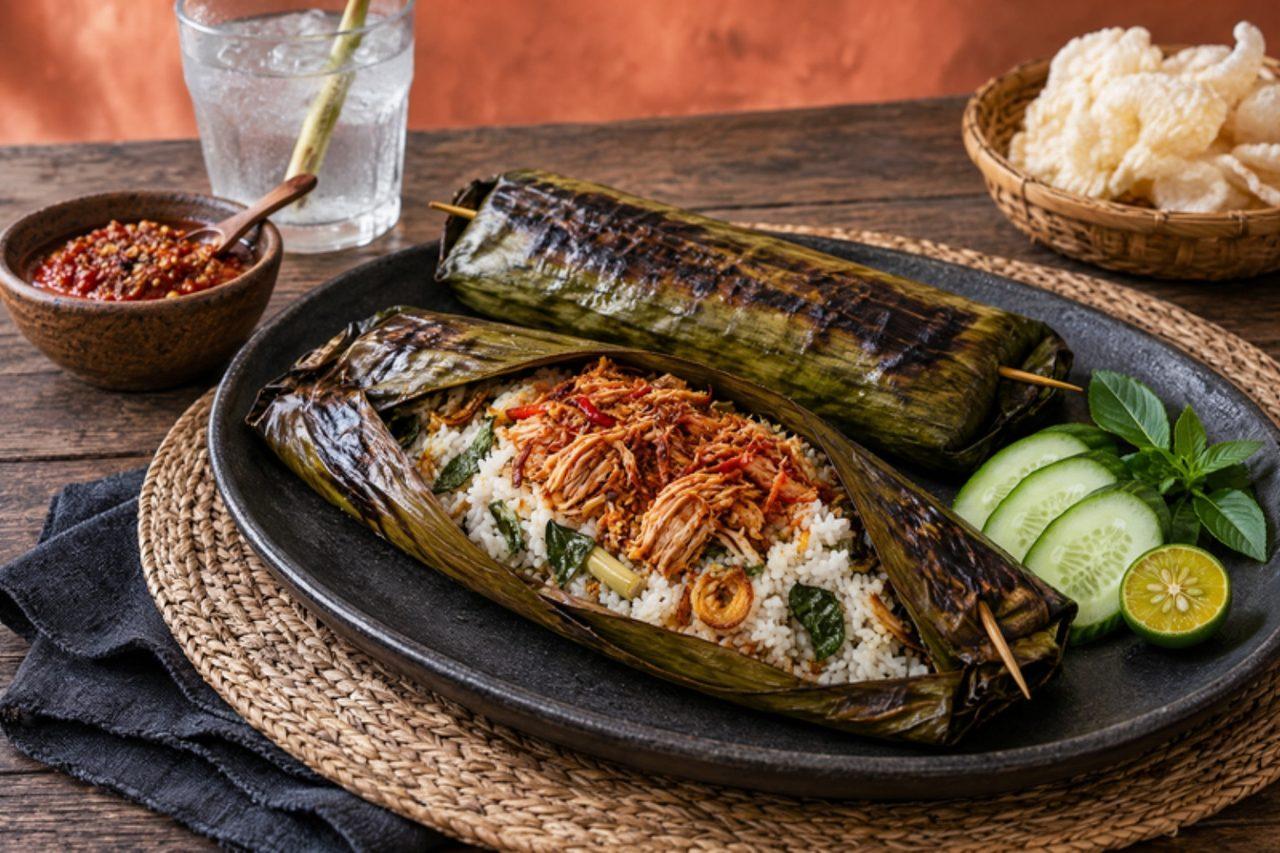
In Jakarta, nasi bakar parcels are sold from warung grills at lunchtime and in office canteens: rice cooked with coconut milk, lemongrass and salam leaves, filled with spicy shredded chicken (ayam suwir) and lemon basil, wrapped in banana leaf and grilled until the leaf chars and the rice crisps at the edges. Small dried anchovies (teri) are the other classic filling. The common mistake is wrapping the parcels loosely, so they fall open on the grill; fold them tight and pin with toothpicks. Chef's tip: grill until the leaf is blackened in patches; the smoke perfumes the rice inside.

by KrazyBadal 0 views

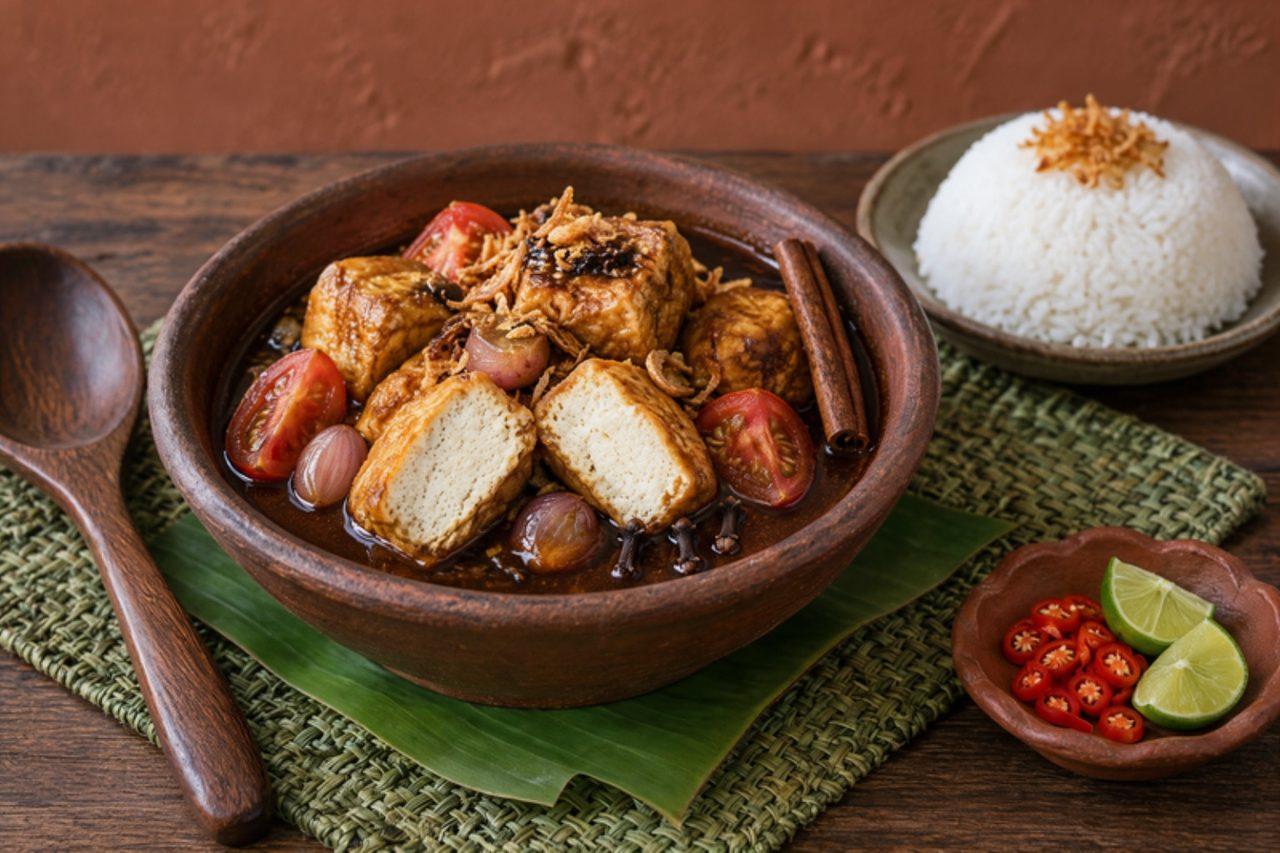
Semur tahuTofu in sweet soy

Semur is the dark, glossy sweet-soy stew of Java, shaped by Dutch spice traders' love of nutmeg and clove, and the tofu version is a thrifty bekal favourite that tastes better each day it sits. The tofu is fried first so it holds together and soaks up the sauce like a sponge. The common mistake is using silken or soft tofu, which crumbles; choose firm tofu and fry it until the skin is golden. Chef's tip: let the sauce reduce until it coats the back of a spoon, then rest the semur for an hour before eating so the spices go right into the tofu.

by KrazyBadal 0 views

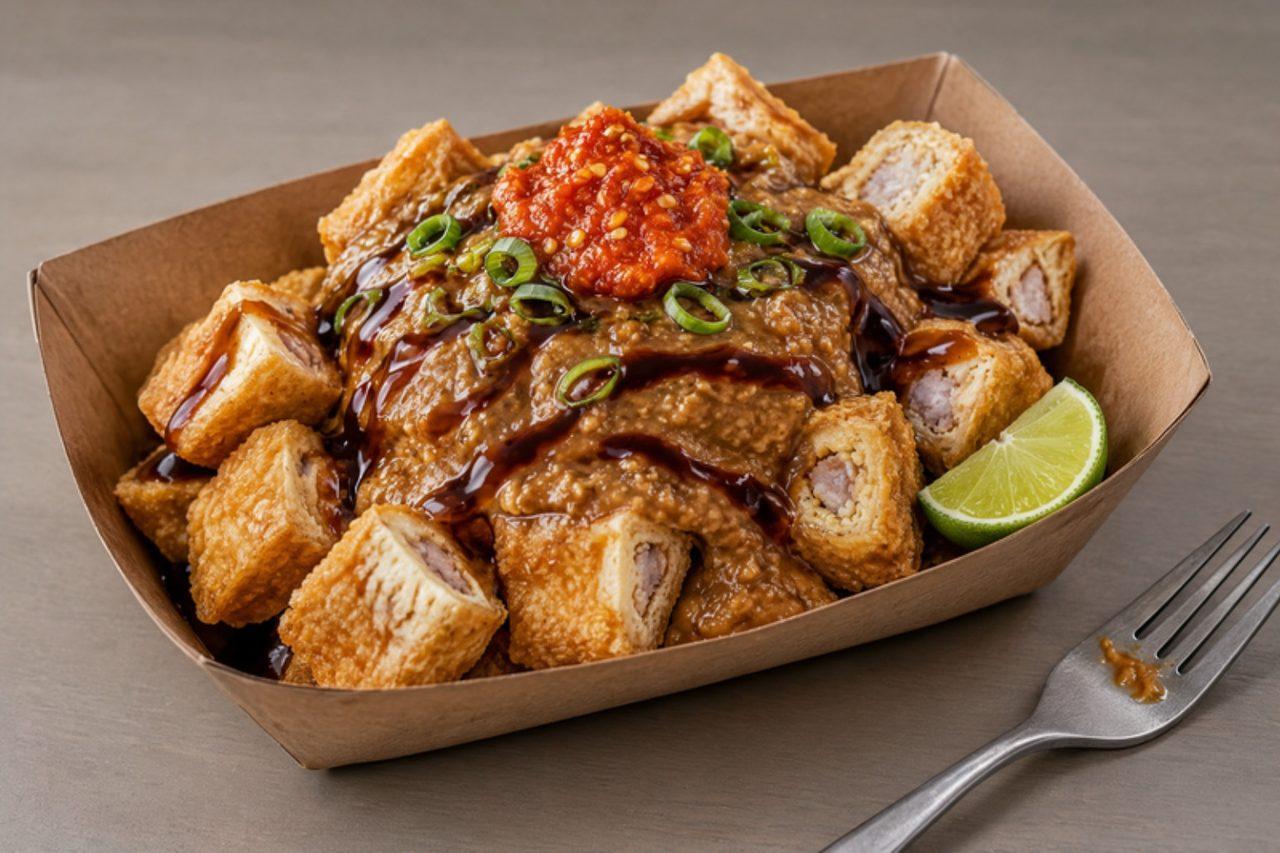
BatagorFried fish dumplings with peanut sauce

Batagor, short for bakso tahu goreng (fried fish-ball tofu), is the crunchy cousin of siomay and a favourite after-school snack sold from glass-sided carts outside Jakarta's schools and along Jalan Pecenongan's evening food strip. Tofu squares and wonton skins are stuffed with a mackerel and tapioca paste and deep-fried until golden and crackly, then snipped up and covered in a spicy peanut sauce, kecap manis and lime. The contrast of crisp skin and soft, bouncy fish is the whole point. Contains fish, peanuts, soy, egg and wheat. Chef's tip: fry the tofu side with the fish paste facing down first; it seals the filling so it doesn't puff away from the tofu.

by KrazyBadal 0 views

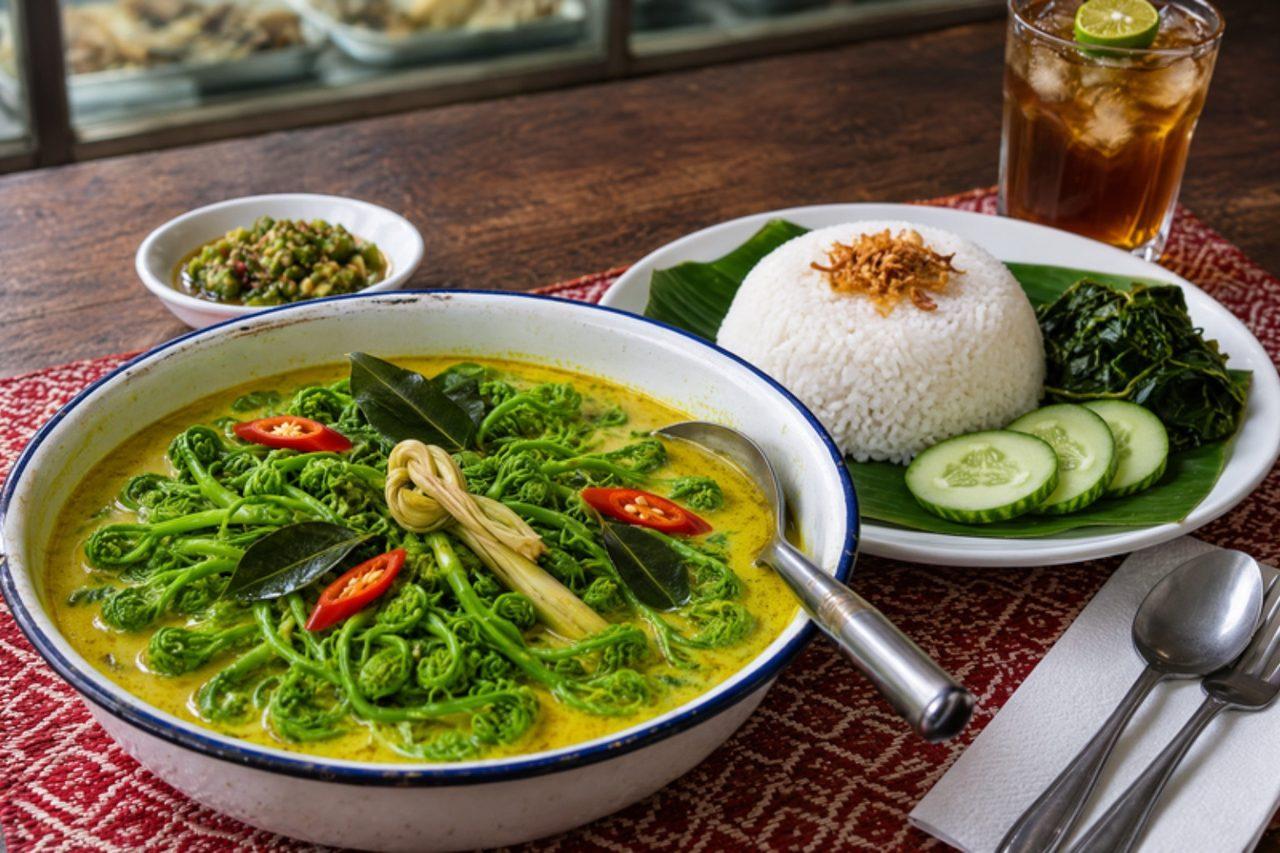
Gulai pakisFern tip coconut curry

Gulai pakis is one of the green dishes on the counter of every Minangkabau rice shop (rumah makan Padang), from Bukittinggi to Jakarta, and it is cooked at home in West Sumatra whenever fern shoots are gathered from the riverbanks. Tender fern tips simmer in a yellow coconut milk sauce of turmeric, galangal, chilli and lime leaves until rich and gently spicy; many cooks add tiny dried shrimp, which this vegan version leaves out. Serve it with rice, sambal and fried tempeh. The usual mistake is boiling the coconut milk hard or covering the pan, which makes it split into curds; stir it often and keep it at a simmer. Chef's tip: always cook fern shoots thoroughly as below, as some ferns are not safe raw or lightly cooked; buy vegetable fern (paku) or fiddleheads sold for eating.

by KrazyBadal 0 views

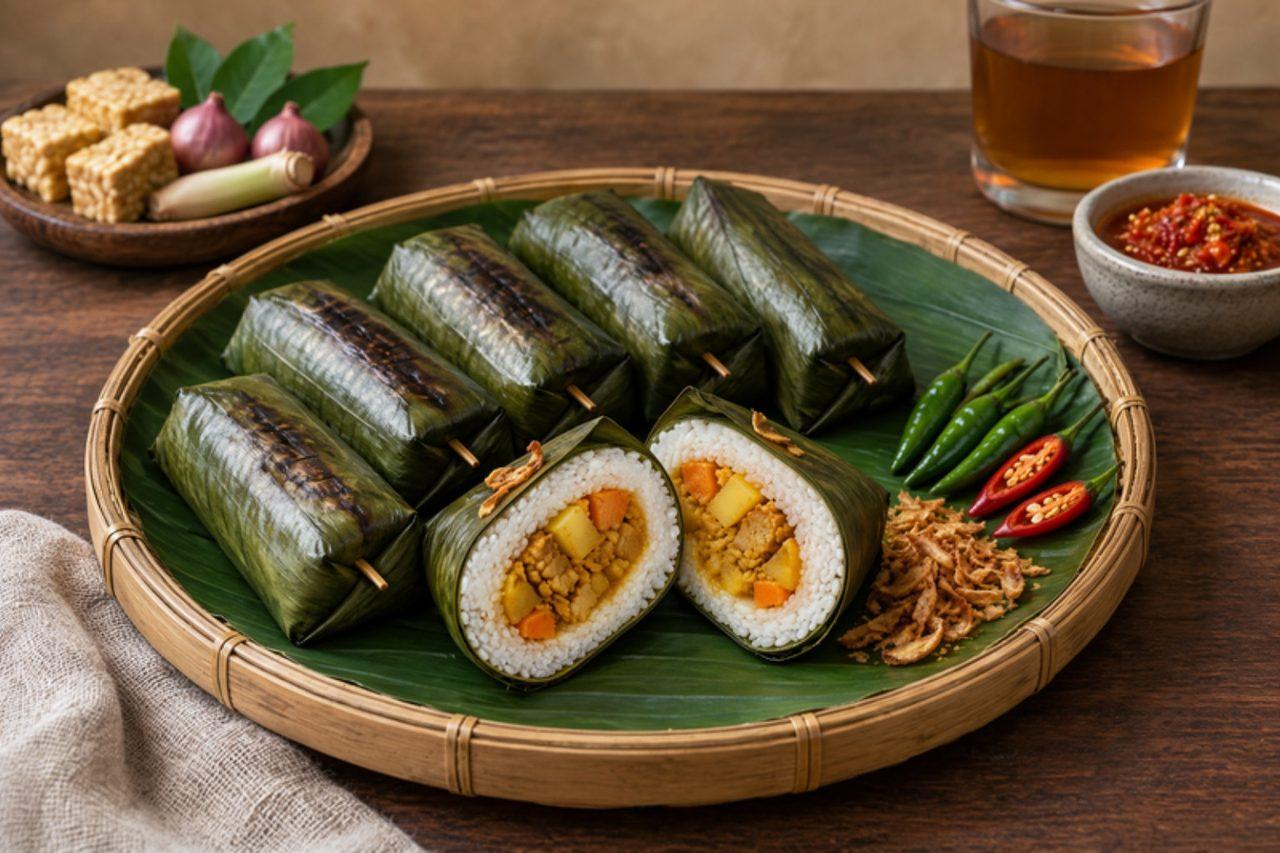
Arem-aremFilled rice rolls in banana leaf

Arem-arem are what Central Javanese cooks pack for meetings, trains and bekal lunchboxes: logs of coconut-scented rice wrapped round a spiced filling, rolled in banana leaf and steamed until firm, so they can be eaten in the hand, cold or warm. Chicken fillings are common in the city; this one uses tempeh, potato and carrot. The common mistake is cooking the rice fully before rolling, which makes the logs mushy; it should be only half-cooked, so it finishes in the leaf. Chef's tip: soften the banana leaves over a flame or in hot water first, or they will split as you roll.

by KrazyBadal 0 views

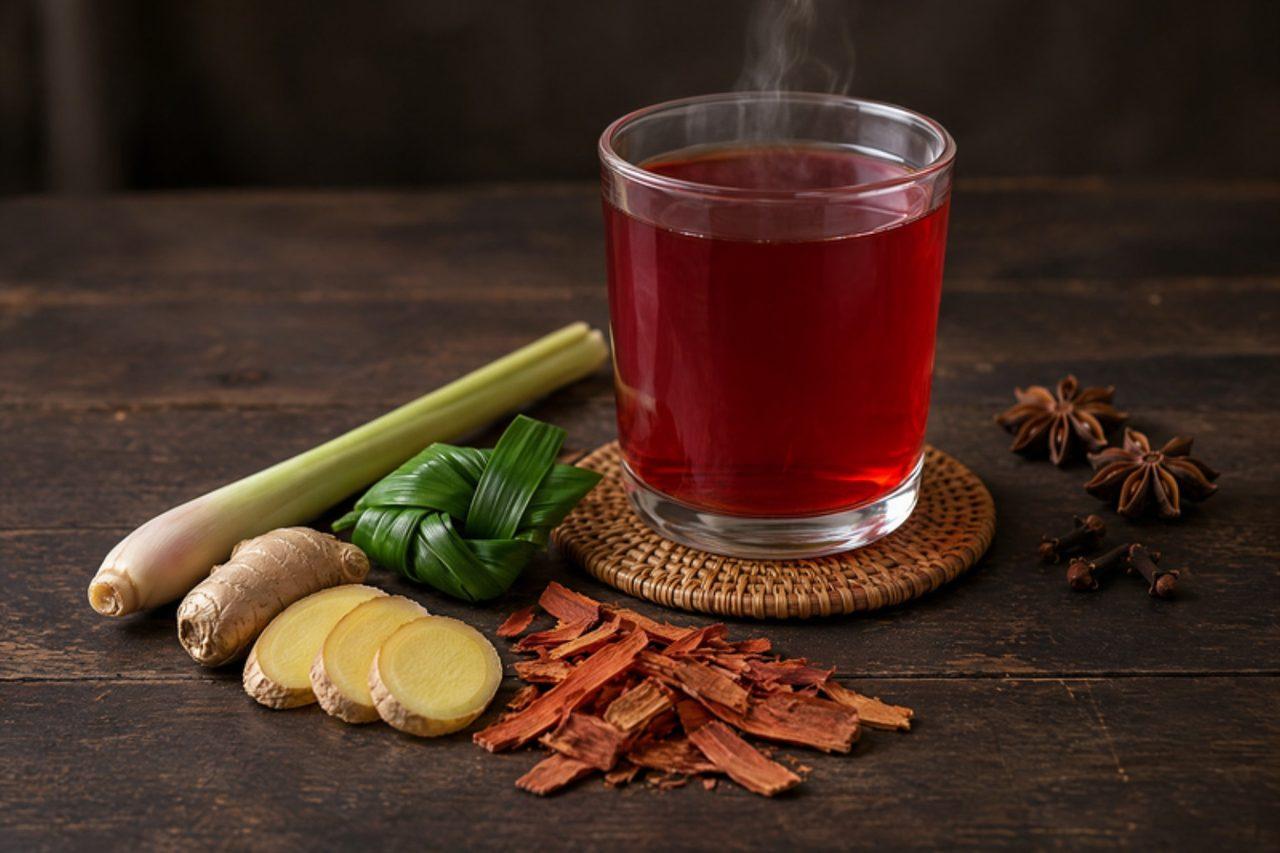
Bir pletokSpiced ginger drink

Bir pletok was the Betawi answer, in old Batavia, to the beer and wine drunk by the Dutch: a red, warming spice drink with no alcohol at all, served at weddings, at Lebaran open houses and in the evenings at Jakarta's Setu Babakan cultural village. 'Pletok' is said to be the popping sound it made when shaken in a bamboo tube to raise a foam. Ginger, lemongrass, pandan, cloves, cinnamon and cardamom are simmered with chips of secang (sappanwood), which turns the liquid deep ruby. It tastes hot and peppery from the ginger, perfumed from the pandan, sweet and lightly woody, and is drunk warm or with ice. The common mistake is skimping on ginger or slicing it thin and boiling briefly; you need plenty, bruised, and a slow simmer to draw out the heat. It is ready when the liquid is a clear ruby red and the ginger burn catches at the back of your throat. Secang chips are in Indonesian shops; dried hibiscus flowers give a similar red, slightly sourer. Keeps 5 days in the fridge. Chef's tip: shake each serving hard in a closed jar before pouring to get the foamy head.

by KrazyBadal 0 views

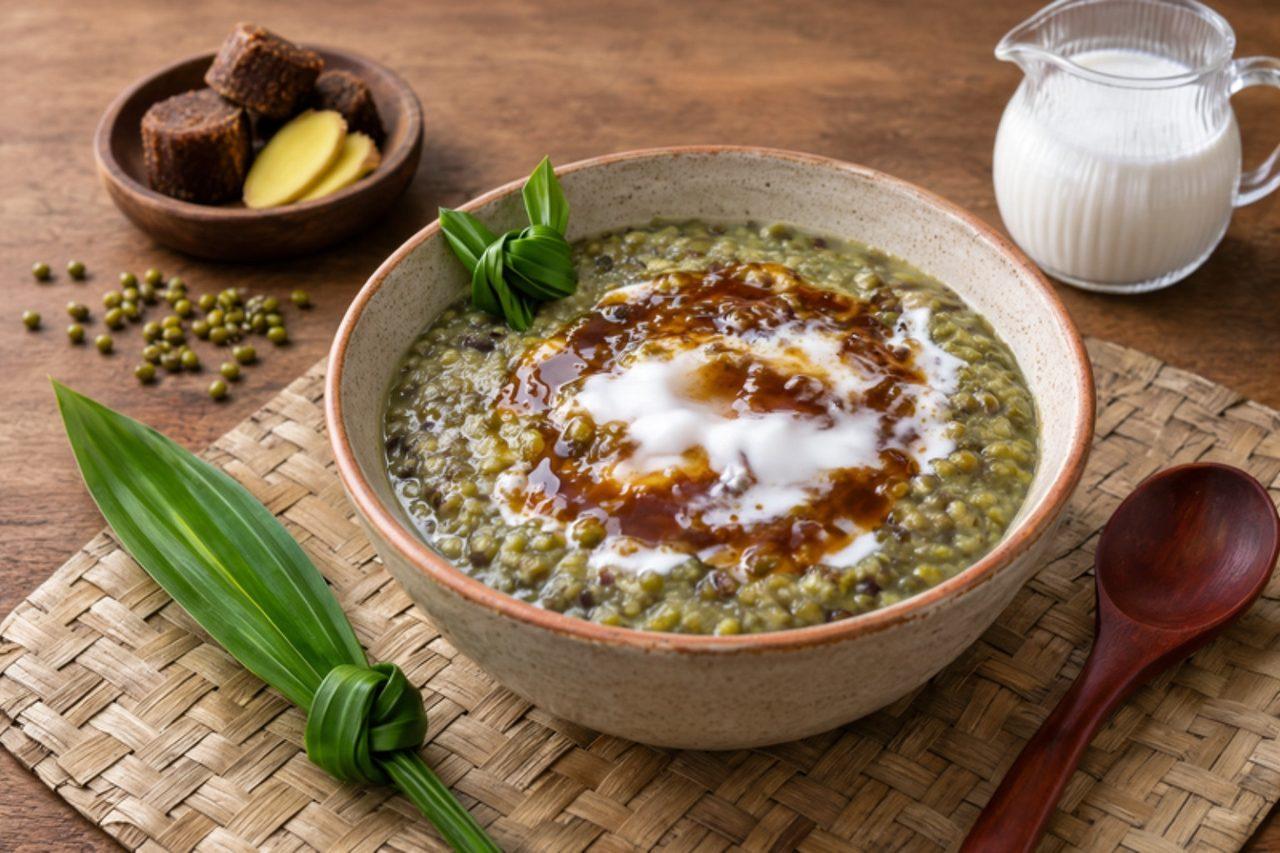
Bubur kacang hijauSweet mung bean porridge

In Java, the bubur kacang ijo seller pushes a cart through the neighbourhood from early morning, ladling warm mung bean porridge sweetened with palm sugar and topped with thick coconut milk. Many people eat it with a slice of white bread dunked in, and late-night stalls in Jakarta sell it alongside instant noodles. The common mistake is adding the sugar too early, which keeps the beans firm; cook them soft first. Chef's tip: cook the coconut milk separately with a pinch of salt and a pandan leaf and pour it on top, so the bowl has a sweet layer and a slightly salty, creamy one.

by KrazyBadal 0 views

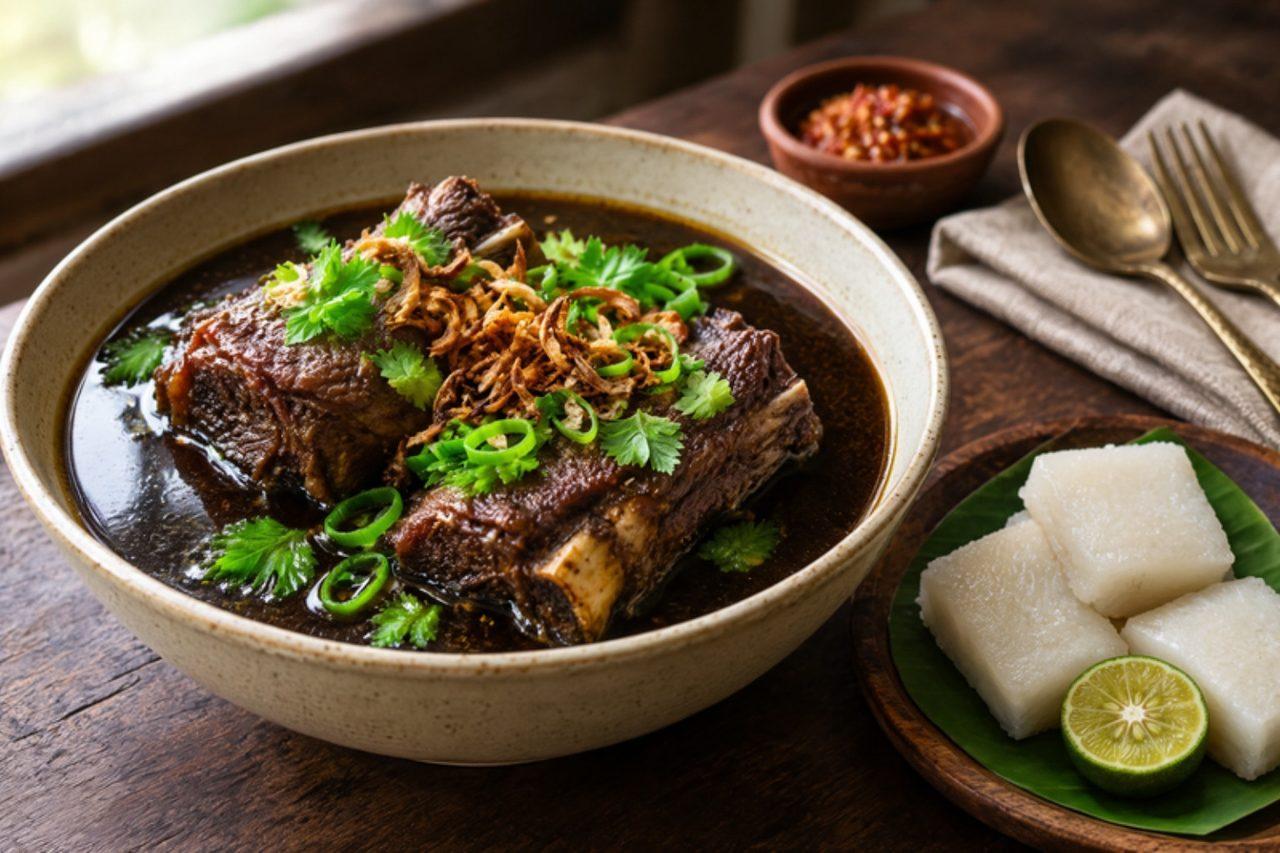
Sop konroBeef rib soup

Sop konro is the pride of Makassar in South Sulawesi, where warung near the harbour serve big bowls of beef ribs in an almost black broth from lunchtime into the night, often with burasa (rice cooked in coconut milk) or plain rice. The colour and earthy, chocolatey depth come from keluak (kluwek) nuts, simmered with a paste of shallots, garlic, ginger, galangal, toasted coriander seed and candlenut until the rib meat slides off the bone. The usual mistake is using raw keluak: the nuts are only safe after long fermentation, so buy them ready-prepared from an Indonesian shop, and discard any that smell sour or are dry inside. A pressure cooker gets the ribs tender in 50 minutes. Chef's tip: toast the coriander seeds until they crackle before grinding; they carry the whole soup.

by KrazyBadal 0 views

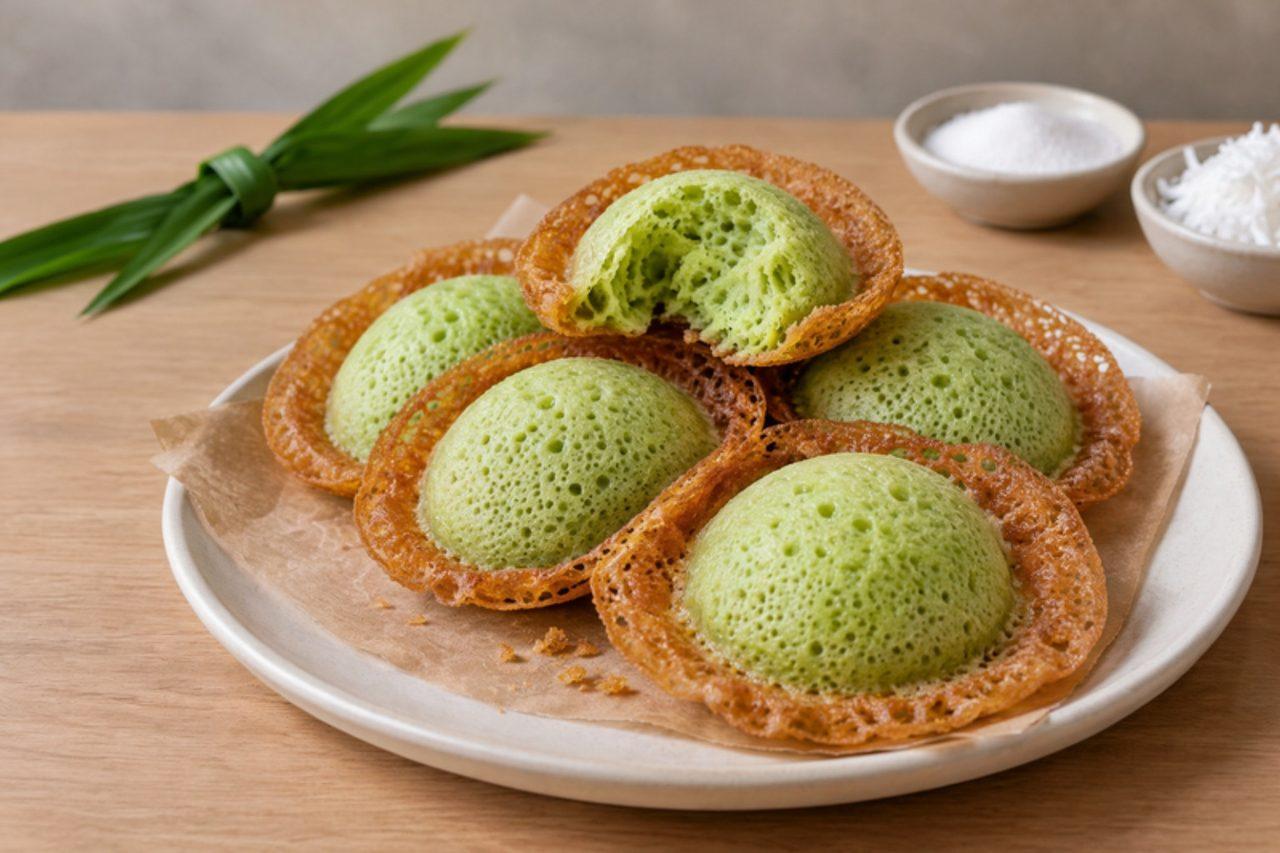
Kue apePandan pancakes with crisp edges

Kue ape (also called kue tetek for its shape) is a Betawi snack sold from pushcarts outside schools and along the lanes of Kebon Kacang in the late afternoon, when children come out hungry. The vendor swirls pandan batter around a small domed pan so the edges fry paper-thin and lacy while the centre puffs into a soft, slightly chewy bump. They are sweet, fragrant and best eaten within minutes. A small non-stick pan or a Chinese wok-shaped crêpe pan works at home. The batter contains wheat and egg. Chef's tip: the swirl must happen the second the batter hits the pan; hesitate and the edge sets thick instead of lacy.

by KrazyBadal 0 views

Sayur boborGreens in coconut milk broth

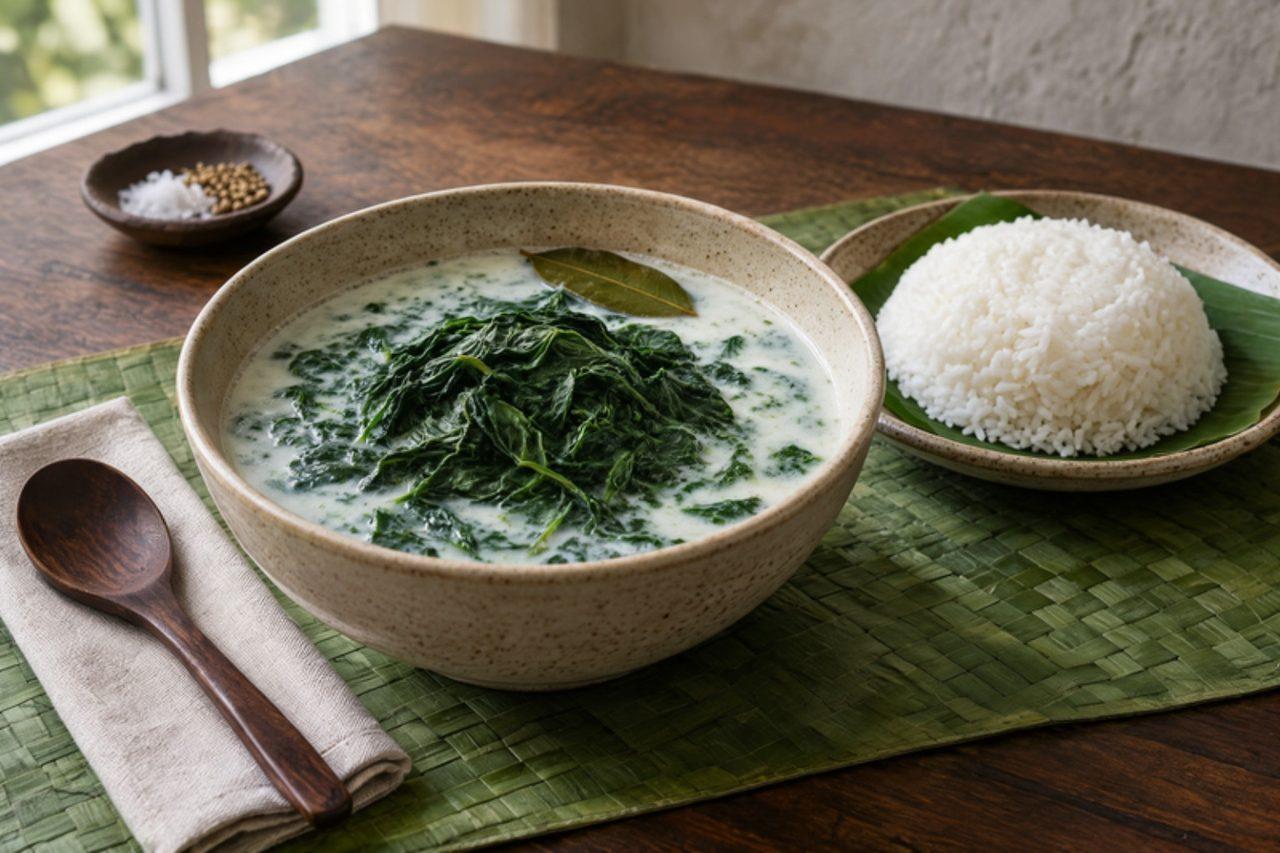
Sayur bobor is the gentle everyday soup of Central Javanese homes around Semarang and Solo, ladled over rice at lunch and often made for children, older relatives and anyone feeling poorly. Spinach, amaranth or moringa leaves are simmered for just a few minutes in a thin coconut broth scented with galangal, coriander seed and salam leaves, so it tastes creamy and mild with a hint of sweetness. Eat it with rice, fried tempeh and sambal. The usual mistake is boiling the greens too long, which turns them khaki and slimy; they need only 2–3 minutes. Chef's tip: add a few chayote or young corn pieces with the broth for a more filling bowl.

by KrazyBadal 0 views

Showing 24 of 110 recipes

Show more recipes

Page 1 of 5