Skip to content
Recipes

All recipes

Vegetarian, or something you can't eat? Set your diet once and we'll hide recipes that don't fit.

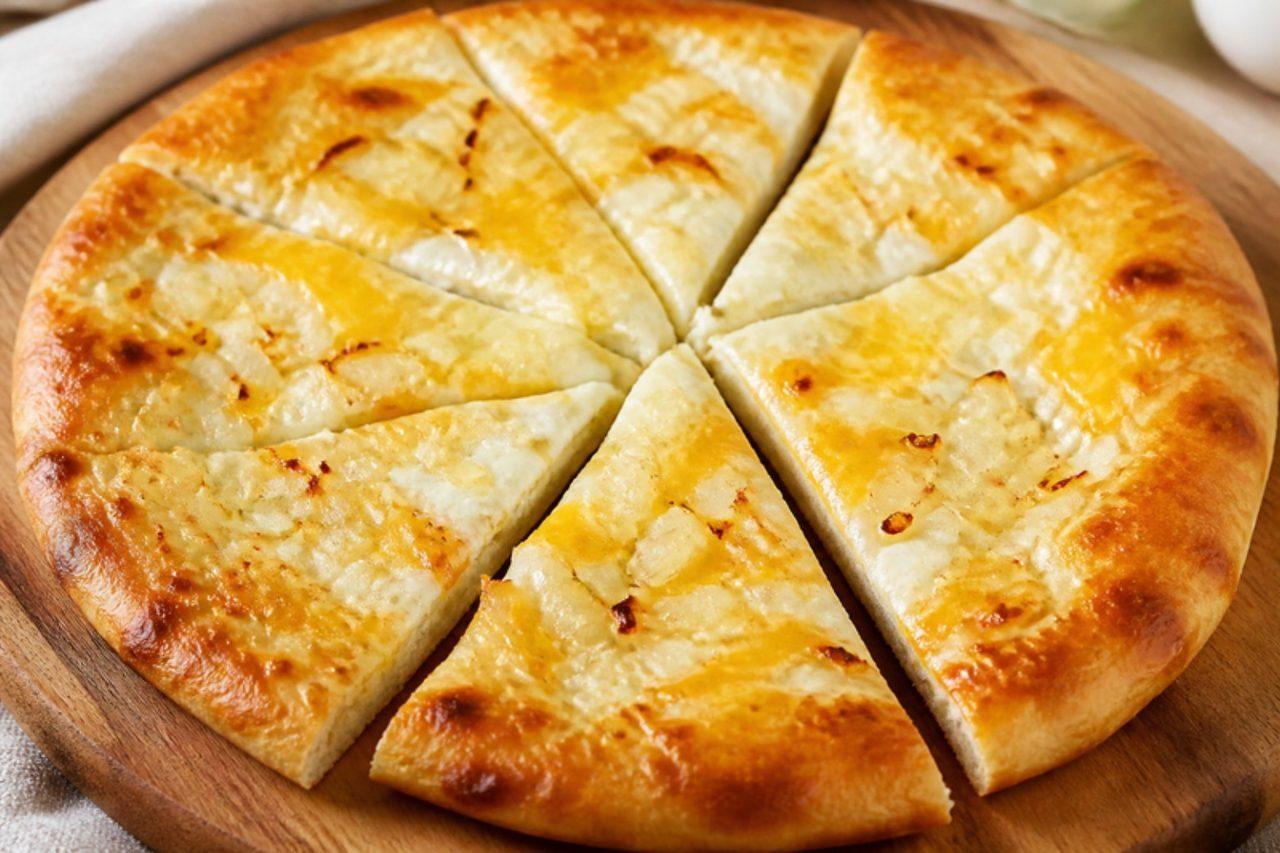
Töki pomposFlatbread with sour cream and onion

The village of Tök, west of Budapest in Pest County, holds a pompos festival every summer, and its baker-wives once made this flatbread from a piece of the weekly bread dough, baked at the mouth of the wood oven before the loaves went in. Unlike its cousin lángos it is baked, not fried: a thin yeast base spread with garlicky sour cream, onion and grated cheese, bubbling and browned at the edges. The village version often adds bacon or pork cracklings; this one is vegetarian. Hungarian trappista and many hard cheeses are made with animal rennet, so choose a vegetarian cheese. Chef's tip: roll the dough thin and bake it on a preheated tray in the hottest oven you have; a cold tray gives a pale, bready base.

by KrazyBadal 0 views

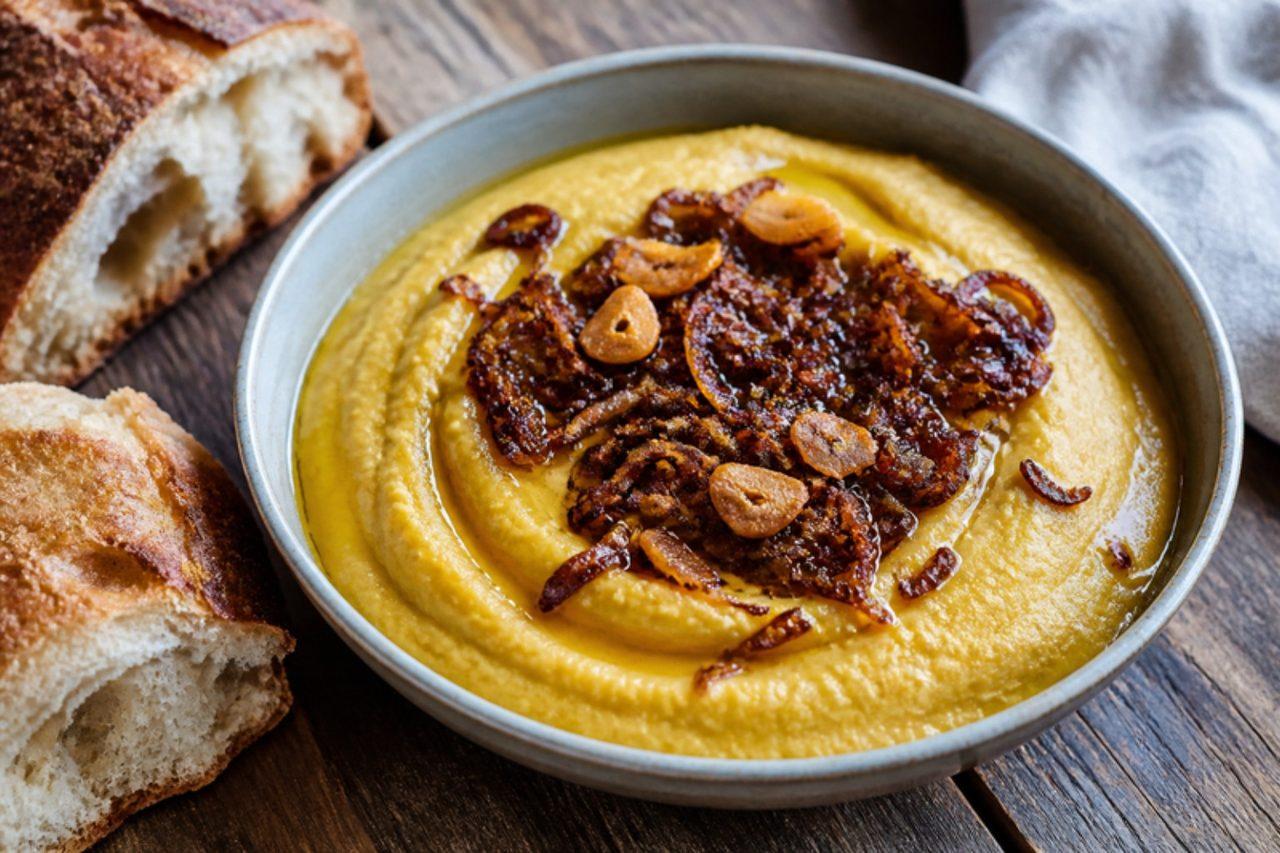
Sárgaborsó-főzelékSplit pea purée

In Hungarian homes split yellow peas are winter food, and on New Year's Day many families in Budapest eat this thick purée (or lentils) for luck in the coming year. The peas collapse into a smooth, earthy mash flavoured with bay and garlic, and a crown of onions fried until dark gold gives sweetness and crunch. It is usually served beside sausage, but this version is fully vegan and makes a filling meal with fresh bread and pickled cucumbers. Chef's tip: let the onions go slowly to a deep brown in plenty of oil and pour that oil over the purée too, because it carries most of the flavour. Pale, hurried onions are the usual mistake.

by KrazyBadal 0 views

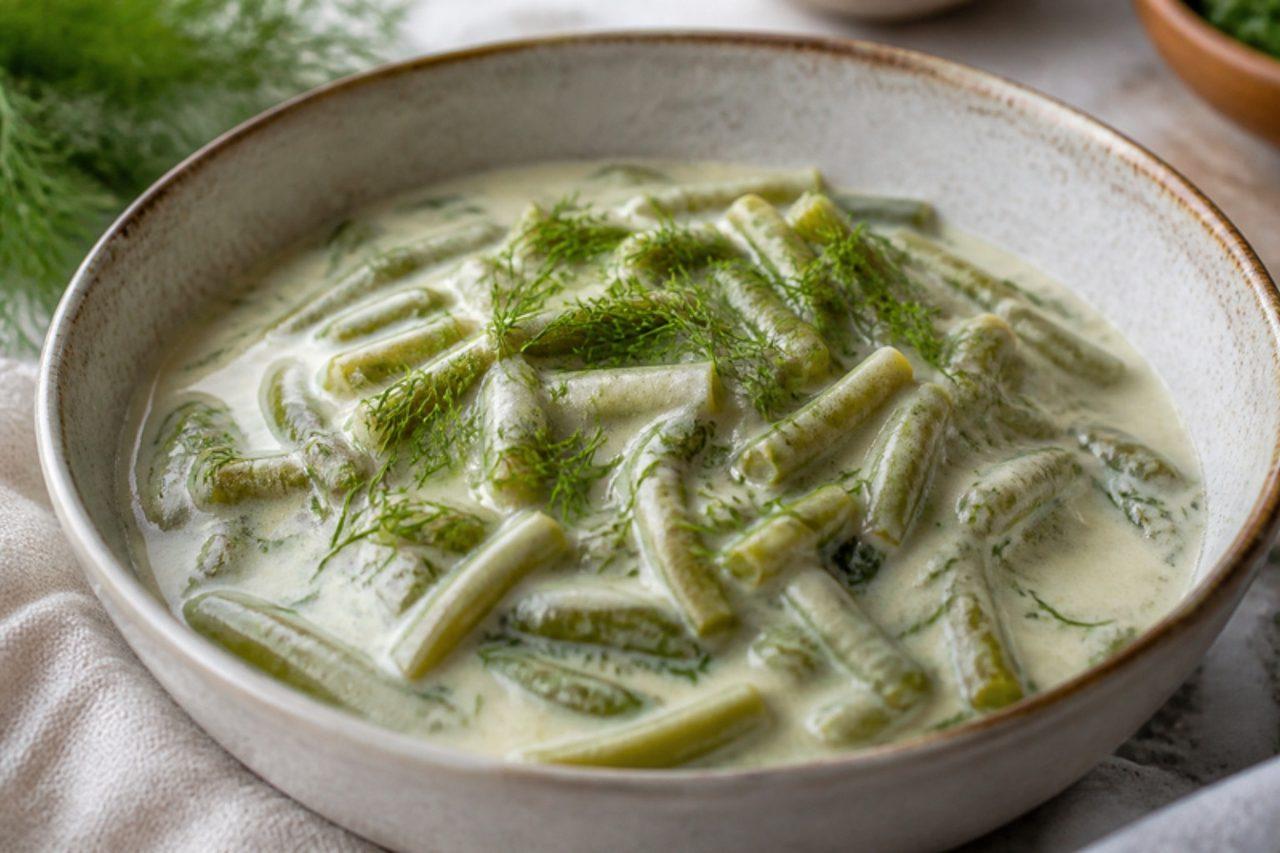
ZöldbabfőzelékGreen bean stew

Midsummer in Hungary means baskets of yellow wax and green beans at every market, and zöldbabfőzelék is how home cooks from Kecskemét to Lake Balaton use them up. Short lengths of bean simmer until tender, then a pale roux, plenty of fresh dill, a little sugar and a sharp hit of vinegar make a sweet-sour sauce finished with sour cream. Serve it with fried eggs or new potatoes for a light summer lunch. Chef's tip: balance the vinegar and sugar at the end by tasting, adding a drop at a time; the sauce should taste bright, never harsh.

by KrazyBadal 0 views

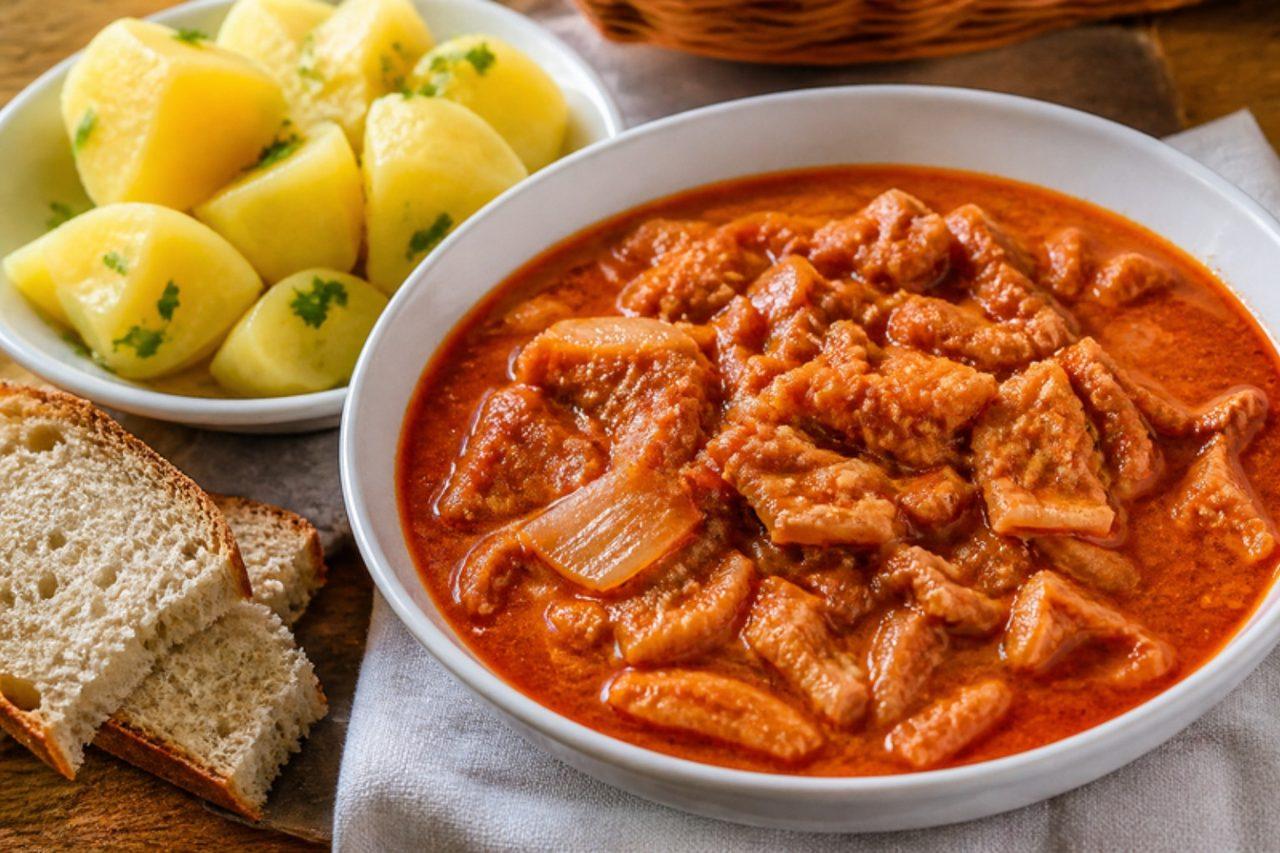
PacalpörköltTripe stew

The upstairs food stalls of Budapest's Great Market Hall and the old market halls of Szeged serve pacalpörkölt from late morning, and regulars eat it with boiled potatoes and a pile of pickles. Tripe takes patience: hours of slow simmering in a deep red paprika and onion sauce turn it tender, with a gentle chew and a rich, savoury flavour. Buy beef tripe that is already cleaned and blanched (white or bleached) from a butcher. Chef's tip: boil and rinse the tripe once before you start the stew; skipping this is the mistake that leaves a strong farmyard smell in the sauce.

by KrazyBadal 0 views

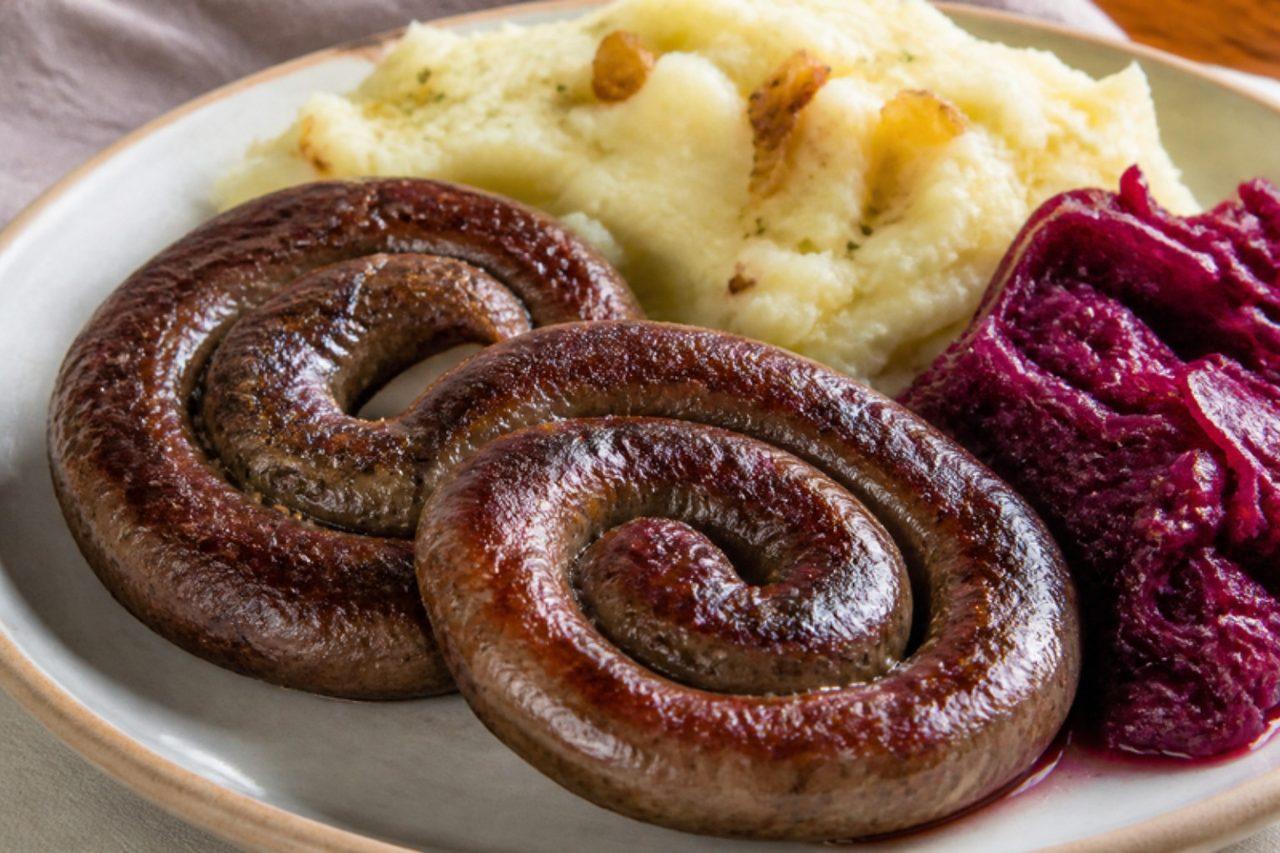
Májas hurkaLiver and rice sausage

In Hungarian villages the winter pig-killing (disznótor) ends with a feast, and hurka is the star: soft sausages of pork, pork liver and rice seasoned with marjoram and black pepper, roasted until the skins crackle. Today you buy them at market stalls in Budapest's Great Market Hall and at country butchers, eaten hot with mustard, bread and pickled cabbage. Blood sausage (véres hurka) is the other version; this is the liver one. Ask your butcher for natural pork casings. Chef's tip: roast the sausages in a little fat with a splash of water and don't prick them, or they burst and dry out.

by KrazyBadal 0 views

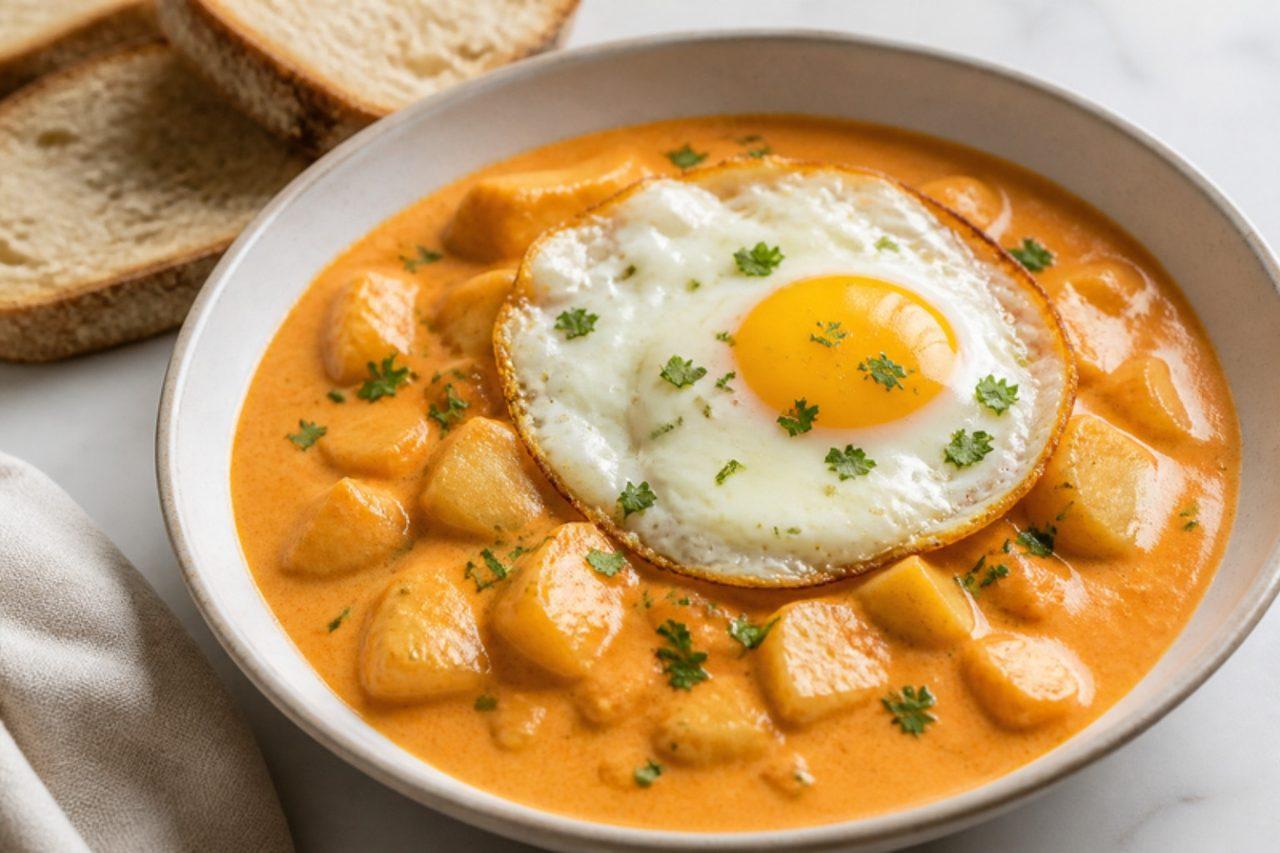
KrumplifőzelékPotato paprika stew

Every Hungarian school canteen and büfé from Debrecen to Győr has a pot of krumplifőzelék on the counter at lunchtime, ladled into deep plates and topped with a fried egg or a few slices of fasírt for those who want meat. Cubes of potato cook soft with bay leaf, then a roux of onion, flour and sweet paprika turns the cooking water into a velvety orange sauce, sharpened with a drop of vinegar and rounded off with sour cream. It sits between a soup and a side dish, which is exactly what főzelék means. Chef's tip: take the pan off the heat before you add the paprika; it scorches in seconds in hot fat and turns bitter.

by KrazyBadal 0 views

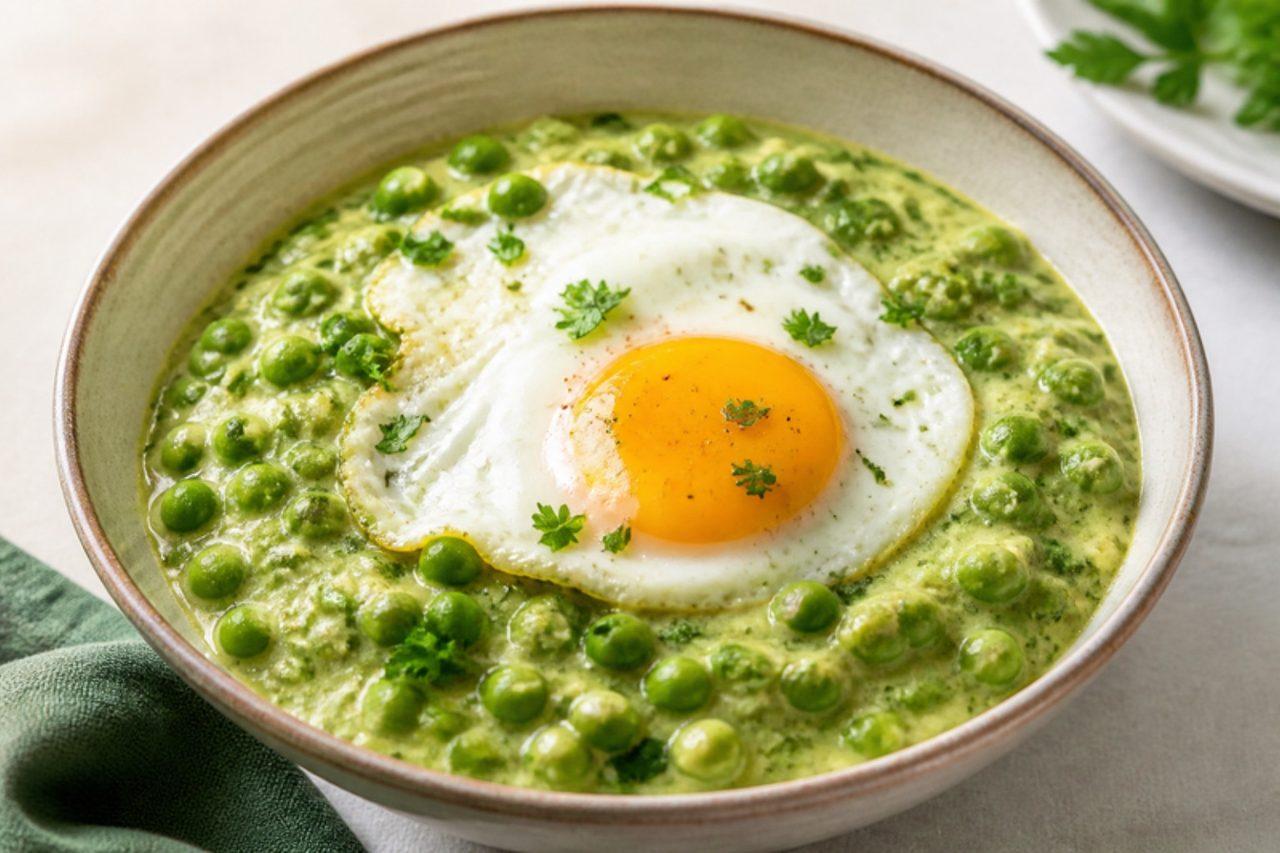
ZöldborsófőzelékGreen pea stew

Ask Hungarians about their childhood lunches and zöldborsófőzelék comes up fast: a bright green, slightly sweet pea stew that grandmothers in Budapest and the villages of the Great Plain make in late spring with fresh peas and all year with frozen ones. The peas cook briefly in butter with a pinch of sugar, then a light roux and milk turn them creamy, and a fistful of parsley finishes it. It is eaten as a meal with fried eggs, potato croquettes or fasírt. Chef's tip: stop cooking as soon as the peas are tender; long simmering turns them khaki and floury.

by KrazyBadal 0 views

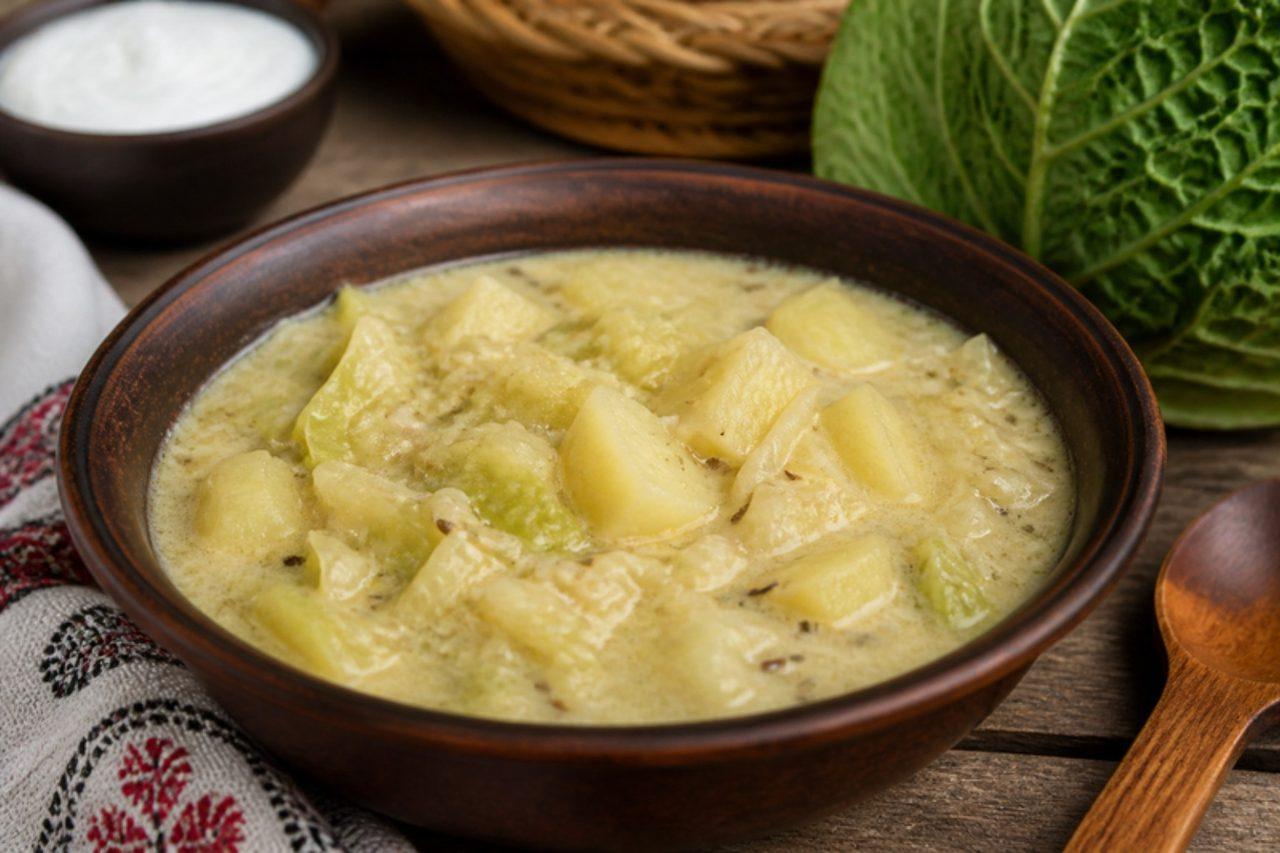
Kelkáposzta-főzelékSavoy cabbage stew

When the first frosts sweeten the savoy cabbages in the market gardens around Szeged and Makó, kelkáposzta-főzelék appears on lunch tables all over Hungary. Crinkly leaves and potato cubes simmer with caraway, then a garlicky roux and a little milk make a soft, comforting stew that tastes of autumn. Families eat it with fried eggs, breaded mushrooms or, in meat-eating homes, a slice of meatloaf. Chef's tip: slice the cabbage into ribbons rather than chopping it fine, so it keeps some texture and the dish doesn't turn into mush.

by KrazyBadal 0 views

ErdäpfelstrudelSavoury potato strudel

Austrians, especially in the Mühlviertel of Upper Austria and the Waldviertel, make savoury strudels as often as sweet ones, and Erdäpfelstrudel is a farmhouse favourite for a meatless Friday or a cold evening. Thin pastry wraps a filling of potatoes, fried onion, sour cream, marjoram and parsley, baked until crisp and golden and sliced with a green salad or a dill and sour-cream dip. Bought filo makes it easy at home. The mistake to avoid is a wet filling, which turns the pastry soggy underneath. Chef's tip: cool the filling completely before rolling; warm filling makes the layers stick and tear.

by KrazyBadal 0 views

MelegszendvicsToasted ham and cheese

Melegszendvics is Hungarian student food and the go-to Sunday evening supper in countless Budapest households: slices of bread spread with ketchup or sour cream, topped with ham and grated cheese and baked until the cheese bubbles. Many families own a little sandwich toaster just for it, but a hot oven or grill works just as well. The ham is pork; for a vegetarian version swap it for sliced tomato, peppers and sweetcorn and use a vegetarian cheese. Chef's tip: grate the cheese rather than slicing it, so it melts evenly to the edges and the bread underneath crisps instead of steaming.

by KrazyBadal 0 views

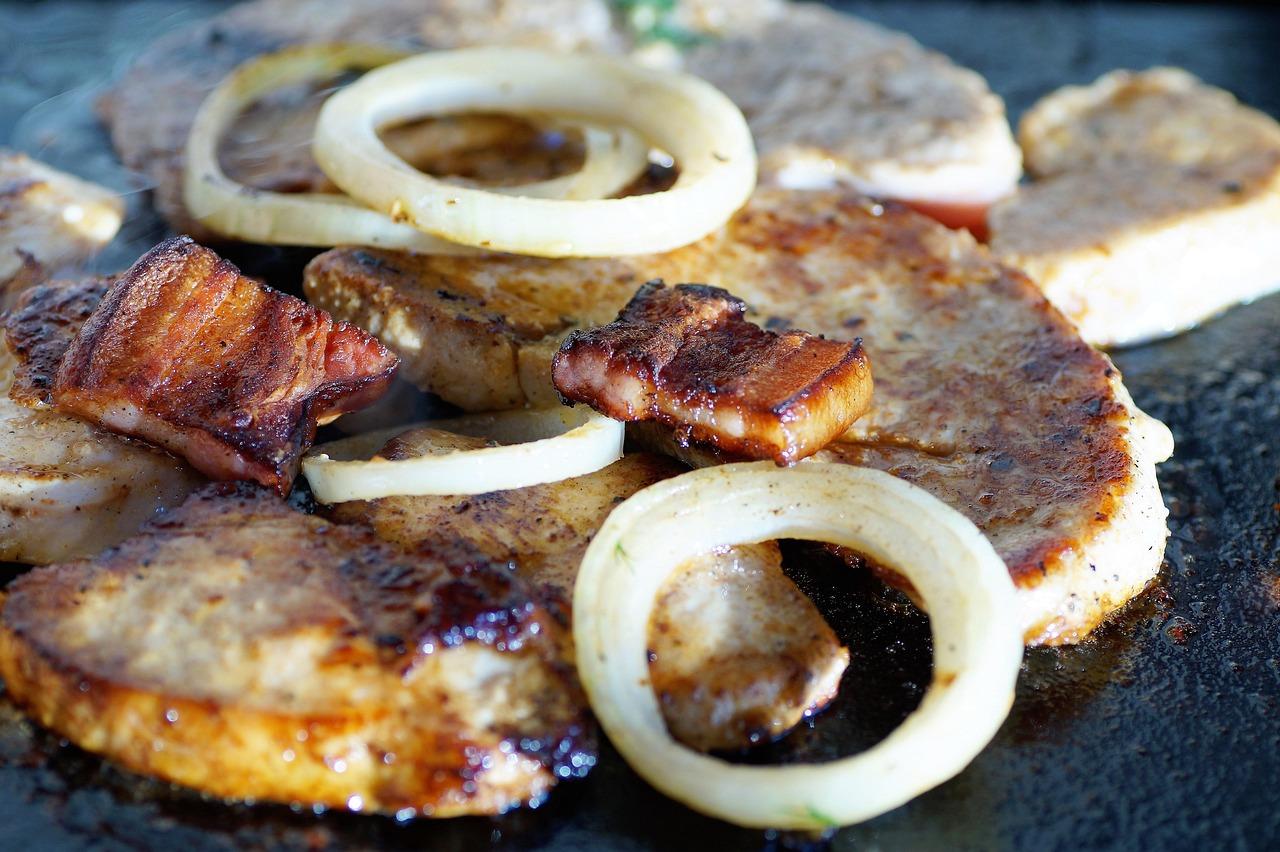
LacipecsenyeGrilled pork neck

At village fairs (búcsú), wine festivals and the roadside stalls known as lacikonyha, 'Laci's kitchen', the smell of lacipecsenye pulls in the crowds: pork neck steaks rubbed with garlic, grilled on a griddle and heaped with fried onions. It is eaten standing up from a paper plate with a hunk of white bread, mustard and pickled cucumbers, and it is just as good from a home barbecue or a heavy pan. Marinate the pork in the fridge for at least 2 hours, or overnight. Chef's tip: pork neck is marbled, so it stays juicy; the mistake is pressing it with the spatula, which squeezes out the juices.

by KrazyBadal 0 views

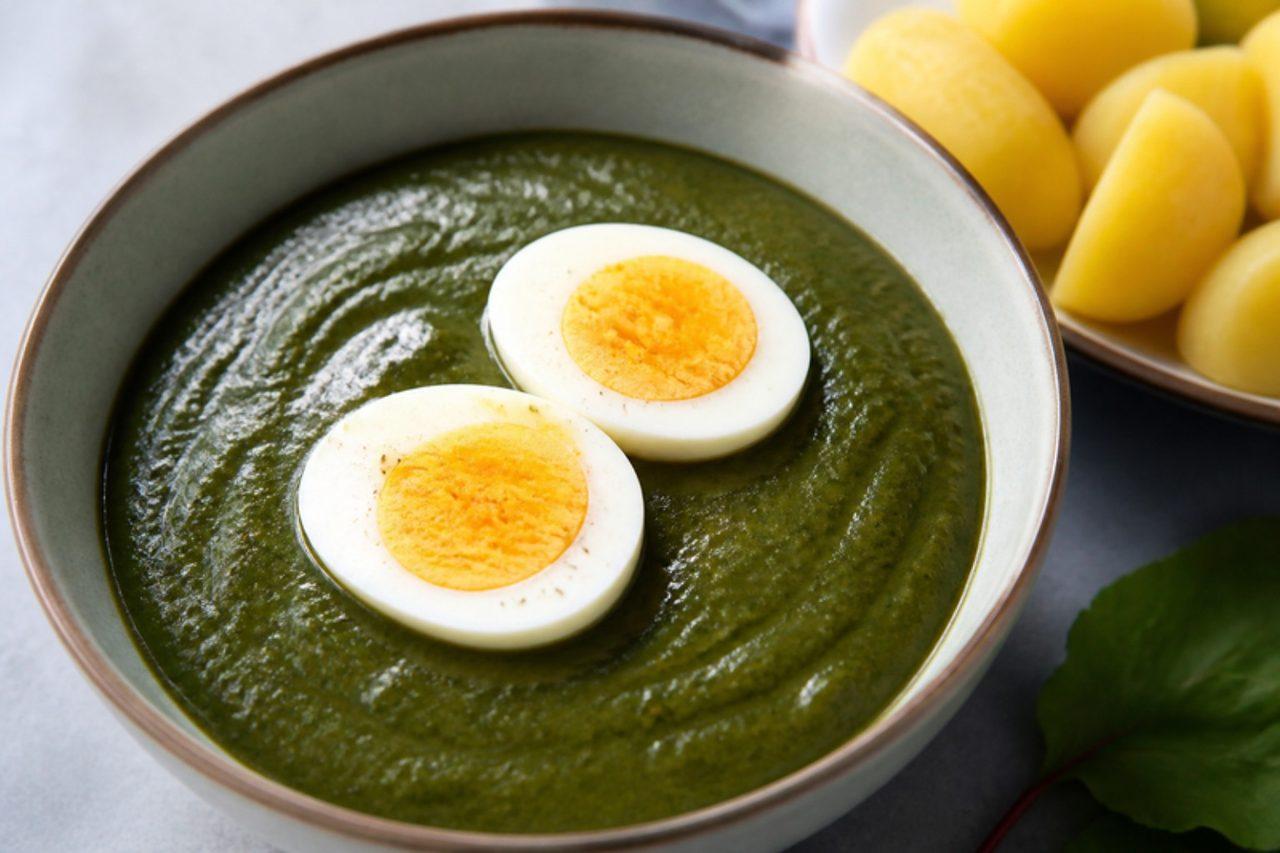
SóskafőzelékSorrel purée

Sorrel is one of the first greens of the Hungarian spring, and in April and May grandmothers around Budapest turn armfuls of it into sóskafőzelék, a sharp, lemony green purée softened with milk. It is famous among children for its khaki colour and loved by adults for its tang. The classic plate has halved hard-boiled eggs on top, sometimes with boiled potatoes on the side. Chef's tip: sorrel turns from emerald to olive the moment it hits heat, which is normal; just don't cook it longer than 2–3 minutes or the flavour goes dull too.

by KrazyBadal 0 views

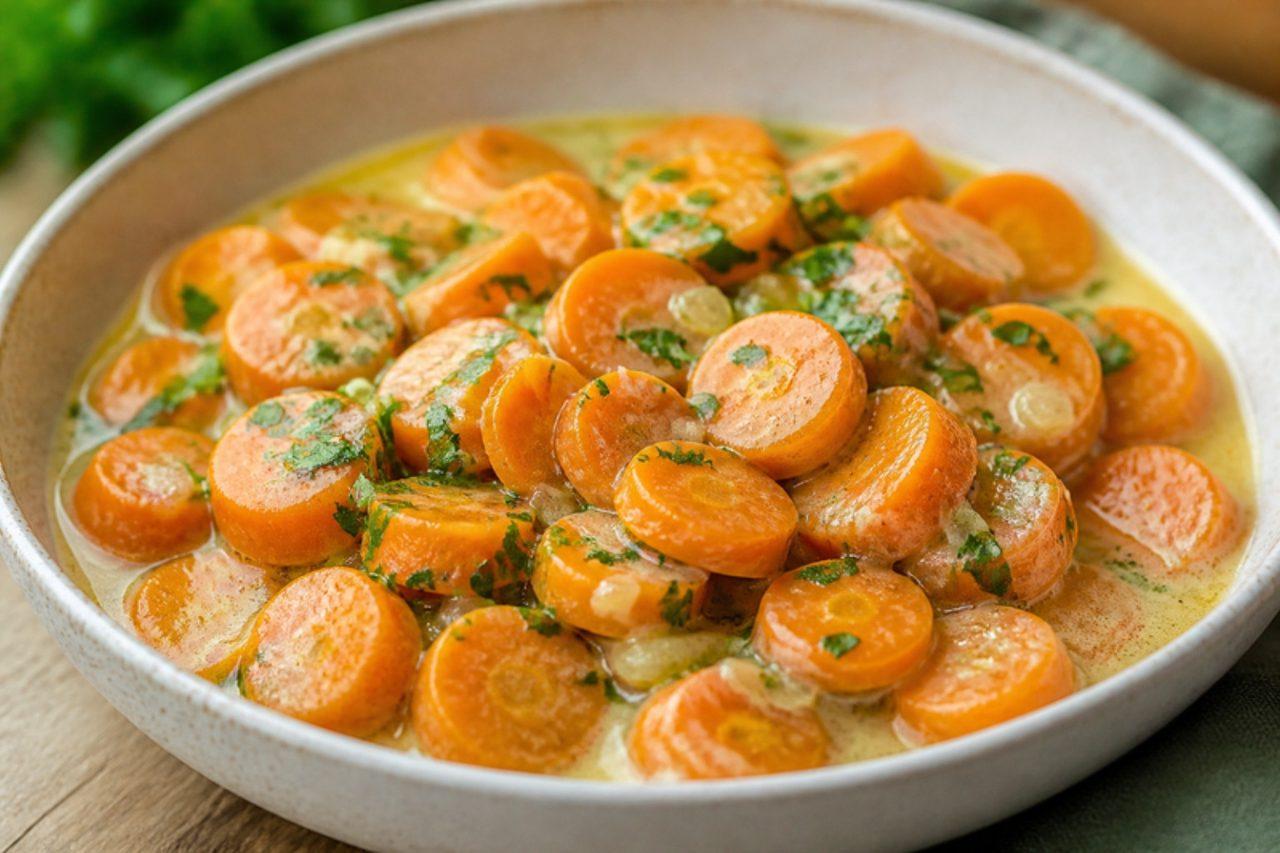
Sárgarépa-főzelékCarrot stew

Hungarian nurseries and primary school canteens serve sárgarépa-főzelék so often that it is practically a rite of passage, and plenty of grown-ups in Budapest still cook it at home when they want something gentle. Carrot coins cook in butter with a pinch of sugar until sweet, then a milky roux and fresh parsley turn them into a soft, golden stew. Children eat it with mashed potato or a fried egg, adults often add a fasírt. Chef's tip: cut the carrots into even 5 mm coins so they finish together; uneven chunks leave some hard and others mushy.

by KrazyBadal 0 views

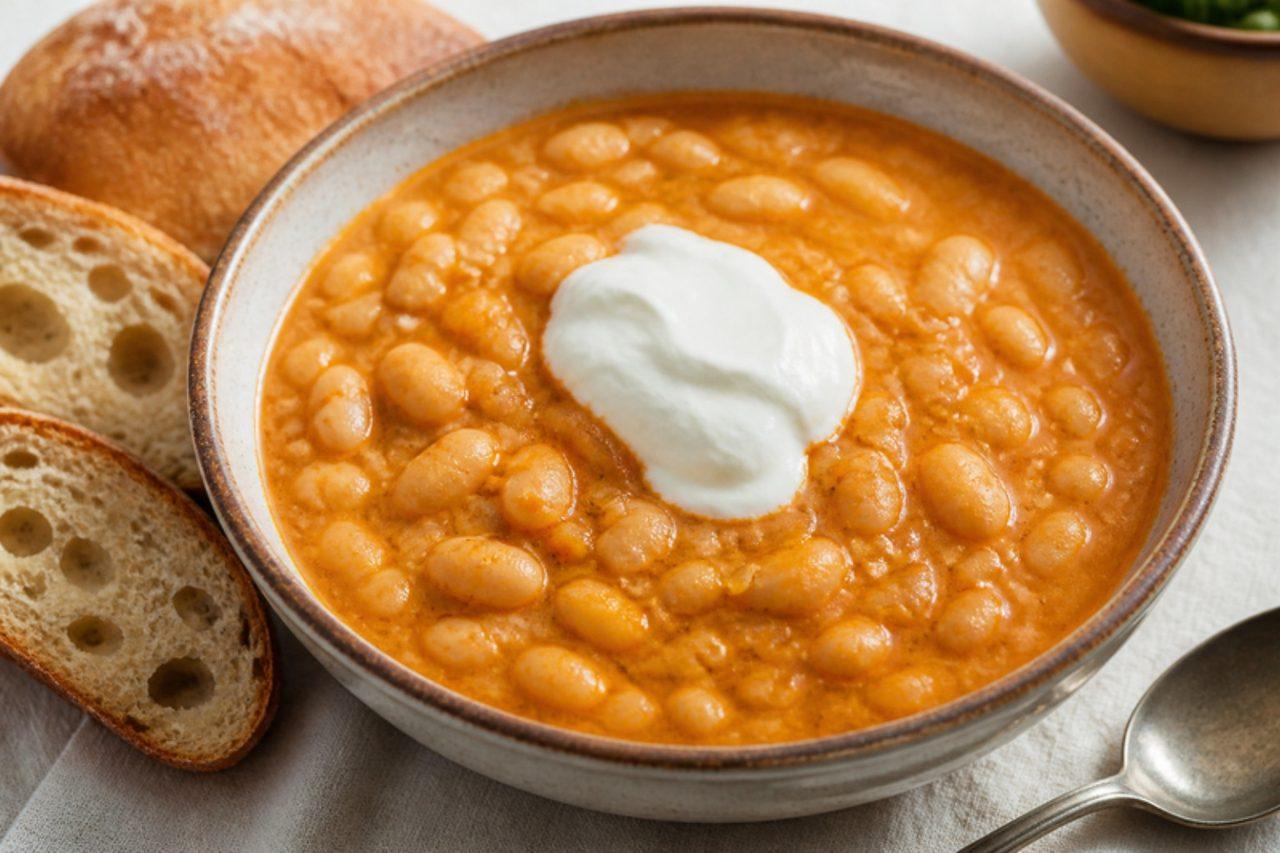
BabfőzelékCreamy white bean stew

Babfőzelék is what cooks in Transdanubian villages and Budapest workers' canteens make on Fridays and in the cold months, when a pot of dried white beans goes a long way. The beans cook until creamy, then a garlicky paprika roux thickens the liquid, a splash of vinegar makes it tangy and sour cream softens it. Served with a slice of rye bread or a fried egg, it is a hearty meat-free lunch. Soak the beans overnight first. Chef's tip: add salt and vinegar only once the beans are completely soft; acid in the pot early keeps the skins tough no matter how long they cook.

by KrazyBadal 0 views

Bundás kenyérEgg-fried bread

Bundás kenyér, 'bread in a fur coat', is the Hungarian answer to yesterday's loaf. On weekday evenings across the country, and at Sunday breakfasts in Budapest flats, slices of white bread are dunked in seasoned egg and milk and fried until puffed and golden. Most families eat it savoury, rubbed with raw garlic and served with pickled cucumbers or tea, though children often want jam or a dusting of icing sugar. Chef's tip: use bread that is a day or two old; fresh bread soaks up too much egg and fries up soggy.

by KrazyBadal 0 views

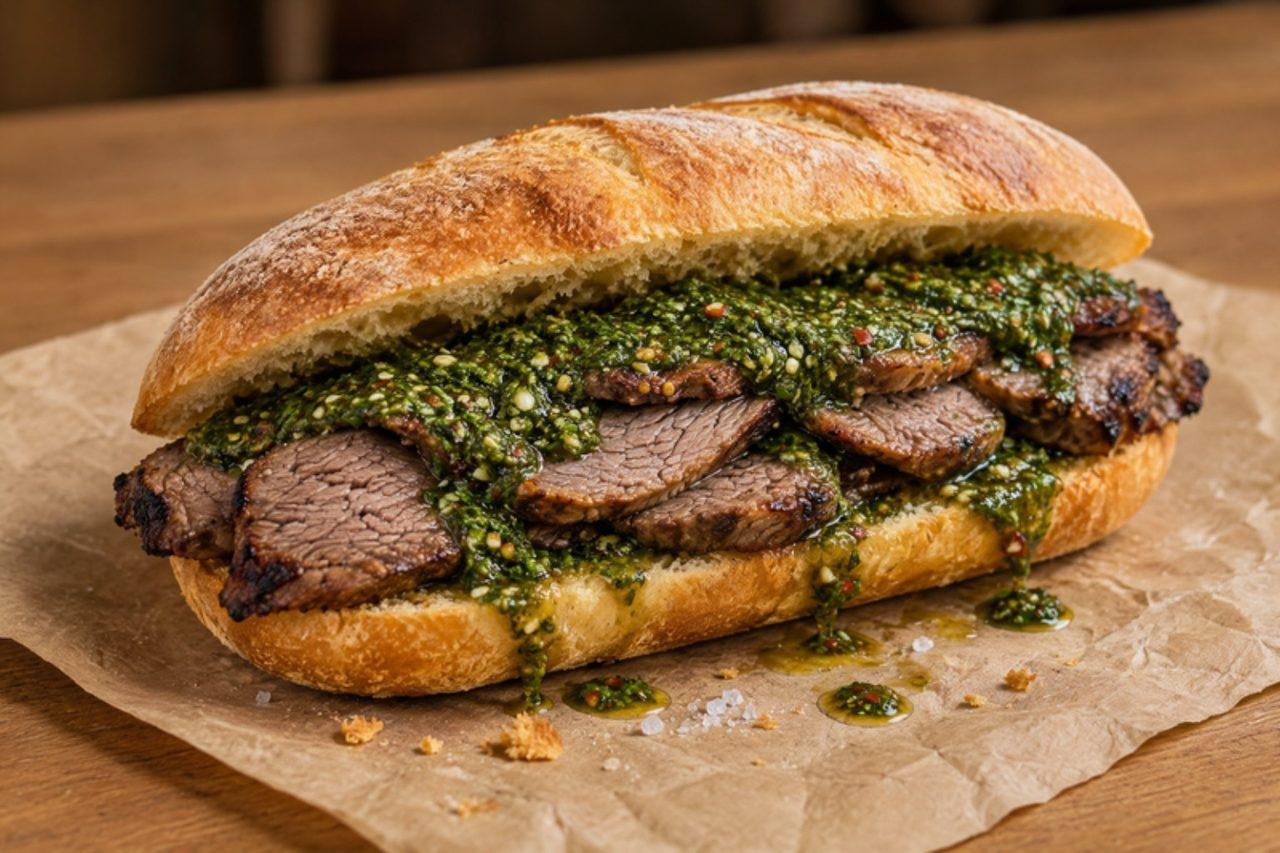
Sándwich de vacíoGrilled flank steak sandwich

Vacío, the flank cut with its layer of fat and membrane, is grilled slowly for a long time at Buenos Aires parrillas, and at the street grills near football grounds and the weekend fairs of Mataderos it ends up sliced into crusty bread for a hearty midday sandwich. Cooked gently, it turns tender and very juicy, with a crisp, salty layer of fat. Chef's tip: grill it membrane side down first for most of the time and do not trim that membrane off; it protects the meat and turns crisp.

by KrazyBadal 0 views

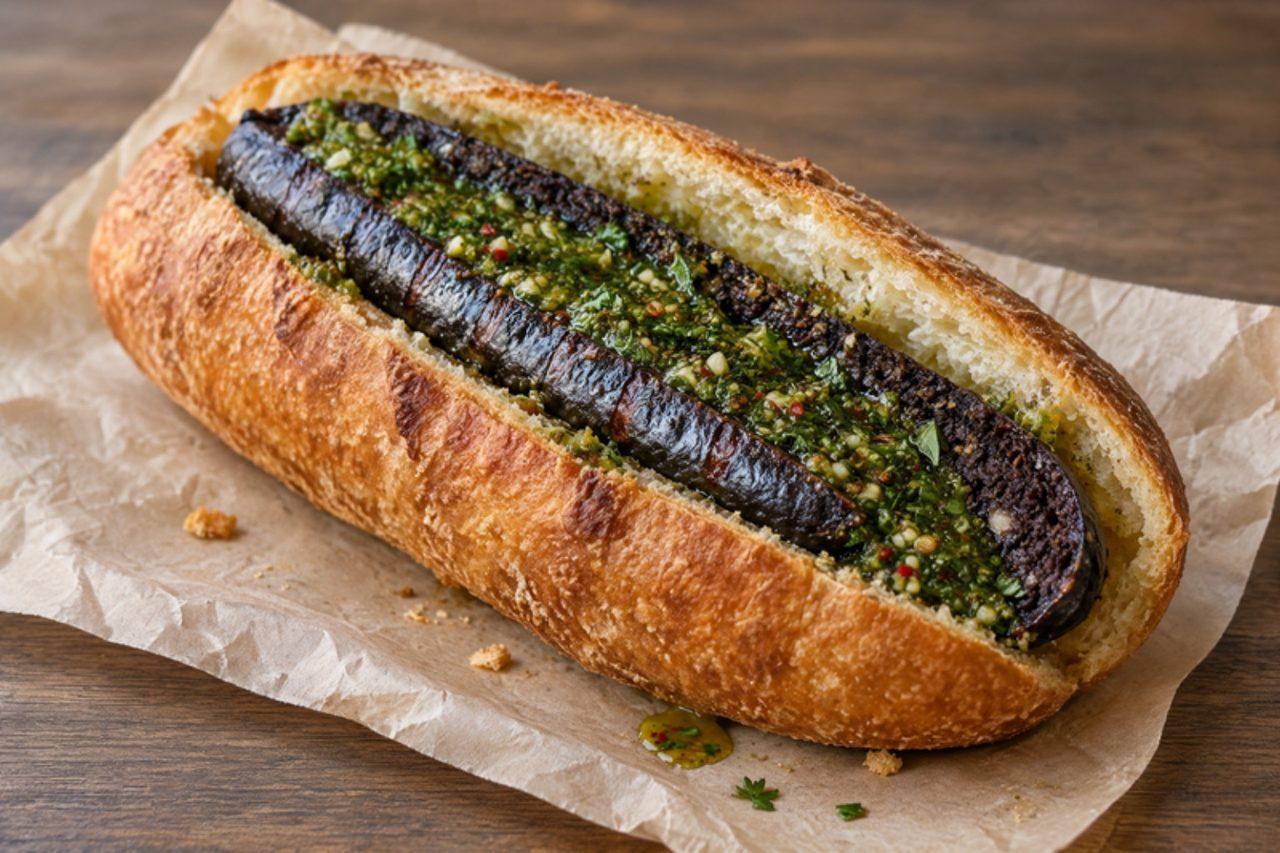
Morcipán (blood sausage roll)

At any Buenos Aires asado, and at the street grills outside football grounds like La Bombonera in La Boca, the choripán has a twin: the morcipán, a soft, rich morcilla split and laid in crusty bread. Argentine morcilla is a pork blood sausage with pork fat, onion and spices, sometimes with nuts or raisins, and it grills to a crisp skin around a soft, spoonable centre that tastes deep and slightly sweet. A sharp chimichurri cuts through it. Chef's tip: grill it over a gentle heat and turn it carefully with tongs; on a fierce grill the casing splits and the filling runs out.

by KrazyBadal 0 views

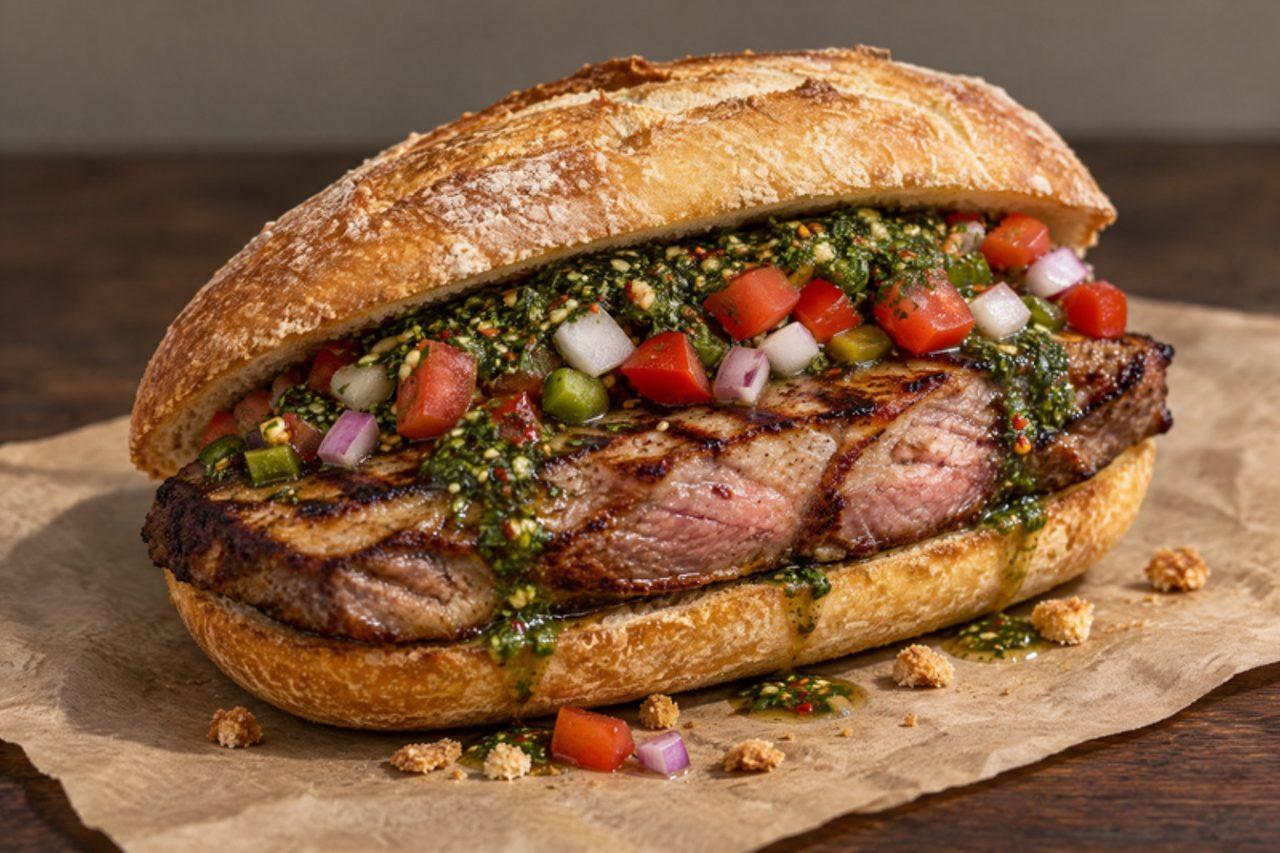
Sándwich de bondiolaGrilled pork shoulder sandwich

Along the Costanera Sur riverside in Buenos Aires, beside the Reserva Ecológica, the carritos have grilled for cyclists, walkers and taxi drivers for generations, and the bondiola sandwich is their pride: a thick pork shoulder steak, marbled and juicy, grilled until charred and laid in a crusty roll with chimichurri and salsa criolla. Weekend afternoons are the busiest. Chef's tip: leave the fat on the steak and turn it only once; the fat bastes the meat and the crust is the best part.

by KrazyBadal 0 views

Refresco de coconaCocona cooler

In Iquitos, Pucallpa and the river towns of Loreto, heat and humidity make a cold refresco part of every lunch, and cocona is one of the favourites sold from plastic jugs at the Belén market. The fruit looks like a fuzzy orange tomato and tastes between tomato, lemon and apricot: very sour, aromatic and juicy. Blended with water and sugar it makes a tangy, golden drink with a light pulp, served with juane or tacacho con cecina. The usual mistake is skipping the fuzz: cocona skin is covered in fine hairs that make the drink scratchy, so rub them off under running water before you start. Blend only briefly, too, so the many seeds do not crack. It is ready when the refresco is opaque orange, sour first and sweet after, with no grit. Outside the Amazon, look for frozen cocona pulp in Latin American shops; naranjilla (lulo) pulp is the closest substitute. Chef's tip: a pinch of salt makes the fruit taste sweeter and fruitier without more sugar.

by KrazyBadal 0 views

Tarta de zapallitosCourgette and cheese tart

In Buenos Aires every rotisería sells tartas by the slice, and at home a tarta de zapallitos is baked on Sunday evening so that a wedge can go into the vianda (packed lunch) for school and work all week. Zapallitos are round green courgettes; ordinary courgettes work just as well. The common mistake is adding the courgette raw, which floods the pastry; sauté it until the liquid has cooked away. Argentine queso rallado and many hard cheeses are made with animal rennet, so use a vegetarian hard cheese. Chef's tip: bake the tart on a preheated baking tray so the base crisps before the filling soaks in.

by KrazyBadal 0 views

Locro de zapallo for toddlersPumpkin stew for toddlers

Locro de zapallo is the golden pumpkin stew of Lima's home kitchens and menú lunch spots, eaten on weekdays with white rice and, for adults, a fried egg and ají on the side. For toddlers from 12 months it is cooked without any ají, the pumpkin is simmered until it melts into a sauce, and just a little crumbled fresh cheese is stirred in, so it is sweet, creamy and easy to mash. It contains milk; there is no gluten, egg, nuts or soya. Queso fresco is often made with animal rennet, so for a vegetarian bowl choose one labelled vegetarian, or use a little paneer, and always a pasteurised cheese. Chef's tip: cut half the pumpkin small so it dissolves into the sauce and the rest larger so it keeps some shape.

by KrazyBadal 0 views

Caldo de gallinaHen broth with noodles

In Lima's markets and the all-night caldo stalls of districts like La Victoria, a bowl of caldo de gallina is the dawn breakfast for market porters, taxi drivers and anyone coming home late: a deep, golden broth from a slow-simmered hen (a boiling fowl) with ginger and spring onion, ladled over thick noodles and yellow potato, with a boiled egg, lime and ají chilli on the side. The common mistake is boiling the broth hard, which clouds it and toughens the meat; keep it to a lazy simmer. The chicken must reach 74 °C, though after this long simmer it will be well past that. Chef's tip: cook the noodles separately, then put them in the bowls; cooked in the pot they drink the broth and turn it starchy.

by KrazyBadal 0 views

Pisco sour

Lima drinks its pisco sour as the aperitif before a long ceviche lunch, and celebrates it every year on the first Saturday of February; the recipe took shape in the city's bars in the 1920s. It is for adults only and stronger than its pillowy look suggests. Underneath a thick white foam you get sharp Peruvian lime, a clean sweetness and the floral, grapey warmth of quebranta pisco, with the bitters adding a spicy smell to every sip. The texture should be silky, almost creamy, never thin. The classic mistake is squeezing the limes too hard or too early: the oil from the pith turns the drink bitter within half an hour. Halve the limes, press each half gently by hand just before mixing and stop when the juice slows. The egg white is raw, so use pasteurised egg white for anyone pregnant, for babies, older people or anyone unwell, or swap in 30 ml aquafaba. It is ready when the foam stands about 1 cm high and is firm enough to hold the drops of bitters on its surface. Sip one slowly and drink responsibly. Chef's tip: shake once without ice first to whip the egg white, then again with ice; the foam will be twice as thick.

by KrazyBadal 0 views

Mate de muñaAndean mint tea

Muña is the minty shrub that grows wild on the slopes around Cusco, Puno and the Sacred Valley, and highland cooks reach for it after a heavy meal of chicharrón or when visitors are struggling with the altitude. Market herb sellers sell it in fresh bunches, and hotels and homes leave it in a flask for anyone coming in from the cold evenings. Steeped simply in hot water, it smells somewhere between spearmint, oregano and pennyroyal, with a cooling, slightly peppery taste and a pale green-gold colour. It is traditionally drunk to settle the stomach. The usual mistake is boiling the leaves hard for a long time, which turns the tea brown and bitter. Pour water just off the boil over the sprigs, cover, and let it steep. It is ready when the cup is pale gold and the aroma rises as soon as you lift the lid. Outside Peru, look for dried muña in Latin shops; failing that, use mostly spearmint with a little fresh oregano. Muña is strong: avoid large amounts in pregnancy, and check with a doctor if you take regular medication. Chef's tip: cover the cup while it steeps so the scented oils stay in the tea.

by KrazyBadal 0 views

Showing 24 of 407 recipes

Show more recipes

Page 1 of 17