Skip to content
Recipes

All recipes

Vegetarian, or something you can't eat? Set your diet once and we'll hide recipes that don't fit.

ErdäpfelstrudelSavoury potato strudel

Austrians, especially in the Mühlviertel of Upper Austria and the Waldviertel, make savoury strudels as often as sweet ones, and Erdäpfelstrudel is a farmhouse favourite for a meatless Friday or a cold evening. Thin pastry wraps a filling of potatoes, fried onion, sour cream, marjoram and parsley, baked until crisp and golden and sliced with a green salad or a dill and sour-cream dip. Bought filo makes it easy at home. The mistake to avoid is a wet filling, which turns the pastry soggy underneath. Chef's tip: cool the filling completely before rolling; warm filling makes the layers stick and tear.

by KrazyBadal 0 views

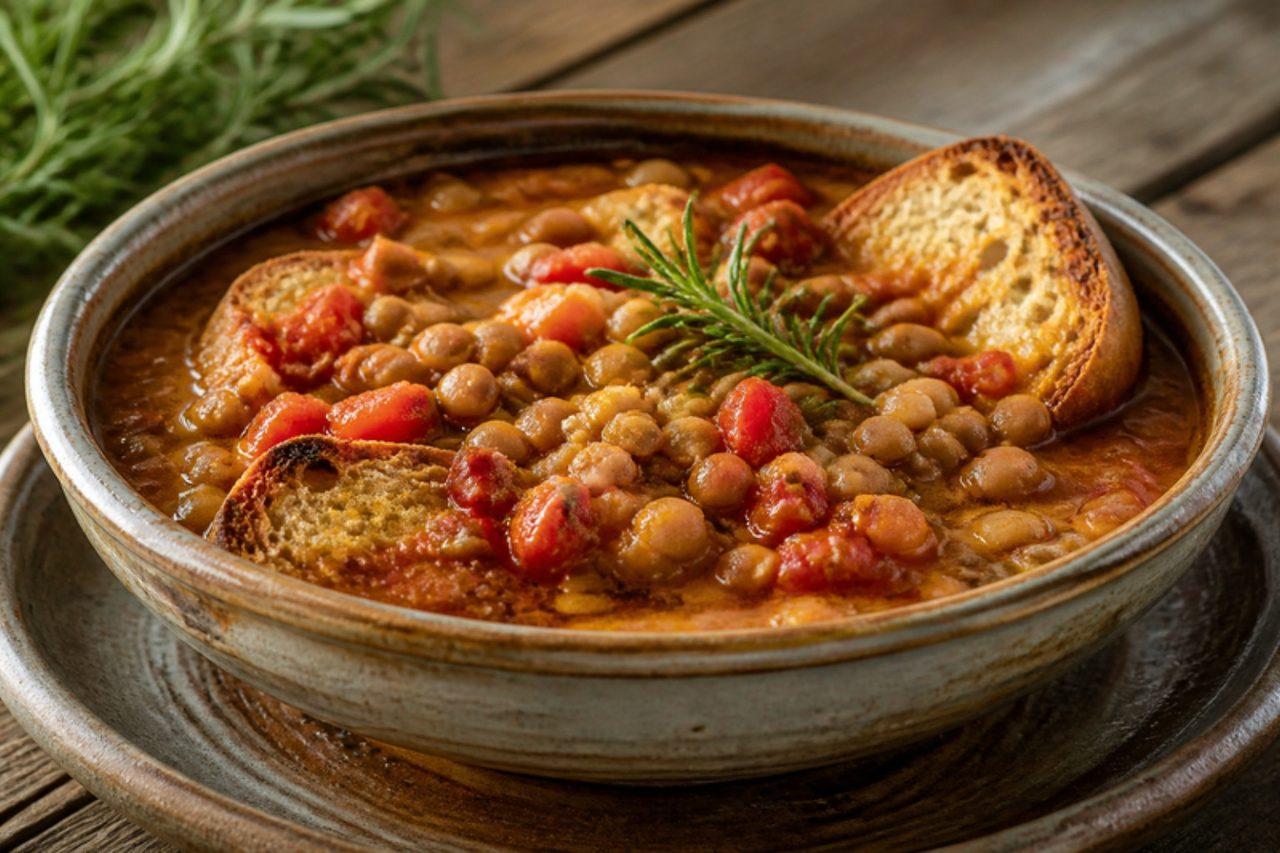
Zuppa di cicerchieGrass pea soup

Cicerchie (grass peas) are an ancient legume that looks like a small, squared-off chickpea, grown on the hills of the Marche and Umbria around Serra de' Conti and Gubbio. They make a thick, nutty, rustic winter soup cooked with garlic, tomato and rosemary, served over toasted bread with a thread of new olive oil. Grass peas contain a natural toxin when eaten in large amounts, so always soak them for at least 24 hours, changing the water a few times, and enjoy them as an occasional dish. Chef's tip: change the soaking water at least three times; it removes most of the toxin and makes the peas easier to digest.

105 minItalianSoupsVeganGluten free
by KrazyBadal 0 views

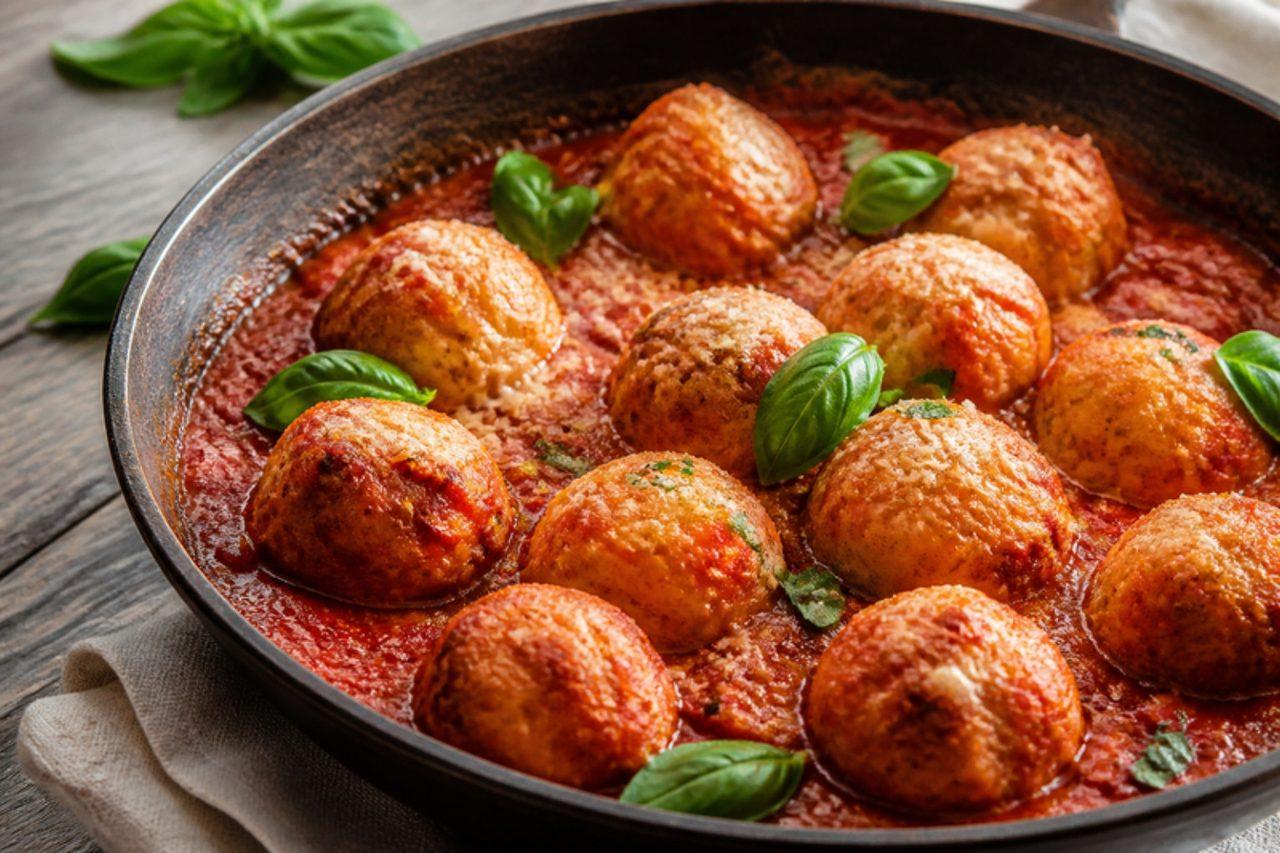
Polpette di pane al sugoBread balls in tomato sauce

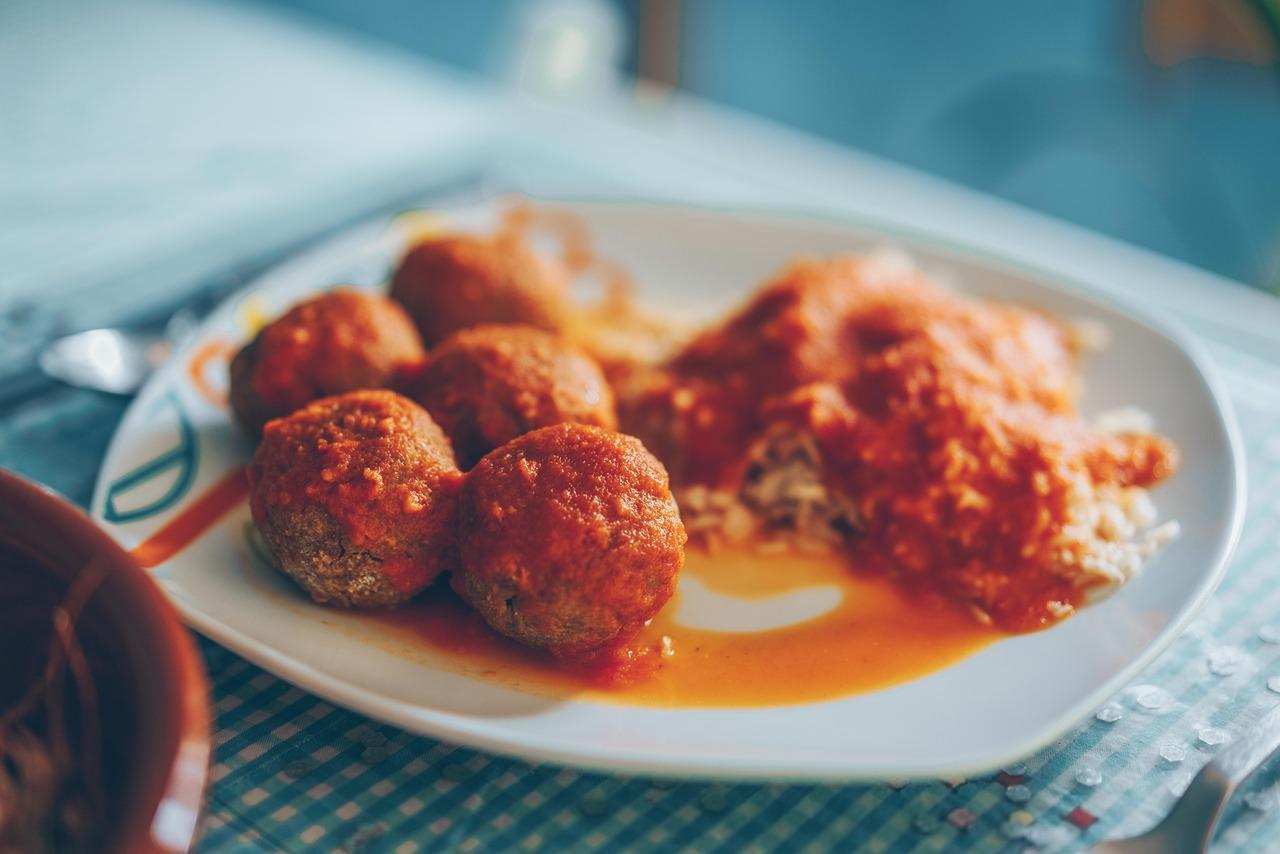
When meat was a luxury, families in Calabria, Basilicata and Campania made "meatballs" from stale bread, eggs, pecorino, garlic and parsley, fried until crisp and then simmered in tomato sauce. These polpette are so good that they're still made today, as a Friday supper or as part of a Sunday spread, eaten with lots of bread to wipe up the sauce. Pecorino is usually made with animal rennet; a vegetarian hard cheese works. Chef's tip: squeeze the soaked bread really dry; wet bread makes polpette that break apart in the sauce.

by KrazyBadal 0 views

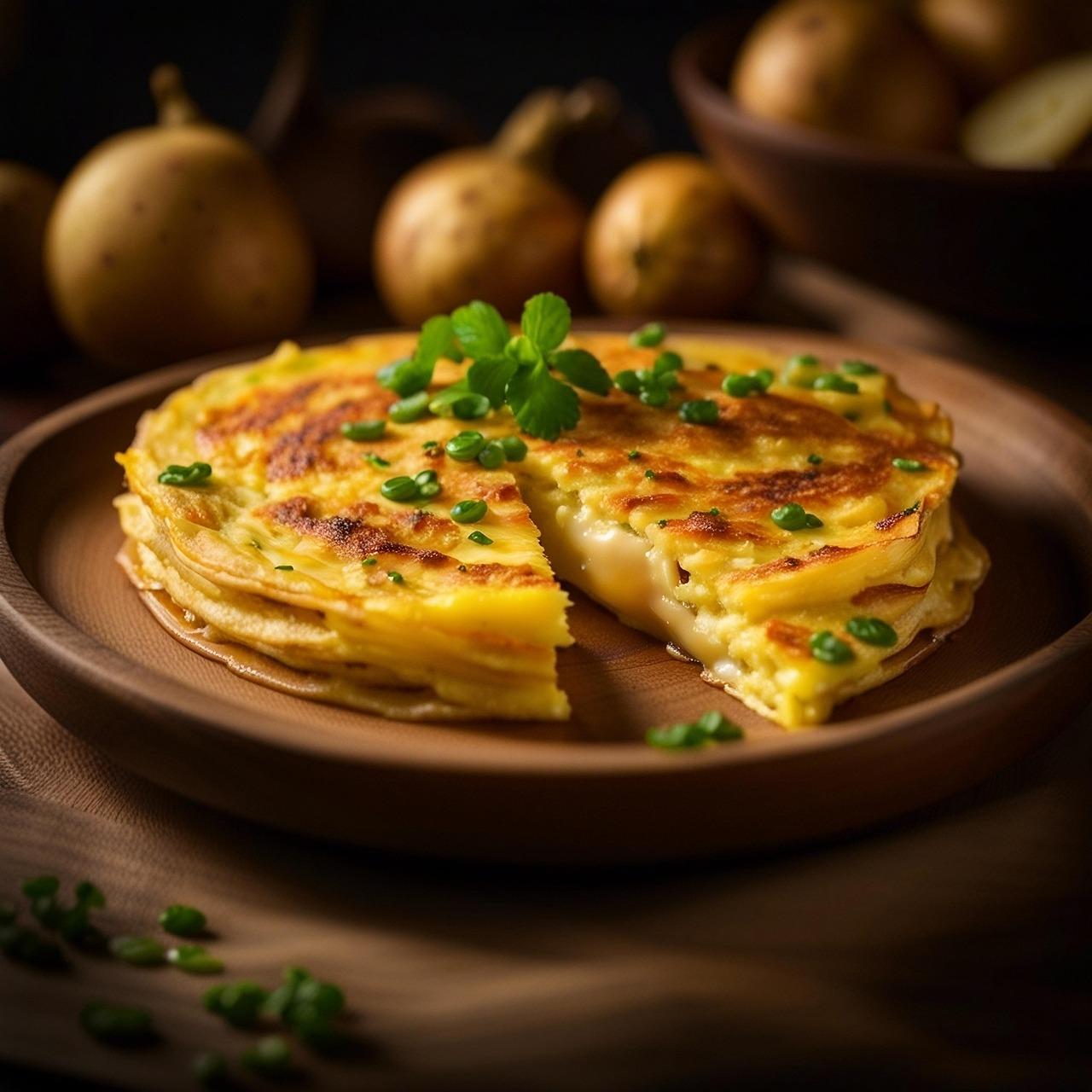
Frittata di zucchineCourgette frittata

Frittata is Italy's everyday dish for a quick supper or a packed lunch: a thick, flat omelette cooked slowly in a pan, then flipped over a plate. Courgette frittata, with soft, golden slices of courgette and Parmigiano, is the summer favourite, taken to the beach in a panino or cut into squares for children. It is just as good cold the next day. Parmigiano is made with animal rennet; choose a vegetarian hard cheese if you need to. Chef's tip: cook the courgettes until golden before adding the eggs; raw courgettes make the frittata watery.

by KrazyBadal 0 views

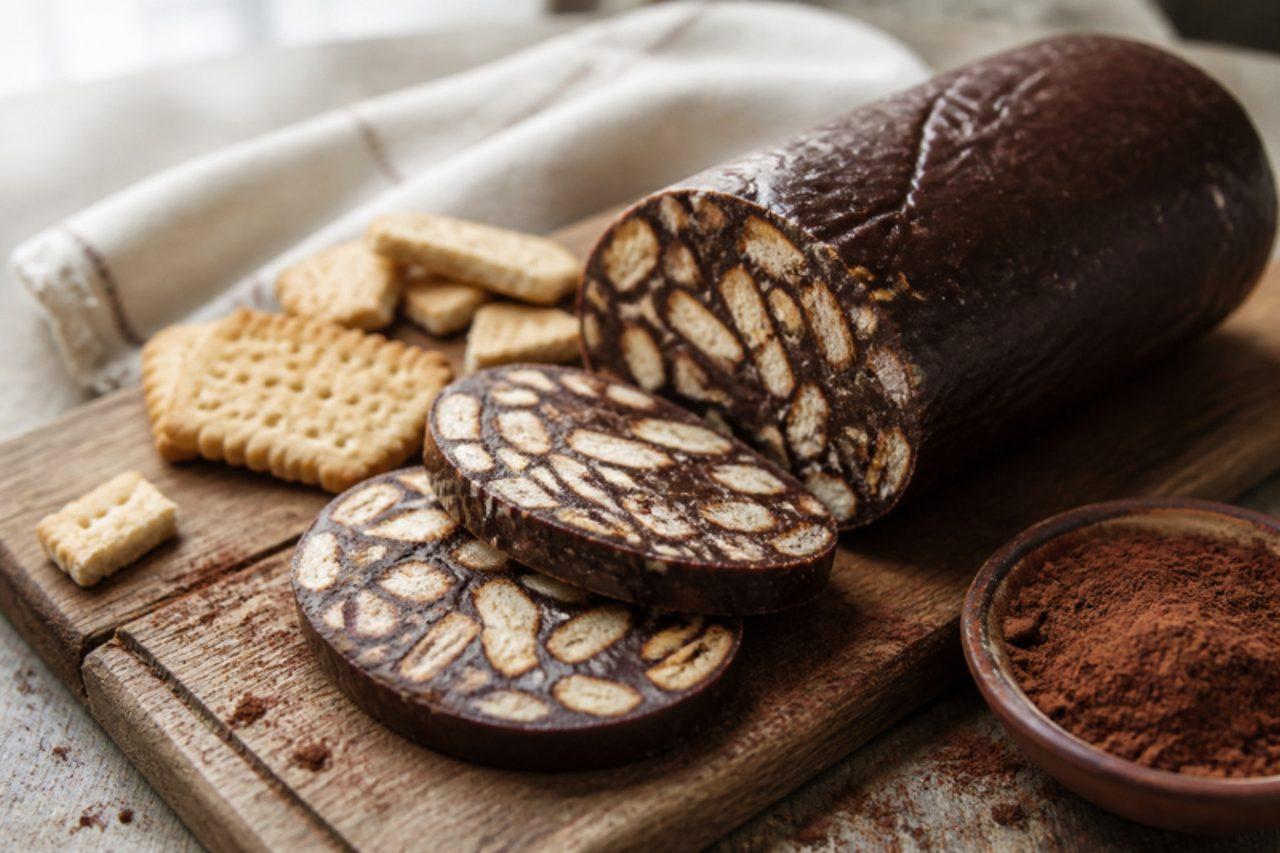
Salame di cioccolatoChocolate biscuit log

Salame di cioccolato is the sweet that Italian children help to make: crushed biscuits mixed with melted chocolate, butter and cocoa, rolled into a log, chilled and dusted with icing sugar so that, when sliced, it looks just like a salami with "fat" spots of biscuit. It is served at birthday parties and Christmas, and some families add rum for adults. This version uses no raw eggs and no alcohol, so it is safe for everyone. Chef's tip: break the biscuits by hand into pieces the size of a fingernail; crumbs make it look like a plain chocolate log.

by KrazyBadal 0 views

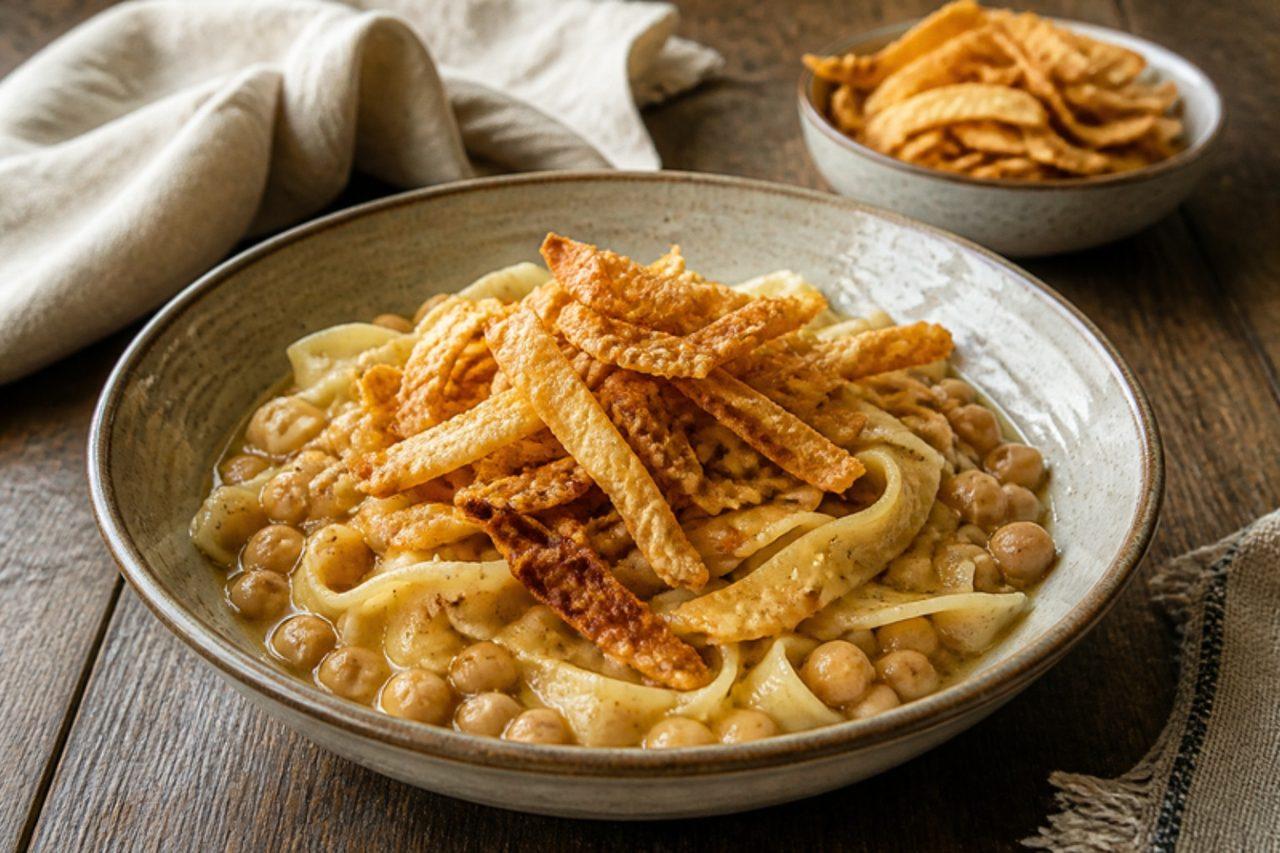
Ciceri e triaChickpeas with pasta

In the Salento, at the heel of Puglia, ciceri e tria is an ancient dish, its name from the Arabic "itriya" for dried pasta: creamy chickpeas cooked with bay and garlic, tossed with homemade ribbons of flour-and-water pasta, a third of which are fried in olive oil until crisp and scattered on top. It is made for the feast of San Giuseppe on 19 March, and in the trattorie of Lecce all year round. Chef's tip: the contrast is the whole point; fry the pasta strips until golden and crunchy and add them only at the very last moment, so they stay crisp.

by KrazyBadal 0 views

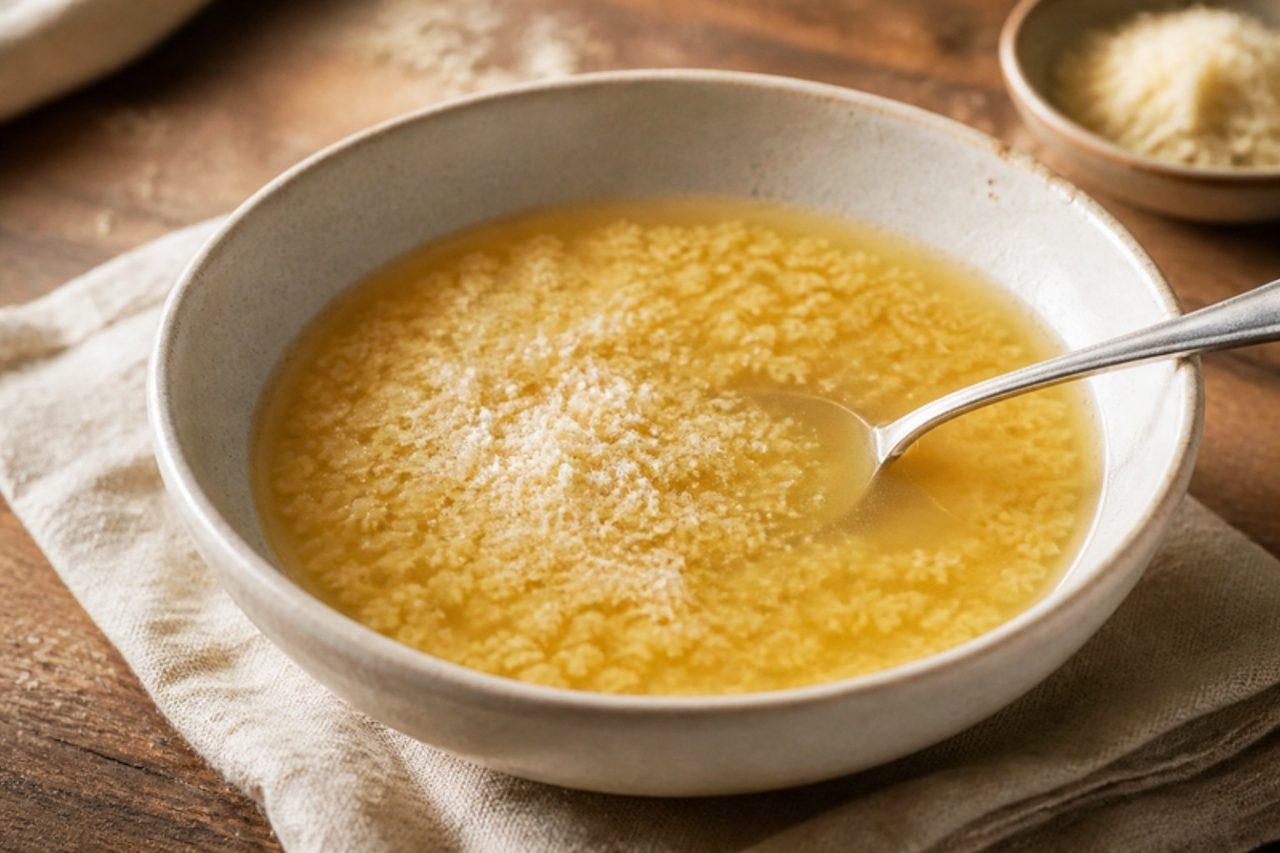
Pastina in brodoTiny pasta in broth

Ask any Italian what their mother made when they were ill as a child, and the answer is pastina in brodo: tiny pasta stars (stelline) or alphabet letters cooked in a light homemade broth and finished with a spoonful of grated Parmigiano and a drizzle of olive oil. It is the first "grown-up" food for many Italian toddlers and the comfort food for everyone on a cold or tired evening. Parmigiano is made with animal rennet; a vegetarian hard cheese works. Chef's tip: cook the pasta directly in the broth, not in water; the starch gives the broth a gentle, silky body.

by KrazyBadal 0 views

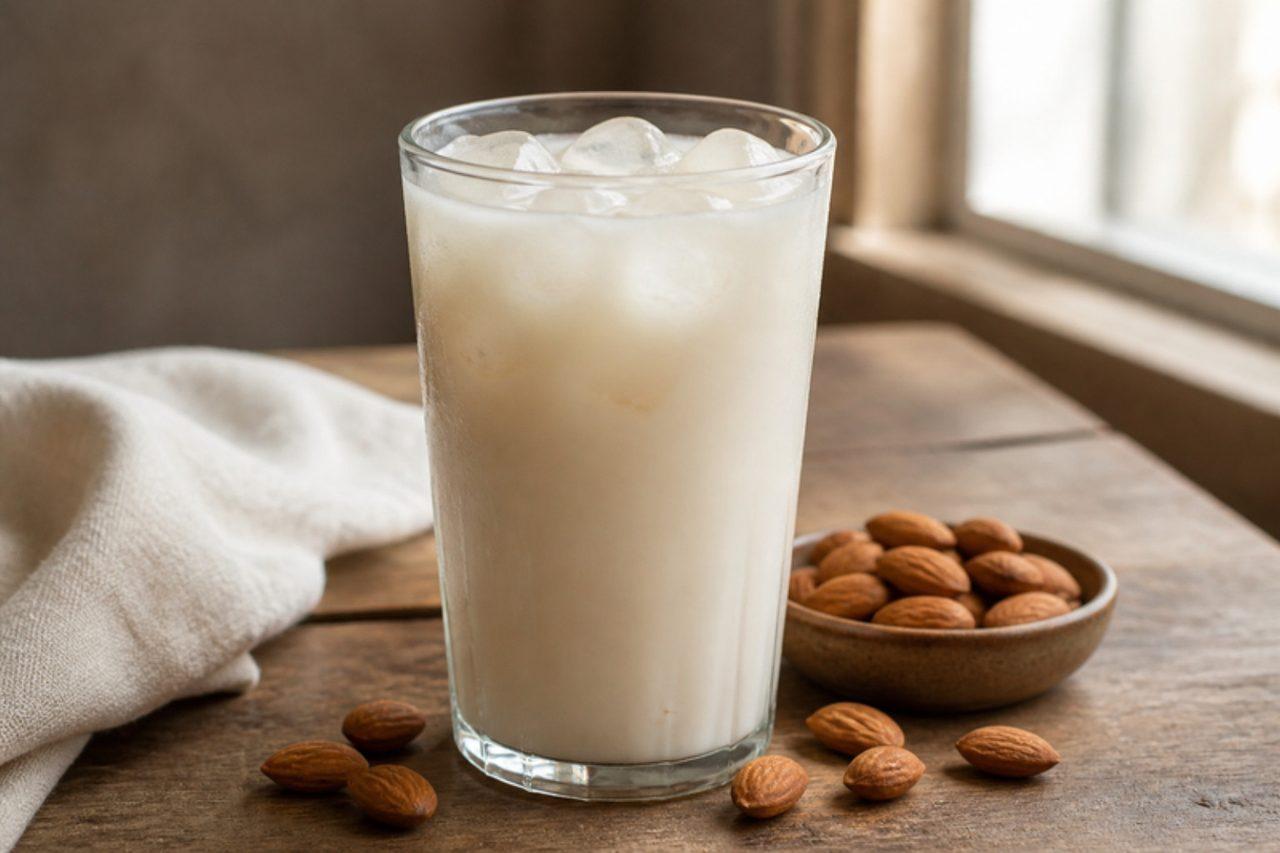
OrzataAlmond syrup drink

Orzata was first made from barley (orzo), but in Liguria, Sardinia and Sicily it has long been made from almonds: a milky, sweet almond syrup, diluted with ice-cold water and drunk on hot summer afternoons in seaside bars and at home. Its gentle almond and orange-blossom flavour makes it a children's favourite. Contains nuts. Chef's tip: soak the blanched almonds in water for an hour before blending; they release more milk and the syrup is richer.

by KrazyBadal 0 views

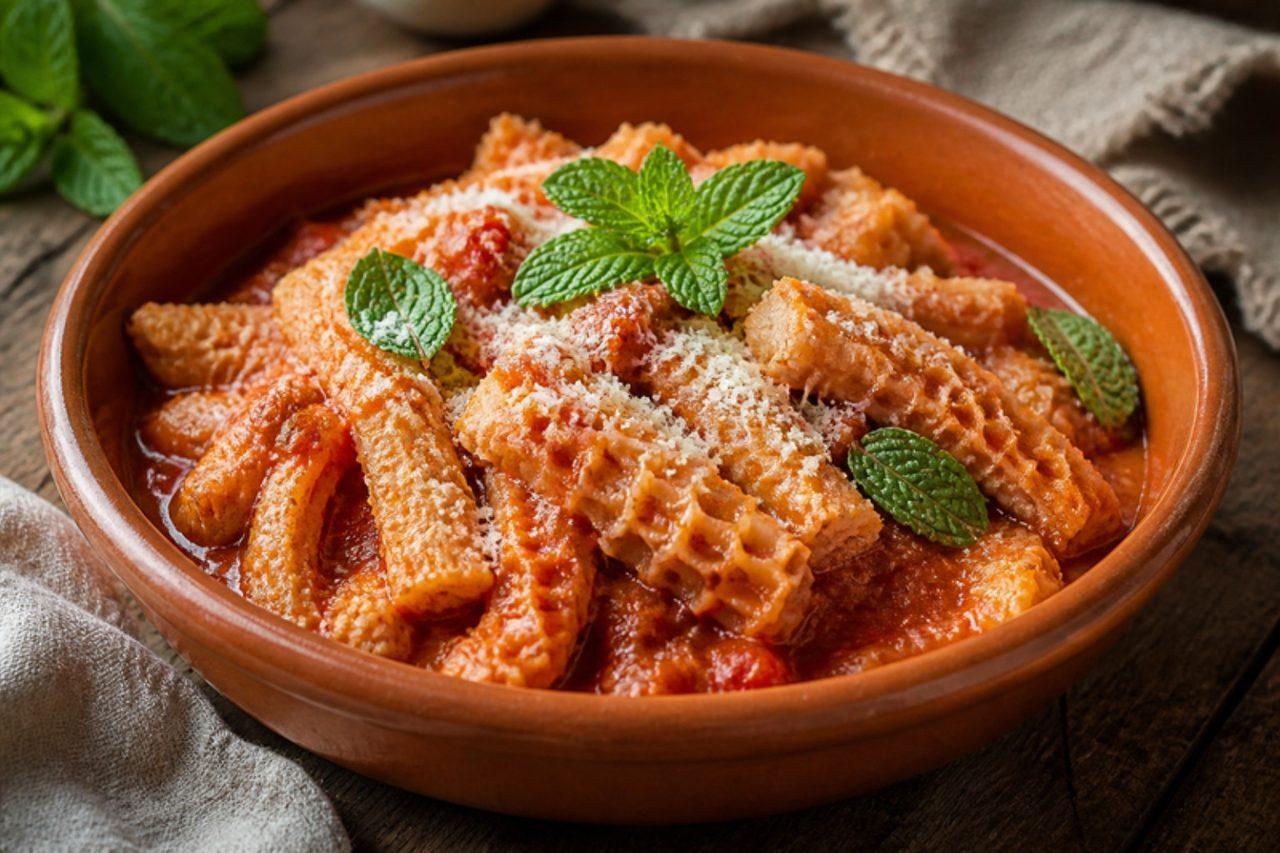
Trippa alla romanaTripe in tomato sauce

Rome's quinto quarto, the "fifth quarter" or offal, was the food of the slaughterhouse workers of Testaccio, and trippa alla romana is still served there every Saturday: honeycomb beef tripe stewed slowly in tomato with onion, carrot and celery, finished with fresh mint, which Romans call mentuccia, and a heap of grated pecorino. It is tender, rich and surprisingly delicate. Buy tripe ready cleaned and part-cooked from a butcher. Alcohol is used here: white wine, which you can replace with water and a spoonful of vinegar. Chef's tip: add the mint only at the end; cooked too long, it turns dark and loses its fresh, cooling taste.

170 minItalianMeatGluten free
by KrazyBadal 0 views

Cappuccino

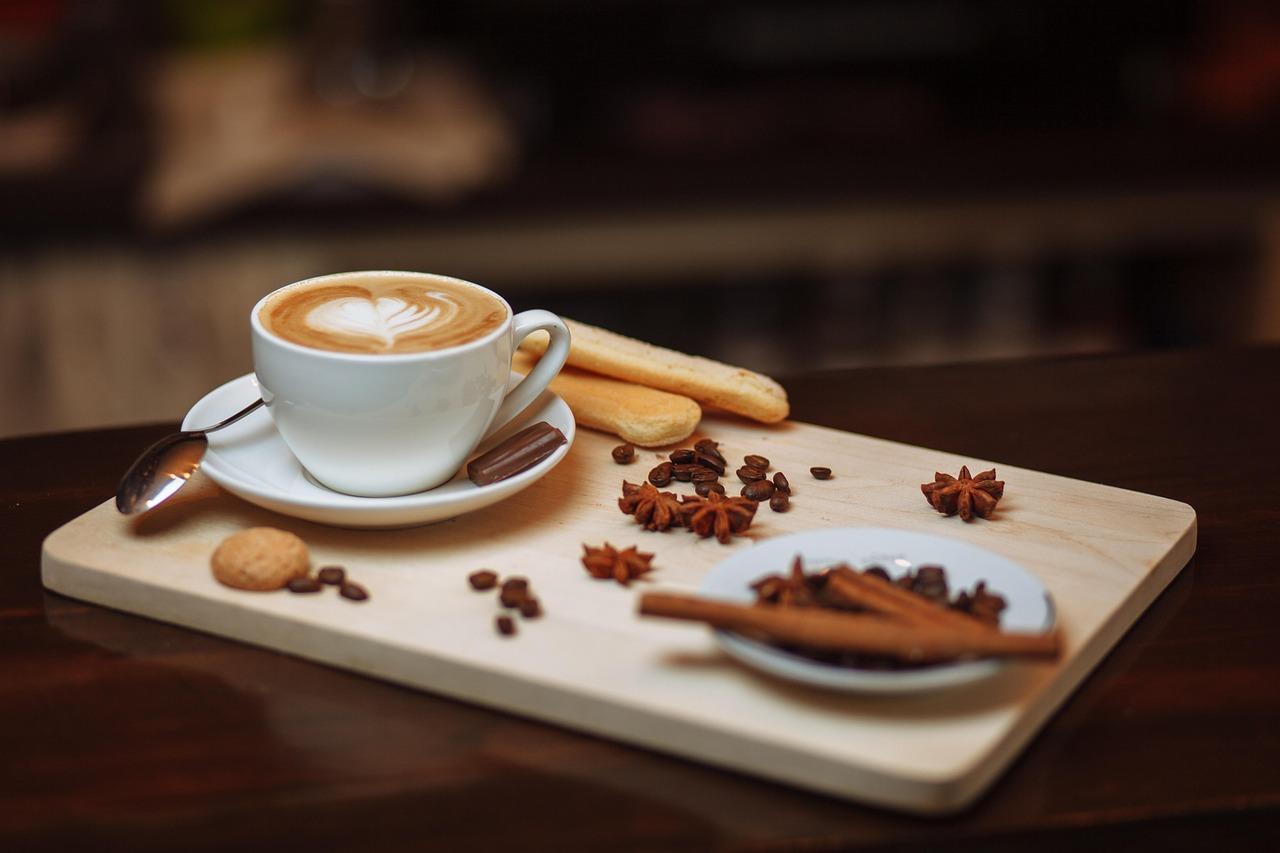
In Italy the cappuccino is strictly a breakfast drink, ordered at the bar counter with a cornetto before 11 in the morning, never after a meal. It is a single espresso topped with an equal amount of hot milk and a thick cap of velvety foam, named after the brown habits of Capuchin friars. Baristas in Turin and Trieste are famous for their thick, glossy microfoam. Contains caffeine, so it's not for children. Chef's tip: heat the milk only to about 65 °C, when the jug is too hot to hold for more than a second; hotter milk tastes cooked and the foam collapses.

by KrazyBadal 0 views

Cioccolata caldaThick hot chocolate

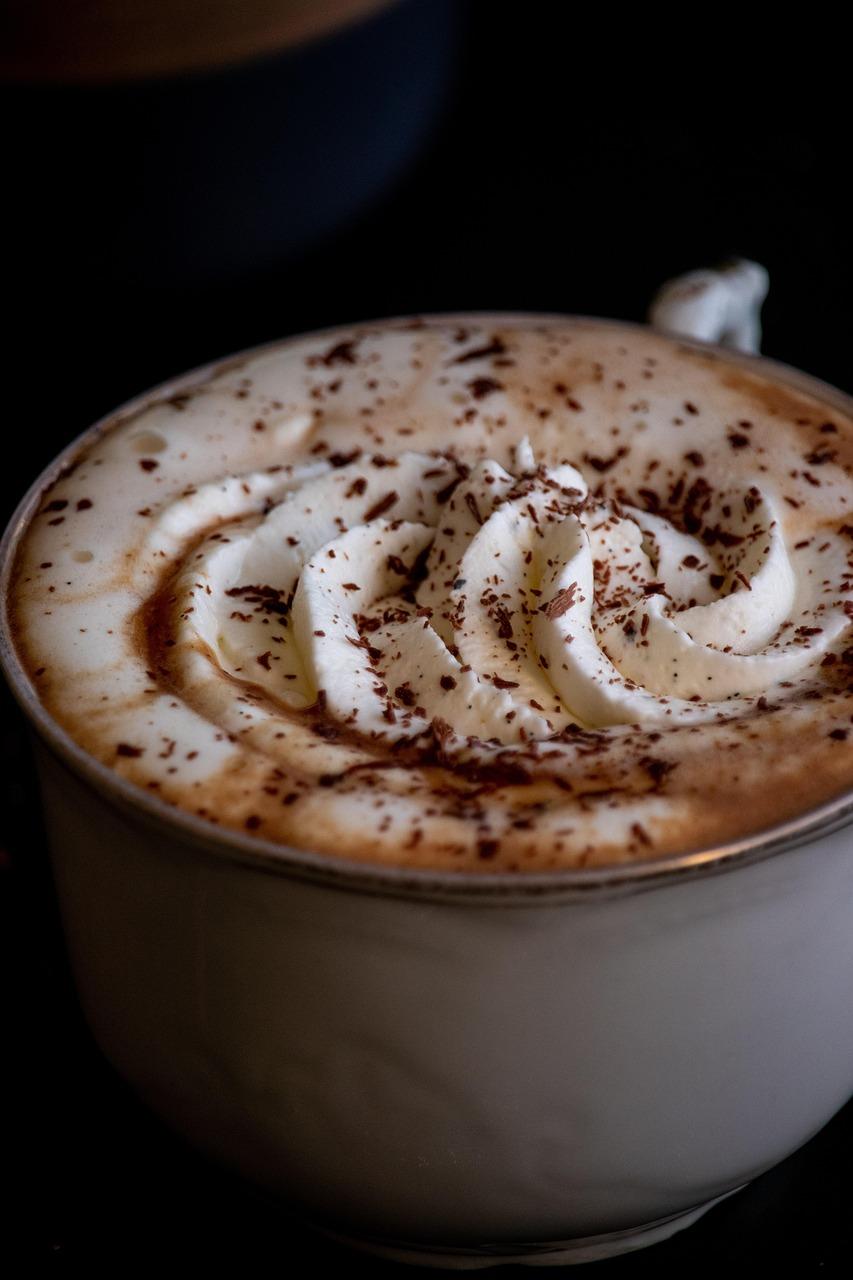
Italian hot chocolate is not a milky drink but almost a pudding: thick enough to coat a spoon, made with real dark chocolate and cocoa thickened with a little starch. On cold winter afternoons in Turin, Florence and Perugia, families sit in historic cafés with a cup topped with whipped cream (con panna), dipping biscuits into it. Children love it. Chef's tip: mix the cornflour and cocoa with a little cold milk to a smooth paste first; dropped straight into hot milk, they form lumps.

by KrazyBadal 0 views

Budino al cioccolatoChocolate pudding

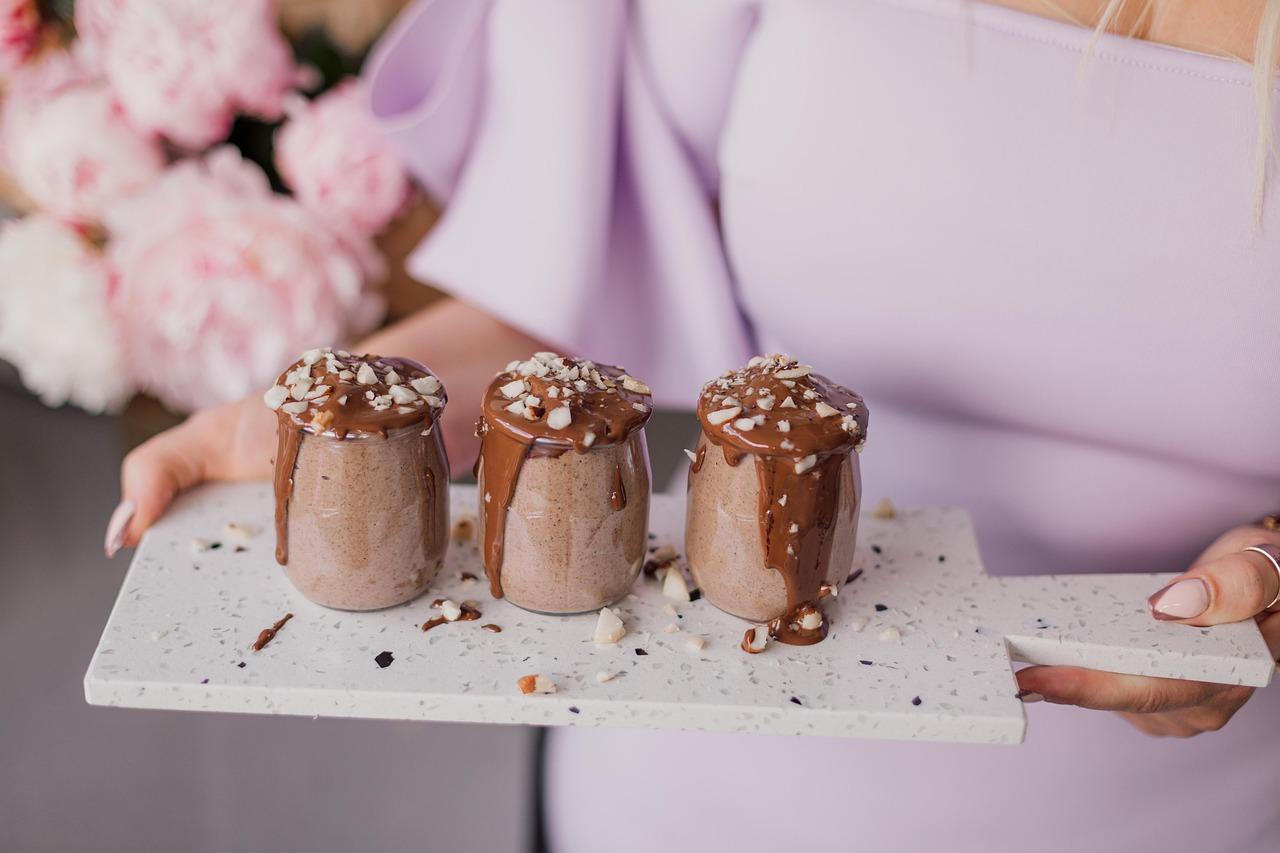
Budino is the dessert Italian children find in the fridge on a Sunday afternoon: a soft, wobbly milk pudding flavoured with cocoa and set with cornflour, poured into little cups or a mould and chilled. It is the kind of thing nonna makes in ten minutes for the grandchildren's merenda (afternoon snack), and it is gluten free and egg free. Chef's tip: whisk the cocoa, sugar and cornflour together before adding the milk; mixed dry, they don't form lumps.

by KrazyBadal 0 views

Polpette al sugoMeatballs in tomato sauce

In southern Italian homes, polpette al sugo are the Sunday treat: soft meatballs of beef and pork mince with stale bread, egg, Parmigiano, garlic and parsley, browned and then simmered slowly in tomato sauce. The sauce goes on pasta as the first course, and the meatballs are the second, with bread. Neapolitan grandmothers make them big, the size of a small orange. They contain pork. Chef's tip: soak the bread in milk and use plenty of it; it is what keeps the meatballs tender and light, not firm and dry.

by KrazyBadal 0 views

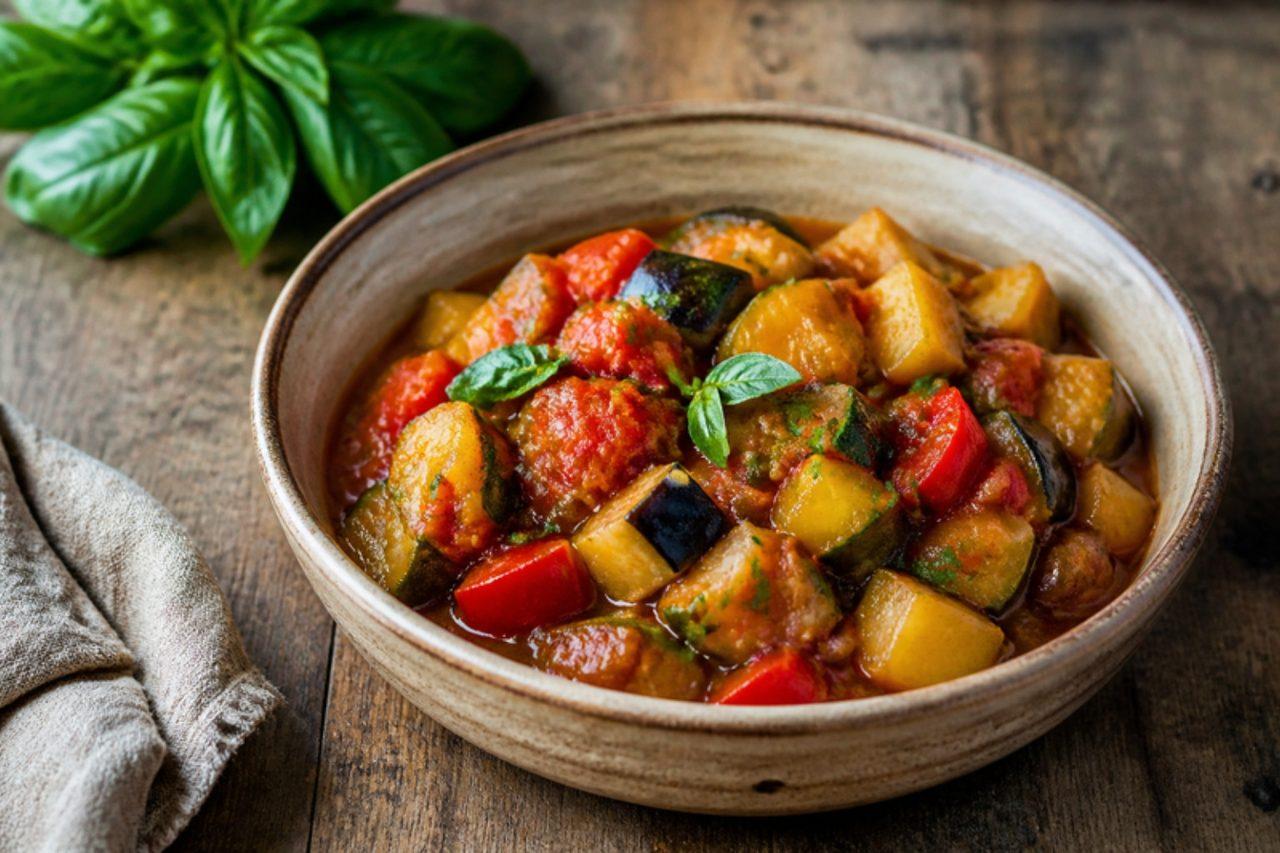
CiambottaSummer vegetable stew

In August, when the vegetable gardens of Basilicata and the Cilento are overflowing, families make ciambotta: peppers, aubergines, potatoes, courgettes, onion and tomato stewed slowly together in olive oil until soft and sweet. Farmworkers once ate it in the fields with bread; today it's a summer supper, eaten warm or at room temperature, sometimes with an egg cracked on top. Chef's tip: add the vegetables in stages, potatoes first and courgettes last; that way they all finish tender at the same time without any turning to mush.

by KrazyBadal 0 views

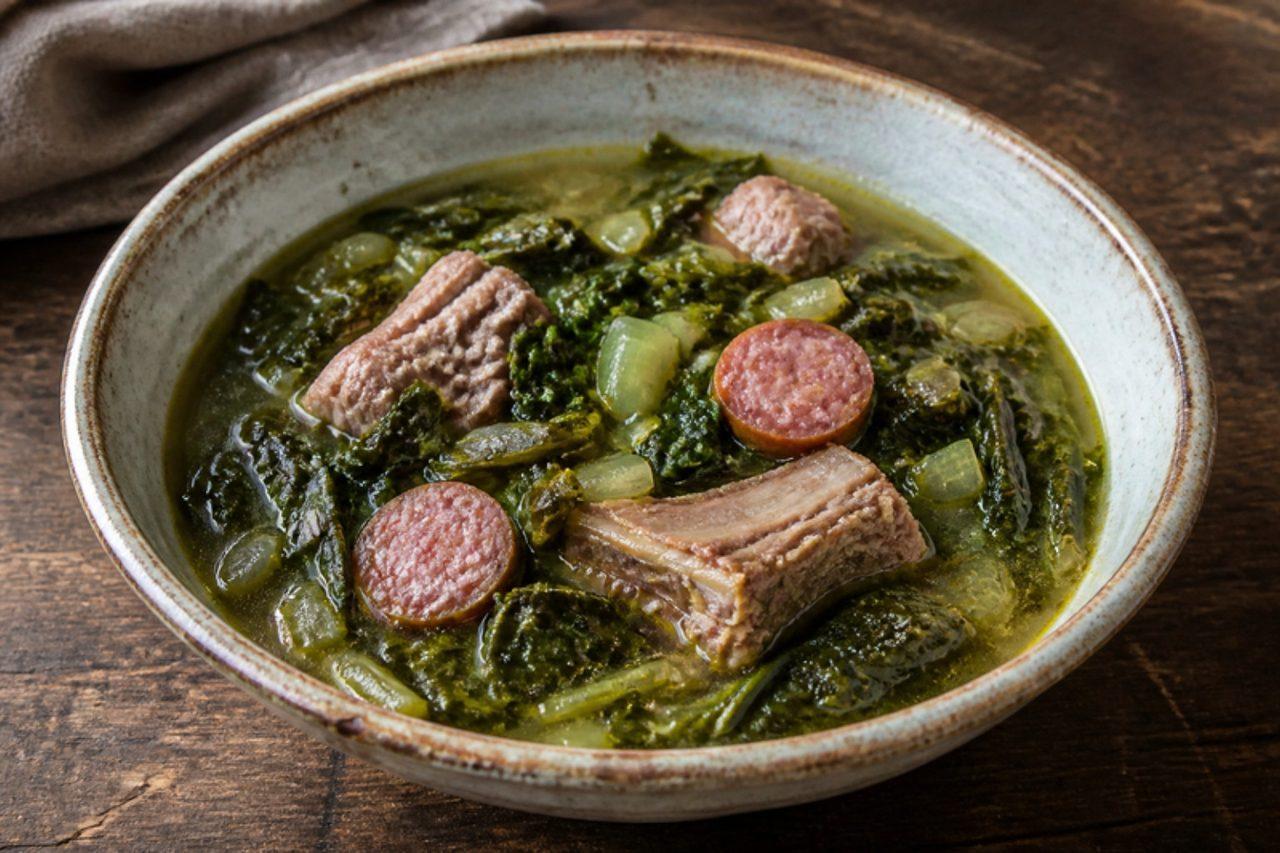
Minestra maritataGreens and pork soup

Minestra maritata, "married soup", gets its name from the happy marriage of greens and meat. It is the oldest soup of Naples, eaten at Christmas and Easter: a rich broth made from pork cuts, such as ribs, pork shoulder, sausage, pancetta and a ham bone, in which several bitter winter greens, such as escarole, chicory, savoy cabbage and borage, are simmered until silky. Families make a huge pot to eat over several days. Chef's tip: blanch each green separately first; it takes away the strongest bitterness and stops the broth turning murky.

250 minItalianSoupsGluten free
by KrazyBadal 0 views

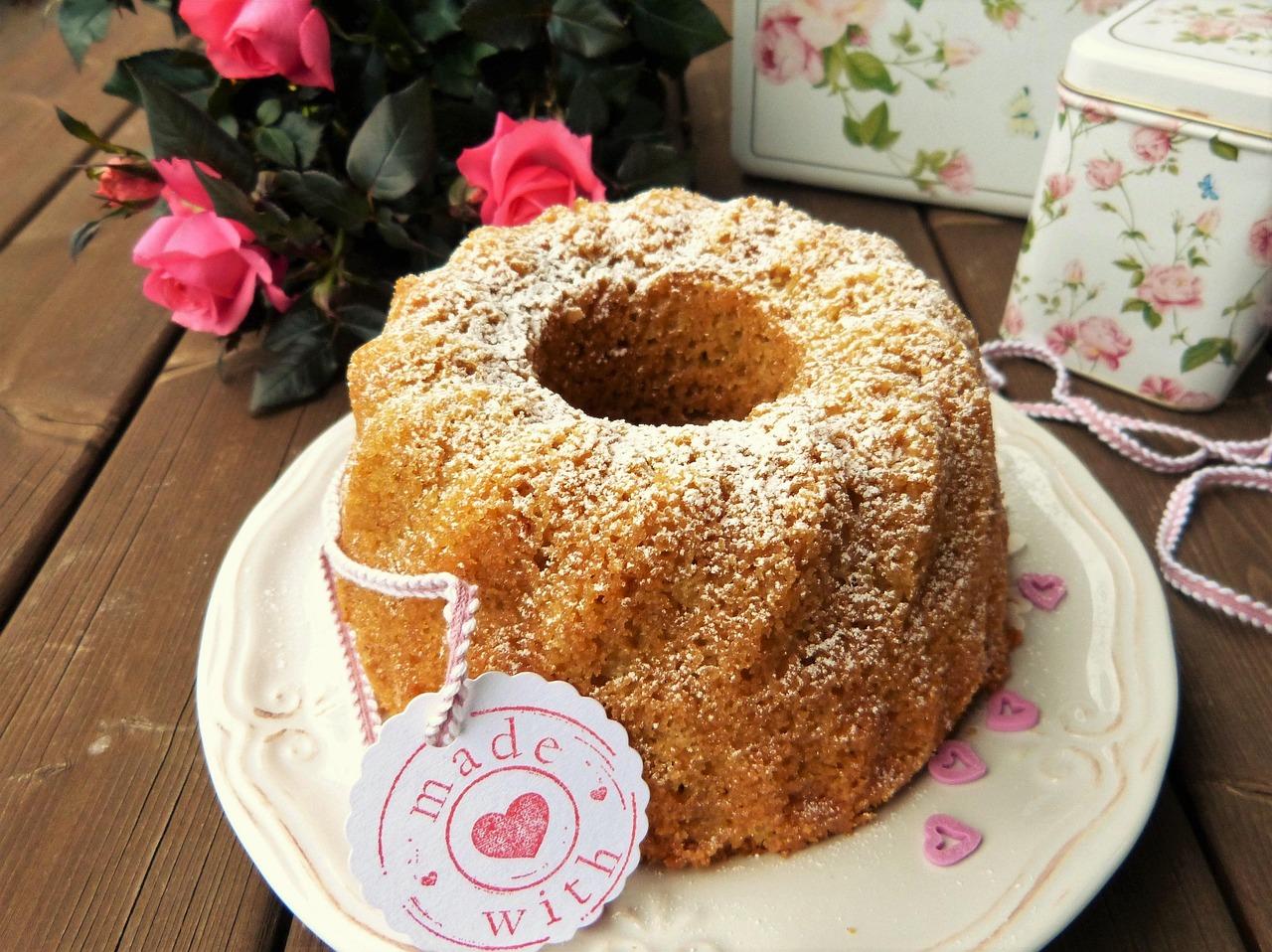
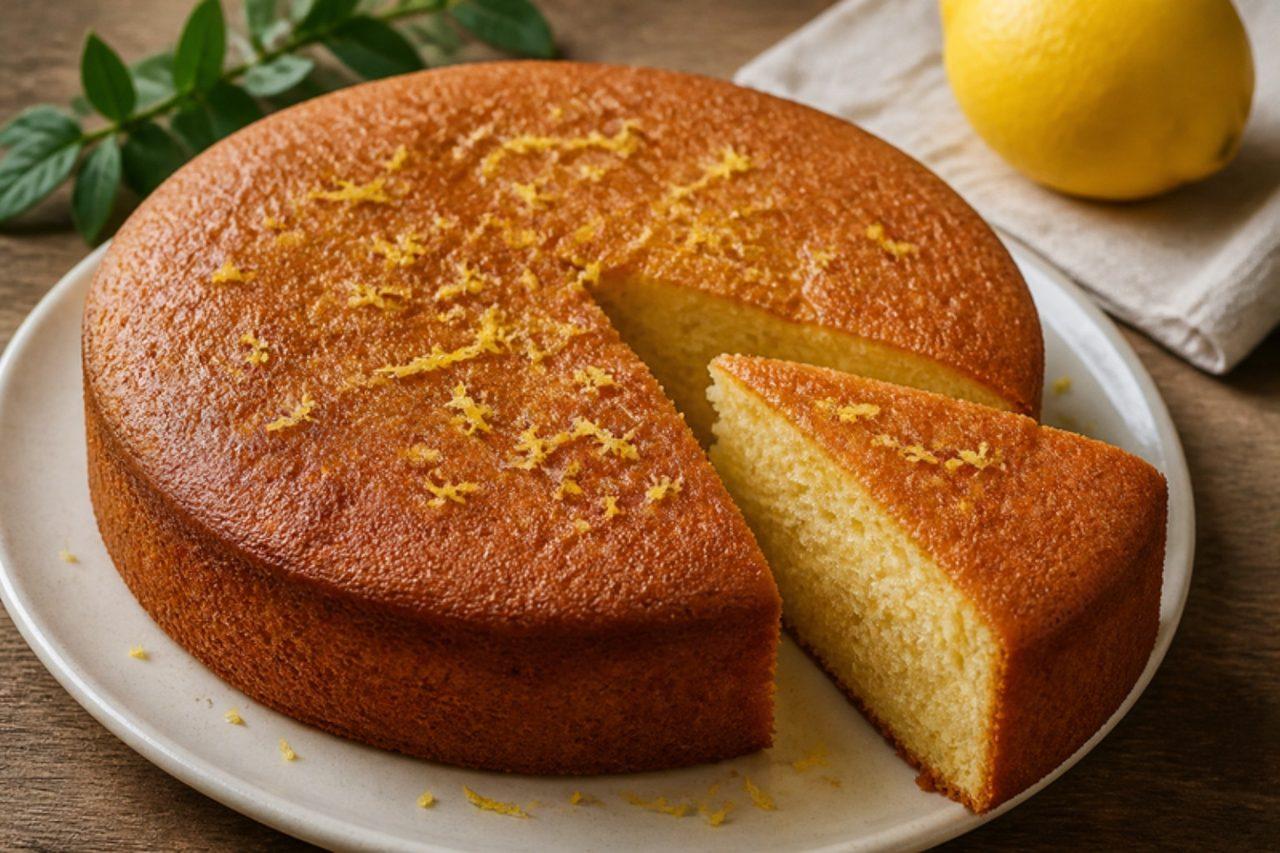
CiambelloneItalian ring cake

Every Italian nonna has her own ciambellone, the tall, plain ring cake that sits under a glass dome on the kitchen counter for breakfast, sliced and dunked in caffellatte or eaten with jam. It is made with eggs, sugar, flour and oil or butter, flavoured with lemon zest, and often marbled with cocoa. In Rome and Emilia it is also the cake brought to friends' houses and church fêtes. Chef's tip: whisk the eggs and sugar for a full 8 minutes, until very pale and thick; that air is what makes the cake rise tall without much baking powder.

by KrazyBadal 0 views

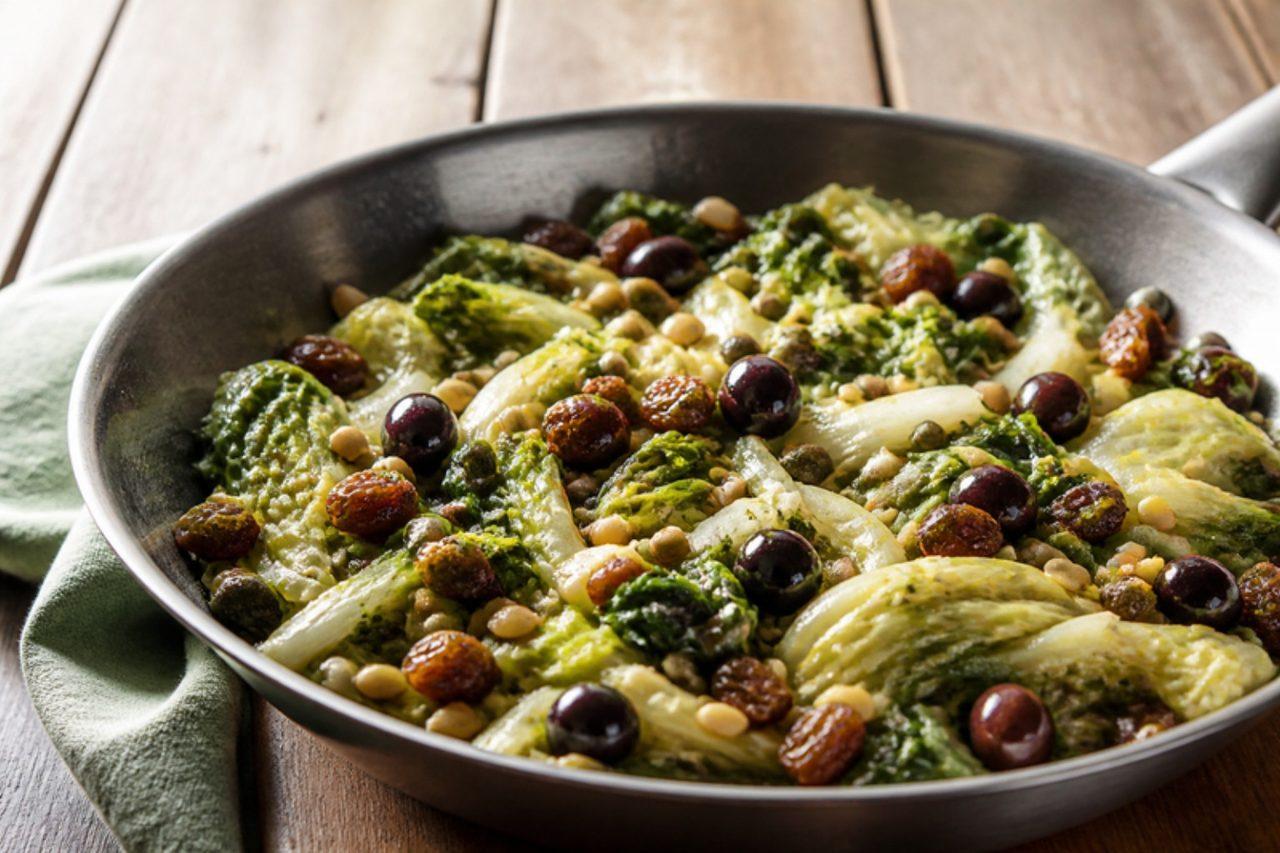
Scarola alla napoletanaSautéed escarole with olives and raisins

Scarola alla napoletana is a Neapolitan Christmas Eve side dish, also cooked all winter: tender escarole sautéed with garlic, black Gaeta olives, capers, pine nuts and raisins, a balance of bitter, salty and sweet that reflects the Arab influence on southern Italian cooking. It is the same filling used in the Christmas pizza di scarola, and families often serve it with fried fish. Contains pine nuts. Chef's tip: dry the washed escarole well before it goes in the pan; wet leaves splash and steam rather than sauté.

by KrazyBadal 0 views

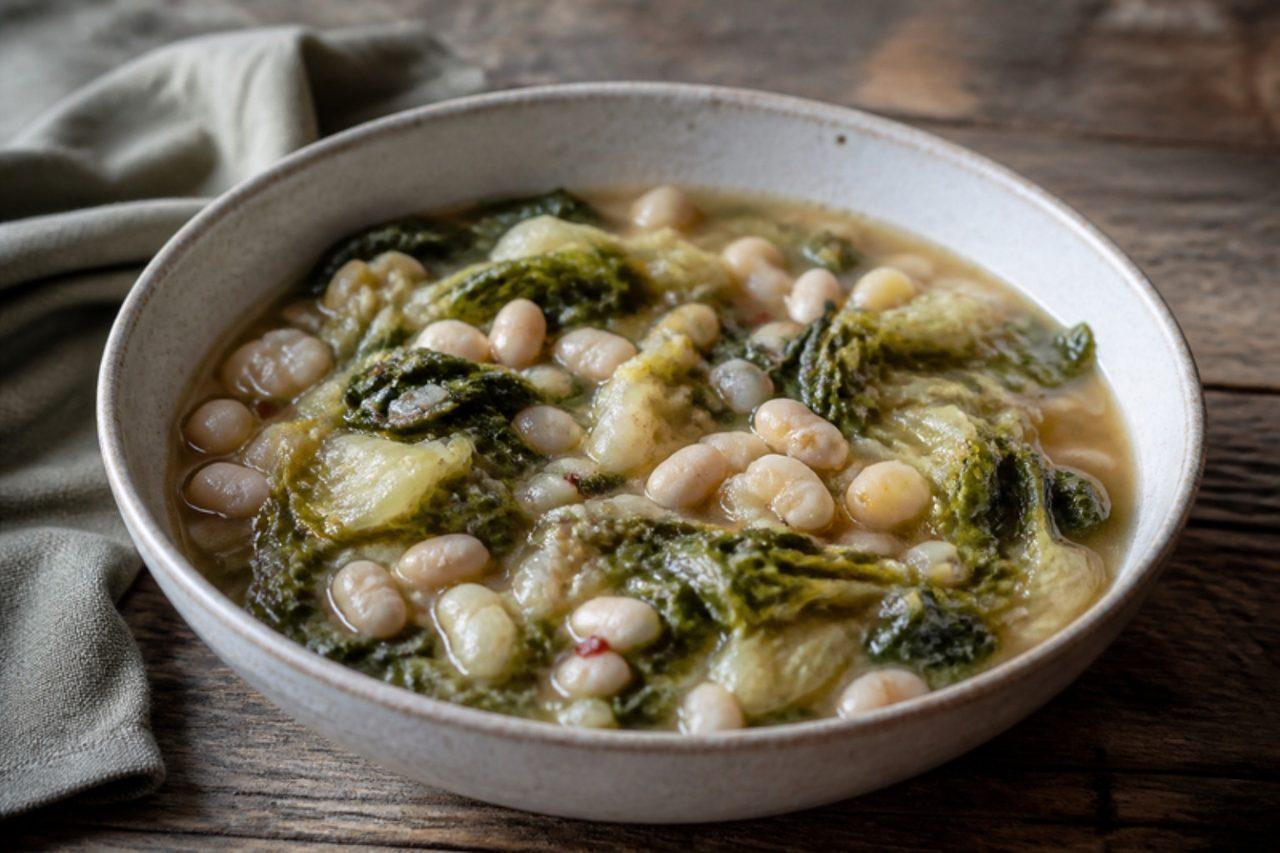
Scarola e fagioliEscarole and bean soup

Scarola e fagioli is one of the oldest dishes of Neapolitan home cooking: tender escarole, a slightly bitter winter salad green, simmered with creamy cannellini beans, garlic, chilli and olive oil into a thick soup, sometimes with broken pasta stirred in. In Naples it is a cold-weather supper, eaten with toasted bread rubbed with garlic. Chef's tip: mash a ladle of the beans into the broth; it thickens the soup and makes it creamy without any cream.

by KrazyBadal 0 views

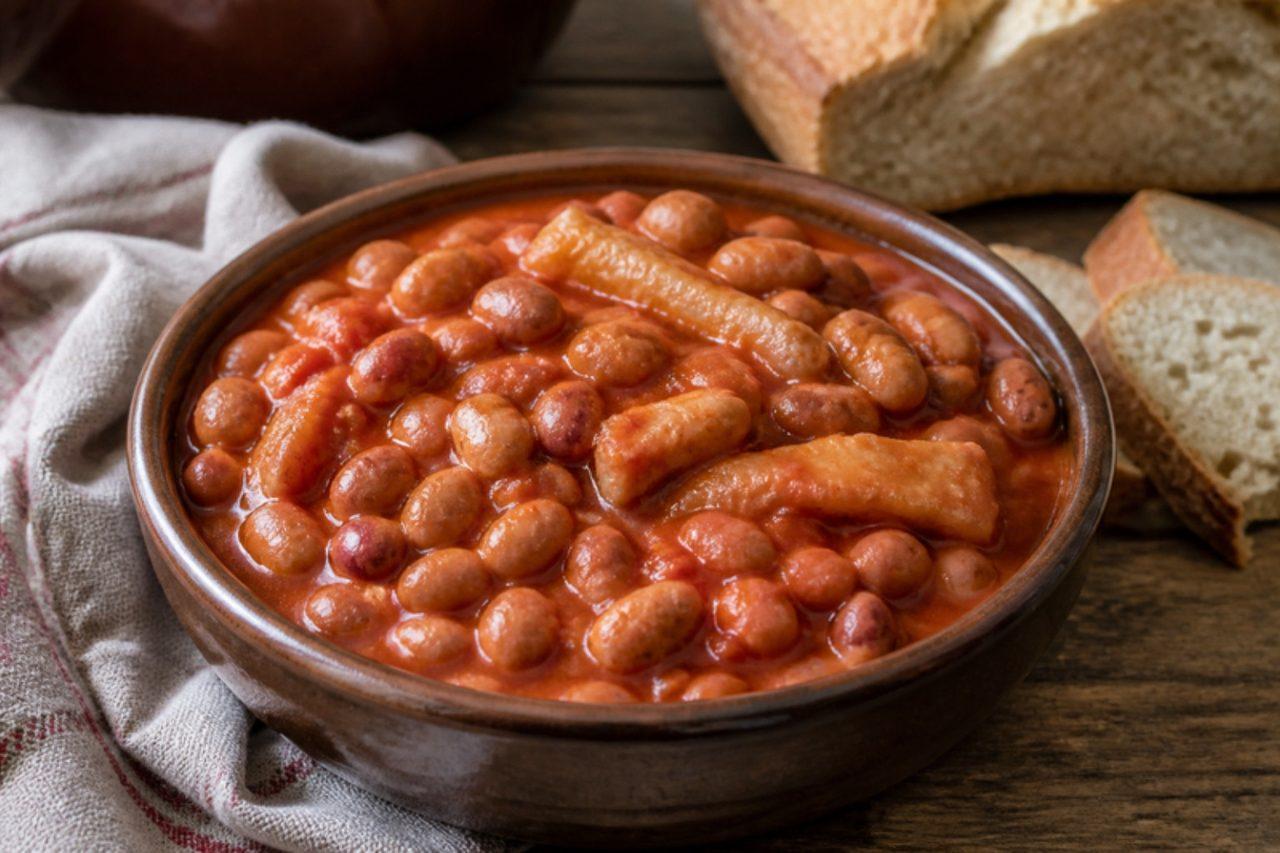
Fagioli con le coticheBeans with pork rind

In Rome and the towns of Lazio, fagioli con le cotiche is the winter dish from the old trattorie of Trastevere: borlotti beans stewed slowly in tomato with cotiche, the skin of the pig, which melts into soft, sticky ribbons that make the sauce rich and glossy. It was the food of the poor who used every part of the pig. Ask the butcher for clean pork rind, or use rind cut from a piece of pork belly. Chef's tip: boil the rind twice in fresh water before stewing it; it removes any strong smell and makes it tender.

210 minItalianMeatGluten free
by KrazyBadal 0 views

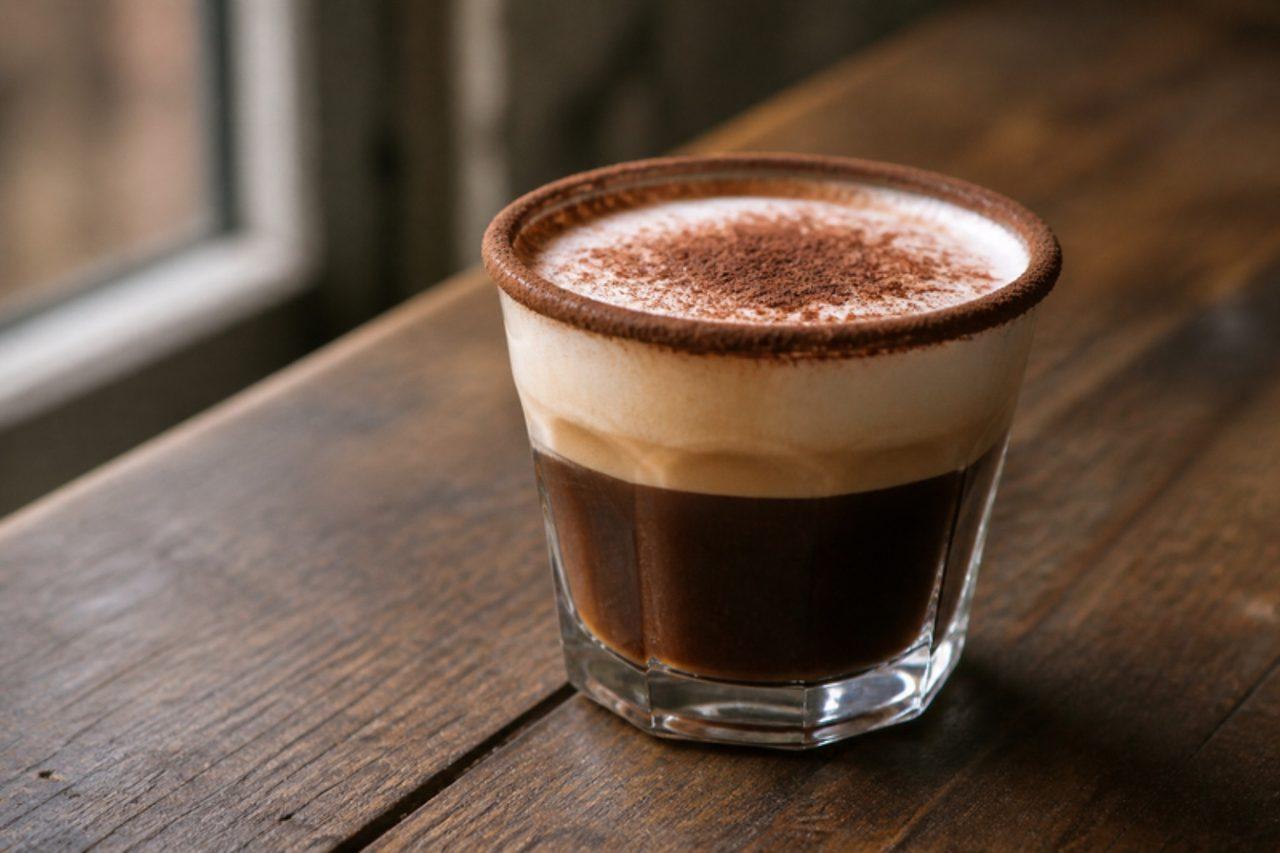
MarocchinoEspresso with cocoa and milk foam

The marocchino was born in the bars of Alessandria in Piedmont, and it is now ordered all over northern Italy: a little glass dusted inside with cocoa, filled with an espresso and topped with milk foam and more cocoa, sometimes with a spoonful of chocolate sauce at the bottom. Its name comes from the brown colour of a leather called "marocchino" once used for hat bands. It is a mid-morning or afternoon treat. Contains caffeine. Chef's tip: dust the empty glass with cocoa before pouring the coffee in; it sticks to the hot glass and gives each sip a chocolate edge.

by KrazyBadal 0 views

Torta allo yogurtYogurt cake

Torta allo yogurt is the first cake many Italian children bake, because everything is measured using the empty yogurt pot: one pot of yogurt, then pots of sugar, flour and oil. It is a soft, moist everyday cake made in homes across the country for breakfast or the afternoon merenda (snack), plain or with fruit. This recipe gives the amounts in grams for an average 125 g pot. Chef's tip: use whole-milk yogurt at room temperature; it gives a moist cake that stays soft for days.

by KrazyBadal 0 views

Tramezzini all'uovoEgg mayonnaise sandwiches

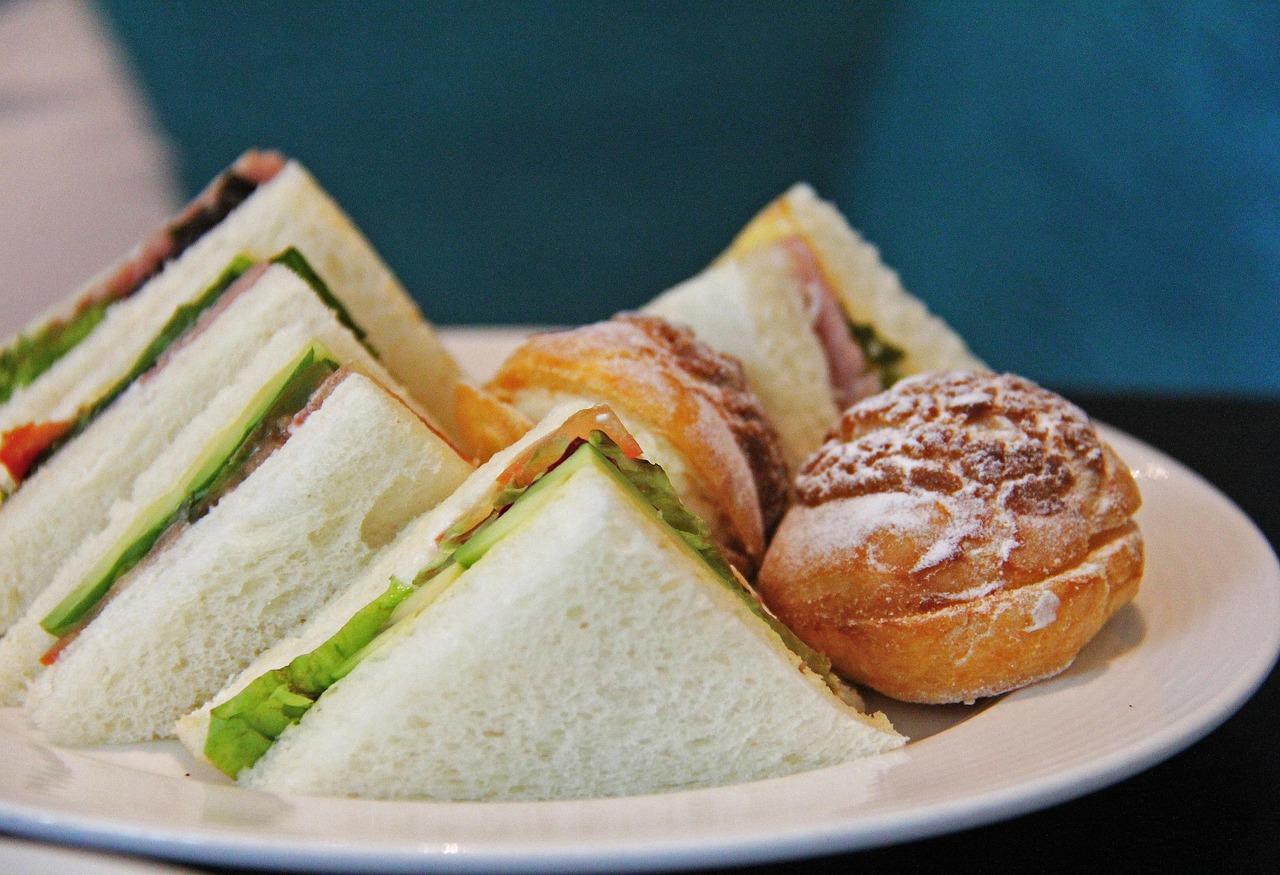
In the bars of Venice, around Campo Santa Margherita and the Rialto, glass cases are piled with tramezzini: soft white sandwich triangles with no crusts, so generously filled they look like small pillows. They are eaten standing at the bar mid-morning or with an aperitivo in the evening. Egg and mayonnaise is one of the classic fillings; tuna and olives is another. Use mayonnaise made with pasteurised eggs. Chef's tip: pile the filling in a mound in the middle, not spread to the edges; pressing the bread around it gives the classic puffy shape.

by KrazyBadal 0 views

Caffè d'orzoBarley coffee

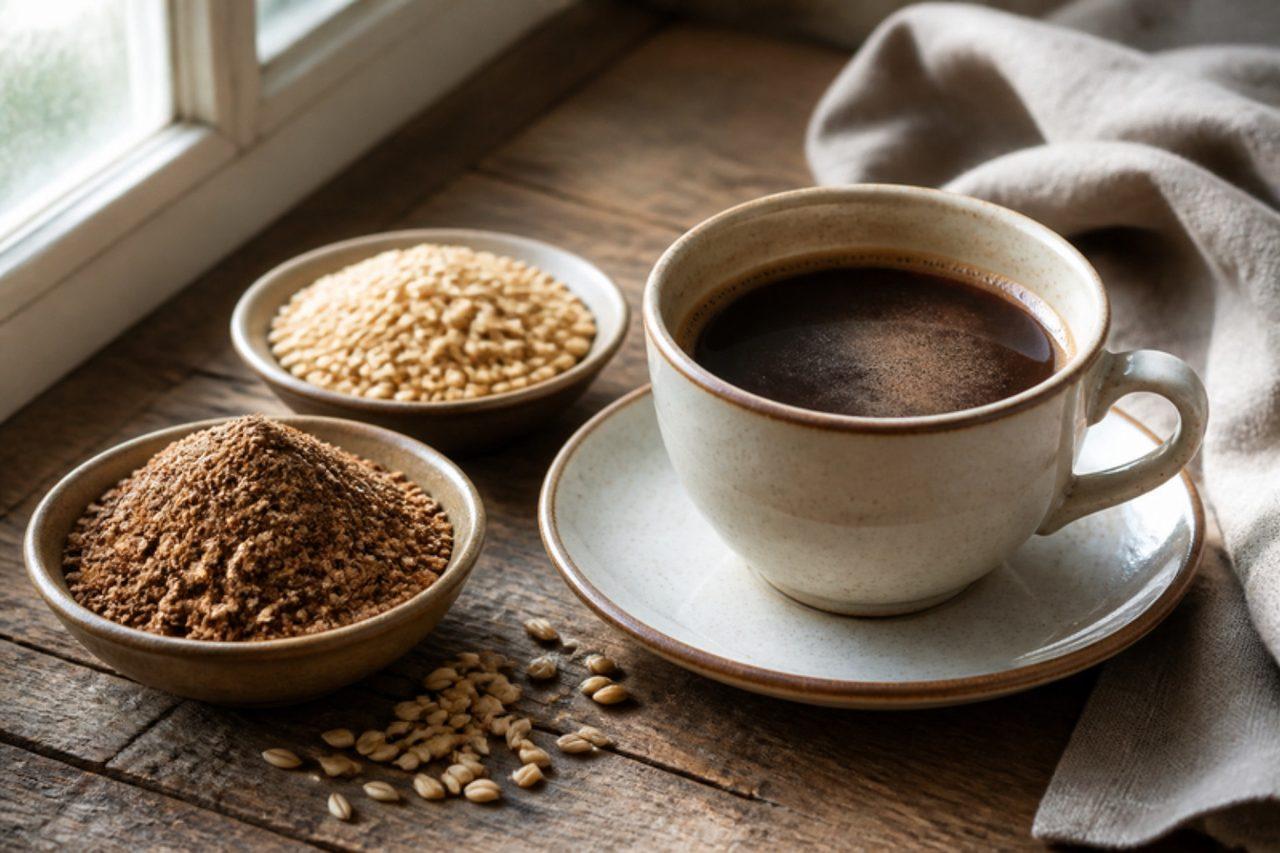
In Italian bars you can always ask for "un orzo": a hot drink made from roasted barley that looks like coffee and has a toasty, slightly sweet taste but no caffeine. During the war, when coffee was scarce, families drank it every morning, and today it is given to children, pregnant women and anyone avoiding caffeine. It can be made in a moka pot, served in a small cup like espresso or in a large one with milk. Barley contains gluten. Chef's tip: don't press the barley into the moka basket like coffee; packed tightly, it blocks the water and the pot hisses.

by KrazyBadal 0 views

BicerinLayered chocolate and coffee drink

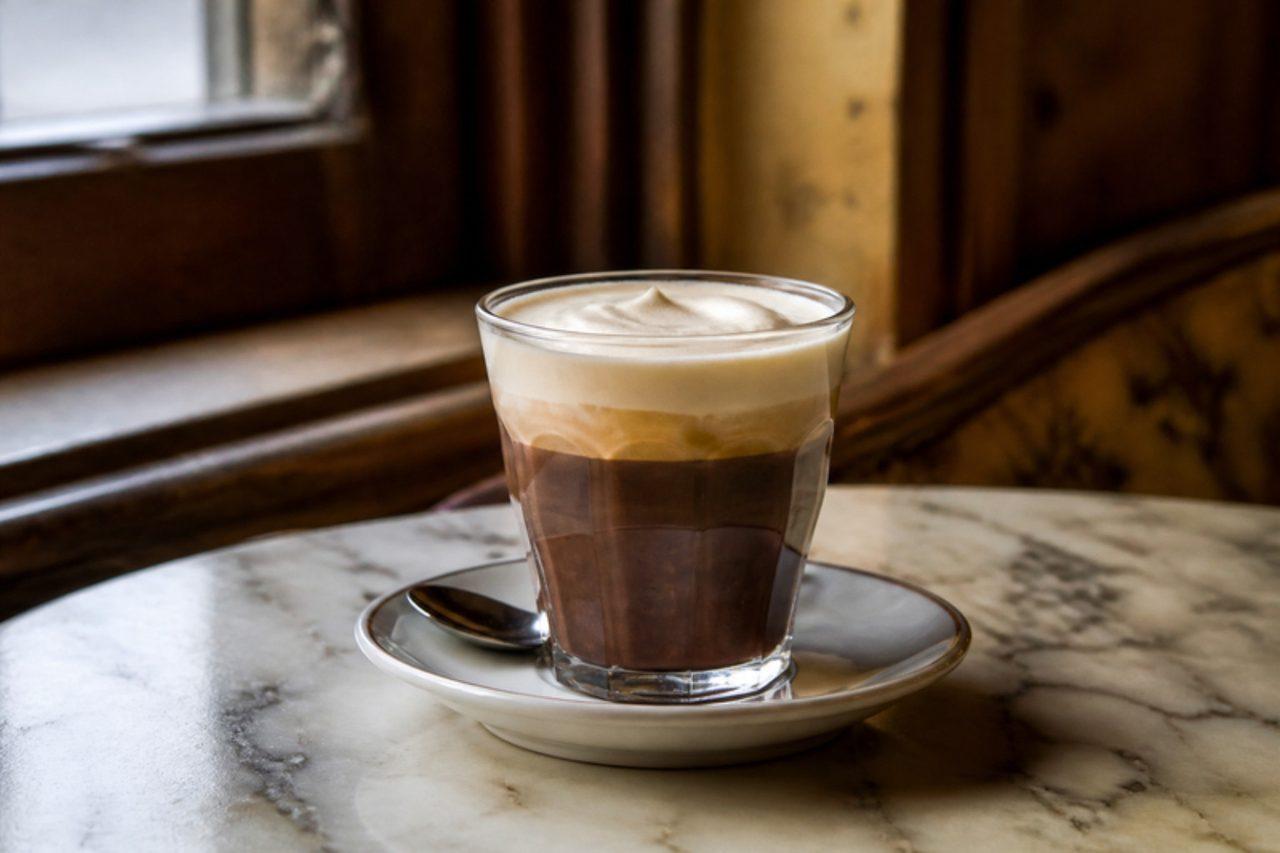
The bicerin ("little glass" in Piedmontese dialect) has been served since 1763 at the tiny Caffè al Bicerin opposite the Consolata church in Turin, where it was the drink that churchgoers had after fasting before Mass. It is three layers in a small glass: thick hot chocolate at the bottom, espresso in the middle and cold, lightly whipped cream on top, not stirred, so you taste each layer in turn. Contains caffeine. Chef's tip: pour the coffee and then the cream slowly over the back of a spoon so the layers sit on top of each other instead of mixing.

by KrazyBadal 0 views

Showing 24 of 609 recipes

Show more recipes

Page 1 of 26