Skip to content
Recipes

All recipes

Vegetarian, or something you can't eat? Set your diet once and we'll hide recipes that don't fit.

Mumallaengi muchimDried radish strip salad

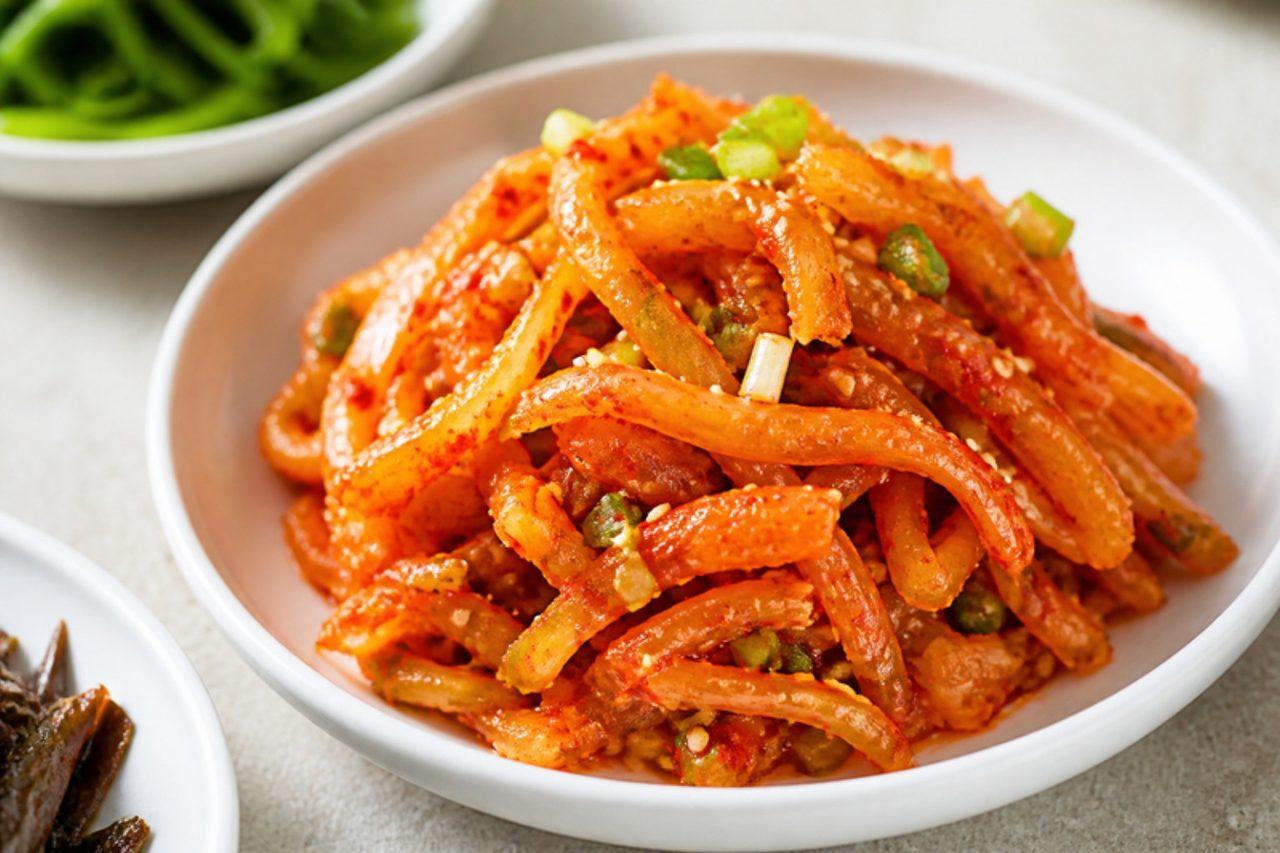
Mumallaengi are strips of Korean radish dried in the autumn sun, and dressed this way they become a chewy, sweet-spicy banchan that families across Korea keep in the fridge all winter for lunchboxes and weeknight rice. The strips are soaked briefly, squeezed and massaged with chilli flakes, garlic, soy and syrup, often with dried chilli leaves. Many cooks add fish sauce; this version uses soy alone, so it is vegan. It is a side with about 2 g of protein per portion. The common mistake is soaking the radish too long: it loses its crunch and sweetness and turns watery. Chef's tip: make it a day ahead; after a night in the fridge the strips soak up the dressing and turn glossy red.

by KrazyBadal 0 views

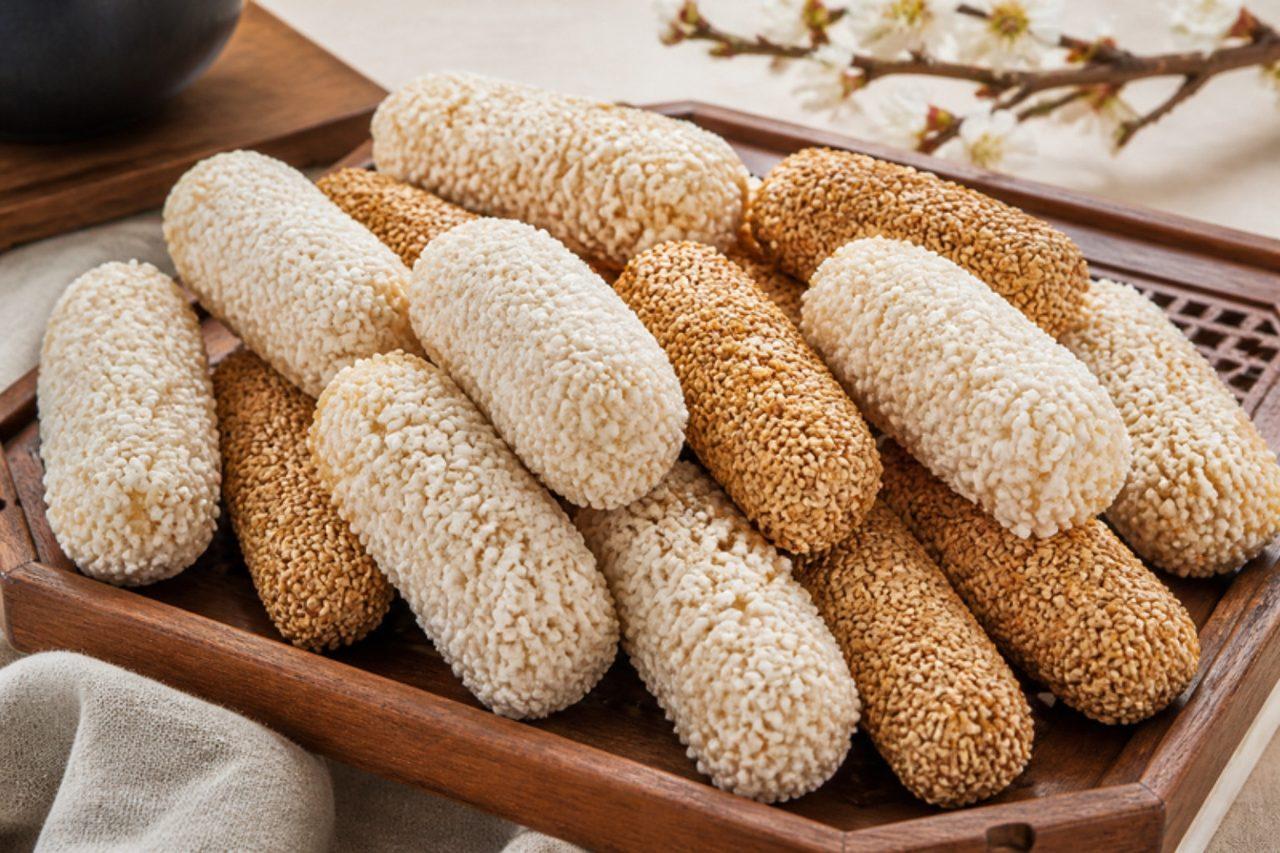
Yugwa (Korean puffed glutinous-rice crackers)

Yugwa are the light, airy crackers piled on trays at Seollal, the Lunar New Year, and given in gift boxes for Chuseok and weddings across Korea. A dough of glutinous rice is steamed and pounded until stretchy, rolled thin, cut and dried until hard, then fried slowly so each piece swells to several times its size into a crisp, hollow puff. A brush of rice syrup and a coating of puffed rice or sesame finish them. They melt on the tongue, crunchy but almost weightless, gently sweet and toasty. Serve with green tea or barley tea. Yugwa never used egg: the sticky starch of glutinous rice, steamed and pounded, traps air and binds the dough, and the rice syrup glues on the coating. Some cooks add rice wine to the dough; this version uses plain water and needs no alcohol. Chef's tip: dry the cut pieces until they snap like a cracker before frying; the common mistake is frying them half-dried, and then they stay flat and chewy instead of puffing.

by KrazyBadal 0 views

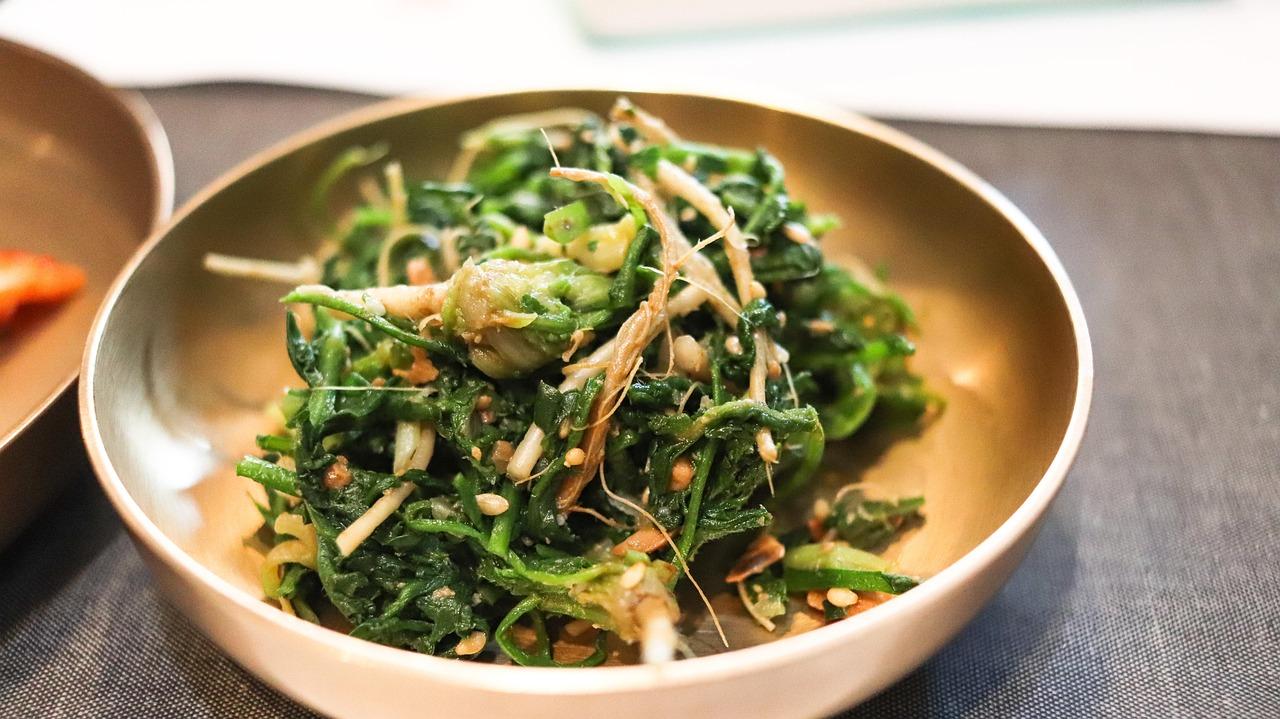
Chamnamul muchimDressed wild parsley

Chamnamul, a mild, celery-scented wild parsley, fills Korean markets in spring, and this simple namul is one of the banchan that turns up on home tables and in bibimbap bowls from March to May. The stems are blanched for seconds, then dressed by hand with garlic, sesame oil and toasted sesame so the herb stays bright and crunchy. It is a light side with about 3 g of protein per portion; pair it with tofu, eggs or a bean stew for a full meal. The common mistake is over-blanching: chamnamul goes limp and grey in under a minute. If you can't find it, use the tender tops of flat-leaf parsley mixed with pea shoots. Chef's tip: season with salt first and the sesame oil last, so the salt reaches the leaves instead of sliding off the oil.

by KrazyBadal 0 views

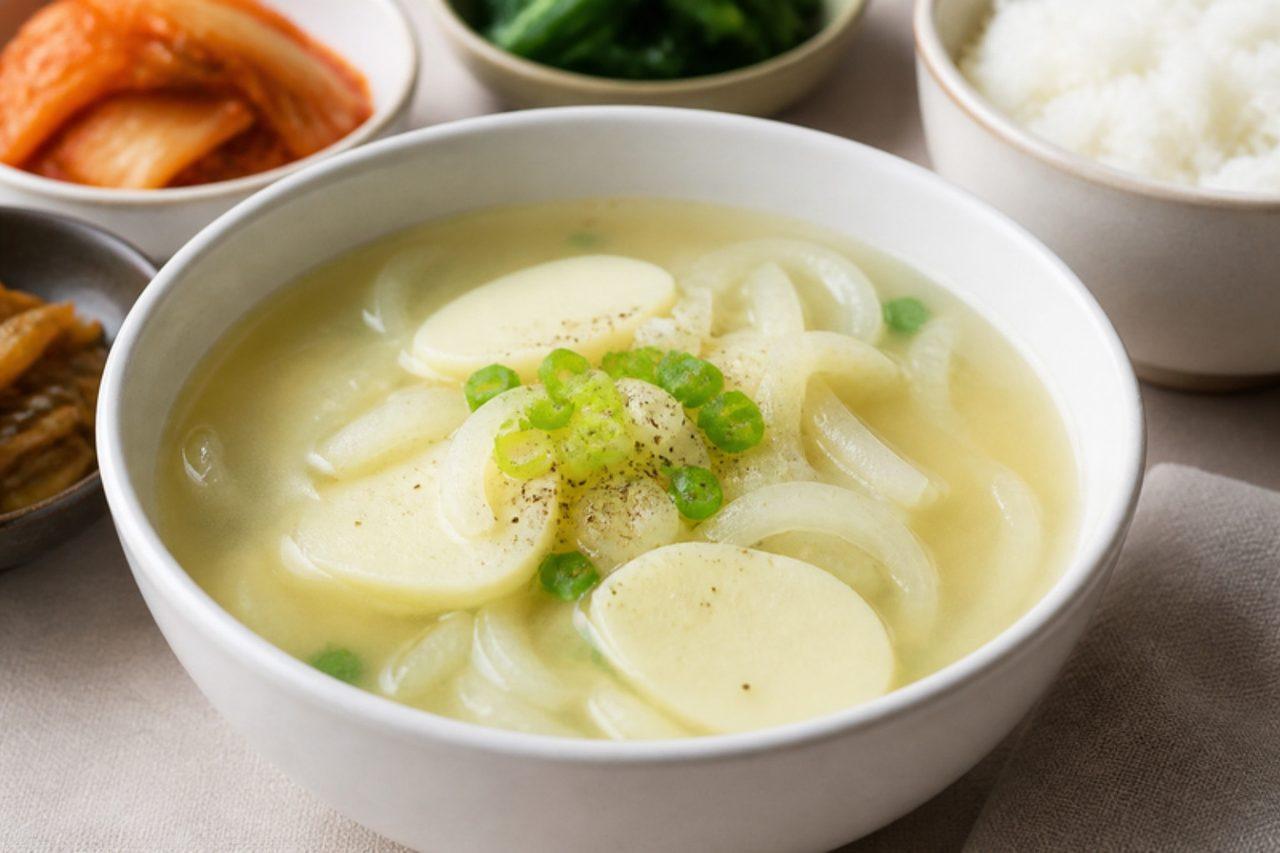
Gamja gukPotato and onion soup

Gamja guk is the plain, comforting potato soup that Korean mothers make on busy mornings and quiet evenings all year round, served with rice and kimchi. Thin slices of potato and onion simmer in a clear broth until soft, finished with spring onion and a little garlic. Most homes use an anchovy and kelp stock; this is the vegetarian version, with kelp and dried shiitake. It is mild and soothing, with about 4 g of protein per bowl; crack an egg into the pot at the end, or serve tofu alongside, for more. The common mistake is cutting the potatoes too thick, so the outside crumbles before the middle is cooked; slice them evenly, about 5 mm. Chef's tip: soak the sliced potato in cold water for 5 minutes to rinse away surface starch and keep the broth clear.

by KrazyBadal 0 views

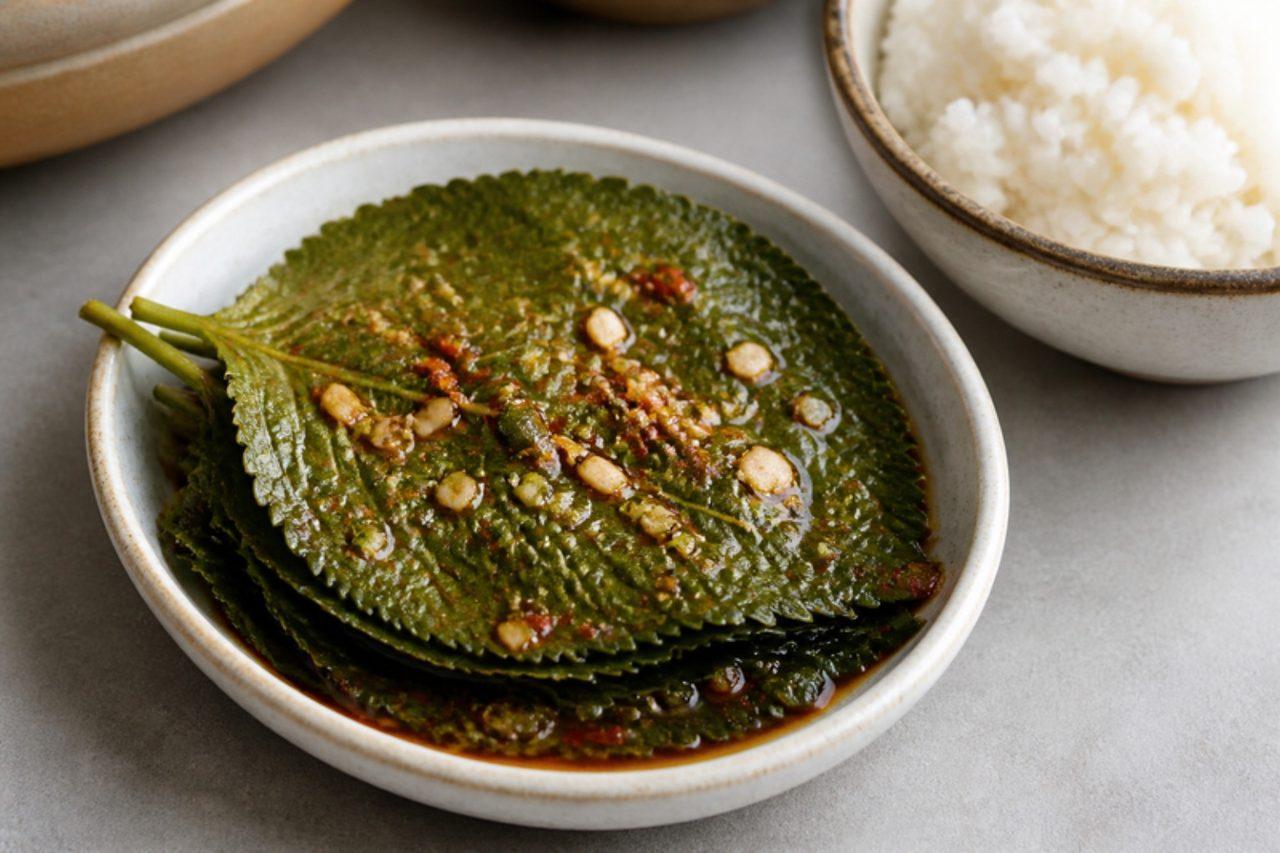
Kkaennip jjimSteamed seasoned perilla leaves

Kkaennip jjim is a homely banchan made in Korean kitchens through the summer, when perilla grows like a weed in back gardens, and it is eaten by wrapping a single soft leaf around a mouthful of rice. The leaves are stacked in pairs with a spoon of soy, garlic and chilli seasoning between each layer, then steamed until they soften and drink up the sauce. Many versions add anchovy stock; this one uses water, so it is vegan. Each portion has about 2 g of protein. The common mistake is steaming too long: the leaves should be tender but still green, about 5 minutes. Chef's tip: seasoning every second leaf rather than every one keeps the stack from getting soggy and salty.

by KrazyBadal 0 views

Maejakgwa (Korean ginger ribbon twists in honey syrup)

Maejakgwa is one of Korea's oldest hangwa, the traditional confections served on holiday tables at Seollal and Chuseok, at weddings and ancestral rites, and with tea when guests visit. Thin rectangles of ginger-scented wheat dough are slit and twisted into little ribbons, fried until crisp and pale gold, then dipped in honey and cinnamon syrup and finished with ground pine nuts. The name is often said to come from their resemblance to a sparrow perched on a plum branch. They shatter lightly when bitten, then turn sweet and warm with ginger. Serve a small plate with green tea or a cup of sweet rice punch. They are naturally egg-free: the dough is just flour, ginger juice and water held together by its own gluten, and the honey syrup that coats them is the only glaze. Because of the honey they are vegetarian but not vegan. Chef's tip: keep the frying oil at about 160°C; the common mistake is oil that is too hot, which browns the ribbons before they crisp through and leaves them chewy inside.

by KrazyBadal 0 views

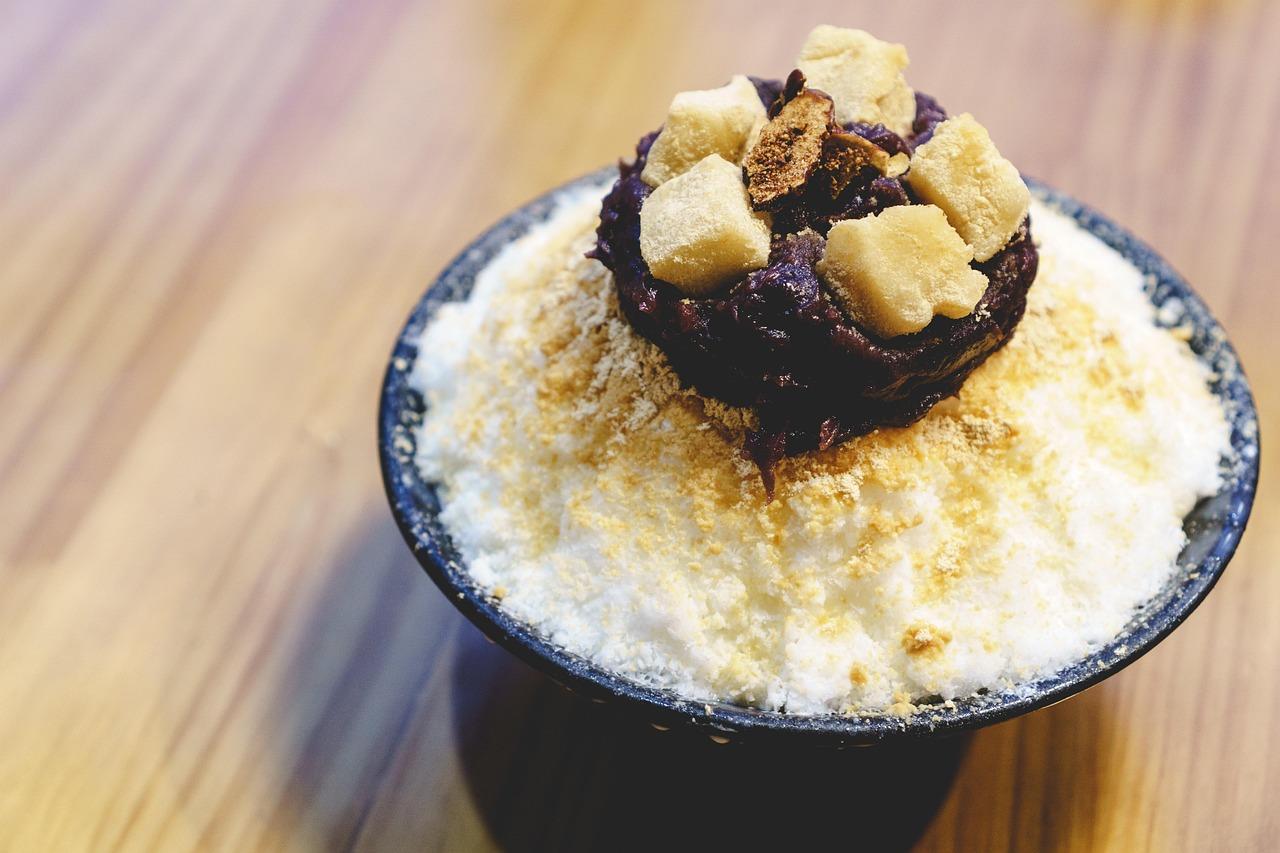
팥빙수 (Patbingsu, Korean red bean shaved ice)

Patbingsu is the great Korean summer dessert, eaten nationwide from the start of the rainy season until autumn, usually shared from one big bowl in a café after lunch or on a hot evening. Under the mound of milk ice sits the heart of it: sweet, soft red beans cooked until they almost melt, with chewy little rice cakes dusted in roasted soybean powder and a thread of condensed milk. Fluffy, creamy and earthy-sweet. There are no eggs anywhere: the ice is milk and condensed milk frozen in a thin layer, and the condensed milk's sugar keeps the crystals fine so the shavings are soft and snowy rather than crunchy, while the beans thicken with their own starch. Make the beans and the ice a day ahead. Chef's tip: freeze the milk thin in a flat tray and scrape it with a fork; the common mistake is freezing it in a deep tub, which sets too hard to shave.

by KrazyBadal 0 views

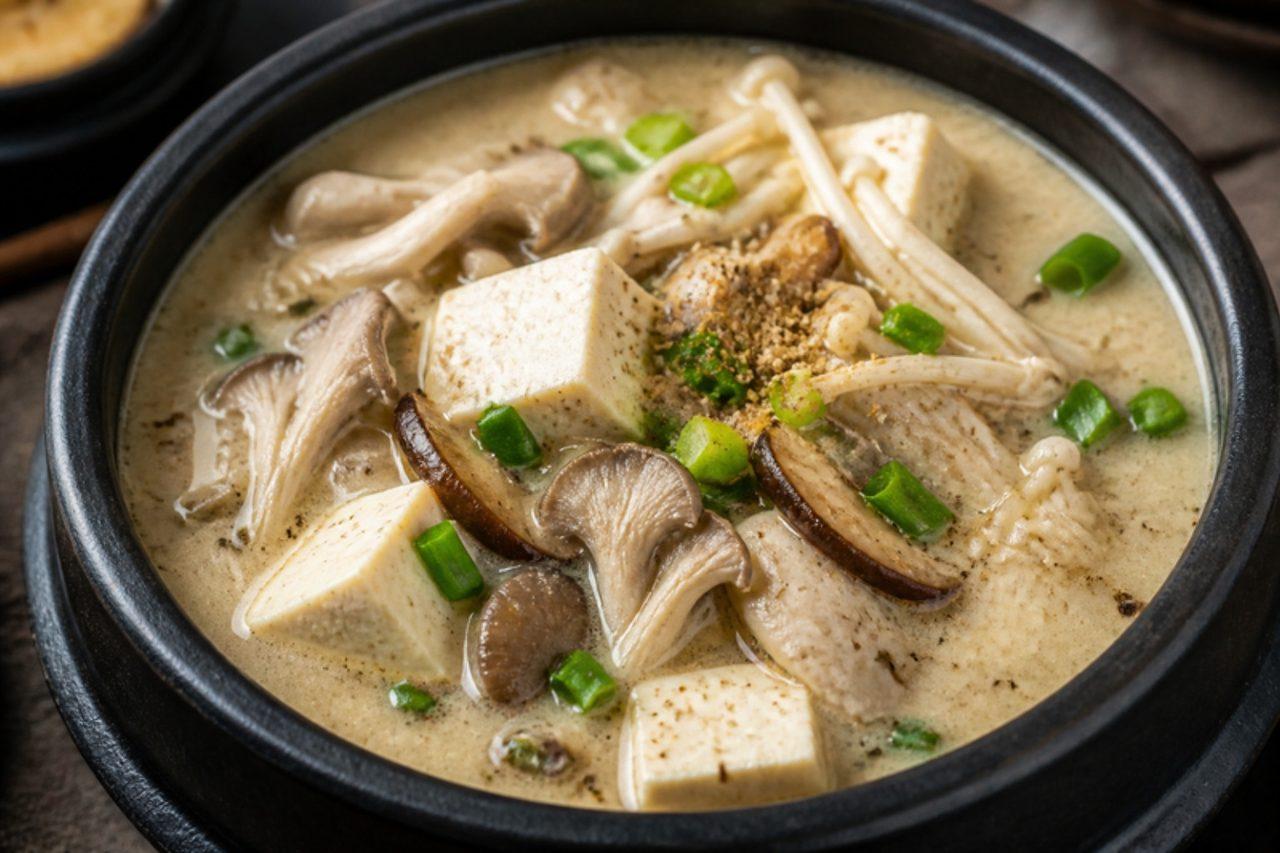
Beoseot deulkkae tangMushroom and perilla seed soup

This creamy, nutty soup is cooked in Korean homes and temple-style restaurants all through autumn and winter, when the first wild mushrooms arrive and people want something warming and gentle. Ground perilla seeds and a spoon of glutinous rice flour turn a plain broth thick and pale, with mixed mushrooms and soft tofu simmered through it. With the perilla and a block of firm tofu, a bowl gives about 24 g of protein, making it a proper main course with rice. The most common mistake is adding the perilla powder too early and boiling it hard, which makes the soup gritty and bitter; stir it in near the end. Chef's tip: buy perilla seed powder that has been skinned (it is paler), for the smoothest, creamiest soup.

by KrazyBadal 0 views

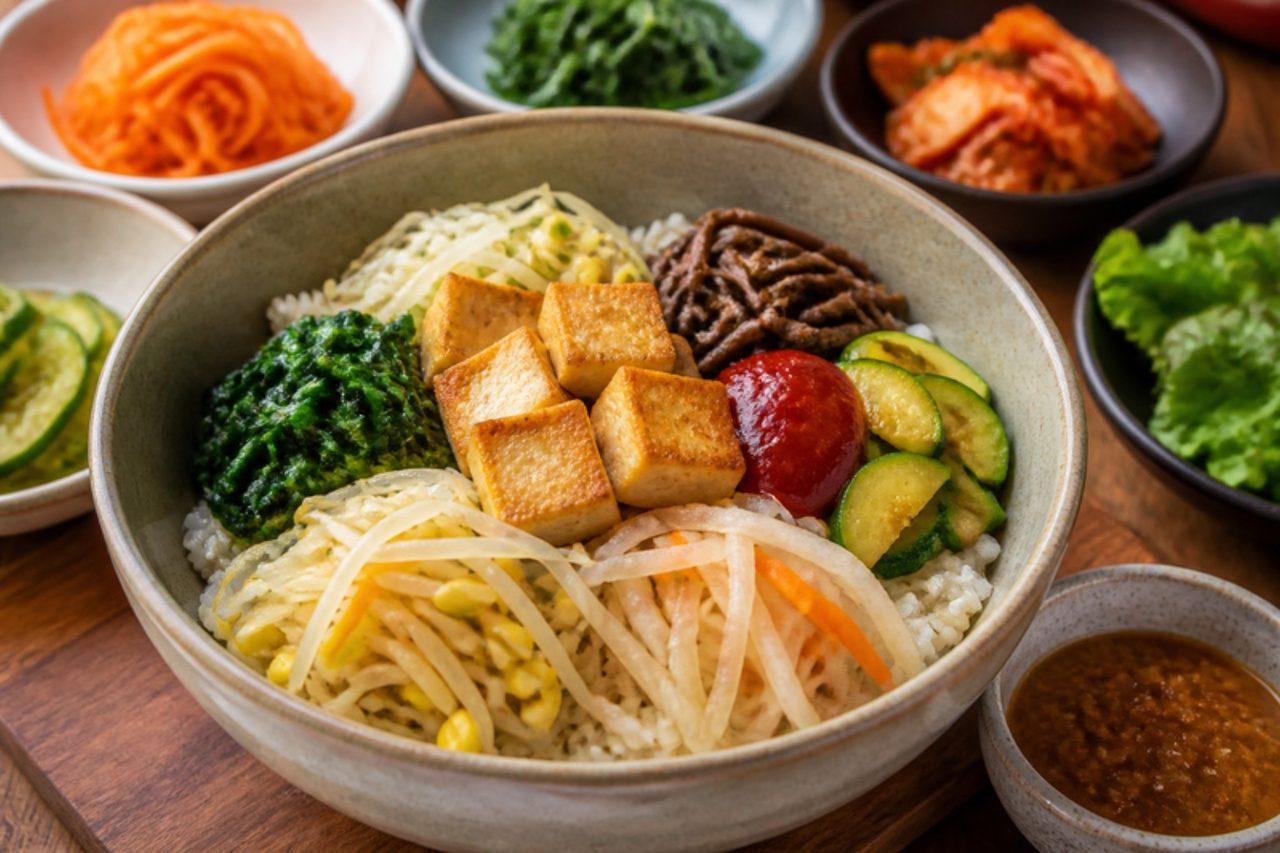
BoribapBarley rice with vegetables

Boribap was once the rice of the poor in Jeolla's farming villages; now Seoulites drive out to the hills on summer weekends to eat it in restaurants that set down a big bowl of steamed barley rice and a ring of seasoned vegetables to mix in yourself. This home version is built for protein: soybean sprouts, spinach and radish namul, plus a thick tofu and doenjang sauce (gang-doenjang), give about 23 g of protein a bowl, from tofu, soybean sprouts, doenjang and the barley. The classic mistake with soybean sprouts is lifting the lid while they cook, which leaves a raw, beany smell; keep it shut. Soak the barley for at least 1 hour before cooking. Most gochujang contains wheat, so this is not gluten free. Chef's tip: mix the bowl with a spoon rather than chopsticks, pressing the rice against the side so every grain is coated in sauce and sesame oil.

by KrazyBadal 0 views

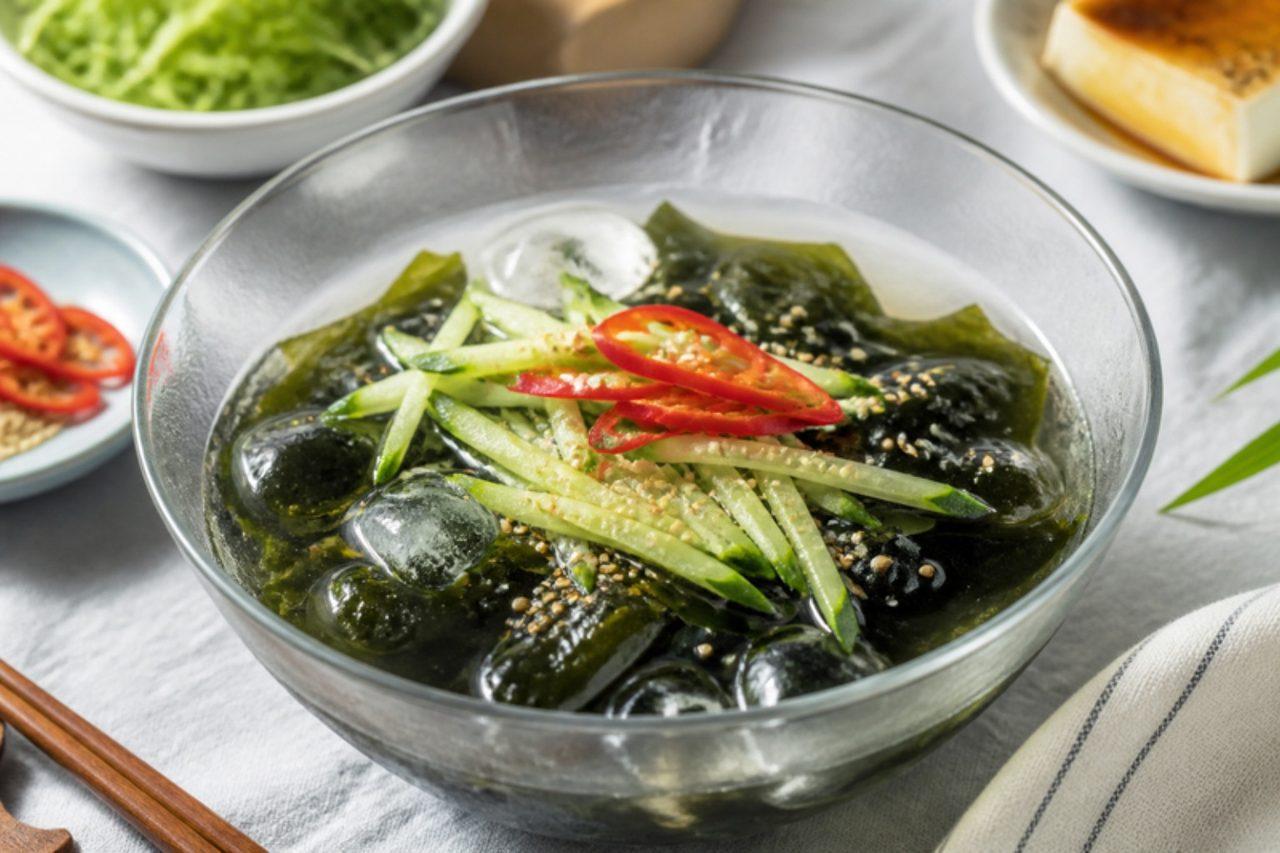
Miyeok oi naenggukChilled seaweed and cucumber soup

On the hottest days of a Korean summer, from Seoul apartments to farmhouses in Jeolla, this icy cold soup comes to the table with rice and spicy side dishes to cool everyone down. Soft wakame and crunchy cucumber float in a clear, tangy broth of vinegar, a little sugar and soup soy sauce, often with ice cubes bobbing on top. It is very light, with about 2 g of protein per portion, so serve it beside tofu or egg dishes. The common mistake is leaving the dried wakame to soak too long: it swells hugely and turns mushy. Ten minutes is enough. Chef's tip: season the broth slightly stronger than tastes right, because the ice you add at the end will dilute it.

by KrazyBadal 0 views

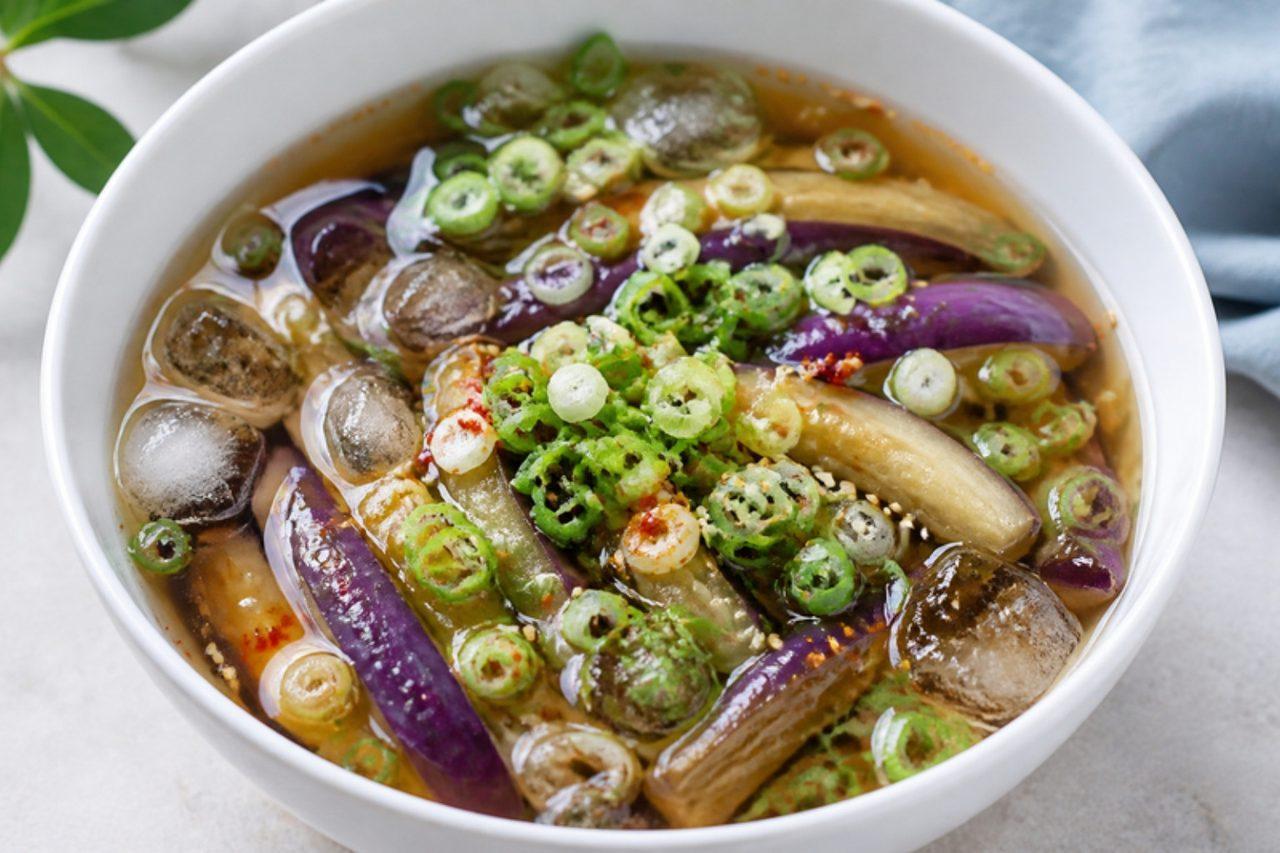
Gaji naenggukChilled aubergine soup

Gaji naengguk is a midsummer cold soup from Korean home kitchens, made in July and August when aubergines are cheap and nobody wants anything hot. The aubergine is steamed until silky, torn into strips and seasoned with garlic and soy, then dropped into an ice-cold, tangy broth. It tastes clean and refreshing, with a soft, almost slippery texture. Each bowl has only about 2 g of protein, so pair it with tofu or bean dishes. The usual mistake is cutting the aubergine with a knife after steaming: torn strips soak up the seasoning far better. Chef's tip: let the steamed aubergine cool completely before mixing it with the broth, or it warms the soup and loses its bite.

by KrazyBadal 0 views

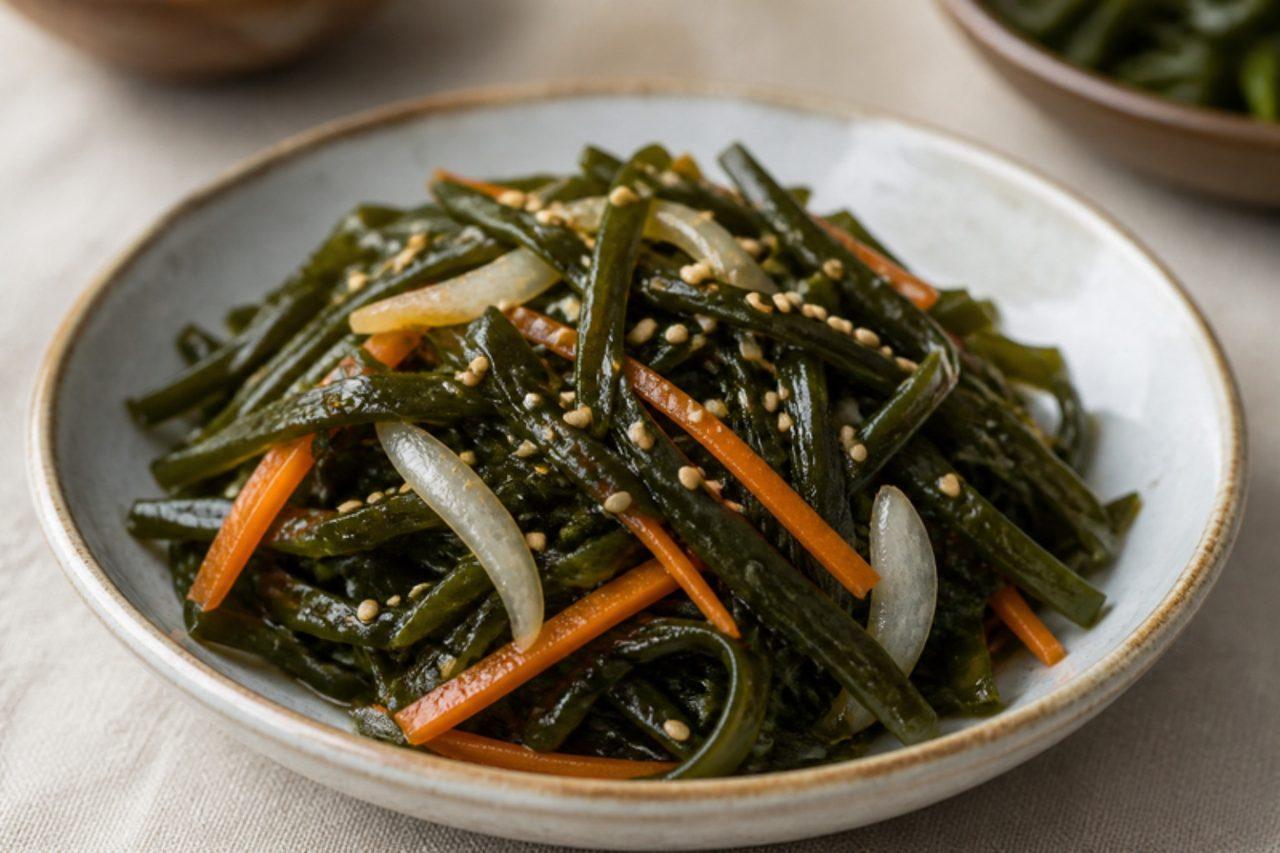
Miyeok julgi bokkeumStir-fried seaweed stems

Seaweed stems, sold salted in Korean grocers, are the crunchy, green-black banchan you find in school canteens and lunchboxes everywhere in Korea, eaten cold with rice. The stems are soaked to draw out the salt, then stir-fried quickly with garlic, onion and a few drops of soy, and finished with sesame. It is vegan and light, with about 2 g of protein per portion. The common mistake is under-soaking: too little and the dish is painfully salty, so taste a piece before you cook. Chef's tip: blanch the stems for 10 seconds after soaking; it sets their bright green colour and removes any fishy-sea smell.

by KrazyBadal 0 views

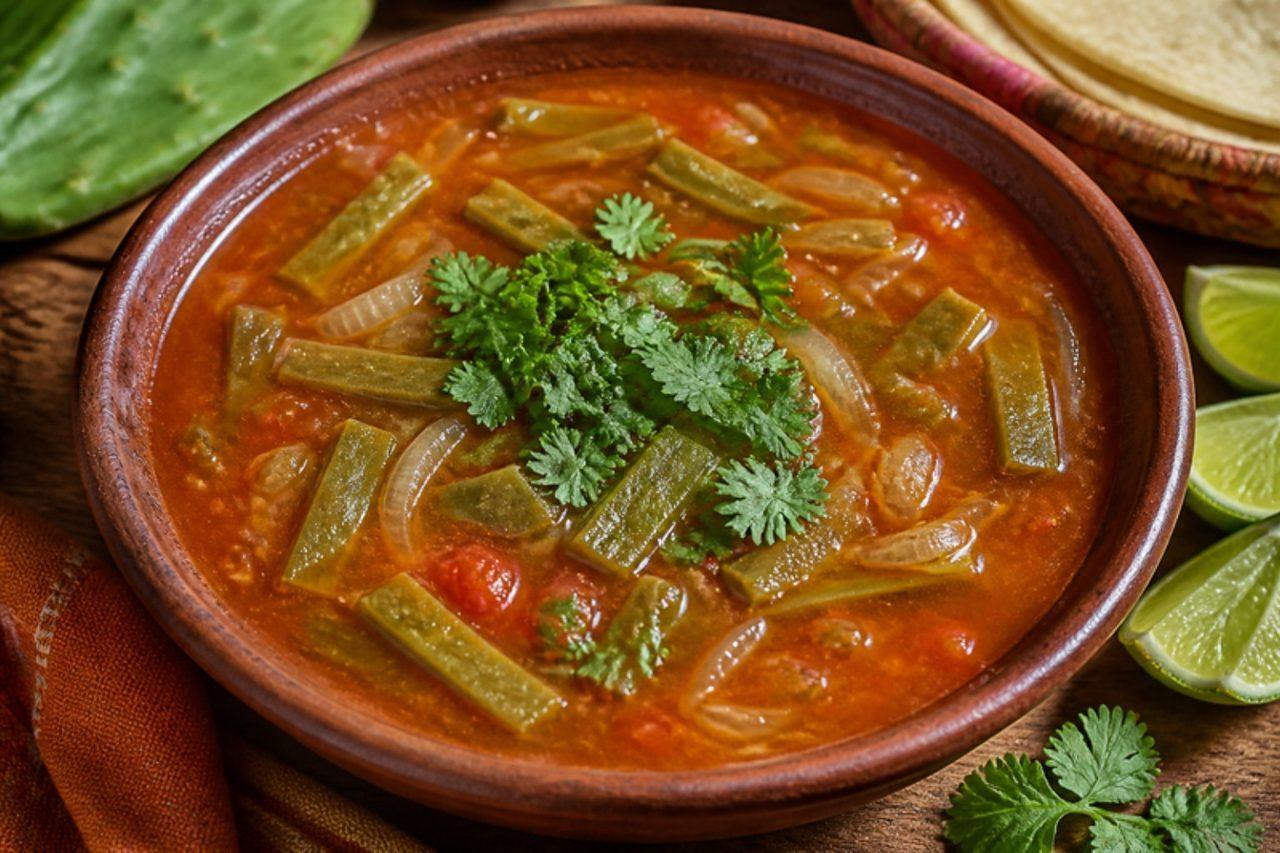
Sopa de nopalesCactus paddle soup

In Mexico City, Puebla and the towns of central Mexico, sopa de nopales is cooked at home during Lent and on any warm day when tender cactus paddles are cheap in the market. Diced nopales simmer in a light tomato and chilli broth with onion and coriander, giving a soup that is tangy, fresh and a little green-tasting, like green beans crossed with okra. It is very light, with about 3 g of protein per bowl; add a can of pinto beans or crumble fresh cheese on top for more. The most common mistake is putting raw nopales straight into the soup, which turns it slimy: boil them separately first and rinse them. Chef's tip: add a few tomatillo husks or a pinch of bicarbonate to the boiling water for the nopales; it helps set the slime so it rinses away.

by KrazyBadal 0 views

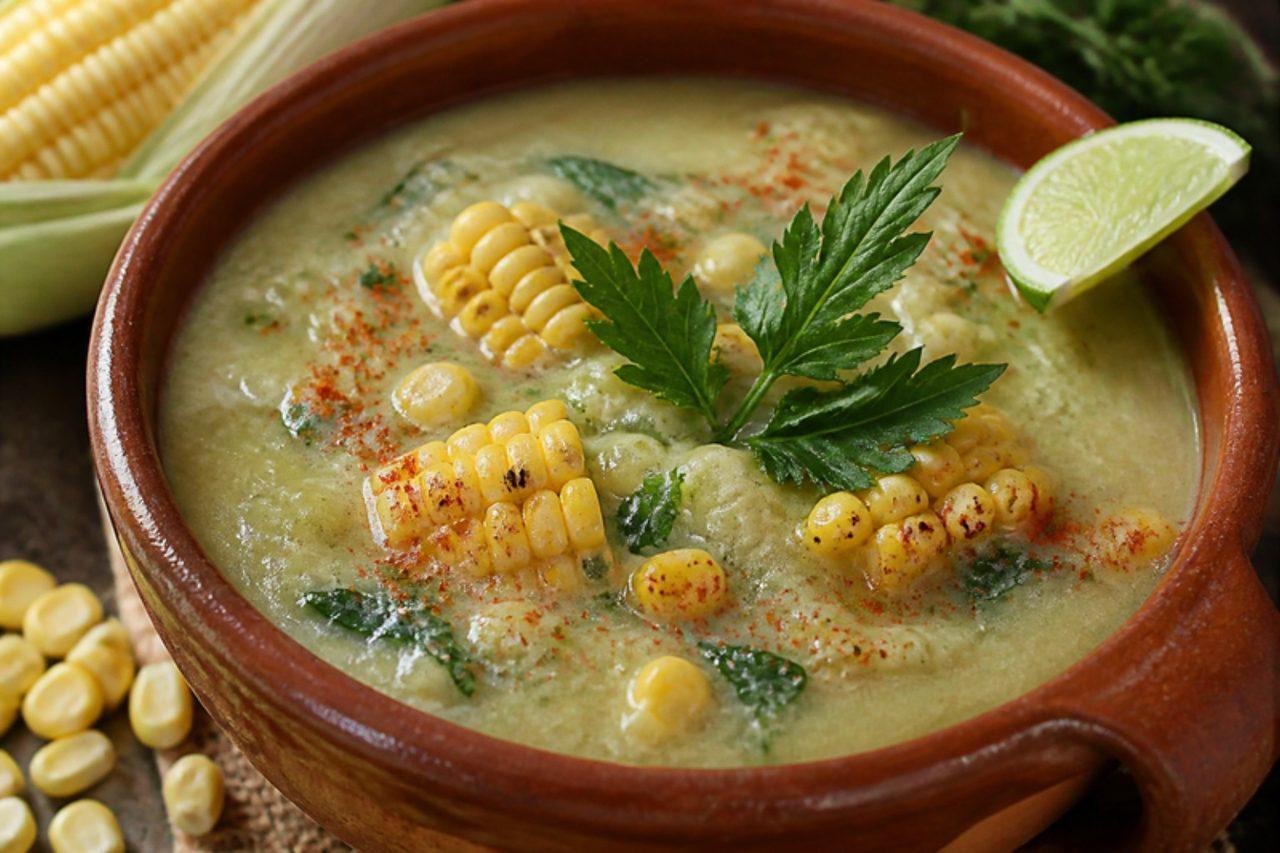
ChileatoleCorn and green chilli soup

Chileatole is a thick, savoury atole made in Puebla and Tlaxcala during the rainy-season corn harvest from July to September, sold steaming from big pots at markets in the evening and made at home when fresh corn is everywhere. Fresh corn kernels and pieces of cob simmer in a broth thickened with masa harina and tinted green with blended chilli and epazote. It is comforting and corny, with a gentle heat, and about 6 g of protein per bowl from the corn and masa. The most common mistake is adding the masa dry, which makes lumps: always dissolve it in cold water first. Chef's tip: simmer the stripped cobs in the water before you start, for a sweeter, deeper corn broth.

by KrazyBadal 0 views

Pescado empapeladoFish baked in paper parcel

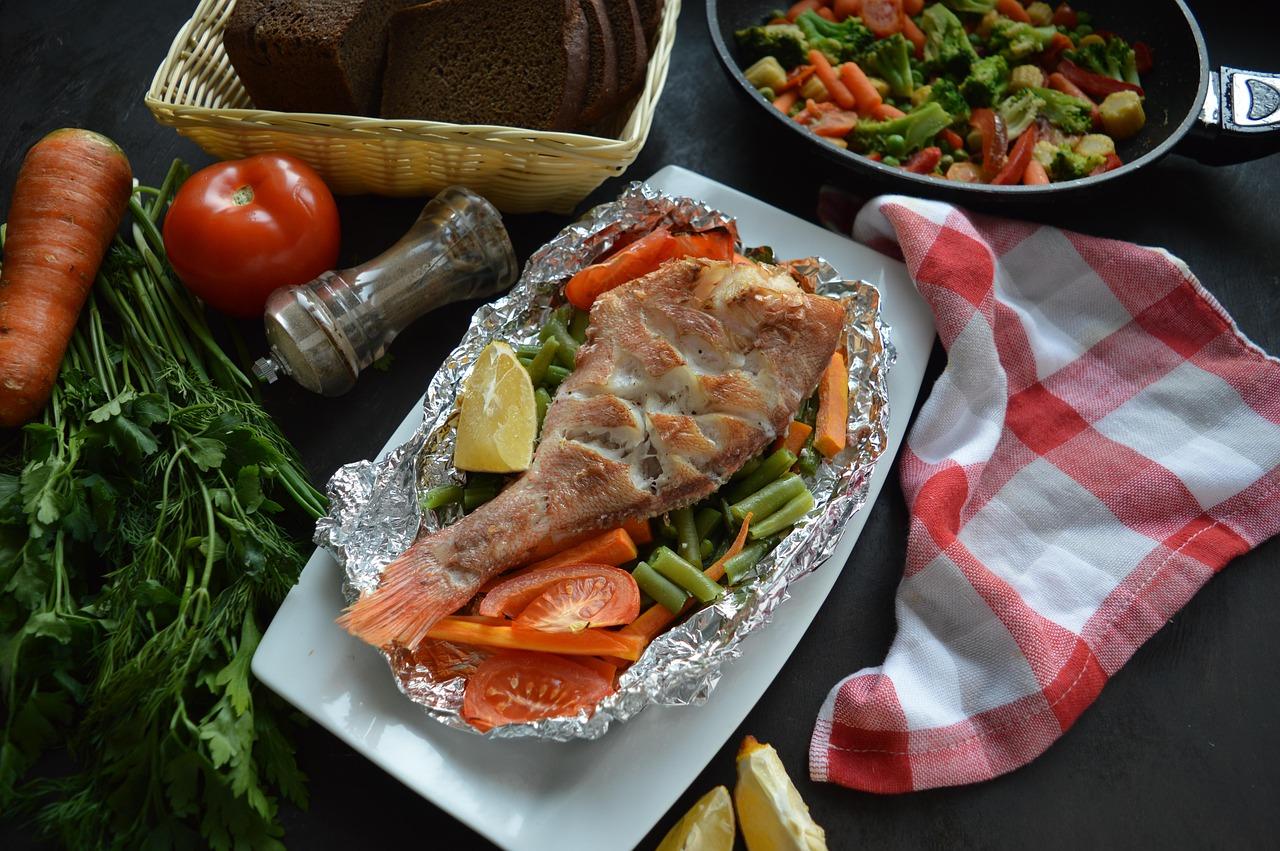
Along the Gulf coast of Veracruz, pescado empapelado is a weekday lunch and a Lenten Friday favourite: a fillet of snapper or other white fish is sealed in paper or foil with tomato, onion, peppers, olives, capers and herbs, then baked so it steams in its own juices. Each person opens their own fragrant parcel at the table. A portion gives about 32 g of protein, from the fish, for around 250 kcal. The common mistake is a loose parcel: if the edges aren't crimped tightly the steam escapes and the fish bakes dry, so fold and pinch the edges all the way round. The fish is done when it is opaque and flakes easily at the thickest point (63 °C). Chef's tip: slice the vegetables thinly and lay them under the fish as well as on top; they cook in the same 15 minutes and keep the fillet off the hot paper.

by KrazyBadal 0 views

Quelites guisadosSautéed wild greens

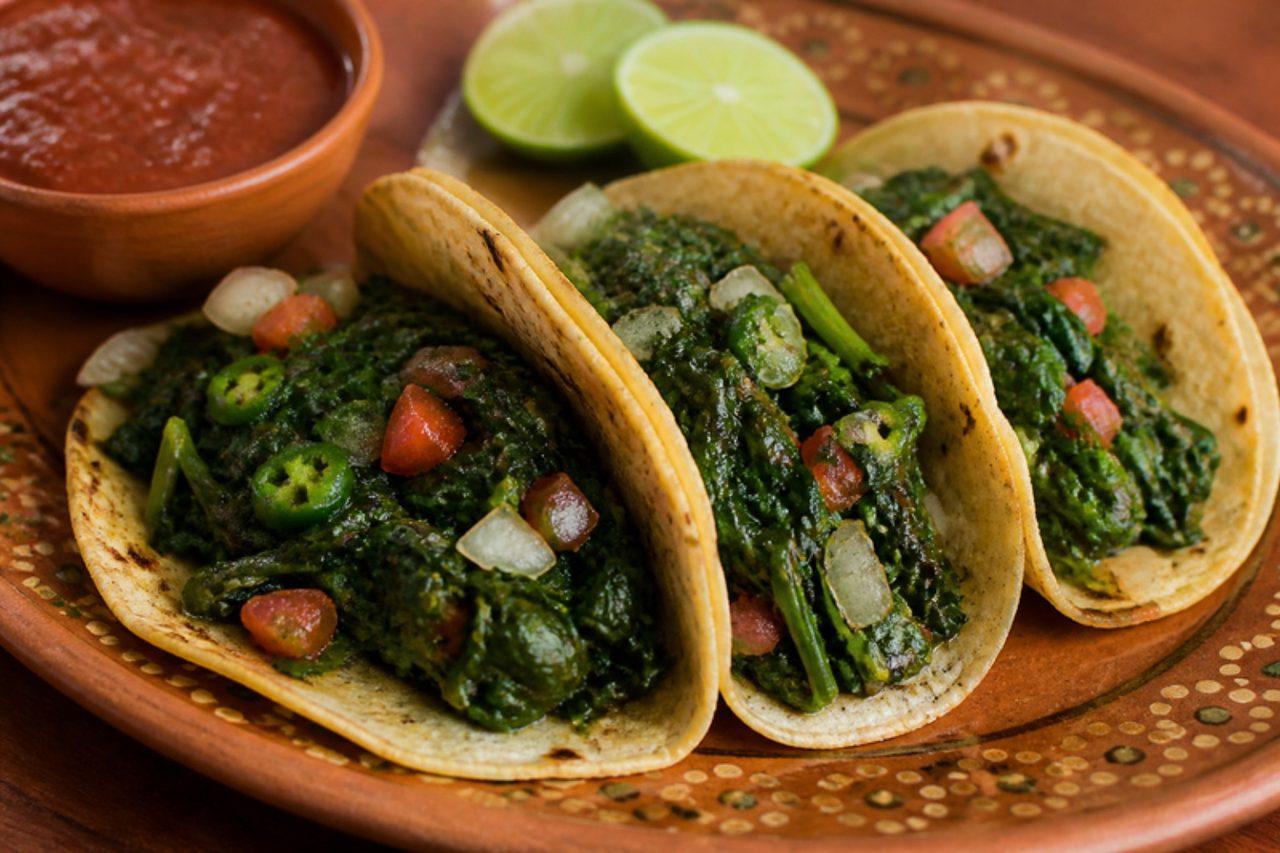
Quelites is the Nahuatl-rooted word for the edible wild greens of central Mexico, such as quintoniles (amaranth), verdolagas (purslane) and huauzontle, and in the markets of Mexico City, Puebla and Tlaxcala they are sold by the bunch in the rainy season and cooked this way for everyday lunches. The greens are blanched, then sautéed with onion, garlic, tomato and serrano chilli until soft and savoury, and piled into hot corn tortillas with salsa and, if you like, crumbled fresh cheese. Without cheese it is vegan, with about 6 g of protein per portion including two tortillas. The common mistake is leaving the greens wet: they steam and turn watery instead of frying. Spinach, chard or amaranth leaves work if you can't find quelites. Chef's tip: cut the serrano in half lengthways and fry it with the onion; it flavours the oil gently and you can lift it out if it's too hot.

by KrazyBadal 0 views

SsambapRice wrapped in leaves

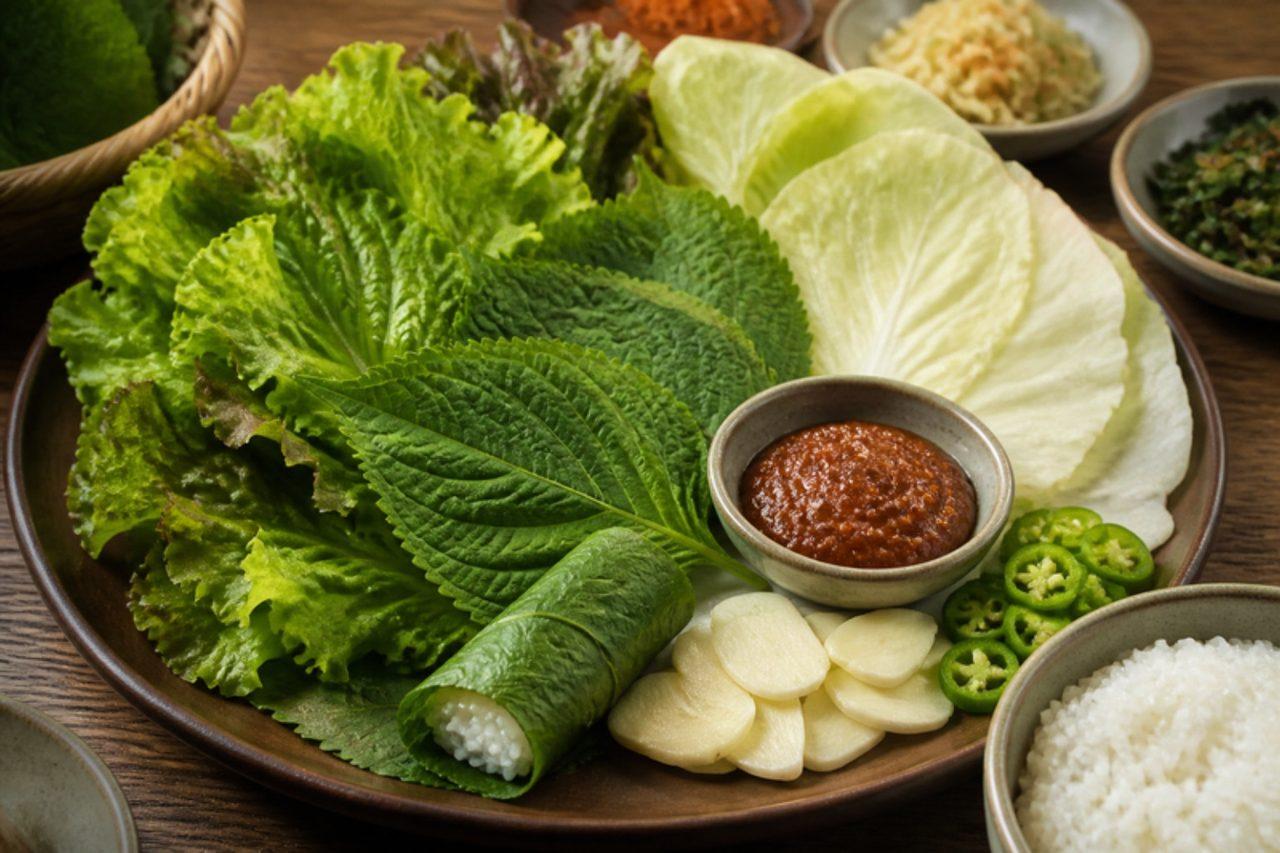
Ssambap means wrapped rice, and in Korean homes it is the lazy, happy dinner of high summer, when the garden is full of lettuce and perilla: a basket of leaves, a bowl of rice and a pot of thick ssamjang go on the table and everyone builds little parcels. Steamed cabbage leaves are added in winter. It is a light meal of about 360 kcal, with roughly 10 g of protein a portion from the rice, doenjang and walnuts, so it is not a high-protein dish. The usual mistake is overfilling the leaf; a parcel should be one bite, so use a small spoon of rice. Most gochujang contains wheat, so it isn't gluten free. Chef's tip: lay a perilla leaf on top of the lettuce before adding rice; its minty, anise flavour lifts every mouthful.

by KrazyBadal 0 views

Caldo xóchitlChicken, rice and chickpea broth

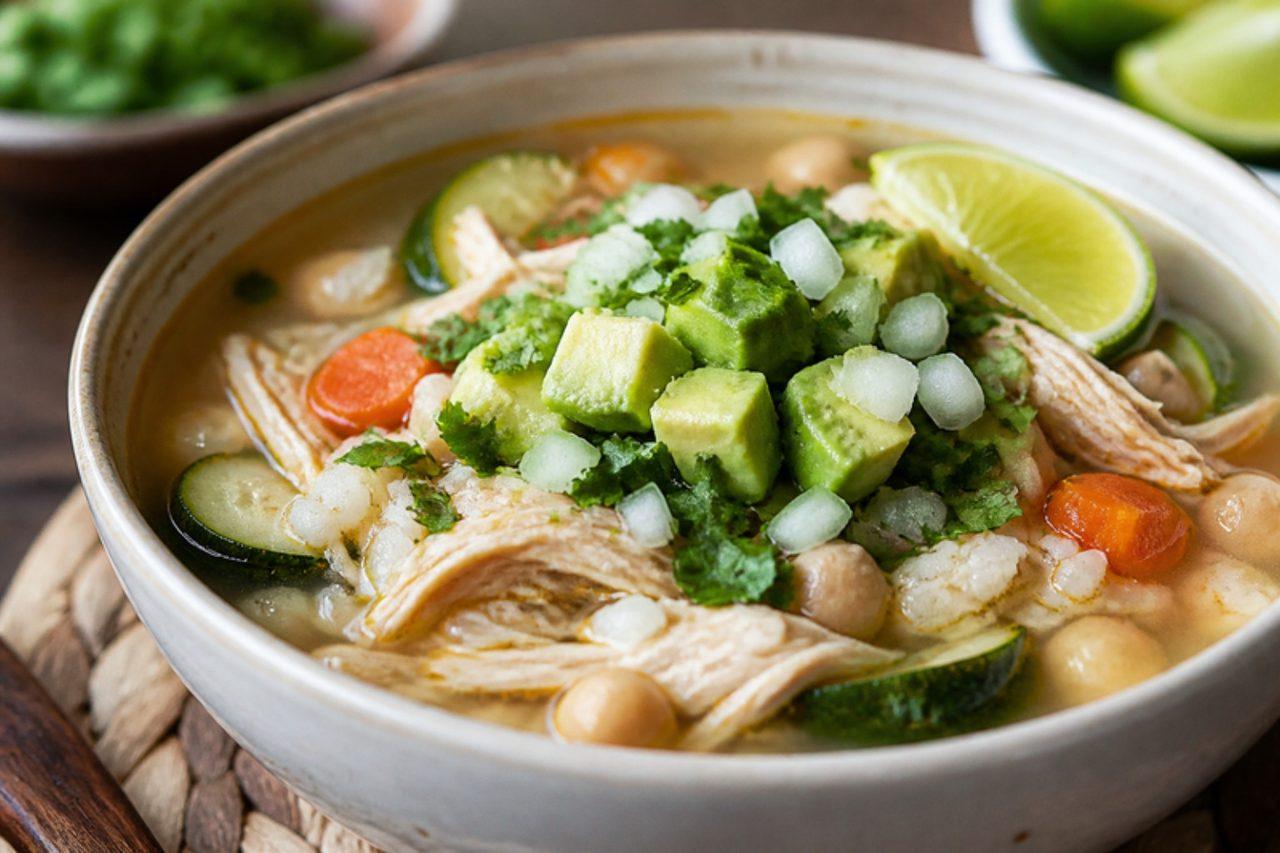
Caldo xóchitl, named after the Nahuatl word for flower, is the restorative chicken soup of Mexico City's fondas and markets, eaten at lunch on cool days, after a late night or when someone is unwell. A clear broth with chicken, rice, chickpeas, courgette and carrot is served with a spread of chopped onion, coriander, serrano chilli, avocado and lime so everyone builds their own bowl. A portion gives about 24 g of protein, from the chicken and chickpeas, for around 360 kcal. The common mistake is boiling it hard, which clouds the broth and toughens the chicken; keep it at a lazy simmer and skim the foam. The chicken must reach 74 °C in the thickest part and the meat should pull easily from the bone. Chef's tip: cook the rice in the broth only for the last 18 minutes and serve straight away; left to sit, it drinks up the broth and turns soft.

by KrazyBadal 0 views

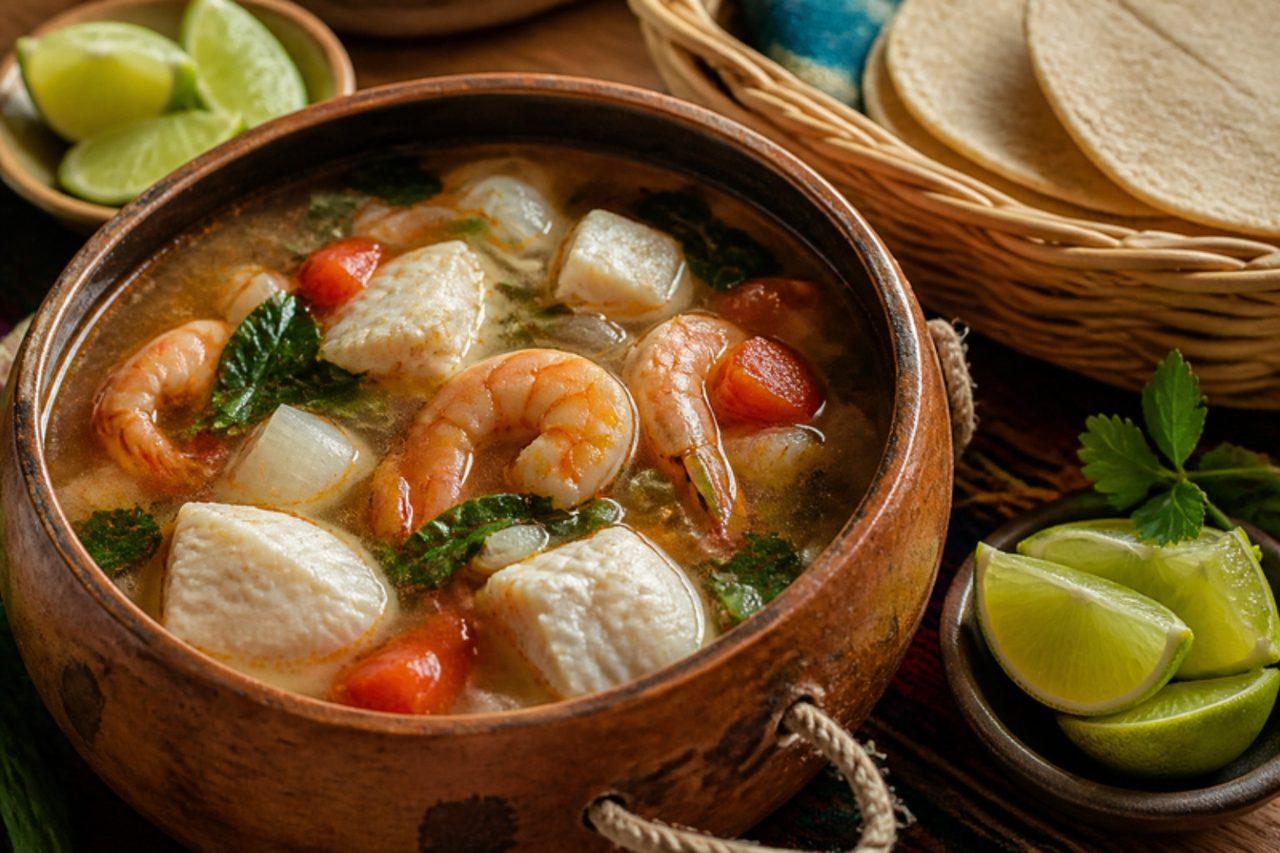
Caldo de piedraFish and tomato stone soup

Caldo de piedra comes from San Felipe Usila in the Chinantla of northern Oaxaca, where Chinantec men cook it by the river: fish, tomato, chilli and epazote go into a gourd bowl of water and red-hot river stones are dropped in to bring it to a fierce boil in seconds. It is eaten as a celebration and every year at a festival in the village. Heating stones at home is dangerous (wet or porous stones can crack or burst), so this version brings a heavy pot to a hard boil first and cooks the fish just as briefly. A portion gives about 38 g of protein, from the fish and prawns, for roughly 260 kcal. The common mistake is letting the fish boil on: it is done in 3–4 minutes, when it turns opaque and flakes, and after that it falls apart. Chef's tip: blend the tomato, onion and chilli raw; the broth tastes fresh and sharp, closer to the riverside original than a cooked sauce.

by KrazyBadal 0 views

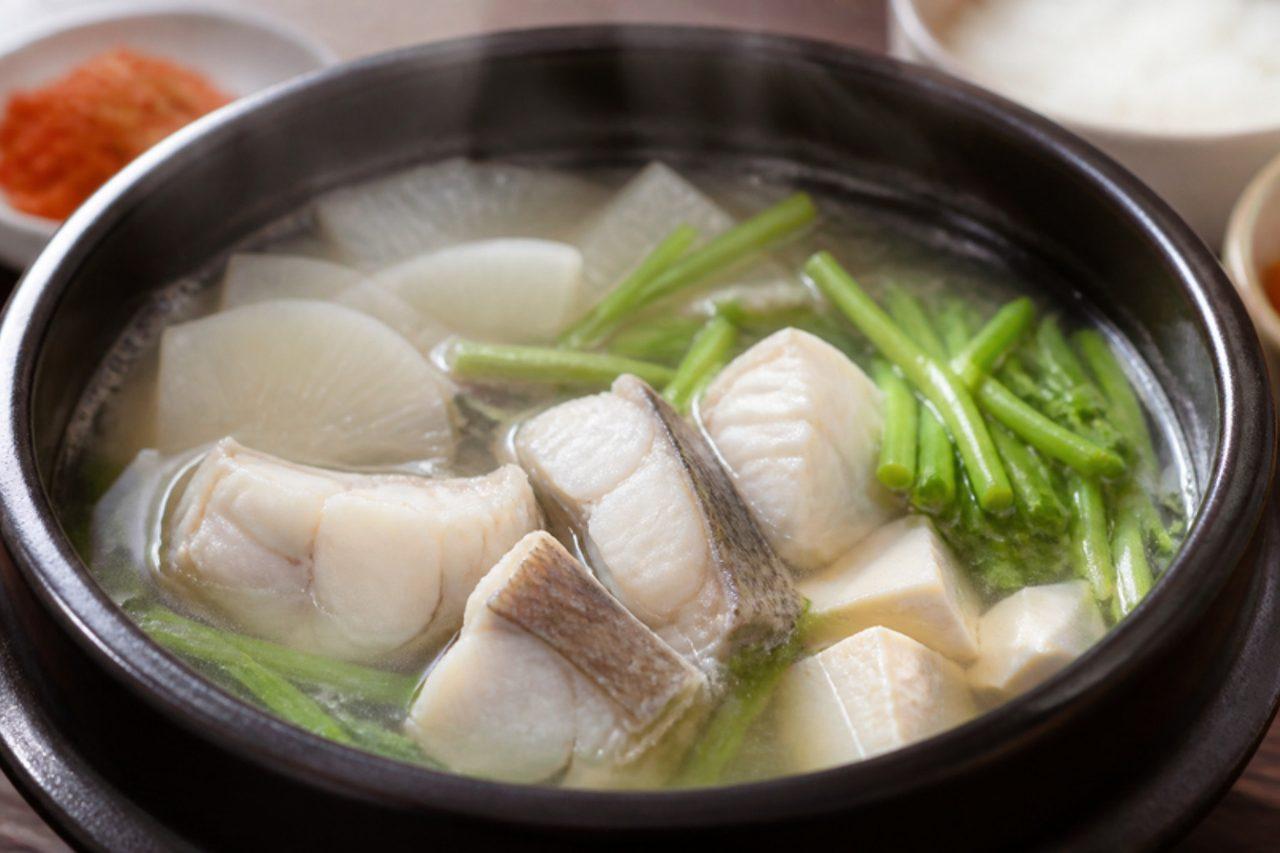
Daegu jiriClear cod soup

In Busan and the fishing towns along Korea's south coast, daegu jiri is the clear, unspicy cod soup that people order in winter, and famously the morning after a long night out. Chunks of cod simmer in an anchovy and kelp broth with soft radish, tofu and garlic, then a big handful of minari (water dropwort) goes in at the end for a fresh, peppery lift. It tastes clean and gently savoury, with about 32 g of protein a bowl from the cod and tofu. The common mistake is stirring after the fish goes in, which breaks it into shreds; just shake the pot. Chef's tip: let the radish simmer in the broth first until it turns translucent, because it gives the soup its sweetness.

by KrazyBadal 0 views

Raspados (Mexican shaved ice with fruit syrups)

In Guadalajara and the towns of Sinaloa, raspados are sold from carts and little shops from noon until late on hot days: a paper cup of finely shaved ice soaked in bright homemade syrups like tamarind, mango, strawberry and deep-red hibiscus, sometimes with fresh fruit and a squeeze of lime. They are the cheapest way to cool down, and children and adults line up alike. They are naturally egg-free and plant-based: there is nothing to set or bind, just fruit and sugar cooked into syrups thick enough to cling to the ice. The hibiscus is tart and floral, the mango sweet and thick, and the two side by side make a striking cup. Make the syrups and cool them quickly over iced water. Chef's tip: shave the ice as fine as you can and pour the syrup slowly; the common mistake is using coarse crushed ice, which lets the syrup run straight to the bottom.

by KrazyBadal 0 views

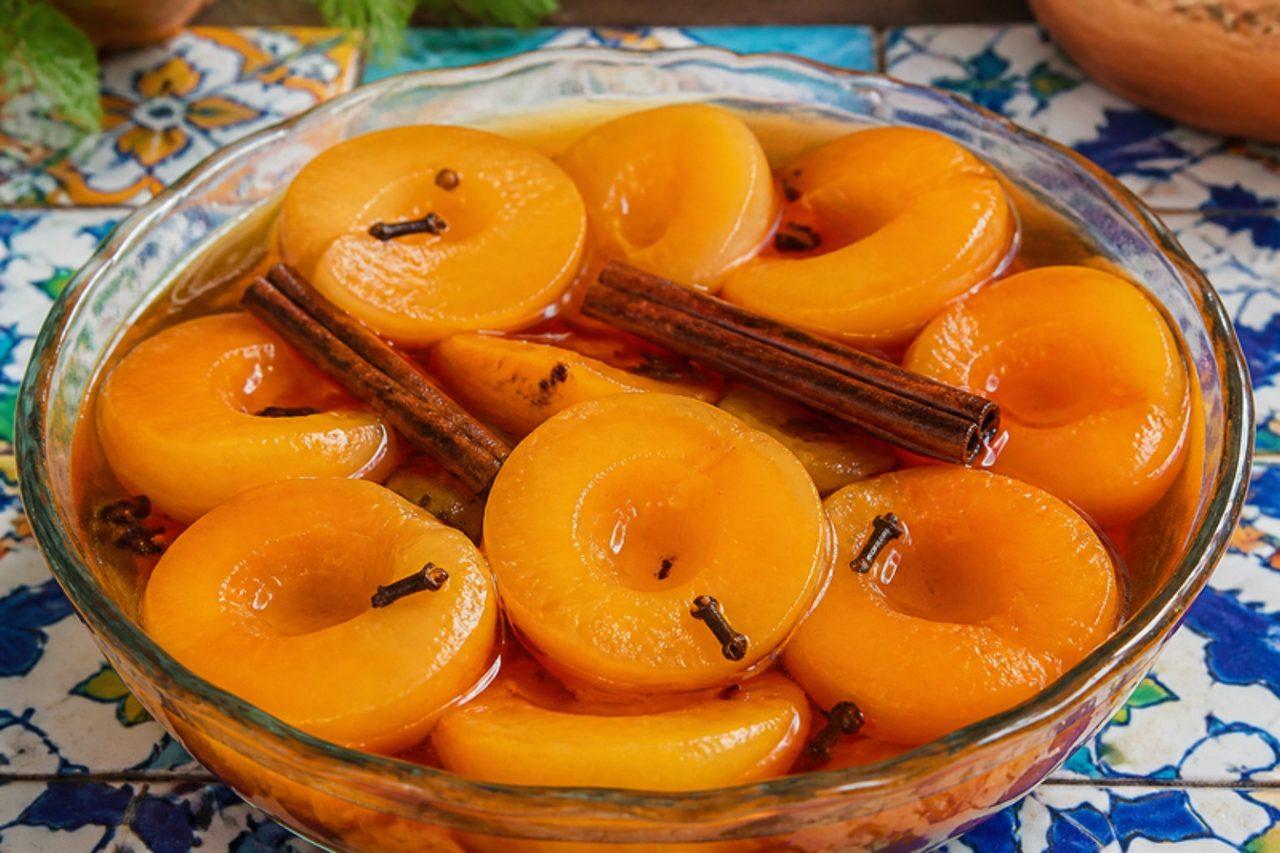
Duraznos en almíbar (Mexican peaches in piloncillo syrup)

Across Mexico, from the orchards of Zacatecas and Puebla to every abuela's pantry, duraznos en almíbar are how the summer peach crop is kept, and a bowl of them chilled from the fridge is a classic Sunday dessert. Peeled peach halves are poached in a syrup of piloncillo, the cone-shaped raw cane sugar, with cinnamon and cloves, so they turn tender and glossy and soak up a warm, molasses-like sweetness. Serve them cold in their syrup, on their own, or with a spoon of crema or thick yoghurt. Nothing needs setting and no egg is involved: the fruit simply poaches in the sugar syrup, which thickens lightly as it cools. Chef's tip: choose ripe but firm peaches and poach them gently; the common mistake is boiling the syrup hard, which turns the halves ragged and stringy.

by KrazyBadal 0 views

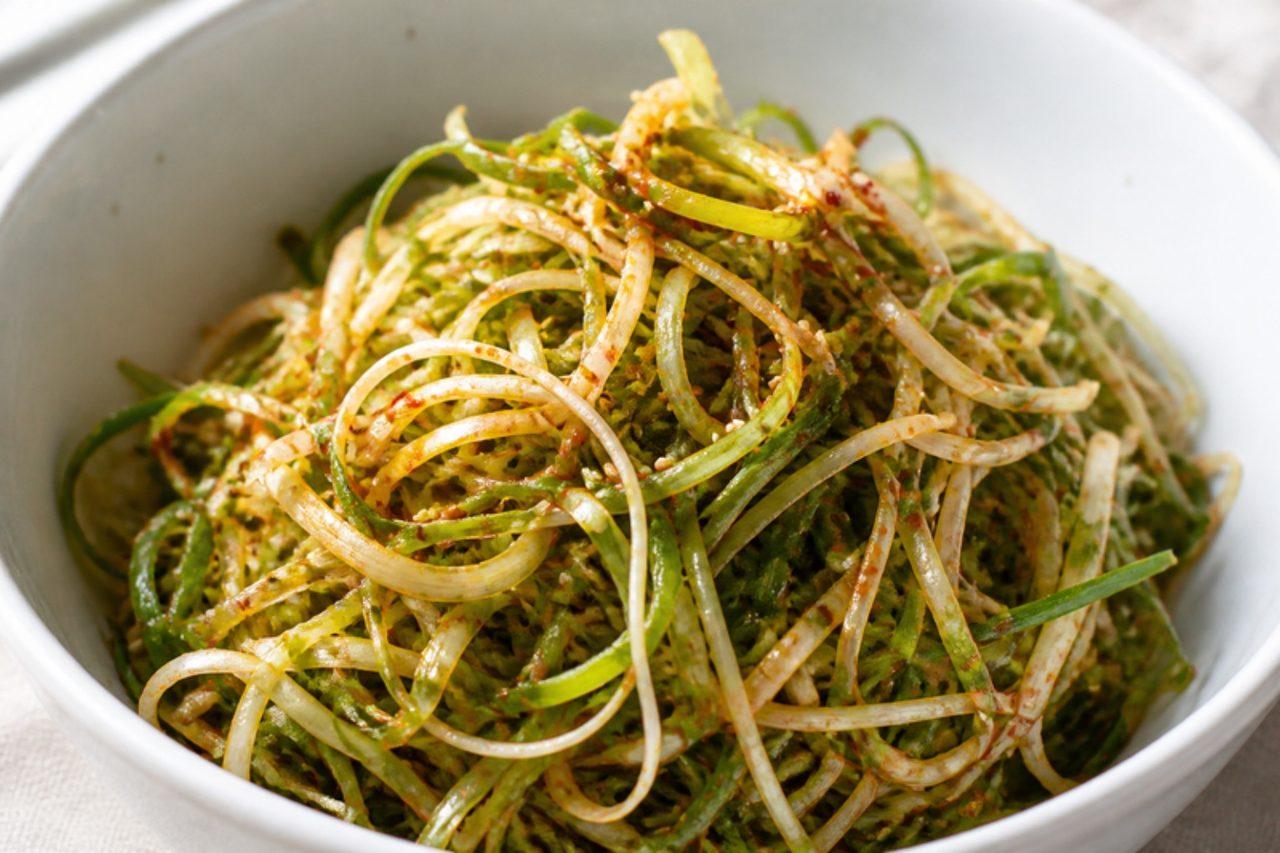
Pa muchimSpring onion salad

Pa muchim is the tangle of sharp, spicy spring onion that arrives with barbecue in restaurants all over Korea, from Seoul to Busan, and it is just as good at home beside grilled tofu, mushrooms or a rice bowl. Spring onion is shredded into long, thin threads, rinsed in cold water to tame its bite, then dressed at the last moment with chilli flakes, vinegar, soy, sugar and sesame. It is a light, vegan side with about 2 g of protein per portion. The common mistake is dressing it too early: after 10 minutes the onion wilts and weeps. Chef's tip: soak the shredded onion in iced water for 10 minutes before dressing; it curls, crisps and loses its harsh raw heat.

by KrazyBadal 0 views

Subak hwachae (Korean watermelon punch)

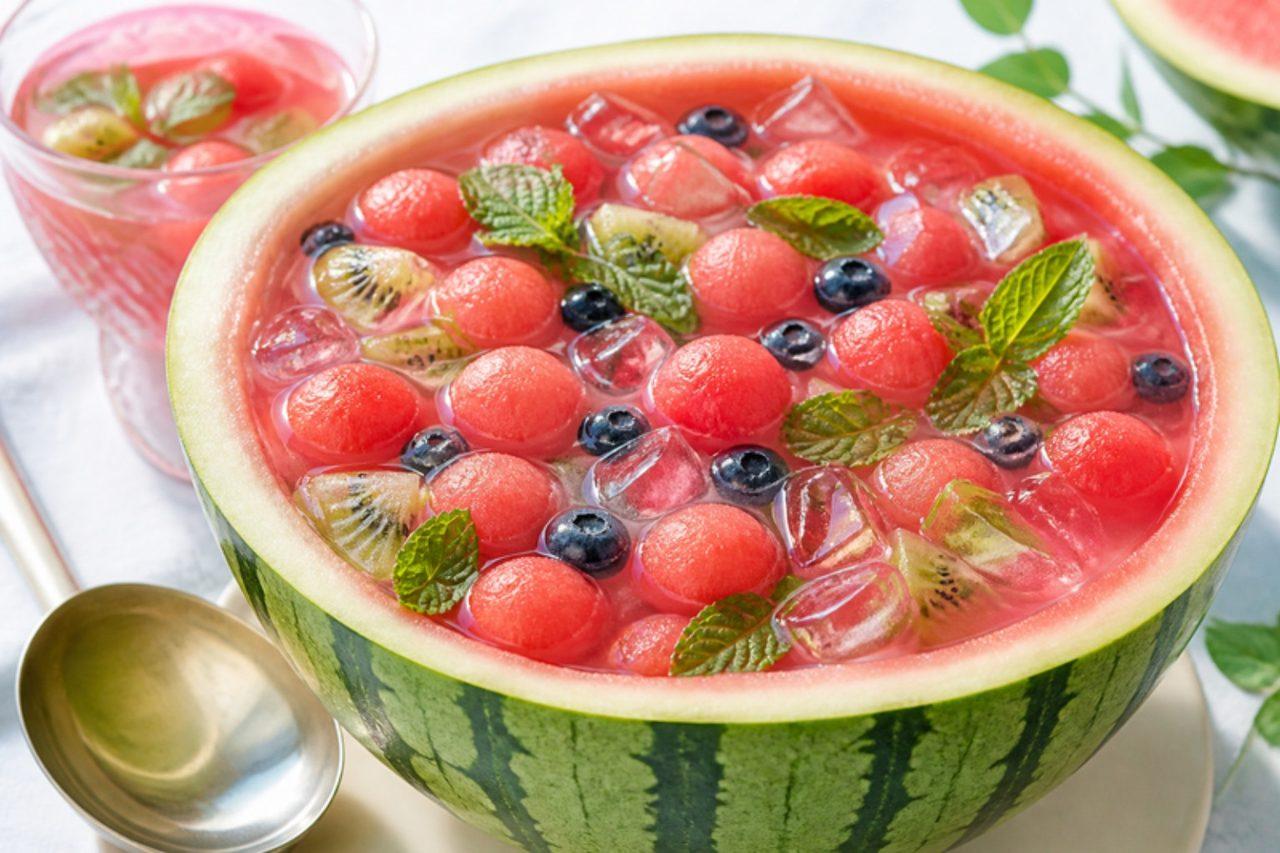
Subak hwachae is the cooling bowl Koreans set out on the hottest days of summer, especially around Boknal, the dog days of July and August, when families gather and eat from a hollowed-out watermelon shell. Balls of watermelon and other fruit float in chilled watermelon juice lightly sweetened and sharpened with lemon, with sparkling water for fizz and plenty of ice. It is refreshing, juicy and only gently sweet. Serve it straight away in small bowls with a spoon, after a barbecue or a spicy meal. This version is egg-free and dairy-free, and nothing needs binding or setting, as it is simply fruit in its own juice. Some modern versions add milk or a fizzy lemon soda; this one keeps it light with sugar syrup and sparkling water. Chef's tip: chill the fruit and juice for at least an hour before adding the fizz; the common mistake is relying on ice alone, which melts and waters the punch down.

by KrazyBadal 0 views

Showing 24 of 802 recipes

Show more recipes

Page 1 of 34