Skip to content
Recipes

All recipes

Vegetarian, or something you can't eat? Set your diet once and we'll hide recipes that don't fit.

Fried courgette with garlic mayonnaise

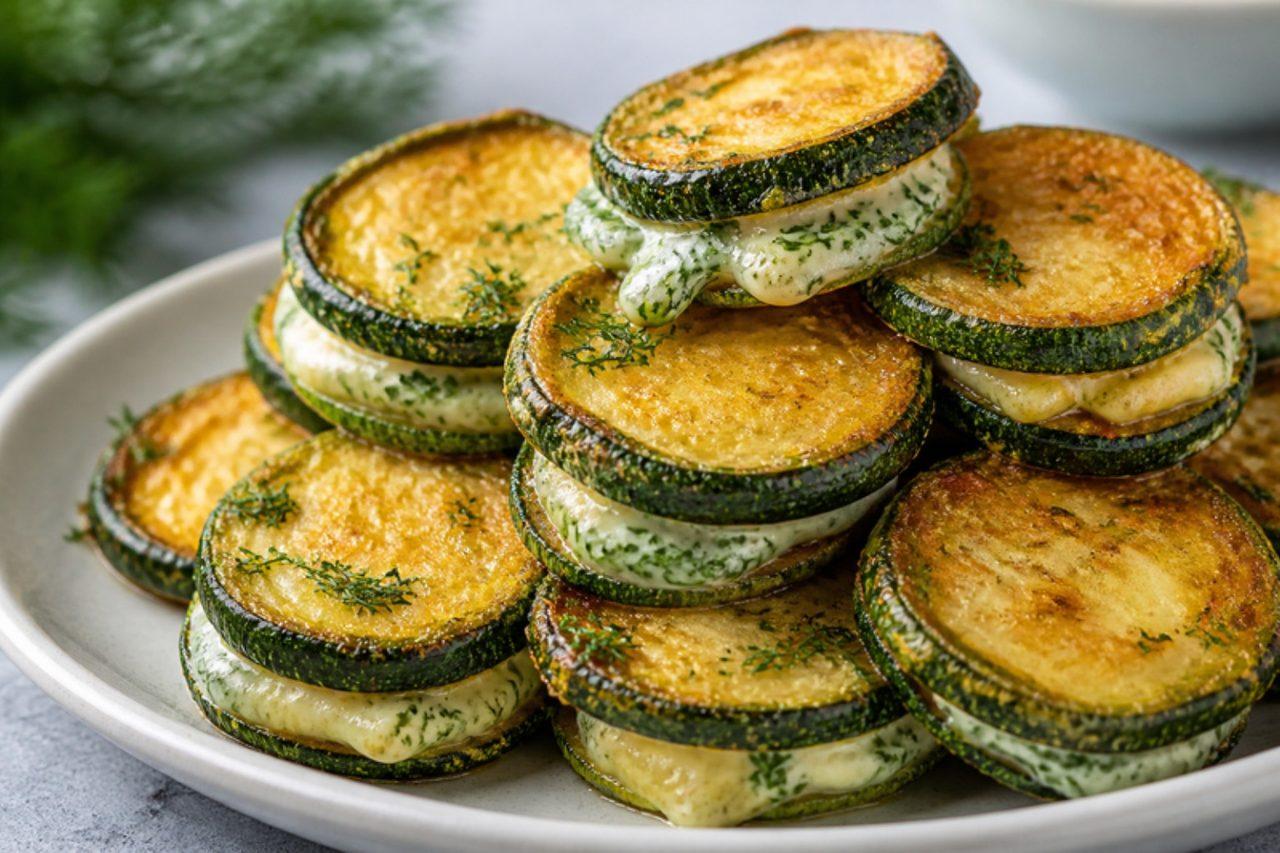
When the dacha beds in the Moscow region overflow with courgettes in July, this is what appears on the veranda table: rounds of courgette dusted in flour, fried until golden, then stacked in a dish with garlicky mayonnaise, tomato slices and dill. It is served cool as a zakuska with bread or beside new potatoes, and it tastes even better after an hour in the fridge. The common mistake is cutting the slices too thin, so they fall apart and soak up oil. Chef's tip: salt the slices for ten minutes and pat them dry before flouring; they fry crisper and spit far less.

by KrazyBadal 0 views
Sprat butterbrods

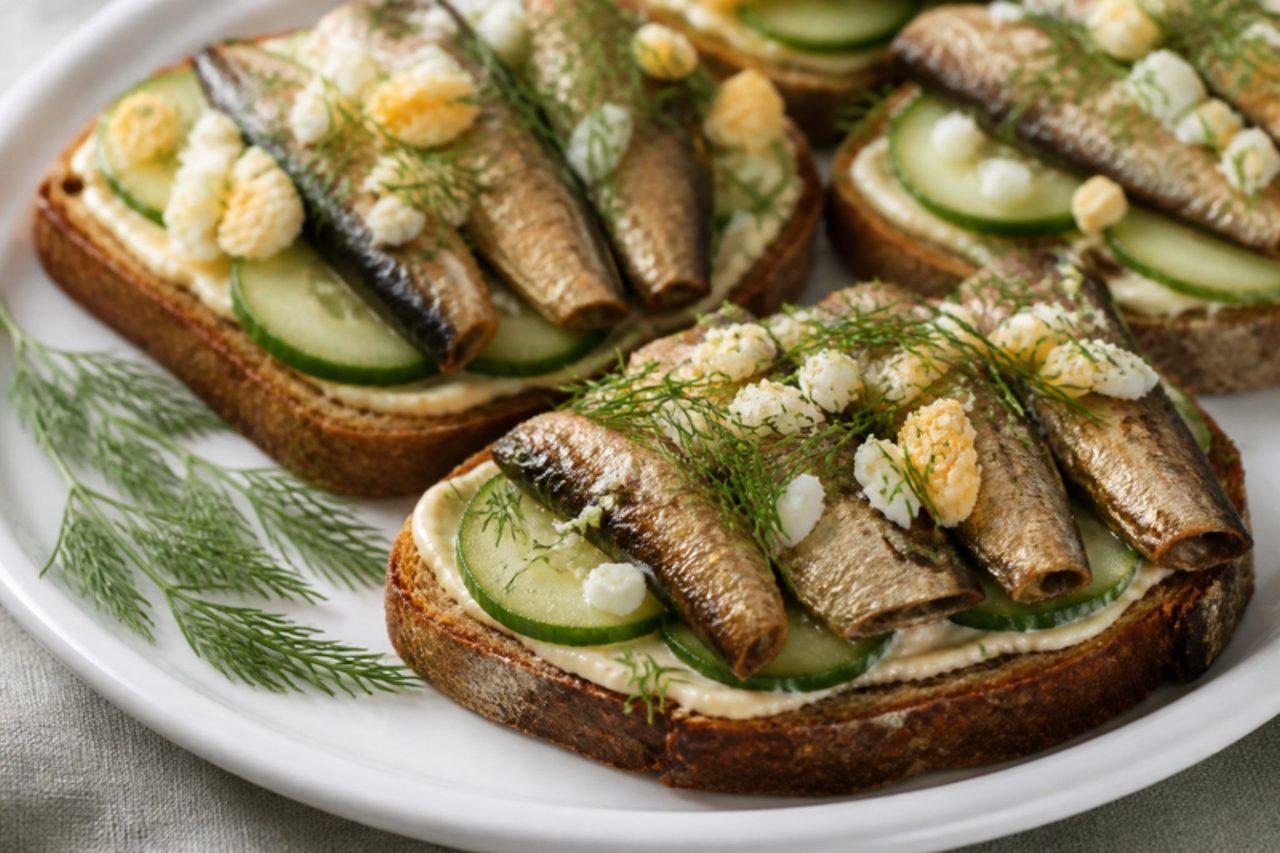
A golden tin of Baltic smoked sprats was once a prized find in Soviet shops, saved for birthdays and New Year's Eve, and sprat butterbrods are still the first plate on many Russian holiday tables. Toasted slices of baguette or rye are spread with garlic mayonnaise and topped with cucumber, a slice of egg and two glossy little fish, eaten standing up with the first toast of the evening. Smoked sprats are ready to eat, but like all smoked fish they are not for pregnant women, young children or anyone with a weakened immune system unless heated until steaming. The common mistake is assembling them hours ahead, which turns the bread soft. Chef's tip: toast the bread lightly in a dry pan so it stays crisp under the topping.

by KrazyBadal 0 views
GrenkiGarlic fried rye bread

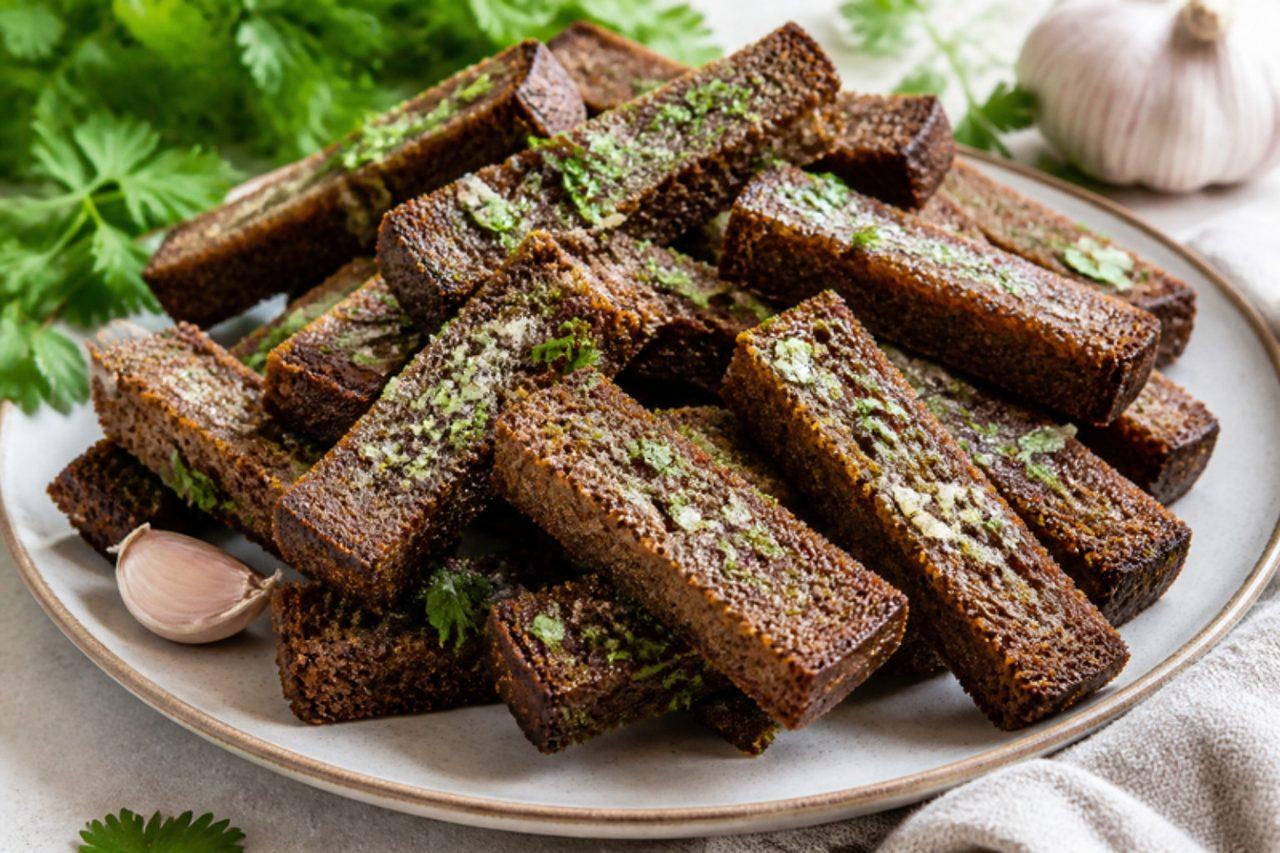
In Moscow bars and railway buffets a plate of grenki, strips of dark Borodinsky-style rye fried until crunchy and rubbed with raw garlic, comes with every order of kvass, and at home they are what you make with the end of the loaf on a Friday night. They are also dropped into bowls of pea soup or borscht. The bread should be crisp outside and still a little chewy in the middle. The common mistake is rubbing the garlic on cold bread: it only works while the toast is hot and rough. Chef's tip: use bread a day or two old; fresh rye soaks up oil like a sponge.

by KrazyBadal 0 views
Prague cake

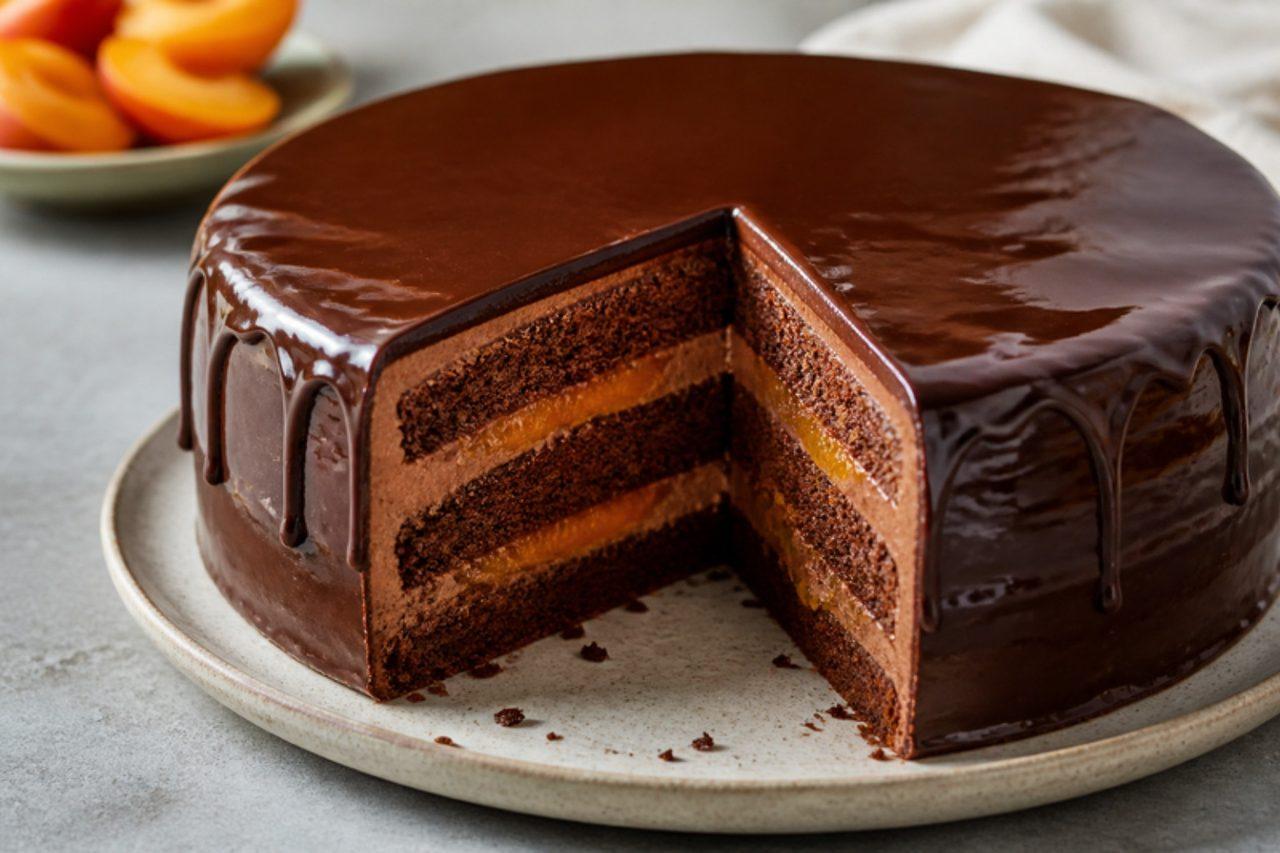
Despite its name, Prague cake was born in Moscow, created in the 1950s by the confectioner at the Praga restaurant on the Arbat, and it became one of the most coveted cakes of Soviet celebrations. Three layers of dark sour-cream chocolate sponge are sandwiched with silky chocolate buttercream made with condensed milk, then brushed with apricot jam and covered in a shiny chocolate glaze. It is served for anniversaries and birthdays in thin slices with black tea. The common mistake is glazing a warm cake, so the glaze slides off the sides. Chef's tip: chill the filled cake for an hour before the jam and glaze go on; the surface sets smooth and glossy.

by KrazyBadal 0 views
Kartofelnaya zapekankaBaked mashed potato

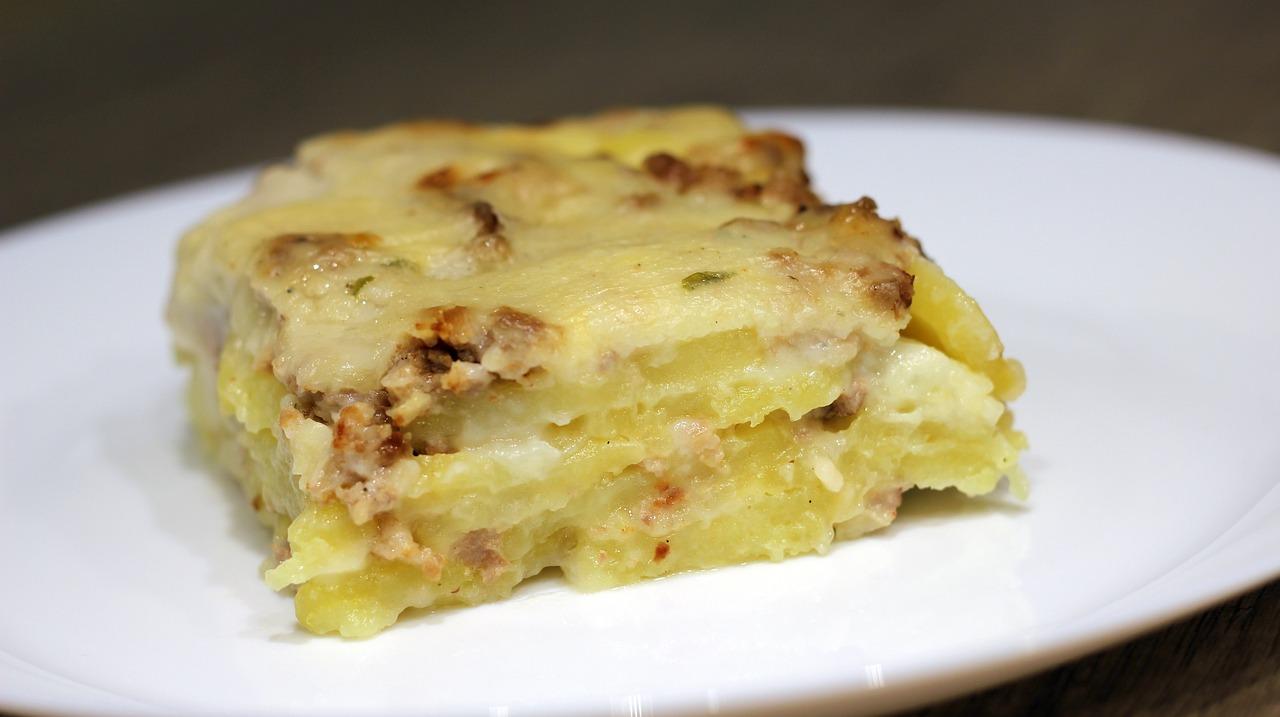
Kindergarten kitchens across the USSR baked this in huge trays, and it is still the Wednesday supper many Russians remember: a layer of soft mashed potato, a layer of minced beef fried with onion, more mash on top, brushed with egg and sour cream so it browns in the oven. It is Russia's answer to cottage pie, eaten with pickled cucumbers or a beetroot salad. For a vegetarian version, swap the mince for 500 g chopped mushrooms fried until dry. The common mistake is a wet mince layer, which makes the potato slide off when you cut it. Chef's tip: let the bake rest for ten minutes after it leaves the oven; it slices into neat squares instead of collapsing.

by KrazyBadal 0 views
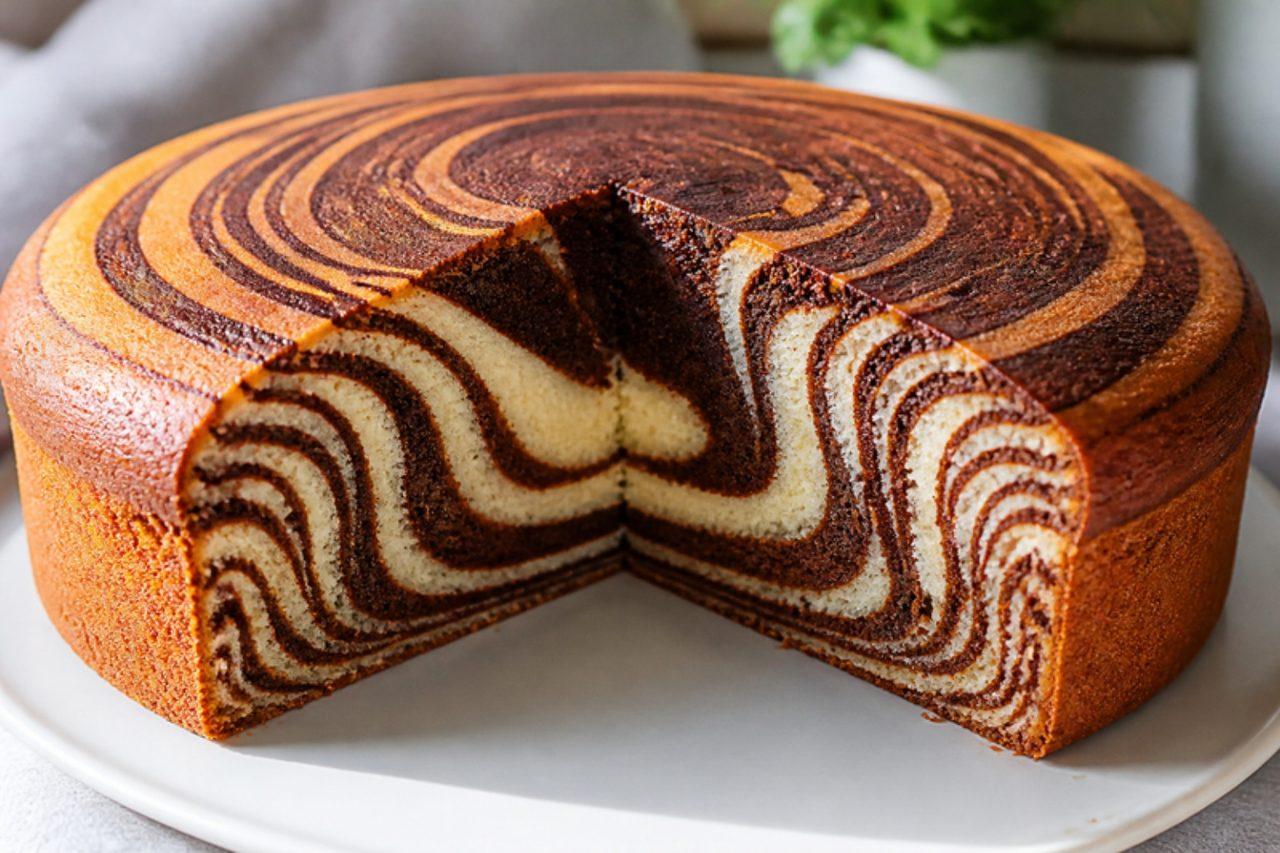
Zebra cake

Russian mothers learned the trick of zebra cake from Soviet women's magazines in the 1980s: spoon a vanilla and a cocoa batter alternately into the centre of the tin and the rings spread out by themselves into stripes. Cut open at a birthday tea or on a Sunday afternoon in Moscow flats, it always draws a gasp from children. The sponge is made with sour cream, so it stays moist for days. The common mistake is spreading the batter with a spoon, which smears the stripes. Chef's tip: drop each spoonful exactly in the middle of the previous one and let gravity do the work.

by KrazyBadal 0 views

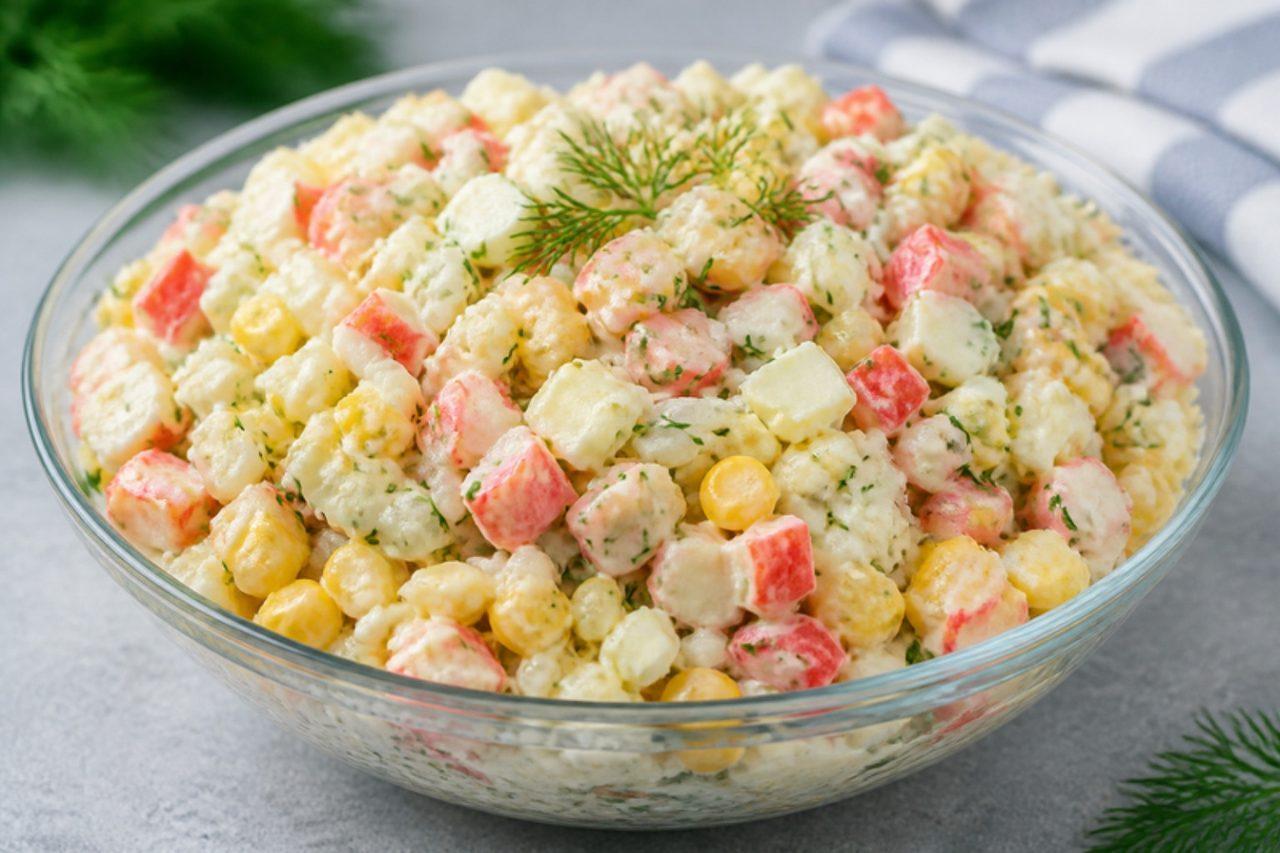
Crab stick salad

On 31 December, alongside Olivier and herring under a fur coat, almost every Russian table carries a bowl of crab stick salad. It arrived in the 1980s when cheap crab sticks reached Soviet shops, and it stayed: chopped surimi, hard-boiled egg, sweetcorn, cucumber and rice bound in mayonnaise, eaten through the New Year holidays. Crab sticks are made from white fish, so this salad is not vegetarian; check the label if you need it gluten free, as some brands add wheat starch. The common mistake is dressing it hours ahead, which makes the rice soggy and the cucumber watery. Chef's tip: mix everything except the mayonnaise in advance and stir that in just before the salad goes on the table.

by KrazyBadal 0 views

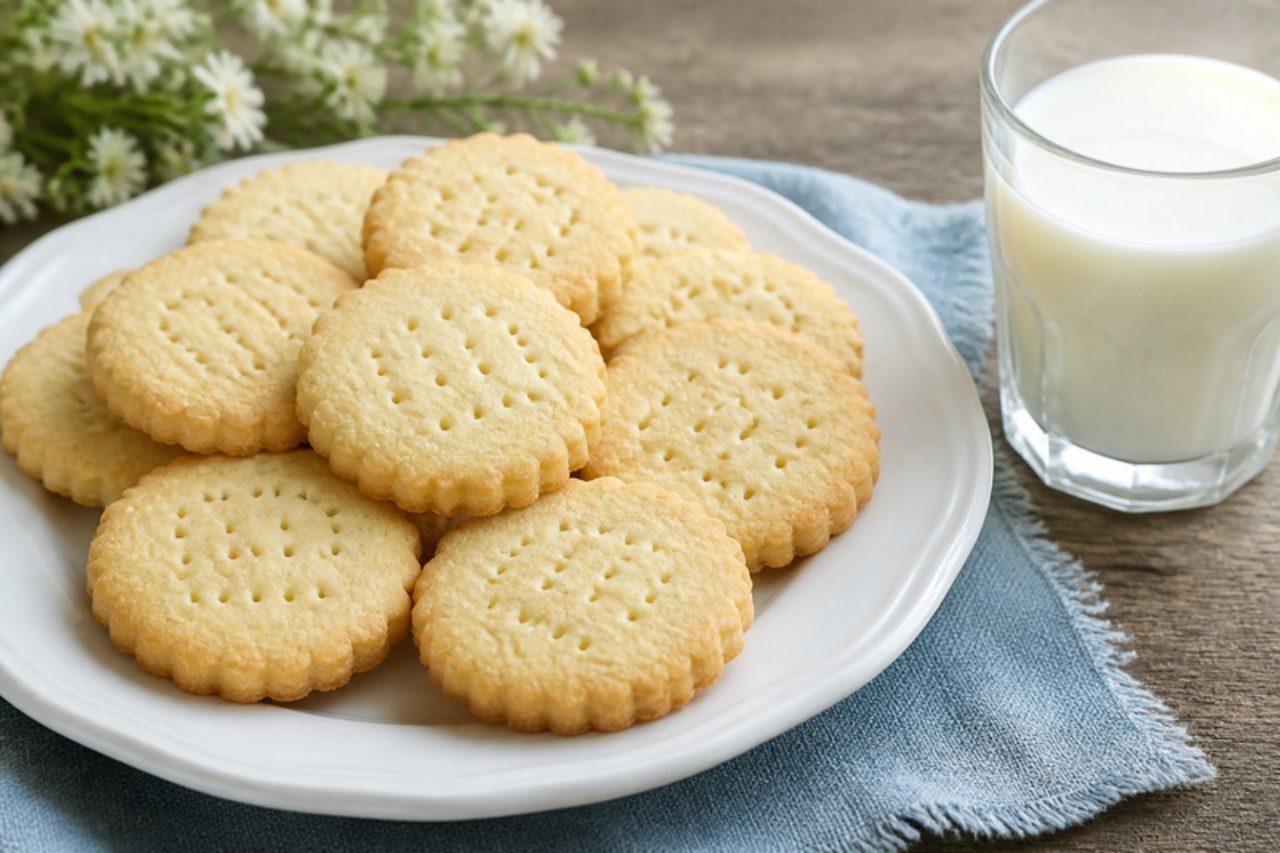
KorzhikiShortbread rounds

Every Soviet schoolchild knew korzhiki, the plump scalloped biscuits sold at the canteen counter for a few kopecks with a glass of milk. Made with sour cream and a little honey, they are firm on the outside and soft and cakey inside, pale gold, with a fork-pricked top. Russians still bake them at home for after-school snacks. The common mistake is rolling the dough too thin, which makes hard biscuits instead of soft little cakes. Chef's tip: roll to a full 8 mm and pull them from the oven while the edges are still pale; they firm up as they cool.

by KrazyBadal 0 views

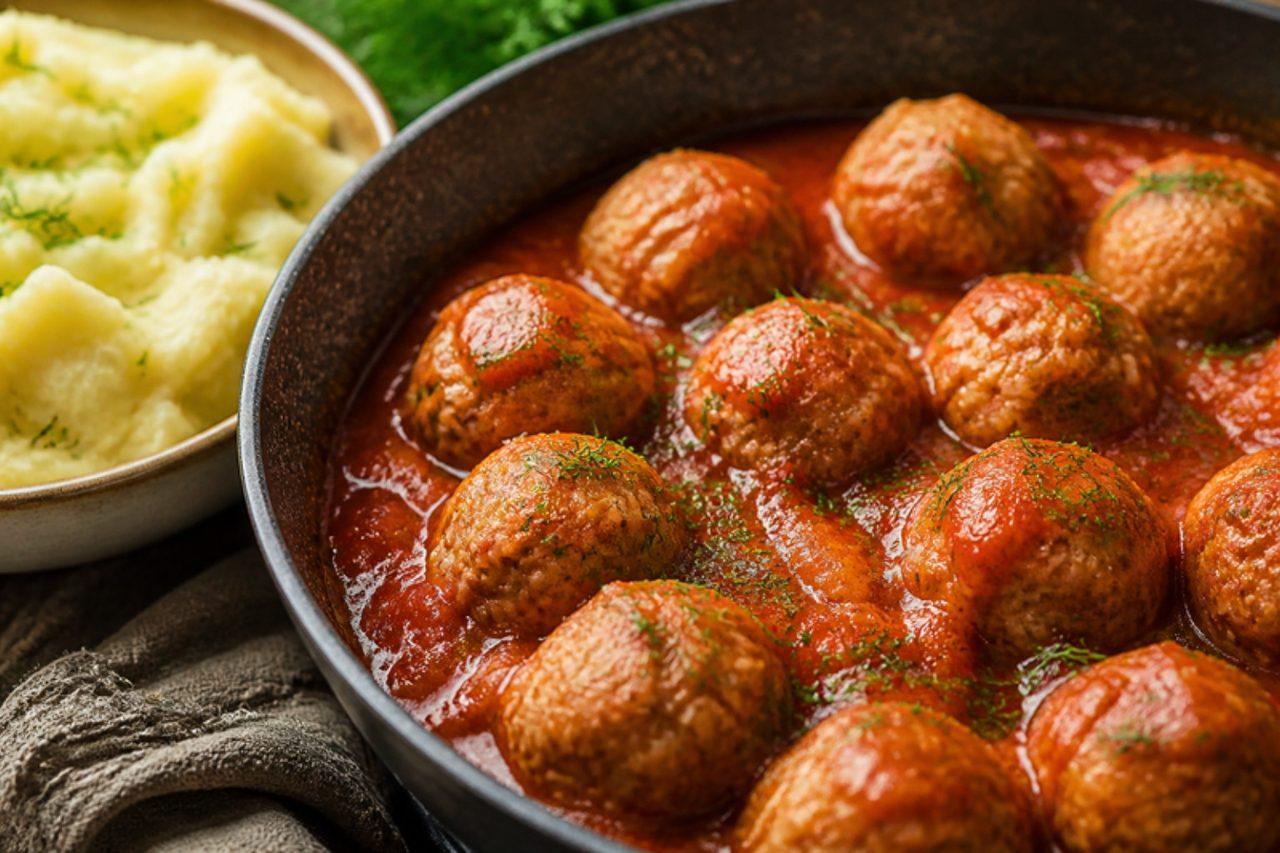
TefteliMeatballs in tomato sauce

Ask anyone who went to a Soviet school canteen and they will remember tefteli: soft meatballs studded with rice, served in a ladle of tomato sauce with buckwheat or mashed potato. They are still the go-to dinner for small children from Moscow to Yekaterinburg because they are tender enough to cut with a spoon. They are softer and plainer than kotlety and are always cooked in sauce, never just fried. The common mistake is boiling the sauce hard, which breaks the meatballs apart. Chef's tip: roll each ball with wet hands and leave them in the fridge for 15 minutes before cooking; they hold together much better.

by KrazyBadal 0 views

RybnikFish pie

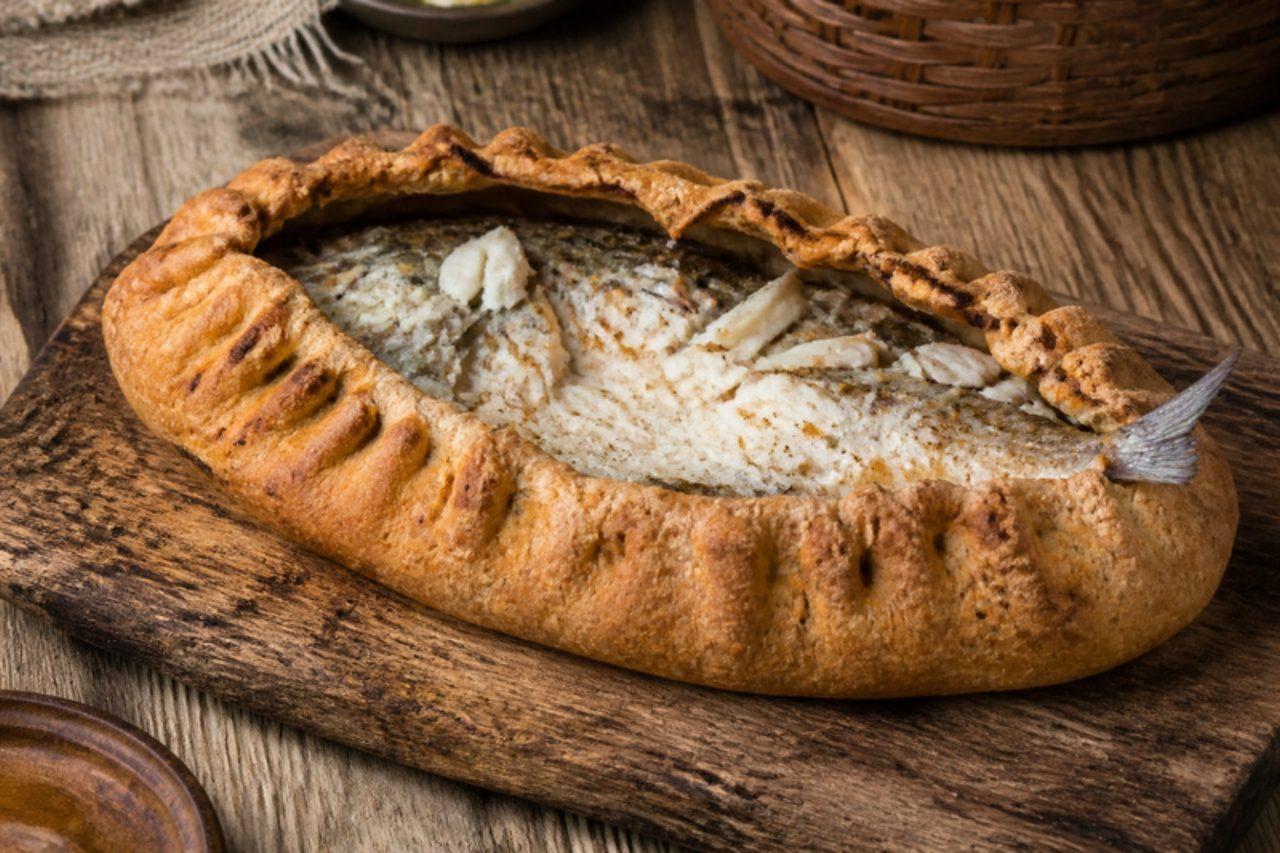
Along the shores of Lake Onega in Karelia and through the Russian North, rybnik is the Sunday and holiday pie: a whole cleaned fish, traditionally pike-perch, bream or whitefish, sealed in rye dough with butter and onion and baked until the crust turns into its own oven. At the table the top crust is cut away like a lid, the fish is eaten from the bones with the juices, and the crust soaked in them is the best part. The common mistake is underbaking, which leaves the fish raw by the spine. Chef's tip: use a fish no thicker than 4 cm and score it on both sides so the heat reaches the middle; it is done when the flesh is opaque and flakes from the bone.

120 minRussianFish
by KrazyBadal 0 views

BarankiTea bread rings

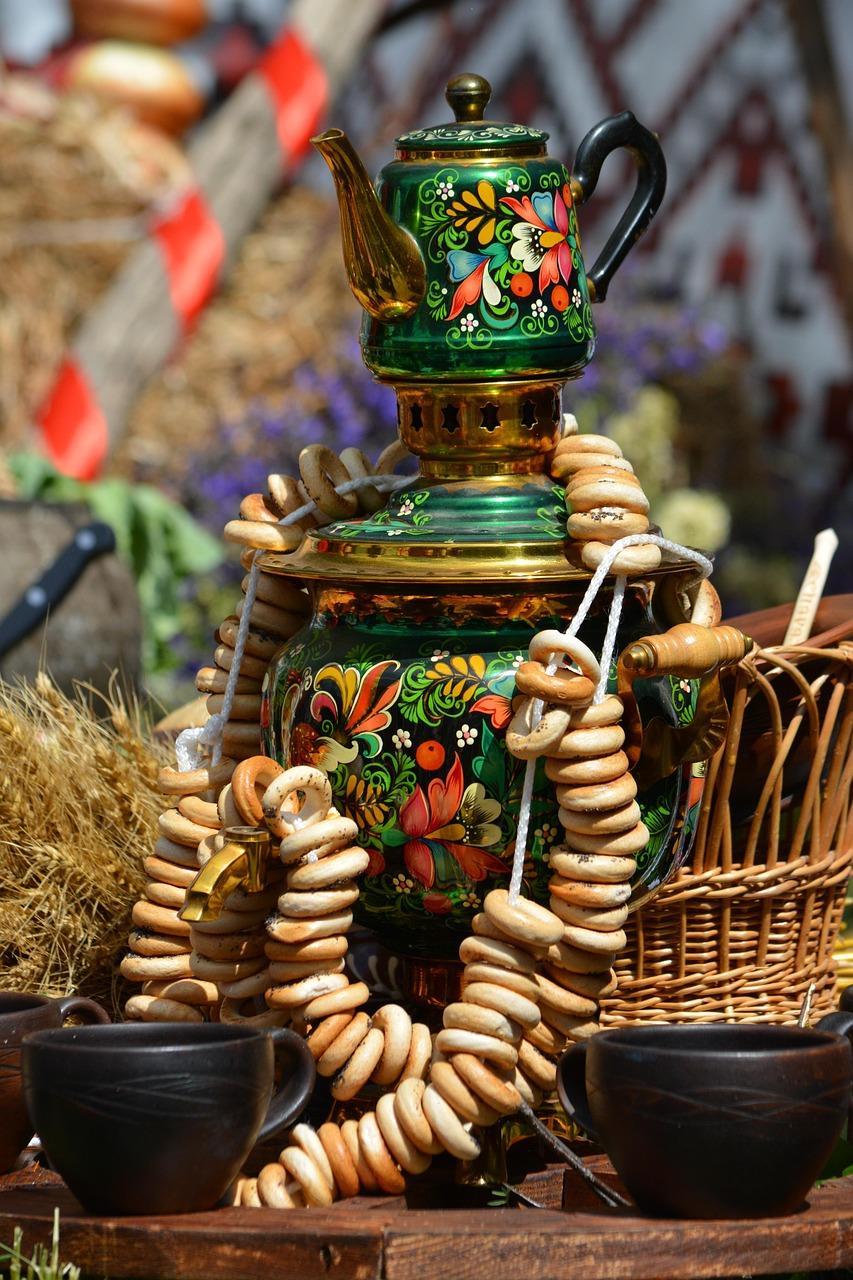
Strings of baranki once hung on poles at every Russian fair, and you still see them threaded on twine in Moscow markets and station kiosks. The dough is boiled briefly like a bagel, then baked until hard, golden and glossy, so the rings keep for weeks and soften only when dunked in hot, sweet tea from the samovar. This version is vegan, made with oil instead of butter and eggs. The common mistake is a soft, wet dough, which makes puffy bread rolls instead of crunchy rings. Chef's tip: knead the dough stiff and leave the shaped rings uncovered for 20 minutes to form a skin before boiling; that gives the shine.

by KrazyBadal 0 views

MuraveynikAnthill cake

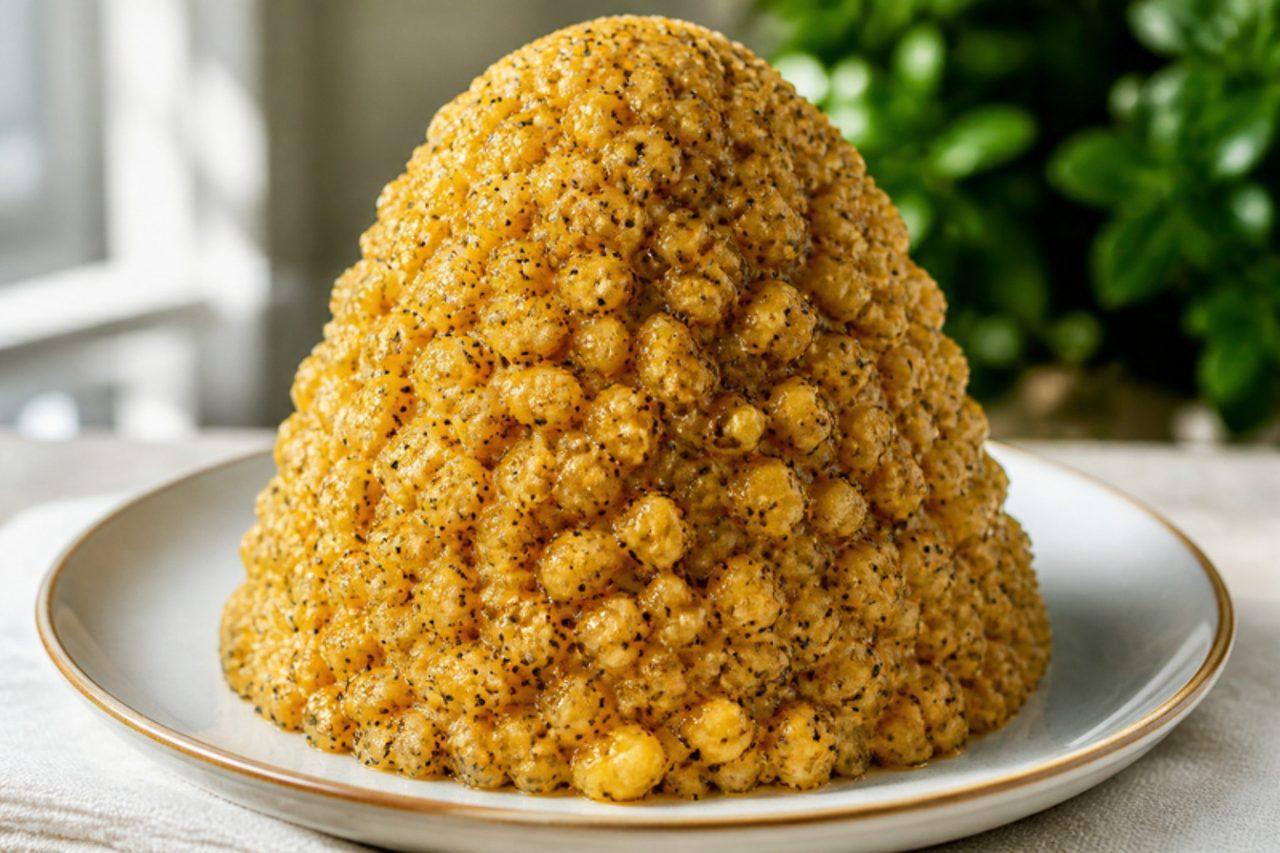
Muraveynik is the 'anthill' that Soviet home bakers built for birthdays when shop cakes were hard to come by: crisp shortbread is baked, broken into crumbs, bound with boiled condensed milk and butter, then heaped into a little mountain and sprinkled with poppy seeds for the ants. It needs no tin and no layering, sets in the fridge, and is still a favourite at children's parties from Moscow to Omsk. The common mistake is crumbling the biscuit too fine, which makes a dense block instead of a craggy, crunchy heap. Chef's tip: break the dough through the coarse holes of a mincer or grater before baking so the crumbs are uneven and crisp.

by KrazyBadal 0 views

VarenyeFruit preserve in syrup

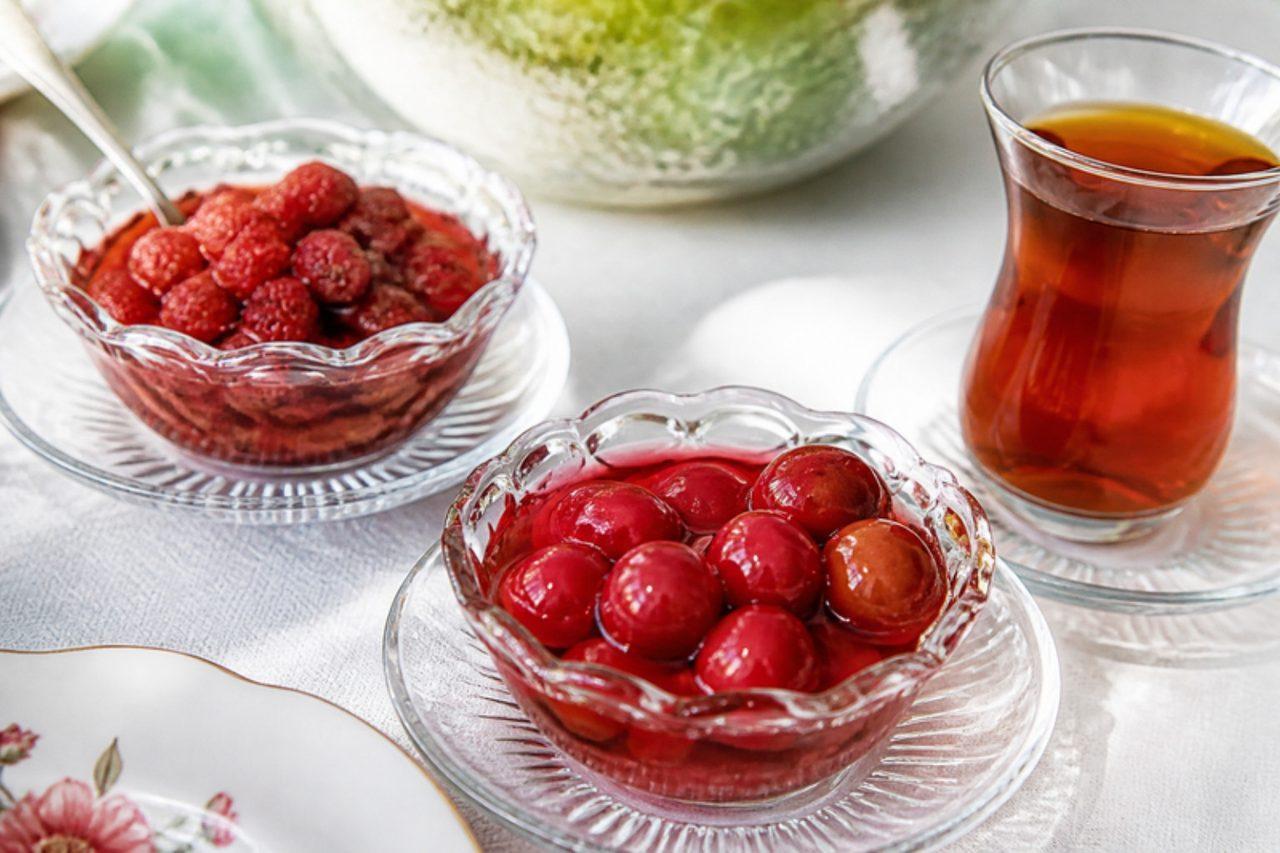
Varenye is not quite jam: whole berries or fruit are steeped and cooked in short bursts so they stay intact in a clear, glossy syrup. All summer at dachas around Moscow and Vladimir, copper basins of strawberry, cherry or gooseberry varenye bubble outside, and in winter it is spooned into tiny glass rosettes and eaten with tea, sometimes straight from the spoon between sips. The common mistake is boiling it in one long go, which turns the fruit to mush. Chef's tip: cook it in three short boils with long rests between; the fruit soaks up syrup slowly and stays whole.

by KrazyBadal 0 views

OladyiKefir pancakes

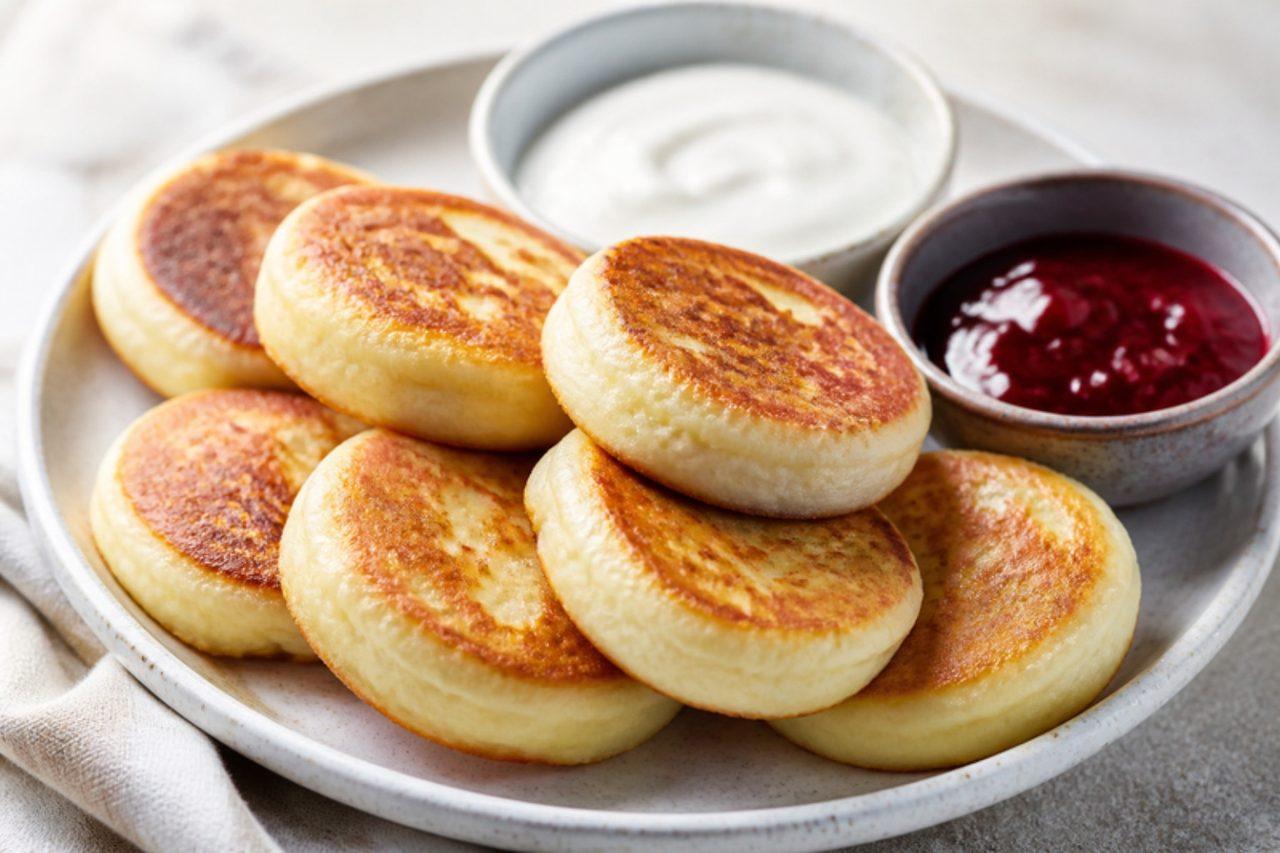
Saturday breakfast in a Soviet flat often began with the sizzle of oladyi: thick little pancakes, no bigger than a saucer rim, made from kefir that had soured a day too long. Grandmothers from Samara to Novosibirsk still drop spoonfuls of the batter into hot oil and stack the puffed, golden rounds on a plate to eat with smetana, honey or a dish of cherry varenye. Unlike blini they are fat and spongy, with a lacy crisp edge. The common mistake is beating the batter after the soda goes in, which knocks out the bubbles and gives flat, rubbery pancakes. Chef's tip: warm the kefir slightly before mixing; the soda reacts faster and the oladyi rise noticeably higher.

by KrazyBadal 0 views

MannikSemolina cake

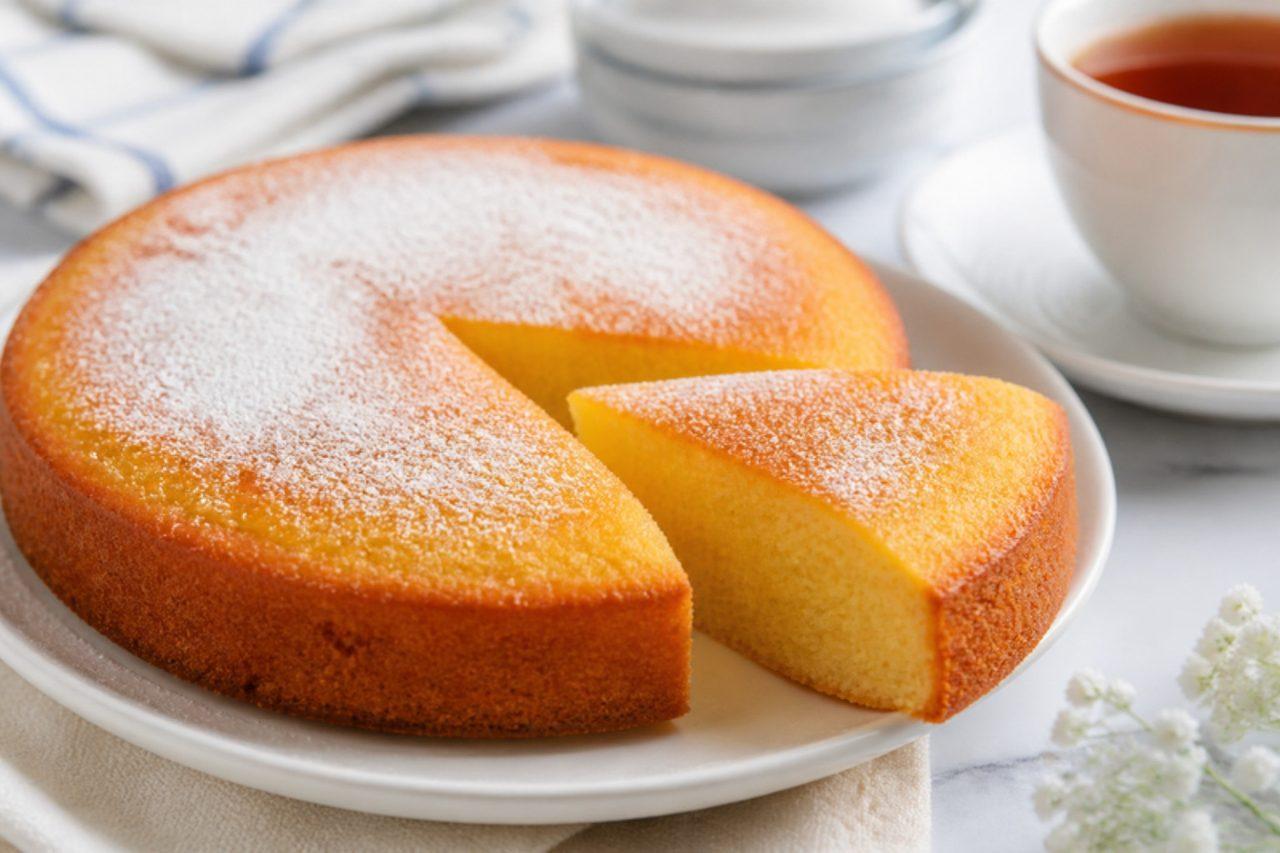
In thousands of Russian kitchens, mannik is the cake you make when the cupboard is nearly bare: semolina, kefir, sugar, a couple of eggs and almost no flour. The semolina swells overnight in the kefir, and the result is a plain, damp, slightly springy cake with a golden crust, sliced at the tea table from Smolensk to Vladivostok with a spoon of jam or sour cream. The common mistake is skipping the soak, which leaves the cake gritty with hard grains. Chef's tip: soak the semolina in the kefir for at least an hour, or overnight in the fridge, before adding the rest.

by KrazyBadal 0 views

PastilaBaked apple sheets

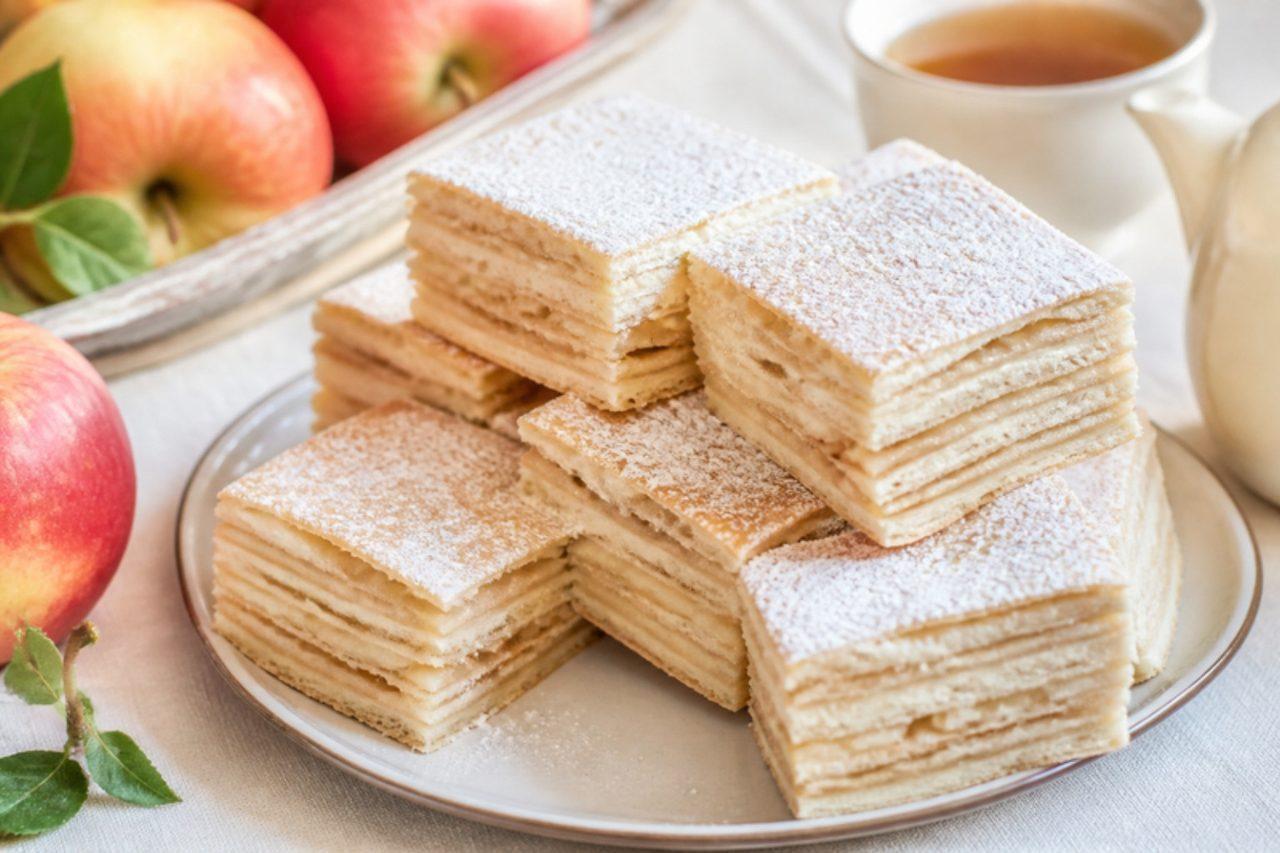
Long before chocolate reached Russia, the merchants of Kolomna near Moscow and Belyov in the Tula region were drying whipped apple into thin, cloud-soft sheets in their stove ovens and selling them in tins at winter fairs. Today pastila is again a souvenir and a tea-table treat: whipped baked-apple purée is spread thin, dried slowly until leathery yet tender, then stacked in layers and cut into bars. It is fat-free and naturally gluten-free. The common mistake is too hot an oven, which browns and cracks the sheets. Chef's tip: dry it with the oven door wedged open with a wooden spoon; it needs gentle warmth and escaping steam, not baking.

by KrazyBadal 0 views

Sweet sorrel pie

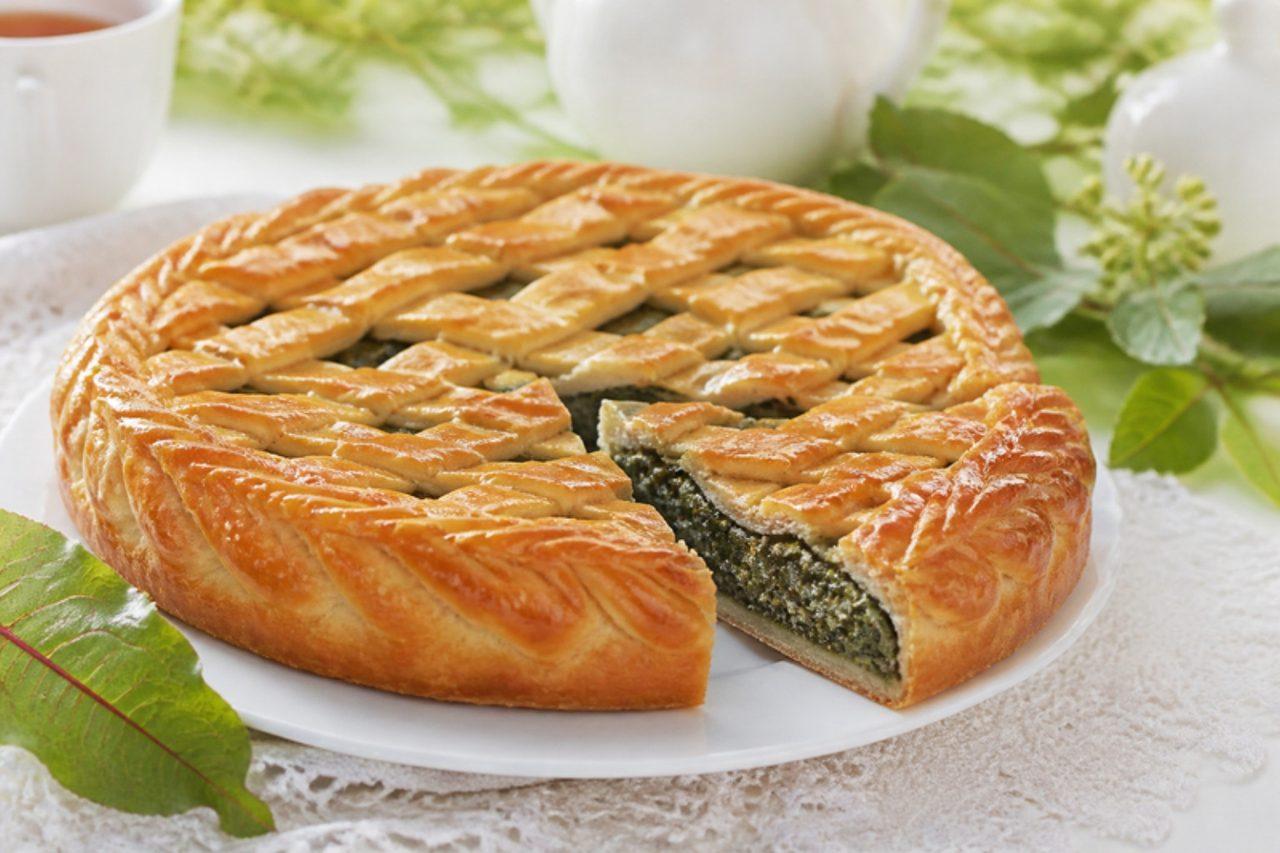
In late May and June, sorrel is the first thing to grow thick in dacha gardens around Moscow and Kaluga, and grandmothers turn the sour leaves into a sweet pie that tastes surprisingly like rhubarb. Shredded sorrel is tossed with sugar and a little starch and baked between two layers of soft sour-cream pastry, then eaten in thick slices with tea or cold milk. The common mistake is mixing the sugar into the sorrel too early, which draws out the juice and floods the pastry. Chef's tip: layer the dry leaves into the pie and sprinkle the sugar and starch over them right before you close the lid.

by KrazyBadal 0 views

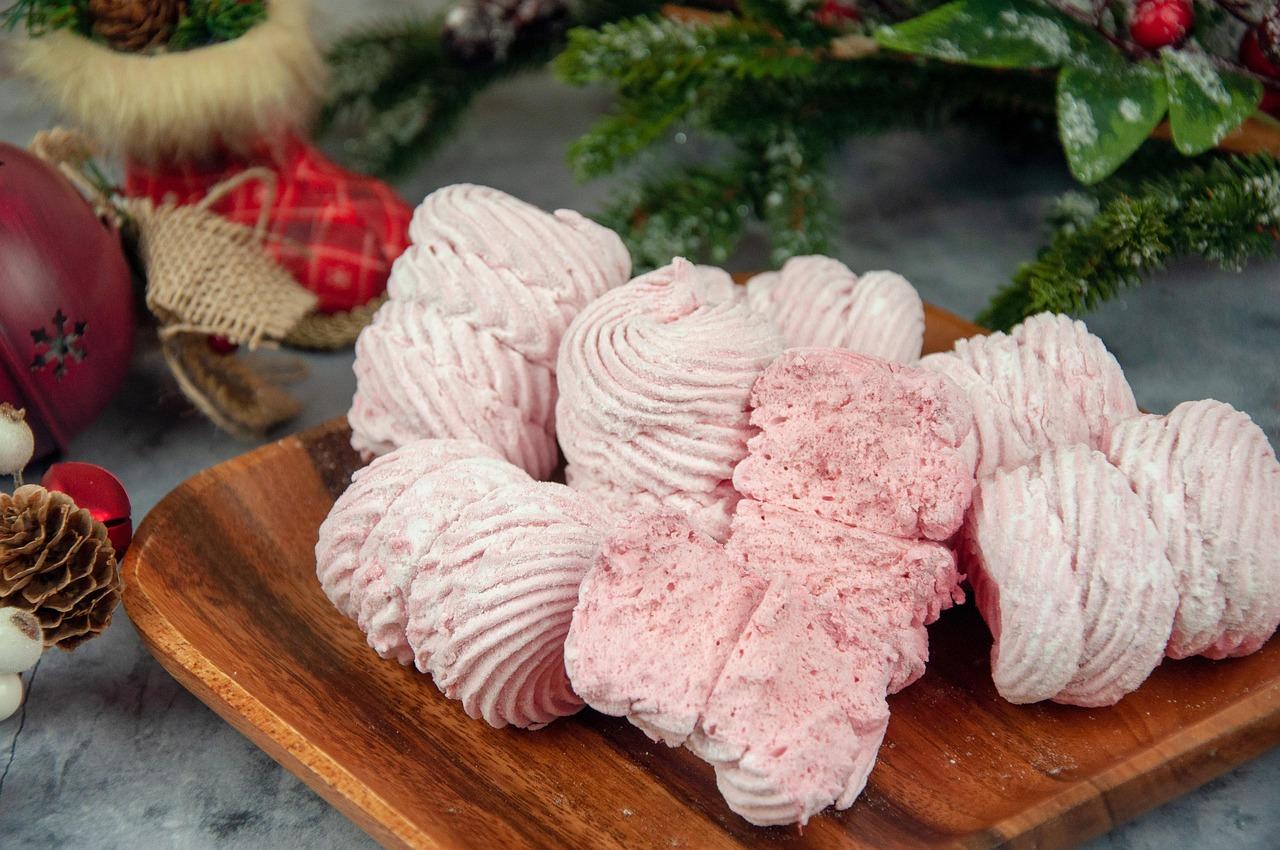
ZefirApple marshmallow

Zefir sits in a paper box on almost every Russian tea table: pale, airy halves of apple marshmallow pressed together in pairs, softer and fruitier than any marshmallow. Factories in Moscow and Belyov made them famous, but home cooks pipe their own from baked Antonovka-style sour apples, sugar, egg white and agar. Agar keeps them vegetarian, unlike gelatine. The common mistake is undercooking the agar syrup; if it doesn't reach 110 °C, the zefir never sets and weeps. Chef's tip: bake the apples rather than boil them; the purée is thicker and the zefir far lighter.

by KrazyBadal 0 views

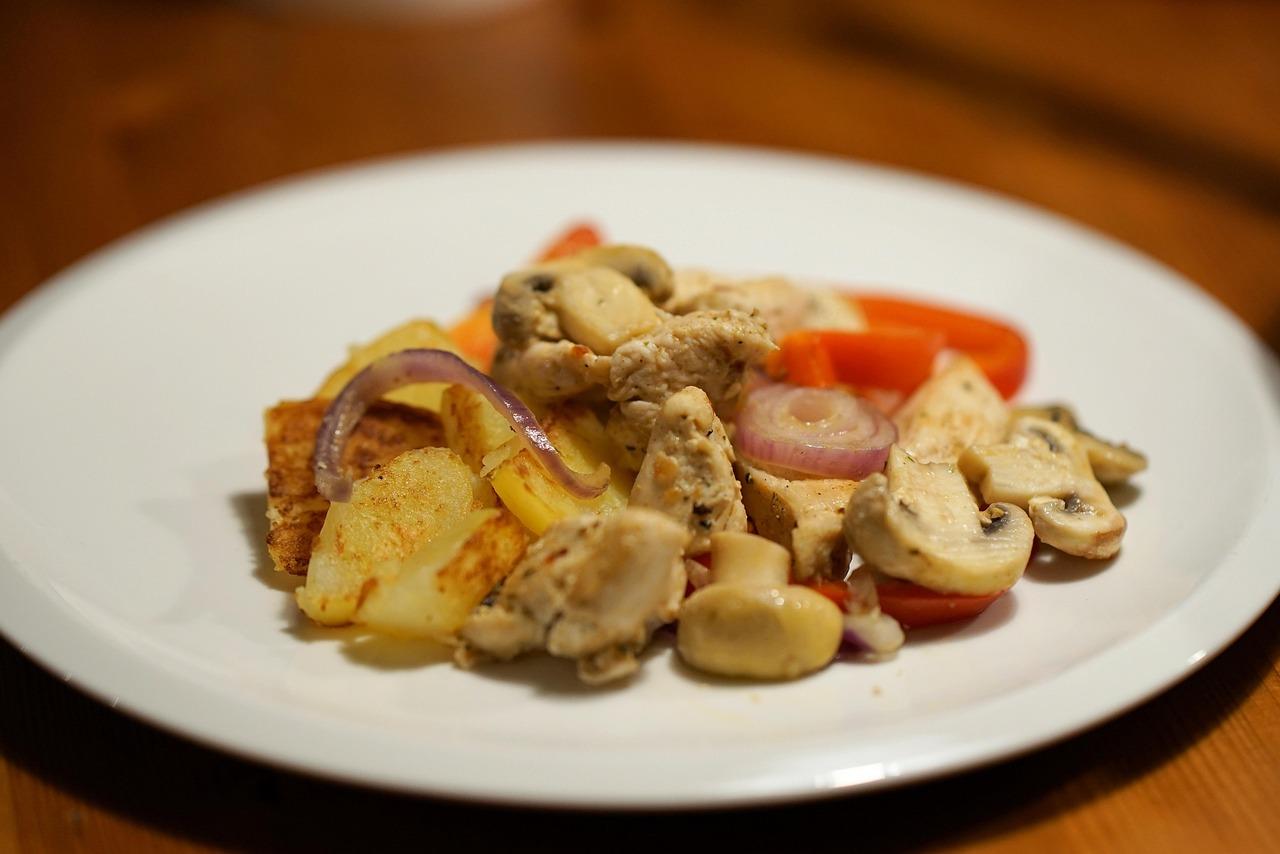
Fried potatoes with mushrooms

Every late August, when families come back from the birch woods outside Moscow and Tver with baskets of boletes and chanterelles, the first supper at the dacha is a black iron pan of potatoes fried with those mushrooms. Through the Soviet years the same dish fed students in dormitories and night-shift workers in Ural towns, usually eaten straight from the pan with a jar of salted cucumbers and a spoon of sour cream. The potatoes should be crisp at the edges, the mushrooms browned and the onion sweet. Buy wild mushrooms from a reliable source only; cultivated chestnut mushrooms work very well. The common mistake is crowding the pan and stirring constantly, which steams the potatoes into mush. Chef's tip: fry the mushrooms first and set them aside, then fry the potatoes alone and only combine them at the end.

by KrazyBadal 0 views

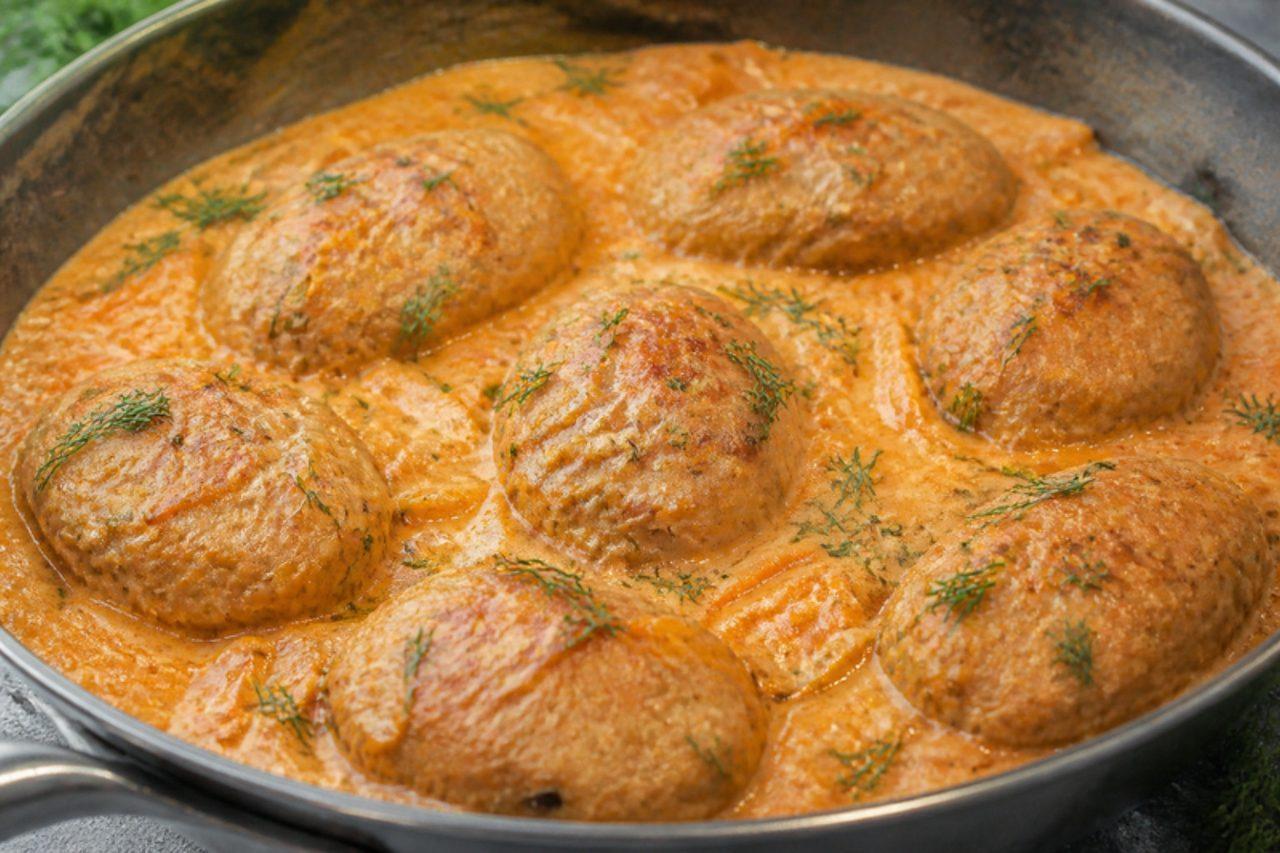
Lenivye golubtsyLazy cabbage roll patties

Rolling proper golubtsy takes an afternoon, so Soviet working mothers invented the lazy version: shred the cabbage, mix it straight into the mince and rice, shape oval patties and braise them in a tomato and sour-cream sauce. It became a staple of factory canteens in Leningrad and Kyiv and is now a weeknight dinner across Russia, served with mashed potato or just bread. The patties taste exactly like stuffed cabbage, only softer. The mince is beef and pork. The common mistake is using raw rice, which stays hard inside the patties; it must be part-cooked first. Chef's tip: squeeze the blanched cabbage hard in a cloth, or the patties will be too wet to hold their shape.

by KrazyBadal 0 views

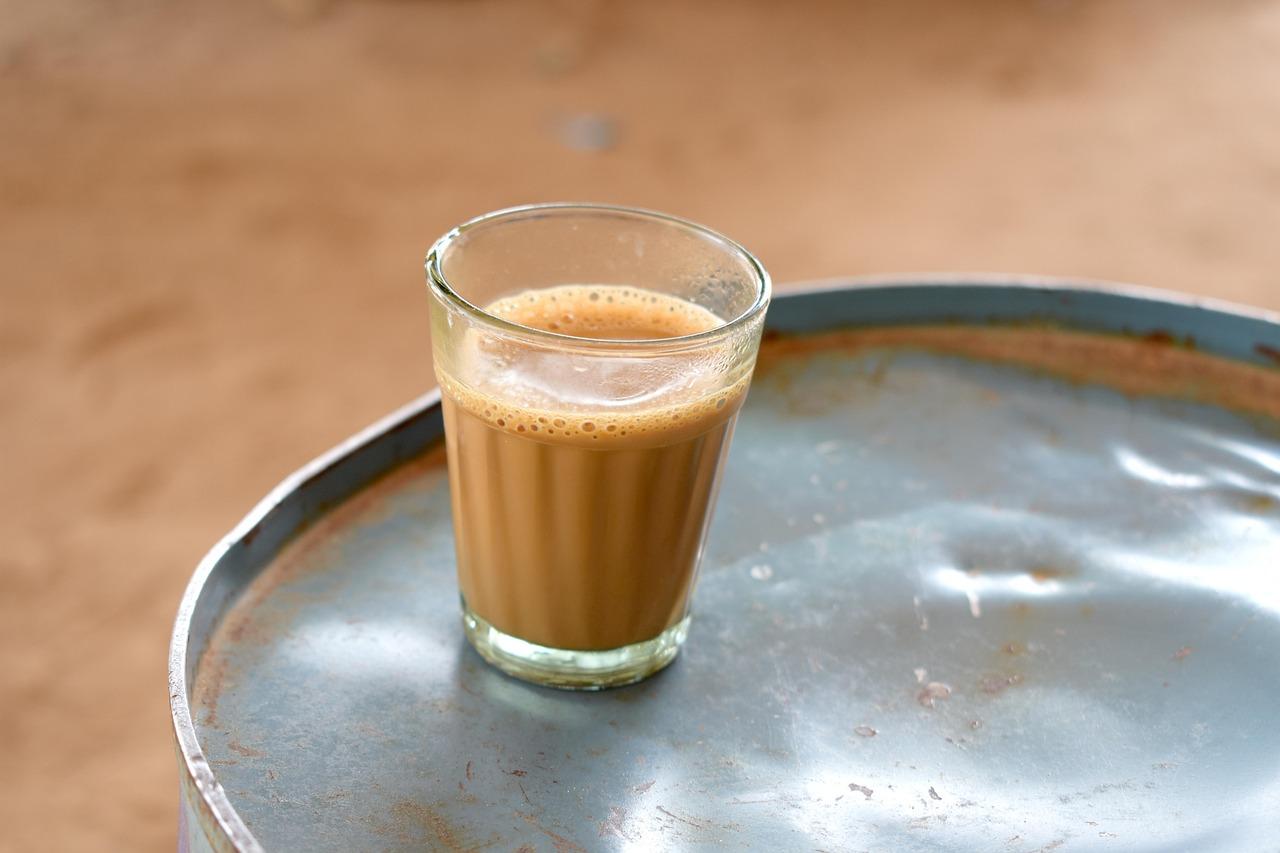
Doodh pattiStrong milk tea

Doodh patti is poured from a dented pan at every truck stop, university canteen and street-corner dhaba in Pakistan, from Karachi's Saddar to the Murree road, and it is drunk at all hours: before work, after cricket, at midnight with a paratha. The tea is made without any water at all, boiling loose black tea and sugar in milk until it turns a deep caramel colour and tastes rich, malty and strong. The mistake is simmering too gently and pulling it off too soon, giving a weak, milky drink; it needs a proper rolling boil, more than once. Contains milk. Chef's tip: lift the pan off the heat each time the tea froths to the top and return it, three times; each rise deepens the colour and flavour.

by KrazyBadal 0 views

Anday wala burgerEgg and beef burger

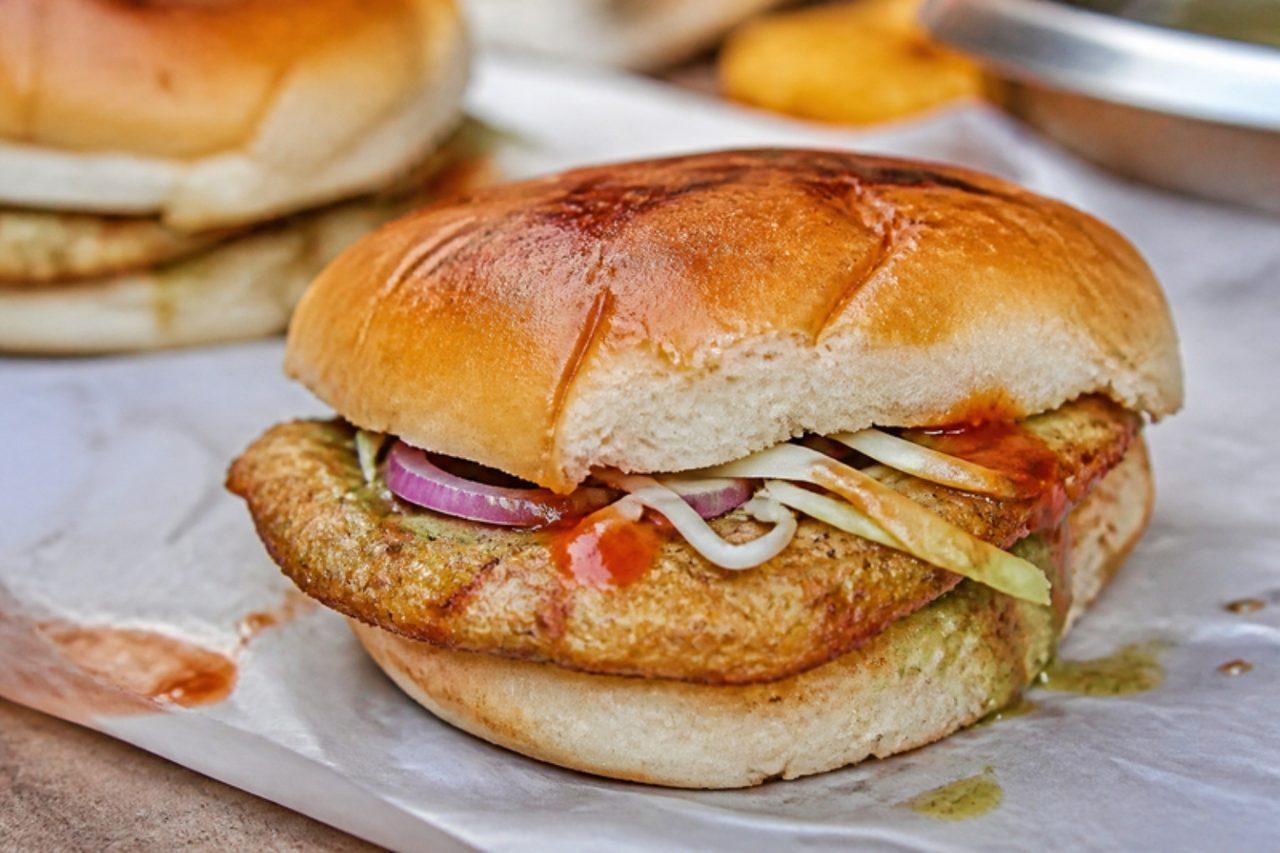
After dark, Karachi's burger carts on Burns Road, Tariq Road and outside every college fire up their griddles for the anday wala burger: a thin, spicy beef patty and a fried egg in a soft buttered bun, with shredded cabbage, onion, ketchup and a sharp green chutney. It is cheap, messy and the city's favourite late snack. A cousin of the anda bun kebab, which uses a lentil and potato patty, this version is all about the meat. The common slip is pressing the egg too thin until it is leathery; cook it in the patty's fat just until the white sets. Contains egg, wheat and milk. Chef's tip: dip each patty in beaten egg before it hits the griddle, as the cart cooks do, so a thin egg jacket forms and keeps it juicy.

by KrazyBadal 0 views

Tawa chickenGriddle-fried chicken

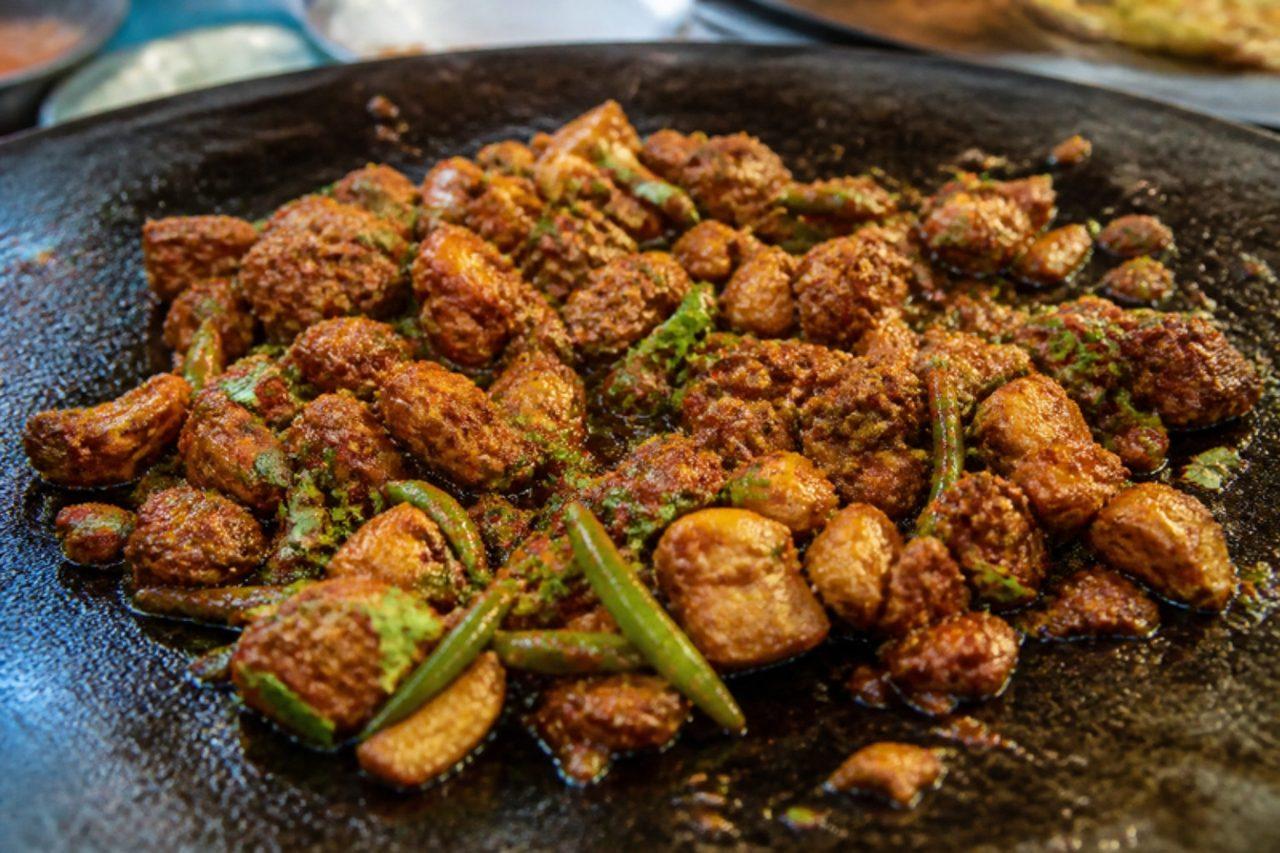
At night on the motorway service roads and Lahore's Gawalmandi, cooks drum their metal spatulas on huge round tawas as they chop and fry chicken to order: boneless pieces scraped about the hot iron with tomato, onion, green chilli and spice until dry, smoky and coated. The noise is half the show, and the chicken is eaten straight off the griddle with naan or paratha. The mistake at home is using a small non-stick pan over a timid flame, which stews the chicken; use your widest heavy pan or griddle and keep the heat high. Chef's tip: chop the chicken into small pieces with the edge of your spatula as it cooks, the way the stalls do, so every bit picks up the charred masala.

by KrazyBadal 0 views

SochniSweet curd pastries

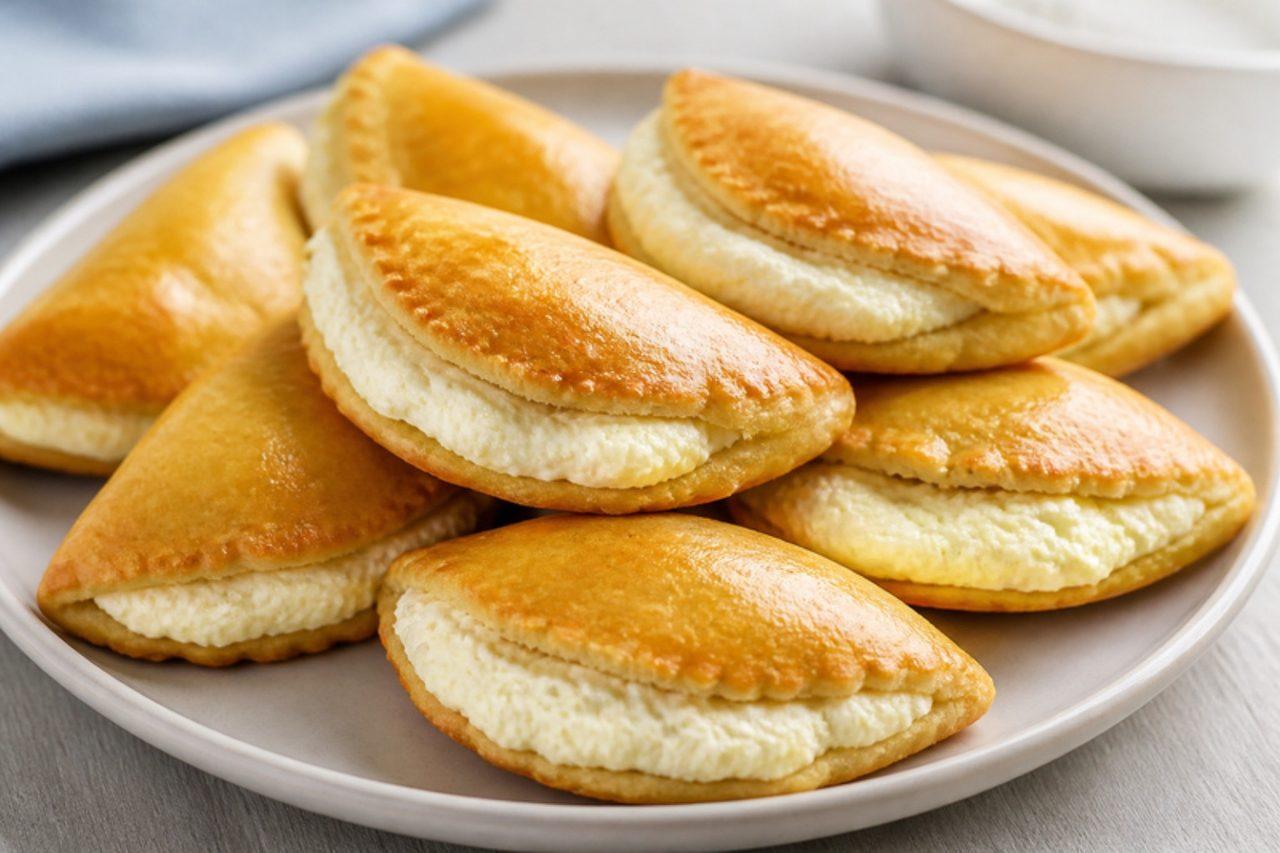
Sochni were the thing to buy from the bakery counter on the way home from school in Soviet Moscow: a soft, sweet shortcrust oval folded over a thick tongue of vanilla tvorog, which peeks out of the fold and bakes golden at the edge. They are still made at home for the tea table, eaten warm or the next morning with milk. The dough is tender rather than flaky, made with sour cream. The common mistake is a wet curd filling, which leaks and burns on the tray. Chef's tip: press the tvorog through a sieve and use only a little egg in it; it should be thick enough to hold a spoon upright.

by KrazyBadal 0 views

Showing 24 of 341 recipes

Show more recipes

Page 1 of 15