Skip to content
Recipes

All recipes

Vegetarian, or something you can't eat? Set your diet once and we'll hide recipes that don't fit.

Kati kati

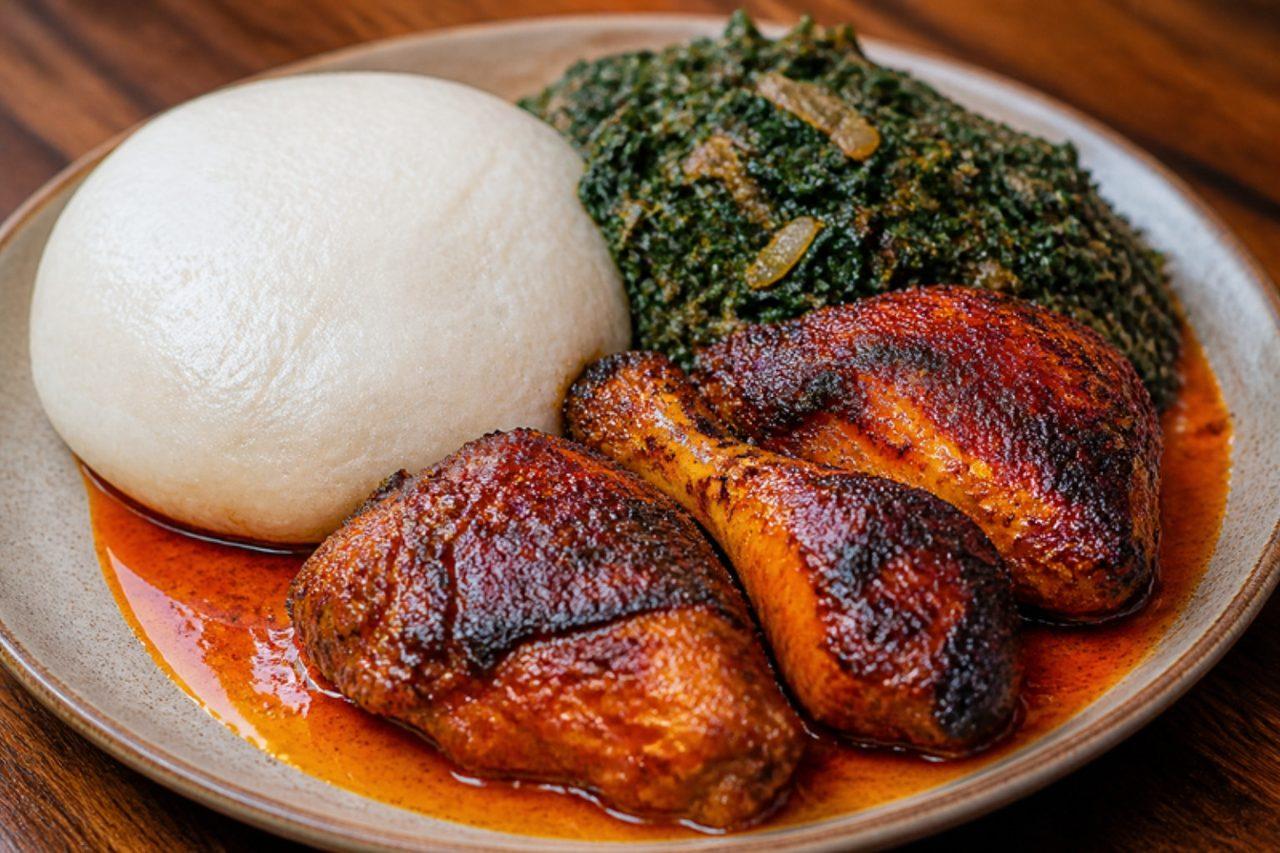
From Kom country near Bamenda, kati kati is chicken cooked twice: first grilled over open coals until smoky and charred in places, then chopped and simmered briefly in red palm oil with onion and hot pepper until every piece is lacquered. It turns up at celebrations in the North West and in Bamenda chop houses, always with fufu corn and a heap of njama njama. The flavour is smoky, rich and fiery, and the sauce is thick enough to cling, not pool. A charcoal grill gives the best flavour, though a hot oven grill works well. Chef's tip: chop the grilled chicken into small pieces before it goes into the pot, so the palm oil sauce reaches every surface.

by KrazyBadal 0 views

Accra banane

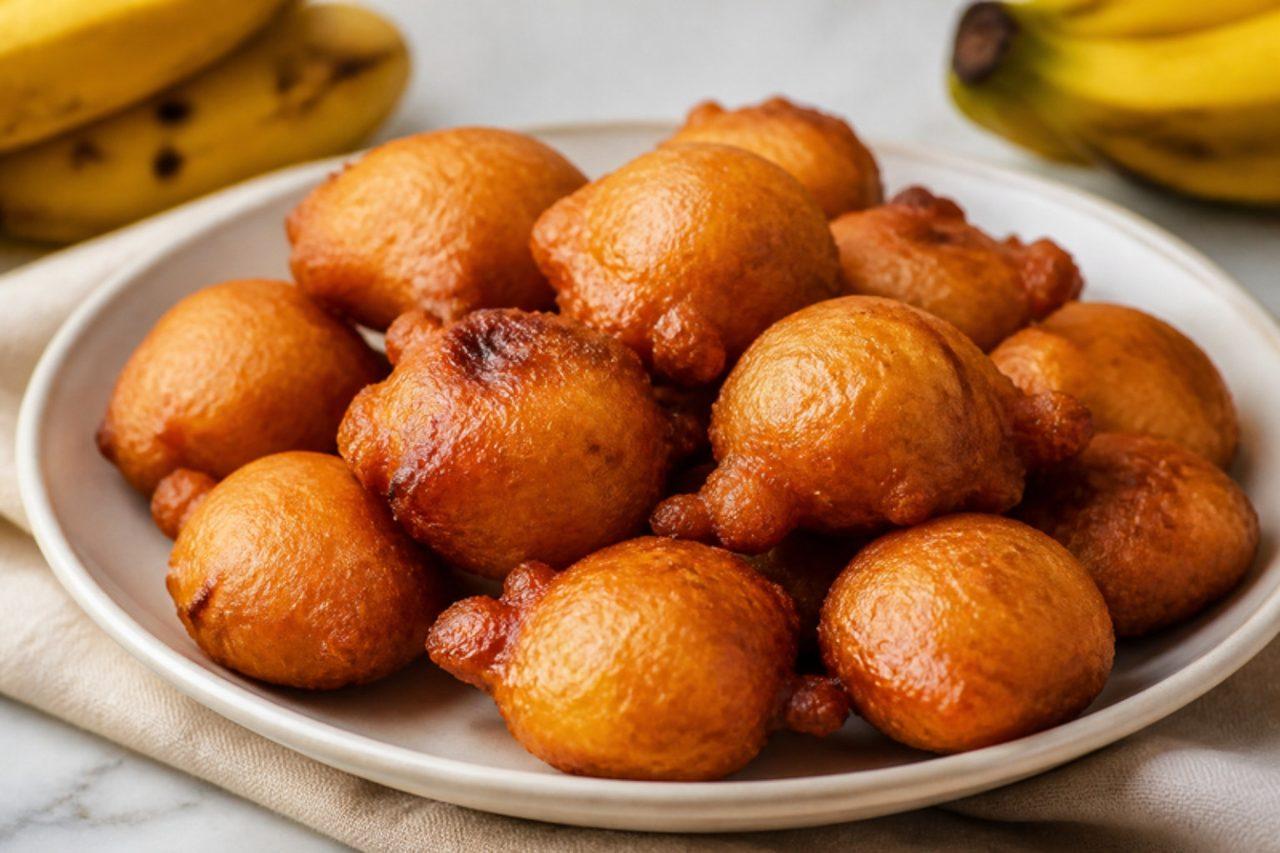
Morning street corners in Douala smell of frying banana: vendors drop very ripe fruit and flour batter into deep oil and sell accra banane by the paper bag, often with a bowl of bouillie or a plate of beans. Crisp at the edges and soft, sweet and almost custardy inside, these little puffs need nothing more than mashed bananas, flour, sugar and a pinch of nutmeg. Children love them after school, and they are a thrifty way to rescue fruit that has turned black. A frequent slip is using underripe bananas, which give heavy, bland fritters. Chef's tip: use bananas so ripe the skins are mostly black; firmer yellow ones give a dry, bland fritter.

by KrazyBadal 0 views

Miondo

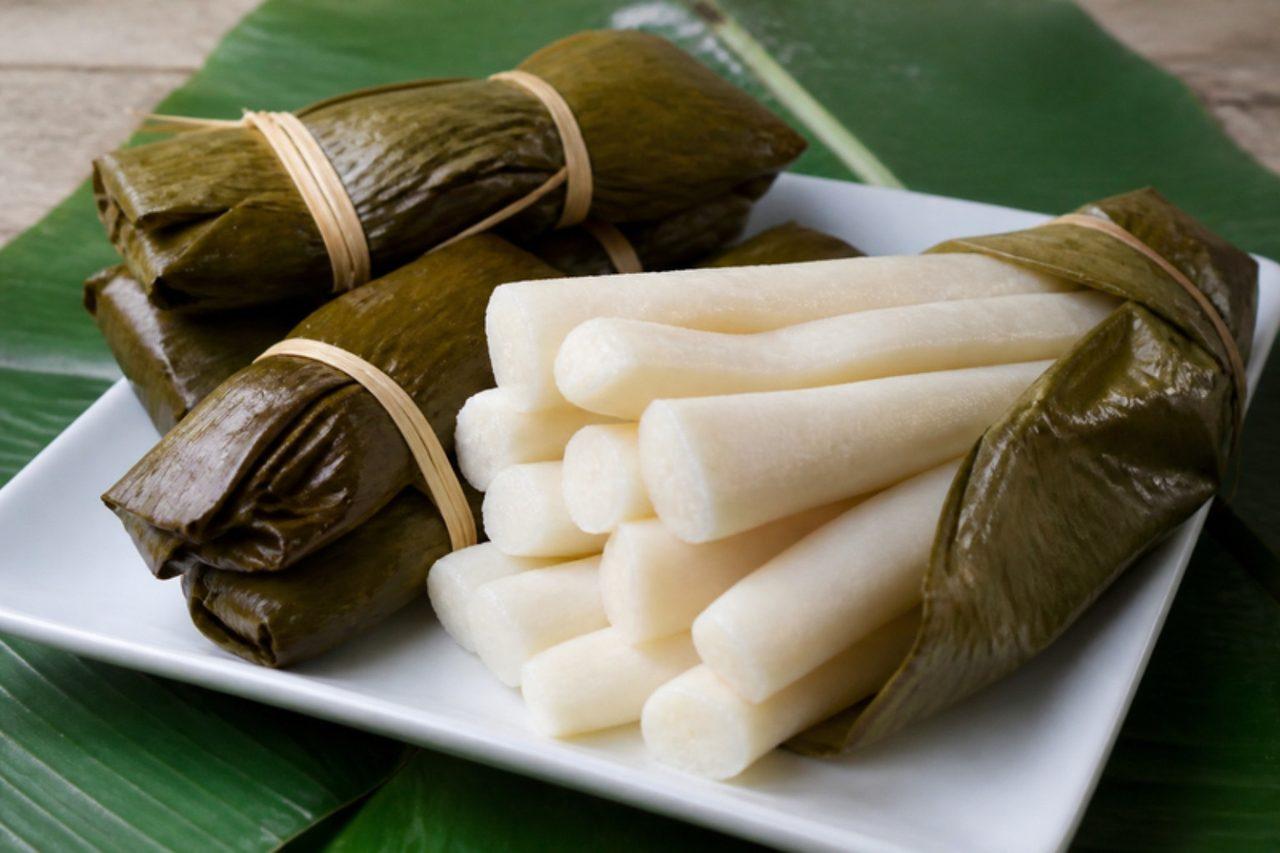
Douala's Duala families wrap their cassava dough into slim sticks no thicker than a finger, and bundles of miondo tied with string are stacked at every market from Akwa to New Bell. The roots are soaked for several days until they soften and sour, then ground smooth, drained, rolled, wrapped in leaves and boiled until firm and slightly translucent. The result is chewy, gently tangy and neutral enough to soak up ndolé, grilled fish or a fiery pepper sauce, and peeling back the leaf is part of the pleasure. Plan ahead: the soaking takes 3–4 days and the draining a few hours more, though the hands-on work is about an hour. Chef's tip: roll the sticks no thicker than your little finger so they cook through evenly; fat ones stay pasty in the middle.

by KrazyBadal 0 views

Kondre

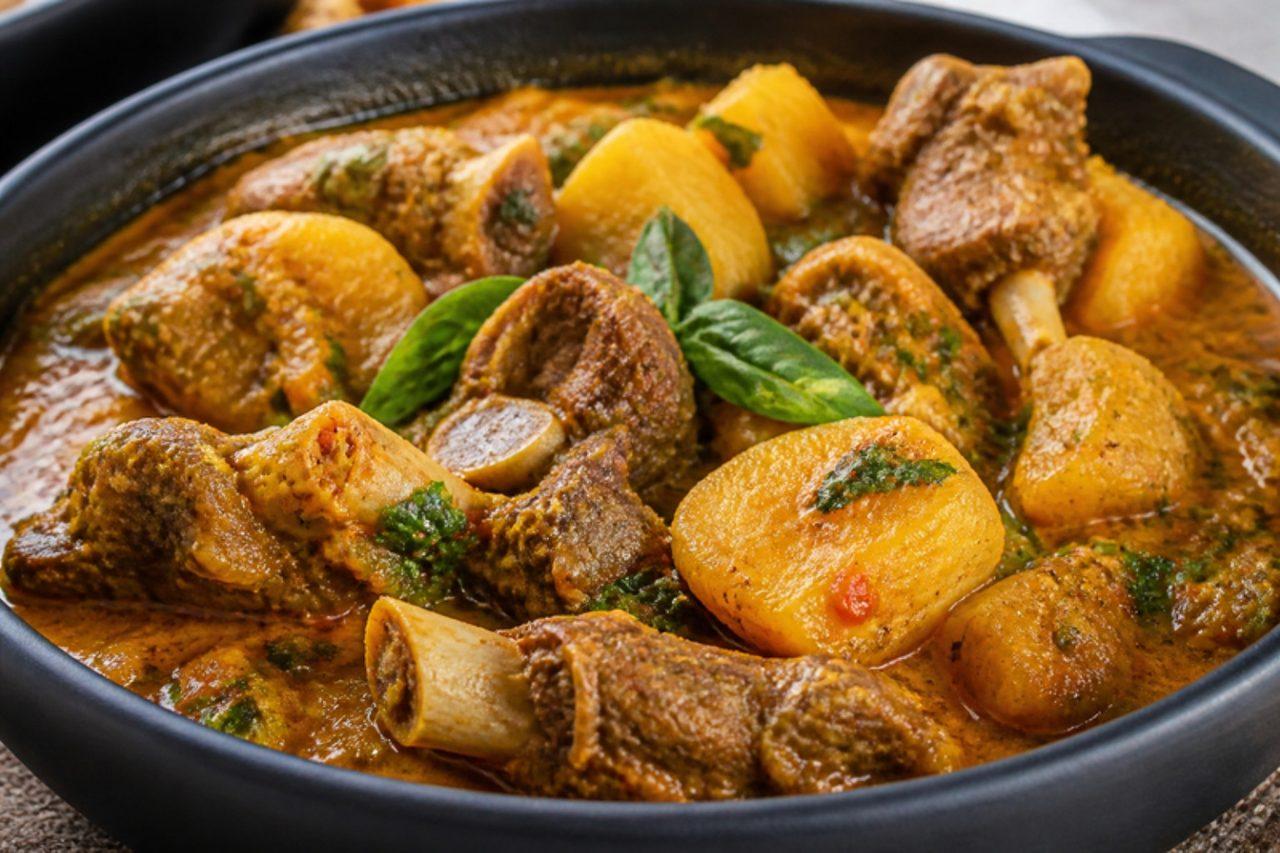
For weddings, funerals, the enthronement of a chief or the return of a relative from abroad, the Bamileke of the West Region cook kondre. Chunks of goat are stewed slowly with green plantain, tomato and a fragrant blend of local spices including white pepper, pebe and country onion, until the plantain melts at the edges and thickens the sauce. The result is earthy, peppery and very satisfying, eaten straight from the bowl with nothing else alongside. Beef or lamb can replace goat; pebe and country onion are sold in Cameroonian grocers, with nutmeg and a pinch of clove standing in at a pinch. Marinate the meat in the fridge, never on the counter. Chef's tip: give the goat a full hour on its own before the plantain goes in; the meat needs far longer to soften.

by KrazyBadal 0 views

African chicken (Macanese galinha africana)

Macau restaurants have served galinha africana since the 1940s, and the story most often told is that a hotel chef in the city created it from spices that Portuguese sailors brought back from Mozambique and Angola. Today it is a signature at Macanese and Portuguese restaurants from Taipa village to Coloane, eaten at long weekend lunches with rice or crusty bread. Chicken pieces are marinated, grilled until charred, then baked under a thick, brick-coloured sauce of ground peanuts, coconut milk, chilli, paprika, garlic and onion that is rich, nutty and quietly fiery. It is often made with a pale, timid sauce; cook the onion, garlic and paprika slowly until really deep red before the coconut goes in. Chef's tip: marinate the chicken overnight in the fridge so the garlic and chilli reach the bone.

by KrazyBadal 0 views

Corn chaff

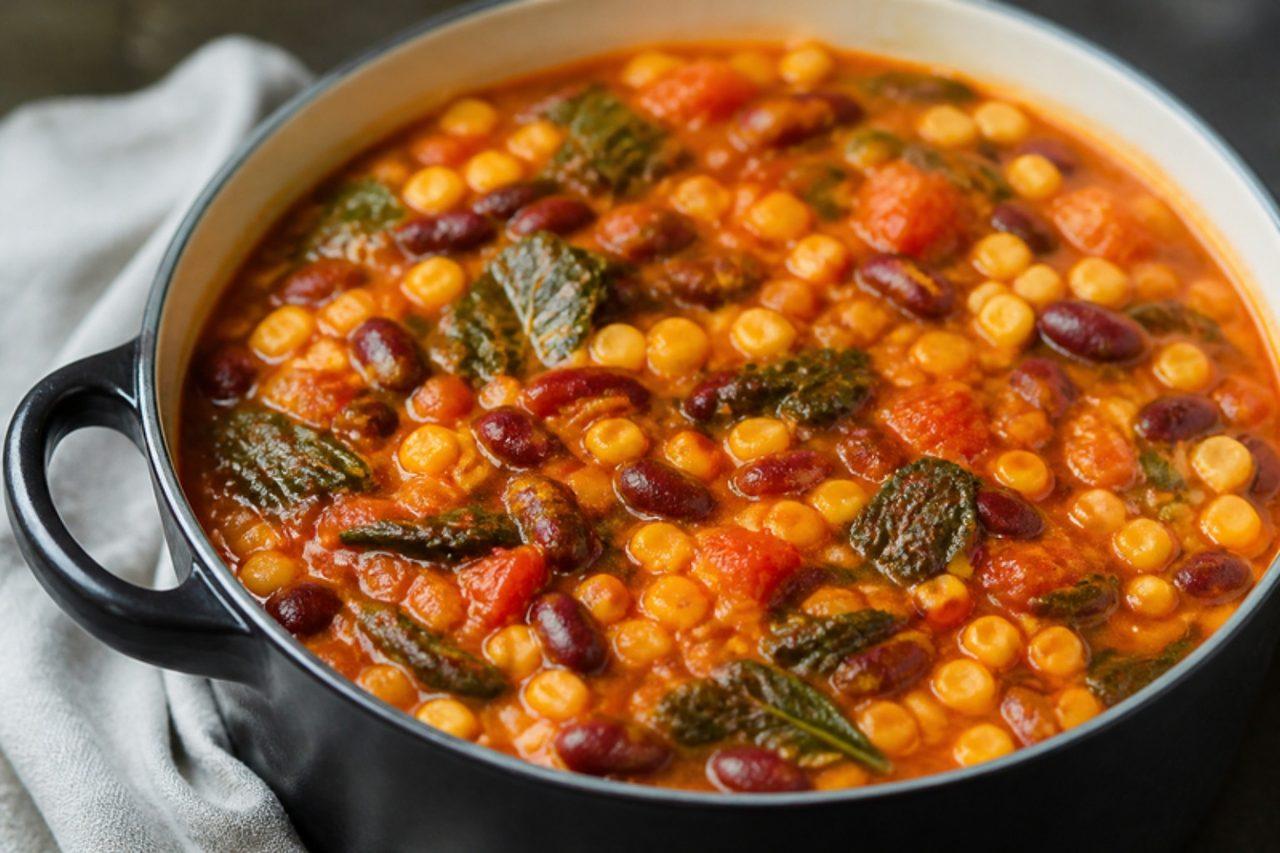
Big pots of corn chaff are everyday food in the North West, from Bamenda's Food Market to boarding-school dining halls, where maize and beans stretch a long way. Dried corn and beans are simmered until soft, then folded into a red palm oil sauce with onion, tomato and hot pepper, with a handful of greens stirred through at the end. The result is hearty and chewy with a deep, slightly smoky sweetness from the oil, and it tastes even better the next day. Serve it in bowls, with ripe avocado on the side when it is in season. Soak the maize and beans overnight. Chef's tip: give the dried maize a head start of about 45 minutes before adding the beans, because it takes far longer to soften.

by KrazyBadal 0 views

Nnam ngon with mushrooms

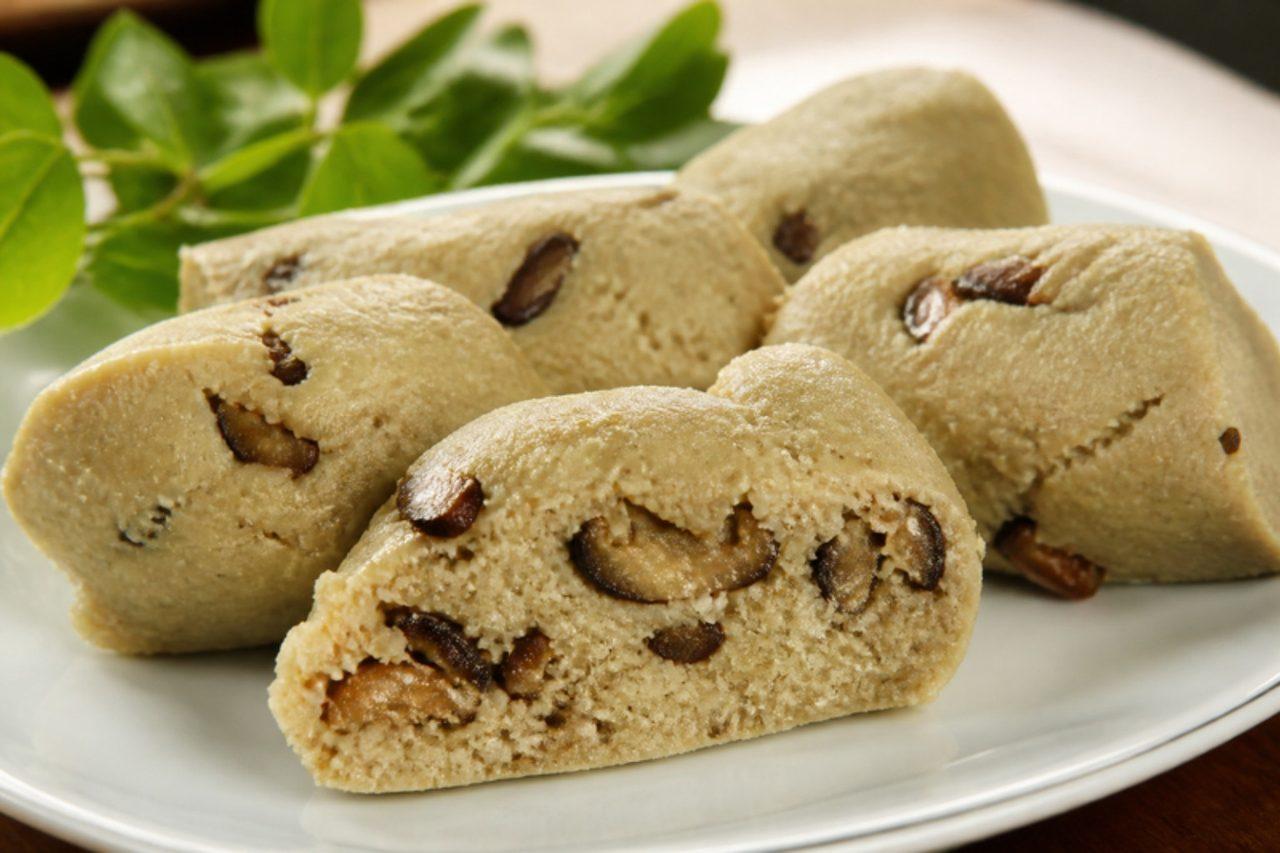
Steamed parcels of nnam ngon turn up at Beti weddings, funerals and big Sunday tables in the Centre, unwrapped to reveal a firm, pale cake of ground pumpkin seeds that slices like a terrine. The seeds are ground with onion, garlic, ginger and hot pepper, then bound with water and steamed slowly in leaves until rich, savoury and almost meaty. Smoked fish is the classic addition; here browned mushrooms take its place, so the parcels are vegan and still very filling. Serve with bobolo, boiled plantain or sweet ripe plantain. Chef's tip: brown the mushrooms in a dry pan first; added raw, they release water inside the parcel and leave the mixture loose.

by KrazyBadal 0 views

Mbongo tchobi

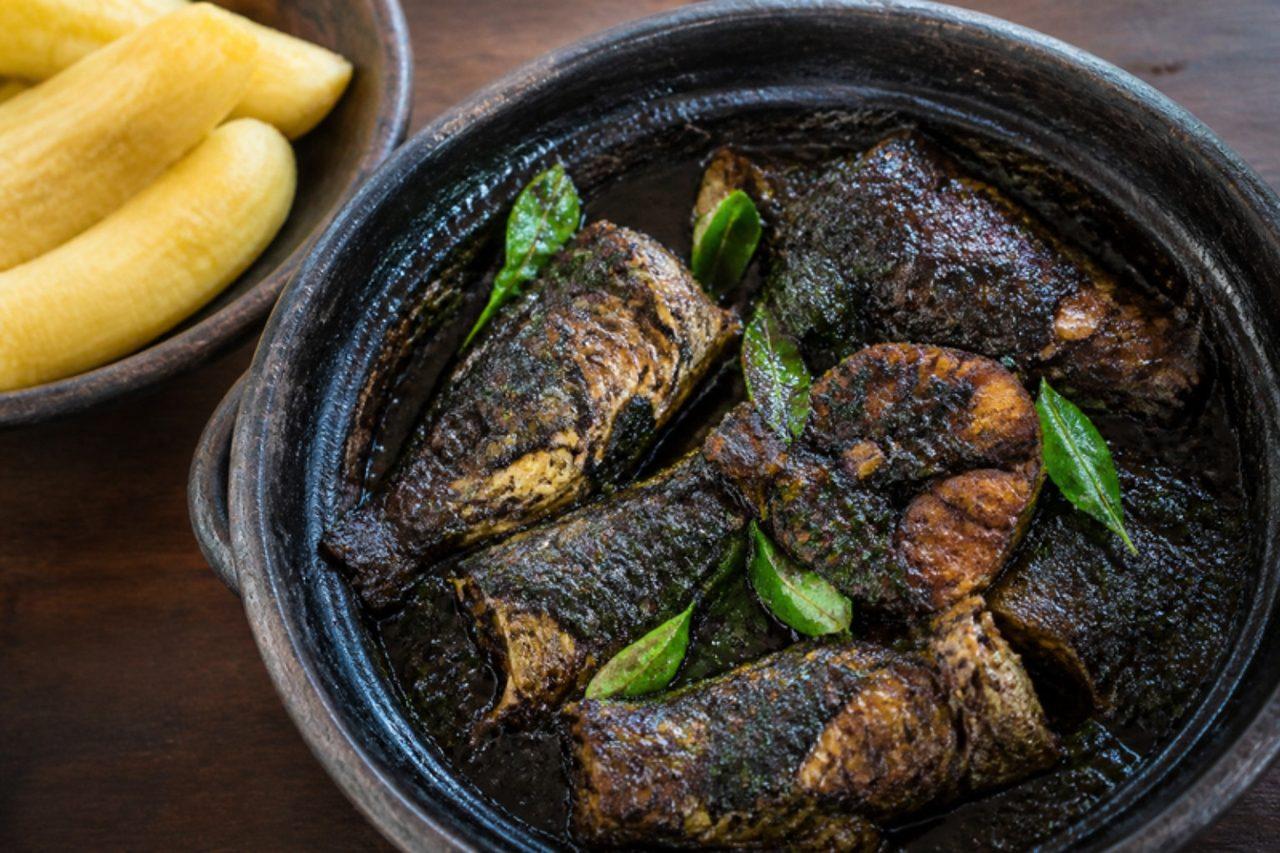
The Bassa people of the Littoral, between Douala and Édéa, are famous for mbongo tchobi, fish cooked in a startling jet-black sauce. The colour comes from mbongo, the pods of a wild plant in the ginger family, charred over a flame until black and ground with onion, garlic, ginger and njansang; the taste is smoky, peppery and deeply aromatic rather than burnt. Freshwater fish such as carp or tilapia is traditional, simmered gently in the sauce for family gatherings and in Douala restaurants, with boiled plantain, miondo or rice on the side. If mbongo is hard to find, charred black cardamom with grains of paradise gives a similar smoky warmth. Chef's tip: shake the pan instead of stirring once the fish goes in, so the pieces stay whole.

by KrazyBadal 0 views

Kossam

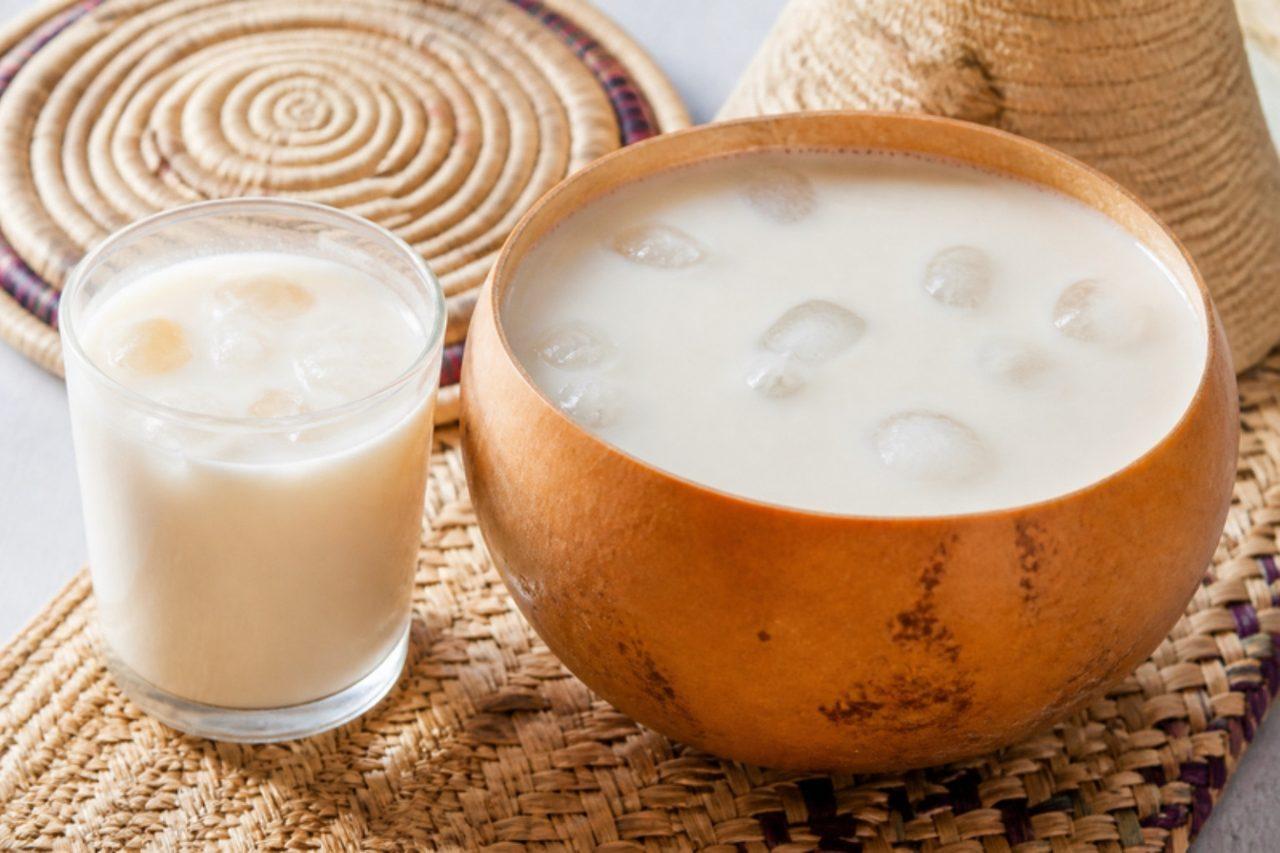
Fulani herders of the Adamawa plateau measure hospitality in kossam: a calabash of cool milk offered to a guest after a long ride, or sold in Ngaoundéré's markets fresh in the morning and pleasantly soured by afternoon. Fresh kossam is simply creamy whole milk, sometimes sweetened, drunk cold with couscous or on its own as a light meal in the heat of the day. For the tangy soured style, stir two spoonfuls of live plain yoghurt into the milk, leave it somewhere warm for 8–12 hours until thickened, then chill. Traditionally it is made with raw milk; at home, always use pasteurised. Chef's tip: chill the milk for several hours and whisk the sugar in hard just before serving, which gives the light froth you see on calabash-served kossam.

by KrazyBadal 0 views

Nkui

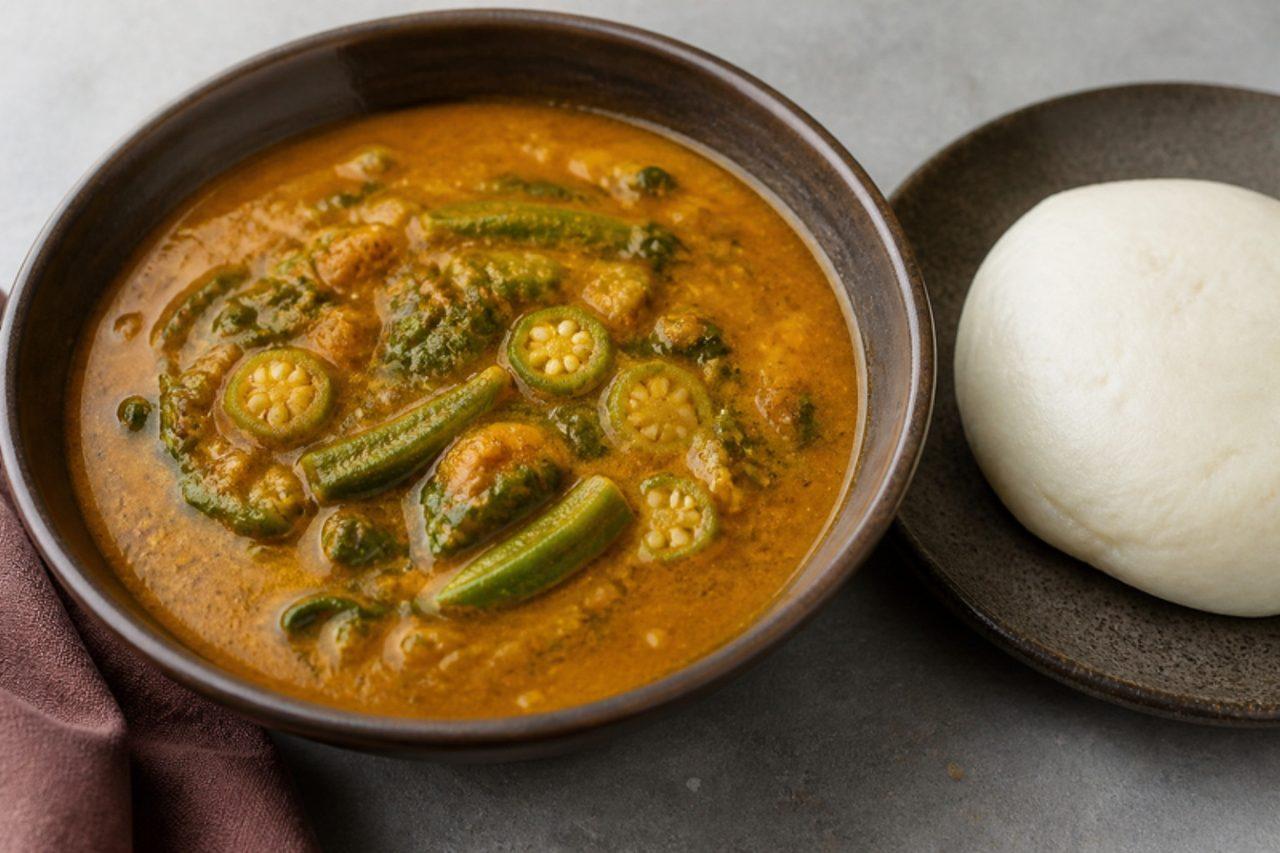
Bamileke families in the West Region cook nkui for celebrations, and it is also a traditional food for new mothers in the weeks after a birth. Bark from the nkui shrub is steeped and squeezed until the water turns long and slippery, then simmered with a peppery blend of local spices and finished with okra for an even stronger draw. The soup is thin, silky and warming rather than rich, with a woody, citrusy heat. Lift it with a ball of fufu corn and let the strands trail from your fingers. Look for the bark and the spice mix in Cameroonian grocers; grated okra alone gives a lighter but similar draw. The usual mistake is boiling the soup hard after whisking; it loses its draw. Keep it at a bare simmer. Chef's tip: whip the soup hard with a whisk right after adding the potash; the beating is what builds the stretchy strands.

by KrazyBadal 0 views

Minchi (Macanese minced meat with potatoes)

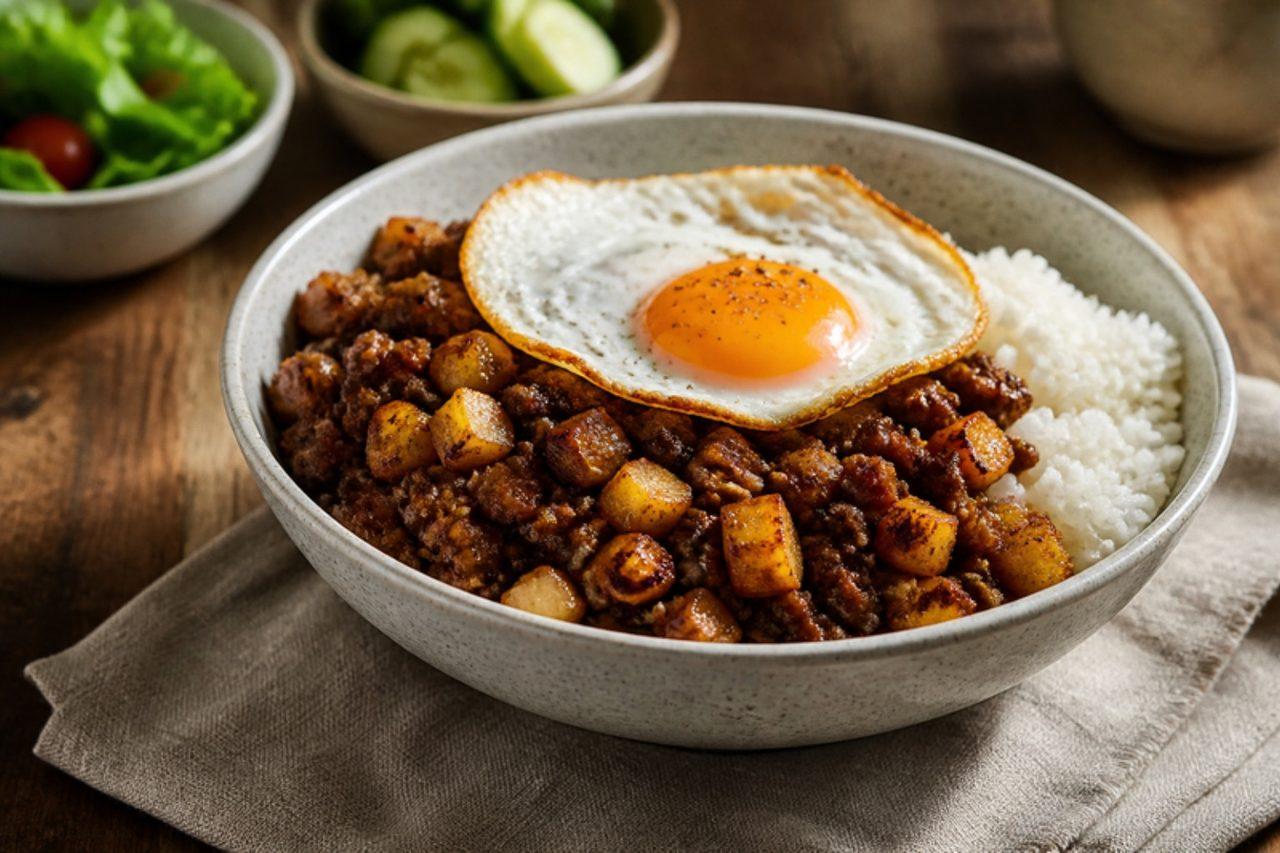
If one dish says home to Macanese families, the descendants of Portuguese and Chinese Macau, it is minchi: a quick hash of minced beef and pork seasoned with soy sauce, Worcestershire sauce and a touch of sugar, mixed with crisp little cubes of fried potato and crowned with a runny fried egg. It appears on weeknight tables, at Macanese restaurants near Rua do Cunha, and at gatherings of the Macanese community abroad, always with plain white rice. Savoury, slightly sweet and full of crunch, it tastes like the meeting of a Portuguese kitchen and a Cantonese wok. A common error is stirring the potatoes into the meat too early, which makes them soft and floury; fry them separately until crisp and fold them in at the end. Chef's tip: let the mince sit undisturbed for a minute in the hot pan before stirring, so it browns instead of stewing.

by KrazyBadal 0 views

Galinha à portuguesa (Portuguese chicken)

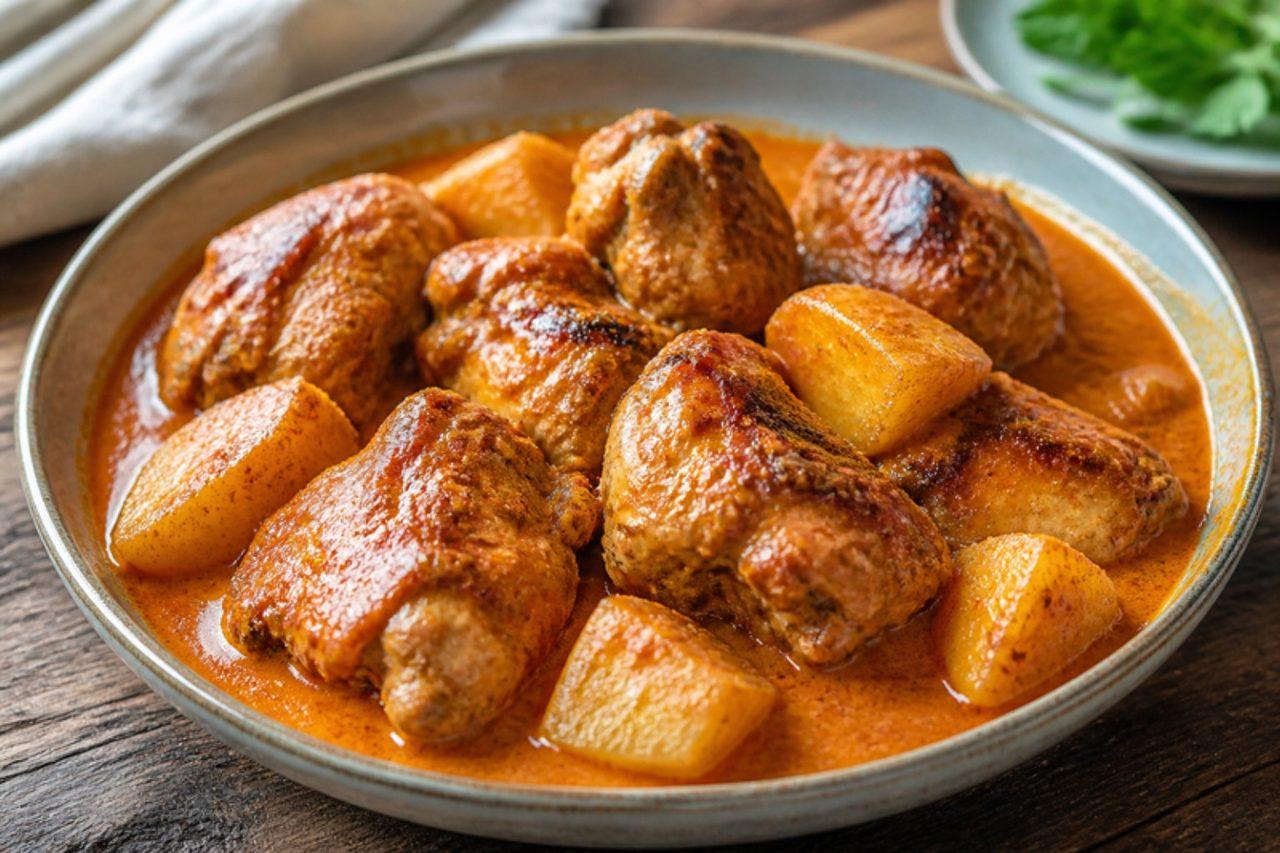
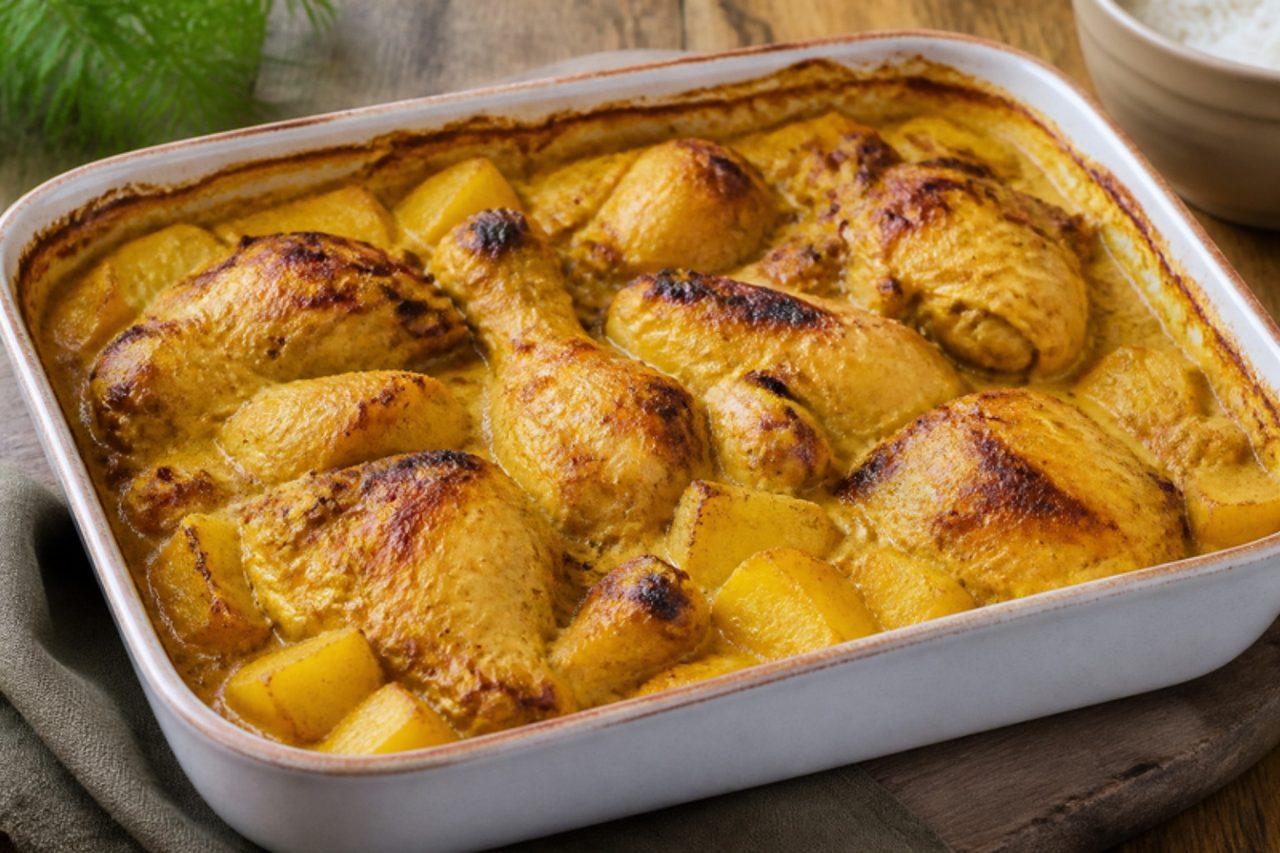
Puzzlingly, you will not find this in Portugal: galinha à portuguesa belongs to Macau, where cooks mixed a Portuguese idea of a creamy baked chicken with the turmeric, curry powder and coconut milk that came through the Portuguese trading routes from Goa and Malacca. Macanese restaurants and Hong Kong's cha chaan teng serve it bubbling in a clay pot or baking dish, golden on top, with chicken and potatoes in a mild, yellow, gently sweet coconut sauce, always with white rice to soak it up. It is a favourite for family dinners and Christmas tables. The thing people get wrong is boiling the coconut sauce hard, so it splits and turns oily; keep it at a gentle simmer. Chef's tip: brown the chicken well first, and finish under a hot grill for the speckled golden top that Macau restaurants are known for.

by KrazyBadal 0 views

Serradura

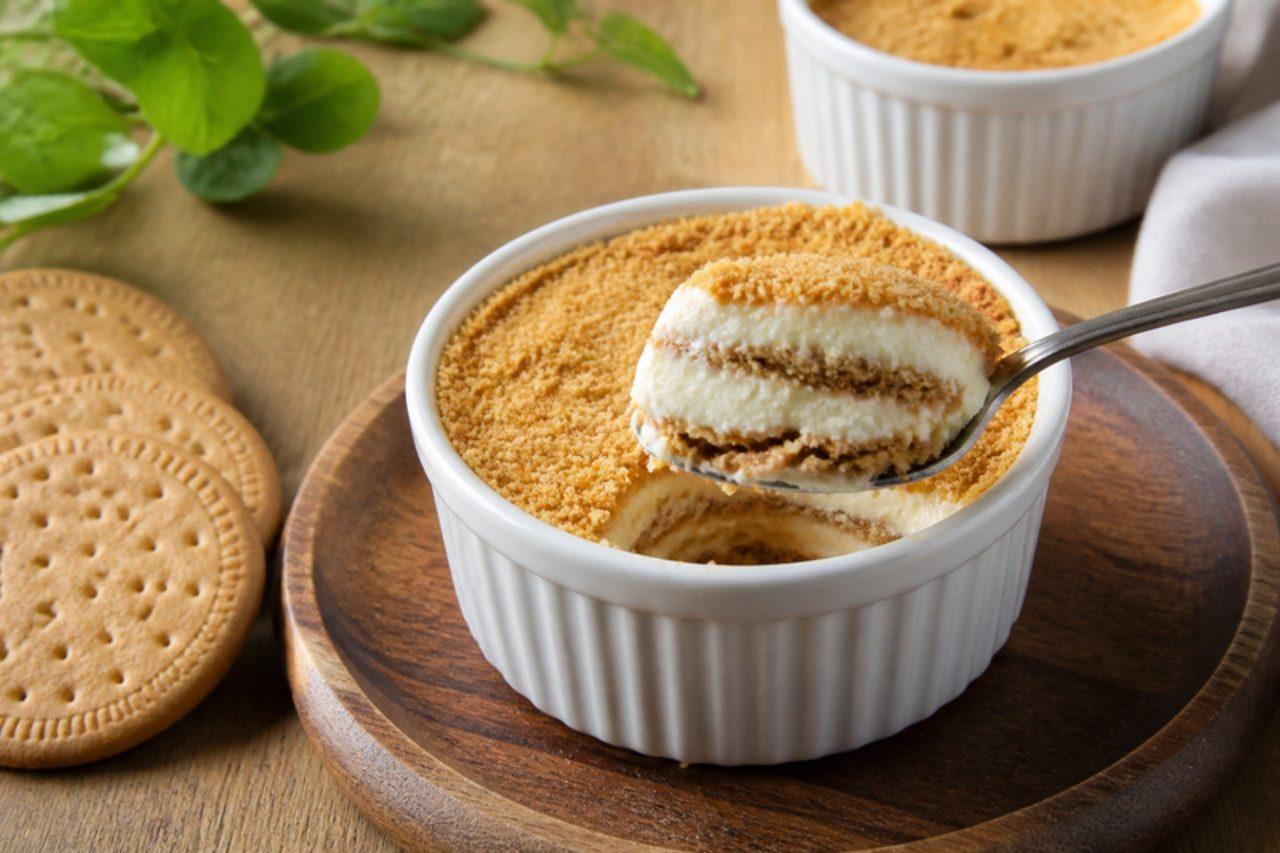
Portuguese for 'sawdust', serradura is the cool, creamy dessert you'll find in every Macanese restaurant and café from Taipa to the Senado Square backstreets, ordered to round off a long Macanese lunch. Alternating layers of sweetened whipped cream and powder-fine tea biscuit crumbs set softly in the fridge, so each spoonful is light, milky and caramel-sweet, with a gentle crumbly texture. It is usually served in small glasses, sometimes semi-frozen like an ice cream cake. Coarse crumbs are where it goes wrong; they stay crunchy and gritty instead of melting into the cream, so grind the biscuits as fine as sand. Chef's tip: whip the cream and condensed milk together only to firm peaks and stop there, or it turns grainy and buttery.

by KrazyBadal 0 views

Njama njama and fufu corn

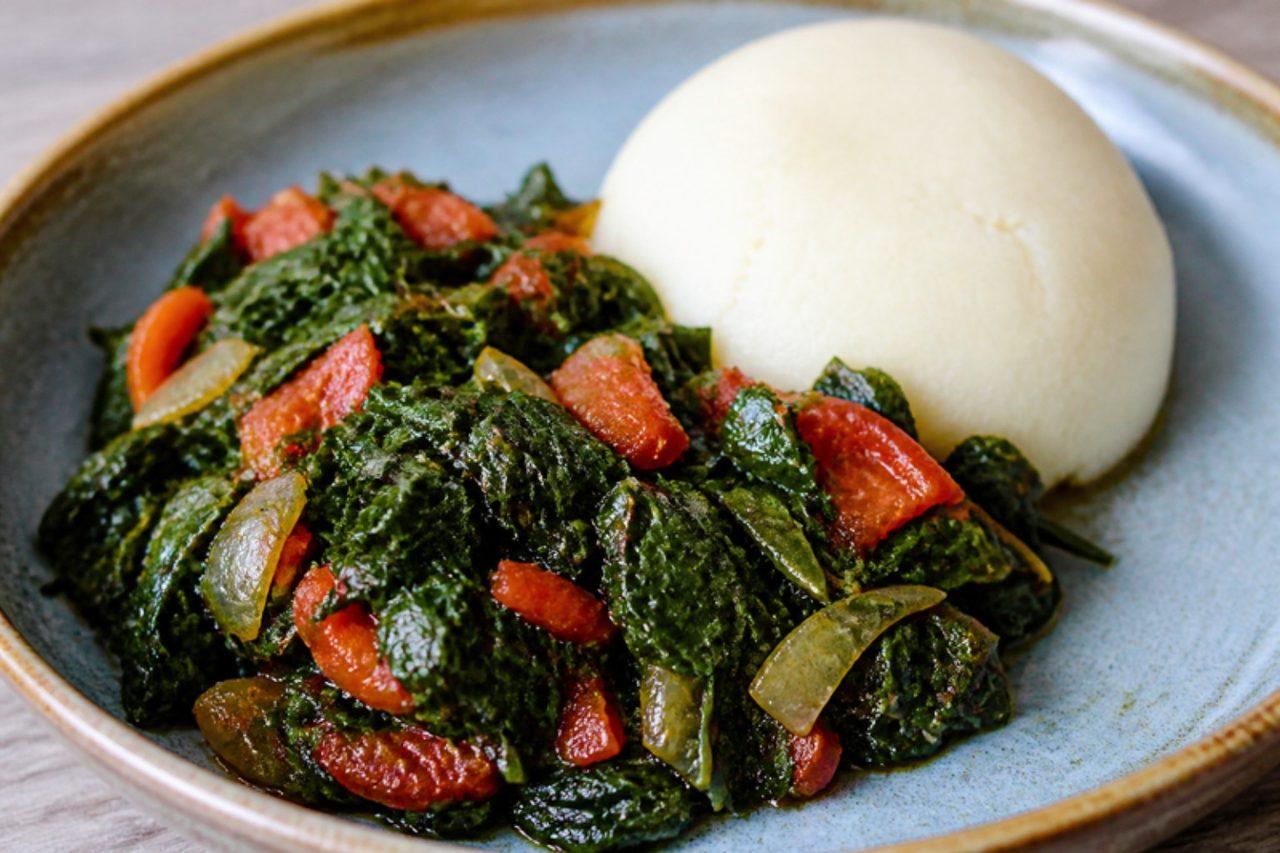
Every chop house in Bamenda has its own pot of njama njama, the bitter-sweet huckleberry leaf that grows in Grassfields gardens, served next to a smooth white dome of fufu corn. The leaves are boiled briefly to tame their bitterness, squeezed and then stir-fried with onion, tomato and pepper until tender and glossy. Pinch off some fufu, press a dent into it with your thumb and use it to scoop up the greens; at home, grilled chicken or kati kati often joins the plate. Frozen huckleberry leaves are sold in African grocers, and spinach with a little kale is a fair stand-in. Avoid skipping the blanching of the huckleberry leaves; unblanched they stay bitter. Chef's tip: squeeze the blanched leaves hard by the handful; leftover water dilutes the tomato base and makes the greens soggy.

by KrazyBadal 0 views

Roasted safou

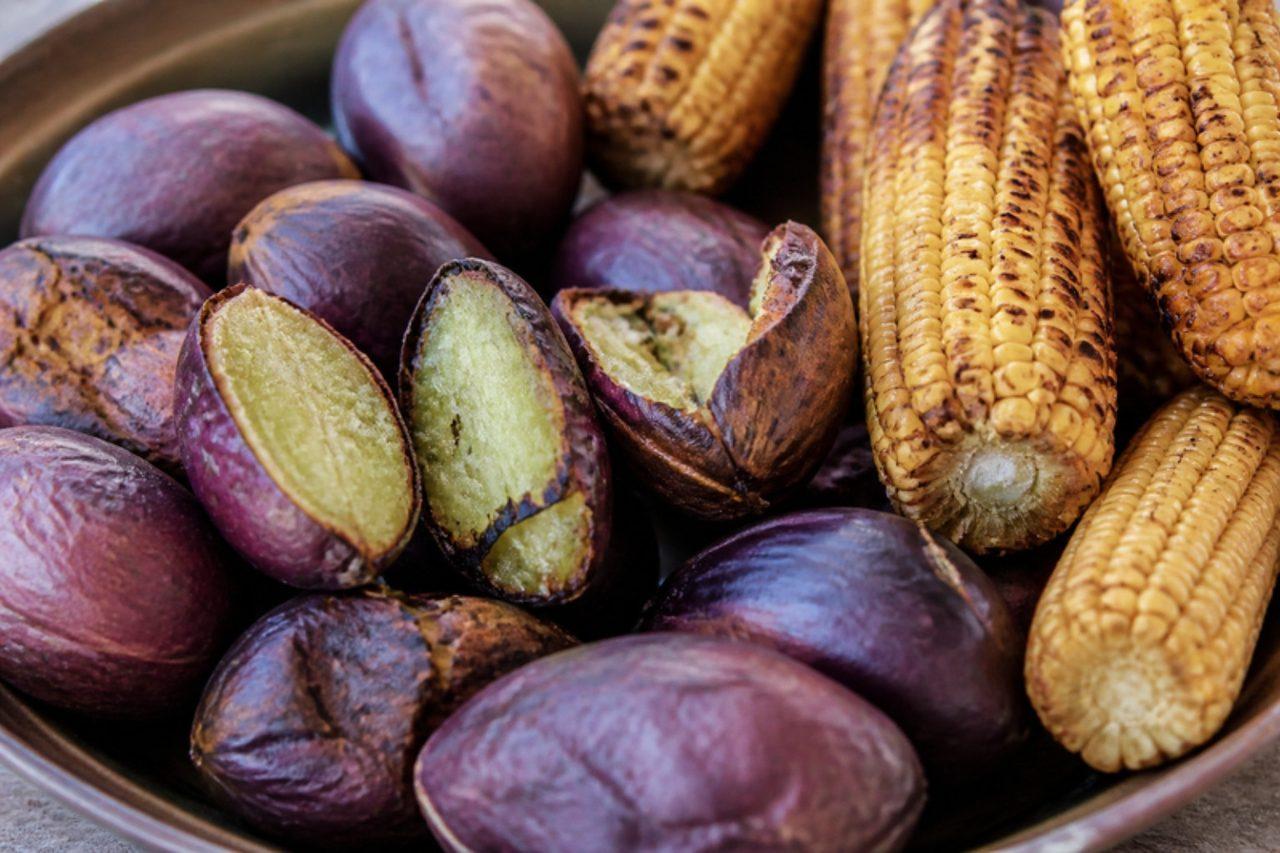
When the rainy season brings fresh maize to Cameroon, the safou trees fruit at the same time, and roadside grills from Douala to Yaoundé sell the violet plums alongside charred corn cobs. A few minutes over embers turns the firm, sour flesh soft, buttery and slightly tangy, which is why safou is often called the African butter fruit. People peel back the skin with their teeth, scrape the pale green flesh off the stone and alternate bites with sweet corn or a chunk of boiled plantain. Look for fresh or frozen safou in African grocers. Chef's tip: a pinch of salt sprinkled on while the fruit is hot brings out its savoury, olive-like side.

by KrazyBadal 0 views

Sweet okok

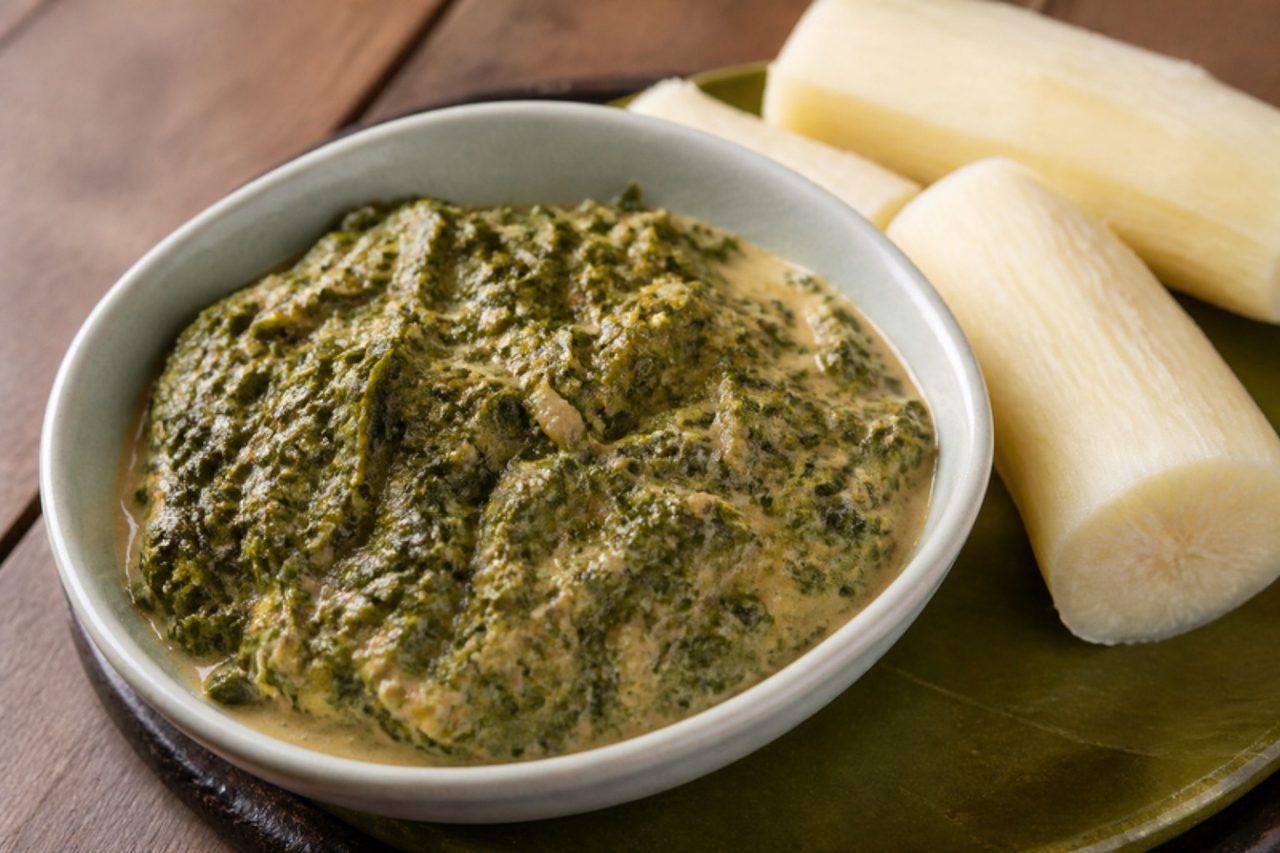
Okok leaves come from a wild forest vine, and in the Centre region market women sit shaving them into hair-fine ribbons with razor-sharp knives so cooks can take them home ready to use. The Beti way is to cook them with plenty of freshly ground groundnuts and, in the version many people grew up on, a spoonful of sugar, which turns the pot into a thick, nutty, gently sweet green stew. Expect a pleasant chew from the leaves and a creamy body from the peanuts; there is no palm oil here at all. Serve it with slices of bobolo or boiled cassava for a classic Yaoundé lunch. The usual mistake is adding the groundnut paste too early and not stirring, so it scorches on the base. Chef's tip: wash the shredded leaves in at least three changes of water, rubbing them between your hands, to remove the fine grit that collects in the ribbons.

by KrazyBadal 0 views

Mintumba

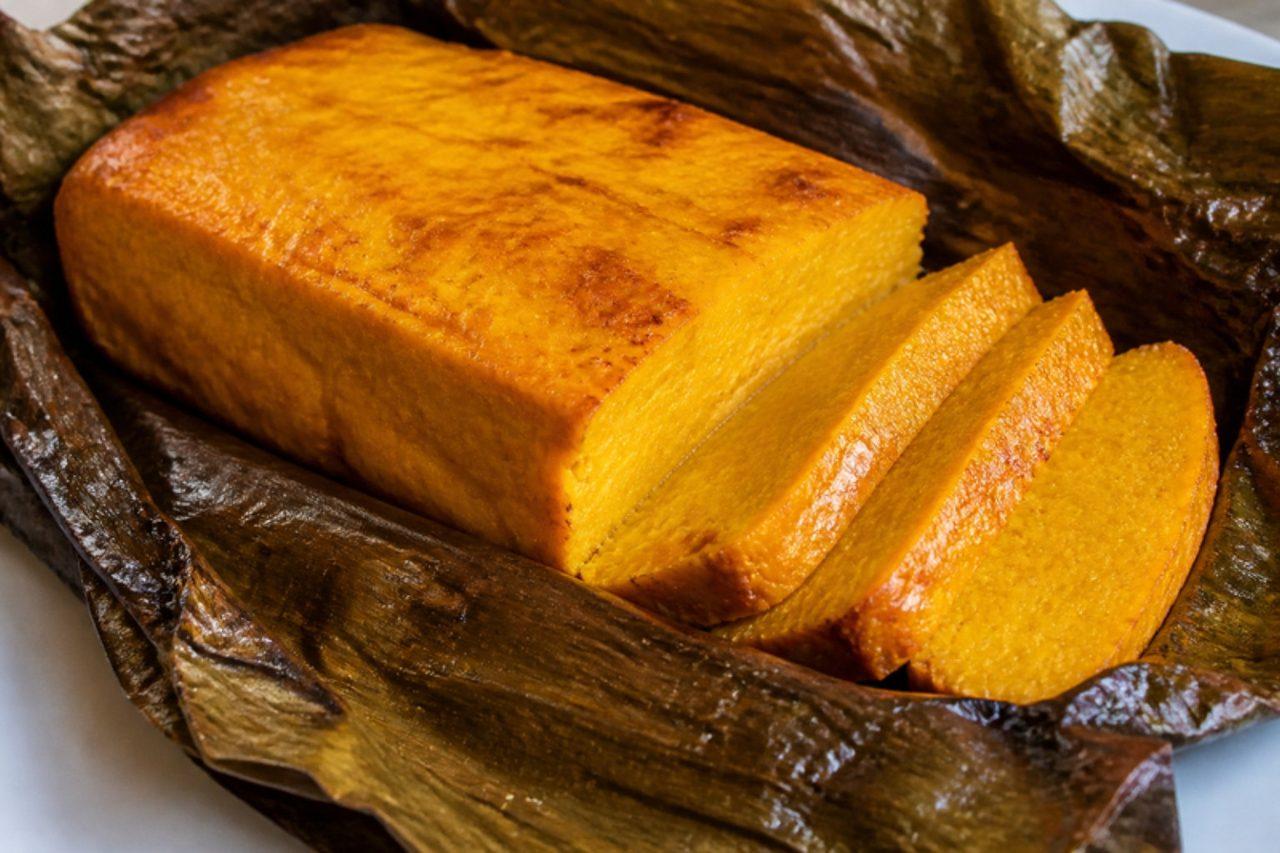
Golden and glossy with red palm oil, mintumba is the richer cousin of bobolo, baked or steamed in leaves in the Centre region and eaten as a snack or alongside sauce, grilled fish or roasted groundnuts. The soured cassava dough is kneaded with oil and a little salt, then wrapped and cooked until it sets into a dense, chewy loaf with a toasty crust where it touched the leaf. Its flavour is tangy, earthy and buttery from the oil. Start with bought fermented cassava paste from an African grocer, or make the dough as for bobolo. Don't wrap the dough loosely; gaps let water in and the parcels turn soggy. Chef's tip: warm the palm oil until just liquid before kneading it in; poured in solid, it streaks the dough instead of colouring it evenly.

by KrazyBadal 0 views

Ekwang with mushrooms

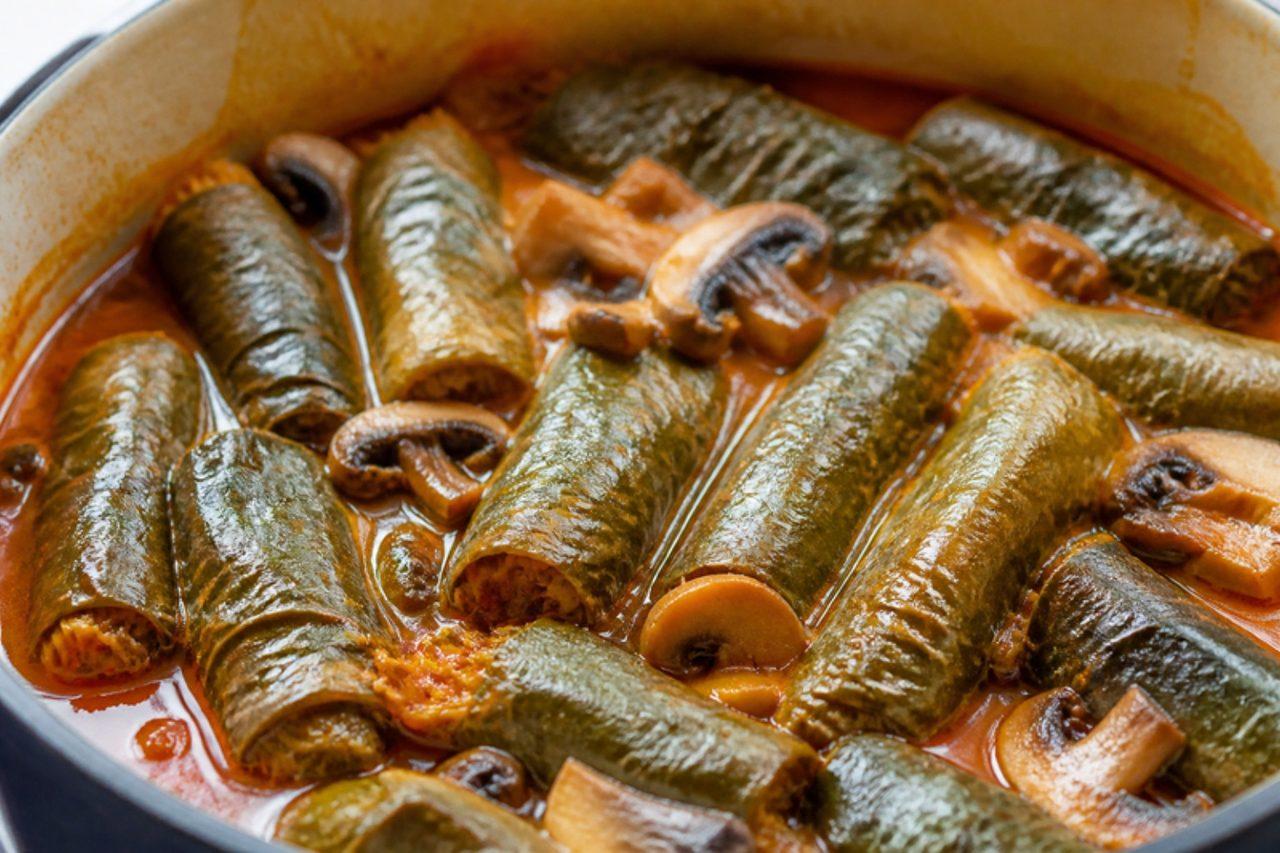
Rolling ekwang is a job for many hands: in the Southwest and around Douala, relatives sit together grating cocoyam and tucking it into leaves for a festive Sunday or a homecoming. The little green cigars are packed into a pot, drenched in red palm oil and left to simmer until the grated tuber binds into soft, almost creamy rolls in a rich, glossy sauce. Smoked fish and crayfish are the usual partners; this meat-free version gets its depth from fresh and dried mushrooms and a pinch of smoked paprika, so it suits vegetarian and vegan guests alike. Serve it on its own, scooping up the sauce, or with boiled plantain. Chef's tip: grate the cocoyam on the finest holes, almost to a purée, so the rolls hold together; coarse shreds stay separate and the pot turns grainy.

by KrazyBadal 0 views

Couscous de maïs

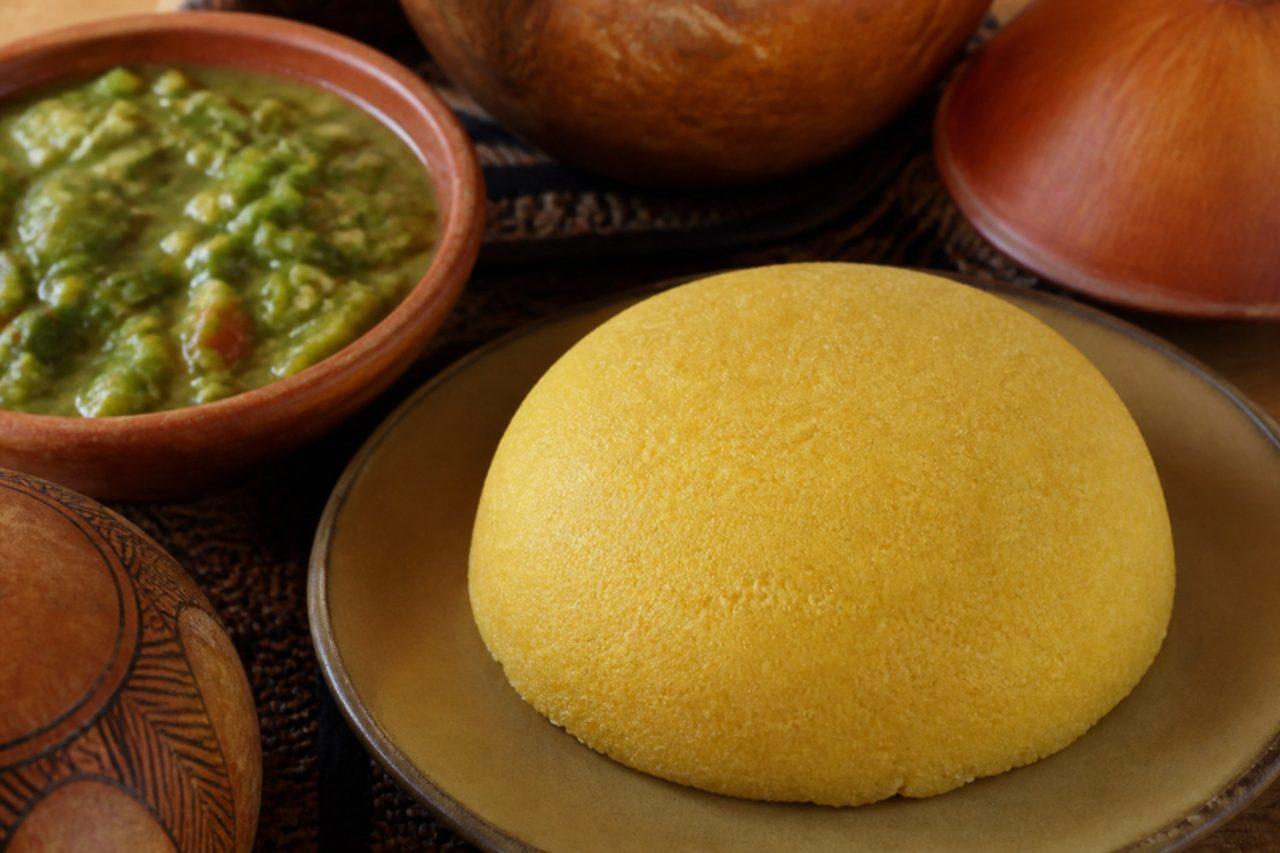
Across the North, from Garoua's riverside neighbourhoods to the Adamawa plateau around Ngaoundéré, the evening meal is usually couscous de maïs: not the steamed grains of North Africa but a stiff, smooth maize paste shaped into domes with a wet calabash. It is eaten with the right hand, dipped into slippery okra sauce, leaf sauces or a tomato and groundnut stew. The flavour is mild and sweet like fresh corn, and the texture firm enough to hold the dent made by your thumb. Use fine maize meal; coarse polenta gives a gritty result. Chef's tip: let the first handful of meal cook undisturbed on the simmering water for a few minutes before stirring; it forms a raft that blends in without lumps.

by KrazyBadal 0 views

Majarisco

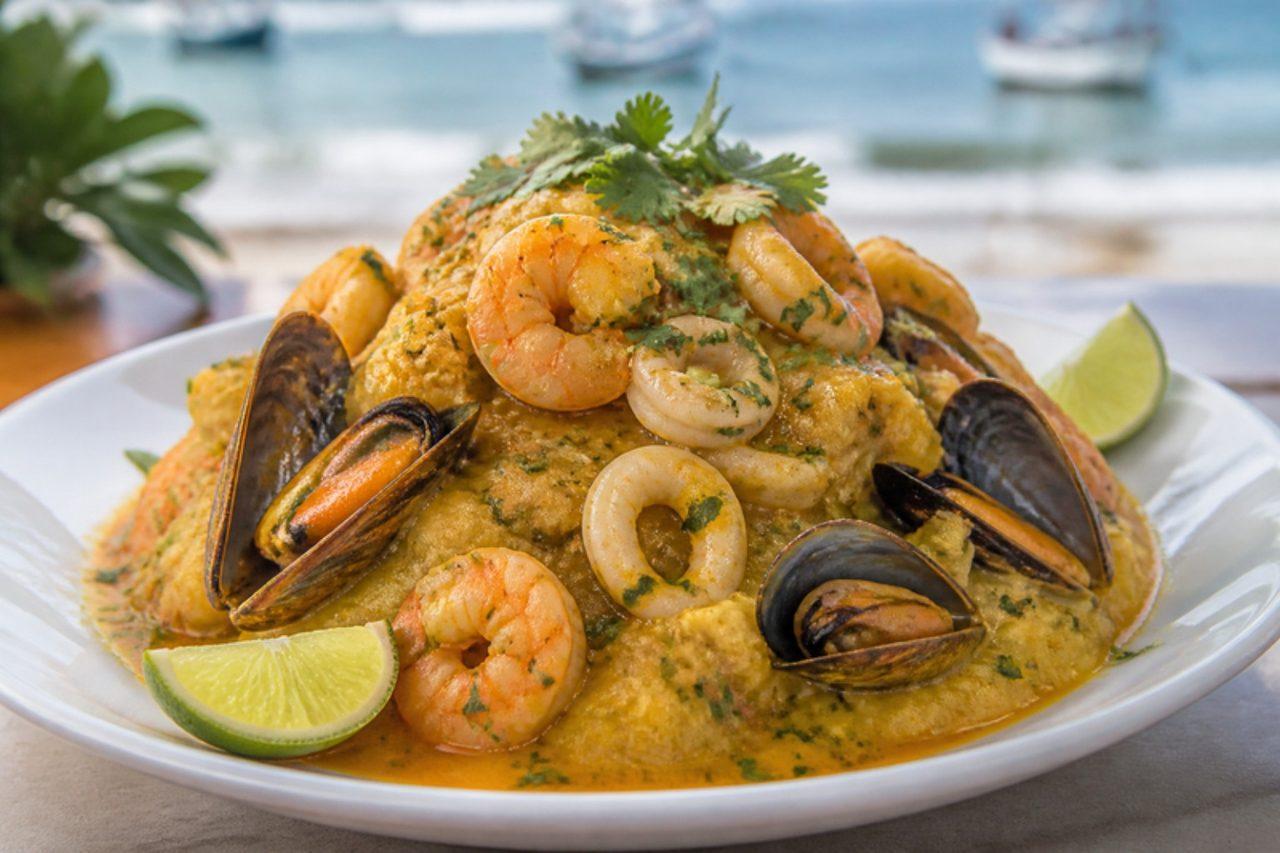
Its name blends 'majado' (mashed plantain) and 'marisco' (seafood), and along the coast of Piura and Tumbes, near the Ecuadorian border, it's what cevicherías and beach restaurants serve when you want something hot and filling. Mashed green plantain is folded into a sauce of garlic, onion, ají and seafood juices, with prawns, squid and mussels running through it, so every forkful is creamy, garlicky and briny. Serve it with lime and salsa criolla. Mussels must be alive: tap any open ones and discard those that don't close, and discard any that stay shut after cooking. Overcooking the seafood is the most frequent mistake; it goes in at the end, just until pink and opaque. Chef's tip: keep the mussel cooking liquid and use it to loosen the mash; it's pure seafood flavour.

by KrazyBadal 0 views

Seco de chabelo

Piura's picanterías, near the dry northern border, serve this rough, savoury mash at lunch: green plantains, roasted or boiled and pounded, mixed with fried strips of carne seca (salted dried beef) and a quick sofrito of onion, tomato and ají amarillo. It is dense, salty and smoky, with the plantain's starchy sweetness, and is eaten with salsa criolla and fried ripe plantain or chifles (plantain crisps). The legend says it was invented for a soldier called Chabelo in the War of the Pacific. Use carne seca or cecina from Latin shops, or unseasoned beef jerky. Pounding the plantains smooth is the classic mistake: chabelo should be lumpy and rustic. Chef's tip: soak the dried beef in warm water for 30 minutes and taste a piece; if it's still very salty, change the water and soak again.

by KrazyBadal 0 views

Chuño phuti

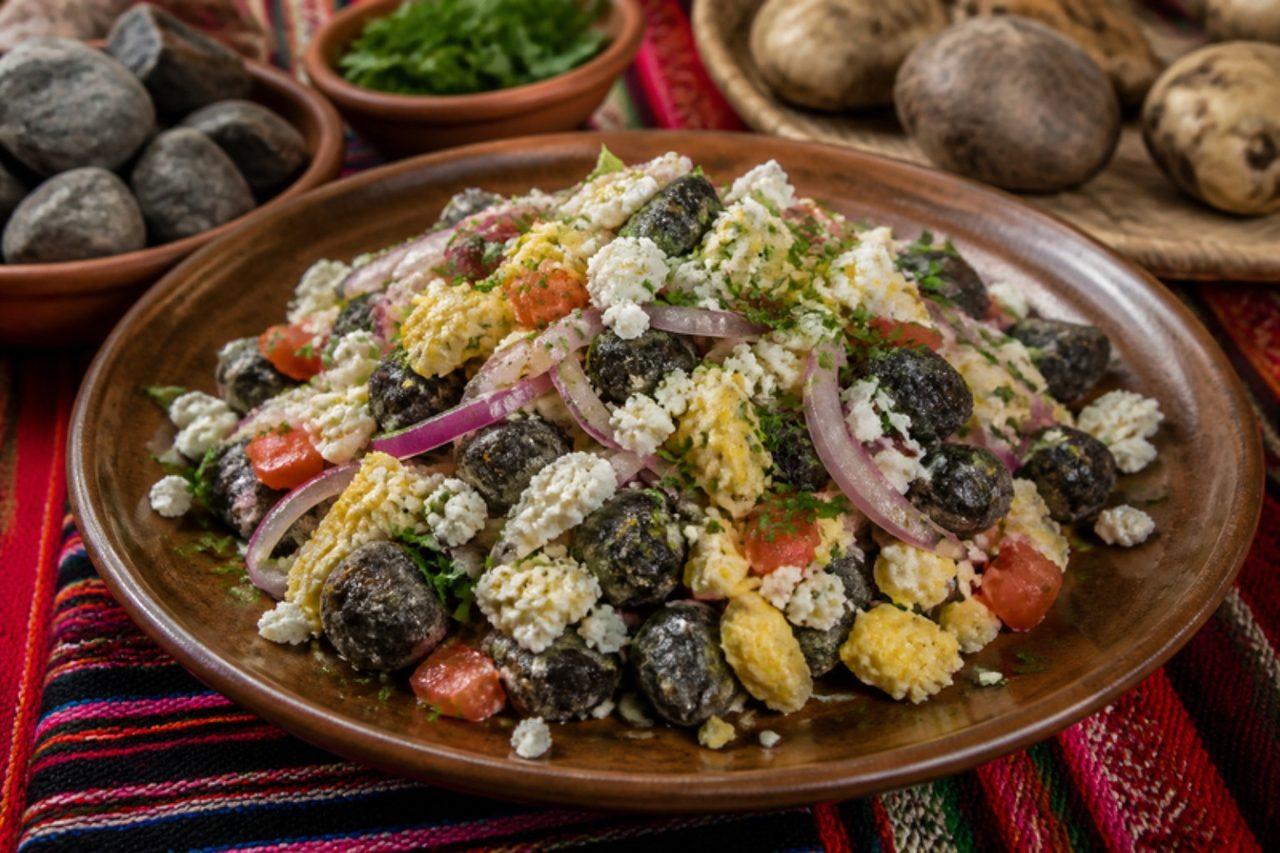
Chuño are potatoes freeze-dried the ancient way on the Altiplano: left out on frosty nights, trampled to squeeze out the water and dried in the high sun, so they keep for years. In Puno and across the border in Bolivia, they are soaked, crumbled and fried with onion, then scrambled with egg and fresh cheese to make phuti, a hearty breakfast or supper eaten with a hot tea. The texture is dense and slightly chewy, and the flavour earthy and a little tangy. Chuño is sold dried in Andean shops; it must soak overnight (ideally 24 hours, with the water changed) and then be peeled, which adds time before you start. The mistake is not soaking or rinsing enough: under-soaked chuño smells strong and stays hard in the middle. Serve with a fresh tomato salsa or uchucuta. Fresh cheese is usually made with animal rennet, so use a vegetarian one if needed. Chef's tip: squeeze the soaked chuño hard between your palms before crumbling; the drier it is, the better it fries.

by KrazyBadal 0 views

Arroz con pato

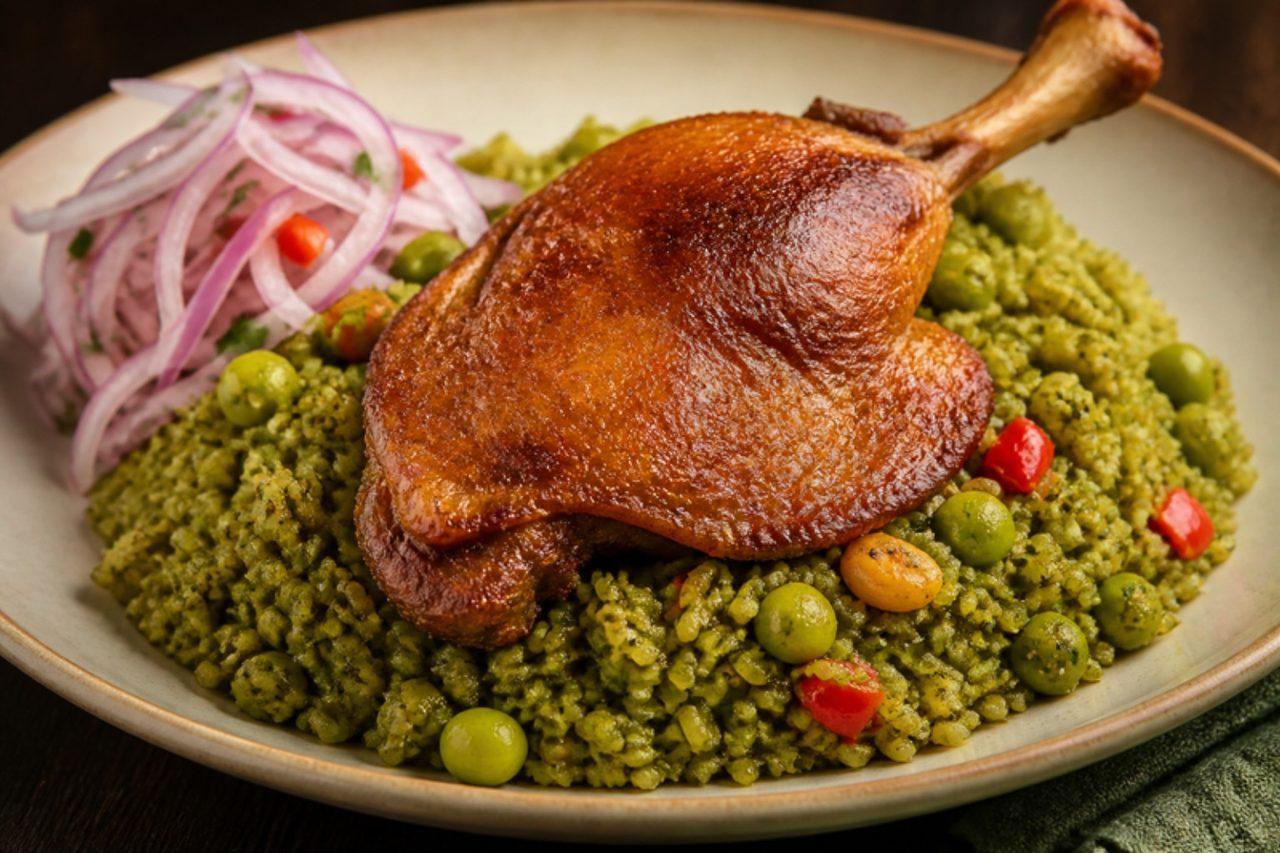
Chiclayo and the northern coast claim arroz con pato as their own, and family lunches and big Sunday gatherings there often centre on a deep pot of it: duck legs browned and simmered in dark beer and a purée of coriander and spinach, then rice cooked in the same green, duck-rich liquid with peas, red pepper and ají amarillo. The rice is moist and loose, the duck tender with crisp edges, and it is served with salsa criolla and, often, papa a la huancaína. The beer contains alcohol, and not all of it cooks off; for an alcohol-free pot use alcohol-free beer or the stock swap in the ingredients. A common mistake is skipping the browning, which leaves flabby skin and a pale, fatty rice; render the duck slowly first and pour off excess fat. Chef's tip: let the cooked rice rest under the lid off the heat for 10 minutes before fluffing.

by KrazyBadal 0 views

Huatia

After the potato harvest in May and June, families in Puno, Cusco and across the highlands build a huatia in the field: a little dome of dry earth clods heated with dried brush until the clods glow, then knocked down over freshly dug potatoes and oca so they bake slowly underground. Opened an hour later, the potatoes are smoky, floury and so soft their skins split, and the oca turns sweet and tangy. Everyone eats them with their hands, with salt, chilli sauce and fresh cheese. This recipe gives an oven method for home cooks: a lidded pot bedded with coarse salt and herbs, which traps heat and steam much like the earth. If you do try a real huatia outdoors, use a clear patch of ground away from anything that can catch fire and keep water nearby. Don't uncover the pot early to check: the steam escapes and the potatoes turn leathery. Fresh oca is sold in some markets as New Zealand yam; small sweet potatoes will do. Chef's tip: choose potatoes of a similar size so they all finish together, and serve with uchucuta.

by KrazyBadal 0 views

Showing 24 of 144 recipes

Show more recipes

Page 1 of 6