Skip to content
Recipes

All recipes

Vegetarian, or something you can't eat? Set your diet once and we'll hide recipes that don't fit.

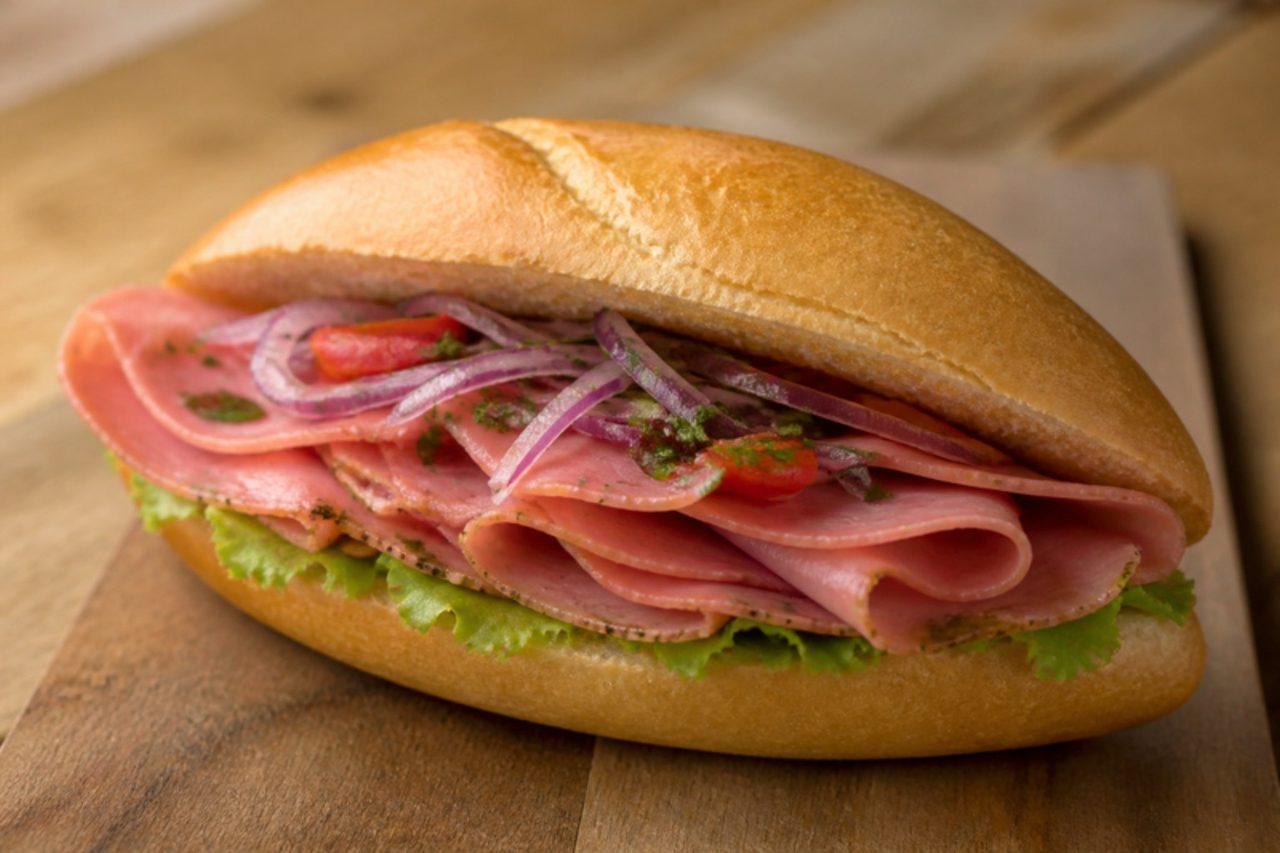
Pan con butifarraHam roll with onion salsa

Pan con butifarra is Lima's evening sandwich, sold in old-school sangucherías and made at home for a light dinner with coffee: a crusty roll filled with jamón del país, a spiced Peruvian pork ham, under a heap of salsa criolla, red onion sliced thin and soaked in lime with chilli. Outside Peru, use a good cooked pork ham. The common mistake is leaving the onion harsh; give it a quick rinse in salted water before dressing it. Chef's tip: a leaf of lettuce under the ham stops the lime juice soaking straight into the bread.

by KrazyBadal 0 views

Tumis sawiStir-fried mustard greens

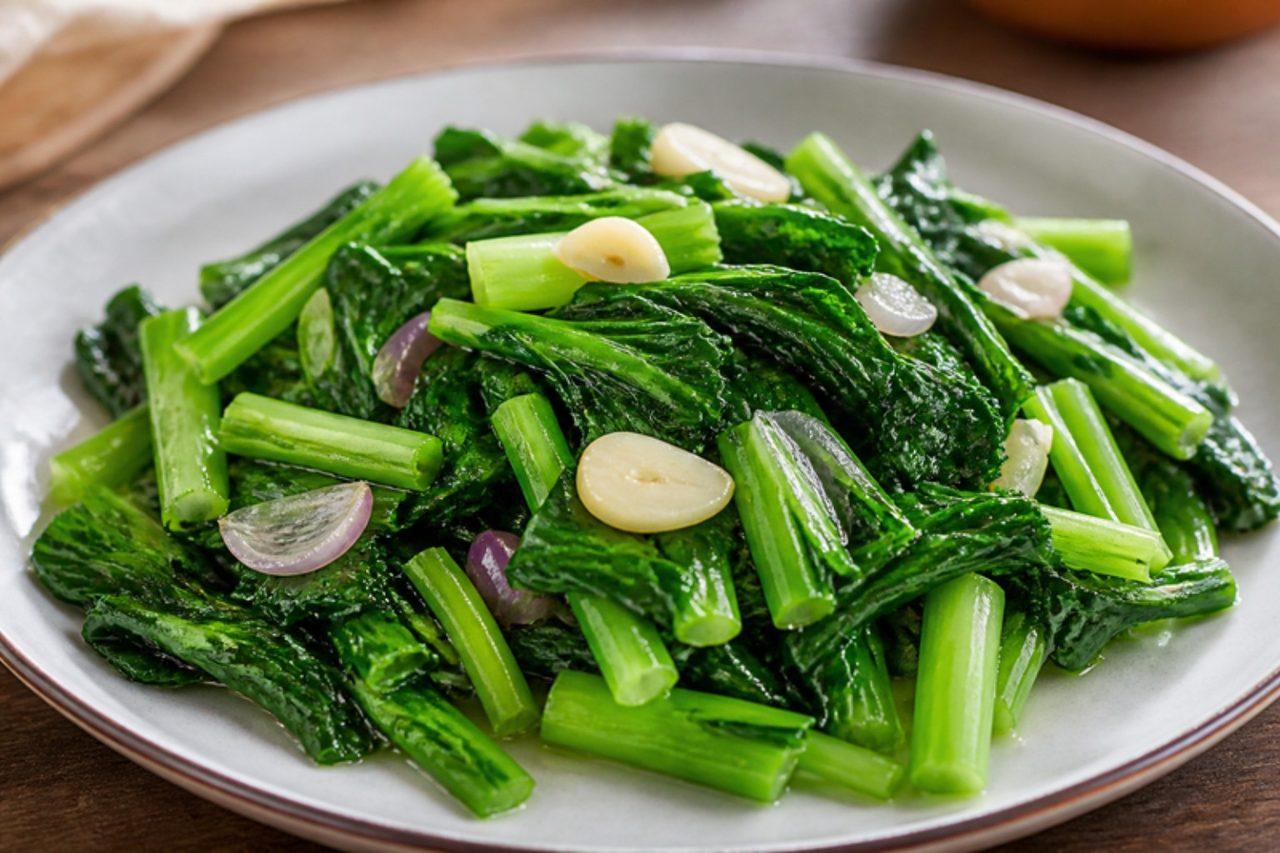
Tumis sawi is the green dish that turns up on Indonesian dinner tables nearly every day, from Jakarta homes to Padang-style warung: mustard greens (sawi hijau) or choy sum stir-fried with shallot, garlic and a splash of soy until just wilted. Many cooks add a few prawns or a spoon of oyster sauce; this version is vegan. The common mistake is throwing stems and leaves in together, so the leaves go to mush while the stems stay raw; give the stems a 1-minute head start. Chef's tip: a splash of water once the greens go in makes a little steam that cooks them evenly and keeps them glossy.

by KrazyBadal 0 views

Sayur beningClear spinach and corn soup

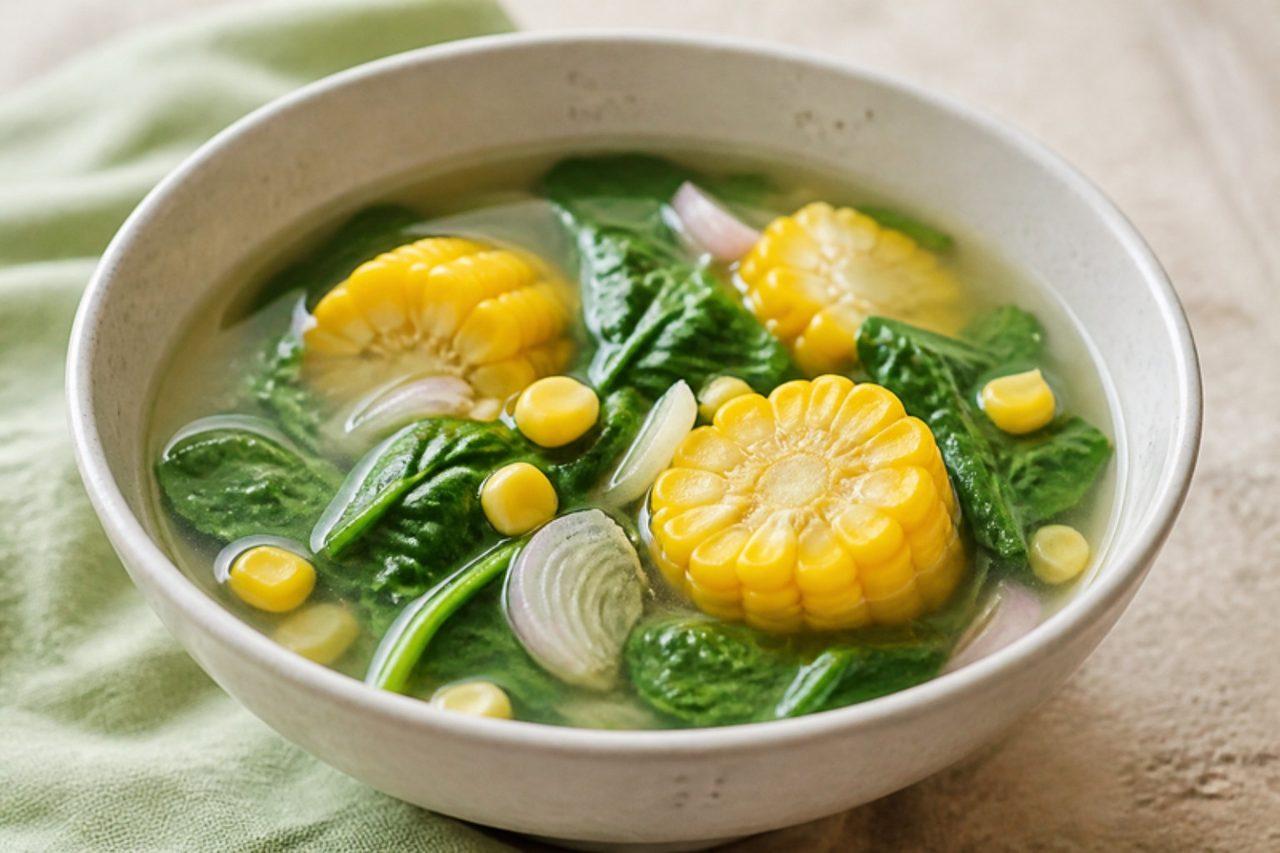
Sayur bening, 'clear vegetables', is the light soup that sits beside almost every everyday meal in Central and East Java, eaten at lunch and supper with rice, fried tempe and sambal. Spinach (or amaranth) and sweetcorn are simmered briefly in water scented with shallot, garlic and fingerroot, so the broth stays clear and tastes sweet and green. The common mistake is boiling the spinach for too long: add it last and take the pan off the heat as soon as the leaves collapse. Chef's tip: if you can find fingerroot (temu kunci) in an Asian grocer, bruise one finger into the pot; it gives the authentic peppery-citrus note, but the soup is still good without it.

by KrazyBadal 0 views

TripleAvocado, tomato and egg sandwich

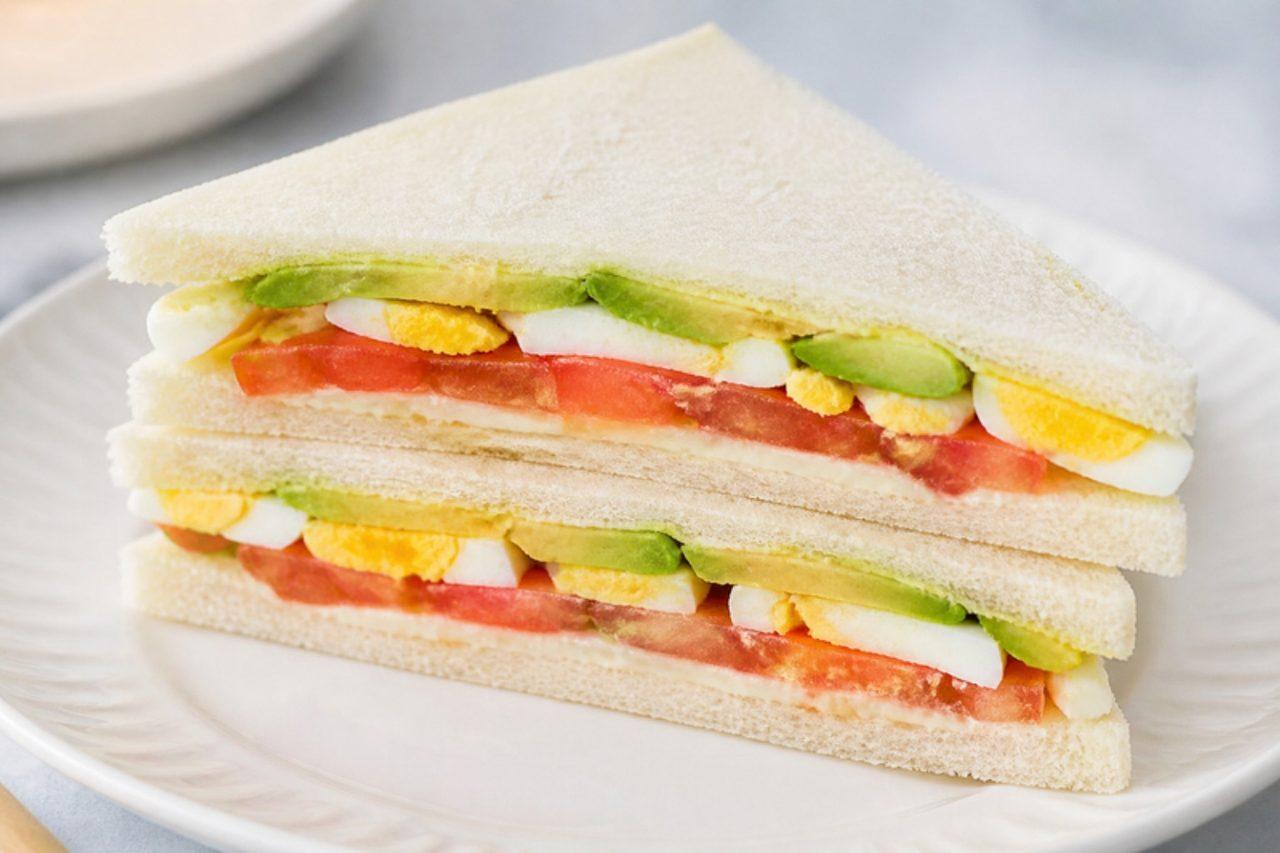
The triple is the soft, layered sandwich of Lima's cafés and bakeries, eaten at lonche, the Peruvian late-afternoon meal, or as a light supper: three slices of crustless white bread layered with avocado, tomato and sliced hard-boiled egg, all held together with mayonnaise. It looks neat, tastes fresh and is loved by children. Shop-bought mayonnaise is made with pasteurised egg, so it is safe for everyone. The common mistake is letting wet tomato touch the bread, which turns it soggy within minutes. Chef's tip: pat the tomato dry and sit it between the avocado and egg, then press the sandwich under a board for a minute before cutting.

by KrazyBadal 0 views

Tahu kecapFried tofu in sweet soy

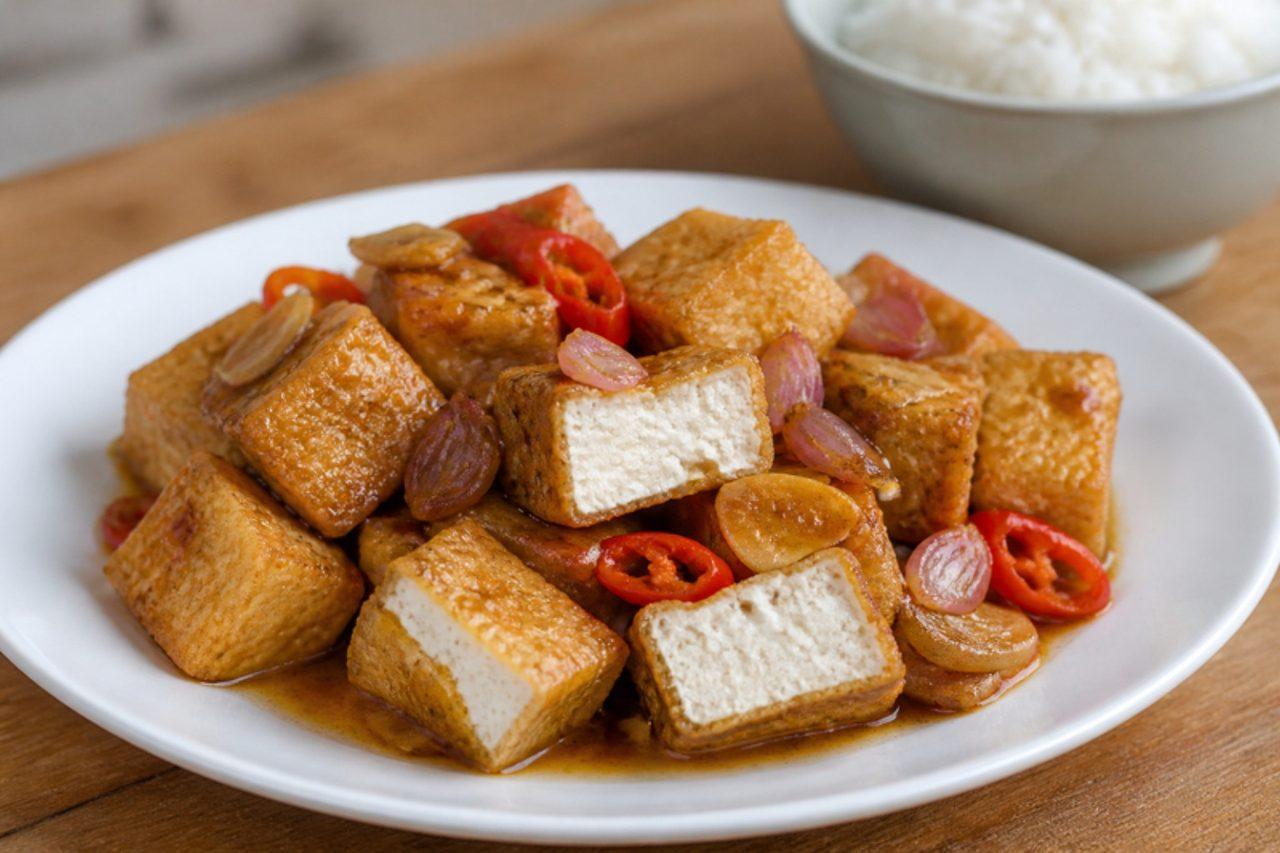
Tahu kecap is everyday Javanese home cooking, made for supper from Yogyakarta to Surabaya and sold in warung trays by midday: cubes of tofu fried until golden, then tossed with sliced shallot, garlic and chilli in sticky, dark kecap manis. Sweet, salty and a little hot, it is eaten with rice and cucumber slices. The common mistake is frying wet tofu, which spits and never crisps; pat the cubes very dry first. Chef's tip: buy ready-fried tofu puffs or firm pre-pressed tofu if you're short of time; they need only a quick toss, and the hollow puffs soak up the sauce beautifully.

by KrazyBadal 0 views

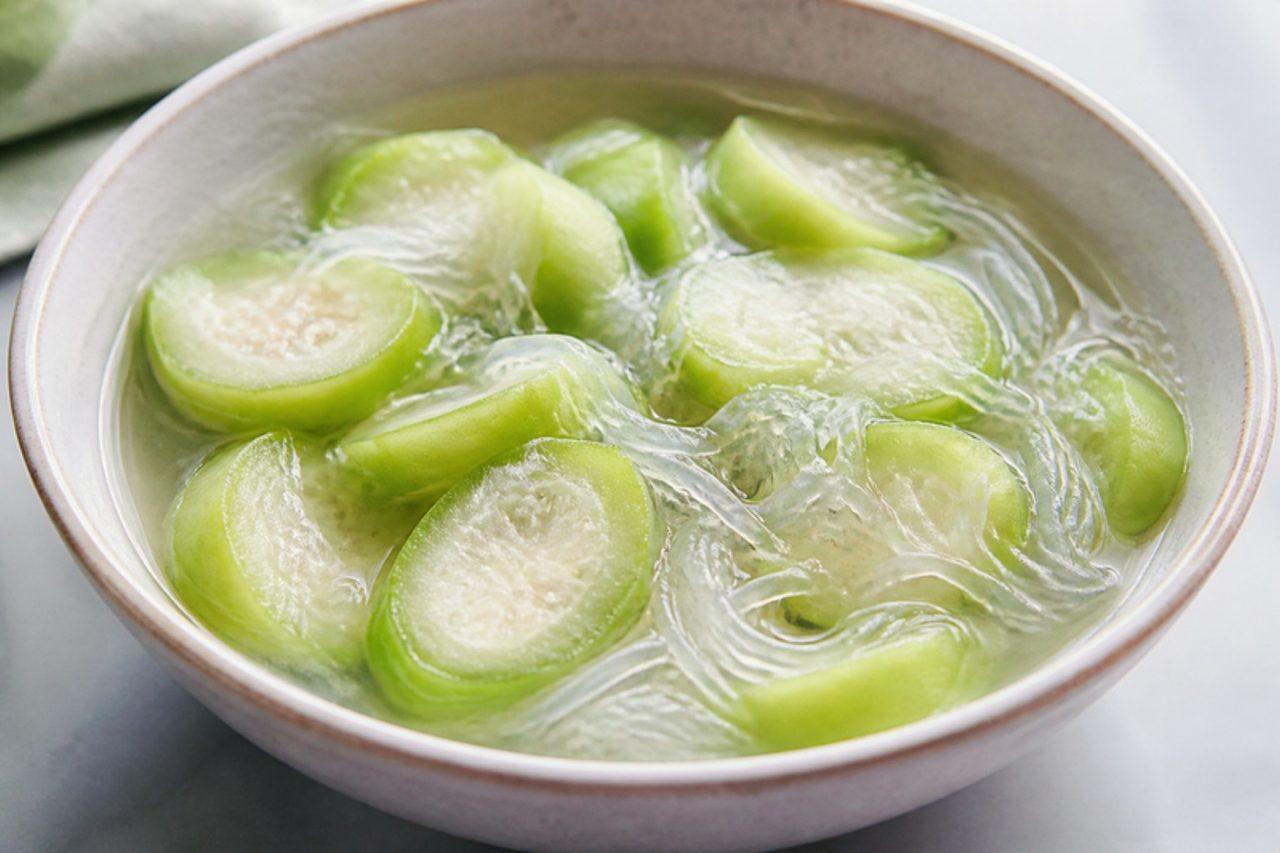
Sayur oyongLuffa and glass noodle soup

Sayur oyong is a mild home soup from Java, cooked for weekday lunches and suppers when angled luffa (oyong) is in the market: the gourd turns soft and silky in a light broth of garlic and shallot, and a handful of glass noodles makes it filling. Many cooks add dried shrimp or a few prawns; this version keeps it vegetarian. The common mistake is adding the glass noodles too early, which makes them swell and drink all the broth; they need only 2 minutes at the end. Chef's tip: fry the shallot and garlic until just golden before adding water, which gives a sweet, rounded flavour to a broth with only a few ingredients.

by KrazyBadal 0 views

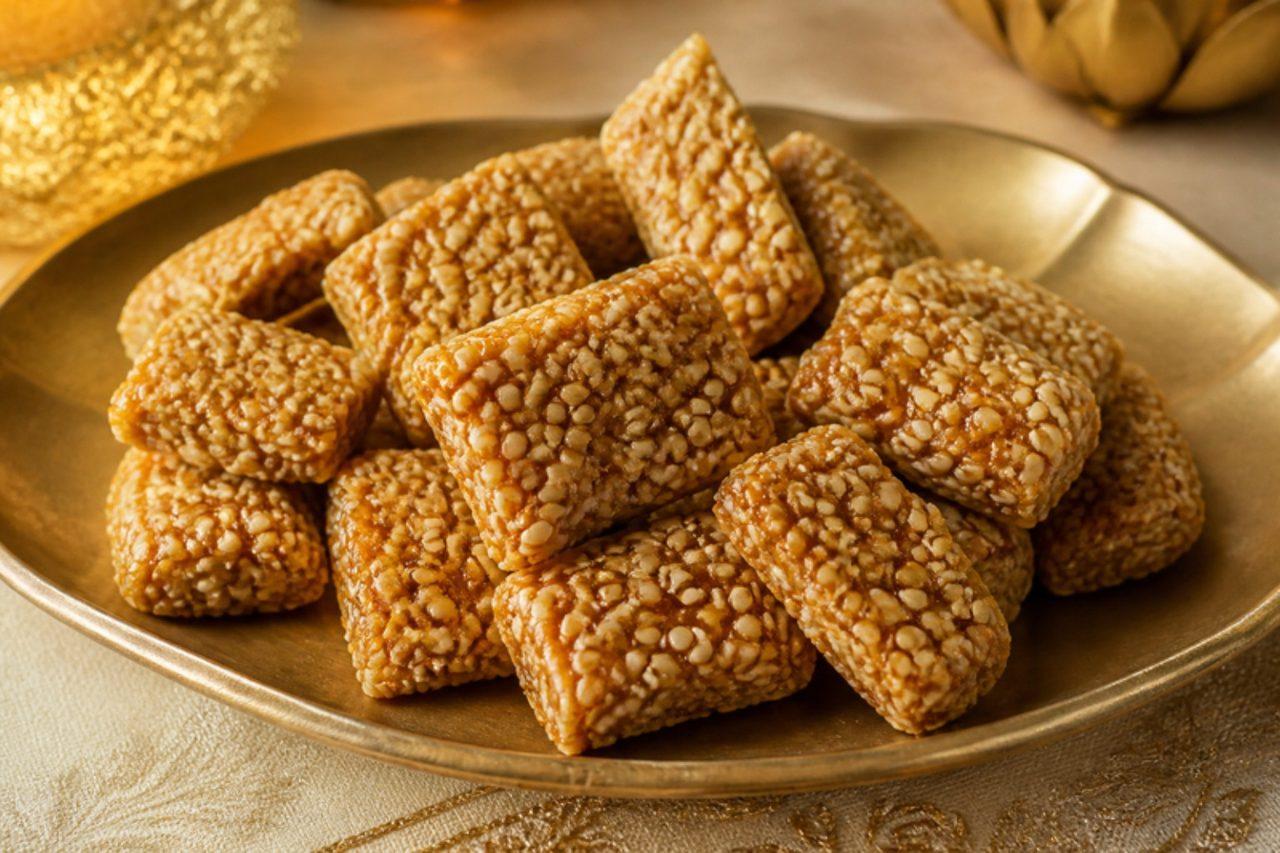
Gato zinzliSesame caramel sweets

Zinzli is the Mauritian Creole word for sesame, and gato zinzli are the little amber squares or drops of toasted sesame set in caramelised sugar that crowd the edge of every Divali plate on the island, next to moutaille and cravate. They are close to the til chikki of India but made with white sugar, a squeeze of lime and a little vanilla, so they are glassy, crunchy and nutty. Common mistake: taking the caramel off too early, which gives chewy sweets that stick to your teeth; cook the sugar to a light amber, about the hard-crack stage, when a drop in cold water snaps cleanly. Chef's tip: have everything oiled and ready before you start, because once the sesame goes in you have only a minute or two to shape it.

by KrazyBadal 0 views

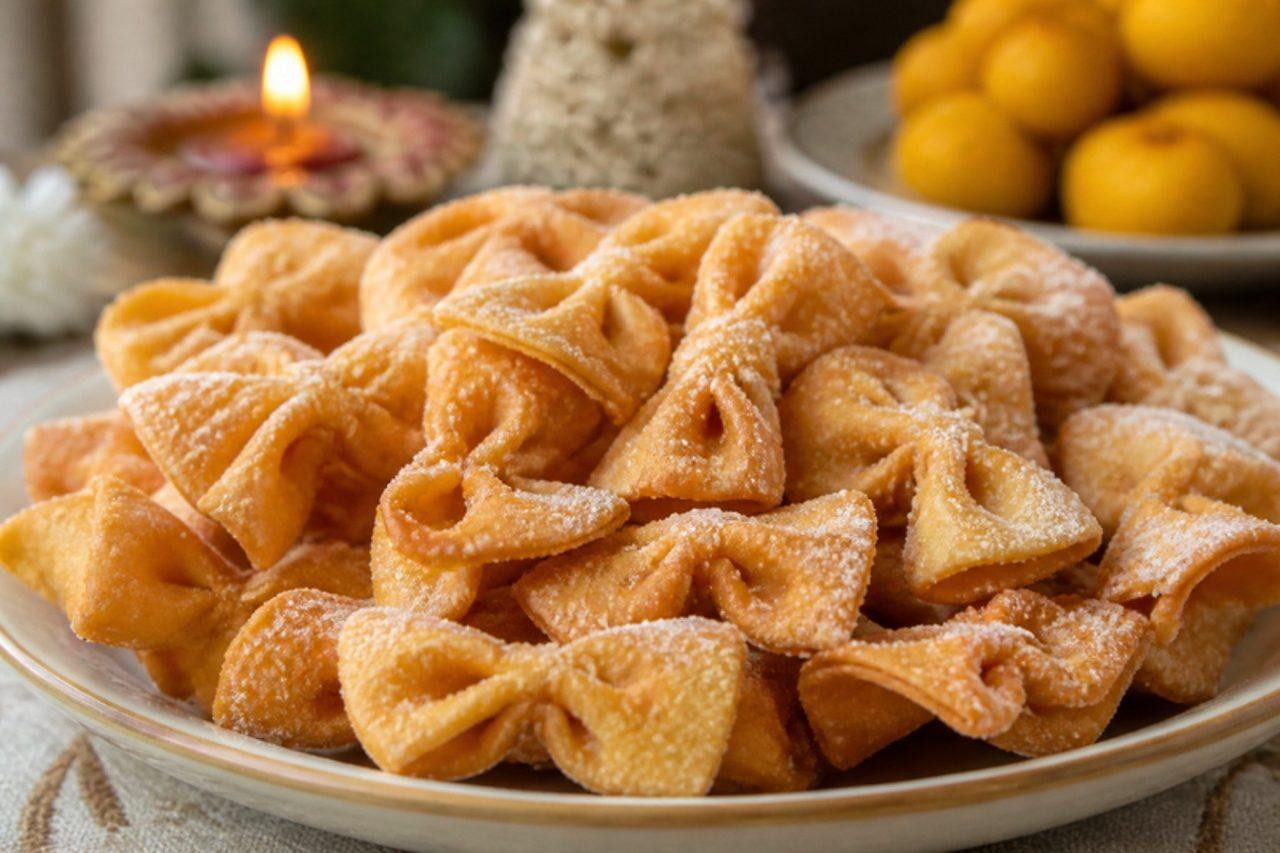
Gato cravateBow-tie pastries

Gato cravate, 'tie cakes', are named for their shape: little strips of sweet dough slit down the middle and pulled through themselves into a twisted bow. In Mauritius they are fried by the tin in the week before Divali and packed with other sweets onto the plates that neighbours exchange on the night of the lamps; they also turn up at weddings and tea time. The pastry is lightly sweetened with sugar and vanilla, fried until blistered and crisp, then tossed in cinnamon sugar. Common mistake: rolling the dough thick, which gives a hard, bready bow; roll it as thin as a coin and fry until pale gold and the bubbling has nearly stopped, a sign the moisture has cooked out. Chef's tip: toss them in sugar while still warm so it sticks, and let them cool on a rack so they stay crisp.

by KrazyBadal 0 views

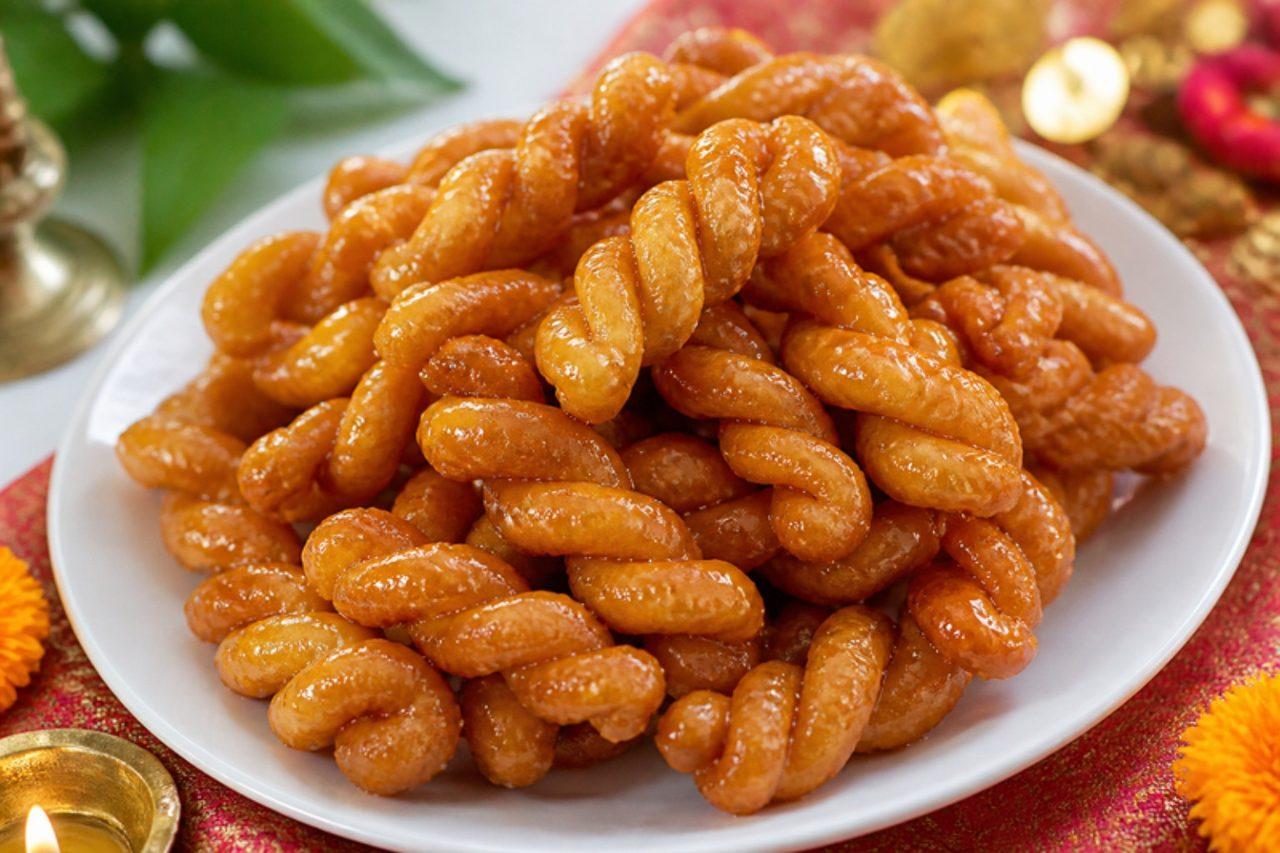
Gato moutailleFried dough ropes in cardamom syrup

On Divali evening in Mauritius, Hindu households set out clay lamps and then walk plates of sweets round to their neighbours, Hindu, Muslim, Creole and Chinese alike; gato moutaille, gato cravate and gato zinzli are almost always on the plate. Moutaille (from the Bhojpuri mithai) are short ropes of soft dough twisted into knots or spirals, fried until crisp and soaked in a cardamom syrup so the outside is sticky and the inside stays slightly chewy. Common mistake: syrup that is too thick, which crystallises into a white crust; cook it only to one-string consistency, when a drop pulled between finger and thumb makes a single thread. Chef's tip: dip the moutaille while they are hot and the syrup is warm, then lift them out after a minute so they stay crisp.

by KrazyBadal 0 views

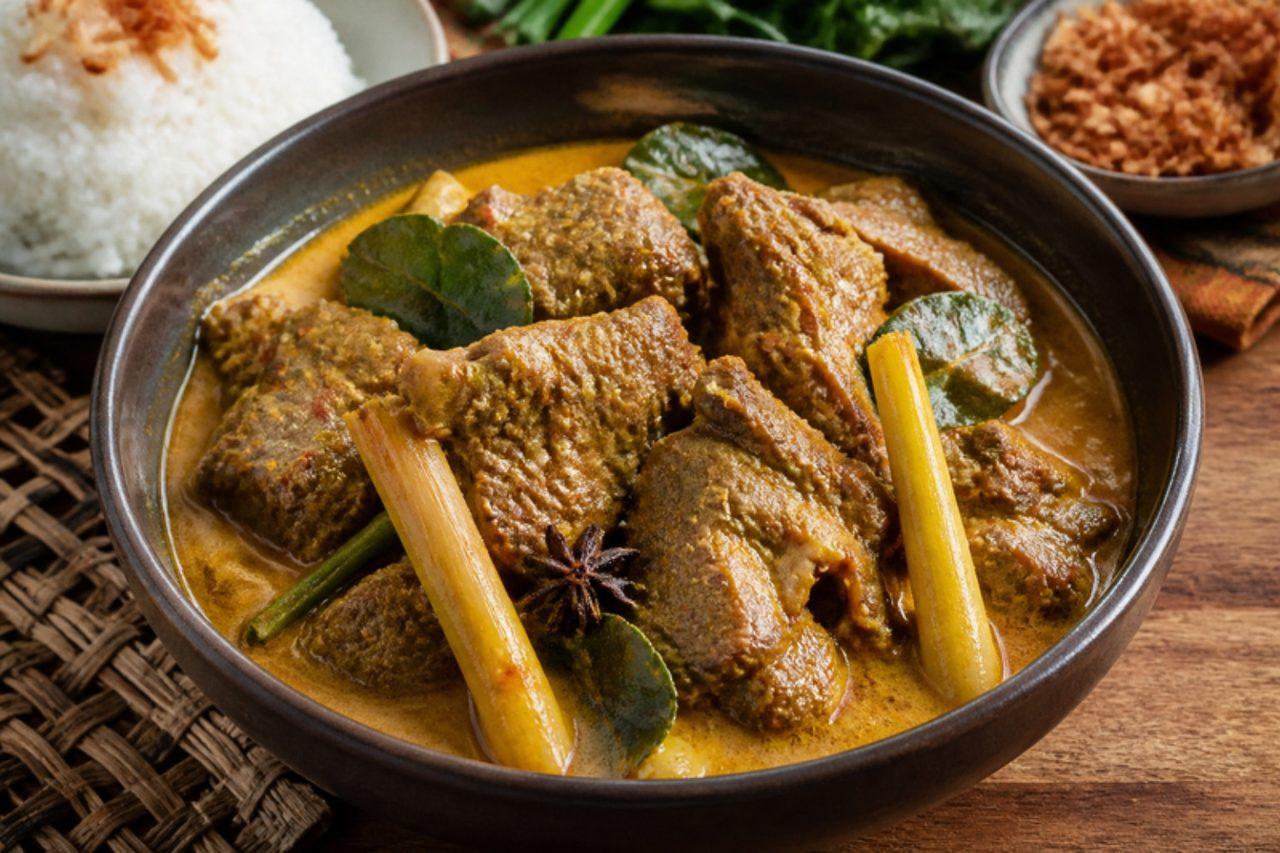
Gulai kambingGoat in yellow coconut curry

When the sacrifice of Idul Adha is shared out in Sumatran and Javanese neighbourhoods, many kitchens turn their portion of goat into gulai kambing: chunks of meat simmered slowly in a golden coconut gravy perfumed with turmeric, lemongrass, kaffir lime and whole spices. The sauce is rich, fragrant and only gently hot, and it is eaten with plain rice, sambal and fried shallots, often by families who rarely eat goat the rest of the year. Chef's tip: blanch the goat first and throw that water away, which removes the strong smell and gives a cleaner gravy.

by KrazyBadal 0 views

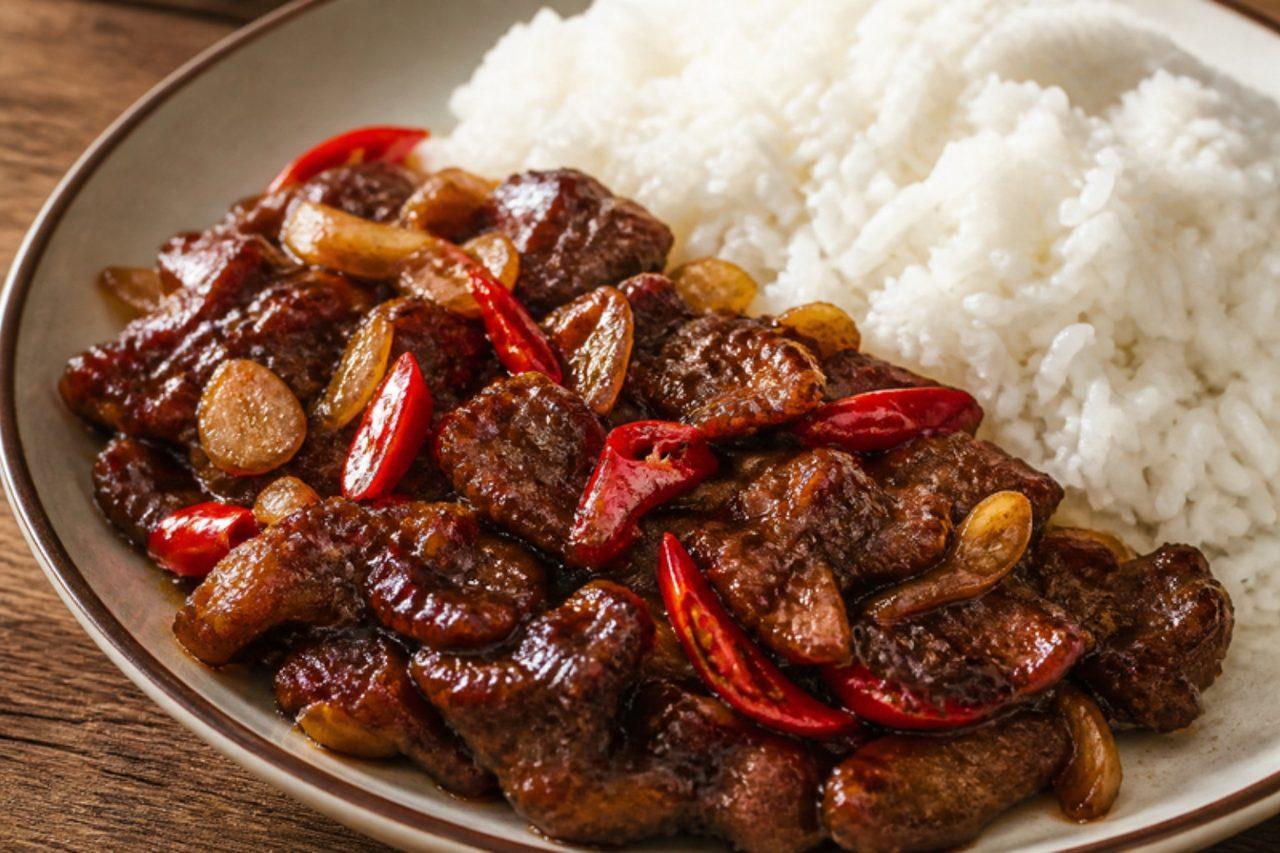
KrengsenganGoat stir-fried with sweet soy

Krengsengan is how many East Javanese households in Surabaya and Malang cook their share of Idul Adha goat or beef: thin slices stir-fried with shallots, garlic and chilli, then cooked down with sweet soy and a little petis (dark shrimp paste) until sticky and glossy. It is sweet, savoury and fiery, best with hot rice and cucumber. Petis is optional for anyone who prefers not to use shrimp. Chef's tip: slice the meat thinly across the grain, which keeps it tender in a quick cook.

by KrazyBadal 0 views

KalanehWild leek stuffed flatbread

In Kurdistan and Kermanshah, Newroz arrives with the first spring greens on the hillsides, and families gather wild leeks to fold into kalaneh, thin griddle breads cooked over a fire or a hot pan and soaked in melted butter. The dough is plain and soft, rolled very thin around a pile of chopped leek or chives with a little salt and pepper, so the greens steam inside as the bread blisters. Eat it hot, torn into strips, with yogurt and tea at a Newroz picnic. The common mistake is wet greens, which turn the dough soggy and make it tear; dry them well after washing. Chef's tip: brush the butter on the moment the bread leaves the pan so it soaks right in.

by KrazyBadal 0 views

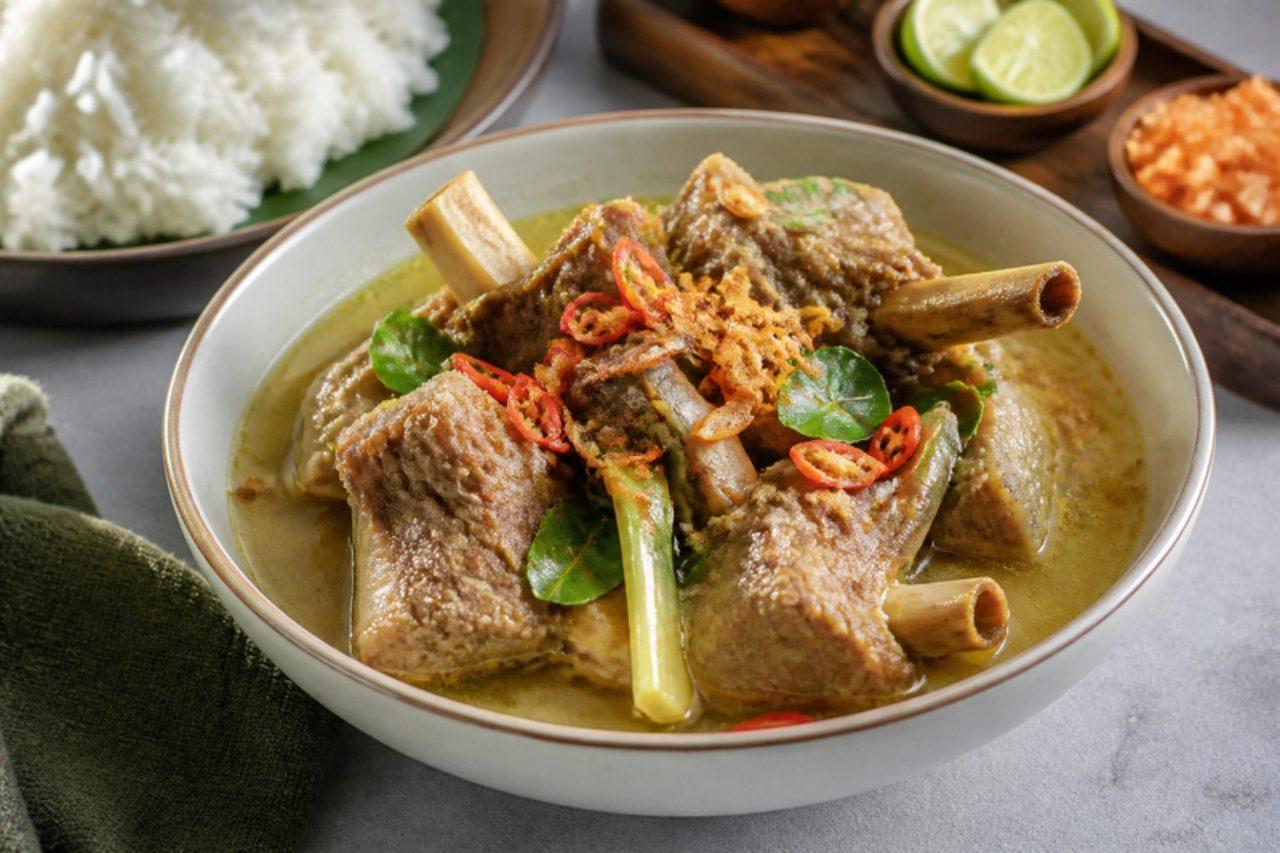
TengklengGoat rib and bone soup

Tengkleng was born in Solo, Central Java, as a way of using every part of the goat, and it comes into its own at Idul Adha, when the ribs and bones from the sacrifice go into a big pot of thin, turmeric-yellow broth. Diners pick the bones up by hand and suck out the meat and marrow, then spoon the light, aromatic soup over rice. It is less rich than gulai, warmer and sharper with ginger and pepper. Chef's tip: simmer gently with the lid ajar; a fierce boil clouds the broth and toughens the meat on the bones.

by KrazyBadal 0 views

Pajagua mascadaBeef and cassava patties

Pajagua mascada is a Paraguayan street-food classic that appears on every table for the San Juan festival on 24 June, when bonfires burn and the night is full of games and traditional food. Minced beef is mixed with mashed cassava, onion, garlic and a little egg and flour, shaped into flat patties and fried until crisp. The name comes from Guaraní and refers to the 'chewing' of old Paraguayan cooks, who made it from leftover meat. Chef's tip: dry the boiled cassava well and remove its woody core, which keeps the patties light and crunchy.

by KrazyBadal 0 views

AllerheiligenstriezelBraided sweet loaf

In Bavaria and Austria, godparents give their godchildren an Allerheiligenstriezel on All Saints' Day, 1 November: a large braided loaf of sweet yeast dough, brushed with egg and scattered with almonds or pearl sugar. The braid is said to recall the old custom of cutting a plait of hair in mourning, and the size of the loaf once showed how generous the godparent was. It is lightly sweet, with lemon and vanilla, and is eaten sliced with butter or jam. Some recipes add rum-soaked raisins; these are soaked in warm water instead. Chef's tip: braid four strands for an impressive, high loaf.

by KrazyBadal 0 views

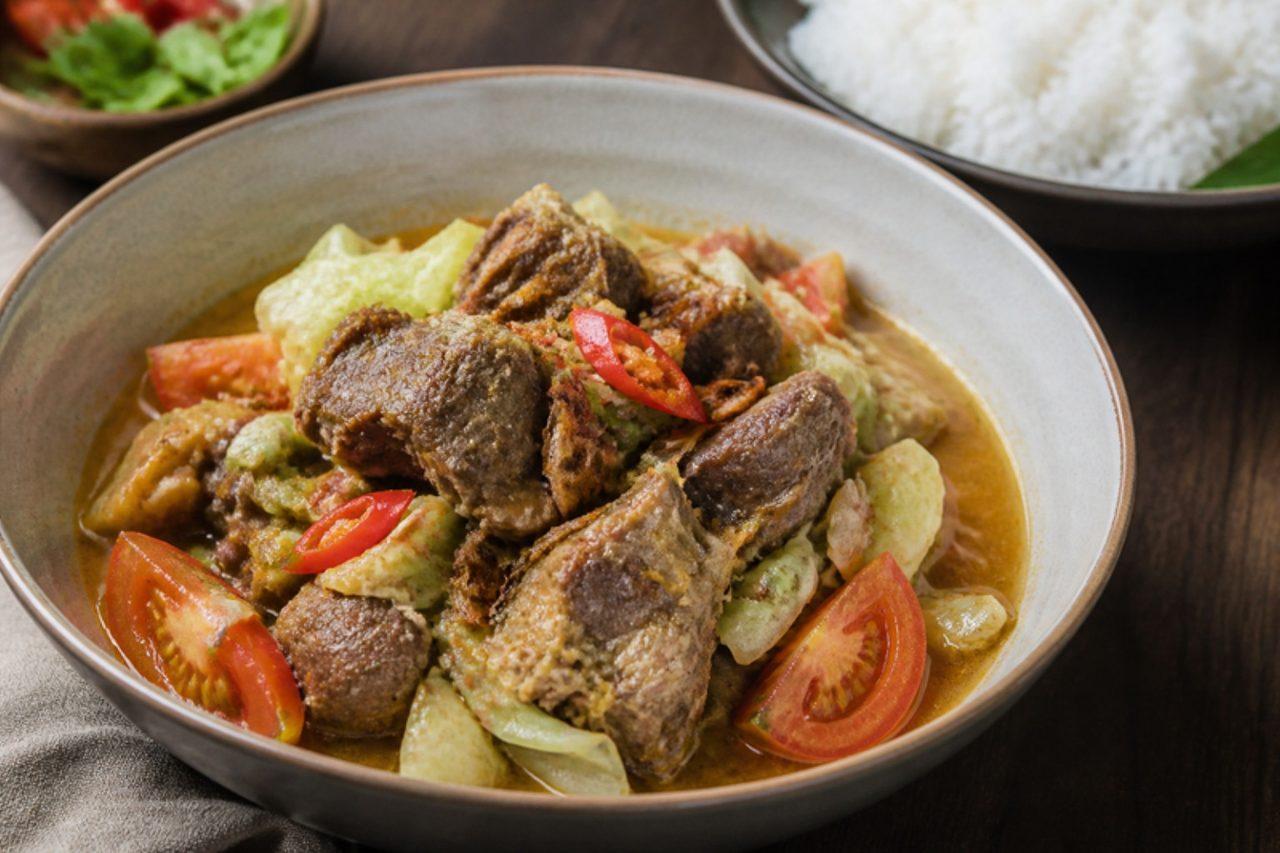
Tongseng kambingGoat in curry broth with cabbage

After the Idul Adha sacrifice in Solo, Central Java, the neighbourhood warung and home kitchens turn bite-sized goat into tongseng: meat quickly stir-cooked in a thin, spiced coconut curry with cabbage, tomato and a generous pour of sweet soy sauce. The result is sweet, peppery and a little hot, served with rice and eaten the same day the meat is shared out. Chef's tip: add the cabbage at the very end so it stays crisp-tender and bright.

by KrazyBadal 0 views

TimphanBanana sticky rice parcels with custard

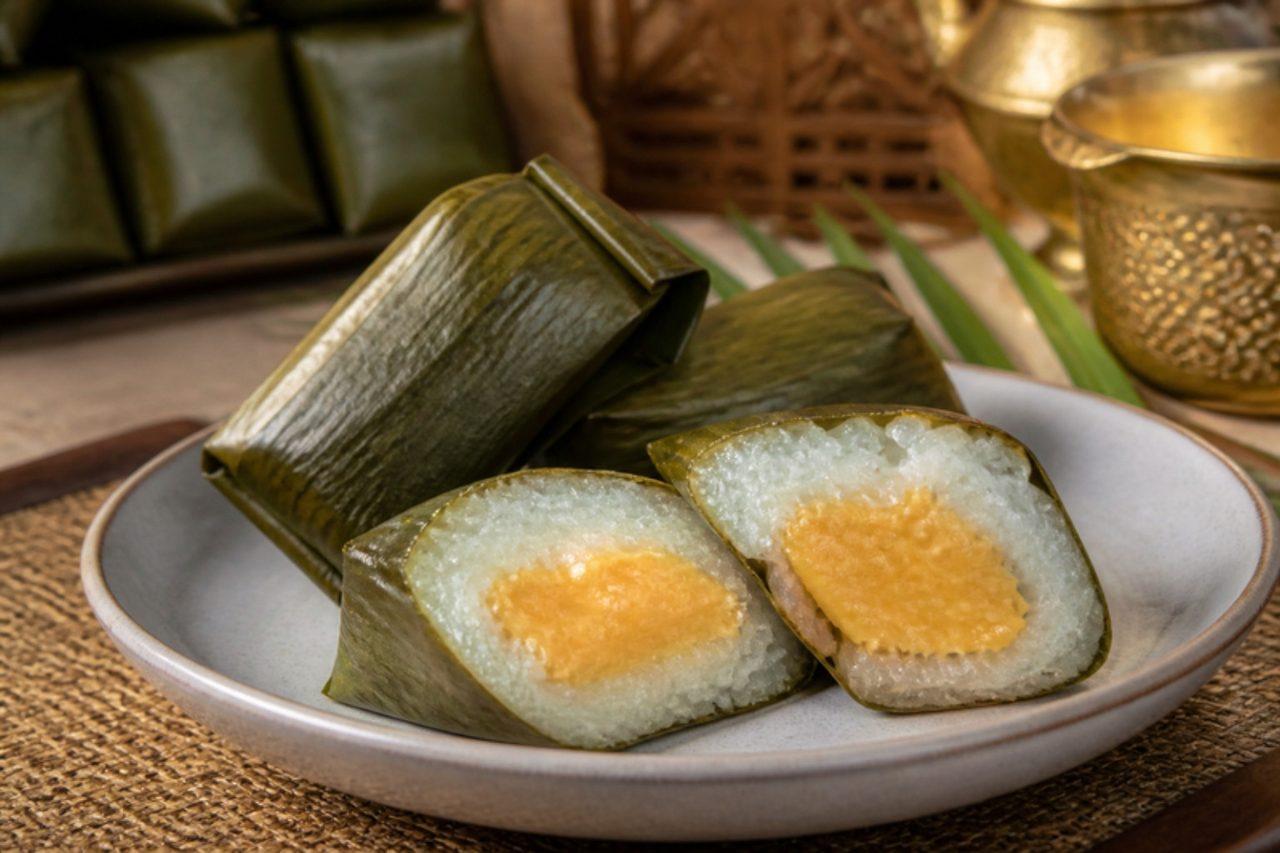
Timphan is the pride of Aceh's Lebaran table: soft, chewy parcels of mashed banana and glutinous rice flour wrapped around a thick coconut and egg custard called srikaya, then steamed in banana leaves. Acehnese families make dozens before Eid to serve to guests, and they are also carried home after the holiday as gifts. The dough is sweet and fragrant, the filling silky and caramel-like. Chef's tip: cook the srikaya until it is very thick and cool it before filling, as runny custard leaks out of the parcels while they steam.

by KrazyBadal 0 views

KaguyjyWhite corn pudding

On the night of 23–24 June, Paraguayans celebrate San Juan with bonfires, games like walking over hot coals and the 'paso de fuego', and a table of traditional foods, and kaguyjy (also mazamorra) is one of them. It is a soft, creamy pudding of cracked white corn (locro) simmered slowly in water and then milk with sugar or honey, sometimes with orange peel. It is eaten warm or cold. It is gluten free. Chef's tip: soak the corn overnight and cook it until each kernel is tender before adding the milk, or it never turns creamy.

by KrazyBadal 0 views

Chipa so'oCheese bread with spiced beef

In Paraguay, families bake chipa in the clay tatakua ovens on Holy Wednesday so there is food for Thursday and Good Friday, when cooking stops. Chipa so'o ('chipa with meat') is a cassava-starch and cheese bread wrapped around a little filling of minced beef cooked with onion and egg, then baked until crisp outside and chewy within. It is naturally gluten free. Chef's tip: knead the dough until it no longer cracks at the edges when pressed; dry dough splits around the filling.

by KrazyBadal 0 views

TihaneStuffed lamb spleen

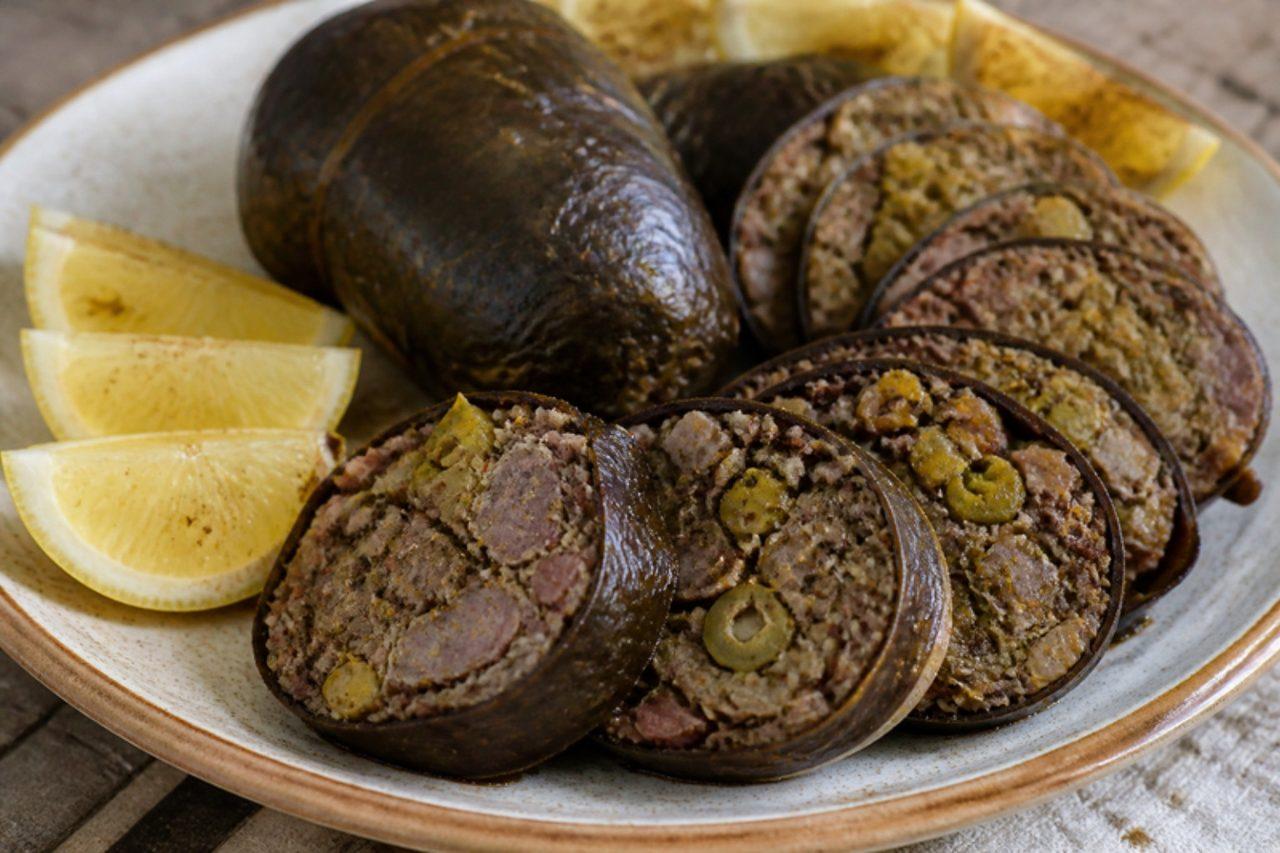
Tihane, or tehal, is an old Eid al-Adha speciality from Moroccan towns such as Fez and Marrakech, made on the days after the sacrifice when the offal is shared out. The lamb's spleen is cut open into a pocket and stuffed with chopped liver and heart, a little fat, green olives, preserved lemon, garlic and cumin, then sewn shut, poached and roasted until browned. It is sliced thin and eaten warm or cold with bread. Ask a halal butcher for the spleen and offal. Chef's tip: prick the spleen with a fine needle before poaching so it doesn't burst in the pot.

130 minMoroccanMeatGluten free
by KrazyBadal 0 views

Es timun suriIced cucumber melon drink

Timun suri, a large cucumber-melon, appears in Indonesian markets only during Ramadan, piled high at roadside stalls for families to buy before iftar. Scraped into strands and floated in iced syrup with basil seeds and lime, it makes es timun suri, one of the most refreshing ways to break the fast. It tastes gently sweet, melony and cool. Cantaloupe or galia melon is a good stand-in outside Indonesia. Chef's tip: soak the basil seeds fully before adding them, as dry seeds clump into hard lumps in cold syrup.

by KrazyBadal 0 views

Emping melinjoMelinjo nut crackers

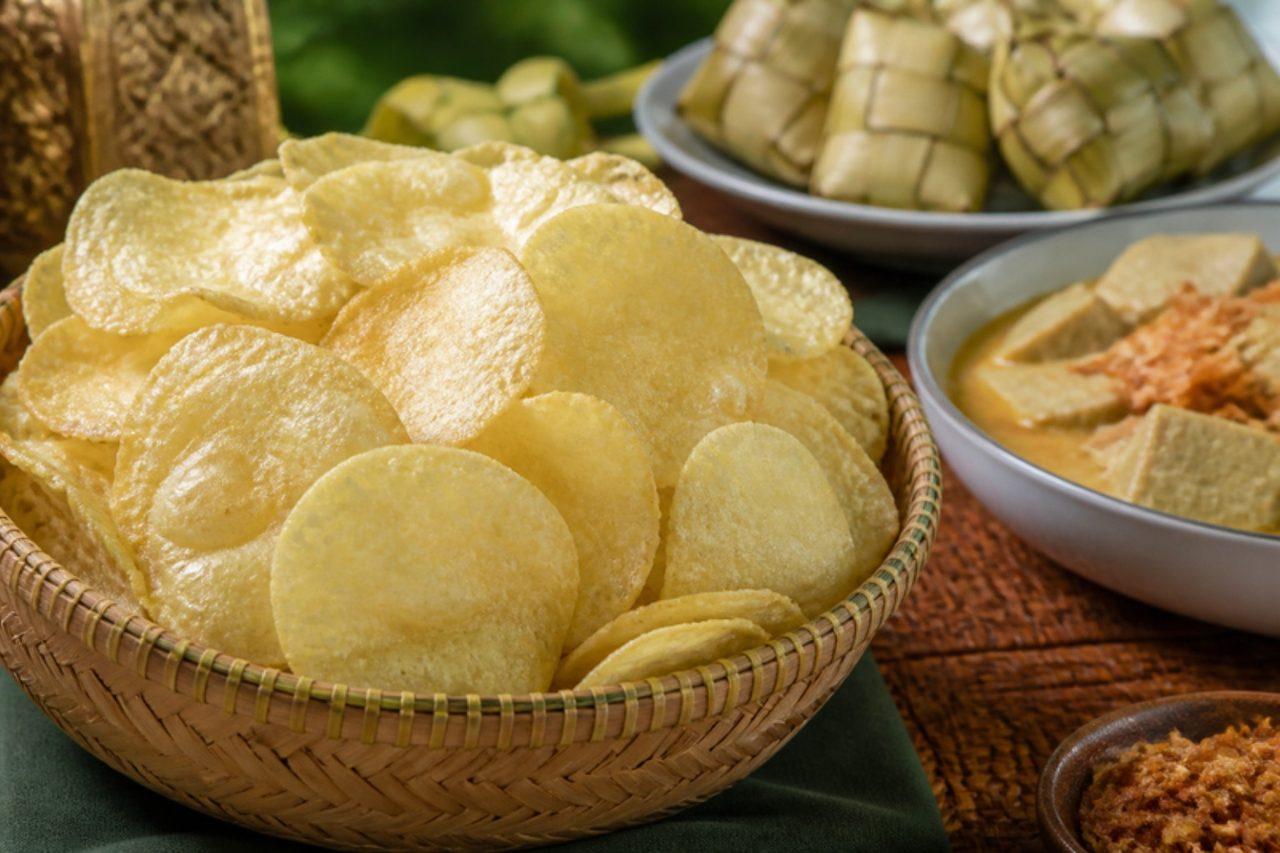
Emping are pale, crisp crackers from Banten and Java, made by cracking melinjo nuts, flattening them with a hammer and drying them; at Lebaran a bowl of fried emping sits beside the opor ayam and ketupat. They taste lightly bitter and nutty, and a sweet-spicy coating is popular for the snack jars. Most cooks buy dried raw emping and fry them at home, which is what this recipe does, with the hand-pressing method for anyone who finds fresh nuts. Chef's tip: fry only a handful at a time and lift them out the moment they puff; emping go from perfect to burnt in seconds.

by KrazyBadal 0 views

Kue bawangFried shallot ribbons

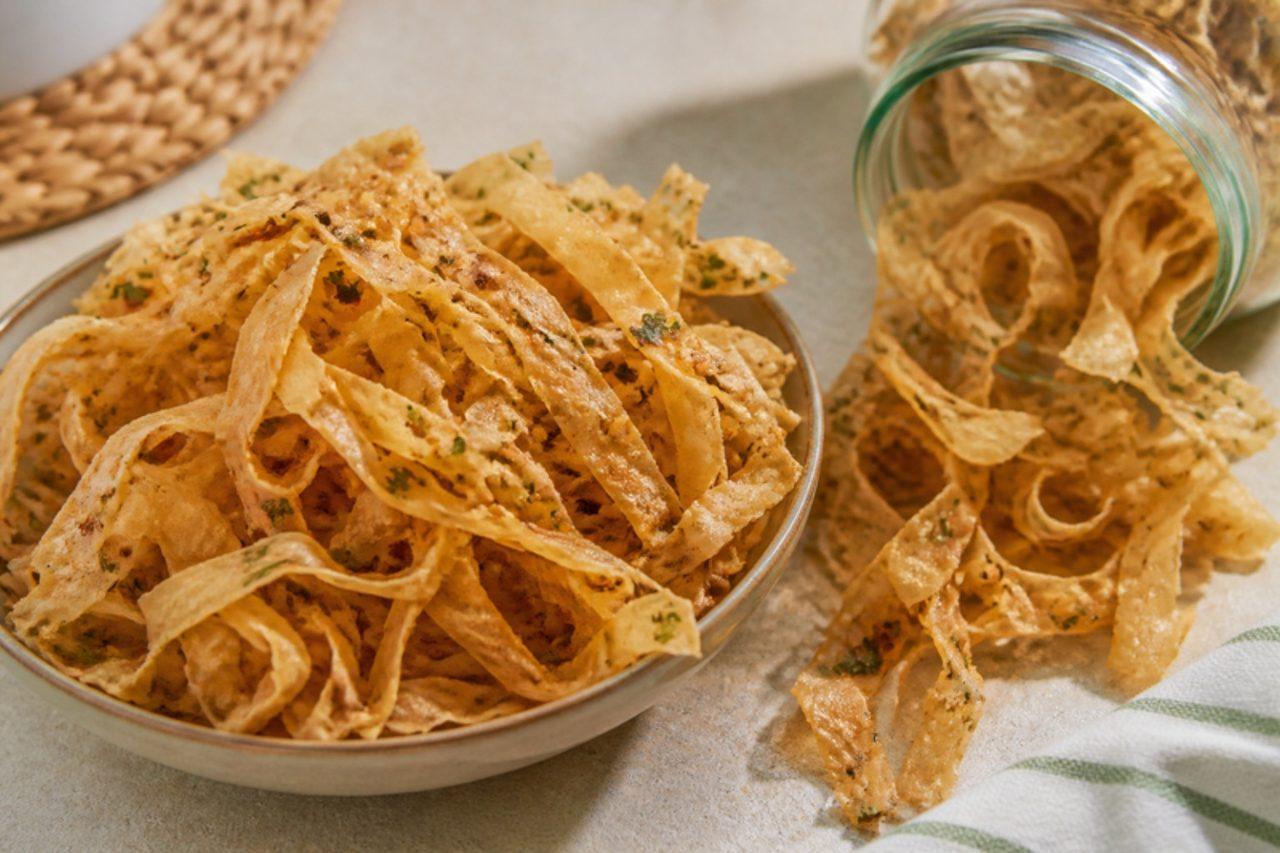
Kue bawang, 'onion cookies', are the salty partner to all the sweet things on an Indonesian Lebaran table. Thin ribbons of dough scented with shallot, garlic and chopped celery leaf are fried until they crackle, and families nibble them from jars while visiting each other during the Eid holidays. They are crisp, savoury and very moreish with sweet tea. Chef's tip: roll the dough so thin you can almost see the worktop through it; thick ribbons stay hard rather than shattering.

by KrazyBadal 0 views

Dowina (Kurdish yogurt soup)

Dowina, called ash-e doogh in Persian, is warming spring food in Kurdish homes around Newroz, when yogurt is plentiful and the first herbs are cut from the garden. Rice and chickpeas simmer in a tangy, lightly thickened yogurt broth, finished with fresh dill, coriander and a sizzle of dried mint in oil. It is eaten warm, never boiling hot, with flatbread. The common mistake is to heat the yogurt too fast without stirring, which makes it split into grainy curds. Chef's tip: whisk an egg yolk and a spoonful of rice flour into the yogurt before it goes on the heat; it holds the soup smooth all the way to the simmer.

by KrazyBadal 0 views

Showing 24 of 570 recipes

Show more recipes

Page 1 of 24