Skip to content
Recipes

All recipes

Vegetarian, or something you can't eat? Set your diet once and we'll hide recipes that don't fit.

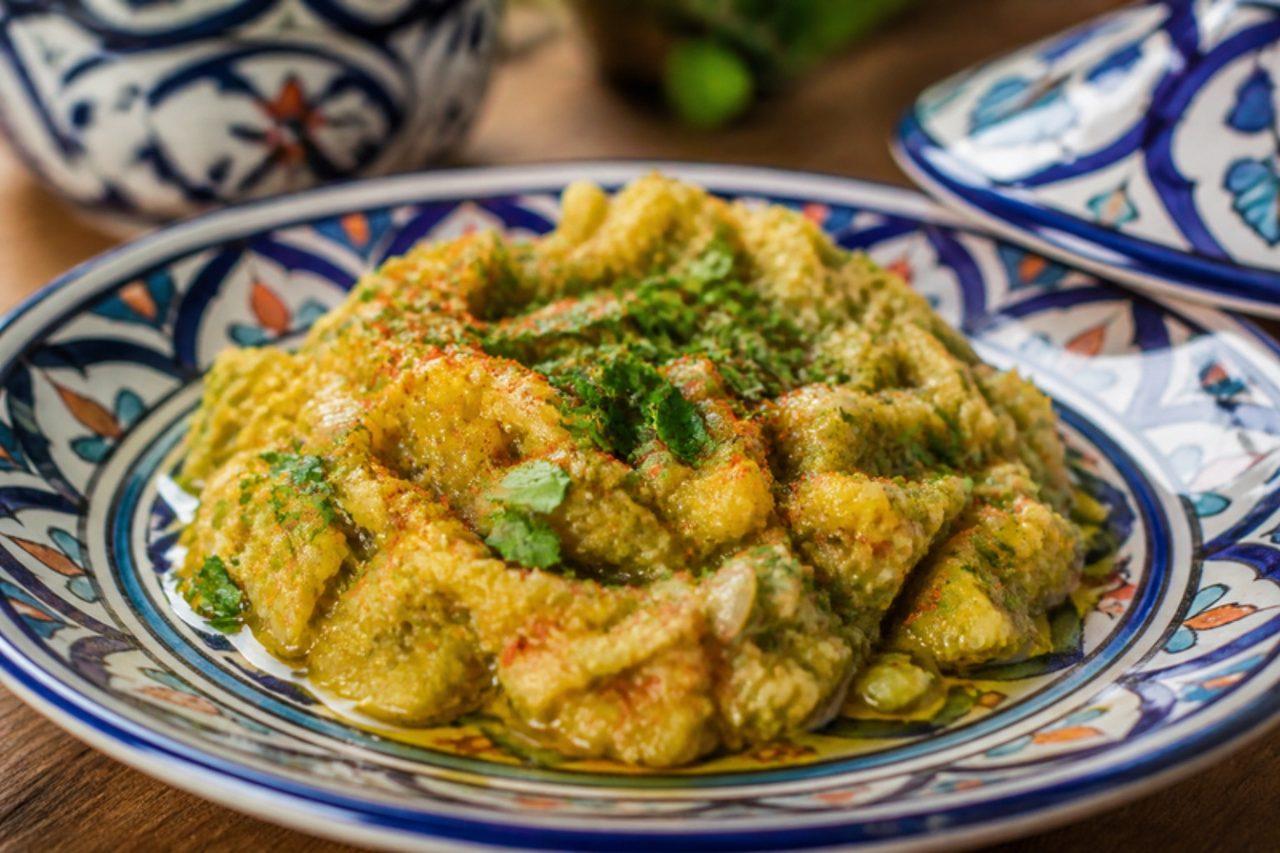
Tmar mehchi (Moroccan almond-stuffed dates)

Tmar mehchi is the stuffed date of Fez and Marrakech, piled high on silver trays at weddings, engagements and Eid, and offered to guests with mint tea. Soft dates are filled with a homemade almond paste perfumed with orange-blossom water, often tinted pale green or pink to match the celebration, then scored with a knife so the filling shows. They are soft, rich and caramel-sweet, with a floral, nutty middle. The paste here is mixed from ground almonds and icing sugar, so there is no shop marzipan, which can contain egg white. It is naturally egg-free: the dates' sticky flesh and a few spoonfuls of orange-blossom water bind the almond filling. Chef's tip: add the orange-blossom water a little at a time and stop when the paste is firm like play dough. The common mistake is a wet paste, which oozes out and makes the dates slippery.

by KrazyBadal 0 views

Tosti ham-kaas (Dutch ham and cheese toastie)

In the Netherlands the tosti is what children ask for after school, at the swimming-pool café and at Saturday lunch: two thin slices of white bread with ham and young Gouda, pressed in a tosti iron until crisp and golden and the cheese oozes at the edges, then dunked in ketchup. It is ready in ten minutes. It contains gluten (wheat) and milk. Chef's tip: butter the outside of the bread, not the inside, so it browns evenly and doesn't stick.

by KrazyBadal 0 views

Beschuit met muisjesRusks with aniseed sprinkles

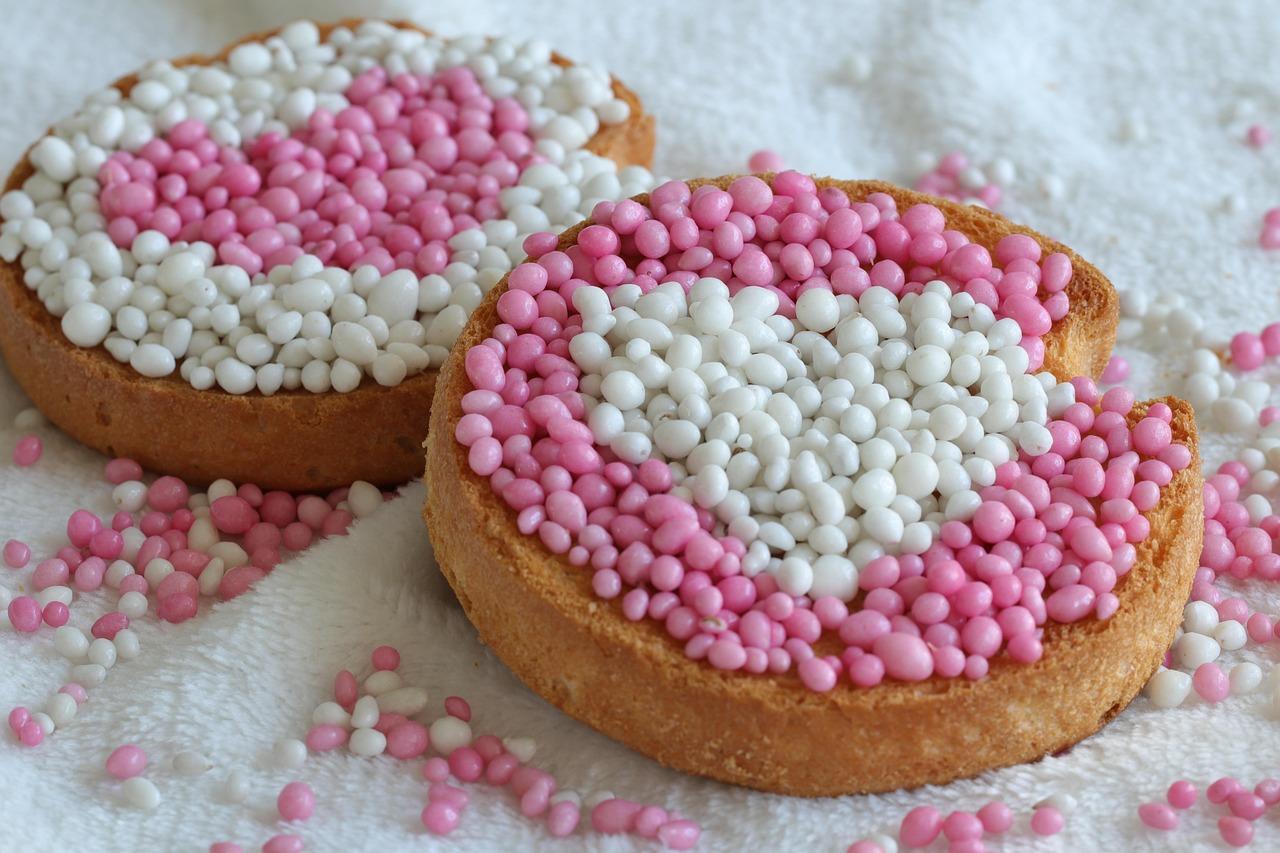
When a baby is born in the Netherlands, visitors are greeted with beschuit met muisjes: round, crisp rusks spread with butter and covered in sugared aniseed sprinkles, pink for a girl, blue for a boy, or the older white-and-pink or white-and-blue mix. Brothers, sisters and school friends love handing them round, and the sprinkles are also a favourite on bread at breakfast. Aniseed was once thought to help new mothers. It contains gluten and milk. Chef's tip: butter the rusks generously right to the edge, or the sprinkles roll off; that is why the Dutch say to 'press, not scatter'.

by KrazyBadal 0 views

KaasstengelsCheese pastry twists

Kaasstengels come out of ovens all over the Netherlands for birthday parties, New Year's Eve and the Friday borrel, piled in glasses so guests can grab one with a drink. Strips of puff pastry are brushed with egg, coated in grated aged cheese and twisted, then baked until crisp, flaky and golden. They are one of the easiest party snacks there is, made with ready-rolled pastry. Most aged cheese is made with animal rennet, so choose a vegetarian one if needed. The common mistake is underbaking, which leaves them pale and soft in the middle. Chef's tip: chill the twisted strips for 10 minutes before baking so they keep their spiral.

by KrazyBadal 0 views

Kaasblokjes met mosterdCheese cubes with mustard

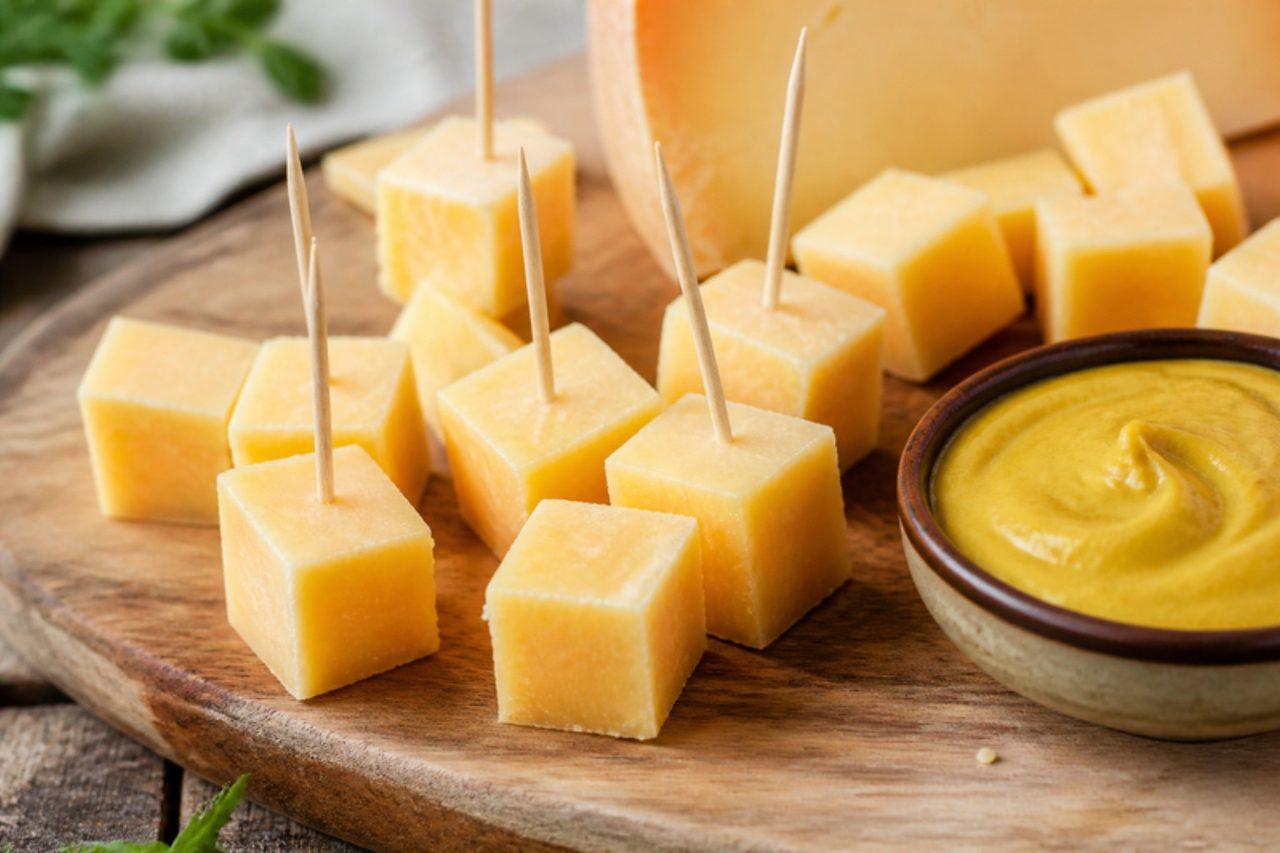
Friday afternoon in a Dutch brown café, or a birthday circle in a living room in Utrecht, means a borrel, and the first thing on the table is a plate of cheese cubes on cocktail sticks. Belegen or oude Gouda, aged until it is firm and nutty with little salt crystals, is cut into neat cubes and served with a pot of coarse mustard and a shake of celery salt. Traditional Gouda is made with animal rennet, so pick a vegetarian aged Gouda-style cheese if needed. A common mistake is serving the cheese fridge-cold, which hides its flavour. Chef's tip: cut it half an hour before guests arrive and let it come to room temperature, covered.

by KrazyBadal 0 views

RookworstSmoked pork sausage

Rookworst, the horseshoe-shaped smoked pork sausage of the Netherlands, is sliced into thick warm coins for borrel boards in winter and served on cocktail sticks at Friday drinks and football nights, always with a pot of strong yellow mustard. It is also the sausage laid on top of stamppot. Rookworst is sold ready-cooked, so it only needs heating through gently. The common mistake is boiling it, which splits the skin and lets the juices escape. Chef's tip: warm it in water that is just steaming, then serve it within minutes so the slices stay juicy.

22 minDutchMeatGluten free
by KrazyBadal 0 views

Shlada khiar (grated cucumber salad with oregano)

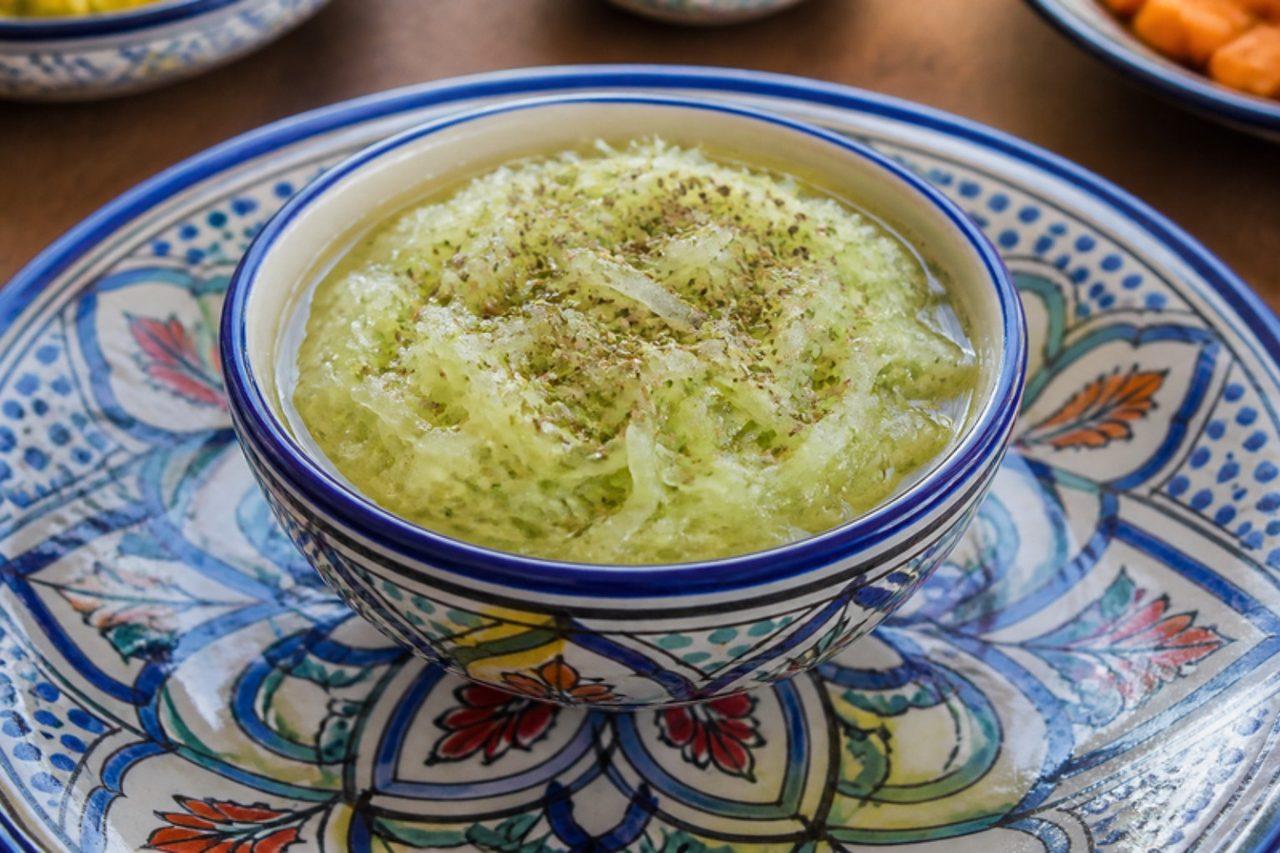
In the heat of a Fes or Marrakech summer, this ice-cold grated cucumber salad is served in bowls with spoons, half salad, half drink, alongside rich tagines or a plate of fried fish. Cucumber is grated and loosened with water, vinegar and a little sugar, then perfumed with crushed dried oregano or zaatar. Grating ahead and leaving it to sit in salt is the usual slip; the cucumber goes limp and bitter. Chef's tip: rub the oregano between your palms over the bowl to wake its oils.

by KrazyBadal 0 views

Shlada batata (Moroccan cumin potato salad)

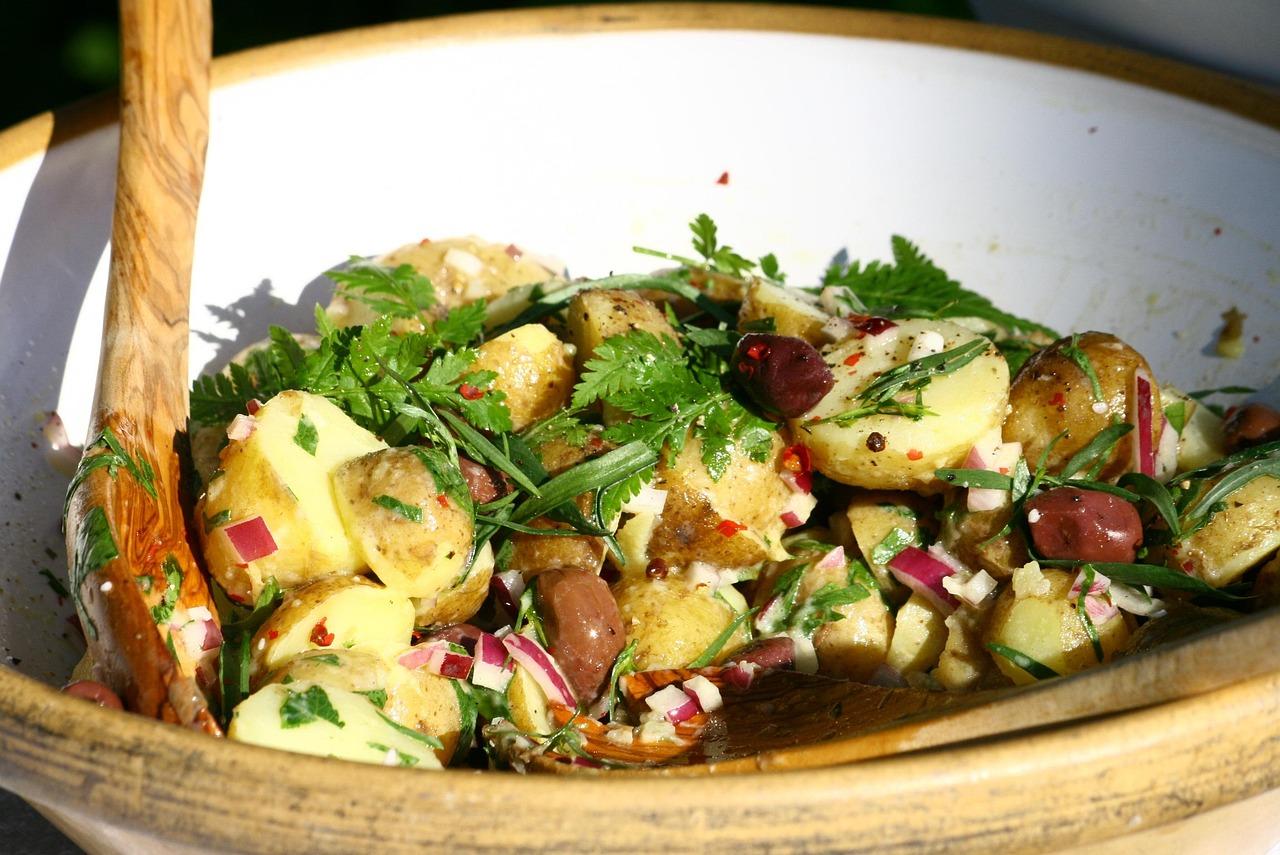
Shlada batata is one of the cooked salads that line up on a Moroccan table before Friday couscous, in Rabat as much as in the Rif: boiled potato chunks dressed while warm with olive oil, lemon, cumin, paprika, garlic and plenty of parsley, with no mayonnaise at all. It's eaten at room temperature with bread, or with grilled sardines. Dressing cold potatoes is the common mistake; they don't absorb the flavours, so toss them while they're still steaming. Chef's tip: a few slivers of preserved lemon peel make it unmistakably Moroccan.

by KrazyBadal 0 views

Shlada gar'a (cooked courgette salad with cumin)

In Meknes and Casablanca the pale courgettes of early summer are cooked down into this soft, spiced salad, one of several little dishes set out with bread before the main course. The courgettes are steamed with garlic, then crushed lightly with olive oil, cumin, paprika and lemon until spoonable but still chunky. Serve it cool with bread or alongside grilled fish. Watery courgettes are the usual problem; cook off all the liquid before seasoning. Chef's tip: add a handful of chopped coriander only at the end so it stays bright.

by KrazyBadal 0 views

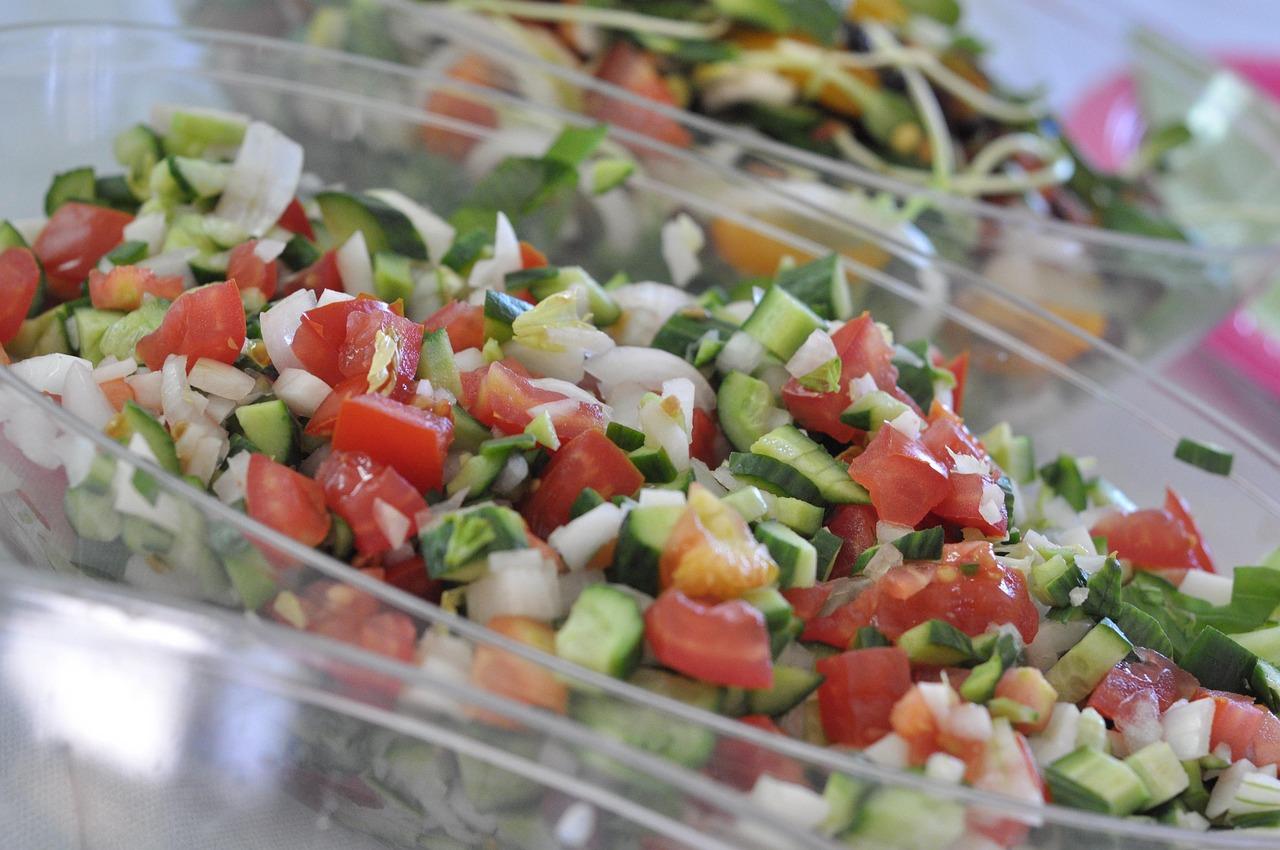
Shlada beldia (Moroccan tomato and cucumber salad)

Shlada beldia, "country salad", sits next to the bread on almost every Moroccan table, from Marrakech grill stalls to a Tuesday family lunch in Oujda. Tomato, cucumber, onion and green pepper are diced as small as lentils, then dressed with lemon, olive oil, parsley and a pinch of cumin, so it eats like a fresh relish with grilled meat, tagines or eggs. The common mistake is dressing it too early: the tomatoes weep and it turns to soup, so salt it just before serving. Chef's tip: dice everything to the same tiny size; that's what makes it taste Moroccan rather than like a chopped salad.

by KrazyBadal 0 views

KaasbroodjeCheese puff pastry roll

The kaasbroodje is the Dutch commuter's breakfast: a rectangle of puff pastry wrapped around a log of Gouda, baked until the cheese oozes from the ends. Kiosks in Amsterdam Centraal and bakeries along the Haarlemmerstraat sell them warm all morning, and they get eaten on the platform or on the tram, scattering flakes everywhere. Use a young or medium Gouda for melt, with a little aged one for flavour. Traditional Gouda is often made with animal rennet, so choose one labelled vegetarian (made with microbial rennet) if that matters to you. Chef's tip: seal the ends well and bake with the seam underneath, so the cheese melts inside rather than running onto the tray.

by KrazyBadal 0 views

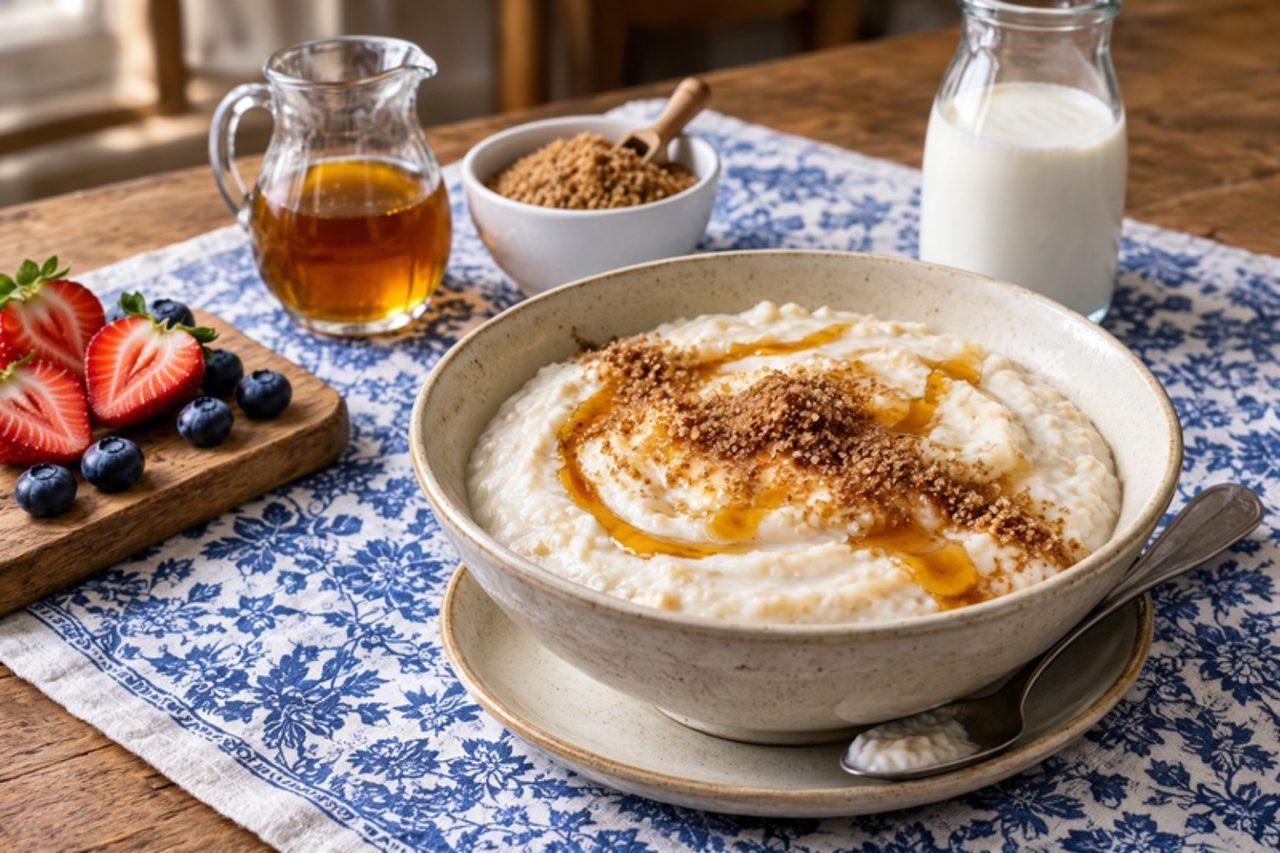
Karnemelkse papButtermilk porridge

Karnemelkse pap, made with the buttermilk left over from Dutch farm churning, was breakfast and supper in the Netherlands for centuries, and many older Dutch people still remember it on cold winter mornings. Buttermilk is thickened with flour into a smooth, tangy porridge and eaten hot with stroop (syrup) or brown sugar. The common mistake is pouring cold buttermilk on flour and boiling hard, which splits the porridge into grainy lumps; mix a smooth paste first and keep the heat gentle. Chef's tip: stir constantly with a whisk, especially at the bottom of the pan, until it bubbles once, and it stays silky.

by KrazyBadal 0 views

Koffie verkeerdCoffee with extra milk

Order a koffie verkeerd in any Dutch café or bruin café and you get a tall glass that is mostly steamed milk with a strong shot of coffee poured in, the 'wrong' way round compared with a normal black coffee. It is the Dutch morning cup at home and at work, usually with a speculaas biscuit on the saucer. The common mistake is boiling the milk, which makes it taste cooked and kills the foam; heat it only until it steams and small bubbles form at the edge, about 65 °C. Chef's tip: froth the milk by shaking it in a jar with the lid on before warming it in the microwave, and you get café-style foam without a machine.

by KrazyBadal 0 views

TereréIced yerba mate

In Asunción the hottest part of the day stops for tereré: a horn or cup packed with yerba mate, topped up again and again with ice water infused with crushed herbs, and passed round the group through a metal straw. It was recognised by UNESCO as part of Paraguay's cultural heritage, and the herbs (yuyos) change with the season and the drinker's mood. Yerba mate contains caffeine, so it isn't one for small children. The common mistake is pouring water straight into loose yerba, which then clogs the straw; tilt the yerba to one side first. Chef's tip: for tereré ruso, swap the water for cold orange or grapefruit juice.

by KrazyBadal 0 views

Cocido quemadoBurnt sugar mate drink

Cocido is how Paraguay starts the day: in Asunción, in the villages of Guairá and Itapúa, and in school kitchens, a pot of burnt yerba is brewed and poured into cups with chipa, the cheesy cassava bread, or with a hard galleta. The old way is to drop a glowing piece of charcoal into a pot with yerba and sugar and stir until the sugar burns. On a home stove you caramelise them together in a dry pan instead, which is safer and gives the same smoky, toffee-like taste. The drink is clear amber-brown, with roasted, slightly bitter mate notes over burnt-sugar sweetness; with milk added it becomes cocido con leche, creamy and coffee-coloured. Yerba mate contains caffeine, so treat it like a cup of coffee. The common mistake is letting the sugar go black: it turns acrid and bitter. Pull it off the heat when the caramel is deep amber and the yerba smells toasted, not burnt. It is ready when the liquid is a clear dark amber and tastes of toffee and smoke. Chef's tip: the water will spit fiercely when it hits the hot caramel, so pour it in from the side, at arm's length.

by KrazyBadal 0 views

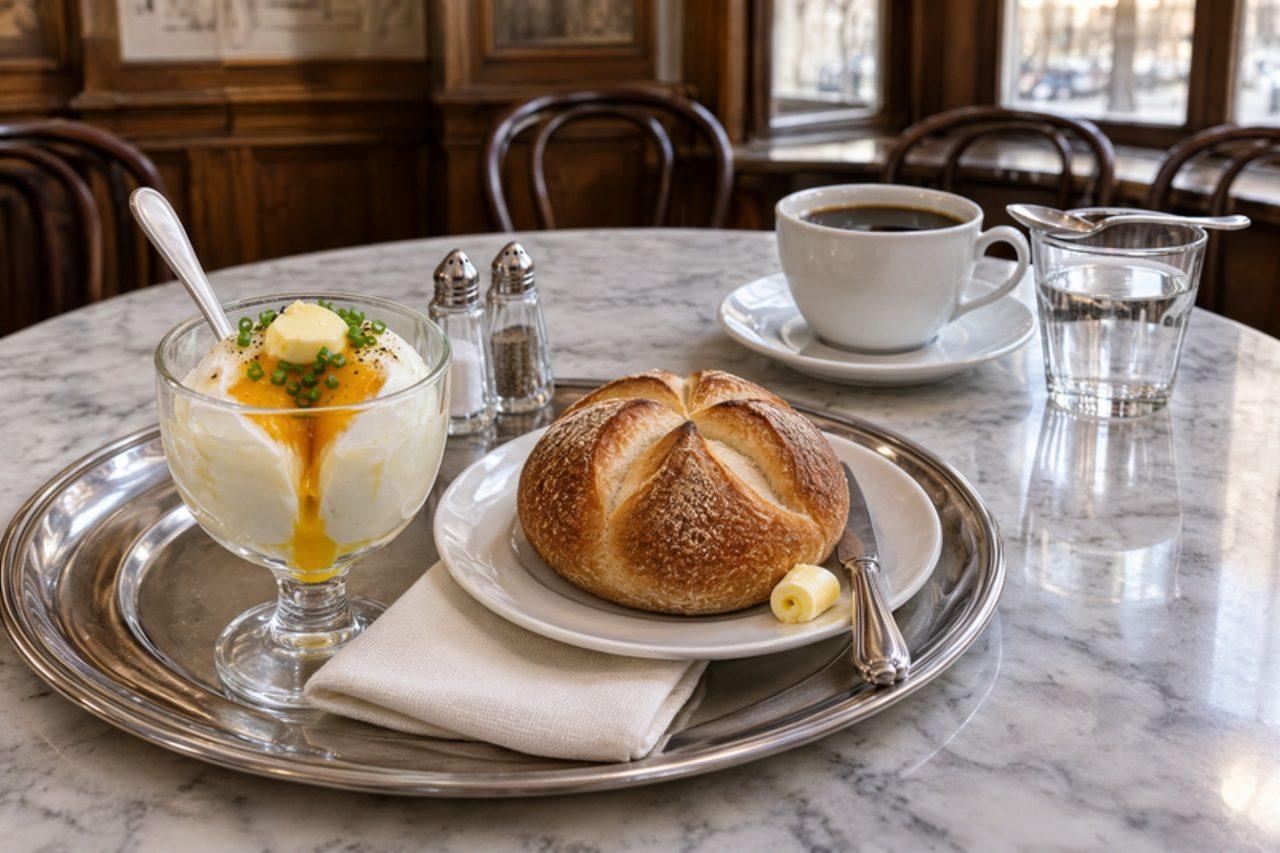
Ei im GlasSoft-boiled eggs in a glass

In the old coffee houses of Vienna, the breakfast menu still lists Ei im Glas: two very soft-boiled eggs, scooped warm from their shells into a small glass, with a knob of butter, chives, salt and pepper. You stir it into a golden, custardy mess and eat it with a crisp Semmel roll (gluten-free bread if you need it) and a Melange coffee. The mistake almost everyone makes is boiling the eggs a minute too long, so the yolk sets and the dish turns into plain egg salad. Chef's tip: warm the glass with hot water while the eggs cook, so the butter melts on contact and the eggs stay hot to the last spoonful.

by KrazyBadal 0 views

SlempSpiced saffron milk

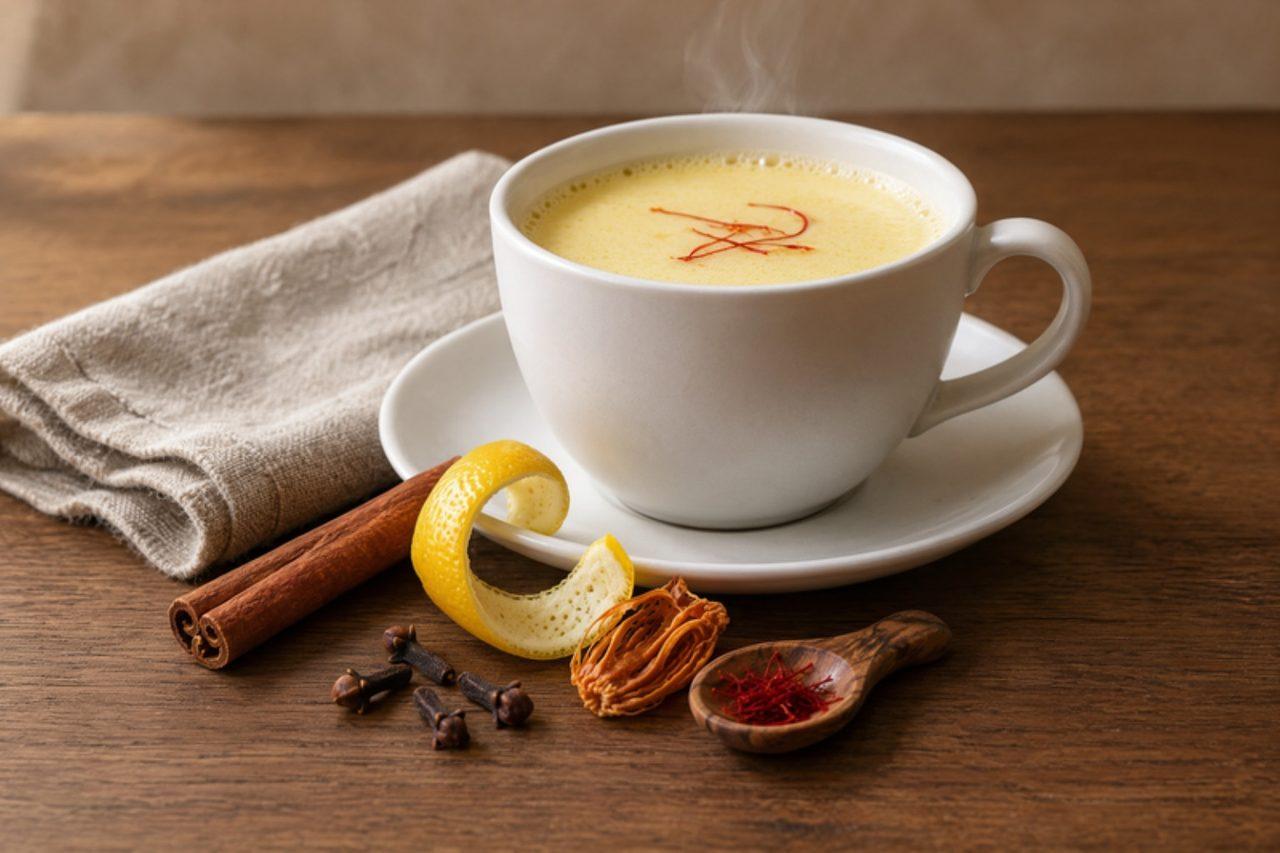
Slemp is the Dutch holiday drink of earlier centuries: on Sinterklaas evening, around New Year and on skating days in the 18th and 19th centuries, a big kettle of milk was simmered with saffron, mace, cinnamon, cloves, lemon peel and a handful of tea leaves, and ladled into cups for family and visitors. Slemp evenings came back into fashion in Amsterdam museums and village fairs, and you can still buy dried 'slempkruiden' spice mixes in old-fashioned shops. The drink is golden, faintly floral from the saffron, warmly spiced and only lightly sweet, with a soft tea background; a spoon of cornflour gives it a slight body. The common mistake is throwing all the spices straight into boiling milk: cloves turn harsh and the milk catches. Steep the spices in the hot milk below the boil instead, then strain. It is ready when it has turned saffron-gold and smells of cinnamon and mace. The tea adds a small amount of caffeine. Chef's tip: soak the saffron in a spoon of warm milk for ten minutes first; the colour spreads more evenly and you need fewer threads.

by KrazyBadal 0 views

LampreadoCassava starch cheese fritters

Paraguayan grandmothers fry lampreado on Sunday evenings to eat with a mug of cocido, the toasted yerba mate drink: small pan-fried cakes of cassava starch, egg, milk and grated cheese with a little onion, crisp at the edges and stretchy inside. Some families also make it with leftover meat, but this version is all cheese. Queso Paraguay is set with animal rennet; a vegetarian Parmesan-style cheese plus mozzarella works well. The trap is a batter that is too thick, which gives heavy, gluey cakes. Chef's tip: the batter should drop slowly off a spoon like thick pancake batter; add milk a spoonful at a time until it does.

by KrazyBadal 0 views

LekkerbekjeBattered fried whiting

Lekkerbekje means "little treat", and at the haringkarren and fish stalls of the Albert Cuyp and Dappermarkt it is the other big seller next to raw herring: a whole fillet of whiting (or cod) dipped in batter and fried until the coating crackles. It comes in a paper tray with a lemon wedge and a spoon of remoulade, and Amsterdammers eat it for lunch on market days, standing at the counter. The batter here uses sparkling water instead of beer for lightness. Chef's tip: keep the batter ice-cold and mix it only just before frying; the cold against the hot oil is what makes it shatter.

25 minDutchFish
by KrazyBadal 0 views

Anijsmelk (aniseed milk)

When the canals of Friesland freeze hard and the whole of the Netherlands goes out on skates, koek-en-zopie stalls appear on the ice selling erwtensoep, warm sausage and steaming cups of anijsmelk. At home it is a winter bedtime drink for children and grandparents alike, made either by crushing aniseed into simmering milk or, as many Dutch families do, by stirring in anijsblokjes, sugar cubes flavoured with aniseed. It tastes softly sweet and liquorice-like without being sharp, and it is smooth and warming, with a faint warmth on the tongue. The common mistake is boiling the milk: it rises over the pan, scorches on the base and forms a thick skin. Heat it slowly and stop when tiny bubbles appear around the edge. It is ready when the milk smells clearly of anise after steeping and has turned faintly ivory. Anise seeds are sold in spice shops; in a pinch use one star anise, though it tastes stronger and less sweet. There is no caffeine, which is why Dutch parents serve it at bedtime. Chef's tip: crush the seeds just before using, the oils fade quickly once ground.

by KrazyBadal 0 views

Martín FierroCheese with quince paste

Ask for dessert in a Montevideo bodegón or a country parador and you may be offered a Martín Fierro: a thick slice of fresh, mild cheese laid with an equal slice of dense quince or sweet-potato paste, named after the gaucho of the epic poem. It's salty against sweet, soft against firm, and takes two minutes to assemble. Uruguayan fresh cheese is usually made with animal rennet, so choose one with vegetarian rennet if that matters to you. The mistake is serving it fridge-cold, which dulls both flavours. Chef's tip: cut the cheese and paste to exactly the same thickness, about 1 cm, so every bite has both.

by KrazyBadal 0 views

Blote billetjes in het grasWhite and green beans with butter

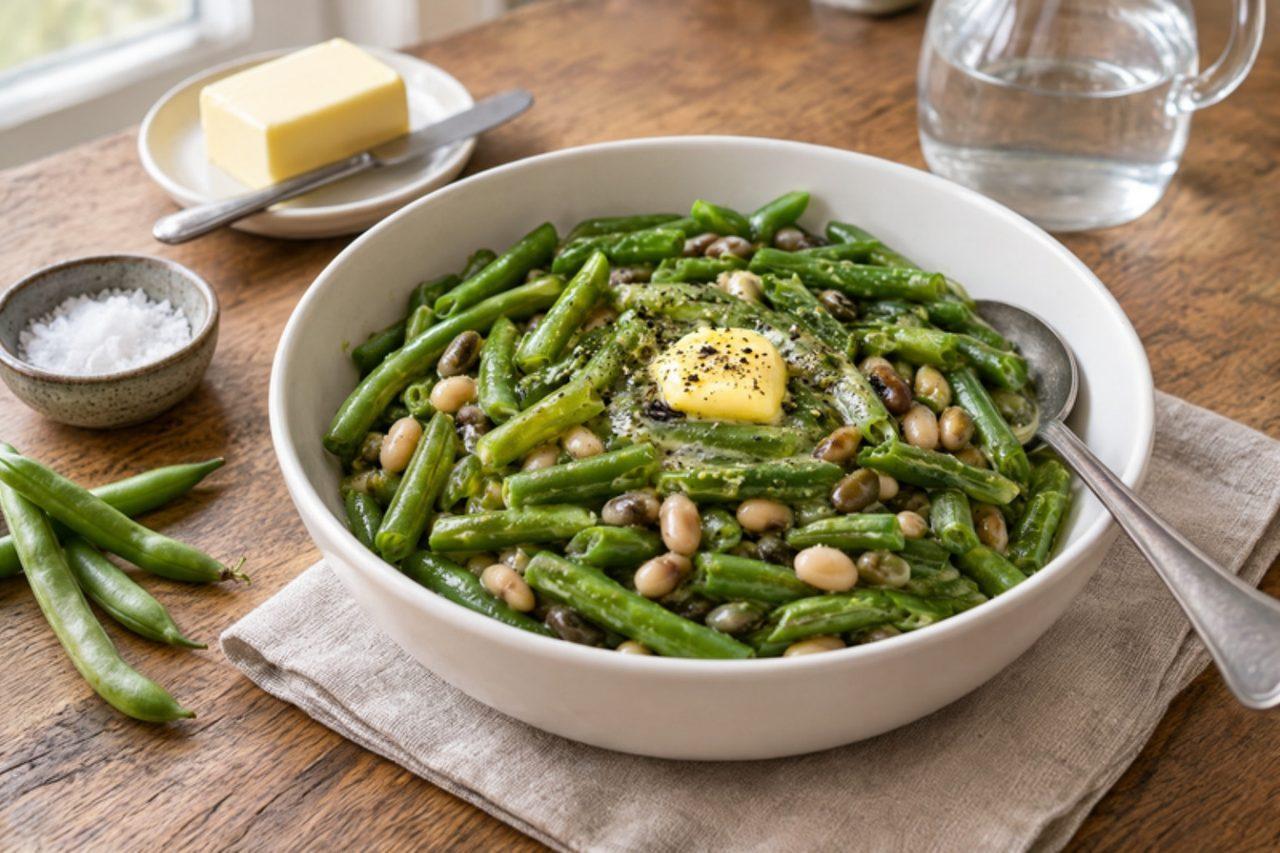
Dutch grandmothers named this dish 'bare bottoms in the grass' for the pale white beans peeping out between the green ones, and it is a summer weekday supper all over the Netherlands, when runner and French beans are cheap. Green beans and cooked white beans are simmered together, then stirred with butter, a little stock and plenty of pepper, often with boiled potatoes on the side. Many families add bacon or a smoked sausage; this version keeps it vegetarian, so serve it with a fried egg or a vegetarian sausage if you want more. The usual mistake is boiling the green beans until grey: they should stay bright with a slight bite. Chef's tip: a splash of the bean-cooking liquid stirred in with the butter makes a glossy little sauce that clings to everything.

by KrazyBadal 0 views

EinspännerBlack coffee with whipped cream

The Einspänner is named after the one-horse carriages of old Vienna: coachmen waiting outside in winter supposedly liked their coffee under a lid of cream that kept it hot and stopped it slopping. Today it is served in a handled glass at classic coffee houses, a strong black mocha (a double espresso or Großer Brauner without milk) topped with a thick layer of cold, lightly sweetened whipped cream and a pinch of icing sugar. You do not stir it: you sip the hot, bitter coffee through the cold, sweet cream, so each mouthful is two temperatures and two textures. It is an afternoon or late-morning coffee, often with a slice of Sachertorte. The common mistake is runny cream that sinks and turns the drink into a milky latte; whip it until it just holds a peak and spoon it on gently so it floats. It is ready when the cream stands at least 2 cm above the coffee and slowly sinks at the edges. It is strong: a double shot of caffeine in one glass. Chef's tip: pour the coffee in first and wait ten seconds before adding the cream, so the crema settles and helps support the cap.

by KrazyBadal 0 views

VerhackertsSmoked bacon and garlic spread

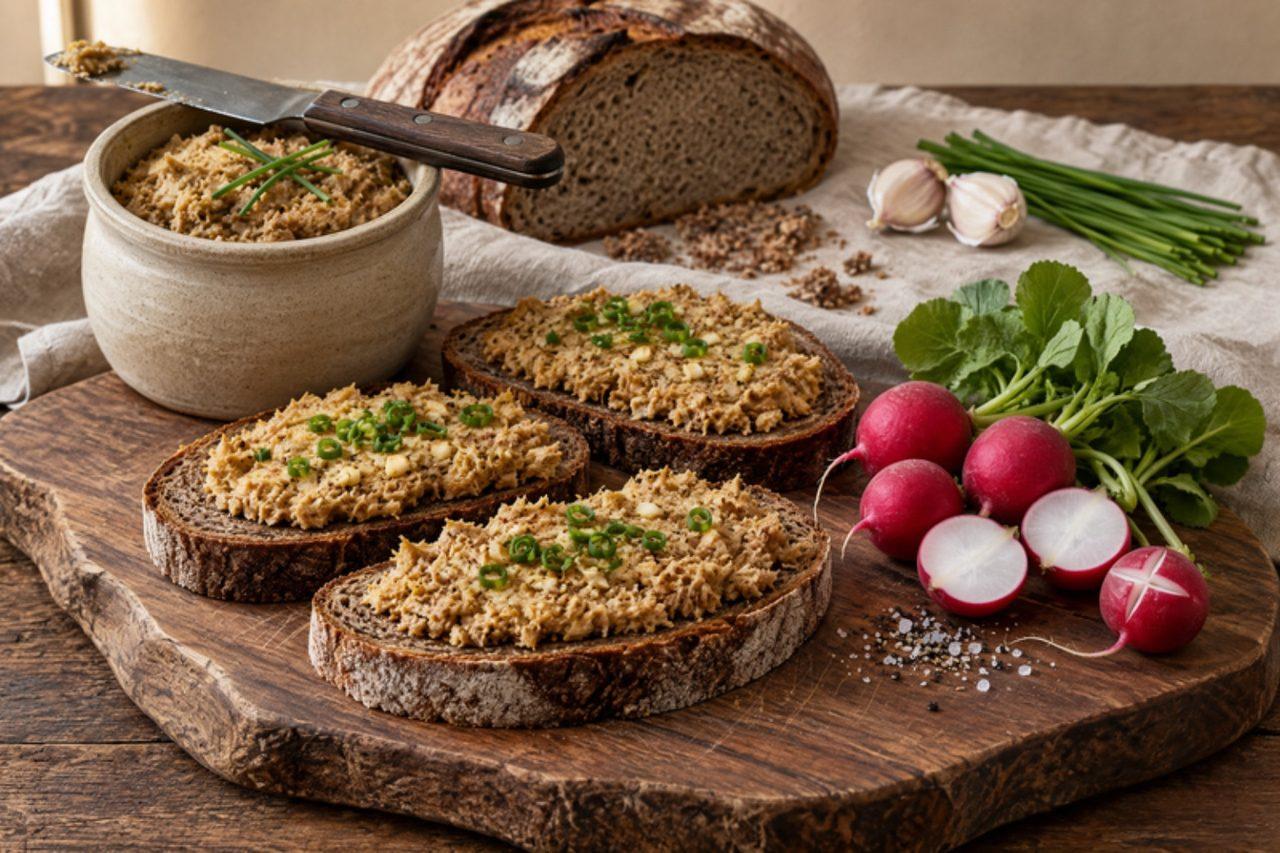
In Styria, in the wine taverns (Buschenschanken) of the south and on farmhouse breakfast tables, verhackerts is spread thickly on dark rye bread with the morning coffee or at the mid-morning Jause: smoked pork bacon and back fat chopped so finely it becomes a paste, seasoned with garlic, salt and pepper. Traditionally it is made from raw cured, cold-smoked Styrian Speck and eaten without cooking; that raw version is not for pregnant women, young children or anyone with a weakened immune system. This safer home version cooks the minced bacon gently until the meat is cooked through (71 °C) before it is chilled into a spread. Serve on rye bread, or gluten-free bread if needed. The common mistake is browning the bacon; it should only render and turn opaque, or the spread goes crumbly instead of smooth. Chef's tip: mince it while the bacon is fridge-cold, almost frozen, so the fat stays in clean little pieces rather than smearing.

by KrazyBadal 0 views

Showing 24 of 77 recipes

Show more recipes

Page 1 of 4