Skip to content
Recipes

All recipes

Vegetarian, or something you can't eat? Set your diet once and we'll hide recipes that don't fit.

Salade palmisteHeart of palm salad

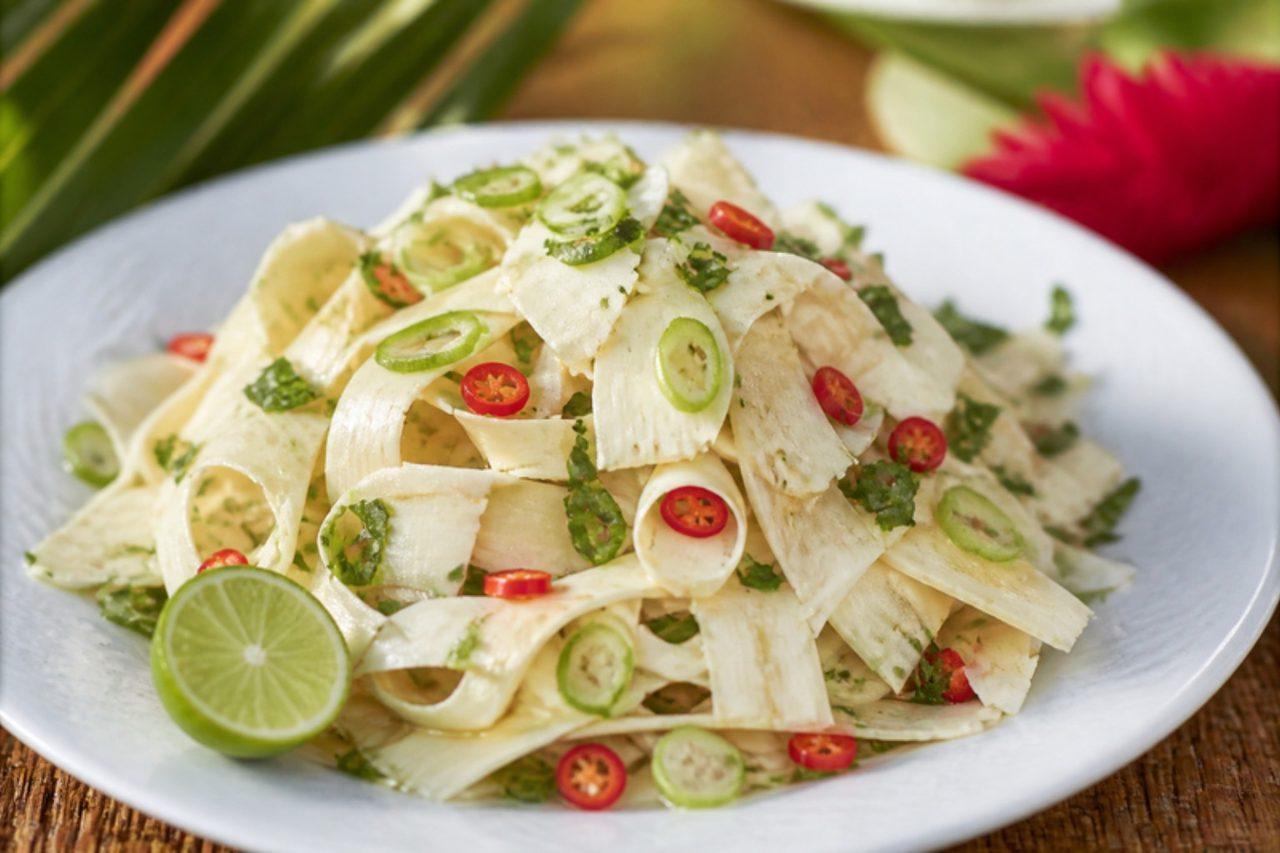
Hotel menus around Praslin once called it millionaire's salad, because a whole native palm had to be felled for the single pale heart at its crown. That is no longer how it should be made: buy fresh hearts from farmed peach palm, which regrows from the base, or a good jar of hearts of palm, and you get the same cool, crunchy ribbons with a faint sweetness like young coconut and artichoke. Seychellois serve it as a starter at celebrations or beside grilled fish and Creole rice, dressed simply so the palm stays the star. Chef's tip: dress it no more than 15 minutes before eating; left longer, the lime softens the crunch and the salad goes limp.

by KrazyBadal 0 views
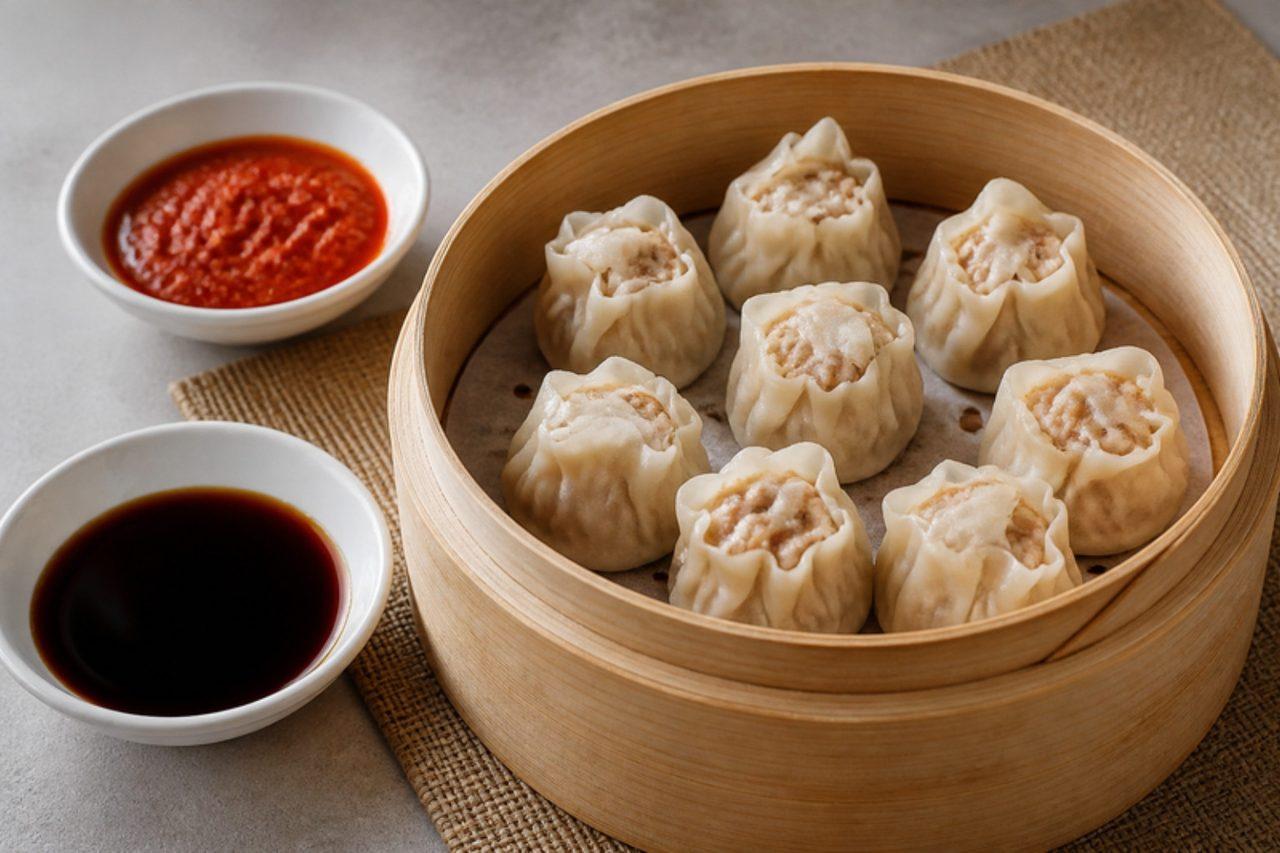
BouchonsSteamed pork dumplings

Chinese families brought bouchons to Réunion, and today every snack van and camion bar in Saint-Pierre and Saint-Denis sells them by the half-dozen, usually next to samoussas and bonbons piment. They are small open-topped dumplings of seasoned pork mince with garlic, ginger and spring onion in a thin wheat wrapper, steamed until juicy and served in a cardboard tray with soy sauce and a dab of chilli, or stuffed into a baguette as a pain bouchon. The filling should be springy and moist, not dense. People tend to cram the wrappers too full, so the filling cooks unevenly and the parcels burst; a heaped teaspoon is plenty. Chef's tip: use pork mince with some fat in it, around 20 per cent, as very lean pork steams dry and crumbly.

by KrazyBadal 0 views
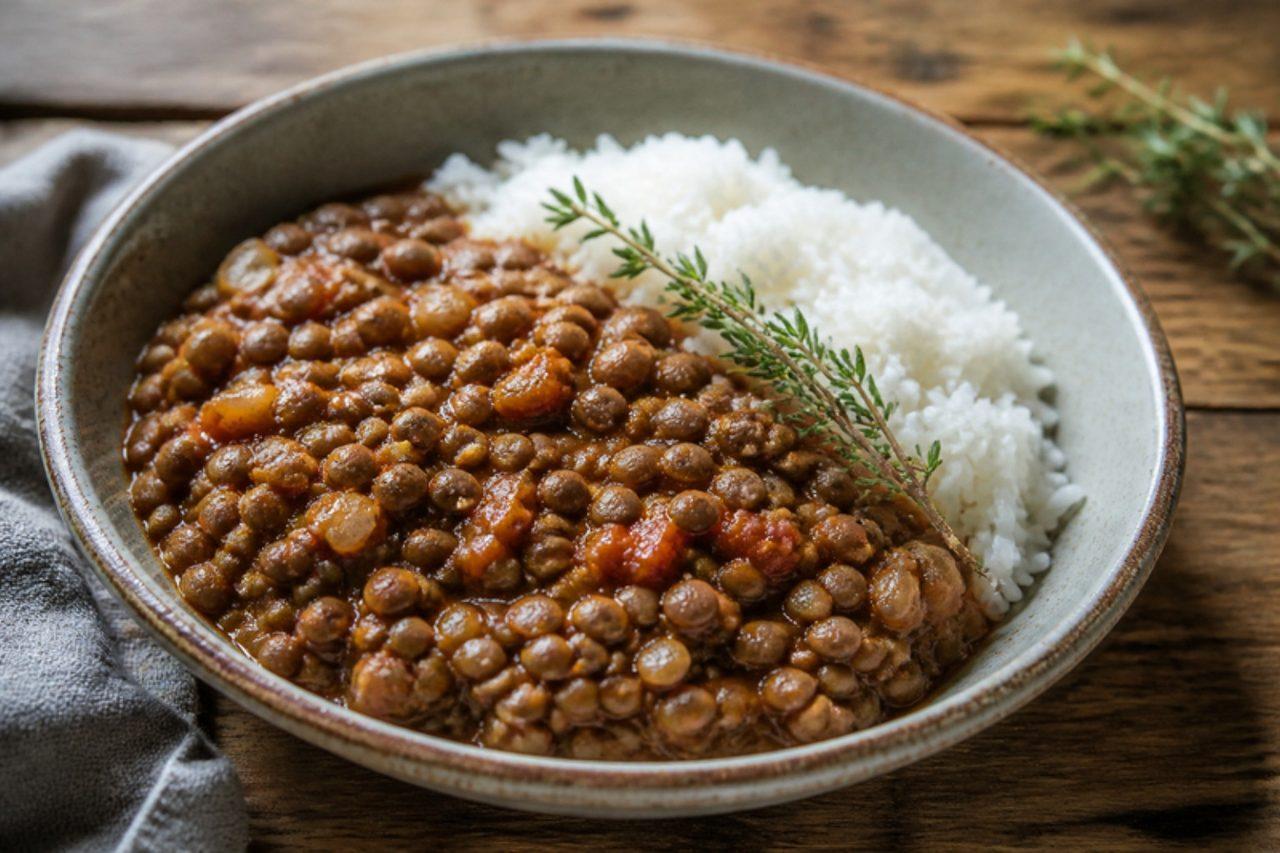
Lentilles de CilaosMountain lentils

High in the volcanic cirque of Cilaos, farmers grow tiny brown-green lentils on terraces, and the whole island prizes them: they hold their shape, taste nutty and mineral, and turn up beside every kind of cari, with a mound of white rice and a spoon of rougail. The village holds a lentil festival each autumn, and a pot of lentilles is a fixture of family Sunday lunches across Réunion. Outside the island, use small French green or brown lentils, which behave in the same way. Don't let them boil hard; a fierce boil splits the skins and turns the pot into mush, so keep it at a gentle bubble. Chef's tip: take the time to brown the onions properly before the lentils go in, because that slow, sweet browning is what gives the sauce its depth.

by KrazyBadal 0 views

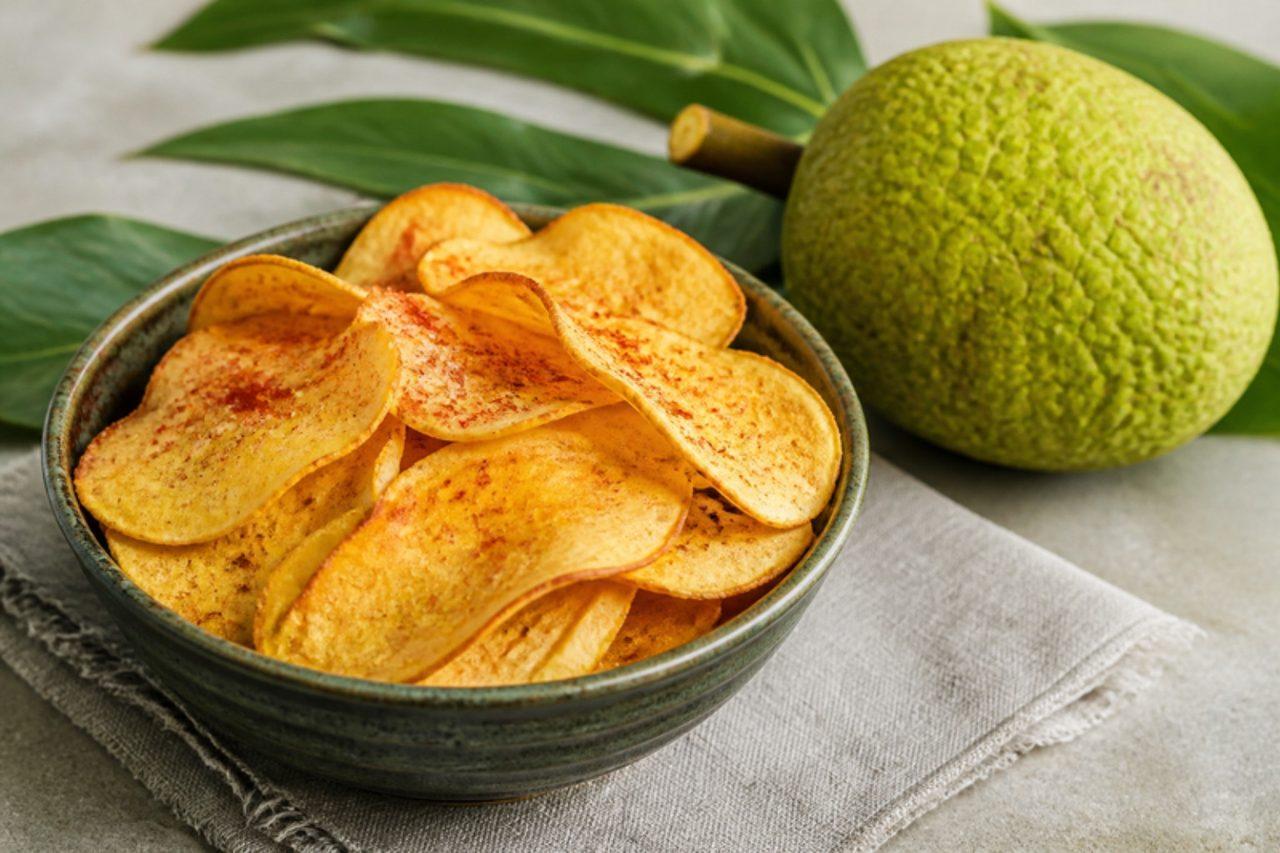
Breadfruit chipsBreadfruit crisps

Roadside kiosks on La Digue and the Victoria market sell paper cones of chips friyapen, still warm, to people walking back from the beach. Breadfruit fries up lighter than potato, with a faintly nutty, bready taste and a crunch that shatters, and islanders say whoever eats breadfruit will come back to the Seychelles. Use a fruit that is mature but still firm, with green skin and no soft patches; ripe, yielding breadfruit is too sweet and wet and the slices go leathery. Breadfruit has no gluten at all, so the chips suit coeliac friends if the oil is fresh. Eat them as they are with a cold drink, or alongside grilled fish and a sharp tomato chutney. Chef's tip: rub a little oil on your knife and hands before cutting, because the white sap is sticky and hard to wash off.

by KrazyBadal 0 views

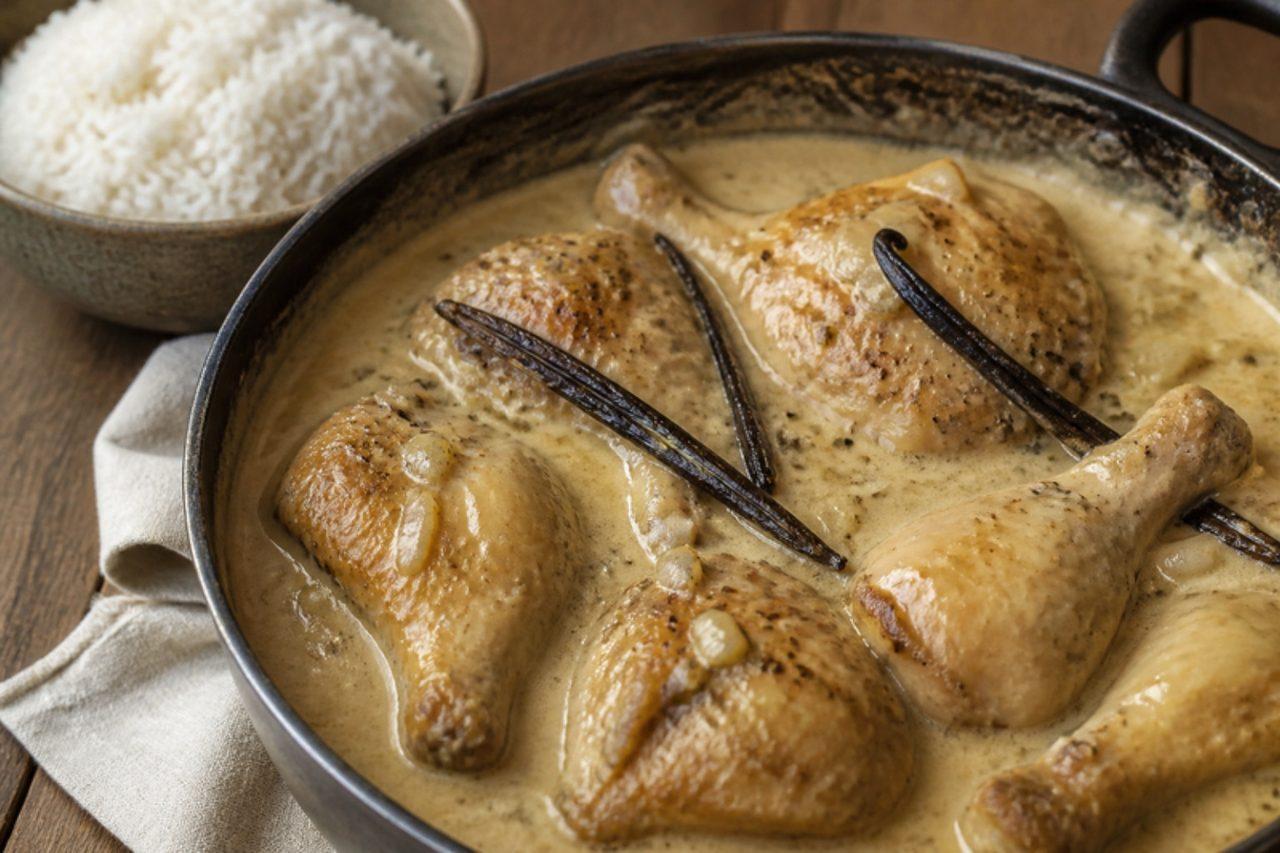
Poulet à la vanilleVanilla chicken

The east coast around Saint-André and Bras-Panon grows the island's famous Bourbon vanilla, and this gentle braise is how families there show it off when guests come for lunch. Chicken pieces are browned with onion, garlic and ginger, then simmered with split pods until the sauce smells of warm vanilla, and a spoon of cream at the end turns it pale gold and silky. It is savoury, not sweet, with the vanilla rounding out the onion. Serve it with white rice and a simple green salad. A common mistake is scraping out the seeds and throwing the pod away: most of the flavour is in the pod, so simmer it in the sauce. Chef's tip: never let the sauce boil once the cream is in, or it can split; keep it just below a simmer.

by KrazyBadal 0 views

Cari ti jacquesYoung jackfruit curry

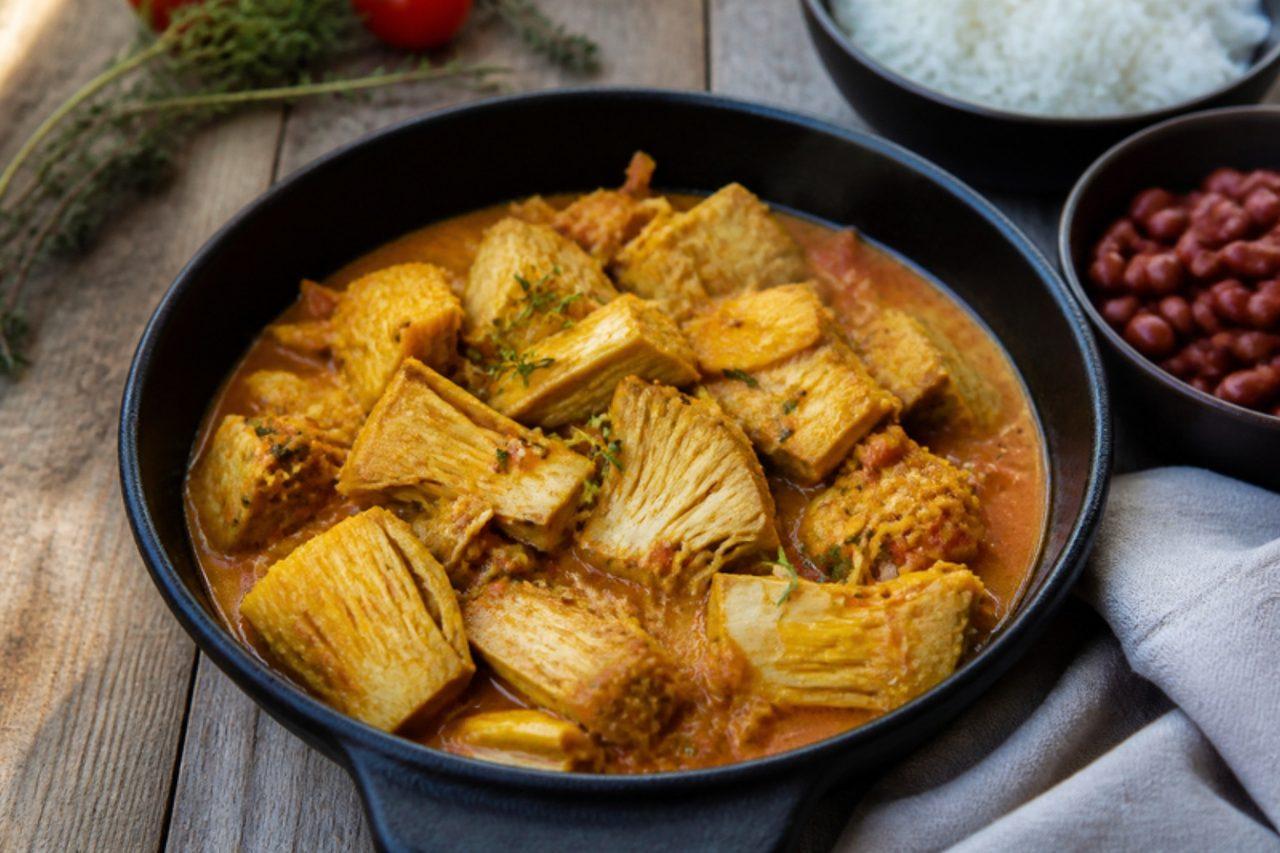
When the jackfruit trees around Saint-Louis and Saint-Joseph drop their small green fruit, Réunion cooks turn them into cari ti jacques, long-simmered until the flesh shreds into soft, meaty strands soaked in turmeric, tomato, garlic and thyme. The island's classic version is cooked with smoked pork, but this one leaves the meat out entirely and lets the tomato and slow cooking carry it, with a pinch of smoked paprika for the smoky note. Serve it with white rice, beans or lentils and a sharp rougail. The common mistake is stopping too early: jackfruit that is only just tender tastes rubbery, and it needs a full hour for the pieces to fall apart when pressed. Chef's tip: if you use tinned young jackfruit, rinse it well and squeeze it gently, as the brine tastes sour and metallic.

by KrazyBadal 0 views

MtsololaFish with green banana and cassava

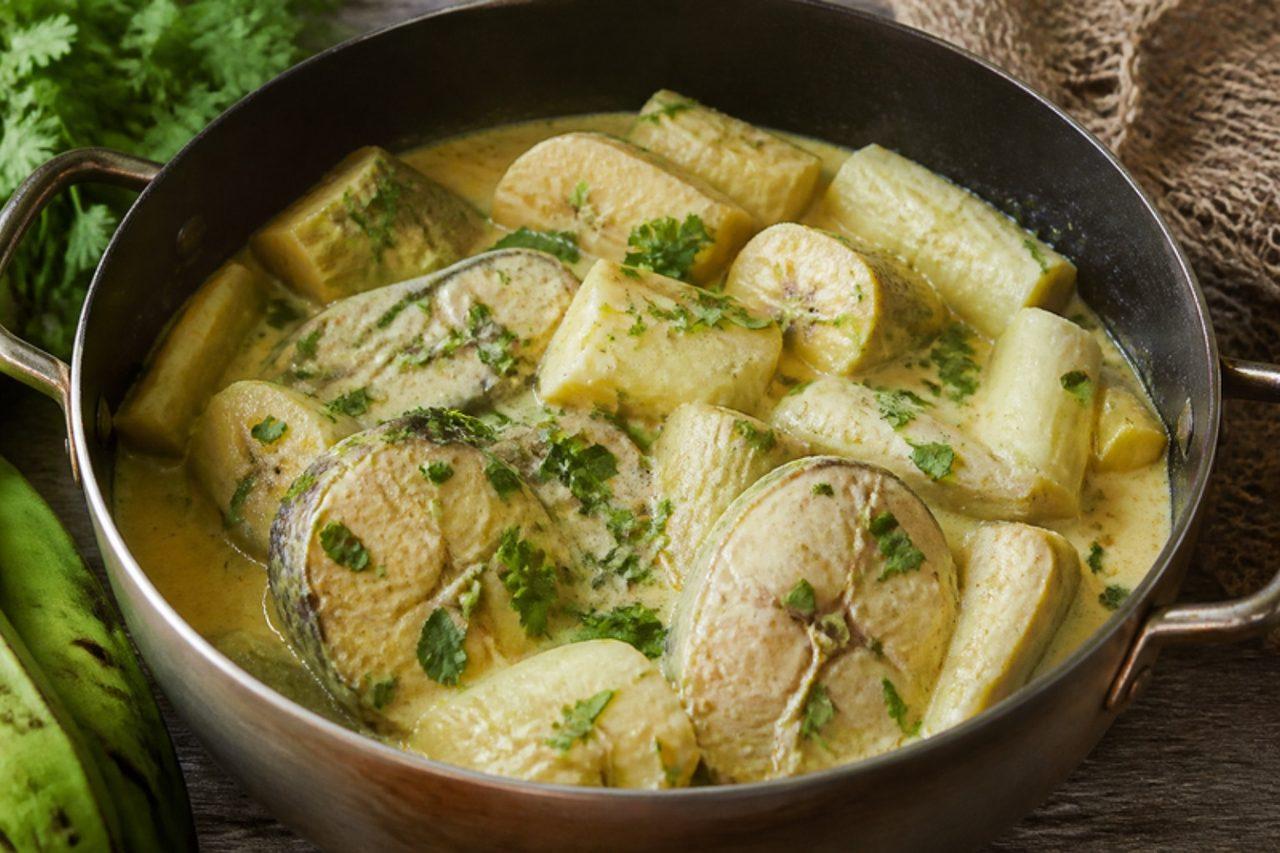
Mtsolola is the dish Comorians on Grande Comore and Anjouan miss most when they live abroad: chunks of green banana and cassava simmered in coconut milk with steaks of firm fish laid on top, cooked in one big pot for family meals and big gatherings. The vegetables turn soft and creamy at the edges and soak up the coconut, while the fish stays in moist pieces seasoned with garlic, lime and a little chilli. Eat it on its own from deep plates, with a fresh chilli and lime relish on the side, and mkatra foutra to mop up the sauce. Cassava must always be peeled and boiled thoroughly before eating; buy sweet cassava, fresh or frozen, and discard its first cooking water. Chef's tip: add the fish only once the banana is nearly tender, because fish put in at the start breaks into shreds.

by KrazyBadal 0 views

Gratin chouchouChayote cheese gratin

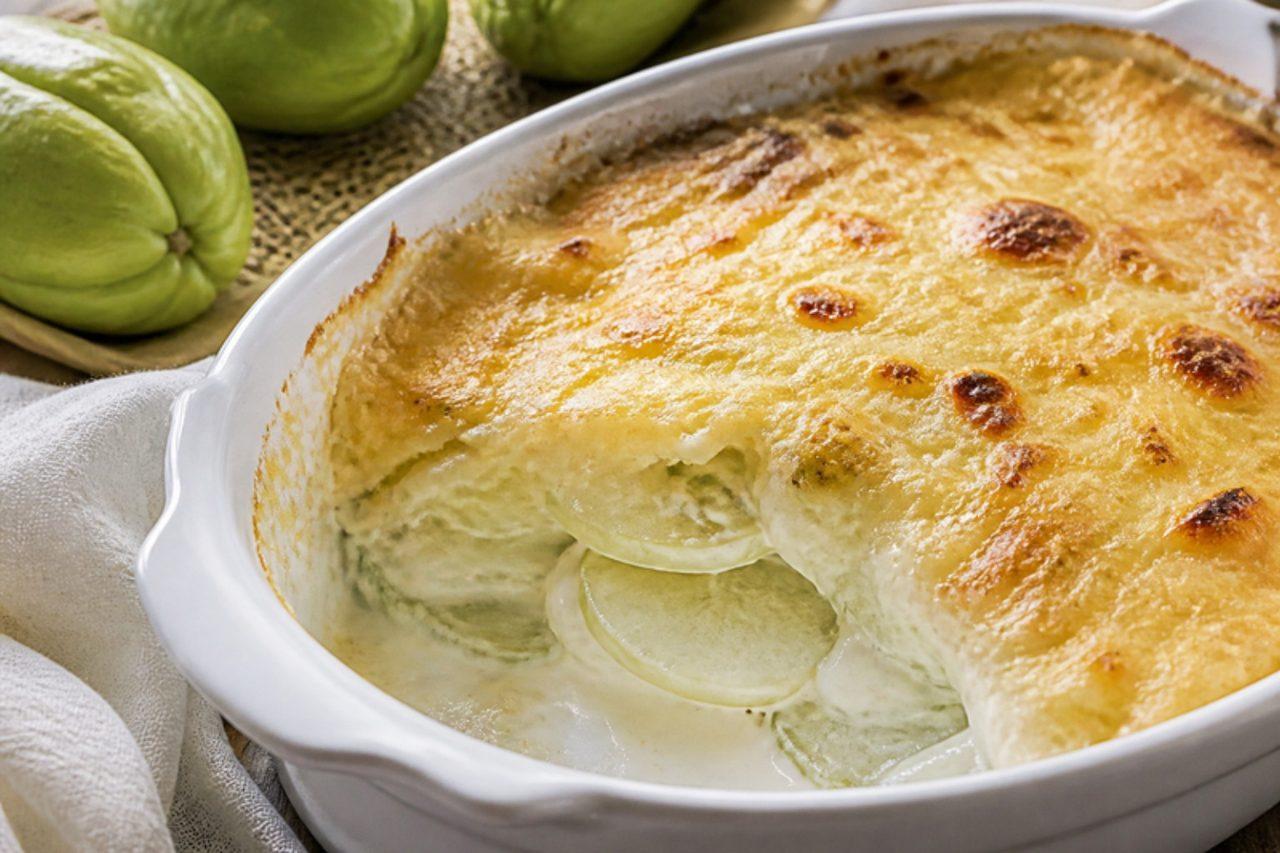
Chouchou vines scramble over fences all over Réunion's highlands, especially around Salazie, so the island has plenty of ways with the pale green squash, and the gratin is the one that comes out for Sunday lunch beside a cari or a roast. Cooked chayote is soft and mild, a bit like courgette crossed with pear, and under a nutmeg béchamel and a browned cheese top it becomes rich and comforting. The great danger is a watery gratin, because chayote gives off a lot of liquid; boil it first and leave it to drain properly before it meets the sauce. The cheese is traditionally an Emmental-style one, often made with animal rennet, so choose a vegetarian hard cheese if that matters to you. Chef's tip: make the béchamel a little thicker than you think, as the chayote will still loosen it slightly in the oven.

by KrazyBadal 0 views

Pâté créolePork and chicken pie

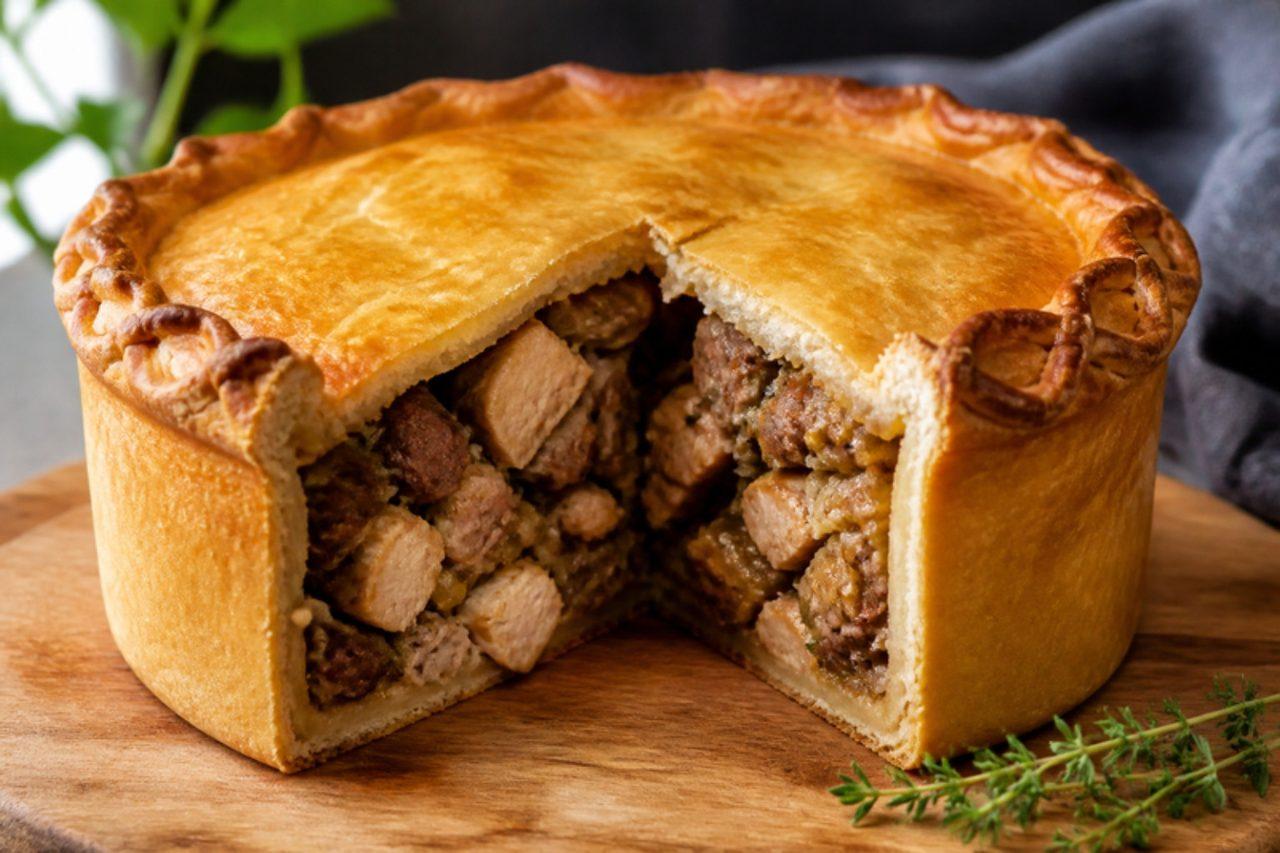
Christmas Eve, New Year and big christenings in Réunion are not complete without a pâté créole, a deep, golden shortcrust pie filled with pork and chicken that have spent a night soaking up garlic, ginger, thyme, parsley and four-spice. It bakes slowly so the meat cooks in its own juices into a tender, fragrant filling that slices neatly, and it is served warm or at room temperature with a green salad. Families often order one from the local baker or traiteur, but it is a satisfying weekend project at home. Because the filling goes in raw, the usual mistake is cutting the meat too large and taking the pie out too early; dice it small and check the centre with a thermometer. Chef's tip: keep a little hole in the middle of the lid; it lets steam escape so the crust stays crisp, and it is exactly where the thermometer goes.

by KrazyBadal 0 views

Bourzwa grilléGrilled red snapper

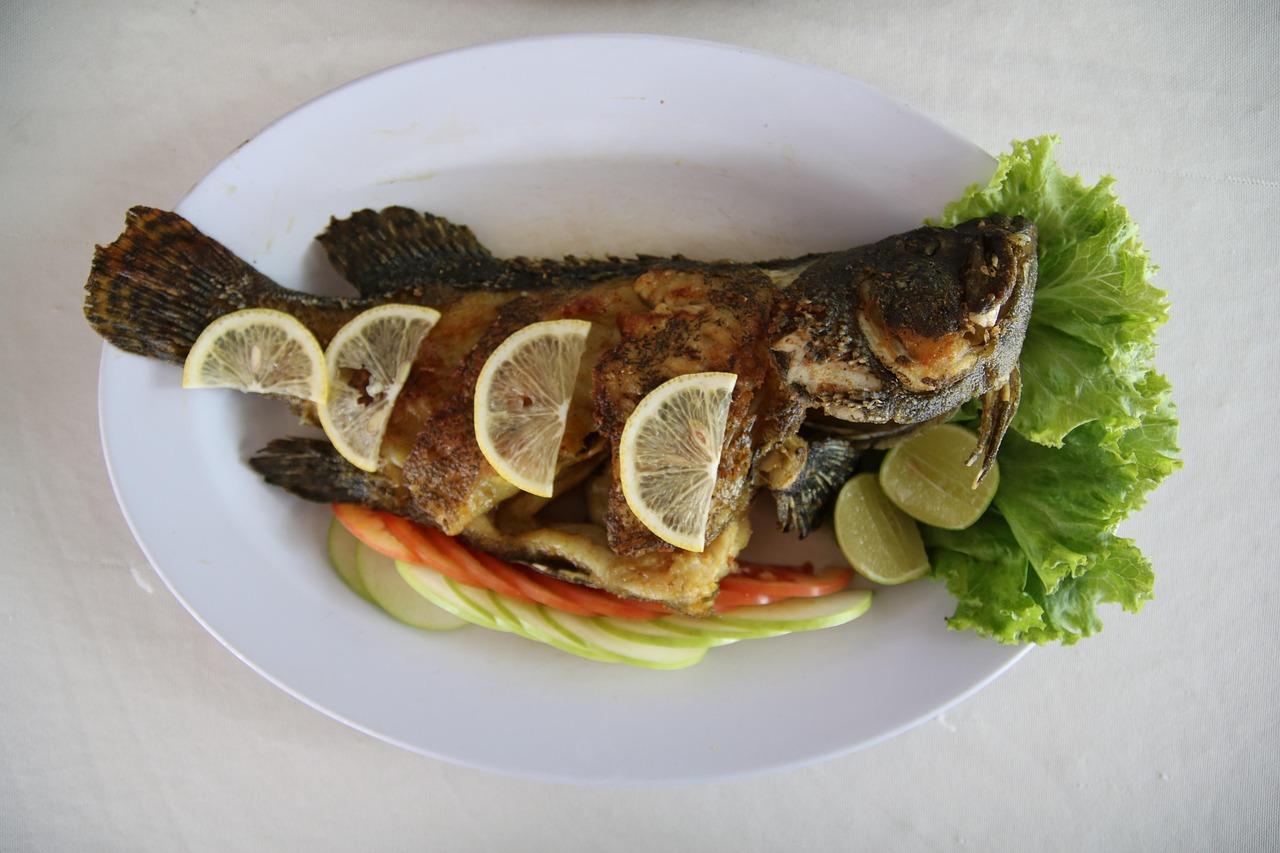
Bourzwa, the red snapper pulled from the reefs off Mahé, is the fish Seychellois choose for a beach barbecue or a Saturday family grill at Anse Royale. It goes on the coals whole, slashed and rubbed with a rough Creole paste of garlic, ginger, chilli, thyme and lime, and comes off with crackling, smoky skin and sweet, moist white flesh. Serve it with Creole rice, lentils, a tomato satini and a dish of breadfruit or green banana, with extra lime and chilli at the table. The usual mistake is moving the fish too soon: if it sticks, wait another minute and it will release once the skin has crisped. Chef's tip: oil the fish, not just the grill, and cook it in a hinged fish basket if you have one, so turning it is easy.

by KrazyBadal 0 views

LadobPlantain in sweet coconut milk

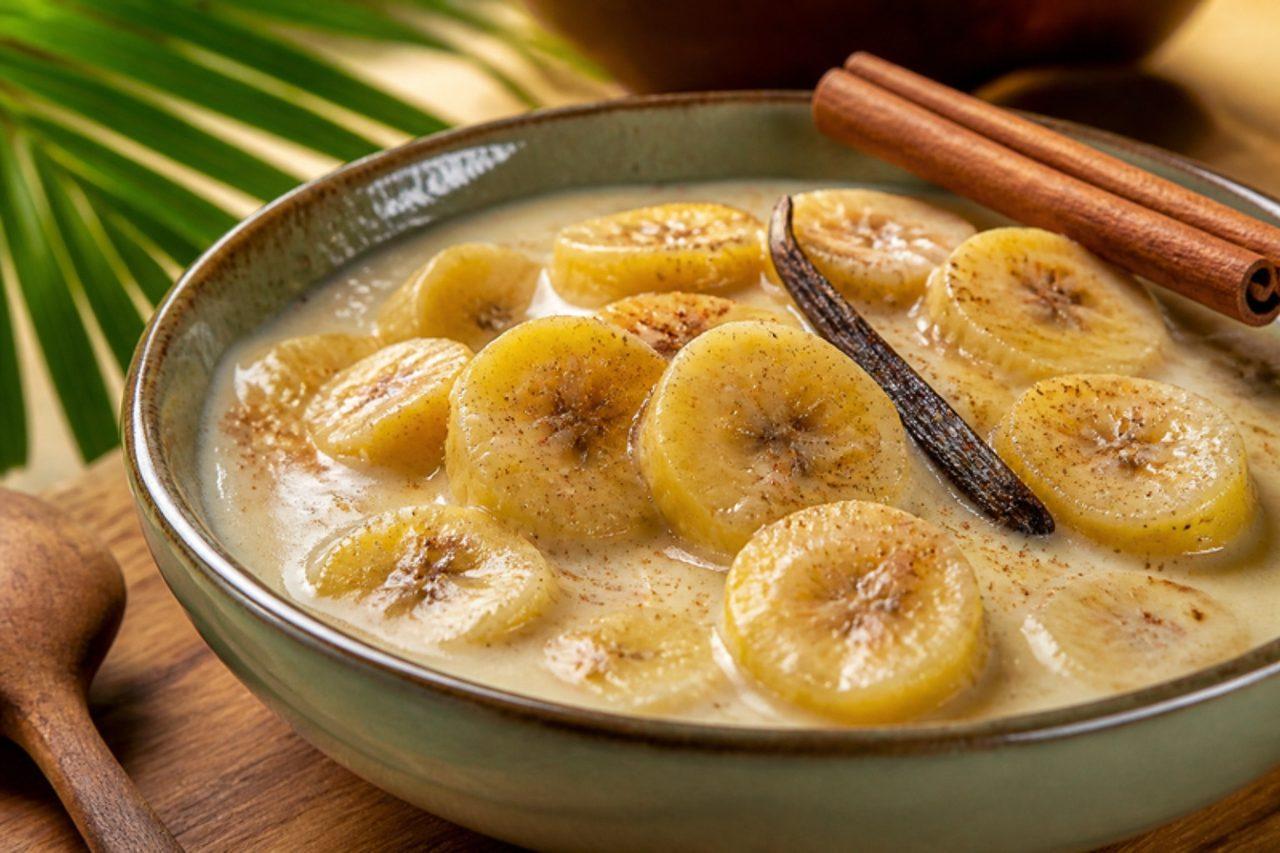
Sunday lunch on Mahé often ends with a pot of ladob carried warm to the table: thick slices of ripe plantain, sometimes breadfruit or sweet potato, stewed in coconut milk until they turn soft and amber. The sauce reduces to a pale, silky cream scented with vanilla, which grows on the islands, and a scrape of nutmeg. Families eat it warm in bowls, or cold from the fridge the next afternoon, and children like it best with the sauce spooned over a little extra. Pick plantains with black-speckled or nearly black skins; yellow-green ones stay starchy and never go sweet and tender, which is the most common disappointment. Chef's tip: simmer gently and never let the coconut milk boil hard, or it splits and the sauce turns oily instead of creamy.

by KrazyBadal 0 views

Rougail mangueGreen mango chilli relish

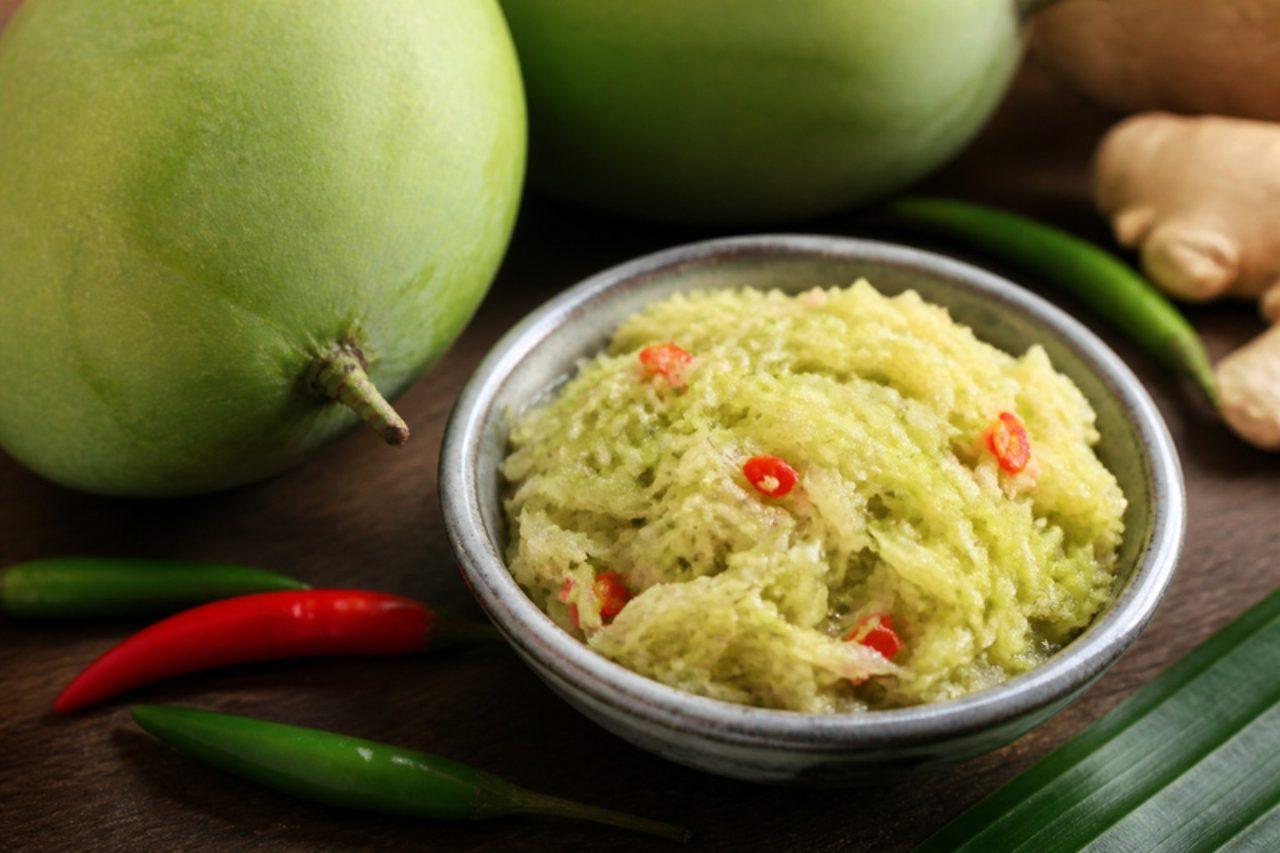
On a Réunion table the rougail is the sharp, cold thing that cuts through a pot of cari, and rougail mangue is perhaps the best loved: sour green mango grated into crisp strands and pounded with bird's-eye chilli, a little onion and salt. It is crunchy, mouth-puckering and hot all at once, and it sits in a small bowl next to the rice and grains for people to add a forkful at a time. It is made fresh and eaten the same day, from Saint-Denis to Saint-Pierre, when mangoes are still hard on the trees. A ripe or half-ripe mango is the classic mistake, giving a sweet, soggy mush; the fruit must be fully green, hard and sour. Chef's tip: pound the chilli with the salt first so it spreads evenly, then only bruise the mango, so the strands keep their snap.

by KrazyBadal 0 views

Massalé cabriGoat curry

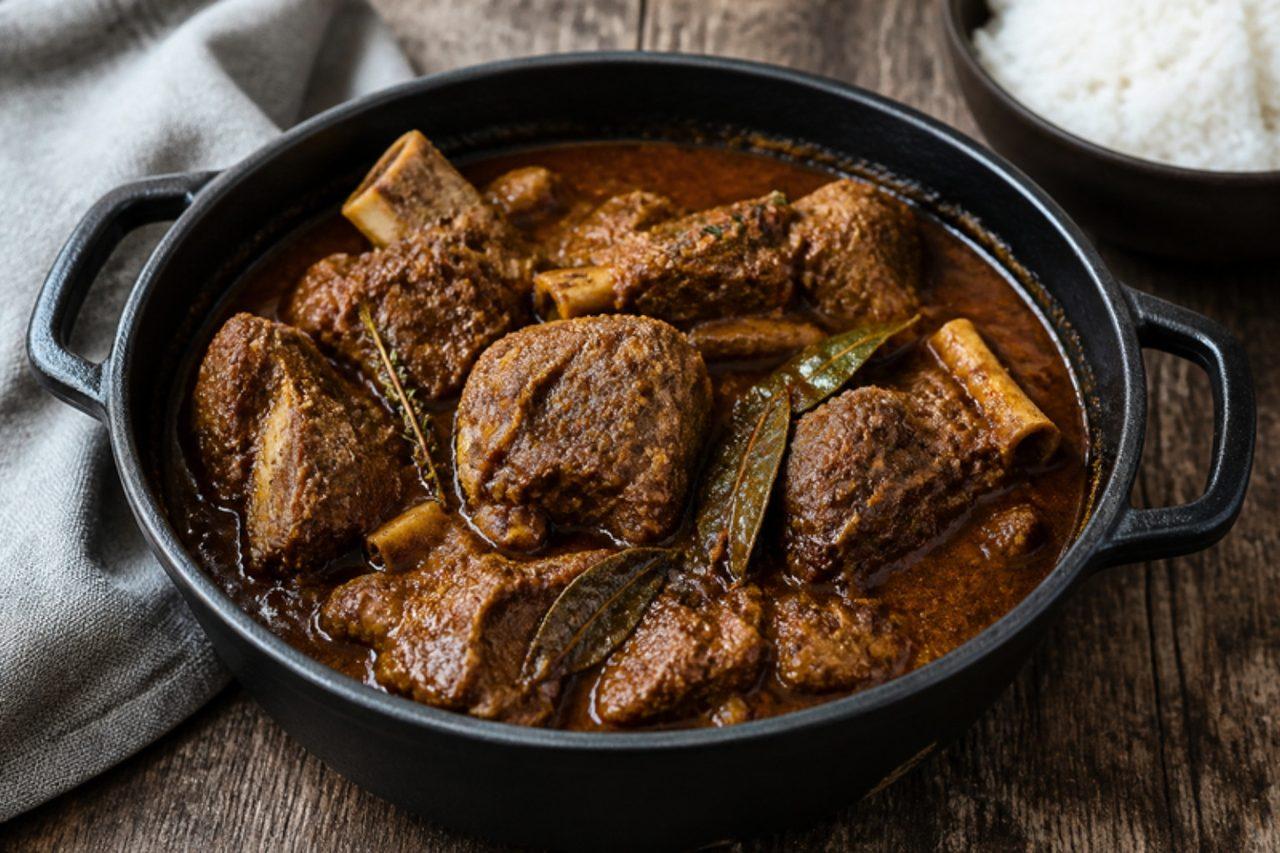
Massalé came to Réunion with Tamil workers in the nineteenth century, and the dark, earthy spice blend still perfumes the island's temple festivals and the big family meals that follow them, where massalé cabri is served from huge pots. Goat on the bone is rubbed with toasted, freshly ground coriander, cumin, fenugreek, pepper and cloves, then simmered with onion, garlic, ginger, tomato and curry leaves until it falls from the bone into a thick brown sauce with a lingering heat. Eat it with white rice, lentils and a rougail. The classic mistake is burning the spices while toasting them, which makes the whole pot bitter; take them off the heat the moment they smell warm and turn a shade darker. Chef's tip: marinate the goat overnight in the fridge if you can, as the massalé gets right into the meat.

by KrazyBadal 0 views

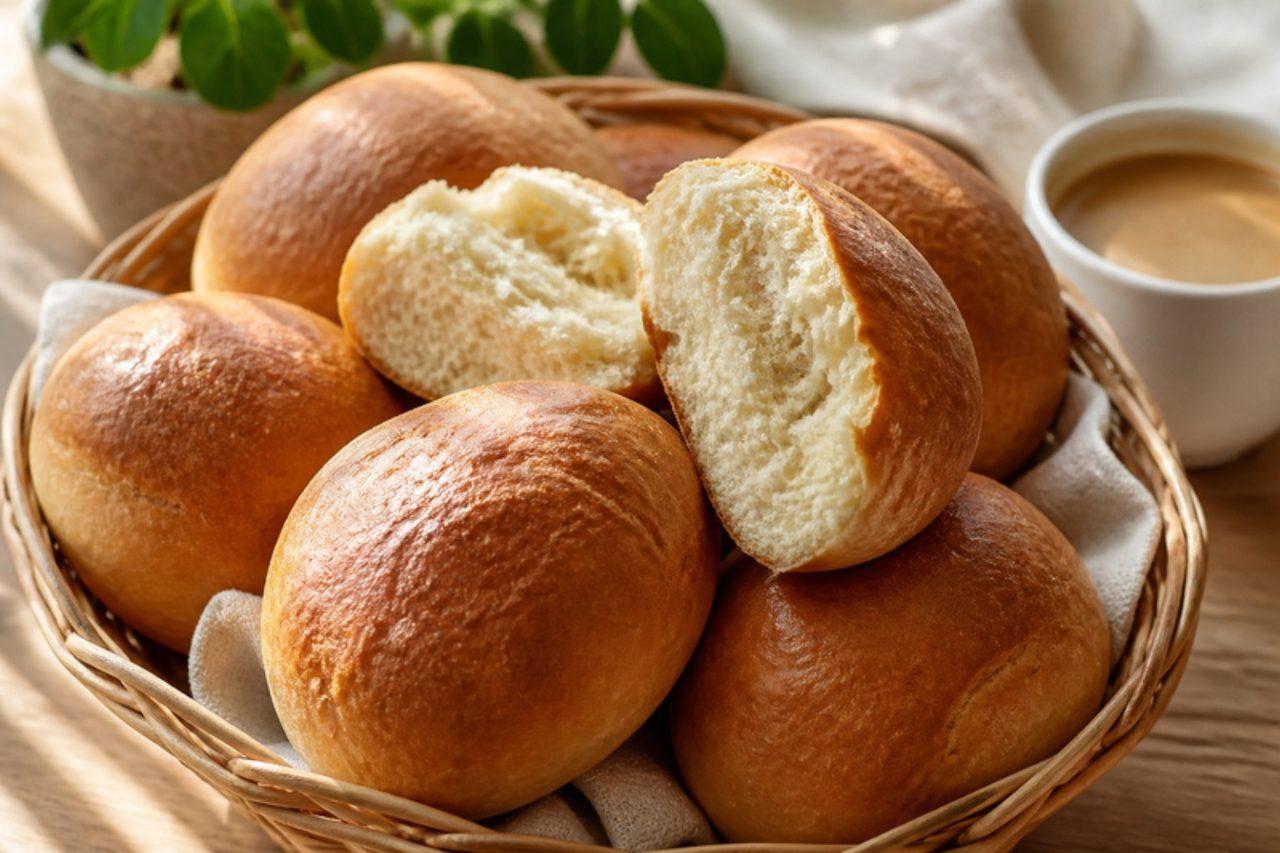
MacatiaSweet breakfast buns

Bakeries in Saint-Denis and Saint-Paul fill their shelves with macatias before dawn, and they go fast: plump, shiny buns with a close, cotton-soft crumb and just enough sugar to taste sweet with black coffee. Children take them to school, workers tear one open on the bus, and people split them and fill them with butter, cheese or even a spoon of cari for a quick lunch. Some bakers add grated coconut and call them macatia coco. The commonest mistake is using milk that is too hot, which kills the yeast; it should feel just warm on your wrist. Chef's tip: brush the buns with a little milk as soon as they come out of the oven and cover them with a cloth, which keeps the crust soft rather than crisp.

by KrazyBadal 0 views

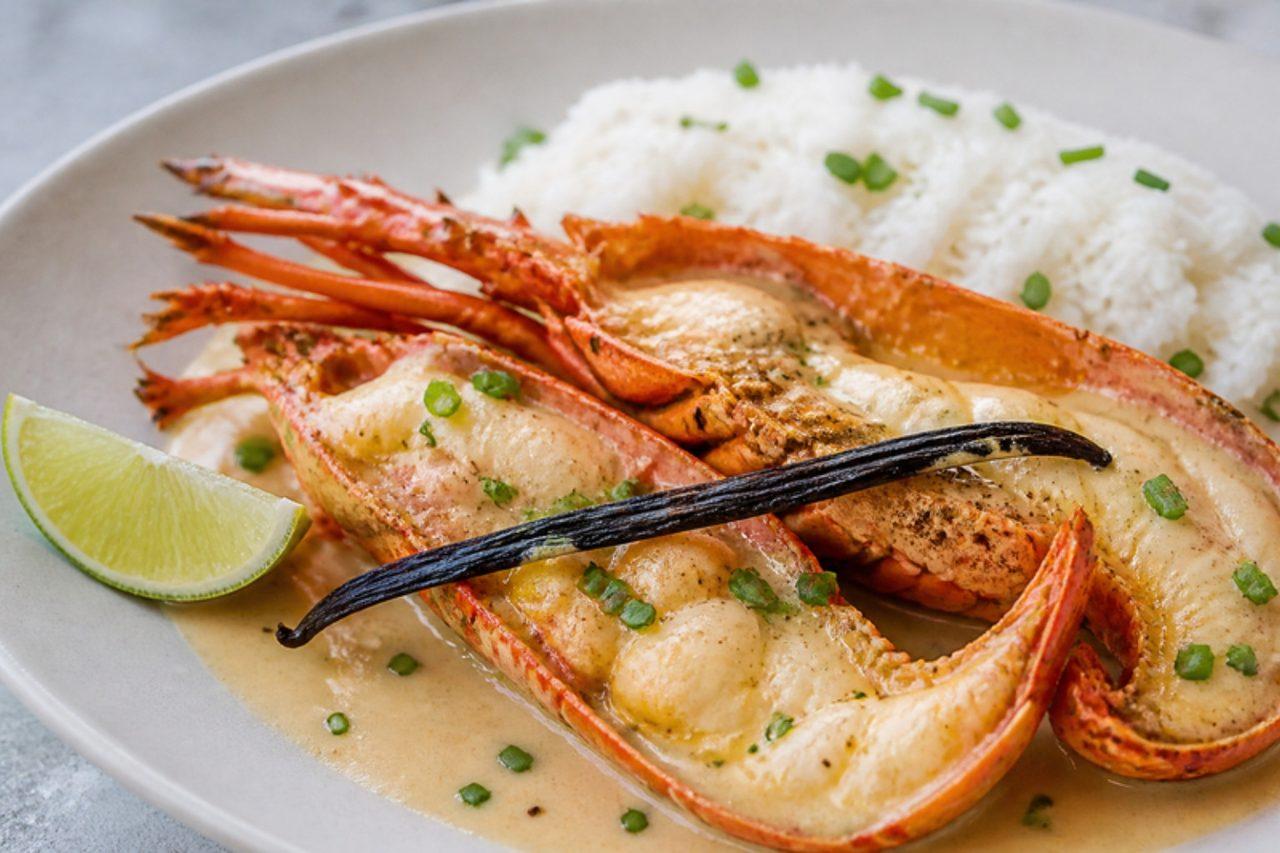
Langouste à la vanilleLobster in vanilla cream

Anjouan and Grande Comore grow some of the world's most fragrant vanilla, and the islands' grandest dish pairs it with spiny lobster from the surrounding reefs. Served at weddings and in seafront restaurants in Moroni, it brings sweet, firm lobster to the table in a pale cream sauce where the vanilla tastes warm and floral rather than sugary, sharpened with lime and a touch of chilli. Frozen raw spiny lobster tails, thawed overnight in the fridge, work beautifully; a ready-cooked lobster just needs warming through. Serve it with plain white rice or fried green banana. Chef's tip: the classic mistake is overcooking, which turns lobster rubbery, so take it from the pan the moment the flesh turns opaque and let the sauce finish the job.

by KrazyBadal 0 views

Mkatra foutraCoconut milk flatbread

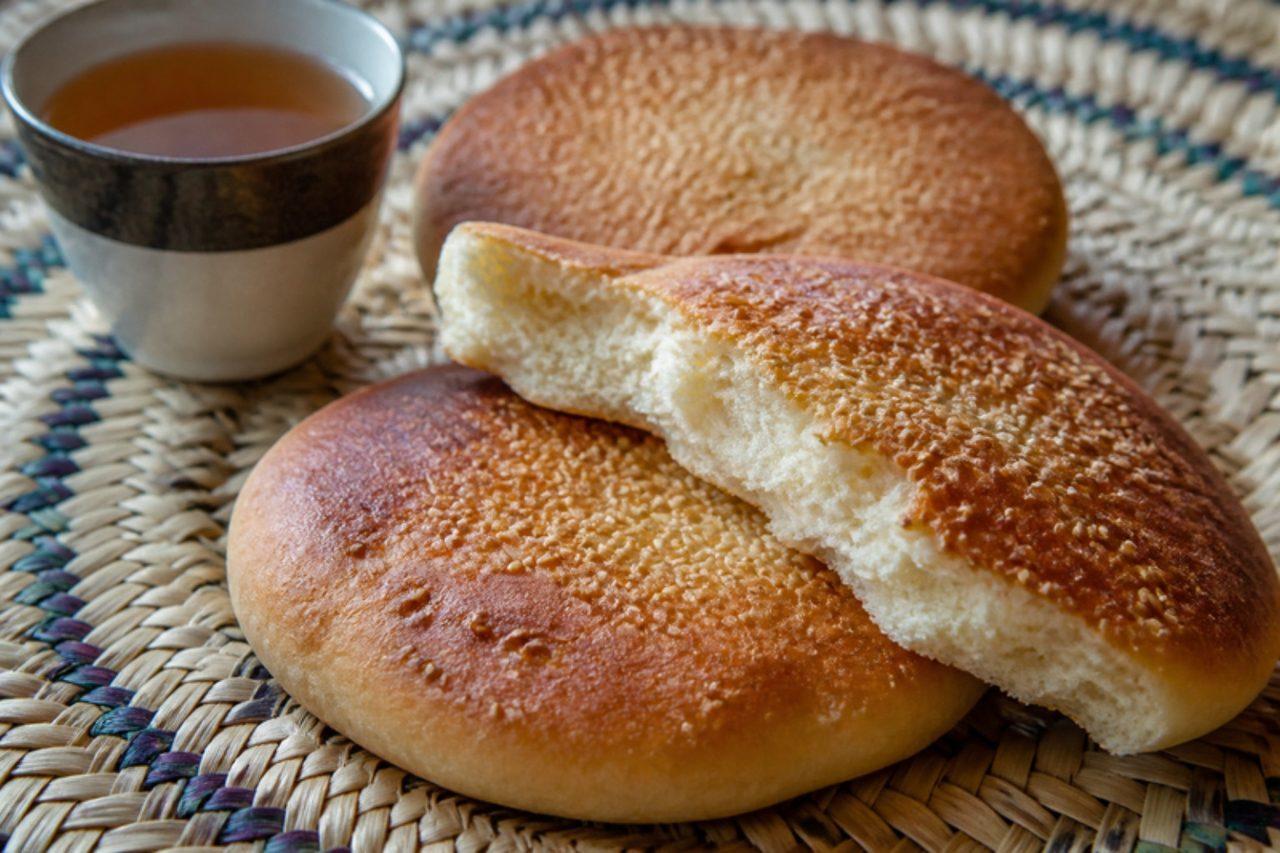
Before dawn in Moroni, women set heavy pans over charcoal to make mkatra foutra, and during Ramadan stacks of it appear at every iftar table. The dough is soft and sticky, raised with yeast and made rich with coconut milk instead of water, then patted into a thick round, scattered with sesame and baked slowly in a covered pan. It comes out golden and speckled outside, with a fluffy, slightly sweet, faintly coconutty crumb. Tear it with sweet spiced tea for breakfast, or use it to mop up a fish curry or mtsolola. Chef's tip: keep the heat low and the lid on; a hot pan burns the base long before the thick middle has cooked through, which is the most common mistake.

by KrazyBadal 0 views

Batido de mameyMamey milkshake

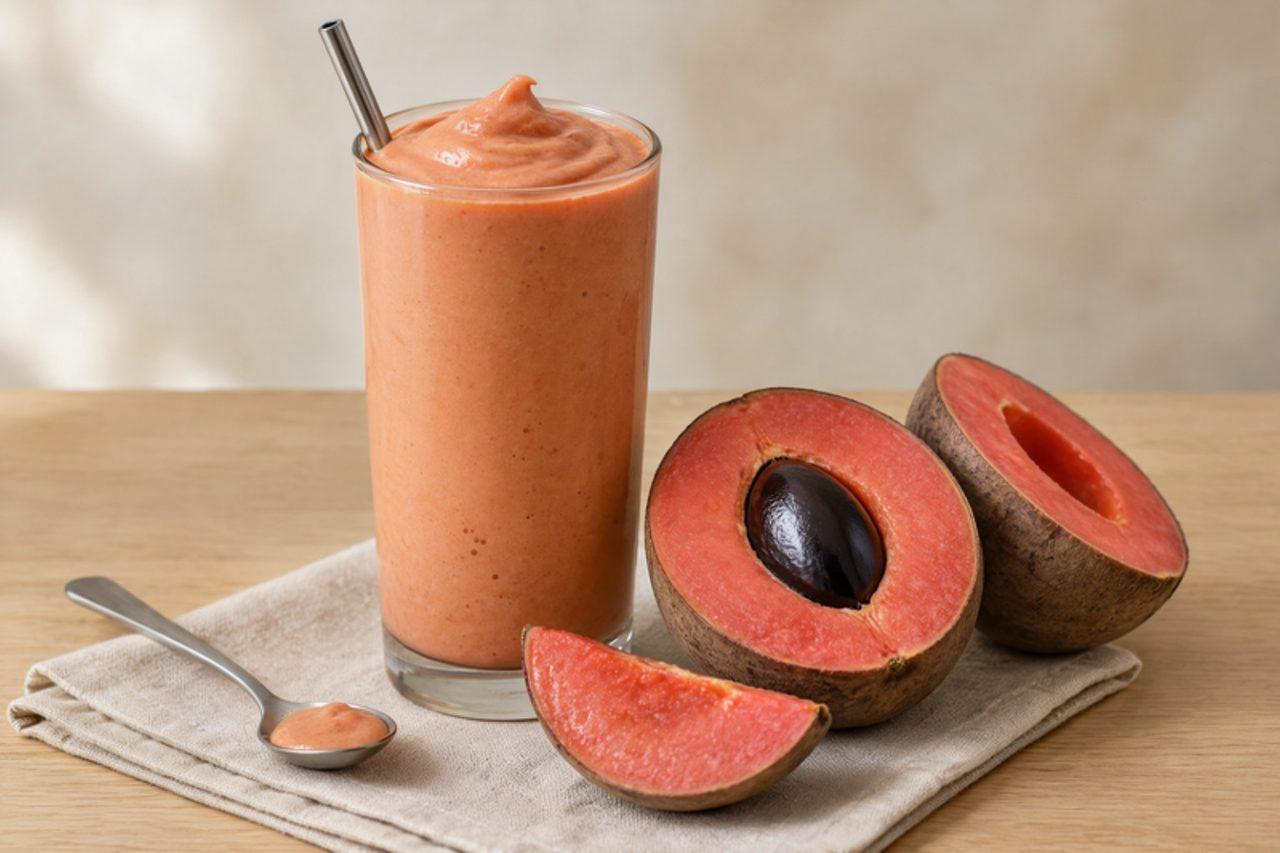
In Havana and all over the island, the cafeteria counter has a blender that never stops, turning out batidos of mango, guanábana, papaya and the favourite of all, mamey. The fruit has a rough brown skin and a soft, salmon-red flesh that tastes like sweet potato, pumpkin pie, almond and apricot at once, and blended with cold milk it makes a shake so thick it is almost a dessert. It is drunk mid-afternoon on hot days, at breakfast with toast, or at a kid's birthday party; Miami's Cuban cafés keep the tradition alive with frozen pulp. The common mistake is using a hard mamey, which tastes starchy and slightly bitter; the fruit must give like a ripe avocado when pressed and show deep red flesh when you scratch the skin with a fingernail. The batido is ready when it is smooth, pumpkin-orange and pours slowly in a thick ribbon. Frozen mamey pulp from Latin American shops is a good substitute; reduce the ice because the pulp is already cold. Chef's tip: a pinch of salt and a drop of vanilla bring out mamey's almond notes.

by KrazyBadal 0 views

Cremolada (Lima passion fruit slush)

From January to March, when Lima's coast swelters, queues form at the cremolada counters of Barranco and along the Jirón de la Unión downtown for cups of this thick fruit ice. It sits between a granita and a sorbet: frozen fruit pulp scraped again and again until it is slushy and spoonable, with real bits of fruit through it. Passion fruit (maracuyá) gives a sharp, bright flavour; creamy lúcuma, with its maple and sweet potato taste, is the other favourite. Chef's tip: use a shallow metal tray; it freezes faster and evenly, so you get fine crystals rather than chunks.

by KrazyBadal 0 views

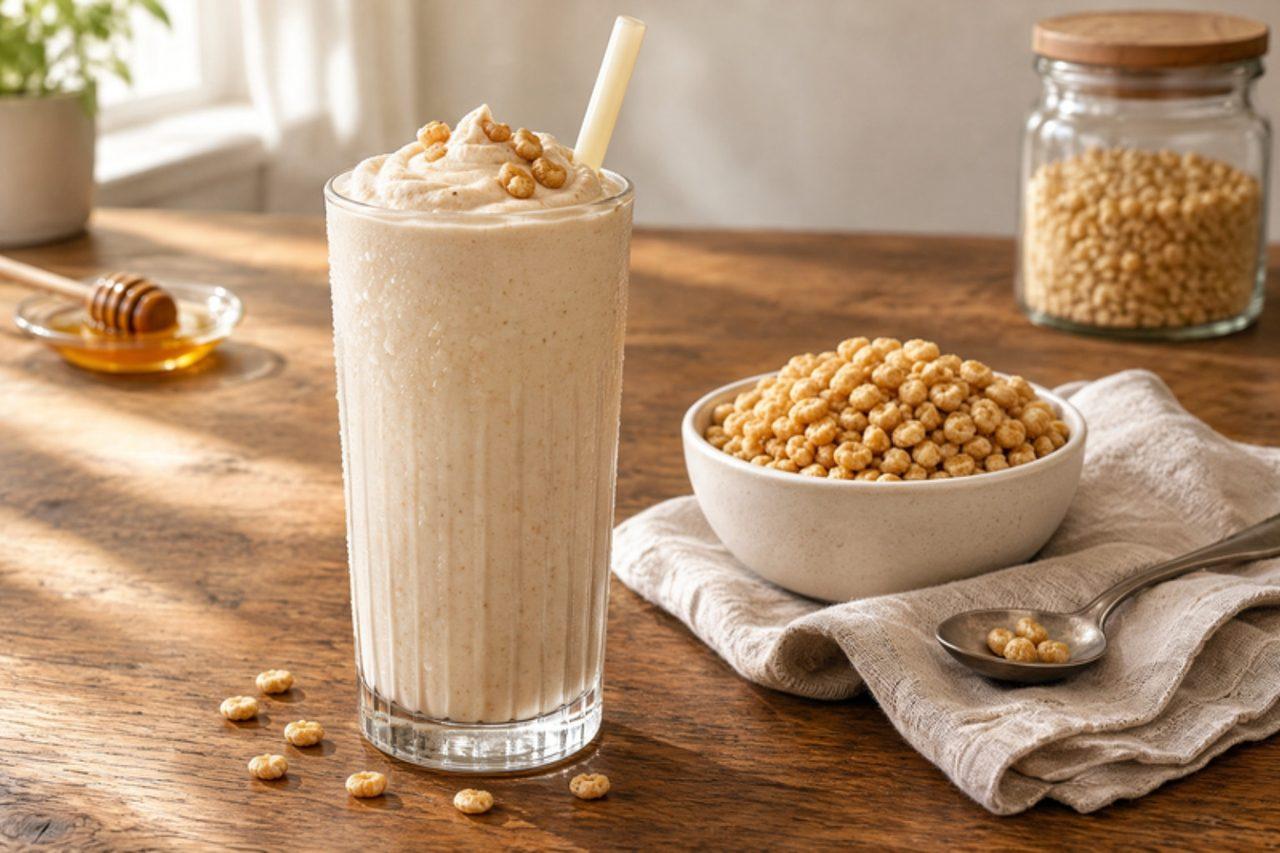
Batido de trigoPuffed wheat shake

Havana cafeterías and Miami ventanitas blend this for breakfast on the run: puffed wheat, cold milk, sugar and ice whizzed into a thick, frothy shake that tastes like a malted milk with toasted cereal. It is one of the most loved Cuban batidos, and quick to make at home. The common mistake is using sweetened, honey-coated cereal, which makes it cloying; plain puffed wheat lets the toasty grain flavour come through. Chef's tip: blend the puffed wheat with half the milk first until completely smooth, then add the ice, so you don't get soggy flecks of cereal.

by KrazyBadal 0 views

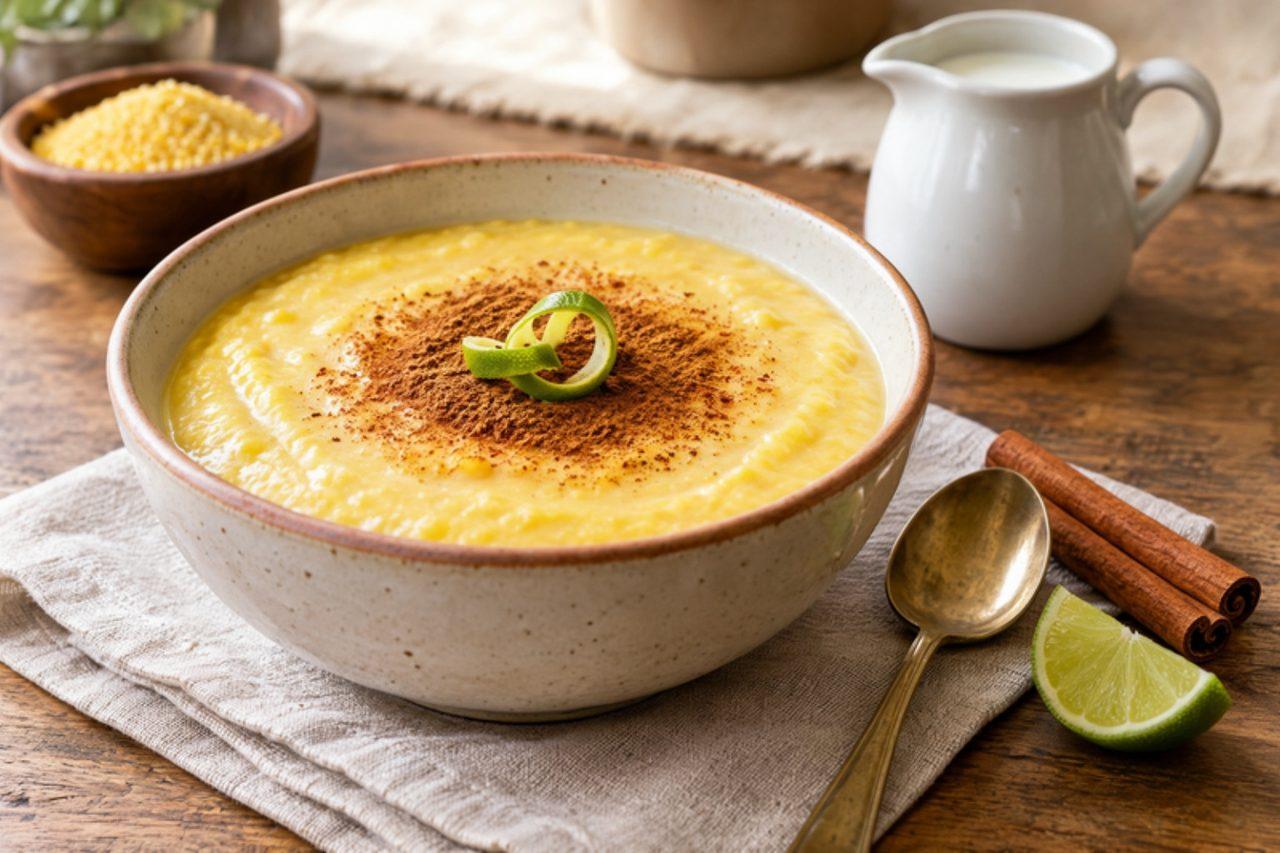
Harina de maíz dulceSweet cornmeal porridge

In Cuban homes "harina" means cornmeal, and harina dulce is the soft, sweet porridge that grandmothers in Havana and Santiago cooked for children before school, scented with cinnamon and a curl of lime peel the way rice pudding is. It should be smooth and spoonable, like a loose polenta. The usual mistake is pouring the cornmeal into boiling milk, which seizes into lumps at once: start it in cold liquid and whisk as it heats. Chef's tip: take the lime peel out once the porridge thickens, or its oils turn bitter as it sits.

by KrazyBadal 0 views

Pisco sour

Lima drinks its pisco sour as the aperitif before a long ceviche lunch, and celebrates it every year on the first Saturday of February; the recipe took shape in the city's bars in the 1920s. It is for adults only and stronger than its pillowy look suggests. Underneath a thick white foam you get sharp Peruvian lime, a clean sweetness and the floral, grapey warmth of quebranta pisco, with the bitters adding a spicy smell to every sip. The texture should be silky, almost creamy, never thin. The classic mistake is squeezing the limes too hard or too early: the oil from the pith turns the drink bitter within half an hour. Halve the limes, press each half gently by hand just before mixing and stop when the juice slows. The egg white is raw, so use pasteurised egg white for anyone pregnant, for babies, older people or anyone unwell, or swap in 30 ml aquafaba. It is ready when the foam stands about 1 cm high and is firm enough to hold the drops of bitters on its surface. Sip one slowly and drink responsibly. Chef's tip: shake once without ice first to whip the egg white, then again with ice; the foam will be twice as thick.

by KrazyBadal 0 views

Durofrío de mangoFrozen mango milk pops

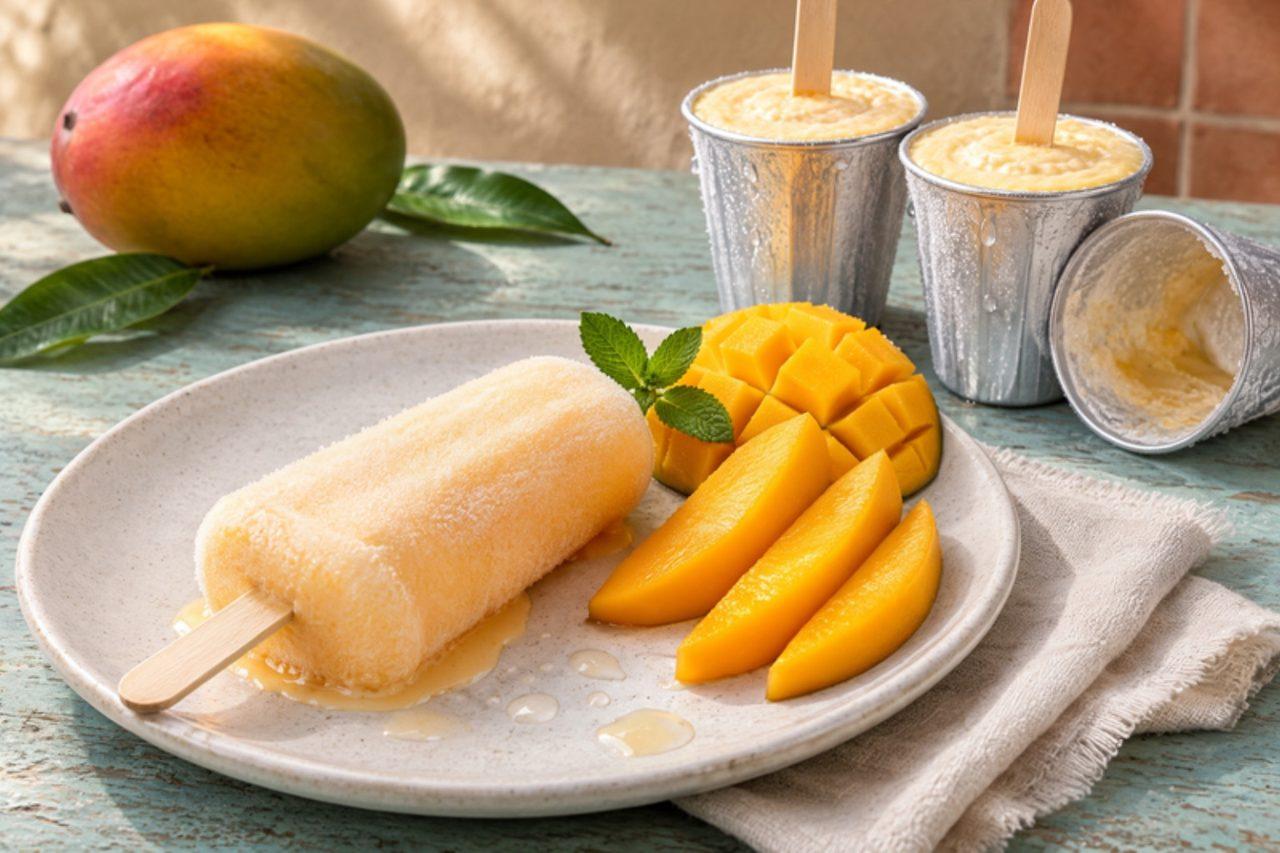
In the hot streets of Centro Habana, durofríos are sold straight from the front windows of family homes: a few pesos buys a frozen cup of fruit juice or fruit and milk, popped out and eaten on a stick or straight from its paper cup. Children queue for them after school in the long summer afternoons, when the sea breeze has dropped. This version blends ripe mango with milk and lime into a creamy, fruity ice that is firm, as the name says ("hard-cold"), rather than soft like ice cream. Swap the milk for water or guava juice for a dairy-free fruit ice. It contains milk. Chef's tip: make the mix taste a little too sweet before freezing; cold dulls sweetness.

by KrazyBadal 0 views

Maní tostadoRoasted peanuts

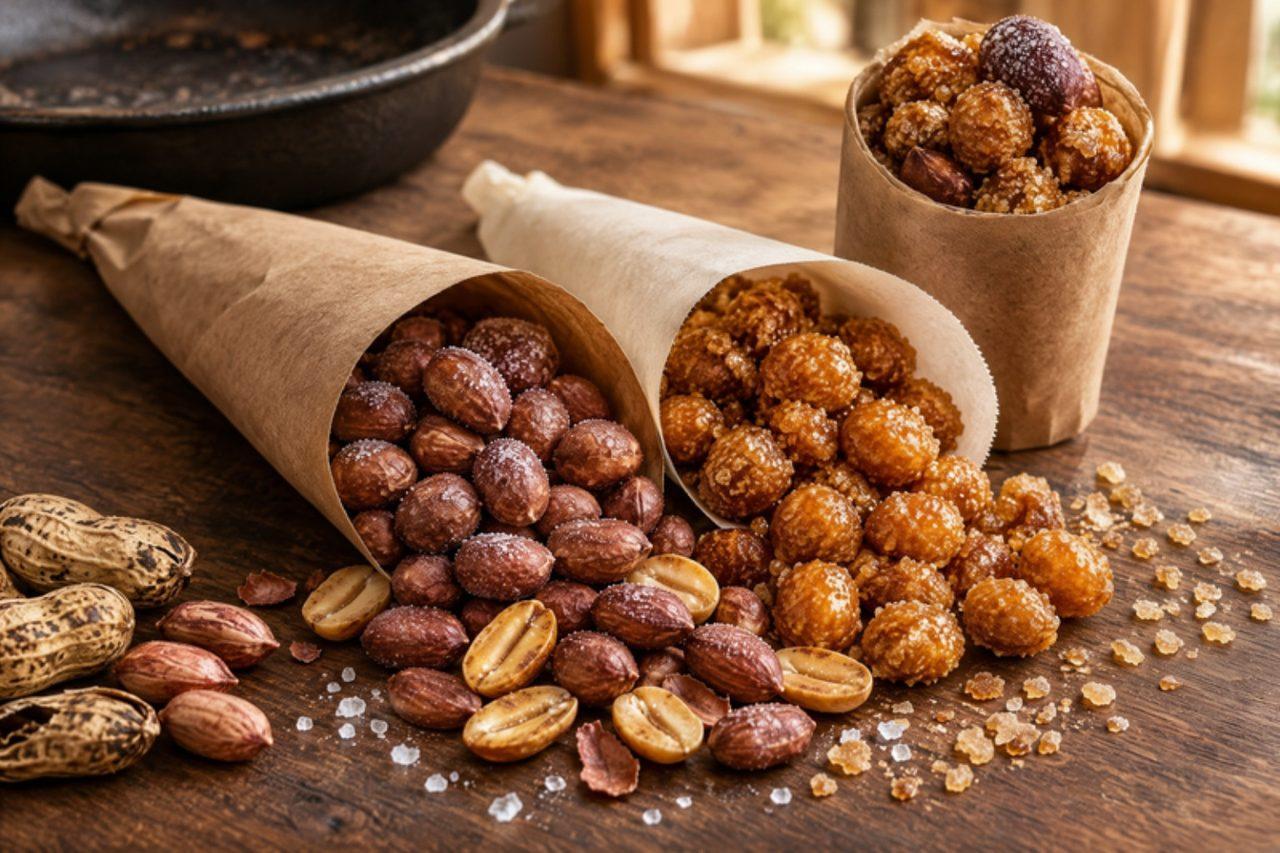
Walk along the Malecón or through Parque Central in Havana at dusk and you will hear the manisero before you see him, calling out "¡Maní!" with a basket of warm peanuts rolled into little paper cones. They are the snack for an evening stroll by the sea wall and for long nights in the stands at the Estadio Latinoamericano. Some vendors sell them simply salted, others glazed in a crunchy coat of sugar, so this recipe gives both. The nuts are toasty and crisp with papery skins that flake off as you eat. They contain peanuts, and whole nuts are a choking risk for children under five. Chef's tip: take the tray out when the nuts look a shade too pale; they keep colouring for a few minutes as they cool.

by KrazyBadal 0 views

Pan con lechónRoast pork sandwich

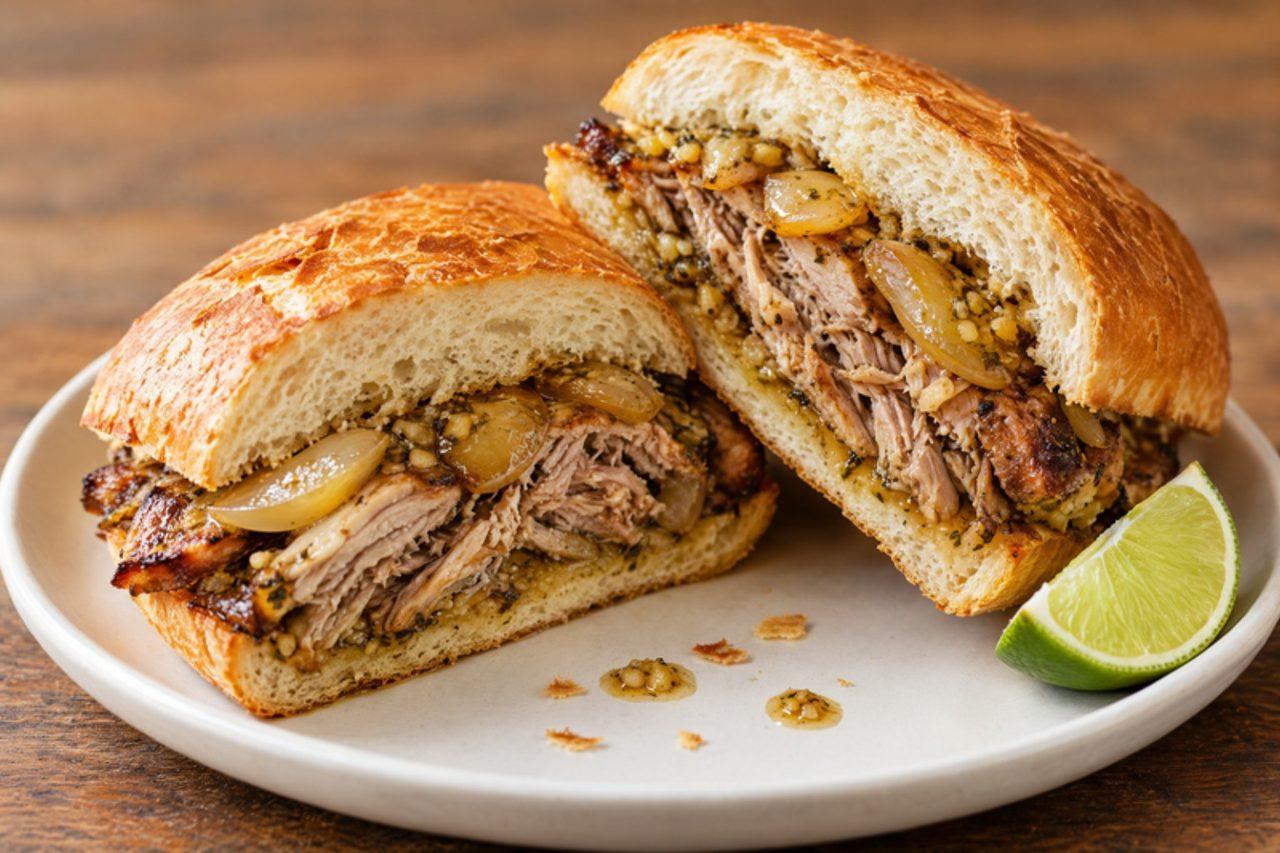
Cuba's great feast is a whole roast pig for Noche Buena on Christmas Eve, and the next best thing is pan con lechón: slices of juicy roast pork stuffed into soft Cuban bread with onions and plenty of mojo. In Havana it is sold from cafeterías and street windows in Centro Habana and along Calle Obispo, especially at weekends, and it is a favourite lunch or late-afternoon bite. This home version uses a boneless pork shoulder marinated overnight in sour orange, garlic, cumin and oregano and roasted until it falls apart, with crackly edges. Chef's tip: keep a few spoons of fresh mojo aside before the raw pork goes in, so you have a clean sauce to spoon over the sandwiches.

240 minCubanMeat
by KrazyBadal 0 views

Showing 24 of 263 recipes

Show more recipes

Page 1 of 11