Skip to content
Recipes

All recipes

Vegetarian, or something you can't eat? Set your diet once and we'll hide recipes that don't fit.

Tallarines rojosSpaghetti in red sauce with chicken

Tallarines rojos is the Sunday-lunch and weeknight pasta of homes all over Peru, from Lima to Arequipa: spaghetti in a sweet, deep-red sauce of blended tomato, onion and garlic with a little ají panca and oregano, often with pieces of chicken cooked right in it. Children love it, and it is served with a sprinkle of grated cheese and sometimes a spoon of huancaína on the side. The usual mistake is cooking the sauce too briefly, so it tastes of raw onion; let the blended tomato fry until it darkens and the oil shows at the edges. Chef's tip: a bay leaf and a spoon of ají panca paste give the sauce its Peruvian character; paprika will do if you can't find the paste.

by KrazyBadal 0 views

Gzik (Poznań quark with radish and chives)

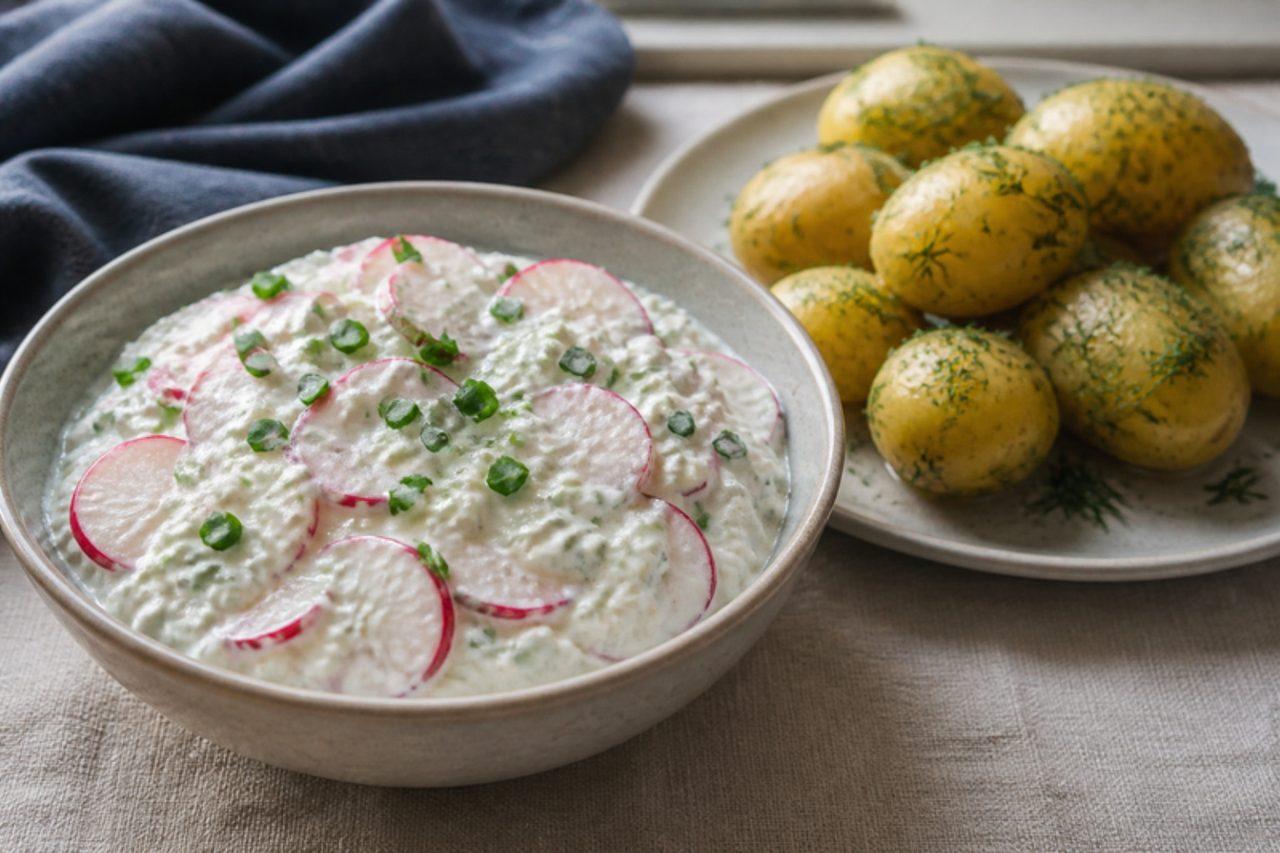
Gzik is a Poznań favourite, so much a part of Greater Poland that the region's potato-and-quark supper, pyry z gzikiem, has its own festival. Soft white quark is beaten with sour cream, then mixed with chopped radish, onion and chives into a cool, tangy, crunchy spread that is spooned over hot boiled potatoes in their skins, or onto rye bread for breakfast. The most common mistake is using dry, crumbly quark without loosening it, which gives a pasty gzik; it should be smooth and just spoonable. Quark and sour cream are made without rennet, so this is a good vegetarian choice. Chef's tip: salt the chopped radish and onion only at the last minute, so they stay crisp instead of weeping into the cheese.

by KrazyBadal 0 views

Huevos al albañil (bricklayer's eggs)

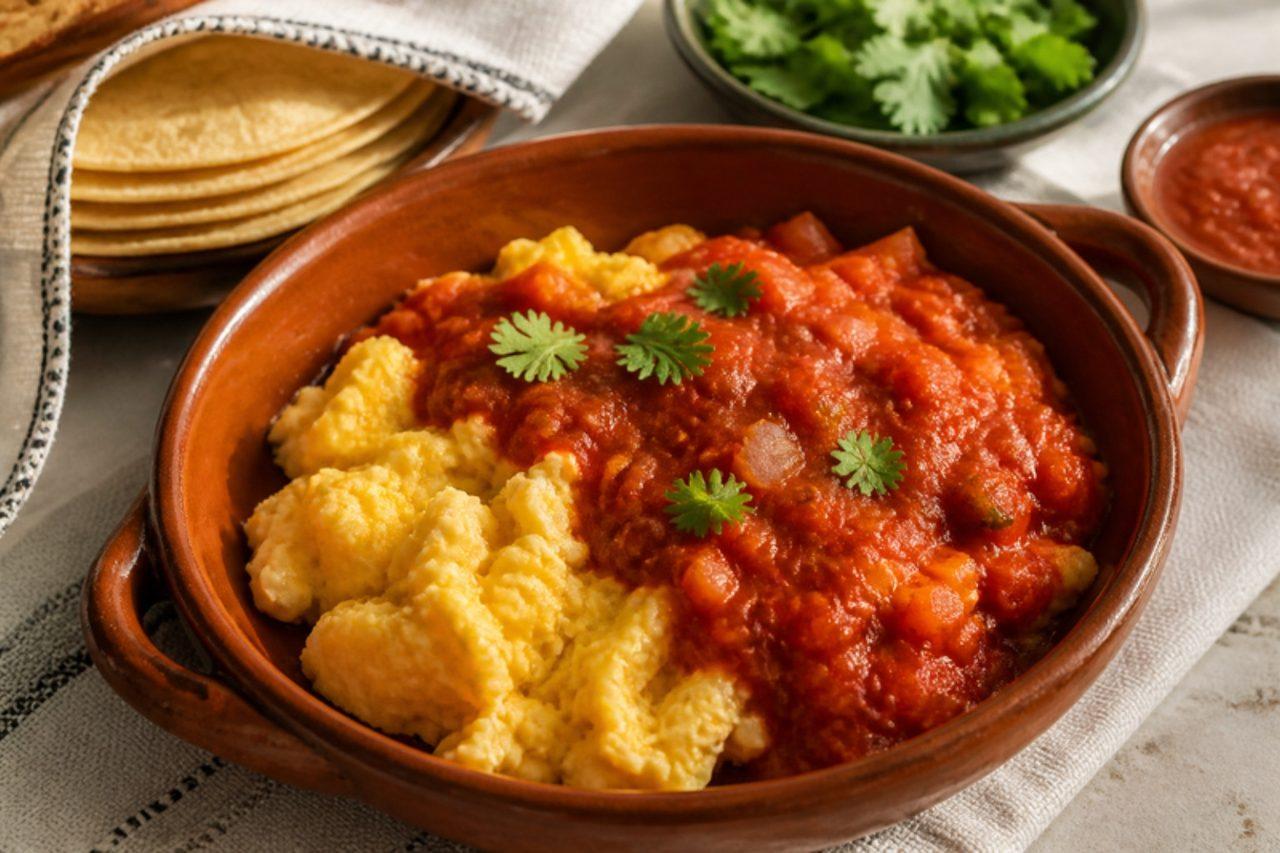
Huevos al albañil, 'bricklayer's eggs', come from the fondas and food stalls of central Mexico that feed builders a filling breakfast before the sun gets hot: scrambled eggs cooked gently and then bathed in a spicy salsa of charred tomato and serrano chile. They are eaten with warm corn tortillas and refried beans, and they make an equally good quick dinner. The mistake is cooking the eggs fully before they meet the salsa; they keep cooking in it and end up dry and rubbery. Chef's tip: char the tomatoes and chiles until properly blackened in spots, which gives the salsa its smoky depth.

by KrazyBadal 0 views

Camarones a la diablaPrawns in fiery chile sauce

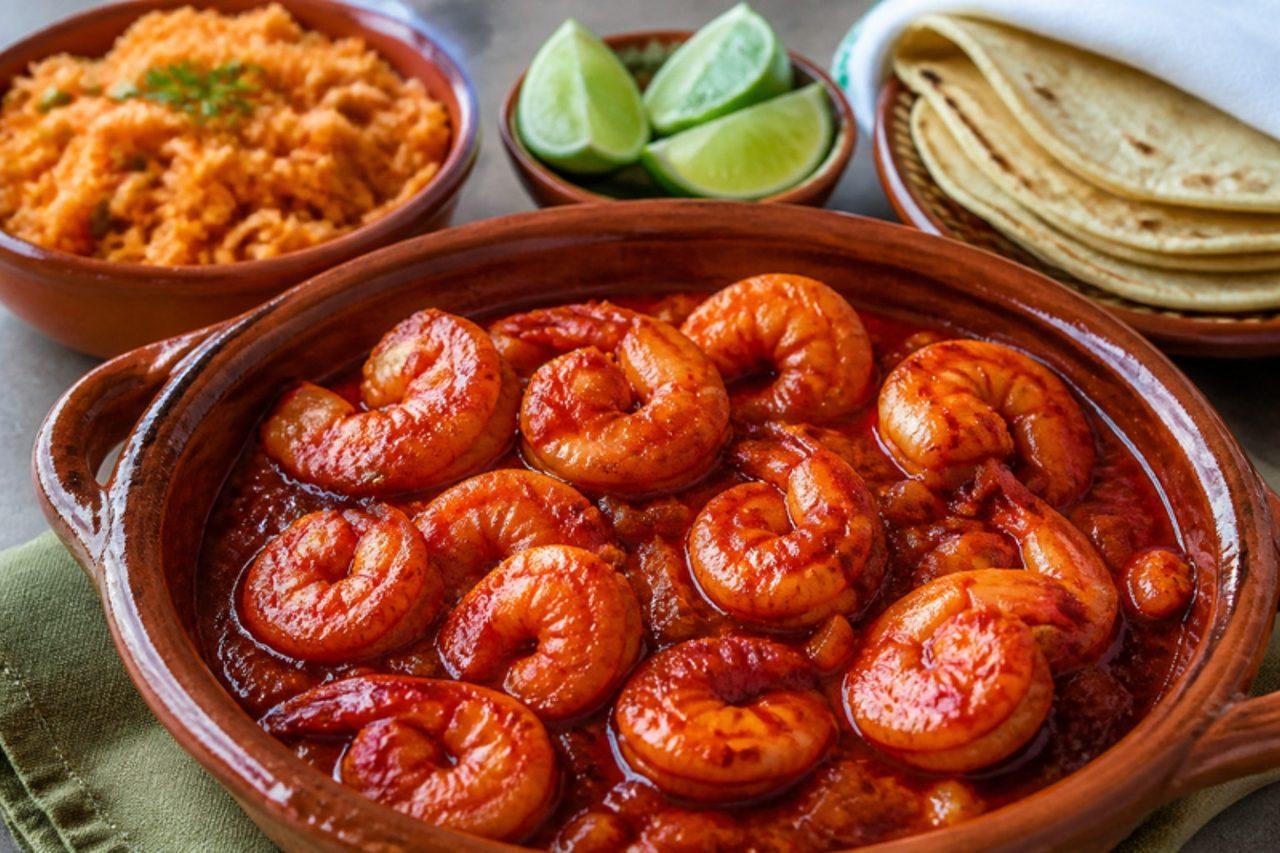
Camarones a la diabla, 'devil's prawns', come from the seafood shacks of Mexico's Pacific coast, from Mazatlán down to Acapulco, where they are eaten at lunch with cold drinks, white rice and lime. The sauce is a quick blend of toasted guajillo and chile de árbol with tomato and garlic, fried until it darkens and clings, and the prawns go in only for the last few minutes. It is properly hot; use fewer árbol chiles for a milder pan. The common mistake is burning the dried chiles when toasting them: a few seconds a side is enough, and blackened chiles make the whole sauce bitter. Chef's tip: fry the blended sauce in the oil until it turns a shade darker and thick enough to leave a trail; that is where the deep, rounded flavour comes from.

by KrazyBadal 0 views

CampechanasFlaky sweet pastries with sugar top

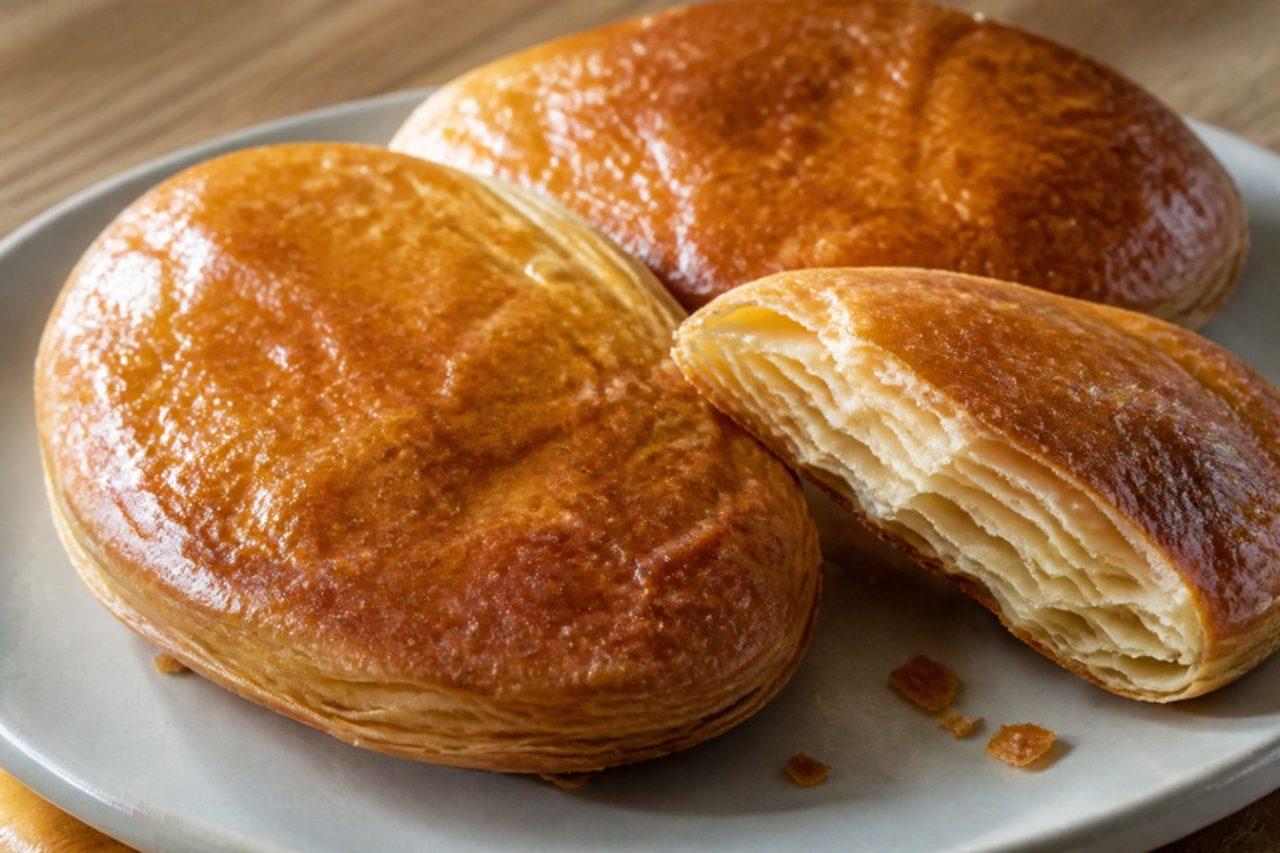
Campechanas take their name from the port of Campeche, but now they shatter all over the coffee tables of Mexico City and Veracruz: oval, paper-thin layers of dough with a glossy, caramelised sugar crust that cracks as you bite. Mexicans buy them in the evening from the panadería, along with conchas, to dunk in café de olla or hot chocolate. They are traditionally made with lard; this version uses vegetable shortening, which gives the same light flakiness and keeps them vegan. Butter also works but browns faster. The trap is a timid oven: below full heat the sugar stays grainy and white instead of turning to glass. Chef's tip: press the sugar firmly into the top before baking so it melts into an even shiny layer.

by KrazyBadal 0 views

Tortitas de calabacita (courgette and cheese fritters)

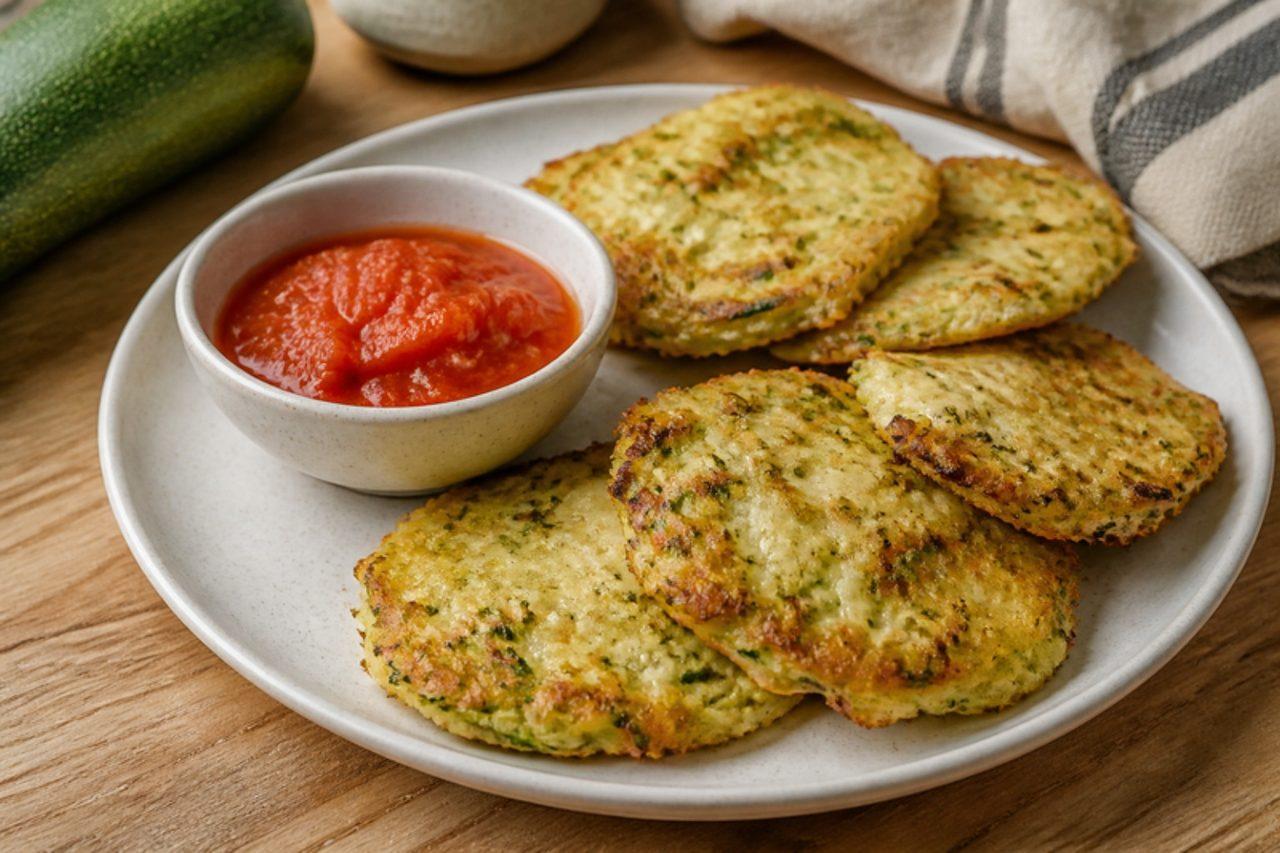
Tortitas de calabacita are a Lenten and everyday favourite in Mexican homes from Puebla to Jalisco: grated courgette, crumbled cheese and egg fried into soft little cakes, then served with a warm, thin tomato salsa spooned over, plus rice and beans. They make a meatless Friday dinner that children happily eat. The mistake is crowding the pan, which drops the oil temperature and leaves the fritters greasy and pale; fry in batches. The fresh cheeses often used are made with animal rennet, so choose a vegetarian queso fresco or a vegetarian mild Cheddar. Chef's tip: let the batter rest 2 minutes after adding the flour so it thickens and holds together in the pan.

by KrazyBadal 0 views

TopfengolatschenSweet quark puff pastry squares

A Topfengolatsche is what Viennese office workers grab from the bakery on the way in, and what grandparents order with a Melange in a coffee house on a Sunday afternoon. The corners of a puff pastry square are folded over a lemony, vanilla-scented filling of Topfen (Austrian quark) with plump raisins, and the top gets a thin white glaze. It is flaky, light and not too sweet. Raisins are sometimes soaked in rum; warm water or orange juice works just as well, and the recipe below is alcohol-free. Wet quark is the classic problem, because it turns the filling runny and it leaks out in the oven. Chef's tip: hang the quark in a sieve lined with a clean cloth for an hour, or squeeze it, until it is as thick as soft cream cheese.

by KrazyBadal 0 views

Placki z cukinii (Polish courgette fritters)

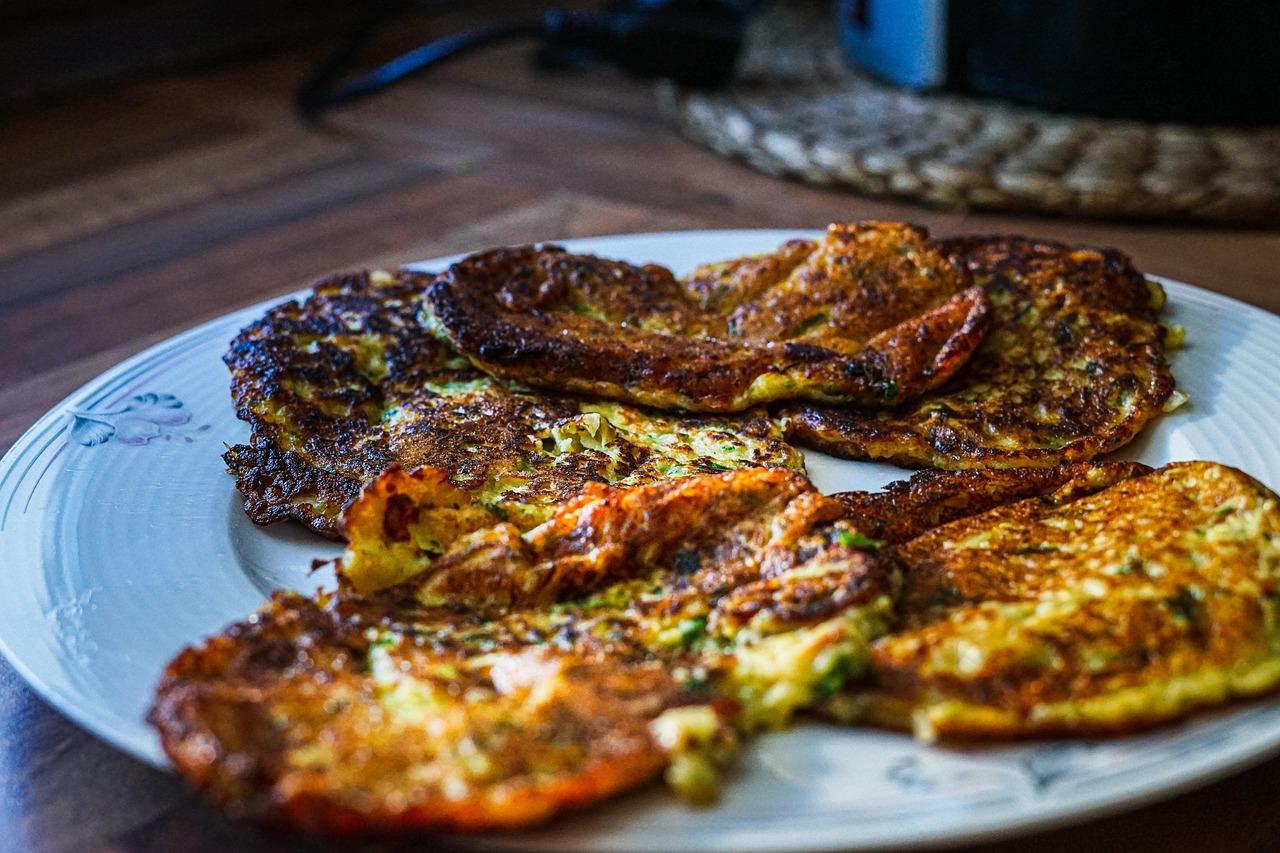
Every Polish allotment produces more courgettes in August than anyone can eat, and placki z cukinii is how the glut becomes a weeknight dinner: grated courgette bound with egg, a little flour and plenty of dill, fried into golden, soft-centred fritters. They are eaten hot with a spoon of sour cream or a garlicky yogurt dip, and leftovers go into lunchboxes the next day. The mistake that ruins them is skipping the squeeze: courgette is mostly water, and unwrung it makes a loose batter that spits in the pan and fries up soggy. Chef's tip: salt the grated courgette and leave it for 10 minutes while you get everything else ready, then wring it hard in a clean tea towel.

by KrazyBadal 0 views

Chicharrón de pescadoCrisp fried fish chunks

Up and down the Peruvian coast, from Chorrillos in Lima to the beaches of Piura, chicharrón de pescado is the crunchy plate ordered alongside ceviche at a long seafood lunch: bite-size chunks of firm white fish marinated briefly in garlic and lime, dusted in flour and fried, then served with fried cassava, salsa criolla and tartar or rocoto sauce. Using frozen peeled cassava keeps it to half an hour. The common mistake is leaving the fish in the lime too long: after about ten minutes the acid starts to 'cook' the outside and the coating slips off. Chef's tip: toss the floured pieces in a sieve to shake off every bit of loose flour; a thin coat fries crisp, a thick one turns pasty.

by KrazyBadal 0 views

Huevos con salchichaScrambled eggs with sausage

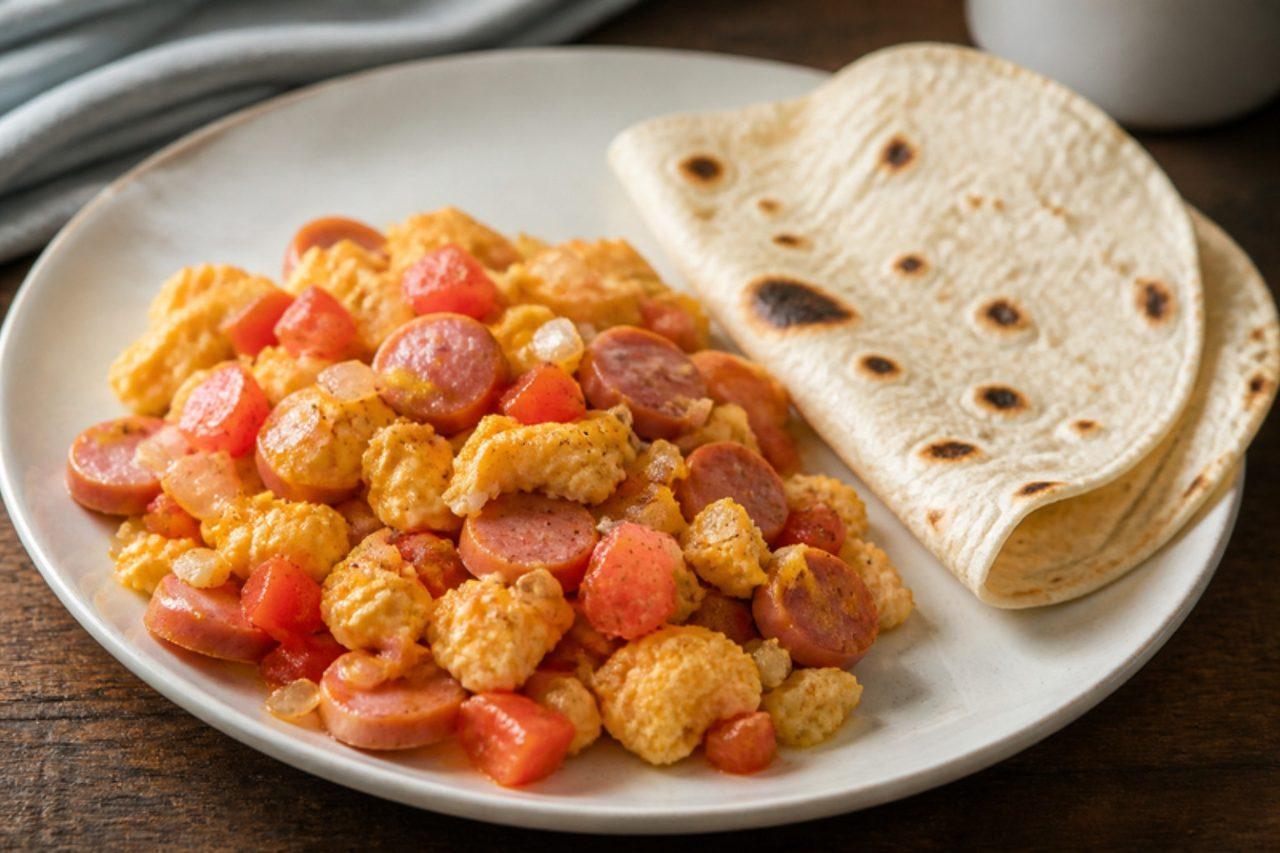
All over Mexico, from Monterrey kitchens to Mexico City fondas, huevos con salchicha is what a parent makes when breakfast or a late supper has to be on the table in a quarter of an hour. Coins of frankfurter are browned until their edges curl, then soft eggs are folded through with a little tomato, onion and green chile, and the whole pan is scooped up with warm corn tortillas and a spoon of refried beans. Most supermarket frankfurters are pork or a pork and beef mix, so check the packet if you need a pork-free version; chicken or turkey frankfurters work just as well. The usual mistake is adding the eggs to a wet pan: cook the tomato down first, or the eggs turn watery and grey. Chef's tip: take the pan off the heat while the eggs still look a little glossy; they finish setting on the way to the plate.

by KrazyBadal 0 views

Belgian frangipane tartlets

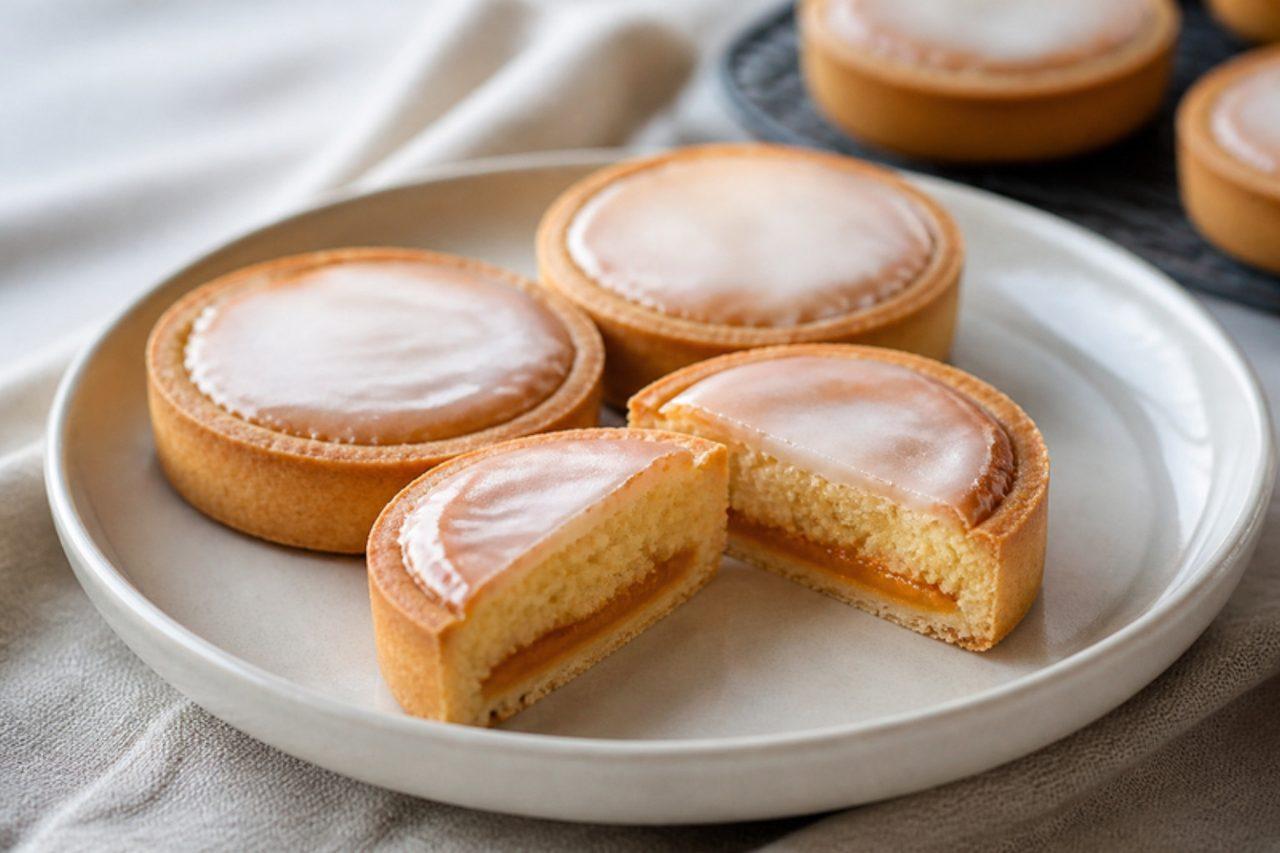
Look in the glass counter of a Flemish bakery and between the rice tarts and cream puffs sit rows of frangipanetaartjes: small shortcrust cases with a hidden layer of apricot jam, filled with almond frangipane and glazed with a thin, crackly white icing. Belgians pick them up on Saturday mornings or for a birthday at the office and eat them with coffee. They are buttery, nutty and moist, with a sharp fruity note from the jam. Too much jam is the mistake to watch: it bubbles up through the frangipane and glues the tartlets to the tin. Chef's tip: brush the warm tartlets with hot apricot jam first and let it set before the icing goes on; the jam seals the surface so the glaze stays white and shiny.

by KrazyBadal 0 views

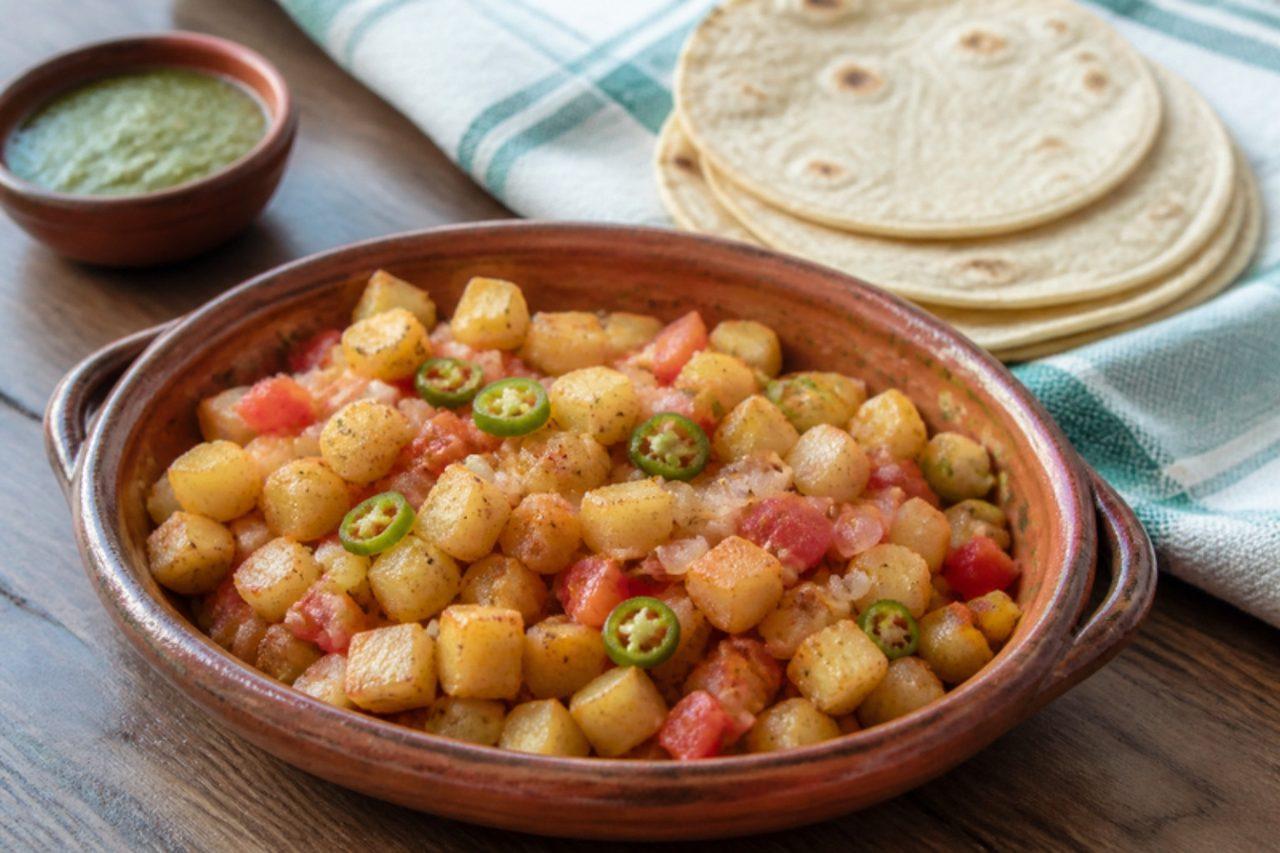
Papas a la mexicanaPotatoes with tomato and chile

Papas a la mexicana carry the colours of the flag, red tomato, white onion and green chile, and they are cooked in kitchens all over Mexico as a taco filling, a breakfast side or a cheap supper with beans and tortillas. The potatoes are fried until golden at the edges, then folded with a quick sofrito so they soak up the fresh, spicy juices. The usual mistake is adding the tomato before the potatoes are cooked through, which leaves them hard in the middle and stewing rather than frying. Chef's tip: parboil the diced potatoes for 4 minutes first; they fry to a crisp edge in half the time.

by KrazyBadal 0 views

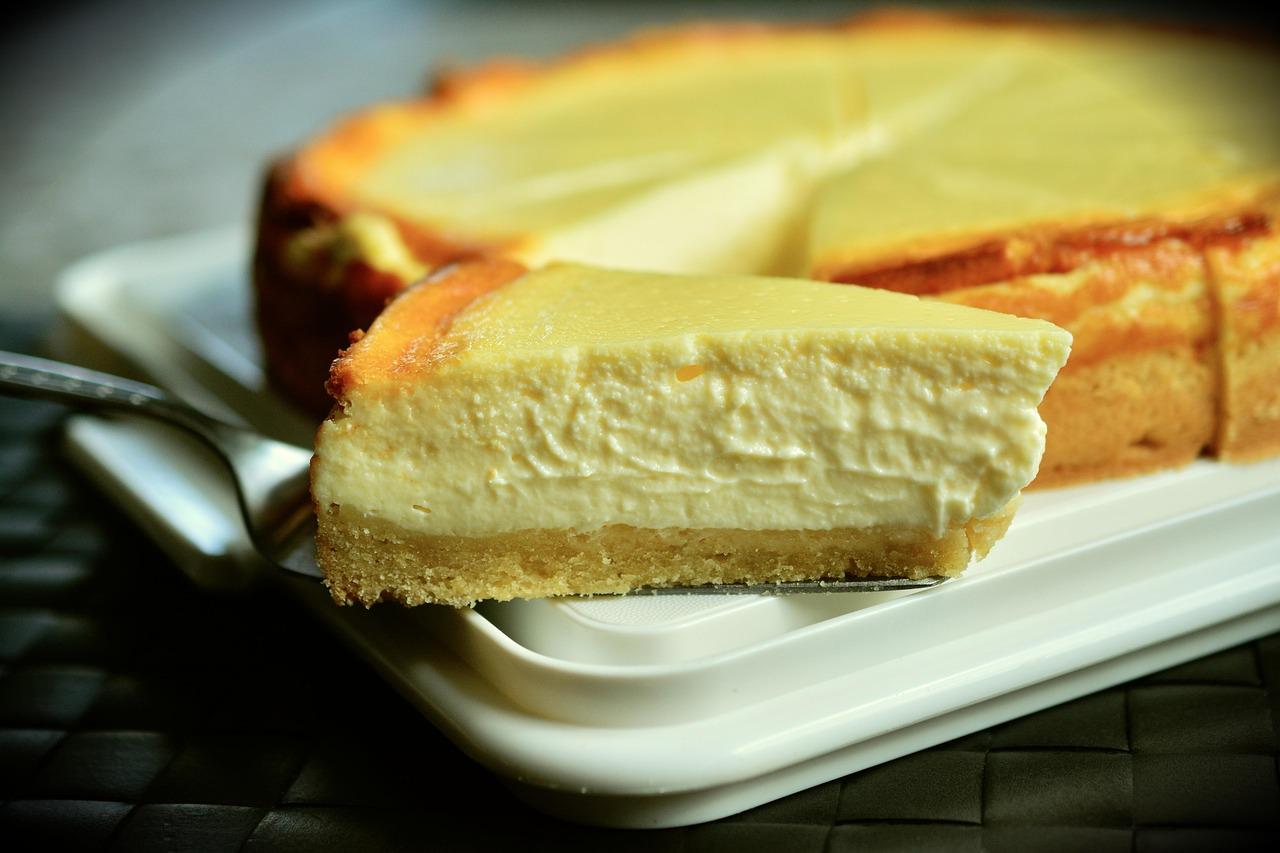
Pay de quesoCreamy cheesecake

Mexican cafés, school bake sales and Sunday family lunches all have a pay de queso, the country's own take on cheesecake. Cream cheese, condensed milk and evaporated milk are whizzed in a blender with eggs and vanilla, poured onto a crust of crushed plain tea biscuits and baked into a dense, creamy slice with a caramel note from the condensed milk. Serve it chilled with coffee, or with strawberries or a spoon of cajeta on top for a party. The usual mistake is blending at full speed for too long, which whips in air and makes the top rise and crack. Chef's tip: blend on low just until smooth, then tap the filled tin on the worktop a few times to bring big bubbles to the surface.

by KrazyBadal 0 views

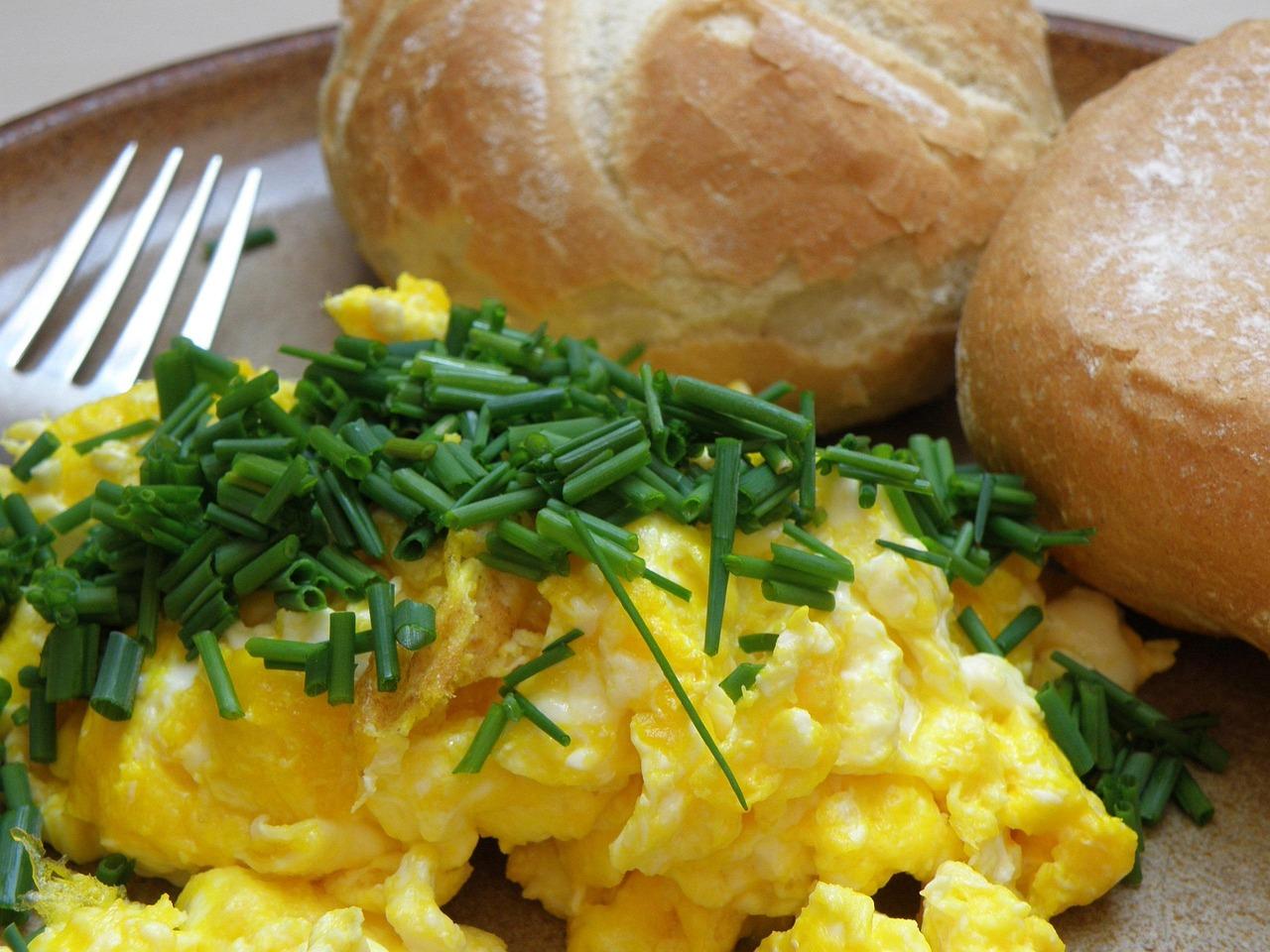
Jajecznica (Polish scrambled eggs)

Jajecznica is what a Polish household cooks when there are ten minutes and a box of eggs: soft, large curds stirred slowly in plenty of butter, sometimes with a little onion softened first and always with a shower of chives. It turns up at weekend breakfasts with bread and sliced tomato, and just as often as a light supper after work. The usual mistake is a pan that is too hot, which turns the eggs rubbery and weepy before they have had a chance to go creamy. If you are cooking for anyone pregnant, very young, older or otherwise vulnerable, cook the curds until no liquid egg remains. Chef's tip: take the pan off the heat while the eggs still look slightly underdone; they finish setting on the way to the plate.

by KrazyBadal 0 views

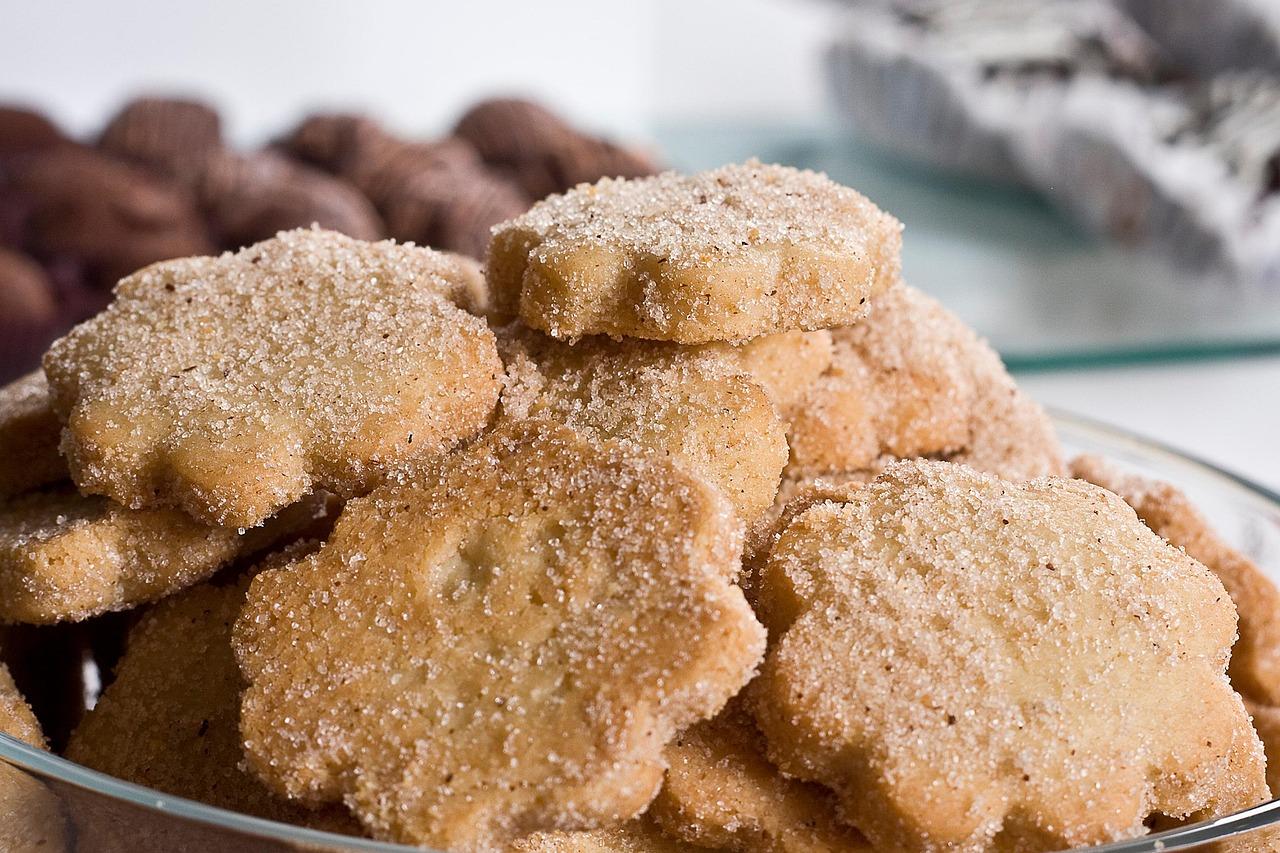
HojarascasCinnamon sugar crumble cookies

At weddings, quinceañeras and Christmas gatherings in Nuevo León and Coahuila, someone always brings a platter of hojarascas, the name meaning 'fallen leaves' because they crumble as lightly as dry leaves underfoot. The cookies are short and sandy, spiced with cinnamon, and rolled while warm in more cinnamon sugar so they look frosted. Monterrey families serve them with café de olla or hot champurrado. They are traditionally made with lard; this version uses vegetable shortening, which gives the same tender crumb and makes them vegan, or you can use butter for a richer taste. Overworking the dough once the flour is in is the classic mistake, because it develops gluten and makes them tough. Chef's tip: steep a cinnamon stick in the water first and use that tea to bind the dough, which doubles the spice flavour without bitterness.

by KrazyBadal 0 views

CoricosCornmeal cinnamon ring cookies

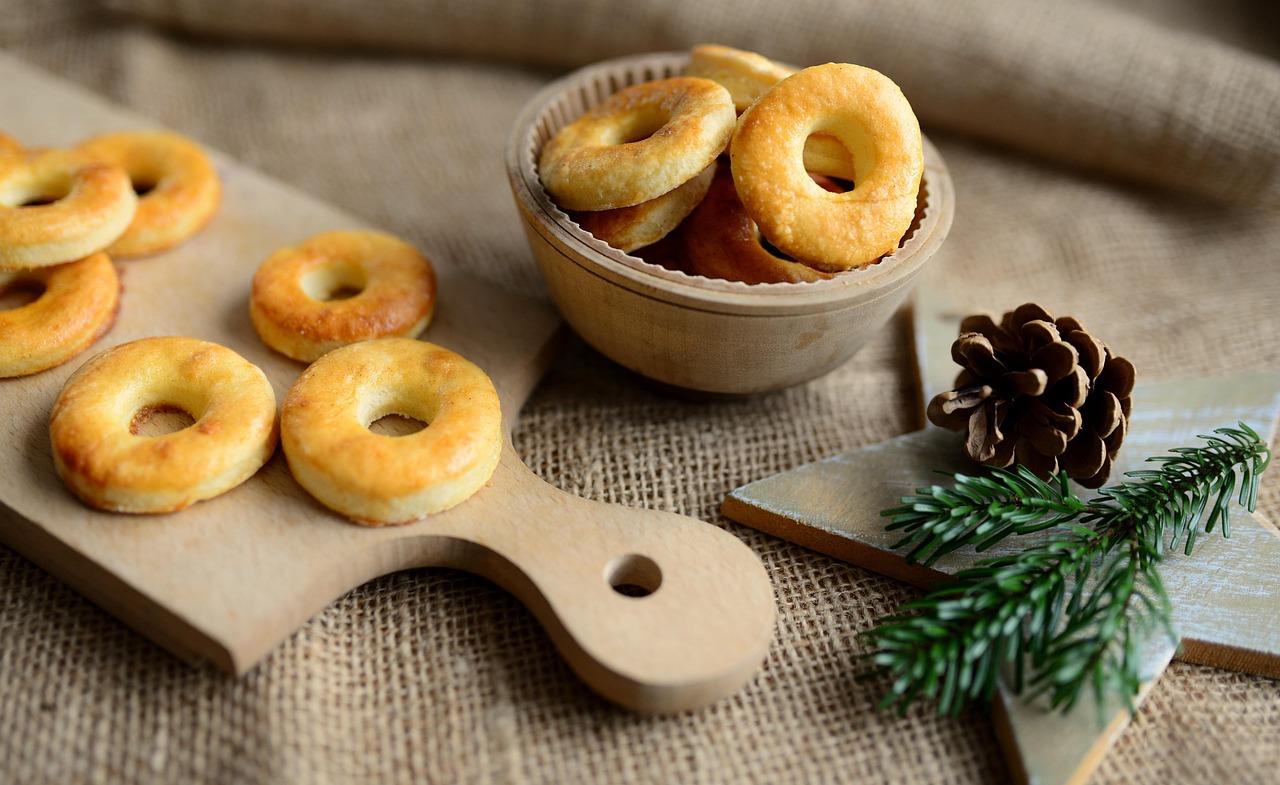
Coricos come from Sonora in Mexico's northwest, where maize has always been ground for more than tortillas. They are rings of sweet corn dough flavoured with cinnamon, baked until golden: firm and a little crunchy on the outside, with the slightly gritty, toasty taste of corn inside. Families make them by the dozen for coffee in the afternoon and for visitors, and Sonoran panaderías sell them in plastic bags by the counter. They are traditionally made with lard; this recipe uses butter (vegetable shortening works too), so they are vegetarian. A little wheat flour keeps the rings from cracking. Chef's tip: if the ropes split when you join them into rings, the dough is too dry; work in milk a teaspoon at a time until it bends without breaking.

by KrazyBadal 0 views

Młode ziemniaki z koperkiem (new potatoes with dill)

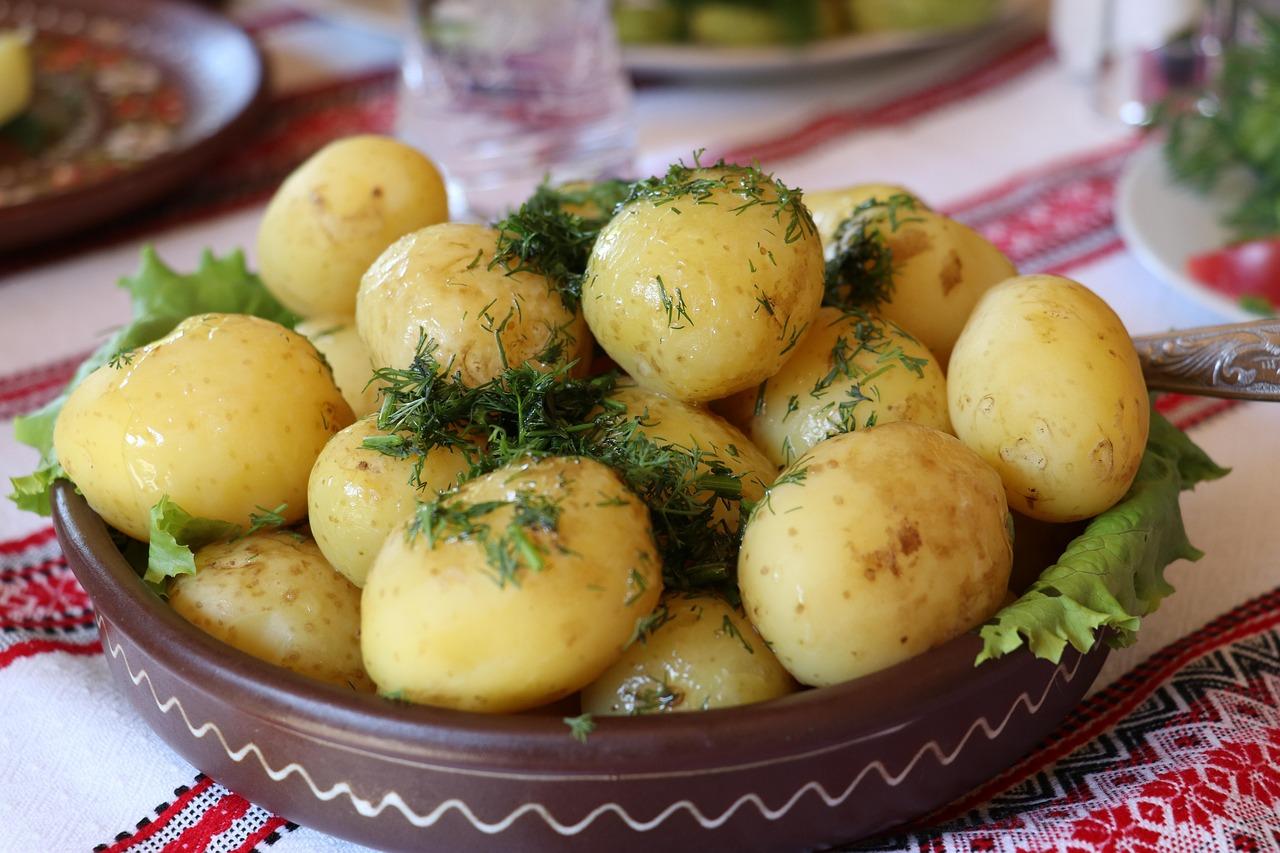
In June, when the first new potatoes reach Polish markets, many families make a whole supper of them: thin-skinned potatoes boiled, tossed in melted butter and a fistful of chopped dill, with a glass or bowl of cold kefir or buttermilk alongside. It is simple, early-summer country food, and it also sits next to fried eggs or cucumber salad. The common mistake is peeling them or boiling them hard; new potatoes should be scrubbed only and simmered gently, or they split and go watery. Chef's tip: add the dill only once the potatoes are off the heat, so it stays bright green and fresh-tasting.

by KrazyBadal 0 views

Caldo de queso sonorense (Sonoran cheese soup)

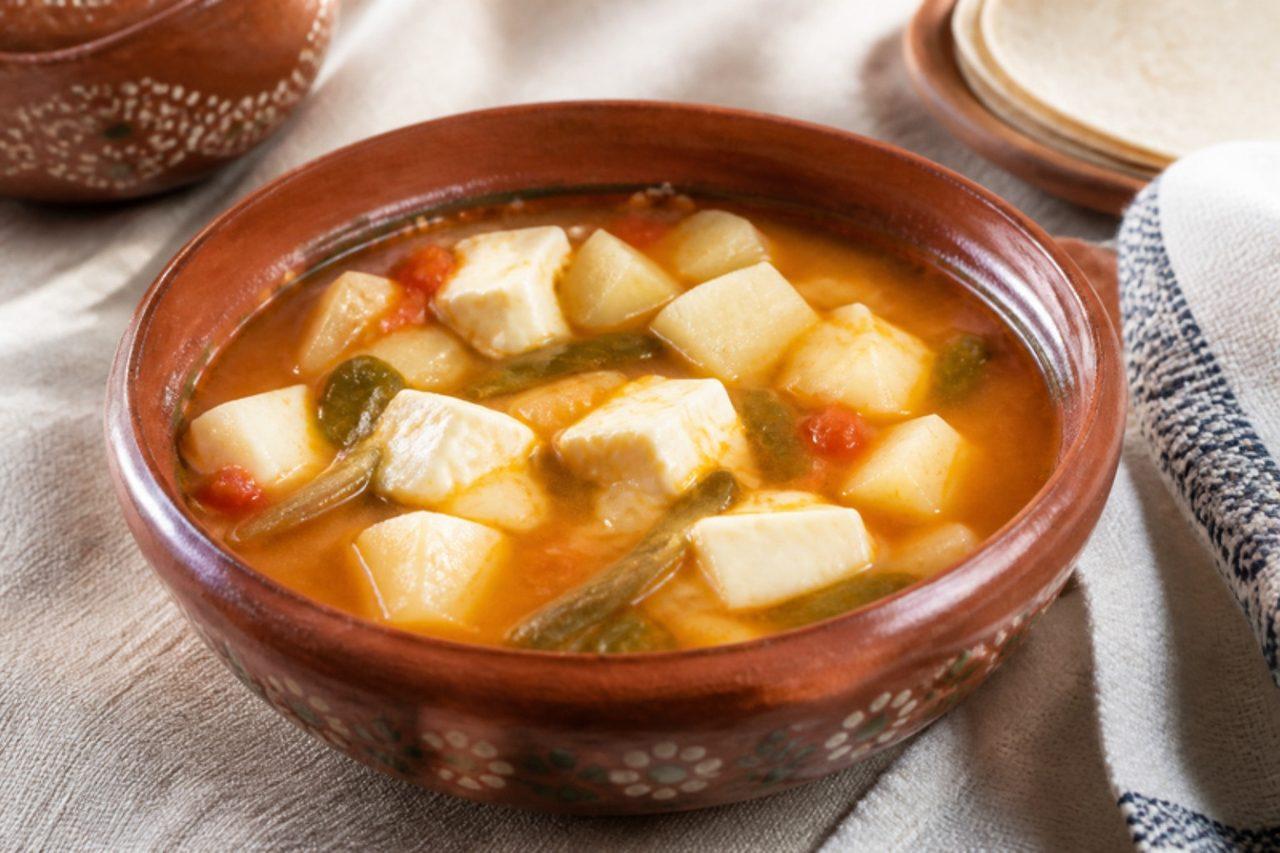
In Hermosillo and across Sonora, caldo de queso is the soup cooked on cool desert evenings: a light tomato broth with potato and strips of roasted green Anaheim chile, poured over cubes of fresh cheese that soften into chewy, milky pieces in the bowl. It is eaten with flour tortillas, Sonora's own, and a squeeze of lime. The common mistake is boiling the cheese in the pot, where it melts into strings and sticks to the bottom; add it at the end, off the boil. Queso fresco and Oaxaca cheese are often made with animal rennet, so look for a vegetarian queso fresco, or use paneer, which keeps its shape the same way. Chef's tip: blister the chiles in a dry pan until black, then sweat them in a bowl under a plate for 5 minutes and the skins slip off.

by KrazyBadal 0 views

Pescado al mojo de ajoGarlic butter fried fish

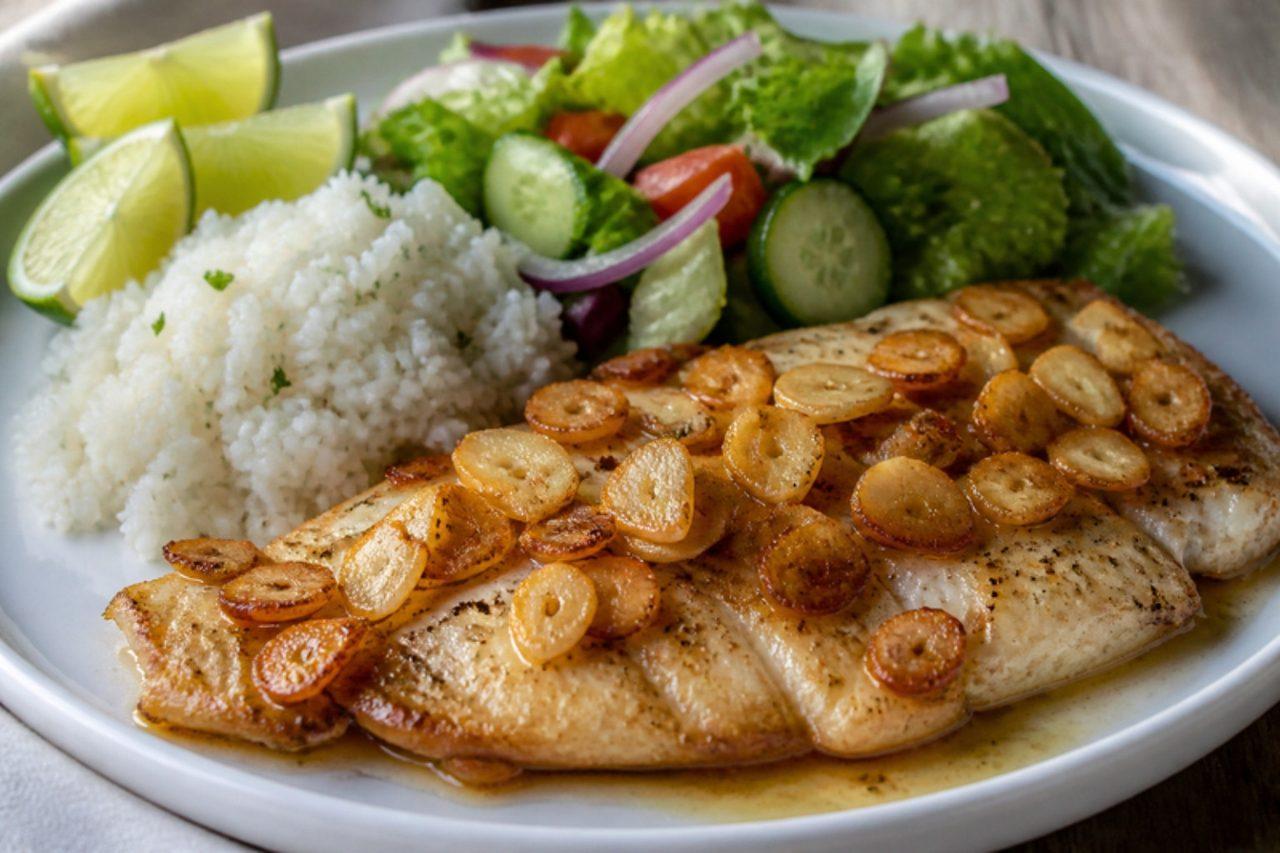
Along the Gulf coast, from the port of Veracruz to the beach restaurants of Boca del Río, pescado al mojo de ajo is the everyday fish order: firm white fillets fried and spooned over with a butter-and-oil sauce full of slowly golden garlic, a squeeze of lime and a little chile. It is served at lunchtime with white rice, a green salad and warm tortillas to mop the plate. The mistake that ruins it is rushing the garlic over a high heat: it should turn pale gold slowly, because burnt garlic is bitter and cannot be saved. Chef's tip: cook the garlic first and keep it aside, then fry the fish in the same flavoured fat, so the slices stay sweet and crisp instead of scorching while the fish cooks.

by KrazyBadal 0 views

Pejerrey arrebozadoBattered fish fillets with onion salsa

Pejerrey arrebozado is a Lima classic from the cevicherías and home kitchens of the coast, eaten at lunch on a plate with white rice, a heap of sharp salsa criolla and sometimes boiled potato. The pejerrey, a small silverside, is opened into butterflied fillets, dipped in a light egg-and-flour batter and fried golden. Outside Peru, use small fillets of whiting, sole, haddock or tilapia. The batter here uses sparkling water, not beer, so it is alcohol free. The common mistake is frying in oil that isn't hot enough: the batter drinks the oil and turns greasy, so test with a drop of batter first. Chef's tip: make the salsa criolla first and let the onion sit in lime for ten minutes; it softens its bite and turns a pretty pink.

by KrazyBadal 0 views

CraquelinBrioche with sugar cube pockets

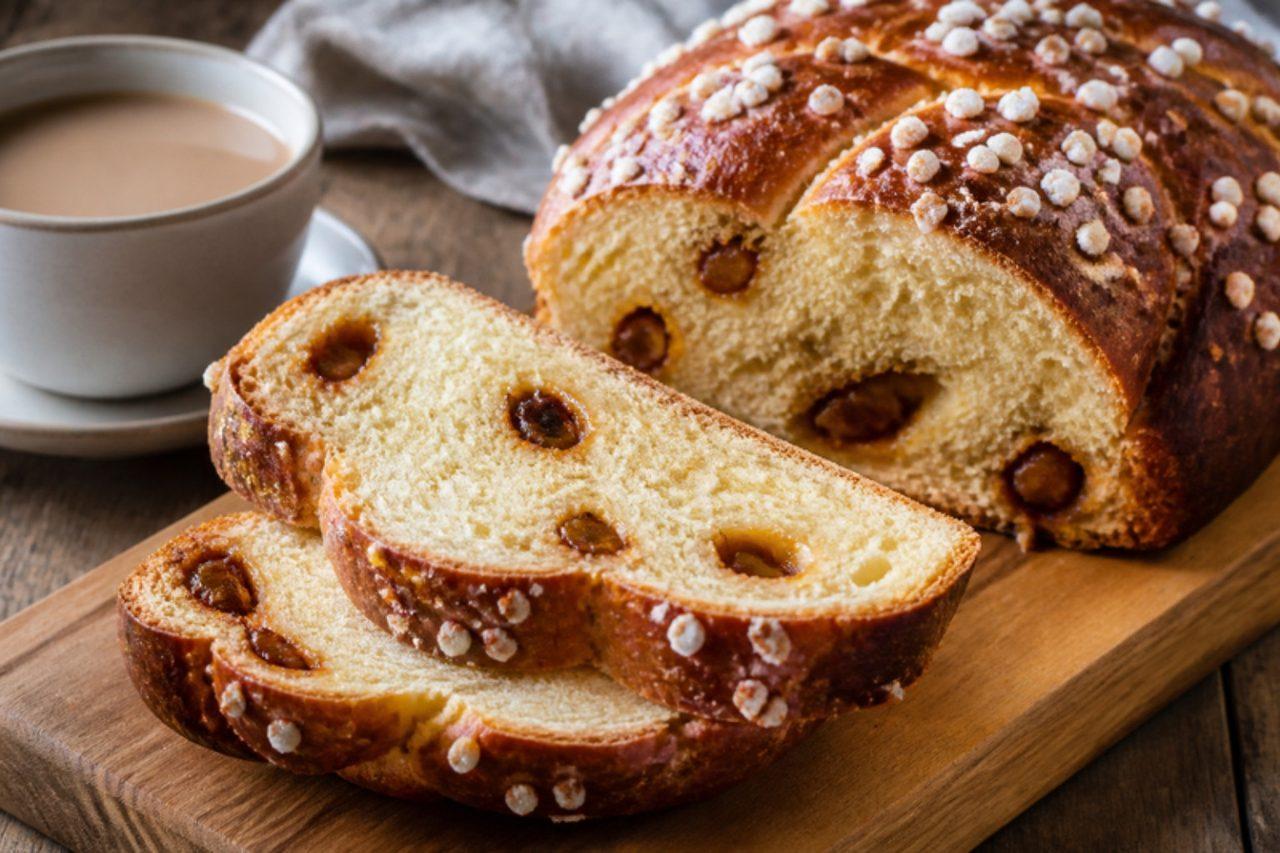
Sugar cubes, of all things, are the secret of the Belgian craquelin. Bakers in Ghent, Bruges and Brussels wrap broken cubes inside rich brioche, and as the loaf bakes they melt into little wells of syrup that set crunchy, while pearl sugar crackles on the crust (hence the name). It is a Sunday breakfast and weekend bakery loaf, sliced thick and eaten plain or with butter and a bowl of café au lait; Flemish bakers sometimes add orange zest. Leaving sugar pieces exposed on the outside, especially the base, is the usual pitfall: they caramelise, burn and glue the loaf to the tin. Chef's tip: chill the kneaded brioche for at least an hour before you fold in the sugar, so the butter firms and the dough is easy to wrap around the cubes.

by KrazyBadal 0 views

Pan chutaAniseed round bread

The small town of Oropesa, half an hour from Cusco, calls itself Peru's bread capital, and its wood-fired bakeries are famous for chuta: big, flat, round loaves as wide as a dinner plate, glossy on top, with a faint sweetness and the warmth of aniseed. Travellers on the road to Puno and Bolivia stop to buy them by the bagful, and families bring them home for All Saints' Day and for sharing with hot coca tea or coffee, fresh cheese and butter. The bakeries traditionally use lard; this version uses vegetable shortening and butter, so it is vegetarian. The make-or-break moment is the proof: chuta is large and flat, and if it goes in under-risen it bakes dense and splits at the rim. Chef's tip: toast the aniseed for a minute in a dry pan and crush it lightly before adding, for a rounder, sweeter perfume.

by KrazyBadal 0 views

JagodziankiBlueberry crumble buns

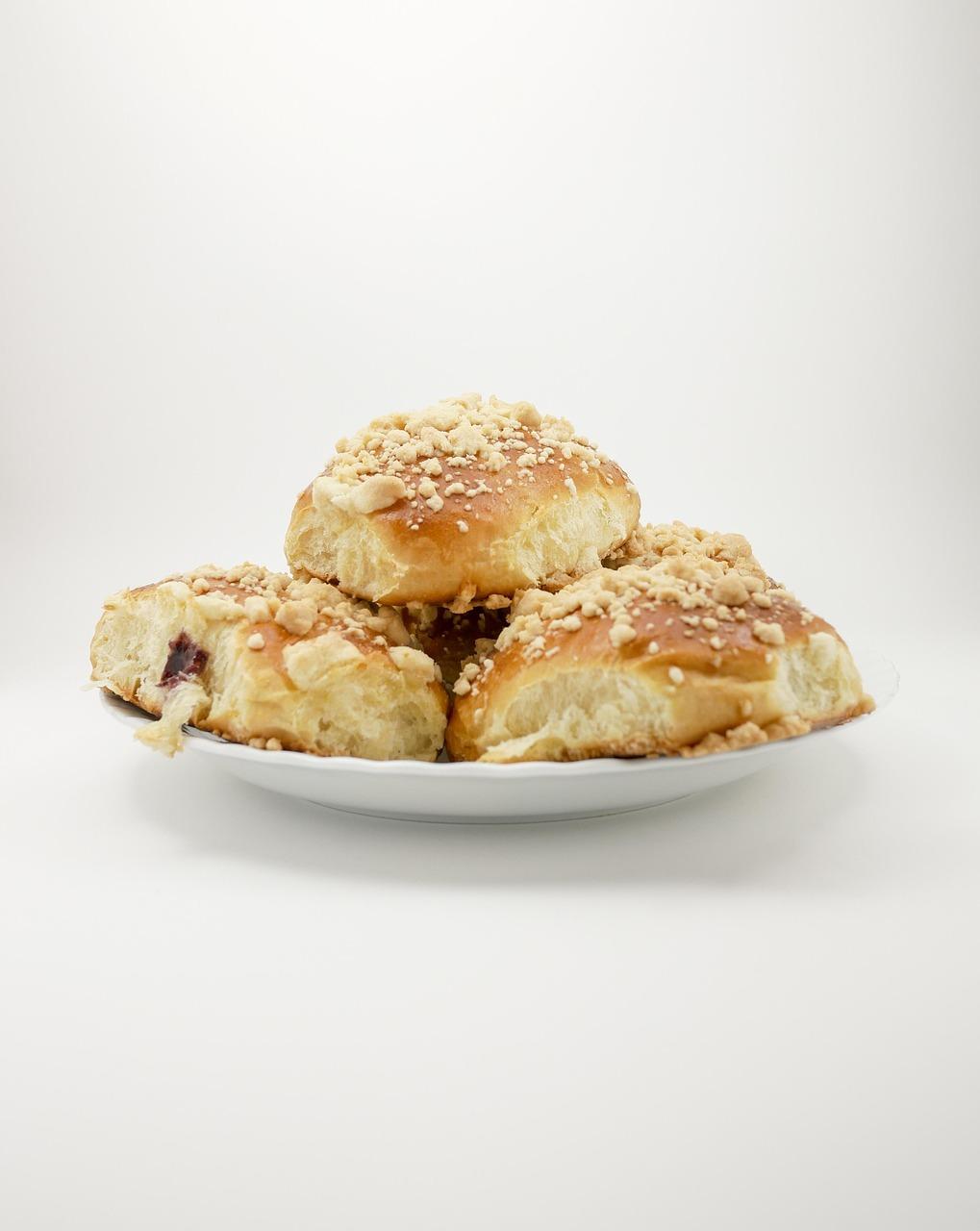
When the forest blueberries (jagody) arrive in July, Polish bakeries start selling jagodzianki by the trayful, and queues form for them warm. Each oval bun is soft, buttery yeast dough wrapped around a juicy pocket of blueberries, topped with a crunchy butter crumble and sometimes a drizzle of icing. They are a summer treat for the beach, the train or an afternoon with coffee, and children eat them by the bagful, staining their fingers purple. Berries tossed in sugar alone burst through the seams; the potato starch thickens the juice so it stays inside. Chef's tip: pinch the seams very firmly and set the buns seam side down, then press the crumble on with your palm so it sticks to the egg wash.

145 minPolishBaking
by KrazyBadal 0 views

Kisiel (Polish fruit jelly drink)

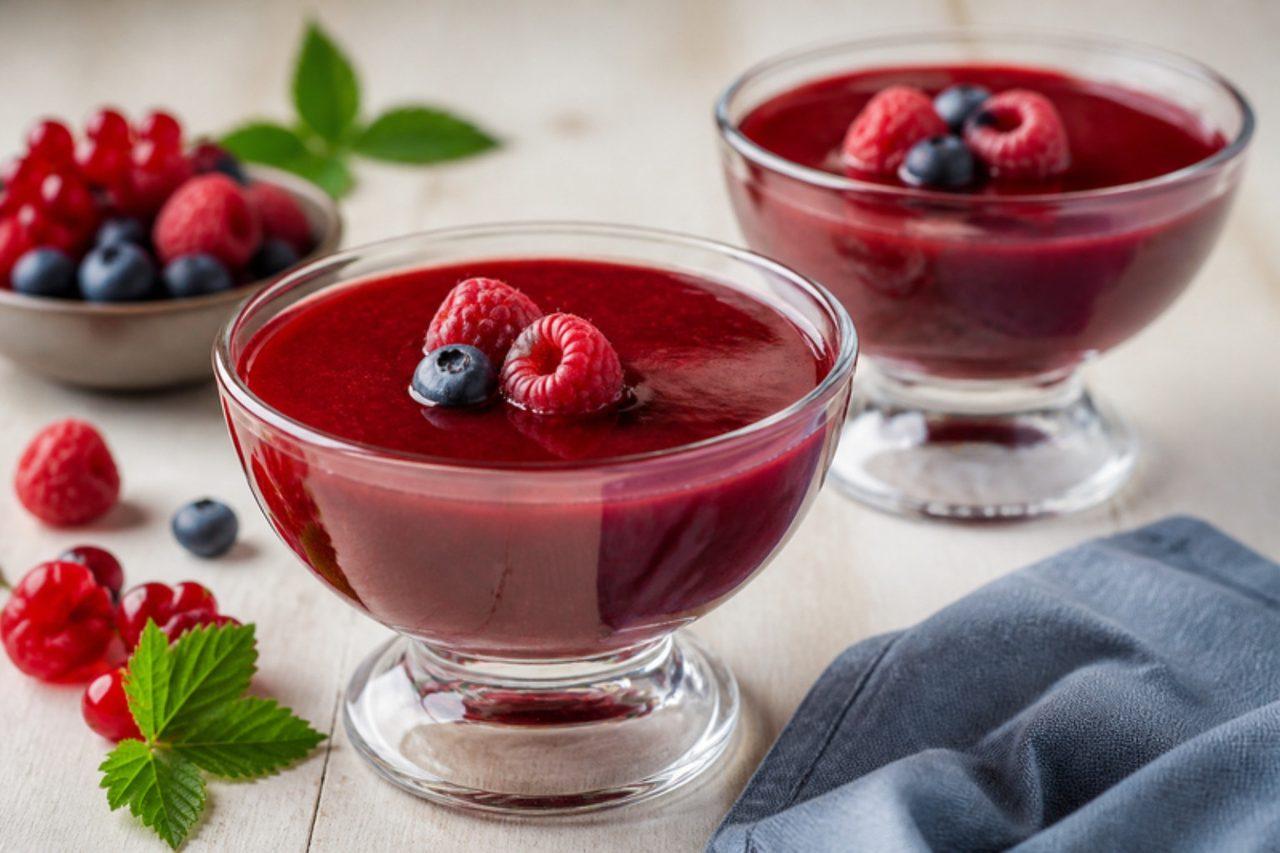
Kisiel is a Polish childhood staple served in school canteens and at home after school, warm in winter and chilled in summer, somewhere between a thick drink and a soft jelly. Home-made versions use fruit or juice thickened with potato starch, without the bright colours of packet mixes. This one uses mixed berries and only a little sugar. None of the common allergens are in it. Chef's tip: always mix the starch with cold water first and pour it into the boiling fruit while stirring; added dry, it forms lumps that never dissolve.

by KrazyBadal 0 views

Showing 24 of 626 recipes

Show more recipes

Page 1 of 27