Skip to content
Recipes

All recipes

Vegetarian, or something you can't eat? Set your diet once and we'll hide recipes that don't fit.

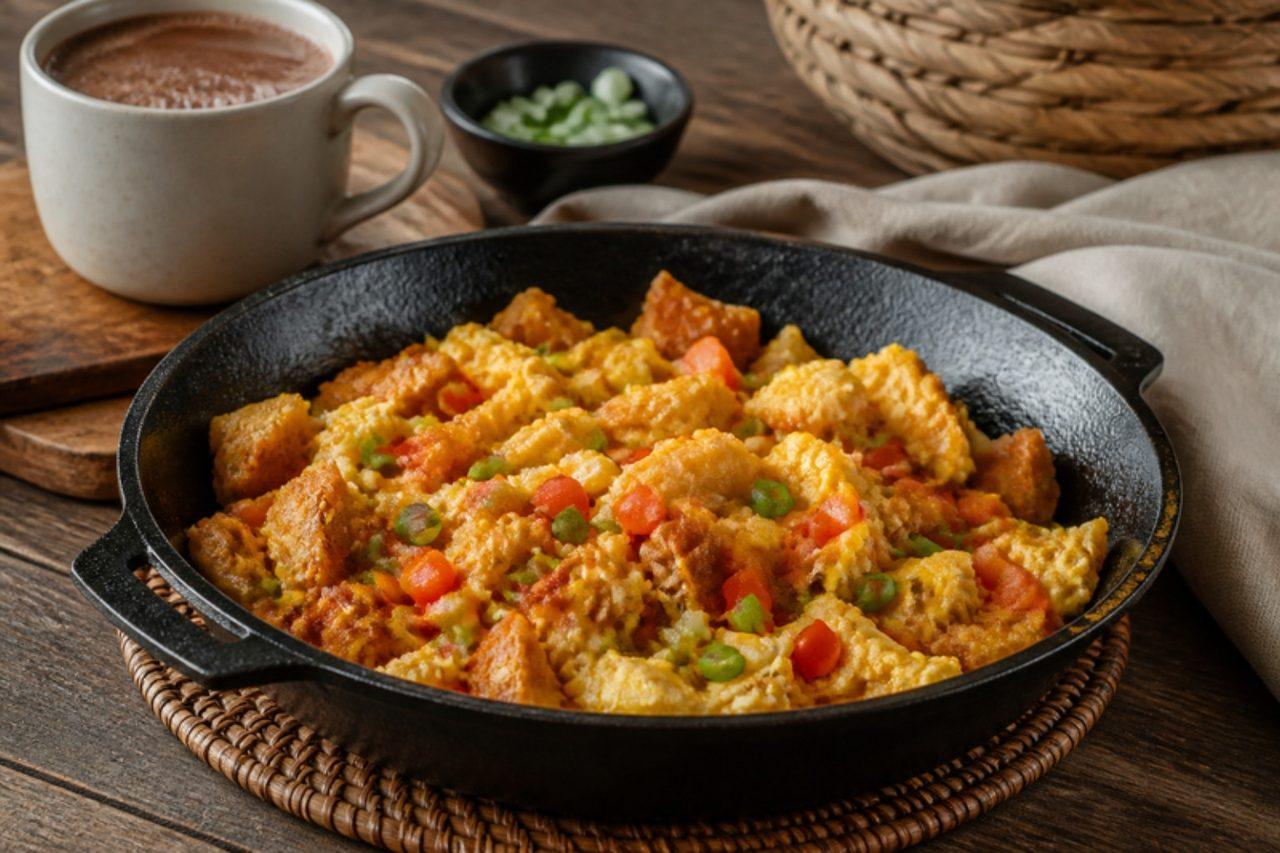
Migas de arepa

Nothing goes to waste in a paisa kitchen. Yesterday's arepas are torn into rough pieces and fried in a pan of hogao, the slow tomato and spring onion sauce of Antioquia, then folded through with soft scrambled eggs. It is a weekday breakfast across Medellín and the coffee towns, served with a cup of hot chocolate or a strong coffee, and it takes about as long as making toast. The texture should be part crisp, part soft, coated in eggy tomato. Most people stir it too much, which turns the arepa to mush; fry it first and let it crisp before the eggs go in. Use plain white-corn arepas, homemade or bought. Chef's tip: take the pan off the heat while the eggs still look a touch wet; they finish in the residual warmth and stay creamy.

by KrazyBadal 0 views

Encocado de pescado

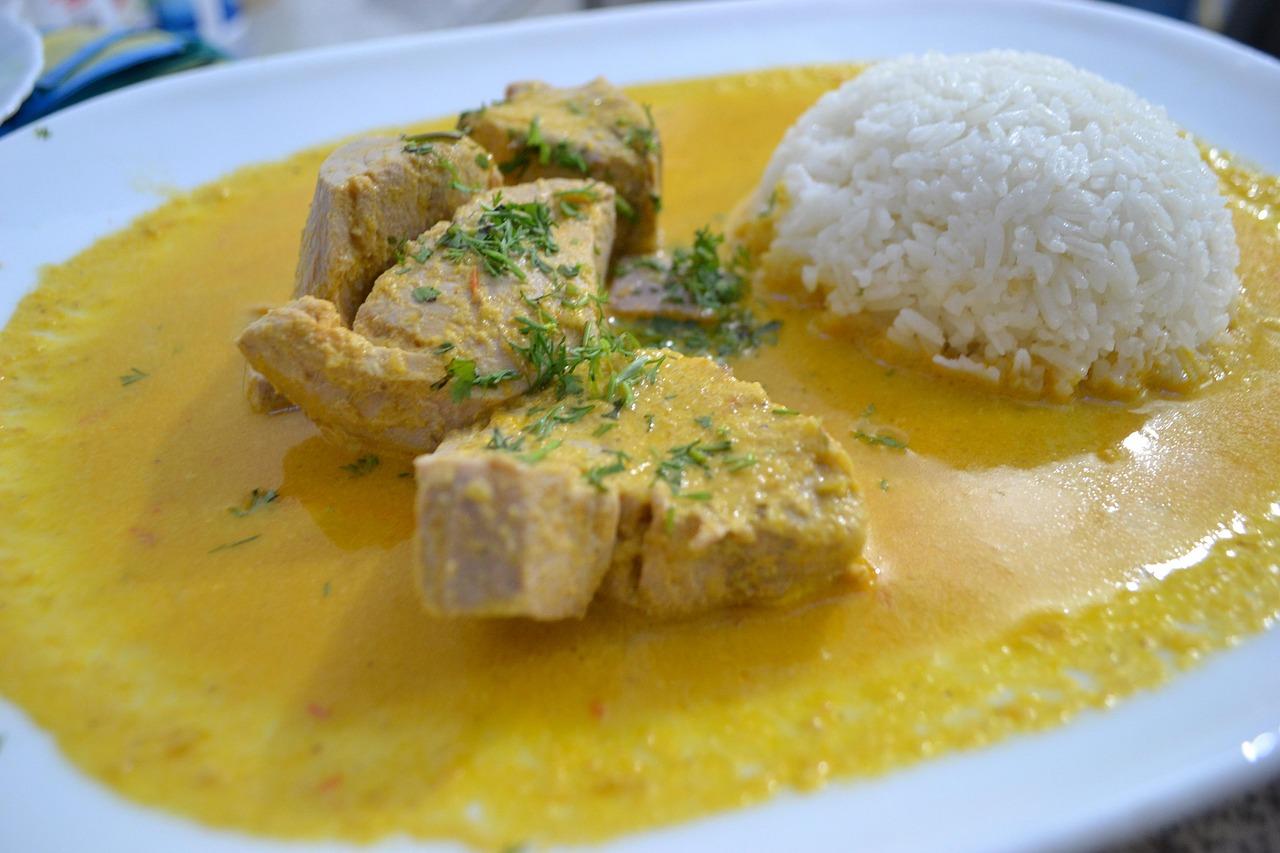
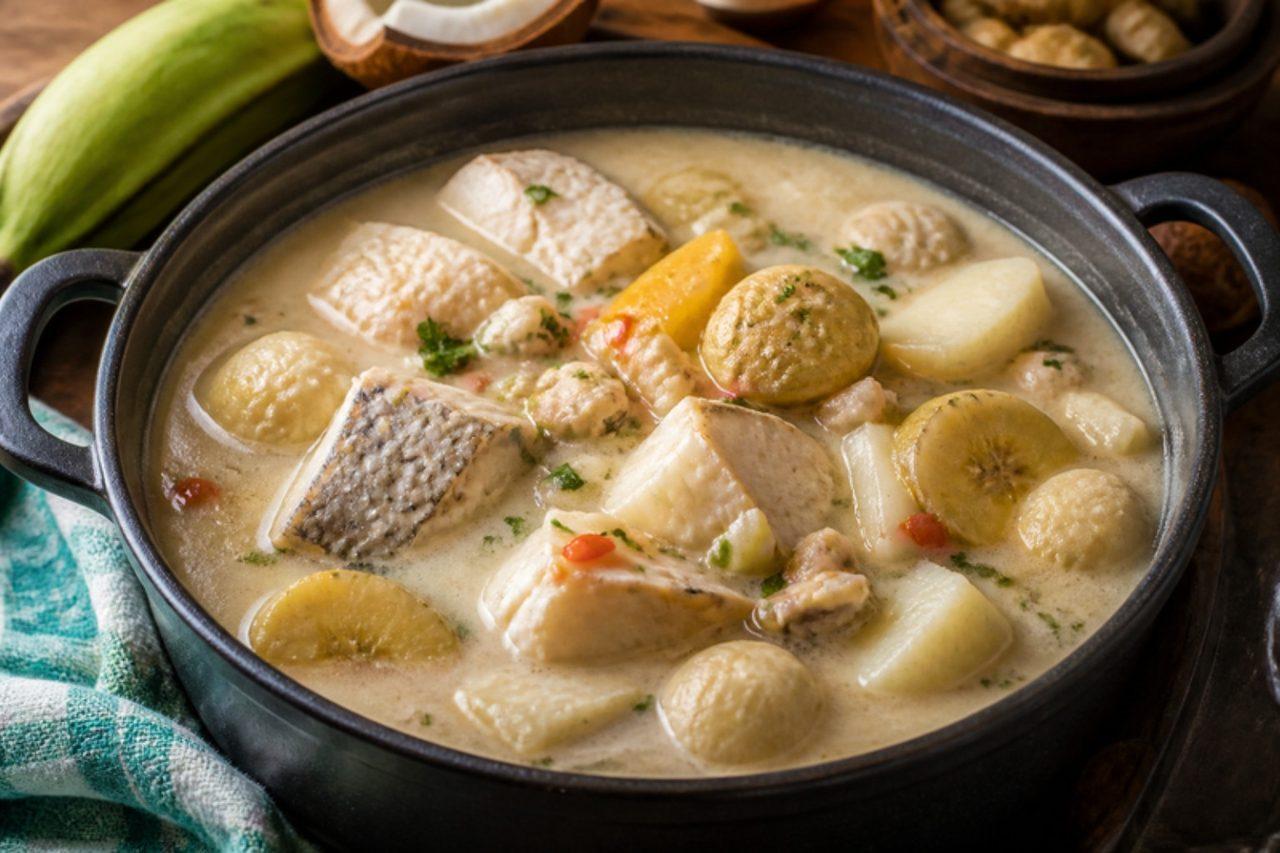
Fishing towns of the Colombian Pacific, from Buenaventura's Pueblo Nuevo market to the stilt houses of Tumaco, cook their catch in coconut milk scraped from fresh coconuts, with a refrito of onion, peppers and garlic and the coast's wild herbs: chillangua (culantro), poleo and oregano cimarrón. Encocado is lighter and more herbal than many coconut stews, mild rather than hot, with the fish just cooked in a creamy, pale-orange sauce. It is eaten at lunch with white or coconut rice and patacones or boiled green plantain. Boiling the coconut milk hard after the fish goes in is the classic error: the sauce splits and the fillets toughen, so keep it at a gentle bubble. Chef's tip: culantro (sawtooth coriander) is sold in Asian and Caribbean shops; if you can't find it, use twice the amount of ordinary coriander plus a few mint leaves to stand in for poleo.

by KrazyBadal 0 views

Chinchulines

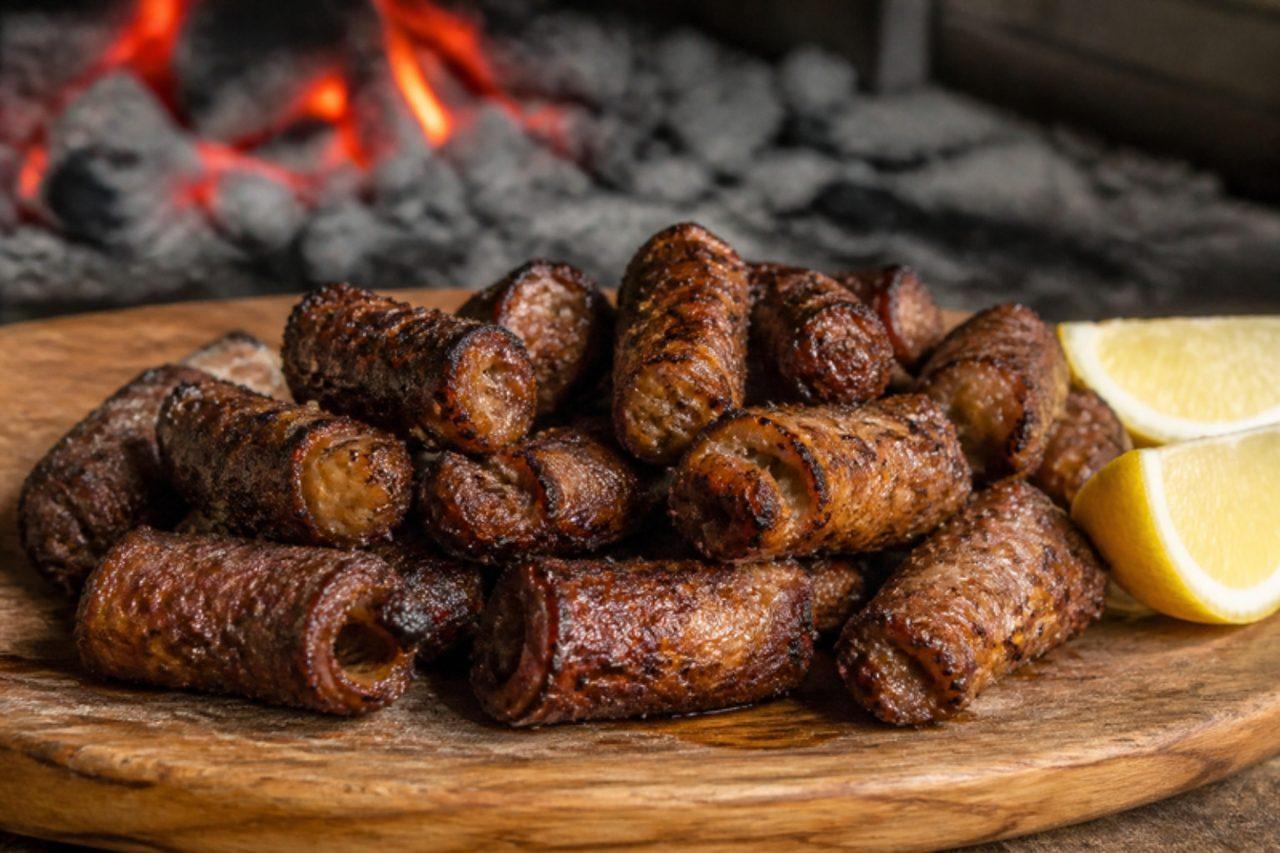
No proper Sunday asado in Buenos Aires province or the interior is complete without a round of achuras, and chinchulines are the boldest of them: beef small intestine, coiled on the grill and cooked slowly until the outside crackles like pork scratchings and the inside stays soft and rich with its own fat. Pass them round on a board with lemon and bread as a starter while the bigger cuts cook. Buy them already cleaned from a butcher or a Latin American meat counter, and rinse them again well at home. The usual mistake is too much heat: the outside burns long before the inside cooks. Offal must be cooked right through, with no soft, raw-looking parts. Chef's tip: simmer them briefly before grilling; it cleans them further, shortens the time on the coals and gives you a much more even crunch.

by KrazyBadal 0 views

Arroz de lisa

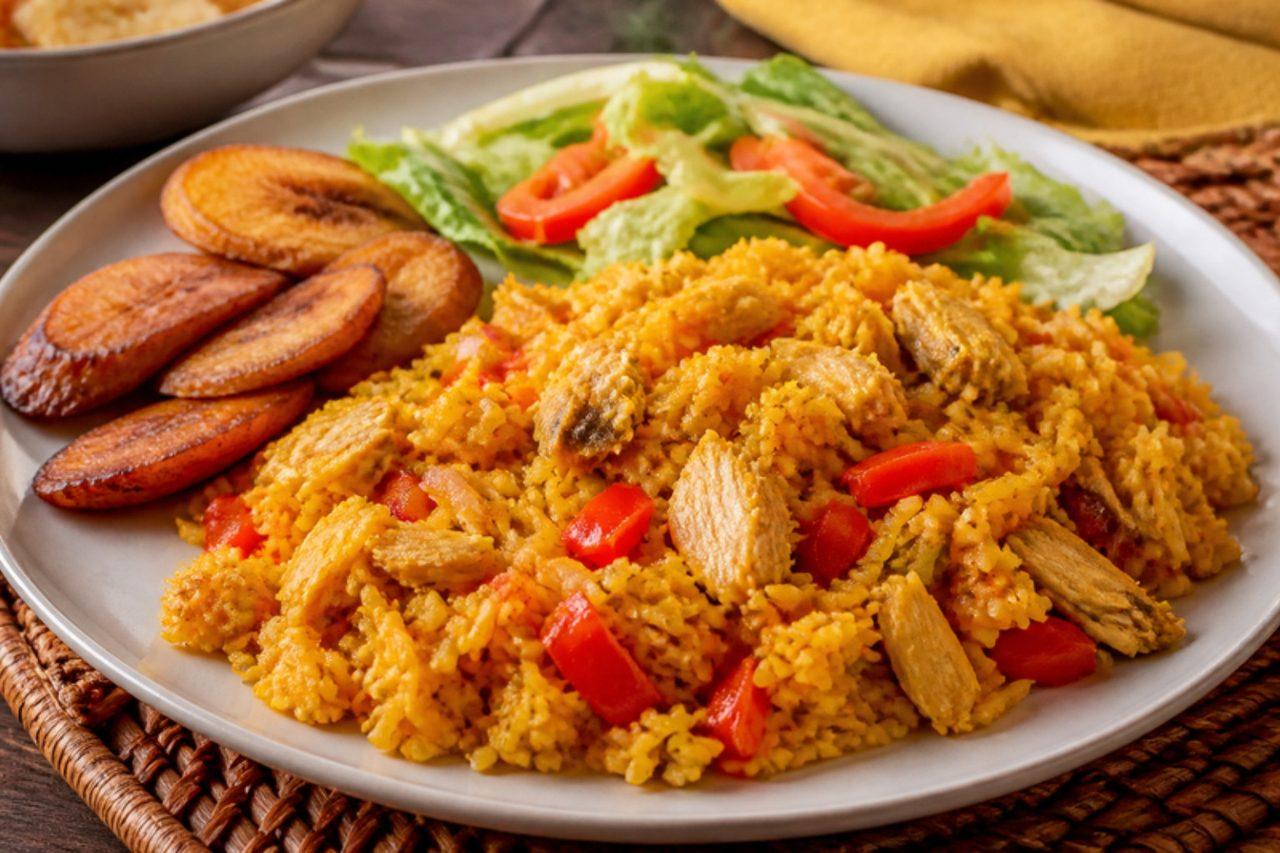
Carnival in Barranquilla isn't complete without a plate of arroz de lisa, and the market at Barranquillita and the old neighbourhoods around it sell it every day: salted, dried mullet from the Ciénaga Grande, soaked, shredded and cooked into rice with sweet peppers, onion, tomato and achiote. The rice comes out loose, orange and deeply savoury, with flakes of fish all the way through. It is served with bollo de yuca, fried ripe plantain or a simple tomato and onion salad. Plan ahead: the salted fish needs a day's soaking in the fridge. Skipping enough soaking is the usual downfall; the rice ends up far too salty, so taste a flake of the fish before you cook and keep soaking if it is still sharp. Chef's tip: if you can't find salted mullet, salt cod from any fishmonger works well, and use the poaching water for the rice only after tasting it.

by KrazyBadal 0 views

Arroz atollado

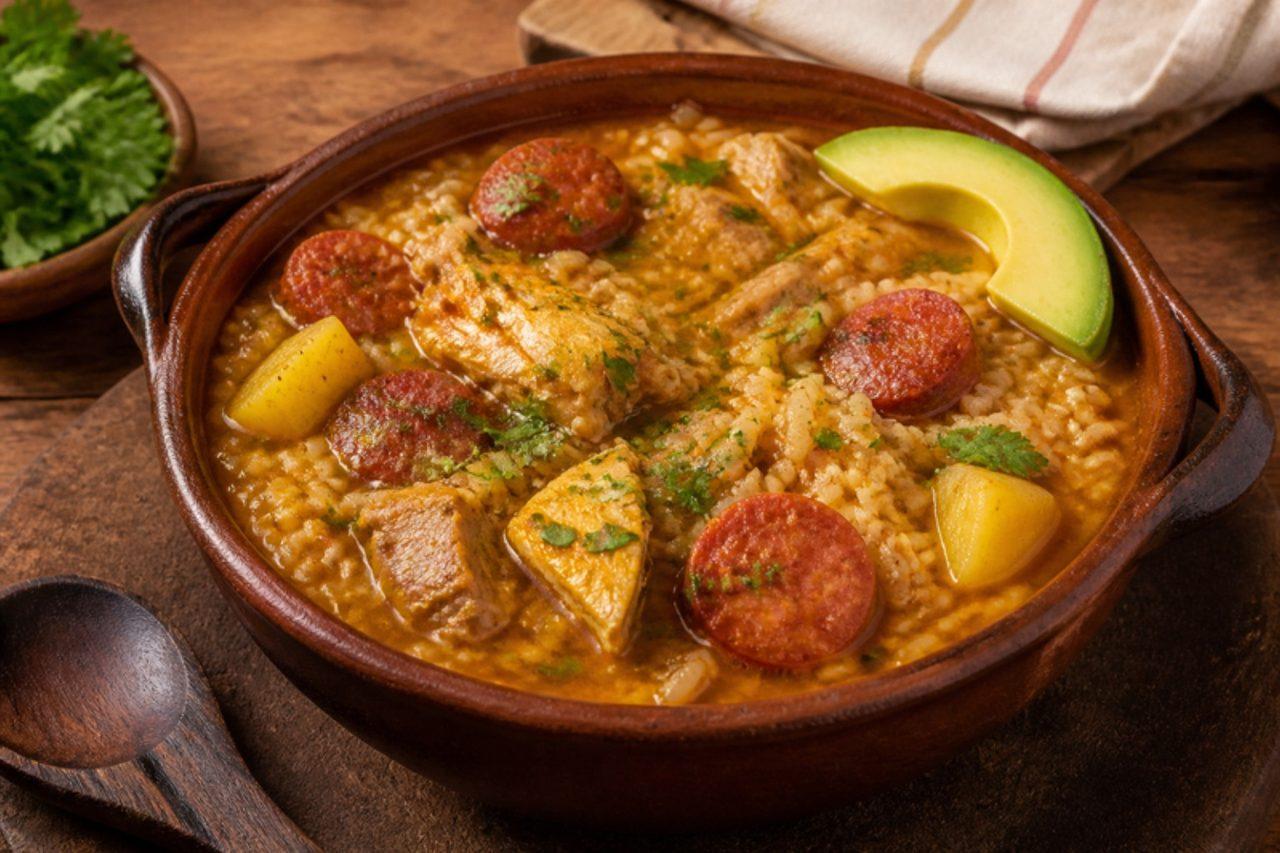
Cali's cooks say the rice should be 'atollado', stuck in the mud: wet, creamy and spoonable, somewhere between a risotto and a thick soup. It is the Valle del Cauca's Sunday and paseo dish, cooked in a big pot by the river or for a crowd at home, with chicken, pork, Colombian chorizo and two kinds of potato all simmered into the rice, the whole thing coloured orange-gold with achiote. The papa criolla melts and gives the body; the meats give a deep, porky savour. Serve it straight from the pot with ripe avocado, fried plantain and a squeeze of lime, and don't wait: it keeps thickening as it stands. People often rinse the rice or use long-grain, which gives separate grains; medium-grain, unrinsed, keeps it creamy. Chef's tip: hold back a ladle of hot stock and stir it in just before serving to bring the rice back to that loose, muddy consistency.

by KrazyBadal 0 views

Rondón

The English-speaking Raizal islanders of San Andrés and Providencia call it rundown, and it is cooked for a crowd on weekends and at beach gatherings: coconut milk boiled down until it 'runs down' and starts to release its oil, with cassava, green plantain, breadfruit or sweet potato, flour dumplings, salted pig tail and, on top, fish and conch steamed in the creamy broth. Pork appears as the salted tail, which seasons the pot. The broth is rich, coconut-sweet and herby with thyme, with a perfume of whole Scotch bonnet that gives aroma rather than fire as long as it doesn't burst. Start the day before: the pig tail needs overnight soaking. A common mistake is stirring once the fish goes in, which breaks it up; layer it and let the steam do the work. Chef's tip: queen conch is protected in much of the Caribbean, so buy only legally sourced frozen conch, or swap in large raw prawns added with the fish.

by KrazyBadal 0 views

Papas criollas fritas

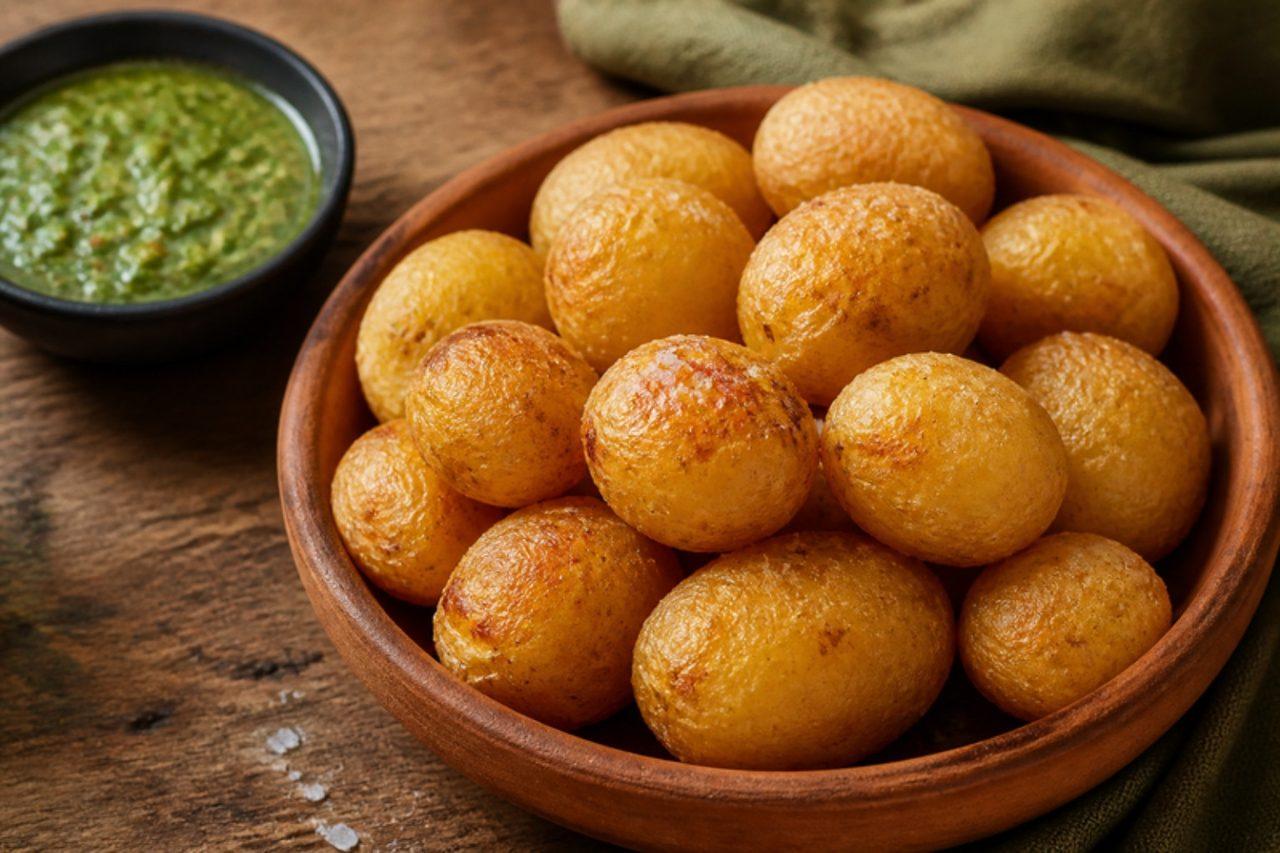
Little golden papas criollas are the potato Bogotá loves best: thin-skinned, buttery-yellow and so creamy they almost melt. At the asaderos along the roads out of the capital, and next to every plate of ajiaco or fritanga, they come fried whole, skin on, crackling outside and soft in the middle, with nothing but salt and a bowl of ají. Frozen papas criollas are sold in Latin American shops; otherwise use the smallest waxy yellow potatoes you can find. Frying them raw is the usual mistake: the skins brown before the insides are cooked. A quick boil first fixes that. Chef's tip: let the boiled potatoes steam dry for a few minutes and squash a few slightly with your palm before frying, so the split skins catch extra crunch.

by KrazyBadal 0 views

Sudado de pollo

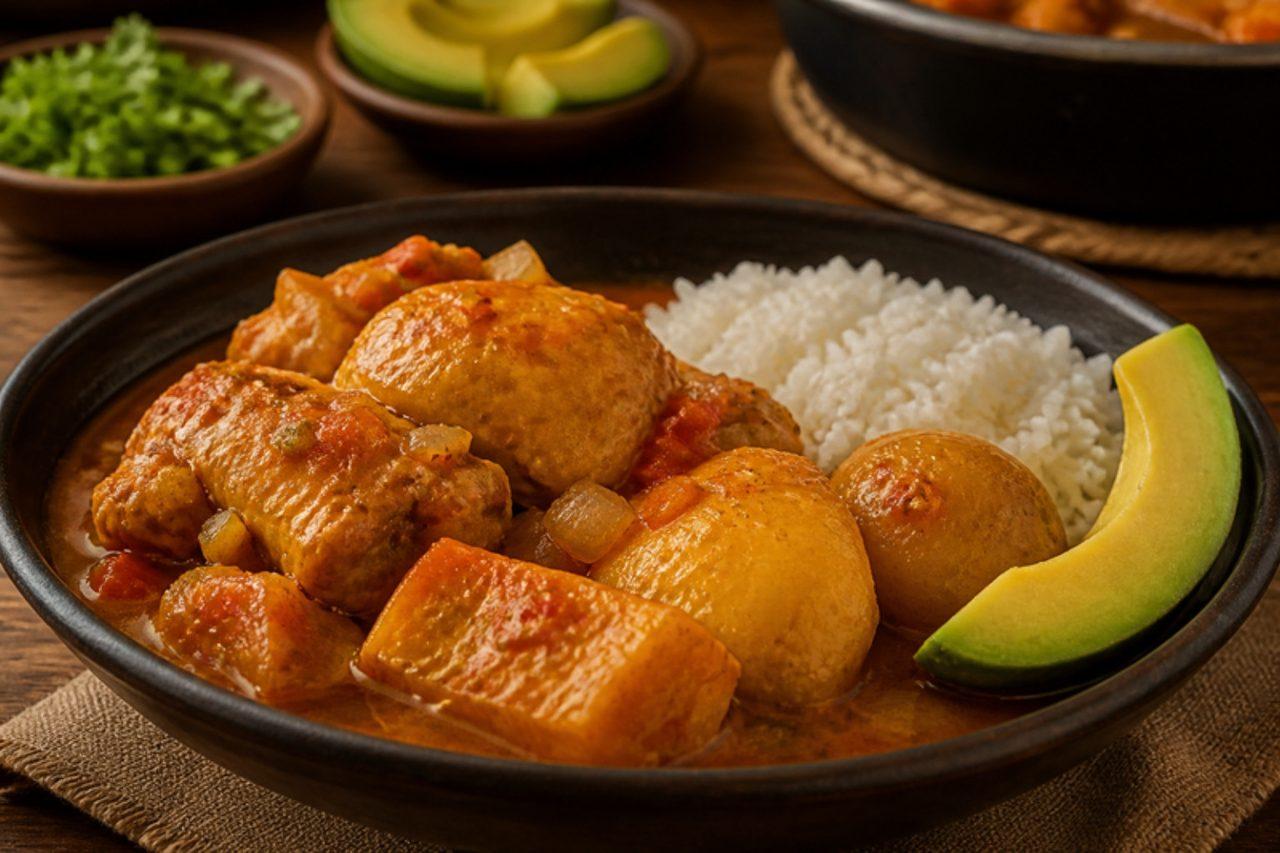
Any corrientazo (set-lunch place) in Medellín will have a sudado on the menu on weekdays, and it is just as common at home on a busy Tuesday: chicken pieces cooked in a closed pot with tomato, onion and potatoes until they release their own juices and turn into a thin, savoury, reddish sauce. No stock, no water to speak of, just patience and a tight lid. The meat goes tender and soaks up the cumin and garlic; the potatoes thicken the sauce at the end. It belongs next to white rice, a few slices of avocado and maybe a ripe plantain. The thing people get wrong is lifting the lid over and over: every look lets out the steam that does the cooking. Chef's tip: marinate the chicken with the garlic, cumin and salt in the fridge for 30 minutes to an hour first; the seasoning goes deeper and the sauce tastes richer.

by KrazyBadal 0 views

Envueltos de mazorca

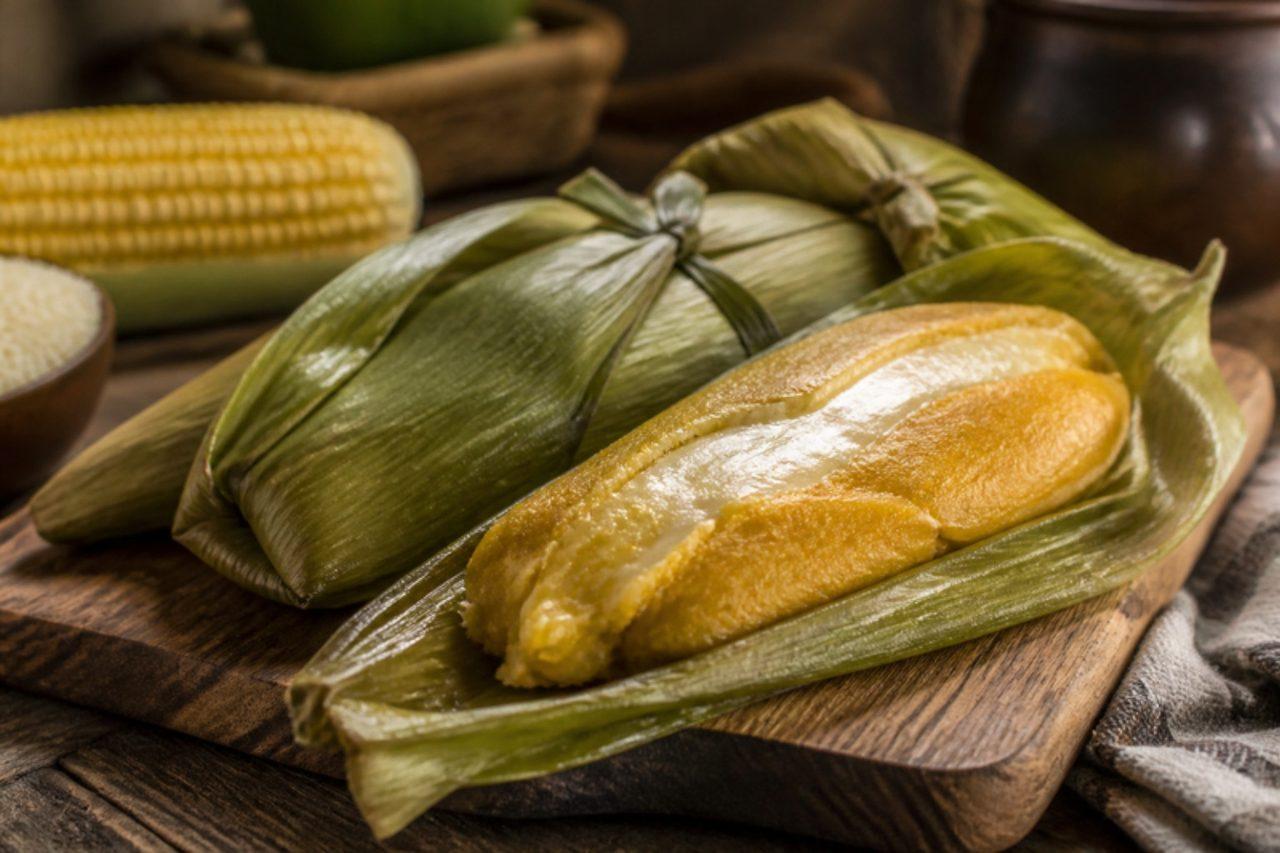
When the maize ripens in the fields of Boyacá, families grind the fresh kernels and steam little husk-wrapped parcels that are sold at Sunday markets in Tunja, Paipa and Duitama. Envueltos are soft, moist and gently sweet, somewhere between a tamal and a corn pudding, with pockets of melted cheese, and they are eaten for breakfast or as an onces snack with hot chocolate or coffee. Use fresh corn on the cob; the starchier, less sugary types are closest to Colombian maíz, and frozen kernels work at a pinch. Fresh campesino cheese is usually made with animal rennet, so pick a vegetarian one. The commonest fault is wrapping the parcels loosely, so water gets in and they turn soggy. Chef's tip: grind the corn coarsely, not to a purée; a little texture lets the envueltos set firm and sliceable.

by KrazyBadal 0 views

Butifarra soledeña

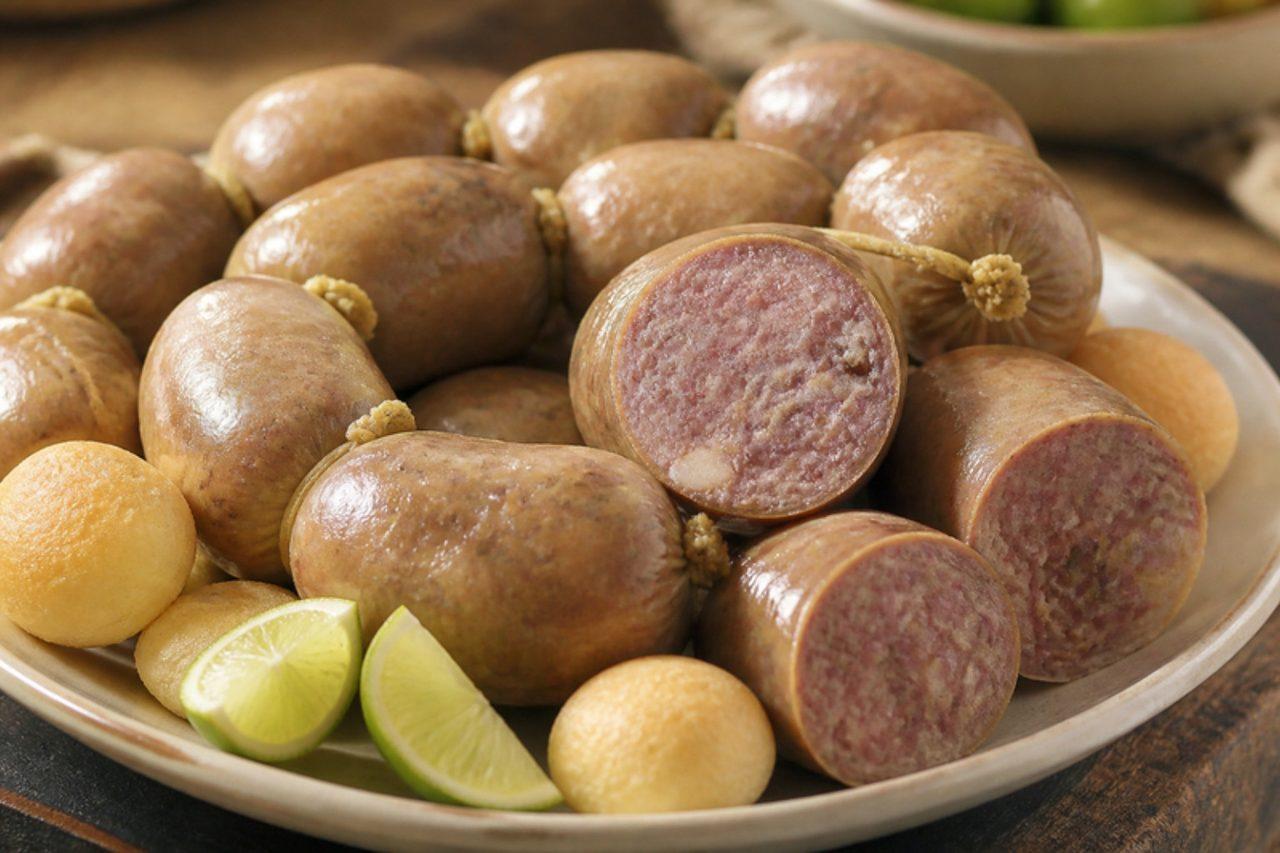
Around Barranquilla, the street call of 'butifarra, butifarra' comes from vendors pushing carts out of Soledad, the town that made these little sausages famous; there's even a festival for them every July. They are small, round links of beef and pork seasoned with nothing more than salt and plenty of black pepper, boiled rather than grilled, so they stay tender, juicy and pale. Sellers squeeze lime over them and hand them out with a bollo de yuca, a firm steamed cassava roll. They are simple, peppery and a little sour from the lime. Using lean meat is the usual mistake: without the pork fat they turn dry and grainy. Chef's tip: tie the links into small, round balls about 4 cm across and boil them gently; a rolling boil splits the casings.

by KrazyBadal 0 views

Arepa paisa

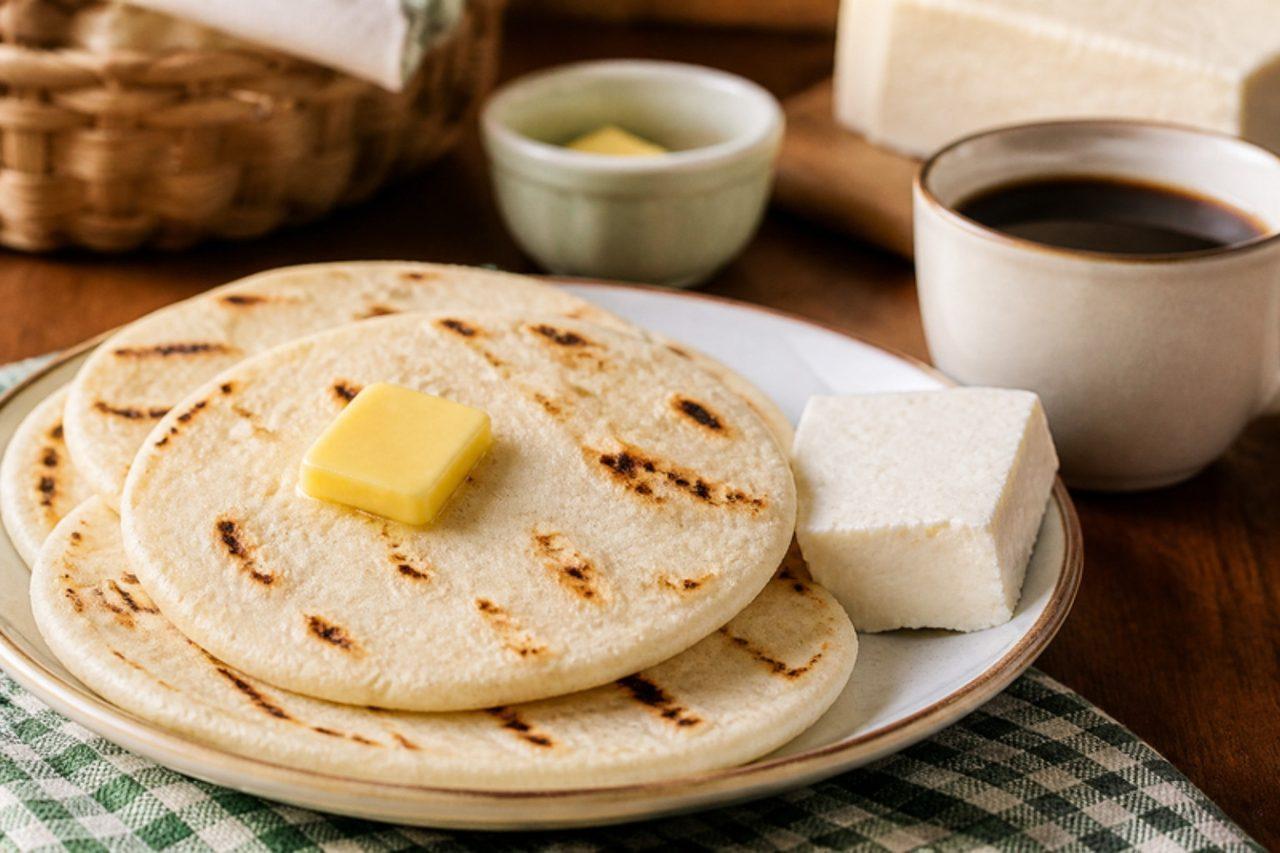
Antioquia eats arepas the way other places eat bread: a thin, pale disc of white corn sits beside the eggs at breakfast, the bandeja paisa at lunch and the hot chocolate at night. The paisa arepa is deliberately plain, with no salt, cheese or butter in the dough, so it frames whatever comes with it; locals spread it with butter or a slice of quesito at the table. It is chewy and soft inside with a toasted, freckled skin. Traditionally it is made from boiled, ground pilado corn; precooked white corn meal (masarepa) makes an excellent home version. The mistake is a dry dough: the edges crack and the arepas turn hard. Chef's tip: knead in warm water until the dough feels like soft play dough, and rest it 5 minutes before shaping.

by KrazyBadal 0 views

Mejillones a la provenzal

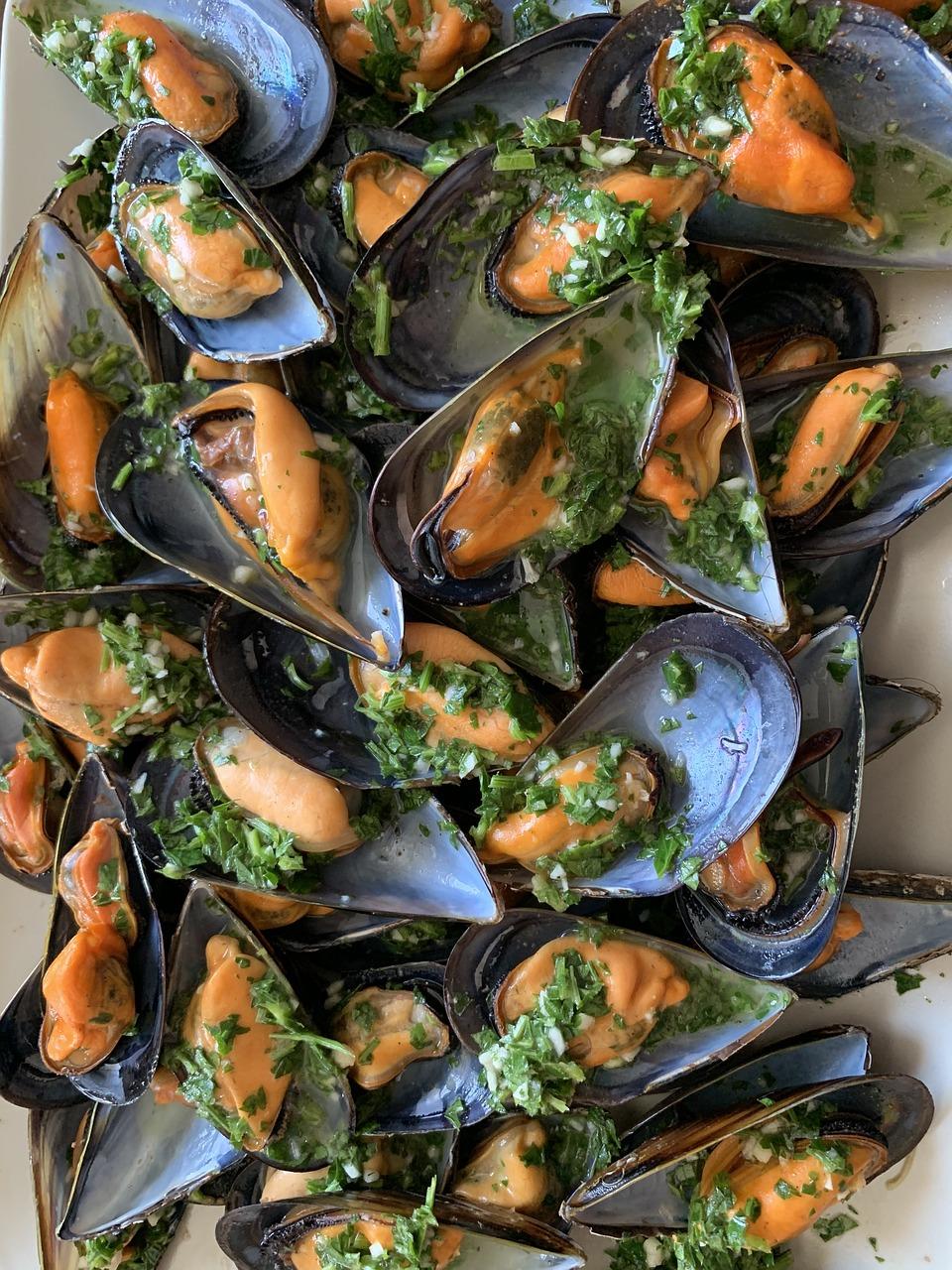
On the Atlantic coast around Puerto Madryn and the Golfo Nuevo, mussels from cold Patagonian waters are farmed and gathered in quantity, and seafood places along the rambla steam them a la provenzal, which in Argentina means lots of garlic and parsley. A splash of dry white wine goes into the pot; the alcohol mostly cooks off, but you can swap it for fish stock with a little lemon for an alcohol-free pot that tastes just as good. Serve with bread or chips to mop up the briny juices. Cooking mussels too long is the usual slip: they shrink and turn rubbery, so lift the lid as soon as most have opened. Before cooking, throw away any mussel with a broken shell or one that stays open when tapped; after cooking, discard any that stay shut. Chef's tip: keep the garlic in gently warm oil until it just smells sweet; brown garlic turns bitter and dominates the mussels.

by KrazyBadal 0 views

Chorizo santarrosano

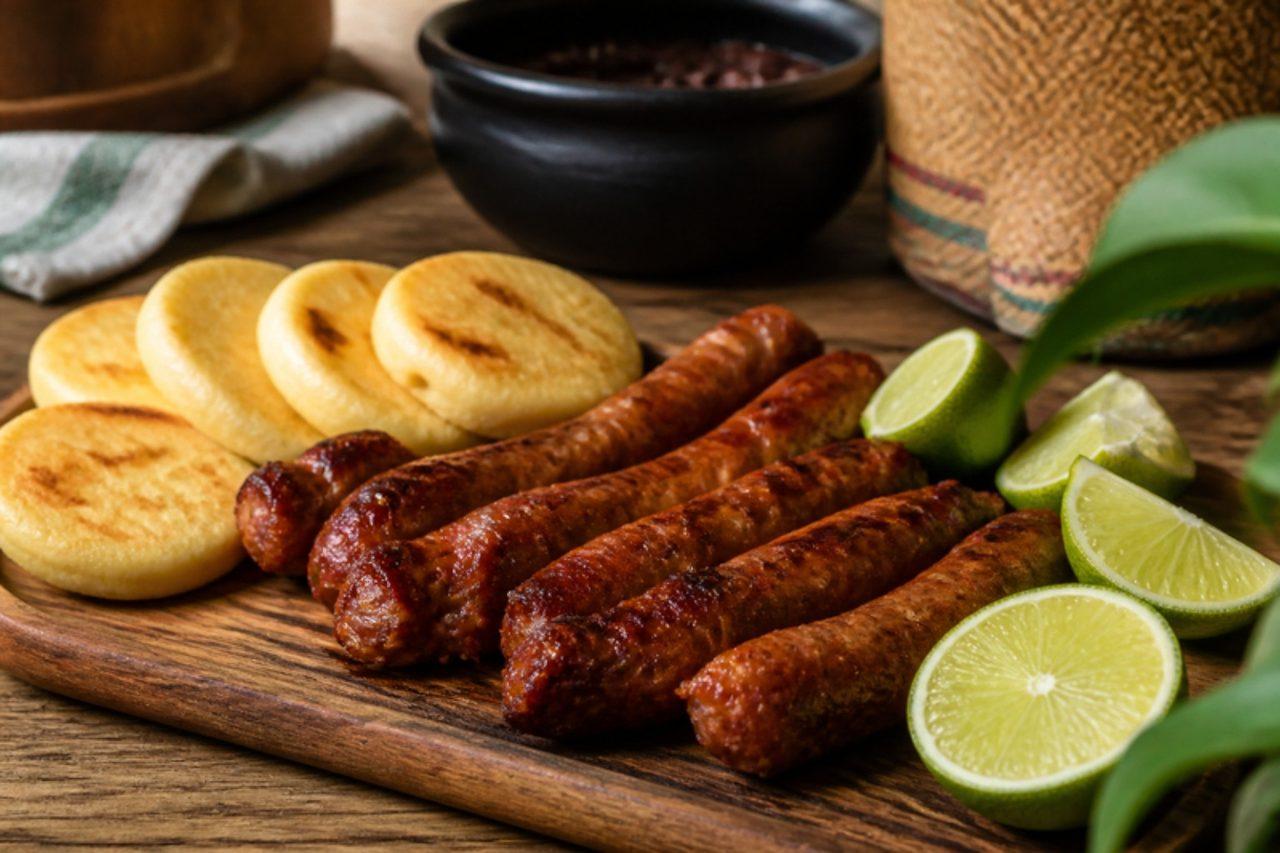
Santa Rosa de Cabal, on the road to the hot springs in Risaralda, is lined with grills where thin, tightly linked pork chorizos sizzle over charcoal and are sold with a small white arepa and half a lime. They are leaner and finer than Spanish chorizo, with no paprika: just pork, a little fat, spring onion, garlic, cumin and a touch of coriander, so they taste fresh and herby, with a smoky edge from the coals. Squeeze over the lime, wrap a piece in the arepa and eat it standing up. Making them at home needs natural casings and a sausage stuffer or a piping bag, and a night in the fridge for the flavours to settle. Overstuffing is the classic problem: tight casings burst on the grill, so fill them firmly but leave a little give. Chef's tip: keep the meat and fat very cold, even half-frozen, while you mince and mix; warm fat smears and the sausages turn crumbly instead of juicy.

by KrazyBadal 0 views

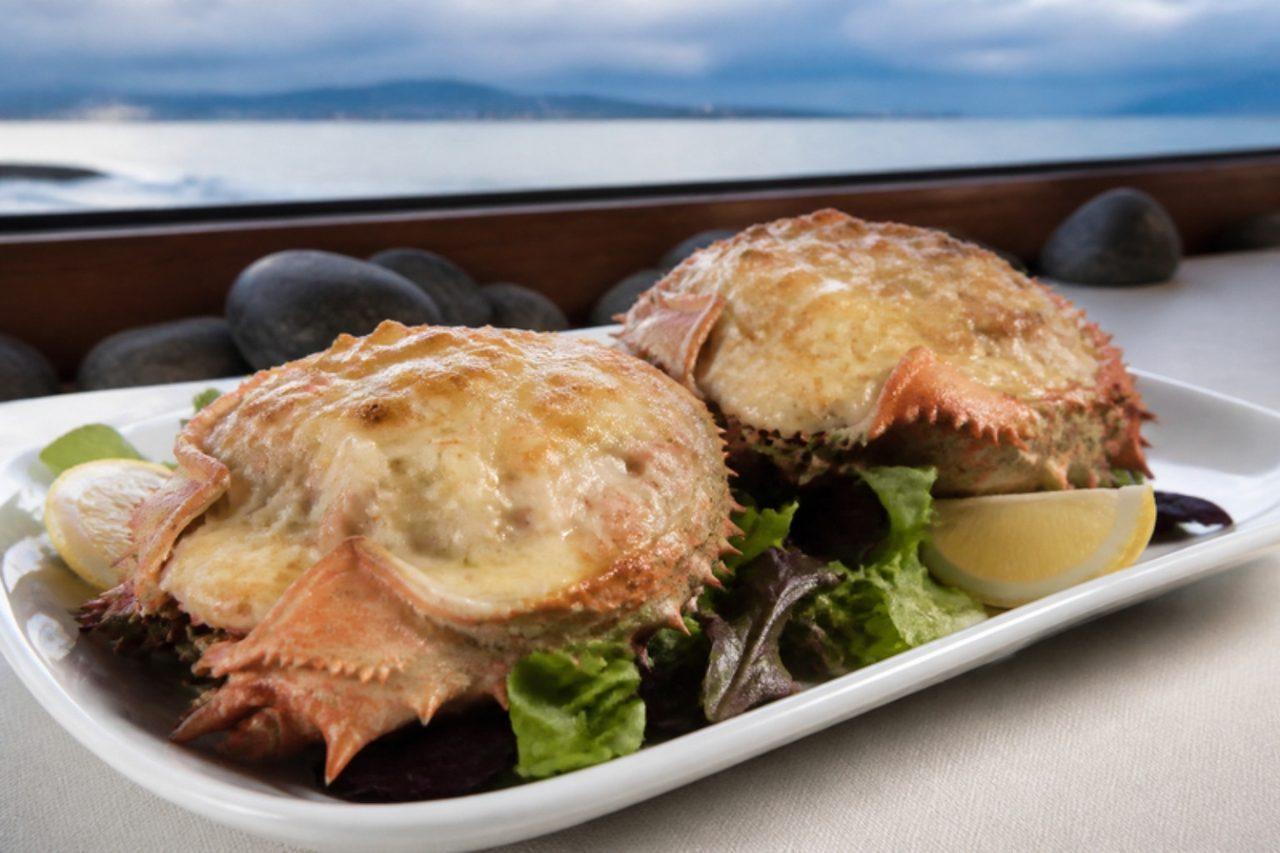
Centolla gratinada

Centolla, the southern king crab hauled from the cold waters of the Beagle Channel, is Ushuaia's pride, and seafood restaurants along the harbour serve it gratinada: sweet chunks of leg meat in a light white sauce, crowned with cheese and browned under a fierce grill. It is rich, so serve it in small dishes as a starter with lemon and a green salad, plus crusty bread for anyone who can eat gluten. Buy cooked, frozen king crab legs or meat and thaw them in the fridge overnight; if you ever cook crab yourself, it must be alive when it goes into the pot. A frequent mistake is a sauce so thick and cheesy that the delicate crab disappears; keep it pourable and the cheese thin. Chef's tip: fold the crab in gently at the end, in big pieces, and let the oven only heat it; it is already cooked and turns stringy if it boils.

by KrazyBadal 0 views

Marranitas

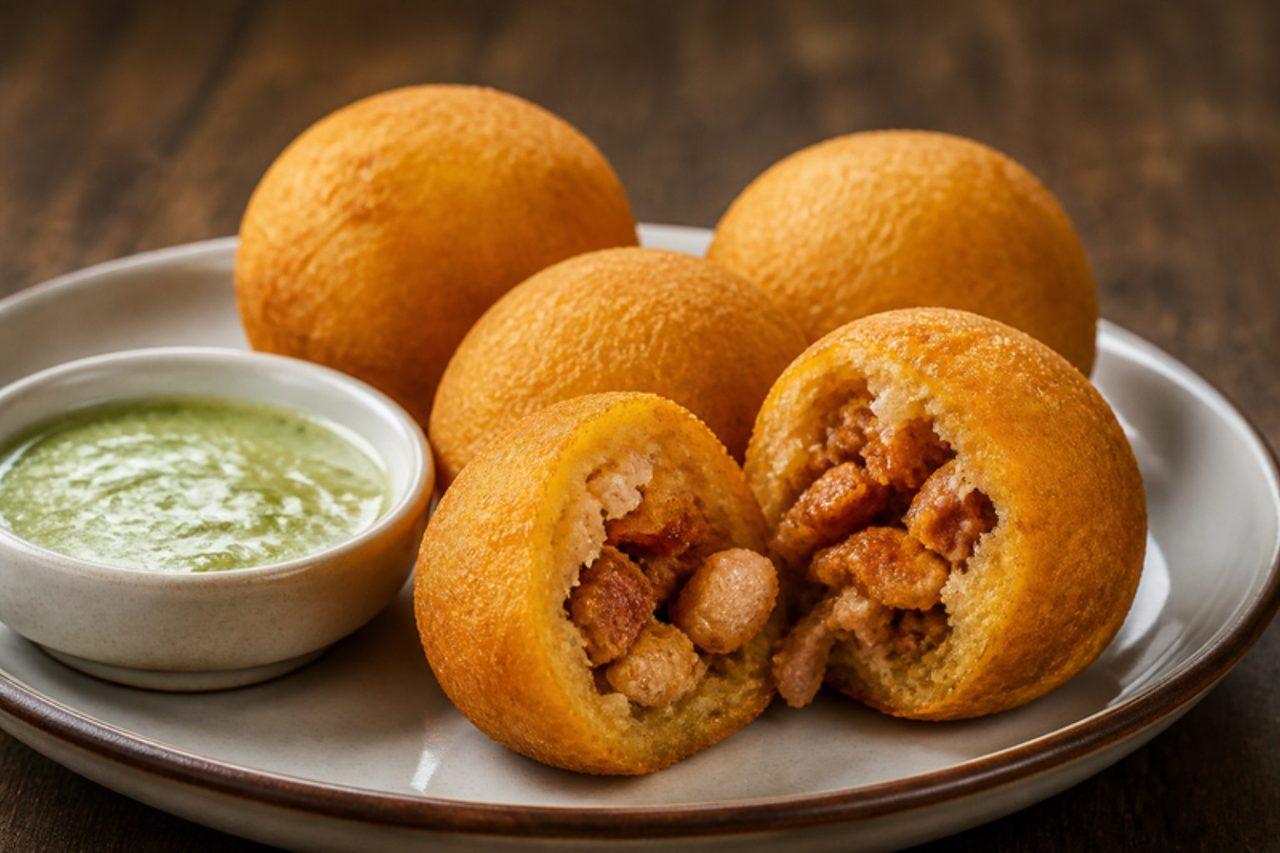
Breakfast stalls along Cali's busy streets and the bakeries of the Valle del Cauca fry marranitas all morning: green plantain, half-fried, pounded while hot and shaped around a nugget of crunchy pork chicharrón, then fried again until crisp and golden. The name means 'little piglets', after the pork inside. The outside shatters, the plantain layer is dense and starchy and the crackling gives a salty, porky crunch in the middle. Eat them hot with a mug of coffee or hot chocolate, or as a snack with ají and hogao for dipping. The plantains must be truly green and hard; yellowing ones turn sweet and sticky and won't hold a crisp shell. Chef's tip: pound the plantain the moment it comes out of the first fry, using a little warm salted water on your hands; once it cools it stiffens and cracks when you shape it.

by KrazyBadal 0 views

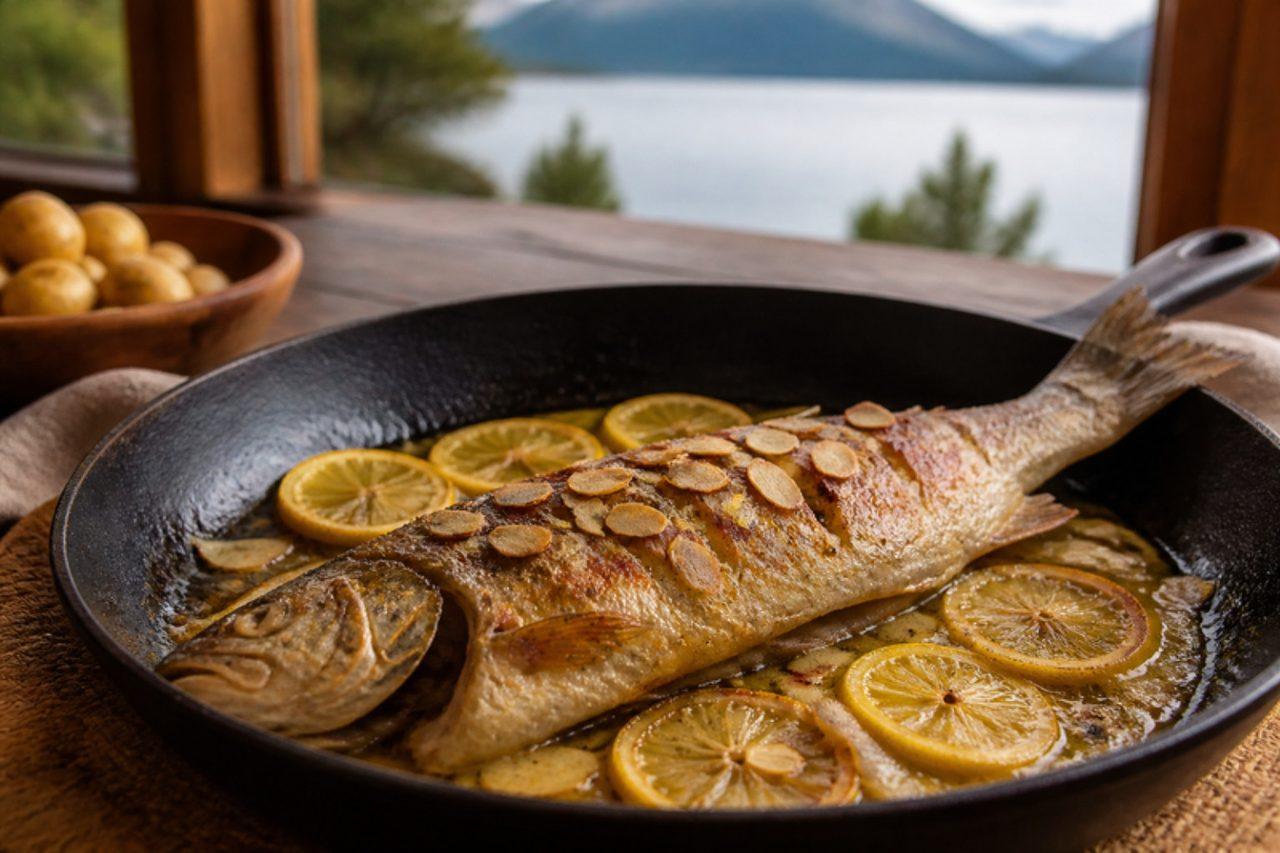
Trucha a la manteca

Restaurants on the shores of Nahuel Huapi, in Bariloche and Villa La Angostura, put rainbow trout from the cold Andean lakes on almost every menu, and this butter version is the one locals order most. Fillets are fried with crisp skin, then drenched in butter browned with flaked almonds and sharpened with lemon. Serve with boiled new potatoes and a green salad. Any trout or char works. People commonly start the fish in butter, which burns before the skin crisps; fry it in a film of oil and make the brown butter after. Chef's tip: dry the skin really well and dust it with rice flour; it gives a thin, glassy crust without any gluten.

by KrazyBadal 0 views

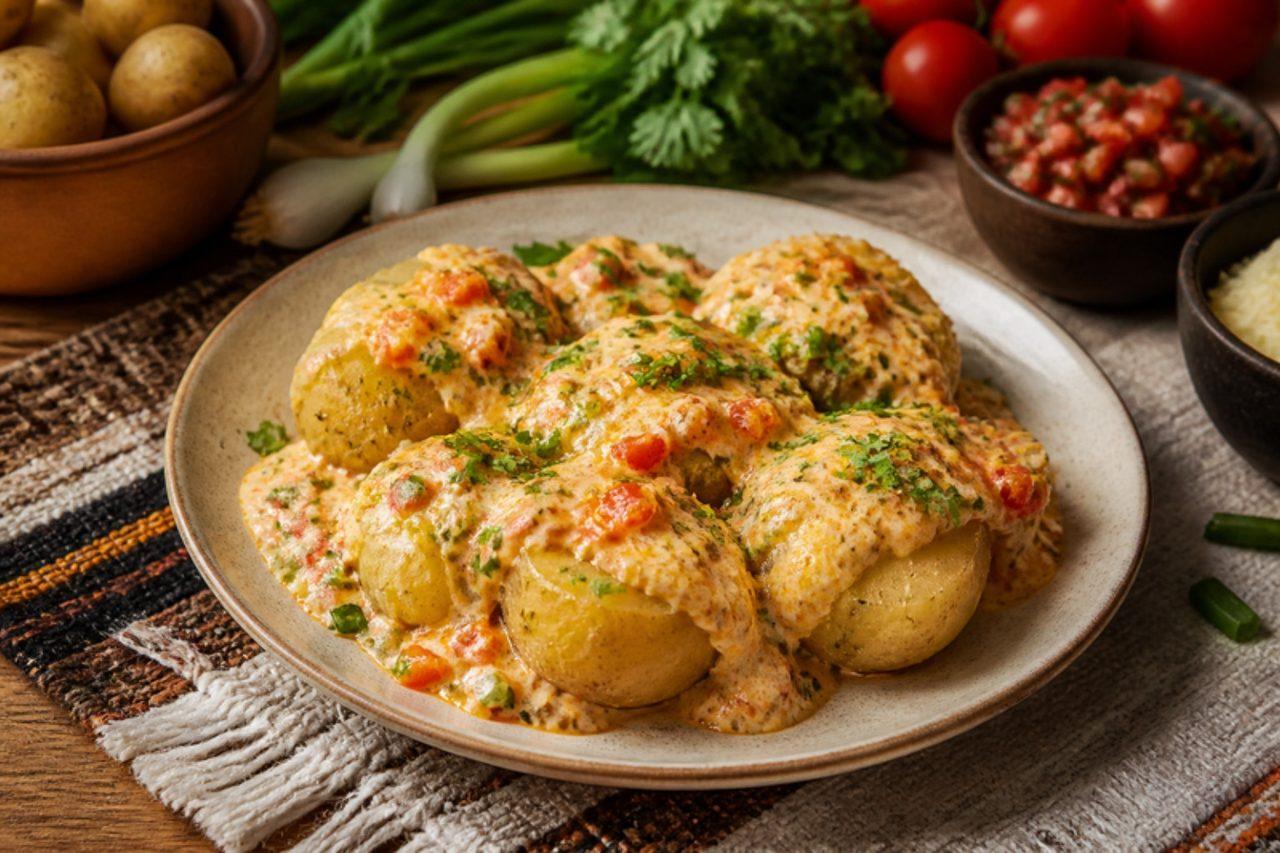
Papas chorreadas

Chorreadas means drenched, and that is the idea: in farmhouse kitchens of Boyacá and Cundinamarca, whole boiled potatoes get a hot, loose sauce of tomato and long spring onion poured over them, enriched with milk and stretchy fresh cheese. It is comfort food from the cold highlands, served beside grilled meat on Sundays or on its own with an arepa and a mug of aguapanela on a weeknight. Colombians use queso campesino or doble crema, both usually made with animal rennet; a vegetarian mozzarella or other microbial-rennet melting cheese works perfectly. The mistake to avoid is adding the cheese to a boiling sauce, which makes it split and turn stringy; keep the heat low. Chef's tip: let the tomato and onion cook until really soft and jammy before the milk goes in, so the sauce tastes sweet and deep rather than raw.

by KrazyBadal 0 views

Bizcochitos de grasa

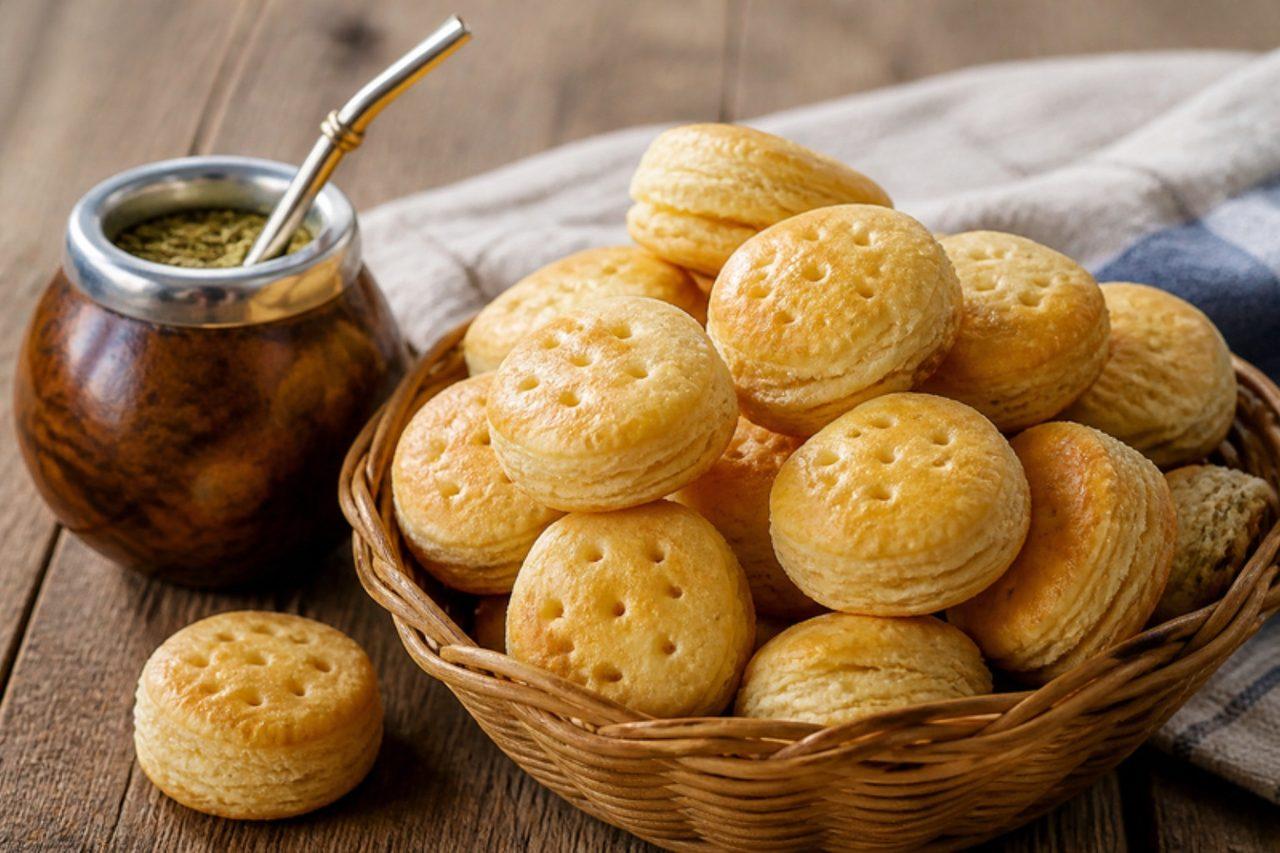
A paper bag of bizcochitos de grasa sits next to the mate gourd in kitchens, offices and roadside service stations across Argentina, from Buenos Aires to the Andes. These little rounds, a couple of bites each, are layered with beef fat, so they flake and crumble, salty and plain enough to eat by the dozen with bitter mate in the afternoon. The fat is rendered beef fat (grasa vacuna), so they are not vegetarian; ask your butcher for dripping or render suet yourself. A dough worked too warm is the mistake that robs them of their layers; the fat melts into it instead of staying in sheets. Chef's tip: chill the dough for 10 minutes between folds whenever it starts to feel greasy, and prick each round right through so it puffs in flakes rather than domes.

by KrazyBadal 0 views

Mojarra frita

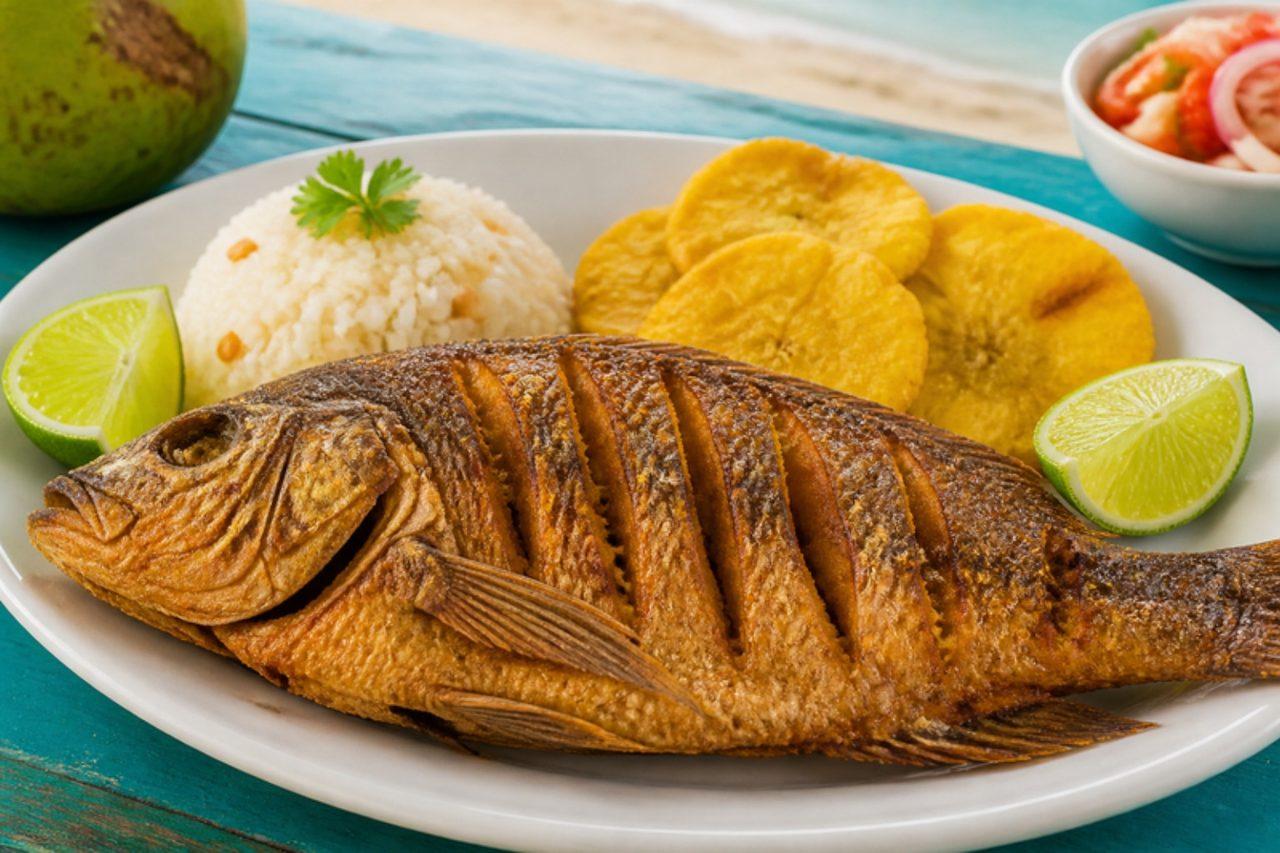
On the beaches of Bocagrande and in the open-air kitchens of La Boquilla outside Cartagena, the lunch plate is a whole mojarra (tilapia) fried until its fins crackle, served with coconut rice, smashed green plantain patacones and a tomato and onion salad with lime. The skin goes shatteringly crisp, the flesh stays sweet and moist, and you eat it with your fingers, pulling meat off the bone. Scoring the sides lets the heat and seasoning reach the thick part near the spine. The mistake to avoid is putting a wet fish into the oil, which spits dangerously and leaves the skin soggy: pat it very dry and dust it lightly. Chef's tip: fry one fish at a time in plenty of oil and don't move it for the first 4 minutes, so the skin sets before you turn it. Serve with arroz con coco for the full Caribbean plate.

by KrazyBadal 0 views

Mazorca desgranada

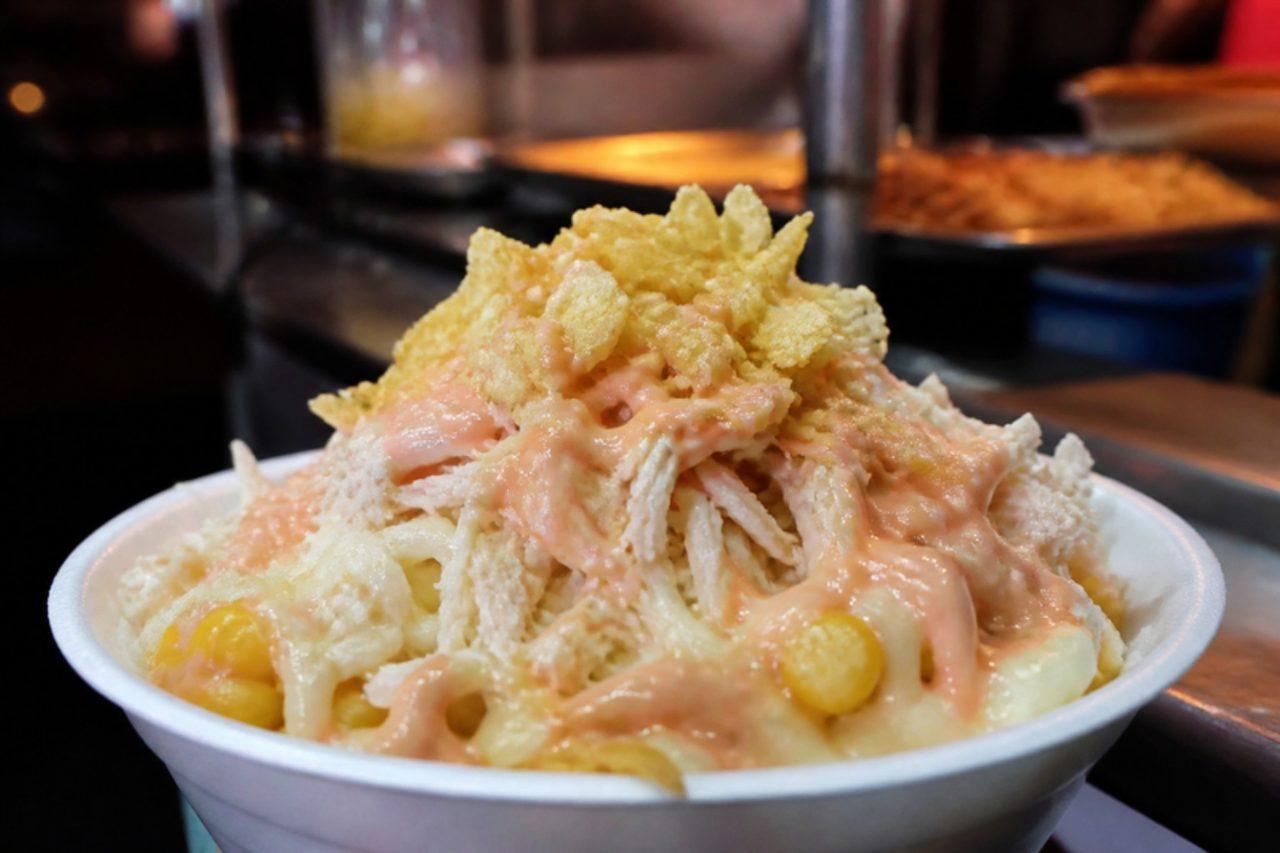
Food trucks and street corners in Bogotá and Medellín sell mazorca desgranada in plastic tubs, late into the evening: sweet corn kernels cut off the cob, fried in butter and layered with shredded chicken, melted cheese, crunchy potato sticks, pineapple sauce and salsa rosada. Some stands add bacon, beef or quail eggs; this version keeps to chicken. It is sweet, salty and gooey, and a hit with teenagers. Using tinned corn without draining it well is a common error: the water dilutes the sauces and the tub gets soggy. Chef's tip: fry the corn until a few kernels brown and pop; that caramelised edge stands up to all the sweet sauces. For a vegetarian tub, skip the chicken and use a cheese made with microbial rennet.

by KrazyBadal 0 views

Caldo de costilla

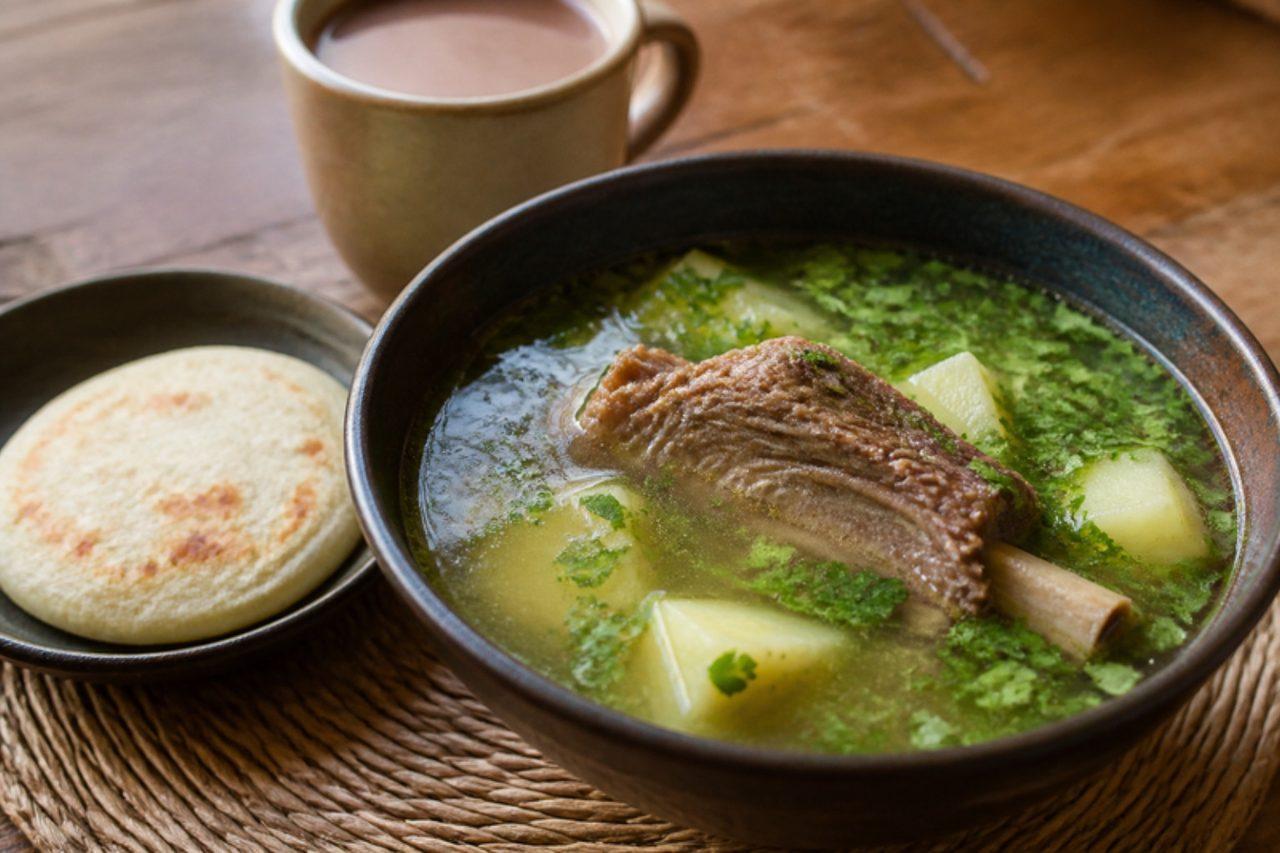
Bogotá wakes up to caldo de costilla. Cafeterías near markets and bus terminals ladle it out from early morning, and it is the city's famous cure after a late night: beef short ribs simmered until tender in a clear, golden broth with potatoes, onion, garlic and a big handful of coriander. It's simple, beefy and restoring, served with an arepa, a cup of hot chocolate or coffee and maybe a slice of bread. People are tempted to boil it hard to save time; the broth turns cloudy and greasy and the meat tightens, so give it a slow, steady simmer. Chef's tip: make the broth the night before and chill it; you can lift off the solid fat in the morning and simply reheat with the potatoes for a fast, clean breakfast.

by KrazyBadal 0 views

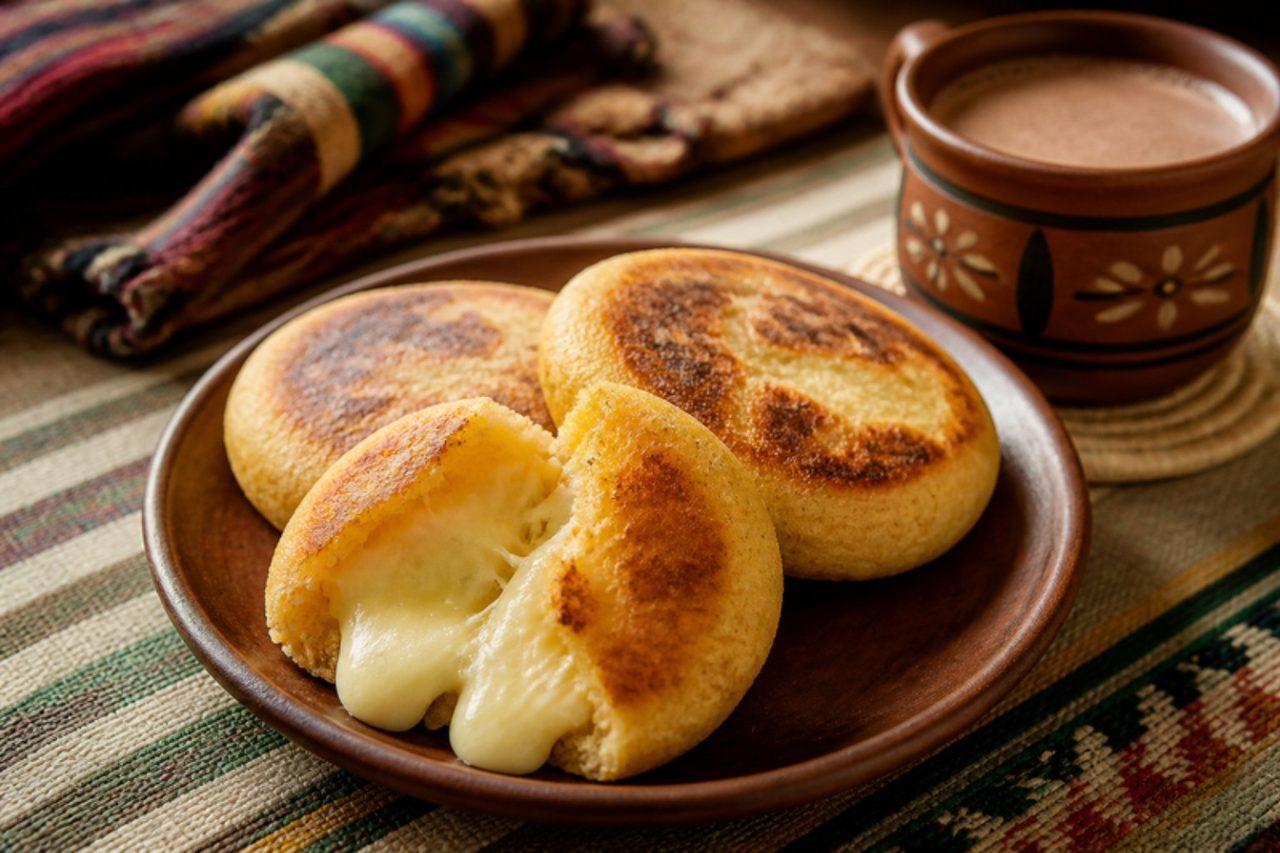
Arepas boyacenses

Roadside stalls on the highway from Bogotá to Tunja sell these golden, puffed discs straight off the griddle. Unlike the plain arepas of Antioquia, the boyacense mixes yellow corn with wheat flour, butter and a little sugar, and it hides a layer of fresh cheese that melts as it cooks, so each bite is sweet, salty and buttery at once. Eat them warm with coffee, hot chocolate or a cup of aguapanela. Queso campesino or cuajada is traditionally set with animal rennet; choose a vegetarian mozzarella or other microbial-rennet fresh cheese. The trap is cooking them on a high heat: the sugar browns fast and the middle stays raw and doughy. Chef's tip: keep the griddle at low-medium and give them time; a slow cook gives a thin crisp crust and lets the cheese melt fully.

by KrazyBadal 0 views

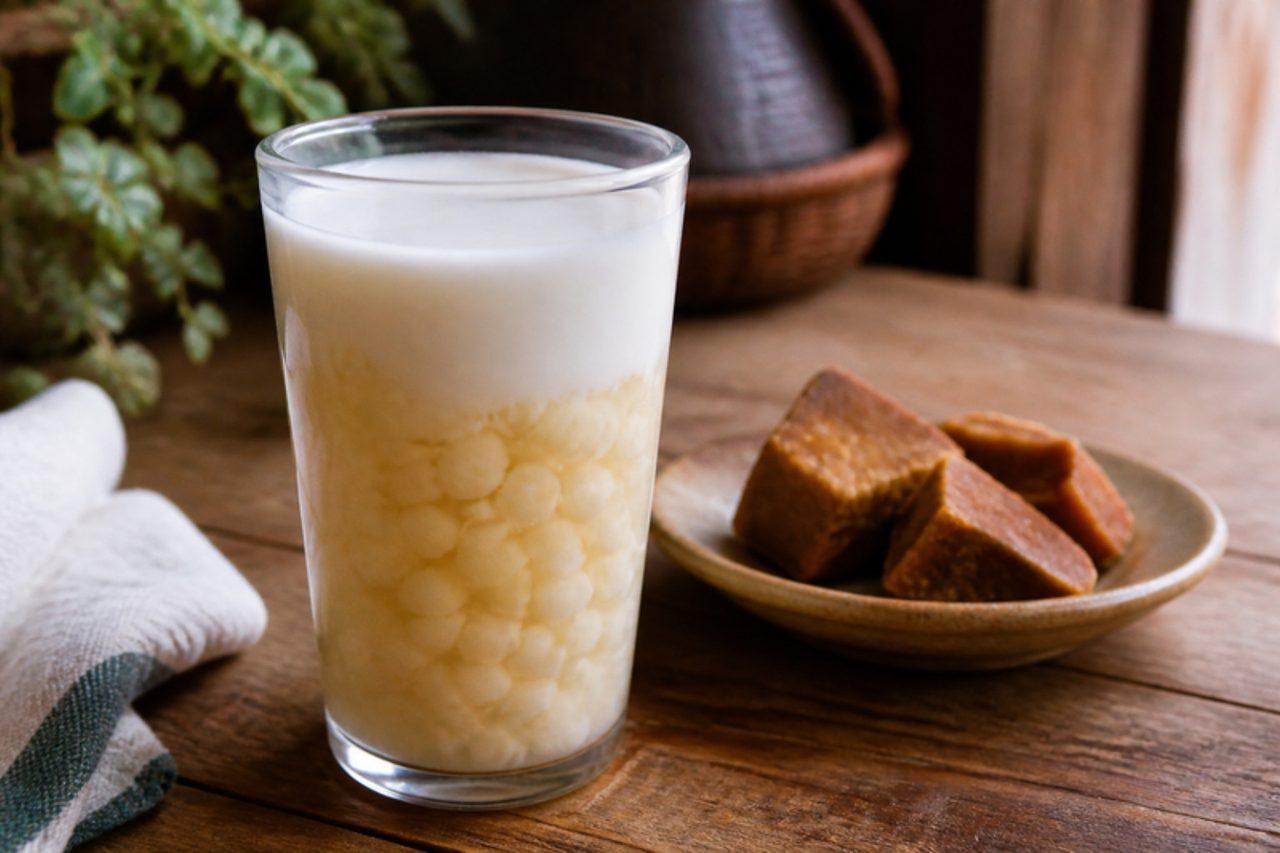
Mazamorra antioqueña

Paisas finish lunch with a glass of mazamorra the way others take dessert: soft, swollen kernels of hulled white corn in their own starchy cooking liquid, topped up with cold milk and eaten with a piece of panela or guava paste to nibble between sips. In Medellín it is sold from carts as well as made in big pots at home for the week, and it is mild, milky and quietly filling. Look for dried hulled white corn (maíz pilado or peto) in Latin American shops. Soak it overnight first. A common mistake is serving it before the corn is fully soft; the kernels should split open and be tender to the bite. Chef's tip: save the thick cooking liquid; it gives the drink its silky body, and the corn keeps in it for 4 days in the fridge.

by KrazyBadal 0 views

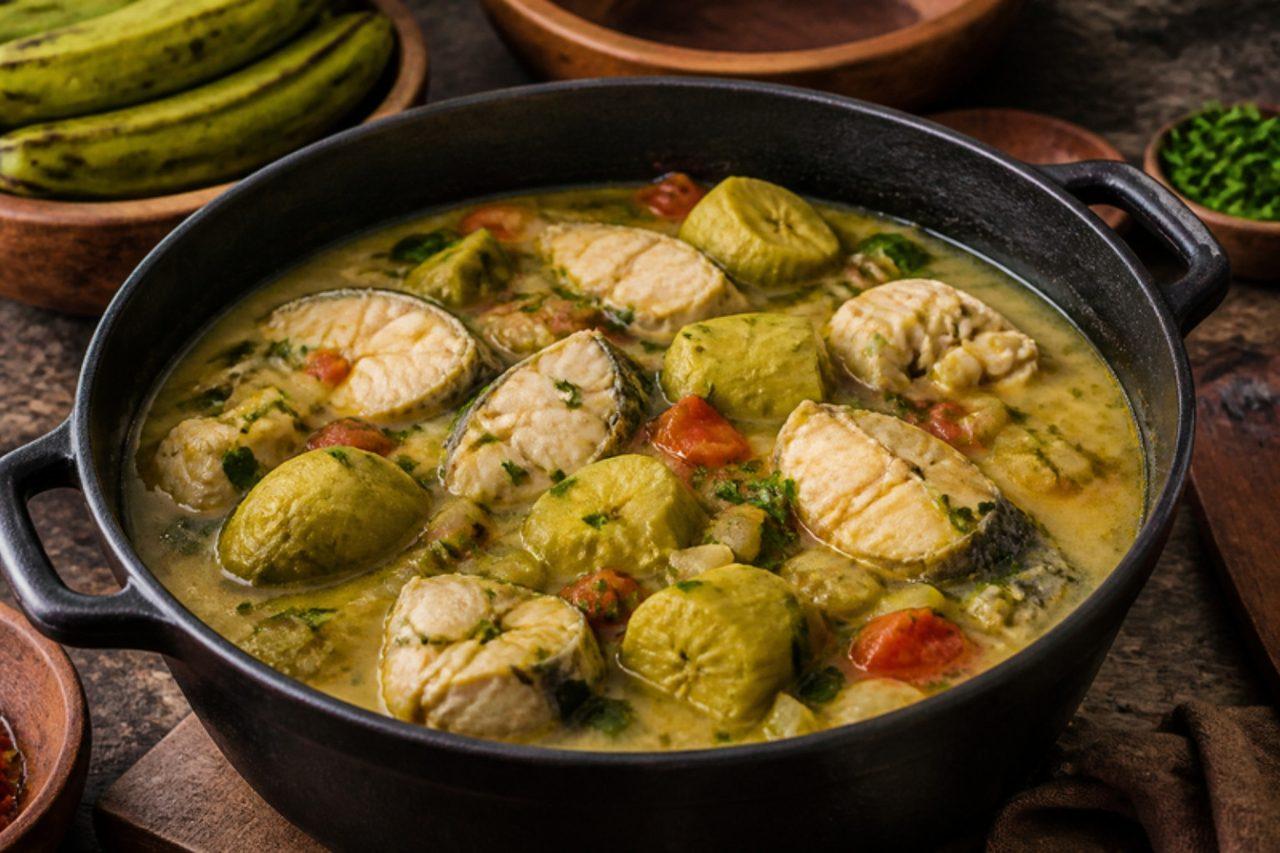
Tapao de pescado

Quibdó's riverside kitchens and the villages along the Atrato and Baudó rivers make tapao, which simply means 'covered': fish and chunks of green plantain cooked in a little water and a refrito of onion, tomato and herbs, with the pot sealed under a plantain leaf and a lid so it all cooks in its own steam. There's no coconut, unlike the Pacific's encocados, so it tastes clean and brothy, of fish and herbs, with the plantain soaking up the juices and thickening them slightly. It's a weekday dish, often made with bocachico or other river fish, and eaten from deep plates with a spoon and fingers. Adding the fish with the plantain from the start is a common slip; the plantain needs a head start or the fish falls apart before the plantain is tender. Chef's tip: if you can find bocachico or another river fish, use it; otherwise sea bream or tilapia steaks with the bone in give the broth the best flavour.

by KrazyBadal 0 views

Showing 24 of 322 recipes

Show more recipes

Page 1 of 14