Skip to content
Recipes

All recipes

Vegetarian, or something you can't eat? Set your diet once and we'll hide recipes that don't fit.

Kärntner ReindlingCinnamon raisin yeast cake

Carinthia's Easter loaf takes its name from the Reindl, the round, deep pan it is baked in, and in southern Austria no Easter basket goes to church without one. Inside the golden yeast crust is a spiral of butter, cinnamon sugar and plump raisins, so every slice shows a dark swirl. Locals eat it two ways: sweet with coffee on Easter morning, or alongside the savoury Easter platter with horseradish. Many bakers soak the raisins in rum overnight; warm water or tea works just as well and keeps it alcohol-free. A dry, crumbly Reindling usually means too much flour went in during kneading, so keep the dough soft and only lightly floured. Chef's tip: butter the pan well and dust it with sugar, which caramelises into a thin crunchy shell.

by KrazyBadal 0 views

ErdäpfelstrudelSavoury potato strudel

Austrians, especially in the Mühlviertel of Upper Austria and the Waldviertel, make savoury strudels as often as sweet ones, and Erdäpfelstrudel is a farmhouse favourite for a meatless Friday or a cold evening. Thin pastry wraps a filling of potatoes, fried onion, sour cream, marjoram and parsley, baked until crisp and golden and sliced with a green salad or a dill and sour-cream dip. Bought filo makes it easy at home. The mistake to avoid is a wet filling, which turns the pastry soggy underneath. Chef's tip: cool the filling completely before rolling; warm filling makes the layers stick and tear.

by KrazyBadal 0 views

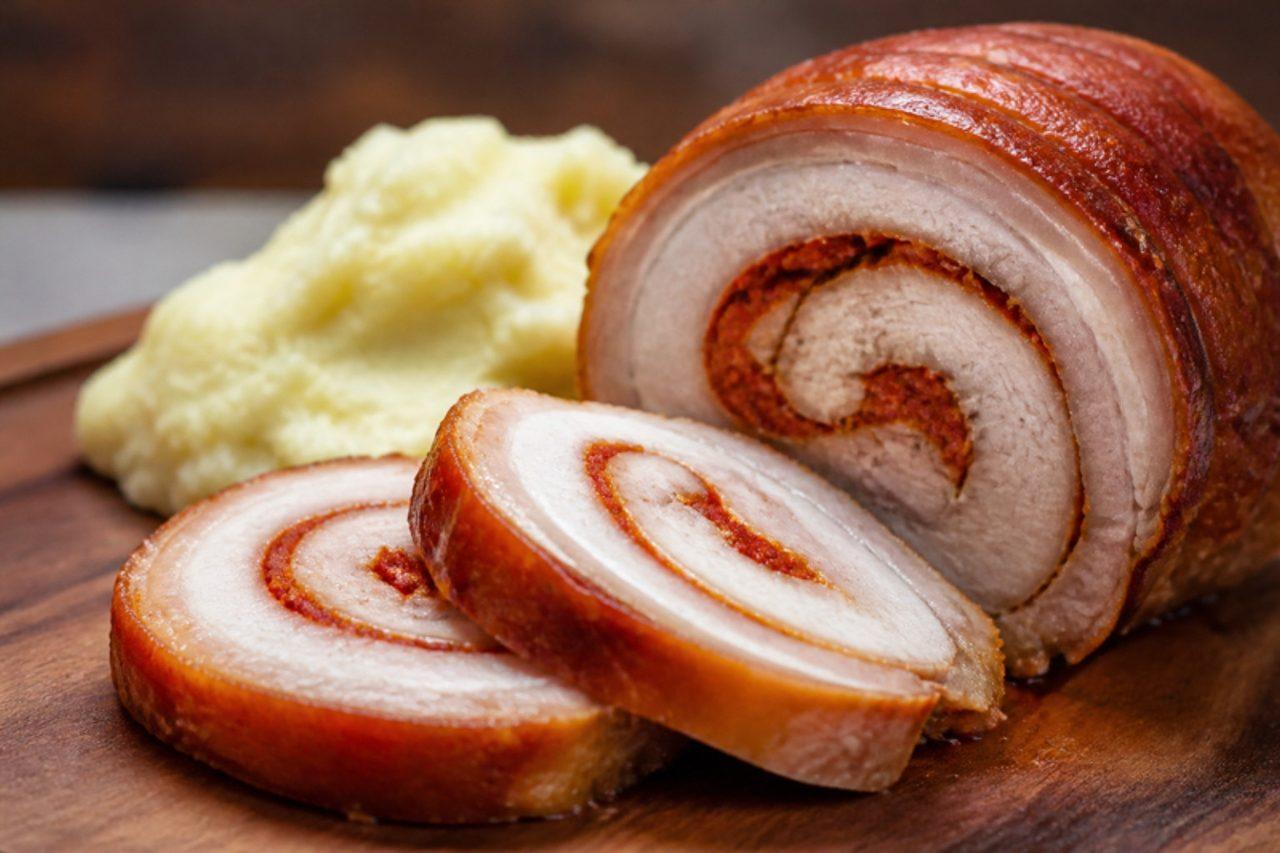
Arrollado huasoRolled spiced pork belly

Arrollado huaso, the 'countryman's roll', is the pork belly roll of the Central Valley: a flat piece of pork belly spread with ají paste, garlic and cumin, rolled tight, tied and wrapped, then simmered for hours and sliced cold. It is the star of September fondas and Christmas tables, sliced thin with hot bread, pebre and boiled potatoes. The mistake that spoils it is a loose roll, which unwinds and cooks unevenly; tie it every 3 cm. Chef's tip: cool it overnight in its cooking liquid with a weight on top; it sets firm and slices into neat spirals. The pork must reach 71 °C in the centre, as the rolled-in surface is now inside.

190 minChileanMeatGluten free
by KrazyBadal 0 views

CuchuflíFilled wafer tubes

Cuchuflí are the thin, crisp wafer tubes filled with manjar that vendors sell from baskets on Chilean beaches and outside football stadiums, and that children beg for at the Fiestas Patrias fondas. At home you can bake the wafers yourself and roll them round a wooden spoon handle. The usual mistake is waiting too long to roll them: the wafers set within seconds and crack. Bake only three at a time. Chef's tip: fill them with a piping bag just before serving, or the manjar softens the wafer; dip the ends in melted chocolate if you like.

by KrazyBadal 0 views

MerkénSmoked chilli seasoning

Merkén comes from the Mapuche kitchens of Araucanía: cacho de cabra chillies are dried, smoked over a wood fire, then ground with toasted coriander seed and salt into a brick-red powder that is smoky, warm and lightly hot. In Temuco and across the south it is shaken over potatoes, eggs, sopaipillas, grilled fish and soups. Outside Chile, use dried smoked red chillies, or plain dried red chillies plus smoked paprika. The mistake to avoid is scorching the chillies in the pan: if they blacken, the whole jar is bitter. Chef's tip: grind it a little coarse, as it is sold in Temuco's market, so the coriander seeds stay noticeable.

by KrazyBadal 0 views

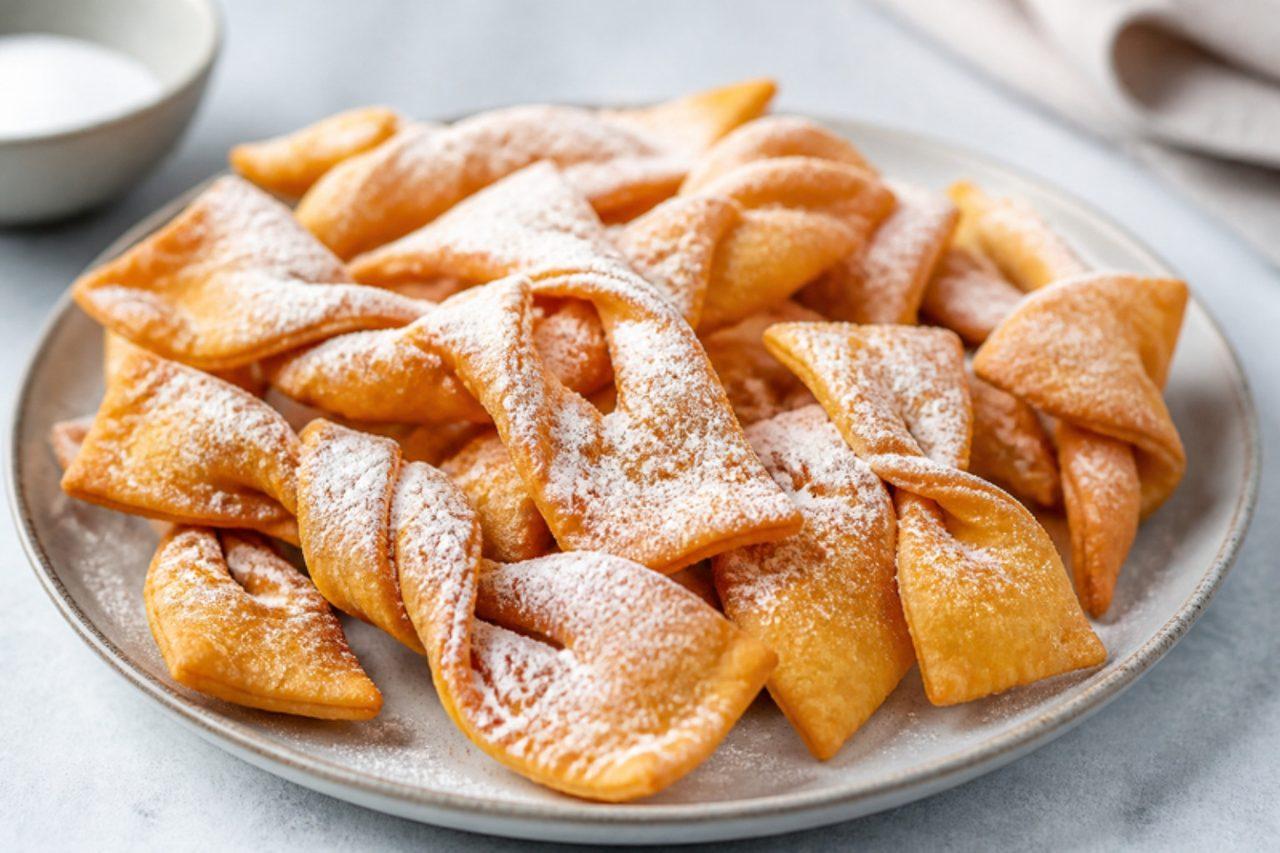
Calzones rotosKnotted orange fritters

Few sweets have a funnier name: calzones rotos, 'torn knickers', are strips of soft dough with a slit in the middle, one end pulled through to make a twist, then fried and buried in icing sugar. Chilean families fry a big plateful on rainy winter afternoons, and they are sold in paper bags at fairs from Valparaíso to Concepción. The usual mistake is oil that is too hot: they brown in seconds but stay raw and doughy inside. Keep it at 175 °C. Chef's tip: dust them with icing sugar only when they have cooled a little, so the sugar stays white instead of melting.

by KrazyBadal 0 views

Leche con plátanoBanana milk

Ask anyone who grew up in Chile, from Arica to Punta Arenas, what they drank after school and many will say leche con plátano. It is made in a blender in two minutes, usually at onces, the late-afternoon tea, alongside marraqueta rolls with butter or avocado, and it is the first thing many children learn to make by themselves. It is pale, foamy and thick enough to leave a moustache, tasting simply of sweet ripe banana and cold milk, sometimes with a pinch of cinnamon. The common mistake is making it ahead: within half an hour the banana turns the milk greyish-beige and the foam collapses, so blend it just before drinking. It is ready when it is completely smooth, light and frothy, with no banana lumps at the bottom of the jug. Use bananas with a few brown freckles: they are sweet enough that you may need little or no sugar. Chef's tip: slice and freeze overripe bananas, then blend them straight from the freezer; the drink comes out icy and extra thick without any ice.

by KrazyBadal 1 views

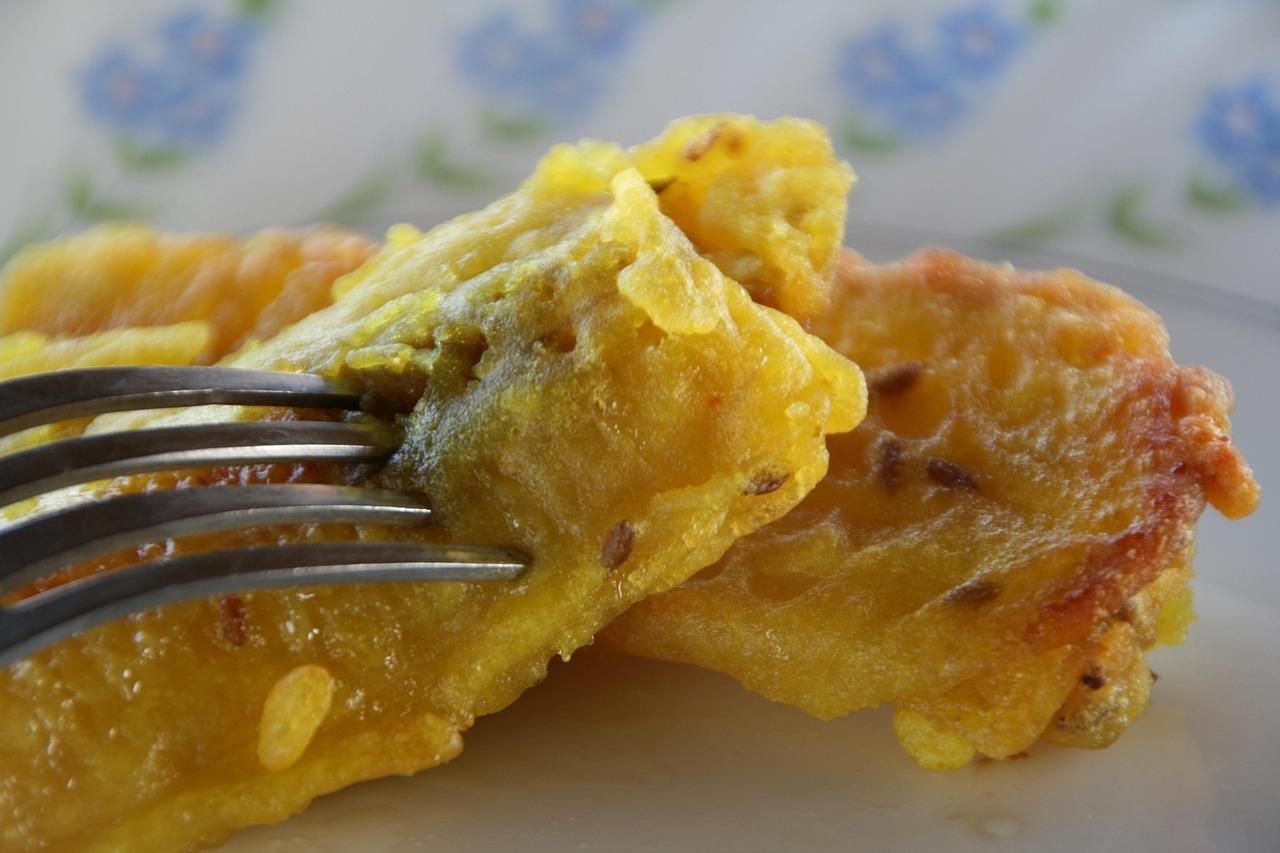
Mofo akondroBanana fritters

Wherever bananas pile up on market tables, from Toamasina on the east coast to the roadside stalls near Moramanga, someone is frying mofo akondro to sell warm in twists of paper. Ripe banana is cut into thick slices, dipped in a soft, vanilla-scented batter of flour, egg and milk, and fried until the coating puffs and crisps while the fruit inside turns jammy and sweet. Children love them after school, and they make an easy dessert with a dusting of sugar. Underripe bananas are the common mistake: they stay starchy and sour, so wait until the skins are well freckled with brown. Chef's tip: let the batter rest for 10 minutes before you dip, so the flour hydrates and the coating clings evenly instead of sliding off in the oil.

by KrazyBadal 0 views

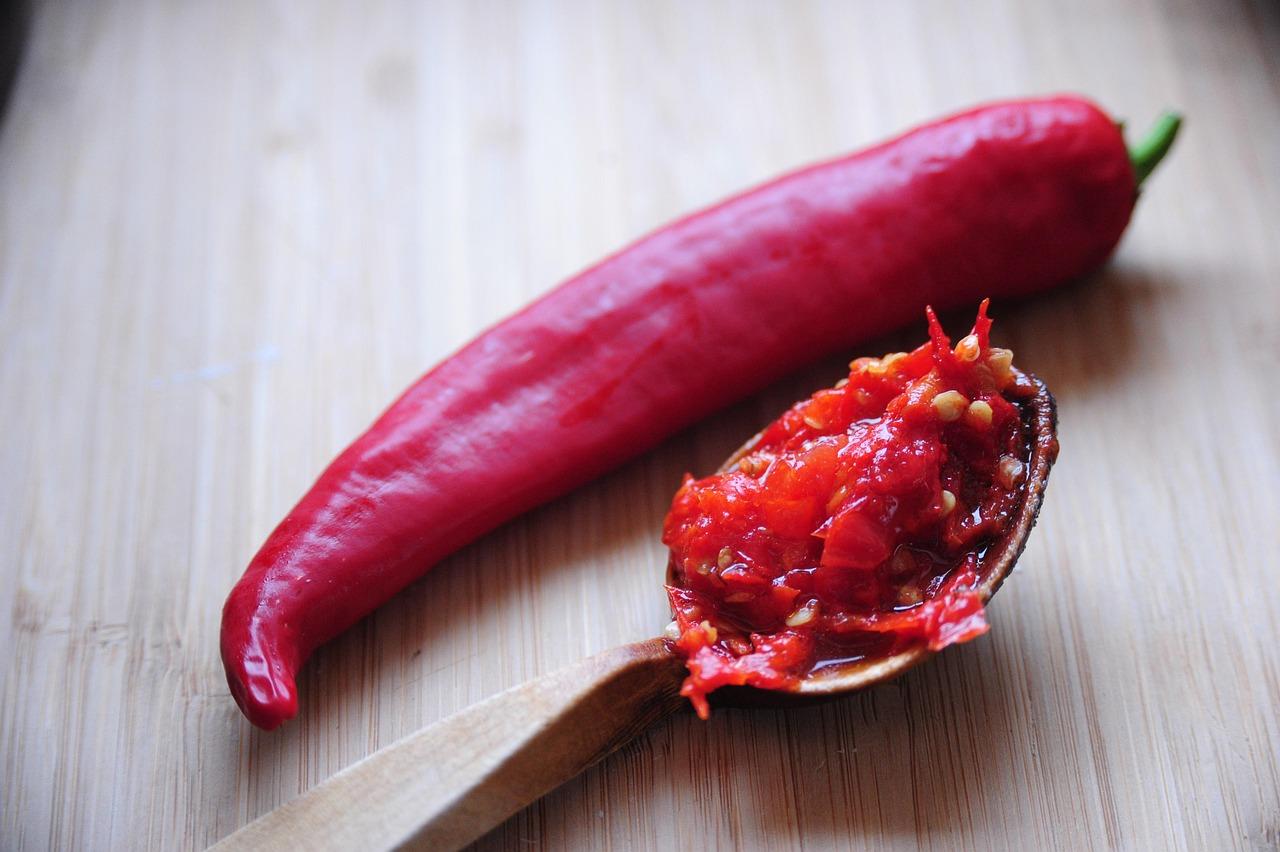
SakayChilli and ginger paste

No table in Madagascar is fully set without a saucer of sakay, from a Fianarantsoa family lunch to a coastal fish shack in Mahajanga. Fresh red chillies are pounded with ginger, garlic and salt, then loosened with hot oil, so the paste is bright, sharp and searingly hot, with a warm ginger finish rather than the sourness of a vinegar sauce. A dab is stirred into broth, smeared over rice or eaten with grilled zebu skewers; a little goes a long way. Wear gloves when you chop the chillies, and wash the board straight away: rubbing your eyes after handling them is the classic beginner's mistake. Chef's tip: pour the oil in while it is hot but not smoking, which cooks the raw edge off the garlic and helps the paste keep for a week in the fridge.

by KrazyBadal 0 views

Brazo de reinaSponge roll with dulce de leche

The 'queen's arm' sits in the glass cabinet of every Chilean bakery: a light sponge rolled around a thick layer of manjar (Chilean dulce de leche) and dusted with icing sugar. At home it is the cake for a birthday tea or an unexpected visitor, because it bakes in 10 minutes. The common mistake is overbaking: a dry sponge cracks as you roll it. Take it out the moment it springs back. Chef's tip: roll the sponge up in a sugared tea towel while it is still hot and let it cool that way; it remembers the shape and won't crack when you fill it.

by KrazyBadal 0 views

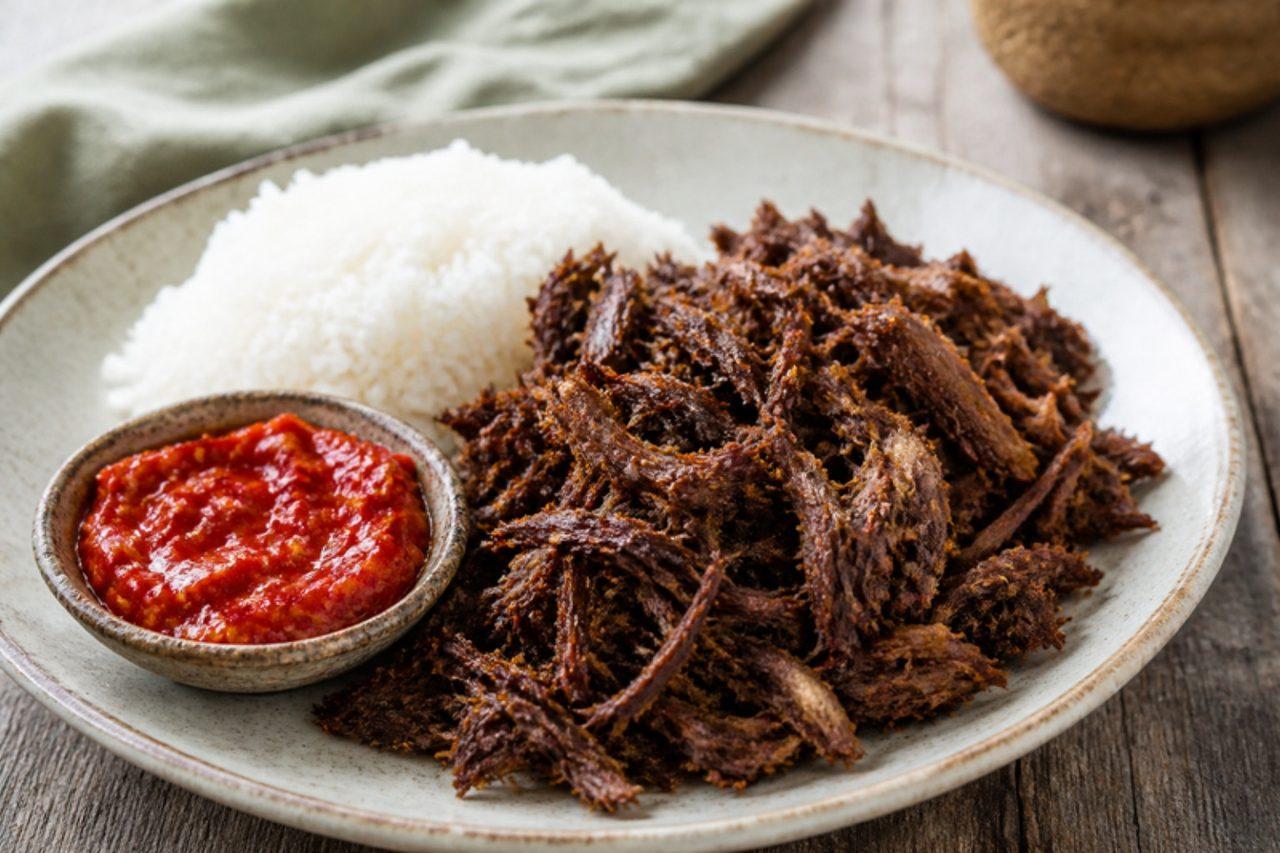
VarangaCrisp shredded beef

Varanga belongs to the big occasions of the Merina Highlands: family reunions, famadihana gatherings and long lunches outside Antananarivo, where a mound of it sits beside rice and a bowl of greens. Beef, traditionally zebu, is simmered with garlic, ginger and onion until it can be pulled apart with two forks, then the strands are fried in the fat and juices left in the pot until crisp and mahogany at the edges but still tender inside. The flavour is deeply beefy and salty-sweet, a little like the best bits stuck to a roasting tin. Cooks in a hurry shred the meat before it is truly tender, and the strands then fry up tough and stringy instead of crisp. Chef's tip: choose a cut with some fat and connective tissue, like chuck or brisket; lean steak gives dry, hard varanga.

150 minMalagasyMeatGluten free
by KrazyBadal 0 views

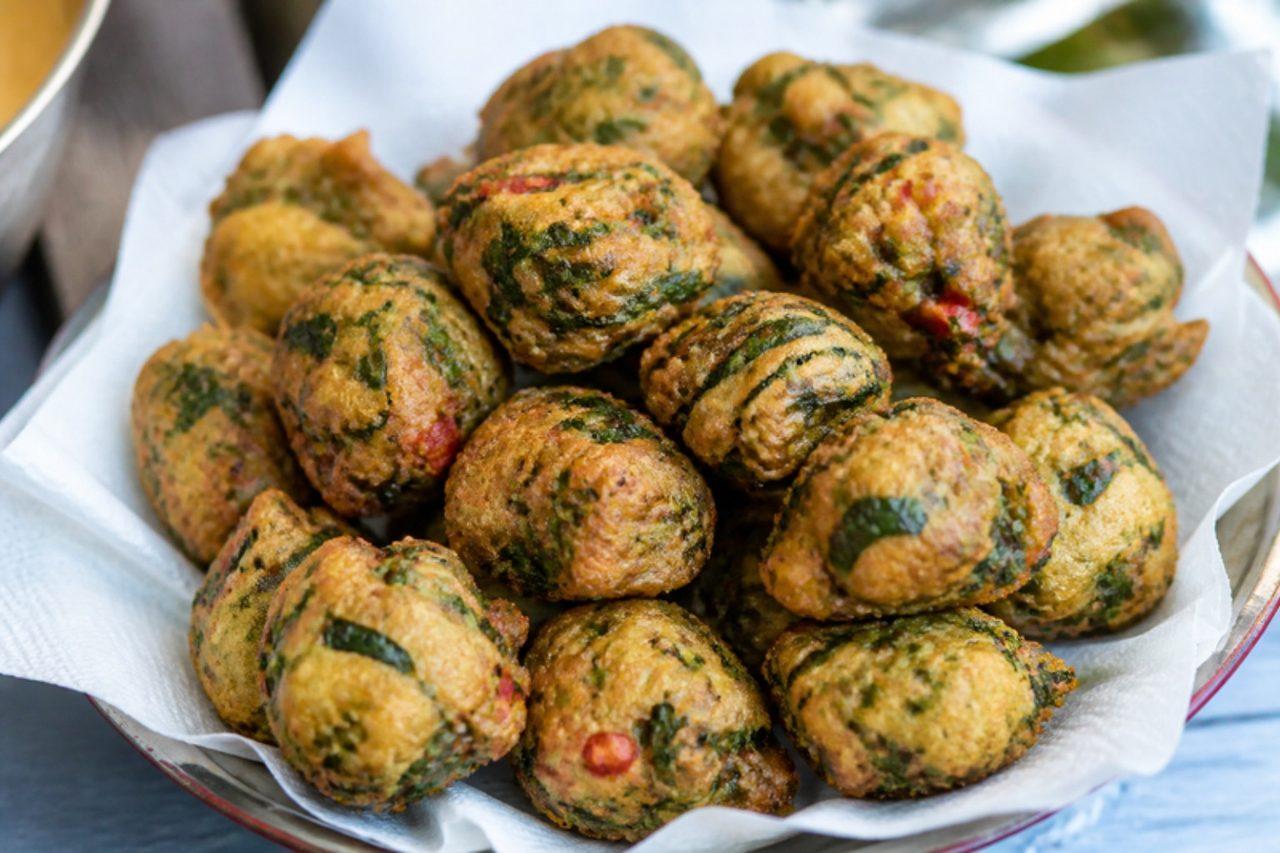
Mofo ananaGreens fritters

Stalls along Analakely market in central Antananarivo stack mofo anana in paper cones from mid-morning, and they rarely last past lunch. Each fritter is mostly leaves held together with a thin, savoury batter, so the outside fries lacy and crisp while the inside stays soft and grassy, with a lift from spring onion, garlic and chilli. Eat them hot as a snack with a cup of ginger tea, or set a plate of them beside a bowl of broth and some sakay for dipping. The usual mistake is a batter that is too thick: it should only just bind the greens, otherwise you end up with a heavy, doughy pancake. Chef's tip: squeeze the chopped leaves in a clean tea towel before mixing; wet greens spit in the oil and make the fritters soggy.

by KrazyBadal 0 views

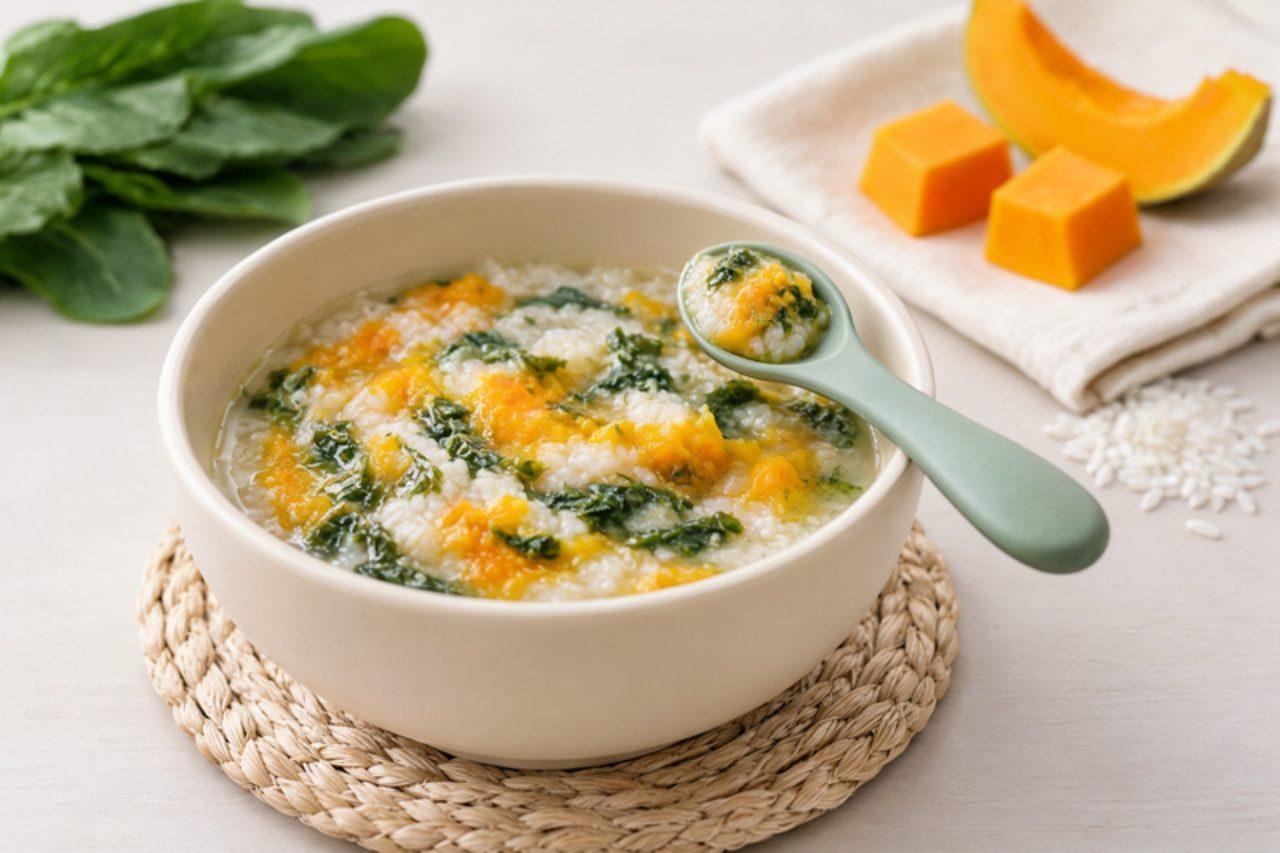
Vary sosoa for babiesSoft rice with greens for babies

Vary sosoa, rice cooked with lots of water until soft and soupy, is the classic Malagasy breakfast, eaten in Antananarivo and the highland villages before the day's work starts, and the food given to the sick and the very young. For babies from about nine months it is cooked with diced pumpkin and finished with a handful of mild greens, then mashed. It is gentle, sweet and creamy. Skip brède mafane (paracress), the tingling green used for grown-ups' romazava, as it numbs the mouth; spinach or sweet potato leaves are kinder. It is free of the major allergens: no milk, egg, gluten, nuts, soya, sesame or fish. Chef's tip: use a short, starchy rice such as vary gasy or any broken rice; it releases more starch and makes the creamiest sosoa.

by KrazyBadal 0 views

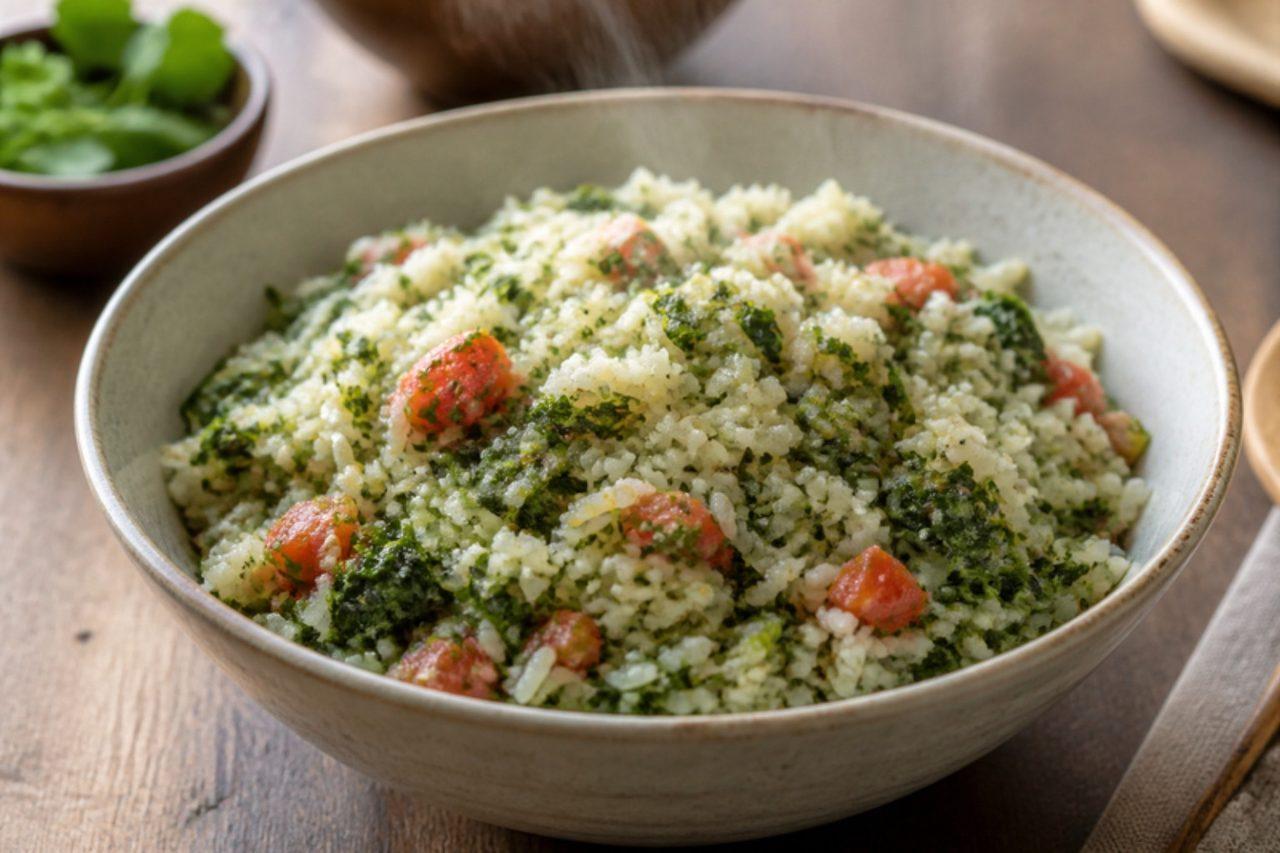
Vary amin'ananaRice with greens

Before the sun clears the hills of Antananarivo, steam is already rising from pots of vary amin'anana at the hotely, the little roadside cafés where office workers and taxi-brousse drivers stop for breakfast. Rice simmers with a heap of chopped greens, a little tomato and fresh ginger until the grains swell and soften into something between a pilaf and a loose porridge, green-flecked and gently savoury. Locals spoon sakay or a sharp lasary relish on top, and anyone with more appetite adds a few beans on the side. The greens matter most: brèdes mafana (paracress) give a faint tingle, but watercress, spinach or mustard greens from the shop all work well. Chef's tip: add the tender leaves only for the last 8 minutes; boiled from the start, they turn grey-brown and bitter, which is the commonest way this simple dish goes wrong.

by KrazyBadal 0 views

Mi saoVegetable fried noodles

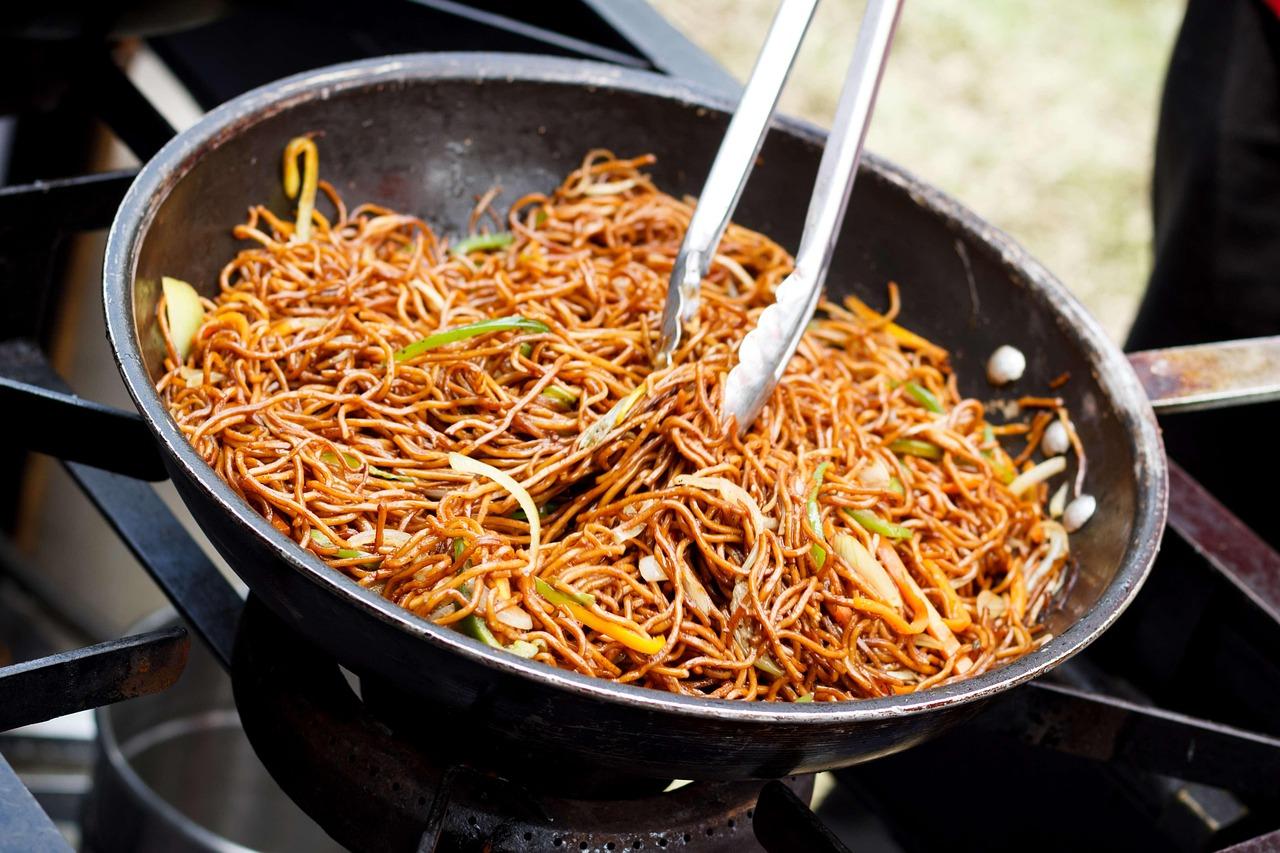
Chinese families who settled in Toamasina and Antananarivo a century ago brought mi sao with them, and it is now one of the most ordered plates at any hotely, often eaten at lunch with a bowl of clear soup on the side. This version is all vegetables: shredded cabbage, carrot, green beans and spring onion tossed with springy wheat noodles, garlic, ginger and soy sauce until glossy and a little smoky. Because of the soy sauce and wheat noodles it is not gluten free. Overcrowding the pan is the usual mistake; it steams everything into a limp tangle, so cook in two batches if your wok or pan is small. Chef's tip: rinse the boiled noodles in cold water and toss them with a few drops of oil, so they fry into separate strands instead of a sticky clump.

by KrazyBadal 0 views

TsaramasoWhite beans with pork

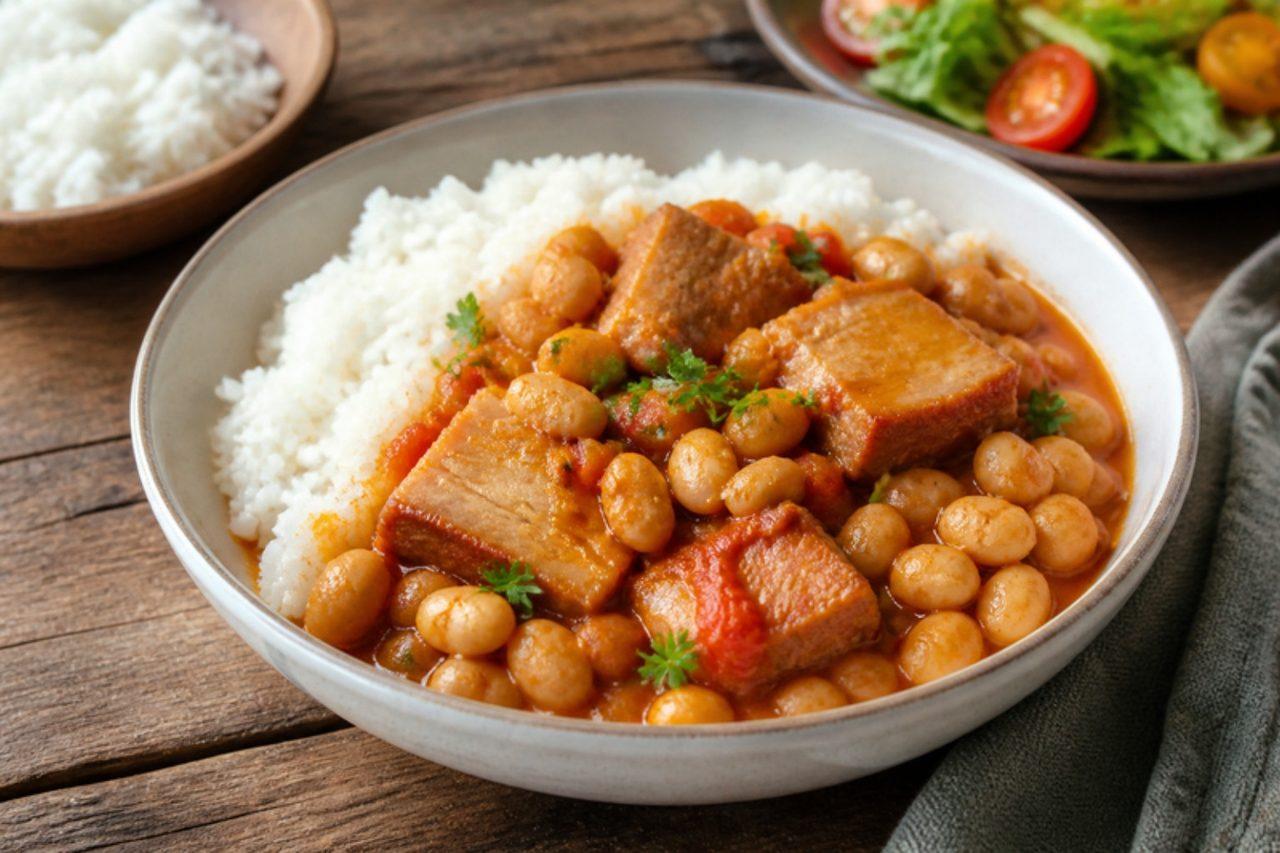
Sunday lunch in a Highland family home often means a big pot of tsaramaso sy henakisoa, white beans stewed slowly with pork until the beans are creamy and the meat falls apart, ladled over a mound of plain rice. Pork belly or shoulder is browned first so its fat flavours the whole pot, then onion, tomato, garlic and ginger cook down into a thick, savoury, gently sweet sauce that the beans soak up. A spoon of sakay and a tangle of lasary achards on the side cut the richness. Adding salt or tomato before the beans are tender is the mistake that keeps them hard, so season only once they crush easily. The pork should reach at least 71 °C, though by the end it will be far past that and spoon-tender. Chef's tip: soak the beans overnight and simmer them separately first; it keeps the stew from burning while the beans take their time.

by KrazyBadal 0 views

MasikitaGrilled beef skewers

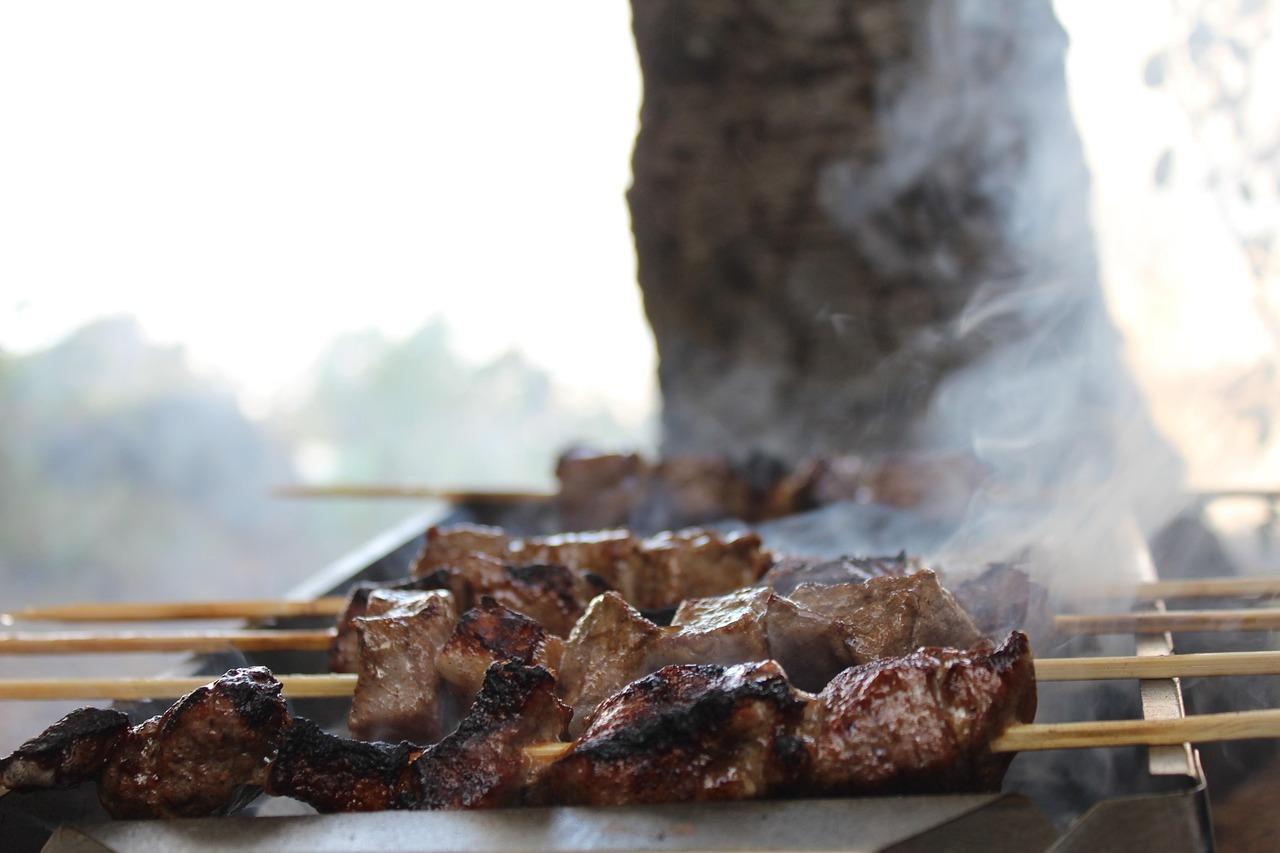
As the light fades in Mahajanga, Toliara and Antananarivo, the smoke from masikita grills drifts along the pavements, with vendors fanning glowing charcoal under rows of tiny skewers. In Madagascar they are made with zebu, the humped cattle that are central to life on the island; good beef rump or sirloin is the closest match at home. Small cubes are marinated with garlic, ginger, pepper and a little oil, threaded tightly and grilled fast, so the outside chars and the inside stays juicy. Eat them straight off the stick with sakay, a squeeze of lime and a cold drink, or with rice for dinner. Cutting the cubes too big is the common mistake: masikita should be bite-sized so they cook through in minutes. Chef's tip: soak wooden skewers for 30 minutes first so they don't burn before the beef is done.

by KrazyBadal 0 views

LasopyBlended vegetable soup

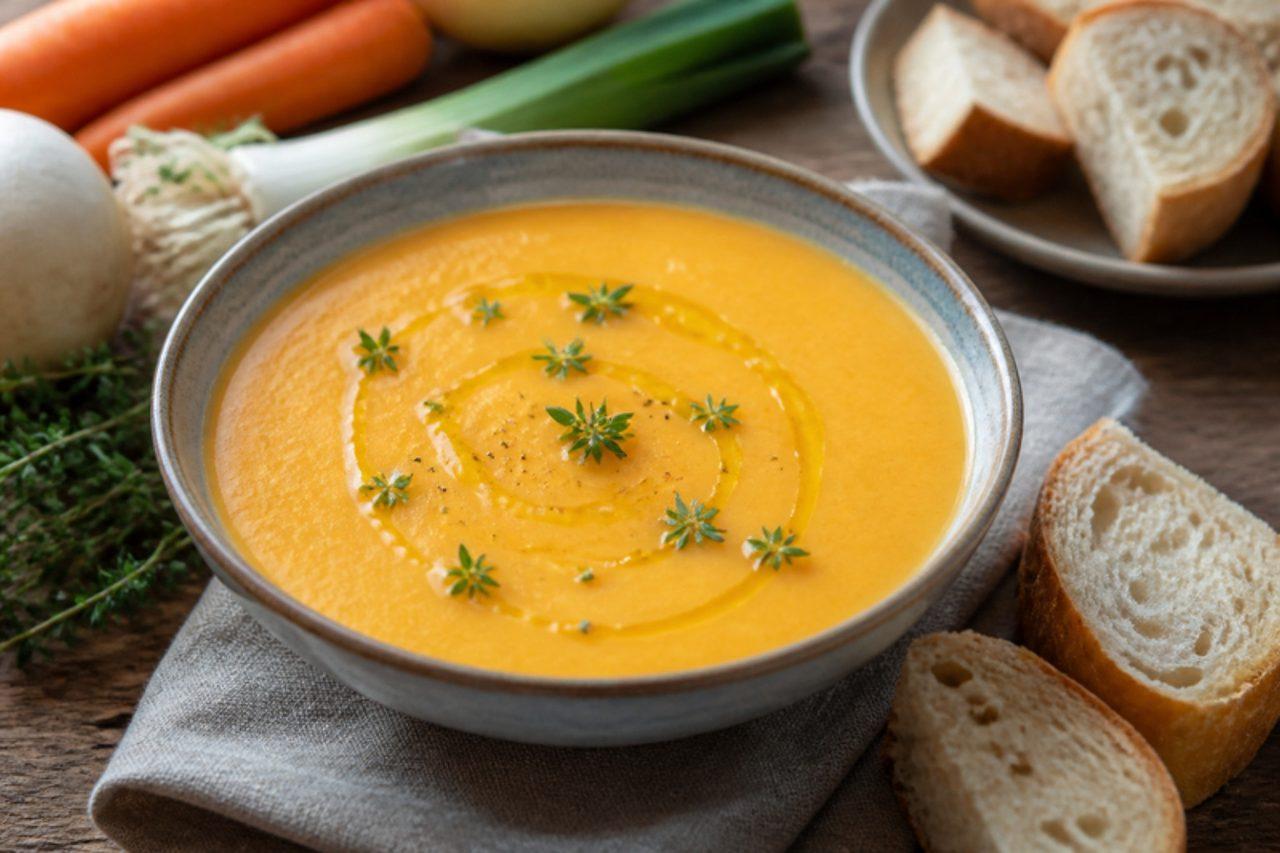
Highland evenings in Antananarivo can turn surprisingly cold, and that is when lasopy comes out, a smooth, pale-orange soup of carrot, leek, potato, turnip and green beans blended until velvety. Market cooks and grandmothers usually simmer it with beef bones; this version keeps it fully vegetarian, with the vegetables browned lightly first and a bay leaf and thyme for depth, so the water turns into a sweet, savoury broth on its own. It is often eaten with a handful of thin vermicelli cooked in it, or simply with bread, and a dab of sakay stirred in at the table. Leave the vegetables in big chunks: chopping them tiny makes them boil to mush before the flavour comes out. Chef's tip: hold back a ladle of cooking liquid and blend the rest, then thin to taste, because once lasopy is too watery there is no fixing it.

by KrazyBadal 0 views

GodrogodroCoconut rice flour sweet

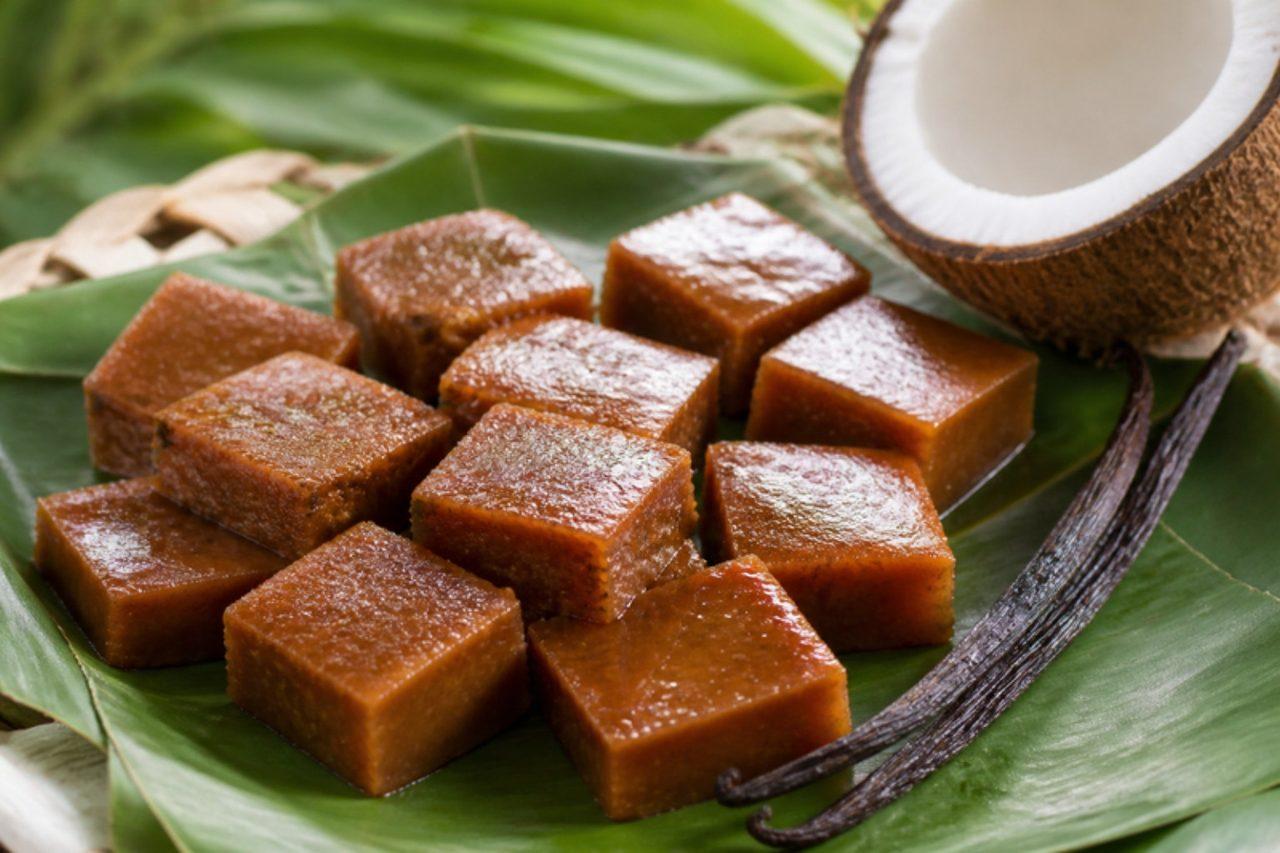
Along the northern coast around Antsiranana, and down to Mahajanga, godrogodro is a festival and family-celebration sweet, cut into diamonds and passed round at weddings, circumcision ceremonies and the New Year. Coconut milk, rice flour and dark sugar are stirred for the best part of an hour until the mixture thickens, darkens and pulls away from the pan, then it sets into a dense, sliceable fudge-like block, fragrant with vanilla and cardamom. It is rich, so small squares with a cup of tea are plenty. Stopping too early is the mistake to avoid: undercooked godrogodro stays sticky and pale and will not hold a clean edge. Chef's tip: use a heavy, non-stick pan and a flat wooden spatula that scrapes the whole base, and keep stirring as it thickens, as the bottom scorches easily.

by KrazyBadal 0 views

Mofo menakelyRice flour doughnuts

Ring-shaped and no wider than a teacup, mofo menakely are fried in wide pans of oil at dawn on the street corners of Antananarivo and Antsirabe, then sold by the bagful to people heading for the bus. Rice flour gives them a crisp, slightly sandy shell and a chewy, faintly sour crumb from the slow rise, and they are only lightly sweet, which is why the Highlands dunk them in sugary coffee. Wheat flour helps the dough hold its shape; a few cooks go all rice and shape with wet hands. Expect the batter-like dough to feel too soft at first: adding more flour to make it handleable is a mistake that leaves them dense. Chef's tip: shape each ring straight into the hot oil from a wet palm, poking the hole with a wet finger, rather than trying to roll the dough on a board.

by KrazyBadal 0 views

Vary sosoaRice soup with greens

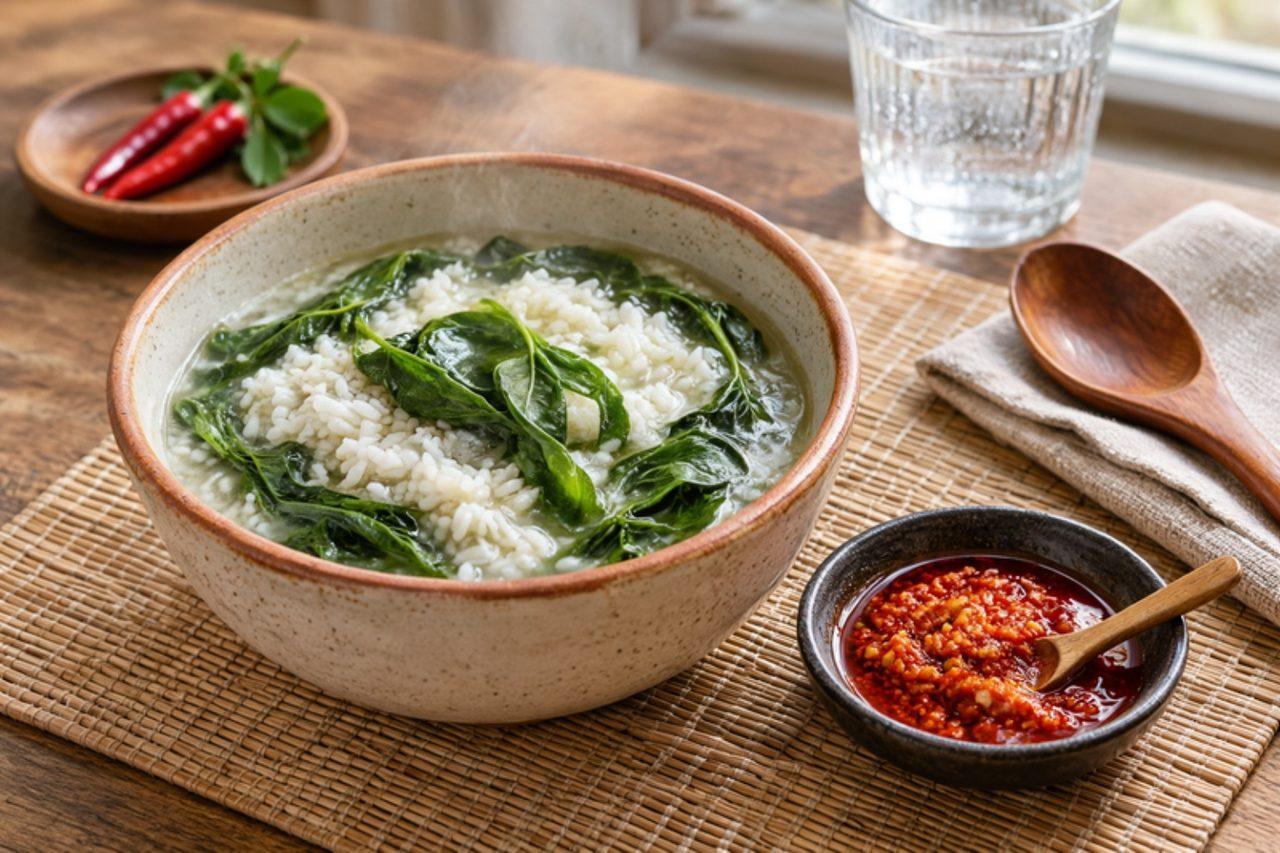
In Antananarivo and across the highlands, the day starts with a bowl of vary sosoa: rice cooked with plenty of water until the grains are soft and loose in their milky cooking liquid, wetter than plain rice but not as smooth as congee. Stalls serve it with kitoza (dried meat), eggs or a spoon of fiery sakay; this vegan version tops it with garlicky greens and homemade sakay chilli paste. The common mistake is stirring it like risotto, which makes it gluey; stir only now and then. Chef's tip: make the sakay the day before; the ginger and chilli mellow overnight in the oil.

by KrazyBadal 0 views

Akoho sy sakamalaoGinger and garlic chicken

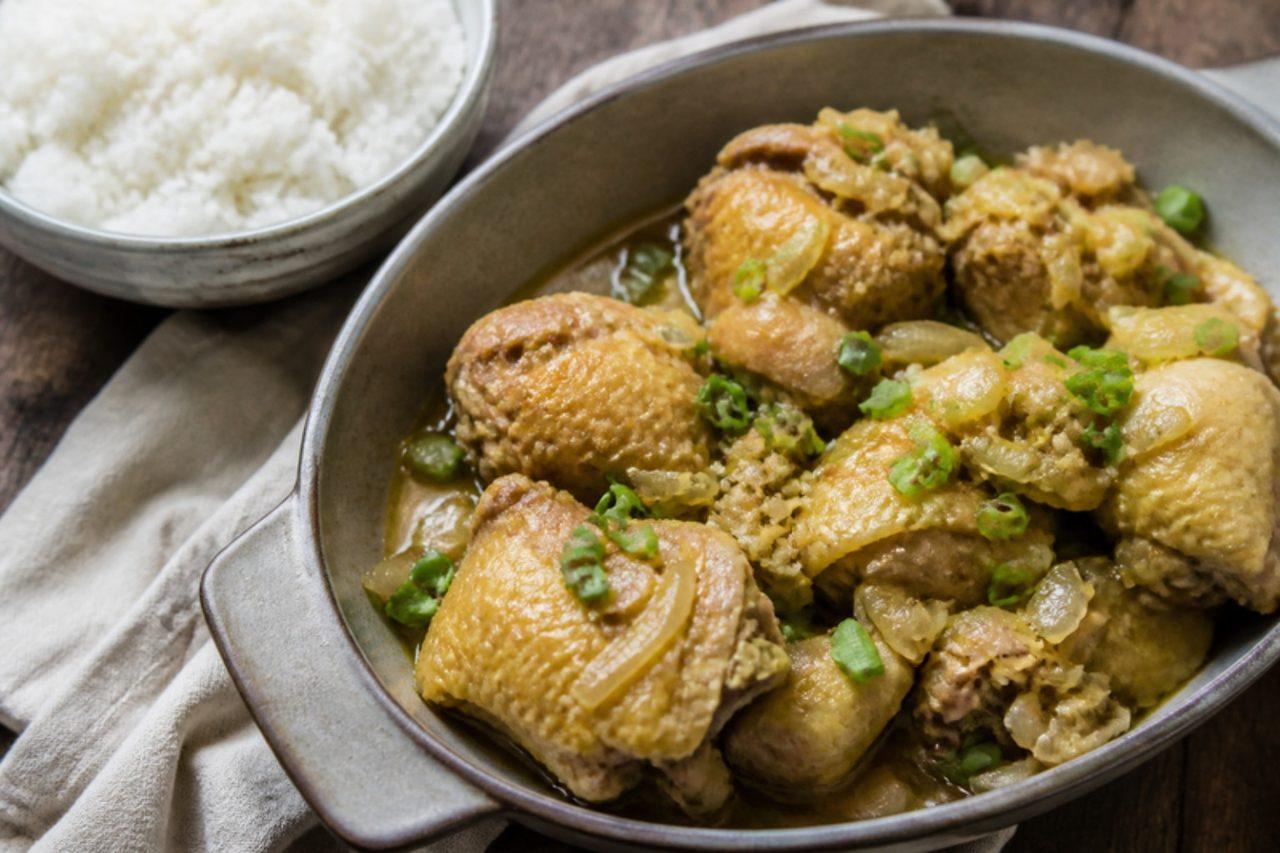
Sakamalao means ginger, and Malagasy cooks are generous with it: this everyday braise from family kitchens across the island uses a whole fist of the root, along with a full head of garlic and soft onions. Bone-in chicken is browned, then simmered gently in its own juices until the meat slides off the bone and the sauce turns golden, sticky and warming, with ginger heat that lingers rather than burns. Serve it with a big plate of rice, a dish of romazava greens or lasary, and sakay for anyone who wants more fire. Many people rush the onions; give them time to turn soft and golden, because they become the body of the sauce. Chef's tip: pound the ginger and garlic together into a coarse paste rather than slicing them, so they melt into the sauce and coat every piece of chicken.

by KrazyBadal 0 views

KitozaSmoked dried beef strips

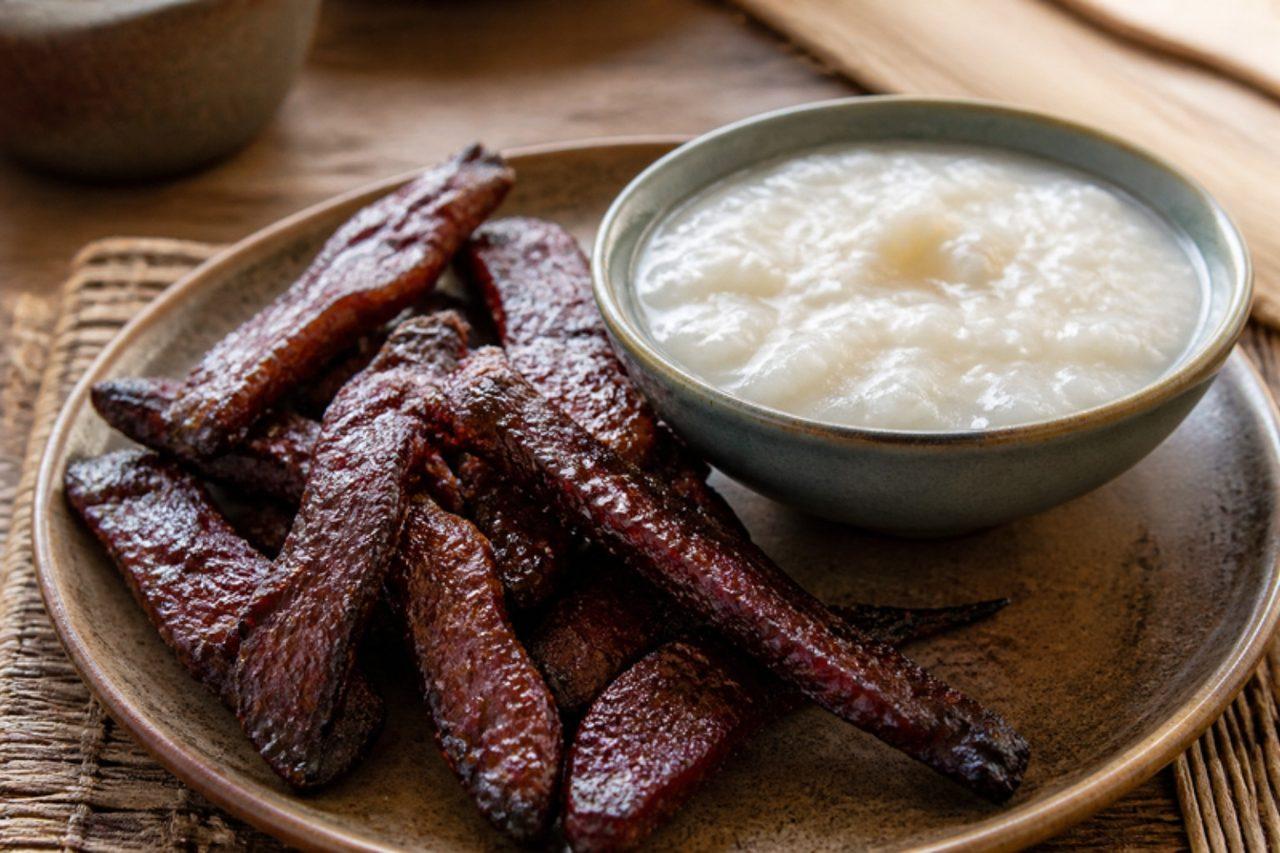
Butchers in the Highland markets of Antananarivo and Ambositra hang long, dark strips of kitoza above smoky fires, and households grill a few pieces each morning to eat with a bowl of soft rice. The meat is lean, cut with the grain, seasoned with salt, garlic, ginger and pepper, then dried until it is chewy and concentrated; a quick grill before serving gives it a smoky, salty crust. This home version uses beef in place of zebu and, for safety, cooks the strips to 71 °C in the oven before drying them slowly at a low heat. It is not for pregnant women, young children or anyone with a weakened immune system. The common mistake is cutting the strips too thick, which leaves them leathery outside and damp inside. Chef's tip: half-freeze the beef for an hour so you can slice it in even 5 mm strips.

175 minMalagasyMeatGluten free
by KrazyBadal 0 views

Huevos a la copaSoft-boiled eggs in a glass

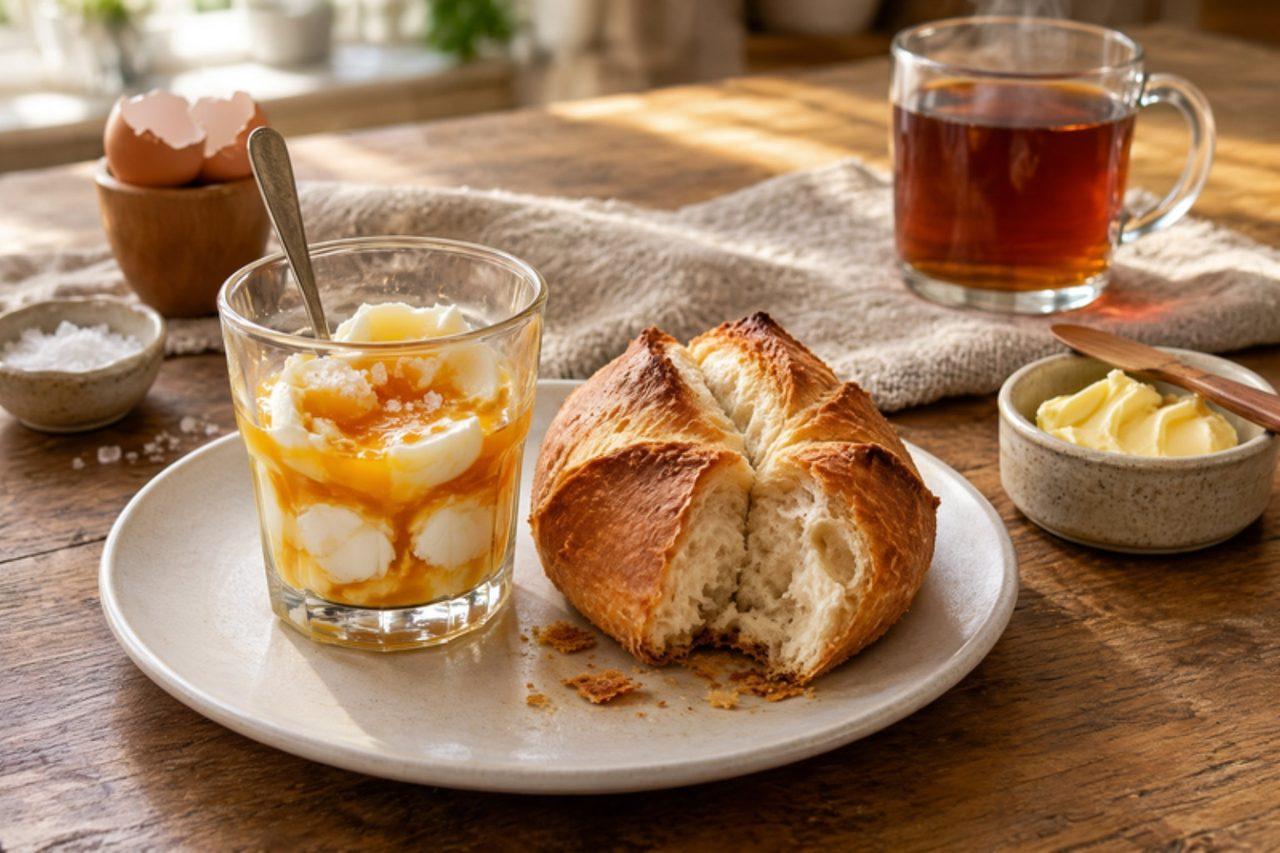
In Chilean homes, huevos a la copa are a weekday breakfast and a sick-day comfort: eggs boiled until the whites are just set and the yolks still runny, then scooped out of their shells into a small glass (the copa), broken up with a spoon, salted and eaten with warm marraqueta for dipping. The common mistake is timing from cold water, which makes the result unpredictable; lower the eggs into water that is already boiling. Runny yolks are not suitable for pregnant people, young children, older or vulnerable people; for them, boil the eggs for 9–10 minutes until fully set. If you need it gluten free, serve with gluten-free bread. Chef's tip: a tiny knob of butter stirred into the hot egg in the glass makes it silky.

by KrazyBadal 1 views

Showing 24 of 183 recipes

Show more recipes

Page 1 of 8