Skip to content
Recipes

All recipes

Vegetarian, or something you can't eat? Set your diet once and we'll hide recipes that don't fit.

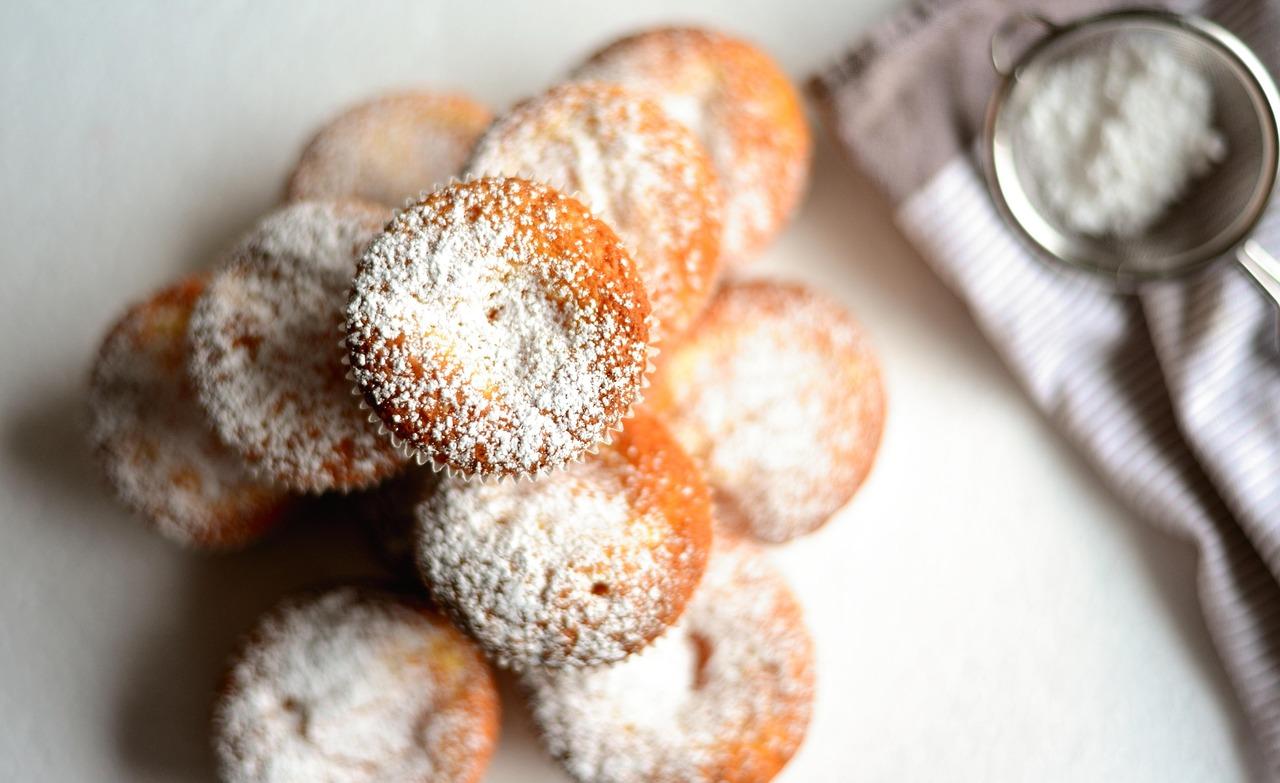
Shuku shuku

In old Lagos bakeries and in Yoruba homes before Christmas and Eid, shuku shuku are rolled by the tray: grated coconut and sugar bound with egg yolks and a little flour, rolled in more flour and baked until the outside is golden and crunchy and the middle stays chewy and sweet. Children snack on them after school and they keep well in a tin for visitors. Contains egg, coconut and wheat. The mistake is baking them on a high heat so they colour before the centre sets; a moderate oven gives an even, toasty crust. Chef's tip: freshly grated coconut gives the moistest balls, but if you use desiccated, soak it in 4 tablespoons of warm milk or water for 10 minutes first.

by KrazyBadal 0 views
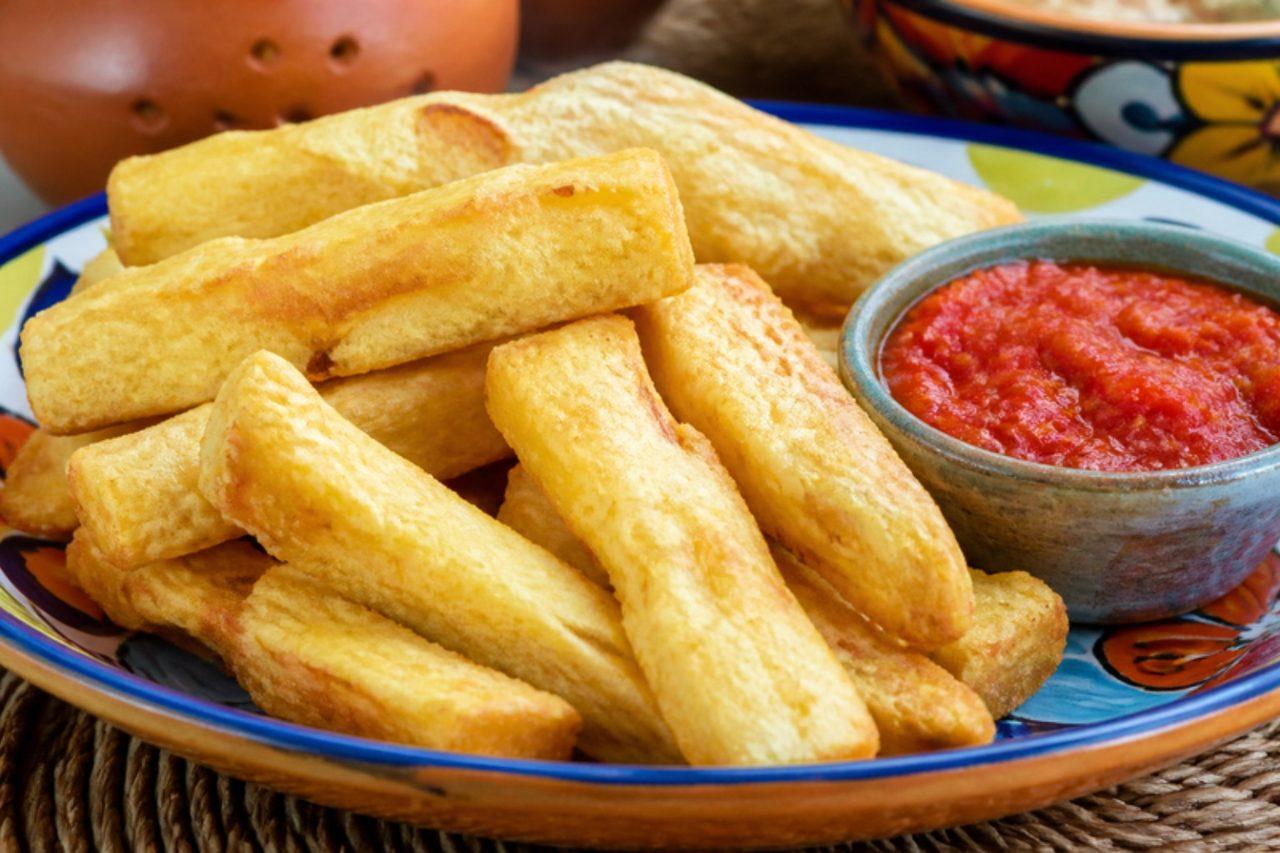
Yamarita

Small-chops trays at Lagos weddings and naming ceremonies always carry a few golden batons of yamarita beside the puff-puff and samosas, and home cooks make it on Saturday mornings from the end of a tuber of white puna yam. The yam is boiled just tender, coated in seasoned flour and a beaten egg spiked with scotch bonnet and onion, then fried so the outside puffs into a thin, savoury crust over a fluffy, starchy centre. Serve it hot with a dip of fried pepper sauce or ketchup for children. Contains egg and wheat. The mistake to avoid is boiling the yam soft: overcooked sticks break in the batter and soak up oil, so stop when a knife slides in with a little resistance. Chef's tip: let the boiled sticks steam dry on a rack for five minutes before flouring; a dry surface is what makes the egg cling.

by KrazyBadal 0 views
Nigerian doughnuts

Long before chain doughnut shops reached Abuja, Nigerian bakeries and roadside hawkers in Onitsha, Enugu and Lagos sold these plump, unfilled rings and rounds, wrapped in paper and still warm, and mothers fried them by the trayful for birthday parties. The dough is enriched with milk, egg and butter and scented with nutmeg, so the crumb is soft and bready rather than cakey, and each one is rolled in sugar while hot. Contains wheat, milk and egg. A common mistake is frying in oil that is too hot: the outside goes dark brown while the centre stays doughy, so keep it at 170 °C and test the first one. Chef's tip: after cutting, let the rounds rise a second time on floured baking paper, then lift each one on its square of paper into the oil so it keeps its puffy shape.

by KrazyBadal 0 views
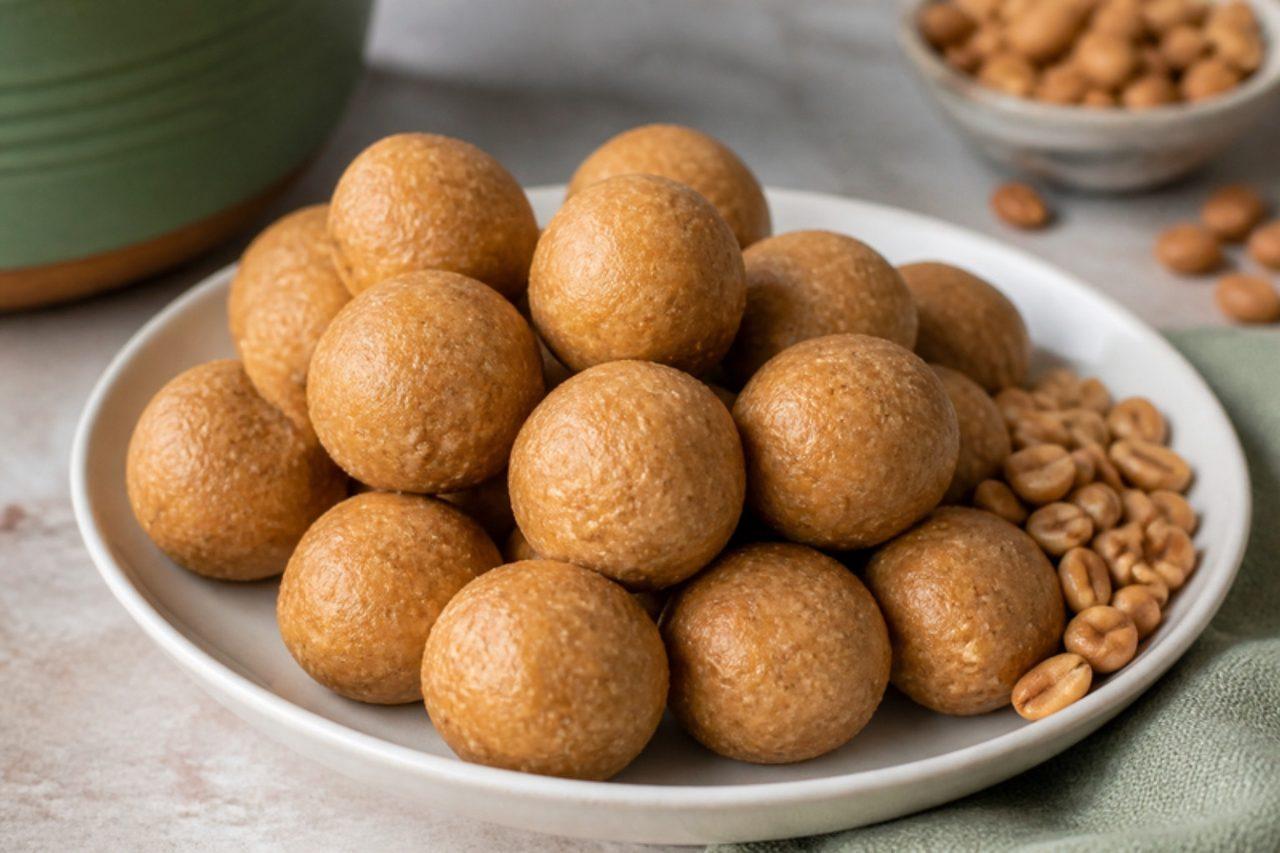
Donkwa

Children in Kano and Sokoto buy donkwa from trays at the market gate, and in Yoruba towns it is sold as a sweet-hot snack on the walk home from school: firm little balls of toasted corn flour pounded with roasted groundnuts, sugar and a pinch of dried pepper, bound by the nuts' own oil. They are crumbly, nutty and gently spicy. Contains peanut. The common mistake is under-toasting the corn: raw corn flour tastes chalky and floury, so keep stirring until it is pale biscuit-coloured and smells like popcorn. Chef's tip: if the mixture won't hold, add the oil drop by drop and squeeze each ball hard in your fist before rolling it smooth.

by KrazyBadal 0 views
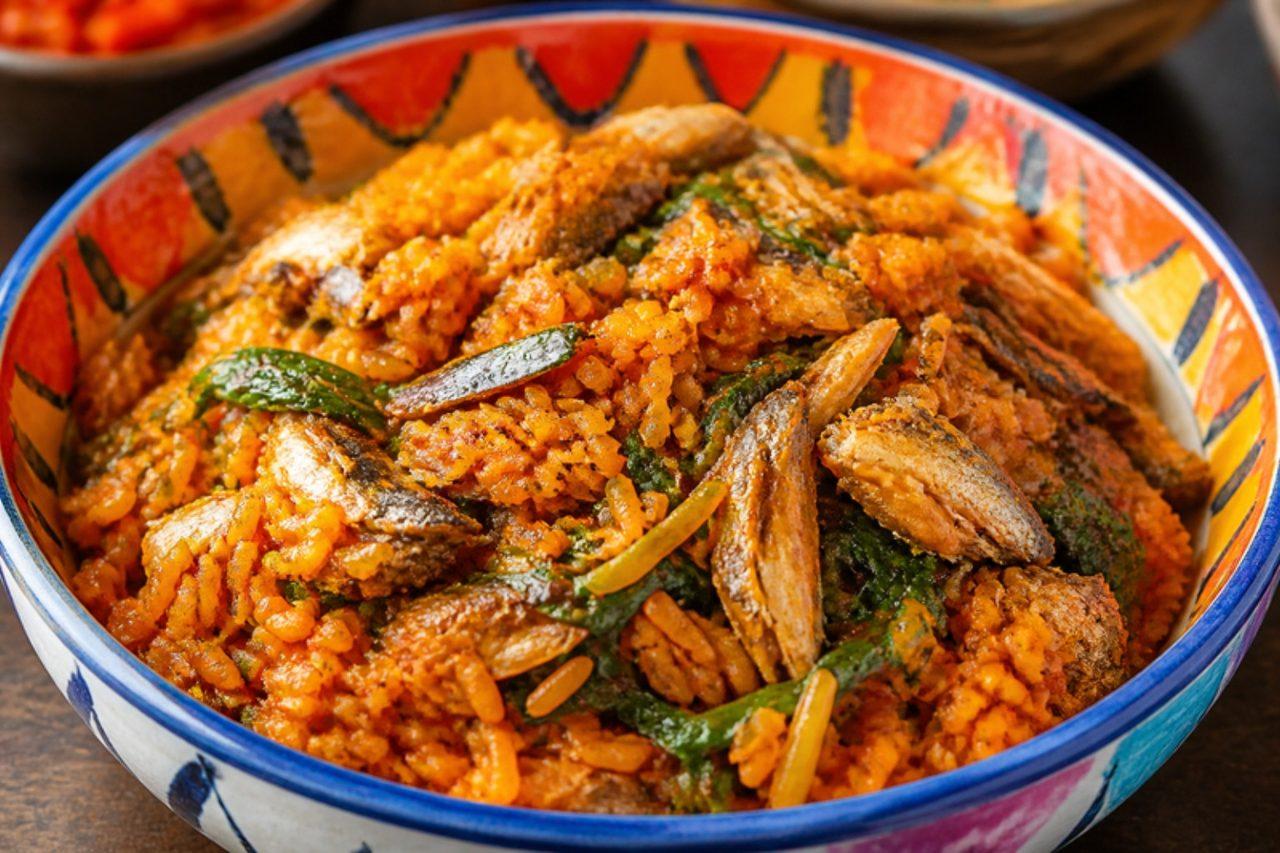
Iwuk edesi (palm oil rice)

In Calabar and across Efik and Ibibio country, iwuk edesi is weekday cooking: rice simmered in one pot with red palm oil, onions, scotch bonnet, ground crayfish and flaked smoked fish, then finished with a handful of scent leaves or ugu so it smells peppery and green. Elsewhere in Nigeria people call it native or palm oil rice, and it turns up at village gatherings by the potful. The rice is orange-gold, a little oily and deeply savoury. Crayfish is shellfish, so take care with allergies. The common mistake is burning the palm oil until it smokes and turns pale; warm it only until it shimmers and it keeps its colour and nutty taste. Chef's tip: pick through the smoked fish carefully for bones and soak it in hot salted water for 10 minutes; it softens and loses its grit.

by KrazyBadal 0 views

Nigerian egg roll

Sold from glass cases in Lagos bus parks and school tuck shops, and packed for long road trips to the village at Christmas, the egg roll is a whole hard-boiled egg hidden inside a thick, slightly sweet fried dough, a cousin of the Scotch egg that needs no meat. Bite through the crisp, golden shell to a soft bready layer and then the egg. Contains egg, wheat and milk. The mistake most people make is frying too hot and too fast, which browns the dough before the inner layer cooks; fry gently at 160 °C so the heat reaches the middle. Chef's tip: roll each boiled egg in a little flour before wrapping it, or the dough slips off the smooth white and leaves a gap.

by KrazyBadal 0 views

Nigerian custard

In homes across Nigeria, from Kaduna to Benin City, custard is a breakfast drink-porridge as much as a pudding: custard powder is mixed to a paste, then set in seconds with a kettle of boiling water and finished with evaporated milk and sugar. Bowls of it are eaten hot with akara or moi moi, the sweet custard against the peppery bean cakes. The mistake is using water that has gone off the boil; it must be furiously boiling or the custard stays thin and floury. Custard powder is mostly cornflour, but check the label if you need it gluten-free. Chef's tip: stir the boiling water in with one hand while you pour with the other, in a steady stream, and the custard sets glossy and lump-free.

by KrazyBadal 0 views

Baba dudu

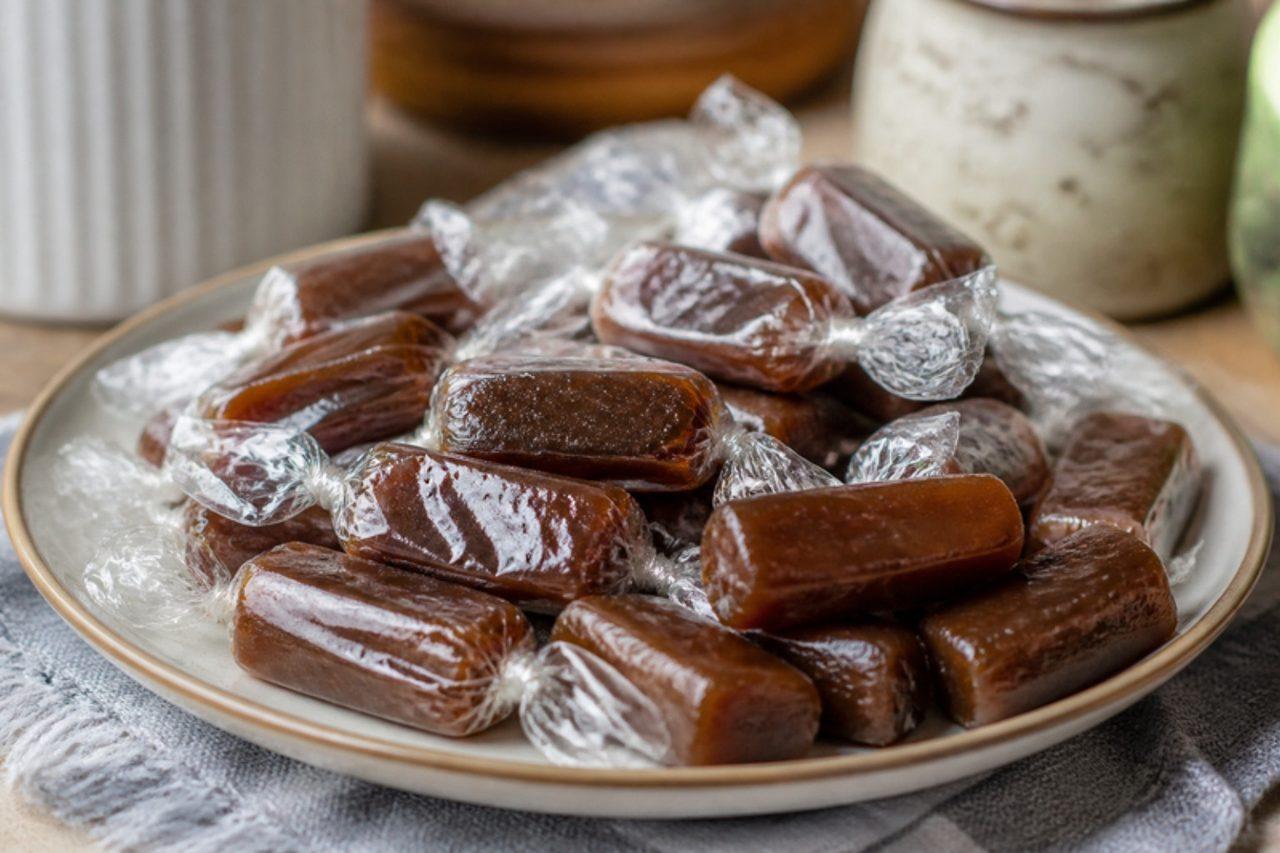
Yoruba children of the 70s and 80s remember baba dudu, "the black one", bought for a coin from sweet sellers outside school gates in Ibadan and Abeokuta: sugar and butter cooked until almost black, then pulled and cut into small chewy pieces that taste of toffee and burnt caramel. It is easy to make at home, but hot sugar burns badly, so keep children away from the stove. The candy is a choking risk for small children and isn't suitable for under-1s. The mistake is taking it off the heat too early: pale caramel stays soft and sticky, so wait until it is the colour of strong tea and a drop sets firm in cold water. Chef's tip: oil your scissors and cut the strip while it is warm and pliable; once cold it shatters.

by KrazyBadal 0 views

Nigerian coconut rice

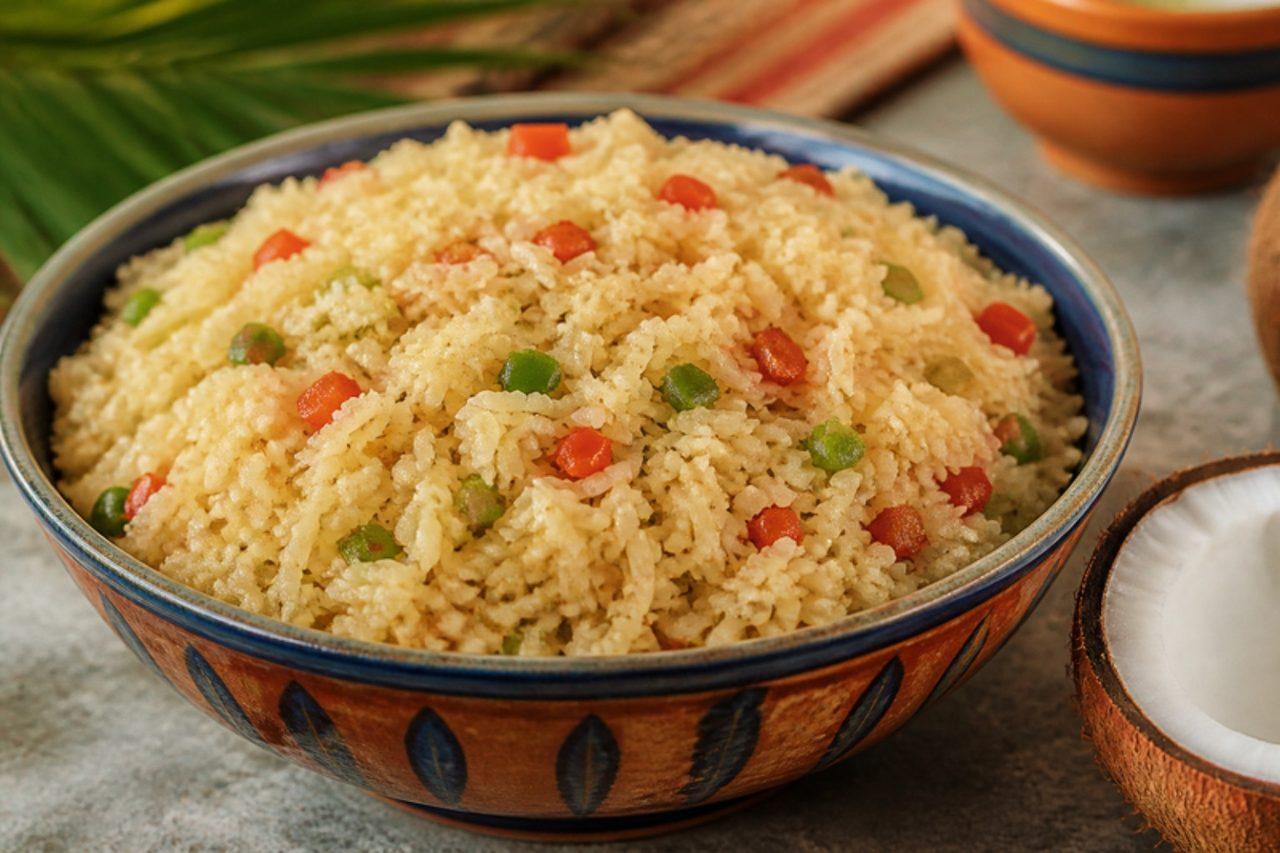
On Sundays in Lagos and at parties along the coast, coconut rice is the gentler cousin of jollof: long-grain rice cooked in fresh coconut milk with a blended pepper base, thyme, curry and a spoonful of ground crayfish, so it comes out creamy-orange, fragrant and lightly smoky-savoury. Serve it with fried plantain, peppered chicken or a fish stew. Crayfish is dried shellfish, so avoid it with a shellfish allergy. The mistake to avoid is adding all the coconut milk and water at the start and stirring often: the starch breaks and the rice turns porridgey. Wash the rice well, measure the liquid, cover tightly and leave it alone. Chef's tip: if you can, grate one fresh coconut and squeeze it with warm water twice; the first thick milk goes in at the end for a richer finish.

by KrazyBadal 0 views

Kunun tsamiya

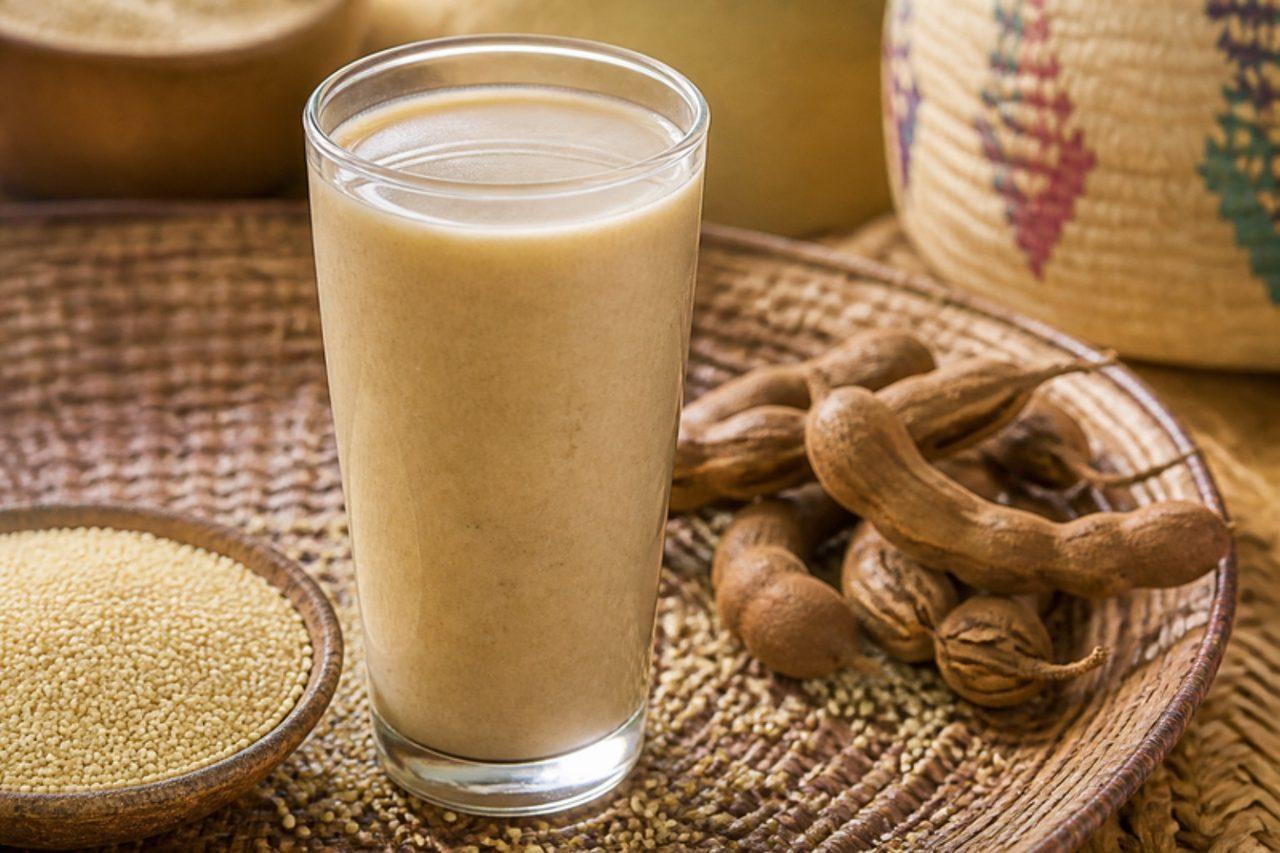
When the Ramadan fast breaks in Kano and Katsina, gourds of warm kunun tsamiya appear on mats beside dates and kosai: a thin, pourable millet porridge-drink, tart from tamarind (tsamiya), warmed with ginger and cloves and sweetened to taste. It is soothing, slightly sour and very filling, and Hausa mothers also give it at breakfast in the cold harmattan months. The mistake is pouring the millet paste into water that isn't boiling, which leaves it raw-tasting and lumpy; it must go into a rolling boil while you stir. Chef's tip: stop when it just coats the back of a spoon; kunun keeps thickening as it cools and should stay drinkable.

by KrazyBadal 0 views

Adalu

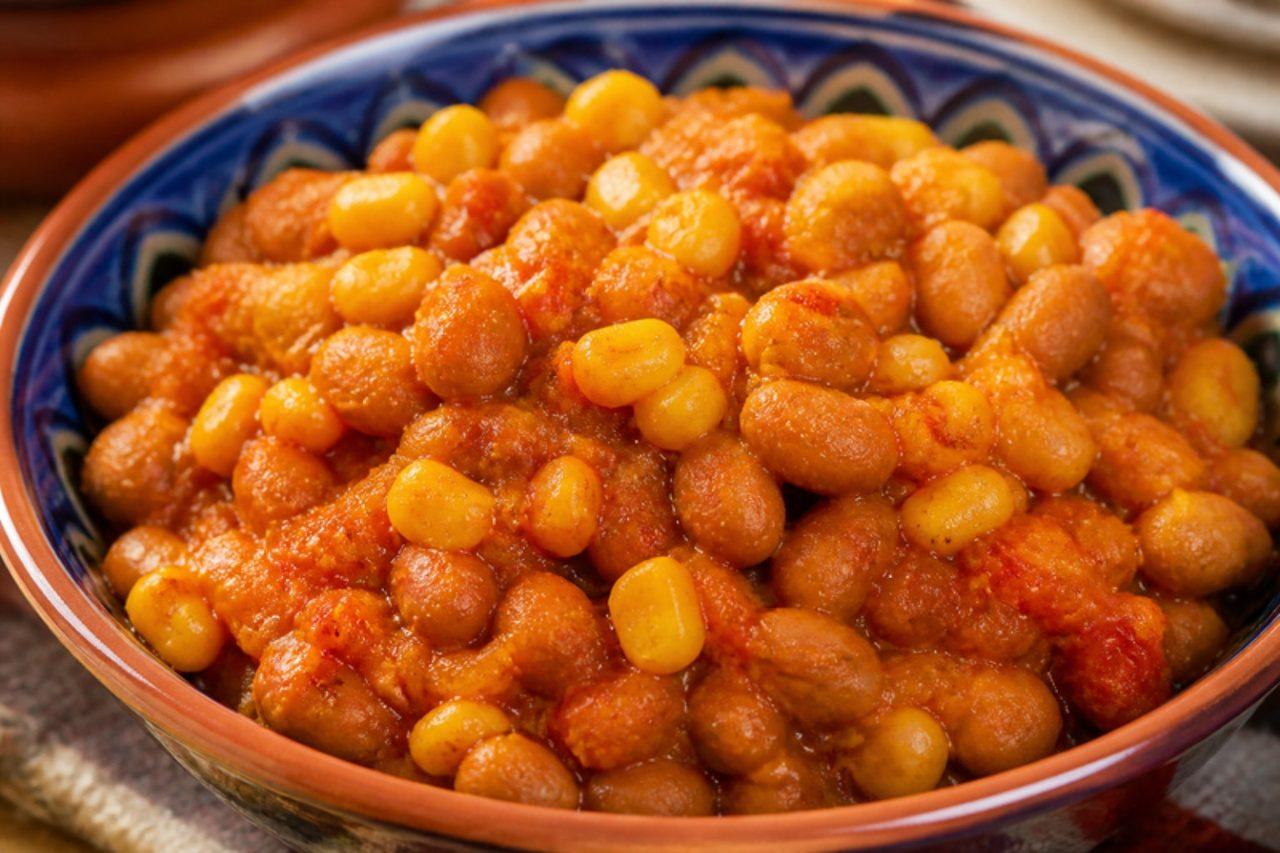
Across Yorubaland, from Abeokuta to Ibadan, adalu is the pot of beans and corn that keeps a family going: brown beans cooked until they collapse, sweetcorn stirred through for pops of sweetness, and a base of red palm oil, onion and blended pepper. People eat it for breakfast or an early lunch, often with fried plantain or a hunk of agege bread. It is soft, creamy and slightly sweet-savoury. Many cooks add ground crayfish; this version is vegan. The mistake is adding salt and stock cubes while the beans are still hard, which stops them softening; season only once they mash easily. Chef's tip: mash a ladle of the cooked beans against the side of the pot before adding the corn; it thickens the sauce without any flour.

by KrazyBadal 0 views

Jollof spaghetti

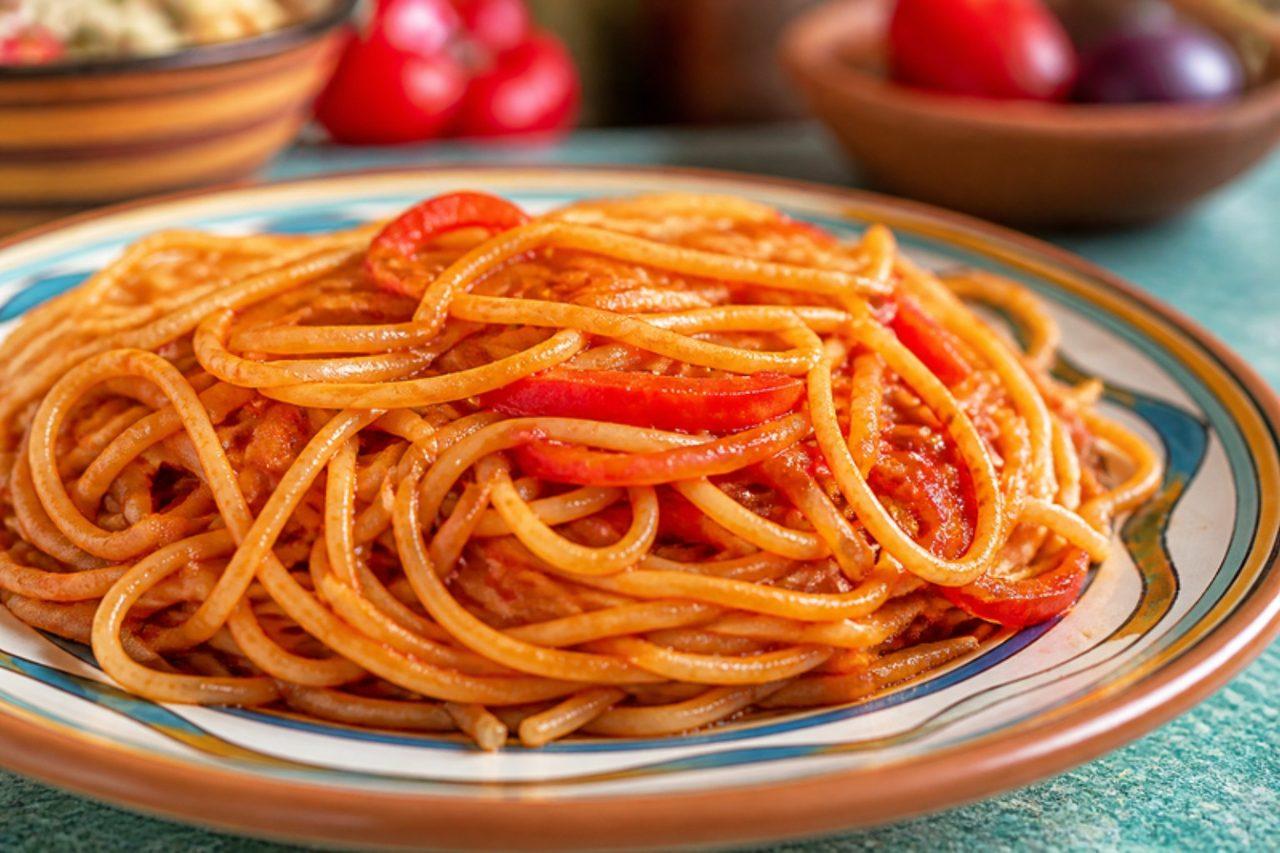
In student hostels in Nsukka and Ife and in busy family kitchens across Nigeria, jollof spaghetti is what happens when there is no time for rice: broken spaghetti simmered straight in a fried tomato and pepper base with thyme and curry, so every strand turns orange and soaks up the flavour. It is a weekday lunch, a school-holiday favourite and a Saturday breakfast. This version is vegan and only mildly hot for children; add more scotch bonnet for adults. The usual slip is boiling and draining the pasta first, which leaves it bland with sauce sliding off; cook it in the sauce itself. Chef's tip: let the pan sit on the heat for the last two minutes without stirring so a thin smoky layer catches at the bottom, the party-jollof taste.

by KrazyBadal 0 views

Ose oji

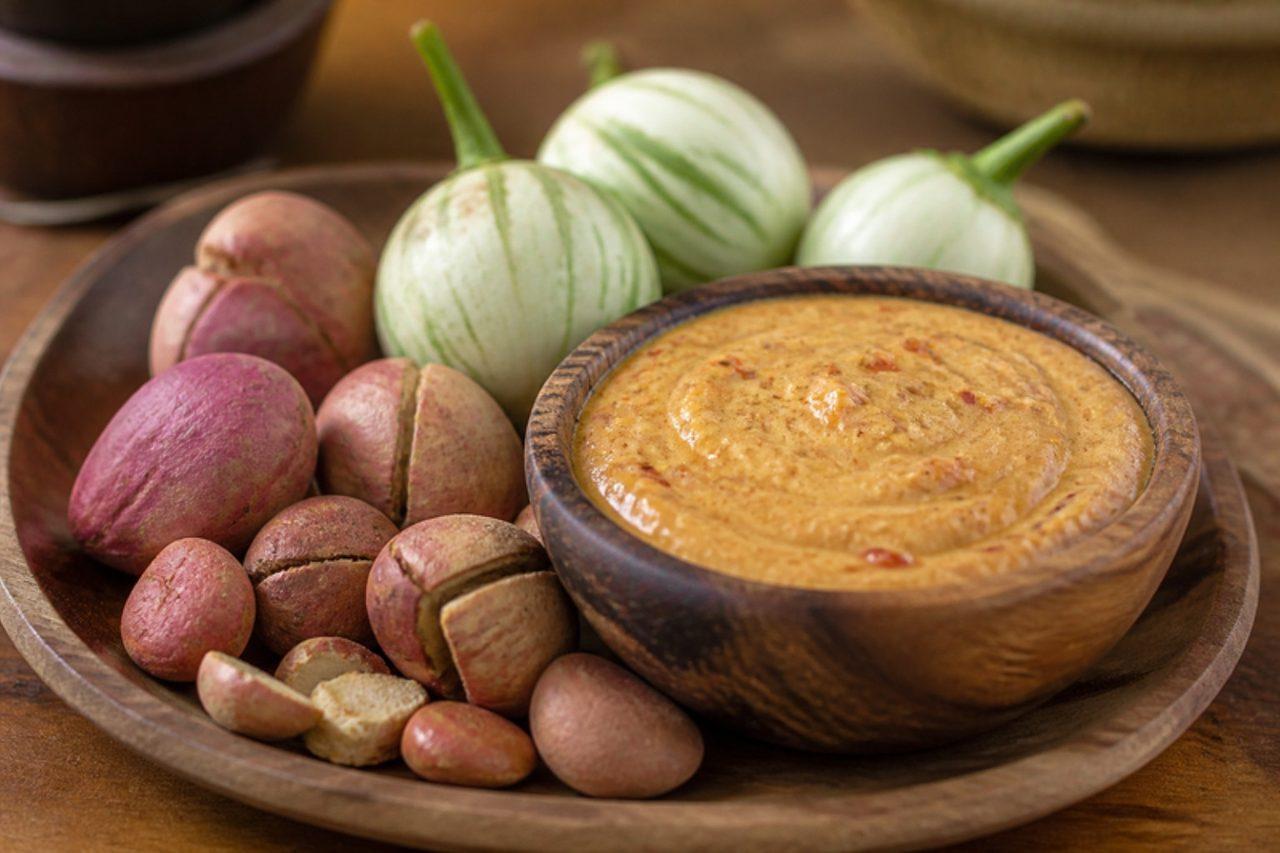
In Igbo homes from Enugu to Owerri a guest is welcomed with kola nut, and the kola is never served alone: beside it sits a saucer of ose oji, peanut butter mashed with ground dried pepper and a little salt, sometimes with uda or ginger. Elders break the kola, pray, and everyone dips. It is equally good with crunchy garden eggs (small white African aubergines) or cucumber. Contains peanut. Kola nut is a strong caffeine stimulant, so it is for adults only, not for children or pregnant women; serve the garden eggs to everyone else. The mistake is making the paste runny with water: it should be thick enough to cling to a slice without dripping, so loosen with oil instead. Chef's tip: toast the dried pepper in a dry pan for 30 seconds before grinding; the smoky heat is what makes ose oji taste right.

by KrazyBadal 0 views

Sweet potato pottage

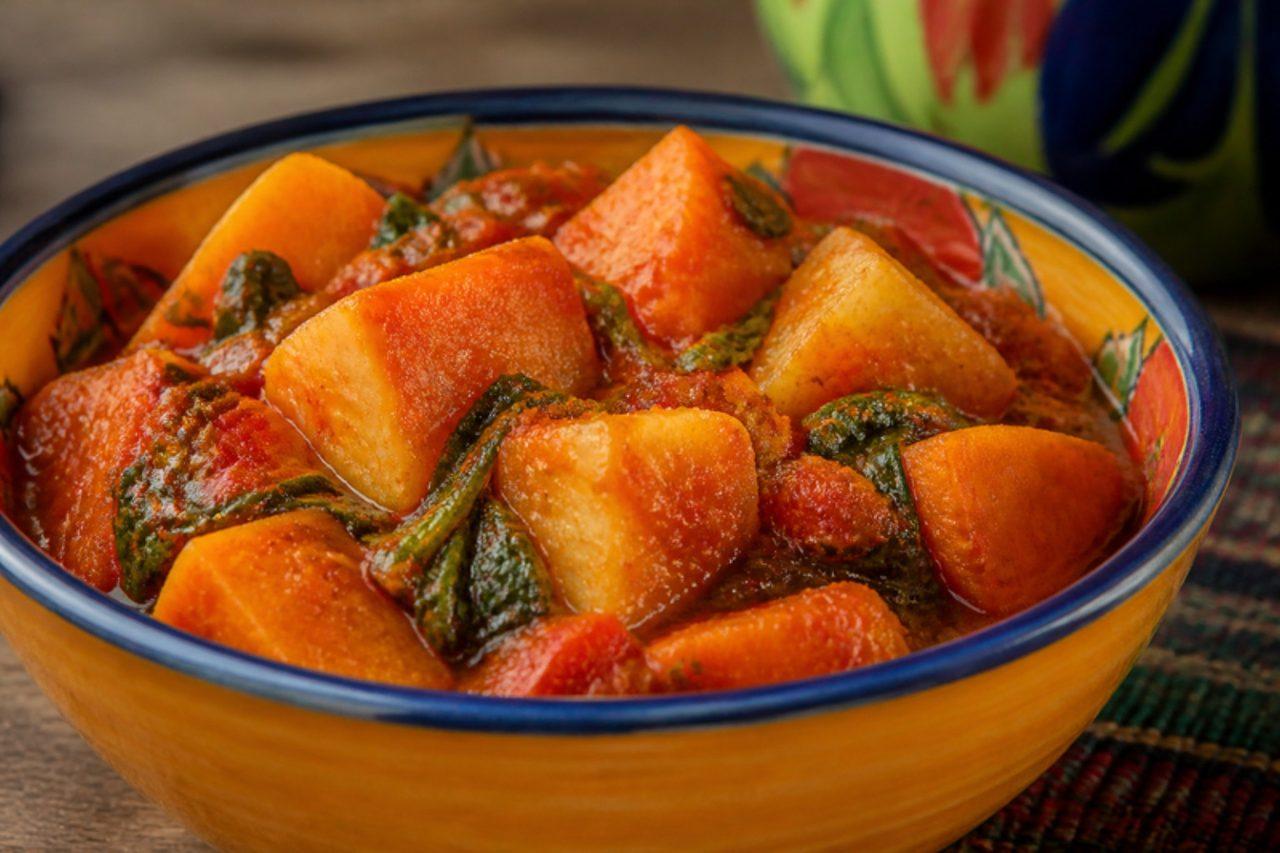
Yam pottage (asaro) is the famous one, but in homes from Ogun to Benue the same one-pot method is used for sweet potatoes when they are cheap in the market. Chunks of white or orange sweet potato are simmered in red palm oil with onion and blended pepper until some pieces collapse into a thick, glossy sauce and others hold their shape, then a handful of greens goes in at the end. It is a filling breakfast or light lunch, sweet, peppery and soft. Vegan as written; many cooks add crayfish. The common mistake is stirring hard from the start, which turns everything to mush; leave it alone until the last few minutes. Chef's tip: mix a white-fleshed and an orange sweet potato; the white one gives body and the orange one sweetness and colour.

by KrazyBadal 0 views

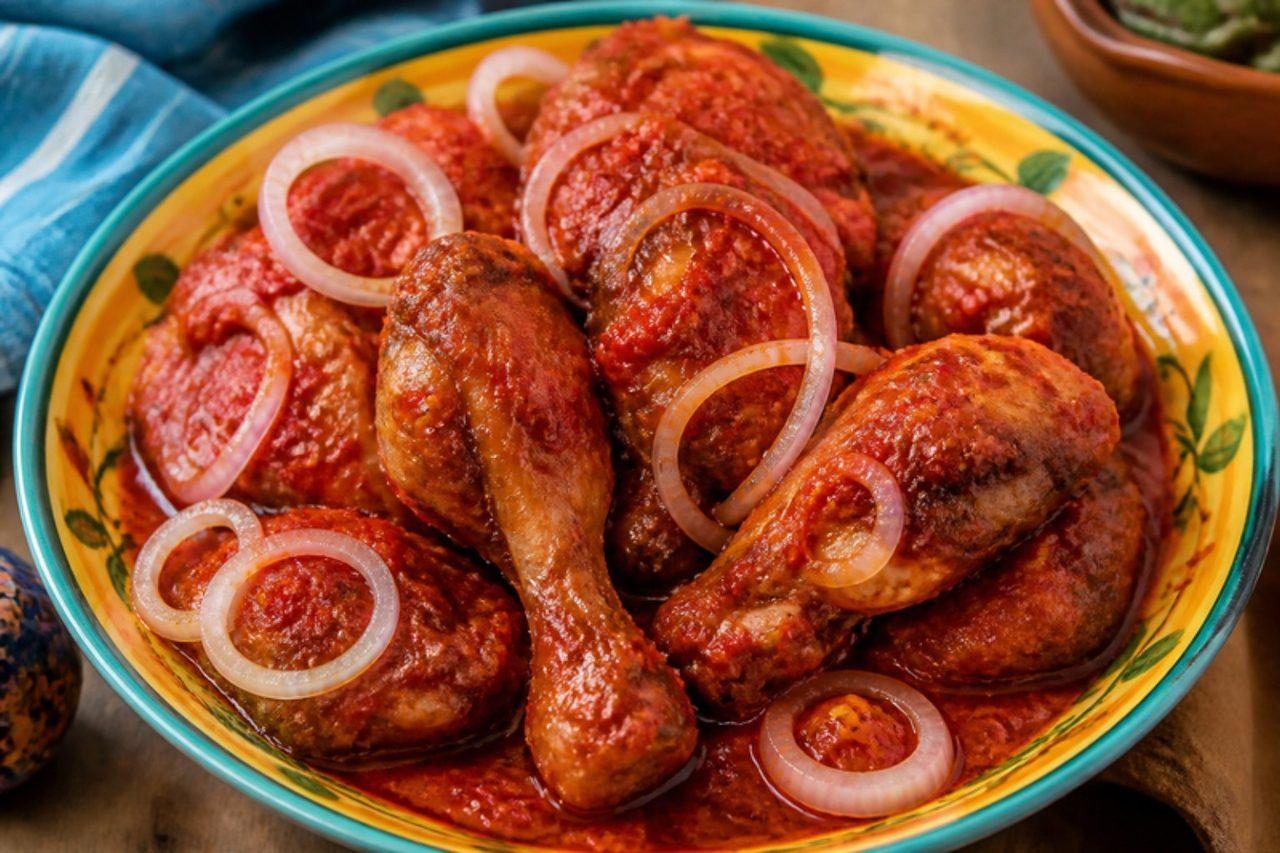
Nigerian peppered chicken

No Nigerian party is complete without a tray of peppered chicken, or peppered turkey at Christmas, passed round at weddings in Port Harcourt and Lagos and sold in packs at Sunday small-chops stalls. The pieces are first boiled in an onion, thyme and curry stock, then fried until the skin crackles, and finally tossed in a glossy, fiery sauce of blended scotch bonnet, red pepper and onion. Expect heat, a little sweetness and plenty of onion. The usual mistake is skipping the boil and frying raw chicken: the outside burns before the bone is cooked. Boil first, fry hot, and check the thickest piece reaches 74 °C. Turkey wings or drumsticks work the same way with 15 minutes more boiling. Chef's tip: keep the stock from the boil and splash a ladleful into the pepper sauce; it carries the seasoning into every crevice.

by KrazyBadal 0 views

Nigerian salad

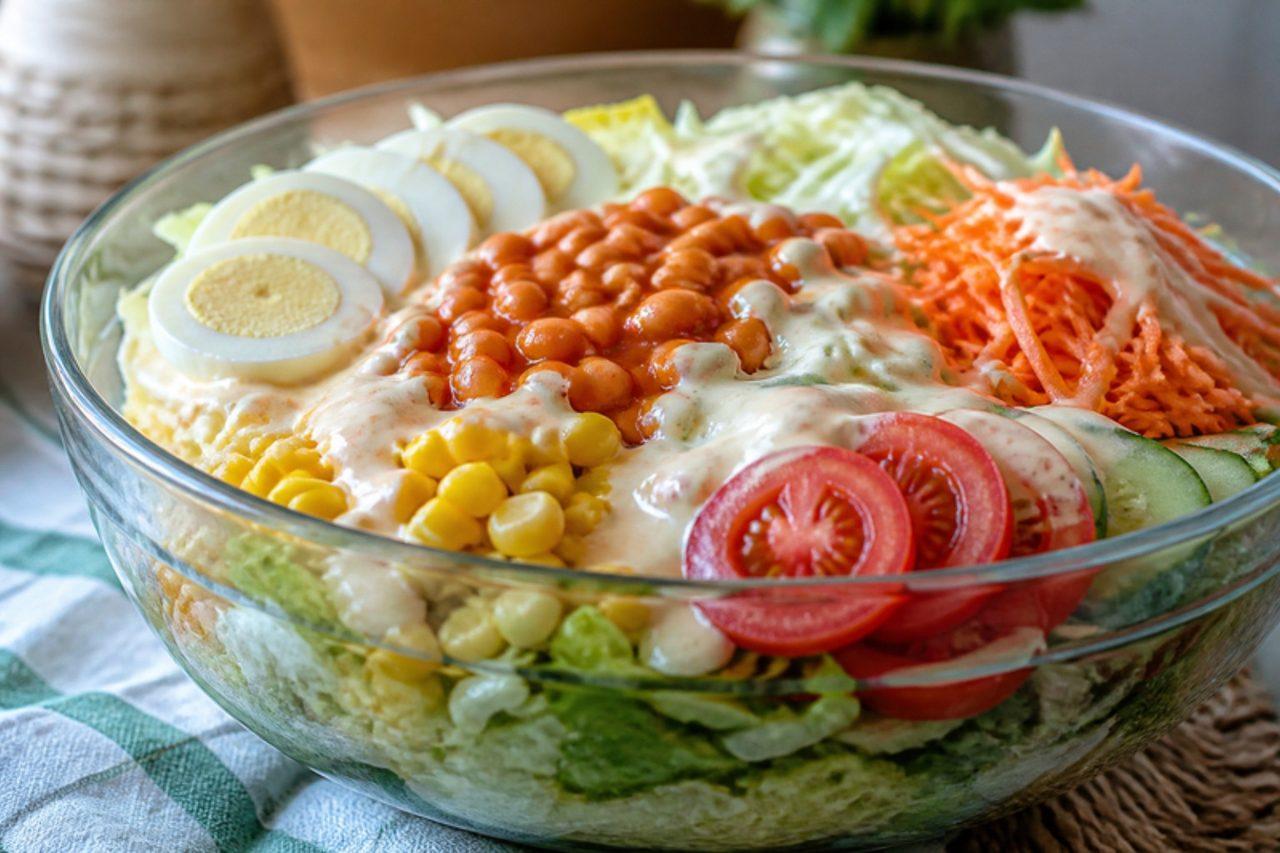
At owambe parties in Lagos and Ibadan, and on Christmas and Sallah tables right across the country, a big glass bowl of Nigerian salad sits next to the jollof and fried rice, piled in neat stripes of shredded lettuce, cabbage, carrot, sweetcorn, baked beans and sliced egg, then smothered in creamy salad cream. It is cool, crunchy and slightly sweet, the thing everyone reaches for between spoonfuls of peppery rice and chicken. Salad cream contains egg and mustard, so mention it to anyone with allergies. The common mistake is dressing it hours ahead: the cabbage and lettuce weep and the bowl turns watery, so layer it ahead but pour the dressing on just before serving. Many party versions add ham or corned beef; this one keeps it vegetarian. Chef's tip: soak the shredded lettuce and cabbage in iced water for ten minutes and spin them completely dry; they stay squeaky-crisp all evening.

by KrazyBadal 0 views

Awara

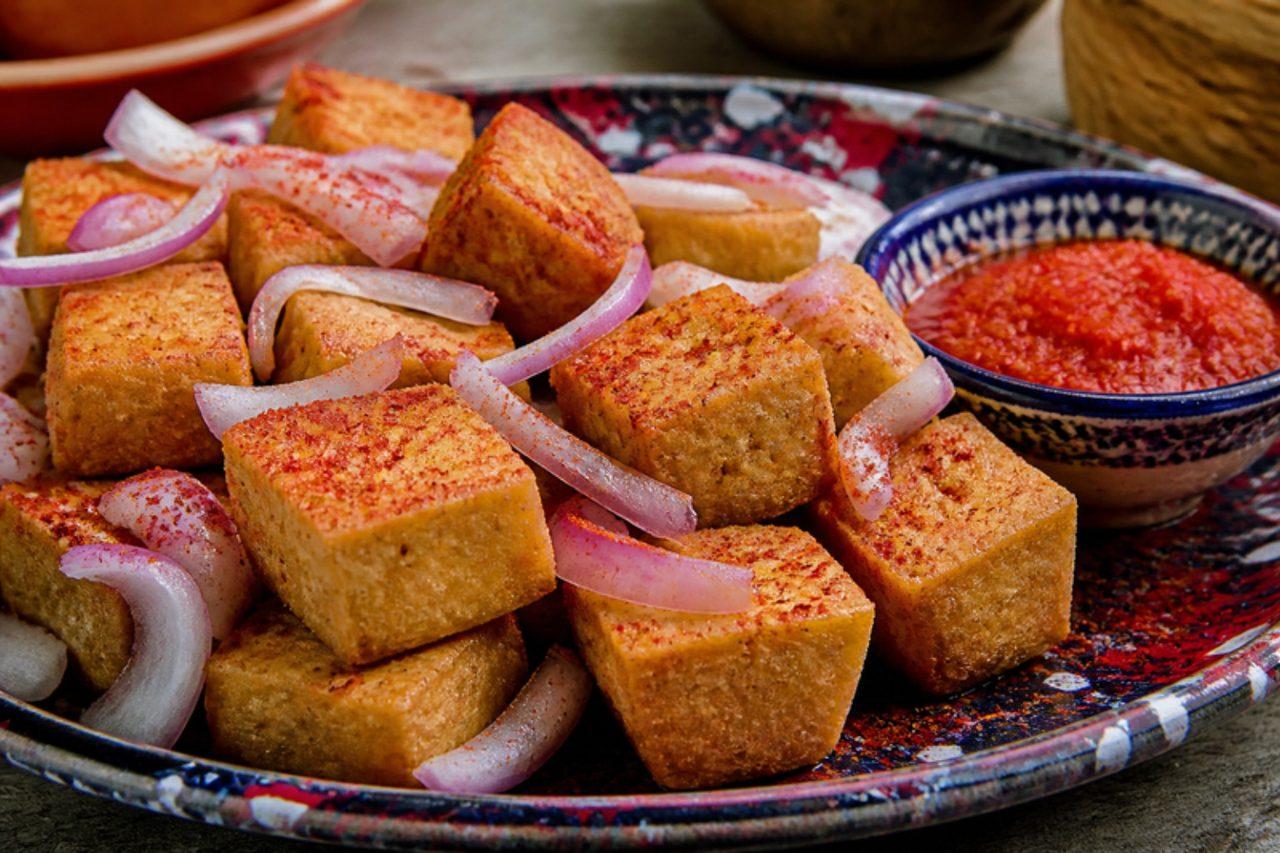
Evening hawkers in Kano, Zaria and Kaduna fry awara in wide pans of oil and sell it in paper with a sprinkle of yaji, the peanut-chilli suya spice: little cubes of homemade soybean curd that puff and turn golden outside and stay soft and tofu-like inside. It came to the North with soybean farming and is now a cheap, high-protein street snack, especially after maghrib prayers. Contains soy and peanut (in the yaji). The mistake is skipping the long boil: raw soy milk must simmer for a good 15 minutes to be digestible and taste sweet, not beany. Chef's tip: press the curd under a heavy pan for at least 20 minutes; firm awara cuts cleanly and doesn't spit in the oil.

by KrazyBadal 0 views

Nigerian peppered prawns

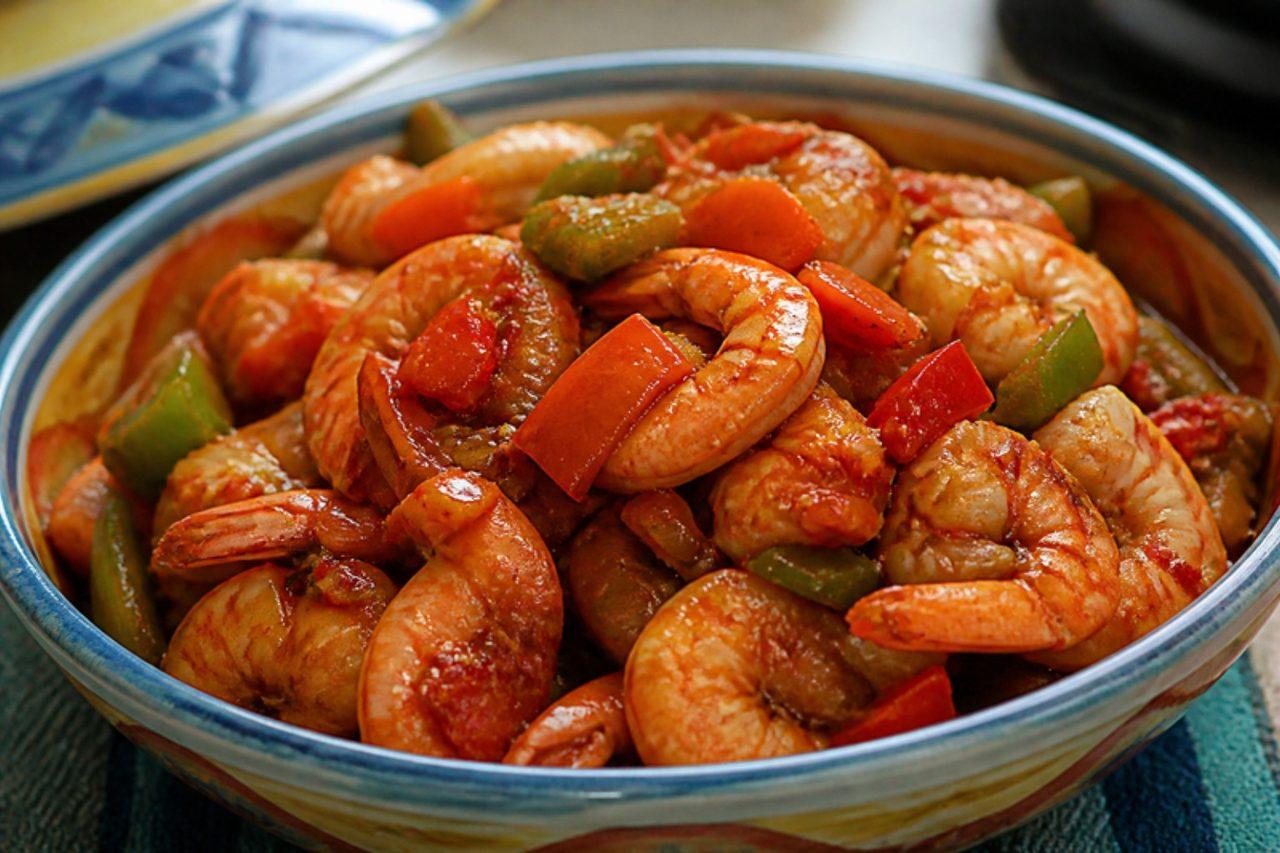
Lagos party caterers serve peppered prawns on cocktail sticks beside the peppered chicken, and at beach spots near Lekki they come in a hot pan with chilled drinks. Big prawns are seasoned, seared fast, then tossed with a blended scotch-bonnet sauce and crunchy strips of onion and pepper, so they are sweet, juicy and properly hot. Buy prawns kept cold, and throw away any that smell of ammonia or feel slimy. The mistake is cooking them too long in the sauce until they curl tight and go rubbery; sear until just pink, then toss for a minute only. Chef's tip: leave the tails on; they give guests a handle and stop the prawns curling quite so much.

by KrazyBadal 0 views

SchmorgurkenBraised cucumbers

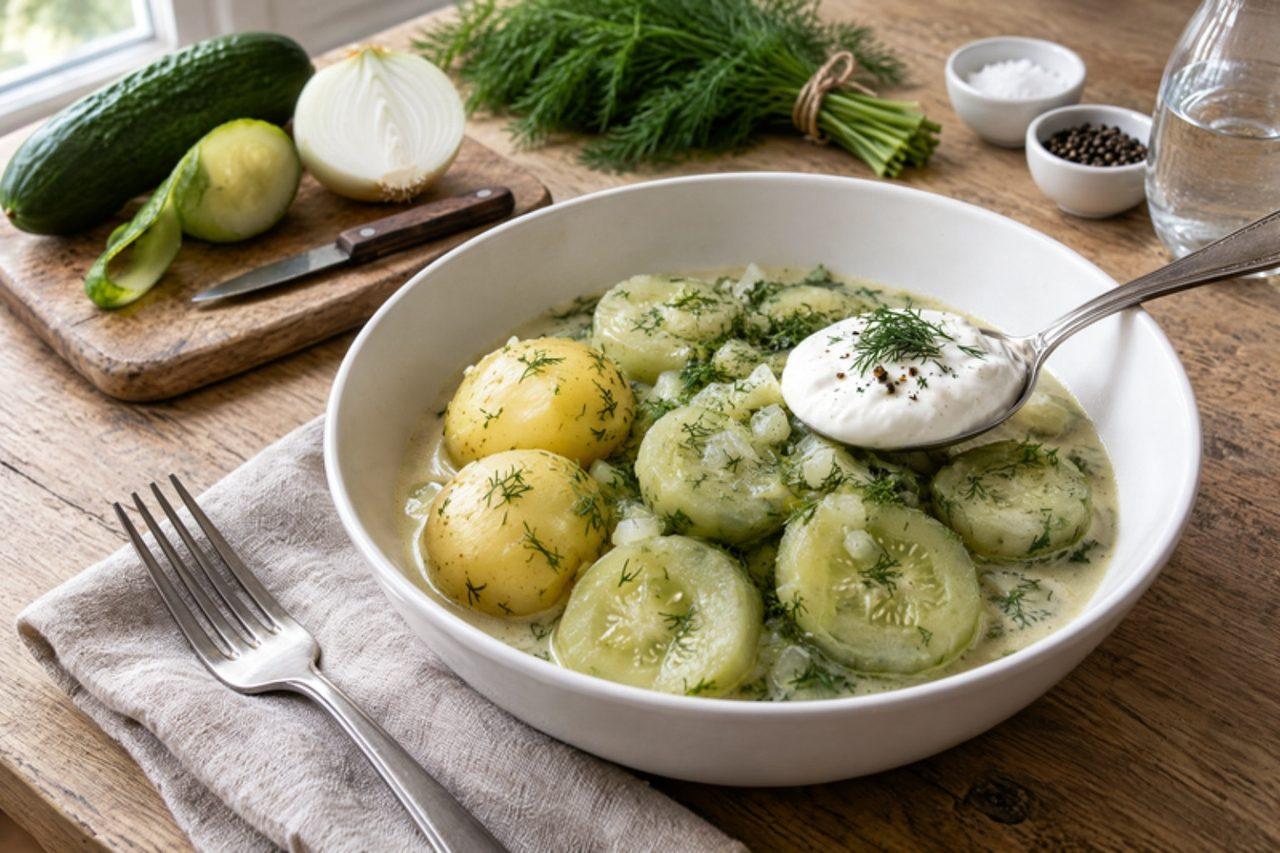
Schmorgurken are a late-summer dish of Berlin and the Spreewald, the market-garden country south-east of the city, where big, thick braising cucumbers are piled up in August. Peeled and seeded, they are braised with onion and a little stock until tender and juicy, then finished with dill, mustard and a spoon of sour cream. Many families add minced meat or bacon; this is the vegetarian version, good with boiled new potatoes or a fried egg. Suitable as part of a balanced diet, it is a low-starch vegetable dish: about 110 kcal and 9 g carbohydrate per portion. The usual mistake is braising them for too long until they collapse into mush; they are ready when just translucent. Chef's tip: scrape out the seeds thoroughly, or the dish turns watery.

by KrazyBadal 0 views

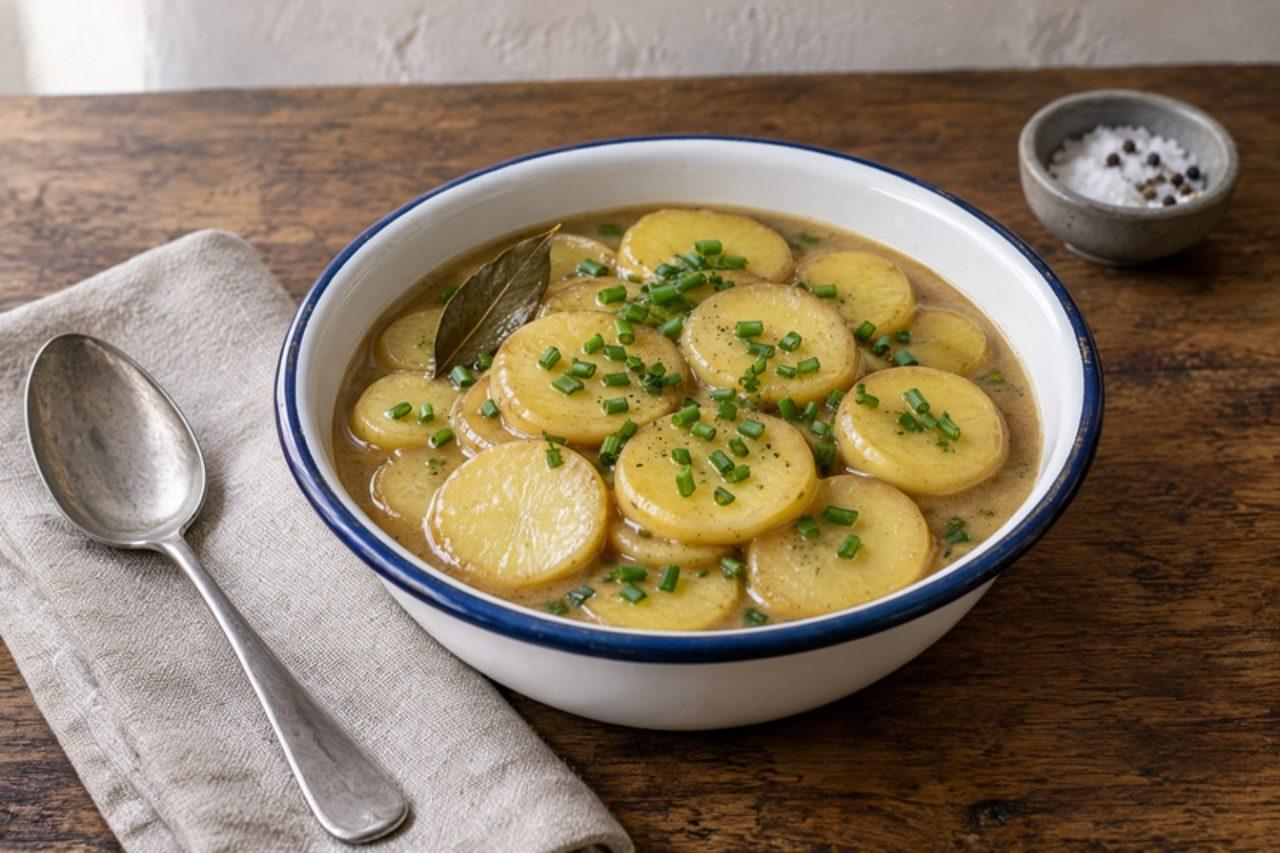
Saure KartoffelrädlePotato slices in vinegar sauce

Saure Rädle, 'sour little wheels', are old Swabian farmhouse food from the villages around Stuttgart and the Swabian Alb, cooked on Fridays or at the end of the month when there was no meat. Potato slices simmer in a nutty brown roux sauce sharpened with vinegar and scented with bay and clove, so the slices turn tender and the sauce glossy and tangy. Some families add a few pieces of bacon; this version is meat-free. Eat with a green salad or pickled gherkins. The usual mistake is rushing the roux: pale flour gives a floury, grey sauce, so brown it slowly to the colour of hazelnuts. Chef's tip: add the vinegar at the end, a splash at a time, and taste; the sauce should be pleasantly sour, not sharp.

by KrazyBadal 0 views

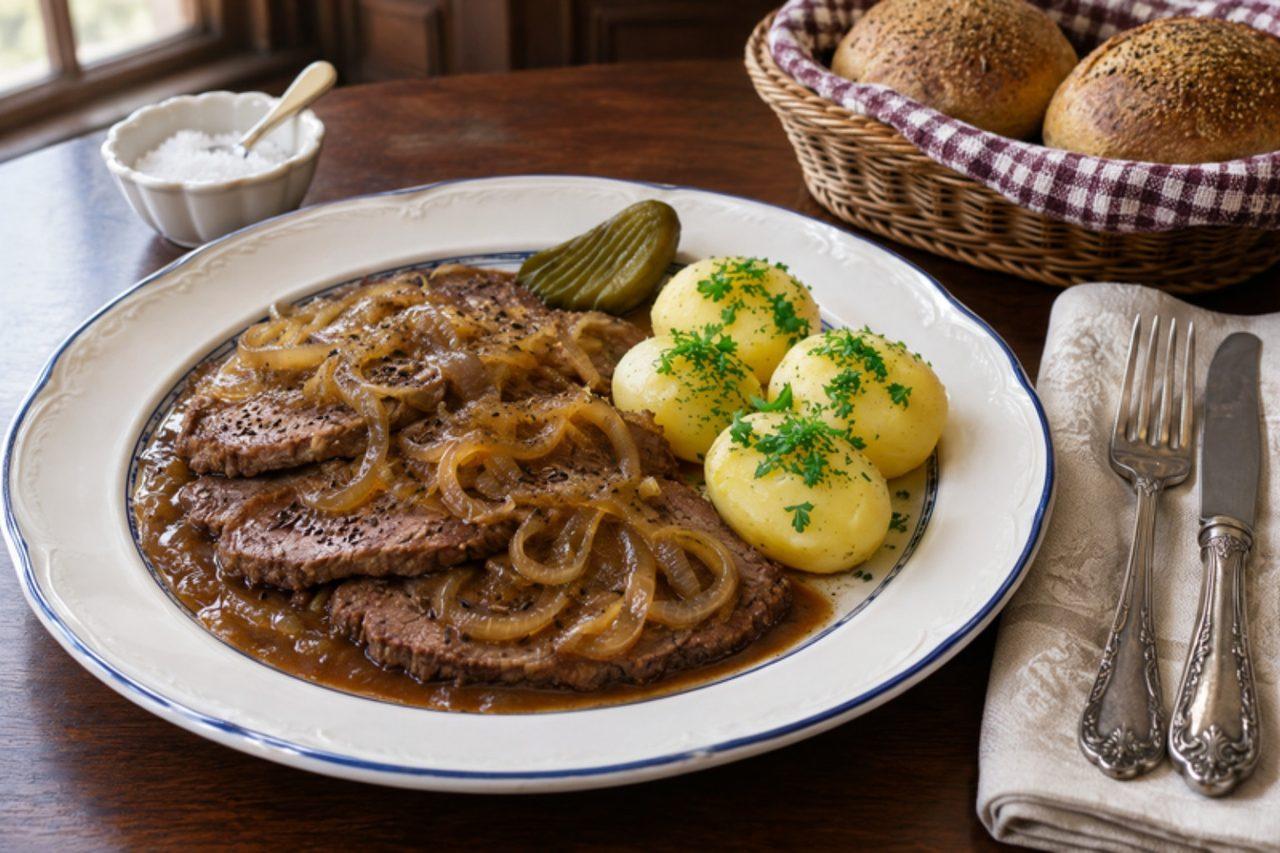
ZwiebelfleischBeef braised with onions

Zwiebelfleisch is an old Viennese Beisl dish, the kind of hearty lunch an inn serves on a cold weekday, with boiled or fried potatoes alongside. Thin slices of beef braise slowly with a mountain of onions, a splash of vinegar, caraway and marjoram until the onions melt into a sweet, tangy gravy. The usual mistake is browning the onions too fast: they turn bitter, so let them colour slowly to a deep gold. Pressure-cooker: 25 minutes at high pressure after browning. Chef's tip: a teaspoon of mustard stirred in at the end rounds out the sauce and brightens the vinegar.

125 minGermanMeat
by KrazyBadal 0 views

MohnschneckePoppy seed rolls

Every German bakery counter has a tray of Mohnschnecken next to the cinnamon and nut snails, and they are bought by the bag for Saturday breakfast and afternoon coffee. A soft, buttery yeast dough is spread with a thick filling of ground poppy seeds cooked in milk with sugar and lemon, rolled up, sliced and baked, then brushed with a thin lemon glaze. The usual mistake is using whole poppy seeds straight from the jar: they must be ground (or bought ground, as "Mohn gemahlen") or the filling stays gritty and bland. Chef's tip: cool the poppy filling completely before spreading it, because a warm filling melts the butter in the dough and the spirals unroll in the oven.

by KrazyBadal 0 views

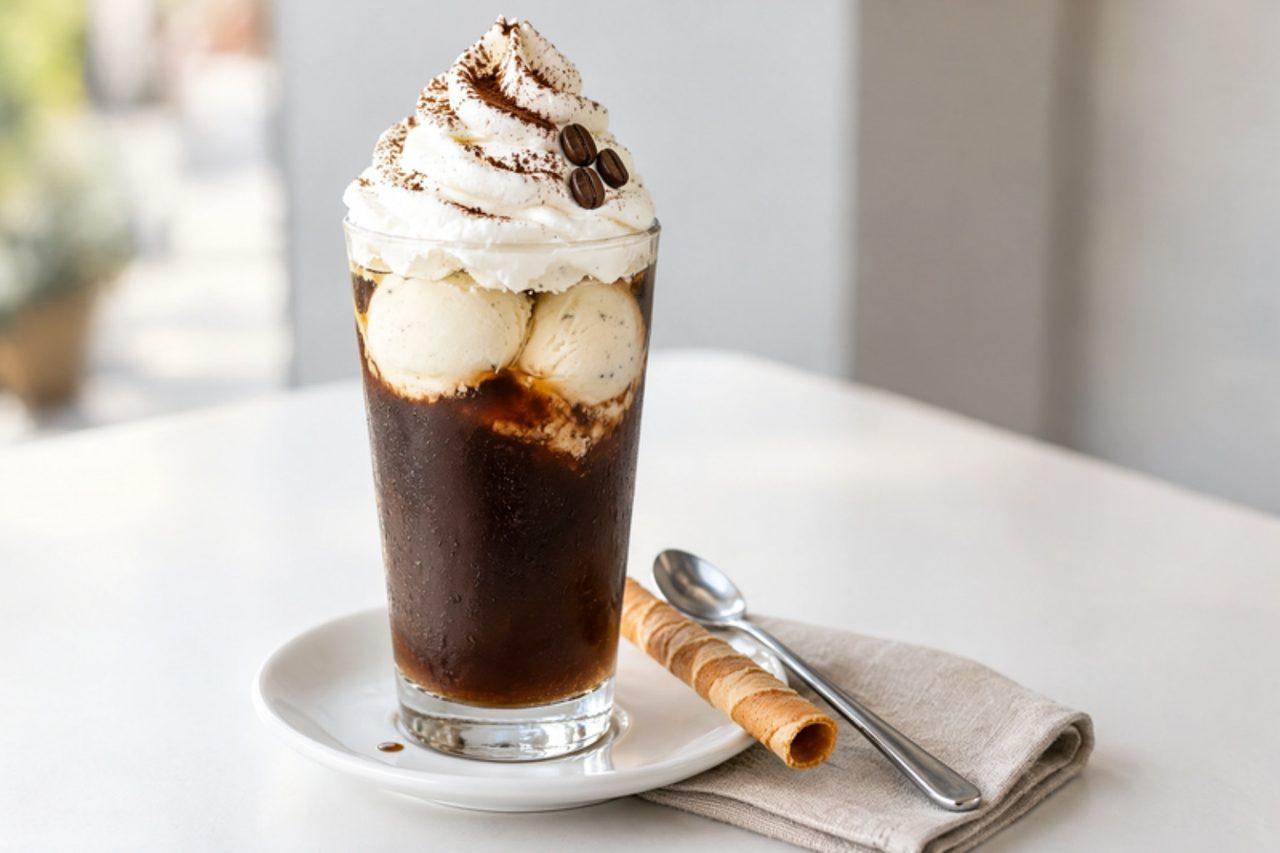
EiskaffeeIced coffee with ice cream

On a hot July afternoon in any German or Austrian Eiscafé, from a Hamburg promenade to a Viennese Gastgarten, the tall glass with the long spoon is Eiskaffee. It is not iced coffee in the American sense: strong coffee, chilled, is poured over two scoops of vanilla ice cream and crowned with sweetened whipped cream, sometimes a wafer and a dusting of cocoa or grated chocolate. You drink the cold coffee through a straw while the ice cream slowly melts into it, then spoon up the creamy, half-frozen rest, so it is part drink, part dessert, eaten at the café in the afternoon rather than with a meal. The usual mistake is pouring hot or even warm coffee straight onto the ice cream: it melts at once into a thin, lukewarm, milky soup. Brew it earlier and chill it properly. It is ready when the coffee is fridge-cold, the scoops sit just proud of the surface and the cream holds soft peaks on top. It is moderately caffeinated, so keep it for adults and older teens. Chef's tip: freeze leftover coffee in ice-cube trays and add a couple to the glass so nothing gets diluted with water.

by KrazyBadal 0 views

KetwurstSausage in a hollowed roll

Ketwurst, from ketchup plus Wurst, was invented in 1977 in East Berlin as the GDR's own fast food, served from state-run snack counters around Alexanderplatz. A long roll was speared onto a heated metal spike to hollow and toast it at the same time, the hole was filled with a spicy ketchup and a hot boiled sausage, usually pork, was pushed inside. It vanished after reunification but is back at a few kiosks in Prenzlauer Berg and Friedrichshain, eaten on the go at lunchtime by Berliners who grew up with it. Chef's tip: heat the sausages in water just below a simmer; boiling hard splits the skins.

by KrazyBadal 0 views

Showing 24 of 437 recipes

Show more recipes

Page 1 of 19