Skip to content
Recipes

All recipes

Vegetarian, or something you can't eat? Set your diet once and we'll hide recipes that don't fit.

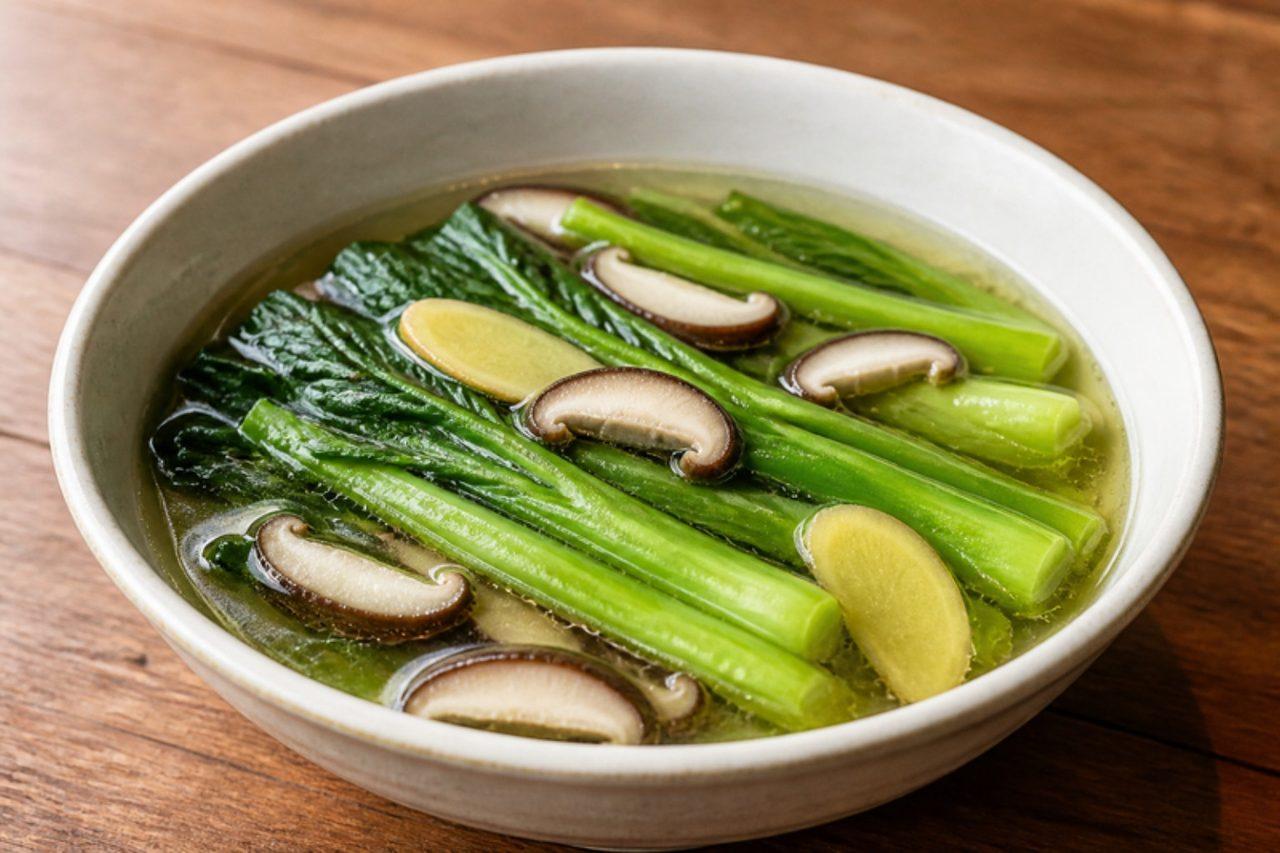
Changnian cai (long-year greens soup)

Changnian cai, 'long-year greens', is a must on the Taiwanese New Year's Eve table. Whole heads of mustard greens are cooked with their leaves uncut, and each person eats a long leaf from end to end without biting it short, a wish for a long life for the parents and the whole family. The greens turn silky and tender, with a pleasant bitterness that mellows in the savoury broth. This version uses vegetable stock with dried shiitake and ginger, so it is vegan. Serve it alongside the reunion dinner's rich braises and fish, where its clean taste is welcome. Chef's tip: blanch the greens first; it takes away the sharp bitterness and keeps them bright.

by KrazyBadal 0 views

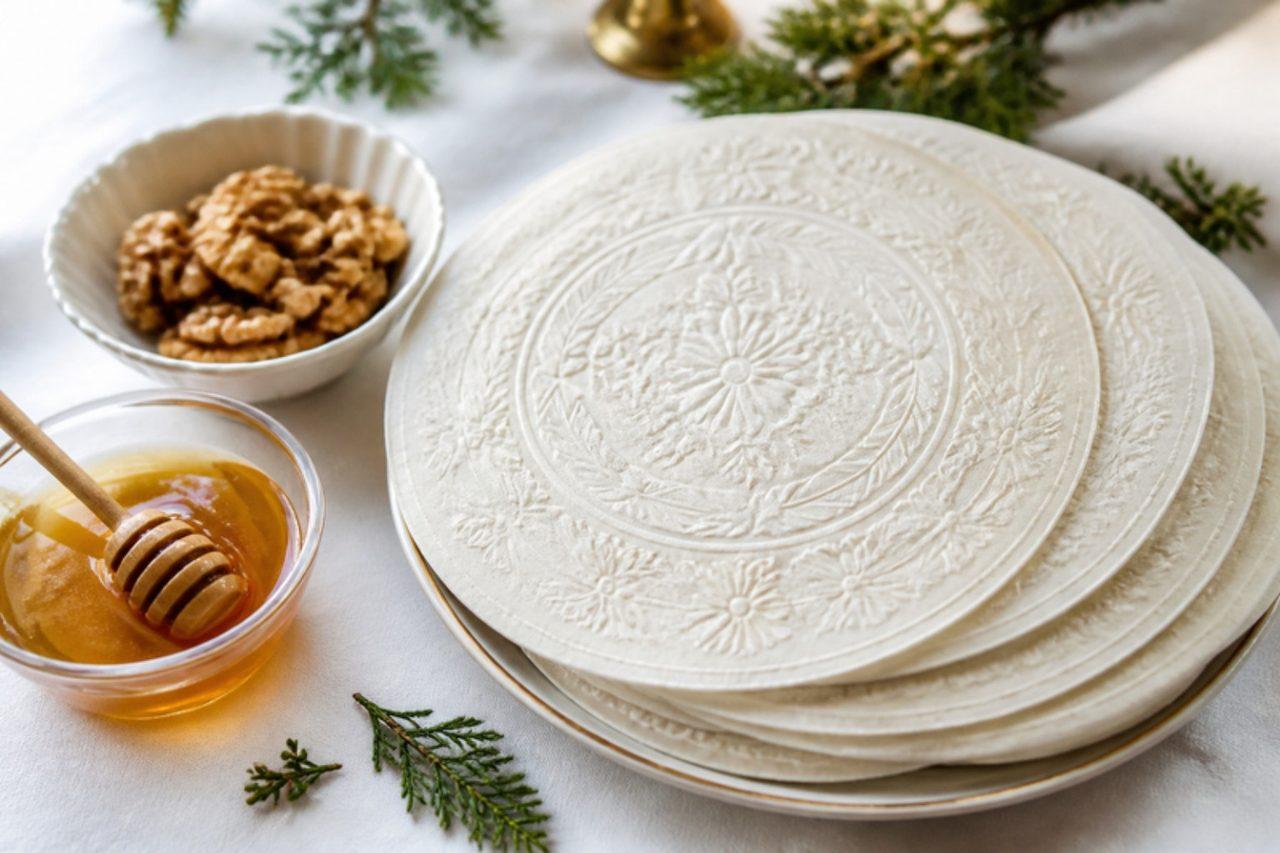
OblátkyChristmas wafers with honey

In Slovakia the Christmas Eve supper (Štedrá večera) opens with oblátky: large, paper-thin wafers stamped with a nativity pattern. The head of the household marks each person's forehead with a cross of honey, and everyone eats a wafer spread with honey, often with a sliver of garlic for health, before the cabbage soup. Families buy them from the church or bake them on a patterned wafer iron; this recipe also gives a pan method for thin, crisp wafers. Chef's tip: the batter must be thin like single cream, as a thicker batter gives a soft pancake instead of a wafer.

by KrazyBadal 0 views

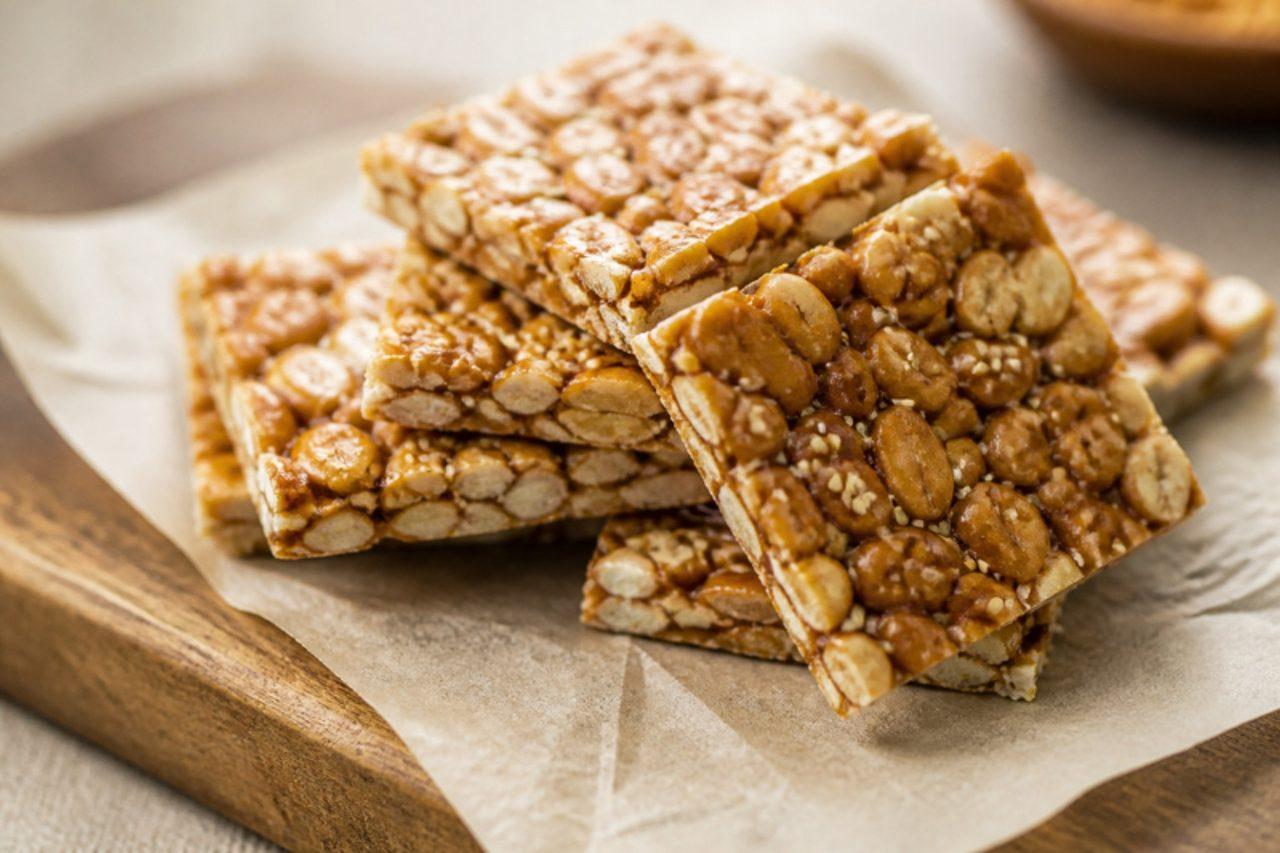
Huasheng tang (peanut brittle)

Huasheng tang is a fixture on the Taiwanese New Year candy tray, set out for every visitor who comes to wish the family a happy new year. Peanuts are called 'long-life nuts' in Chinese, so the brittle carries a wish for long life and, with so many nuts in each piece, for many children and a full house. Taiwanese brittle is thinner and less sweet than many, packed with crackly roasted peanuts held together by malt sugar. Serve with oolong tea alongside dried fruit and melon seeds. Chef's tip: cut the slab while it is still warm and pliable; once cold it shatters.

by KrazyBadal 0 views

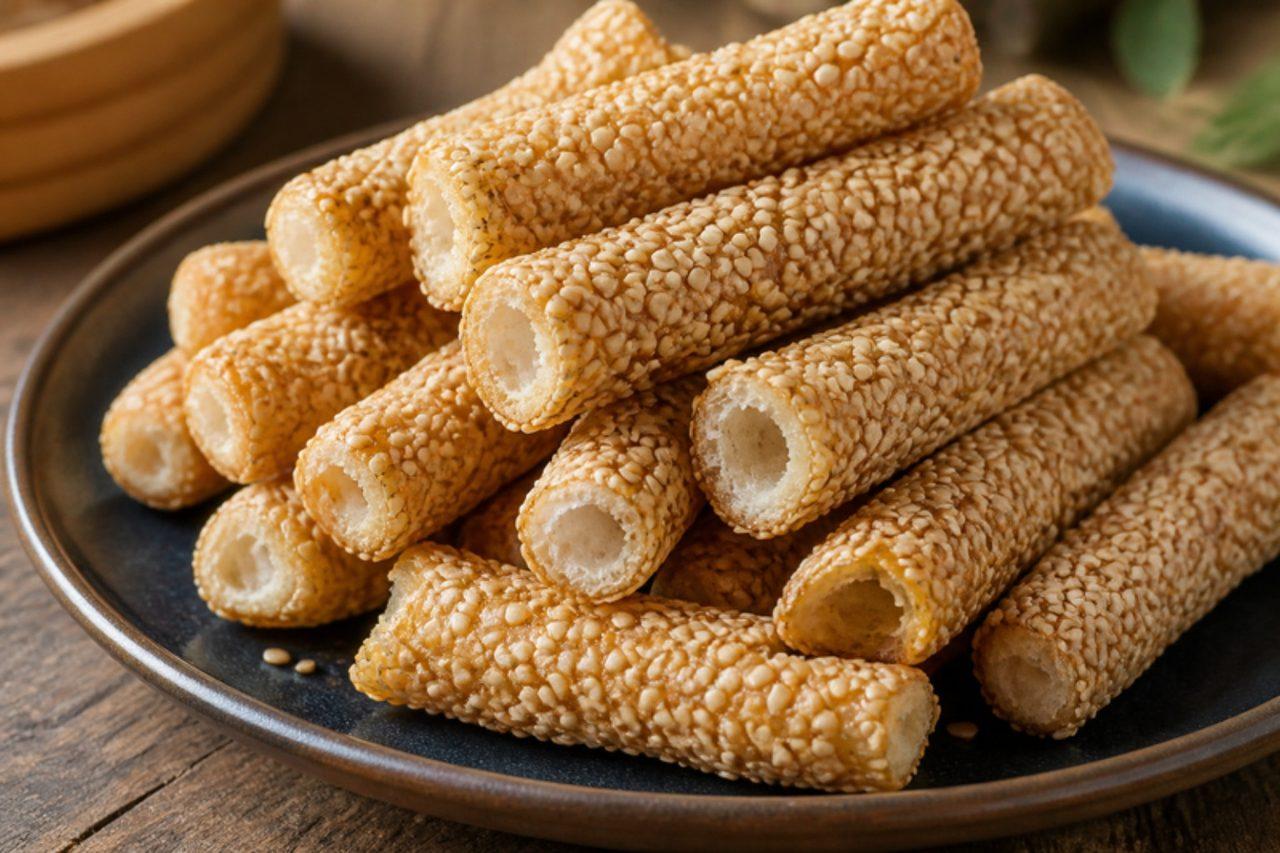
Ma lao (puffed rice sticks)

Ma lao are a Lunar New Year sweet from Yilan on Taiwan's northeast coast, stacked on family altars as offerings and handed to guests through the holiday. The sticks swell to many times their size in the oil, a picture of a family and fortune growing bigger in the new year, and their sticky coating stands for staying close together. They are light and crunchy, almost hollow, with a sweet malt glaze and a nutty crust of toasted sesame or crisp puffed rice. Serve on the New Year candy tray with tea. Chef's tip: start frying in barely warm oil and raise the heat slowly; that gentle start is what makes the sticks puff.

by KrazyBadal 0 views

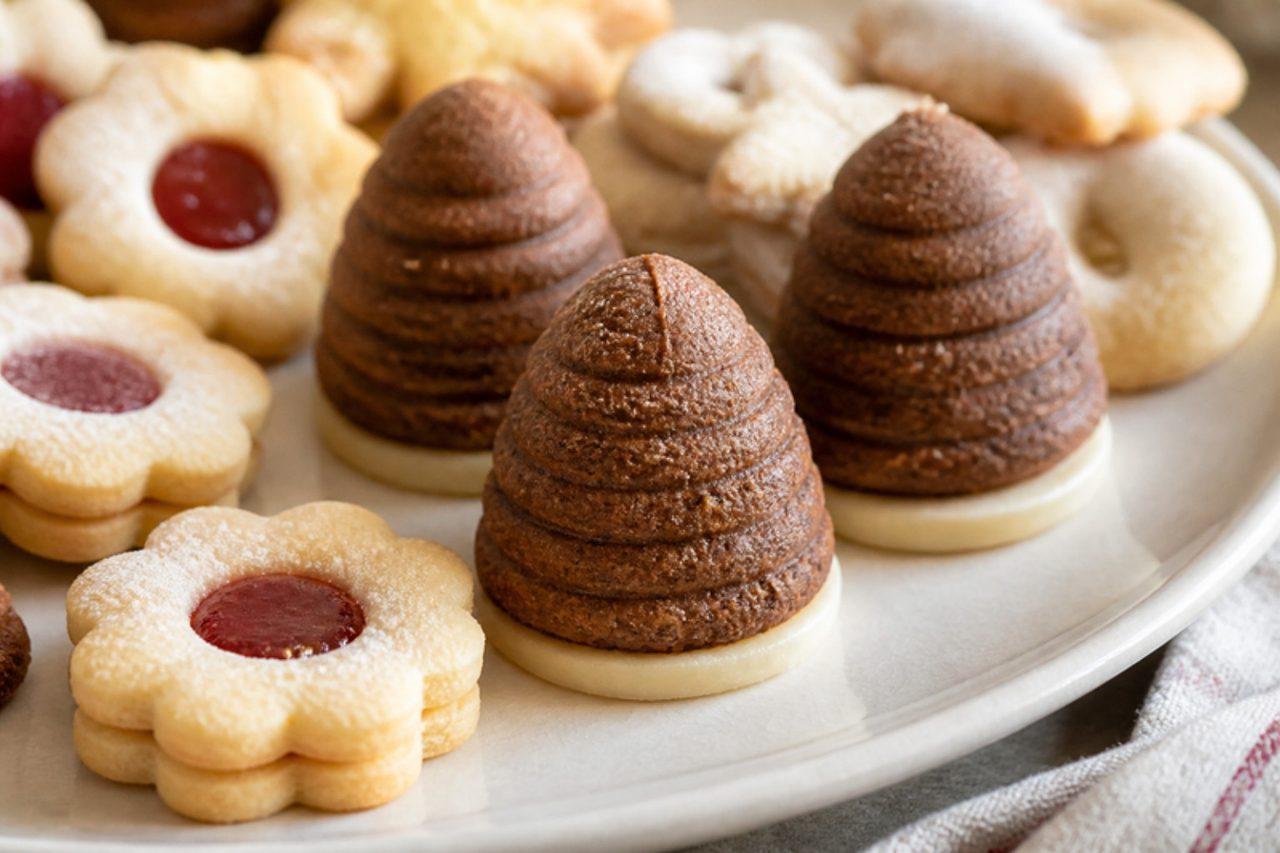
Včelí úlkyNo-bake beehive biscuits

Včelí úlky ('little beehives') are a classic of the Czech Christmas cookie plate (cukroví), which families build up through Advent with a dozen or more kinds. They need no oven: crushed biscuits, ground walnuts, cocoa and butter are pressed into beehive moulds, filled with a smooth egg-yolk cream and sealed with a disc of biscuit. Traditionally a little rum is added to the dough; this version uses milk, and adults may add 1 tbsp rum. The cream is cooked to 71 °C so the yolks are safe, though anyone pregnant or vulnerable may prefer pasteurised yolks. Chef's tip: chill the filled hives before unmoulding, or they collapse.

by KrazyBadal 0 views

Grilled mullet roe (wuyuzi)

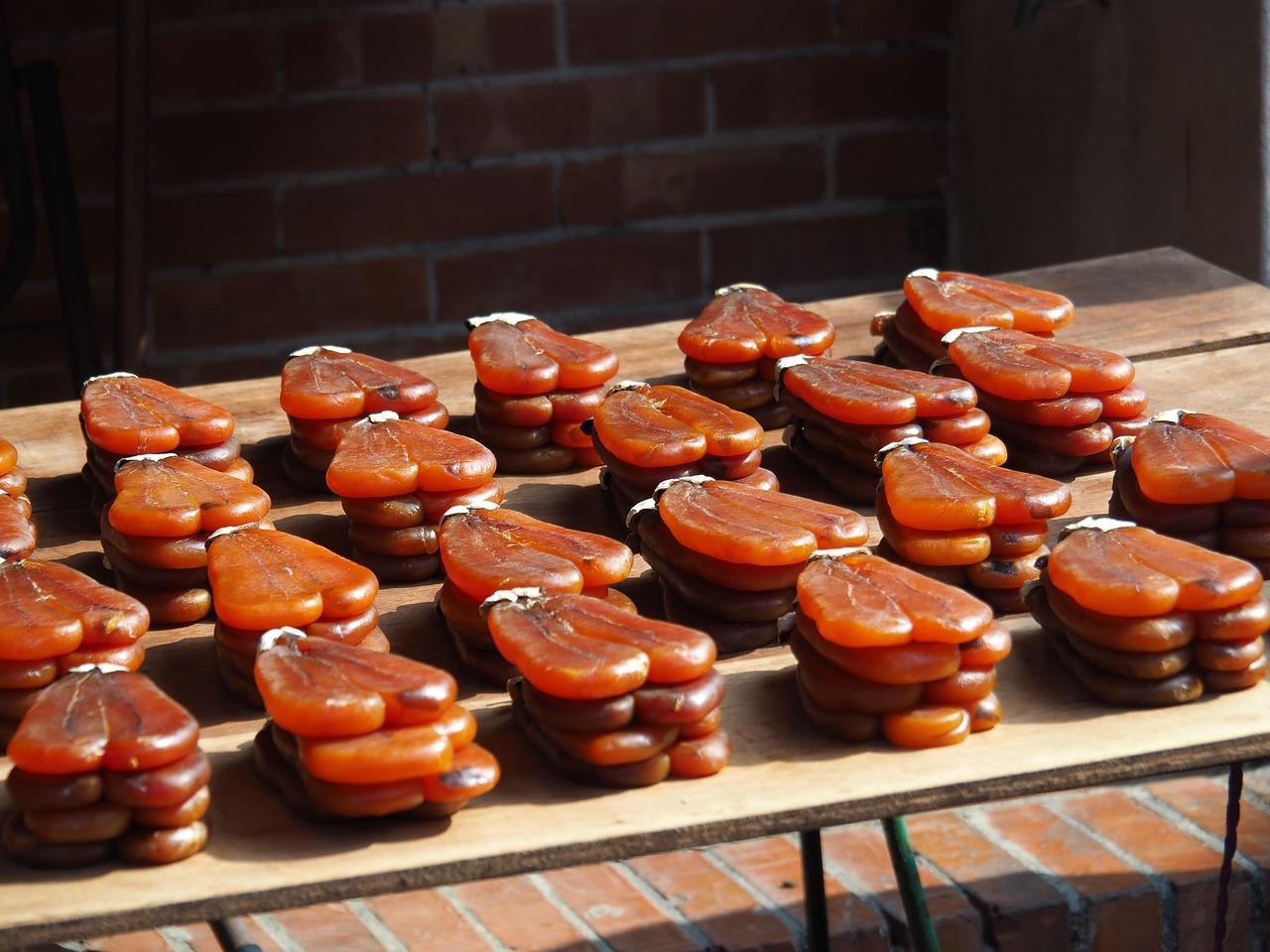
Wuyuzi, dried salted mullet roe, is one of the treasures of a Taiwanese New Year banquet, made in Kaohsiung and Tainan from grey mullet caught off the southwest coast in the winter run. The flat amber slabs are nicknamed 'black gold' and look like gold bars, so they are served and given as gifts for wealth in the coming year. Lightly seared, the roe is chewy, salty and rich, like a sea-flavoured cheese, and it is eaten in thin slices sandwiched with crisp daikon and pungent garlic leaves. Many cooks brush or flame it with Kaoliang sorghum spirit or rice spirit; that step is optional, and simply searing it in a dry pan gives an alcohol-free version that is just as good. Serve as a starter with the New Year spread. Chef's tip: keep the heat low and the searing brief; the inside should stay soft and slightly sticky.

by KrazyBadal 0 views

Dan huang su (egg yolk pastry)Salted egg yolk pastry

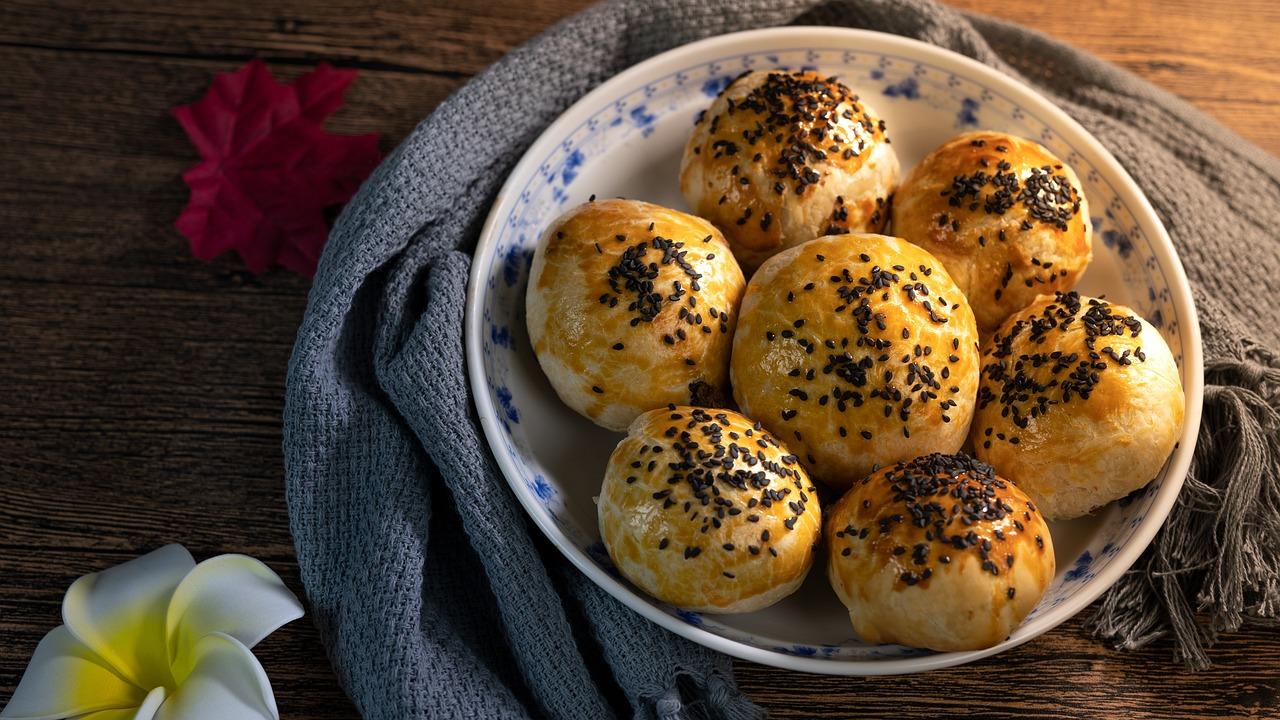
Dan huang su is Taiwan's favourite Mid-Autumn pastry, given in gift boxes across the island in the weeks before the festival. The whole golden yolk hidden in the centre stands for the full moon, and the round, glossy pastries look like little moons themselves when you share them at the family reunion. Under a shell of dozens of flaky layers sits sweet red bean paste and a salty, rich, slightly crumbly duck egg yolk. Bakeries traditionally use lard in the pastry; this version uses butter, so it is vegetarian. Serve with oolong tea under the moon, cut in half to show the yolk. Chef's tip: roast the salted yolks first until they look oily and set, which takes away any eggy smell and gives the best flavour.

by KrazyBadal 0 views

Aguadito de polloCoriander chicken rice soup

Aguadito is the soup Lima serves in the small hours: at the end of a wedding, after New Year's Eve and at weekend family lunches, it is ladled out thick and steaming to revive everyone. Rice simmers in chicken broth coloured deep green with blended coriander and warmed with yellow ají amarillo, along with peas, carrot, pepper, sweetcorn and potato. A portion gives about 24 g of protein, from the chicken with a little from the rice and peas, for around 480 kcal. The common mistake is adding the coriander purée too early: cooked for long it turns khaki and loses its fresh taste, so stir it in for the last 10 minutes. The chicken must reach 74 °C at the bone. Chef's tip: blend a handful of spinach with the coriander; it keeps the colour vivid green without changing the flavour.

by KrazyBadal 0 views

Chilcano de pescadoClear fish broth

In the fishermen's terminals of Chorrillos and Callao, chilcano is what you drink on a Sunday morning after a long night: a clear, gingery broth made from the heads and bones left over from cleaning fish for ceviche, with chunks of fish, red onion, chilli and a squeeze of lime in the bowl. It is light and warming, around 160 kcal a bowl, and still gives about 24 g of protein from the fish fillet and the broth. The common mistake is squeezing the lime into the pot while it boils, which turns it bitter; add it to each bowl at the table. Don't boil the bones for more than 30 minutes either, or the broth turns cloudy and harsh. Chef's tip: ask the fishmonger for heads and frames from mild white fish like sea bass or cod, and leave out oily fish such as mackerel, which makes the broth strong and fishy.

by KrazyBadal 0 views

ParihuelaSpicy seafood soup

Parihuela is the big weekend seafood soup of Callao and the Peruvian coast, eaten at long Sunday lunches in cevicherías and praised as a cure for tiredness and late nights. A deep red broth of ají panca, ají amarillo, tomato and fish stock is loaded with chunks of fish, prawns, squid and mussels. A portion gives about 30 g of protein, from the fish and shellfish, for roughly 300 kcal. Some cooks add chicha de jora or beer; this version has none. The common mistake is adding all the seafood at once: squid and prawns turn rubbery while the fish cooks, so they go in last. Before cooking, discard any mussels that stay open when tapped, and after cooking discard any that stay shut. Chef's tip: fry the chilli pastes in the oil until they darken and smell sweet; that toasted ají is what gives parihuela its depth.

by KrazyBadal 0 views

Di gua yeStir-fried sweet potato leaves

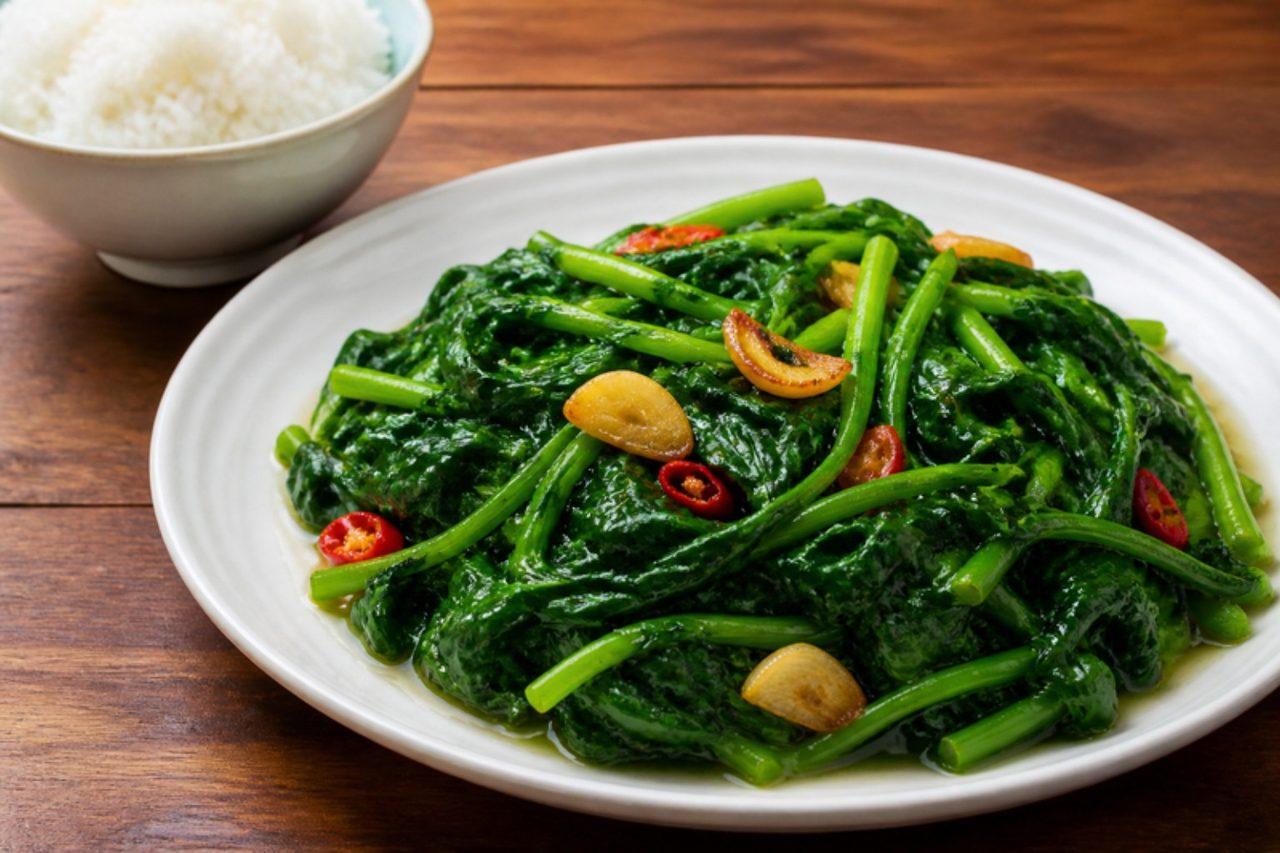
Stir-fried sweet potato leaves are on the table at almost every Taiwanese home dinner and at every rechao stir-fry stall from Taipei to Kaohsiung, a cheap, dark-green side that once fed the island in lean years and is now loved for its silky texture. The tender leaves and tips are thrown into a smoking wok with plenty of garlic and a splash of water and cooked in about two minutes. It is vegan and light, with about 3 g of protein per portion. The common mistake is overloading the wok: the leaves stew and turn black-green and slimy, so cook in two batches if your pan is small. If you can't find sweet potato leaves, use water spinach or pea shoots. Chef's tip: add a tablespoon of water with the leaves; the burst of steam wilts them evenly without extra oil.

by KrazyBadal 0 views

Algerian mkhabezIced almond and lemon diamonds

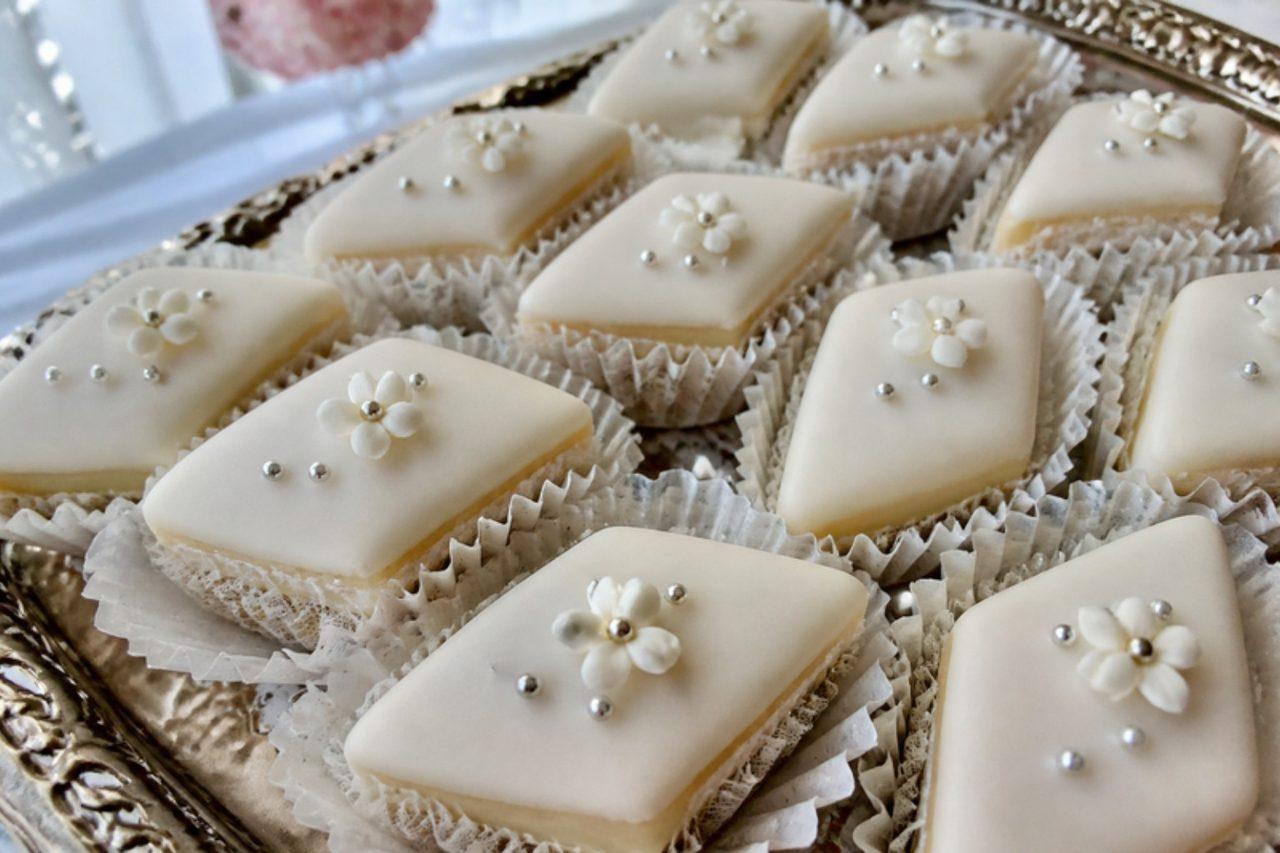
No Algerian wedding tray, and few Eid tables in Algiers or Constantine, is complete without mkhabez: soft, chewy diamonds of ground almond and lemon zest under a smooth white icing, each topped with a sugar flower or a silver ball and set in its own paper case. Making them is a social affair, with sisters and aunts icing and decorating hundreds the week before a celebration. The almond base is flourless and dairy free, sweet and lemony, and the icing sets to a thin shell; serve them with mint tea or strong coffee. Overbaking is the mistake to avoid: the diamonds should come out pale and soft, or they go dry and crumbly under the icing. Chef's tip: ice them when completely cold, and get the icing so thick it only just flows; runny icing slides off the sides and never sets glossy.

by KrazyBadal 0 views

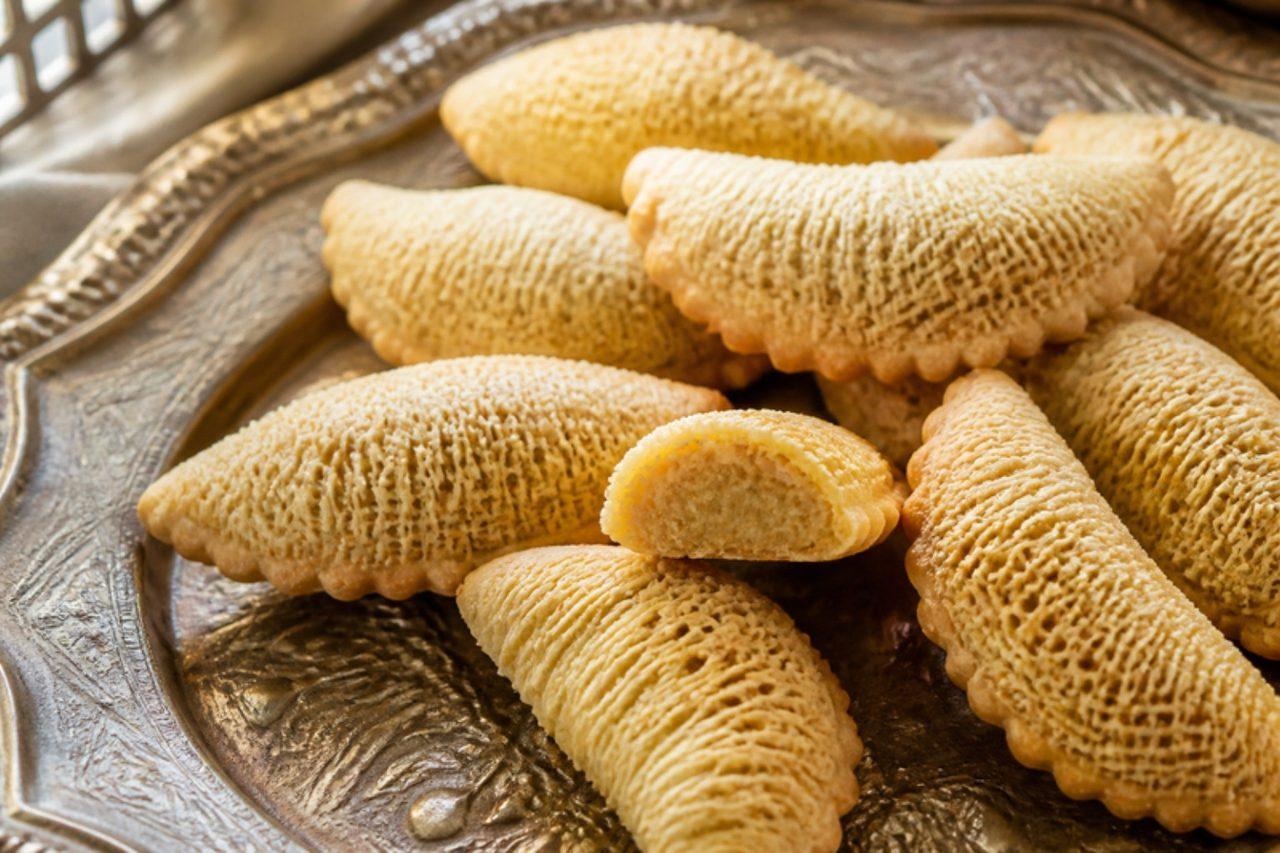
Tcharek el arianeAlmond crescents with orange blossom

On the last nights of Ramadan, kitchens across Algiers and Constantine fill up with trays of tcharek el ariane, the 'naked' tcharek: crescents of thin, buttery dough wrapped around almond paste with cinnamon and orange-blossom water. Unlike their sugar-coated cousins they are left bare, so the fine dough with its pinched, lace-like pattern shows. Families give them to neighbours on Eid morning and set them out at weddings with mint tea and coffee. The dough is traditionally made with smen (aged butter); plain melted butter works well. Overbaking is the common slip, because they turn hard and dry; they should stay pale with only golden tips. Chef's tip: keep the dough under a damp cloth while you shape, as it dries in minutes and then cracks along the curve.

by KrazyBadal 0 views

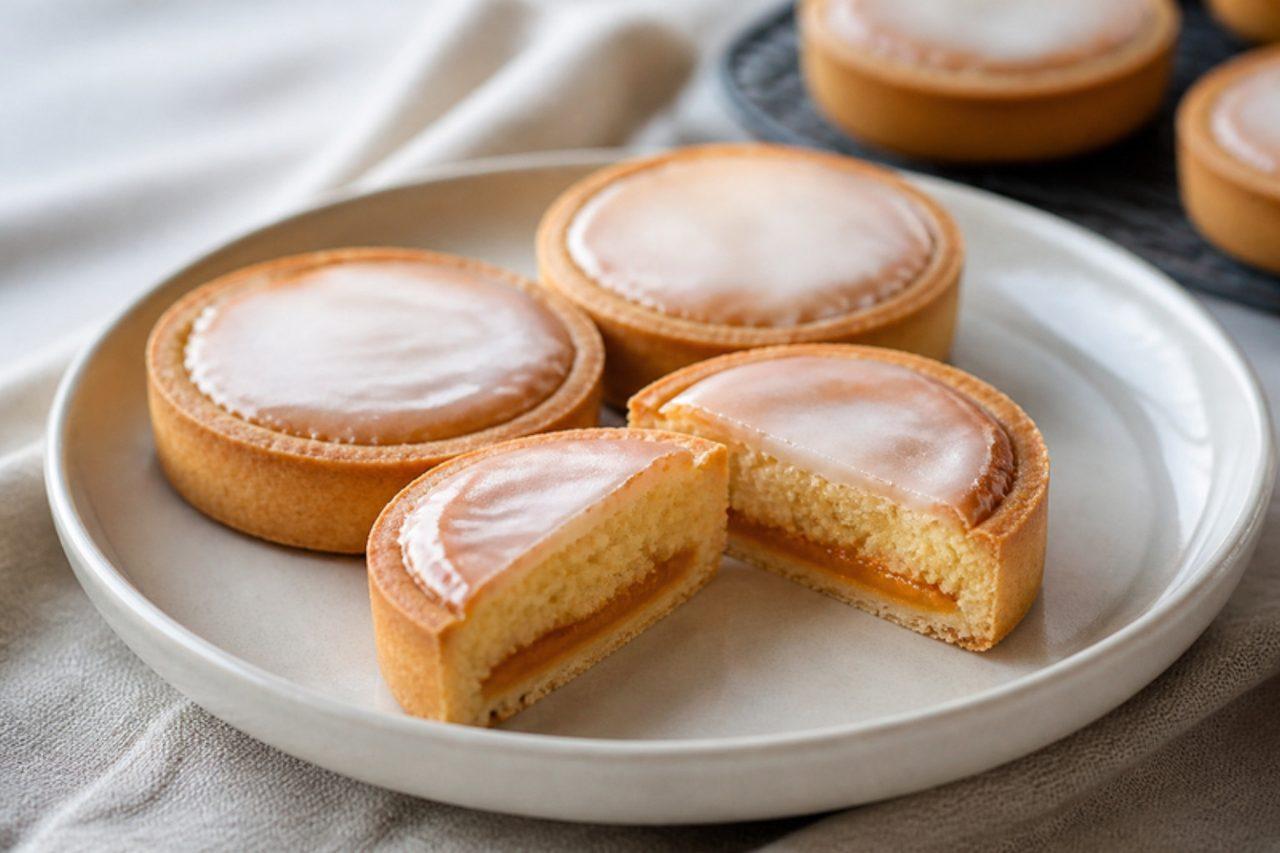
Belgian frangipane tartlets

Look in the glass counter of a Flemish bakery and between the rice tarts and cream puffs sit rows of frangipanetaartjes: small shortcrust cases with a hidden layer of apricot jam, filled with almond frangipane and glazed with a thin, crackly white icing. Belgians pick them up on Saturday mornings or for a birthday at the office and eat them with coffee. They are buttery, nutty and moist, with a sharp fruity note from the jam. Too much jam is the mistake to watch: it bubbles up through the frangipane and glues the tartlets to the tin. Chef's tip: brush the warm tartlets with hot apricot jam first and let it set before the icing goes on; the jam seals the surface so the glaze stays white and shiny.

by KrazyBadal 0 views

Chicharrón de pescadoCrisp fried fish chunks

Up and down the Peruvian coast, from Chorrillos in Lima to the beaches of Piura, chicharrón de pescado is the crunchy plate ordered alongside ceviche at a long seafood lunch: bite-size chunks of firm white fish marinated briefly in garlic and lime, dusted in flour and fried, then served with fried cassava, salsa criolla and tartar or rocoto sauce. Using frozen peeled cassava keeps it to half an hour. The common mistake is leaving the fish in the lime too long: after about ten minutes the acid starts to 'cook' the outside and the coating slips off. Chef's tip: toss the floured pieces in a sieve to shake off every bit of loose flour; a thin coat fries crisp, a thick one turns pasty.

by KrazyBadal 0 views

Pejerrey arrebozadoBattered fish fillets with onion salsa

Pejerrey arrebozado is a Lima classic from the cevicherías and home kitchens of the coast, eaten at lunch on a plate with white rice, a heap of sharp salsa criolla and sometimes boiled potato. The pejerrey, a small silverside, is opened into butterflied fillets, dipped in a light egg-and-flour batter and fried golden. Outside Peru, use small fillets of whiting, sole, haddock or tilapia. The batter here uses sparkling water, not beer, so it is alcohol free. The common mistake is frying in oil that isn't hot enough: the batter drinks the oil and turns greasy, so test with a drop of batter first. Chef's tip: make the salsa criolla first and let the onion sit in lime for ten minutes; it softens its bite and turns a pretty pink.

by KrazyBadal 0 views

Tallarines rojosSpaghetti in red sauce with chicken

Tallarines rojos is the Sunday-lunch and weeknight pasta of homes all over Peru, from Lima to Arequipa: spaghetti in a sweet, deep-red sauce of blended tomato, onion and garlic with a little ají panca and oregano, often with pieces of chicken cooked right in it. Children love it, and it is served with a sprinkle of grated cheese and sometimes a spoon of huancaína on the side. The usual mistake is cooking the sauce too briefly, so it tastes of raw onion; let the blended tomato fry until it darkens and the oil shows at the edges. Chef's tip: a bay leaf and a spoon of ají panca paste give the sauce its Peruvian character; paprika will do if you can't find the paste.

by KrazyBadal 0 views

Pan chutaAniseed round bread

The small town of Oropesa, half an hour from Cusco, calls itself Peru's bread capital, and its wood-fired bakeries are famous for chuta: big, flat, round loaves as wide as a dinner plate, glossy on top, with a faint sweetness and the warmth of aniseed. Travellers on the road to Puno and Bolivia stop to buy them by the bagful, and families bring them home for All Saints' Day and for sharing with hot coca tea or coffee, fresh cheese and butter. The bakeries traditionally use lard; this version uses vegetable shortening and butter, so it is vegetarian. The make-or-break moment is the proof: chuta is large and flat, and if it goes in under-risen it bakes dense and splits at the rim. Chef's tip: toast the aniseed for a minute in a dry pan and crush it lightly before adding, for a rounder, sweeter perfume.

by KrazyBadal 0 views

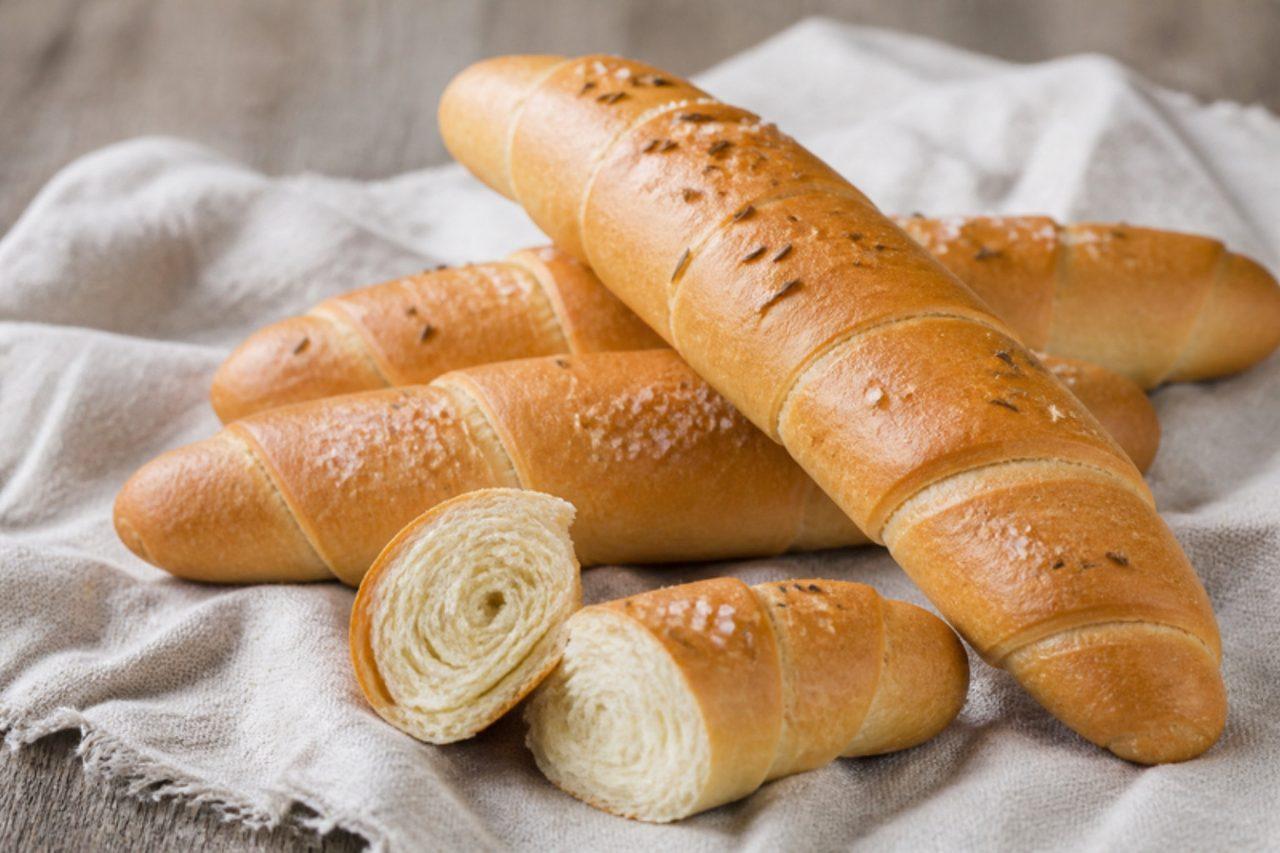
RohlíkSalt and caraway breakfast roll

Ask a Czech or Slovak what they ate for breakfast as a child and the answer is usually a rohlík: a long, slim roll rolled up from a triangle of dough, sold for a few crowns at every bakery and supermarket from Prague to Bratislava. It has a thin, crisp golden crust scattered with coarse salt and caraway, and a soft, tight spiral inside. People eat it with butter and jam, with a spread such as egg or bean pomazánka, with a cup of white coffee, or simply dunked in a mug of cocoa. This version uses sunflower oil, so it is vegan. Rolling the triangles loosely is the usual mistake; the spiral opens in the oven and the roll splits. Chef's tip: stretch each triangle gently by its point as you roll it up, which keeps the coil tight and gives the long, even shape.

by KrazyBadal 0 views

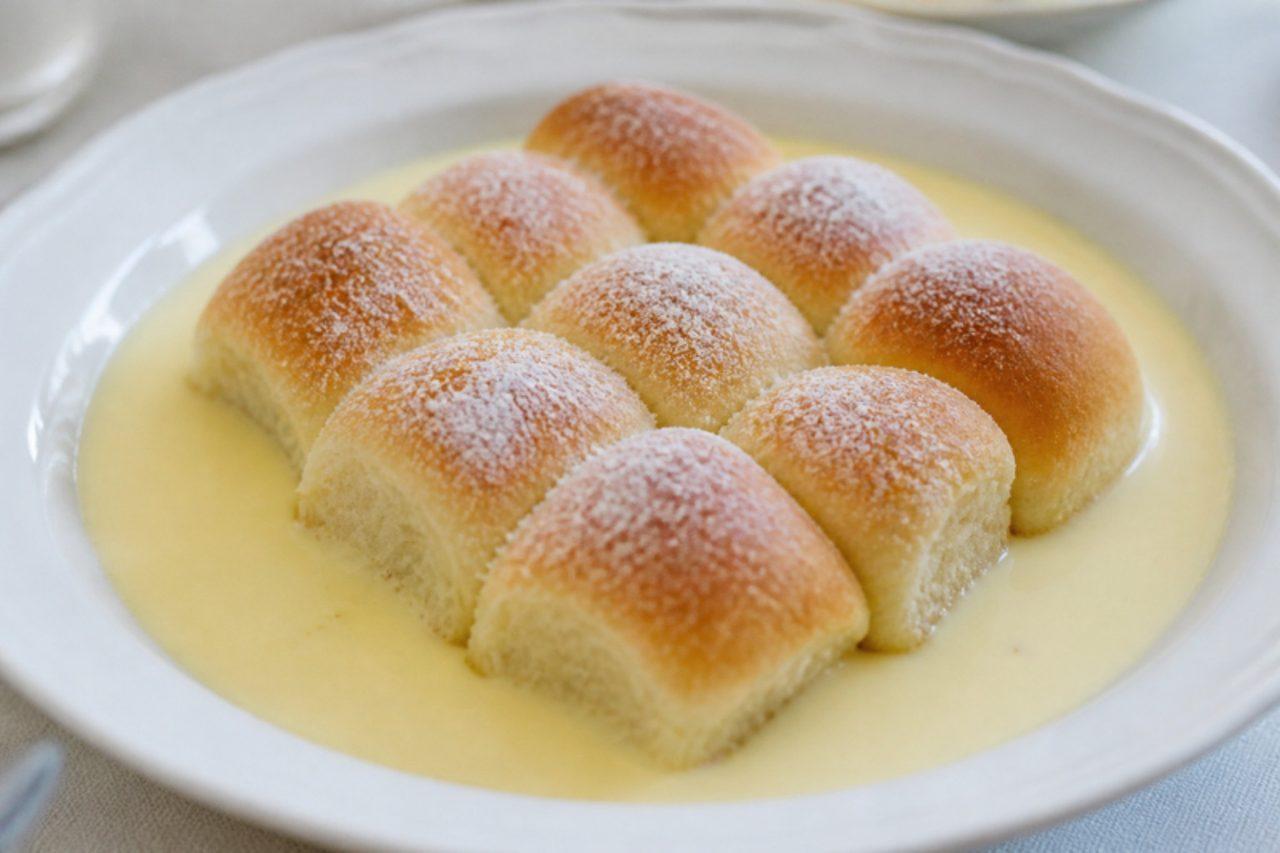
Buchtičky se šodó (tiny buns in vanilla custard)

Ask anyone who went to school in Czechia or Slovakia about the canteen, and buchtičky se šodó comes up with a smile: a bowl of tiny, soft, buttery yeast buns baked close together and pulled apart, sitting in warm vanilla custard. Families make it at home as a sweet main course or afternoon treat, especially in winter. The custard here is lightly sweetened. It contains gluten, milk and egg. Chef's tip: brush the buns with melted butter before they go into the tin, so they pull apart cleanly after baking.

by KrazyBadal 0 views

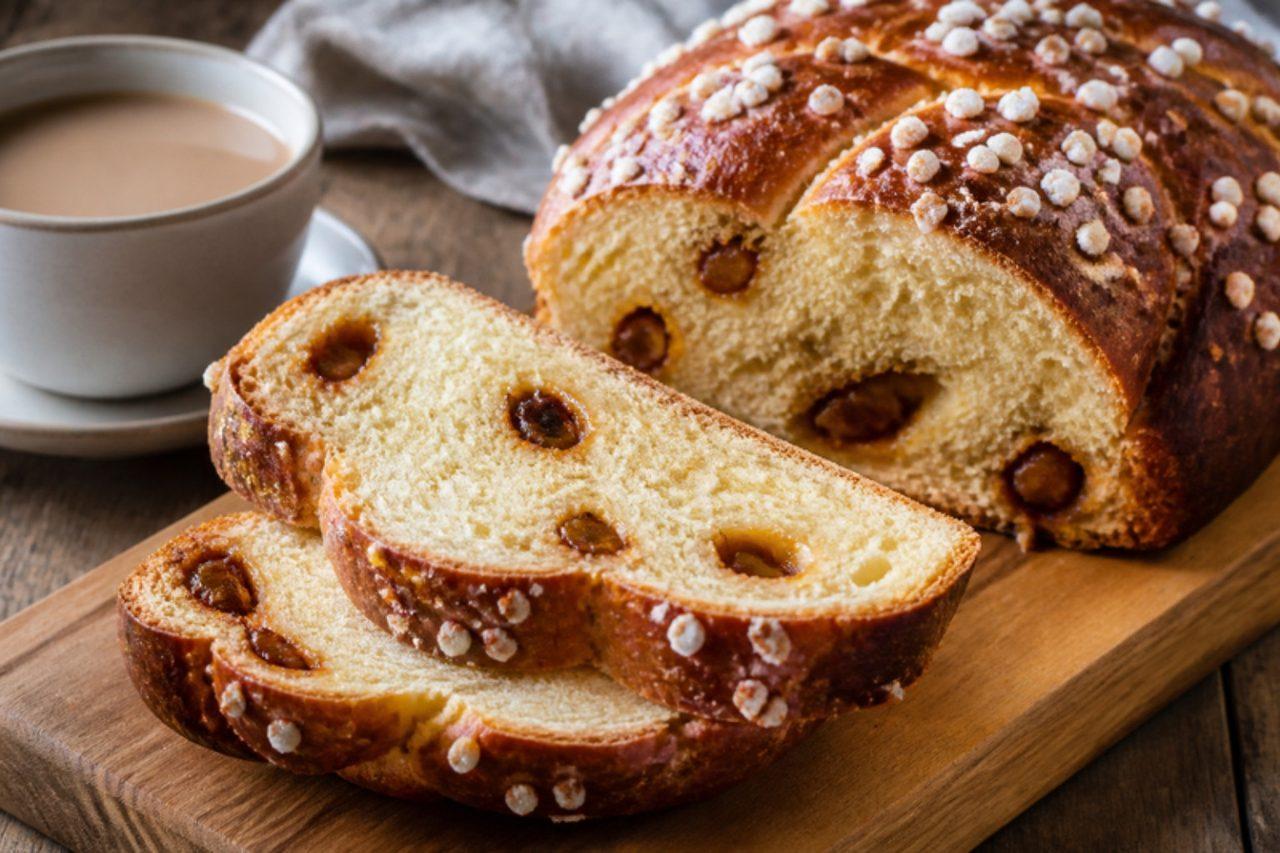
CraquelinBrioche with sugar cube pockets

Sugar cubes, of all things, are the secret of the Belgian craquelin. Bakers in Ghent, Bruges and Brussels wrap broken cubes inside rich brioche, and as the loaf bakes they melt into little wells of syrup that set crunchy, while pearl sugar crackles on the crust (hence the name). It is a Sunday breakfast and weekend bakery loaf, sliced thick and eaten plain or with butter and a bowl of café au lait; Flemish bakers sometimes add orange zest. Leaving sugar pieces exposed on the outside, especially the base, is the usual pitfall: they caramelise, burn and glue the loaf to the tin. Chef's tip: chill the kneaded brioche for at least an hour before you fold in the sugar, so the butter firms and the dough is easy to wrap around the cubes.

by KrazyBadal 0 views

ChaplasHollow puffed Andean bread

Walk through Ayacucho's central market at seven in the morning and you will see women selling stacks of chaplas from cloth-lined baskets, still warm from the wood-fired ovens of the Andes. These round wheat breads puff up like pita in the fierce heat, leaving a hollow pocket inside a thin, soft, lightly floury crust. In Ayacucho and Huancavelica they are eaten with sweet coffee or hot emoliente for breakfast, or split and filled with queso fresco, avocado or a spoonful of rocoto sauce. Highland bakers traditionally work in a little lard; vegetable shortening gives the same tenderness and keeps the bread vegan. A cool baking tray is the reason chaplas stay flat, so preheat it thoroughly. Chef's tip: let the rolled rounds rest before baking and flip them upside down onto the tray, so the smooth, dry side meets the heat first and the pocket opens evenly.

by KrazyBadal 0 views

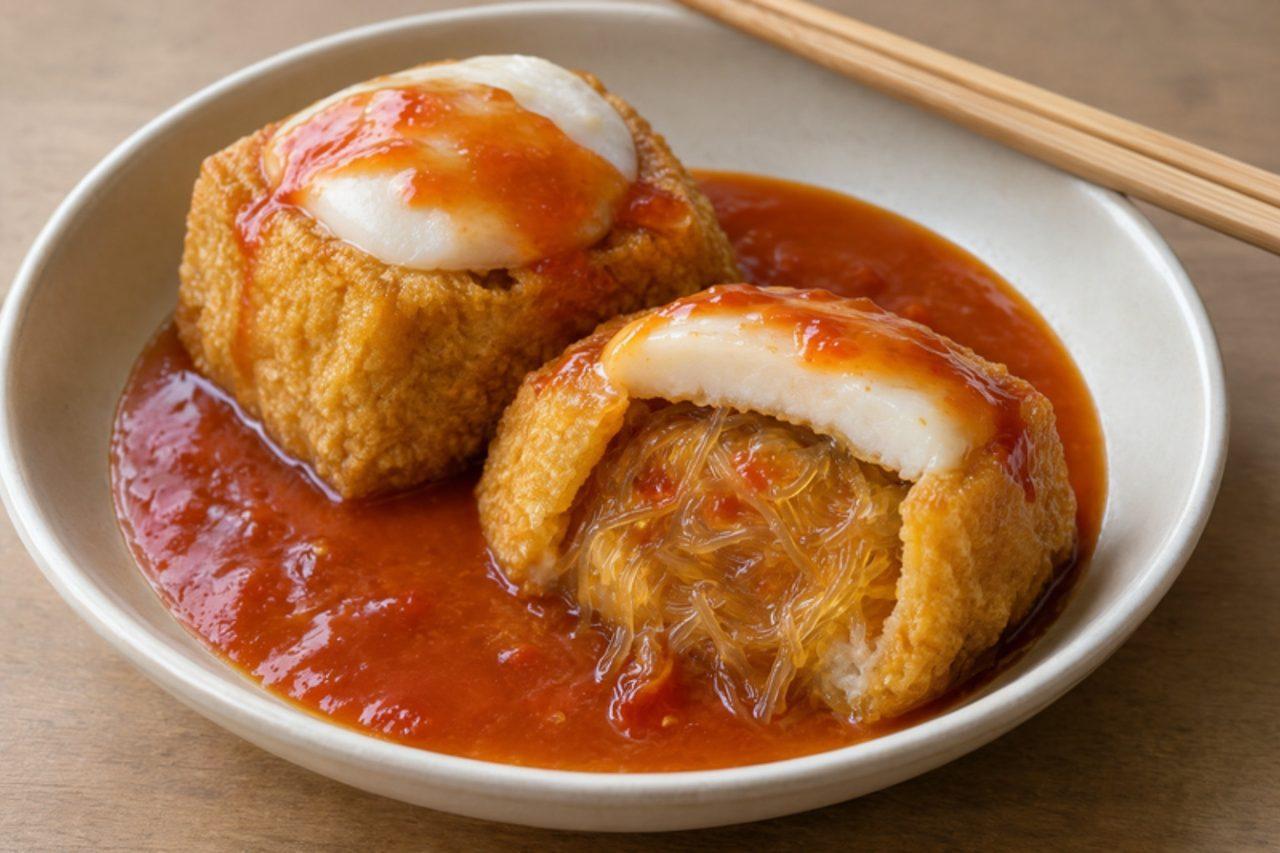
A-geiTofu pockets filled with glass noodles

A-gei is the breakfast that people ride the MRT to Tamsui for. On Zhenli Street, below Aletheia University, small shops have been making it since the 1960s: a big square of fried tofu is cut open, stuffed with glass noodles simmered in soy and a light broth, sealed with a cap of fish paste, steamed until set, and served in a pool of sweet chilli sauce, often with a bowl of fish-ball soup. The name comes from the Japanese aburaage, fried tofu. It is soft, savoury and slurpy. Contains soy, fish and wheat. Chef's tip: pack the noodles in firmly; loose filling soaks up the sauce and the pocket collapses.

by KrazyBadal 0 views

Mate de muñaAndean mint tea

Muña is the minty shrub that grows wild on the slopes around Cusco, Puno and the Sacred Valley, and highland cooks reach for it after a heavy meal of chicharrón or when visitors are struggling with the altitude. Market herb sellers sell it in fresh bunches, and hotels and homes leave it in a flask for anyone coming in from the cold evenings. Steeped simply in hot water, it smells somewhere between spearmint, oregano and pennyroyal, with a cooling, slightly peppery taste and a pale green-gold colour. It is traditionally drunk to settle the stomach. The usual mistake is boiling the leaves hard for a long time, which turns the tea brown and bitter. Pour water just off the boil over the sprigs, cover, and let it steep. It is ready when the cup is pale gold and the aroma rises as soon as you lift the lid. Outside Peru, look for dried muña in Latin shops; failing that, use mostly spearmint with a little fresh oregano. Muña is strong: avoid large amounts in pregnancy, and check with a doctor if you take regular medication. Chef's tip: cover the cup while it steeps so the scented oils stay in the tea.

by KrazyBadal 0 views

Showing 24 of 348 recipes

Show more recipes

Page 1 of 15