Skip to content
WhatToEat.Today

All recipes

381

Vegetarian, or something you can't eat? Set your diet once and we'll hide recipes that don't fit.

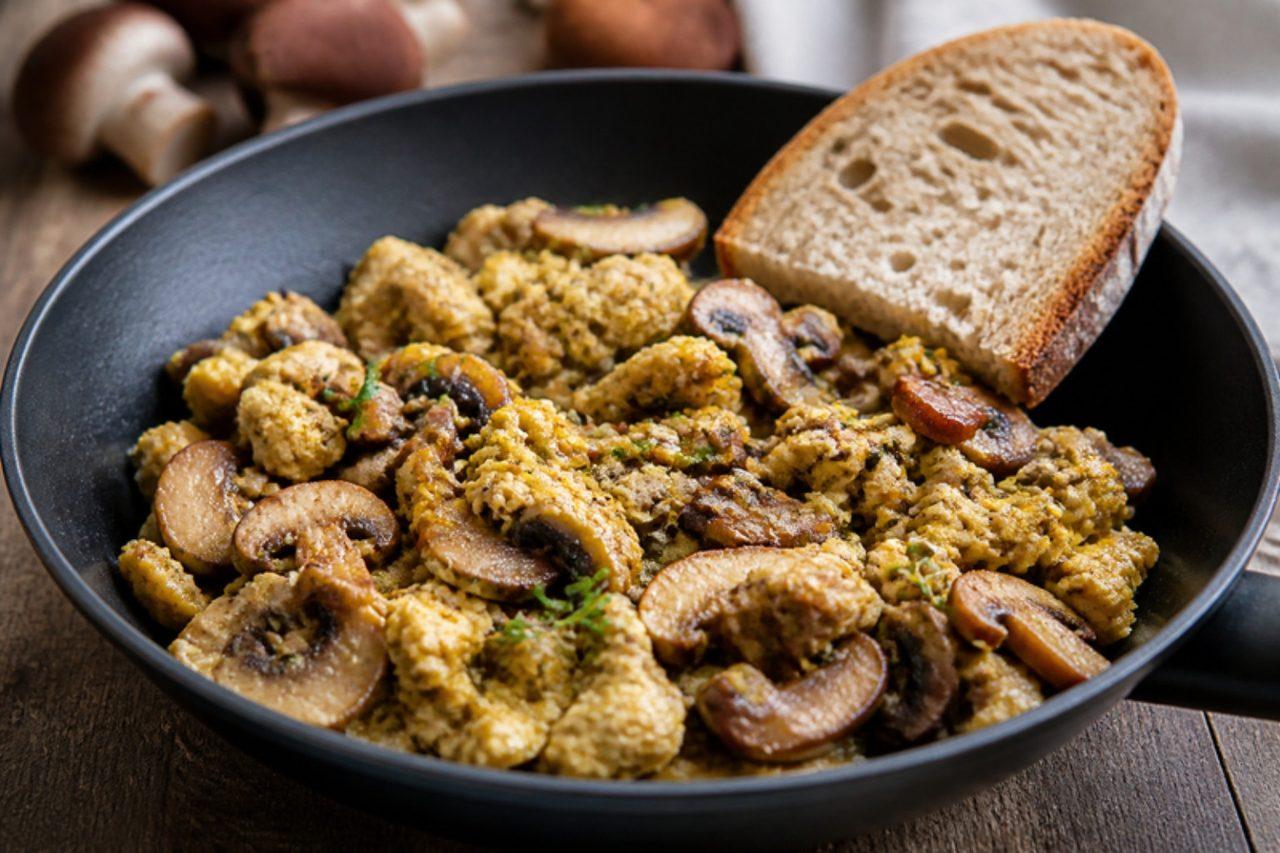
Houbová smaženiceMushrooms scrambled with egg

In late summer and autumn, when half of Czechia heads into the woods with baskets, houbová smaženice is what the day's finds become for supper: fresh mushrooms fried with onion and a pinch of caraway, then scrambled with eggs and eaten with rye bread. It tastes of the forest, and cultivated chestnut and oyster mushrooms make a very good version in any season. Only use wild mushrooms that an expert has identified. The common mistake is crowding the pan, so the mushrooms steam in their juice instead of frying golden. Chef's tip: salt the mushrooms only after they have browned; salt too early draws out water and stops them colouring.

by KrazyBadal 0 views

Dim bhortaMashed eggs with mustard oil

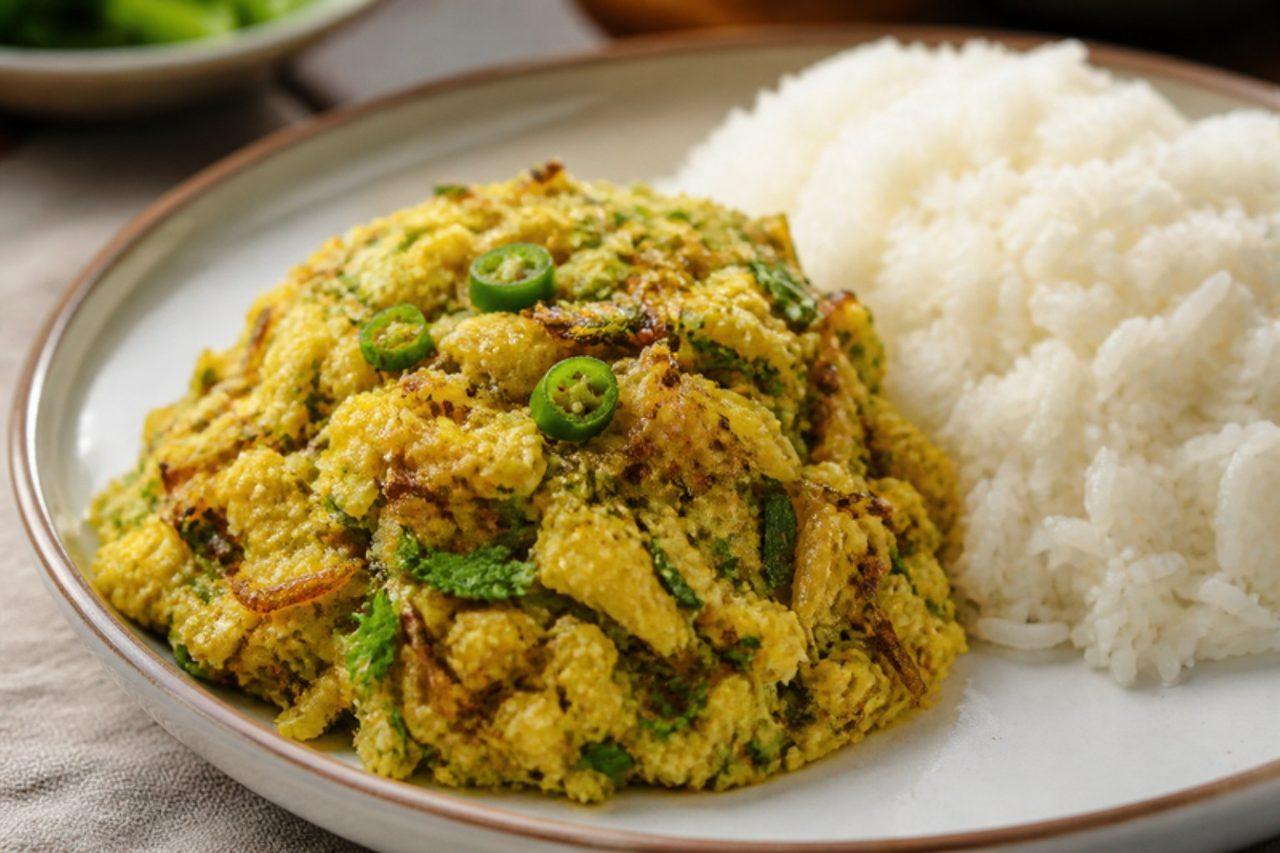
Dim bhorta is one of the many bhortas (mashes) on the everyday Bangladeshi table, made in Dhaka and Sylhet homes on busy evenings or when the fridge holds little more than eggs. Hard-boiled eggs are mashed by hand with crisp fried onion, green chilli, coriander and a generous splash of pungent raw mustard oil, then eaten with steaming rice and dal. It is rich, sharp and spicy. The common mistake is soft-boiling the eggs; the yolks must be fully firm to mash properly, and fully set eggs are safest for everyone. Chef's tip: crush the green chilli and salt together with your fingertips before adding the eggs, so the heat spreads evenly through the mash. Use mustard oil sold for cooking; where bottles are labelled for external use only, buy a cold-pressed edible one.

by KrazyBadal 0 views

Vajíčková pomazánkaEgg spread

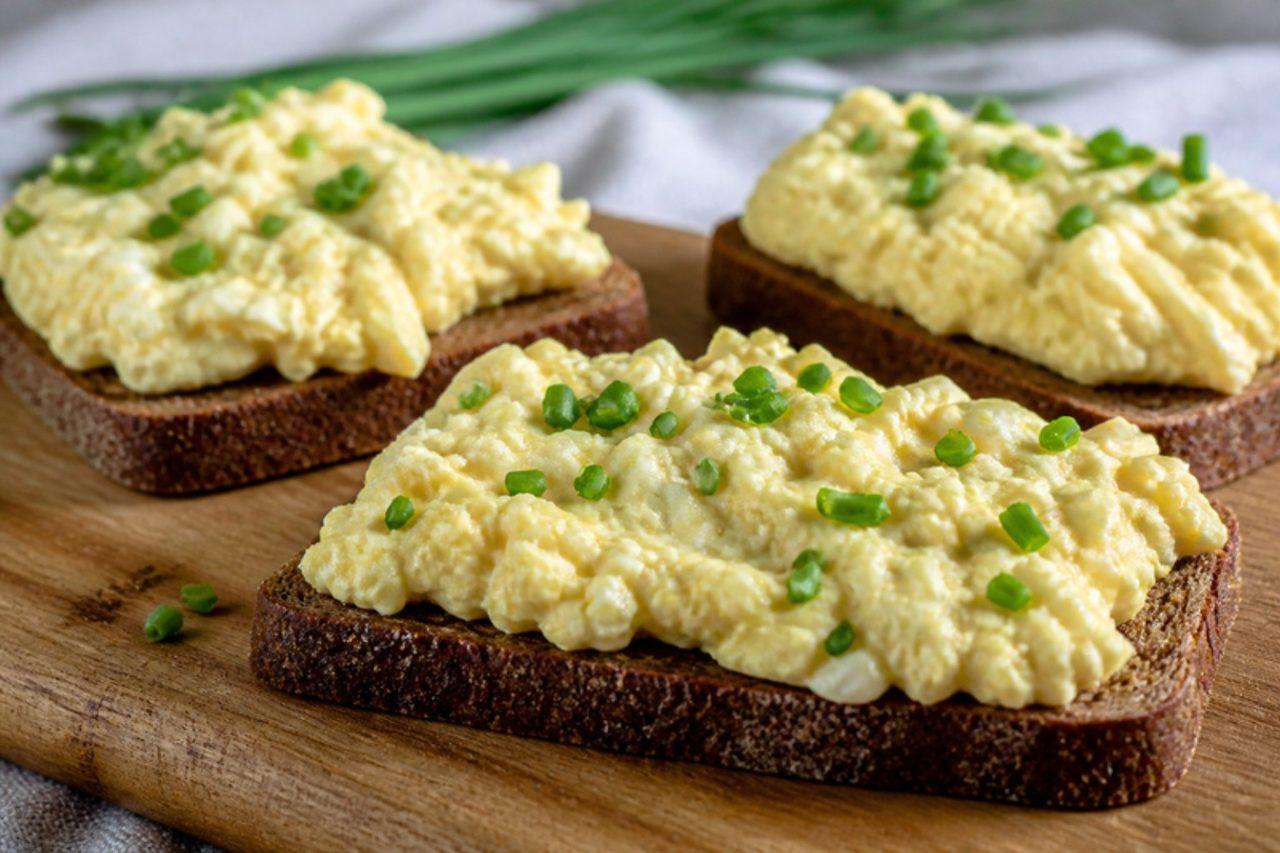
Vajíčková pomazánka is the egg spread found in every Czech and Slovak fridge, piled on rye bread for večeře, the simple bread-and-spread supper, as well as at birthday parties and on trains. Hard-boiled eggs are grated and mashed with soft butter or mayonnaise, mustard and chives into a creamy, savoury spread, finished with sliced gherkin or radish. The common mistake is mashing the eggs while still warm, which melts the butter and makes the spread greasy; cool them in cold water first. Chef's tip: grate the eggs on the fine side of a box grater for a smooth, fluffy spread with no chunks of white.

by KrazyBadal 0 views

BatashaPuffy sugar drops

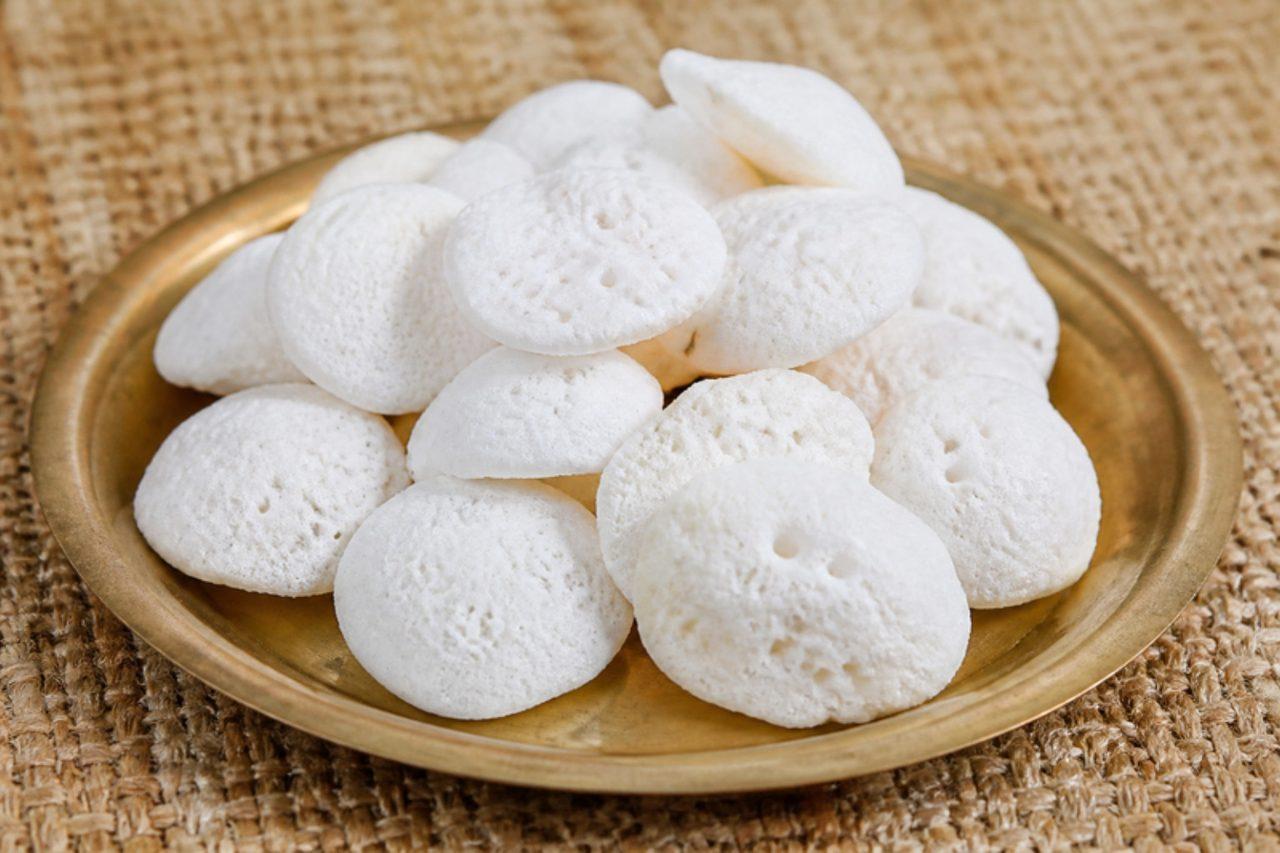
On Pohela Boishakh, the Bengali New Year in mid-April, the fairs that spring up in Dhaka, across Bangladesh and in West Bengal sell batasha by the basket, and shopkeepers hand them out with sweets as they open their new account books for halkhata. Temples receive them as offerings, and children crunch them on the way home. They are simply sugar boiled hot, then foamed with a pinch of soda and dropped in coins that set airy, crisp and melt-in-the-mouth. The common mistake is pulling the syrup off too early: below the hard-ball stage the drops spread flat and stay sticky. The syrup is ready at about 125 °C, when a drop in cold water forms a firm ball that keeps its shape. Chef's tip: work fast once the soda goes in, because the syrup sets within a minute; ask someone to help you drop them.

by KrazyBadal 0 views

Chushi pithaRice flour strands in milk

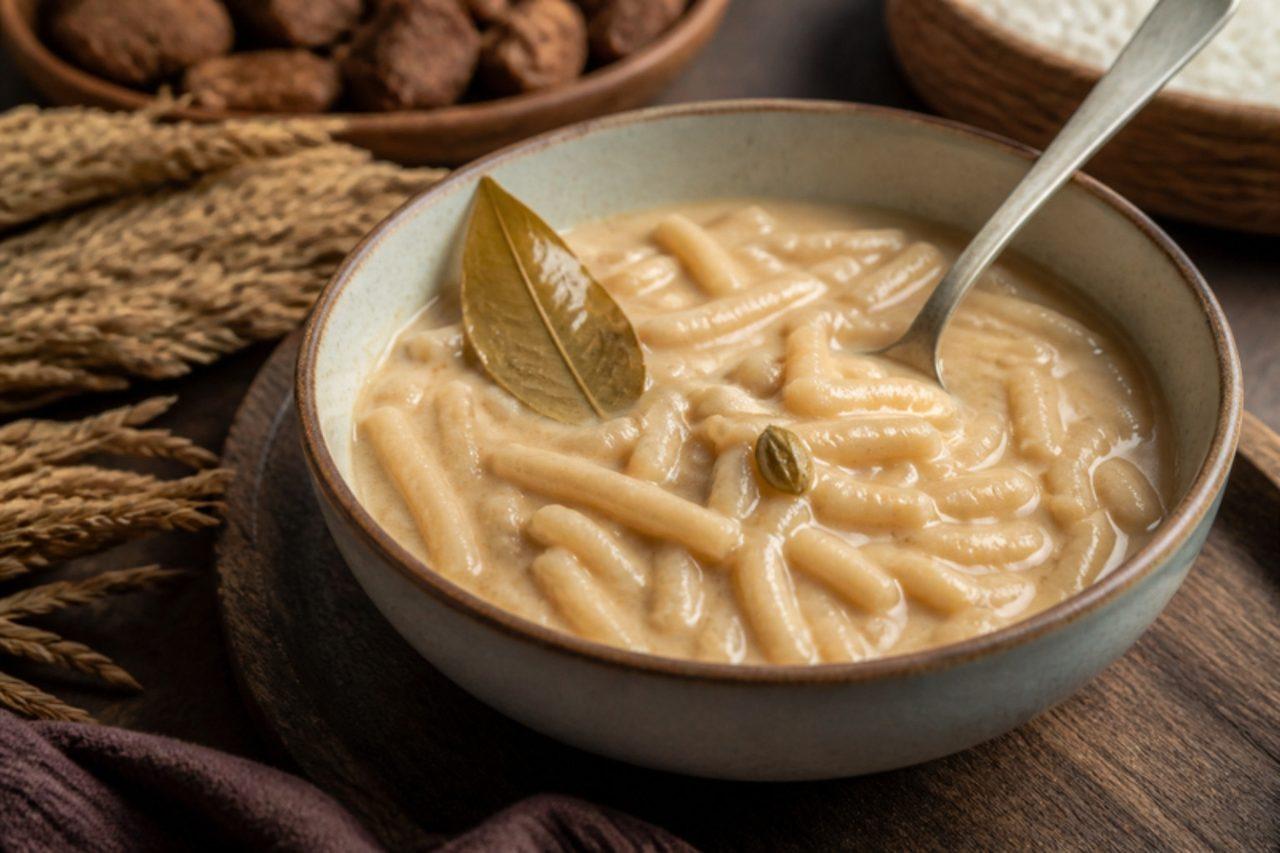
When the new rice is in and the date palms start giving their winter sap, Bangladeshi families make pitha for Nabanna and through the cold months, and chushi pitha is the one grandmothers roll by hand, an evening of small grain-shaped strands rubbed out between the palms. The strands are cooked in reduced milk with bay leaf and cardamom, then sweetened with fresh khejur gur, giving a pale caramel pudding with soft, slightly chewy pieces. The common mistake is adding the jaggery while the milk is still boiling: it can curdle it, so take the pan off the heat and let it cool for a few minutes first. The strands are done when they float, turn translucent at the edges and are soft right through. Chef's tip: let the rolled strands dry on a tray for 15 minutes before cooking; they hold their shape instead of dissolving into the milk.

by KrazyBadal 0 views

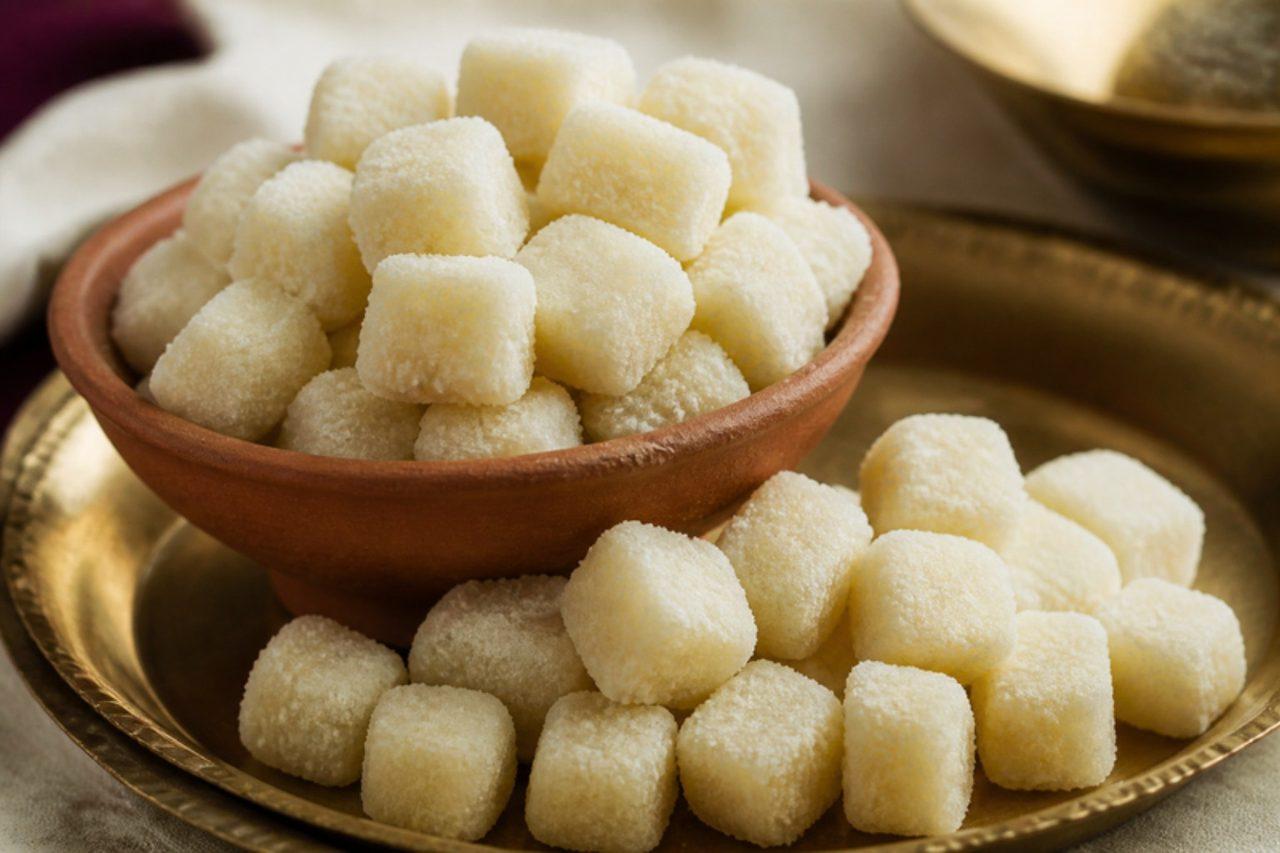
Chhanar murkiSugar-coated chhena cubes

In Bangladesh and West Bengal, Hindu families mark Bijoya Dashami at the end of Durga Puja by visiting neighbours with plates of sweets, and chhanar murki is one of the simplest to make at home. Fresh chhena is pressed firm, cut into tiny cubes and cooked in sugar syrup, which is then boiled down until it crystallises and clings to each cube as a white, crunchy coat; inside they stay soft and milky. Common mistake: using soft, wet chhena, which dissolves in the syrup. Press it under a weight until it is firm enough to slice cleanly. When the syrup turns cloudy and grainy, it is about to crystallise onto the cubes, so lower the heat and keep tossing. Chef's tip: toss the cubes off the heat for a full minute as the syrup dries; constant gentle movement gives an even, snowy coating instead of clumps.

by KrazyBadal 0 views

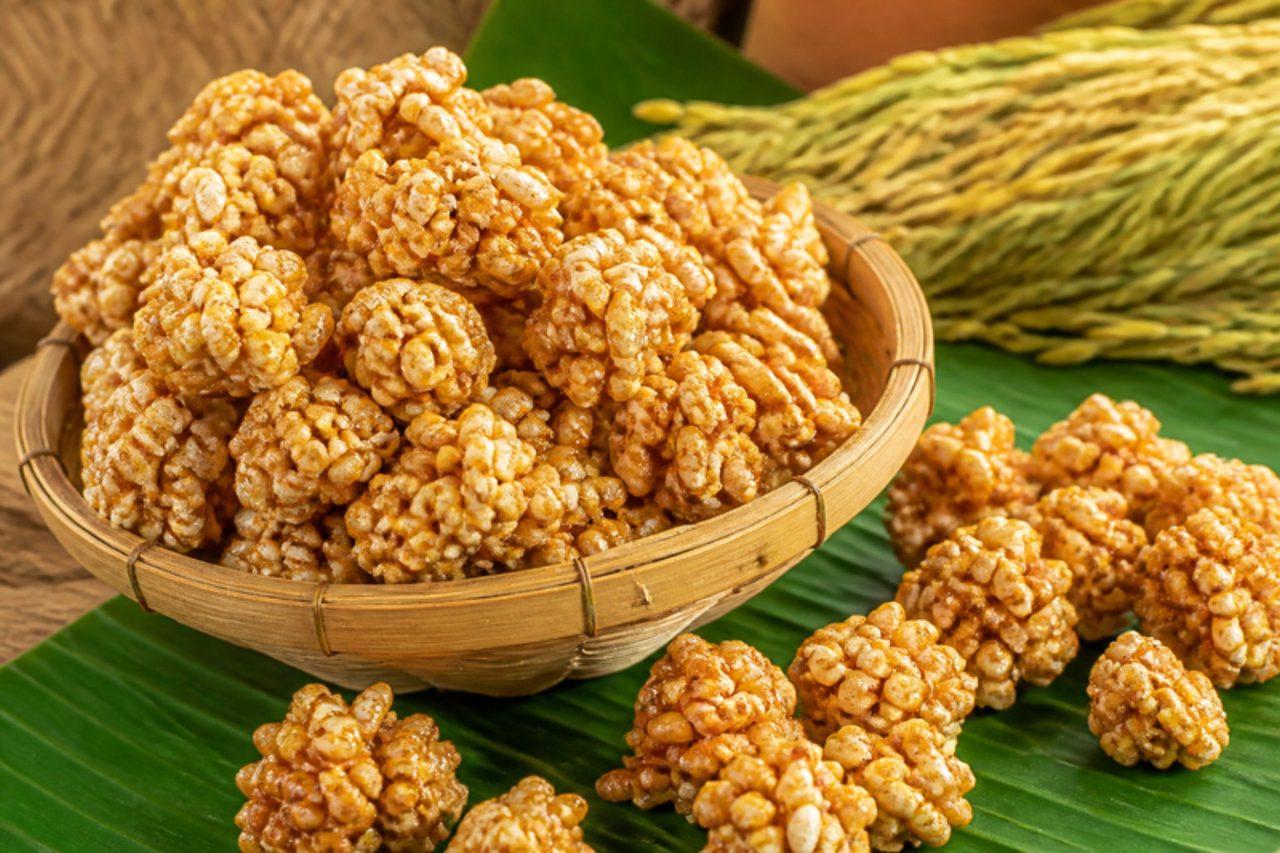
MurkiPuffed rice in jaggery

Nabanna, the 'new rice' festival of late autumn in Bangladesh and West Bengal, celebrates the first harvest of aman paddy, and the season's first date-palm jaggery arrives just in time. Murki is the treat every village makes for it: crisp puffed rice tossed in a pan of thick, boiling khejur gur until each grain is coated in a thin, crackly glaze, with a hint of dry ginger. It is offered to guests on Nabanna and on Bijoya and Lakshmi Puja, and children eat it by the handful. The common mistake is undercooking the syrup, which leaves the murki chewy and clumped; overcook it and it tastes burnt. The syrup is ready when large, slow bubbles cover the surface and a drop in cold water sets into a ball you can roll. Chef's tip: toss with two spatulas, lifting from the bottom, and keep going until the grains separate and stop sticking.

by KrazyBadal 0 views

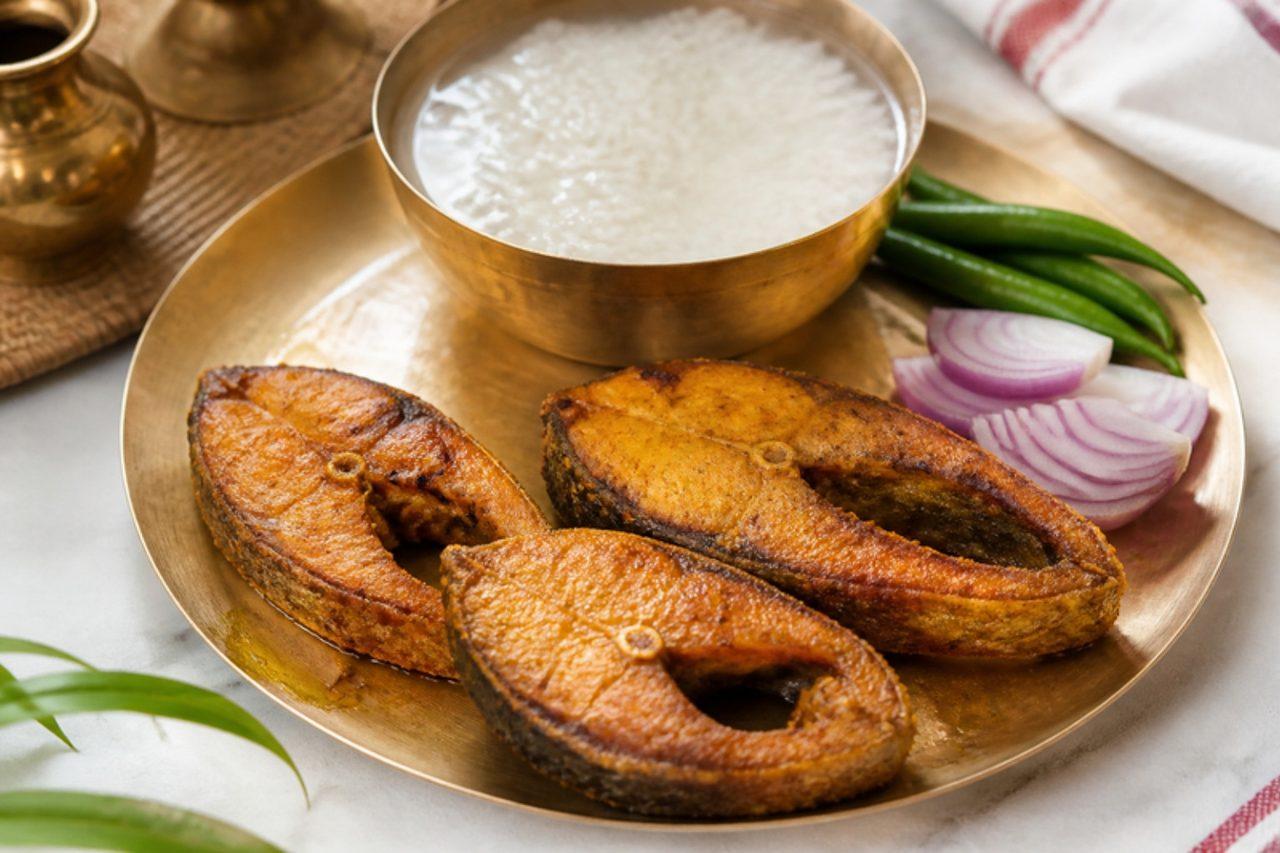
Ilish bhajaFried hilsa fish

Breakfast on Pohela Boishakh in Dhaka means panta bhat, rice soaked overnight in water, eaten under the trees at Ramna with crisp fried hilsa, raw onion and green chilli. Ilish bhaja is the simplest way to cook Bangladesh's national fish: steaks rubbed only with turmeric and salt and fried in mustard oil until the edges crisp and the rich, oily flesh turns soft and sweet. The oil left in the pan, perfumed with the fish, is poured over rice and is half the pleasure. The common mistake is turning the steaks too soon, which tears the delicate skin; leave them until they release from the pan by themselves. The fish is done when the flesh is opaque right through and flakes away from the central bone. Chef's tip: hilsa is full of fine bones, so eat it slowly with your fingers and warn guests who have not tried it before.

by KrazyBadal 0 views

KalanehWild leek stuffed flatbread

In Kurdistan and Kermanshah, Newroz arrives with the first spring greens on the hillsides, and families gather wild leeks to fold into kalaneh, thin griddle breads cooked over a fire or a hot pan and soaked in melted butter. The dough is plain and soft, rolled very thin around a pile of chopped leek or chives with a little salt and pepper, so the greens steam inside as the bread blisters. Eat it hot, torn into strips, with yogurt and tea at a Newroz picnic. The common mistake is wet greens, which turn the dough soggy and make it tear; dry them well after washing. Chef's tip: brush the butter on the moment the bread leaves the pan so it soaks right in.

by KrazyBadal 0 views

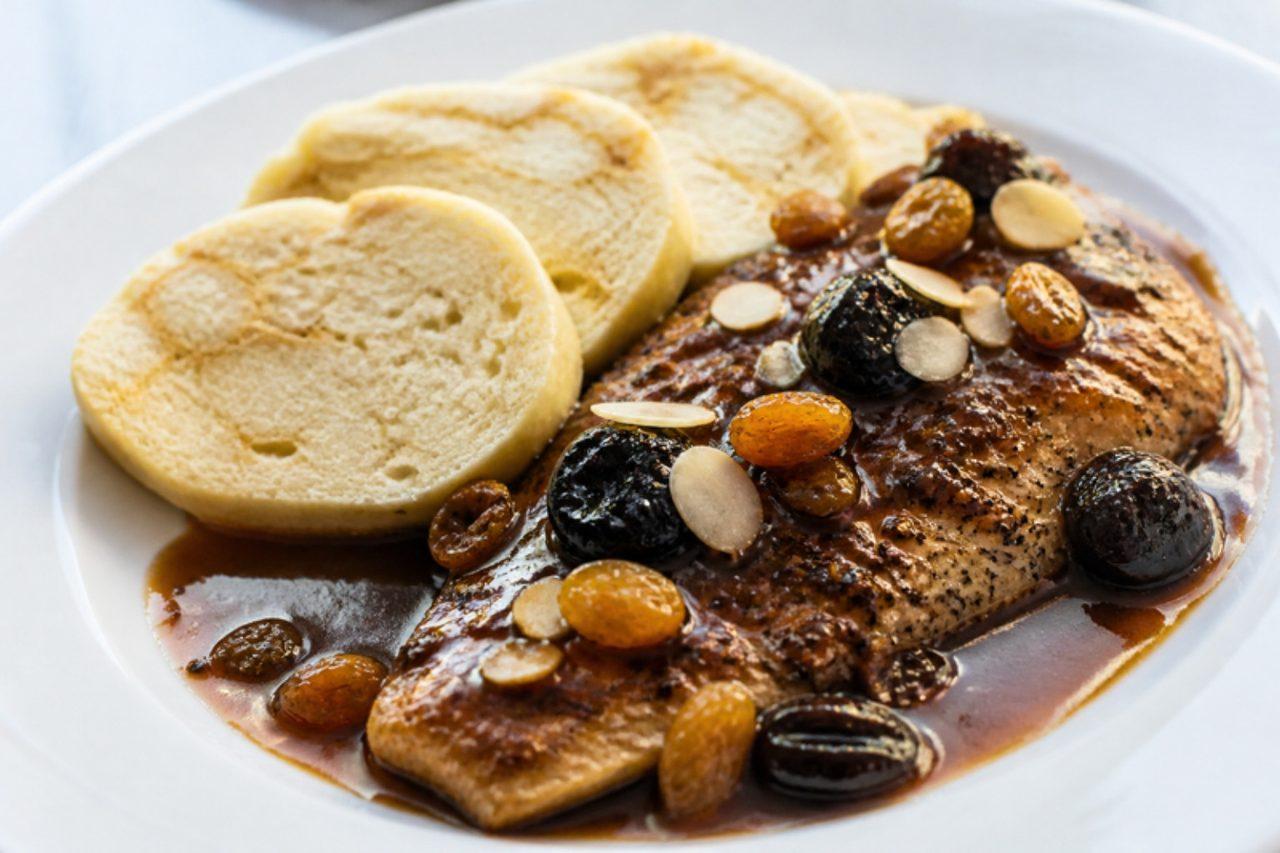
Kapr na černoCarp in dark sweet-sour sauce

Before fried breaded carp took over the Czech Christmas Eve table, families in Bohemia served kapr na černo, 'black carp': fish simmered in a dark, glossy, sweet-sour sauce of root vegetables, gingerbread, prunes, nuts and dark beer. It is rich and spiced, closer to a medieval feast dish than to the modern menu, and served with bread dumplings or potatoes. This version uses a non-alcoholic dark malt drink so the sauce is alcohol-free; adults may use dark beer. Chef's tip: grate the gingerbread finely, so it melts into a smooth sauce rather than leaving soggy crumbs.

105 minCzechFish
by KrazyBadal 0 views

Chipa so'oCheese bread with spiced beef

In Paraguay, families bake chipa in the clay tatakua ovens on Holy Wednesday so there is food for Thursday and Good Friday, when cooking stops. Chipa so'o ('chipa with meat') is a cassava-starch and cheese bread wrapped around a little filling of minced beef cooked with onion and egg, then baked until crisp outside and chewy within. It is naturally gluten free. Chef's tip: knead the dough until it no longer cracks at the edges when pressed; dry dough splits around the filling.

by KrazyBadal 0 views

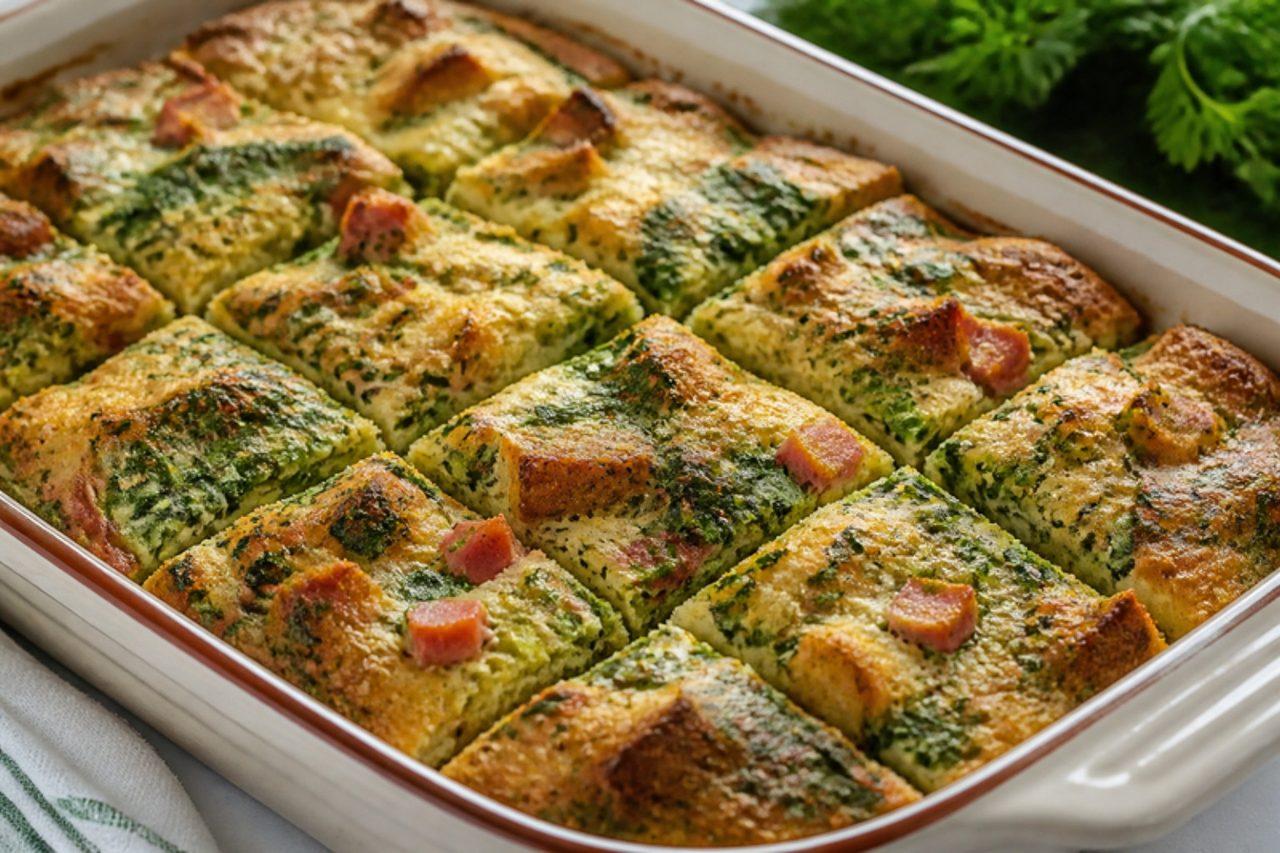
Velikonoční nádivkaBread, egg and smoked pork bake

Velikonoční nádivka ('Easter stuffing', also called hlavička) is a Czech and Moravian Easter dish, baked on Holy Saturday or Easter Sunday. Cubes of bread rolls are soaked in milk and eggs, then mixed with smoked pork and a big handful of young nettles, spinach or spring herbs, and baked until golden and puffy. It's eaten warm or cold, sliced, often beside roast lamb or chicken. For a vegetarian version, leave out the smoked pork and add 250 g fried mushrooms. Chef's tip: pick nettles wearing gloves and blanch them for 30 seconds, which takes away the sting.

75 minCzechMeat
by KrazyBadal 0 views

KaguyjyWhite corn pudding

On the night of 23–24 June, Paraguayans celebrate San Juan with bonfires, games like walking over hot coals and the 'paso de fuego', and a table of traditional foods, and kaguyjy (also mazamorra) is one of them. It is a soft, creamy pudding of cracked white corn (locro) simmered slowly in water and then milk with sugar or honey, sometimes with orange peel. It is eaten warm or cold. It is gluten free. Chef's tip: soak the corn overnight and cook it until each kernel is tender before adding the milk, or it never turns creamy.

by KrazyBadal 0 views

Dowina (Kurdish yogurt soup)

Dowina, called ash-e doogh in Persian, is warming spring food in Kurdish homes around Newroz, when yogurt is plentiful and the first herbs are cut from the garden. Rice and chickpeas simmer in a tangy, lightly thickened yogurt broth, finished with fresh dill, coriander and a sizzle of dried mint in oil. It is eaten warm, never boiling hot, with flatbread. The common mistake is to heat the yogurt too fast without stirring, which makes it split into grainy curds. Chef's tip: whisk an egg yolk and a spoonful of rice flour into the yogurt before it goes on the heat; it holds the soup smooth all the way to the simmer.

by KrazyBadal 0 views

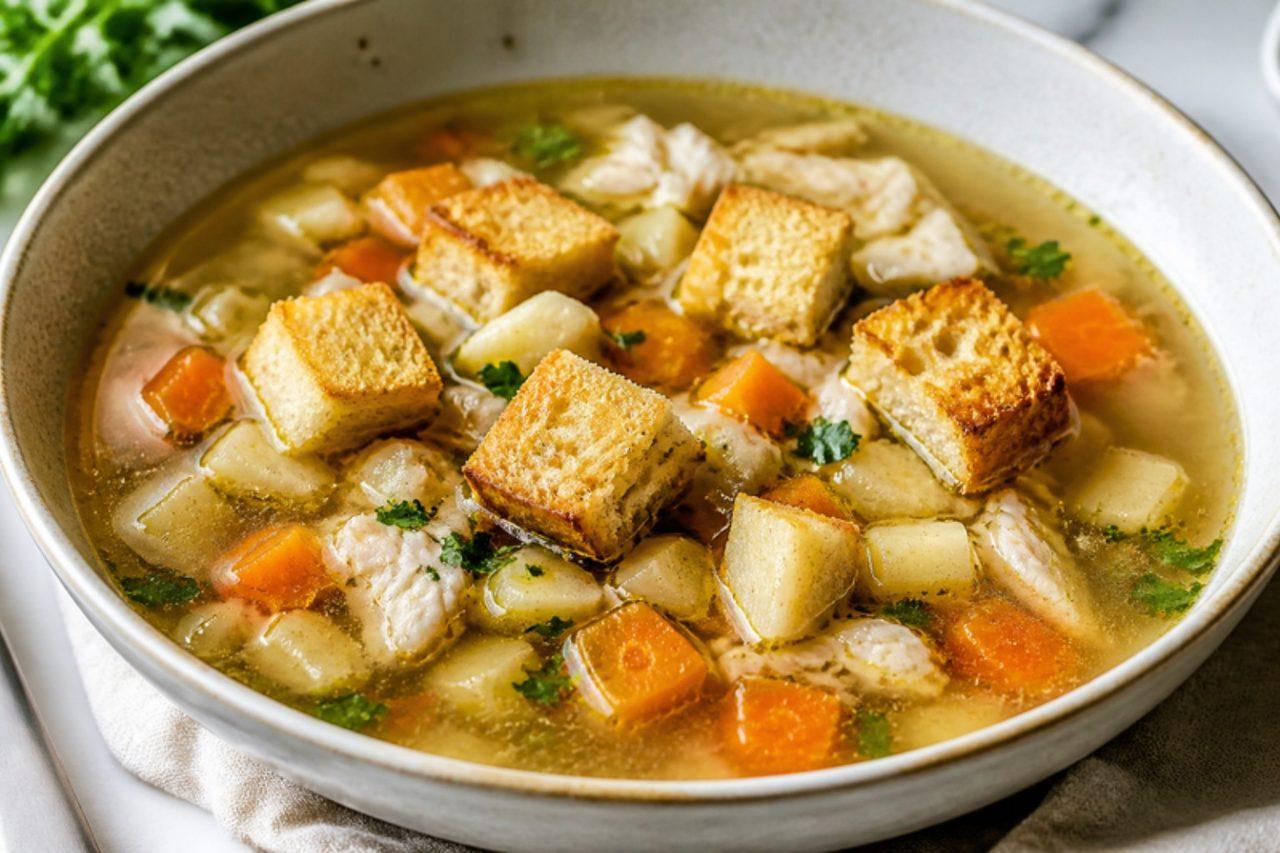
Rybí polévkaCarp soup

In Czechia the Christmas Eve supper begins with rybí polévka, a soup made from the trimmings of the Christmas carp, which is often bought live at street stalls in the days before; here you simply ask the fishmonger for prepared carp trimmings and a fillet. The bones and trimmings make a clear stock that is simmered with carrot, celeriac and parsley root, then filled with flakes of carp and served with croutons fried in butter. Many families add the carp roe. Chef's tip: strain the stock carefully through muslin, as carp has many fine bones.

105 minCzechSoups
by KrazyBadal 0 views

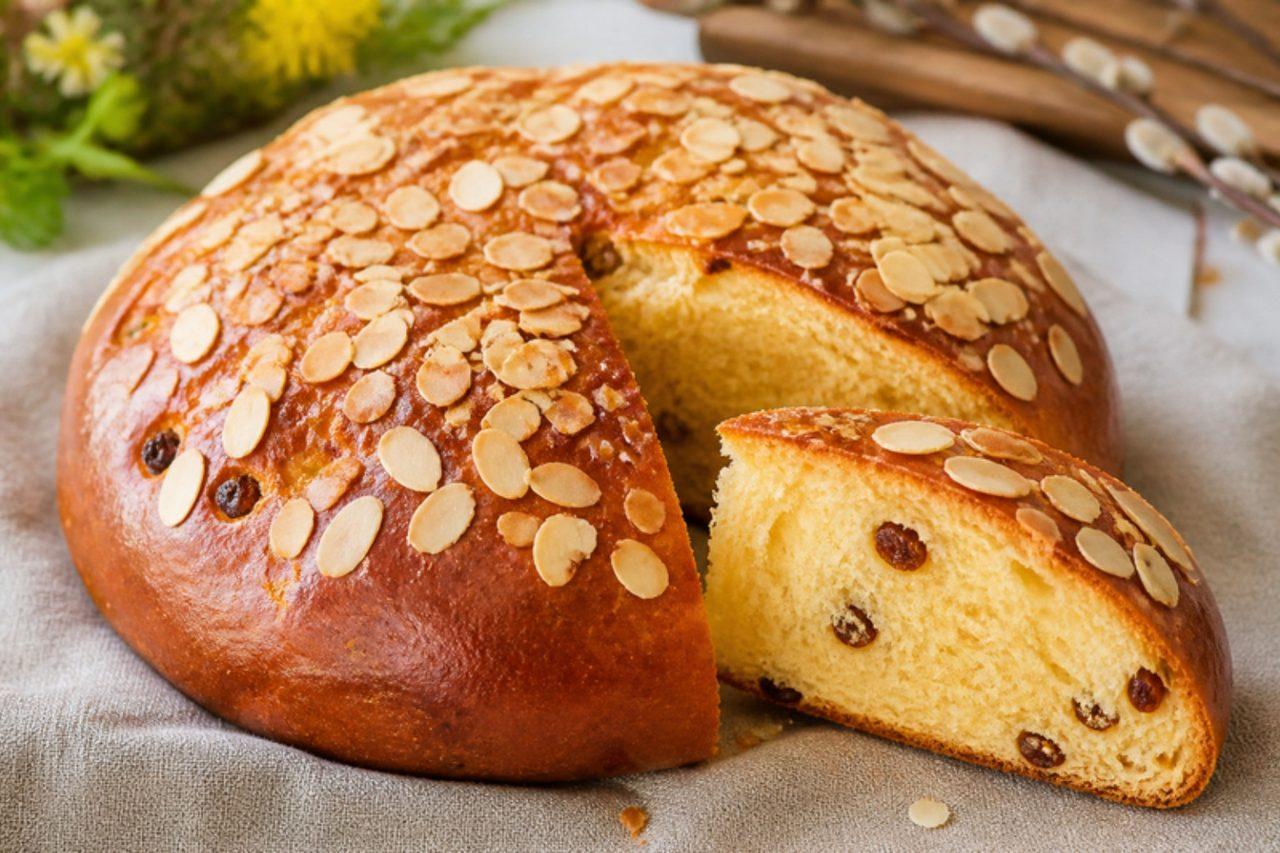
MazanecEaster raisin and almond bread

Mazanec is the round Easter bread of Bohemia, baked on Holy Saturday and eaten on Easter Sunday and Monday. The sweet yeast dough is rich with butter, egg yolks and lemon, studded with raisins and almonds, and scored with a deep cross before baking so it opens like a flower. Old recipes soak the raisins in rum; here they are soaked in warm tea, so the bread is alcohol-free. Slice it and spread with butter and honey. Chef's tip: give mazanec a long, slow bake at a moderate heat, because the rich dough browns quickly and the centre needs time.

by KrazyBadal 0 views

Pajagua mascadaBeef and cassava patties

Pajagua mascada is a Paraguayan street-food classic that appears on every table for the San Juan festival on 24 June, when bonfires burn and the night is full of games and traditional food. Minced beef is mixed with mashed cassava, onion, garlic and a little egg and flour, shaped into flat patties and fried until crisp. The name comes from Guaraní and refers to the 'chewing' of old Paraguayan cooks, who made it from leftover meat. Chef's tip: dry the boiled cassava well and remove its woody core, which keeps the patties light and crunchy.

by KrazyBadal 0 views

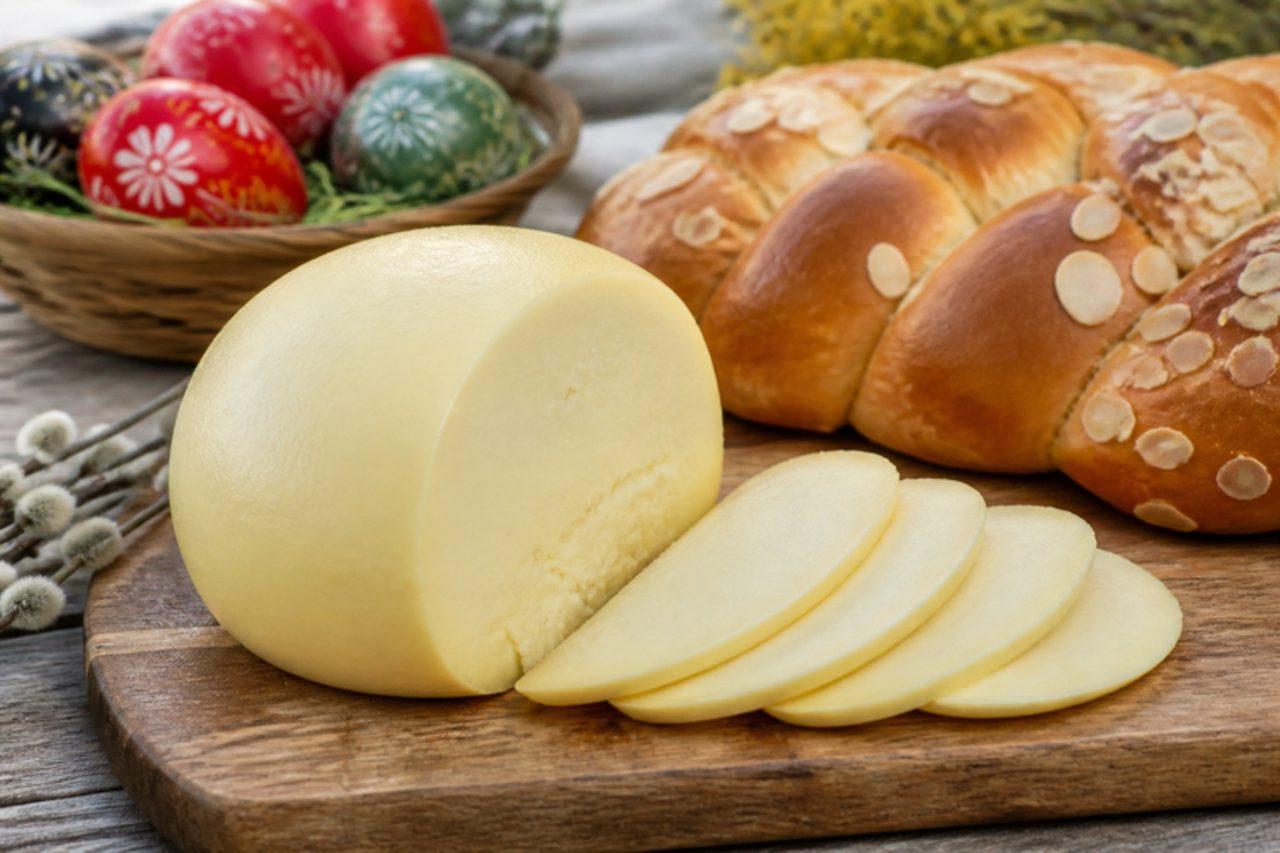
HrudkaEgg and milk cheese

Hrudka (also called sirok or egg cheese) is made in eastern Slovakia and among Rusyn and Slovak families abroad for Easter. Eggs and milk are stirred over a low heat until they separate into soft curds, then the curds are tied tightly in a cloth into a ball and hung to drain overnight. The pale-yellow, mild, slightly sweet 'cheese' is taken to church in the Easter basket on Holy Saturday and sliced at Easter breakfast with ham, bread and horseradish. It needs no rennet, so it is naturally vegetarian. Chef's tip: keep the heat low and stir constantly; high heat makes rubbery curds.

by KrazyBadal 0 views

Včelí úlkyNo-bake beehive biscuits

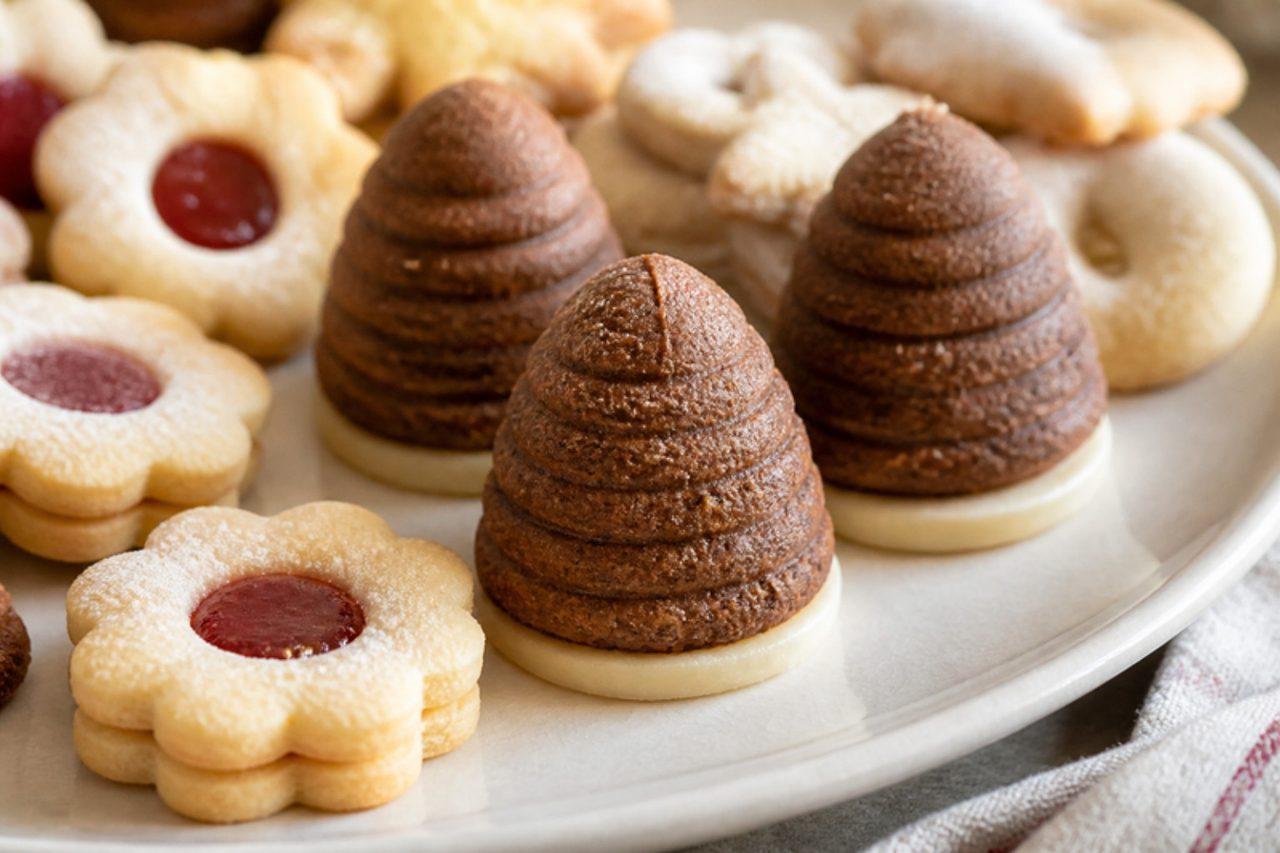
Včelí úlky ('little beehives') are a classic of the Czech Christmas cookie plate (cukroví), which families build up through Advent with a dozen or more kinds. They need no oven: crushed biscuits, ground walnuts, cocoa and butter are pressed into beehive moulds, filled with a smooth egg-yolk cream and sealed with a disc of biscuit. Traditionally a little rum is added to the dough; this version uses milk, and adults may add 1 tbsp rum. The cream is cooked to 71 °C so the yolks are safe, though anyone pregnant or vulnerable may prefer pasteurised yolks. Chef's tip: chill the filled hives before unmoulding, or they collapse.

by KrazyBadal 0 views

OblátkyChristmas wafers with honey

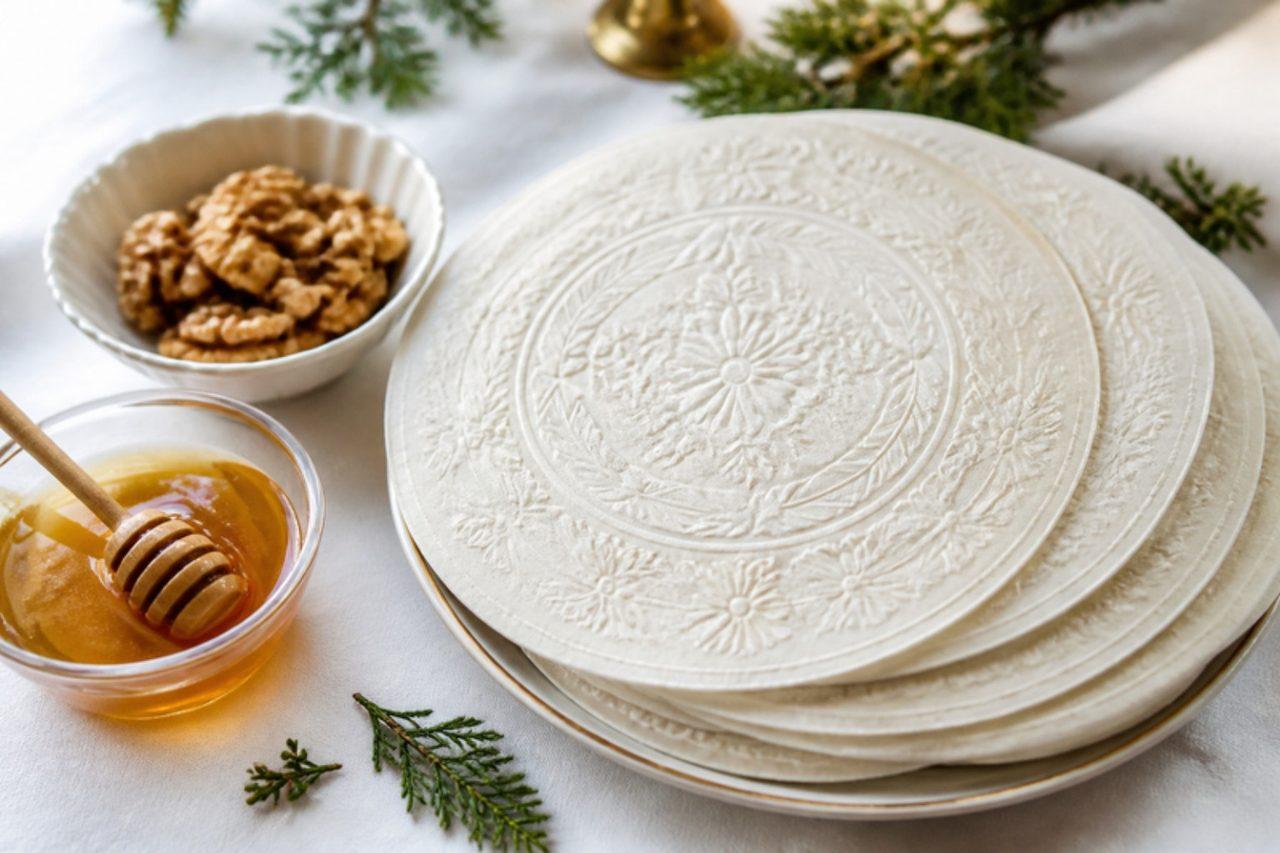
In Slovakia the Christmas Eve supper (Štedrá večera) opens with oblátky: large, paper-thin wafers stamped with a nativity pattern. The head of the household marks each person's forehead with a cross of honey, and everyone eats a wafer spread with honey, often with a sliver of garlic for health, before the cabbage soup. Families buy them from the church or bake them on a patterned wafer iron; this recipe also gives a pan method for thin, crisp wafers. Chef's tip: the batter must be thin like single cream, as a thicker batter gives a soft pancake instead of a wafer.

by KrazyBadal 0 views

Malai chop (chhana dumplings filled with sweet malai)

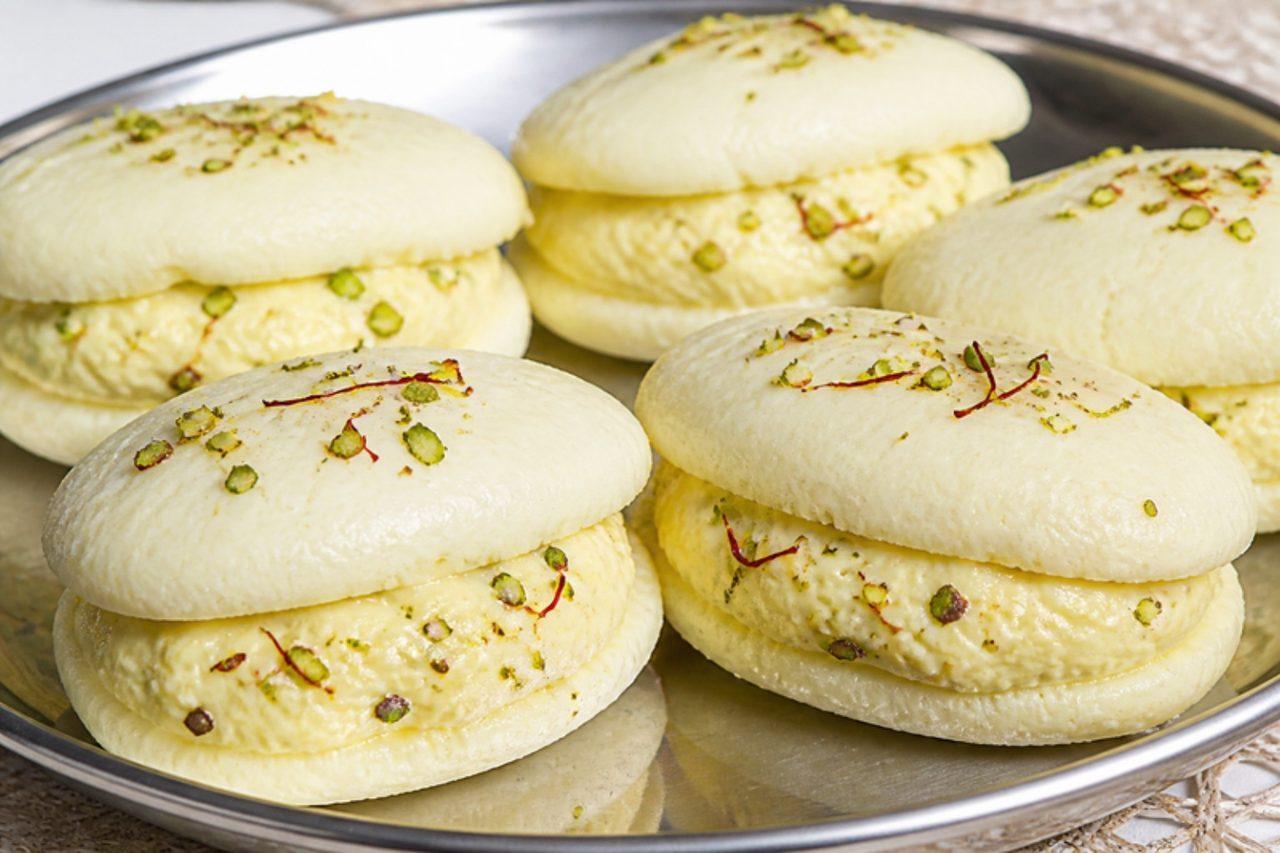
Malai chop is a sweet-shop showpiece in Dhaka and Kolkata, bought by the box for weddings, Eid visits, Durga Puja and the arrival of guests. Soft chhana (fresh milk curd) is kneaded, shaped into ovals and boiled in sugar syrup until spongy, then each one is split and filled with thick, sweet reduced-milk malai and topped with pistachios. They're juicy, light and creamy, best served cold, two to a plate. It's naturally egg-free: well-kneaded chhana holds itself together, a little cornflour helps it bind, and the long-reduced milk thickens the filling without any custard. Chef's tip: squeeze the chhana until it's moist but not wet and knead it until your palm feels greasy; chhana that's too wet is the common mistake that makes the dumplings fall apart in the syrup.

by KrazyBadal 0 views

Shemai (Bangladeshi Eid vermicelli in milk)

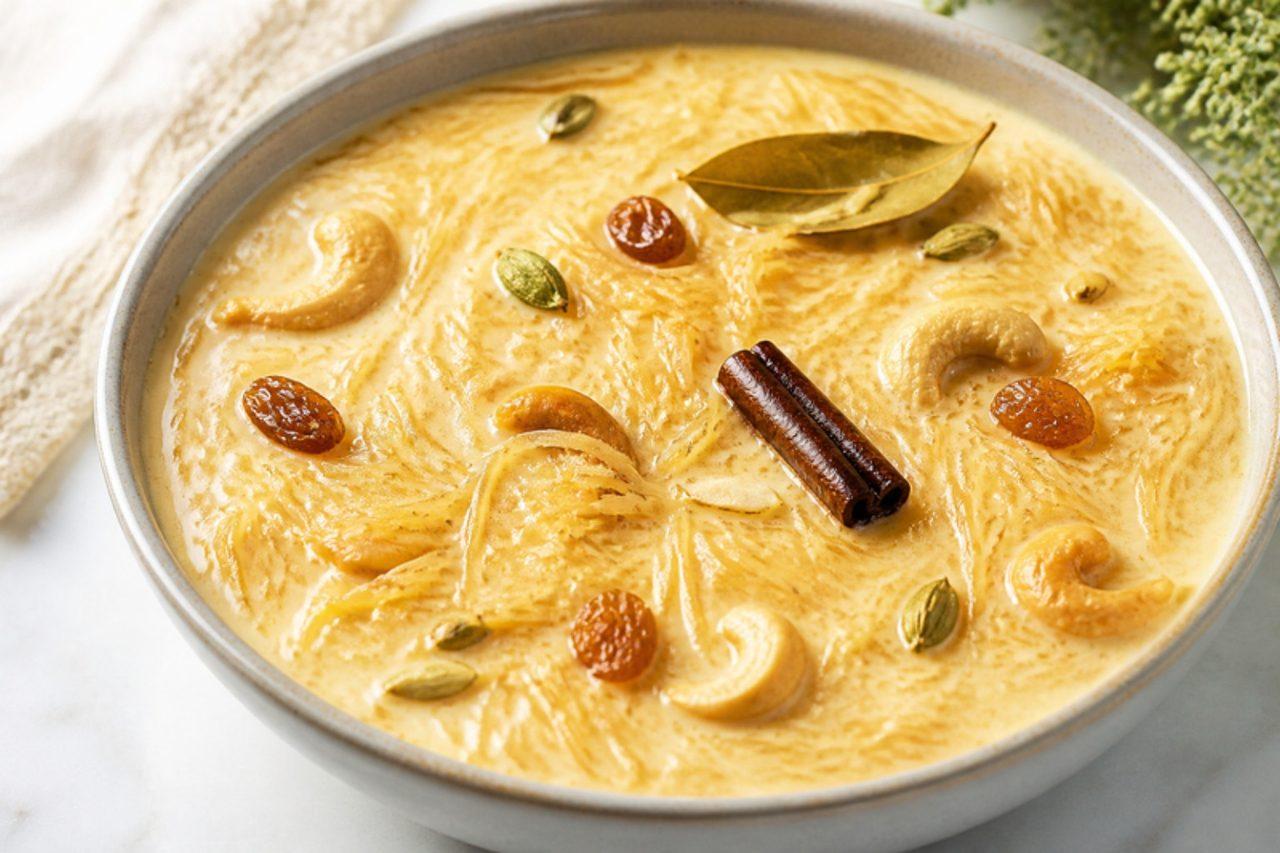
On Eid morning in Dhaka, Chattogram and villages across Bangladesh, a pot of shemai is usually on the stove before anyone leaves for prayers, and it's the first sweet offered to every visitor that day. Fine wheat vermicelli is toasted in ghee until golden, then simmered in milk with sugar, cardamom, cinnamon and the bay leaf that gives Bengali sweets their gentle, warm scent, and finished with raisins and nuts. It's creamy and soft but still loose, and it thickens as it cools. Serve it warm, or chilled the day after. It is naturally egg-free: the starch from the toasted vermicelli thickens the reduced milk, so it needs nothing to bind it. Chef's tip: take it off the heat while it still looks a little thin; cooking it until thick in the pan is the common mistake, because it sets into a stiff paste once it cools.

by KrazyBadal 0 views

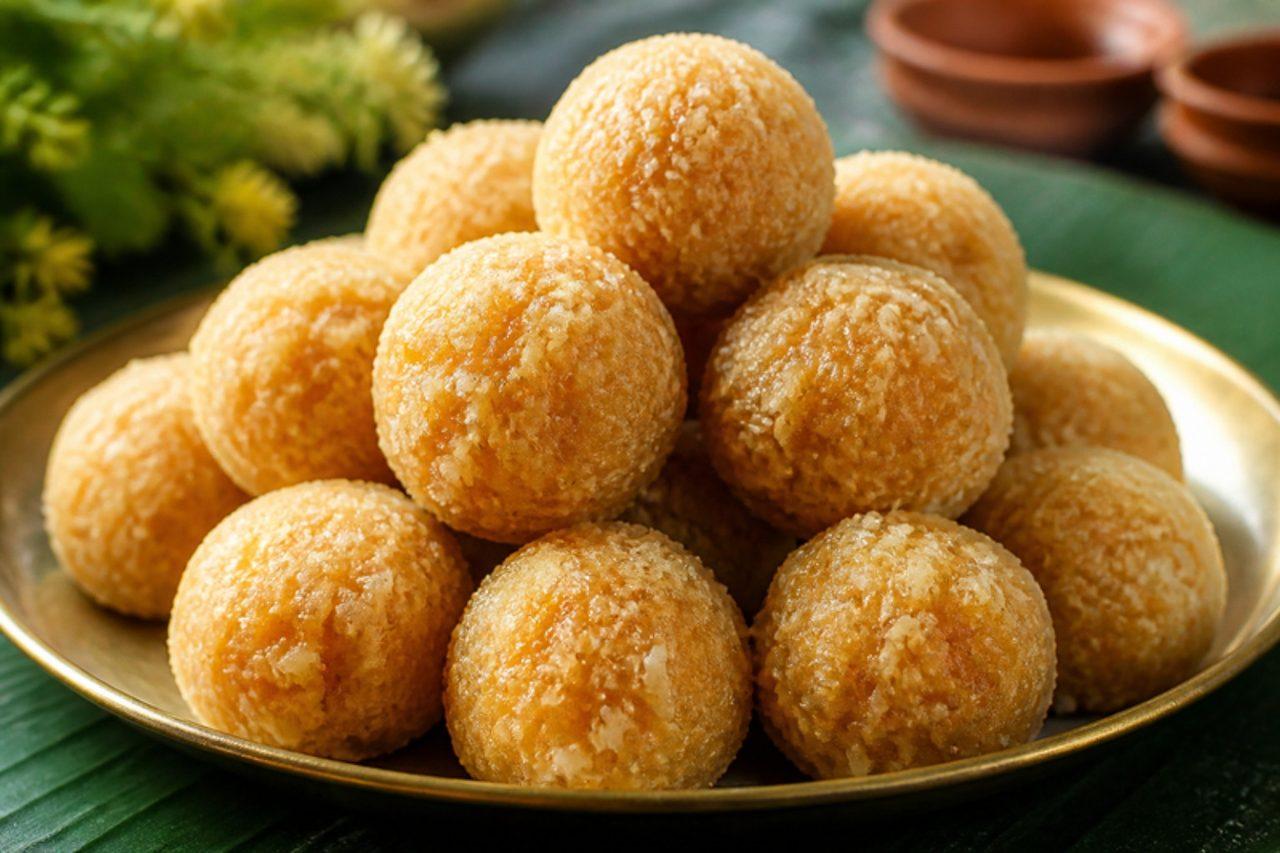
Narkel naru (Bengali coconut balls)

Narkel naru are made by the plateful in Bengali homes for Lakshmi Puja and on Bijoya Dashami, when they're offered to every visitor who comes to exchange greetings after Durga Puja. Freshly grated coconut is cooked slowly with jaggery, ideally the winter date-palm jaggery called nolen gur, until the mixture turns sticky and caramel-brown, then rolled into small balls while still warm. They're chewy and moist, intensely coconutty, with a deep molasses sweetness. Serve them at room temperature with tea or as part of a festival plate. They're naturally egg-free and vegan: the jaggery, cooked down to a sticky syrup, binds the coconut, with no flour or milk needed. Use sugar for a white naru if you prefer. Chef's tip: roll them while the mixture is still warm; waiting until it's cold is the common mistake, because it then crumbles and won't hold a ball shape.

by KrazyBadal 0 views

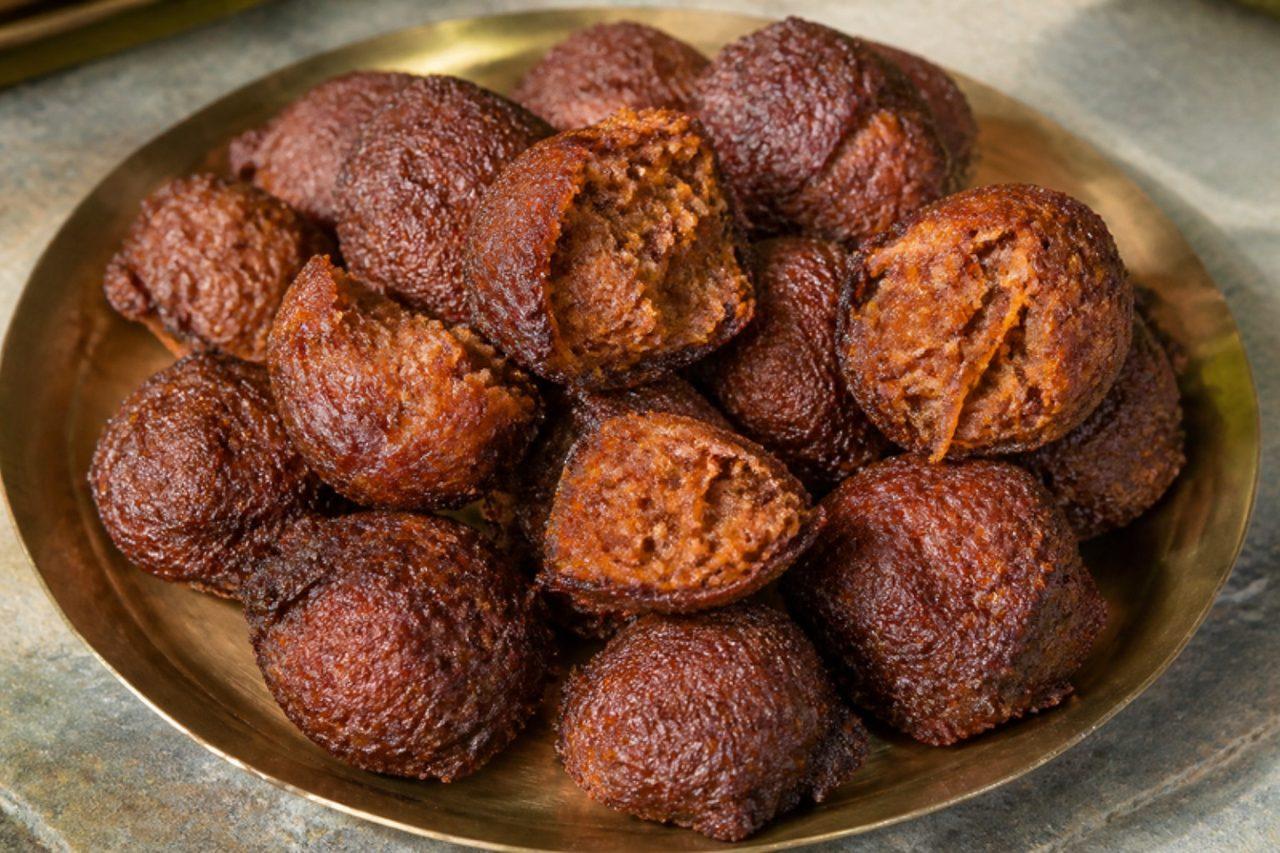
Taler bora (Bengali palm-fruit fritters)

When the ripe palmyra palm fruits (tal) fall in the late monsoon, Bengal's kitchens fill with their heavy, almost fermented-fruit scent, and taler bora are made, above all for Janmashtami in August and September. The dark orange pulp is scraped from the fibrous seeds, mixed with rice flour, a little wheat flour, grated coconut and sugar, and dropped by the spoonful into hot oil. They puff into soft, spongy balls with a dark brown crust and a sweet, fruity, slightly smoky taste. Eat them warm or at room temperature with tea, or as part of a Janmashtami offering. They are naturally egg-free and vegan: the thick, fibrous palm pulp and the rice flour bind the batter, and a pinch of bicarbonate lightens it. Use fresh pulp when you find the fruit, or frozen palmyra pulp from a South Asian grocer. Chef's tip: fry at about 165°C; the sugar in the palm pulp burns easily, so oil that's too hot is the common mistake that blackens the outside while the centre stays raw.

by KrazyBadal 0 views

Showing 24 of 381 recipes

Show more recipes

Page 1 of 16