Skip to content
Recipes

All recipes

Vegetarian, or something you can't eat? Set your diet once and we'll hide recipes that don't fit.

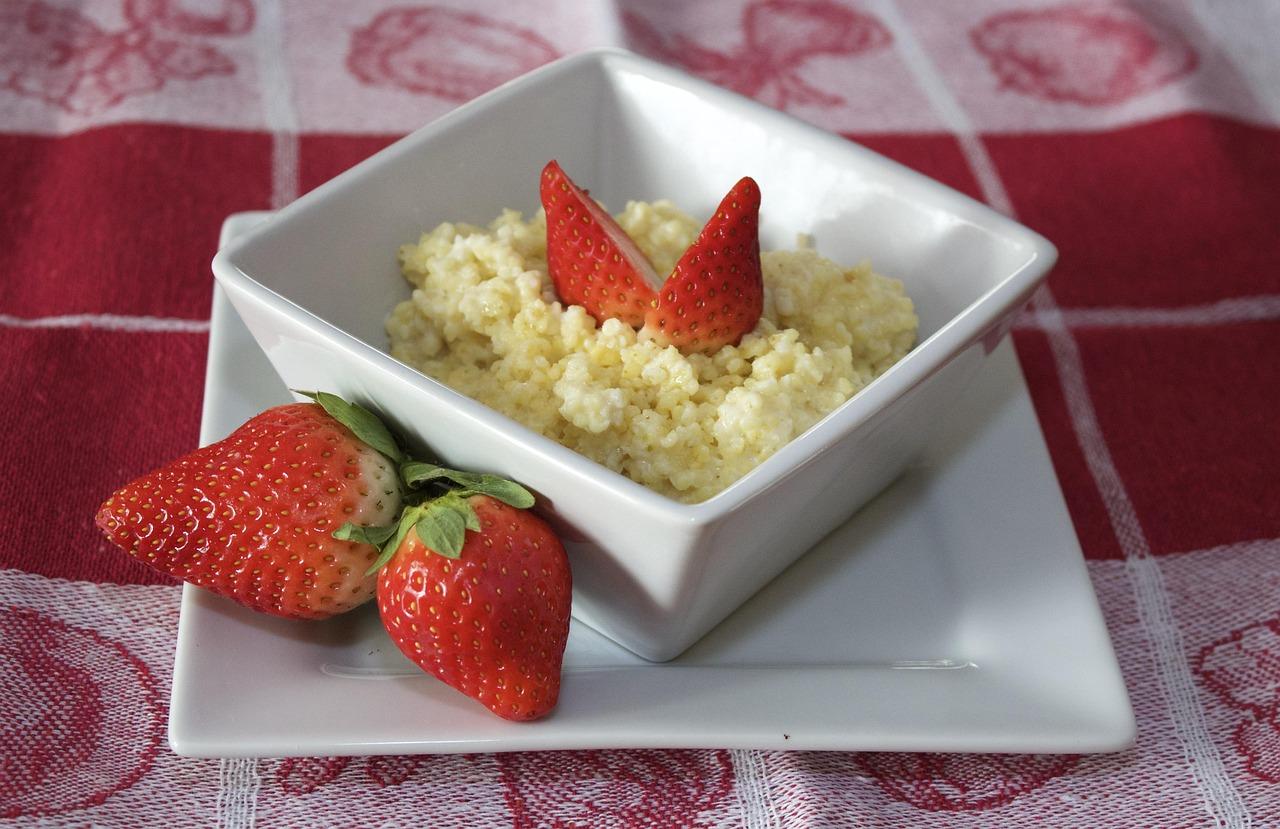
HirsebreiMillet porridge

Hirsebrei is one of the oldest dishes in German cooking, the millet porridge of fairy tales, and it is still made in homes across the country as a warm breakfast or a sweet supper for children on cold evenings. Golden millet is rinsed, then simmered in milk until creamy and soft, and served with stewed apple, berries and a dusting of cinnamon. A bowl gives about 12 g of protein from the milk and millet; stir in a spoon of quark or top with chopped almonds if you want more. The usual mistake is skipping the rinse: unrinsed millet tastes bitter and soapy, so rinse it in hot water until the water runs clear. Chef's tip: toast the rinsed millet in the dry pan for a minute before adding milk; it brings out a lovely nutty flavour.

by KrazyBadal 0 views

GrünkernbratlingeGreen spelt patties

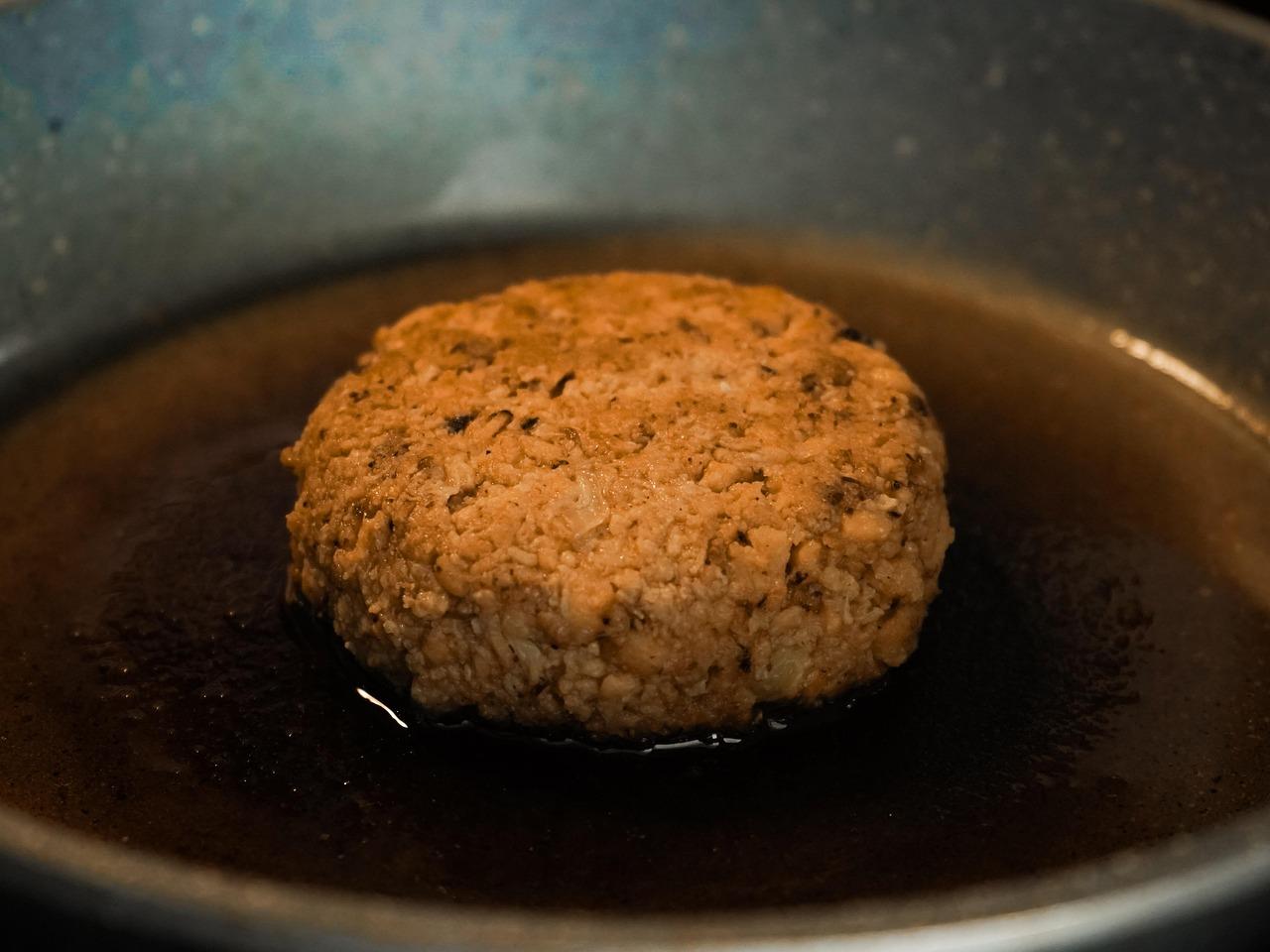
Grünkern is spelt picked while still green and dried over beech smoke, a speciality of the Bauland and Odenwald in northern Baden. Simmered and shaped into Bratlinge, it became the vegetarian patty of German wholefood kitchens and school canteens, eaten for a weekday lunch with potato salad or a crisp green salad. They are nutty and slightly smoky, crisp outside and soft within. With the herb quark, one portion of three patties gives about 23 g of protein, from the spelt, eggs, mountain cheese and quark. Hard mountain cheese is often made with animal rennet, so choose one labelled vegetarian if that matters to you. The usual mistake is frying the mixture while it is still warm and loose; it must cool and firm up first, or the patties fall apart in the pan. Chef's tip: use coarsely cracked green spelt rather than whole grains; it soaks up the stock evenly and binds without any extra flour.

by KrazyBadal 0 views

Canh rau ngot with tofuKatuk leaf and tofu soup

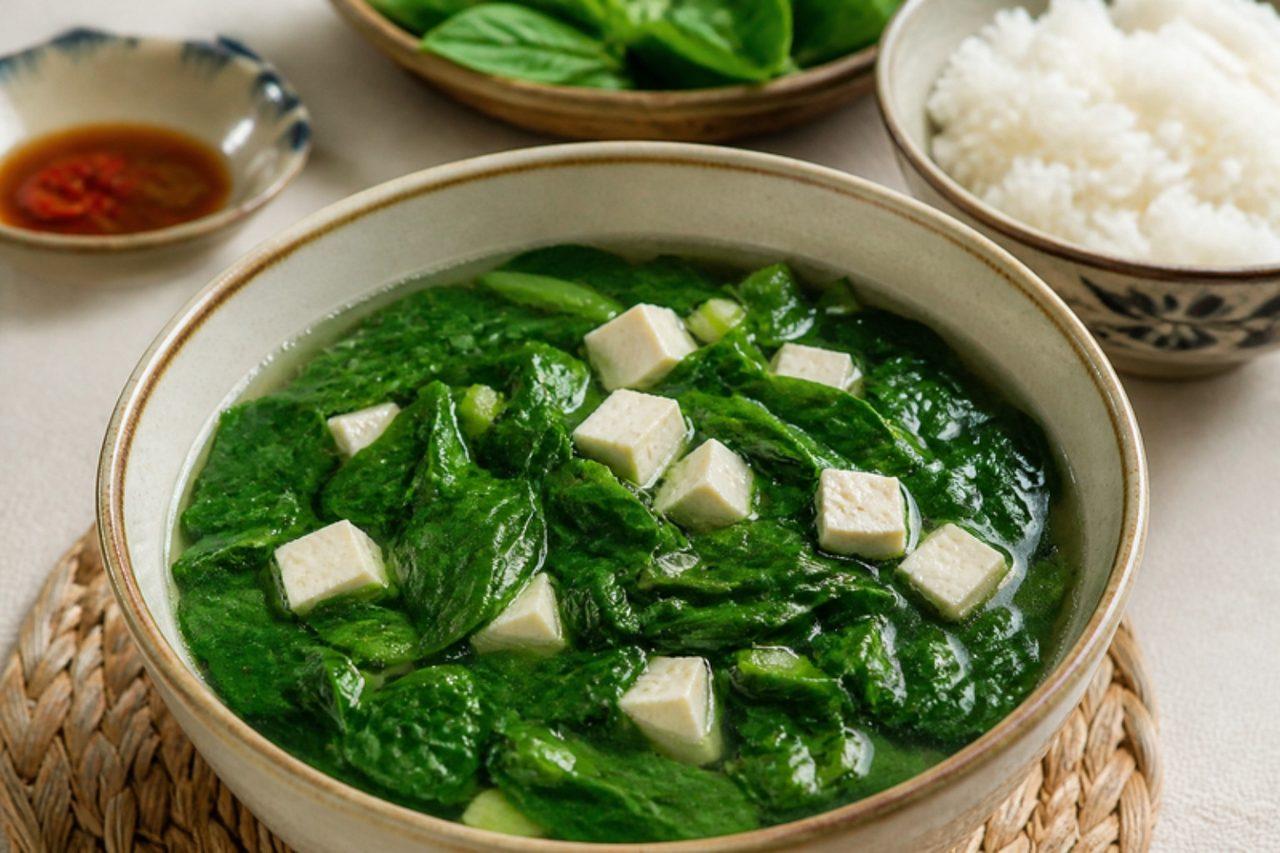
Canh rau ngot is one of the plainest and most loved soups on a Vietnamese family table, served at dinner in Hanoi and the Mekong Delta alike, in a shared bowl beside rice, a braised dish and a dipping sauce. The leaves of the katuk shrub are bruised and simmered briefly until soft and sweet. It is usually made with minced pork or dried shrimp; this vegetarian version uses cubes of tofu and a little fried shallot for savouriness. Each bowl has about 110 kcal and roughly 10 g of protein, from the tofu, so it is a light side soup. Katuk can be found frozen in Asian shops; young spinach is the nearest stand-in. The common mistake is overcooking the leaves, which turn khaki and slimy. Chef's tip: rub the leaves between your palms before cooking; bruising them lets them release their sweetness in just a few minutes.

by KrazyBadal 0 views

Hoa quả dầm (Hanoi fruit cup with yoghurt and condensed milk)

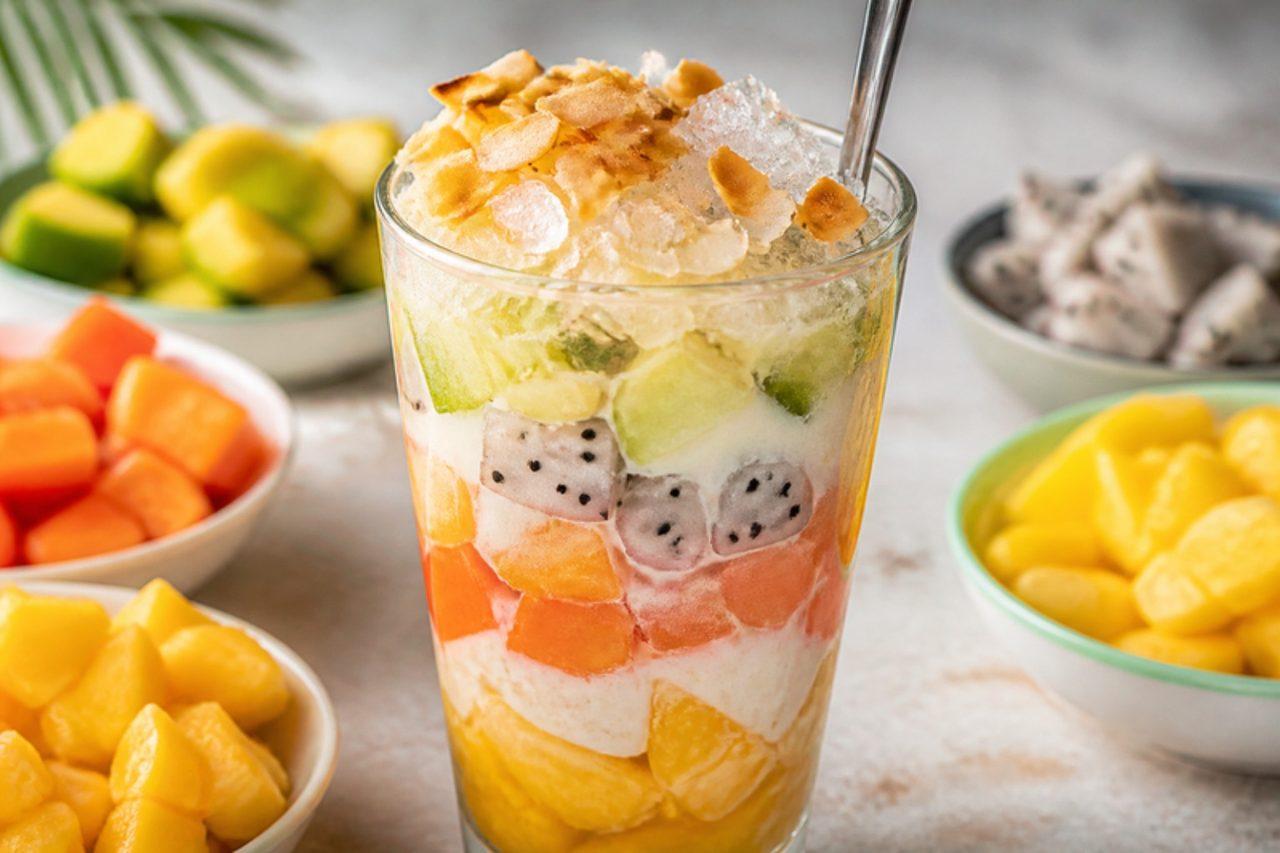
On sticky summer afternoons, Hanoi's young people pack the little stools along streets near Hoàn Kiếm Lake for hoa quả dầm, a cup of diced fruit buried in crushed ice, plain yoghurt and condensed milk. The fruit follows the season, usually mango, papaya, jackfruit, dragon fruit and avocado, and the whole thing is stirred together before eating, so it turns cold, creamy, tangy and sweet at once. Serve it immediately, with a long spoon and toasted coconut on top if you like. No cooking and no egg here: condensed milk and yoghurt dress and bind the fruit, and the crushed ice chills it, so there is nothing to set. Chef's tip: dice everything to the same small size, about 1.5 cm, so each spoonful gets a mix; the common mistake is adding the ice too early, which melts and floods the cup before it reaches the table.

by KrazyBadal 0 views

Feldsalat mit warmem KartoffeldressingLamb's lettuce with warm potato dressing

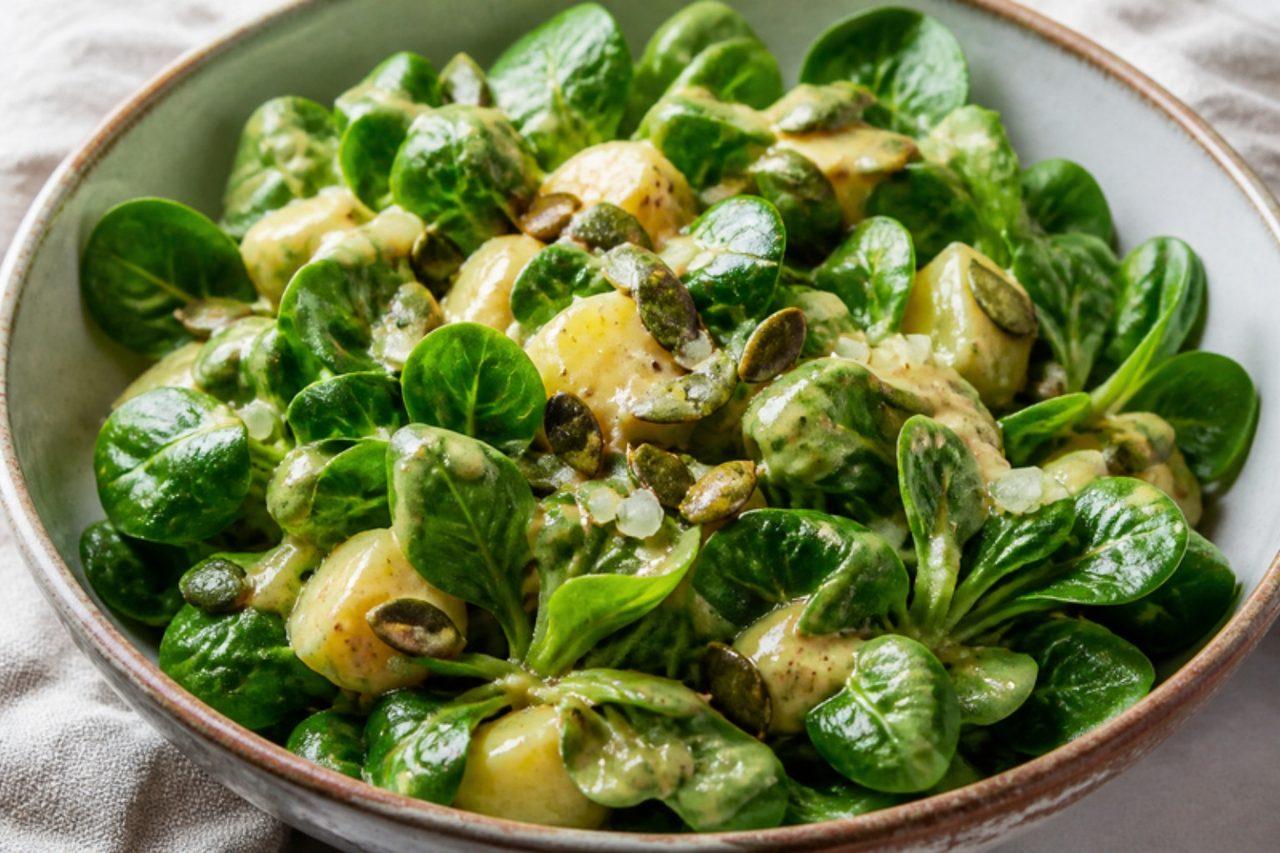
In Baden-Württemberg and Bavaria, Feldsalat (lamb's lettuce, also called Ackersalat or Nüsslisalat) is the winter salad, eaten from October to March as a starter or beside Spätzle and egg dishes. The small, tender rosettes are dressed in a warm, creamy Swabian dressing made from a boiled potato mashed with stock, mustard, vinegar and oil, which coats the leaves without weighing them down. Traditional versions use meat stock and bacon; this one uses vegetable stock and crisp fried onions, so it is vegan. It gives about 3 g of protein a portion, so it is a side; add toasted pumpkin seeds for more. The most common mistake is not washing the leaves well: grit hides deep inside the rosettes, so wash in two or three changes of water. Chef's tip: dress the leaves only at the table; the warm dressing wilts them within minutes.

by KrazyBadal 0 views

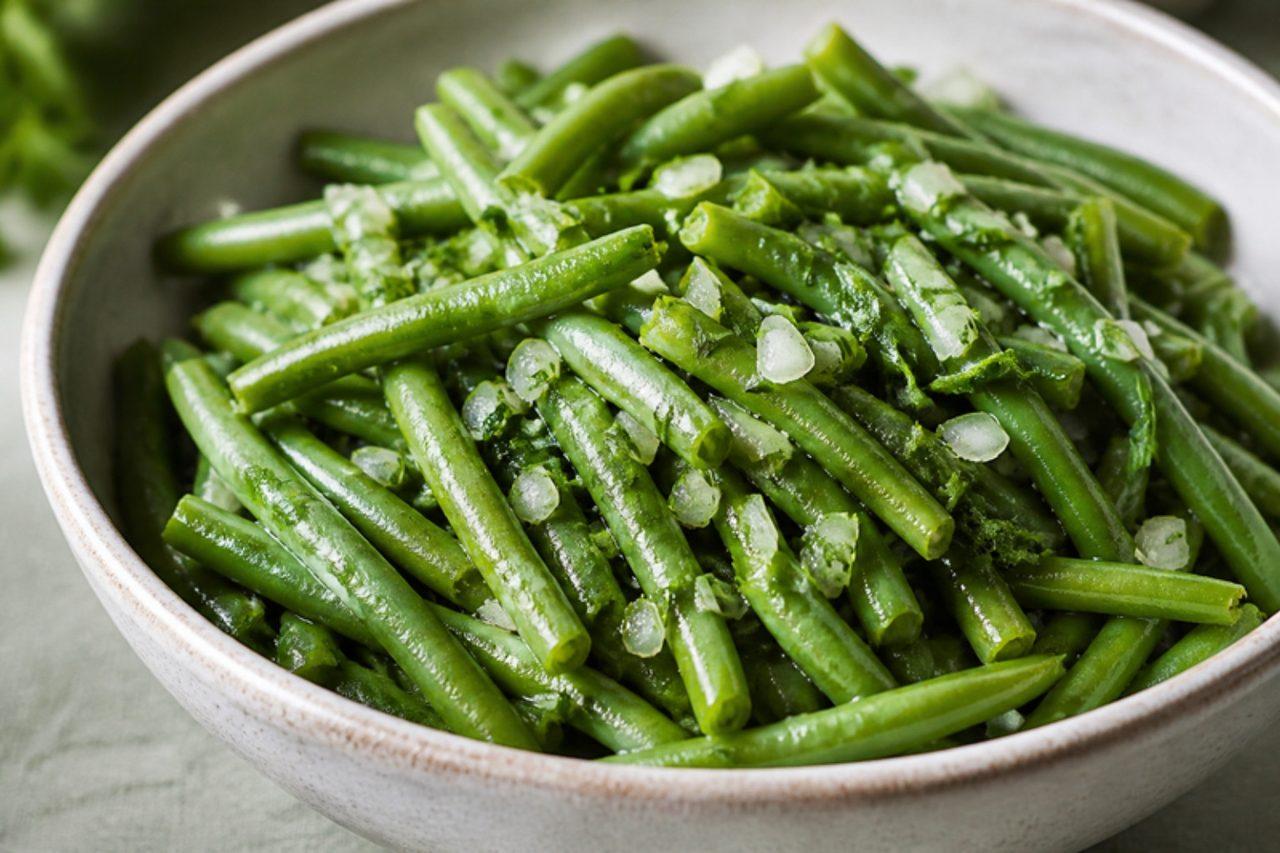
Grüner BohnensalatGreen bean salad

In German kitchens from Swabia to Westphalia, green bean salad comes out in high summer when beans are cheap and plentiful, as a side to fried eggs, potato salad or grilled food, and it travels well to picnics. The beans are cooked until just tender, then dressed warm with vinegar, oil, onion and Bohnenkraut (summer savory), the peppery herb Germans always pair with beans. Many cooks add bacon; this version is vegan. A portion gives about 3 g of protein, so it is a side; add a handful of white beans to make it more filling. The most common mistake is undercooking the beans so they squeak: German bean salad is meant to be tender, not crisp, so cook until a bean bends without snapping. Chef's tip: dress the beans while they are still warm and let them sit for 30 minutes; they absorb the vinegar and taste far better than freshly dressed.

by KrazyBadal 0 views

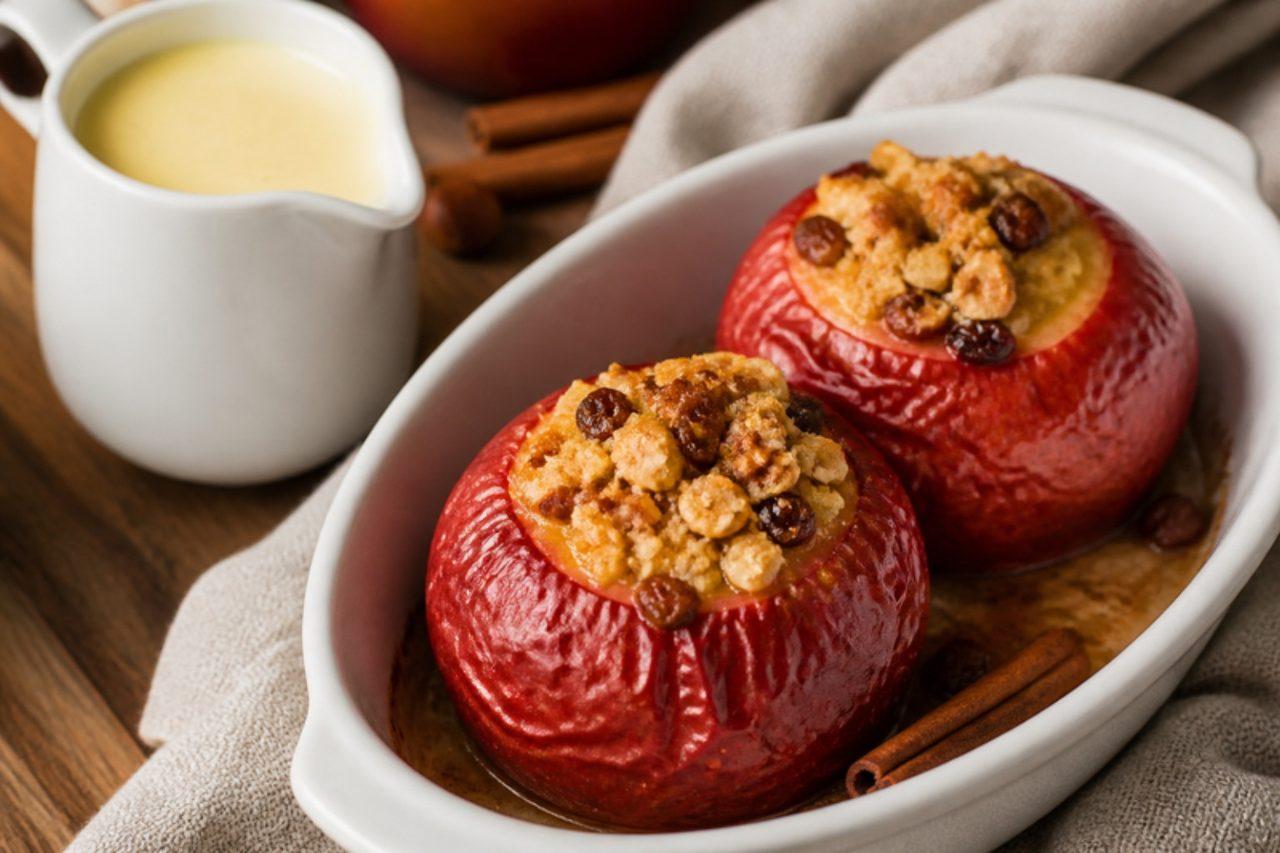
Bratapfel (German baked apples with almond paste)

Across Germany, Bratäpfel are the smell of Advent: on cold December afternoons and evenings tart apples go into the oven filled with marzipan, raisins and nuts, and come out puffed, split and bubbling. The skin wrinkles, the flesh turns to a soft, sweet-sour purée and the almond filling melts into the juices. Serve them hot in their dish with the pan juices spooned over, and a plant-based vanilla sauce or a spoon of cold cream if you are not keeping them vegan. Shop marzipan sometimes contains egg white, so here you make a quick egg-free almond paste from ground almonds, icing sugar and a few drops of water, which holds the filling together just as well. The raisins are soaked in apple juice instead of rum. Chef's tip: choose a firm, sharp baking apple and score a ring around its middle; the common mistake is using a sweet eating apple without scoring, which bursts and collapses before the core is tender.

by KrazyBadal 0 views

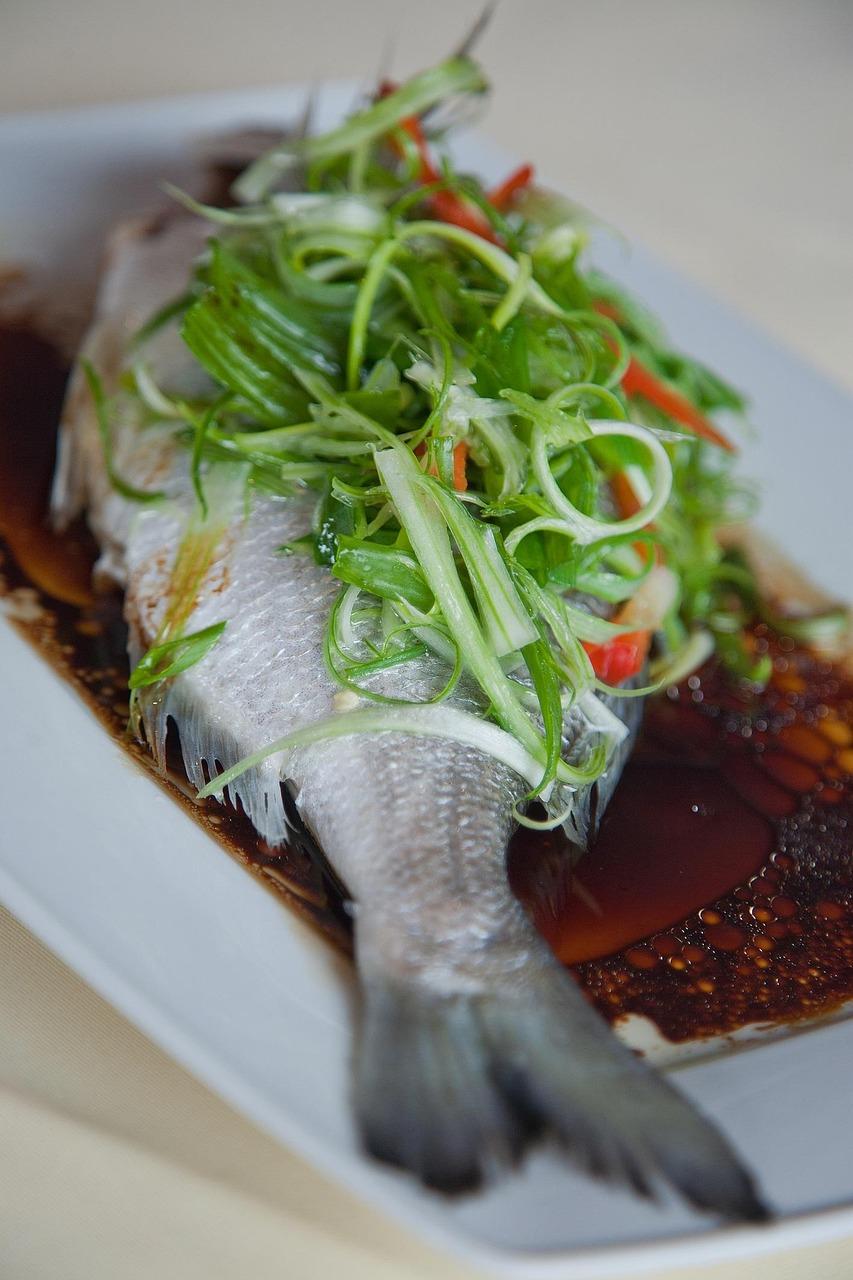
Cá hấp gừngGinger steamed whole fish

Cá hấp gừng is a family dish across Vietnam, from Hanoi to the Mekong Delta, put in the middle of the table for a weekend lunch or a Tết dinner and shared with rice and greens. A whole fish is steamed over ginger, then heaped with ginger and spring onion shreds and dressed with sizzling oil and a light soy and fish sauce. The flesh comes out silky and delicate. A portion has about 25 g of protein from the fish. The common mistake is oversteaming: thin parts go dry and woolly. Take it off as soon as the flesh at the thickest point pulls cleanly from the bone. Chef's tip: score the fish to the bone on both sides so it cooks evenly and the sauce gets in.

by KrazyBadal 0 views

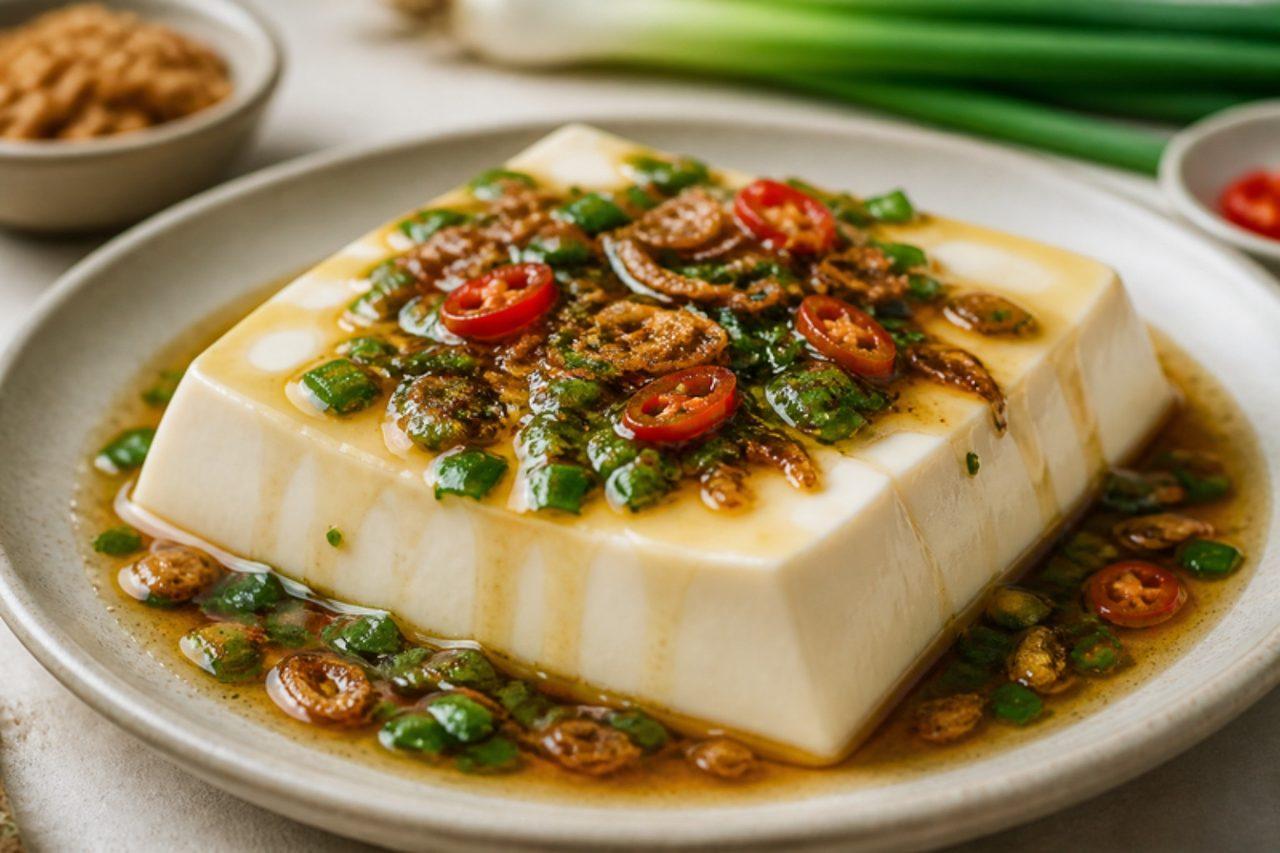
Dau hu non hapSteamed silken tofu

Steamed silken tofu is a fast, gentle dish cooked in homes from Hanoi to Saigon, especially on vegetarian days at the start and middle of the lunar month, when many families eat chay. A whole block of silken tofu is steamed until wobbling and hot, then topped with sizzling spring onion oil, a light soy dressing, chilli and crisp fried shallots. It is soft and savoury, and goes with rice and a stir-fried green. Each portion has about 150 kcal and roughly 10 g of protein, from the silken tofu, so it is a light dish rather than a high-protein one. The common mistake is turning the block out roughly so it cracks; slide it gently onto the plate. Chef's tip: pour off the water that gathers on the plate after steaming, or it thins the sauce.

by KrazyBadal 0 views

Chilcano de pescadoClear fish broth

In the fishermen's terminals of Chorrillos and Callao, chilcano is what you drink on a Sunday morning after a long night: a clear, gingery broth made from the heads and bones left over from cleaning fish for ceviche, with chunks of fish, red onion, chilli and a squeeze of lime in the bowl. It is light and warming, around 160 kcal a bowl, and still gives about 24 g of protein from the fish fillet and the broth. The common mistake is squeezing the lime into the pot while it boils, which turns it bitter; add it to each bowl at the table. Don't boil the bones for more than 30 minutes either, or the broth turns cloudy and harsh. Chef's tip: ask the fishmonger for heads and frames from mild white fish like sea bass or cod, and leave out oily fish such as mackerel, which makes the broth strong and fishy.

by KrazyBadal 0 views

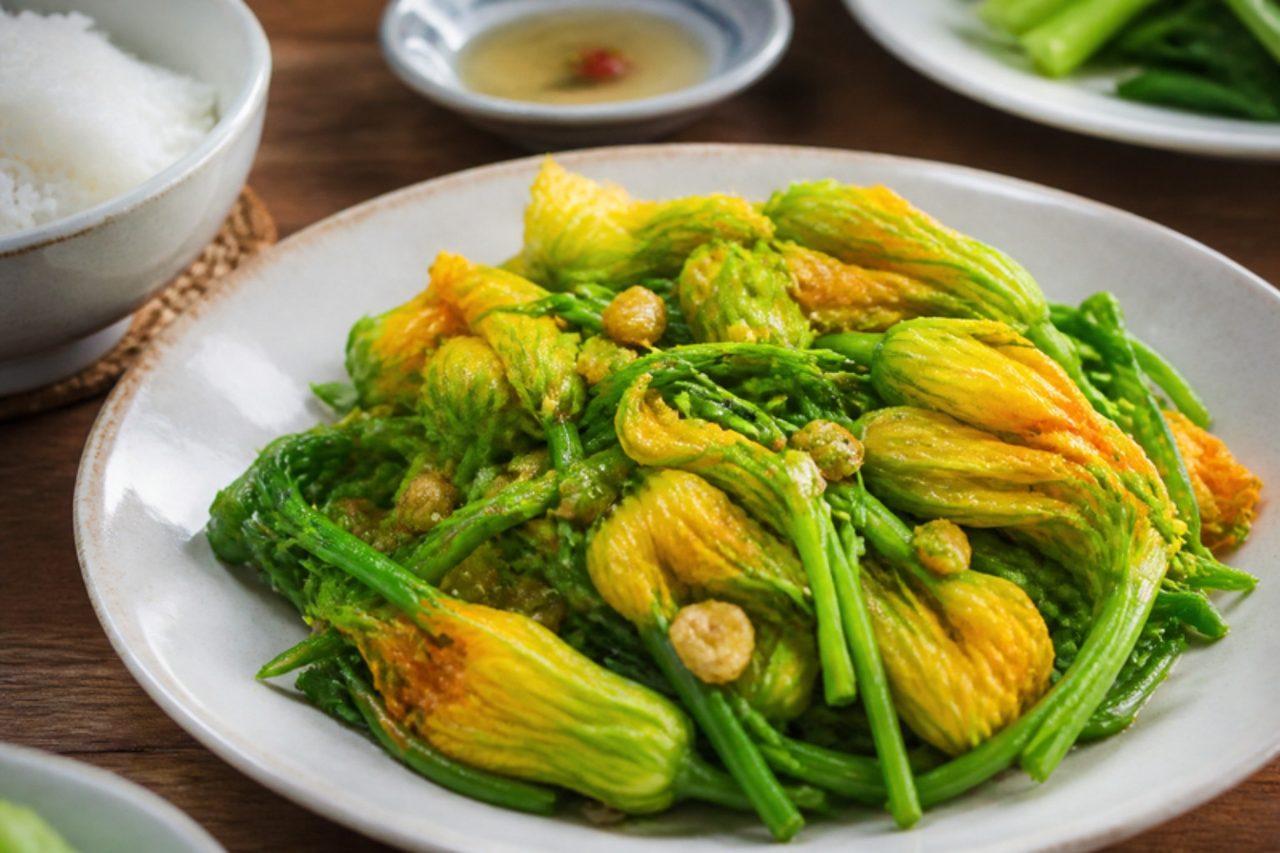
Bông bí xào tỏiGarlic stir-fried pumpkin flowers

From the Mekong Delta to the market gardens outside Hanoi, pumpkin vines are picked for their flowers and tender shoots, and bông bí xào tỏi is the everyday way to cook them: a few minutes in a hot wok with lots of garlic, served beside rice and a bowl of soup at family dinners. The flowers are soft and sweet and the shoots slightly crunchy. Some cooks add a splash of fish sauce; this version is seasoned with salt and a little soy, so it is vegan. It is a light side with about 3 g of protein per portion. The common mistake is leaving the stamens and the stringy skin on the shoots: both make the dish bitter and tough. Courgette flowers work well instead. Chef's tip: put the shoots in first and the flowers only for the last 30 seconds, so the delicate petals don't collapse into mush.

by KrazyBadal 0 views

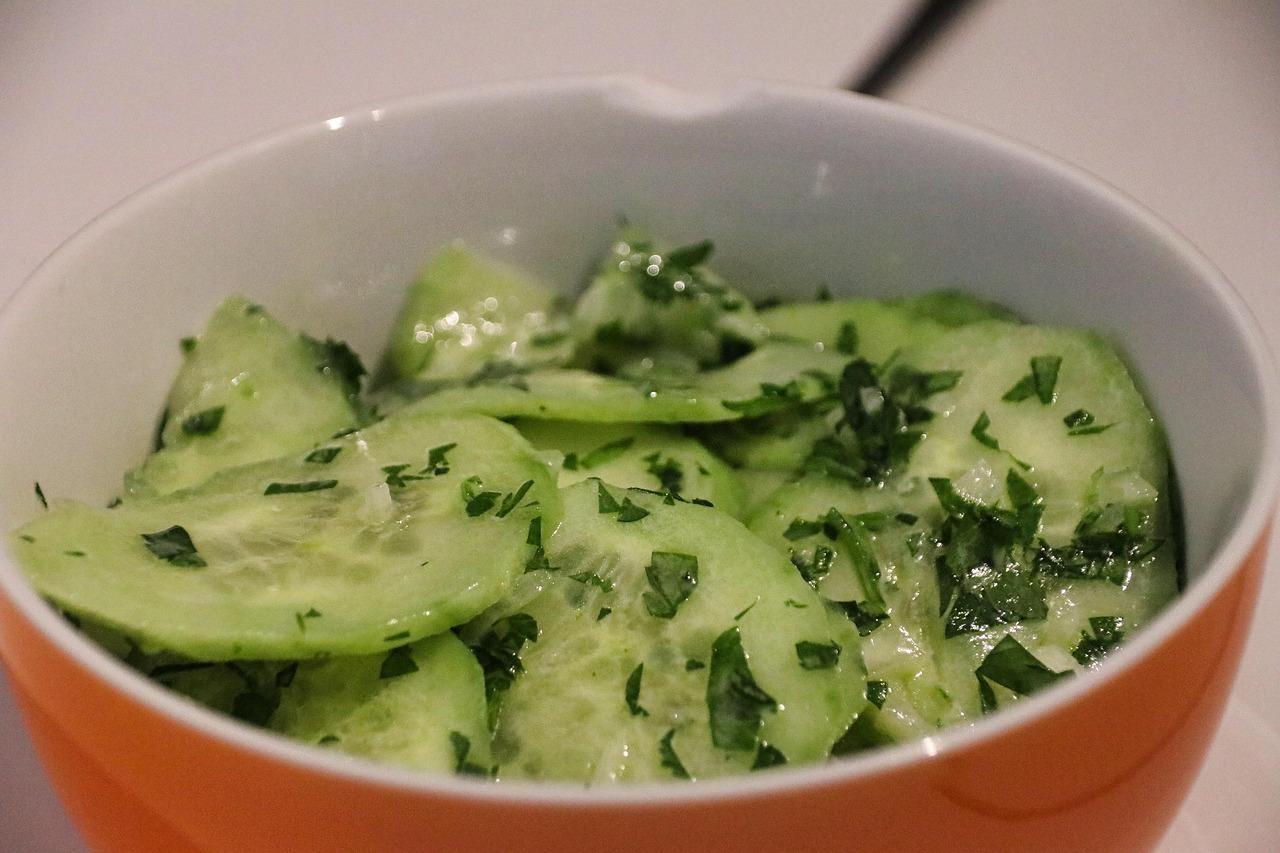
GurkensalatCucumber and dill salad

Gurkensalat is on German tables from Bavaria to Berlin all summer, served alongside potato pancakes, egg dishes or the Sunday roast, and it is just as common at a garden barbecue. Cucumber is sliced almost paper-thin, salted briefly, then dressed with a little vinegar, sugar, onion and lots of fresh dill, so it is cool, sharp and soft-crunchy. Some households stir in soured cream; this vinaigrette version is vegan. It is very light, with about 1 g of protein a portion, so it is purely a side. The most common mistake is skipping the salting: unsalted slices weep water into the bowl and dilute the dressing within minutes. Chef's tip: squeeze the salted slices gently in your hands before dressing; they bend like ribbons and take up the dill dressing much better.

by KrazyBadal 0 views

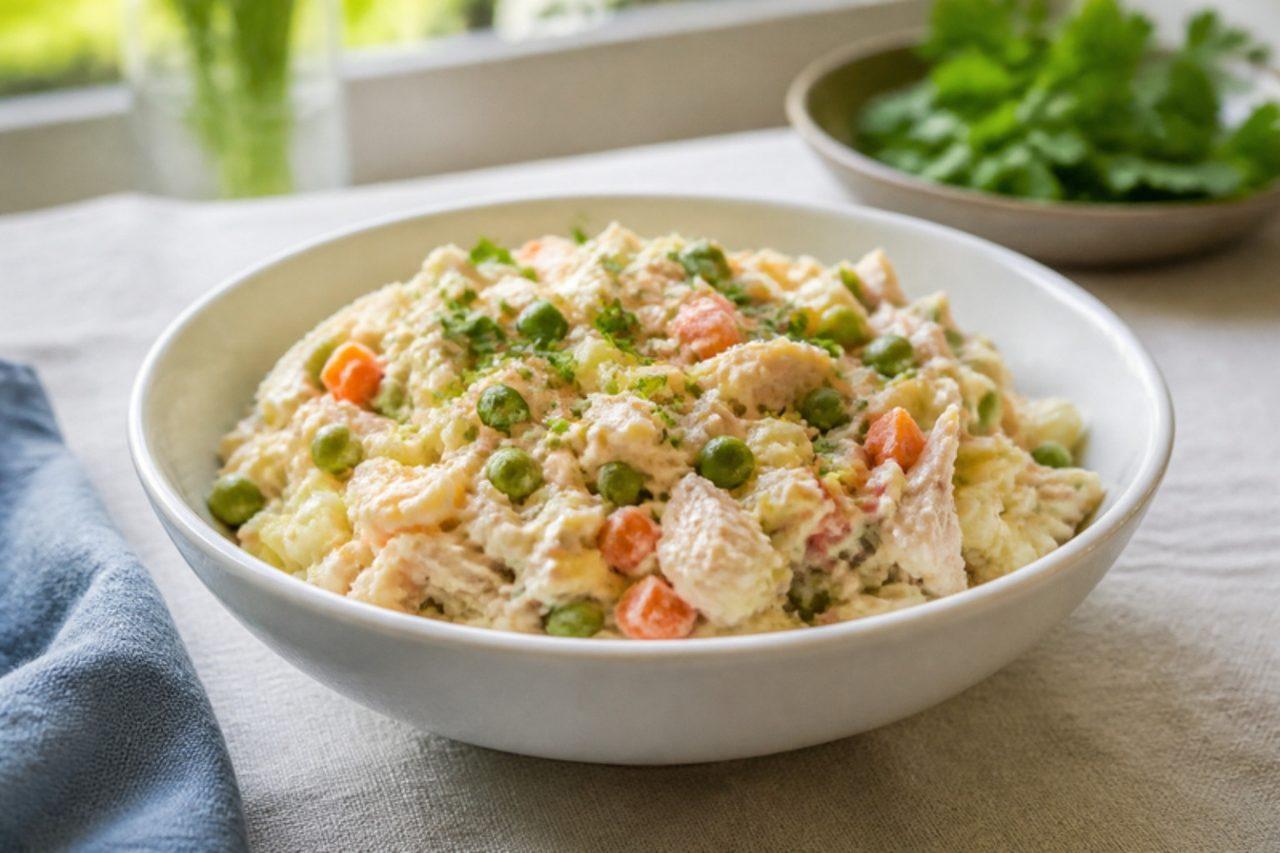
Salpicón de aveCold chicken salad

Salpicón de ave is the cold supper of Argentine summers, made in Buenos Aires flats and on estancias alike when it is too hot to cook much, and a favourite way to use the chicken from a puchero or Sunday roast. Shredded chicken is mixed with diced pepper, tomato, spring onion, sweetcorn and boiled egg, bound with mayonnaise sharpened with lemon and mustard, and served chilled with crusty bread or on lettuce. The common mistake is dressing it while the chicken is still hot, which melts the mayonnaise into an oily puddle; let everything cool first. Chef's tip: dress the chicken with the lemon juice and a pinch of salt before the mayonnaise goes in, so the meat itself is seasoned, not just its coating.

by KrazyBadal 0 views

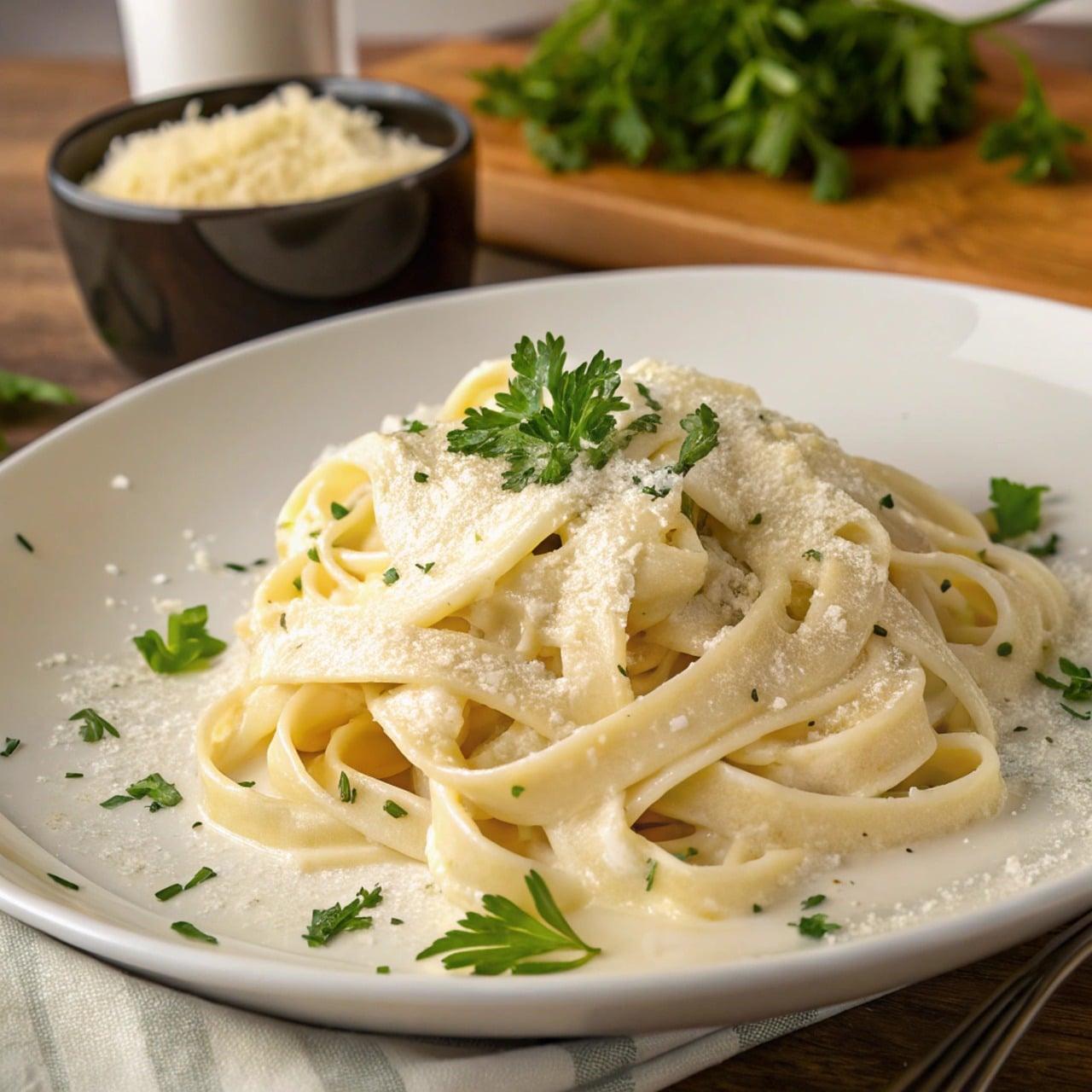
Fideos con mantecaButtered noodles with cheese

Ask anyone from Buenos Aires to Córdoba what they ate when they came home late or felt poorly as a child, and the answer is often fideos con manteca: short pasta tossed with butter and a snowfall of grated queso rallado. It is the plainest dish in the Argentine home kitchen and the one people cook for themselves on a tired weeknight. The mistake that ruins it is draining the pasta bone-dry and adding cold cheese to a hot empty pan, which leaves greasy strands and clumps; a splash of cooking water makes a light, creamy coating instead. Argentine reggianito and Parmesan are made with animal rennet, so use a vegetarian hard cheese if needed. Chef's tip: grate the cheese very finely, like dust, so it melts on contact.

by KrazyBadal 0 views

Chicharrón de pescadoCrisp fried fish chunks

Up and down the Peruvian coast, from Chorrillos in Lima to the beaches of Piura, chicharrón de pescado is the crunchy plate ordered alongside ceviche at a long seafood lunch: bite-size chunks of firm white fish marinated briefly in garlic and lime, dusted in flour and fried, then served with fried cassava, salsa criolla and tartar or rocoto sauce. Using frozen peeled cassava keeps it to half an hour. The common mistake is leaving the fish in the lime too long: after about ten minutes the acid starts to 'cook' the outside and the coating slips off. Chef's tip: toss the floured pieces in a sieve to shake off every bit of loose flour; a thin coat fries crisp, a thick one turns pasty.

by KrazyBadal 0 views

Tallarines rojosSpaghetti in red sauce with chicken

Tallarines rojos is the Sunday-lunch and weeknight pasta of homes all over Peru, from Lima to Arequipa: spaghetti in a sweet, deep-red sauce of blended tomato, onion and garlic with a little ají panca and oregano, often with pieces of chicken cooked right in it. Children love it, and it is served with a sprinkle of grated cheese and sometimes a spoon of huancaína on the side. The usual mistake is cooking the sauce too briefly, so it tastes of raw onion; let the blended tomato fry until it darkens and the oil shows at the edges. Chef's tip: a bay leaf and a spoon of ají panca paste give the sauce its Peruvian character; paprika will do if you can't find the paste.

by KrazyBadal 0 views

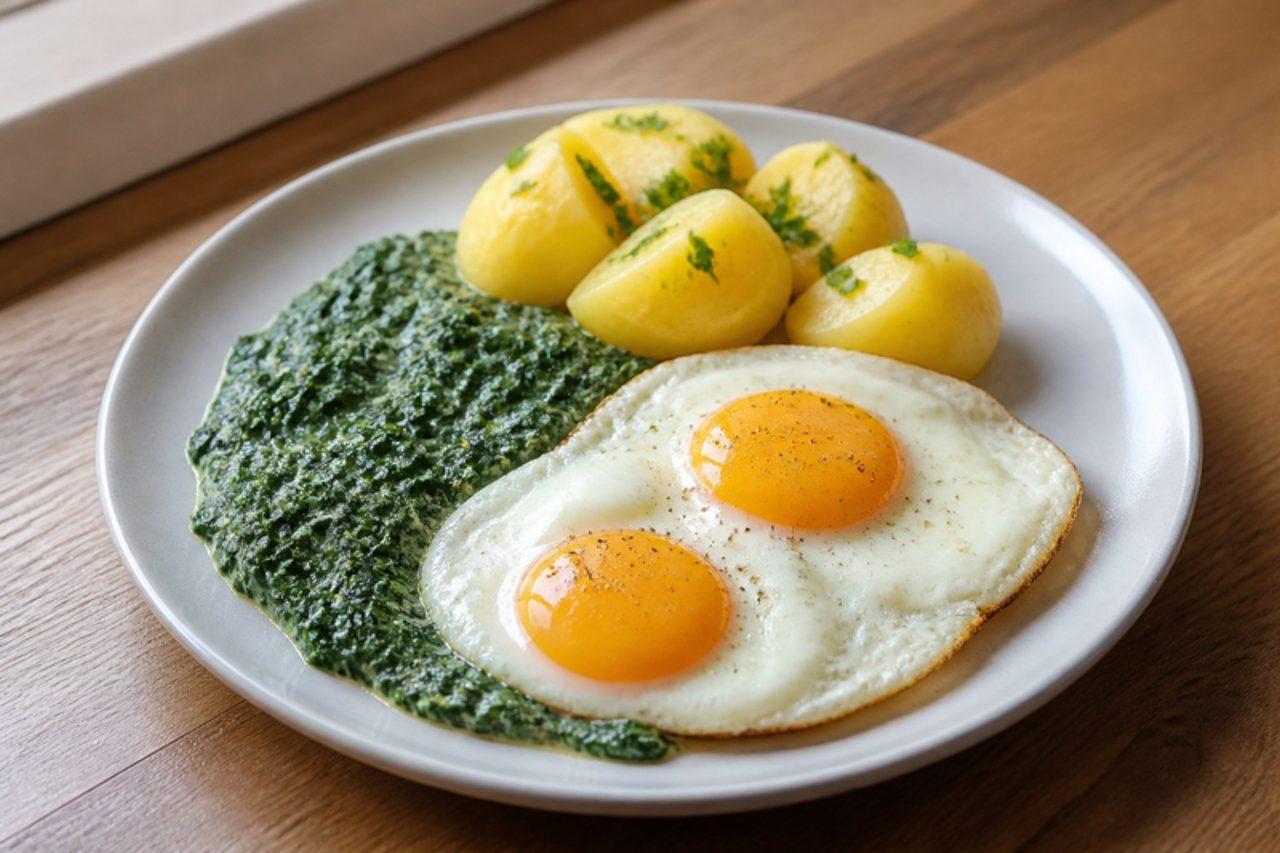
Spinat mit Spiegelei und KartoffelnCreamed spinach with fried egg

Spinat mit Spiegelei und Kartoffeln is the Thursday-night supper many Germans remember from childhood, and still a school-canteen favourite: soft creamed spinach, a sunny fried egg and boiled potatoes, with the yolk running into the green sauce. It is gentle, filling and cheap, and on Maundy Thursday (Gründonnerstag) many families eat it as their green meal. For pregnant people, young children, older or vulnerable people, fry the eggs until the yolks are firm. The most common mistake is adding raw spinach to the sauce without squeezing it, which floods it with water; wilt and squeeze it first. Chef's tip: start the potatoes in cold salted water so they cook evenly through to the centre.

by KrazyBadal 0 views

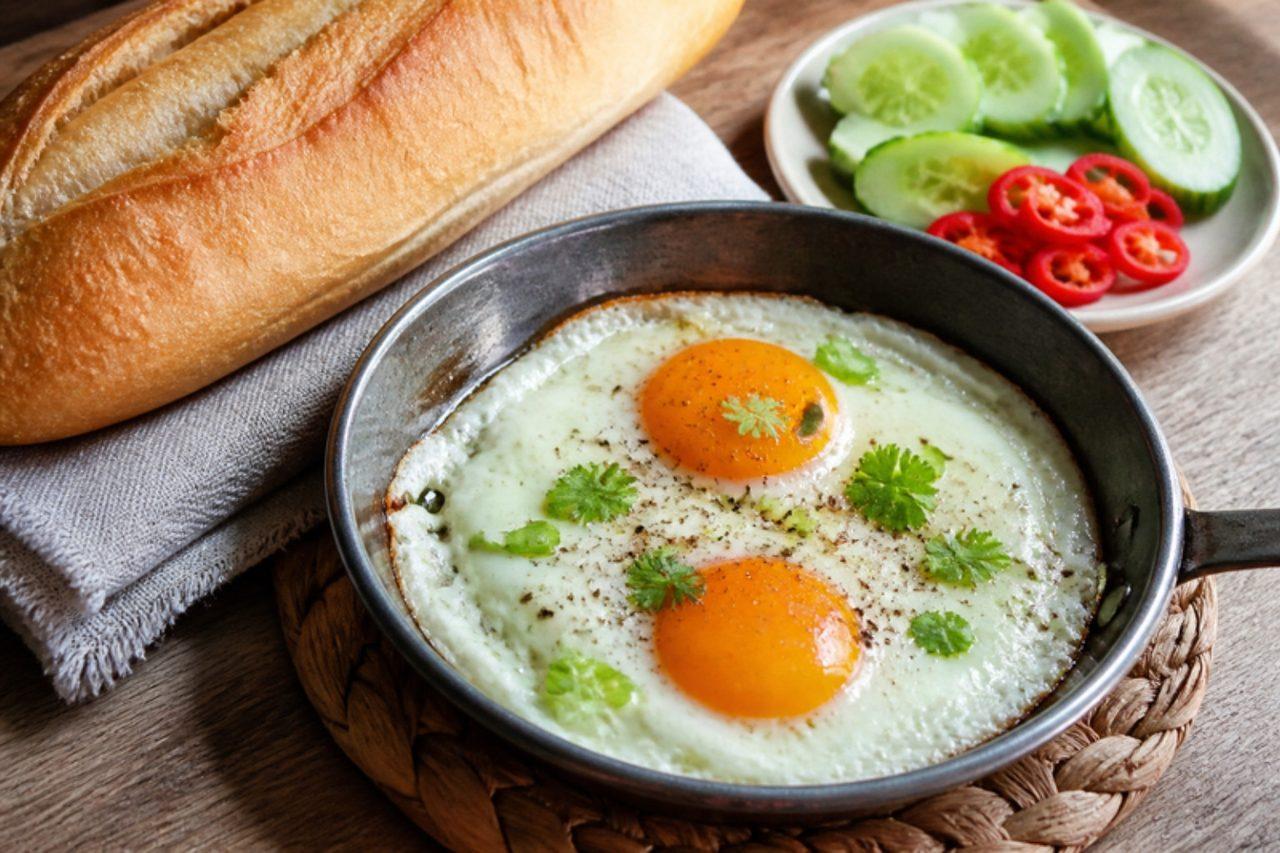
Bánh mì ốp la (Vietnamese fried eggs with baguette)

All over Saigon and Hanoi, street stalls serve bánh mì ốp la for breakfast: two or three eggs fried in a little iron pan, brought to the table sizzling, with a split baguette for scooping and a splash of dark seasoning sauce on top. The whites go lacy and crisp at the edges while the yolks stay soft, and the cucumber and chilli on the side keep it fresh. The usual mistake is frying the eggs on a fierce heat until the bottoms burn before the whites on top have set; a medium heat and a lid fix that. For pregnant people, young children, older or vulnerable people, cook the yolks until fully set. Chef's tip: warm the baguette in a hot oven for 3 minutes first so the crust shatters the way it does at the stall.

by KrazyBadal 0 views

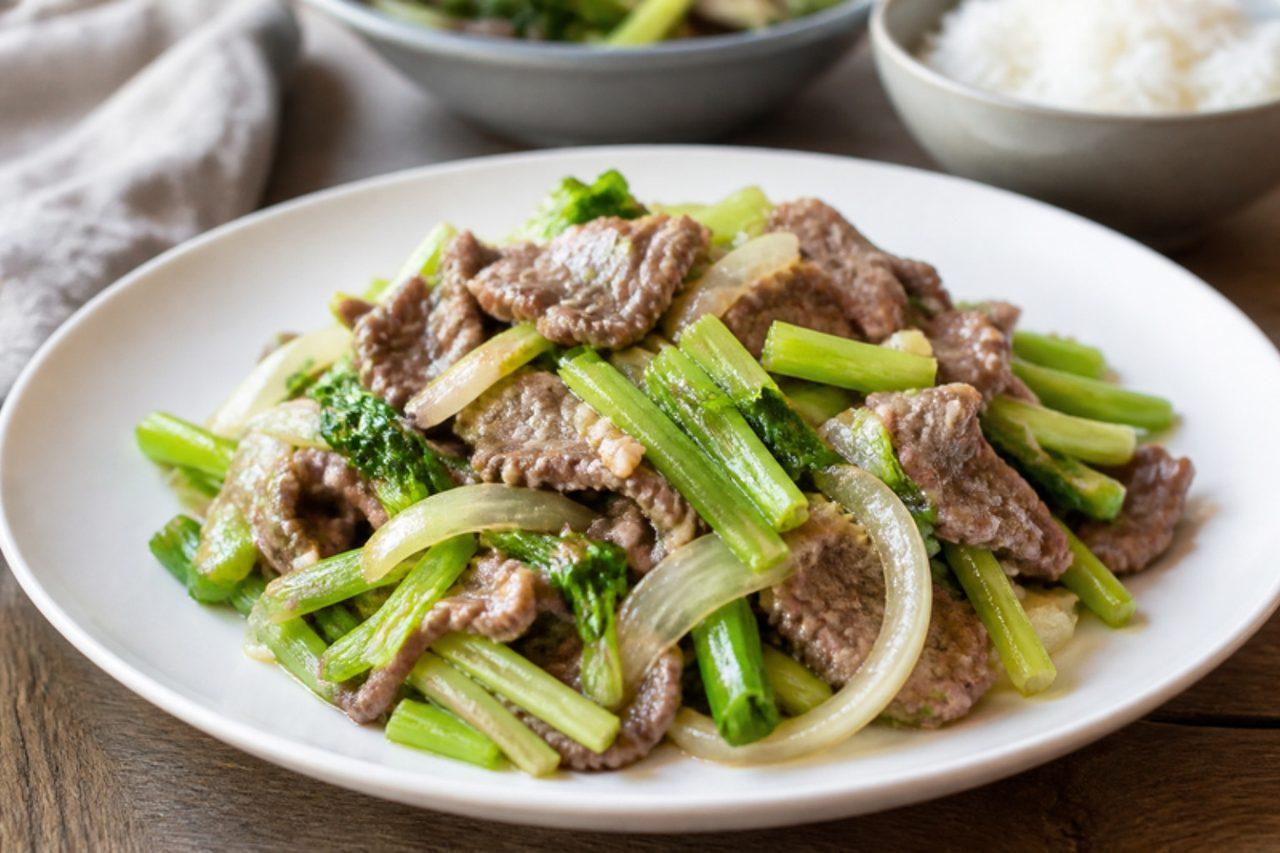
Bò xào cần tây (beef and celery stir-fry)

Bò xào cần tây is a weeknight stir-fry found on family tables all over Vietnam: thin slices of beef, seasoned with fish sauce and pepper, flashed in a hot wok with crunchy celery, onion and plenty of garlic, then eaten with rice. The usual mistake is cooking the beef and celery together from the start, so the beef stews while the celery softens; sear the beef first, take it out, and add it back at the end. Chef's tip: slice the beef across the grain and as thin as you can, so it is tender after only a minute in the pan.

by KrazyBadal 0 views

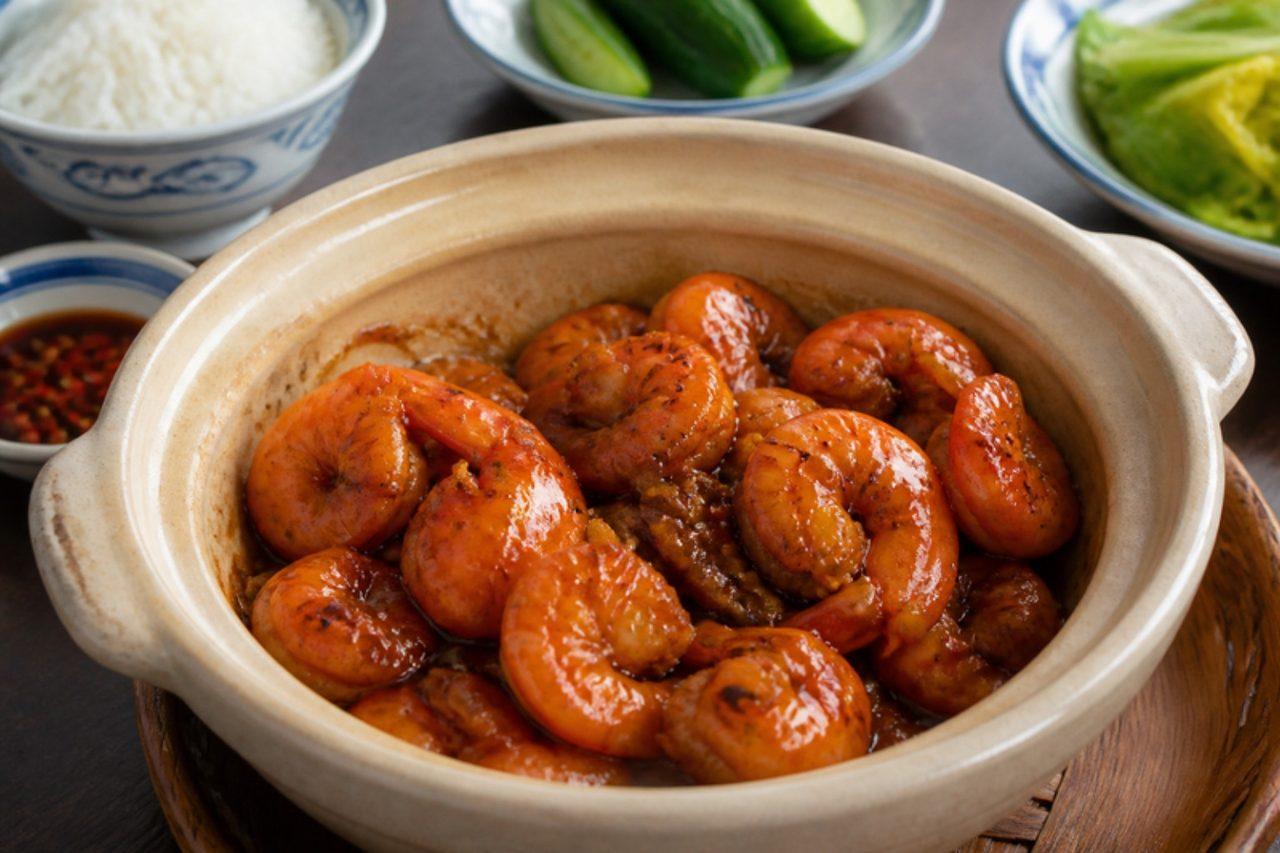
Tôm rim (caramelised prawns)

Tôm rim is a homely dish cooked in kitchens from Hanoi to the Mekong Delta and eaten at the family rice tray with boiled greens and a clear soup: prawns simmered down in fish sauce, sugar and shallot until the liquid turns to a sticky, salty-sweet glaze. The mistake is walking away in the last few minutes, when the sauce goes from glaze to burnt very quickly. Chef's tip: leave the shells on if your prawns are small, as many Vietnamese cooks do; they turn crisp and caramelised and add flavour.

by KrazyBadal 0 views

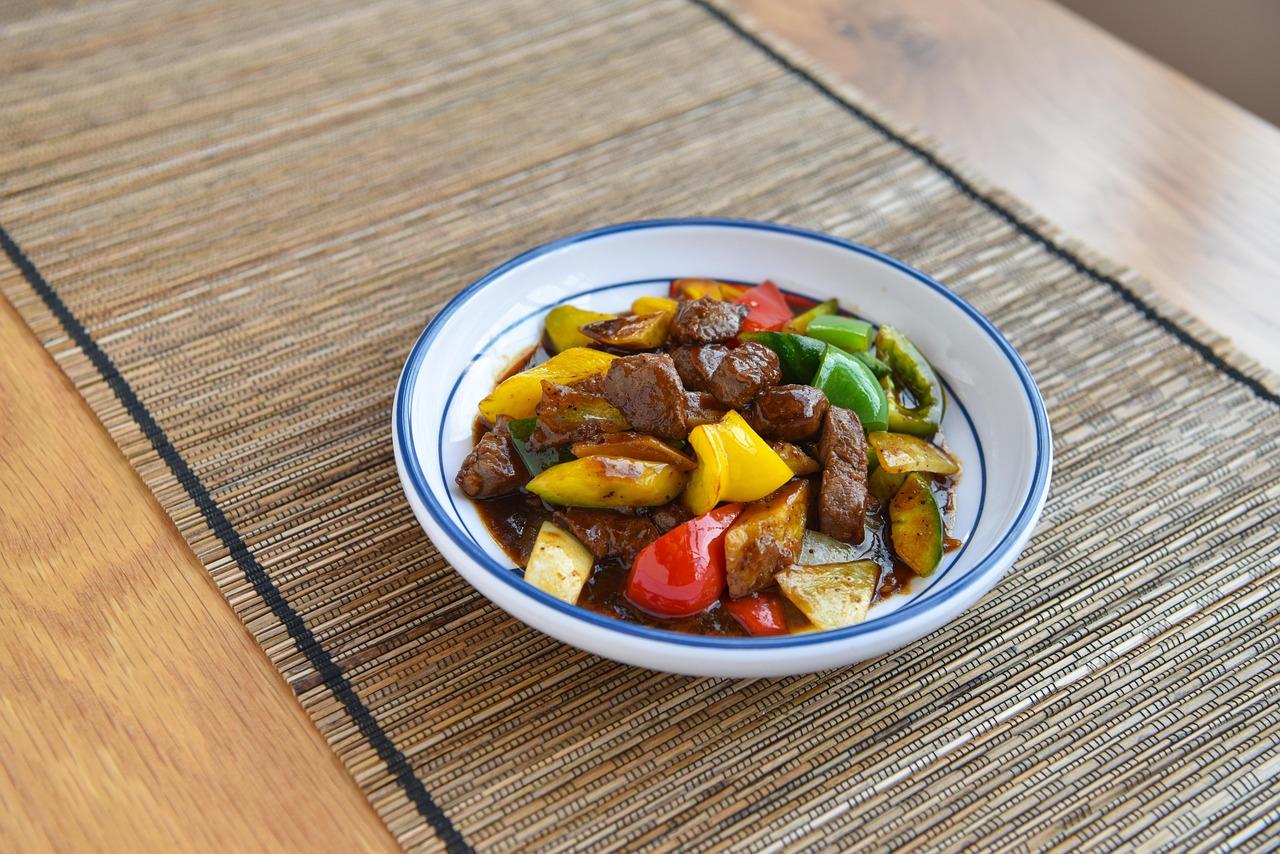
Bò lúc lắc (Vietnamese shaking beef)

Bò lúc lắc, shaking beef, is a Saigon dish from the French-influenced south, ordered at family dinners and celebrations: cubes of tender steak seared in a smoking pan and shaken with garlic and onion, then tipped over peppery watercress and tomato with a lime, salt and pepper dip. The mistake almost everyone makes is crowding the pan, which boils the meat grey instead of searing it; cook in two batches. Chef's tip: let the cubes sit untouched for a full minute before the first shake to build a dark crust.

by KrazyBadal 0 views

Pejerrey arrebozadoBattered fish fillets with onion salsa

Pejerrey arrebozado is a Lima classic from the cevicherías and home kitchens of the coast, eaten at lunch on a plate with white rice, a heap of sharp salsa criolla and sometimes boiled potato. The pejerrey, a small silverside, is opened into butterflied fillets, dipped in a light egg-and-flour batter and fried golden. Outside Peru, use small fillets of whiting, sole, haddock or tilapia. The batter here uses sparkling water, not beer, so it is alcohol free. The common mistake is frying in oil that isn't hot enough: the batter drinks the oil and turns greasy, so test with a drop of batter first. Chef's tip: make the salsa criolla first and let the onion sit in lime for ten minutes; it softens its bite and turns a pretty pink.

by KrazyBadal 0 views

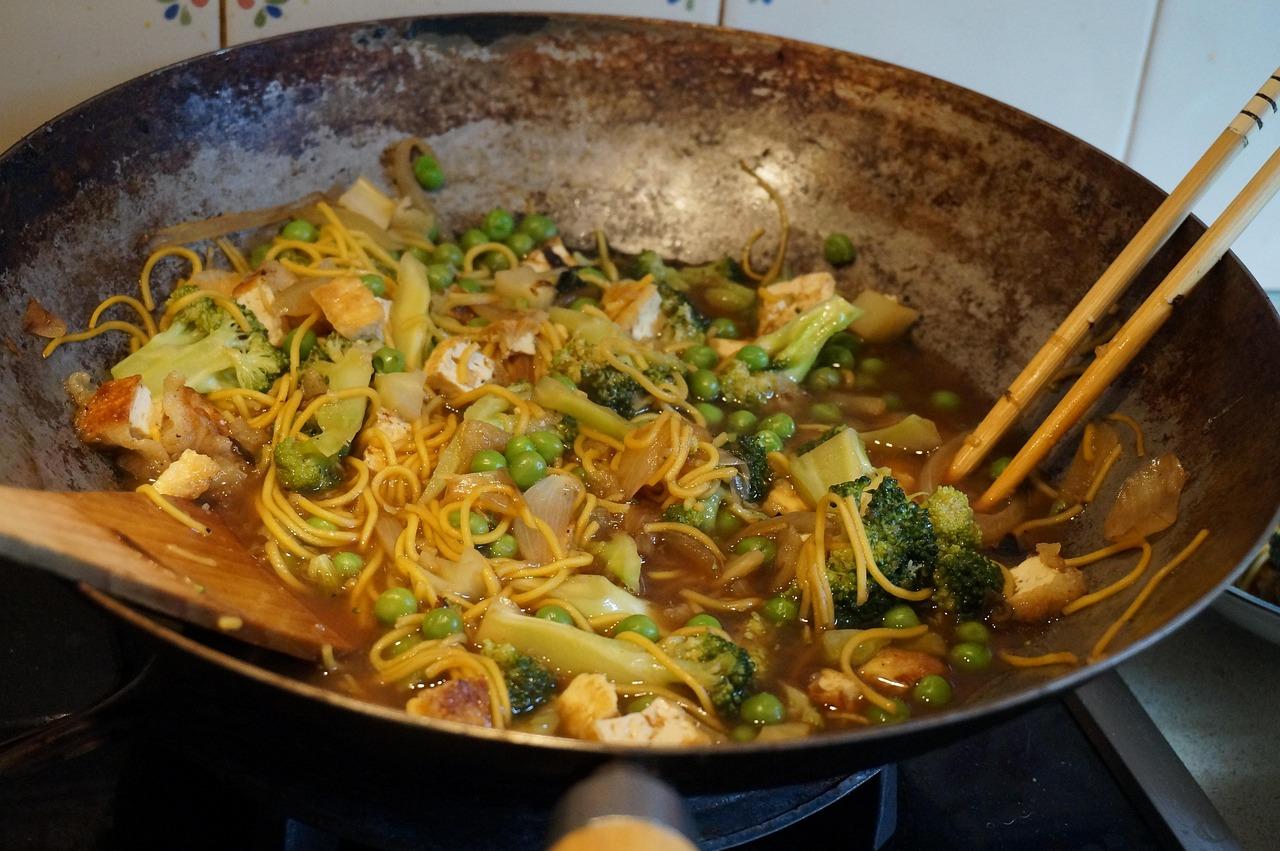
Mì xào rau (Vietnamese stir-fried noodles with vegetables)

Mì xào rau is what Hanoi and Saigon households cook when there is a packet of egg noodles in the cupboard and a few greens in the fridge: a fast, smoky plate for a weeknight dinner or a late lunch. The noodles turn slightly crisp at the edges, the cabbage stays sweet and crunchy, and a light soy glaze holds it all together. The most common mistake is dumping everything into a lukewarm pan at once, which steams the vegetables and leaves the noodles soggy and clumped. Serve it with a dish of sliced chilli in soy sauce and a fried egg if you want more protein. Chef's tip: loosen the cooked noodles with a teaspoon of oil while they drain, so they hit the wok as separate strands instead of a block.

by KrazyBadal 0 views

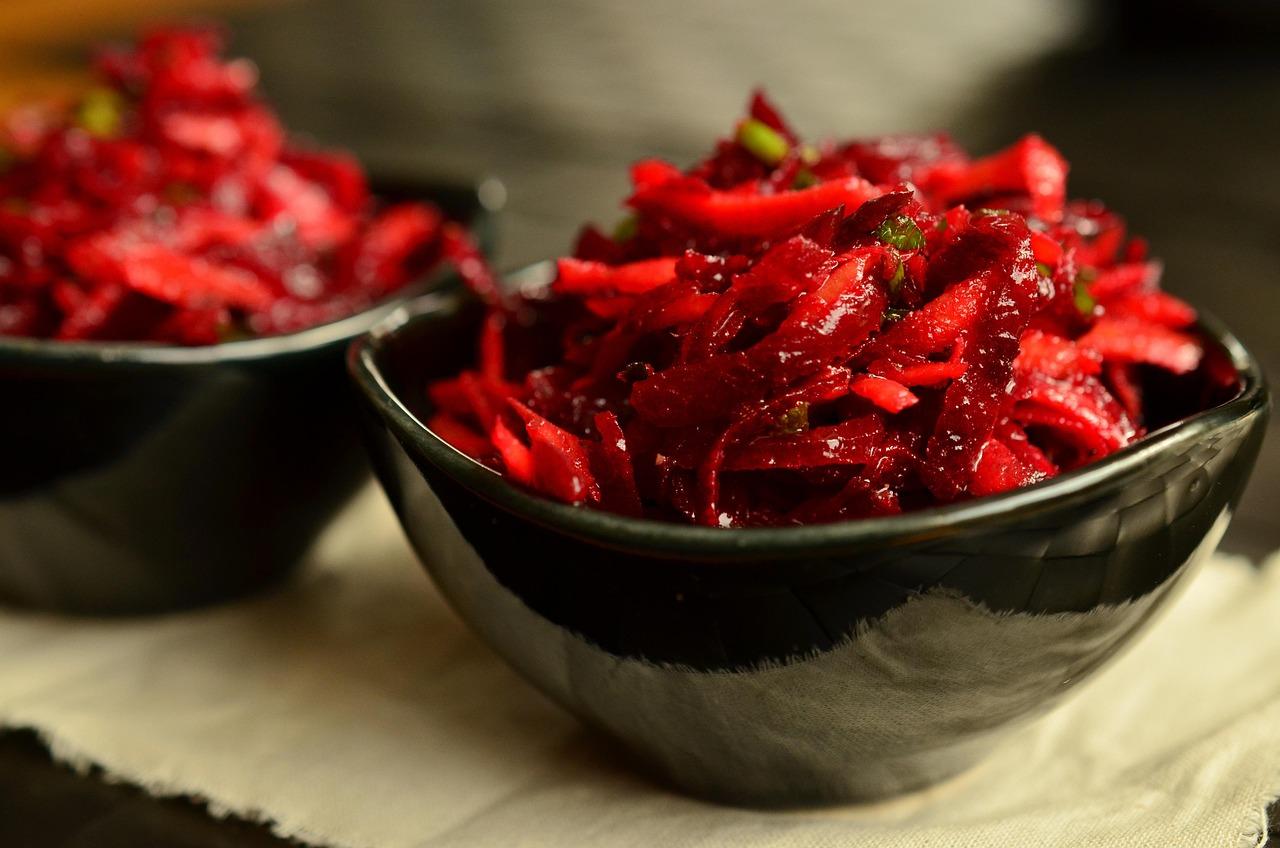
Rote-Bete-SalatBeetroot salad

Rote-Bete-Salat is on the table in German homes through autumn and winter, beside potato pancakes, fried eggs or simply bread and butter. Cooked beetroot is cut into slices or batons and dressed with onion, vinegar, oil and a little caraway or grated horseradish, so it is sweet, earthy and sharp at once. It is vegan, gluten free and keeps for days in the fridge. The most common mistake is serving it straight after dressing: give it at least 10 minutes, or better an hour, so the beetroot soaks up the flavour. Chef's tip: wear gloves or rub your hands with lemon juice afterwards, as beetroot stains everything it touches.

by KrazyBadal 0 views

Showing 24 of 364 recipes

Show more recipes

Page 1 of 16