Skip to content
Recipes

All recipes

Vegetarian, or something you can't eat? Set your diet once and we'll hide recipes that don't fit.

Gemüse-Kartoffel-Fleisch-Brei (vegetable, potato and beef mash)

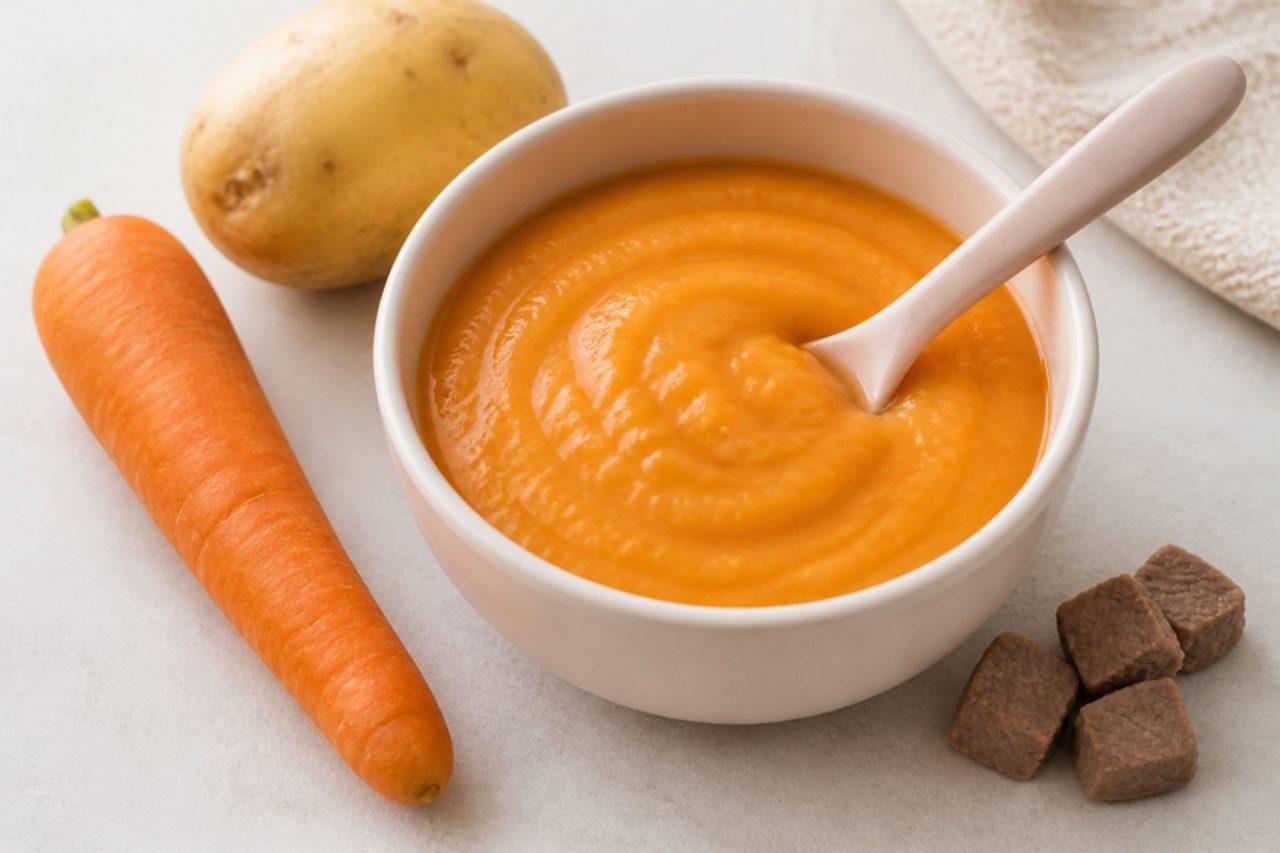
In Germany the first proper lunch for a baby of about six months is the Gemüse-Kartoffel-Fleisch-Brei, a smooth purée of carrot or parsnip with potato and a little lean beef, finished with a spoonful of rapeseed oil. Many parents stir in a little unsweetened fruit juice or purée too, as vitamin C helps the body take up the iron from the meat. It tastes sweet and mild and is made with no salt. It contains none of the common allergens (milk, egg, gluten, peanut, tree nuts, soya, sesame, fish). Chef's tip: add the oil to each portion after reheating rather than before freezing, so it stays fresh-tasting.

40 minGermanMeatGluten free
by KrazyBadal 0 views
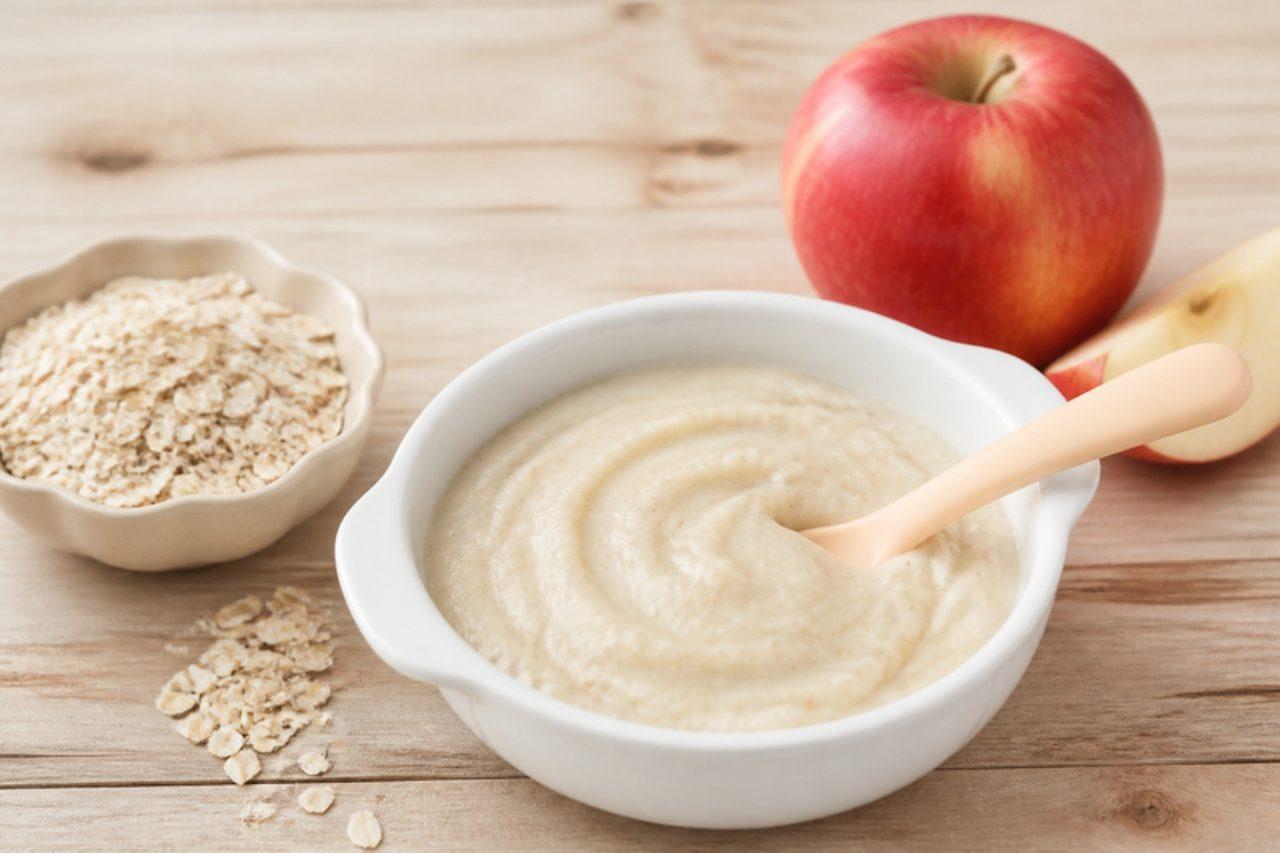
Fruit and cereal mash (Obst-Getreide-Brei)

German weaning follows a well-known plan: a vegetable lunch first, then a milk and cereal evening meal, and finally an afternoon Obst-Getreide-Brei, a dairy-free mash of cooked cereal flakes and fruit, usually from around seven months. Fine oat or millet flakes are simmered in water, then stirred into stewed apple or pear with a spoon of rapeseed oil, which German paediatric advice recommends for healthy fats. It is fruity, smooth and naturally sweet. It contains gluten if made with oats (use millet flakes for gluten free); there is no milk, egg, nuts, soya, sesame or fish. Chef's tip: stew the fruit in a little water rather than using juice, which adds sugar.

by KrazyBadal 0 views
AmerikanerIced soft cakes

Amerikaner are a fixture of German bakery counters and children's birthday parties: soft, domed little cakes baked flat-side up, then turned over and iced on the smooth base, half in white lemon icing and half in chocolate. A pinch of custard powder in the dough gives their tender, slightly vanilla crumb. Children can ice them themselves at a party. They contain milk, egg and gluten. Chef's tip: ice the flat bottom of the cakes, not the domed tops; that's what gives the shiny, even finish.

by KrazyBadal 0 views
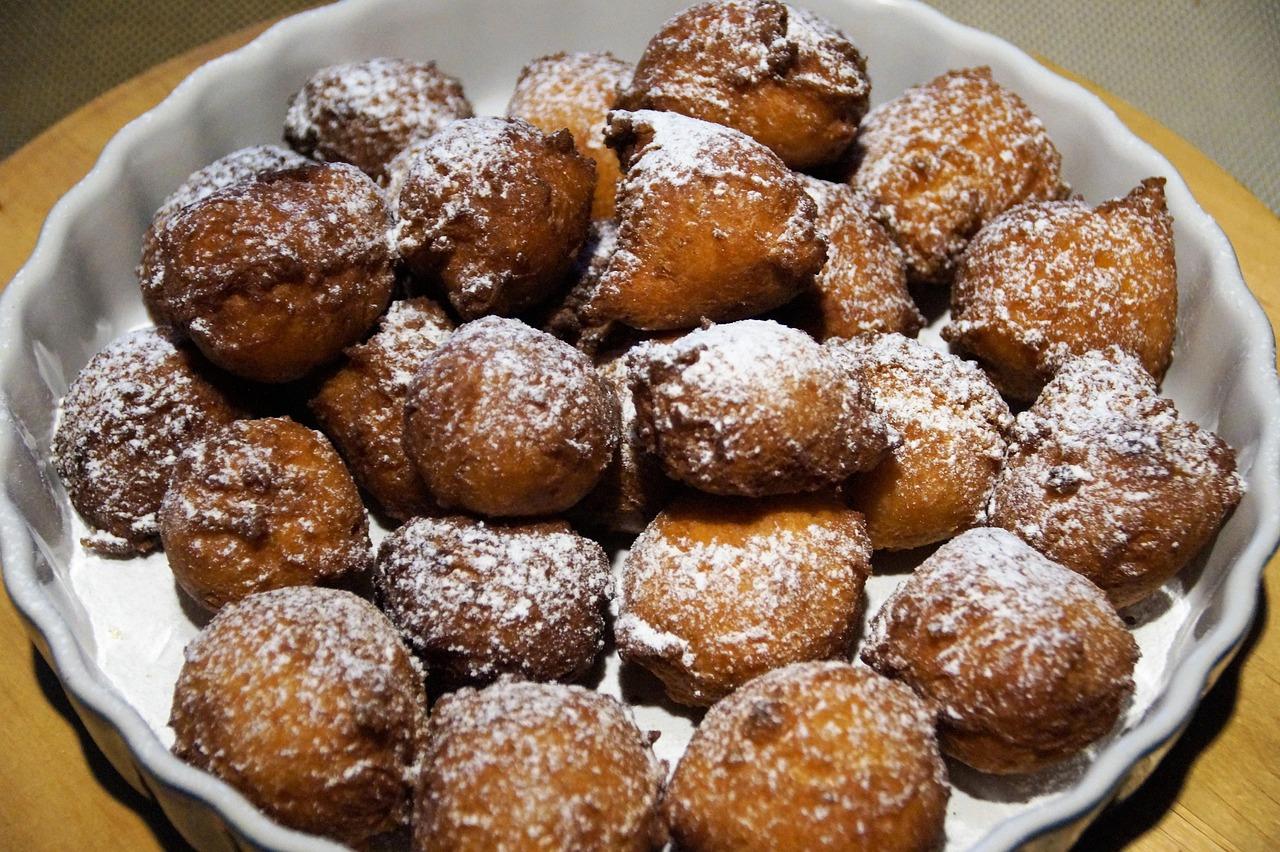
Quarkbällchen (German quark doughnut balls)

Quarkbällchen fill the trays of German bakeries all year and reach their peak at Fasching, the carnival season, and families in Berlin, Saxony and beyond make them at home for children's afternoon Kaffee und Kuchen. The quark dough needs no yeast, so they are quick: crisp and golden outside, soft and cake-like inside, with a light tang. They are rolled in sugar rather than drenched. They contain milk, egg and gluten. Chef's tip: keep the oil at 170 °C so they cook through; hotter oil browns them before the centre is done.

by KrazyBadal 0 views

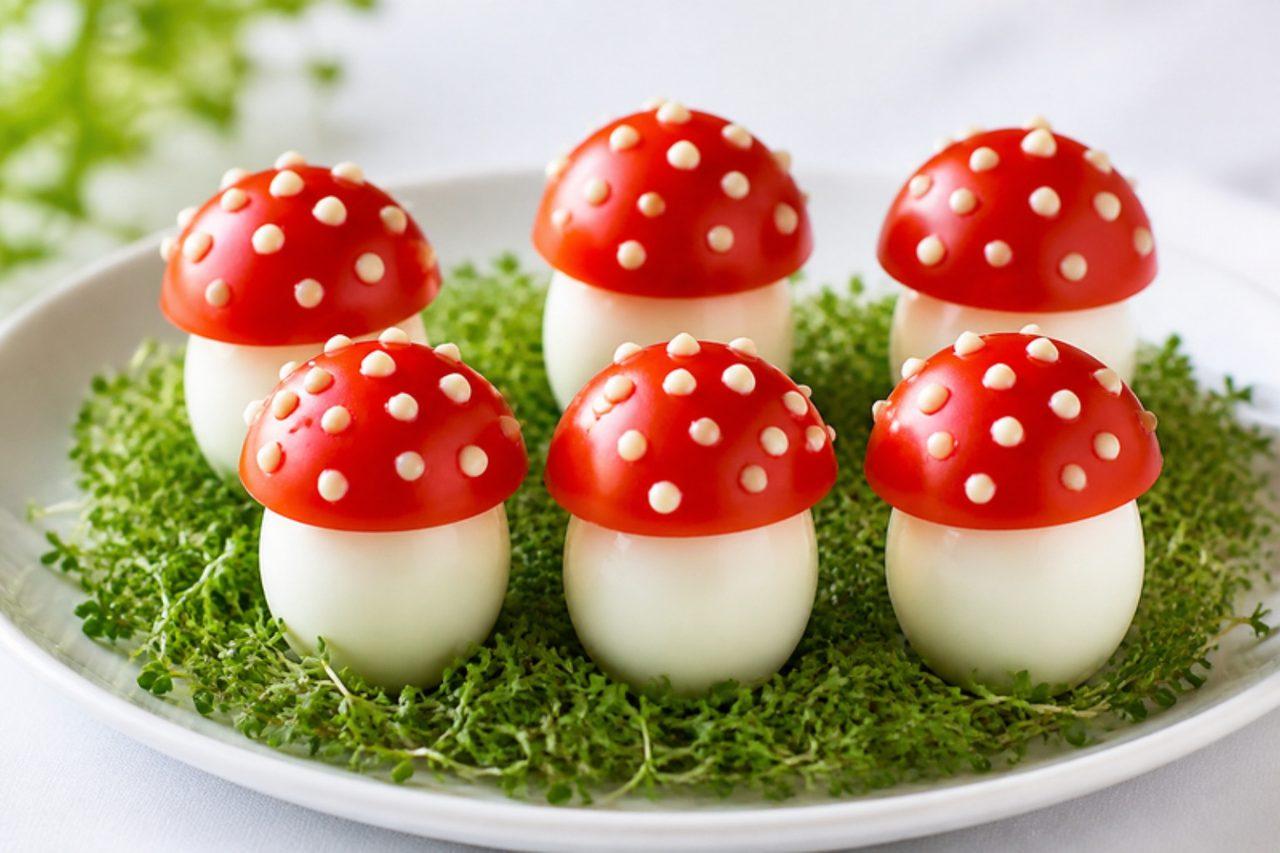
Fliegenpilz-Eier (toadstool eggs)

German children's birthday parties and Easter tables often feature a little forest of Fliegenpilz-Eier: hard-boiled eggs standing on cress, each wearing a red tomato cap dotted with mayonnaise like a fly agaric toadstool. Children love making them as much as eating them. They are meant for school-age children: for younger ones, cut the eggs and tomatoes into small pieces rather than serving them whole. Contains egg (also in the mayonnaise); free of gluten and milk. Chef's tip: slice a thin piece off the bottom of each egg so it stands steady.

by KrazyBadal 0 views
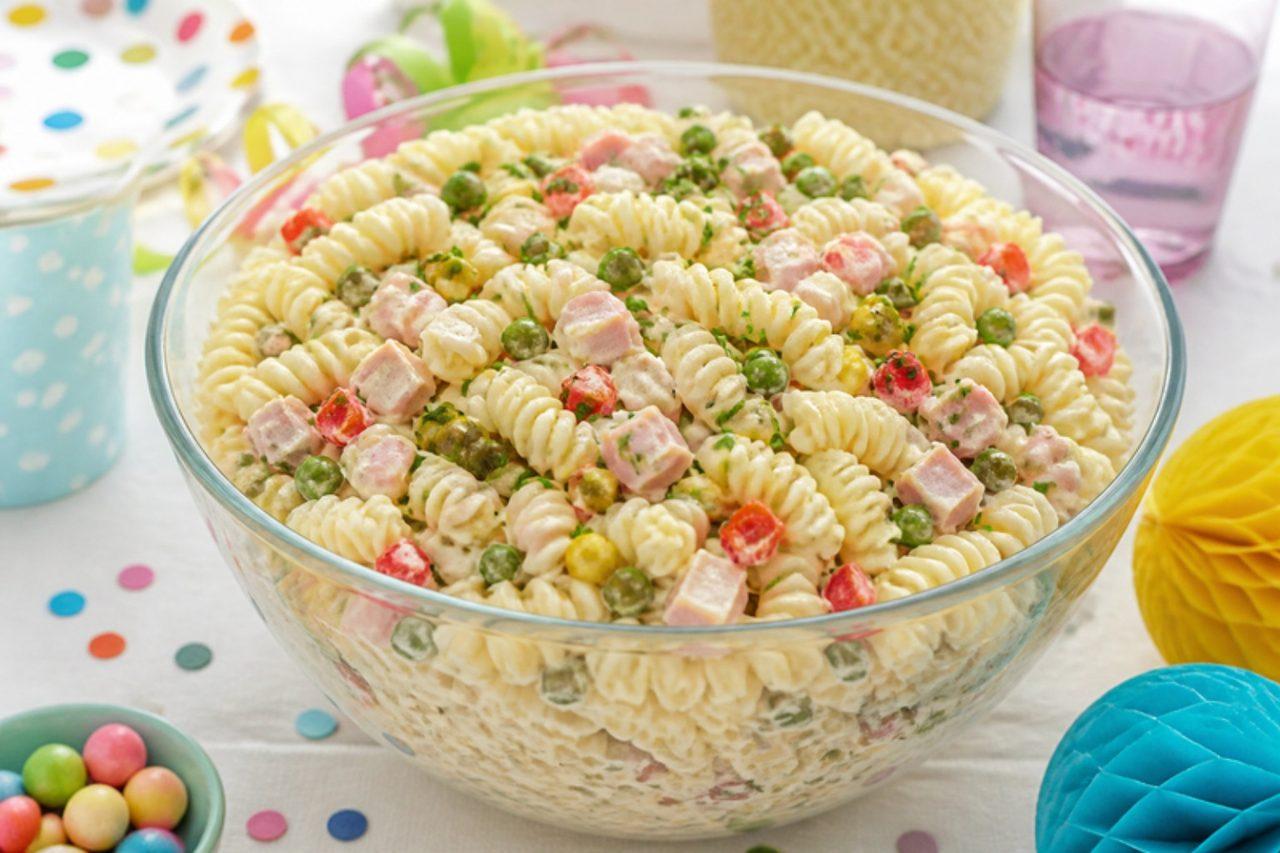
German party pasta salad (Nudelsalat)

In Germany a big bowl of Nudelsalat is the backbone of a Kindergeburtstag, a summer barbecue or a school outing: short pasta, ham, peas, sweetcorn and chopped gherkins bound in a mayonnaise and yoghurt dressing, made the evening before so the flavours settle. This version lightens the dressing with yoghurt and gherkin brine. It contains gluten, egg (mayonnaise) and milk. Chef's tip: dress the pasta while it is still slightly warm, then add a splash more dressing just before serving, because the pasta drinks it overnight.

by KrazyBadal 0 views

HoorischeRaw potato dumplings

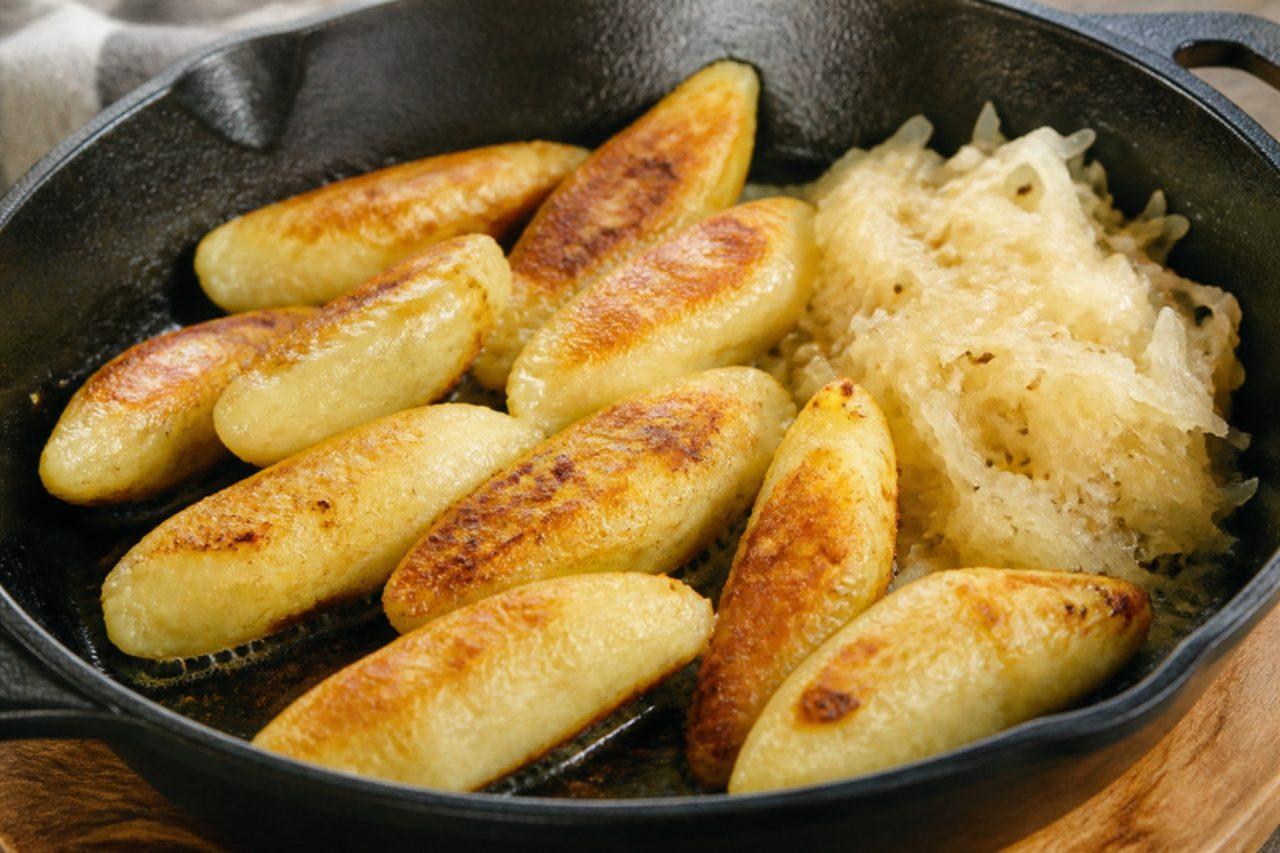
In the Saarland, Hoorische means 'hairy ones', after the rough, fibrous surface of these long dumplings made from grated raw potato squeezed dry and mixed with a little cooked potato. Families in Saarbrücken, Neunkirchen and St. Wendel eat them on Fridays and in autumn, simmered, then browned in butter and served with sauerkraut or a creamy sauce. They are chewy, filling and pleasantly rough-textured. The classic mistake is not squeezing the grated potato hard enough, so the dumplings fall apart in the water. Chef's tip: keep the starch that settles out of the potato water and work it back into the dough; it is the glue that holds Hoorische together.

by KrazyBadal 0 views
MagenbrotSpiced gingerbread bites

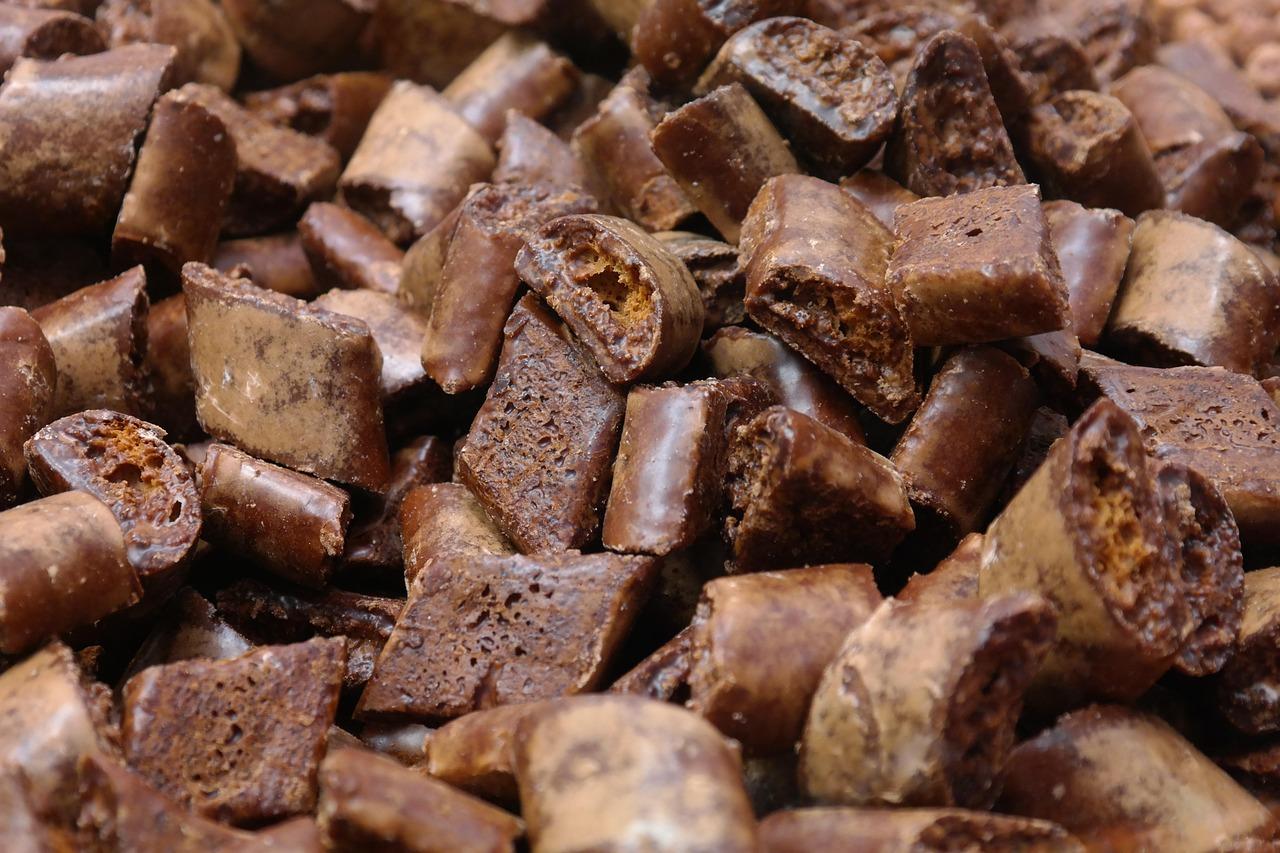
The smell of Magenbrot drifts over every Volksfest, Kirchweih and Christmas market in Bavaria, Baden and Swabia, where it is sold warm in paper cones. The name means stomach bread, because the spices were once thought to help digestion. Small diamonds of honey-spiced cake with cocoa are dipped in a shiny chocolate glaze that sets with a slight crunch. They keep for weeks in a tin, so they are made in big batches. The common mistake is overbaking, which makes the pieces hard instead of soft and chewy. Chef's tip: cut the cake while it is still warm, then glaze the pieces once they are cool so the glaze stays glossy.

by KrazyBadal 0 views
KäsesalatCheese salad

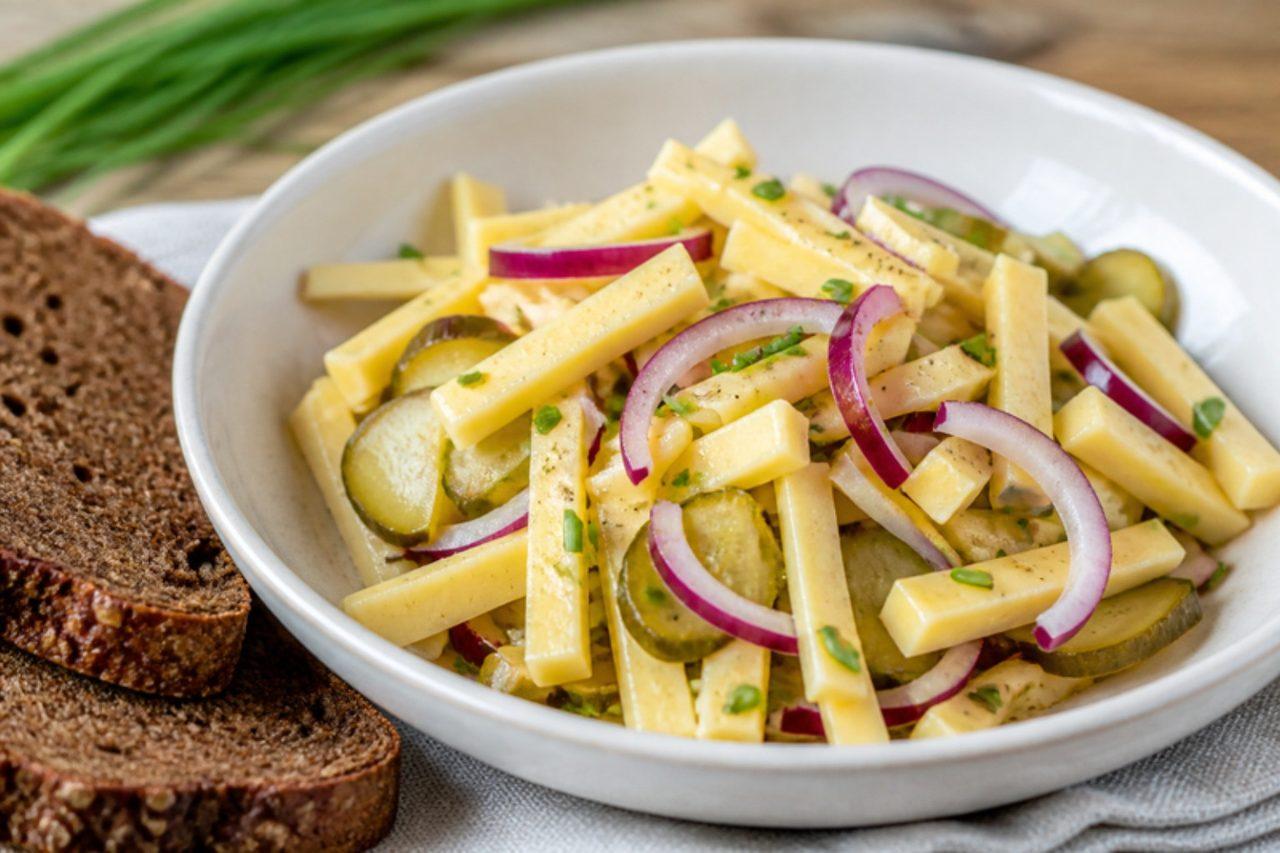
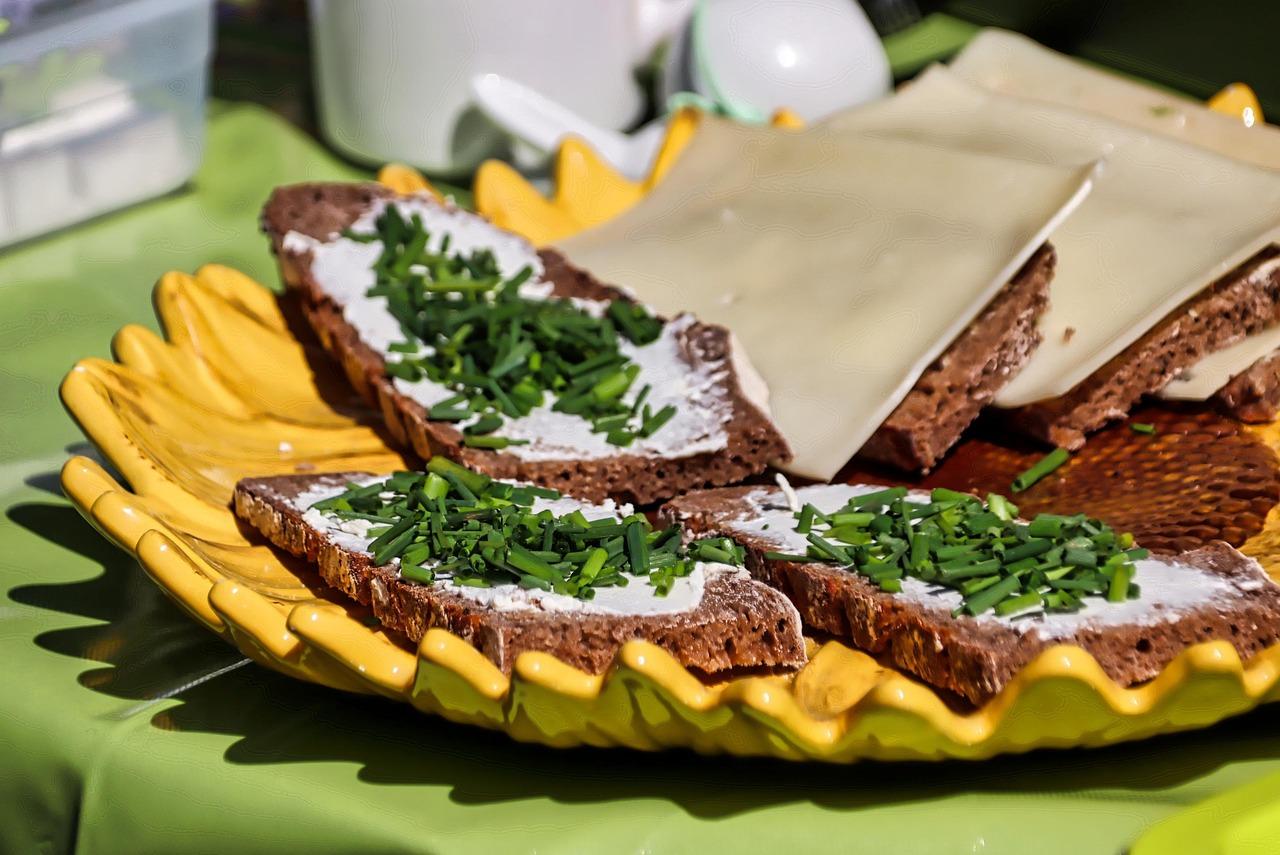
In Bavarian beer gardens and Swabian Vesper stubes, Käsesalat is the cheese lover's answer to sausage salad: matchsticks of Emmental tossed with red onion, gherkins and a sharp vinegar dressing, eaten with a crusty roll or a Breze. It turns up on Saturday evenings at home too, made in ten minutes from what is in the fridge. The cheese soaks up the dressing and goes tender and tangy, while the onion and gherkins keep it crunchy. Traditional Emmental is made with animal rennet, so choose a vegetarian Emmental-style cheese if that matters to you. A common mistake is serving it straight away; the flavours need a short rest. Chef's tip: cut the cheese into thin strips rather than cubes, so the dressing coats every piece.

by KrazyBadal 0 views

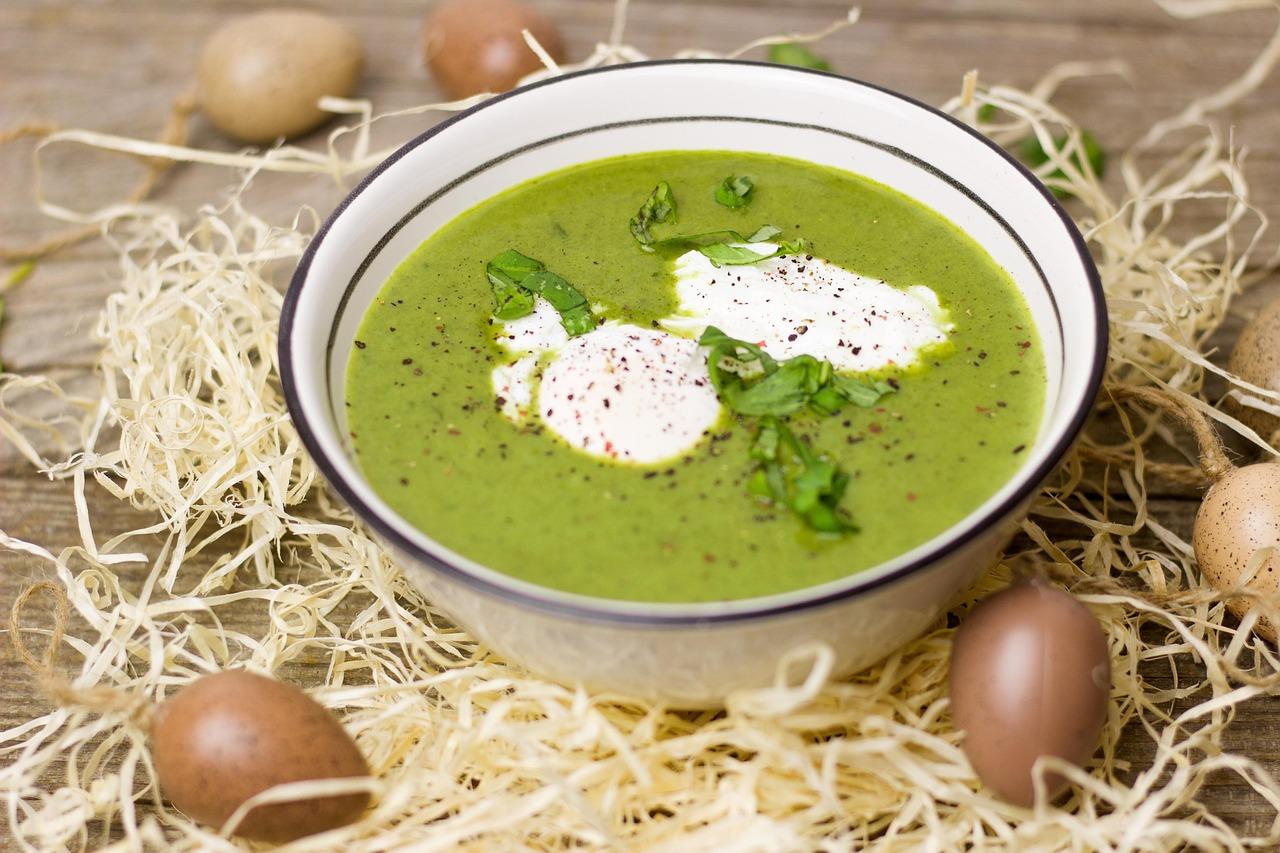
SpargelcremesuppeCream of asparagus soup

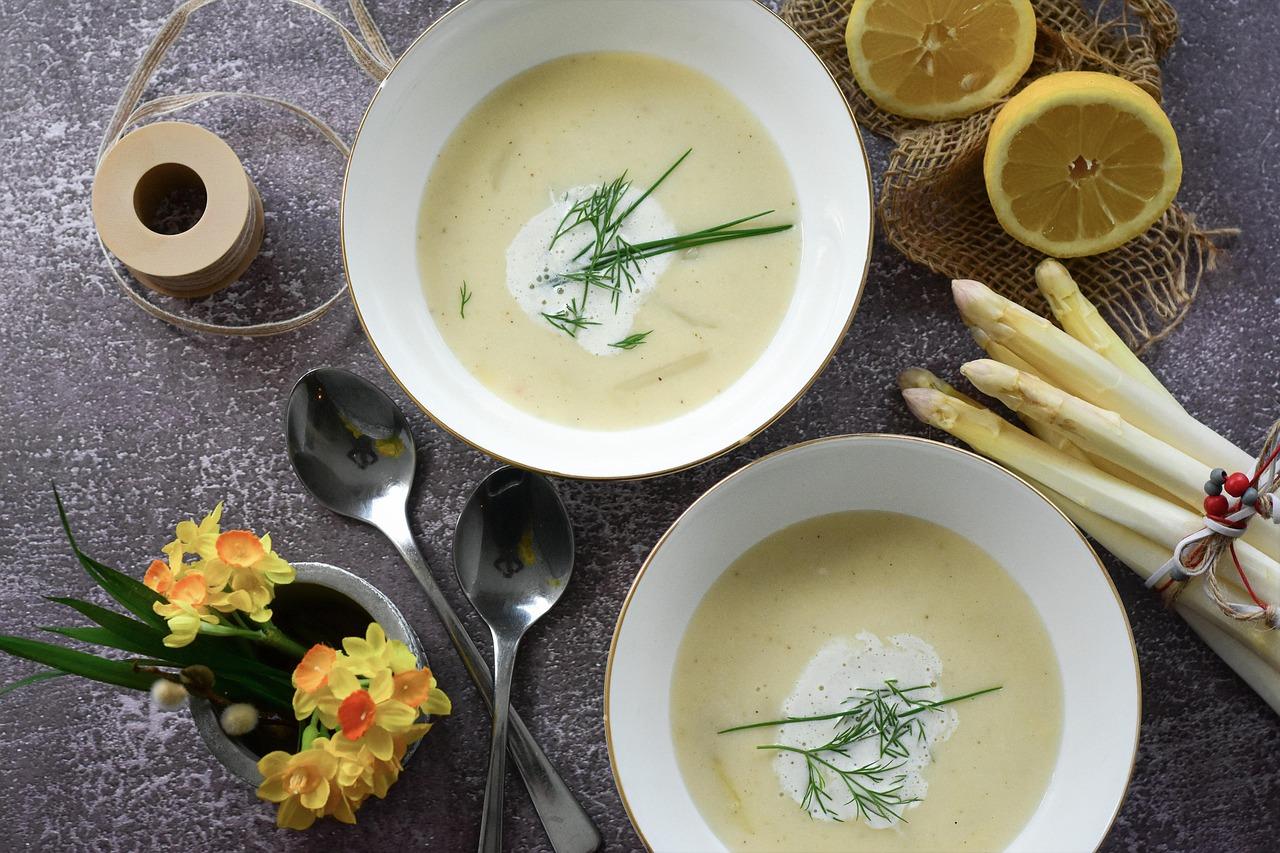
During Spargelzeit, from April to 24 June, kitchens around Schwetzingen, Beelitz and Schrobenhausen fill with white asparagus, and nothing is wasted. The peelings and woody ends are simmered into a light stock, which becomes this velvety cream soup with a few tender tips floating on top, served as a starter before the big asparagus platter or as lunch on its own. Its flavour is delicate, slightly sweet and nutty. Using a strong stock cube is the mistake to avoid; it drowns the asparagus. Chef's tip: a pinch of sugar and a squeeze of lemon in the stock balance the faint bitterness of the peel.

by KrazyBadal 0 views

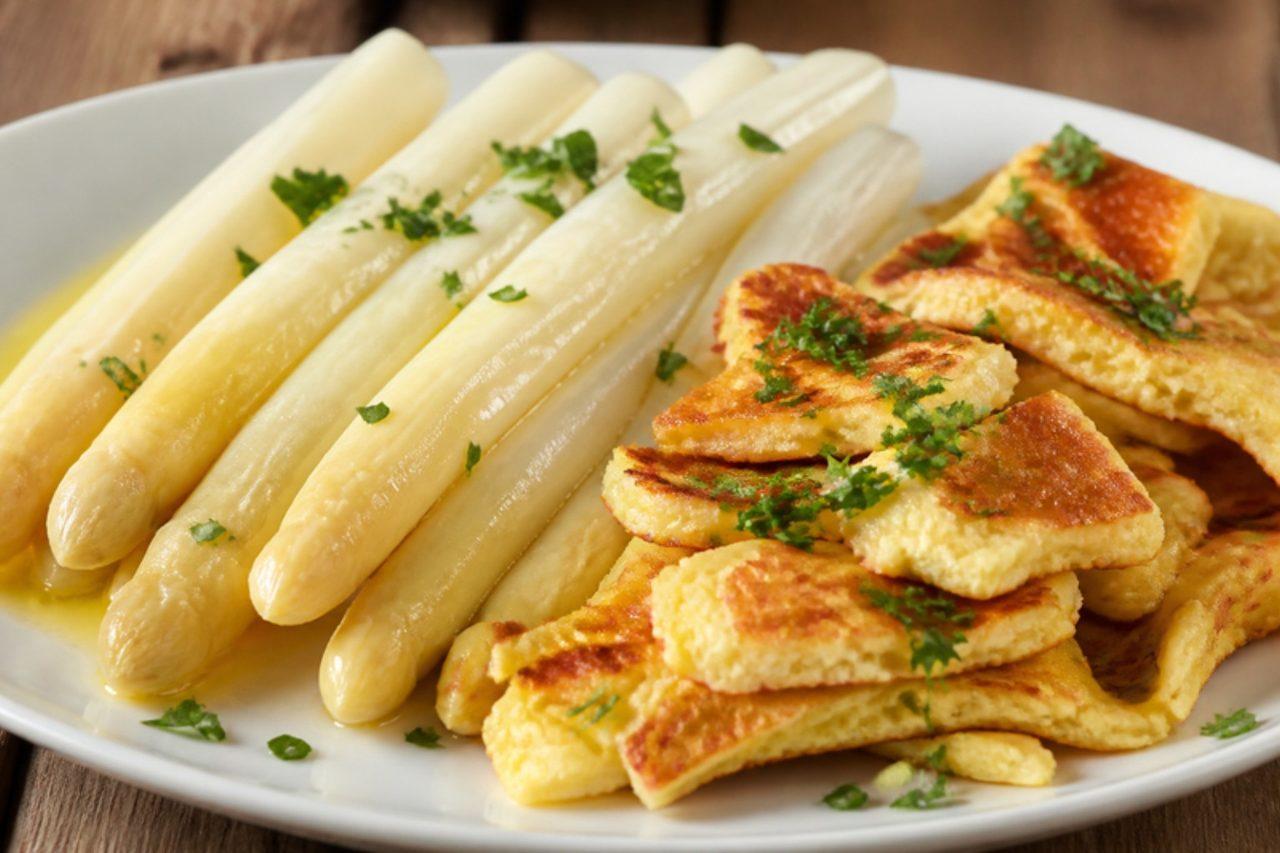
Spargel mit KratzeteAsparagus with torn pancake

In the asparagus villages near Bruchsal and Schwetzingen in Baden, Kratzete is what goes on the plate beside the spears: a thick egg pancake that is torn ('scratched') into ragged pieces in the pan with two forks and fried in butter until crisp at the edges and soft inside. Melted butter or hollandaise goes over everything, and in spring inns serve it as a full vegetarian main. Many families add raw ham on the side, but it is complete without. Keeping the batter thin is the mistake; it needs to be thick enough to coat a spoon, or the pieces fall apart. Chef's tip: let the batter rest for 20 minutes so the flour swells and the Kratzete turns out fluffy.

by KrazyBadal 0 views

BärlauchsuppeWild garlic soup

In March and April the beech woods of the Bavarian foothills, the Vienna Woods and the Swabian Jura carpet themselves with wild garlic, and inns from Munich to Graz put this bright green soup on their spring menus. A simple potato and onion base is blended with a big handful of raw leaves at the last moment, so the colour stays vivid and the garlic flavour fresh. Serve it with croutons or a swirl of sour cream. Foragers must be sure of their leaves, since wild garlic can be confused with poisonous lily of the valley; buy from a reliable source or a market. Cooking the leaves too long is the mistake that turns the soup khaki. Chef's tip: blend the leaves in off the heat and serve straight away.

by KrazyBadal 0 views

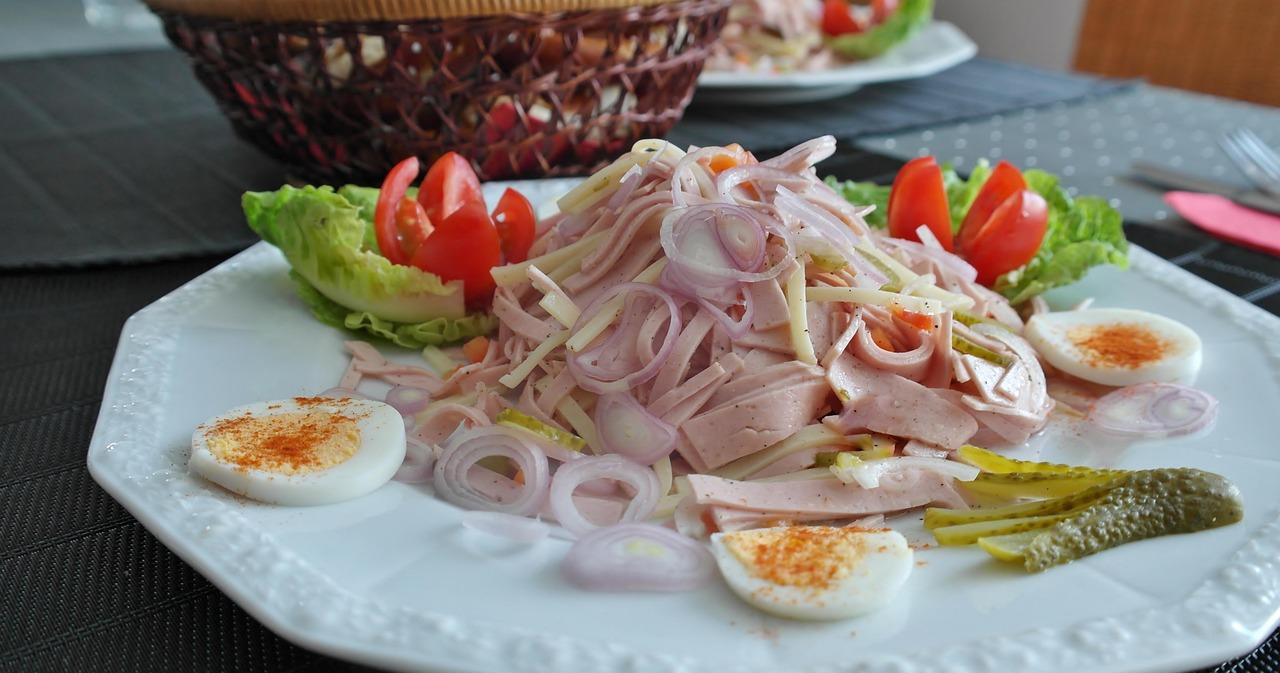
Bayerischer WurstsalatBavarian sausage salad

Bavarian Wurstsalat is the Brotzeit plate of the beer garden: thin strips of Regensburger or Lyoner, mild cooked pork sausages, tossed with onion rings and gherkins in a sharp, slightly sweet vinegar dressing, and eaten with a pretzel in the shade of chestnut trees. At home it is a fast summer supper on a warm evening. Swabians add cheese and call it Schweizer Wurstsalat. A common mistake is drowning it in oil; the dressing should be mostly vinegar and gherkin brine. Chef's tip: leave the dressed salad for 30 minutes in the fridge so the onion softens and the sausage picks up the vinegar.

by KrazyBadal 0 views

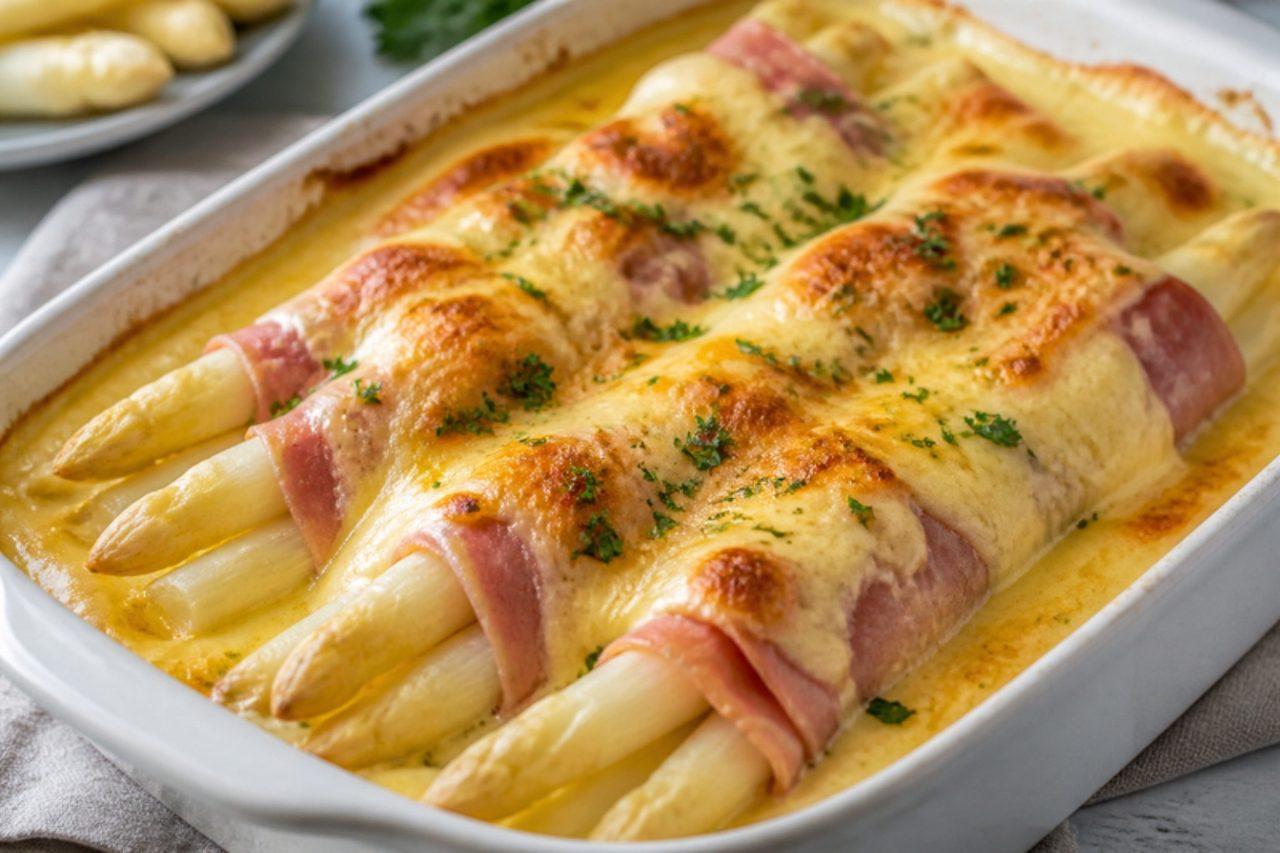
Überbackener SpargelBaked asparagus with ham

This gratin is a spring classic of German home cooking, made from Lower Saxony to Bavaria when white asparagus is cheap at the market in May. Bundles of cooked spears are rolled in slices of cooked ham (pork), laid in a dish, covered with hollandaise and grated cheese and baked until bubbling and golden, then served with buttered new potatoes. It is an easy way to feed a family on asparagus without fuss. A common mistake is skipping the draining step, so water from the spears thins the sauce. Chef's tip: for a vegetarian version, roll the asparagus in thin pancakes instead of ham.

55 minGermanMeatGluten free
by KrazyBadal 0 views

BrennsuppeBrowned flour soup

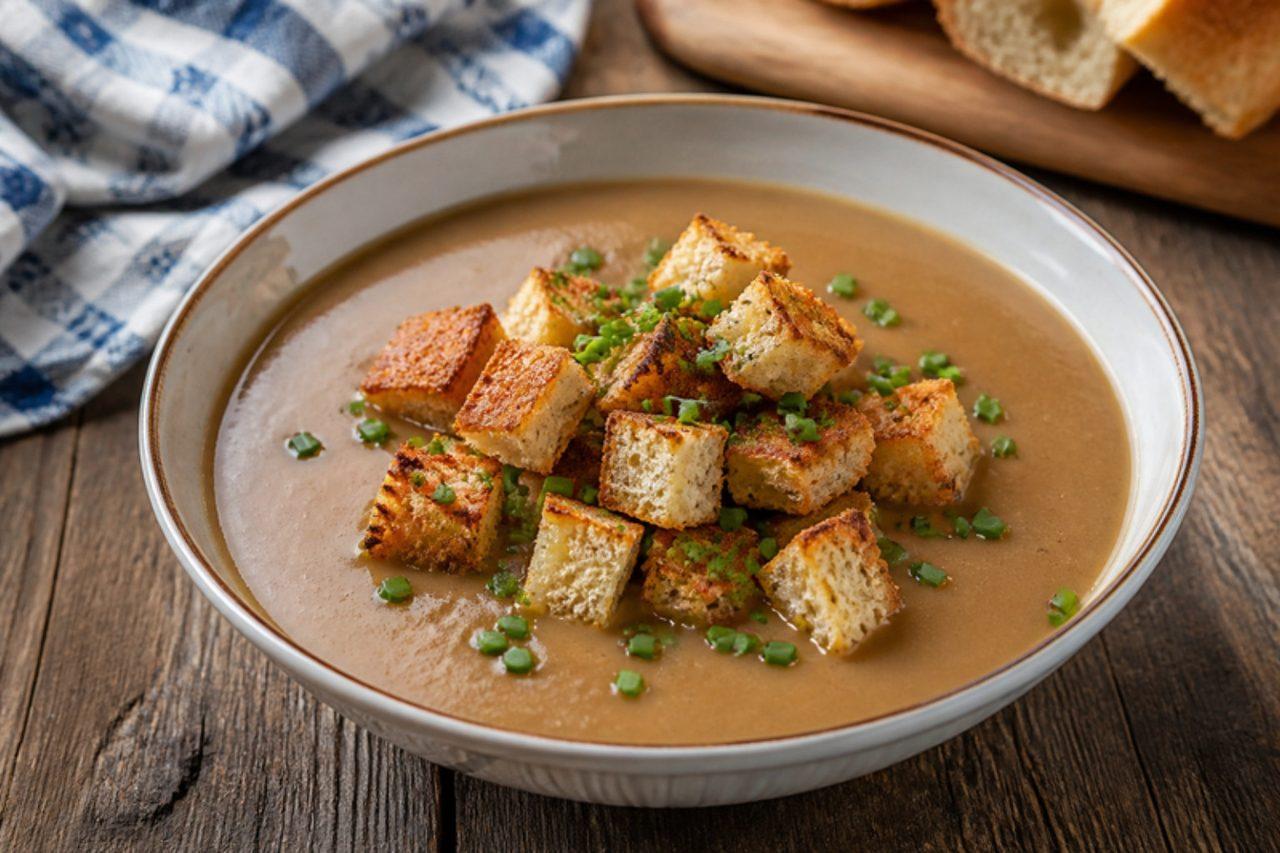
Farmhouse kitchens in Upper Bavaria and the Swabian Allgäu once started the day with Brennsuppe, a soup built from almost nothing: flour browned slowly in butter until it smells of hazelnuts, then whisked into water or stock with caraway and onion. Grandmothers still make it on cold evenings or for anyone feeling poorly, with cubes of stale bread toasted in the pan and a heap of chives on top. It tastes far richer than its ingredients suggest. The usual mistake is rushing the roux on a high heat, so it scorches and turns bitter instead of nutty. Chef's tip: whisk the stock in a little at a time while it is cold or lukewarm, and the soup stays perfectly smooth.

by KrazyBadal 0 views

KochkäseCooked cheese spread

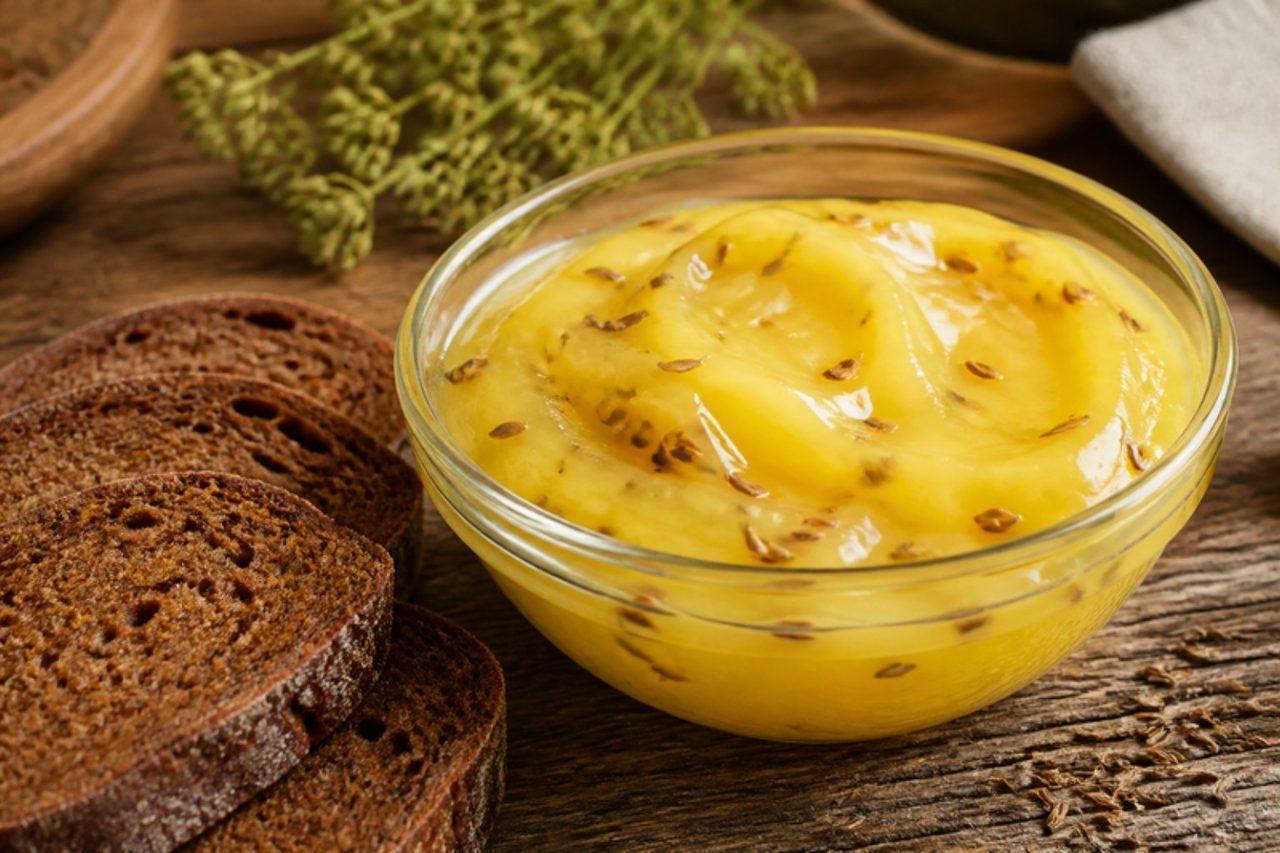
In Hesse, the Odenwald and Franconia, Kochkäse is the spreadable cooked cheese that farm kitchens made from leftover sour-milk curd. Dry quark is left to ripen for a day or two until it turns slightly yellow and smells tangy, then melted with butter, bicarbonate and caraway into a glossy, stretchy spread. It is eaten on rye bread for Abendbrot, often with onion and vinegar on top, and in Hessian pubs alongside cider. Most quark is set without animal rennet, but check the label if that matters. The common mistake is heating it too fast, which makes it grainy instead of smooth. Chef's tip: keep stirring over a low heat until no white flecks remain, then pour it into a jar while it is still runny.

by KrazyBadal 0 views

EiersalatEgg salad

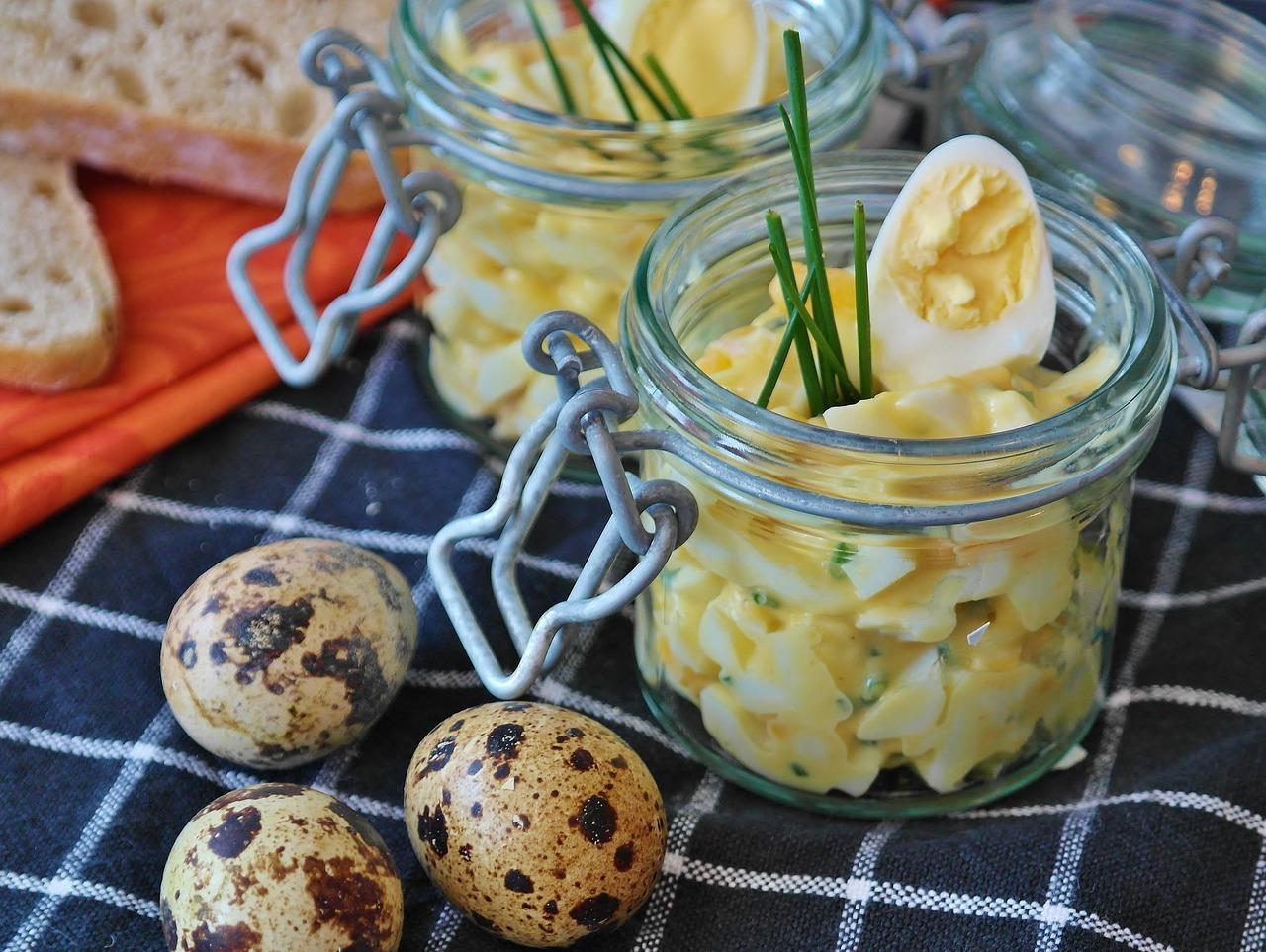
Every German bakery counter and many Sunday breakfast tables have a bowl of Eiersalat, spread thickly on halved Brötchen or rye bread at Abendbrot. This home version keeps it light: chopped hard-boiled eggs bound with a little mayonnaise and yoghurt, sharpened with mustard and gherkin and finished with lots of chives. It is also the usual way to use up dyed Easter eggs in the week after Easter. The classic mistake is overcooking the eggs, which leaves grey-green rims and a sulphur smell. Chef's tip: chop the eggs with a fork or an egg slicer, not a blender, so the salad keeps soft little pieces of white and yolk.

by KrazyBadal 0 views

KräuterquarkHerb quark

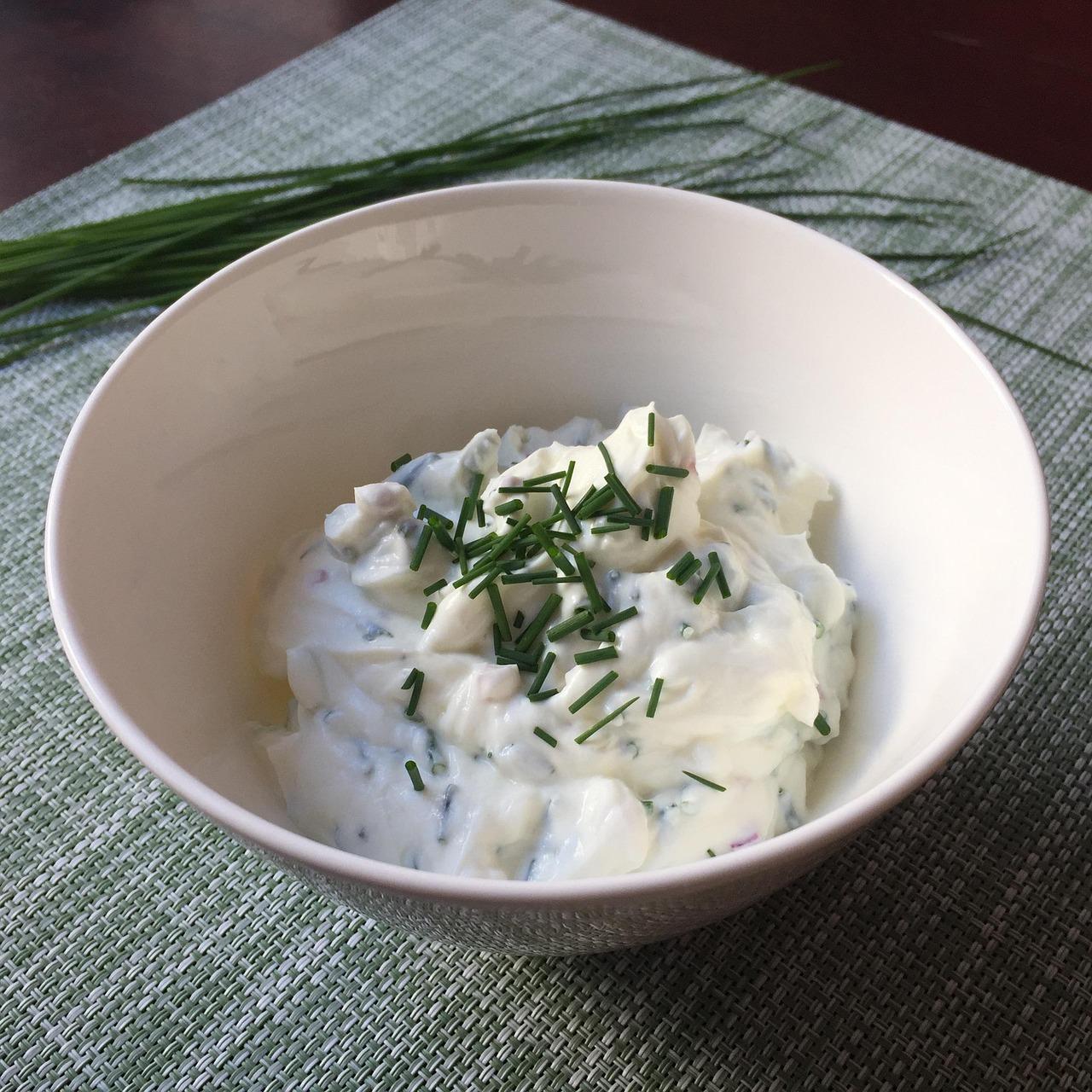
On summer evenings across Germany, from Hamburg allotments to Swabian farmhouse kitchens, a bowl of herb quark sits in the middle of the Abendbrot table with rye bread, radishes and boiled new potatoes. Fresh low-fat quark is loosened with a little milk and linseed or sunflower oil, then packed with chopped chives, parsley and dill and a hint of garlic, so it tastes cool, tangy and green. It also goes on jacket potatoes at the fair and next to grilled vegetables at a barbecue. The usual mistake is chopping the herbs ahead and letting them sit, which turns them dark and bruised. Chef's tip: let the finished quark rest in the fridge for 20 minutes so the garlic mellows and the herbs flavour the whole bowl.

by KrazyBadal 0 views

ErdbeerkuchenStrawberry flan

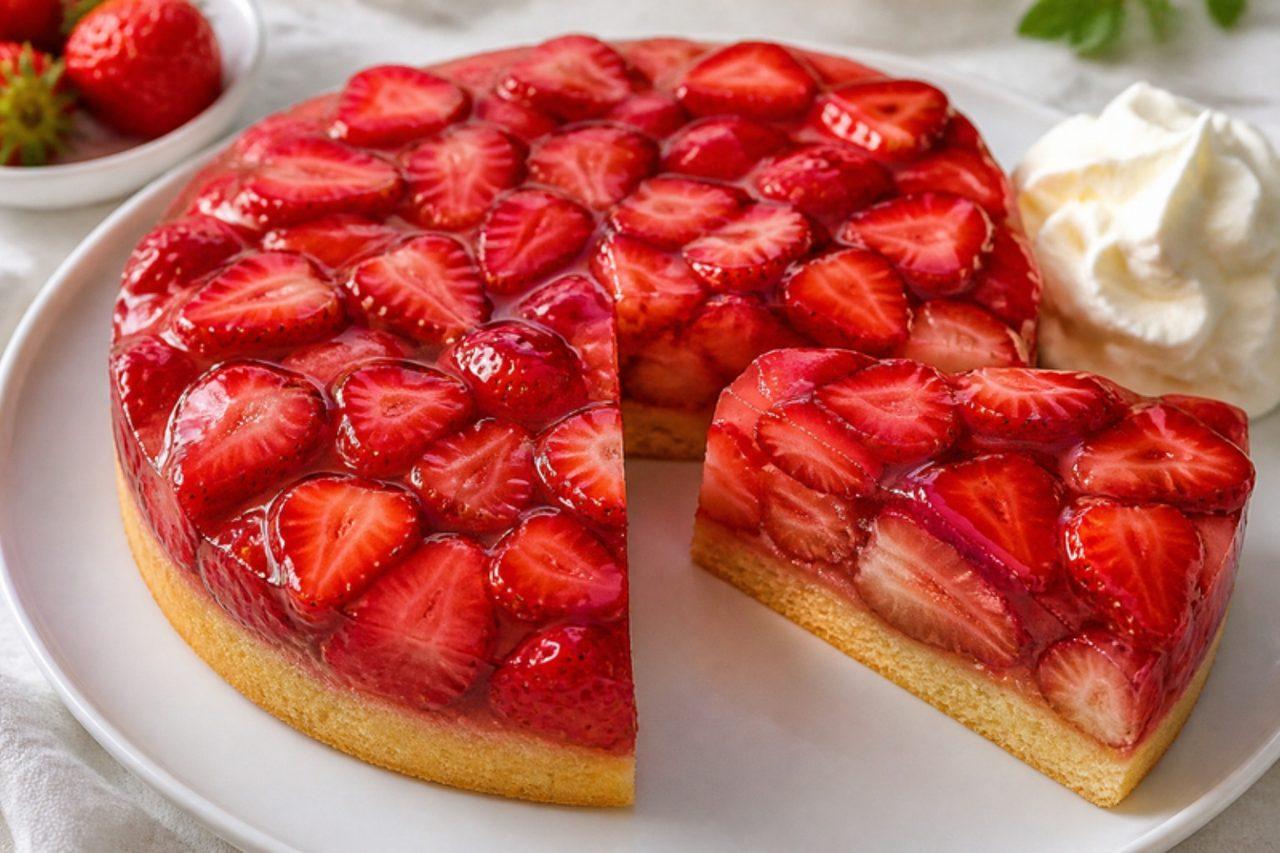
When strawberry stands pop up on every country road in June, bakeries from the Rhineland to Saxony fill their windows with Erdbeerkuchen, and families bake one for Sunday afternoon Kaffee und Kuchen. A light sponge is baked in a fluted flan tin with a raised rim, spread with a thin layer of custard or jam, covered with halved strawberries and set under a clear red glaze, then served with whipped cream. The mistake most people make is filling the base while it is still warm, which makes it soggy. Chef's tip: brush the cooled base with a little melted white chocolate or jam first; it seals the sponge against the fruit juice.

by KrazyBadal 0 views

KartoffelkrokettenPotato croquettes

Kartoffelkroketten belong to the German Sunday roast as surely as red cabbage, alongside Rinderrouladen in the Ruhr or venison in the Harz at Christmas. Dry mashed potato is bound with egg yolk, nutmeg and a little butter, rolled into small cylinders, breaded and fried until crunchy outside and fluffy within. Homemade ones taste far better than the frozen kind and can be shaped a day ahead. The usual mistake is a wet mash, which makes croquettes burst in the oil. Chef's tip: steam-dry the boiled potatoes in the hot pan for two minutes and press them through a ricer, never a blender, which turns them gluey.

by KrazyBadal 0 views

BauernfrühstückFried potatoes with ham and egg

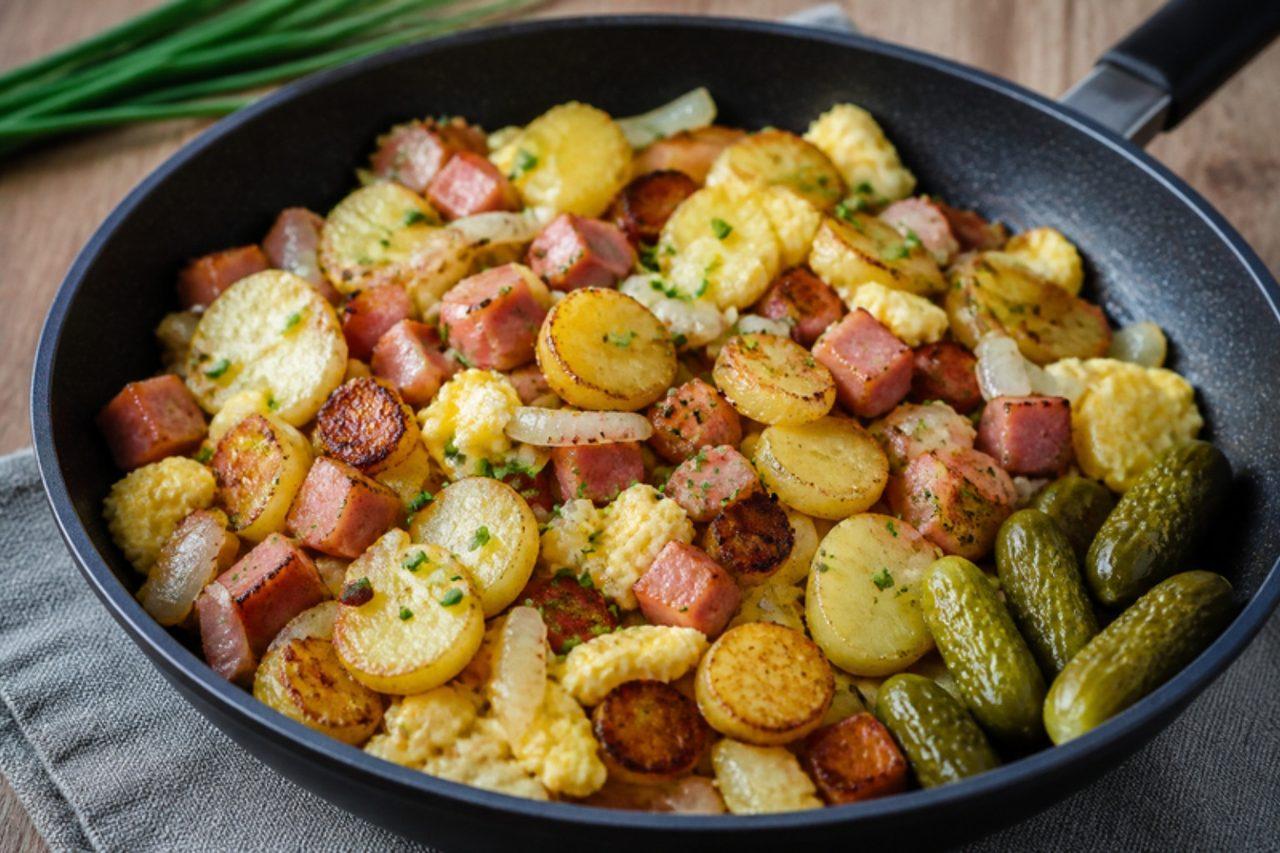
Despite its name, the 'farmer's breakfast' is mostly eaten at lunch or supper in Hamburg pubs, Hanover canteens and farm kitchens across Lower Saxony and Schleswig-Holstein. Leftover boiled potatoes are fried until crisp with onions and diced cooked ham (pork), then eggs are poured over and set gently into a golden, folded omelette, served with gherkins and a tomato salad. Leave out the ham and add peppers or mushrooms for a vegetarian version. The usual mistake is adding the eggs before the potatoes are properly crisp. Chef's tip: use potatoes boiled the day before and chilled; they hold their shape and brown far better.

by KrazyBadal 0 views

ApfelschorleApple juice spritzer

At any German beer garden, from Munich's Chinese Tower to the cider taverns of Frankfurt, the drink for children, drivers and anyone on a hot afternoon is Apfelschorle: cloudy apple juice topped up with sparkling mineral water. Germans drink it at family lunches, after sport and at school summer parties, and it is far less sweet than juice alone. The usual mix is half and half, but many people go lighter on the juice. The common mistake is pouring the water first, which knocks out the bubbles. Chef's tip: use naturally cloudy apple juice and very cold, strongly sparkling water, and pour the water in slowly down the side of the glass.

by KrazyBadal 0 views

ParadiesäpfelCandy apples

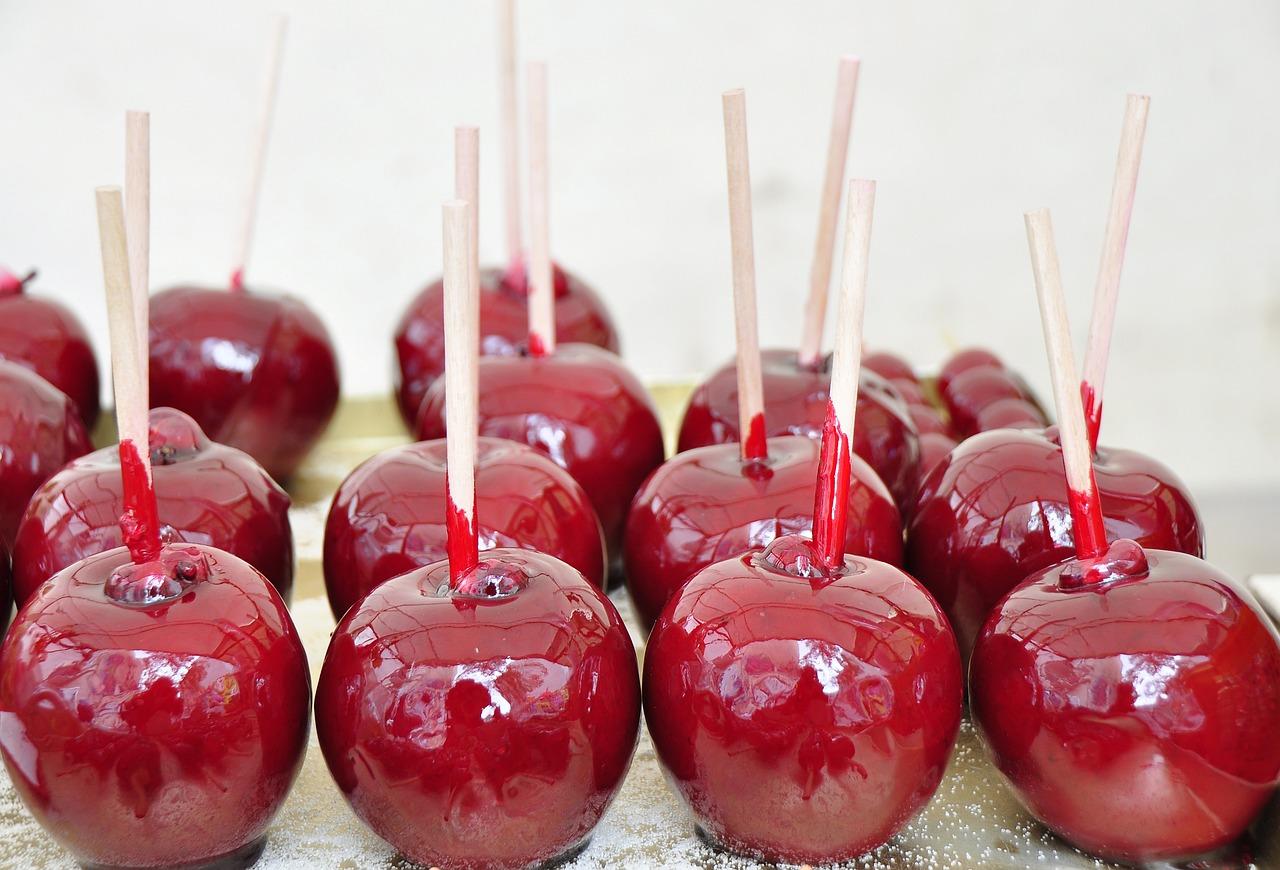
Paradiesäpfel shine from the sugar stalls at German fairs and Christmas markets, from the Cannstatter Wasen to the Hamburg Dom: small tart apples on wooden sticks, dipped in a glassy red sugar glaze that cracks when you bite it. Children often get them on the way home from the rides in autumn. The glaze is just sugar, water and a drop of vinegar boiled to the hard-crack stage, so a sugar thermometer helps. The most common mistake is using wet or waxed apples, which makes the glaze slide off. Chef's tip: scrub the apples in hot water and dry them completely first, then dip quickly and twist so the excess drips back into the pan.

by KrazyBadal 0 views

SchnittlauchbrotChive bread

Order a Schnittlauchbrot in a Munich beer garden and you get the simplest Brotzeit there is: a thick slice of sourdough rye, buttered right to the edges and buried under so many chopped chives that the bread disappears. A pinch of coarse salt on top is all it needs. Bavarians eat it with a radish or two in the afternoon, and at home it is a classic Abendbrot when the chives in the garden are growing fast in May and June. The mistake is using fridge-cold butter, which tears the bread and will not hold the chives. Chef's tip: press the bread butter-side down into a plate of chives instead of sprinkling, and every bit gets covered.

by KrazyBadal 0 views

Showing 24 of 240 recipes

Show more recipes

Page 1 of 10