Skip to content
Recipes

All recipes

Vegetarian, or something you can't eat? Set your diet once and we'll hide recipes that don't fit.

Cocido quemadoBurnt sugar mate drink

Cocido is how Paraguay starts the day: in Asunción, in the villages of Guairá and Itapúa, and in school kitchens, a pot of burnt yerba is brewed and poured into cups with chipa, the cheesy cassava bread, or with a hard galleta. The old way is to drop a glowing piece of charcoal into a pot with yerba and sugar and stir until the sugar burns. On a home stove you caramelise them together in a dry pan instead, which is safer and gives the same smoky, toffee-like taste. The drink is clear amber-brown, with roasted, slightly bitter mate notes over burnt-sugar sweetness; with milk added it becomes cocido con leche, creamy and coffee-coloured. Yerba mate contains caffeine, so treat it like a cup of coffee. The common mistake is letting the sugar go black: it turns acrid and bitter. Pull it off the heat when the caramel is deep amber and the yerba smells toasted, not burnt. It is ready when the liquid is a clear dark amber and tastes of toffee and smoke. Chef's tip: the water will spit fiercely when it hits the hot caramel, so pour it in from the side, at arm's length.

by KrazyBadal 0 views

TereréIced yerba mate

In Asunción the hottest part of the day stops for tereré: a horn or cup packed with yerba mate, topped up again and again with ice water infused with crushed herbs, and passed round the group through a metal straw. It was recognised by UNESCO as part of Paraguay's cultural heritage, and the herbs (yuyos) change with the season and the drinker's mood. Yerba mate contains caffeine, so it isn't one for small children. The common mistake is pouring water straight into loose yerba, which then clogs the straw; tilt the yerba to one side first. Chef's tip: for tereré ruso, swap the water for cold orange or grapefruit juice.

by KrazyBadal 0 views

Martín FierroCheese with quince paste

Ask for dessert in a Montevideo bodegón or a country parador and you may be offered a Martín Fierro: a thick slice of fresh, mild cheese laid with an equal slice of dense quince or sweet-potato paste, named after the gaucho of the epic poem. It's salty against sweet, soft against firm, and takes two minutes to assemble. Uruguayan fresh cheese is usually made with animal rennet, so choose one with vegetarian rennet if that matters to you. The mistake is serving it fridge-cold, which dulls both flavours. Chef's tip: cut the cheese and paste to exactly the same thickness, about 1 cm, so every bite has both.

by KrazyBadal 0 views

LampreadoCassava starch cheese fritters

Paraguayan grandmothers fry lampreado on Sunday evenings to eat with a mug of cocido, the toasted yerba mate drink: small pan-fried cakes of cassava starch, egg, milk and grated cheese with a little onion, crisp at the edges and stretchy inside. Some families also make it with leftover meat, but this version is all cheese. Queso Paraguay is set with animal rennet; a vegetarian Parmesan-style cheese plus mozzarella works well. The trap is a batter that is too thick, which gives heavy, gluey cakes. Chef's tip: the batter should drop slowly off a spoon like thick pancake batter; add milk a spoonful at a time until it does.

by KrazyBadal 0 views

SerraduraCream and biscuit crumb pudding

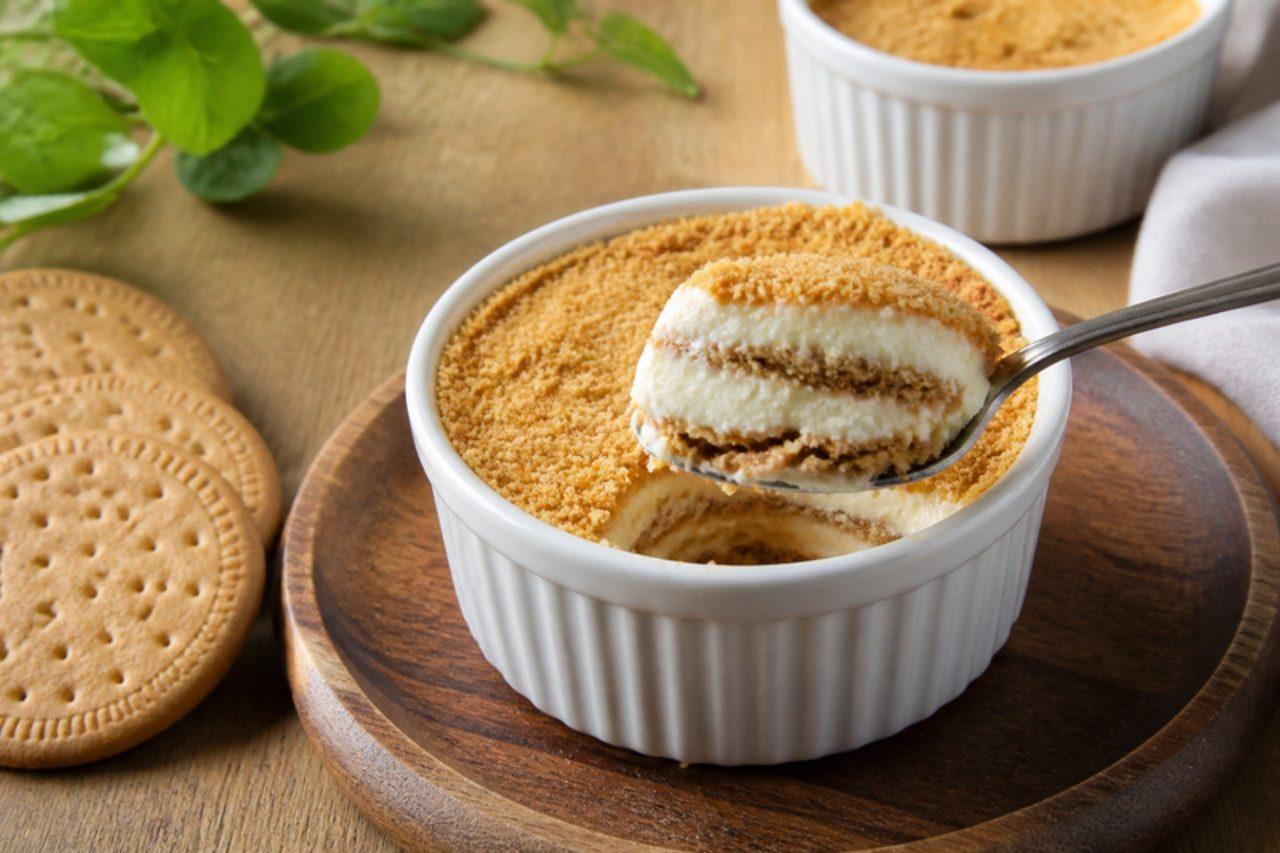
Portuguese for 'sawdust', serradura is the cool, creamy dessert you'll find in every Macanese restaurant and café from Taipa to the Senado Square backstreets, ordered to round off a long Macanese lunch. Alternating layers of sweetened whipped cream and powder-fine tea biscuit crumbs set softly in the fridge, so each spoonful is light, milky and caramel-sweet, with a gentle crumbly texture. It is usually served in small glasses, sometimes semi-frozen like an ice cream cake. Coarse crumbs are where it goes wrong; they stay crunchy and gritty instead of melting into the cream, so grind the biscuits as fine as sand. Chef's tip: whip the cream and condensed milk together only to firm peaks and stop there, or it turns grainy and buttery.

by KrazyBadal 0 views

Minchi (Macanese minced meat with potatoes)

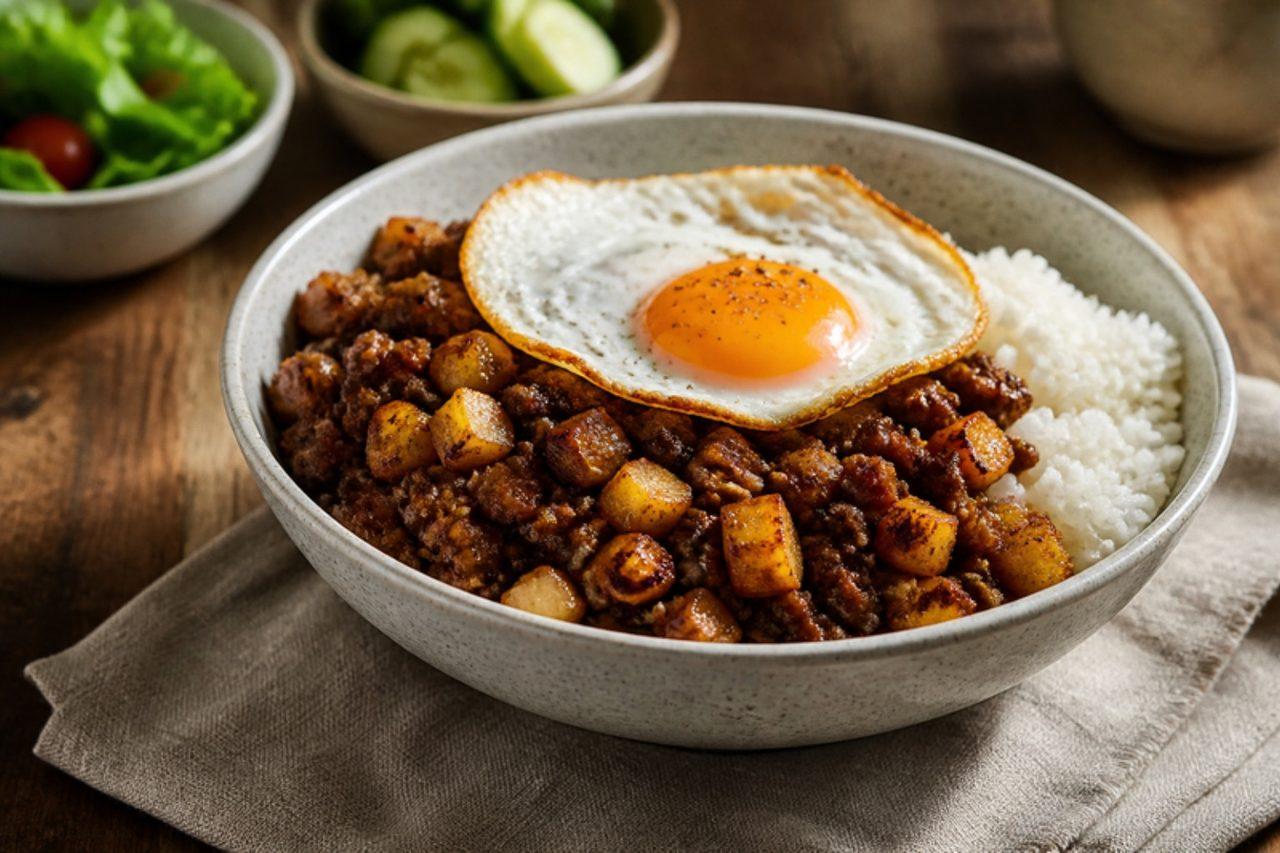
If one dish says home to Macanese families, the descendants of Portuguese and Chinese Macau, it is minchi: a quick hash of minced beef and pork seasoned with soy sauce, Worcestershire sauce and a touch of sugar, mixed with crisp little cubes of fried potato and crowned with a runny fried egg. It appears on weeknight tables, at Macanese restaurants near Rua do Cunha, and at gatherings of the Macanese community abroad, always with plain white rice. Savoury, slightly sweet and full of crunch, it tastes like the meeting of a Portuguese kitchen and a Cantonese wok. A common error is stirring the potatoes into the meat too early, which makes them soft and floury; fry them separately until crisp and fold them in at the end. Chef's tip: let the mince sit undisturbed for a minute in the hot pan before stirring, so it browns instead of stewing.

by KrazyBadal 0 views

MbejúCassava starch cheese cake

Mbejú (say 'mbeh-JOO') is a Guaraní breakfast and merienda: cassava starch rubbed with butter, cheese and a little milk into damp crumbs, then pressed into a hot pan where it fuses into a thick, chewy, crisp-edged cake. It's eaten in the countryside with cocido (sweet toasted yerba tea with milk) on cool mornings, cut into wedges. It's naturally gluten free and very quick. Chef's tip: the mix should look like damp sand, not a dough; if you can squeeze a handful and it just holds, it's right.

by KrazyBadal 0 views

Torta fritaFried dough discs

In Uruguay, a grey rainy afternoon has one answer: torta frita and mate. These thin discs of dough, pierced with a hole in the middle, are fried until puffed and golden and either sprinkled with sugar or eaten plain, still hot, between sips passed around the circle. In Montevideo you'll smell them from street stalls on wet days; at home they're made with butter or beef fat, here with butter. Chef's tip: the hole in the middle isn't decoration; it lets the centre cook through at the same speed as the edges.

by KrazyBadal 0 views

ChivitoSteak sandwich with ham and egg

The chivito was created in the 1940s at a restaurant in Punta del Este, Uruguay, and became the national sandwich: a soft roll filled with thin, tender steak, ham, melted mozzarella, a fried egg, bacon, lettuce, tomato, olives and mayonnaise. It is eaten in Montevideo's parrillas and corner bars with chips on the side. This sandwich contains pork. The mistake is a thick, chewy steak: use thinly sliced sirloin and sear it fast. Chef's tip: toast the cut sides of the rolls so they stand up to all the juices.

by KrazyBadal 0 views

CacıkCucumber yogurt dip

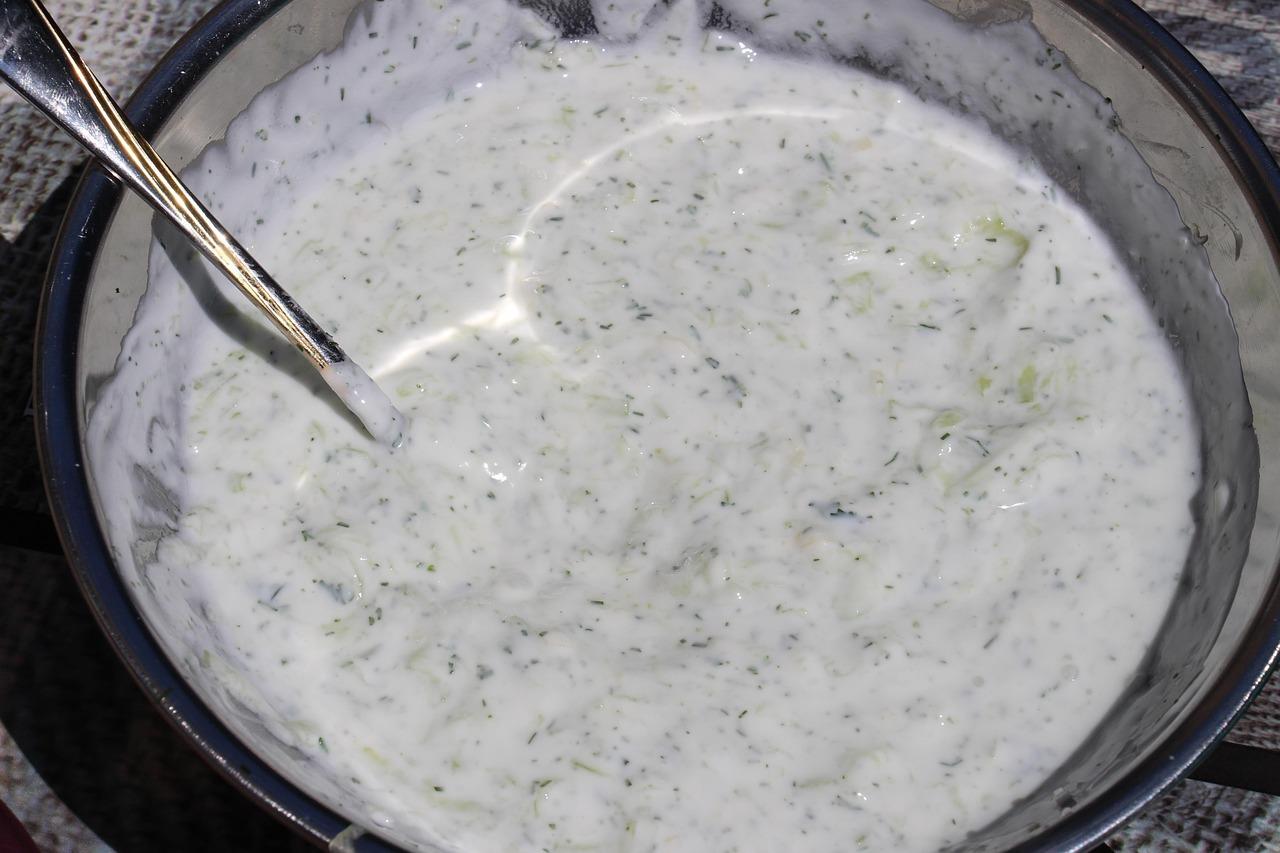
Cacık is the Turkish version of tzatziki: thick yogurt mixed with cucumber, onion, plenty of parsley, garlic and green chilli, seasoned with salt, white pepper and a pinch of sugar and finished with fresh mint. Cool and refreshing, ready in minutes. Serve with warm pitta bread, curries and rice dishes.

by KrazyBadal 0 views

FattoushToasted pitta and herb salad

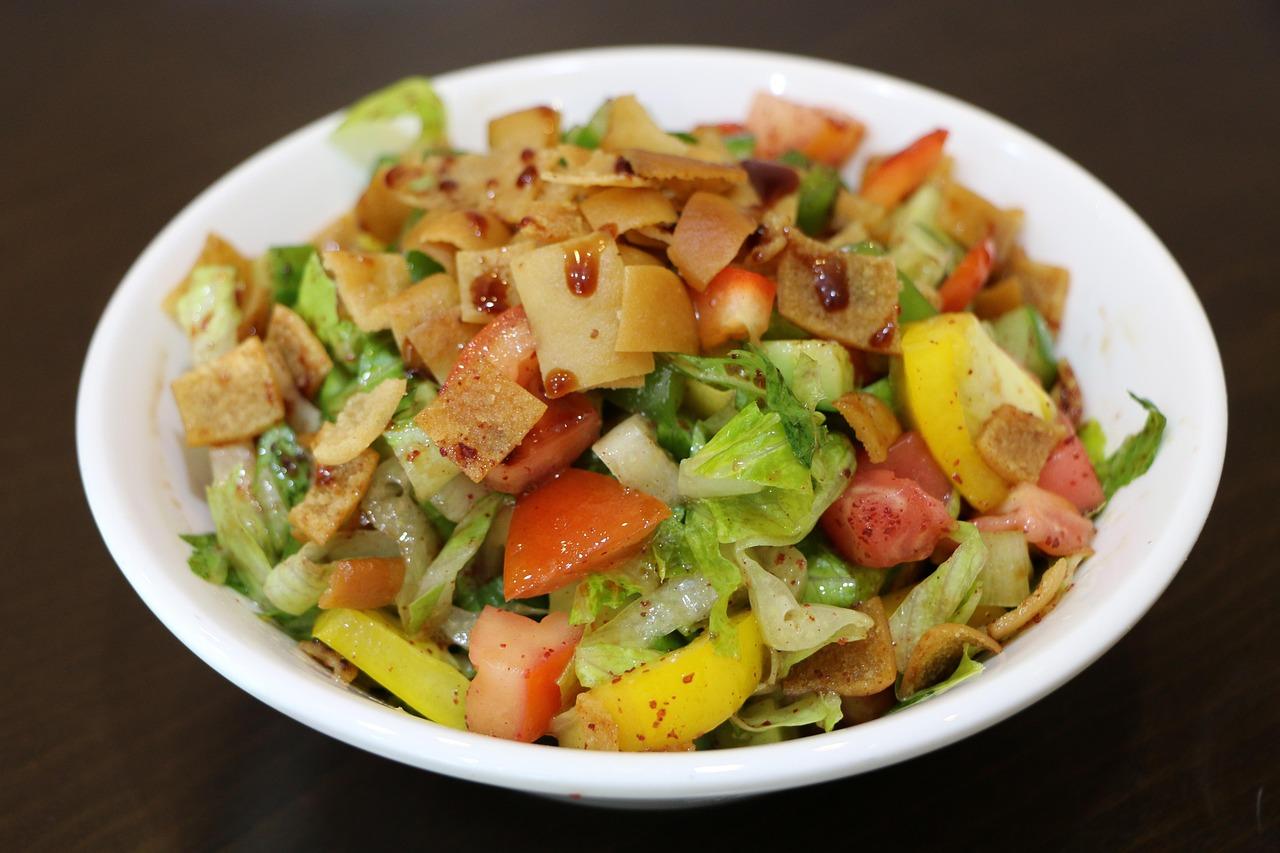
A fresh, crunchy Lebanese salad of tomatoes, cucumber, rocket, celery, spring onions and green pepper with lots of mint and parsley, tossed just before serving with crisp toasted pitta and a sharp lemon, garlic and olive oil dressing. Serve as a starter or alongside falafel and dips.

by KrazyBadal 0 views

Tahini dip

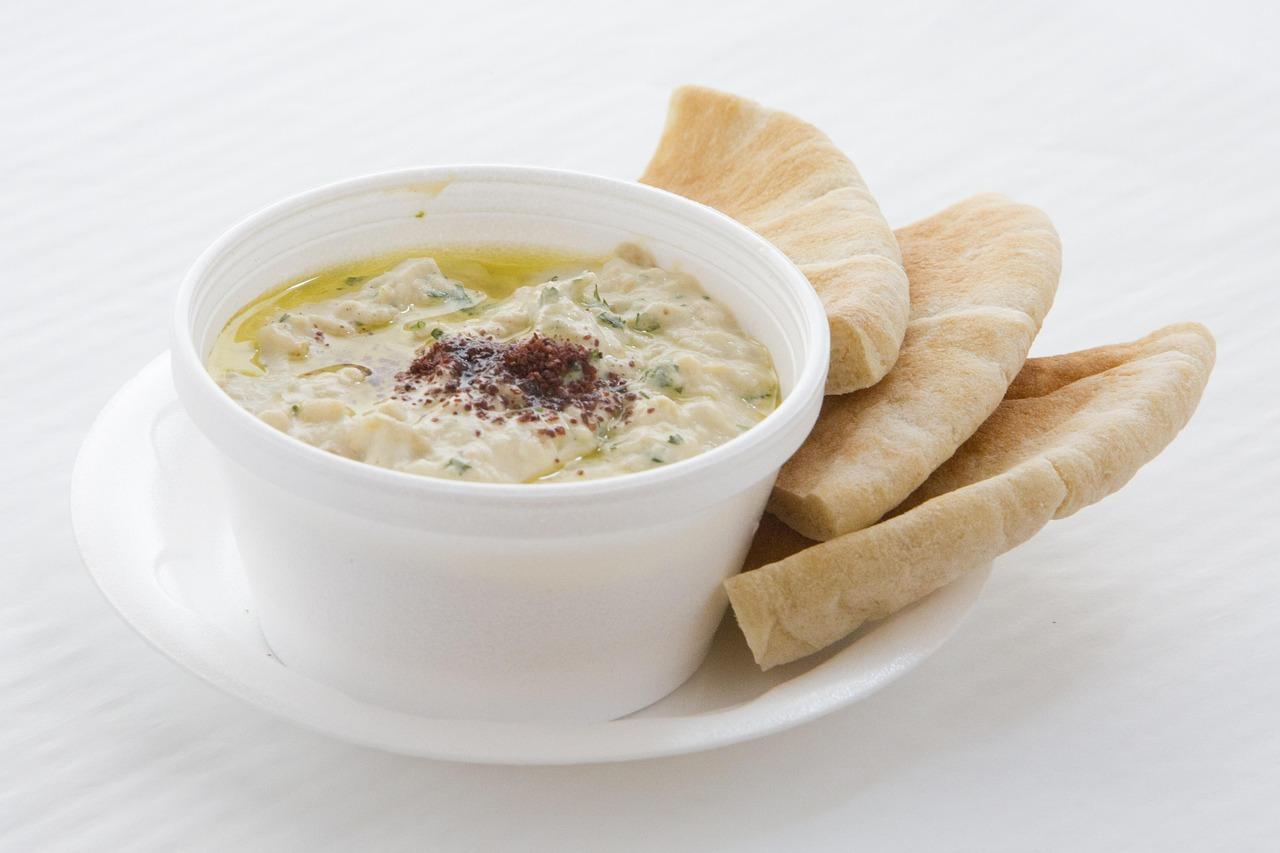
A creamy, nutty dip of roasted sesame seeds blended with yogurt, garlic, chilli, lemon and parsley. It's a lighter, home-made take on tahini sauce and is used in the aubergine dip. Serve it with pitta bread, falafel or vegetables.

by KrazyBadal 0 views