Skip to content
Recipes

All recipes

Vegetarian, or something you can't eat? Set your diet once and we'll hide recipes that don't fit.

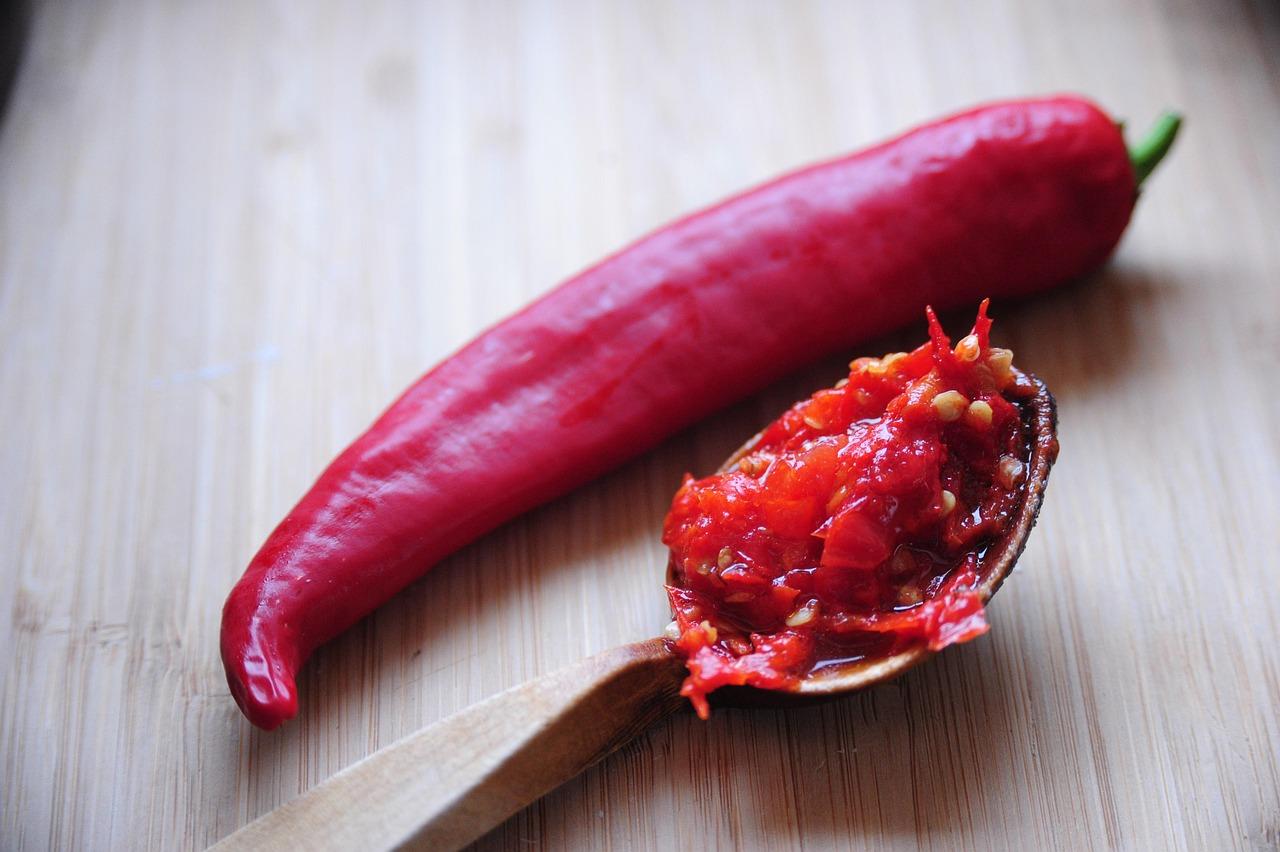
SakayChilli and ginger paste

No table in Madagascar is fully set without a saucer of sakay, from a Fianarantsoa family lunch to a coastal fish shack in Mahajanga. Fresh red chillies are pounded with ginger, garlic and salt, then loosened with hot oil, so the paste is bright, sharp and searingly hot, with a warm ginger finish rather than the sourness of a vinegar sauce. A dab is stirred into broth, smeared over rice or eaten with grilled zebu skewers; a little goes a long way. Wear gloves when you chop the chillies, and wash the board straight away: rubbing your eyes after handling them is the classic beginner's mistake. Chef's tip: pour the oil in while it is hot but not smoking, which cooks the raw edge off the garlic and helps the paste keep for a week in the fridge.

by KrazyBadal 0 views

LampreadoCassava starch cheese fritters

Paraguayan grandmothers fry lampreado on Sunday evenings to eat with a mug of cocido, the toasted yerba mate drink: small pan-fried cakes of cassava starch, egg, milk and grated cheese with a little onion, crisp at the edges and stretchy inside. Some families also make it with leftover meat, but this version is all cheese. Queso Paraguay is set with animal rennet; a vegetarian Parmesan-style cheese plus mozzarella works well. The trap is a batter that is too thick, which gives heavy, gluey cakes. Chef's tip: the batter should drop slowly off a spoon like thick pancake batter; add milk a spoonful at a time until it does.

by KrazyBadal 0 views

TereréIced yerba mate

In Asunción the hottest part of the day stops for tereré: a horn or cup packed with yerba mate, topped up again and again with ice water infused with crushed herbs, and passed round the group through a metal straw. It was recognised by UNESCO as part of Paraguay's cultural heritage, and the herbs (yuyos) change with the season and the drinker's mood. Yerba mate contains caffeine, so it isn't one for small children. The common mistake is pouring water straight into loose yerba, which then clogs the straw; tilt the yerba to one side first. Chef's tip: for tereré ruso, swap the water for cold orange or grapefruit juice.

by KrazyBadal 0 views

Cocido quemadoBurnt sugar mate drink

Cocido is how Paraguay starts the day: in Asunción, in the villages of Guairá and Itapúa, and in school kitchens, a pot of burnt yerba is brewed and poured into cups with chipa, the cheesy cassava bread, or with a hard galleta. The old way is to drop a glowing piece of charcoal into a pot with yerba and sugar and stir until the sugar burns. On a home stove you caramelise them together in a dry pan instead, which is safer and gives the same smoky, toffee-like taste. The drink is clear amber-brown, with roasted, slightly bitter mate notes over burnt-sugar sweetness; with milk added it becomes cocido con leche, creamy and coffee-coloured. Yerba mate contains caffeine, so treat it like a cup of coffee. The common mistake is letting the sugar go black: it turns acrid and bitter. Pull it off the heat when the caramel is deep amber and the yerba smells toasted, not burnt. It is ready when the liquid is a clear dark amber and tastes of toffee and smoke. Chef's tip: the water will spit fiercely when it hits the hot caramel, so pour it in from the side, at arm's length.

by KrazyBadal 0 views

MasikitaGrilled beef skewers

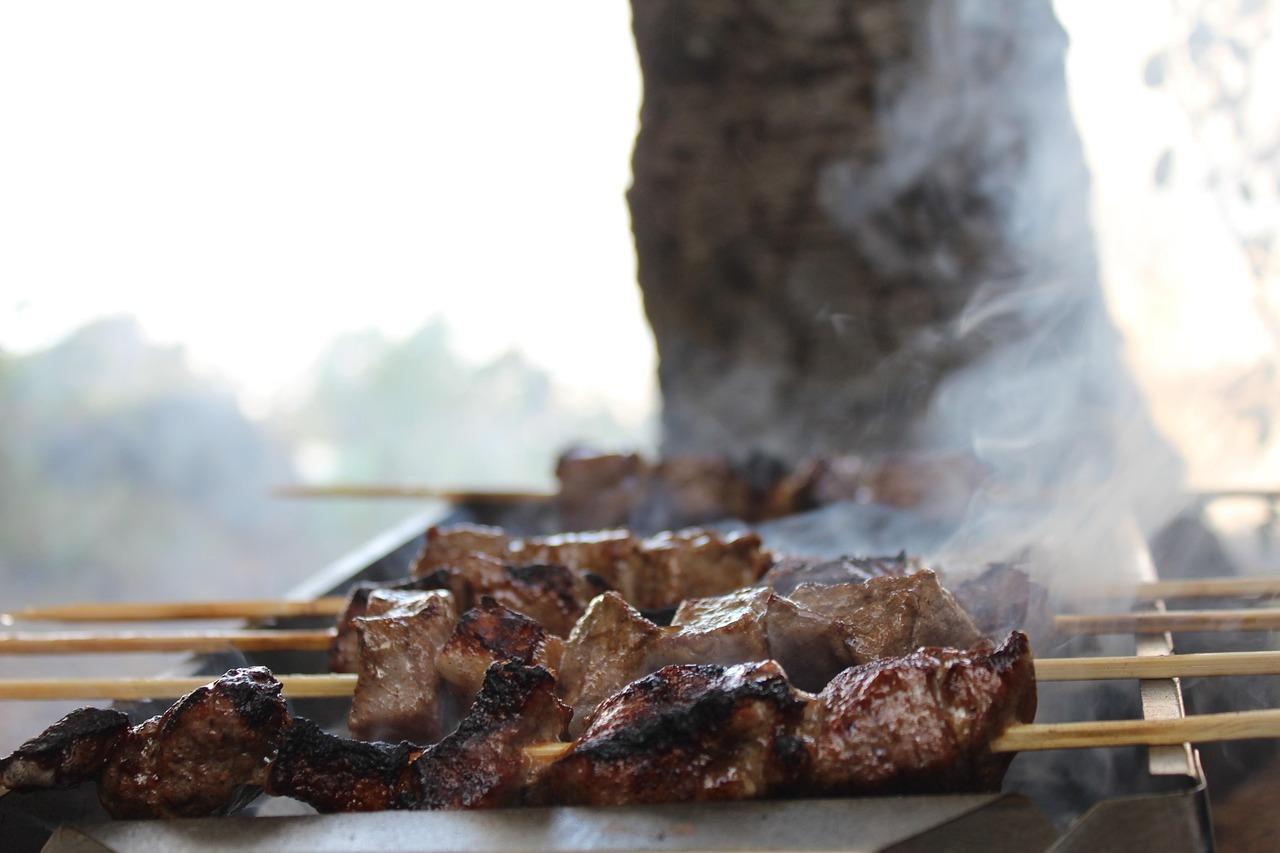
As the light fades in Mahajanga, Toliara and Antananarivo, the smoke from masikita grills drifts along the pavements, with vendors fanning glowing charcoal under rows of tiny skewers. In Madagascar they are made with zebu, the humped cattle that are central to life on the island; good beef rump or sirloin is the closest match at home. Small cubes are marinated with garlic, ginger, pepper and a little oil, threaded tightly and grilled fast, so the outside chars and the inside stays juicy. Eat them straight off the stick with sakay, a squeeze of lime and a cold drink, or with rice for dinner. Cutting the cubes too big is the common mistake: masikita should be bite-sized so they cook through in minutes. Chef's tip: soak wooden skewers for 30 minutes first so they don't burn before the beef is done.

by KrazyBadal 0 views

Mi saoVegetable fried noodles

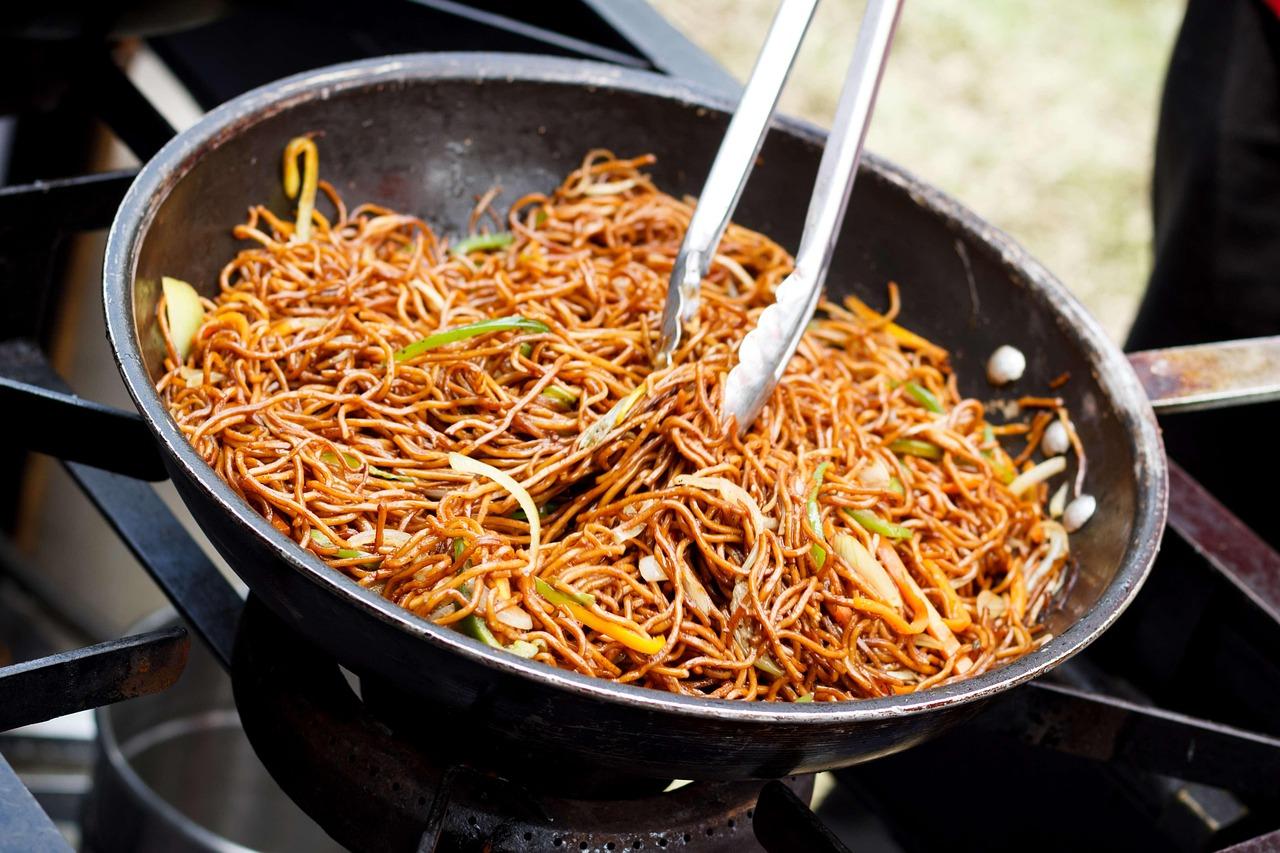
Chinese families who settled in Toamasina and Antananarivo a century ago brought mi sao with them, and it is now one of the most ordered plates at any hotely, often eaten at lunch with a bowl of clear soup on the side. This version is all vegetables: shredded cabbage, carrot, green beans and spring onion tossed with springy wheat noodles, garlic, ginger and soy sauce until glossy and a little smoky. Because of the soy sauce and wheat noodles it is not gluten free. Overcrowding the pan is the usual mistake; it steams everything into a limp tangle, so cook in two batches if your wok or pan is small. Chef's tip: rinse the boiled noodles in cold water and toss them with a few drops of oil, so they fry into separate strands instead of a sticky clump.

by KrazyBadal 0 views

Mofo akondroBanana fritters

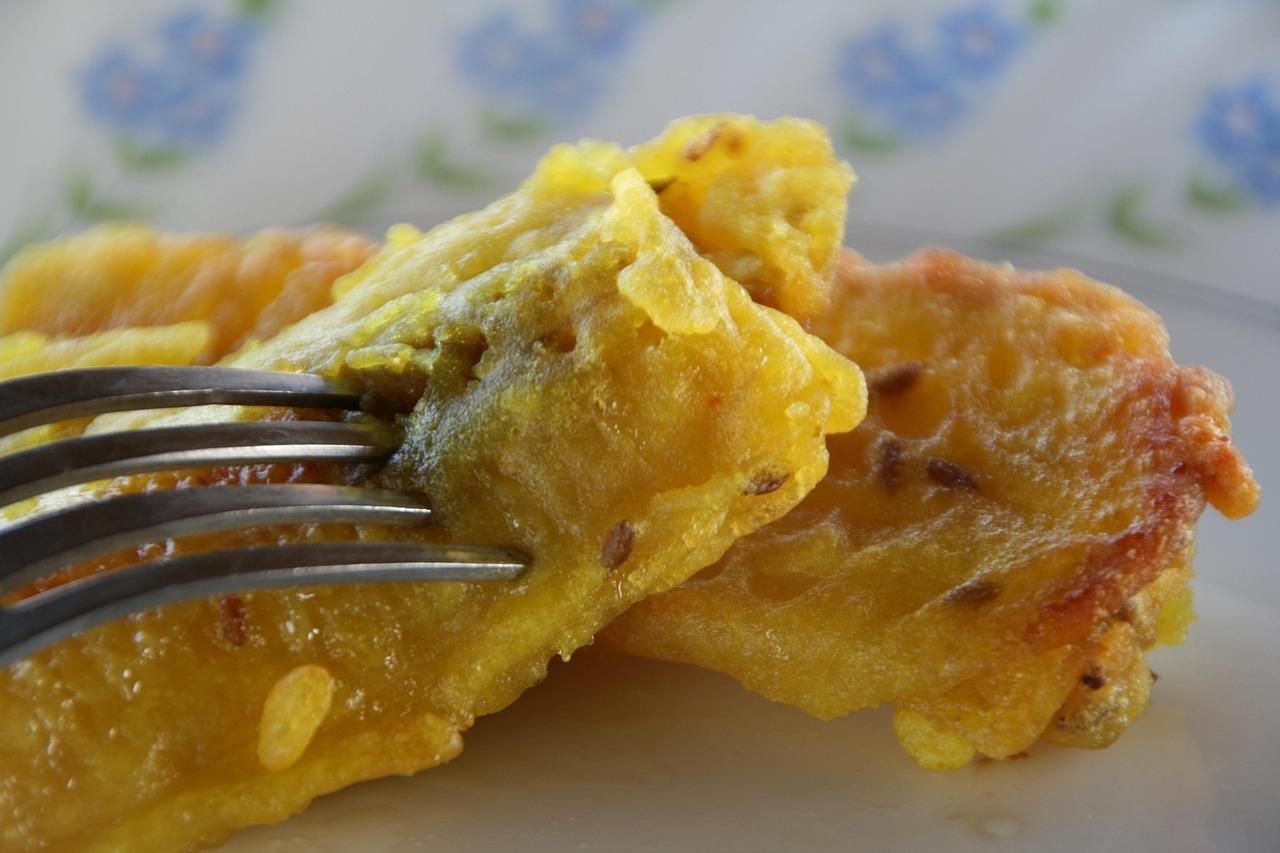
Wherever bananas pile up on market tables, from Toamasina on the east coast to the roadside stalls near Moramanga, someone is frying mofo akondro to sell warm in twists of paper. Ripe banana is cut into thick slices, dipped in a soft, vanilla-scented batter of flour, egg and milk, and fried until the coating puffs and crisps while the fruit inside turns jammy and sweet. Children love them after school, and they make an easy dessert with a dusting of sugar. Underripe bananas are the common mistake: they stay starchy and sour, so wait until the skins are well freckled with brown. Chef's tip: let the batter rest for 10 minutes before you dip, so the flour hydrates and the coating clings evenly instead of sliding off in the oil.

by KrazyBadal 0 views

Mofo ananaGreens fritters

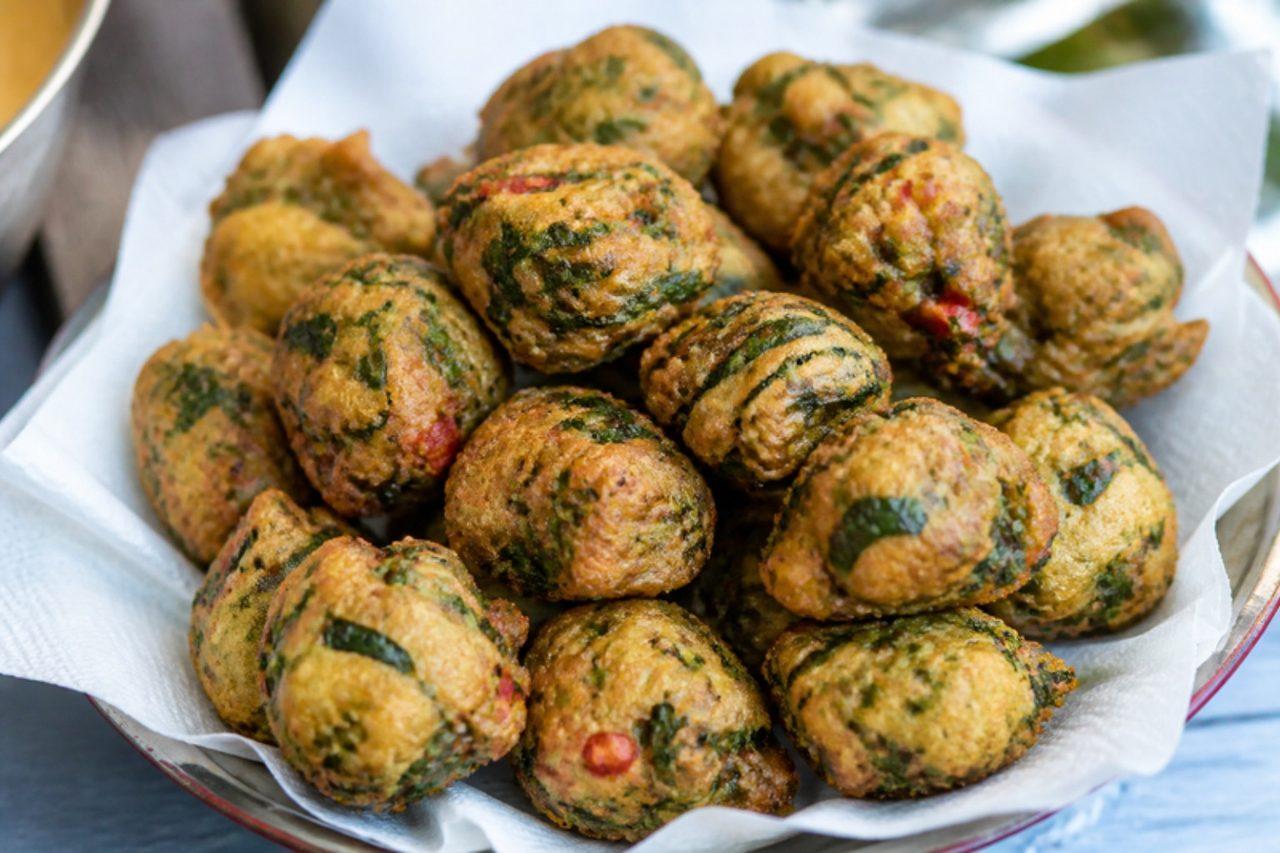
Stalls along Analakely market in central Antananarivo stack mofo anana in paper cones from mid-morning, and they rarely last past lunch. Each fritter is mostly leaves held together with a thin, savoury batter, so the outside fries lacy and crisp while the inside stays soft and grassy, with a lift from spring onion, garlic and chilli. Eat them hot as a snack with a cup of ginger tea, or set a plate of them beside a bowl of broth and some sakay for dipping. The usual mistake is a batter that is too thick: it should only just bind the greens, otherwise you end up with a heavy, doughy pancake. Chef's tip: squeeze the chopped leaves in a clean tea towel before mixing; wet greens spit in the oil and make the fritters soggy.

by KrazyBadal 0 views

Martín FierroCheese with quince paste

Ask for dessert in a Montevideo bodegón or a country parador and you may be offered a Martín Fierro: a thick slice of fresh, mild cheese laid with an equal slice of dense quince or sweet-potato paste, named after the gaucho of the epic poem. It's salty against sweet, soft against firm, and takes two minutes to assemble. Uruguayan fresh cheese is usually made with animal rennet, so choose one with vegetarian rennet if that matters to you. The mistake is serving it fridge-cold, which dulls both flavours. Chef's tip: cut the cheese and paste to exactly the same thickness, about 1 cm, so every bite has both.

by KrazyBadal 0 views

Torta fritaFried dough discs

In Uruguay, a grey rainy afternoon has one answer: torta frita and mate. These thin discs of dough, pierced with a hole in the middle, are fried until puffed and golden and either sprinkled with sugar or eaten plain, still hot, between sips passed around the circle. In Montevideo you'll smell them from street stalls on wet days; at home they're made with butter or beef fat, here with butter. Chef's tip: the hole in the middle isn't decoration; it lets the centre cook through at the same speed as the edges.

by KrazyBadal 0 views

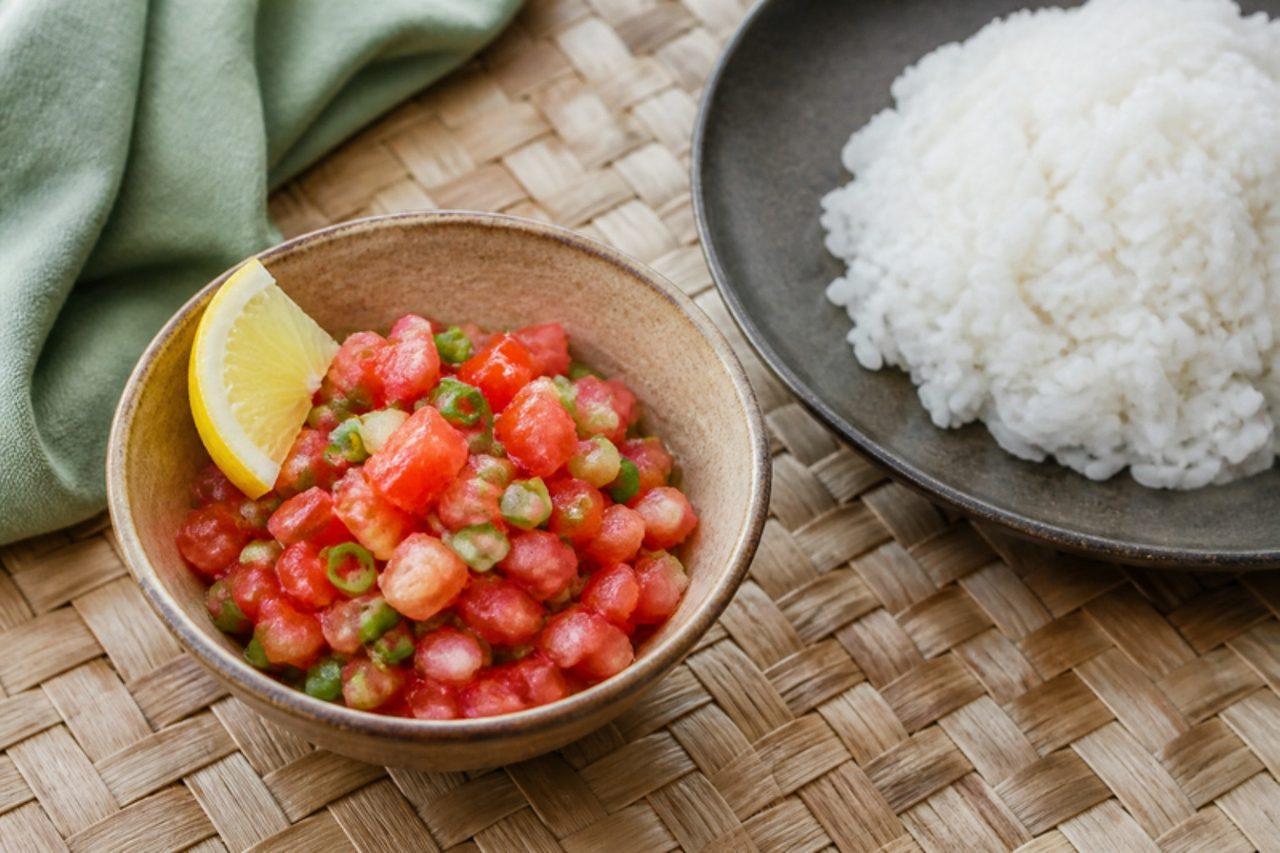
Lasary voatabiaTomato and spring onion relish

Lasary voatabia is the fresh tomato relish served beside the rice at almost every Malagasy meal, from Antananarivo's highland homes to the coast. Tomatoes and spring onion are chopped very small, sharpened with lime or vinegar and a little sakay (chilli), and spooned onto the rice to wake up broths like romazava. It is juicier and finer than a salad. Chef's tip: chop the tomatoes very small, almost to a pulp at the edges; the juice is meant to soak into the rice.

by KrazyBadal 0 views

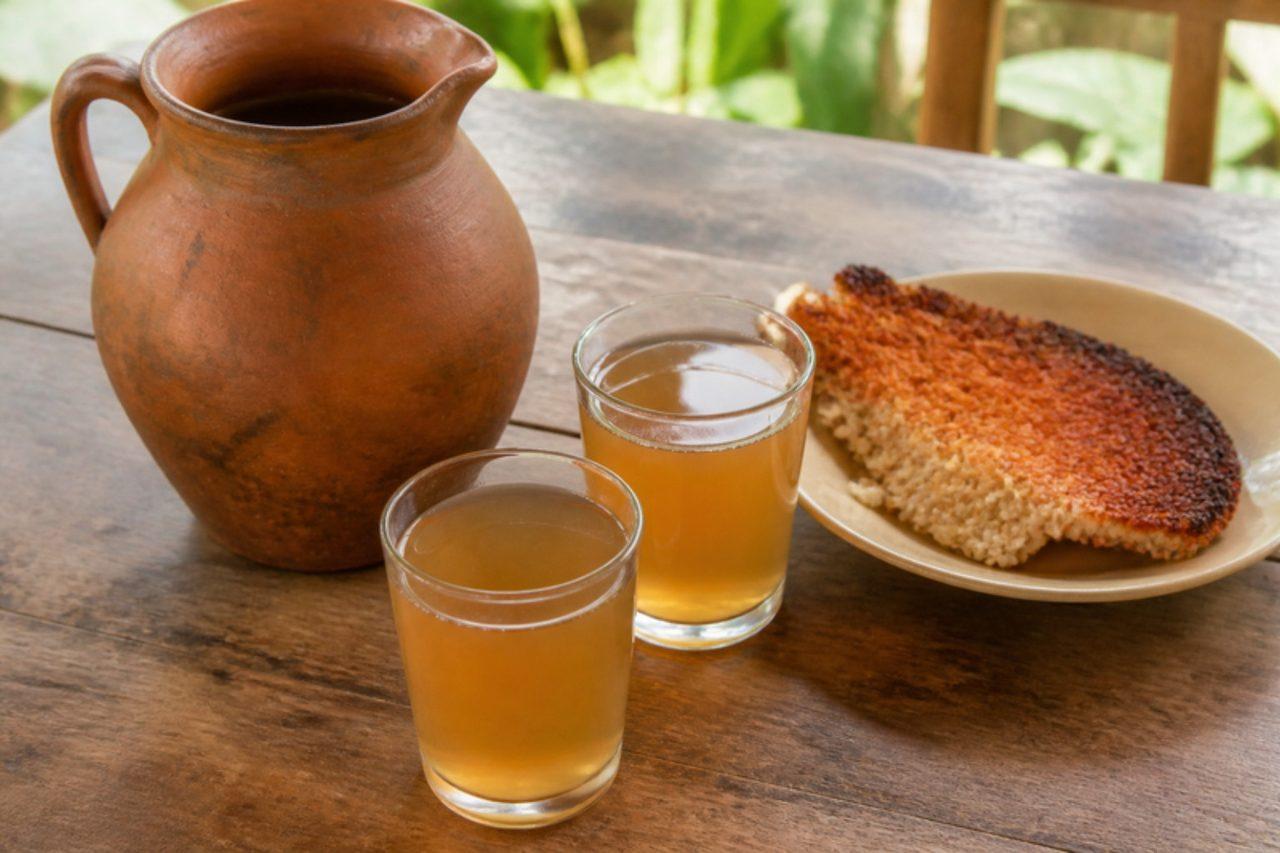
Ranon'apangoToasted rice water

Ranon'apango is the everyday drink of Madagascar: after rice is cooked, the crust at the bottom of the pot is left to toast until golden, then water is boiled with it to make a pale amber, nutty, slightly smoky drink. It is served warm or cold in jugs alongside meals in homes and hotelys, and is a safe way to drink boiled water. Chef's tip: toast the crust until golden-brown, not black; burnt rice makes the drink bitter.

by KrazyBadal 0 views

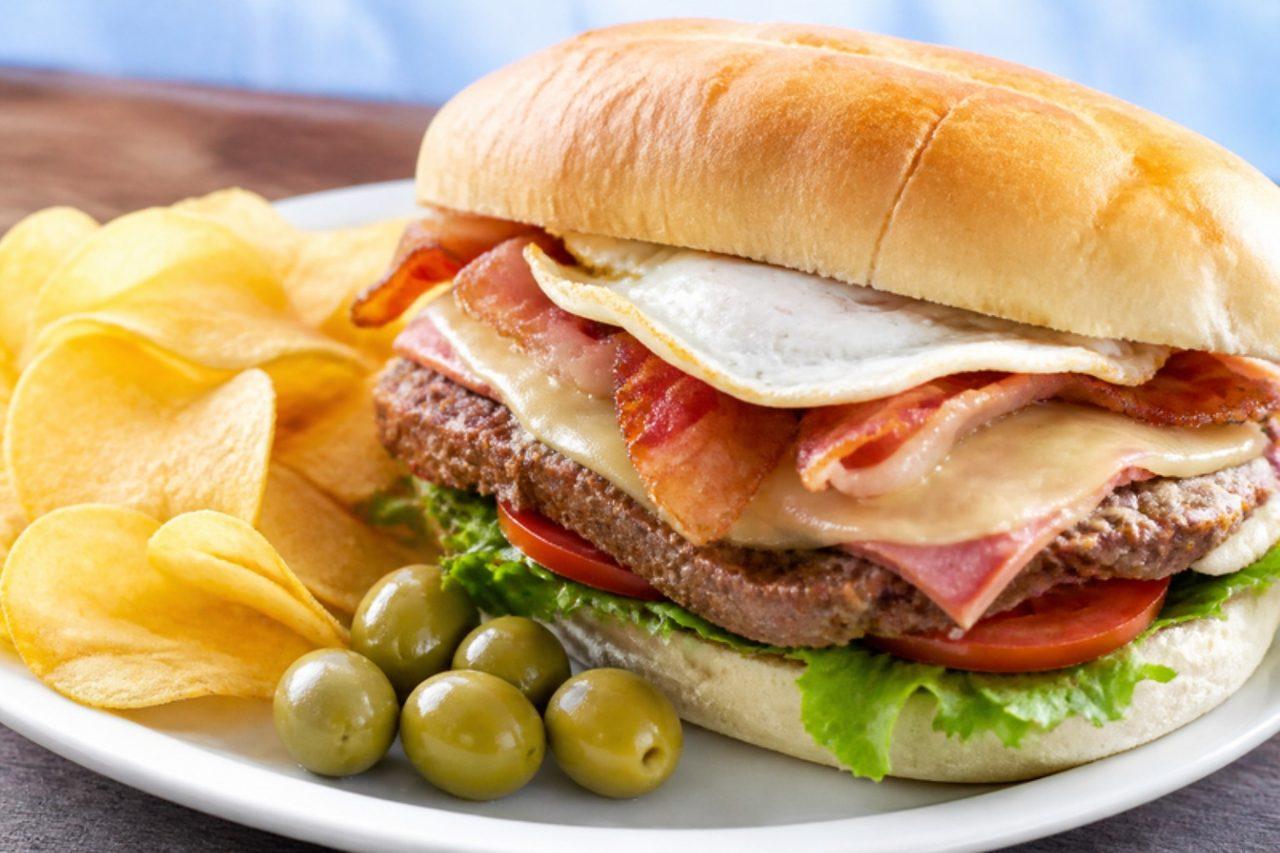
ChivitoSteak sandwich with ham and egg

The chivito was created in the 1940s at a restaurant in Punta del Este, Uruguay, and became the national sandwich: a soft roll filled with thin, tender steak, ham, melted mozzarella, a fried egg, bacon, lettuce, tomato, olives and mayonnaise. It is eaten in Montevideo's parrillas and corner bars with chips on the side. This sandwich contains pork. The mistake is a thick, chewy steak: use thinly sliced sirloin and sear it fast. Chef's tip: toast the cut sides of the rolls so they stand up to all the juices.

by KrazyBadal 0 views

MbejúCassava starch cheese cake

Mbejú (say 'mbeh-JOO') is a Guaraní breakfast and merienda: cassava starch rubbed with butter, cheese and a little milk into damp crumbs, then pressed into a hot pan where it fuses into a thick, chewy, crisp-edged cake. It's eaten in the countryside with cocido (sweet toasted yerba tea with milk) on cool mornings, cut into wedges. It's naturally gluten free and very quick. Chef's tip: the mix should look like damp sand, not a dough; if you can squeeze a handful and it just holds, it's right.

by KrazyBadal 0 views

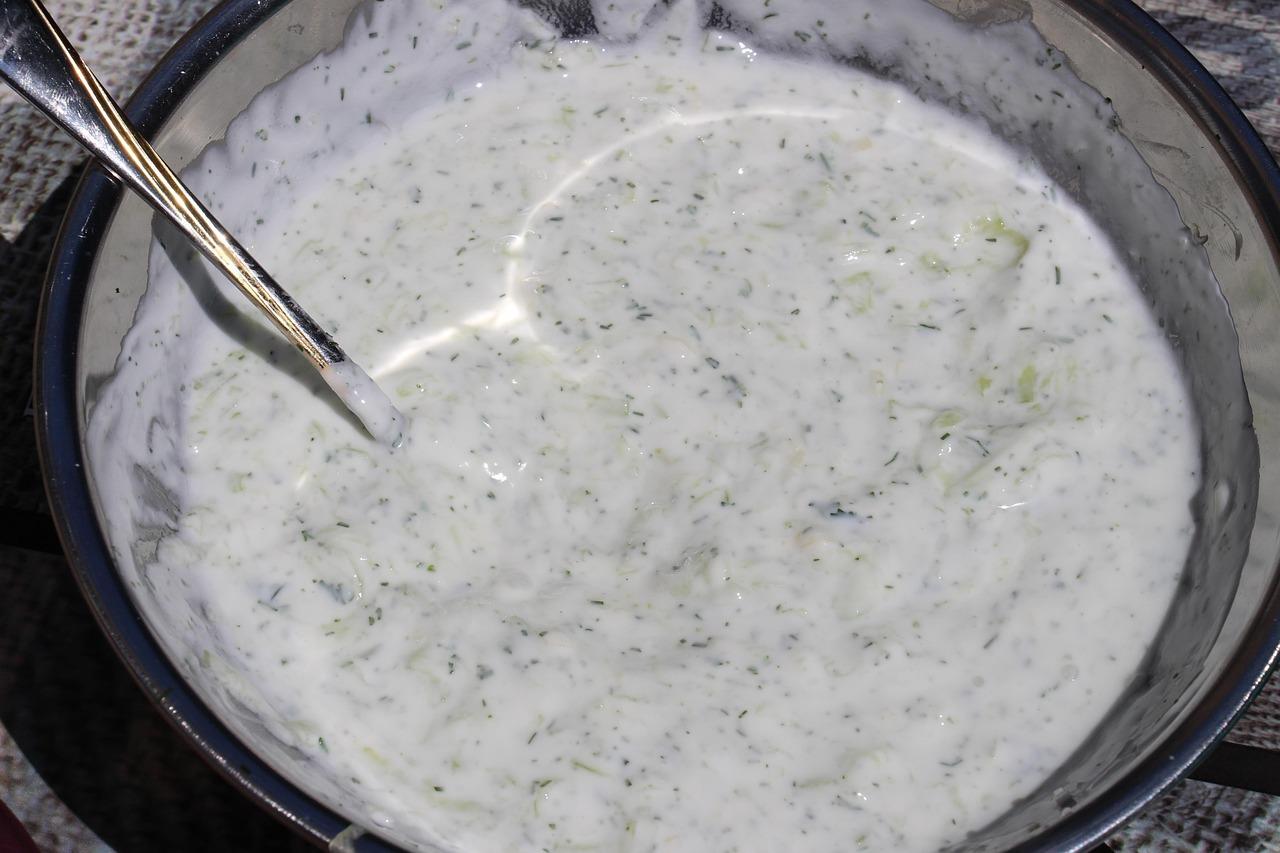
CacıkCucumber yogurt dip

Cacık is the Turkish version of tzatziki: thick yogurt mixed with cucumber, onion, plenty of parsley, garlic and green chilli, seasoned with salt, white pepper and a pinch of sugar and finished with fresh mint. Cool and refreshing, ready in minutes. Serve with warm pitta bread, curries and rice dishes.

by KrazyBadal 0 views

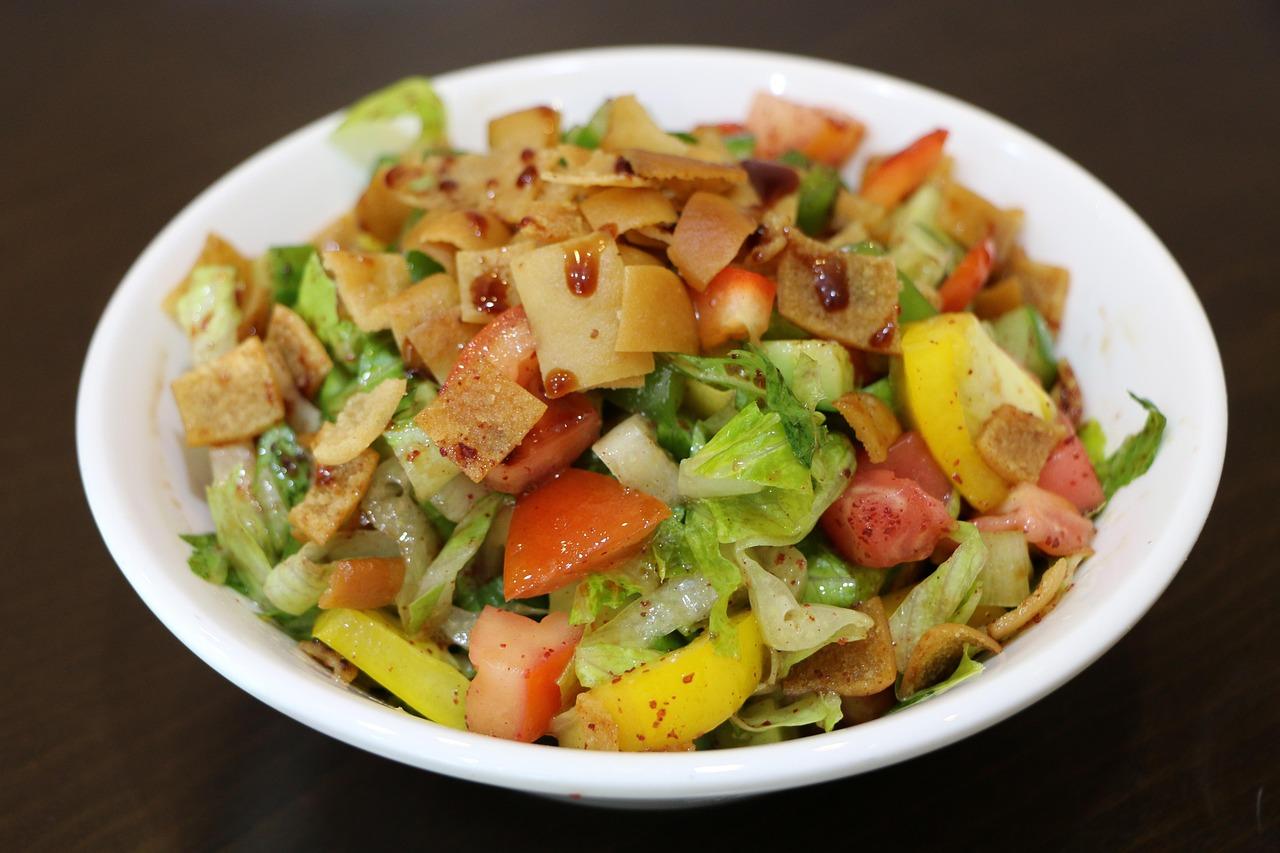
FattoushToasted pitta and herb salad

A fresh, crunchy Lebanese salad of tomatoes, cucumber, rocket, celery, spring onions and green pepper with lots of mint and parsley, tossed just before serving with crisp toasted pitta and a sharp lemon, garlic and olive oil dressing. Serve as a starter or alongside falafel and dips.

by KrazyBadal 0 views

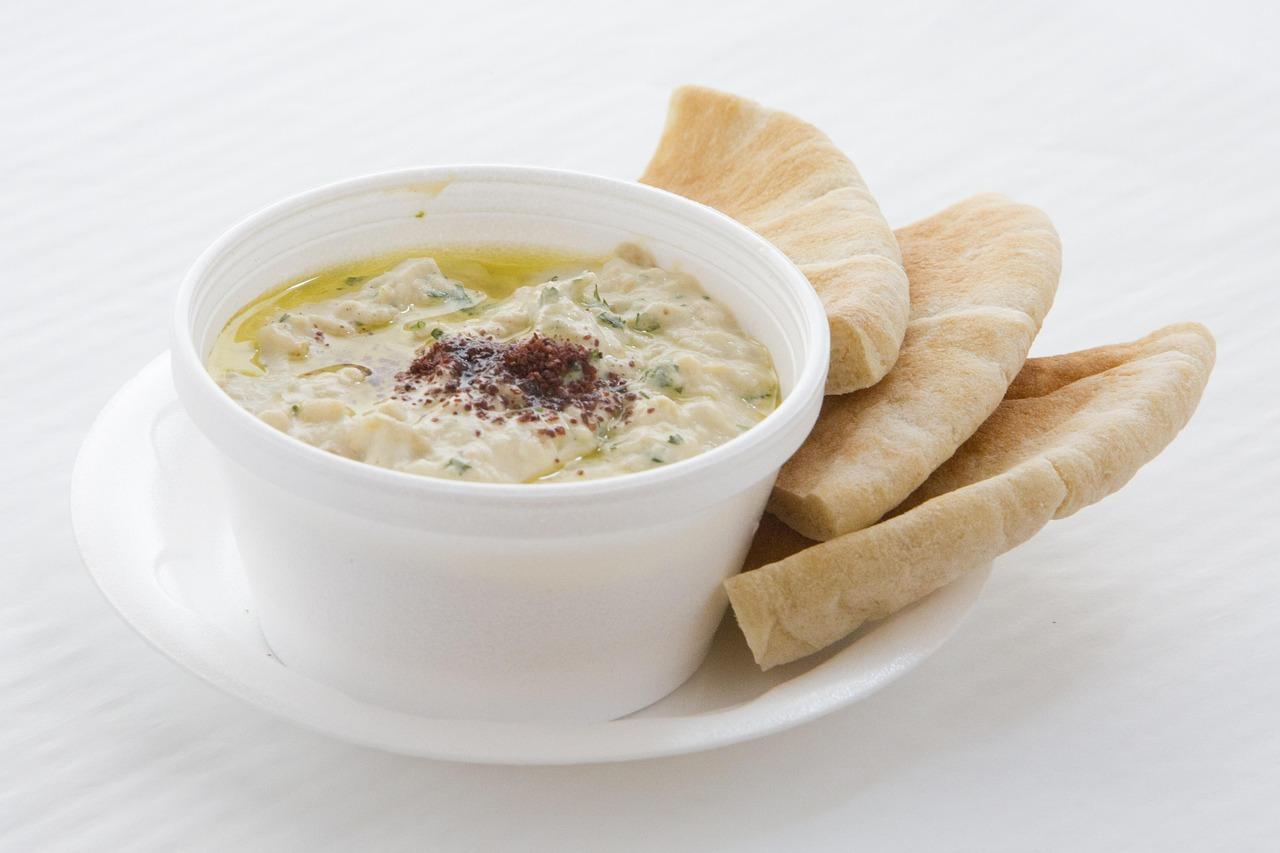
Tahini dip

A creamy, nutty dip of roasted sesame seeds blended with yogurt, garlic, chilli, lemon and parsley. It's a lighter, home-made take on tahini sauce and is used in the aubergine dip. Serve it with pitta bread, falafel or vegetables.

by KrazyBadal 0 views