Skip to content
Recipes

All recipes

Vegetarian, or something you can't eat? Set your diet once and we'll hide recipes that don't fit.

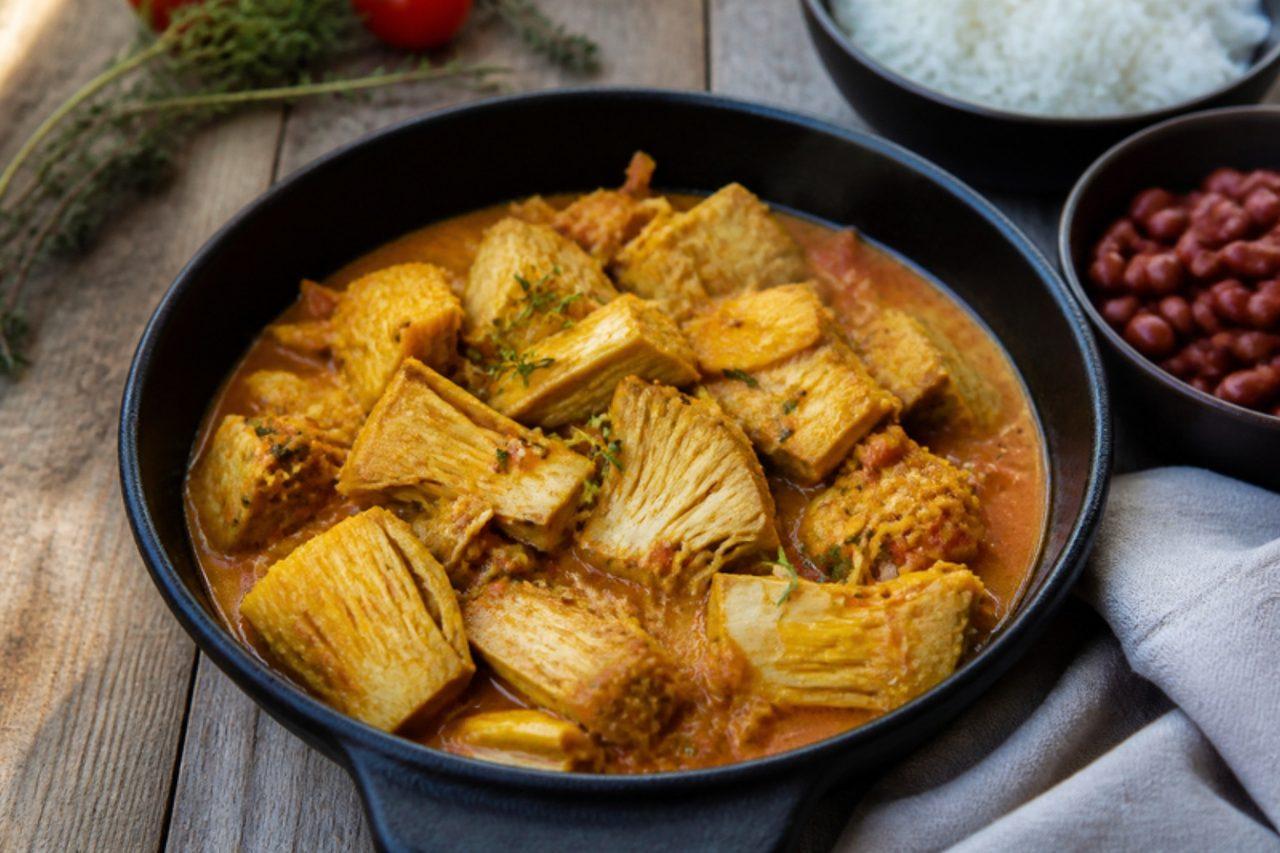
Cari ti jacquesYoung jackfruit curry

When the jackfruit trees around Saint-Louis and Saint-Joseph drop their small green fruit, Réunion cooks turn them into cari ti jacques, long-simmered until the flesh shreds into soft, meaty strands soaked in turmeric, tomato, garlic and thyme. The island's classic version is cooked with smoked pork, but this one leaves the meat out entirely and lets the tomato and slow cooking carry it, with a pinch of smoked paprika for the smoky note. Serve it with white rice, beans or lentils and a sharp rougail. The common mistake is stopping too early: jackfruit that is only just tender tastes rubbery, and it needs a full hour for the pieces to fall apart when pressed. Chef's tip: if you use tinned young jackfruit, rinse it well and squeeze it gently, as the brine tastes sour and metallic.

by KrazyBadal 0 views

Gratin chouchouChayote cheese gratin

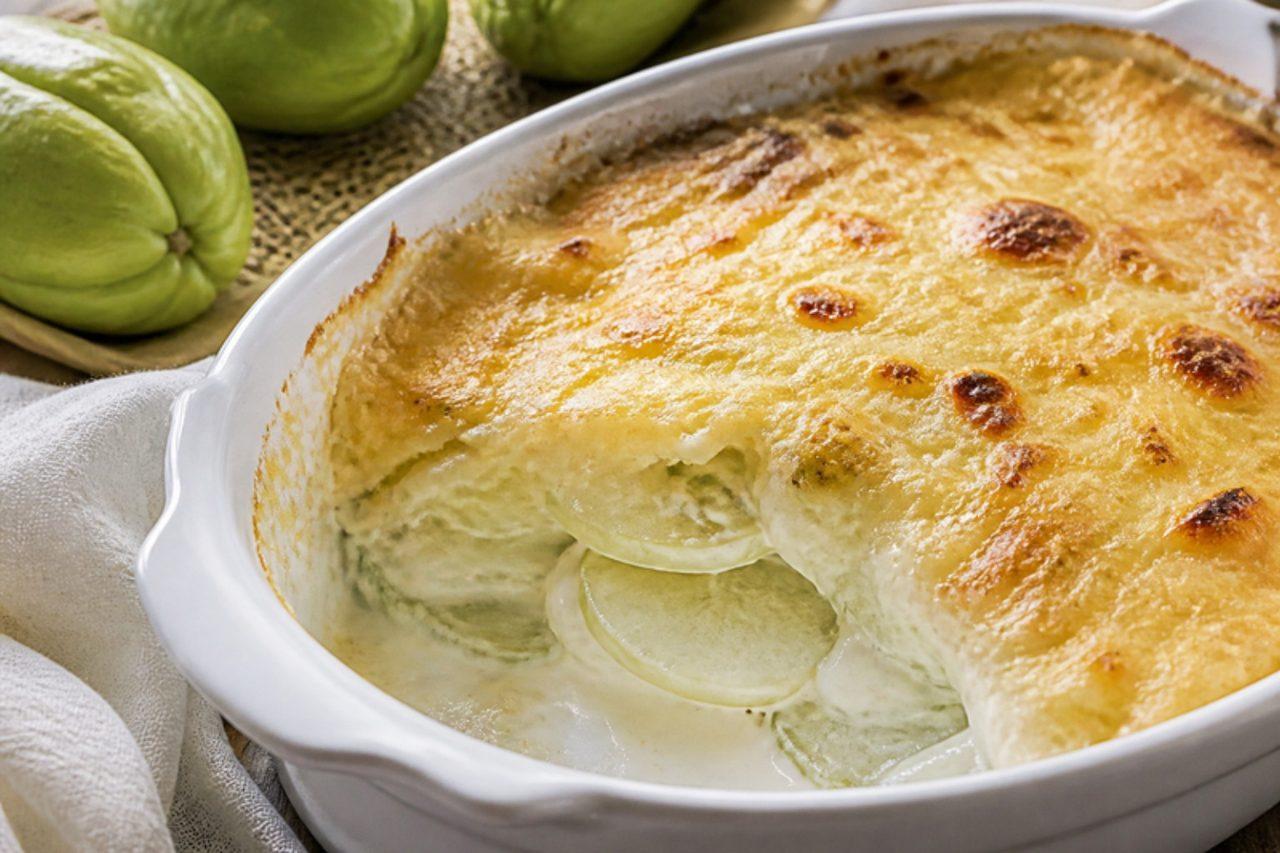
Chouchou vines scramble over fences all over Réunion's highlands, especially around Salazie, so the island has plenty of ways with the pale green squash, and the gratin is the one that comes out for Sunday lunch beside a cari or a roast. Cooked chayote is soft and mild, a bit like courgette crossed with pear, and under a nutmeg béchamel and a browned cheese top it becomes rich and comforting. The great danger is a watery gratin, because chayote gives off a lot of liquid; boil it first and leave it to drain properly before it meets the sauce. The cheese is traditionally an Emmental-style one, often made with animal rennet, so choose a vegetarian hard cheese if that matters to you. Chef's tip: make the béchamel a little thicker than you think, as the chayote will still loosen it slightly in the oven.

by KrazyBadal 0 views

Mkatra foutraCoconut milk flatbread

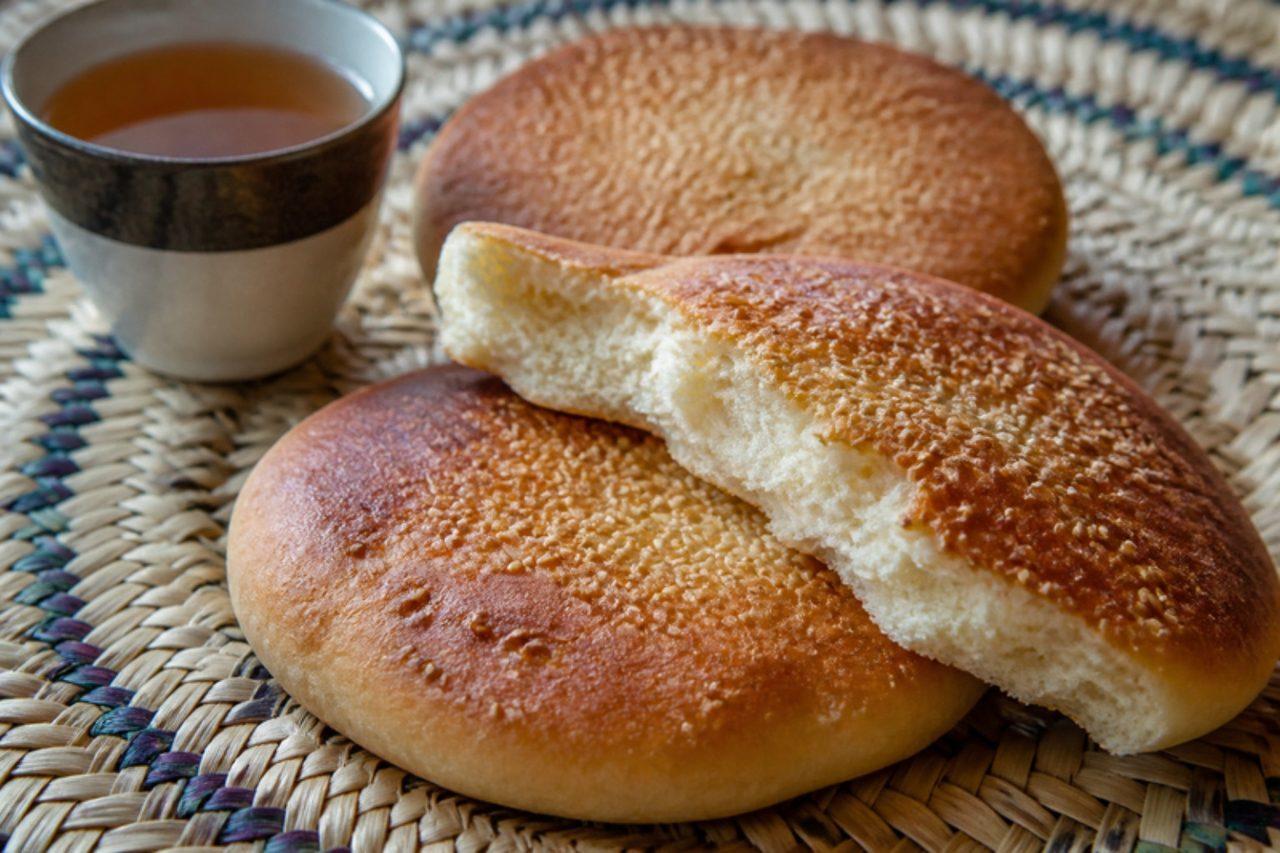
Before dawn in Moroni, women set heavy pans over charcoal to make mkatra foutra, and during Ramadan stacks of it appear at every iftar table. The dough is soft and sticky, raised with yeast and made rich with coconut milk instead of water, then patted into a thick round, scattered with sesame and baked slowly in a covered pan. It comes out golden and speckled outside, with a fluffy, slightly sweet, faintly coconutty crumb. Tear it with sweet spiced tea for breakfast, or use it to mop up a fish curry or mtsolola. Chef's tip: keep the heat low and the lid on; a hot pan burns the base long before the thick middle has cooked through, which is the most common mistake.

by KrazyBadal 0 views

MacatiaSweet breakfast buns

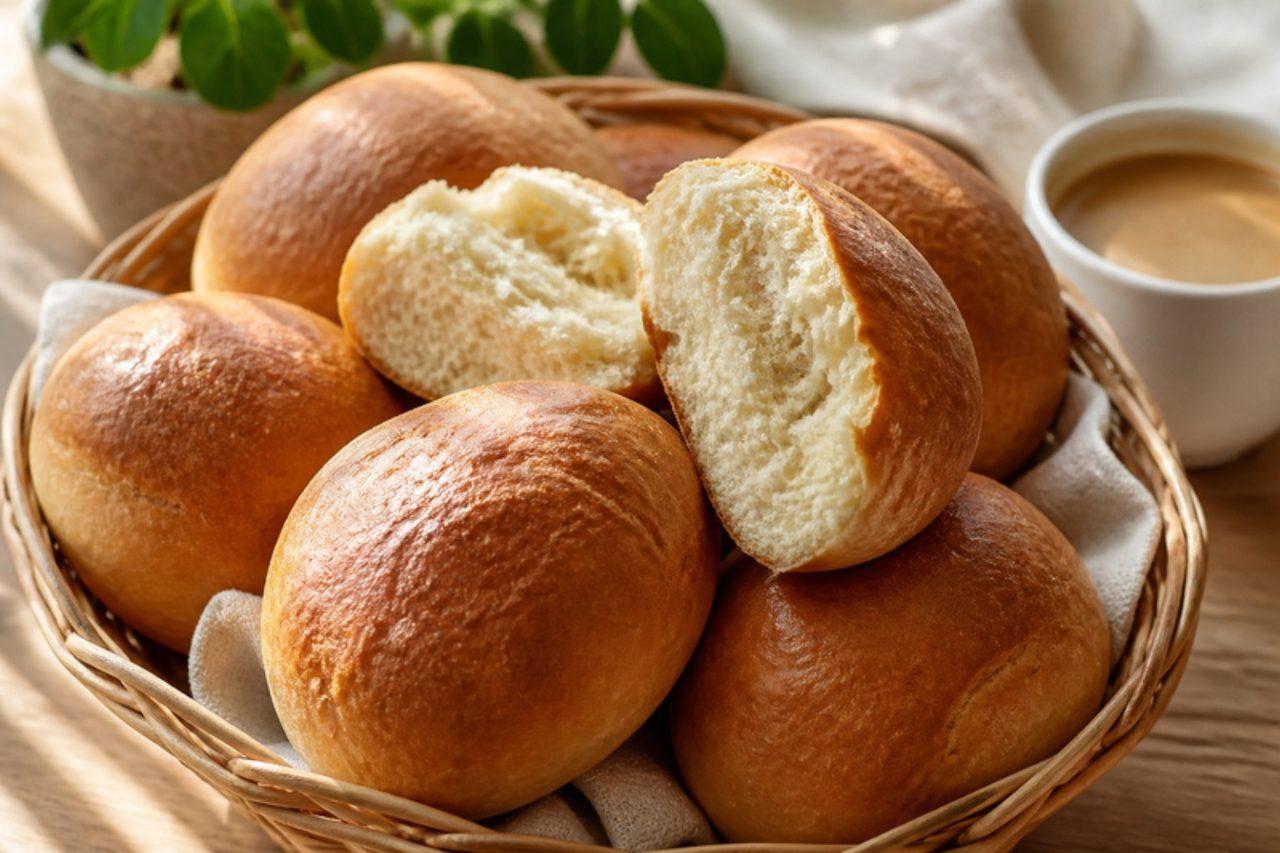
Bakeries in Saint-Denis and Saint-Paul fill their shelves with macatias before dawn, and they go fast: plump, shiny buns with a close, cotton-soft crumb and just enough sugar to taste sweet with black coffee. Children take them to school, workers tear one open on the bus, and people split them and fill them with butter, cheese or even a spoon of cari for a quick lunch. Some bakers add grated coconut and call them macatia coco. The commonest mistake is using milk that is too hot, which kills the yeast; it should feel just warm on your wrist. Chef's tip: brush the buns with a little milk as soon as they come out of the oven and cover them with a cloth, which keeps the crust soft rather than crisp.

by KrazyBadal 0 views

Bourzwa grilléGrilled red snapper

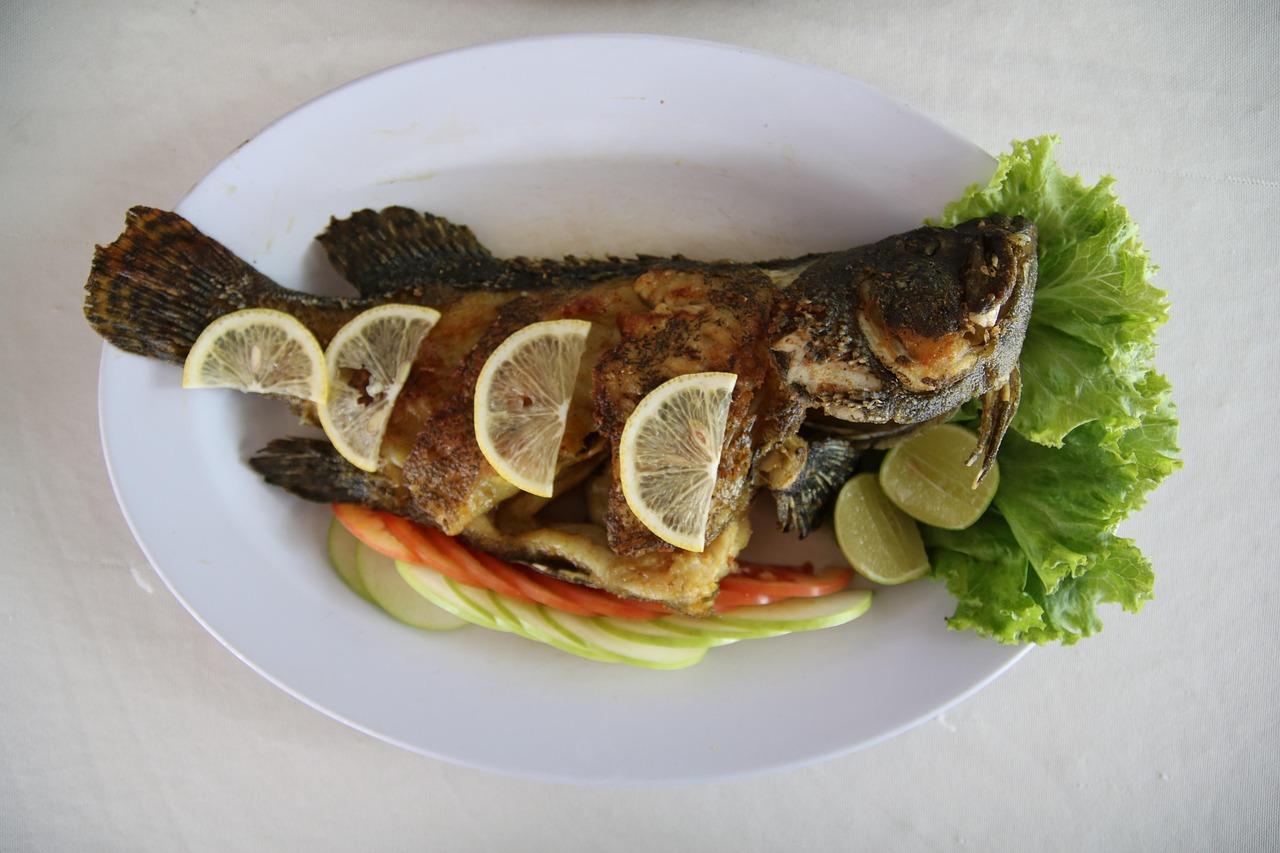
Bourzwa, the red snapper pulled from the reefs off Mahé, is the fish Seychellois choose for a beach barbecue or a Saturday family grill at Anse Royale. It goes on the coals whole, slashed and rubbed with a rough Creole paste of garlic, ginger, chilli, thyme and lime, and comes off with crackling, smoky skin and sweet, moist white flesh. Serve it with Creole rice, lentils, a tomato satini and a dish of breadfruit or green banana, with extra lime and chilli at the table. The usual mistake is moving the fish too soon: if it sticks, wait another minute and it will release once the skin has crisped. Chef's tip: oil the fish, not just the grill, and cook it in a hinged fish basket if you have one, so turning it is easy.

by KrazyBadal 0 views

LadobPlantain in sweet coconut milk

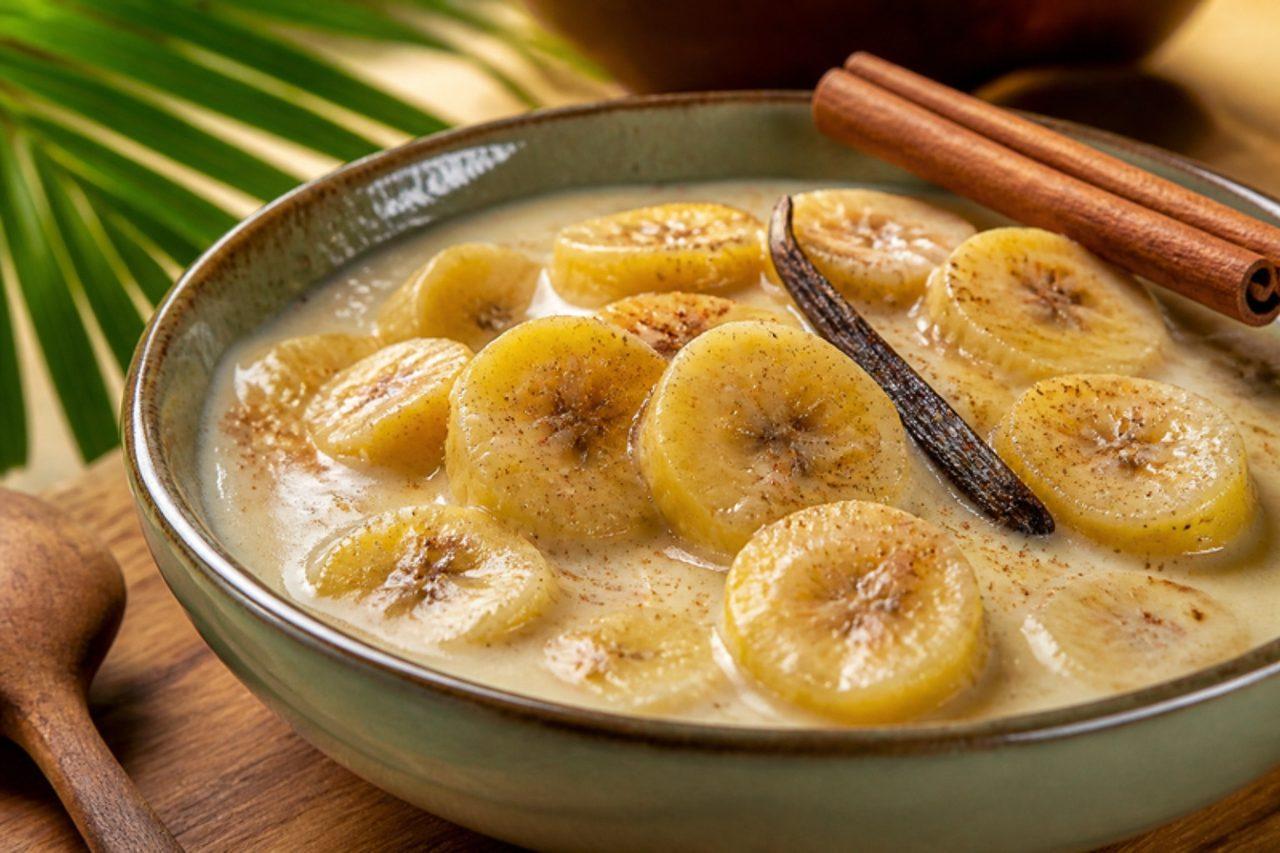
Sunday lunch on Mahé often ends with a pot of ladob carried warm to the table: thick slices of ripe plantain, sometimes breadfruit or sweet potato, stewed in coconut milk until they turn soft and amber. The sauce reduces to a pale, silky cream scented with vanilla, which grows on the islands, and a scrape of nutmeg. Families eat it warm in bowls, or cold from the fridge the next afternoon, and children like it best with the sauce spooned over a little extra. Pick plantains with black-speckled or nearly black skins; yellow-green ones stay starchy and never go sweet and tender, which is the most common disappointment. Chef's tip: simmer gently and never let the coconut milk boil hard, or it splits and the sauce turns oily instead of creamy.

by KrazyBadal 0 views

Pâté créolePork and chicken pie

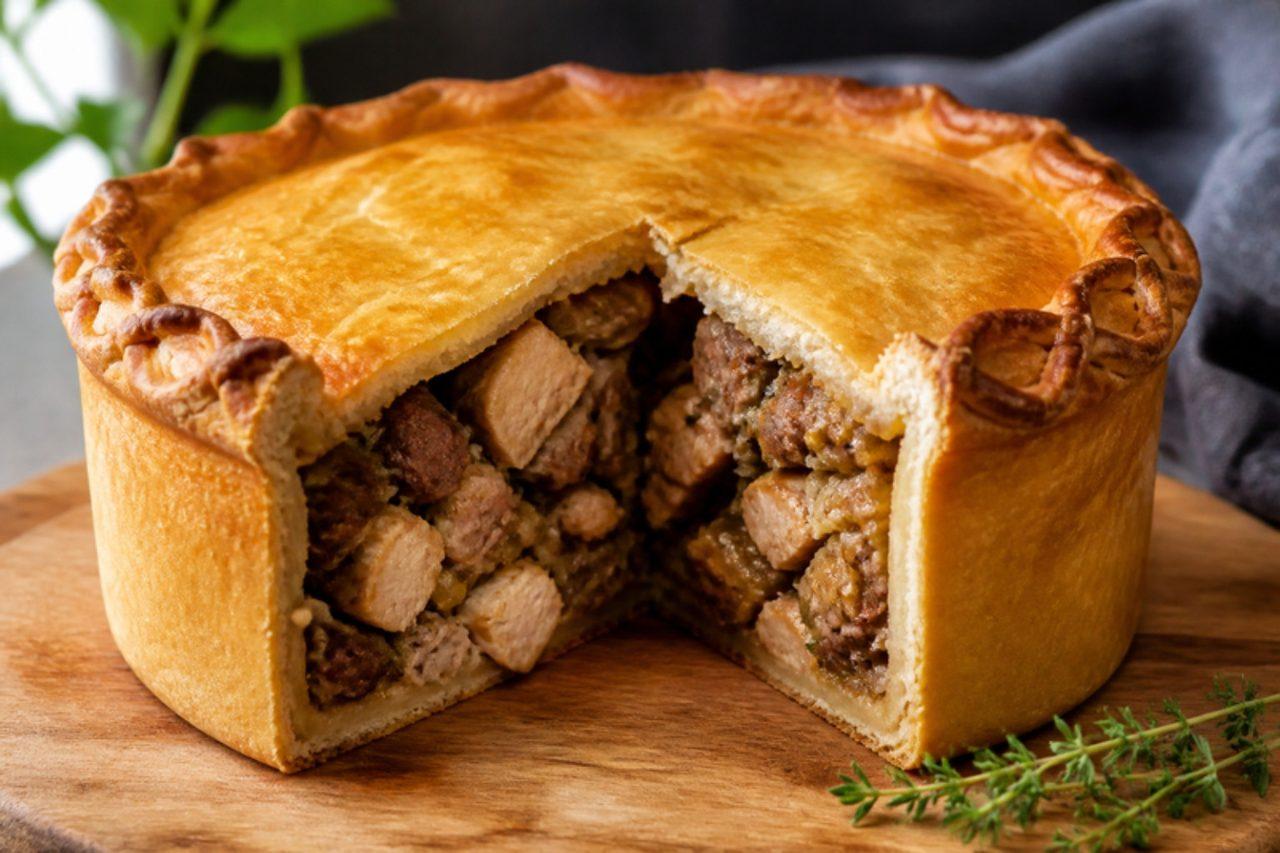
Christmas Eve, New Year and big christenings in Réunion are not complete without a pâté créole, a deep, golden shortcrust pie filled with pork and chicken that have spent a night soaking up garlic, ginger, thyme, parsley and four-spice. It bakes slowly so the meat cooks in its own juices into a tender, fragrant filling that slices neatly, and it is served warm or at room temperature with a green salad. Families often order one from the local baker or traiteur, but it is a satisfying weekend project at home. Because the filling goes in raw, the usual mistake is cutting the meat too large and taking the pie out too early; dice it small and check the centre with a thermometer. Chef's tip: keep a little hole in the middle of the lid; it lets steam escape so the crust stays crisp, and it is exactly where the thermometer goes.

by KrazyBadal 0 views

MtsololaFish with green banana and cassava

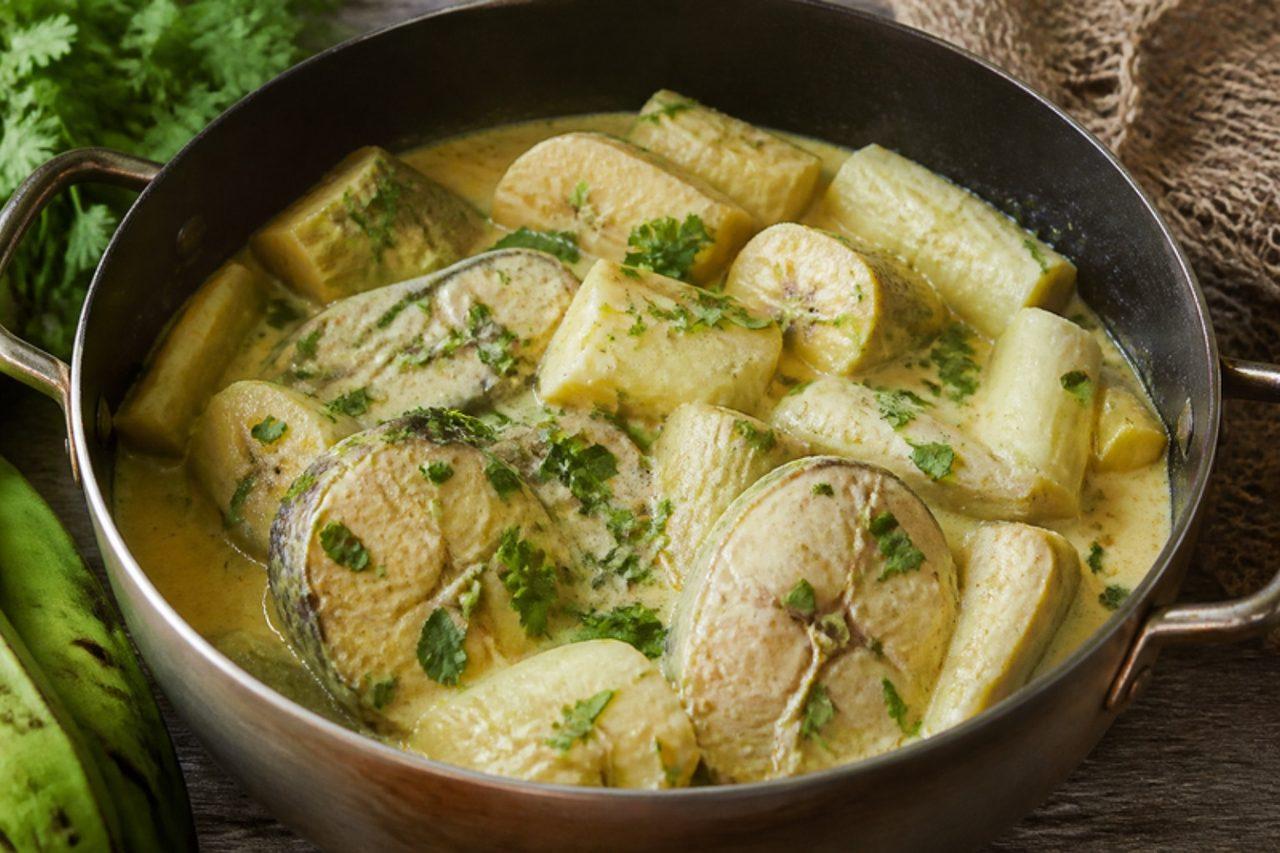
Mtsolola is the dish Comorians on Grande Comore and Anjouan miss most when they live abroad: chunks of green banana and cassava simmered in coconut milk with steaks of firm fish laid on top, cooked in one big pot for family meals and big gatherings. The vegetables turn soft and creamy at the edges and soak up the coconut, while the fish stays in moist pieces seasoned with garlic, lime and a little chilli. Eat it on its own from deep plates, with a fresh chilli and lime relish on the side, and mkatra foutra to mop up the sauce. Cassava must always be peeled and boiled thoroughly before eating; buy sweet cassava, fresh or frozen, and discard its first cooking water. Chef's tip: add the fish only once the banana is nearly tender, because fish put in at the start breaks into shreds.

by KrazyBadal 0 views

BouchonsSteamed pork dumplings

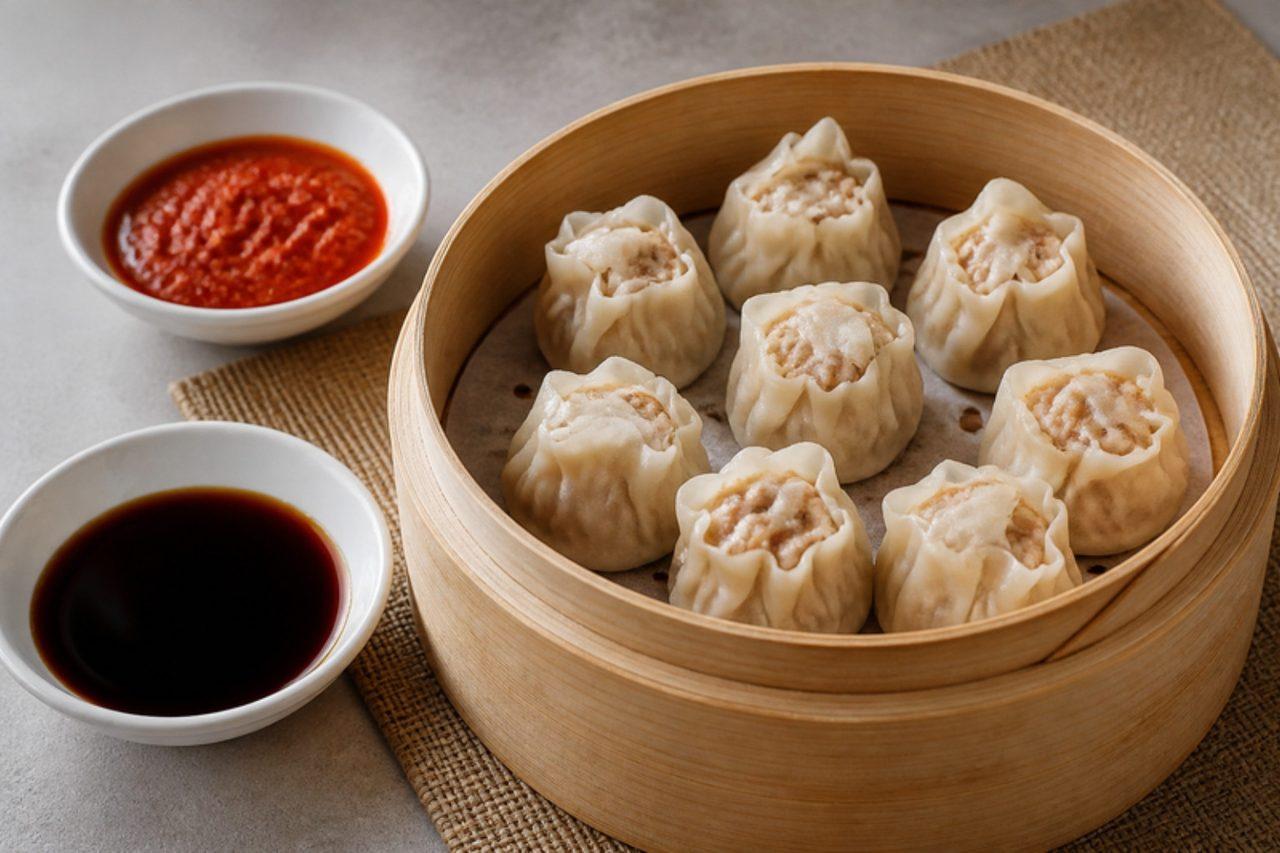
Chinese families brought bouchons to Réunion, and today every snack van and camion bar in Saint-Pierre and Saint-Denis sells them by the half-dozen, usually next to samoussas and bonbons piment. They are small open-topped dumplings of seasoned pork mince with garlic, ginger and spring onion in a thin wheat wrapper, steamed until juicy and served in a cardboard tray with soy sauce and a dab of chilli, or stuffed into a baguette as a pain bouchon. The filling should be springy and moist, not dense. People tend to cram the wrappers too full, so the filling cooks unevenly and the parcels burst; a heaped teaspoon is plenty. Chef's tip: use pork mince with some fat in it, around 20 per cent, as very lean pork steams dry and crumbly.

by KrazyBadal 0 views

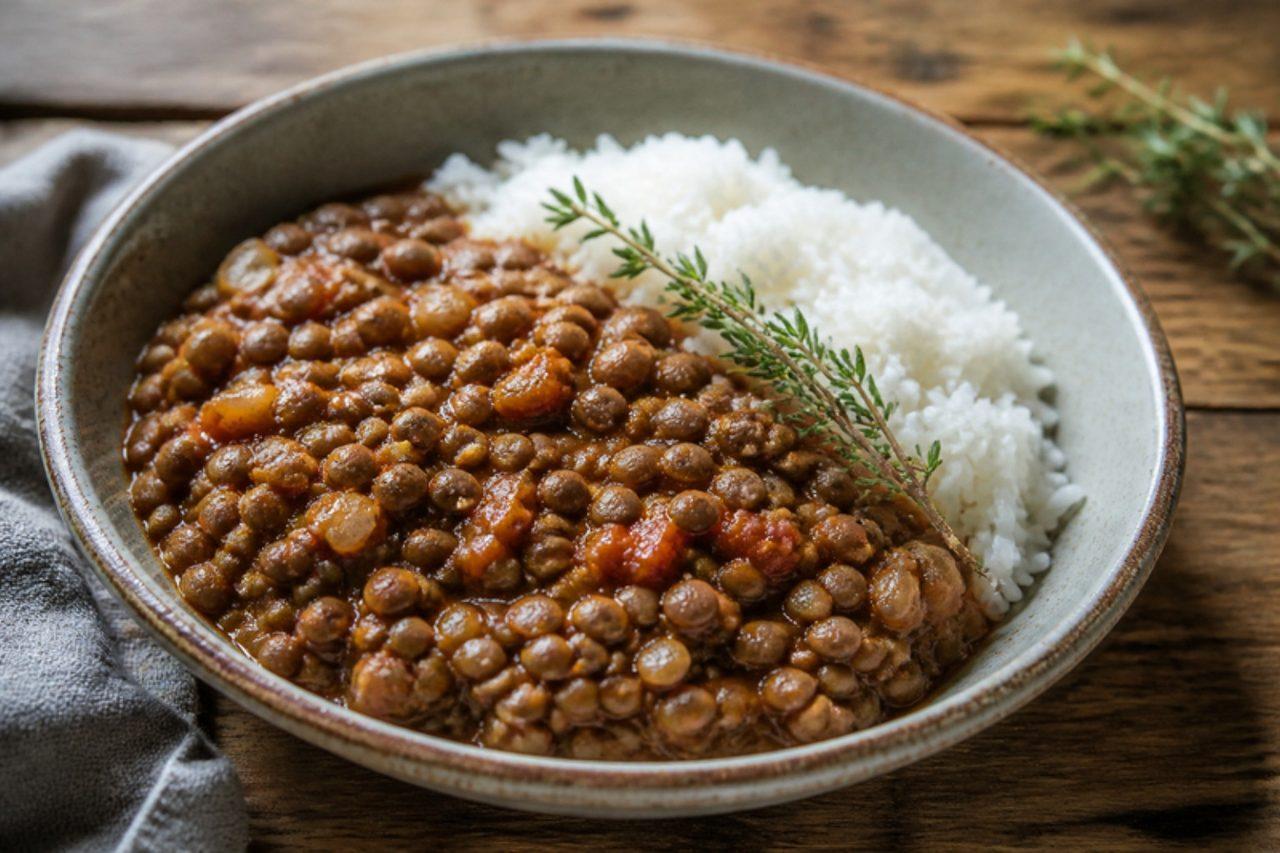
Lentilles de CilaosMountain lentils

High in the volcanic cirque of Cilaos, farmers grow tiny brown-green lentils on terraces, and the whole island prizes them: they hold their shape, taste nutty and mineral, and turn up beside every kind of cari, with a mound of white rice and a spoon of rougail. The village holds a lentil festival each autumn, and a pot of lentilles is a fixture of family Sunday lunches across Réunion. Outside the island, use small French green or brown lentils, which behave in the same way. Don't let them boil hard; a fierce boil splits the skins and turns the pot into mush, so keep it at a gentle bubble. Chef's tip: take the time to brown the onions properly before the lentils go in, because that slow, sweet browning is what gives the sauce its depth.

by KrazyBadal 0 views

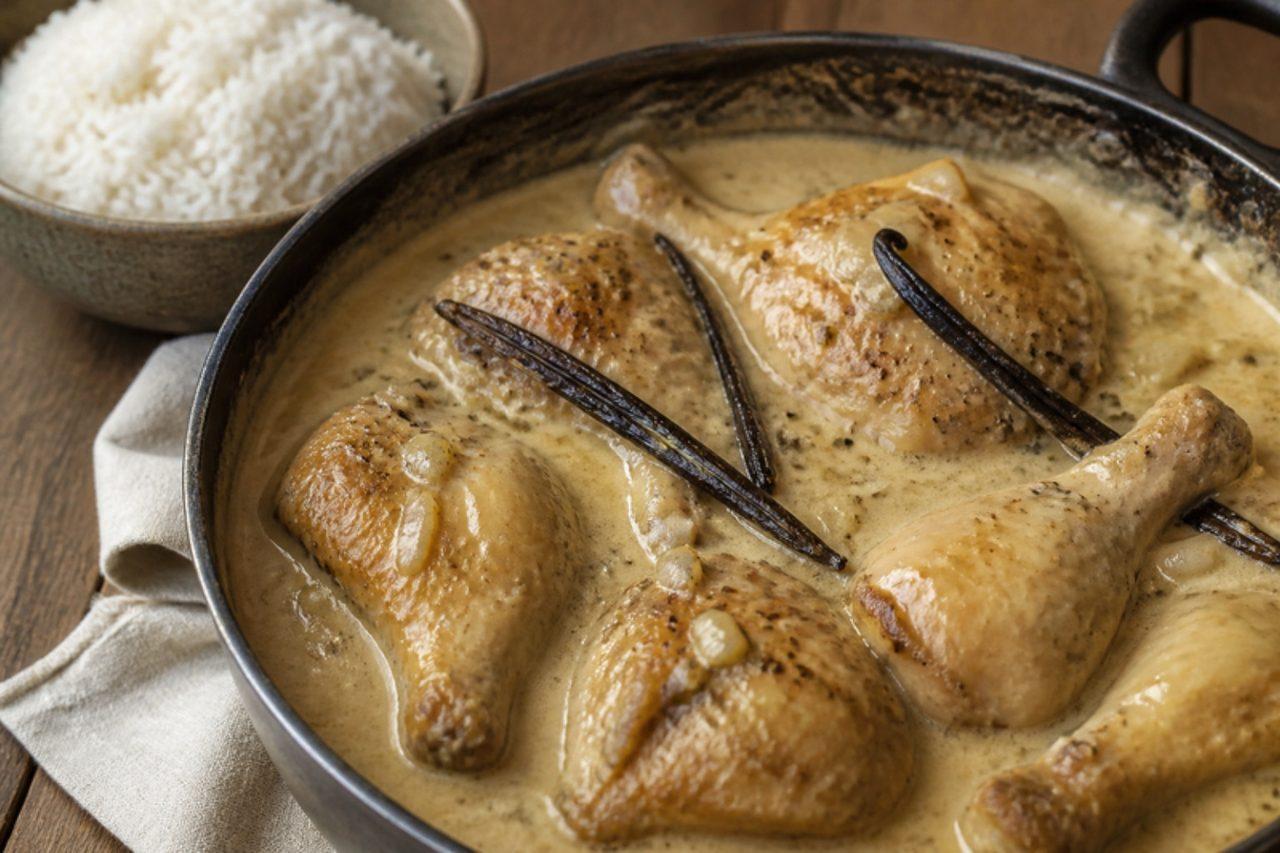
Poulet à la vanilleVanilla chicken

The east coast around Saint-André and Bras-Panon grows the island's famous Bourbon vanilla, and this gentle braise is how families there show it off when guests come for lunch. Chicken pieces are browned with onion, garlic and ginger, then simmered with split pods until the sauce smells of warm vanilla, and a spoon of cream at the end turns it pale gold and silky. It is savoury, not sweet, with the vanilla rounding out the onion. Serve it with white rice and a simple green salad. A common mistake is scraping out the seeds and throwing the pod away: most of the flavour is in the pod, so simmer it in the sauce. Chef's tip: never let the sauce boil once the cream is in, or it can split; keep it just below a simmer.

by KrazyBadal 0 views

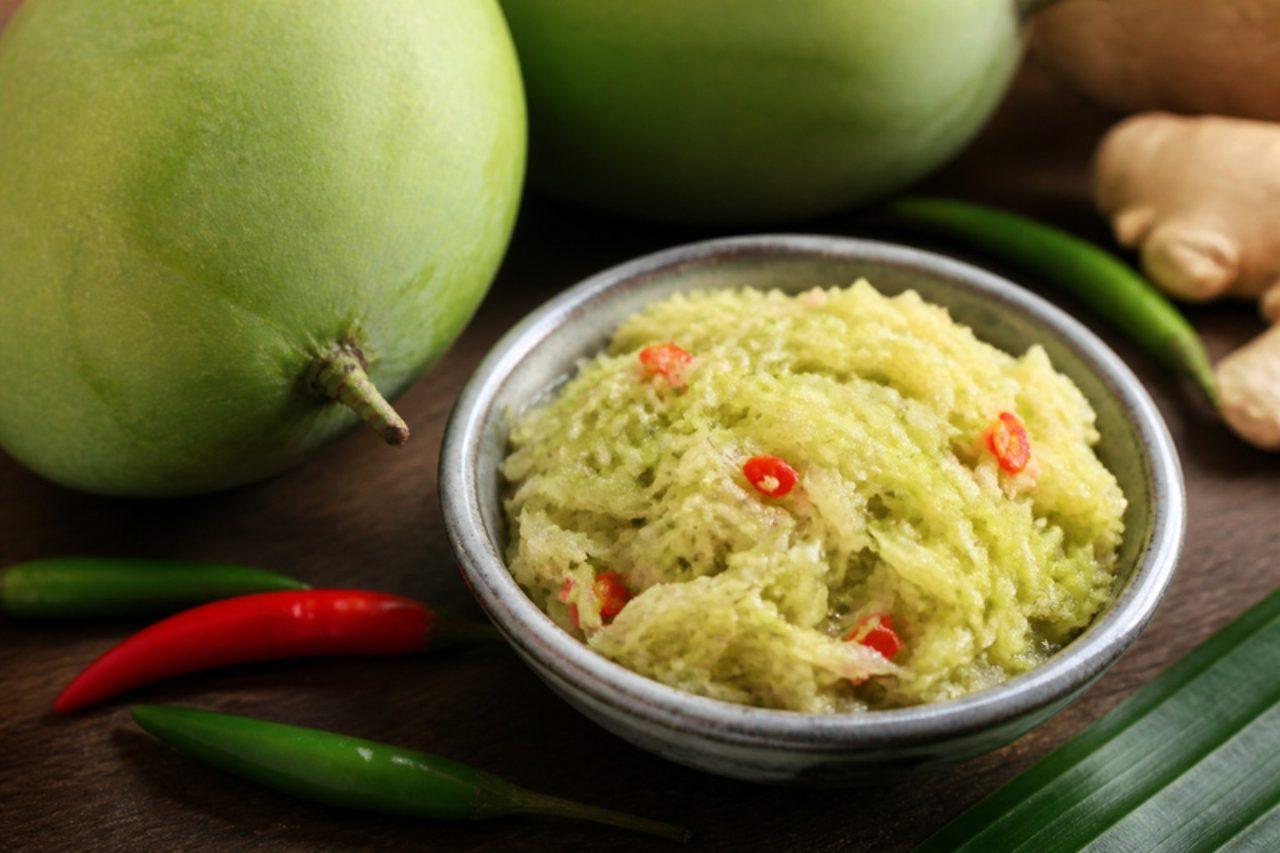
Rougail mangueGreen mango chilli relish

On a Réunion table the rougail is the sharp, cold thing that cuts through a pot of cari, and rougail mangue is perhaps the best loved: sour green mango grated into crisp strands and pounded with bird's-eye chilli, a little onion and salt. It is crunchy, mouth-puckering and hot all at once, and it sits in a small bowl next to the rice and grains for people to add a forkful at a time. It is made fresh and eaten the same day, from Saint-Denis to Saint-Pierre, when mangoes are still hard on the trees. A ripe or half-ripe mango is the classic mistake, giving a sweet, soggy mush; the fruit must be fully green, hard and sour. Chef's tip: pound the chilli with the salt first so it spreads evenly, then only bruise the mango, so the strands keep their snap.

by KrazyBadal 0 views

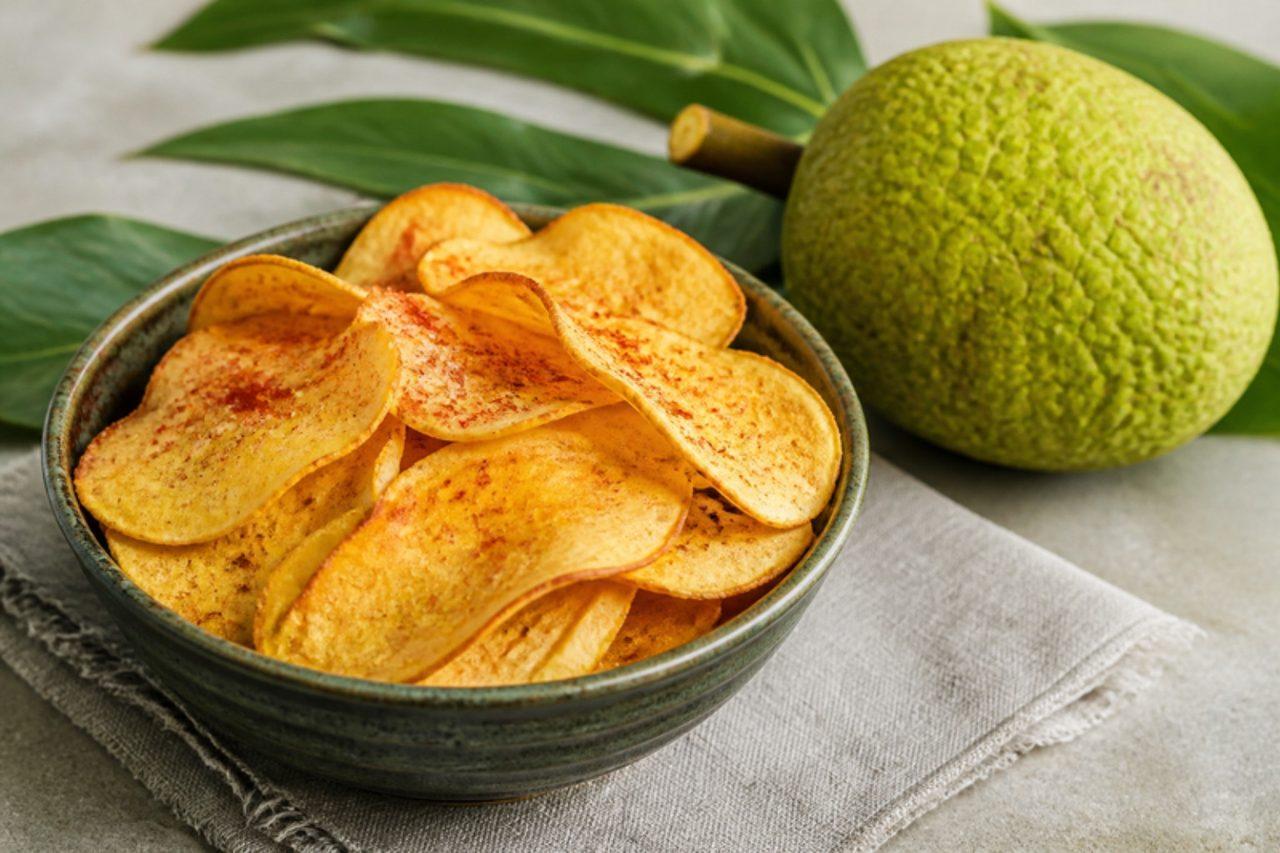
Breadfruit chipsBreadfruit crisps

Roadside kiosks on La Digue and the Victoria market sell paper cones of chips friyapen, still warm, to people walking back from the beach. Breadfruit fries up lighter than potato, with a faintly nutty, bready taste and a crunch that shatters, and islanders say whoever eats breadfruit will come back to the Seychelles. Use a fruit that is mature but still firm, with green skin and no soft patches; ripe, yielding breadfruit is too sweet and wet and the slices go leathery. Breadfruit has no gluten at all, so the chips suit coeliac friends if the oil is fresh. Eat them as they are with a cold drink, or alongside grilled fish and a sharp tomato chutney. Chef's tip: rub a little oil on your knife and hands before cutting, because the white sap is sticky and hard to wash off.

by KrazyBadal 0 views

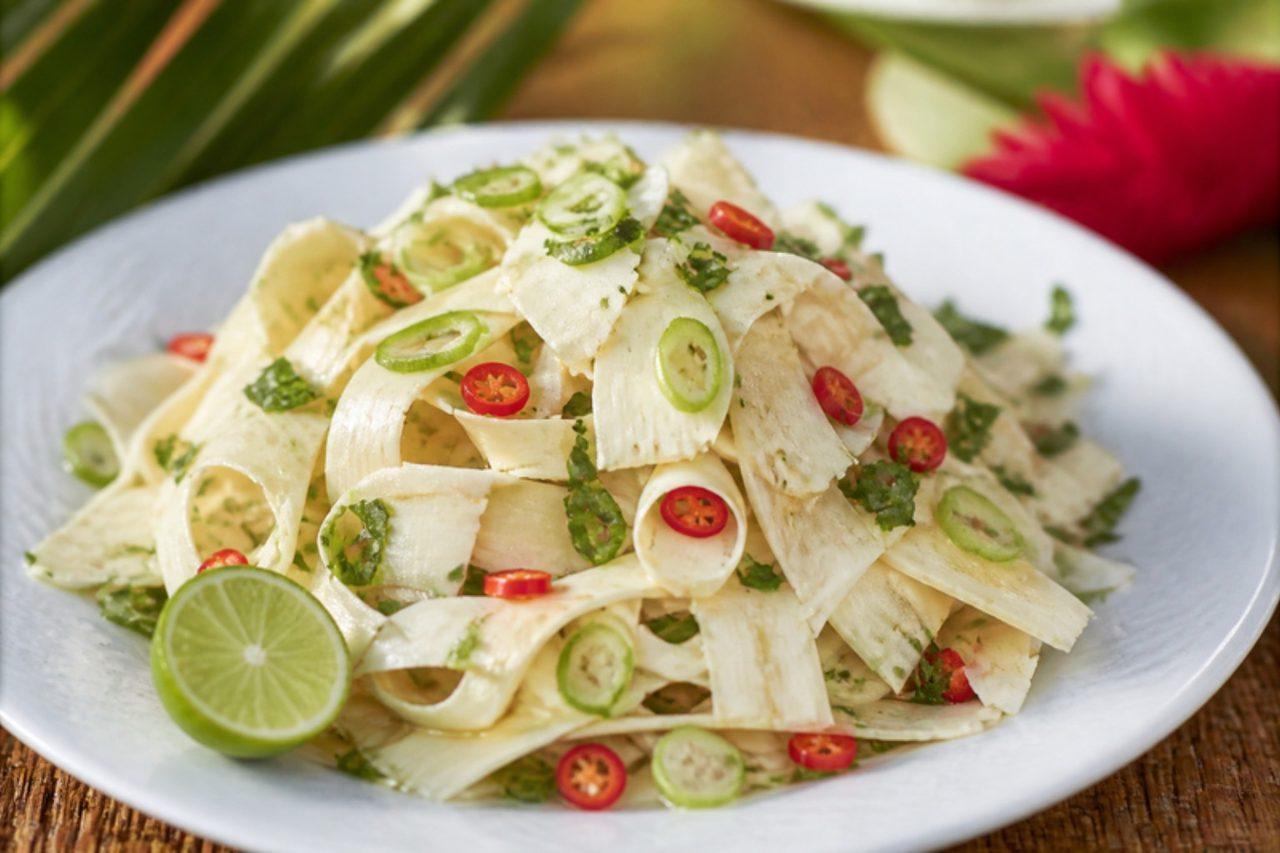
Salade palmisteHeart of palm salad

Hotel menus around Praslin once called it millionaire's salad, because a whole native palm had to be felled for the single pale heart at its crown. That is no longer how it should be made: buy fresh hearts from farmed peach palm, which regrows from the base, or a good jar of hearts of palm, and you get the same cool, crunchy ribbons with a faint sweetness like young coconut and artichoke. Seychellois serve it as a starter at celebrations or beside grilled fish and Creole rice, dressed simply so the palm stays the star. Chef's tip: dress it no more than 15 minutes before eating; left longer, the lime softens the crunch and the salad goes limp.

by KrazyBadal 0 views

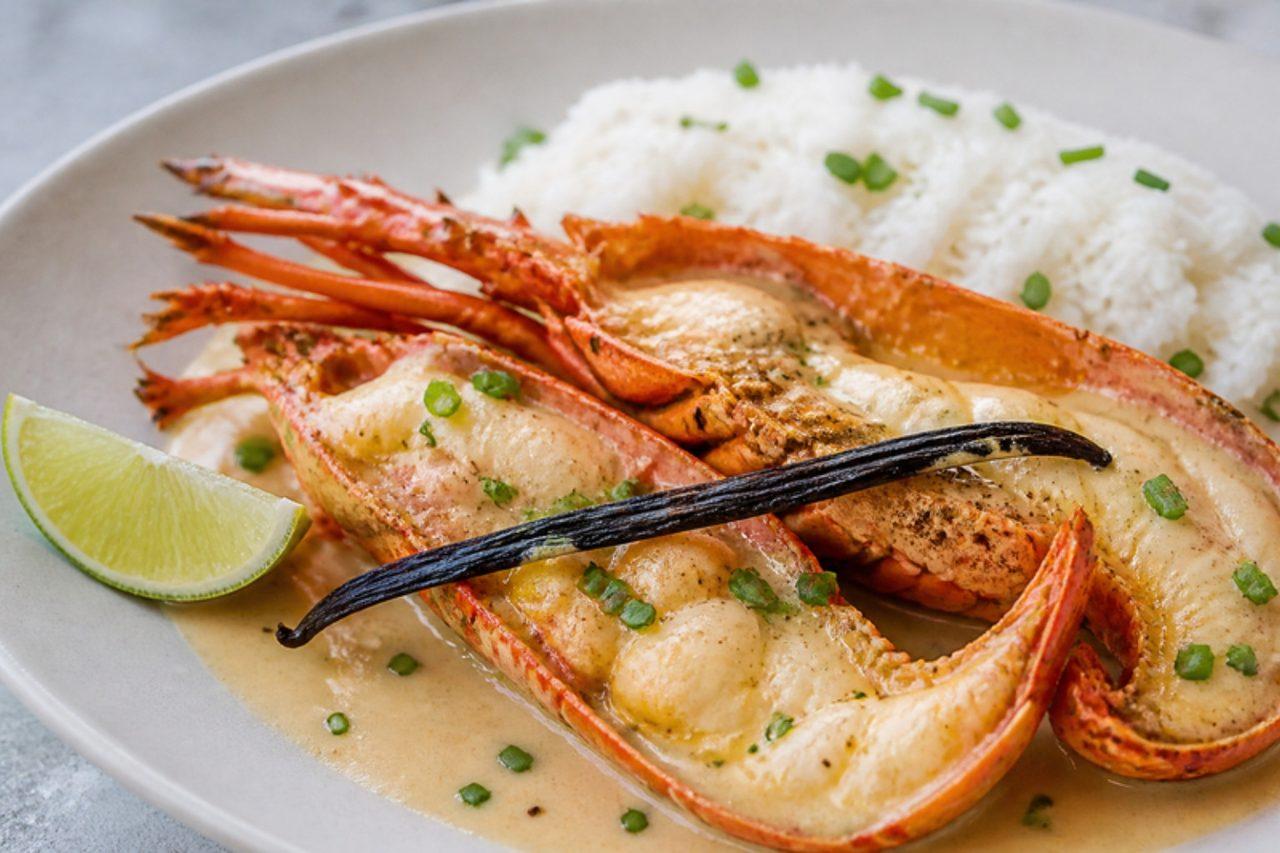
Langouste à la vanilleLobster in vanilla cream

Anjouan and Grande Comore grow some of the world's most fragrant vanilla, and the islands' grandest dish pairs it with spiny lobster from the surrounding reefs. Served at weddings and in seafront restaurants in Moroni, it brings sweet, firm lobster to the table in a pale cream sauce where the vanilla tastes warm and floral rather than sugary, sharpened with lime and a touch of chilli. Frozen raw spiny lobster tails, thawed overnight in the fridge, work beautifully; a ready-cooked lobster just needs warming through. Serve it with plain white rice or fried green banana. Chef's tip: the classic mistake is overcooking, which turns lobster rubbery, so take it from the pan the moment the flesh turns opaque and let the sauce finish the job.

by KrazyBadal 0 views

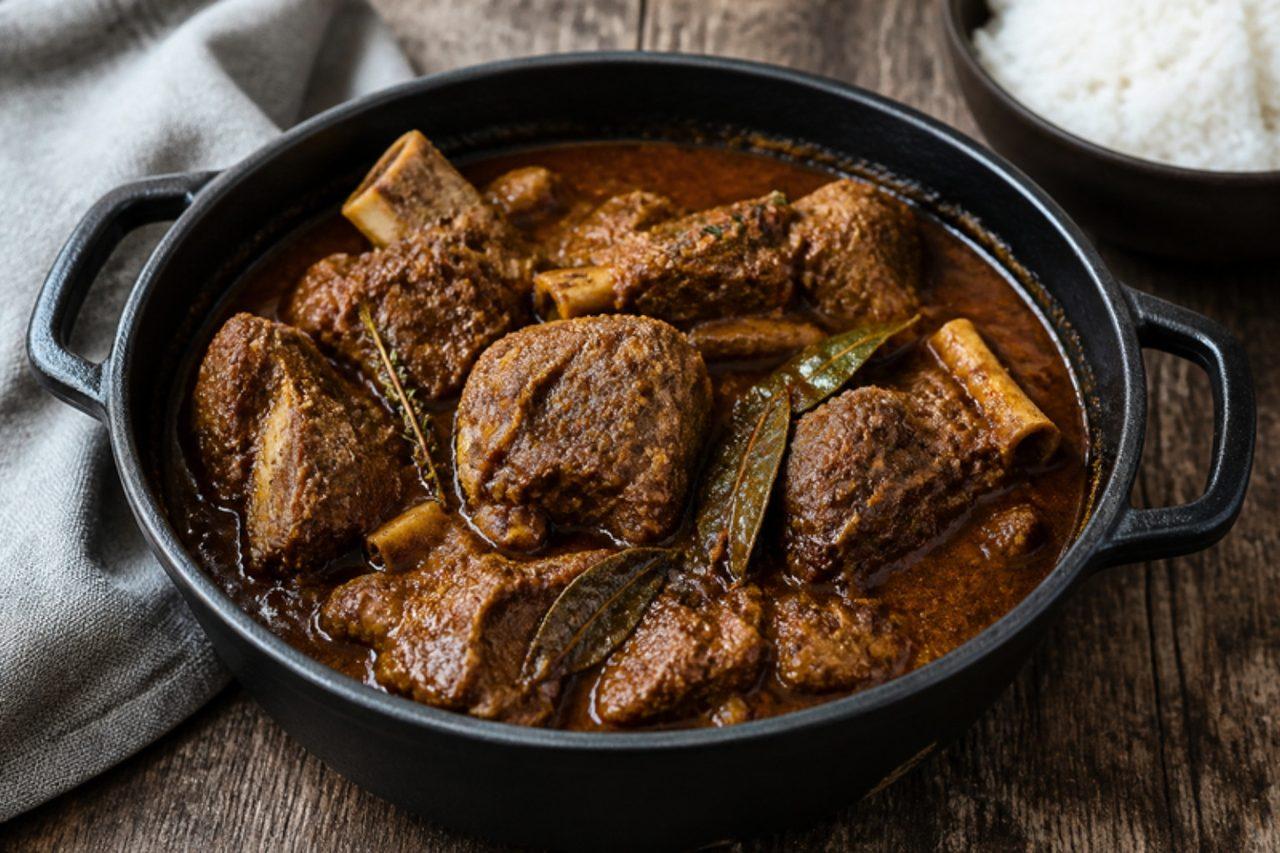
Massalé cabriGoat curry

Massalé came to Réunion with Tamil workers in the nineteenth century, and the dark, earthy spice blend still perfumes the island's temple festivals and the big family meals that follow them, where massalé cabri is served from huge pots. Goat on the bone is rubbed with toasted, freshly ground coriander, cumin, fenugreek, pepper and cloves, then simmered with onion, garlic, ginger, tomato and curry leaves until it falls from the bone into a thick brown sauce with a lingering heat. Eat it with white rice, lentils and a rougail. The classic mistake is burning the spices while toasting them, which makes the whole pot bitter; take them off the heat the moment they smell warm and turn a shade darker. Chef's tip: marinate the goat overnight in the fridge if you can, as the massalé gets right into the meat.

by KrazyBadal 0 views

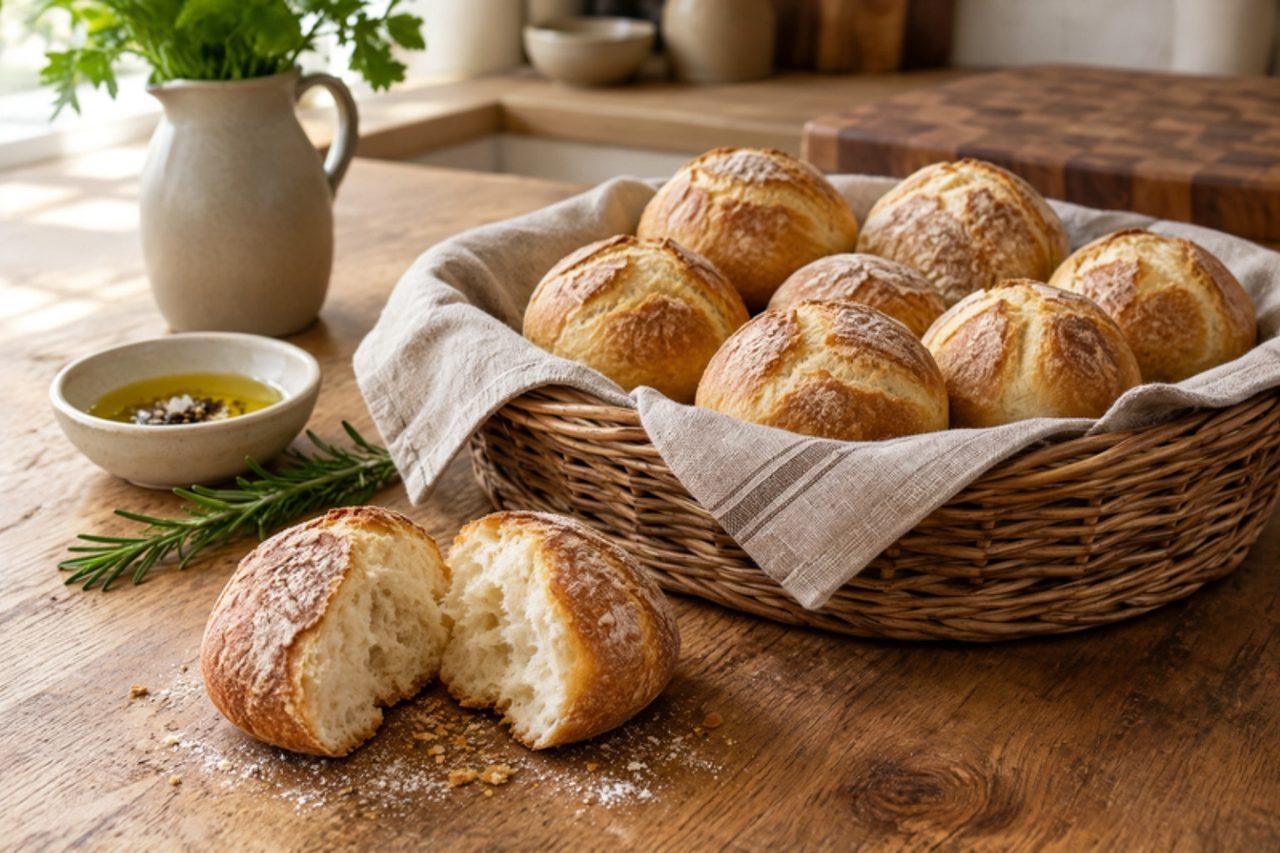
Pain maisonCrusty bread rolls

Every morning in Port Louis, Mahébourg and Rose-Hill, the boulangerie or a man on a bicycle delivers bags of pain maison: small, round white rolls with a thin, crackly crust and soft middle, split and filled with butter and cheese, with chilli-spiked gâteaux piments, or with leftover curry. They're a simple lean dough baked very hot. The common mistake is under-baking because they look golden early; give them the full time so the crust stays crisp after cooling. Chef's tip: spray the oven walls with water as the rolls go in; the burst of steam makes the shiny, cracked crust.

by KrazyBadal 0 views

Sándwich de bondiolaGrilled pork shoulder sandwich

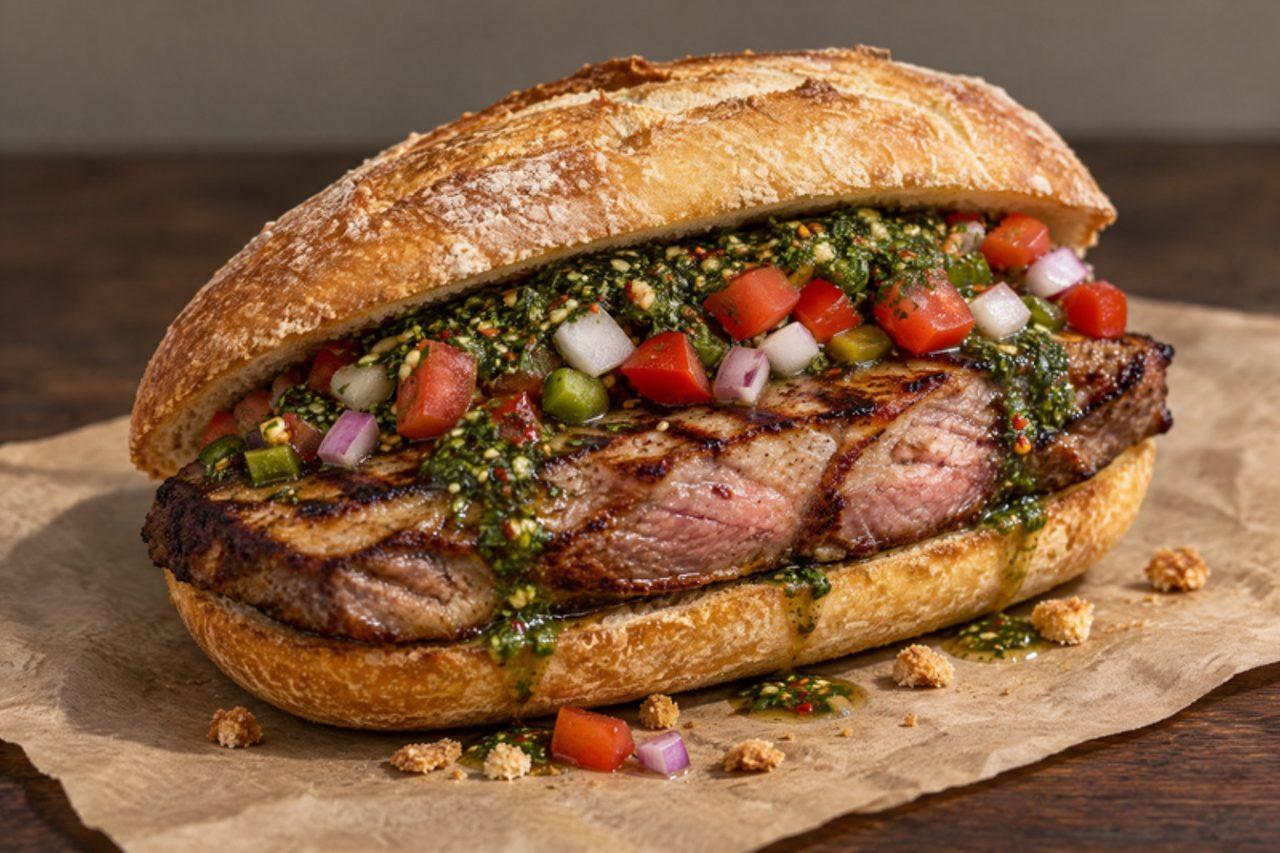
Along the Costanera Sur riverside in Buenos Aires, beside the Reserva Ecológica, the carritos have grilled for cyclists, walkers and taxi drivers for generations, and the bondiola sandwich is their pride: a thick pork shoulder steak, marbled and juicy, grilled until charred and laid in a crusty roll with chimichurri and salsa criolla. Weekend afternoons are the busiest. Chef's tip: leave the fat on the steak and turn it only once; the fat bastes the meat and the crust is the best part.

by KrazyBadal 0 views

Morcipán (blood sausage roll)

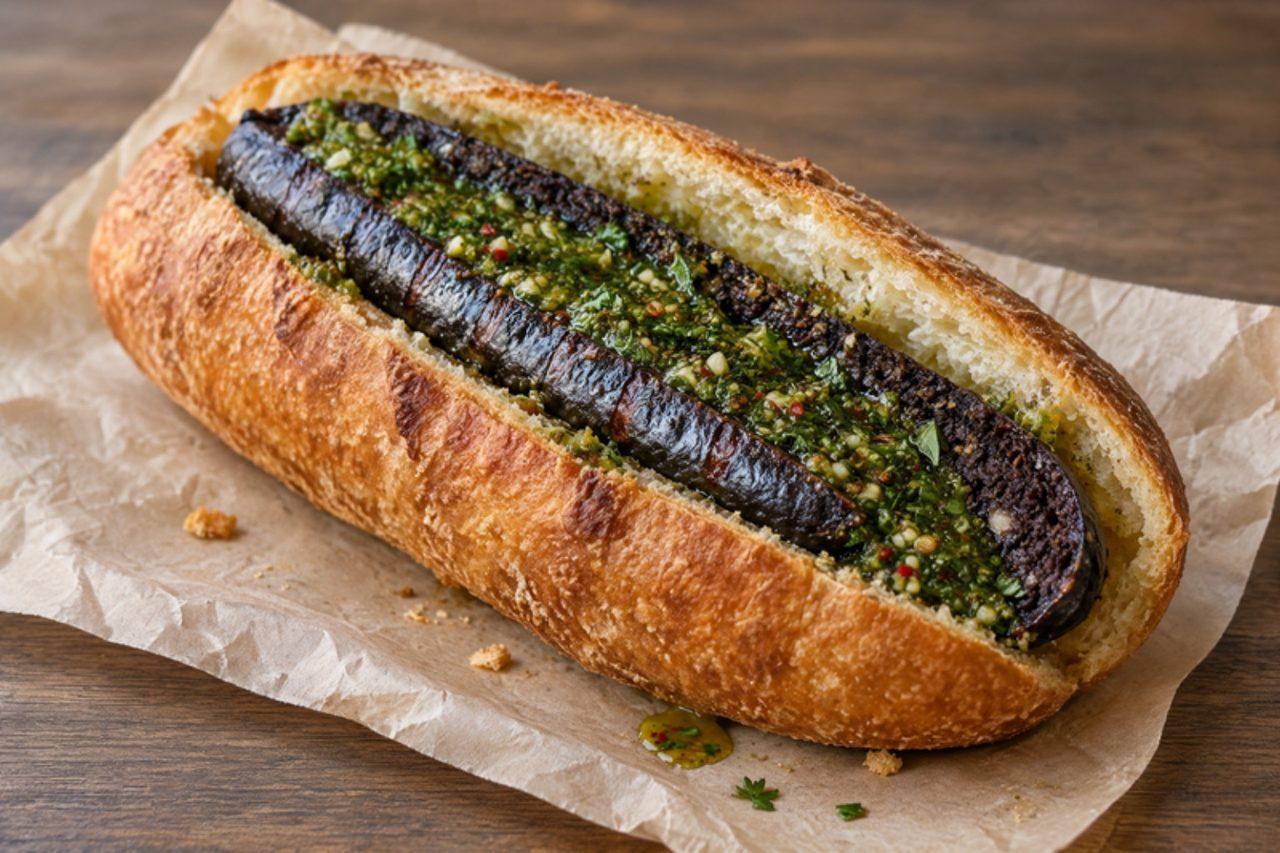
At any Buenos Aires asado, and at the street grills outside football grounds like La Bombonera in La Boca, the choripán has a twin: the morcipán, a soft, rich morcilla split and laid in crusty bread. Argentine morcilla is a pork blood sausage with pork fat, onion and spices, sometimes with nuts or raisins, and it grills to a crisp skin around a soft, spoonable centre that tastes deep and slightly sweet. A sharp chimichurri cuts through it. Chef's tip: grill it over a gentle heat and turn it carefully with tongs; on a fierce grill the casing splits and the filling runs out.

by KrazyBadal 0 views

Sándwich de vacíoGrilled flank steak sandwich

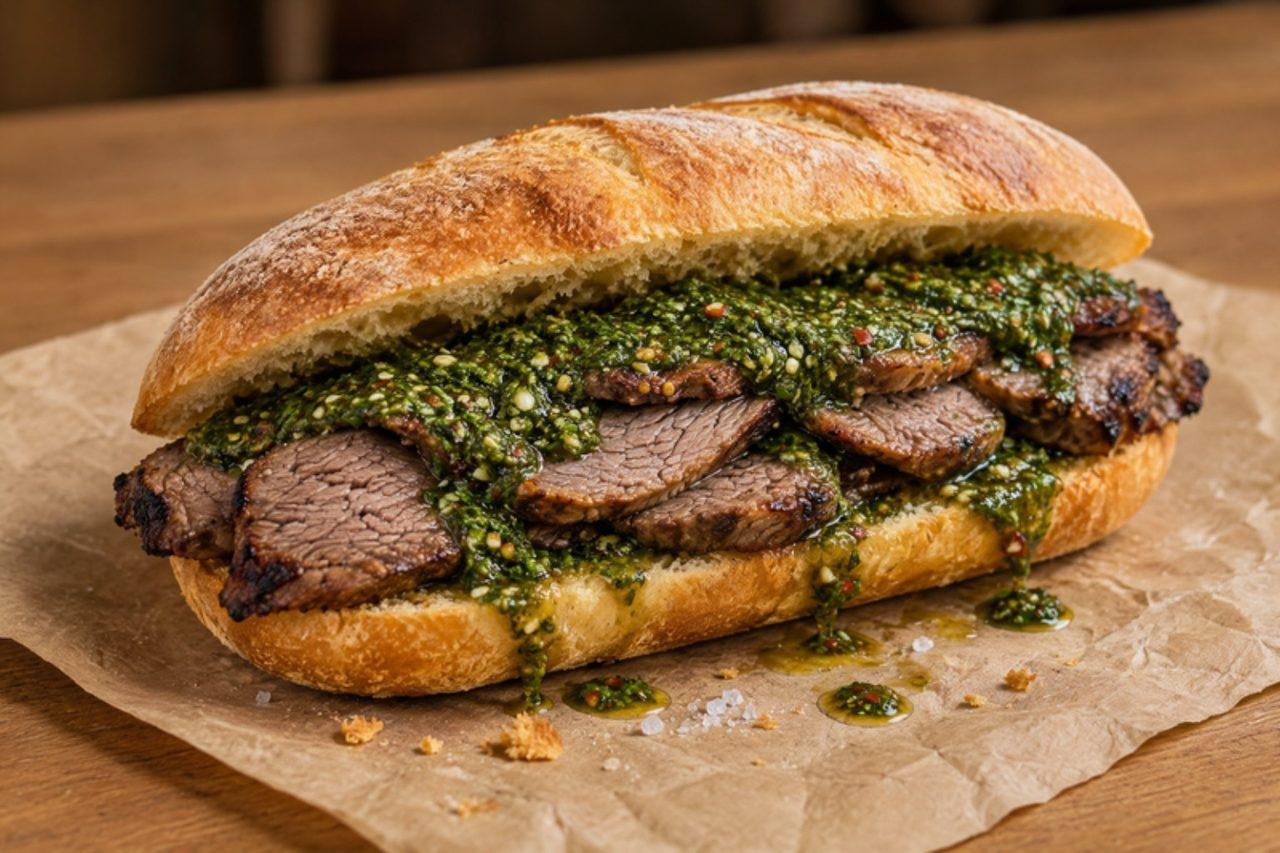
Vacío, the flank cut with its layer of fat and membrane, is grilled slowly for a long time at Buenos Aires parrillas, and at the street grills near football grounds and the weekend fairs of Mataderos it ends up sliced into crusty bread for a hearty midday sandwich. Cooked gently, it turns tender and very juicy, with a crisp, salty layer of fat. Chef's tip: grill it membrane side down first for most of the time and do not trim that membrane off; it protects the meat and turns crisp.

by KrazyBadal 0 views

Escabeche de polloChicken in vinegar and carrot

Pollo en escabeche is a home classic in Córdoba and Buenos Aires, a legacy of Spanish preserving that Argentines make on a Saturday to eat cold all week. It comes out of the fridge for a picada before the asado, as a summer lunch with a green salad and crusty bread, or packed for a day in the sierras. Chicken is browned, then gently cooked in oil and vinegar with carrot, onion, red pepper, garlic, bay and black peppercorns, and left to rest at least a day. The meat turns tender and lightly tangy, the carrots keep a little crunch, and the oil carries the flavour of bay and pepper. Because garlic sits in oil, safety matters: the liquid is half strong vinegar (at least 5% acidity, never diluted beyond what the recipe says), and the jar always lives in the fridge, never on the shelf. Eat it within 5 days. The common mistake is letting it boil hard, which makes the chicken dry and stringy; it should barely tremble. It is ready the next day, when the chicken tastes seasoned right through and the oil has turned golden. Chef's tip: take it out 20 minutes before serving so the oil melts back to liquid.

by KrazyBadal 0 views

Tarta de zapallitosCourgette and cheese tart

In Buenos Aires every rotisería sells tartas by the slice, and at home a tarta de zapallitos is baked on Sunday evening so that a wedge can go into the vianda (packed lunch) for school and work all week. Zapallitos are round green courgettes; ordinary courgettes work just as well. The common mistake is adding the courgette raw, which floods the pastry; sauté it until the liquid has cooked away. Argentine queso rallado and many hard cheeses are made with animal rennet, so use a vegetarian hard cheese. Chef's tip: bake the tart on a preheated baking tray so the base crisps before the filling soaks in.

by KrazyBadal 0 views

Guiso de fideosBeef and pasta stew

Guiso de fideos is the winter weeknight stew of Argentina, cooked in Buenos Aires flats and on estancias alike, and as loved by children as by grandparents. Beef, potatoes and vegetables simmer in a light tomato and sweet-paprika broth, then short pasta cooks straight in the pot and thickens it into something between a soup and a stew. Serve it in deep plates with crusty bread and grated cheese for those who want it. The usual mistake is adding the pasta too early, so it swells and turns mushy; it goes in only for the last 10–12 minutes. Chef's tip: cut the beef into small cubes, about 2 cm, so it is tender in under an hour.

by KrazyBadal 0 views

Kari gros poisButter bean curry

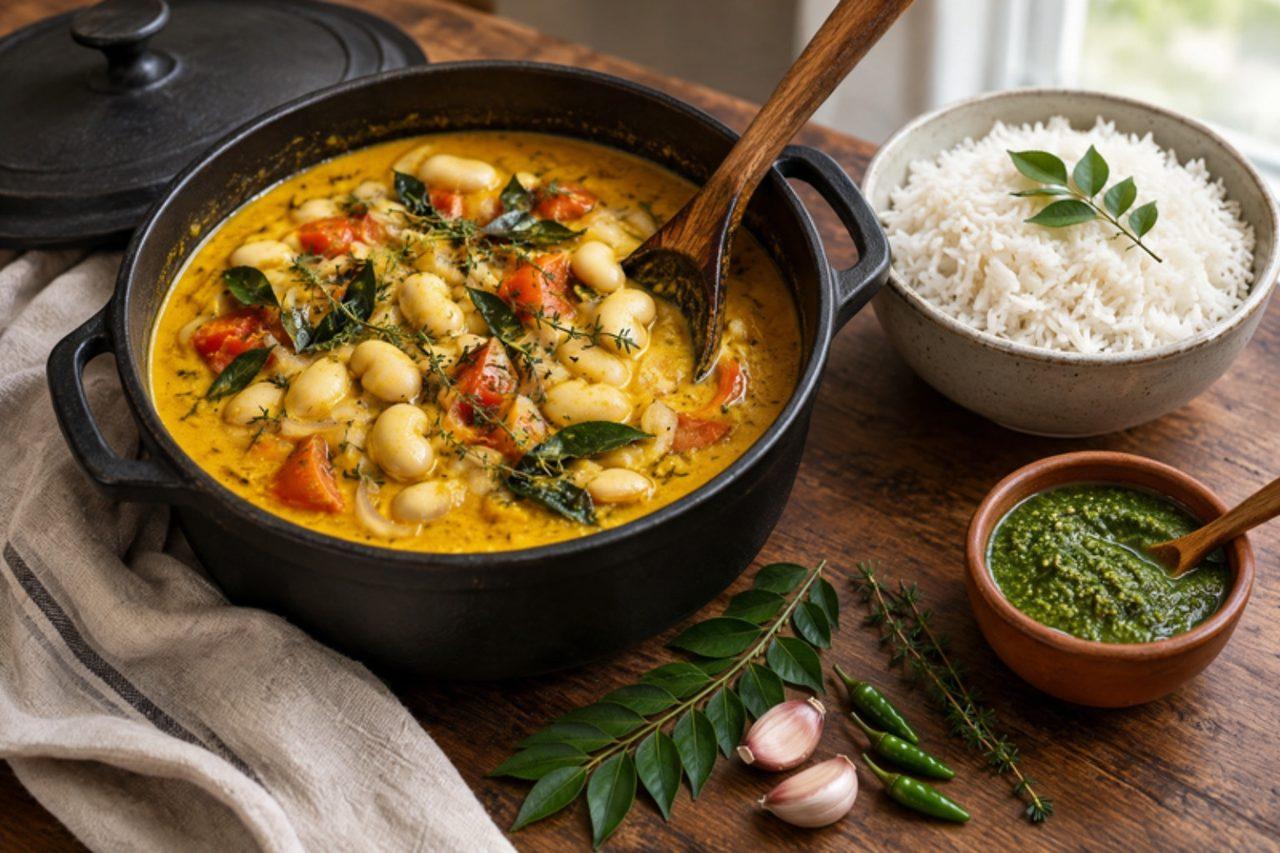
In Mauritius, gros pois (butter beans) are a pantry staple, and kari gros pois is cooked in Creole and Indo-Mauritian homes alike for weekday lunches and Friday meat-free meals. The beans simmer in a curry of onion, tomato, garlic and ginger, flavoured with curry powder, fresh thyme and curry leaves, so it tastes of both India and the island's French side. It is served with rice, farata flatbreads and a tomato or chilli chutney. The usual mistake is frying the curry powder on high heat; it scorches in seconds and turns bitter. Pressure cooker option: cook the soaked beans for 15 minutes at pressure. Chef's tip: crush a few beans into the sauce at the end, which thickens it without any flour.

by KrazyBadal 0 views

Showing 24 of 363 recipes

Show more recipes

Page 1 of 16