Skip to content
Recipes

All recipes

Vegetarian, or something you can't eat? Set your diet once and we'll hide recipes that don't fit.

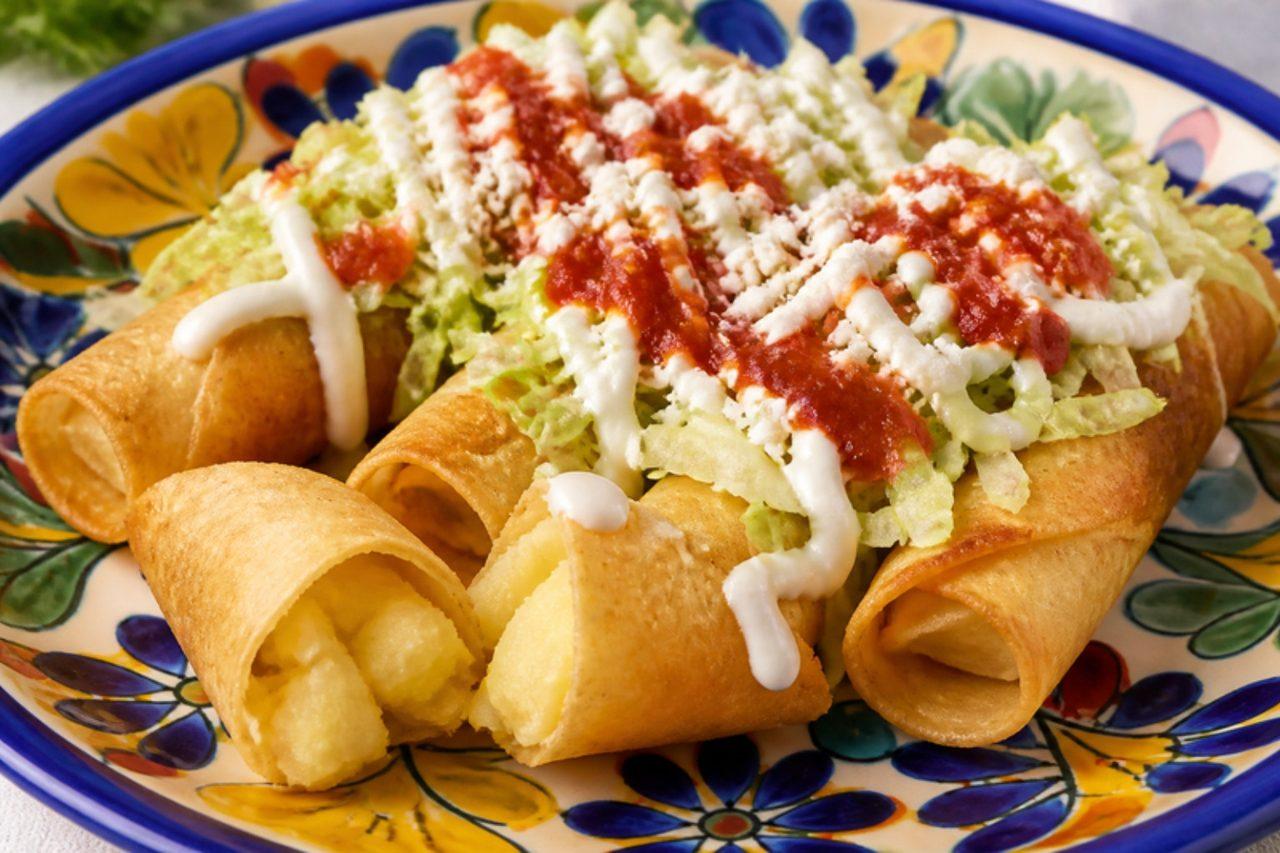
Tacos dorados de papaFried potato tacos

Crisp potato tacos are a Friday and Lent staple in homes across central Mexico, and a cheap favourite at fondas near schools in Mexico City. Tortillas are rolled around buttery-soft mashed potato, fried until shattering, then buried under cool lettuce, crema, salsa and crumbled cheese. Children love them, and the potato filling is easy to make ahead. Fresh crumbly cheeses here are often set with animal rennet; a vegetarian queso fresco or a microbial-rennet feta keeps the dish meat-free. Chef's tip: mash the potatoes while hot and let them cool before rolling, so the filling is firm and doesn't ooze into the oil.

by KrazyBadal 0 views
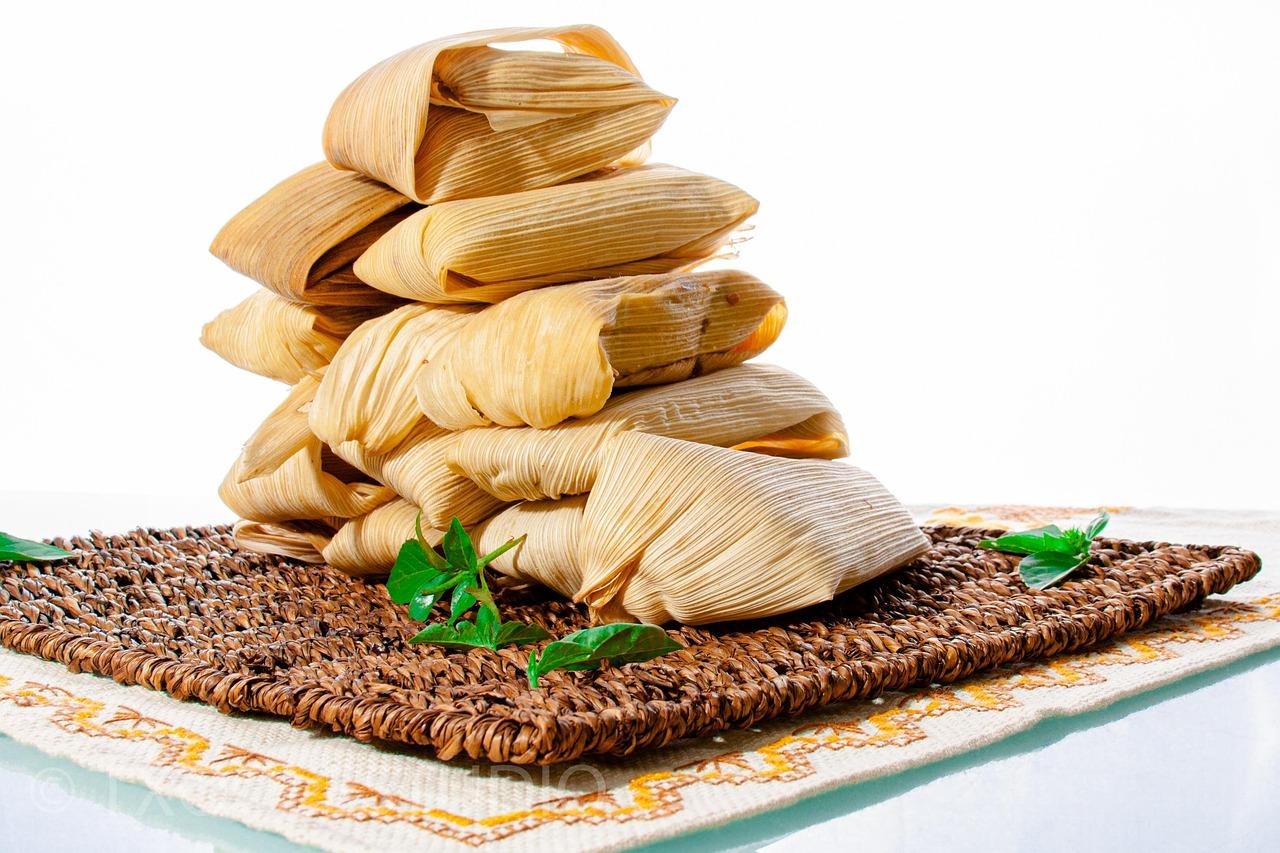
Tamales de rajas con quesoPoblano and cheese tamales

On the evening of 2 November, after the graveyard visit, many families in central Mexico sit down to a pot of steaming tamales, and rajas con queso is the meat-free favourite at every tamalera's stall. Soft, fluffy masa beaten with fat until it floats wraps a filling of charred poblano strips, a spoon of tomato salsa and a finger of melting cheese. Fresh Mexican cheeses such as queso Oaxaca or panela are often made with animal rennet; choose a vegetarian mozzarella-style cheese if that matters to you. The masa here uses vegetable shortening rather than lard. Chef's tip: test the beaten masa by dropping a pinch into cold water; when it floats, it is light enough.

by KrazyBadal 0 views
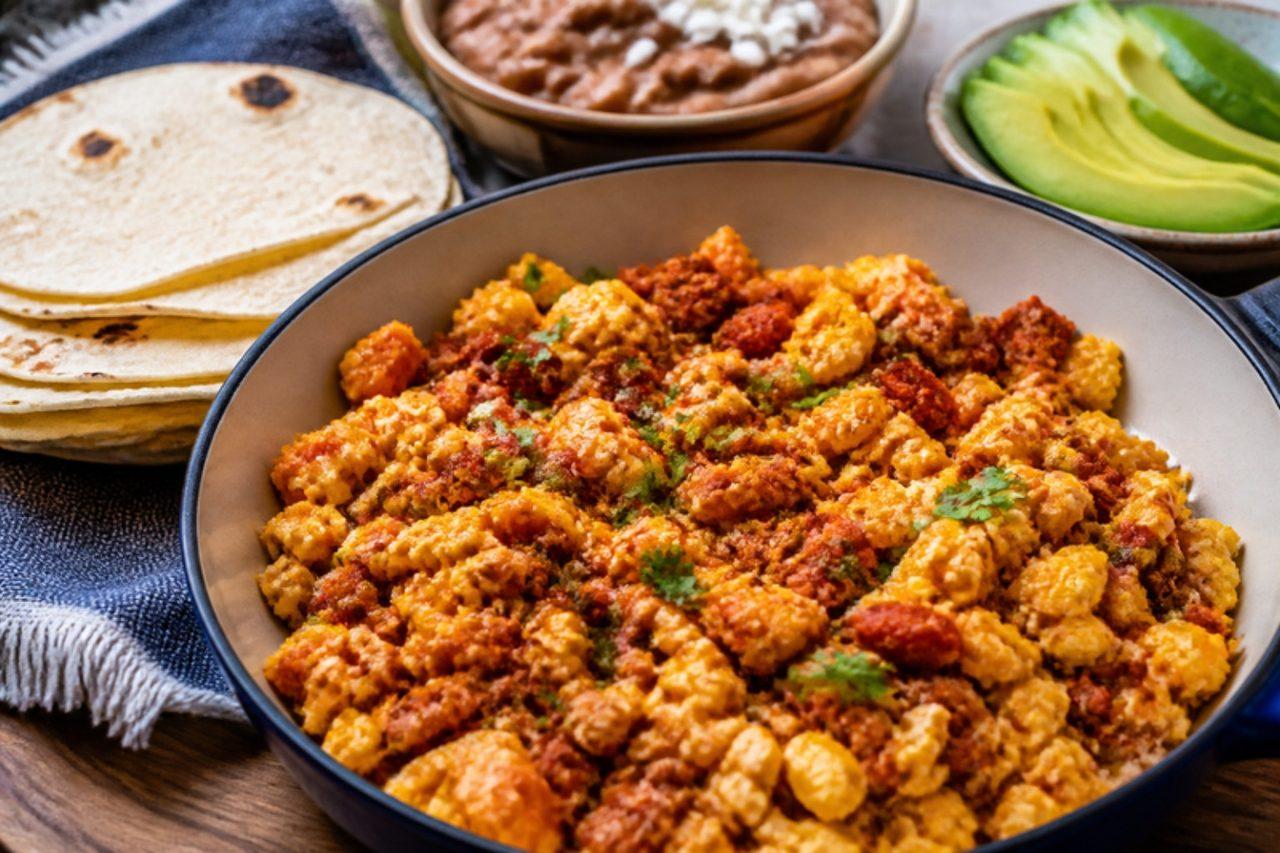
Huevos con chorizoEggs with chorizo

Across northern and central Mexico, from Toluca, famous for its green and red chorizos, to the ranches of Chihuahua, a skillet of brick-red chorizo scrambled with eggs is the classic weekend breakfast, scooped into warm tortillas with refried beans. Mexican chorizo is fresh, raw pork sausage seasoned with chillies and vinegar, unlike the cured Spanish kind, so it must be cooked through. Chef's tip: pour off most of the rendered fat before adding the eggs, or the scramble turns greasy.

by KrazyBadal 0 views

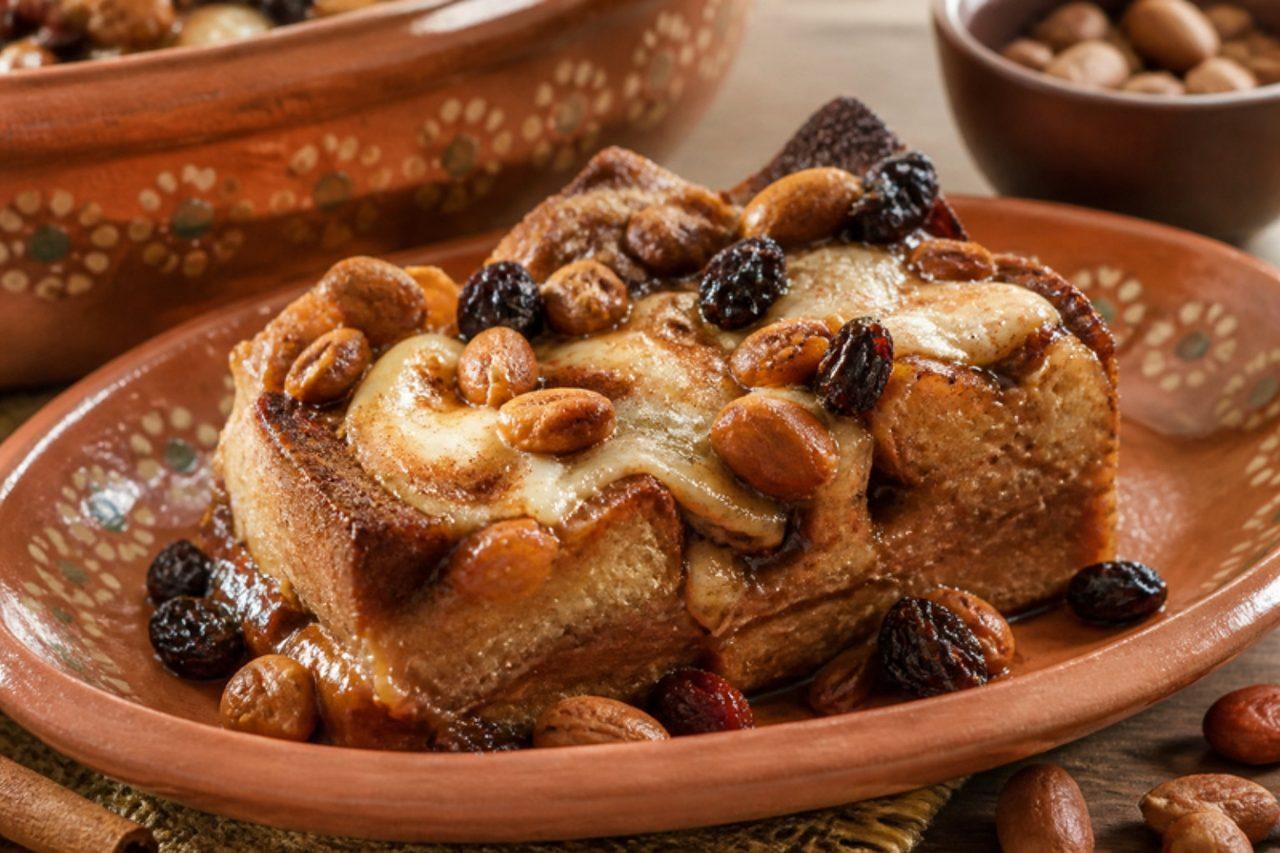
CapirotadaMexican bread pudding

On the Fridays of Lent and above all on Good Friday, grandmothers from Jalisco to Sonora layer stale bolillo with a dark syrup of piloncillo, cinnamon and cloves, then tuck in raisins, peanuts and crumbled cheese, a sweet-salty pudding that uses up bread when meat is off the menu. It comes out of the oven sticky at the edges and soft in the middle, and is eaten warm or at room temperature. The traditional cheese, queso añejo or cotija, is usually made with animal rennet, so use a vegetarian hard cheese or mild feta if you prefer. Chef's tip: fry or toast the bread until really dry and golden first; soft bread turns to porridge in the syrup.

by KrazyBadal 0 views
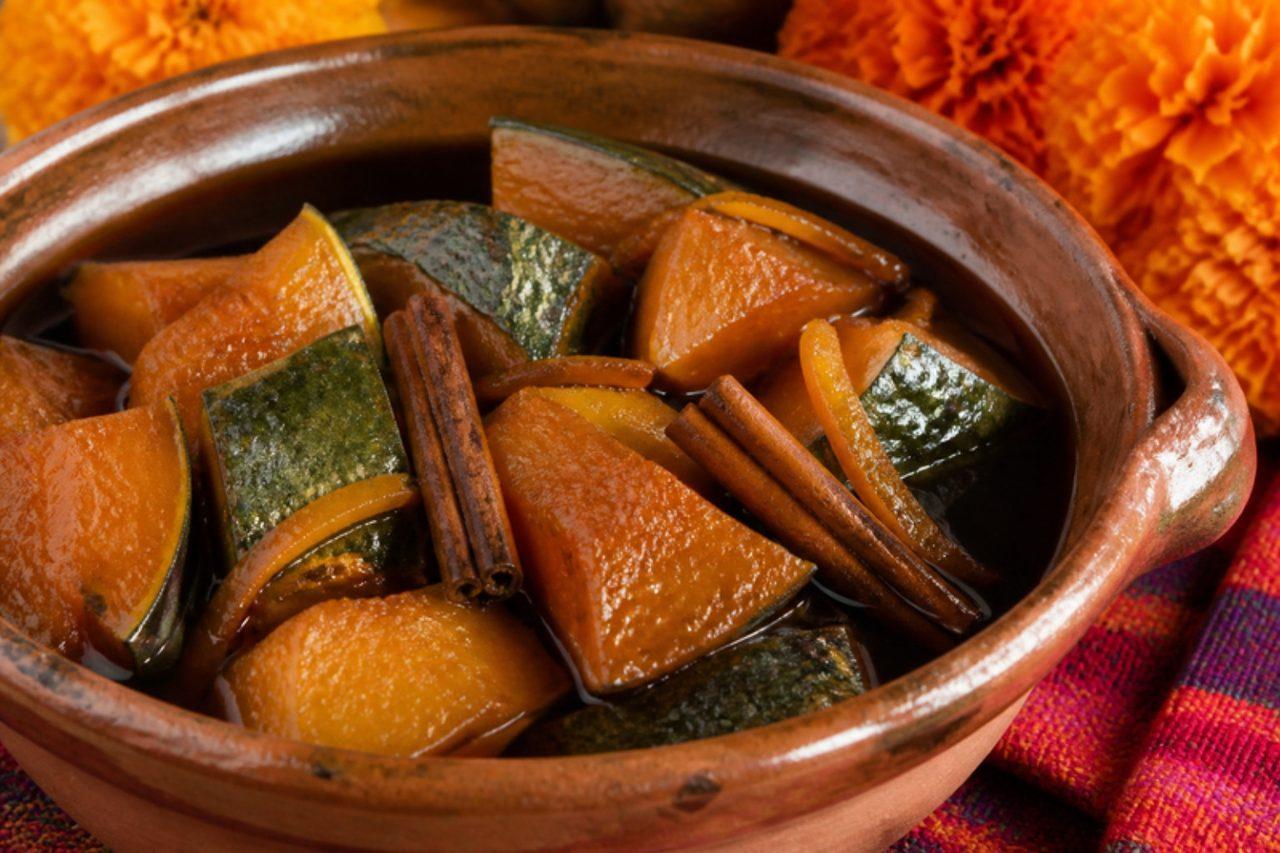
Calabaza en tachaCandied pumpkin

When the first squash of autumn arrives, kitchens across Puebla, Tlaxcala and Mexico State fill with the dark caramel smell of calabaza en tacha, a sweet that goes on the ofrenda on 1 November and is eaten warm at breakfast with a splash of cold milk. Wedges of pumpkin simmer slowly in piloncillo, the cone-shaped raw cane sugar, with cinnamon bark, orange and a few cloves until the flesh turns glossy amber and the syrup thickens. It is homely, deeply sweet and spiced. Chef's tip: lay the pumpkin skin side down and never stir, just baste, so the pieces stay whole.

by KrazyBadal 0 views
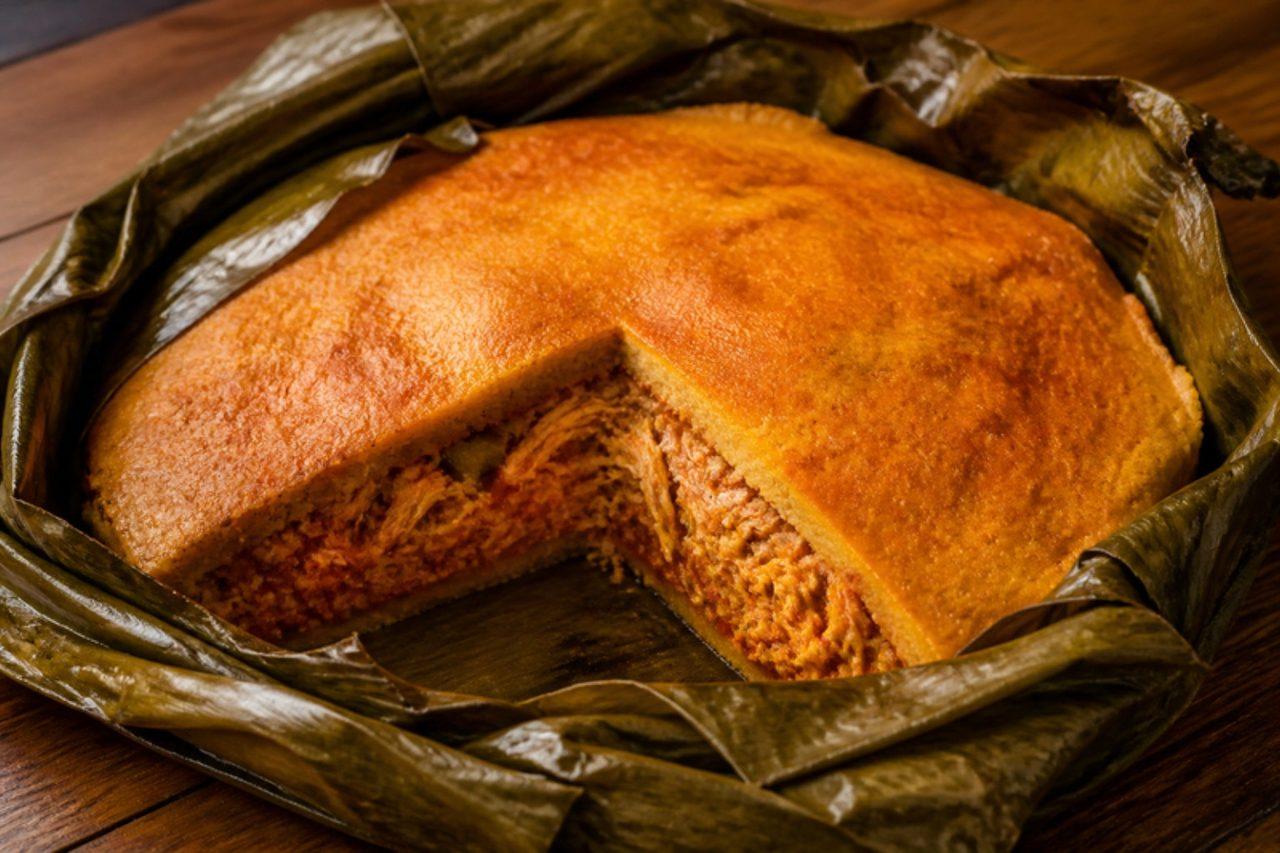
MucbipolloChicken and pork tamal pie

Across the Yucatán Peninsula, the Maya feast of Hanal Pixán, 'food for the souls', at the end of October is marked by mucbipollo: a huge tamal pie, traditionally buried in a pit oven (pib) to bake, then set on the altar and shared the next day. A thick lard-enriched masa shell holds chicken and pork shoulder stewed in achiote, tomato and epazote, bound with a thickened broth called kol. This version uses a home oven and a deep tin lined with banana leaves. It contains pork. Chef's tip: make the kol thick enough to coat a spoon, or the filling floods the masa and the crust turns gummy.

240 minMexicanMeatGluten free
by KrazyBadal 0 views
Paletas de fresa con cremaStrawberry cream ice pops

Pink, creamy and dotted with red fruit, fresa con crema pops are the milky paletas children pick first at any paletería michoacana, and they echo the strawberries and cream sold in cups in Irapuato. Fresh strawberries are folded into a sweet milk-and-cream base that freezes smooth. It contains dairy. Chef's tip: macerate the strawberries in sugar first, as the syrup keeps the fruit soft rather than icy.

by KrazyBadal 0 views

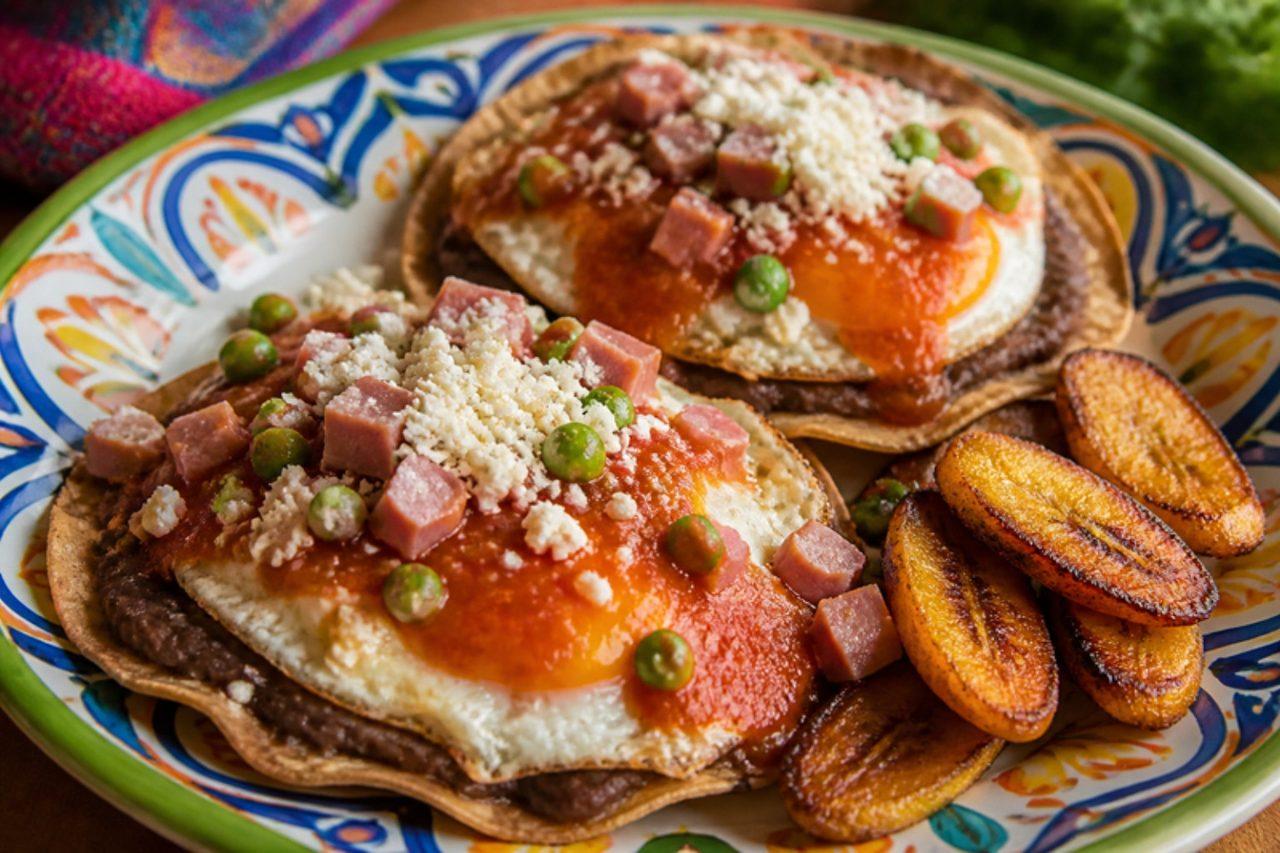
Huevos motuleñosYucatán eggs on tostadas

The town of Motul, an hour east of Mérida, gave the Yucatán its grandest breakfast, now served in every market loncheria on the peninsula: a crisp tortilla spread with black beans, a fried egg, a blanket of mild tomato sauce, then diced ham, peas, crumbled cheese and slices of sweet fried plantain, with fiery habanero salsa on the side. It contains pork in the form of cooked ham; for a vegetarian plate, just leave the ham out. Chef's tip: fry the tortillas until fully crisp so they stay crunchy under the sauce.

by KrazyBadal 0 views
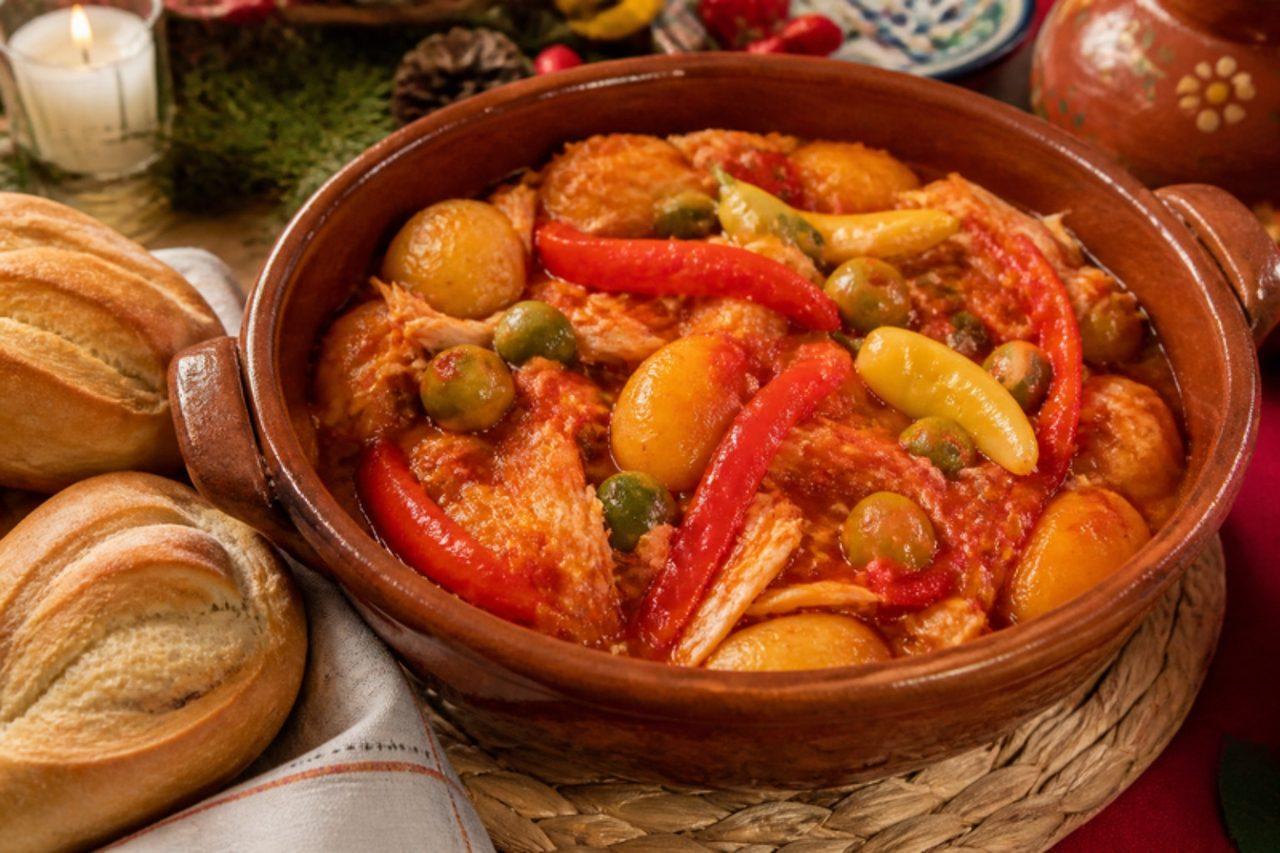
Bacalao navideñoSalt cod stew

Mexican families inherited bacalao from Spain, but the version on the Christmas Eve table in Mexico City, Guadalajara and Puebla has gone its own way. Instead of the Basque sauce of dried choricero peppers with whole cod pieces, the cod here is soaked, finely shredded and cooked down for an hour with a lot of fresh tomato, olive oil, almonds, green olives, capers and pickled güero chiles until thick enough to pile into bolillo rolls. It tastes even better the next day, which is when the leftover tortas are eaten. Chef's tip: soak the cod in the fridge for 36–48 hours, changing the water four times a day, and taste a flake before cooking; it should be pleasantly salty, not briny.

130 minMexicanFishGluten free
by KrazyBadal 0 views
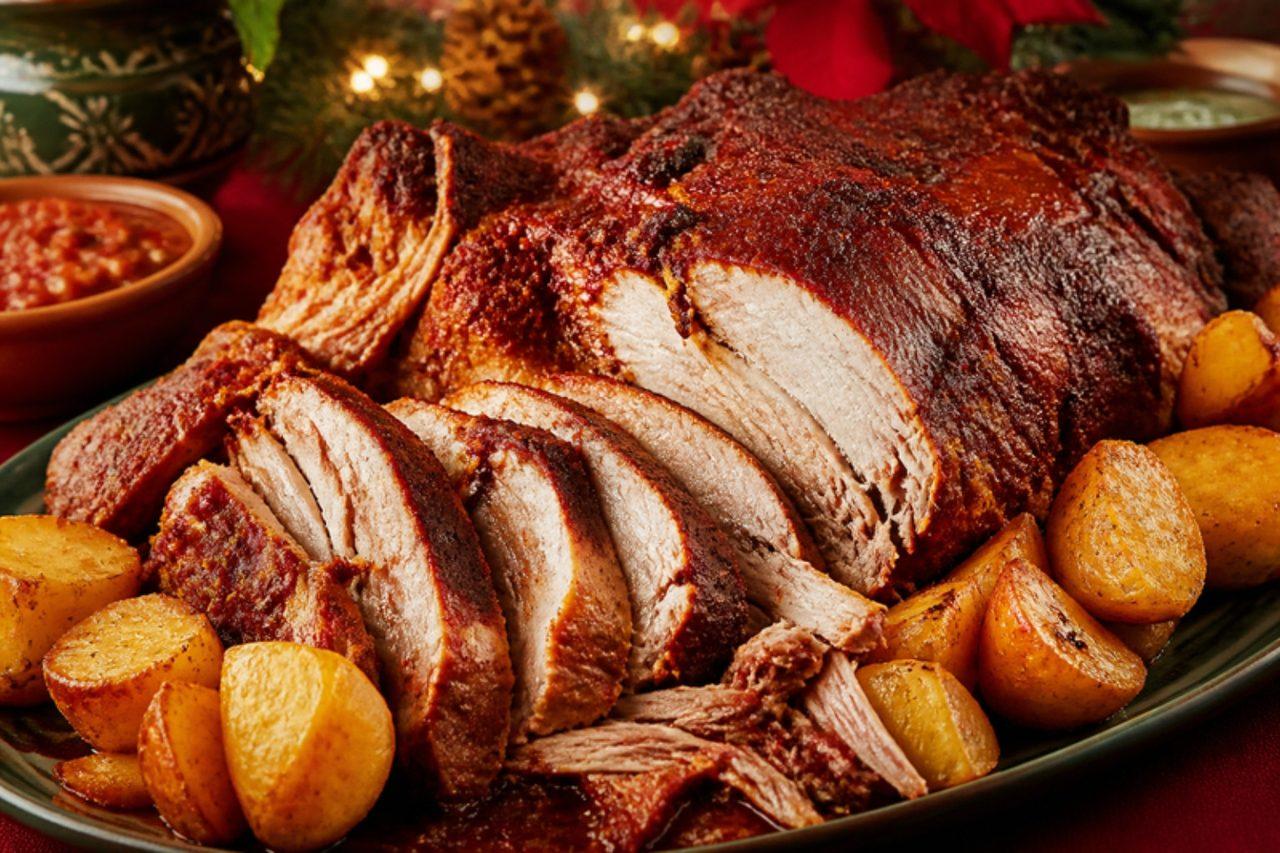
Pierna adobadaAdobo roast pork leg

From Puebla to Monterrey, a dark red leg of pork comes out of the oven on 24 or 31 December, its adobo of ancho and guajillo chiles, garlic, vinegar and orange caramelised into a sticky crust. It is sliced at the table with apple salad and Christmas rice, and the leftovers fill tortas for days. This recipe uses a smaller boneless leg or shoulder joint of pork that fits a home oven; it marinates overnight in the fridge and roasts low and slow. Chef's tip: baste with the pan juices every half hour once the foil comes off, so the adobo glazes rather than burns.

300 minMexicanMeatGluten free
by KrazyBadal 0 views

Polvorones de nuezPecan butter cookies

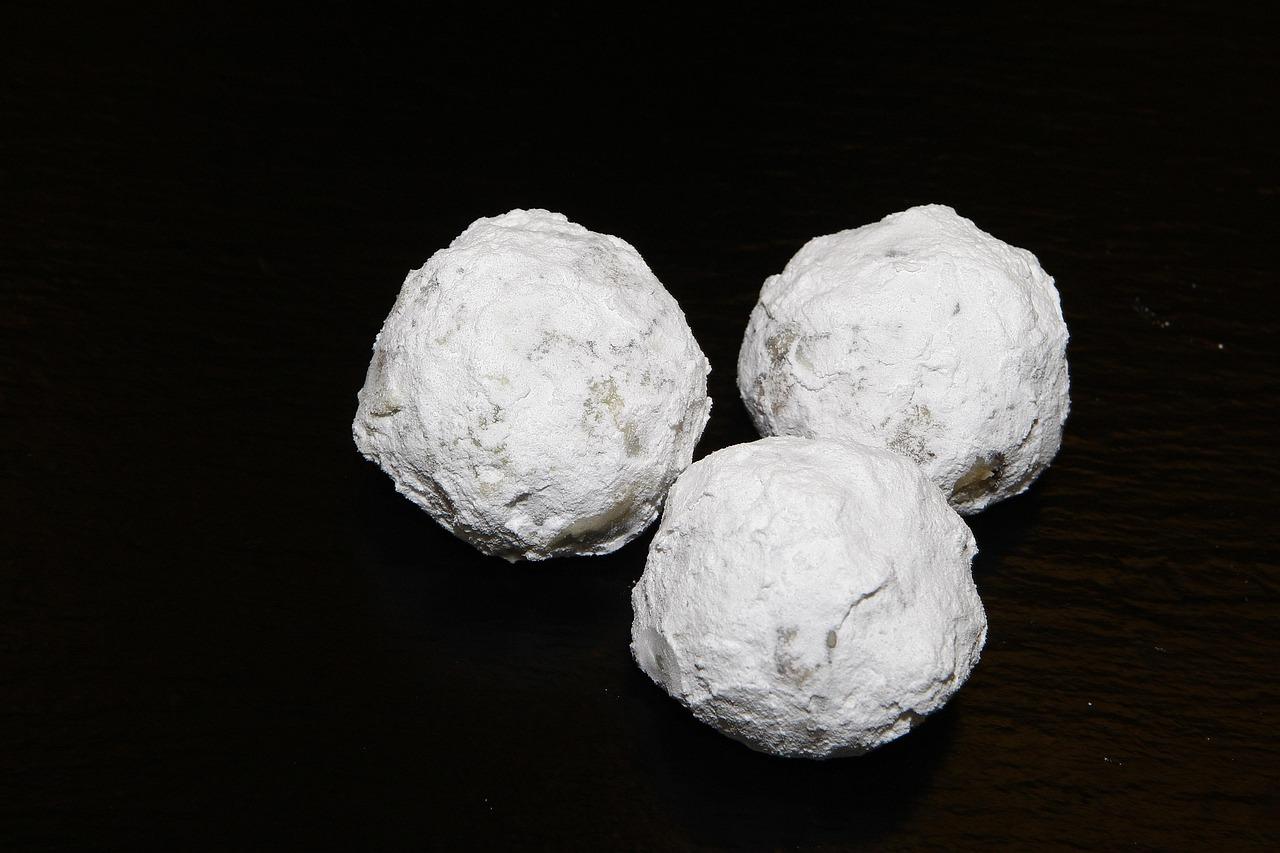
Christmas cookie tins, wedding tables and bakery counters all over northern and central Mexico hold polvorones, small domes of toasted pecan shortbread that crumble to dust in the mouth, which is how they got their name. They are rolled twice in icing sugar, once warm and once cold, so they look snowy. Old recipes used lard; this one uses butter, so it is vegetarian, and it contains wheat and tree nuts. Chef's tip: toast the pecans first, which turns a plain cookie into a deeply nutty one.

by KrazyBadal 0 views

Barbacoa de borregoSlow-cooked lamb

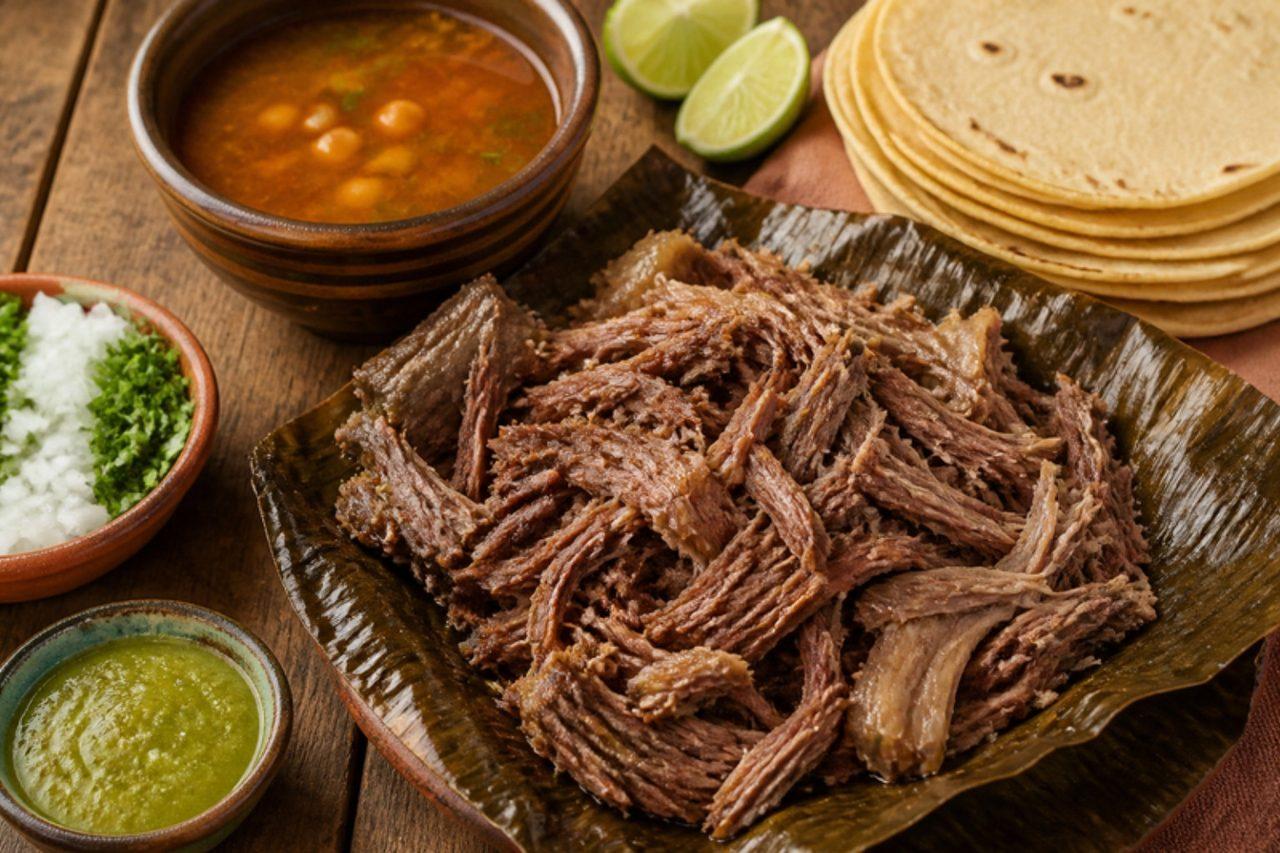
In Actopan and the towns of Hidalgo, Sunday starts with barbacoa: lamb wrapped in maguey leaves and cooked overnight in an earth pit, with a pot underneath catching the juices for a rich consommé of chickpeas, rice and guajillo. This home version wraps lamb shoulder in banana leaves and cooks it low and slow in the oven over the consommé. The meat is pulled into tacos with onion, cilantro and salsa, and the broth is sipped alongside. Chef's tip: seal the pot well with foil under the lid so no steam escapes; the lamb should cook in its own vapour.

450 minMexicanMeatGluten free
by KrazyBadal 0 views

Rebanadas de mantequillaButtered sweet bread slices

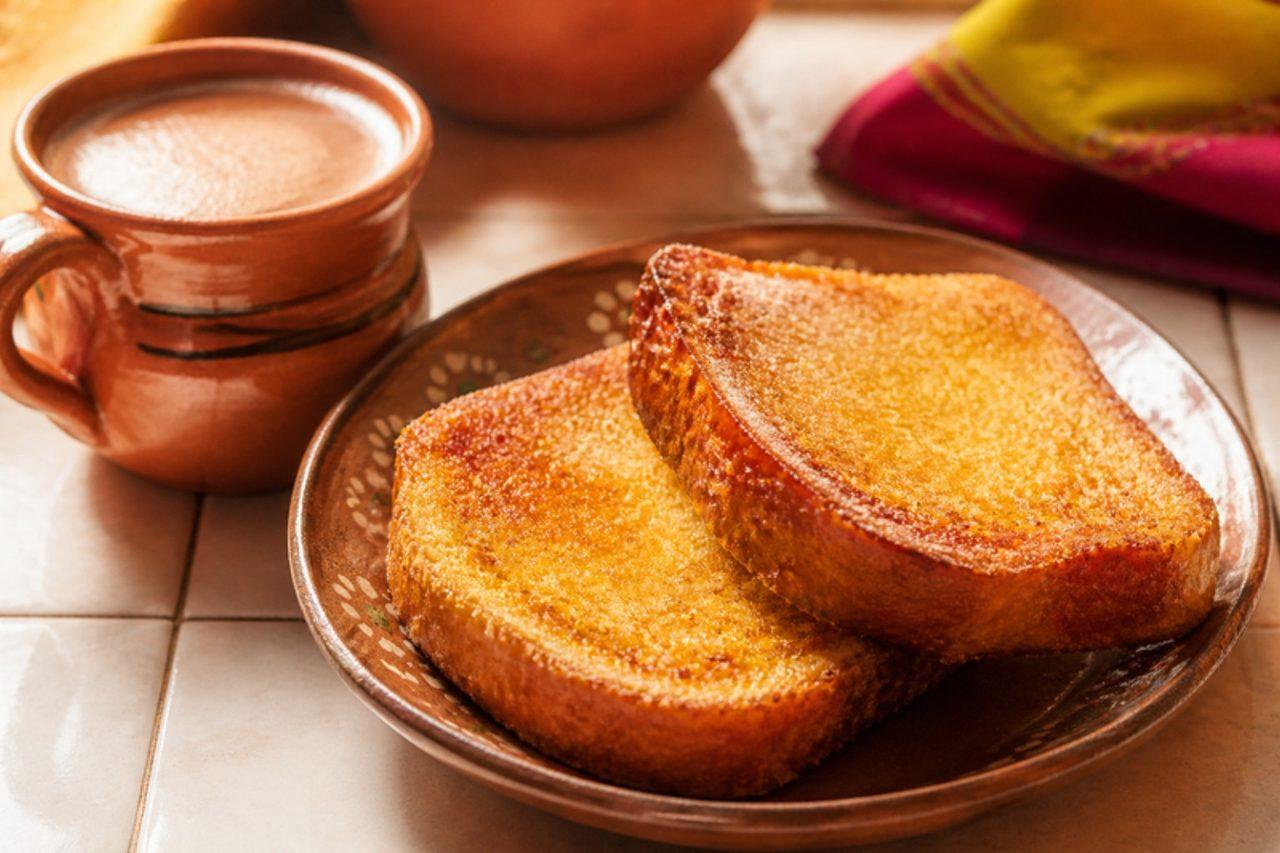
When yesterday's pan dulce goes stale, Mexican bakeries slice it thick, spread it with butter, dust it with sugar and toast it until crisp, and the result, rebanadas, often sells out first. At home it is a ten-minute afternoon treat with hot chocolate or a glass of cold milk, and a good way to use up a loaf of brioche, a pan de yema or a few bolillos. This version uses butter, so it is vegetarian. Chef's tip: let the butter get really soft so it sinks into the bread instead of sitting on top.

by KrazyBadal 0 views

Tejocotes en almíbarHawthorn fruit in syrup

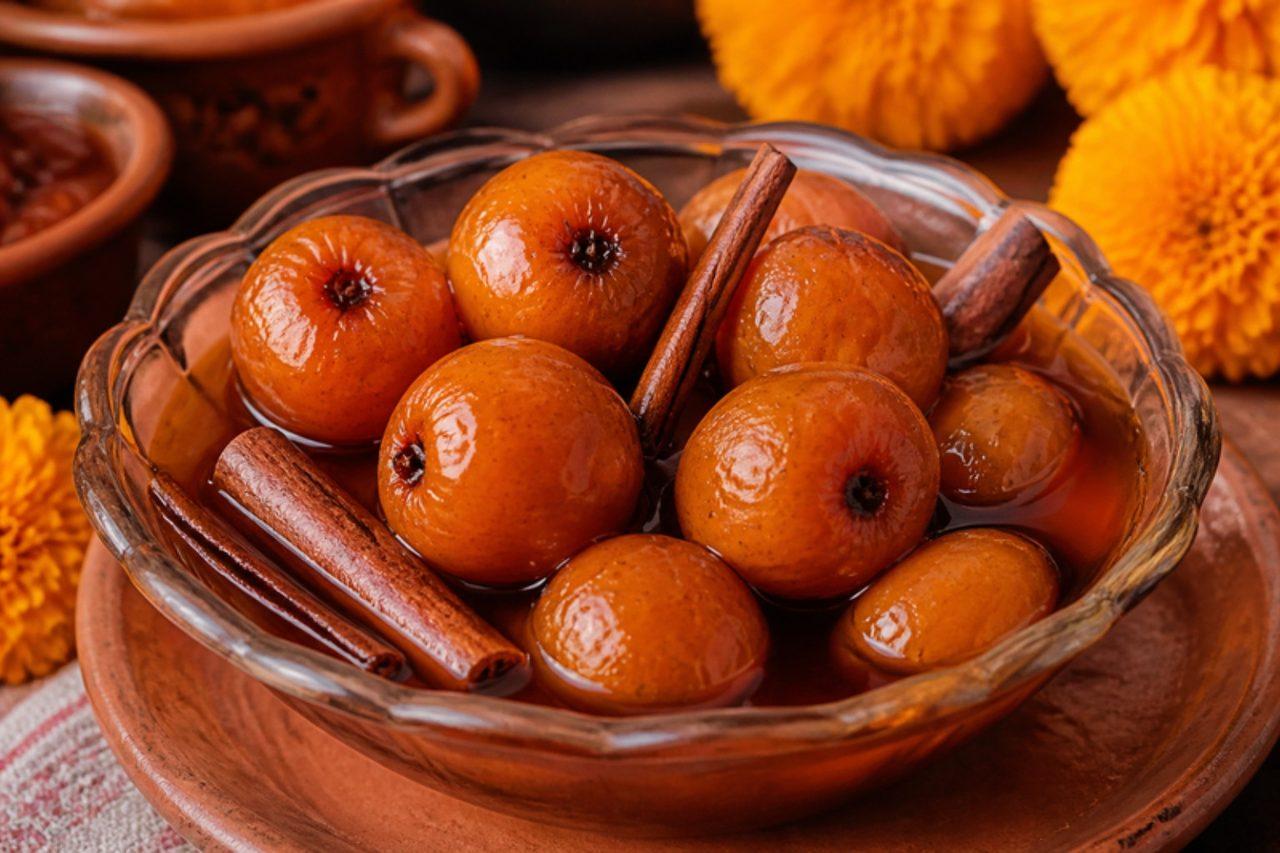
Golden tejocotes, small tart hawthorn fruits from the highlands around Puebla and the State of Mexico, appear in market sacks for only a few weeks before Day of the Dead and Christmas. Poached whole in piloncillo syrup with cinnamon and a strip of orange, they turn soft and perfumed, a little like quince crossed with apricot, and are set on the ofrenda or eaten from a bowl with their syrup. Outside Mexico, look for them frozen or in jars at Latin grocers; small crab apples are the nearest swap. Chef's tip: blanch and peel them first, as the skins go tough and bitter in syrup.

by KrazyBadal 0 views

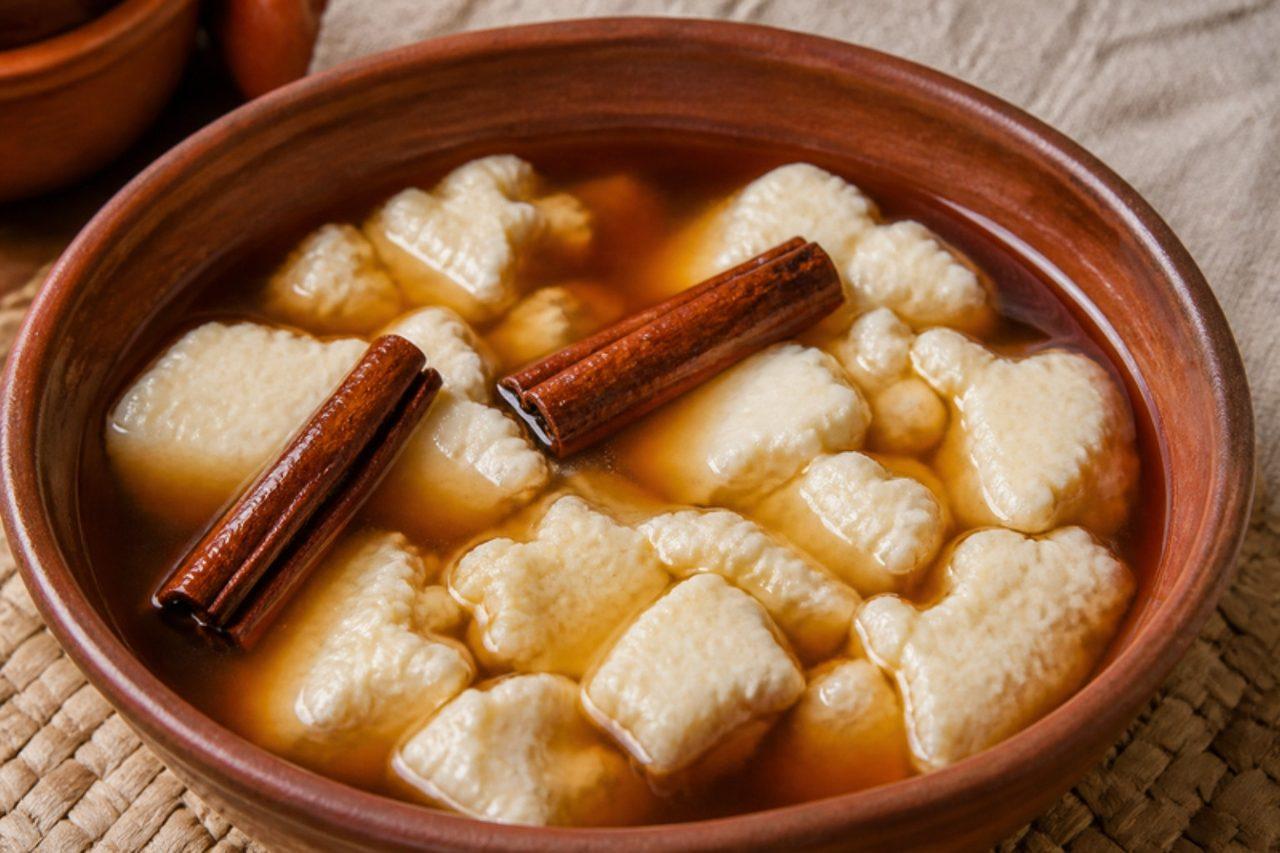
Chongos zamoranosMilk curds in cinnamon syrup

Zamora in Michoacán gave its name to chongos, soft knots of fresh milk curd slowly poached in their own whey with sugar and cinnamon until the syrup turns golden and the curds turn springy. They are served cool in small glass bowls after Sunday lunch, and jars are sold at roadside stands across the Bajío. Traditionally the milk is set with animal rennet; use a vegetarian rennet (microbial or plant-based) to keep it vegetarian. Chef's tip: never stir after the curds form, only tilt the pan, or they break into crumbs.

by KrazyBadal 0 views

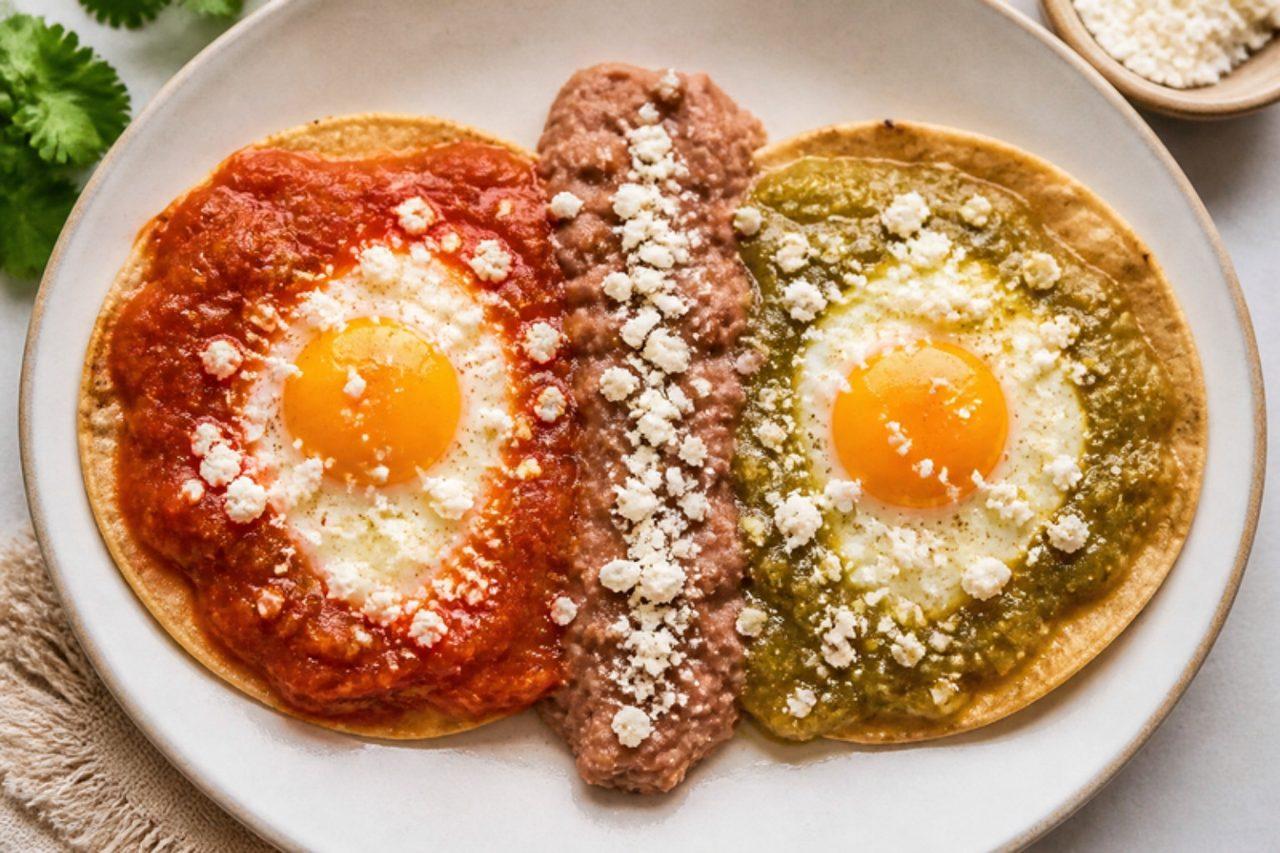
Huevos divorciadosEggs in red and green salsa

Order 'divorced eggs' in any Mexico City café or roadside fonda and you get a plate split down the middle: one fried egg on a tortilla under smoky red salsa, the other under tangy green tomatillo salsa, with a ridge of refried beans keeping the couple apart. It is a cheerful weekend breakfast and a good way to use up leftover salsas. Mexican crumbling cheese is often made with animal rennet, so choose a vegetarian one if needed. Chef's tip: warm the tortillas in the egg pan first, so they are soft but not greasy.

by KrazyBadal 0 views

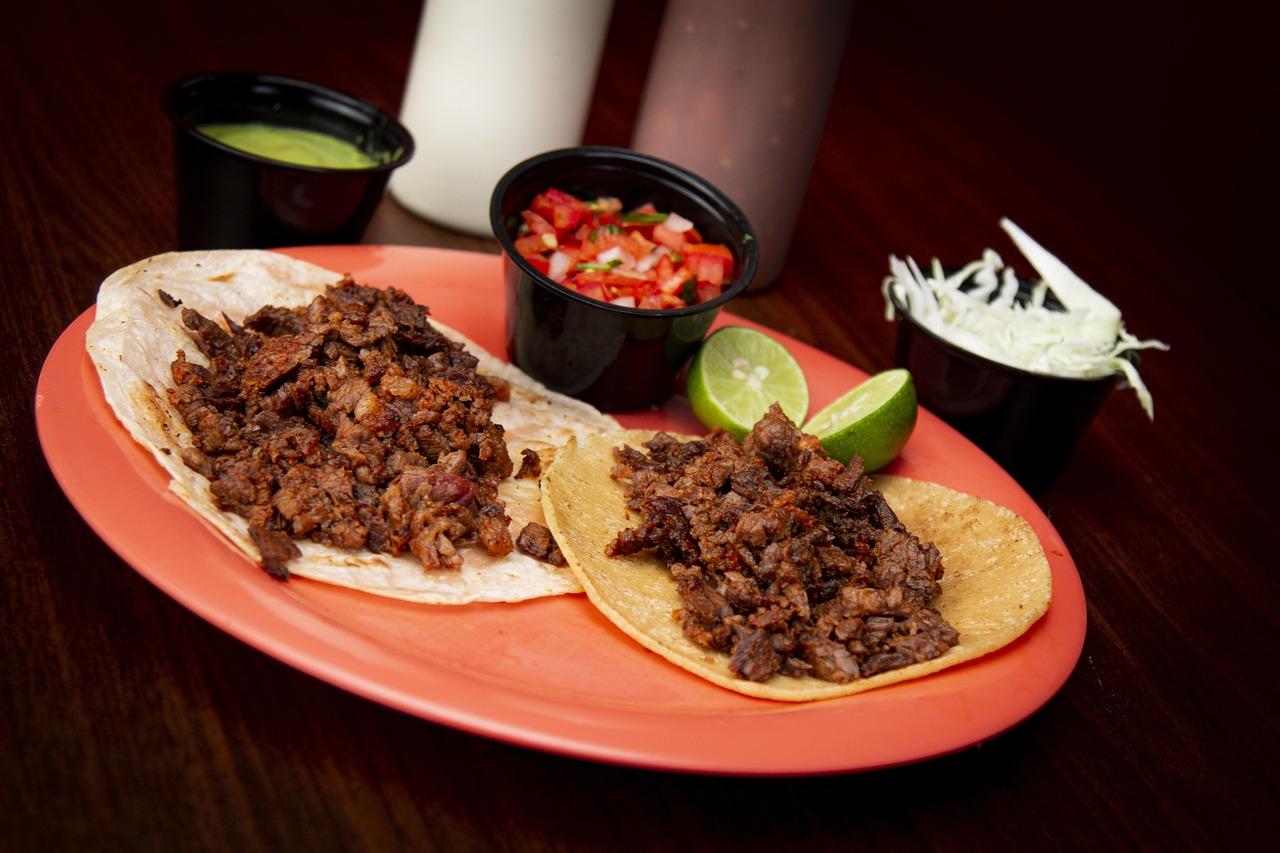
Tacos de carne asadaGrilled steak tacos

In Monterrey, Hermosillo and across the north, a Sunday carne asada means friends around the grill, thin skirt or flank steak seasoned simply with citrus, garlic and salt, cooked over hot coals and chopped straight onto tortillas. Grilled spring onions, guacamole and a smoky salsa go alongside. Use corn tortillas, or the soft flour tortillas of Sonora if gluten is no concern. Chef's tip: keep the marinade to 1–4 hours in the fridge; the citrus starts to toughen the meat after that.

by KrazyBadal 0 views

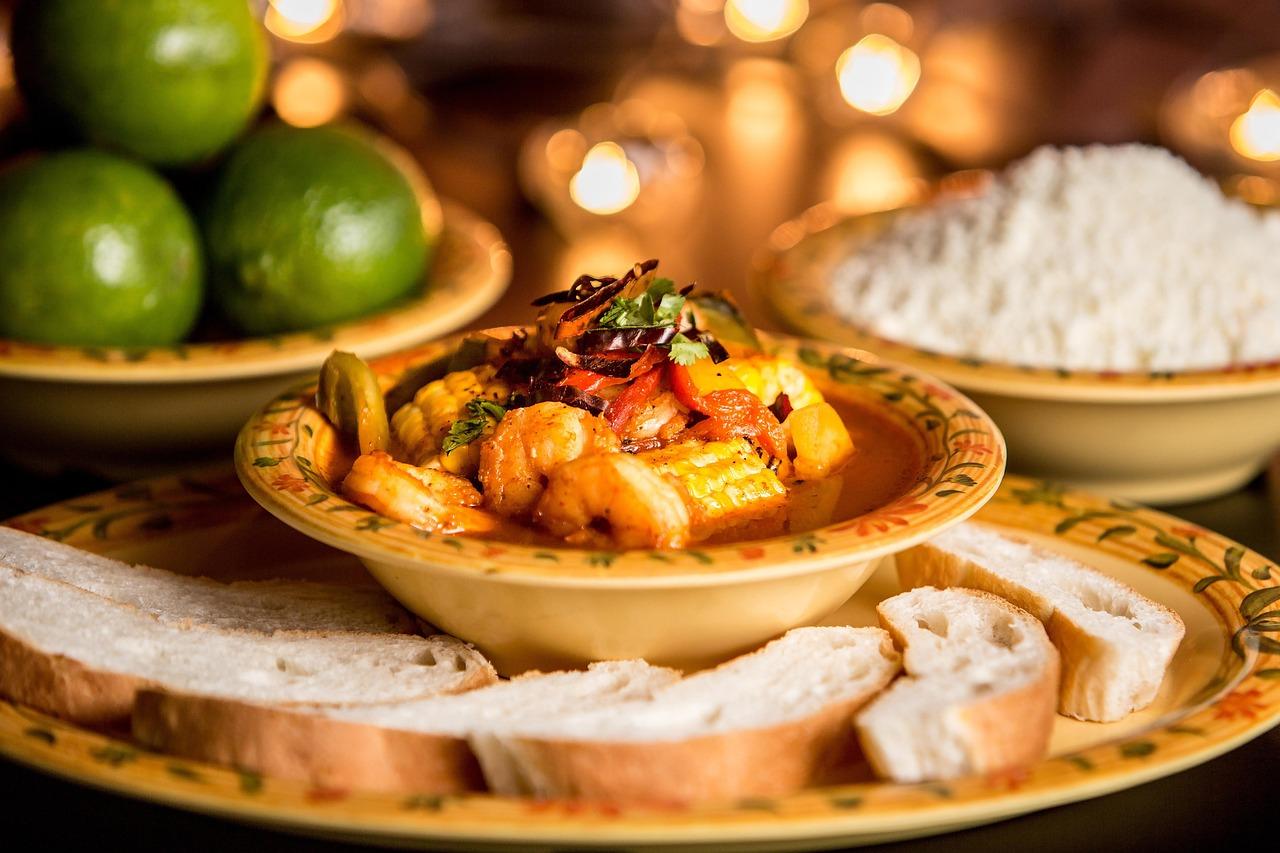
Caldo de camarónSpicy shrimp broth

At beach stalls in Mazatlán and Veracruz and in market fondas in Mexico City, a steaming, brick-red caldo de camarón is the cure for a long night and the Lenten Friday lunch of choice. The broth gets its depth from shrimp shells and dried guajillo chillies, and shell-on prawns, carrot, potato and courgette are cooked in it briefly at the end. Serve with lime, chopped onion and coriander, and tostadas. Chef's tip: add the prawns only in the last 3 minutes; they keep cooking in the bowl and toughen quickly.

by KrazyBadal 0 views

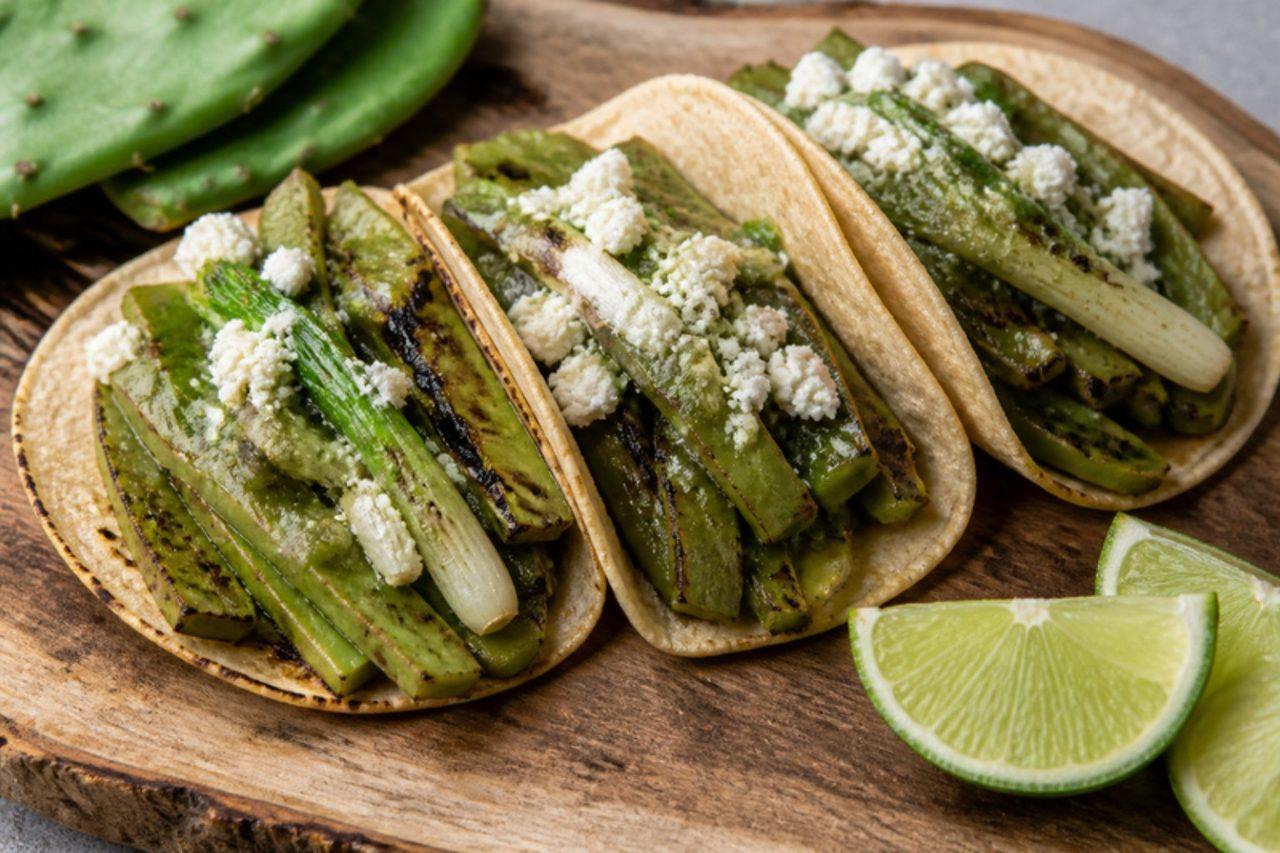
Tacos de nopales asadosGrilled cactus tacos

At weekend markets in Milpa Alta, the cactus-growing district on Mexico City's southern edge, whole nopal paddles are grilled until tender and folded into tortillas with charred spring onions and salsa verde. Grilling dries the natural slime the cactus is known for and leaves a lemony, green-bean flavour. It is a light, naturally vegan taco. Buy paddles with the spines already removed, or scrape them carefully with a knife. Chef's tip: score the paddles in a criss-cross before grilling so they cook evenly and stay flat.

by KrazyBadal 0 views

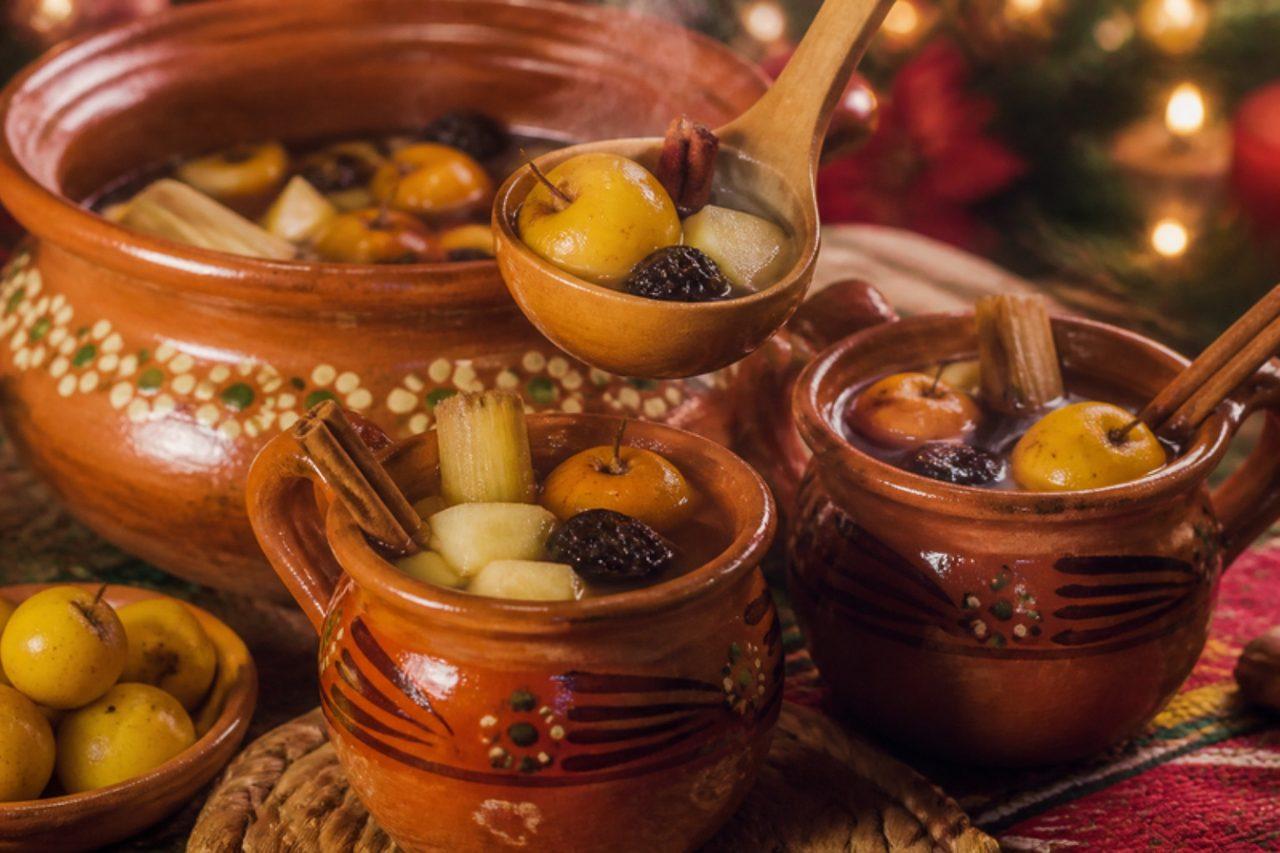
Ponche navideñoHot Christmas fruit punch

During the nine nights of posadas from 16 to 24 December, neighbours in central Mexico walk the streets singing for shelter, and the reward at the last door is a cup of steaming ponche ladled from a clay pot. Whole fruits, tejocotes, guavas, apple, prunes, sticks of sugarcane, simmer with hibiscus, cinnamon and piloncillo until the punch is fragrant and amber, and everyone fishes the soft fruit out with a spoon. This recipe is alcohol-free and good for all ages; some adults add a splash of rum to their own cup, but none is used here. Chef's tip: add the guavas late, as they collapse if cooked too long.

by KrazyBadal 0 views

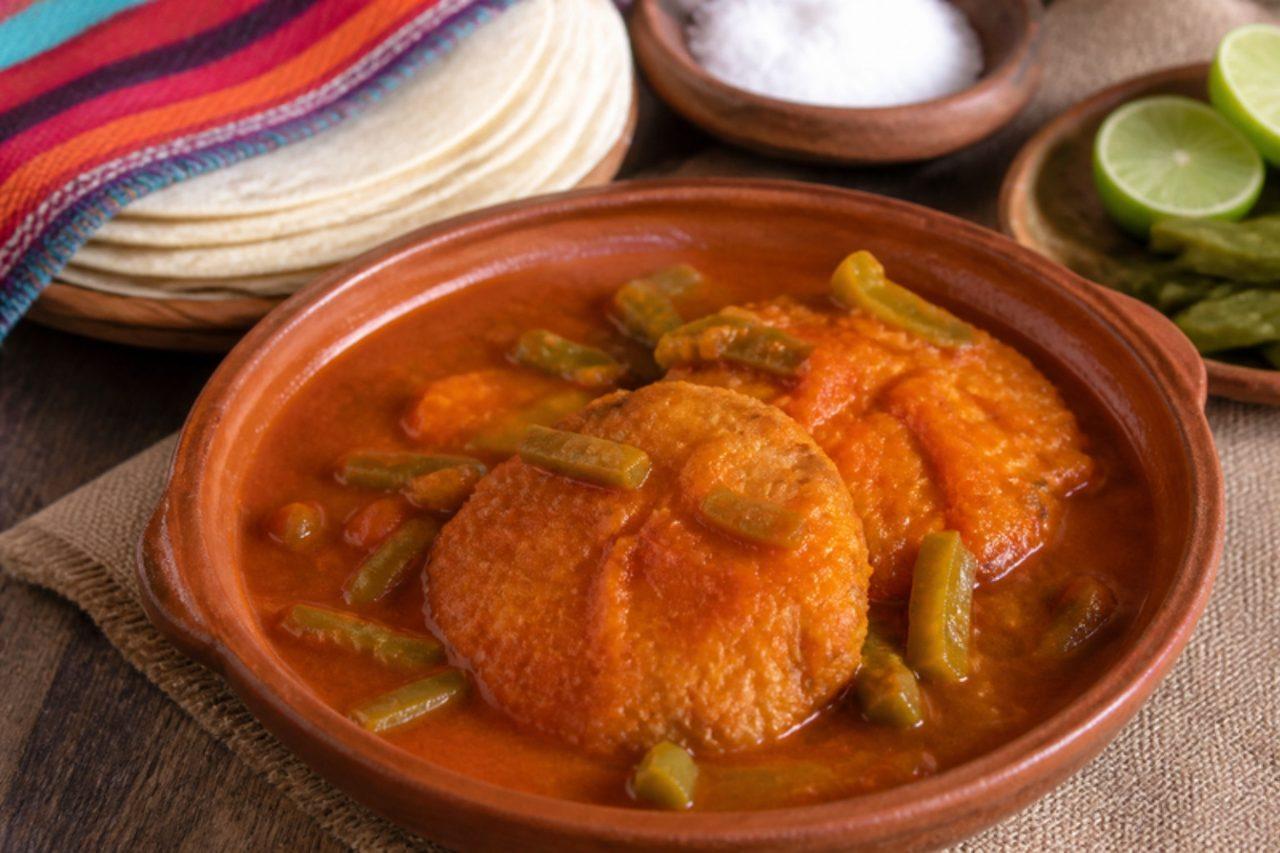
Tortitas de camarónShrimp fritters

Friday lunch during Lent in Mexico City, Puebla and Oaxaca often means tortitas de camarón: airy fritters of beaten egg and ground dried shrimp, fried golden and then simmered in a guajillo-ancho sauce with tender nopales. The dried shrimp gives a deep, briny savouriness that a little goes a long way with. Buy them at Mexican or Asian grocers; they should smell of the sea, not of ammonia, and be pink-orange, not grey. Chef's tip: grind the shrimp with heads and legs removed, then sieve the powder, so no sharp bits end up in the batter.

by KrazyBadal 0 views

SincronizadasHam and cheese tortilla sandwiches

Found on cafeteria menus and in school lunchboxes from Monterrey to Mérida, sincronizadas are two flour tortillas 'synchronised' around cooked ham (pork) and melting cheese, then toasted on the griddle until the cheese runs. Cut into wedges and served with guacamole or salsa, they're a ten-minute supper that children love. Chef's tip: keep the heat at medium, so the cheese melts before the tortillas scorch.

by KrazyBadal 0 views

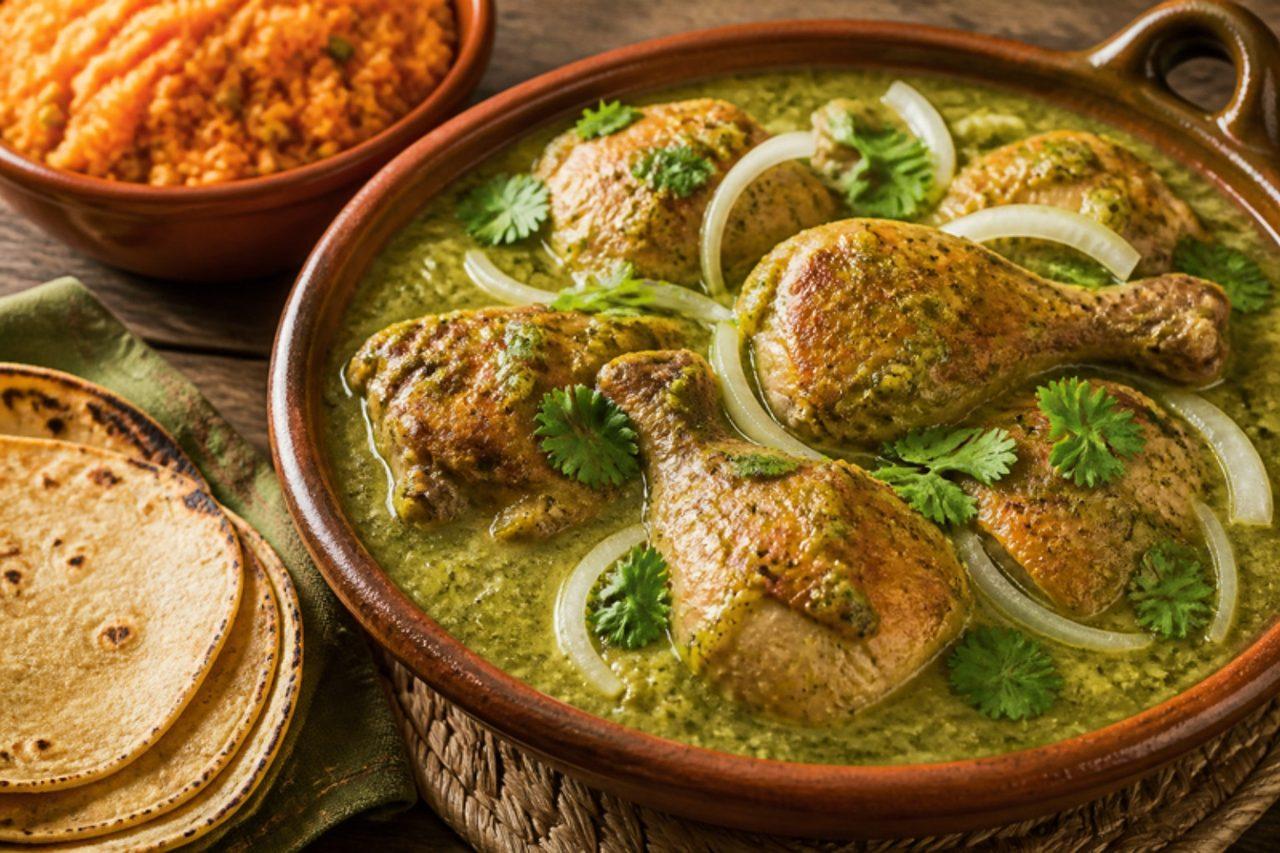
Pollo en salsa verdeChicken in green salsa

Tangy, fresh and deeply savoury, this is one of the most common weekday dishes in Central Mexican kitchens, from Mexico City to Puebla and Hidalgo. Chicken pieces are browned, then simmered in a sauce of boiled tomatillos, serrano chiles, garlic and coriander until the meat is tender and the sauce coats it. Serve with white rice, beans and tortillas. Chef's tip: a few potato chunks or nopal strips simmered in the sauce stretch it to feed more people.

by KrazyBadal 0 views

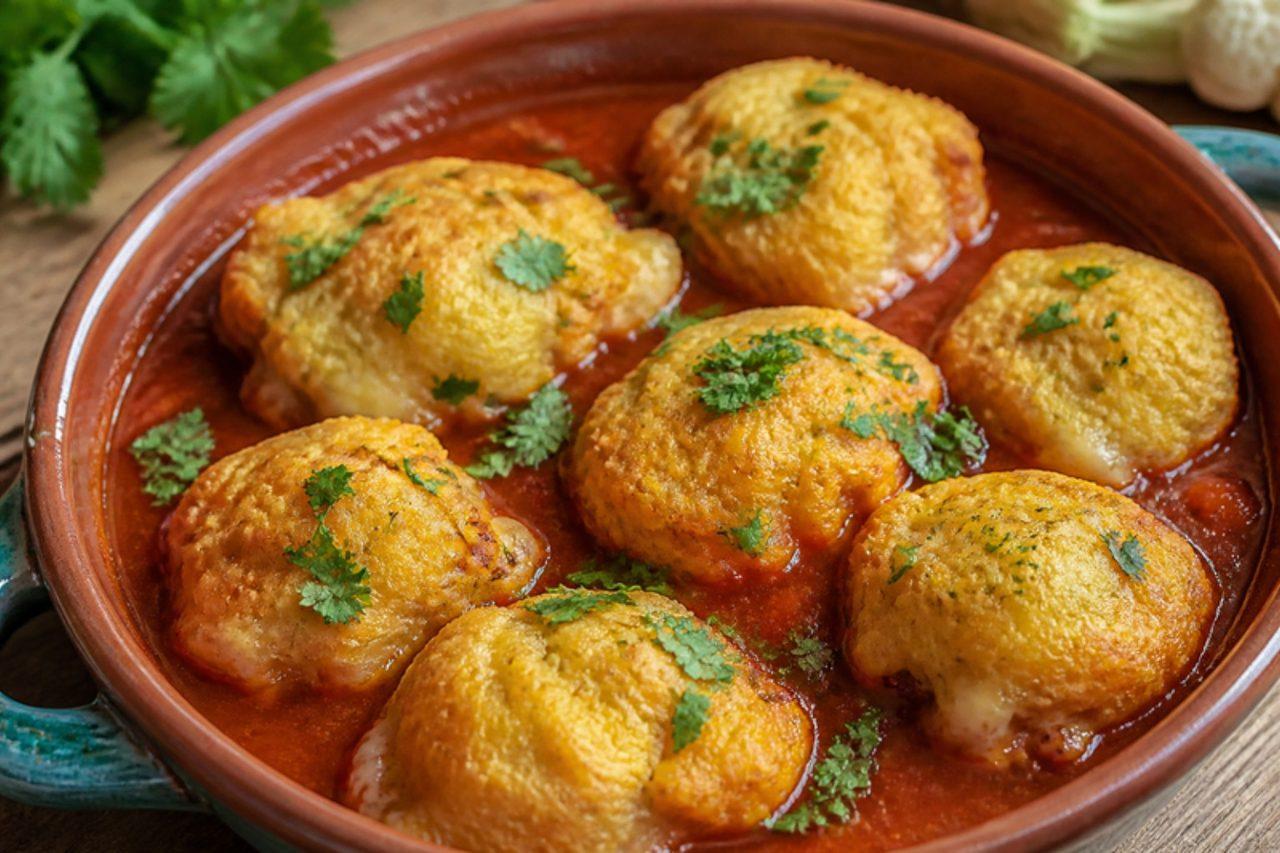
Tortitas de coliflorCauliflower in egg batter

Cuaresma, the six weeks of Lent, is cauliflower season in the markets of Puebla and Mexico City, and cooks turn the florets into these puffy capeados: each piece stuffed with a little cheese, dipped in whisked egg, fried until golden and then bathed in a brick-red sauce of tomato and guajillo chilli. They come to the table with white rice and a stack of tortillas. Queso Oaxaca and panela are often made with animal rennet, so pick a vegetarian melting cheese if needed. Chef's tip: dust the florets with flour before the batter so it clings rather than slides off.

by KrazyBadal 0 views

Showing 24 of 640 recipes

Show more recipes

Page 1 of 27