Skip to content
Recipes

All recipes

Vegetarian, or something you can't eat? Set your diet once and we'll hide recipes that don't fit.

Cocido quemadoBurnt sugar mate drink

Cocido is how Paraguay starts the day: in Asunción, in the villages of Guairá and Itapúa, and in school kitchens, a pot of burnt yerba is brewed and poured into cups with chipa, the cheesy cassava bread, or with a hard galleta. The old way is to drop a glowing piece of charcoal into a pot with yerba and sugar and stir until the sugar burns. On a home stove you caramelise them together in a dry pan instead, which is safer and gives the same smoky, toffee-like taste. The drink is clear amber-brown, with roasted, slightly bitter mate notes over burnt-sugar sweetness; with milk added it becomes cocido con leche, creamy and coffee-coloured. Yerba mate contains caffeine, so treat it like a cup of coffee. The common mistake is letting the sugar go black: it turns acrid and bitter. Pull it off the heat when the caramel is deep amber and the yerba smells toasted, not burnt. It is ready when the liquid is a clear dark amber and tastes of toffee and smoke. Chef's tip: the water will spit fiercely when it hits the hot caramel, so pour it in from the side, at arm's length.

by KrazyBadal 0 views

TereréIced yerba mate

In Asunción the hottest part of the day stops for tereré: a horn or cup packed with yerba mate, topped up again and again with ice water infused with crushed herbs, and passed round the group through a metal straw. It was recognised by UNESCO as part of Paraguay's cultural heritage, and the herbs (yuyos) change with the season and the drinker's mood. Yerba mate contains caffeine, so it isn't one for small children. The common mistake is pouring water straight into loose yerba, which then clogs the straw; tilt the yerba to one side first. Chef's tip: for tereré ruso, swap the water for cold orange or grapefruit juice.

by KrazyBadal 0 views

Pisco sour

Lima drinks its pisco sour as the aperitif before a long ceviche lunch, and celebrates it every year on the first Saturday of February; the recipe took shape in the city's bars in the 1920s. It is for adults only and stronger than its pillowy look suggests. Underneath a thick white foam you get sharp Peruvian lime, a clean sweetness and the floral, grapey warmth of quebranta pisco, with the bitters adding a spicy smell to every sip. The texture should be silky, almost creamy, never thin. The classic mistake is squeezing the limes too hard or too early: the oil from the pith turns the drink bitter within half an hour. Halve the limes, press each half gently by hand just before mixing and stop when the juice slows. The egg white is raw, so use pasteurised egg white for anyone pregnant, for babies, older people or anyone unwell, or swap in 30 ml aquafaba. It is ready when the foam stands about 1 cm high and is firm enough to hold the drops of bitters on its surface. Sip one slowly and drink responsibly. Chef's tip: shake once without ice first to whip the egg white, then again with ice; the foam will be twice as thick.

by KrazyBadal 0 views

Chilcano de piscoPisco and ginger ale highball

When Lima's grey winter finally lifts and summer reaches the beaches south of the city, the chilcano takes over from the pisco sour: lighter, longer and made for an afternoon. Peru even gives it a Semana del Chilcano each January, and it is poured at weekend lunches with chifa or fried fish. This is a highball for adults only: pisco poured over a tall glass of ice with fresh lime and ginger ale, finished with a few drops of bitters. It should taste crisp and fizzy, with the ginger and lime lifting the floral grape notes of the pisco rather than hiding them. The common mistake is using too little ice and warm ginger ale, which gives a sweet, diluted drink that goes flat in minutes. Fill the glass to the top with ice and keep the ginger ale in the fridge until the last second. It is ready when the glass is frosty, the bubbles race up the sides and the bitters drift through the top as a pink haze. Light it may be, but drink responsibly. Chef's tip: try a fruit-infused pisco, made by steeping passion fruit or mandarin peel in the bottle for a few days; Limeños love a chilcano de maracuyá.

by KrazyBadal 0 views

Jugo de macaWarm maca drink

Before dawn at markets in Huancayo, Cusco and Lima, juice ladies ladle hot jugo de maca from big pots for workers on their way in: maca root, a turnip relative grown above 4,000 metres in the Junín highlands, simmered with milk, cinnamon and cloves and sweetened with honey or sugar. It tastes malty and toasty, a bit like butterscotch. The common mistake is stirring the powder straight into hot milk, which leaves gritty lumps; whisk it into a little cold milk first. Maca is not usually advised in pregnancy, so ask your doctor first if you are pregnant. Chef's tip: use gelatinised (cooked) maca powder if you can find it; it dissolves smoothly and is gentler on the stomach.

by KrazyBadal 0 views

Jugo surtidoMixed fruit juice

Step up to any juguería in Lima's Mercado de Surquillo or a barrio market at breakfast time and order a surtido: the juicer drops papaya, banana, pineapple and freshly squeezed orange into a tall blender, sometimes a slice of cooked beetroot for colour or a splash of milk, and pours you a big glass with the rest left in the jug for your 'yapa', the free refill. It is thick but still pourable, sweet from ripe fruit with a sharp orange edge, the kind of drink that stands in for breakfast before a long day. The common mistake is adding lots of ice and water, which makes it thin and frothy rather than velvety. Use cold fruit and freshly squeezed orange juice as the liquid. It is ready when it coats the glass and no lumps of banana are left. This version is fruit only; stalls also make it with milk if you prefer. Drink it straight away: papaya and banana go brown and bitter within half an hour. Chef's tip: use very ripe papaya with orange flesh; under-ripe papaya tastes of nothing and gives a faintly bitter aftertaste.

by KrazyBadal 0 views

Mate de muñaAndean mint tea

Muña is the minty shrub that grows wild on the slopes around Cusco, Puno and the Sacred Valley, and highland cooks reach for it after a heavy meal of chicharrón or when visitors are struggling with the altitude. Market herb sellers sell it in fresh bunches, and hotels and homes leave it in a flask for anyone coming in from the cold evenings. Steeped simply in hot water, it smells somewhere between spearmint, oregano and pennyroyal, with a cooling, slightly peppery taste and a pale green-gold colour. It is traditionally drunk to settle the stomach. The usual mistake is boiling the leaves hard for a long time, which turns the tea brown and bitter. Pour water just off the boil over the sprigs, cover, and let it steep. It is ready when the cup is pale gold and the aroma rises as soon as you lift the lid. Outside Peru, look for dried muña in Latin shops; failing that, use mostly spearmint with a little fresh oregano. Muña is strong: avoid large amounts in pregnancy, and check with a doctor if you take regular medication. Chef's tip: cover the cup while it steeps so the scented oils stay in the tea.

by KrazyBadal 0 views

Refresco de coconaCocona cooler

In Iquitos, Pucallpa and the river towns of Loreto, heat and humidity make a cold refresco part of every lunch, and cocona is one of the favourites sold from plastic jugs at the Belén market. The fruit looks like a fuzzy orange tomato and tastes between tomato, lemon and apricot: very sour, aromatic and juicy. Blended with water and sugar it makes a tangy, golden drink with a light pulp, served with juane or tacacho con cecina. The usual mistake is skipping the fuzz: cocona skin is covered in fine hairs that make the drink scratchy, so rub them off under running water before you start. Blend only briefly, too, so the many seeds do not crack. It is ready when the refresco is opaque orange, sour first and sweet after, with no grit. Outside the Amazon, look for frozen cocona pulp in Latin American shops; naranjilla (lulo) pulp is the closest substitute. Chef's tip: a pinch of salt makes the fruit taste sweeter and fruitier without more sugar.

by KrazyBadal 0 views

Martín FierroCheese with quince paste

Ask for dessert in a Montevideo bodegón or a country parador and you may be offered a Martín Fierro: a thick slice of fresh, mild cheese laid with an equal slice of dense quince or sweet-potato paste, named after the gaucho of the epic poem. It's salty against sweet, soft against firm, and takes two minutes to assemble. Uruguayan fresh cheese is usually made with animal rennet, so choose one with vegetarian rennet if that matters to you. The mistake is serving it fridge-cold, which dulls both flavours. Chef's tip: cut the cheese and paste to exactly the same thickness, about 1 cm, so every bite has both.

by KrazyBadal 0 views

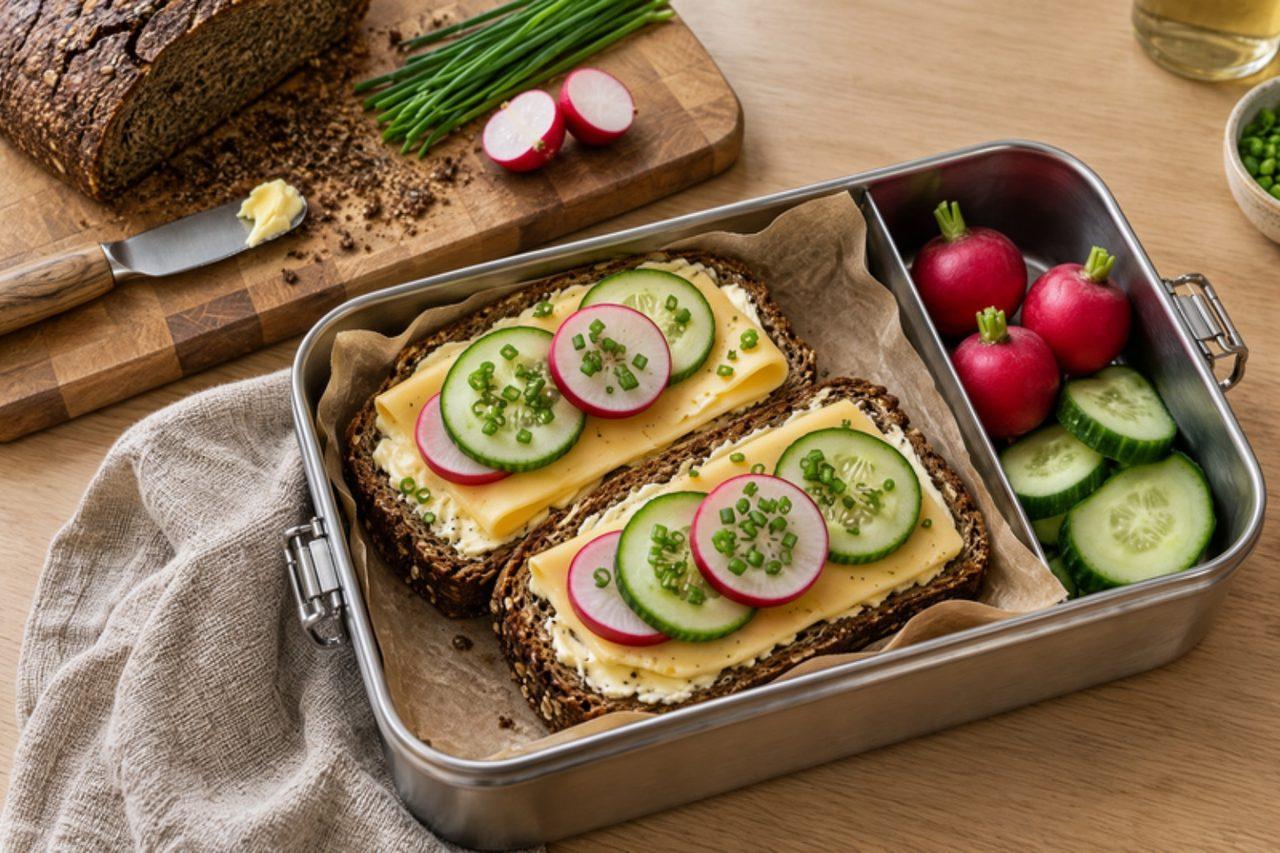
ButterbrotRye bread with cheese and vegetables

Every German schoolchild knows the Pausenbrot: two slices of rye or mixed-grain bread spread with good butter, closed around a slice of cheese, wrapped in paper and eaten in the mid-morning break, with a few cucumber or apple slices on the side. Adults take the same Butterbrot to work. The common mistake is spreading cold, hard butter, which tears the bread and leaves bare patches that let any wet filling soak in. Many Gouda-style cheeses use animal rennet, so choose one marked vegetarian. Chef's tip: butter right to the crust on both slices; the butter is a waterproof layer that keeps the bread fresh until lunchtime.

by KrazyBadal 0 views

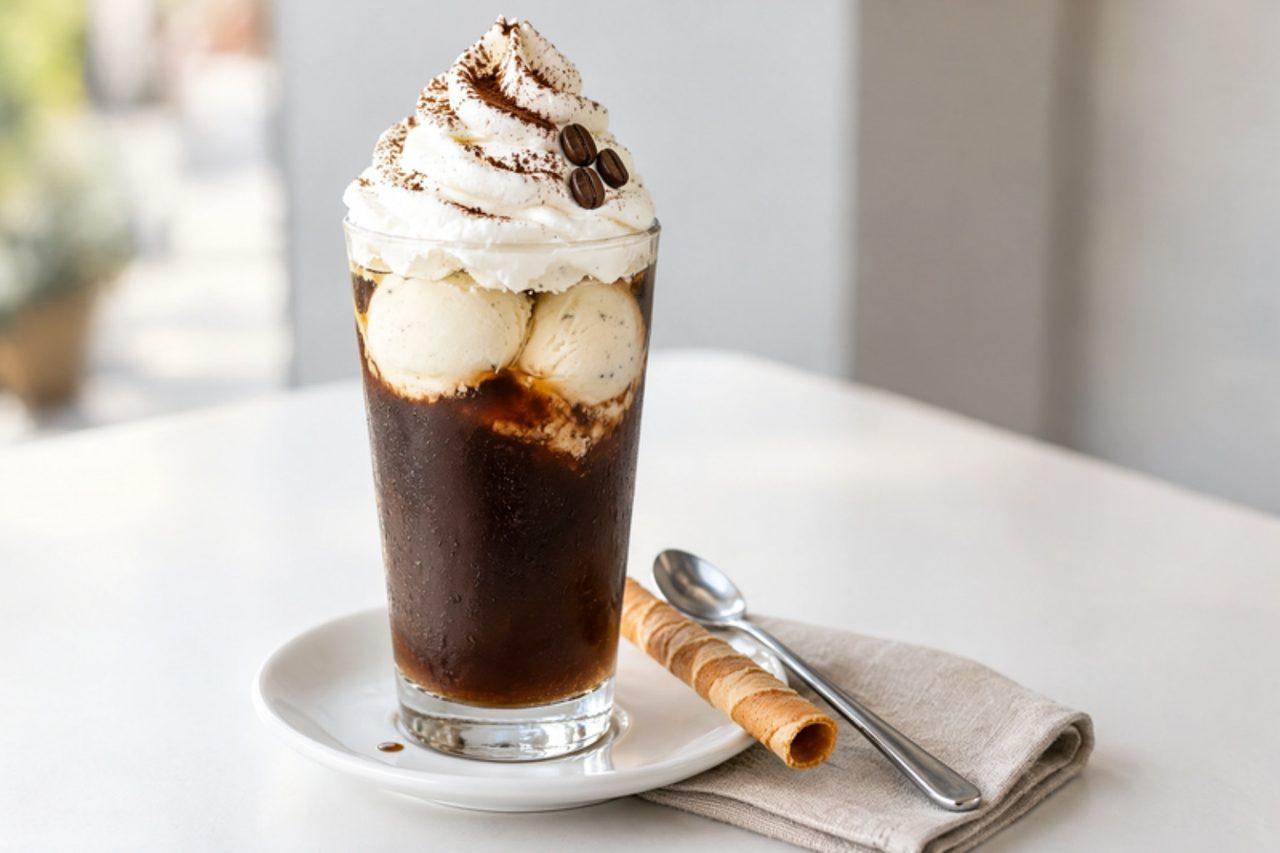
EiskaffeeIced coffee with ice cream

On a hot July afternoon in any German or Austrian Eiscafé, from a Hamburg promenade to a Viennese Gastgarten, the tall glass with the long spoon is Eiskaffee. It is not iced coffee in the American sense: strong coffee, chilled, is poured over two scoops of vanilla ice cream and crowned with sweetened whipped cream, sometimes a wafer and a dusting of cocoa or grated chocolate. You drink the cold coffee through a straw while the ice cream slowly melts into it, then spoon up the creamy, half-frozen rest, so it is part drink, part dessert, eaten at the café in the afternoon rather than with a meal. The usual mistake is pouring hot or even warm coffee straight onto the ice cream: it melts at once into a thin, lukewarm, milky soup. Brew it earlier and chill it properly. It is ready when the coffee is fridge-cold, the scoops sit just proud of the surface and the cream holds soft peaks on top. It is moderately caffeinated, so keep it for adults and older teens. Chef's tip: freeze leftover coffee in ice-cube trays and add a couple to the glass so nothing gets diluted with water.

by KrazyBadal 0 views

KetwurstSausage in a hollowed roll

Ketwurst, from ketchup plus Wurst, was invented in 1977 in East Berlin as the GDR's own fast food, served from state-run snack counters around Alexanderplatz. A long roll was speared onto a heated metal spike to hollow and toast it at the same time, the hole was filled with a spicy ketchup and a hot boiled sausage, usually pork, was pushed inside. It vanished after reunification but is back at a few kiosks in Prenzlauer Berg and Friedrichshain, eaten on the go at lunchtime by Berliners who grew up with it. Chef's tip: heat the sausages in water just below a simmer; boiling hard splits the skins.

by KrazyBadal 0 views

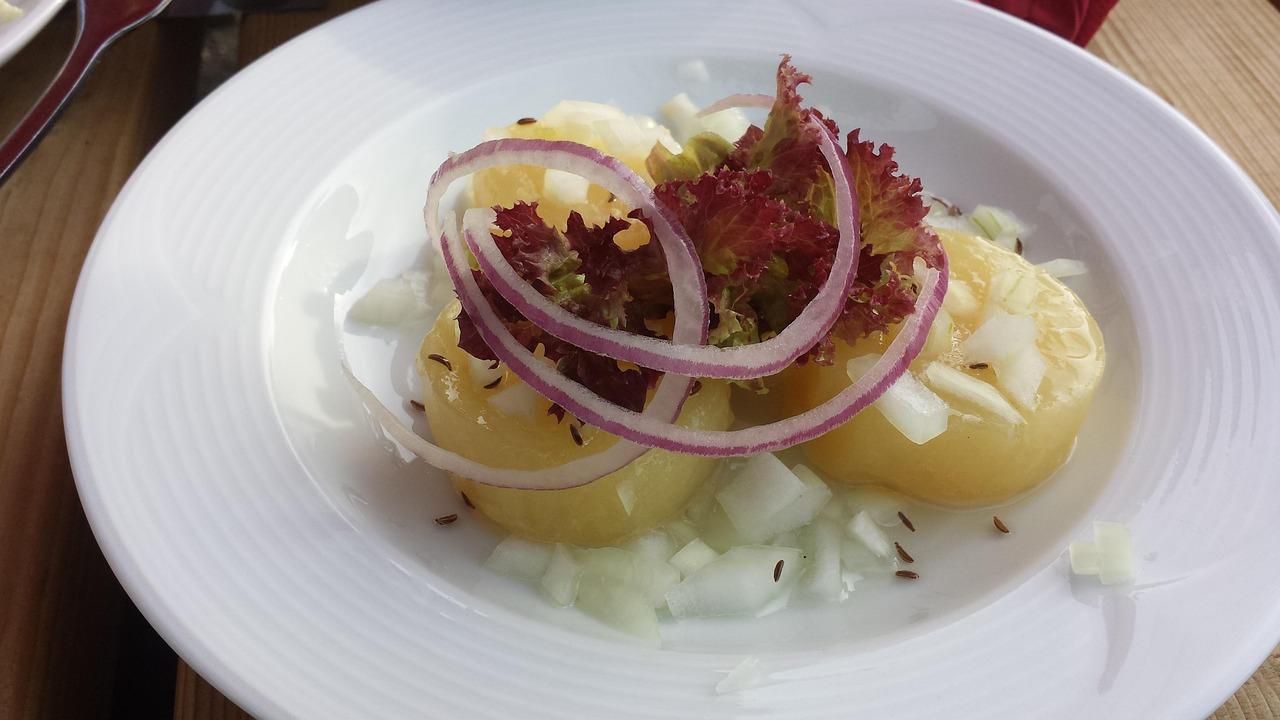
Handkäs mit MusikMarinated sour-milk cheese

Handkäs mit Musik is the bar snack of Frankfurt's Sachsenhausen cider taverns, where it is served on a small plate beside a glass of apple wine; apple juice or a sour apple spritzer is the alcohol-free match. Handkäse is a small, firm, low-fat sour-milk cheese, ripened until it turns glassy and translucent at the edge, and the 'music' is the marinade of onion, vinegar, oil and caraway it soaks in. It is eaten with a knife and fork on buttered rye bread. Most Handkäse is made without rennet, using acid alone, but check the label if you are strict. A common mistake is serving it straight away: the cheese needs at least an hour in the marinade. Chef's tip: choose a cheese that is still chalky white in the very middle, which gives a mix of creamy and fresh textures.

by KrazyBadal 0 views

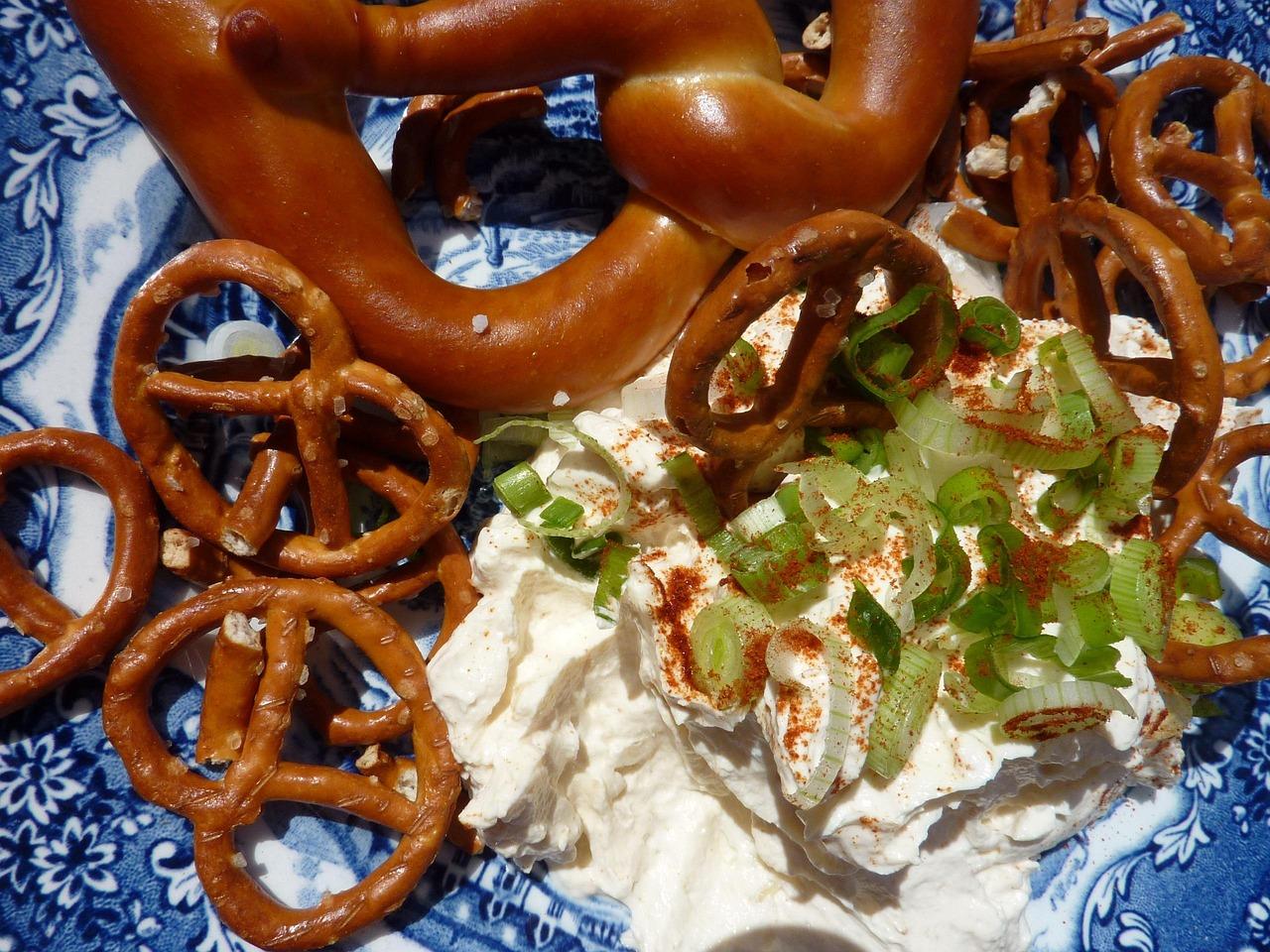
SpundekäsWhipped quark and cream cheese dip

In Mainz and the wine villages of Rhine-Hesse, Spundekäs is what lands on the table at a wine festival or in a Straußwirtschaft, the pop-up taverns winemakers open in their courtyards in late summer. It is a light, airy whip of quark and cream cheese, sharpened with onion, garlic and plenty of sweet paprika, and it is scooped up with soft pretzels or Laugenbrezel. The name comes from the cone-shaped wooden 'Spund' it was once pressed into. A common mistake is using watery quark straight from the tub, which makes a runny dip; drain it first. Chef's tip: make it a couple of hours ahead so the onion softens into the cheese, then dust with fresh paprika just before serving.

by KrazyBadal 0 views

UchucutaRocoto and peanut chilli sauce

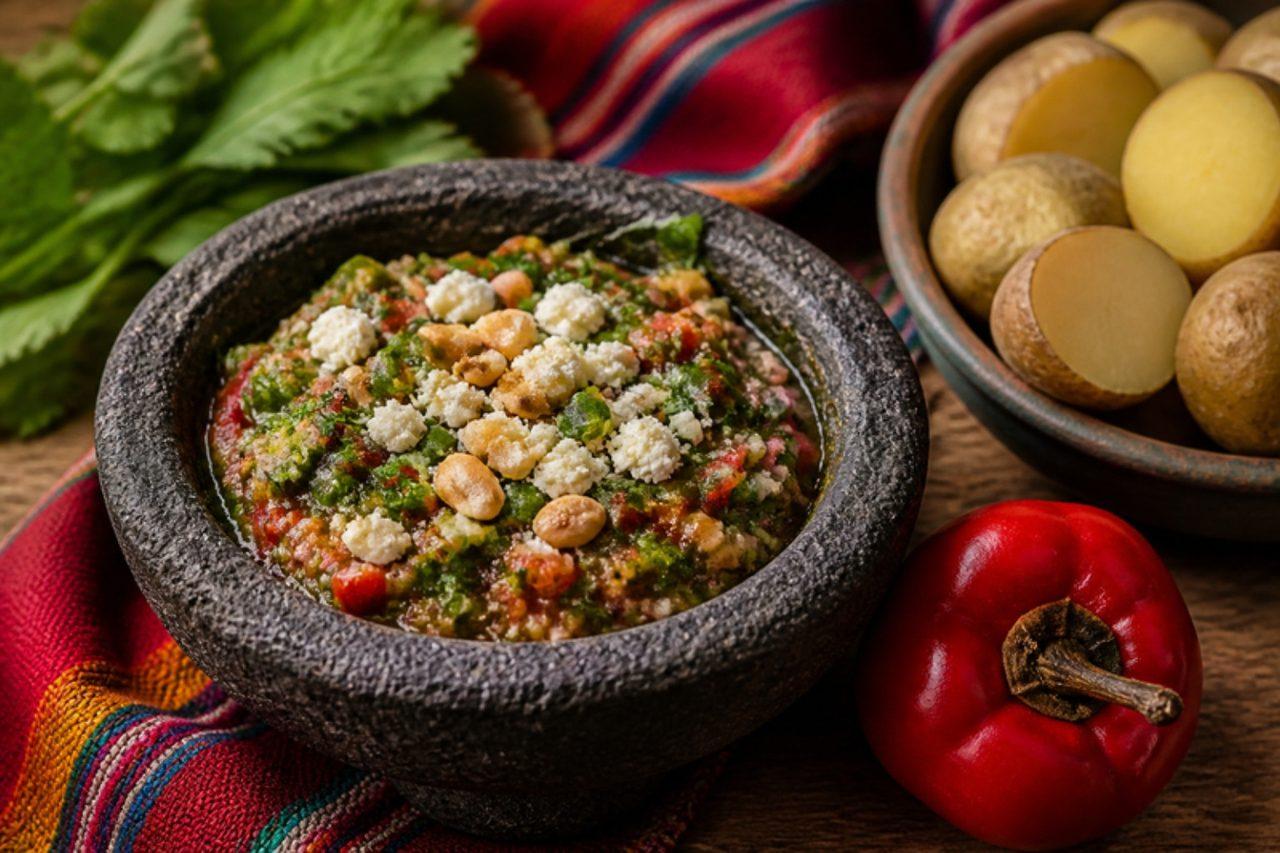
Ground on a batán, the flat grinding stone found in Andean kitchens, uchucuta is the table sauce of Ayacucho and Cusco: rocoto or yellow chilli crushed with huacatay, toasted peanuts and a little fresh cheese into a thick, speckled green-red paste. It goes on boiled potatoes, choclo, broad beans and huatia, and on festival days it sits next to every plate. The flavour is hot, herby and nutty, with a salty creaminess from the cheese. The name comes from the Quechua uchu, chilli, and it is meant to be spicy, but people often add all the rocoto at once and end up with something inedible; blend in half, taste and build up. A food processor or blender will do the work of the stone, though pulse it so the sauce keeps some texture. Queso fresco is usually made with animal rennet, so choose a vegetarian fresh cheese if you prefer. Chef's tip: toast the peanuts yourself until just golden; their warmth softens the raw sharpness of the chilli.

by KrazyBadal 0 views

AguajinaAguaje palm fruit drink

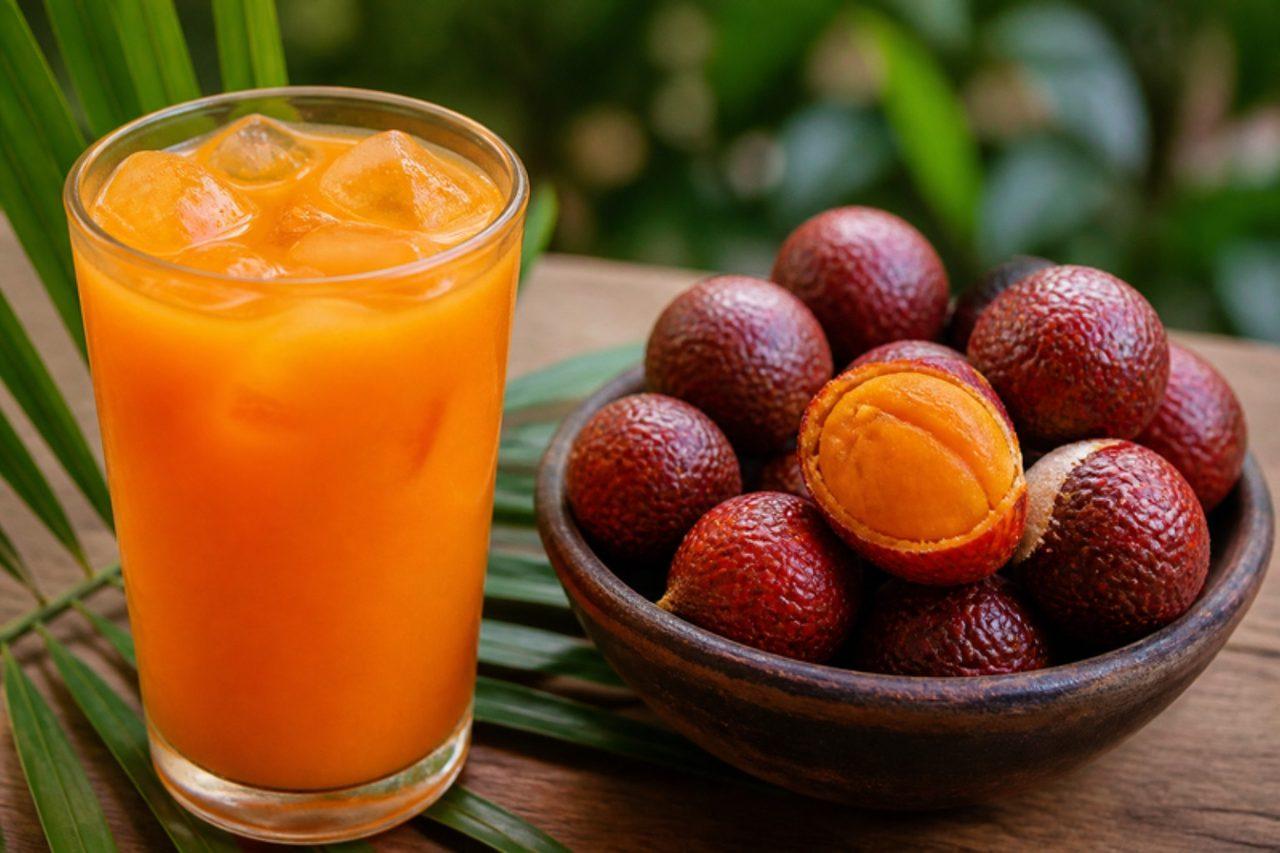
Aguaje is the scaly, chestnut-red fruit of the moriche palm that grows in the flooded forests around Iquitos, and its orange flesh ends up in ice lollies, ice cream and, above all, aguajina, the cold drink sold in plastic cups at every corner and in Belén market. The taste is unusual and loved locally: tangy, a little like apricot and carrot, with a rich, slightly oily body. Fresh aguaje must be softened in warm water for an hour before its thin layer of pulp can be scraped off; outside Peru, frozen aguaje pulp from Latin American shops is the realistic choice and gives a good result. A common slip is adding all the sugar before tasting: the pulp's sourness varies from pack to pack, so sweeten at the end. Serve very cold with lunch or on a hot afternoon. Chef's tip: blend the pulp with only part of the water first, so it breaks down fully, then stir in the rest.

by KrazyBadal 0 views

Ceviche de chochoLupin bean ceviche

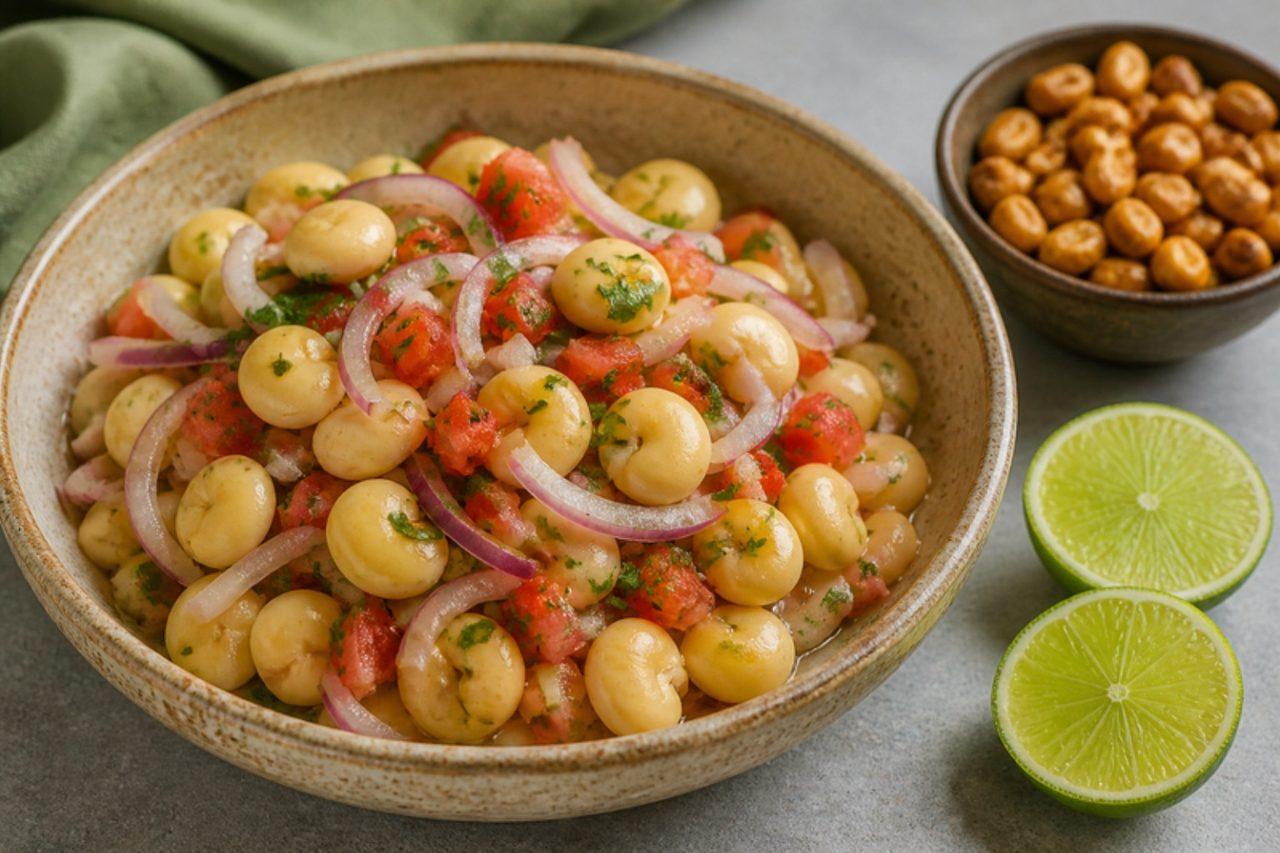
Chocho, or tarwi, is the Andean lupin bean, a protein-packed legume grown high around Huaraz, Cajamarca and Puno, and street carts in the highlands sell it in plastic cups dressed like a ceviche: lime, red onion, tomato, coriander and a little ají, sometimes with toasted corn for crunch. It is fresh, sour and pleasantly firm, a vegan stand-in for fish ceviche that works as a starter or a light lunch. Food safety matters here: raw or bitter lupins contain toxic alkaloids and must never be eaten as they are. Use only ready-debittered, cooked chochos, sold in jars, vacuum packs or chilled tubs in Latin shops; if they taste bitter, rinse and soak them longer or throw them away. Lupin is also a common allergen and may affect people allergic to peanuts. The usual mistake is to drown everything in lime and leave it, which makes the onion limp; mix the dressing just before serving. Chef's tip: squeeze the limes gently by hand rather than with a press, so the juice doesn't turn bitter.

by KrazyBadal 0 views

ObatzdaBeer-garden cheese spread

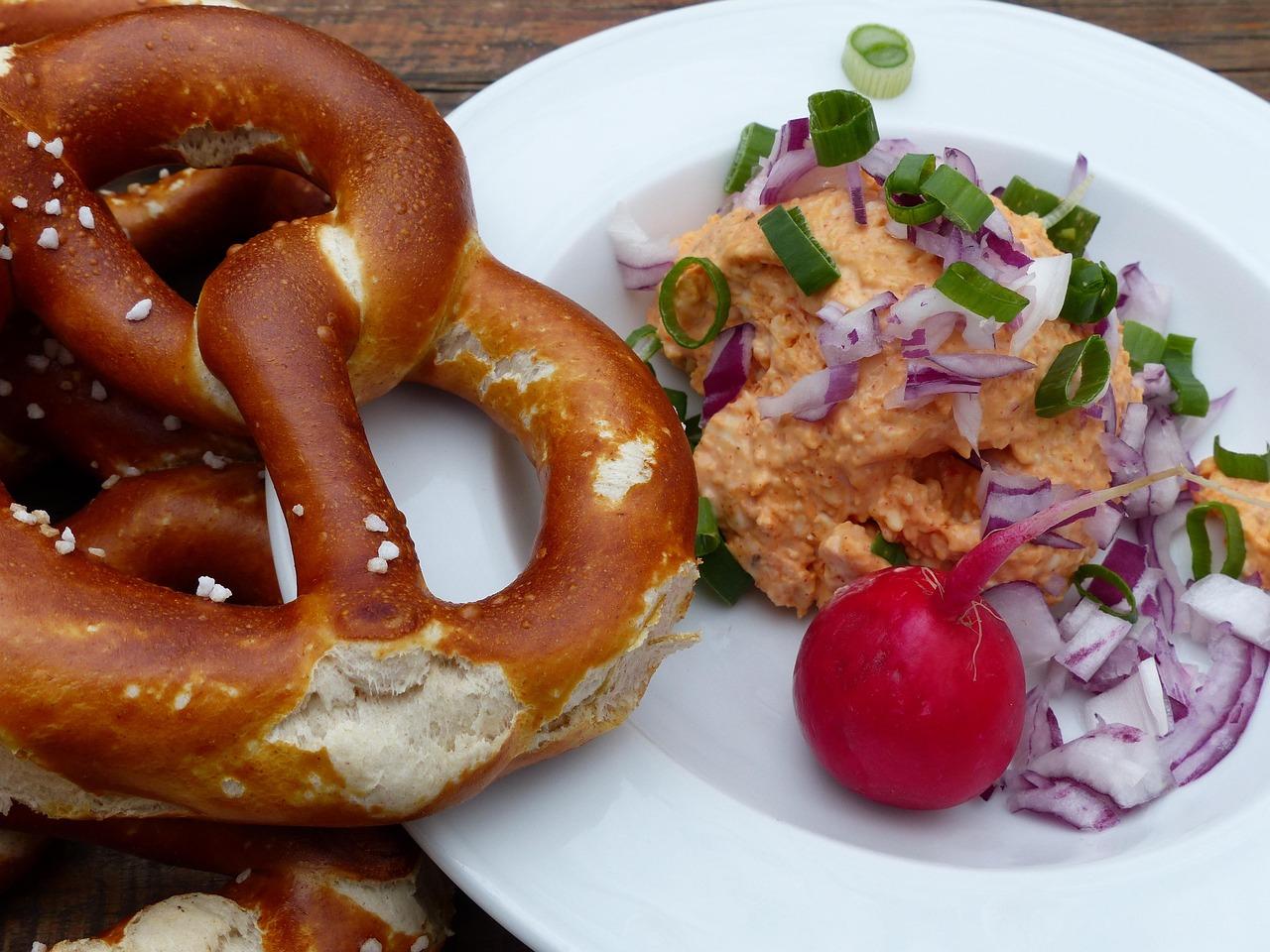
Obatzda is what a Munich beer garden puts beside a giant soft pretzel: overripe Camembert mashed with soft butter, sweet paprika, caraway and raw onion until it turns a creamy, rusty orange. It is a thrifty spread that grew up in Bavarian taverns as a way to use cheese that had gone a little too far, and it is still eaten in the afternoon sun with radishes and dark bread. Camembert is usually made with animal rennet, so pick one labelled vegetarian if that matters to you. A common mistake is blitzing it in a processor, which makes it gluey; mash with a fork so a few soft lumps stay. Chef's tip: make it an hour ahead and chill it, then let it stand 15 minutes before serving, so the paprika flavour blooms and it spreads easily.

by KrazyBadal 0 views

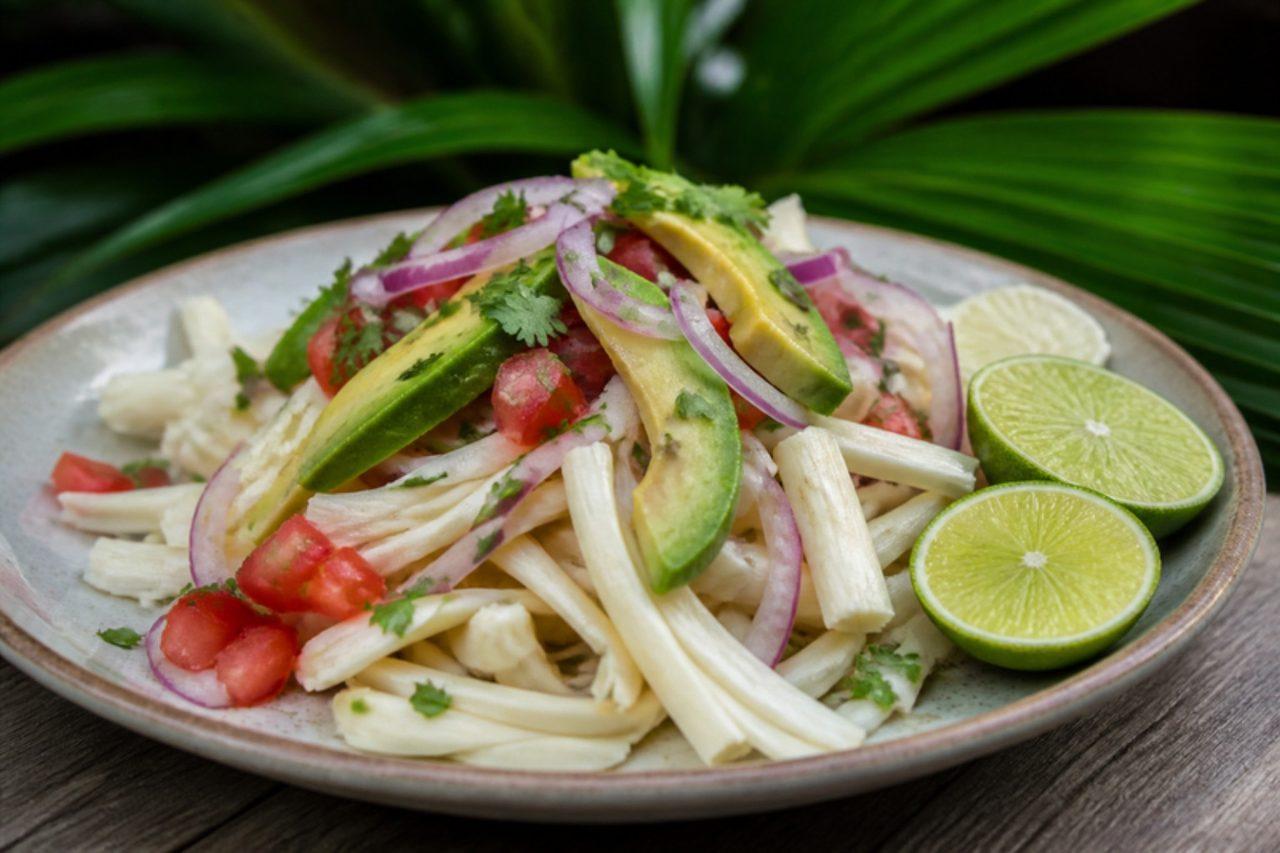
Ensalada de chontaPalm heart salad

Iquitos restaurants and the riverside cafés of the Peruvian Amazon serve ensalada de chonta as a cool counterpoint to grilled fish and juanes: long, pale ribbons of fresh palm heart, crisp and faintly sweet, tossed with tomato, avocado, red onion and lots of lime. At Belén market you can watch sellers shave the chonta into curls with a big knife. Outside the Amazon, fresh palm heart is hard to find, but good jarred hearts of palm cut into thin strips work well, and the salad becomes a ten-minute job. It's crunchy, juicy and sharp, perfect with rice and beans or any fried snack. Where most people go wrong is adding the avocado and salt early, so the salad turns soupy and grey; dress it at the last moment. Chef's tip: slice the palm hearts lengthwise on a mandoline or with a peeler for thin, curling ribbons that look like the Iquitos original.

by KrazyBadal 0 views

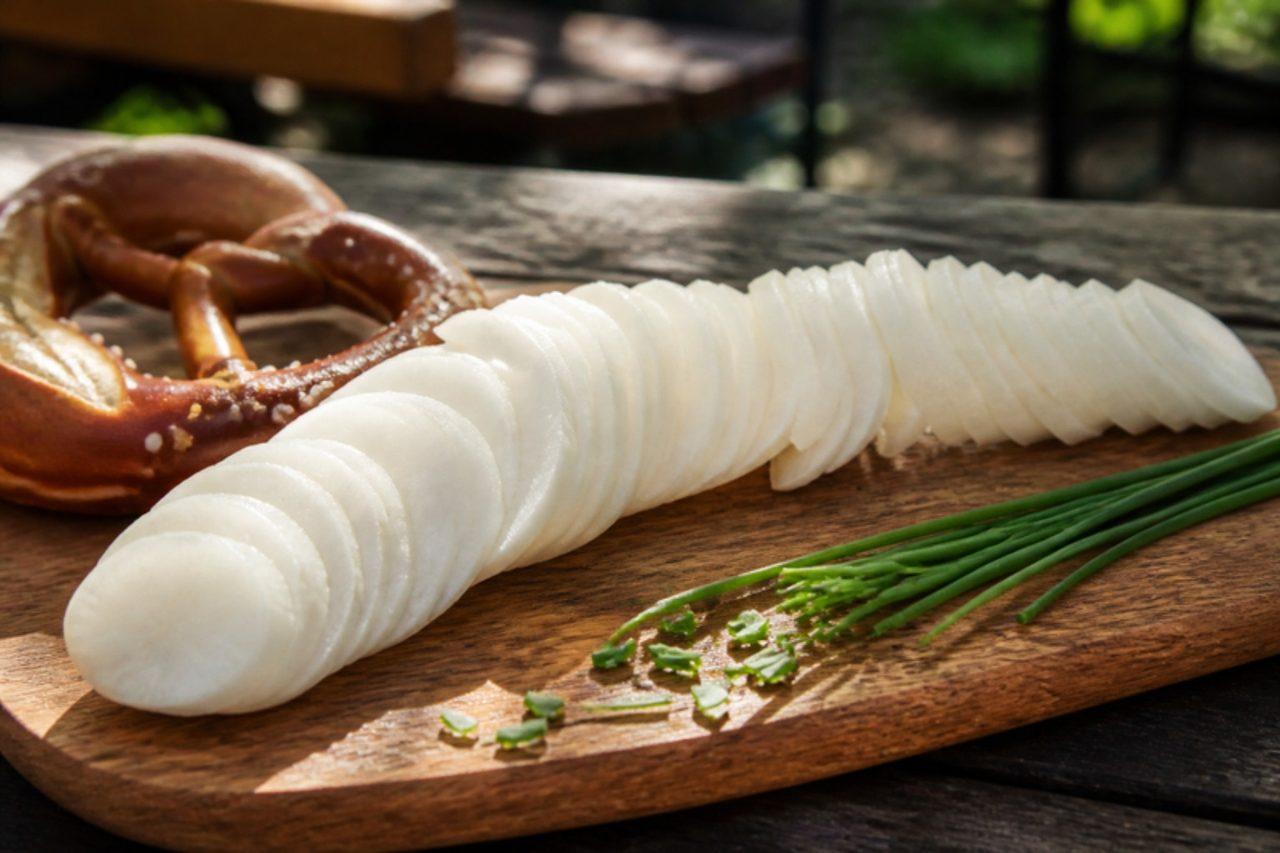
RadiSalted spiral-cut radish

In Bavaria a Radi is a single big white radish, cut into one long spiral or paper-thin slices and salted until it 'weeps', then eaten with your fingers in the beer garden between bites of pretzel. Stalls at Munich's Viktualienmarkt sell the long white roots from spring to autumn, and old regulars carry a special spiral cutter. It is crisp, peppery and cooling, the opposite of everything rich on the table. A common mistake is eating it straight away: the salt needs ten minutes to draw out the bitter juice and soften the bite. Chef's tip: pick a heavy, firm radish with a smooth skin; a light one is often woody and hollow inside.

by KrazyBadal 0 views

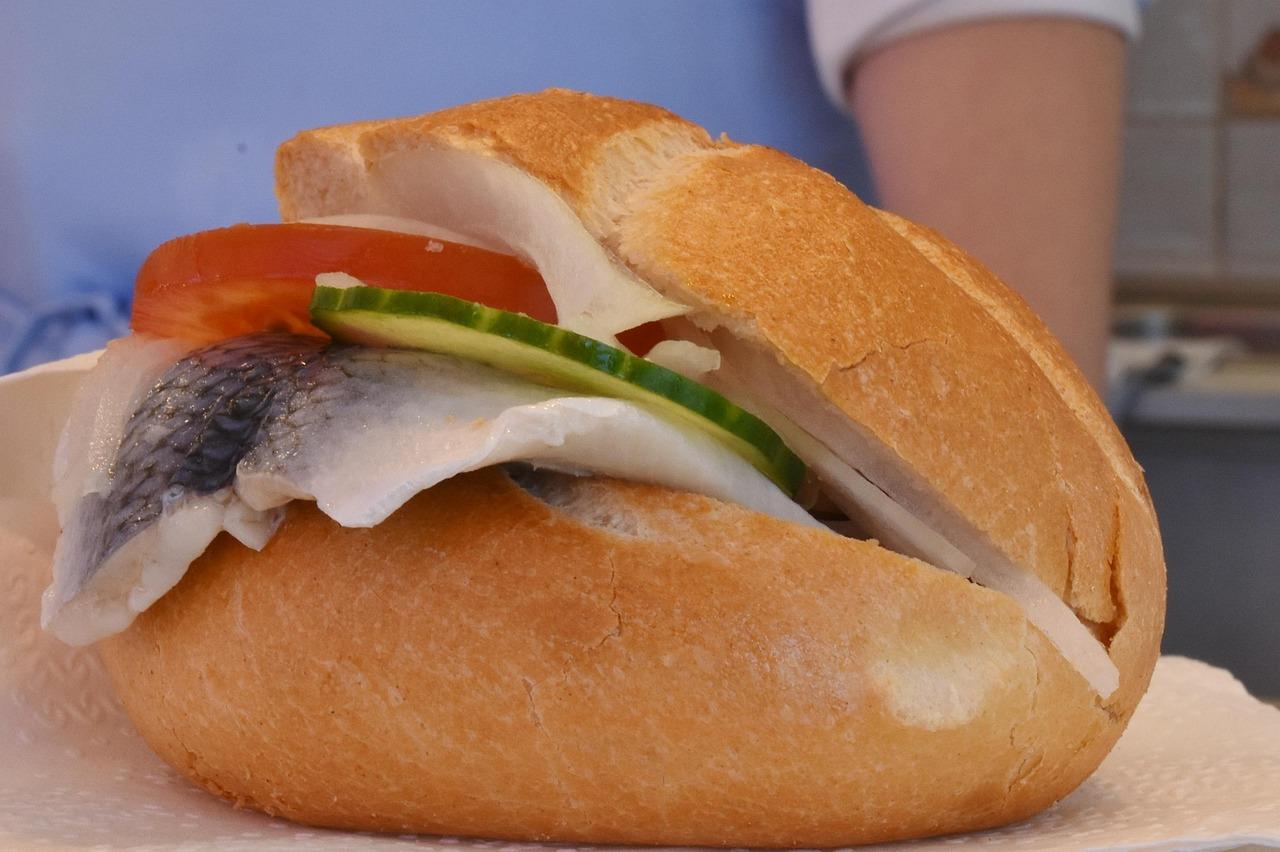
FischbrötchenHerring roll with onion and gherkin

Fischbrötchen are what people eat standing up at the Landungsbrücken piers in Hamburg, on the Sunday fish market, or from a kiosk on the dyke at any North Sea harbour. A crusty white roll is filled with sharp marinated herring, raw onion rings, gherkin and a little crisp lettuce, and eaten in a few bites with the wind in your face. The herring is cured, not cooked, so use commercially prepared Bismarck-style marinated herring from the chilled counter, which has been frozen before curing as the law requires; it is not for pregnant women, young children or anyone with a weakened immune system. Chef's tip: slice the onion paper-thin and rinse it in cold water for a minute so it stays crunchy but stops shouting over the fish.

10 minGermanFish
by KrazyBadal 0 views

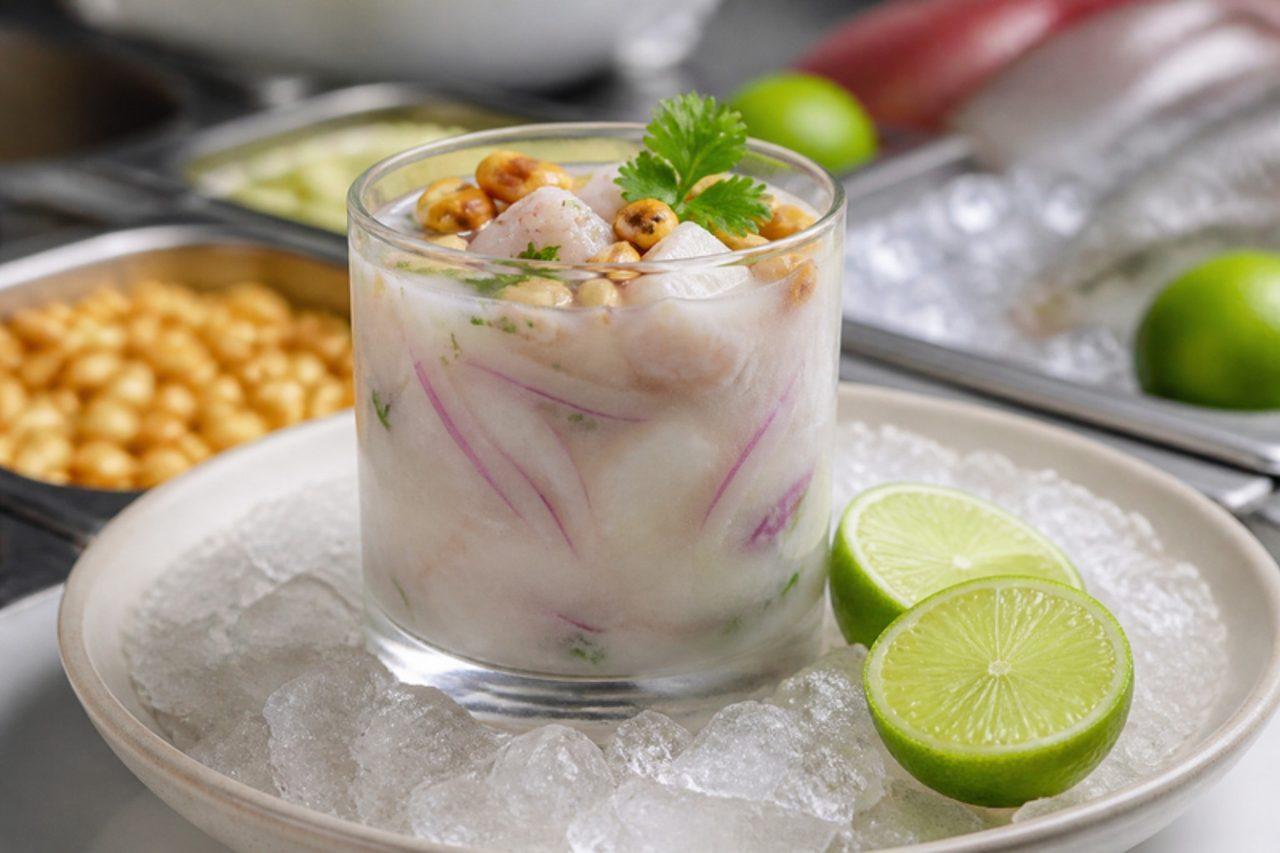
Leche de tigreCitrus ceviche marinade

Every cevichería along Lima's coast, from Chorrillos to the market stalls of Surquillo, sells this as a pick-me-up before lunch: a small glass of milky, lime-sharp juice blitzed with fish, celery, ginger and ají limo, with a few cubes of fish and kernels of cancha floating on top. It is cold, salty, very sour and fiery, and people swear by it the morning after a long night. Because the fish is cured only by lime, this safer version uses very fresh white fish that has been frozen at −20 °C for 24 hours first, keeps everything ice cold and is drunk at once; it is not for pregnant women, young children or anyone with a weakened immune system. The common mistake is blending the lime with the fish for too long, which makes the juice bitter, so pulse only briefly. Chef's tip: squeeze the limes by hand, gently, without pressing the pith; the last hard squeeze is what turns leche de tigre bitter.

by KrazyBadal 0 views

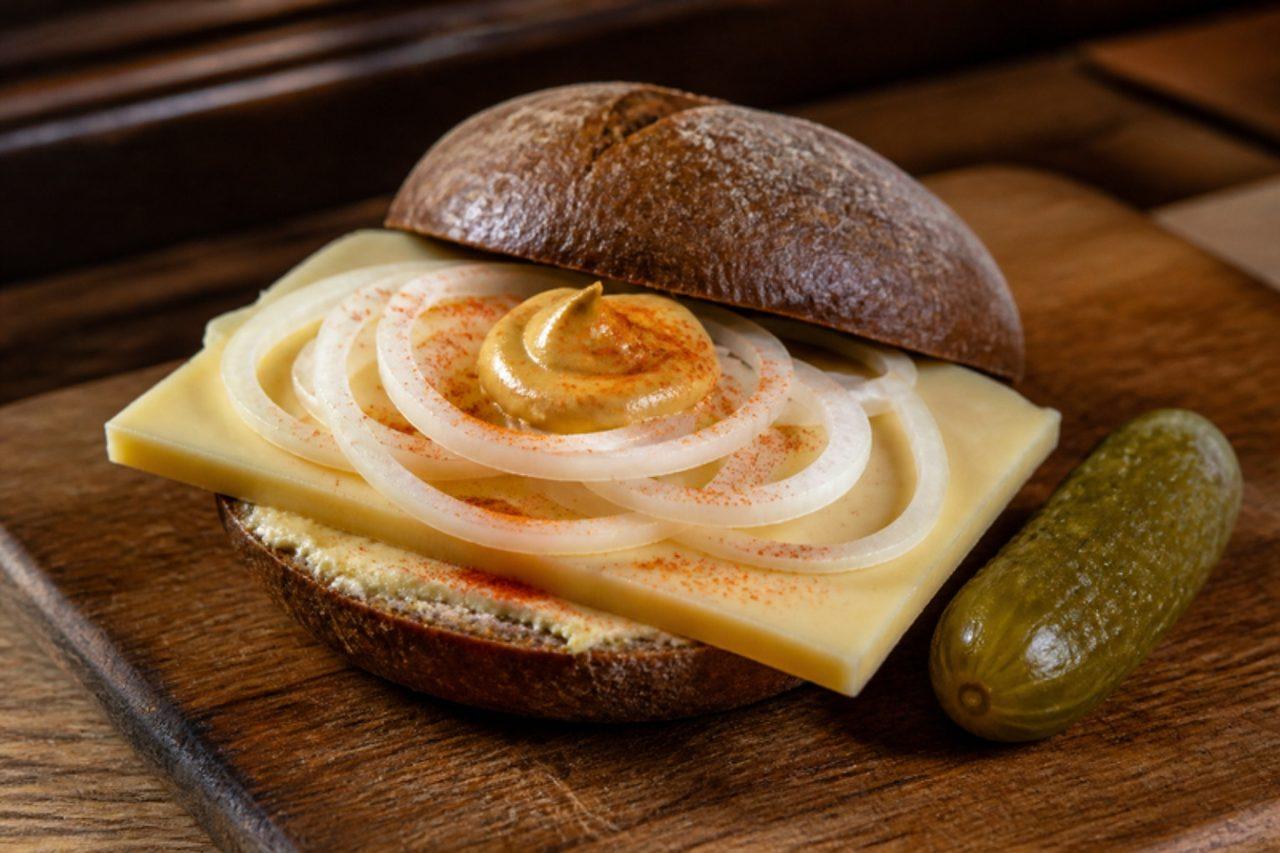
Halve HahnRye roll with Gouda and mustard

Order a Halve Hahn in a Cologne brewpub and you will not get half a chicken, whatever the name says: you get a buttered rye roll, a slab of aged Gouda, sharp mustard and raw onion rings. It is the standard snack on the long wooden tables of the Altstadt, eaten with a small glass of the local beer, though it is just as good with apple juice spritzer. The point is the contrast of crusty rye, nutty crystalline cheese and the bite of onion and mustard. Aged Gouda is usually made with animal rennet, so look for one labelled vegetarian or made with microbial rennet. A common mistake is slicing the cheese thin like a sandwich; the Cologne way is a slice as thick as your finger. Chef's tip: take the cheese out of the fridge 30 minutes ahead so its flavour opens up.

by KrazyBadal 0 views

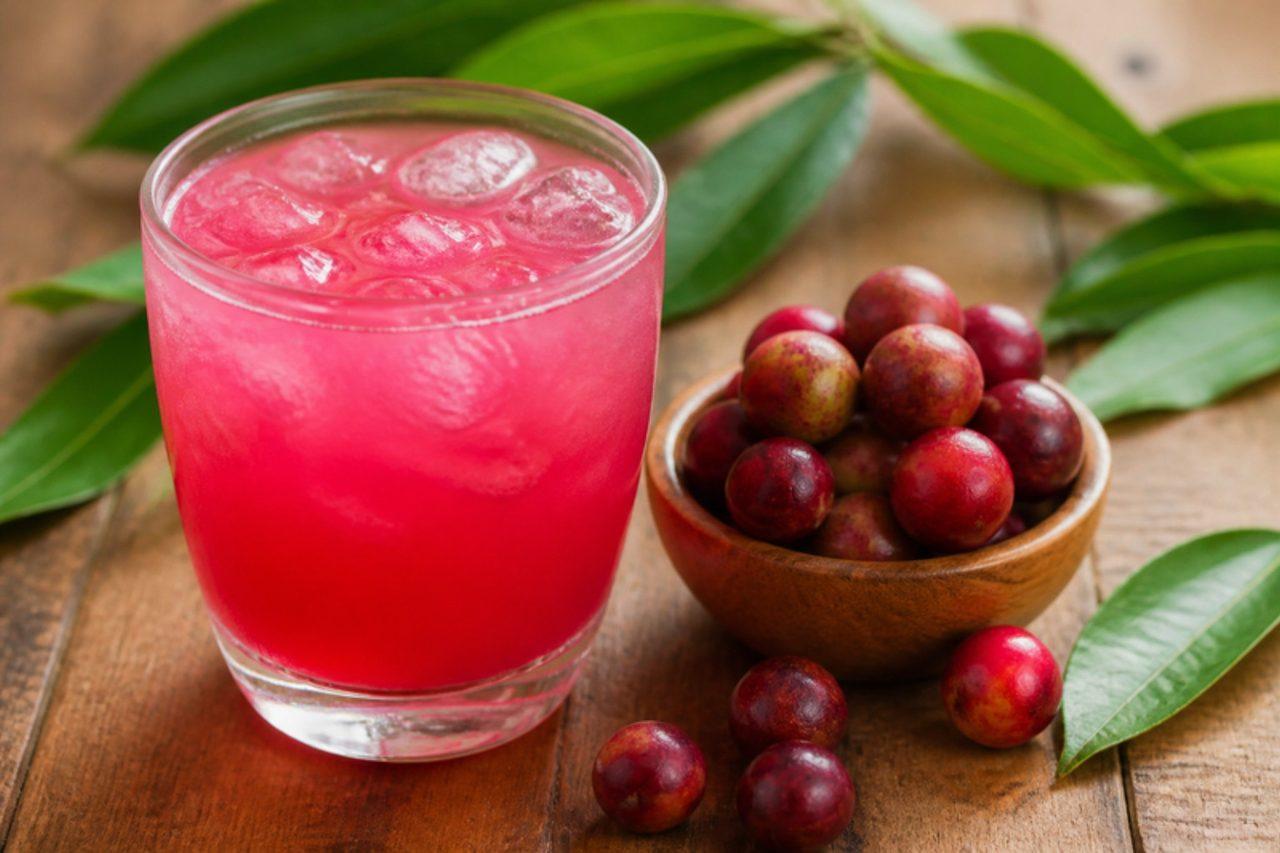
Camu camuCamu camu berry juice

Camu camu are small purple-red berries that grow on bushes along the flooded riverbanks of the Peruvian Amazon, and in Iquitos and Pucallpa they are sold as frozen pulp and blended into a sharp, pink refresco at juice bars and lunch places. The flavour is intensely sour, more than lime, with a faint cherry note, and the berries are famous for containing far more vitamin C than oranges. It is the drink people order with a heavy plate of tacacho or rice. Never boil camu camu or make the juice hours ahead: heat and air quickly fade its colour and much of the vitamin C, so blend it cold and drink it soon. Frozen pulp or freeze-dried powder from health-food and Latin shops are the forms you'll find abroad. Chef's tip: start with half the pulp and add more to taste; it's strong enough that a little goes a long way.

by KrazyBadal 0 views

Showing 24 of 27 recipes

Show more recipes

Page 1 of 2