Skip to content
Recipes

All recipes

Vegetarian, or something you can't eat? Set your diet once and we'll hide recipes that don't fit.

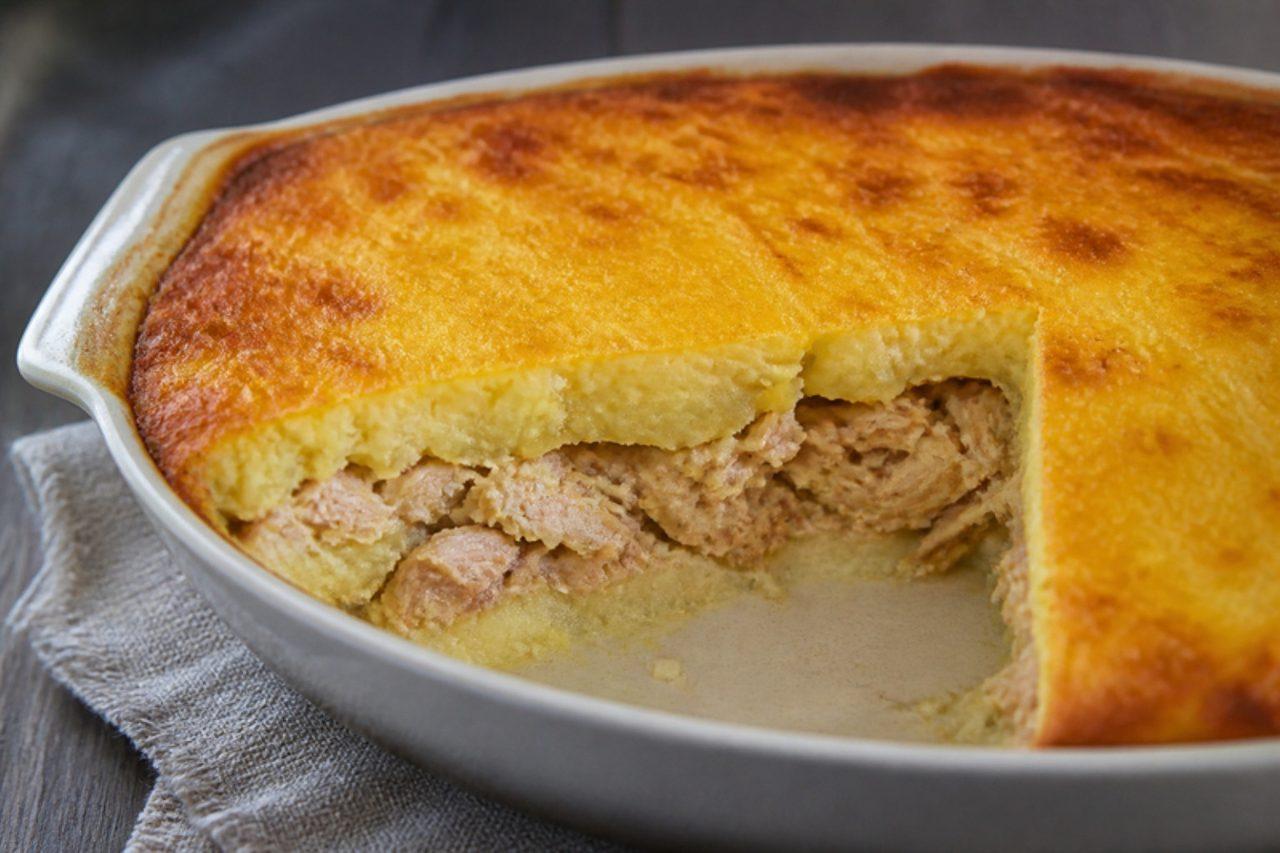
Bermuda cassava pie

No Bermudian Christmas table is complete without cassava pie, a dense, golden, faintly sweet bake of grated cassava, eggs, butter, sugar and nutmeg layered around a filling of stewed chicken and pork. Families compare recipes and argue over sweetness; it is served in slices with the turkey on Christmas Day and eaten cold for days after. The pork here is boneless pork shoulder, stewed with the chicken until tender. The common mistake is underbaking: the cassava must set firm and brown deeply, or it is gluey in the middle. Use frozen grated cassava, squeezed dry. Chef's tip: make the filling the day before; cold meat is easier to layer and the stock gels into a juicy middle.

by KrazyBadal 0 views
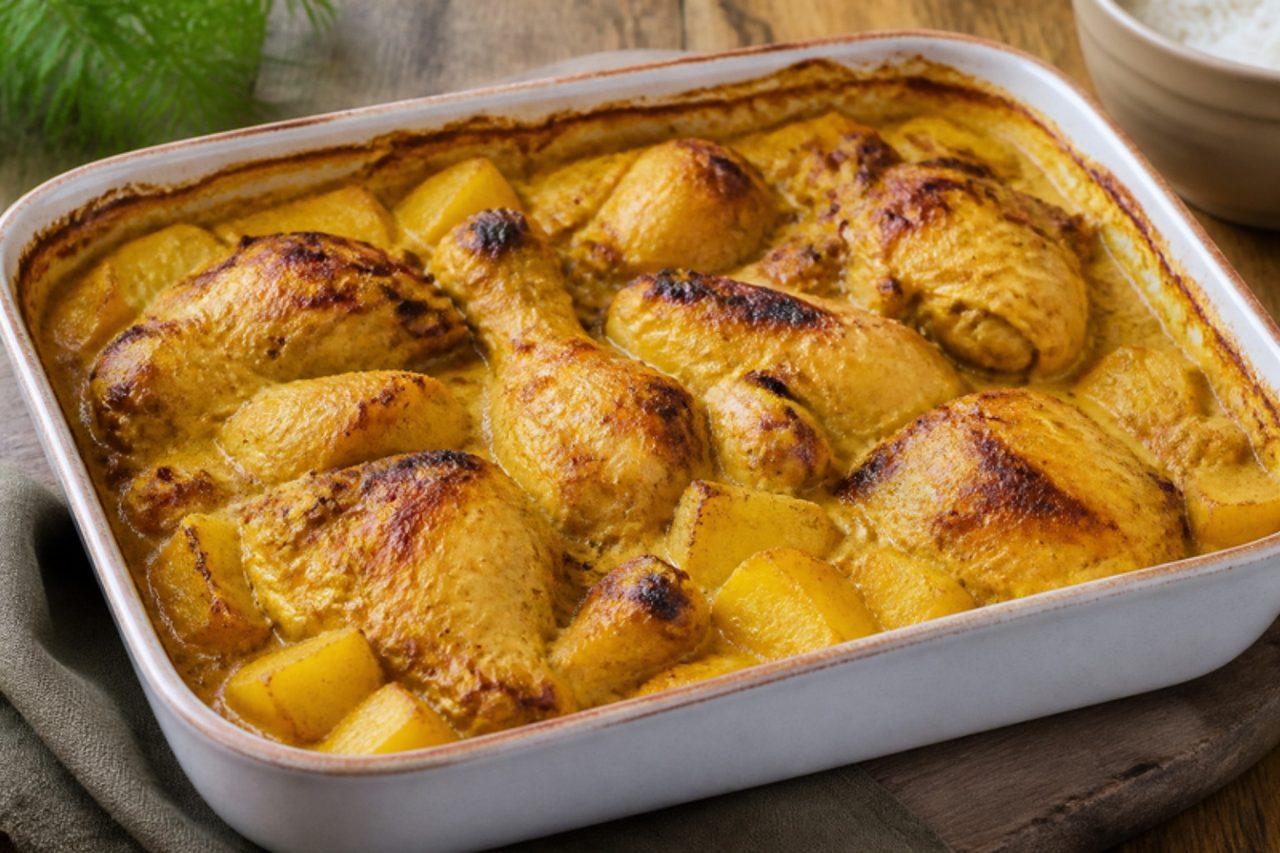

Galinha à portuguesa (Portuguese chicken)

Puzzlingly, you will not find this in Portugal: galinha à portuguesa belongs to Macau, where cooks mixed a Portuguese idea of a creamy baked chicken with the turmeric, curry powder and coconut milk that came through the Portuguese trading routes from Goa and Malacca. Macanese restaurants and Hong Kong's cha chaan teng serve it bubbling in a clay pot or baking dish, golden on top, with chicken and potatoes in a mild, yellow, gently sweet coconut sauce, always with white rice to soak it up. It is a favourite for family dinners and Christmas tables. The thing people get wrong is boiling the coconut sauce hard, so it splits and turns oily; keep it at a gentle simmer. Chef's tip: brown the chicken well first, and finish under a hot grill for the speckled golden top that Macau restaurants are known for.

by KrazyBadal 0 views

Bermuda fish chowder

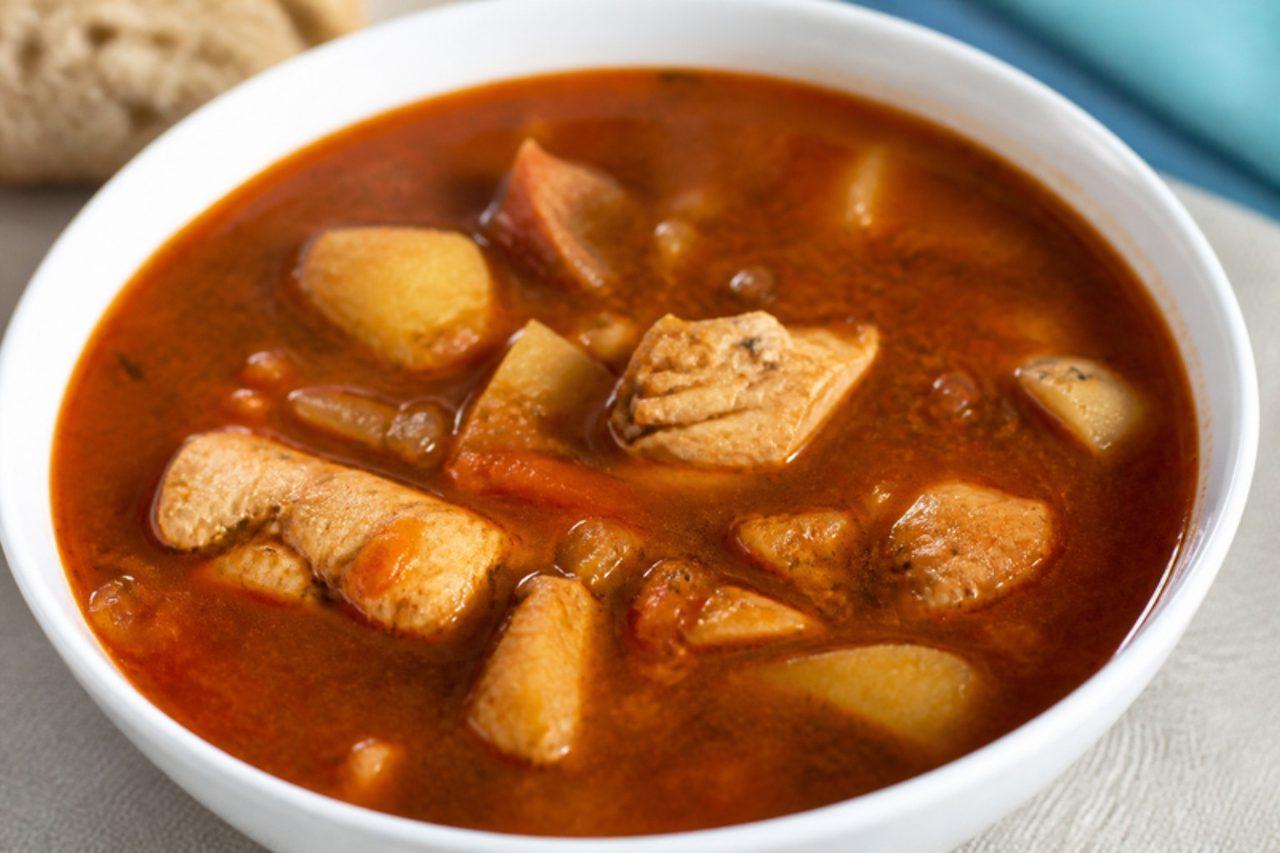
Bermudians call fish chowder their national dish, and every Sunday brunch and Cup Match picnic has a pot of it: a dark, thick soup made from a long-simmered fish-head stock with tomatoes, vegetables and white fish, seasoned at the table with a splash of black rum and sherry peppers sauce (hot peppers steeped in sherry). This recipe contains alcohol in those optional table seasonings; for an alcohol-free bowl, use a few drops of hot pepper sauce and a little molasses instead. The mistake to avoid is a thin, watery stock; the bones must simmer long enough to give body. Ask your fishmonger for heads and frames from white fish, gills removed. Chef's tip: let the finished chowder rest for 30 minutes before serving; it thickens and the flavours deepen.

by KrazyBadal 0 views

Bahamian cracked conch

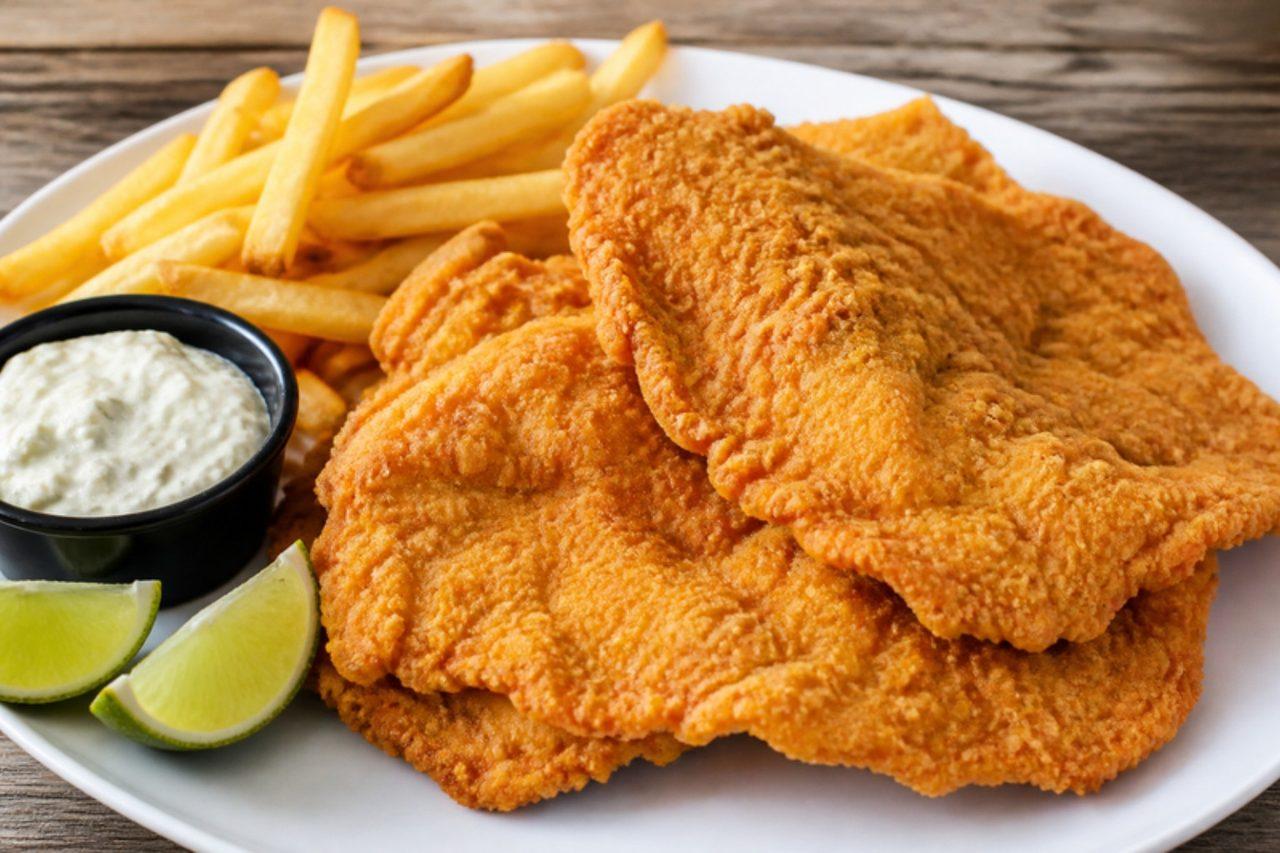
Cracked conch is the Bahamas' answer to fish and chips, served at Potter's Cay dock stalls in Nassau and family restaurants across the Out Islands: conch steaks pounded ("cracked") thin, soaked in lime, dipped in a peppery batter and fried crisp, with chips, peas 'n' rice or coleslaw. Done properly the inside is tender and sweet like calamari. The common mistake is not pounding enough, which leaves the conch chewy; it should be thin and almost lacy. Buy cleaned conch from a trusted fishmonger and discard any that smells strongly. Chef's tip: let the battered pieces rest on a rack for 5 minutes before frying so the coating sticks and stays crisp.

by KrazyBadal 0 views

Arepa di pampuna

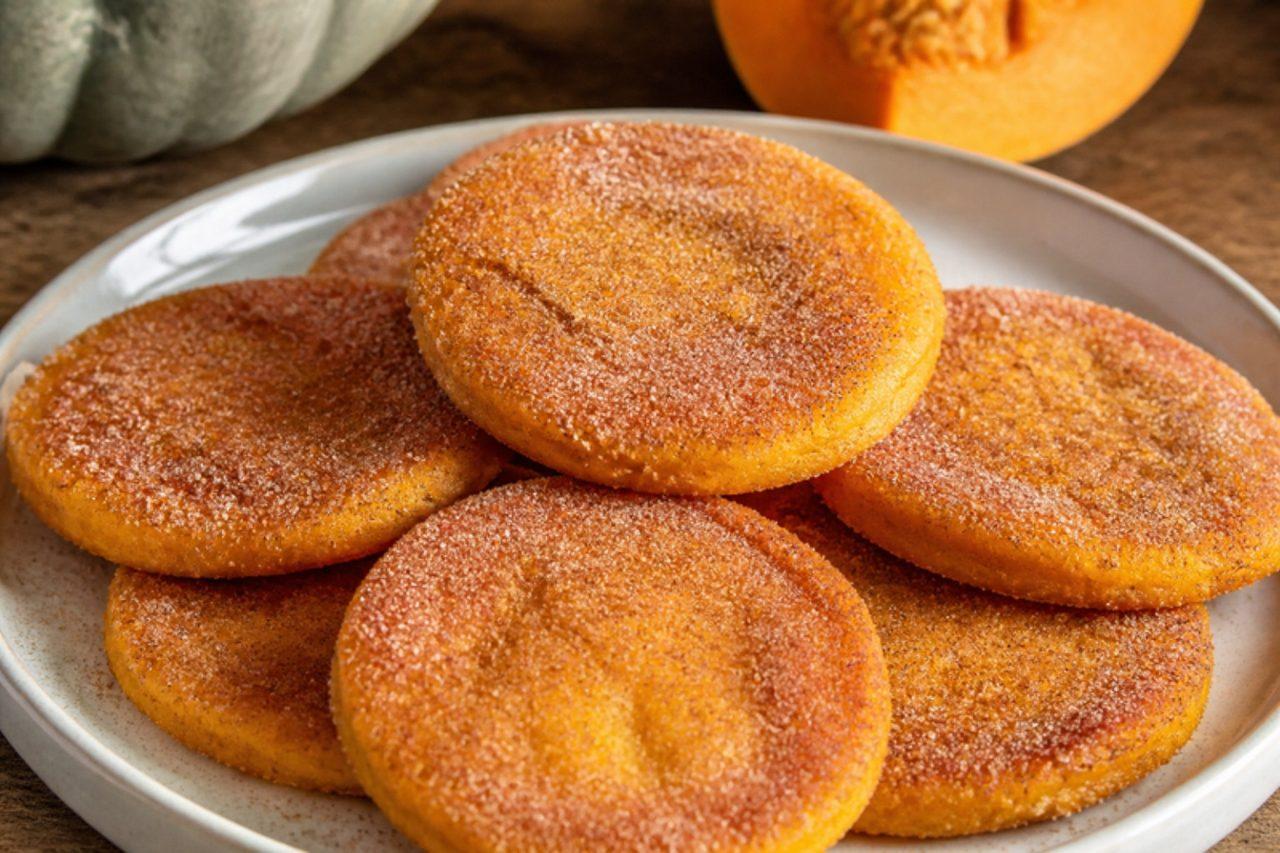
Curaçao and Aruba use the word arepa differently from their South American neighbours: arepa di pampuna are not corn arepas but small, sweet pumpkin pancakes, fried in a little oil and eaten warm for breakfast, or alongside a bowl of soup or stoba at lunch. The mashed pumpkin makes them tender and bright orange, with cinnamon and a little sugar. The mistake is too much flour, which makes them dense; the batter should be thick but soft. Chef's tip: cook the pumpkin the day before and drain it overnight in the fridge for the lightest pancakes.

by KrazyBadal 0 views

Minchi (Macanese minced meat with potatoes)

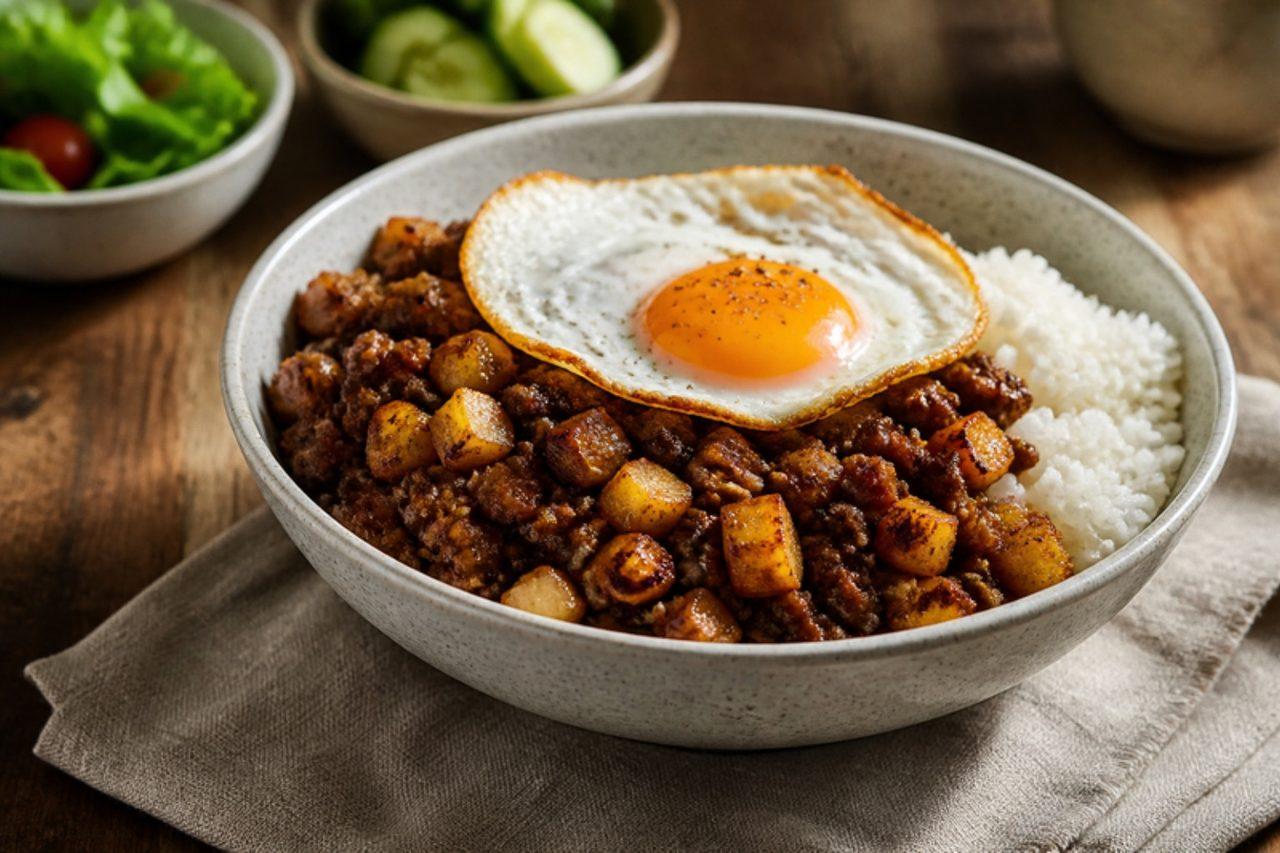
If one dish says home to Macanese families, the descendants of Portuguese and Chinese Macau, it is minchi: a quick hash of minced beef and pork seasoned with soy sauce, Worcestershire sauce and a touch of sugar, mixed with crisp little cubes of fried potato and crowned with a runny fried egg. It appears on weeknight tables, at Macanese restaurants near Rua do Cunha, and at gatherings of the Macanese community abroad, always with plain white rice. Savoury, slightly sweet and full of crunch, it tastes like the meeting of a Portuguese kitchen and a Cantonese wok. A common error is stirring the potatoes into the meat too early, which makes them soft and floury; fry them separately until crisp and fold them in at the end. Chef's tip: let the mince sit undisturbed for a minute in the hot pan before stirring, so it browns instead of stewing.

by KrazyBadal 0 views

Dominica crab backs

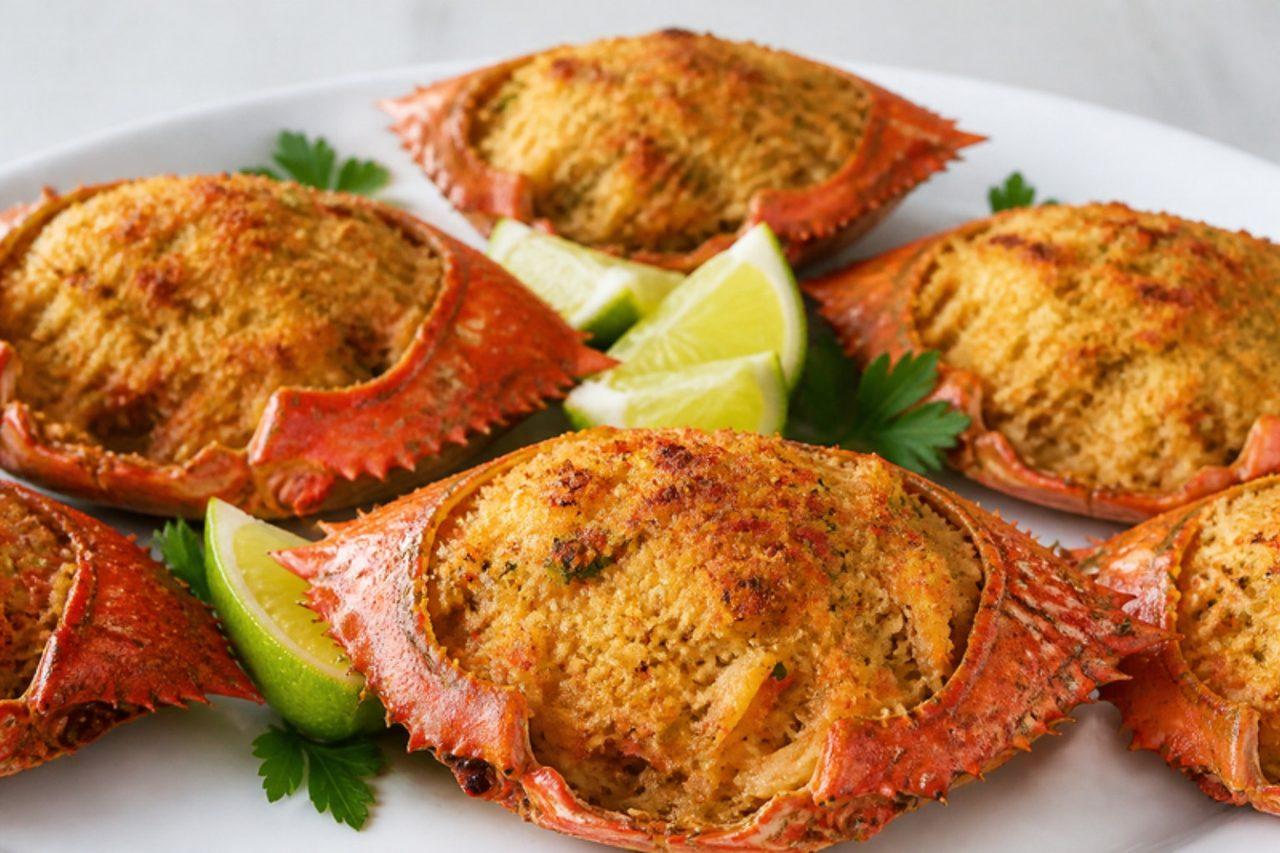
In Dominica, crab backs are a celebration starter, especially around Independence Day in November: the island's land-crab meat is picked, seasoned with lime, chives, garlic, thyme and hot pepper, piled back into the cleaned shells, topped with breadcrumbs and baked until crisp. Land crabs are hard to come by and their season is protected, so this home version uses cooked crab meat. Buy it fresh or pasteurised from a trusted fishmonger, or cook your own live crabs, discarding any that are already dead or smell bad before cooking. The common mistake is drowning the crab in breadcrumbs; it should be mostly crab, held together lightly. Bake in cleaned crab shells or small ramekins. Chef's tip: mix in a little of the brown meat with the white for a richer, sweeter flavour.

by KrazyBadal 0 views

Antiguan chop up

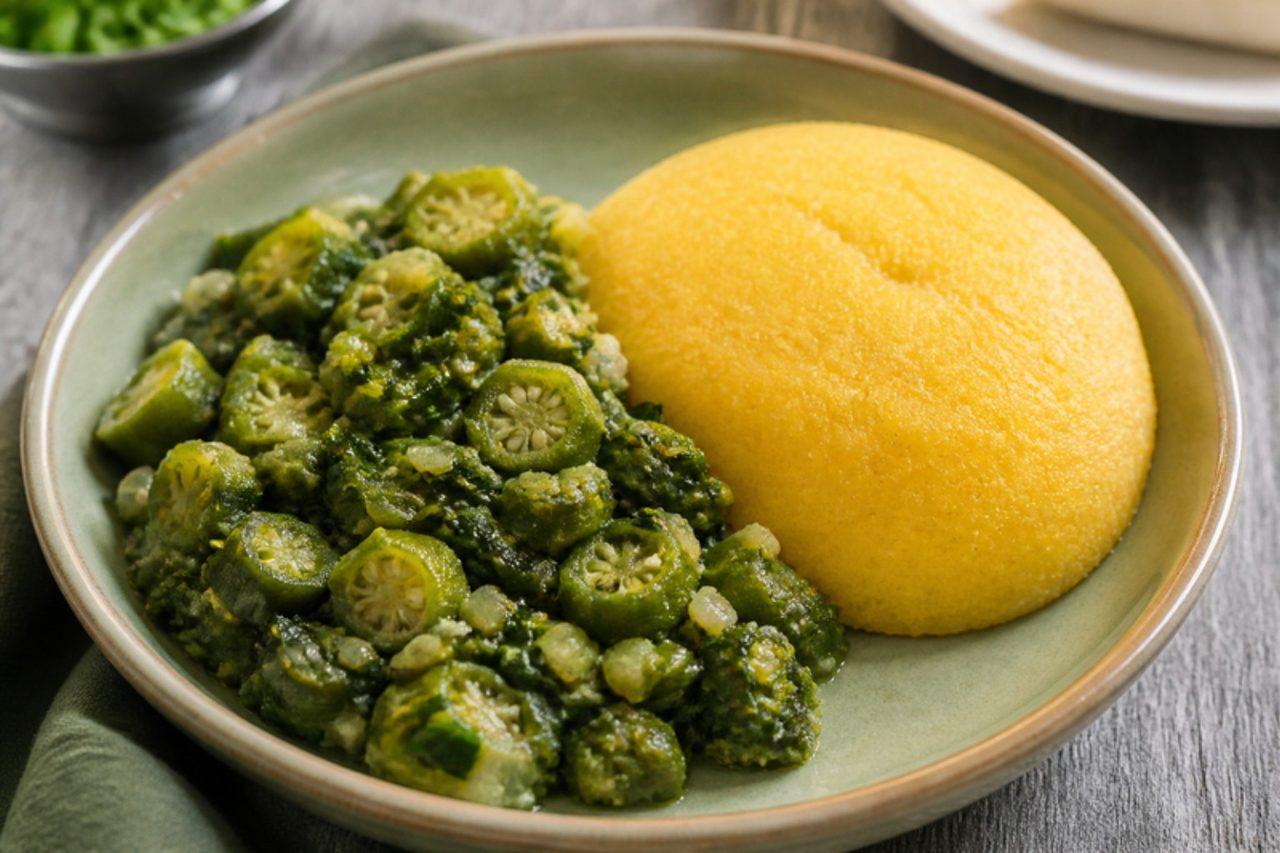
Antigua's national plate pairs fungee, a cornmeal and okra loaf, with pepperpot, and on the side there is often chop up: aubergine, okra and spinach cooked down with onion, garlic and thyme, then mashed to a soft, green-flecked purée. It is gentle, savoury and silky, and some cooks add butter or salted meat; this version is vegan and uses coconut oil. The mistake to avoid is stirring the okra too much early on, which makes it slimy; let it soften undisturbed, then mash. Chef's tip: a squeeze of lime at the end lifts the flavour and calms any okra stickiness.

by KrazyBadal 0 views

St Lucian green fig salad

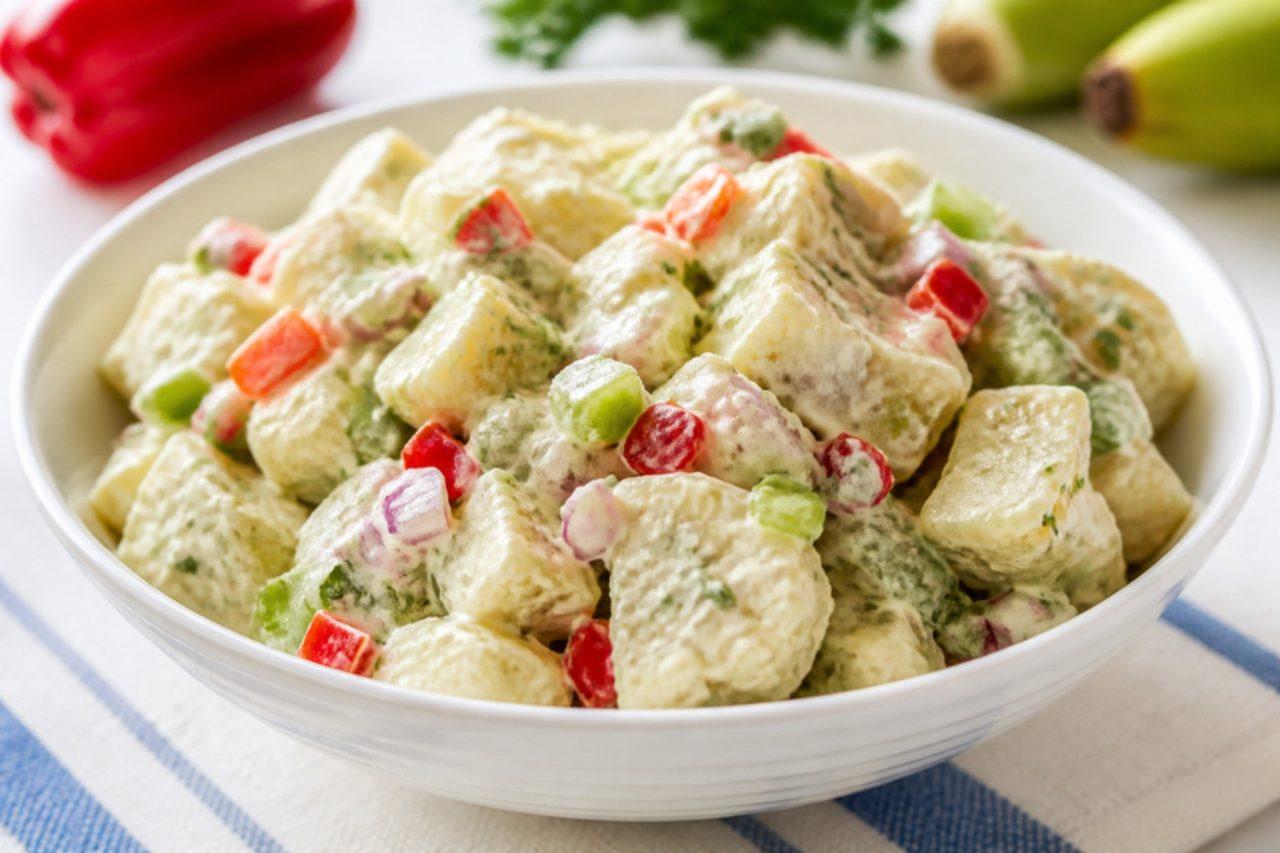
In St Lucia, green bananas are called "figs", and green fig salad is the creamy, potato-salad-like dish that turns up at every Sunday lunch, christening and church fundraiser, next to baked chicken and macaroni pie. The firm boiled bananas are cut into chunks and tossed with mayonnaise, onion, sweet peppers, celery and parsley. It is different from green fig and saltfish, the national dish. The usual mistake is overboiling the figs, which turns them mushy; they should hold their shape like waxy potatoes. Chef's tip: dress the figs while still slightly warm with the vinegar so they absorb it, and add the mayonnaise once cool.

by KrazyBadal 0 views

Bahamian conch salad

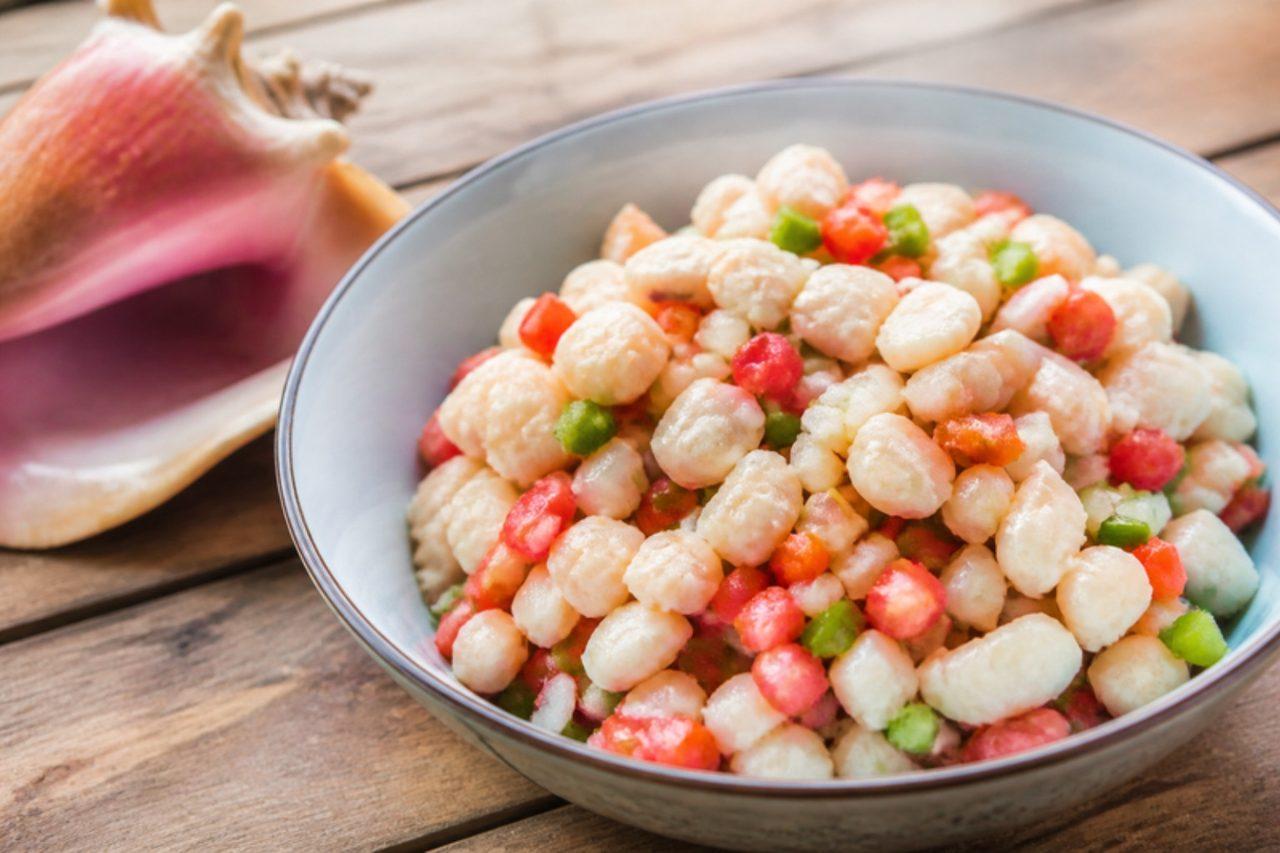
At the Fish Fry on Arawak Cay in Nassau, conch salad is made to order: a vendor cracks the shell, dices the conch with tomato, onion, sweet peppers and goat pepper, and drowns it in lime and sour orange in front of you. Traditionally the conch is eaten raw, "cooked" only by the citrus; that raw version is not for pregnant women, young children or anyone with a weakened immune system, and this recipe gives a safer version in which the conch is poached briefly first. Buy cleaned conch from a trusted fishmonger and discard any that smells of ammonia. The common mistake is dicing unevenly; everything should be in small, matching cubes. Chef's tip: make it no more than an hour ahead, or the lime turns the vegetables limp.

by KrazyBadal 0 views

Bahamian guava duff

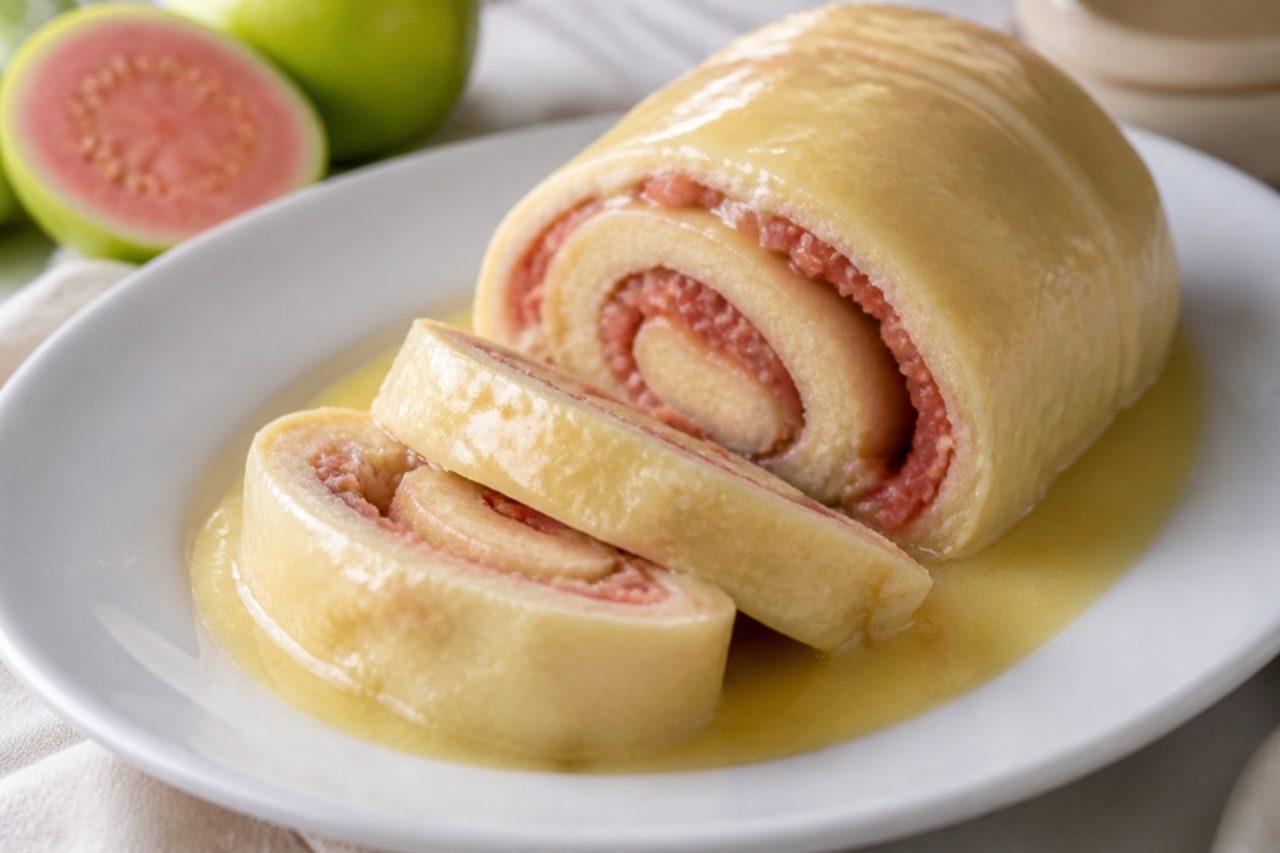
Guava duff is the Bahamas' best-loved dessert, served at Junkanoo season, Sunday dinners and Nassau restaurants alike: a soft dough spread with sweet stewed guava, rolled up, wrapped in cloth or foil and steamed until tender, then sliced and drowned in a warm butter sauce. Traditionally the sauce has rum in it, which is only lightly cooked, so the rum version is for adults only; the vanilla sauce below makes it alcohol-free for everyone. The most common mistake is rolling the duff too tight, which stops it rising; leave room in the wrapping for it to swell. Chef's tip: sieve the guava pulp to remove the hard seeds, and keep the thick paste for the filling.

by KrazyBadal 0 views

Bahamian switcha

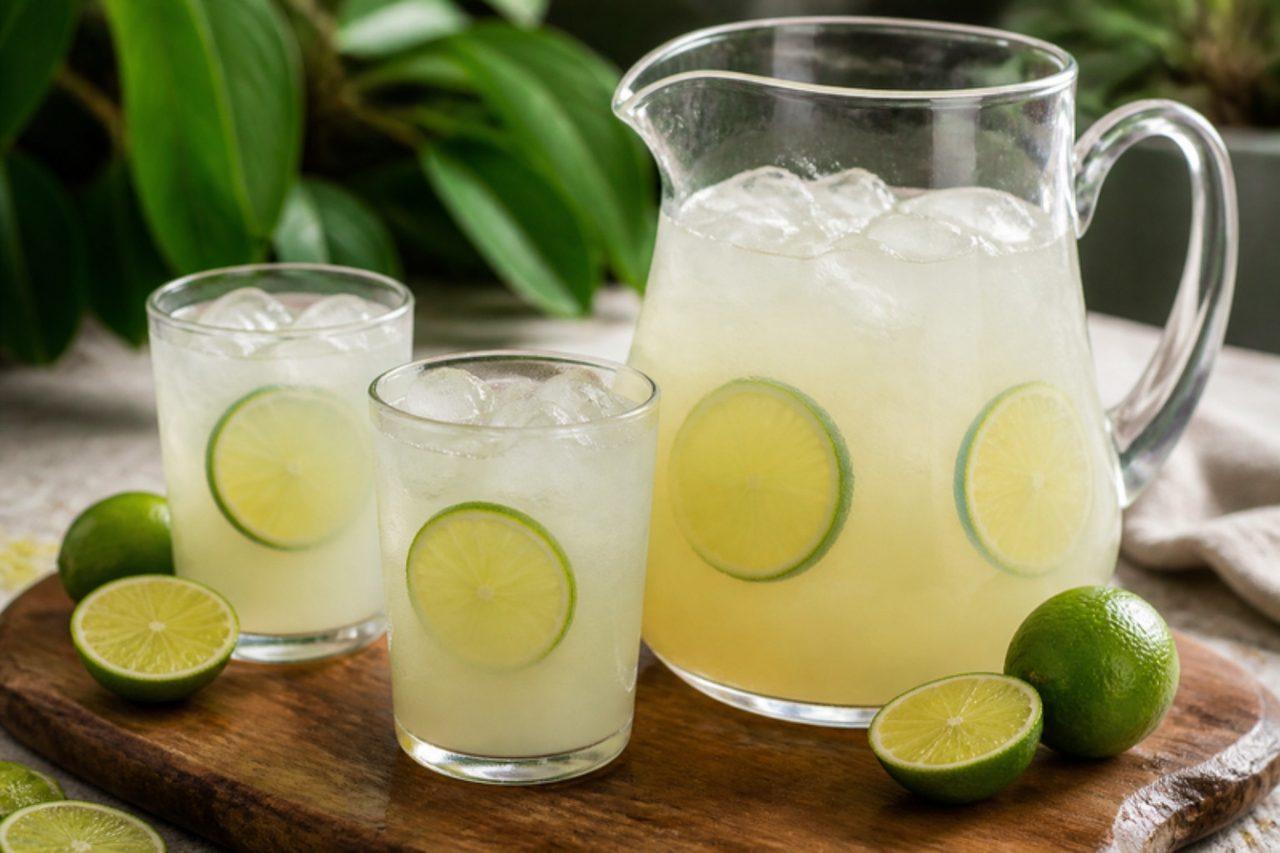
On Bahamian porches and at Fish Fry stalls in Nassau, switcha is the everyday cooler: fresh key limes squeezed with sugar and cold water, stirred up in a big jug with plenty of ice. It's sharper and more fragrant than lemonade, and you'll see the lime halves floating in the jug. The usual mistake is putting sugar straight into cold water, where it sinks undissolved: make a quick syrup first. Chef's tip: drop a few squeezed lime halves into the jug for 10 minutes for extra aroma, then take them out before the pith turns it bitter.

by KrazyBadal 0 views

Curaçao kabritu stoba

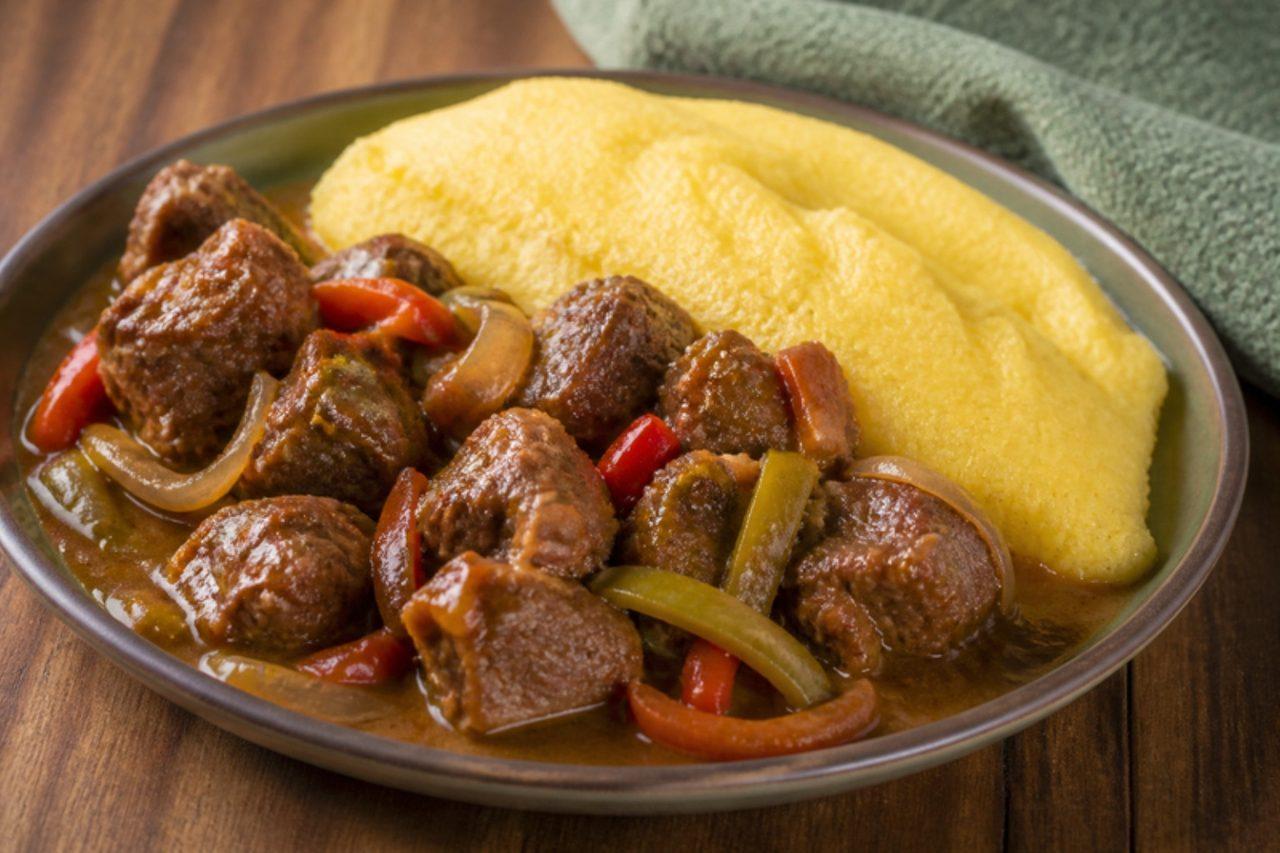
Stoba di kabritu is the home cooking of Curaçao and Aruba, a goat stew made in nearly every kunuku (country) kitchen and at birthday parties: bone-in goat browned and slowly braised with sweet peppers, tomato, onion, cumin, a hint of nutmeg and hot madame jeanette pepper, often with cucumber or papaya stirred in at the end. It is served with funchi (cornmeal), rice or fried plantain. The usual mistake is browning the goat too briefly; deep colour at the start gives the stew its rich brown sauce. Ask your butcher for goat cut into small pieces. Chef's tip: a teaspoon of brown sugar caramelised in the oil before the meat goes in gives the authentic dark, slightly sweet base.

by KrazyBadal 0 views

Serradura

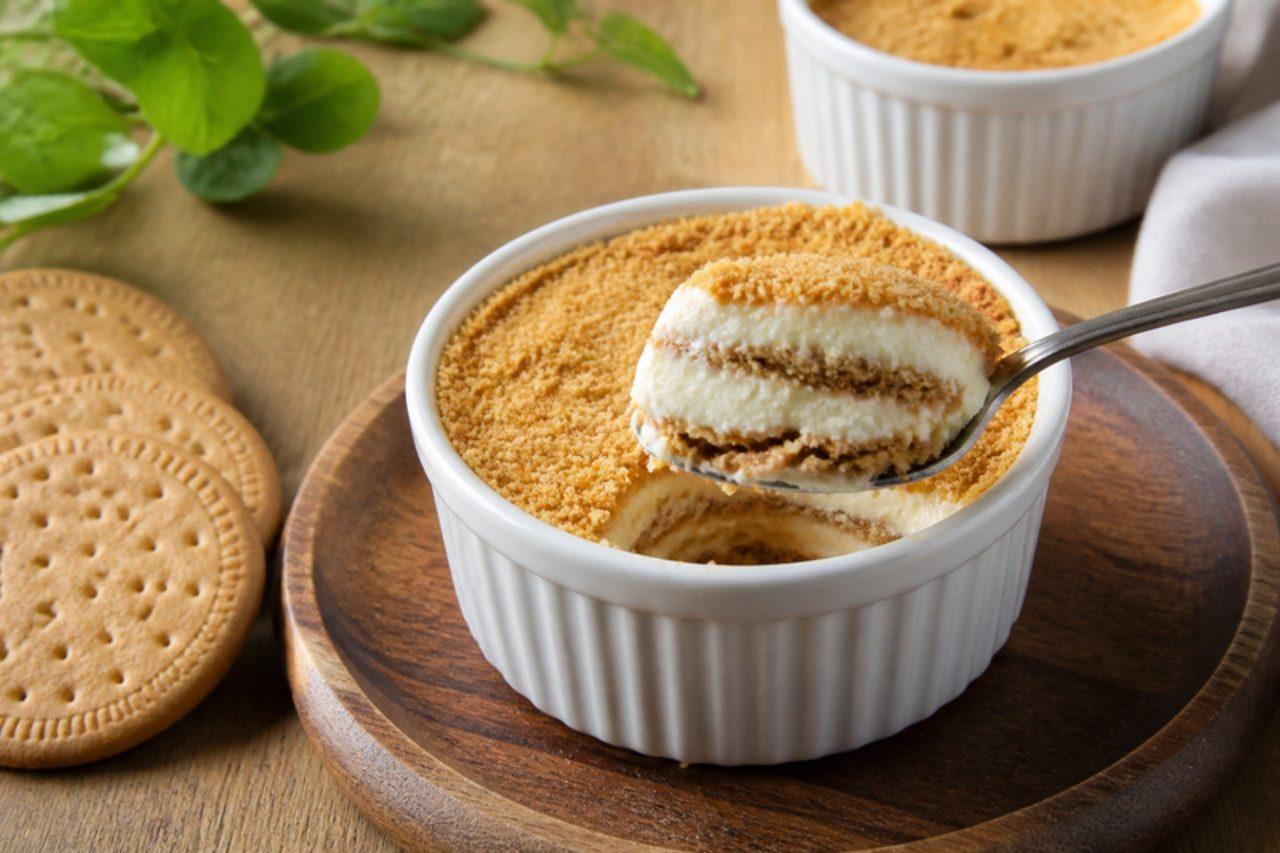
Portuguese for 'sawdust', serradura is the cool, creamy dessert you'll find in every Macanese restaurant and café from Taipa to the Senado Square backstreets, ordered to round off a long Macanese lunch. Alternating layers of sweetened whipped cream and powder-fine tea biscuit crumbs set softly in the fridge, so each spoonful is light, milky and caramel-sweet, with a gentle crumbly texture. It is usually served in small glasses, sometimes semi-frozen like an ice cream cake. Coarse crumbs are where it goes wrong; they stay crunchy and gritty instead of melting into the cream, so grind the biscuits as fine as sand. Chef's tip: whip the cream and condensed milk together only to firm peaks and stop there, or it turns grainy and buttery.

by KrazyBadal 0 views

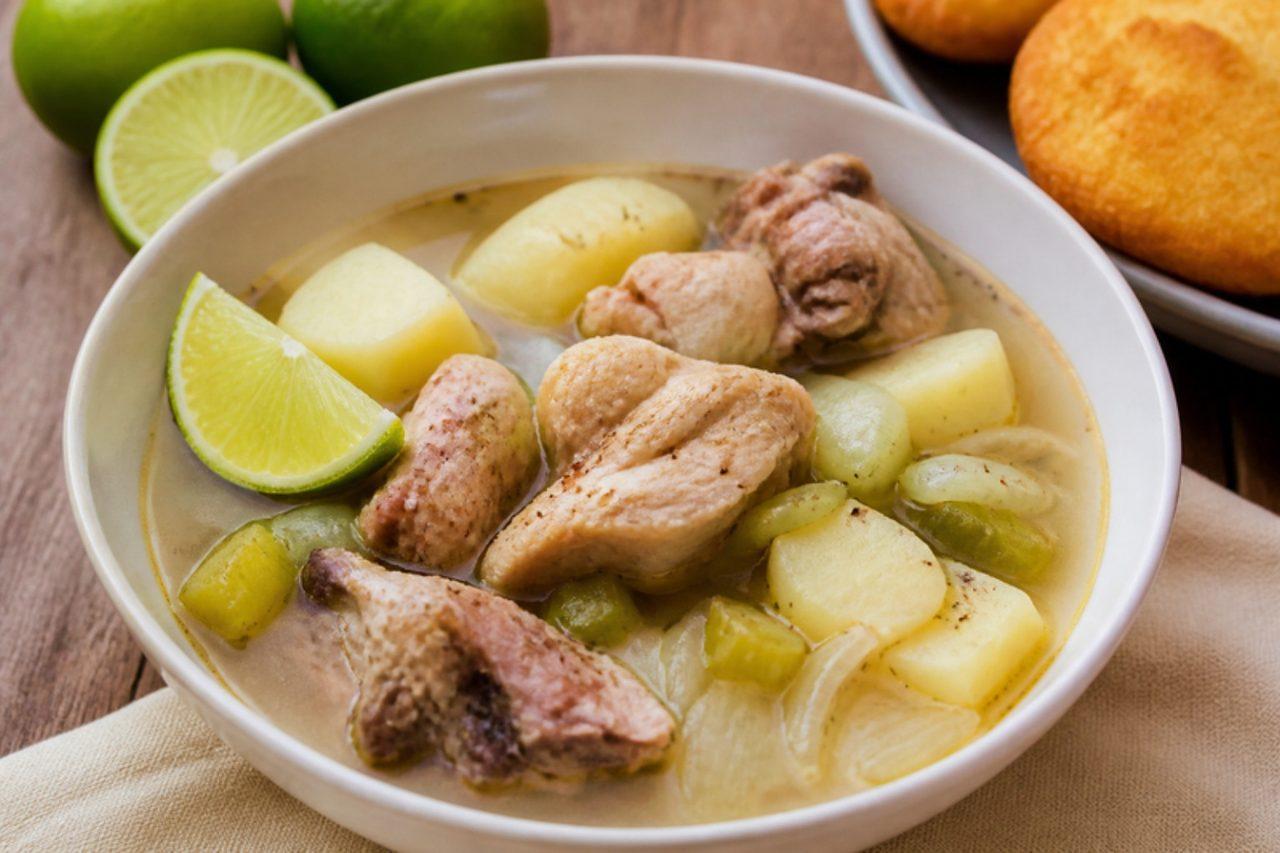
Bahamian chicken souse

In the Bahamas, souse is the Saturday-morning cure after a late Friday: chicken (or sheep tongue or pig's feet, for the old-timers) simmered in a clear, sharp broth of lime juice, allspice, onion, potatoes and hot pepper, eaten with johnnycake. It is light, sour, peppery and very reviving. The common mistake is adding the lime too early and boiling it, which makes the broth bitter; most goes in at the end. Use bone-in pieces for flavour. Chef's tip: let the bowl sit for a few minutes after serving so the lime mellows into the broth.

by KrazyBadal 0 views

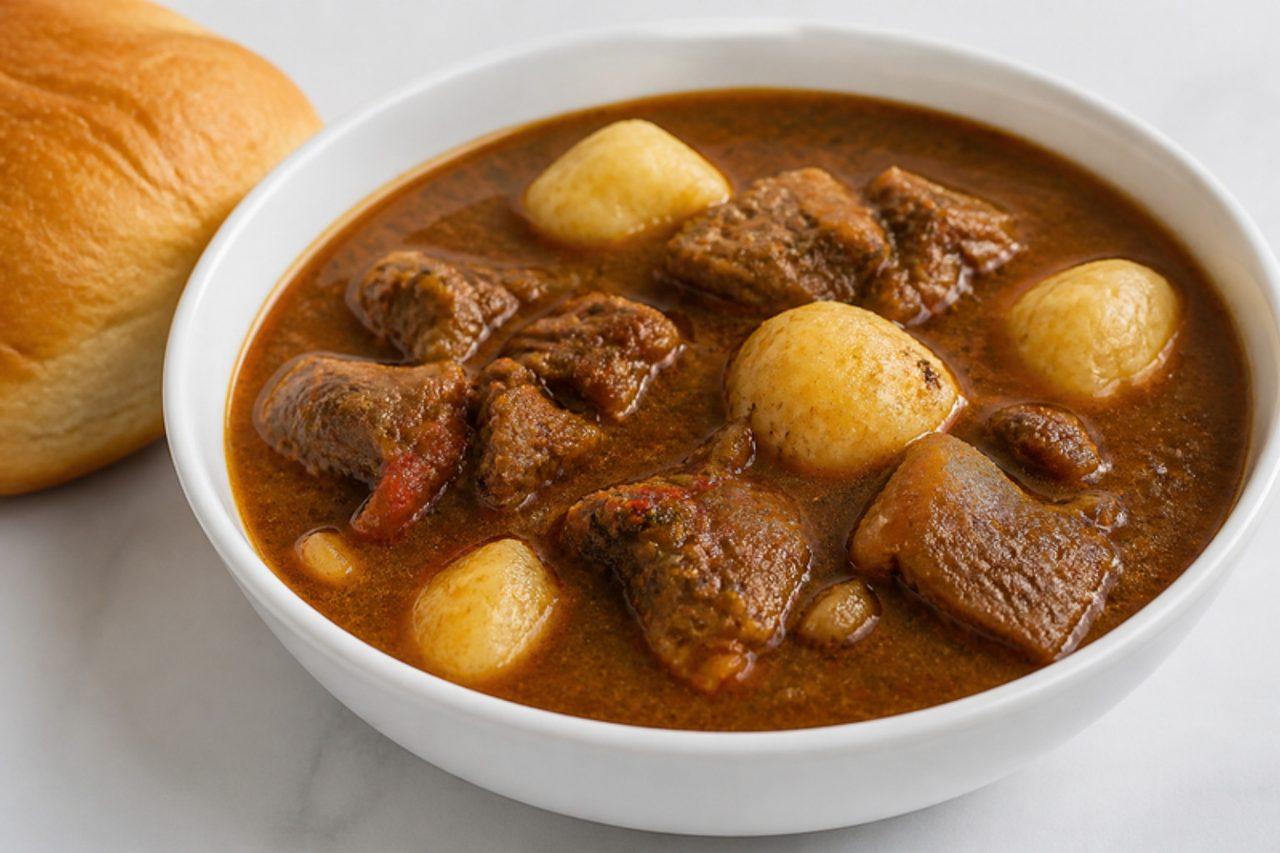
Kittitian goat water

Goat water is what St Kitts, Nevis and Montserrat serve at weddings, village fêtes and every Saturday cookshop: a thick, dark, peppery goat stew-soup flavoured with cloves, thyme, tomato and a heap of hot pepper, thickened with flour and studded with breadfruit, green papaya or dumplings. On Montserrat it is the national dish and comes with crusty bread rolls. The common mistake is thinning it out; despite the name, true goat water should coat a spoon. Ask your butcher to chop bone-in goat into small pieces. Chef's tip: brown a spoonful of flour in the pot before adding the liquid; it gives the gravy its deep colour and nutty taste.

by KrazyBadal 0 views

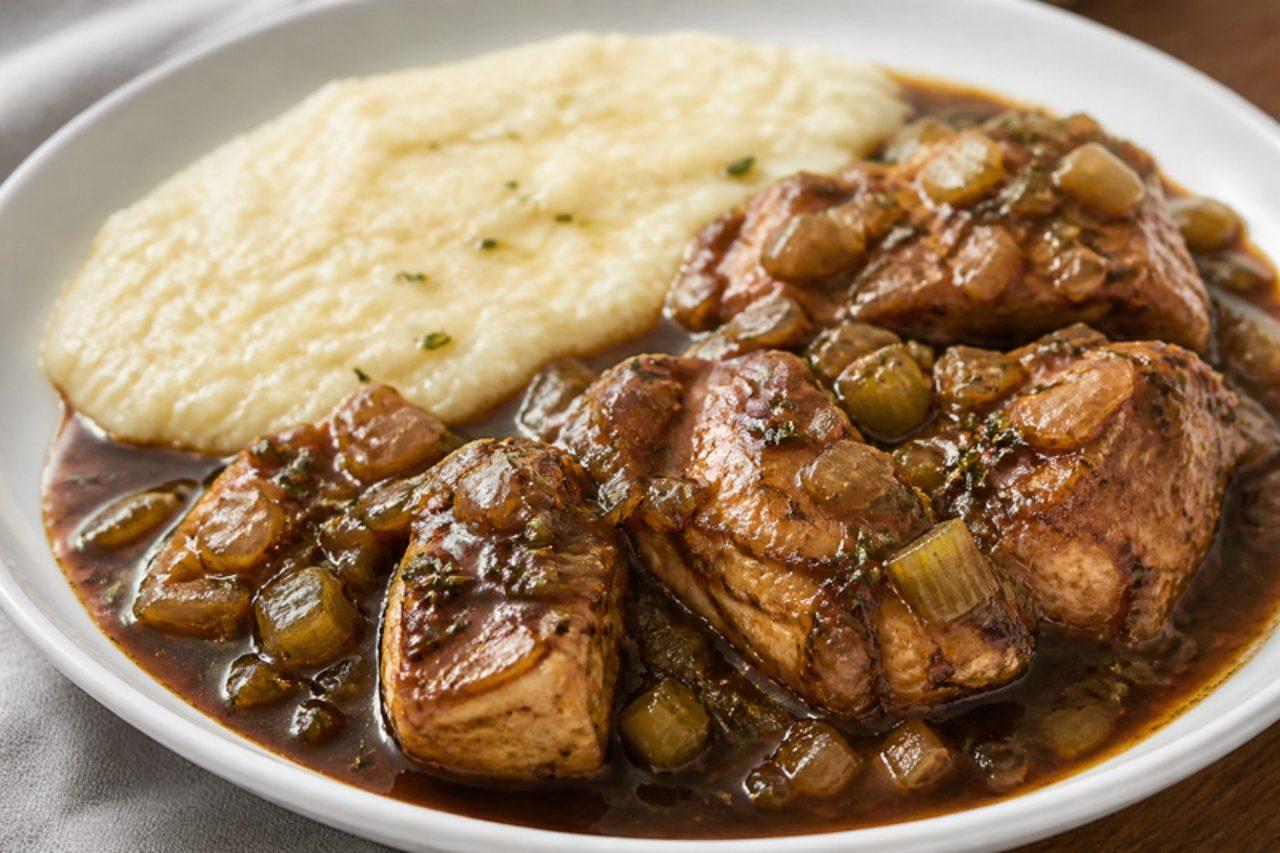
Bahamian stew fish

Bahamian stew fish is old-fashioned Sunday breakfast in Nassau and the Family Islands: firm fish such as grouper or snapper simmered in a dark brown gravy built on a flour-and-oil roux, with onion, celery, tomato and thyme, served over grits or with johnnycake. The flavour is deep, savoury and a little smoky from the browned flour. The usual mistake is a pale roux; cook the flour slowly until it is the colour of milk chocolate, but don't let it burn. Ask for thick fish steaks or fillets. Chef's tip: stir the roux with a flat wooden spatula so you can scrape every corner and keep it browning evenly.

by KrazyBadal 0 views

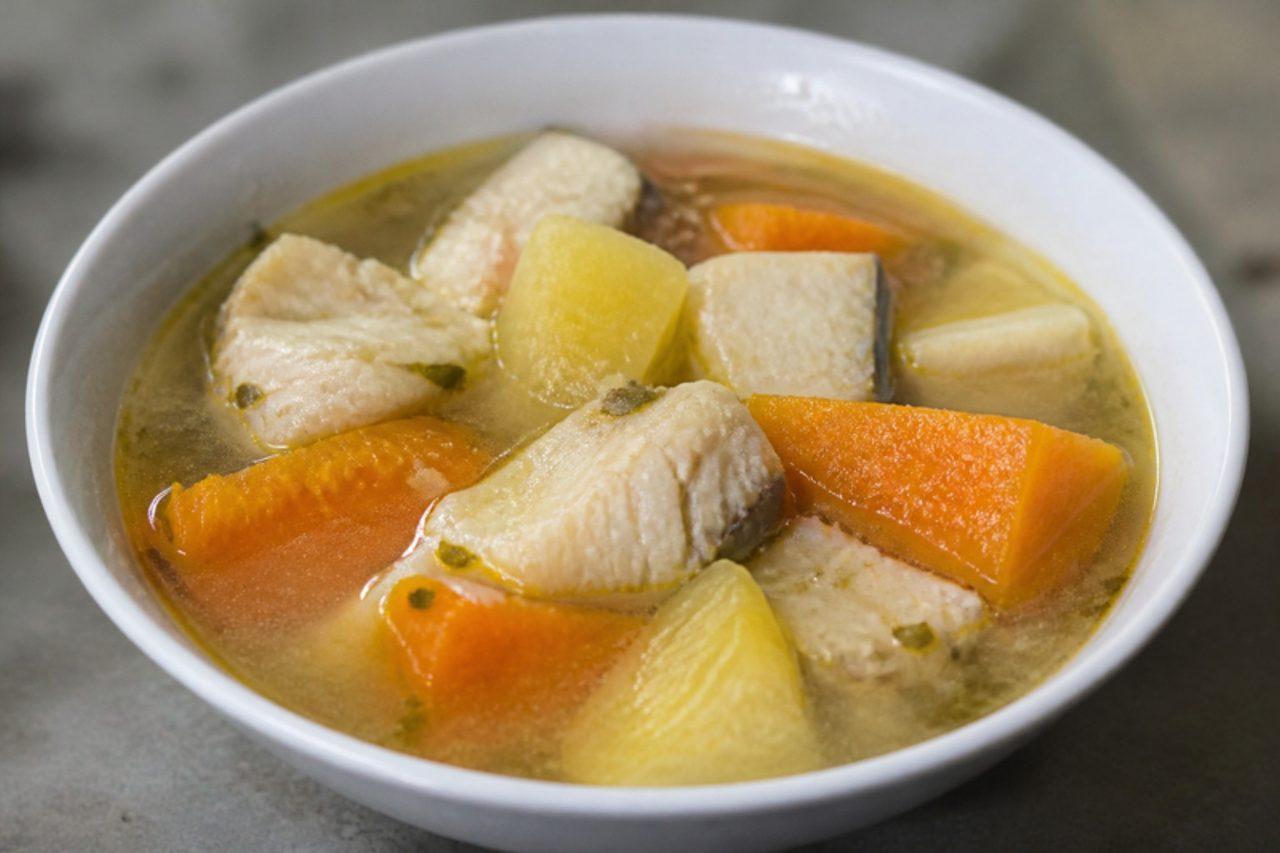
Sopi di pisca

Sopi di pisca is what fishermen's families in Curaçao and Aruba cook when the boats come in at Caracasbaai or Savaneta: a golden broth of fish, yuca, sweet potato, pumpkin, onion and sweet peppers, scented with celery leaves, thyme and a hot madame jeanette pepper, finished with lime. It is light but filling and often eaten with a funchi or a slice of bread. The most common mistake is putting the fish in with the vegetables; it breaks to threads, so it goes in only at the end. Use firm white fish such as grouper, snapper or wahoo. Chef's tip: simmer the fish trimmings in the water for 15 minutes first if you have them; the broth becomes far richer.

by KrazyBadal 0 views

Keshi yena

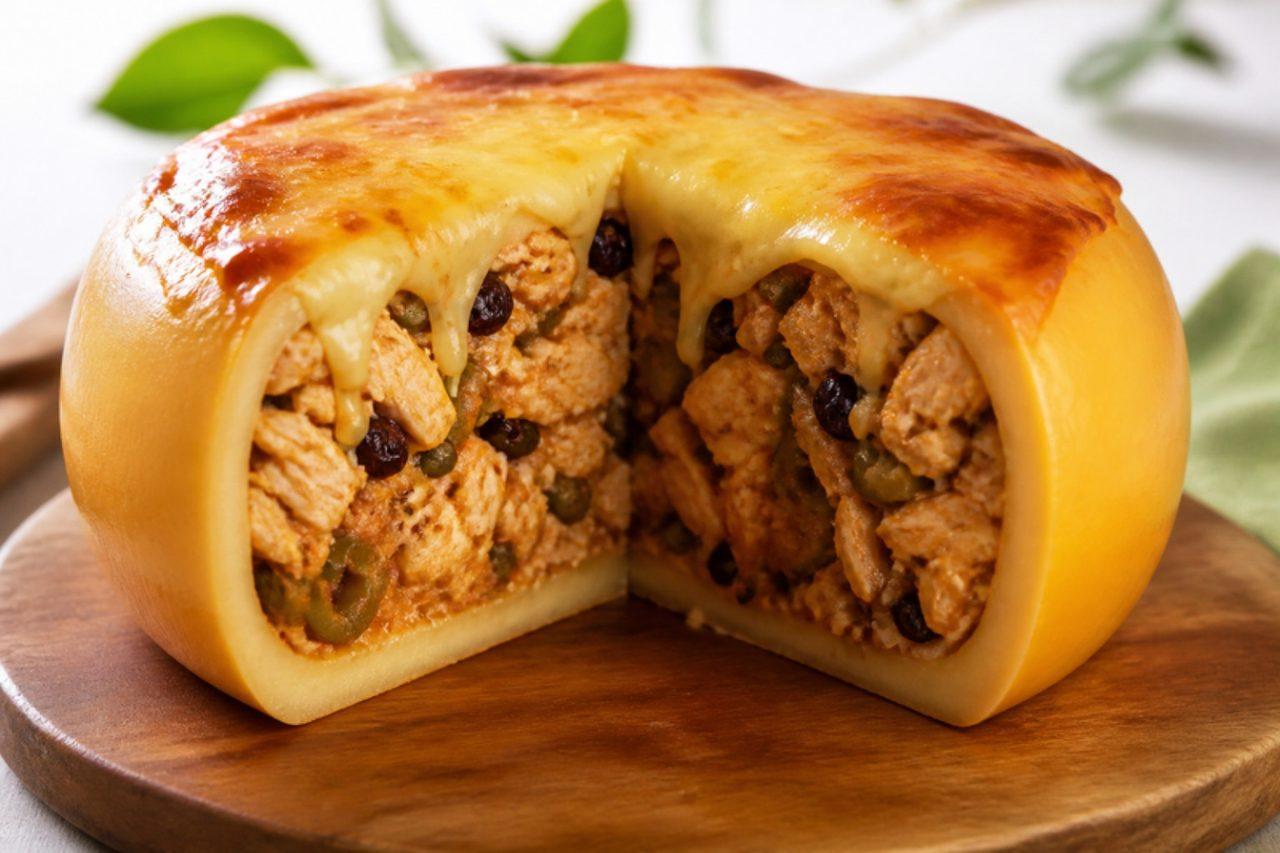
Keshi yena, "stuffed cheese", is the most famous dish of Curaçao and Aruba, born when cooks on Dutch plantations reused the rinds of big Edam cheeses by filling them with leftover meat. Today it is a festive dish: a spiced chicken filling with tomato, onion, olives, capers, raisins and hot pepper, sealed in sliced Edam and baked until the cheese melts into a golden crust, eaten with white rice or funchi. The mistake to avoid is a wet filling, which makes the cheese case collapse; cook it down until thick. This home version is baked in ramekins lined with cheese slices. Chef's tip: oil the ramekins well and turn the cheese cups out onto plates for a dramatic presentation.

by KrazyBadal 0 views

Grenadian nutmeg ice cream

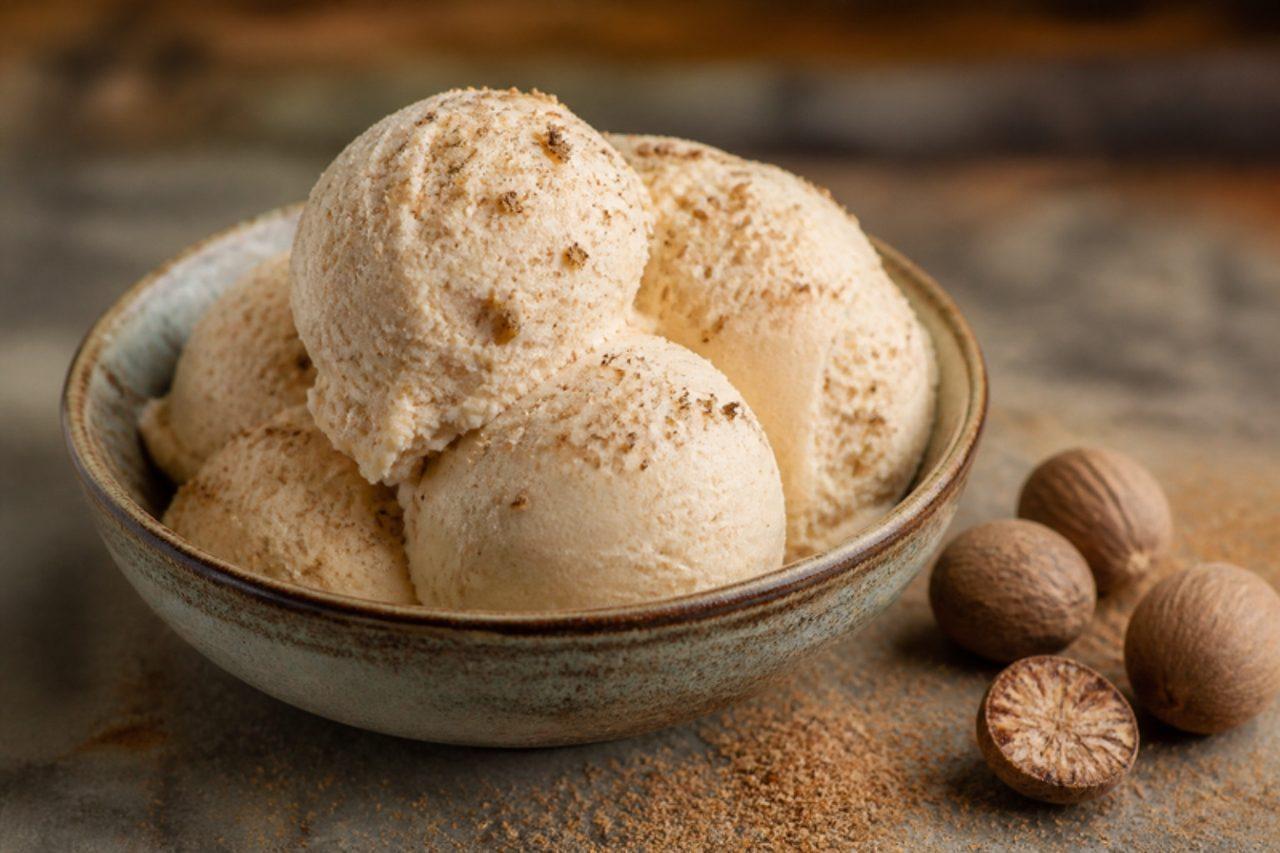
Grenada, the Spice Isle, grows much of the world's nutmeg, and in St George's ice cream parlours the local favourite is a rich egg-custard ice cream scented with freshly grated nutmeg. The flavour is warm and almost floral, nothing like the dusty jar spice, and it is lovely with fried plantain or a slice of black cake. The common mistake is overheating the custard so the eggs scramble; take it off the heat as soon as it coats a spoon. Chef's tip: grate the nutmeg straight into the hot milk and let it steep for 20 minutes before making the custard, so the flavour runs all the way through.

by KrazyBadal 0 views

Curaçao pastechi

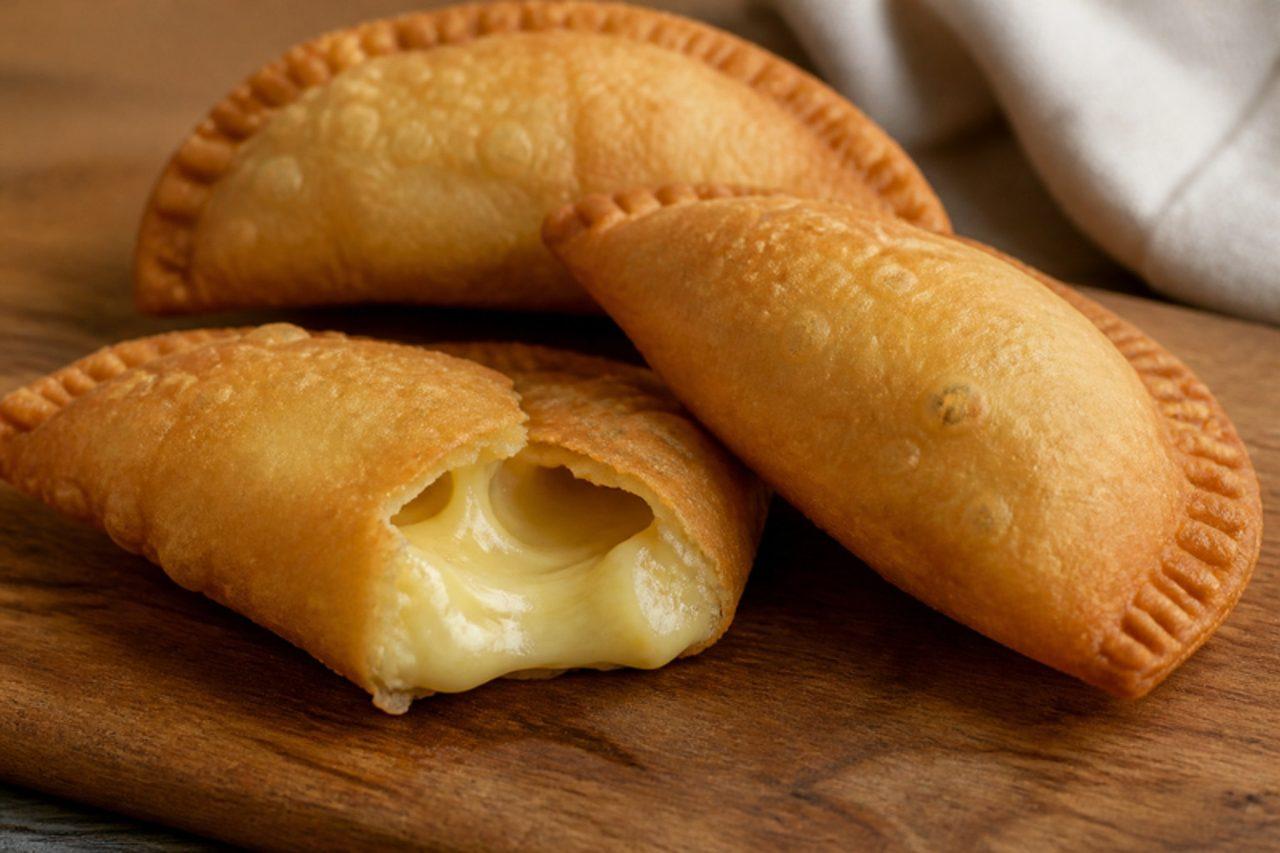
In Curaçao and Aruba, a paper bag of hot pastechi from a snack truck is breakfast on the way to work or a mid-morning bite with coffee: crisp, blistered half-moons of pastry filled with melted aged Gouda, a legacy of the Dutch on the islands. Other versions hold spiced beef, chicken or tuna; this one is vegetarian. Traditional Gouda is made with animal rennet, so choose a Gouda or other firm cheese labelled vegetarian if that matters to you. The usual mistake is frying too cool, so the pastry soaks up oil instead of blistering. Chef's tip: chill the filled pastechi for 15 minutes before frying so the seams hold.

by KrazyBadal 0 views

Aruban pan bati

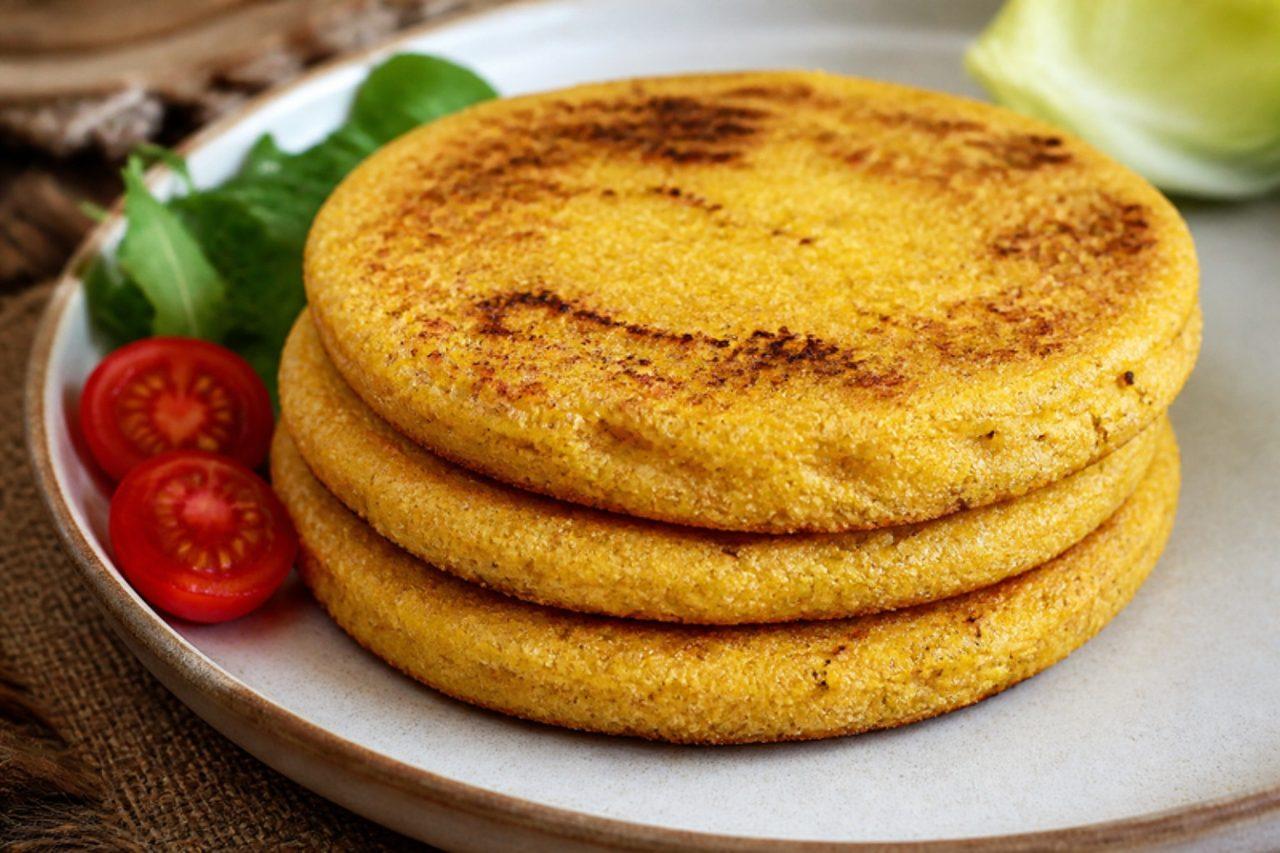
Aruban families put a stack of pan bati on the table with almost every bowl of soup or stew, from sopi di pisca to kabritu stoba: thick, slightly sweet pancakes of cornmeal and flour, cooked on a dry griddle and torn to mop up the broth. They are soft, a little grainy and golden at the edges. The mistake is cooking them too fast, so they burn outside and stay raw in the middle. Chef's tip: let the batter rest for 10 minutes so the cornmeal softens and the pancakes come out tender.

by KrazyBadal 0 views

Antiguan ducana

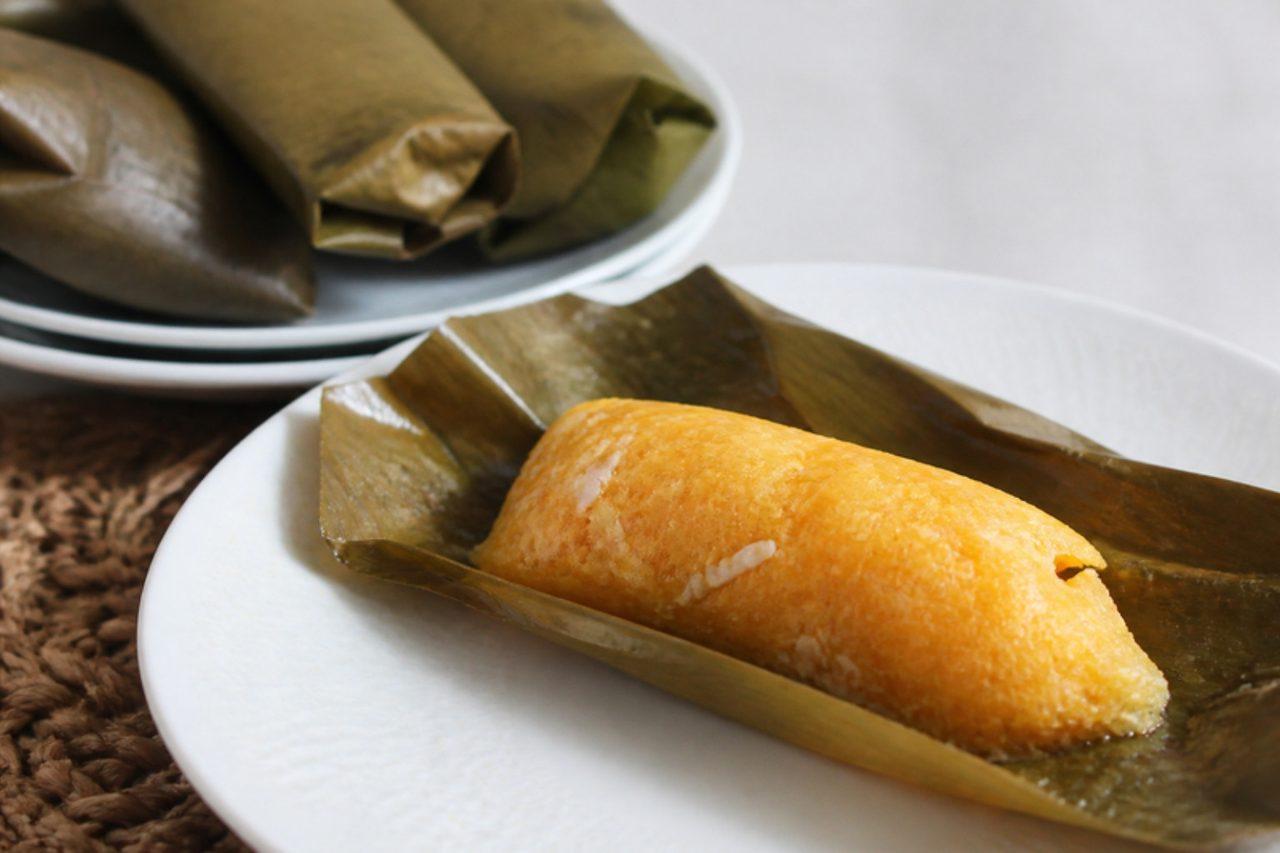
In Antigua, ducana turns up beside saltfish and chop up on Saturday plates and at Independence celebrations in November, little leaf-wrapped parcels of grated sweet potato and coconut with sugar, raisins and spice, boiled until set. It cuts through the salty fish with a soft, sticky sweetness. Many cooks add a little flour; this version keeps to sweet potato and coconut and is gluten free. The common mistake is wrapping the parcels loosely, so water seeps in and they turn mushy. Chef's tip: grate the sweet potato finely on the small holes and the ducana will hold together without any flour.

by KrazyBadal 0 views

African chicken (Macanese galinha africana)

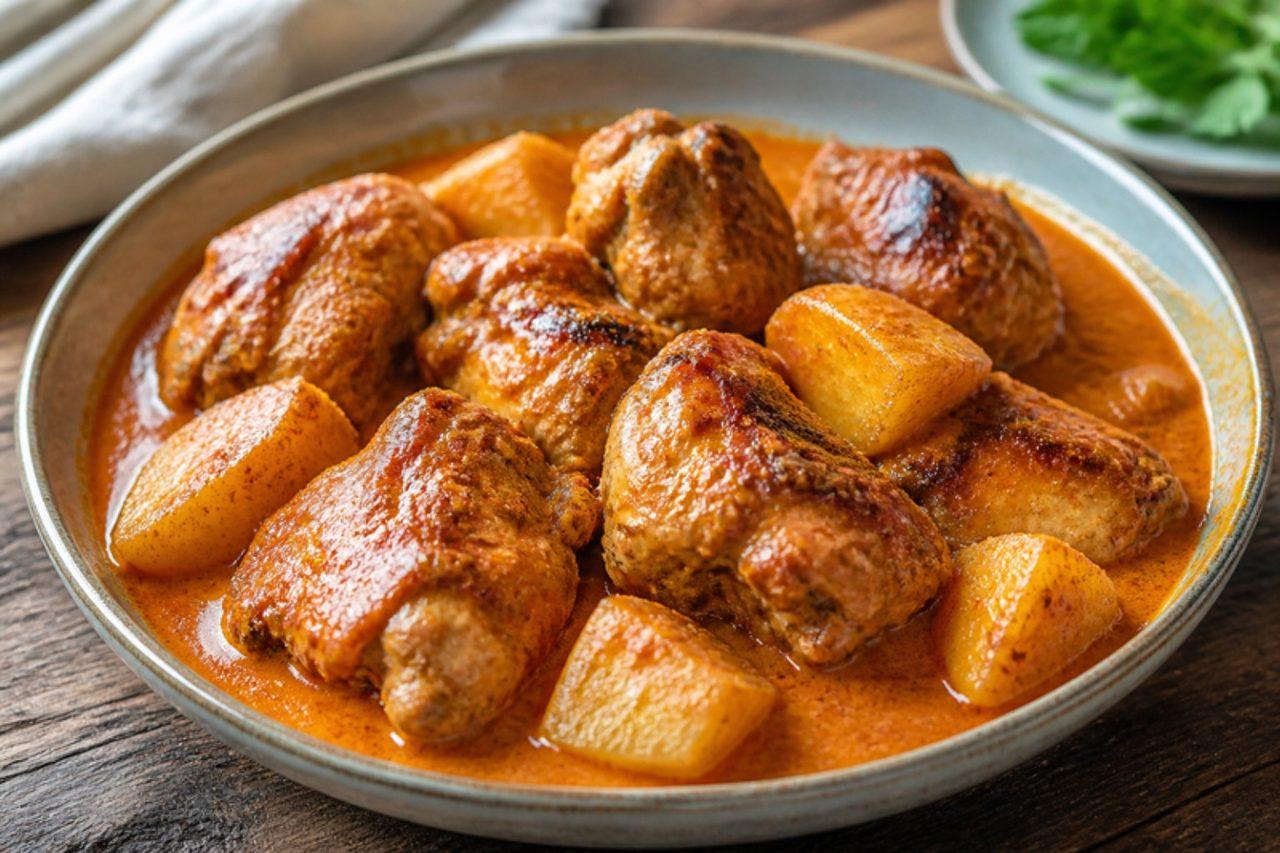
Macau restaurants have served galinha africana since the 1940s, and the story most often told is that a hotel chef in the city created it from spices that Portuguese sailors brought back from Mozambique and Angola. Today it is a signature at Macanese and Portuguese restaurants from Taipa village to Coloane, eaten at long weekend lunches with rice or crusty bread. Chicken pieces are marinated, grilled until charred, then baked under a thick, brick-coloured sauce of ground peanuts, coconut milk, chilli, paprika, garlic and onion that is rich, nutty and quietly fiery. It is often made with a pale, timid sauce; cook the onion, garlic and paprika slowly until really deep red before the coconut goes in. Chef's tip: marinate the chicken overnight in the fridge so the garlic and chilli reach the bone.

by KrazyBadal 0 views

Showing 24 of 174 recipes

Show more recipes

Page 1 of 8