Skip to content
Recipes

All recipes

Vegetarian, or something you can't eat? Set your diet once and we'll hide recipes that don't fit.

KaasstengelsCheese pastry twists

Kaasstengels come out of ovens all over the Netherlands for birthday parties, New Year's Eve and the Friday borrel, piled in glasses so guests can grab one with a drink. Strips of puff pastry are brushed with egg, coated in grated aged cheese and twisted, then baked until crisp, flaky and golden. They are one of the easiest party snacks there is, made with ready-rolled pastry. Most aged cheese is made with animal rennet, so choose a vegetarian one if needed. The common mistake is underbaking, which leaves them pale and soft in the middle. Chef's tip: chill the twisted strips for 10 minutes before baking so they keep their spiral.

by KrazyBadal 0 views

BorrelnootjesCoated peanuts

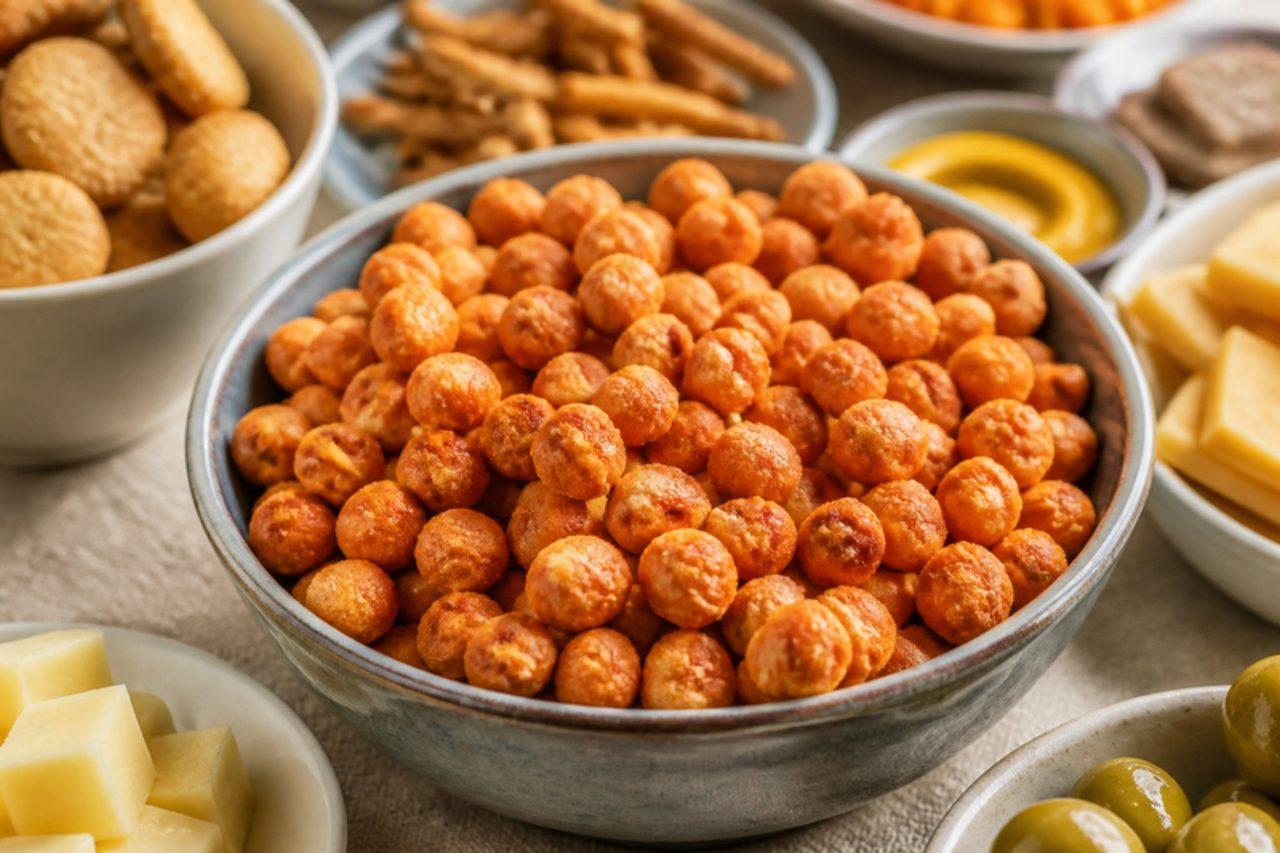
Borrelnootjes, peanuts in a crunchy seasoned shell, are the bowl you find on every Dutch bar counter and next to the cheese at home borrels, and they come from the Indo-Dutch kitchen, where they were spiced with garlic and coriander. Most people buy them in bags, but home-made ones are lighter and far less salty. Raw peanuts are dusted in seasoned flour and starch, splashed with water and coated in several thin layers, then baked until they crack. Never serve them to anyone with a peanut allergy, and keep whole nuts away from small children. The usual mistake is adding too much water at once, which makes the nuts clump. Chef's tip: build the coating in three thin layers, shaking the bowl hard each time.

by KrazyBadal 0 views

Kaasblokjes met mosterdCheese cubes with mustard

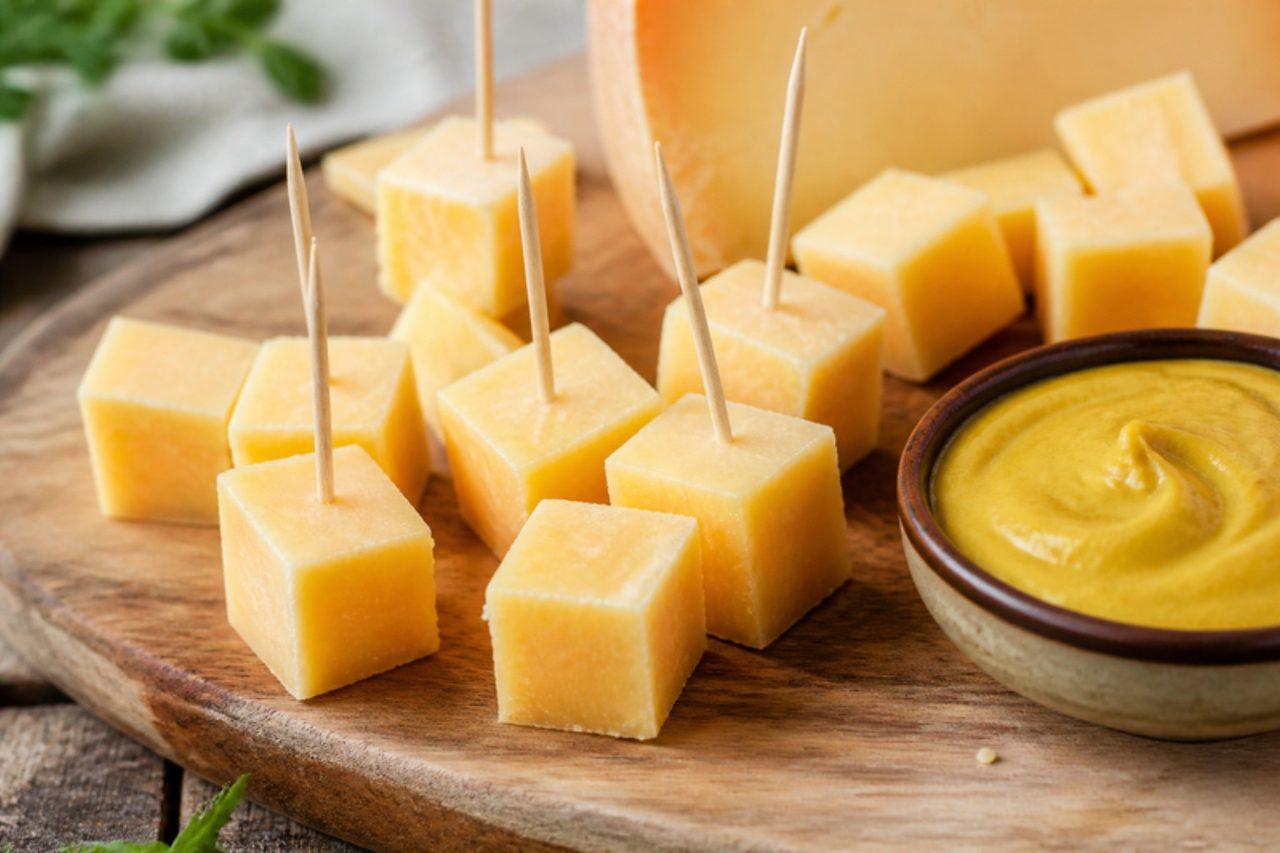
Friday afternoon in a Dutch brown café, or a birthday circle in a living room in Utrecht, means a borrel, and the first thing on the table is a plate of cheese cubes on cocktail sticks. Belegen or oude Gouda, aged until it is firm and nutty with little salt crystals, is cut into neat cubes and served with a pot of coarse mustard and a shake of celery salt. Traditional Gouda is made with animal rennet, so pick a vegetarian aged Gouda-style cheese if needed. A common mistake is serving the cheese fridge-cold, which hides its flavour. Chef's tip: cut it half an hour before guests arrive and let it come to room temperature, covered.

by KrazyBadal 0 views

OssenworstSpiced beef sausage

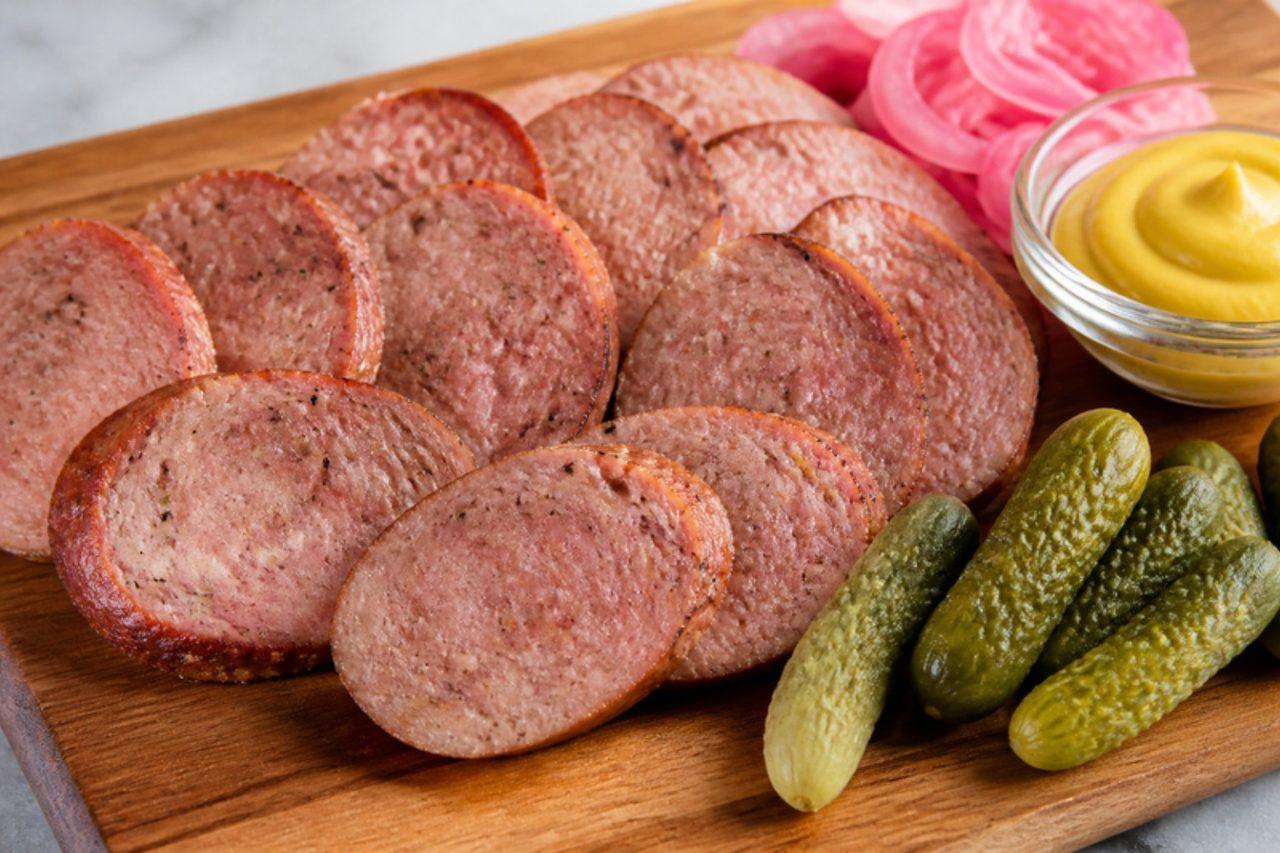
Ossenworst is Amsterdam's own borrel sausage, made since the seventeenth century from lean beef spiced with cloves, nutmeg, mace and white pepper, and sliced thin at cafés in the Jordaan with mustard, pickled onions and gherkins. The traditional sausage is raw and lightly cured, so it is best bought from a specialist Amsterdam butcher, and like all raw meat it is not for pregnant women, young children or anyone with a weakened immune system. This home version keeps the same spicing but is gently poached until the centre reaches 71 °C, then chilled and sliced, which makes it safe for everyone. A common mistake is boiling it hard, which makes it dry and crumbly. Chef's tip: keep the water at about 80 °C, never bubbling, and check the core with a thermometer.

80 minDutchMeatGluten free
by KrazyBadal 0 views

VlammetjesSpicy mini spring rolls

Vlammetjes, little flames, are the fiery mini spring rolls of the Dutch borrel, served by the dozen in bars from Amsterdam to Groningen with a bowl of sweet chilli sauce. The filling is beef mince cooked with onion, garlic, sambal and sweet soy until dry and spicy, then rolled tightly in spring roll pastry and fried until blistered and crisp. Make the heat to your own taste. A common mistake is rolling a wet filling, which splits the wrappers and spits in the oil. Chef's tip: cook the mince until the pan is dry and it starts to crackle, then cool it completely before rolling.

by KrazyBadal 0 views

BamischijfFried noodle disc

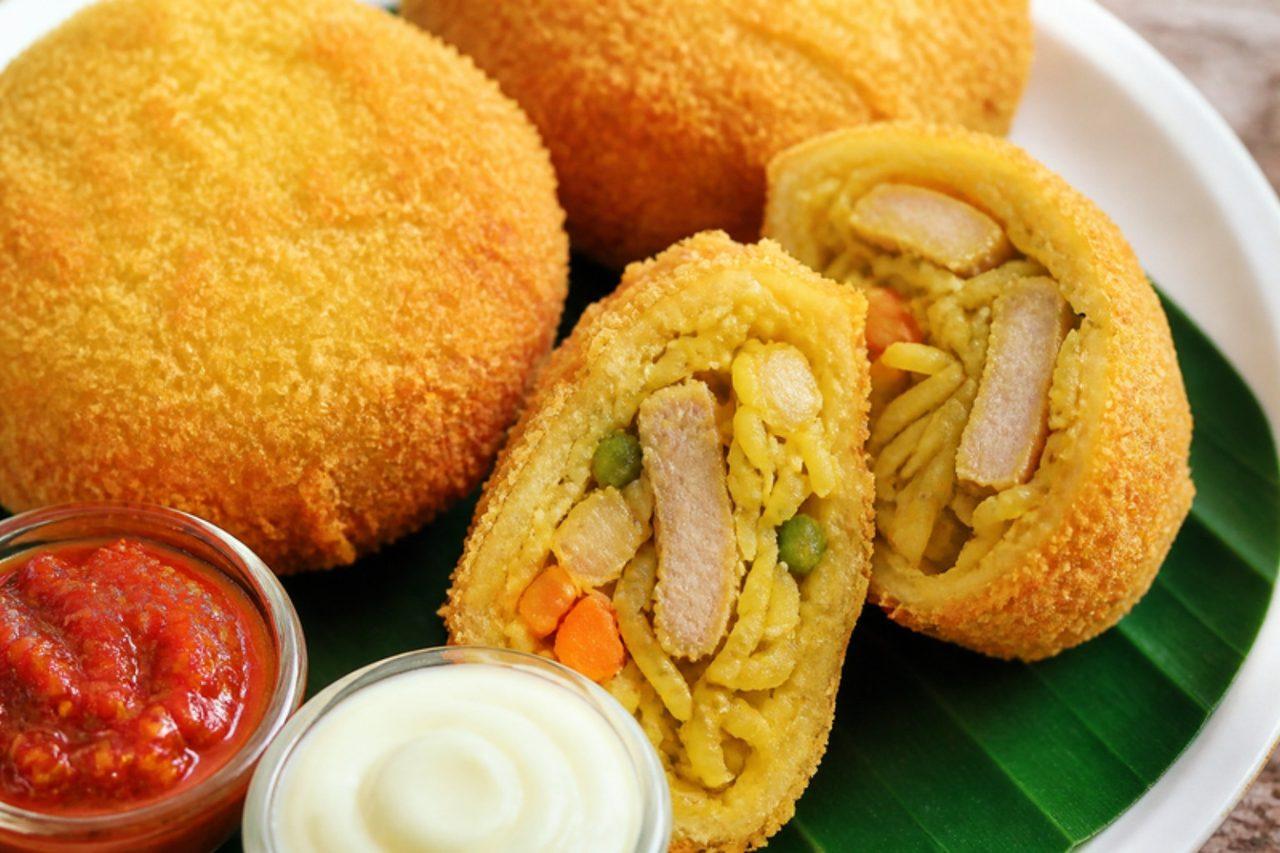
The bamischijf is pure Dutch snack-bar culture: Indonesian-style bami goreng, fried noodles with pork, leek and celery, set firm with a little ragout, cut into discs, breaded and deep-fried. It came out of the Indo-Dutch kitchen into the cafetarias of Rotterdam and The Hague, and it is eaten at borrels with sweet chilli or peanut sauce. Here the pork mince is cooked to 71 °C before it goes in. For a vegetarian version, leave out the pork and add more cabbage, carrot and mushrooms. A common mistake is skipping the chilling, which makes the discs fall apart in the oil. Chef's tip: press the noodle mix hard into the tin with a second tin on top before chilling.

by KrazyBadal 0 views

RookworstSmoked pork sausage

Rookworst, the horseshoe-shaped smoked pork sausage of the Netherlands, is sliced into thick warm coins for borrel boards in winter and served on cocktail sticks at Friday drinks and football nights, always with a pot of strong yellow mustard. It is also the sausage laid on top of stamppot. Rookworst is sold ready-cooked, so it only needs heating through gently. The common mistake is boiling it, which splits the skin and lets the juices escape. Chef's tip: warm it in water that is just steaming, then serve it within minutes so the slices stay juicy.

22 minDutchMeatGluten free
by KrazyBadal 0 views

EierbalFried egg in curry ragout

The eierbal is a snack-bar legend from the Dutch provinces of Gelderland and Overijssel, found in the wall of hot snacks at many cafetarias and at borrels: half a hard-boiled egg wrapped in a thick curry ragout, breaded and fried into a golden ball the size of a fist. This vegetarian version makes the ragout with vegetable stock and milk. It is rich, so one per person with mustard is plenty. The classic mistake is wrapping eggs in ragout that is still warm; it must be chilled firm or it will not hold. Chef's tip: bread the balls twice, egg and crumbs then egg and crumbs again, so they do not split in the oil.

by KrazyBadal 0 views

ErdäpfelstrudelSavoury potato strudel

Austrians, especially in the Mühlviertel of Upper Austria and the Waldviertel, make savoury strudels as often as sweet ones, and Erdäpfelstrudel is a farmhouse favourite for a meatless Friday or a cold evening. Thin pastry wraps a filling of potatoes, fried onion, sour cream, marjoram and parsley, baked until crisp and golden and sliced with a green salad or a dill and sour-cream dip. Bought filo makes it easy at home. The mistake to avoid is a wet filling, which turns the pastry soggy underneath. Chef's tip: cool the filling completely before rolling; warm filling makes the layers stick and tear.

by KrazyBadal 0 views

Chenjeh kababSaffron lamb kebab

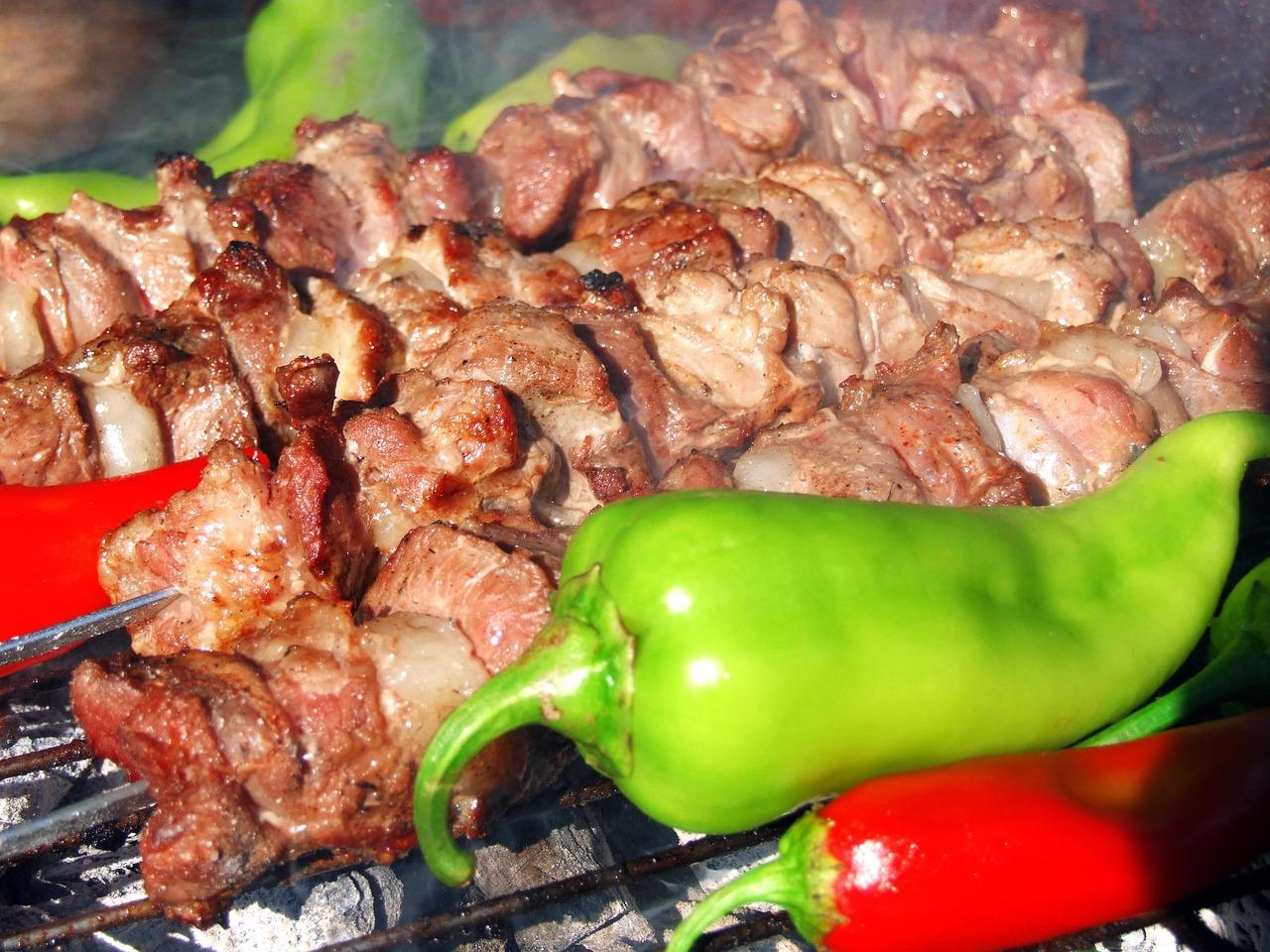
Chenjeh, chunks of lamb grilled on wide flat skewers, is the kebab of the roadside restaurants on the road to Mashhad and the Friday grills of Tehran, where whole families queue for it with bread and grilled tomatoes. The meat marinates in grated onion, yogurt and saffron until tender, then cooks fast over hot coals so it is charred outside and juicy within. Serve it with chelow and butter, or lavash, sumac and grilled tomatoes. The usual mistake is cutting the pieces too small, so they dry out before they char; 3–4 cm cubes are right. Chef's tip: strain the grated onion and use only its juice in the marinade, so no onion bits burn on the grill.

175 minPersianMeatGluten free
by KrazyBadal 0 views

Ash-e joBarley and chickpea soup

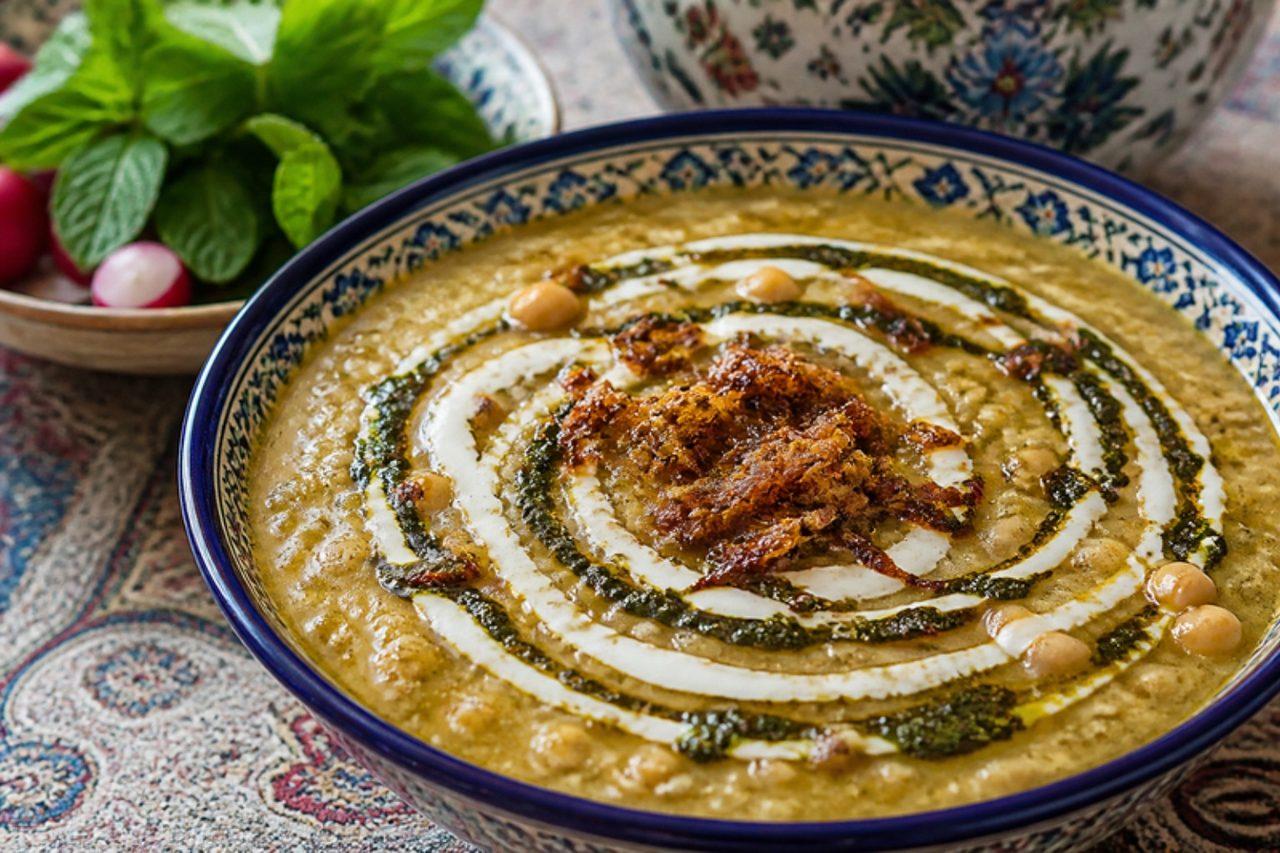
Ash-e jo is a winter staple in Tehran, Kashan and the cold cities of the plateau, and many families cook a huge pot in the month of Ramadan to break the fast. Pearl barley simmers with chickpeas, beans and lentils until it turns creamy, then plenty of herbs and a swirl of kashk make it tangy, savoury and filling. Serve it hot with bread and extra kashk at the table. The common mistake is skipping the soaking, which leaves the chickpeas hard long after the barley has gone to mush; soak them overnight. Kashk contains dairy. Chef's tip: the soup thickens a lot as it stands, so make it a day ahead and loosen it with hot water as you reheat.

140 minPersianSoups
by KrazyBadal 0 views

Kuku-ye morghSaffron chicken egg cake

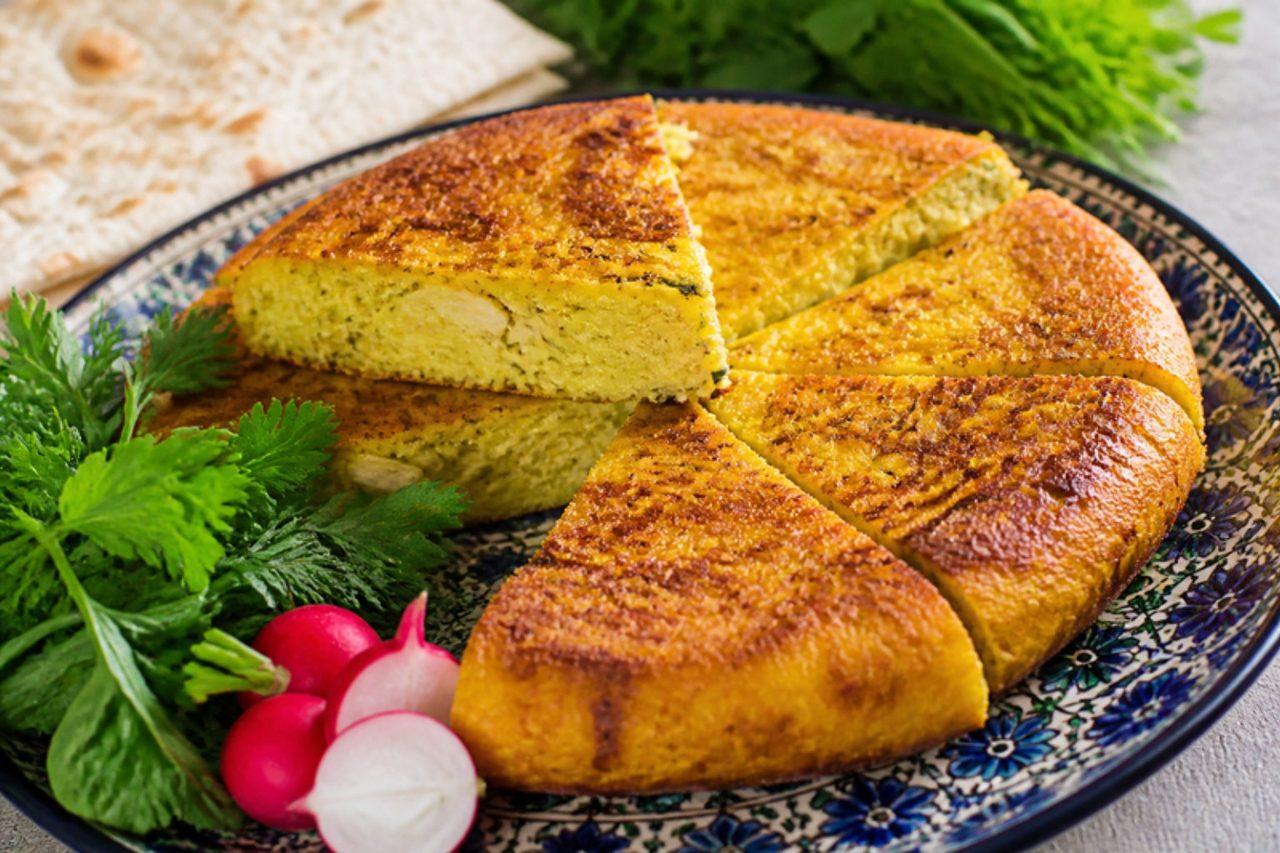
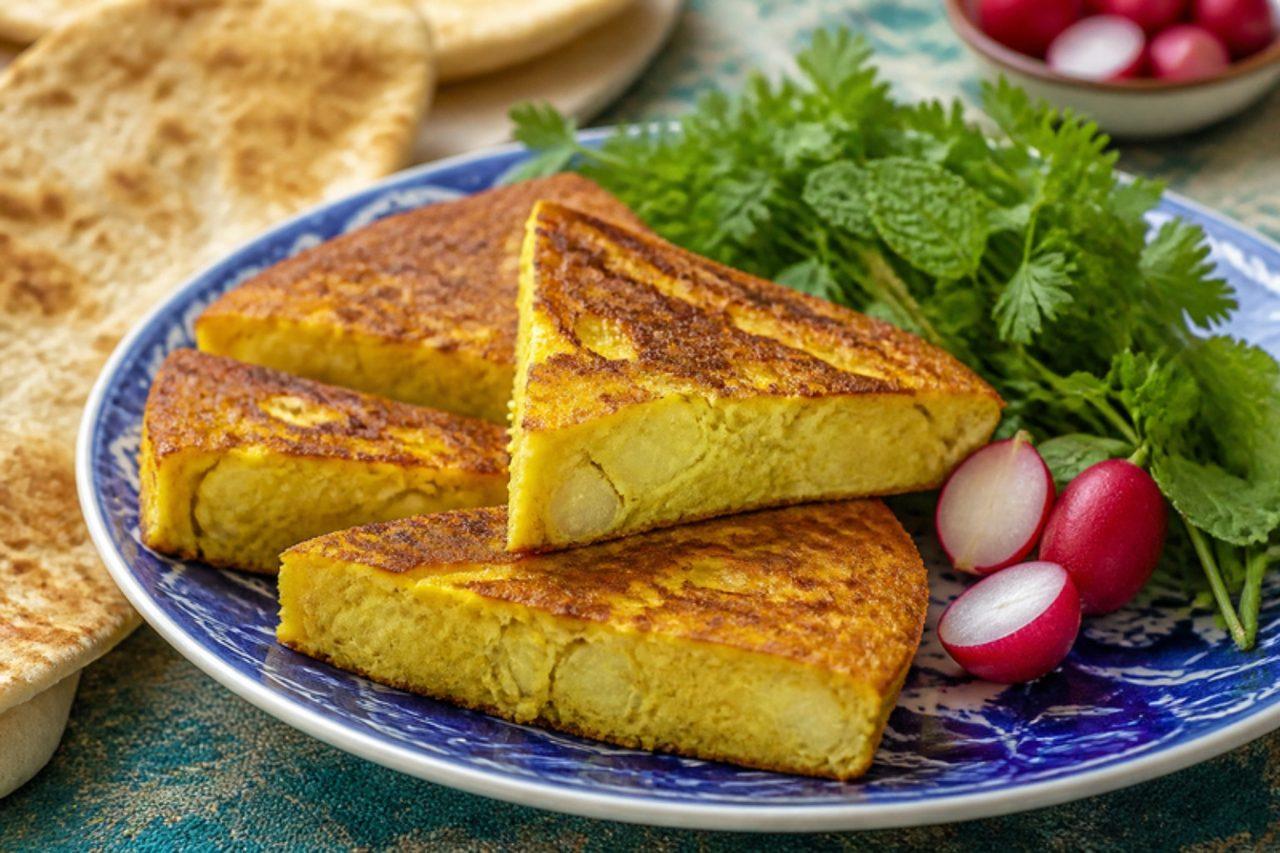
Tehran families take kuku-ye morgh to the mountains of Darband and Tochal on Friday outings, cut into wedges and stuffed into lavash with tomato and pickled cucumber. Poached chicken is shredded, mixed with golden onion, saffron and eggs, and cooked into a thick, moist cake that holds together for sandwiches. Serve it warm or cold with yogurt and herbs. The mistake is overcooking the chicken before it goes in, which leaves the kuku dry and stringy; poach it gently just to temperature. Contains egg. Chef's tip: add 2 tablespoons of the poaching broth to the eggs; it keeps the kuku juicy even the next day.

by KrazyBadal 0 views

Khoresh-e havijCarrot and lamb stew

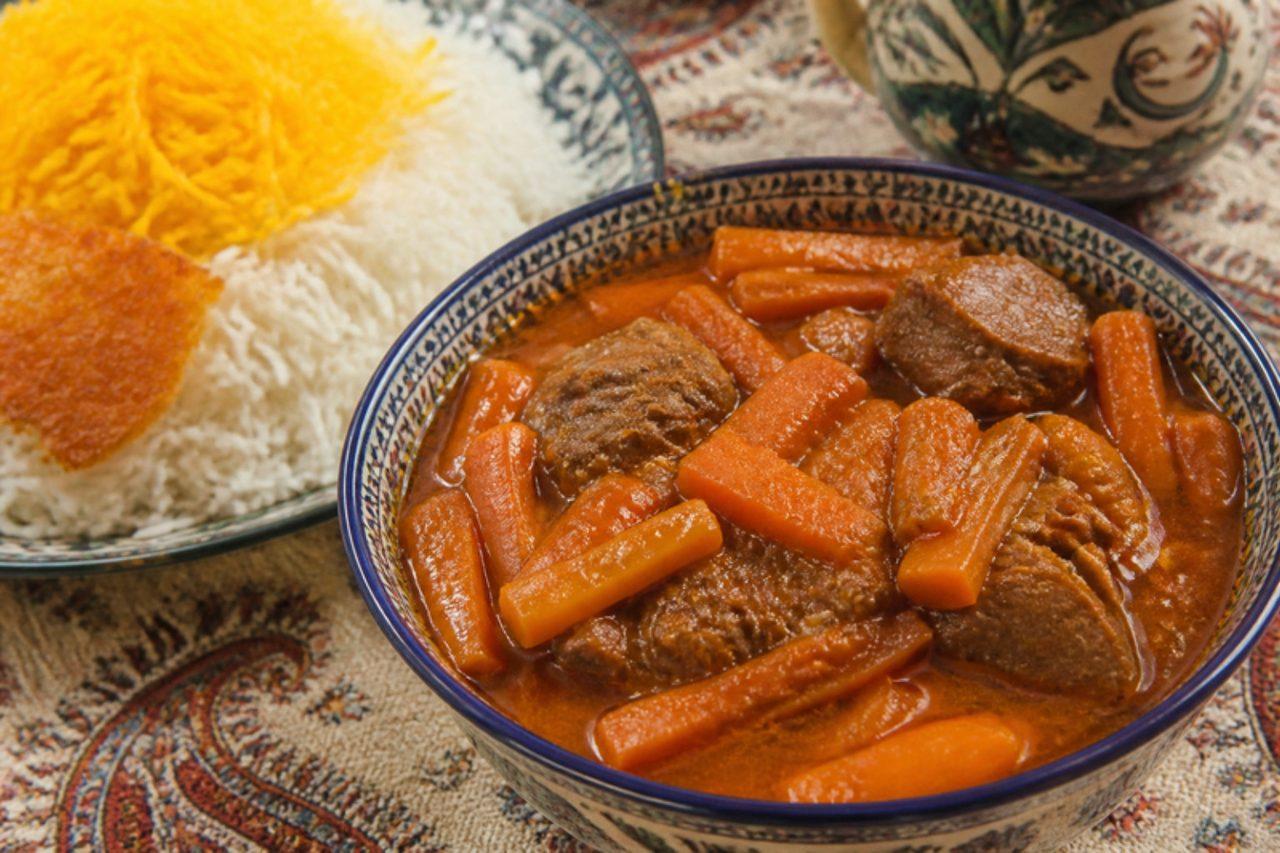
Tabriz cooks in Iranian Azerbaijan like their stews a little sweet, and khoresh-e havij is a winter weeknight dish there and in Tehran, made with thin batons of carrot fried until they caramelise. The lamb cooks soft in a turmeric and onion broth, then the carrots go in with saffron, a spoon of sugar and lemon, giving a bright orange, gently tangy stew. Serve it with chelow and a green salad. The common slip is cutting the carrots thick; they stay hard and never take on the sauce, so cut them like matchsticks. Chef's tip: a handful of yellow split peas, added with the water, makes it more filling, as many Tabrizi families do.

by KrazyBadal 0 views

Kuku gol-kalamCauliflower egg cake

Winter kitchens in Tehran and Isfahan turn cheap cauliflower into kuku gol-kalam, a family supper that is just as good cold the next day, tucked into bread for the office. The cauliflower is boiled soft, crushed with fried onion, turmeric and a little cumin, then bound with eggs into a golden, mild, slightly nutty cake. Serve it with bread, torshi and herbs. Many cooks leave the cauliflower in big chunks, so the kuku crumbles when cut; mash it roughly first. Contains egg. Chef's tip: dry the boiled cauliflower in the hot pan for a minute before mashing, which gets rid of the extra water and keeps the kuku firm.

by KrazyBadal 0 views

Kabab tabeiPan-fried minced meat kebab

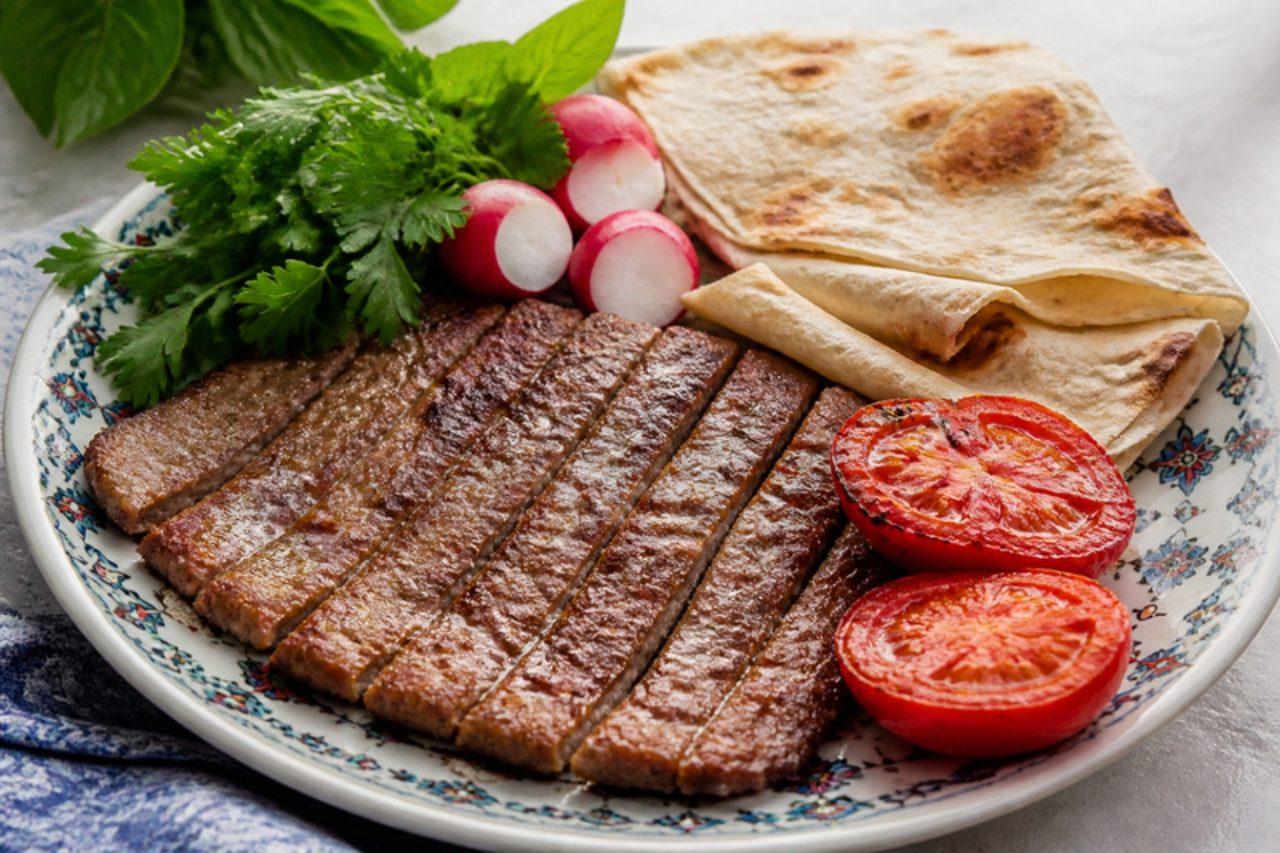
Kabab tabei is the kebab Iranian students make in a frying pan when there is no grill, and the quick weeknight dinner in flats all over Tehran: minced meat with grated onion and turmeric pressed flat across the pan, cut into strips and fried in its own juices. It tastes like koobideh without the charcoal and is ready in half an hour. Serve it with chelow or bread, pan-fried tomatoes and raw onion. The mistake is a cold pan, which makes the meat stew; heat it well first and don't move the slab until it has browned. Chef's tip: once the first side is cooked, tip in halved tomatoes around the meat; they soften in the juices and become the sauce.

by KrazyBadal 0 views

Kabab bakhtiariLamb and chicken kebab

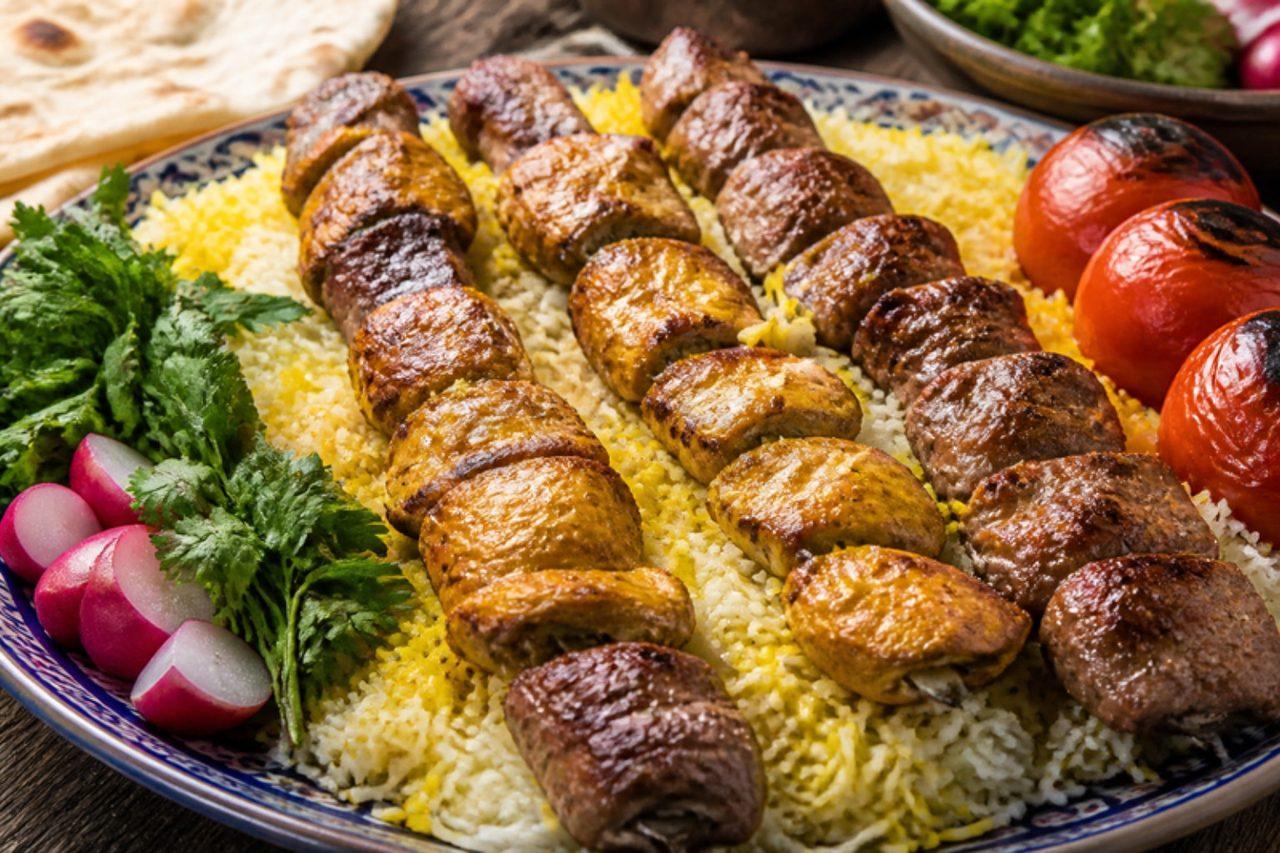
Named after the Bakhtiari tribes of the Zagros mountains but really a creation of Iran's big city kebab houses, kabab bakhtiari puts lamb fillet and saffron chicken side by side on the same skewer, so each person gets both. It is a celebration order in Tehran and Isfahan restaurants, served with buttered chelow and grilled tomatoes. Each meat has its own marinade: onion and pepper for the lamb, saffron, lemon and yogurt for the chicken. The common mistake is cutting both meats to the same size; chicken needs slightly smaller pieces so it cooks through as the lamb reaches pink. Chef's tip: press the lamb and chicken pieces tightly together on the skewer so the juices pass between them as they grill.

165 minPersianMeatGluten free
by KrazyBadal 0 views

Khoresh-e aluChicken and prune stew

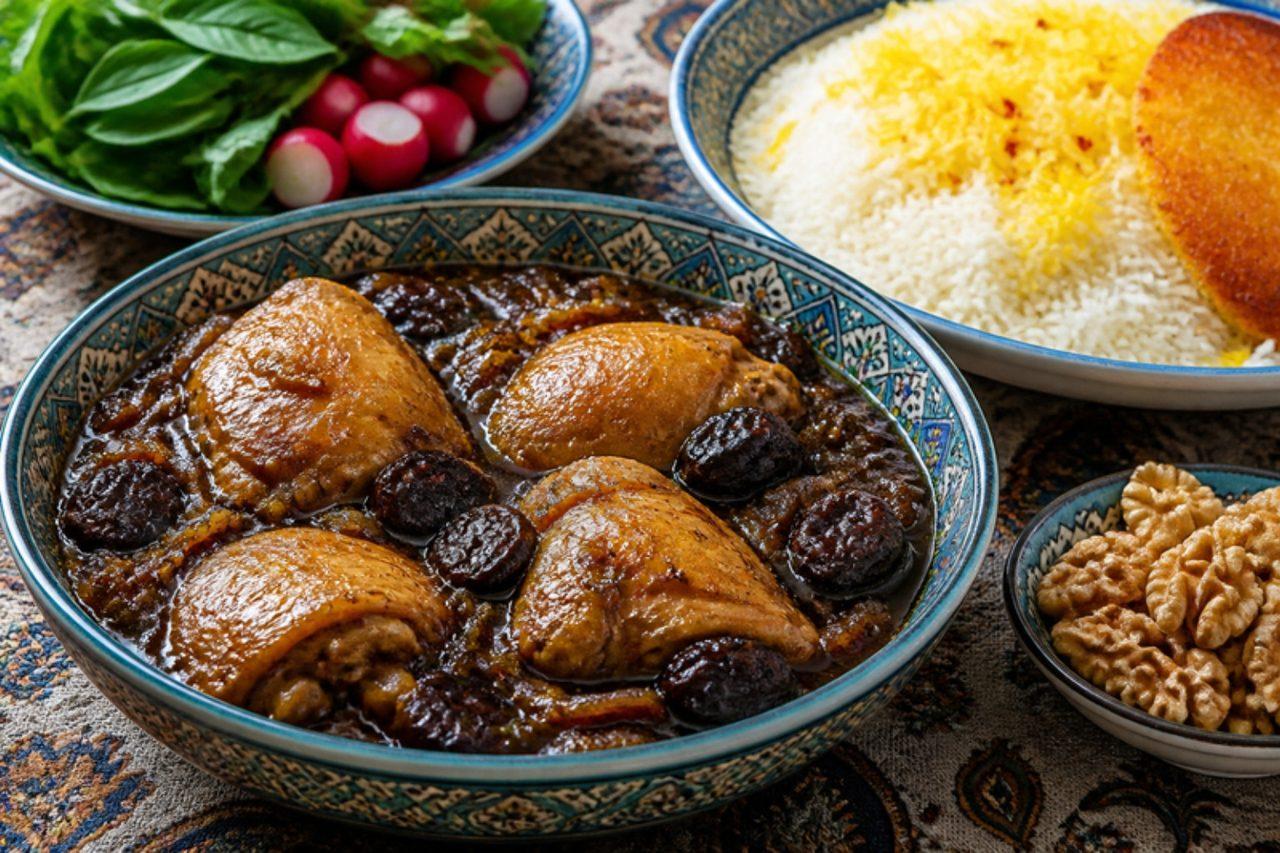
Khoresh-e alu is a dinner-party stew in Tehran, made for guests in winter when it can sit on the stove and wait; the prunes and a spoonful of vinegar give it the gentle sweet-sour balance Tehranis love. Chicken thighs brown with a big heap of fried onion and saffron, then braise slowly with black prunes until the sauce is dark, glossy and sticky. Serve with chelow or saffron rice and a crisp salad shirazi. People often stir the stew hard once the prunes are in, and they split and cloud the sauce; turn the chicken gently instead. Chef's tip: fry the onion slowly until truly brown, not just golden, because that colour is most of the flavour.

by KrazyBadal 0 views

Khoresh-e kangarCardoon and lamb stew

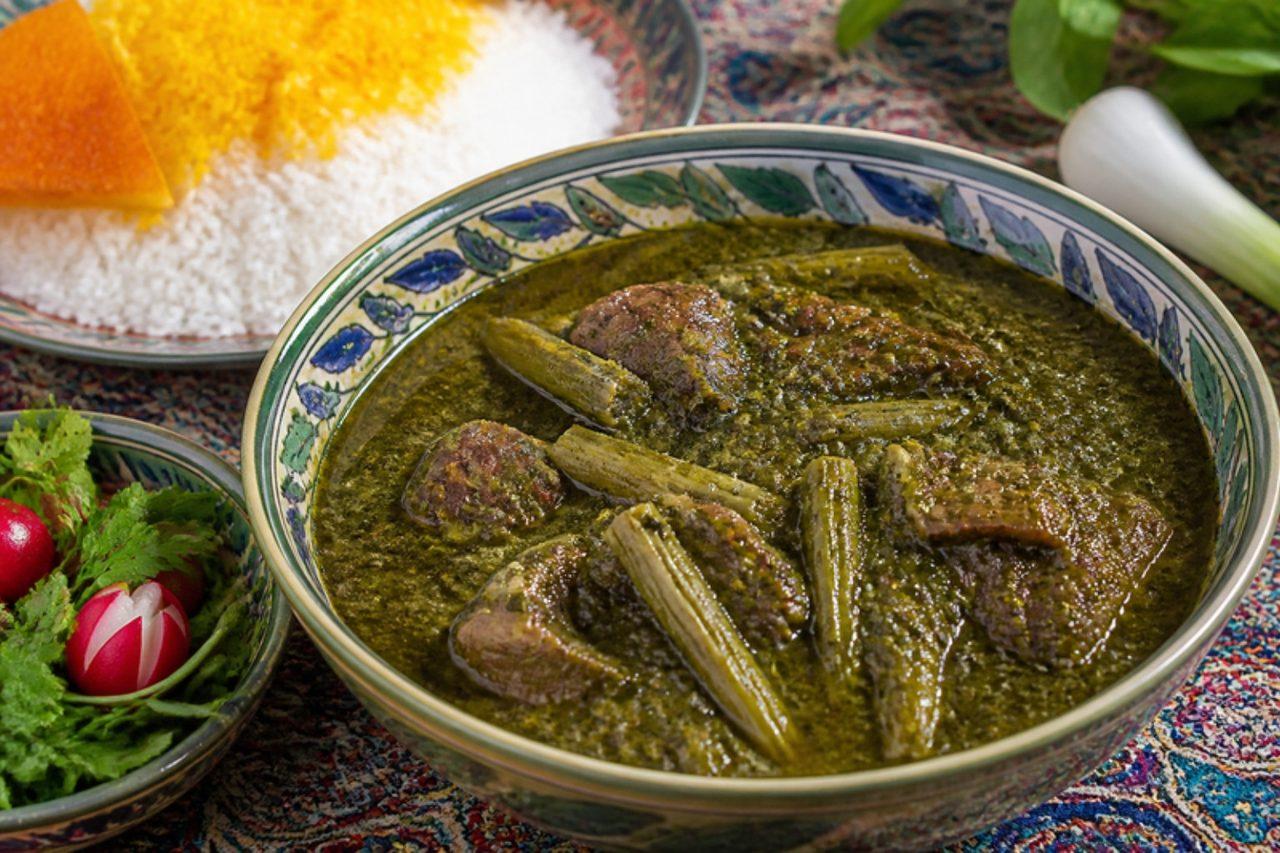
Kangar, a wild thistle, is gathered in the Alborz foothills above Tehran in April and May, and khoresh-e kangar is the stew people make with it in those few weeks; outside Iran, cardoons or artichoke stems stand in well. The peeled stems are fried, then simmered with lamb, mint, parsley and lemon until tender, giving a green, faintly bitter stew that tastes like artichoke. Serve it with chelow. The common mistake is skipping the peeling and the soak: the stringy outer skin stays tough and the cut stems blacken. Chef's tip: soak the cut stems in water with lemon juice for 30 minutes, which keeps them pale and pulls out much of the bitterness.

by KrazyBadal 0 views

Khoresh-e rivasRhubarb and lamb stew

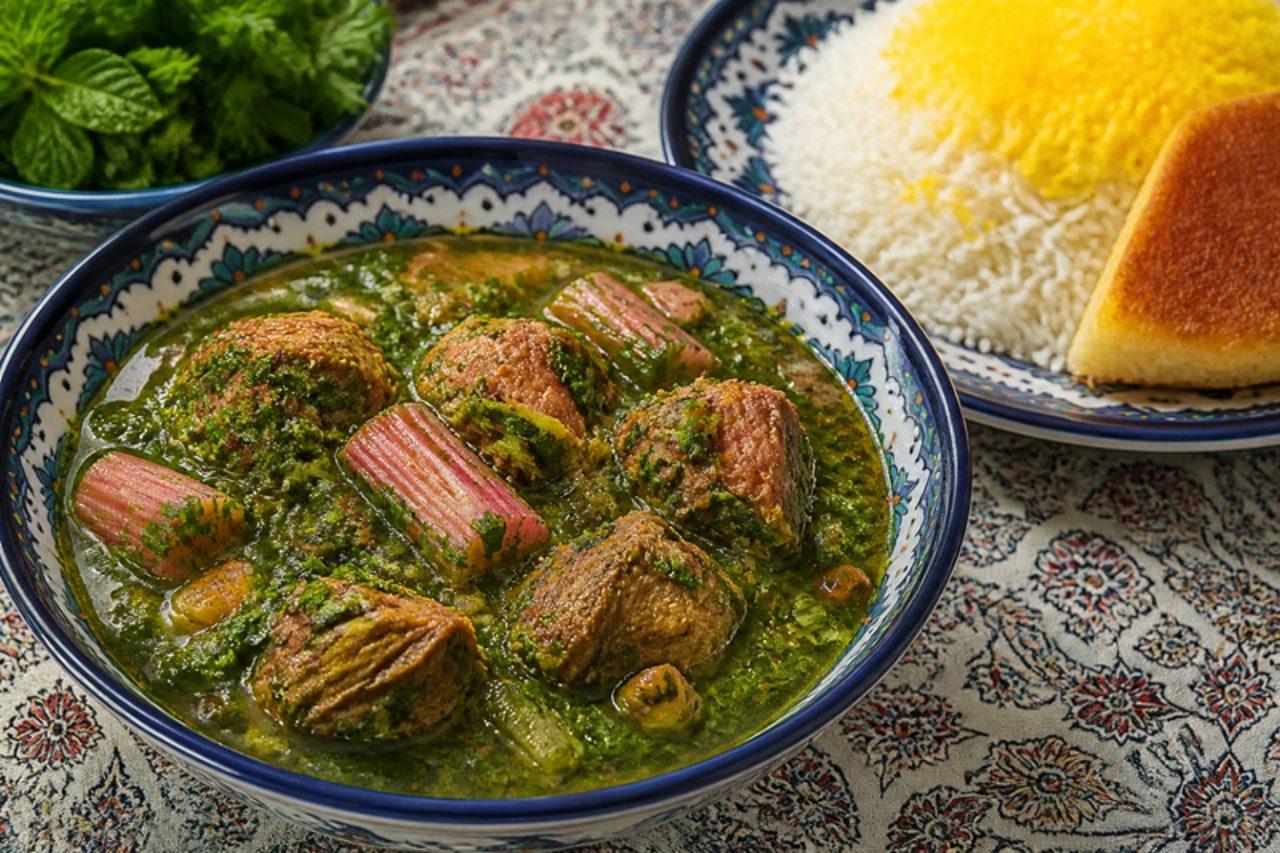
Rhubarb grows wild on the slopes of the Alborz and around Tabriz, and when the first pink stalks arrive in April, Tehran grandmothers make khoresh-e rivas, a spring tonic that also turns up at Nowruz visits. Lamb cooks soft, then a big pile of fried mint and parsley turns the sauce deep green, and the rhubarb is added at the very end so it stays in tender, sour pieces. Serve it with chelow and something sweet afterwards. The most common mistake is stirring once the rhubarb is in; it falls apart in minutes, so lay it on top and only shake the pot. Chef's tip: if your rhubarb is very sour, a teaspoon of sugar rounds it out without making the stew sweet.

by KrazyBadal 0 views

Khoresh-e bamiehOkra and lamb stew

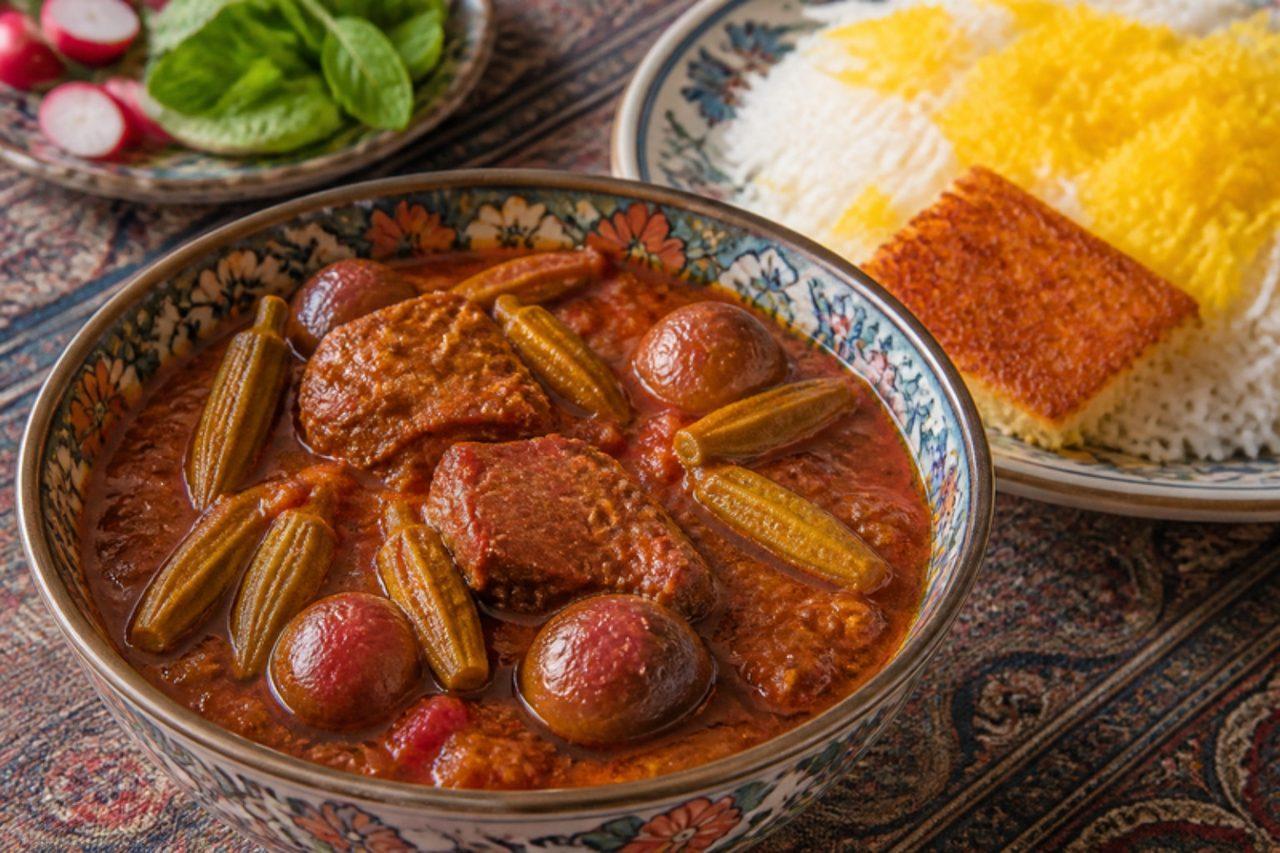
In Ahvaz, Abadan and the hot Gulf towns of Khuzestan, khoresh-e bamieh is everyday summer food, cooked when small okra fills the markets and eaten at lunch before the afternoon rest. Lamb simmers with onion, plenty of garlic, tomato and dried lime, and the okra is fried first so it keeps its shape in a sharp, garlicky red sauce; southern cooks often add a pinch of chilli. Serve it with chelow or plain rice and fresh herbs. The mistake that makes okra slimy is cutting it open or stirring it too much; leave the pods whole, trim only the stem tips, and shake the pot instead of stirring. Chef's tip: a squeeze of lemon added to the frying okra helps it stay crisp-skinned in the stew.

by KrazyBadal 0 views

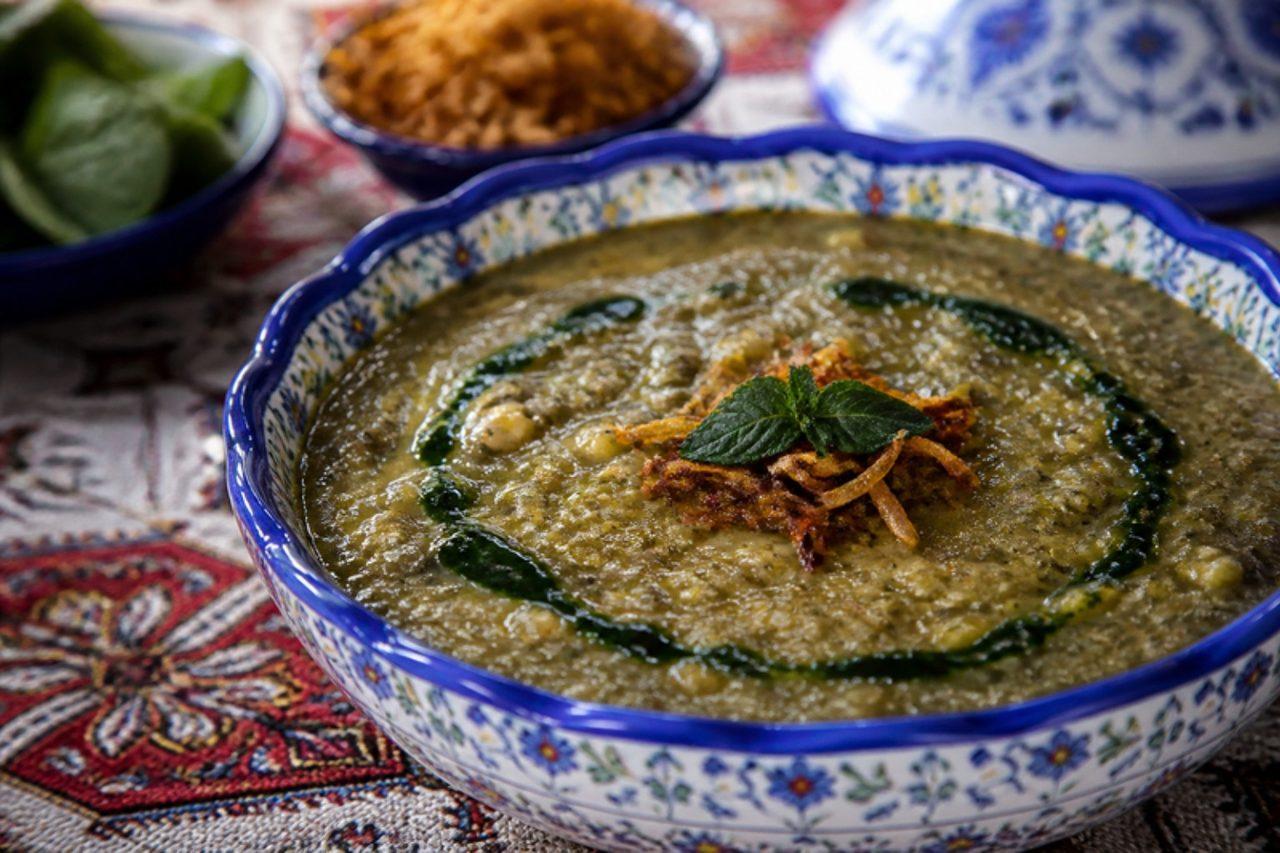
Ash-e mashMung bean and herb soup

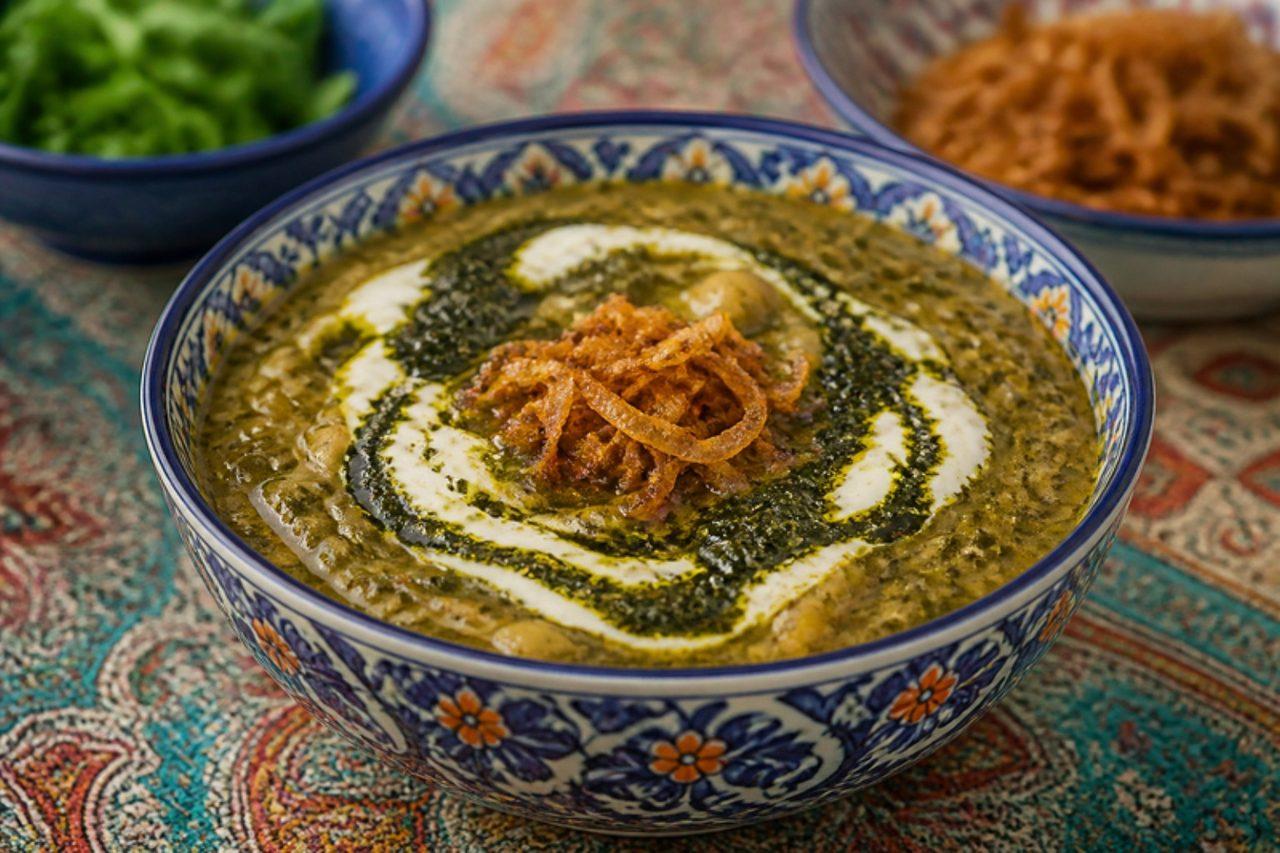
Ash-e mash is the soup Iranian mothers make when someone in the house has a cold, and in Tehran and the southern provinces it is sold from big pots on winter mornings. Mung beans and rice cook down with turmeric into a thick, earthy porridge, then a mountain of chopped herbs goes in and it is crowned with crisp fried onion and sizzling mint oil. Serve it in deep bowls with bread and lemon wedges. People often rush the beans, and the soup ends up thin with hard beans floating in it; they need to burst before the herbs go in. Chef's tip: stir from the bottom every few minutes once the rice is in, because ash catches quickly as it thickens.

by KrazyBadal 0 views

Ash-e haft danehSeven-grain soup

Ash-e haft daneh, the soup of seven seeds, is cooked as nazri, a votive offering, on Tasua and Ashura in Muharram, when families in Tehran, Kashan and Yazd stir huge cauldrons in the street and share bowls with neighbours and passers-by. Wheat, barley, rice, chickpeas, beans, lentils and mung beans cook slowly into a thick, nutty soup with herbs, topped with fried onion and mint. Serve it in bowls with bread. The mistake is adding all the grains together; they cook at different speeds, so the hard ones go in first. Chef's tip: soak everything except the rice and lentils overnight, each in its own bowl, and you'll cut the cooking time by an hour.

170 minPersianSoupsVegan
by KrazyBadal 0 views

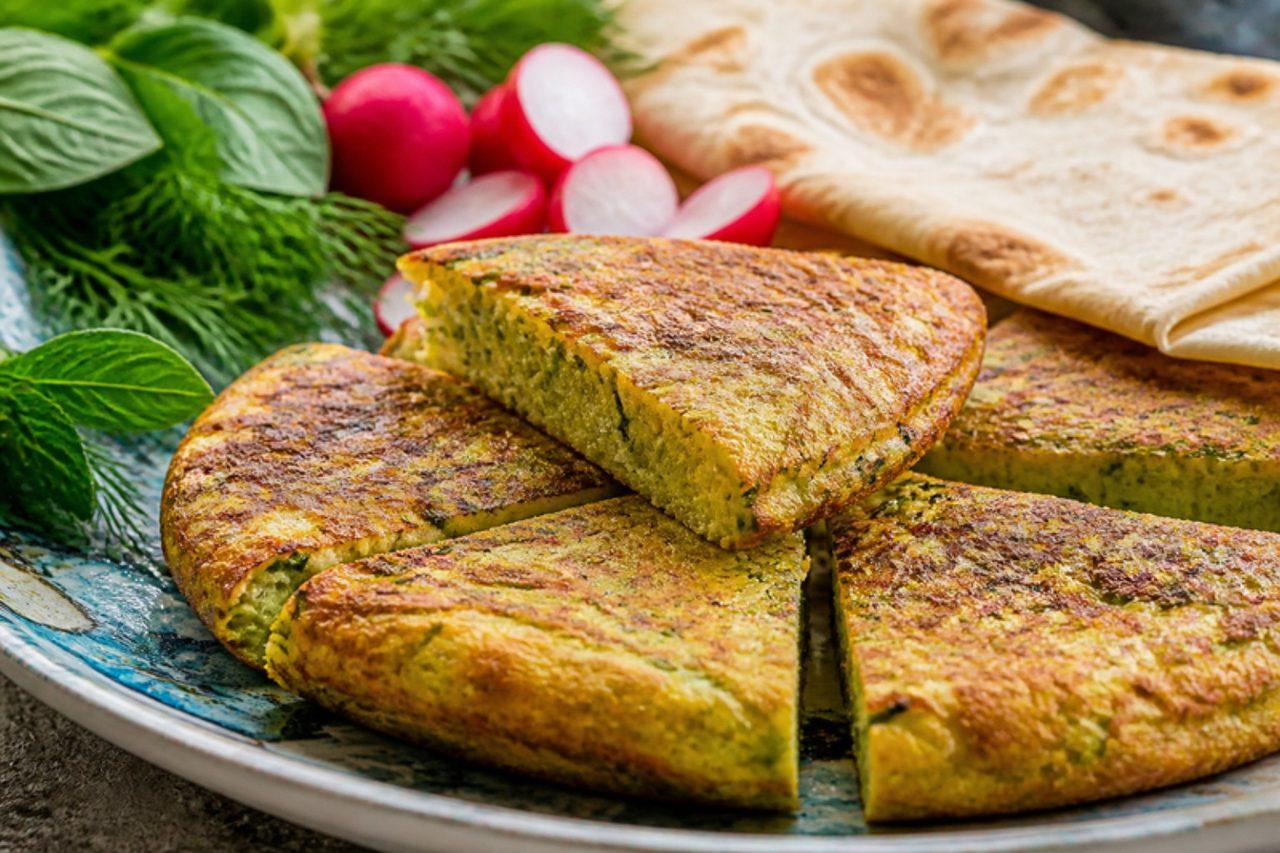
Kuku kadooCourgette herb egg cake

Kuku kadoo is what summer lunch looks like in homes across Iran when the garden produces more courgettes than anyone can eat; Tehran mothers slice it into school sandwiches with tomato and pickles. Grated courgette and onion are squeezed dry, fried briefly, then mixed with eggs, dill and dried mint for a light, green-flecked kuku that is soft and fluffy inside. Eat it hot or cold with bread, yogurt and herbs. The usual mistake is skipping the squeeze; courgette is mostly water and the kuku turns soggy and pale. Contains egg. Chef's tip: a teaspoon of baking powder and a spoon of flour, as many Iranian cooks add, make it rise and hold together better; leave out the flour to keep it gluten free.

by KrazyBadal 0 views

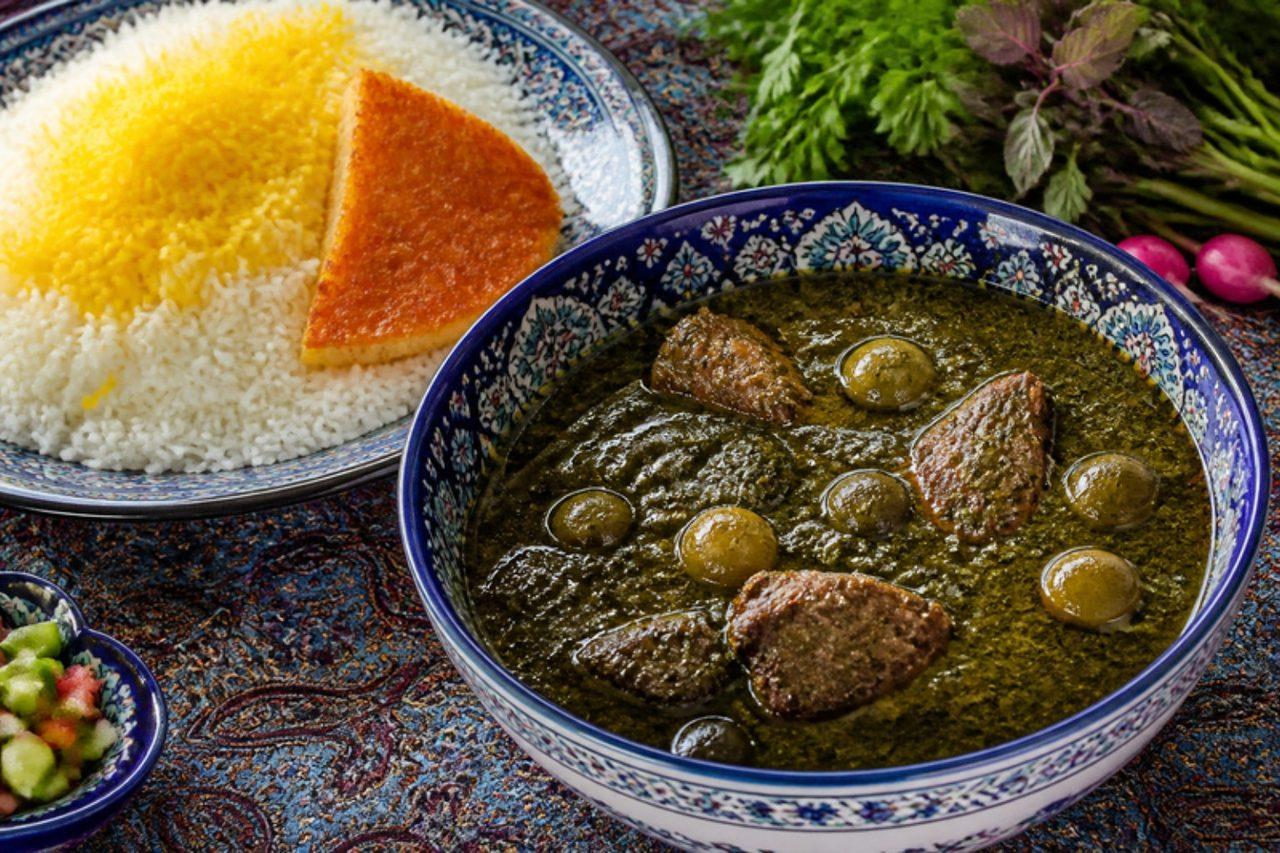
Khoresh-e gojeh sabzGreen plum and lamb stew

When unripe green plums (gojeh sabz) arrive in May, Tehran street sellers sell them in paper cones with salt, and cooks in Tehran and the Caspian provinces turn the rest into this short-season khoresh. Lamb simmers with fried parsley, mint and coriander, and the whole sour plums go in near the end, popping softly to give the stew a sharp, fresh tang. Serve it with chelow. A common mistake is cooking the plums for too long, so they dissolve and the stones float loose; 20 minutes is enough. Chef's tip: prick each plum once with a fork so it takes up the sauce without bursting.

by KrazyBadal 0 views

Showing 24 of 406 recipes

Show more recipes

Page 1 of 17