Skip to content
Recipes

All recipes

Vegetarian, or something you can't eat? Set your diet once and we'll hide recipes that don't fit.

Sardines stuffed with chermoula

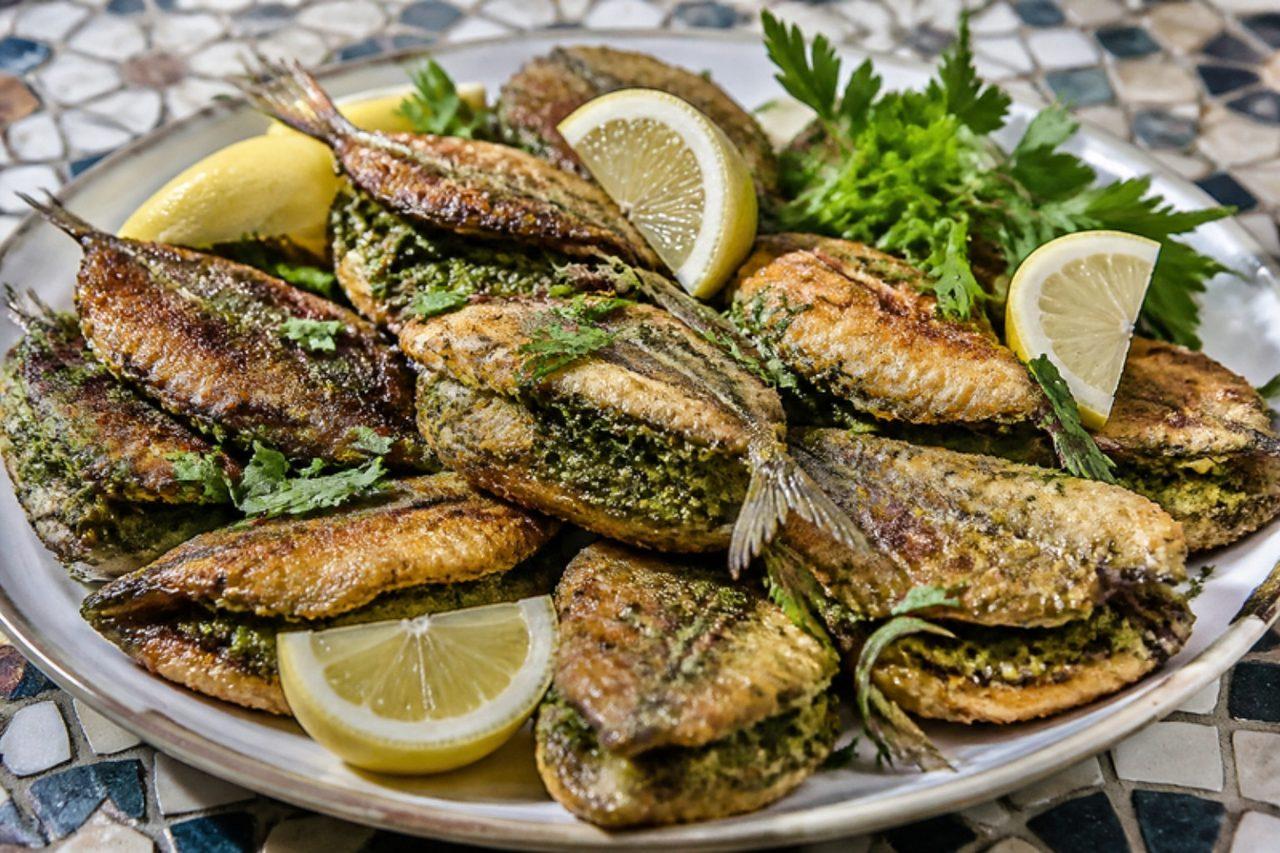
Walk past the fish stalls by Essaouira's harbour and you smell this before you see it: sardines opened flat, smeared with a green-red paste of herbs, garlic, cumin and paprika, pressed together in pairs, dusted with flour and fried until the edges crunch. The fish stays moist and rich inside, sharpened by lemon and a little chilli. In Safi and Agadir homes they appear at lunch with a tomato and onion salad and bread, or tucked into sandwiches from street carts. Chef's tip: ask the fishmonger to butterfly the sardines and remove the backbone; it saves a fiddly 20 minutes and they lie flat.

by KrazyBadal 0 views

Boulfaf

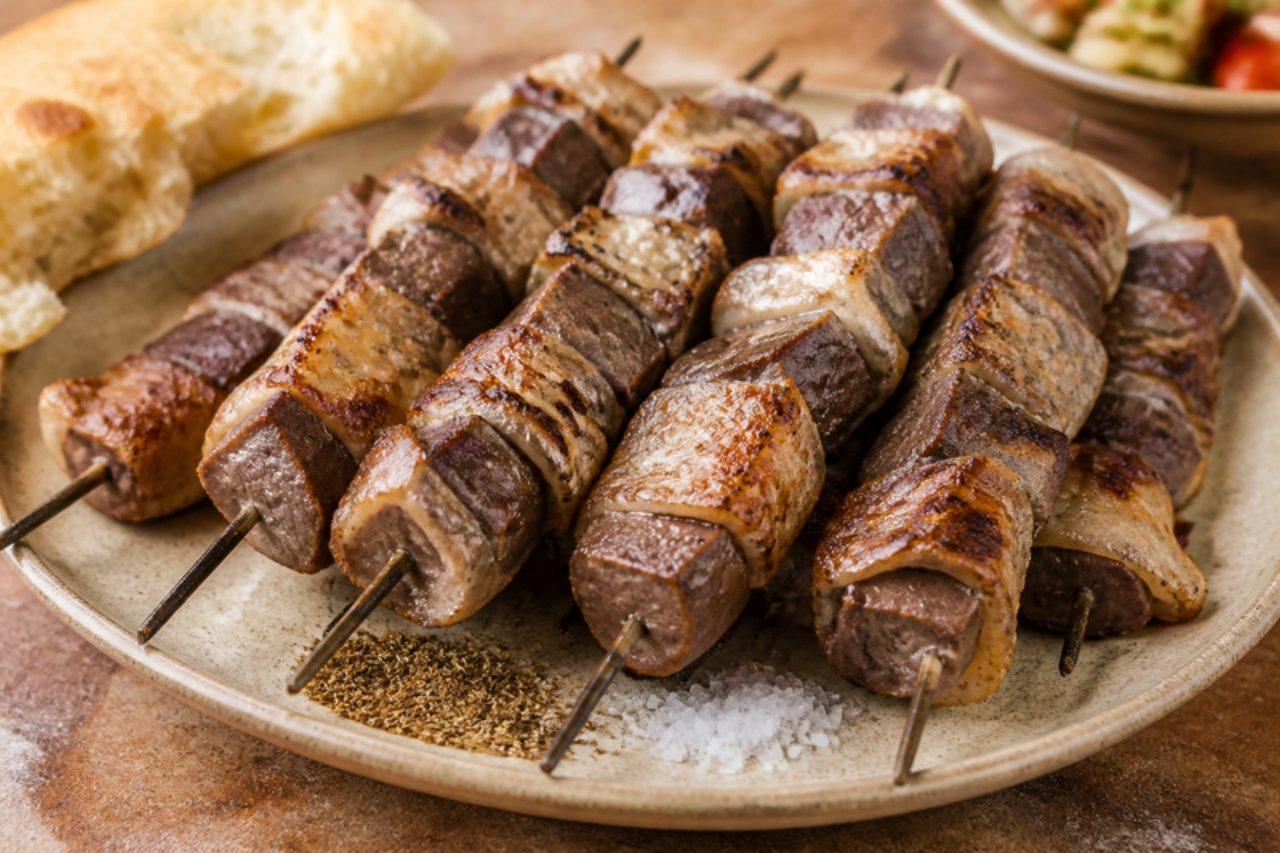
On the first day of Eid al-Adha, while the rest of the sheep hangs to rest, Moroccan families light the brazier on the roof or in the courtyard and make boulfaf from the fresh liver. The liver is seared whole, cut into cubes, rolled in cumin, paprika and salt, wrapped in lacy caul fat and grilled until the fat crisps and melts into it. Each bite is rich, smoky and soft, and the skewers go round with mint tea. Liver from your butcher works just as well on any day, and caul fat can be ordered. Chef's tip: wrap each cube snugly, not in a loose sheet; tight wrapping melts into a thin crisp shell instead of flaring up.

by KrazyBadal 0 views

Chraime

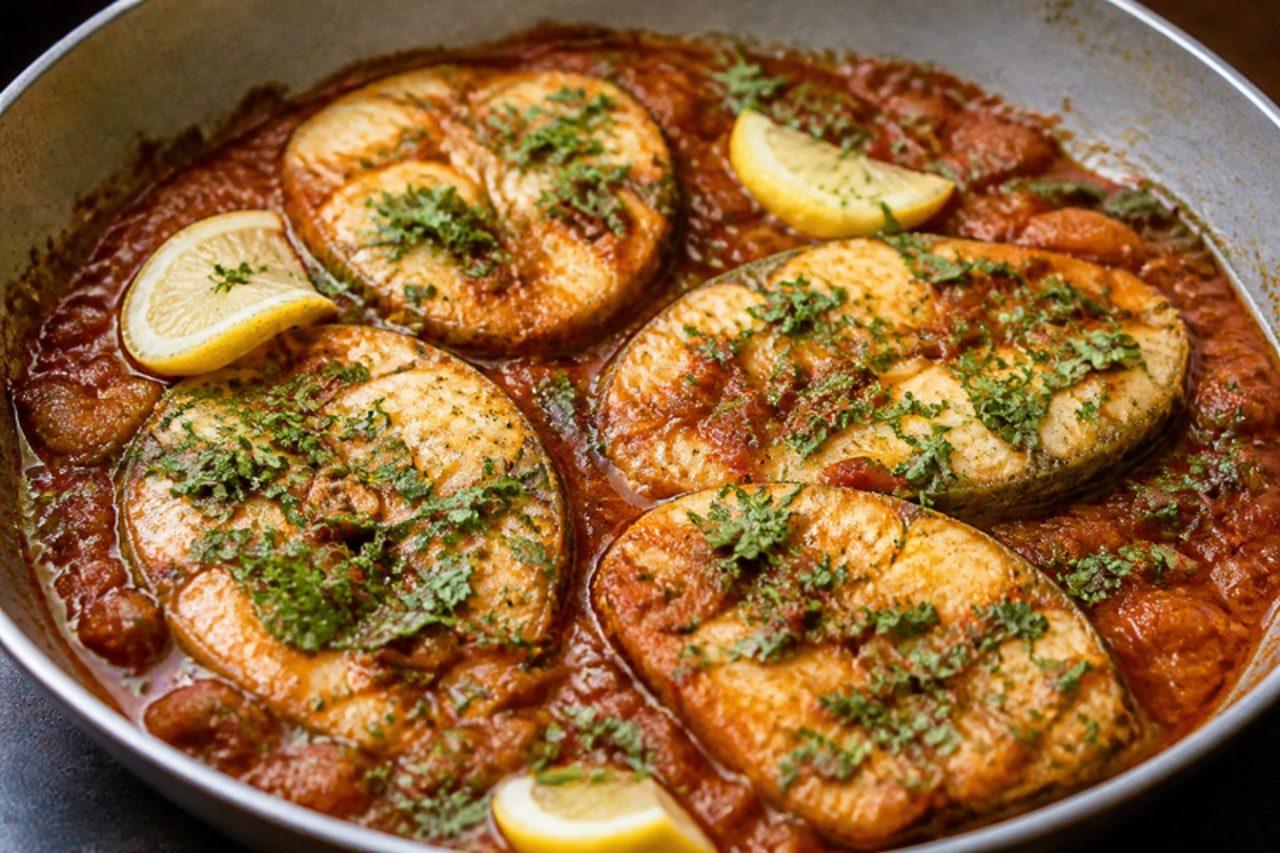
Friday night in Moroccan and Libyan Jewish homes, from Casablanca to Tripoli and now Paris and Tel Aviv, often begins with a plate of chraime before the main course. Thick fish steaks simmer in a brick-red sauce built from a frightening amount of garlic, sweet and hot paprika, chilli, caraway and cumin, loosened with oil and a squeeze of lemon. It is spicy, garlicky and very savoury, and the oily sauce begs to be mopped up with challah or other good bread. It is also eaten cold the next day. Chef's tip: cook the spices in the oil over a low heat until they smell toasty but not dark; burnt paprika tastes acrid and you cannot rescue it.

by KrazyBadal 0 views

Eggs with khlii

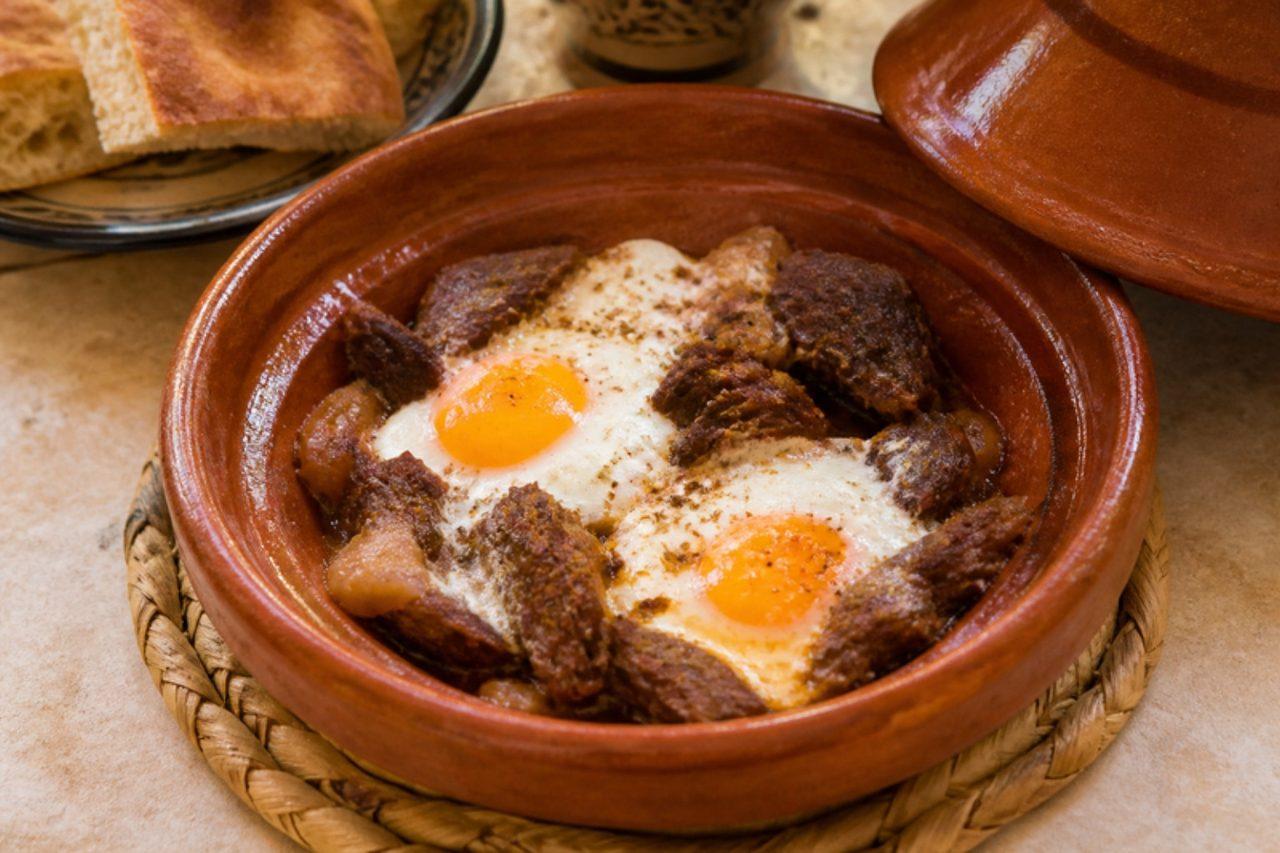
Old Fassi households keep a jar of khlii in the cold for exactly this: a spoonful of its spiced fat warmed in a small pan, a few strands of the dried beef crisped in it, then eggs cracked straight on top. The whites set lacy and savoury from the cumin and coriander in the fat, the yolks stay soft, and the beef shards turn chewy-crisp like the best bacon bits. It is eaten on a weekend morning or on a cold day with warm khobz or msemen torn into the pan, alongside mint tea. Use khlii made by our safer oven-dried, fridge-stored method, and if you cook for anyone pregnant, very young or vulnerable, fry the eggs until the yolks are firm. Chef's tip: warm the khlii fat gently before the eggs go in; too hot and the meat burns bitter before the whites have set.

by KrazyBadal 0 views

Qodban

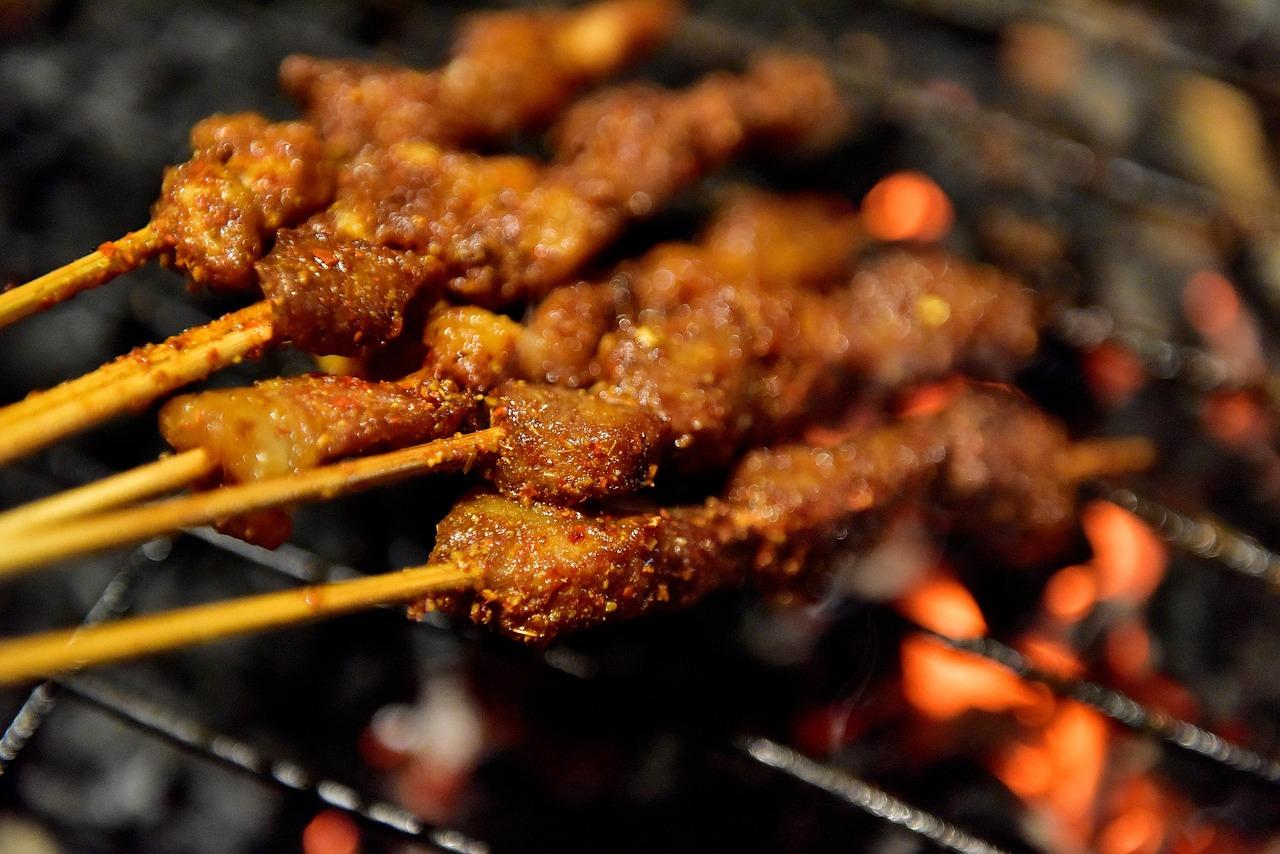
Smoke rising off long braziers marks the qodban sellers of Marrakech, who thread lamb cubes with little pieces of fat so the meat bastes itself over the coals. Cumin, paprika, grated onion and parsley go on before grilling; more cumin and salt go on after. The result is charred and juicy, fragrant rather than fiery, and eaten straight off the skewer, wrapped in khobz with a little harissa and tomato. Leg or shoulder of lamb both work. Chef's tip: alternate every two pieces of lean meat with one small piece of fat; it melts as the skewer turns and keeps the lean pieces moist.

by KrazyBadal 0 views

Raib (set yogurt with orange-flower water)

Every Moroccan town has a mahlaba, a dairy café, with a fridge full of little glass pots of raib: soft, wobbly set yogurt, lightly sweetened and often scented with orange-flower water or flavoured with strawberry. It is eaten with a spoon as a snack, as a dessert after dinner, or with msemen at breakfast. The texture is delicate and spoonable rather than thick like strained yogurt. The oldest versions were set with rennet; this home version uses live yogurt as a starter (if you try rennet tablets, choose a vegetarian one). It needs 6–8 hours to set and a few hours to chill. Chef's tip: let the milk cool to 43 °C before adding the starter; too hot and the cultures die, so the raib never sets, which is the most common mistake.

by KrazyBadal 0 views

Lemon verbena tea (louiza)

After a big dinner or before bed, many Moroccan households swap green mint tea for a pot of louiza, lemon verbena, whose long, narrow leaves give a pale golden infusion that smells of lemon sherbet and has no caffeine. The fresh herb is sold in bunches alongside mint and absinthe at market herb stalls, and dried leaves keep all year. Drink it plain, lightly sweetened, or brewed with a few mint sprigs. It is soothing, clean-tasting and fragrant. Chef's tip: pour boiling water over the leaves and let them steep off the heat for 5 minutes; boiling the leaves in the pot, a common mistake, turns the tea grassy and bitter.

by KrazyBadal 0 views

Cachanga

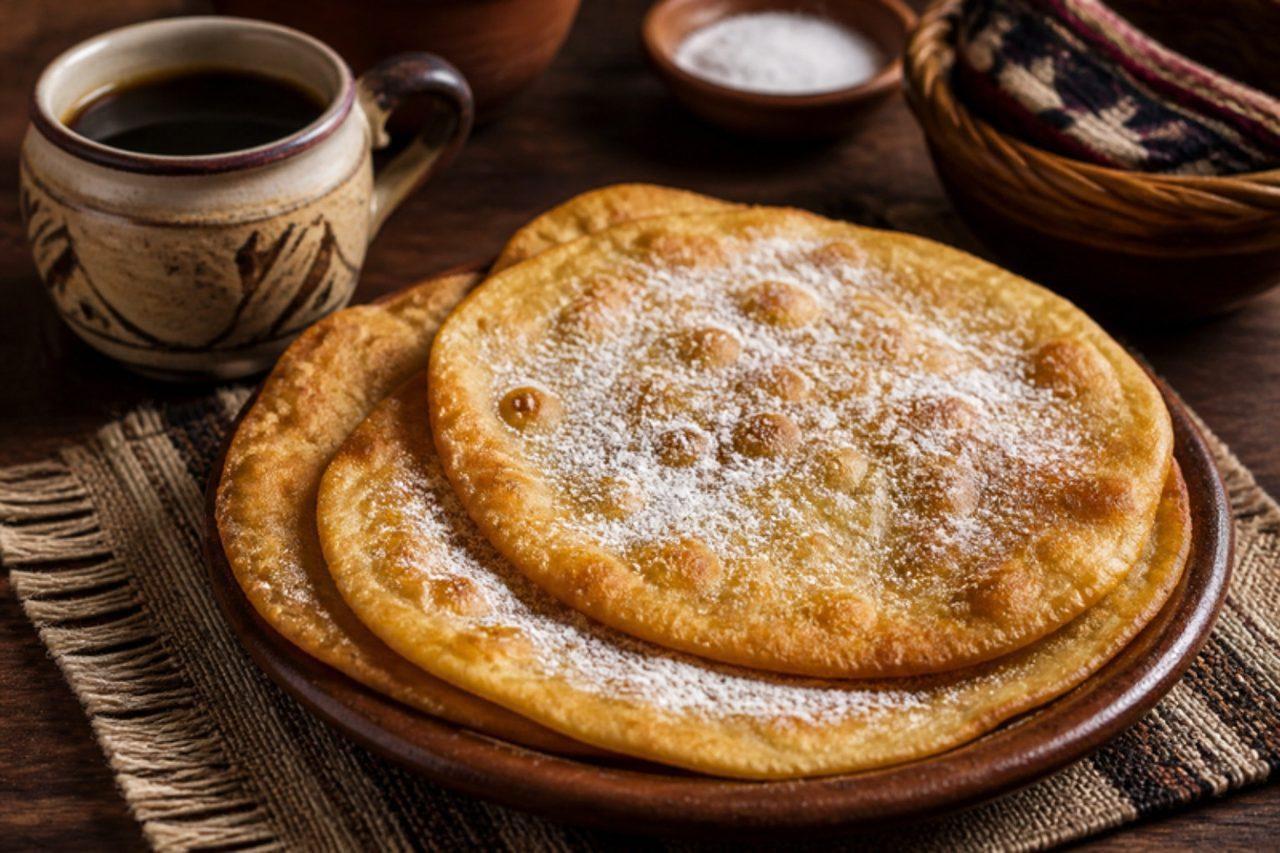
On cold mornings at markets in Puno, Juliaca and Arequipa, women stretch rounds of dough over their knuckles and drop them into big pans of hot oil, and cachangas come out puffed, blistered and golden, to be dusted with sugar and eaten with a cup of coffee, hot chocolate or api. The bread is thin, chewy in the middle and crisp at the edges, a cousin of the sopaipilla. Some cooks leave them plain and eat them with cheese. The commonest problem is oil that isn't hot enough: the dough soaks up fat and turns heavy instead of puffing. Keep it at 180 °C and fry one at a time. The dough uses butter and milk, so it is vegetarian but not vegan; swap both for oil and water if needed. Chef's tip: rest the dough for 20 minutes before rolling so it stretches thin without springing back.

by KrazyBadal 0 views

Tiradito

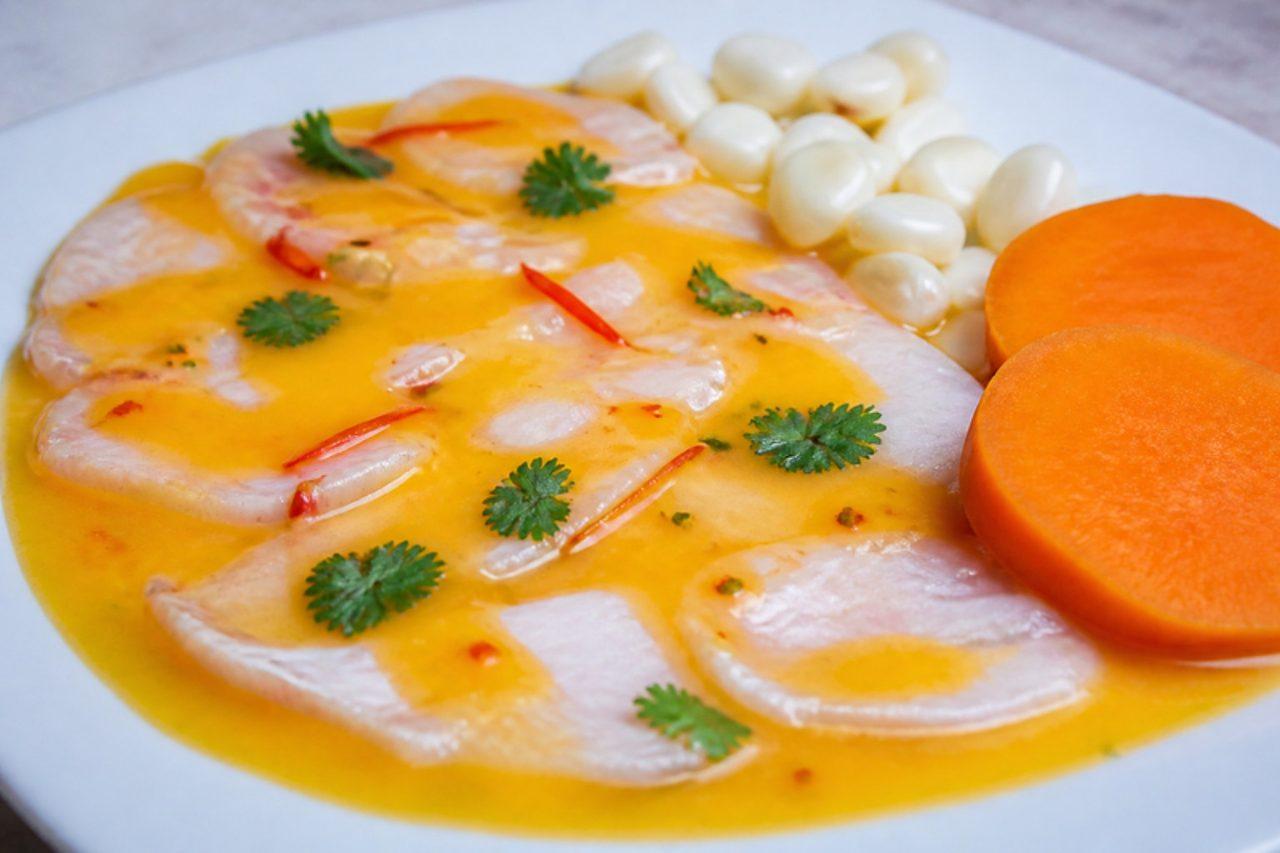
Lima's Japanese-Peruvian cooks turned ceviche on its head with tiradito: instead of cubes soaked in lime, the fish is cut thin like sashimi, laid flat and dressed at the last minute, so it stays silky with only the surface turning white. The sauce here is the classic golden one, ají amarillo blended with lime, garlic and ginger, fruity and medium hot. It is served as a starter in cevicherías and upmarket Miraflores restaurants with boiled sweet potato and corn. Because the fish is eaten almost raw, this version uses sashimi-grade fish frozen at −20 °C for 24 hours first (allow for that), kept cold and eaten the moment it is dressed; it is not for pregnant women, young children or anyone with a weakened immune system. The mistake people make is dressing it ahead: after ten minutes the lime cooks it through and it turns chalky. Chef's tip: chill the plates in the freezer for 10 minutes before you lay out the fish; it keeps the slices firm while you work.

by KrazyBadal 0 views

Chapo

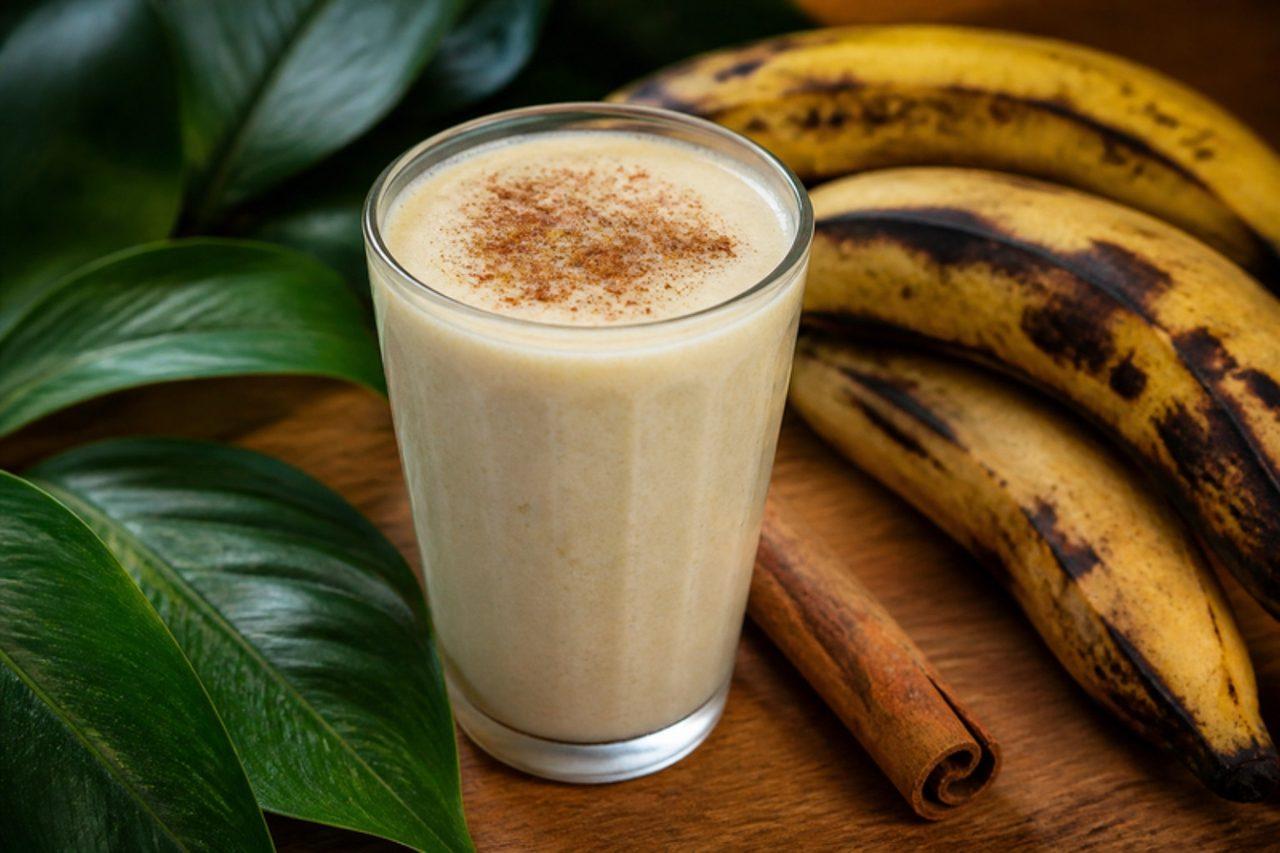
Breakfast stalls in Iquitos and the riverside towns of Loreto pour chapo into glasses from big steaming pots before the heat of the day sets in, and by afternoon the same drink is sold chilled. It is made from plantains left until their skins are black, simmered with cinnamon and cloves until soft, then blended smooth and loosened with milk. The result is thick, naturally sweet and gently spiced, somewhere between a smoothie and a thin custard, and children love it. Some families make it with water only; evaporated milk is the common addition in town. The mistake is using plantains that are still yellow-green: they taste starchy and the drink turns grey and gluey, so wait until the skins are mostly black and the fruit gives when pressed. Serve hot with bread or a tamal, or cold over ice. Chef's tip: strain it through a sieve after blending for a silky drink, and thin it with water if it thickens as it cools.

by KrazyBadal 0 views

Leche de tigre

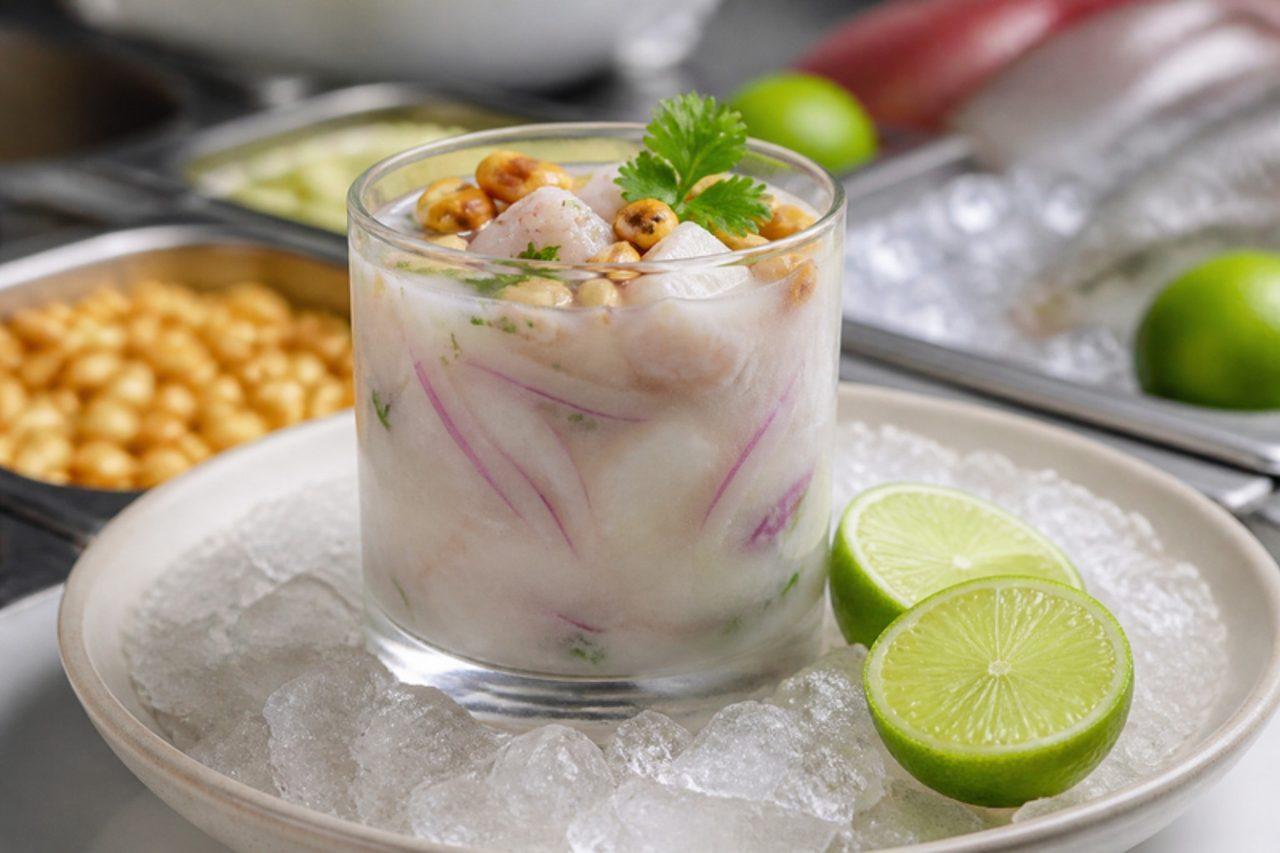
Every cevichería along Lima's coast, from Chorrillos to the market stalls of Surquillo, sells this as a pick-me-up before lunch: a small glass of milky, lime-sharp juice blitzed with fish, celery, ginger and ají limo, with a few cubes of fish and kernels of cancha floating on top. It is cold, salty, very sour and fiery, and people swear by it the morning after a long night. Because the fish is cured only by lime, this safer version uses very fresh white fish that has been frozen at −20 °C for 24 hours first, keeps everything ice cold and is drunk at once; it is not for pregnant women, young children or anyone with a weakened immune system. The common mistake is blending the lime with the fish for too long, which makes the juice bitter, so pulse only briefly. Chef's tip: squeeze the limes by hand, gently, without pressing the pith; the last hard squeeze is what turns leche de tigre bitter.

by KrazyBadal 0 views

Escribano

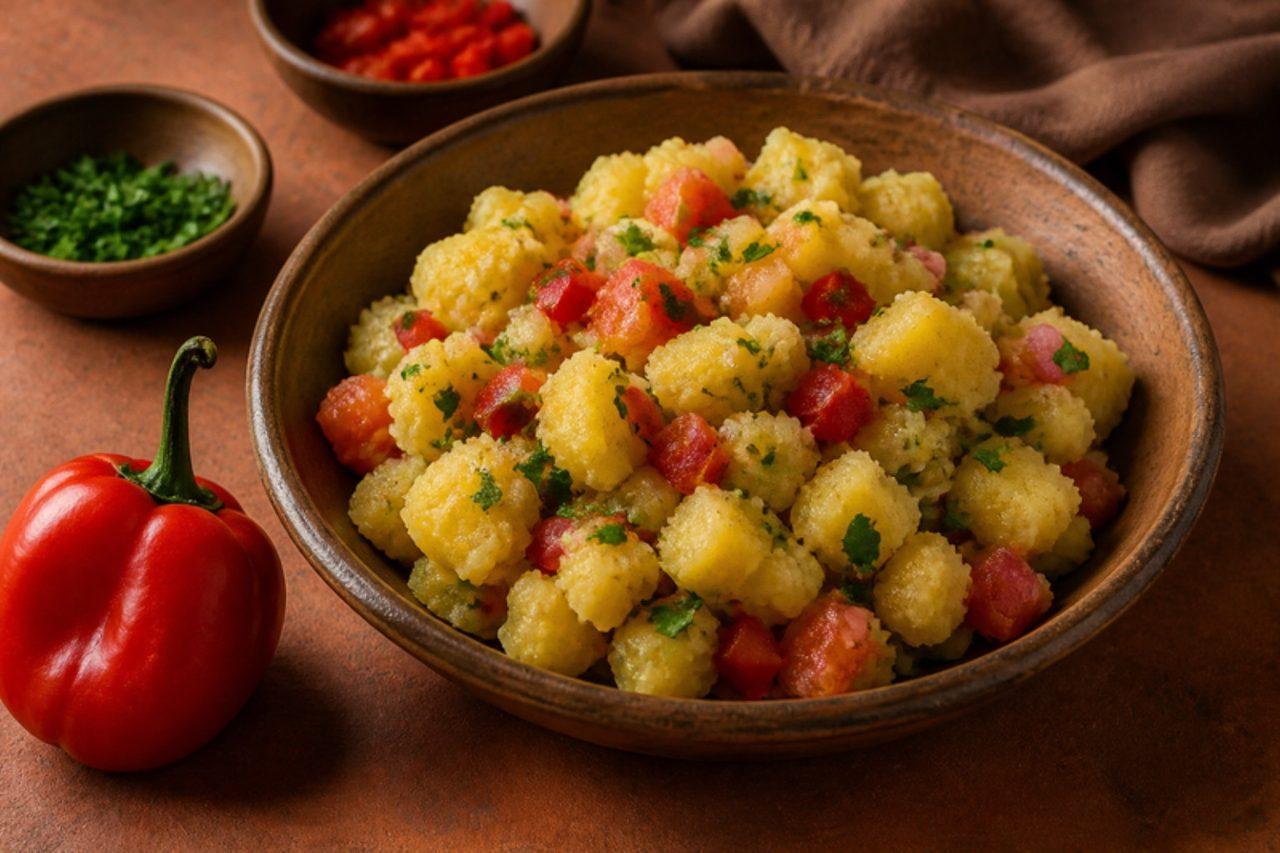
Mid-morning in Arequipa's traditional picanterías, before the big plates come out, regulars order escribano: a bowl of warm yellow potato crushed with a fork and drenched in rocoto, ripe tomato, vinegar and oil. Local lore says it was a snack for the court clerks (escribanos) who worked nearby, and it is still eaten as a sharp, spicy wake-up with a glass of chicha or a soft drink. The texture should be rough and juicy, somewhere between a salad and a mash, with the red chilli bright against the potato. Don't purée it: overworked potato goes gluey and loses the chunks that hold the dressing. Rocoto is fiercely hot, so start with half and taste. Serve it alone with crusty bread, or beside fried cheese or grilled vegetables. Chef's tip: dress the potatoes the moment they are drained and peeled, while they are steaming, so they drink in the vinegar.

by KrazyBadal 0 views

Ocopa

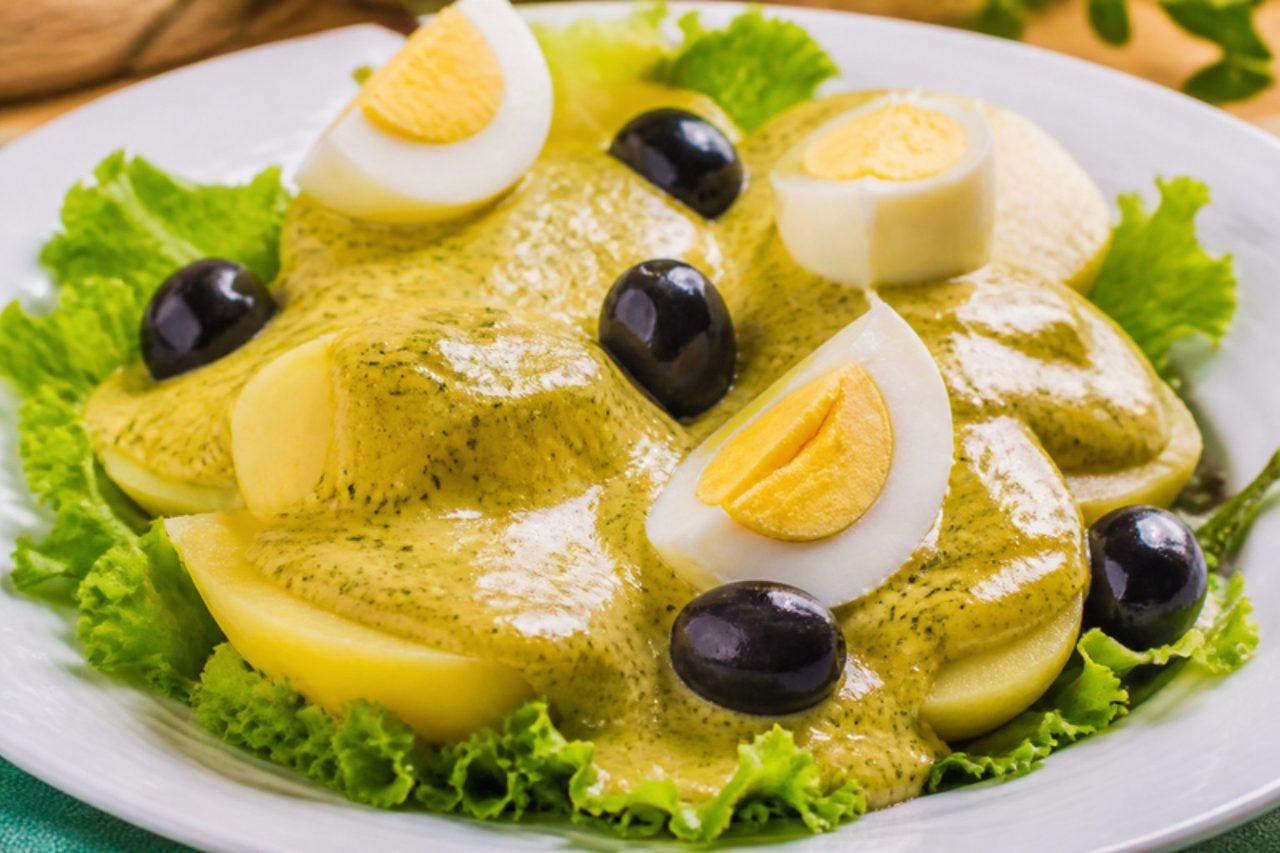
Arequipa's picanterías put ocopa on the table as a starter, a pale olive sauce spooned thickly over sliced boiled potatoes, and the smell of toasted chillies and huacatay (black mint) is what sets it apart from Lima's huancaína. The chillies are dried ají mirasol, charred in a dry pan, which gives a smoky, raisin-like warmth rather than sharp heat, and toasted peanuts make the sauce nutty and almost velvety. Many cooks thicken it with crackers; this version uses only peanuts and cheese, so it stays gluten free. Serve it at room temperature with yellow potatoes, a black olive and a few lettuce leaves, plus a halved boiled egg for anyone who eats eggs. The mistake people make is toasting the onion and chillies black, which turns the sauce bitter; they should be blistered in spots only. Queso fresco is often made with animal rennet, so look for a vegetarian fresh cheese. Chef's tip: huacatay paste comes in jars from Latin shops; without it, use a small handful of mint plus a few tarragon leaves.

by KrazyBadal 0 views

Aguajina

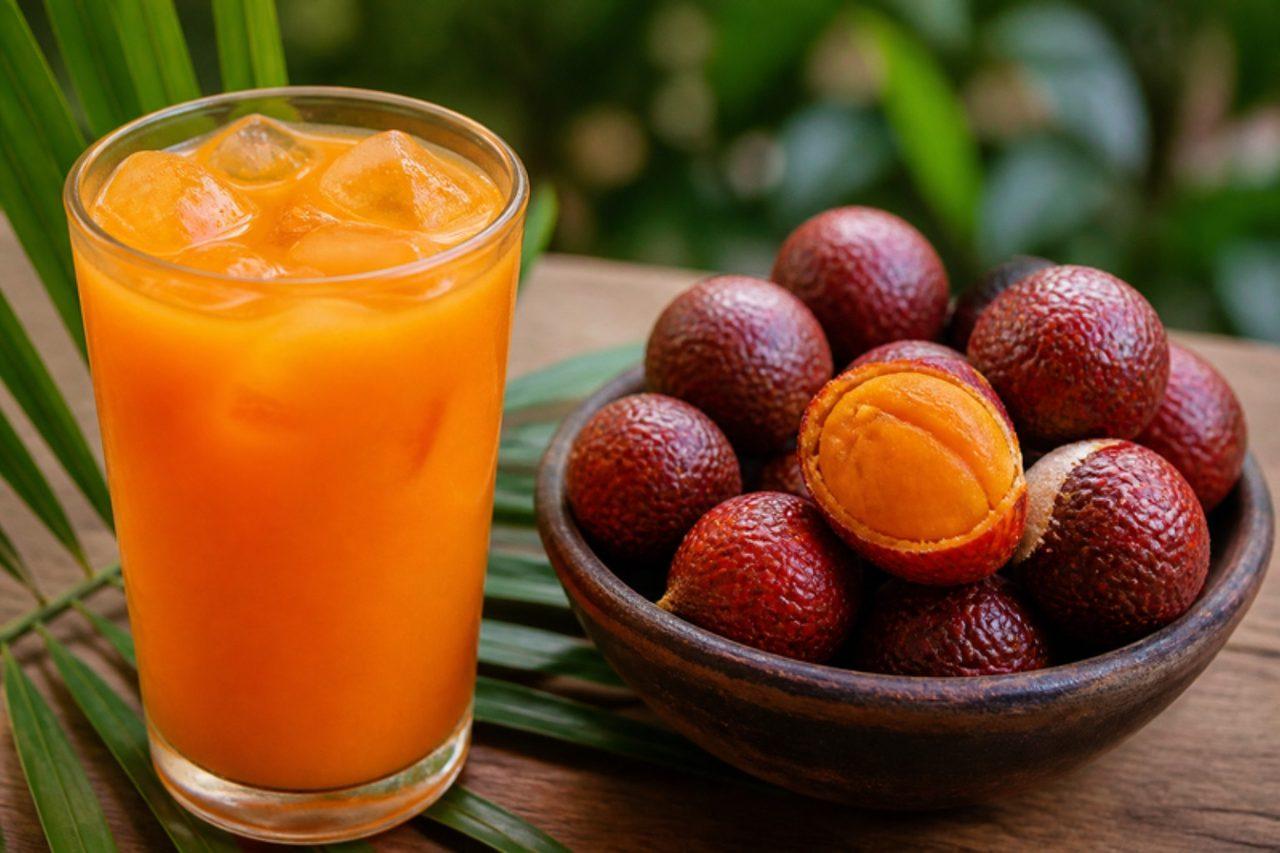
Aguaje is the scaly, chestnut-red fruit of the moriche palm that grows in the flooded forests around Iquitos, and its orange flesh ends up in ice lollies, ice cream and, above all, aguajina, the cold drink sold in plastic cups at every corner and in Belén market. The taste is unusual and loved locally: tangy, a little like apricot and carrot, with a rich, slightly oily body. Fresh aguaje must be softened in warm water for an hour before its thin layer of pulp can be scraped off; outside Peru, frozen aguaje pulp from Latin American shops is the realistic choice and gives a good result. A common slip is adding all the sugar before tasting: the pulp's sourness varies from pack to pack, so sweeten at the end. Serve very cold with lunch or on a hot afternoon. Chef's tip: blend the pulp with only part of the water first, so it breaks down fully, then stir in the rest.

by KrazyBadal 0 views

Chuño phuti

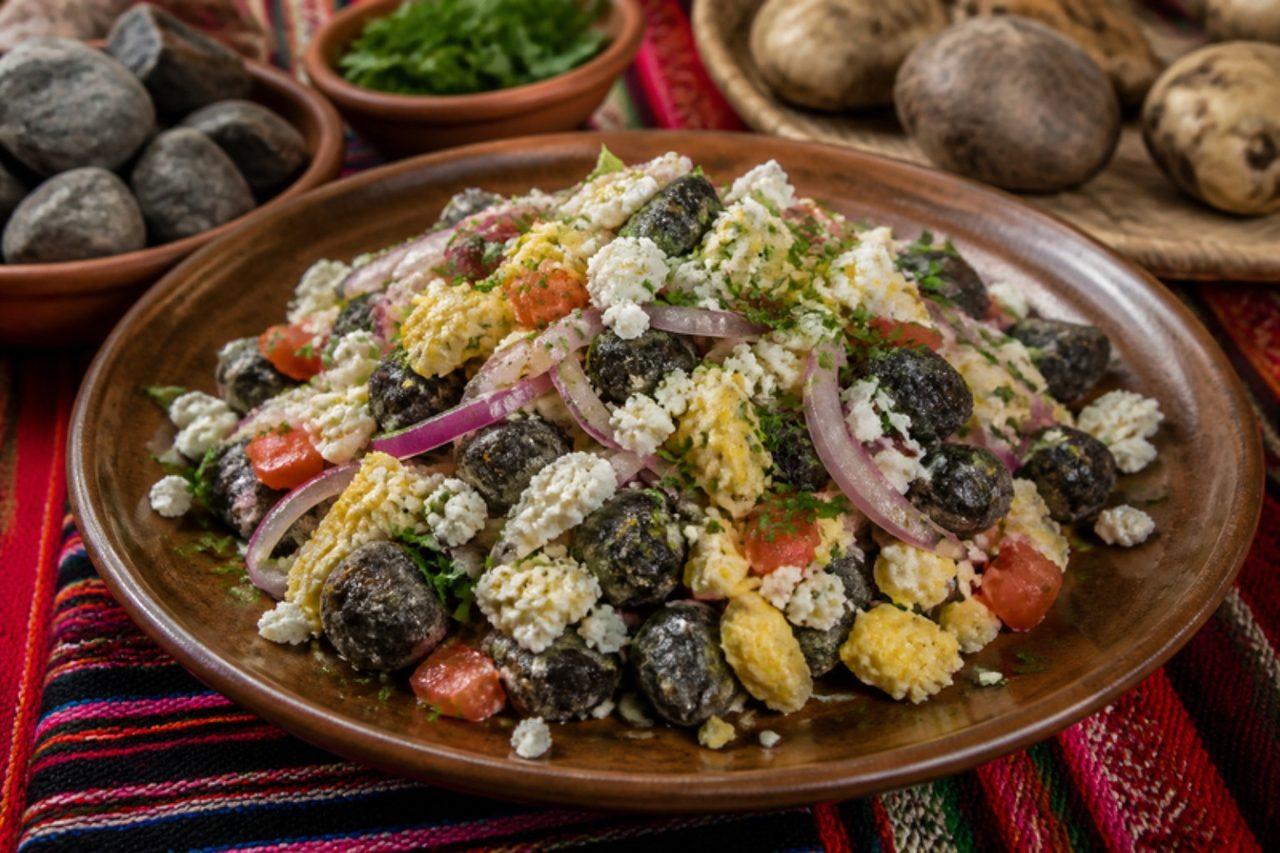
Chuño are potatoes freeze-dried the ancient way on the Altiplano: left out on frosty nights, trampled to squeeze out the water and dried in the high sun, so they keep for years. In Puno and across the border in Bolivia, they are soaked, crumbled and fried with onion, then scrambled with egg and fresh cheese to make phuti, a hearty breakfast or supper eaten with a hot tea. The texture is dense and slightly chewy, and the flavour earthy and a little tangy. Chuño is sold dried in Andean shops; it must soak overnight (ideally 24 hours, with the water changed) and then be peeled, which adds time before you start. The mistake is not soaking or rinsing enough: under-soaked chuño smells strong and stays hard in the middle. Serve with a fresh tomato salsa or uchucuta. Fresh cheese is usually made with animal rennet, so use a vegetarian one if needed. Chef's tip: squeeze the soaked chuño hard between your palms before crumbling; the drier it is, the better it fries.

by KrazyBadal 0 views

Seco de chabelo

Piura's picanterías, near the dry northern border, serve this rough, savoury mash at lunch: green plantains, roasted or boiled and pounded, mixed with fried strips of carne seca (salted dried beef) and a quick sofrito of onion, tomato and ají amarillo. It is dense, salty and smoky, with the plantain's starchy sweetness, and is eaten with salsa criolla and fried ripe plantain or chifles (plantain crisps). The legend says it was invented for a soldier called Chabelo in the War of the Pacific. Use carne seca or cecina from Latin shops, or unseasoned beef jerky. Pounding the plantains smooth is the classic mistake: chabelo should be lumpy and rustic. Chef's tip: soak the dried beef in warm water for 30 minutes and taste a piece; if it's still very salty, change the water and soak again.

by KrazyBadal 0 views

Kispiño

Pressed in a fist so each one carries the marks of the cook's fingers, kispiño are small, dense quinoa cakes from the Puno highlands, steamed and then left to dry so they keep for weeks on journeys, herding trips and pilgrimages. Traditional ones are bound with a little lime water (from cal, the mineral) and fat; this home version uses oil and a pinch of aniseed and sugar, so they're vegan and pleasantly savoury-sweet. They're firm and chewy, a little like a grain cake, and good with hot tea, coca tea or a soup on a cold day. The common mistake is making the dough too wet, so the cakes slump in the steamer; it should feel like damp sand that holds its shape when squeezed. Ground quinoa is quinoa flour; grind your own from rinsed, dried and toasted grain, or buy it ready ground. Chef's tip: toast the ground quinoa in a dry pan first until it smells nutty, which takes away any bitterness.

by KrazyBadal 0 views

Kapchi

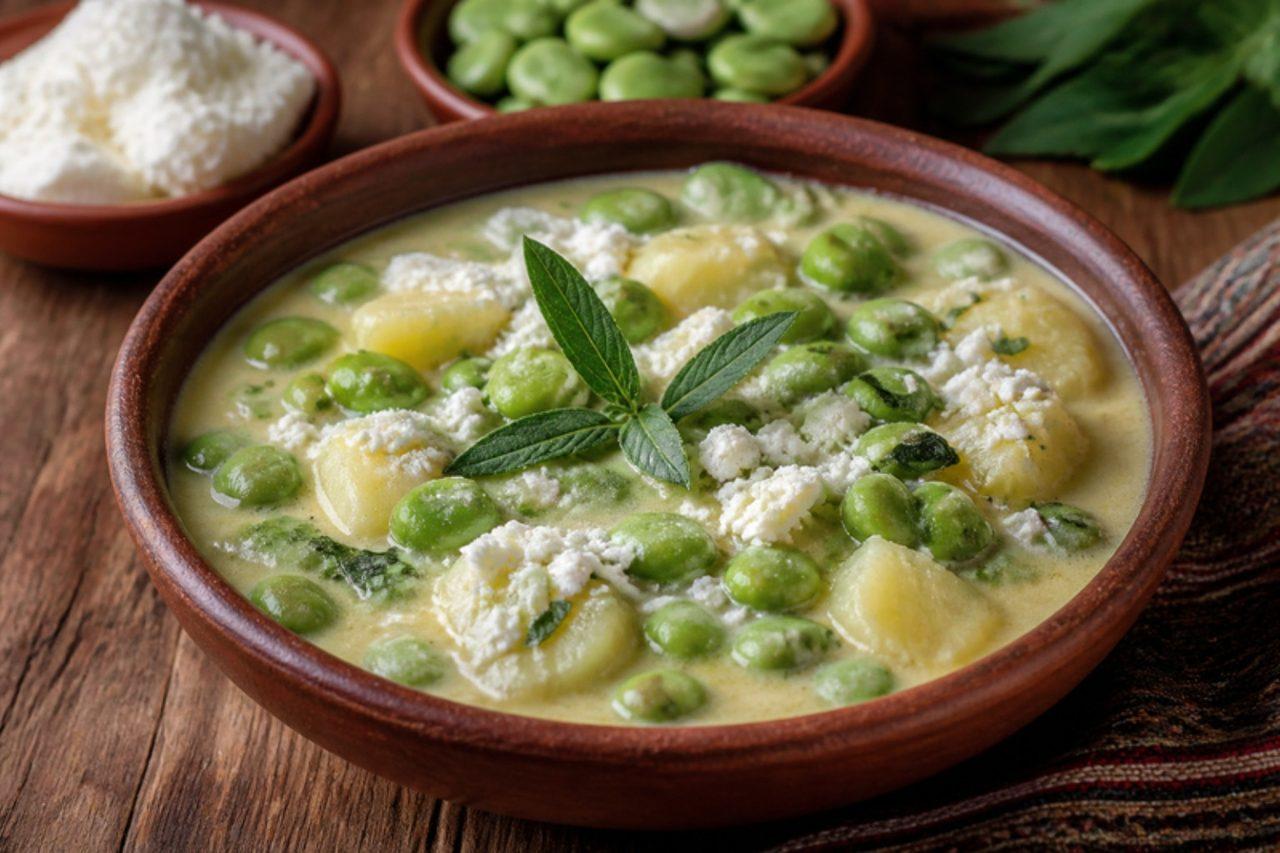
Kapchi (sometimes spelled capchi) comes from the Quechua for something like 'dressed' or 'creamed', and around Cusco it turns up when the fresh broad beans are in season: green habas, potatoes and soft fresh cheese simmered with milk until the sauce turns thick and pale, with ají and a handful of huacatay. Market stalls in San Pedro sell it with rice, and families make it at Easter as a meatless dish. It is gentle and creamy with a herby, slightly minty finish, and the beans stay sweet and tender. The trap is boiling the sauce once the cheese is in; it splits into curds and goes watery, so keep it at a bare simmer. Serve with white rice or boiled potatoes and a spoon of uchucuta. The same recipe works with sliced mushrooms instead of beans, which Cusco cooks also do. Queso fresco is usually set with animal rennet, so pick a vegetarian fresh cheese if you need to. Chef's tip: peel the beans of their pale inner skins after blanching; it takes ten minutes and makes the dish far silkier.

by KrazyBadal 0 views

Choclo con queso

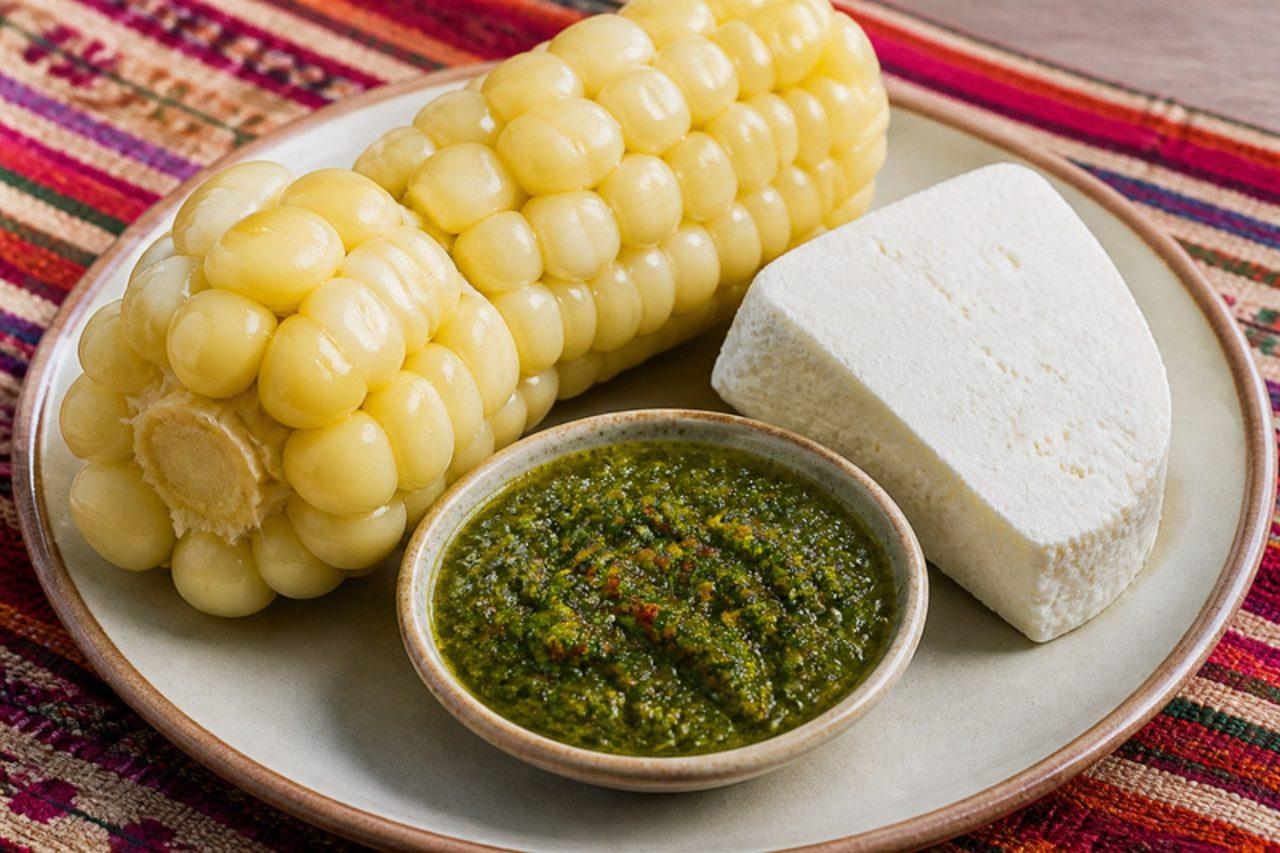
Ride the train or the bus through the Sacred Valley of Cusco and at every stop someone will hold up choclo con queso: a steaming cob of Urubamba's huge white-kernelled corn with a slab of fresh cheese tucked into a corn husk. The kernels are big, chewy and starchy rather than sweet, and the salty, milky cheese is eaten in alternating bites, sometimes with a dab of uchucuta or ají. It's snack food, a market lunch and something to keep children going on a long day. Fresh choclo is sold frozen in Latin American shops; sweet corn works but is sweeter and softer. Adding salt to the cooking water is the usual misstep, as it can toughen the kernels: season the cheese, not the corn. Andean fresh cheese is generally made with animal rennet, so use a vegetarian fresh cheese if needed. Chef's tip: drop a few of the inner husks and a small spoon of sugar into the pot; it brings back some of the sweetness lost after picking.

by KrazyBadal 0 views

Pesque de quinua

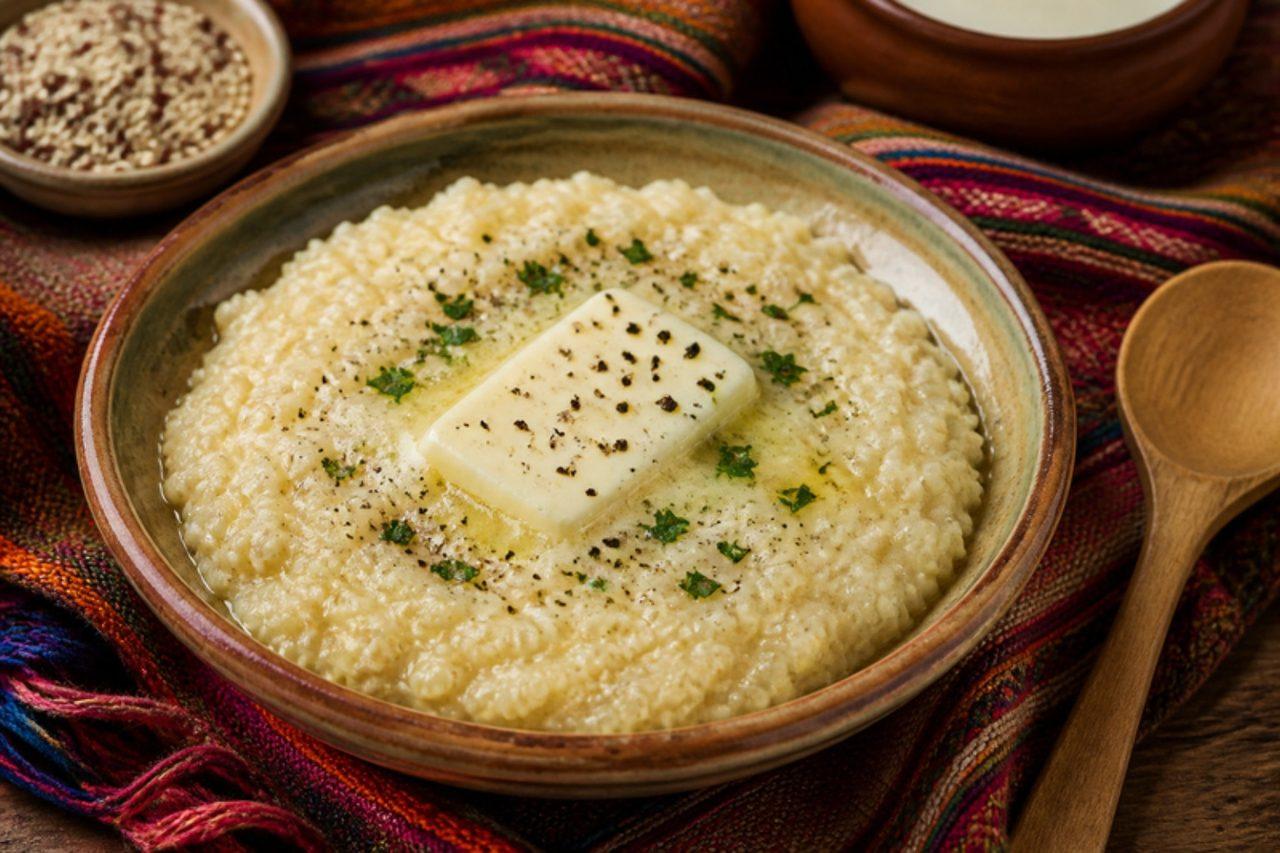
Up on the Altiplano around Lake Titicaca, where quinoa grows at almost 4,000 metres, pesque is everyday food: quinoa cooked until it collapses, then beaten with milk, a knob of butter and crumbled fresh cheese until it looks like a loose, savoury risotto. Puno families eat it for a warming lunch or supper, often with a glass of milk poured over or a fried egg on top, and in the cold dry air it is exactly what the body wants. It is soft, nutty and mildly salty. The step people skip is rinsing the quinoa, and the natural saponins then leave a soapy, bitter edge; rub it under running water until the foam stops. Serve with a tomato salad or a spoon of uchucuta for some heat. Andean fresh cheese is usually set with animal rennet, so choose a vegetarian fresh cheese if needed. Chef's tip: cook the quinoa in a little more water than usual and leave it a few minutes longer than for a salad, so it turns creamy and the grains burst.

by KrazyBadal 0 views

Queso helado

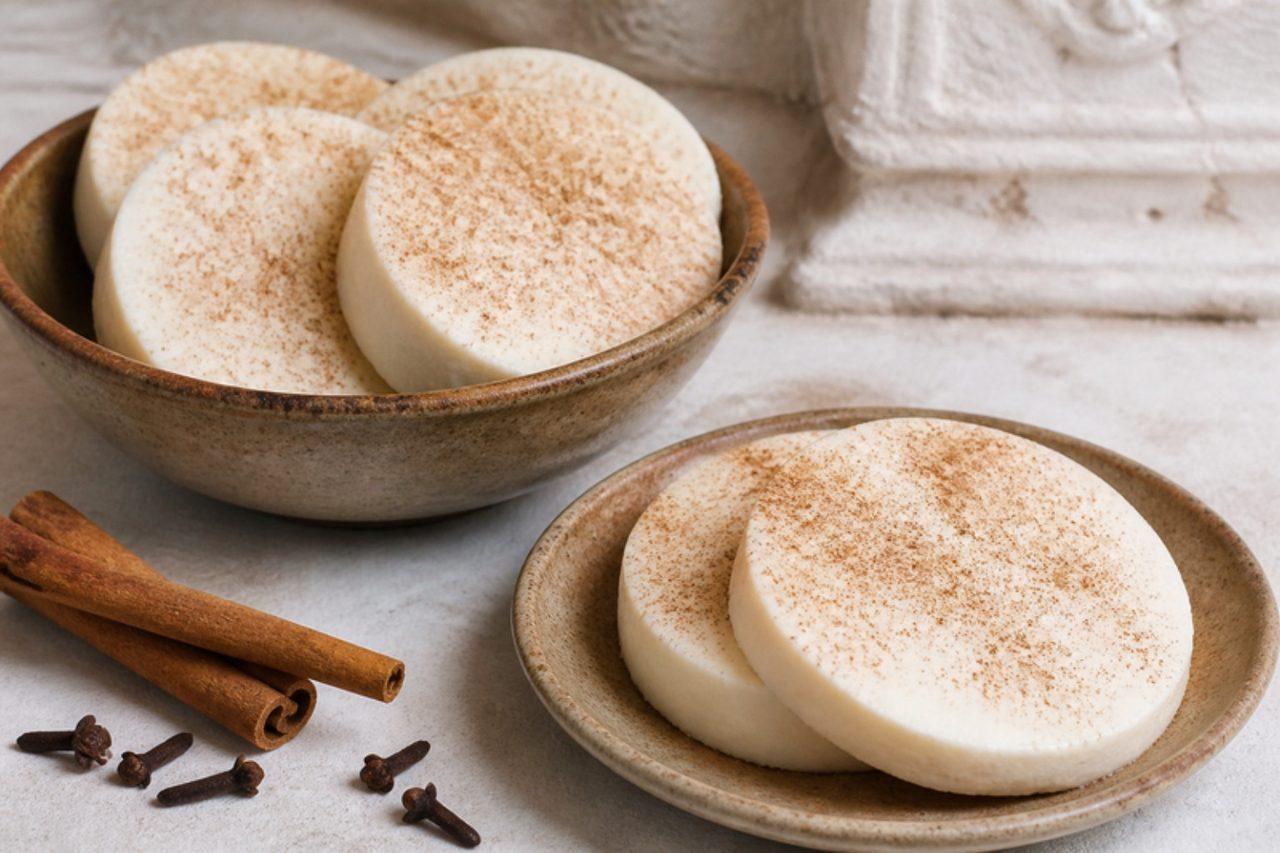
Despite the name, there's no cheese in it: queso helado is Arequipa's old-fashioned frozen milk dessert, cut into thick rounds that look like a slice of fresh cheese and dusted with ground cinnamon. Vendors in white aprons sell it around the Plaza de Armas and at the Yanahuara viewpoint, traditionally churned in a metal pail spun over ice and salt, and every Arequipeño has a favourite stall. It is creamy, mildly milky and fragrant with cinnamon, clove and grated coconut, less rich than ice cream and slightly icy in a pleasant way. Many recipes thicken it with egg yolks; this one uses evaporated and condensed milk with a little cornflour so it stays egg free. The common error is freezing it untouched, which gives one hard block of ice: stir it every 45 minutes for the first few hours. Allow at least 4 hours of freezing on top of the cooking time, or make it a day ahead. Chef's tip: freeze it in a loaf tin lined with cling film, then lift it out and slice it into rounds for that true street look.

by KrazyBadal 0 views

Majarisco

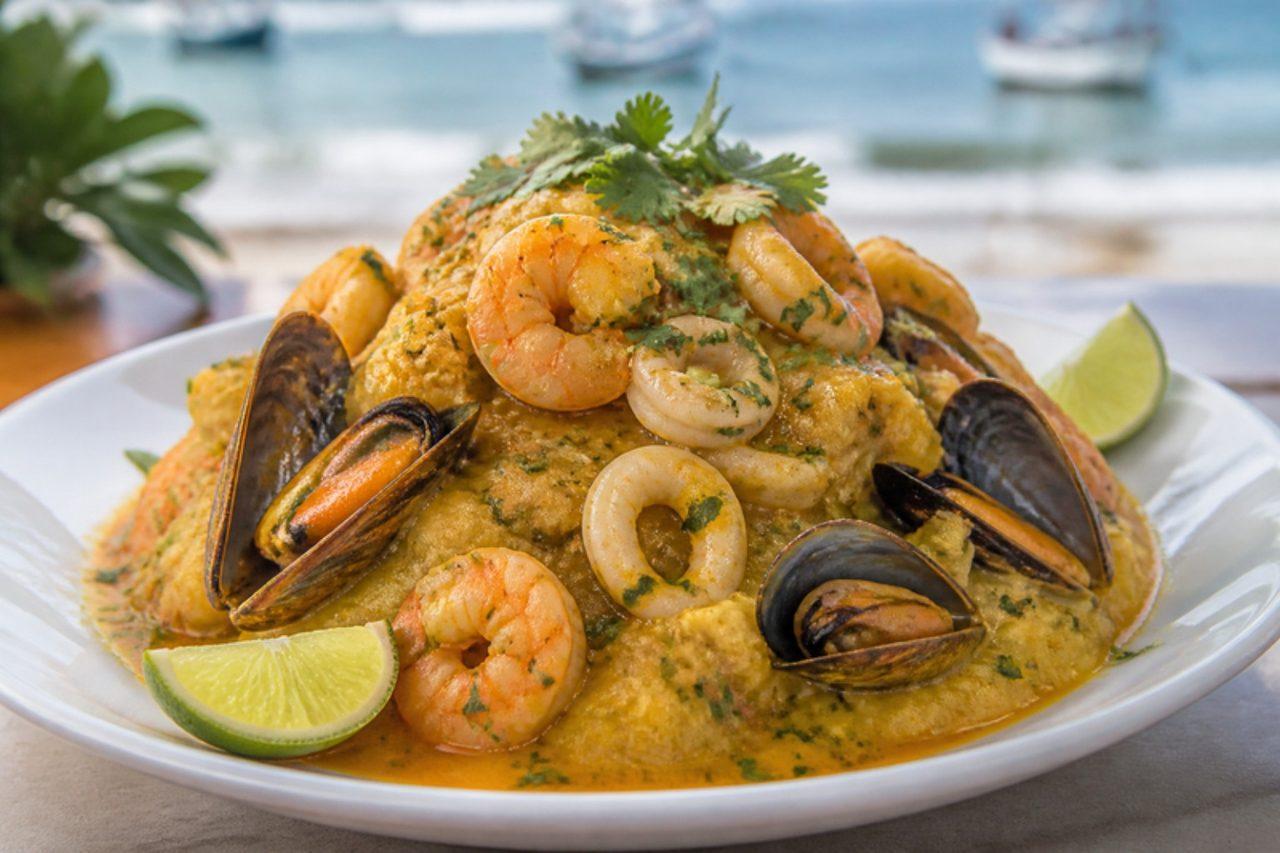
Its name blends 'majado' (mashed plantain) and 'marisco' (seafood), and along the coast of Piura and Tumbes, near the Ecuadorian border, it's what cevicherías and beach restaurants serve when you want something hot and filling. Mashed green plantain is folded into a sauce of garlic, onion, ají and seafood juices, with prawns, squid and mussels running through it, so every forkful is creamy, garlicky and briny. Serve it with lime and salsa criolla. Mussels must be alive: tap any open ones and discard those that don't close, and discard any that stay shut after cooking. Overcooking the seafood is the most frequent mistake; it goes in at the end, just until pink and opaque. Chef's tip: keep the mussel cooking liquid and use it to loosen the mash; it's pure seafood flavour.

by KrazyBadal 0 views

Ensalada de pallares

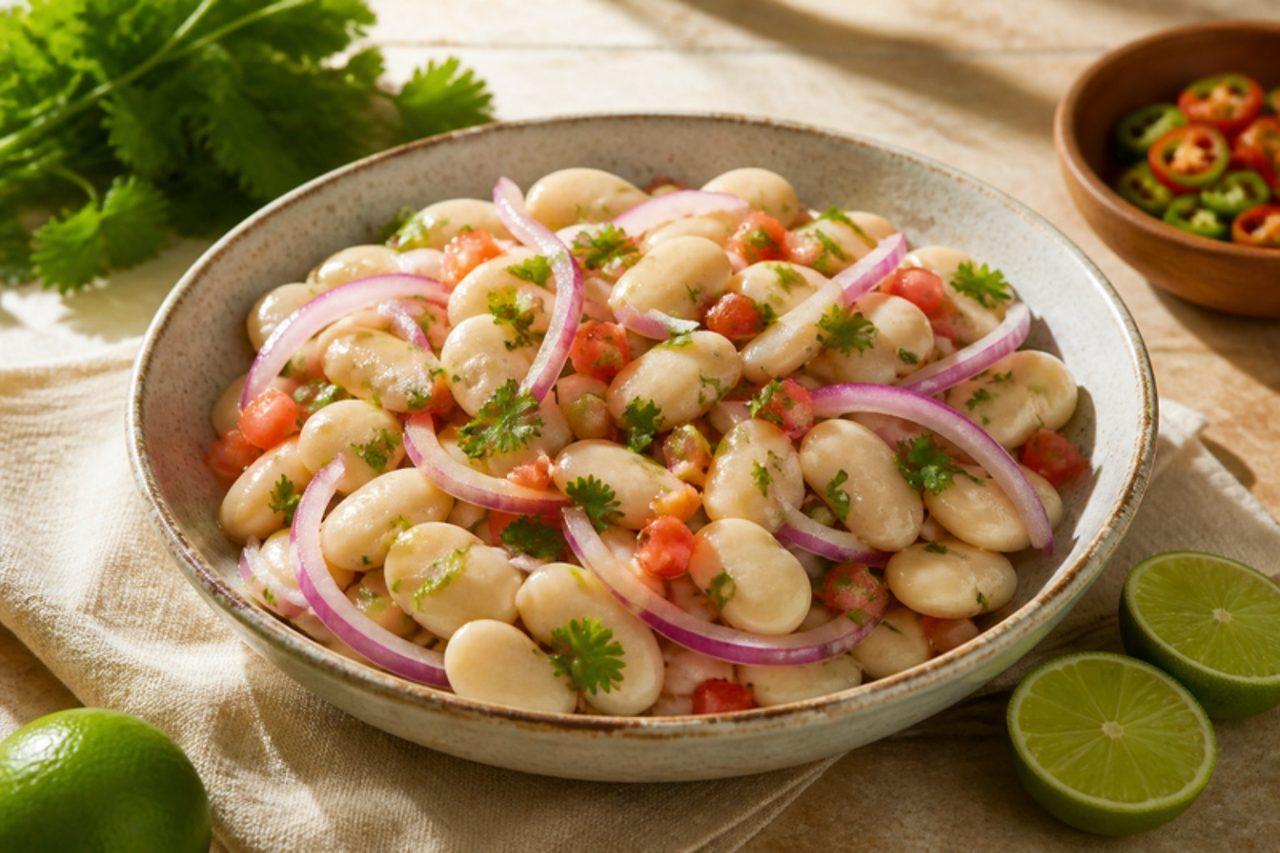
Around Ica, on Peru's southern desert coast, pallares grow in irrigated valleys and dry into fat, flat beans the size of a thumbnail; the region holds them in high regard and sells them by the sack at the Ica market. Cooked until creamy and dressed while warm, they become a filling salad that sits on the table beside fried fish, rice or a plate of boiled sweet potato, and it works as a light lunch on its own. The onion is cut the Peruvian way, in fine half-moons, rinsed so it stays crisp without biting, and the ají limo gives a fruity heat that you can turn up or down. A frequent slip is dressing the beans straight from the fridge: they stay chalky and the lime slides off instead of soaking in. Using dried beans adds an overnight soak; good jarred or canned large lima beans make it a 20-minute dish. Chef's tip: dress the beans while they are still warm with half the lime and salt, then add the onion, tomato and the rest of the lime just before serving.

by KrazyBadal 0 views

Choros a la chalaca

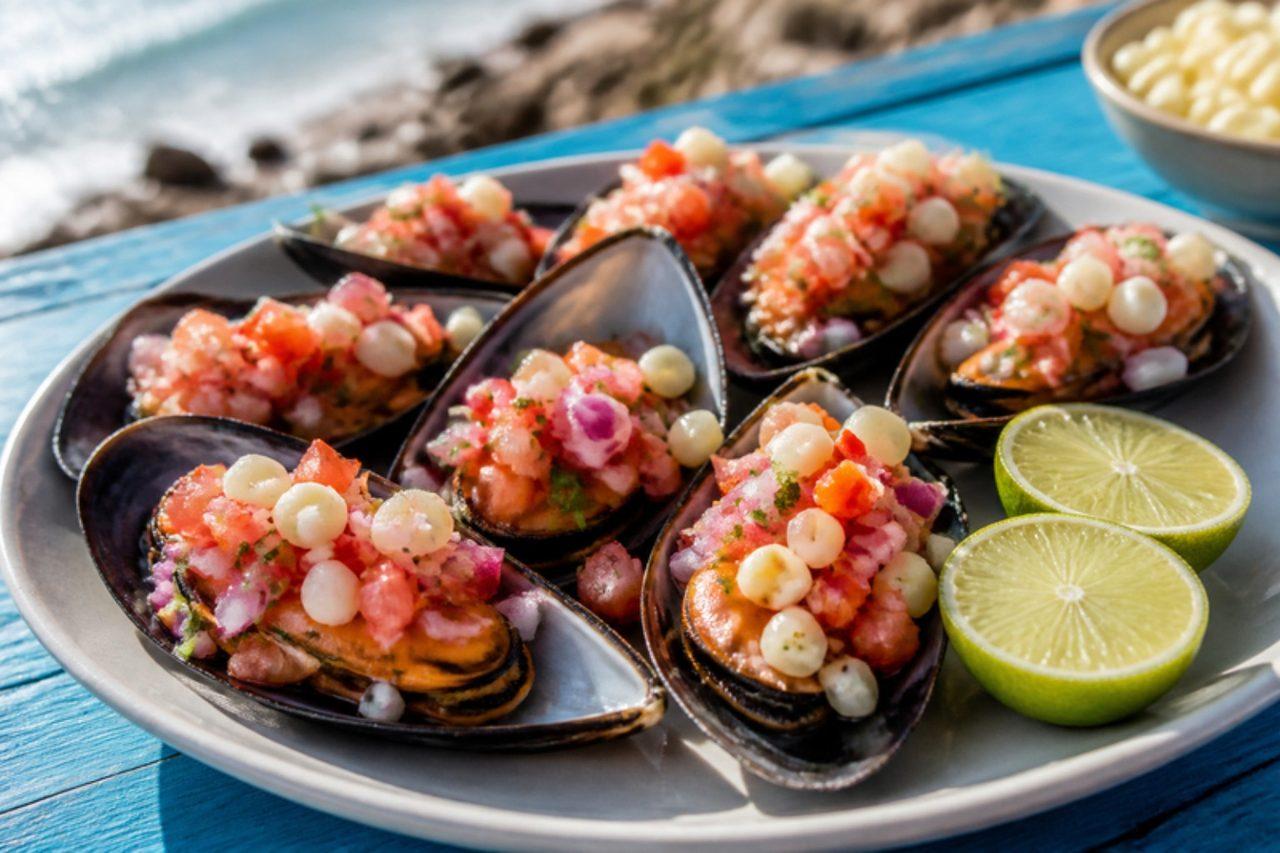
Named for the people of Callao, Lima's port, choros a la chalaca are what you order with friends at a seafront cevichería on a hot afternoon: steamed mussels, chilled, each on its half shell under a bright, wet salsa of red onion, tomato, Andean corn, rocoto and lime. Cool, sweet, briny and sharp, they are eaten with your fingers in two bites, often before a ceviche or a jalea. Here the mussels are fully steamed open first, so nothing is served raw. People often overcook them while waiting for the last stubborn shells, which leaves the rest rubbery; lift them out as soon as each one opens. Chef's tip: dress the salsa no more than 15 minutes ahead, and spoon a little of the juice onto every mussel; that juice is the whole point of the dish.

by KrazyBadal 0 views

Showing 24 of 119 recipes

Show more recipes

Page 1 of 5