Skip to content
Recipes

All recipes

Vegetarian, or something you can't eat? Set your diet once and we'll hide recipes that don't fit.

Pan con bistecSteak sandwich with potato sticks

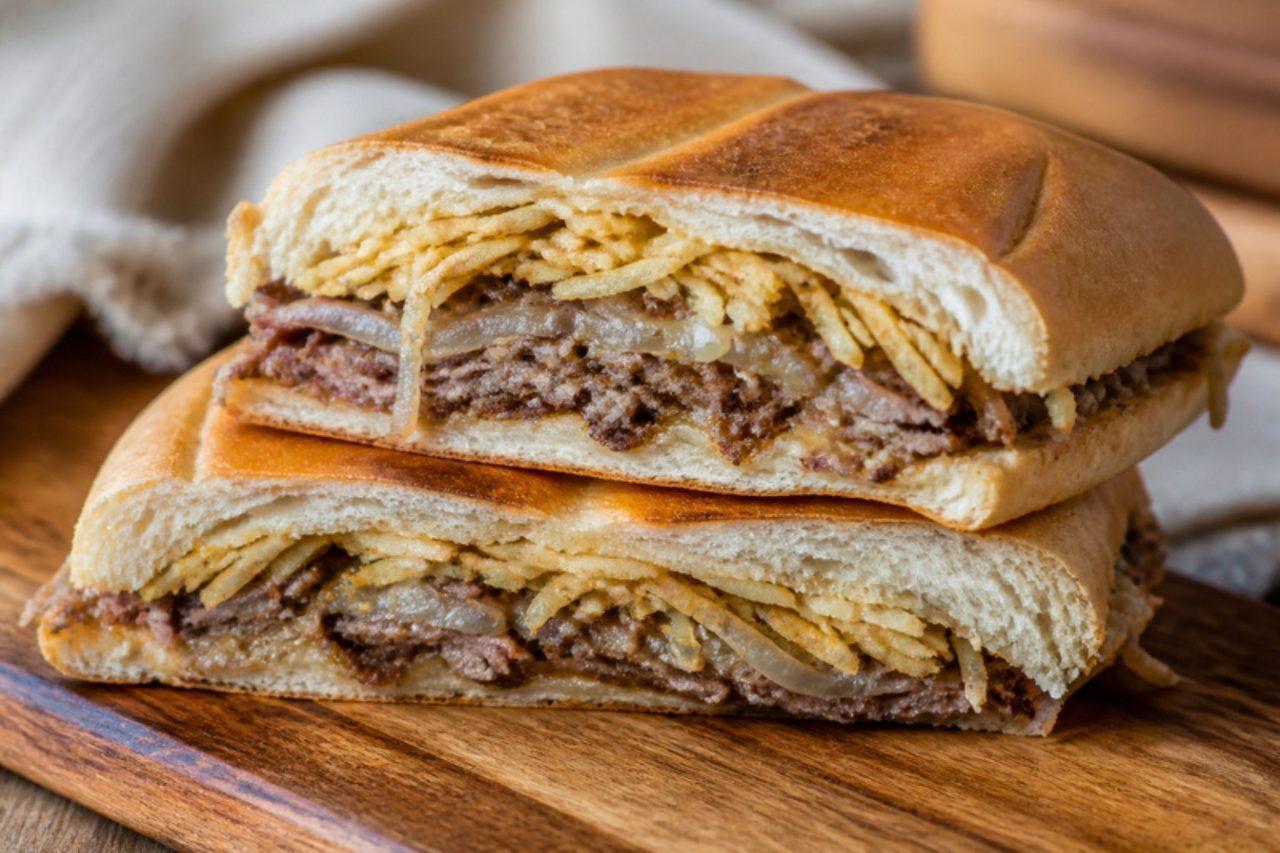
Pan con bistec is the sandwich of Havana cafeterías and Miami's Cuban lunch counters, eaten at any hour but especially as a fast dinner: a paper-thin beef steak quickly soaked in garlic-lime mojo, seared with onions and stuffed into soft Cuban bread with crunchy potato sticks. The common mistake is using a thick steak, which takes too long and turns chewy; ask for palomilla, or bash a thin steak flatter. Chef's tip: deglaze the hot pan with the leftover mojo and pour those juices onto the bread so it soaks up every drop.

13 minCubanMeat
by KrazyBadal 0 views

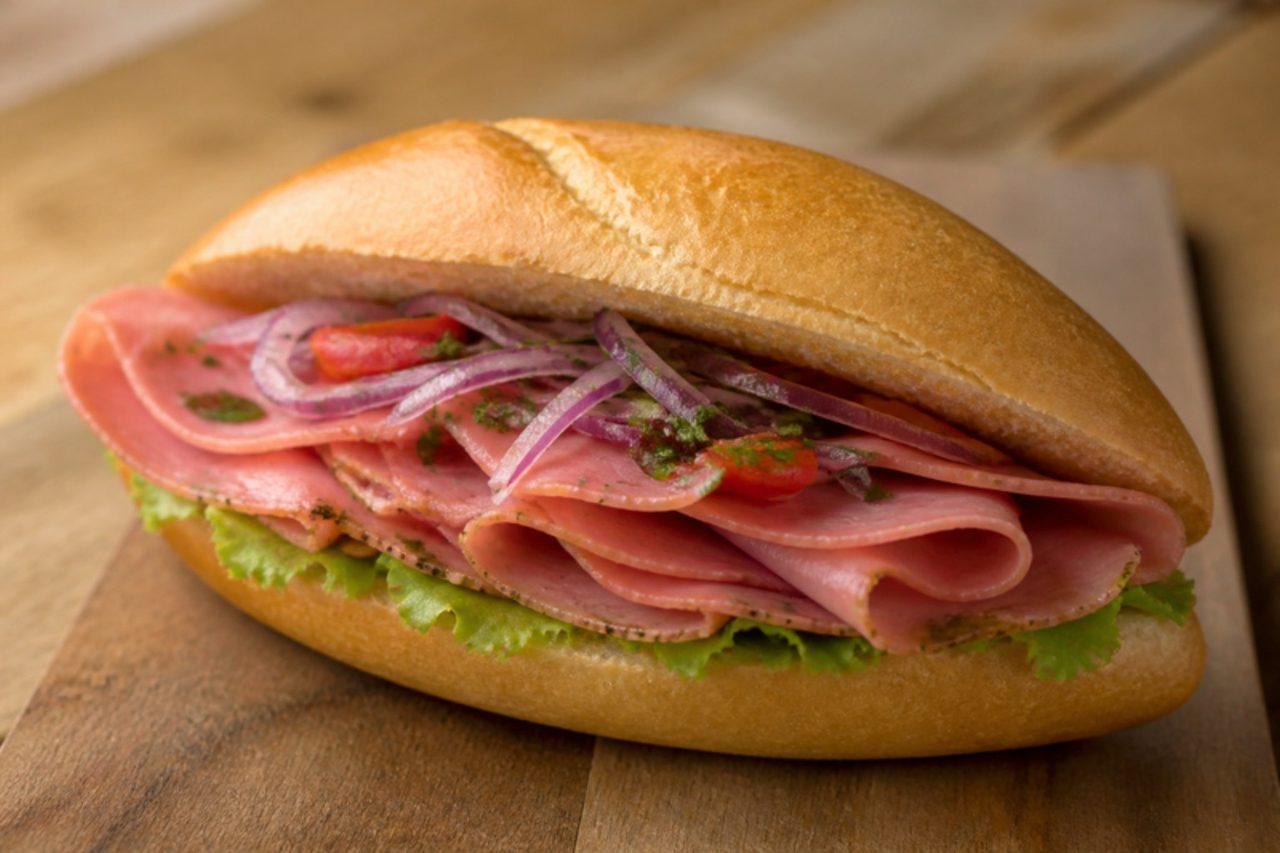
Pan con butifarraHam roll with onion salsa

Pan con butifarra is Lima's evening sandwich, sold in old-school sangucherías and made at home for a light dinner with coffee: a crusty roll filled with jamón del país, a spiced Peruvian pork ham, under a heap of salsa criolla, red onion sliced thin and soaked in lime with chilli. Outside Peru, use a good cooked pork ham. The common mistake is leaving the onion harsh; give it a quick rinse in salted water before dressing it. Chef's tip: a leaf of lettuce under the ham stops the lime juice soaking straight into the bread.

by KrazyBadal 0 views

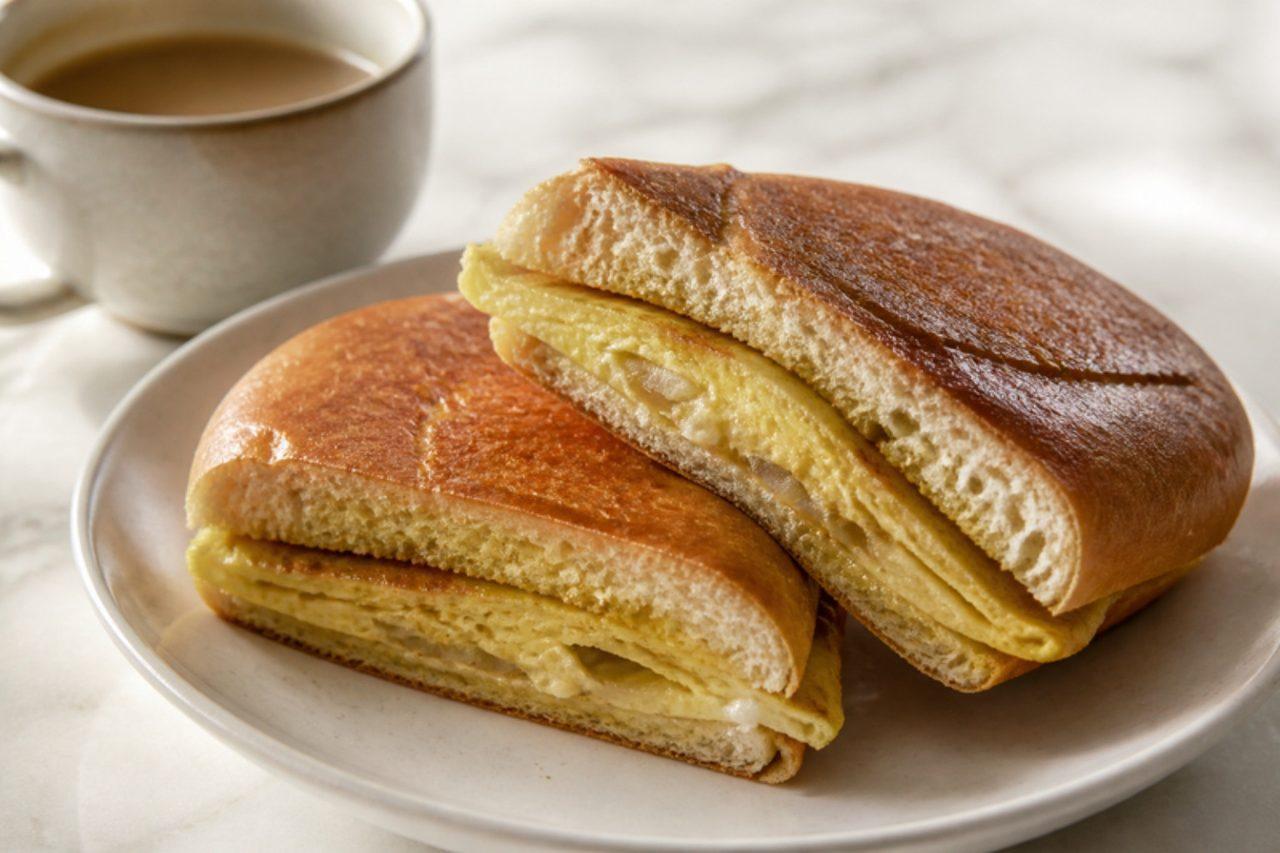
Pan con tortillaBread with onion omelette

Pan con tortilla is a staple of Havana cafeterías and Miami ventanitas alike: a thin, soft omelette with sweet onion folded into buttered Cuban bread and pressed until warm and crisp. It is breakfast on the way to work and a quick supper when nobody wants to cook, usually with a cafecito or a fruit shake. The common mistake is frying the onion too hard; it should be soft and sweet, not brown and bitter. Chef's tip: press the sandwich with a heavy pan so the bread goes crunchy outside while the omelette stays tender.

by KrazyBadal 0 views

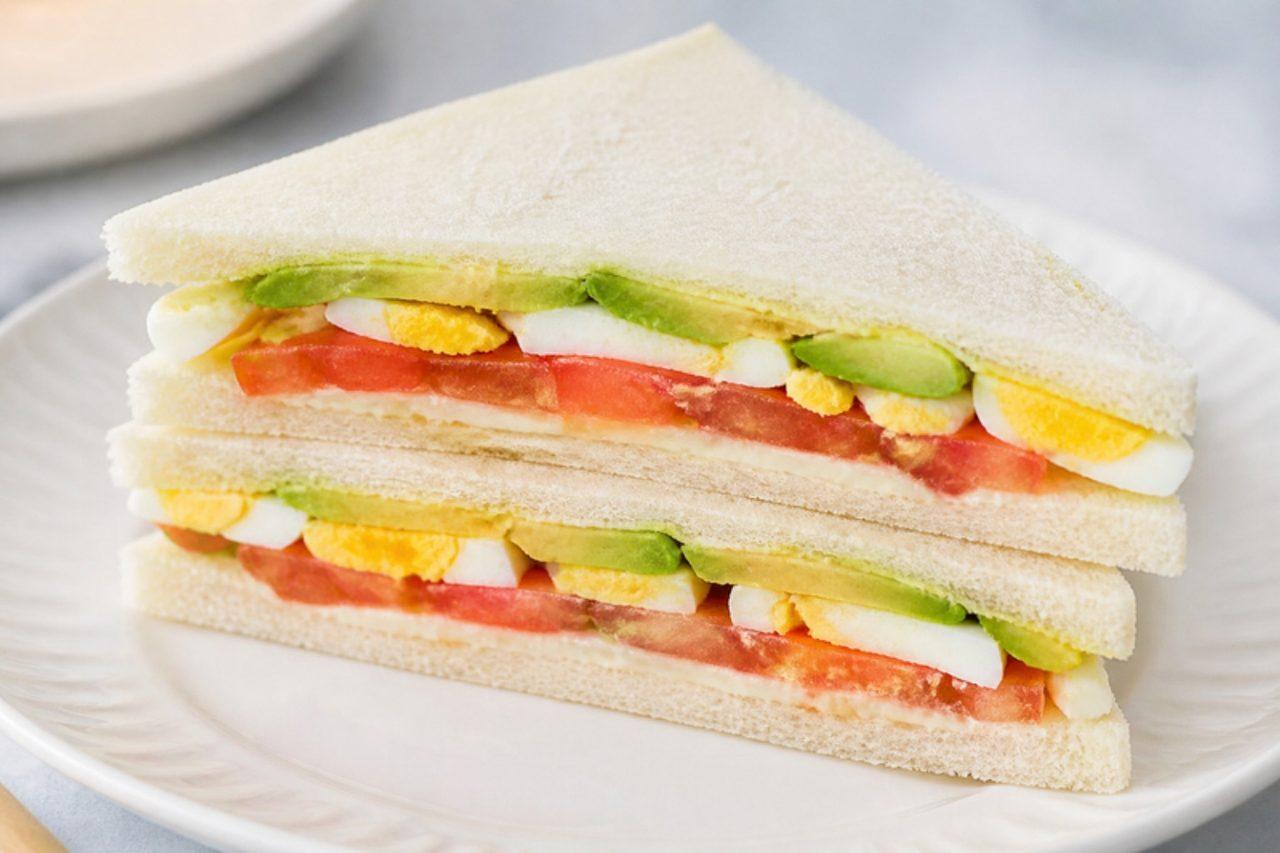
TripleAvocado, tomato and egg sandwich

The triple is the soft, layered sandwich of Lima's cafés and bakeries, eaten at lonche, the Peruvian late-afternoon meal, or as a light supper: three slices of crustless white bread layered with avocado, tomato and sliced hard-boiled egg, all held together with mayonnaise. It looks neat, tastes fresh and is loved by children. Shop-bought mayonnaise is made with pasteurised egg, so it is safe for everyone. The common mistake is letting wet tomato touch the bread, which turns it soggy within minutes. Chef's tip: pat the tomato dry and sit it between the avocado and egg, then press the sandwich under a board for a minute before cutting.

by KrazyBadal 0 views

KaguyjyWhite corn pudding

On the night of 23–24 June, Paraguayans celebrate San Juan with bonfires, games like walking over hot coals and the 'paso de fuego', and a table of traditional foods, and kaguyjy (also mazamorra) is one of them. It is a soft, creamy pudding of cracked white corn (locro) simmered slowly in water and then milk with sugar or honey, sometimes with orange peel. It is eaten warm or cold. It is gluten free. Chef's tip: soak the corn overnight and cook it until each kernel is tender before adding the milk, or it never turns creamy.

by KrazyBadal 0 views

KinkélibaKinkéliba leaf tea with mint

Kinkéliba is an herbal tea brewed from the dried leaves of a West African shrub, and in Senegal it is the drink families reach for at the moment of breaking the fast in Ramadan, served hot with bread or dates. The brew is amber, gently bitter and woody, softened with sugar and lifted with fresh mint. Many households also drink it at breakfast all year. Chef's tip: simmer it gently rather than boiling it hard; a fierce boil brings out too much bitterness.

by KrazyBadal 0 views

Pajagua mascadaBeef and cassava patties

Pajagua mascada is a Paraguayan street-food classic that appears on every table for the San Juan festival on 24 June, when bonfires burn and the night is full of games and traditional food. Minced beef is mixed with mashed cassava, onion, garlic and a little egg and flour, shaped into flat patties and fried until crisp. The name comes from Guaraní and refers to the 'chewing' of old Paraguayan cooks, who made it from leftover meat. Chef's tip: dry the boiled cassava well and remove its woody core, which keeps the patties light and crunchy.

by KrazyBadal 0 views

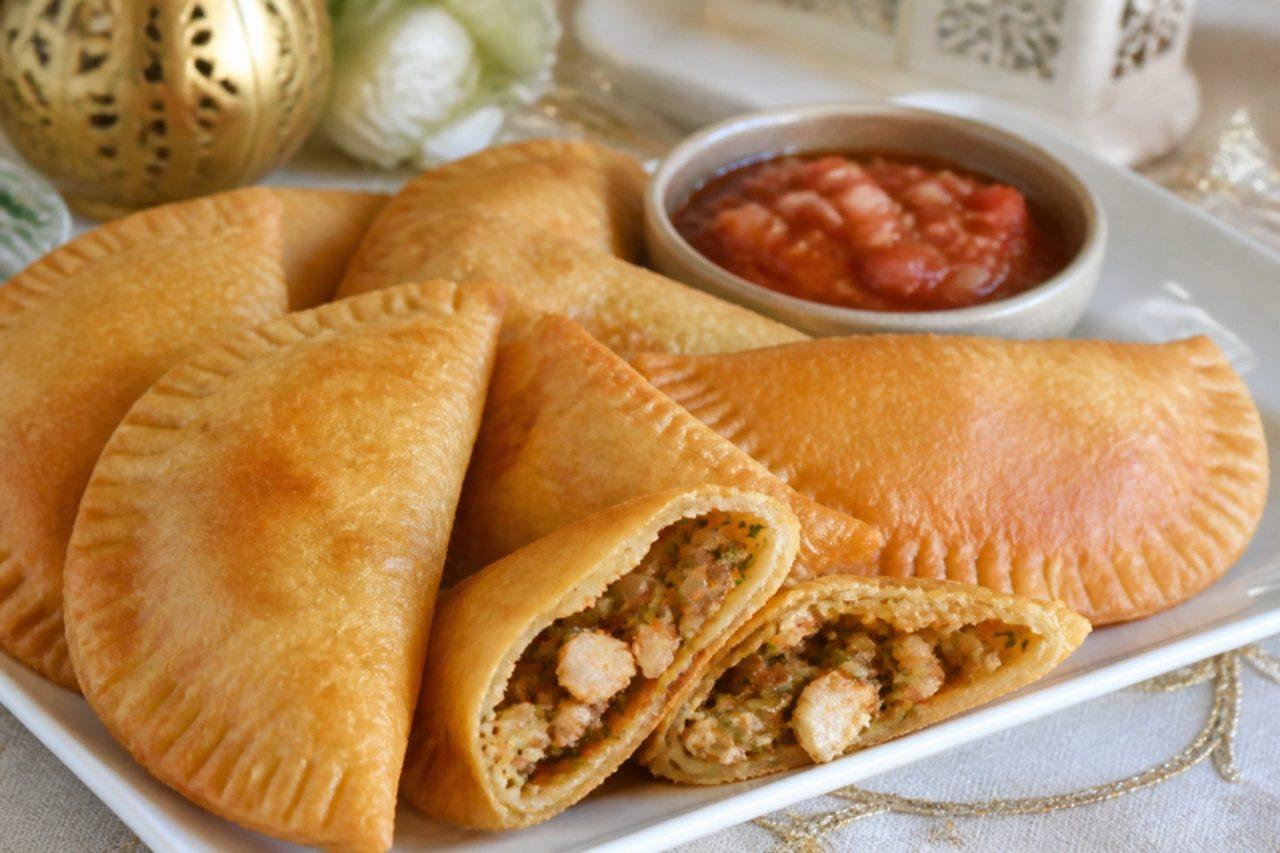
PastelsFish-filled pastries

Pastels are the party pastries of Dakar and Saint-Louis, half-moons of soft dough filled with spiced fish, parsley and onion and fried until puffed and golden. They are made by the trayful for Korité, the Senegalese Eid al-Fitr, and for baptisms and family gatherings, and come with a peppery tomato-onion sauce for dipping. Tuna or mackerel are classic fillings. Chef's tip: let the filling cool completely and squeeze it dry before filling; wet, warm filling makes the dough tear and leak in the oil.

by KrazyBadal 0 views

Chipa so'oCheese bread with spiced beef

In Paraguay, families bake chipa in the clay tatakua ovens on Holy Wednesday so there is food for Thursday and Good Friday, when cooking stops. Chipa so'o ('chipa with meat') is a cassava-starch and cheese bread wrapped around a little filling of minced beef cooked with onion and egg, then baked until crisp outside and chewy within. It is naturally gluten free. Chef's tip: knead the dough until it no longer cracks at the edges when pressed; dry dough splits around the filling.

by KrazyBadal 0 views

AllerheiligenstriezelBraided sweet loaf

In Bavaria and Austria, godparents give their godchildren an Allerheiligenstriezel on All Saints' Day, 1 November: a large braided loaf of sweet yeast dough, brushed with egg and scattered with almonds or pearl sugar. The braid is said to recall the old custom of cutting a plait of hair in mourning, and the size of the loaf once showed how generous the godparent was. It is lightly sweet, with lemon and vanilla, and is eaten sliced with butter or jam. Some recipes add rum-soaked raisins; these are soaked in warm water instead. Chef's tip: braid four strands for an impressive, high loaf.

by KrazyBadal 0 views

OsterpinzeEaster anise brioche

Osterpinze is the Easter bread of Styria, Carinthia and the area around Trieste, a soft, golden brioche dome with three deep cuts on top for the Holy Trinity, so that it opens into a crown as it bakes. The dough is rich with egg yolks and butter and flavoured with anise and lemon; old recipes add a splash of white wine, left out here. It is blessed in the Easter basket on Holy Saturday and eaten on Easter morning with ham, horseradish and eggs, or with butter and jam. Chef's tip: make the three cuts with scissors just before baking, deep enough to reach halfway down, so the crown opens wide.

by KrazyBadal 0 views

Dowina (Kurdish yogurt soup)

Dowina, called ash-e doogh in Persian, is warming spring food in Kurdish homes around Newroz, when yogurt is plentiful and the first herbs are cut from the garden. Rice and chickpeas simmer in a tangy, lightly thickened yogurt broth, finished with fresh dill, coriander and a sizzle of dried mint in oil. It is eaten warm, never boiling hot, with flatbread. The common mistake is to heat the yogurt too fast without stirring, which makes it split into grainy curds. Chef's tip: whisk an egg yolk and a spoonful of rice flour into the yogurt before it goes on the heat; it holds the soup smooth all the way to the simmer.

by KrazyBadal 0 views

Sopa teólogaTurkey broth with bread and cheese

Sopa teóloga ('the theologian's soup') goes back to colonial convents in Lima and Arequipa, where it was cooked for feast days, and it is still served at Holy Week and family celebrations. A rich turkey (or chicken) broth is thickened with soaked bread, milk and fresh cheese, with yellow potatoes and shreds of turkey, and finished with a little ají amarillo and chopped huacatay or parsley. It is thick, comforting and filling. Chef's tip: blend part of the soaked bread with broth before adding it, which gives the soup its creamy body without lumps.

by KrazyBadal 0 views

KalanehWild leek stuffed flatbread

In Kurdistan and Kermanshah, Newroz arrives with the first spring greens on the hillsides, and families gather wild leeks to fold into kalaneh, thin griddle breads cooked over a fire or a hot pan and soaked in melted butter. The dough is plain and soft, rolled very thin around a pile of chopped leek or chives with a little salt and pepper, so the greens steam inside as the bread blisters. Eat it hot, torn into strips, with yogurt and tea at a Newroz picnic. The common mistake is wet greens, which turn the dough soggy and make it tear; dry them well after washing. Chef's tip: brush the butter on the moment the bread leaves the pan so it soaks right in.

by KrazyBadal 0 views

Asham (Jamaican parched-corn sweet)

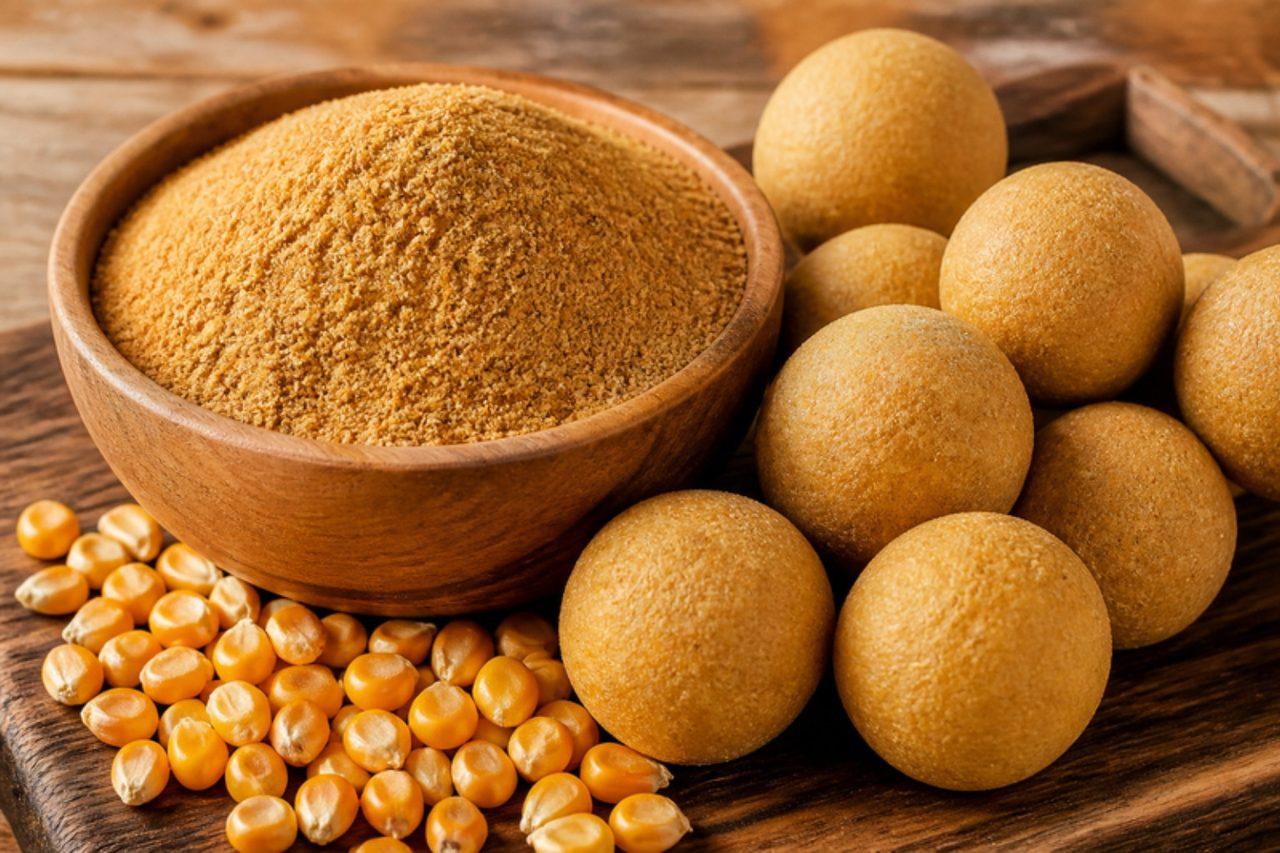
Asham is one of rural Jamaica's oldest treats, a sweet carried over from West African parched-grain foods and still made in country districts of St Elizabeth, Clarendon and St Ann. Children ate it after school from a twist of paper, and it reappears at heritage fairs around Emancipation Day and Independence in early August. Dried corn is parched until toasty and golden, ground to a fine, sandy powder and mixed with dark sugar: nutty, faintly smoky and melting slowly on the tongue. Eat it by the pinch, press it into little balls, or stir a spoonful into warm milk or water as a drink. It is naturally egg-free; the powder needs no binder at all, and for balls a sprinkle of water and the sticky brown sugar hold it together. Chef's tip: eat the loose powder in small pinches and don't breathe in as you eat it; it is famous for making people cough. In the pot, keep the corn moving, as scorching is the common mistake and turns it bitter.

by KrazyBadal 0 views

Dulce de fruta bomba (Cuban green papaya in syrup)

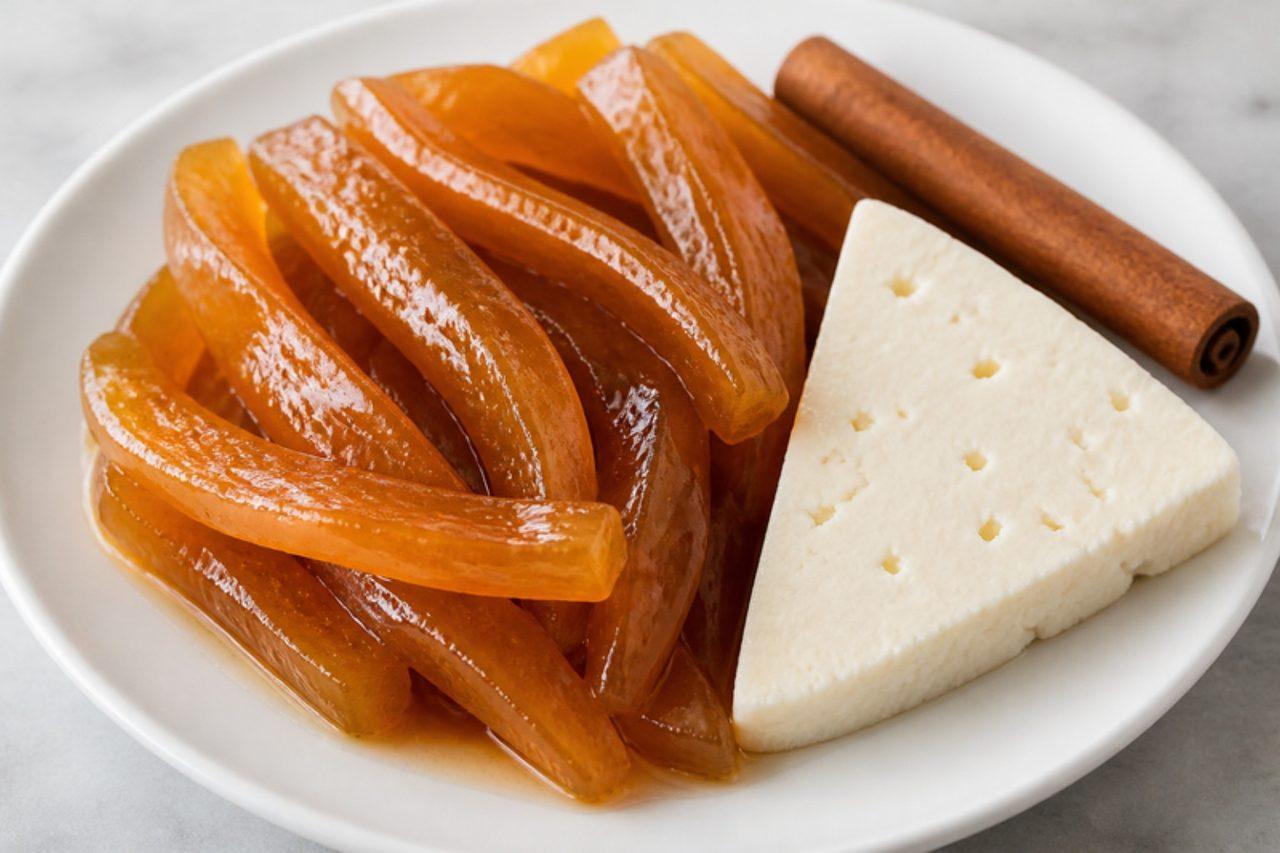
In Cuba, papaya is called fruta bomba, and its green, unripe fruit is cooked into this old-fashioned dulce, a fixture of home cooking all over the island and often made in big batches to keep. Strips of firm green papaya are simmered slowly in a cinnamon and lime-peel syrup until they turn translucent and chewy, with a candied, honeyed flavour. The Cuban way to eat it is with a slice of salty, crumbly white cheese, which balances the sweetness; a cup of strong coffee goes alongside. The dulce is egg-free by tradition, with nothing to bind: the papaya candies in the sugar syrup, and a short soak in water with a little bicarbonate of soda helps the strips stay firm. Chef's tip: rinse the strips well after the soak and simmer them gently; the common mistake is boiling the syrup fast, which hardens the outside of the papaya before the syrup can soak in.

by KrazyBadal 0 views

Matrimony (Jamaican star apple and orange with condensed milk)Star apple and orange dessert

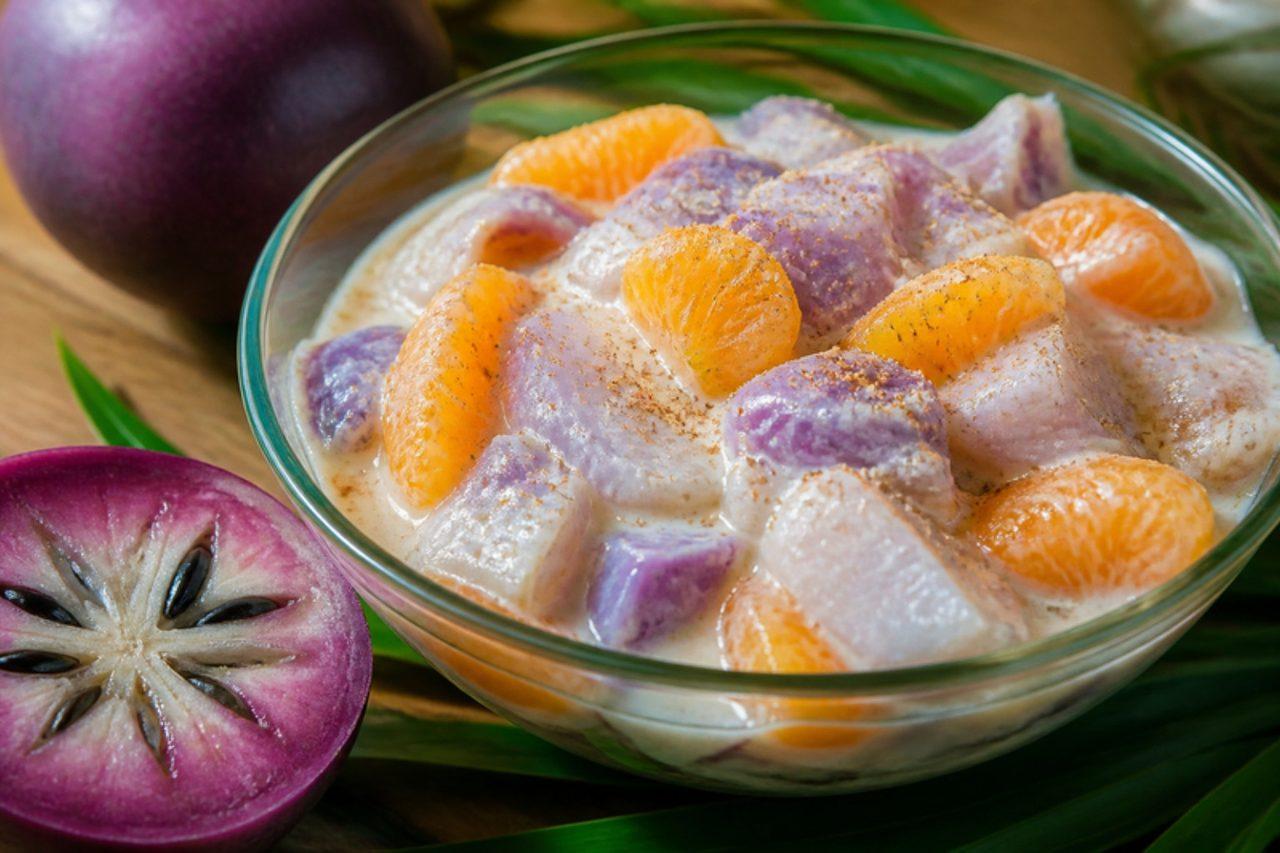
Jamaica's star apples ripen in winter, so matrimony, the 'marriage' of star apple and orange, is a Christmas dessert, eaten cold after the big meal on Christmas Day. The purple star apples are scooped from their skins, their sweet, milky, jelly-like pulp mixed with juicy orange segments and dressed with condensed milk and freshly grated nutmeg. It is cool, sweet and fragrant, soft and a little jelly-like from the fruit. Serve it straight from the bowl or in glasses, as the last sweet thing of the Christmas meal. It is naturally egg-free and uncooked: condensed milk gives it body and binds the fruit into a creamy dessert, and nothing needs setting. Chef's tip: scrape the pulp only, never the skin; the common mistake is digging too close to the purple rind, whose sticky latex is bitter and gums up the spoon.

by KrazyBadal 0 views

Ensalada de berroWatercress salad

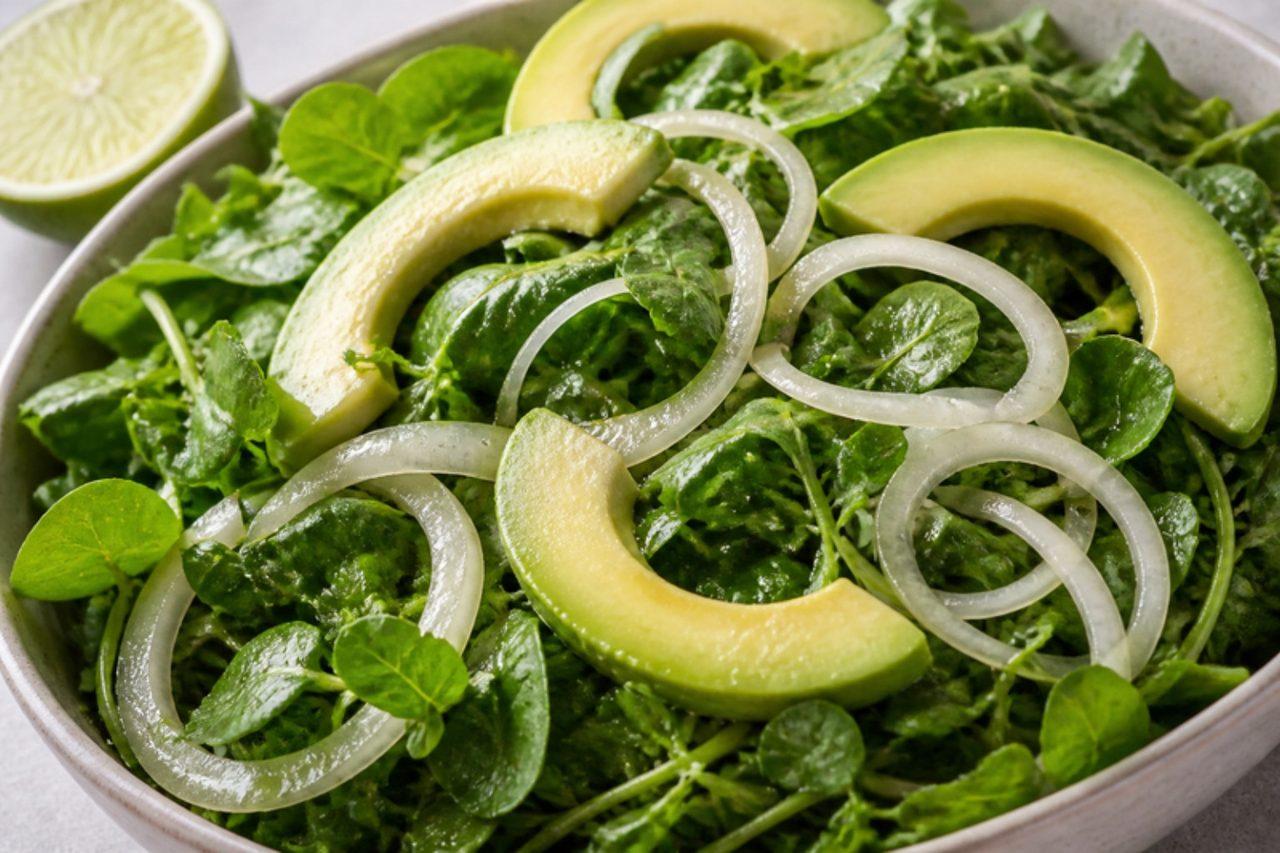
In Cuban homes from Havana to Santiago, a plate of peppery watercress with thin rings of onion and a squeeze of lime sits beside the rice, beans and fried plantain at almost every weekday lunch. The dressing is simply lime or sour orange, olive oil and salt, so the cress stays crisp and bright and cuts through richer dishes. It is very light, with about 2 g of protein a portion, so it is purely a side; pair it with black beans and rice for a full meal. The most common mistake is dressing it in advance: watercress wilts in minutes once salted. Chef's tip: keep the thick lower stems out and use only the tender tops and leaves; the salad will be crisp, not stringy.

by KrazyBadal 0 views

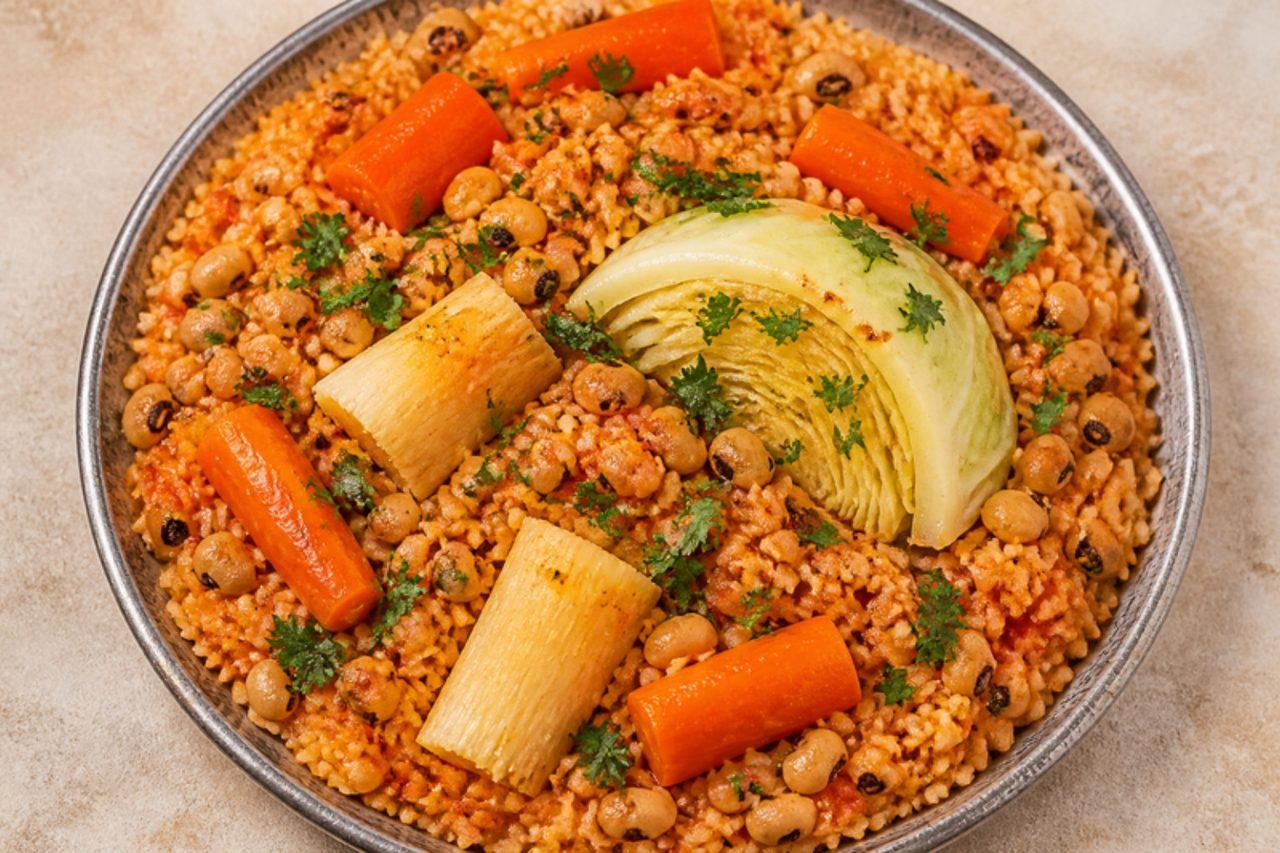
Thiébou niébéTomato rice with black-eyed peas

Thiébou niébé is the bean version of Senegal's famous rice dish, cooked in Dakar and Saint-Louis homes as a cheaper weekday lunch and on days without fish. Black-eyed peas, cabbage, carrot, aubergine, cassava and pumpkin are simmered in a rich tomato sauce scented with garlic, parsley and chilli; the vegetables come out to be served on top, and the rice cooks in the remaining sauce until it is red, fluffy and crusted at the bottom. A generous portion gives about 22 g of protein from the black-eyed peas and rice. The peas need 6 hours of soaking first, which is not counted in the times. The most common mistake is adding too much liquid for the rice, which makes it mushy; measure the sauce left in the pot before you add the rice. Chef's tip: don't stir the rice once it is covered; the crisp layer that forms on the bottom, the xooñ, is the part everyone fights over.

by KrazyBadal 0 views

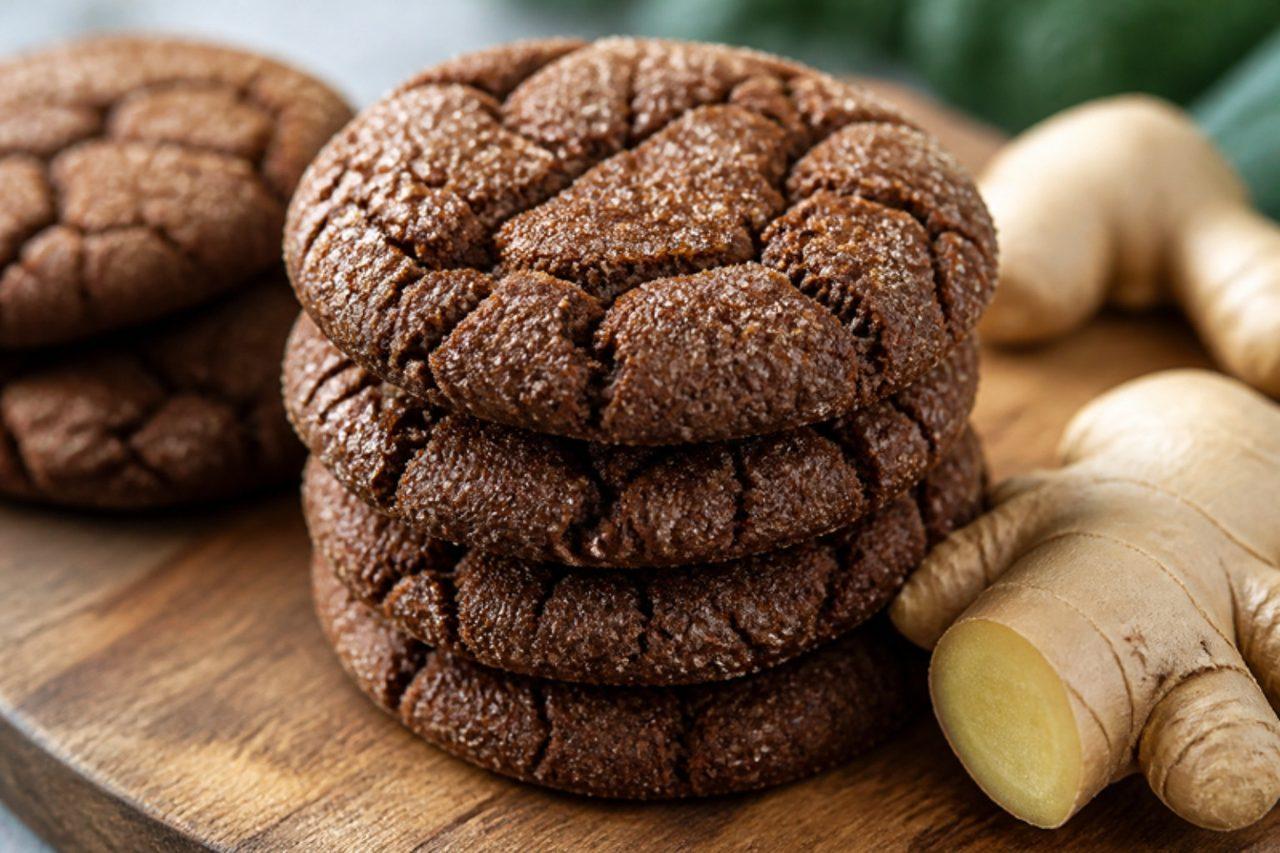
Stagga back (Jamaican molasses ginger cookies)

Stagga back are the dark, chewy cookies that sat in glass jars on the counters of Jamaican country shops, sold singly to schoolchildren on the way home and to anyone wanting something sweet with a cold drink in the heat of the afternoon. They are made with plenty of molasses, brown sugar and both dried and fresh ginger, with a little nutmeg and allspice, so they taste deep, almost smoky, and warm at the back of the throat. The texture should bend before it snaps: firm edges, soft and toffee-like in the middle. Eat them with a cup of mint or ginger tea, or a glass of cold coconut water. They are naturally egg-free: the thick molasses and the oil bind the flour on their own, and bicarbonate of soda reacting with the acidic molasses gives them their lift and crackled tops. This version uses oil instead of butter, so it is vegan. Chef's tip: take them out while the centres still look a little underdone; the common mistake is baking until they feel firm in the oven, and then they cool into rock-hard discs.

by KrazyBadal 0 views

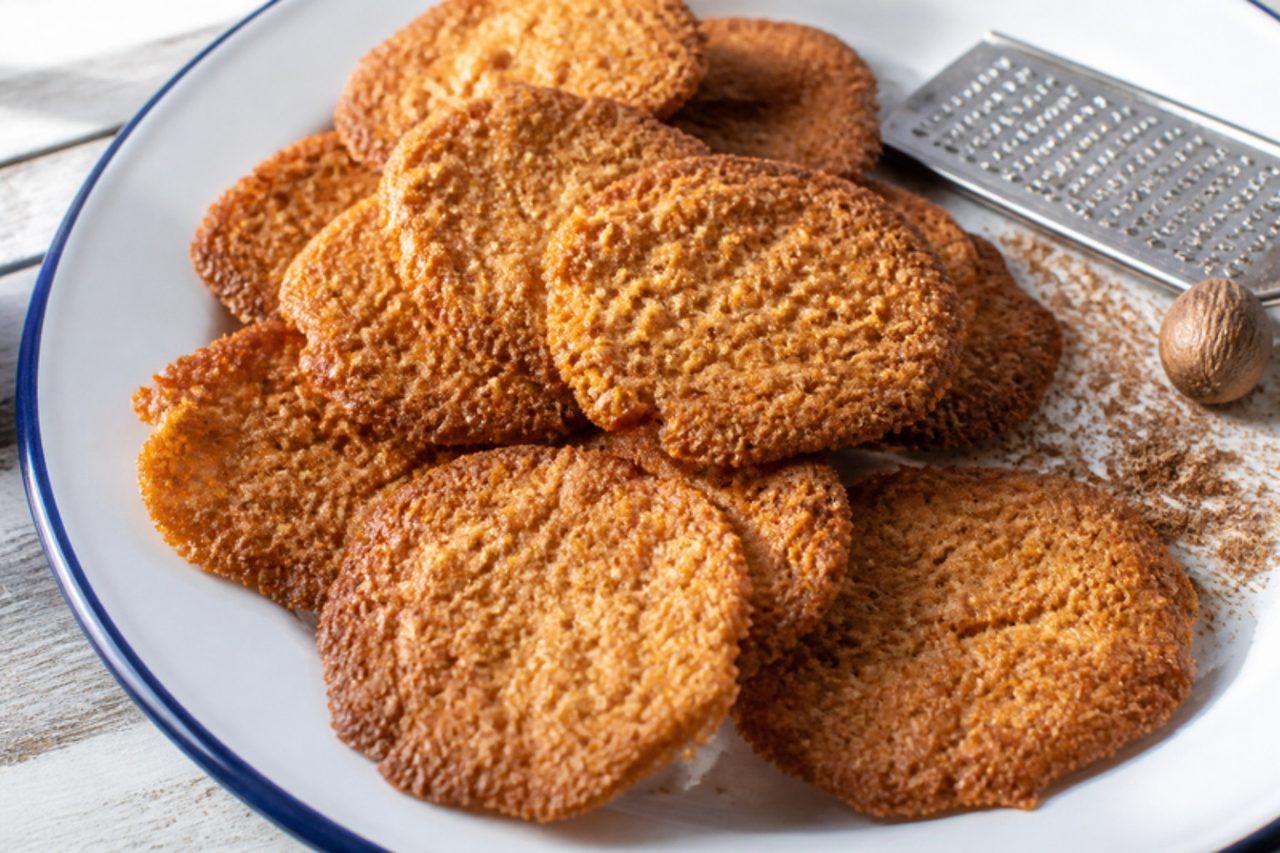
Jackass corn (Jamaican hard coconut biscuits)

Jackass corn is one of the hard little biscuits of old Jamaica, sold in paper bags at roadside stalls and corner shops and packed for long journeys because it keeps for weeks. The name is usually explained as a joke about how much chewing it takes. It is made from plenty of grated coconut, brown sugar, flour and a good grating of nutmeg, rolled out very thin and baked until crisp right through, so every bite cracks and then turns sweet and nutty with toasted coconut. Have it with hot cocoa tea, mint tea or a glass of cold sorrel juice, or break it over ice cream. There has never been egg in it: coconut oil and water hold the dough together, and the coconut's own fat and the melted sugar set it hard as it bakes and cools. Chef's tip: roll it as thin as you dare, about 3 mm; the common mistake is leaving it thick, which gives a biscuit that is soft in the middle and goes stale instead of staying crunchy.

by KrazyBadal 0 views

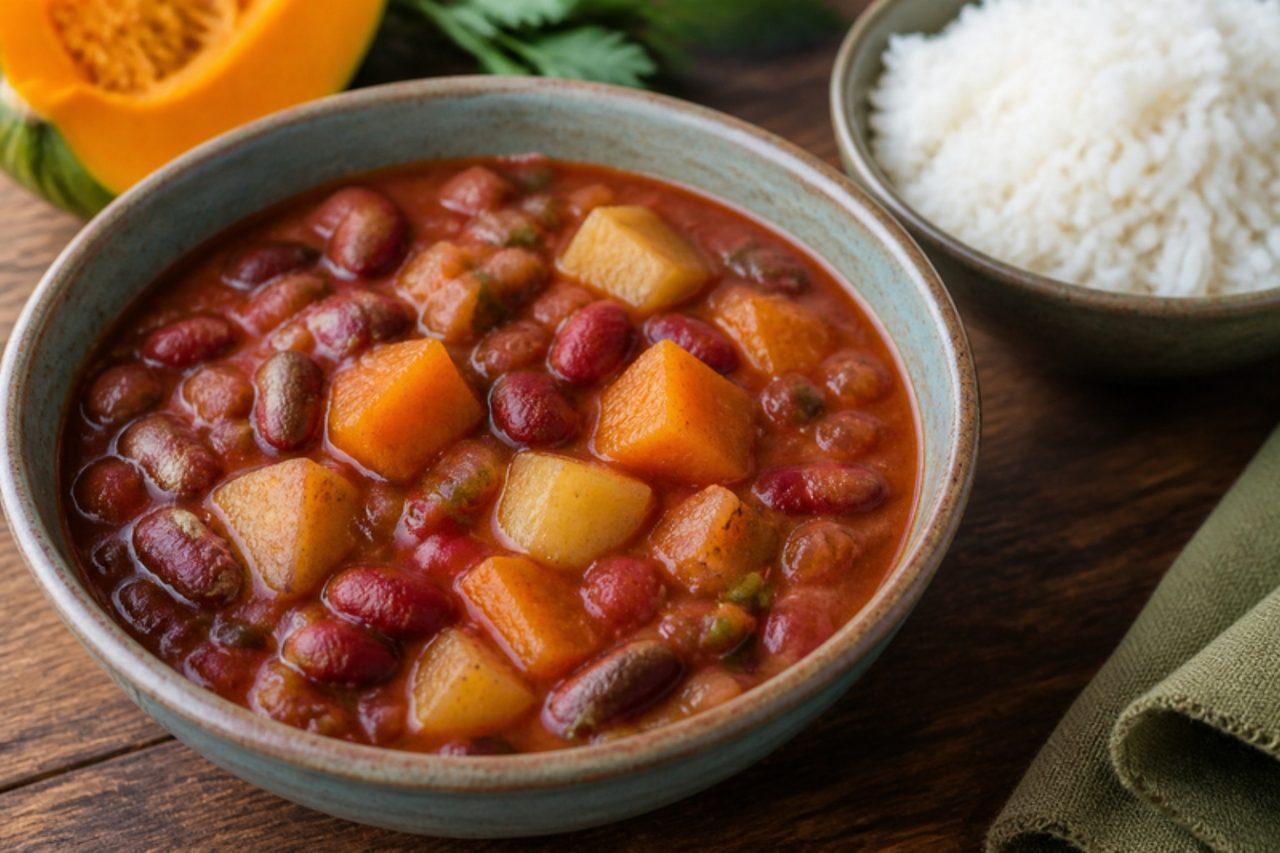
Cuban red bean potaje (vegetarian)Red bean and pumpkin stew

Potaje de frijoles colorados is everyday Cuban home cooking, eaten in Havana, Camagüey and Santiago alike as the midday meal over white rice, often with a simple avocado salad. Red kidney beans cook until soft and are thickened with calabaza and potato, then flavoured with a sofrito of onion, pepper, garlic, cumin and oregano. It is usually made with pork or chorizo; this is the vegetarian and vegan version, with smoked paprika and a spoonful of vinegar-pickled pepper brine giving the same savoury depth. A bowl gives about 25 g of protein from the beans. Soak the beans for 12 hours first (not counted below), and boil them hard for 10 minutes before simmering, as raw kidney beans contain a toxin. The most common mistake is salting at the start, which keeps the skins tough. Chef's tip: a teaspoon of sugar in the sofrito is a Cuban touch that rounds out the tomato and beans.

135 minCubanCurriesVeganGluten free
by KrazyBadal 0 views

Cuban potaje de garbanzos (vegetarian)Chickpea and pumpkin stew

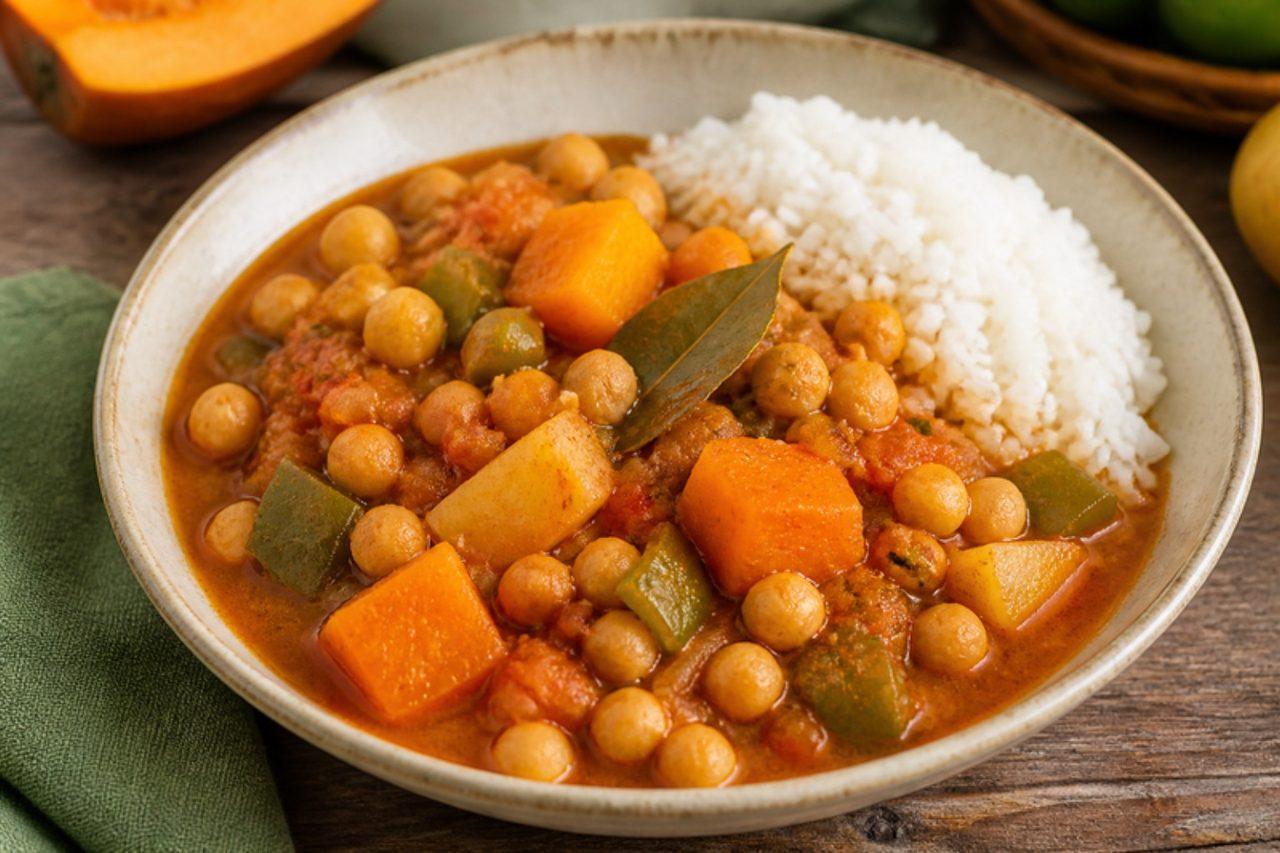
In Havana and across Cuba, a pot of potaje de garbanzos simmers on the stove for the main meal of the day, and is ladled over white rice with a few slices of fried ripe plantain on the side. Chickpeas cook until creamy with chunks of calabaza (West Indian pumpkin) and potato, then a sofrito of onion, green pepper, garlic and tomato turns the broth thick and orange. Most Cuban cooks add chorizo; this is the vegetarian version, with smoked paprika giving the smoky warmth instead, and it is fully vegan. A bowl gives about 21 g of protein from the chickpeas. Soak the chickpeas for 12 hours first; that time is not counted below. The most common mistake is adding the pumpkin at the start: it dissolves completely, so add it once the chickpeas are nearly tender. Chef's tip: let the potaje rest for half an hour before serving; it thickens and tastes even better the next day.

120 minCubanCurriesVeganGluten free
by KrazyBadal 0 views

Chilcano de pescadoClear fish broth

In the fishermen's terminals of Chorrillos and Callao, chilcano is what you drink on a Sunday morning after a long night: a clear, gingery broth made from the heads and bones left over from cleaning fish for ceviche, with chunks of fish, red onion, chilli and a squeeze of lime in the bowl. It is light and warming, around 160 kcal a bowl, and still gives about 24 g of protein from the fish fillet and the broth. The common mistake is squeezing the lime into the pot while it boils, which turns it bitter; add it to each bowl at the table. Don't boil the bones for more than 30 minutes either, or the broth turns cloudy and harsh. Chef's tip: ask the fishmonger for heads and frames from mild white fish like sea bass or cod, and leave out oily fish such as mackerel, which makes the broth strong and fishy.

by KrazyBadal 0 views

Showing 24 of 387 recipes

Show more recipes

Page 1 of 17