Skip to content
Recipes

All recipes

Vegetarian, or something you can't eat? Set your diet once and we'll hide recipes that don't fit.

Capeletis a la CarusoStuffed pasta in cream sauce

Capeletis a la Caruso were created in a Montevideo restaurant in the 1950s and named after the great tenor, and they are still a Sunday lunch favourite in Uruguayan homes: little stuffed pasta hats in a rich sauce of cream, cooked ham (pork), mushrooms and onion, finished with grated cheese. Buy good fresh capeletis or tortellini; the sauce is what you make. The usual mistake is boiling the cream sauce hard, which makes it oily and grainy. Chef's tip: cook the mushrooms in a dry hot pan first until they squeak and brown, before any butter goes in, for a deeper taste.

by KrazyBadal 0 views

Martín FierroCheese with quince paste

Ask for dessert in a Montevideo bodegón or a country parador and you may be offered a Martín Fierro: a thick slice of fresh, mild cheese laid with an equal slice of dense quince or sweet-potato paste, named after the gaucho of the epic poem. It's salty against sweet, soft against firm, and takes two minutes to assemble. Uruguayan fresh cheese is usually made with animal rennet, so choose one with vegetarian rennet if that matters to you. The mistake is serving it fridge-cold, which dulls both flavours. Chef's tip: cut the cheese and paste to exactly the same thickness, about 1 cm, so every bite has both.

by KrazyBadal 0 views

Zupa szczawiowaSorrel soup

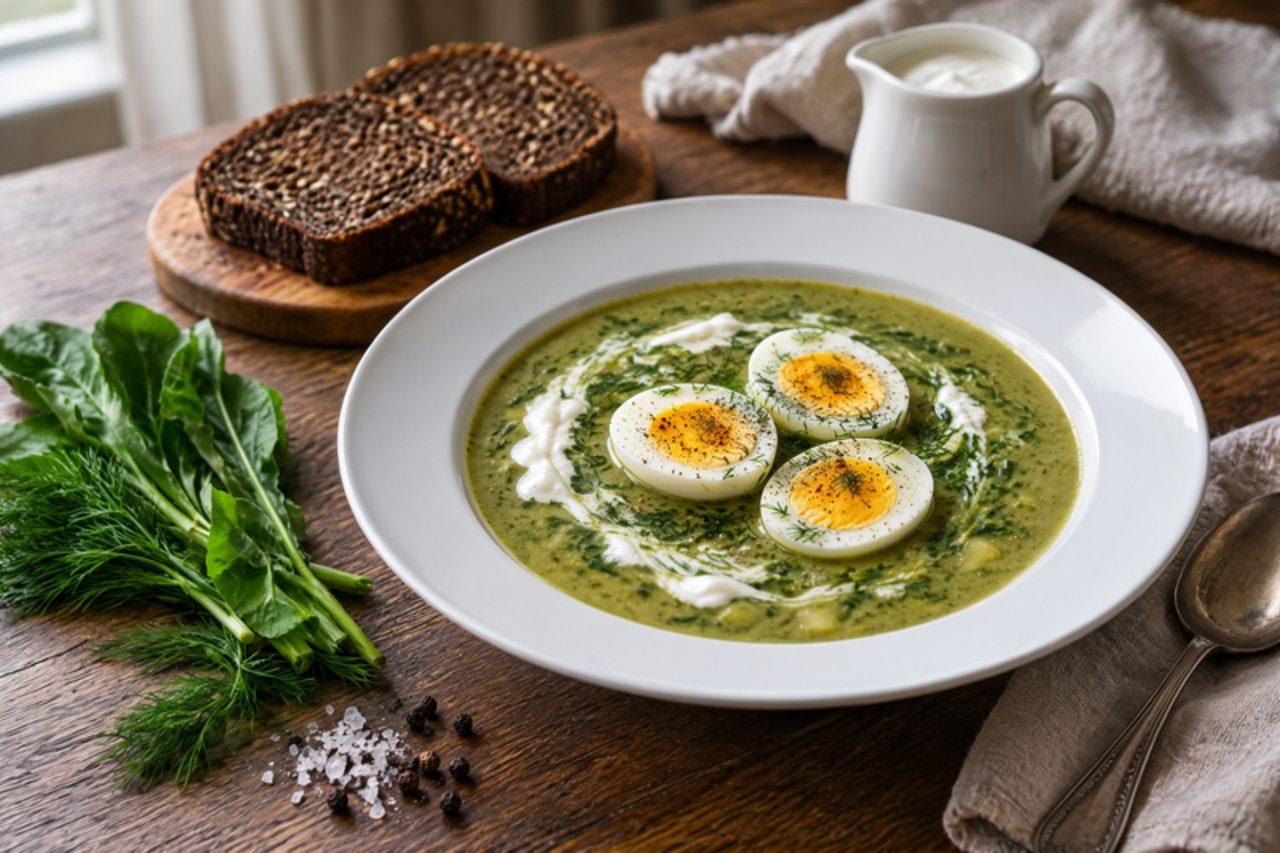
Zupa szczawiowa is a spring and early summer soup all over Poland, made when sorrel grows thickly in gardens and meadows from May onwards, and it is a favourite Sunday-lunch starter. Fresh sorrel melts into a vegetable broth with carrot and celeriac, giving a bright, lemony sourness, and a spoon of sour cream softens it before halved hard-boiled eggs go into each bowl. Many cooks add potatoes; this version uses just a small one to keep the starch low. Suitable as part of a balanced diet. About 190 kcal and 11 g carbohydrate per portion. The usual mistake is stirring sour cream straight into the boiling soup, where it curdles. Chef's tip: wilt the sorrel in a little butter first; it turns khaki in seconds, which is normal, and the flavour stays bright.

by KrazyBadal 0 views

Ka'i ladrilloPeanut molasses bricks

Ka'i ladrillo — 'monkey brick' in Guaraní — is the sweet sold by vendors on Asunción buses and at country fiestas: roasted peanuts bound in boiled cane molasses and set in brick-shaped blocks, crunchy and dark with a slightly smoky toffee taste. It contains peanuts, so keep it away from anyone with a peanut allergy. The common mistake is taking the syrup off too soon, so the bricks stay sticky and never set. Chef's tip: test the syrup by dropping a little into cold water; it is ready when it sets into a brittle thread that snaps.

by KrazyBadal 0 views

BusecaTripe and white bean stew

Buseca arrived in Montevideo with Italian immigrants from Lombardy and became a classic winter dish of Uruguayan bodegones and family kitchens, eaten on cold June and July days. Honeycomb tripe is simmered until tender, then stewed with white beans, pork chorizo, bacon, peppers, tomato and paprika into a thick, warming stew served with crusty bread. Buy tripe that is already cleaned and blanched (dressed). The usual mistake is undercooking the tripe: it needs a full 2 hours, until it's soft enough to cut with a spoon. Slow-cooker option: after step 4, cook on low for 8 hours. Chef's tip: a little grated lemon zest and parsley stirred in at the end lifts the rich, gelatinous sauce.

by KrazyBadal 0 views

KoserevaCandied bitter orange peel

Kosereva is a Paraguayan home preserve from the days when nothing was wasted: thick strips of bitter-orange peel soaked and boiled to soften their bite, then cooked slowly in dark cane molasses until glossy and nearly black. In the countryside it is eaten after lunch with a slice of fresh cheese or simply on its own. Bitter oranges (Seville oranges) are in season in winter. The most common mistake is not changing the boiling water enough, which leaves the peel unpleasantly bitter. Chef's tip: taste a sliver of peel after the third boil; it should be gently bitter like marmalade, not harsh.

by KrazyBadal 0 views

Kawa zbożowaRoasted grain coffee

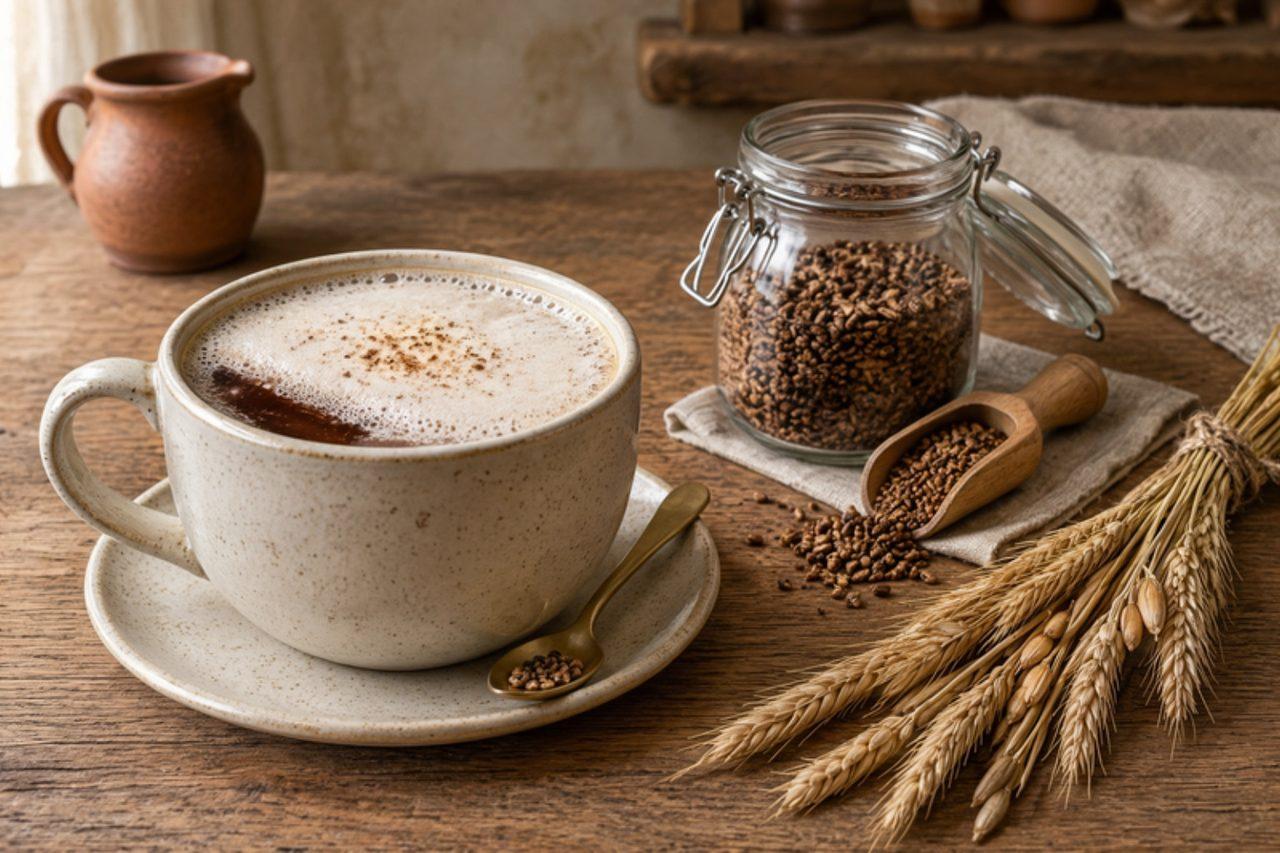
In Polish kindergartens, school canteens and grandmothers' kitchens, kawa zbożowa is the breakfast "coffee" everyone can drink: a blend of roasted rye, barley, chicory and sometimes sugar beet that tastes toasty and malty with no caffeine at all. It is usually drunk milky and a little sweet alongside bread and butter. The common mistake is brewing ground grain coffee like espresso: it needs a few minutes of simmering to give up its flavour, or it tastes like weak tea. Chef's tip: let the pot stand off the heat for 2 minutes after simmering so the grounds sink, then pour gently and you won't need a filter at all.

by KrazyBadal 0 views

Pasta jajecznaEgg spread

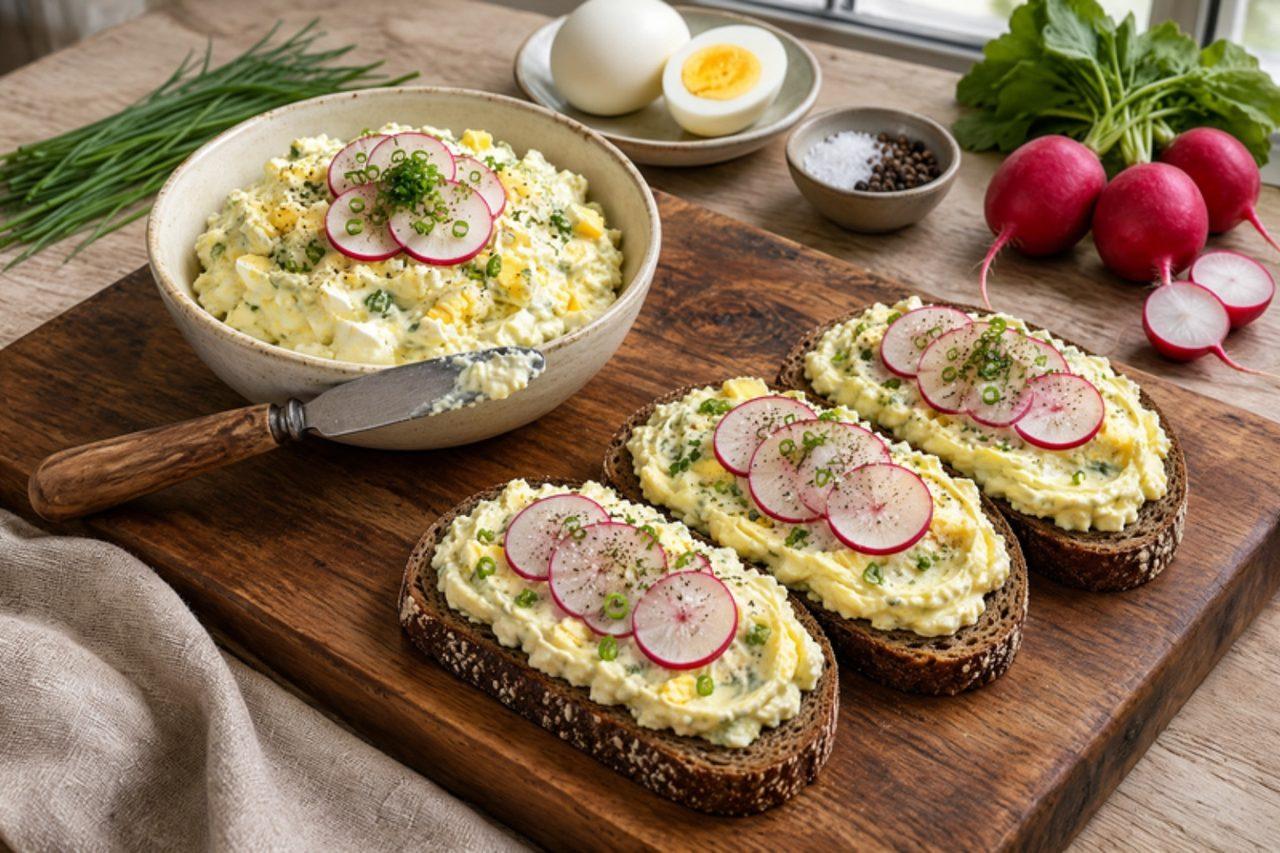
In Poland pasta jajeczna is the everyday breakfast and kanapki spread, piled thickly on rye bread or a crusty roll and topped with radish slices, and it is always on the table at Easter breakfast. Hard-boiled eggs are chopped finely or mashed with mayonnaise, a little mustard and a lot of chives into a creamy, savoury spread. The common mistake is boiling the eggs too long: overcooked yolks turn grey-green and taste sulphurous, so stop at 10 minutes and chill them at once. Chef's tip: grate the eggs on the coarse side of a box grater instead of chopping; you get a fluffy, even spread in seconds without mashing it to paste.

by KrazyBadal 0 views

MermezLamb and chickpeas in harissa sauce

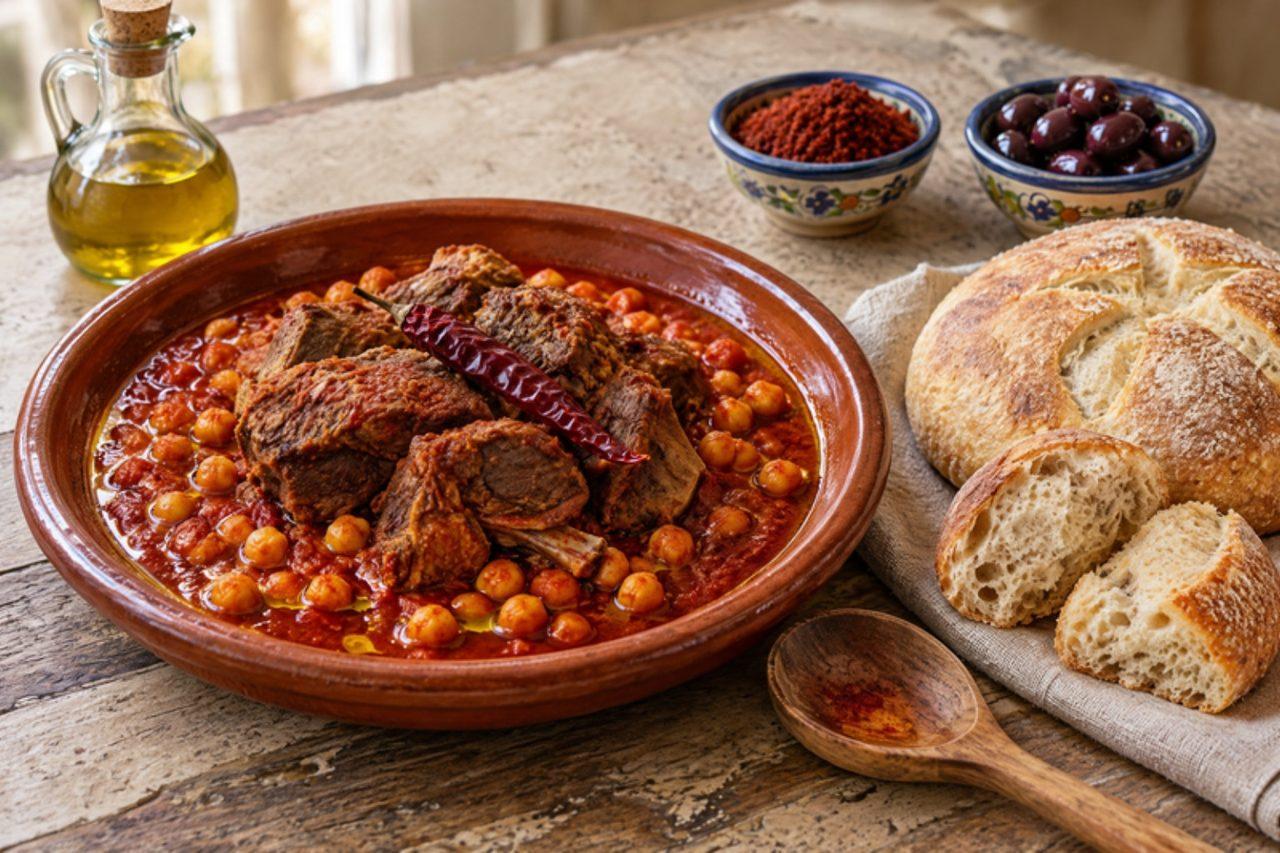
Mermez is a Tunis home dish closely tied to Ramadan, when a pot simmers through the afternoon to break the fast at sunset, often after a bowl of chorba. Lamb on the bone is stewed with chickpeas in a bright red sauce of tomato paste, harissa, garlic and Tunisian tabil spice (coriander and caraway), and the broth is mopped up with crusty khobz tabouna. The usual mistake is adding the harissa at the start and letting it scorch with the meat; fry it briefly with the tomato paste over a gentler heat instead. Slow-cooker option: after step 4, cook on low for 7 hours. Chef's tip: mermez tastes even better the day after, when the chickpeas have drunk in the spiced sauce.

100 minTunisianMeatGluten freeSpicy
by KrazyBadal 0 views

TorchiPickled carrot, turnip and chilli

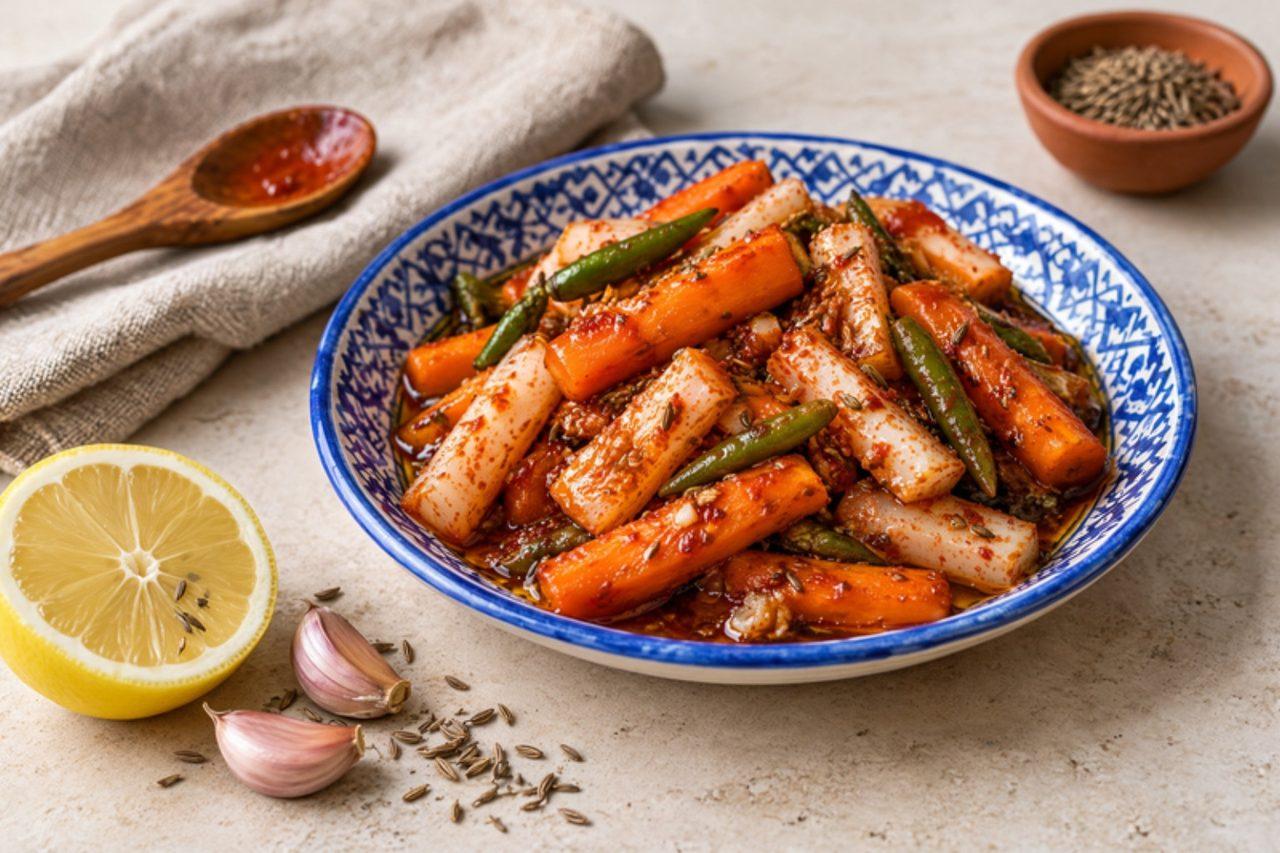
In Tunisian homes and in the small eateries of Tunis and Sousse, a saucer of torchi lands on the table before anything else, beside olives, bread and a little dish of harissa, to wake up the appetite before a couscous, a brik or grilled fish. This quick pickle takes its name from the Persian torshi but is made fresh the same day: carrots and turnips cut into fine sticks with a few chillies, dressed with lemon juice, salt, harissa, garlic, caraway and a thread of olive oil. Half an hour later the vegetables are crunchy and juicy, salty-sour, garlicky and gently hot, and the red dressing pools at the bottom of the plate for mopping with bread. During Ramadan it is a fixture on the iftar table. The mistake to avoid is salting the vegetables and leaving them for hours, which turns them soft and watery; dress them and eat within the day. It is ready when the turnip has lost its raw edge at the corners but still snaps in half. Chef's tip: cut the turnip a touch thinner than the carrot so both soften at the same pace.

by KrazyBadal 0 views

LampreadoCassava starch cheese fritters

Paraguayan grandmothers fry lampreado on Sunday evenings to eat with a mug of cocido, the toasted yerba mate drink: small pan-fried cakes of cassava starch, egg, milk and grated cheese with a little onion, crisp at the edges and stretchy inside. Some families also make it with leftover meat, but this version is all cheese. Queso Paraguay is set with animal rennet; a vegetarian Parmesan-style cheese plus mozzarella works well. The trap is a batter that is too thick, which gives heavy, gluey cakes. Chef's tip: the batter should drop slowly off a spoon like thick pancake batter; add milk a spoonful at a time until it does.

by KrazyBadal 0 views

Mandi'o chyryryFried cassava with onion and egg

Mandi'o chyryry means 'fried cassava' in Guaraní, and it is what rural Paraguayan families make from yesterday's boiled mandi'o: chunks crushed and fried in a big pan with onion until crisp in places, then scrambled with eggs. It comes out for breakfast with cocido or for a quick supper, and costs next to nothing. Use sweet cassava, the kind sold in supermarkets. The mistake is stirring constantly, which turns it to mush; let the cassava sit and brown. Chef's tip: the best chyryry starts with cold, day-old boiled cassava, which fries crisper than freshly boiled.

by KrazyBadal 0 views

Buñuelos de algasSea lettuce fritters

On the beaches of Rocha, from La Paloma to Punta del Diablo, vendors walk the sand with baskets of hot buñuelos de algas: puffy, salty fritters speckled green with sea lettuce, eaten with a squeeze of lemon. Use dried sea lettuce or mixed seaweed flakes from a shop, or fresh sea lettuce only from a seller who harvests clean water; never pick it from a harbour or near drains. The usual mistake is frying in oil that isn't hot enough, so the fritters soak it up and turn greasy. Chef's tip: rest the batter for 15 minutes so the seaweed softens and the fritters puff more.

by KrazyBadal 0 views

Cocido quemadoBurnt sugar mate drink

Cocido is how Paraguay starts the day: in Asunción, in the villages of Guairá and Itapúa, and in school kitchens, a pot of burnt yerba is brewed and poured into cups with chipa, the cheesy cassava bread, or with a hard galleta. The old way is to drop a glowing piece of charcoal into a pot with yerba and sugar and stir until the sugar burns. On a home stove you caramelise them together in a dry pan instead, which is safer and gives the same smoky, toffee-like taste. The drink is clear amber-brown, with roasted, slightly bitter mate notes over burnt-sugar sweetness; with milk added it becomes cocido con leche, creamy and coffee-coloured. Yerba mate contains caffeine, so treat it like a cup of coffee. The common mistake is letting the sugar go black: it turns acrid and bitter. Pull it off the heat when the caramel is deep amber and the yerba smells toasted, not burnt. It is ready when the liquid is a clear dark amber and tastes of toffee and smoke. Chef's tip: the water will spit fiercely when it hits the hot caramel, so pour it in from the side, at arm's length.

by KrazyBadal 0 views

Herbata z sokiem malinowymTea with raspberry syrup

In Polish homes a bottle of sok malinowy, the raspberry syrup made each July from garden or forest raspberries, waits in the pantry for winter. When someone comes in from the frost, or lies in bed with a cold, it goes into a glass of hot black tea, sometimes with a slice of lemon; grandmothers insist it makes you sweat the chill out, and the drink is traditionally given at the first sign of a sniffle. It also appears simply after a winter walk or with a slice of cake. The tea turns ruby, tastes of summer berries with a light tannic edge, and is sweet enough without sugar. The usual mistake is pouring syrup into boiling tea straight from the kettle: the fresh raspberry aroma cooks off and only sweetness is left. Let the tea cool for a minute or two first. It is ready when the tea is deep amber, the syrup has fully swirled through and it smells clearly of raspberries. No homemade syrup? Use a good shop-bought raspberry syrup, or make the quick one in the optional steps. Chef's tip: brew the tea weaker than usual, about two minutes, so the fruit stays in front.

by KrazyBadal 0 views

Kasza jaglana na mlekuMillet porridge with milk

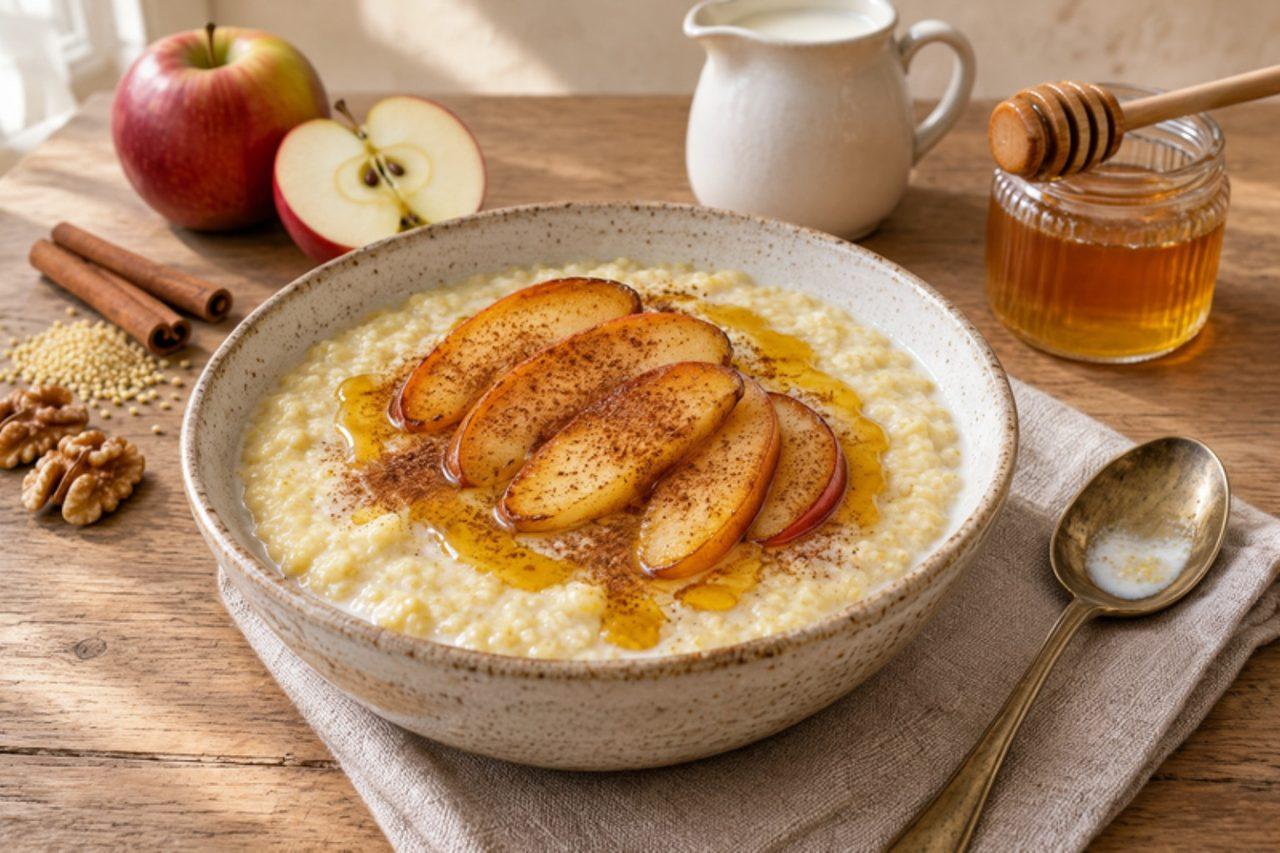
Millet, jagły, has been eaten in Poland for centuries, and kasza jaglana na mleku is the warming winter breakfast many Polish children grew up on, now back in fashion as a gentle, gluten-free porridge. The grains are cooked in water first, then simmered in milk until soft and creamy, and topped with sautéed apple, cinnamon and a little honey. The mistake that puts people off millet is skipping the rinse: the grains carry a bitter coating that has to be washed off and scalded away with boiling water. Chef's tip: toast the rinsed millet in the dry pan for 2 minutes before adding water, and the porridge tastes nutty instead of grassy.

by KrazyBadal 0 views

MaślankaChilled buttermilk

Maślanka, the tangy liquid left after churning butter, is sold in cartons all over Poland and drunk ice-cold with breakfast, with boiled new potatoes in summer, or blended with fruit for children. On its own it is thin, sour and refreshing; with strawberries and a spoon of sugar it becomes a light pink breakfast smoothie. The mistake is buying "buttermilk" that is really thickened yoghurt drink with added flavourings; look for plain cultured buttermilk with nothing else on the label. Chef's tip: chill the glasses as well as the buttermilk, and blend for no more than 20 seconds so it stays light and doesn't separate.

by KrazyBadal 0 views

ParówkiBreakfast frankfurters

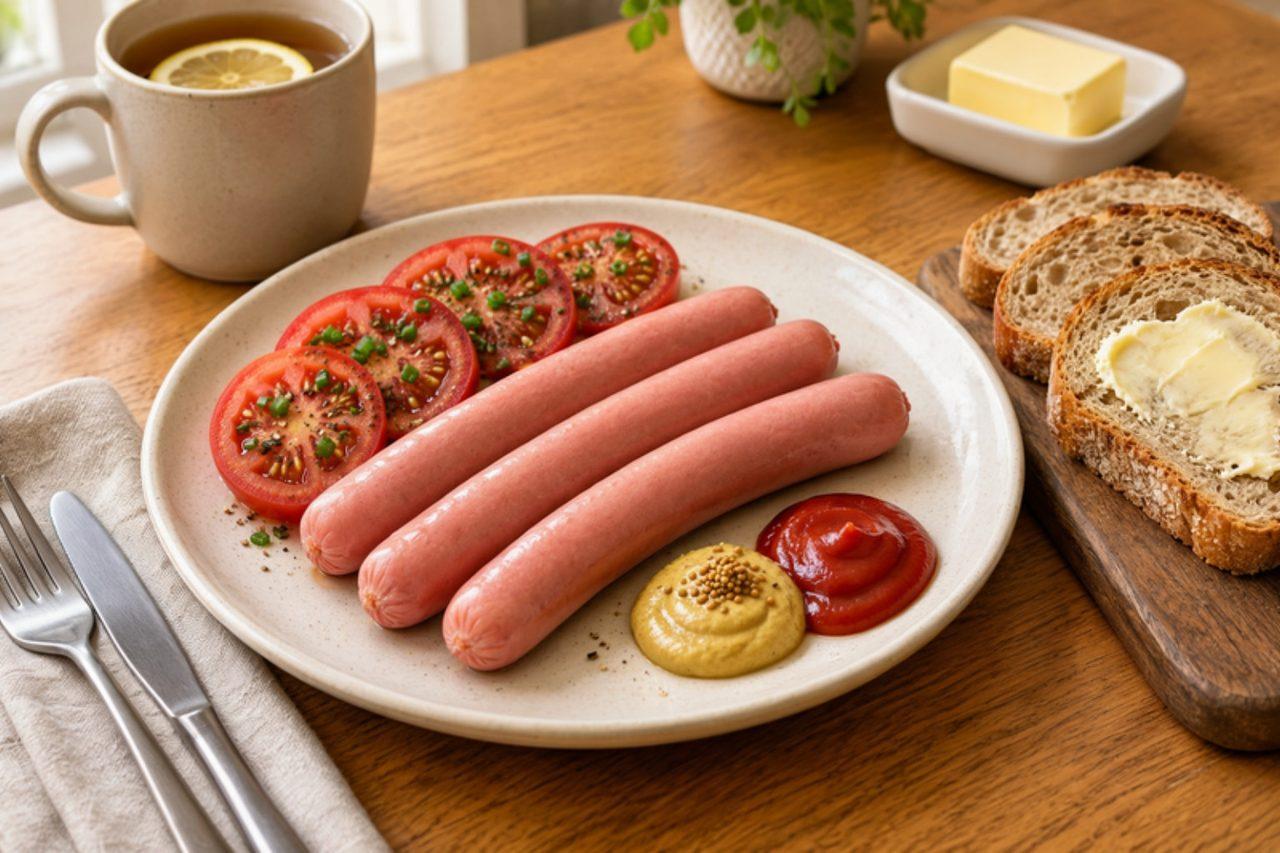
In Warsaw, Kraków and pretty much every Polish home, parówki are the quick weekday breakfast children grow up on: thin, mild pork frankfurters, warmed in hot water and eaten with a squeeze of mustard or ketchup, a slice of rye or a roll, and a few slices of tomato or cucumber. The common mistake is boiling them hard, which splits the skins and leaches out the flavour; they're already cooked, so they only need gentle hot water until piping hot in the middle. Choose parówki with a high meat content. Chef's tip: poke one with a knife to check: it should be hot right through, at least 71 °C, but never bubbling in the pan.

by KrazyBadal 0 views

Lagmi (fresh palm sap)

In the oases of the Tunisian south, in Gabès, Tozeur, Nefta, Kebili and on Djerba, palm climbers cut a small wound at the crown of an ageing date palm and hang a clay pot under it overnight. By sunrise it holds lagmi: cloudy, ivory-white sap, cool and sweet, with notes of coconut water and fresh dates. It is sold in recycled bottles at the roadside and drunk the same morning, because the wild yeasts in it begin to ferment almost at once. By afternoon it is fizzy and sour, and by the next day it has become an alcoholic palm wine, also called lagmi, which is a different drink altogether. The common mistake is buying more than you can drink by lunchtime or leaving it in the sun: keep it on ice from the moment you get it. Fresh lagmi is ready to drink when it is sweet, smells clean and milky, and only a few tiny bubbles rise; once it tastes sour or prickles on the tongue, it has started to turn. It is raw and unpasteurised, so pregnant people, babies, older people and anyone unwell should skip it. Outside the oases, fresh coconut water is the closest stand-in. Chef's tip: chill the glasses too; lagmi is at its best ice-cold.

by KrazyBadal 0 views

HrousFermented onion chilli paste

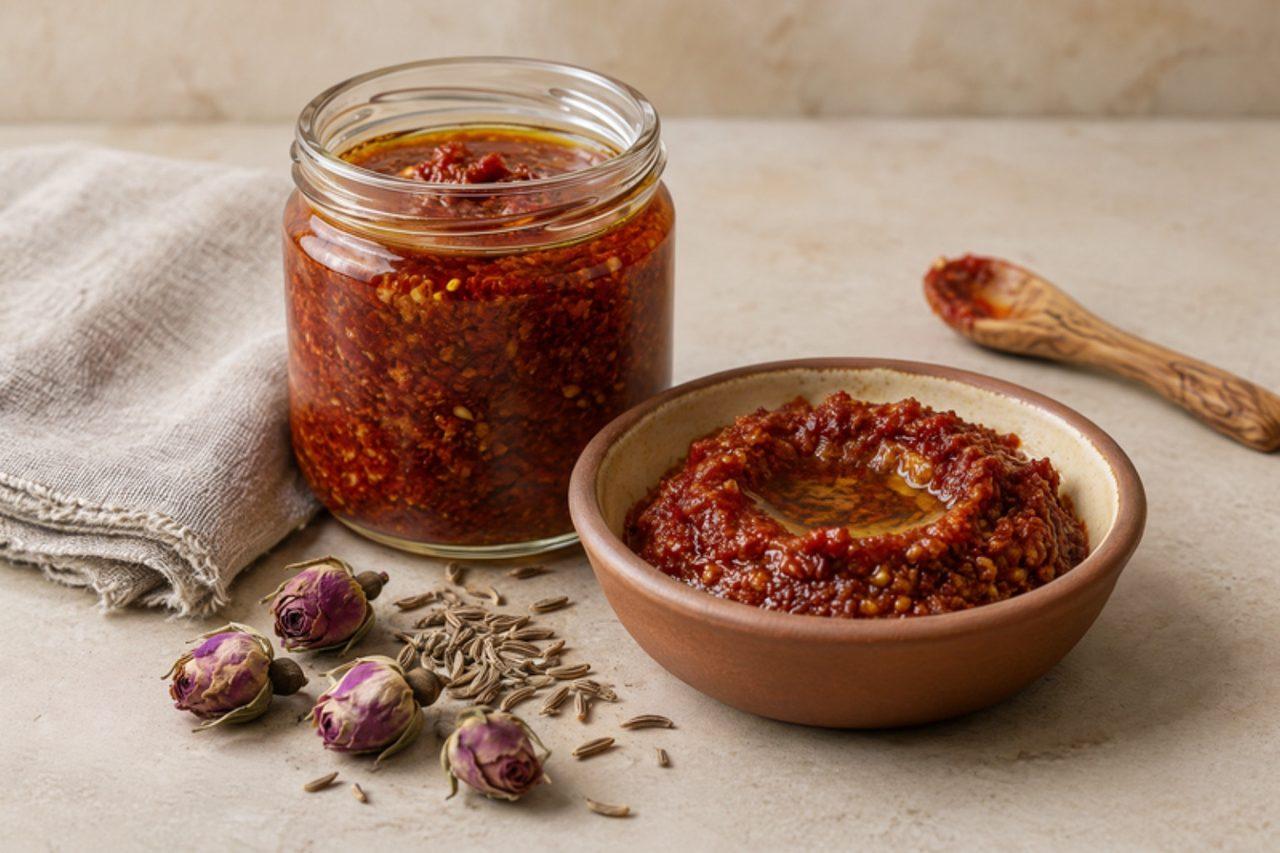
Hrous is the old pantry paste of Sfax and Djerba, made in late spring when the sweet onions come out of the ground and stored for months to season the year's fish couscous, stews, lablabi and simple saucers of olive oil for dipping bread. The onions are sliced, salted heavily and left for about a week to wilt and ferment, then squeezed dry and pounded with sweet and hot dried chilli, turmeric, caraway, coriander and crushed dried rosebuds, and packed into a jar under olive oil. A teaspoon goes a long way: it is brick red, salty, sour and fiery, with a funky onion sweetness and a perfumed finish from the roses, earthier and more complex than harissa. Sfaxi families stir it into fish dishes and spread it thinly on bread with olive oil at breakfast. The mistake to avoid is cutting the salt to make it milder, as the salt is what keeps the ferment safe; stick to 10% of the onion weight. The onions are ready when they are limp, smell pleasantly sour and pickled, and the paste turns glossy after a week under oil. Chef's tip: grind the rosebuds fresh, just before mixing, for the full perfume.

by KrazyBadal 0 views

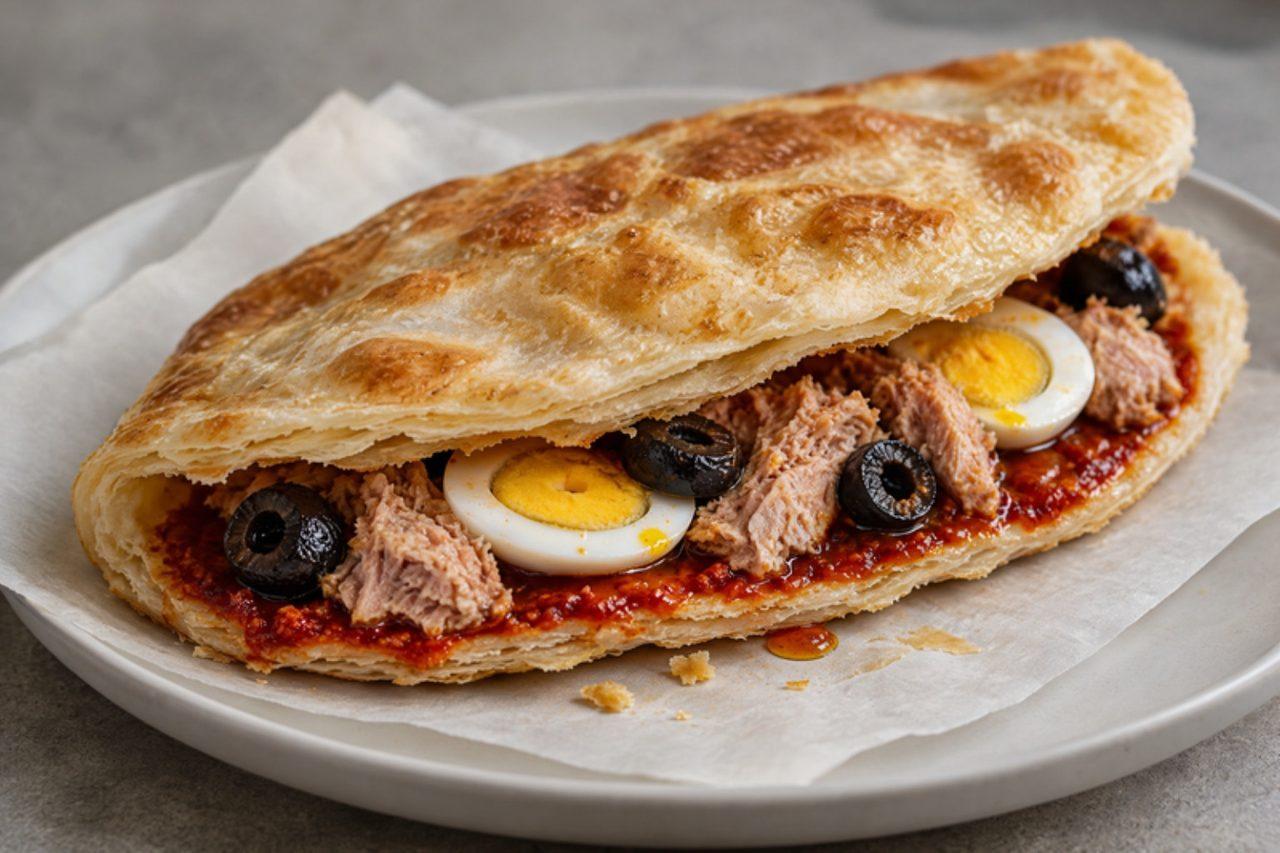
MlawiFolded flatbread with tuna

Mlawi is the flaky griddle bread of Tunisian street corners: a semolina dough oiled, folded and flattened into a square, then cooked on a hot plate until blistered and layered like puff pastry. In the Medina of Tunis, around Bab Bhar and the lanes leading to the Zitouna Mosque, women roll and flip them all morning, and the classic order is a mlawi spread with fiery harissa and rolled around tuna, sliced egg and black olives, eaten hot for breakfast or a mid-morning snack. It contains wheat, fish and egg. Chef's tip: let the folded squares rest for 5 minutes before the final flattening, so they spread without springing back.

by KrazyBadal 0 views

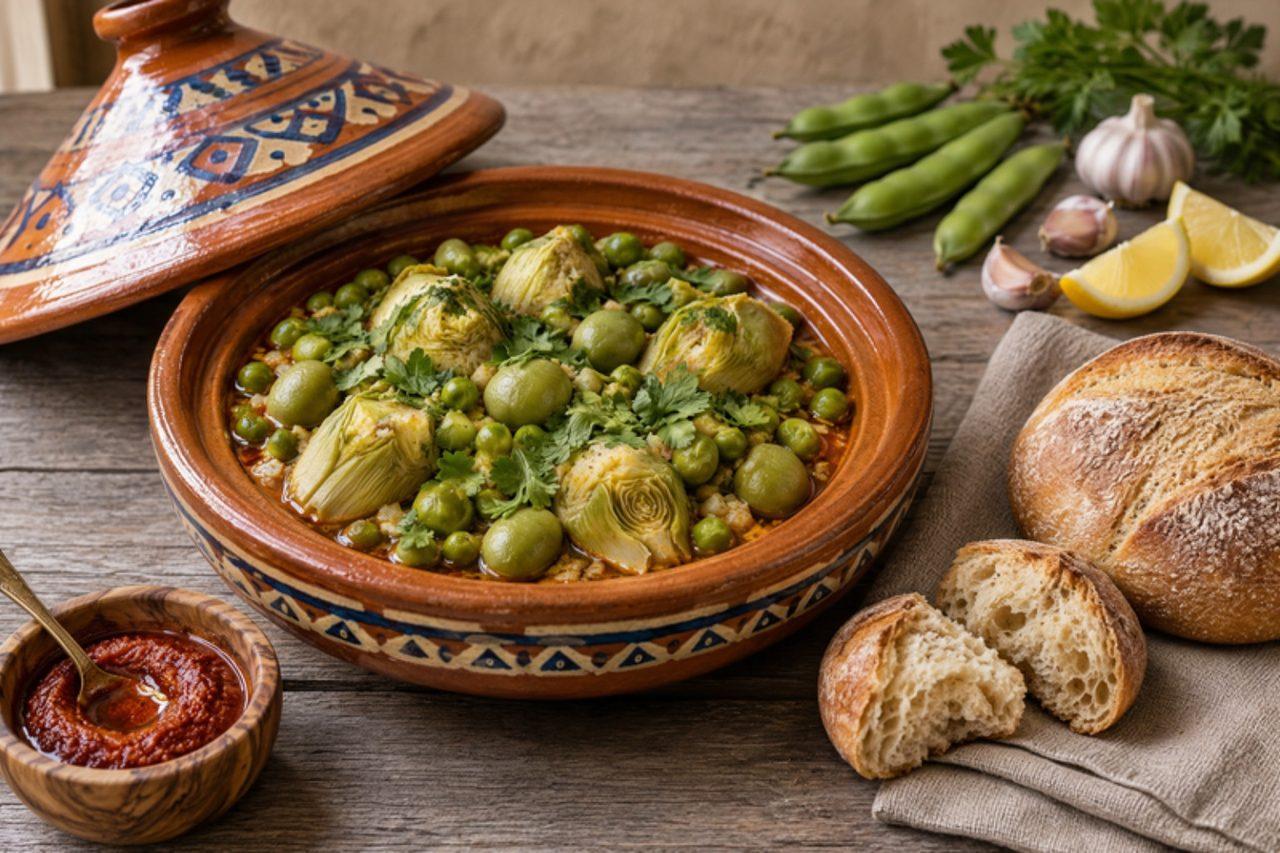
TbikhaBroad bean, pea and artichoke stew

Tbikha is cooked in Tunisian homes in March and April, when market stalls in Tunis, Sfax and the Cap Bon are heaped with fresh broad beans, peas and baby artichokes. The vegetables are stewed together in a little olive oil with garlic, tomato, harissa and caraway until tender, then finished with lots of coriander and dill. It is eaten warm with crusty bread to mop up the reddish, garlicky juices, and often with a few olives on the side. The usual mistake is overcooking the peas into khaki mush: they go in for the last few minutes only. Chef's tip: drop the trimmed artichokes into lemony water as you prepare them so they stay pale and don't turn bitter.

by KrazyBadal 0 views

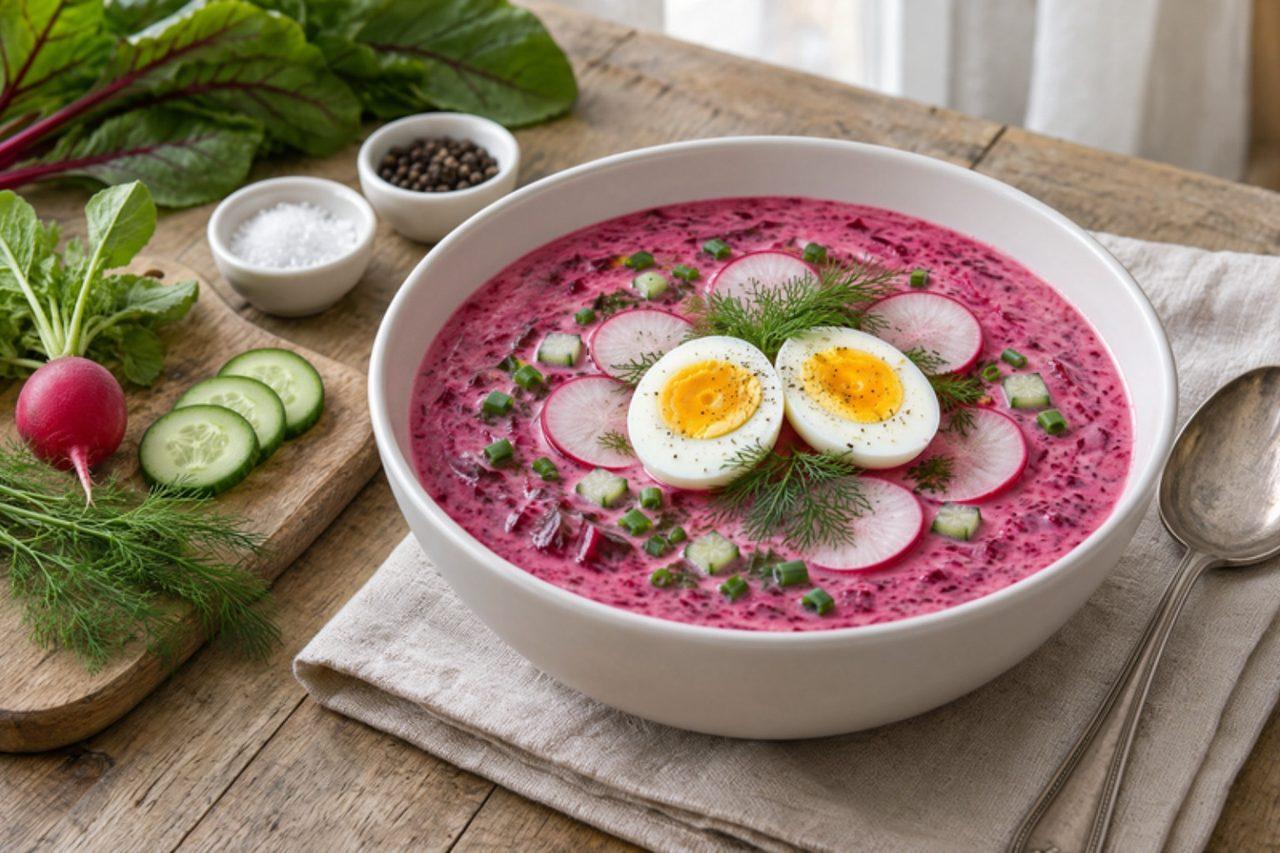
Chłodnik litewskiChilled beet leaf soup

In Podlasie and the lake country of north-east Poland, chłodnik is the soup of hot June and July days, when young beets are pulled with their leaves still tender. The beet greens and baby beets are cooked briefly, chilled, then stirred into kefir with cucumber, radish, spring onion and lots of dill, so the soup turns shocking pink, tangy and cold. It is served as a starter or a light lunch with half a hard-boiled egg in each bowl. Suitable as part of a balanced diet. About 170 kcal and 13 g carbohydrate per portion. The usual mistake is mixing the kefir into warm beets, which makes it split and dulls the colour, so chill them completely first. Chef's tip: add a squeeze of lemon to the cooking beets; the acid keeps the colour a vivid pink instead of brownish.

by KrazyBadal 0 views

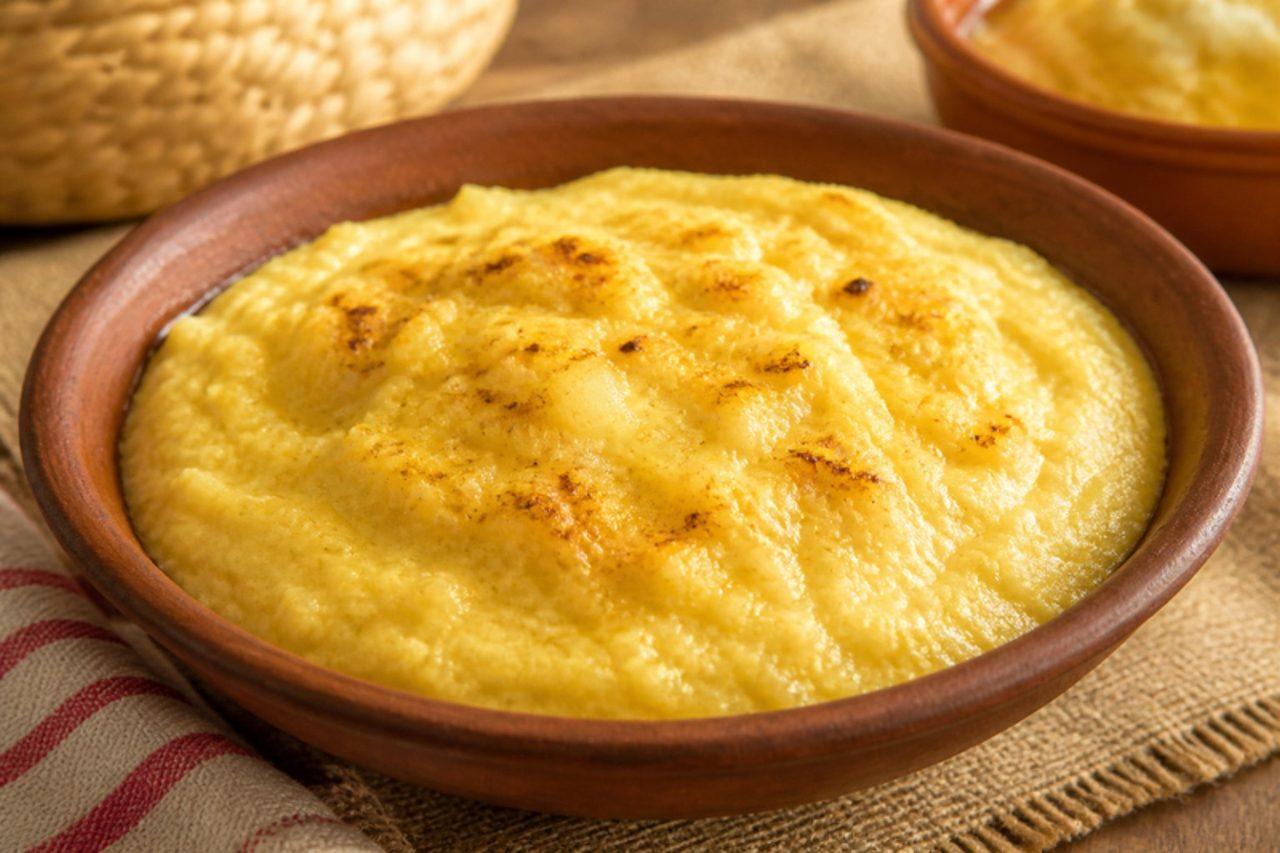
MbaipyCheesy polenta

Mbaipy (say 'mbai-PU') is Guaraní country cooking at its plainest: coarse corn flour stirred into milk and onion fried in oil until it thickens into a soft, spoonable porridge, finished with cubes of fresh cheese that melt into strings. In the Paraguayan countryside it is a cheap winter supper; cooks often stir in shredded chicken to make mbaipy so'o, but this is the meat-free version eaten on fasting days and in plenty of homes. Queso Paraguay is made with animal rennet, so use a vegetarian mozzarella or fresh cheese if you need to. The usual mistake is tipping the corn flour in all at once, which makes lumps that never cook out. Chef's tip: let it sit, covered, off the heat for five minutes before serving; it firms up slightly and the corn swells fully.

by KrazyBadal 0 views

Showing 24 of 167 recipes

Show more recipes

Page 1 of 7