Skip to content
Recipes

All recipes

Vegetarian, or something you can't eat? Set your diet once and we'll hide recipes that don't fit.

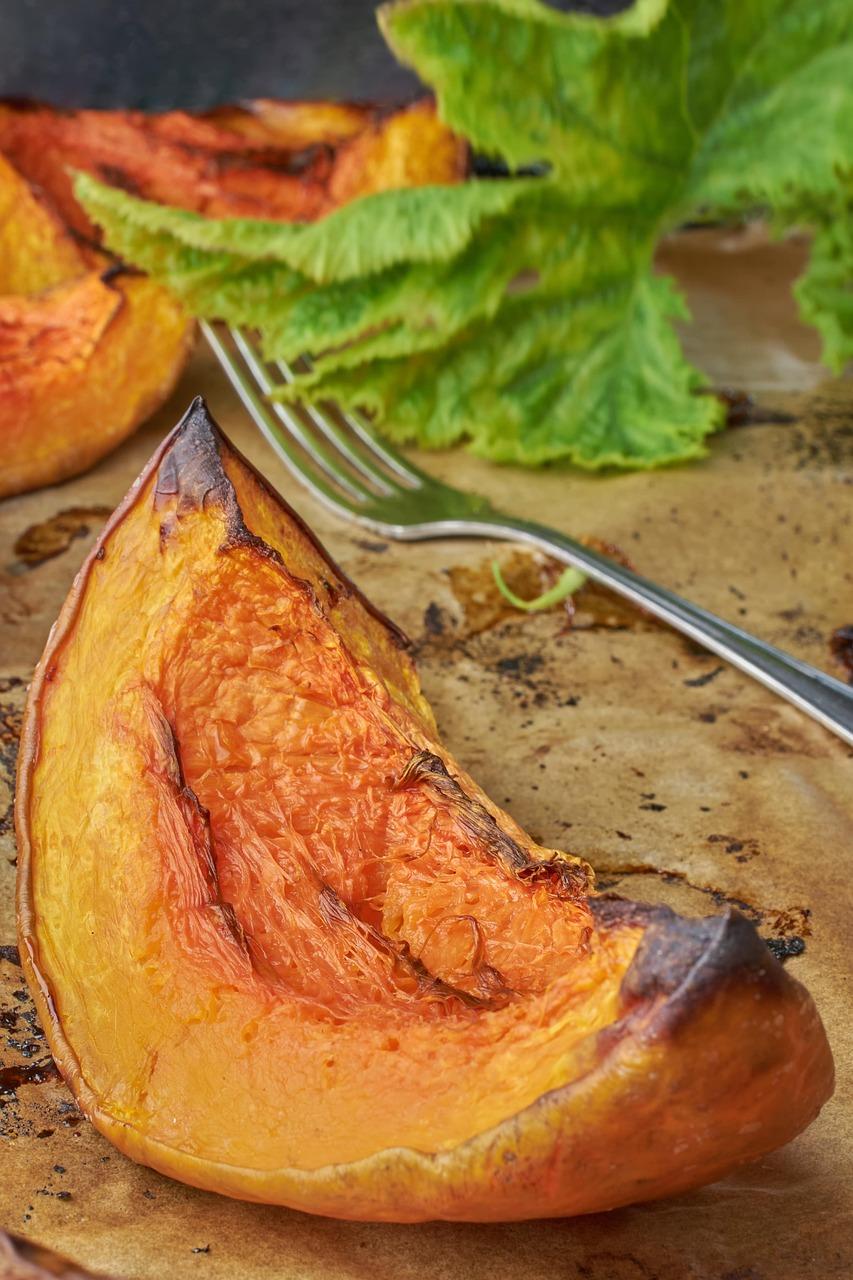
Sült tök (Hungarian roasted sweet pumpkin)

When the first cold sets in, Hungarian street vendors and market stalls set up their ovens and sell sült tök: thick wedges of sweet pumpkin roasted until the flesh is soft as jam and the edges are caramelised and almost sticky. It is bought hot and eaten on the spot through autumn and winter, often from the same stands that sell roasted chestnuts, and at home it is a simple afternoon treat for children. The flavour is deep and honeyed with a slightly smoky edge from the browned skin; a dusting of cinnamon sugar is optional. Eat it with a spoon straight from the skin, alongside a cup of hot tea or warm apple juice. It is naturally egg-free and needs no binding at all: the pumpkin's own sugars concentrate and caramelise in the oven's dry heat. Chef's tip: pick a dense, dry, deep-orange pumpkin such as a Hungarian sweet pumpkin, kabocha or butternut; the common mistake is using a watery carving pumpkin, which steams instead of caramelising.

by KrazyBadal 0 views

Sült gesztenye (Hungarian roasted chestnuts)

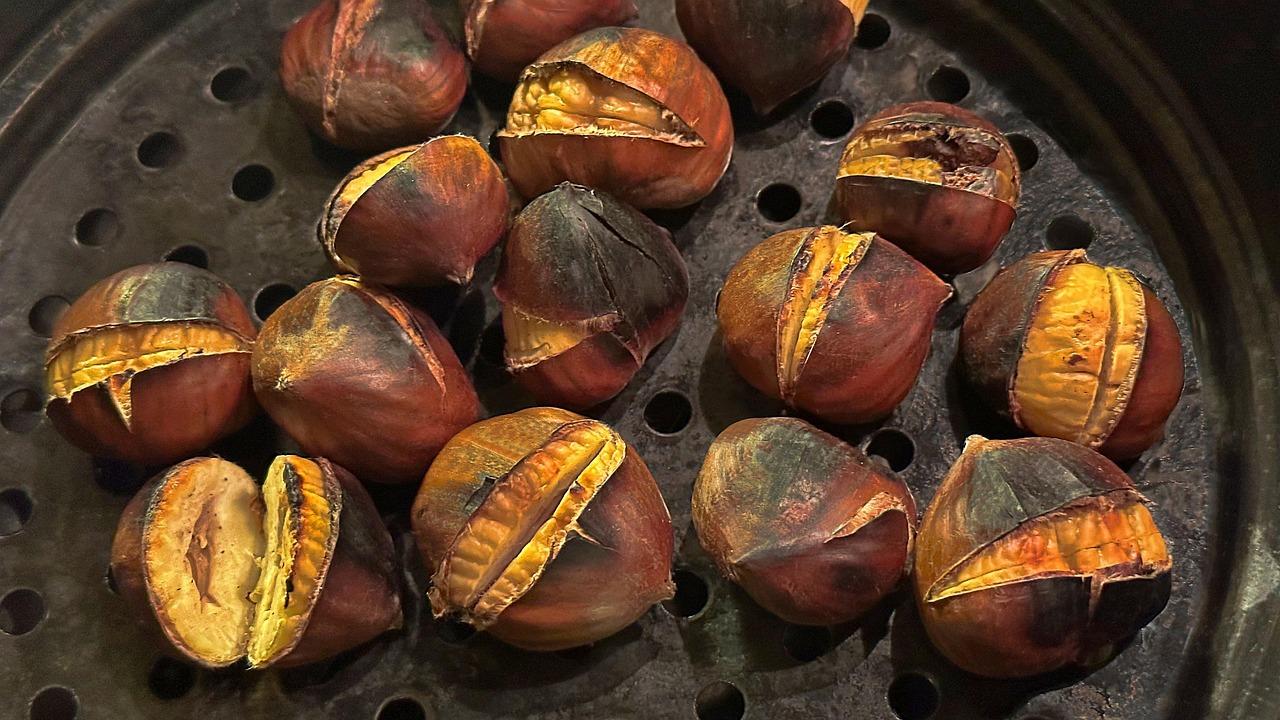
From November until the end of winter, the smell of roasting chestnuts drifts along Budapest's boulevards and around Christmas markets in every Hungarian town, where sellers shake them over charcoal and pour them hot into paper cones. Roasting turns the nuts sweet and soft, mealy like a baked potato but with a gentle nutty sweetness and a hint of smoke where the shell has charred. Eat them straight away, peeled with your fingers while they are hot, with a cup of hot tea, hot spiced apple juice or a bag of roasted pumpkin from the next stall. They are naturally egg-free, a single ingredient with nothing to bind: heat turns the chestnut's starch to sugar and softens it. A short soak in water before roasting adds steam inside the shell, so the nuts cook evenly and peel more easily. Chef's tip: cut a deep cross through the shell on the rounded side of every chestnut; the common mistake is skipping or under-cutting it, and then the steam bursts the chestnuts open in the oven.

by KrazyBadal 0 views

Mákos tészta (Hungarian poppy seed pasta)

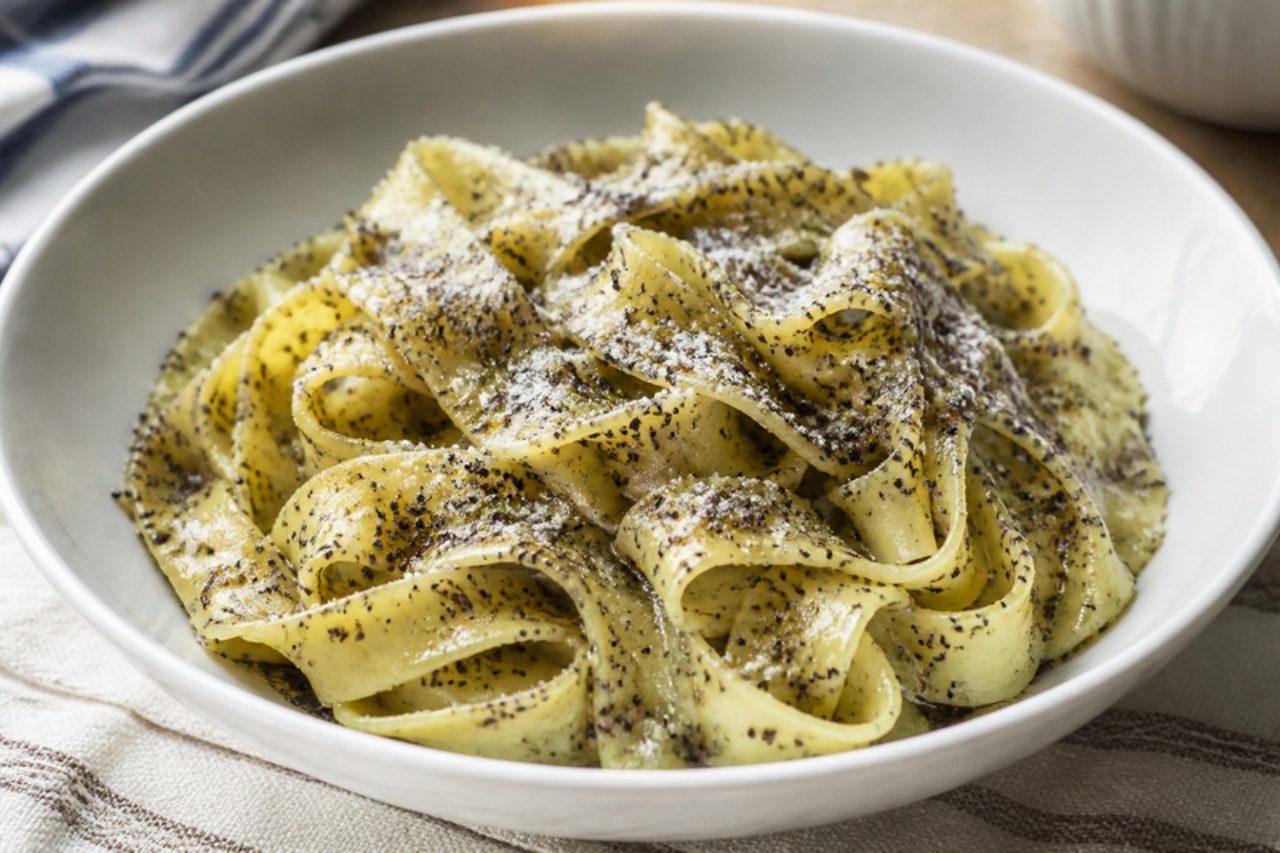
Mákos tészta surprises people who meet it outside Hungary: hot wide noodles tossed in butter and finely ground poppy seeds with sugar, eaten as a main course, often on a Friday after a bowl of soup. Children across Hungary grow up on it, and grown-ups still order it in school-canteen-style restaurants in Budapest. The trick is grinding the seeds; whole poppy seeds just roll off the pasta, and the most common mistake is using them unground, which gives a gritty dish with little flavour. Chef's tip: a spice or coffee grinder turns poppy seeds into a fragrant, slightly oily powder in 20 seconds; grind them just before cooking.

by KrazyBadal 0 views

Meggyes piteSour cherry slice

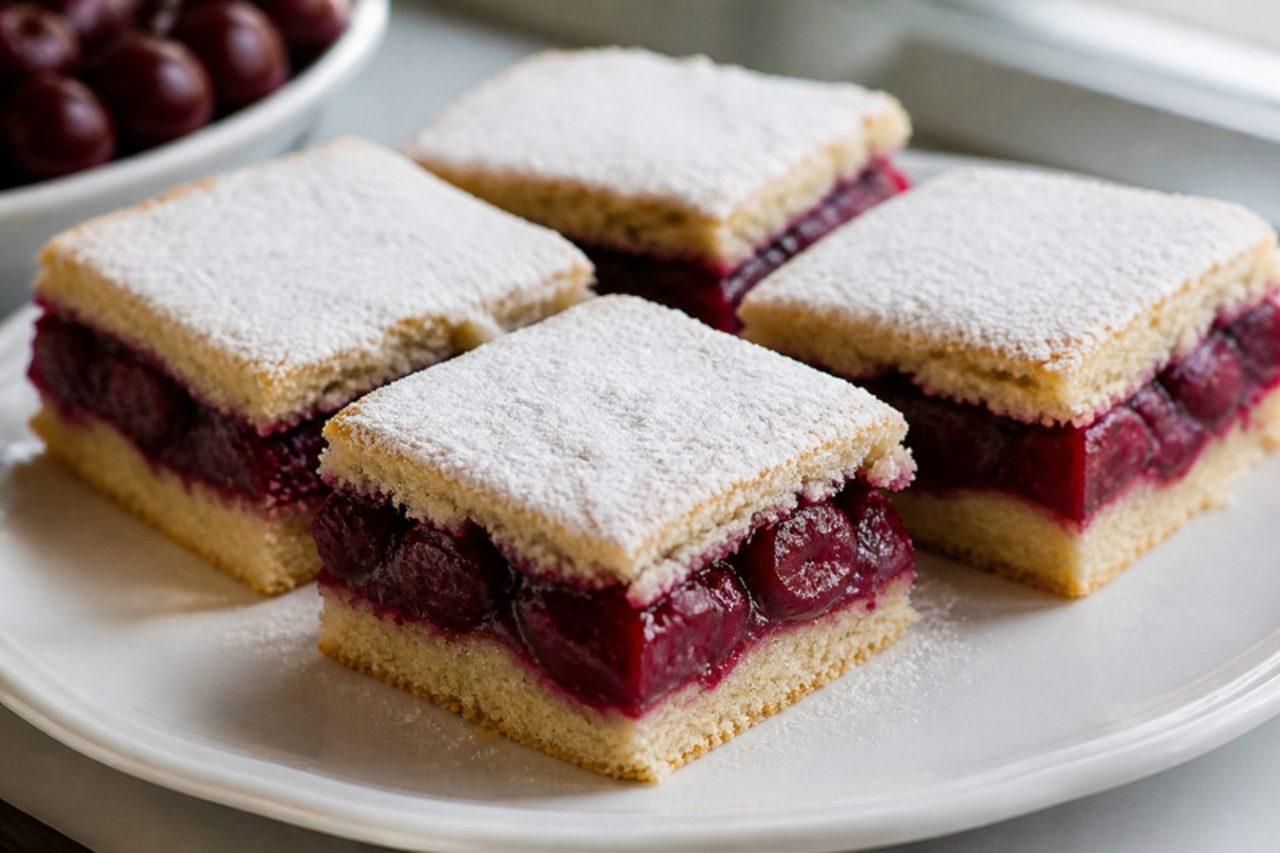
Hungarian grandmothers bake meggyes pite in a big rectangular tin in June, when sour cherries hang from every garden tree, and the rest of the year with jarred ones from the pantry. Two layers of soft, almost cakey pastry made with sour cream hold a tart, juicy cherry layer, and the top disappears under a snowfall of icing sugar. Squares of it turn up at Sunday lunch, in school lunch boxes and on the plate next to an afternoon coffee. Skipping the semolina is the mistake that gives a soggy middle: it soaks up the cherry juice as it bakes. Chef's tip: drain jarred or thawed cherries in a sieve for a good 30 minutes and keep the juice for a drink or a sauce.

by KrazyBadal 0 views

Zöldbableves (Hungarian green bean soup)

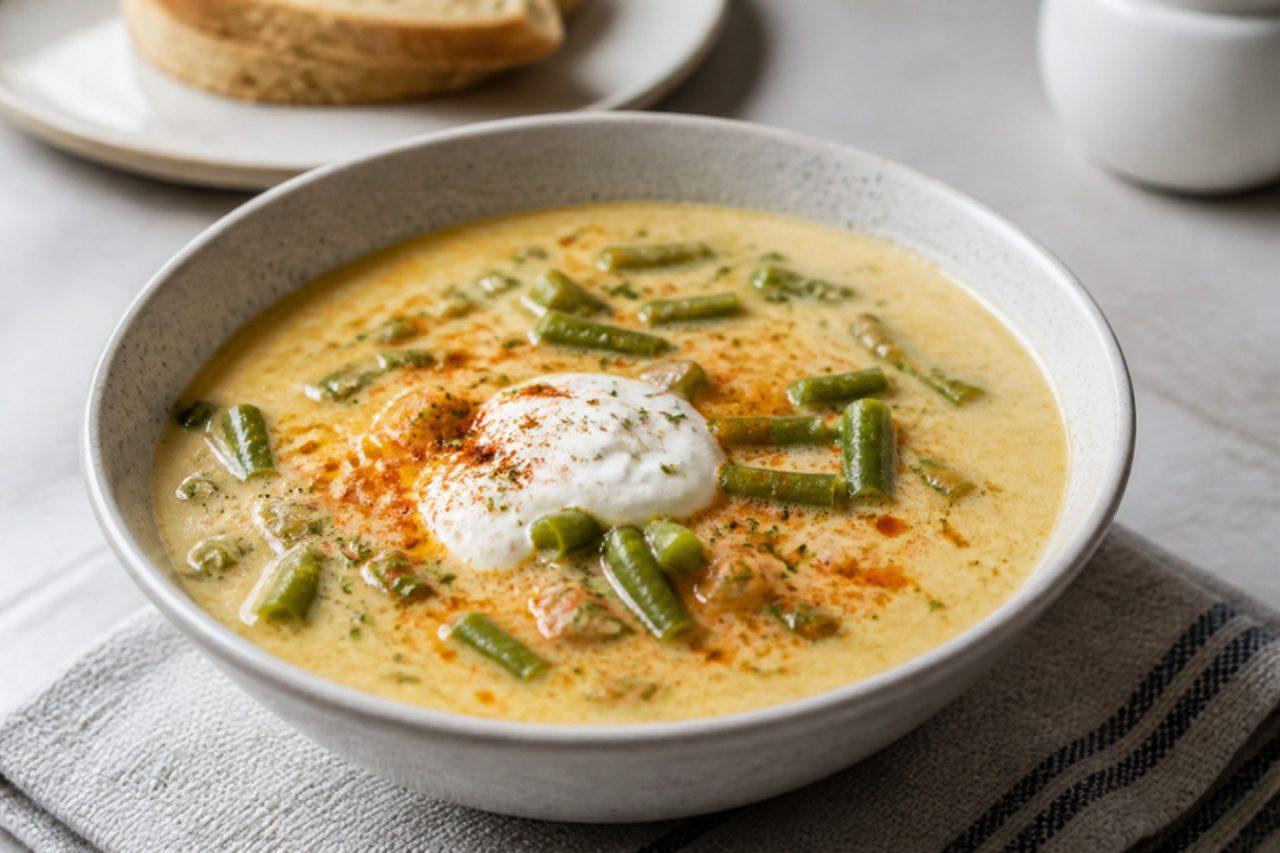
Zöldbableves is a summer soup from Hungarian home kitchens, made when green beans are cheap at every market: tender beans in a light broth, soured with a little vinegar and thickened with a paprika roux and sour cream, so it is creamy, gently tart and bright red-orange. It is served as the first course of a weekday lunch or as a light supper with bread. The classic mistake is pouring cold sour cream straight into the hot soup, where it splits into flecks; temper it first. Chef's tip: let the roux turn just golden before adding the paprika off the heat, because paprika burns in seconds and turns bitter.

by KrazyBadal 0 views

Túrós lepénySweet curd cheese sheet cake

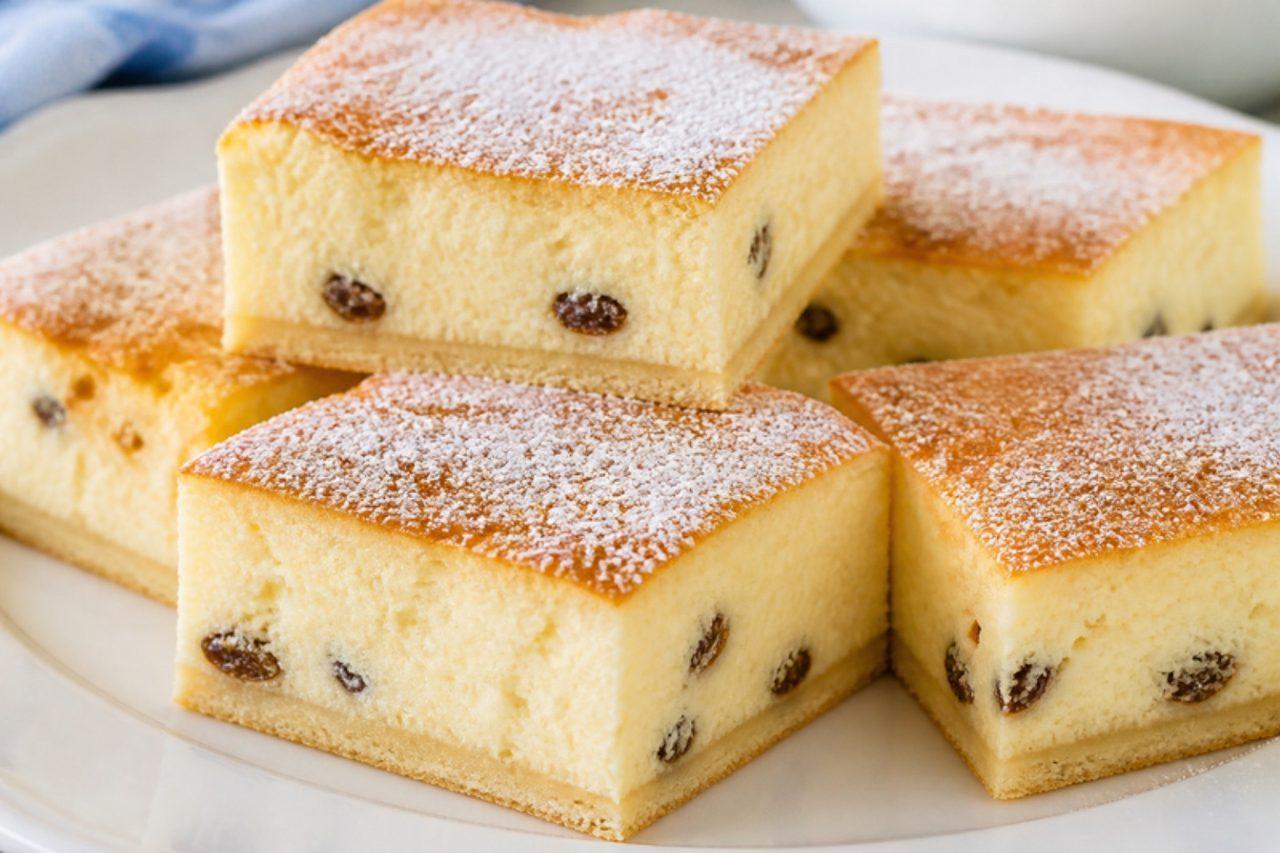
Hungarians use túró, a dry, crumbly fresh curd cheese, the way other cooks use cream, and túrós lepény is one of its homeliest outings: a thin short pastry base, a deep layer of lemony sweetened curd with raisins, baked in a tray and cut into squares for afternoon coffee, a picnic at Lake Balaton or the school lunch box. The filling is light and tangy rather than dense like a cheesecake, because the egg whites are whipped and folded in. Wet curd is the classic mistake; it weeps and the base goes soggy, so press the cheese through a sieve and use farmer's cheese or well-drained quark if you can't find túró. Chef's tip: take the lepény out while the very centre still has a slight wobble; it sets as it cools and stays creamy instead of cracking.

by KrazyBadal 0 views

BabfőzelékCreamy white bean stew

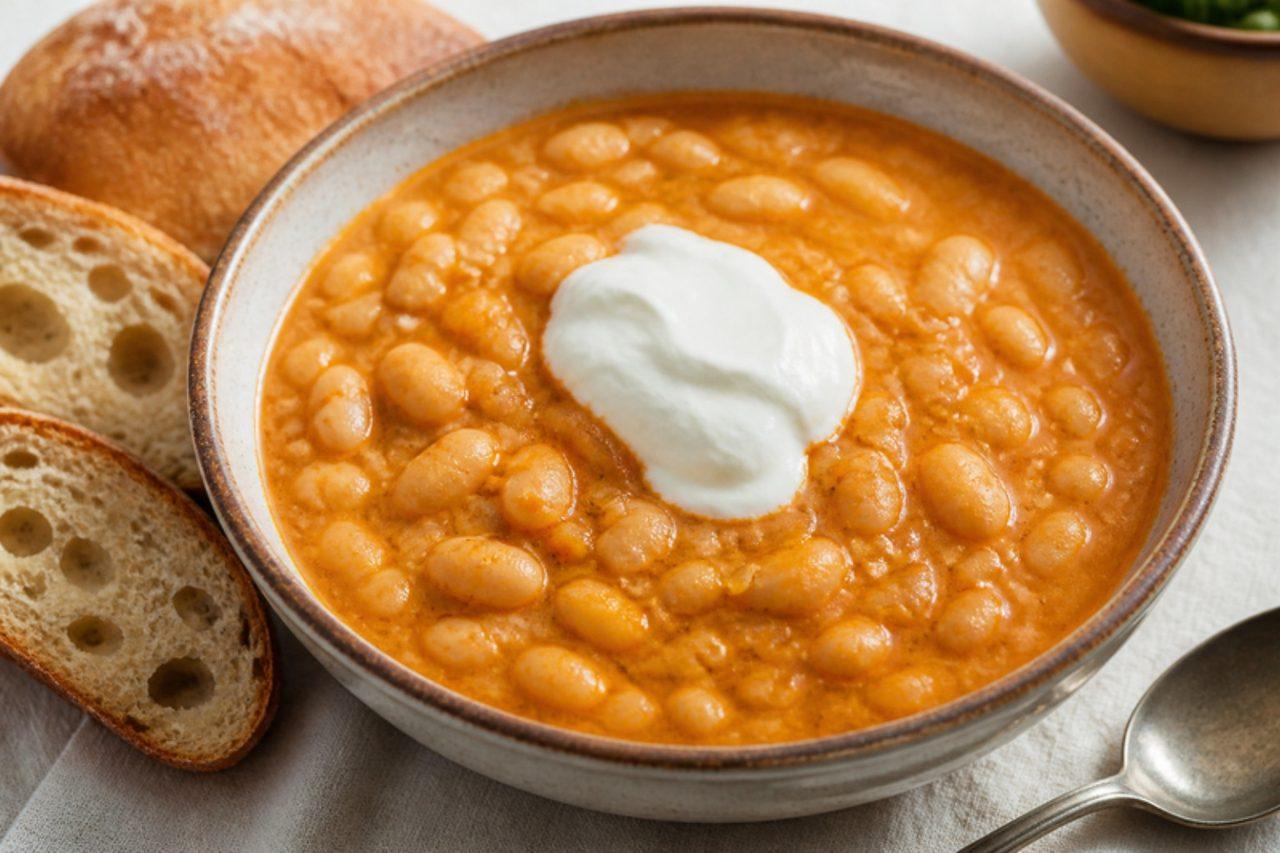
Babfőzelék is what cooks in Transdanubian villages and Budapest workers' canteens make on Fridays and in the cold months, when a pot of dried white beans goes a long way. The beans cook until creamy, then a garlicky paprika roux thickens the liquid, a splash of vinegar makes it tangy and sour cream softens it. Served with a slice of rye bread or a fried egg, it is a hearty meat-free lunch. Soak the beans overnight first. Chef's tip: add salt and vinegar only once the beans are completely soft; acid in the pot early keeps the skins tough no matter how long they cook.

by KrazyBadal 0 views

Sárgarépa-főzelékCarrot stew

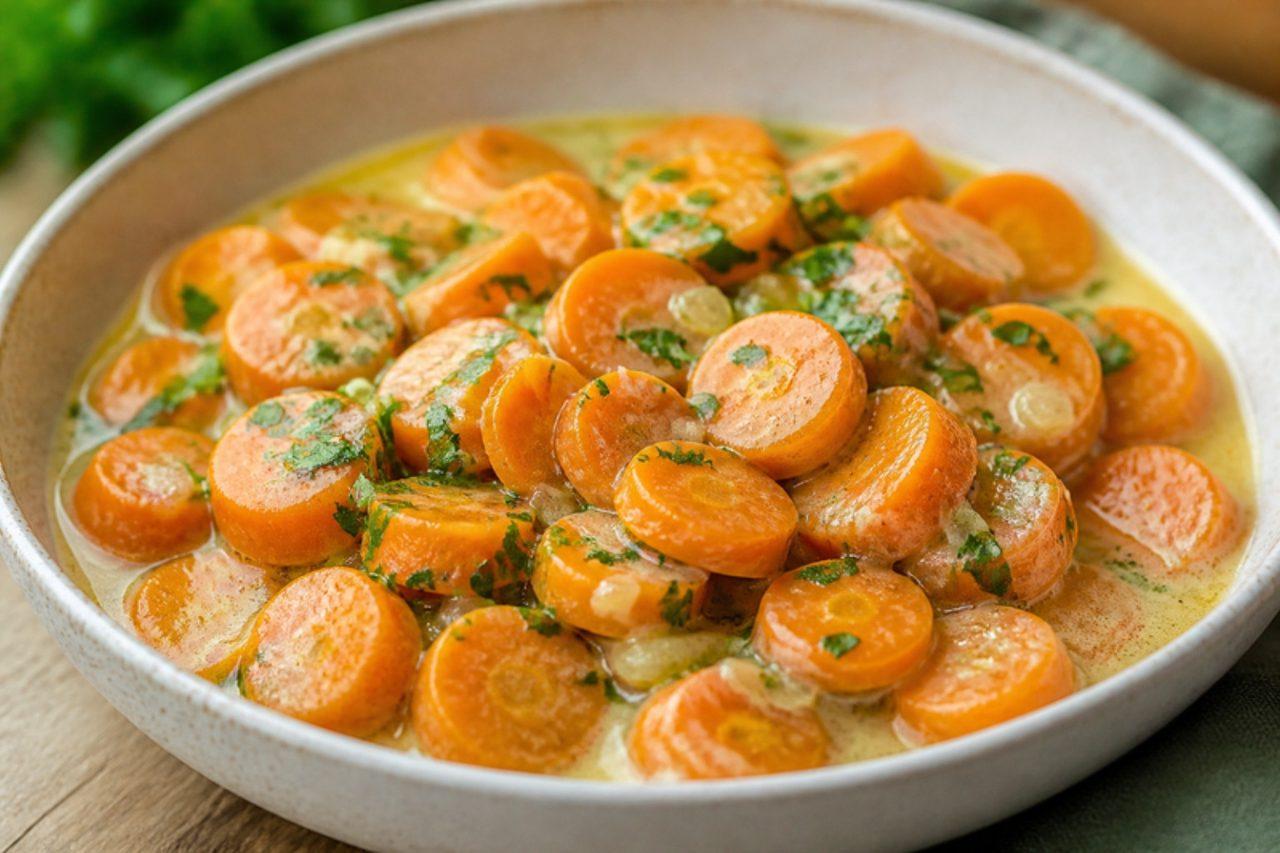
Hungarian nurseries and primary school canteens serve sárgarépa-főzelék so often that it is practically a rite of passage, and plenty of grown-ups in Budapest still cook it at home when they want something gentle. Carrot coins cook in butter with a pinch of sugar until sweet, then a milky roux and fresh parsley turn them into a soft, golden stew. Children eat it with mashed potato or a fried egg, adults often add a fasírt. Chef's tip: cut the carrots into even 5 mm coins so they finish together; uneven chunks leave some hard and others mushy.

by KrazyBadal 0 views

ZöldbabfőzelékGreen bean stew

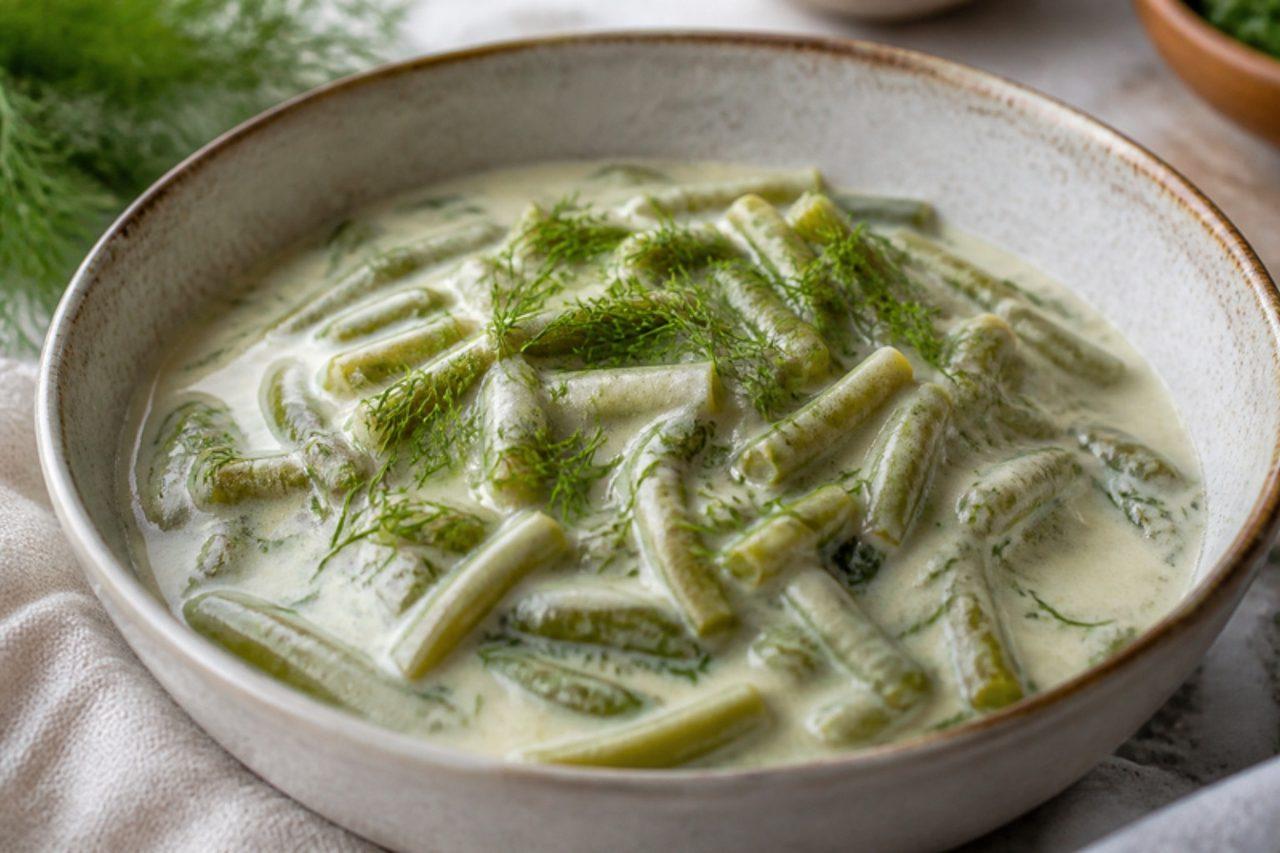
Midsummer in Hungary means baskets of yellow wax and green beans at every market, and zöldbabfőzelék is how home cooks from Kecskemét to Lake Balaton use them up. Short lengths of bean simmer until tender, then a pale roux, plenty of fresh dill, a little sugar and a sharp hit of vinegar make a sweet-sour sauce finished with sour cream. Serve it with fried eggs or new potatoes for a light summer lunch. Chef's tip: balance the vinegar and sugar at the end by tasting, adding a drop at a time; the sauce should taste bright, never harsh.

by KrazyBadal 0 views

PacalpörköltTripe stew

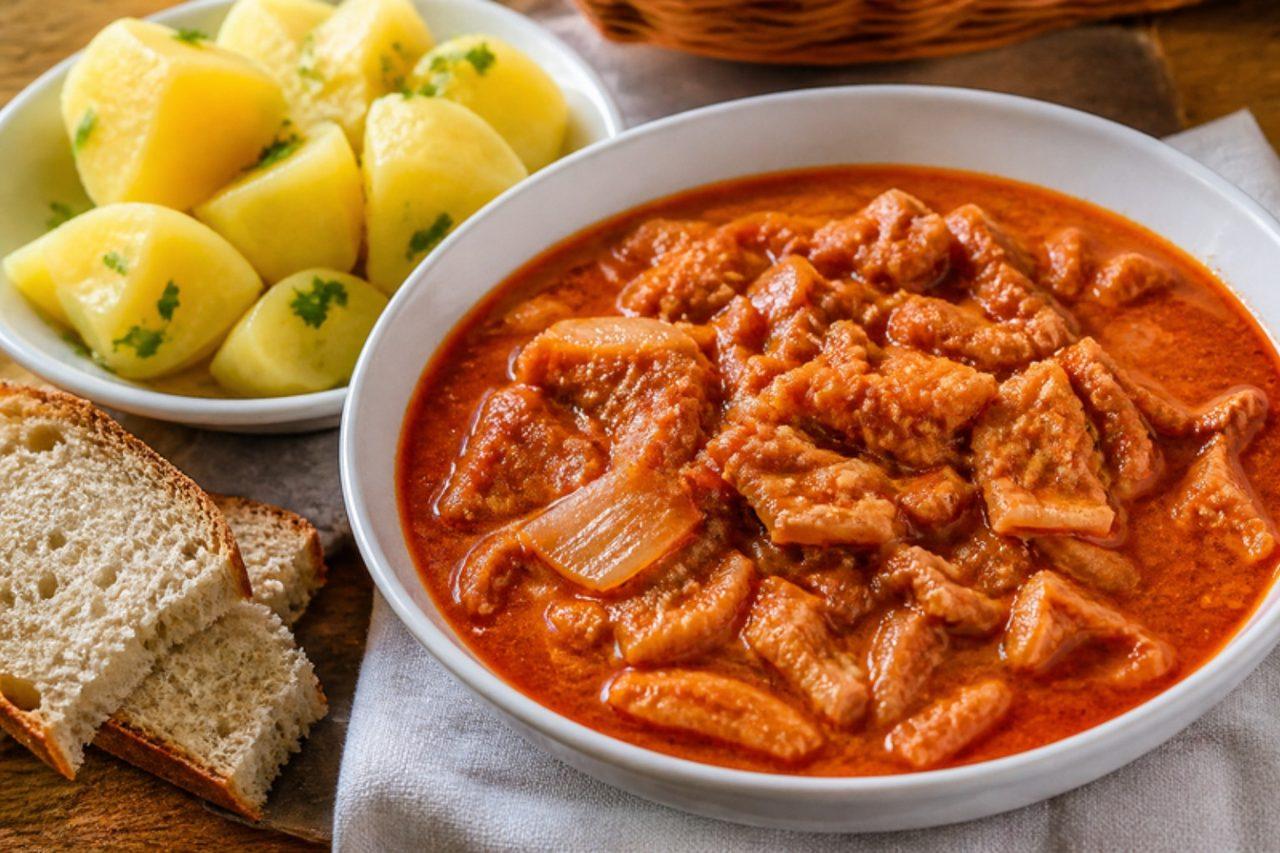
The upstairs food stalls of Budapest's Great Market Hall and the old market halls of Szeged serve pacalpörkölt from late morning, and regulars eat it with boiled potatoes and a pile of pickles. Tripe takes patience: hours of slow simmering in a deep red paprika and onion sauce turn it tender, with a gentle chew and a rich, savoury flavour. Buy beef tripe that is already cleaned and blanched (white or bleached) from a butcher. Chef's tip: boil and rinse the tripe once before you start the stew; skipping this is the mistake that leaves a strong farmyard smell in the sauce.

by KrazyBadal 0 views

SóskafőzelékSorrel purée

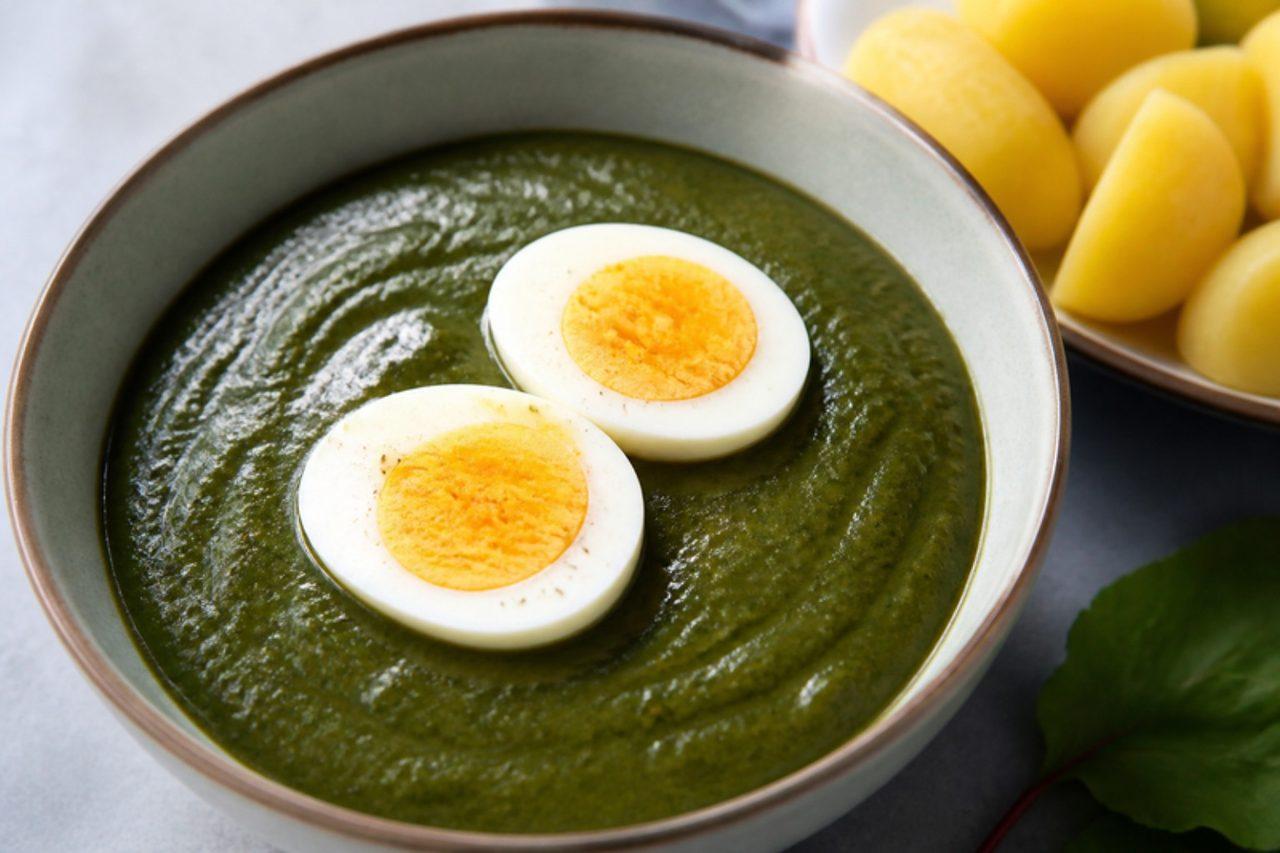
Sorrel is one of the first greens of the Hungarian spring, and in April and May grandmothers around Budapest turn armfuls of it into sóskafőzelék, a sharp, lemony green purée softened with milk. It is famous among children for its khaki colour and loved by adults for its tang. The classic plate has halved hard-boiled eggs on top, sometimes with boiled potatoes on the side. Chef's tip: sorrel turns from emerald to olive the moment it hits heat, which is normal; just don't cook it longer than 2–3 minutes or the flavour goes dull too.

by KrazyBadal 0 views

Májas hurkaLiver and rice sausage

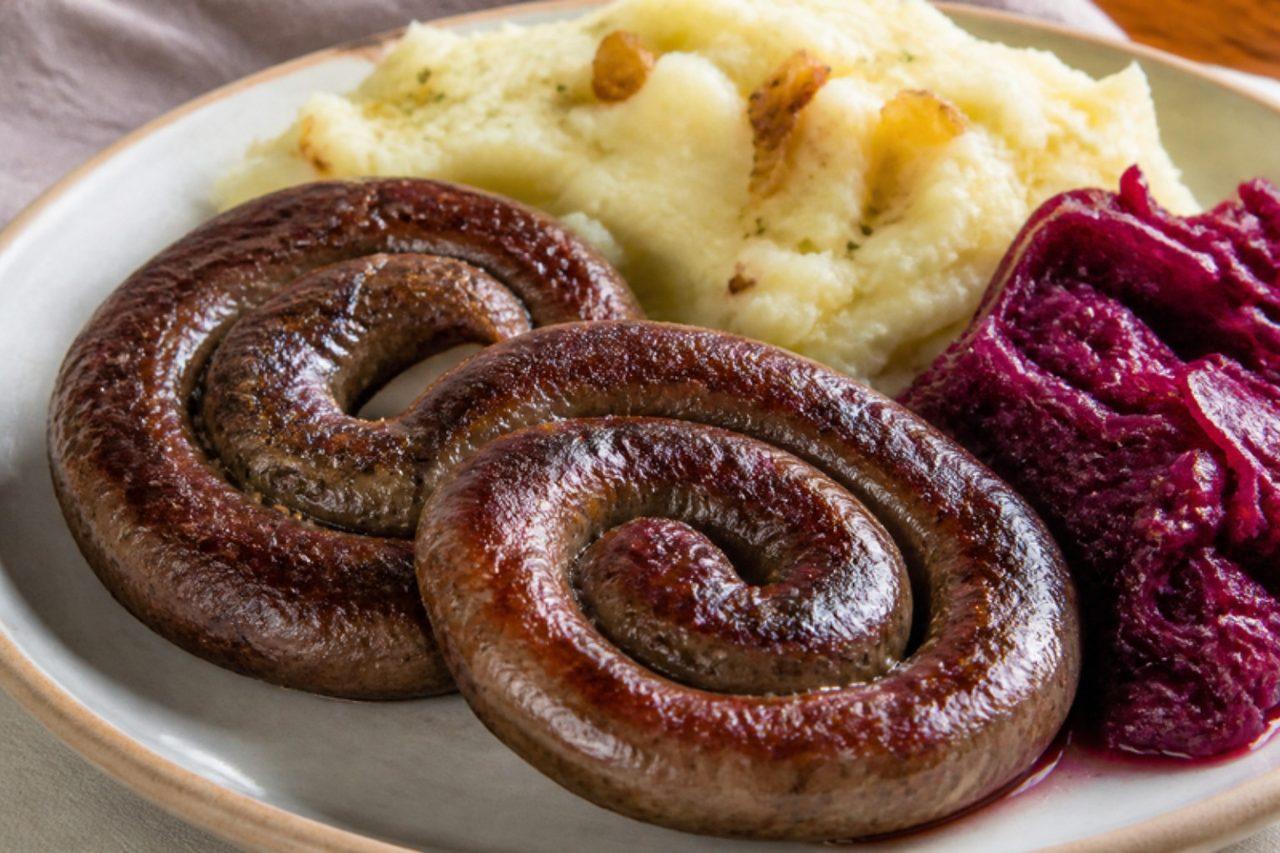
In Hungarian villages the winter pig-killing (disznótor) ends with a feast, and hurka is the star: soft sausages of pork, pork liver and rice seasoned with marjoram and black pepper, roasted until the skins crackle. Today you buy them at market stalls in Budapest's Great Market Hall and at country butchers, eaten hot with mustard, bread and pickled cabbage. Blood sausage (véres hurka) is the other version; this is the liver one. Ask your butcher for natural pork casings. Chef's tip: roast the sausages in a little fat with a splash of water and don't prick them, or they burst and dry out.

by KrazyBadal 0 views

Kelkáposzta-főzelékSavoy cabbage stew

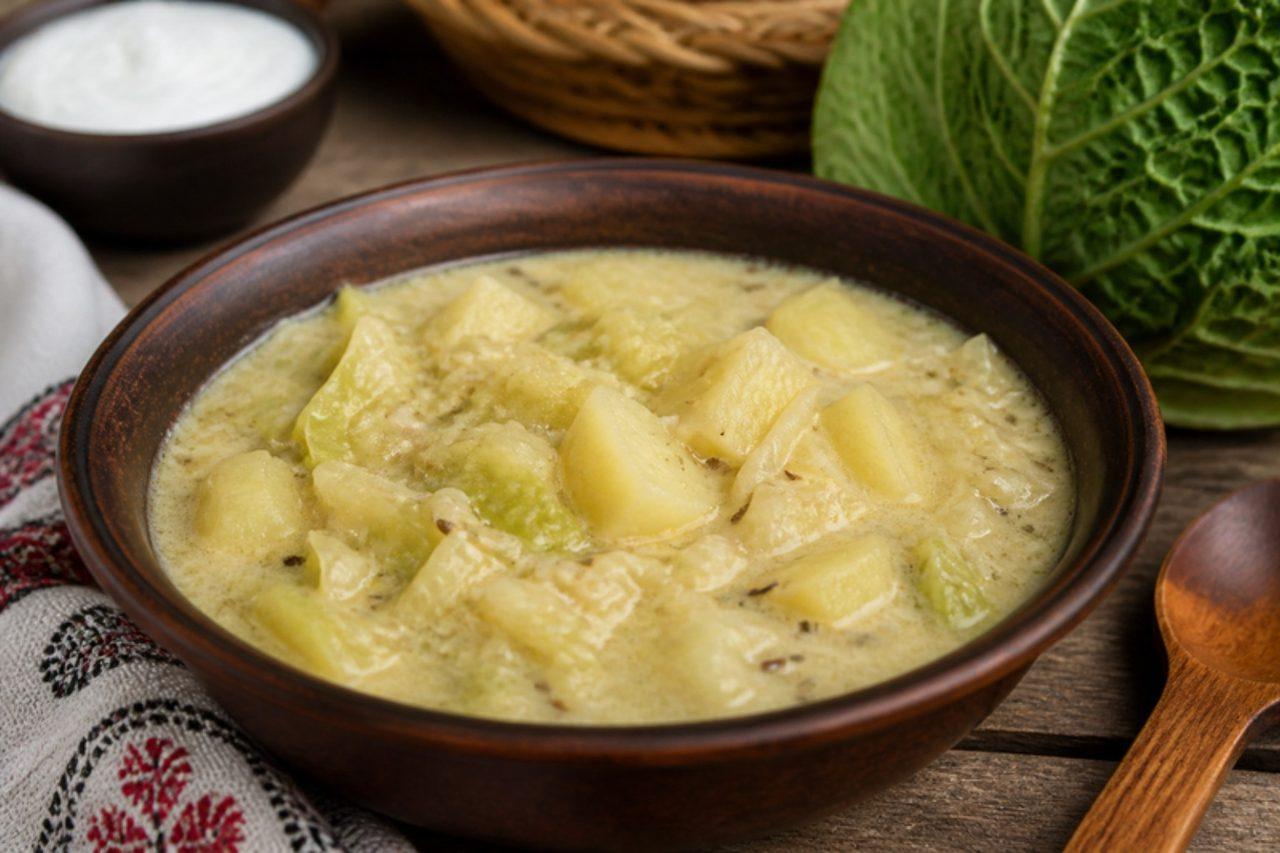
When the first frosts sweeten the savoy cabbages in the market gardens around Szeged and Makó, kelkáposzta-főzelék appears on lunch tables all over Hungary. Crinkly leaves and potato cubes simmer with caraway, then a garlicky roux and a little milk make a soft, comforting stew that tastes of autumn. Families eat it with fried eggs, breaded mushrooms or, in meat-eating homes, a slice of meatloaf. Chef's tip: slice the cabbage into ribbons rather than chopping it fine, so it keeps some texture and the dish doesn't turn into mush.

by KrazyBadal 0 views

Bundás kenyérEgg-fried bread

Bundás kenyér, 'bread in a fur coat', is the Hungarian answer to yesterday's loaf. On weekday evenings across the country, and at Sunday breakfasts in Budapest flats, slices of white bread are dunked in seasoned egg and milk and fried until puffed and golden. Most families eat it savoury, rubbed with raw garlic and served with pickled cucumbers or tea, though children often want jam or a dusting of icing sugar. Chef's tip: use bread that is a day or two old; fresh bread soaks up too much egg and fries up soggy.

by KrazyBadal 0 views

KrumplifőzelékPotato paprika stew

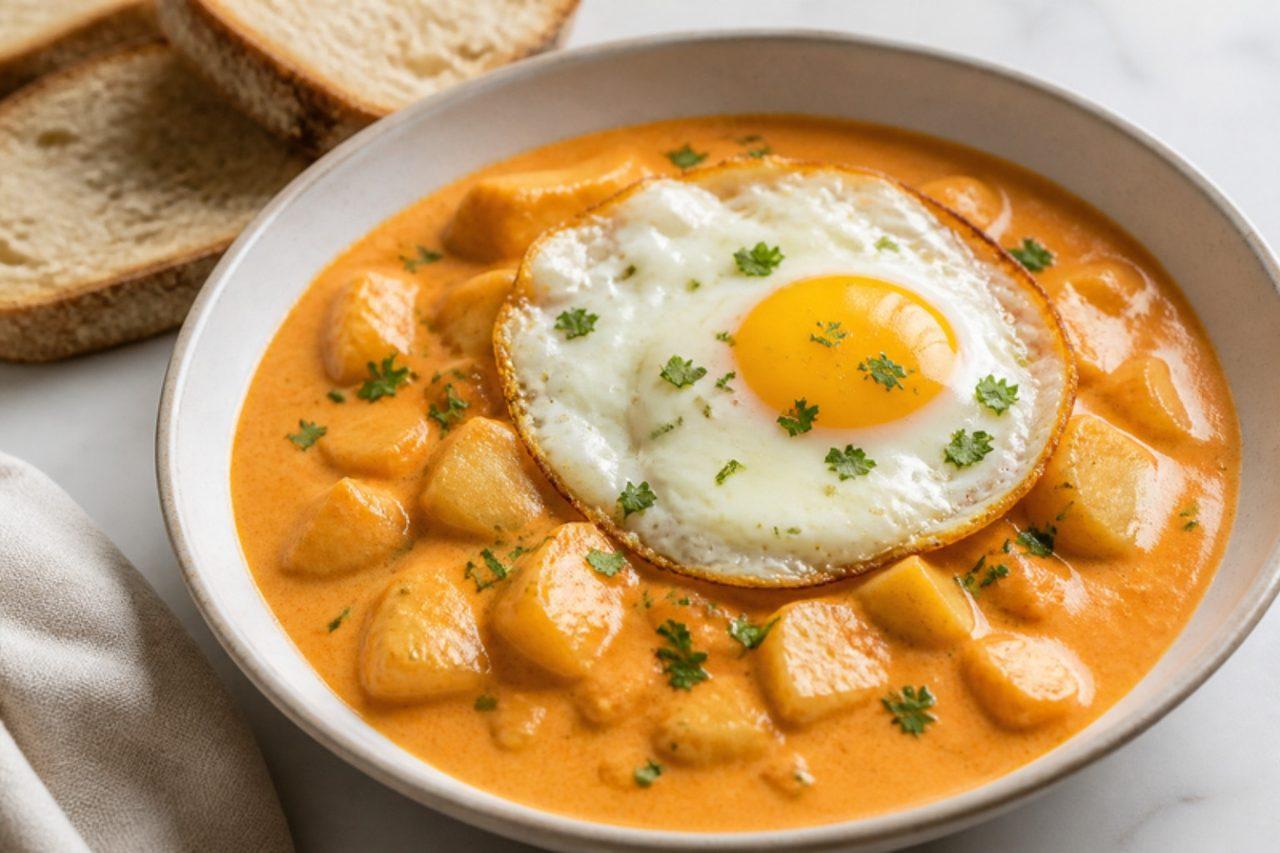
Every Hungarian school canteen and büfé from Debrecen to Győr has a pot of krumplifőzelék on the counter at lunchtime, ladled into deep plates and topped with a fried egg or a few slices of fasírt for those who want meat. Cubes of potato cook soft with bay leaf, then a roux of onion, flour and sweet paprika turns the cooking water into a velvety orange sauce, sharpened with a drop of vinegar and rounded off with sour cream. It sits between a soup and a side dish, which is exactly what főzelék means. Chef's tip: take the pan off the heat before you add the paprika; it scorches in seconds in hot fat and turns bitter.

by KrazyBadal 0 views

Sárgaborsó-főzelékSplit pea purée

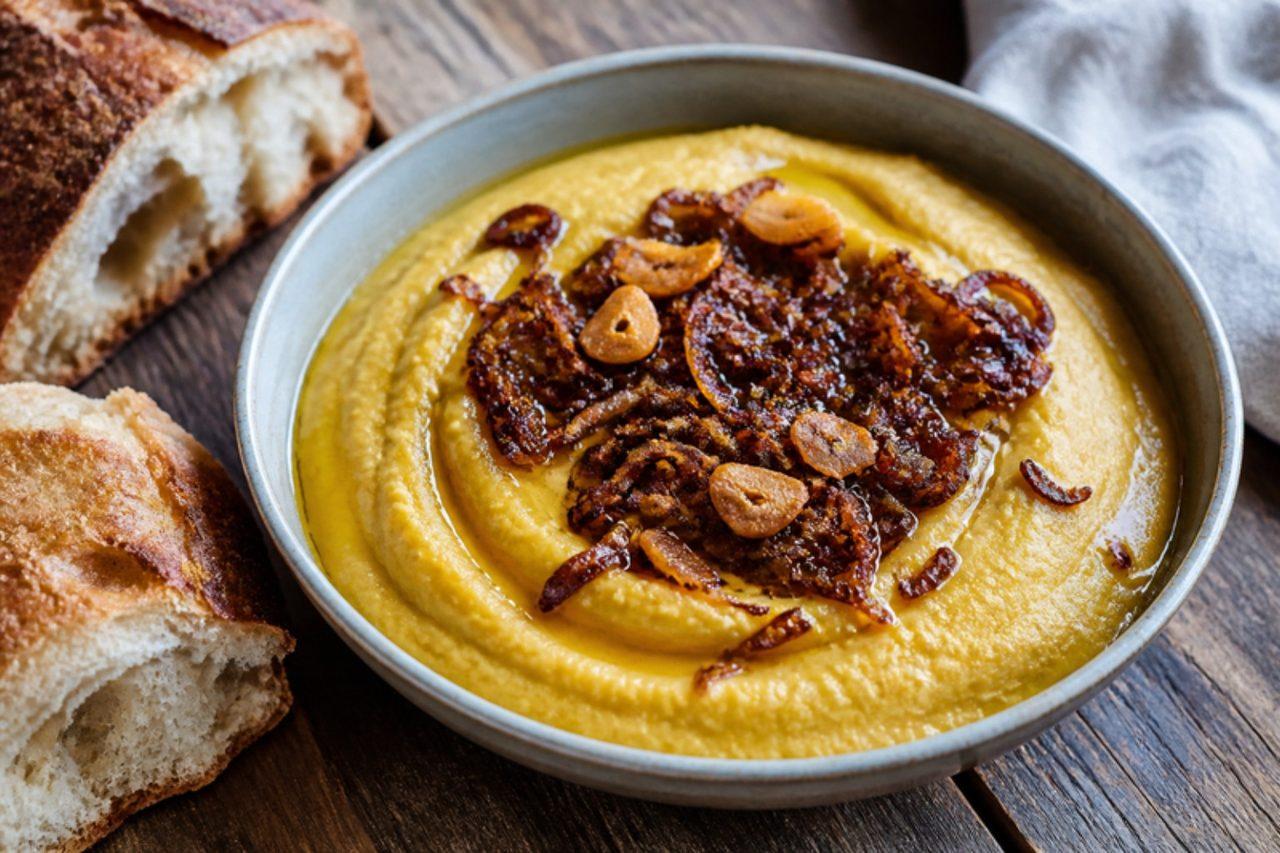
In Hungarian homes split yellow peas are winter food, and on New Year's Day many families in Budapest eat this thick purée (or lentils) for luck in the coming year. The peas collapse into a smooth, earthy mash flavoured with bay and garlic, and a crown of onions fried until dark gold gives sweetness and crunch. It is usually served beside sausage, but this version is fully vegan and makes a filling meal with fresh bread and pickled cucumbers. Chef's tip: let the onions go slowly to a deep brown in plenty of oil and pour that oil over the purée too, because it carries most of the flavour. Pale, hurried onions are the usual mistake.

by KrazyBadal 0 views

MelegszendvicsToasted ham and cheese

Melegszendvics is Hungarian student food and the go-to Sunday evening supper in countless Budapest households: slices of bread spread with ketchup or sour cream, topped with ham and grated cheese and baked until the cheese bubbles. Many families own a little sandwich toaster just for it, but a hot oven or grill works just as well. The ham is pork; for a vegetarian version swap it for sliced tomato, peppers and sweetcorn and use a vegetarian cheese. Chef's tip: grate the cheese rather than slicing it, so it melts evenly to the edges and the bread underneath crisps instead of steaming.

by KrazyBadal 0 views

LacipecsenyeGrilled pork neck

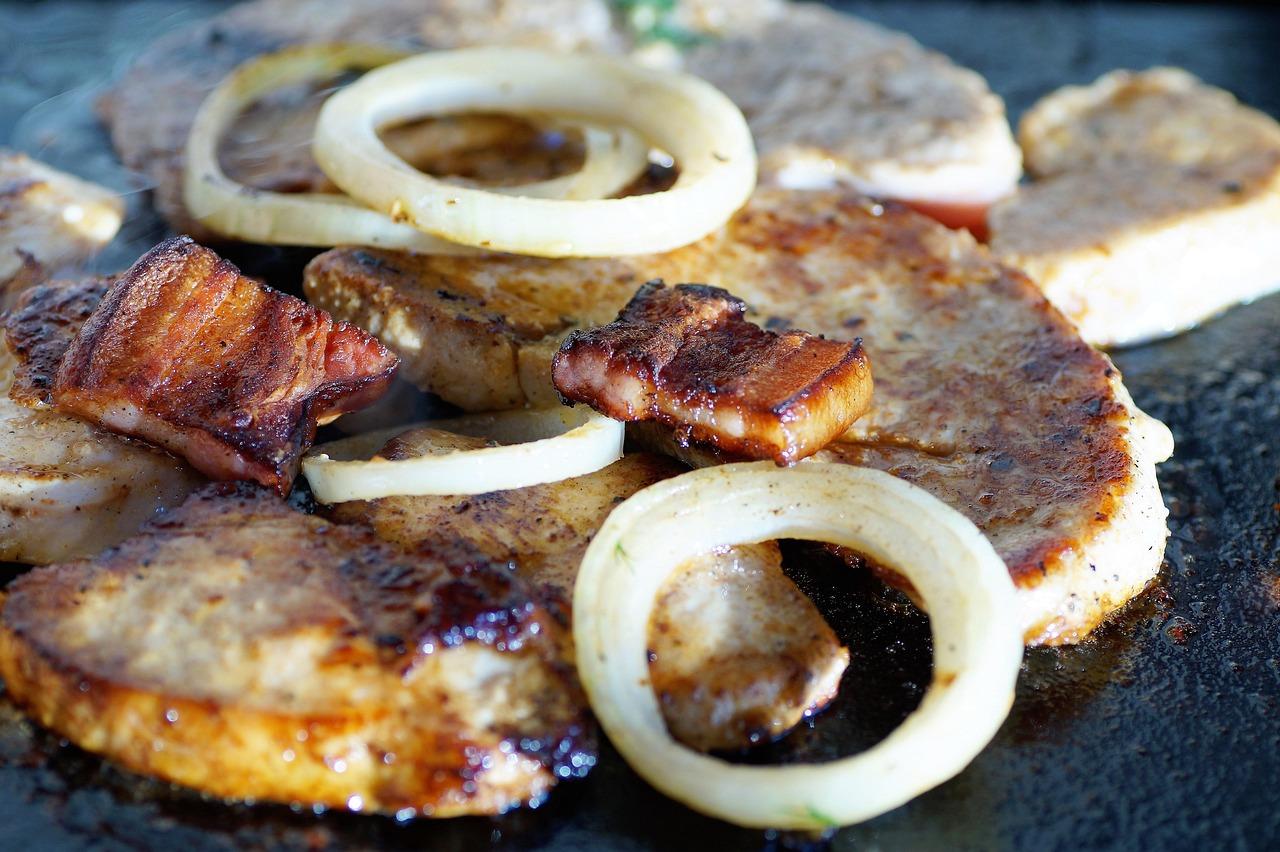
At village fairs (búcsú), wine festivals and the roadside stalls known as lacikonyha, 'Laci's kitchen', the smell of lacipecsenye pulls in the crowds: pork neck steaks rubbed with garlic, grilled on a griddle and heaped with fried onions. It is eaten standing up from a paper plate with a hunk of white bread, mustard and pickled cucumbers, and it is just as good from a home barbecue or a heavy pan. Marinate the pork in the fridge for at least 2 hours, or overnight. Chef's tip: pork neck is marbled, so it stays juicy; the mistake is pressing it with the spatula, which squeezes out the juices.

by KrazyBadal 0 views

ZöldborsófőzelékGreen pea stew

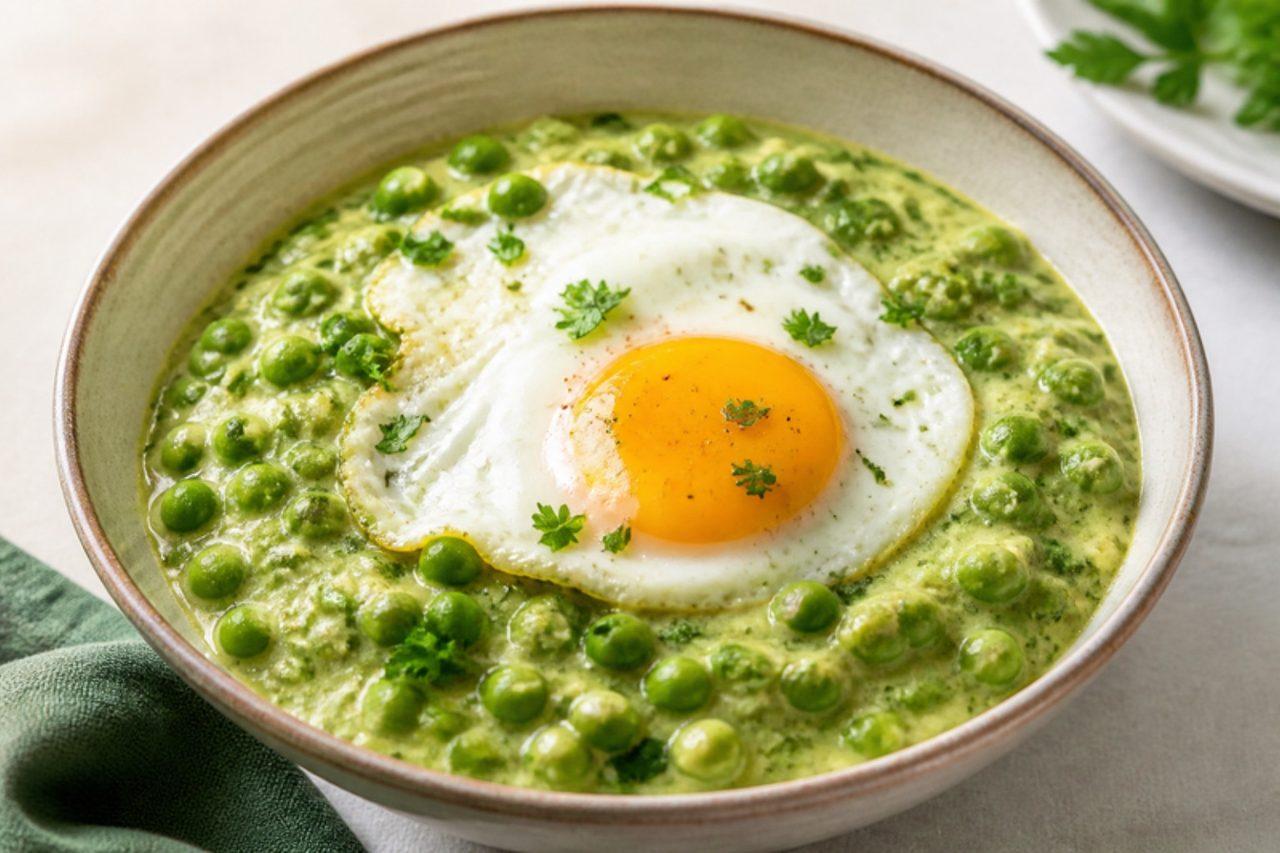
Ask Hungarians about their childhood lunches and zöldborsófőzelék comes up fast: a bright green, slightly sweet pea stew that grandmothers in Budapest and the villages of the Great Plain make in late spring with fresh peas and all year with frozen ones. The peas cook briefly in butter with a pinch of sugar, then a light roux and milk turn them creamy, and a fistful of parsley finishes it. It is eaten as a meal with fried eggs, potato croquettes or fasírt. Chef's tip: stop cooking as soon as the peas are tender; long simmering turns them khaki and floury.

by KrazyBadal 0 views

Töki pomposFlatbread with sour cream and onion

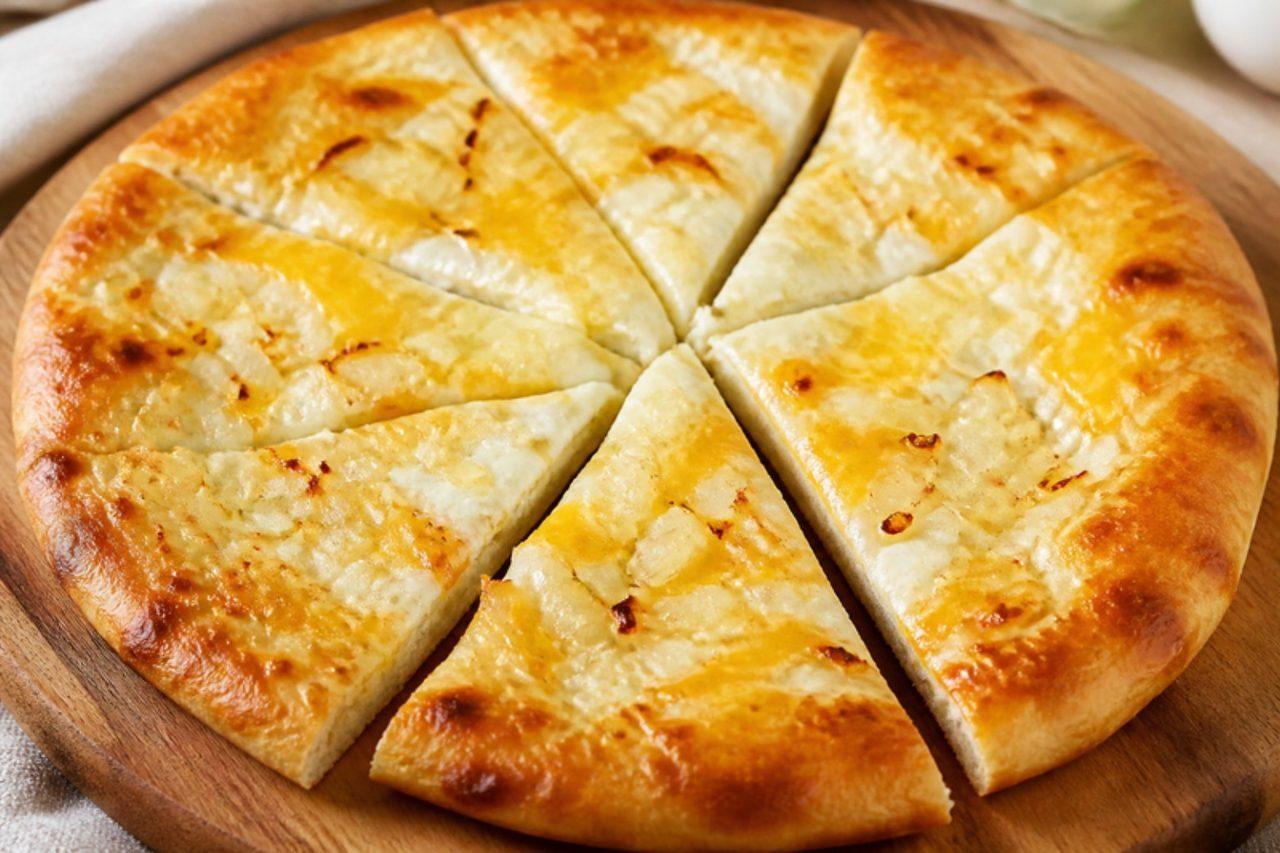
The village of Tök, west of Budapest in Pest County, holds a pompos festival every summer, and its baker-wives once made this flatbread from a piece of the weekly bread dough, baked at the mouth of the wood oven before the loaves went in. Unlike its cousin lángos it is baked, not fried: a thin yeast base spread with garlicky sour cream, onion and grated cheese, bubbling and browned at the edges. The village version often adds bacon or pork cracklings; this one is vegetarian. Hungarian trappista and many hard cheeses are made with animal rennet, so choose a vegetarian cheese. Chef's tip: roll the dough thin and bake it on a preheated tray in the hottest oven you have; a cold tray gives a pale, bready base.

by KrazyBadal 0 views

Rántott sajtFried breaded cheese

Rántott sajt is the Hungarian answer to a hungry evening: thick slabs of mild trappista or Edam, breaded twice and fried until the crumb is golden and the inside just begins to ooze. In Budapest it is sold at the büfé stands of the Nagyvásárcsarnok (the Great Market Hall), at the Lehel market and at lángos counters by Lake Balaton, almost always with chips and a dollop of tartar sauce. Traditional trappista and Edam are often made with animal rennet, so choose a cheese labelled vegetarian (made with microbial rennet) if that matters to you. Chef's tip: freeze the breaded slices for 10 minutes before frying, so the crust sets before the cheese melts.

by KrazyBadal 0 views

DebreceniPaprika pork sausage

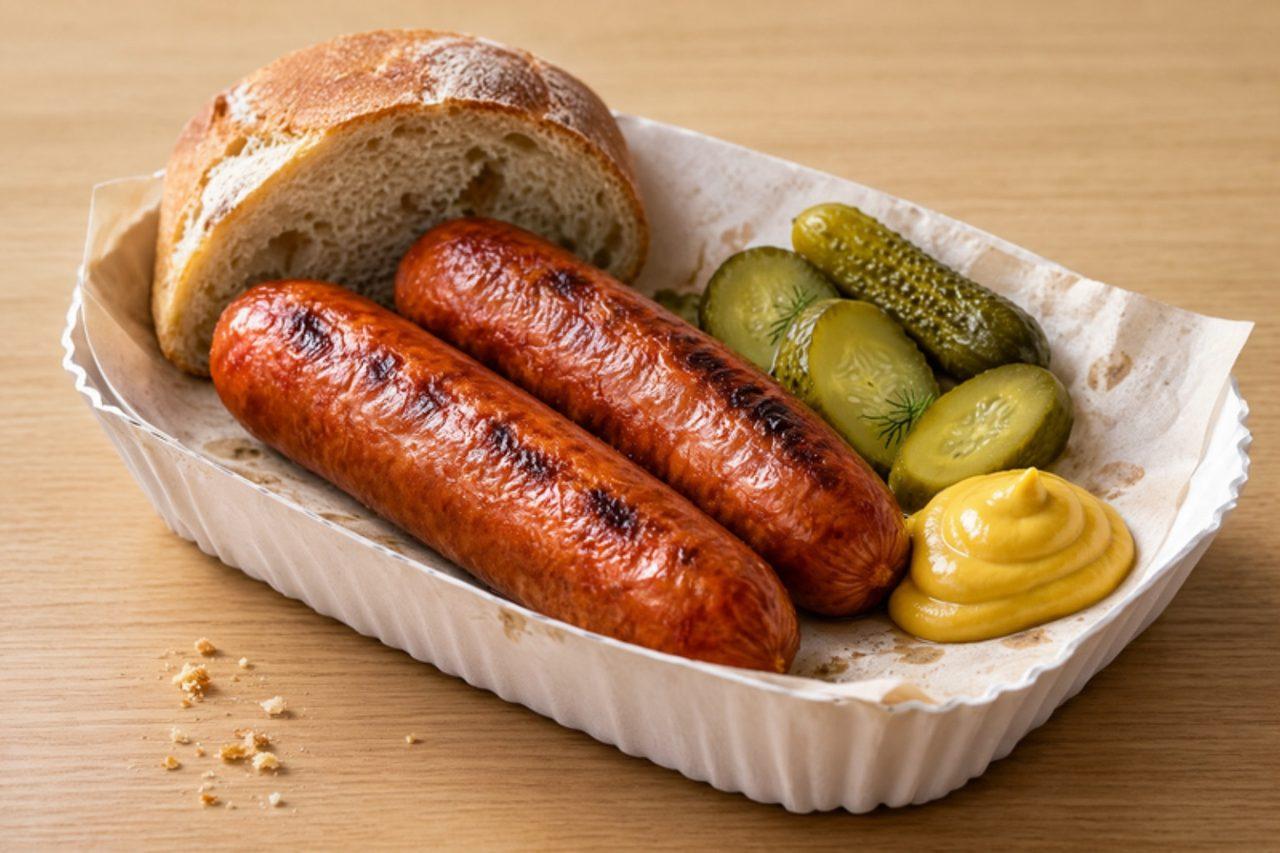
Debreceni are long, thin pork sausages seasoned with sweet paprika, garlic and caraway, and they are the standing snack of Budapest's büfé counters: at the Nagyvásárcsarnok, at Christmas markets on Vörösmarty tér and outside the Keleti railway station. The stand heats them on a griddle (or simmers them), then hands them over on a paper plate with a slice of rye bread, a big spoon of mustard and a pile of pickled peppers or gherkins. This home version uses bought debreceni and adds a quick paprika glaze. Chef's tip: simmer them gently before grilling; a hard boil splits the skins and dries the pork.

by KrazyBadal 0 views

Köménymagos levesCaraway soup with bread cubes

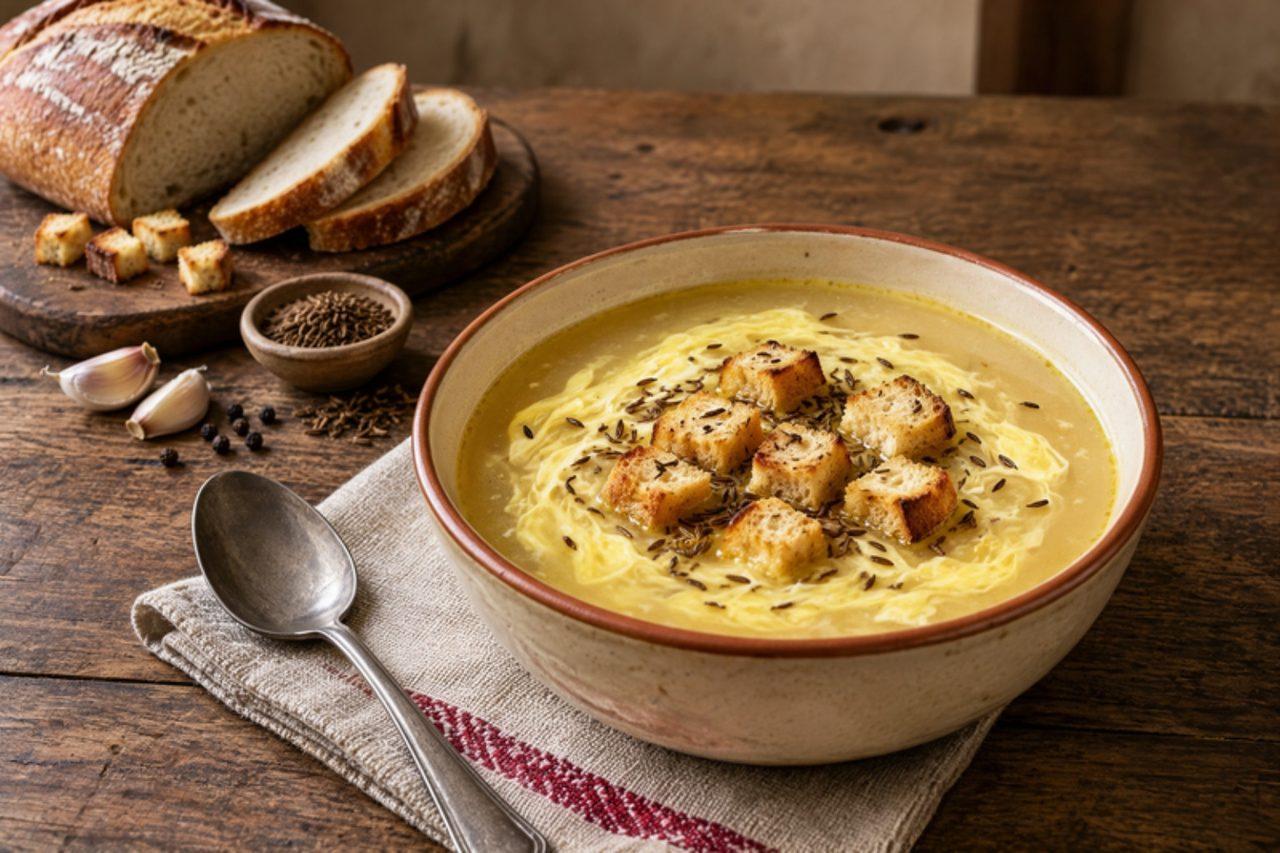
Köménymagos leves was the breakfast of Hungarian peasants and soldiers long before coffee arrived, and it is still made in villages on cold mornings and as a soothing soup after a big night. A dark roux of flour and fat is cooked with plenty of caraway and a touch of paprika, thinned with water and finished with beaten egg and crisp bread cubes. The common mistake is not browning the roux enough: pale roux gives a floury, grey soup, so keep stirring until it is the colour of hazelnuts. Chef's tip: add the paprika off the heat, just before the water, because paprika burns in seconds in hot fat and turns bitter.

by KrazyBadal 0 views

TúrókrémWhipped curd cheese cream

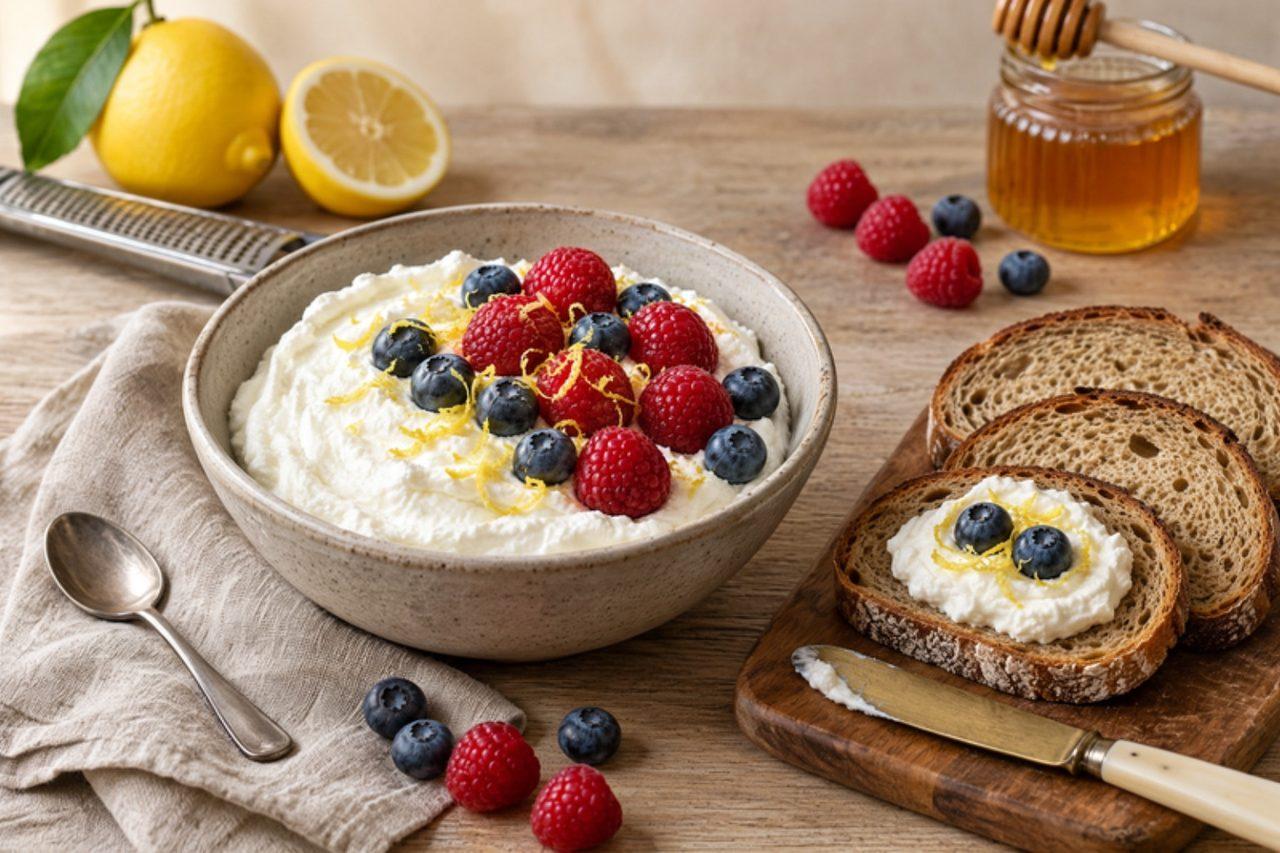
Hungarian kitchens use túró, a crumbly fresh curd cheese, for everything from noodles to pastries, and túrókrém is its simplest breakfast form: túró beaten with sour cream, sugar, vanilla and lemon zest into a light, fluffy cream. It is spread on bread or kalács, eaten with fresh berries, or spooned onto pancakes. The mistake is beating crumbly túró straight in a bowl and ending up with a grainy cream; push it through a sieve or blitz it first. Chef's tip: túró is acid-set and contains no rennet; if you can't find it, drained cottage cheese or quark works, but blend cottage cheese until completely smooth.

by KrazyBadal 0 views

Showing 24 of 192 recipes

Show more recipes

Page 1 of 8