Skip to content
Recipes

All recipes

Vegetarian, or something you can't eat? Set your diet once and we'll hide recipes that don't fit.

KpekpleSteamed fermented corn meal

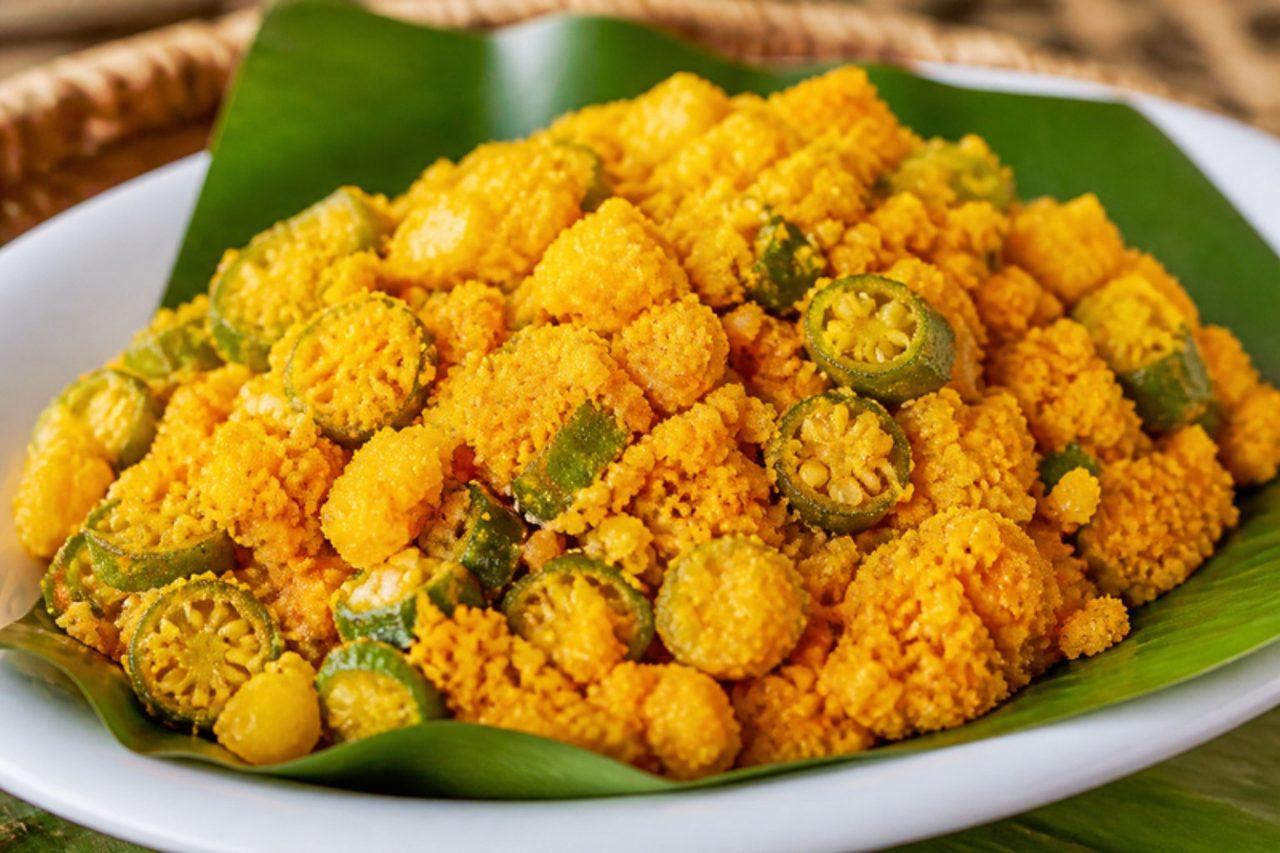
Kpekple, also called kpokpoi, is the festival dish of Homowo, the Ga harvest festival in Accra, when families 'hoot at hunger' after the lean season and the head of the house sprinkles kpekple and palm-nut soup on the ground for the ancestors. Lightly fermented corn dough is steamed, crumbled into fine grains, then tossed with red palm oil and chopped okra until it turns golden and fluffy, a little like a sour couscous. It is eaten with palm-nut soup and smoked fish, or for a vegan table with a pepper and tomato stew. Chef's tip: crumble the steamed dough while it is still warm, rubbing it through your fingers, or it sets into hard lumps.

by KrazyBadal 0 views

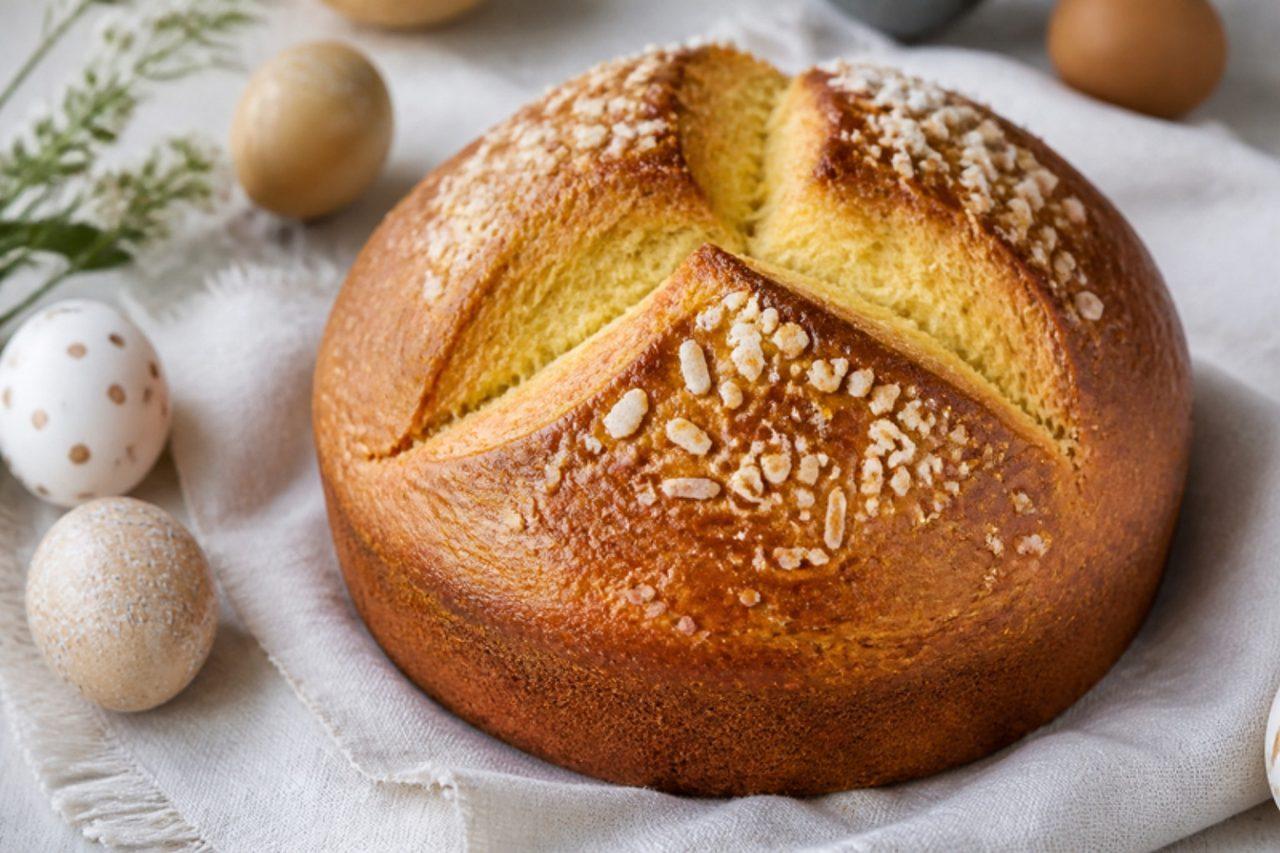
PincaEaster sweet bread

Pinca (or sirnica in Dubrovnik) is the Easter bread of Dalmatia and Istria in Croatia. It is a tall, golden round of rich yeast dough with egg yolks, butter, lemon and orange zest and vanilla, cut with three slashes on top before baking so it opens into a three-pointed cross. It is blessed at church on Holy Saturday with the Easter eggs and ham, and eaten at Easter breakfast. Old recipes add a spoon of rum or prošek wine; this one doesn't. Chef's tip: let the dough rise slowly, even overnight in the fridge, as pinca gets its tender, fragrant crumb from a long rise.

by KrazyBadal 0 views

Chipa so'oCheese bread with spiced beef

In Paraguay, families bake chipa in the clay tatakua ovens on Holy Wednesday so there is food for Thursday and Good Friday, when cooking stops. Chipa so'o ('chipa with meat') is a cassava-starch and cheese bread wrapped around a little filling of minced beef cooked with onion and egg, then baked until crisp outside and chewy within. It is naturally gluten free. Chef's tip: knead the dough until it no longer cracks at the edges when pressed; dry dough splits around the filling.

by KrazyBadal 0 views

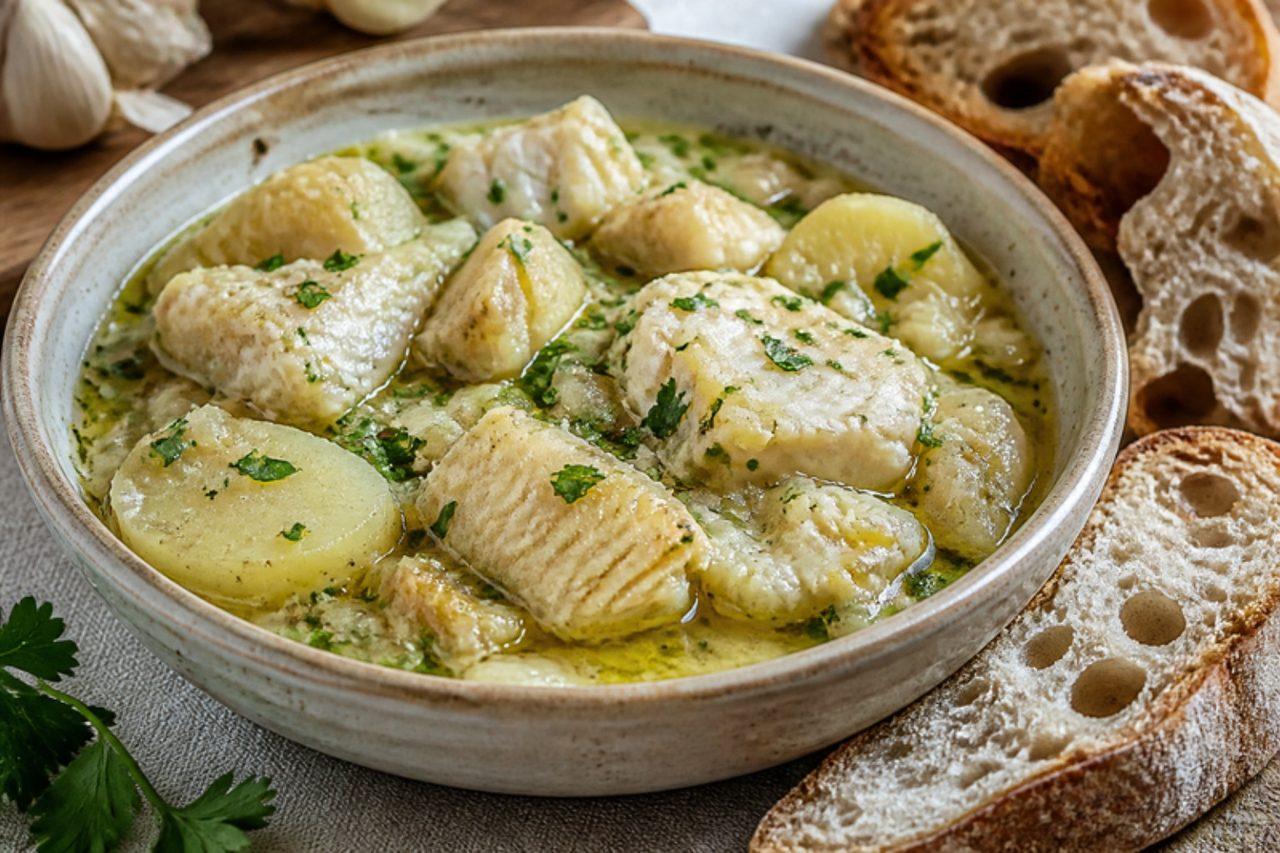
Bakalar na bijeloSalt cod with potatoes and garlic

On Badnjak, Christmas Eve, Croatian families in Dalmatia keep the meal meatless, and bakalar na bijelo ('white salt cod') is the dish that says Christmas. Salt cod is soaked for days, then cooked with potatoes, a lot of garlic, parsley and good olive oil and shaken in the pot until it turns into a creamy, almost spreadable mix. It is served warm with bread and a glass of wine for the adults. Chef's tip: shake the pot rather than stirring it, so the fish breaks into flakes and emulsifies with the oil and potato.

90 minBalkanFishGluten free
by KrazyBadal 0 views

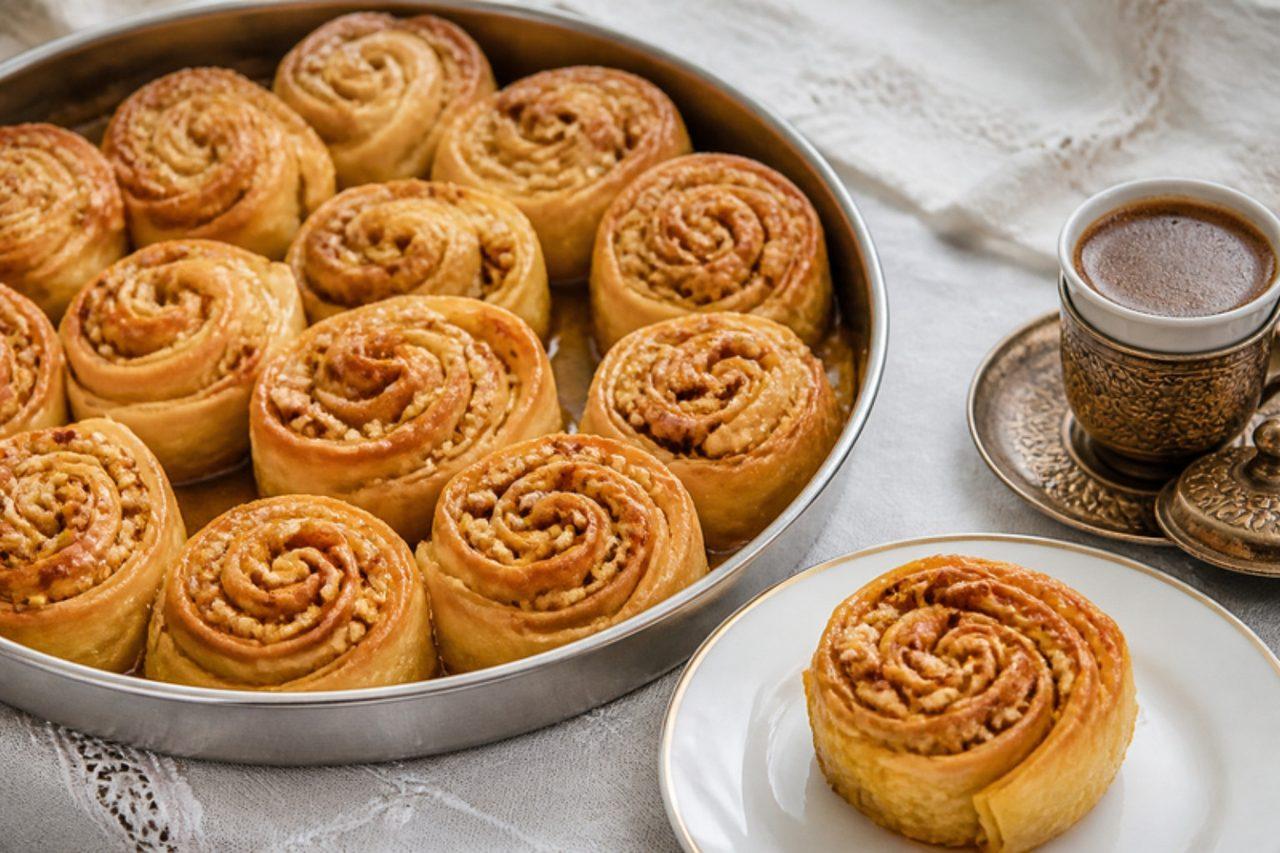
RužiceWalnut pastry roses in syrup

Ružice, meaning 'little roses', are baked for Bajram in Bosnia and Herzegovina, the Eid holidays when trays of syrup-soaked sweets are set out for every guest. Thin sheets of pastry are brushed with butter, scattered with walnuts and rolled up, then sliced so each piece opens like a rose in the oven. The baked roses drink up a cold lemon syrup and turn sticky, crisp on top and soft underneath. Chef's tip: pour cold syrup over hot pastry (or hot over cold), never both the same temperature, or the roses go soggy.

by KrazyBadal 0 views

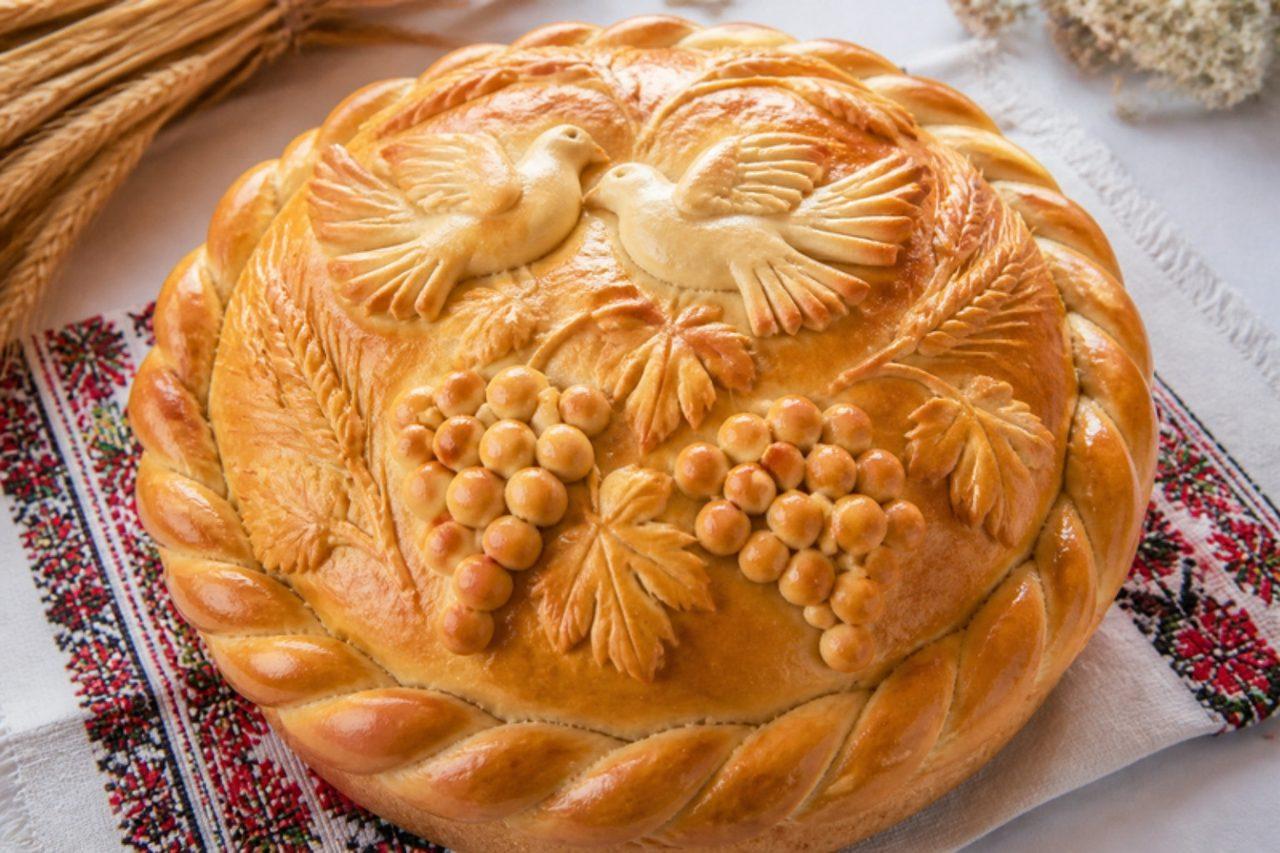
Slavski kolačDecorated ceremonial bread

The slava is a uniquely Serbian Orthodox custom: each family honours its own patron saint on that saint's feast day, passed from father to son, with a lit candle, boiled wheat (žito) and the slavski kolač, a round, decorated bread. The priest blesses it; the family turns it, cuts a cross into its base, pours a little wine into the cuts, and breaks it together. It is decorated with dough crosses, the seal 'IC XC NI KA', doves, wheat ears and grapes. It is a plain, vegan bread. Chef's tip: keep the decorations' dough a little stiffer than the loaf, so they hold their shape.

110 minBalkanBakingVegan
by KrazyBadal 0 views

Dowina (Kurdish yogurt soup)

Dowina, called ash-e doogh in Persian, is warming spring food in Kurdish homes around Newroz, when yogurt is plentiful and the first herbs are cut from the garden. Rice and chickpeas simmer in a tangy, lightly thickened yogurt broth, finished with fresh dill, coriander and a sizzle of dried mint in oil. It is eaten warm, never boiling hot, with flatbread. The common mistake is to heat the yogurt too fast without stirring, which makes it split into grainy curds. Chef's tip: whisk an egg yolk and a spoonful of rice flour into the yogurt before it goes on the heat; it holds the soup smooth all the way to the simmer.

by KrazyBadal 0 views

KalanehWild leek stuffed flatbread

In Kurdistan and Kermanshah, Newroz arrives with the first spring greens on the hillsides, and families gather wild leeks to fold into kalaneh, thin griddle breads cooked over a fire or a hot pan and soaked in melted butter. The dough is plain and soft, rolled very thin around a pile of chopped leek or chives with a little salt and pepper, so the greens steam inside as the bread blisters. Eat it hot, torn into strips, with yogurt and tea at a Newroz picnic. The common mistake is wet greens, which turn the dough soggy and make it tear; dry them well after washing. Chef's tip: brush the butter on the moment the bread leaves the pan so it soaks right in.

by KrazyBadal 0 views

KaguyjyWhite corn pudding

On the night of 23–24 June, Paraguayans celebrate San Juan with bonfires, games like walking over hot coals and the 'paso de fuego', and a table of traditional foods, and kaguyjy (also mazamorra) is one of them. It is a soft, creamy pudding of cracked white corn (locro) simmered slowly in water and then milk with sugar or honey, sometimes with orange peel. It is eaten warm or cold. It is gluten free. Chef's tip: soak the corn overnight and cook it until each kernel is tender before adding the milk, or it never turns creamy.

by KrazyBadal 0 views

Sopa teólogaTurkey broth with bread and cheese

Sopa teóloga ('the theologian's soup') goes back to colonial convents in Lima and Arequipa, where it was cooked for feast days, and it is still served at Holy Week and family celebrations. A rich turkey (or chicken) broth is thickened with soaked bread, milk and fresh cheese, with yellow potatoes and shreds of turkey, and finished with a little ají amarillo and chopped huacatay or parsley. It is thick, comforting and filling. Chef's tip: blend part of the soaked bread with broth before adding it, which gives the soup its creamy body without lumps.

by KrazyBadal 0 views

PečenicaRoast pork

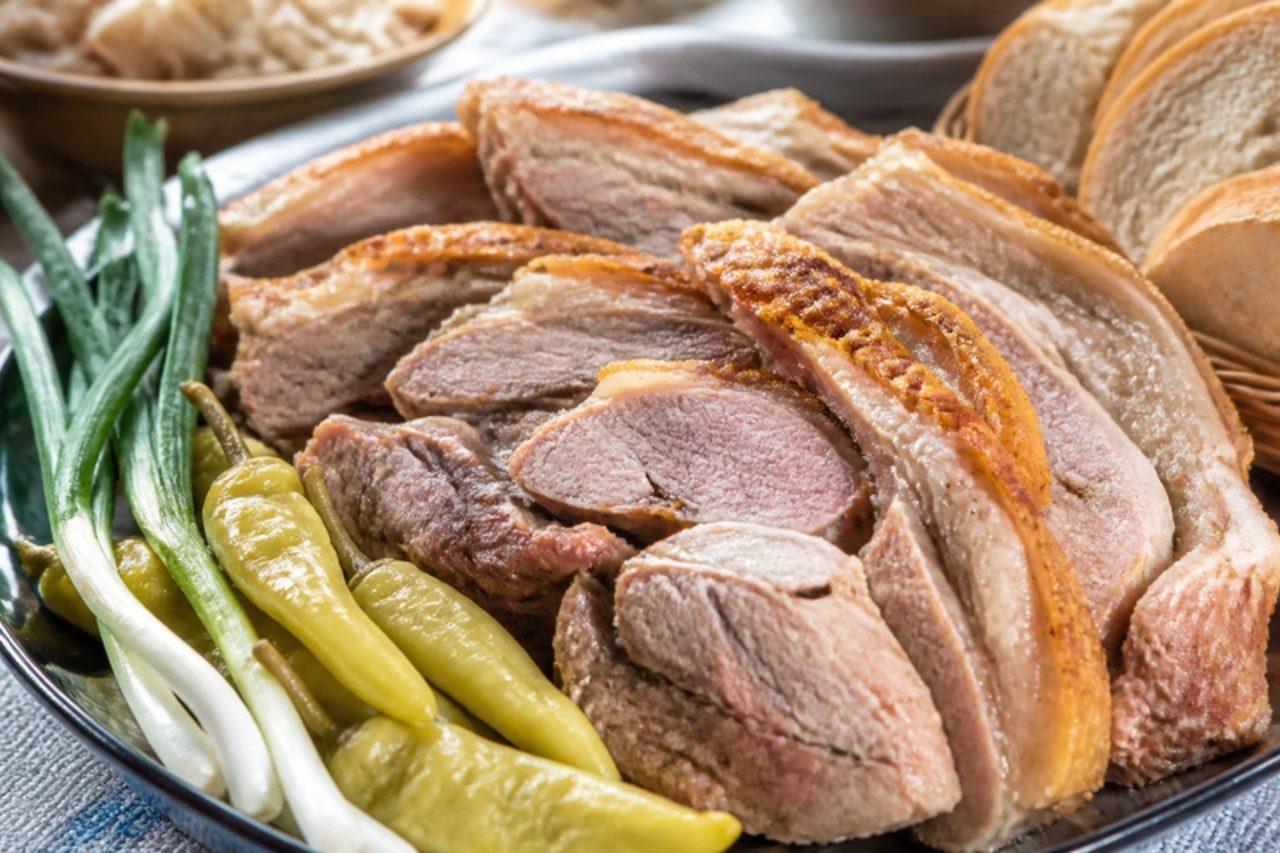
Pečenica is the Christmas Day roast of Serbia and Montenegro: traditionally a whole young pig turned on a spit in the yard from early morning, so that it is ready when the family returns from church and greets each other with 'Hristos se rodi'. This home recipe follows our site's approach of using carved portions rather than a whole animal: bone-in pork shoulder pieces with the skin on are rubbed with salt and slow-roasted until the meat is tender and the skin crackles like the spit-roast. Serve with česnica bread, pickled vegetables and roasted potatoes. Chef's tip: baste the skin with beer, or with cold water for an alcohol-free version, near the end; it helps the crackling blister.

290 minBalkanMeatGluten free
by KrazyBadal 0 views

Pajagua mascadaBeef and cassava patties

Pajagua mascada is a Paraguayan street-food classic that appears on every table for the San Juan festival on 24 June, when bonfires burn and the night is full of games and traditional food. Minced beef is mixed with mashed cassava, onion, garlic and a little egg and flour, shaped into flat patties and fried until crisp. The name comes from Guaraní and refers to the 'chewing' of old Paraguayan cooks, who made it from leftover meat. Chef's tip: dry the boiled cassava well and remove its woody core, which keeps the patties light and crunchy.

by KrazyBadal 0 views

Khailmag (cream and raisin sweet)

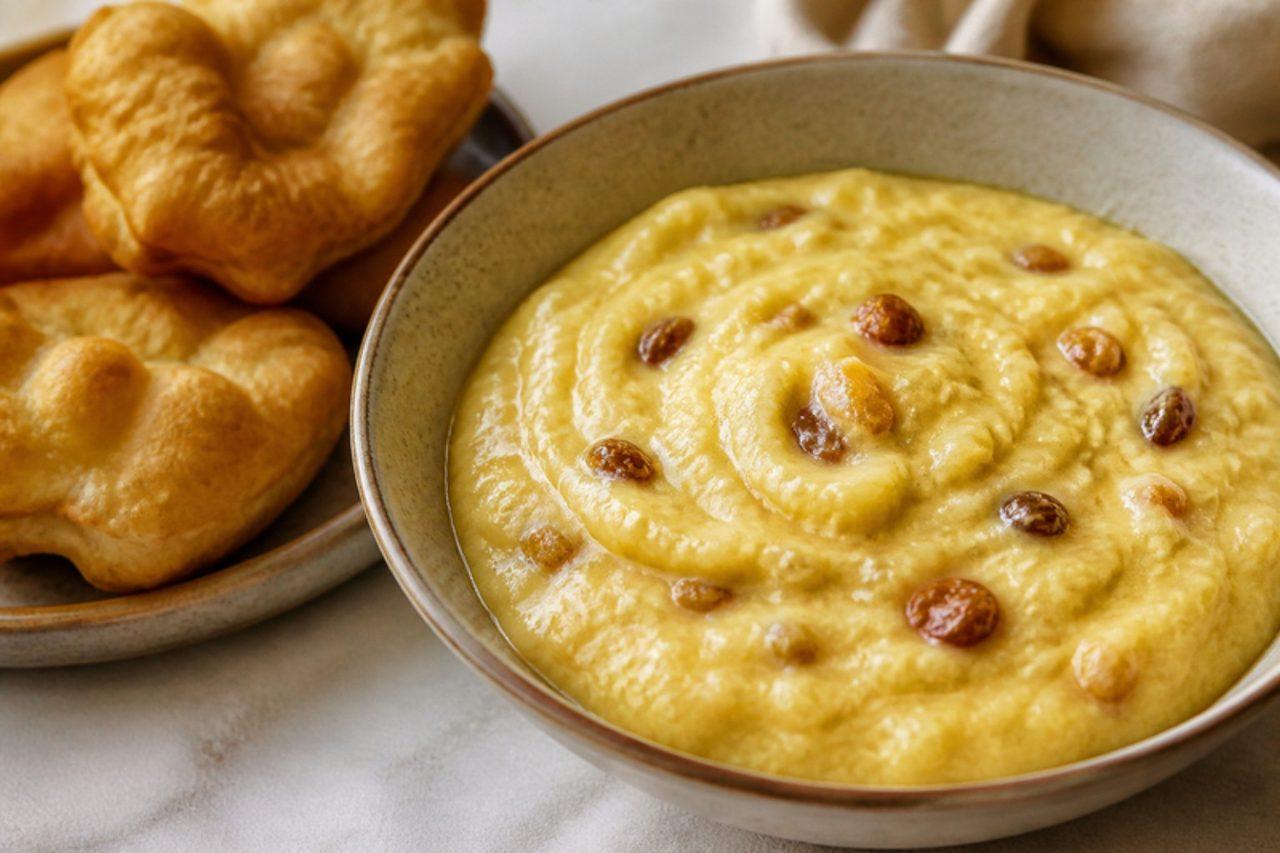
Tsagaan Sar, the Mongolian Lunar New Year, means 'White Month', and white dairy foods stand for purity, plenty and a clean start to the year, so homes across the country set out cream, curds and sweets beside the steaming buuz. Khailmag is one of the most luxurious: clotted cream (or Mongolian öröm, the thick skin skimmed from boiled milk) is cooked with butter-toasted flour, sugar and raisins until it turns into a golden, fudgy porridge. It is very rich, so serve small spoonfuls with salty milk tea, or alongside ul boov biscuits and boortsog. There is no alcohol in it. Chef's tip: toast the flour slowly until it smells nutty; that toasting gives khailmag its caramel flavour.

by KrazyBadal 0 views

ParihuelaSpicy seafood soup

Parihuela is the big weekend seafood soup of Callao and the Peruvian coast, eaten at long Sunday lunches in cevicherías and praised as a cure for tiredness and late nights. A deep red broth of ají panca, ají amarillo, tomato and fish stock is loaded with chunks of fish, prawns, squid and mussels. A portion gives about 30 g of protein, from the fish and shellfish, for roughly 300 kcal. Some cooks add chicha de jora or beer; this version has none. The common mistake is adding all the seafood at once: squid and prawns turn rubbery while the fish cooks, so they go in last. Before cooking, discard any mussels that stay open when tapped, and after cooking discard any that stay shut. Chef's tip: fry the chilli pastes in the oil until they darken and smell sweet; that toasted ají is what gives parihuela its depth.

by KrazyBadal 0 views

Aguadito de polloCoriander chicken rice soup

Aguadito is the soup Lima serves in the small hours: at the end of a wedding, after New Year's Eve and at weekend family lunches, it is ladled out thick and steaming to revive everyone. Rice simmers in chicken broth coloured deep green with blended coriander and warmed with yellow ají amarillo, along with peas, carrot, pepper, sweetcorn and potato. A portion gives about 24 g of protein, from the chicken with a little from the rice and peas, for around 480 kcal. The common mistake is adding the coriander purée too early: cooked for long it turns khaki and loses its fresh taste, so stir it in for the last 10 minutes. The chicken must reach 74 °C at the bone. Chef's tip: blend a handful of spinach with the coriander; it keeps the colour vivid green without changing the flavour.

by KrazyBadal 0 views

Chilcano de pescadoClear fish broth

In the fishermen's terminals of Chorrillos and Callao, chilcano is what you drink on a Sunday morning after a long night: a clear, gingery broth made from the heads and bones left over from cleaning fish for ceviche, with chunks of fish, red onion, chilli and a squeeze of lime in the bowl. It is light and warming, around 160 kcal a bowl, and still gives about 24 g of protein from the fish fillet and the broth. The common mistake is squeezing the lime into the pot while it boils, which turns it bitter; add it to each bowl at the table. Don't boil the bones for more than 30 minutes either, or the broth turns cloudy and harsh. Chef's tip: ask the fishmonger for heads and frames from mild white fish like sea bass or cod, and leave out oily fish such as mackerel, which makes the broth strong and fishy.

by KrazyBadal 0 views

TubaaniSteamed bean flour dumplings

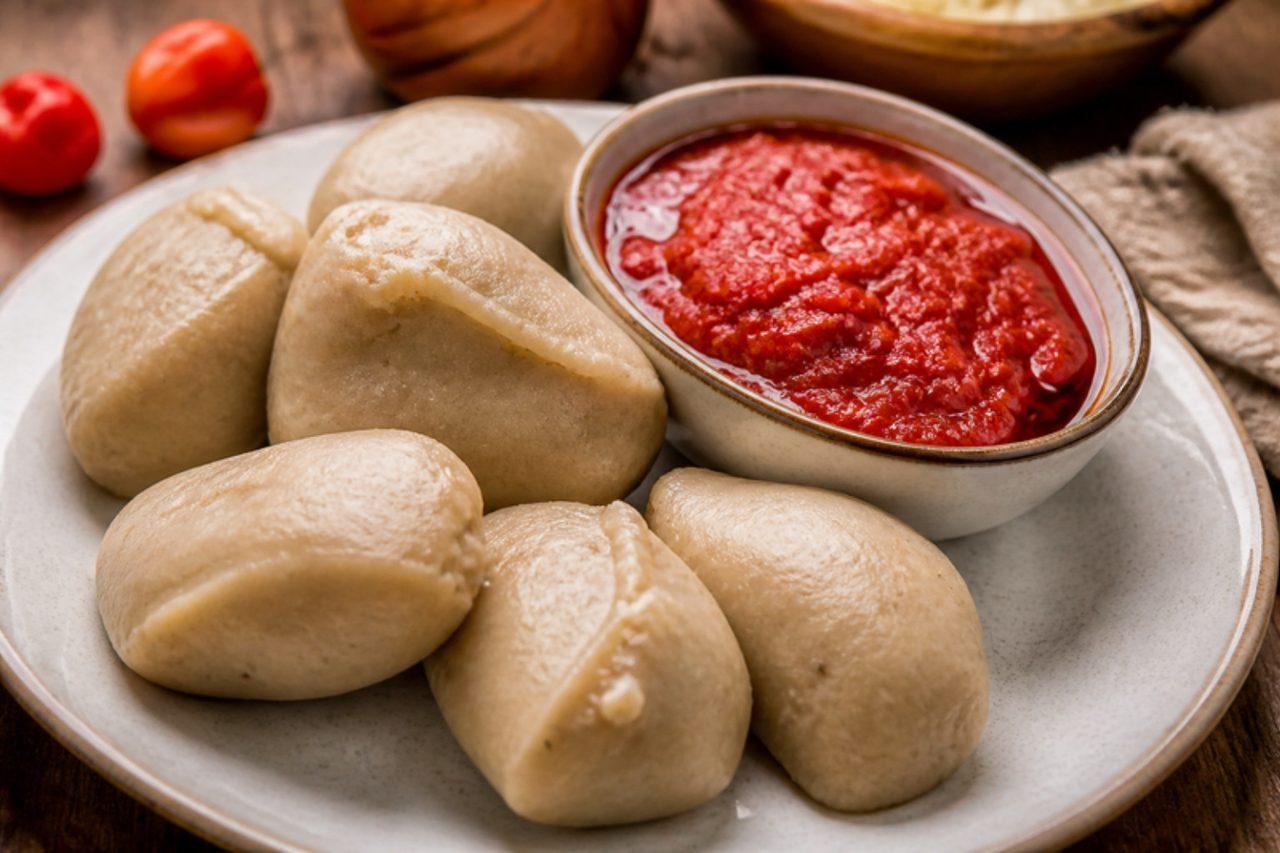
Tubaani is street food and home food in Tamale and across Northern Ghana, sold in the mornings and evenings from big steaming pots and eaten with a drizzle of oil and a hot pepper sauce. A smooth batter of black-eyed pea (cowpea) flour is poured into small leaf or foil parcels and steamed until it sets into soft, savoury puddings with a gentle bean flavour. A portion of three or four dumplings gives about 23 g of protein, nearly all from the bean flour. Many sellers serve it with shito, which contains dried fish and shrimp, so this version uses a fresh vegan pepper sauce. The most common mistake is getting the batter thickness wrong: too thin and it never sets, too thick and the dumplings are dense and crack. Aim for thick pancake batter that drops slowly from a spoon. Chef's tip: beat the batter hard for 3–4 minutes; the air you whip in makes the dumplings lighter.

by KrazyBadal 0 views

Kosua ne mekoBoiled eggs with pepper relish

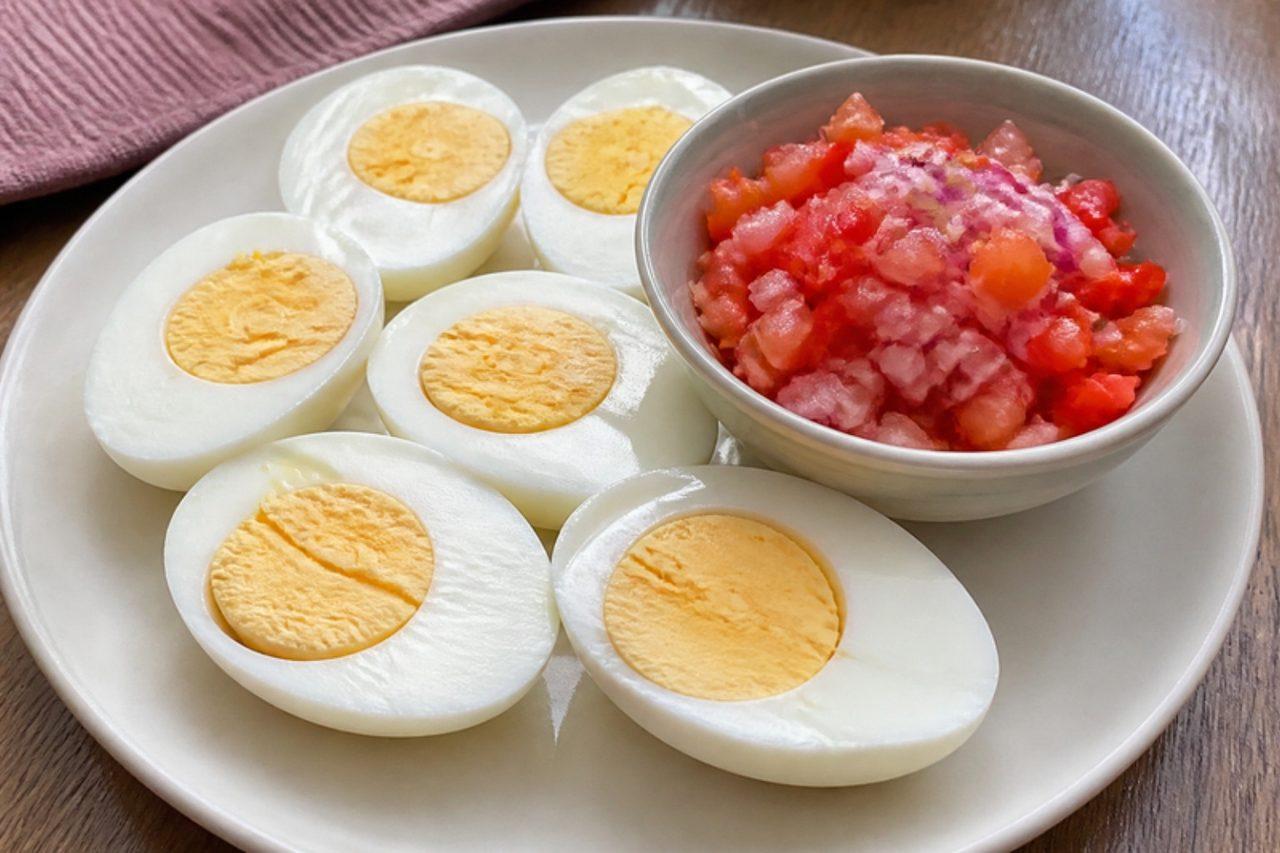
In the traffic of Accra and at the lorry stations of Kumasi, hawkers carry trays of peeled boiled eggs with a jar of meko, a fresh, fiery relish of chilli, onion and tomato ground in an earthenware asanka. Buyers split the egg and spoon the pepper inside, and at home it is a quick evening snack or a light supper with bread. The usual mistake is boiling the eggs too long, which leaves a grey-green ring round the yolk and a rubbery white; ten minutes and a cold-water plunge give a firm, bright yolk. Wash your hands well after handling the chillies. Chef's tip: grind the onion and salt first, then the chilli and the tomato last, so the relish stays chunky rather than watery.

by KrazyBadal 0 views

Tallarines rojosSpaghetti in red sauce with chicken

Tallarines rojos is the Sunday-lunch and weeknight pasta of homes all over Peru, from Lima to Arequipa: spaghetti in a sweet, deep-red sauce of blended tomato, onion and garlic with a little ají panca and oregano, often with pieces of chicken cooked right in it. Children love it, and it is served with a sprinkle of grated cheese and sometimes a spoon of huancaína on the side. The usual mistake is cooking the sauce too briefly, so it tastes of raw onion; let the blended tomato fry until it darkens and the oil shows at the edges. Chef's tip: a bay leaf and a spoon of ají panca paste give the sauce its Peruvian character; paprika will do if you can't find the paste.

by KrazyBadal 0 views

Pejerrey arrebozadoBattered fish fillets with onion salsa

Pejerrey arrebozado is a Lima classic from the cevicherías and home kitchens of the coast, eaten at lunch on a plate with white rice, a heap of sharp salsa criolla and sometimes boiled potato. The pejerrey, a small silverside, is opened into butterflied fillets, dipped in a light egg-and-flour batter and fried golden. Outside Peru, use small fillets of whiting, sole, haddock or tilapia. The batter here uses sparkling water, not beer, so it is alcohol free. The common mistake is frying in oil that isn't hot enough: the batter drinks the oil and turns greasy, so test with a drop of batter first. Chef's tip: make the salsa criolla first and let the onion sit in lime for ten minutes; it softens its bite and turns a pretty pink.

by KrazyBadal 0 views

Lenja pitaGrated apple pie

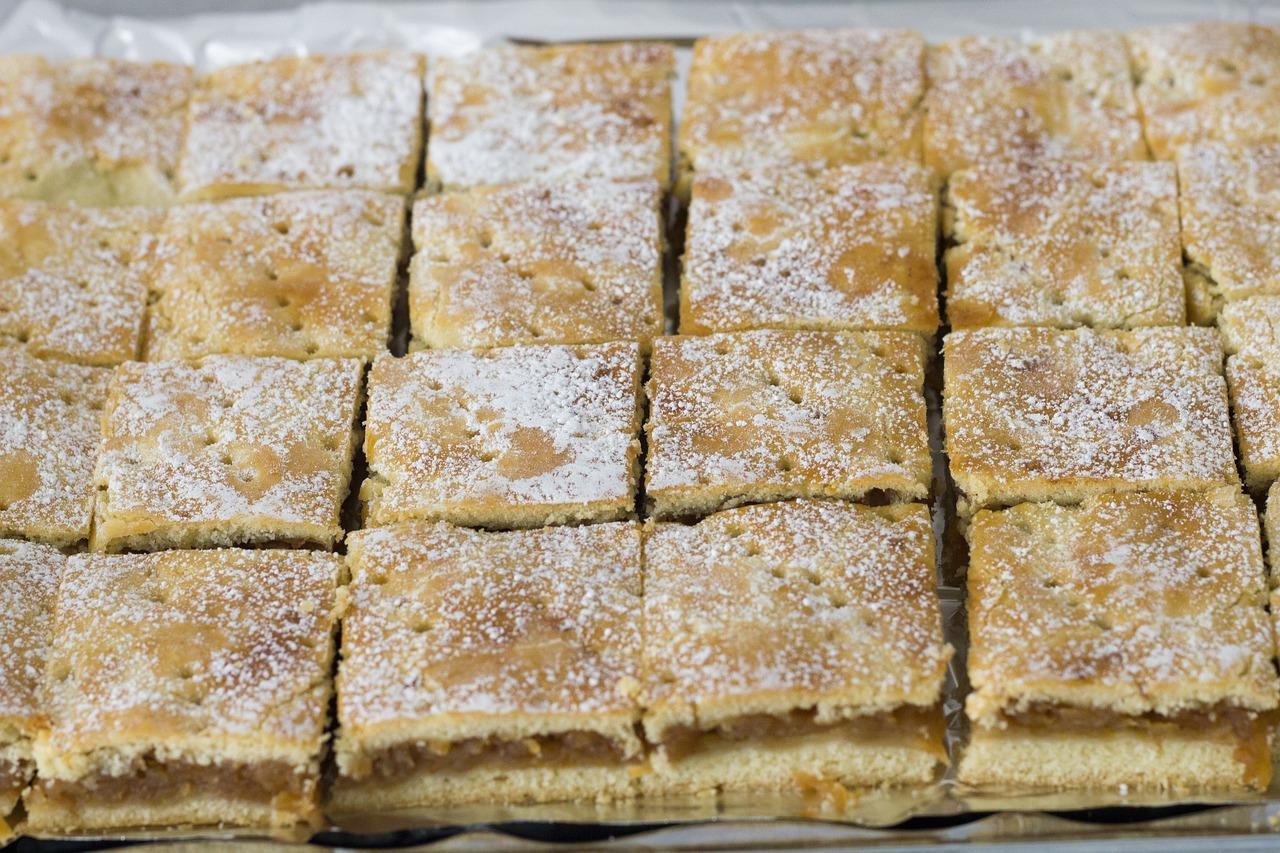
The name means 'lazy pie', and that is the point: unlike the paper-thin pies of Serbia and Bosnia, lenja pita needs no stretching of filo, just two sheets of soft short pastry and a thick layer of grated apple with cinnamon. Home cooks in Belgrade and Sarajevo make a tray of it on autumn weekends, for name days and slava visits, and cut it into squares dusted with icing sugar to serve with Turkish-style coffee. The pastry is tender and crumbly, the apple soft, sweet and sharp. Putting the grated apple straight onto the pastry is the error to avoid: it floods the base, so squeeze it and cook it down first. Chef's tip: mix sour and sweet apples and leave the skins on a few of them for more flavour.

by KrazyBadal 0 views

Chicharrón de pescadoCrisp fried fish chunks

Up and down the Peruvian coast, from Chorrillos in Lima to the beaches of Piura, chicharrón de pescado is the crunchy plate ordered alongside ceviche at a long seafood lunch: bite-size chunks of firm white fish marinated briefly in garlic and lime, dusted in flour and fried, then served with fried cassava, salsa criolla and tartar or rocoto sauce. Using frozen peeled cassava keeps it to half an hour. The common mistake is leaving the fish in the lime too long: after about ten minutes the acid starts to 'cook' the outside and the coating slips off. Chef's tip: toss the floured pieces in a sieve to shake off every bit of loose flour; a thin coat fries crisp, a thick one turns pasty.

by KrazyBadal 0 views

Ghanaian egg stew

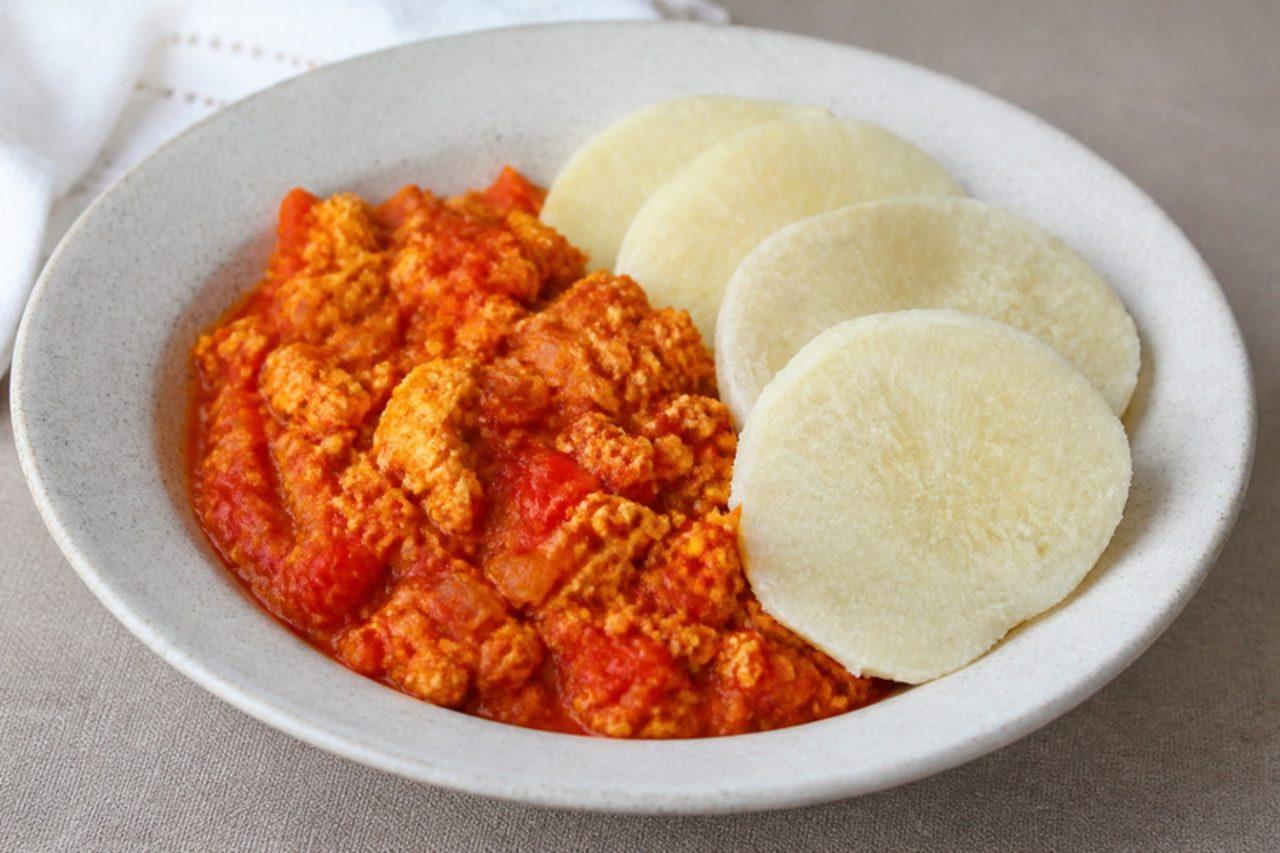
Egg stew is the fastest stew in a Ghanaian kitchen, made in Accra and Kumasi homes for breakfast or a weeknight dinner: onions, fresh tomatoes and red pepper are cooked down in oil until thick and sweet, then beaten eggs are stirred through so they set in soft, sauce-coated curds. It is eaten with boiled yam or green plantain (ampesi), rice, or a soft bread roll. The mistake that makes it taste raw and sharp is adding the egg too soon: the tomato base must fry until the oil rises to the top. Many cooks use a stock cube, which is often chicken-based, so this version uses a vegetable cube. Chef's tip: pour the eggs in a thin stream and wait 30 seconds before the first stir, so they form large, tender pieces instead of crumbs.

by KrazyBadal 0 views

Ghana butterbreadSoft buttery sweet loaf

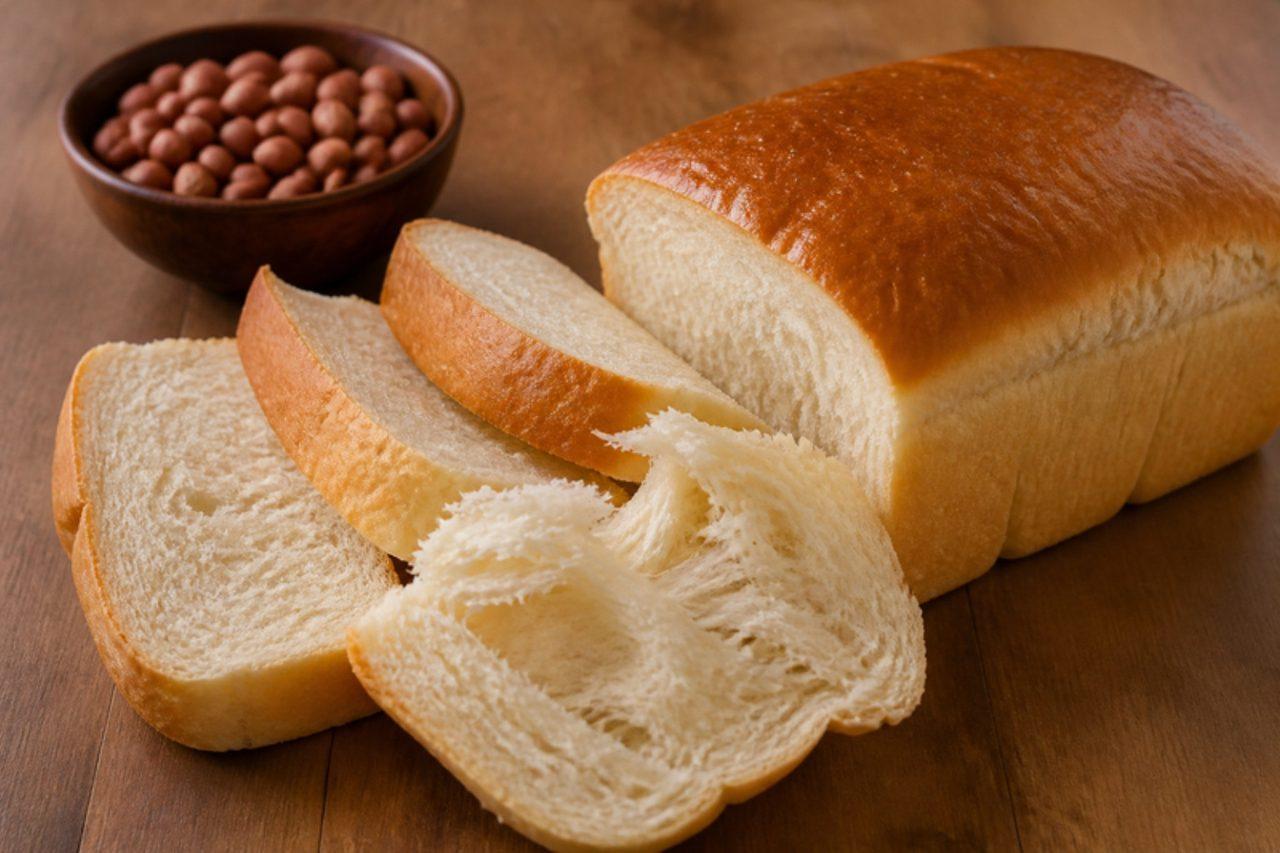
Buy a loaf of butterbread from a roadside kiosk in Accra or Kumasi and it comes in a plastic sleeve, still warm, with a shiny golden top and a crumb so soft it tears into feathery strands. Ghanaians eat it for breakfast with sweet milky tea or hot cocoa, toasted with an omelette, spread with groundnut paste or margarine, or with sliced avocado; a hunk with a handful of roasted groundnuts is a favourite road snack. Butter and milk give the richness, a little nutmeg the gentle bakery scent. Under-kneading is what turns it cakey instead of stringy, so keep going until the dough stretches thin. Chef's tip: shape it as four tight balls side by side in the tin, which gives the pull-apart top and an extra-tall rise.

by KrazyBadal 0 views

Showing 24 of 322 recipes

Show more recipes

Page 1 of 14